~
RIVISTA MILITARE
Magg<O-G•ugno 1987 Spedoz100e '" abbonamento postale gr IV-70'11>
l. 5.000
LA PITTURA DI STORIA NELL' INGHILTERRA DEL SETTECENTO E DELL ' OTTOCENTO
Direttore rc~pnnsabile Pier Giorgio rranzosi lmpagin:uiunr r foluli lo SIUdio Lodoh, Rnma ~111 mpa
Tipografia Regionale. Roma :!:. 1987 Ri\ista Militare Europea
European M llltary Press Agency
Conditio ni d i
ce~'io ne
per il 1987:
• Un fascicolo: Li!. 5.000 • Un fascicolo arretrato: Li!. 10.000 • Abbonamento halia: Li!. 28.000 • EMcro Lit. 36.000. l residenti all'estero possono versare l'imporlo tramite a-.segno bancario o vaglia internazio nale.
Rivista Militare Europea Casella post a le 462 00100 Roma S. Silvestro
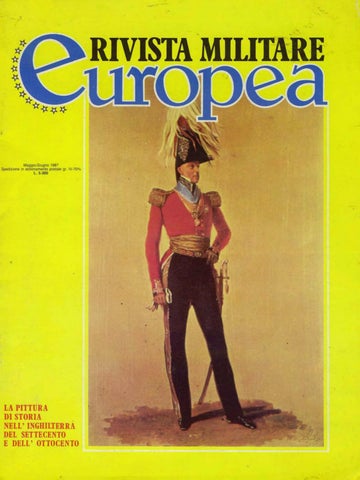
In quarta di copertino: J. Loden, Cavaliere, Review Order, 9° lanceri, CoUezione privata.
t
LA PI'ITURA DI STORIA NELL'INGHILTERRA DEL SETTECENTO E DELL'OITOCENTO
Figg. 1-2 Fig. 3
Fig. 4
Si devono al gusto, alla maestria e all'arte di Sir Joshua Reynolds (Plympton, 1723 - Londra, 1792) i principali meriti di aver elevato la ritrattistica inglese a livelli di grande dignità espressiva e ai ranghi della più alta tradizione della pittura di storia. Reynolds, infatti, primo presidente della Royal Academy of Arts dal 1768 al 179 1, mostra di aver perfettamente assimilato la lezione e gli influssi dei modelli del passato: dai maestri del Rinascimento a Hals, Rembrandt e Rubens. P er questo, anche i suoi ritratti di soggetto militare superano i limiti della rappresentazione di un individuo che, al di là di fina lità celebrative, assume sempre caratteristiche tipizzanti ed emblematiche. Fin dai solidi lavori giovanili, come è il caso del Ritratto del capitano John Hamilton (1 745) o quello del Ritratto del commodoro Keppef (1754), risulta chiara la cosiddetta «maniera grande» di Reynolds di atteggiare le figu re secondo modelli storico-artistici e citazioni sublimanti che spaziano dall'Apollo del Belvedere fino alle tragiche presenze michelangiolesche degli affreschi della Sistina. Qui, tuttavia, pare più opportuno segnala re alcuni dipinti della maturità di Reynolds, più convincenti perché più intimi e spontanei, oggi divenuti «classici» dell'arte militare del Settecento inglese: si considerino, ad esempio, Il capitano Robert Orme (1756), //colonnello St. Leger (1778) e Lord Heathfield (1787). Nei tre ritratti, sia pure con diverse potenzialità, spicca la mirabile profondità dell'indagine psicologica in equilibrio con le caratteristiche epiche e narrative di personalità eroicamente rappresentate in tutta l'autorità morale e nobile di una pittura squisitamente inglese. L'insegnamento di Reynolds, unito a quello del suo antagonista (ma, per questo, non meno grande) Thomas Gainsborough (Sudbury, 1727 - Lond ra, l 788), pitlore di estrema sensibilità e penetrazione psicologica, ha praticamente condizionato la ritrattistica ufficiale inglese, militare e non, di tutto l'Ottocento. L' esplosione della ritrattistica militare inglese «alla moda» si determina, come è ovvio, durante il periodo delle guerre antinapoleoniche ed investe praticamente tutti i protagonisti . La campionatura proposta si limita ad una scelta di campo operata sul personaggio storico oltre che sul pittore che ne ha rappresentato sulla tela le eroiche imprese. È il caso, ad esempio, del ritratto in primo piano Horatio Lord Nelson eseguito nel 1801 da Sir William Beechey (1753-1839) e degli altri dipinti raffiguranti lo sfortunato vincitore della battaglia di Trafalgar (1805), conservati alla National Portrait Gallery di Londra, tra cui spicca un significativo quadro realizzato con slancio romantico da F. L. Abbott. TI Nelson di Beechey, seppur fortemente celebrativo, è impostato su una iconografia realistica ben !ungi dalla glorificazione mitologica dell'eroe creata da William Blake (1757-1827) nel celebre The Spiritual Form oj Nelson Guiding Leviathan, dipinto nel J 807 e ora alla Tate Gallery di L ondra. In generale, la pittura «ossianica» investe la figura di questo o quel comandante inglese in modo alquanto marginale, prevalendo il ritratto realistico, anche se improntato dei carismi dell'ufficialità. Ne fanno fede i ritratti Arthur Wellesley, First Duke oj Wel73
Fig. 5
Figg. 6-7-8 Fig. 9
Fig. IO
Fig. Il Figg. 12-13 Figg. 14-15 Figg. 16-17 Fig. 18
Fig. 19 Fig. 20 Fig. 21
Fig. 22 Fig. 23 Fig. 24 Fig. 25
74 l
lington (18 14) di Sir Thomas Lawrence (1769-1830), Colone/ Alas1air Macdone/1 of Glengarry (1812) di Sir Henry Raeburn (1756-1823), Lieutenant Genera/ Sir Thomas Picton, eroe di Warerloo, di Sir Manin Archer Shee, Captain Henry Hanmer (delle Royal Horse-Guards) e Major Henry Booth, entrambi eseguiti nel 1823 dal Maggiore N.P. Dawnay. E così via, come attestano il ritratto del Major Genera/ Sir James Cockburn (Royal Marine) dipinto nel 1832 da A. J . Dubois Drahonet o quello dei Lieutenant James lrving (l 0 Bengal Light Cavalry) realizzato nel 1833 da Rajah Sansome. La tradizione pittorica del vedutismo e del paesaggismo settecentesco, i grandi esempi di un Constable (1776-1837) o di un Turner (17751851), costituiscono la sostanza basilare su cui fanno perno i più significativi quadri di battaglie ottocemeschi. Anche la natura, nei suoi aspetti più drammatici e sublimi, talvolta trasfigurata dall'intenso lirismo del pittore, sottolinea, o per meglio dire fa da comrappunto, alle tensioni emotive di questa o quella vicenda storica. In tal senso, uno degli esempi più calzanti di questa tesi, che appartiene alla pittura storica inglese più che a quella di ogni altra scuola nazionale, è il quadro The Battle of the Ni/e di PhiUp James De Loutherbourg ( 1740-18 12), del quale proponiamo un particolare. Nella tela si celebra la vittoria di Nelson sui francesi: si tratta di una fase cruciale della celebre battaglia nella baia di Abukir (1798). II cielo divampa del violento fiammeggiare delle esplosioni e il mare riflette quei colori corruschi, tra i quali sì perdono perfino le sagome delle navi in rotta e quelle delle scialuppe superstiti. U clima visivo, «cinematografico», della scena suscita sensazioni e sentimenti di totale partecipazione emotiva, improntato com'è dei canoni"espressivi della più intensa pittura di atmosfera romantica: un'atmosfera che raramente viene meno nelle migliori «visioni>} pittoriche delle battaglie che hanno segnato la storia dell'Inghilterra ottocentesca. Qui, il campionario è estremamente vasto: dagli episodi cruciali della battaglia di Waterloo (Lord Uxbridge guida la carica de/15 ° Ussari e Il sergente C. Ewatt conquista l'Aquila de/45 ° di linea, entrambi di Denis Dighton; La ritirata in combattimento da Quatre Bras di E rnest Craft; «Scotland jor even> - La carica degli Scots Greys a Waterloo di Lady Elizabetb Butler) ai momenti più eroici della guerra di Crimea (Il Duca di Cambridge e le Granadiers Guards a L 'Alma di E. Wolker; Ritorno dalla carica durante la battaglia di Ba/ak/ava di Lady Elizabeth Butler e The Ro/1-Ca/1, ovvero l'appello delle Granadiers Guards dopo uno scontro con il nemico, della stessa Lady Butler). In un panorama, dunque, che dagli episodi delle guerre anrinapoleoniche (di cui segnaliamo ancora la splendida e gelida rappresentazione Il generale di brigata Crawfurel con la sua retroguardia alla ritirata per Vigo nel dicembre 1808 di J .P. Beadle) conduce fino alle guerre coloniali (1124 ° a lsandlawana, il22 gennaio 1879 di C.E. Fripp) e ad altre fasi belliche cruciali (The Thin Red Line di Robert Gibbs), in un contesto così variegato e ampio non vengono meno neppure rappresentazioni di vita miLitare quotidiana, le cui connotazioni bozzettistiche sono pure lo specchio di un clima tipicamente inglese. È iJ caso di The Royal Dragoons ( 1848) di John Ferneley Jr., di The Band of the 2nd Li/e Guards (1830) di J.S. Taylor, di The First Life Guards (1830) di P.L. Binns. Ma è anche il caso di quel meritato relax che si concede l'ufficiale di cavalleria raffigurato nel dipinto Frederick Gustavus Burnaby (1870) da James Jacques Joseph Tissot (1836- 1902).
HISTORICAL P AINTING IN 18TH AND 19TH-CENTURY ENGLAND
Fig({. t-2 Fig. 3
Fig. 4
The taste, the mastery and the art of Sir Joshua Reynolds (Piympton, 1723 - London , 1792) were highly instrumentaJ in raising the English portrait painting to levels of great expressive dignity and to the ranks of the bighest tradition in historical painting. Sir Reynolds - the first president of the Royal Academy of Arts from 1768 to 1791 - does in fact show that he had perfectly assimilated the lesson and tbe influences of the models of the past: from the Renaissance masters t0 HaJs, Rembrandt and Rubens. This is the reason why also his portraits of a military su bject exceed the timits of a mere picturing of an individuai, who, over and above any kind of celebratory aim, always assumes typifying and emblematic features. Since his solid juvenile works, such as the Portrait oj Captain John Hamilton (l 745) or that of the Portrait oj Commodore Keppel (1754), the socalled Reynolds' «grand manner» clearly emerges of shaping the figures according to historical-artistic models and sublimating quotations, that range from the Apollo del Belvedere to the tragic Michelangelo's presences of the frescoes of the Sistine Chapel. IL seems, however, more suitable lo draw attention to some Reynolds' maturity paintings, t ha t are more convincing because of their greater intimacy and spontaneousness and that have become today «classic» works of the military art of 18th-century England: Jet us take, for instance_. The Captain Robert Orme ( 1756), The Colone/ St. Leger ( 1778) an d Lord Heathfield (l 787). In the three portraits, even though with a different potentiality, the admirable depth emerges of the psychological research in baJance with the epic and narrative features of personalities heroically portrayed in ali the mora l and noble authoritativeness of an exquisitely English painting. Reynolds'l teaching, together with that of his rival (but no less great t han him, a t that) Thomas Gainsborough (Sudbury, I 727- London, 1788), a painter endowecl with an extreme sen i[ivity ancl psychological depth, has practically conditioned the English official portrait painting (both military and non-military) throughout the 19th century. The explosion of the «fashionable » English military portrajt painting takes piace, as is obvious, during the period of the anti-Napoleonic wars and does practically involve allthe protagonists . The set of samples meotioned here is confined w a choice made on the historical character, as well as on the artist who pictured hi s heroic feats on tbe canvas. This is the case, for example, of the portrait, in the foreground, of Horatio Lord Nelson painted in 1801 by Sir William Beechey (1753 -1839) and of the other paintings portraying the unfortunate winner of the battle of Trafalgar (1805) displayed in the National Portrait Gallery of London, that include a significant painting realized by F.L. Abbott in a romantic outpouring. Sir Beechey's Nelson, al bei t strongly celebratory, is based on a realistic iconograph y that is quite far from che mythologic glorification of the h ero, ascrea t ed by William Blake ( 1757-l 827) in the renowned The Spiriwa/ Form oj Nelson Guiding Leviathan, painted in 1807 and presently to be seen in the T ate Gallery of London. In generai, the «Ossianic» painting very marginally involves the figure of this or that English commander, in that the realistic portrait - even though with the charism of officiality- does actua lly prevail. This is provetl by the portraits of Arthur Wellesley, First Duke oj Wellington (1814), by Sir 75
Fig. 5
Figg. 6-7-8
Fig. 9
Fig. 10
Fig. 11 Figg. 12-13 Fig. 14-15 Figg. 16-17 Fig. 18
Fig. 19 Fig. 20 Fig. 21
Fig. 22 Fig. 23 Fig . 24 Fig. 25
76
Thomas Lawrence (1769-1830), of Colone/ Alastaìr Macdone/1 of Glengarry {1812), by Sir Henry Raeburn (1756-1823), of Lìeutenam Generai Sir Thomas Picton, a Waterloo hero, by Sir Martin Archer Shee, of CaptaiJI Herny Hanmer (of the Royal Horse-Guards), and of Major Henry Boolh, both painted by Major N.P. Dawnay in 1823. And so on, as shown by the portrait of Major Genera/ Sir James Cockburn (Royal Marine) painted by A.J. Dubois Drahonet in 1832; or by that of Lieutenant James lrving (1st Bengal Ught Cavalry) painted by Rajah Sansome in 1833. The pictorial tradition of t be 18th-century viewism and landscapeism, the outstanding examples of Constable {1776-1837) or of Turner (1775-1851), constitute the basic matter upon which the rnost significant 19tb-century battle paintings binge. Even nature, in its most dramatic and sublime aspects, at times transfigured by the intense lyricism of the artist, emphasizes, or better, counterpoints the emotional stresses of this or that historical event. From this viewpoint, one of tbe most fitting exarnples of this thesis, which belongs to tbe English historical painting more than to any other national school, is the paintiog The Battle oj the Nile, by Philip James De Loutberbourg (1740-1812), of which we propose a particular. In the painting, tbe victory is celebrated of Nelson over the French: this is a crucial phase of the well-known battle in the Abukir bay (1798). The sky flares up with the fiery flames caused by the bombardrnents, and the sea reflects those glittering colours, in which even the outlines of the defeated ships, and those of the surviving li feboats, are lost. The visual, «cinematographic» climate of the scene arouses sensations and feelings of total emotional participation, it being characteri zed by the expressive rules of the most intense painting with a romantic atmosphere; an atrnosphere that is very seldom absent from the best pictorial «visions» of the battles that have marked the history of 19th-century England. Here the set of samples is exceedingly large: frorn rhe cruciaJ episodes of the Battle of Waterioo (Lord Uxbridge Leads the Charge oj the Hussar 15th and Sergeant C. Ewart Conquers the Eagle oj the FrontLìne 45th, both the work of Denis Dighton; The Retreat in Com bat jrom Quatre Bras, by Ernest Craft; «Scorland jor Even> - The Charge oj the Scots Greys at Waterloo, by Lady Elizabeth Butler) to the most heroic moments of the Crirnean War (The Duke ofCambridge and the Granadiers Guards at L 'Alma, by E. Wolker; Return from the Charge during the Baflle of Balak/ava, by Lady Elizabeth Butler, and The Ro/1Cali, namely, the Call of the Granadiers Guards after an Engagement with the Enemy, by the above mentioned Lady Butler). And thus, in a survey that from the episodes of the anti-Napoleonic wars (of which we also point out bere the splendid and cold representation The Brigadier Crawfurel with his Rearguard on the Retreat to Vigo on December 1808, by J .P. Beadle) leads to the colonia! wars (The 24th at Isandlawana, on January 22nd, 1879, by C.E. Fripp) and to other cruciaJ war events (The Thin Red Line, by Robert Gibbs), in so variegated and comprehensive a contest, descriptions are also found of the daily military !ife, whose sketch-like connotations also are the rnirror of a typically English atmosphere. lt is the case of The Royal Dragoons (1948), by John Ferneley Jr., of The Band oj the 2nd Life-Guards (1830), by J .S. Taylor, of The First Life-Guards (1830), by P .L. Binns. But it is also the case of that well-deserved relaxation that the cavalry officer pietured in the painting Frederìck Gustavus Burnaby (1870), by James Jacques Joseph Tissot (1836-1902), allows hirnself.
t.
Fig. l. Joshua Reynolds, Il capitano Robert Orme, 1756. NaIional Gallery. Londra. Fig. 2. Joshua Reynold , Il colonnello St. Leger, 1778, Waddesdon Manor. Aylesbury.
77
j
Fig. 3. Joshua Rcynolds, Lord Heath/ield, 1787, National Gallery, Londra. Fig. 4. William Bccchey, Horatio Lord Nelson, 180 1, National Ponrait Gallery, Londra.
78 t
t
79
Fig. 5. Martin Archcr Shec, Lieutenam Genera/ Sir Thomas Picton, ational Portrait Gallcry, Londra. Fig. 6. . P. Da" nay, Captain Henry Hanmer, Royal Hor eGuard!> (Thc Blue ), 1823, The Parker Gallery, Londra. Fig. 7. N. P. Da"nay, Major Henry Booth, 43rd Light lnfantr}. 1823, Colle.l ionc pri,ata. 5
6
80
l
l
81
8
Fig. 8. A.J. Dubois Drahonet., Major Genera/ Sir James Cockbum, Royal Marine, 1832, Collezione privata.
82
9
Fig. 9. Rajah Sansome, LieUienam James l rving, l o Bengal Lig hl Cavalry, 1833. Collezione privata.
83
84
l
Fig. IO. Philip Jamc Dc LoUiherbourg, The /Jartle oj rhe J ile. particolare, The Tate Gallcry. Londra. Fig. l l. Denis Dighton, Lord Uxbridge guida la carica del 15 ° Ussari. Raccolta della Marchesa di Angle ey, Cooper Bridge Library, Londra. Fig. 12 Denis Dighton, Il sergente C. Ewart conquista l'Aquila del45 o di linea, Collezione privata.
/]
Il
85
13
Fig. 13. Ernest Craft, l o ririroto in combattimento do Quotre Bras. Collc7ione privato
86 l
14
Fig. 14. Lady Elizabelh Bmler, ÂŤScolland jor even>: La carica degli Sco1s Greys a IValerloo, Particolare, Leeds Ciry An Gallery, Leeds.
87
Fig. 15. E. Wolker, Il Duca di Cambridge e le Granadiers Guards a L 'Alma.
15
88
t
Fig. 16. Lady Elizabeth Butler, Ri1omo dallo carico duran1e lo bauaglia di Balaklava, City of Manche ter n Gallery. Manches1er.
16
17
89
/8
Figg. 17.-18. Lady Elizabcth Butler. The Ro/1-Ca/1, Particolari, City of Manchester Art Gallery. 1an-
chester.
90
/9
Fig. 19. J. P. Beadle, Il generale di brigata Crawfurel con la sua retroguardia alla ritirata per Vigo nel dicembre 1808.
91
20
Fig. 20. C.E. Fripp, //24° a Jsandlawana, i/22 gennaio 1879, The National Army Museum, Londra .
" 92
l.
21
Fig. 21. Roben Gibbs, The Thin Red Une, 1881, The Argylland Sutherland Highlander's RegimcnLal Museum.
93
l
23
Fig. 22. John Ferneley Jr. , The Royal Dragoons, 1848, lmperial War Museum, Londra.
Fig. 23. J.S. Taylor, The Band ofthe 2nd Life Guards, 1830, The Na1ional Army Museum, Londra.
Fig. 24. P .L. Binns, The First Life Guards, 1830, The Nalional Arm y Museum, Londra.
95
25
Fig. 25. James Jacques Joseph Tissot, Frederick Gustavus Burnaby, 1870, National Pomait Gallery, Londra.
96