




The mission of the Alabama Senior Medicare Patrol (AL SMP) is to help Medicare beneficiaries prevent, detect, and report health care fraud, abuse, and errors. Federally funded through the Administration for Community Living (ACL), AL SMP is comprised of dedicated staff and volunteers who respond to reports of suspected Medicare fraud and determine next steps.

1. Conducts Outreach and Education. AL SMP provides educational materials, displays exhibits at events, and works one-on-one with Medicare beneficiaries.
2. Engages Volunteers. Protecting older persons’ health, finances, and medical identity while saving Medicare dollars is a cause that attracts civic-minded Americans.
3. Receives Beneficiary Complaints. When fraud is suspected, AL SMP makes referrals to the appropriate federal agency for further investigation.
• Review your Medicare Summary Notices (MSNs) and/or Explanations of Benefits (EOBs)
• Access your Medicare information at Medicare.gov
• Report suspicious Medicare activity by contacting your local AL SMP that offers FREE and CONFIDENTIAL services AL SMP is your trusted source for information about Medicare fraud. Contact your local Area Agency on Aging for assistance and/or volunteer opportunities in your community.
BAPTIST MEDICAL CENTER SOUTH
6,000+
7 OF TRAUMA %
OF STROKE PATIENTS i IN THE REGION HAPPEN @ BIRTHS WE CARE FOR CASES IN CENTRAL ALABAMA ARE TREATED @
TEAM MEMBERS ACROSS CENTRAL ALABAMA, AND GROWING
BAPTIST MEDICAL CENTERS EAST AND SOUTH
MORE THAN % % OF AREA
LARGEST COMPREHENSIVE Cancer Center
NAMED ONE OF FORBES BEST-IN-STATE EMPLOYERS FOR ALABAMA
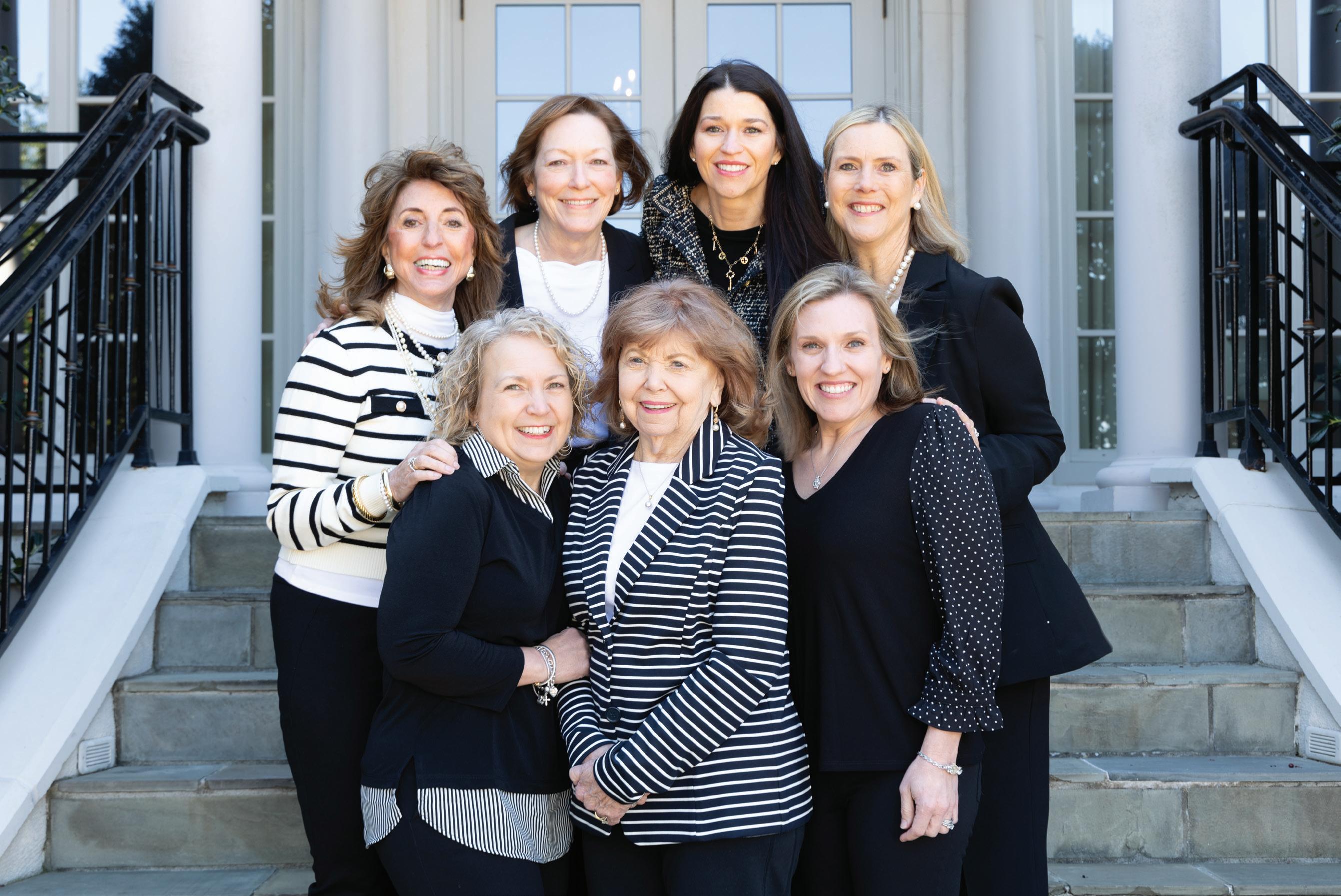
When it matters most, more people choose Central Alabama’s leading healthcare provider.
From life-saving trauma care to life-giving maternity services, Baptist Health is trusted by more families, more patients, and more providers across Central Alabama. We lead in the moments that matter— because our people serve with skill, compassion, and purpose. In every hospital, every hallway, every delivery room, and trauma bay, our team shows up with unwavering commitment.
We don’t just care for the community—we are the community, and that’s why we’re here for life.
BaptistFirst.org




Event:
Event:






Event:
Biscuits
Event: Prattville Pops Concert at The Lyric

Photography by DiAnna Paulk photographybydiannapaulk.com
Jason Watson, 334.328.5189 jason@riverregionboom.com

A mother’s love. A nurse’s compassion. A grandparent’s pride. A graduate’s courage. A missionary’s willingness to go. A friend’s willingness to show up.
Those are the gifts that outlive us.
As always, if you know someone who would make a great cover profile, I’d love to hear from you at jason@riverregionboom.com.

Age Well, My Friends!








Photography provided by Jeff Barganier
When wife Cindy suggests I write about a “teahouse” in Auburn, I’m not too excited. But my deadline is approaching and I don’t have time to plan a truly exciting writing assignment like rappelling from a helicopter into a tropical jungle.
How does an outdoorsman find adventure in a teahouse? Second thought, do teahouses have yummy stuff to eat? See. I’m already warming up. Okay. I’ll do it.
To me, teahouse implies formality; so, I’m dressing up. Wearing a sports coat.
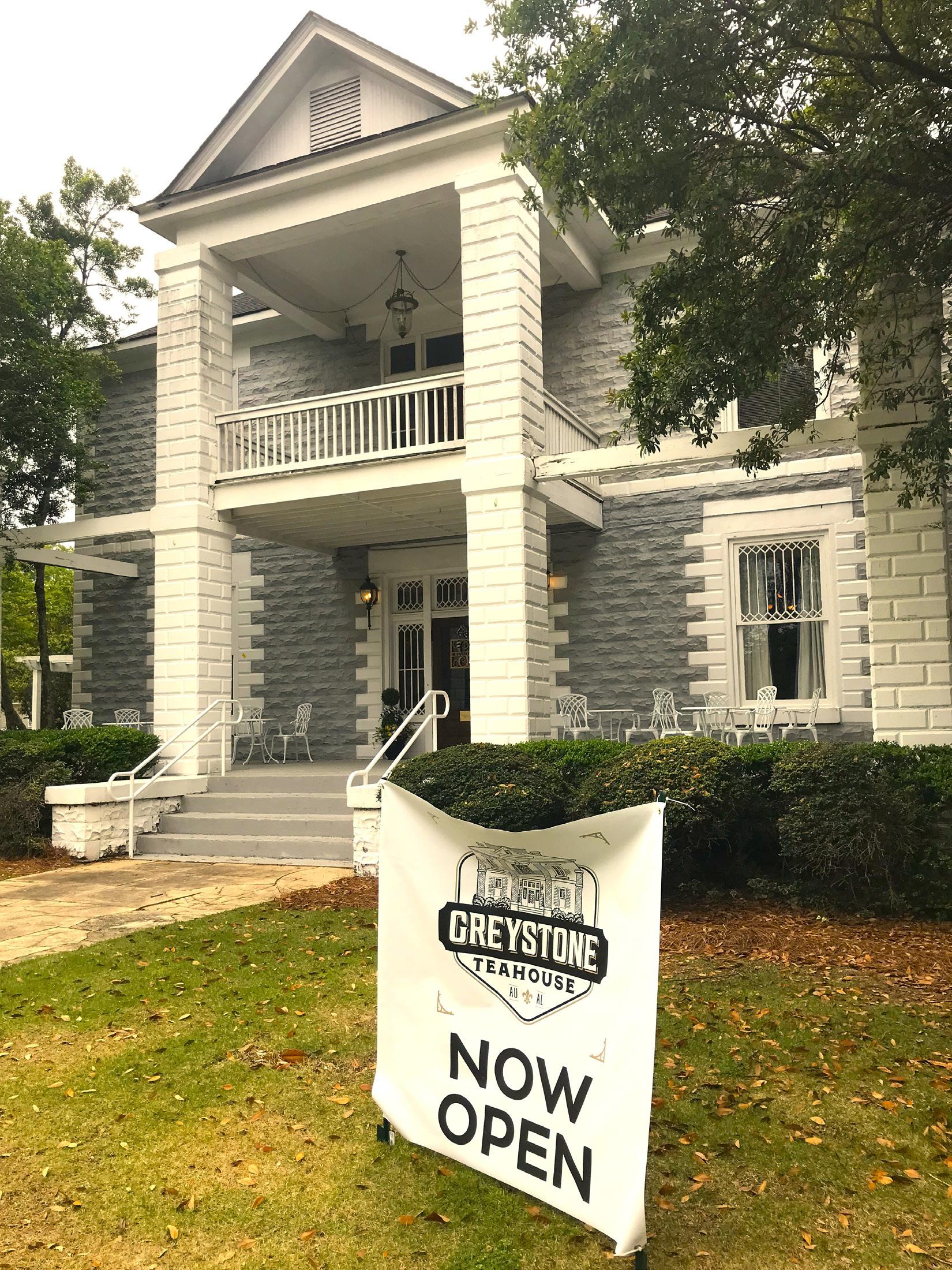
My first impression of Greystone Teahouse on East Magnolia in Auburn rings out like phone pings from an old friend. Its historic marker yields interesting details. For example, Greystone’s “gray stone” is allegedly moisture proof via the first owner’s “secret formula.” Dating to 1894, it was one of the first homes in Auburn to have an indoor bath and electricity. I appreciate this trivia, because I once lived in a house without one of these conveniences. (And our nearest neighbor had neither.)
I’m anxious to look inside.
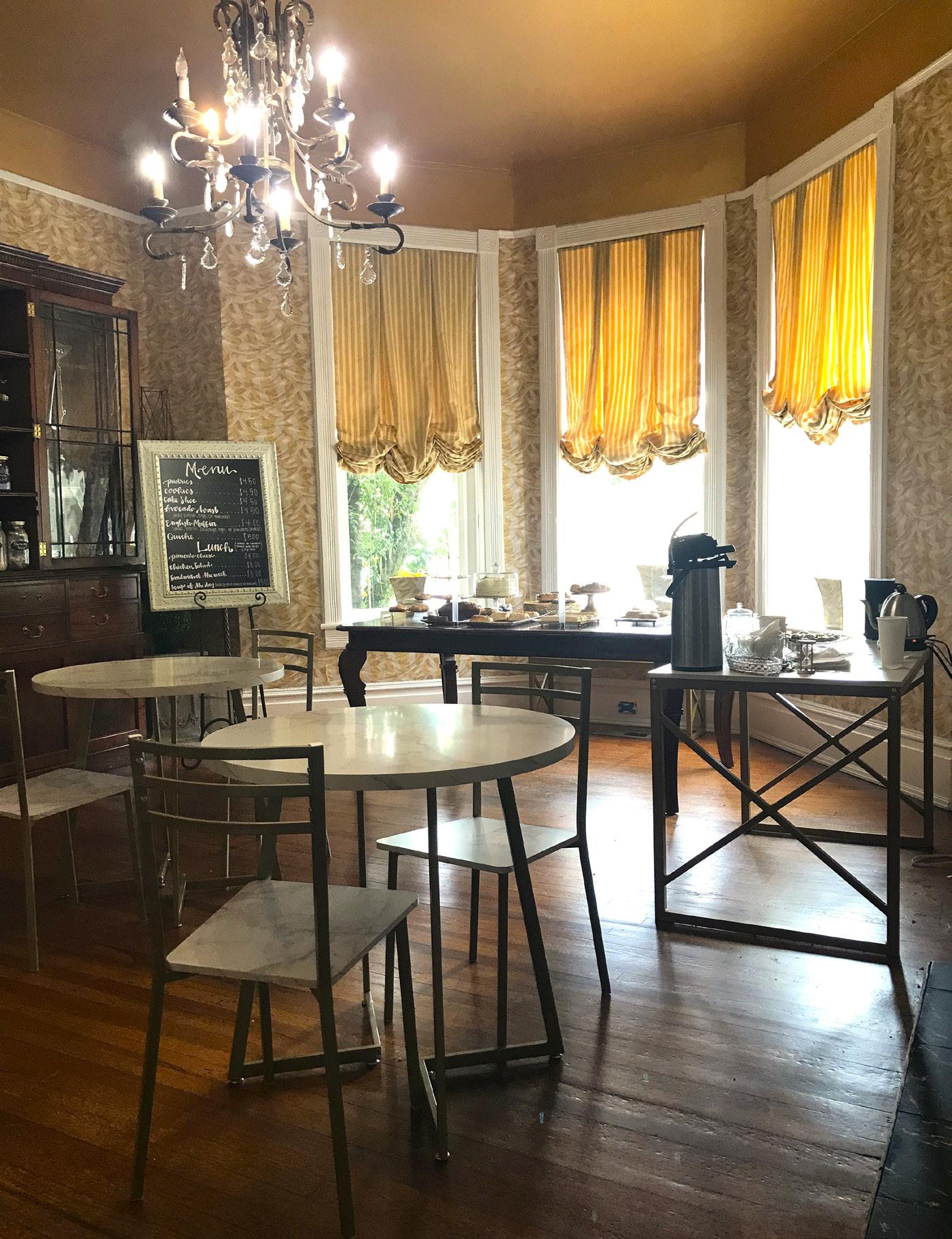
I stroll through the mansion, snapping photos, being careful not to disturb the pretty Auburn co-eds who are, like, everywhere—and trying to study. Close to the kitchen, I discover pastries, a rainforest of them. I’ve struck gold.
The young lady in the pastries room takes my conservative order: a chicken salad sandwich and some iced tea. I continue to fixate on the pastries.
She asks for payment.
“May I open a tab? I’ll probably want a pastry or two for dessert,” I say. She smiles. “Let’s pay for the tea and sandwich, sir. If you want a pastry afterwards, you may pay for it separately.” It?
Oh, no. I’m thinking a box of ‘em for the road.
I take a seat at a round table close to the pastries. My seat has a view of the adjacent living room where one male and two female students are lounging on leather furniture, conversing. I feel their eyes on my back. They lower their voices when I gaze at them over the shoulder of my sports coat. My gray hair appears to have a calming effect on their demeanor.
I’d like to question them about Greystone Teahouse. But I’m feeling a bit like a duck out of water. I’m thinking … a photo of these guys would be perfect for this story. So, this time, without looking at them, as if they’re three blind mice, I raise my phone over my shoulder and snap their picture. The phone’s camera flashes like a bolt of lightning, presenting an explosive glow onto the walls and upon their youthful faces. Suddenly, the atmosphere changes. I hear muffled, if not angry, remarks behind me.
A pregnant minute passes.
“Sir!”
I turn and face a stout young man with serious business eyes sizing me up.
“Yes?” I reply.
“Did you just take our picture?”
“Yes, I did.”
“And, why did you take our picture?”
The young ladies sit frozen, observing, as their knight in shining armor confronts the gray-haired, sports-coated, out-of-his-comfort-zone geezer-dragon.
Yes! Chivalry! In a teahouse! But I’m in serious trouble. I must diffuse the situation before Sir Galahad strikes.
I smile, stand, and extend my card. “I’m a travel writer here to write about Greystone.”
He relaxes. Puts away his sword. The girls begin to breathe again. I step into the living room and introduce myself, saying, “What I really wanted was an interview. But I’m so bashful, I figured I’d just settle for a photo. And, no, I’m not a pervert (member of Congress).”
We all laugh. Good. I’ve achieved instant rapport.
I get an interview and a better photo. Music is playing overhead and the ladies
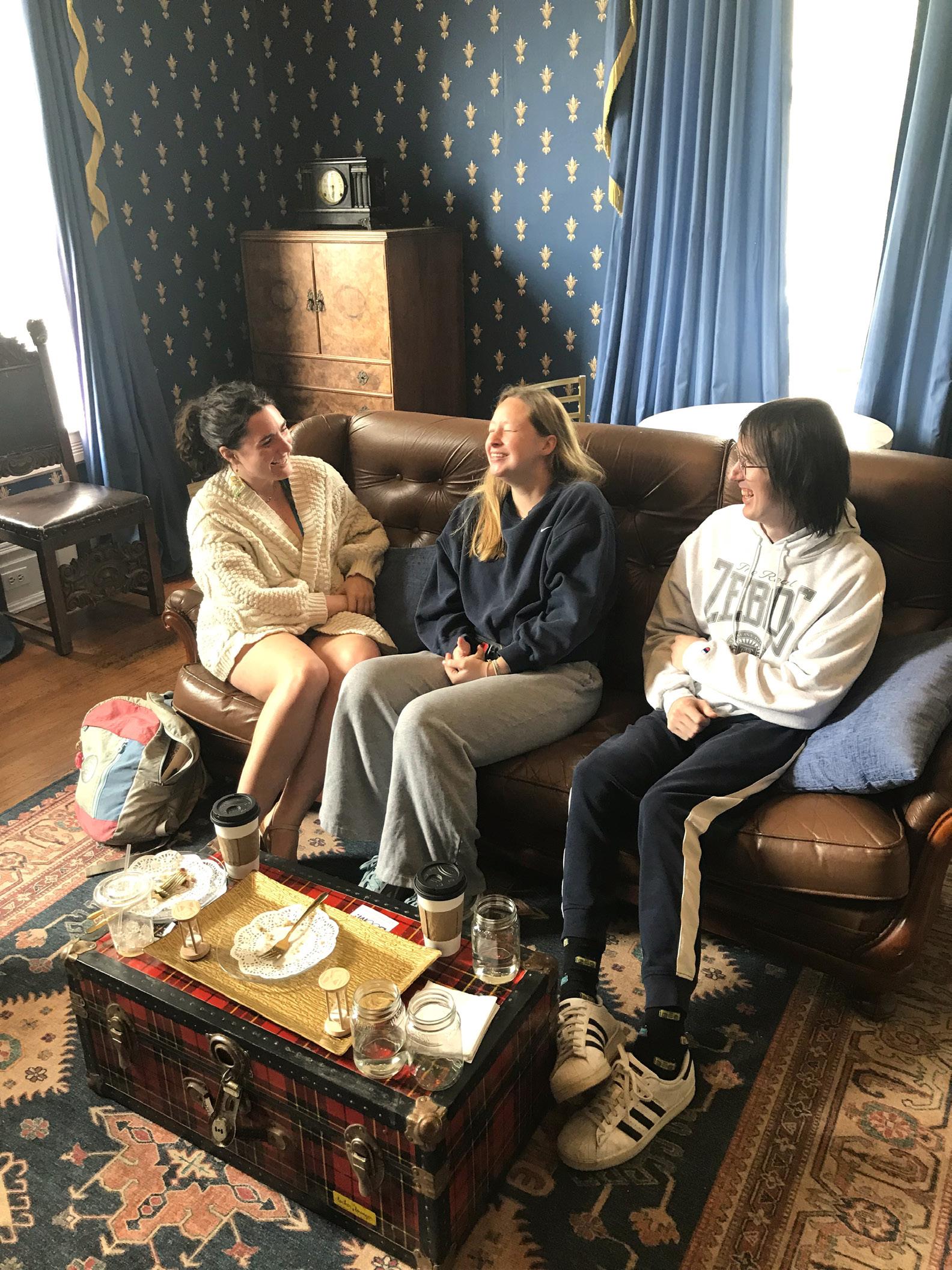
are talking faster than I can think. I miss most of what they’re saying. Sir Galahad likes the chai. Got that. But it’s obvious. They love Greystone Teahouse and the quality of its teas and its menu.
I return to my table and enjoy my chicken salad sandwich. It’s the best ever! Owner Toni Holt joins me, and I ask how Greystone Teahouse got started.
“I’ve been in the coffee business for about fifteen years now. We own Ross House Coffee around the corner. I heard Greystone was available. Called the owner and said, ‘hey, let’s put a teahouse in there.’ And she said, ‘yeah, that’s a great idea.’ Our mission with both the coffee
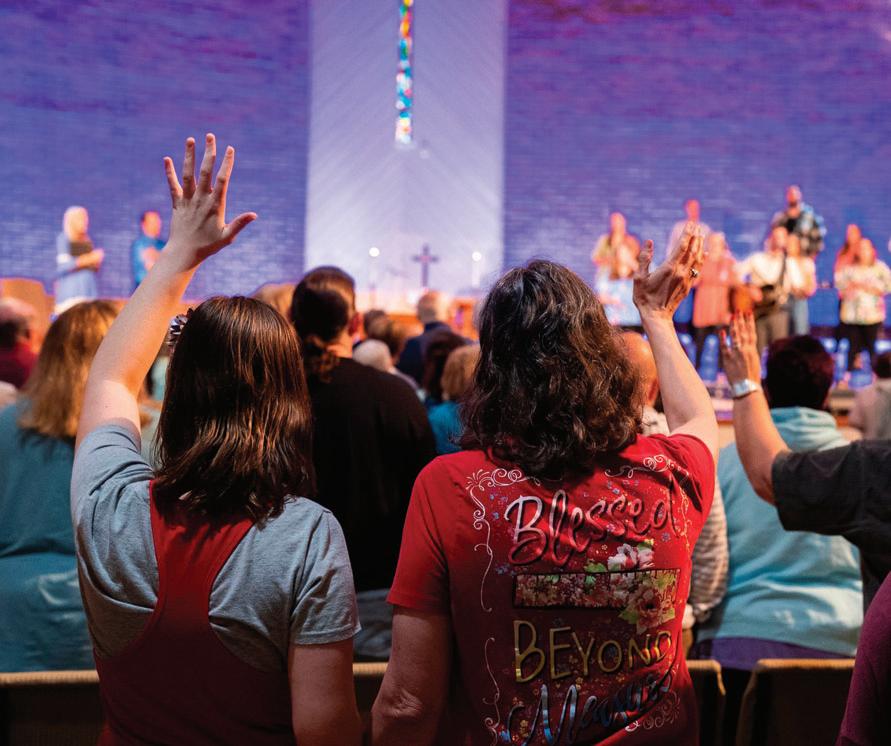
shop and the teahouse here is we kind of want to run it as a ministry in a way. We have the worship music playing. We encourage Bible studies to come in. I have a Bible verse on the wall over there. And that’s how it started.”
The teahouse has since become a ministry depot. Requests have poured in for Bible studies and worship nights. Churches are getting involved. Reservations are necessary for big events as certain large groups meet regularly. “There’s a college ministry meeting here tonight,” Toni explains. She tells me that “like in the rest of the United States” interest in Jesus and the Bible has blossomed. “That’s what I love about Auburn. The kids. They really do want to go to church. They’re so involved in youth groups, college ministry, and they help with all the churches. It’s just such a great environment. Auburn Community Church is like five thousand members now—almost all college students. There’s so much opportunity
here. And it’s such a beautiful house. We need to share it with the community. I’m just grateful for the Auburn community and the Christian community.”
I depart Greystone Teahouse, thrilled, and encouraged to discover that chivalry among our young men is alive and well. And maybe, just maybe, our young people are ushering in another great spiritual awakening in America. Could Greystone be the next Red River Meeting House? I hope so!
(See: BOOM! Red River Meeting House, October 2022 at www.jeffbarganier.com.)

Jeff Barganier is a novelist, travel writer and speaker. He travels far and wide upon the slightest excuse for something interesting to write about. His novels include Lawson’s Bluff (2021); The Slash Brokers (1998). He also manages Cindy Barganier Interiors LLC at The Waters in Pike Road, Alabama. Contact Jeff at Jeffbarganier@knology.net. You may print out his features at www.jeffbarganier. com and take them with you when you travel!



Another second-Sunday-in-May, another take-Mom-to-brunch-and-buyher-flowers day, right?
Not necessarily. You can make this holiday extra-special by doing something out of the ordinary. These 10 thoughtful and creative gift ideas will show your mom how much you really care.
1. Mani/pedi or massage — at home Mom will feel like a pampered celebrity when a professional manicurist or masseuse shows up at her door. To book a session, check with a spa or nail salon close to her home (or Google if you don’t know any).
What to consider: At-home services could cost twice as much as they do in the salon, but they will bring everything that's needed. Plus it’s only once a year — and she’s worth it, right?
2. Landscaping, inside or out Instead of ordering another bouquet that will last only a week, go for something she can enjoy year-round. If your mother has a yard, get her a flowering bush from a local nursery. No plot of earth? No worry. Indoor potted plants make great décor.
What to consider: In most places, spring is an ideal time to plant, but check with the nursery. Also make sure your mom isn’t allergic to the flower or foliage you choose.
3. Cultural adventure If your mother enjoys live performances, find
a musical or theatrical experience or a jazz or swing band show she might love, or buy her a high-definition broadcast of the Metropolitan Opera.
What to consider: People over age 70 often prefer matinees — they don’t have to travel at night, and they can be at home in time for supper.
4. Go gourmet Think outside the restaurant and offer to whip up a fine meal in her own home (either for Mother’s Day or another day of her choosing). Create a cute invitation and ask a few of her friends to join you. Carry a theme through on the plates, napkins and simple decorations.
What to consider: Try to do most of the prep at your home. Inexpensive catering (e.g., Costco) could save a lot of time and even money. And remember: You’re also on clean-up detail.
5. Gather memories Create a digital photo album that allows your mom to flip through family pictures in high-tech style. Or maybe she’d prefer something old-fashioned, like a scrapbook that includes cherished notes and memorabilia or a coffee table book of photos. You could also consider replacing older pictures of her kids and grandchildren with updated images.
What to consider: I know at a certain point my mother-in-law lost interest in new pictures. She loved the ones she had and complained she didn’t have room for
any more frames, so unless this is meant to be a surprise, check with her first.
6. Donate in her name Plenty of matriarchs feel they have everything they need. In other parts of the world, however, many moms want to make a better life for their families. Make a pledge in your mom’s name to Heifer Project International, and the donation will help those living in Africa, Asia or the Americas.
What to consider: Gift opportunities include helping to provide training and assistance to women who want to launch a small business, or funding a self-help group for moms. Perhaps you want to donate a heifer, goat or sheep to a family. For as little as $20, a family can receive a flock of geese. (This would make a great gift to Grandma from a grandchild on Mother's Day.)
7. Task be gone You know that onerous chore your mom has been putting off, like cleaning out the garage, organizing papers or sorting through broken appliances or e-waste? If you’re the right person for the job, tackle it yourself, or you could outsource it for her. Check with local senior centers; they often have suggestions about local businesses which can provide a paid chore service for older adults. Another great "task" gift is getting her car thoroughly cleaned professionally or renting an auto vacuum and hose and doing it for her.


Whattoconsider: Vetted or not, this is still a stranger coming into your mother’s home. Carefully check all his or her references before arranging the visit and plan to be there or have a trusted family friend around when the project is being done.
8. Go someplace special Motherchild outings are special no matter how old we get, so plan a weekend trip to New York City to take in some shows and shopping. A three- or four-day cruise can provide some serious R&R time, and if you have a full week, the two of you can explore your ancestral homeland. TravelZoo, Expedia and Travelocity all feature deals.
What to consider: If you can’t afford to pay the entire cost, it’s OK to ask her to contribute. She’s sure to feel like your presence is a major part of the present.
9. Take care of "unmentionables” People put off and avoid a vital part of life: illness and death planning. You can suggest that you’ll find everything she needs (including good lawyers) to get her documents in order so she has peace of mind.
What to consider: This is a very sensitive area, and your mother may be relieved or she may be annoyed that you think of this as a gift.
10. Record her history The whole family can get involved in this one. Draw up a list of questions, decide which child or grandchild will ask particular questions, and roll tape. Edit the video and make sure your mom has a special viewing with everyone applauding at the end. (You can upload any video to YouTube and take advantage of the extensive editing tools available there. For personal videos, use the “private” or “unlisted” setting.) The special beauty of this is that your mother is actually giving her family a special gift.
What to consider: For as little as $99, you can add a DNA test that will determine your mother’s ancestry and find living relatives who are part of an international data base.

Courtesy of nextavenue.org.



We invite her to reconnect with nature, while enjoying a supportive team atmosphere that nurtures leadership, encouragement, and friendships that will last a
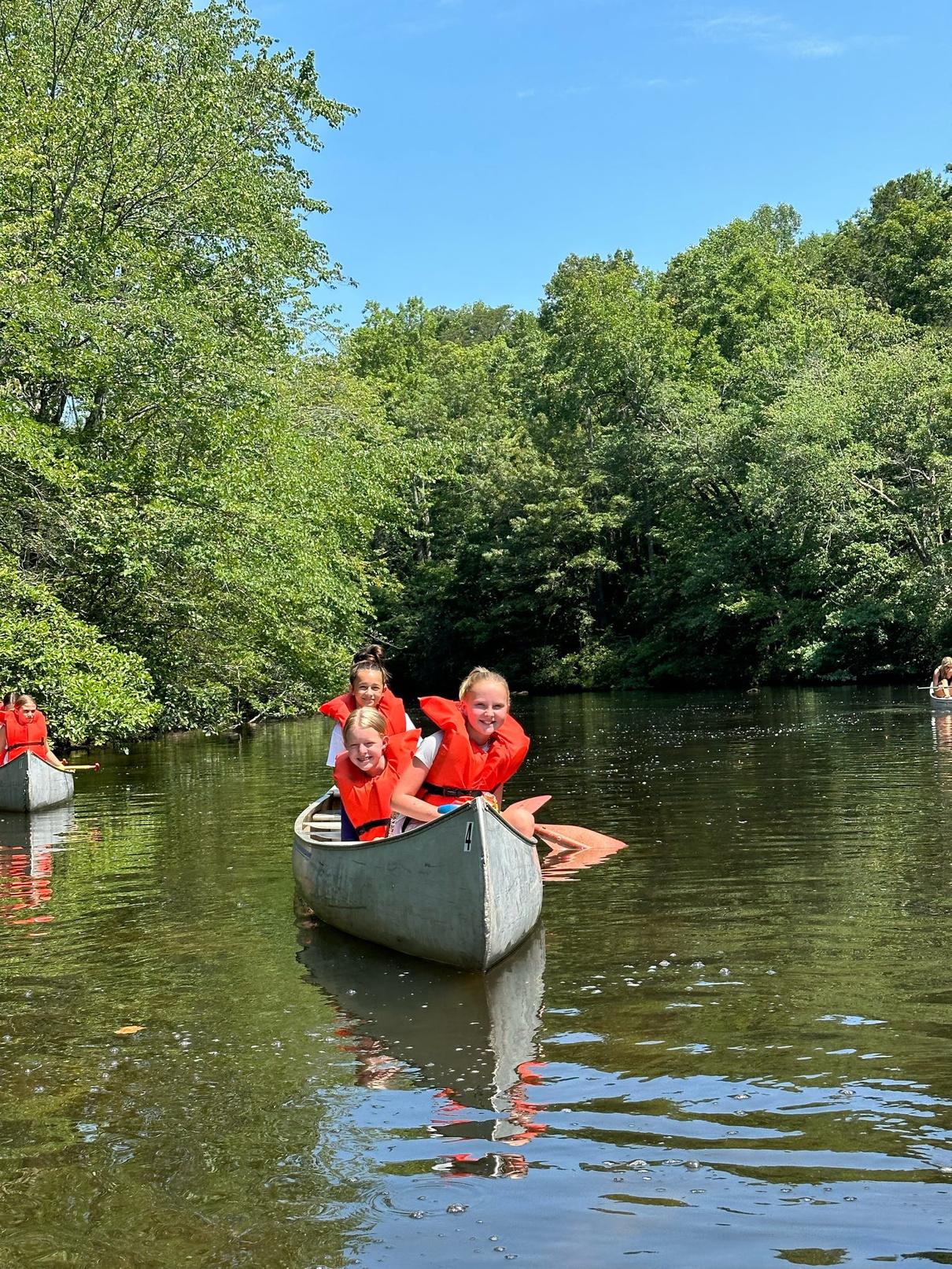
• Riding - English, Western, & Jumping • Swimming • Heated Pool
• Ropes Course • Climbing Tower • Nature Exploration
• Sports • Soccer • Basketball • Gymnastics
• Beach Volleyball • Tennis • Canoeing • Archery • Knitting
• Voice & Music • Cheerleading • Dance • Chorus • Drama
• Arts & Crafts • CIT Program • Campfires every night
• Riverview Refinement & More!







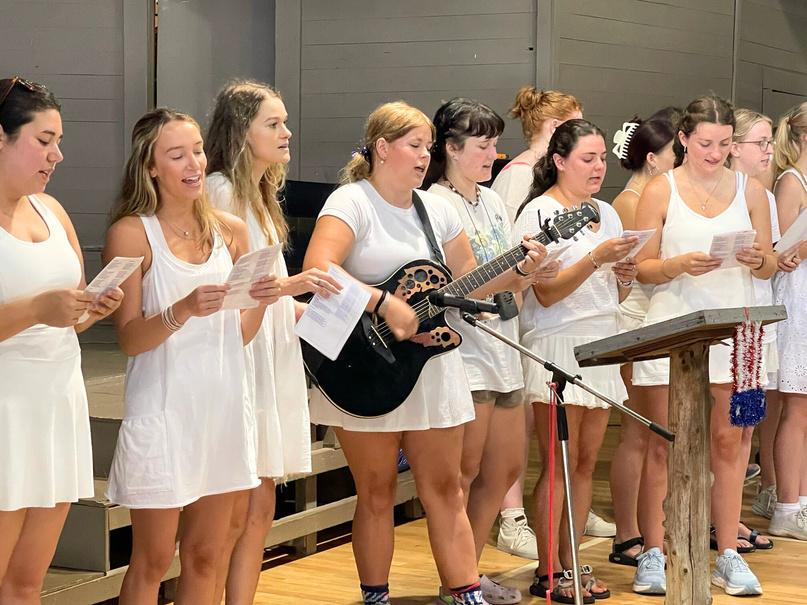


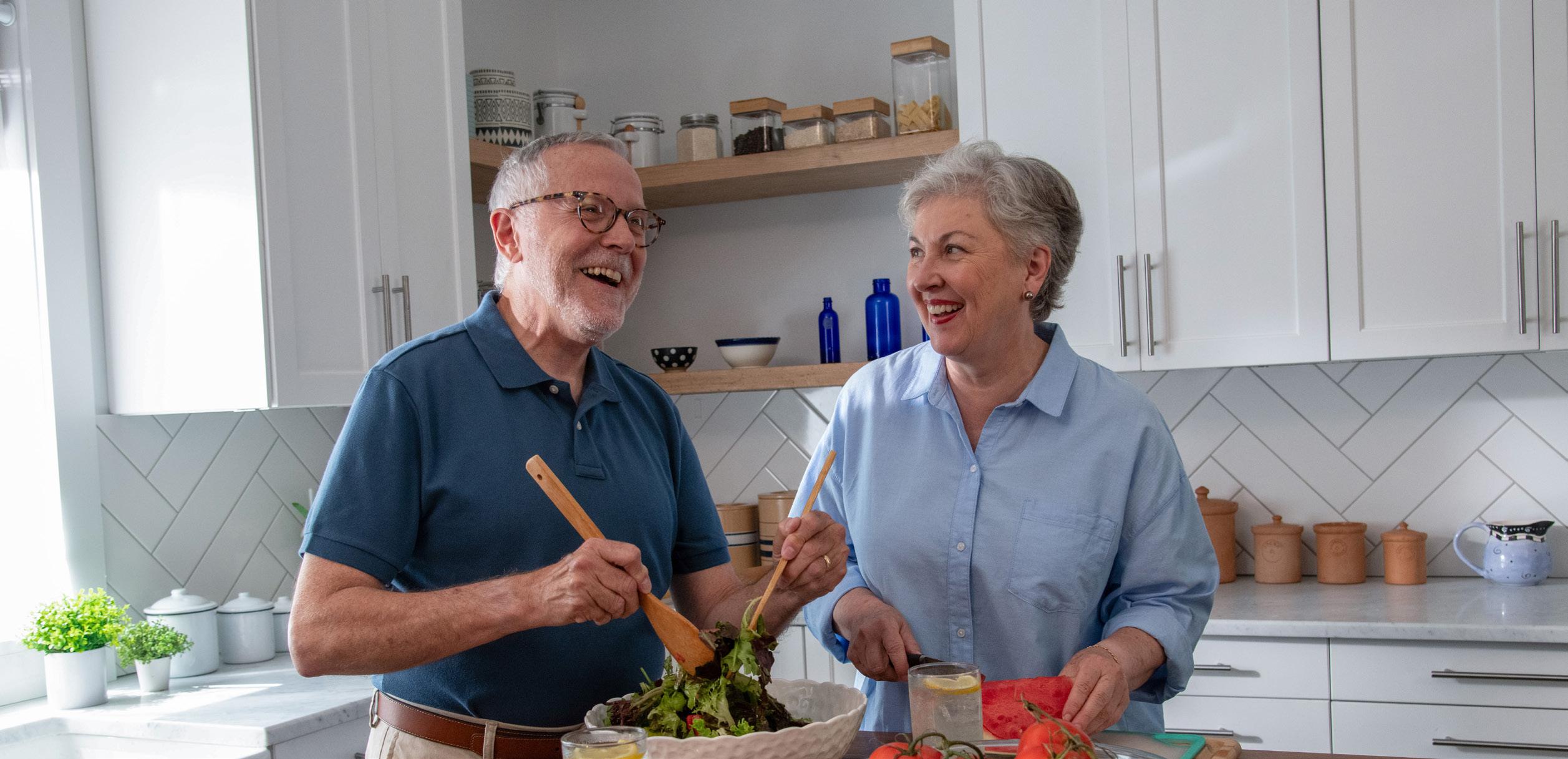
There’s good news for Alabamians living with limited income and resources. The Medicare Extra Help program—also known as LIS—expanded in 2025. If your income is below 150% of the federal poverty level, you may now qualify for full Extra Help benefits.
This means you could pay lower or no premiums, reduced Part D drug copays and reduced or no Part D deductible for your prescriptions. Many people don’t realize they’re eligible—so it’s worth checking.
For example, in 2025, individuals earning less than $23,475 per year (or couples earning less than $31,725 per year) may qualify as long as your assets are below the specified limits. You could save hundreds of dollars each year on the medications you rely on!
To see if you qualify for Extra Help, call: The Social Security Administration at 1-800-772-1213, between 8 a.m. and 7 p.m., Monday through Friday. TTY users should call 1-800-325-0778.
Medicare can be complex, and it’s normal to feel uncertain with so many parts and plans to consider. Blue Cross and Blue Shield of Alabama understands this and offers Medicare plans grounded in decades of experience and trust. For generations, Blue Cross has been a steady partner for individuals and families, providing coverage that gives you confidence and peace of mind as you navigate your healthcare choices. With a name you can depend on, you can feel secure making important decisions about your health.
Medicare is divided into four parts, each covering specific services:
Part A and Part B are provided through the U.S. government and are referred to as Original Medicare.
Part A Hospital Insurance: Covers inpatient hospital stays, care in a skilled nursing facility, hospice care and some home health care
Part B Medical Insurance: Covers certain doctors’ services, outpatient care, medical supplies and preventive services
Part C and Part D are offered through Medicare-approved private insurance carriers, like Blue Cross and Blue Shield of Alabama.
Part C Medicare Advantage: Includes all benefits and services covered under Original Medicare, and typically includes Medicare prescription drug coverage (Part D) as part of the plan
Part D Prescription Drug Plan: Adds prescription drug coverage to Original Medicare and some Medicare Cost Plans, Medicare Private-Fee-for-Service Plans and Medicare Medical Savings Account Plans
Medicare Supplement (Medigap) Plans are not part of Medicare but help cover gaps in Original Medicare, including hospital and medical deductibles, copays and coinsurance. They do not include prescription drug coverage.
INITIAL ENROLLMENT PERIOD (IEP)
ANNUAL ENROLLMENT PERIOD (AEP)
MEDICARE ADVANTAGE OPEN ENROLLMENT PERIOD (MAOEP)
3 MONTHS BEFORE October 15 December 7 January 1 March 31 3 MONTHS AFTER through through
This is the seven-month window surrounding your 65th birthday when you can first enroll in Original Medicare (Part A and/ or Part B) and additional coverage.
From October 15 through December 7, you can review and make changes to your Medicare coverage, including changing or enrolling in a Medicare Advantage plan or swapping from Medicare Advantage to a Medigap plan.
From January 1 through March 31, if you are enrolled in a Medicare Advantage plan, you can make a one-time election to switch to another Medicare Advantage plan or to Original Medicare. If you enroll in Original Medicare, you may also purchase a Medicare Supplement and/or a Prescription Drug Plan.
SPECIAL ENROLLMENT PERIOD (SEP)
After certain events
After certain events, such as a recent move outside of your plan’s service area or losing your employer or union coverage, you may be eligible for a Special Enrollment Period.

With 90 years of experience, Blue Cross and Blue Shield of Alabama offers trusted healthcare coverage. Our extensive network includes 90% of doctors and 100% of hospitals in Alabama,1 providing access to top-tier care statewide. We offer comprehensive plans that cover medical expenses, prescription drugs and include additional benefits like dental, vision and hearing. Our commitment to quality is reflected in high customer satisfaction and ratings, with Blue Advantage plans earning 5 stars for “Member Experience with Health Plan” and 4 stars overall in 2025.2 Our emphasis on customer service ensures you’re never alone in navigating your healthcare options.
Choosing Blue Cross means peace of mind, with local resources and straightforward plans designed to make your Medicare journey simple and easy.
Recognizing that each individual has unique healthcare needs, Blue Cross provides a range of plan options to help you find the right fit.
If you want freedom of choice and many extras included, consider Blue Advantage® (PPO). It’s a Medicare Part C plan that provides both medical and prescription drug benefits, and it’s an excellent option if you want one easy-to-use plan with comprehensive coverage.
With Blue Advantage (PPO), you get:
• Choice of plans, including a $0 monthly premium option
• $0 Primary Care Physician (PCP) copay, depending on plan selection
• Prescription drug copays as low as $0, depending on plan selection
If you want to lower your out-of-pocket costs while keeping Original Medicare, consider C PlusSM. It’s a Medicare Select plan that helps cover the costs Original Medicare doesn’t — like deductibles, copays and coinsurance — so you pay less when you get care.
With C Plus, you get:
• No referrals needed to see specialists
• Use any doctor or hospital accepting Medicare, even out of state
• No underwriting restrictions or penalties, unlike many other carriers
If you want simple and easy stand-alone prescription drug coverage, consider BlueRxSM (PDP). It’s a Medicare-approved Part D plan from Blue Cross and Blue Shield of Alabama that helps cover the cost of your medications.
With BlueRx, you get:
• Drug copays as low as $0, depending on plan selection
• Coverage for Medicare-approved generic, brand-name and specialty drugs
• A large selection of network pharmacies in Alabama and over 55,000 pharmacies nationwide
Blue Advantage® is a PPO and BlueRxSM is a PDP with a Medicare contract. Enrollment in Blue Advantage (PPO) and BlueRx (PDP) depends on contract renewal. Blue Advantage (PPO) and BlueRx (PDP) are provided by Blue Cross and Blue Shield of Alabama, an independent licensee of the Blue Cross and Blue Shield Association. This is a solicitation of insurance. Contact may be made by an issuer or insurance producer. C PlusSM is a Medicare Select Plan and is a private insurance plan regulated by the Alabama Department of Insurance. It is not connected to or endorsed by the U.S. government or the federal Medicare program.
1 Doctors refers to Medicare participating providers. Source: BCBSALMedicare.com/WhyBCBSAL
2 Every year, Medicare evaluates plans based on a 5 star rating system. Source: BCBSALMedicare.com/WhyBCBSAL
3 For accommodations of persons with special needs at meetings, call 1-888-246-7023 (TTY 711).
4 We are available Monday – Friday, 8 a.m. – 8 p.m. CST. From October 1 to March 31, the hours of operation are Monday – Sunday, 8 a.m. – 8 p.m. CST. You may be required to leave a message for calls made after hours, weekends and holidays. Calls will be returned the next business day.
Choosing the right Medicare plan is an important decision, and it’s essential to think about several factors to make sure it meets your needs. Here are some things to consider as you make your choice:
Network Coverage: Is your doctor in the plan’s network? If they are not in network, how much will it cost to see them?
Medicare Advantage plans, like those offered by Blue Cross, combine the benefits of Original Medicare with additional coverage options. These plans often include prescription drug coverage, vision, hearing and dental care.
By choosing a Medicare Advantage plan, you can simplify your healthcare experience by having one comprehensive plan that covers a wide range of services.
Prescription Costs: What will your prescription costs be? Understanding the out-of-pocket expenses for your medications is essential in choosing the right plan.
Monthly Costs: What are your overall monthly expenses? Consider the premiums, copays and any other expenses that will be part of your budget.
Travel Coverage: Are you covered when you travel? For those who travel frequently, ensuring that your healthcare plan provides coverage outside your local area is important.
Medicare Advantage plans are designed to provide more coverage than Original Medicare alone. This holistic approach to healthcare provides access to a wide range of services that support both your medical needs and overall well-being.
Understanding the different parts of Medicare and their benefits can help you choose the right plan for your needs. Blue Cross offers support and guidance to help you navigate this important decision. With a variety of plan options and dedicated customer service, you can find affordable coverage that suits you.
For personalized advice, sign up for a meeting3 with a local advisor. Our advisors can assist you in exploring your choices and selecting a plan that fits your needs.
Extra Benefits: Are there extra benefits like dental, vision and hearing? The additional coverage can add significant value to your healthcare plan.
To choose the right plan, assess your current and future healthcare needs. Consider your medical conditions and potential health changes that may require more coverage. By carefully evaluating these factors, you can select a plan that offers the best combination of coverage and cost.
To get more information or talk to a local advisor, call 1-855-978-5239 (TTY 711) or visit BCBSALMedicare.com/BA3, 8 a.m. – 8 p.m. CST.4
In an era where there’s such political polarity, one item has established massive support among all. Voter I.D. The concept enjoys 80-20 support among Dems, Republicans, and Indies.
Yet, the current Congress could not bring itself to pass the SAVE Act, requiring proof of citizenship to vote!
We want it. The political class does not. Why?
Citizenship is one of those rare things in life that sounds incredibly boring until you don’t have it. It’s like Wi-Fi: you only truly appreciate it when it’s gone. Most of us born into it treat citizenship like we treat our left sock—useful, always there, and completely taken for granted until laundry day hits and suddenly everything feels wrong. Yet behind the paperwork, the flag-waving, and the occasional awkward national anthem karaoke lies something profoundly valuable: a formal membership card to the human club with actual benefits, responsibilities, and the occasional free fireworks show.
At its core, citizenship is identity with infrastructure. It gives you a team to root for, even when your team is currently losing 3–0 in the global standings, and the coach (also known as “the government”) keeps substituting your best players with people who can’t kick straight. When you’re a citizen, you belong somewhere. You have a legal home base, a set of rules everyone around you is (theoretically) playing by, and—most importantly—the right to complain about those rules without being politely escorted to the border.
Non-citizens can complain too, of course, but there’s always that tiny voice in the back of their head whispering, “Careful, or you’ll be tweeting from economy class on the way home.” The practical value is obvious once you start traveling. A strong
passport is basically a golden ticket that says, “This person is unlikely to overstay, start a revolution, or demand free healthcare while photographing every lamppost in your capital.” Citizens of fortunate countries breeze through immigration lines like celebrities avoiding paparazzi, while others stand in the “additional screening” queue long enough to grow a beard and learn a new language. It’s not fair, but international relations have never been mistaken for a kindergarten playground. Your citizenship is your reputation by proxy—sometimes earned by ancestors who did impressive things, sometimes inherited like that weird uncle’s collection of lawn gnomes.Yet citizenship isn’t just about easier airport experiences and the divine right to mock your own politicians on social media. It carries real responsibilities that, if taken seriously, make societies function.

There’s also emotional value most people never articulate.
Paying taxes, for example, is the adult version of chipping in for pizza at a group hangout—except the pizza is roads, schools, and emergency services, and some people always seem to “forget their wallet.” Voting is another underrated superpower. Sure, your single vote feels as impactful as a polite cough in a hurricane, but collectively it’s how citizens steer the ship. When enough people treat voting like choosing a Netflix profile (“I’ll just let someone else decide”), the ship starts doing donuts in the ocean while the captain argues about the playlist.
Citizenship gives you roots in an increasingly rootless world. In an era where you can work from a beach in Bali while your tax forms are filed in Berlin, having a defined “home” provides psychological ballast. It’s the place where, no matter how badly you mess up abroad, they still have to take you back (barring extreme cases involving international warrants or truly legendary bad behavior). That safety net—imperfect as it is—has immense mental health value. Knowing there’s a country that legally claims you means you’re never truly stateless, a terrifying condition that turns every border crossing into an existential game of “Mother, May I?”Humorously enough, citizenship also turns ordinary people into accidental patriots during major sporting events. Suddenly, folks who can’t name three laws in their constitution are painting their faces in national colors and screaming at referees as if the fate of Western civilization depends on whether our guys can kick a ball into a
net better than their guys. This tribal instinct, while occasionally embarrassing (see: shirtless men with flags and capes at the World Cup), actually serves a purpose. It reminds us that humans are wired for belonging. Citizenship channels that are wired into something slightly more constructive than gang warfare or fantasy football leagues.

Of course, citizenship has its absurdities. Some countries sell it for investment money, like it’s a limitededition sneaker drop. Others make the naturalization process so difficult it feels like applying to Hogwarts while simultaneously solving a Rubik’s Cube blindfolded. And let’s not forget dual citizens, the magical unicorns who get to collect passports like Pokémon cards and confuse customs officers for fun. “Sir, which country are you betraying today?”
The deepest value of citizenship, however, may be its quiet promise of mutual obligation. In a world that often feels atomized and transactional, citizenship says: “We’re in this together—messy democracy, flawed institutions, weird food traditions, and all.” It asks us to contribute more than we extract, to defend the system when it’s under threat, and to improve it when we can. That social contract, frayed as it sometimes appears, remains one of humanity’s better inventions. In the end, citizenship is less about the fancy document in your drawer and more about the invisible web of rights, duties, and shared stories that make collective life possible. It’s imperfect, occasionally ridiculous, and frequently taken for granted. But like that reliable left sock,

you only realize its true worth when you’re hopping around trying to make do without it.
So next time you roll your eyes at jury duty, tax season, or another political scandal, remember: these minor annoyances come bundled with something priceless—the right to stand somewhere on this planet and say, without fear or apology, “This is my home. I belong here.” In a world of seven billion people searching for connection, that’s no small thing. Remember to vote on the 19th of the month. If we do, we’ll get what we deserve. If we don’t, we’ll get what they think we deserve.
We'll have only ourselves to blame.
Greg Budell has lived in Montgomery for 20 years. A 50+ year veteran of radio, TV and writing, Greg hosts the Newstalk 93.1FM Morning Show with Rich Thomas and Jay Scott, 6-9 AM Monday - Friday. He returns weekday afternoons from 3-6 PM for Happy Hour with Pamela Dubuque and a variety of sidekicks. His favorite topic is life! Greg can be reached at gregbudell@aol.com.






Sometimes the shift is subtle. Your partner seems quieter than usual. Maybe they’re a little more withdrawn, more irritable, or just…not quite themselves. Conversations feel different. Energy is off. The things that used to matter don’t seem to carry the same weight.
And you find yourself wondering: What’s going on?
Midlife has a way of doing that. It doesn’t always arrive with a clear beginning or a name you can easily give it. For some people, it brings clarity and confidence. But for others, it stirs up questions they didn’t expect about work, identity, purpose, and what the next stage of life is supposed to look like.
If your partner is in that place, you may feel like you’re standing just outside of it. Close enough to see the changes, but not always close enough to understand them. And that can be a hard place to be.
Often, you notice it in small ways first. They don’t talk as much about their day, or they seem distracted even when they’re home. Maybe they’re more easily frustrated, or unusually quiet in moments where they used to engage. Things that once felt easy between you now require more effort, and you can’t quite pinpoint when that shift happened. It’s natural to want to figure it out quickly, to connect the dots, name the problem, and move toward a solution. But midlife doesn’t always offer that kind of clarity. Sometimes the person experiencing it doesn’t fully understand it themselves, which makes it even harder to explain. In those moments, what helps most isn’t pressure to define it, but space to explore it.
That’s where curiosity becomes more valuable than certainty. A simple,
gentle question can help. Consider something like, “You seem a little off lately. Do you want to talk about it?” A question can open a door without forcing anything. They may not walk through it right away, but they’ll know you’re paying attention. And often, that’s where connection begins.
When someone you love is struggling, the instinct to fix things runs deep. You want to help, to ease the tension, and to find a way back to what feels normal. That might look like offering suggestions, trying to problemsolve, or searching for ways to lift the mood.
But many midlife struggles aren’t problems to solve quickly. There are questions to sit with, experiences to process, and changes to work through over time. And that can be uncomfortable, not just for your partner, but for you as well.
There’s a quieter kind of support that becomes important here. It shows up when you listen without immediately offering answers. Allow
conversation to unfold without steering it toward a solution. This is not passive; it’s intentional. And it communicates something deeper than advice ever could: You don’t have to have this all figured out for me to stay.
Even when you understand that your partner is going through something, it doesn’t mean it’s easy to live alongside it. You may feel the distance in your conversations, the shift in tone, or the weight of interactions that don’t go the way they used to. Over time, that can be exhausting.
In response, it’s easy to start overcompensating by trying harder, doing more, and carrying the emotional weight for both of you. Or, just as easily, you might begin to pull back, protecting your own energy by disengaging. Neither response is unusual, but neither tends to create the connection you’re hoping for. What makes a difference is staying grounded in yourself while remaining present in the relationship. That might mean continuing to invest in your own routines, friendships, and rhythms that

help you feel steady. This is not a means of stepping away. It is a way of showing up without losing yourself in the process because support doesn’t require you to disappear.
At some point, it can be helpful to name what you’ve been noticing gently, not as a confrontation or a diagnosis, but as an honest observation rooted in care. Saying something like, “I’ve noticed you seem more stressed lately,” or “You don’t seem like yourself,” can bring what’s been unspoken into the open.
Often, that simple acknowledgment creates space for a different kind of conversation. It lets your partner know they’re not alone in what they’re experiencing and that they don’t have to pretend everything is fine. From there, the conversation can grow more naturally, without pressure to resolve everything at once
One of the more difficult realizations in this season is that you can’t be
everything your partner needs. You can be a steady presence, a safe place, and a meaningful source of support, but you can’t carry the full weight of what they’re going through.
Encouraging other forms of support can feel delicate, but it’s often necessary. Whether it’s talking with a trusted friend, seeking counseling, or checking in with a doctor, expanding that circle of support doesn’t replace your role. Doing this strengthens your role. When approached with care, it communicates something important: You don’t have to do this alone, and neither do we.
There’s a balance in all of this that isn’t always easy to find. You want to be patient, understanding, and present, but you also need to be honest about your own limits.
isn’t a rejection of your partner; it’s a way of protecting the relationship. Boundaries, when they’re communicated with care, create space for both people to be supported.
Midlife has a way of reshaping things. Sometimes it brings long-standing questions to the surface. Sometimes it pushes for change that’s been delayed for years. And sometimes, it simply invites a slower, more honest look at the life you’ve built.
Walking through that alongside your partner isn’t always easy. But it can deepen your connection in ways more comfortable seasons never could.
This isn’t because everything gets resolved quickly; it’s because you learn how to stay. To listen. To adjust. To support each other without losing







I May 22 I 7 PM
Alabama Department of Archives and History
Join Montgomery Symphony Orchestra for a free concert event! Bring your family, friends, lawn chairs, and a picnic basket for a delightful evening under the stars with classic patriotic tunes. Call 334-240-4004. https://www.montgomerysymphony.org/jubilee/
7:30 AM I Old Alabama Town
Come join the excitement of Montgomery’s longest standing competitive running event! Montgomery Jubilee Runs are now set. This iconic Montgomery event features competitive runs/ walk on a 8K USATF certified course and the Peggy Lanier 2-Mile. The Road Runners Club of America (RRCA) has bestowed the designation of Alabama 8K State Championship for this race! Price:$30 https://runsignup.com


May 16 * 7 PM - 11 PM
A Fine & Dandy Affair is Montgomery’s signature multi-day cultural experience that positions it as a destination for art, culture, wellness, and economic empowerment—serving as an official Road to Essence Festival of Culture activation. The signature event will be like the “Met Gala of Montgomery” and will feature a high-impact cultural moment that combines fashion, performance, storytelling, and recognition of cultural leaders. $108.55 https://www.eventbrite.com
at Montgomery Performing Arts Centre I May 13
Chicago, at first dubbed The Chicago Transit Authority, immediately stood out due to their unique, horndriven instrumentation and top-notch songwriting, a combination that quickly found a home on free-form FM radio in the late '60s. After 45-plus years in business, Chicago's music has never left the airwaves and the band remains on tour more often than not, playing concerts in every corner of North America. With a catalog of hits including "Saturday in the Park," "Beginnings," "If You Leave Me Now," "Baby What a Big Surprise," "You're the Inspiration," and "Hard Habit To Break," fans are always eager to snap up tickets to catch one of the most successful American rock bands in history. Four members of the group's current lineup -- vocalist/guitarist/keyboardist Robert Lamm and horn section members Lee Loughnane, James Pankow and Walter Parazaider -- date back to Chicago's formation in 1967. Even today, the band isn't just about nostalgia; Chicago continues to record new singles and albums regularly. Visit www.mpaconline.com for tickets.



Playing June 4 - 21
The Broadway comedy following sisters Baneatta and Beverly as they reunite at their father’s funeral offers a healthy serving of humor, heart and familial drama. This production is recommended for children age 14+. Visit https://asf.net/chicken-biscuits/ for tickets.
Prattville Pops Memorial Day Concert, May 22
7:00 PM - 8:30 PM I The Lyric, 124 West Main Street, Prattville
Get ready to tap your feet and sway to the beat as the Prattville Pops Concert Band takes the Lyric stage in honor of Memorial Day. Our talented musicians come from all walks of life, united by their love for music. Whether you enjoy amazing overtures, are mad for marches, or enjoy compelling concert pieces, you’ll be swept away by the contagious rhythms and soulful melodies of our performances. Get ready to experience the thrill of a live performance with the Prattville Pops Concert Band! https://thelyricatesthers.com/events





Perfectly seasoned, juicy chicken with the fluffiest cilantro lime rice, all made in one pot. YES!
2 tablespoons olive oil
1 ½ teaspoons chili powder
½ teaspoon ground cumin
Kosher salt and ground black pepper, to taste
1 ½ pounds boneless, skinless chicken thighs
2 tablespoons unsalted butter
1 small onion, diced
3 cloves garlic, minced
1 ½ cups basmati or jasmine rice
1 tablespoon lime zest
3 cups chicken stock
⅓ cup chopped fresh cilantro leaves
2 tablespoons freshly squeezed lime juice
Instructions:
• In a medium bowl, whisk together olive oil, chili powder, cumin, 1 teaspoon salt and 1/2 teaspoon pepper. Stir in chicken until well combined; set aside in the refrigerator for 30 minutes, if desired.
• Melt butter in a Dutch oven over medium heat. Working in batches, add chicken to the Dutch oven in a single layer and cook until golden brown, about 4-5 minutes per side; set aside. Add onion, and cook, stirring occasionally, until tender, about 3-5 minutes. Stir in garlic until fragrant, about 1 minute.
• Stir in rice and lime zest until rice is lightly toasted, about 1-2 minutes. Stir in chicken stock, scraping any browned bits from the bottom of the Dutch oven; season with salt and pepper, to taste.
• Return chicken to the Dutch oven in an even layer. Bring to a boil; cover, reduce heat and simmer until rice is tender and chicken is cooked through, reaching an internal temperature of 165 degrees F, about 15-20 minutes. Let stand 5 minutes.
• Remove chicken; add cilantro and lime juice to the rice, fluffing with a fork; season with salt and pepper, to taste.



When Luisa Paolone married her childhood sweetheart, Steven, 47 years ago, she couldn't have imagined that the reserved, selfless, kind and quiet man she knew would become egocentric and loquacious.
"It was a difficult journey," says the Spokane, Washington, resident. "I saw the decline a few years before diagnosis, like not knowing what a poinsettia was, or the names of bridges and mountains he had climbed as a youth — insisting they were called something other than their true names."
Over time, his behavior and personality shifted as his memory faded. Eventually, tearful and frustrated, Paolone spoke with a nurse about her husband's newly argumentative, cagey demeanor. Shortly after, a neurologist diagnosed him with Alzheimer's.
"He still did not think there was anything wrong. He argued with the neurologist and said I had Alzheimer's, not he, even though the scan was quite direct with the diagnosis," Paolone recalls.
Along with confusion and memory difficulties, behavior, mood and personality changes are hallmark symptoms of Alzheimer's and other forms of dementia. Often, these alterations are the most difficult part of the disease for loved ones to grapple with.
"Caring for someone you love who is living with dementia is unpredictable, relentless, hard, and, at times, terrifying, especially as the disease progresses," says Matt LeKrey, of Jackson, Wyoming, whose father experiences dementia-related delirium, among other symptoms. "It can feel like a long-term grieving process because, in some ways, you are slowly mourning the memory of someone you loved deeply while watching them lose so much of what made them who they were."
Research suggests more than 90% of people with dementia develop at least one dementia-related behavior, says Elizabeth Edgerly, senior director of community programs and services at the Alzheimer's Association, who resides in San Jose, California. She says these behaviors often have serious consequences for the patient and caregiver.
"These symptoms cause considerable caregiver stress and may lead to other medical complications and earlier
placement in long-term care facilities," she says.
Common behavioral, mood and personality changes include irritability, aggression, depression, apathy, agitation, anxiety, mood fluctuations, wandering and inappropriate behaviors, according to the Alzheimer's Association. Some people also experience psychosis, with symptoms such as paranoia, delusions and hallucinations. Psychosis is particularly common in Lewy Body dementia.
Edgerly says these shifts primarily occur because brain cells deteriorate as the disease progresses, diminishing a person's ability to make sense of the world.
"This deterioration alters a person's ability to process, integrate and retrieve new information," she says, adding that many dementia-related behaviors are reactions to environmental stimuli or current frustrations.
"These behaviors are a form of communication and often are triggered by relatively minor events," she says.
She continues that the person may be uncomfortable, anxious, confused or have a need, such as having to use the bathroom. As it becomes harder for them to communicate, they may act out.
Additionally, neurological changes can directly affect mood, personality and behavior since the brain is the locus of control for these and various other functions, says Dakari Quimby, clinical psychologist for HelpGuide Handbook and assistant director of outreach and prevention services at the Keck School of Medicine of the University of Southern California in Los Angeles.
"Understanding that the person with Alzheimer's or dementia is not acting this way on purpose can help," Edgerly says. "These behaviors are not intentional; they are disease-related."
If your loved one's behavior or mood has changed, take notes and speak with their doctor, says Nancy Treaster, cofounder of The Caregiver's Journey, who resides in Johns Creek, Georgia. Although it may just be a symptom, it could also signal an underlying medical issue, like a urinary tract infection, depressive disorder or a medication side effect.
"Document potential triggers (time of day is common) and what strategies worked or didn't work," she says.
Besides helping your doctor reach a diagnosis, this can give other caregivers a valuable playbook, she says.
Additionally, caregivers and other experts recommend the following.
1) Learn About the Disease. Educating yourself about your loved one's diagnosis can help you understand their perspective and prepare.
"It may seem scary to look into your future, but it will help you plan," says Jennifer Fink, volunteer with the Alzheimer's Association and host of the Fading Memories podcast, who resides in Auburn, California.
Fink recommends the Alzheimer's Association's local and virtual courses, as well as Alz Authors, a compilation of books, blogs and other resources on Alzheimer's and other forms of dementia founded by caregivers. You can find additional resources at the University of California Los Angeles, the University of California San Francisco, Alzheimers.gov, and the Bright Focus Foundation.
2) Try to Identify and Avoid Triggers. When caregivers encounter dementia-related behaviors, the first step should be to try and understand what is triggering them, Edgerly says. To do so, she recommends asking the following questions:
• What is the person trying to communicate?
• Is the person in pain, cold, hungry, sad or bored?
• Is the person bothered by something in their environment?
• What is the emotion they may be expressing? Are they lonely or afraid?
Sometimes, removing the trigger — such as an environmental stimulus — or reassuring the person that you're there for them can help minimize the behavior, Edgerly says.
Knowing a person's likes, dislikes and preferences can help caregivers better understand what is triggering the behavior so you can take steps to address it in a way that is responsive to the individual."
3) Establish Routines. Routines provide structure, familiarity and predictability, which are crucial for people with dementia.
Regular routines can also help people with dementia maintain a sense of independence, which can further reduce frustration, according to the Alzheimer's Project.
Moreover, integrating habits like daily morning walks and a consistent bedtime routine can help improve sleep and overall mood, which may help reduce problematic behaviors, Edgerly says.
4) Create a Safe Environment. Some behavior and mood changes, such as pacing or irritability, are challenging but not dangerous. Others, like wandering, can be. Quimby recommends creating a safe environment to reduce hazards.
"Modify the living space to lower risks and manage symptoms like wandering. Using safety locks and alarms and removing clutter can help prevent accidents like trips and falls," Quimby says. "A secure environment prevents accidents and can help you feel less anxious by avoiding emergencies from happening."
5) Learn to
Because people with dementia can't process language as effectively, conversations can cause frustration and overwhelm. Aligning with the Alzheimer's Society, Quimby recommends using simple words and sentences, speaking slowly and maintaining eye contact.
"Make sure to give enough time for responses to avoid them from getting frustrated and causing misunderstandings," he says. "Adapting how you communicate to their changing cognitive abilities can make it easier to interact and decrease distress."
"Give praise right after the desired behavior and be clear about what they did well. The tone of your voice can be very comforting and reinforces the positivity of the interaction. Regular reinforcement makes these positive behaviors more likely to continue," he says. "Consistency also strengthens the association between the behavior and its reward. Trying these strategies can improve the quality of life for a person with dementia by creating more positive actions and interactions
that benefit their well-being and your experience as a caregiver."
6) Meet Them in Their Reality. Sometimes, in the later stages of dementia, people forget the names and faces of those closest to them. They may also forget their age and become confused about their surroundings. In these heartwrenching situations, it's important to stay calm, "meet them in their reality," and validate their feelings, Treaster says.

"When faced with situations like 'Who are you?' 'I'm Nancy' 'No, you're not,' resist your instinct to argue. Instead, pause, take a deep breath, and check your body language," says Treaster, whose husband has forgotten who she is after decades of marriage. "Don't argue, don't try to convince them otherwise, don't reason with them, and most importantly, don't take it personally. Your role is to diffuse what could become an emotionally charged situation."
Treaster instead recommends validating your loved one's feelings and listening non judgmentally. Sometimes, she says, you may need to fudge the truth to avoid upsetting them.
7) Distract and Redirect. If you sense your loved one is frustrated, change the topic or redirect their attention, says Jenny Munro, a gerontologist at Home Instead, who resides in Omaha, Nebraska.
"If they are having trouble with a puzzle, for example, move on to something else like listening to music," she says. "Don't feed into their frustration."
Treaster says this tactic can also work when dealing with delusions.
"Once you've validated their feelings and provided reassurance, transition to a new activity," she says. "If someone claims their wallet was stolen, suggest looking for it together, then gradually shift to getting ice cream, turning on music, watching TV, walking the dog, or going to Walmart. The key is creating a smooth transition to something different."
8) Prioritize Self-Care. Looking after someone with dementia can be
demanding, so taking regular breaks and looking after yourself is essential, Quimby says.
LeKrey agrees, noting the importance of physical exercise, a healthy diet, socializing and good sleep.
"I know this is easier said than done. You might not get to do these things every day, but you should carve out time for them," he says, adding that self-care looks different for everyone. "For some people … self-care could be going out on a bike ride, sitting quietly with coffee and the paper, perhaps working in the garden. The more you find the time to do whatever connects you back to yourself and what you need, the more you'll be able to show up for your loved one."
9) Find Community.
Quimby also emphasizes the importance of finding community and support, which may come in the form of friends and family, support groups and professionals, including counselors and other caregivers. Virtual and in-person support groups can be found through organizations like the Alzheimer's Association and the Alzheimer's Foundation of America. Your loved one's health care team may also be able to offer recommendations.
"None of us went to school for this. When my husband forgot who I was, it was heart-wrenching and difficult not to take it personally, especially when he would cry and beg me to help him find 'her,'" Traster says. "I had always promised to stay by his side through his dementia journey, and now he didn't know where I was. Finding a counselor and attending therapy helped me process these complex emotions and continue providing care."
Courtesy of nextavenue.org.








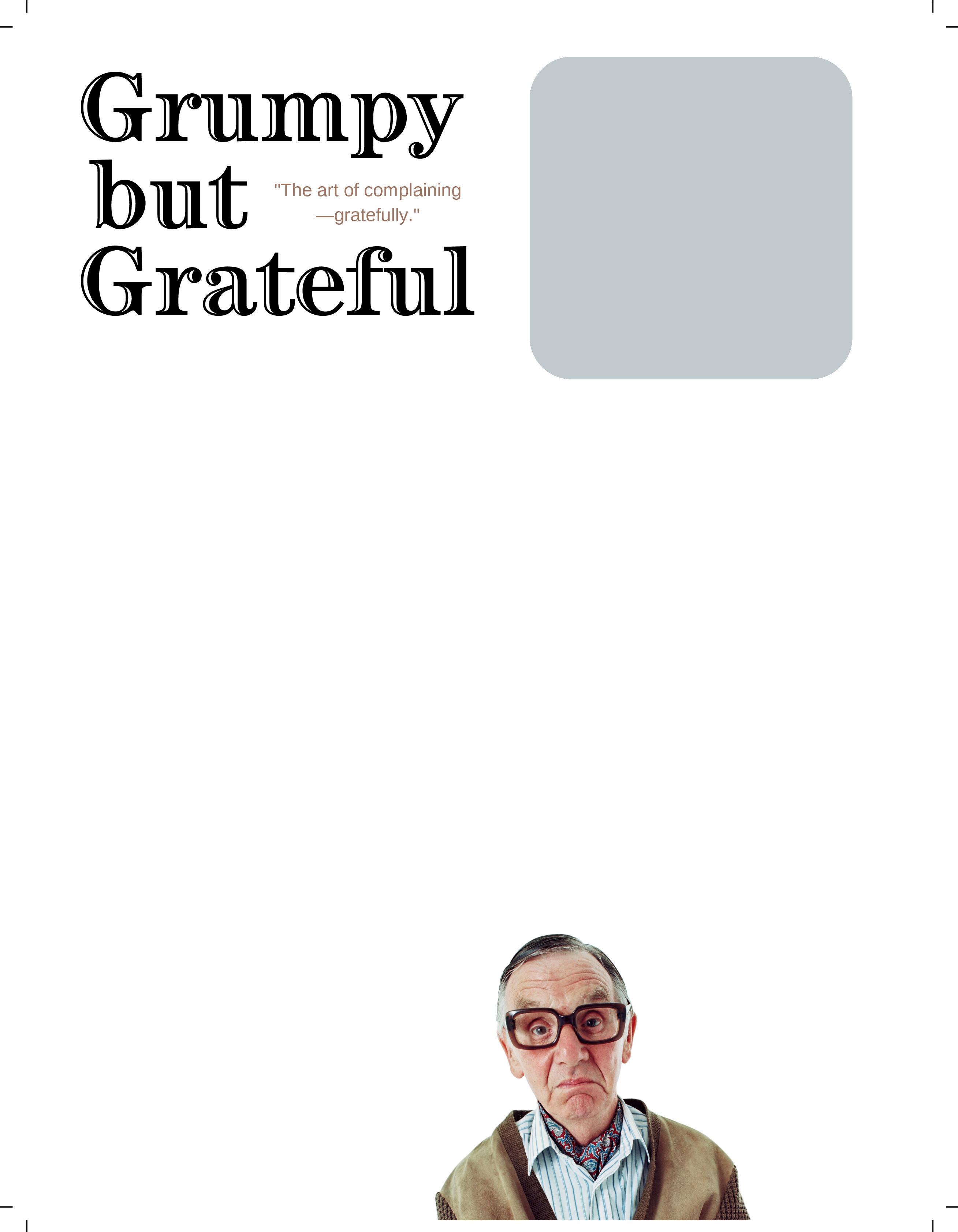
There’s a certain time of year when your calendar starts filling up with events that all look the same—graduations, ceremonies, receptions, and invitations that somehow all land on the same two weekends.
I call it the Graduation Circuit. You start getting the cards in the mail. Some from kids you know well. Some from kids you vaguely recognize. And a few where you look at the name and think, Now how do I know this one again? Doesn’t matter. You’re going. And before you know it, you’re sitting in a folding chair—or worse, a set of metal bleachers—wearing clothes that looked like a good idea in the air conditioning but now feel like a personal mistake under a late-May sun.
There’s always an invocation. A long one. Then a welcome. Then another welcome. Then a speech about “the future” that sounds suspiciously like the one you heard three ceremonies ago. Somewhere in there, a microphone squeals, a baby cries, and someone near you unwraps a piece of candy like they’re opening a bag of gravel.
And then the names begin.
One by one. Carefully pronounced… or not. You lean forward every time, trying to catch the one you came for, because if you miss it, there’s no replay. No rewind. Just a sea of caps and gowns and a polite round of applause that never quite stops.
You shift in your seat. Your back reminds you that you are no longer built for bleachers. Your legs go numb somewhere around the 47th graduate. You start doing quiet math in your

head—If they call one name every five seconds, we’ve got about another… hour.
And yet, you stay. Because eventually, there it is. That one name. That one moment.
You hear it, and suddenly you’re on your feet, clapping louder than you have all day, maybe even yelling a little, not caring who hears you. And just like that, the long speeches, the hard seats, the heat—it all fades into the background for a few seconds.
Because that’s your person walking across that stage. Your child. Your grandchild. A kid you watched grow up, who used to run through the house or sit at your table or ride in your car asking a hundred questions you didn’t always have time to answer.
And now here they are. Standing a little taller. Walking a little steadier. Stepping into a life that suddenly feels very real. And that’s when it hits you— not just how proud you are, but how fast it all went.
You remember a different version of this moment. A smaller one. A first day of school. A ballgame. A dance recital. A time when the future felt far away and you thought there would always be more time.
And now you’re sitting on a metal bleacher, squinting into the sun, realizing those moments didn’t drag on nearly as long as they felt. They flew.
The ceremony finally ends. Everyone stands. Phones come out. Pictures are taken—some blurry, some with heads cut off, all of them somehow perfect anyway. There are hugs, laughter, and that familiar mix of excitement and uncertainty that comes with any new beginning.
And then, just like that, you’re back in the parking lot, inching your way out with everyone else, still a little uncomfortable, still a little tired… but carrying something a whole lot bigger than any of that.
So yes, I’m grumpy. I’ll probably complain about the chairs, the speeches, and the length of the program. I’ll say things like, They could’ve cut that down by at least 30 minutes.
But I’m grateful. Grateful that I get to be there. Grateful that I get to watch these moments instead of just hearing about them. Grateful for the chance to see a life move forward, one step at a time, right in front of me. Because the truth is, we sit there thinking it’s long…until we realize it wasn’t long at all.
- Archie Grumbleton

BOOM!: For those who may not know you as well, tell us a little about your background and what brought you to the River Region.
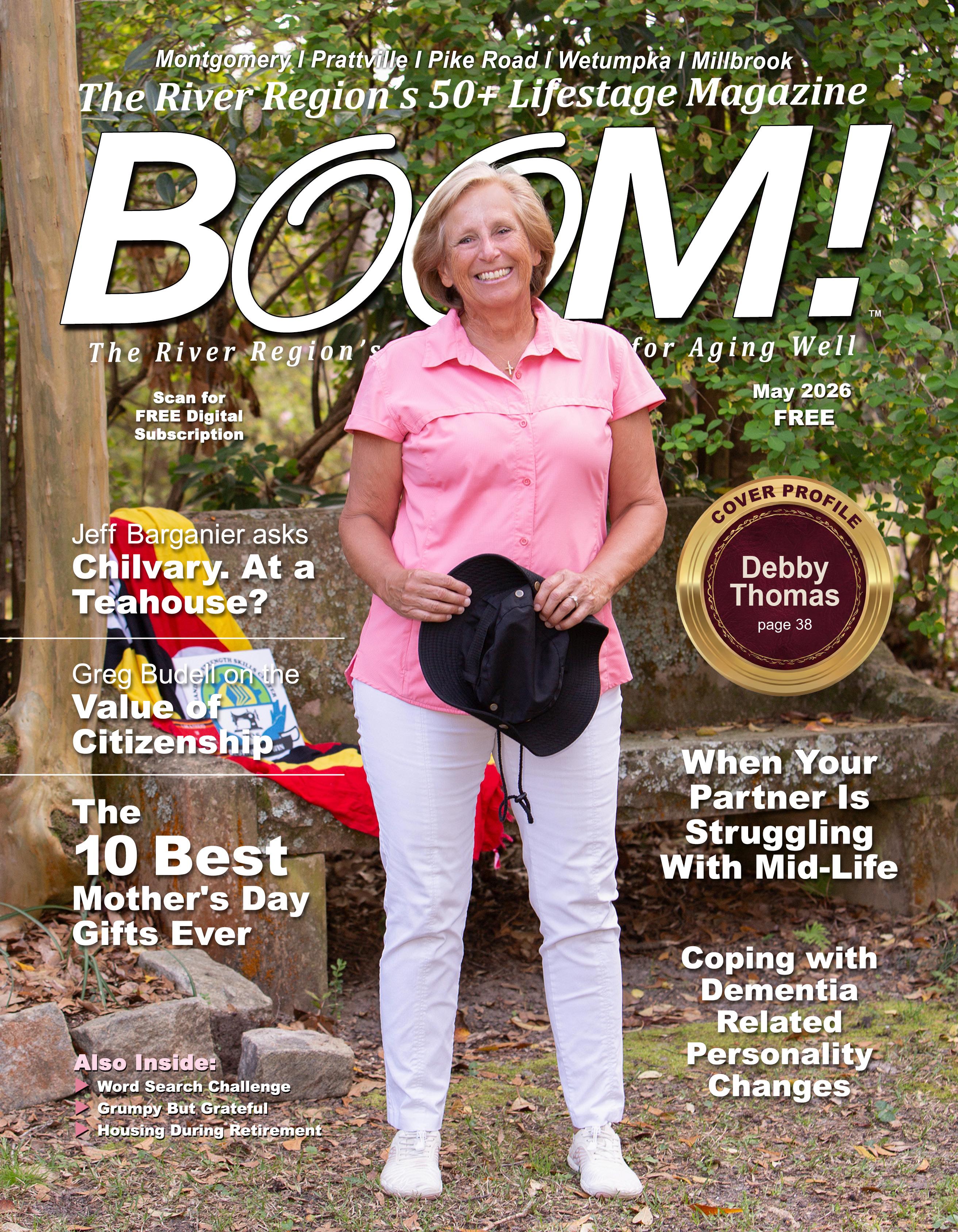
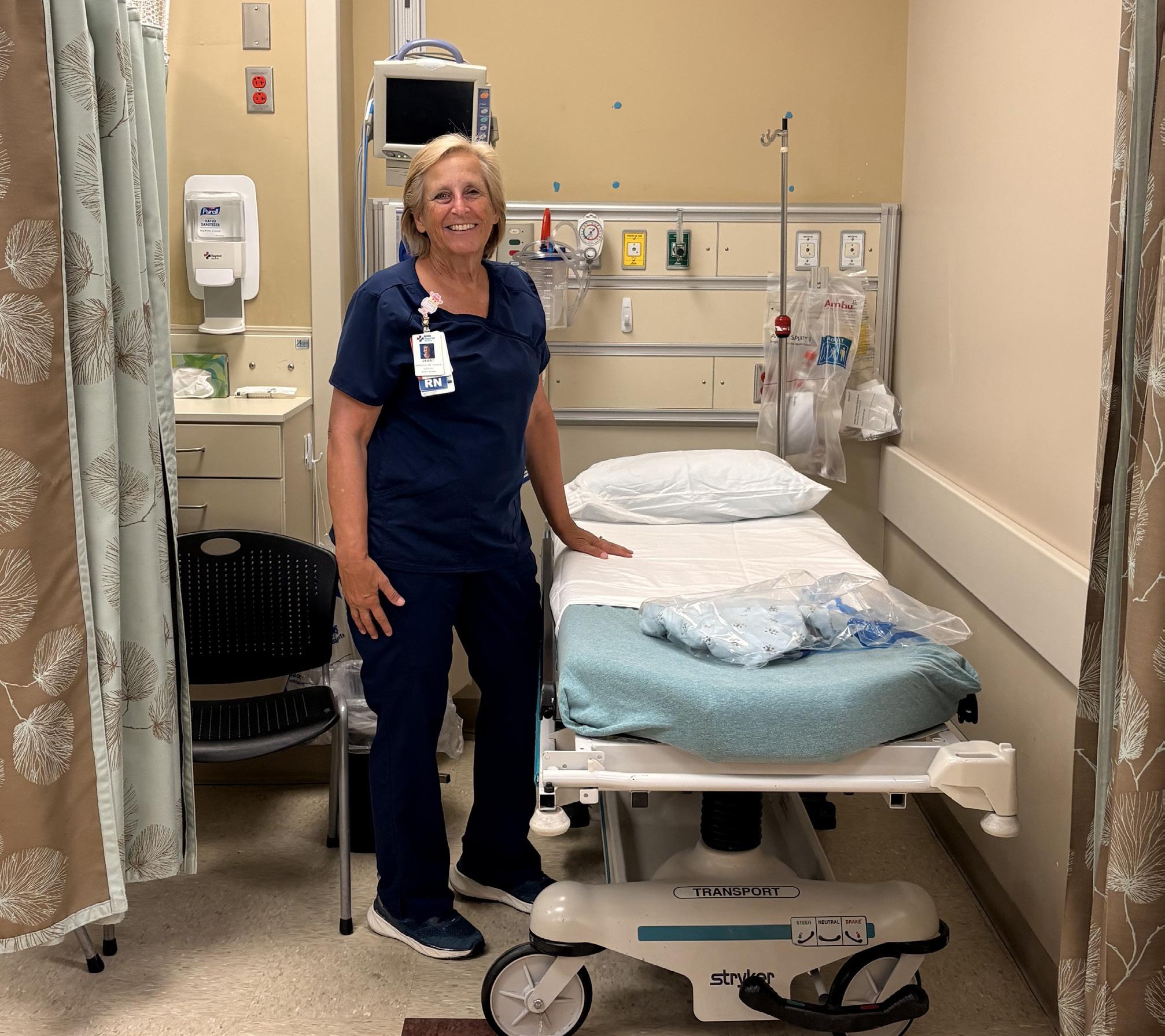
DT: I’m originally from Illinois, but Montgomery has really been home for most of my adult life. My husband and I moved here in the mid-1980s, and over the years we’ve lived in Wetumpka, near Millbrook, and then moved back to Montgomery about 12 years ago. So at this point, I’ve been in the River Region for over 40 years, and it’s where we’ve built our life.
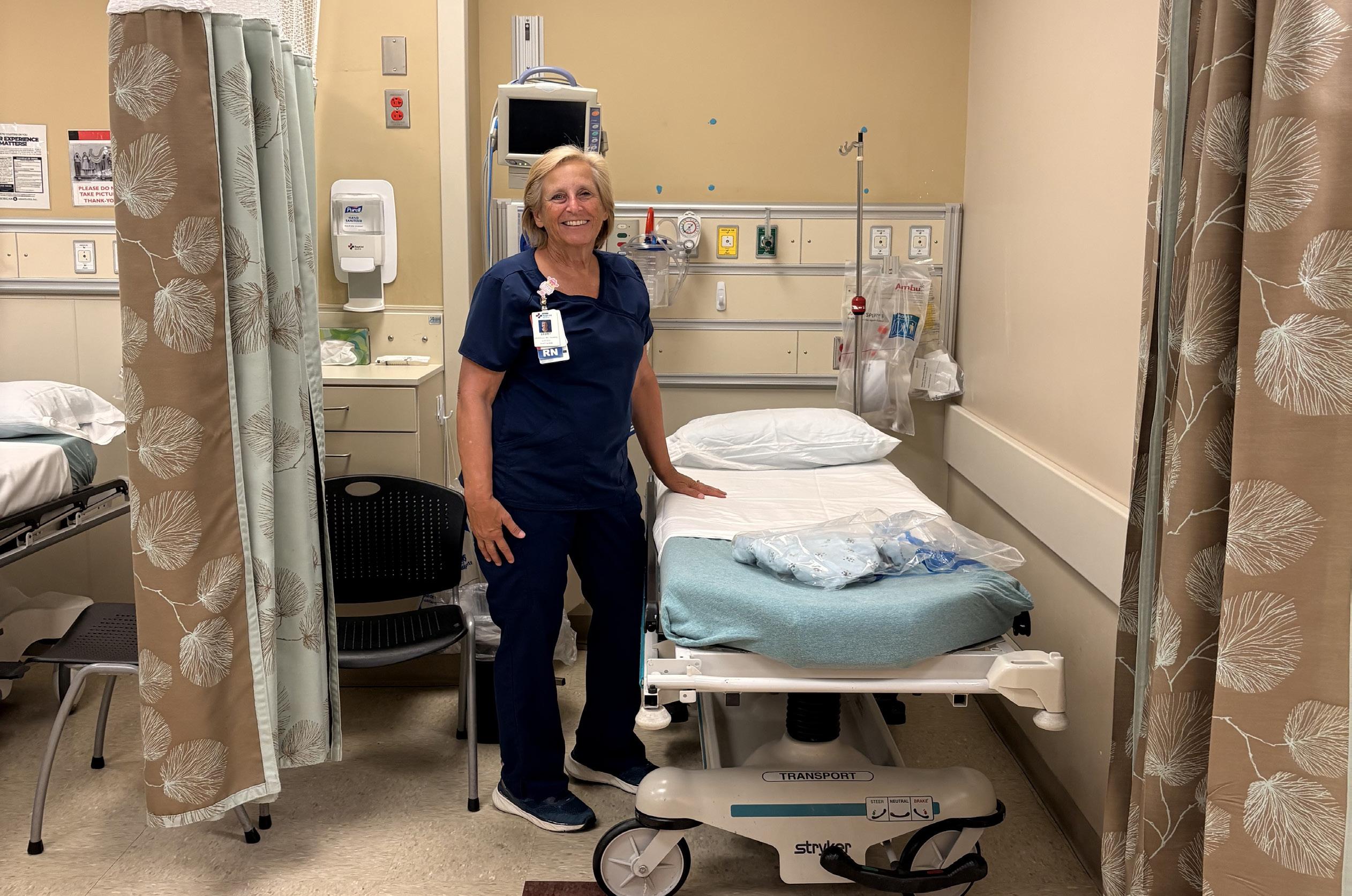
Nursing has been a big part of that journey. I’ve worked in hospitals in Montgomery, Wetumpka, and Prattville, spent some time in home health, and even did a traveling nurse assignment up in Maine a few summers ago. It’s given me the opportunity to meet so many people and walk alongside them in important moments. I was raised in a Christian home, and I think my values come from that foundation, along with a blend of Midwestern and Southern influences, which I always say gives me the best of both worlds.
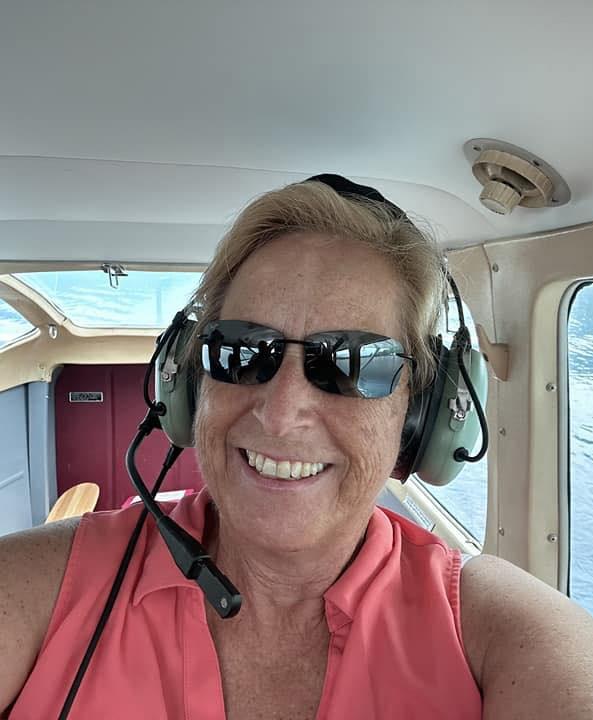
For more than four decades, Debby Thomas has quietly built a life rooted in service, faith, and community across Alabama’s River Region. A nurse by profession and a servant at heart, her journey has taken her from Midwestern beginnings to a life deeply woven into Montgomery and its surrounding communities. Along the way, she has cared for patients in hospitals and homes, supported outreach efforts for the homeless, and, more recently, extended her impact across the globe through mission work in Uganda. In this conversation, Debby reflects on the experiences that have shaped her—from bedside nursing to launching a nonprofit—and shares how a calling to help others continues to guide her purpose today.
BOOM!: You’ve lived in the River Region for decades. What do you enjoy most about living here?
DT: Compared to my early years in Illinois, the mild winters here mean that throughout the year, you can enjoy the mountains and ocean that are just a few hours away. And of course, there’s nothing like Southern hospitality.
BOOM!: Nursing can be both rewarding and emotionally challenging. Do you see it as a career or a calling?
DT: Oh, it’s definitely a calling. I grew up in a time when nurses wore the traditional white uniforms and shoes, and we really looked up to that Florence Nightingale example—being there to help and care for
people in need. Over the years, that’s never really changed for me. It’s not just about the medical side of things— it’s about the people. You’re there with them in moments that are often difficult, sometimes joyful, and always meaningful. That’s what makes it more than just a job.
BOOM!: Helping others seems to be a theme throughout your life. What motivates that in you?
DT: I think it really comes back to my faith. The idea that “to whom much is given, much is required” has always stayed with me. I’ve been very blessed in my life, and I feel a responsibility to use that to help others in whatever way I can. It doesn’t have to be something big. Sometimes it’s just small acts—being there for someone, encouraging them, helping meet a need. But those things matter. And honestly, it brings me a lot of joy to be able to do that.

school and the girls there. It’s been a very meaningful part of this season of my life.
BOOM!: Starting a nonprofit is no small task. What has that process been like for you?
opportunities they simply don’t have otherwise. Many of them come from very difficult situations, and without support, some end up on dangerous paths just to survive.
The school teaches them trades like sewing and hair styling so they can earn a living and support themselves. We timed our trip to attend their graduation, and it was such a joyful experience. We also brought over donated items and used funds from people here to buy them basic necessities like soap. The excitement they had over those simple things—it really puts everything into perspective.
BOOM!: What impacted you most personally during your time in Uganda?
BOOM!: In addition to nursing, you’ve been deeply involved in outreach and missions. What are some of the ways you’ve served over the years?
DT: It can feel overwhelming at first, especially if you think you have to figure it all out on your own. But there are people and organizations that can help guide you through it. You have to put together your bylaws, your mission statement,


choose a board, and make sure everything is compliant—but it’s very doable.
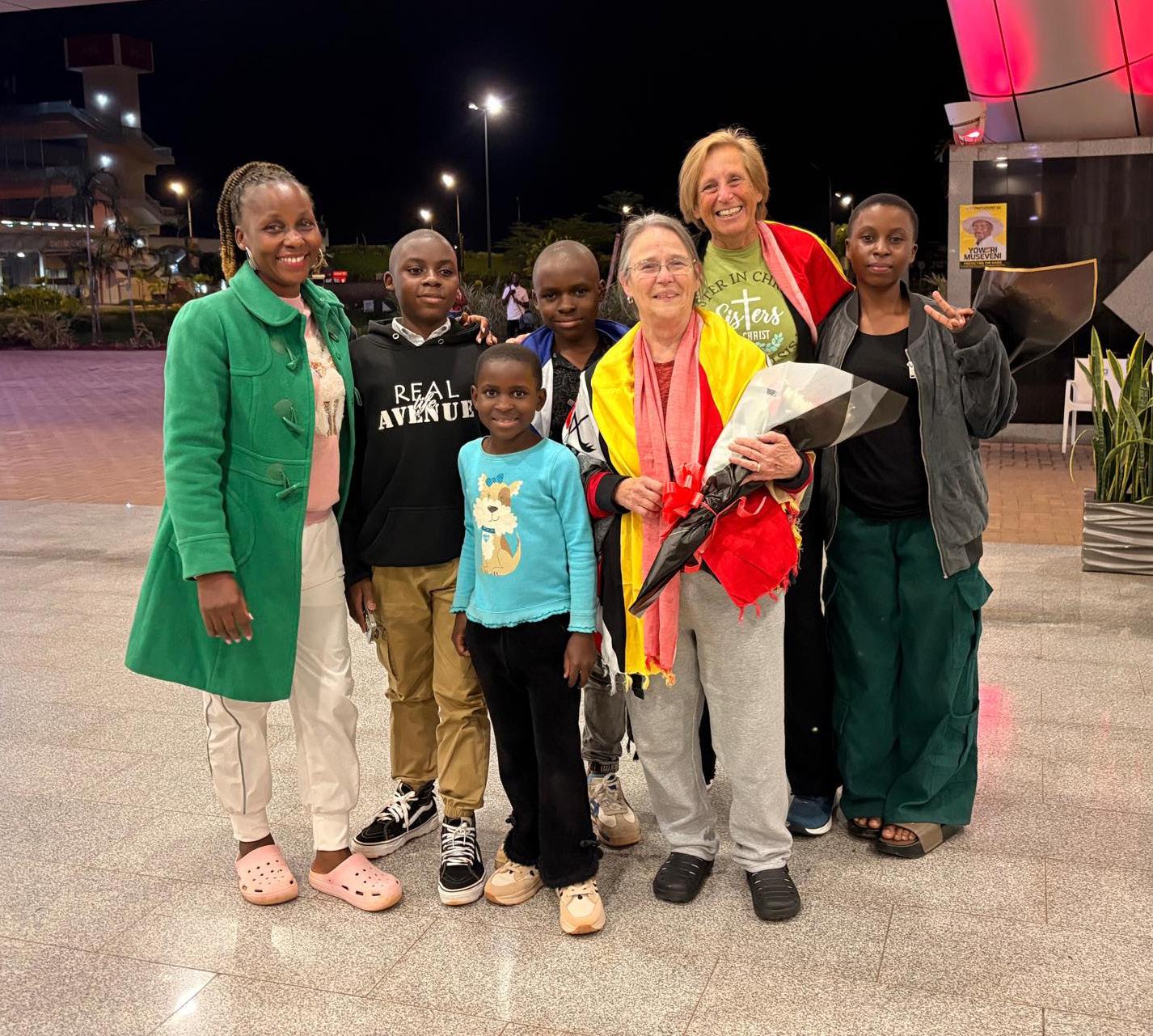
DT: I’ve always had a heart for outreach through the churches I’ve been part of. Over the years, I’ve been involved in a number of ministries, including serving as vice president of Reality and Truth Ministries here in Montgomery, which focuses on helping the homeless. I’ve also had the opportunity to go on mission trips, including working in a girls’ orphanage in Honduras. And more recently, I’ve spent time in Uganda supporting a skills training school for young women. That’s grown into starting a nonprofit called “Friends of Hands of Strength – Uganda,” which supports the
I actually got some help from professionals, and they had everything set up within just a few days. My bank was very helpful as well. The biggest thing is just being organized and accountable, because every dollar that comes in and goes out needs to be tracked carefully. It’s a responsibility, but it’s worth it.
BOOM!: Your recent trip to Uganda sounds like an incredible experience. What was the heart behind that journey?
DT: The heart of it was really the girls. The school is there to give young women
DT: Honestly, it was the people. We were treated with such kindness and warmth everywhere we went. The girls at the school would hug us constantly, and their gratitude was overwhelming.
One moment that really stayed with me was when the girls got down on their knees to thank us—that’s part of their culture. It was humbling in a way that’s hard to describe. It made me realize how much we take for granted and how much joy can exist even in very difficult circumstances.
BOOM!: You’ve seen a very different way of life there. How did that change your perspective?

DT: It really opens your eyes. There’s no running water in some villages, no indoor plumbing, and access to medical care is extremely limited. And yet, people find a way to live, to connect, and to keep going.
It makes you appreciate what we have here, but it also reminds you that joy isn’t tied to comfort. There’s a resilience and gratitude there that’s powerful to witness.
BOOM!: As a nurse, you were probably interested in medical facilities there. Did you visit any?
DT: Talking about differences, one of the school’s girls had to be hospitalized when she contracted both malaria and typhoid. She had to pay the hospital bill before being admitted, have someone stay with her while in the hospital, and bring her own bed! That’s how it generally works. I visited a local doctor’s office and the facility, by our standards, was just terrible. The ratio of doctors in the town is around 1 to 5,000, much lower than in the U.S.
Many people are so poor that they just can’t afford to get medical help. Pharmacists pick up the slack by treating the simplest medical issues. You go in, describe your symptoms, and leave with basic meds if needed. More serious problems they can’t treat, they refer to doctors, of course.
BOOM!: Did you try any local foods?
DT: We drank bottled water and ate mostly cooked food. But we did like the local fruit – banana, mango, watermelon,
and pineapple – I’d never tasted fruit as sweet and delicious before. I also became a fan of ginger tea. I did try the fried grasshoppers, a local crunchy and greasy delicacy still with the eyes in them. I didn’t go back for seconds!
BOOM!: Did you get a chance to see any wildlife while in Africa?
DT: I paid my own way on the trip – airfare, food, hotels, etc., – so I felt I could take a couple of days to see some of the sights. We drove through some National Parks, and there were animals everywhere. We had to stop the car when a hippopotamus walked across the road in front of us.
To see rhinos, elephants, giraffes, and antelopes in the wild just walking beside your car is amazing. The monkeys even tried to climb into the car. We also got to travel up the Nile River and seeing the powerful Murchison Falls was just awesome.
BOOM!: What projects are the nonprofit currently supporting or hopes to in the future?
DT: Some of the girls’ families can contribute a little to the cost of running the school, but most are too poor, so that’s why donations are so important. We want to add more programs for the girls. Many children don’t get any sort of education because it costs to go to school. We hope to one day have a school for the young ones. We would also like to have a childcare center and a medical clinic. The school also has a small farm area where they raise piglets, and we support that. We want to expand it to include chickens, goats, and cows so they can raise them for food for the students
and also sell them to help fund the school.
BOOM!: How can people help “Hands of Strength”?
DT: Donations can be made through our Venmo QR code. We just started a Facebook page (Friends of HOS - Uganda) and I can be reached through that or by email at getdebby@yahoo. com. And I’m always available to come and talk at churches or other organizations that might be looking for new outreach projects.

BOOM!: For many in our BOOM! audience, retirement opens the door to new opportunities. Would you encourage others to get involved in service or missions?
DT: Absolutely. We’re living longer, healthier lives, and I think a lot of people reach retirement and wonder what’s next. But you don’t have to slow down— you can redirect. You’ve spent a lifetime learning skills and gaining experience. Why not use that to help someone else? And even if you can’t physically go somewhere, you can support others who are doing that work. There are always ways to be involved.
BOOM!: What does “aging well” mean to you at this stage of life?
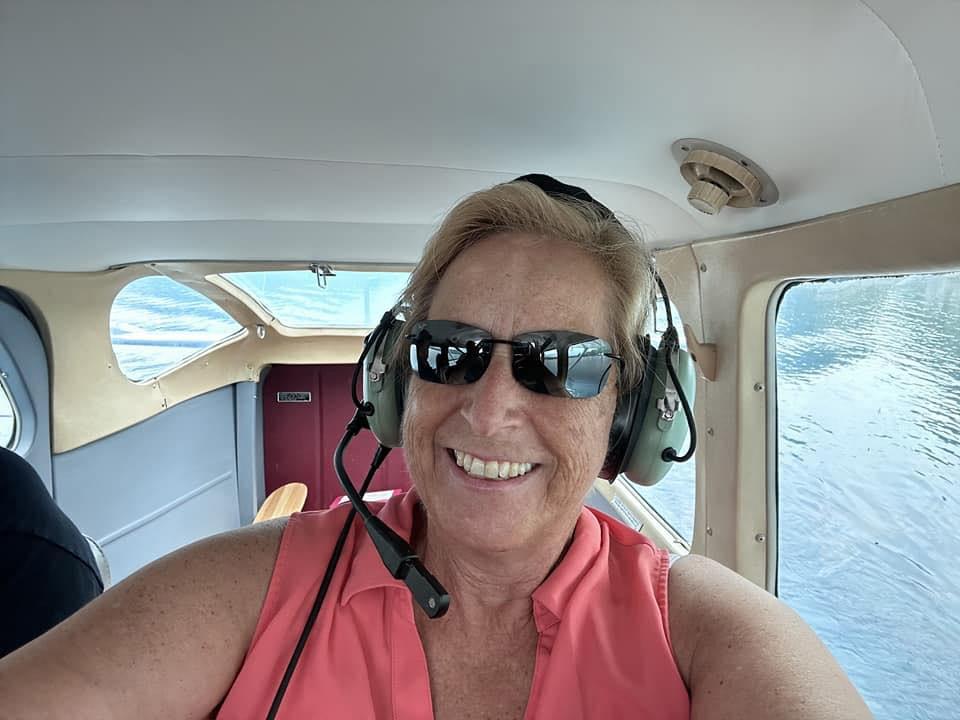
DT: Health is everything as we age, and I see that so often as a nurse with older patients. I try to eat right, exercise, and enjoy the sunshine – but don’t forget that sunblock!
BOOM!: What brings you the most joy in this season of your life?
DT: My family, my God, my friends, and my hobbies, especially tennis, which I play several times a week. It’s an excellent sport to play at any age. My husband and I also do a lot of hiking. Nothing extreme, but it’s good exercise while exploring our beautiful country.
BOOM!: We often develop a bucket list as we get older. Do you have one, and what have you accomplished from it since turning 60?
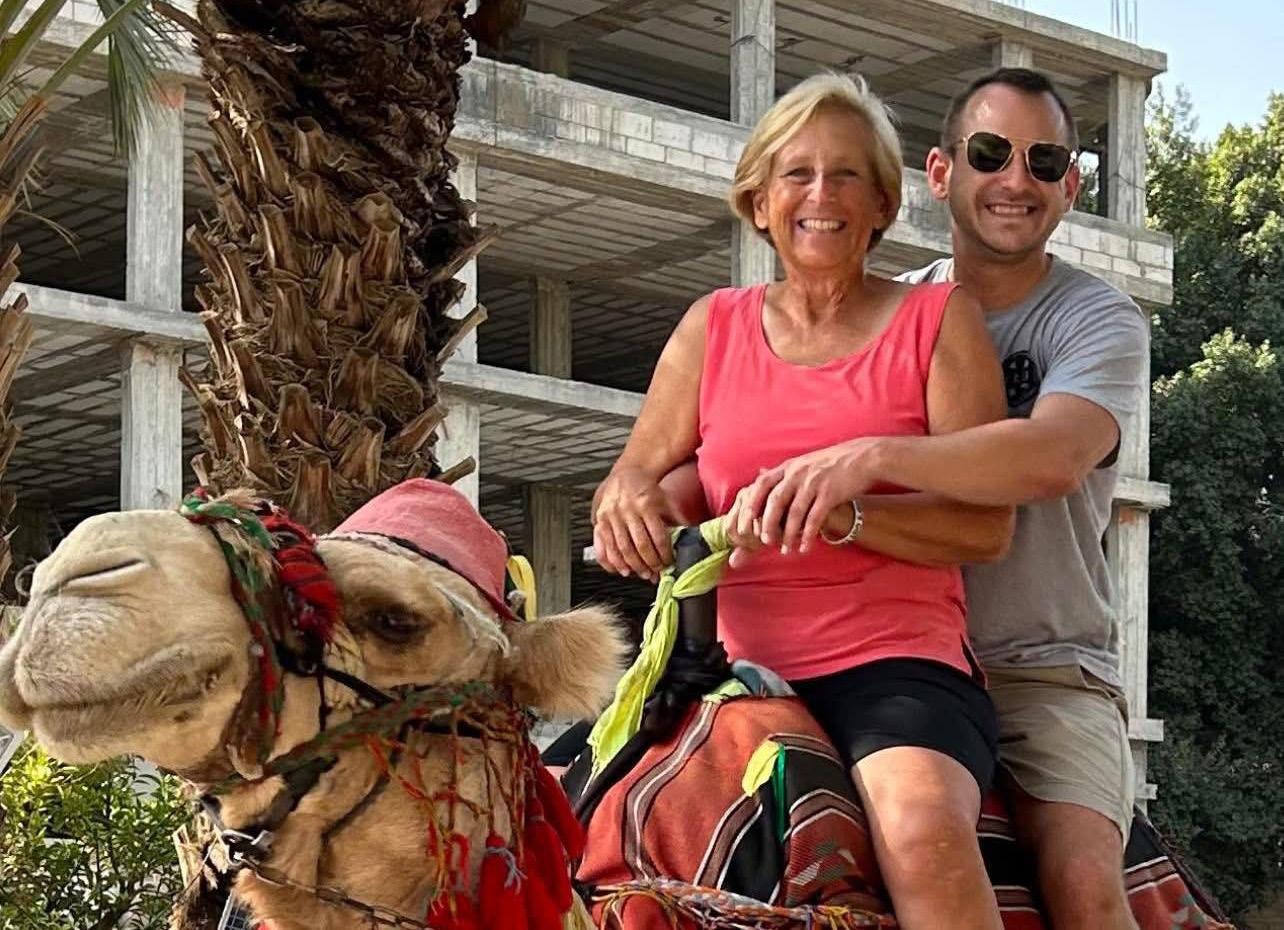
once was enough. It's been a dream to go to Israel, and I went there about 3 years ago and even got to ride a camel. I would love to visit every National Park in the country and go hiking in most. Nick and I have been to over 40 out of the 63, so we're still working on that one. Swimming with manatees in Florida and swimming with sharks in Hawaii were also on the list, and mission accomplished for them! And...I wanted to take my parents on a cruise to Alaska, which we did in 2009 - that was my after-50s bucket list!"
BOOM!: Looking back over your journey, what are you most proud of?

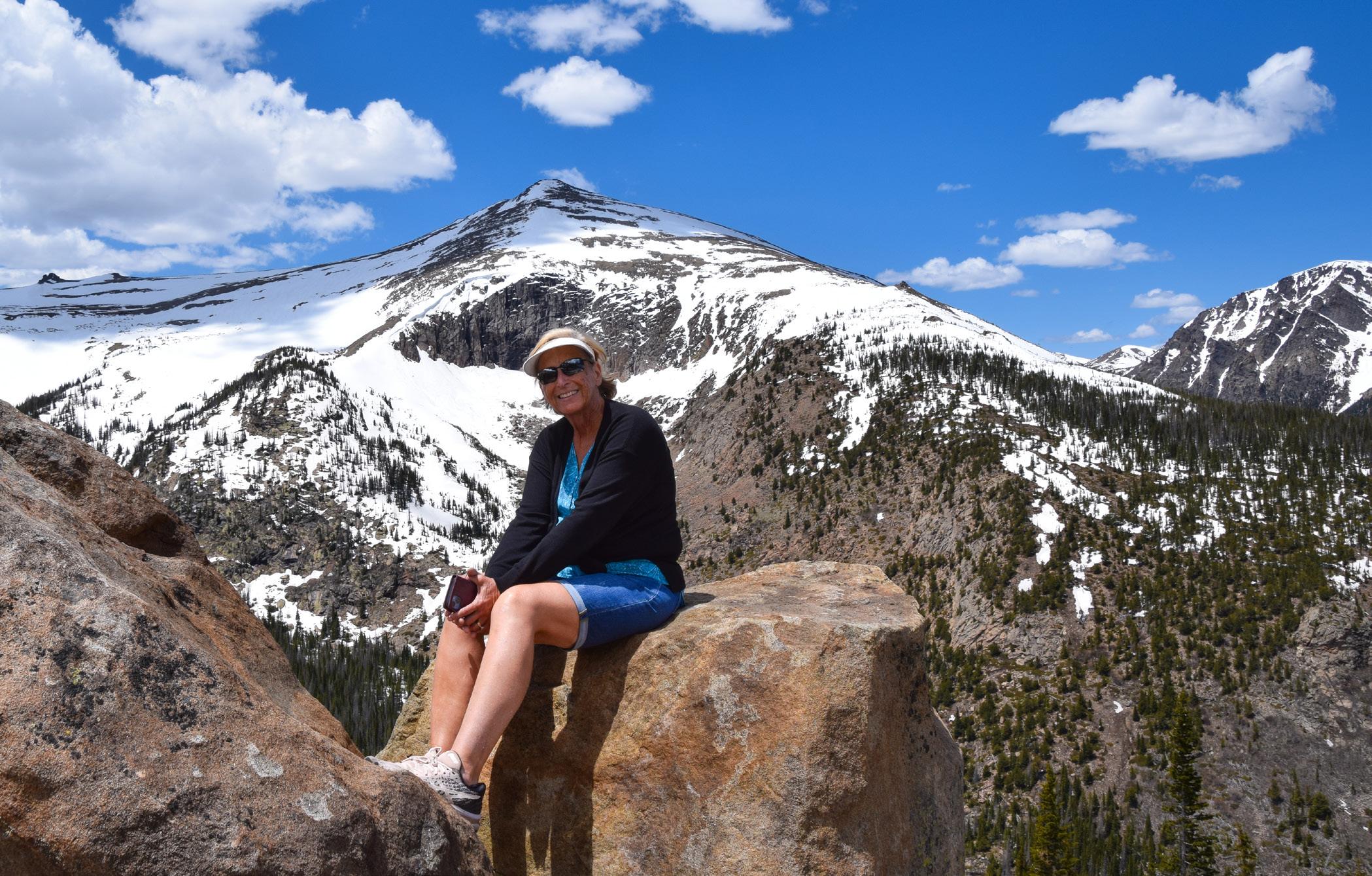
DT: I wanted to visit every U.S. state, and in 2025, finally did that when my husband, Nick, and I drove all around Oregon. Parachuting was another, which I did a couple of years ago, but I think
DT: My family, of course. And my mission is to hopefully make a difference in people’s lives, whether through health care or volunteer work. With the recent Uganda Hand of Strength Ministries, I may never meet all the young girls that it helps, but it is rewarding to know they will be.
BOOM!: If someone feels called to make a difference but doesn’t know where to start, what would you tell them?
DT: Start small. You don’t have to have everything figured out. If you can’t go yourself, you can support someone who
is. And if you can give even a little, it can go a long way—especially in places where the needs are great. The important thing is just to start. Once you do, you’ll see how meaningful it can be.
Favorite way to start the morning: A quiet moment with coffee and prayer to set the tone for the day.
A place in the River Region that feels like home: Anywhere I can gather with friends or church family—those connections are what make this area special to me.
Best advice you’ve ever received: “To whom much is given, much is required.”
A habit that keeps you grounded: Staying rooted in my faith and looking for ways to serve others each day.
Favorite way to spend a free afternoon: Time with family or connecting with friends.
A place in the world that changed your perspective: Uganda. Seeing how people live and the joy they carry with so little was life-changing.
Something you’re still learning in this season of life: To slow down, stay present, and appreciate the moment I’m in.
A simple joy you never take for granted: Clean water, good health, and meaningful relationships.
What makes you feel most alive right now: Being able to help others and see lives changed, even in small ways.
One word that describes this season of life: Purposeful
We thank Debby for sharing her story with us! If you know someone who would make a great cover profile, please email jason@riverregionboom.com.


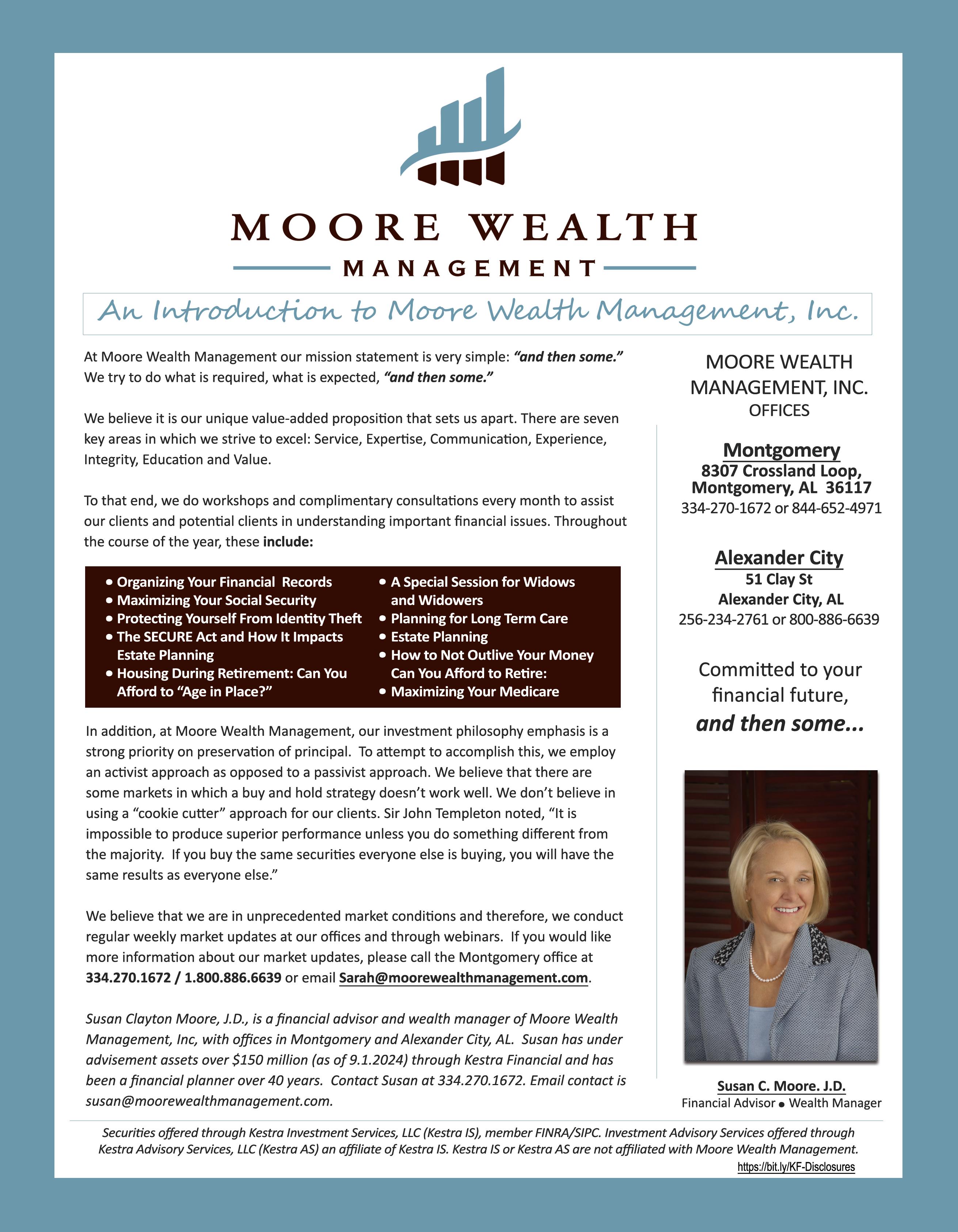
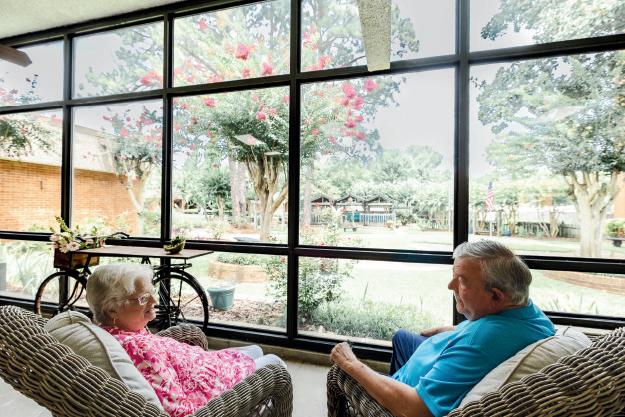
When people think of retirement, they often envision the couple walking on the beach, sailing the sailboat, or playing golf. It is easy to picture the active part of retirement that is free of the stresses of work and career. However, with many retirees living as long as 30 years in retirement, the reality is that their retirement ends up having three phases: the go-go years, the slow-go years, and finally, the no-go years.
Most people do not think through advanced retirement, where they will live, and what it will cost in their 70s, 80s, and 90s. Housing is both a major financial asset on the balance sheet and a significant expense in the household budget. Housing may also be the largest expense component of retirement income; the time for planning is in advance of a major health event and before advanced age takes its toll. Where to live should be proactively thought through in advance of a health crisis, even if the intent is to “age in place” and remain in your home. Mobility limitations, a chronic illness or a catastrophic health crisis may give way to a housing move, reshape the best-laid plans, and disrupt your financial preparedness.
Susan Moore of Moore Wealth Management, Inc. (MWM) in Montgomery, AL, conducts a free workshop every year in May on planning for housing expense during retirement. Legg Mason produced the workshop in conjunction with the Johns Hopkins School of Nursing. Attendees receive

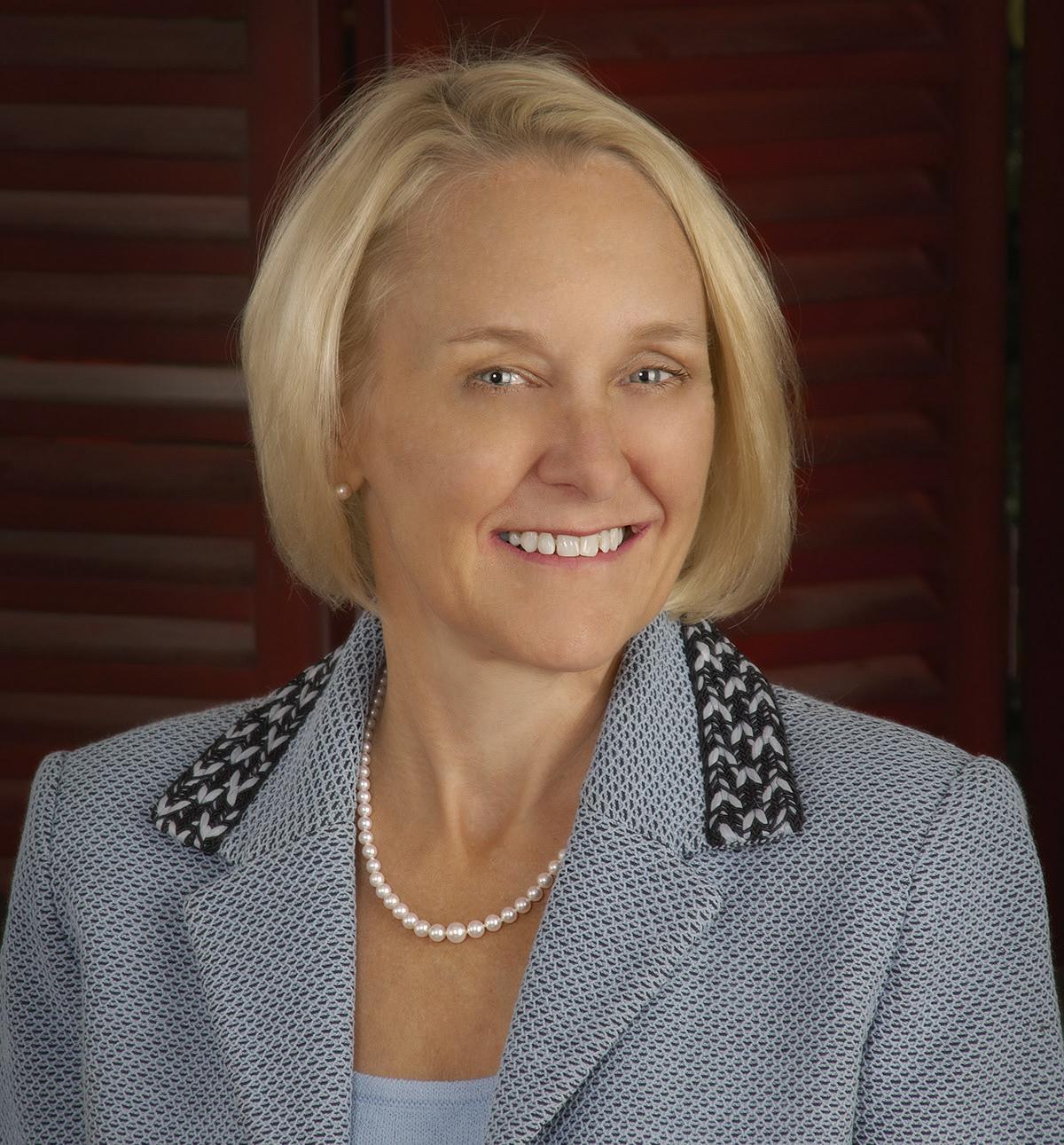
By Susan Clayton Moore, J.D. Moore Wealth Management, Inc.
a comprehensive set of worksheets that help them evaluate whether or not it is financially feasible to “age in place” and stay in their home the rest of their lives. What renovations would be required for them to remain in the home in the event that they had mobility limitations? They also receive worksheets that enable them to compare and contrast other options, including independent living, assisted living, and skilled nursing facilities, as well as continuing care retirement communities (CCRCs) that offer the entire spectrum of choices in one place. The May 2026 workshop will be conducted in an online webinar format on Wednesday, May 27th, at 12 p.m. Please call 334.270.1672 or email

Sarah@moorewealthmanagement.com for more information and reservations. We conduct a variety of workshops and seminars at MWM. The mission statement of MWM is very simple: “and then some.” We attempt to do what is expected, what is required, and then some.” The Planning for Retirement workshop is part of our monthly “and then some” workshops. In addition, MWM conducts daily current events market updates that attempt to explain what is going on in the financial world. If you would like to be on the mailing list or receive email notifications of upcoming webinars, please call 256.234.2761 or email Sarah@ moorewealthmanagement.com.
Susan Clayton Moore, J.D., is a financial advisor and wealth manager of Moore Wealth Management, Inc., with offices Montgomery and Alexander City, AL. Susan has over $150 million in assets (as of 9.1.24) under management through Kestra Financial and has been a financial planner for over 40 years. Contact Susan at 256.234.2761. Email contact is susan@moorewealthmanagement.com.
The opinions expressed in this commentary are those of the author and may not necessarily reflect those held by Kestra Investment Services, LLC or Kestra Advisory Services, LLC. This is for general information only and is not intended to provide specific investment advice or recommendations for any individual. It is suggested that you consult your financial professional, attorney or tax advisor regarding your individual situation. Securities offered through Kestra Investment Services, LLC (Kestra IS), member FINRA/SIPC. Investment Advisory Services offered through Kestra Advisory Services, LLC (Kestra AS), an affiliate of Kestra IS. Kestra IS or Kestra AS are not affiliated with Moore Wealth Management, Inc. https://www. kestrafinancial.com/disclosures