the member magazine for Riverbanks Zoo and Garden | March - April 2026
Riverbanks Zoo and Garden is located at 500 Wildlife Pkwy, Columbia SC 29210
Riverbanks Hours of Operation: Daily Hours - 9am-5pm. Closed Thanksgiving and Christmas days.
Subscriptions to Riverbanks are $24 per year. Members of Riverbanks Society are entitled to one free subscription along with free admission and guest passes, discounts at Zoo and Garden gift shops, invitations to special events and much more. To subscribe to Riverbanks or to join the Society, visit riverbanks.org or call 803.779.8717 and press 1.
Riverbanks Magazine
Editor - Monique Jacobs
Design - Majken Blackwell
Contributors - Anna Anderson, Mary Catherine Ballou, Calee Denman, Rebecca Duffy, Lauren Earley, Madison Richardson, Martha Weber Contributing
Michael Jones
Volume XLVI, Number 2
Riverbanks is published six times a year for members of Riverbanks Society by Riverbanks Zoo & Garden, Columbia, South Carolina.
Riverbanks Park Commission
Alana Williams, Chair
Mike Velasco, Vice Chair
Cliff Bourke, Treasurer
Jeffrey T. Reeves, Secretary
Robert G. Davidson
Chip Huggins
Deneen Shockley
Riverbanks Society Board
Wes Jackson, President
Deonca Shuler, Vice President
Thomas Manly, Treasurer
Lauren Greene, Secretary
Patti Embry-Tautenhan, Immediate Past President
Sheila Abron
Andrew Baumgartner
Emily Bedenbaugh
Will Elliott
Lauren Sawyer Foster
Cecilia Fournil
Corinne Goldman, DVM, MS, DACVIM, SAIM
Denise Hudson
Mark Allen Jones, MD, MBA, FACS
Michelle Jones
Bill Lamar
Manny Licata
Matt Mungo
Allison Sanford
Richard Slater
Jan Stamps
Kaleb Unverfehrt
Riverbanks Senior Leadership Team
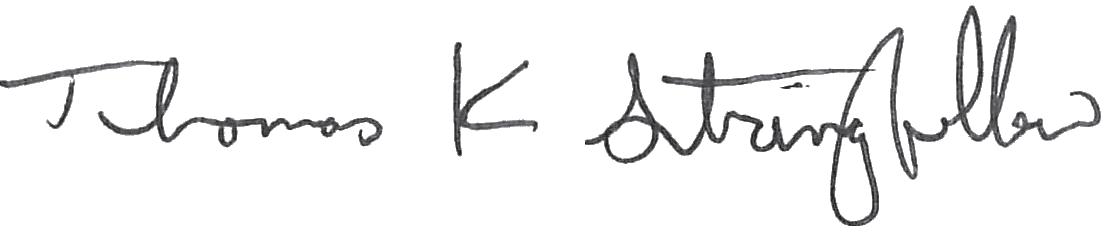
Thomas K. Stringfellow, President & CEO
Christie Vondrak, Chief Administrative Officer
Lochlan Wooten, Chief Operating Officer
Rachael Bashor, Vice President of Mission Engagement
Ashley Harris, Vice President of Finance
Monique Jacobs, Vice President of Advancement
Greg Peccie, Vice President of Animal Care
Martha Weber, DVM, Vice President of Animal Health
Riverbanks Senior Staff
Brian Blankenship, Director of Guest Services & Security
Shawna Brumfield-Washington, Director of Marketing & Communications
Andy Cabe, Director of Horticulture
Sarah Dougherty, Director of Development
John Guertin, Director of Maintenance
Tracy Hughes, Director of Human Resources
John Thompkins, Director of Information Technology
Jordan Ward, Director of Construction & Planning
Kendra Bottini, Aquarium Curator
Antonio Fernandez, Curator of Birds
Sean Foley, Curator of Herpetology
Andrea Mueller, Curator of Behavioral Husbandry
Alyson Proveaux, Curator of Mammals
DIRECTOR’S VIEW
As we say farewell to winter, Riverbanks Zoo and Garden is buzzing with activity. Hiring and training for our busy spring season is underway, and teams across the park are preparing for AZA (Association of Zoos and Aquariums) accreditation. The intensive application process is followed by an on-site inspection team of zoo experts from across the country, who evaluate everything from animal welfare and veterinary practices to finance, conservation, education, facilities, and operations. Assessments are based on AZA’s continuously evolving standards and industry best practices. Participating in the 5-year accreditation process ensures we continue to raise the bar and provide the best possible care for the animals and outstanding experiences for our members and guests.
Meanwhile, the Jane B. Friedman Conservation Learning Center is nearing completion and will be ready to welcome young explorers this fall. The senior leadership team continues to work with architects, engineers, and contractors as we finalize details for Phase Two of Bridge to the Wild. Construction of the new lion habitat is slated to begin this summer, while groundbreaking for new primate, red panda, and tiger habitats, as well as a riverfront restaurant, at the West Columbia campus is expected to begin by the end of 2026.
With so many exciting projects happening around the Zoo and Garden, we will continue to share progress updates along the way. We look forward to celebrating this next chapter with you as we to work together to build a Bridge to the Wild.
See you at the Zoo –
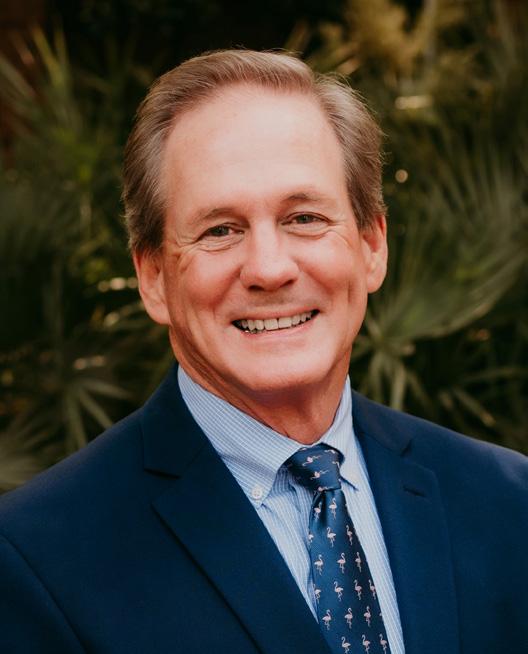
Thomas K. Stringfellow | President & CEO
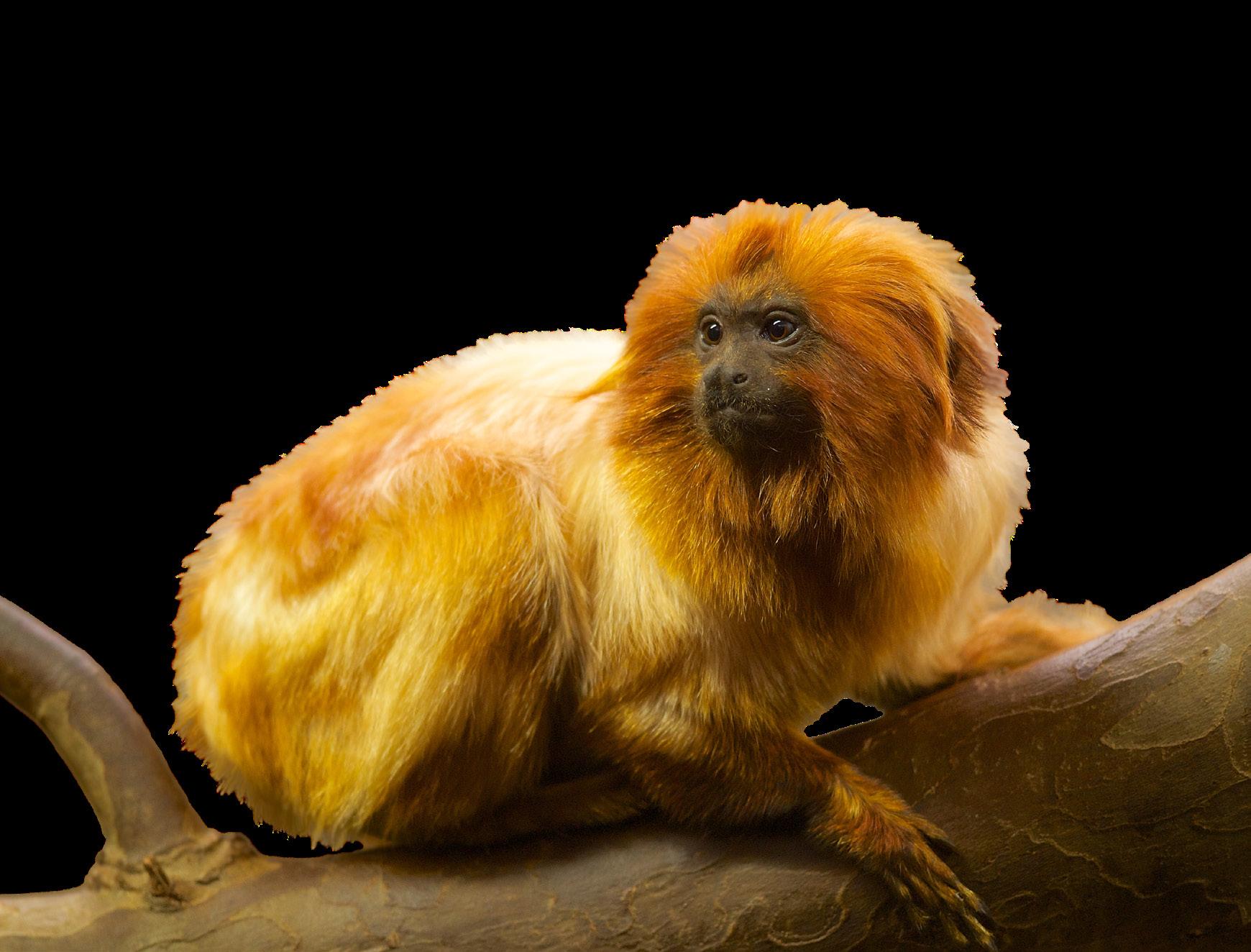
Golden lion tamarin
ZooTeens Exploring Conservation Mysteries
Madison Richardson | Conservation Engagement Specialist, Volunteer Programs
One of the most common questions we get asked by guests at Riverbanks Zoo and Garden is, “How do I become a keeper?” This question comes most often from teenagers, particularly our ZooTeens.
ZooTeens is Riverbanks’ high school youth development program that provides opportunities to develop job readiness and life skills while serving as an ambassador for Riverbanks. While one of the main focuses is building the next generation of conservation leaders, the byproduct of this program is building capable and confident teens.
This year, our ZooTeens meeting theme is “Conservation Mysteries," in which participants learn about different conservation issues taking place around the world. The teens spend time in each meeting reading about a particular topic in scientific journal articles, magazines, and websites. They then participate in a group discussion about what can be done about these issues as a society, what organizations are doing to help, and what teenagers in Columbia and surrounding areas can do to help. The goal is not for the teens to solve these issues but to realize that they are complicated, and multiple viewpoints should be considered. The result is that our ZooTeens are participating in meaningful, deep, complicated discussions and handling them with grace.
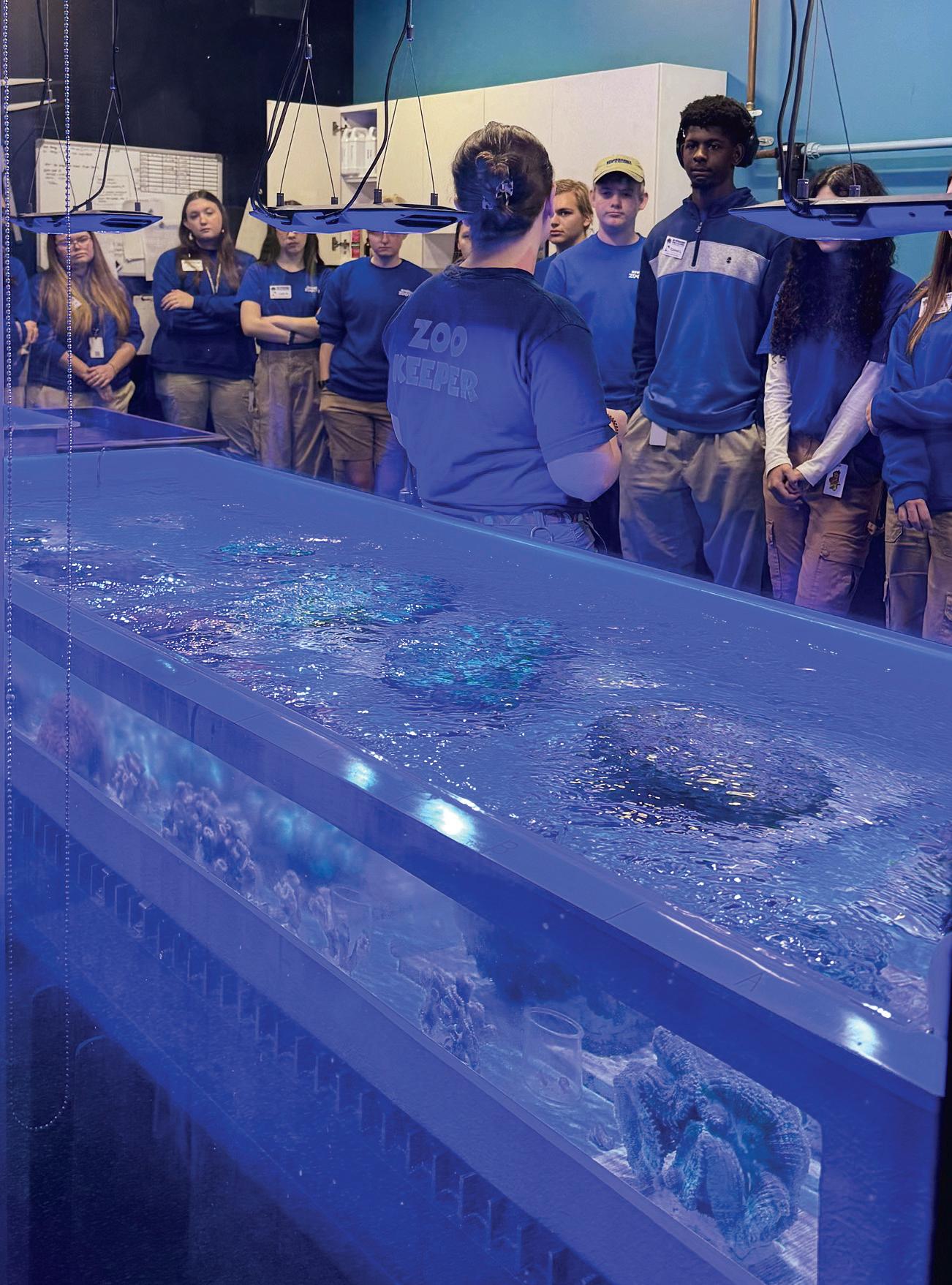
Along with their lessons, the teens get one-of-a-kind behindthe-scenes experiences for hands-on learning. In studies about lowland gorillas affected by habitat fragmentation, the teens spent time in the gorilla yard to visualize how much space they need. When exploring rising ocean temperatures that cause coral bleaching, the teens toured Riverbanks’ coral lab to learn about our partnership with the Florida Coral Reef Tract program. Incorporating these experiences not only broadens the teens’ knowledge on these topics but also introduces them to staff members from almost every department in the Zoo.
"My
favorite part of the coral
lesson was
getting
to
hear about the Zoo’s connection with the Florida coral program.
I
didn’t realize how interconnected most animal and plant facilities are."
-Amelia Leon, ZooTeen
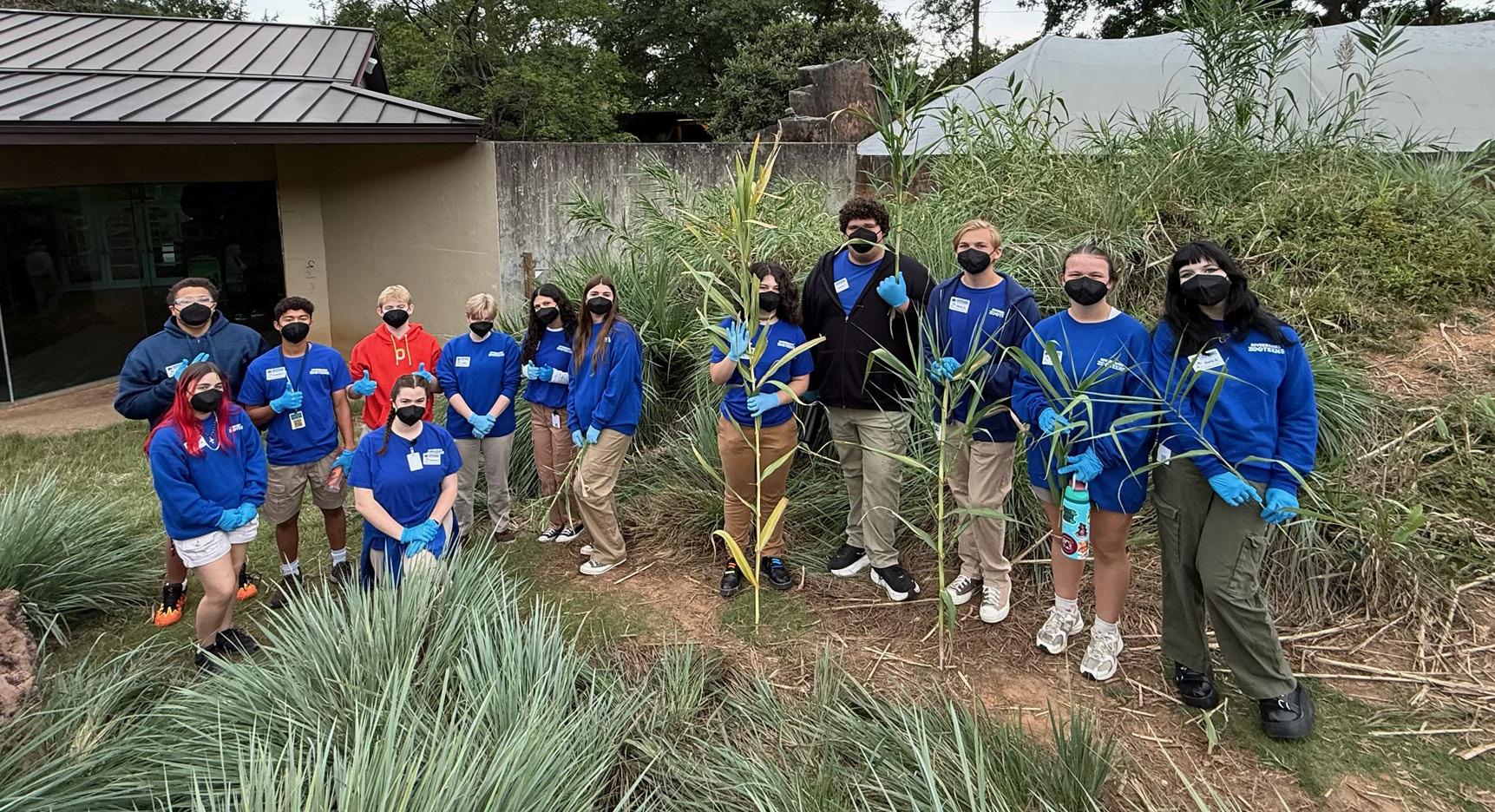
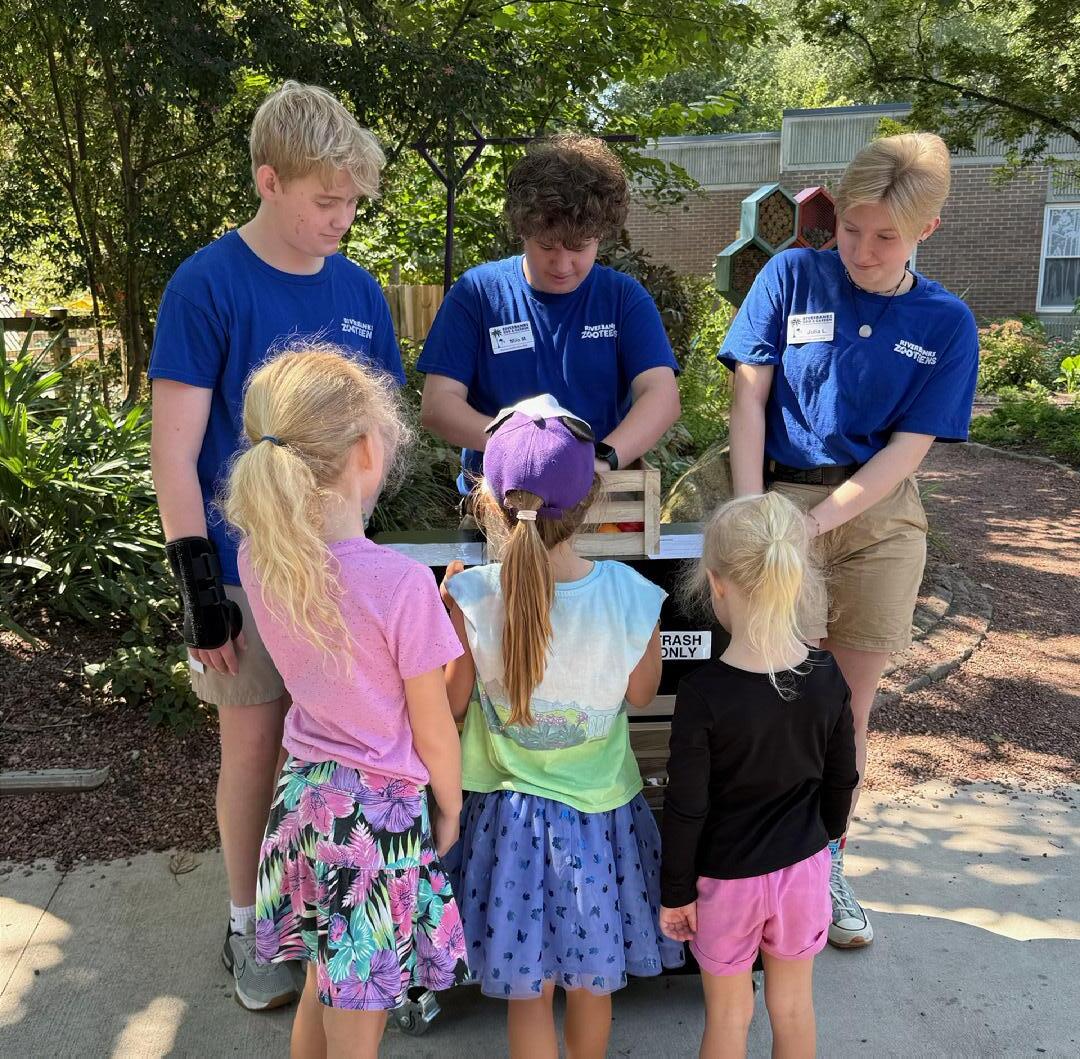
We aren’t just in the classroom! If you’ve been to the Zoo, you may have seen groups of teens in those royal blue ‘ZooTeen’ shirts doing everything from helping with group management, educating guests, lending a hand with ZooCamp, assisting keepers with animal behavior studies, and more. One of the main pillars of the ZooTeens program is community service. Teens commit to earning volunteer hours each year, and for many of them, this is their favorite part of the program. In the past, we’ve had teens so committed that they have earned over 250 hours in a year! Their dedication is a testament to the eagerness and responsibility of their generation.
Watching ZooTeens enter the workforce, many joining the staff at Riverbanks, is one of the most rewarding parts of my job. The knowledge and relationships they build while still in school puts them in a fantastic position to one day join the zoo and aquarium fields.
DID YOU KNOW?
Gorillas are vulnerable to human diseases. People entering their habitat must wear gloves and masks to help protect the gorilla troop from illness.
If ZooTeens sounds like a program you or a loved one would be interested in, applications for the 2026-2027 year will be open on our website in April.
A Shell of a Time
Gopher tortoises Vulnerable on the Threatened Species.
Installing Fence
Starter Burrow
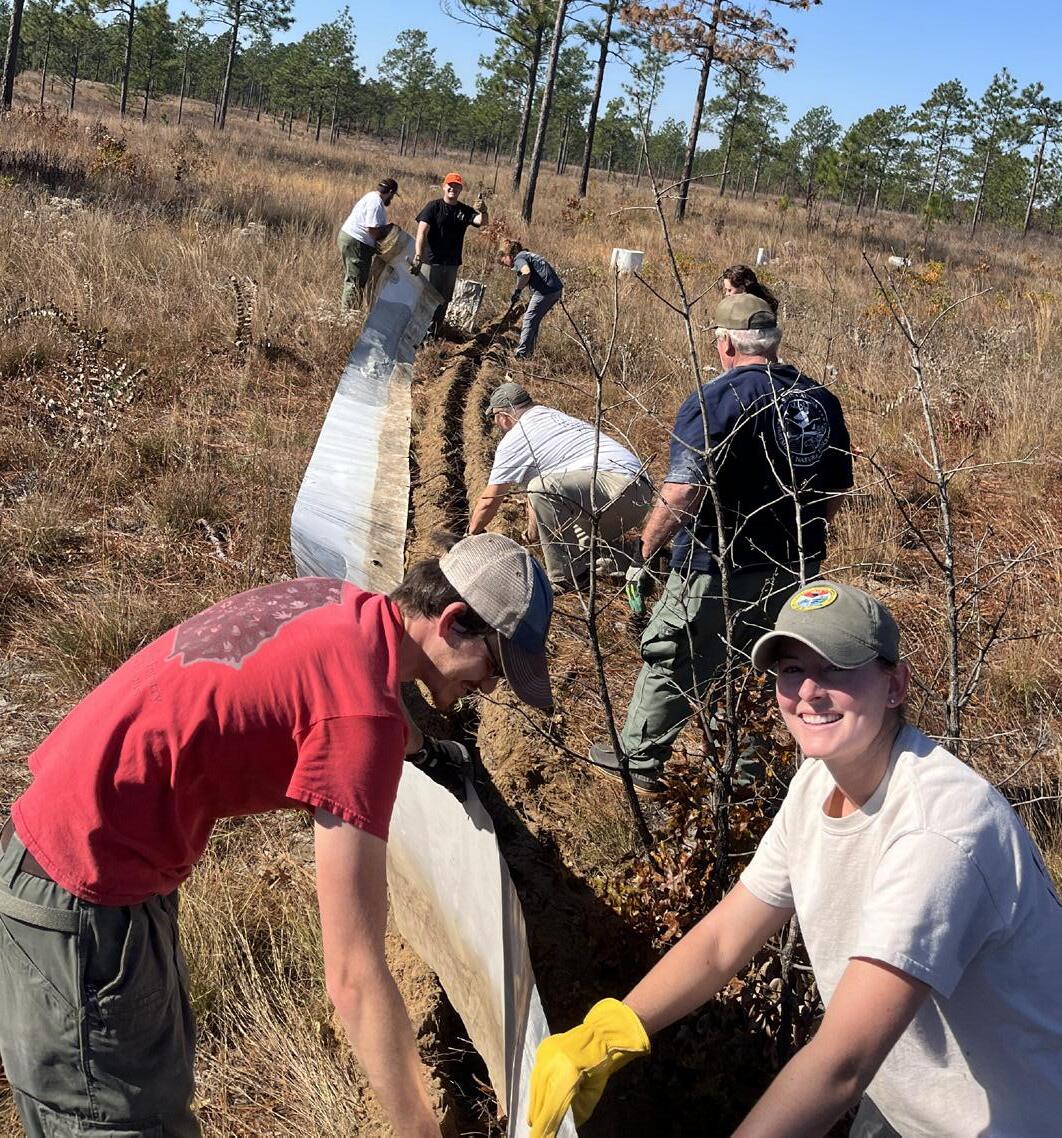
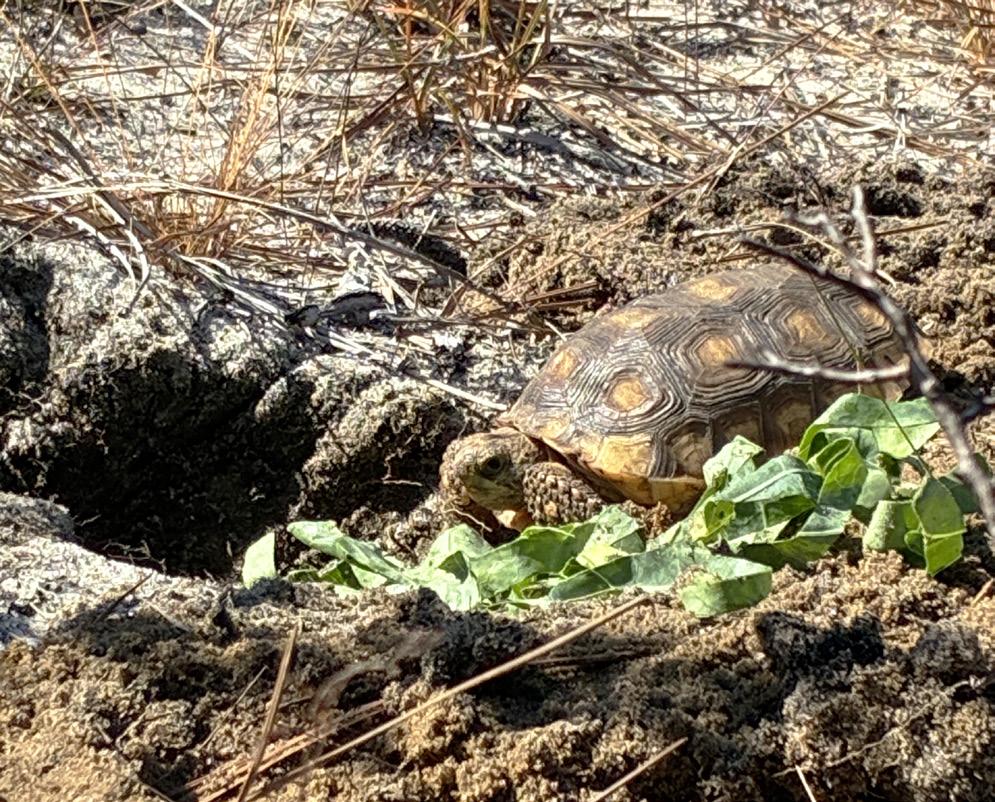
I am no herpetologist, but I got to pretend to be one for a day. It was a brisk November morning as I made my way to the Aiken Gopher Tortoise Heritage Preserve. I met a group of tortoise-loving individuals gathered in the small dirt parking lot, where we introduced ourselves and learned our assignments. The plan was to take fencing from one section of the preserve to another and release gopher tortoise hatchlings into their new protected homes.
Gopher tortoises are terrestrial natives of the Southeast United States, including South Carolina. These tortoises are essential to their environment because they build long, intricate burrows that their fellow South Carolinian animals can also take refuge in. But gopher tortoises are threatened by habitat loss and fragmentation due to land development.
The South Carolina Department of Natural Resources (SCDNR) works to protect the species in many ways, including their head-start program for hatchling tortoises. They place hatchlings and rescued gopher tortoises in the preserve with protective fencing surrounding the area. When the tortoises have settled in, the fencing is taken down and put in another section of the preserve for new hatchlings or rescues to take up residence.
Our team was made up of efficient, hardworking volunteers who were not afraid to get a little dirty. We discussed our unique occupations throughout the chilly morning that later turned into a gloriously warm day. Ashton and Kathy from the Riverbanks herpetology department were there with me, as well as several members of the SCDNR. We worked seamlessly, and before we knew it had finished installing the fencing.
After all that hard work, we ended the project with arguably the best part: introducing the hatchlings to their new homes. We dug starter burrows and set a tortoise with some leafy greens by each one. Watching the tortoises check out the burrows and knowing our team had a hand in setting 30 young tortoises up for success was an extraordinary experience. I only hope our impact is as positive for the tortoises as it was for me.
Want to support projects like reintroducing tortoises to natural habitats? Donate to the Satch Krantz Conservation Fund today.
Seascapes in the Garden Bridging the Gap Between Land and Sea
Mary Catherine Ballou | Horticulturist
Each spring, the horticulture team at Riverbanks Zoo and Garden removes winter annuals to make way for plants that thrive in summer weather.
Annuals—plants that typically do not return after their growing season–play a pivotal role at Riverbanks, especially inside the walled portion of the Botanical Garden, where the main annual beds are located. Flanking the canal that runs from the upper to lower fountain, these triangular areas, combined with the canal beds and containers, result in a color and texture-filled display in the heart of the Garden.
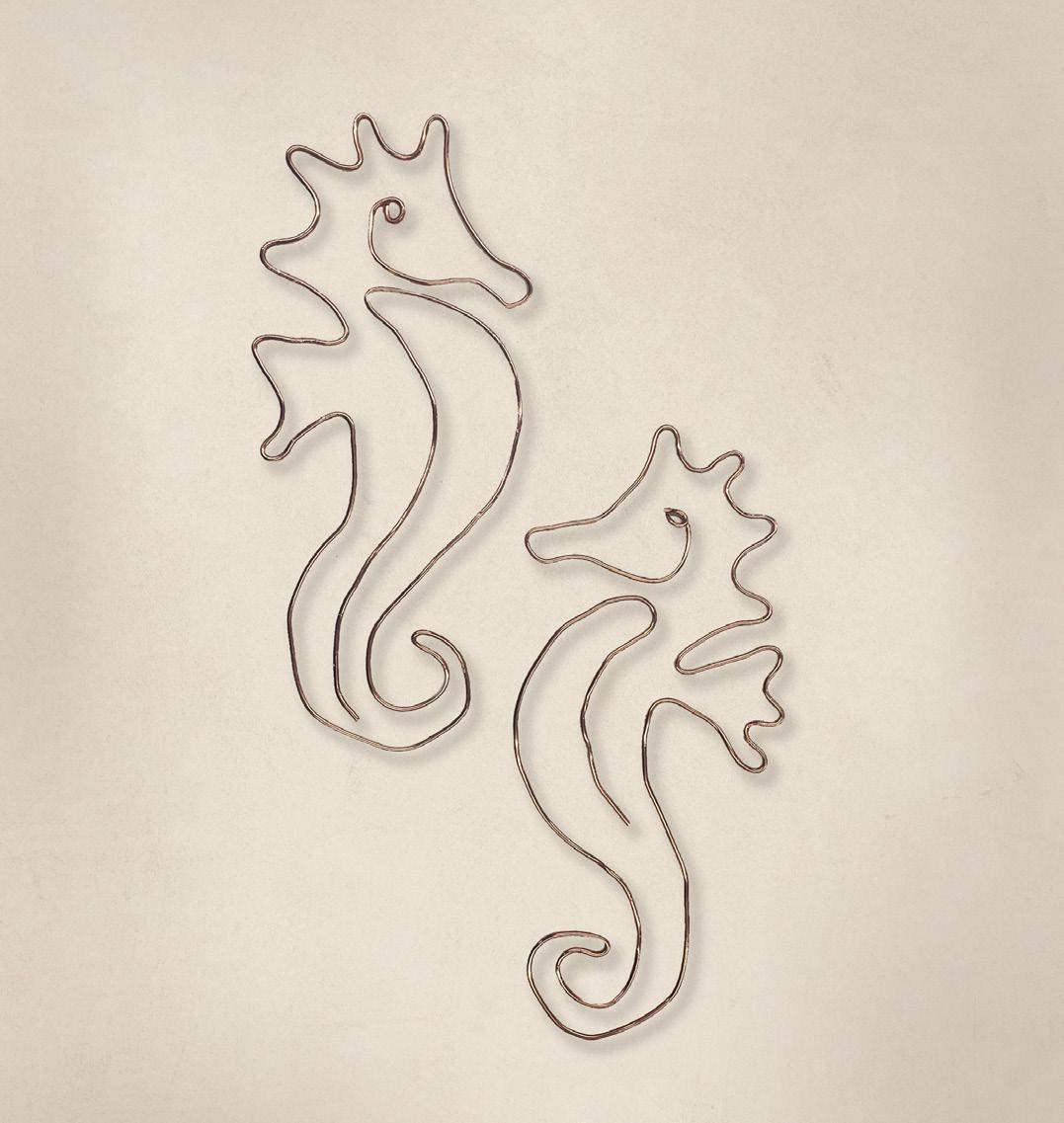
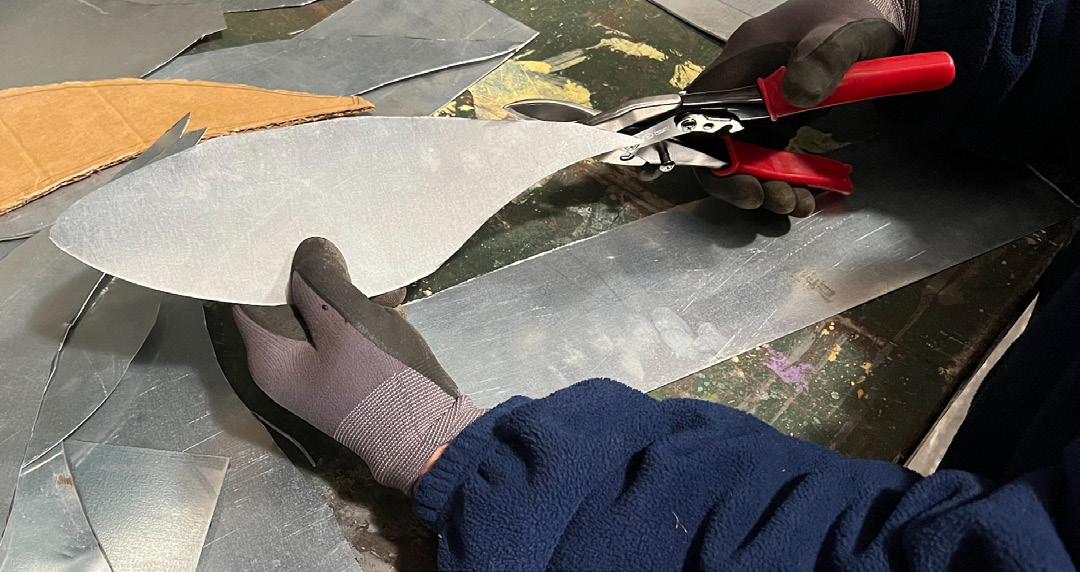
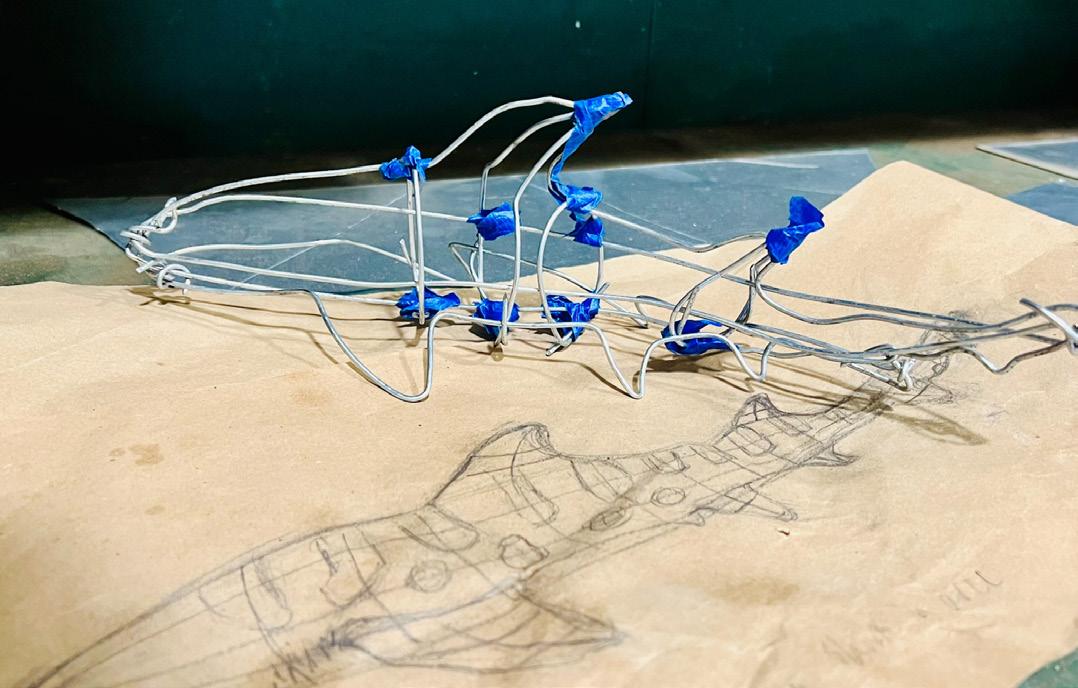
This year, an underwater theme takes center stage, with each annual bed complementing its counterpart across the canal, varying in plant selection and design, and incorporating some non-annuals into the mix. The installation, entitled ‘Seascapes in the Garden,’ consists of the horticulture team’s creative interpretation of three distinct underwater biomes: coral reefs, seagrass meadows, and kelp forests. While the annual bed installation occurs in mid-April after the threat of frost has passed, work on this project began months ago. This year’s design features plants that reflect aquatic seascapes, alongside marine life sculptures handcrafted by horticulture staff using manipulated, welded, or sculpted metal objects.
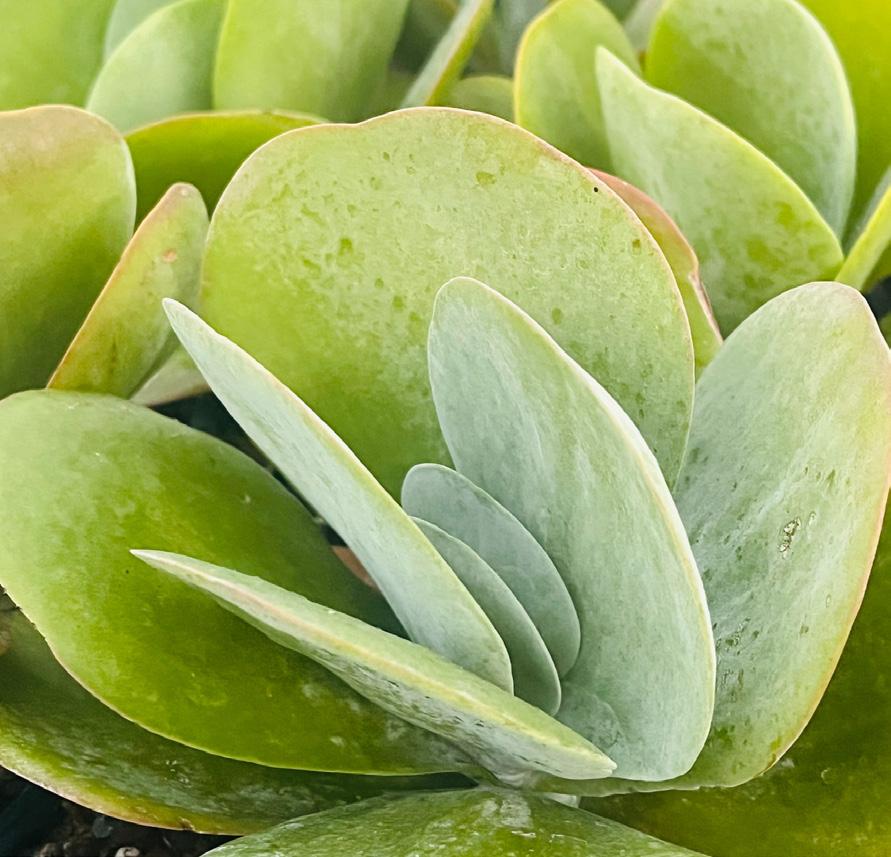
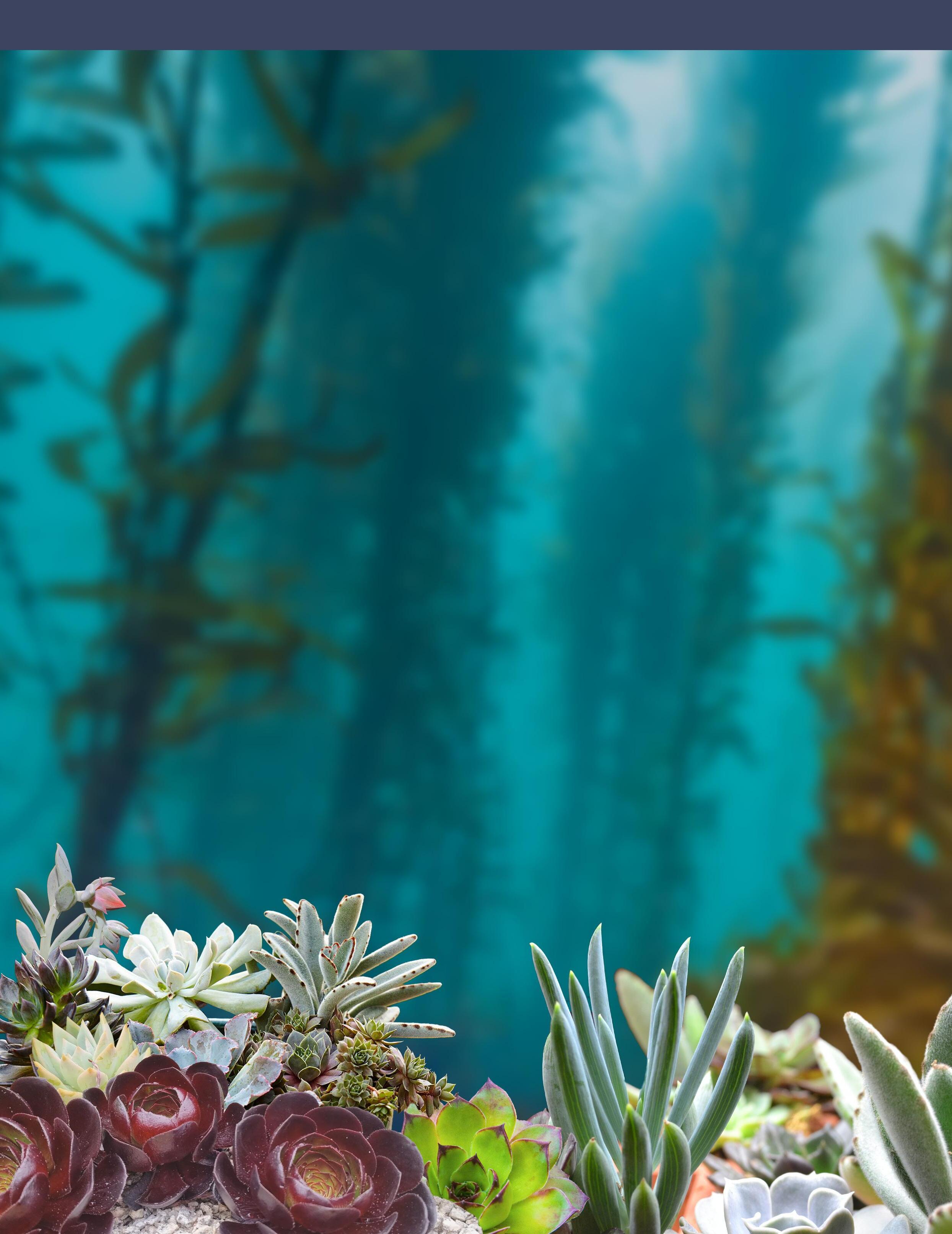
For example, the design for the coral reef beds is informed by visual similarities between succulents (fluid-filled plants that generally prefer dry conditions) and coral reef organisms that dwell underwater. Look closely to see a school of fish, or perhaps a shark, suspended within these beds. Seagrass resembles many land grasses, conjuring images of flowing meadows. Kelp forests, found in cold Pacific waters, offer a stunning vertical display where various sea life, including eels and turtles, seek food and shelter. These biomes provide critical habitats for countless ocean life, with the sculptures placed in specific beds that demonstrate their preferred habitats. Each handmade sculpture is based on an animal that commonly calls these seascapes home, suggesting a whimsical analysis of habitat, form, movement, and connection. The biomes where these animals live act as crucial working parts within the broader oceanic environment, contributing to the harmonious balance necessary for a healthy, yet fragile, ecosystem.
Art in Progress
The horticulture team aims for the sculptures to enhance the plantings within these annual beds, while the overall goal is to incorporate beauty in the landscape with an opportunity to explore the relationship of life on land and in the sea, ultimately raising awareness of the importance of marine habitats and efforts to sustain them. Conservation initiatives found within the Riverbanks community include our Aquarium's active participation in the AZA (Association of Zoos and Aquariums) Florida Reef Tract Rescue Project, which works to protect struggling coral reef populations. Enjoy the chance to immerse yourself in a garden of seascapes this spring and summer, while reflecting on the importance of the ocean and its vital connection to our world.
MARK CALENDAR!YOUR
Riverbanks Botanical Garden PLANT SALE
April 18 • 8:00am - noon
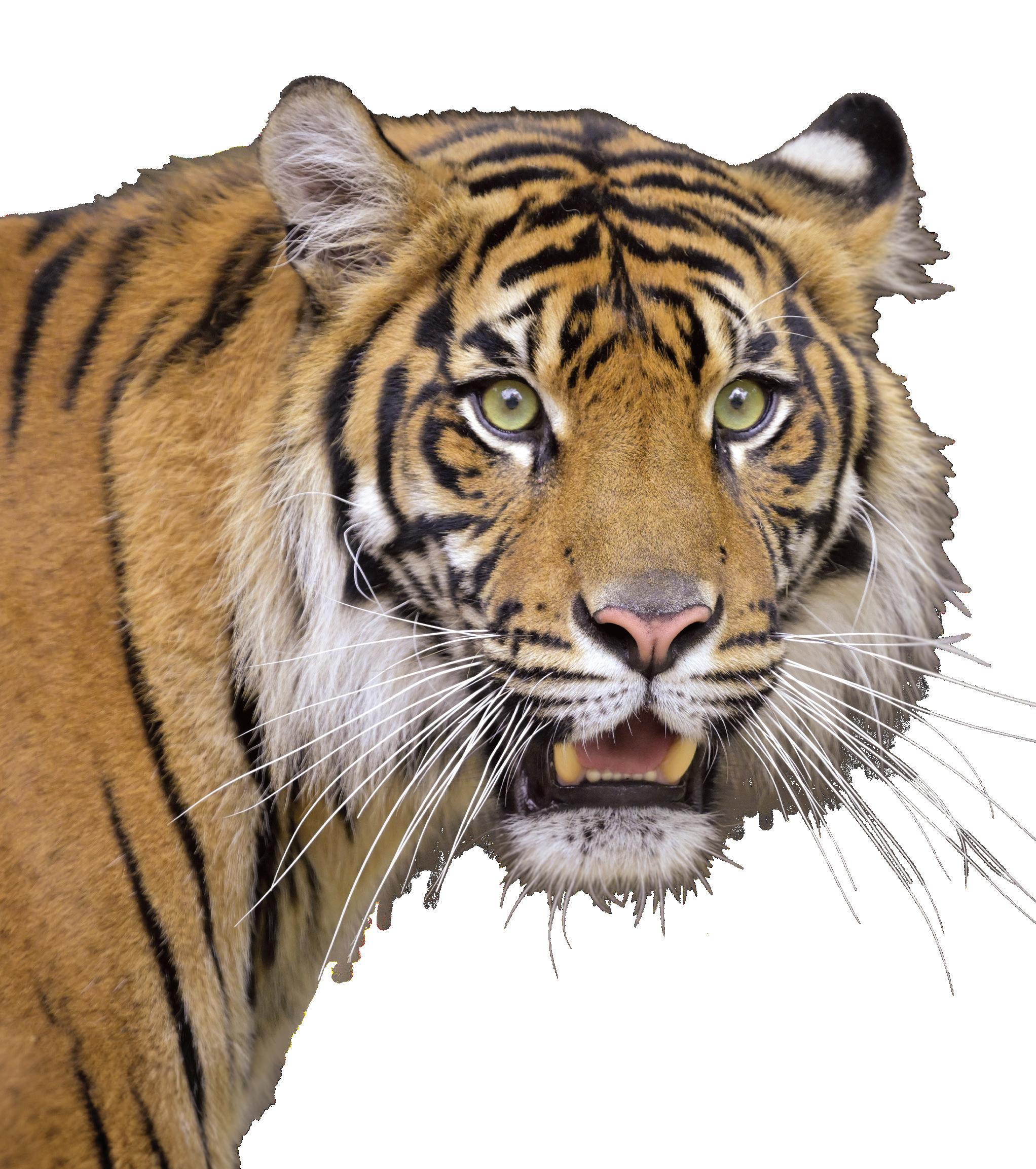
Sumatran tigers are classified as Critically Endangered on the IUCN Red List of Threatened Species.
A New Set of Stripes in the Family
Anna Anderson | Cat/Bear Supervisor
In July, Riverbanks Zoo and Garden welcomed a new tiger that is a little different from our previous tiger residents. Suci (pronounced “Sue-chee”) is our young, female Sumatran tiger. She is a small cat with a big personality.
Historically, the Zoo has cared for Amur tigers, the largest species of tiger native to mountainous regions of Asia, where they are well-suited for cold weather. Suci represents the other end of the tiger spectrum, the smallest species of tiger, native to almost exclusively one island of the Indian Ocean and well-adapted for living in the tropical rainforests of Indonesia.
While Suci is about half the size of our previous tigers, don’t let her small stature fool you! She is quick and light on her feet, very strong, and full of character. As she has settled in, keepers have discovered her various moods and how she communicates her likes and dislikes. Our favorite Suci quirk is her frequent squeaking and grunting that we refer to as her “chatter.” Some days, she comes into the holding area during her care routine and “chats” all about her day.
One of the greatest challenges for guests may very well be spotting this elusive cat in her habitat. Tigers are generally a solitary species that prefer to live and hunt alone. Suci, therefore, is our only tiger for now to ensure she feels safe and comfortable within this space. And like all cats, she
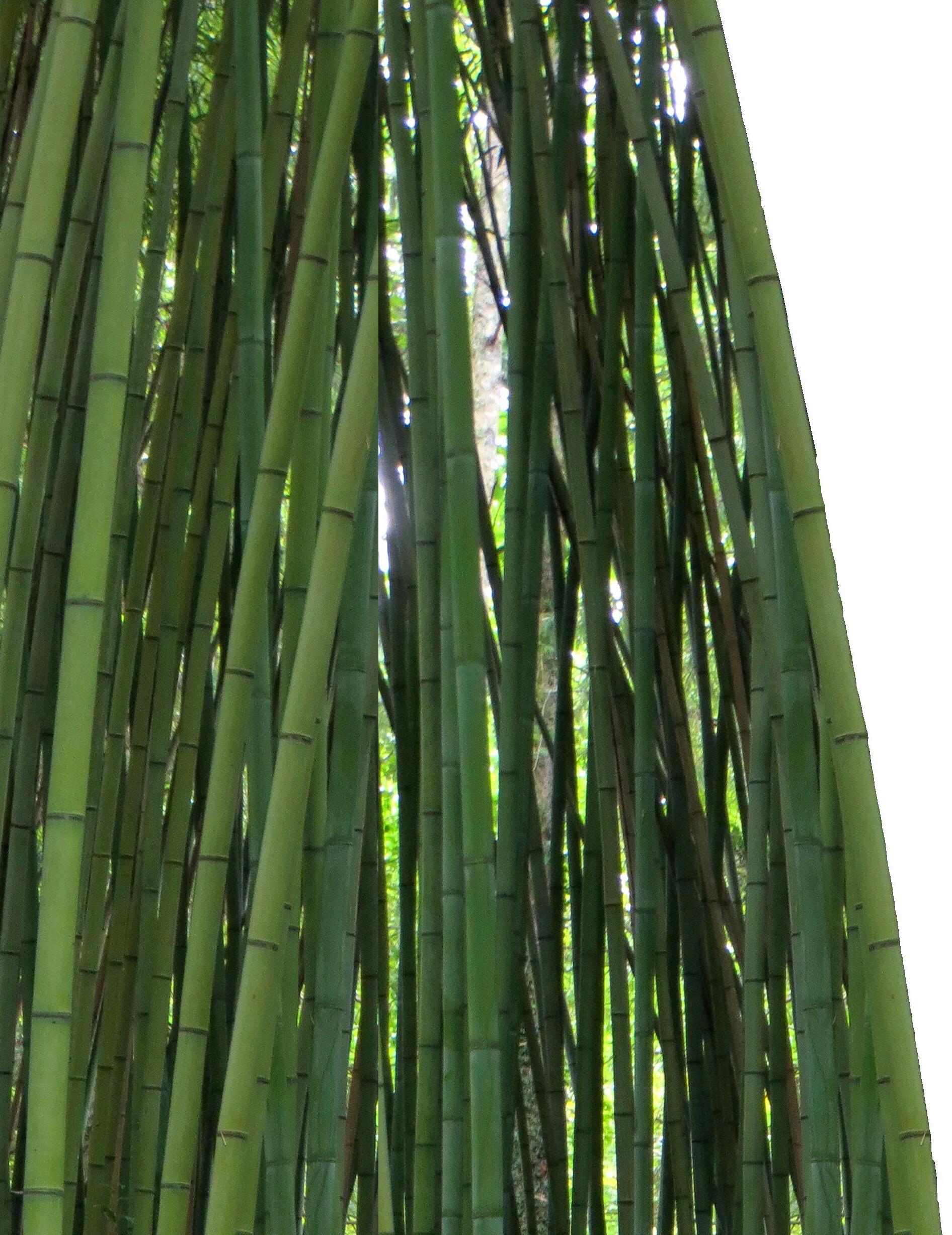
regularly participates in her favorite daytime activity: naps! If you are peering into our tiger habitat, trying to locate this slinky feline, we recommend looking up on the back rock wall ledge behind the bamboo, her favorite resting perch. There, you will see how this tiger’s dense stripes and darker colors help her to blend in well behind bamboo stalks—just like in the dense jungle of Indonesia!
Suci has become a fun and unique challenge for the animal care staff as we learn how to adjust for the needs of a young cat with an endearing and spicy attitude. She also has a playful side that she is shy to show during the day, but we always find her enrichment toys moved around from the night before.
We are excited for our members and guests to have the opportunity to see Suci, an extraordinary ambassador for this endangered species!
CONSERVATION CONNECTION
There are fewer than 600 Sumatran tigers left in the wild with 90% of their habitat lost to palm oil production.
Jelly-icious Success
Calee Denman and Lauren Earley | Aquarists
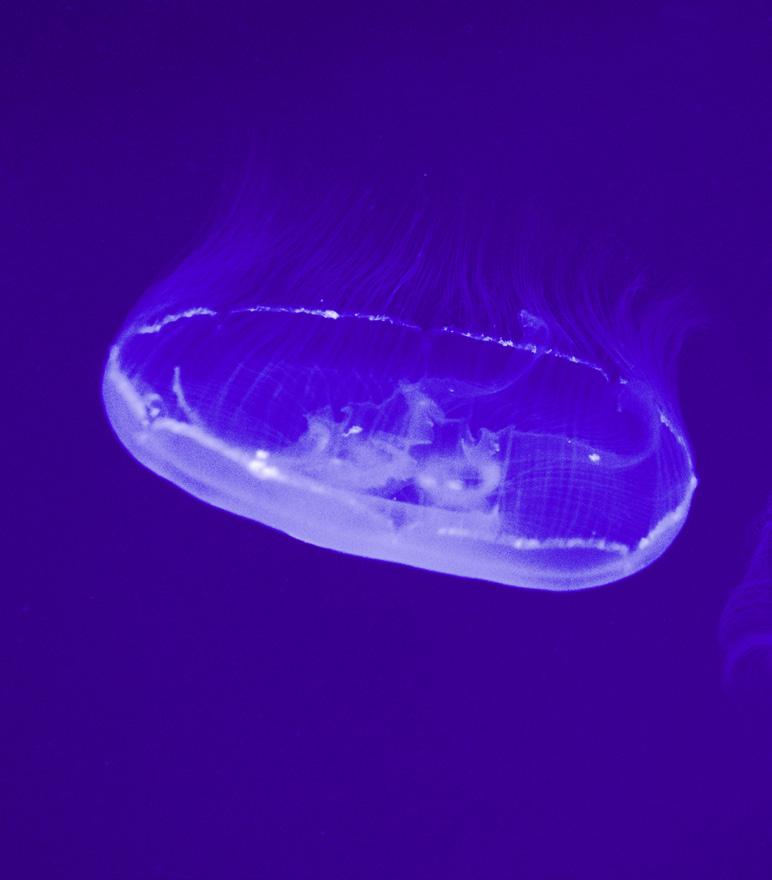
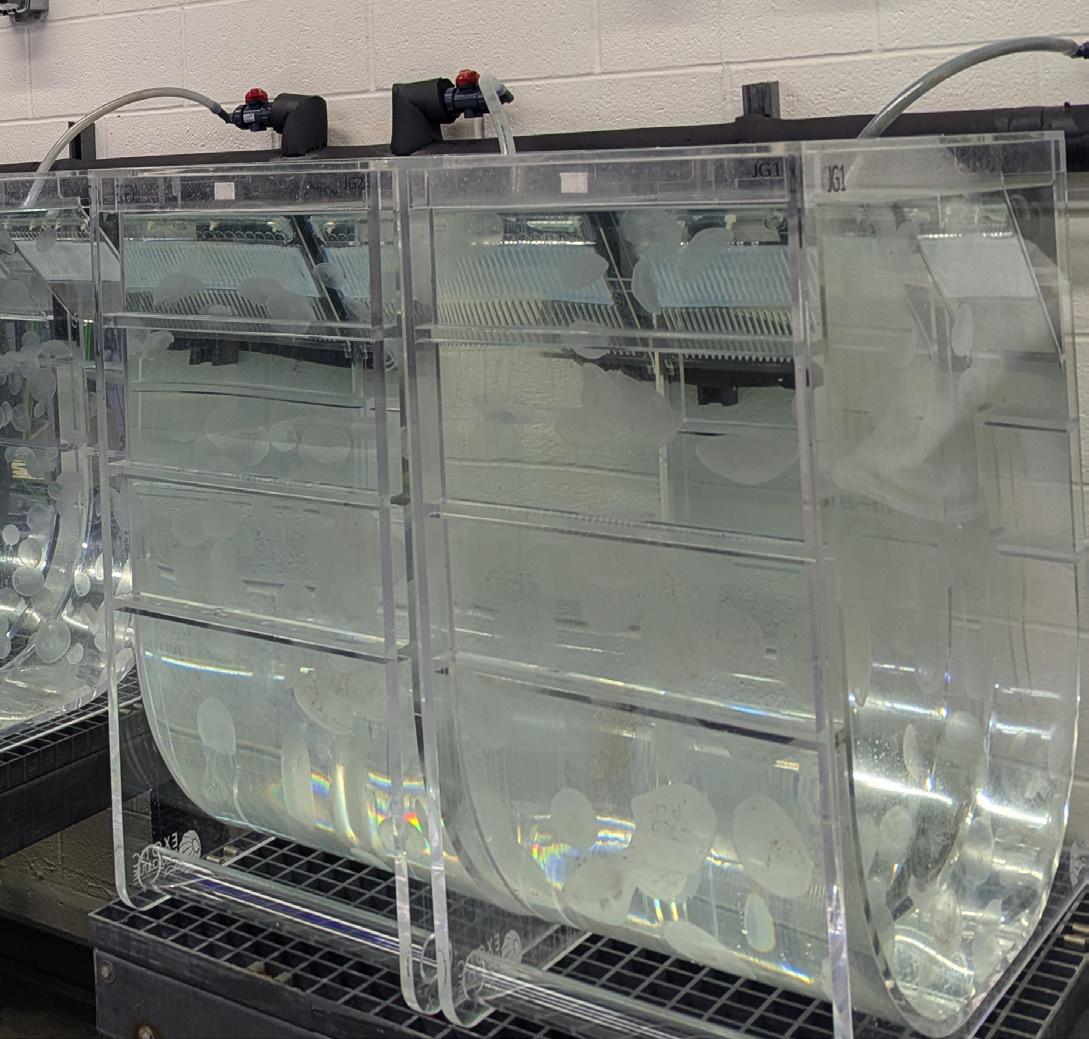
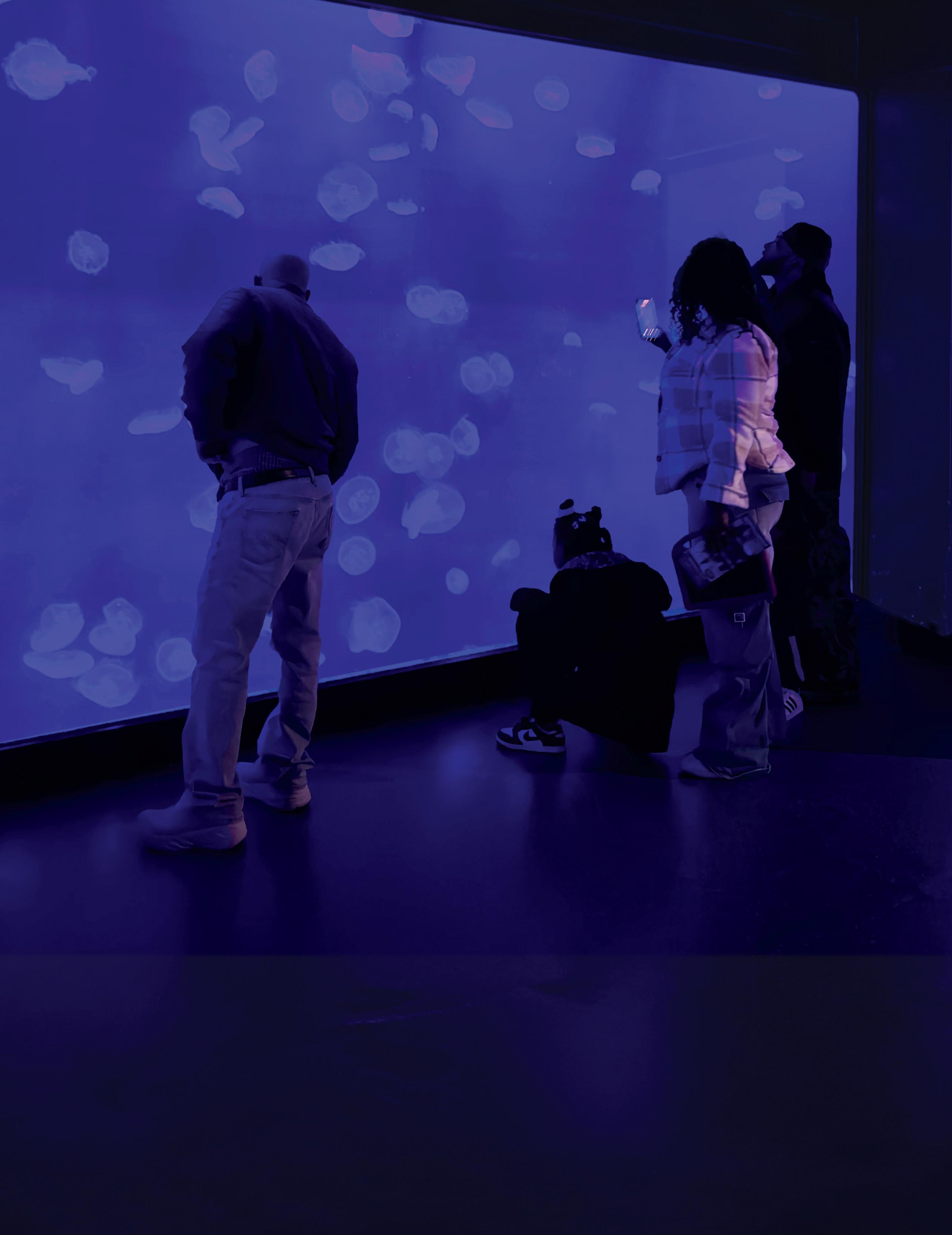
On any given day you can see more than one hundred moon jellies floating around in our exhibit, yet they are only a fraction of the jellies that we house at Riverbanks. Behind the scenes, we have over one thousand jellies being propagated in all different stages of life.
In our backup spaces, the jelly systems are sorted by each life stage. Jellies begin their life as a polyp. Each one has a stalk and tentacles, similar to anemones. Polyps begin life drifting, then attach to solid surfaces. Next, they undergo a process called “strobilation” where the polyp releases an ephyra, the next stage in the life cycle. Ephyrae have a central disc with eight protruding “lobes.” They become free-swimming and begin the classic “pulsing” motions. As ephyrae develop, they form a bell and mature into adults, known as medusa. Our medusas are sorted by size, the largest going on exhibit. Moon jellies live for one to two years. When reaching old age, they go through senescence, shrinking or turning into a ball shape. They are relocated to a tank reserved for older or deformed jellies, then used as food enrichment items for our animals.
Moon jellies are simple animals, lacking a brain, heart, and complex nervous system. They have a nerve net, which allows them to sense touch, not pain. They are not strong swimmers, relying on the ocean currents to carry them. The circular movement in our exhibit is from the tank’s water flow. This circulation is crucial to keeping jellyfish healthy. They are fragile and can be damaged if they hit anything solid. The flow ensures that they remain suspended in constant motion. They have a very mild sting that not everyone reacts to. For those more sensitive, it can temporarily cause a mild, itchy rash. This allows us to rarely wear any protective layers when touching the jellies.
While jellies are simple animals, they require a substantial amount of care. They are fed three times daily, with their main food source being live brine shrimp. Three times a week they are fed a fish smoothie, using the protein to strengthen their bells. Keeping tanks clean is also an important part of their care. If algae builds up, jellies attach to it, which causes damage over time. If there is detritus in the tanks, they pick it up and are weighed down. This harms them and also disrupts the flow, causing deformities.
Because of our success with jelly propagation, we ran out of space for our jellies.
Fortunately, we were able to surplus them, sending ~600 to institutions around the country.
Our goal is to continue this process.
JELLY BASICS
Gonads
Bell Umbrella
Oral Arms
Mouth
Muscle Ring
Tentacles
Stinging Cells
We
are not in the Chinese Year of the Dragon...
but that’s how our 2026 started!
Dr. Martha Weber | VP of Animal Health
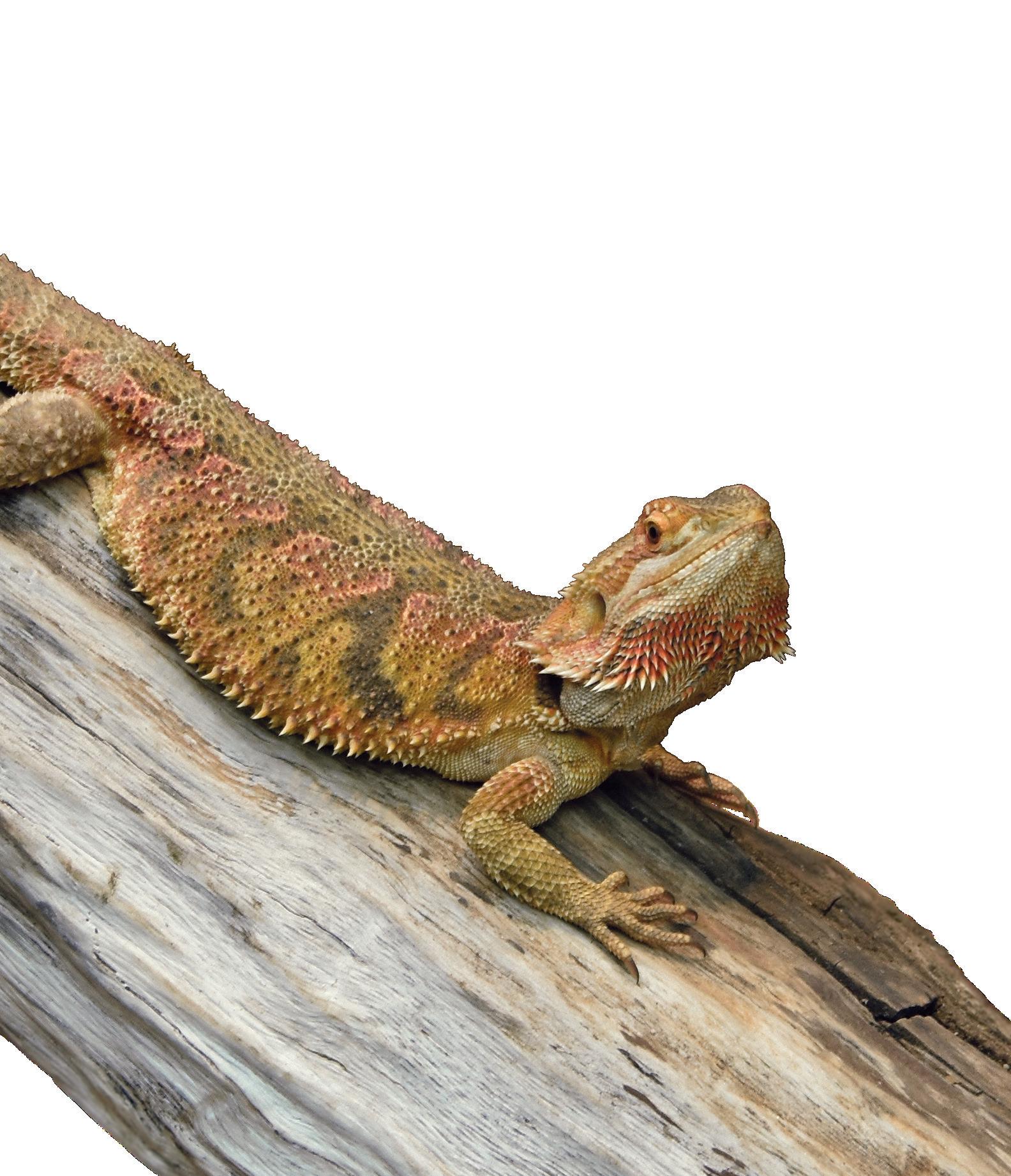
Bearded dragons are classified as Least Concern on the IUCN Red List of Threatened Species.
Bearded Dragon
Superstitions abound in veterinary medicine. You never say that a day seems quiet or mention that there doesn’t seem to be much on the schedule. You watch the full moon with a suspicious eye. And you worry that how the New Year starts could be an indicator of how the rest of the year will behave.
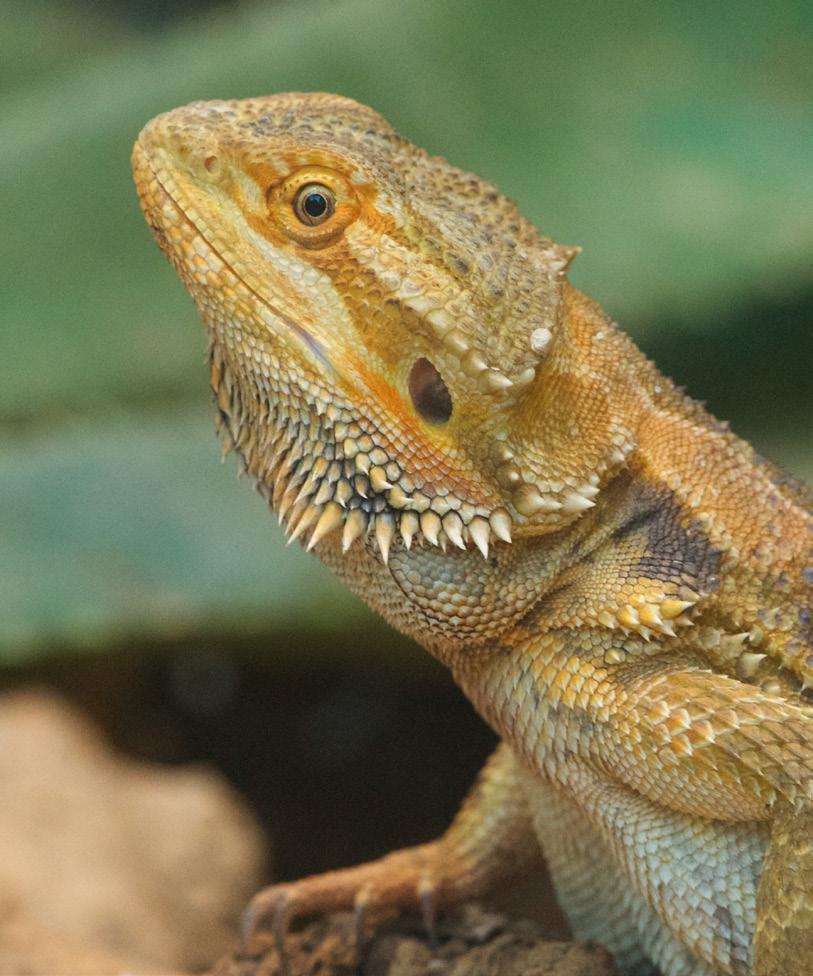
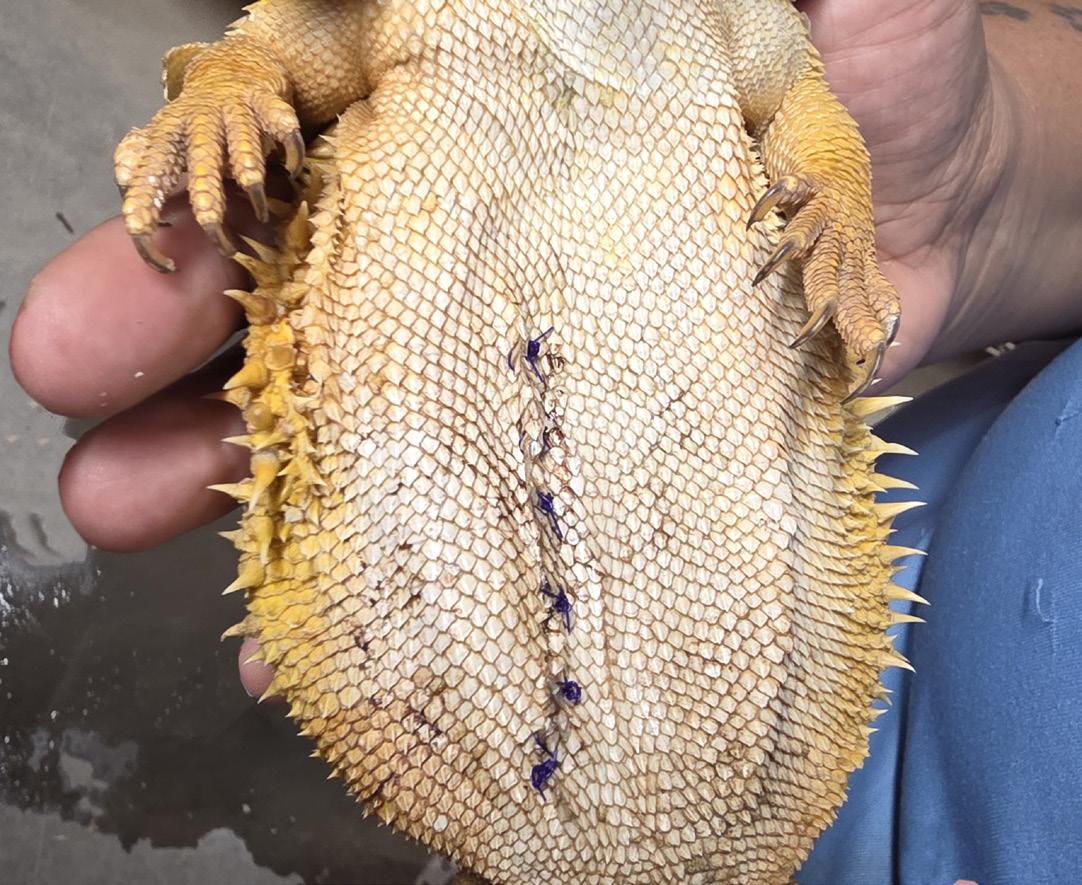
On January 1, the reptile team brought us a bearded dragon that was not eating well and seemed lethargic (bearded dragons are normally very active and curious). In the course of the physical exam and workup, we saw with our ultrasound machine that she had many developing follicles on her ovaries (bearded dragons can lay 15-25 eggs at a time). Given how rounded the dragon looked and the fact that she was not behaving normally, we diagnosed her with follicular stasis. This is a condition where follicles develop on the ovaries but do not pass normally into the uterus to become eggs. Complications from follicular stasis can include death of the animal, so we decided, late in the afternoon on New Year’s Day, to take the dragon to surgery to remove her ovaries.
I haven’t done this surgery in a while, so I reviewed the chapter on ovarian surgery in reptiles. The authors specifically noted that “the right ovary is closely adhered to the liver, especially in bearded dragons.” {sigh} I told our veterinarian Lauren, who was helping with this case, “We will remove the left ovary first and then deal with the right one, since that one is trickier.” Oh, the best laid plans…. As soon as we made the incision into the dragon’s abdomen, her right ovary pushed up and out of the incision, forcing us to deal with the hard side first. We did successfully remove both ovaries and one shelled egg that had gotten stuck in her uterus.
We are still treating the dragon with medications and supplemental fluids. She is doing really well – her incision is healing, she is much more active and alert, and she is starting to eat again. I, however, am looking askance at the universe and wondering what the rest of the year will bring, given that on day one we were presented with a challenging emergency surgery.
She is doing really well her incision is healing, she is much more active and alert, and she is starting to eat again.
FUN FACT
Bearded dragons have a " THIRD EYE " known as a parietal eye that is located on the top of their head. This "third eye" cannot see images, but can sense light, dark, and sunlight, which influences a dragon's activity and behaviors.
New Lions, New Horizons
Announcing Plans for a Grand Future Habitat
Anna Anderson | Cat/Bear Supervisor
We’ve got something to ROAR about this year, and it has to do with our lions and their future at the Zoo!
Since our male Zuri’s passing in 2024, we have been in talks with the African Lion SSP (Species Survival Plan) about the potential to breed our females again with a new male. Because we are about to begin construction on a new lion habitat, we determined that it made more sense to send our females to another facility to join a new male there.
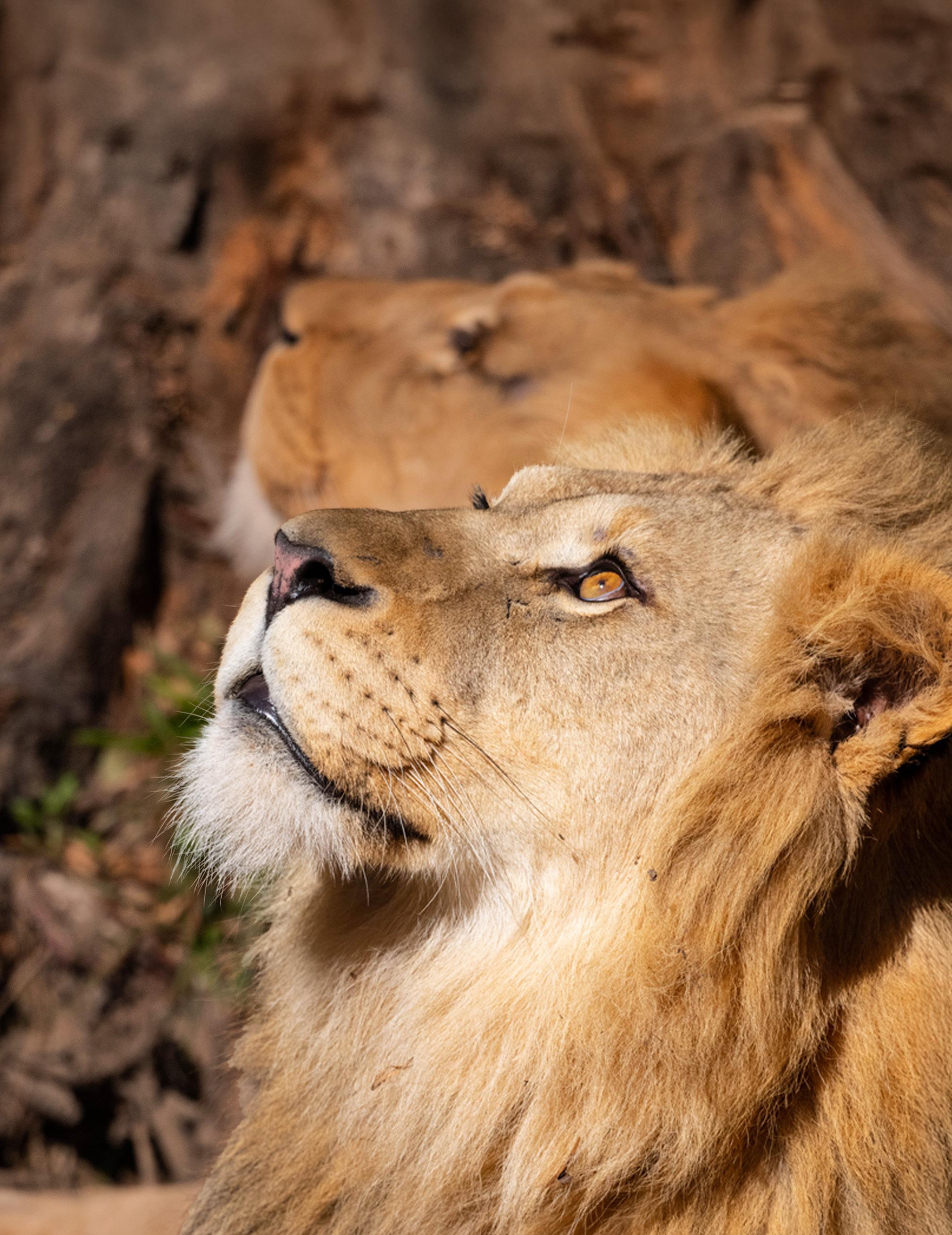
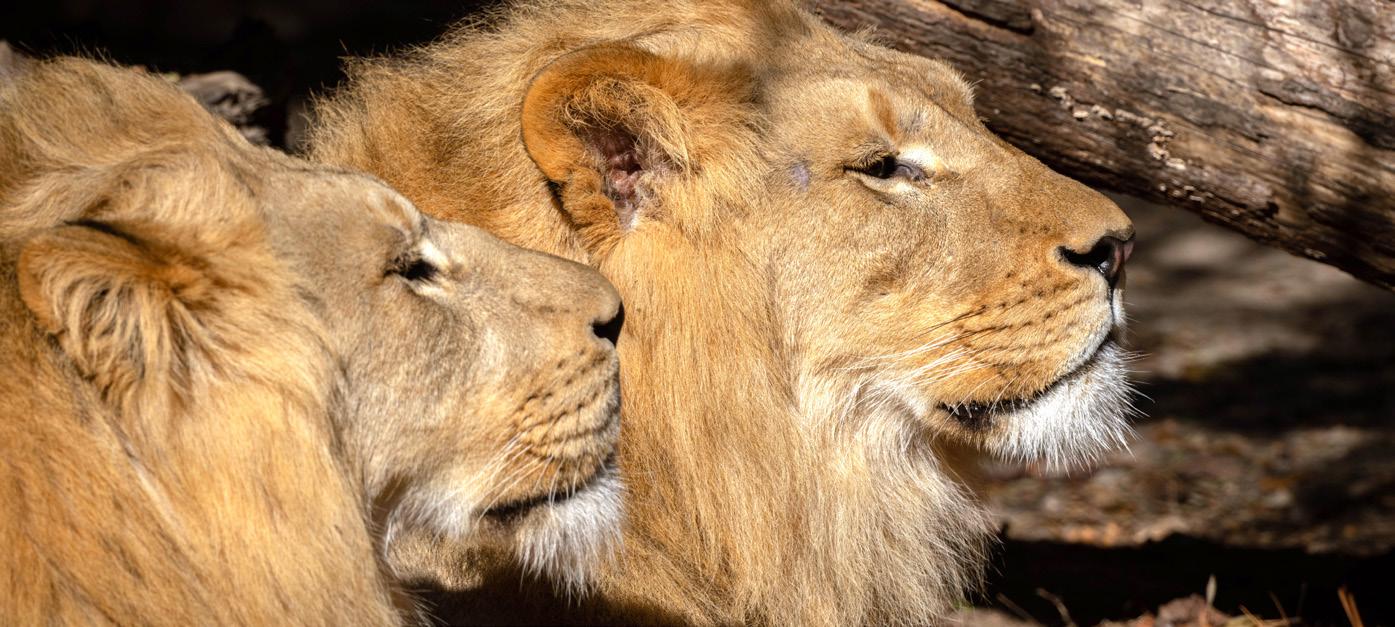
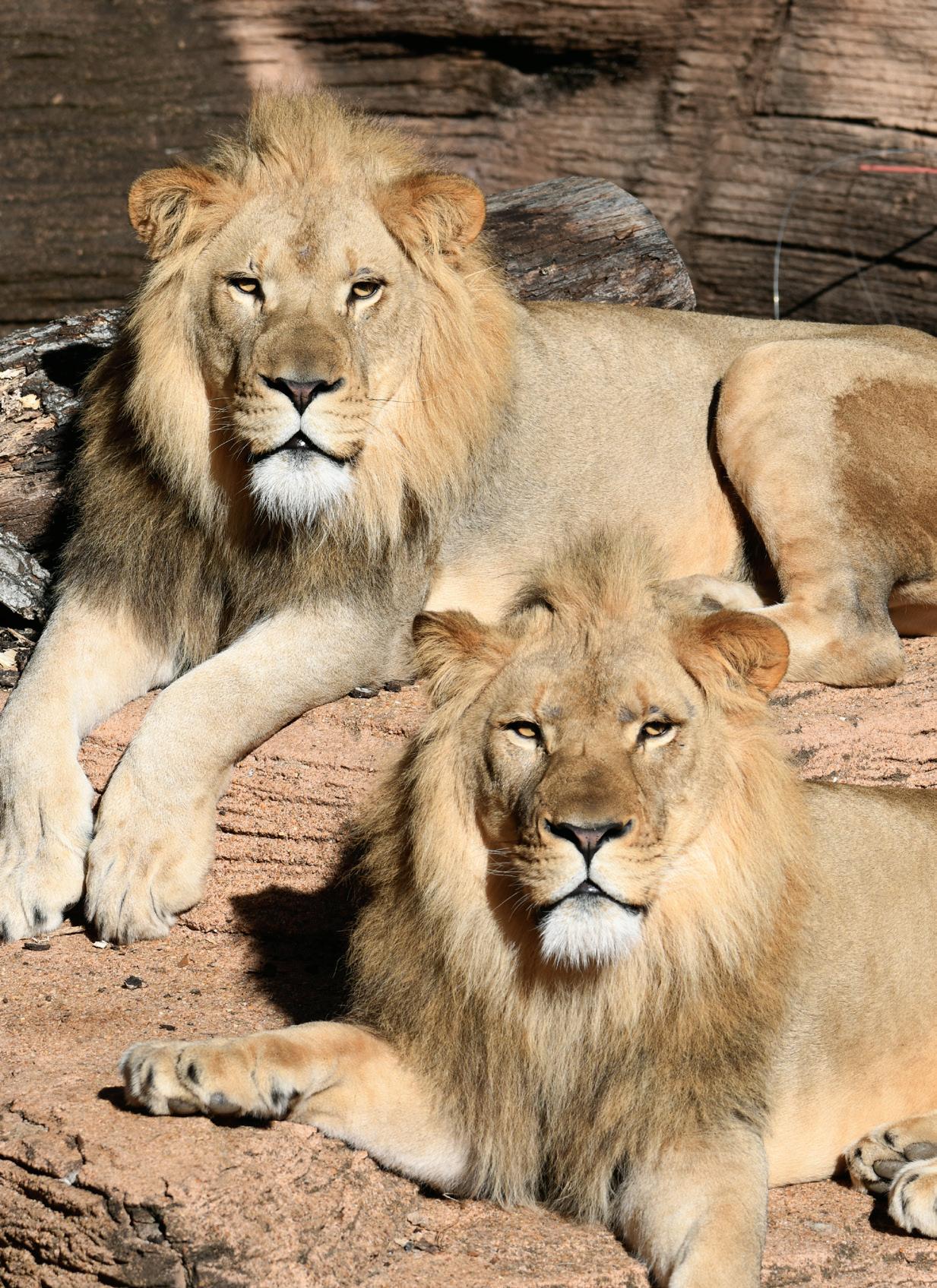
Knowing we would have an empty lion habitat, we were happy to accept two young brothers in need of a zoo now that they were old enough to leave their familial pride. In December, we introduced Pesho and Sidai to their new home in the Palmetto State just before celebrating their third birthdays in early January. The lions have quickly settled into their new space and like to play, sleep, and call out their territory as a young bachelor group would do in the wild.
These boys are more than just handsome big cats. They mark the beginning of a new era for lions at Riverbanks Zoo and Garden as we excitedly work to finalize master plans for a brand-new lion habitat. While our current lion habitat meets the needs of these large carnivores, we are thrilled at the opportunity to upgrade and create an updated space that will benefit both the lions and our guests who come to visit year-round.
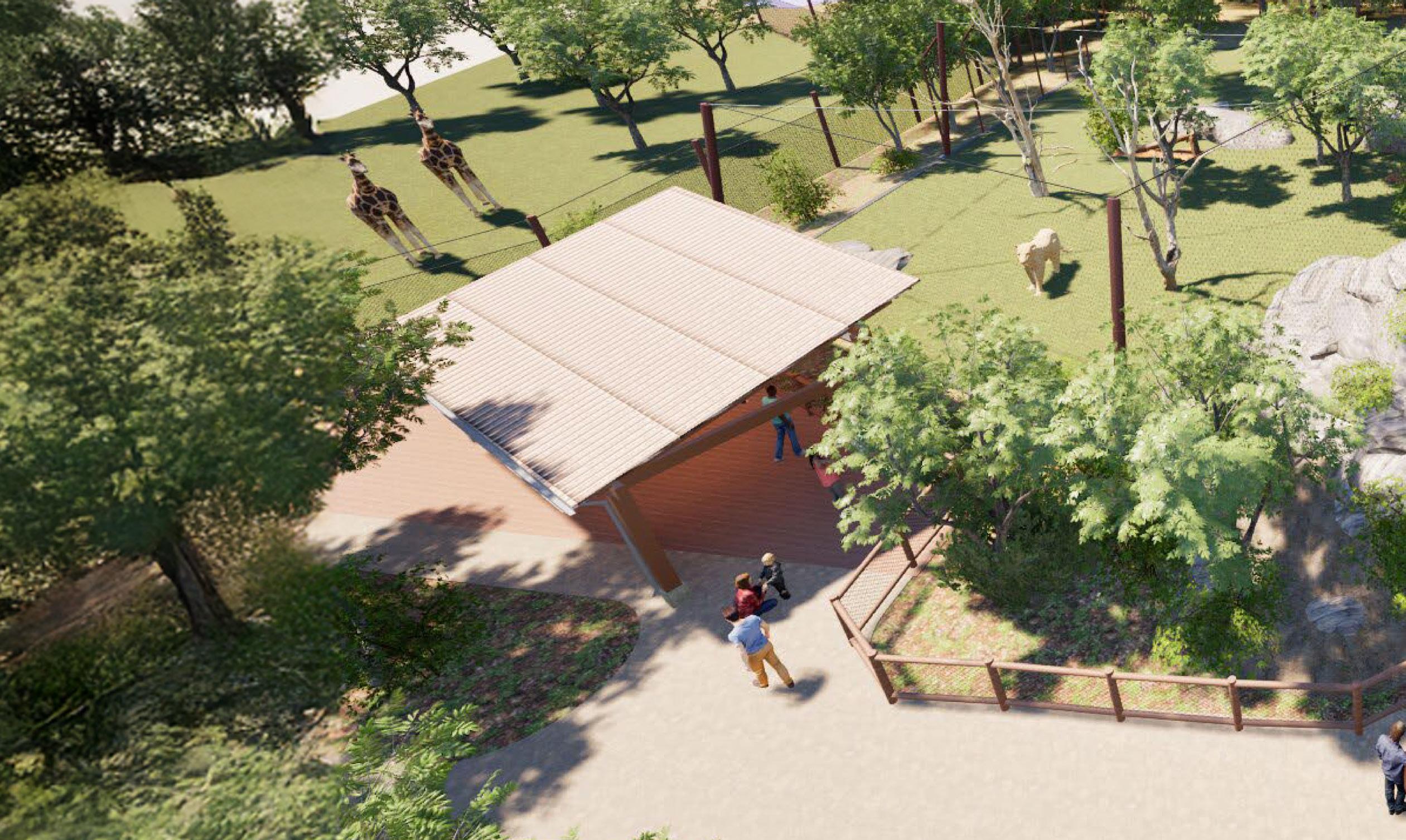
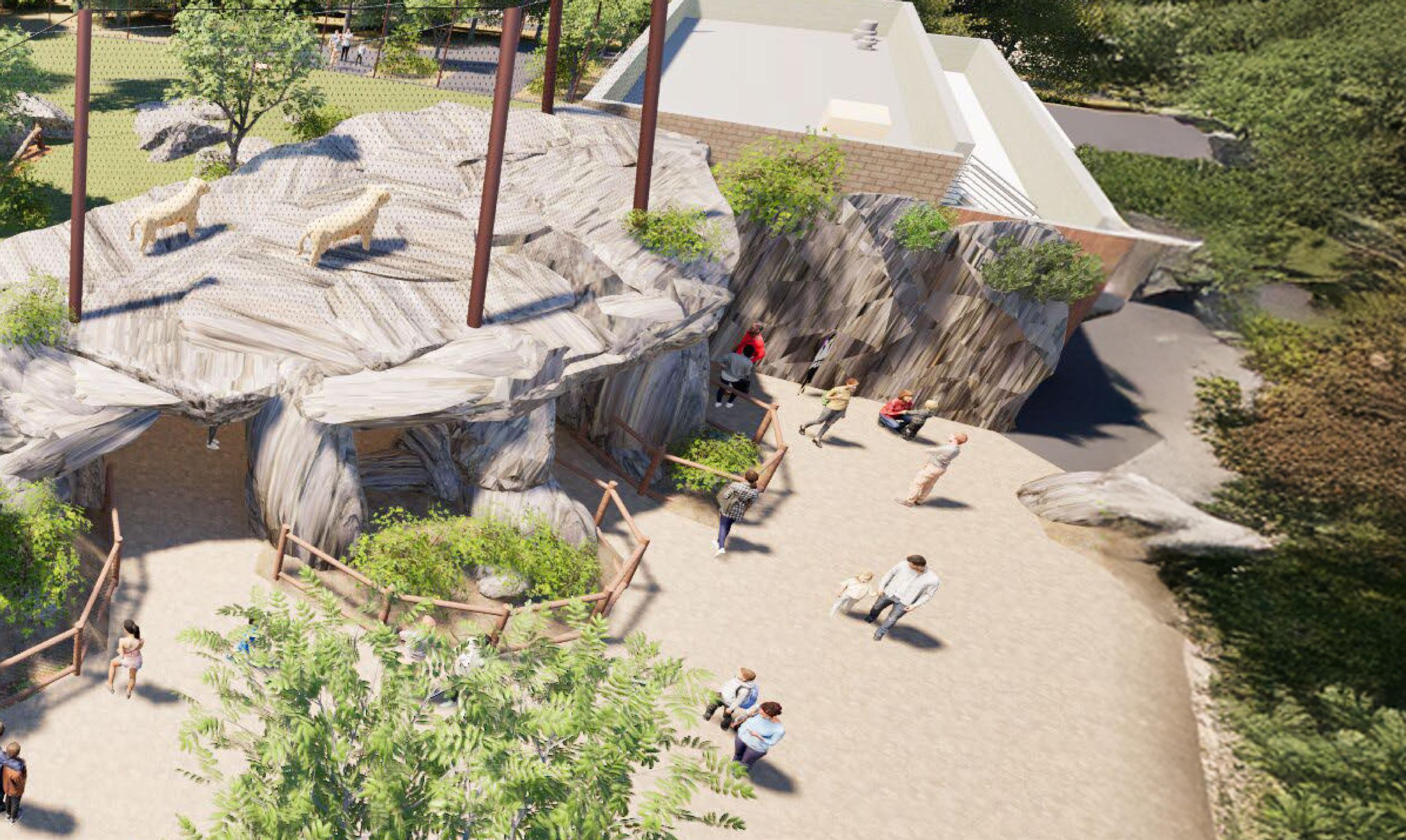
We plan to break ground on this endeavor the summer of 2026. When complete, the lions will move next to the current giraffe habitat to group our African animals and make it feel like you have embarked on a safari. Guests will be able to meet a lion face-to-face through multiple observation areas or watch as the lions nap in the sun with the towering giraffe next door. The habitat will feature climbing structures
PESHO | Born January 9, 2023 at Lincoln Park Zoo Chicago, IL
Pesho’s name means unexpected gift in the Maa language. Lion guardians from the Maasai community chose his name and his brother’s. Pesho is the more laid back of the two brothers.
SIDAI | Born January 9, 2023 at Lincoln Park Zoo Chicago, IL
Sidai’s name means good in the Maa language. Members of the Maasai community chose this name because they believe lions are good and stand for strength, courage, and pride.
and rockwork to replicate the large rock outcroppings of the savannah, called kopjes (pronounced koppies). This project also features a bigger indoor holding area that will support long-term breeding and a larger lion pride. Since construction will take place in a completely different location, the lions will remain in their current habitat throughout the process. We will simply move the cats from one side of the Zoo to the other upon completion.
With the Zoo surpassing its 50th year in 2024, we continue to celebrate this major milestone while also looking ahead to the future of the animals and their habitats for the next 50 years.
STAY TUNED! We’re paw- sitive you will like what’s coming next! And this is only the beginning.