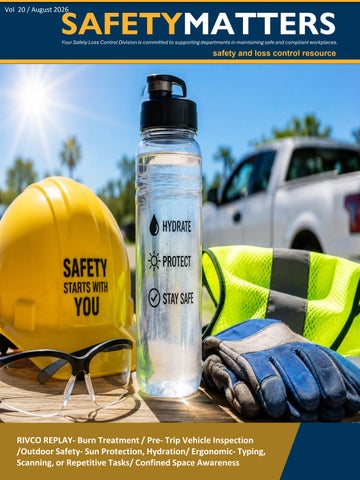

SAFETYMATTERS
safety and loss control resource

RIVCO REPLAY- Burn Treatment / Pre- Trip Vehicle Inspection /Outdoor Safety- Sun Protection, Hydration/ Ergonomic- Typing, Scanning, or Repetitive Tasks/ Confined Space Awareness

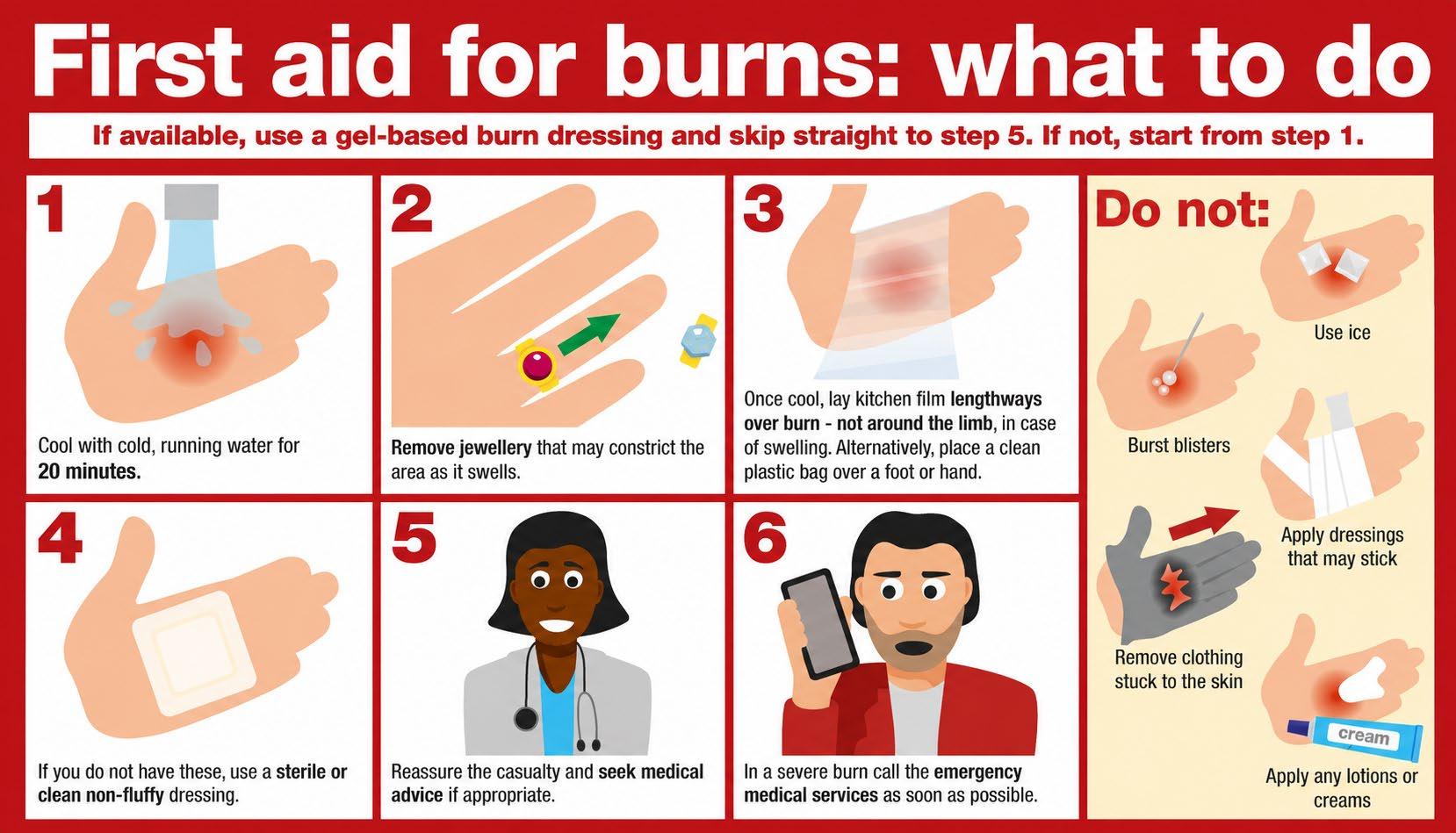
Burn Treatment


Burn injuries are a serious workplace hazard, whether from heat, chemicals, electricity, or steam. Protective strategies and immediate, correct treatment can significantly reduce severity. Here’s what every employee and supervisor should know.

WORKPLACE BURNS INCLUDE:

Thermal burns from hot surfaces, liquids, steam, flames or molten substances
Chemical burns from acids, alkalis or corrosives
Electrical burns due to contact with energized equipment
Why Is It Important
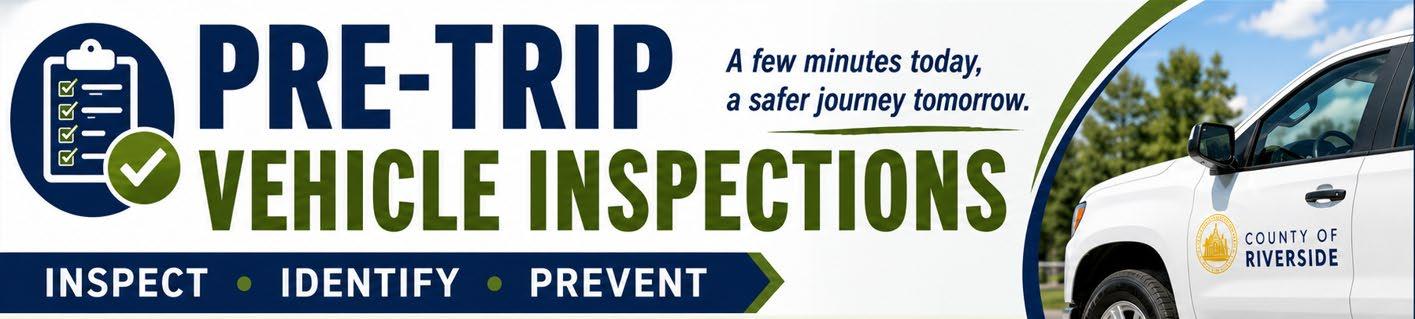
Protects you, your passengers, and the public.
Identifies vehicle defects before they become safety hazards.
Reduces breakdowns, downtime, and repair costs.
Supports compliance with County policies and safe driving practices.
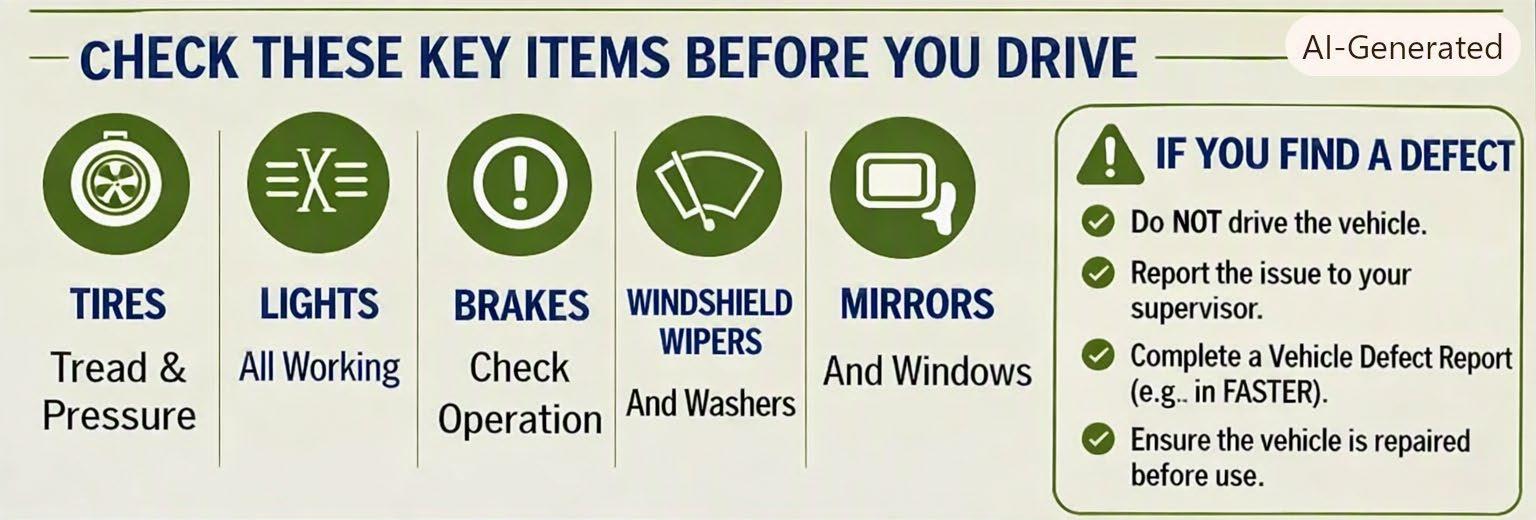

Before You Drive, Check:
Tires: Inflation, tread depth, and visible damage
Lights: Headlights, brake lights, turn signals, and hazard lights
Mirrors & Windows: Clean, adjusted, and free of damage
Brakes & Steering: Proper operation with no unusual noises
If You Find a Problem
Fluid Leaks: Look under the vehicle before moving it
Windshield Wipers & Washer Fluid
Dashboard: No warning lights
Seat Belts, Horn, Registration, and Required Safety Equipment
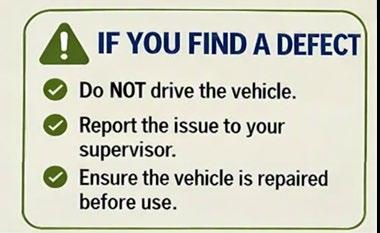
Do not operate an unsafe vehicle. Report the issue to your supervisor or Fleet Services immediately and ensure the vehicle is repaired before use.
Quick Tip: Inspect • Report
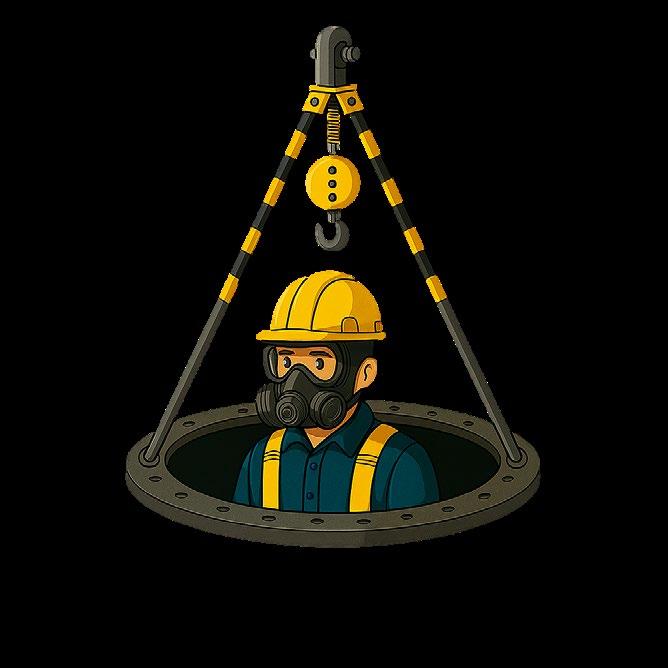
CONFINED SPACE AWARENESS
KNOW BEFORE YOU ENTER
RECOGNIZE THE HAZARDS. FOLLOW THE RULES. SAVE LIVES.
WHAT IS A CONFINED SPACE?
A Confined space is an area that is:
Large enough for an employee to enter and perform work,
Has limited or restricted means for entry or exit, and
Is not designed for continuous employee occupancy.
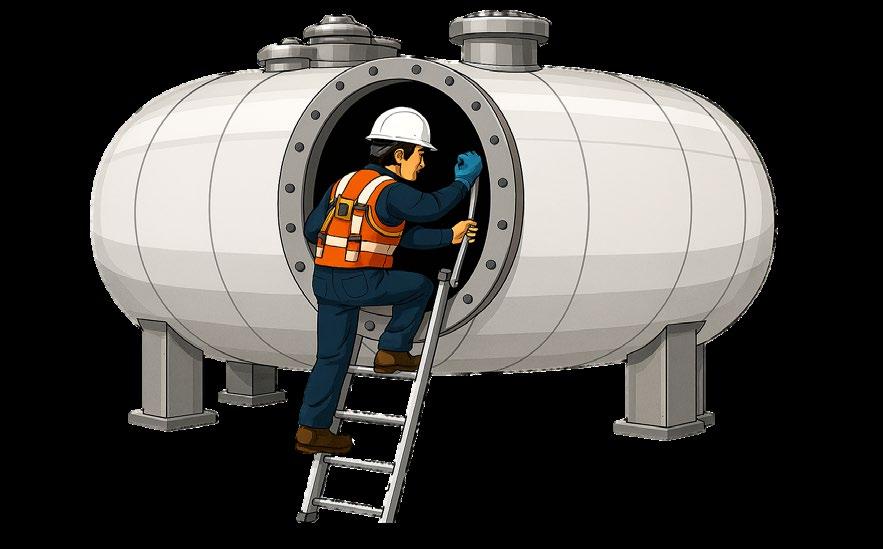
WHAT IS A PERMIT- REQUIRED CONFINED
A confined space that contains, or has the potential to contain, one or more serious hazards:
SPACE?
✓ Configuration that could trap or asphyxiate an employee, and/or
Types of Spaces:
Tanks
Vessels
Manholes
Vaults
Sewer Systems
Pits
Silos
Utility Spaces
✓ A hazardous Atmosphere,
✓ Potential for engulfment,
✓ Any other serious safety or health hazards.
HAZARD RECOGNITION IN CONFINED SPACES
HAZARDS
x Oxygen deficiency or enrichment
x Toxic Gases
x Flammable Vapors or gases
x Hazardous Airborne containments
Storage Areas
Boilers
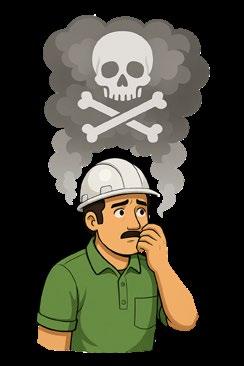
HAZARDS
x Carbon Monoxide (odorless, colorless) x Bacteria, Viruses, fungi, or mold x Sewage or waste x Animal/insect hazards
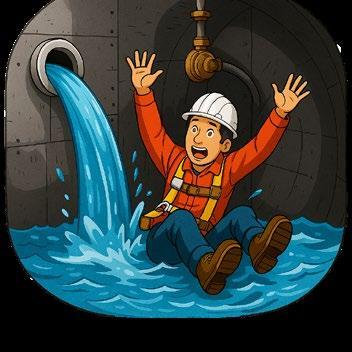
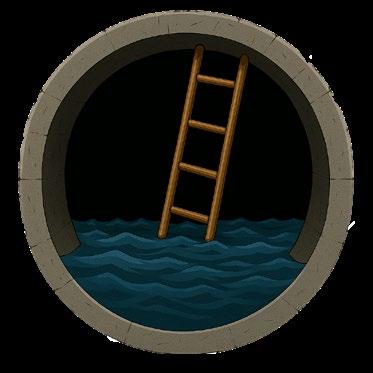
x Engulfment( liquids, solids)
x Falls from ladders or openings
x Slips, trips, and falls
x Moving parts or equipment
x Extreme temperatures
x Drowning
x Awkward postures
x Repetitive motions
x Heavy lifting or equipment handling
x Limited Space Movement
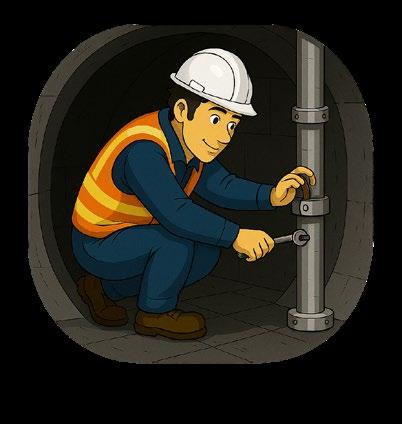
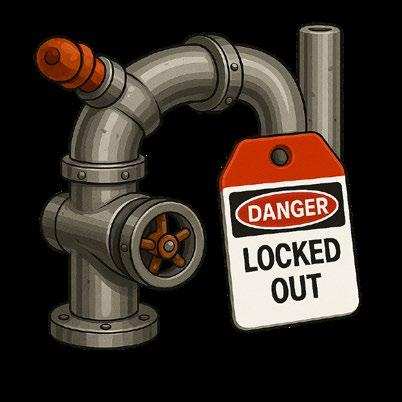
Electrical
Mechanical
Hydraulic
Pneumatic
Thermal
Chemical
communication


CONFINED SPACE ENTRY RULES
❶ IDENTIFY AND EVALUATE
Determine if the space is a confined space or permit-required confined space and identify all potential hazards before entry.
COMPLETE ENTRY PERMIT

Ensure the entry permit is completed, reviewed, and authorized by the Entry Supervisor before employees enter a permit-required confined space.
CONTROL HAZARD ❺ ASSIGN ROLES AND MAINTAIN COMMUNICATION
Eliminate or control hazards through ventilation, isolation of hazardous energy, and other required safety measures before entry.
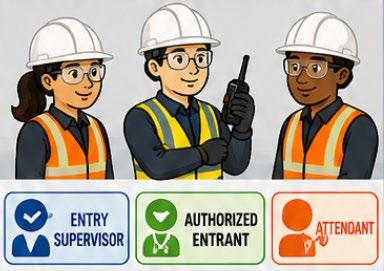
Ensure trained personnel are assigned as Entry Supervisor, Authorized Entrants, and Attendant, with continuous communication maintained throughout entry.
REGULATORY REQUIREMENTS
Confined space operations must comply with:
Cal/OSHA Title 8, Section 5156- Permit Required Confined Spaced
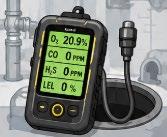
Test the atmosphere for oxygen levels, toxic gases, and flammable vapors before entry and continuously monitor conditions during entry.
VERIFY RESCUE AND EMERGENCY PROCEDURES
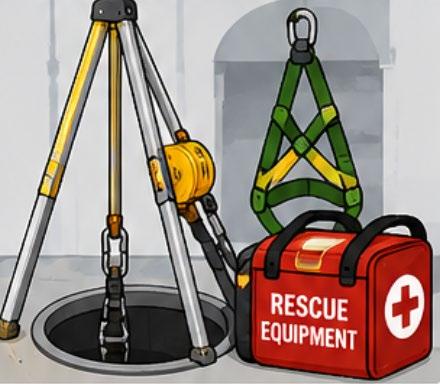
Confirm rescue procedures, equipment, and required PPE are available and ready before entry begins.
Cal/ OSHA Titla 8, Section 5157- General Industry confined space requirements

Cal/OSHA Title 8, Section 1953- Construction Confined Space Requirements ( When applicable)
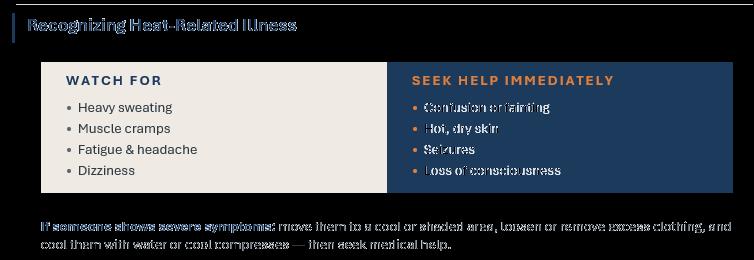
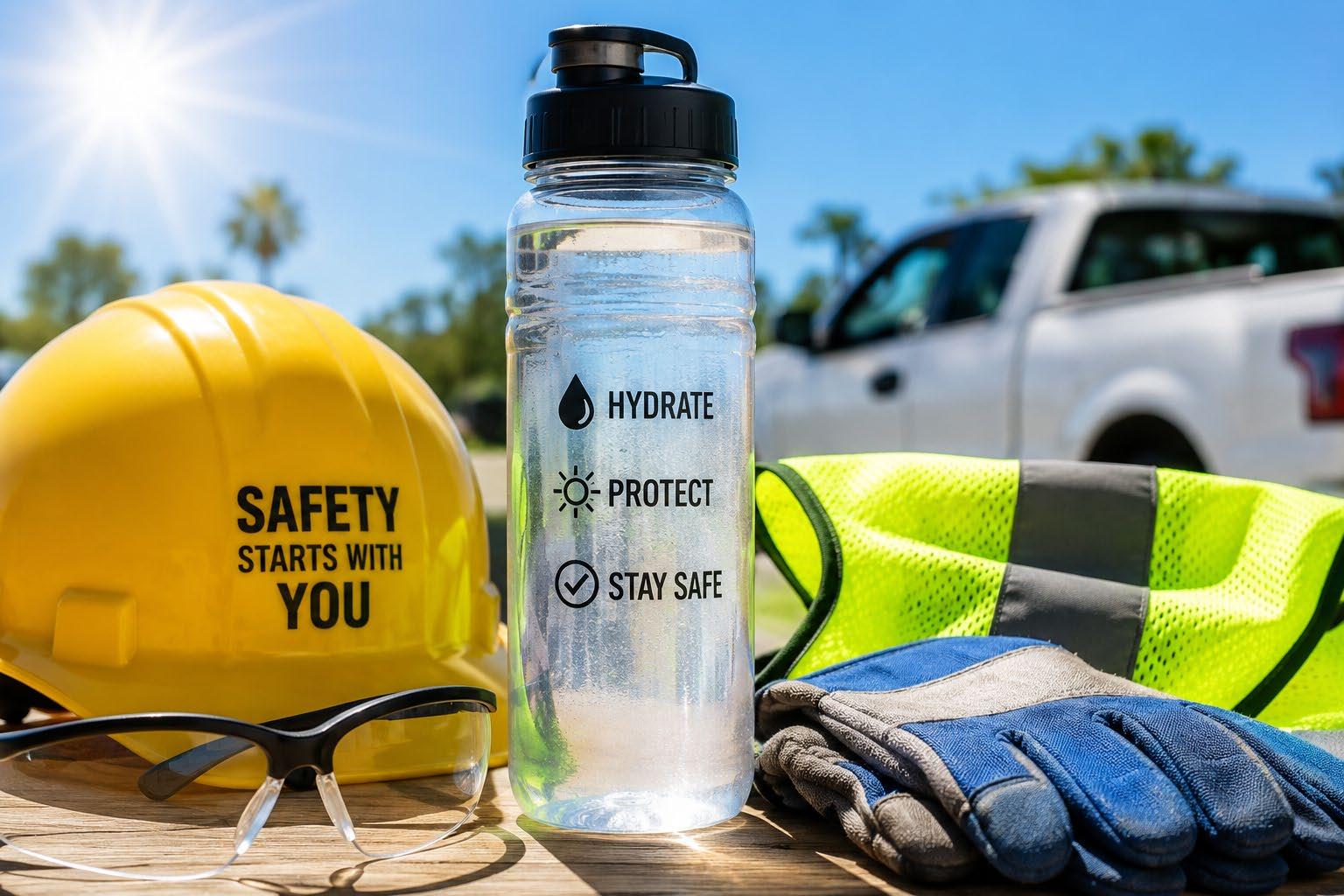
Protect Yourself From the Sun & Stay Hydrated
Whether you’re working outdoors, attending community events, visiting job sites, or simply enjoying your lunch break outside a few simple precautions go a long way.
Sun Protection
The sun’s UV rays can cause sunburn, premature skin aging, eye damage, and increase the risk of skin cancer.
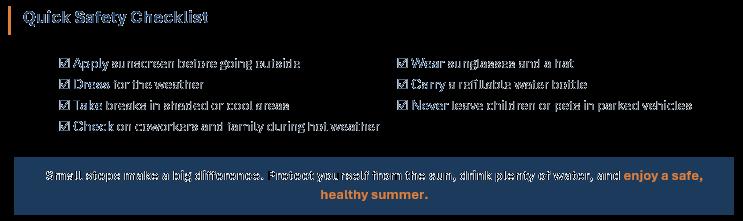
● Apply broad-spectrum sunscreen (SPF 30+)
● Reapply every two hours, or after sweating
● Wear a wide-brim hat and UV-blocking sunglasses
● Choose lightweight, light-colored clothing that covers exposed skin
● Seek shade whenever possible, especially 10 a.m.–4 p.m.
Eye safety: UV exposure can damage your eyes over time. Look for sunglasses labeled 100% UVA/UVB or UV400 protection.
Stay Hydrated
Your body loses water quickly in warm weather, even when you’re not exercising. By the time you feel thirsty, you may already be mildly dehydrated.
● Drink water before heading outdoors, and regularly through the day
● Increase intake during hot weather or physical activity
● Eat water-rich foods like watermelon, oranges, and cucumber
● Carry a reusable water bottle
● Limit sugary drinks, alcohol, and excess caffeine
Did you know? Adults need about 8–12 cups of fluids a day more in hot weather. Mild dehydration alone can affect mood, focus, and energy.