
safety and loss control resource

RIVCO REPLAY- Heat Illness First Aid/ ErgonomicsField Tips/ Chemical Spill Release/ Hearing Conservation/ Safe Storage

safety and loss control resource
RIVCO REPLAY- Heat Illness First Aid/ ErgonomicsField Tips/ Chemical Spill Release/ Hearing Conservation/ Safe Storage

Heat-related illnesses, such as heat exhaustion or heat stroke, happen when the body is not able to properly cool itself. While the body normally cools itself by sweating, during extreme heat, this might not be enough.
Heat Stroke
• Confusion
• Fainting
• Seizures
• High body temperature
Heat Exhaustion
• Cool moist skin

• Headache or dizziness
• Nausea or vomiting
• Fast Heart Rate
Heat Cramps
• Muscle Spasms
• Pain
• Usually in abdomen, arms, or legs
Heat Rash
• Clusters or red bumps on skin, often appears on neck, upper chest, or folds of skin

–Quick action to stay cool and collected:
• Take cooling breaks in shaded or airconditioned areas as needed or as directed by your supervisor.
• HYDRATE! Drink at least 1 cup every 15-20 minutes
• Ice packs on neck, armpits, or groin
• Know the signs of heat stress in yourself and coworkers
• Speak up if conditions feel unsafe –advocate for shift adjustments or extra cool-downs
For any heating emergency immediate response – cool the body, rehydrate, stay in a cooler environment, and call 911


Frequent kneeling can place significant pressure on the knees and contribute to:
• Knee pain
• Bursitis ("carpet layer's knee")
• Tendon irritation
• Long-term joint discomfort and musculoskeletal disorders


Wear knee pads whenever prolonged kneeling is required.
Knee pads distribute pressure over a larger surface area. They reduce direct stress on the kneecap and surrounding tissues.
Use cushioned kneeling surfaces.
Knee pads work best when combined with kneeling mats or padded surfaces.
Limit kneeling duration.
Alternate between kneeling, standing, and walking whenever possible.
Change positions frequently to reduce static muscle loading. Use proper body mechanics.
Avoid bending and twisting while kneeling. Keep work materials within easy reach.
Report discomfort early.
Persistent knee pain should be reported to a supervisor and evaluated before it becomes a chronic injury
Are you unsure if you are exposed to these risks in the workplace?
Contact your Department assigned Safety Loss Control Coordinator to schedule a Job Safety Analysis!


Hearing conservation programs strive to prevent initial occupational hearing loss, preserve and protect remaining hearing, and equip workers with the knowledge and hearing protection devices necessary to safeguard themselves.
The National Institute for Occupational Safety and Health (NIOSH) recommends that anyone routinely exposed to 85 decibels (dB) over the course of an eight-hour workday should wear ear plugs or some form of hearing protection. This will help prevent permanent noise-induced hearing loss, which occurs when delicate structures in the inner ear, such as the cochlear cilia, are damaged by excessive noise.
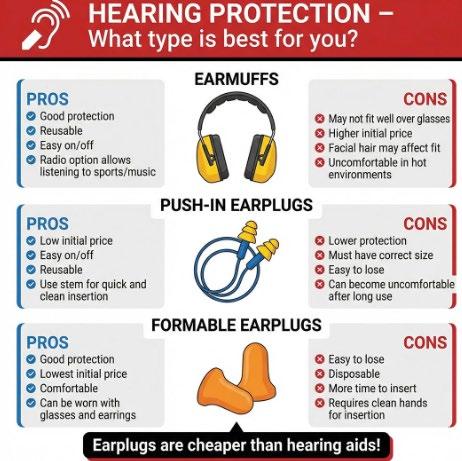
Are you unsure about potential noise exposure? Submit an Industrial Hygiene Request Form for noise testing!


Employees must inspect ladders for damage, missing parts, loose hardware, defective feet, and other hazards before each use. Damaged ladders must be removed from service immediately and either repaired or destroyed.
The base of the ladder must be placed on a firm, level surface. Extension ladders should be positioned using the 4-to1 rule, meaning the base should be one foot away from the structure for every four feet of ladder height. Ladders must be secured to prevent slipping whenever possible.
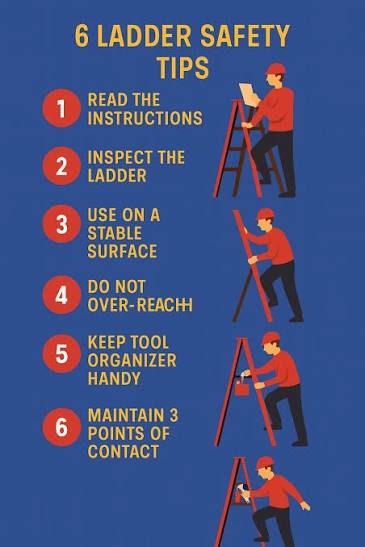
Workers should always maintain three points of contact while climbing either two hands and one foot or two feet and one hand. Face the ladder when ascending or descending and keep the body centered between the side rails.

Most ladder-related injuries are preventable through proper selection, inspection, setup, and use. Following Cal/OSHA ladder safety requirements (refer to Cal/ OSHA regulation §3276) helps reduce fall hazards, prevent injuries, and maintain a safe work environment for all employees.

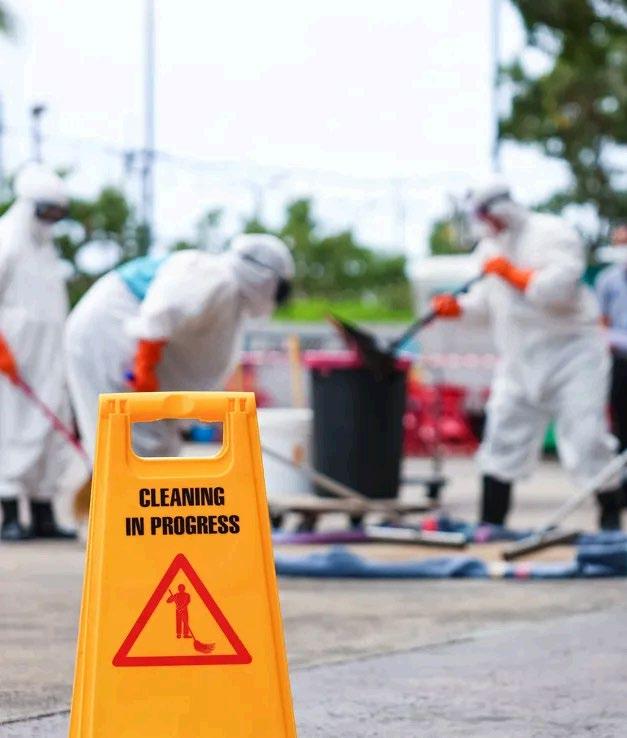
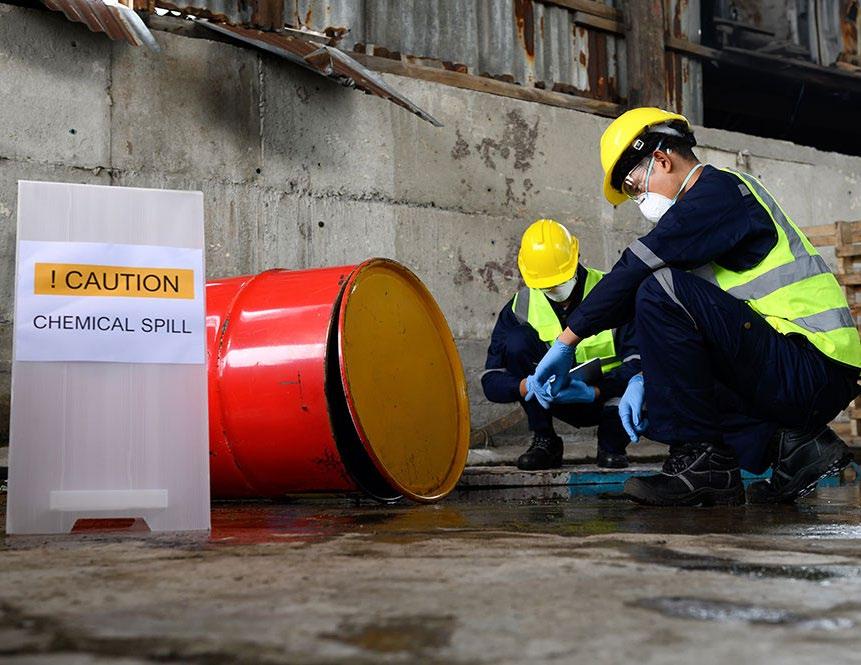
Chemical spills don't just happen in laboratories or industrial facilities — they occur in offices, maintenance yards, clinics, road crews, custodial operations, and anywhere chemicals are stored or used. Even small spills can create serious hazards if they aren't handled correctly. Riverside County employees play a critical role in preventing injuries, environmental damage, and regulatory violations. Under Cal/OSHA's Hazard Communication Standard (Title 8 § 5194), every employee must know what chemicals they work with, how to read labels and Safety Data Sheets (SDS), and how to respond safely to spills.
A chemical spill is any unplanned release of a liquid, solid, or gas that could cause health effects (burns, irritation, respiratory issues), fire or explosion, environmental contamination, or property damage. Even "simple" chemicals can be dangerous when spilled in the wrong place and a poorly handled response can result in employee injuries, evacuations, Cal/OSHA citations, CUPA or Fire Marshal involvement, and workers' compensation claims.
Riverside County facilities must comply with CUPA (Certified Unified Program Agency) requirements, Stormwater Pollution Prevention Plans (SWPPP), and hazardous waste regulations at all times. A spill that reaches soil, storm drains, or waterways can trigger mandatory reporting to state and local regulators, environmental cleanup obligations that can cost tens of thousands of dollars, and significant regulatory penalties that affect the entire department. Supervisors must ensure that spill response plans specifically address the risk of environmental releases — not just employee safety and that all staff understand their role in identifying spills and the appropriate response necessary.
RECOGNIZING
• Unexplained liquid pools or staining
• Discolored soil or water
• Dead vegetation in an unusual pattern
• Vapor or smoke with no heat source
• Leaking drums, containers, or tanks
• Sharp, unusual, or chemical odors
• Solvent, fuel, or ammonia smells
• Odors with no visible source
• Odors that worsen over time
• Eye, nose, or throat irritation
• Headache, dizziness, nausea
• Skin redness or burning
• Difficulty breathing
• Multiple employees feeling unwell
Before any employee approaches a spill area even to assess appropriate Personal Protective Equipment (PPE) must be worn. The specific PPE required depends on the substance involved. Always consult the Safety Data Sheet (SDS)and ensure you are trained, if appropriate.
• Nitrile or chemical-resistant gloves
• Safety glasses or goggles
• Closed-toe shoes / boots
• High-visibility vest if near roadway
• Chemical splash goggles (sealed)
• Face shield
• Chemical-resistant apron or suit
• Chemical-resistant boots
• Half-face respirator (P100 or supplied air) Note: Must be fittested
CALL
(unknown / large)
• Do NOT approach without Level B/C gear
• Call 911 immediately
• Evacuate and establish perimeter
• Let trained HAZMAT responders handle it
Every County work area that stores or uses hazardous chemicals should maintain a properly stocked spill kit appropriate for the chemicals present. Supervisors are responsible for ensuring kits are in place, accessible, and in date.
Absorbs oils, water-based chemicals
Use in: general maintenance, offices
Contains: pads, socks, bags, gloves
Replace: As needed or after any use
Repels water, absorbs only petroleum
Use in: fueling areas, near waterways
Contains: white pads, booms, gloves
Replace: As needed or after any use

Handles acids, bases, solvents
Use in: labs, chemical storage areas
Contains: neutralizers, level B PPE, labeled HW bags
Requires: HAZMAT trained personnel
IF LIFE SAFETY IS AT RISK → CALL 911 FIRST EMERGENCY CONTACTS
911 (Fire/EMS/Law) | Cal/OES Spill Hotline: 1-800-852-7550
National Response Center: 1-800-424-8802
Walk through any County maintenance yard, public health facility, or office building and you'll find them: chemicals, tools, files, equipment, and supplies stacked, shelved, and stored in spaces shared by dozens of employees every day. When storage is done right, it's invisible — workflows, hazards stay controlled, and nothing falls on anyone. When it goes wrong, the consequences range from a twisted ankle to a Cal/OSHA citation to a serious injury or chemical exposure event.
Safe storage is not about tidiness. It is a compliance obligation, a liability management tool, and a direct expression of the safety culture your department is building. This article walks through the principles, the rules, and the practical steps that keep Riverside County workplaces organized, compliant, and safe.
#1
Overexertion from lifting improperly stored materials is the leading cause of workplace injury in California
25% Of Cal/OSHA general industry citations involve improper storage of materials, chemicals, or equipment.
The Basics Every Employee Must Follow
Store heavy items at waist level or below.
$7,000
Minimum Cal/OSHA fine per serious storage violation. Willful violations: up to $70,000.
• Reaching overhead to retrieve heavy objects is a primary cause of back injuries and dropped-object incidents. Anything over 25 lbs. belongs on a lower shelf.
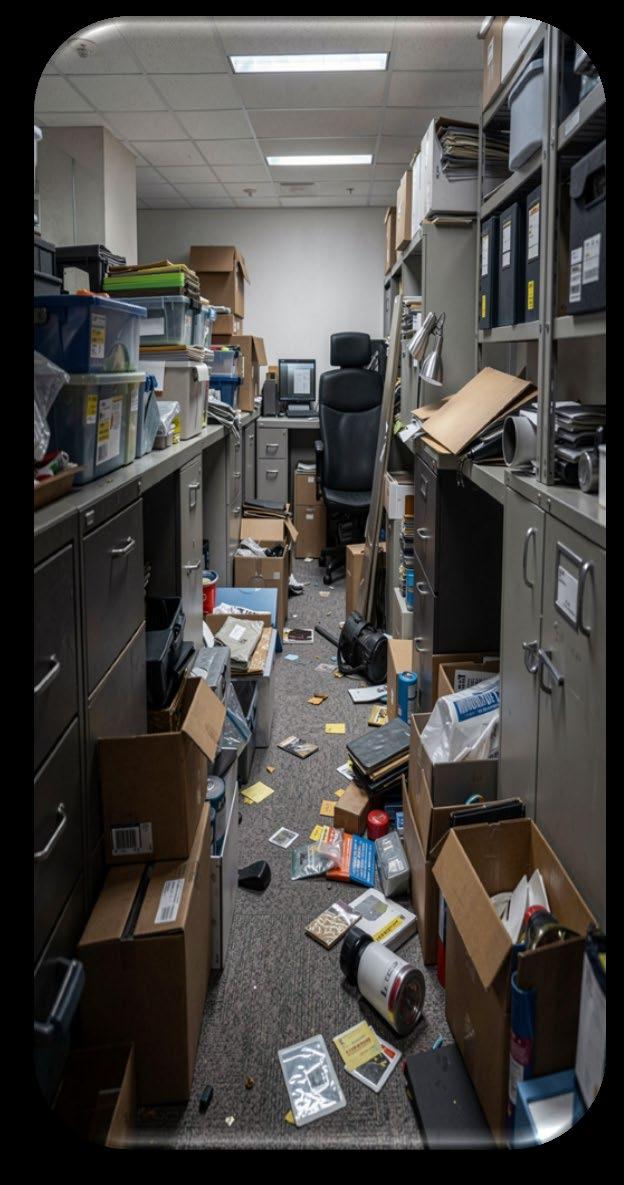
Never block aisles, exits, or emergency equipment.
• Cal/OSHA Title 8 §3235 requires that aisles and passageways be kept clear at all times. A blocked exit is a citation and in an emergency, it is a life-safety hazard.
Stack materials stably. Use shelving units secured to walls.
• Unsecured shelving can topple in seismic events. Riverside County sits in an active earthquake zone. All shelving over 5 feet tall must be anchored.
Do not exceed shelf load ratings.
• Every shelf has a rated capacity. Exceeding it even briefly can cause catastrophic collapse. Load ratings must be visibly posted.
Maintain 18 inches of clearance below sprinkler heads.
• Required by the California Fire Code. Blocking sprinklers with stored materials can turn a minor fire into a major one.
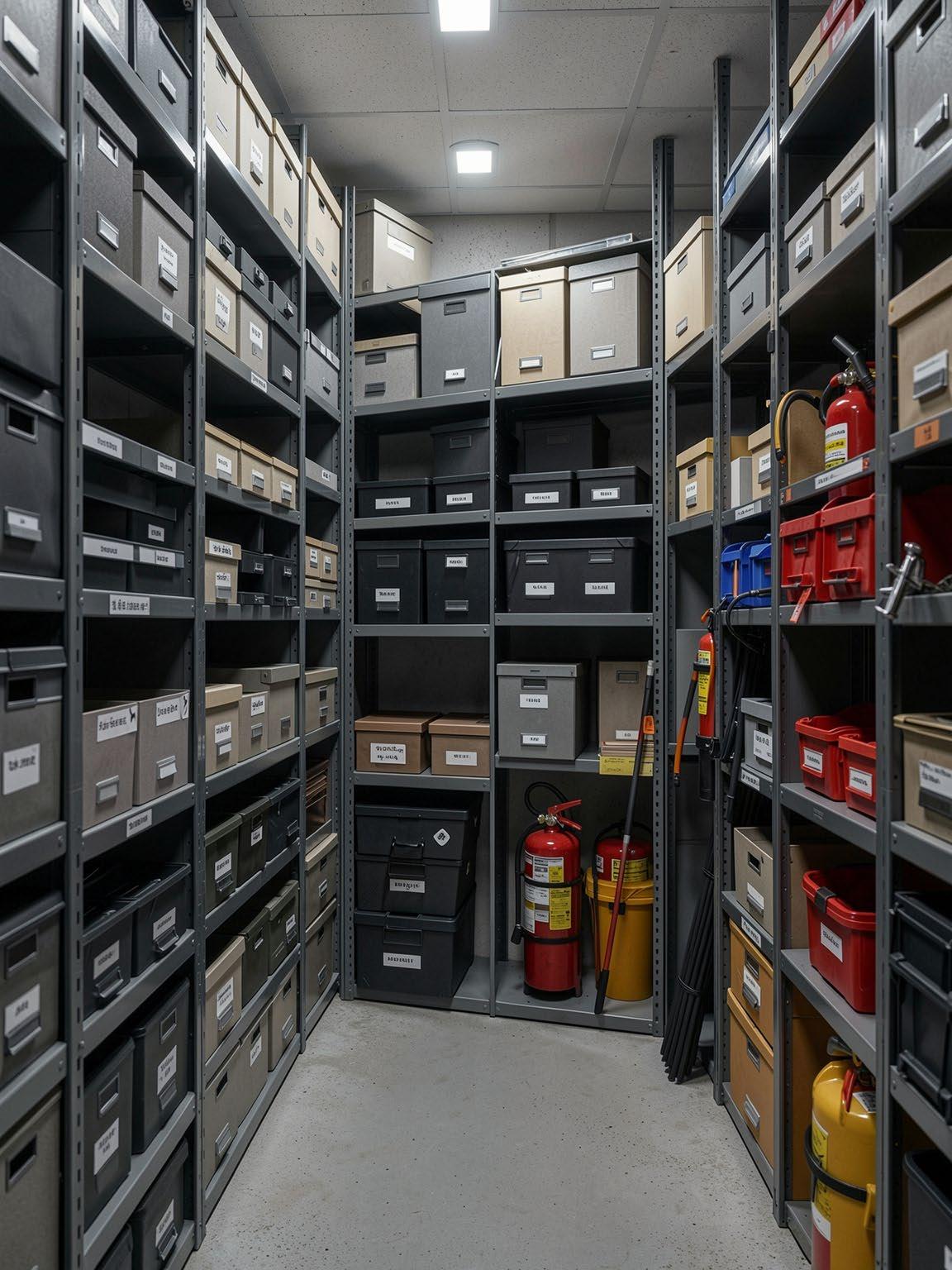
Store heavy items between waist and knee level to minimize strain and risks.
Heaviest on the Bottom
Always place the heaviest materials on the lowest shelves for stability.
Avoid Extreme Reaching
Never reach above shoulder height or bend to the floor to retrieve heavy items.
Improper Lifting
Utilize mechanical aids (like pallet jacks or carts) and follow lifting safety rules to avoid severe musculoskeletal strain.

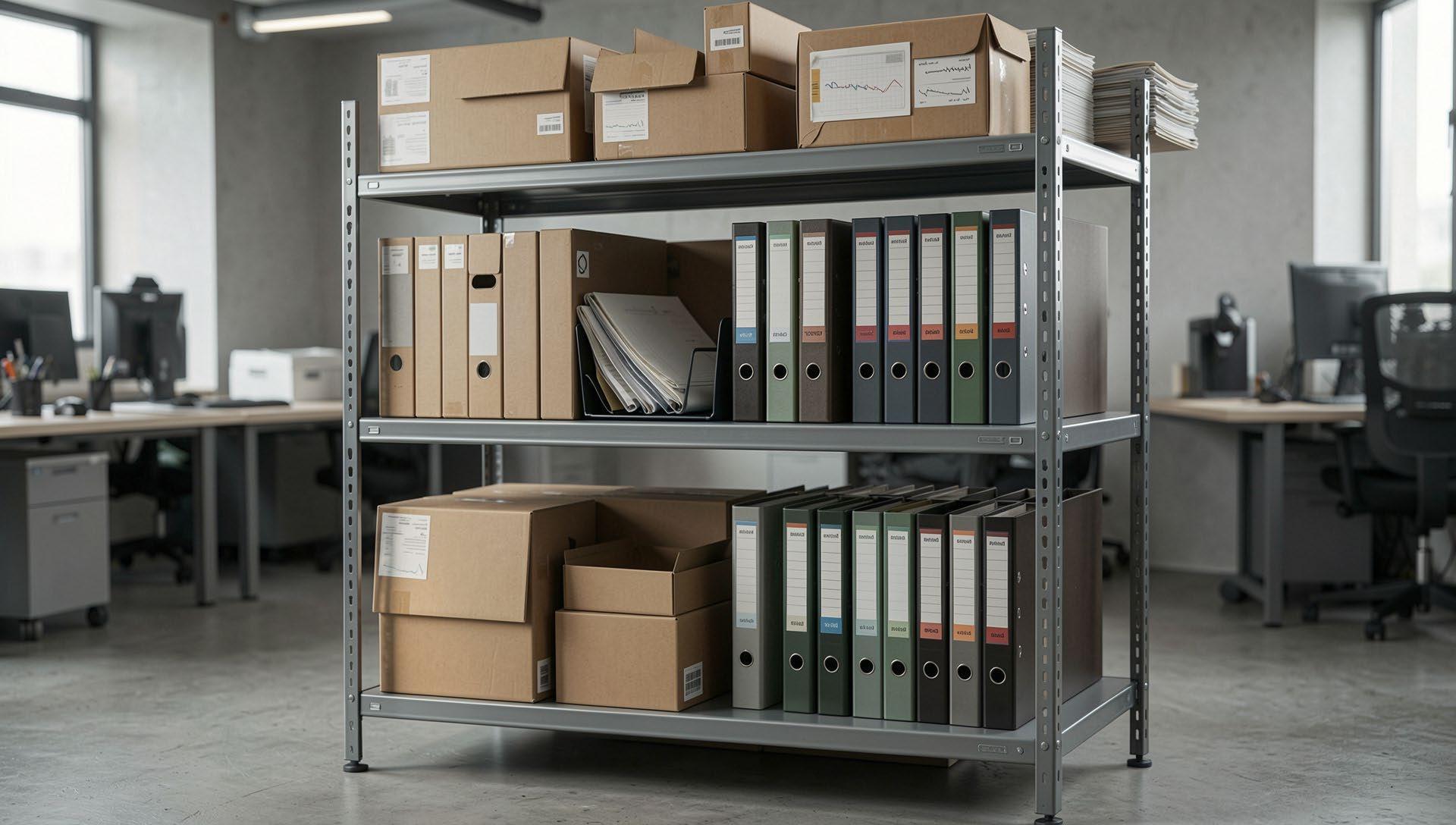
Shelves must always remain within the manufacturer's rated weight load limits
Inspect Regularly
Check for sagging, damage, or structural instability on a routine basis.
Bookcases and cabinets over 4 feet in height must be securely anchored to walls, floors, or to each other to prevent tipping during an earthquake
Stack materials squarely and evenly to prevent shifting, sliding, or collapse.
Round or irregular items must be chocked or strapped to prevent rolling.
Maintain unobstructed access to all emergency exits and walkways at all times.
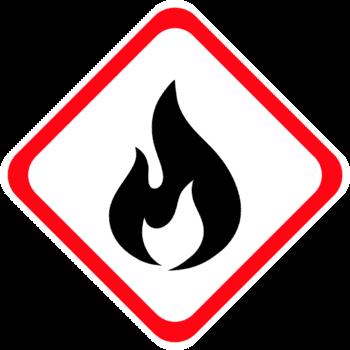
Storing flammable materials in an office requires strict adherence to fire codes, NFPA, and safety standards to prevent catastrophic fires. Flammable liquids and aerosols should be kept in approved safety cabinets, away from exits, and limited to quantities necessary for daily operations.
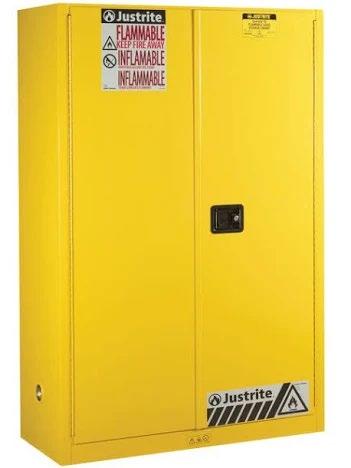
Approved Containers: Store flammable and combustible liquids only in their original packaging or in UL-listed, spring-loaded safety cans.
Quantity Limits: According to Occupational Safety and Health Administration (OSHA) guidelines, no more than 25 gallons of flammable liquids can be stored outside of an approved storage cabinet in any single room.
Safety Cabinets: Quantities exceeding 25 gallons must be housed in fire-rated flammable storage cabinets.
Location Restrictions: Never store flammables in stairways, near exits, or in areas designated for safe pedestrian passage. Keep them at least 25 feet away from heat sources
Ventilation: If you are storing flammable liquids in a designated indoor room, the space must have a ventilation system providing a minimum of 6 air changes per hour
: Ensure all containers are clearly labeled with their contents and


Strictly eliminate all open flames, static-producing equipment, and smoking materials near the storage area. soaked rags in self-closing, ventilated metal safety cans to prevent spontaneous combustion