

RIVCO REPLAY Wound Care and Bandaging/ Ergonomics- Lift Smart/ Fire Extinguisher/ Injury
Illness Prevention Program (IIPP)/ Clutter Control

RIVCO REPLAY Wound Care and Bandaging/ Ergonomics- Lift Smart/ Fire Extinguisher/ Injury
Illness Prevention Program (IIPP)/ Clutter Control

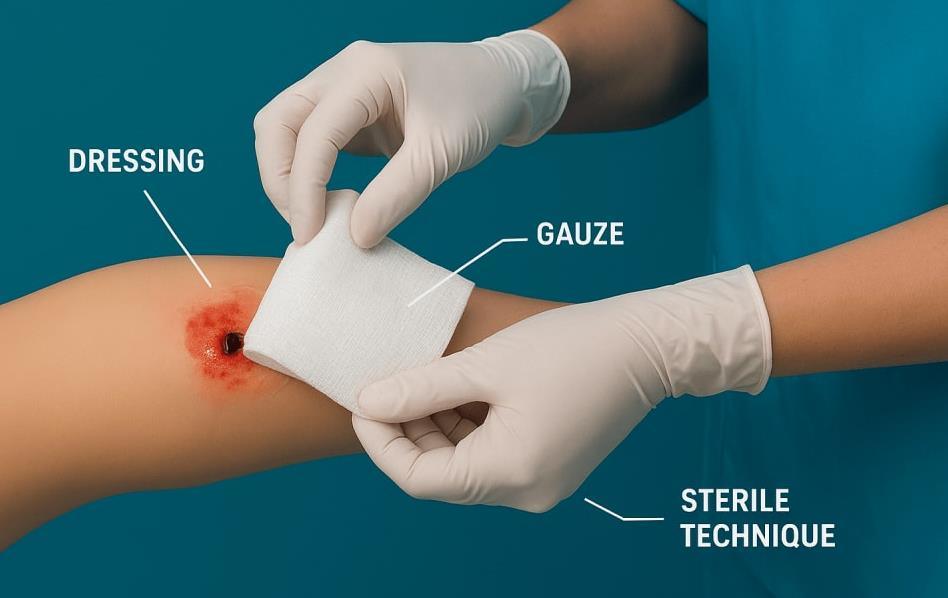
A wound is an injury that results when the skin or other tissues of the body are damaged. This can include: abrasions, lacerations, avulsions, and punctures. Review your first aid kit and AED location to properly respond to emergency injuries.
Remember to always perform care based on your level of training and certification.

Check the scene for safety, form an initial impression, obtain consent and put on appropriate PPE. Check for signs and symptoms.


Call 9-1-1

Get equipment if the person requires immediate medical treament provide care.
If the wound is caused by an embedded object: Do not attempt to remove it. Removing the object can make the bleeding much worse.
• Apply pressure around the object.
• Place several dressings around the object (while maintaining pressure), then pack bulk dressings or roller bandages around it.
• Bandage the bulk dressings or roller bandages in place around the object and seek medical care.



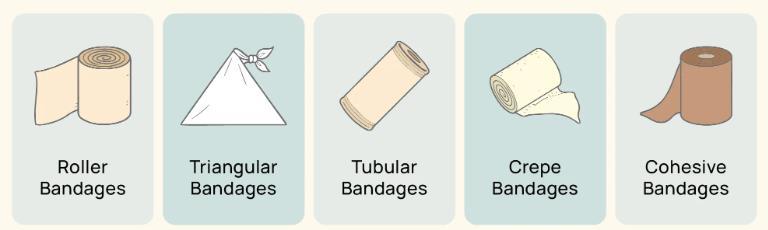

Bandages are a crucial part of any first aid kit, designed to protect wounds, support injured areas, and encourage healing.
Whether you’re managing a sprain, cut, or other injury, choosing the right bandage is key to providing proper care.
Roller Bandage
Triangular Bandage
Tubular Bandage
Crepe Bandage
Cohesive Bandage
Used for securing dressings, providing support, and stopping bleeding.
Used to create slings, immobilize limbs, or cover wounds.
Used to cover fingers, toes, and minor injuries for light compression.
Used for compression, support, and reducing swelling in sprains and strains.
Used for compression and support, adheres to itself, ideal for joints.
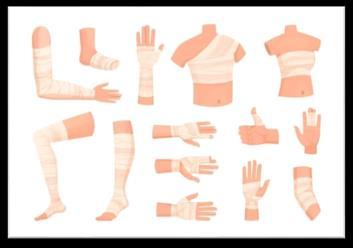

These five steps will help you bandage any minor injury quickly and confidently.
1) Clean and dry the wound
2) Place a sterile dressing
3) Choose the right bandage
4) Wrap from the lower end
5) Secure and check circulation

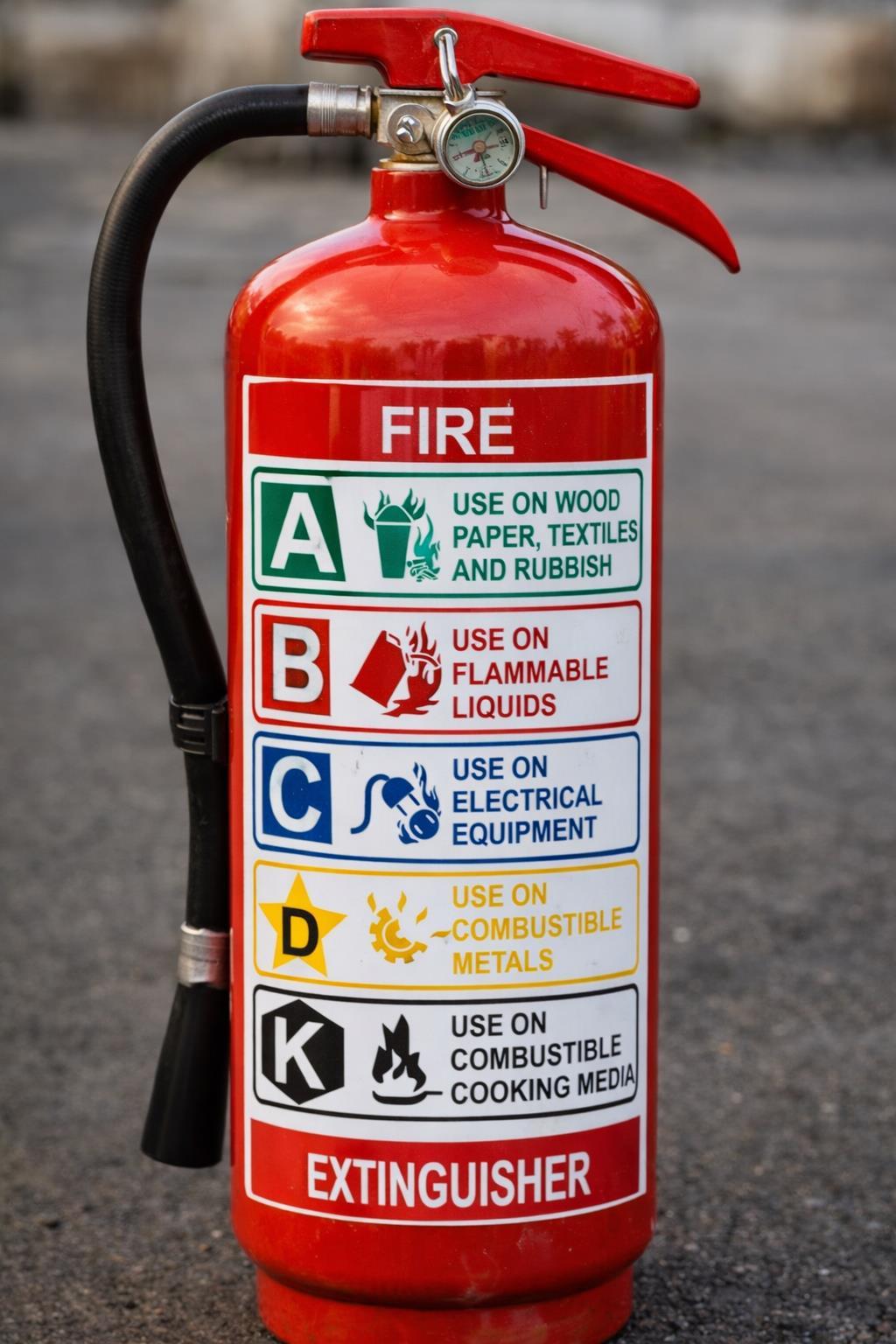

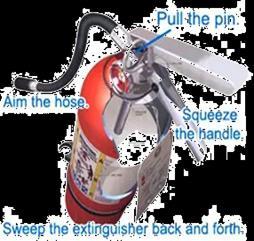
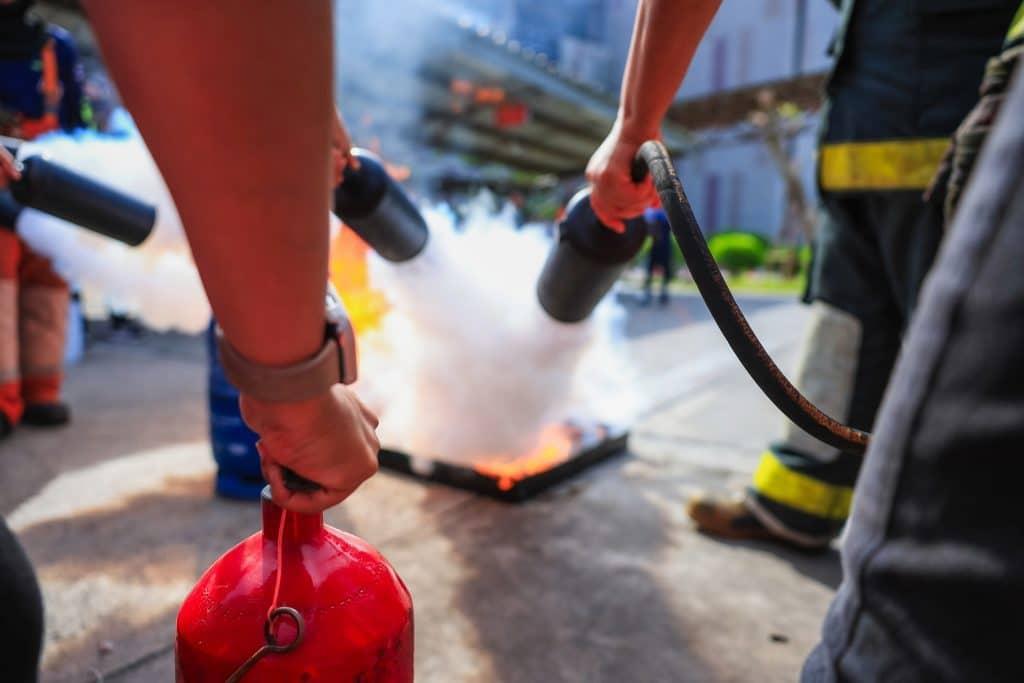
Fire is limited—no larger than a wastebasket
Building Is Evacuating
Everyone else has exited or is actively leaving
911 Has Been Called
Fire department is already alerted and en route
Clear Escape Route
An unobstructed exit is directly behind you
Smoke-Free Room
You can breathe clearly and see the fire base
P
ull the Pin
• Break the tamper seal and unlock the operating lever
Aim Low
• Point the nozzle at the base of the fire, not the flames
Squeeze
• Press the lever slowly and evenly to discharge agent
Sweep
• Move the nozzle side to side across the fire’s base.
Extinguishers discharge fully in just 8–30 seconds.
Stay focused and act with purpose from the moment you pull the pin.


By utilizing proper lifting techniques, safe lifting helps prevent muscle pulls, strain, and other injuries related to an individuals' back, shoulder, and neck.

When preparing to lift heavy loads it's important to plan your lift. Assess the load, ensure you can handle the weight and your route is free of obstacles, keep a wide base of support, and hold object close to your center of gravity. Reposition if something feels off or awkward.
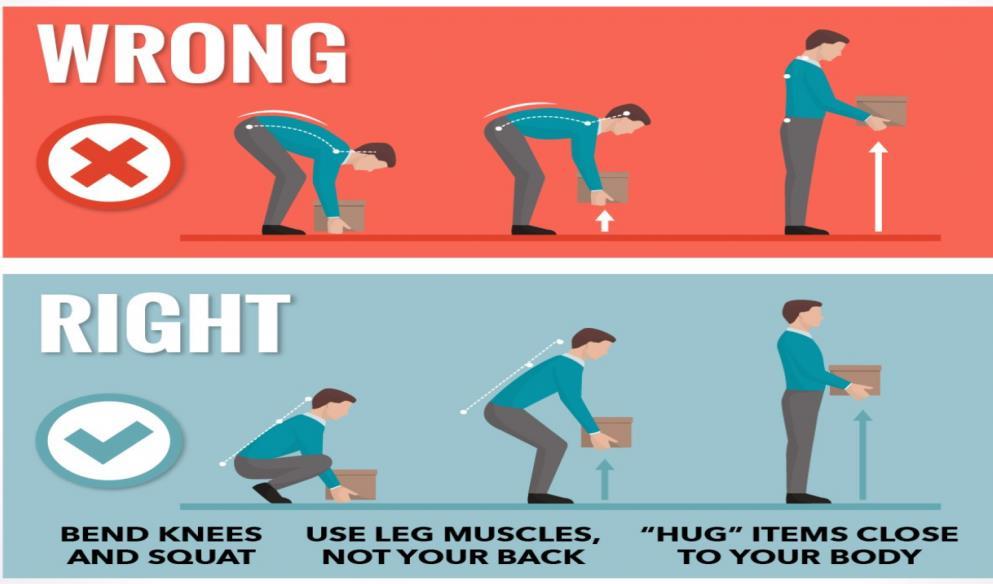
• Never lift above shoulder level.
Techniques:
• Position – Stand with your feet shoulder-width apart
• Bend your Knees – Fully squat down and lift with your legs
• Firm Grip – Utilize handles if available or hold with a secure, full hand grip
• Straight Back – Avoid "hunching" or overarching your back while lifting
• Set down Safely – Fully squat to place item down and maintain a straight back – avoid twisting
• Avoid jerking motions; use a smooth, controlled, slow motion.
• Get help for heavy or awkward loads. (Team Lift)
• Use mechanical aids (dollies, carts) when possible.
• Take breaks to avoid fatigue.


Workplace safety is much more than merely avoiding hazards and equipping staff with Personal Protective Equipment (PPE). An Injury and Illness Prevention Program (IIPP) is an important safety program that is personalized to your operations and Department. All California employers are required to have an effective written IIPP to comply with Cal/ OSHA regulation 3203. An effective Injury and Illness Prevention Program (IIPP) is instrumental in reducing workplace hazards. It’s not just about ticking a box for compliance; it’s a proactive approach to occupational safety that can decrease injury and illness incidents.

Your Departmental IIPP must be a written plan that includes procedures and is put into practice. The following elements are required:
1. A person (or persons) with authority and responsibility for implementing the IIPP is identified.
2. A system for ensuring employees comply with safe and health work practices.
3. A system for communicating with employees in a form readily understandable by all affected.
4. Procedures for identifying and evaluating workplace hazards.
5. Procedures to investigate occupational injury or illness.
6. Procedures for correcting unsafe or unhealthy conditions, work practices and procedures.
7. Provide employee training and instruction.
8. Procedures to allow employee access to the IIPP.
9. Recordkeeping and documentation.
How can HR- Safety Loss Control Division Help?
✓ IIPP Template provided by assigned Coordinator
✓ If you fall under SB-553 regulations, IIPP template with Workplace Violence Prevention Plan
✓ IIPP Review & Training conducted by assigned Coordinator
✓ Conducting Risk Assessments to Evaluate Hazards
✓ Investigating Industrial Injuries
✓ Responding to Hazard Reporting Forms- Linked Here
✓ Provide Cal/ OSHA Required Training
✓ Answer any questions you may have regarding the IIPP or Cal/ OSHA Regulations
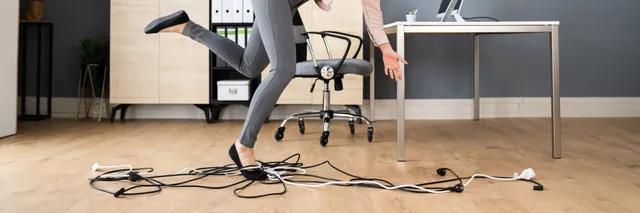

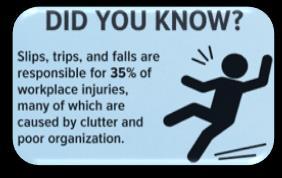
A cluttered workplace isn’t just an eyesore– it can create hazards. Excess materials, misplaced tools, and general disorganization can lead to slips, trips, falls, fire hazards, and obstructed Emergency exits. Decluttering is about more than just cleaning it’s about creating a systematic approach to organization that ensures everything has a place and that hazardous conditions are eliminated.
▪ Unnecessary papers and files
▪ Boxes stored in walkways
▪ Cables and wires across floors
▪ Overcrowded desks and storage areas
▪ Unused office equipment
▪ Trip and fall hazards
▪ Blocked emergency exits
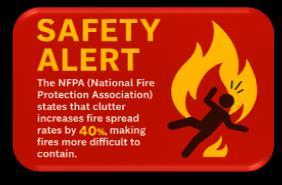
▪ Fire hazards
▪ Reduced efficiency
▪ Increased stress and distraction
▪ Ensure Clear Walkways and Workspaces: Keep walkways, aisles, and exits clear of obstacles. Routinely check and remove items that do not belong in work zones.
▪ Use Proper Storage Solutions: Use wall racks and shelving to keep items off the floor (If higher than 5 feet, these must be secured to wall)
▪ Store items with Safety in mind: Avoid storing heavy items overhead, and do not overload shelves or cabinets.
▪ Use cable management systems: They prevent tripping hazards, reduce fire risks from tangled wires, and enhance cooling by improving airflow, which prevents overheating.
▪ Reduce Unnecessary Items: Remove outdated documents, excess inventory, or broken items no longer in use.

How to Use This Information: Decluttering for safety isn’t a one-time event—it’s an ongoing commitment.
Here’s how you can take action today:
Assess Your Work Area for
• Walk through your workplace and identify areas where clutter has accumulated.
• Look for blocked exits, trip hazards, or excessive materials stored improperly.
• Hold safety meetings on organization and housekeeping
• Emphasize clutter’s impact on fire safety and emergency response
Promote a Clean-as-You-Go Culture
• Return tools and materials after use
• Reinforce habits like cleaning spills immediately, organizing items, and reporting hazards to Management immediately.
By actively working to eliminate clutter, improve organization, and maintain a hazard-free workplace, employees can reduce accident risks, increase efficiency, and promote a culture of safety that benefits everyone.
