SAFETYMATTERS

safety and loss control resource


RIVCO - Replay Choking Response
Ergonomics Tools & Tech: Ergonomics in Action
Workplace Violence Prevention
Distracted Driving Awareness
Fire Safety Awareness
Indoor Air Quality



safety and loss control resource
RIVCO - Replay Choking Response
Ergonomics Tools & Tech: Ergonomics in Action
Workplace Violence Prevention
Distracted Driving Awareness
Fire Safety Awareness
Indoor Air Quality



When the airway is blocked, every moment counts. Understanding the signs and taking fast, confident action can prevent a life - threatening situation and make all the difference in an emergency.
• Chew food slowly and thoroughly before swallowing.
• Avoid talking, laughing, or being distracted while eating.
• Take smaller bites and don’t rush meals.
• Keep small objects (coins, beads, toy parts) out of children’s reach.
• Cut high-risk foods like grapes, hot dogs, and carrots into small pieces for kids.
• Supervise young children during meals and play.
• Encourage older adults or anyone with swallowing difficulties to eat slowly and choose softer foods.
• Sit upright while eating and avoid lying down with food in your mouth.

A person who is choking may show:
• Unable to speak or cough
• Hands clutching the throat (the universal distress signal)
• Weak or ineffective coughing
• Bluish skin, lips, or nails
• High-pitched or no breathing sounds
• Panic or inability to respond
If the person can cough forcefully, encourage them to keep coughing. If they cannot, step in immediately.
• Give 5 back blows and chest thrusts for infants under 1 year
• Give 5 abdominal thrusts on adults and children
• Call emergency services immediately if the airway is severely blocked
• If the person becomes unresponsive, begin CPR and continue until help arrives





• Position self to the side and slightly behind the choking person.
• For a small child, you may need to kneel behind them rather than stand.
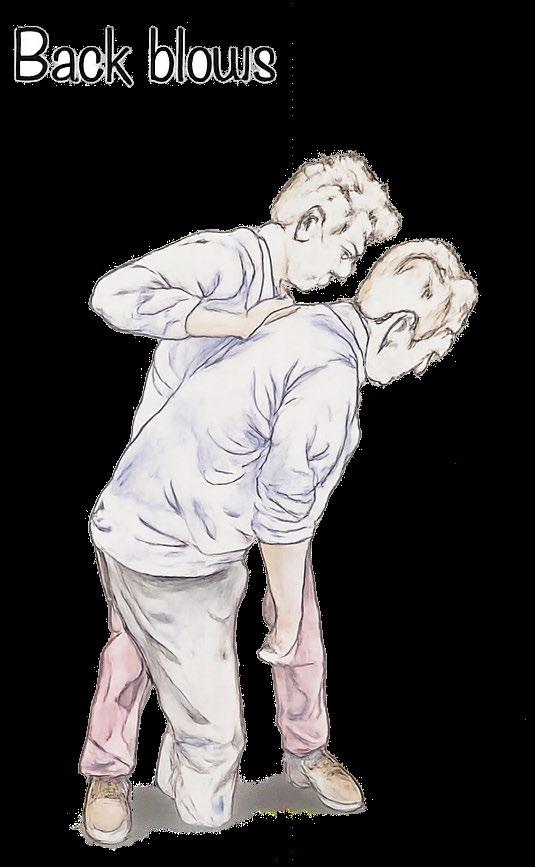
• Give 5 back blows.
• Use the heel of the hand to strike between the shoulder blades.
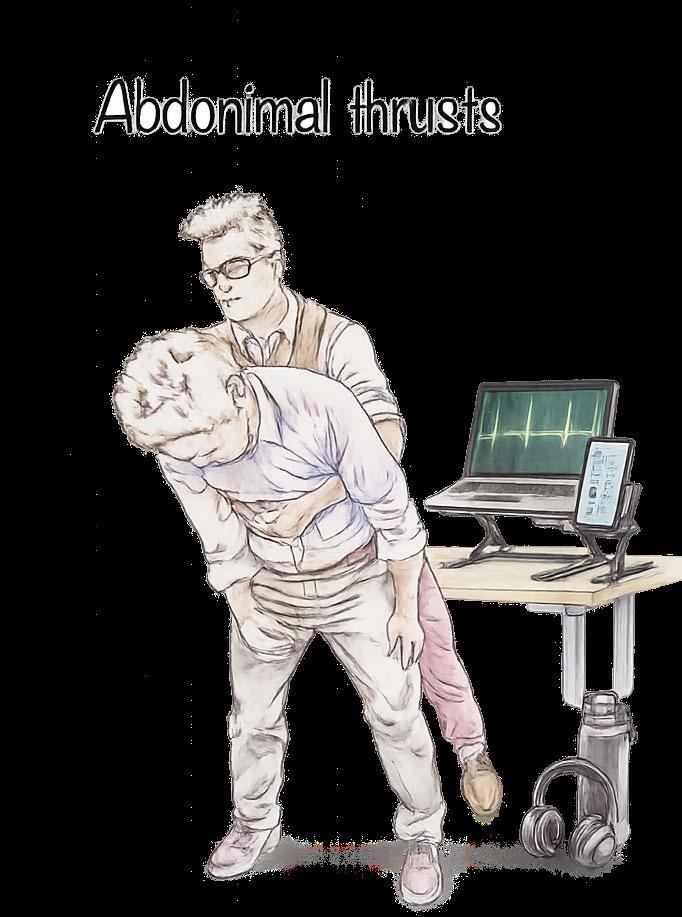
• If no improvement, have the person stand up straight.
• Move behind the person; bend your knees slightly for balance and support.
• Give 5 abdominal thrusts.
• Pull inward and upward each time.
• Continue giving 5 back blows and 5 abdominal thrusts.
• Continue until the person can cough, cry or speak or becomes unresponsive.
• If the person becomes unresponsive, lower them to a firm, flat surface and begin CPR according to your level of training.
For Pregnant or Larger Individuals use chest thrusts instead of abdominal thrusts. For Infants Under 1 Year alternate 5 back slaps and 5 chest thrusts
Do not perform abdominal thrusts on infants
Being prepared saves lives. Sign up for our next blended learning training class available on RivCo Talent:
(Click Blended Learning Adult & Pediatric
- First Aid/CPR/AED )
SLCD continues to support Departments through inspections, training, and safety consultation to reduce these risks.



Repetitive motions, awkward postures, and forceful exertion can slowly lead to injury. Ergonomic tools support natural body movement, decrease physical stress, and help employees work more efficiently and safely.

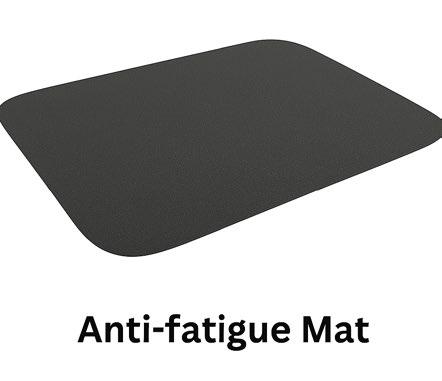
• Anti -fatigue mats
Support lower-body comfort for employees who stand for long periods.
• Ergonomic hand tools
Curved handles, padded grips, and reduced vibration help keep wrists in a neutral position and require less force.
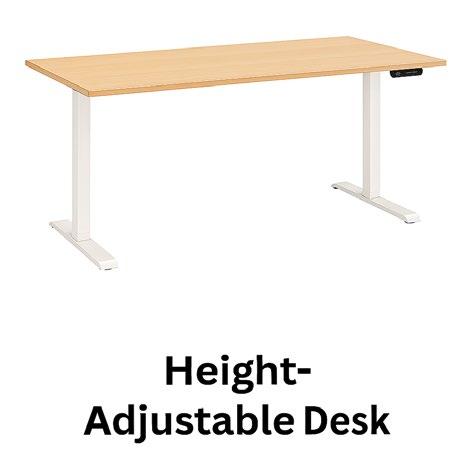
• Adjustable desks and workstations
Let employees switch between sitting and standing to avoid static postures.
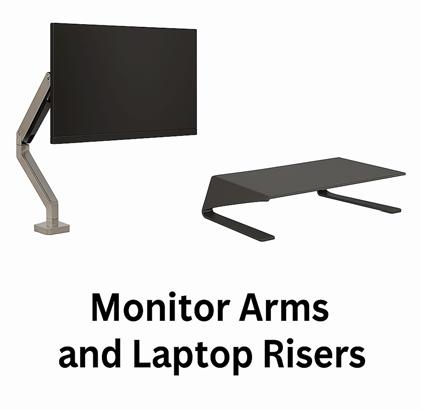
• Monitor arms & laptop risers
Raise screens to eye level and help prevent neck and upper-back strain.
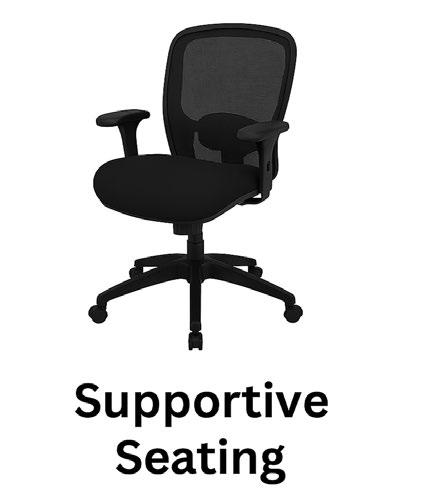
• Supportive seating

Chairs with built-in lumbar support and height adjustments improve posture and reduce back stress.
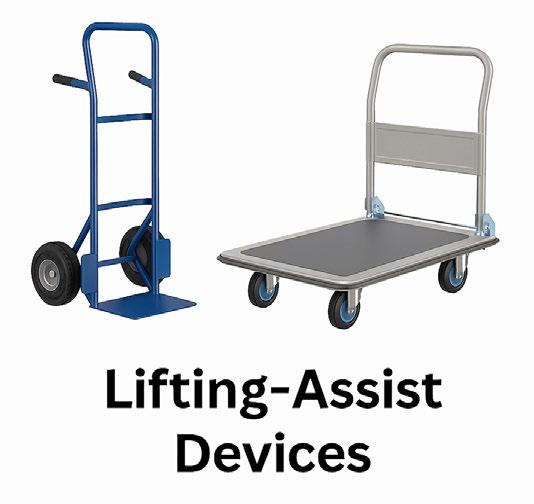
• Lifting -assist devices
Carts, dollies, lift tables, and mechanical hoists reduce the strain of moving heavy materials.
• Hands -free and voice - to- text tools
Reduce repetitive keyboard use and support workers with high documentation demands.

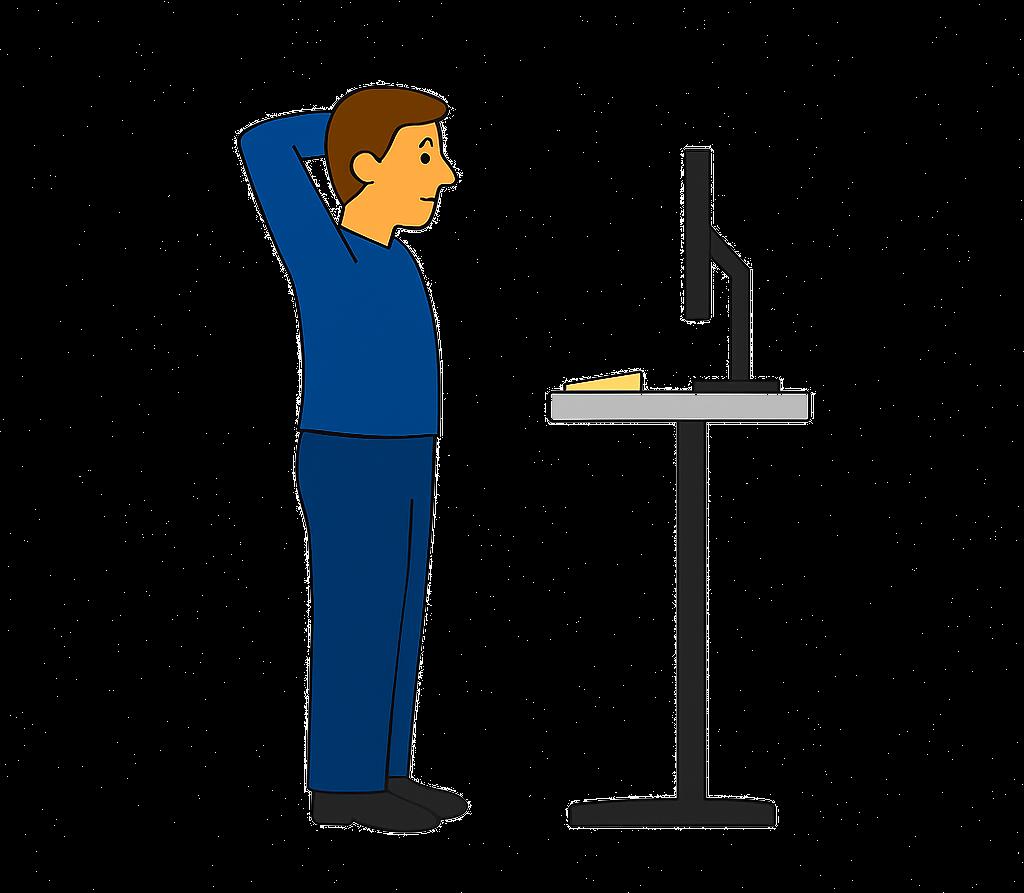
Ergonomics isn’t just about equipment; it’s about how employees work. Small, practical changes to posture, positioning, and movement can reduce strain, prevent injuries, and help everyone work more comfortably throughout the day.
• Keep shoulders relaxed and elbows close to the body.
• Maintain wrists in a straight line while typing or using tools.
• Keep ears aligned with shoulders to reduce neck strain.
• Adjust work surfaces to avoid bending or reaching.

• Take short posture or reset breaks every 30-60 minutes.
• Alternate between sitting and standing if an adjustable desk is available.
• Change tasks throughout the day to avoid repetitive motion strain.
• Stretch gently to relieve tension in the neck, shoulders, and back.
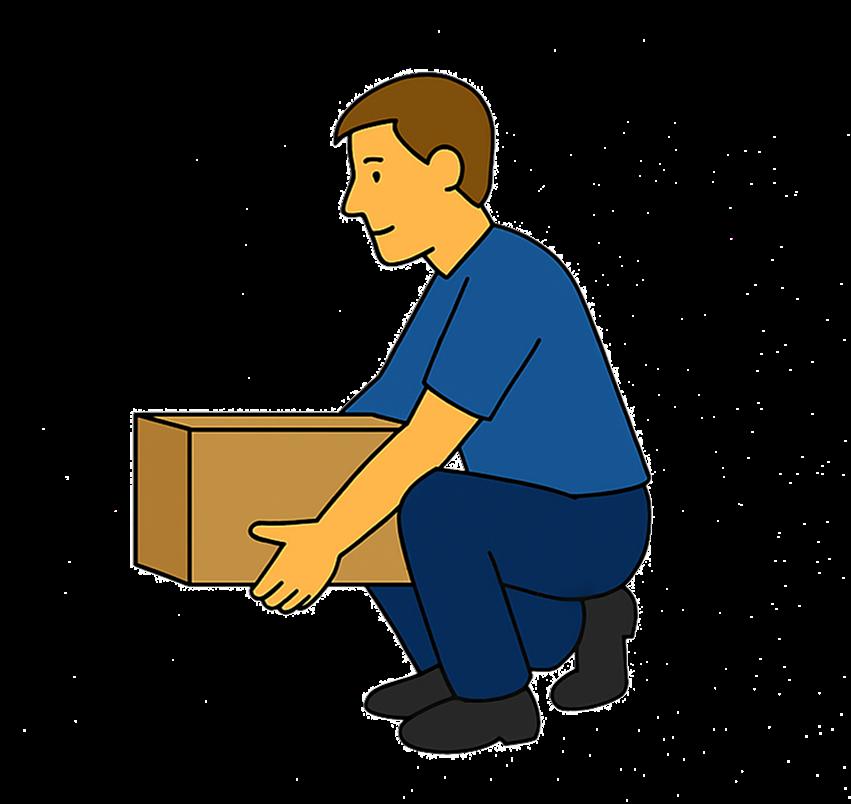
• Keep loads close to the body.
• Bend at the hips and knees.
• Avoid twisting while carrying.
• Use carts, dollies, or mechanical assists for heavier items.


Workplace violence is any act or threat of physical violence, harassment, intimidation, or other threatening disruptive behavior at the work site. It ranges from verbal abuse and bullying to physical assaults and, in extreme cases, homicide.
These incidents can involve employees, clients, customers, or visitors. Understanding how to recognize warning signs and knowing how to report concerns are essential steps in maintaining a safe and supportive work environment.
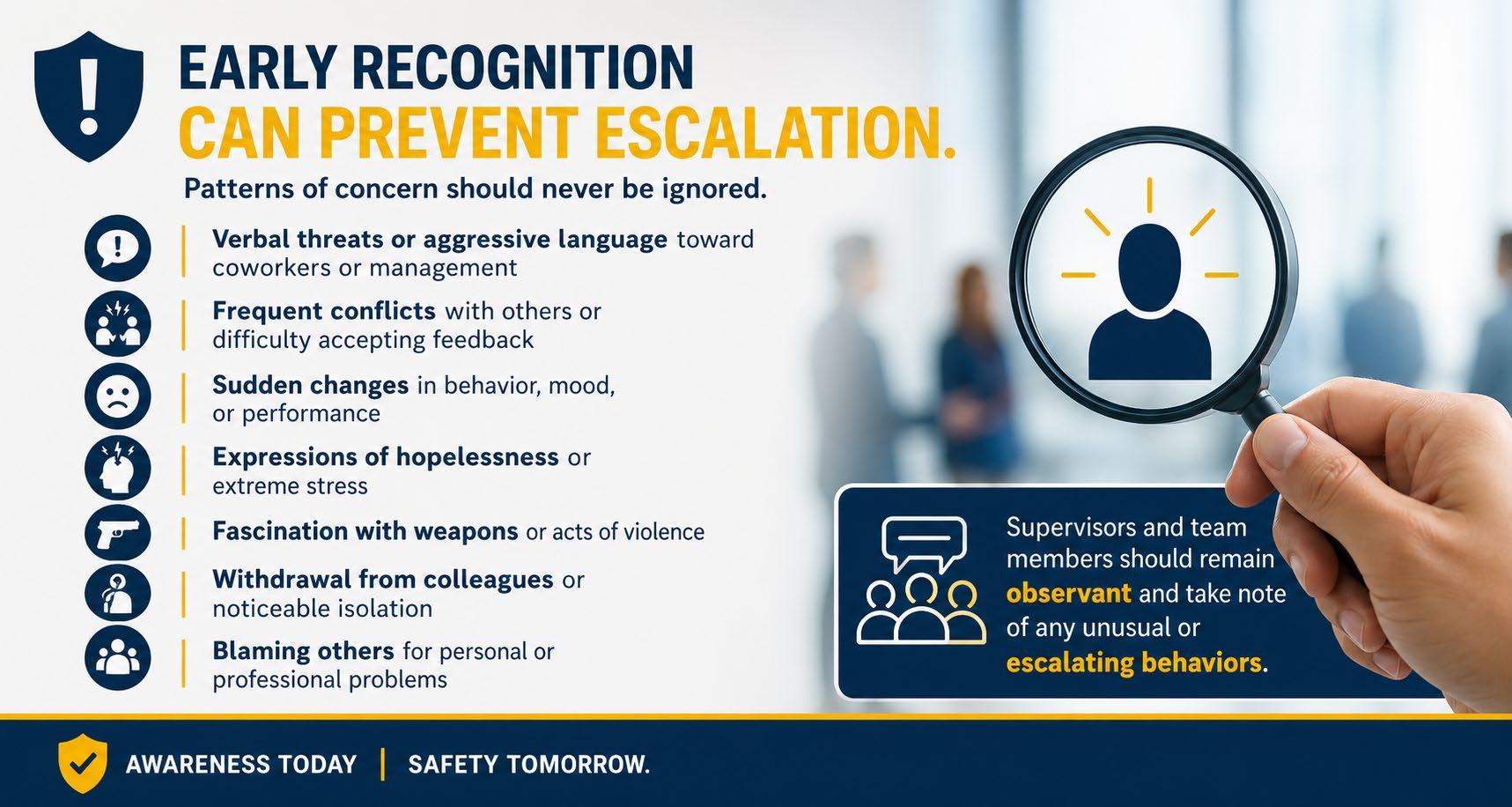
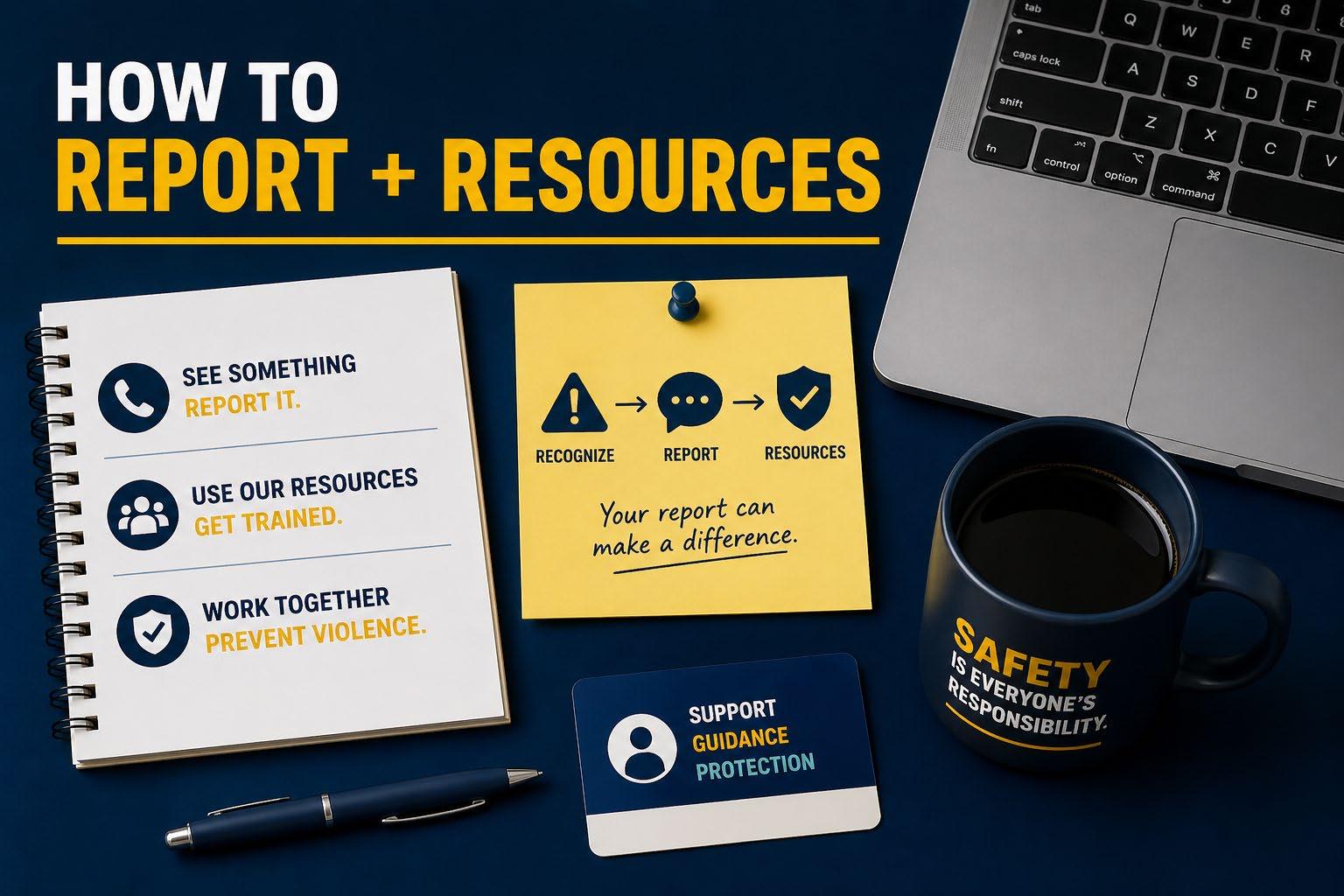
Employees are provided tools and training to support workplace violence prevention and
Outlines employee responsibilities, reporting expectations, and the County’s commitment to a safe work environment.
Guidance on recognizing warning signs, understanding risk factors, and how to respond appropriately.
Covers response protocols, documentation, coordination with Safety Loss Control Division and Employee Relations, and supporting affected staff.
Every time a County employee gets behind the wheel whether in a fleet vehicle or a personal car on County business, they carry a responsibility that extends beyond their own safety. Distracted driving is one of the leading causes of workplace vehicle accidents, and it is almost entirely preventable. In 2024, the County recorded 11 vehicle accident claims at a cost of $40,889. In 2025, that number remained elevated at 9 claims and $39,465. With vehicle accidents consistently ranking among our top five workers' compensation cost categories, understanding and eliminating distracted driving is a mission-critical safety priority.
Distracted driving is not just about putting your phone down. Researchers and safety professionals identify three distinct types of distraction, each capable of impairing your ability to operate a vehicle safely. Understanding all three is the first step to eliminating them
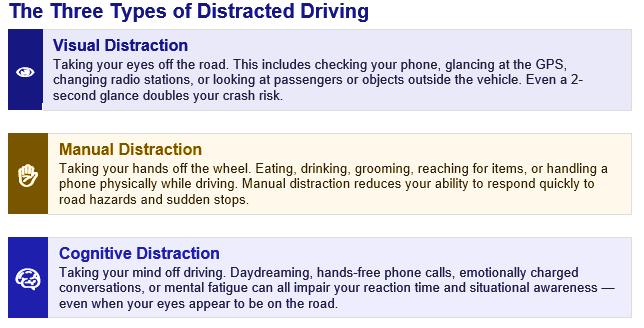
Vehicle accidents are a significant and recurring cost in our workers' compensation program. Beyond the financial impact, each accident represents a real risk of serious injury to our employees and the public we serve. County employees who drive as part of their job duties whether in fleet vehicles, rental cars, or personal vehicles are covered under workers' compensation when accidents occur on work time. That makes driver safety a shared responsibility.
California law prohibits the use of handheld devices while driving (Vehicle Code §23123) and bans all handheld and hands -free use for drivers under 18. For adult drivers, hands -free use is permitted by law but safety research consistently shows that hands -free calls still create significant cognitive distraction. The safest choice is always to wait until you are parked.
California Vehicle Code §23123.5 prohibits holding and using a smartphone while driving. Violators face fines starting at $162 for a first offense. Employer liability may also apply when accidents occur during work-related driving.
Program your GPS, music, and phone settings before you start the vehicle. Once you're in motion, leave them alone.
Put your phone on Do Not Disturb or Driving Mode. Most smartphones have this built in activate it every time you drive.
Finish eating before you drive. If you need to eat on the go, pull into a parking lot don't eat at speed.
If a call or text can't wait, pull over safely and park before responding. No message is worth a collision.
Check in with yourself before driving. Fatigue, stress, and emotional upset are forms of cognitive distraction. If you're not in the right headspace, take a moment before you take the wheel.
• Put your phone on Do Not Disturb before driving
• Set GPS, music, and climate controls before you start moving
• Pull over safely if you need to eat, text, or handle something
• Keep both hands on the wheel whenever possible
• Stay calm—avoid emotional or heated conversations
• Scan the road constantly: mirrors, traffic, pedestrians
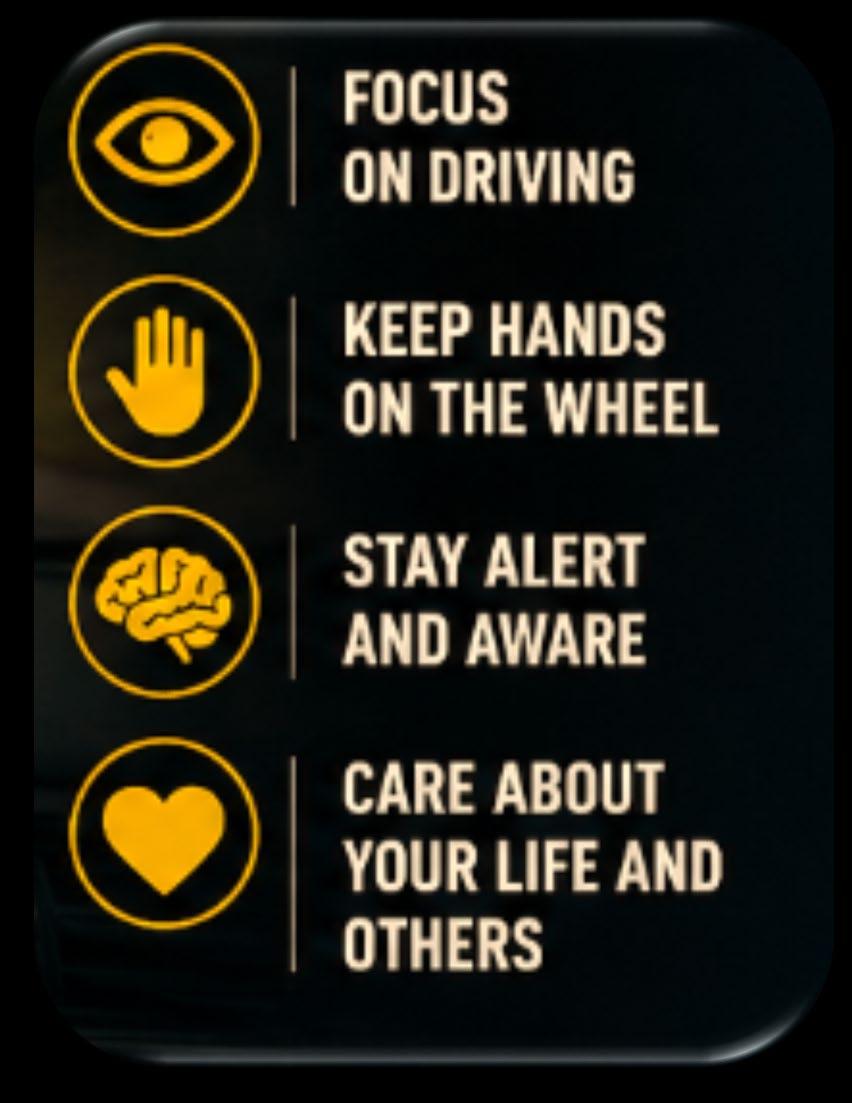
Driving requires your full attention every trip, every time


Submit a 942.6 form for any incident involving a County vehicle, including collisions (regardless of severity), damage to vehicles or property (even while parked or unattended), or injuries to employees, passengers, or third parties
Also required when:
• The form is also required when:
• A County employee is involved in an accident while driving a nonCounty vehicle for work
• Law enforcement responds or a police report is generated
• There is suspected driver error, negligence, or need for further review
• Environmental, mechanical, or unsafe conditions contribute to an accident
• Note: Do not use this form for routine maintenance or noncollision mechanical issues.

• All sections must be filled (if applicable)
• Attach any witness statements
• Take pictures of the scene and vehicles involved
• Include any diagrams
• Include a complete description (drivers’ statement)
• Submit completed form to: SafetyDivision@rivco.org
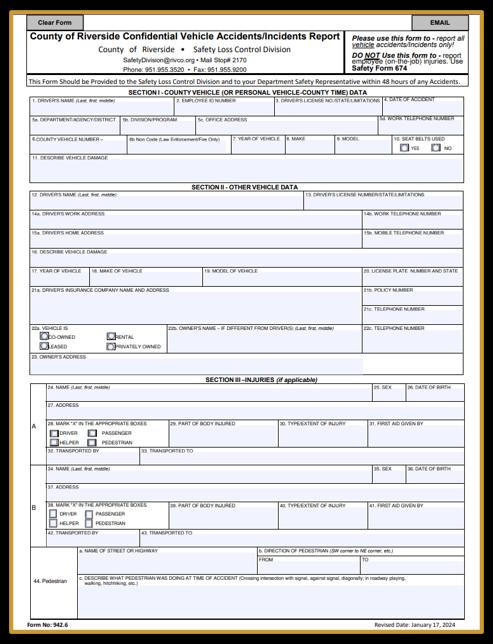
Reminder: Complete the form in full. Commonly missed fields include the County Vehicle Number, driver and supervisor signatures, and the driver’s statement.

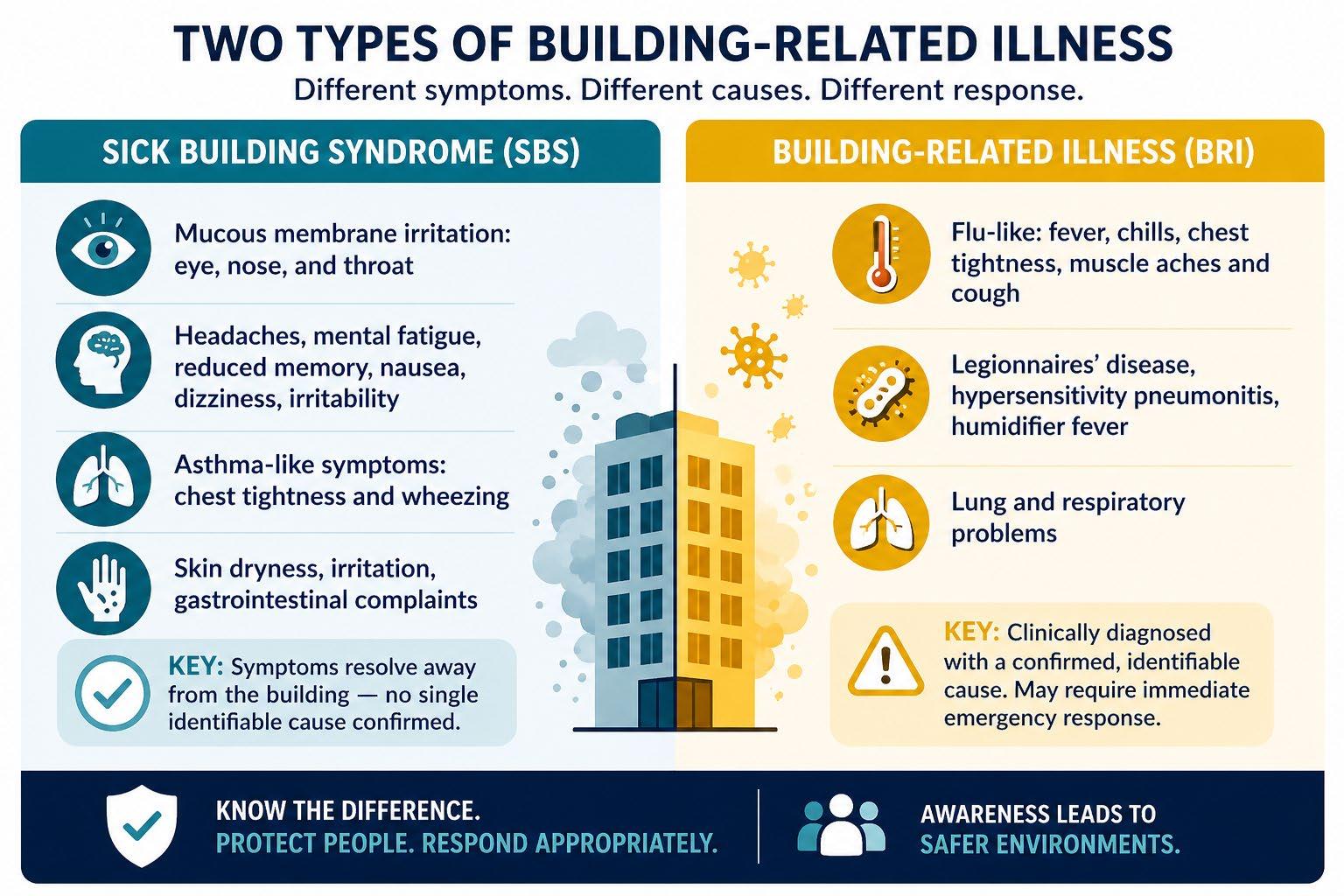
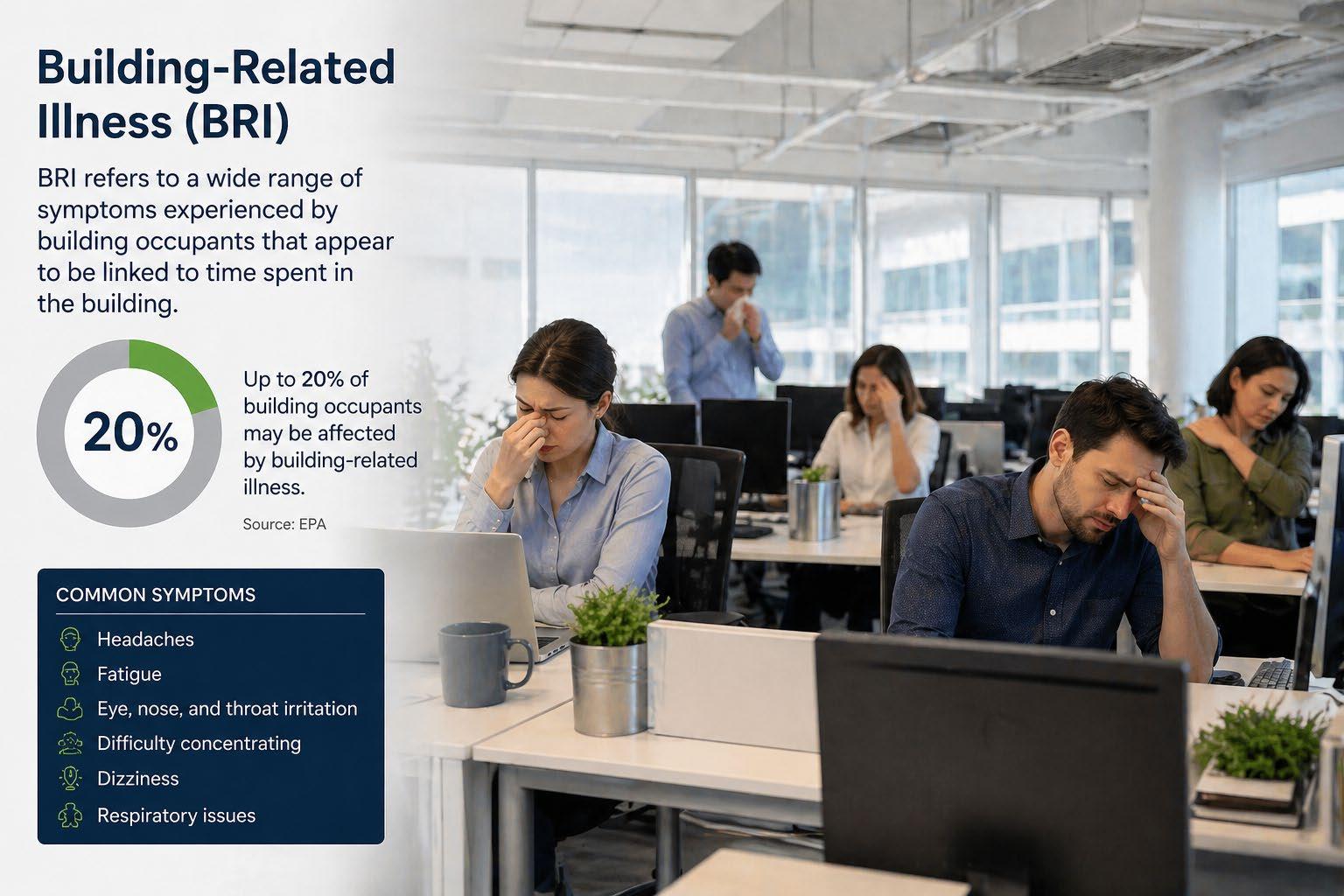
Every year, Riverside County Safety & Loss Control receives concerns from employees who believe their workplace environment is affecting their health. Some report clusters of vague symptoms headaches, dry eyes, fatigue that improve when away from work. Others involve more serious, identifiable conditions, such as respiratory illness from contaminated systems, mold-related asthma, or carbon monoxide exposure. While these situations may seem similar, they are fundamentally different in cause, severity, and required response and are often confused. These conditions have formal definitions:
• Sick Building Syndrome (SBS)
A pattern of symptoms linked to time spent in a building that improve when away, with no specific cause or diagnosable illness identified.
• Building -Related Illness (BRI)
A clinically diagnosable illness directly caused by a specific hazard within the building, such as mold, bacteria, or chemical exposure.
Both have been recognized by the World Health Organization since the 1980s, and Cal/OSHA Title 8 outlines distinct employer responsibilities for each.


Symptoms are linked to a building, but no specific cause can be identified and they improve after leaving.
Symptoms are tied to a specific, identifiable cause and result in a clinically diagnosable illness.

SBS Quick Reference
DEFINITION
DIAGNOSIS
CAUSE
URGENCY
Cluster of symptoms linked to building occupancy with no single identifiable cause
No specific clinical diagnosis; identified by symptom pattern and building association
Diffuse poor ventilation, VOCs, mold load, temperature, lighting, psychosocial factors
Important but typically not an immediate emergency; investigation within days to weeks
RESOLUTION Symptoms improve or resolve when the employee leaves the building
OCCUPANT SCOPE
CAL/OSHA TRIGGER
Usually affects 20%+ of occupants in a defined area
Indoor air quality complaint investigation; ventilation assessment required



BRI — Quick Reference
DEFINITION
DIAGNOSIS
CAUSE
URGENCY
RESOLUTION
OCCUPANT SCOPE
CAL/OSHA TRIGGER


Cluster of symptoms linked to building occupancy with no single identifiable cause
No specific clinical diagnosis; identified by symptom pattern and building association
Diffuse poor ventilation, VOCs, mold load, temperature, lighting, psychosocial factors
Important but typically not an immediate emergency; investigation within days to weeks
Symptoms improve or resolve when the employee leaves the building
Usually affects 20%+ of occupants in a defined area
Indoor air quality complaint investigation; ventilation assessment required

Understanding how these conditions present in real workplace settings helps supervisors and safety staff recognize them early.




Multiple employees in the same wing reporting headaches and fatigue that began after a renovation or after HVAC servicing was deferred
Persistent dry-eye and throat complaints among staff in a recently recarpeted or repainted office typical of VOC off-gassing from new materials
A cluster of respiratory irritation complaints in a courtroom or service center where air is recirculated without adequate fresh-air intake
Employees in a basement records room reporting fatigue and poor concentration potentially linked to elevated CO₂ from inadequate ventilation
Seasonal symptom increases in a facility with a known history of deferred filter replacement or duct cleaning

Legionnaire’s disease or Pontiac fever in employees sharing a water source — cooling towers, decorative fountains, or poorly maintained hot-water systems
Hypersensitivity pneumonitis (HP) — a lung disease caused by prolonged exposure to specific mold species or bacterial aerosols from contaminated HVAC systems
Carbon monoxide poisoning in employees near vehicle exhaust, generators, or fuel-burning equipment — fleet yards, maintenance facilities, and parking structures are elevated-risk areas
Asbestos -related disease symptoms in employees who work in pre -1980 buildings where ceiling tiles, pipe insulation, or floor tiles have been disturbed without proper abatement
Lead exposure symptoms in employees involved in renovation or demolition of older county structures without appropriate abatement procedures
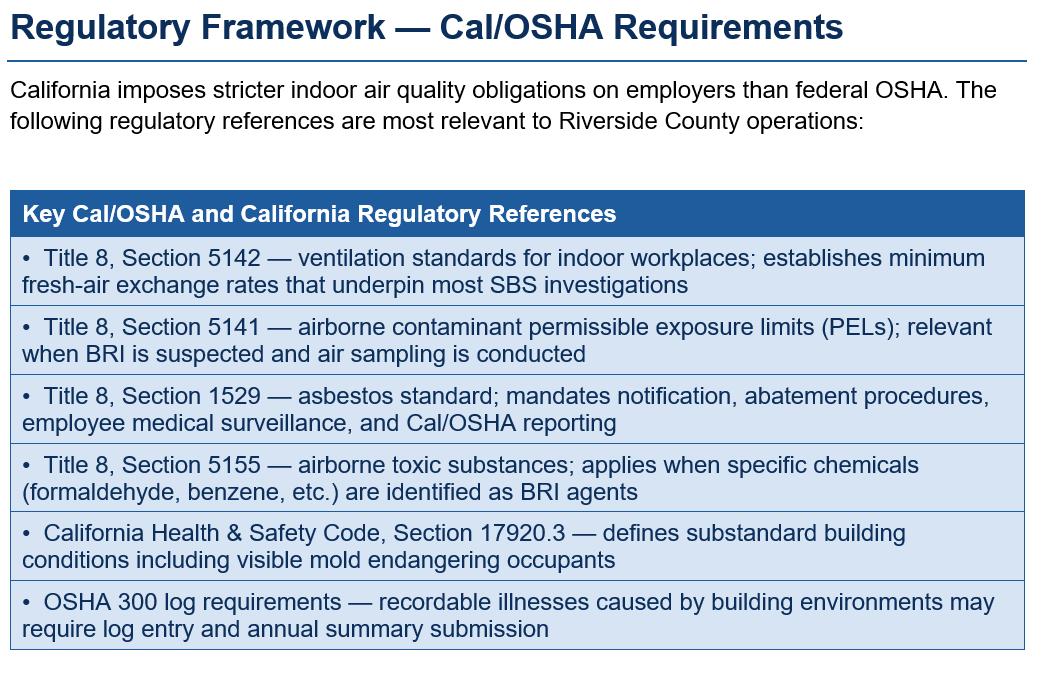



Quick Reference Comparison

Identifiable cause No specific cause confirmed Yes specific agent identified
Medical diagnosis No diagnosable illness Confirmed clinical diagnosis
Symptoms after leaving Resolve or significantly improve May persist; require medical treatment
Emergency potential Rarely an immediate emergency Can be life - threatening emergency
Cal/OSHA reporting Complaint investigation required Mandatory reporting; OSHA 300 log
Workers’ comp exposure Lower; harder to establish causation Higher; causation more established
Response timeline Investigate within days to weeks Immediate to 24 hours depending on agent




If you have questions regarding the indoor air quality of your building, please reach out to any of the following:
Your supervisor — first point of contact for workplace concerns
Department Safety Representative (DSR) — your department’s designated safety contact
HR-Safety Loss Control Division email us directly at SafetyDivision@rivco.org

Scan the QR code or visit the link below to access the Industrial Hygiene Service Request Form (SD -IH200). Submit this form to request an indoor air quality or industrial hygiene assessment for your facility. rc-hr.com → SD-IH200 IH Service Request Form