

The screen glows long past midnight; another reel, another scroll, another update that vanishes almost as soon as it appears. Notifications bloom like restless flowers across the phone. The world hums with constant motion, a rhythm too fast to dance to.
In the middle of that rush sits a square of paper. Silent. Patient.
It waits, as if to ask: What if slowing down could be this simple?
Origami begins with a pause - a single breath, a blank square, and two steady hands. There’s no algorithm, no timer, no noise. Just the soft hiss of paper bending into form. And somehow, that
quiet is enough to pull you back into the present.
We live in a time of constant connection. Phones buzz, screens blink, and everything demands a reaction. The faster we respond, the faster something else appears. It’s a rhythm designed to keep us from resting- the endless call of attention.
Studies show the average person checks their phone over 90 times a day. Even during breaks, we reach for screens- a habit so ingrained we forget what stillness feels like. Creativity, once something that grew in silence, now competes with constant noise.
But somewhere in that hum, people are rediscovering the beauty of being offline. The simple acts that can’t be digitized: journaling, painting, and folding. These practices ask us to slow downto measure time not by clicks, but by care.
Origami, the ancient Japanese art of paper
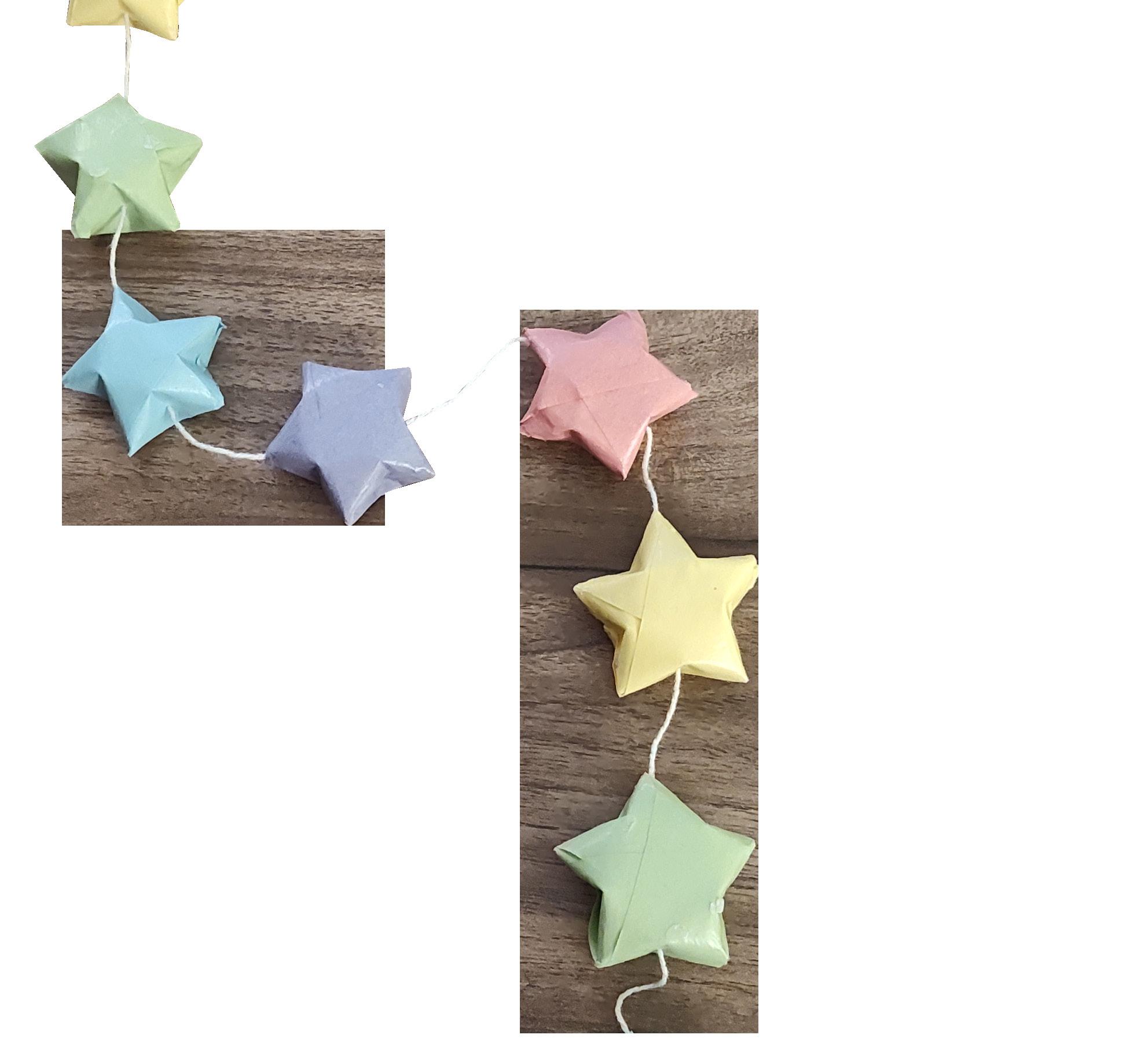
folding, has quietly become a modern refuge. For centuries, it’s turned plain sheets into cranes, flowers, and stars- symbols of hope and patience. Today, it offers something else too: a way to unplug without guilt, to engage with something tactile and human.
When you sit down to fold, the pace shifts instantly. The world narrows to one square. You breathe slower. You notice texture- the difference between crisp kami paper and soft, fibrous washi. Each fold becomes its own meditation.
The paper doesn’t rush. It bends only as you guide it, responding to patience more than force. Sometimes the corners align perfectly. Sometimes they don’t. Either way, the result is yours- imperfect, tangible, and alive.
It’s not just an art form; it’s an exercise in mindfulness. The repetitive motions ground the mind, drawing attention back to the present moment. Like knitting or tending a garden, folding calms through rhythm.
Some folders describe the process as a dialogue: the paper speaks in creases, the artist listens through their fingertips. In that communication, the mind quiets- not empty, but focused.
Digital creativity is limitless- but it often feels weightless. Files save, delete, vanish. Screens flatten every color. Even the most beautiful designs live behind glass.
Paper, in contrast, holds memory. A fold, once made, never truly disappears. The fibers remember the crease even when you unfold it. That permanence is what gives origami its soul. It isn’t about perfection- it’s about presence.
When you fold, your progress exists in your hands. You feel the shape evolve. The effort has weight. You can turn it, hold it, admire it from every side. That physical connection roots you in the act of making- a feeling that digital tools, for all their magic, rarely replicate.
Neuroscientists who study creativity point out that simple, tactile, and rhythmic movements- such as folding paper- help quiet the mind. These repeated gestures can reduce stress hormones and gently activate the parasympathetic nervous system, the part of the body responsible for rest, recovery, and a sense of calm.
As your hands take over, focus naturally replaces distraction. The small decisions of each fold keep your attention anchored in the present moment.
Touch becomes a bridge between mind and body. The texture and movement of the paper provide subtle sensory feedback that recenters you when thoughts start to scatter.
And finishing even a single model creates a tiny but meaningful sense of completion. That moment of “done” gives the brain a brief reward signal — a quiet satisfaction that can feel like a breath you didn’t realize you were holding.
Try this: Fold one crane in silence. Move slowly. Time yourself, not to rush, but to notice. How does it feel to finish something small, fully and with intention?

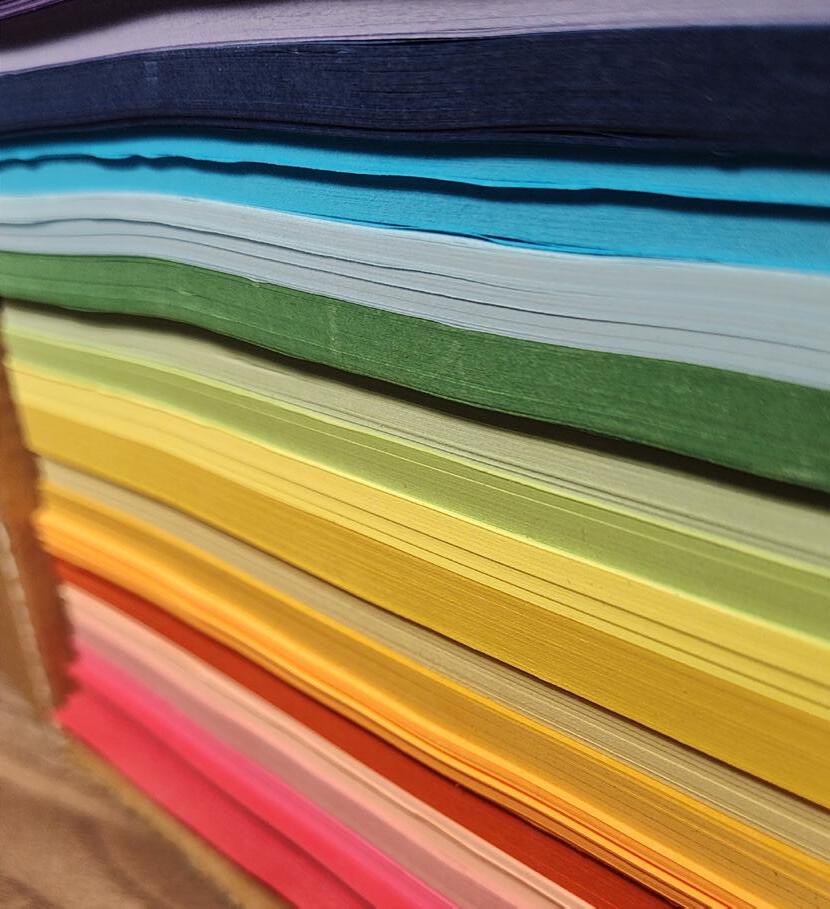
It’s not about rejecting technology. It’s about balance. Origami doesn’t replace screens- it restores perspective. It gives your mind a space to breathe between tasks, an analog pause between endless refreshes.
Origami invites ritual. Maybe it’s the feel of a fresh square, the quiet of a cleared desk, or the small satisfaction of lining up edges precisely. It’s an art that rewards care- each repetition refining not just the model, but the maker.
Folders often describe a sense of peace that deepens with practice. The hands begin to move instinctively, and with them, the breath slows. Every model becomes a reflection of mood- sharp folds on hurried days, soft curves on gentle ones. Some fold in silence. Others pair the act with tea, or music, or the quiet sounds of nature
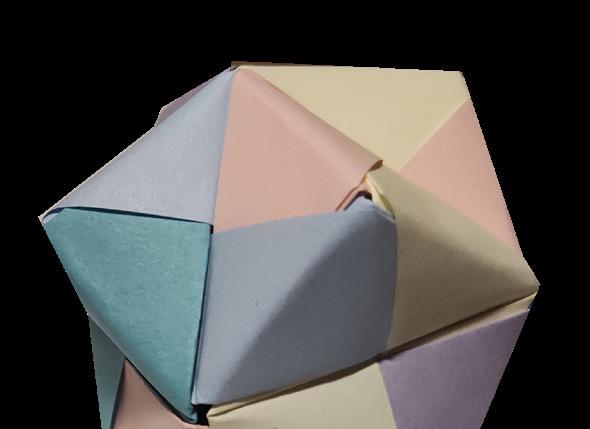
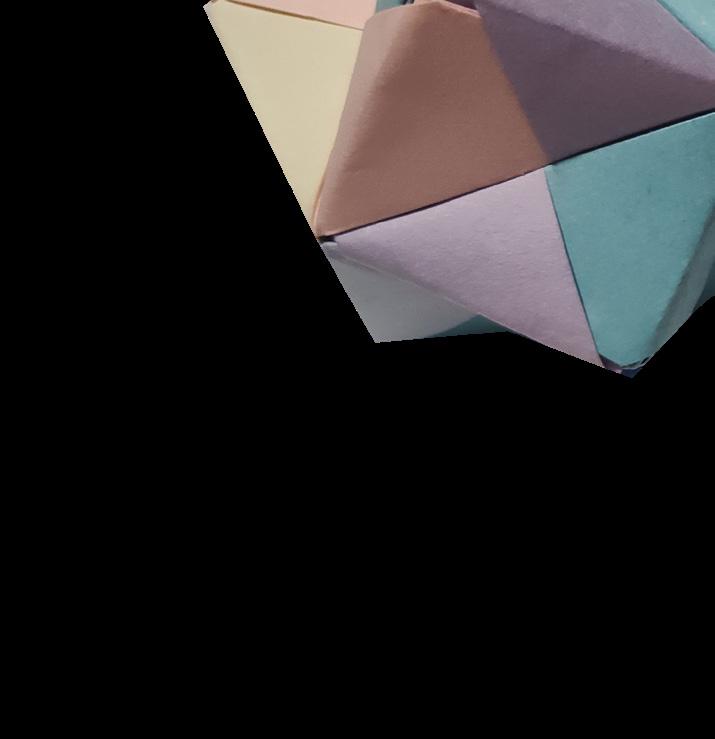
through an open window. However it happens, it’s a space reclaimed from noise.
Around the world, a quiet community thrives- artists, students, hobbyists, and mindfulness seekers who share the same reverence for paper. Some gather at conventions, others post folds on social media with captions that read more like poetry than instruction.
The beauty of origami today is its openness. You don’t need years of training. You just need curiosity and a single sheet. Online, you’ll find tutorials that turn paper into everything from koi fish to galaxies. But beneath the variety lies a shared intention: to find peace in the process.
Professional folders often speak of folding as a language- one that transcends words, age, and culture. It’s collaborative yet deeply personal. Everyone folds differently, yet the outcome connects them.
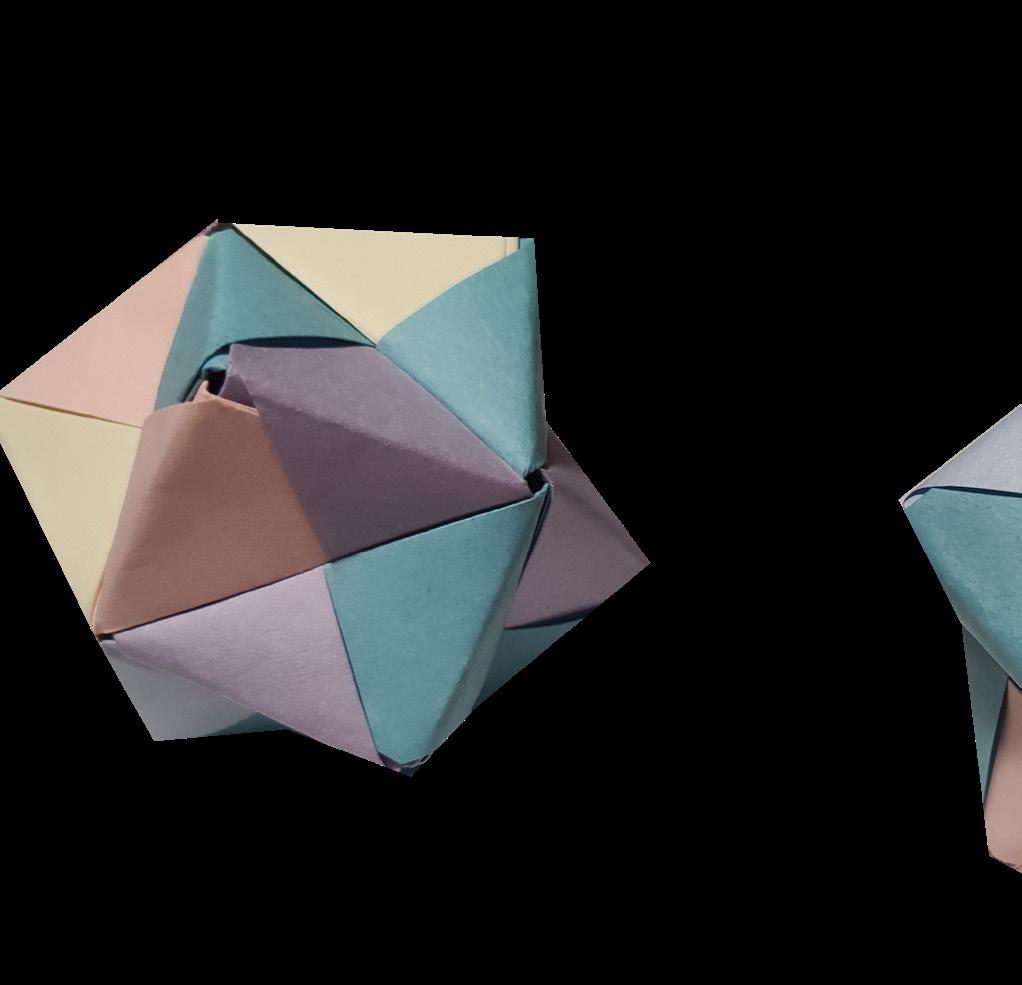
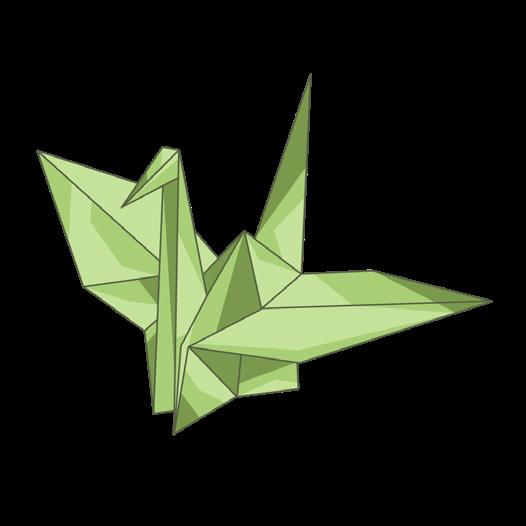
The more you fold, the more you notice the quiet details life often hides- how sunlight moves across the page, how air feels against paper, how small moments stretch when you pay attention. Each model becomes a meditation on impermanence: folds stay, but paper ages. You could unfold everything and still find traces of where you’ve been. It’s a gentle reminder that time leaves marksand that’s what makes it beautiful.
For some, origami becomes a habit, a ritual that fills the gaps between screen time and sleep. For others, it becomes a deeper practice — a way to express patience, gratitude, or grief. There’s no wrong reason to fold, only the willingness to begin. When the last crease is pressed, you hold something simple and whole. Not a notification or a message, but a small proof of presence- something made by hand, not machine.
Origami doesn’t ask for much- just a square of paper, a bit of light, and the willingness to slow your breath long enough to follow its quiet logic. In that simplicity is something surprisingly rare: a space where your hands can lead your mind, rather than the other way around. A space where the world can’t reach you unless you let it.

To fold is to choose presence. Every crease requires attention; every turn of the paper requires patience. It’s a small act with an unexpectedly large impact, one that pulls you gently out of the noise and back into yourself. In a culture ruled by speed, origami becomes a counter-rhythm: steady, intentional, defiantly calm.
In its own soft way, folding is a form of rebellion. A rebellion against urgency, against the expectation that we must always be reachable,
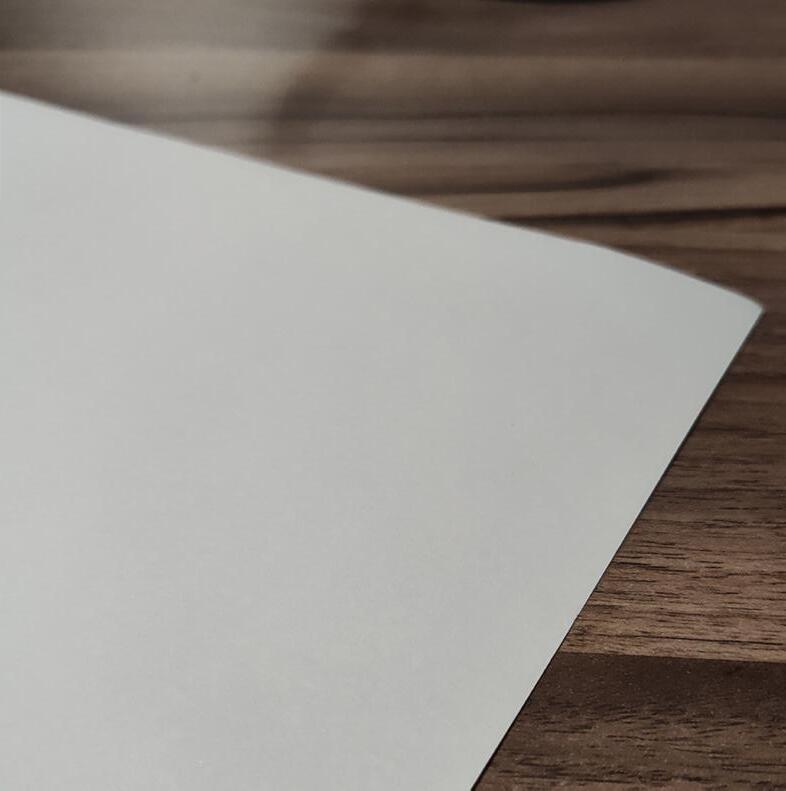
A single white sheet can look almost too simple to notice, yet it holds every possibility your fold will ever become. Before a crane spreads its wings or a travel-inspired pattern takes shape, there’s always this quiet pause with an untouched page. In that moment, the paper is both a starting line and an invitation: slow down, feel its texture, choose your pace, and let your mind wander. This blank sheet has traveled through cultures and generations as a symbol of renewal and creativity. It asks for nothing more than your hands and a little patience, and in return it offers endless paths—maps waiting to be folded, stories waiting to be carried. Even the most intricate design begins with this still, simple square, reminding you that every journey, no matter how far it goes, starts with one moment of calm attention.
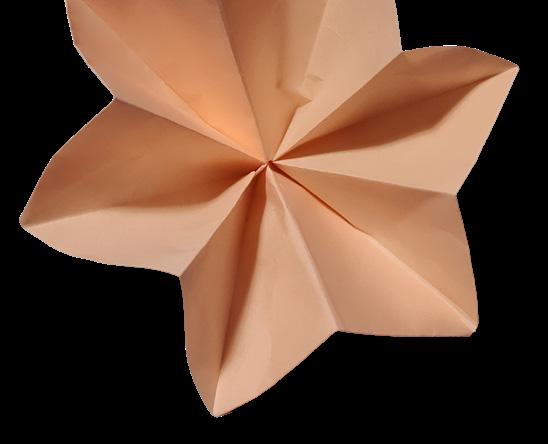

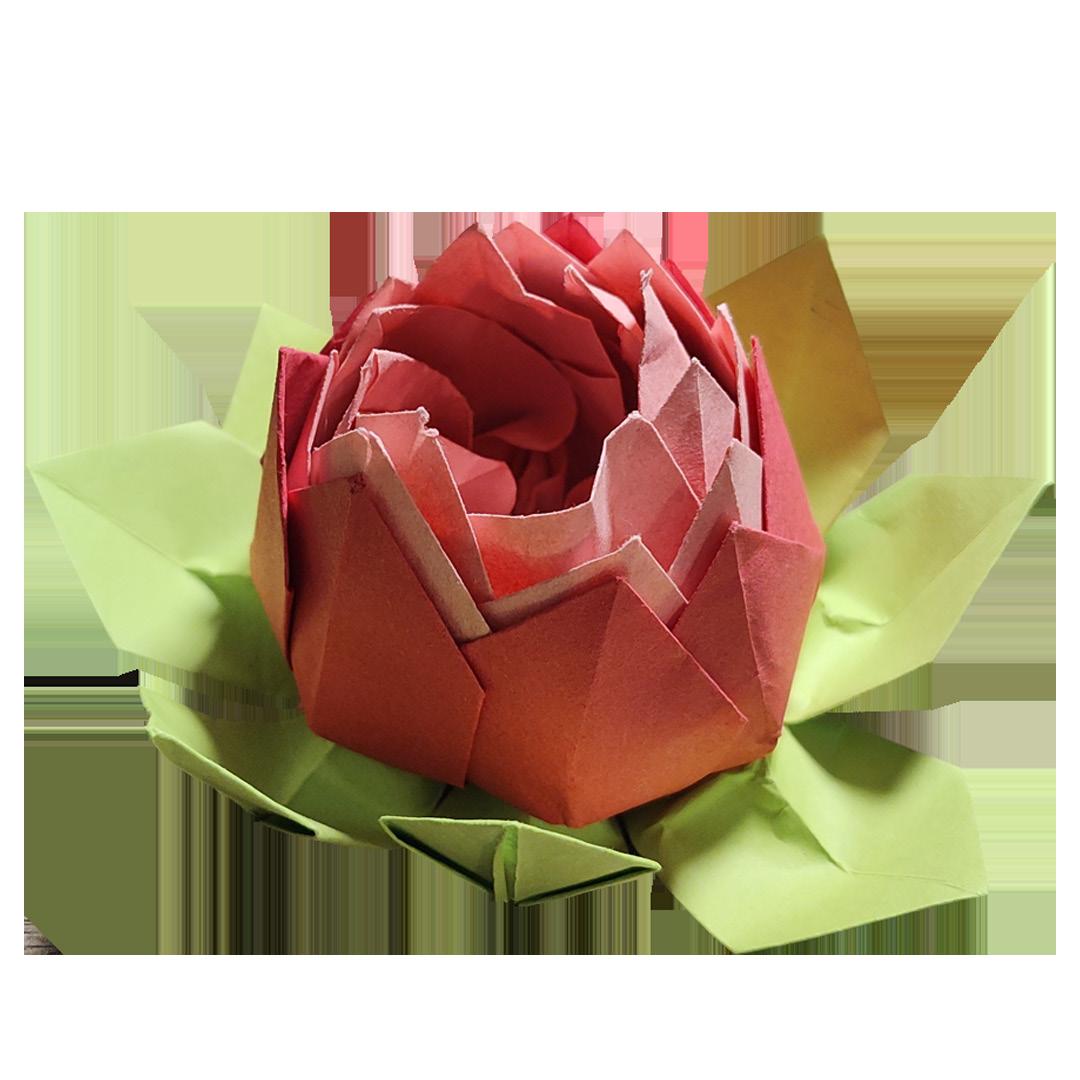
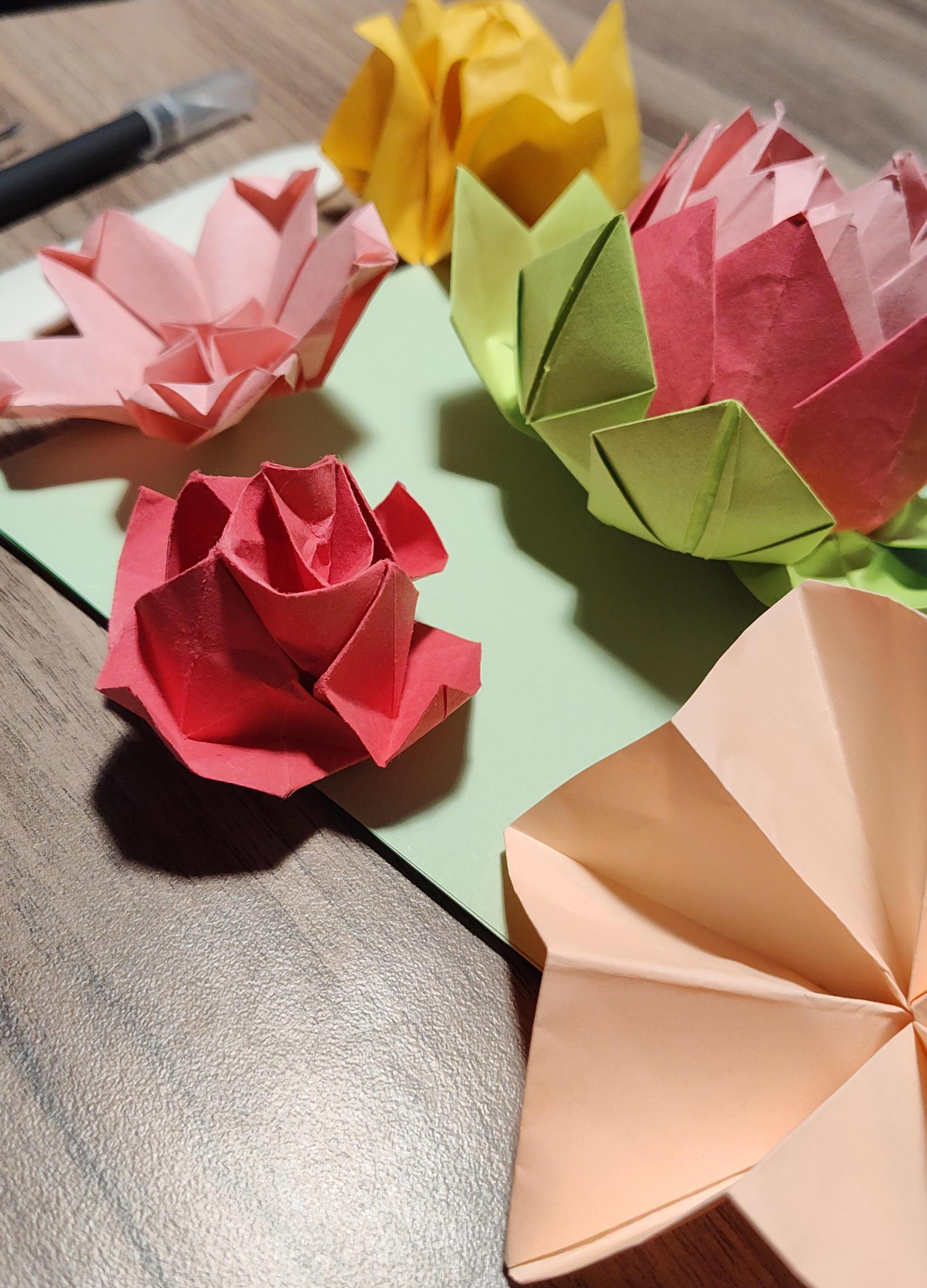
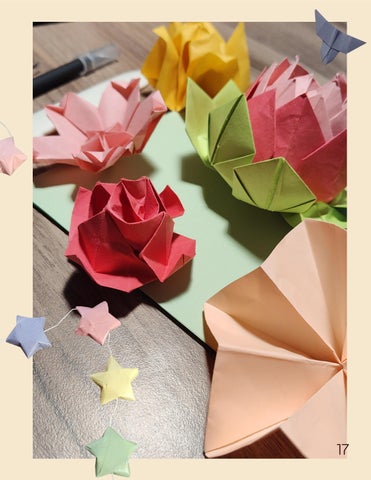
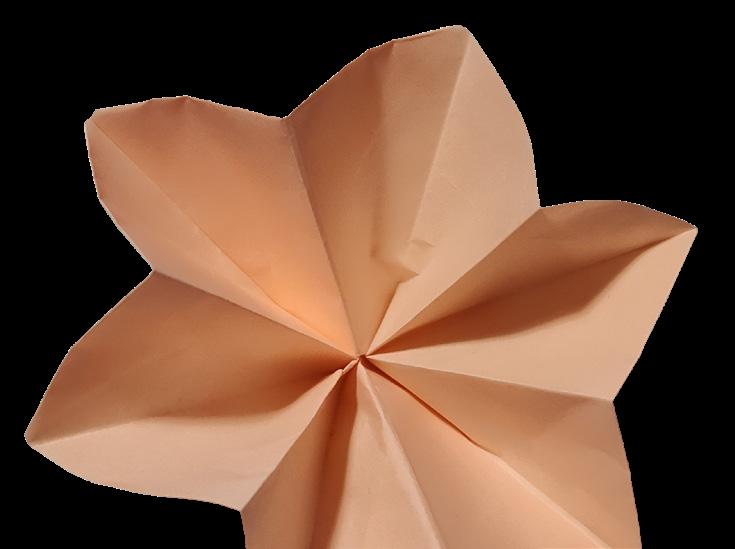
A lotus begins as a simple square- quiet, unassuming, nothing extraordinary at first glance. Yet as each fold lifts and layers upward, something soft and steady takes shape. It’s a reminder that calm isn’t found all at once; it’s built little by little, crease by crease, with patience as the guide.
In a world that asks you to move quickly, the lotus encourages the opposite. Its shape mirrors the way we find clarity: gradually, gently, unfolding from the inside out. When you sit with the paper long enough, the noise around you fades, and your hands begin to lead with a kind of quiet certainty.
So let the lotus be your pause. Take the time to lift each petal, to ease each fold into place, to watch something peaceful rise from a flat sheet of paper.
It doesn’t demand perfection. Just presence.
And in that slow, deliberate motion, you may find what the lotus has always symbolized—renewal, balance, and a return to stillness waiting in the center of it all.
productive, or performing. It celebrates slowness. It honors the beauty of doing one thing at a time. It reminds us that creation doesn’t have to be perfect to be meaningful.
And the world will continue in its rapid digital spin. Notifications will flare, screens will glow, and the tempo of modern life will press on. But paper doesn’t move at that pace. In your hands, time reshapes itself-stretching, softening, settling.
So fold something today. Not for a feed. Not for a checklist. Not for anyone else’s eyes.
Fold because it anchors you.
Fold because the motion steadies your thoughts.
Fold because the smallest crease can quiet the loudest day.
Let the paper guide you back to stillness, again and again, one gentle fold at a time.
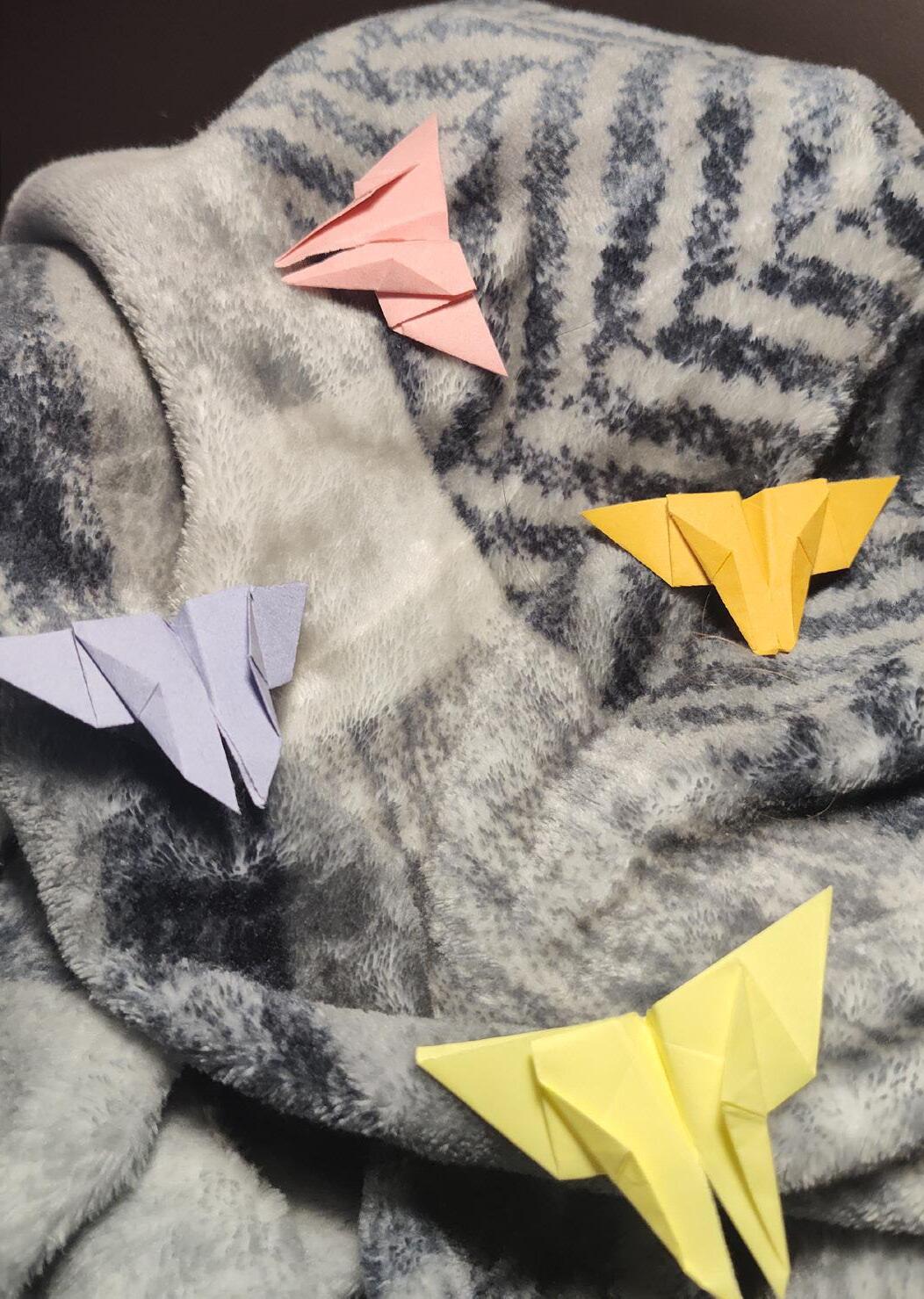
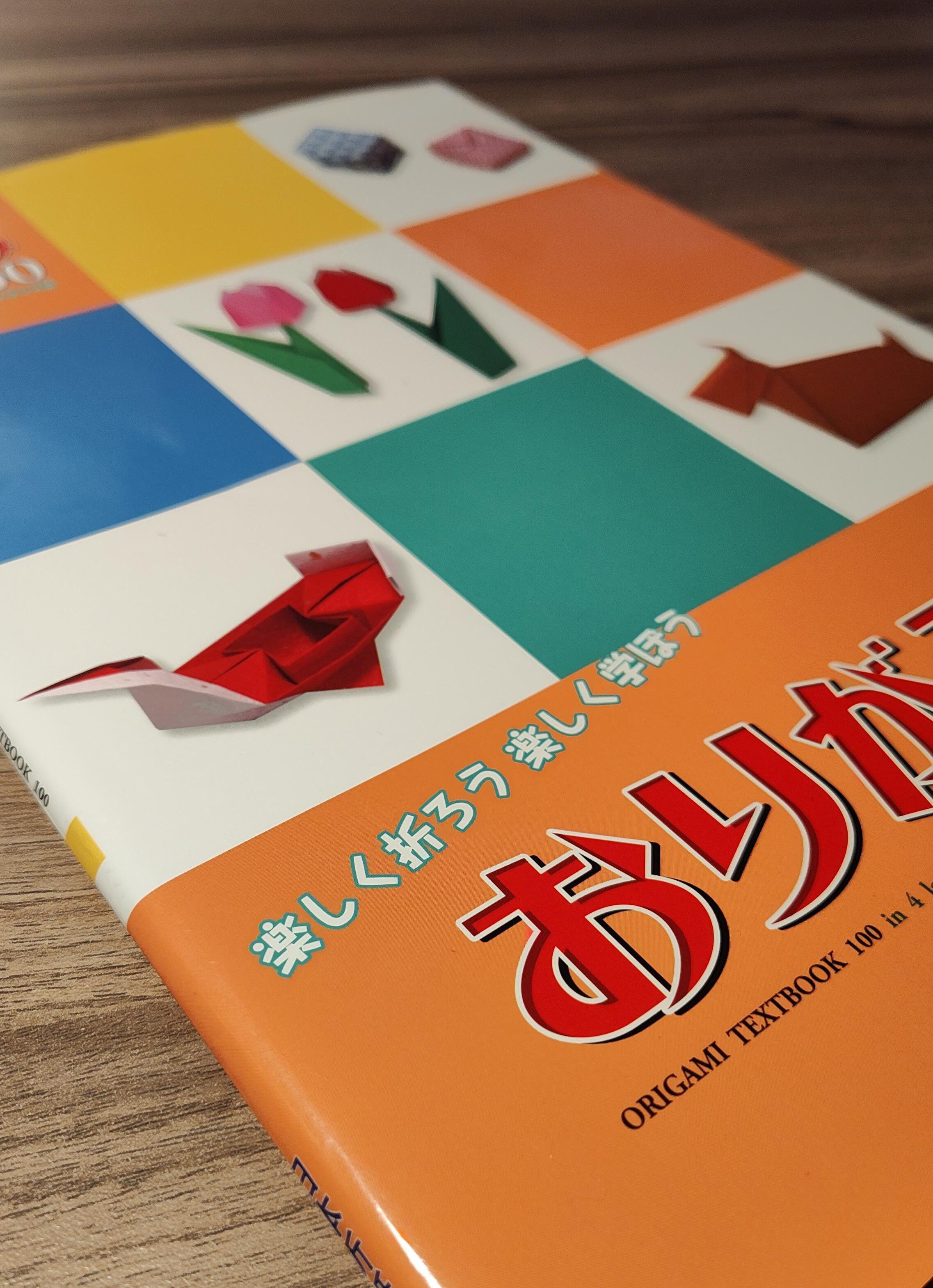
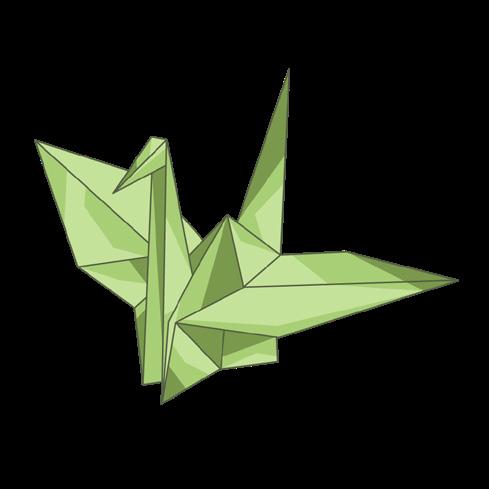
Start with simple folds and clear diagrams. A good origami book should feel like a calm teacher, not a test.