into a triangle, then smaller, then a delicate crane. It was a ritual of patience, a small defiance against despair.
Some say Sadako folded all one thousand cranes before she passed away in 1955. Others say she completed around six hundred, and her classmates finished the rest in her memory. Either way, her story grew far beyond her hospital room. The cranes became symbols of peace, carried by children across the world who continued what she had begun.
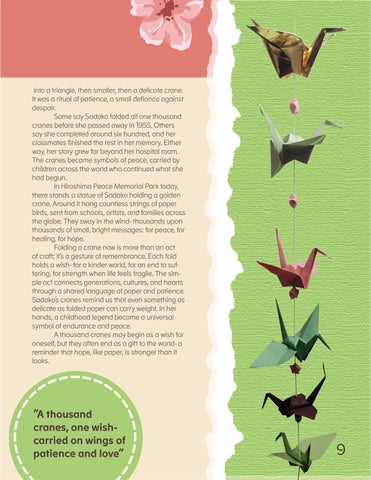
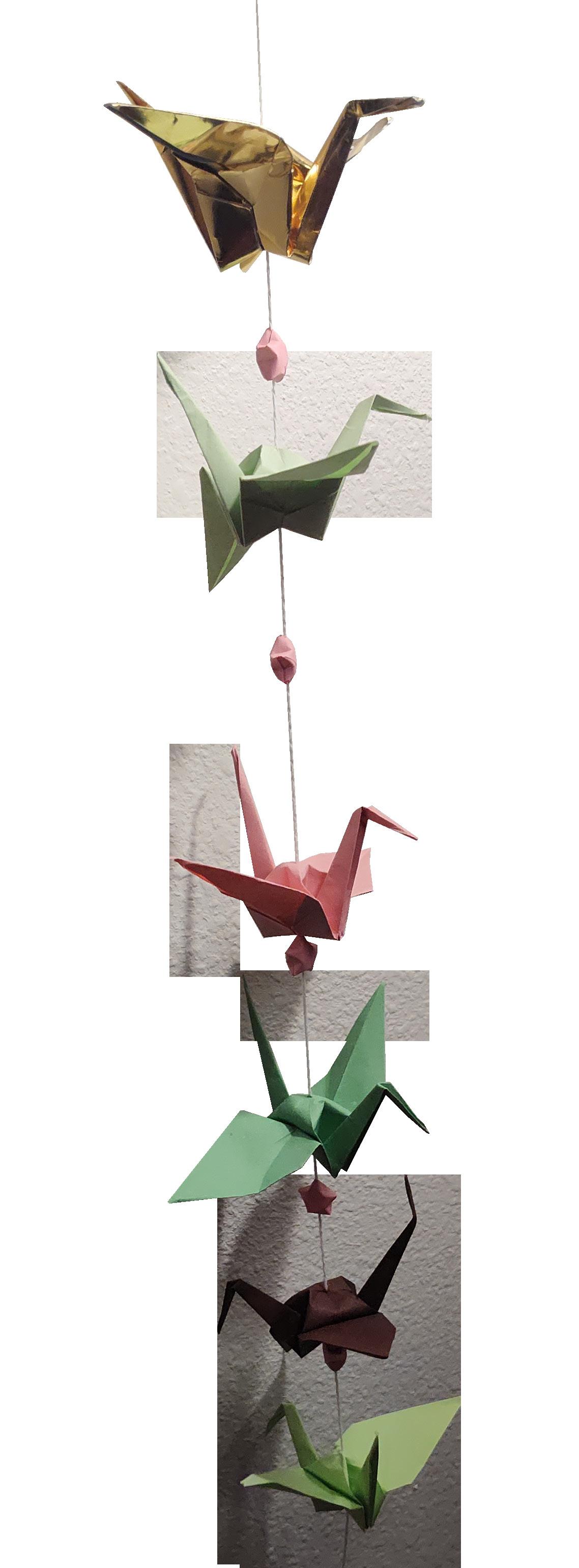
In Hiroshima Peace Memorial Park today, there stands a statue of Sadako holding a golden crane. Around it hang countless strings of paper birds, sent from schools, artists, and families across the globe. They sway in the wind- thousands upon thousands of small, bright messages: for peace, for healing, for hope.
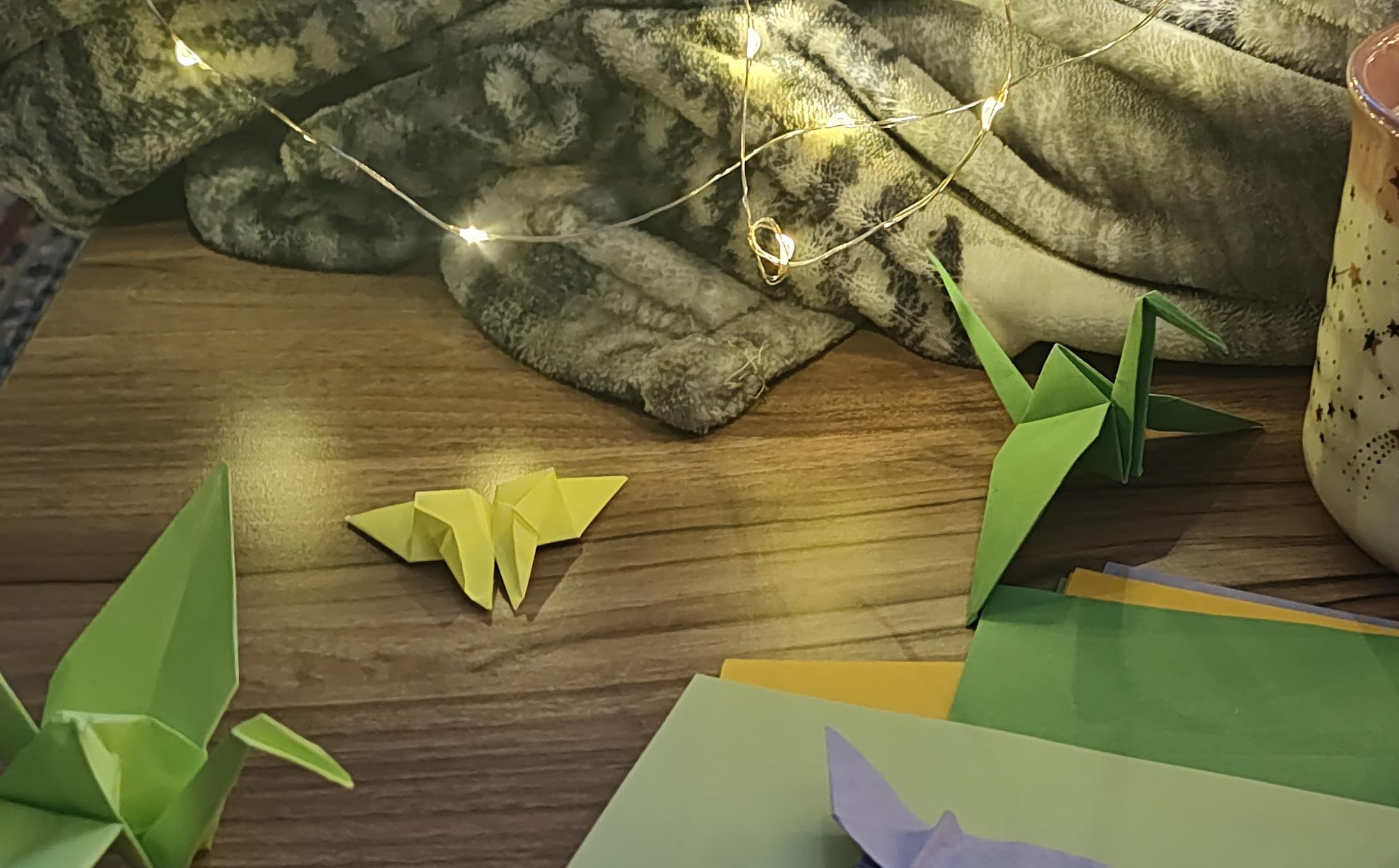
Folding a crane now is more than an act of craft; it’s a gesture of remembrance. Each fold holds a wish- for a kinder world, for an end to suffering, for strength when life feels fragile. The simple act connects generations, cultures, and hearts through a shared language of paper and patience. Sadako’s cranes remind us that even something as delicate as folded paper can carry weight. In her hands, a childhood legend became a universal symbol of endurance and peace.
A thousand cranes may begin as a wish for oneself, but they often end as a gift to the world- a reminder that hope, like paper, is stronger than it looks.
“A thousand cranes, one wishcarried on wings of patience and love”
Your Own Origami Crane!
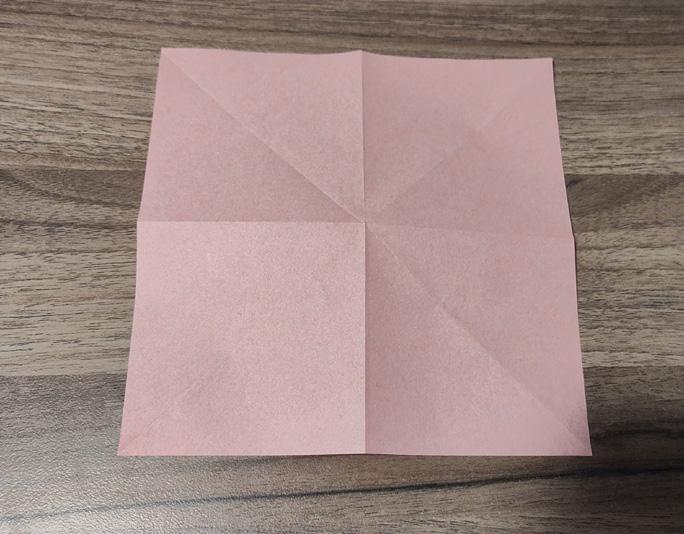
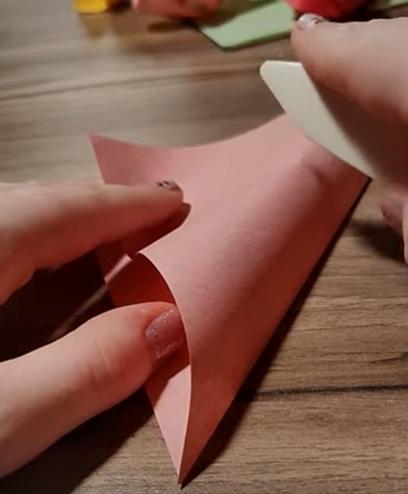
Fold paper in half twice, then unfold. Then fold in half diagonally twice.
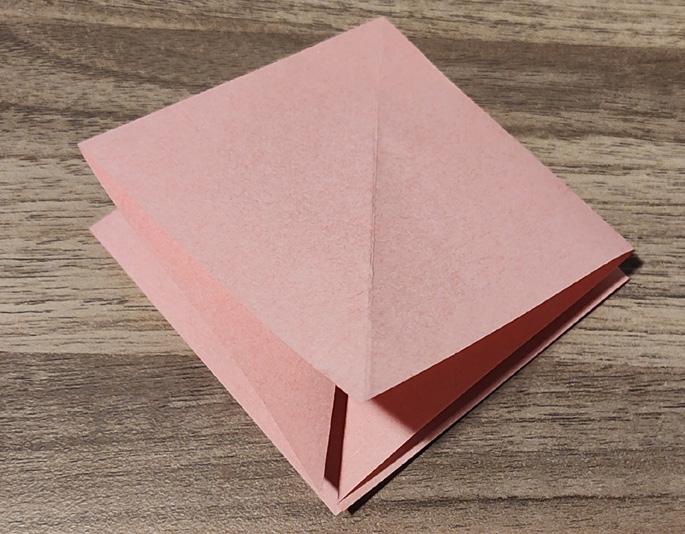
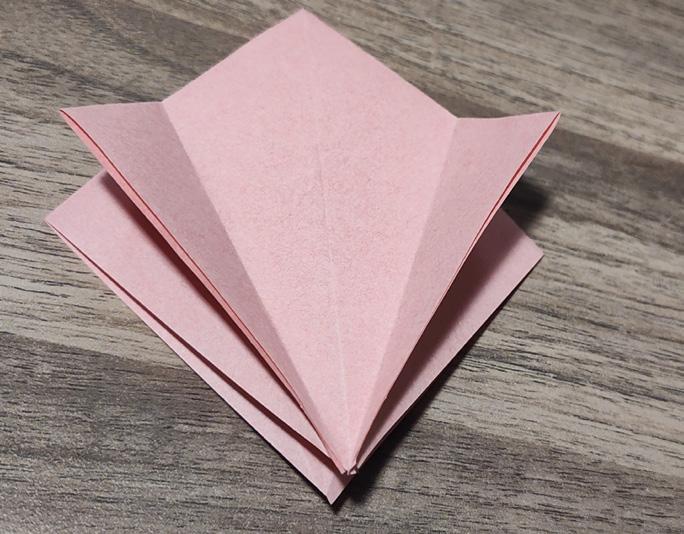
Fold the left and right corners to the middle, up against the middle crease, then unfold.
Pick up the top layer and pull to the right, creating a diamond shape.
Flep piece around and do the same to the other side.
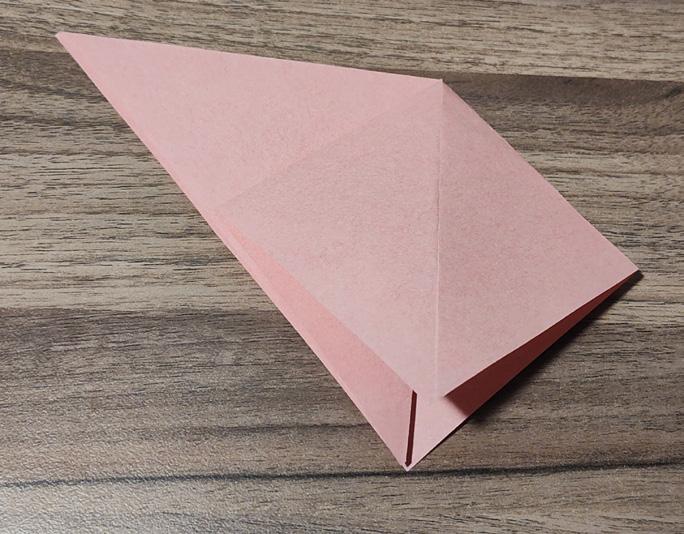
Flip over and do the same to the other side, making another diamond.
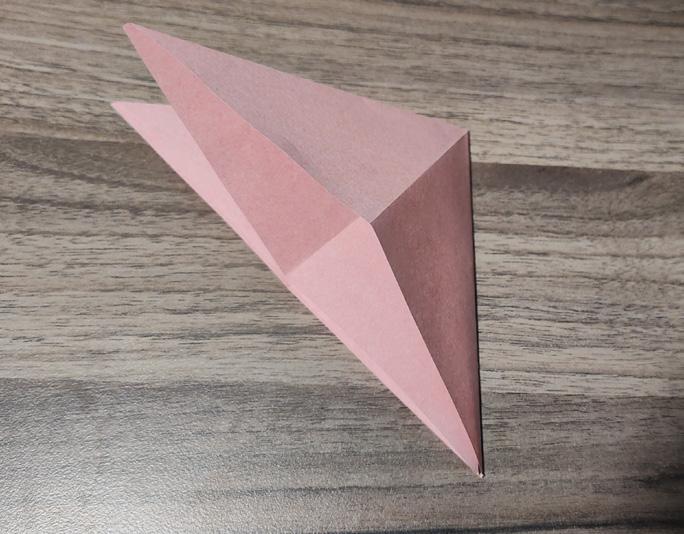
Bring the bottom corner up to the top, and fold a new crease.
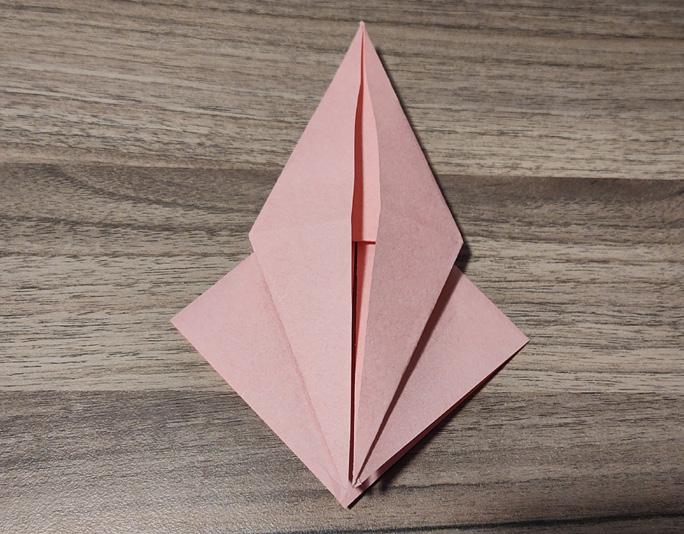
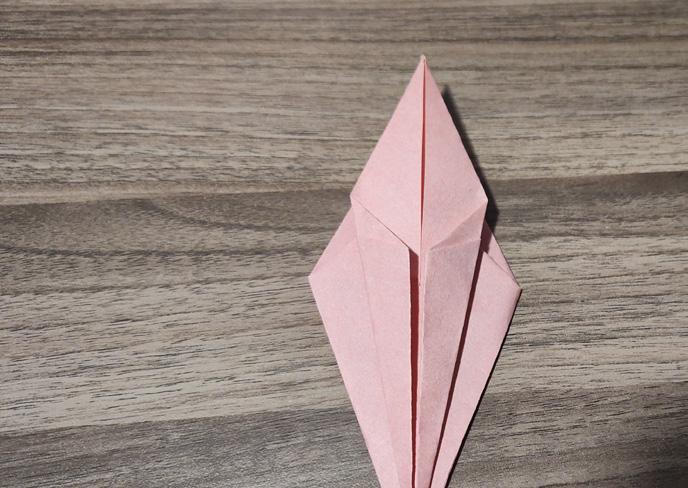
Do the same to the other side until it looks like this
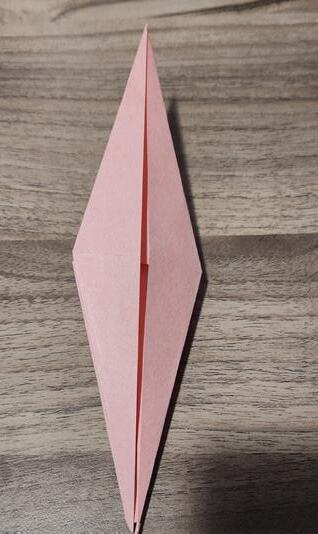
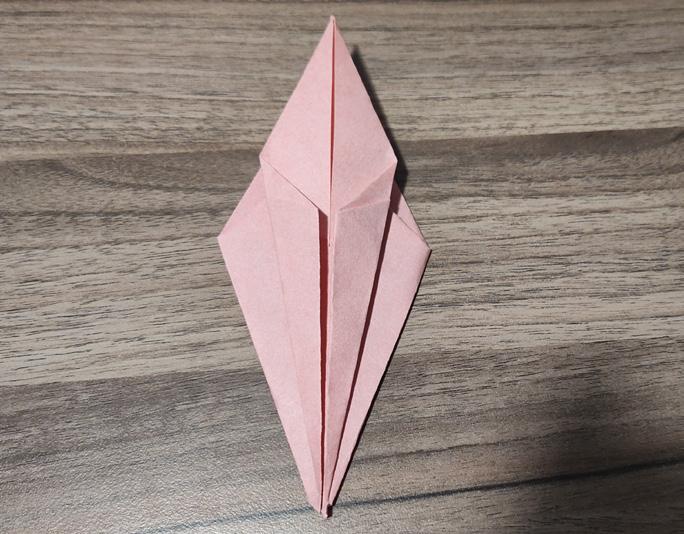
Fold the left and right corners in to the middle.
Do the same to the other side.
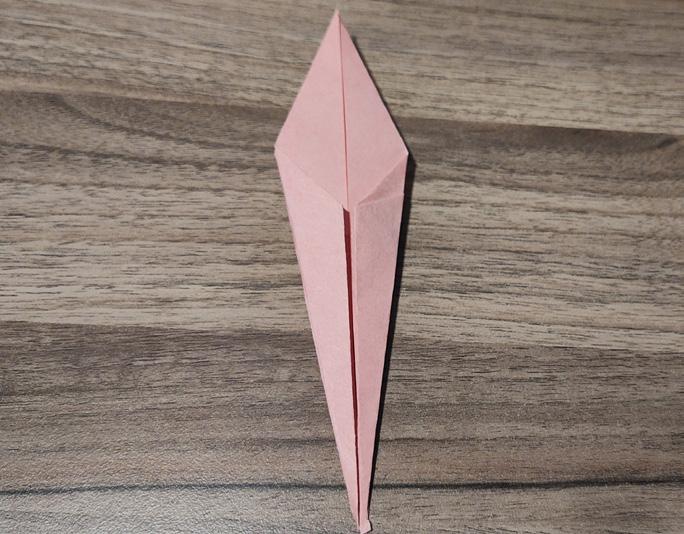
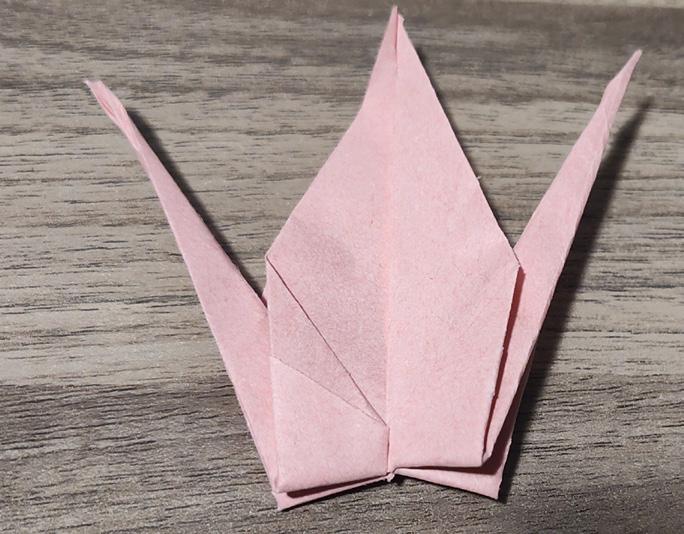
Open up one side and crease, bringing Do the same to both sides so that it’s symmetrical.
ME OUT!
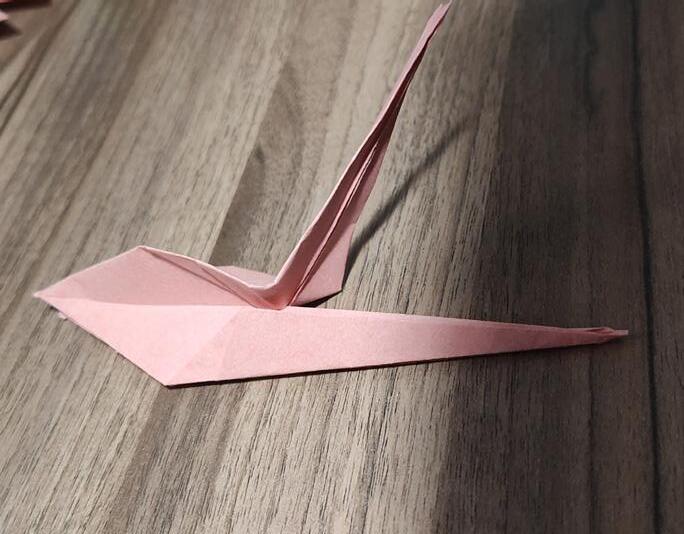
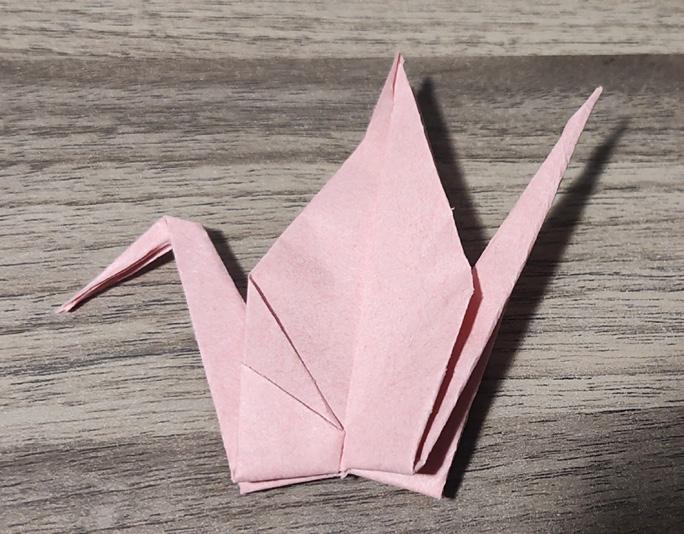
Fold down onw of the corner pieces to make the head.
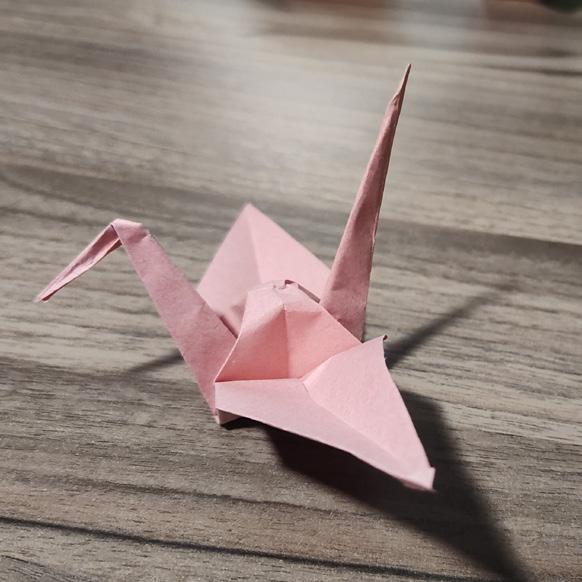
Bend the wings down on each side, and fluff out the middle to give your crane more depth.
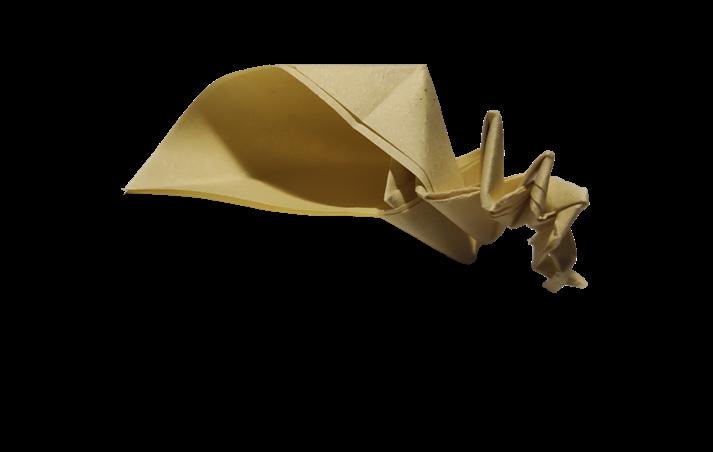
Congratulations! You now have your very own origami crane.
TEAR ME OUT!
Mindful
In a world that pulls your attention in a hundred directions, a simple, mindful fold can bring it back to center.
Tactile, repetitive motions help slow your breathing, quiet mental noise, and ground you in the present moment.
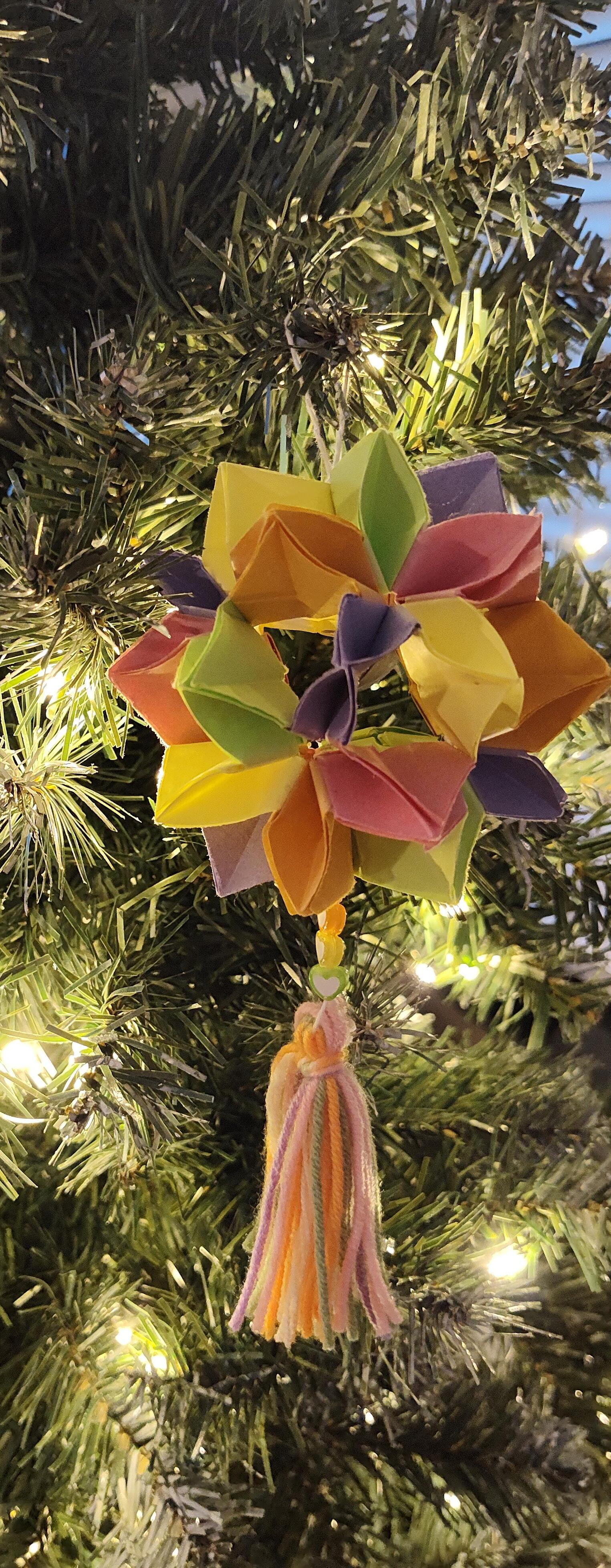
Whether it’s a crane, a box, or a single crease, each fold becomes a tiny act of focus. A pause. A reset. A return to yourself.
Paper Time
Slowing Down In a Fast World
In a world that rarely pauses, even a single sheet of paper can feel like a refuge. Before the first crease there is silence- a rare kind, the kind we forget to make room for. Origami doesn’t demand speed, perfection, or performance. Instead, it invites you into something slower, softer, and deeply human.
This story is an invitation to step away from the noise, return to your hands, and rediscover what calm feels like-one quiet fold at a time.