
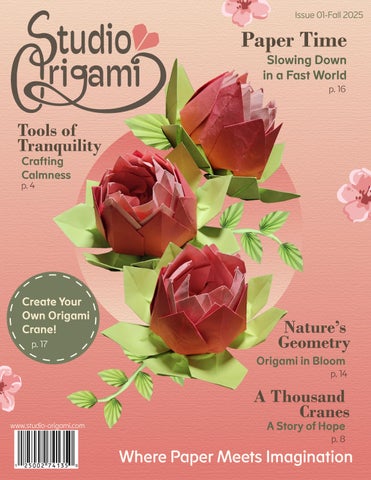
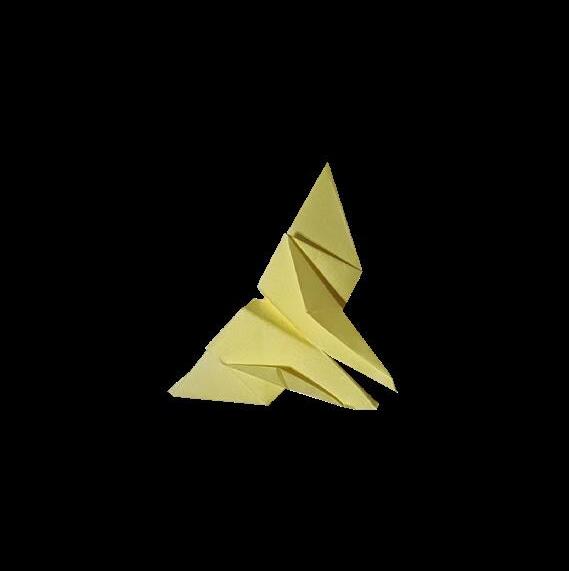
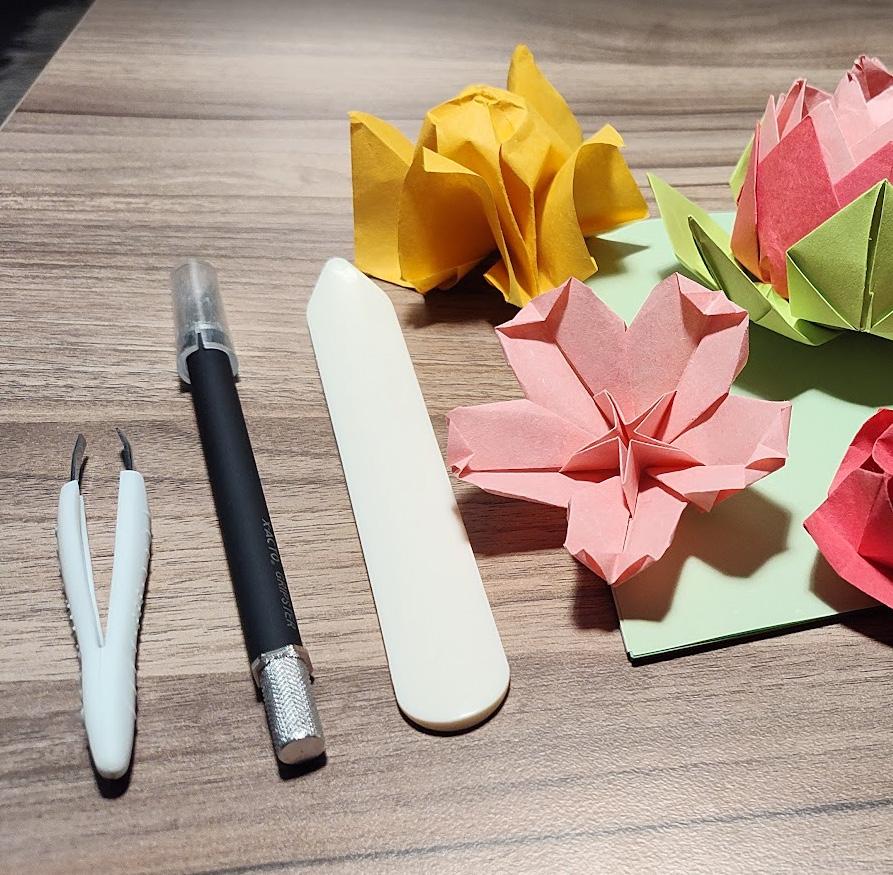

The essential tools that make folding smoother, cleaner, and more mindful-from crisp kami to the quiet precision of a bone folder.
Origami across the world- the artists, travelers, and communities who turn paper into connection.
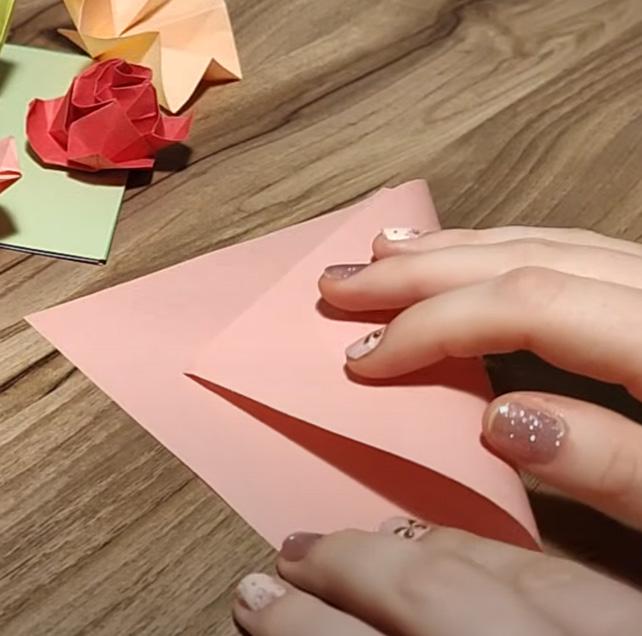
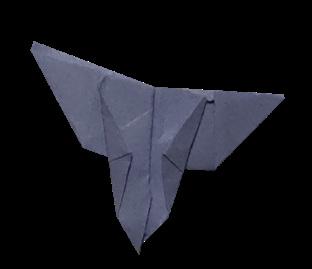
Why the simple act of folding calms the mind, slows the breath, and creates a moment of stillness.

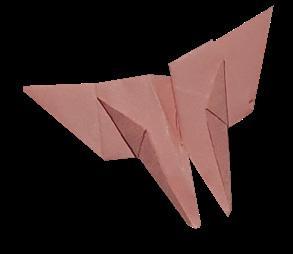
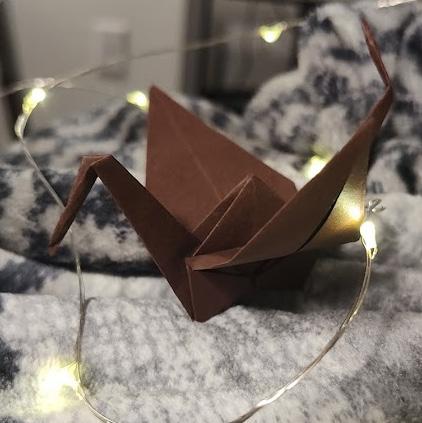

The story of Sadako and the healing legend of folding 1,000 cranes- a tradition of hope passed through generations.
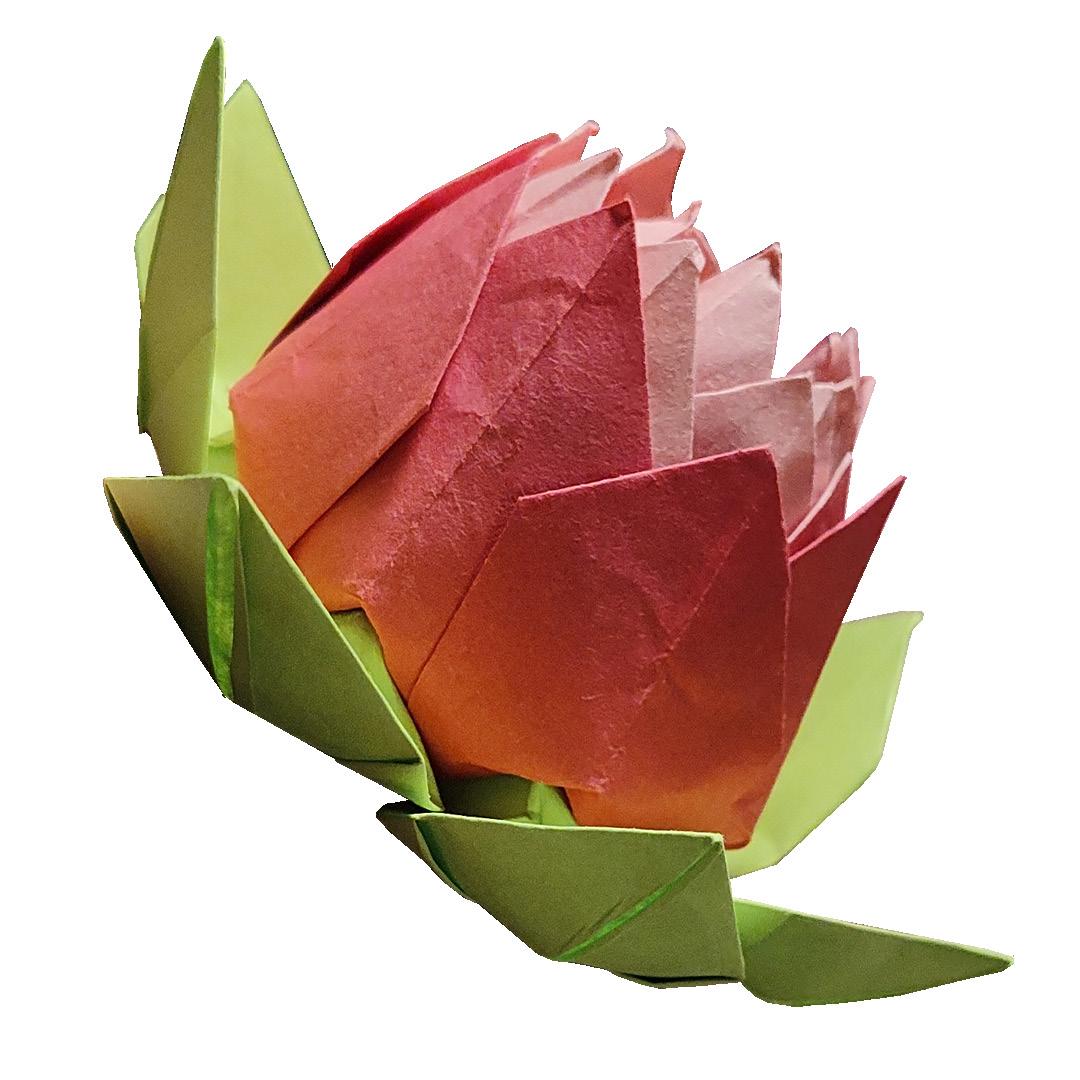
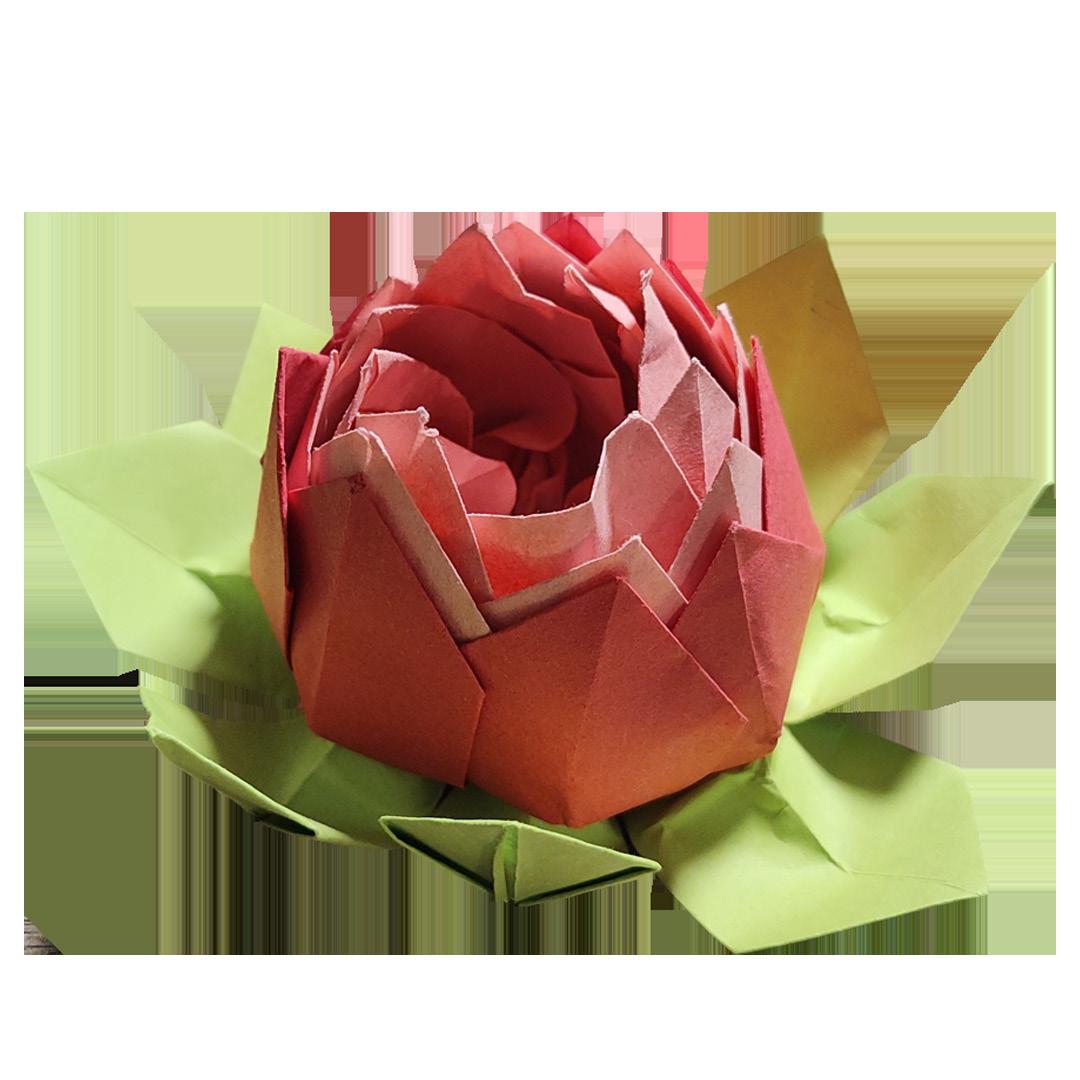
How flowers, shells, and leaves shape origami design, and why natural patterns echo so seamlessly in folded forms.
A deep exploration of how folding paper becomes an antidote to digital overwhelm-a quiet ritual that restores focus, presence, and peace.
Origami begins with something simple- a square of paper- yet even simplicity has its essentials. Every fold depends on a few quiet tools that make the craft smoother, cleaner, and more mindful.
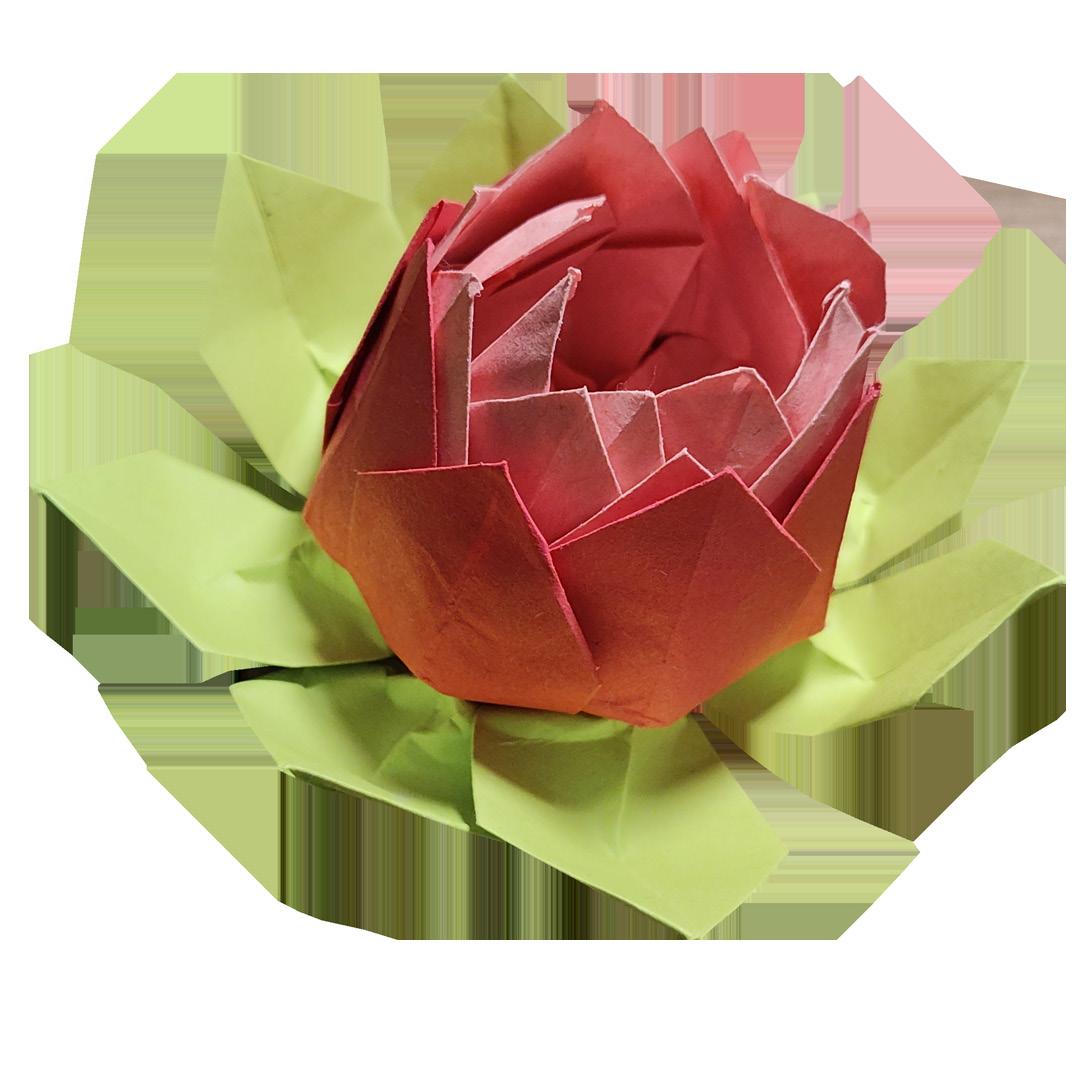
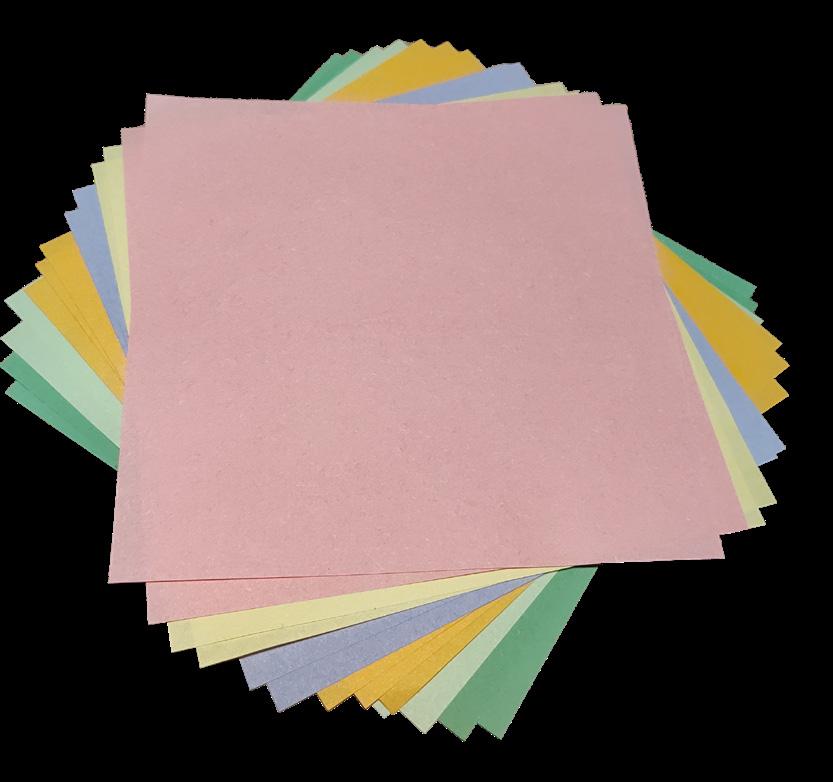
The most important tool, of course, is the paper itself. Thin, crisp sheets hold creases beautifully without tearing. Traditional kami paper is perfect for beginners, while washi- soft, fibrous, and textured- offers a natural elegance that feels alive in your hands.
A bone folder helps sharpen edges and flatten layers with precision, while tweezers assist in tucking tiny corners on intricate models. A cutting mat and craft knife come in handy when trimming larger sheets into perfect squares. Even the surface you work on matters- a clean, smooth table with good light invites patience.
And then, the most overlooked tools: your hands, your breath, your focus. The act of folding turns these into instruments of calm. Together, they transform plain paper into something graceful- proof that creativity doesn’t require much, only care.
These tools aren’t all required, but they do make the process gentler on your hands. Think of them as tiny tools that can bring big calm.
Story written by AI
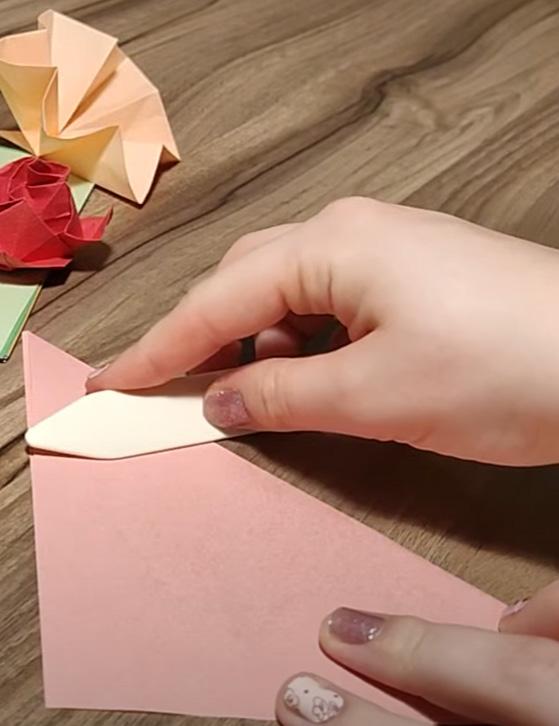
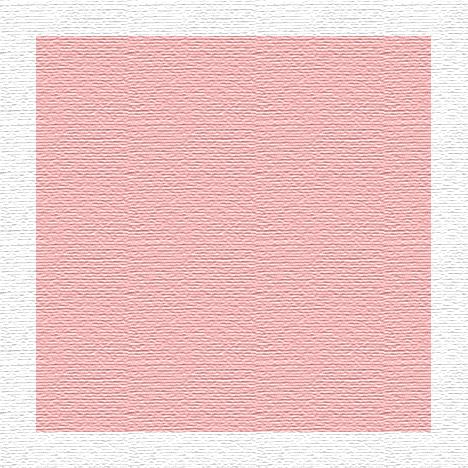
Helps you press folds neatly without hurting your fingers. Makes creases sharper and easier to control.
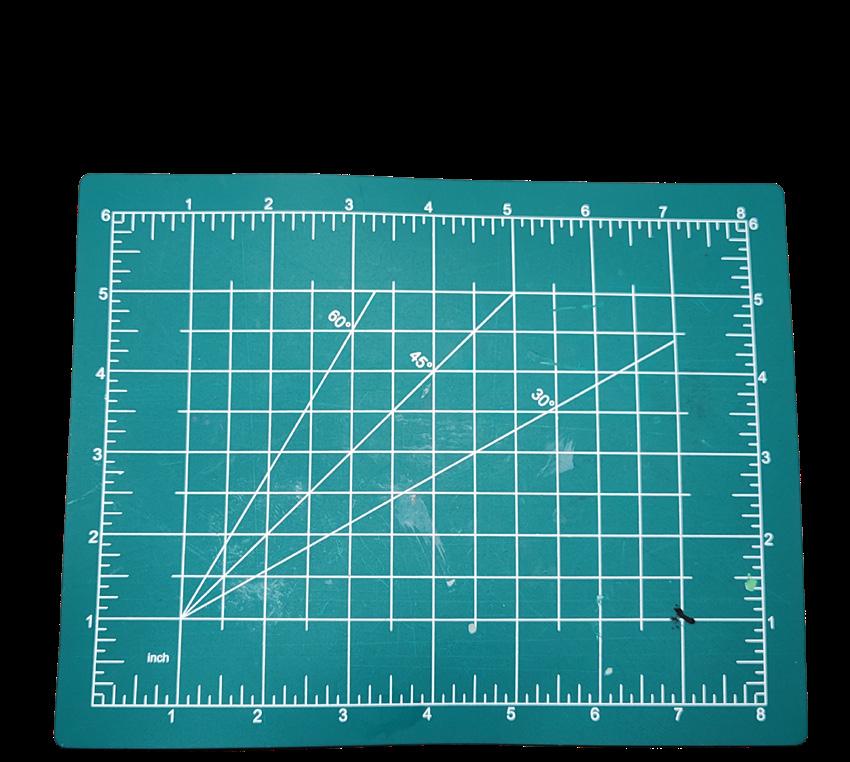
Helps you press folds neatly without hurting your fingers. Makes creases sharper and easier to control.
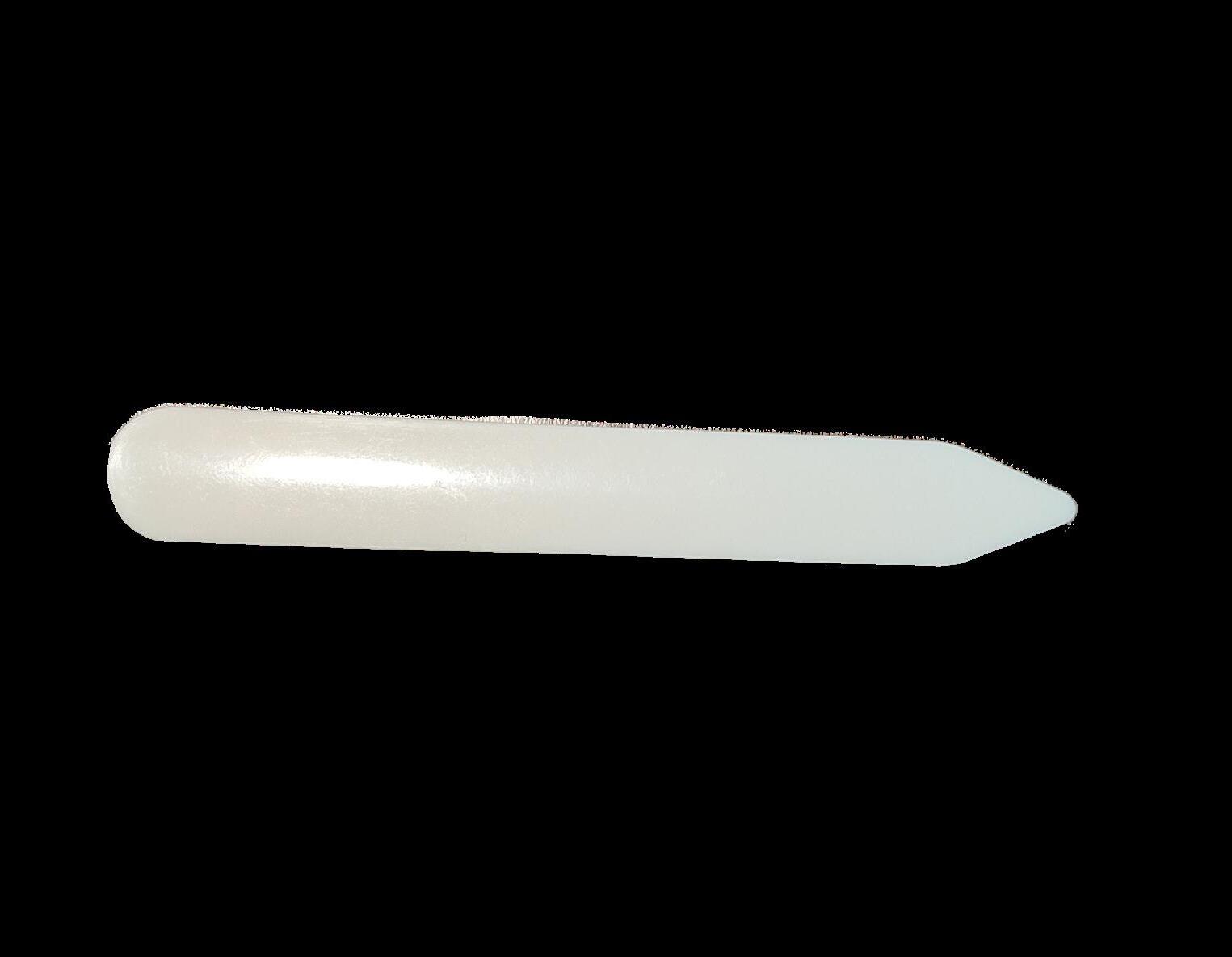
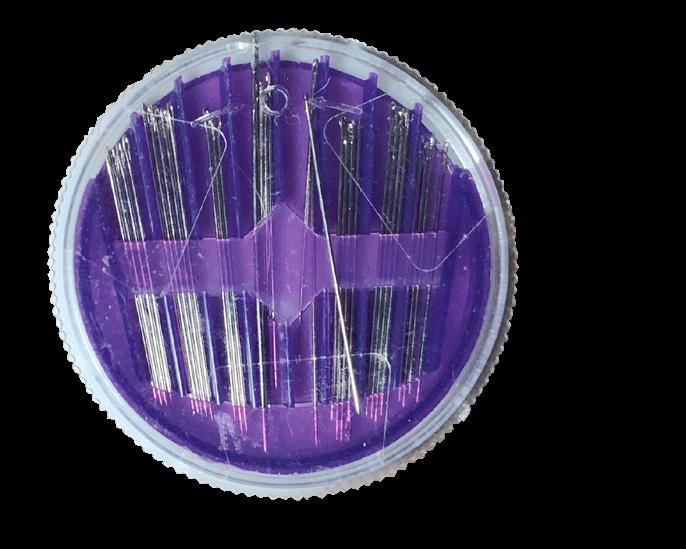
Helps you press folds neatly without hurting your fingers. Makes creases sharper and easier to control.
Helps you press folds neatly without hurting your fingers. Makes creases sharper and easier to control.
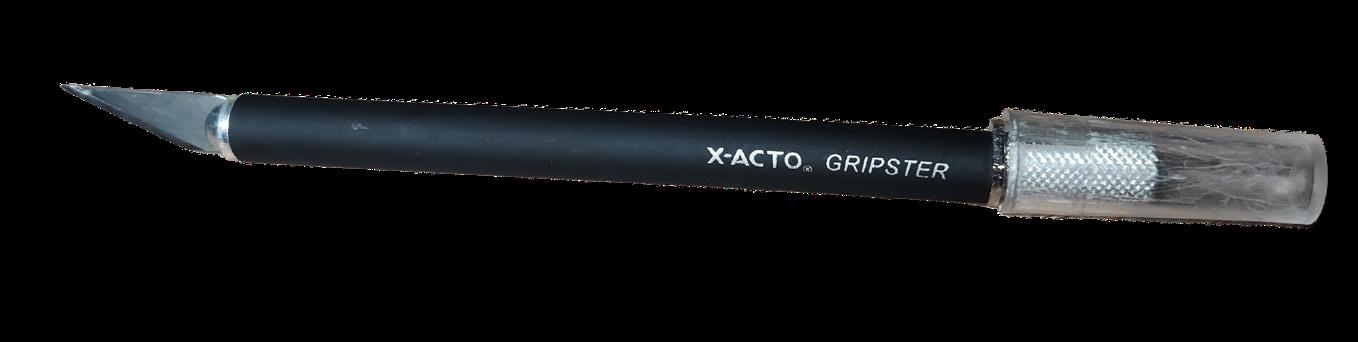
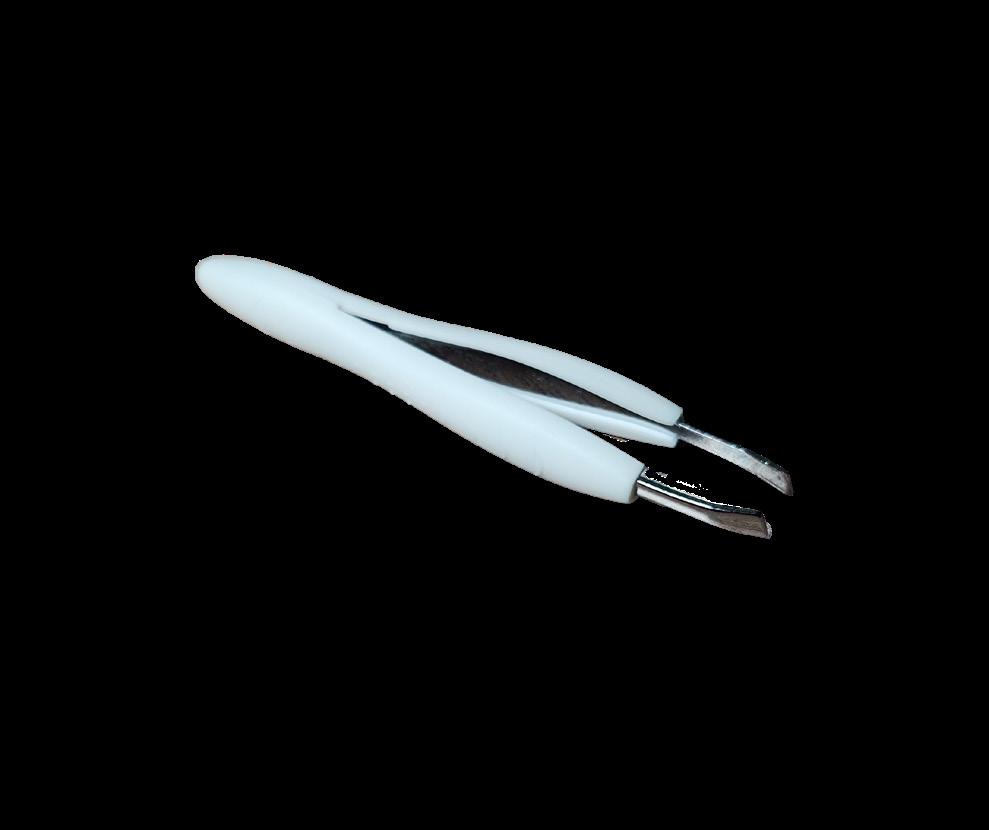
Helps you press folds neatly without hurting your fingers. Makes creases sharper and easier to control.

Story written by AI
thing personal. Some explore
Each crease slows the mind. In a world that rushes, origami asks us to pause. The paper waits patiently as hands move with intention- fold, press, breathe. It’s a rhythm that clears the noise and centers the heart.
Many find the act of folding as grounding as meditation. The repetition is gentle, the progress visible. A single
sheet transforms slowly, reminding us that small movements, done mindfully, create something beautiful.
When the final shape appears- a crane, a lily, a star- it’s less about the model and more about the journey. The folds hold quiet moments of focus, each one a record of stillness found in motion.
Story written by AI

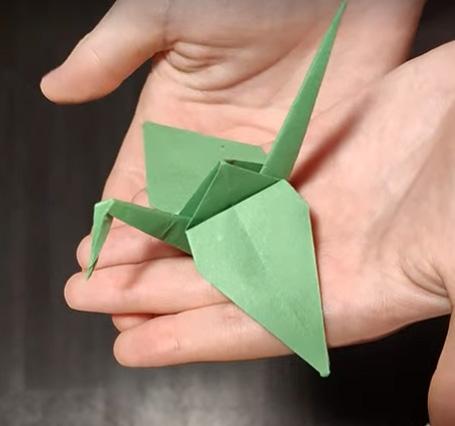
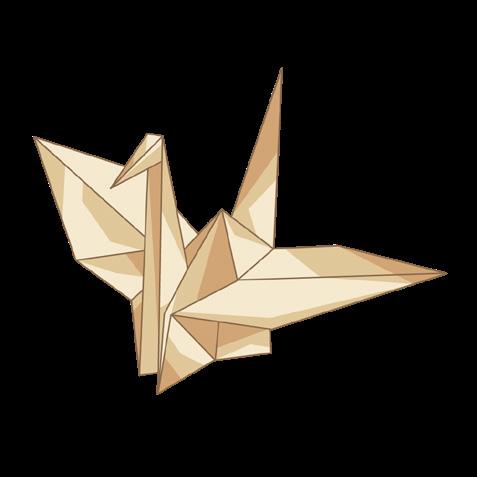
In Japanese tradition, folding 1,000 paper cranes is an act of devotion and hope. Each crane carries a wish- or healing, protection, or peace- and together they become a symbolic gift for someone loved or remembered.
The cranes are typically tied into long strands, often 25 cranes each, forming a cascading display called tsuru no orizuru. Completing a senbazuru is seen as both a spiritual gesture and a reminder that patience and small, steady actions can create something powerful and meaningful.
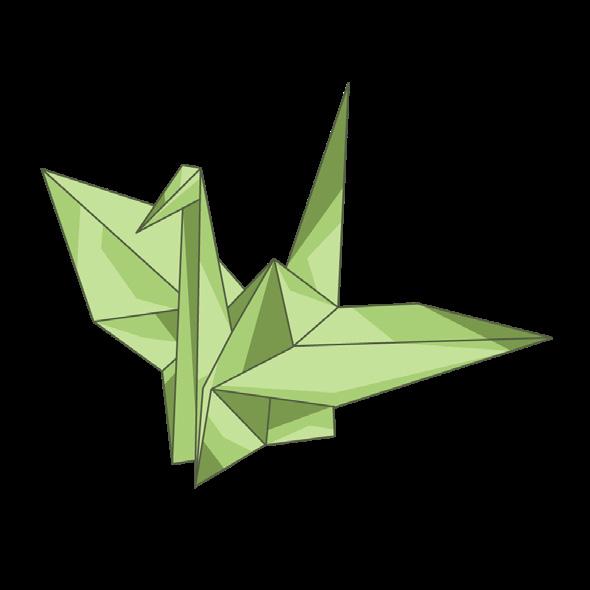
In Japanese legend, it’s said that anyone who folds one thousand paper cranes will be granted a wish. The crane, or orizuru, is a symbol of long life and hope- a bird believed to live for a thousand years. For generations, children and adults alike have folded these birds as prayers carried on paper wings.
The most famous of these stories belongs to Sadako Sasaki, a young girl from Hiroshima. When she was two years old, the atomic bomb fell on her city. Though she survived the blast, years later she developed leukemia- one of the many illnesses caused by radiation. She was only twelve. While she was in the hospital, a friend told her about the legend of the thousand cranes. If she could fold one thousand, her wish for recovery might come true. With that, Sadako began folding. She used every scrap of paper she could findmedicine wrappers, old notes, anything colorful enough to give shape to her hope.
Each day, even as her strength faded, she folded more. The rhythm of the folds became a form of prayer. A square of paper transformed, first