The Lung Cancer Story Has Changed. It’s Time Our Perceptions Did
Too.

College Of Nursing’s Licensure Exam Pass Rate Nearly Perfect In 2025 See pg. 10
Legal Matters
Mental Health pg.5
Healthy Heart pg.7
Financial Forecast pg.12

TBy
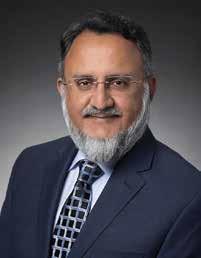
Muffaddal
Morkas,
M.D.
–Texas Oncology
oo often when patients hear the words lung cancer, they automatically assume it’s a devastating diagnosis with little reason to have hope for survival. However, thanks to robust advancements in detection and treatment, the reality of this diagnosis for many patients looks much different than it was a decade ago.
With improvements in screenings, clinical research and targeted therapies including immunotherapy, patients are living longer, better lives.
Treatment Not a One-Size-Fits-All Approach
One of the biggest developments in lung cancer care in recent years is our understanding that it is not a single disease that can only be treated with a copied and pasted approach.
Now we can analyze tumors for specific biomarkers and genetic mutations to help guide treatment decisions. These tests allow physicians to identify therapies that target the unique characteristics of a patient’s cancer cells rather than relying solely on a one-size-fits-all approach.

targets cancer cells, which have fewer side effects than traditional chemotherapy.
Immunotherapy has also transformed lung cancer treatment.
This type of treatment helps the
Early Detection is Critical
One of the most powerful tools we have in the fight against lung cancer is still early detection.
When lung cancer is found in early stages, patients have significantly more treatment options and better outcomes. Low-dose CT screening can help identify cancer before symptoms appear, yet many eligible individuals are unaware that screening is available to them.
World Lung Cancer Day, a day to raise awareness across the globe about the disease and encourage screenings for early detection, is observed annually on Aug. 1st...
patient’s own immune system recognize and fight the cancer cells. For many patients with advanced lung cancer, these therapies have led to longer survival and better disease control.
Targeted therapies have dramatically improved outcomes for many patients, especially those whose cancer DNA contains specific genetic alterations called actionable mutations. In some cases, patients can take oral medication that specifically
While not every patient is a candidate for immunotherapy, and no treatment is a universal option for everyone, this growing number of available options allows physicians to better tailor treatment plans to the individual.
Patients who have a history of smoking or other risk factors such as a family history of lung cancer or exposure to occupational hazards should talk with their healthcare provider about their screening options. There is still a lot of work to be done. Lung cancer remains the second most common cancer among men and women in the United States – the American Cancer Society estimates more than 229,400 new cases will be diagnosed this year alone – and unfortunately many are diagnosed after


























Legal Matters
OIG Warns About Electronic Referral Management Platforms


By Benjamin Wallfisch, J.D.
Jeffrey Fitzgerald, J.D. Polsinelli, PC
that do not pay the fees.
The Arrangement
The requestor operates home health agencies and relies on referrals from hospitals as part of the discharge planning process. A technology vendor operates an online referral management platform connecting hospitals with home health agencies and both the hospital and the requestor pay a fee to use the platform.

providers to secure referrals (according to the requestor).
OIG’s Analysis and Conclusion
The platform enables home health agencies to receive electronic referral requests from hospitals. Hospitals present to patients the names of all available home health agencies, regardless of whether the agencies subscribed to the platform, but only subscribing agencies have the ability receive and accept referrals electronically through the software. Non-subscribing agencies instead rely on fax, email, telephone, or other manual methods of communication, which result in delays that reduce the ability of those non-subscribing
OIG concluded that the arrangement described by the requestor implicates the AKS because the home health agency pays the vendor in return for arranging referrals of federally reimbursable services. OIG said that it has concerns about patient steering and unfair competition. Relying on the requestor’s certification that hospitals award referrals on a first-come, first-served basis, OIG concluded that home health agencies that pay subscription fees through the
platform gain a significant competitive advantage by being able to respond electronically and more quickly than non-subscribing agencies. In OIG’s view, the arrangement effectively allows providers to improve their access to referrals by purchasing software subscriptions rather than competing on the quality of care they provide. This opinion largely reiterates OIG’s analysis in Advisory Opinion 11-06, a 15-year-old unfavorable opinion addressing a similar arrangement. Interestingly, AO 26-15 does not engage
The HHS Office of Inspector General (OIG) recently issued Advisory Opinion 26-15, addressing a subscription-based referral management software platform. OIG concluded that the arrangement raises concerns under the federal Anti-Kickback Statute (AKS) because—according to the requestor of the opinion—providers that pay subscription fees receive an inappropriate competitive advantage in obtaining referrals for post-acute care services as compared to providers see Legal Matters. ...page 14

Houston Methodist Receives Transformational $110 Million Gift to Support Neuroscience, Neurological Care and Women’s Health
Historic Commitment Names Brockman Centennial Tower
By Staff
Houston Methodist announced a $110 million philanthropic gift to advance research and care related to neurological and other diseases, neuroscience and women’s health. The commitment, which is the largest single commitment in the health system’s more than 100-year history, comes from The Brockman Medical Research Foundation.
“This extraordinary gift accelerates discovery and transforms how care is delivered,” said Marc L. Boom, M.D., president and CEO of Houston Methodist. “We are grateful to The Brockman Medical Research Foundation for its incredible generosity and vision that will help change the lives of generations of patients. Naming
Centennial Tower in recognition of this gift reflects the scale of this commitment and its impact on the future of neuroscience, neurological care and women’s health.”
The commitment will establish a new innovation fund supporting research and care within the Houston Methodist Academic Institute and the Neurological Institute. Additionally, the gift will support an excellence fund advancing women’s health initiatives in the Department of Obstetrics and Gynecology. In recognition of the gift, Houston Methodist’s new hospital facility will be named Brockman Centennial Tower and the tower’s entrance will be named the Anna Margaret Bellows Centennial Hall.
The Brockman Medical Research Foundation is a private
foundation established by the Brockman family which seeks to promote education and to fund research in the fields of science, medicine and healthcare.
“This tremendous gift will accelerate translational research that broadens our understanding of neurological and other diseases,” said Jenny Chang, M.D., president and CEO of the Houston Methodist Academic Institute. “It will allow us to leverage state-of-the-art platforms to detect, diagnose and deliver therapeutics, keeping patient care at the center of our mission.”

Brockman Centennial Tower, a 26 story hospital facility encompassing more than one million square feet,
NOW AND FOREVER.
is scheduled to open in 2027. It will add nearly 400 patient beds, house a significantly expanded emergency department and connect directly to the Paula and Joseph C. “Rusty” Walter III Tower at Houston Methodist’s flagship location in the Texas Medical Center.
However you practice in today’s ever-changing healthcare environment, we’ll be there for you with expert guidance, resources, and coverage. It’s not lip service. It’s in our DNA to continually evolve and support the practice of good medicine in every way. That’s malpractice insurance without the mal. Join us at thedoctors.com Scan here for a rapid premium indication, and discover the unrivaled rewards of The Doctors Company.

Brockman Centennial Tower
Mental Health
Excessive Heat and Its Impact on Mental Health
By Dr. Asim Shah
Extremeheat this summer is affecting people across the country – mentally as well as physically. While heat can make anyone irritable, the impact can go beyond that, especially for people with mental health conditions. A Baylor College of Medicine psychiatrist explains how heat affects mental health.
Excessive heat causes changes in emotions and behavior that can result in feelings of anger, irritability, aggression, discomfort, stress and fatigue. Heat alters those behaviors because of its impact on serotonin, the primary neurotransmitter that regulates your mood, leading to decreased levels of happiness or joy and increased levels of stress and fatigue.
who already suffer from stress, anger or anxiety will experience increased serotonin. If people use substances, especially alcohol, they need to be more hydrated. Combining substance use with heat requires even more hydration.
“All mental illnesses increase with heat because it results in more fatigue, irritability and anxiety, and it can exacerbate depressive episodes,” said Dr. Asim Shah, professor and executive vice chair in the Menninger Department of Psychiatry and Behavioral Sciences at Baylor.
Signs of heat impairing mental health start with irritability, decreased motivation, aggressive behavior and sometimes mental fogging. In worse cases, it can cause confusion and disorientation. While avoiding the heat may not be possible, Shah recommends hydrating with electrolytes and keeping your head covered when going outside. In addition, pour some water on your

head to cool down and try doing things in the shade. If you normally go for walks outside, move them inside by walking in the mall or a large space with air conditioning.
The most vulnerable groups affected by heat and mental health include people with preexisting conditions and people who use substances like alcohol. People see Mental Health. ...page 14
If you take medications, consult with your provider before mixing your dose with excessive heat. Some medications for mental health, such as lithium for bipolar patients, might

Eating at the Right Time May Improve Healthy Aging, UT Southwestern Study Finds
Anewstudy from UT Southwestern Medical Center suggests that when people eat may be nearly as important as what they eat when it comes to healthy aging.
Published in Nature Aging, the research found that time-restricted eating—limiting food intake to a consistent daily window aligned with the body’s natural circadian rhythm— significantly improved healthspan in laboratory mice. Healthspan refers to the number of years spent healthy and free from chronic disease.
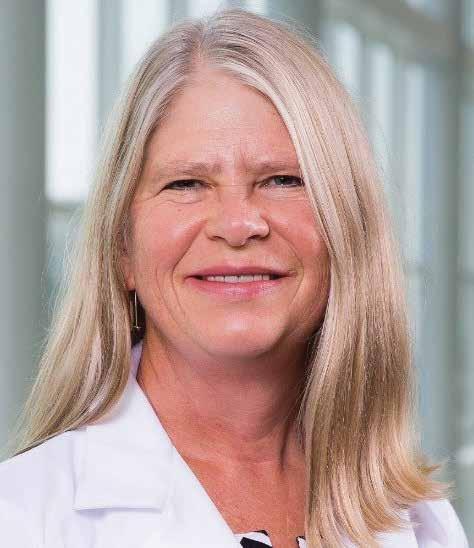
The study was led by Joseph Takahashi, Ph.D., Chair and Professor of Neuroscience, and Carla Green, Ph.D., Professor of Neuroscience, both investigators in UT Southwestern’s Peter O’Donnell Jr. Brain Institute.
While previous studies have shown that reducing calorie intake can extend lifespan and delay diseases associated with aging, researchers
wanted to determine whether limiting eating to specific hours of the day could provide similar benefits without requiring calorie restriction.
To investigate, scientists followed 528 healthy mice, equally divided between males and females. After an initial period of unrestricted eating, the animals were assigned either unrestricted access to food or feeding windows of eight or 12 hours during their normal active nighttime period. Researchers monitored the mice throughout their lives, measuring body weight, body fat, physical activity, frailty, and the development of age-related diseases.
The results showed that male mice eating within an eight-hour window lived approximately 12% longer than mice allowed to eat freely. Although the other time-restricted groups did not experience a significant increase in lifespan, all mice following time-restricted feeding demonstrated

meaningful improvements in overall health. They gained weight more slowly, accumulated less body fat, developed frailty later, and experienced delayed onset of age-related diseases.
Researchers also found benefits for both sexes, although female mice experienced longer-lasting improvements in health relative to their lifespan.
“Our findings suggest that circadian-aligned, timed feeding alone can meaningfully influence healthy
aging,” the researchers noted.
According to Dr. Takahashi, humans today are living longer than ever, but many spend their later years managing chronic illnesses and age-related disabilities. Extending healthspan—rather than simply increasing lifespan—has become a major goal of aging research.
Based on the study’s findings, Dr. Takahashi said the optimal eating
see Healthy Aging. ...page 13


Joseph Takahashi, Ph.D., is Chair and Professor of Neuroscience and an Investigator in the Peter O’Donnell Jr. Brain Institute at UT Southwestern. Carla Green, Ph.D., is Professor of Neuroscience and an Investigator in the O’Donnell Brain Institute.
Healthy Heart
American Heart Association Celebrates Record-Breaking Year for Shop with Heart Card in Houston
By Dion Bart
The American Heart Association
10 Years, 10 Days, One Powerful Mission: 175 Retail Locations Help Raise Money for Lifesaving Research
Shop With Heart Card is thrilled to announce a record-breaking year. Now celebrating its 10th anniversary, the Houston Heart Guild’s signature 10-day premiere shopping experience supports the American Heart Association’s Go Red for Women initiative.
Held on May 1-10, Shop With Heart Card marked a record-breaking year, with 175 Houston-area retail locations participating in the event. Over the past decade, it has become one of the city’s most beloved ways to shop local while supporting the fight against cardiovascular disease, the No. 1 killer of women in Houston and across the
country.
As the largest nonprofit funder of cardiovascular and stroke research outside the federal government, the American Heart Association has invested more than $6 billion in lifesaving research since 1949. Through events such as Shop With Heart Card, the organization continues to drive advancements in heart health while engaging the Houston community in meaningful ways.
This milestone event was led by chairpersons, Roz Pactor and Sandra Porter, alongside the Guild’s Shop With Heart Card committee, whose vision and dedication helped drive exceptional retailer participation and shopper turnout. Among the committee members whose efforts helped drive record retailer participation were Jean Chapman, Ilene Allen, Lu Caltagirone, Lauren Fisher, Wendy Paynter, Leila Gilbert, Laura Davenport, Robyn Barnes, Bruce Padilla and Lisa

Each year, the kick-off event is held at Kuhl-Linscomb and is an evening of high energy, fun and opportunities to shop and win raffle prizes. The store owner’s commitment to community and philanthropy drives their efforts to give back to The Association in a meaningful way.
Throughout this year’s event, the Shop With Heart Card donations saw remarkable numbers, with top selling


retailers Kuhl-Linscomb, St. Bernard, Bering’s Hardware, Tootsies, and LAM garnering the most card sales.
“For the Kuhl-Linscomb team, myself and my wife Pam, supporting the American Heart Association is deeply personal,” said Dan Linscomb owner of Kuhl-Linscomb. “We have family members and friends who have been affected by cardiovascular disease, and see Healthy Heart. ...page 13



McAnelly.
10-Day Premiere Shopping Event Shop with Heart Card
Big or Small… Let’s Save Them All

LikeBy Dr. Stephanie Allen-Gobert Healthcare Educator and Diagnostic Sonographer
many young girls, I couldn’t wait to wear my first training bra. I remember being excited to see the first signs of growing up. When my breasts first began to develop, I wasn’t quite sure what to do with them or even understood their purpose. I simply knew I had them, a new bra, and the girl next door didn’t! Little did I know that one day those same breasts would represent so much more than beauty. They would nourish babies with optimal nutrition and immune-supporting antibodies, symbolize womanhood, and, most importantly, serve as an important indicator of health.
As a diagnostic sonographer, I see women with breasts of every size. Some are blessed with larger breasts, some with smaller ones, and sadly, I
also care for women who have lost one or both breasts following a mastectomy due to breast cancer. Their strength and resilience are truly inspiring. This article is dedicated to promoting breast health by emphasizing the importance of mammograms, early detection, and becoming familiar with your own body.
For decades, mammography has remained the gold standard for the early detection of breast cancer and continues to be one of our strongest tools in the fight against this disease. According to the American Cancer Society, women ages 40 to 44 have the option to begin annual mammograms. Women ages 45 to 54 should receive yearly screenings, while women age 55 and older may continue annual mammograms or transition to every other year based on their health and personal preferences. Every woman should discuss her personal risk factors and screening schedule with her healthcare provider, as recommendations may vary depending on family history and other health conditions.


Medical imaging continues to evolve at an incredible pace. Advances such as 3D mammography (digital breast tomosynthesis), breast ultrasound, breast MRI, artificial intelligence (AI), and PET imaging in selected cases are helping physicians detect breast cancer earlier and with greater accuracy. These technologies are improving outcomes and saving lives. In fact, when breast cancer is detected early and remains

localized, the five-year survival rate exceeds 99 percent.
Breast health also begins at home. It starts with teaching our daughters—and reminding ourselves— to become familiar with the normal appearance and feel of our breasts. While mammograms remain the most









College Of Nursing’s Licensure Exam Pass Rate Nearly Perfect In 2025
Nearly 100% Of Graduates Passed the National Council Licensure Examination on Their First Attempt
By Tim Gerszewski
Graduates
of Texas A&M’s Bachelor of Science in Nursing program are eligible to sit for the NCLEX exam. (Texas A&M Health Marketing and Communications)
Texas A&M University College of Nursing graduates achieved a 99.6% first-time pass rate on the national registered nurse licensure exam, according to the latest figures released by the Texas Board of Nursing. The
college’s pass rate has consistently outpaced state and national figures, which have averaged around 90% the past three years. Texas A&M reported a 99% rate in 2024 and 98.25% in 2023.
“Nursing is an evidence-based field, and the evidence shows that Aggie nurses are exceptionally well prepared to enter the workforce,” said Leann Horsley, PhD, dean of the college. “Congratulations to our students, and thank you to our

nearly perfect pass rate for 2025 is more than 10% higher than state and national averages.
The National Council Licensure Examination (NCLEX) is the standardized exam required to obtain a registered nurse license in the United States and Canada. The College of Nursing’s traditional and second-degree Bachelor of Science in Nursing (BSN) tracks qualify graduates to sit for the NCLEX.
First-time test takers in Texas had an 88.63% pass rate for 2025, while the national average was 86.71%. The
dedicated faculty and staff who have developed and sustained a high-performing program.”
While 250 Texas A&M graduates were eligible for the NCLEX in 2025, the college projects that number to grow to 450 over the next two years with recent expansion to McAllen and growth at its Bryan-College Station and Round Rock sites.
Where Words Can’t: How Music Brought a Veteran Home
By Maureen Dyman
Army
Veteran Justin Aguayo, the son of a Marine, grew up the way a lot of military kids do…new schools, new towns, new faces, over and over. Home was never a place. It was whoever was in the room with him.
So maybe it makes sense that when he needed something steady to hold onto during his own military deployment to Iraq in the early 2000s, he found it in six strings and a few
door felt like an impossible task.
“There were times I’d get up the nerve to go somewhere, get there and turn right back around,” he said, remembering how something as ordinary as going to the gym could feel like too much. He’d get to the parking lot, feel the walls closing in before he’d even opened the car door, and go home.
Finding the Right Help
Everything started to shift a couple of years ago when Aguayo

Going to the gym was one of those wins, and it didn’t come easy.
The first few times, Aguayo made it into the building before turning around and driving home, overwhelmed before he’d lifted a single weight. But he kept trying. And slowly it started to work.

Today, he trains five days a week. What once felt insurmountable is now a regular part of his life, and he’s on a mission to stay strong, inside and out. His psychiatrist didn’t stop at the gym, either. Show by show, conversation by conversation, he helped him build the confidence to talk to people after his performances, to stand in a room full of strangers and simply exist there,
present and unafraid.
“Every step of the way, I had help,” Aguayo said.
A Voice for Others
These days, Aguayo, whose friends call him Fuz, channels his energy into music, performing in two bands, working in the symphonic metal and goth genres. Both bands are gaining real momentum, drawing solid crowds, and taking him on the road.
He’s also going back to school, working toward an audio engineering degree at San Jacinto College to go along with the master’s degree in



Army Veteran Justin “Fuz” Aguayo and Air Force Veteran Daryl Morrison shared their musical talents with Veterans in the lobby of the Houston VA today.





Financial Forecast
The 100-Year Life: Are Your Finances Ready?
reduce some of the financial uncertainty associated with longevity.
iving a long life is something most of us hope for. Advances in medicine, technology, nutrition, and healthcare are changing what aging looks like. But longevity also raises an important financial question: What if you live
U.S. life expectancy at birth is approximately 79 years, but that number can be misleading when planning for retirement. Life expectancy is an average, and the longer you live, the more important your remaining life expectancy becomes. Someone who reaches retirement age may need to

Annuities are not appropriate for everyone, and features, costs, liquidity, and guarantees vary widely. They should be evaluated as one potential piece of an overall retirement income strategy alongside Social Security, investments, pensions, and other assets.
Planning for the Cost of Care
Living longer may also mean needing assistance later in life. Medicare generally does not cover extended custodial long-term care, making it important to plan ahead. Long-term care insurance, hybrid insurance products with long-term care benefits, personal savings, and investments may all be part of the solution. But we should think beyond simply asking, “How will I pay for care?” We should also ask, “What do I want my life to look like as I age?” One interesting possibility is the

prepare financially for another 25, 30, or even 35-plus years. Some will live well into their 90s or beyond 100. This creates longevity risk - the risk of outliving your financial resources.
Creating Income You Cannot Outlive
One important consideration is how to create reliable income throughout retirement. Social Security and pensions can provide lifetime income. Certain annuities can also be structured to provide guaranteed income for life, subject to the claims-paying ability of the issuing insurance company. Depending on the type of annuity and options selected, income may be guaranteed for one person’s lifetime or for the lives of both spouses.
Annuities can potentially help create an income floor to cover essential expenses such as housing, food, utilities, and healthcare. Knowing that a portion of your monthly income will continue regardless of how long you live can help
“Golden Girls” approach.
Remember the television show about four women sharing a home?
Imagine a similar arrangement in retirement. Friends could share housing expenses, utilities, maintenance, and potentially even certain caregiving costs. Beyond the financial benefits, shared living could provide something equally valuable: companionship and community. Of course, ownership, expenses, caregiving responsibilities, and exit arrangements should be clearly addressed through appropriate legal agreements.
Could Your Future Caregiver Be a Robot?
It may sound like science fiction, but technology is already changing elder care. Robotic and artificial-intelligence-assisted technologies are being developed to help older adults with medication reminders, monitoring, exercise, communication, and everyday
Healthy Aging
Continued from page 6
pattern for people may be a 12-hour daytime eating window beginning in the morning, which better aligns with the body’s natural biological clock. However, he emphasized that additional clinical trials are needed to determine whether the same benefits observed in mice apply to humans.
Healthy Heart
Continued from page 7
we’ve seen firsthand the impact it can have. We are proud to collaborate with the American Heart Association and remain committed to doing our part to
Save Them All
Continued from page 8
effective screening tool, knowing what is normal for your body can help you recognize changes sooner.
Women should be aware of any new lump, thickening, skin dimpling, nipple discharge, persistent pain, or
Home
Continued from page 11
public health he already holds. It’s a fitting combination for someone whose life now runs on two parallel tracks: helping people heal and creating the music that helps him do the same.
Aguayo’s drive to give back led him to Stay Tuned For Vets, an organization that connects Veterans with music as a form of healing. Through the group, Aguayo now teaches fellow Veterans how to play guitar, passing along the very thing that once pulled him through his darkest times.
This week, that mission brought him somewhere personal: the lobby of the Houston VA Medical Center, guitar in hand, ready to play for the Veterans in the medical center lobby.
Financial
Continued from page12
routines. In the future, retirees may use a combination of human caregivers, robotics, smart-home technology, and artificial intelligence to remain independent longer. That creates an entirely new potential retirement expense: technology for aging. Future financial plans may need to budget not only for healthcare and caregivers,
create a healthier future for our loved ones and for generations to come.”
Each card is given with a $75 donation, allowing patrons to receive 20% off at select merchants. Every dollar donated through Shop With Heart Card directly benefits the American Heart Association by helping fund
changes in the size or shape of the breast. If you are still menstruating, it is generally best to examine your breasts a few days after your menstrual cycle ends, when they are less tender. If you are postmenopausal, choose the same day each month to perform your breast self-check. You can examine your breasts while showering, lying down, or standing in front of a mirror using
Pushing Through the Fear, One More Time
Aguayo almost talked himself out of playing his guitar at the VA. He worried people would be annoyed by the music. He worried about being seen, being watched, being too much in a space that wasn’t his own. The anxiety that still visits him showed up right on schedule. But he pushed through anyway.
What he found on the other side was worth every uncomfortable minute it took to get there. He watched Veteran after Veteran stop, listen, smile. He saw the kind of quiet joy on their faces. And in that lobby, playing music for Veterans who understood exactly where he’d come from, Aguayo found something he didn’t expect: he wasn’t just healing anymore. He was helping his fellow Veterans heal, too.
“Music speaks where words
but also for assistive technology, home monitoring, robotics, and home modifications.
How Do You Fund a 100-Year Life?
There is no single solution. A longevity-focused financial plan may combine guaranteed lifetime income, investments positioned for long-term growth and inflation, insurance or dedicated assets for long-term care, and savings for future housing, technology, and unexpected needs.
Housing may also become part
Although more research is necessary, the study adds to growing evidence that consistent meal timing may become an important component of future strategies aimed at promoting healthy aging and reducing the burden of chronic disease.
lifesaving research, education, advocacy, and heart-health initiatives right here in Houston.
Join the American Heart Association in Houston for next year’s Shop With Heart Card event April 23-May 2 and continue making a difference in the lives of women across
the pads of your three middle fingers to gently feel the entire breast—from the collarbone to the rib cage and from the armpit to the sternum. If you notice any unusual changes, contact your healthcare provider promptly.
October is Breast Cancer Awareness Month, and it will be here before we know it. There is no better time to make your breast health a
can’t,” he said. “It’ll help you get out anger, frustration, joy or whatever it is you’re carrying.”
The Message He Wants Other Veterans to Hear
Aguayo is honest about the fact that his story isn’t finished. He still lives with agoraphobic tendencies. PTSD and anxiety haven’t disappeared. Some days are still hard, and some doors are still harder to walk through than others. But he wants other Veterans to know that none of that has to be the end of the story.
“Don’t be afraid to put your hand out and accept help,” he said. “There are a lot of reasons not to get it. But if you do, the sky is the limit to what you can accomplish.”
His own life is proof. A kid who grew up without a fixed address found one anyway…not in a building, but in a psychiatrist who never gave up on
of the strategy. Downsizing, modifying a home for aging in place, or sharing a home with friends could significantly affect retirement expenses. Most importantly, retirement planning should not focus only on “What if I die earlier than expected?”
We should also ask: “What if I live?” What if you live to 90, 95, or 100? Will you have sufficient income? Can you afford care? Will your housing still meet your needs? Will you have the financial flexibility to take advantage of
our community. Learn more about how you can support the Shop With Heart Card at www.shophouston.heart. org. For additional details or to have your store included in the Shop With Heart Card, please contact Melody Torno at Melody.Torno@heart.org.
priority. Schedule your mammogram, become familiar with your breasts, and encourage the women you love to do the same. Early detection truly saves lives.
Remember, your health is your greatest wealth. Because when it comes to breast health—big or small—we’re committed to saving them all.
him, in a gym he learned to walk into without turning back, and on a stage where his joy, once nearly silenced, now reaches the people who need to hear it most though his music.
He hopes to keep coming back to the Houston VA to play for Veterans on a regular basis. His bands may be filling venues across the country, but there’s a room in that VA lobby that holds a different kind of significance… one built on shared experience, mutual understanding, and the belief that healing doesn’t happen alone.
“Focusing on others is where it’s at for me,” he said. “I want other Veterans to know that treatment works. You can fight your way through this and have a happy life.”
For Justin “Fuz” Aguayo, that fight looks like a guitar, a stage, and a room full of Veterans who, for a few songs, aren’t fighting anything at all.
technologies that could help you remain independent?
Living longer can be a wonderful gift—but it requires planning. A CERTIFIED FINANCIAL PLANNE professional can help evaluate longevity scenarios and coordinate retirement income, investments, insurance, long-term care, and housing strategies. We cannot predict how long we will live, but we can plan today to create more choices for tomorrow.
Lung Health
Continued from page 1
their cancer has already spread. However, the outlook for patients today is far different than it was just a few years ago. Advances in medicine and research continue to improve both survival rates and a patient’s quality of life.
Legal Matters
Continued from page 3
with some key changes over that decade-and-a-half period. For example, OIG modified the personal services safe harbor in 2020 in a manner that could open the door for arrangements like those discussed in AO 26-15 to fit within that safe harbor (by no longer requiring “aggregate compensation” to be set in advance). In addition, OIG has issued at least two favorable opinions (Advisory Opinions 19-04 and 23-04) focused on an online provider directory that has some similarities to the referral software addressed here.
The industry is left with ambiguity. Furthermore, software platforms often provide significant benefits that are not reflected in unfavorable advisory opinions, such as the potential to improve patient care and decrease costs by creating efficiencies, establishing reliable data sharing and integrating electronic data systems. AO 26-15 does not weigh these potential benefits, and affected
Mental Health
Continued from page 5
not pair well with heat. Lithium goes through the kidney, so if you sweat more, levels of lithium fluctuate.
“If you are out in the heat and using lithium, levels may fluctuate. In that scenario, we have to be very careful and either adjust the dosage of lithium or avoid heat,” he said.
Climate changes, including droughts and extreme changes in temperature, can cause negative effects by increasing pollutants and allergens and worsening air quality. These worsen mental health issues like depression,
For those facing a lung cancer diagnosis, this progress should serve as an important reminder that today there is more hope than ever before.
World Lung Cancer Day, a day to raise awareness across the globe about the disease and encourage
screenings for early detection, is observed annually on Aug. 1. For more information on screenings, visit https:// www.texasoncology.com/cancer-care/ cancer-screening.
companies should consider how these benefits impact the risk profile of similar arrangements.
What Can You Do?
Referral management software and other technology-enabled referral platforms have become essential tools across the health care industry. For example, many hospitals rely on software platforms to manage patient referrals and meet requirements under their conditions of participation. Post-acute providers, such as home health agencies, SNFs, and assisted living facilities, also rely on these tools to manage referrals from multiple sites. These organizations—as well as the companies that market these tools— should consider the OIG’s analysis.
That said, like any OIG advisory opinion, AO 26-15 applies only to the specific facts presented and the requesting party, and different facts could lead to a different interpretation by OIG.
Notably, the advisory opinion does not address the many variations of referral management technology arrangements that may present different compliance considerations under the AKS. As a result, organizations should evaluate their arrangements based on their particular facts and circumstances.
Bottom line: the industry is not going back to faxes and phone calls. Given the widespread adoption of electronic medical records, it seems inevitable that hospitals, home health companies and other providers will use referral management technology to transition patients from the hospital to home. As such, we think there are many opportunities for providers to coordinate their care of patients while also complying with the government’s shifting guidance.

anxiety or PTSD. Some studies show that exposure to any natural climate disaster can increase the risk of depression by more than 30%, anxiety by 70% and both by over 87%.
“Children are a vulnerable population due to their physical and cognitive immaturity. They are exposed to more pollutants and allergens as they spend more time outdoors,” Shah said.
Previous studies on emergency room visits explore hospital visits due to heat and mental health. A study in JAMA Psychiatry reported about an 8%
increase in emergency visits due to the effects of heat on mental health. If you feel affected by severe heat, speak with your primary care provider or mental health specialist.
Houston Medical Times is Published by Houston Medical Times News. All content in this publication is copyrighted by Houston Medical Times and should not be reproduced in part or at whole without written consent from the Editor. Houston Medical Times reserves the right to edit all submissions and assumes no responsibility for solicited or unsolicited manuscripts. All submissions sent to Houston Medical Times are considered property and are to be distributed for publication and copyright purposes. Houston Medical Times is published every month
P.O. Box 57430 Webster, TX 77598-743

By Theresa Pina, Chief Growth Officer – Gulf Coast Blood
For more than 60 years, fetal bovine serum (FBS) has been widely used in mammalian cell culture because it supports cell survival, attachment, and growth. However, its continued use is being questioned due to scientific, ethical, regulatory, and clinical concerns.
FBS is animal-derived and not fully defined. Its composition can vary by lot, supplier, and geographic source, which can affect reproducibility, scale-up, and protocol transfer. FBS may also introduce unwanted biological risks, including bovine viral material, mycoplasma, endotoxins, and other adventitious agents. In translational and clinical research, another concern is that human cells cultured with FBS may be exposed to bovine proteins, which can create unnecessary xenogeneic risk if those cells are later intended for patient-facing applications.
There are also ethical concerns. FBS is collected from fetal bovine blood after the slaughter of pregnant cows. As research institutions, funders, and regulators place more emphasis on responsible sourcing, reproducibility, and animal-component reduction, FBS use is receiving increased scrutiny.
Human platelet lysate (hPL) is a strong human-derived, xeno-free alternative for many human cell culture applications. Produced from screened human donor platelets, hPL contains a mixture of platelet-associated growth factors and bioactive proteins, including PDGF, FGF, TGF-beta, EGF, VEGF, and IGF. These components support cell growth, survival, and functional activity. Because hPL is human-derived, it can provide a more biologically relevant culture supplement for human cells while reducing exposure to animal-derived proteins.
Research supports the use of hPL in several applications, especially with human mesenchymal stromal or stem cells. Studies have shown that hPL can support strong cell expansion while maintaining important cell characteristics, including surface marker expression, differentiation capacity, and functional properties. A systematic review of hPL in hMSC culture concluded that hPL should be considered a viable alternative to FBS, particularly for applications moving toward clinical use.
Like any biological material, hPL must be properly controlled. Its composition can vary based on donor characteristics, platelet collection method, storage conditions, pooling strategy, and manufacturing process. These risks can be reduced through donor screening, traceability, pathogen testing, sterility testing, growth factor profiling, lot qualification, and strong quality management systems.
Blood center-sourced hPL offers added advantages because blood centers already operate within established systems for donor eligibility, infectious disease testing, traceability, inventory control, and quality oversight. Platelet units can be tracked from donor to final product, supporting a more accountable and regulatory-aligned supply chain.


To learn more about human platelet lysate or to discuss research and translational applications, contact Gulf Coast Blood Research at gulfcoastbloodresearch.org/contact/


For researchers working with human cells, especially in translational research, regenerative medicine, and cell therapy development, hPL deserves serious consideration. It can support cell expansion, reduce xenogeneic risk, strengthen ethical alignment, and help bridge the gap between research protocols and patient-centered applications.


Free Alzheimer’s CME for Providers

What you need to know as a primary care provider.
Earn free online Continuing Medical Education (CME) credits developed by the Texas Department of State Health Services and physician experts on Alzheimer’s disease and related dementias. These courses will keep you up to date on the latest validated assessment and screening tools, help you direct patients to community resources, and reinforce your role in helping patients and their families manage symptoms throughout the disease process.
DSHS Alzheimer’s Disease Program
Learn more at dshs.texas.gov/alzheimers-disease/provider
Content on the Texas Department of State Health Services Alzheimer’s Disease Program website has been accredited by the Texas Medical Association and American Nurses Credentialing Center.