HOUSTON

Texas Turns Up Heat on Medicaid Fraud
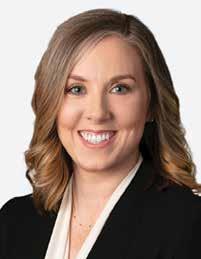
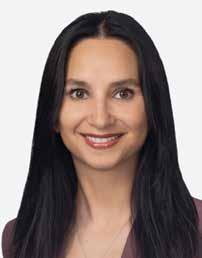
By Adrienne E. Frazior, J.D.
Gulnara Anzarova, J.D. Polsinelli, PC
Attorney General Ken Paxton’s office recently announced that its Healthcare Program Enforcement Division (HPED) has launched investigations into dozens of Medicaid providers across the state relying on newly released Medicaid claims data from the U.S. Department of Health and Human Services (HHS) made available through the Department of Government Efficiency (DOGE). The initiative reflects an increasingly data-driven approach to identifying potential fraud, with the Attorney General emphasizing that his office has recovered more than one billion dollars from Medicaid fraud since 2020 and will continue to pursue alleged misconduct involving taxpayer-funded health care programs.

Heightened Scrutiny
According to the Attorney General’s office, the investigations focus on home health providers, occupational therapy providers and
alleged improper Medicaid billing related to care for minors.
The investigations focus on identifying potentially improper billing practices across several provider categories, including home health and pediatric services.
In addition, the HPED has recently brought several high-profile cases against health care providers, pharmacy networks and pharmaceutical companies, including allegations of illegal kickbacks and failure to disclose drug risks. The division has also secured significant financial recoveries, including a $41.5 million settlement related to allegations involving adulterated drugs provided to children.
Earlier this year, DOGE publicly released federal Medicaid claims data as part of a broader effort to detect fraud. Using this dataset, the Office of the Attorney General has initiated multiple investigations and plans to combine the federal data with its internal claims data and other investigative tools, including civil investigative demands, where appropriate, in anticipation of potential litigation. Providers and Services Under
entities that may have submitted fraudulent claims related to COVID-19 treatments. These matters are expected to involve both detailed data analysis and formal investigative processes as the state evaluates potential enforcement actions and litigation.
The investigations come amid a broader trend of heightened scrutiny of Medicaid fraud and abuse by state officials. In recent months, the Attorney General’s office has pursued multiple enforcement actions against health care providers and organizations, including a February lawsuit involving
Federal Task Force Signals Increased State–Federal Coordination
These developments align with broader federal enforcement trends, including the Trump administration’s recent executive order establishing a Task Force to coordinate anti-fraud efforts across federal benefits programs. The executive order places particular emphasis on state-administered programs, calling for stronger eligibility verification, enhanced data sharing and more robust anti-fraud controls
see Fraud ...page 14
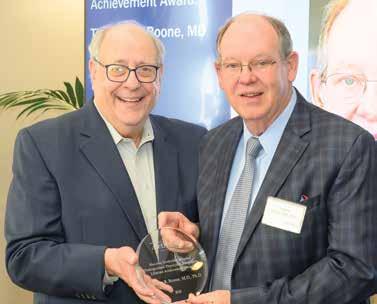
EnMed Dean Receives Lifetime Achievement Award from Houston Methodist
9
Texas Woman’s University Is Recognized

Our Profound Debt of Gratitude
In recognition of your unwavering commitment, clinical excellence, and tireless service to patients and communities.
Oncology Research Why Advance Care Planning Matters
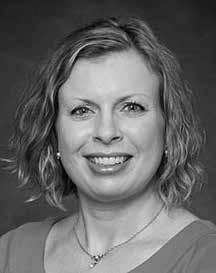
By Emily Pearcy, LCSW-S, OSW-C | Director, Social Work, Texas Oncology
Navigating Care: Advance care planning empowers patients and their loved ones to plan for future medical decisions guided by their values and wishes.
Cancer care, or living with any illness, comes with countless decisions to make. As a patient, you should be able to clearly share your wishes with your care team, leading to treatment planning that supports your priorities and preferences. Advance care planning is an approach that helps you think about and plan for the type of care that aligns with your values, should you ever be in a position where you are unable to communicate on your own.
All adults, not just those with chronic and serious illnesses, can benefit from engaging in advance care planning.
This process of thinking about and planning for future care can prevent unnecessary stress by mapping a path forward. Advance care planning is a gift for your future self and the people who care about you, so difficult decisions don’t have to be faced without knowledge of your values and wishes. Gaining the tools and resources now to plan for the future ensures your priorities and decisions will be respected by your medical team and others involved in your care.
Basics of Advance Care Planning
Advance care planning is a process that may take place over several conversations. These discussions can happen with different members of your care team, such as a social worker, advanced practice provider, physician, or nurse. During this process, you will have the opportunity to learn about choices for your future medical care and decide how you want to be treated if you

cannot communicate your wishes.
The goal of the process is to empower you to take control of your health and plan for the unknown, with the ability to document your wishes. The outcome of these conversations often includes written documents that will be saved in your medical file and shared with those closest to you. An equally important part of the process is determining who you would want to make decisions on your behalf and what those decisions should be. Open communication with those you identify


as future decision makers leads to shared understanding about what matters most to you.
While these directives are only used to guide care if you become unable to communicate, they are best discussed when you can think about and share your values and goals with your family and healthcare team. These conversations can feel difficult, but they are essential


Houston Methodist And Texas Children’s Hospital Start a Collaborative Program, Backed
by Nearly $5.7 Million In Funding, Aimed
At Enhancing Continuity of Care
By Ashley White
Houston Methodist and Texas
Children’s have announced a transformational collaboration to establish the Fondren IBD Transition Program, an initiative designed to support children and young adults living with inflammatory bowel disease (IBD) as they make the transition from pediatric to adult care.
This first-of-its-kind program, jointly led by two of the country’s leading health care systems, brings together experts in gastroenterology and behavioral health to address an important gap with the provision of developmentally appropriate, supportive care to adolescents and young adults with IBD as they transition from pediatric to
adult care. By embedding psychological and behavioral health support into the transition process, this program aims to improve health outcomes and empower patients with the tools they need to thrive in all aspects of life.
This collaboration is made possible by a $5.67 million gift from The Fondren Foundation, whose generous support underscores a shared commitment to advance health care innovation and improve both medical and mental health outcomes for patients with chronic conditions. In recognition of this gift, this initiative will be named in their honor.
“The formation of the Fondren IBD Transition Program represents a transformative development in care for children and adolescents
by offering them a seamless path through their entire patient journey as they transition to adult IBD care,” said Dr. Eamonn Quigley, director of the Houston Methodist Lynda K. and David M. Underwood Center for Digestive Health. “We’re deeply grateful to The Fondren Foundation for their investment, which will allow Houston Methodist and Texas Children’s to work hand-in-hand to build and sustain a program that ensures consistent, lifelong management of symptoms and will provide access to the latest therapies as young patients move into adulthood.”
By combining the expertise of the Texas Children’s pediatric gastroenterology team and Houston Methodist’s Lynda K. and David M. Underwood Center for Digestive Health, the program will set a new standard for collaborative care by providing seamless transition to adult care, elevating the understanding of IBD across generations and transforming IBD treatment and research nationwide.
“Our goal is to positively change the lives of young people living with IBD by ensuring their transition is guided by world-class care, understanding and comprehensive, holistic support,” said Dr. Lara Shekerdemian, pediatrician-in-chief at Texas Children’s
and Pediatrics Department Chair at Baylor College of Medicine. “During one of the most vulnerable periods of life, multidisciplinary and behaviorally informed care plays a vital role in helping young adults thrive while managing a complex, lifelong condition. We also believe this program has incredible potential to grow and serve as a model for supporting young people living with other chronic diseases.”
Some key program highlights include:
• Improve patient outcomes: Multidisciplinary teams of nurses, physicians, dieticians &mental health professionals will work together to address the developmentally appropriate needs of IBD patients. The program will be co-led by a physician clinical director and a psychologist at each hospital to ensure patients receive developmentally appropriate care.
• Patient and family education: The program will emphasize education and empowerment, equipping patients and families with tools to manage IBD consistently and effectively.

Healthy Heart New Accelerator Targets
Real World Adoption of Health Innovations
By The American Heart Association
National accelerator offers up to $150K in non dilutive funding for health innovators
Cardiovascular disease remains the leading cause of death in the United States and drives nearly $415 billion in annual health related costs, according to the American Heart Association, highlighting the need for scalable, real world health innovation. In response, the American Heart Association is investing in early-stage health innovators and collegiate entrepreneurs working to build solutions designed for adoption, trust, and measurable impact.
The Association today announced the close of applications for the 2026 EmPOWERED to Serve Business Accelerator, a national, eight-week program that provides early-stage, purpose-driven businesses with nondilutive funding, deep mentorship, and market validation to
help purpose-driven businesses scale solutions that advance equitable health.
The EmPOWERED to Serve Business Accelerator is built for founders navigating complex health systems where success depends not only on bold ideas, but on adoption, trust and measurable impact. Rather than focusing solely on pitch refinement, the program equips entrepreneurs to understand how decisions are made across healthcare and community ecosystems, identify structural barriers to progress and design pathways for sustainable change.
“Innovators closest to communities often have the most powerful solutions, but they face the steepest barriers to growth,” said Marcella Roberts, Esq., member of the American Heart Association Board of Directors. “The EmPOWERED to Serve Business Accelerator helps close that gap by pairing funding with the insight, validation and narrative clarity founders need to move from promising


concept to real world impact.”
Generous support for the 2026 EmPOWERED to Serve Business Accelerator is provided in collaboration with MATTER Health, and the Wells Fargo Foundation. Through this collaboration, the accelerator delivers structured programming, mentorship, ecosystem access and strategic guidance designed to position founders for additional capital and long term success.
The program integrates accelerator design, founder sourcing, alumni engagement and national amplification strategies to strengthen the health innovation pipeline. Through this collaboration, selected founders receive a comprehensive support package that includes:
• Flexible funding to help early-stage health innovators and collegiate entrepreneurs move their ideas forward, without giving up ownership.
• Hands-on guidance from experienced leaders who have built, scaled, and

www.dewberry.com
supported successful health-focused organizations.
• Opportunities to test and strengthen solutions with real people and communities, not just in theory.
• Support to clearly tell their story in front of partners, funders, and communities to understand the value and impact of their work. Applications for the 2026 cohort opened March 3 and closed April 27. Applicants will be notified beginning June 1, with cohort onboarding taking place June 15–19. The core accelerator runs June 22 through Aug. 14, followed by Rapid Validation Labs for selected participants. The program culminates with a Finale Showcase on Oct. 22 at MATTER headquarters in Chicago, where founders will present their work to investors, partners and ecosystem leaders.


The Moment Dementia Begins Is Not the Diagnosis
Researchers Are Shifting Focus from Late-Stage Alzheimer’s to the Earlier Biological Transition When Mild Cognitive
Impairment Begins Converting to Dementia
By Pooja Chettiar
For people diagnosed with mild cognitive impairment (MCI), the future is uncertain. Some remain cognitively stable for years. Others progress to Alzheimer’s disease and related dementias. What determines who converts and who does not remains one of the most puzzling questions in neurodegenerative research.
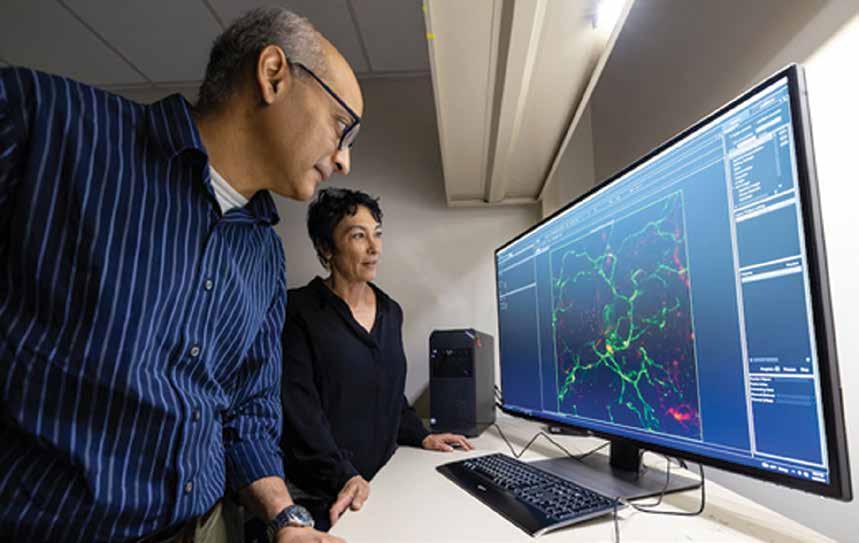
Rather than treating Alzheimer’s disease as a single endpoint, Rahul Srinivasan, PhD, and Michelle Hook, PhD—both associate professors with the Texas A&M University Naresh K. Vashisht College of Medicine at Texas A&M Health—are focusing on the key biological moment that precedes it: the transition from MCI to dementia. Their collaborative project,
supported by a seedling grant from the Texas A&M Health Dementia and Alzheimer’s Research Initiative (DARI), asks whether this transition can be understood mechanistically and if intervening during that transition could change long-term outcomes.
“What we’re really trying to do,” Srinivasan said, “is mitigate the conversion of people with mild cognitive impairment to Alzheimer’s disease and related dementias.”
A societal cliff hidden in plain sight MCI is often misunderstood as an early form of dementia, but the reality is more complex. Roughly 20% of people over the age of 60 worldwide have MCI, and many continue to maintain a relatively good quality of life.
The challenge lies in what happens next.
Advancing the practice of good medicine.
Between 40% to 50% of people with MCI eventually progress to Alzheimer’s disease or related dementias, a transition Srinivasan described as a steep decline from relative independence to “quite a difficult time,” not only for the individual but also their caregivers. It’s a significant issue, transforming a large, independent segment of the aging population into one requiring intensive medical and social support.
This communal toll adds urgency
NOW AND FOREVER.
to research exploring this transition. Hook stressed a “very strong societal need to try and mitigate the conversion” from MCI to dementia—not after the fact, but before quality of life collapses. Studying conversion, not just disease
Most Alzheimer’s research has centered on one area of the brain—the hippocampus—and advanced disease stages. But this focus may be too narrow.
see Dementia...page 13
However you practice in today’s ever-changing healthcare environment, we’ll be there for you with expert guidance, resources, and coverage. It’s not lip service. It’s in our DNA to continually evolve and support the practice of good medicine in every way. That’s malpractice insurance without the mal. Join us at thedoctors.com Scan here for a rapid premium indication, and discover the unrivaled rewards of The Doctors Company.

A team of researchers at Texas A&M Health is aiming to redefine when Alzheimer’s intervention might be most effective.
Special Feature
Houston’s Nursing Shortage: A Growing Crisis on the Frontlines of Care
By Houston Medical Times
Houston is home to the worldrenowned Texas Medical Center and more than 60,000 registered nurses, making it one of the largest healthcare hubs in the nation. Yet despite its scale and reputation, the region is facing a growing and persistent nursing shortage that is reshaping patient care, hospital operations, and the future of the healthcare workforce.
Across Houston and the broader Texas market, demand for nurses continues to outpace supply. Statewide projections estimate a shortage that could exceed 50,000 nurses by the next decade, driven by population growth, an aging workforce, and rising healthcare needs.
The issue is not new—but it
widening the gap between available nurses and patient needs.
Yet within this challenge lies opportunity.
Healthcare systems across Houston are taking proactive steps to address the shortage. Major providers like Memorial Hermann Health System are partnering with academic institutions to expand training pipelines, offering clinical rotations, mentorship programs, and career development pathways for nursing students.
Educational institutions are also stepping up. New initiatives, including tuition support and accelerated nursing programs, are designed to attract and retain the next generation of nurses. These efforts aim not only to increase the number of licensed professionals, but also to better prepare them for the complexities of modern healthcare.

has intensified significantly since the COVID-19 pandemic. Nurses bore the brunt of the crisis, leading to widespread burnout, early retirements, and increased turnover. Today, hospitals throughout the Houston area are still feeling those effects, with many struggling to maintain adequate staffing levels.
The consequences are far-reaching. Staffing shortages can lead to longer wait times, increased workloads for existing staff, and potential impacts on patient outcomes. In high-demand environments such as emergency departments and intensive care units, even small staffing gaps can create operational strain.
At the same time, Houston’s rapid population growth continues to add pressure to the system. As more residents move into the region, demand for healthcare services rises—further
Technology is beginning to play a role as well. From workforce management tools to telehealth integration, hospitals are exploring ways to optimize staffing efficiency while maintaining quality of care.
Still, experts agree that solving Houston’s nursing shortage will require a long-term, multi-layered approach. Recruitment alone is not enough. Retention—through improved working conditions, competitive compensation, and mental health support—will be critical to stabilizing the workforce.
Ultimately, nurses remain the backbone of Houston’s healthcare system. Addressing the shortage is not just a workforce issue—it is a patient care imperative. As the city continues to grow, the strength and sustainability of its nursing workforce will play a defining role in shaping the future of healthcare across the region.

Projected Texas Nursing Shortage: 50,000+ by 2035
The Framework Texas Oncology Opens
Radiopharmaceuticals Suite in the Texas Medical Center
Texas Oncology physicians and team members from across the Gulf Coast gathered in the Texas Medical Center to celebrate a significant milestone: the opening of the new Radiopharmaceuticals Suite, a state-of-the-art facility designed to expand access to some of today’s most advanced cancer treatments.
The open house brought together radiation oncologists, medical oncologists, urologists, advanced practice providers, nurses, pharmacists, operational leaders, and support staff, reflecting Texas Oncology’s collaborative, multidisciplinary approach to care.
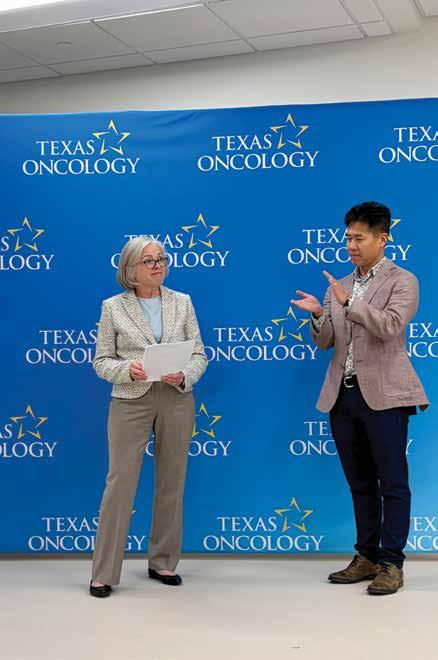
“This suite represents years of thoughtful planning and teamwork,” said Susan Escudier, M.D., FACP, and regional medical director for the Gulf Coast. “It stands as a testament to our shared commitment to ensuring patients across the Gulf Coast have access to expert, innovative, leading
edge care — right here where they live.” Expanding Radiopharmaceutical Care Radiopharmaceuticals are playing an increasingly important role in modern oncology, particularly for patients with metastatic prostate cancer and other solid tumors. These therapies deliver targeted radiation directly to cancer cells, enabling precise treatment while minimizing exposure to healthy tissue.
“With this growth comes the responsibility to innovate,” said Andy Chen, M.D., Ph.D., and radiation oncologist at Texas Oncology-Houston Medical Center and Texas Oncology-Sugar Land. “The opening of this Radiopharmaceuticals Suite creates the right space, the right workflows, and the right infrastructure to safely and efficiently deliver these therapies for our patients.”
As highlighted during the event, the new suite provides:
• A purpose built environment optimized for radiopharmaceutical administration
• Increased capacity to treat more patients across the Gulf Coast
• Flexibility to integrate newly approved radiopharmaceutical therapies
• An enhanced patient experience — from referral and scheduling through treatment and follow up Designed for Safety, Efficiency, and Collaboration
Attendees toured the suite and saw firsthand how its design supports both patient and staff needs. Controlled-access treatment rooms, dedicated preparation and disposal workflows, and advanced monitoring systems reinforce the highest standards of radiation safety and clinical excellence.
Located in the Texas Medical Center, the centralized suite strengthens collaboration among referring physicians, treating oncologists, and specialized clinical teams. This integrated approach helps ensure patients move smoothly from diagnosis to referral to treatment — demonstrating Texas Oncology’s
commitment to coordinated, patient centered care.
“This space allows us to practice medicine the way we believe it should be practiced — collaboratively,
see The Framework...page 13


Susan Escudier, M.D., FACP and Andy Chen, M.D., Ph.D.
EnMed Dean Receives Lifetime Achievement Award from Houston Methodist
By Monique Sennet
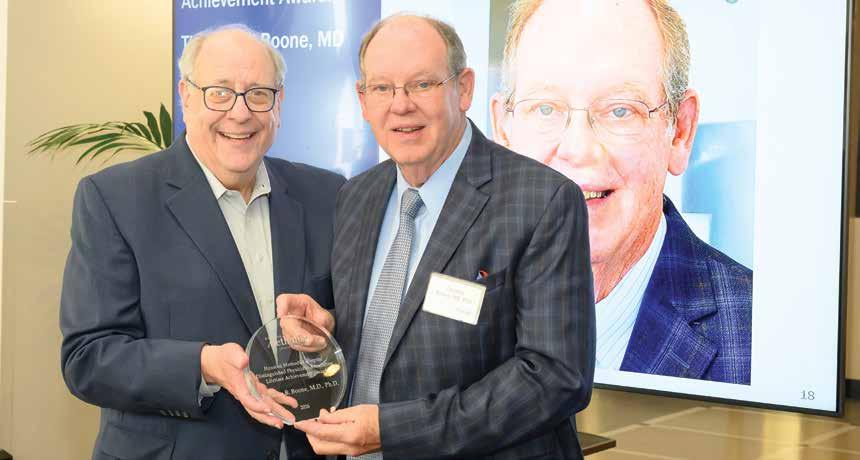
Timothy B. Boone, MD, PhD, FACS, dean of the Texas A&M University School of Engineering Medicine (EnMed) in Houston, was honored with the Lifetime Achievement Award from Houston Methodist on March 31 in recognition of his distinguished career in medicine, education and innovation.
The award, presented by Houston Methodist, recognizes physicians whose careers have made a lasting impact on patients, the organization and the broader community. It reflects Boone’s decades of leadership in academic medicine, including his long-standing clinical contributions at Houston Methodist, where he has played a key role in advancing medical education and patient care.
“This recognition is meaningful not only as a personal milestone, but as a reflection of the collaborative work
that continues to shape the future of health care,” Boone said. “The progress we’ve made through EnMed and its collaboration with Houston Methodist demonstrates what’s possible when we bring together clinical and engineering expertise with a shared commitment to innovation and patient-centered care.”
“Dr. Boone exemplifies the spirit and excellence that define this award,” said Trevor Burt, EdD, chief education officer and vice president, System Education in the Houston Methodist Academic Institute. “His dedication to medical education, innovative research, and exceptional patient care has strengthened our institution and inspired generations of clinicians. We are honored to celebrate his remarkable career and the enduring legacy he continues to shape through EnMed.”
Throughout his career, Boone has had a long-standing and impactful relationship with Houston Methodist, where he served in multiple leadership
roles, including chief education officer, and played a key role in advancing graduate medical education and academic programming. He also contributed to the establishment of and led the Department of Urology, supporting the institution’s growth as a leader in clinical care, education and research.
Boone was a driving force in EnMed’s development and growth, helping establish Houston Methodist Hospital as its clinical partner. The
program prepares physicianeers — physicians uniquely trained in both medicine and engineering — to develop innovative, practical solutions to complex health care challenges.
“It has been a privilege to work alongside colleagues who are deeply committed to advancing care through innovation,” Boone said. “Investing in the next generation of physician-leaders remains one of the most important aspects of this work, and I’m grateful to be part of that mission.”

Photo: From left, Dr. Victor Fainstein, president-elect of the Houston Methodist Distinguished Physician Association, and Dr. Timothy B. Boone, dean of the Texas A&M University School of Engineering Medicine (EnMed), during a ceremony honoring Boone’s receipt of the Lifetime Achievement Award from Houston Methodist.


A New Spine of Steel
By Maureen Dyman
How surgeons at the Houston VA are using a ground-breaking robotic system to give Veterans a chance to stand tall.
For Denetra Dale, back issues have been part of her daily life for years. The Army Veteran spent years ruck sacking her way through military exercises, ultimately returning home after a tour in Germany with chronic back pain.
Dale carried the burden of back pain quietly for years. But a week ago, at the Michael E. DeBakey VA Medical Center, something changed. She had surgery. And the instrument that helped change everything wasn’t only a scalpel or a set of trained hands, although those were essential. It was a robot.
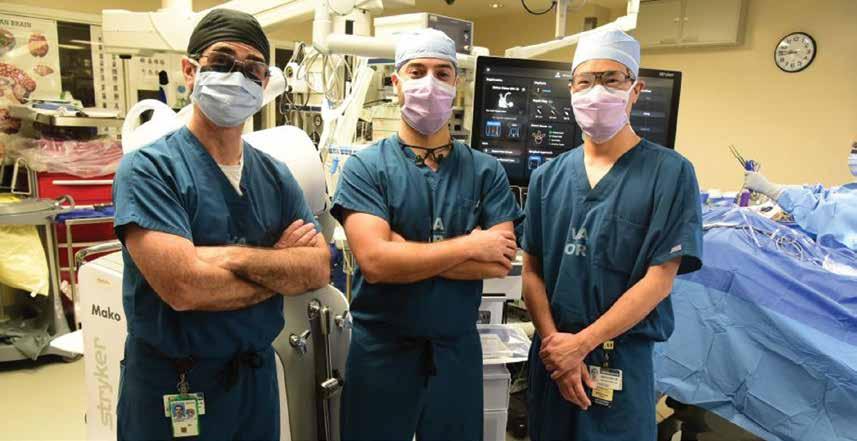
Dale became the first Veteran to receive care using Houston VA’s newly acquired MAKO spine robot. The procedure, the first of its kind at any VA hospital in the country, was performed by VA surgeons, using the MAKO Spine Robotic System. The results, even just
technology works together with haptic (touch) technology to ensure precise execution at every step. Most critically, it assists in the precise placement of screws in the lumbar region of the spine.
“In spinal surgery, millimeters matter,” Fuentes said. “The difference between a screw being placed perfectly and one being placed slightly off can mean a dramatic difference in a Veteran’s quality of life.”
Beyond precision, the MAKO system enables smaller incisions, which means less trauma to surrounding tissues, Fuentes said. “The enhanced surgical precision offered by this robot translates directly into greater safety margins, especially for the Veterans who often present with complex and challenging cases.”
Those challenges aren’t incidental. Military service often puts extraordinary demands on the body…demands that accumulate over deployments, time and years. The Veterans walking into the Houston VA often carry spinal, knee and
a few days later, are already speaking for themselves. Dale said she is already getting up easier, which is half the battle. She describes her experience at the Houston VA as nothing short of great….and said she feels genuinely hopeful about the future.
The MAKO Spine Robot is not a surgeon, but according to Houston VA’s Chief of Neurosurgery, Dr. Alfonso Fuentes, it’s a remarkable partner. The platform integrates robotic assistance with advanced navigation technology in a way that, as Fuentes describes it, improves surgical precision. At the heart of the system is a real-time CT imaging capability that gives the surgical team a live window into the patient’s anatomy as the procedure unfolds. The navigation
shoulder conditions that are shaped by their military service. For these Veterans, having access to cutting-edge technology isn’t just a luxury…it’s a meaningful advantage.
“Technological advances like the new MAKO robot are particularly valuable when treating the challenging conditions that Veterans often face,” said Dr. David Green, Houston VA’s chief of orthopedic surgery. “In addition to using our new robot on the spine, we will be able to use it for some of the hundreds of knee and shoulder surgeries we perform at the Houston VA every year.”
Houston VA being the first VA in
Houston VA surgeons Dr. Alfonso Fuentes, Dr. Alex Flores and Dr. Geoff Kaung pose with the medical center’s new MAKO Spine Robot.
TWU Nurses Recognized for Local, Global Contributions
By Josh Flanagan
TWU Nursing faculty work to change the world through their students every day. Sometimes, that work takes them to worldly places.
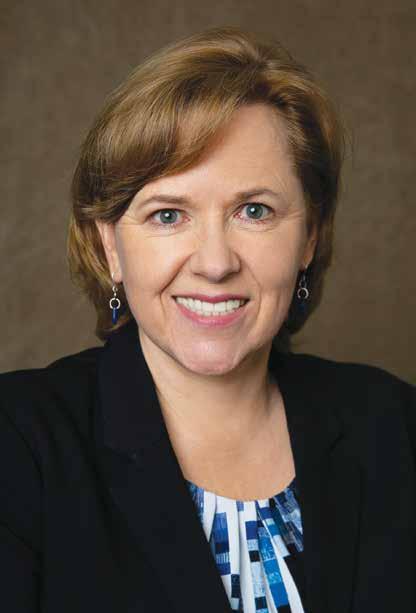
Brenda Moore, PhD, a nursing professor at TWU Houston and director of the Center for Global Nursing and Healthcare, has received a Fulbright U.S. Scholar Program award in nursing for spring 2027.
She will be at Tel Aviv University in Israel, where she will work with graduate and doctoral students while conducting research on learning in environments of civil unrest.
“I have done research with nursing students in the Middle East, but not actually during real civil unrest,” Moore said. “There is always the threat of riots or unrest in the Middle East, but that would be considered daily life and not an unusual situation.”
Meanwhile, Faheemah Hannah,

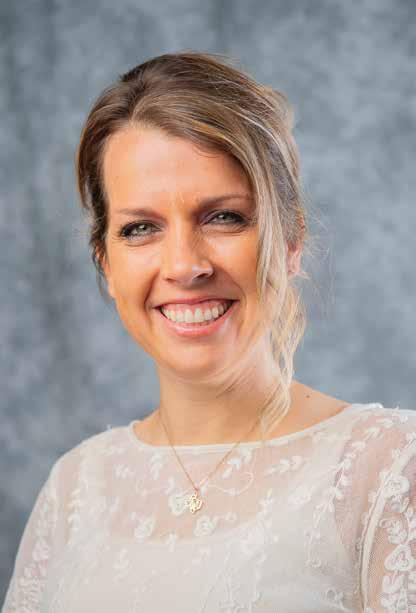
DNP, was recently recognized by the Institute for Spirituality and Health at the Texas Medical Center in Houston with the Emma and Emily Josephine Spirituality in Nursing Award.
“Dr. Hannah’s profound dedication to spiritual, emotional and physical healing makes her an outstanding nominee,” her colleague, Joli Blount of the Impact for Community Change, said in a nomination document.
Blount noted Hannah stayed at the side of a grieving mother for an entire


week as her daughter transitioned into hospice care, providing emotional and spiritual comfort and offering respite care.
“When you’re able to give back to families in need as they face crises, and you’re able to do it on a spiritual level, it’s a moving experience,” Hannah said.
Additionally, Jayne Jennings Dunlap, DNP, co-wrote the textbook “Introduction to Evidence-Based Practice and Quality Improvement for Professional Nursing Practice: A Competency Based Approach,” with colleague Julee Briscoe
Waldrop.
The duo won Nursing Book of the Year awards from the American Journal and from the Sigma Theta Tau International Honor Society of Nursing.
“We dreamed it would make a national impact, but I did not anticipate this global distinction,” Jennings Dunlap said. “This lesson supports that what we teach our pioneering students to do, we must also do ourselves: to boldly go to places we never dreamed were possible.”


Brenda Moore, PhD
Jayne Jennings Dunlap, DNP
Faheemah Hannah, DNP
FROM THE CLASSROOM COMMUNITY TO THE


SHSU College of Osteopathic Medicine is expanding its team. We have openings in clinical practice, teaching, GME, and administration. Help us advance medical education and serve Texas communities. Join us in shaping the next generation of healthcare professionals.




Financial Forecast
Why Your Money
Habits
Aren’t Your FaultAnd What to Do About Them

MBy Grace S. Yung, CFP Midtown Financial Group, LLC
ost Americans were never formally taught how to manage money. We learned academics in school - but not how to budget, invest, or plan for retirement. Instead, our understanding of money often comes from something much more subtle: our upbringing.
From an early age, we absorb “money memories” - the habits, attitudes, and beliefs about money we observe at home. Whether your family emphasized saving, spending, or avoided financial discussions altogether, those experiences likely shaped how you make
lifestyle that outpaces their income. This pattern is often driven by underlying beliefs like:
• “I work hard, so I deserve this.”
• “I’ll catch up later.”
• “Money will keep coming in.”
Over time, this can lead to mounting debt and financial stress, regardless of income level.
Example: The Reluctant Spender
On the other end of the spectrum is the disciplined saver. A couple earning $200,000 annually may have no debt and strong retirement savings, yet struggle to spend - even on meaningful experiences like travel or helping family. Their mindset is often shaped by fear - fear of running out of money or uncertainty rooted in earlier life experiences. While their habits have created financial security, they may miss opportunities to enjoy it.
Finding the Balance

financial decisions today.
The Psychology Behind Saving and Spending
Money is not just about numbers – it’s emotional. Some people are natural savers, finding comfort in building security and planning ahead. Others lean toward spending, valuing experiences, generosity, or enjoying the present.
Neither tendency is inherently wrong. The challenge arises when behaviors become extreme or misaligned with reality.
Example: Spending More Than What’s Coming In
Consider a high-income professional earning $150,000 per year. Despite a strong salary, they consistently spend more than they earn - carrying credit card balances, financing expensive purchases, and maintaining a
A healthy financial life is not about choosing between saving and spending - it’s about aligning both with your values.
That means:
• Saving consistently for future goals and emergencies
• Spending intentionally on what truly matters
• Avoiding patterns that create stress, whether overspending or over-restricting
For spenders, this may involve building structure - automating savings and reducing unnecessary expenses. For savers, it may mean defining what “enough” looks like and allowing room for enjoyment.
The Value of a CFP Professional
Dementia
Continued from page 6
“One part of the brain starts to degenerate, and then the second part of the brain starts to degenerate,” Hook said. “And it’s that second part of the brain that is essentially critical.”
Emerging studies indicate that multiple brain regions beyond those classically associated with Alzheimer’s are affected during disease progression. This realization prompted Srinivasan and Hook to think differently about how and where conversion occurs, in addition to what biological systems might govern vulnerability during this transition.
One region of particular interest is the ventral tegmental area (VTA), which plays roles in both cognition and reward. Evidence suggests that connectivity between the VTA and regions such as the medial prefrontal cortex and amygdala is altered during neurodegenerative progression. The team believes these circuit-level changes may explain why some people develop dementia while others do not. Why cytisine became the probe
Cytisine, a drug that helps
The Framework
Continued from page 8
safely, and always with the patient at the center,” shared Cathy Taylor, Practice Administrator, Texas
New Spine
people stop smoking, has emerged as the project’s most unexpected element.
Studies have shown the risk for Parkinson’s disease is significantly reduced in people who smoke or consume tobacco—a pattern that perplexed the team.
“Of the thousands of chemicals in cigarette smoke, nicotine was the first candidate we wanted to look at,” Srinivasan explained.
That curiosity ultimately led the team to cytisine, a smoking-cessation drug that interacts with the same biological systems without the harmful effects of tobacco.
Several practical features make cytisine particularly useful for research. Its pharmacology is well understood, it can be taken orally, and it has been used safely for decades as a smoking-cessation therapy in parts of Europe. In the United States, it is currently being evaluated in Phase 2 clinical trials for the same purpose.
But in this project, cytisine is not primarily being pursued as a treatment. Instead, researchers are using it as a scientific probe—an experimental tool that allows them to test how nicotine-related signaling pathways might influence brain health.
Oncology-Houston Medical Center. A Shared Commitment to Innovation
The evening also recognized the many teams who made the suite a reality, including operations, facilities, pharmacy, radiation safety, nursing,
By activating these pathways in a controlled way, the team hopes to better understand a key mystery in cognitive aging: Why some people with mild cognitive impairment progress to dementia while others remain stable for years.
A collaborative, integrative approach
“This is not something that can be done by a single person,” Srinivasan noted. The integration of his expertise in disease progression and pharmacology and Hook’s background in behavior allows the same question to be examined from complementary angles, linking circuit-level biology with drug-based intervention.
That integration is also where the DARI seedling grant plays a critical role. Rather than funding a single experiment, the initiative supports projects that connect ideas across stages, systems and disciplines. For Srinivasan and Hook, it provides the space to generate the data needed to frame larger questions about dementia risk and progression.
“To really challenge an idea like this, you need data,” Srinivasan said. “This kind of funding helps us generate the data needed to leverage the project
and physician leadership.
The Houston Medical Center Radiopharmaceuticals Suite stands as a visible expression of Texas Oncology’s dedication to advancing cancer care. As the radiopharmaceutical program continues to grow, this new site
Continued from page 10 forward.”
the nation to deploy this technology is not an accident. It is the product of a culture that views surgical innovation as part of its obligation to the Veterans. “Houston VA surgeons pride themselves on being leaders in innovation,” said Dr. Samir
Financial
Continued from page12
A Certified Financial Planner professional can help bring clarity and balance to these behaviors.
Beyond managing investments, a CFP professional helps you:
• Understand your money habits and
Awad, Chief of Surgery. “Our Veterans deserve the best and we are here to give it to them.”
The culture extends beyond any single procedure or technology. As new tools emerge, the Michael E. DeBakey VA has made a standing commitment: to implement innovations that can improve patient outcomes. Not every new technology earns its place in the
where they come from
• Define clear financial goals
• Build a plan that supports both saving and spending
• Stay accountable to long-term objectives
For those who overspend, this guidance can create discipline and direction. For those who underspend, it can provide confidence to enjoy their financial success.
Rethinking when intervention matters
The team is careful not to frame their work as a cure. Instead, the goal is to redefine when intervention might be most effective. By targeting the biological processes that govern conversion rather than late-stage pathology, the research aims to shift how dementia prevention is conceptualized.
At a societal level, even modest delays in conversion could have profound effects: preserving independence, reducing caregiver burden, and easing strain on health care systems. By focusing on the transition point where quality of life begins to plummet, the work aligns mechanistic neuroscience with real-world impact. In doing so, the project reframes Alzheimer’s disease not as an abrupt diagnosis, but as a process with an identifiable and potentially actionable moment of change.
marks another important step forward in delivering highly personalized, innovative care across the region.
operating room, but when it does, thanks to evidence showing a clear benefit to Veterans…Houston VA embraces the opportunity.
For all the enthusiasm about what the MAKO system has to offer, Fuentes is quick to remind everyone that every advanced tool and technological leap at the VA exist for the Veterans. The robot guides the screws. The navigation maps
Rewriting Your Money Story
The most important takeaway is this: your financial habits were learned - but they are not permanent. With awareness and the right support, you can reshape how you approach money. You can keep what works, adjust what doesn’t, and build a strategy that reflects your goals and values.
If you were never formally taught
the spine. But at the center of every procedure is a person….a Veteran with a history, a body shaped by service and a life they want to return to.
“Every advanced tool and technique is there to provide our patients with the safest, most effective treatment tailored to their specific conditions and goals,” Fuentes said. “It really is all about the Veteran at the Houston VA.”
financial literacy, you are not alone. But you are not stuck, either. Taking the next step - whether that’s getting organized, improving your savings, or working with a CFP® professional - can help you move from habit to intention, and from uncertainty to confidence.
Fraud
Continued from page 3
at the state level. Texas’s use of newly released federal data to initiate provider investigations reflects this shift toward closer federal-state coordination and a more proactive enforcement posture.
As the Task Force evaluates state compliance and considers conditioning federal funding on the adoption of enhanced safeguards, state-led actions like those by the Texas Attorney General may serve as early examples of heightened expectations for program
Oncology
Continued from page 3
to help ease the stress for your loved ones if decisions ever need to be made on your behalf.
Common Misconceptions
One of the biggest misconceptions of advance care planning after a cancer diagnosis is that it means surrendering hope or ending treatment. In reality, planning ahead ensures that your future care aligns with your values and preferences, whether that means continuing treatment or focusing on quality of life. These conversations are about empowerment, not limitation.
Similarly, some people may think that writing down their wishes prevents them from choosing a different course of action in the future. However, advance directives can be changed at any time, and you can have advance care planning conversations with your care team as frequently as you need.
Another common reason people avoid advance care planning is the idea it is only for the end of your life. Advance care planning is an important process for all adults to undertake, not just near end of life. Having an open conversation to state your wishes
Program
Continued from page 4
• First of its kind: The Underwood Center for Digestive Health at Houston Methodist will create the nation’s first advanced fellowship program in IBD transition, training the next generation of physicians focused on this area, while training of the behavioral health team will take place at Texas Children’s.
The Fondren family has a long history supporting philanthropic efforts in the Houston area. In addition to this new commitment, The Fondren Foundation has championed several medical programs
ahead of time offers peace of mind for any number of future scenarios, so you know your decisions will be honored and your loved ones won’t face difficult choices alone.
Finally, some patients may think that they have few choices to make, or that they will rely on their care team to decide for them. Life history, personal values, family, culture, and religion can all play a role in shared decision making. Exploring options can help you identify how you would like to be treated both now and, in the future, if circumstances change.
Tips for Meaningful Conversations
As you consider advance care planning, create productive and meaningful discussions with a few guides:
1. Remember you’re not alone: Advance care planning is highly personal, but it shouldn’t be done in isolation. Family and friends can provide emotional support or be a sounding board, and healthcare professionals can guide you through the process of future care planning.
2. Share what’s important to you:
integrity and enforcement.
at Houston Methodist, including pioneering treatments in digestive and immunologic disorders through the Food and Health Alliance, the Immunology Center and the Fondren Inflammation Collaborative. Moreover, generations of family members have collectively served on Houston Methodist boards for 195 years.
“Our commitment to this partnership between Houston Methodist and Texas Children’s reflects our belief in collaboration and innovation to achieve lasting
Your values and beliefs reflect who you are and your principles should inform your healthcare decisions.
3. Explore your options: Your cancer care is personalized to you, and advance care planning should be part of that individualized treatment plan. Discussing medical directives openly allows you to maintain control and provides peace of mind for caregivers and loved ones.
Whether you are healthy or managing an illness, planning ahead empowers you to make informed choices. Talk to your care team to schedule an appointment for help with advance care planning.
Advance care planning is about clarity, dignity, and empowerment. The process equips patients, loved ones, and care teams to prepare for unknown or unexpected situations. By starting the conversation today, you ensure that your future healthcare plan reflects your values and wishes for whatever lies ahead.

impact,” said Rob Fondren, board member of The Fondren Foundation and co-chair of the Underwood Center for Digestive Health Council. “With two proven health care leaders at the helm, we know this program will give patients and families the confidence, resources and continuity of care they deserve during such a pivotal time in their lives and train the next generation of physicians, researchers and psychologists in IBD.”
Houston Medical Times is Published by Houston Medical Times News. All content in this publication is copyrighted by Houston Medical Times and should not be reproduced in part or at whole without written consent from the Editor. Houston Medical Times reserves the right to edit all submissions and assumes no responsibility for solicited or unsolicited manuscripts. All submissions sent to Houston Medical Times are considered property and are to be distributed for publication and copyright purposes. Houston Medical Times is published every month
P.O. Box 57430 Webster, TX 77598-743


LIVE IN LUXURY NEAR THE