Corinne Jean, MCH — Chair Wisteria & Rose (617) 522-3843
Advisor: Jack Elicone, MCH John R. Elicone Consulting
MEMBERSHIP COMMITTEE
David Ahronian, MCH - Chair Ahronian Landscape & Design, Inc. (508) 429-3844
PUBLICATIONS:
Editorial Team: Amber Ahronian MCH, Ahronian Landscape & Design, Inc.
Patrick Parent Mahoney’s Garden Centers
Trevor Smith MCH
Rena M. Sumner, MNLA Executive Director Rick Reuland, Association Publishing Partners
EXECUTIVE DIRECTOR
Rena M. Sumner Tel: (413) 369-4731 mnlaoffice@gmail.com
LEGISLATIVE DIRECTOR
John V. Fernandes Attorney at Law John@fplaw.net
pro grow news
Massachusetts Nursery & Landscape Association P.O. Box 924 Palmer, MA 01069 mnlaoffice@gmail.com www.mnla.com www.mnlafoundation.org www.mnla.com
ProGrowNews is published quarterly by the Massachusetts Nursery & Landscape Association (MNLA), P.O. Box 924, Palmer, MA 01341, tel. (413) 369-4731.
Articles do not necessarily reflect the view or position of MNLA. Editorial coverage or permission to advertise does not constitute endorsement of the company covered or of an advertiser’s products or services, nor does ProGrowNews make any claims or guarantees as to the accuracy or validity of the advertiser’s offer. (c) 2014 All rights reserved. No part of this publication may be reproduced in print or electronically without the express written permission of the MNLA.
Massachusetts Spring? Not for the faint of heart
By David Vetelino, MCH
Iwould like to start this article by applauding the strength and determination of all our past presidents who managed to write their spring magazine articles after another exhausting day afield. Your efforts should not go unnoticed.
If spring is “a” season, it has been giving a convincing impression of late winter. By this time, the madness of the spring rush has only a few weeks left, and then we can all hopefully return to a more reasonable work-life balance. This spring has certainly presented its challenges. We all suffered, a late thaw and lingering snow. We saw extensive rabbit, deer, and plow damage revealed as the snow receded. As well as unanticipated skyrocketing fuel costs and for me at least, a continued labor shortage. Nonetheless, the season has had its high points.
One of those highlights was Ag Day at the State House. I was fortunate to have a productive meeting with Representative Dylan Fernandes. We discussed issues such as MNLA’s economic impact, greenhouse classification regarding building codes, snow removal liability, as well as the newly proposed deer hunting regulations. In total, our team held four meetings with different legislators, all of which were highly productive, engaging. These meetings reinforced the strength of our voice and relationships at the State House. Our group that went to the State House was well prepared with talking points and information based on the needs of our industry, which made for focused and effective conversations.
Another highlight of spring was our board meeting held at the New England Hardscape Show. Although my first meeting ran more than an hour longer than scheduled — and my fellow board members made sure I did not forget it, we still had time to walk the trade show floor and enjoy the event. I was also able to attend the New England Regional Turf Show for the first time in quite a few years. Thanks to the lingering snow, I was able to take advantage of this opportunity. There, I ran into members of our membership committee hard at work, spreading the word about the value of being an MNLA member. Thank you all for your efforts and dedication during the busy, early-spring season. Looking ahead, do not miss our upcoming summer meeting at Savage Farms. It is shaping up to be the highlight of the summer. This is a fantastic opportunity to step away from the day-to-day grind, connect with fellow members, and enjoy a well-deserved gathering in a fantastic setting. We are especially excited to welcome keynote speaker; Dr. Michael Dirr, whose renowned expertise in horticulture and engaging presentation
style promises to deliver both valuable insight and inspiration. I must take a moment to personally thank Dr. Dirr for his massive book The Manual of Woody Landscape Plants. After hauling that huge book all around campus, I was prepared both mentally and physically for my career in the landscape industry. Those of you who grew up in the age of actual paper books will understand. Be sure to mark your calendars for July 23rd — this is an event you will not want to miss.
Congratulations are also in order for the members of the South Shore Tech FFA team. They had another successful showing at the state competition this year, with two teams winning in the Floriculture category as well as the Nursery/Landscape category. They will be competing again at the National FFA Conference for a national title. Congratulations again to the teachers and students, you should all be immensely proud of yet another outstanding accomplishment.
I will close on a serious note. Our Vice President, Dave Anderson, has informed us that he will be stepping away from his MNLA duties due to medical reasons. Dave has been the backbone of our board and the membership committee for many years. He has also played an instrumental role in our Student Initiative campaign. We are all profoundly grateful for his hard work, dedication, and knowledge. His contributions to our organization are irreplaceable, and he will be sorely missed. Please keep him in your thoughts and prayers and consider reaching out — I am sure he would appreciate it. We all wish you the absolute best, Dave!
It is that sense of community — whether it’s showing up at the State House, walking a trade show floor, cheering on students at a state competition, or simply reaching out to a colleague going through a difficult time — that makes this industry and this organization worth being a part of.
As the pace of spring begins to ease, I encourage you to take a moment to recharge, empower and thank your team, and carry that same spirit with you into summer.
I hope you will join us at Savage Farms for a nostalgic journey through the decades, celebrating the innovation, style, and culture of landscaping and nursery work from the 1960s through the early 2000s. It is a chance to reconnect, reflect, and have a little fun along the way.
President’s Message, David Vetelino, MCH Vetelino Landscape, Inc.
Helping you plant seeds of security since 1956.
With American National, you’ll get an agent who not only understands the unique risks of your business but also has the technical know-how and products to properly manage those risks. With comprehensive options for life, farm and business coverages, your American National agent is just an appointment away. Wherever you are in Massachusetts, there’s an American National agent close to you. Give us a call for more information.
Don Ludwig Boxborough 978-467-1001
Richard Blair Carver 508-866-9150
Chris Wadsworth Carver 781-208-0520
Endorsed Insurance Provider
Mark Sylvia Centerville 508-957-2125
Bob Sinopoli Associate Agent Great Barrington 413-528-1710
Jeff Pichierri Northborough 508-393-9327
Tim Viles South Deerfield 413-665-8200
Sean Rooney Wilbraham 413-887-8817
Dominic Sinopoli Great Barrington 413-528-1710
Sheila McCarthy Medway 508-321-3288
Martin West Marlborough 508-485-3800
Andrew Brodeur Plymouth 508-747-8181
Kevin Sullivan Plymouth 508-998-0512
Rick Green South Deerfield 413-416-1234
Eric Mason Southwick 413-569-2307
Marcia Hawkins Williamstown 413-374-2100
Scott Brockelman Topsfield 978-887-8304
Thomas Carroll Worcester 508-752-3300
Jason Charette Topsfield 978-887-8304
Steve Charette General Agent Newburyport 978-225-1511
Nat Brown
New
England Nurseries, Inc. in Bedford, MA.
by Amber Ahronian, MCH
Nathaniel “Nat” Brown is the president and general manager of New England Nurseries, Inc. Bedford, MA.
Tell us about your business/company
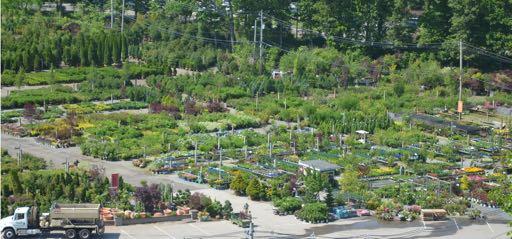
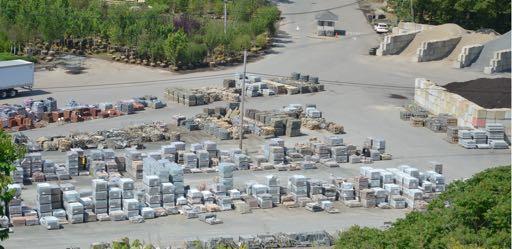
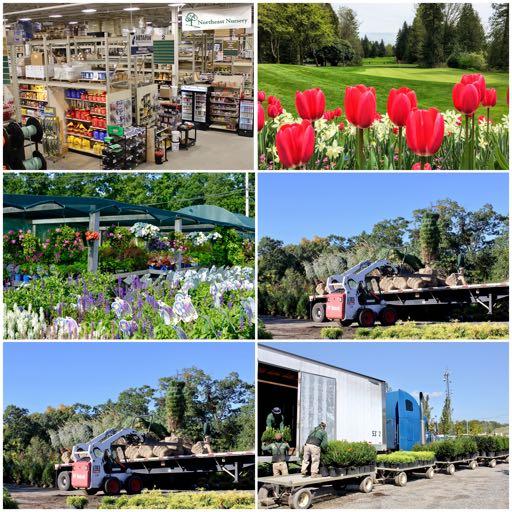
New England Nurseries provides a wide range of services and materials. The business is primarily retail-focused, but 20-25% of the business is landscaping, and 10-15% is wholesale for landscapers and builders. They have 6-8 acres of nursery, as well as greenhouse space, a garden center, a stone yard, and a bulk materials area. Their landscaping services are installation-focused and include hardscaping, plantings, lawn installations, and hydroseeding.
What’s your company’s origin story?
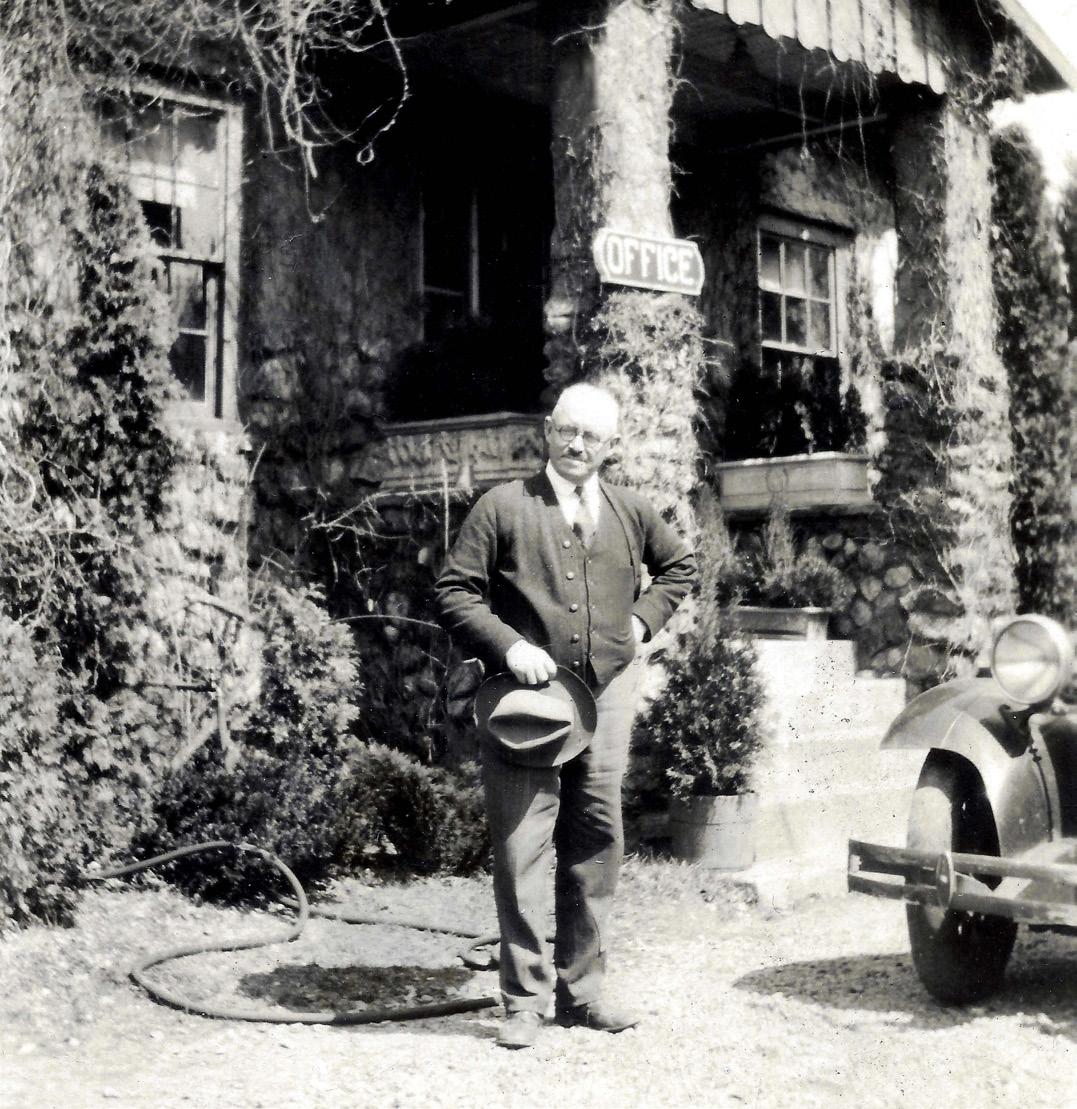
New England Nurseries is a 4th-generation family business. Nat’s great grandfather, John Kirkegaard, from Denmark, who previously worked in Copenhagen botanical gardens, was hired by the Geneva Nursery Company of New York to start the nursery from the ground up. Back when it was called Shady Hill Nursery, they had primarily field-grown plants. It was so popular that it even had a nearby railroad stop called the “Shady Hill Stop,” where plants were shipped out and workers arrived from Boston to stay in accommodations on the property for the work week. The nursery’s name changed over the years to its current name, and ownership changed along with the generations. Presently, Nat and his brother, Ken, are partners in the business. Now a retail- and landscaping-focused business, New England Nurseries is a major operation in our area.
How did you get started in the green industry?
Nat grew up in the business and always loved the outdoors. He was in 4-H from an early age and participated in horticulture and forestry competitions up to the national level. He liked the family business through high school and worked in the garden center and landscaping while he was studying economics in college. After graduating, he decided to give the family business a shot for three years to determine if he wanted to pursue it for his career. He ended up loving the people and plants and has stayed ever since and grown along with the company.
What advice would you give to a young person considering this industry for their career?
Nat’s advice to a young person considering the industry is to simply give it a try. He thinks the best way to find out if it is a good fit is through exposure.
If you oversaw the whole industry, what would you change?
Nat would like to see continued promotion of the industry to young people. He would bring in and encourage those in the younger generation to be involved professionally or as enthusiastic gardeners. For those already in the industry, Nat encourages professionals to keep expanding their knowledge and experience through volunteering and traveling. A member of the MCH Board, Nat is an advocate for expanding knowledge and has personally found immense value in seeing new plants, design ideas, plant uses and pruning methods through his travels. He likes the idea of incorporating this new knowledge and spark of invigoration here to grow and enjoy working even more.
Little known facts about Bedford, MA.
It is home to the oldestFlag: The Bedford Flag (c. 1700s) is recognized as the oldest complete flag in the United States and was carried at the Battle of Lexington and Concord.
Revere’s Ride: Paul Revere passed through the town during his famous midnight ride.
John Kirkegaard
Committee Reports
Government Relations
Government Relations Report Spring 2026
by Chris O’Brien, MCH, Government Relations Chair
The entire state of Massachusetts was declared to be in drought status in early May, despite the generous snowfall late this winter. This continued the drought trend from the second half of last year, as well as a longer-term pattern of reduced precipitation. With drought conditions come restrictions from local water district managers on water use. Often at the top of the list of prohibited uses is “nonessential outdoor watering.”
That designation generally includes both our industry and customers who want to plant and maintain landscapes. Local water managers point to the heavy water use of overhead sprinklers and the sight of runoff flowing into drains as serious concerns when conserving the limited water supplies available under permits issued by the state’s Department of Environmental Protection (DEP). In many cases, handheld watering has been the only permitted method for irrigating outdoor plants, if allowed at all under local regulations.
The Massachusetts Nursery and Landscape Association has been working with DEP on water conservation issues for nearly a decade. With assistance from the Irrigation Association, MNLA introduced DEP to drip irrigation technology and its highly efficient, low-water-use systems. In 2018, DEP issued a Model Outdoor Water Use Bylaw/Ordinance that local water districts could adopt. The department began encouraging the use of drip irrigation, along with handheld watering, for outdoor irrigation. MNLA also followed up with presentations to the Massachusetts Water Works Association and the Massachusetts Municipal Association.
There is still more work to be done. All current alternatives for outdoor irrigation are only permitted if adopted by local water districts. In some communities, watering bans are imposed on fixed dates regardless of actual drought conditions. Others prohibit outdoor watering entirely.
MNLA is once again engaging with DEP to reinforce the value of healthy landscapes, both for the environment and for local economies. We continue to advocate for expanded use of permitted drip irrigation systems to help preserve these important benefits while supporting responsible water conservation. Questions? Please contact me at chris@hgdinc.com and I will be glad to include you in our engagement strategy and meetings of the Government Relations Committee.
Membership
Thank You for Renewing Your 2026 MNLA Membership!
by David Ahronian, MCH, Membership Chair
The Membership Committee would like to extend a sincere thank you to all members who have already renewed their 2026 membership. Your continued support strengthens our association and helps advance, protect, and promote the green industry throughout Massachusetts and beyond.
We are especially excited to welcome our newest members joining MNLA in 2026! We encourage all members to take a moment to review the new member listing and help us welcome these businesses and professionals into the MNLA community. The continued growth of our association reflects strength, innovation, and collaboration within our industry.
If your membership renewal is still sitting on your to-do list, there’s still time! Renewing today ensures uninterrupted access to valuable member benefits including education programs, certification opportunities, advocacy efforts, networking events, industry resources, publications, and member savings designed to support your business and professional growth. Your membership investment helps MNLA continue its mission of supporting and advancing the green industry year-round.
South Shore Regional School District southshore.tech
Techo-Bloc techo-bloc.com/
The Garden Concierge thegardenconcierge.com
Wally’s Landscaping Inc wallyslandscaping.com
Willoway Nurseries willowaynurseries.com/
Xquisite Landscaping xquisitelandscaping.com
MCH Report
New Opportunities for MCH Recertification Credits in 2026
by Kayla Anger, Administrative Assistant
For Massachusetts Certified Horticulturists (MCH), continuing education has always been an important part of maintaining certification and staying current in a rapidly evolving green industry. This year the recertification process offers more opportunities to be involved and earn credits than ever before. The updated recertification information from the Massachusetts Nursery and Landscape Association (MNLA), MCH professionals now have expanded opportunities through webinars, workshops, educational events, association participation, and even bonus-point incentives.
One noticeable change for 2026 is the emphasis on participation in industry education throughout the year instead of relying only on large conferences or classroom programs. MCHs can now accumulate credit through a wider range of educational experiences, including online webinars hosted by MNLA, university and arboretum workshops, horticultural classes, pesticide credit programs, and regional association events. The updated recertification report also highlights bonus opportunities, such as earning an additional point simply by having a current personal email address on file for your MCH Certification if not already in the system.
Another exciting development is the growing number of live industry events offering CEUs in fun and interactive ways. One of the biggest opportunities this summer will be the DTE ’26 Summer Conference at Savage Farms in Deerfield. This educational event offers attendees two CEU credits, with an additional bonus credit available for ambitious early risers who participate in the Plant I.D. Challenge from 8:00–9:00 a.m. That means attendees can earn up to three credits in a single day while networking with fellow professionals and learning from some of the green industry’s top experts.
Join us at the always-popular Plant Geek Day on August 26 at the Mary May Binney Wakefield Arboretum in Milton. This event has become a favorite among plant enthusiasts, designers, nursery professionals, and landscape contractors because it combines high-level horticultural education with networking and plant-focused discussions. Plant Geek Day continues to grow as one of the most engaging educational opportunities in the state and serves as another excellent way for MCHs to build recertification points while connecting with others who share a passion for plants.
The expanded recertification options reflect an important shift within the industry: professional development is no longer limited to one way of learning. Whether attending confer-
ences, participating in webinars, engaging in association activities, or testing plant knowledge through interactive challenges, MCHs now have more accessible and enjoyable ways to stay certified.
For busy green industry professionals, these changes make earning recertification points more manageable while encouraging year-round engagement with the horticultural community. The result is a stronger, more informed network of certified professionals who continue to raise the standard for horticulture across Massachusetts.
MCH Plant Selfie
Aimeebeth McLynn, MCH
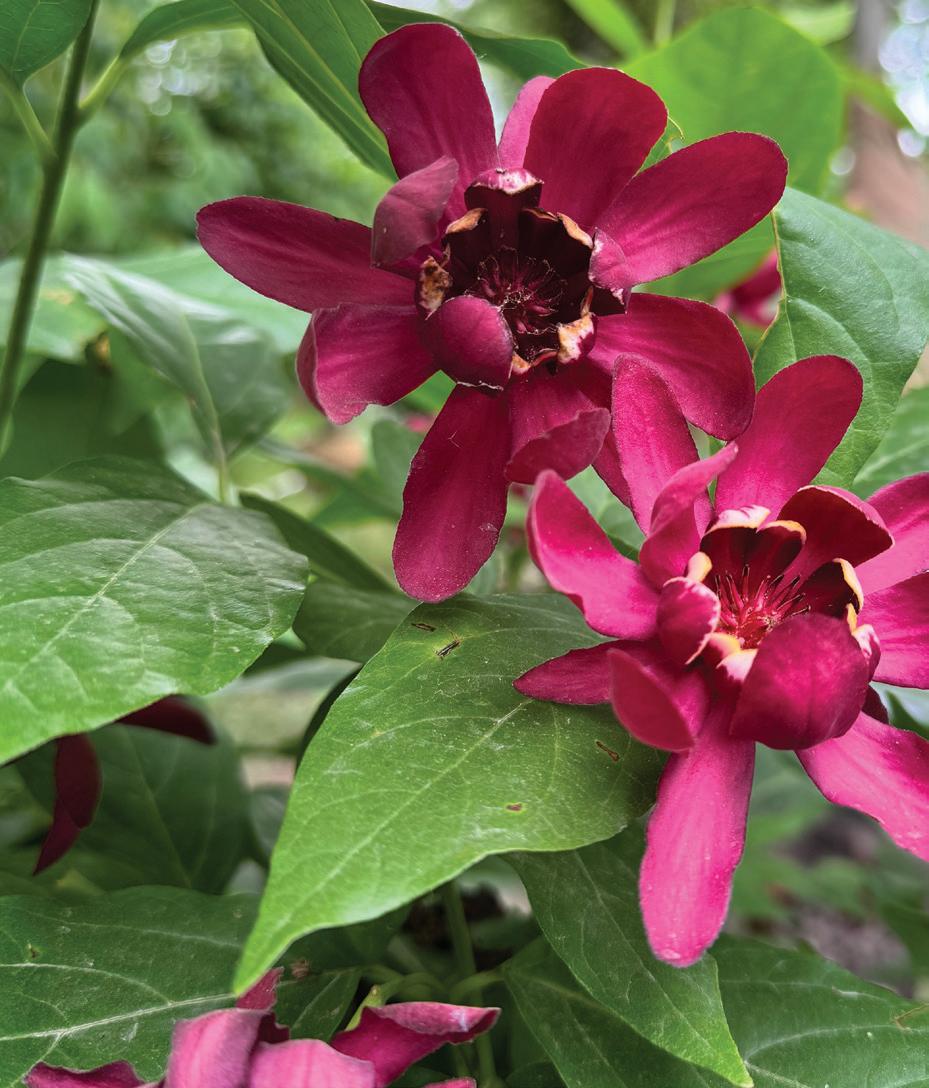
This was a delight to find as we were wandering the NYC Highline; the most astounding Magnolia tree. The blooms were so impressive!
Water Management
I Now Pronounce You Partners For LIFE
The Marriage of a CSO
and NBS to Save Alewife Brook
By Trevor Smith, MCH
Most stormwater “solutions” are still treating water like a nuisance to hide, rush, or exile. Pipe it away, push it downstream, call it managed. That approach made sense in a world where rainfall patterns were stable, where land was cheap, and where the cost of degraded waterways never showed up on anyone’s balance sheet.
That world is gone.
If we want resilient towns and living rivers, we have to stop thinking like plumbers and start thinking like ecologists. The work ahead is not just engineering. It is relationship. Water meets soil. Soil meets biology. Biology meets plants. And when those pieces are designed as a system, stormwater stops being a liability and starts becoming an asset that builds landscapes instead of eroding them.
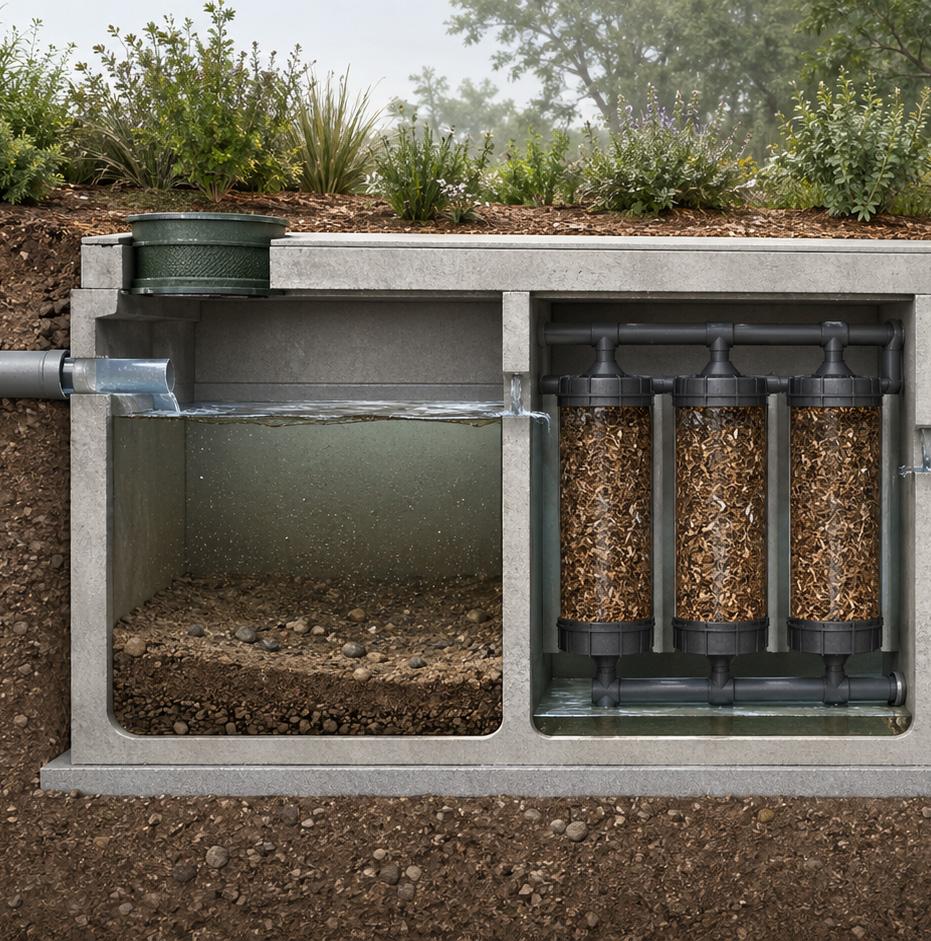
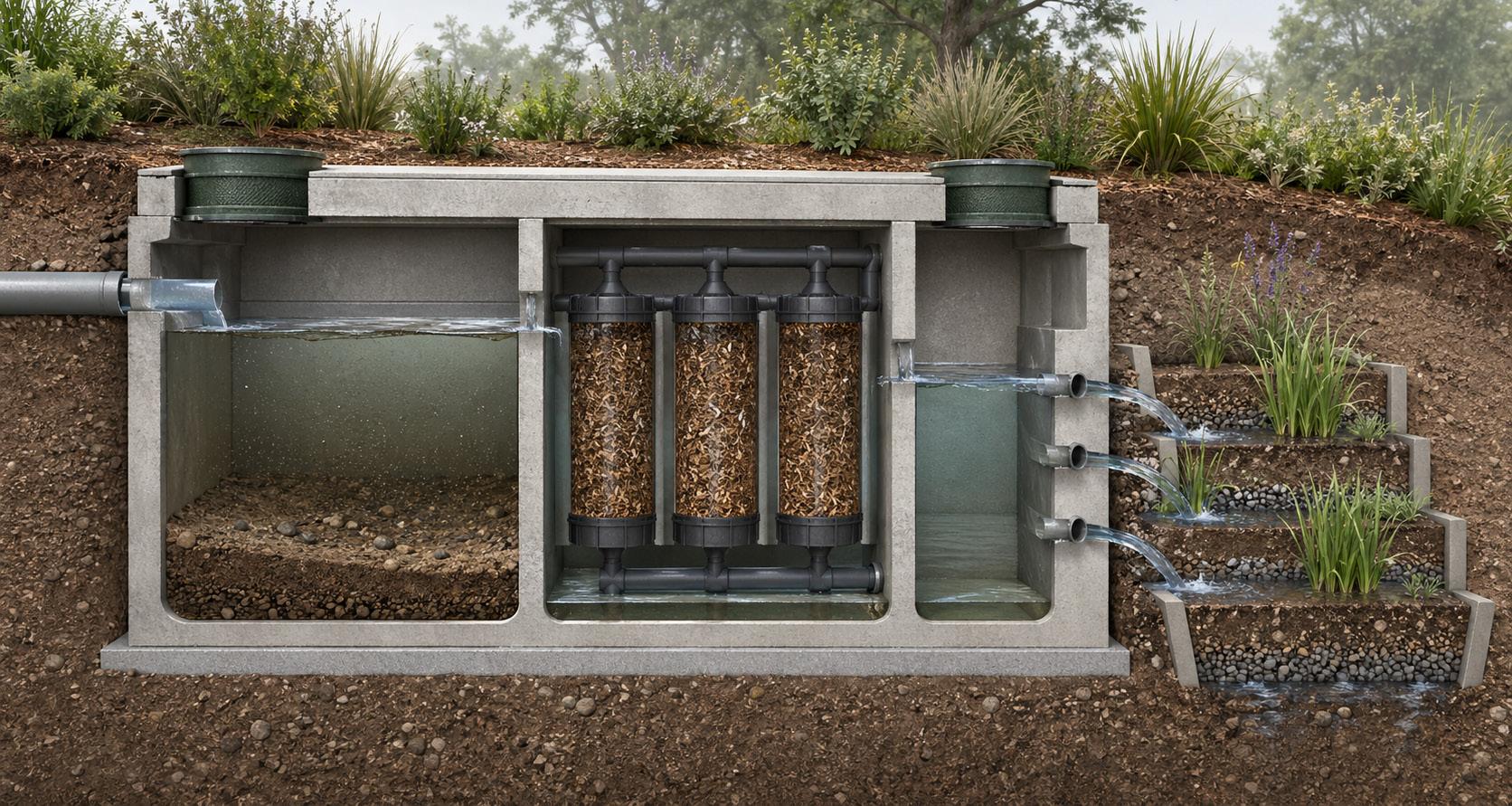
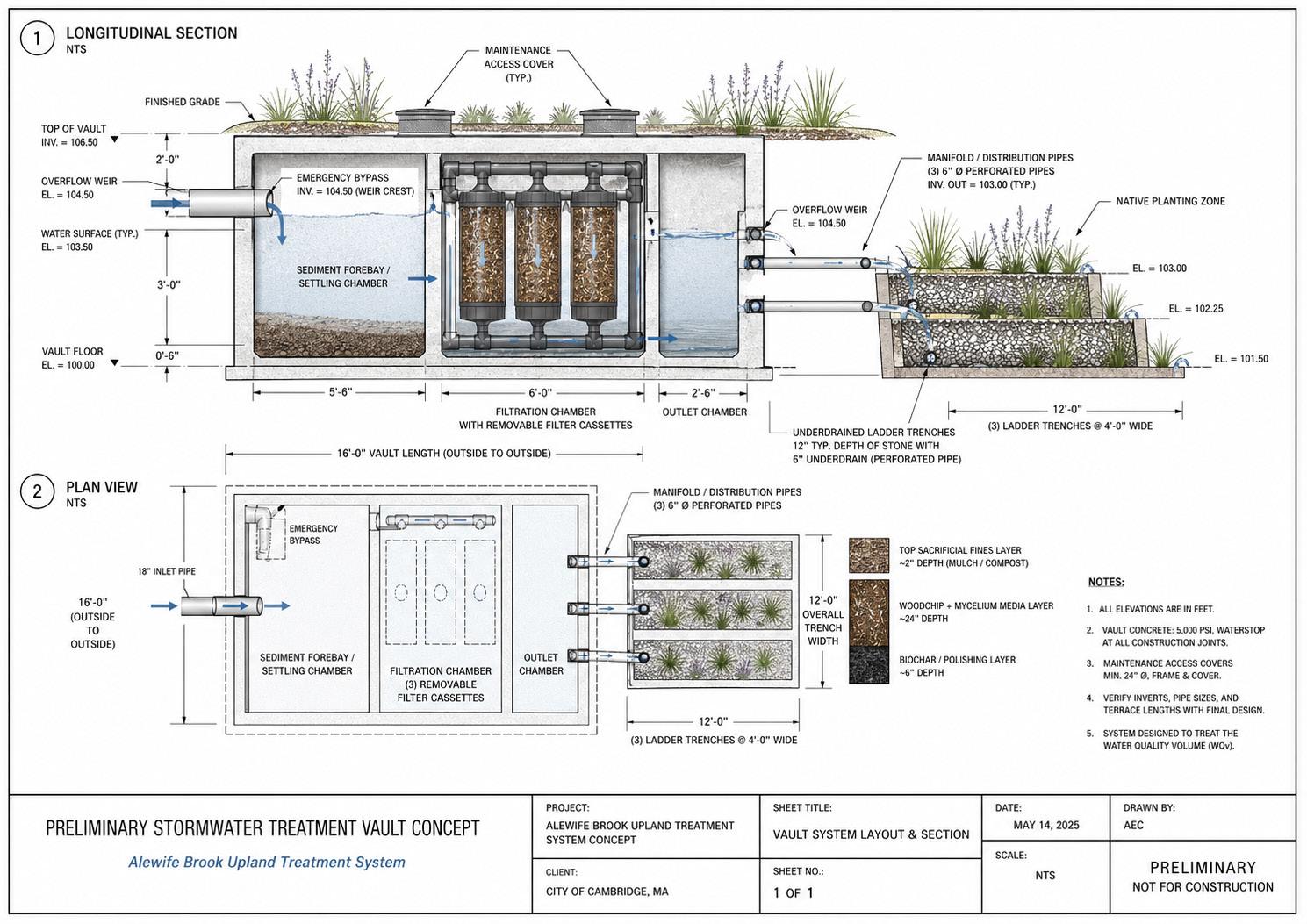
What I am proposing is a stormwater system that behaves more like a digestive tract than a drain. It takes a messy surge of combined sewer overflow and urban runoff, slows it down, separates the heavy fraction, filters the dissolved fraction through living media, and then distributes the cleaned water into an infiltration field that functions like a forest floor with structure and intention. Not a gimmick. Not a boutique rain garden. A scalable, serviceable piece of green infrastructure that honors physics, chemistry, and ecology at the same time.
The core shift is simple: stop designing stormwater as conveyance and start designing it as metabolism. A lot of the current green infrastructure conversation is still trapped in a shallow version of “nature based solutions.”
“TREES
REMOVED IN MINUTES”™
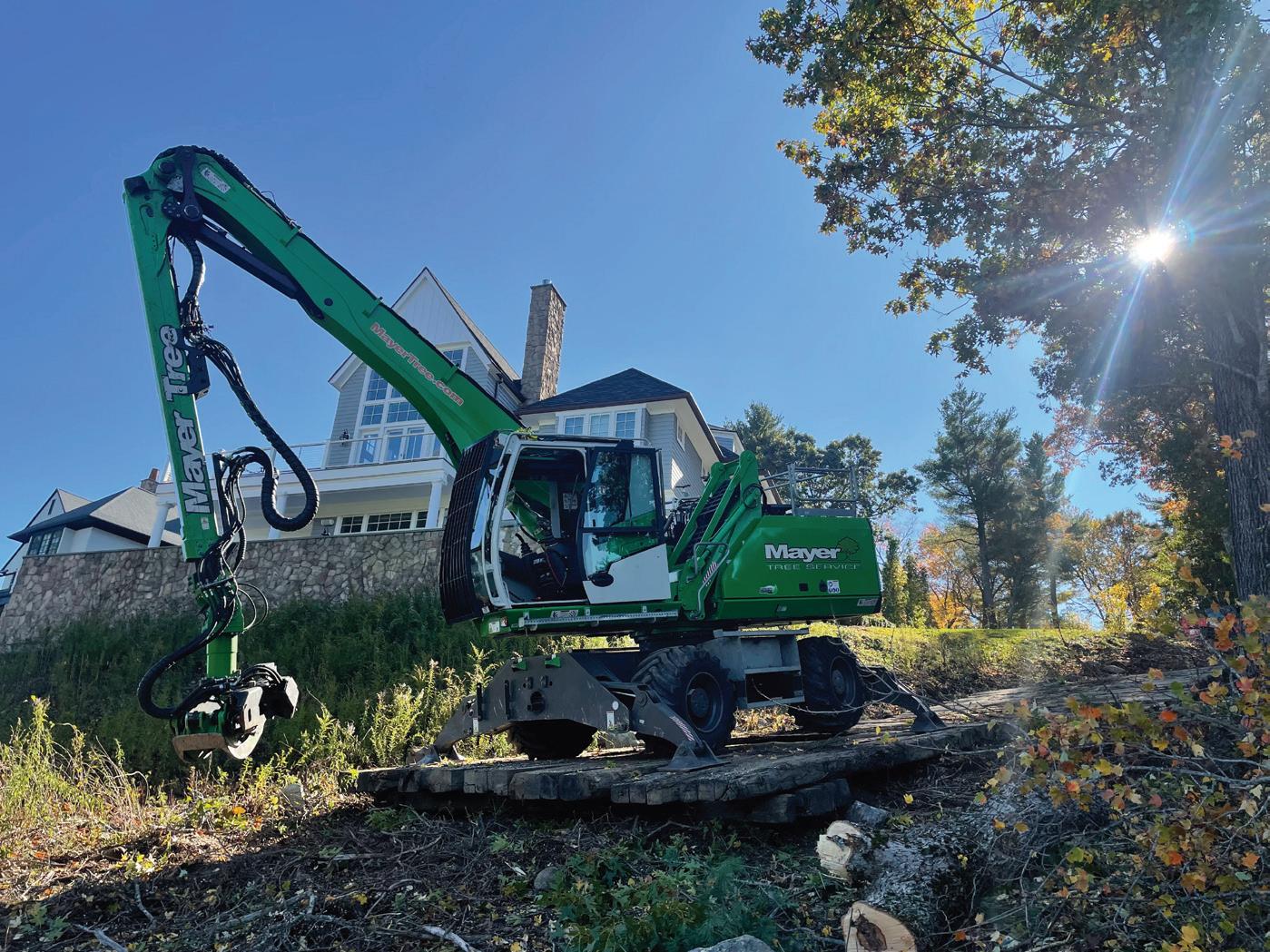
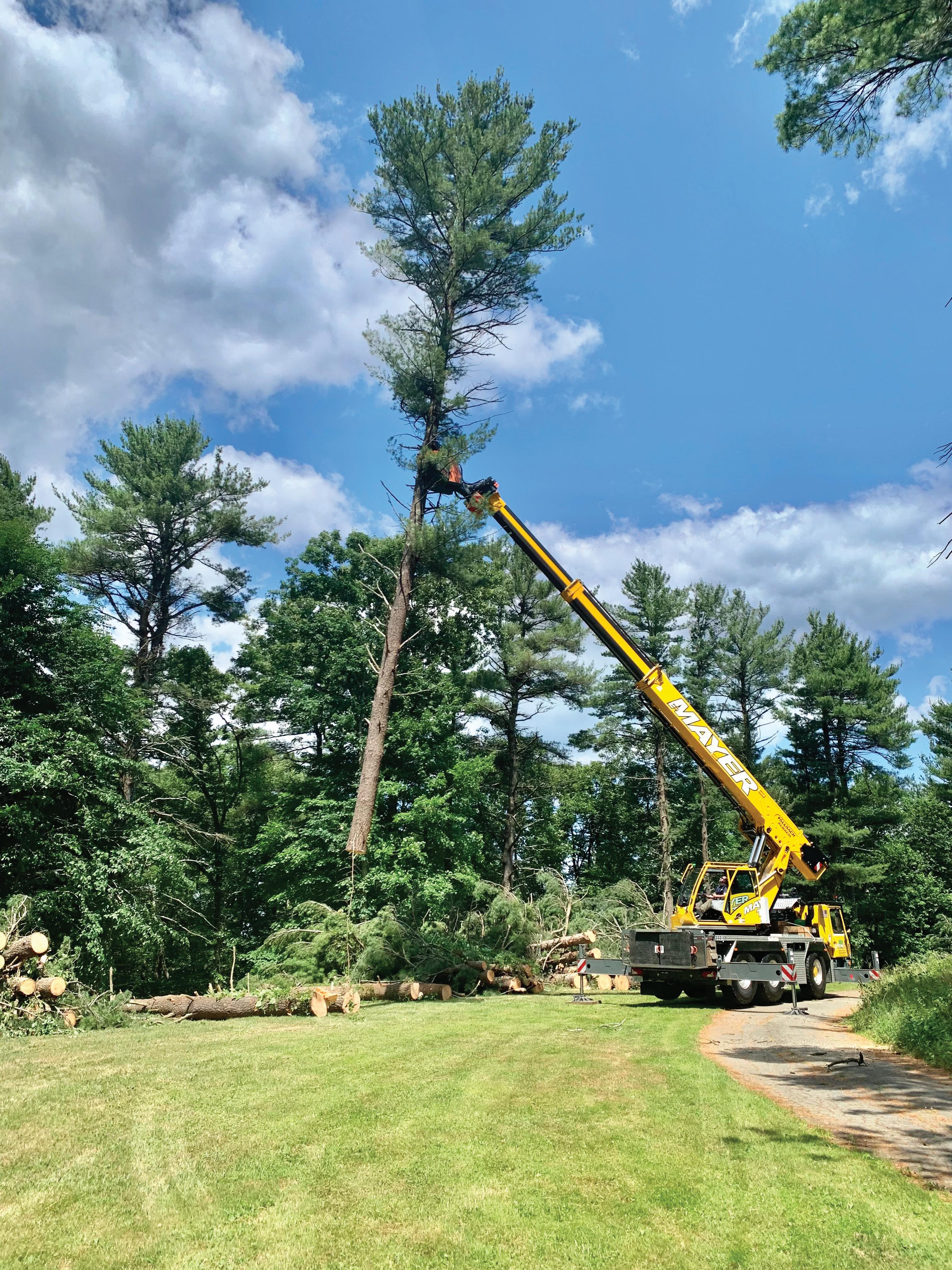
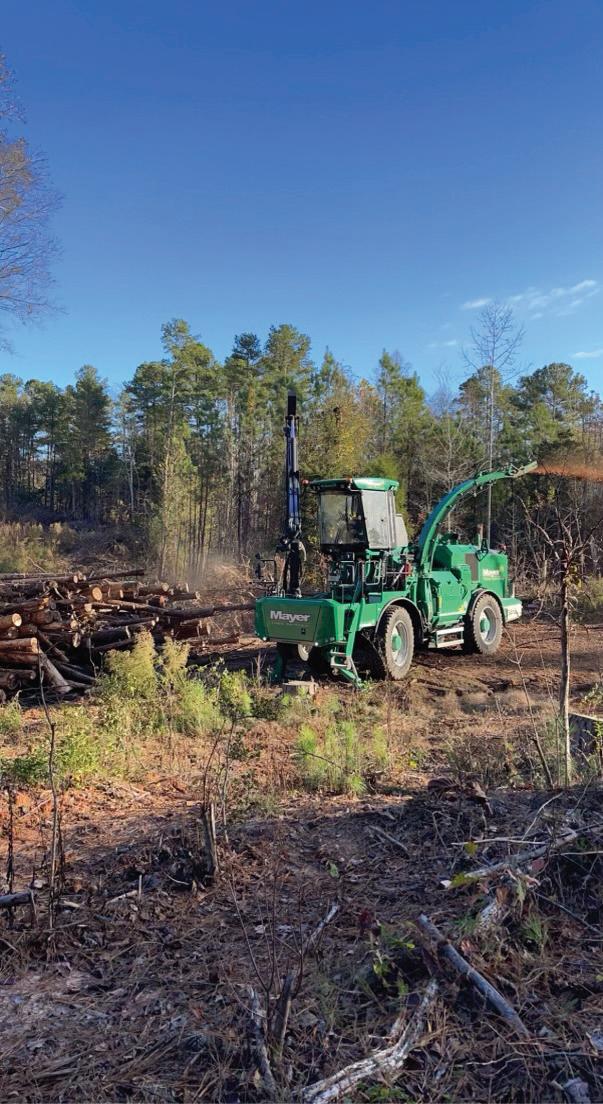
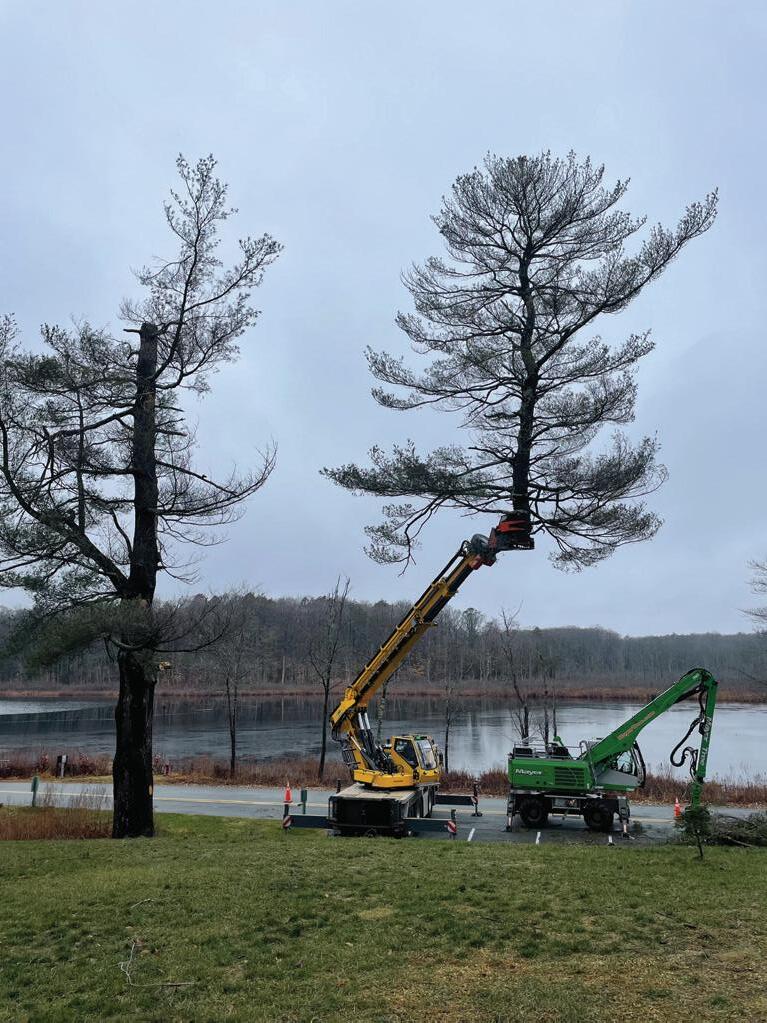
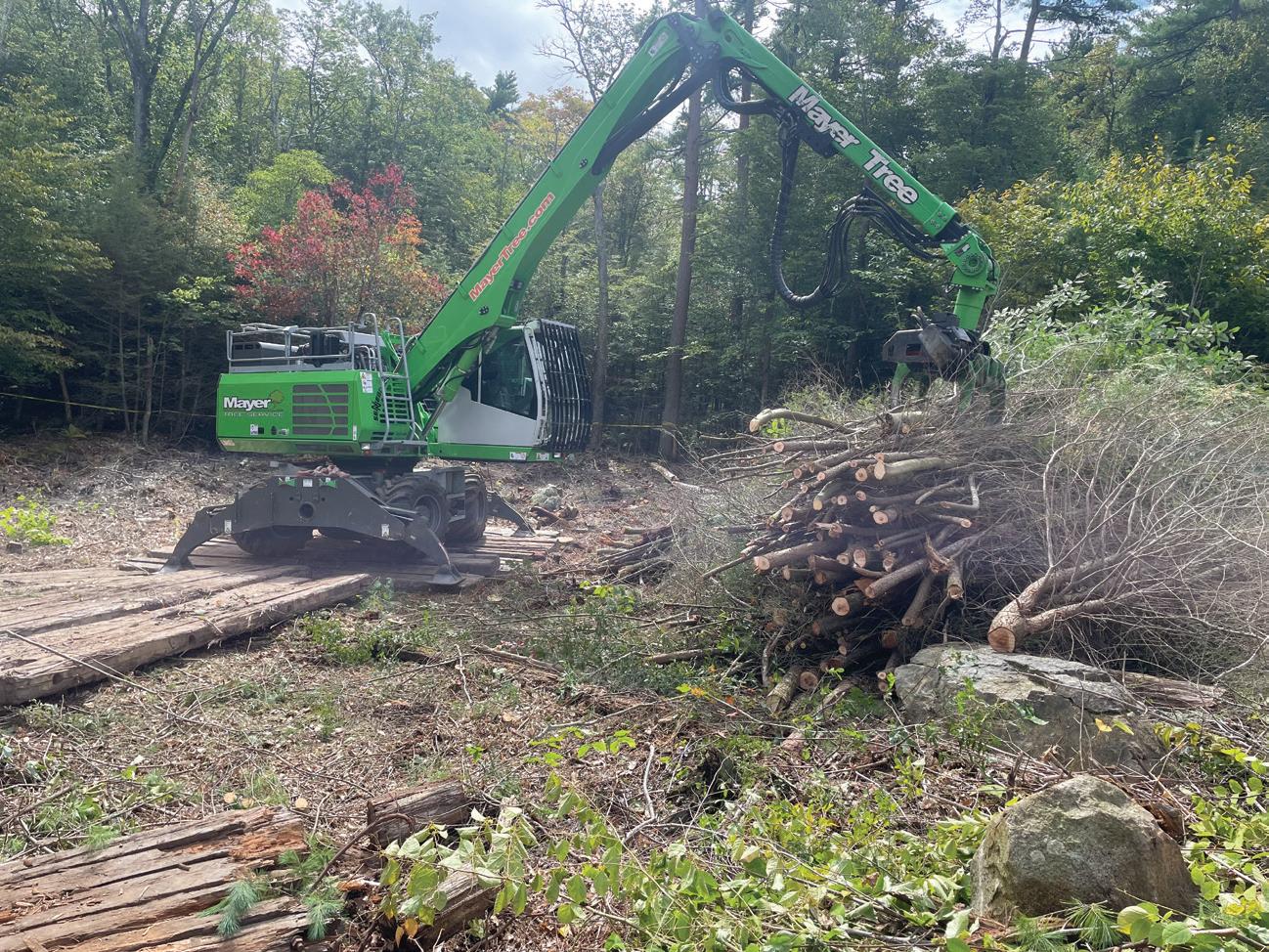
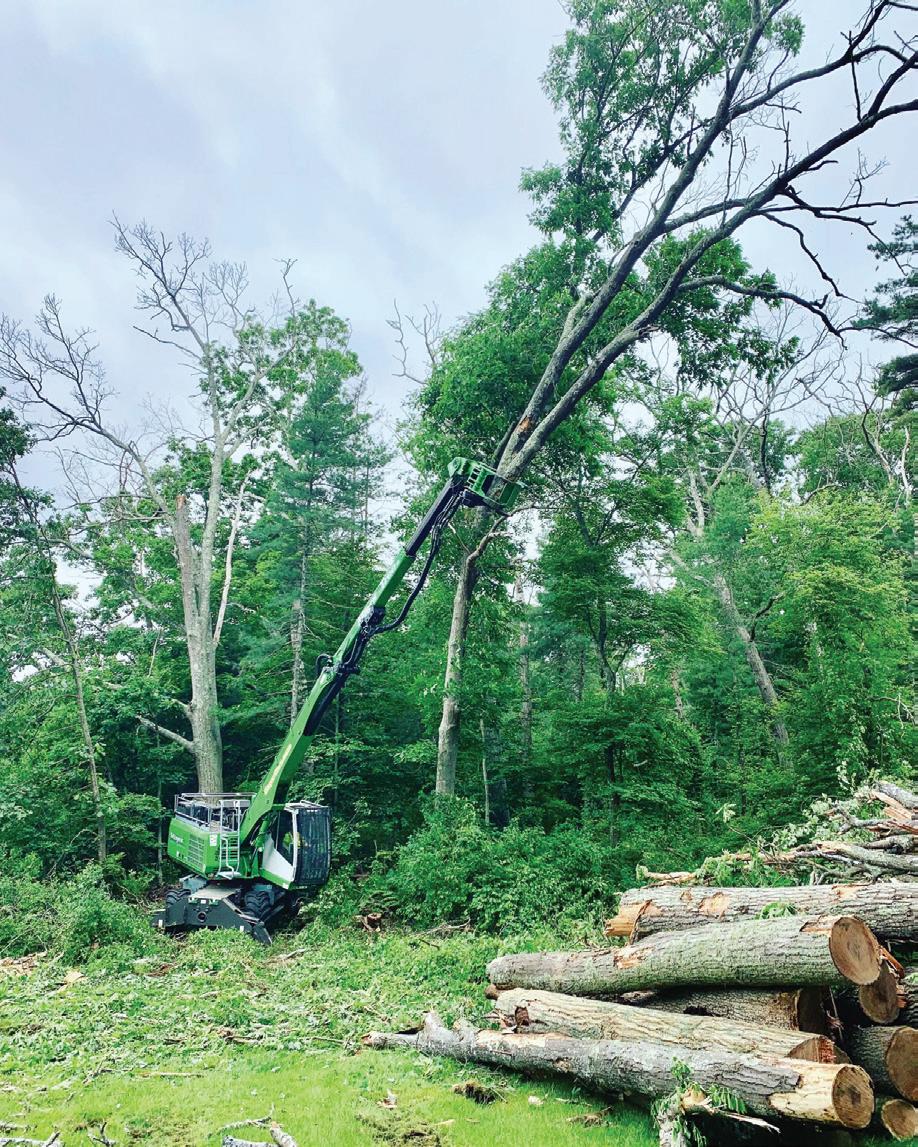
We deliver quality, reliability and solutions to meet your specific needs. The distinctive green machines is the Sennebogen. Mayer Tree has changed Sennebogen from an obscure German word into a household name in the tree care industry. Our expert operators have years of experience with these machines. Whether The Sennebogen, The Albach chipper or The Falbach crane grapple, we have the equipment to eliminate problem trees safely and e ciently. Don’t take chances and don’t settle, call Mayer Tree Service today!
Water Management
The intent is good, but too often the details are naïve. We plant something and hope for the best. We specify a media mix because it is standard. We measure success by whether water disappears, not by what the system becomes over time. But stormwater is not clean water. It carries suspended solids, hydrocarbons, tire dust, metals, nutrients, pathogens, and the fine grained urban history of everything that has happened upstream. If we want infiltration to be a long term function, we have to design for the reality of what stormwater contains, and for how clogging actually happens.
This is where the system architecture matters.
Think of the approach in three moves.
First, separation. Before you ask biology to do its work, you have to take the blunt force impact out of the flow. Settlement is not glamorous, but it is essential. A properly sized settlement chamber gives gravity time to do what gravity does. It drops out grit and heavier solids, reduces the load on the living filter, and extends the life of everything downstream. It also creates a logical maintenance point. You can remove what accumulates without disturbing the rest of the system.
Second, filtration as a living process. Traditional filtration is often designed as a dead medium: sand, stone, fabric. It can work, but it clogs when the biology is treated as an
afterthought. Mycoremediation and microbial ecology let us design filtration as an active surface, not a passive barrier. Fungal mycelium is particularly interesting here. It is not a magic wand, but it is a profoundly efficient interface between organic contaminants and microbial communities that can break them down. Pair that with a carbon rich substrate, mineral surfaces, and oxygen management, and you create a filter that is not just trapping pollutants but transforming them.
This is the key distinction.
A filter that only captures is a landfill in slow motion. A filter that transforms is a system you can steward. Third, distribution and infiltration. This is where most systems succeed on paper and fail in reality. They send water into a single basin or a small footprint and ask too much of it. The land gets overwhelmed, the surface seals, and the project becomes a maintenance nightmare.
A better model is a branching field of infiltration channels that distribute water laterally, reduce hydraulic pressure at any single point, and invite the landscape to participate. The soil is not just a receiving vessel. It is part of the treatment train.
This is where I have been exploring a ladder style infiltration field, a series of perpendicular channels tied into major parallel
Water Management
runs. The goal is not just to infiltrate a volume of water but to spread the work across a broad interface where oxygen, roots, and microbes can keep pores open and keep cycling moving. It is also a way to fit meaningful capacity into constrained urban corridors where you have length but not a massive basin footprint.
The reason I keep returning to the digestive tract metaphor is because it forces design honesty. A digestive tract has compartments. It has flow control. It has points where heavy material settles out. It has surfaces designed to maximize contact and exchange. It has a microbiome that does the real work. And it has a way to move material through without collapsing the system.
intelligence.
Stormwater needs the same
We also need to talk about maintenance without pretending it will be solved by good intentions. If we want municipalities and institutions to trust ecological infrastructure, it has to be serviceable. That means designing for access, cartridge style changeouts where appropriate, and predictable mainte-
nance intervals based on loading rather than hope.
The most exciting part of this approach is that it does not force a tradeoff between engineering and ecology. It is both.
It respects the hydraulics of large storm events with emergency bypass and underdrains where needed. It treats sediment as a first class design parameter. It uses media that can handle real world loading. And it invites plants and biology to do what they do best: stabilize structure, cycle nutrients, and turn contamination into something the system can metabolize.
This is also a climate story.
Rainfall intensity is increasing in many regions. Older sewer systems are getting hit beyond their design assumptions. And communities are waking up to the fact that water quality is not optional if you want safe
• NATIVE PLANTS
• SHADE TREES
• FLOWERING ORNAMENTAL TREES
• EVERGREENS
• FLOWERING SHRUBS
• FERNS & GRASSES
• PERENNIALS
• RECLAMATION PLANTS
• BROADLEAF
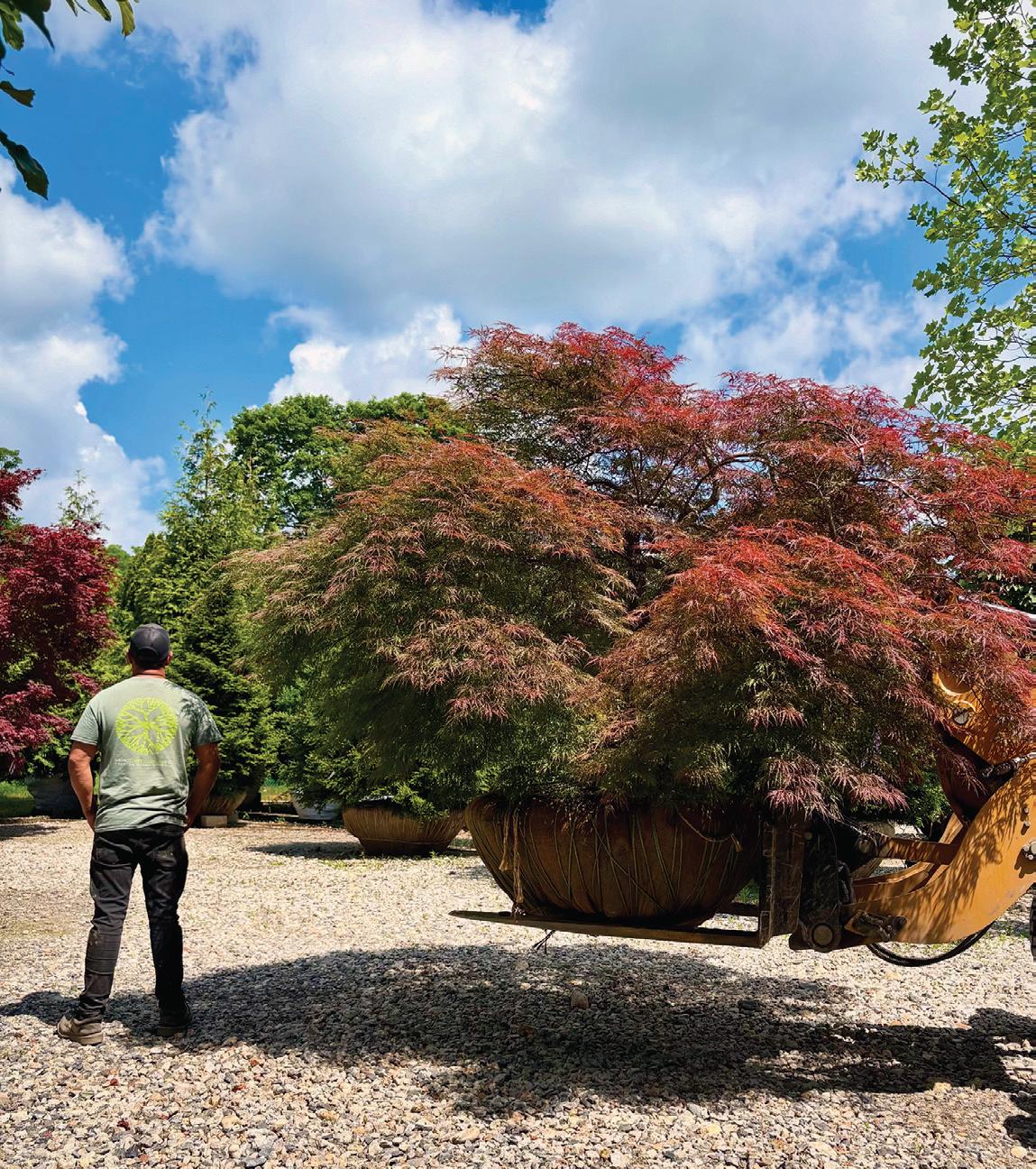
• LARGE SPECIMAN TREES
Water Management
recreation, fisheries, and healthy urban nature. But there is a deeper opportunity her that is easy to miss.
When stormwater is treated as a resource, you start to build landscapes that are more than decorative. You build landscapes that act like infrastructure. They hold water, cool neighborhoods, recharge groundwater, support habitat, and reduce downstream flooding. They make cities more livable in summer heat and more resilient in shoulder season deluges. They turn the public realm into a working ecological system rather than a set of disconnected plantings.
In that sense, this is not just a stormwater strategy. It is a different posture toward land. Instead of controlling nature, we collaborate with processes. Instead of installing solutions, we establish systems. Instead of measuring success by how fast water leaves the site, we measure success by how well the site absorbs shock and returns to function.
For those of us designing regenerative landscapes, this is the frontier that matters.
Regeneration is not only about plant palettes and carbon narratives. It is about whether the landscape can take a hit and keep going, whether it can process what our cities throw at it, whether it can protect the waterways we claim to love. Stormwater is where all the rhetoric meets physics.
If we can build systems that handle ugly water at scale, in real spaces, with real maintenance realities, and do it in a way that improves soil function and habitat instead of degrading it, then we are not just responding to climate change. We are building the next generation of civic landscapes.
That is the standard I care about.
Not pretty renderings. Not performative green. Living infrastructure that works, that can be maintained, and that becomes more functional over time.
A stormwater digestive tract is a bold idea. It is also a practical one. Because nature has been running this play for a very long time, and it works. Our job is to stop fighting it and start designing like we actually believe that.
About
the Author
Trevor Smith is an ecological landscape designer, speaker, and educator specializing in native plants, green infrastructure, soil regeneration, and habitat creation.
For more than two decades he has helped homeowners, institutions, and municipalities design and build landscapes that manage stormwater, support biodiversity, and perform under real-world climate stress.
Trevor is the founder of ReEarth Solutions, a soil-focused venture dedicated to “changing the industry from the ground up” by bringing high-performance, biologically rich soil systems to the landscape trade. Through his projects,trainings, and talks, he works to bridge the gap between cutting-edge soil science and everyday landscape practice — so that doing right by the planet also makes good business sense.
Water Management
What 90+ Years of Irrigation Design Still Gets Right
Why some irrigation technologies fade while others endure. What that means for modern landscapes.
by Matt Prucinksy
Designs don’t last for decades by chance. The brass impact sprinkler endured because it was created with real-world conditions in mind. Early irrigation systems had to perform with inconsistent water pressure, varied water quality, and constant exposure to the elements. Failure was not an option, and maintenance resources were often limited or expensive.
The solution wasn’t complexity; it was thoughtful engineering. Material selection mattered. Mechanical simplicity mattered. Every moving part had a purpose and nothing extraneous was added.
Longevity is Engineered, not Accidental
In an industry that prides itself on innovation, longevity is rare. New irrigation technologies promise progress, but don’t always withstand year after year. In irrigation history, one particular design has claimed its stake for over 90 years.
Originally invented in 1933 by Orton Englehart, a citrus farmer, the brass impact sprinkler was built to solve a straightforward but critical challenge: delivering consistent and reliable water distribution across large areas without any unnecessary complexities for the user. The design, officially patented in 1935, revolutionized the agricultural industry.
As it approaches its 91st anniversary, the design offers valuable lessons around what durability, reliability and longterm system performance should look like in modern landscape and field management.
Material science advancements have significantly expanded the options available for irrigation system design. Modern sprinklers and irrigation components now utilize improved materials that enhance durability and extend service life. These newer material selections also support better performance in diverse and evolving water conditions, particularly as the use of reclaimed water becomes more common. That approach created a design that could absorb wear, tolerate abuse and continue operating with minimal intervention.
While technology has advanced, the physical realities haven’t changed. Irrigation systems operate in heat, cold,
dust, debris and high-traffic environments. Designs that ignore those realities might perform well on paper, but they rarely perform over time.
Durability is a Performance Metric
When durability is treated as a core performance metric, efficiency becomes more sustainable, not just more measurable.
Efficiency in irrigation is often defined narrowly, focused on water savings, energy use, or system responsiveness. Those measures matter, but they don’t tell the full story of how a system performs over time.
A durable system performs consistently year after year. It reduces downtime, minimizes service calls, and limits the need for premature replacement. For contractors, facility managers, and system owners, that consistency translates directly into long-term value.
When durability is overlooked, the consequences tend to surface later. This means that increased maintenance demands, higher labor costs, and unexpected failures can erode the gains promised at installation. Systems that look efficient on paper may struggle to deliver the same performance as conditions change and components age.
Long-standing irrigation designs offer a different perspective. They remind irrigation manufacturers and users that performance is not just about how a system operates on day one, but how reliably it operates over its entire lifespan. When durability is treated as a core performance metric, efficiency becomes more sustainable, not just more measurable.
Maintenance is Part of the Design
Systems are not static. They are adjusted, repaired, and adapted over time as landscapes evolve and usage changes. “Innovation is often measured by speed: how quickly new features are introduced and how frequently systems are updated. Longevity challenges that mindset by emphasizing what endures, not just what changes.”
Designs that anticipate maintenance tend to age better.
Established in 1910, Cavicchio Greenhouses is a fourth-generation New England farm working more than 250 acres in Sudbury. As a horticultural grower and landscape distributor, we cultivate and supply an extensive variety of annuals and perennials, nursery stock, stone, masonry and landscape materials. With a hard-earned reputation for service, quality, selection and sustainability, we work with professionals and garden centers throughout the area to keep our region beautiful.
Water Management
Components that are accessible, easy to understand, and serviceable in the field reduce the risk of small issues becoming larger failures. They also allow crews to work efficiently without specialized tools or extensive training.
In contrast, designs that prioritize novelty over serviceability often create long-term challenges. When maintenance becomes complicated or replacement is the only option, system performance suffers, and costs rise.
Longevity favors designs that respect the realities of field work and the people responsible for keeping systems operational.
What Can We Learn from This Legacy?
The lesson is not to return to older technology. Modern irrigation systems benefit from advances in controls, sensors, and data-driven decision-making. The opportunity lies in pairing those advancements with proven design principles. When evaluating new irrigation solutions, green industry professionals can benefit from asking deeper questions:
• How will this system perform after years of exposure and use?
• How easily can it be maintained or repaired?
• What assumptions does the design make about realworld conditions?
These questions shift the focus from short-term gains to long-term outcomes.
Innovation is often measured by speed: how quickly new features are introduced and how frequently systems are updated. Longevity challenges that mindset by emphasizing what endures, not just what changes.
As the green industry navigates labor shortages, rising costs, and increased sustainability expectations, long-term system performance matters more than ever. Durable, reliable irrigation systems reduce waste, lower maintenance demands, and deliver consistent results over time. They support smarter resource use not just today, but well into the future.
FULLY FOCUSED ON SUPPORTING YOUR VISION.
Today, there are plenty of distractions in agriculture to sway producers and their partners from the task at hand. But Farm Credit East maintains the same missiondriven strength that helps both our teammates and customer-owners stay focused on the future. We’re proud to meet the credit and financial needs of Northeast farming, forestry, fishing and agribusiness, all while gaining new perspective ourselves.
Native Plants for Formal Gardens
by Heather Prince
While many of us have fallen head over heels for the look of New Naturalism, several of our clients still prefer and request more formal, manicured landscapes. Yet, they ask us to plant native plants. How do we marry the formal aesthetic with the implied weediness that seems top of mind with natives?
What is Formal Design?
While you probably know it when you see it, there are certain design elements present when we consider a landscape to be formal. We humans generally respond well to organized spaces. They might make us feel calm and centered. We tend to know where to go and how to get there when moving through the garden.
Some common principles of formal garden design include symmetry, strong horizontal and vertical axes, repetition of geometric forms and structures, focal points, adherence to a set scale, and a restrained plant palette. You might find
sheared shrubs and trees, architectural focal points, and mirrored planting beds. Pathways are made of neutral materials and are easy to traverse without having to watch your feet.
Many times, formal landscapes feature short, sheared evergreen hedges forming boundaries of garden beds or being the backdrop of a loosely planted border. They provide structure for perennial or annual plants that fill the circles or boxes or a backdrop for showy perennial plantings.
Maintaining a Formal Garden
A manicured landscape may demand be demanding of time and skills to keep it adhered to the chosen aesthetic. Woody plants may be sheared or pruned to maintain their scale in relation to the buildings or garden artwork. Sharp lines are often required of the hedges and edges. Gardeners will often maintain a calendar of deadheading, cutting back,
Practical Natives
and thinning to maintain the selected look.
When choosing native plants in a formal situation, you may do more removal of spent flowers, seedheads, or fading foliage than in a more naturalistic garden. However, many of our natives support wildlife with their foliage and flowers as they are larval hosts for butterflies and moths. Plus, their roots and shoots still offer ecological services by holding ground, soaking up water, and in some cases processing pollutants.
Choosing a Plant Palette
Many formal gardens stick to a small list of annuals and perennials. The goal is organization, repetition, and symmetry. Sometimes a color theme is utilized like a white garden or pastels. Plants are selected for their structure as well as flower color. Their foliage may form tidy shapes or be especially upright and sturdy. Flopping tends to be discouraged in the formal garden.
When we examine native plants for inclusion in a formal garden, look for these characteristics:
• Long-blooming for extended seasonal color.
• Upright carriage of foliage and stems.
• Clumping habit of foliage instead of rhizomatous spreaders.
• Limited tendencies to reseed or controllable with regular deadheading.
• Showy flowers that catch the eye.
Woody Plants to Try
Our small native trees are a delightful addition to the formal garden, and you’ve probably already planted a redbud. For spring flowers, also consider Halesia carolina or Carolina silverbell. The species features pure white flowers that elegantly dangle from the twigs like bells. There are a few pink-blooming cultivars, also. This small edge-of-the-woodland tree may be trained for an arching allée or with diligent pruning become a sculptural focal point.
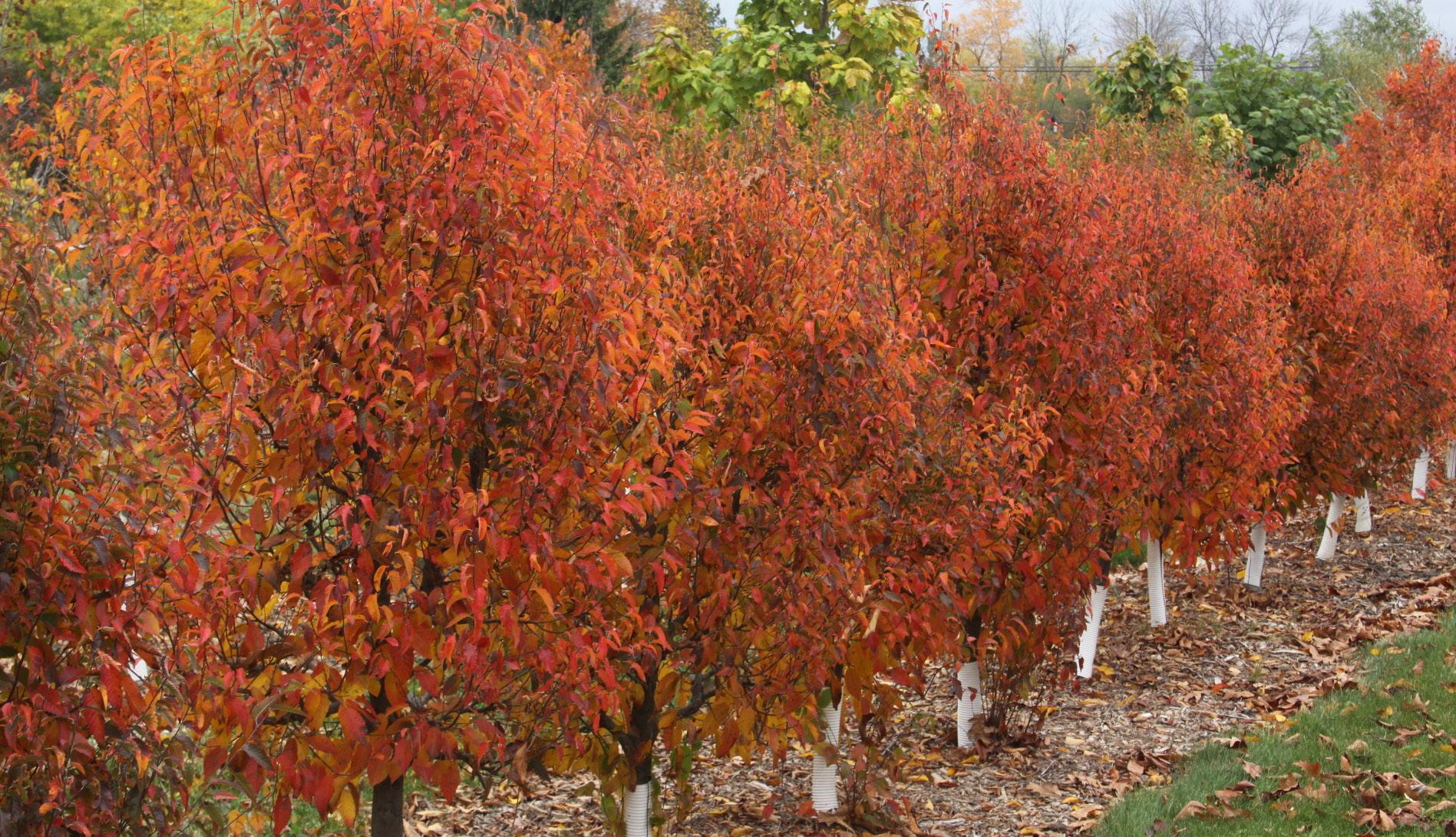
Hedges are a key element of formal design and some of our native trees and shrubs make excellent candidates. They may be sheared and shaped for that symmetrical look. Consider Carpinus caroliniana, or American hornbeam (see page 28). Hornbeam has traditionally been used as a hedging shrub as its flexible twigs are easily trained. There are some cultivars available with more columnar habits and consistent fall color. Why not light up the garden in fall with its incandescent orange-red display?
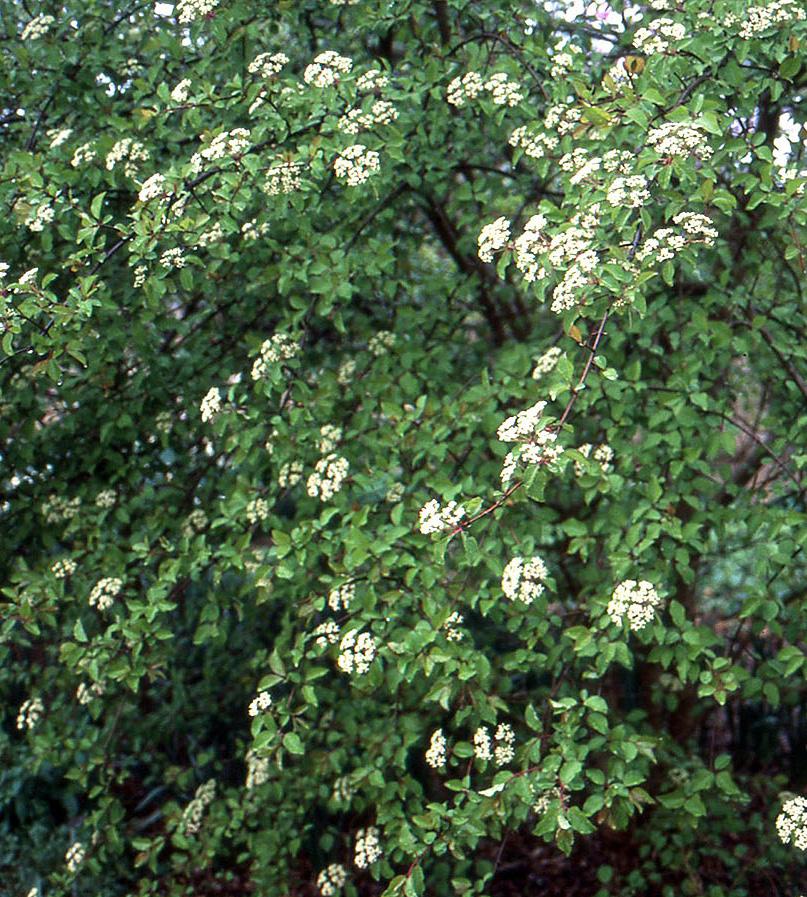
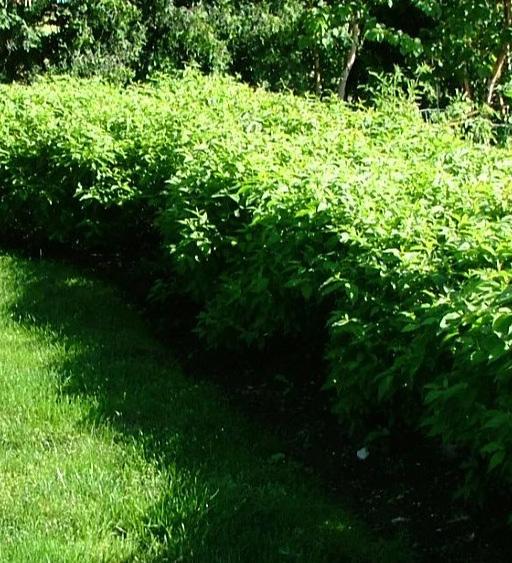
Viburnum prunifolium or blackhaw viburnum also makes an excellent shearable hedge. With deep wine-red fall color, resistance to viburnum leaf beetle, and dense twiggyness, it also will grow in nearly any soil and sun condition. Take a look at Cornus racemosa or gray dogwood. Not only will it cheerfully tolerate moist soils, the new growth is tipped in red before becoming all burgundy in the fall. This is a more structured dogwood that can be thoughtfully pruned into hedges, balls, or featured specimens.
Pretty, Perennial Flowers
Perhaps the biggest complaint we hear about native perennials is that they look “weedy.” Let’s face it, that’s a hard hurdle to clamber over. Each person decides for themselves what a weed looks like, so getting to know your client and their preferences is really key to figuring out where you can weave in natives. However, there are a number of native plants that don’t flop, reseed rampantly, or get raggedy in the garden.
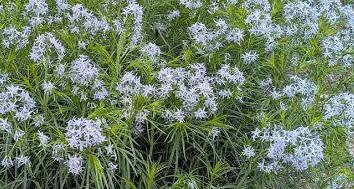
For a billowy filler plant in a showy perennial border, try Amsonia or bluestar. For me, Amsonia is a texture plant more than a flower show. It is loose and blowsy, so it plays well with upright foliage and shrubs. Then its golden to butterscotch fall color lights up the garden.
Practical Natives
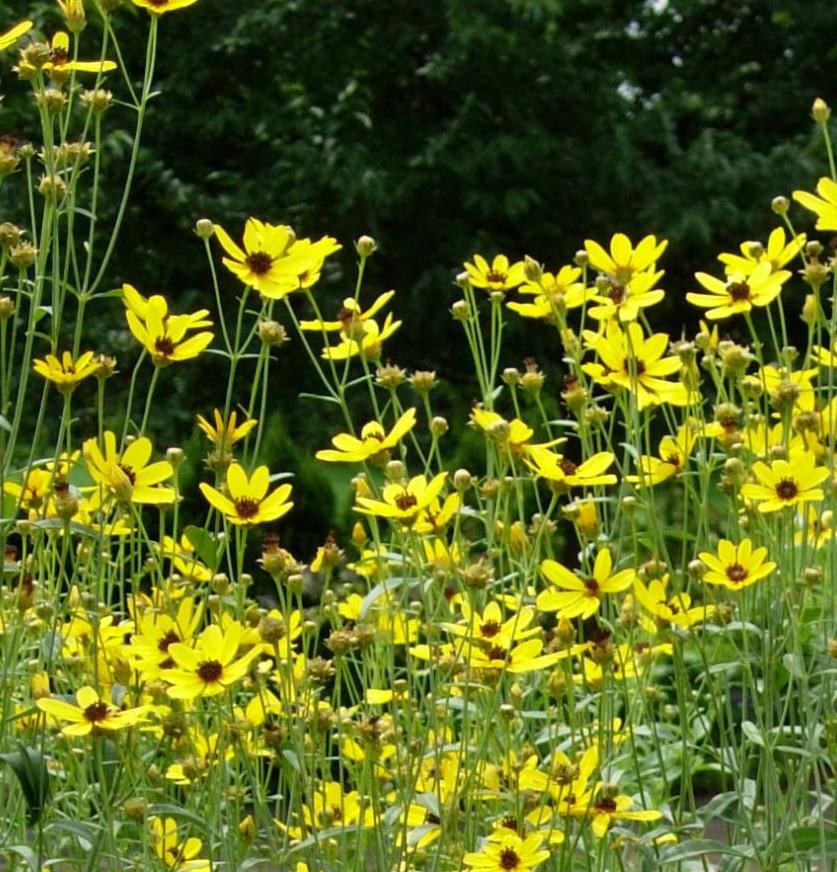
For height at the back of the border and to weave in among heavier plants, consider Coreopsis tripteris. At up to 8 feet high, its stiff, thin, wiry stems hold a dancing bouquet of yellow flowers that bloom July to September. Deadhead to limit reseeding and cut armfuls of flowers for indoor bouquets.
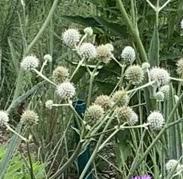
If you’re planning a white or evening garden, think about including Eryngium yuccifolium or rattlesnake master. Plant it with lots of competition to limit its habit of spreading, but the striking silvery foliage and golf-ball-sized white flowers add a dapper element to any sunny garden. Plus, pollinators will flock to it.
Gracious Grasses
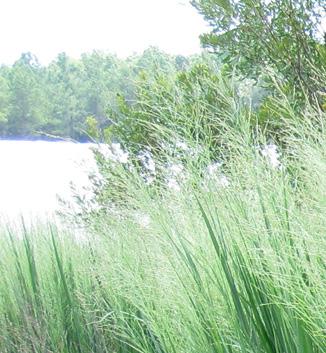
The delicate blades and constant movement of grasses earn them a place in every garden. In formal gardens, tidy habit and showy seedheads make them an essential part of the mixed border or parterre. For narrow, upright carriage, Panicum or switchgrass can’t be beat. The cultivars are tight-clumping and stay upright despite winter’s ice and snow. They can be used as a formal hedge, woven through mixed borders as punctuation points, or act as focal points. Cut back in late winter as they shine best beginning in September when their frothy florets take the stage and fall color turns caramel, bronze, and gold.
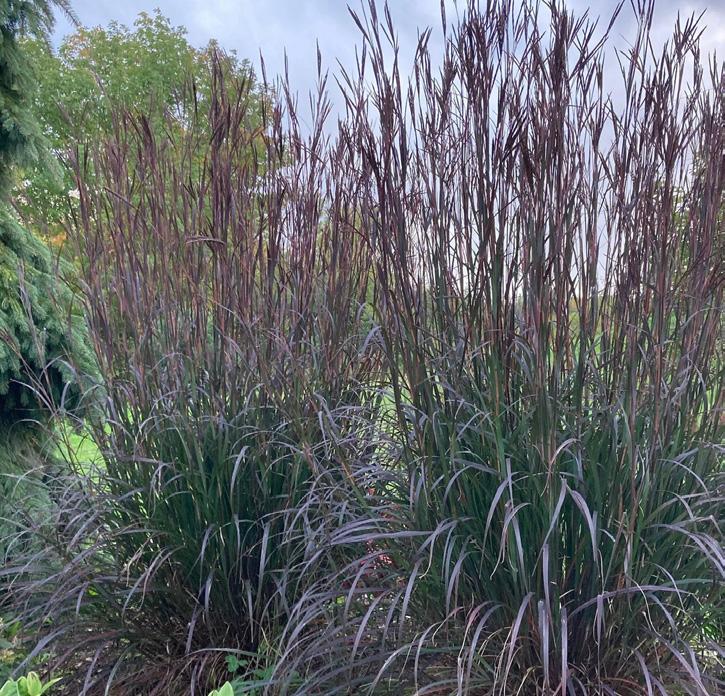
Andropogon or big bluestem cultivars are also upright, narrow clumping grasses. New selections feature outstanding fall color in red, orange, and deep purple. They can be a statement when planted in a group or superb focal points with late season bloomers like rudbeckia, asters, and goldenrods.
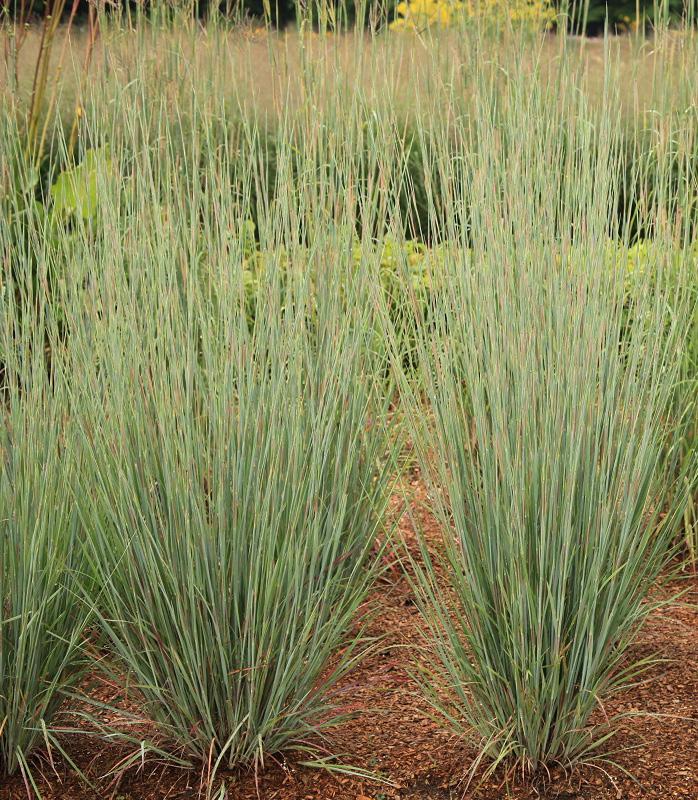
For a knee-high upright grass with a bright personality, look at Schizachryium or little bluestem cultivars. Most are shades of silvery-blue that turns orange, maroon, blonde, and caramel in fall. Try it as a native alternative to Karl Foerster feather reed grass, plus it tolerates part shade.
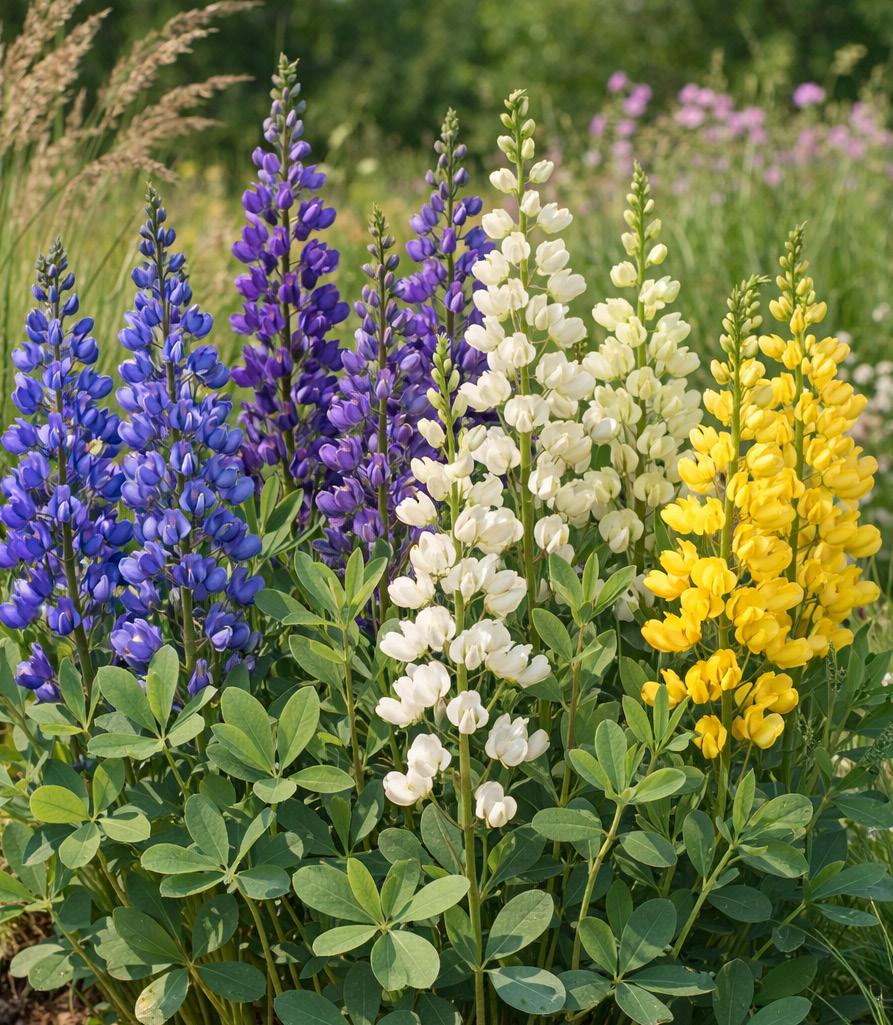
As you explore native plants, look for species that offer tidy shapes, can add volume to a mixed border, or have sturdy, upright stems. Think about how long a plant will last in a landscape decades of enjoyment from Baptisia. With a dash of creativity, you can use native plants in formal gardens, bringing habitat and diversity to these carefully maintained spaces.
Garden Trends for 2026:
How to make landscapes stand out among the crowd, while also thinking sustainably
by Cameron McCauley
As professionals in the green industry, most of us always want to know “what’s next?” It’s a common question as we work through our springtime, checklists and knocking things out one by one. But how do we stay on top of trends and what moves the needle with customers to continue to stay on the pulse of our industry?
Every year, Garden Design releases their ‘Trends in Garden Design’ series highlighting some popular design and aesthetic choices to predict what customers will be looking for in their landscapes. We know some customers (and designers) might be stuck and not want to move from their usual design procedures. But these trends give us an opportunity to think forwardly and be on the cutting edge of what is popular in our industry. Here are some of the highlights from the 2026 Trends guide.
Keystone Plantings
Touching on the top trend of 2025, which was the “Rise of Native Plants and ‘Nativars,’” 2026 leads off with Keystone
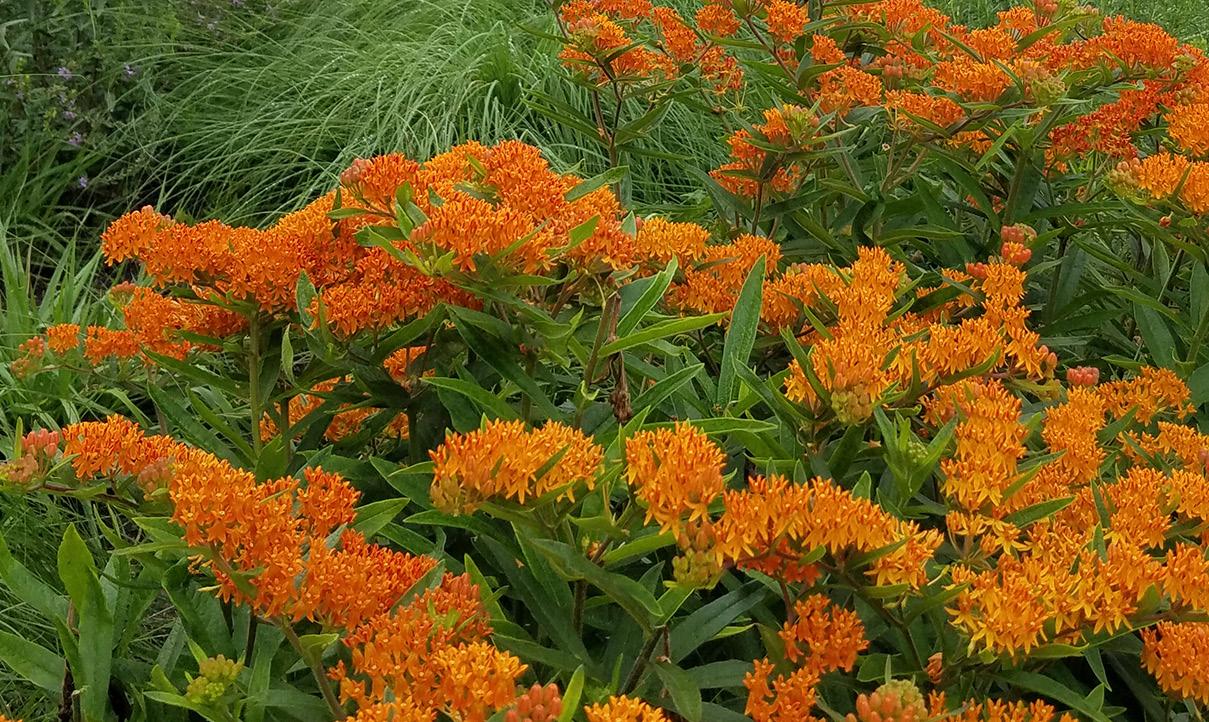
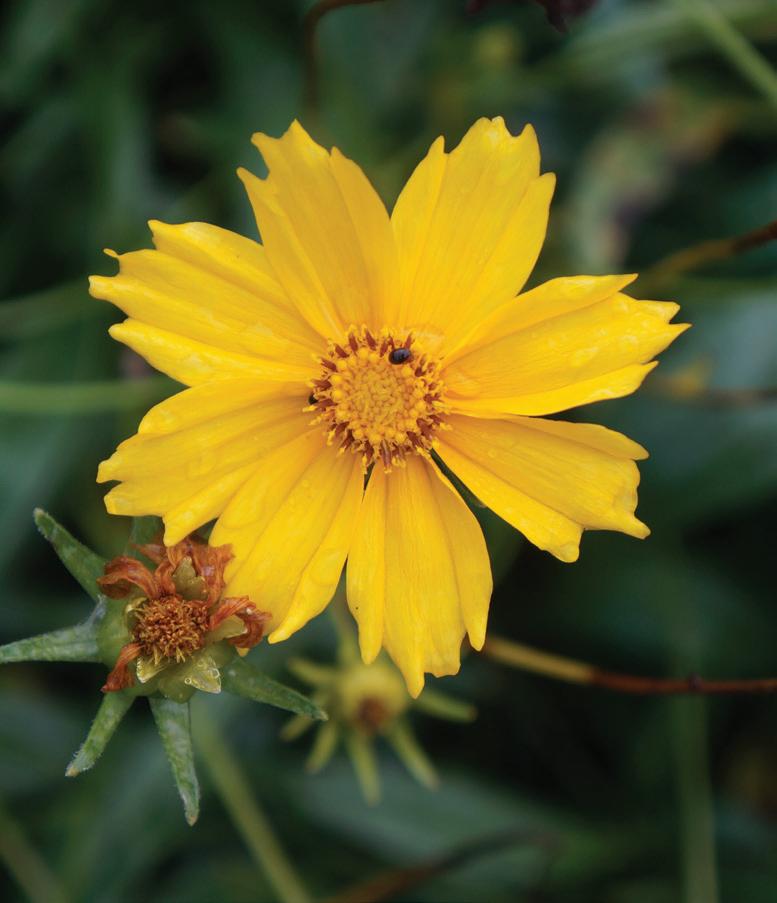
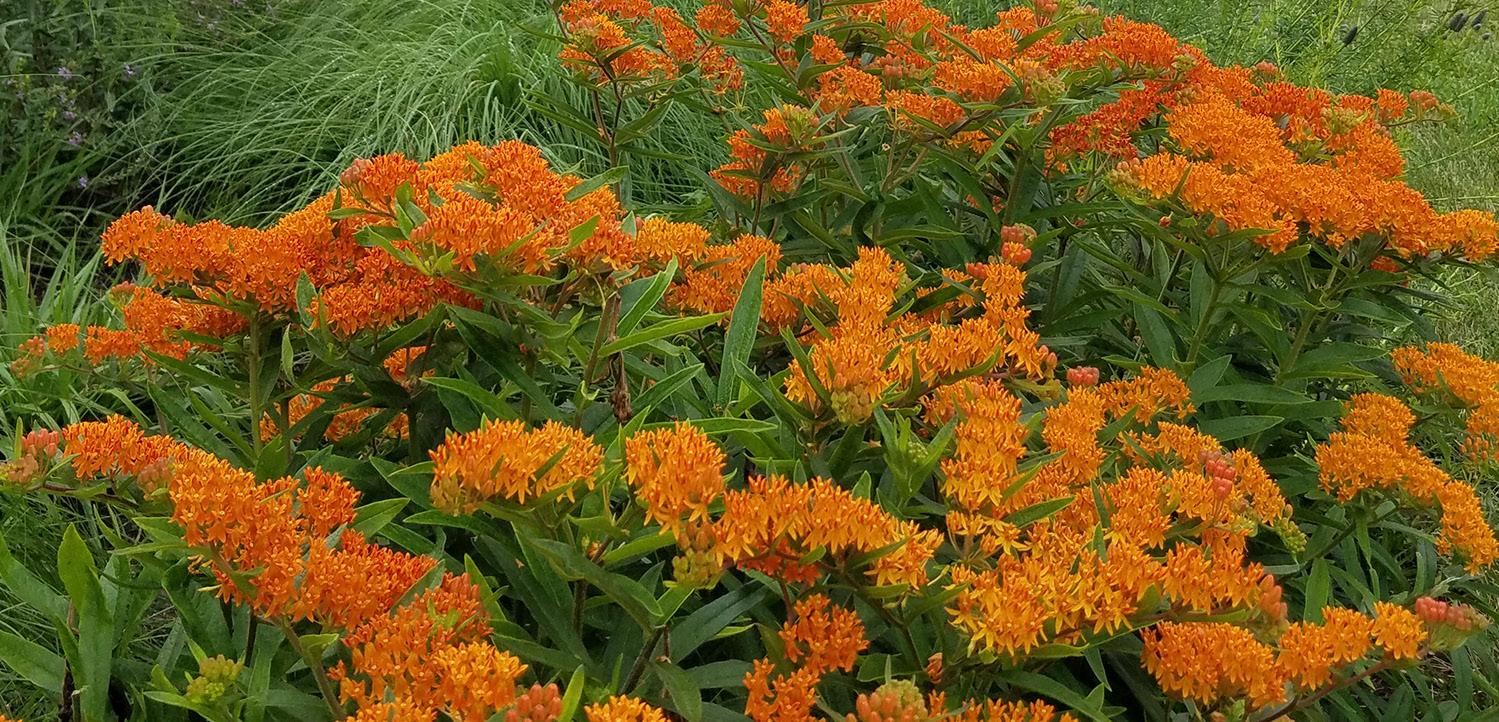
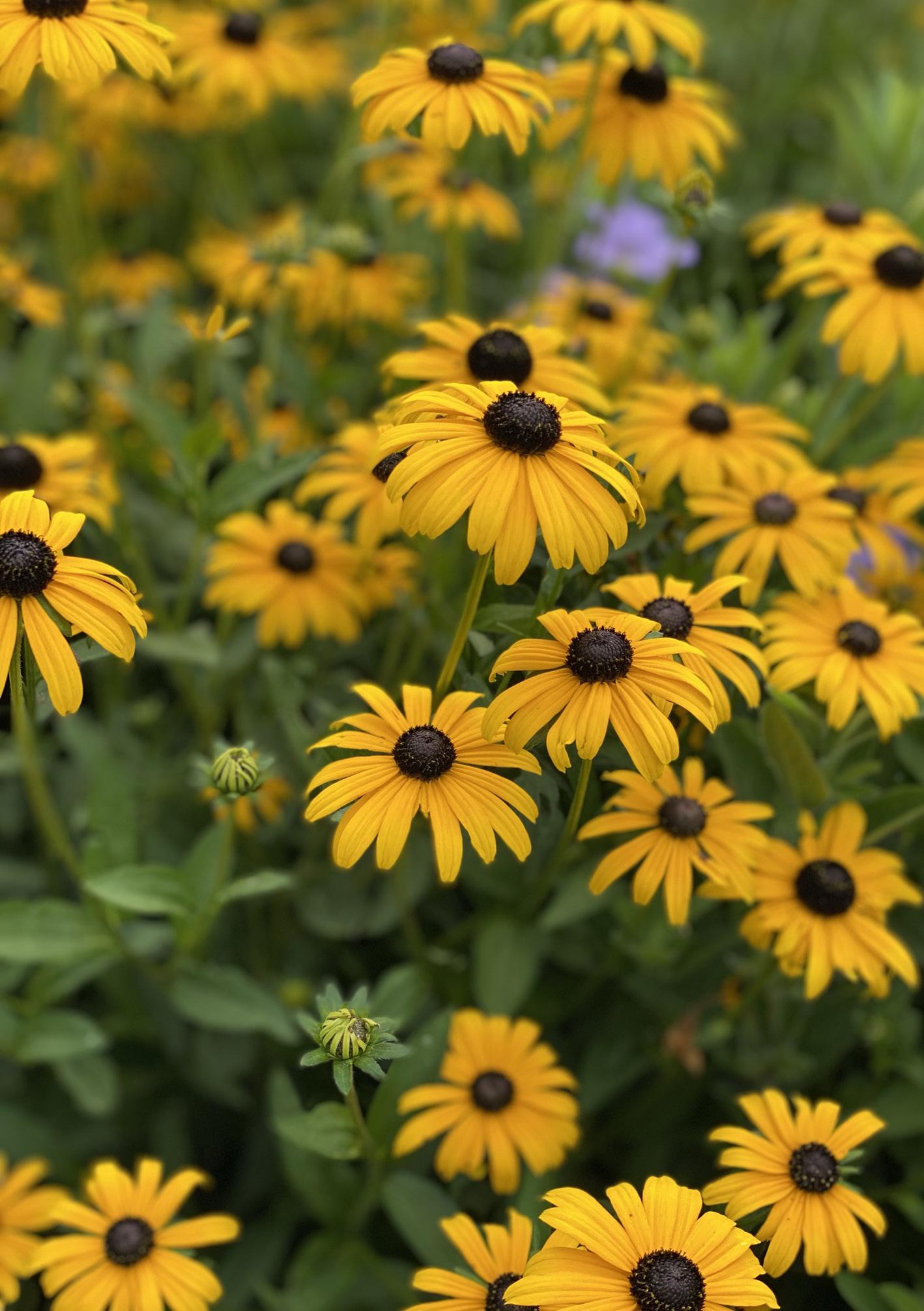
Plantings, a big part in the Homegrown National Park initiative that has continued to grow in popularity. According to the National Wildlife Federation, a Keystone Plant is one that is essential to the lifecycle of many different species of flora and fauna – take them away and the ecosystem collapses; like how removing a ‘key’ stone in an ancient roman arch will trigger its demise. Entomologist Dr. Doug Tallamy and his team at the University of Delaware have identified that 14 percent of native plants (the Keystone Plants) support 90 percent of all butterfly and moth species in North America. That is quite a selling point for customers who yearn to be pollinator friendly with their landscapes. The good news is that these Keystone Plants are generally easy to find and grow in our region – and include staples like Asclepias tuberosa, Echinacea purpurea, Coreopsis lanceolata, and Rudbeckia hirta
Design Debate
Concerns
about light pollution from an ecological standpoint
Generally, when we think about reducing light pollution, we think of large-scale initiatives by cities and municipalities. Homeowners are starting to think about how they can do their part. While we often think of light pollution as effecting bird migration patterns, recent research shows that artificial light can disrupt the circadian rhythm of all living things, including plants. Artificial light has the potential to shift the timing of leaf budding and leaf drop in trees, and can affect flowering cycles in ornamental plants. Homeowners and new construction can help reduce light ward facing fixtures placed on a timer or motion sensor, opting for warmer bulbs, and being more conscientious about whether every light is truly necessary.
Maximalist vs. Minimalist
With the pandemic gardening craze now a few years in the past and gardeners continuing to work from home, the ‘Maximalist’ trend has seen gardens shift from low-mainte nance, simple, and streamlined to abundant and bountiful. Customers who got the gardening itch from the work from home era are more inclined to try new things, find what works for them, and plant them in abundance. Where we
might’ve seenmore structured landscapes in the past, walking through the neighborhood you will more than likely see a smorgasbord in beds, combining perennials, natives, shrubs, and edibles all in one.
Rich, Deep, Jewel-Tone Colors
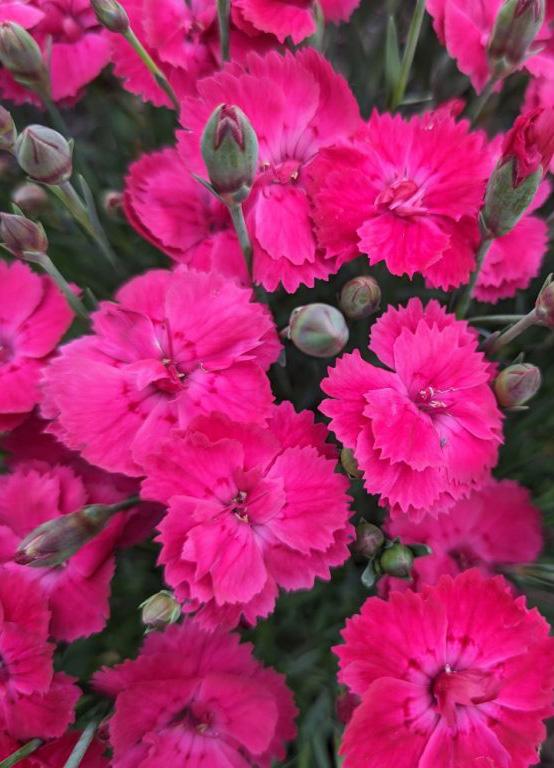
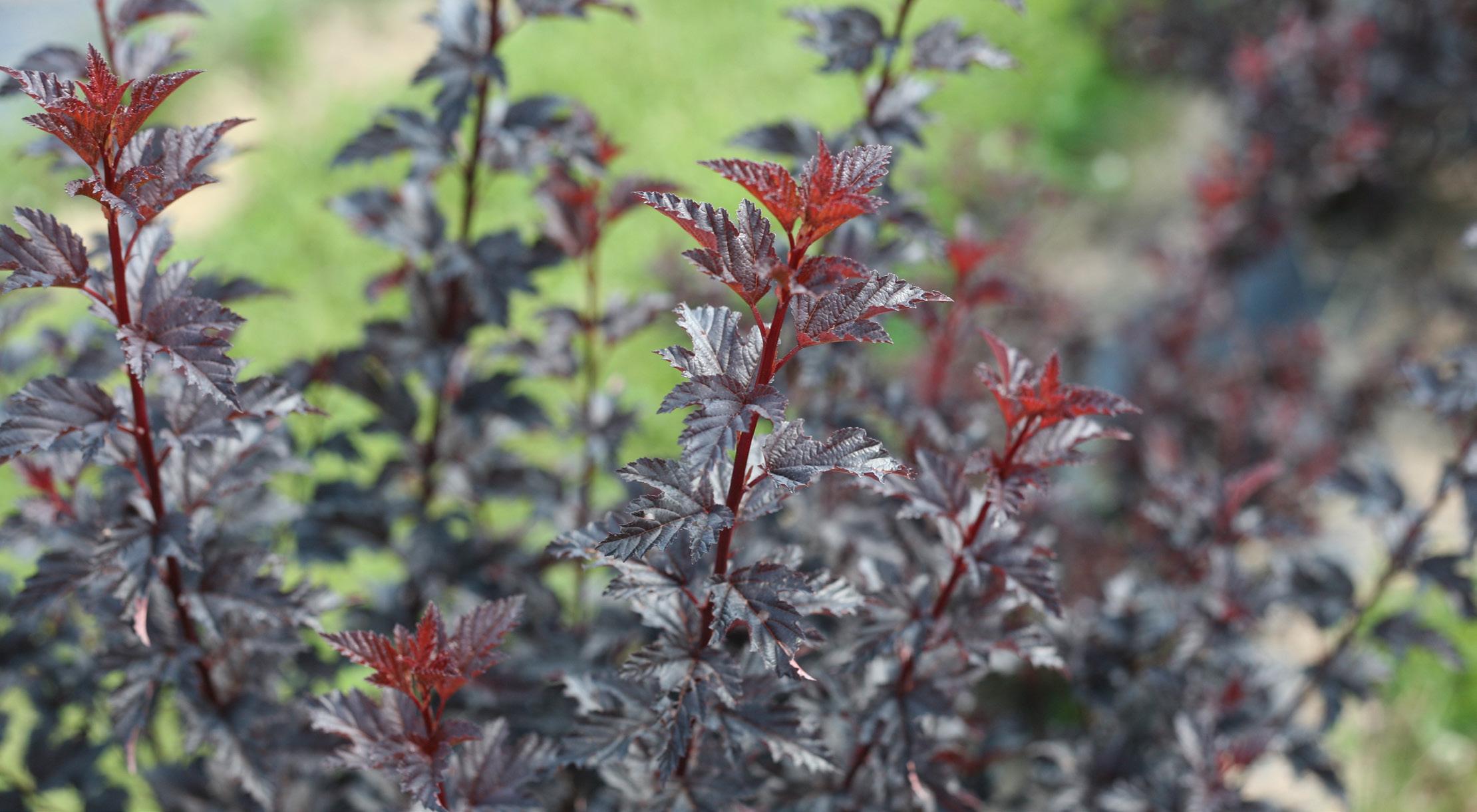
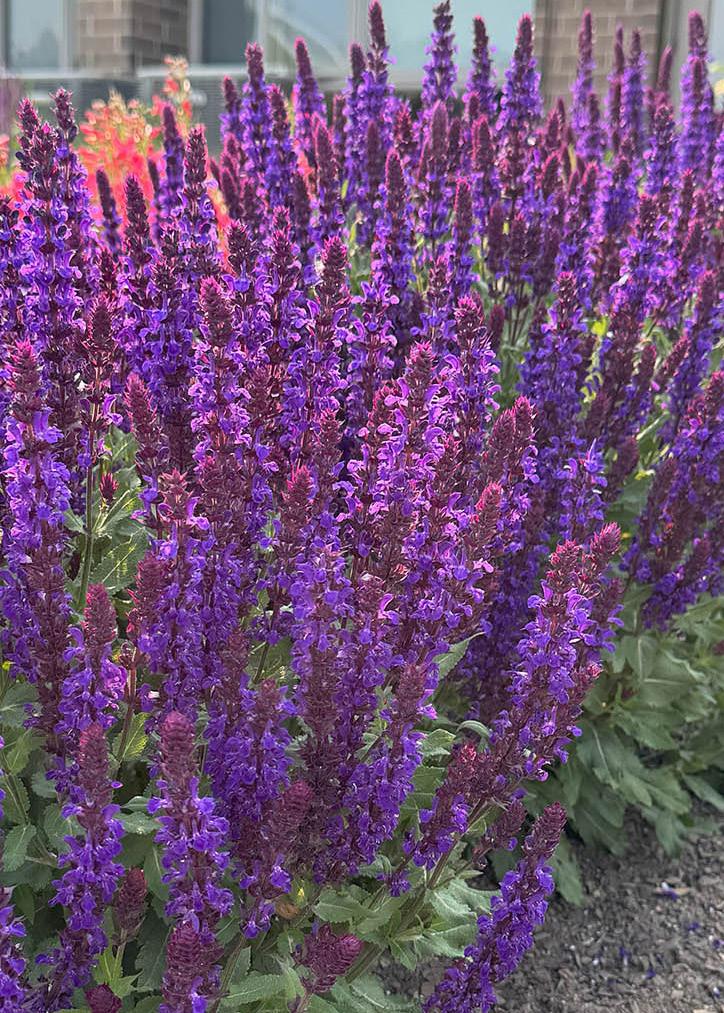
The final 2026 trend is the emergence of more striking colors in the landscape compared to the previously popular softer and muted palette. A few of the newer bold color varieties on the scene are Summer Wine® Black Ninebark from Proven Winners®, and perennials Dianthus Glamour Time™ Cheddar Pinks and Perpetual Purple™ Salvia, both from Bloomin’ Easy®. Every year we see more and more colorful and floriferous offerings that hit the market to keep pushing the limits!
So, if you want to stay on trend and speak the language of today’s garden design, start weaving these concepts into your everyday conversations with customers and colleagues.
Special Feature
If There’s a bustle in Your Hedgerow
B eyond Arborvitae Screens
by Trevor Smith
Ahedgerow can do far more than block a view. At its best, it becomes living infrastructure: a layered planting that screens unwanted sightlines, softens wind and noise, feeds birds, supports pollinators, and brings beauty from spring through winter. In New England, the most successful hedgerows are rarely rigid walls of one species. They are dynamic, mixed plantings that balance privacy with habitat and ornamental value.
The strongest approach is to build the hedge with roughly 70 to 85 percent deciduous shrubs and small trees, then weave in 15 to 30 percent evergreen plants for year-round cover. That ratio gives you the best of both worlds. Deciduous natives deliver the flowers, berries, and fall color that make a planting feel alive and seasonal, while evergreens hold the screen in winter, block the most offensive views and provide shelter when birds need it most.
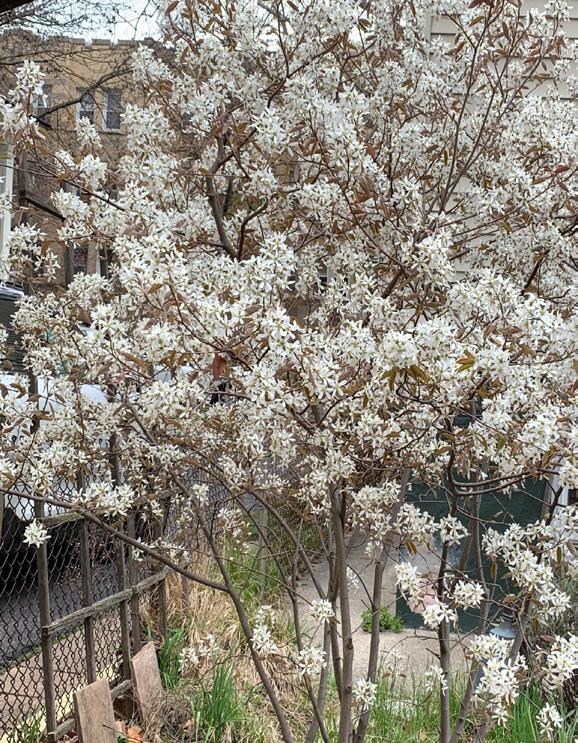
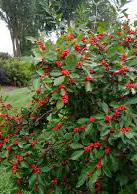
For sunny sites, some of the best native choices include smooth arrowwood viburnum, eastern shadbush, winterberry, red chokeberry, highbush blueberry, gray dogwood, nannyberry, sweet pepperbush, American hazelnut, and wild raisin. Together, these plants offer an extraordinary sequence of interest. Serviceberry lights up early spring with white flowers and follows with edible summer fruit. Chokeberry and blueberry bring outstanding fall color. Winterberry carries vivid fruit deep into the colder months. Arrowwood and nannyberry provide structure and reliability, while gray dogwood and hazelnut help create the kind of dense, layered habitat that birds use for nesting and shelter.
For shade or woodland-edge conditions, the palette shifts slightly. Spicebush, maple-leaved viburnum, pagoda dogwood, witch-hazel, winterberry, wild raisin, sweet pepperbush, gray dogwood, serviceberry, and American hazelnut are especially valuable. Spicebush is one of the finest native shrubs for bright shade, with soft yellow flowers in early spring, glowing fall color, and excellent ecological value. Mapleleaved viburnum thrives where many other shrubs struggle and adds rich red-purple autumn tones. Pagoda dogwood brings an elegant layered form, while witchhazel extends the season with fragrant fall blooms when little else is flowering.
If your priority is birds, focus on shrubs that provide both fruit and cover. Winterberry, serviceberry, highbush blueberry, gray dogwood, nannyberry, and hazelnut are among the strongest choices. They offer food across multiple seasons and help create the thicket-like branching structure many birds prefer. If your priority is pollinators, emphasize sweet pepperbush, serviceberry, chokeberry, blueberry, and spicebush. These plants help bridge the season with nectar and pollen, from early spring into midsummer.
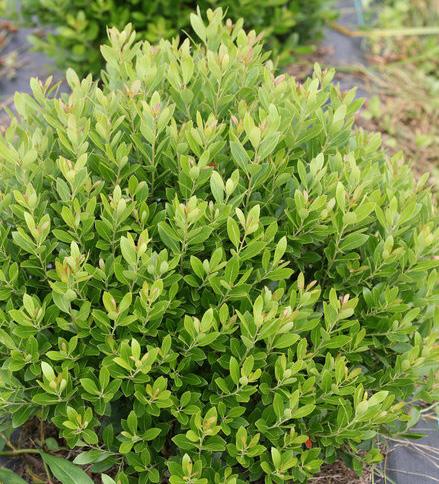
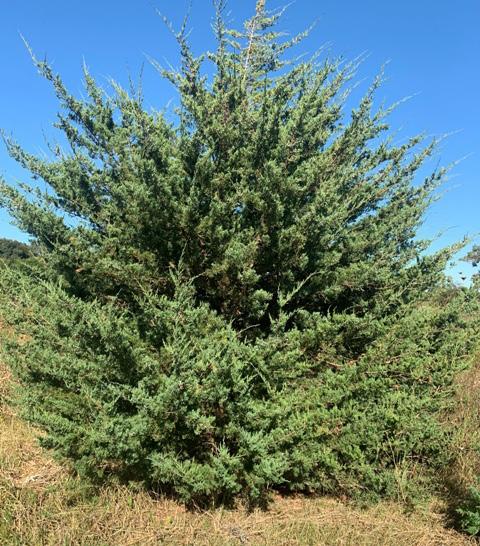
Evergreens should be used strategically, not overwhelmingly. Inkberry is one of the best evergreen shrubs for mixed hedgerows, especially where soils are acidic. Eastern red cedar can provide taller vertical screening in sunny sites. In part shade, mountain laurel adds evergreen mass and remarkable bloom. These plants are most effective when planted in drifts or pockets, rather than as a single unbroken line.
Serviceberry
Winterberry
The most beautiful hedgerows feel generous and natural. They screen, but they also flower, fruit, shift in color, and shelter life. Done well, a hedgerow is not just a boundary. It is one of the richest and hardest-working elements in the landscape.
About the Author
Trevor Smith is an ecological landscape designer, speaker, and educator specializing in native plants, green infrastructure, soil regeneration, and habitat creation. For more than two decades he has helped homeowners, institutions, and municipalities design and build landscapes that manage stormwater, support biodiversity, and perform under real-world climate stress. Trevor is the founder of ReEarth Solutions, a soil-focused venture dedicated to “changing the industry from the ground up” by bringing high-performance, biologically rich soil systems to the landscape trade. Through his projects, trainings, and talks, he works to bridge the gap between cutting-edge soil science and everyday landscape practice — so that doing right by the planet also makes good business sense.
Eastern Red Cedar
Inkberry
Tick Season Safety Reminders
In Massachusetts, horticulture and landscape professionals are at high risk for tick-borne illnesses due to their daily presence in tick habitats like wood lines, tall grass, and ground cover. As an active member of the industry, youlikely already incorporate safety routines, but with the recent emergence of Alpha-gal syndrome in the state — which triggers severe allergies to red meat and dairy—staying vigilant is more critical than ever.
Personal Protection for Crews
• Permethrin-Treated Gear: Apply permethrin to clothing, boots, and socks. A University of Rhode Island study found that treated footwear makes individuals 73.6 times less likely to be bitten.
• Strategic Dressing: Wear light-colored clothing to spot ticks easily and tuck pants into socks to prevent ticks from crawling up legs.
• Daily Tick Checks: Require crews to inspect warm, hidden areas like the scalp, armpits, and behind ears immediately after shifts.
• Post-Work Hygiene: Showering within two hours of coming indoors can wash off unattached ticks and provides a good opportunity for a thorough check.
Professional Resources in Massachusetts
• Massachusetts Department of Public Health (MDPH): Providesfree educational materials, including wallet-sized tickidentification cards for crew training. Check out this website for more information: https://www.mass.gov/info-details/tick-borne-disease-prevention
Landscape professionals in Massachusetts and the Northeast can provide a critical “first line of defense” by modifying their residential environment to be hostile to ticks and their hosts.
A. Habitat Modification & “Tick-Safe Zones”
• The 3-Foot Barrier: Design and install a 3-foot wide perimeter of wood chips, gravel, or stone between the lawn and wooded areas. This serves as a dry “no-man’s land” that ticks (which require high humidity) rarely cross:
o Mowing Standards: Maintain turf grass at a height of 2 to 3 inches. Taller grass creates the shade and moisture ticks need to survive.
o Pruning for Sunlight: Selectively prune tree canopies and shrubs to increase sunlight penetration to the ground. Ticks are less likely to be found in bright, sun-exposed areas.
o Ground Cover Replacement: Advise clients to remove dense ground covers like Pachysandra or invasive Japanese Barberry, which are known to harbor significant tick populations.
B. Strategic Site Design
• Relocation Services: Offer to move high-use recreational items—such as swing sets, play equipment, and patio furniture—away from yard edges and into sunnier, central areas of the lawn.
• Host Management:
o Deer Fencing: Install 8-foot high fencing to exclude deer, the primary transporters of adult ticks into residential yards.
o Rodent Control: Stack firewood neatly in dry, sunny locations and away from the home to discourage mice and chipmunks, which are key hosts for larval and nymphal ticks.
C. Advanced Protection Programs
• Acaricide Applications: Provide targeted perimeter sprays of EPA-registered acaricides. Professionals should focus applications on the “tick zone” (the 10-foot transition area between woods and lawn) in May/June for nymphs and October for adults.
• Tick Tubes: Deploy permethrin-treated cotton tubes in late July or August. This system targets the mice that carry larval ticks, effectively killing them in their nests.
• Tick-Repellent Plantings: Incorporate plants that are naturally less attractive to deer or are known to repel ticks, such as lavender, rosemary, marigolds, and American holly.
MA Professional Quick Links
• Mass.gov Tick Management Home Guide: Official state guidelines for residential property modification.
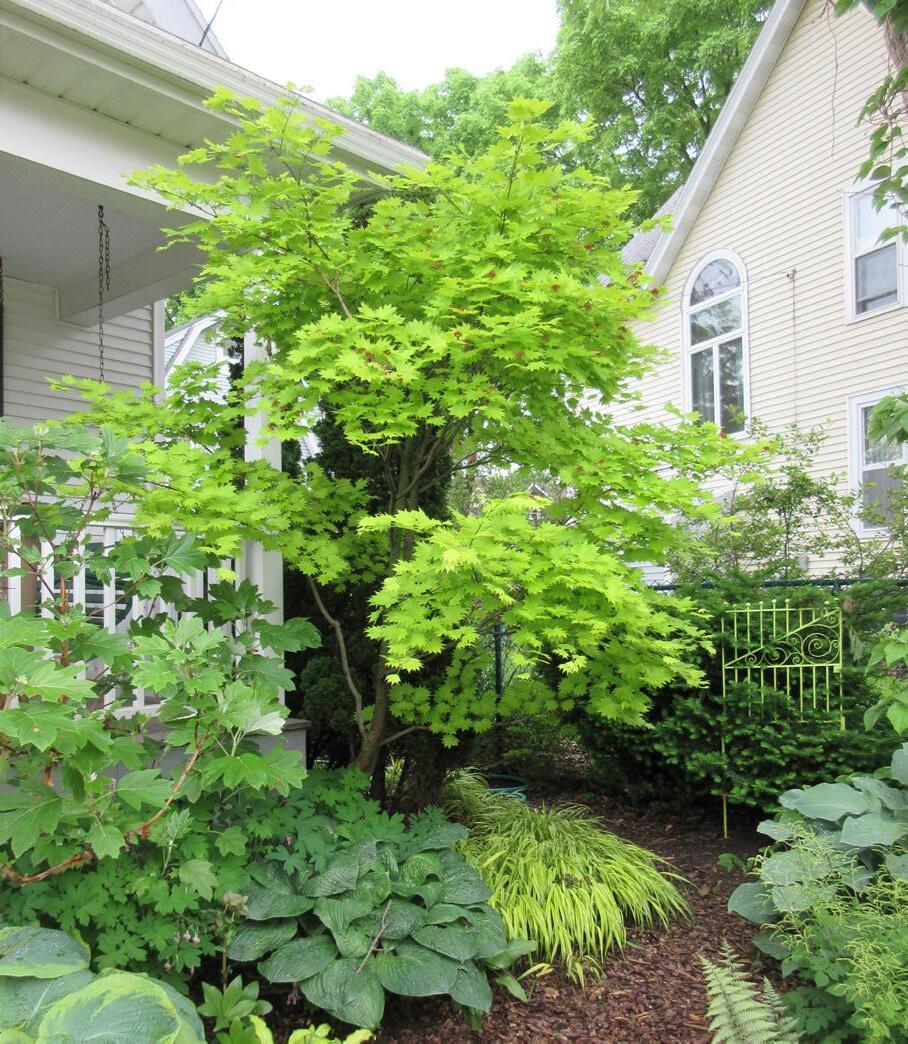
I’ve never considered myself an impatient gardener as I’ve invested years in amending soils, trialing various plants and providing lengthy investments in comprehensive TLC to select plants. The golden full moon maple (Acer shirasawanum ‘Aureum’) is one of those plants. This slow-growing, not inexpensive, Asian maple is a glowing contributor in the partly shaded garden. The fan-shaped foliage contributes bright chartreuse to golden color and truly illuminates every setting. I’ve successfully grown these in public garden settings as well as at home and the slow, steady, incremental growth doesn’t dissuade me from patiently watching these specimens gain size as garden focal points. Offering full disclosure, I’ve had some failures with this maple in the past but the demise was associated with substandard and regretful planting locations.
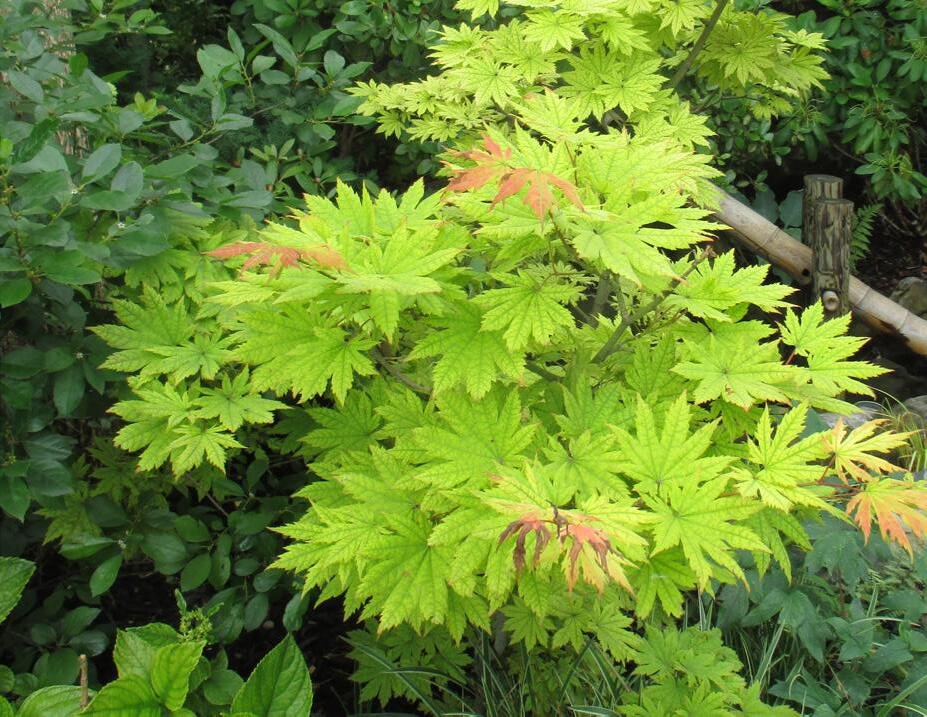
Preferring moist, well-drained and slightly acidic soils, this species is fairly adaptable once it settles into an optimum location. This golden form, while tolerating full sun, does benefit from dappled shade or some protection from intense sunlight late in the day to maintain the integrity of the brightest foliage. In heavier shade, it reads more as a chartreuse but still has pizzazz in the understory. The leaves, each with 9-13 shallow lobes, emerge bright yellow in spring and are frequently accented with a thin, red edge. The fall color can be a decent orange to orange-red late in the season. Small, reddish-purple flower clusters appear in early spring and develop into red, winged samaras that dangle amongst the foliage late into the season.
Listed as hardy in USDA zones
5-7, I was amazed to see this grafted selection shrug off the previous polar vortices that were so damaging to traditional Japanese maple (Acer palmatum) selections. Sheltered locations with protection from winter winds are ideal for this selection to “nestle in” nicely. Similar to other maples, verticillium wilt susceptibility is a frustration and some other common disease and insect challenges can arise with struggling or declining specimens.
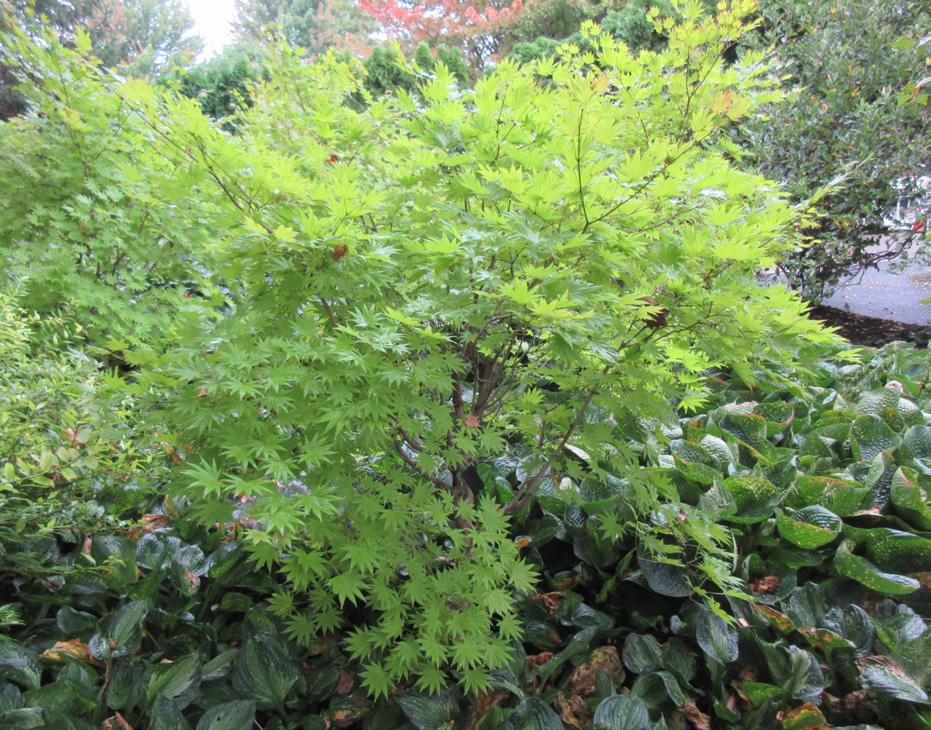
I’ve seen references indicating a mature height and width of 20’ or so for this upright, mounded, small tree. I’ve never run across one that big in the Midwest but have seen a few 12-15’ selections that are impressive as I can only speculate as to their relative age in reaching that stature. The older specimens that I still observe in my area of southern Wisconsin are all around 10’ in height with a similar width. The branching pattern is attractive and I’ve also noted some specimens with the lowest branches left in place for a “shrubbier” appearance and contribution.
This attractive small tree has a long history with introduction from Japan into the Netherlands back in 1865. Receiving the Award of Garden Merit (AGM) from the Royal Horticultural Society (RHS) back in 1993, the golden full moon maple continues to be a popular addition to the landscape and the premiere golden foliage, smaller scale maple for the discerning (and patient) gardener!
Stabilizing Seasonal Revenue in the Green Industry Through Financial
Automation
Seasonality cashflow has always been one of the biggest financial challenges facing nursery, landscape, and environmental companies. Revenue often peaks during spring and summer months while operating expenses such as payroll, equipment payments, insurance, and vendor costs continue year-round. Weather delays, slower winter demand, and delayed customer payments can create cash flow gaps that make it difficult for businesses to maintain financial stability, even during profitable years. As operating costs continue to rise in 2026, many green industry companies are looking for ways to improve visibility and control over their financial operations.
Traditional financial processes often make seasonal revenue challenges worse. Manual invoicing, paper checks, spreadsheet forecasting, and disconnected accounting systems can slow down payments and limit visibility into real-time cash flow. During peak seasons, administrative teams may struggle to keep up with billing and payment processing, which can delay collections and create additional financial pressure. Without accurate forecasting and timely financial data, businesses are often forced to react to cash flow issues instead of planning ahead for them.
Financial automation helps stabilize seasonal revenue by addressing many of the day-to-day financial challenges nursery, landscape, and environmental companies face throughout the year. During busy seasons, crews may complete jobs faster than office staff can send invoices, which delays customer payments and creates cash flow gaps at the same time payroll and supply costs are increasing.
AR automation helps eliminate these delays by accelerating invoicing and making it easier for customers to pay electronically, allowing businesses to bring in cash faster and maintain stronger liquidity during peak operating periods. On the AP side, many companies struggle to balance vendor payments, fuel costs, equipment expenses, and seasonal labor demands during slower months. AP automation provides greater visibility into outgoing cash and helps businesses better manage payment timing, reducing the risk of late fees, strained vendor relationships, or unnecessary pressure on working capital.
FINANCIAL AUTOMATION
Together, AR and AP automation create a more stable financial process that helps businesses operate more predictably despite seasonal revenue fluctuations.
As seasonal economic uncertainty continues to impact the green industry, financial automation is becoming an important strategy for longterm stability and growth. While seasonality cannot be eliminated, businesses can reduce the financial instability that comes with fluctuating revenue cycles by modernizing their financial processes. Companies that invest in automation are better positioned to improve cash flow management, strengthen operational efficiency, and maintain healthier financial operations throughout the year. For MNLA members, staying informed on financial best practices, industry trends, and operational solutions provides an additional advantage in navigating todayʼs economic challenges. Access to industry resources, education, and trusted partners like Service First Processing can help businesses identify payment and financial automation solutions that improve cash flow visibility, streamline AR and AP processes, and create more financial stability throughout seasonal revenue cycles.
David Ramoy Director of Strategic Alliances
MARKETPLACE
Schedule Your 2026 Advertising
pro grow news Committment to Qualtiy
The Massachsetts Nursery and Landscape Association has a long history of innnovation. pro|grow|news is simply a reflection of MNLA and its position in the industry. Its purpose is to promote the environmental well-being of the state as well as the highest levels of business ethics within the profession.
2026 brings a renewed commitment to quality for pro|grow|news readers and advertisers.
2026 Issue Schedule Deadlines
Winter November 10
Spring February 10
Summer May 11
Fall August 10
Opportunities
pro|grow|news delivers loyal and active readers to its advertisers. Our policy remains — keep ad rates affordable in order to attract more product choices for members. This commitment has not wavered.
The MNLA Four Seasons Guide provides a complete up-to-date listing of MCHs and members. The annual publication is mailed to members.
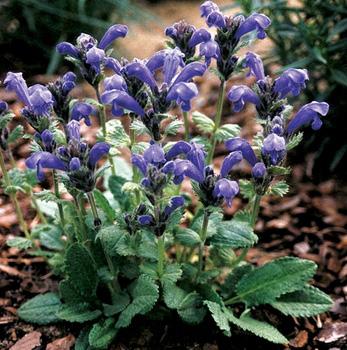
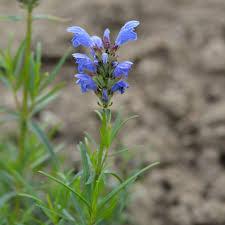
Dracocephalum argunense ‘Fuji’ — Dragon Head
Why This Plant Shines
Dracocephalum argunense, or ‘Fuji Blue’ Dragon Head is a fantastic plant for the modern gardener, with large clusters of electric blue and violet blooms on a creeping rosemary-like appearance. It works as a great complement to any full sun drought-tolerant garden. It is a reliable choice in curbside/ island plantings in urban settings. A great feature in sunny walkways, and truly low maintenance, it does seem to perform better with regular watering and more sun in terms of spreading and bloom count.
In mass plantings it can be a great groundcover. The vibrancy of the blooms is a moment to really cherish and adds value with its striking color, particularly softening certain shades of purple and bringing out the taller yellows that many summer gardens boast. Its dark green, acicular foliage grants a unique perennial juniper-like appearance that contrasts and interacts well with perennials such as Shasta daisies, false sunflowers and daylilies as well as specialty conifers.
I find it to be a refreshing replacement to mounding sedums, or creeping thyme, yet it also works well with these plants. The basal foliage is also evergreen and its sparse winter form (if left) is a thoughtful space saver with dark stems that offset nicely against light snowfall. It can also tolerate some organic winter coverage, unlike many other xeric plants.
Facts and Features
‘Fuji Blue’ Dragon Head is native to China. It’s a low mounded sprawling perennial that is best adapted to rocky and sunny well drained locations. This spreading snapdragon look-a-like is in a blue hue and proves hardier. It’s happy in part sun as well and has some striking appeal to its summertime blooms. Dracocephalum flowers from May to July and unfortunately are prone to rabbit damage, though not their favorite. It is best to apply a granular animal repellent in early spring around the base of the perennial and to spray its buds and foliage after the granular wears off.