The Massachusetts Nursery and Landscape Association, Inc. is proud to be a founding partner of New England Grows.
pro grow news
ProGrowNews is published quarterly by the Massachusetts Nursery & Landscape Association (MNLA), P.O. Box 387, Conway, MA 01341, tel. (413) 369-4731. Articles do not necessarily reflect the view or position of MNLA. Editorial coverage or permission to advertise does not constitute endorsement of the company covered or of an advertiser’s products or services, nor does ProGrowNews make any claims or guarantees as to the accuracy or validity of the advertiser’s offer. (c) 2014 All rights reserved. No part of this publication may be reproduced in print or electronically without the express written permission of the MNLA.
www.mnla.com
Time to Reflect President’s Message
By Jim Stucchi
Winter has always been the time for those in our industry to slow the pace, reflect on the past 12 months, and hopefully find some solace in the warm glow of a wood stove, a glass of whatever soothes your soul, and some softly falling snowflakes. I am thankful I was recently able to make the time to have all those elements collide at once. The fact that it was at 4:30 am after 12 hours of plowing made it even better.
Over the past two years, I have thought long and hard about how I want my last President’s message to come across. My goal has been to be upfront and personal with a satirical and honest view in my messages to you. Two years went by very quickly, and at the last hour, I am left to sift through and contemplate the details. Much to Rena’s dismay, I again waited until the very last second to put this together, for no reason other than that so much happens every day, it simply just cannot come together until the last second — that’s my story anyway.
In all honesty, I never imagined I would be writing this message in the shadow of such a major loss for all of our friends, for our association, and for the Massachusetts agriculture industry. Together, we mourn the loss of our dear friend, our legislative hero, and a true champion for agriculture: Henry Gillet.
My last President’s message was regarding how important legislative advocacy is for MNLA and how Henry, in that role, was the consummate gentleman and a masterful genius for our association. His genuine love of agriculture opened many locked doors for us. Behind those doors were not only the right people, they were also the good people. Henry has provided us with a paradigm for empowerment, so that we can speak with a unified, valuable, and influential voice for agriculture. He brought us together as an association, and he taught us that, as partners in Mass ag with the cranberry growers, the dairy farmers, and the flower growers, we can all enjoy greater representation as well as a better life overall.
have been able to serve this association with Henry’s guidance. The lessons I gleaned from him over the years on the board changed my outlook on politics and renewed my faith in finding the good in any situation.
We have created a special task force and are currently conducting interviews to flesh out a pragmatic approach so that our MNLA voice remains heard throughout the Commonwealth, especially on Beacon Hill. On Ag Day in March, we will celebrate Henry’s legacy with a special ceremony at the State House with the Gillet family and the Mass Ag community.
My executive MNLA experiences have been amazingly rewarding. It’s an education that cannot be attained in any other fashion. There have been numerous events to attend, fires to start, and fires to put out. There were successes and failures to deliberate over and my own hurdles that occasionally took me away from my presidential duties. It has been an interesting balancing act. My mea culpa is that there are only so many hours in a day to try to address all the concerns. If I did not get to one of yours, I am still all ears and not yet out to pasture, so please do not hesitate to reach out. I look forward to serving as a past president; there is still a lot of work to be done, and our board is ready for action.
I want to take a moment to thank my family: Tea, Greyson, and Torin, and most of all, my incredibly patient wife, Jennifer, for allowing me the time to put our association ahead of our family — sometimes when I know she needed me more.
I also want to thank the team at Ahronian Landscaping; they stepped up and covered me when I needed the support. Last and certainly not least, I thank the full board of directors, including our amazing Executive Director, Rena Sumner. This association is loaded with men and women who want to make a difference in their careers, in their workplaces, and in their lives. The MNLA committees, task forces, and the board are wonderful places to make that move. A rising tide lifts all boats.
Henry trained us so well, I have no doubt we will find a way to unite the lessons he taught and marry them with the will to carry on our message at the level he set. I personally am so thankful to
Jim Stucchi, MCH Ahronian Landscape and Design, Inc. MNLA President
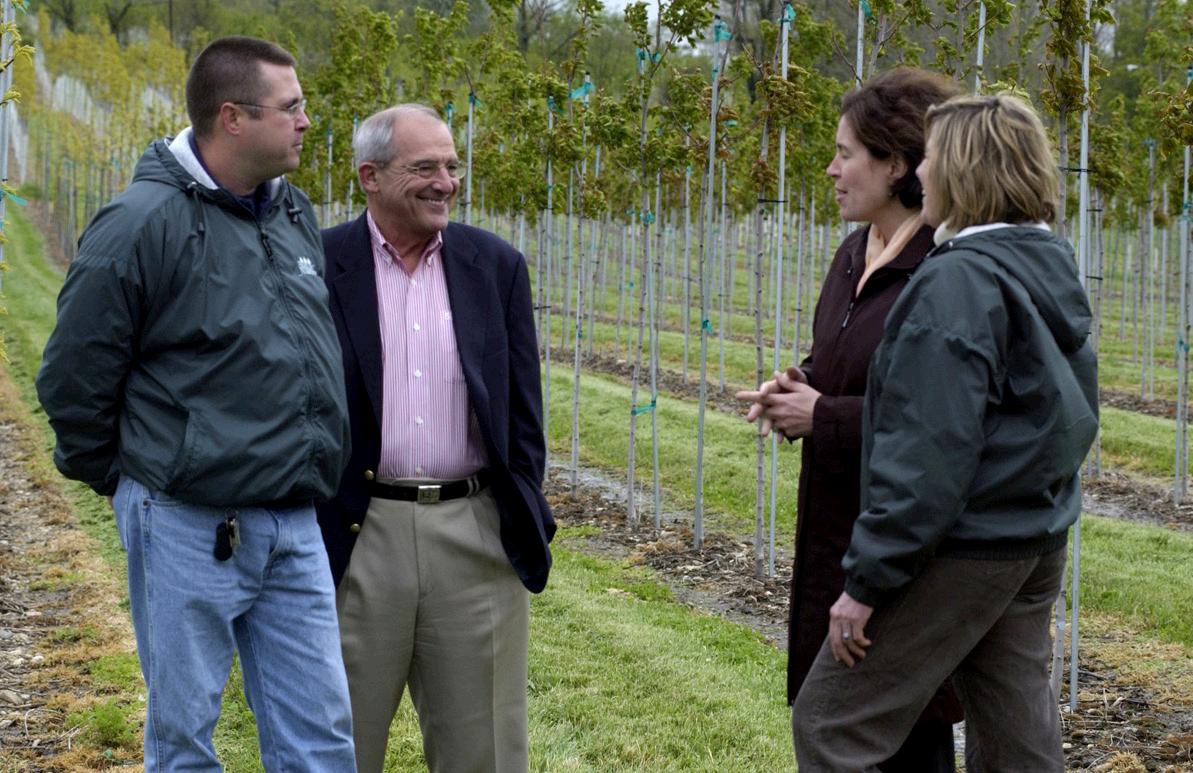
Jeff Willman (MNLA President 2005); Henry Gillet; Ellen Roy Herzfelder (EOEA Secretary 2005); and Pat Bigelow in the fields at Bigelow Nurseries, Northboro, MA
MCH Committee
CERTIFIABLE: MCH NEWS CORNER
Welcome to our quarterly column dedicated to keeping the MCH community informed and up to date. Please forgive me if I keep repeating myself on continual reminders for all of us in the green industry. The Winter may seem like a quiet time in our world, but it should be a time to reenergize and continue to educate ourselves for the 2018 season. There are many opportunities in the upcoming months to further your education and get a jump start on your re-certification credits. Continually check the MNLA website for a listing of events and seminars and the credits available.
This is a great time to reconnect with the MNLA Resource Guide, which is now available in a digital format if you would like to update your copy. Add the MCH logo to all your printed materials and place it on your electronic communications. Join the MNLA if you are not already a member and utilize the organization for its resources and networking. Our MCH Community has been growing in the last few years, and I encourage all of you to continue to talk to your peers about the benefits of becoming a MCH.
There are many topics for an MCH to become proficient in with the challenges we face in the green industry. I am not yet totally a convert to the climate change theory, but there is a warming trend that is affecting how we keep our clients informed. We need to continue the push use of native plants and drought-tolerant varieties, as well as intelligent use of our water supply.
A few reminders for the upcoming year: On February 27 and 28, MNLA will host the Winter Forum at the Sturbridge Host Hotel. The MCH board will also host a Plant ID interactive booth. Two MCH credits are available for attendance. The next MCH Exam will be offered on February 28 at 1:30 pm for those who are ready to join the ranks of our nursery and landscape professionals.
As always, if you have any questions or suggestions for us as a committee, please email me at jackelicone@gmail.com.
Jack Elicone, MCH
John R Elicone Landscape Consulting Massachusetts Certified Horticulturist (MCH) Board Chair
With Great Sadness....
Henry S. GILLET, 73, of Fall River, and former resident of Westport, husband of Susan (Levesque) Gillet, passed away Thursday, December 21, 2017.
He was a former Special Assistant to Mayor Wilfred Driscoll, a State Representative in the Eighth Bristol District and a Diman Regional Vocational Technical High School Job Placement Coordinator. Henry served as MNLA’s Legislative Director since June 1995.
In addition to his wife of 37 years, he leaves two children, Christine Ward and her husband Robert of Kingston, MA, and Thomas Gillet and his wife Kathy of Westport; stepdaughters, Jennifer Braga of Fall River and Bethany Migneault-Culgin of Westport; grandchildren, Amanda Cook, Evan Cook, Allen L. Jarabek III., Kate Ward, Dylan Jarabek, Erica Cook, Olivia Jarabek, Julia Ward, Anna Gillet, Henry Gillet, and Harrison Gillet. He was the son of the late Henry and Lillian (Lavoie) Gillet and the stepson of the late Armarina “Amy” Gillet.
Henry’s legacy to MNLA is a map for the future that will live on for generations to come! Thank you, Henry...Rest in Peace!
A fourth-generation New England farm working more than 250 acres in Sudbury. As a horticultural grower and landscape distributor, we cultivate and supply an extensive variety of annuals and perennials, nursery stock, stone, masonry and landscape materials. With a hard-earned reputation for service, quality, selection and sustainability, we work with professionals and garden centers throughout the area to keep our region beautiful.
These poetic and gracious thoughts are shared by our friend and colleague, Andy Dagilis of Cavano’s Perennials, Inc. in Maryland. In addition to his duties as Customer Appreciation and Sales Manager with Cavano’s, Andy is a talented jazz musician.
Spotted Lanternfly: Report If
By Tawny Simisky
The spotted lanternfly (Lycorma delicatula) is a relatively new, non-native insect to the United States. It has previously escaped its native China, India, and Vietnam and become an invasive pest in South Korea. When it was first discovered in Berks County, Pennsylvania in 2014, authorities quickly determined that it is yet another organism we would prefer not to allow to spread. This planthopper is a piercing-sucking pest of over 70 species of plants, including agriculturally important food crops and ornamental landscape trees and shrubs. Continue reading to learn how you can identify the different life stages of this insect, and how you can help protect Massachusetts from yet another invasive pest. The following information is adapted from a fact sheet for the spotted lanternfly, which is also available at: https://ag.umass.edu/ landscape/fact-sheets/spotted-lanternfly.
Host/Range
The spotted lanternfly (Lycorma delicatula), also known as a lanternmoth, is neither a fly nor a moth. This insect is a member of the Order Hemiptera (true bugs, cicadas, hoppers, aphids, and others) and the Family Fulgoridae, also known as planthoppers. Spotted lanternfly is a non-native species first detected in the United States in Berks County, Pennsylvania, and confirmed on September 22, 2014. The spotted lanternfly is not currently found in Massachusetts. Until recently, the spotted lanternfly was only known to Pennsylvania in
the United States. In November 2017, a single individual lanternfly was found in both Delaware (November 20, 2017) and New York (November 29, 2017).
The spotted lanternfly is considered native to China, India, and Vietnam. It was introduced as a non-native insect to South Korea and Japan prior to its detection in the United States. In South Korea, it is considered invasive and is a pest of grapes and peaches. A 2014 United States Department of Agriculture (USDA) Animal and Plant Health Inspection Service (APHIS) bulletin states that the Pennsylvania Department of Agriculture found significant populations of the spotted lanternfly at multiple properties at the time of its detection, including residential properties and a commercial property with a specialty stone business. That particular company was reported to import over 150 shipments from China, India, and Brazil annually, according to the USDA APHIS bulletin.
The spotted lanternfly has been reported from over 70 species of plants, including:
• Tree of heaven (Ailanthus altissima) (preferred host)
• Apple (Malus spp.)
• Plum, cherry, peach, apricot (Prunus spp.)
• Grape (Vitis spp.)
• Pine (Pinus spp.) and others
Adults are found on tree of heaven (Ailanthus altissima), which is an invasive plant. In the fall in Pennsylvania, adult
Spotted lanternfly (Lycorma delicatula)
Found
spotted lanternfly prefer to feed and mate on tree of heaven when compared to other host plants. That being said, proximity to tree of heaven did not significantly influence the number of spotted lanternfly found on other hosts in a 20152016 host plant evaluation conducted in PA. After spending time on tree of heaven, the insects disperse in the local area to lay eggs just about anywhere.
Other hosts reported for this insect include: American beech (Fagus grandifolia), American linden (Tilia americana), American sycamore (Platanus occidentalis), big-toothed aspen (Populus grandidentata), black birch (Betula lenta), black cherry (Prunus serotina), black gum (Nyssa sylvatica), black walnut (Juglans nigra), dogwood (Cornus spp.), Japanese snowbell (Styrax japonicus), maple (Acer spp.), oak (Quercus spp.), paper birch (Betula papyrifera), pignut hickory (Carya glabra), sassafras (Sassafras albidum), serviceberry (Amelanchier canadensis), slippery elm (Ulmus rubra), tulip poplar (Liriodendron tulipifera), white ash (Fraxinus americana), and willow (Salix spp.).
Description/Life Cycle
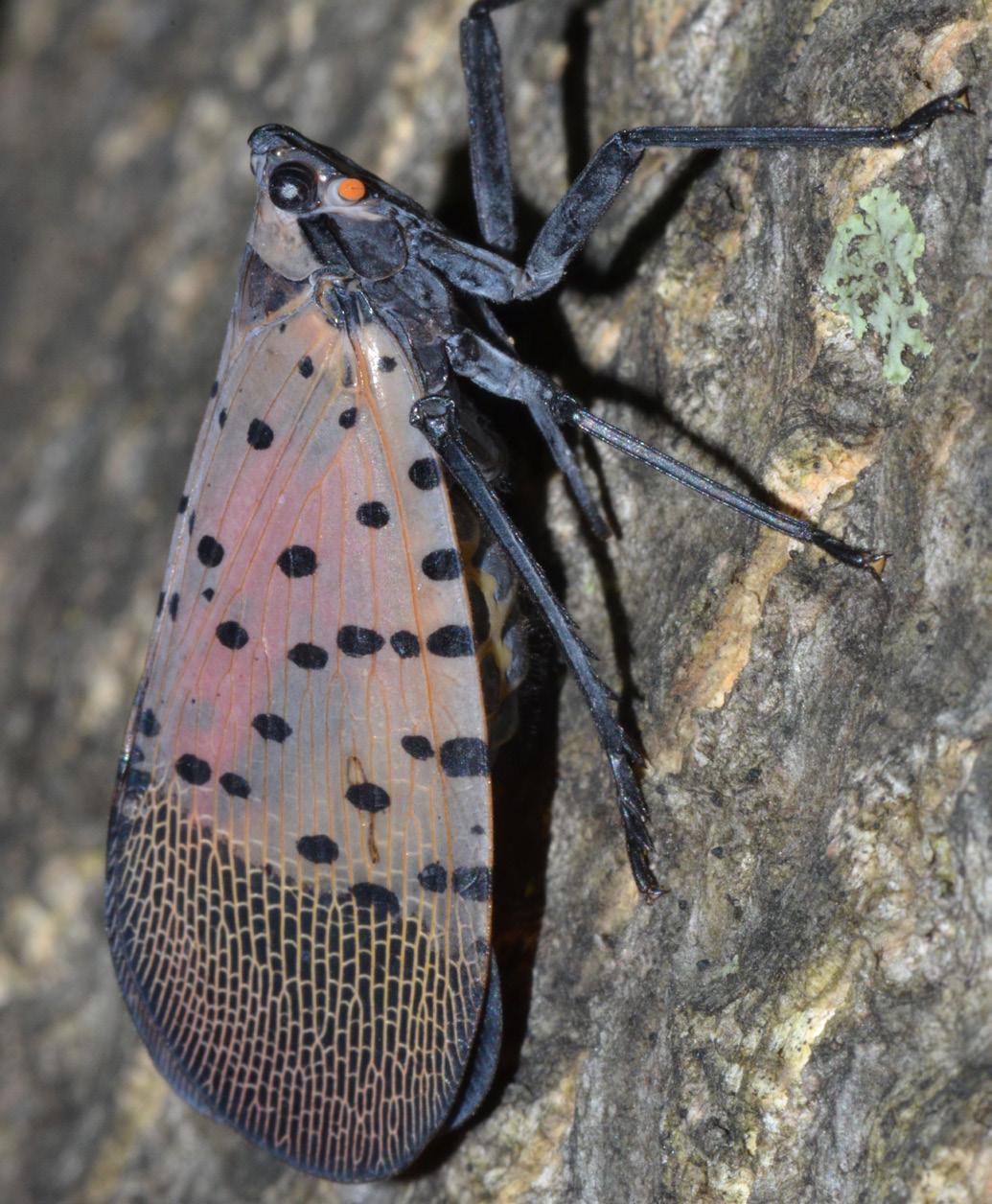
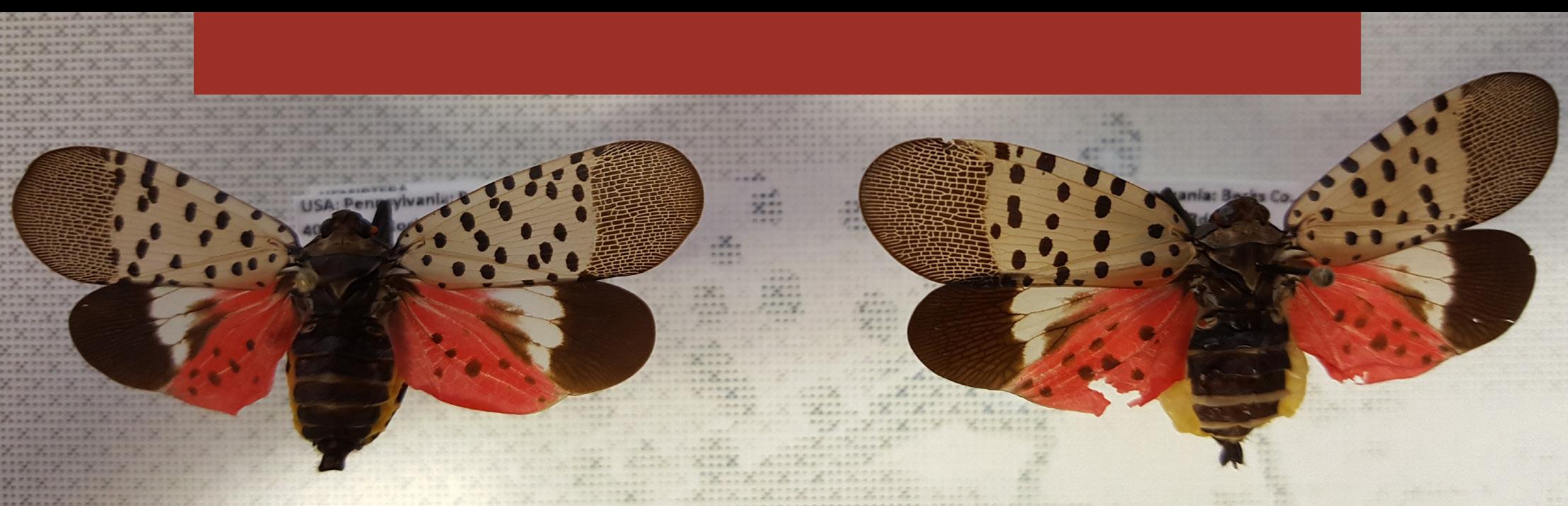
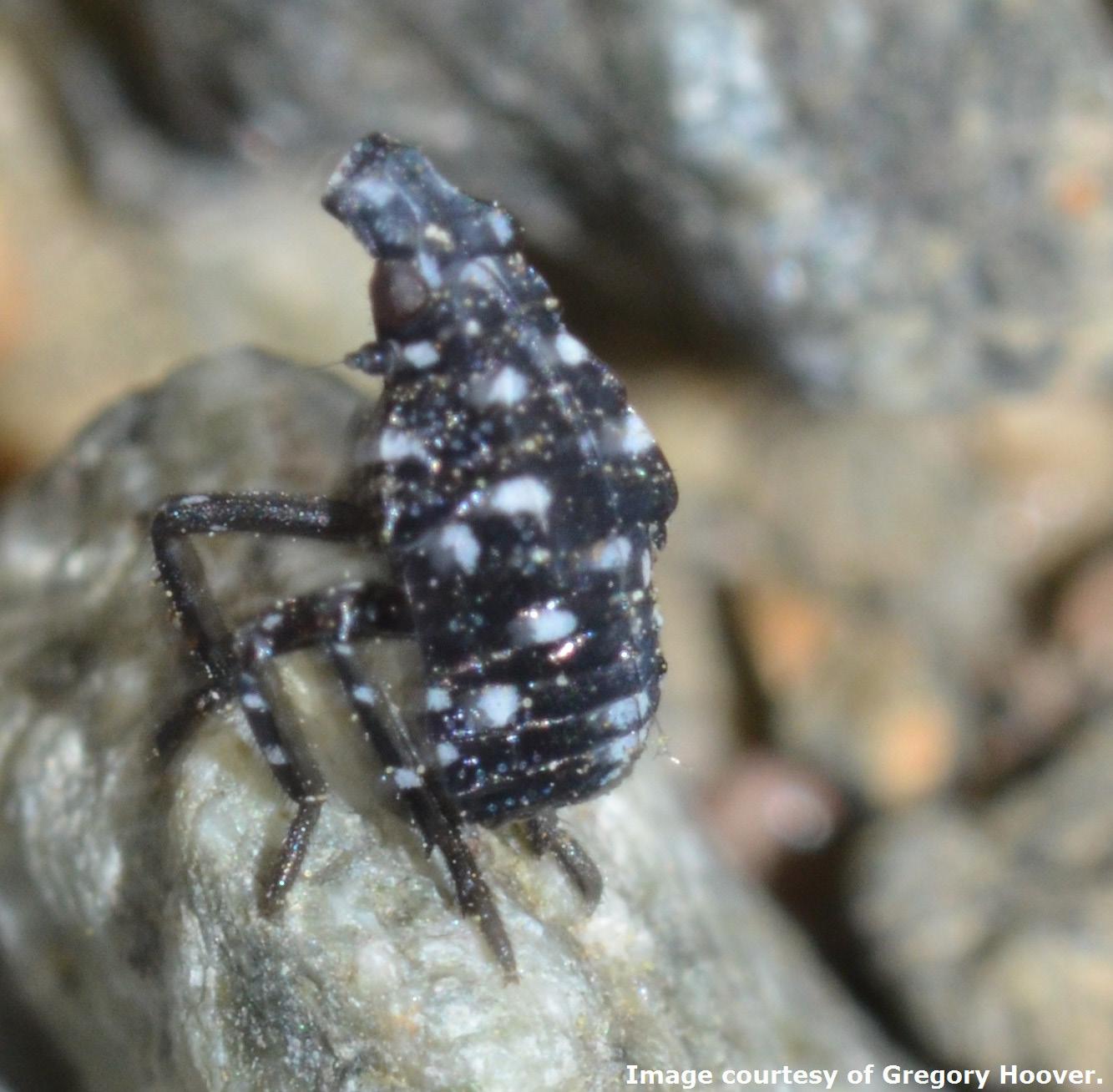
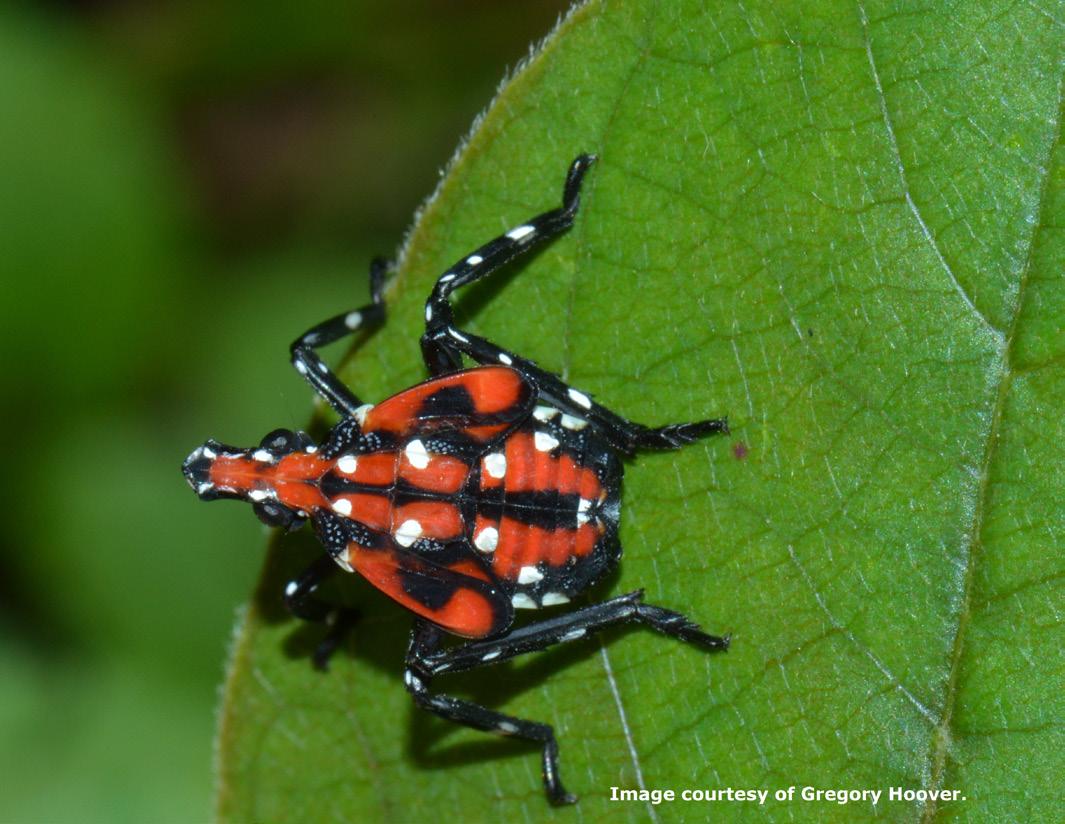
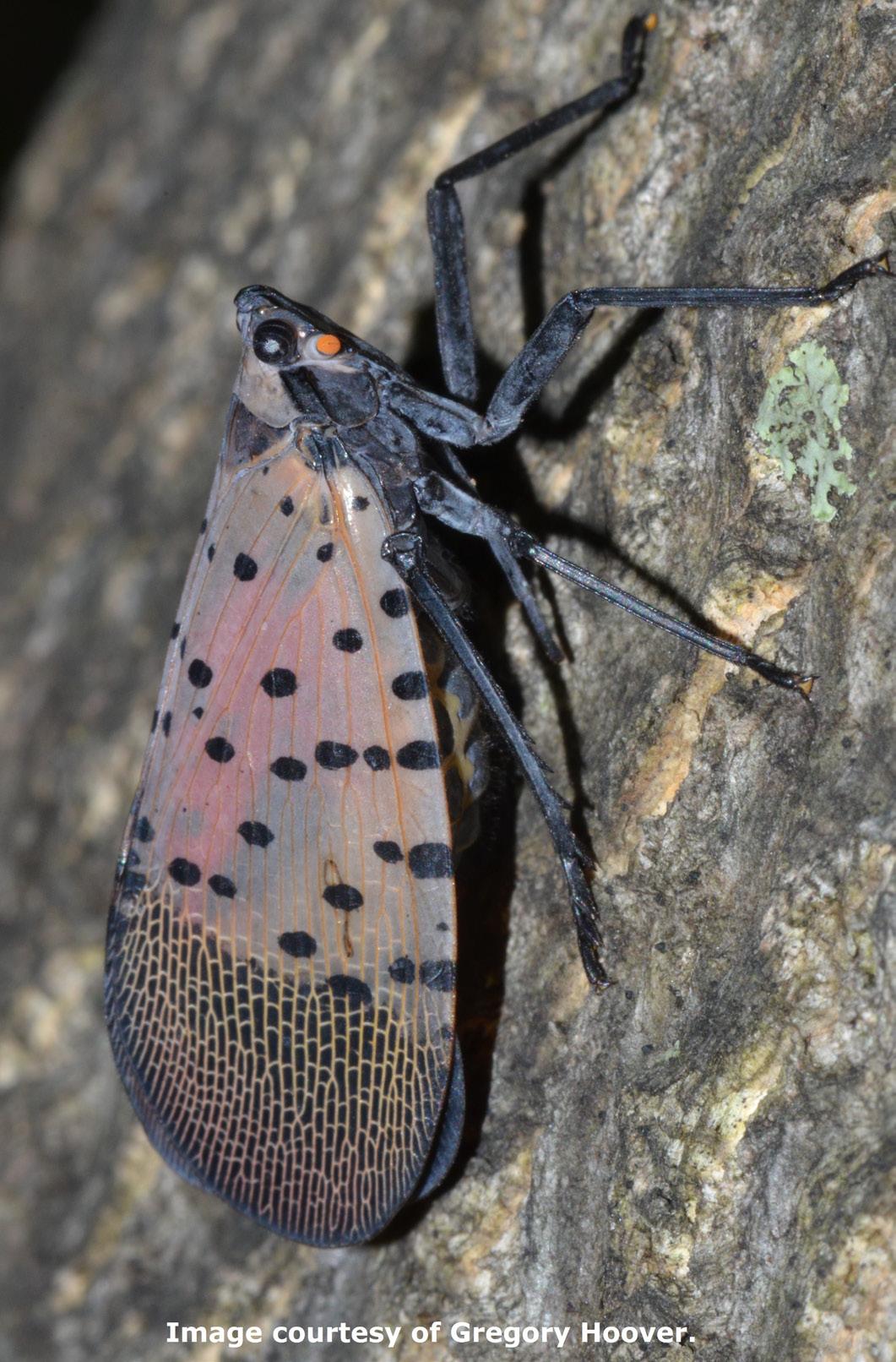
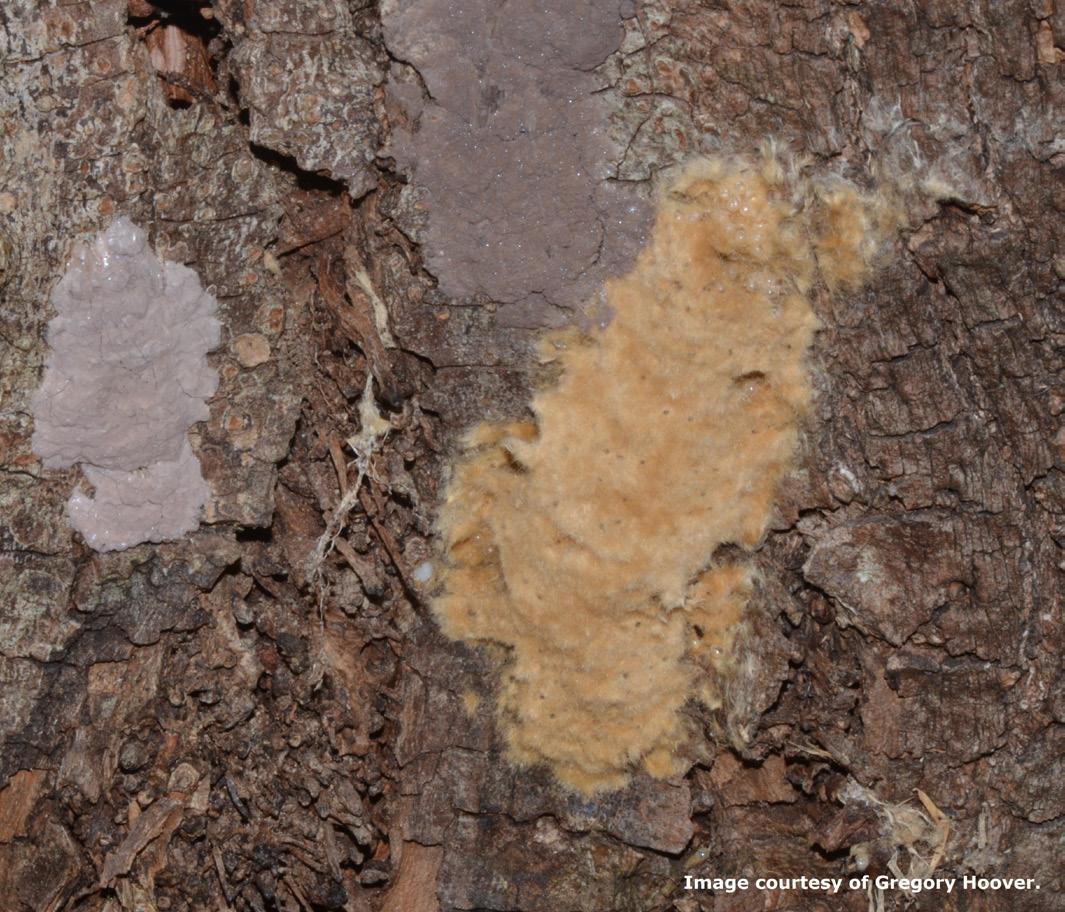
Adults are 1 inch long and one-half inch wide at rest. The forewing is gray with black spots of varying sizes, and the wing tips have black spots outlined in gray. Hind wings have contrasting patches of red and black with a white band. The legs and head are black, and the abdomen is yellow with black bands. Early instars (immature stages; 1st, 2nd, and 3rd instar) are black with white spots. By the last immature stage, the 4th instar, they develop red patches in addition to the black color with white spots. This is the last immature stage before they mature into an adult. Both the immature insect and the adult are quite visually striking. Adults are especially so when they have been startled and expose the bright red coloration on the hind wings. When the adult is at rest, particularly on the trunk of the tree of heaven, their gray, spotted color may actually cause them to blend in with their surroundings. Freshly laid egg masses appear as if coated with a white substance. As they age, the egg masses look as if they are coated with gray mud, which eventually takes on a dry/cracked appearance. Very old egg masses may look like rows of 30-50 brown seed-like structures aligned vertically in columns. Coated egg masses may look like “weird gypsy moth egg masses,” but they are not.
This insect has not been found in Massachusetts at this time, and therefore the timing of its life cycle may be different locally from as described here. As with most insects, the timing of their life cycle can vary slightly given local temperatures. The following information is based on observations reported from Pennsylvania.
There is one generation per year. Spotted lanternfly eggs are the stage that overwinter. In Pennsylvania, these eggs hatch sometime in May and nymphs (immatures) undergo four instars. The 1st, 2nd, and 3rd instars are black with white spots. These immatures will feed on the various host plants listed above, depending upon availability. In Pennsylvania, these early instars have been found to move up and down the host plant on a daily basis as they feed. This makes capturing some of them with sticky bands placed around host plants such as tree of heaven possible. Older spotted lanternfly (including adults) do not tend to be captured by that technique. The final immature stage, the 4th instar, developsred patches over the black and white spots and is (continued on page 12)
Spotted lanternfly first instar nymph (immature). Note that the nymph is black with white spots. This coloration persists through the third instar.
Note the color change to red and black with white spots.
(continued frpm page 11)
present in July in Pennsylvania. Within the same month, these 4th instar nymphs develop into adults who have been described as weak fliers, although they have wings. As you would suspect from a planthopper, however, they are capable of jumping and may use their wings to aid them while doing so. Adults may gather in large numbers.
In the fall in Pennsylvania, the adults are frequently found on tree of heaven; however, they disperse widely to lay their eggs. The adult female spotted lanternfly lays brown/ tan, seed-like eggs in rows on host plants and other smooth surfaces. These rows are often oriented vertically and then covered with a gray, waxy secretion from the female (it is white when first secreted, and then quickly turns gray-brown in color). Sometimes the eggs are completely covered by this substance, other times they are not. Each mass can contain 30-50 individual eggs, and researchers in Pennsylvania believe each female lays at least two of these masses each season. As the egg mass ages, the gray waxy coating will crack and looks even more like dried mud. Eggs are laid starting in September, and this can continue through late November or early December in Pennsylvania. Eggs overwinter, hatch in May, and the life cycle continues. Based on observations from Pennsylvania, if this insect is present, eggs can be found between October and May.
Damage
The adults and immatures of this species damage host plants by feeding on sap from stems, leaves, and the trunks of trees. In the springtime in Pennsylvania (late April – mid May), nymphs (immatures) are found on smaller plants and vines and new growth of trees and shrubs. Third and fourth instar nymphs migrate to the tree of heaven and are observed feeding on trunks and branches. Trees may be found with sap weeping from the wounds caused by the insect’s feeding. The sugary secretions (excrement) created by this insect may coat the host plant, later leading to the growth of sooty mold. Insects such as wasps, hornets, bees, and ants may also be attracted to the sugary waste created by the lanternflies or to sap weeping from open wounds in the host plant. Host plants have been described as giving off a fermented odor when this insect is present.
Adults are present by the middle of July in Pennsylvania, begin laying eggs by late September, and continue laying eggs through late November and even early December in that state. Adults may be found on the trunks of trees such as the tree of heaven or other host plants growing in close proximity to them. The USDA states that dusk is a great time to inspect your trees or other host plants for signs of this pest, as the insects tend to gather in large groups on the trunks and stems of plants at that time of day.
Tree of heaven, bricks, stone, lawn furniture, recreational vehicles, and other smooth surfaces can be inspected for egg masses. Egg masses laid on outdoor residential items such as those listed above may pose the greatest threat for spreading this insect via human-aided movement.
Spotted lanternfly adult at rest. Note the wings are held roof-like over the back of the insect.
Management
This insect has not been detected in Massachusetts at this time. If you believe you have found any of the above described life stages of the spotted lanternfly in Massachusetts, please report it here:
Massachusetts Introduced Pests Outreach Project: Report pest sightings: https://massnrc.org/pests/report.aspx
Spotted lanternfly is currently known to the following counties in Pennsylvania: Berks, Bucks, Carbon, Chester, Delaware, Lancaster, Lebanon, Lehigh, Monroe, Montgomery, Northampton, Philadelphia, and Schuylkill County. For a map of the locations, visit the updated Spotted Lanternfly Quarantine Map here: http://bit.ly/2lGJQzQ. Certain municipalities within those Pennsylvania counties are subject to a quarantine created by the PA Dept. of Agriculture. Their quarantine, in an effort to stop the risk of human aided spread of this insect, has restricted the movement of certain articles out of towns where this insect has been detected, including brush, debris, or yard waste, landscaping or construction waste, logs, stumps, firewood, nursery stock, and outdoor residential items such as recreational vehicles, tractors, tile, stone, etc. For more information regarding Pennsylvania’s quarantine, visit the Pennsylvania Department of Agriculture web page: http://bit.ly/2iofehr.
Until November 2017, this invasive insect was only known to Pennsylvania, but it has now been reported from Delaware and New York. The Delaware Department of Agriculture announced the finding of a single female spotted lanternfly in New Castle County in the Wilmington, Delaware area. At this time, officials in Delaware note that it is unclear if this individual was an accidental hitchhiker, or evidence of an established population in the state. For more information
about the find in Delaware, visit http://bit.ly/2DuBa7h. The New York State Department of Agriculture and Markets reported the finding of a single dead individual spotted lanternfly in the state on November 29, 2017, from earlier in the month. A single dead specimen was confirmed at a facility in Delaware County, New York, which is located southwest of Albany. The NYS Dept. of Agriculture and Markets states that this dead individual may have come in on an interstate shipment. For more information about the find in New York, visit http://on.ny.gov/2DOxlaV.
Further Resources
The Pennsylvania Department of Agriculture: http://www.agriculture.pa.gov/protect/plantindustry/ spotted_lanternfly
The United States Department of Agriculture, Animal and Plant Health Inspection Service: https://www.aphis.usda.gov/aphis/resources/pests-diseases/ hungry-pests/the-threat/spotted-lanternfly/spottedlanternfly
Massachusetts Introduced Pests Outreach Project and Massachusetts Department of Agricultural Resources: https://massnrc.org/pests/pestFAQsheets/spottedlanternfly.html
*To request free spotted lanternfly ID cards, visit: http://bit.ly/FPOMOrder
Tawny Simisky is a Woody Ornamental Entomology Specialist with UMass Extension, where she develops resources and implements educational programs for landscape professionals, arborists, and grounds managers. She also provides entomological and diagnostic support to the UMass Plant Diagnostics Lab. Simisky earned a BS in biology and environmental science from Westfield State University and an MS in ecology and environmental science with a focus on entomology from the University of Maine, Orono. While at UMaine, her research focused on using biosurveillance to monitor for the invasive emerald ash borer (Agrilus planipennis) using a native, ground-nesting and non-stinging wasp, Cerceris fumipennis, also known as the smoky-winged beetle bandit.
SLF egg mass (left ) gypsy moth egg mass (right)
Conservation of Pollinators
By Jonathan L. Larson, David Held, and R. Chris Williamson
Pollinating insects are valuable organisms that we rely on for pollination services for crops, backyard vegetable gardens, and certain ornamental plants. In the last decade there has been concern about declining populations of bees and other pollinators. A general decline in pollinator numbers has been driven by the combined negative effects of habitat loss, diseases and parasites, and misapplied insecticides. All of these issues must be addressed if we are to help pollinators recover and mitigate future impact. This article discusses proactive steps everyone can take to help these vital insects, such as avoiding the application of liquid insecticides to the blooming portion of flowering weeds like dandelions or clover, mowing before application or using a granular product, and providing foraging habitat and nesting spots for pollinators by planting a diversity of blooming plants that provide flowers at different times in the growing season.
In the turfgrass industries, managers must be aware of these issues and be proactive to ensure their methods do not contribute to losses in pollinator populations. To that end, researchers have developed rational, scientifically-based recommendations for Best Management Practices (BMP) that promote healthy landscapes while conserving and enhancing pollinator health.
Follow Label Precautions and Practice Insecticide Stewardship
Rarely are stands of turfgrass devoid of weeds. Flowering weeds, such as the common dandelion (Taraxacum officinale) and white clover (Trifolium repens) among others, provide an important food source for pollinators, particularly as early season forage for bees that emerge in spring. Weeds in cool season grass (bluegrass, fescue, rye grass) lawns host 50-100 different
species of bees, butterflies, and flies. This demonstrates the need for us to consider the hazards to these insects from insecticide applications in turf.
There are simple ways to reduce pollinators’ exposure to insecticide. First and foremost, read and follow the label instructions on the insecticide you have selected. The wording on many insecticides labels has changed recently relative to pollinator conservation. The most common precaution is to avoid using insecticides on areas of turf with actively blooming weeds. This recommendation is the best way to minimize hazard from liquid insecticide applications that would coat flowers and taint pollen and nectar with insecticides. This is particularly important if you have a weedy patch of turf that needs an insecticide application.
If you are treating for below-ground pests, consider using a granular — or spreadable — insecticide formulation. Granular products ensure insecticide residues go into the soil rather than into blooms of flowering weeds. If you must treat with a liquid insecticide formulation, mow the area you will be treating immediately before application. Mowing removes the majority of flowers, thereby reducing foraging pollinators. While some modern insecticides are systemic, current research for weeds in turf has demonstrated that any systemic transfer of insecticides into weeds poses little to no hazard to pollinators. Controlling flowering weeds prior-to or post-bloom with an herbicide before the application of an insecticide will also reduce the chances of directly contaminating flowers with an insecticide.
(continued on page 16)
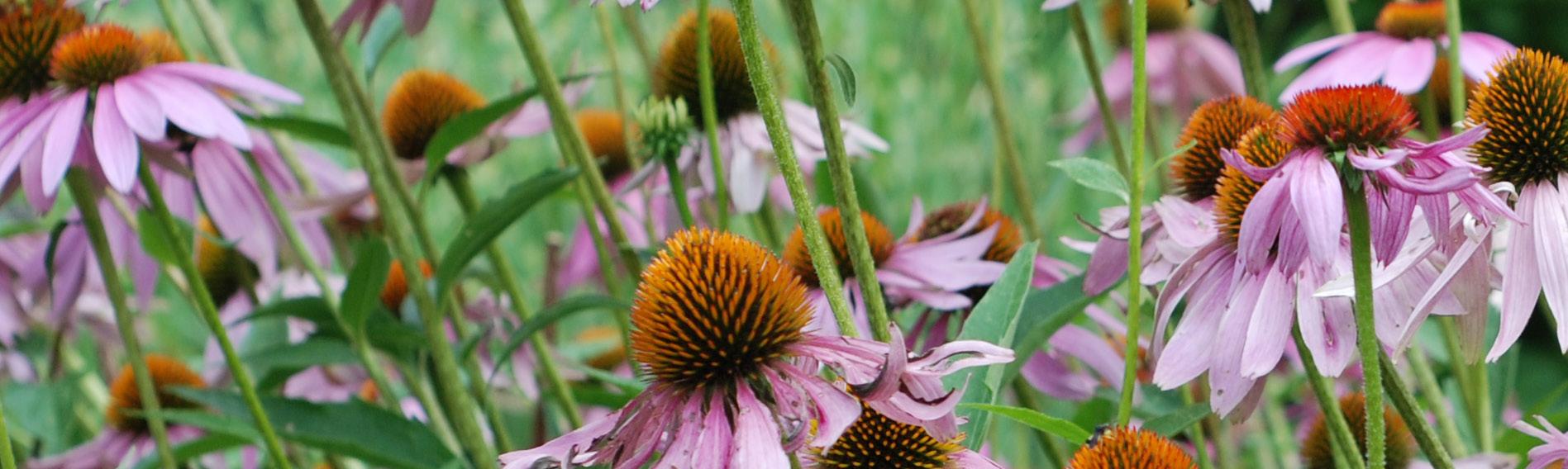
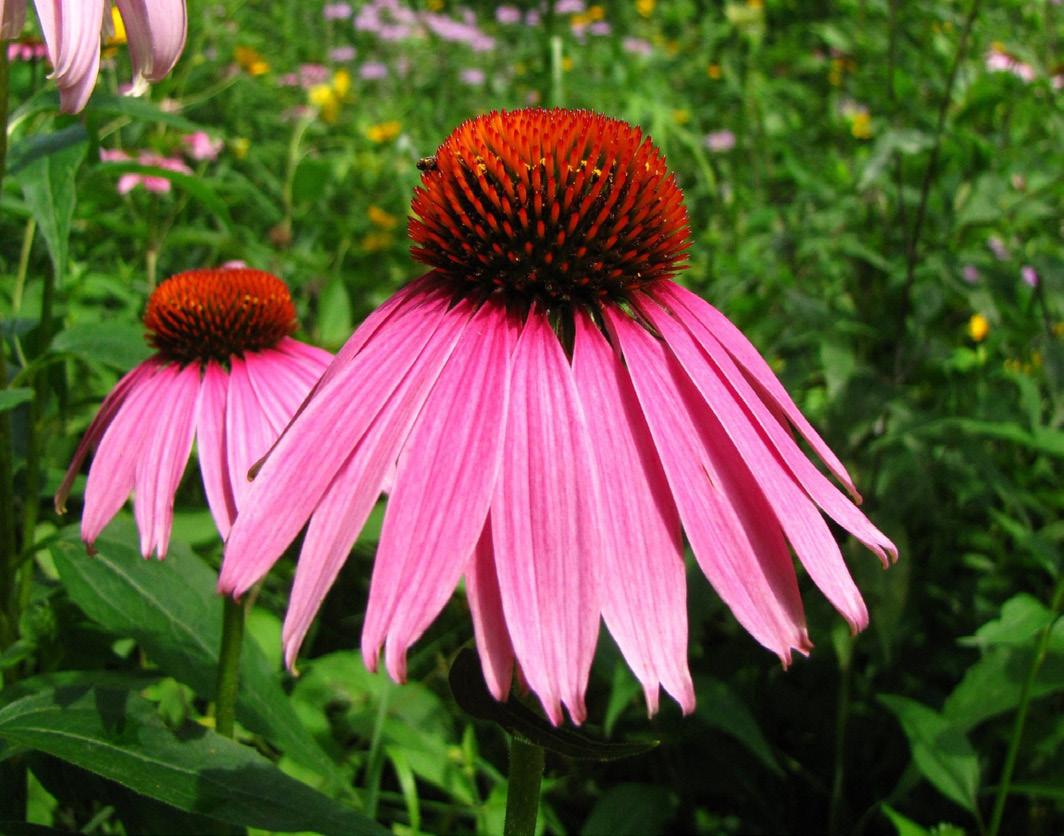
Echinacea purpurea
in Turf
Purple coneflower
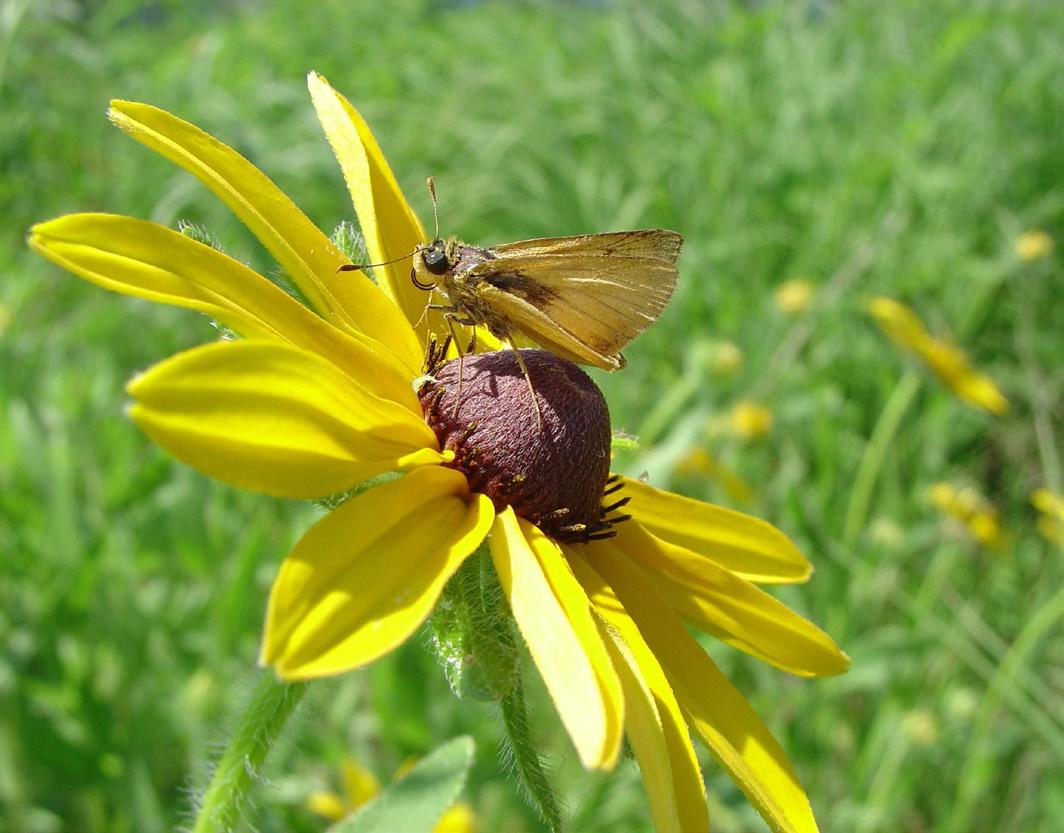
Delaware skipper on black-eyed Susan
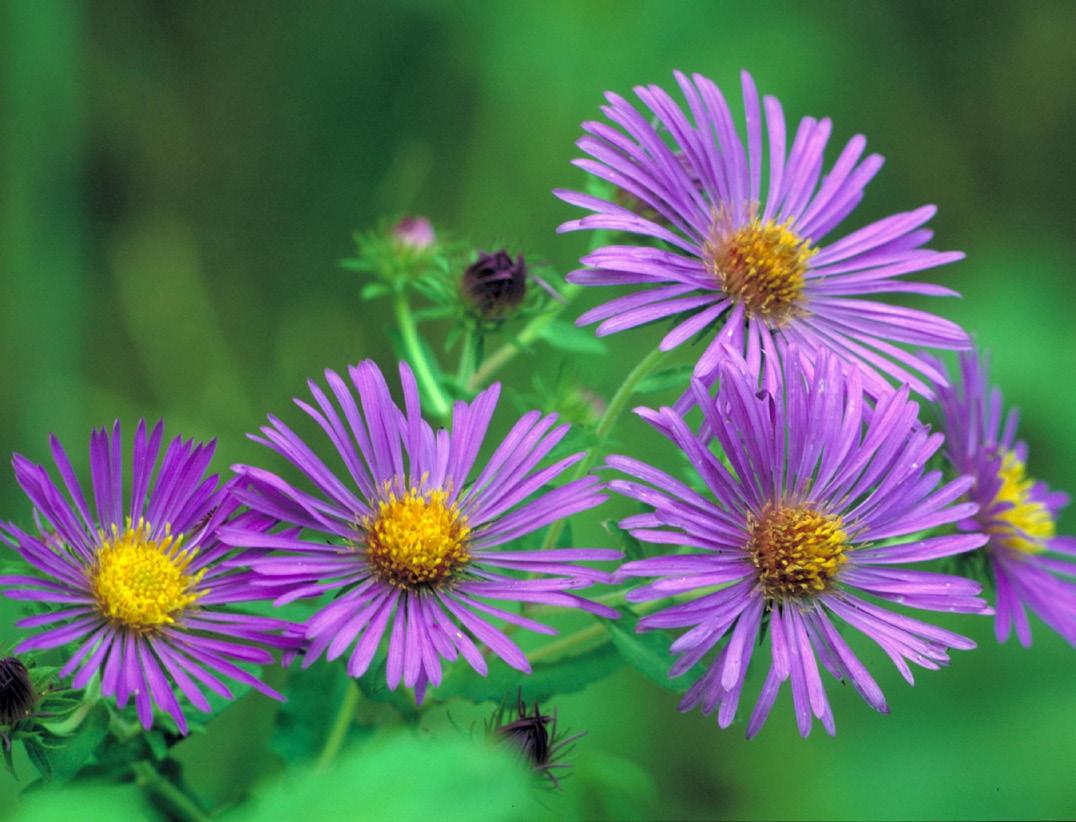
New England aster
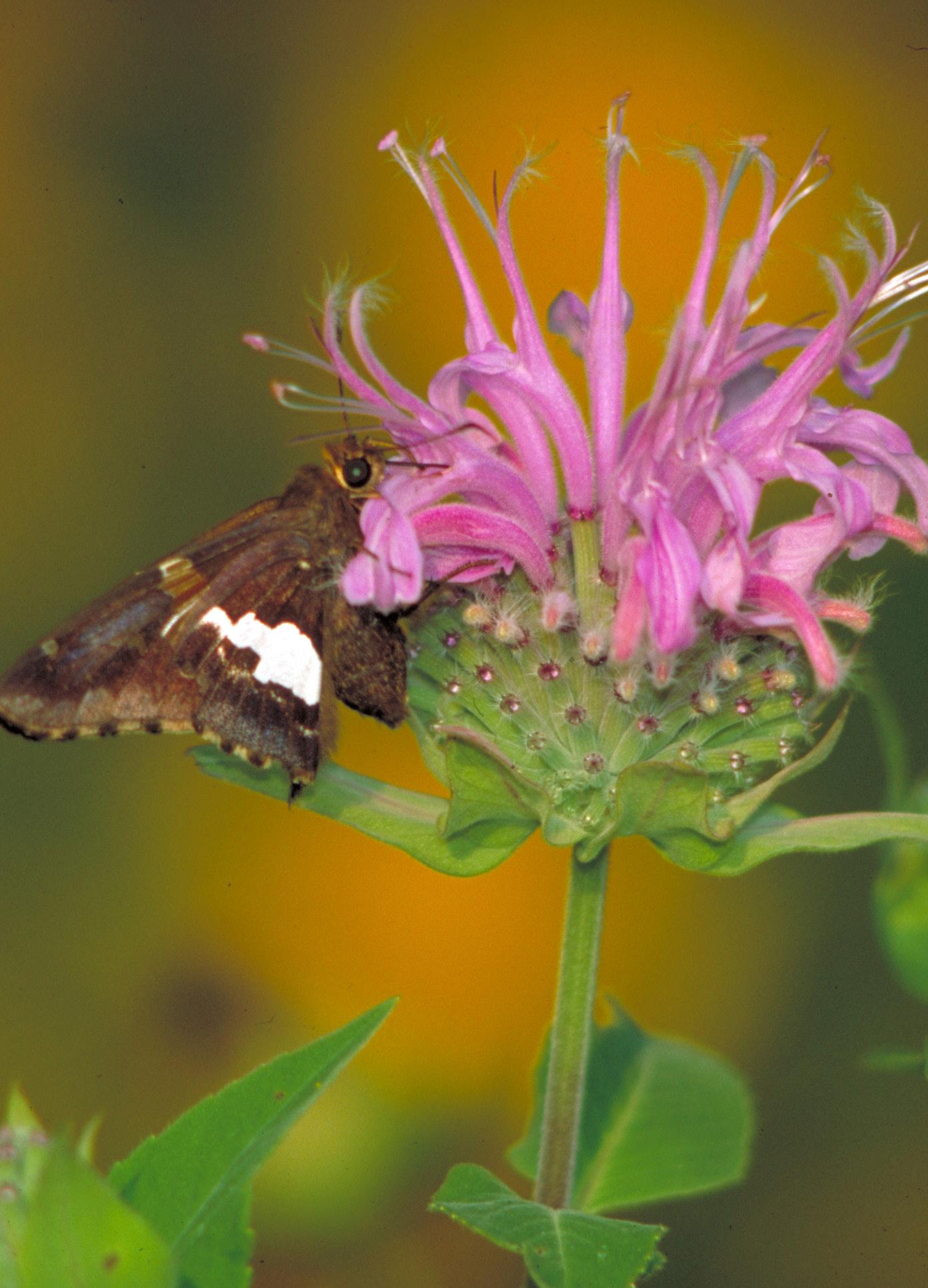
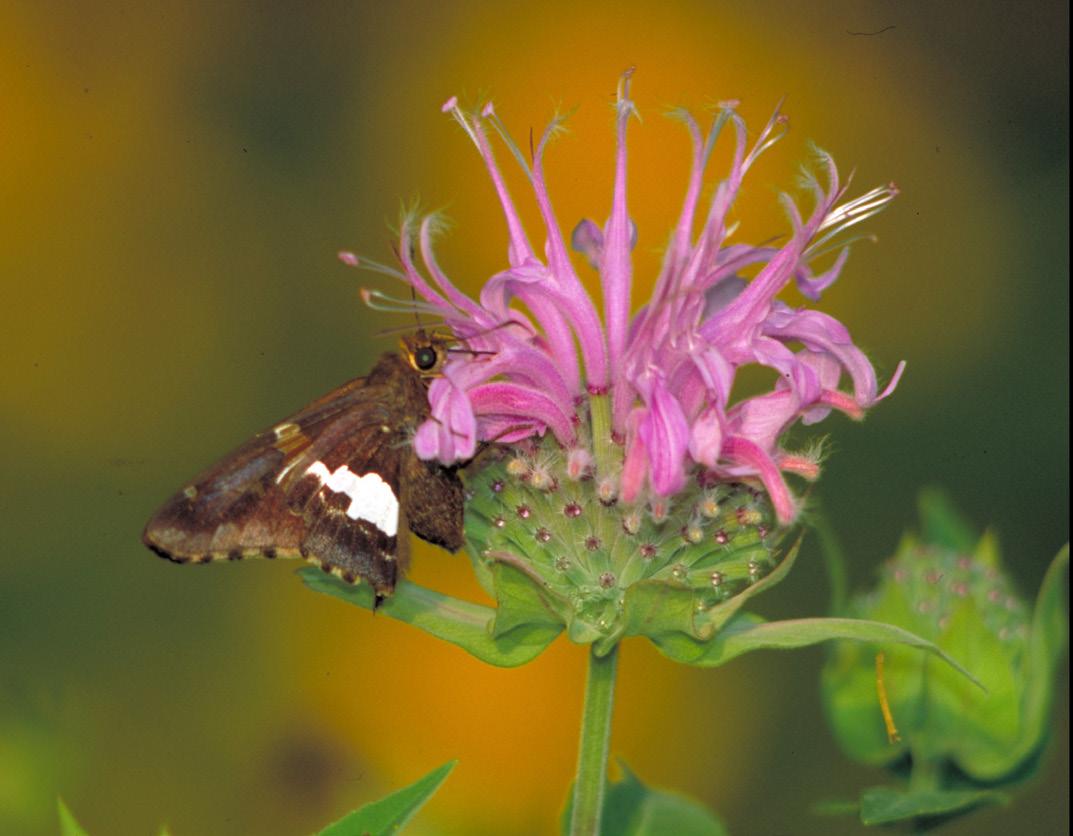
Silver-spotted skipper on wild bergamot
The word “taxes” may not bring a smile to most people’s face, but Jamie Johnson isn’t most people — she’s a tax consultant for Farm Credit East. And as a consultant, she loves helping our clients maximize their deductions, stay up-to-date with current tax law, and ensure that they never pay more than they should. That means planning well before it’s time to file, forecasting your end-of-year liabilities and developing strategies to keep your tax burden to an appropriate minimum.
Preparing taxes may not be your idea of a good time, but with a Farm Credit East tax consultant in your corner, you can be sure that you’ve put in place the most beneficial tax arrangement for your business — because WE ARE YOU.
Our associates love what they do. How about you? Send us your selfie at FarmCreditEast.com/WeAreYou
(conrtinued from page 14)
Maximize Your Landscape for Pollinators
Habitat loss is one of the biggest contributors to pollinator decline. Bees need flowering plants for food, but also spaces to nest. As natural habitats disappear, so do food and nesting resources. To help combat this problem, provide the best possible habitat for these important insects by planting a diversity of flowering plants in your landscape. This ensures that pollinating insects with differing food preferences will have a variety of shapes, colors, and sizes to choose from, and that there will be plants in bloom throughout the growing season. Past research has shown that plants like New England aster, bergamot, black-eyed Susan, purple coneflower, plains coreopsis, prairie coneflower, and lanceleaf coreopsis can be quite attractive to a diverse array of pollinators.
If you want to learn more about how you can successfully create your own pollinator gardens, contact your local university extension service to learn more about which flowering plants are suitable for planting in your area. In addition, the Pollinator Partnership offers free planting guides tailored to specific parts of the country at www.pollinator.org/guides. Finally, be sure to include resources for pollinators to use as nesting sites. For bees, construct domiciles out of pieces of hollow bamboo or purchase pre-made bee houses to station in your gardens. Plans for building bee domiciles are available online. To help out butterflies and moths, you will need to include larval food resources such as milkweed for monarchs or parsley for black swallowtails. You can learn more online about caterpillar food preferences.
Jonathan Larson is an Extension Entomologist at the University of Nebraska–Lincoln. jonathan.larson@unl.edu, @Jlarson_UNL
David Held is Associate Professor of Entomology at Auburn University. dwh0004@auburn.edu, @held_david
R. Chris Williamson is Professor, Extension Specialist, Turfgrass and Ornamentals, at the University of Wisconsin–Madison’s Department of Entomology. rcwilliamson@wisc.edu
With American National by your side, you can work closely with an agent in your community who has the knowledge and products to help you carefully manage both your business and personal risks. We offer specialized
and landscape contractors.
National
“Most
Wherever you are in Massachusetts, there’s an American National agent close to you. To learn more, visit an.insure/MNLA. Also, don’t forget to ask about our MNLA Certified Horticulturist Program benefit.
Healthy Tips for Industrial Athletes
By Dr. Amanda Carpenter
Production workers in the tree-care industry must be proficient in physical exercise to keep up with the demands of the job. In order to function like an athlete, you must care for your body like one, which includes an understanding of how the body functions during physical activity.
Here is some advice to help you maintain peak performance when working as an industrial athlete.
• The body requires fats and carbohydrates as primary energy sources for activity and physical performance. Carbohydrates are stored as glycogen. When
glycogen stores become depleted, the athlete runs out of energy or “hits the wall.” Short breaks with a snack containing carbohydrates and healthy fats will provide a boost of energy throughout the day.
• It is important to consume enough calories to provide the necessary energy to safely perform your job day after day. It is not just about caloric consumption. It is important to obtain nutrients for body function from food intake, so eat a diet rich in a variety of whole foods.
• Water has a profound effect on brain function and energy levels; even slight dehydration impairs coordination, concentration, and thinking and will decrease performance. To determine an estimate of the amount of water the body needs, simply divide your body weight by two and this is an approximation of the number of ounces needed per day. So a 160-pound person will require 80 ounces. Twelve additional ounces are needed for every hour an athlete is physically active, which causes elevation of core body temperature. If that same 160-pound person is active for four hours of the workday, an additional 48 ounces of water is needed for a total daily intake of 128 ounces.
• Rest from intense physical activity is important for muscle recovery and injury prevention. Downtime allows for refueling of energy stores through proper nutrition. Sleep is the time for the body to repair itself. Healthy adults need between 7.5 and 8 hours of sleep per night. Industrial athletes need to take at least one day of rest each week from being physically active to allow for needed muscle recovery and repair.
Amanda Carpenter, PT, DPT, CProT, CEAS, and her brother Ed Carpenter, BS, AS, NATS, MCA, CEAS served as leaders of the Skills & Safety Arena at GROWS. Along with other certified NATS Instructors, they facilitated an interactive learning experience on the trade show floor filled with the practical skills and important information you need to work safely and stay healthy.
Irrigation Startup: Is It Ready?
By Tim Preston
Spring is here, and your clients are ready to get their irrigation systems up and running. When you arrive on site, keep a few things in mind: The winters around here can be harsh, and damage to our equipment can happen in many ways. Errant plows can wipe out the sprinklers on the edge of the driveway; a person shoveling off a snowy roof can break one of your supply lines. Things happen, and now is the time to see what the winter has left for you to deal with. Try as you might, there will still be times where you have water left in the line or in the valves. So, let’s get on with it.
4. Locate the valve box(s) and check the valves for any visible signs of damage. It’s not always easy to see, and you usually don’t find it until the system is turned on.
5. Find the water turn-on inside the house and slowly turn it on.
6. Slowly open the valve on the back-flow device to allow the water to enter the supply pipe. Then go to the valve box and look for visible leaks.
7. Now it’s time to manually test the system. Start at the beginning and walk around each zone and look for issues. Normally, puddling on the soil or a geyser are signs there is a leak in the system.
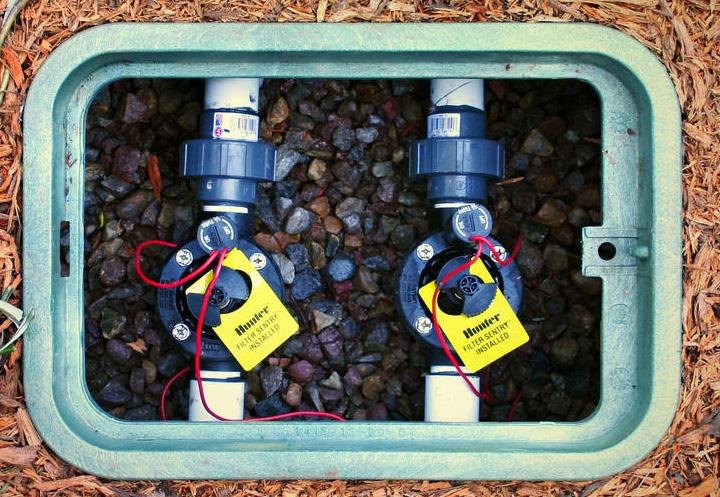
Valves: This picture shows the proper installation of irrigation valves. There is plenty of room to work on them and gravel for drainage, as well as being located in an area with low visibility.
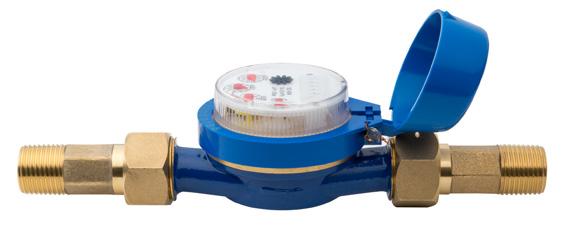
Flow meter: An irrigation flow meter monitors water useage.
Though we all hope it will be a simple procedure and there will be minimal leaks, you should be prepared with a few standard items that will make the job simpler and more efficient. These items include a couple of sprinkler heads, some bubblers, and an extra valve or two. Rain sensors are typically out in the open and subject to ice and snow damage, so you may want one of these in your tool kit as well. If your clients are using a battery-operated timer, be sure to have a new battery on hand to replace the old battery from last year.
Here is a general overview to help you with the turn-on of your system.
1. Locate the controller (timer) and make sure it is in the OFF position.
2. At the same time, make sure the rain sensor (if installed) has survived the winter.
3. Locate the back-flow device and ensure the valve is closed so water cannot enter the system. I mostly see pressure vacuum breakers (PVB), but occasionally do see double check-valve assemblies (DCVA).
8. Finally, if you have resolved the issues, it’s time to set the controller properly for the spring season.
It’s a good practice to check the system again about a week after you have started it up to ensure that you haven’t missed any issues or that something hasn’t happened now that the system is running regularly. We use a WiFi-based controller with a flow meter with our irrigation systems. This allows us to monitor the system from anywhere, and by using the flow meter, I can remotely shut the water off in case of a leak. Suggesting seasonal adjustments to the timer is a good practice and will also allow you to get an on-site visit with your client.
May your spring season be sunny with good soil moisture, warm days, and cool nights.
Tim Preston is the Irrigation Division Manager for Wisteria & Rose, based in Boston. He is a Certified Irrigation Contractor and serves on the Board of Directors for the Irrigation Association of New England.
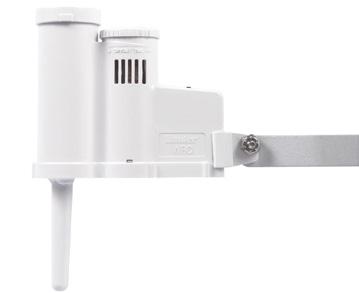
Rain Sensor: The job of a rain sensor is to interrupt the water cycle when rainfall reaches a certain user set threshold. This sensor is critical to saving water, and is starting to be required by some towns in Massachusetts as part of proposed water restrictions. It is not necessary if you use Wifi based controllers that have access to local weather stations to monitor rainfall.
Pro_HC Wifi Controller: A Wifi internet-based controller (most people know them and refer to them as timers) allows both the contractor and homeowner to access the controls via the internet. These systems allow more customization options than the standard controller and are connected to local weather stations to monitor the weather conditions and can be set to make adjustments as necessary.
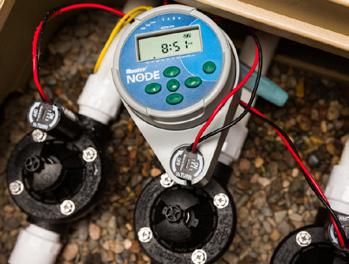
Node Controller: A battery-operated controller (timer) offers the same options as an electrical controller (timer), just in a smaller package, and offers more flexibility when an electrical supply may be difficult to access.
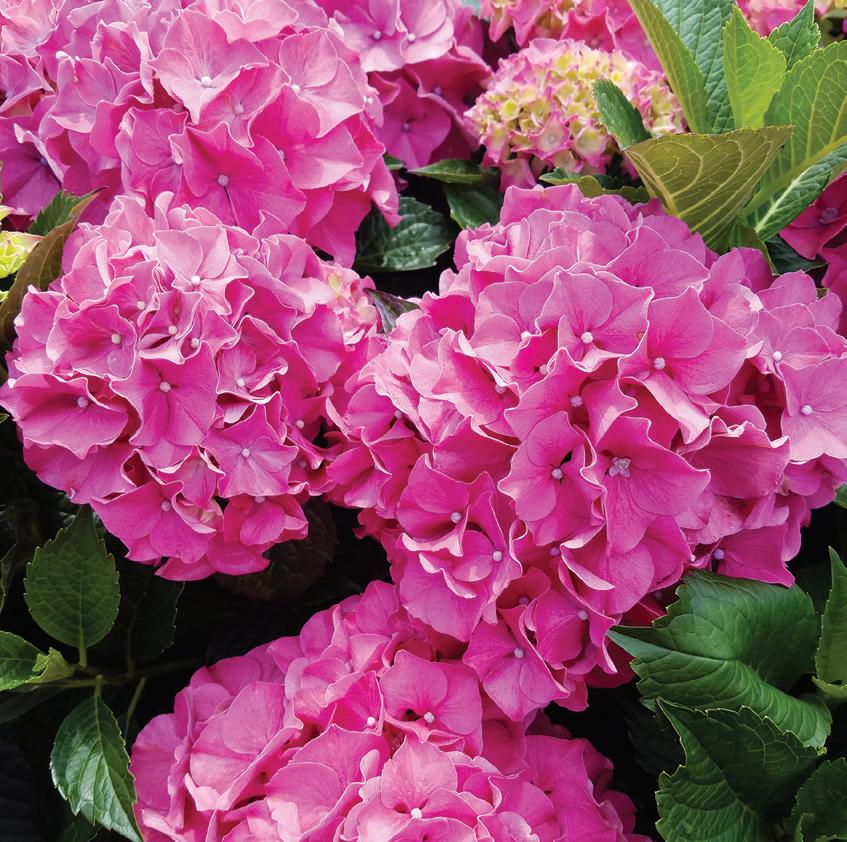
Mandarin Lights Azalea Hortense Hydrangea
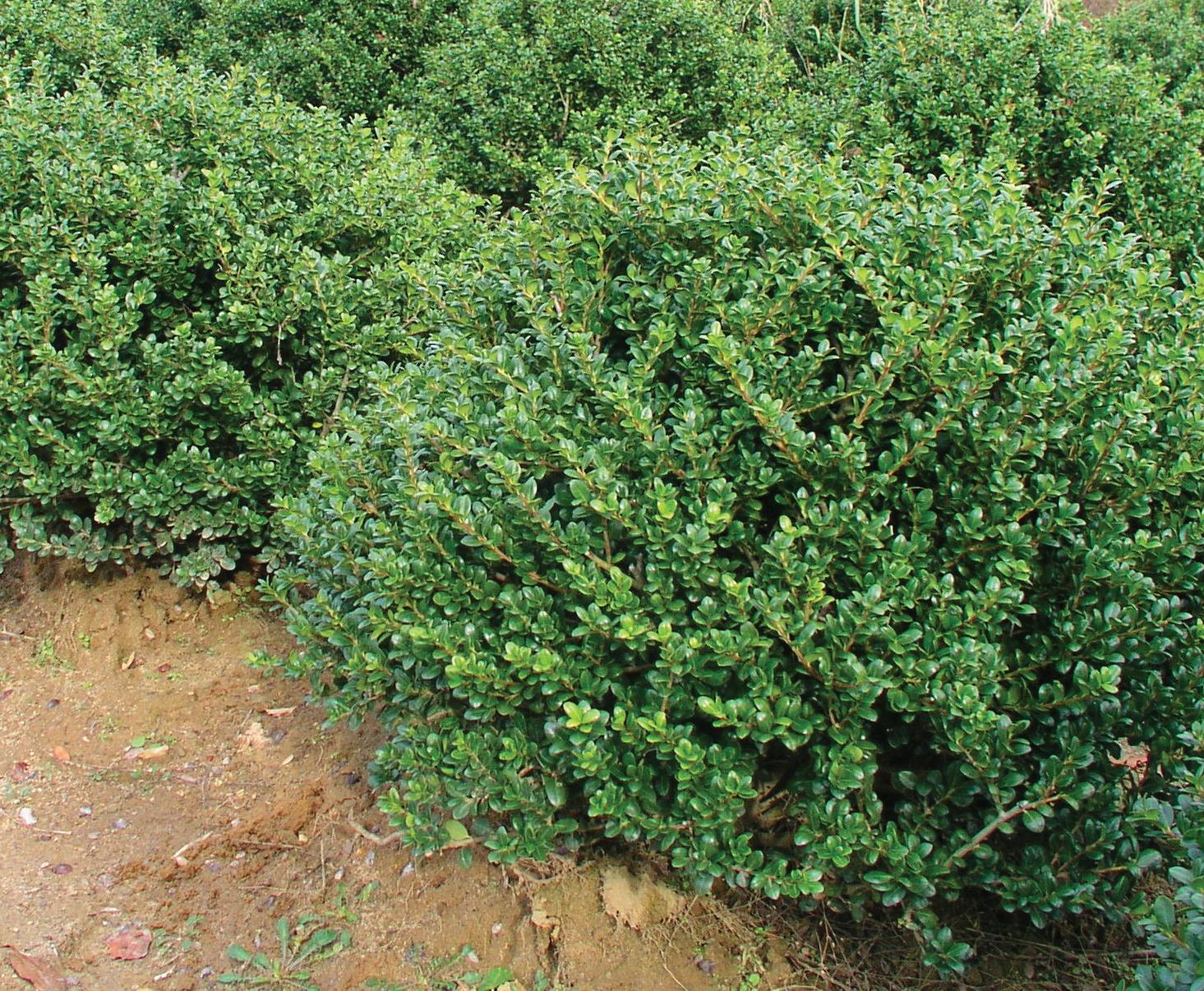
Northern Beauty Holly
Admiration
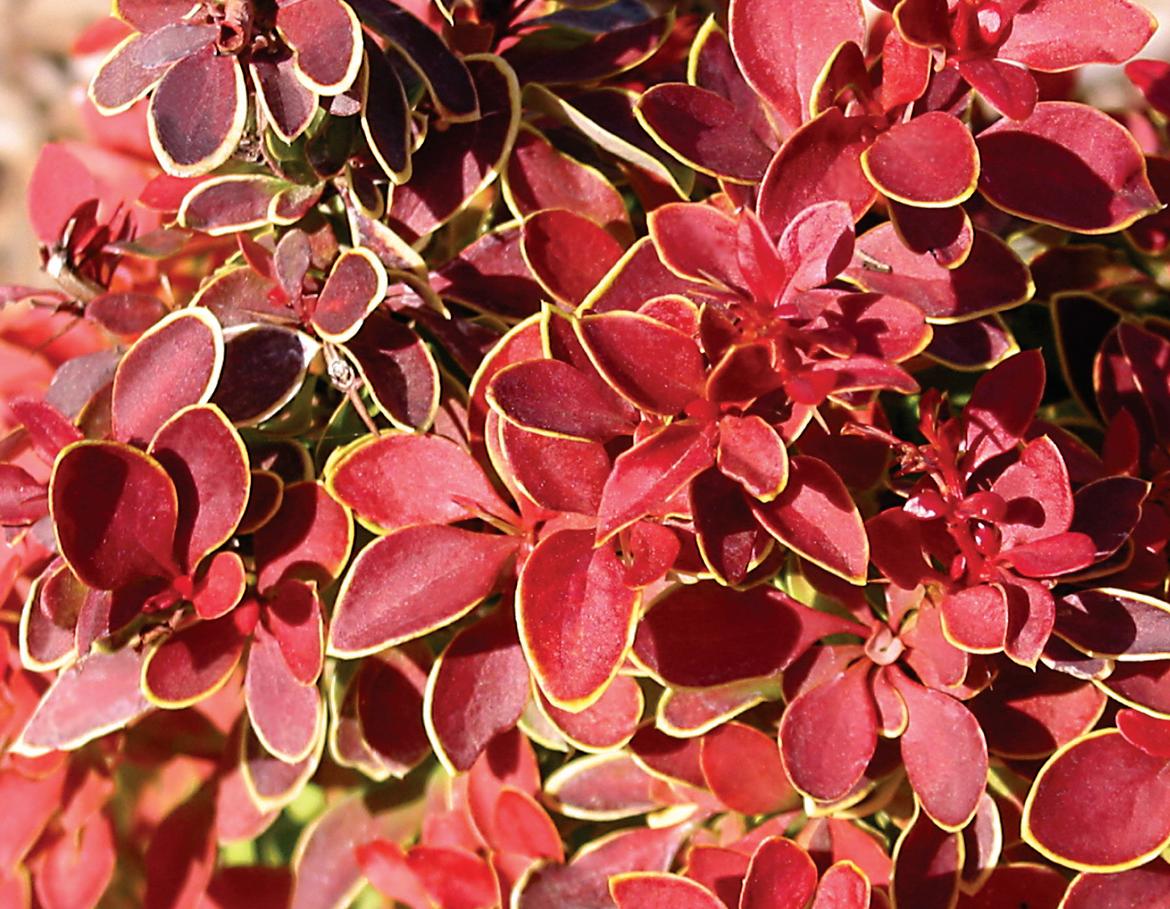
Barberry
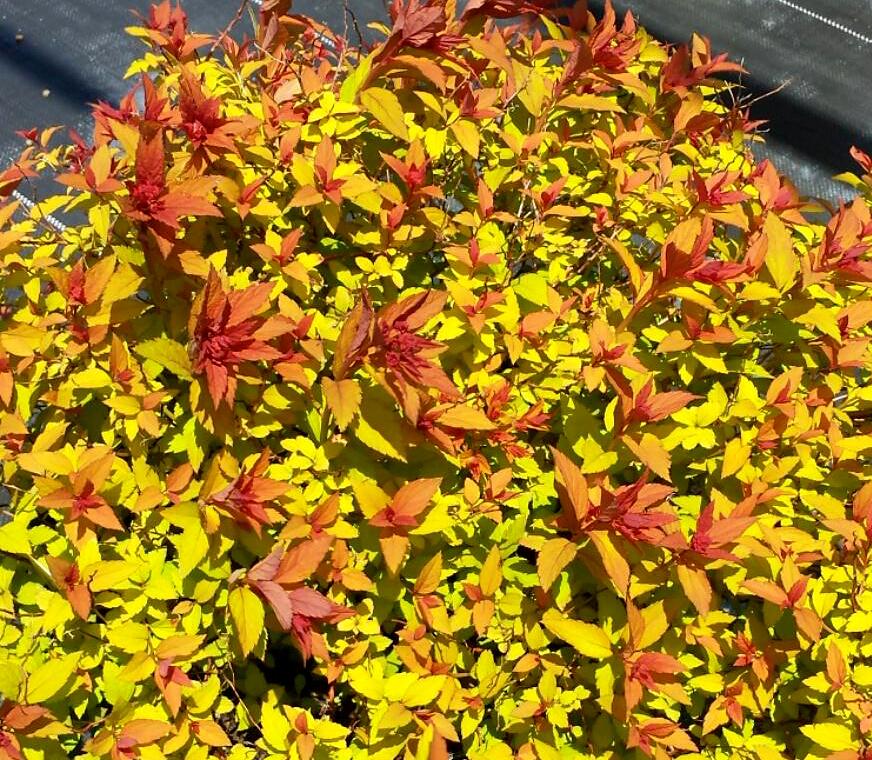
Carpet Spirea
Northern Nurseries Winter 2017 1/2 page
Holyoke, MA (800) 862-0089
Charlton, MA (508) 987-0101
Wilmington, MA (866) 830-5909
Norwalk, CT (203) 831-9748
Plainville, CT (888) 889-9996
Hamden, CT (203) 288-2222
Smithfield, RI (401) 232-2597
Albany, NY (518) 650-6228
Boxwood Blight, Xanthomonas, Worker Protection, and Neonic Assessments
By Jill Calabro, PhD
Plant pathologists and the green industry were treated to a trifecta of disease headlines this holiday season.
Boxwood Blight
First, the Tennessee Department of Agriculture confirmed that a new boxwood blight quarantine will go into effect February 4, 2018. The new quarantine includes all material currently known to transmit the disease, including Buxus species, Sarcococca species, and any/all material containing this plant material, such as compost, mulch, soil, and waste. Any regulated material entering Tennessee must be accompanied by a phytosanitary certificate and under-compliance agreement in accordance with a boxwood blight cleanliness program such as the one outlined in the Horticultural Research Institute (HRI) suggested Boxwood Blight Best Management Practices for prevention of this serious pathogen.
same source. The Boy Scout troop asked the public to return the infected material so that it could be disposed of properly. Boxwood blight has not been confirmed in Indiana yet, so this incident was particularly alarming to state officials. It also serves as a reminder to our industry that even boxwood greenery can transmit this disease. Weather patterns of 2017 were considered to be especially conducive to boxwood blight development on the East Coast. A similar incident happened in the 2016 holiday season in Tennessee.
HRI revised its voluntary Boxwood Blight Best Management Practices last fall (http://bit.ly/2Doe5mP). The BMPs provide the production basis for complying with the Tennessee quarantine. HRI and AmericanHort continue to support the Systems Approach to Nursery Certification (SANC) pilot, which also qualifies as a cleanliness program.
Xanthomonas
Second, the Indiana Department of Natural Resources confirmed that a Boy Scout troop sold boxwood wreathes infected with boxwood blight this holiday season. The material reportedly originated in North Carolina, and eight other states were confirmed to have received infected boxwood material from the
Third, reports have been circulating in green industry media sources of bacterial leaf spot, caused by Xanthomonas campestris, on begonia. One large cutting supplier acknowledged Xanthomonas-infected cuttings present from an offshore production facility, though best estimates indicate that only about 2 percent of stock was impacted. This is not a quarantine pathogen; however, begonia may be in shorter supply for 2018 production.
WPS Notice and Neonic Assessments
Highlight Year-End EPA Activity
EPA has been busy issuing several year-end notices of interest to the green industry.
First, EPA has announced that the new Worker Protection Standard (WPS) may be amended. The WPS amendments to be reconsidered include the minimum age requirements, the designated representative, and the application exclusion zone (buffer area). We’ll be watching for a notice of proposed rulemaking and public comment request.
Second, special reviews for the neonicotinoid insecticides continue. Preliminary human health and ecological risk assessments were released for clothianidin, dinotefuran, and thiamethoxam, and a preliminary ecological risk assessments to birds, mammals, and nontarget insects and plants for imidacloprid was also published. Public comments will be accepted until February 20, 2018 for all.
EPA noted a heightened interest in public comments relating to cotton and citrus crops, as both were flagged in previous pollinator risk assessments. Stinkbug and plantbug control in cotton and Asian citrus psyllid control in citrus were cited specifically, as neonicotinoid insecticides are critical for their management.
Jill Calabro, PhD, is research and science programs director at American Hort, where she brings strategic direction and oversight to research funding by the Horticultural Research Institute, the research affiliate of AmericanHort.
THE VERMONT MULCH COMPANY
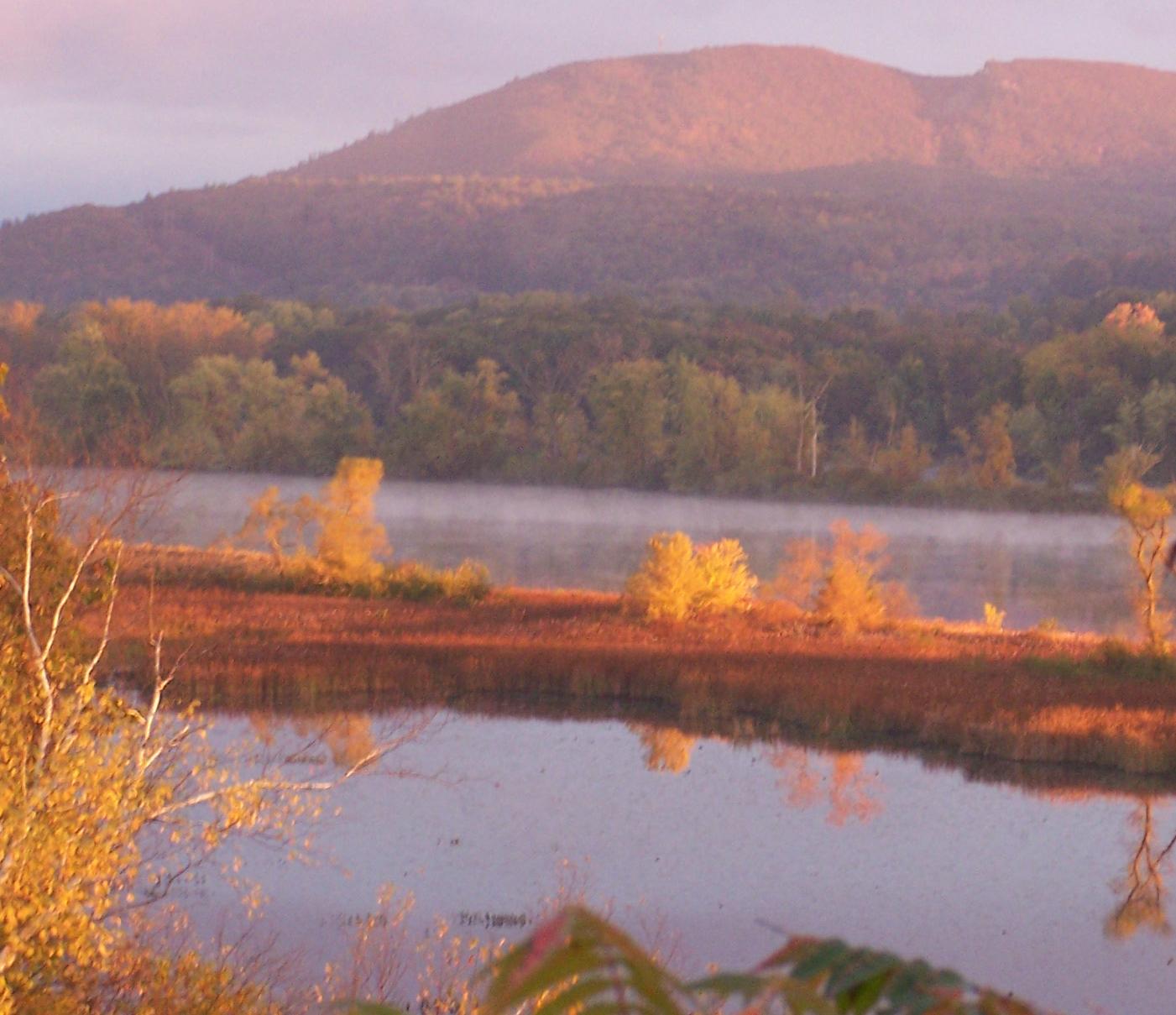
The Vermont Mulch Company is located on the banks of the majestic Connecticut River, in the far southeast corner of Vermont. This strategic location allows us to e ectively service Vermont, New Hampshire, Massachusetts, Connecticut, Eastern New York and New Jersey markets.
Premium Bark Mulch
* Available Bulk or Bagged Don Patenaude 802-323-3687 Martin Haselton 802-323-9854 David O’Sullivan 802-490-4932
Hemlock Mulch
Aged Hemlock Mulch
Fragrant Forest
Dark Bark
Cedar Mulch
Hardwood Mulch
Colorlast
Playground Chips
MNLA Needs You!
The MNLA Social Media Team is seeking a fun and energetic volunteer to join a social media team to write for its PlantSomething MNLA Instagram and Twitter pages. Writer must have a love and a comprehensive understanding of gardening and landscaping. Each person will be responsible for writing interesting, engaging, and educational posts geared towards Massachusetts consumers and have the ability to come up with original, relevant, and timely topics. We are only looking to receive two to four posts per month from our volunteers.
Through our Instagram and Twitter platforms, we are looking to reach the beginner gardener, the new homeowner, or an apartment dweller with containers on the deck. We need writers who love their herbs, houseplants, and succulents. We need writers with experience doing non-traditional gardening such as container gardening, urban gardening, or community gardening. We would like to sprinkle more environmentalism into the mix of posts. We could also use writers who love to
cook what they have grown, as some of our most popular posts have been about recipes using foods from the garden.
Maybe writing is just not for you, but you are a great photographer! We can still use some help with providing pictures, such as showcasing great flowers and plants.
The requirement list is short. We are just looking for two to four posts per month. Volunteers must be self-motivated. All communication will be done via email and phone — no meetings, no deadlines, and no oversight.
• Based in Massachusetts
• Have a love and a comprehensive understanding of gardening and landscaping
• Understand how to use hashtags effectively, a plus
• Excellent writing, editing, and proofreading skills
• Must be creative and able to come up with relevant, interesting topics
• Need to be witty and clever in under 140 characters for Twitter
• Interested applicants can email a cover letter and resume to Jess@PlantSomethingMA.org with the subject line “Social Media Team.”
TREE-äge® G4 systemic insecticide to Shortstop® plant growth regulator, no matter your challenge, Arborjet is here for you.
•Customized financing.
•Buy new or used.
•Trade, rent or lease.
•Best work tool selection.
•Free technical help line.
•Parts always readily available.
•Unbeatable resale value.
MARKETPLACE
Motz & Son Nursery
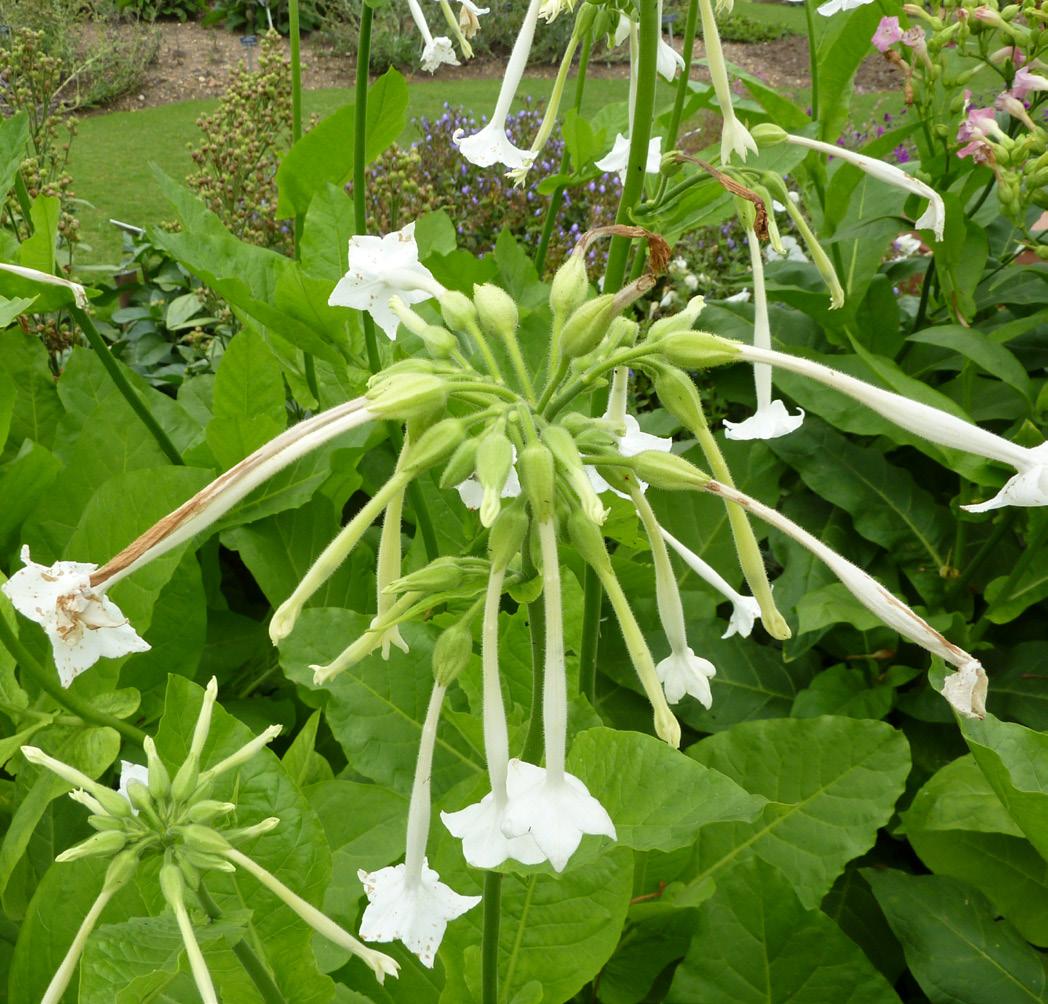
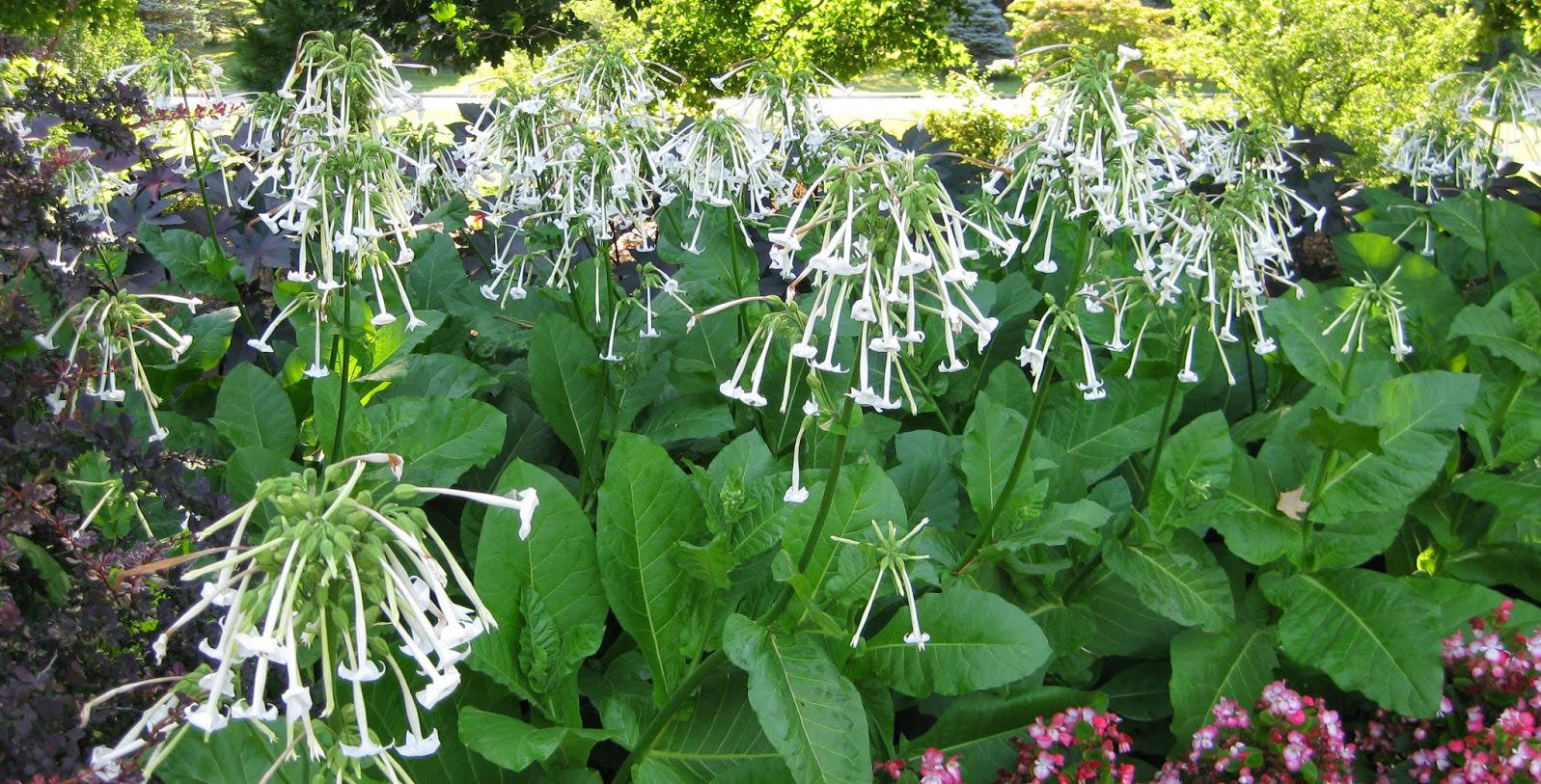
Nicotiana sylvestris — Flowering Tobacco
Ilovethis plant for the sheer drama it contributes to the garden. It’s great in a border — usually toward the back considering its height — but can also make a statement as a focal point in the front or middle of the bed. There is something dreamy and, dare I say sultry, about N.sylvestris...the height, though striking, is graceful and the impact is softened by the fuzzy, bright green foliage and long, elegant white flowers.
A fast grower, N.sylvestris starts out looking like lettuce, but soon fills out with each of its large, impressive basal leaves reaching lengths of 20 inches or more. The real romance of this plant is its fragrance — pleasantly sweet during the day, but intensely fragrant in the evening to attract its pollinator of choice, the moth. This old-fashioned, gentle giant is sure to add character to herbaceous borders, cottage gardens, or even a large planter.
Facts and Features
Nicotiana sylvestris blooms mid-summer to late fall. The stalks are generally strong enough to support the plant, but some staking may be helpful in windy areas. The plant will often re-seed itself, though not in an aggressive or unmanageable way.