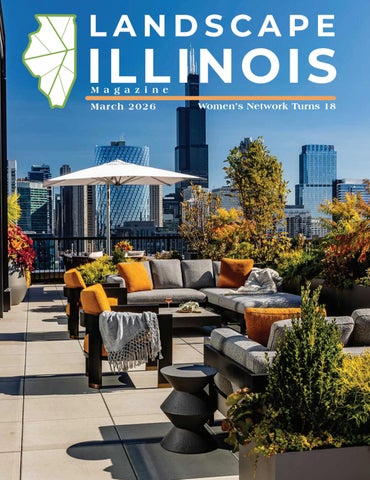
MAR.26 Landscape Illinois Magazine DIGITAL EDITION
Photo Credits
CONTENTS
DEPARTMENTS
Awards Committee 1
Chicago Specialty Gardens 8-9
Women;s Network 10
Rick Reuland 12, 14
Heather Prince + 16-20
Kellie Schmidt
Matt Ericson 22-26
Johnson’s Nursery 28-30
Midwest Groundcovers 34, 36
Andrea Rundblade 41, 51
Jessica Cloninger
William Chorvat
Dr. Aaron Patton 53
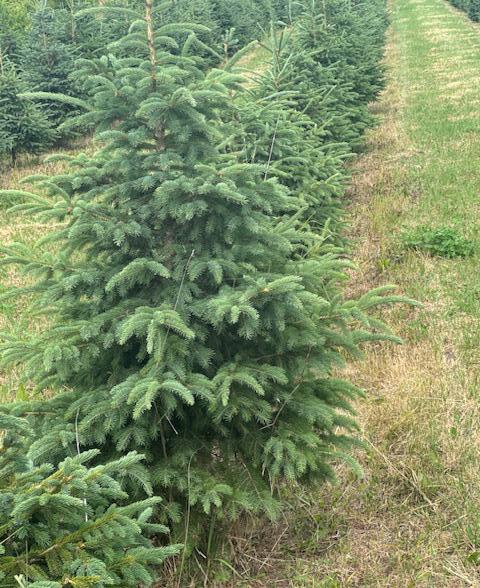
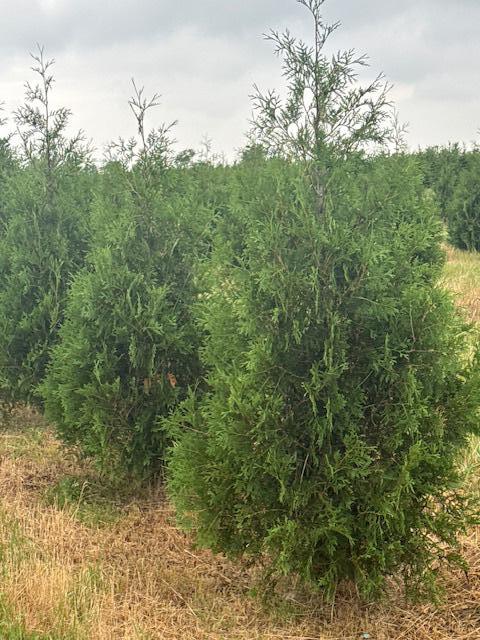
Woody’s Plant Nursery 55
Nina Koziol 61
Mark Dwyer 6 2
The official publication of Landscape Illinois, — Landscape Illinois —The Magazine is dedicated to educating, advising and informing members of this industry and furthering the goals of the Association. Landscape Illinois Magazine carries news and features relating to landscape contracting, maintenance, design and allied interests. Publisher is not responsible for unsolicited material and reserves the right to edit any article or advertisement submitted for publication. Publication reserves right to refuse advertising not in keeping with goals of Association. www. LandscapeIllinois.org.
Volume 67, Number 3. Landscape Illinois Magazine (ISSN # 0194-7257, USPS # 476-490) is published monthly for $75.00 per year by: the Illinois Landscape Contractors Association, 2625 Butterfield Road, Ste. 104S, Oak Brook, IL 60523. Periodicals postage paid at Oak Brook, IL and additional mailing offices. Printed in USA.
Postmaster: Send address changes to Landscape Illinois Magazine, 2625 Butterfield Road, Ste 104S, Oak Brook, IL 60523. Display Advertising Sales: Association Publishing Partners, Inc., Ph. (630) 6378632; email: rmgi@comcast.net. Classified ads, Circulation and Subscription: Landscape Illinois (630) 472-2851 Fax (630) 472-3150 Editorial office: Association Publishing Partners, Inc., Naperville, IL
PRODUCT
Executive Director
Scott Grams (630) 472-2851 sgrams@landscapeillinois.org
Statewide Director of Development
Kellie Schmidt kschmidt@landscapeillinois.org
Director of Events
AnneMarie Drufke adrufke@landscapeillinois.org
Education Manager
Melissa Custic mcustic@landscapeillinois.org
Office Manager
Alycia Nagy anagy@landscapeillinois.org
Membership & Marketing Manager
Marissa Stubler mstubler@landscapeillinois.org v
Landscape Illinois
2625 Butterfield Road Ste. 104S Oak Brook, IL 60523 (630) 472-2851 • Fax (630) 472-3150 www.landscapeillinois.org
Women’s Network Gathering – Southern Region Sonnenberg Landscaping Belleville, IL
March 12, 2026
Women’s Network Spring Event Sebert Landscape Bartlett, IL
March 25, 2026
Wading Into Stormwater Workshop The Morton Arboretum Lisle, IL
March 26, 2026
Wading Into Stormwater Workshop College of Lake County Grayslake, IL
OCTOBER
October 2-3, 2026
LIFT: The Landscape Professional Summit For Women Eaglewood Resort & Spa Itasca, IL
“E. Pluribus Unum: Out of Many, One”
— Unofficial motto of the United States of America
On February 4th, I was invited to a high-level meeting in Chicago to discuss a statewide response strategy to increased immigration enforcement in 2026. The intent of this meeting was to bring together leading trade associations, legal aid organizations, religious organizations, multi-billion dollars trusts and foundations, immigrant rights advocates, and business coalitions. I accepted the invitation on one condition — that it would not be attended by politicians or the media. It has been my experience that when those two groups enter the room, everyone starts pulling punches. This should be an open and candid conversation between the groups that are being directly impacted by increased immigration enforcement to determine what, if anything, we could all agree upon.
A few days before the event, the organizers asked me to speak as part of a 3-person panel. Shocked, I asked, “Why?” I was told that among the trade and construction groups, Landscape Illinois had managed this issue better than most. We had developed tools and tactics to deliver calm and stability while communicating with our constituents in a clear and straightforward manner. We had shown leadership where most other trade groups barely moved past “Know your Rights” pamphlets. Other groups took notice of our efforts and they wanted me to speak to how we were able to move so decisively.
progressives wanted us to stand in Broadview and throw rocks, some conservatives wanted us to keep our head down and let immigration enforcement spread, unchecked, across the region.
As much as I tried to use words to soothe our political factions, I was unsuccessful. I just felt defeated. People were angry that we had done too much or not done enough. I was naive to think this issue would be just like the hundreds of others that Landscape Illinois takes positions on. As an advocacy and lobbying group, we take positions on Dicamba, and pear trees, and the required ratio of plumbers to irrigation professionals, and dozens of other issues that impact a tiny percentage of our members. I viewed our response to increased immigration enforcement, which for 75 days was impacting 70% of our members, no differently. Landscape Illinois views ourself as an industry leader and it felt like leadership was required.
Making a Statement
I was to share the podium with two other speakers: one from the Illinois Coalition for Immigrant and Refugee Rights (ICIRR) the other from The Resurrection Project. I know both these organizations from our work with the American Business Immigration Coalition and have deep respect for their decades of work helping immigrants, refugees, and new arrivals build a life in the United States. Their organizations fielded thousands of calls and requests for aid last fall. They were on the front line of the humanitarian impacts of increased immigration enforcement.
Then, there was me. As the head of a trade association for landscape professionals, these issues aren’t my day job. I was the fork on this panel of spoons. These other organizations have decades of experience pushing for immigration policy and reform. For me, later that day I’d be typing up minutes from the Sustainable Committee meeting and preparing for iLandscape. We have tangentially been part of the immigration conversation for 20 years, but this is not our reason for being.
The timing of this meeting could not have been better. The Board was holding a Special Meeting on February 10th to finalize and approve a draft statement that would guide Landscape Illinois through another potential year of street-level enforcement that was so disruptive to our industry. It had become clear that without a statement, Landscape Illinois was doing a lot of ready-fire-aim. We tried to stay on top of a constantly evolving situation while navigating the intense emotional and political undercurrents. During Operation Midway Blitz, I fielded daily calls from members. The moderates, independents, and the apolitical were thankful. The progressives and conservatives were pissed. Some
When Operation Midway Blitz began, we worked behind the scenes with the HR managers of a few large commercial landscape firms to develop what would be referred to as our Tactical Plan. Upon a reread, I realized we ignored our own advice. The very first tip on the very first page was “Have the necessary conversation.” In my haste to deliver value to our members, I ignored that first step. I was thankful when the Board finally asked, “Where do we all stand on this issue?” No more assumptions. Let’s get on the same page.
For my entire career at Landscape Illinois, I have appreciated that our advocacy falls on an apolitical island. We do what is best for our members regardless of what party came up with the idea. Landscape Illinois has done tremendous state and federal work operating on that island where we can shut out the distractions of politics and focus on the policy.
Naturally, when immigration enforcement popped up last fall, I expected to retreat to our apolitical island and get to work. I was shocked to realize, on this issue, that island had grown much smaller. Every action was interpreted through a political lens. Were we defending illegals? Were we undermining ICE and the agents sent to protect our borders? Were we tolerant of the crimes that unauthorized immigrants commit? Were we defending or attacking President Trump and his administration? We were locked into the binary that has taken over federal politics. You are either with us or against us and the threat is existential. That category-5 level of emotion was bearing straight down on our island. So, we listened to our own advice and had the necessary conversations. In cartoons, when a character is faced with a moral dilemma, the best he gets is a little angel and a little devil who whisper in his ear. That is amateur hour. We should all be so lucky, when faced with a political quandary, to have an entire Board room of viewpoints appear over our shoulders. Even better, we have two Boardrooms to talk this over. Our Regulatory and Legislative Committee had these conversations last fall. Their feedback then filtered up to the Board of Directors to have the conversation this winter. In those boardrooms, we have every political viewpoint you can imagine. Those viewpoints are expressed respectfully and focused enough so we stay inside our landscape industry lane. The eventual result is not the trench warfare we see on social media or being shouted on cable news.
It is mosaic of opinions. It is sacrifice and understanding. It is wanting your viewpoint to be heard, not for your viewpoint to win at all costs.
The more the Board talked, the firmer the island began to feel. The headwinds died down a bit. The waves seemed calmer and more navigable. What started out as a two-page statement was honed and sharpened into two paragraphs that we can operate from. Decisions can be made from that statement. It will guide resources, policy development, media requests, and industry partners.
At the Chicago panel, I urged the groups to consider drafting a statement whether for external or internal use. Don’t blow past step #1 like I did.
After the panel concluded, the room opened to discussion. Many of the groups present were extremely passionate and motivated. I sheepishly asked which of these organizations had drafted a statement of principles. Out of the 30 groups represented, only Landscape Illinois and one other had done so. I sympathized with the dozens of other groups who were represented. They will spend 2026 in the fog of war.
As the conversation continued, the ACLU talked about the Insurrection Act. Humanitarian groups talked about food pantries and grocery shopping for those afraid to leave their homes. Religious leaders in Roman collars talked about immigration enforcement in churches. I sat back in my chair and realized some of these issues were miles away from our little island. These were not our fight as Landscape Illinois. These were outside the guardrails constructed by our committee and Board representatives of all political stripes. We needed to hear the concerns of other stakeholders to realize our goals aligned more with other outdoor construction trades and labor unions than reverends and civil liberty lawyers.
Minnesota adopted this strategy as it responded to Operation Metro Surge that saw 3x the amount of ICE enforcement. Instead of trying to build the widest coalition possible. They organized a series of press conferences. One, provided voices from law enforcement. Another, offered the perspective of doctors and nurses. Still another, brought together farmers and rural communities. This approach allowed each group to speak comfortably from their own island. Farmers in rural communities could speak to labor shortages and didn’t have to worry about another group discussing open borders or the Insurrection Act. It can be intoxicating to build the widest coalition possible, but without a clear overlap in your statements of principle, messaging gets real fuzzy, real fast.
At the conclusion of the Chicago discussion, a Latino gentleman spoke up. He said a phrase that has stuck with me as I have digested the dozens of nuanced viewpoints that swirl around this issue. He said, “The only way to create change is to meet people where they are.” He was right. Forcing people to move too fast, too soon will only exacerbate our political divides. It is hard to operate from the middle when each side claims the moral high ground.
We are so blessed to have a structure that not only allows, but reveres diversity of thought. Our committee structure and Board of Directors has spent the last few months meeting people where they are. The spirited, passionate, but respectful dialog held in these meetings has made us a better association. It brought peace and calm back to our island and will make us better advocates if/when ICE returns.
This year, let’s go back to having the necessary conversations. Let’s meet each other where we are. Members have entrusted this association to incredible and selfless leaders who are willing to have these discussions. I want members to understand and trust the process so when we speak, it is worth listening to. In that boardroom, out of many, we become one. Scott Grams,
Becky Thomas Spring Grove Nursery, Inc. (815) 448-2097 bthomas@springrovenursery.com
Aaron Zych ILT Vignocchi, Inc. (847) 487-5200 azych@iltvignocchi.com
www.landscapeillinois.org
HappyMarch. I hope you all had an opportunity to visit iLandscape and learn from our incredible group of speakers or from the incredible community of suppliers on the trade show floor. The amount of people it takes to make this a success is important to recognize. All of the committees and volunteers are integral to Landscape Illinois and its flagship show, iLandscape. As we get closer to spring and the chaos that ensues, it’s made me reflect on what I love about our industry. This year, even though I’m too old to attend the Young Professionals events, I decided that I wanted to pay them a visit. I’m so glad that I did. As a young, introverted person in this field, 20 plus years ago, I wish I had a group like this to call home. I’m grateful to be part of an organization that highlights demographic groups and gives them a safe place to network with like-minded individuals. I stood in the back and listened to excellent questions from the crowd. I desperately wanted to interject my thoughts but then realized... I didn’t have to! People always talk about how the next generation doesn’t work as hard as the generation you belong to. I’m just not sure that’s true. The Young Professionals are put together!
For most of my professional life, I’ve been a plant geek, constantly clamoring for what’s new. It’s the first question received at most trade shows. “What’s new this year?” The past couple years, my appreciation has altered slightly. I do still care about what’s new. I still get excited about new plants. Geranium ‘Purple Glow’ is new in 2026, and having trialed it in my yard, it’s one of the easiest plants for me to wax poetic about. However, the young people in our industry are inspiring. They have changed me. Maybe it’s because I get to work closely with a couple of them. Maybe it’s because I’m impressed by their poise. Their dedication. The fact that there are so many on the committee working to make themselves better at what they do. Networking without fear. I’m grateful for time spent with Ben DeSalvo and Cemantha DiCristo, a couple of my Lurvey friends that I envision will do great things in our industry. It’s a blessing to work with the future of our association. It’s easy to look back on experiences and people who have helped you along the way. The past will always be important. But it is exciting to look at our future and see a group not defined by limits. A group that includes second and third generation talent that will likely exceed the success of their parents and grandparents. I’m excited to watch you all grow. Landscape Illinois is proud of you!
Kevin McGowen, President Landscape Illinois
Feliz Marzo. Espero que todos hayan tenido la oportunidad de visitar iLandscape y aprender de nuestro increíble grupo de ponentes o de la increíble comunidad de proveedores en la feria. Es importante reconocer la cantidad de personas que se necesitan para que esto sea un éxito. Todos los comités y voluntarios son fundamentales para Landscape Illinois y su feria insignia, iLandscape. A medida que nos acercamos a la primavera y el caos que conlleva, me hace reflexionar sobre lo que me encanta de nuestra industria. Este año, aunque ya no puedo asistir a los Jóvenes Profesionales, decidí visitarlos. Me alegro mucho de haberlo hecho. Como joven e introvertida en este sector, hace más de 20 años, desearía haber tenido un grupo como este al que llamar hogar. Estoy agradecida de formar parte de una organización que destaca a los grupos demográficos y les ofrece un lugar seguro para conectar con personas afines. Me quedé atrás y escuché las excelentes preguntas del público. Tenía muchas ganas de intervenir, pero luego me di cuenta... ¡no tenía por qué hacerlo! La gente siempre habla de que la próxima generación no trabaja tan duro como la tuya. No estoy seguro de que sea cierto. ¡Los Jóvenes Profesionales están muy unidos!
Durante la mayor parte de mi vida profesional, he sido un apasionado de las plantas, siempre en busca de novedades. Es la primera pregunta que me hacen en la mayoría de las ferias comerciales. “¿Qué hay de nuevo este año?”. En los últimos dos años, mi percepción ha cambiado un poco. Todavía me importan las novedades. Todavía me entusiasman las plantas nuevas. El geranio “Purple Glow” es nuevo en 2026, y después de probarlo en mi jardín, es una de las plantas sobre las que más me gusta hablar con entusiasmo. Sin embargo, los jóvenes de nuestro sector son inspiradores. Me han cambiado. Quizás sea porque tengo la oportunidad de trabajar estrechamente con un par de ellos. Quizás sea porque me impresiona su aplomo. Su dedicación. El hecho de que haya tantos en el comité trabajando para mejorar en lo que hacen. Crear redes sin miedo. Agradezco el tiempo compartido con Ben DeSalvo y Cemantha DiCristo, dos amigos de Lurvey que imagino que harán grandes cosas en nuestra industria. Es una bendición trabajar con el futuro de nuestra asociación. Es fácil recordar experiencias y a las personas que te han ayudado en el camino. El pasado siempre será importante. Pero es emocionante mirar hacia el futuro y ver un grupo sin límites. Un grupo que incluye talento de segunda y tercera generación que probablemente superará el éxito de sus padres y abuelos. Me emociona verlos crecer. ¡Paisajismo Illinois está orgulloso de ustedes!
Kevin McGowen Presidenta, Landscape Illinois
Kevin McGowen
Bertog Landscape Co. • Wheeling City Escape
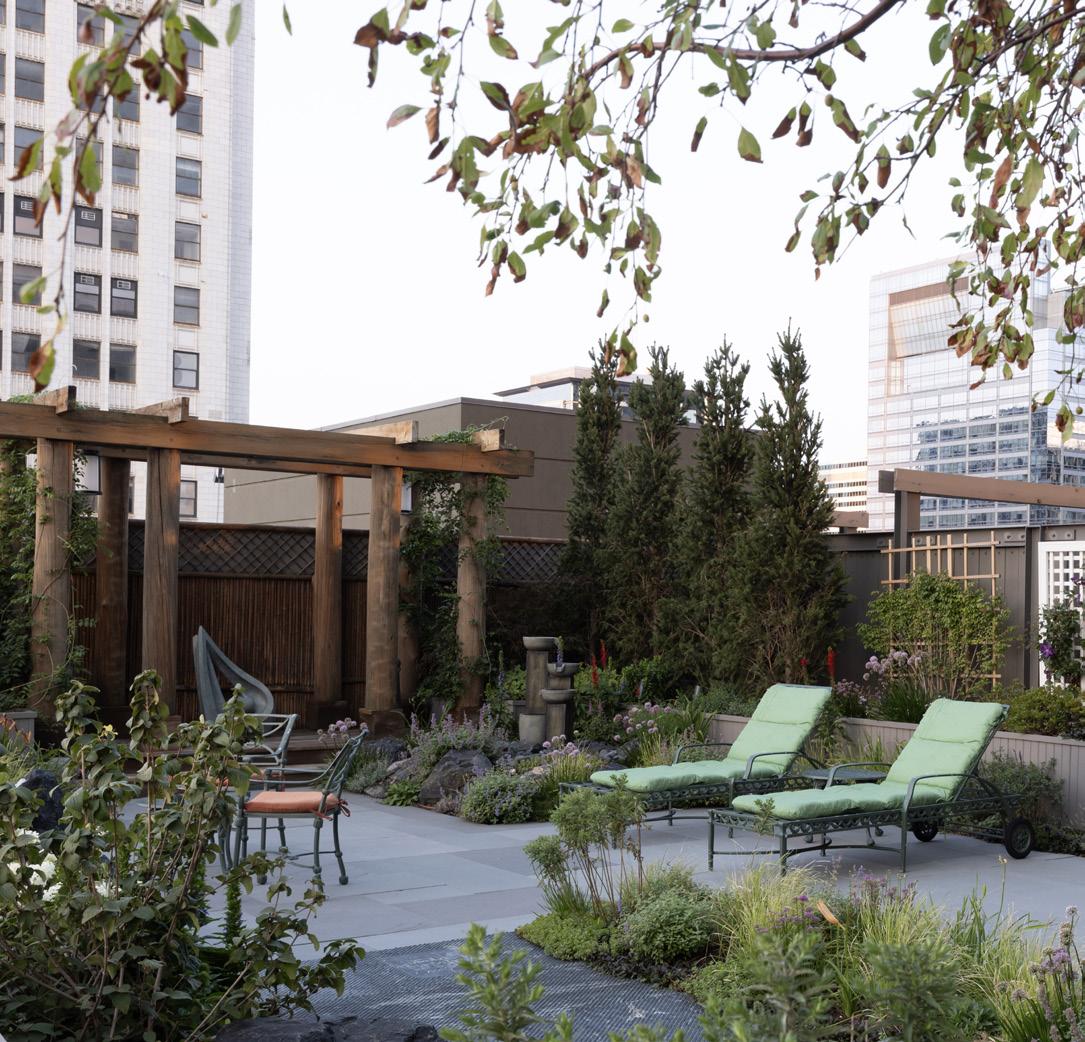
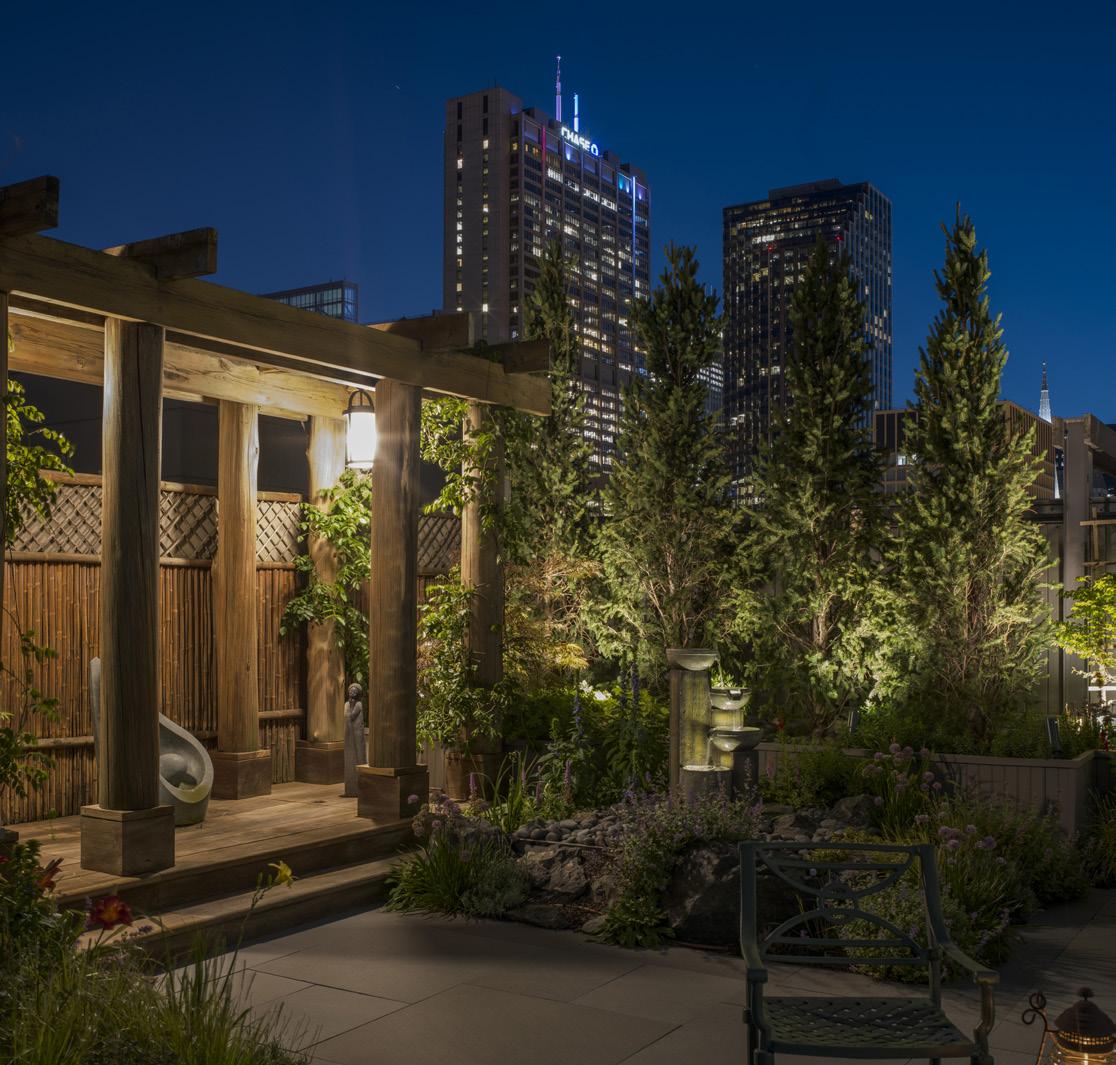
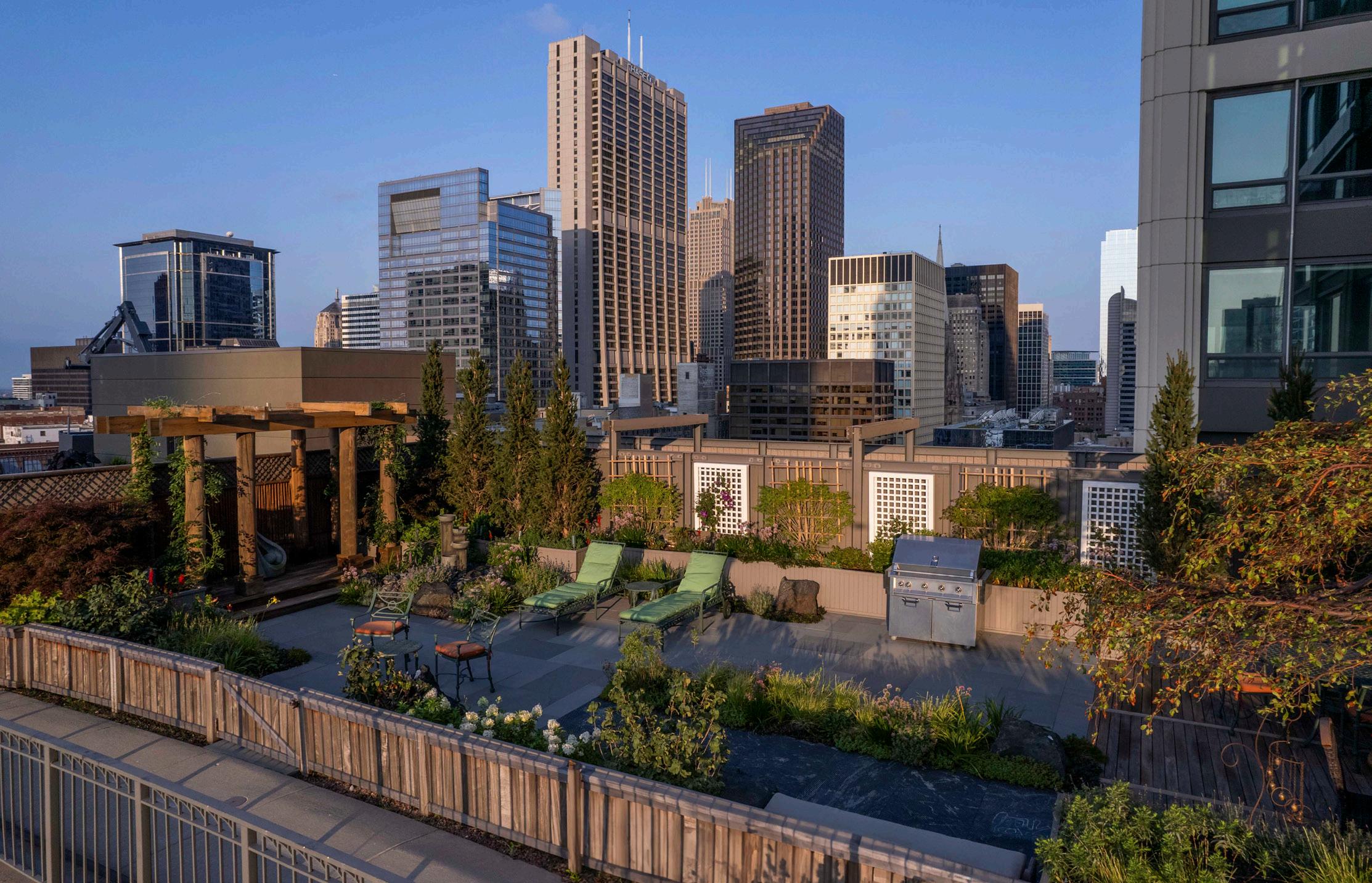
This23rd-floor terrace renovation transformed an ‘Asian Garden Space’ into a modern oasis. It is complete with stunning views of downtown Chicago and Millennium Park. Due to space limitations and access restrictions, the team man-
ually removed oversized materials and installed new hardscape and plants. The terrace now features engineered soils, lush greenery, and a contemporary design. These provide the owners with a serene, private escape in the heart of the city.
Women Who Network Building relationships for 18 years
by Nina A. Koziol
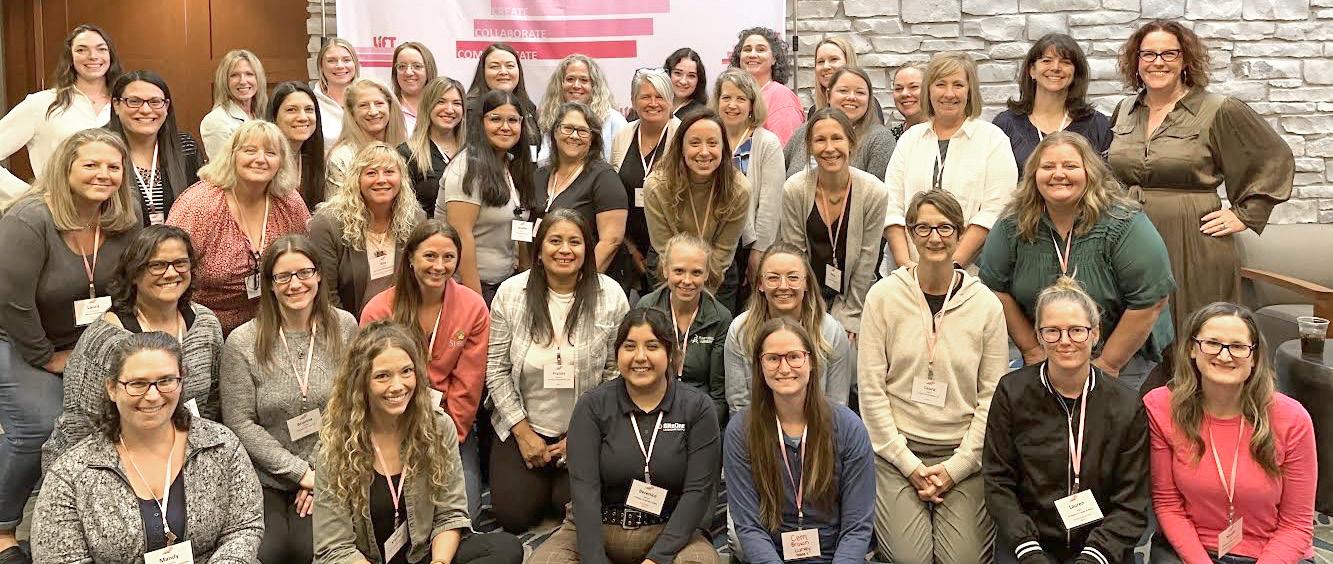
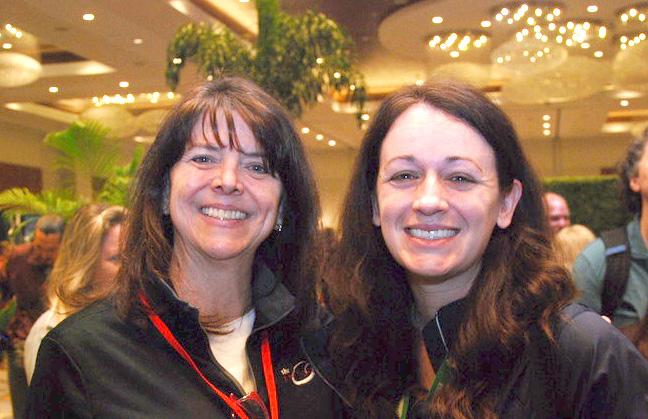
There’s no doubt that networking is essential for your career, and Terre Houte appreciates the importance of connecting with others in the green industry. In 2008, she was working for Hursthouse, Inc. in Bolingbrook, when Bob Hursthouse encouraged her to attend a two-day leadership conference held at Starved Rock. She wound up in a break-out session with Laura Weldon of Buy the Yard in Evanston and Rebecca Eisele of Salix Garden Design in St. Louis. “There was a lot of energy at the conference. It was very exciting, and the three of us were involved in creating ILCA’s first Women’s Networking Group (WNG),” Houte recalls.
Houte served as the first WNG committee chair and remained active with the committee when she began working for Landscape Illinois (formerly ILCA). “We wanted opportunities to discuss what it was like working in the industry. And we wanted to bring in experts — women who wrote books and who were in time management — things to help balance the work-life experience,” she says.
Fast forward
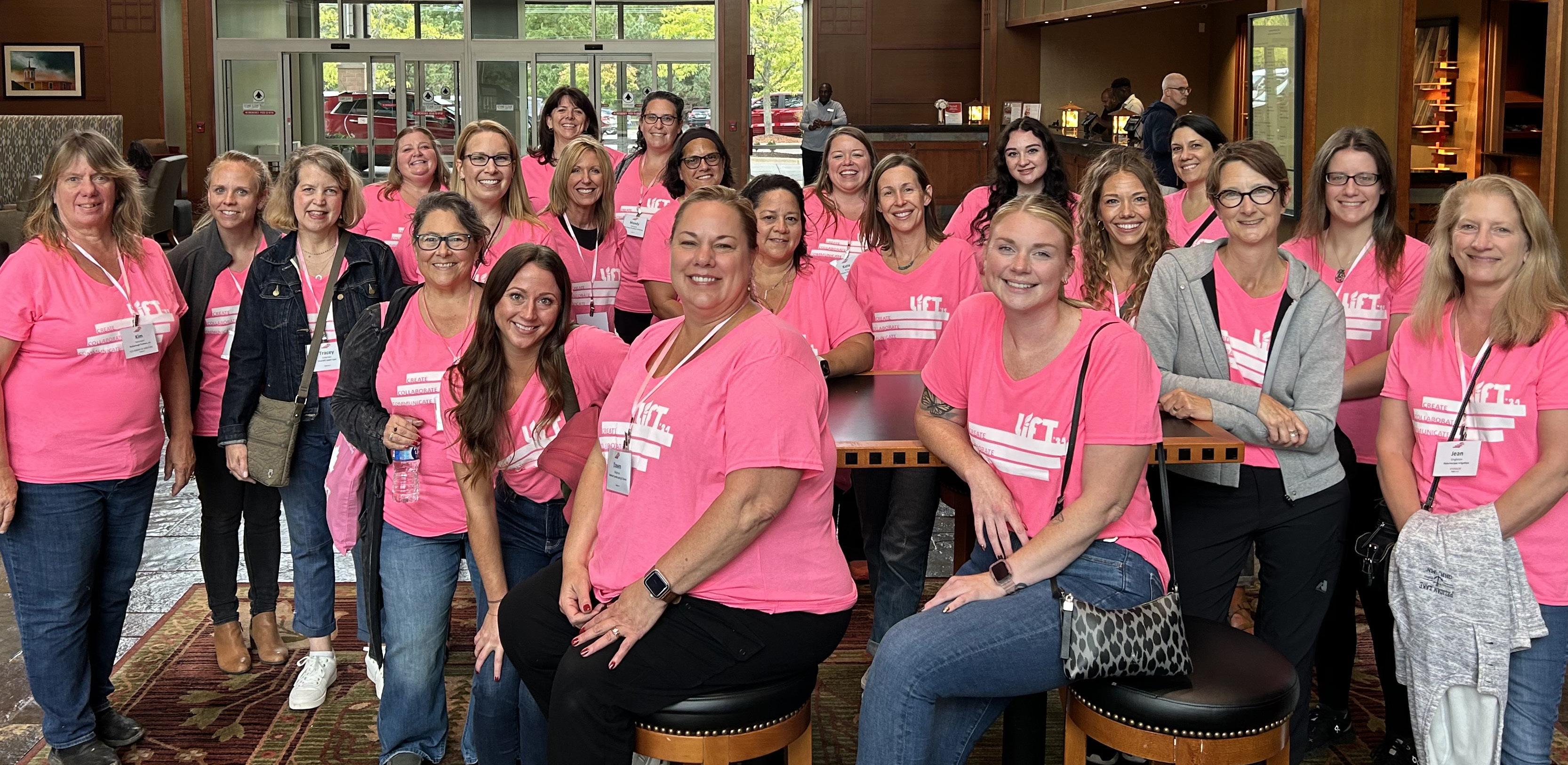
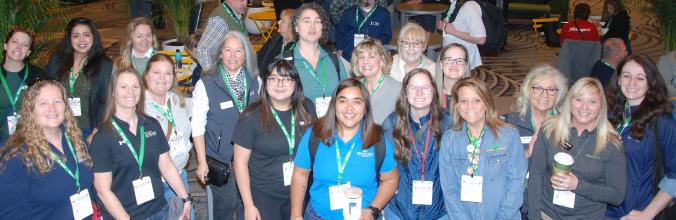
Now, 18 years later, the Women’s Network Committee is not only going strong, but has increased its presence with events throughout the state. The committee holds monthly coffee talks at member facilities and organized a successful mentorship program. The popular annual spring networking event was held on March 12, hosted by Sebert Landscape in Bartlett. This October 2-3, the second LIFT Summit, featuring three speakers, will be held at the Endgewood Resort and Spa in Itasca. It’s no surprise that in 2017 and 2022, the Women’s Network received the Committee of the Year award.
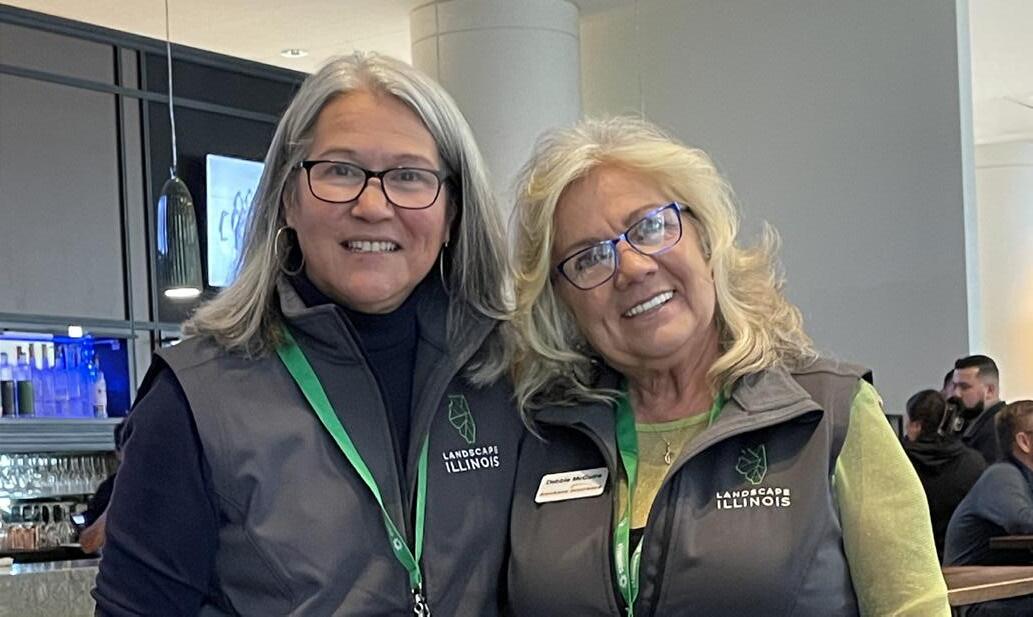
Debbie McGuire, insurance advisor for Aleckson Insurance in Lake Zurich, has been involved with the Women’s Network from the beginning. “I love the fact that women ‘get’ women and they’re totally open for discussion and very organized. They work together as a team, all communicating, and to get things done,” McGuire says.
Time brings changes
“The Women’s Networking Group rebranded in 2025 and now goes by Women’s Network,” said Marissa Stubler, membership and marketing manager for Landscape Illinois. “Their new mission statement is, “We are a Network dedicated to building meaningful connections, fostering leadership, and creating opportunities for women in the green industry.”
(continued on page 12)
Moisture
Soil
(continued from page 10)
The current 13-member committee, including Chair Carrie Hancock, JMR Landscaping in Libertyville, and Associate Chair Kila Harwick, Green Soils Management in East Dundee, is planning upcoming events based on a five-year plan. Hancock has been on the committee since 2015. “Thanks to Debbie McGuire who recruited me—we met one night at the annual party, and she suggested I come to a meeting and I really enjoyed it,” Hancock said. “I look forward to our meetings. I get real energized when we have our bigger spring and fall events. We have a really good turnout. It’s almost like the mini version of iLand scape with the energy.”
Last year, Green View hosted a networking event at the Dunlap location in Peoria County. “It was so much fun. We had a great group of women from across the industry come together to connect, get to know each other, and have a meaningful discussion about finding stress relief during busy seasons — both at work and in life,” Scheuermann added.
“I first started attending the Women’s Networking Group lunch at InVigorateU about five years ago, and I really enjoyed the chance to connect with other women in the green industry on a peer level,” says Candi Scheuermann, director of operations for Green View in Springfield. “I’ve been involved with the group in a few different ways over the years. I had the opportunity to participate as a in the mentorship program, which was a wonderful experience. I really enjoyed getting to know a peer who was just getting her business started and beginning to expand. I know I walked away learning just as much from her as well.”
Harwick joined the committee in 2021. “I attended a committee meeting and was hooked. The camaraderie, the efficiencies, the time management and organization of the agenda, and the overall inclusion of new ideas and opinions is what prompted me to join,” Harwick explains. Being a part of the committee has boosted Harwick’s confidence. “It’s constantly reminding me that my ideas are worthy, that my work is valuable, and that I can and should be reaching for more. This wasn’t just a committee that I could take a back seat in and just read the minutes every month to stay involved. This was a committee that got things done and required action, and that excited me.”
There are 8 to 10 mentor/mentee pairings throughout the year. “We’ve had more women from the central and the southern regions of Illinois participate than we’ve ever had in the past,” Hancock said. “We love that we’re reaching a broader area than the Chicagoland.” Hancock would like to see even more engagement, especially younger women who are just coming into the industry. “It’s all volunteer-driven and free,” Hancock said. “We (continued on page 14)
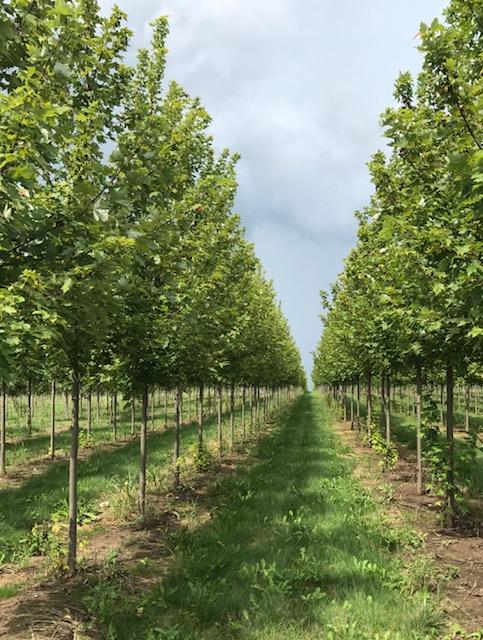
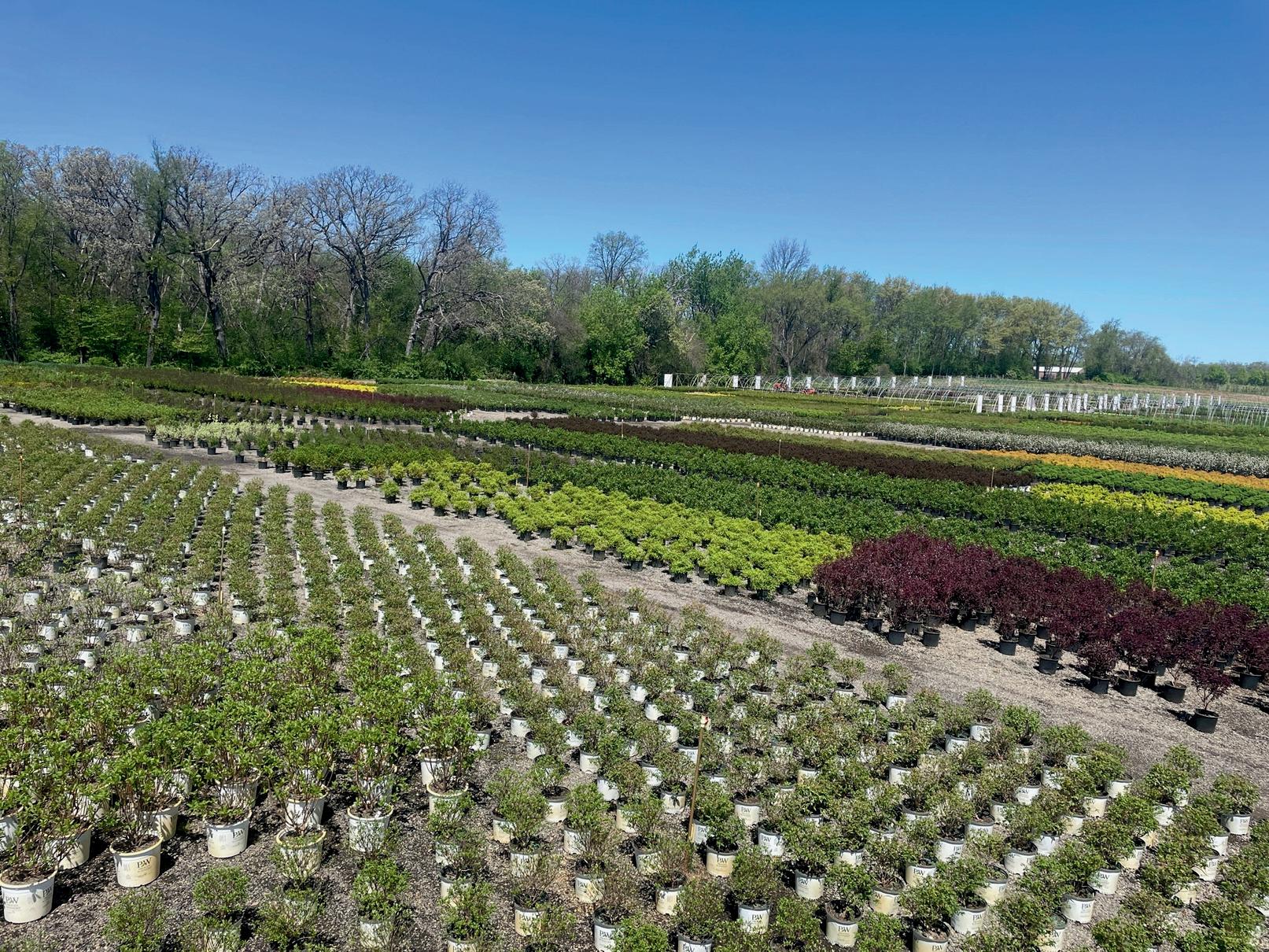
Chicagoland area with of 400 acres of quality field-grown nursery stock .
Cedar Path Nurseries has two conveniently located sales yards, Lockport and Barrington, to better serve our clients.
Growers & Distributors of Quality Nursery Stock
We are the premier shade tree grower in the Chicagoland area with of 400 acres of quality field-grown nursery stock . Cedar Path Nurseries has two conveniently located sales yards, Lockport and Barrington, to better serve our clients.
We are the premier shade tree grower in the Chicagoland area with of 400 acres of quality field-grown nursery stock .
We are the premier shade tree grower in the Chicagoland area with 400 acres of quality field-grown nursery stock. Cedar Path Nurseries is conveniently located in Lockport to serve our clients.
Cedar Path Nurseries carries a full line of B&B trees and shrubs, container shrubs, perennials and groundcovers. Not only are we your onestop -shop, but we are sourcing experts. We look forward to assisting on your next project.
We are the premier shade tree grower in the Chicagoland area with of 400 acres of quality field-grown nursery stock .
Cedar Path Nurseries has two conveniently located sales yards, Lockport and Barrington, to better serve our clients.
Cedar Path Nurseries has two conveniently located sales yards, Lockport and Barrington, to better serve our clients.
Cedar Path Nurseries carries a full line of B&B trees and shrubs, container shrubs, perennials and groundcovers. Not only are we your onestop-shop, but we are sourcing experts. We look forward to assisting on your next project.
Cedar Path Nurseries carries a full line of B&B trees and shrubs, container shrubs, perennials and ground covers. We are, not only your one-stop shop, but we are also sourcing experts. We look forward to assisting on your next project.
Cedar Path Nurseries carries a full line of B&B trees and shrubs, container shrubs, perennials and groundcovers. Not only are we your onestop-shop, but we are sourcing experts. We look forward to assisting on your next project.
Cedar Path Nurseries carries a full line of B&B trees and shrubs, container shrubs, perennials and groundcovers. Not only are we your onestop-shop, but we are sourcing experts. We look forward to assisting on your next project.
Lockport, Illinois
Lockport, Illinois
Barrington, Illinois
Barrington, Illinois
Barrington, Illinois
15235 W. Bruce Road, Lockport, IL 60491 Office 815.838
15235 W. Bruce Road, Lockport, IL 60491 Office 815.838
15235 W. Bruce Road, Lockport, IL 60491
Office 815.838- 4900 |Fax 815.838.4999
Barrington, Illinois
190 W. Penny Road, Barrington, IL 60010 Office 847.551.3700 | Fax 847.551.3707
190 W. Penny Road, Barrington, IL 60010
Office 847.551.3700 | Fax 847.551.3707
SALES@CEDARPATH.NET | WWW.CEDARPATH.NET
190 W. Penny Road, Barrington, IL 60010 Office 847.551.3700 | Fax 847.551.3707 SALES@CEDARPATH.NET | WWW.CEDARPATH.NET
SALES@CEDARPATH.NET | WWW.CEDARPATH.NET
(continued from page 12) have mentees that are now mentors, which is very exciting. We’re paying it forward with the program.”
“I encourage anyone new to the green industry, whether it’s your first career or a second one, to make the time to build connections and relationships with your peers,” Scheuermann said. “The Women’s Network and Landscape Illinois offer so many great opportunities for both education and networking. Relationships are incredibly important, and it’s easy for that to get lost in the day-today grind. Taking the time to get involved, show up, and connect with others in the industry is truly worth the effort.”
Harwick also has some advice for young women in the indus-
try — join in! “Women in the green industry are very welcoming. Being a part of a heavily male-populated industry can be intimidating and taxing for many of us. It’s nice to be around like-minded women who are inclusive and willing to lift each other up. A bonus --- we have a lot of fun!”
“It’s wonderful to see how the Women’s Network has spread throughout the state,” Houte said. “The continuity, the sticking power—how this next generation has picked up and exceeded all of our expectations—they’ve really ramped it up. Who wouldn’t be proud of that.”
Don’t miss another Women’s Network event. https://landscapeillinois.org/womens-network/
by Heather Prince
T2026
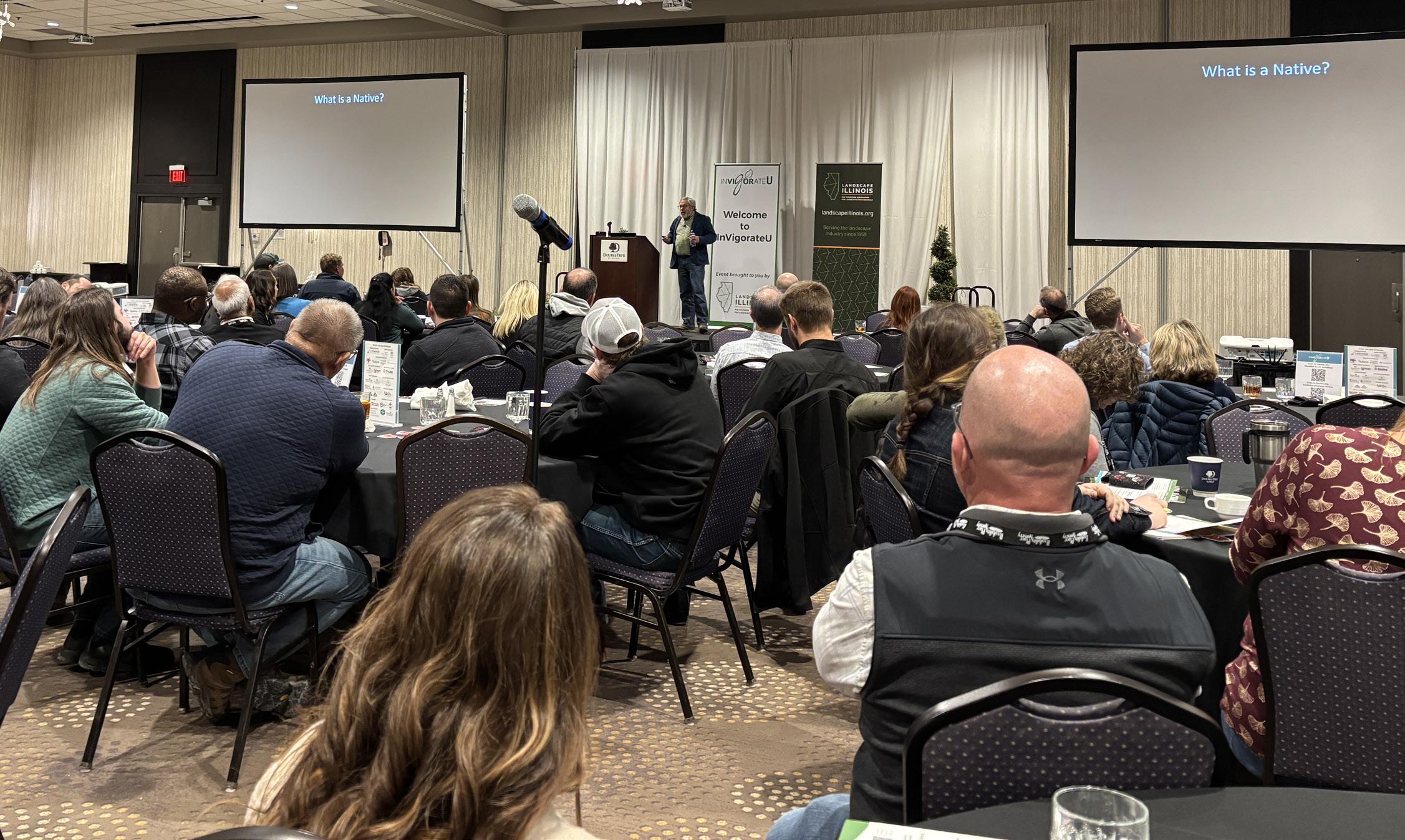
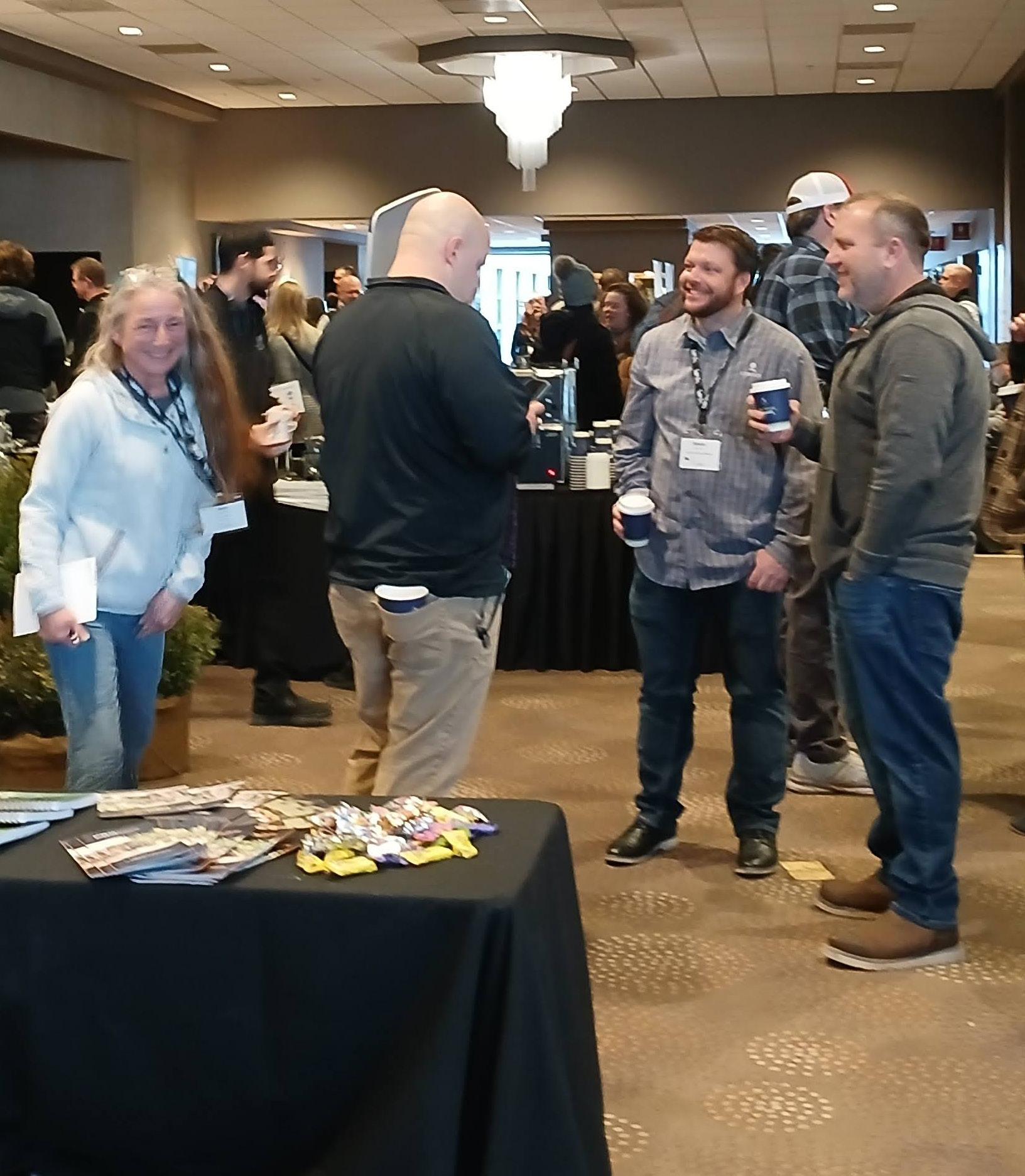
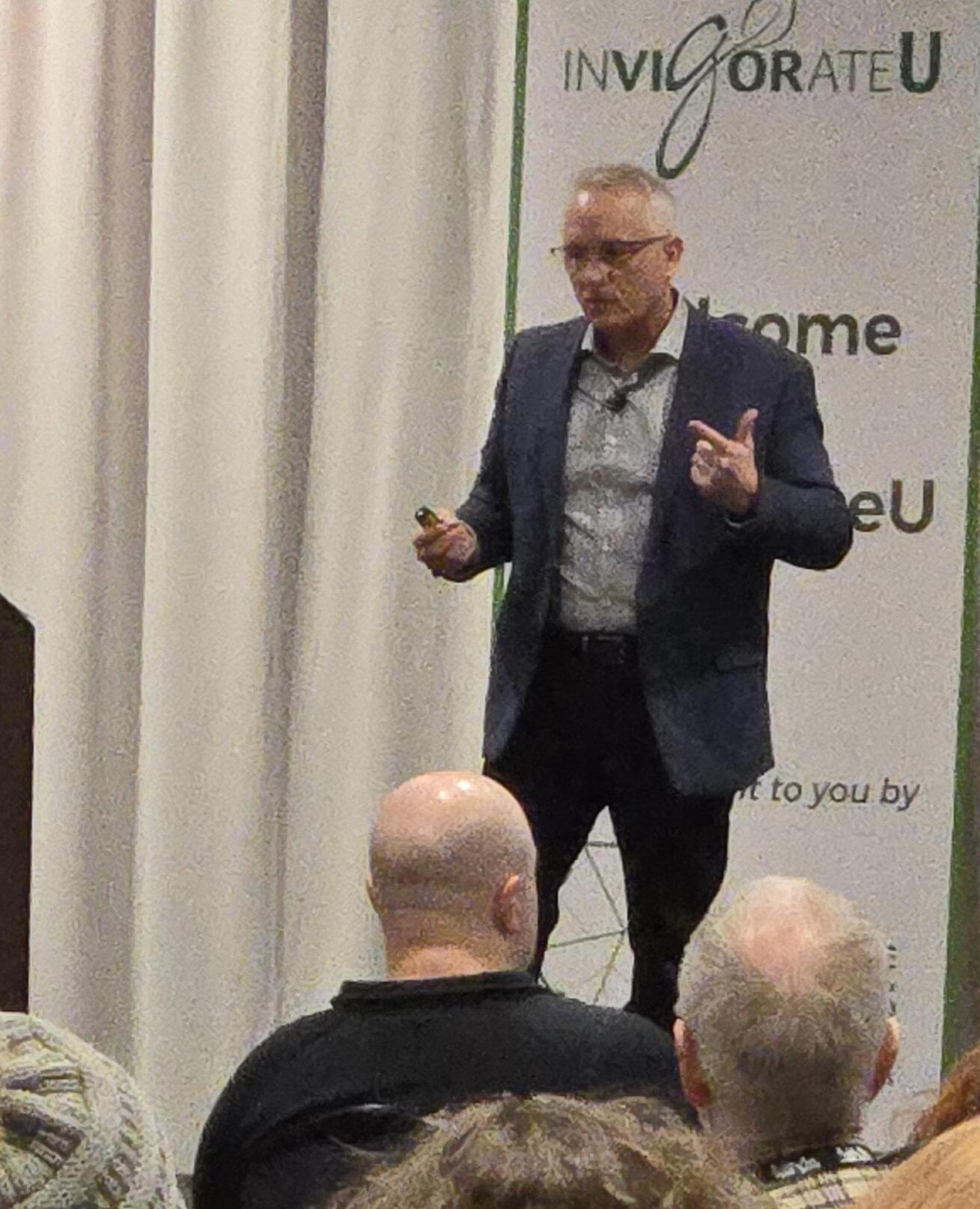
he 11th annual InVigorateU gathered about 350 attendees and more than 30 exhibitors on January 27 and 28. Despite cold temperatures, warm friendships were renewed and new connections sparked during two days of education and networking.
“My favorite part of InVigorateU is the camaraderie and getting to see all the faces that you don’t see all that often because we’re usually too busy during the growing season,” commented Michael Massat, co-owner of The Growing Place garden center. “Everybody’s just excited to see everybody, and there’s always a lot of great conversations.”
The first day began with simultaneous plant talks and an irrigation training experience. Those in the irrigation track
learned how to evaluate system hydraulics, the ins and outs of flow management, and building sustainable irrigation systems with smart controllers. The plant education began with an inspiring presentation from Jeff Joutras of Step Forward Into Leadership Growth on company culture. Joutras defined culture makers and breakers and provided tips on building effective teams. We learned, for example, that psychological safety was the number one predictor of high performing teams.
“What I really like from the first keynote was the shared fate principle he talked about with regards to management,” said Andy Legel, IPM manager at Hill Nurseries. “I think it’s important to share the same successes and failures across the (continued on page 18)
(continued from page 16)
company, from crews to management. It’s good to expand that narrow focus that people tend to fall into and realize we’re all in it together. That’s what I’m taking back to our crews to see if we can help build camaraderie and a more positive culture.”
Following Joutras, Mark Weathington, director of Northe Carolina’s JC Raulston Arboretum, gave a lively talk on re-thinking native and invasive plants. He stressed being critical and evaluating data that seems to deliver sweeping claims, emphasized that diversity is key to building healthy landscapes, and encouraged conversations about native plants across industry stakeholders.
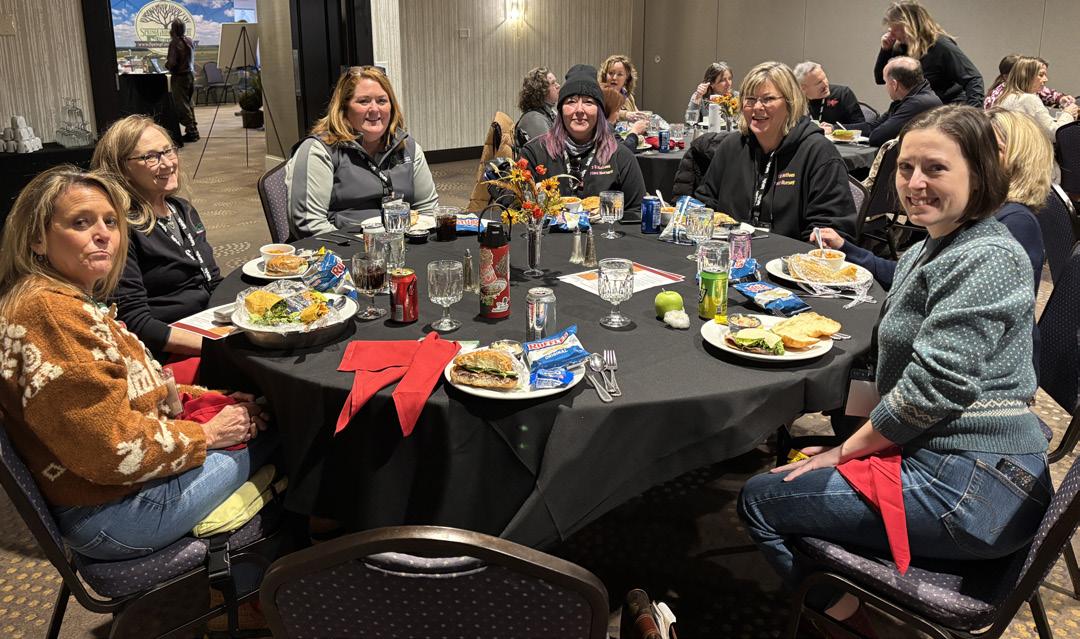
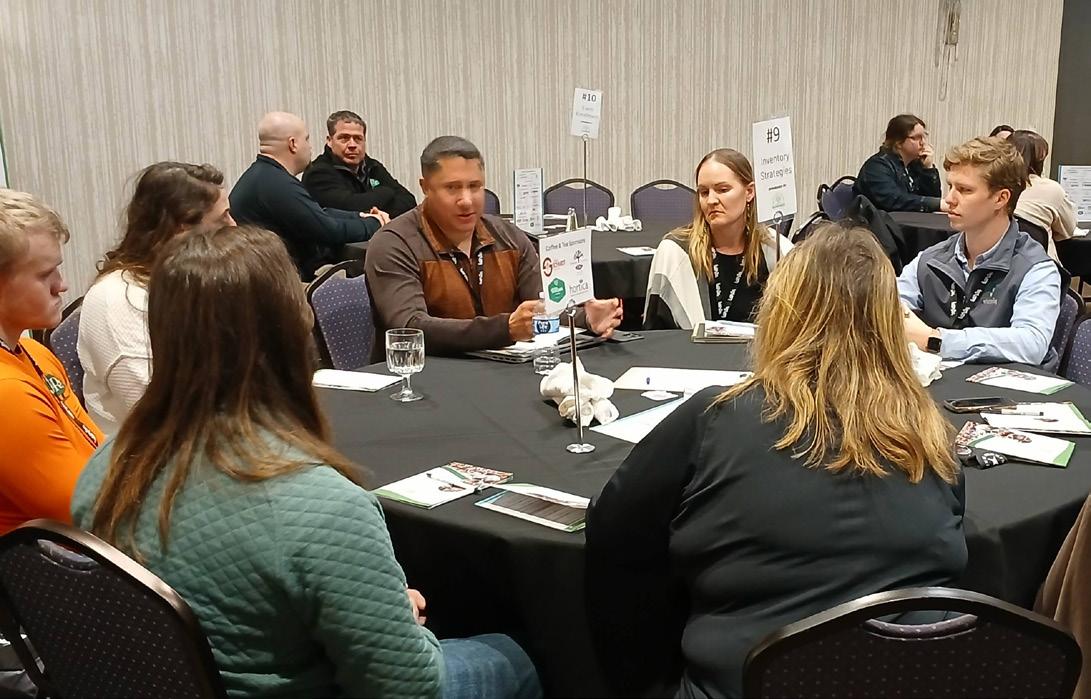
Two industry roundtable sessions brought attendees together to discuss hot topics around native plants, trees, sales strategies, sustainability, and smart business tactics. The Women’s Network Lunch encouraged new connections between veterans of the green industry and new faces. “I think all trade shows are about who shows up and who you connect with,” observed Ty Martin, vice president of ag lending at Compeer Financial.
“This is one of the shows that feels like a group of friends. Here, people actually try to help each other grow and evolve and change and share information.”
The afternoon sessions included Michael Yanny, owner of JN Plant Selections, LLC, sharing his experiences with growing native oaks in the Midwest. One practice he’s found invaluable for encouraging fibrous root development is snipping the tap root of seedlings at a very young stage. He also shared his experiences with two-line chestnut borer, the wisdom of squir-
rels and growing oaks in containers. (continued from page 18)
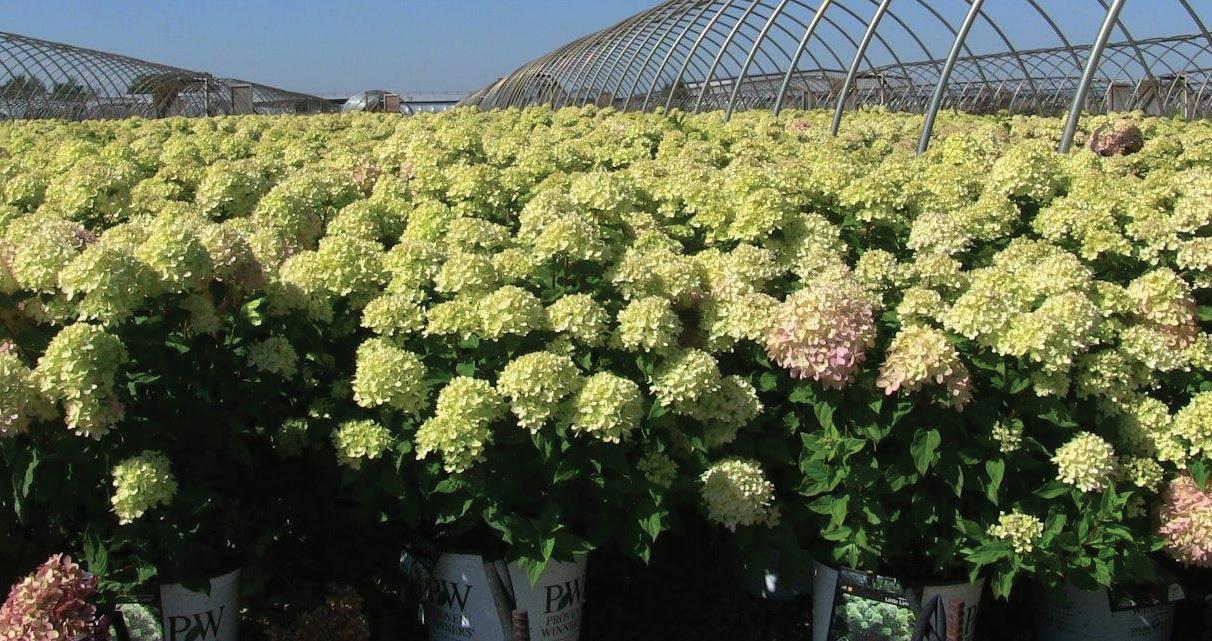
Mike Mennenoh, general manager at Mariani Plants, discussed ‘How Brands Shape the Marketplace’. He offered a grower’s perspective on the evolving marketplace where brands such as Proven Winners have grown to dominate. The marketing strategies of Bailey Nurseries and Bloomin’ Easy were also highlighted. Attendees learned how these large brands build market share with branded pots, colorful tags and creative advertising. They are also partnering with celebrities and media to create memorable events, creating customer demand.
The education of the first day wrapped up with an inspiring talk by Larry Weaner, founder and program curator at New Directions in the American Landscape, on growing, planting and maintaining native plants. Weaner stressed matching the plant to the soil, not the soil to the plant. He emphasized understanding a plant’s origins and its preferred growing conditions to be able to thoughtfully site it in designs. He shared expert tips from his long experience including cutting weeds instead of pulling them to minimize soil disturbance that inevitably brings more weed seeds to the surface. Plant communities and allowing plants to create them over time was also discussed.
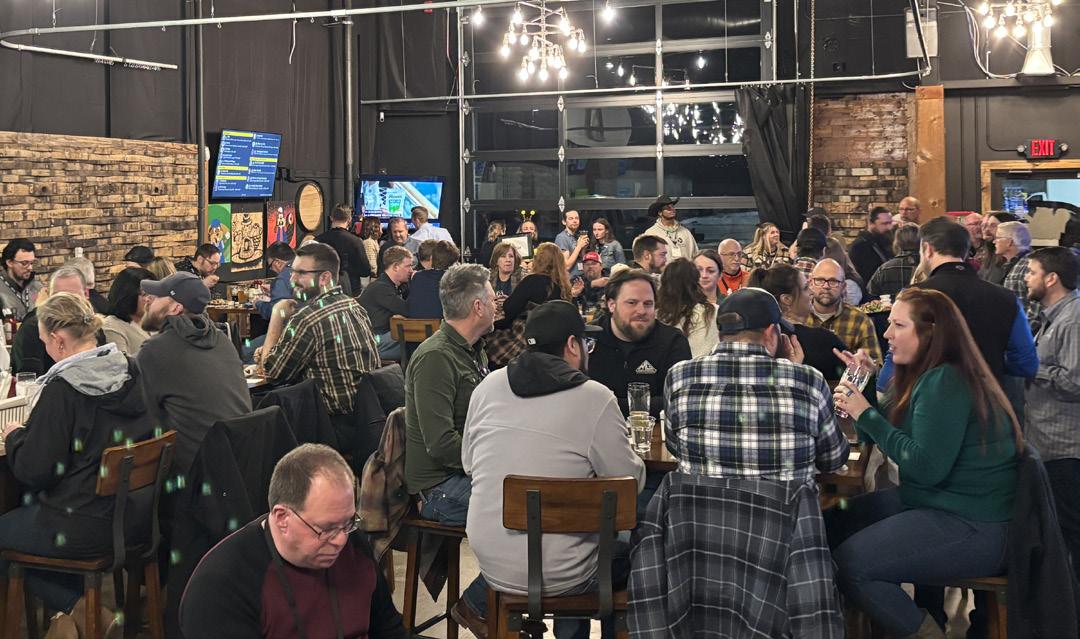
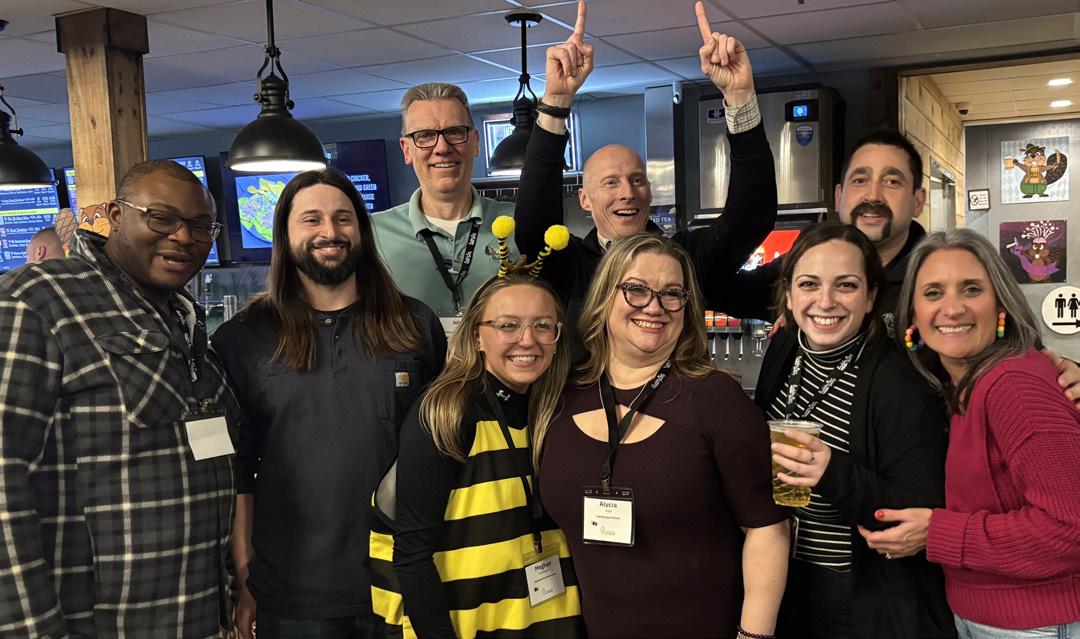
Then it was off to Lil Beaver Brewery for dinner and the traditional trivia event. “It’s a great local central Illinois event, and it’s a perfect time of year to reconnect with people and network,” commented Adam Bellas, co-owner of Bellas
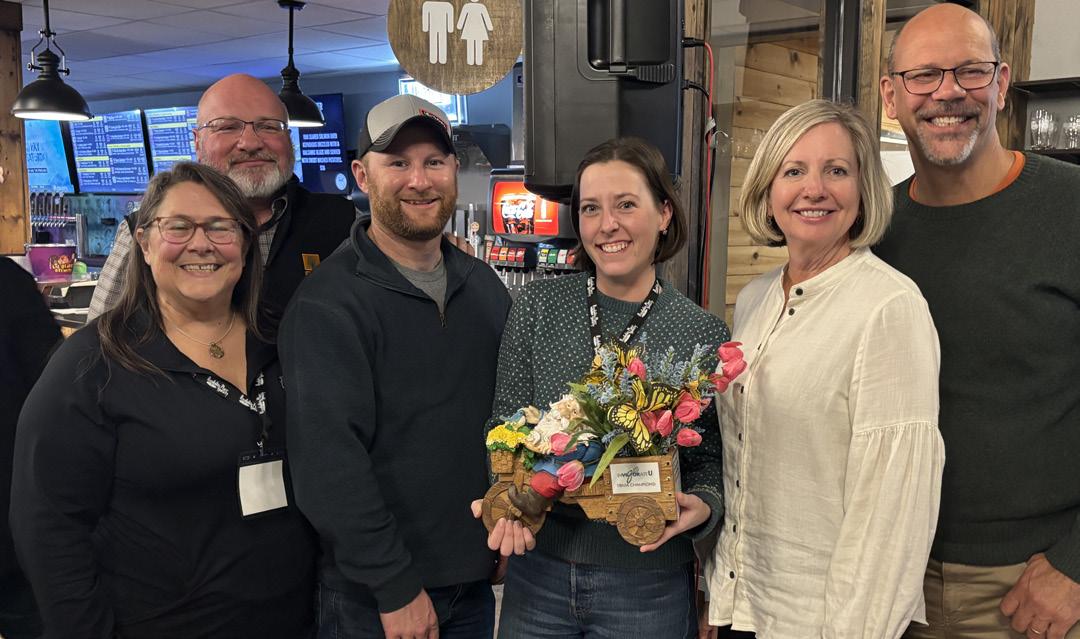
Landscaping. “The event at Lil Beaver Brewery is pretty fun, too, where everyone can just relax and not rush off.” The Nyssa Sylvatica team took the trophy gnome this year after a raucous, good-natured competition.
The second day of InVigorateU began with a keynote talk entitled “From Stress Relief to Sustainability: Communicating the Benefits of Plants” by Dr. Melinda Knuth of North Carolina State University. She discussed how we talk about plants including features versus benefits and that people will spend 10 to 15 percent more when provided their benefits. She included a review of the myriad benefits plants offer and how to spin them into potent messaging for clients.
After the keynote, the rest of the day featured four blocks of breakout sessions. Attendees had a wide range of topics to choose from including new and rare plants, pest control with biologicals and establishing an ecological focus for your firm. In the second session, folks could learn about Mt. Cuba Center’s plant trials, impactful annuals, or how new plants reach the market. The third session covered building a healing garden, plant stress in a changing climate and using AI in the landscape industry. The day wrapped up with a presentation on leaving the leaves and a growers roundtable.
Conversations continued across lunch tables, trade show booths, hallway chats and at the bar. “I find this show is more on a small scale,” commented Emma Eisenmann, landscape designer at Brookside Landscapes. “It feels personal, and I
IRRESISTABLE COLOR ALL. SEASON. LONG.
KODIAK
JET BLACK ®
Diervilla × ‘ SMNDSN’ PP#36,846; CBRAF
Native species | Season long color | Adaptable
SUMMER FOLIAGE USDA 3-8
3-4’ tall + wide
Alsip Home & Nursery
Frankfort, IL • 815-469-1044
Blumen Gardens
Sycamore, IL • 815-895-3737
Creekside Gardens
Collinsville, IL • 618-344-7054
Home Nursery
Albers, IL • 618-248-5194
Available from
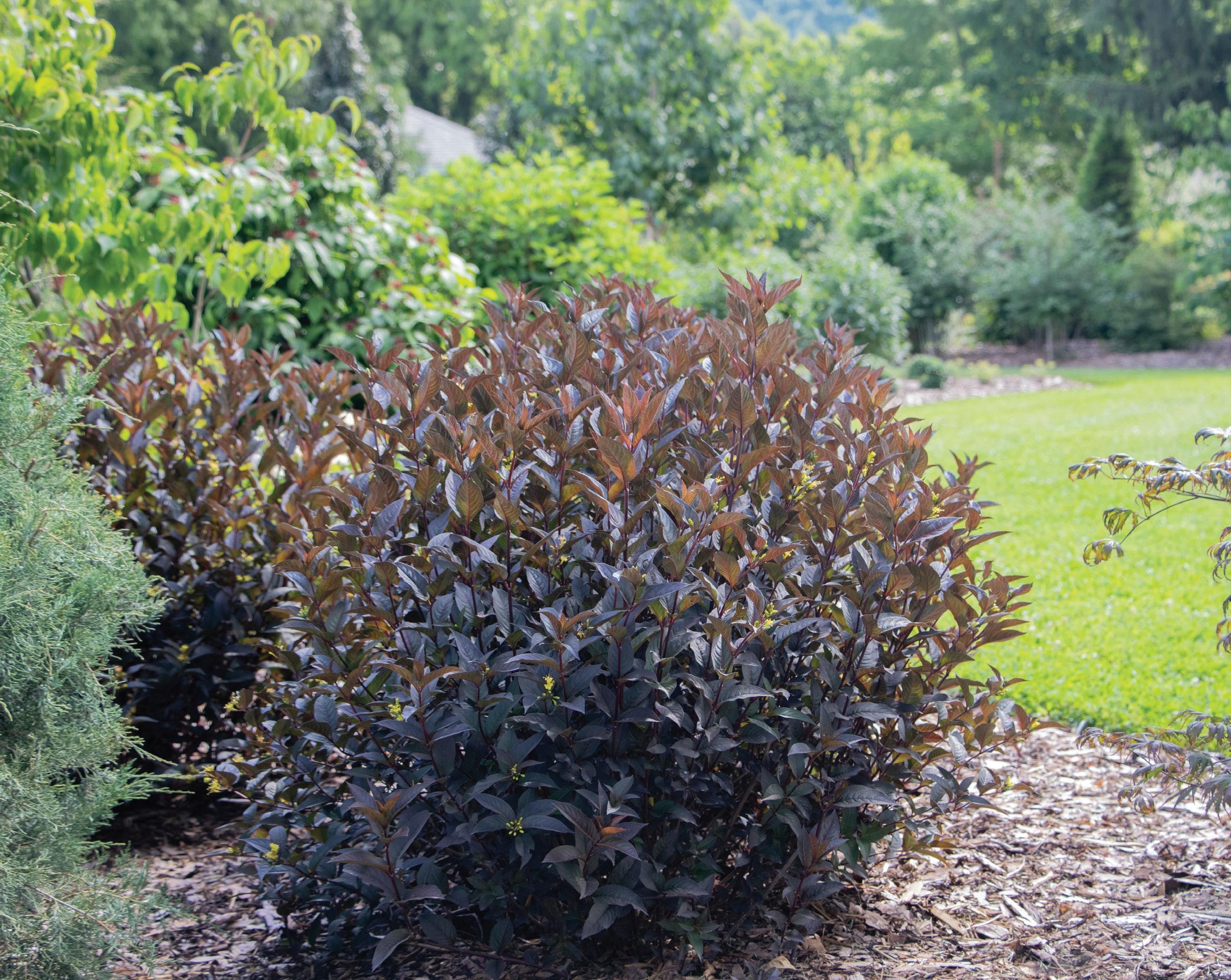
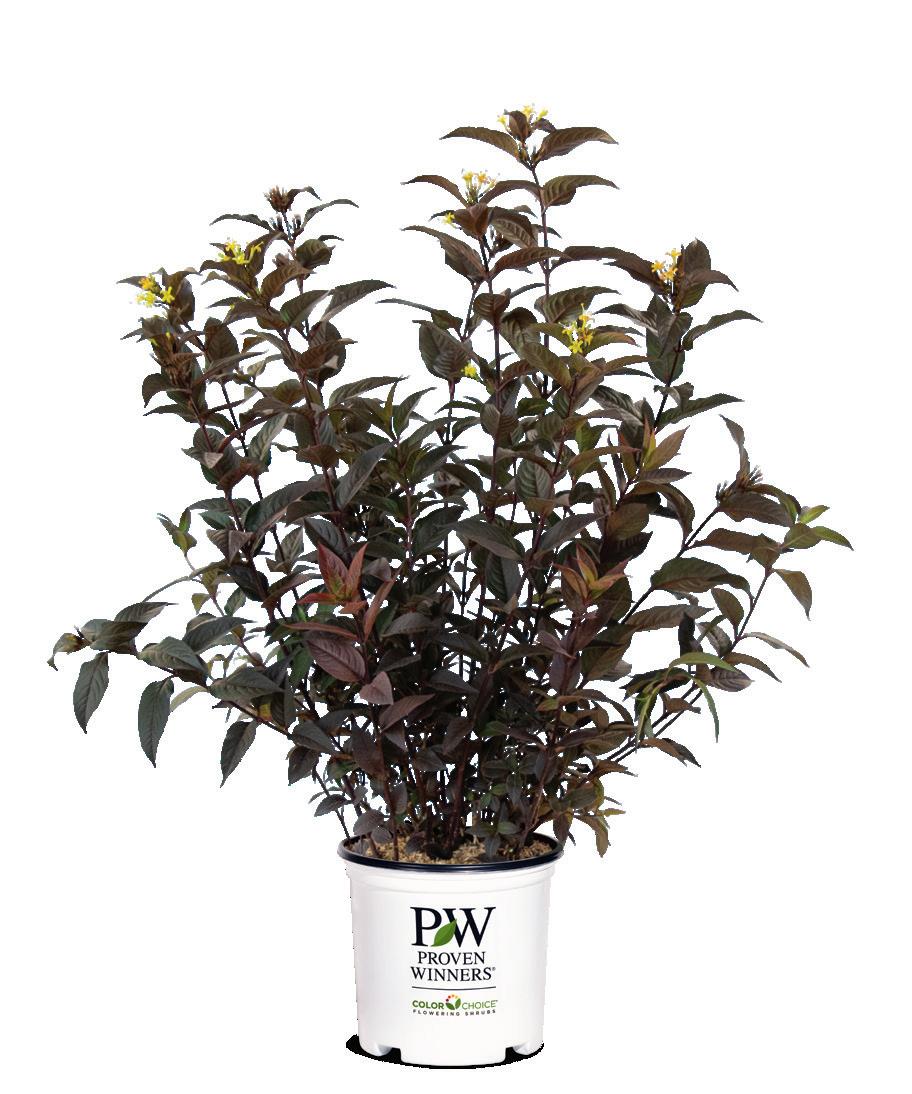
While other diervilla tend to fade in summer, this shrub maintains its deep, striking black foliage, which creates quite the contrast with its bright yellow summer flowers. This unique look is sure to catch the eyes of passersby and pollinators in the garden and landscape.
AVAILABLE FROM THESE SUPPLIERS
Mariani Plants
Garden Prairie, IL • 866-627-4264
Midwest Groundcovers
St. Charles, IL • 847-742-1790
Montale Gardens
Wauconda, IL • 847-487-8435
Platt Hill Nursery Bloomingdale, IL • 630-529-9394
LEARN MORE ABOUT OUR LANDSCAPE PROGRAM
Willoway Nurseries
Avon, OH • 440-934-3813
Willoway Nurseries Broadview Heights, OH • 440-526-8711
Willoway Nurseries
Hilliard, OH • 614-777-9859
Woldhuis Farms Sunrise Greenhouse Grant Park, IL • 815-465-6310
The Elegant, Edible Garden
Are your clients hungry for something new?
by Nina A. Koziol
More than 51 million people in this country grew vegetables, herbs and berries in 2024, an increase over previous years. Maybe it was the pandemic when they stayed home and perhaps watched the food network. Or social media influencers and all those enticing posts of meals made with fresh ingredients they’d grown. Whatever the spark, some landscape firms are getting more requests for vegetable gardens. And, their clients want them to be attractive and user-friendly.
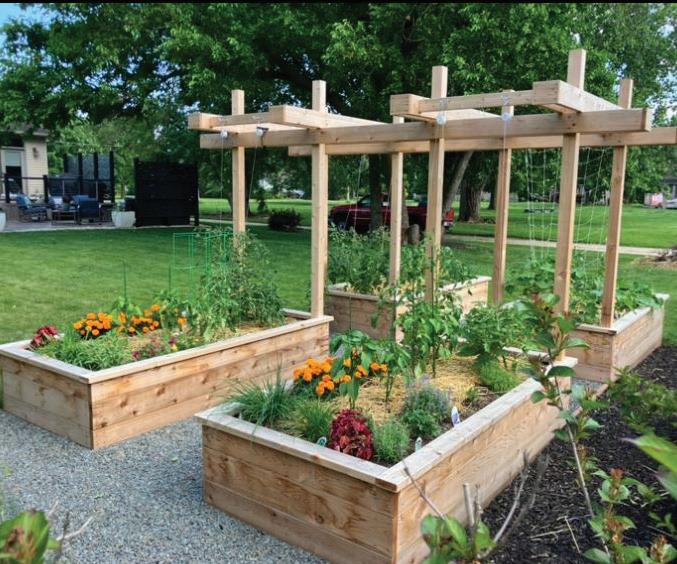
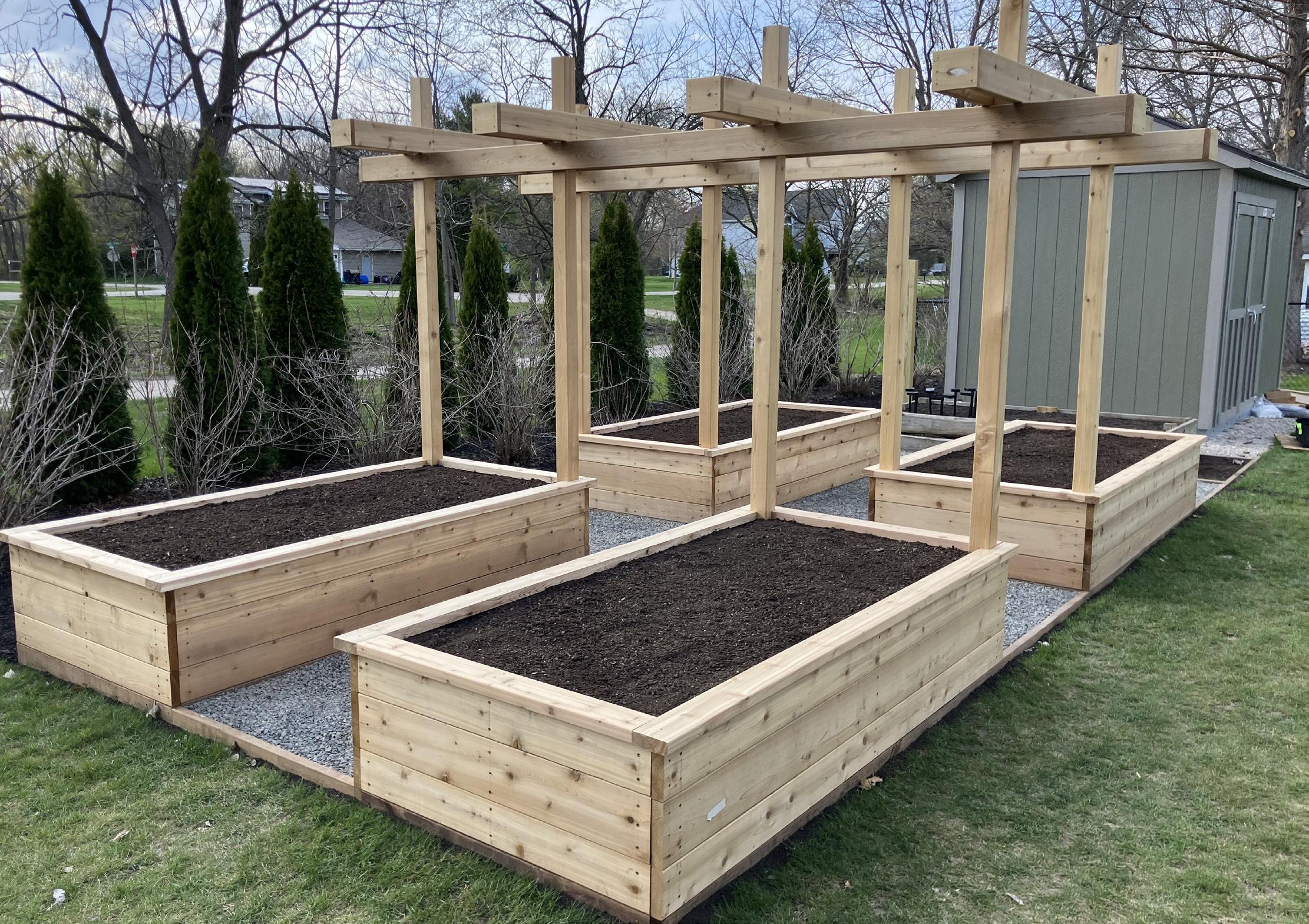
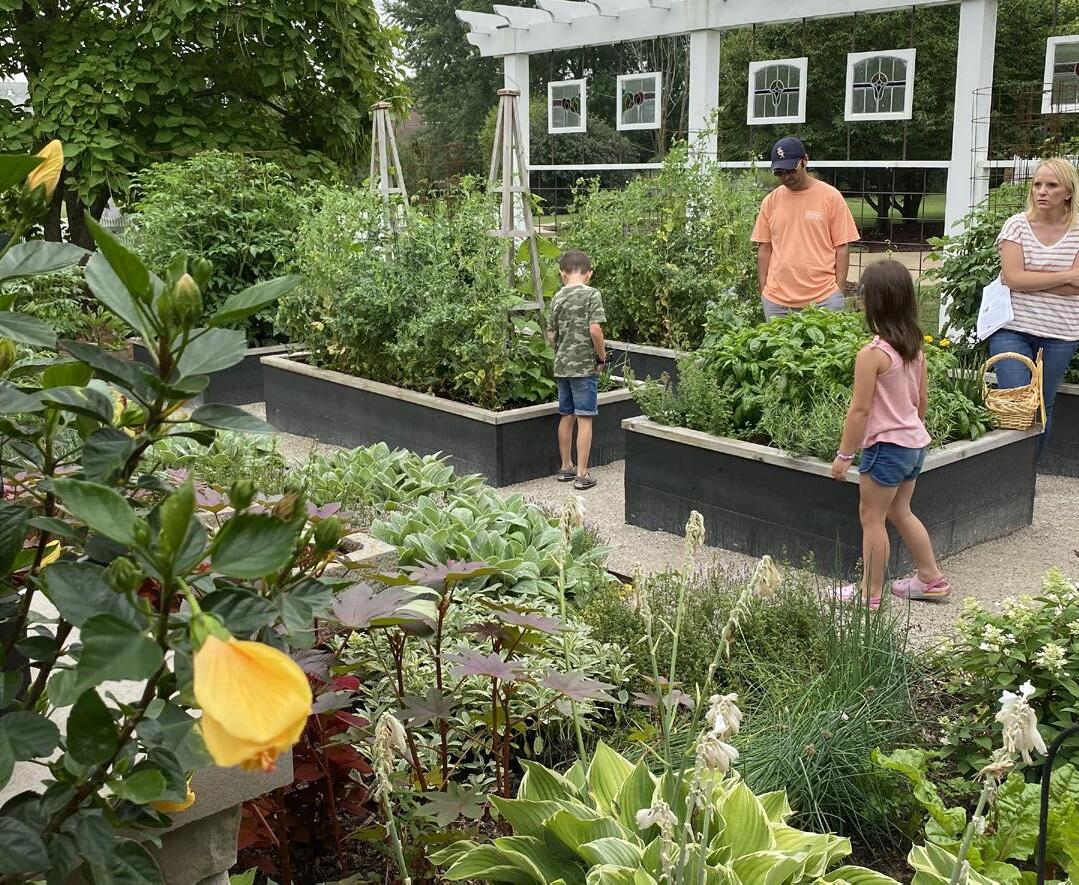
Matt Erickson, owner of Erickson Landscaping, Inc., in Seneca, has been doing residential design and installation for the past 25 years. He recently designed and built a raised bed for a homeowner who wants to grow his own vegetables. “I’ve worked with the client the past several years. They back up to a subdivision, and we’ve been creating an arborvitae barrier. Last fall they asked for a raised garden. He likes dabbling in cooking and making some fancier meals,” Erickson explained.
Erickson built the raised cedar beds off site and delivered them on a trailer, but not before he helped the client understand some necessary design changes. “We played off some border lines that were already there. When it came to soil for the beds, I wanted something not real light or not real heavy. I reached out to Midwest Trading for some opinions about soil mix. They were great. They answered all my questions and recommended a lighter garden mix. We did a two-part mix—a vegetable bedding mix and a garden mix that has a little bit of topsoil and sand. You need some meat and potatoes for the roots to hang on to and for drainage.” Erickson tapped into the client’s house spigot and did an underground irrigation system. “It’s only 10 inches deep so we’ll blow it out come fall or early winter so nothing freezes,” he explained. The client was initially interested in soaker hoses. “I’ve never been a big fan of them. The roots can grow around them. (continued on page 24)
• Outc roppi ng s a nd Bou lder s
• Conc rete & C l ay Paver s
• Reta i n i ng Wa l l s
• Pond s a nd Low Voltage L i g ht i ng
• Seed s & Fer t i l i zer s
• Mu lc h & Decorat ive Stone
• L i mes tone Sil l s & Cou nter Tops
• Blues tone - Nom i na l & Di men siona l
• Bu i ldi ng Stone
• Mason r y P roduc t s
(continued from page 22)
If they’re under mulch or soil and you dig around, you can clip the hose with pruners or nick them with a small handheld shovel. In this application, it made more sense to get a hose reel out there.”
Erickson lined the inside of the beds with plastic to contain the soil and moisture. “Contractors use it against foundations. The side with the convex dimples went up against the cedar. Cedar is naturally rot resistant, but I figured it wouldn’t hurt to put another step in there.” If the client is caring for the garden, a raised bed no greater than four feet wide will help keep the weekly work down. Raised beds warm up faster in the spring and typically provide better drainage.
“It’s not so much a big vegetable garden that clients want, as it is a separate raised-bed garden,” says Landscape Architect Deirdre Toner, of D.T. Landscape in Old Mill Creek. “A lot of time, the client wants organic plants so we provide liners. We’re doing companion plantings with marigolds and different things.” Adding blue-flowered plants like annual salvias will bring the bees. An adjacent cut-flower garden will help attract necessary pollinators for edibles like squash. And, what client (continued on page 26)
(continued from page 24) wouldn’t like cutting a few zinnias for their dining table? “The last couple of clients wanted tomatoes in pots or tomatoes in the garden—because of the rabbits,” Toner noted. While a raised bed can deter some wildlife, rabbits can jump and deer will have no problem strolling up to the buffet. Hoops covered with netting are a deterrent.
A Formal Feature for Foodies
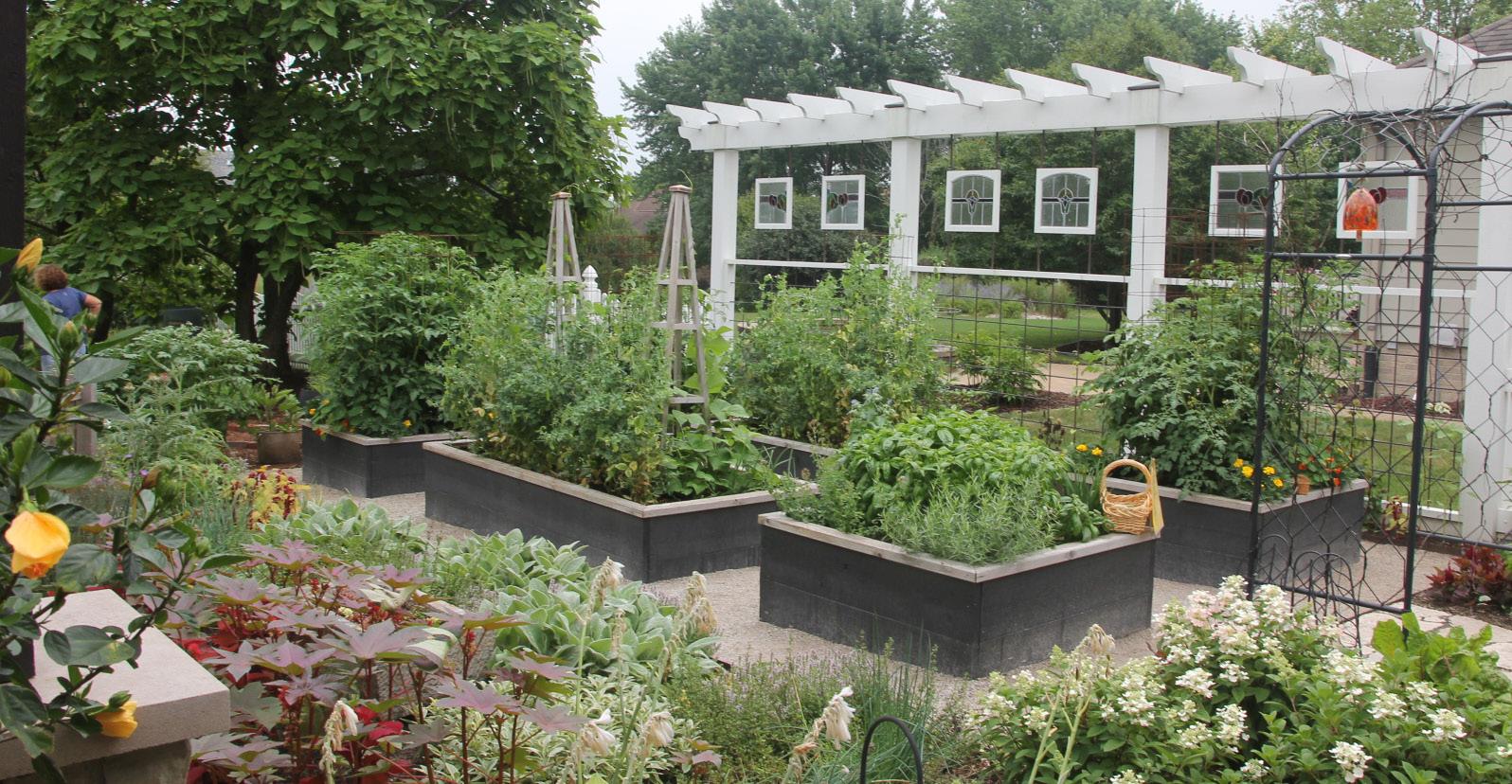
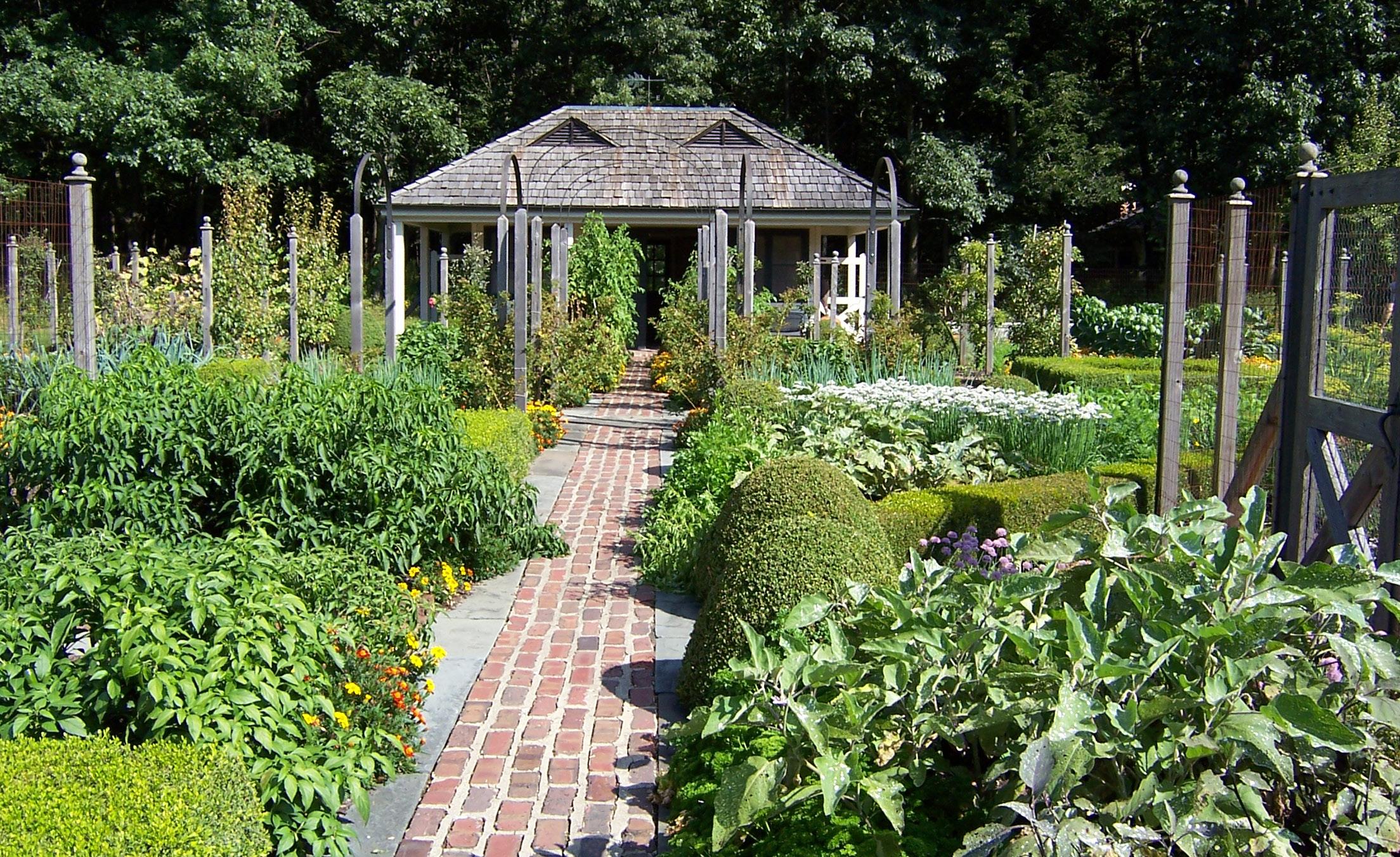
An elegant touch for an in-ground bed of edibles is an edging of boxwood. In Long Grove, Craig Bergmann of Craig Bergmann Landscape Design in Lake Forest, designed a formal vegetable garden in 1993 for Westover Farms. The space continues to look great and is wildly productive because it’s been cared for by horticulturist Nick Michaud. The 71-by-97-foot garden features annual and perennial vegetables as well as fruit trees, roses and herbs that create a stunning composition of color, texture, shape and form—and flavor. But this type of productive, attractive vegetable garden can be as small as a 5-by-10-foot border as long as it receives six or more hours of direct sun.
No matter the size, an elegant vegetable garden has well-designed bones: traditional paths made from bluestone, crushed limestone, bricks or pavers; neat, clipped edging; an arbor for entry; obelisks for height, and, if the client prefers, a fruit tree or two. Neat, geometric beds create four-season interest, even when covered with snow.
Field of Greens
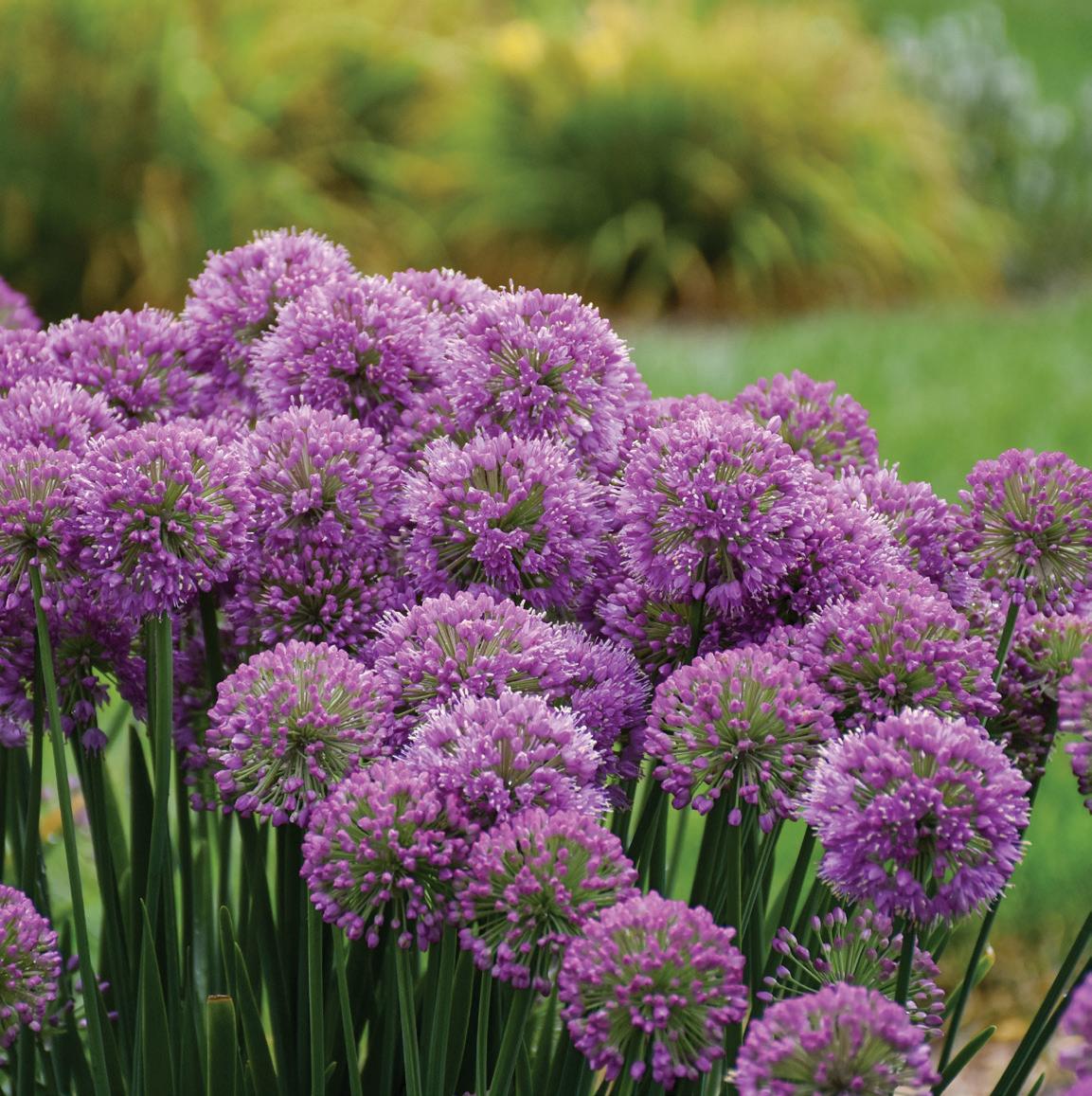
Not all edible gardens need to be formal. Plantsman Roy Diblik of Northwind Perennials in Burlington, WI, incorporated edibles into a client’s meadow in Lake Geneva. “It’s part vegetable meadow—all the different colored bell peppers mingle with Sporobolus, Seslaria, and alliums. I used decorative parsley as an edging and that was beautiful. That was the beginning of asking ‘Why Not’? I’ll just make a vegetable meadow.”
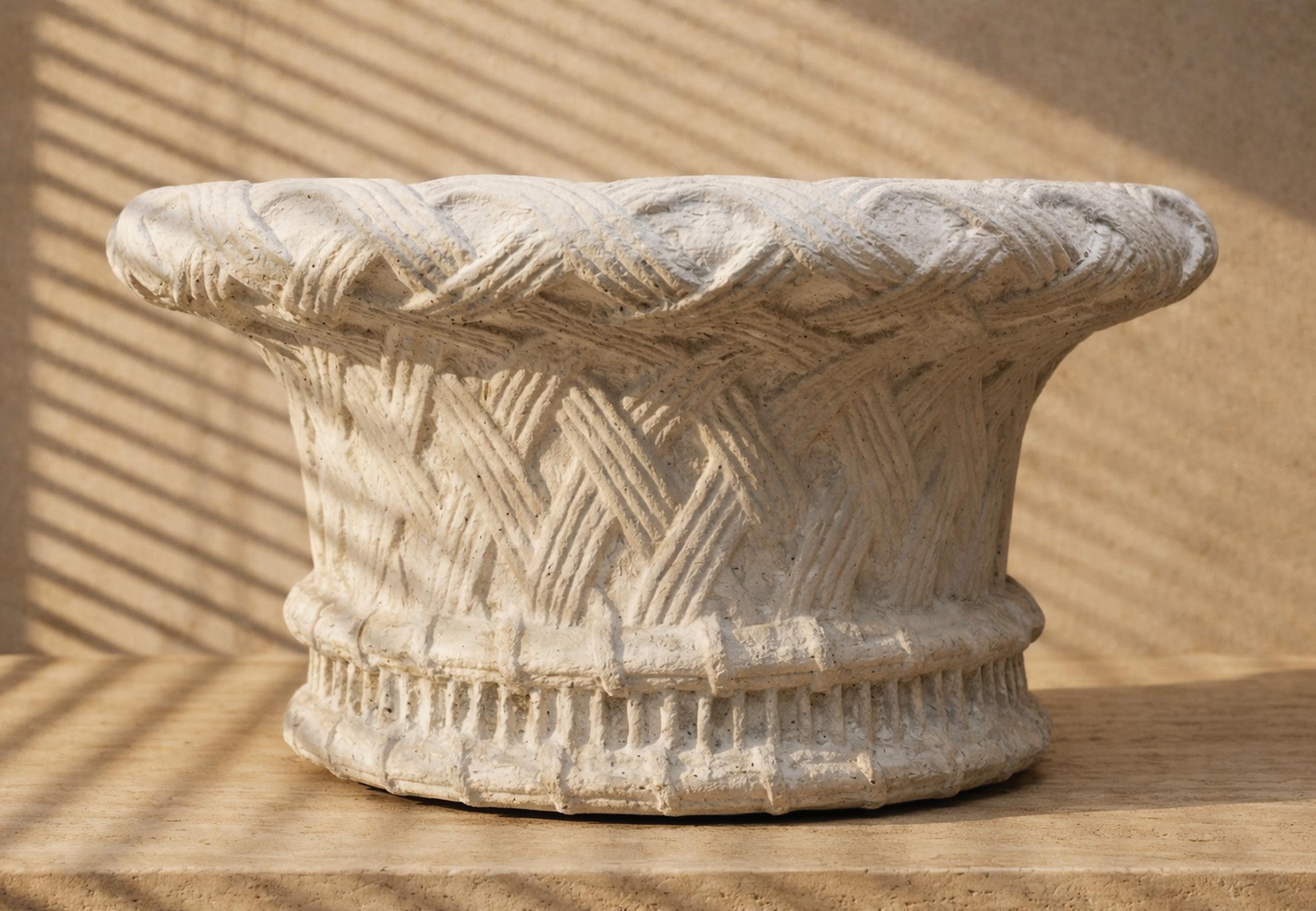
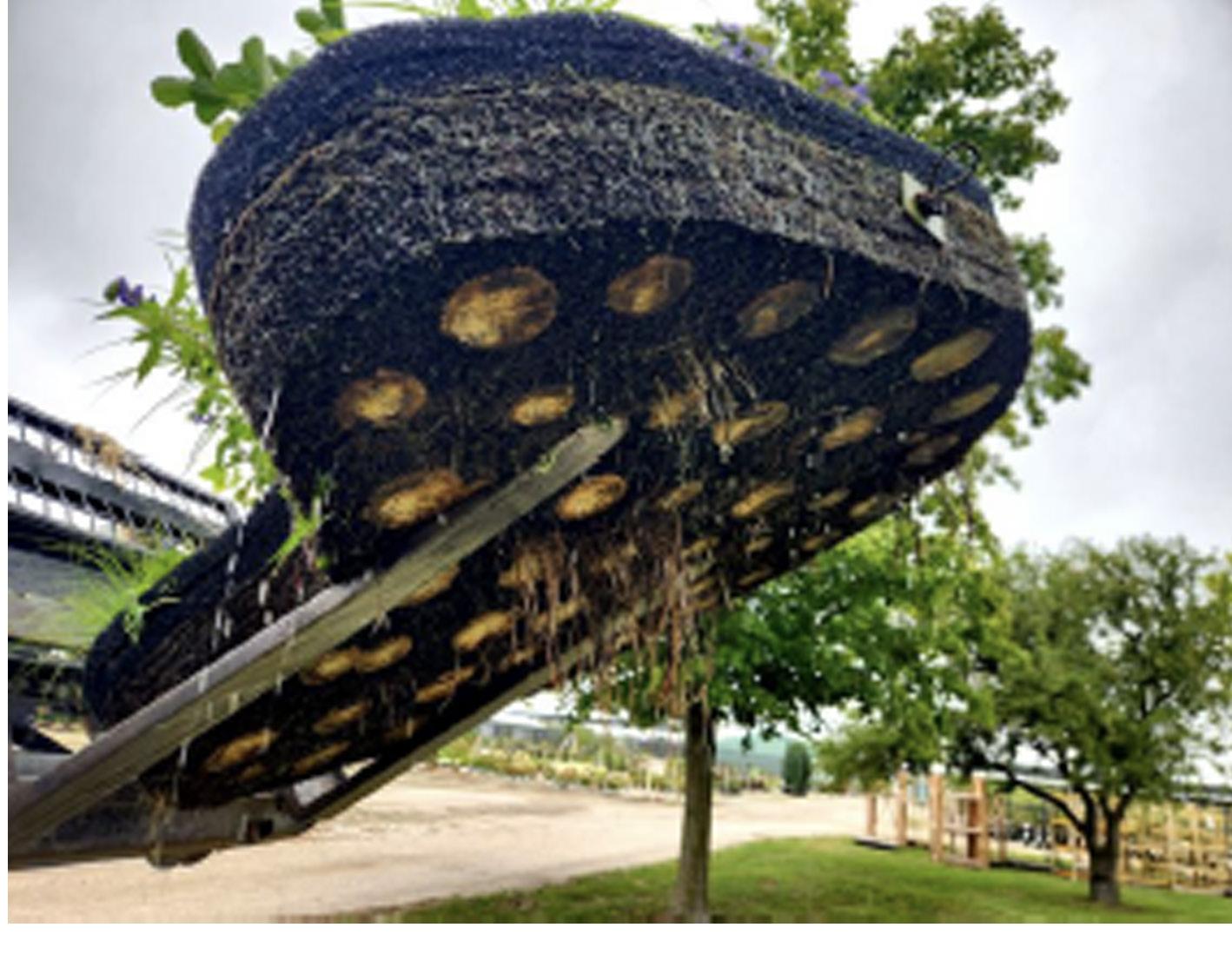
17” high x 33” diameter x 22.75” diameter base
Floating Eco-Islands
by Lisa Smith
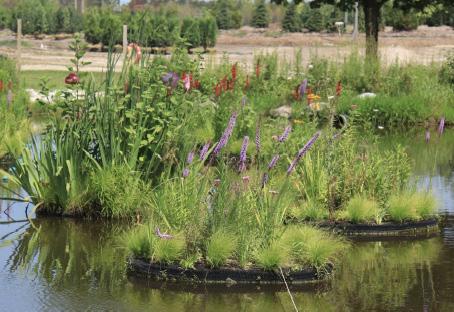
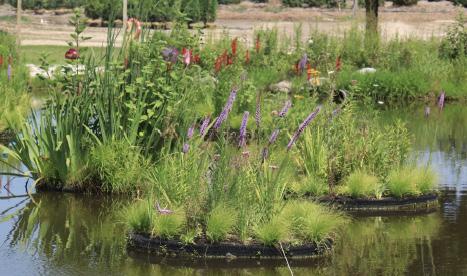
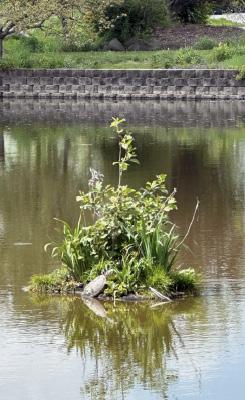
In an era defined by rising seas, shrinking coastlines, and stressed ecosystems, a quiet revolution is taking shape on the water. Floating Eco-Islands are emerging as one of the most inventive solutions for restoring habitats and protecting shorelines. The islands represent an innovative solution to mimic micro ecosystems that occur naturally in small ponds, rivers, and lakes.
Inspired by naturally occurring floating islands - sometimes called sudds, tussocks, or floatons, these constructions are made from 100% recycled, marine-grade, non-toxic materials and have enabled us to design a completely eco-friendly garden on water. The plants selected for the islands are tailored to each site and project goals.
These versatile systems support habitat management both above and below the waterline while improving water quality. Floating Eco-Islands play a role in wetland and lake restoration by reducing algal blooms and helping create swimmable and fishable water. They reduce biological oxygen demand,
help communities meet wastewater compliance requirements, and naturally treat stormwater and greywater by filtering out metals, nutrients, and other contaminants. Beyond water treatment, they help mitigate wave energy and support coastal restoration efforts. Another benefit is that they require no pesticides or herbicides to manage.
Each project can be customized to meet specific goals— whether attracting wildlife, providing refuge, or improving water quality. Clients may have multiple objectives in mind before installation, and Eco-Islands can be designed to reflect those priorities. For those interested in native wetland restoration, islands can be planted with species such as Harlequin Blue Flag Iris (Iris versicolor), Spotted Joe-Pye Weed (Eutrochium maculatum), and Eastern Star Sedge (Carex radiata) to encourage native plant reestablishment along nearby shorelines. For pollinator and bird enthusiasts, plantings can include hummingbird favorites like Great Blue Lobelia (Lobelia (continued on page 30)
(continued from page 28) siphilitica), Hairy Penstemon (Penstemon hirsutus), and Cardinal Flower (Lobelia cardinalis).
Plantings are not limited to perennials; trees, shrubs, grasses, and other species — including Buttonbush (Cephalanthus occidentalis) — have been successfully incorporated into Eco-Island projects. Establishment timelines vary by plant type, with grasses and perennials typically reaching maturity by the second or third growing season. During the first year, temporary fencing or netting can help protect young plants from waterfowl and other wildlife as they become established.
Floating Eco-Islands have a tremendous impact on creating beautiful habitats, enhancing vegetative diversity, and improving water quality. At Johnson’s Nursery, several Eco-Islands are currently in use within irrigation ponds to naturally clean and maintain water quality. Both visually striking and highly functional, these systems represent one initiative we are proud to implement as we help clients achieve their environmental and aesthetic goals.
The Season Waits for No One
Roses, Sweating and February
by Lisa Zaininger
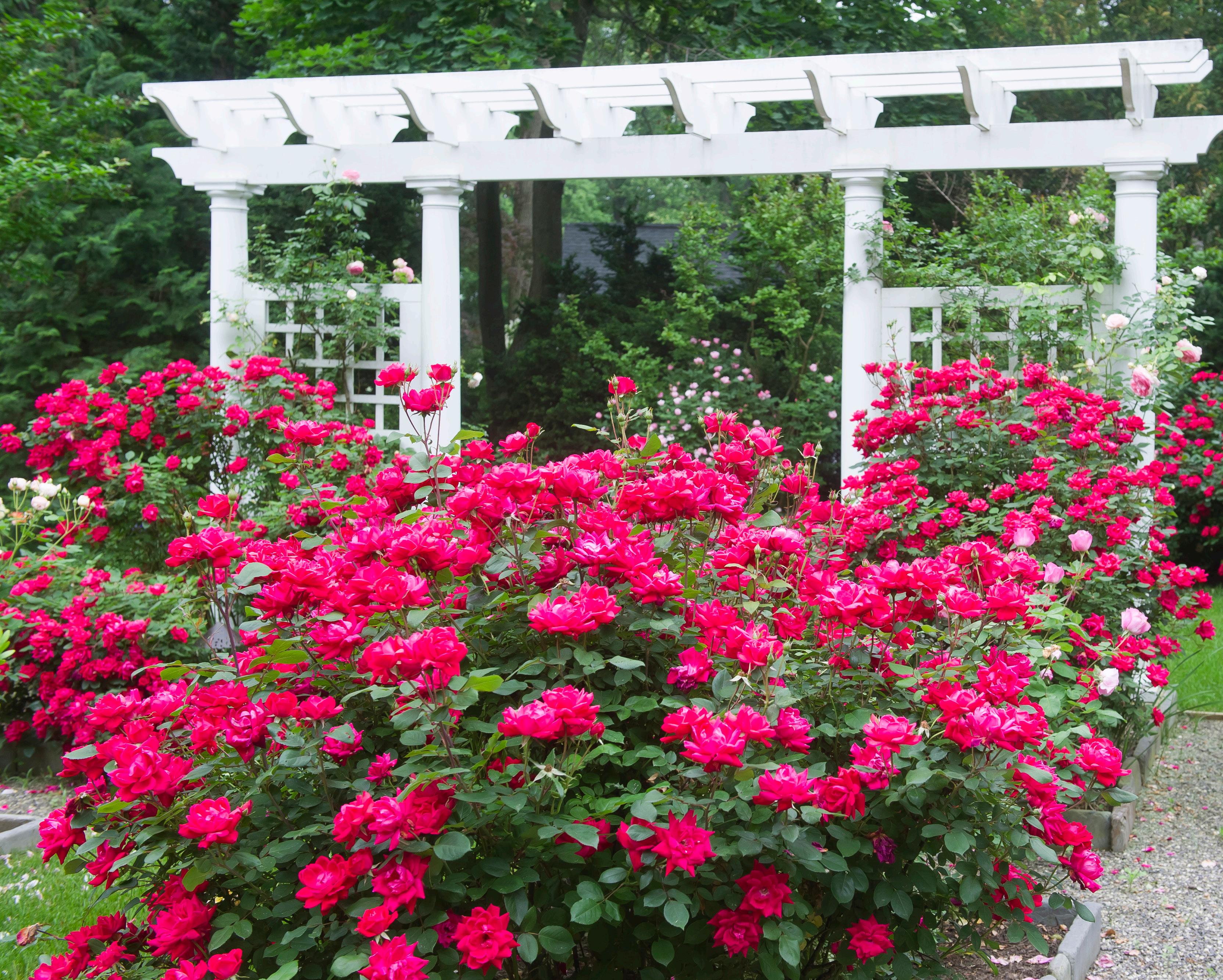
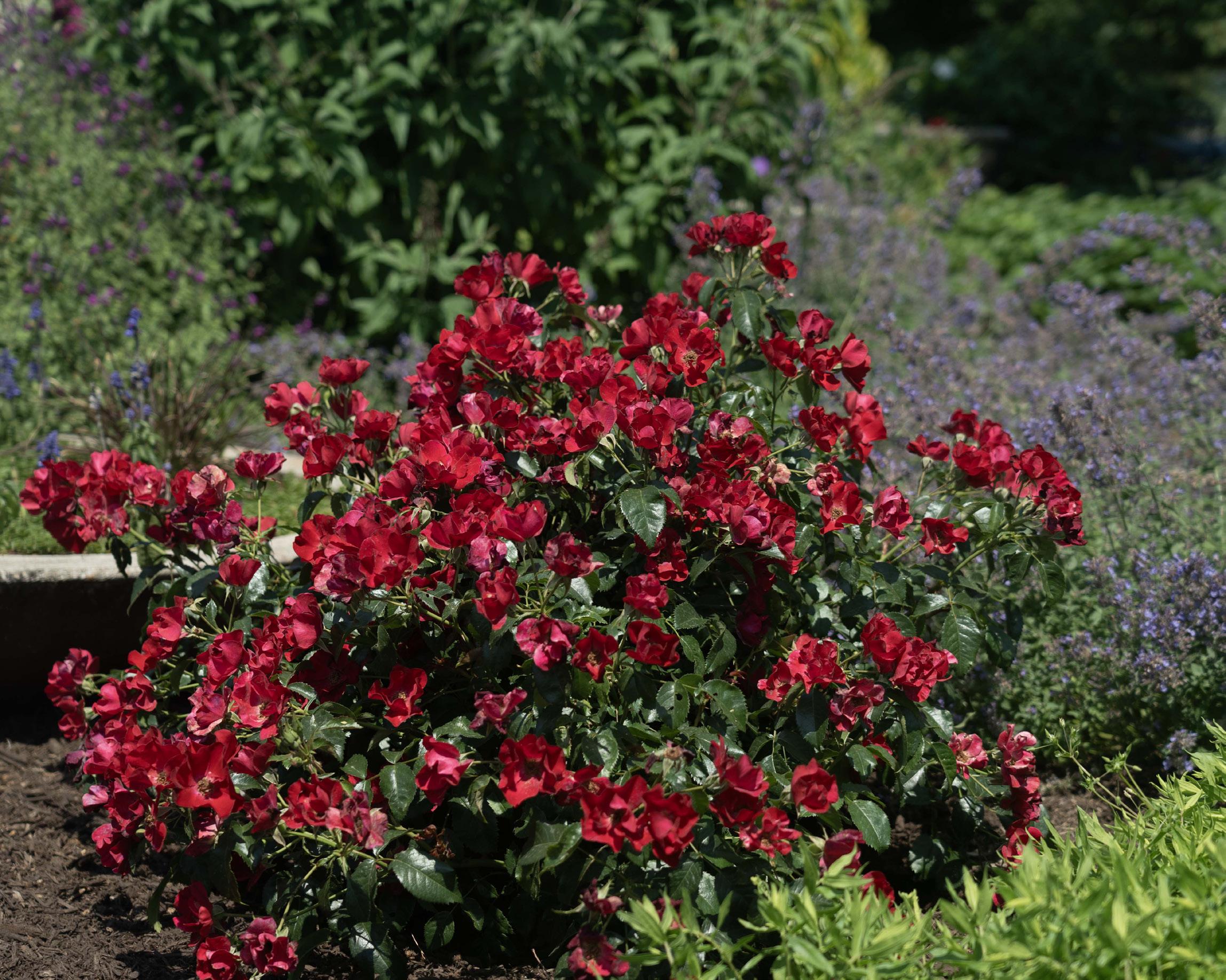
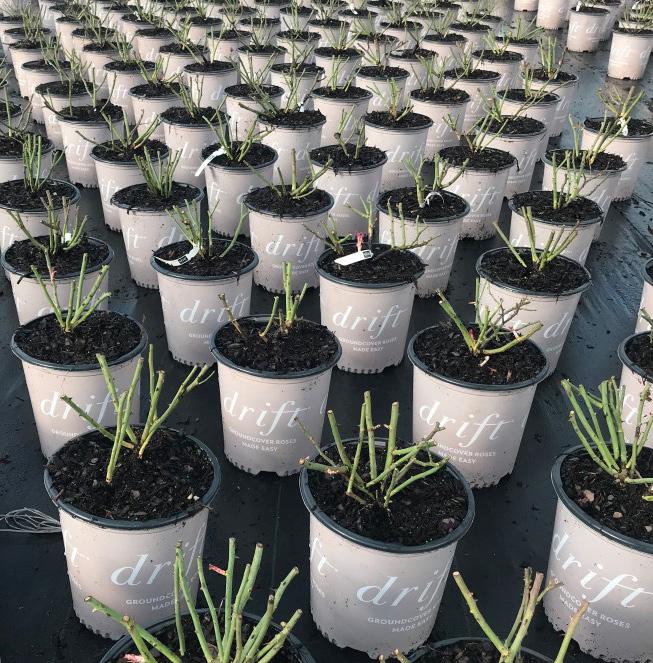
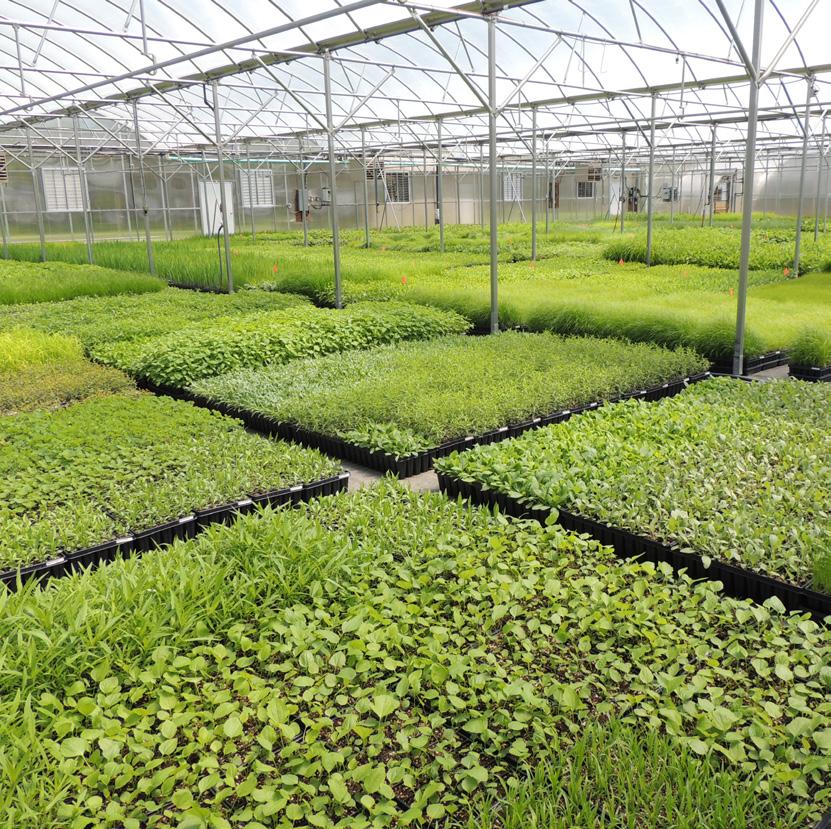
What do the following three things have in common: roses, sweating and February? Of course, some of you may be recalling how you were fretting a few weeks ago while trying to decide what color rose to give your special Valentine. Do you choose red for love, yellow for friendship, pink for admiration or purple for enchantment? But this is not what we are referring to. At Midwest Groundcovers and many other nurseries across the Midwest, during the month of February — while the wintery blasts are still raging — production growers are sweating roses in temperature-controlled greenhouse environments. Sweating is a production process that utilizes heat and water to force bud break and active growth in dormant plant stock. This method is used because it results in the best quality plants while ensuring plants are budded and blooming for spring sales.
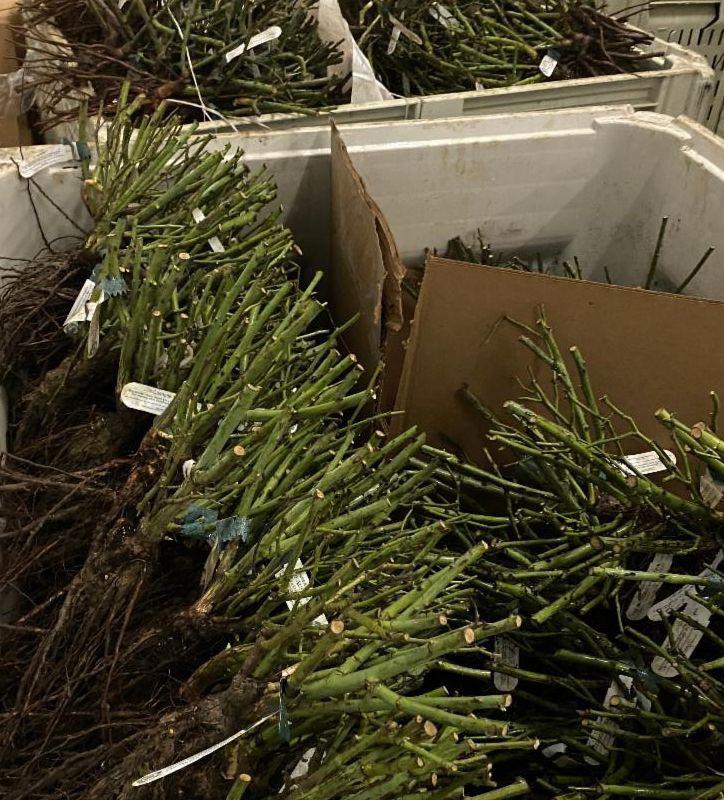
Preparations begin in January, when we receive delivery of an estimated 30,000 bare root roses that had been dug from the fields in California and several other states. Each semi is typically stacked from floor to ceiling with rose bundles that are unloaded and separated into large plastic
crates by type and color. According to our growers, the challenge is keeping all 40 varieties organized and labeled — since they all look the same at this stage. Another challenge is hosing down the canes to keep them moist, especially once the crates are stacked — up to four high — in our warehouse-sized cooler. The cooler is monitored 24/7 to maintain a temperature of 34°F, while a misting fan adds supplemental moisture every hour to maintain an environment with 100% humidity.
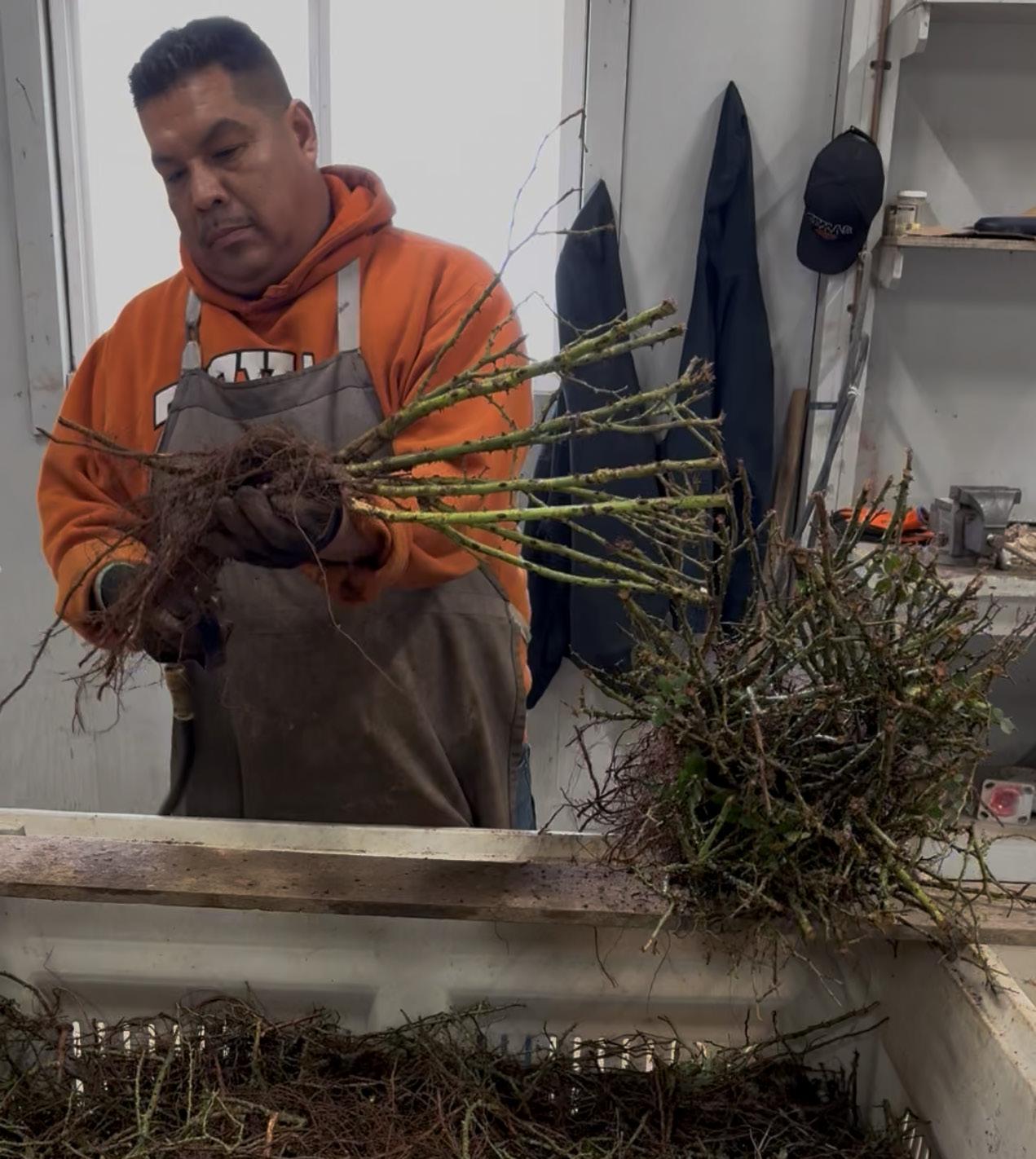
Starting in mid-February, our growers begin the enormous task of hand pruning each rose — both the canes and the roots — to shape and stimulate rooting. Tough leather gloves, traditional Felcos, pneumatic pruning equipment and festive Latino music assists the team to complete this tedious task in less than two weeks! Once the pruning is complete, the rose crates are moved into the adjacent heated workroom (set at 80°F), hosed down and covered with plastic to begin the sweating process that will stimulate growth. After 2-3 days of heat, the plants are ready to be moved into our five-acre greenhouse where they are hand potted into two-gallon containers and laid out in a grid pattern to encourage optimal growth.
(continued on page 36)
(continued from page 34)
By April, the greenhouse will be full of thousands of beautiful roses in bloom or bud — just in time to deliver to our Bud and Bloom customers and entice early retail shoppers.
The remainder of the bare root roses will be removed from the cooler in early spring to be potted up into three-gallon containers and staged in outdoor growing shelters in order to be ready for sales later in the season and into the following spring.
So, while February may still be cold outside, inside our greenhouses it’s a season of energy and anticipation. Because behind every beautiful, healthy rose is a team that quite literally sweats the details — ensuring that when spring arrives, our customers receive plants that are as resilient as they are breathtaking.
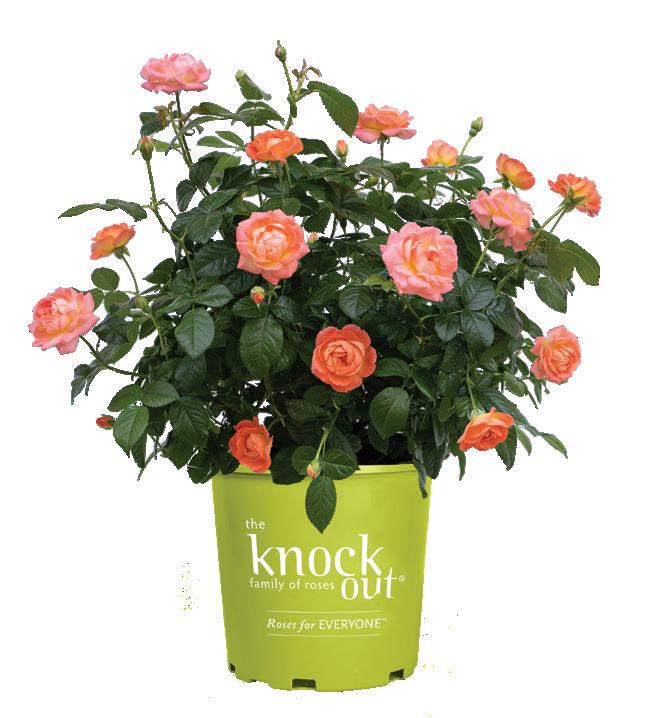
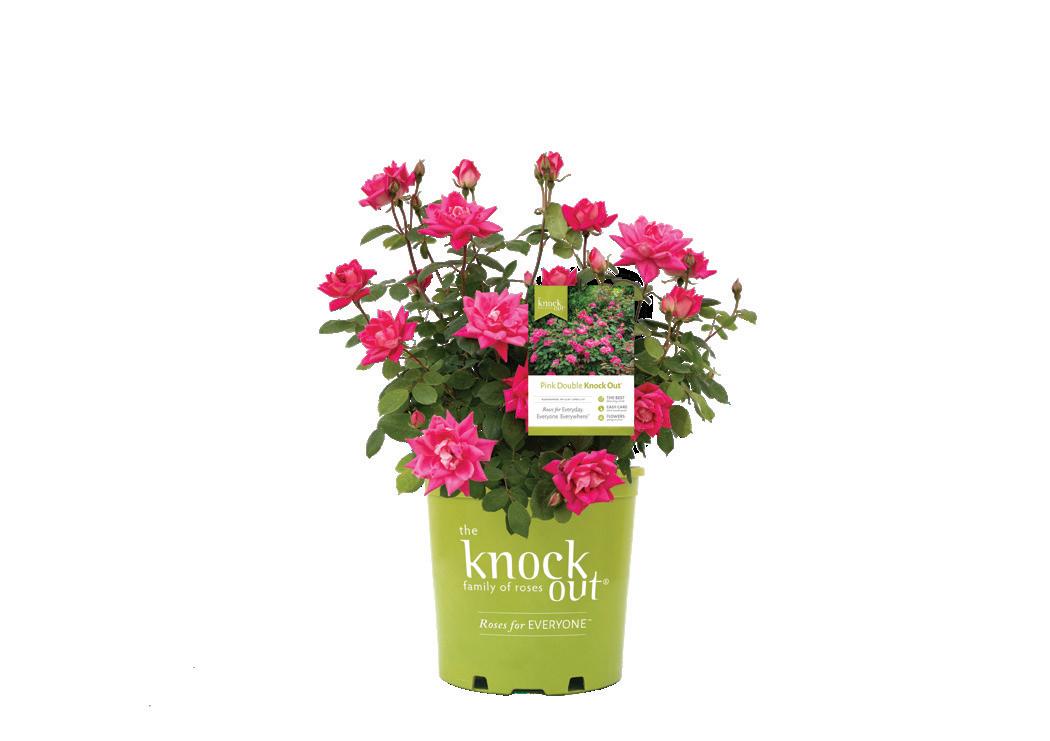
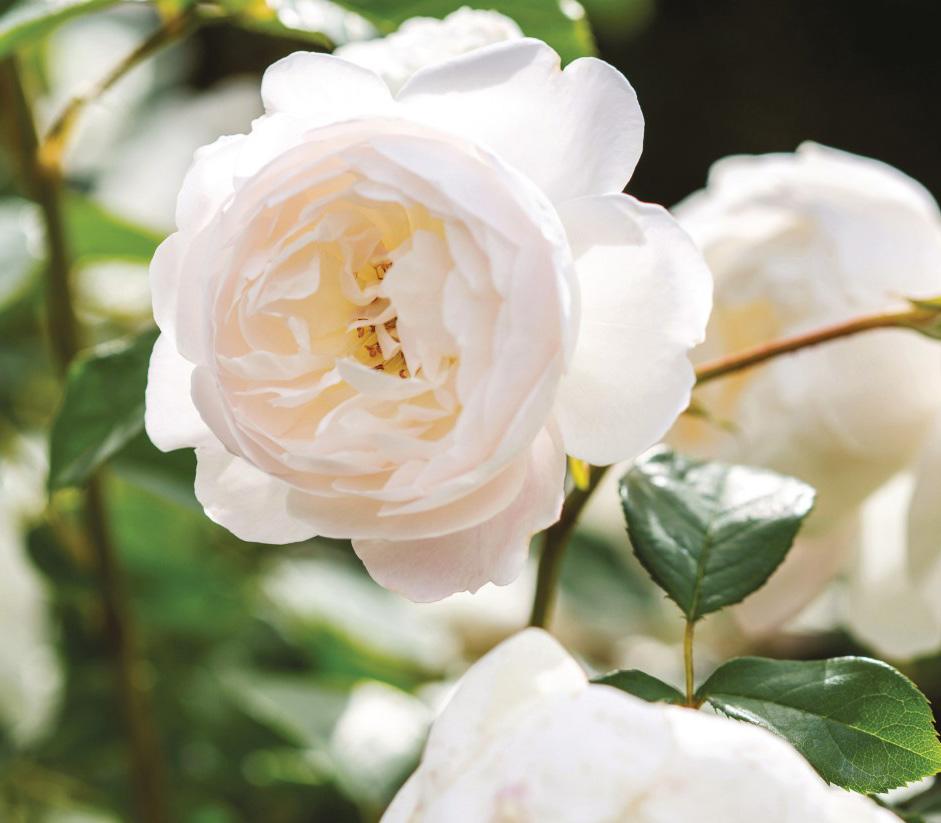
David Austin® Desdemona
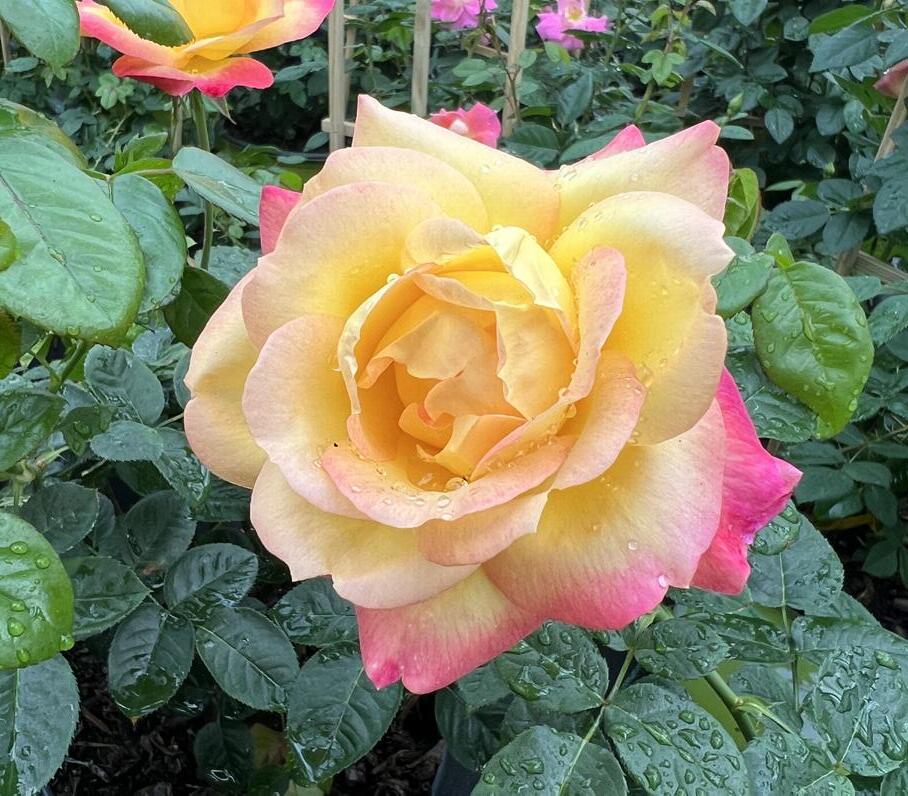
First Editions® Love and Peace®
Where Have All the Big Shrubs Gone?
Why B&B Landscape Shrubs Are Disappearing — and What It Means for the Trade
by Alex Head
In recent years, a quiet but significant shift has been taking place in the nursery and landscape industry: balled-and-burlapped (B&B) shrubs are becoming harder to find. Material that was once a standard part of landscape installations—large, field-grown shrubs ready to provide immediate height and screening—is now far less common. Contractors who rely on mature plant material are increasingly encountering limited availability and fewer size options.
This change isn’t the result of a single trend. It’s a combination of economic realities, production challenges and evolving market demand. Understanding why it’s happening can help landscape professionals adjust expectations, refine designs and plan more effectively.
Why Growers Are Pulling Back from B&B Shrub Production
Field-growing and digging shrubs can be expensive, time-consuming and labor-intensive. Compared with field-grown trees, which still sell frequently in larger B&B sizes, shrubs rarely fetch the same price-per-unit-area, making them harder to justify economically. As production costs rise and labor remains tight, many growers are rethinking what they put into the ground.
Digging B&B shrubs requires crews who still know how to hand-dig — an increasingly rare skill — or an investment in smaller, shrub-sized mechanical spades. Growers also must commit several years of field maintenance before shrubs reach saleable size. In contrast, container production is more predictable and easier to scale. Irrigation, fertilization and pest management can be tightly controlled, and crops can often be grown and turned faster. For many operations, shifting acreage and
resources toward container production reduces risk and improves efficiency.
Weed pressure and pest management also play a role. Field production requires constant attention to keep rows free of competing weeds. Container yards, while not maintenance-free, offer more control and typically require less manual labor to maintain consistent quality.
There’s also been a noticeable shift in the end market. As residential lots get smaller and more homeowners take on their own planting, demand has moved toward smaller, more manageable plants. Container-grown shrubs are easier to transport, easier to install and more approachable for retail buyers. Over time, that demand has influenced what growers choose to produce.
The Shrinking Supply of Large Shrubs
As field production declines, so does the supply of large, landscape-ready shrubs. Finding material in the 36- to 48-inch range—or larger—has become increasingly difficult. Most container programs top out at #7 or #10 sizes, which can be excellent plants but often lack the height, density, and presence that B&B shrubs once provided.
This can be especially challenging for projects where instant impact is important. Privacy screens, foundation plantings for higher-end homes and design-driven landscapes often depend on mature shrubs to deliver structure right away. When those sizes are unavailable, contractors are left either searching across a wider geographic area or adjusting expectations with clients.
How Landscape Contractors Can Adapt
While the supply landscape is changing, there are still ways to work effectively within it.
Plan earlier. Larger material is still produced, but when project needs are known well ahead of time, growers and re-wholesalers have a much better chance of locating, reserving or even custom growing the sizes you need. Last-minute sourcing is becoming more difficult as field inventories shrink, and fewer large shrubs are being grown on speculation.
Use design to create presence. Layering, repetition and mass plantings can help create the visual weight of maturity even when individual plants are smaller. Thoughtful spacing and grouping can compensate for the absence of large, single specimens.
Focus on establishment. Proper planting practices, soil preparation and follow-up care are more important than ever. A well-installed container shrub can sometimes outperform a larger B&B plant that struggles to recover from transplant stress.
A Middle Ground Taking Shape
Another response taking shape behind the scenes is experimentation with larger container-grown shrubs. It is encouraging to see growers trialing shrubs in #15, #20 and even #25 containers to help bridge the gap between standard container sizes and traditional B&B material. These larger pots can provide more height and fullness while still offering the efficiencies of container production.
They’re not a perfect substitute for field-grown plants, but if growers can make the economics work, these larger sizes could become an important middle ground — offering more immediate impact than a #5 or #7 while avoiding the labor and equipment demands of field digging.
Changing, Not Gone
B&B shrubs haven’t vanished, but they are no longer a standard commodity. In many cases, they’re becoming more of a specialty item — something that takes more planning to produce and more effort to track down. For contractors used to finding large shrubs without much trouble, that change can be frustrating. But it also reflects broader shifts in how plants are grown, sold and installed.
The demand for impactful landscapes hasn’t gone away, but the way those landscapes are supplied — and the size of the plants used to build them — is clearly changing.
¿Dónde Están Todos los Arbustos Grandes?
Por Qué Están Desapareciendo los Arbustos B&B y Qué Significa Esto para el Sector
by Alex Head
En los últimos años, ha ocurrido un cambio silencioso pero importante en las industrias del viverismo y el paisajismo: los arbustos cultivados a raíz desnuda y con cepellón envuelto en tela de yute y alambre (B&B, por sus siglas en inglés) se están volviendo cada vez más difíciles de encontrar. Antes eran el formato preferido para arbustos grandes listos para el paisaje, pero su producción va en descenso. ¿El resultado? Los contratistas enfrentan mayores dificultades para conseguir plantas maduras, y la disponibilidad está empezando a dictar cómo se diseñan e instalan los proyectos.
¿Por qué está ocurriendo esto y qué pueden hacer los paisajistas al respecto?
Por Qué los Productores Están Dejando de Cultivar Arbustos B&B
Los Costos de Mano de Obra y Equipo Son Demasiado Altos
Cavar, envolver y mover arbustos B&B requiere mucha mano de obra y maquinaria pesada. Con la escasez continua de trabajadores calificados y el aumento en los costos operativos, muchos productores están simplificando sus procesos. La producción en contenedor es más fácil de manejar y requiere menos personal en campo.
Ciclos Más Rápidos, Menor Riesgo
Los arbustos en contenedor suelen alcanzar tamaño comercial más rápidamente que los cultivados en campo. El riego controlado, la fertilización y el manejo de plagas permiten acortar los ciclos de cultivo. Esto reduce el riesgo financiero y libera espacio para nuevos lotes.
Mejor Control de Malezas y Plagas
Las malezas en el cultivo en campo representan un problema constante que requiere uso intensivo de herbicidas o mano de obra para deshierbe manual. Los viveros en contenedor permiten un manejo mucho más sencillo de plagas y maleza.
Las Plantas Más Pequeñas Se Ajustan a la Demanda Actual
A medida que los lotes residenciales se hacen más pequeños y más propietarios hacen sus propias plantaciones, la demanda ha girado hacia arbustos más pequeños y fáciles de manejar. Las plantas en contenedor se adaptan perfectamente a esta tendencia, por lo que son la opción más lógica tanto para el mercado minorista como para proyectos de menor escala.
La Disminución en la Oferta de Arbustos Grandes
Con la caída en la producción de B&B, conseguir arbustos listos para el paisaje de entre 90 y 120 cm de altura—o más grandes—se ha vuelto cada vez más difícil. La mayoría de los arbustos en contenedor alcanzan como máximo el tamaño de maceta #7 o #10, lo que a menudo no ofrece la estructura, altura o densidad necesarias para lograr impacto inmediato o cumplir con diseños que requieren madurez.
Esta escasez es especialmente problemática para contratistas que trabajan en residencias de alto nivel, proyectos visibles o paisajes donde la presencia instantánea es esencial.
Cómo Pueden Adaptarse los Paisajistas
Planifica con Anticipación y Reserva con Tiempo
Aún es posible producir material más grande, pero se requiere planeación y tiempo. Trabaja con tu vivero con suficiente anticipación para asegurar los tamaños que necesitas, especialmente en proyectos importantes. En Fiore Nursery, frecuentemente ayudamos a contratistas a conseguir arbustos difíciles de encontrar o de pedido especial—pero mientras más tiempo de anticipación tengamos, mayores serán las probabilidades de encontrar exactamente lo que se requiere.
Educa a Tus Clientes Sobre el Crecimiento y Establecimiento
Los arbustos más pequeños pueden parecer poco impresionantes al principio, pero muchas veces se establecen más rápido. Ayuda a tus clientes a entender que plantar material más joven puede resultar en mejor salud y desempeño a largo plazo.
Apuesta por Diseños en Capas o de Plantación Masiva
Puedes lograr un paisaje maduro combinando capas de arbustos y usando plantaciones en masa de plantas en contenedor. La repetición, la cantidad y una colocación bien pensada pueden hacer que incluso las plantas más pequeñas se vean sustanciales.
Prioriza la Plantación Correcta y el Buen Mantenimiento
Una buena preparación del terreno, técnicas de plantación adecuadas y el cuidado posterior son claves. Un arbusto sano en maceta #5 bien plantado puede superar a un arbusto B&B estresado que no logra reestablecerse.
Mejores Plantas, Mejor Servicio Y Mejor Selección.
Mariani Plants se enorgullese en su attencion al cliente. Tenemos expertos ajentes de ventas de habla hispana en nuestras dos localidades, Kenosha Wisconsin y Garden Prairie Illinois. Mariani Plants esta aquí para proveerle mejores plantas, mejor servicio y mejor selección.
Llámenos a Mariani Plants: 866-627-4264 / marianiplants.com
TODOS JUNTOS MEJOR.
Harbingers of Spring
Dressing for Spring Fresh Container Design Inspiration
by Heather Prince
Our spring hopes blossom when we hit that first warm day in March and the first robins arrive to scope out nesting sites. The winter evergreens in our containers and windowboxes that were so fresh in December are weary and ready for the compost pile. Yet, it’s the Midwest and with a likelihood of April snow and a last frost date of May 15th, how do we create fabulous container designs that will survive yo-yoing temperatures and still look good?
We talked to three container designers to see how they navigate this tricky season before summer flowers arrive. Andrea Rundblade, owner and designer at Green Key Landscape Design in Winnebago; Jessica Cloninger, horticulture technician at Epic Systems in Verona, WI; and William Chorvat, maintenance manager at Hursthouse Landscape in Bolingbrook, all shared their expertise.
Challenges of the Fickle Season
Besides our beloved pansies and violas, there are many more options to fill containers with color and texture. From colorful stems and branches to greenhouse-grown hydrangeas to pre-chilled bulbs, there’s lots to choose from. However, the biggest challenge of spring? The weather.
“The most challenging aspect of spring containers is the volatility of the ‘Transition Season’,” commented Rundblade. “It’s about building a plant menu that can handle a late frost, grow quickly in the cool weather, and not flower too early. Mother Nature keeps you on your toes and does what she wants.” A mix of frost-tolerant annuals, hardy perennials, and durable foliage often will keep con-
tainers lush, even in a surprise snow.
“Holding up to a hard frost,” agreed Chorvat. “There have been several springs where we have had temps in the high 20s, which is usually hard on flowers. The other challenge with the temps is trying to lessen the gap between winter decor and spring flowers. We are trying as many garden ornamentations, branches, and artificials to install earlier without the worry of frost or snow.”
For Cloninger, “The most challenging part of spring containers is timing. The plants are only in the containers for about 6 weeks and often something doesn’t bloom when it is expected to.”
Building layers of plants can keep the color fresh while blending in thoughtfully chosen accents carries structure into summer.
Bigger Can Be Better
When planting for large homes, corporate office buildings, or whimsical wizard-style college quads, scale plays an important role. Veteran container designers know that in many cases, tall architectural designs are the best way to capture attention and work with the size of the building or landscape.
Spring is tricky as many plants are small in scale or just beginning to flush out. “I try to balance designs with the scale of the property or site by treating a container like a site plan in miniature,” reported Rundblade. “It has to have the same structural density as the architecture behind it, or it just looks like noise.”
At Epic Systems, Cloninger is responsible for containers at the Wizards Academy campus. The large stone and brick buildings are meant to resemble the world of Harry Potter and are built
on the scale of university classrooms and dormitories. “Our buildings are HUGE, up to three stories and most spring annuals are not. We try to purchase the tallest things available and rely heavily on fantail willow, curly willow, or white birch to give the container a larger scale.”
Chorvat looks at the whole picture when crafting designs for Hursthouse’s residential clients. “We typically look at the height of the container and usually create an arrangement that is two-thirds of the total height. How the containers interact with walkways, scale of a specific garden, or size of the residence always determines the arrangements’ overall height and scale.”
Spring Favorites and Flair
Of course we have our favorite spring flowers, as do our clients. A pansy or viola usually finds its way into spring containers. However, our designers also have some favorite plants that break away from the standards.
“I love fantail willow, I feel it really plays with the ‘wizardy’ vibe I am trying to portray,” commented Cloninger. “I also can re-use it in my winter containers. One of my favorite plants would be delphinium. We get ‘Blue Diamonds’ in a finished one-gallon container. It is tall and brings that shade of blue that is hard to capture in the garden. I save it when I plant my summer annuals, give it a good haircut, and I can often get multiple sets of blooms throughout the summer. I also enjoy using Heuchera and Lamium as their spring colors are much different than anything else I can get. I then move them into the landscape at seasonal changeout.”
Chorvat finds that incorporating branches and artificials offers seasonal punch. “Mixing ‘live branching’ with faux flowers is something we have always used in our containers. Selecting the right faux flower or accent is key, so that both work seamlessly together. Garden ornamentation is also something we have used to provide a unique appearance and provide a good solid height with a colorful base.”
“Some of the ways I try to take planters to the next level, is by adding a surprise,” said Rundblade. “If a planter is viewed up close – near an entryway or on a terrace, I love to tuck in a ‘discovery element’. This could be a subtle ceramic mushroom, a weathered stone, or even a hidden butterfly. It rewards the viewer for looking closer. I also like to cover the soil for early spring containers with sheet moss to eliminate the negative space. Nothing breaks the illusion of a nice design like seeing too much potting soil around spring bulbs.”
As we jump into the season of spring flowers, take a look at these beautiful container designs for inspiration and ideas. Layers of different types of plants, branches and artificials for hardy interest, and thoughtful accents can bring your plantings to the next level.
(continued on page 46)
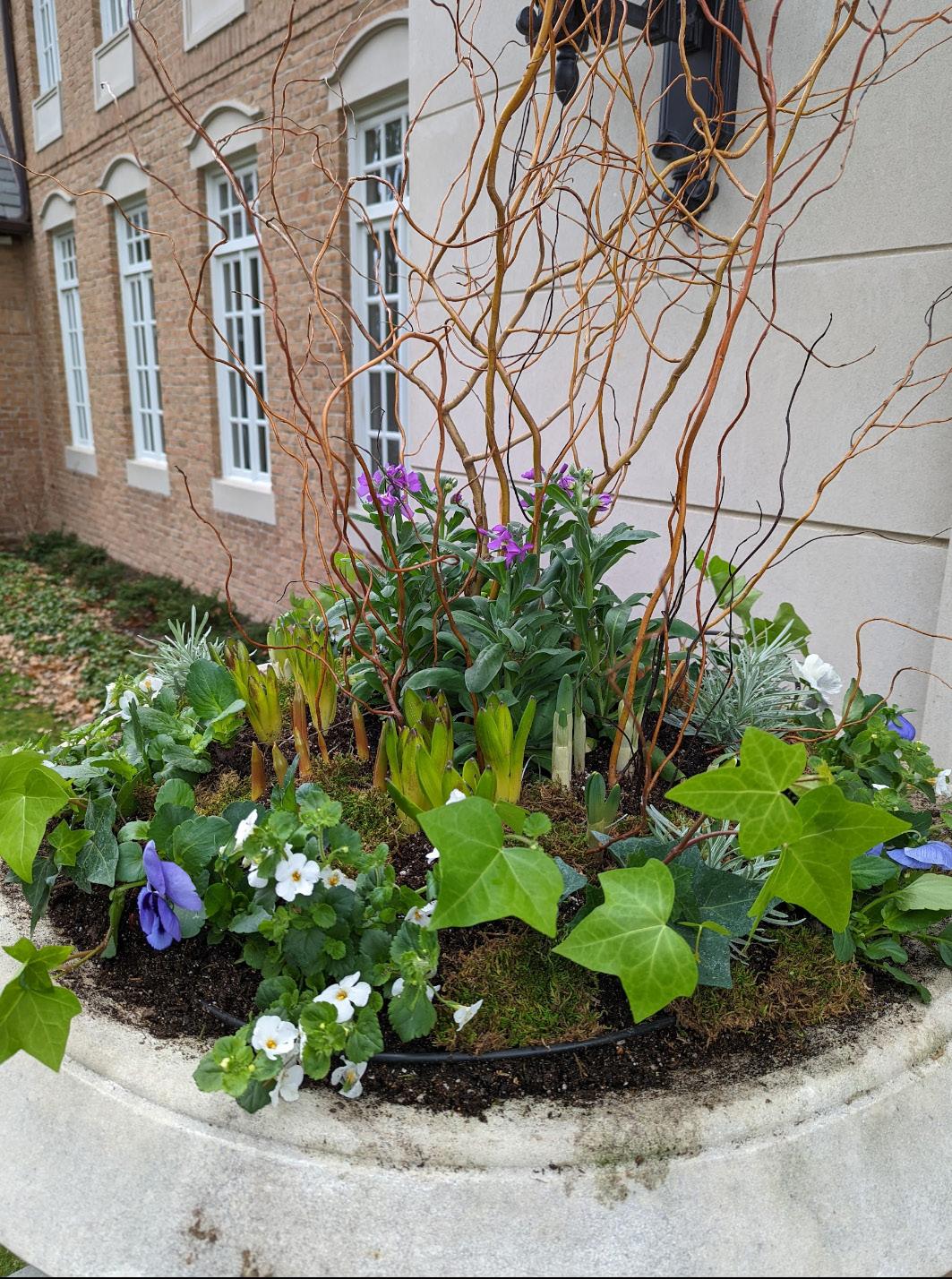
This cool concrete urn gets romantic spring treatment with the loose, woodland feel of curly willow for height. Fragrant purple stock anchors the center while English ivy will spill and weave through the mix of silver Artemisia, white-flowering Bacopa, and blue pansies. This combination from Rundblade also features fragrant hyacinth bulbs and daffodils tucked in for a progressive display and a delightful surprise.
Harbingers of Spring
(continued from page 45)
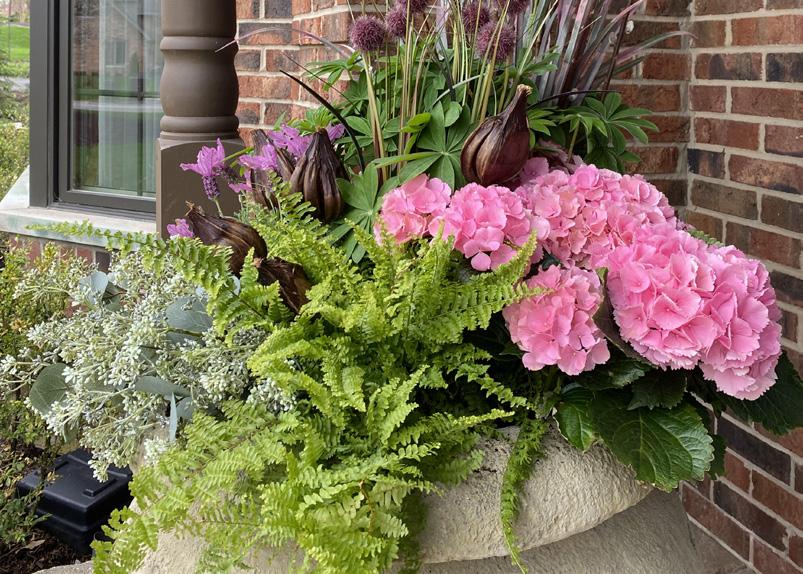
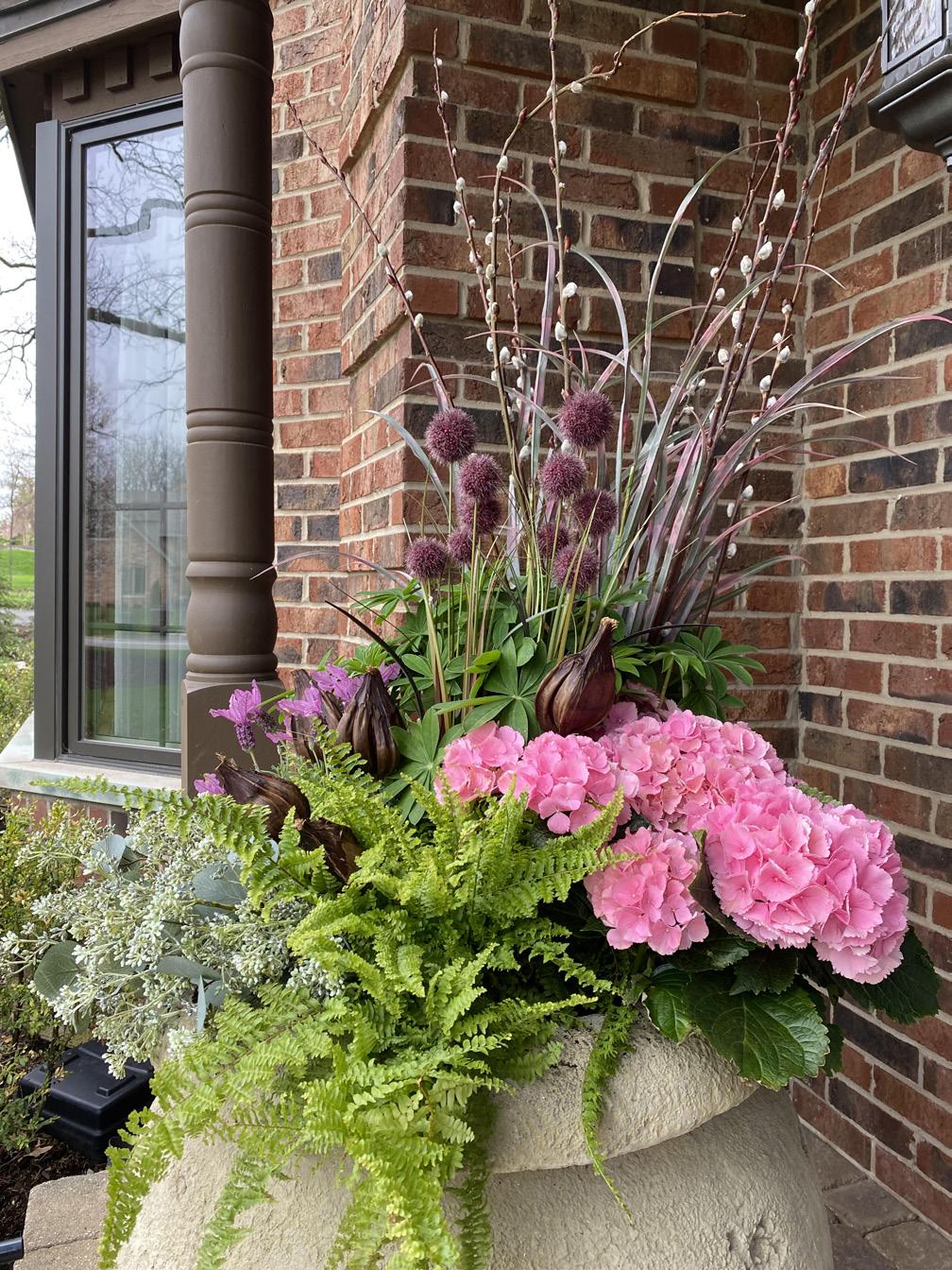
(above) Architectural pussywillow branches are combined with purple seedheads and pods to add height and drama to this layered spring design from Hursthouse. Lupine holds the focus in the center as bright pink hydrangea draws the eye down. A splash of silvery seeded eucalyptus and a lacy fern cool the combination down while softening the edge of this contemporary urn.
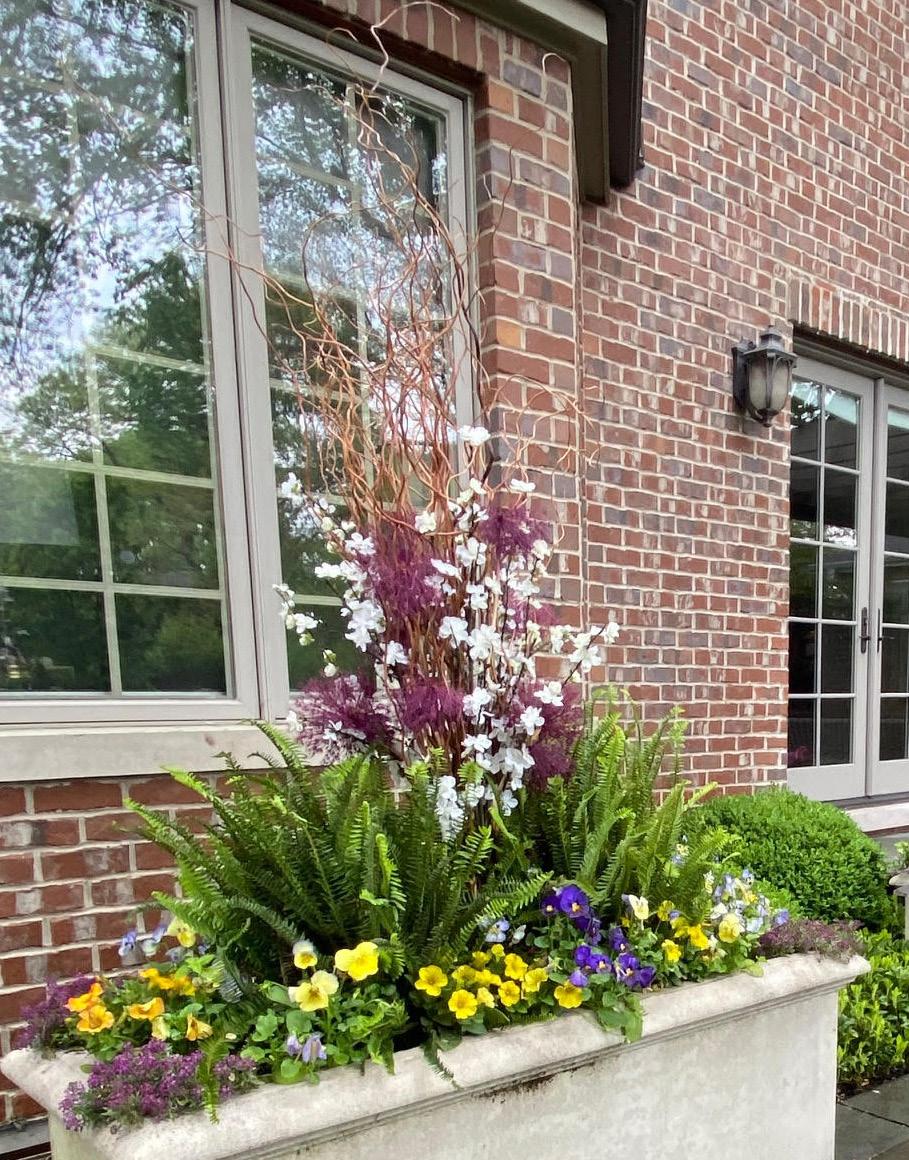
(below) Fickle spring weather means horticulturists get creative. In this case, purple spray-painted allium seedheads add a froth of color amid the spiraling stems of curly willow and thoughtfully chosen artificial floral branches. Kimberly ferns anchor this classic trough and provide intriguing visual interest. A skirt of colorful pansies and fragrant alyssum add a dash of seasonal color. Pinks and purples are echoed in the small planters to tie the look together.
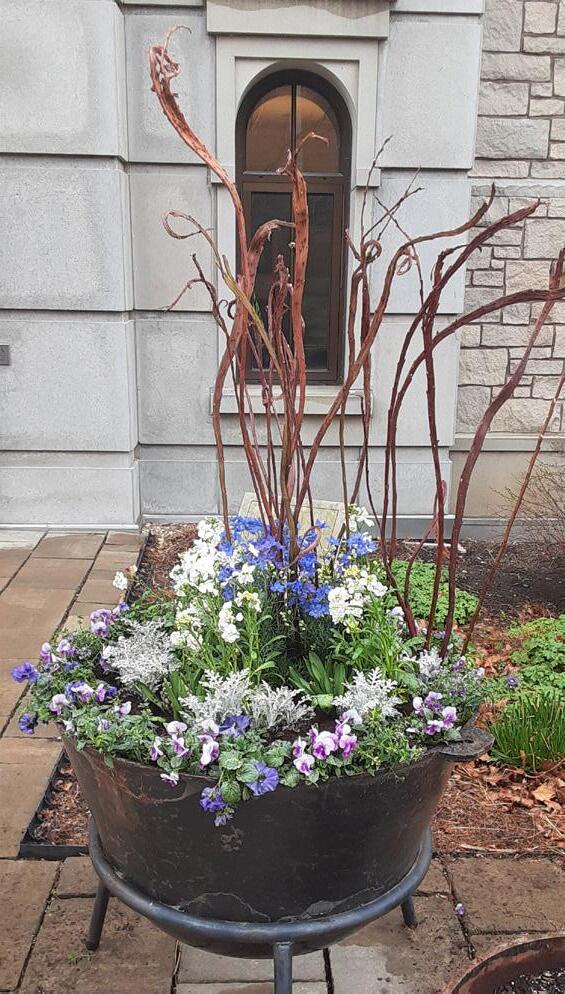
(at left)The fantastical shapes of fantail willow rise from permanent iron cauldrons at Wizards Academy. Their whimsical architecture mimics the building, while its durability means they can stay in the container from spring into fall. Blue delphinium anchors the center and sets the tone of this blue and white design. White stock adds fragrance as dusty miller keeps the color palette chill. The outer ring of pansies and Nemesia adds froth and is reminiscent of a bubbling potion.
(continued on page 48)
Harbingers of Spring
(continued from page 46)
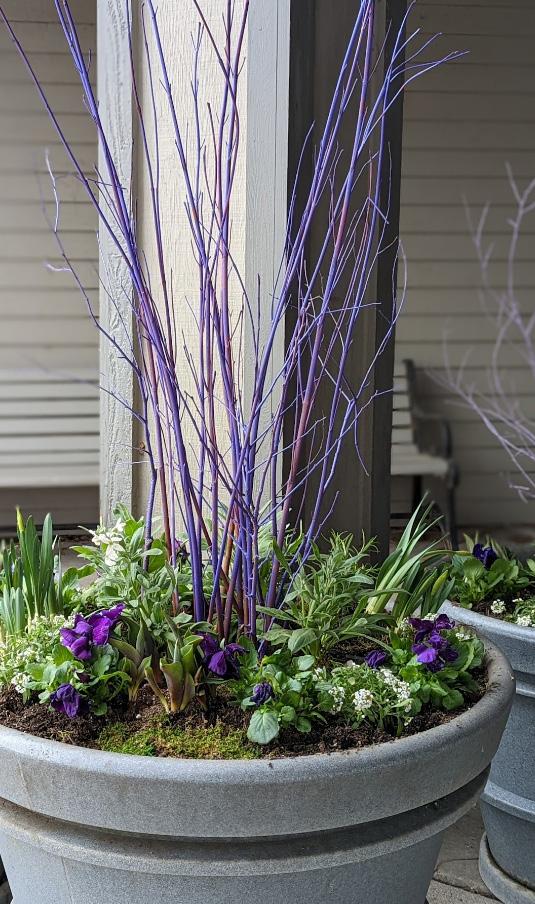
Purple painted twigs bring a welcome dash of color and much-needed height to these large planters. While purple pansies echo the vivid stems, fragrant white stock acts as a mid-range filler in the center. Tulips and daffodils will bring fun floral surprises when they open. In the meantime, a scatter of white alyssum softens the edge and sheet moss pulls together the whole design.
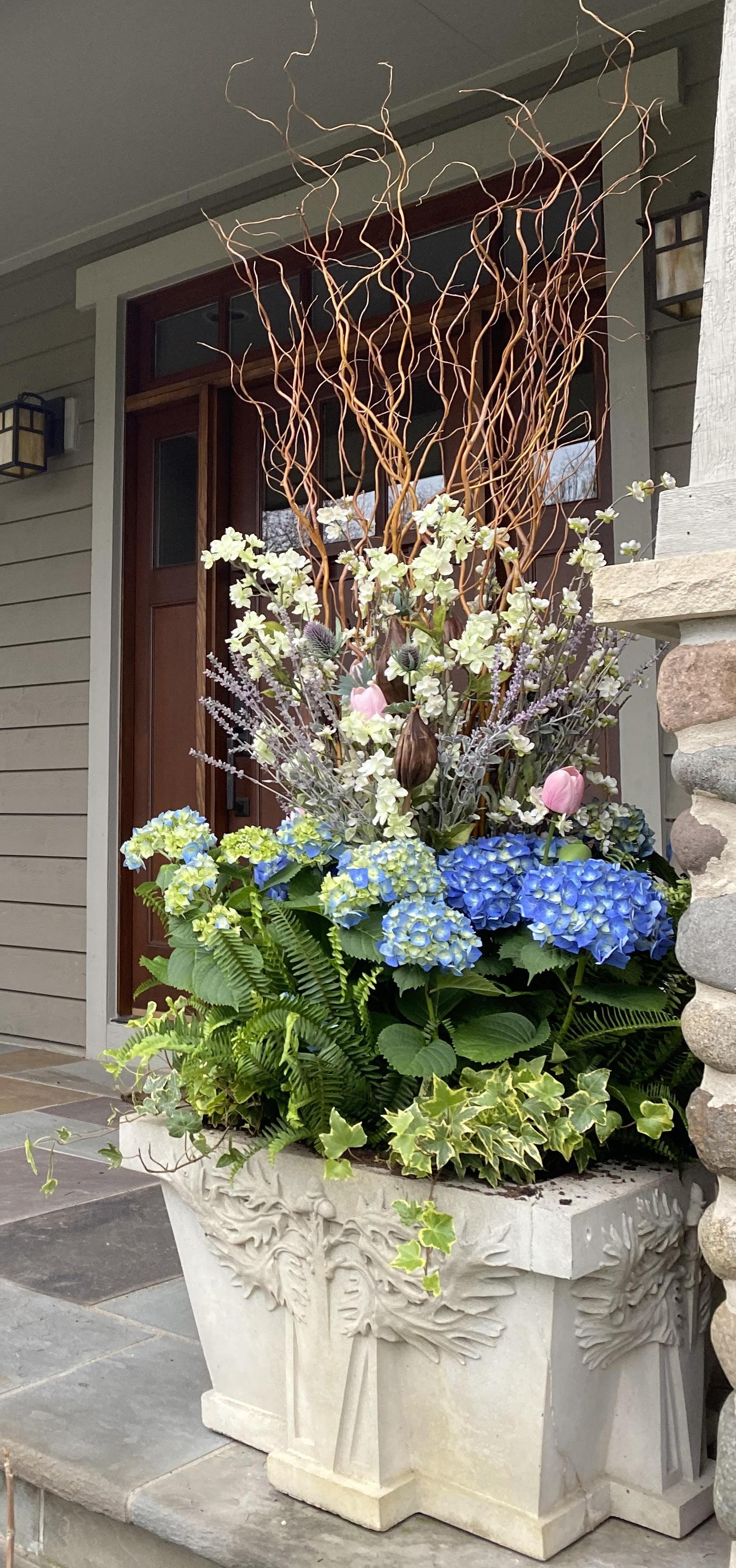
The Craftsman columns of this home set the stage for these elegant concrete planters. Versatile curly willow branches give height and a soft, naturalistic feel to the design. Artificial florals hold up against the weather and bring dainty accents to the big chunky blue hydrangeas. Ferns bring a touch of woodland glamor as variegated ivy spills over the edges.
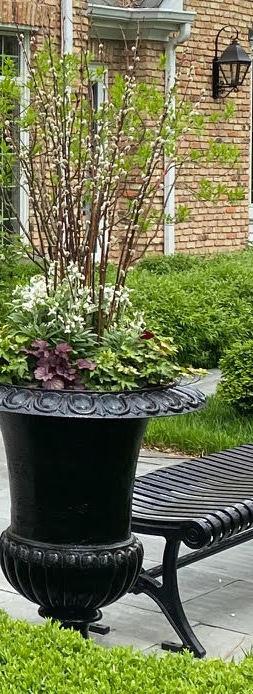
These classic black iron urns anchor the entrance of the stately brick home. A cool white color scheme is highlighted with purple heuchera while pussywillow branches offer height in keeping with the scale of the porch and patio. The urns against the house echo the color scheme, but add a different drama with fantail willow branches, artificial florals, and upright ferns.
(continued on page 50)
Harbingers of Spring
(continued from page 49)
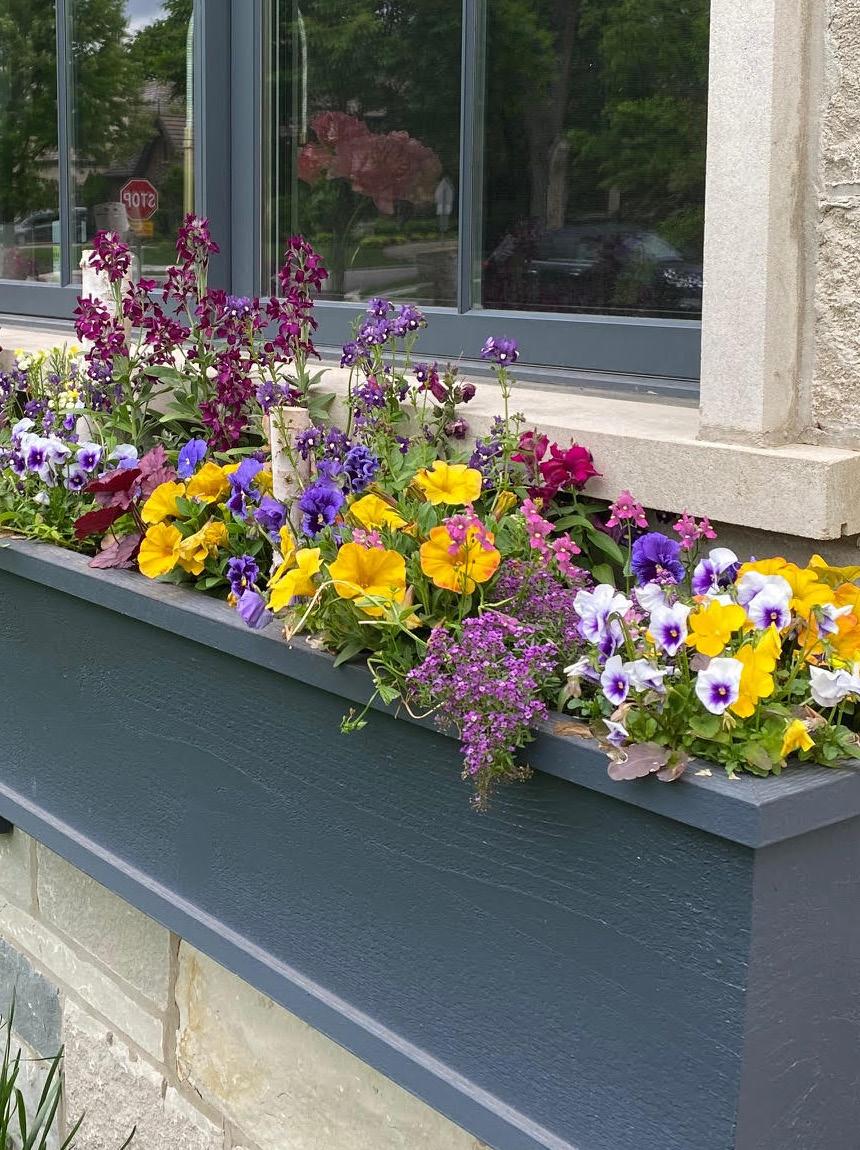
Sometimes you can’t resist the happy faces of pansies and violas. This charming window box leans into layers of delicate flowers with big punches of yellow petchoas. Purple Nemesia dances above and peeks over the windowsill. Short lengths of birch poles finish off this rustic design
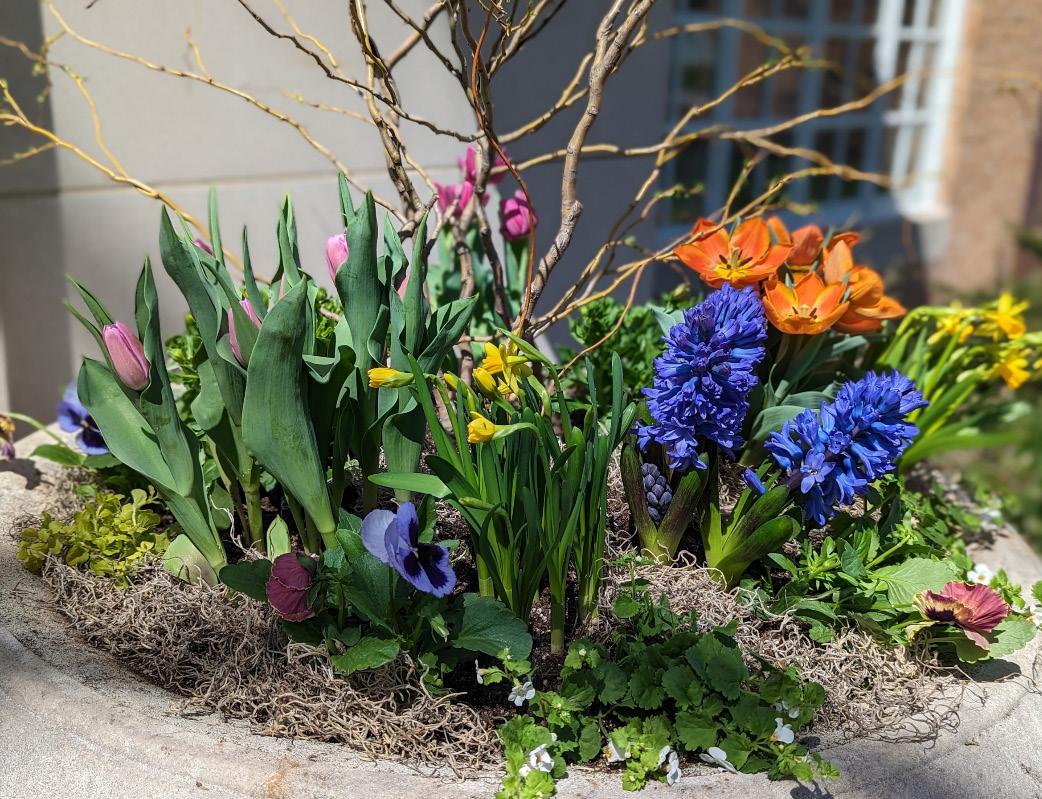
Under the wiry stems of a Japanese maple, spring comes alive in this colorful arrangement of hyacinth, daffodils, pansies, and tulips. Soon, the tiny graceful leaves of the maple will add dainty accents to these robust favorites. Creeping Jenny and white Bacopa will quickly fill in and spill over the edges. In the meantime, a layer of Spanish moss frames the flowers and brings the arrangement together.
Showroom Locations: Lincolnshire, IL |
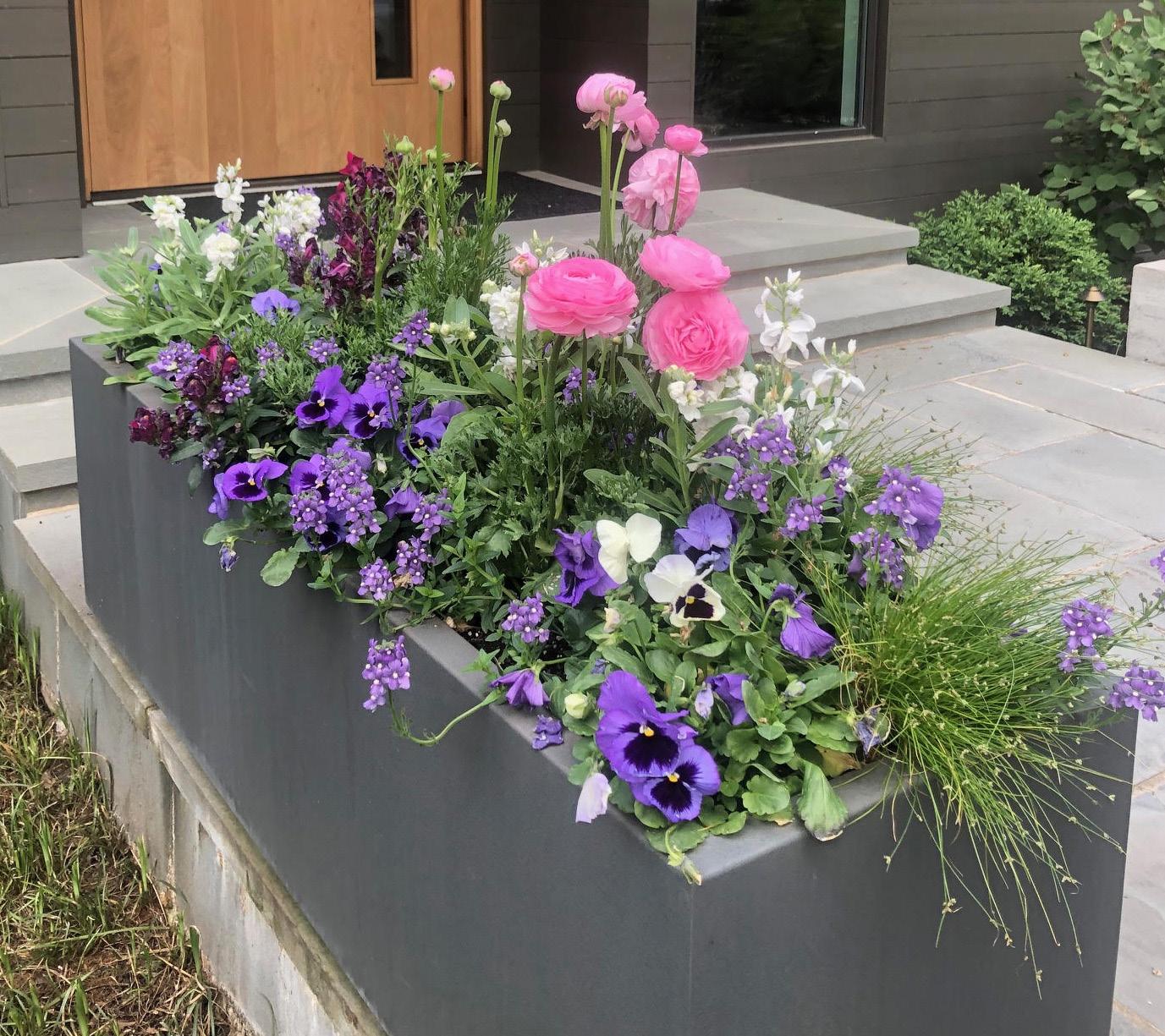
The heirloom elegance of Ranunculus flowers anchors the center of this crisp, contemporary trough. Layers of purples and whites in a bounty of different weights and shapes keep this design from looking too flat. Sprays of fiber optic grass add a modern note and bring a fresh accent to weave it all together.
Stopping Crabgrass Early: Keys to Season-Long Success
by Dr. Aaron Patton
Crabgrass remains one of the most problematic weeds in lawns and managed turf across the United States. This warm-season annual grass thrives in hot, sunny areas, often invading thin or stressed turf and rapidly outcompeting desirable grasses. The key to preventing crabgrass is to integrate the use of cultural practices with properly timed preemergence herbicide applications. As spring 2026 approaches, now is the time to plan your preemergence strategy and ensure season-long crabgrass control.
Understanding Crabgrass Germination
Successful crabgrass control begins with knowing when this weed germinates. Because soil temperature data is often unavailable to turf managers, many rely on growing degree day (GDD) models based on air temperature. Research suggests that approximately 200 GDD need to accumulate with a base of 50°F before crabgrass germinates. A free model available at https://gddtracker.msu.edu/ will calculate GDD for you and help you time your preemergence applications and predict crabgrass germination.
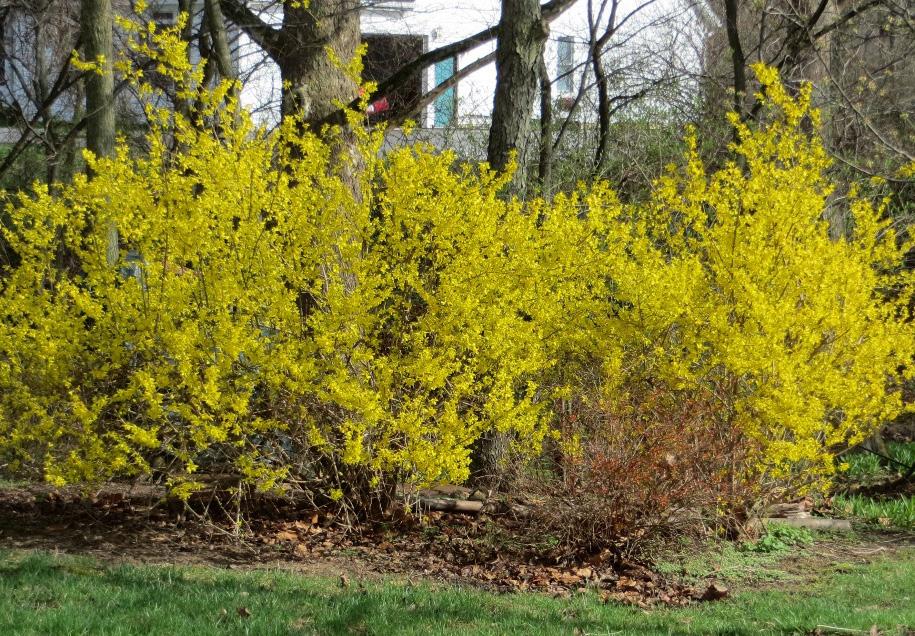
Plant phenological indicators provide another method for timing applications. Forsythia blooming is traditionally considered a good indicator that crabgrass germination is approaching—but contrary to popular belief, crabgrass does not germinate when forsythia blooms, but instead shortly thereafter. Forsythia flowers serve as a reminder to apply your preemergence herbicide. Eastern redbud flowers a little later, typically at the same time crabgrass germinates.
Choosing the Right Preemergence Herbicide
Three active ingredients dominate the professional preemergence herbicide market for crabgrass control: dithiopyr (Dimension), pendimethalin (Pendulum), and prodiamine (Barricade). Research consistently shows that when applied at high label rates, these three herbicides provide equivalent crabgrass control in the Midwest.
Dithiopyr offers a unique advantage: it provides early postemergence activity on crabgrass up to the one-tiller stage. This makes it particularly valuable if you are slightly late with your application or for treating areas where you suspect crabgrass has already begun germinating. Prodiamine and pendimethalin are strictly preemergence products and must be applied before germination.
Application Rates Matter
Selecting the appropriate rate is critical for consistent control. Studies confirm that only the higher labeled rates of preemergence herbicides perform consistently across varying summer conditions. Lower rates may provide adequate control in cooler summers, but hot summers are far more common, and only high rates deliver reliable results year after year.
If you are tempted to reduce rates to save money, consider the consequences: reduced control often requires expensive rescue treatments with postemergence herbicides and additional labor. However, on very thick, well-established lawns that have received many years of preemergence herbicides, rates can sometimes be reduced—or even eliminated—with good cultural practices maintaining turf density.
The Case for Split Applications
Single spring applications are common in areas with relatively low crabgrass pressure, but split applications should be considered in locations with high crabgrass pressure. Research conducted at Purdue University and the University of Nebraska demonstrates that sequential (split) applications consistently provide season-long crabgrass control regardless of which of the three major herbicides is used for initial or sequential applications.
For areas in the southern half of Illinois, or any lawn with a history of crabgrass problems, I recommend split applications: the first in early spring before germination and the second 45-60 days later in mid-May to June. Apply one-half to two-thirds of the total rate in spring and the remainder in the sequential application. For northern areas, consider applying a full-rate preemergence herbicide over the entire lawn in spring, then applying only to “hot spots” near sidewalks and driveways in late spring.
Alternative Timing Strategies
Past research in the Midwest demonstrated that while preemergence herbicides applied in late fall (November) or late winter (February/March) can provide crabgrass control, they may not be the best timing. More recent research from Rutgers University urges caution with this approach. Their work found that single applications in late February provided significantly less smooth crabgrass control than single applications in mid-April. In other words, you can apply the product too soon and it will breakdown in the soil earlier and fail to adequately control crabgrass.
Among the herbicides, prodiamine typically provides
more consistent performance across early and standard timings than dithiopyr or pendimethalin. If you must apply earlier than the traditional preemergence application window—perhaps due to scheduling constraints or customer preferences for early-season service—prodiamine may be the better choice, and a split application program is strongly recommended to compensate for potential reduced efficacy.
Another option is to eliminate the preemergence herbicide from the early spring round entirely and instead use the full rate of a preemergence/postemergence product in the second round. Dithiopyr is the ideal choice for this strategy because of its postemergence activity on young crabgrass. This approach consistently provides good season-long control when the product is applied shortly after crabgrass germination but before crabgrass begins to tiller.
Managing Hot Spots
Turf areas adjacent to sidewalks, driveways, and curbs frequently experience higher crabgrass pressure. These “hot spots” often require additional attention beyond standard applications. Consider applying a sequential treatment in late May or June specifically targeting these areas. Maintaining dense, healthy turf through proper mowing heights, adequate fertility, and appropriate irrigation will also help these stress-prone areas better compete against crabgrass invasion.
Activating Your Application
Preemergence herbicides must be watered in from rainfall or irrigation soon after application. This moves the herbicide off the foliage and into the soil or thatch where weed seeds germinate. Applications can be timed with upcoming rain events to accomplish this naturally. Without proper activation, even the best herbicide program will fail.
Planning for Success
Effective crabgrass control requires integrating preemergence herbicides with sound cultural practices that promote dense, healthy turf. Mowing at higher cutting heights is the most effective crabgrass control tactic. Nitrogen fertilization also contributes to the development of a thick turf that naturally resists crabgrass invasion. As you finalize your spring plans, evaluate each property for crabgrass history, identify hot spots requiring special attention, and select an application strategy that matches the pressure level. With the right approach, you can achieve season-long crabgrass control and deliver the high-quality lawns your clients expect.
Aaron Patton
Aaron J. Patton is a professor at Purdue University, where he serves as Indiana’s turfgrass extension specialist. His research program explores weed ecology and control, novel grasses, and agronomic practices in turfgrass systems. He mentors undergraduate and graduate students, and teaches the senior-level turfgrass science course.
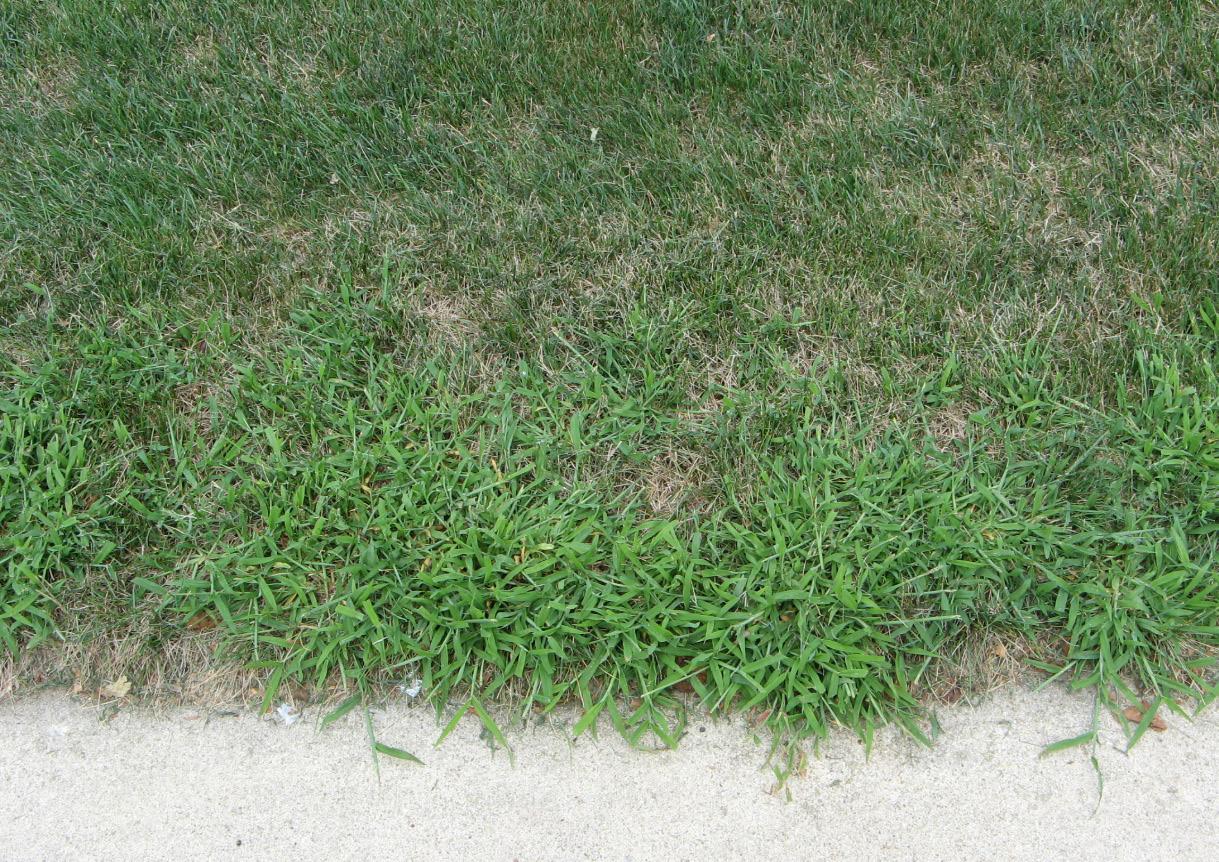
Crabgrass invading thin turf near a sidewalk edge, a common “hot spot” that may require sequential herbicide applications for season-long control.
Forsythia in full bloom signals that preemergence herbicide applications should be made as soon as possible, before crabgrass germination begins.
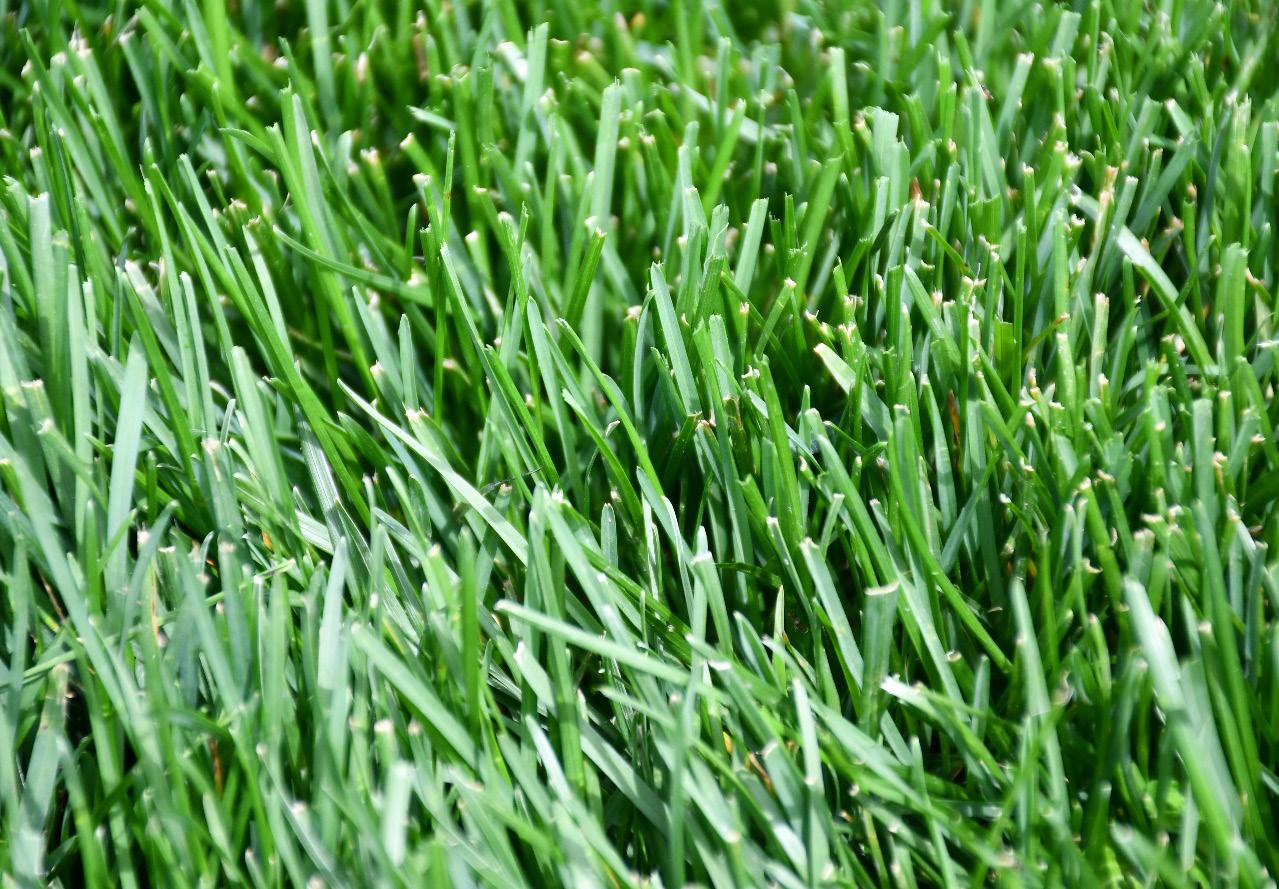
Dense, healthy turf maintained at the proper mowing height naturally resists crabgrass invasion and complements preemergence herbicide applications.
Woody’s Plant Nursery
Charles Fox
35625 Polk Road
Marengo, IL 60152
(815) 770-7500
www.woodysplantnursery.com
by Meta L. Levin
Apolitical convention might seem to be an unlikely place to find a tree nursery to buy, but that is exactly what happened to Charles (Charlie) Fox.
He had been looking for one, preferably in the Midwest, when he attended the convention in Wisconsin, so he admittedly had his antenna out. One thing led to another and he learned of one advertised for sale. “I bought it from the bank,” he says. “Our one-year anniversary is in March.”
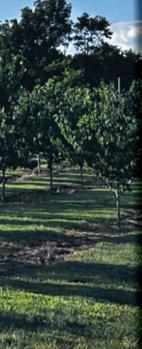
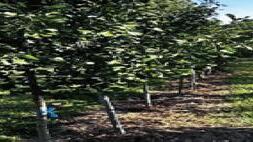
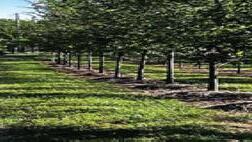
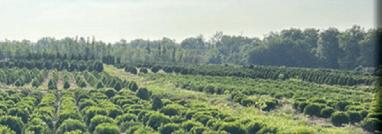
The 206-acre nursery in Marengo, which Fox named Woody’s Plant Nursery, needed a lot of work. A portion of it could be saved, but the rest had to be cleaned out and replanted. Mature shade trees and evergreens make up most of what
is in good shape and can be sold now. About 80 acres of plant material, all of it planted in ground, is still usable, he says.
Although Fox had a varied background in the landscape industry, he had never owned a nursery. “I’ve been in horticulture since I was 16 years old,” he says. He has a bachelor’s degree in horticulture and started his own landscape business in his native New York, which he sold to his partner in 1996.
After moving to Las Vegas, he did commercial landscape, then transitioned into real estate, buying commercial real estate in the downtown area. Eventually, he sold that business. When cannabis became legal in Nevada, he became a supervisor for a grower.
Despite his long landscape/horticulture background, he had never run a nursery, so, after buying Woody’s, he hired a consultant, Daniel Livingston, who has been with the nursery for the last year. “He grew up on a nursery,” says Fox.
Livingston has been taking Fox’s nursery supervisor, Oscar Lemus, step by step through all that is needed to run a successful tree nursery. Lemus, who is related to Fox, had no experience in the industry, but has taken to it. “He is new to the business, but loves being on the property and his family loves living there,” says Fox. “He has done well.”
Fox is proud that all the employees, including Lemus, are English-Spanish bi-lingual and can easily communicate with Spanish speaking customers’ employees. “(Lemus) is doing a great job,” he says. “Anytime he will be there with a smile.”
Customers at Woody’s are known as “partners,” and the staff treats them as such. “We work with our partners to grow their businesses,” says Fox. If, for instance, a retail customer wants to buy a tree, Woody’s staff will recommend a landscape contractor partner to properly plant it.
Partners also may use Woody’s as a showroom for their own customers. They will help sell jobs for partners, who can use the website and staff as resources to help grow their businesses.
When he has some spare time, Fox loves to go dirt biking. “There are trails in Nevada everywhere,” he says. “The whole family likes to go dirt biking.”
The family includes his wife, eight children and 10 grandchildren, all of whom live nearby. “There is so much opportunity in the Las Vegas area,” he says. “Every one of my children is successful.”
As far as Fox is concerned, there is a lot of opportunity at Woody’s Plant Nursery in the Midwest, as well.
Wave Outdoors - Landscape
Construction Manager & Landscape Designer
Wave Outdoors Landscape + Design
Chicagoland, Illinois | Full-Time |
Hybrid a Remote with Site Visits
Wave Outdoors Landscape + Design is growing, and we’re expanding our team to support an increasing volume of residential design-build work throughout the Chicagoland area. While we anticipate hiring for multiple roles over time, we are currently focused on filling two key positions that support our core operations: Landscape Construction Manager and Landscape Designer.
Wave Outdoors is a Chicago-based landscape design-build firm dedicated to creating outdoor spaces that inspire connection, relaxation, and time spent outdoors. Our work blends thoughtful design, skilled craftsmanship, and a high-touch client experience, and we value clear communication, accountability, and collaboration.
Currently Hiring: Landscape
Construction Manager
This is a senior-level, hands-on role for an experienced landscape construction professional who can step into active projects with minimal training beyond learning our systems.
Requirements:
5–10+ years of hands-on landscape construction experience
Strong knowledge of:
Hardscape & paver installation
Masonry
Garden installation
Carpentry (decks, pergolas, pavilions)
Ability to manage projects from pre-construction through close-out
Comfortable working in a hybrid/remote environment with regular site visits
Strong leadership, organization, and communication skills
Must live in Illinois and be able to travel to Chicagoland job sites
Landscape Designer
This role supports the design-build process from concept through installation
and requires strong technical design skills paired with collaboration and attention to detail.
Requirements:
5+ years of experience in landscape design or design-build
Proficiency in AutoCAD (LandFX) and SketchUp
Knowledge of hardscape, planting design, grading, and local building codes
Ability to produce construction-ready drawings and permit documents
Strong communication and teamwork skills
Must live in Illinois and be able to attend local site visits\
Compensation & Benefits (Both Roles)
Competitive salary based on role and experience
Health, dental, and life insurance
Paid time off Parental leave
Hybrid / remote-friendly work environment
Mileage reimbursement for required site visits
Supportive, collaborative team culture
How to apply: Please email your resume (and portfolio for Designer applicants) to: sunny@waveoutdoors.
com Include the subject line: Landscape Construction Manager – [Your Name] or Landscape Designer – [Your Name]
Salary Range: 60,000-120,000
Depending on Role and Experience
Construction Foreman
Chicago Specialty Gardens is seeking candidates with proven leadership experience in the landscape construction industry to lead and oversee the daily operation of construction projects, including installation of hardscaping, planter boxes, motorized pergola systems, outdoor kitchens, irrigation systems, low-voltage lighting, and more.
For full job description, qualifications, and key responsibilities, please visit our website at Chicagogardens.com
How to apply: Email Jonathan@chicagogardens.com
Salary Range: $60,000-$70,000
Experienced Landscape Designer
Kemora Landscapes is a dynamic residential design and build landscaping company located on the north side of Chicago. We are seeking an experienced landscape designer with an interest in urban design to join our team.
Responsibilities include but not limited to: meeting with new clients to discuss their landscaping needs, drafting designs and estimating projects, coordinating projects on site with our crews, and communicating with clients to ensure that their project is carried out in the manner you discussed.
Qualifications include but not limited to: minimum of 3 years of landscape design or landscape sales experience, familiarity with local plants and hardscape materials, outstanding organizational and time management skills and the ability to work in a fast-paced environment. The position includes paid holidays and vacation, an employer-matched retirement plan, a commission structure for goals met and a competitive salary. How to apply: Contact: Colleen Mulhern - cmulhern@kemoralandscapes. com
Salary Range: $60,000-$80,000
Depending on Experience
Horticulturist/Customer Service Associate
For over four generations the Fiore family has been providing plant material and landscape supplies to landscape architects, landscape contractors, and landscape design professionals in the Chicagoland area and across the country.
Job Summary:
Participates in the following Customer Service & Plant and Product Sales related activities:
Service “house accounts” via walk-in (counter), phone, and internet customer traffic.
Help fulfill customer orders and trans-
actions.
HELP WANTED
Help resolve customer issues. Manage and support designated customer accounts.
Ensure customer experience is positive. Offer and share product and industry knowledge and expertise with all customers and colleagues.
Schedule customer deliveries upon request.
Assist in customer plant tagging and selection.
Participate in industry trade shows and networking events.
Participates in the following “at-large” branch activities:
Participate in the sourcing and procurement of customer plants and product needs.
Assist the branch manager/ buyer with Purchase Orders and Purchase Receipts.
Participate in branch and corporate buying activities and buying trips. Assist with branch and corporate inventory activities (periodic cycle counts and quality control, QC)
Full Time, In-person Position Full Time Benefits include PTO, Paid Holidays, Retirement Plan, Medical, Dental, Vision, Life plans.
How to apply: Please send resumes to: FioreHR@cjfiore.com
Salary Range: 45k - 65k annually
LANDSCAPE OPERATIONS & MAINTENANCE MANAGER
CB Conlin Landscapes Inc. is a full-service residential landscape design, construction, and maintenance firm located in Naperville, Illinois. We are seeking a talented and experienced Landscape Operations and Maintenance Manager to add to our collaborative team environment.
Qualifications:
- Minimum 3+ years of management experience within residential landscaping
- Reliable and professional self-starter
- Knowledge of local plant material and
plant/turf care
- Excellent verbal and written communication skills
- Proficient in Microsoft programs (Excel & Word)
Responsibilities:
• Estimating/Sales/Management for Maintenance and Landscape Enhancement Crews
• Calendar Oversight for Landscape and Maintenance Crews
• Materials Sourcing & Purchasing
• Fleet/Equipment Oversight & Maintenance
• Snow Removal Management
Benefits
We offer excellent salary + bonus, health, dental, and retirement benefits. Please email resumes to slucchetti@ cbconlin.com or contact us at 630-4168998 for more information.
Wholesale Nursery Sales and Service Representative
We are seeking a friendly, organized sales and customer service representative to help us provide world class service at our fast-paced wholesale nursery in Will County.
-Responsibilities include answering phones, emailing and calling customers, assisting at the sales and service counter, processing payments, tagging and photographing plants, and working collaboratively with yard staff.
-This role involves providing customers with accurate information on plant selection and availability.
Qualifications: Customer service skills and attention to detail are a must. *Plant knowledge is preferred*. Willingness to learn company software, and knowledge in excel are needed.
Hours vary on weekdays from 7am-5pm. How to apply: Submit your resume to:
Tom at TKadolph@CedarPath.net
Salary Range: $40,000-$70,000 annually depending on experience
Landscape Sales - Project Management
Role Description
This is a full-time, on-site role for a Sales & Project Manager based in Rockford, IL. The Sales & Project Manager will oversee the coordination and execution of landscaping and lawn care projects. Daily responsibilities include managing client relationships, ensuring projects are completed on schedule and within budget, and maintaining high levels of customer satisfaction. The role also involves driving sales efforts, gathering client requirements, and solving project challenges through effective communication and problem-solving.
Qualifications
Strong Project Coordination and Analytical Skills to plan, execute, and evaluate projects effectively
Excellent Customer Service and Communication skills to maintain positive client relationships and manage expectations
Proven Sales skills with a keen ability to identify opportunities and close deals
Ability to work on-site in a fast-paced environment while managing multiple priorities
Experience in the lawn care, landscaping, or a related field is a plus
Detail-oriented with strong organizational skills and a results-driven mindset
How to apply: info@lcbwalter.com
Salary Range: $20-$30
Wholesale Nursery Inventory Specialist
Job Title: Wholesale Nursery Inventory Specialist
Location: Harvard, IL
Employment Type: Full-Time Salary: Based on experience
About Us
Fox Ridge Nursery is a leading wholesale grower dedicated to producing high-quality plant material for landscapers, garden centers, and municipalities. We pride ourselves on exceptional plant health, attention to detail, and outstanding customer service.
Position Overview
We are seeking a detail-oriented and motivated Inventory Specialist to oversee and maintain accurate records of our plant material. This position plays a key role in ensuring that trees, shrubs, and liners are properly graded, and continuously monitored while supporting the overall efficiency of our nursery operations.
Key Responsibilities
• Inventory Grading: Evaluate tree and shrub quality and size to ensure consistency with nursery standards.
• Inventory Management: Maintain accurate counts of all crops, update inventory software, and track plant material movement.
• Crop Readiness: Monitor growth stages and communicate crop availability and readiness for sales and digging.
• Liner Management: Receive, organize, count, and plant liners, ensuring proper labeling and placement.
• Order Preparation: Tag plant material for customer orders with accuracy and attention to quality.
• Quality Control: Identify and report pests, diseases, or cultural issues, working with the team to resolve concerns.
• Collaboration: Work closely with sales, production, and loading teams to ensure timely order fulfillment
• Recordkeeping: Keep detailed notes on crop progress, losses, and adjustments to meet production goals.
Qualifications
• 2+ years of nursery, greenhouse, or horticulture industry experience.
• Strong knowledge of woody plant material, including tree and shrub identification.
• Ability to work outdoors in all weather conditions and lift up to 50 lbs.
• Excellent organizational skills and attention to detail.
• Proficiency with inventory management systems and Excel.
• Team-oriented with strong communication skills.
• Bilingual in English and Spanish highly desirable.
Compensation & Benefits
• Competitive salary, based on experience.
• Paid Time Off, 401k with match, cellphone reimbursements
• Opportunities for professional growth and advancement within the company.
How to apply: Please submit your resume and a brief cover letter outlining your experience to kevin@foxridgenursery.com
“HELP WANTED” AD SALES ARE LIMITED TO ILCA MEMBER COMPANIES
Magazine Cost is $5 per line
Minimum charge $50
Website Cost is $12 per line
Minimum charge $120 (About 6 words/line)
Call Alycia Nagy (630) 472-2851
Year of the Impatiens
By Nina A. Koziol
When the Downy Mildew Epidemic hit Impatiens in 2011, we thought these workhorses of shade were doomed and scrambled to find alternatives. They’ve made a triumphant return— 2026 is The Year of the Impatiens. Thanks to modern breeding breakthroughs, new disease-resistant varieties like Beacon and Imara XDR allow you and your clients to enjoy these vibrant annuals once again.
Beacon Light
Beacon Light Pink
Beacon Blue Pearl
Beacon Pearl Island Mix
Imara Tango Mix
Tennessee Coneflower
by Mark Dwyer
As a gardener and designer, I appreciate what coneflowers (Echinacea sp.) can provide out in the landscape. The expectation of beautiful flower colors, interesting forms, pollinator potential and proven performance are all fulfilled. Over the last two decades or so, the introduction of so many hybrid coneflowers has been overwhelming to say the least. Many earlier introductions lacked garden longevity, stem strength and a decent “consistency of color” on older blossoms. Newer genetics have created some amazing coneflowers to be sure but I keep finding myself returning to many of the species coneflowers. One of my favorites is the often overlooked Tennessee coneflower (Echinacea tenneseensis).
Endemic primarily to the Nashville, TN area (cedar glade habitats) this rare species was listed as federally endangered back in 1979, but has been delisted since 2011. Increasing awareness, popularity and availability is making this long-lived and adaptable species more present in our landscapes. Back “in the day”, I grew the ‘Rocky Top’ selection from seed (Jelitto Seeds) and always enjoyed the pastel, rose-pink flowers and their propensity to have slightly upturned, ascending petals (ray flowers) surrounding a reddish brown (with a hint of green!) cone. Blooming from June through August, this pollinator magnet reaches 24”30” in height and will attract bees, butterflies, moths and much more. The seeds are wonderful for birds.
The fuzzy, narrow, lanceolate leaves might be tasty to rabbits but are mostly ignored by deer.
Tennessee coneflower, preferring full sun or very light shade, tolerates a wide range of soils from clay to dry/rocky situations and is hardy in USDA zones 5-9. Drought tolerant once established due to a decent taproot, this species is more rigid and upright in leaner soils and blends well with a variety of perennials. This multi-stemmed perennial isn’t as “tough” in a crowd as some other coneflowers so give it some well-mannered neighbors to hang out with in the garden. If collecting seed, position other coneflowers elsewhere to minimize promiscuity and resulting cross-pollination. An interesting consideration for placement is that the flowers of this coneflower primarily face east. Excellent use of this species can be seen in the gravel gardens at Olbrich Botanical Garden (Madison, WI) and throughout the Lurie Garden (Millennium Park) in Chicago. In both cases, this species is woven through a collective matrix pattern where the Tennessee coneflower has excellent neighbors but is allowed to truly shine. I’ve used this plant extensively in very small, repeated groupings throughout my front yard pollinator garden. This is a space with many low-maintenance plants and those cheerful, upturned flowers are as unique as they are appreciated. Consider the potential for this rare species as it is now more commonly available and not difficult to grow from seed.
Best Use of Uvision ILT VIGNOCCHI Best Outdoor Living