Landscape Illinois MAGAZINE JUN .26 Issue DIGITAL EDITION
Held at Midwest Natural Garden featuring:
• Jens Jensen, Jensen Ecology
• Bill DeBoer, Woody Warehouse Nursery
• Enrique Rodriguez, Midwest Groundcovers Join us for our Pollinator Event THURSDAY, JUNE 18, 2026
CONTACT OUR SALES TEAM:
P: 847-742-1790
MGSALES@MIDWESTGROUNDCOVERS.COM
WWW.MIDWESTGROUNDCOVERS.COM
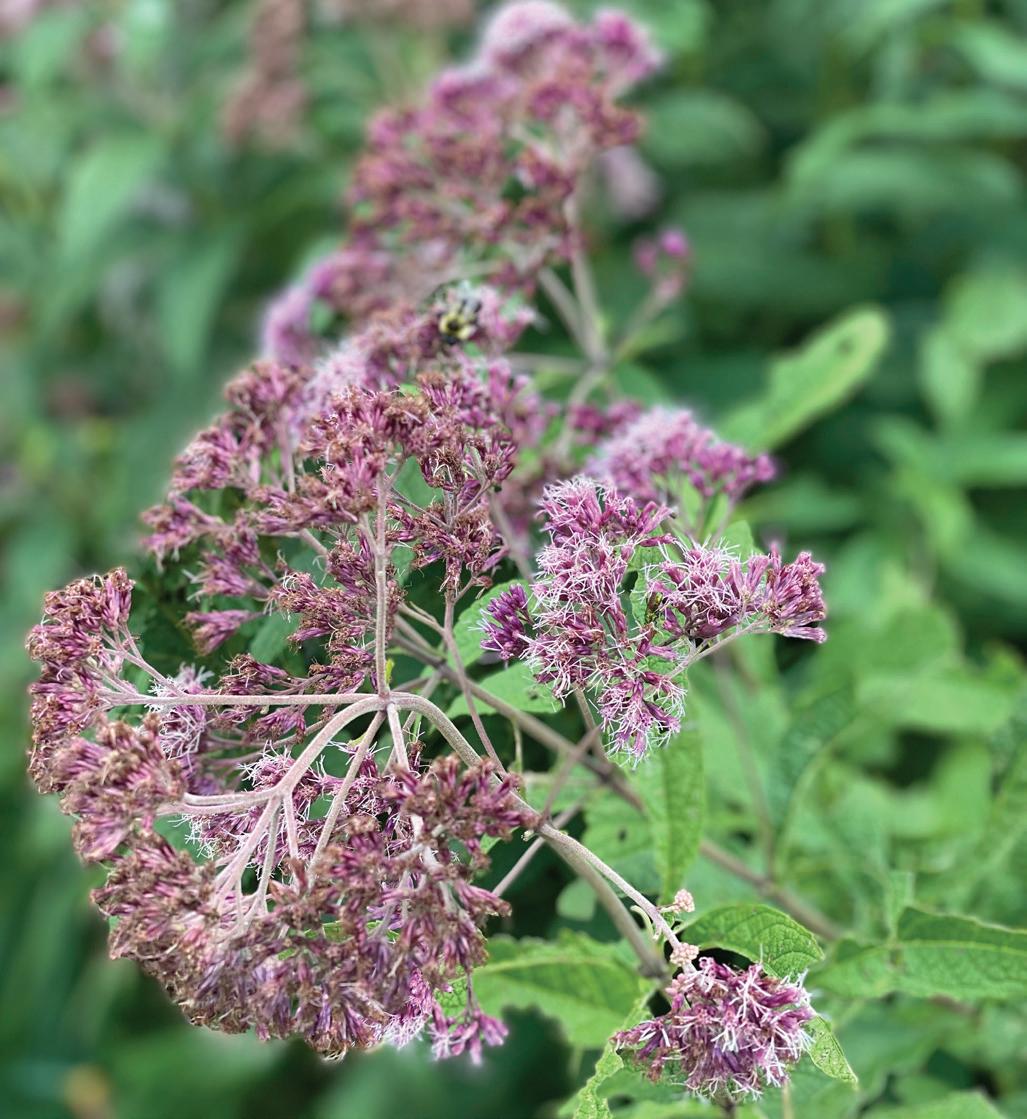
Eutrochium maculatum
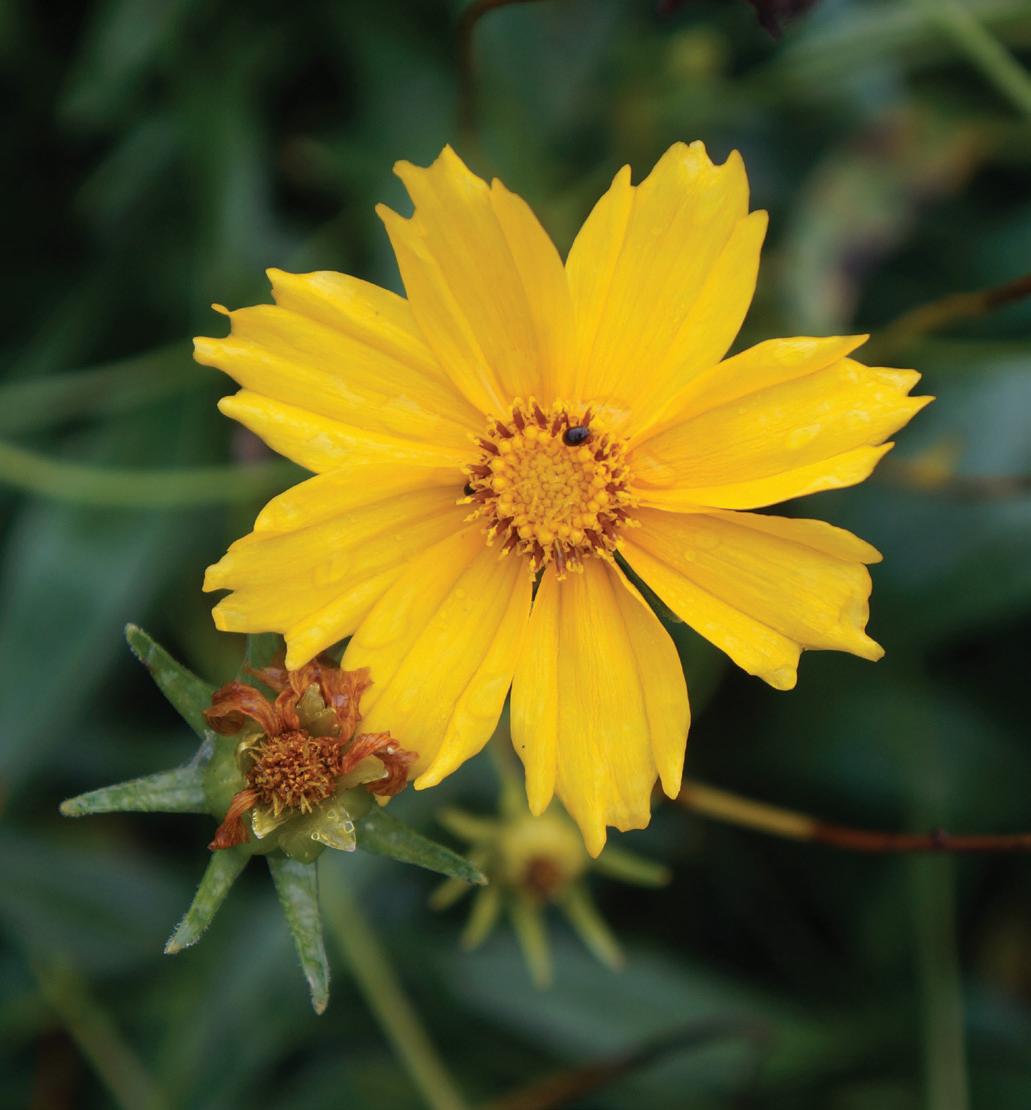
Coreopsis lanceolata
Photo Credits
CONTENTS DEPARTMENTS
Awards Committee 1
Awards Committee 8-9, Rick Reuland 16-18
Pappas Landscape & Design 24-37
Midwest Groundcovers 44, 46, 48
Inspire Outdoor Living 54
The official publication of Landscape Illinois, — Landscape Illinois —The Magazine is dedicated to educating, advising and informing members of this industry and furthering the goals of the Association. Landscape Illinois Magazine carries news and features relating to landscape contracting, maintenance, design and allied interests. Publisher is not responsible for unsolicited material and reserves the right to edit any article or advertisement submitted for publication. Publication reserves right to refuse advertising not in keeping with goals of Association. www. LandscapeIllinois.org.
Volume 67, Number 6. Landscape Illinois Magazine (ISSN # 0194-7257, USPS # 476-490) is published monthly for $75.00 per year by: the Illinois Landscape Contractors Association, 2625 Butterfield Road, Ste. 104S, Oak Brook, IL 60523. Periodicals postage paid at Oak Brook, IL and additional mailing offices. Printed in USA.
Postmaster: Send address changes to Landscape Illinois Magazine, 2625 Butterfield Road, Ste 104S, Oak Brook, IL 60523. Display Advertising Sales: Association Publishing Partners, Inc., Ph. (630) 6378632; email: rmgi@comcast.net. Classified ads, Circulation and Subscription: Landscape Illinois (630) 472-2851 Fax (630) 472-3150 Editorial office: Association Publishing Partners, Inc., Naperville, IL
Magazine Staff
Rick Reuland
Executive Director
Scott Grams (630) 472-2851 sgrams@landscapeillinois.org
Statewide Director of Development
Kellie Schmidt kschmidt@landscapeillinois.org
Director of Events
AnneMarie Drufke adrufke@landscapeillinois.org
Education Manager
Melissa Custic mcustic@landscapeillinois.org
Office Manager
Alycia Nagy anagy@landscapeillinois.org
Membership & Marketing Manager
Marissa Stubler mstubler@landscapeillinois.org v Landscape Illinois
2625 Butterfield Road Ste. 104S Oak Brook, IL 60523 (630) 472-2851 • Fax (630) 472-3150 www.landscapeillinois.org
Landscape Design Unplugged The Morton Arboretum Lisle, IL
August 20, 2026
Summer Field Day: The Landscape & Snow Expo Lake County Fairgrounds Grayslake, IL
September 3, 2026
Turf Education Day (TED) NIU Naperville Naperville, IL
September 15-17, 2026
Growers Tour Ohio Nurseries
OCTOBER
October 2-3, 2026
LIFT: The Landscape Professional Summit For Women Eaglewood Resort & Spa Itasca, IL
Problems that appear small are just large problems not fully understood.
— Santiago Ramón y Cajal, Nobel Prize Winning Neuroscientist
In February, Landscape Illinois held its popular Spring Training event in Eureka, IL. This event is the result of a fruitful collaboration with Stone Leaf Nursery. They clean out their entire production greenhouse, just days before the landscape season kicks off, to host the event for over 300 Central Illinois landscape professionals. The event has swelled so much in recent years, we created an Owners and Managers track in Stone Leaf’s shop. The technical track, for landscape laborers, crew leaders, and supervisors happens in the greenhouse and usually puts about 200 butts in seats. The technical track hosts landscape field staff from private companies, park districts, municipalities, and grounds crews.
This year, we were able to pull off a panel event that had been years in the making. Owners and managers panels are common at these types of events. We get business owners and senior leaders to provide their secret sauce to design-sales, operations, marketing, client communication, technology, and automation. That is not the type of panel I want to talk about.
The panel of note featured 4 crew leaders and was held across the parking lot as part of the technical track. Crew leader panels are notoriously difficult to pull off. Most crew leaders and supervisors don’t feel comfortable addressing a room of 200 of their peers. These are employees who like to keep their heads down. They leave it to ownership to chart the strategic direction for the organization. Like with most employees in operations and production, they handle what comes their way, but don’t always feel comfortable speaking to that process. Getting crew members to sit on stools with mics in their hands proves to be notoriously difficult. These talented employees are especially reticent to sit in front of a room of their peers and think of themselves as “experts.”
to Lauren for her prepared questions and letting the panelists unwind, but the panelists themselves just spoke from their daily experiences. They talked about how to deal with a chronically late employee, losing or damaging tools, serving as the buffer between management and field staff, and yes, stinky people.
In all my preparations for panels, body odor has never cracked the top 100 list of priorities. Yet, each of the crew leaders had a story to tell. When you are locked in a truck for 10 hours with an employee who needs a full can of Axe Body Spray, it ruins your day. These employees aren’t going home to worry about automation, the AI revolution, will Aspire integrate with QuickBooks, or the cost of fuel. They go home and tell their wives or girlfriends about the guy in the truck who needs a shower. That is a real and chronic problem for them and it may be more difficult to solve than rising fuel prices. The solutions offered were even more real. Some avoided it. Some directly addressed it. Some used humor and peer pressure to get their coworker to come clean. I looked around the audience and hundreds of heads were nodding. Stinky coworkers were a real problem that crew leaders have to deal with and problems like that are never going to cross an owner’s mind or desk. These are the worlds that field staff live in. Their problems are drastically different from management. They are granular and raw and are 34,999 feet short of the 35,000 foot level.
Somebody Else’s Problem
The Spring Training Committee just decided to go for it. They organized a panel called Stand Out Onsite: What Clients Notice Most. It was moderated by committee member Lauren Howell of Stuber Land Design in Tremont, Illinois. The panelists included Robbie Leger, Brookside Landscapes, Bryce Sandoval, Stuber Land Design, Randy Sharpe, Reinhart Landscaping and Snow, and Jack Ulrich, JR’s Landscape Services. It was a breath of fresh air, even though they spent a good ten minutes talking about stinky people.
Owners and senior leaders talking on panels is challenging. They have a lot to say, and the confidence to say it, but 35,000-foot level conversations can become cliched and predictable. Owners need to walk a line between prognosticating, offering tangible and relatable information, and not giving away too many secrets. I have moderated and served on plenty of panels, and senior leaders are always trying to balance pride and humility. We are proud of our organizations, but the audience wants to hear about the missteps, mistakes, and car wrecks more than they want to hear everything in life is hunky-dory.
With our panel of crew leaders, there were no cliches. Credit
This reminds me of a shadow day I once spent with a commercial landscape company. I asked the Director of Sales what the most notable thing about her company was. She thought for a moment, and said, “Career pathing and how we allow good employees to rise into leadership positions rather than looking outside the company.” When I asked the maintenance supervisor the same question, he said, “our edging.” Those are two drastically different responses to the same question that shows how different problems look the closer you are to the ground.
The more I listened, I realized two things. First, there are dozens of micro problems that can ruin the day for field staff. A seasoned crew leader handles these as directly and discreetly as he or she can. They don’t want to go running to management every time there is an onsite challenge. Second, because of the buffer that great crew leaders provide, management remains unaware and incapable of solving these daily annoyances. These crew leaders take pride in solving these problems directly, but, by their very nature, they shield management from the real and solvable problems that impact labor retention.
Most senior leaders love when employees solve their own problems. In fact, our Owners and Managers committee said that initiative was one of the highest rated attributes a young employee can have. Yet, assuming that all the problems in a business are strategic is naive, at best, fatal, at worst. Management assumes that because they have big jobs, they have to solve big problems. Airport business books are all about core values and mission statements and vision and skills-assessments. Most field staff don’t care about that stuff in a tangible way.
Companies need to find a way to support and empower their
crew leaders while using the full resources of the organizations to solve these granular challenges. On top of that, crew leaders need to communicate between themselves. A frustration for one crew, is usually a frustration for all crews.
Management’s first step is to itemize the day. Review arrival, roll-out, daily work, breaks and lunches, fuel stops, material pick-ups, weather delays, equipment storage and maintenance, and returning to the shop before starting again tomorrow. All of those little slices of the day likely have pain points that should be discussed and addressed. We know HR and management cannot create the perfect day, but it can reduce headaches. These headaches may seem minor to management, but are full-blown migraines to field staff.
At Spring Training, the owners panel and the crew leader panels both wrapped up in under an hour. If I were to draw a Venn diagram of manager problems and crew problems there was almost no overlap. The challenges that management wrestled with were much different than the ones being voiced by the crew. That begs the question, are the problems being addressed by management the right ones for them to focus on?
The answer to that came indirectly. The last segment of the crew leader panel was about motivation and what keeps them in the industry. To a man, each panelist talked about how much pride they had putting on their uniform each day. This was not butt-kissing. Their owners were sitting in a different session on the other side of the parking lot. These crew leaders felt something positive when they put on the name and logo of a company that they viewed as an industry leader.
Instead of searching for shared problems, it’s better to understand cause and effect. When management and leadership run a professional company, protect their employees, invest in modern equipment and technology, properly value their services, and do great work, that pride radiates downward. Too often, ownership lives in a world of solving problems and growing the business and forgets that employees have a choice in where they work. Employees aren’t in the office. They live in a world surrounded by competitors. They drive past trucks every day. They see competitors at nurseries and supply depots. They wear multiple logoed shirts across their career. They know the grass on the other side of the fence can come in all shades from greener to dark brown.
Pride matters to them. There is no better testament to a business then when employees feel an elevated sense of self-worth by looking at that logo in the mirror. Every strategic rock that gets cracked helps, but a business can’t simply rely on solving big problems. Solving big problems makes that logo matter. Solving little problems keeps employees in that logo longer.
The season will enter its second half in the middle of July. That is when the burnout starts and the little challenges of spring snowball into something larger. The period from July 15th to Labor Day offers a narrow window to survey the situation on the ground. What went wrong, what went right, and just how stinky were the cabs of those trucks? Ownership will always be forgiven for trying to solve big, strategic challenges that push the company forward. Yet, employees will remember ownership fixing the pop machine in the shop, ordering new PPE, or mentioning that aggressive dog to the maintenance client.
We resist solving small problems at our own peril. Besides requiring more straightforward solutions, they have a positive ripple effect across the field staff. These problems meet crews where they live, and more importantly, where they breathe. After all, nobody wants to be the stinky company everyone talks about behind their back.
Becky Thomas Spring Grove Nursery, Inc. (815) 448-2097 bthomas@springrovenursery.com
Aaron Zych ILT Vignocchi, Inc. (847) 487-5200 azych@iltvignocchi.com
www.landscapeillinois.org
The all-new Summer Field Day is quickly approaching! Now branded as the Landscape & Snow Expo. We are looking at an incredible event this year! The theme of the year is the County Fair! I’m so excited for so many things that are going on. Are you a fan of classic cars? Because there will be a classic car show! Farmers Markets!? The College of Lake County will have a farmstand. Do you like to argue? We will have our own version of the Lincoln-Douglas debates, and I hear an Abraham Lincoln will actually be moderating the debates. The Sign-Ups are still open if you are interested in getting involved. The sign up has the different things you can argue about such as natives versus nativars, and gas equipment versus electric. Or you can suggest your own debate if you don’t see it there. If you want to debate natural stone versus manufactured hardscapes, I bet you could find someone to debate you.
You could also “Stand By Me” and watch the pie eating contests, or if so inclined, you can volunteer and tear apart a delicious homemade pie. There should be at least one person from the Board of Directors face-planted in a pie. I imagine the pies are limited so hurry up proclaim your interest.
This is a new era of Summer Field Day. The committee listened to our members and put up a themed party. They’ve worked so hard to give you something different and I feel like this is going to be the best one in years. Please come out and support them this August 20th. This is going to be a good one!
Kevin McGowen, President Landscape Illinois
¡Seacerca a pasos agigantados la nueva edición del Summer Field Day! Ahora se conoce como Landscape & Snow Expo. ¡Este año nos espera un evento increíble! ¡El tema de este año es la feria del condado! ¡Estoy deseando que llegue por todo lo que va a haber! ¿Te gustan los coches clásicos? ¡Porque habrá una exposición de coches clásicos! ¿Mercados de agricultores? El College of Lake County tendrá un puesto de productos agrícolas. ¿Te gusta debatir? Tendremos nuestra propia versión de los debates Lincoln-Douglas, ¡y he oído que el mismísimo Abraham Lincoln será el moderador! Las inscripciones siguen abiertas si te interesa participar. En la inscripción encontrarás diferentes temas sobre los que puedes debatir, como «Nativos frente a Nativars» y «Equipos de gas frente a eléctricos». O puedes sugerir tu propio debate si no lo ves ahí. Si quieres debatir sobre la piedra natural frente a los pavimentos artificiales, ¡apuesto a que encontrarás a alguien con quien debatirlo! También puedes quedarte al margen y ver los concursos de comer tartas, o si te apetece, puedes ofrecerte voluntario y devorar una deliciosa tarta casera. ¡Seguro que habrá al menos una persona de la Junta Directiva con la cara hundida en una tarta! ¡Imagino que las tartas son limitadas, así que date prisa y manifiesta tu interés! ¡Esta es una nueva era del Día de Campo de Verano! ¡El comité ha escuchado a nuestros miembros y ha organizado una fiesta temática! Han trabajado muy duro para ofrecerte algo diferente y creo que esta va a ser la mejor en años. Por favor, ven y apóyalos este 20 de agosto. ¡Va a ser genial!
Traducción realizada con la versión gratuita del traductor DeepL.com
Kevin McGowen, Presidenta, Landscape Illinois
Kevin McGowen
Bruss Landscaping • Wheaton
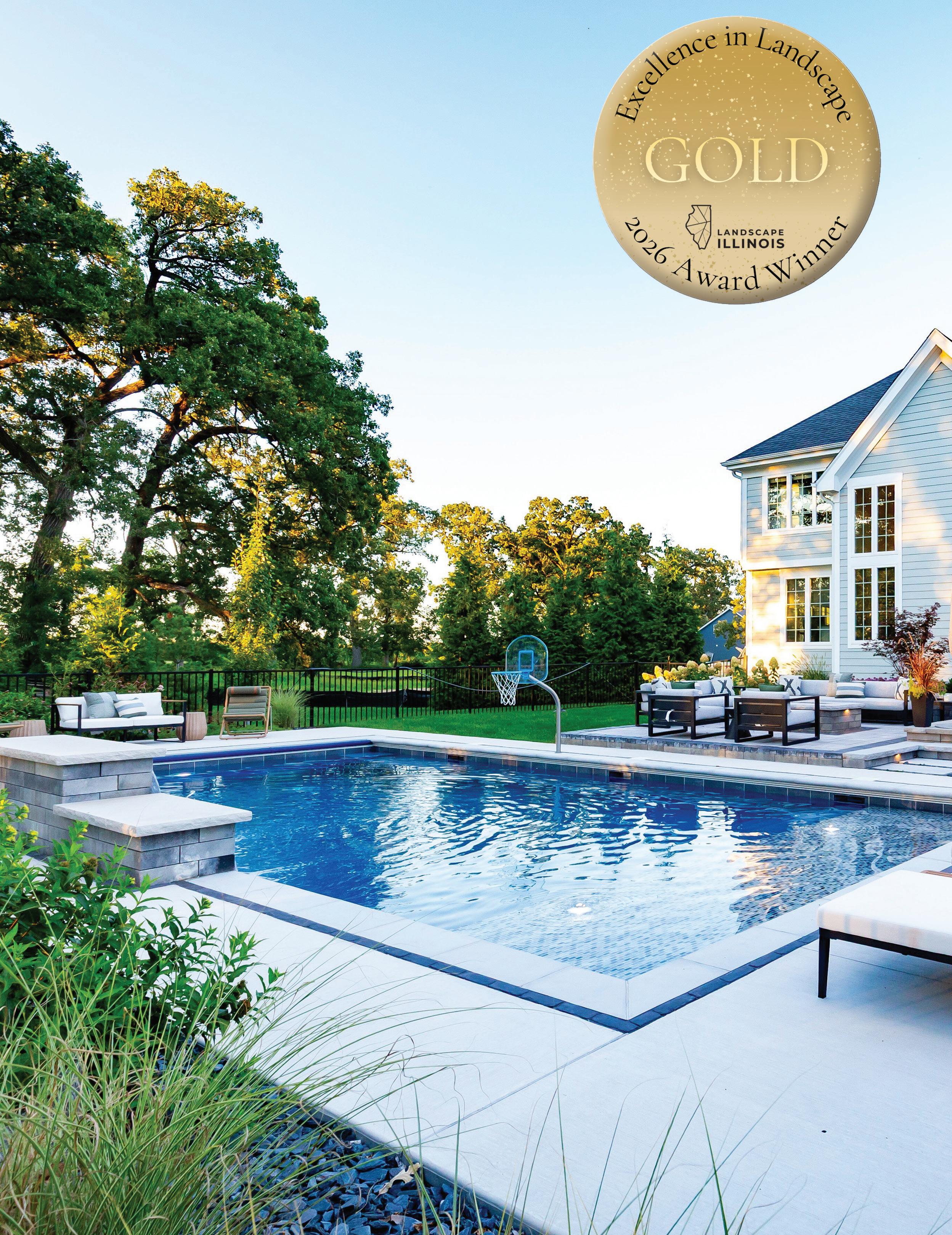
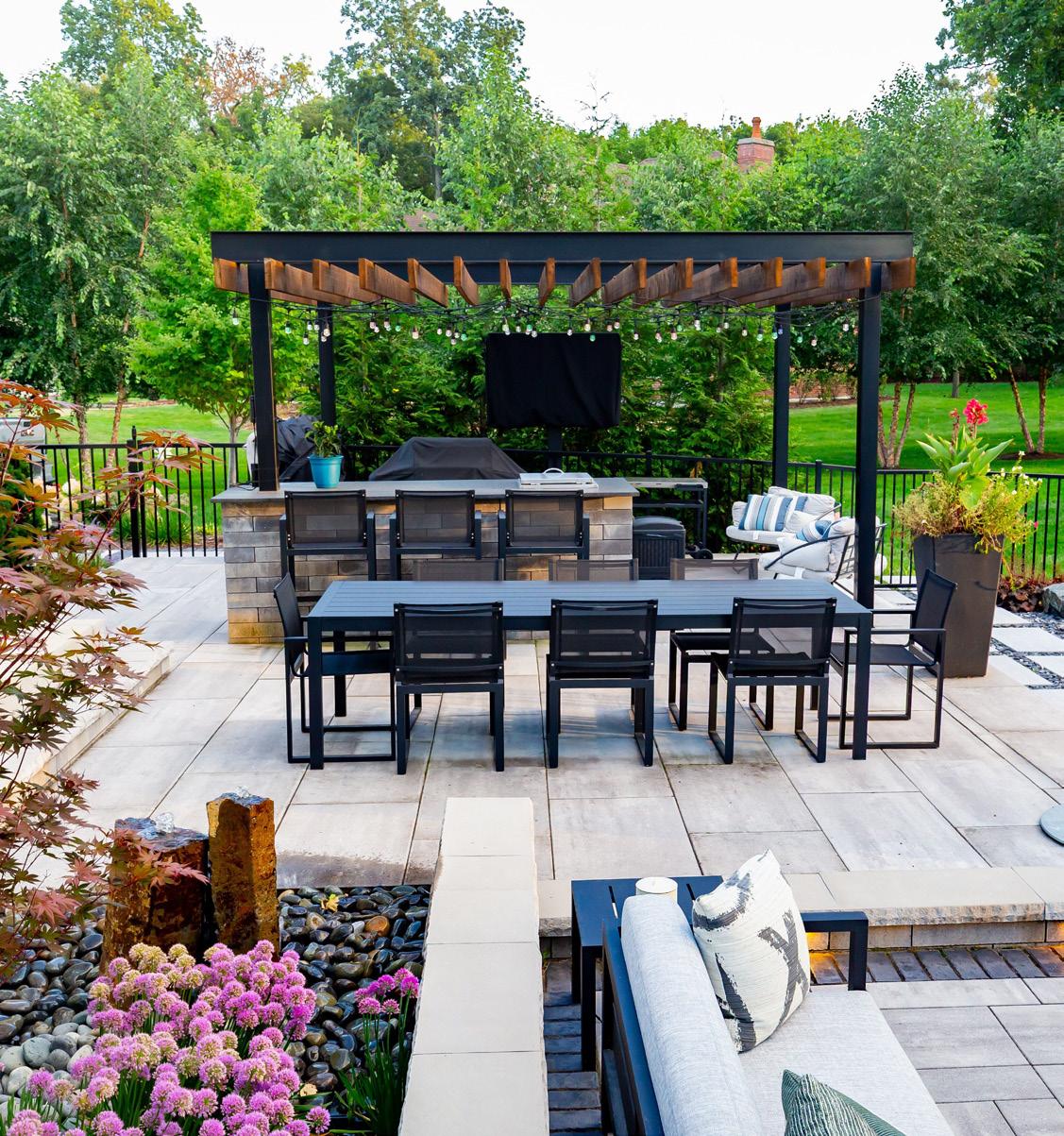
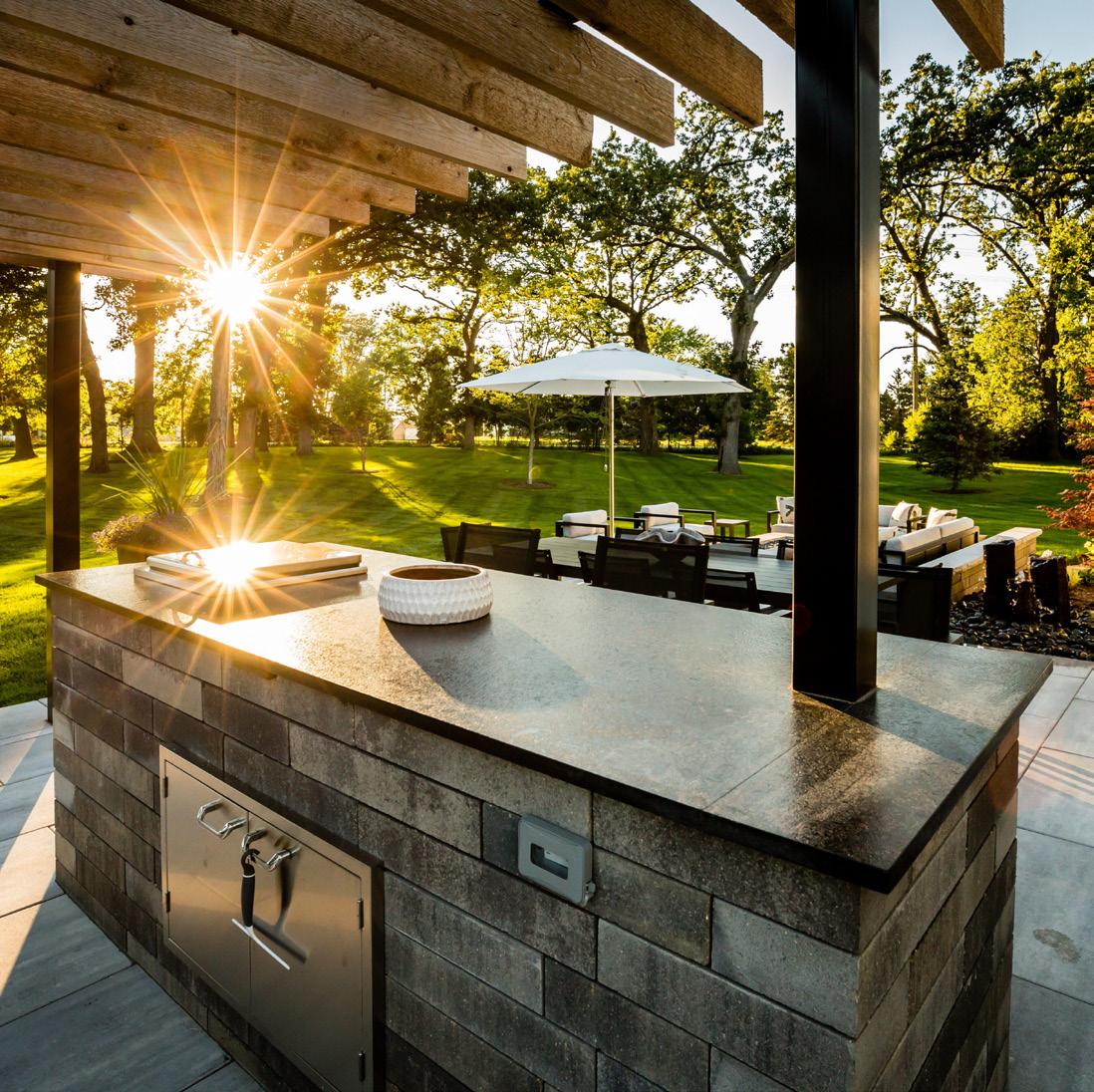
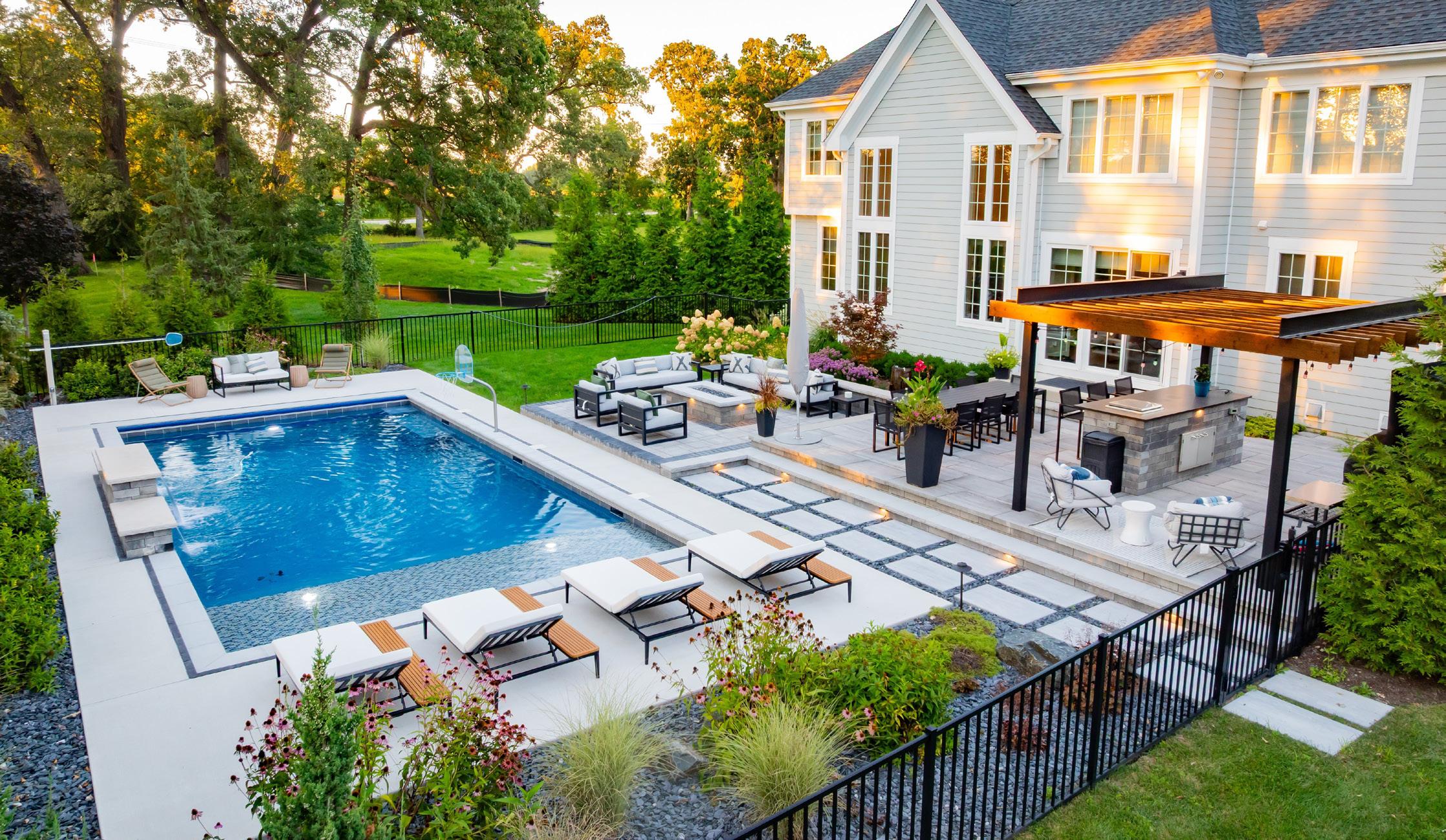
Outdoor Rooms With A View
We had the pleasure of working with this family in their previous home and were thrilled when they asked us to make this new-construction house feel like the forever home of their dreams. With stunning views of a mature oak grove behind the house, preserving that vista while incorporating an ample wish list of outdoor features was our primary mission. The family wanted a sleek, modern space for entertaining and enjoying as their children entered their
teenage years and beyond. The initial project included a large patio that combined a seating area with gas firepit, a dining area, low voltage lighting (to maximize utility, safety, and ambiance), and buffet/ grill area under a contemporary-styled pergola. All this while having the flexibility to add a pool, maintain the existing drainage plan, and of course, without blocking any views; the pool and additional hardscape and plantings were installed just two years later.
A Truly Unique Project 2026 Professionals’ Choice
The Levi Rhett Legacy Garden
Wins the Choice Award
by Heather Prince
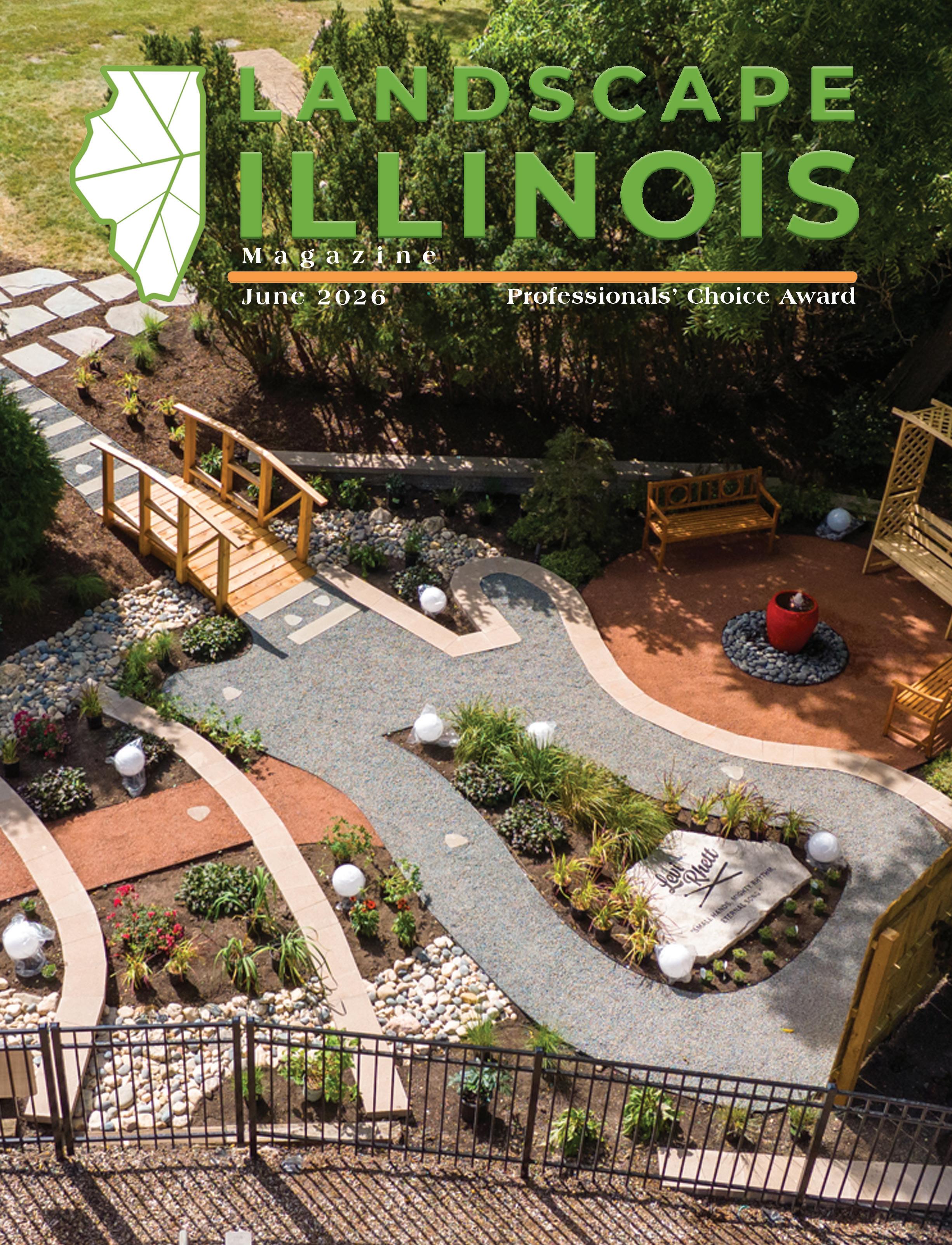
The 2026 Professional’s Choice Award was given to a very special project, the Levi Rhett Legacy Garden in Long Grove: A memorial dedicated to a little boy who lost his battle with brain cancer at just three-and-a-half years old. A.M. Woodland Contracting Group was honored to work with the Rae of Sunshine Foundation to design and install this deeply personal respite space. We spoke with Steve Shiley, senior landscape designer & sales, who designed the garden and led the project.
(continued on page 12)
(continued from page 11)
A Meaningful Memorial
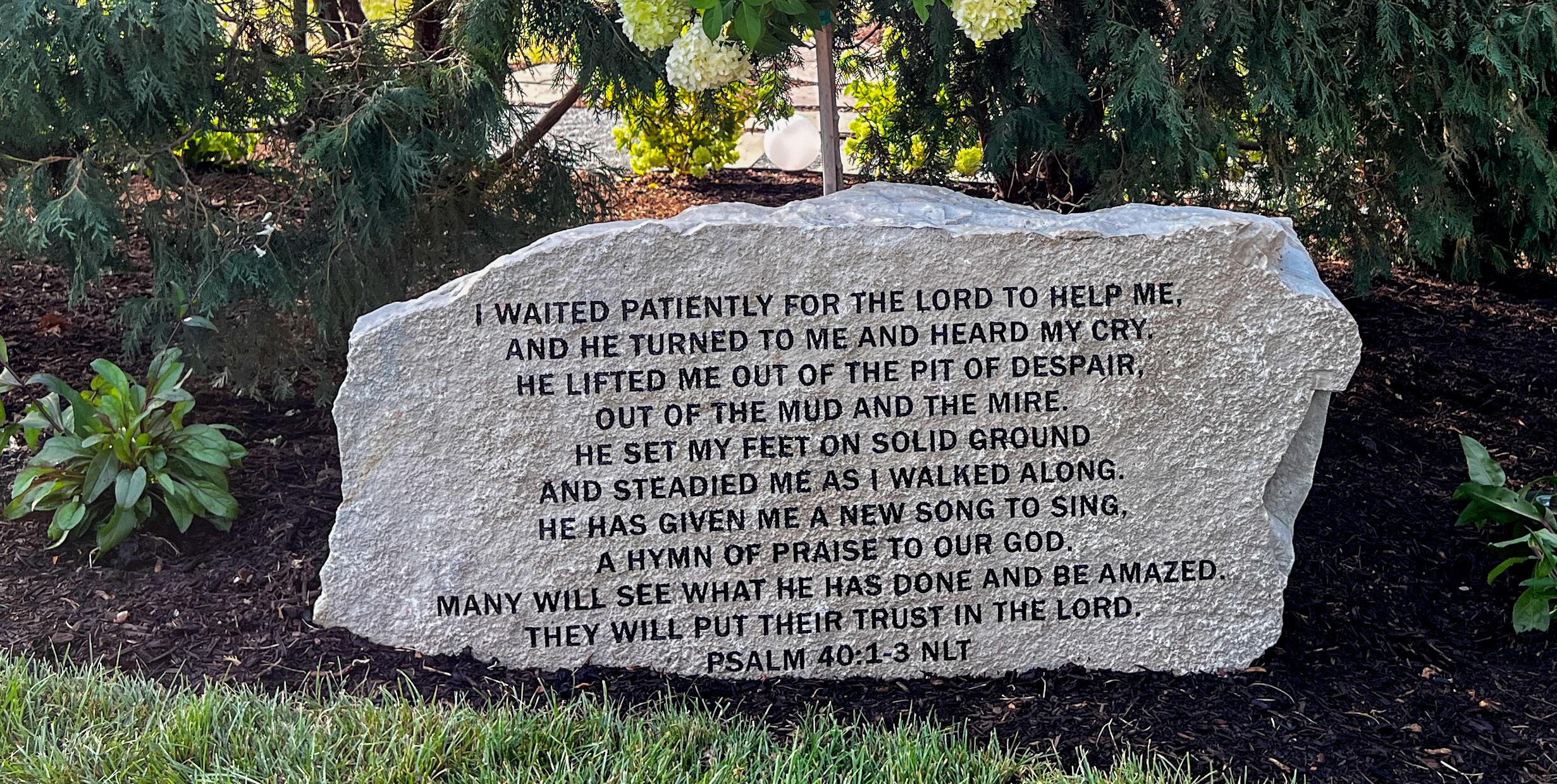
The Rae of Sunshine Foundation provides comfort to families who have lost a child far too early by creating memorial spaces including gardens, garden ornaments, and unique garden features. Co-owner of A.M. Woodland, Dan Migacz, and his wife founded the organization after losing their daughter Rae shortly after birth. Their mission of helping other families through landscape design has shaped many meaningful projects, but the Levi Rhett Legacy Garden is a particularly unique public healing garden centered around faith, music, and connection.
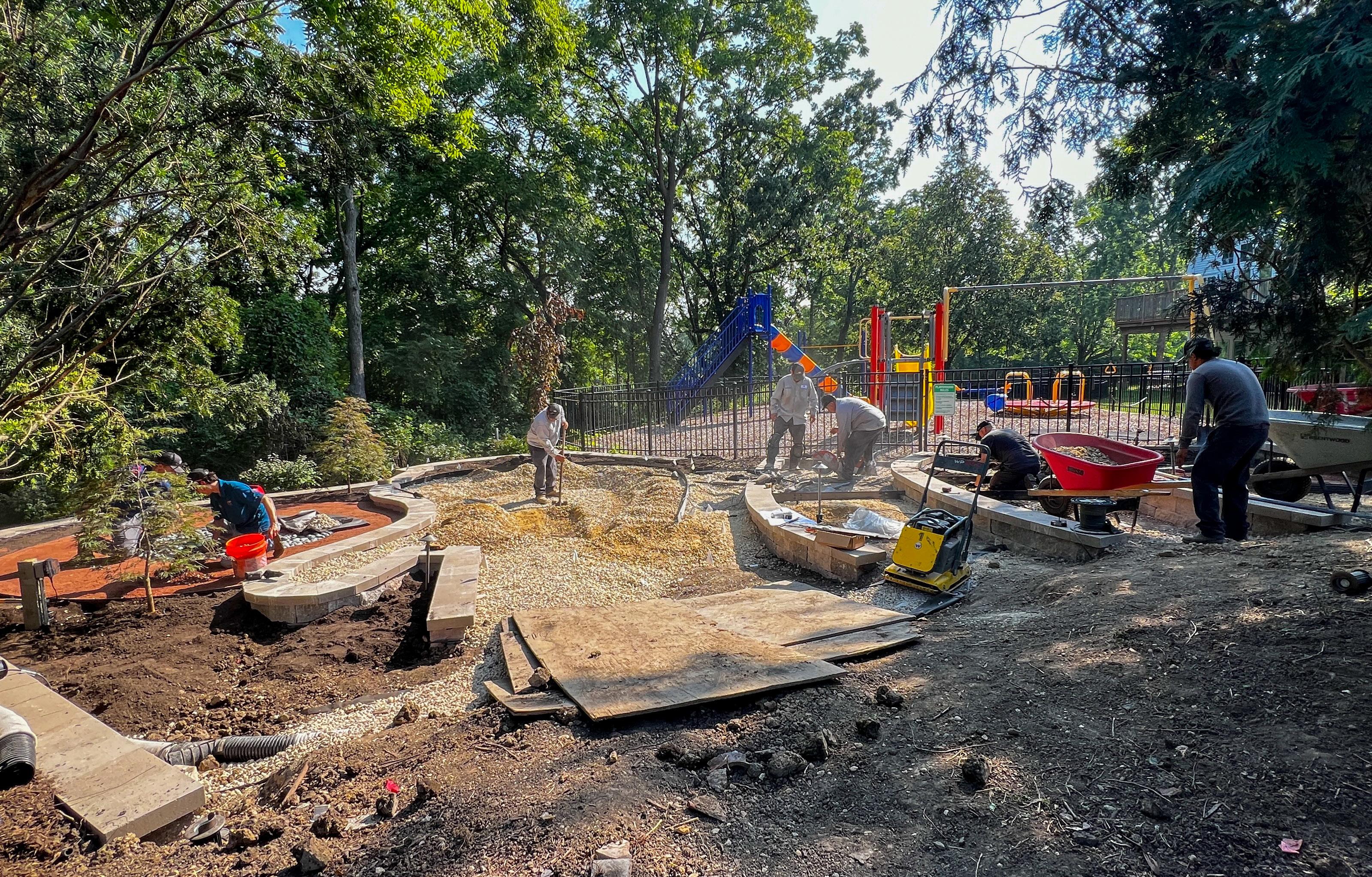
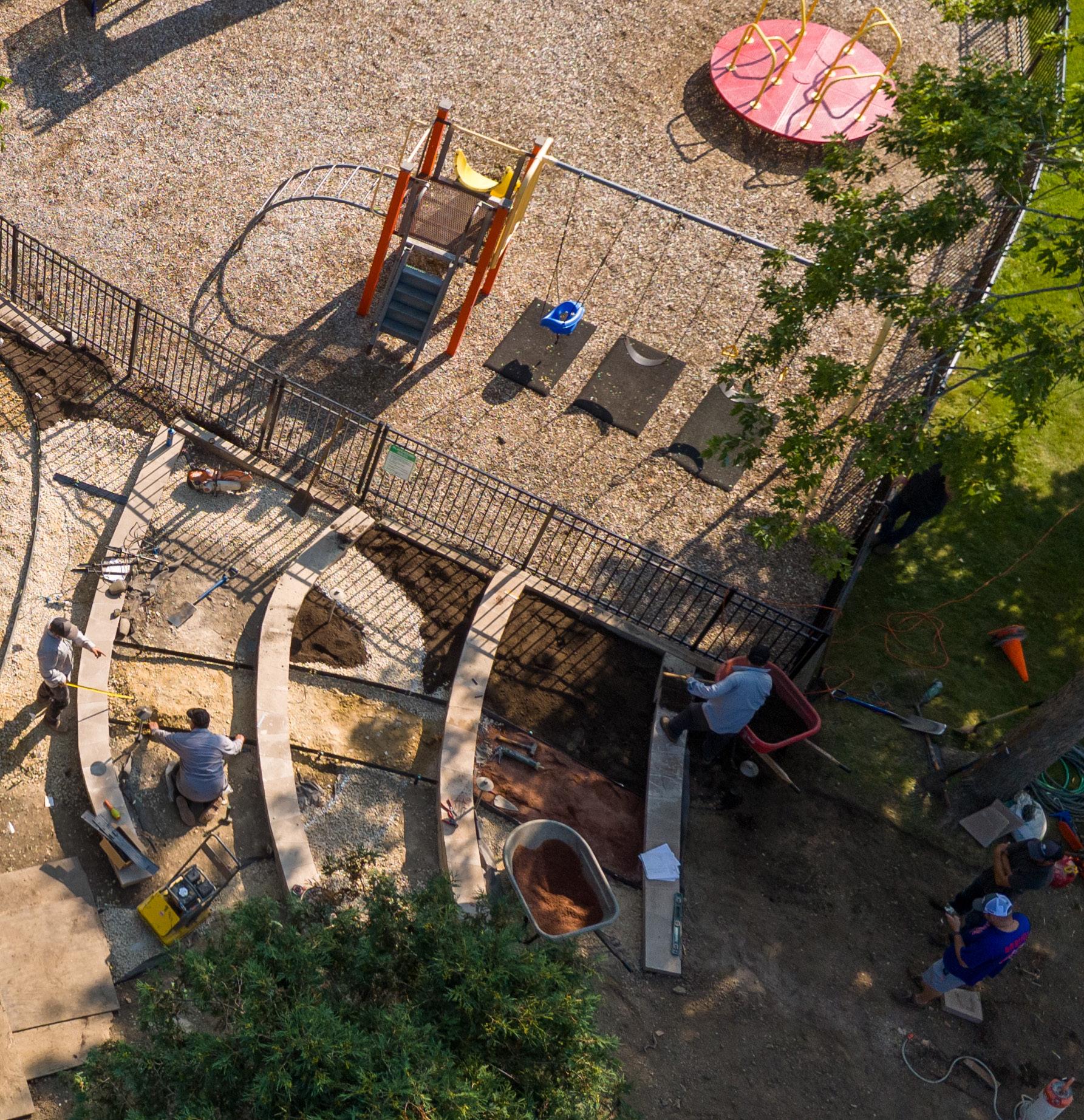
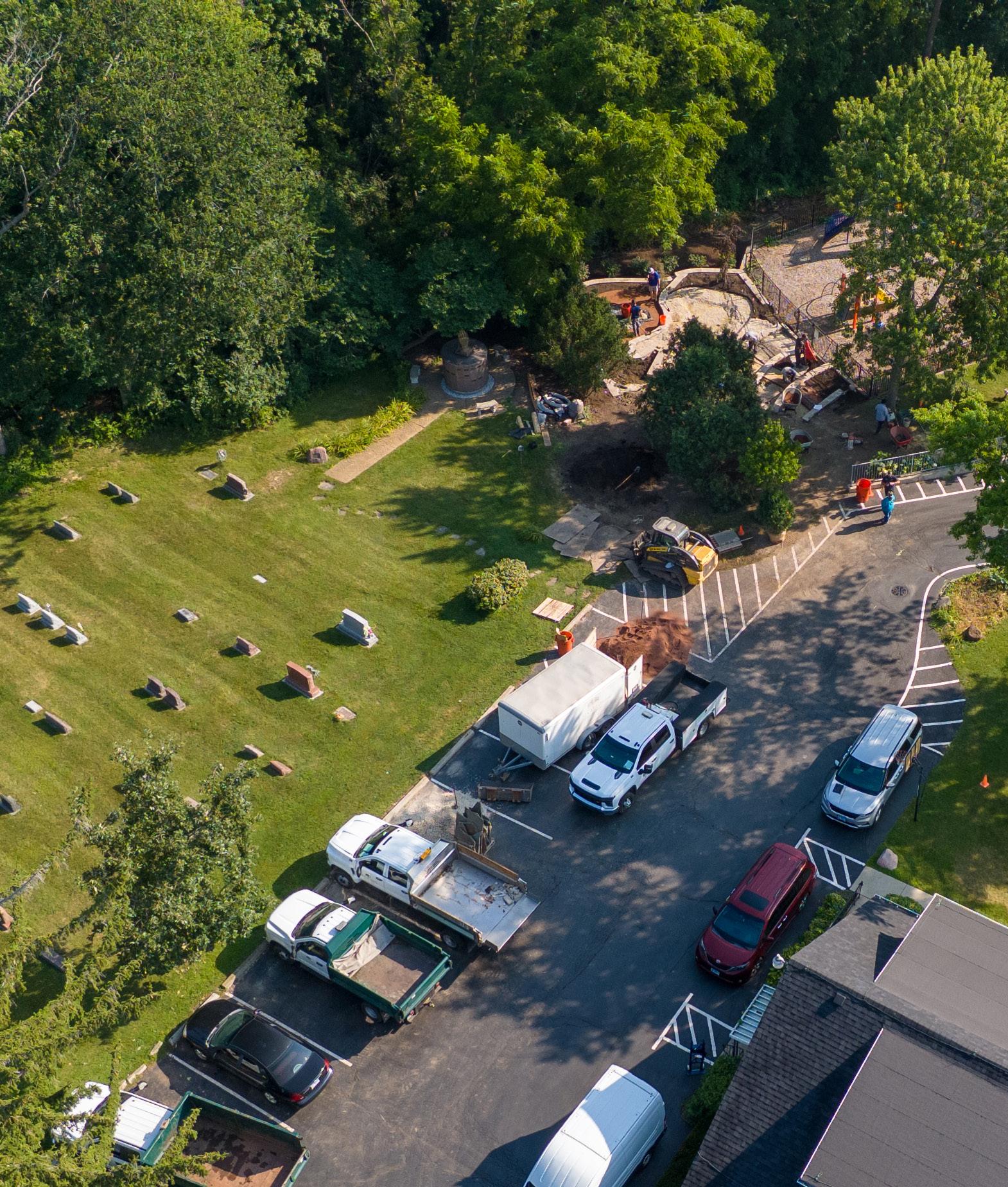
Levi was the son of Dell Modder, senior pastor at Long Grove Community Church. After learning of Levi’s passing, members of the church and A.M. Woodland connected the Modder family with the Rae of Sunshine Foundation. As Migacz, Modder, and Shiley walked the property to determine the best site for a memorial garden, a small, wooded ravine below the playground seemed a natural fit as Levi loved playing on the swings. Although heavily overgrown, the sloping topography offered a quiet sense of enclosure that made it ideal for a contemplative garden. “We cleared the understory and opened the space up so we could truly understand its potential,” explained Shiley. “Once the area was cleaned out, the vision for the garden began to take shape.”
(continued on page 14)
(continued from page 12)
Connections Clicked into Place
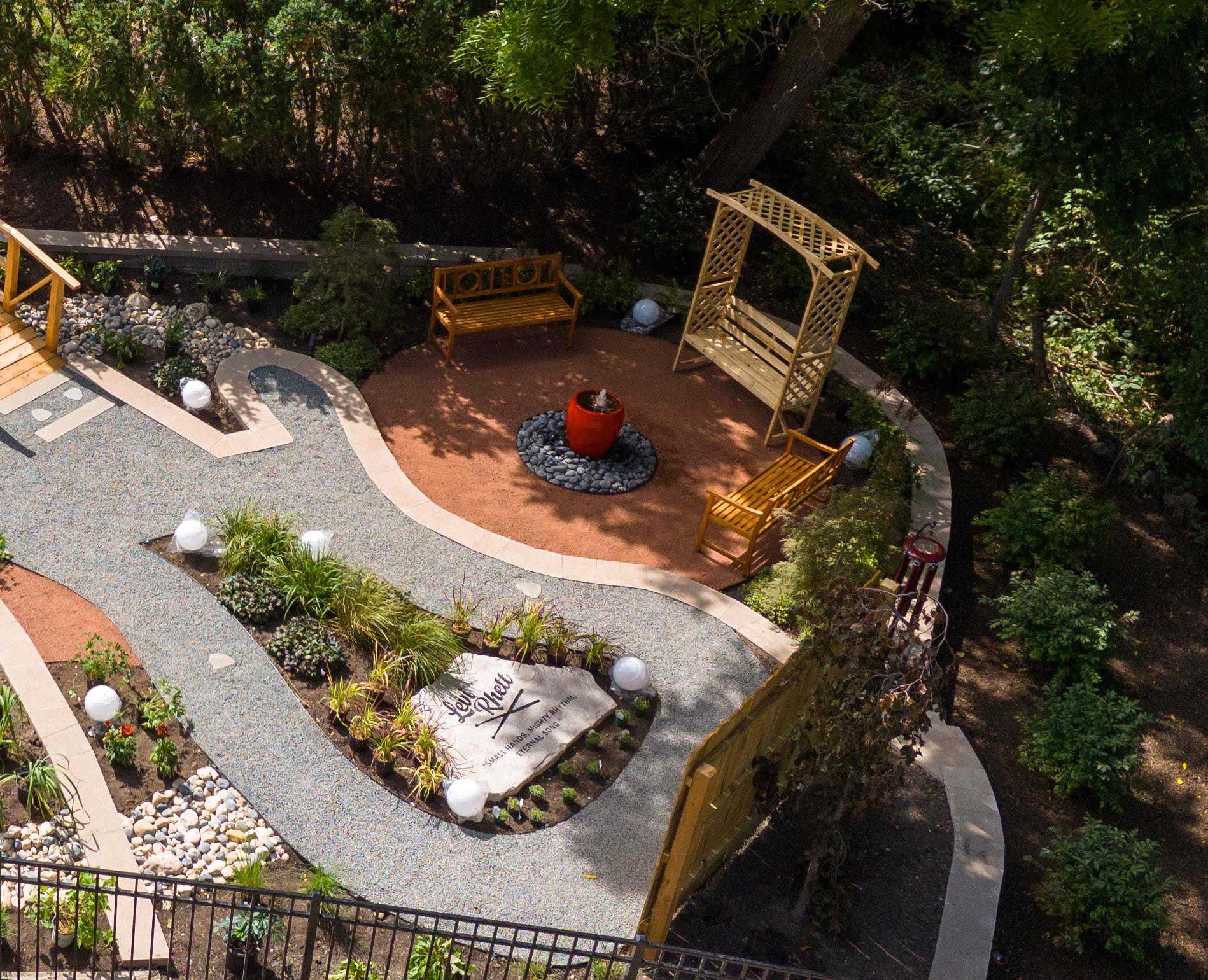
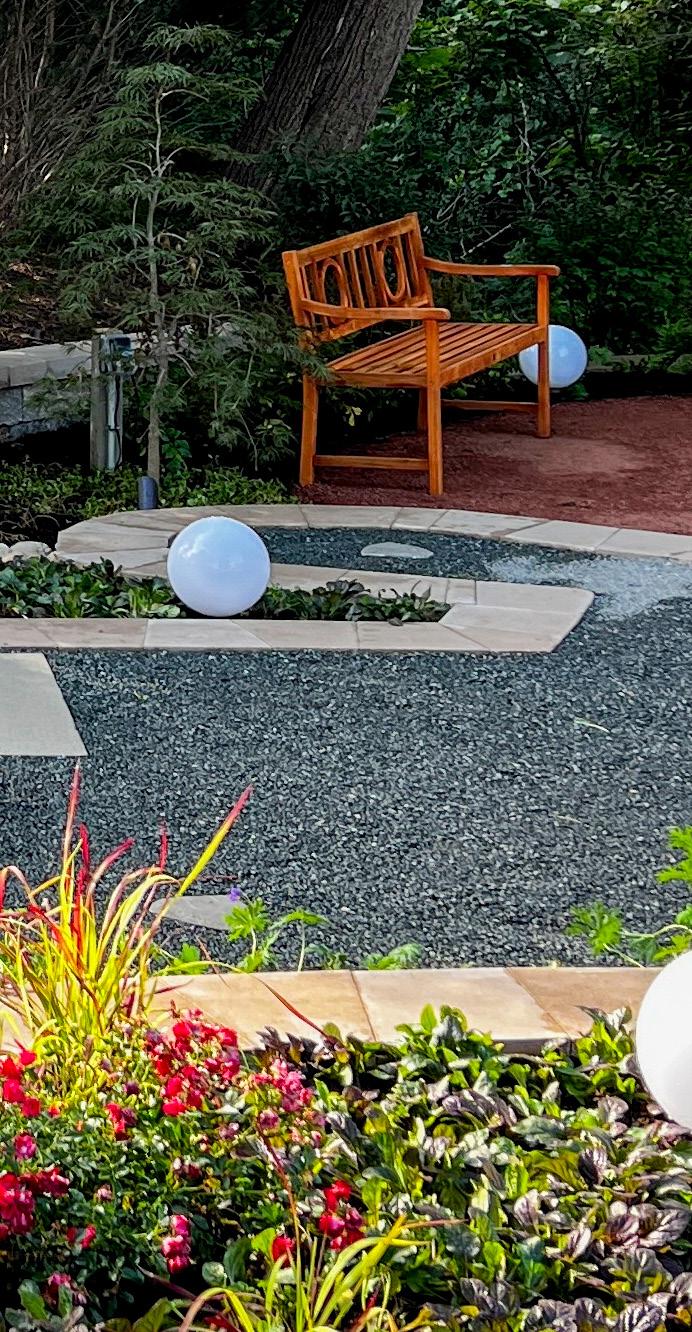
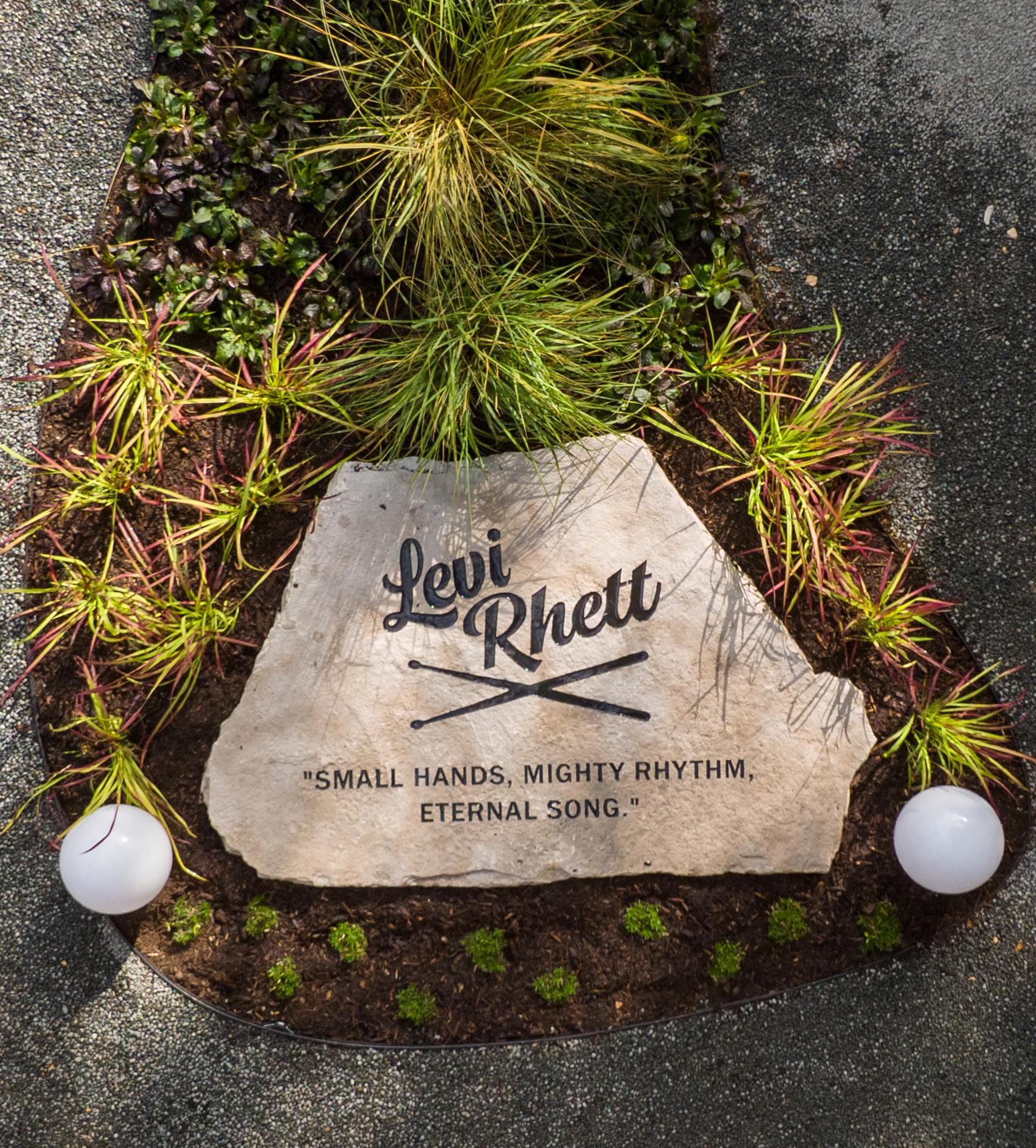
As Shiley spent time with the clients learning about Levi, he wanted to weave as many references to the little boy’s life through the garden as possible. Levi passed away on Valentine’s Day, so the color red became meaningful to include in the flower and foliage choices repeated throughout the space. His love of bubbles is demonstrated by the choice of globe lighting that is meant to evoke floating orbs of light. Most of all, Levi loved music.
“Drums were a big part of Levi’s life, but when I returned to the studio and began sketching concepts, I found myself drawn toward the shape of a guitar,” recalled Shiley. “I overlaid the form onto the site plan, and it immediately felt right.” When the 3D model of the concept was presented to the family and congregation, their deeply emotional response was surprising. Shiley hadn’t known that Levi was passionate about collecting guitar picks. During his memorial service, engraved picks were given away as a special memento. “It became one of those moments where everything aligned naturally,” Shiley said. “The symbolism connected in ways none of us could have planned.”
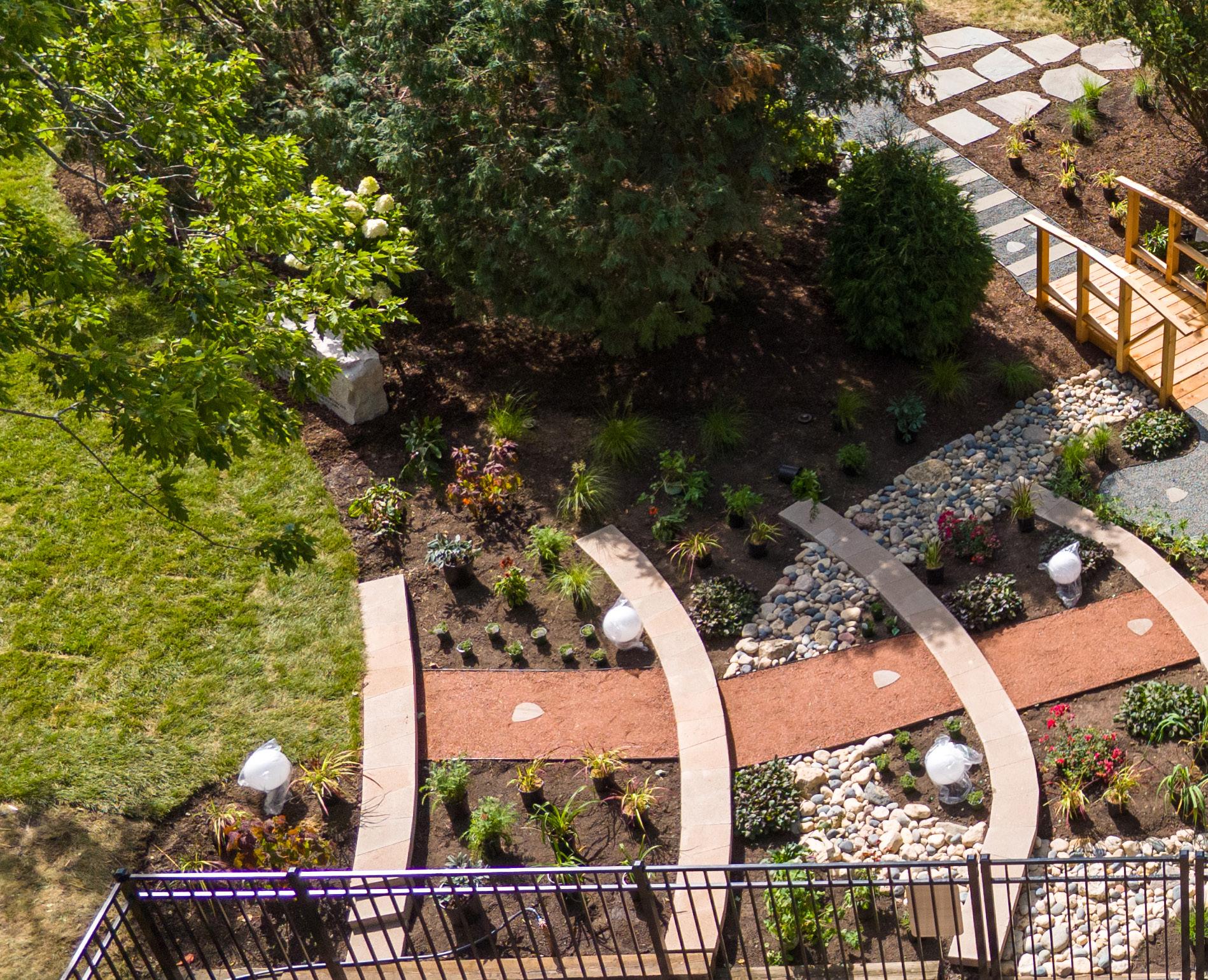
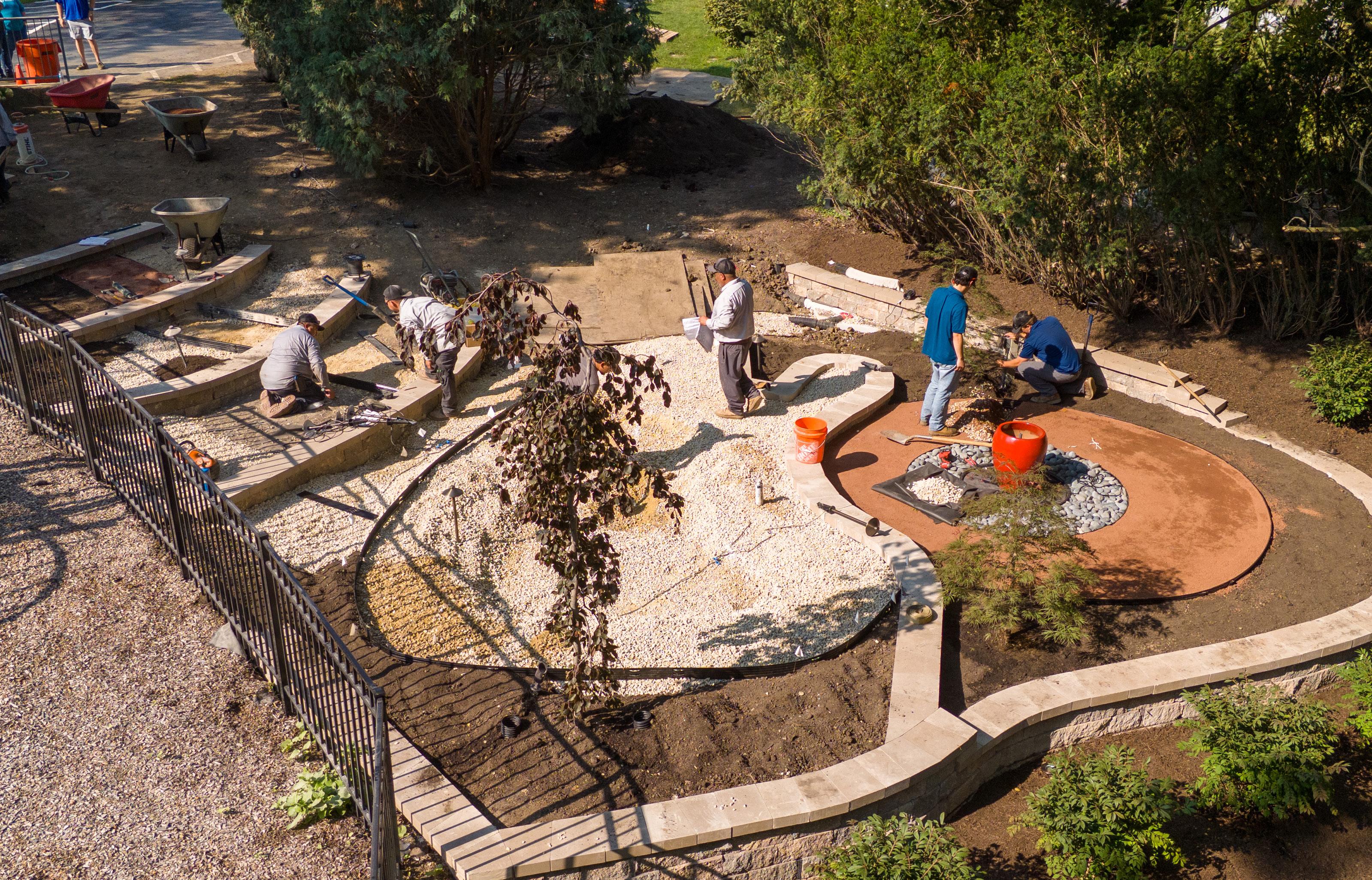
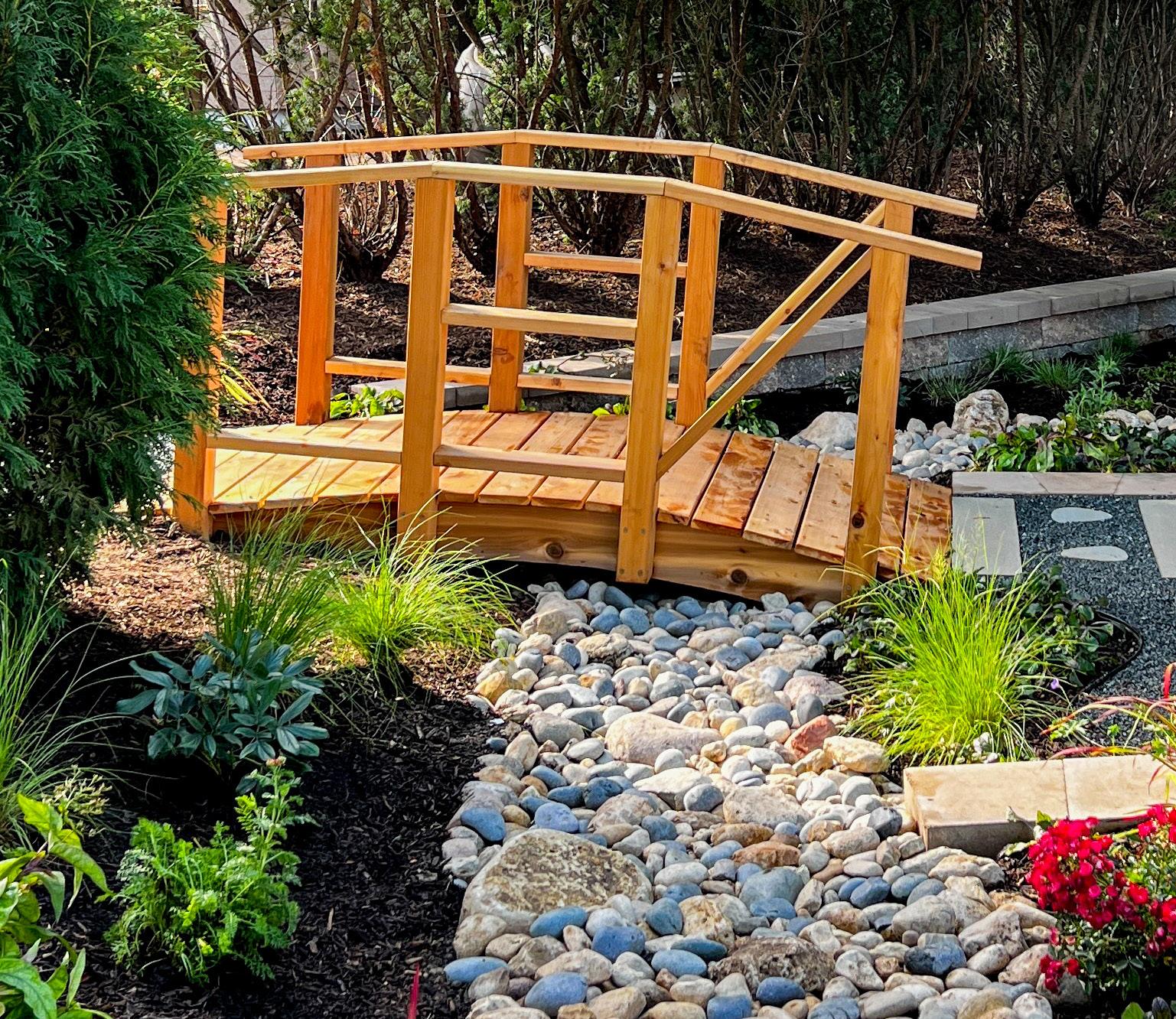
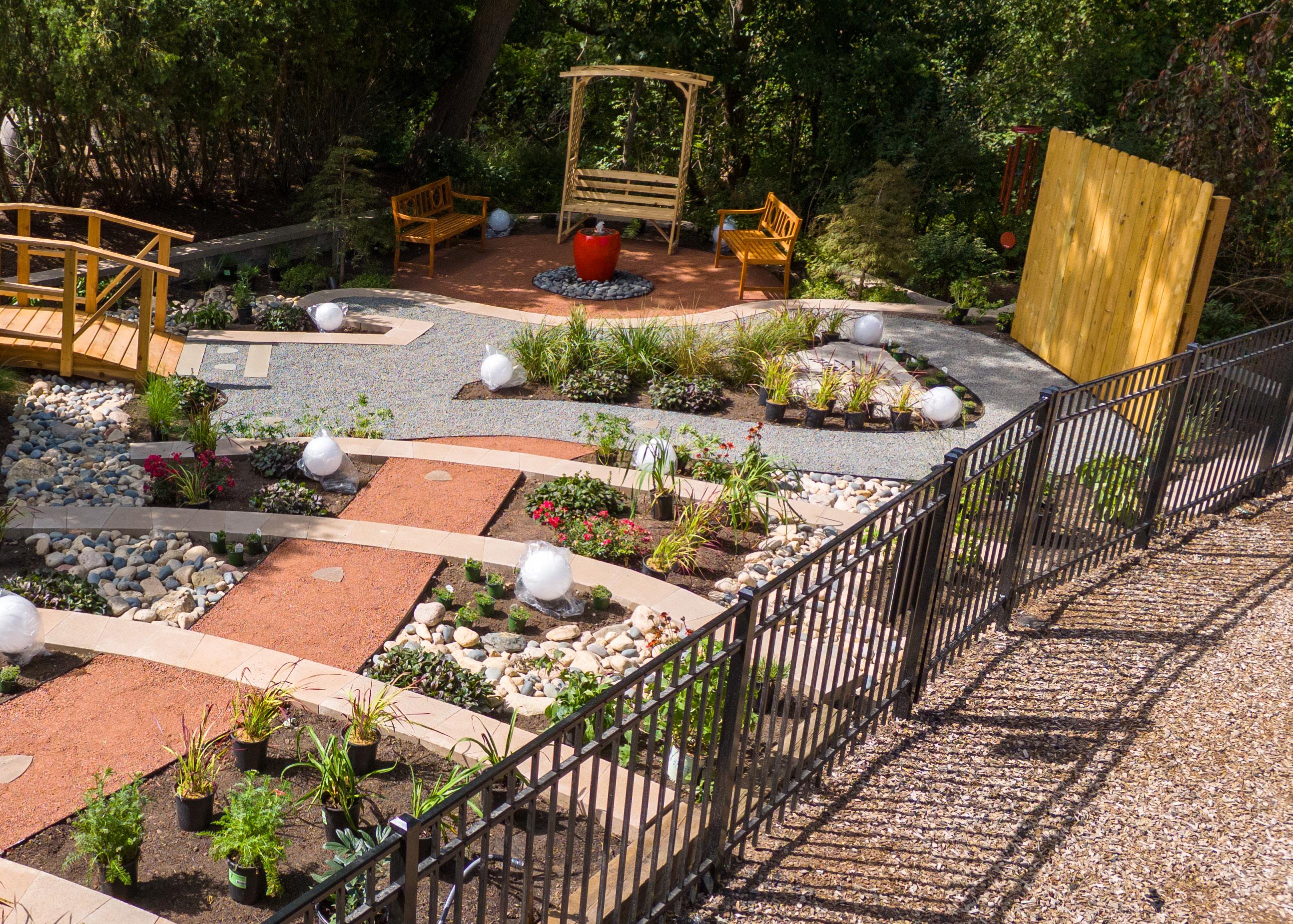
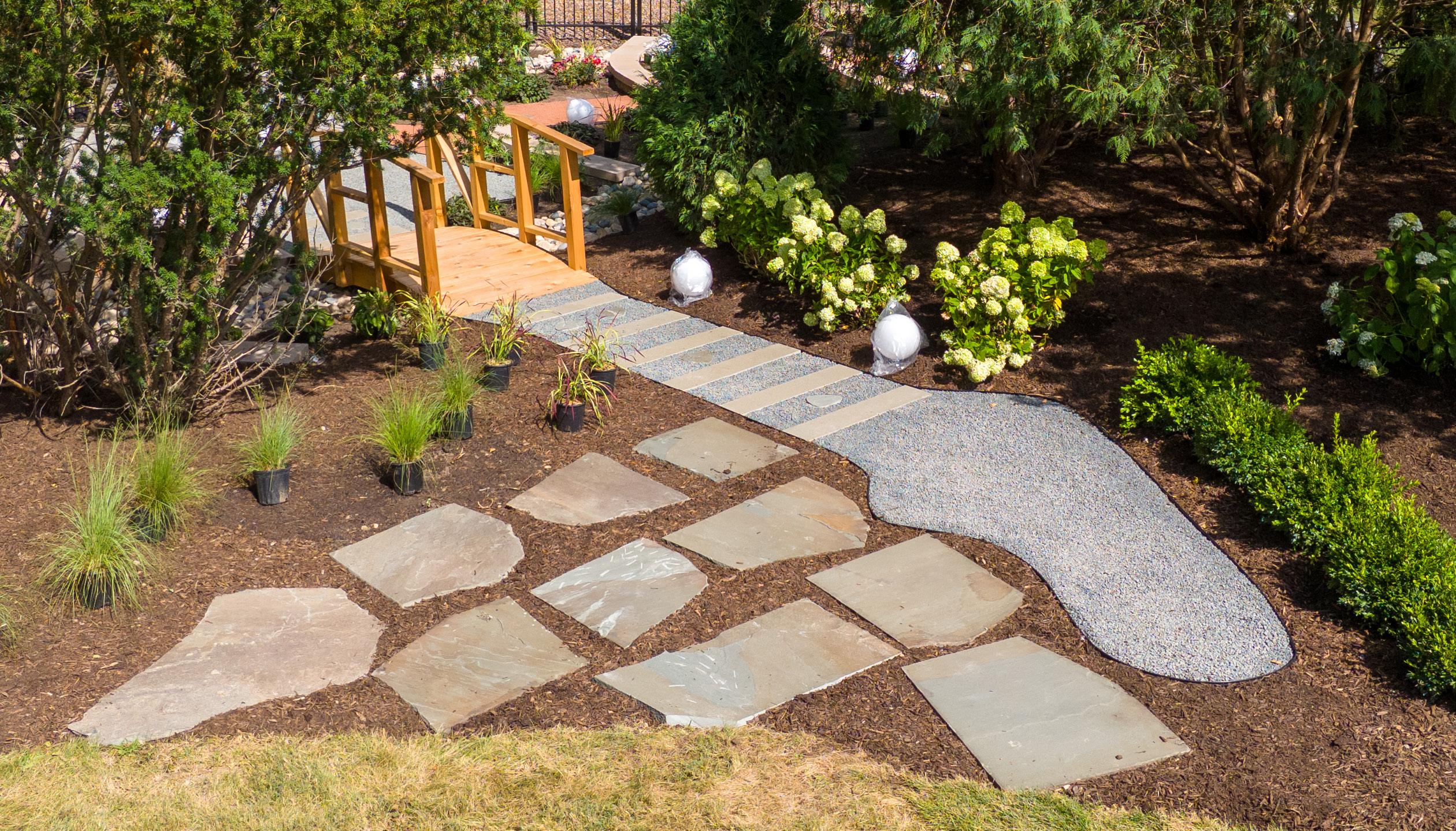
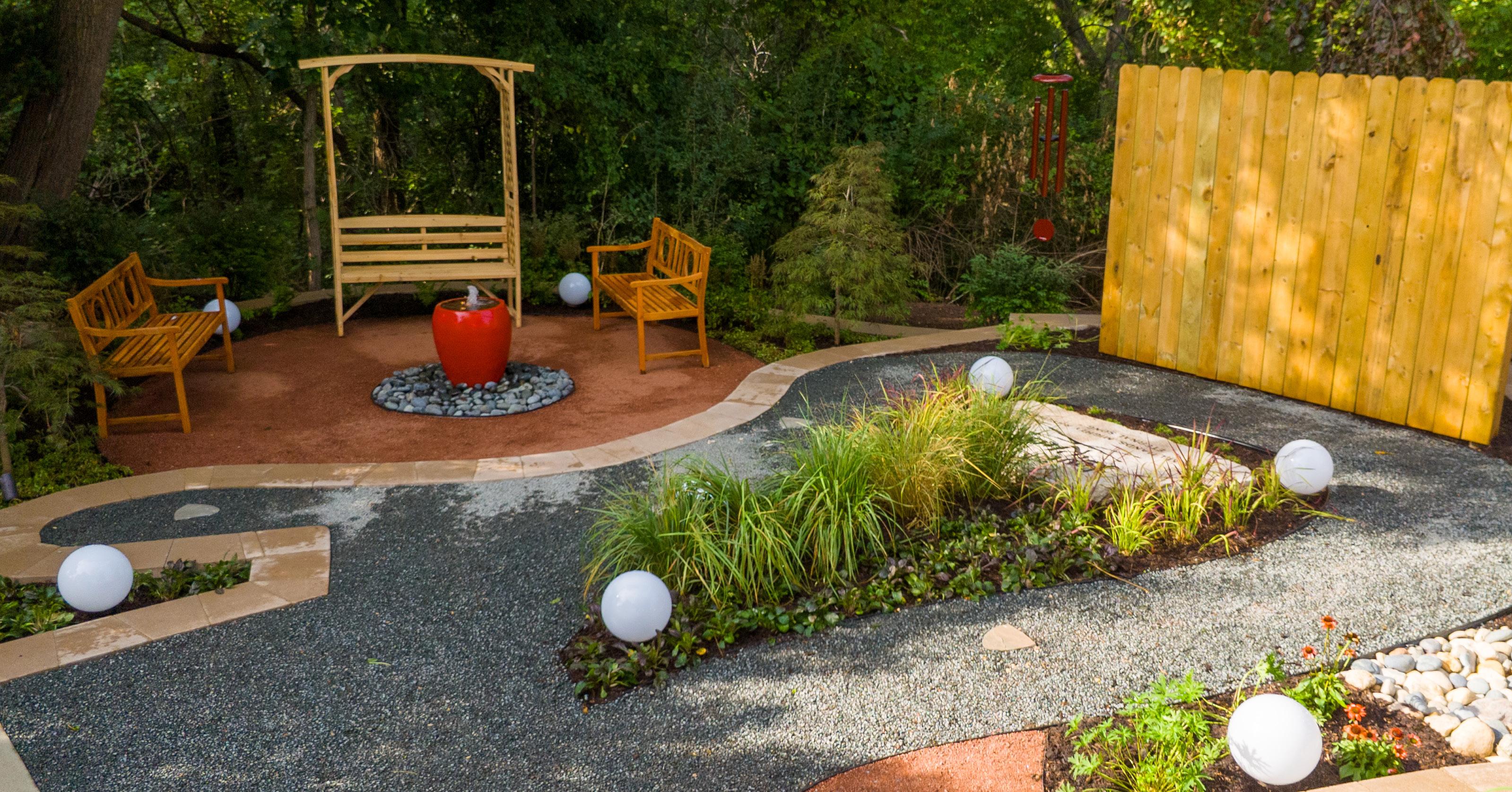
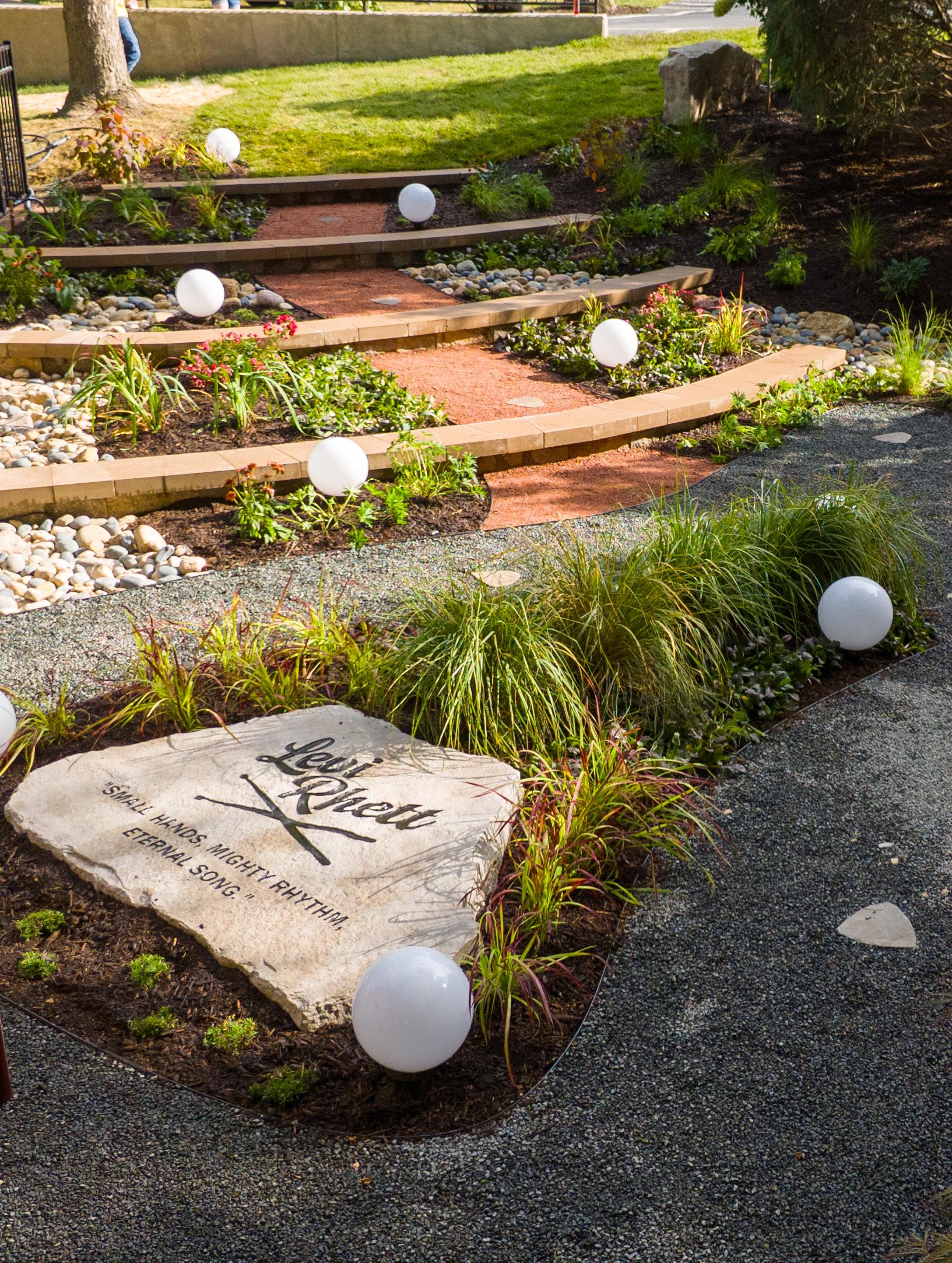
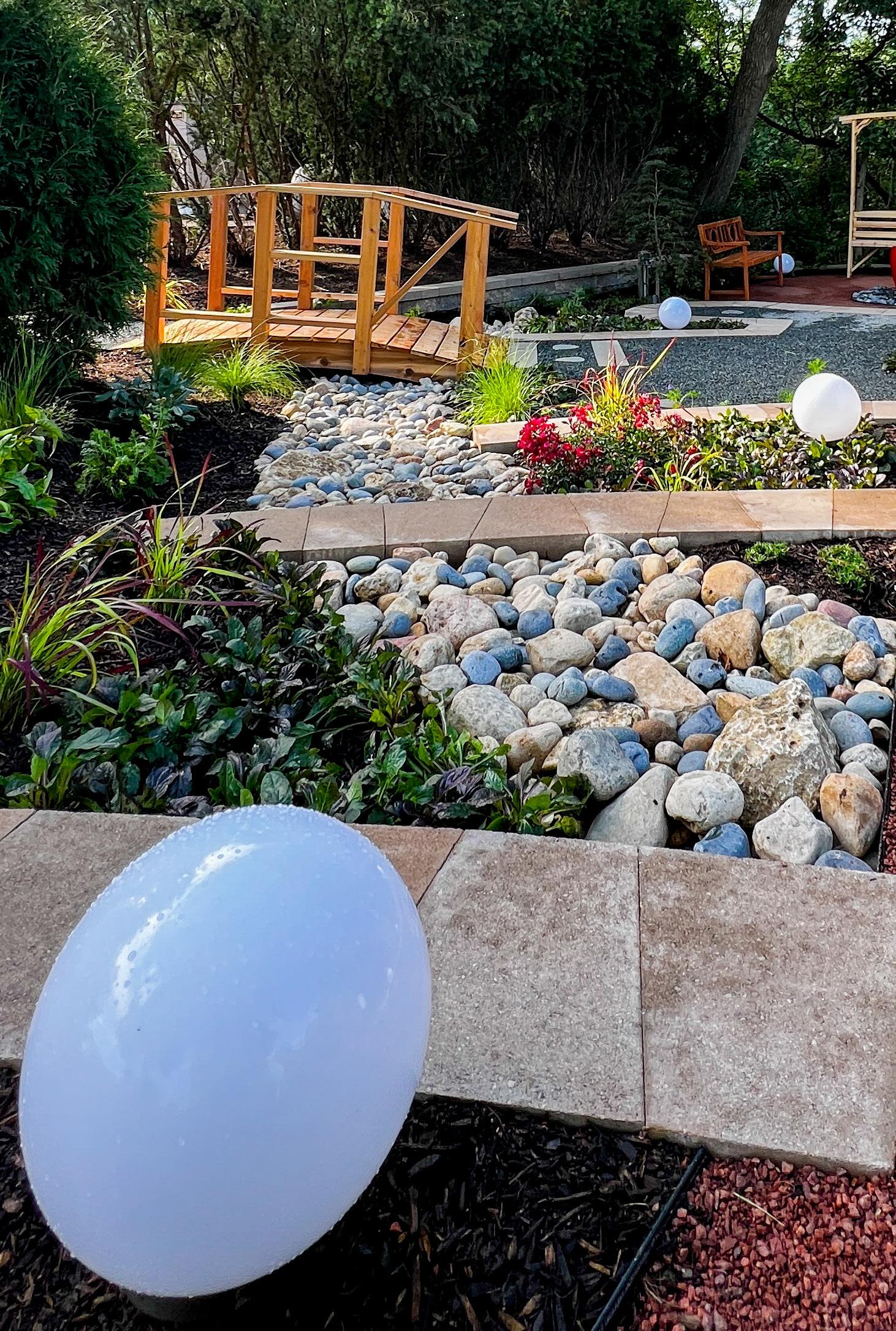
Modder and the congregation loved the guitar shape of the garden. From the playground above, it’s easy to see the bluestone gravel pathway that traces the instrument’s outline. Levi’s memorial stone rests near its base. Pieces of bluestone flagstone are dotted through the hardscape to resemble his beloved guitar picks. A small bridge forms the neck of the guitar, reflecting the Long Grove Community Church’s mission statement of “Building Bridges to Christ.”
As construction began, more layers of meaning emerged as the team began installing the design. “We designed a series of tiered steps leading down into the garden, originally planning for three levels,” explained Shiley. “As construction progressed, it became clear the slope and overall scale of the space called for one additional transition step to create a more natural and comfortable descent. The final design ultimately became three full tiers with a smaller half-step at the end. While Pastor Dell and I were standing in the garden reflecting on the space, he pointed out the significance of the layout. Levi was three and a half years old when he passed. In a deeply meaningful way, the three-and-a-half tiers came to symbolize Levi’s journey down the path into the guitar garden, adding another layer of personal connection and emotional significance to the memorial.”
“These moments gave the garden even deeper meaning,” commented Shiley. “That’s one of the powerful things about landscape architecture. Spaces continue to evolve emotionally even after the design is complete.”
(continued on page 16)
(continued from page 14)
Challenges and Opportunities
The little ravine naturally collects rainwater from the surrounding site, so Shiley needed to ensure the construction included plenty of stormwater amelioration to keep the garden in place. This included a series of underground water management systems to ensure long-term stability and success. Shiley designed a dry creek bed to function as a French drain and stormwater infrastructure. In keeping with the musical theme of the garden, he shaped it into a guitar strap.
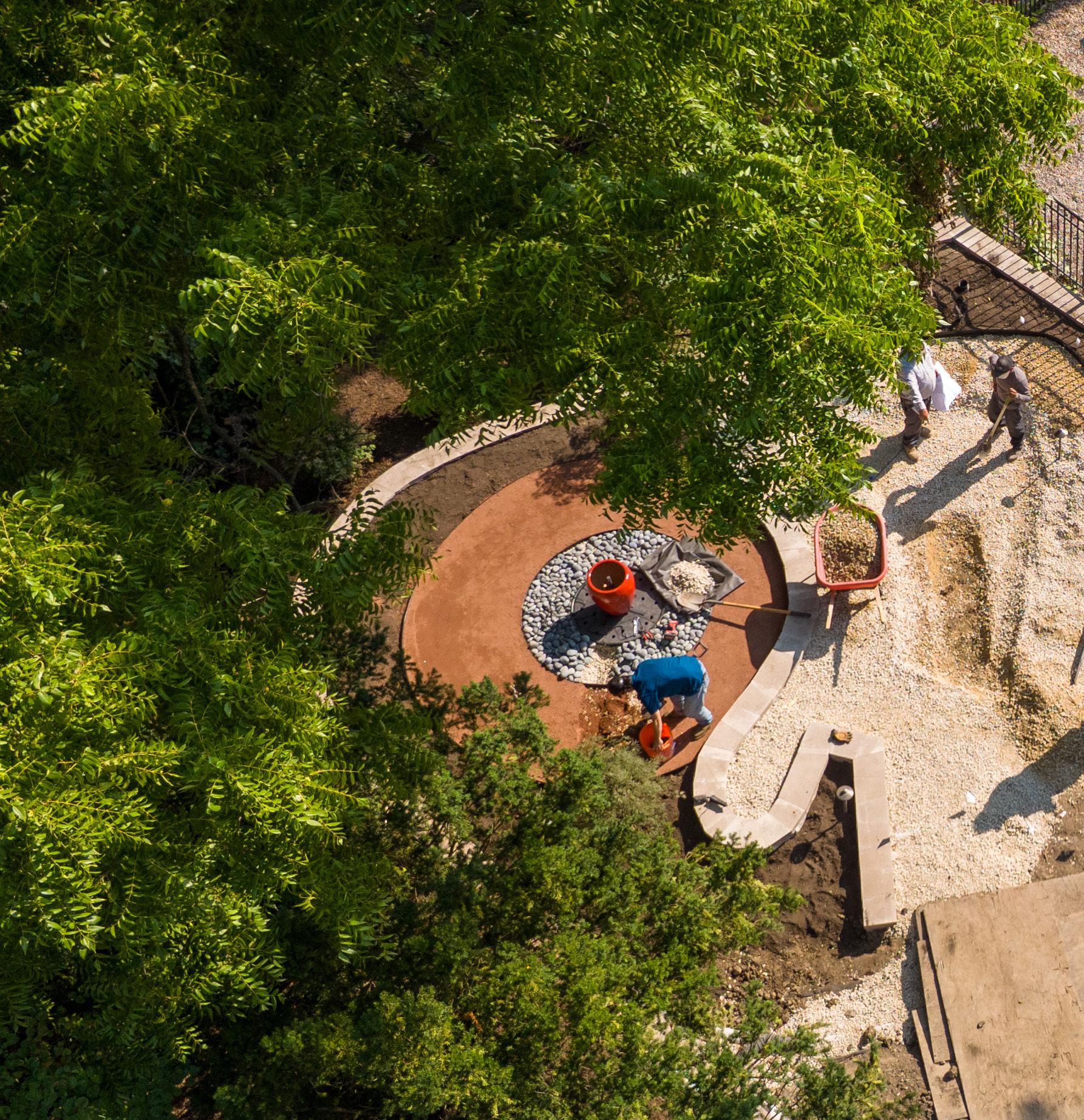
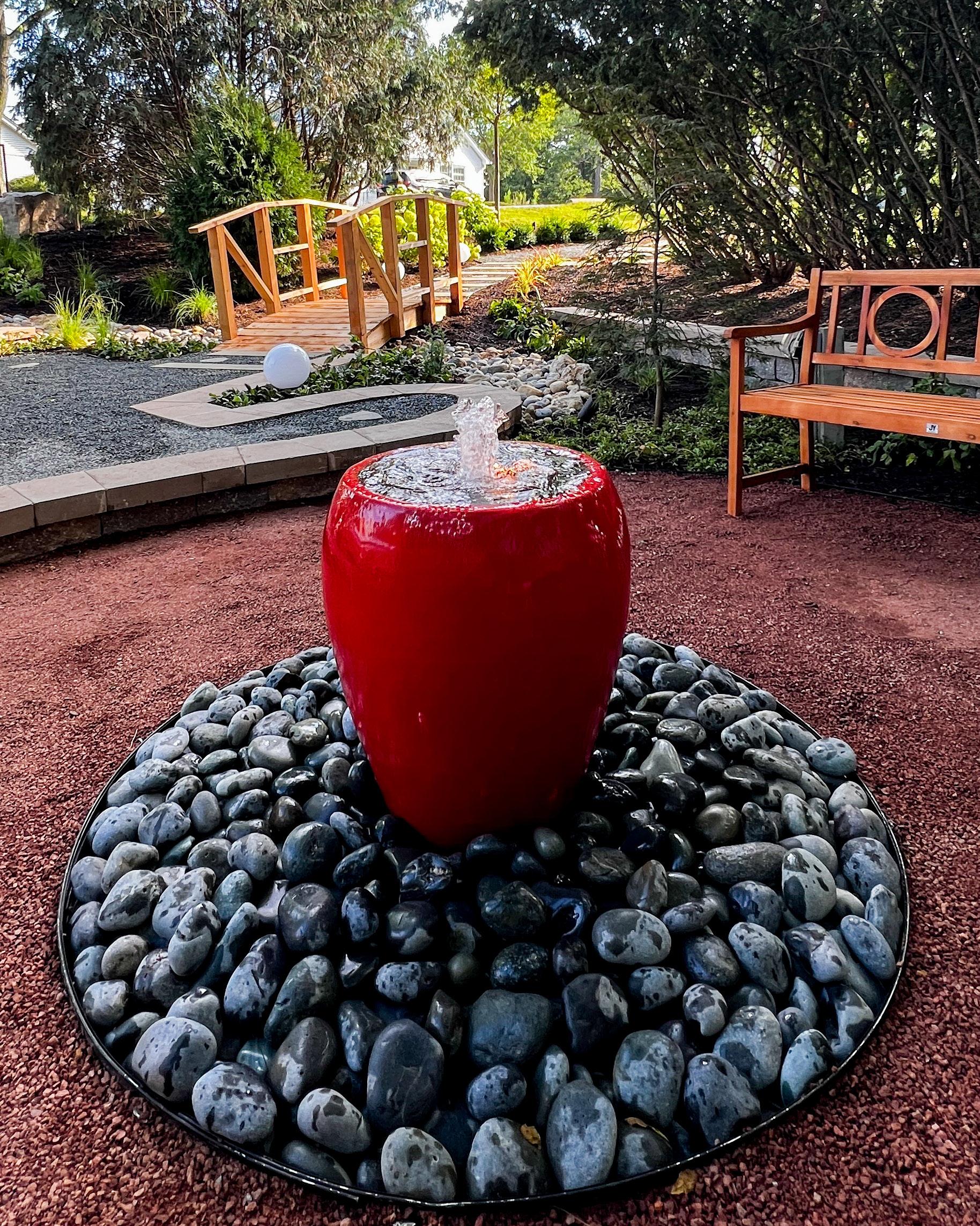
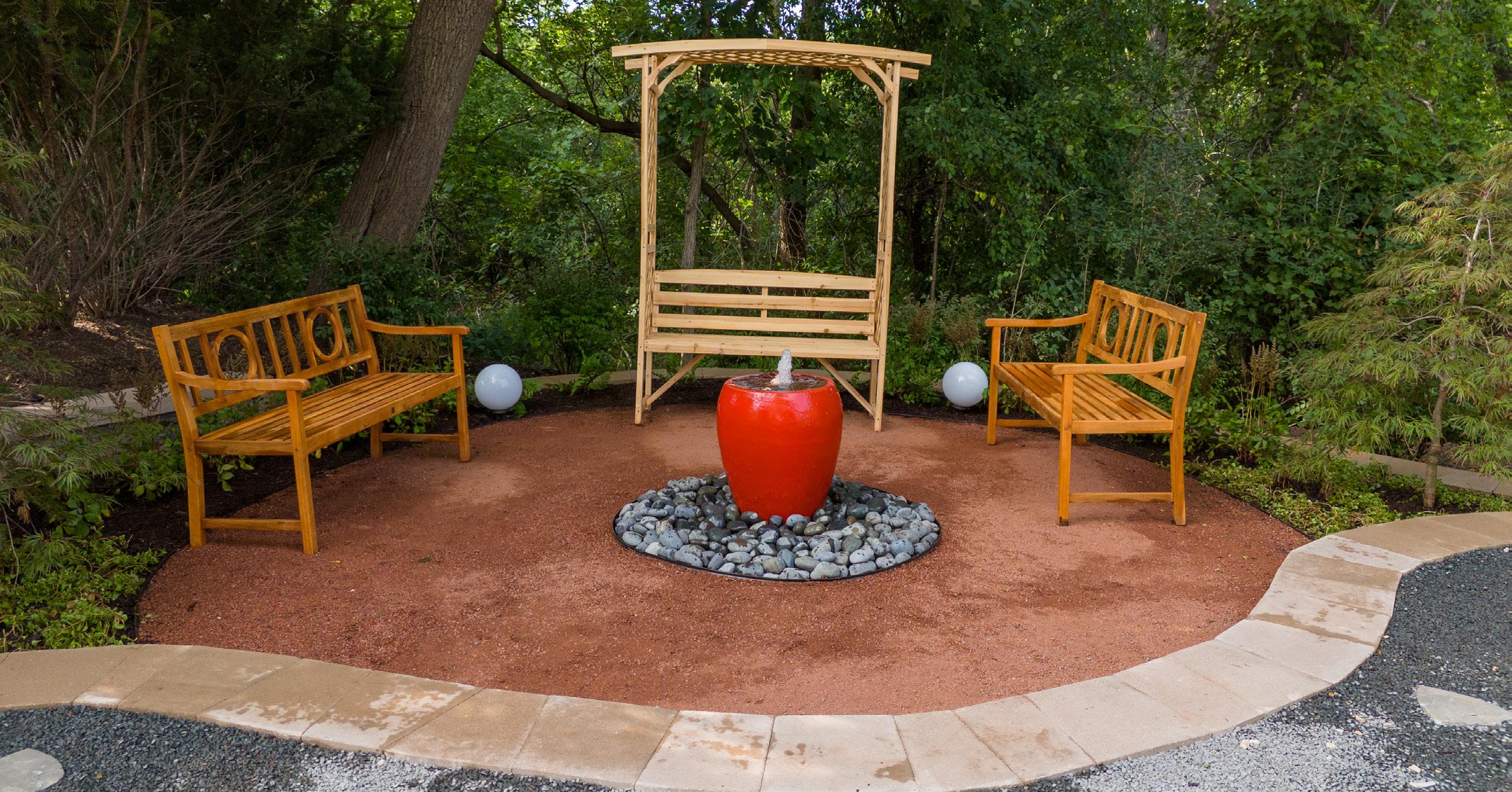
To add to the calm and meditative atmosphere, a red bubbling fountain was tucked into a seating area with convenient benches to enjoy it. Additional musical opportunities are found in a musical wall where visitors can create their own music in the space using found objects like pots, pans, spoons, and other metal pieces.
A.M. Woodland was under an extraordinarily tight deadline to design and install the garden in time for Levi’s birthday in August. In just four weeks, the garden went from concept to installation. “We worked very quickly to finalize drawings and coordinate approvals with the Village of Long Grove,” Shiley explained. “Once the village understood the purpose and meaning behind the project, they were incredibly supportive in helping move the process forward.”
(continued on page 18)
(continued from page 16)
A Beautiful Respite
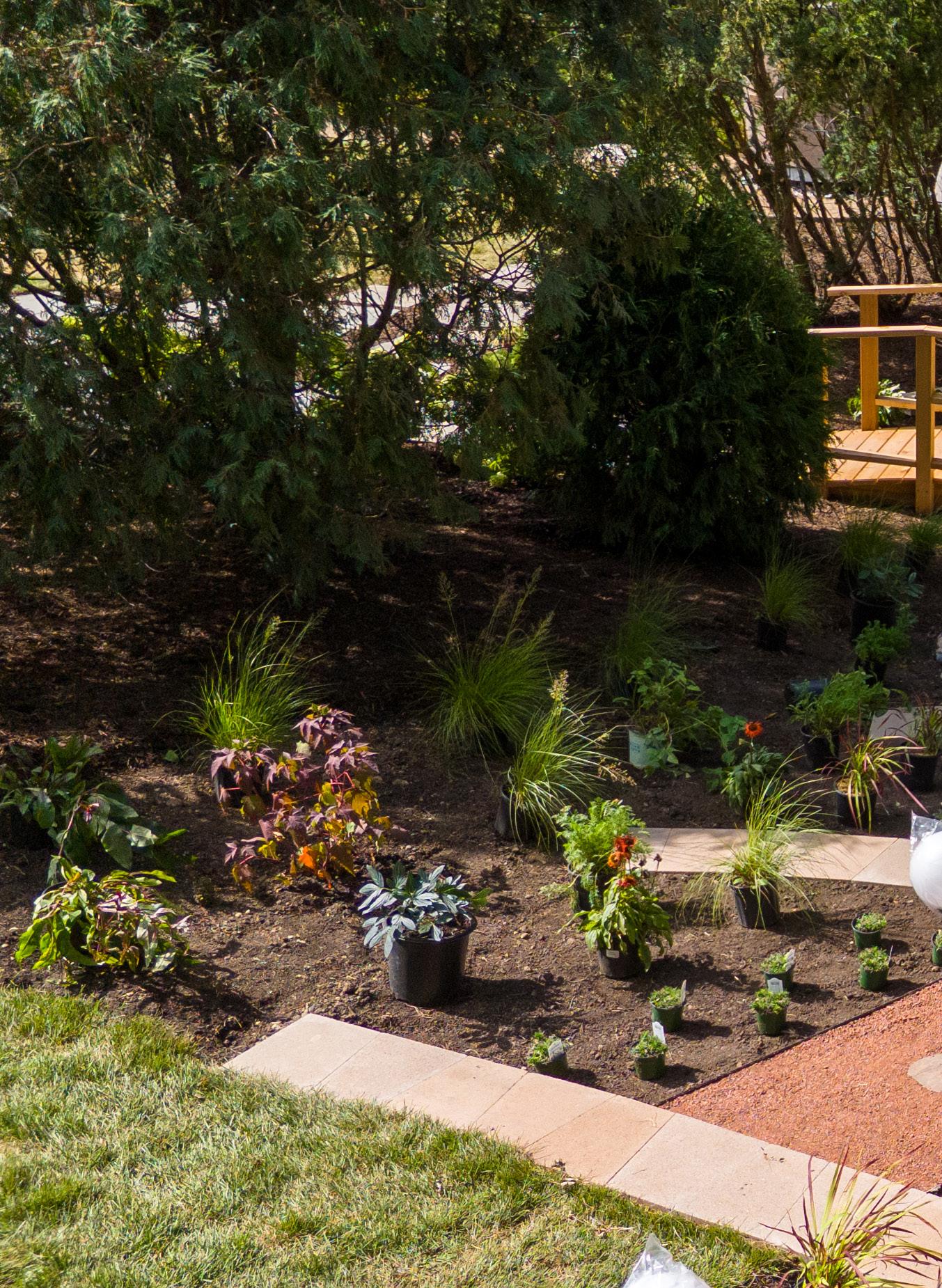
Today, the Levi Rhett Legacy Garden is both a memorial garden and a community space for reflection, healing, and enjoyment. Red flowers are blooming and red foliage plants soften the winding paths. A graceful purple weeping beech will soon grow up to soften the music wall. The red fountain burbles its own unique cadence. Children’s musical laughter echoes from the playground. Shrubs are beginning to fill in and soften the crunch of the bluestone gravel paths. Community members and the congregation find moments of peace while birds sing in the trees.
For Shiley and the team at A.M. Woodland, the project represents the deeper purpose that can be found behind landscape design as we work to connect people with outdoor spaces. Shiley finds building memorial gardens deeply meaningful. “These spaces become more than landscapes,” he reflected. “They become places where people reconnect, process emotion, and heal. Pastor Dell told me after the garden was completed that it was the first time he felt like he could truly breathe again. Hearing that reminds
The Elements of Design:
by Nina A. Koziol
Aresidential landscape design can embrace many elements. In the May 2025 issue of Landscape Illinois Magazine, we explored hardscape features—arbors, pergolas, obelisks, and more. Here we explore some of the plant-driven components that can enhance a project, taking your clients’ gardens up a notch. All of these specific features require attention to detail and careful, consistent maintenance.
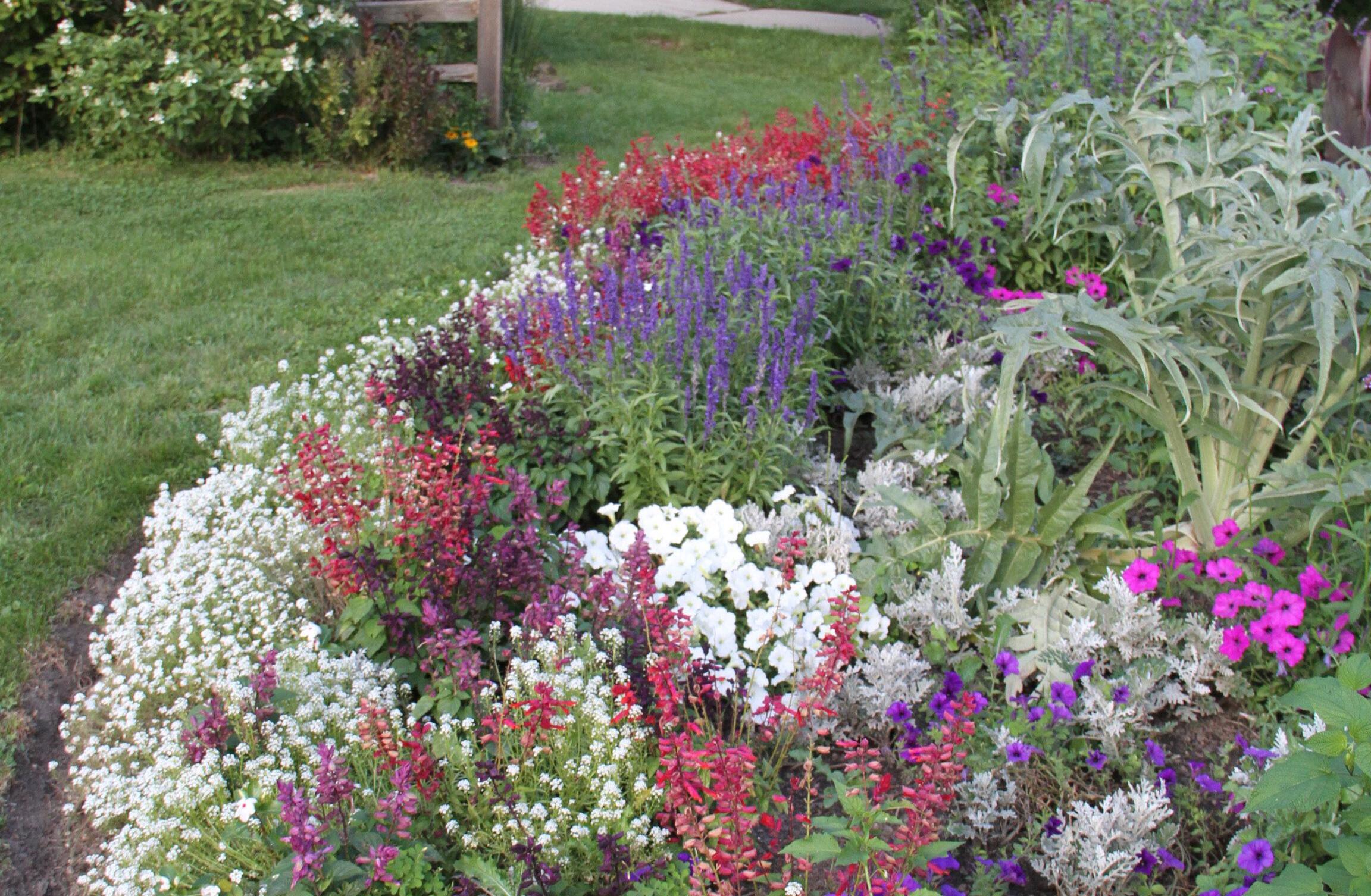
Carpet Beds
The fashion for carpet bedding or “bedding out” became popular by the 1860’s here in the Midwest. Beds filled with masses of colorful annuals were often plunked into the middle of lawns surrounding fancy Victorian homes. These spiraling, richly patterned designs often imitated Oriental carpets, or featured clocks, names and initials. Carpet beds in residential gardens went out of fashion by World War I. However, they were used in many city parks until about 30 years ago when they were slowly replaced by more naturalistic plantings.
Softscapes
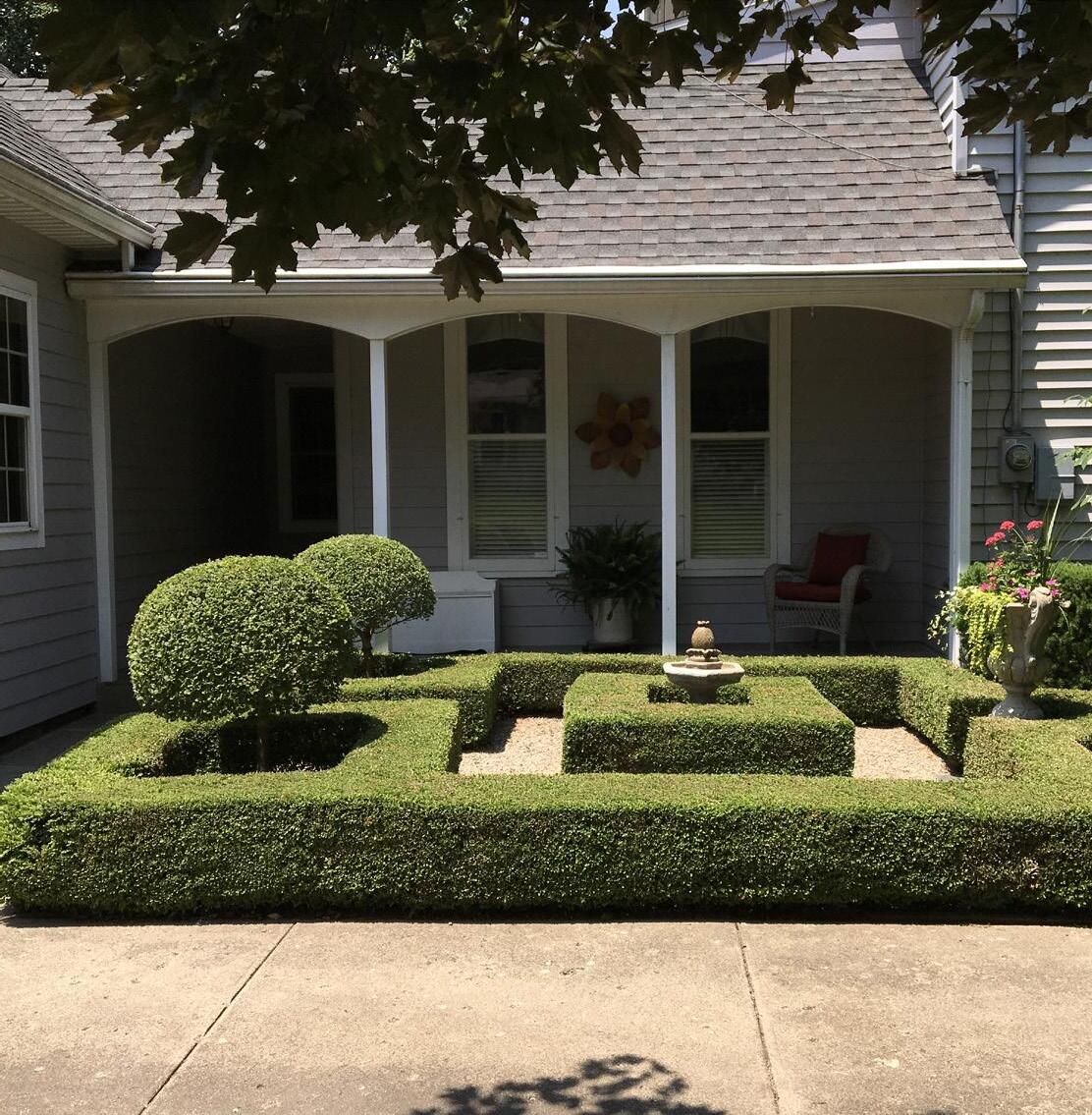
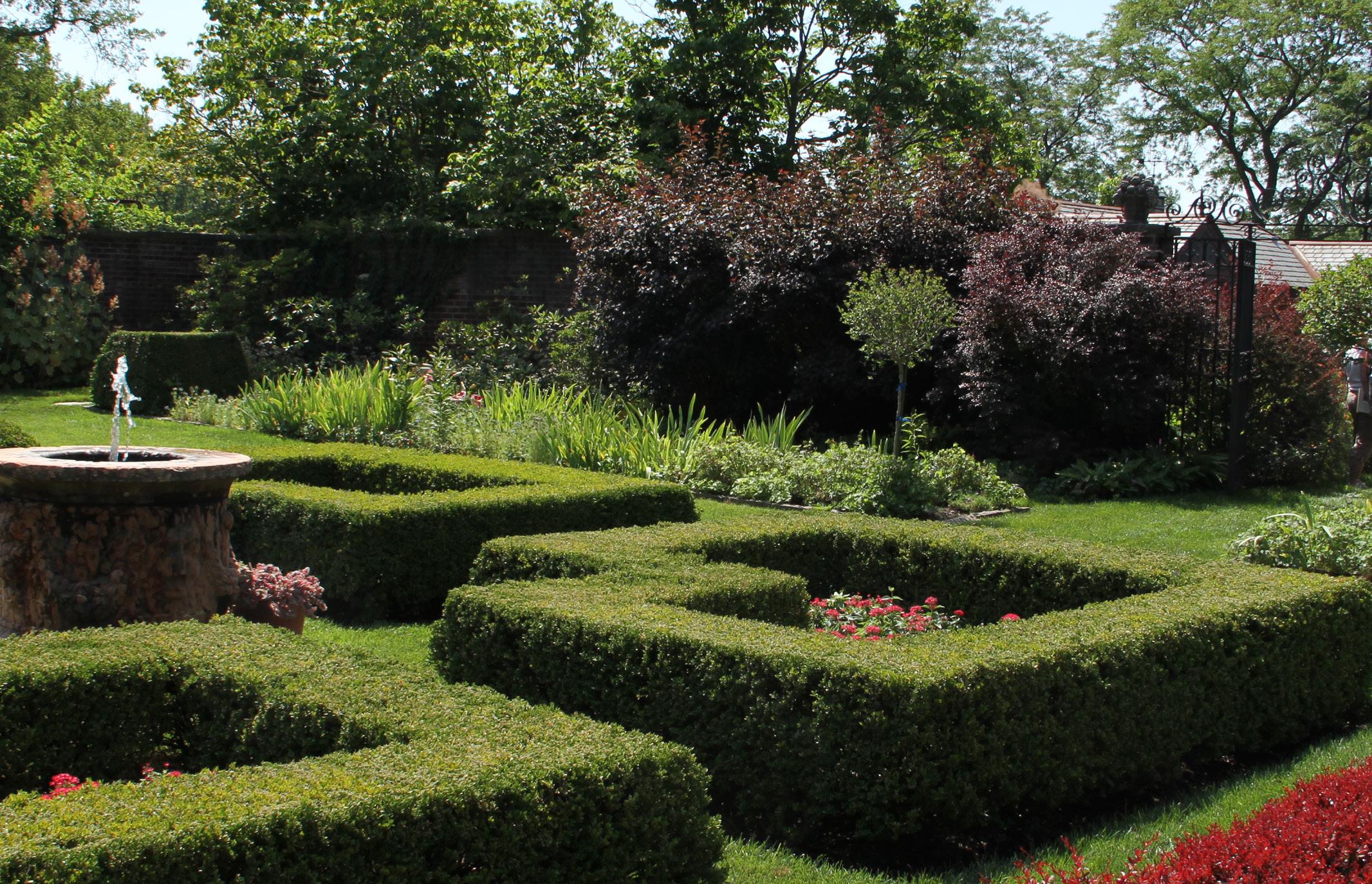
Parterre
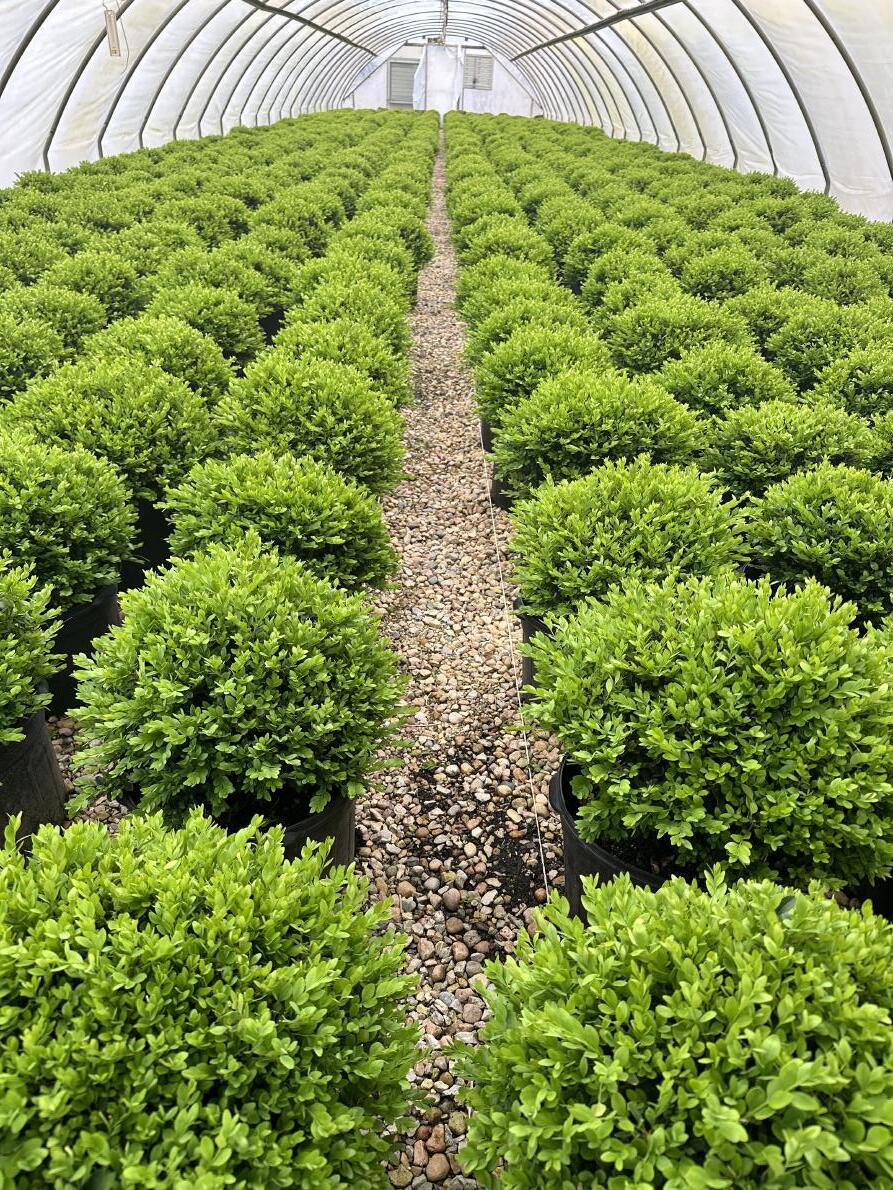
A parterre is a formal garden bed that sits on a level site and is surrounded by low, clipped hedges, generally boxwood. The interior of these geometric-shaped beds are often filled with vibrant annuals, roses, flowering shrubs or crushed, colorful stone. Parterre is from the French phrase “par terre,” which means “on the ground”. In 17th-Century France, parterres were meant to be viewed and enjoyed from windows high above—from castle or country house.
(continued on page 22)
(continued from page 21)
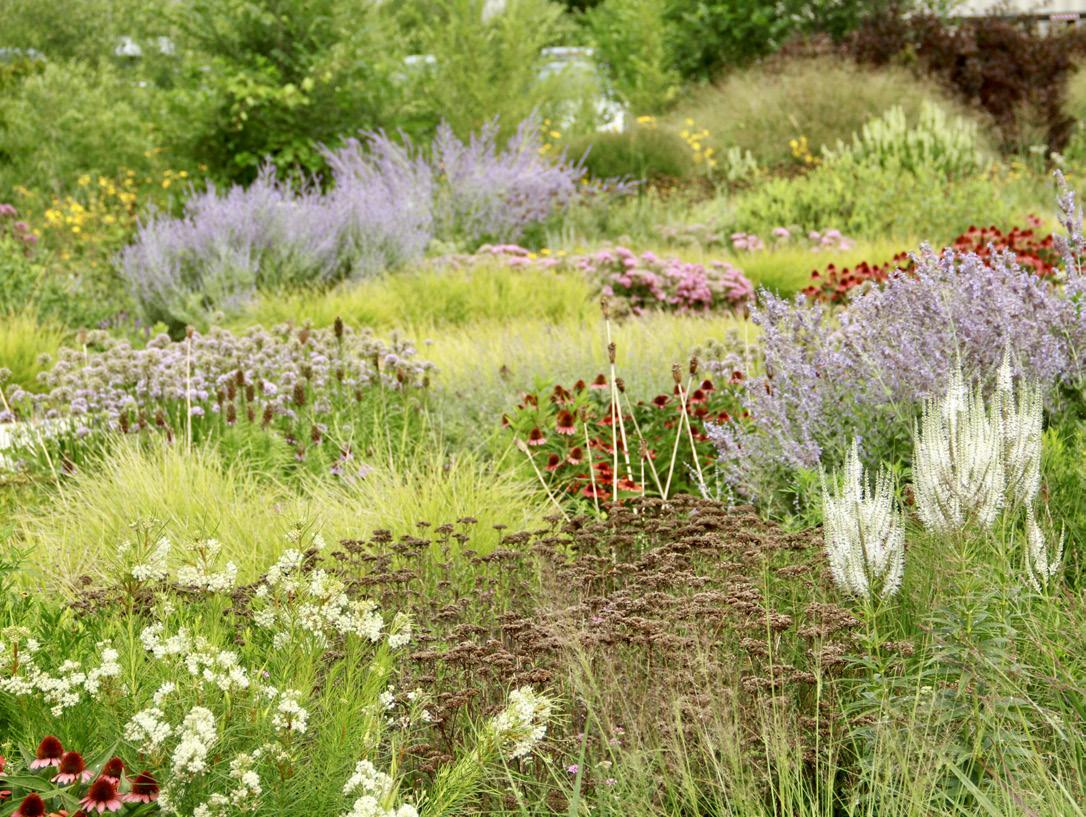
Meadowscape
Meadow-making. The New Naturalism. The New Perennial Movement. All speak to mimicking the look and feel of prairie, using perennials that evolve with the seasons. “Meadowscaping” has gained popularity as a sustainable alternative to lawns. The new meadow plantings feature sweeping drifts of ornamental grasses that meander through ribbons of perennials. The plantings often mimic the Midwestern prairie, however, native and non-native plants are typically used in the designs and some include spring-flowering bulbs.
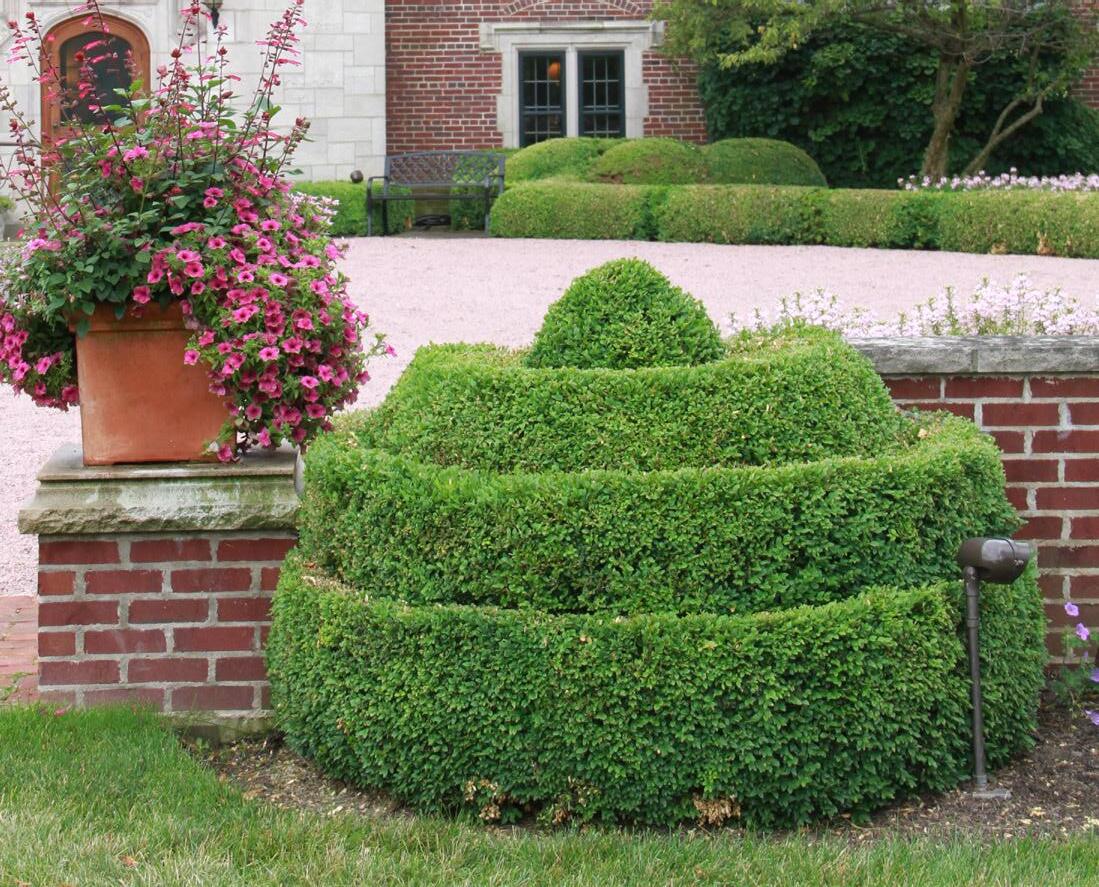
Topiary
Topiary is the art of training trees and shrubs into decorative shapes whether in pots, in the ground, or as an undulating border or hedge. The word topiary originated from the Greek word “topos” meaning place, and the Latin word “topiarius” meaning ornamental gardener. Many private gardens in England feature yew and boxwood plants carefully clipped into animals, insects, birds, and other fantastical shapes. Formal or whimsical, topiary adds a focal point to a landscape.
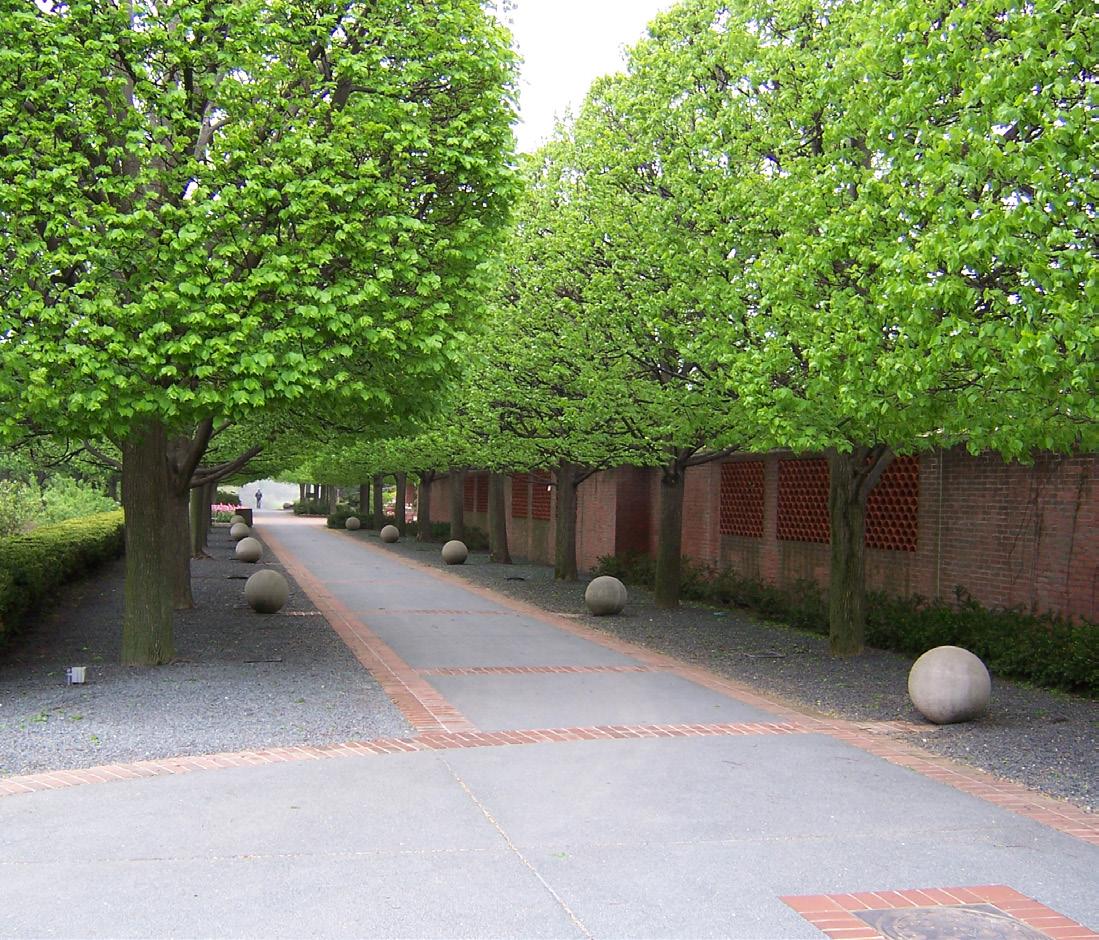
Allée (al-LAY)
An allée, based on the French word for path or way, is a formal walkway lined with identical trees or tall shrubs. The symmetry and repetition creates a feeling of order and a sense of grandeur. A good example is at the Chicago Botanic Garden between the Rose Garden and the English Walled Garden. Twice a year, a crew of four to five from the Grounds Department meticulously prunes all 28 Greenspire Linden trees in the allée—once in winter for shaping, and once in summer for detail grooming.
(continued on page 24)
Hand Crafted in Southern Illinois by The Artisans at Classic Garden Ornaments,
Chesapeake Collection LONGSHADOW ® .COM
(continued from page 22)
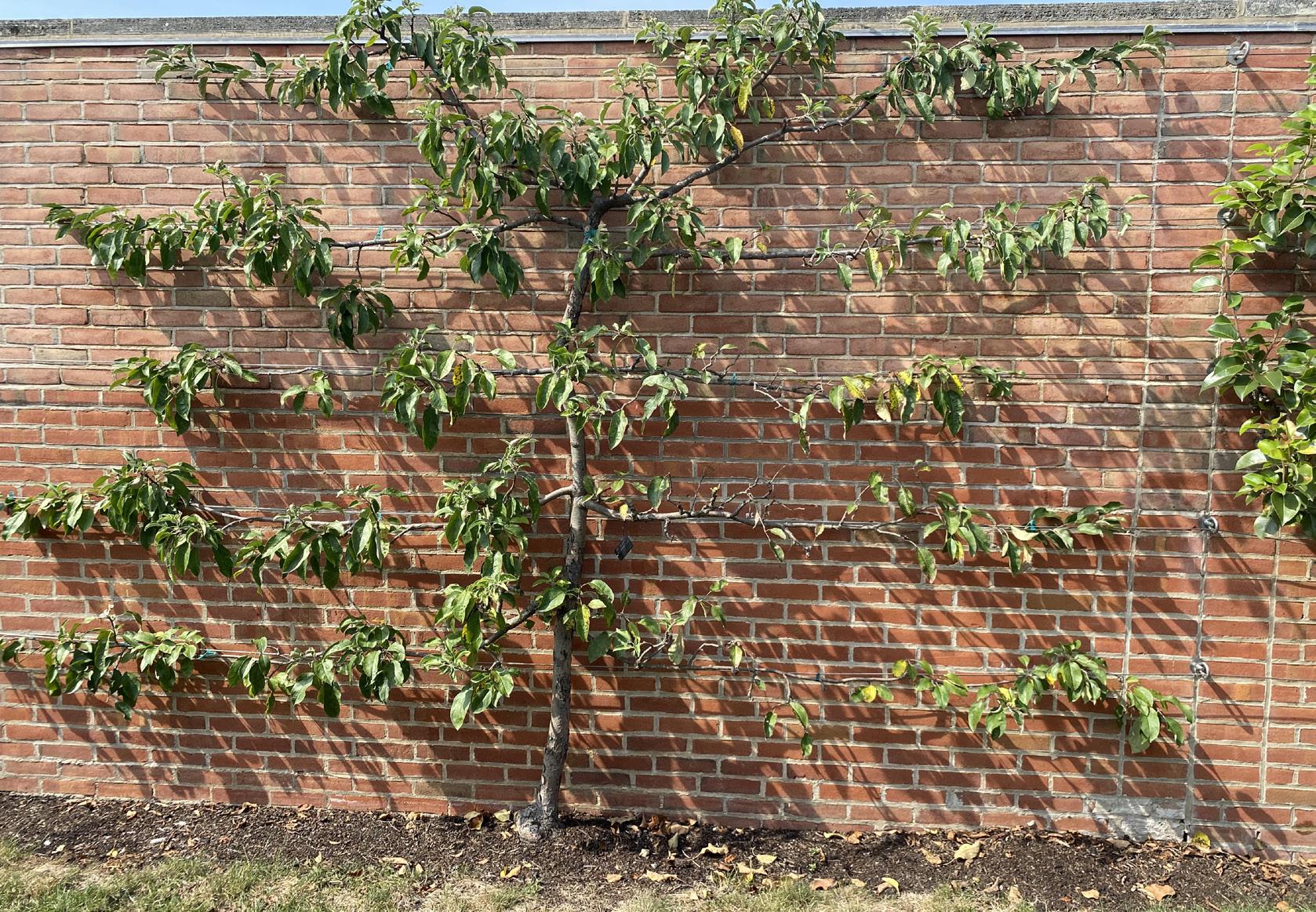
Espalier (es-PAL-yer)
Espalier generally refers to a woody plant (such as a fruit tree) that’s trained to grow flat against a support (such as a wall or fence). They can also be grown as free-standing plants supported by posts and guide wires. Some training methods include supporting the branches so they grow horizontally, fan-shaped or diamond-shaped. The branches can also be trained to grow on a diagonal. Espalier techniques can be used for vines, such as wisteria and clematis, as well as climbing roses.
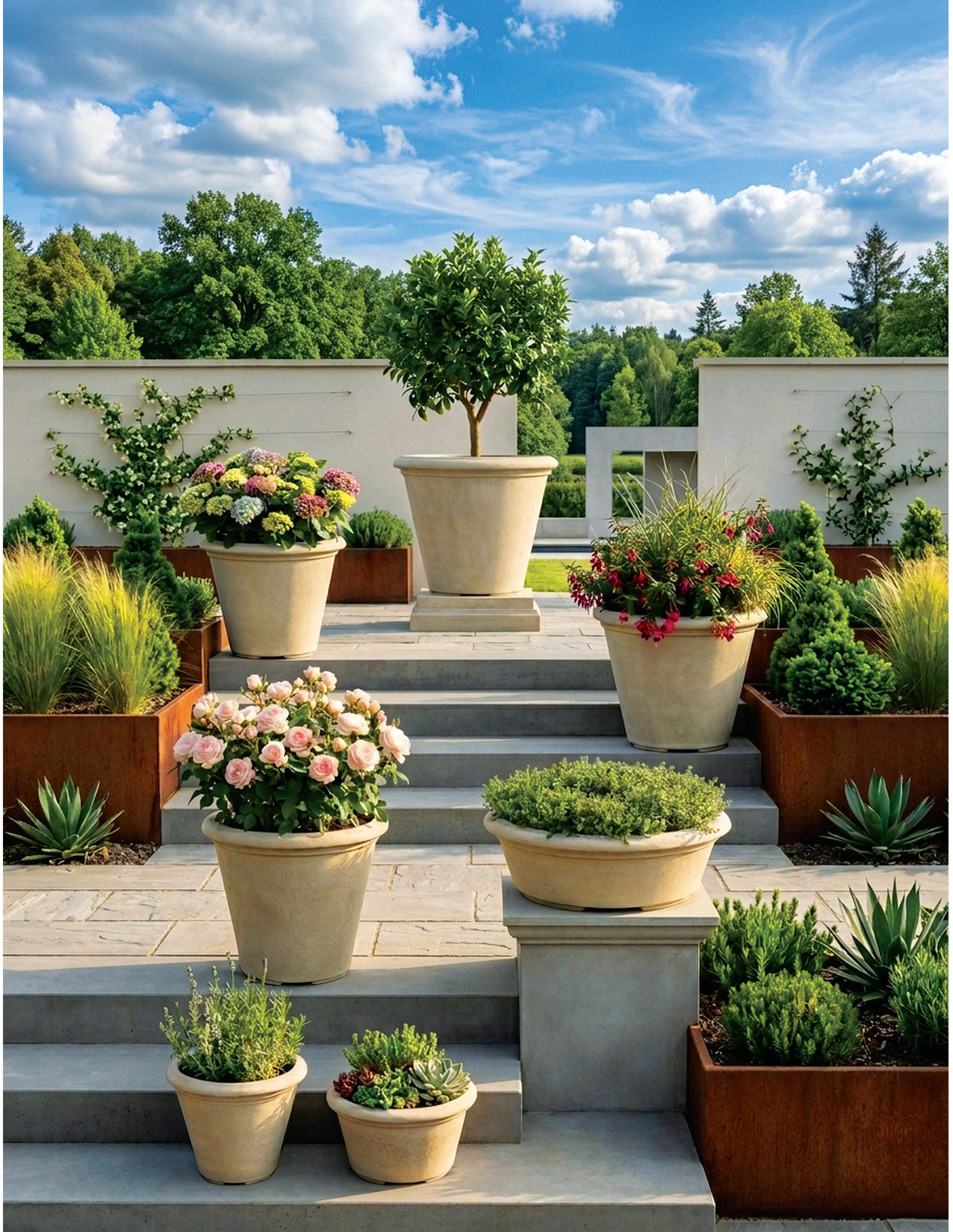
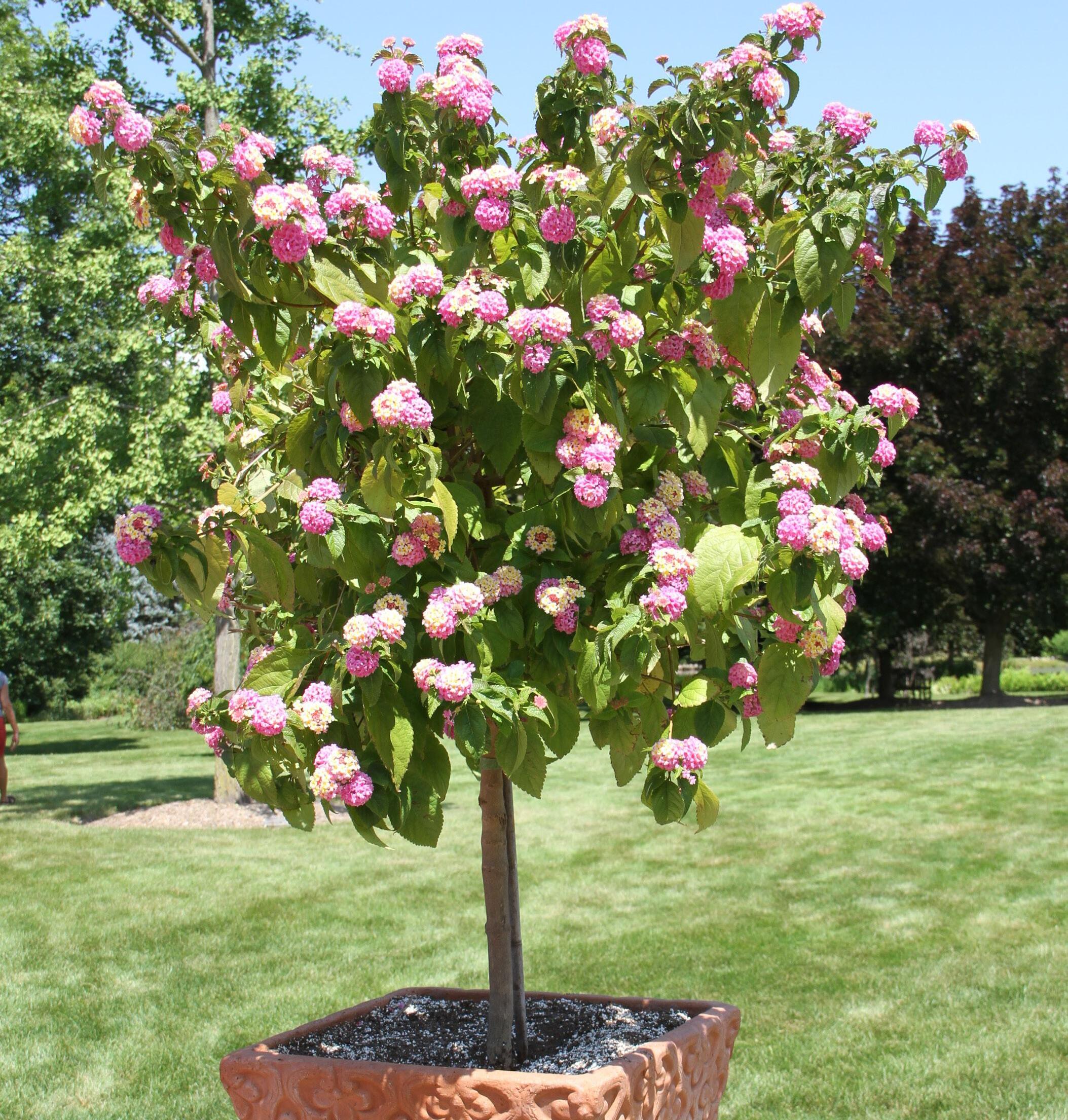
Standard
A standard is a plant trained to a single trunk with all of its leaves and flowers or needles at the top. Many plants are suitable for training as a standard, including hydrangeas, hibiscus, boxwood, yews, arborvitae, and roses, along with annuals such as lantana, rosemary and lavender. Some growers offer them already trained, pruned and ready for transplanting. Standards can be grown in the ground or in pots. When grown in containers, many of these plants will need winter protection.
More Than Monarchs: Native Plants That Support Specialist Pollinators
By Mandy Komes-Leifheit
When people think about pollinators, they usually picture monarch butterflies visiting milkweed or honeybees gathering nectar from flowers. While those relationships are important, they are only a small piece of a much larger ecological story.
Across the Midwest, hundreds of native insects rely on specific native plants not just for nectar, but for survival. These specialist pollinators and host dependent insects evolved alongside native prairie and woodland plants over thousands of years. Without those plants, many of these insects cannot complete their life cycles.
As interest in ecological landscaping continues to grow, landscape professionals have an opportunity to move beyond simply planting “pollinator friendly” gardens and begin creating true habitat.
Host Plants Matter
A nectar source may attract adult butterflies or bees temporarily, but host plants are what sustain future generations.
For example, monarch butterflies famously require milkweed species (Asclepias spp.) for their caterpillars. Without milkweed, monarchs cannot reproduce. But monarchs are far from the only specialists in our landscapes.
Rattlesnake Master and the Rattlesnake Master Borer Moth
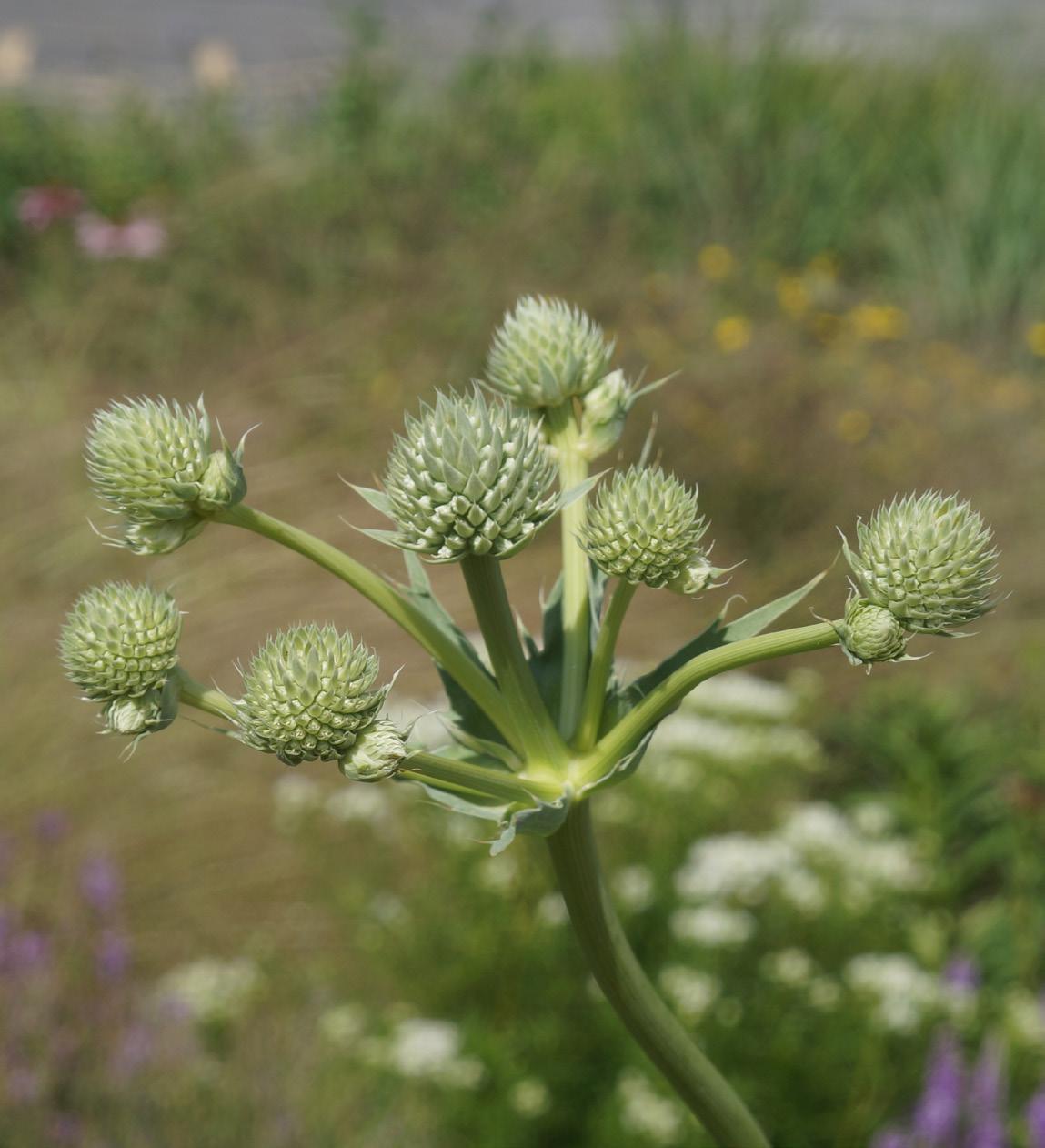
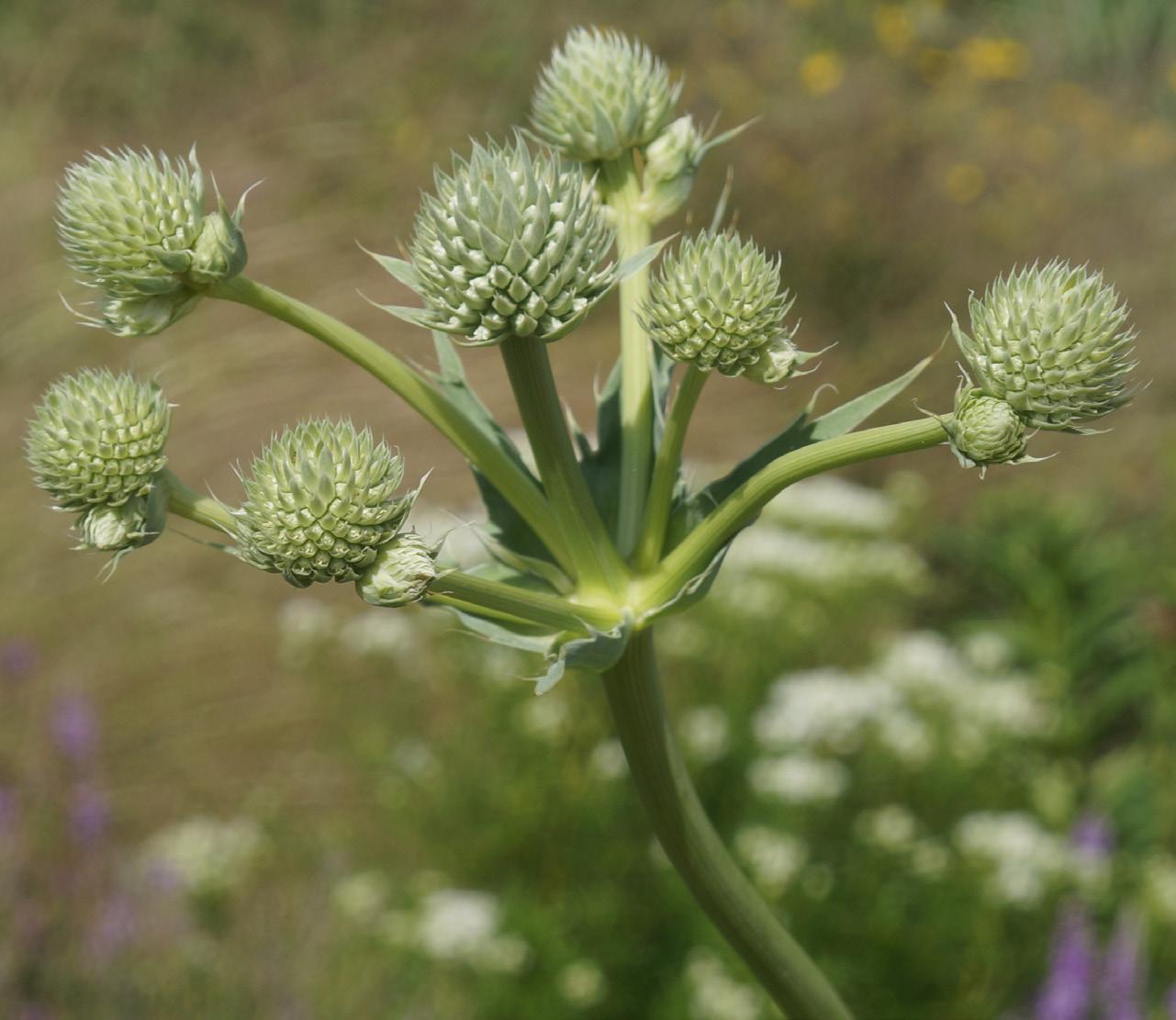
One remarkable example is rattlesnake master (Eryngium yuccifolium), a striking prairie native with globe-like white flowers that attract a huge diversity of pollinators.
Many native bees collect pollen from only a narrow range of plant species. Likewise, numerous moths and butterflies depend on specific native plants as larval hosts. These relationships are often invisible to gardeners, yet they form the foundation of healthy ecosystems.
While many bees, wasps, and butterflies visit the flowers, rattlesnake master also serves as the larval host for the rare rattlesnake master borer moth (Papaipema eryngii). This moth depends almost entirely on rattlesnake master to complete its life cycle.
As prairie habitats disappeared across the Midwest, both the plant and the moth declined. Incorporating rattlesnake master into restoration projects, municipal plantings, and designed landscapes helps preserve an entire ecological relationship, not just a single species.
Golden Alexanders and Black Swallowtails
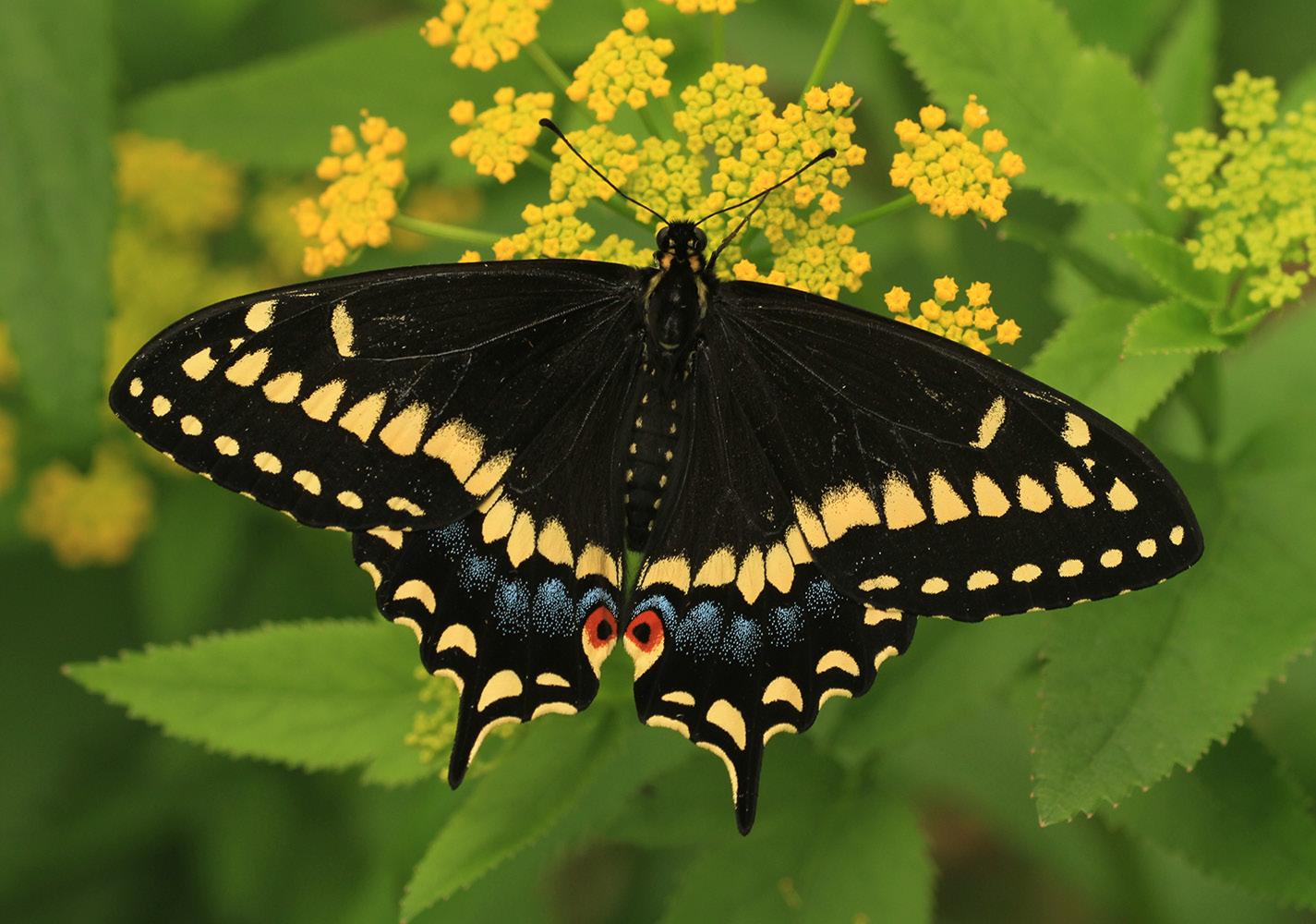
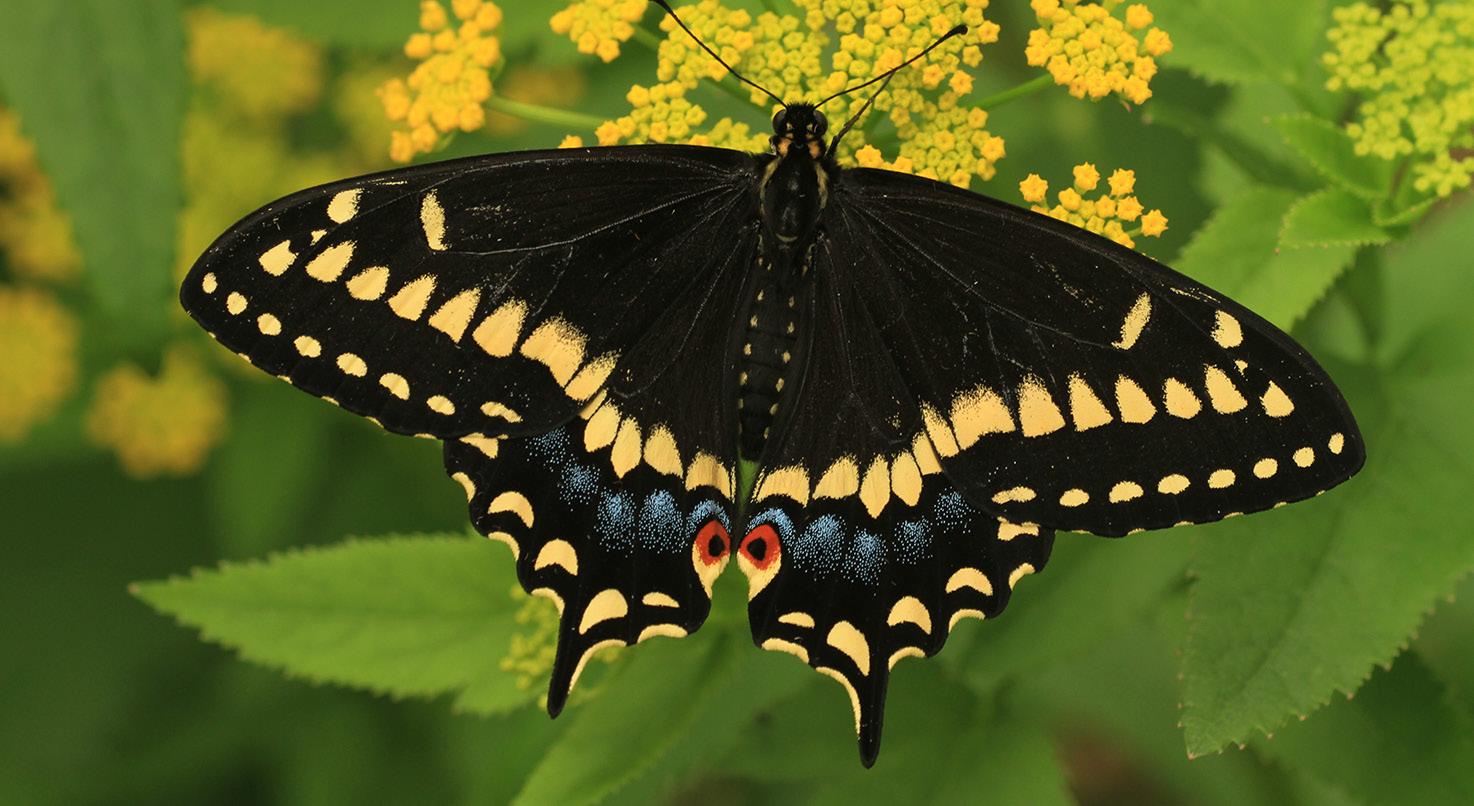
Golden Alexanders (Zizia aurea) are one of the most valuable early season pollinator plants in Midwestern landscapes. Their bright yellow umbels bloom in spring when many pollinators are emerging and food sources are limited. Golden Alexanders also serve as a larval host plant for the Black Swallowtail butterfly (Papilio polyxenes). (continued on page 28)
(continued from page 26)
Black Swallowtail caterpillars feed on plants in the carrot family, and native Zizia species are especially important in natural systems. Incorporating Golden Alexanders into rain gardens, prairie edges, and naturalized commercial landscapes provides both early nectar resources and critical breeding habitat.
Painted Lady Butterflies and Pussytoes
Wild
Supports More Than Bumblebees
Another fascinating pollinator relationship involves the Painted Lady butterfly (Vanessa cardui), one of the most widespread butterflies in North America.
While adult Painted Ladies feed on nectar from many flowering plants, their caterpillars rely on host plants such as pussytoes (Antennaria plantaginifolia), thistles, and pearly everlasting. Pussytoes are especially valuable in native landscapes because they also serve as host plants for the American Lady butterfly.
These low growing native perennials are often overlooked in traditional landscape design, yet they provide critical ecological value while also functioning as durable groundcovers for sunny, dry locations.
Including smaller native species like pussytoes in planting designs helps diversify habitat layers and support a broader range of pollinators throughout their life cycles.
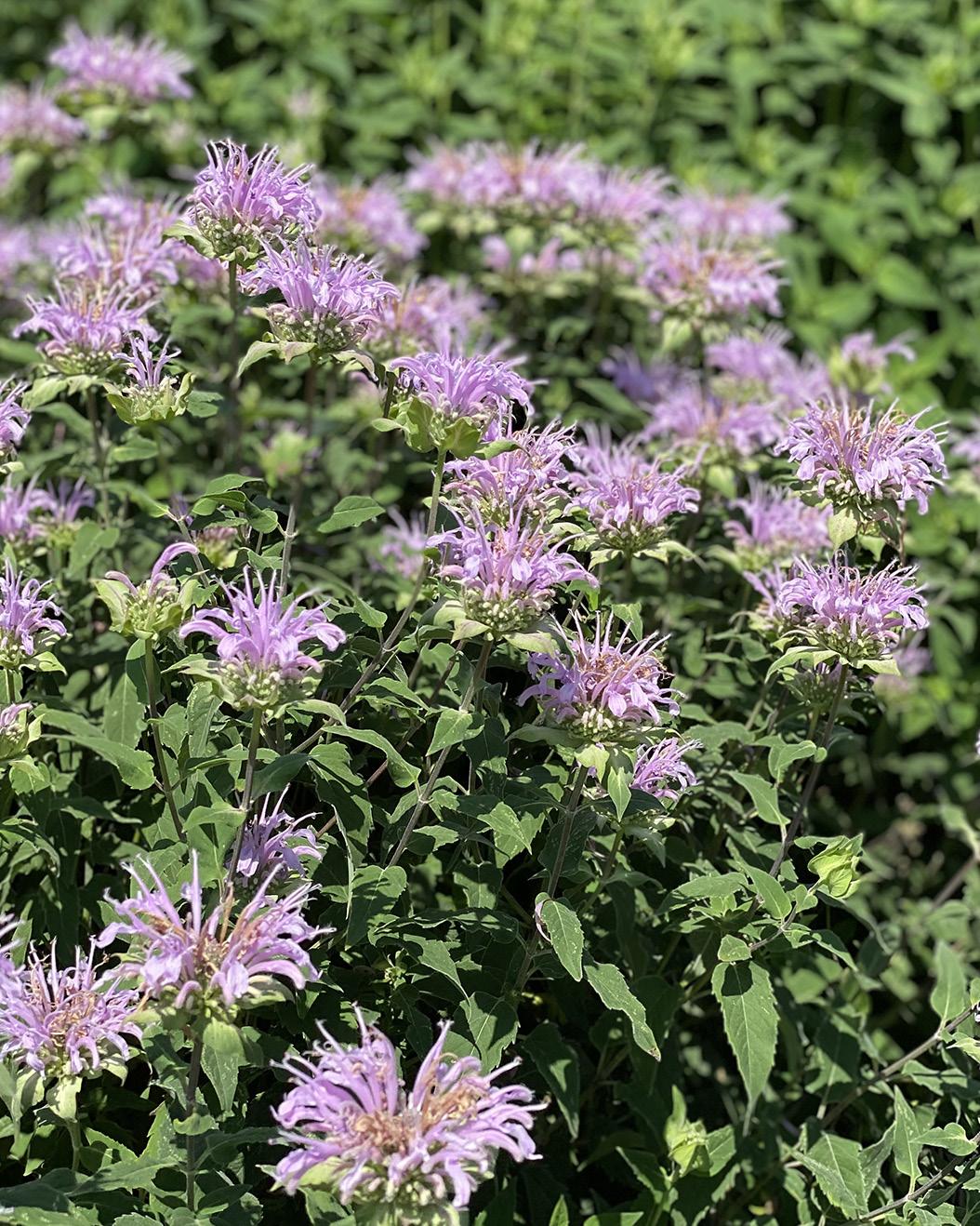
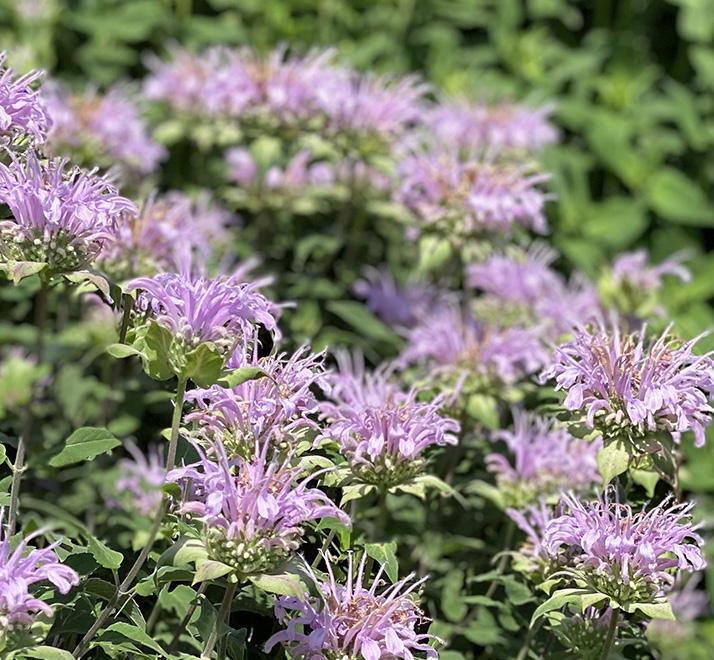
Wild Bergamot (Monarda fistulosa) is widely recognized as one of the best native plants for bees, butterflies, and hummingbirds. Its lavender flowers are especially attractive to long tongued bees and native bumblebees.
Less well known is its role as a host plant for several moth species. This is an important reminder that even common native plants support hidden biodiversity. Every native planting has the potential to sustain dozens or even hundreds of insect species beneath the surface.
Purple Prairie Clover and Specialist Bees
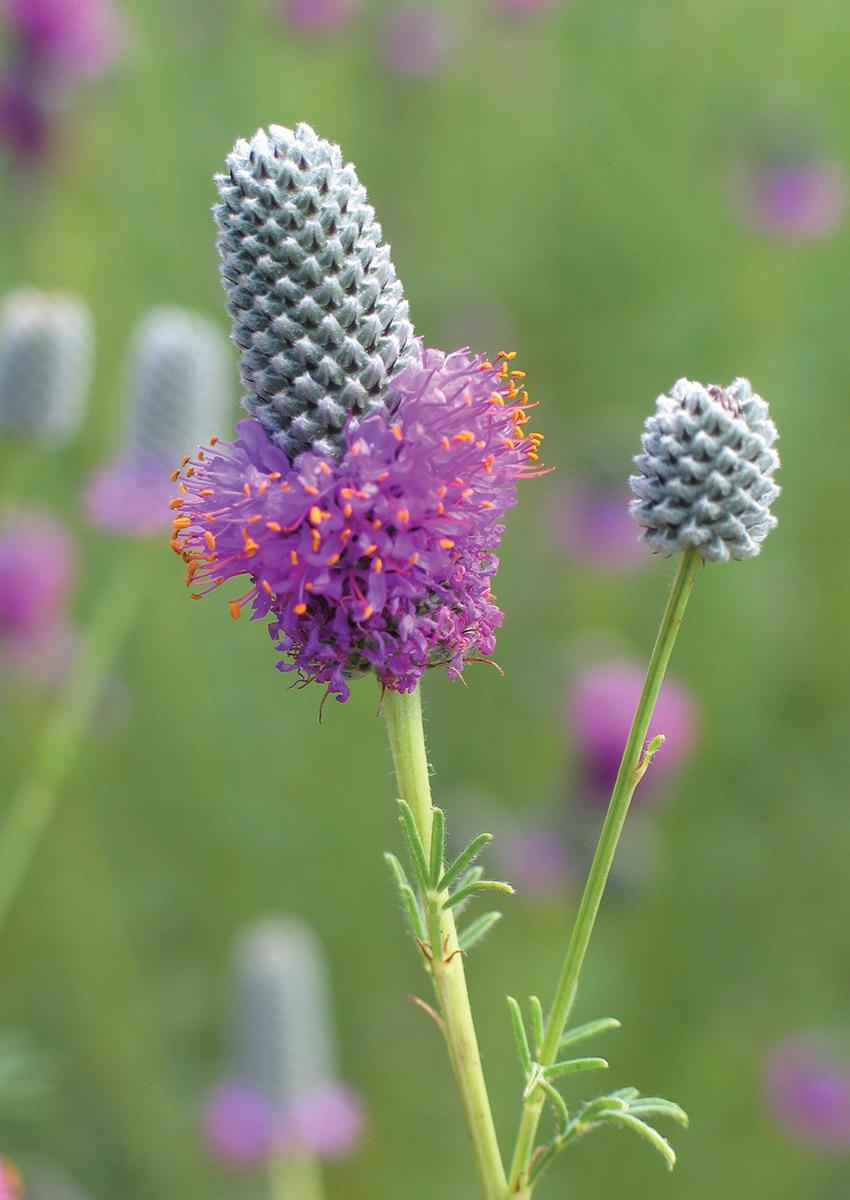
Purple Prairie Clover (Dalea purpurea) is another outstanding Midwest native that supports specialist pollinators.
Several native plasterer bees (Colletes spp.) specialize on prairie clovers for pollen collection. These bees have evolved to synchronize their life cycles with the bloom period of prairie clovers and related native legumes.
Beyond supporting pollinators, Purple Prairie Clover also contributes nitrogen to the soil, tolerates drought, and provides exceptional ornamental value in sunny landscapes. (continued on page 30)
Bergamot
AGGREGATES
(continued from page 28)
Designing for Continuous Habitat
One of the most important principles in pollinator focused landscape design is succession of bloom and habitat throughout the growing season.
Early season plants like Prairie Smoke and Golden Alexanders support emerging pollinators in spring. Summer species such as Wild Bergamot, Butterfly Weed, and Prairie Clover sustain bees and butterflies during peak activity. Fall bloomers including asters and goldenrods provide critical late season nectar for migrating monarchs and overwintering native bees.
Equally important are the structural elements often overlooked in traditional maintenance practices. Hollow stems, leaf litter, grasses, and seed heads provide
nesting and overwintering habitat for many native insects.
Moving Beyond “Pollinator Friendly”
Today, many landscapes are labeled pollinator friendly simply because they contain flowering plants. But true ecological landscaping goes deeper.
Native plants are not just decorative. They are functional ecological infrastructure.
Every time a designer specifies Butterfly Weed, Wild Bergamot, Rattlesnake Master, Golden Alexanders, or Pussytoes, they are supporting a network of relationships that has existed for centuries across Midwestern prairies and savannas.
As the green industry increasingly embraces sustainability and biodiversity, understanding these plant insect relationships allows us to create landscapes that are not only beautiful, but truly alive.
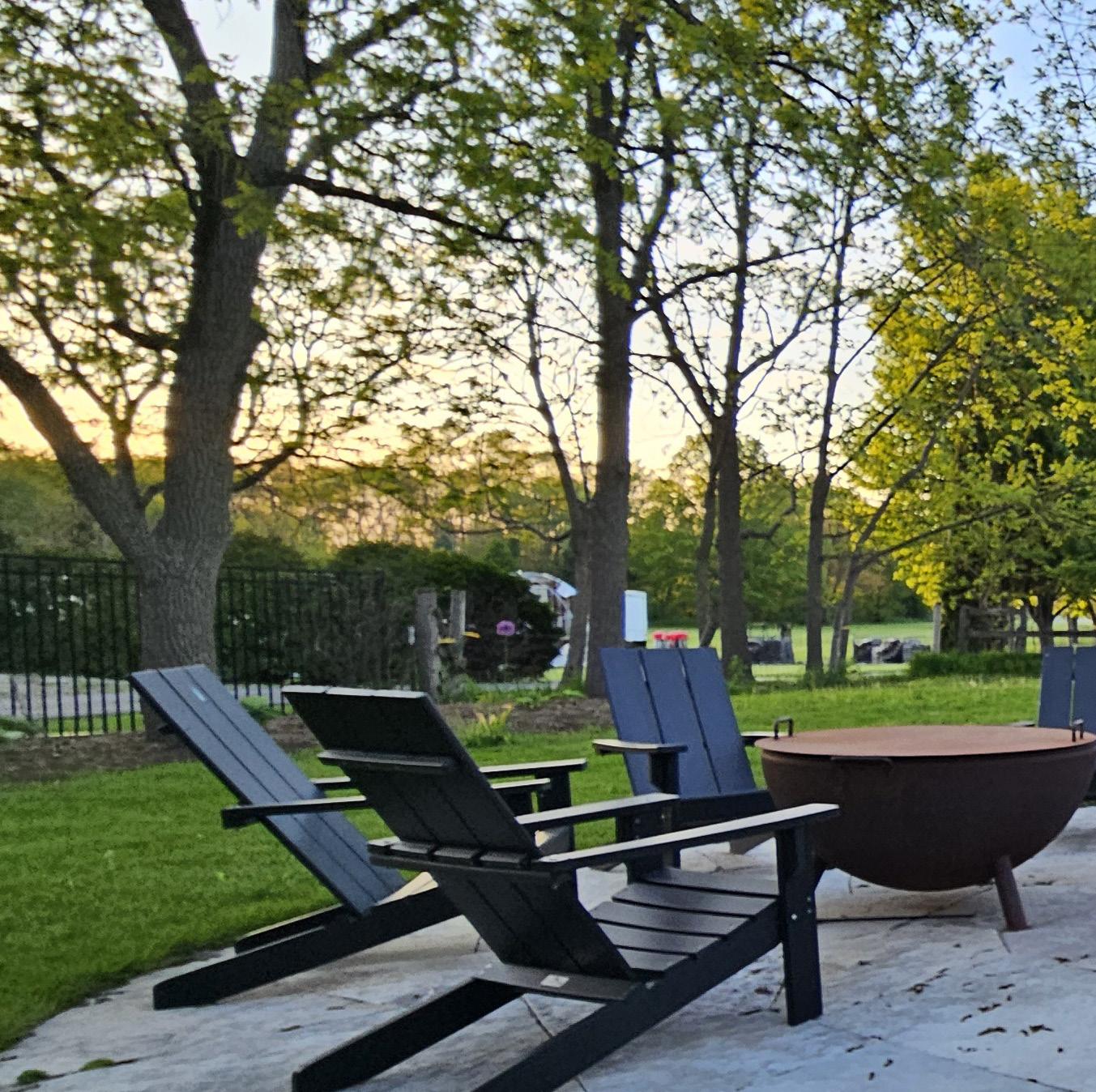
A Visit to Dawn Barr’s
by Nina A. Koziol
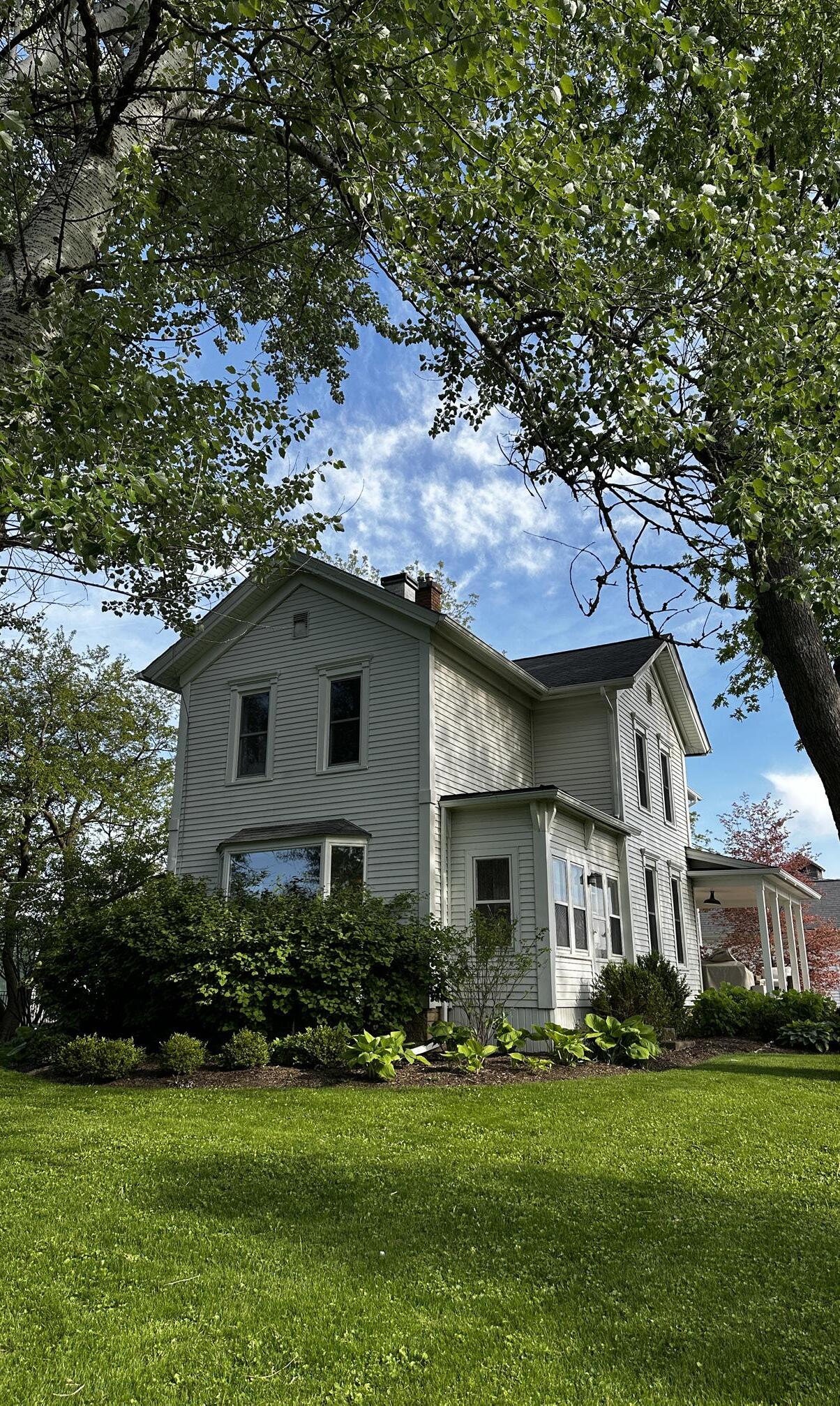
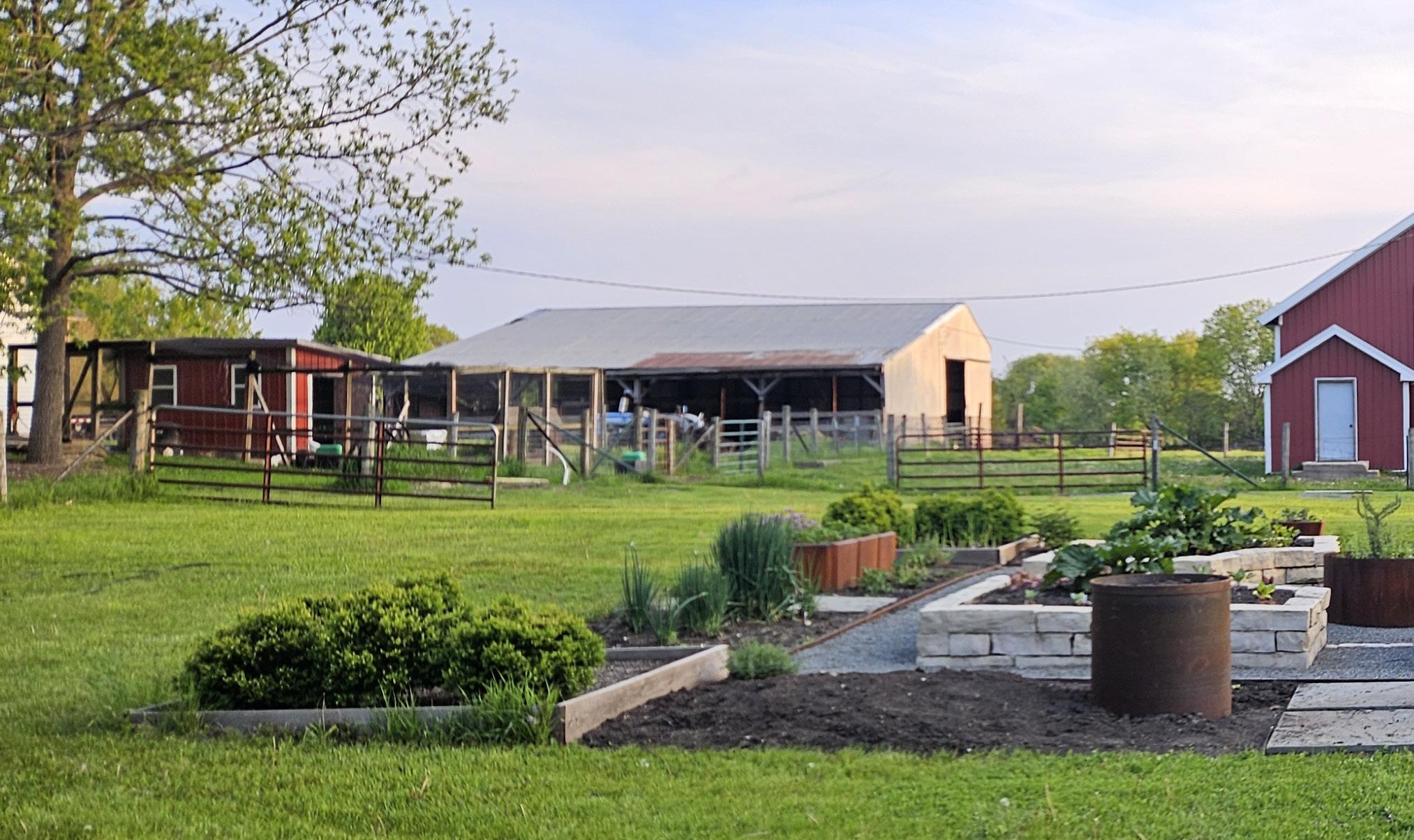
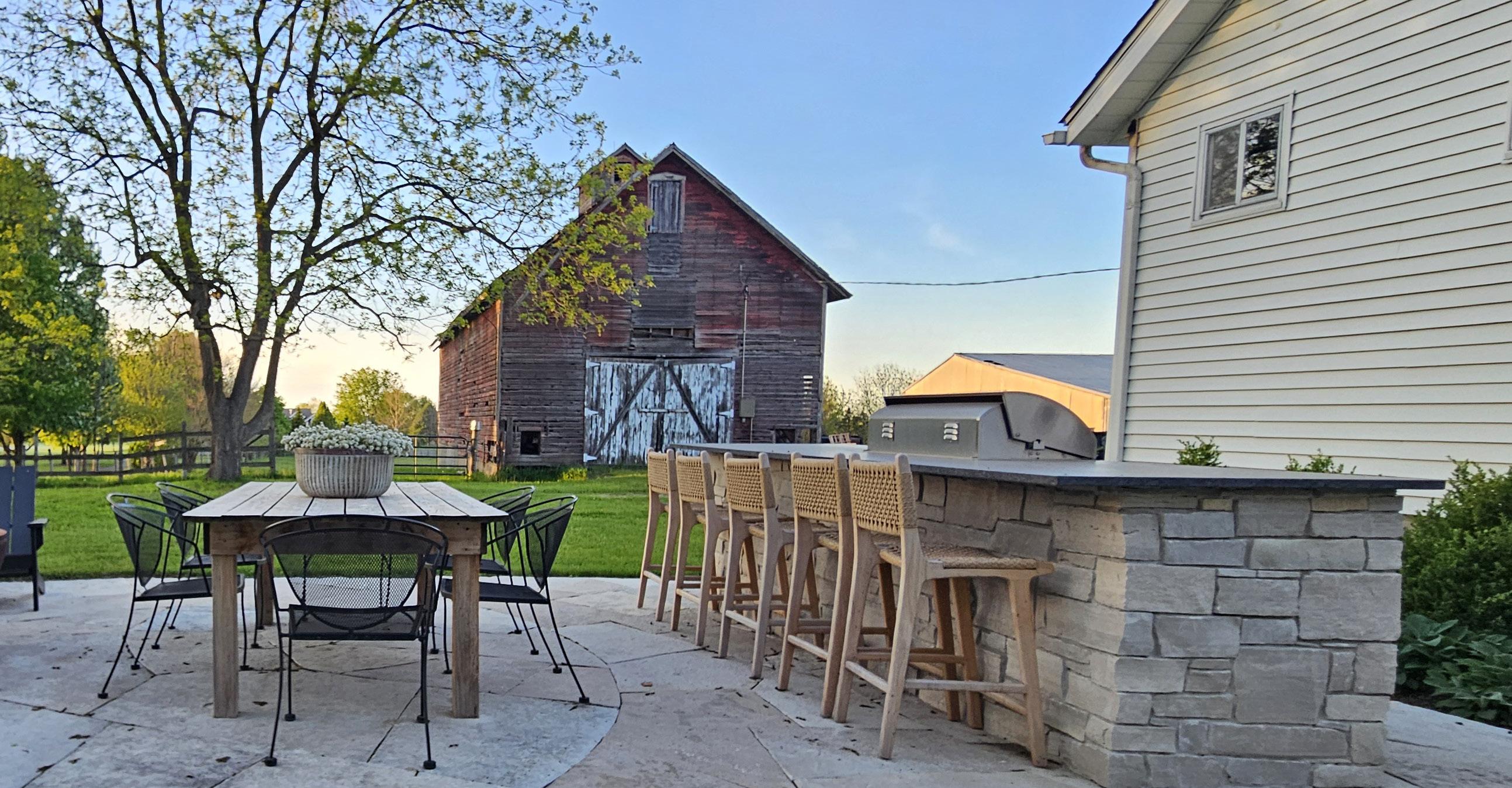
When Dawn and Jesse Barr moved in 2005 from Naperville to a five-acre property in Oswego, Dawn’s friends told her she wouldn’t be able to keep the place weed free. But the landscape wasn’t the first project. “We did a lot of work on the house—it was a disaster,” Dawn shared. “My family thought we were nuts.” However, the former cattle farm and the 1870s-era farmhouse have undergone a wonderful transformation.
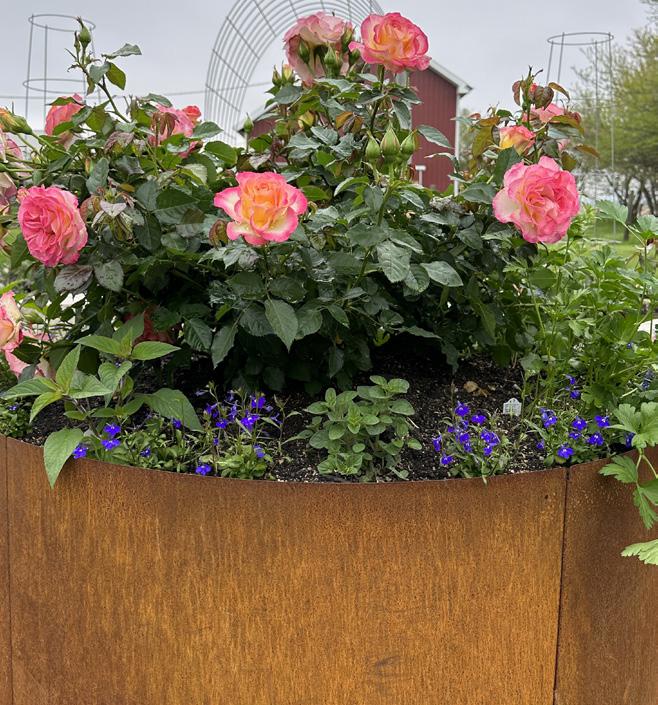
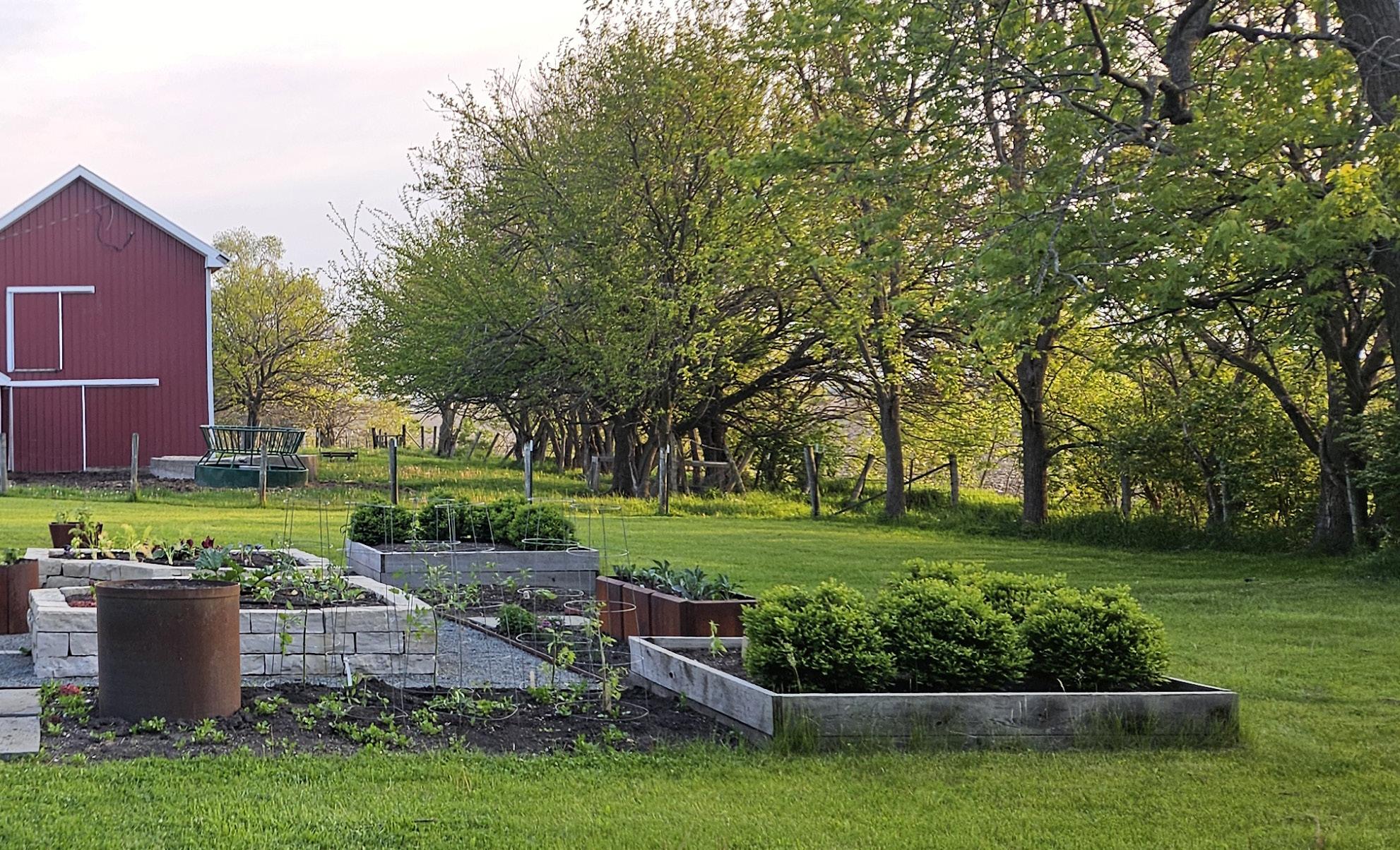
“I love it,” Dawn says. “We’re constantly making improvements because it’s a big property and when you have limited funds you do what you can slowly, but surely.” Goats, chickens, a cow, a renovated barn and handsome vegetable gardens now fill the site along with heirloom shrubs, a nod to the farm’s history.
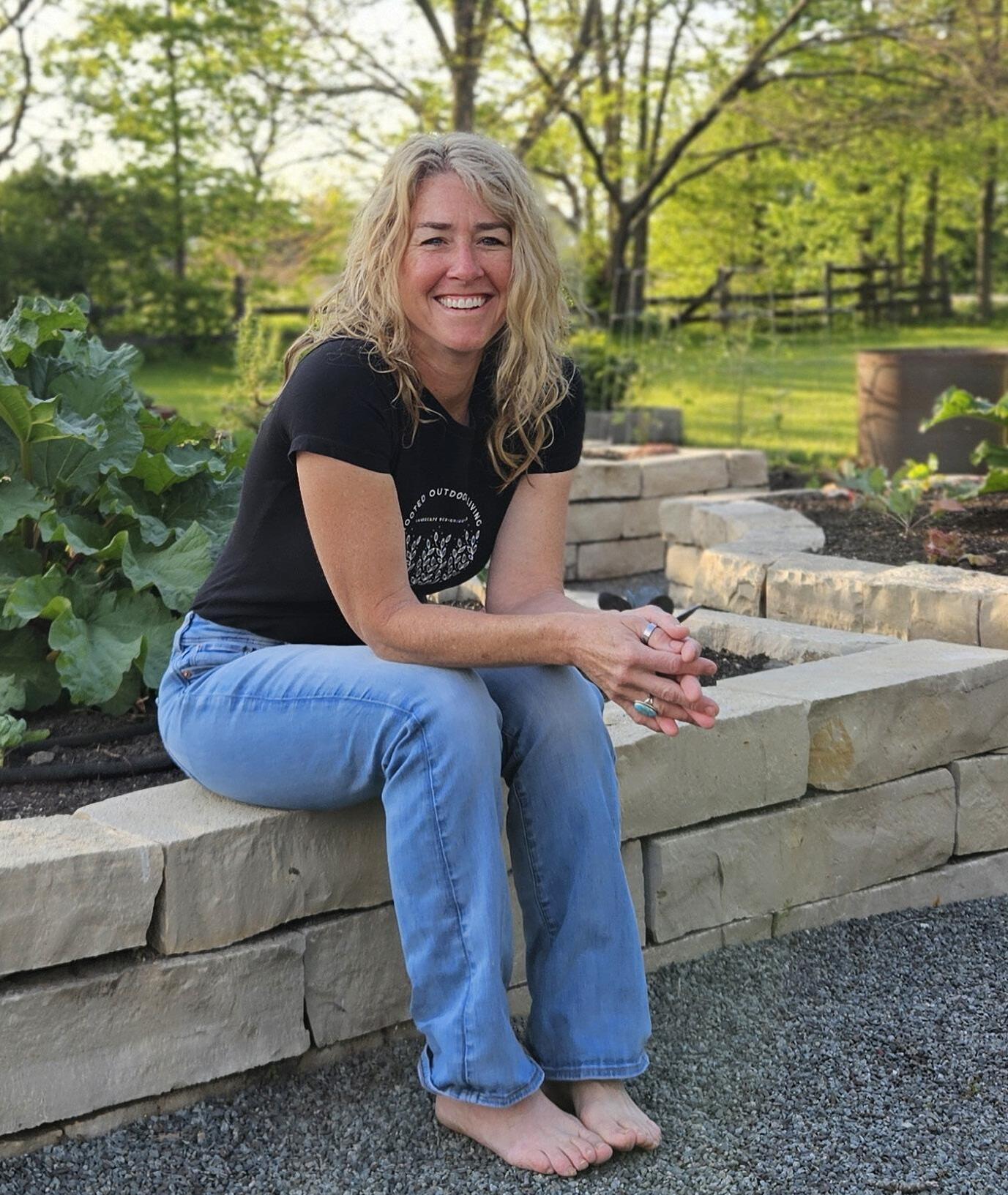
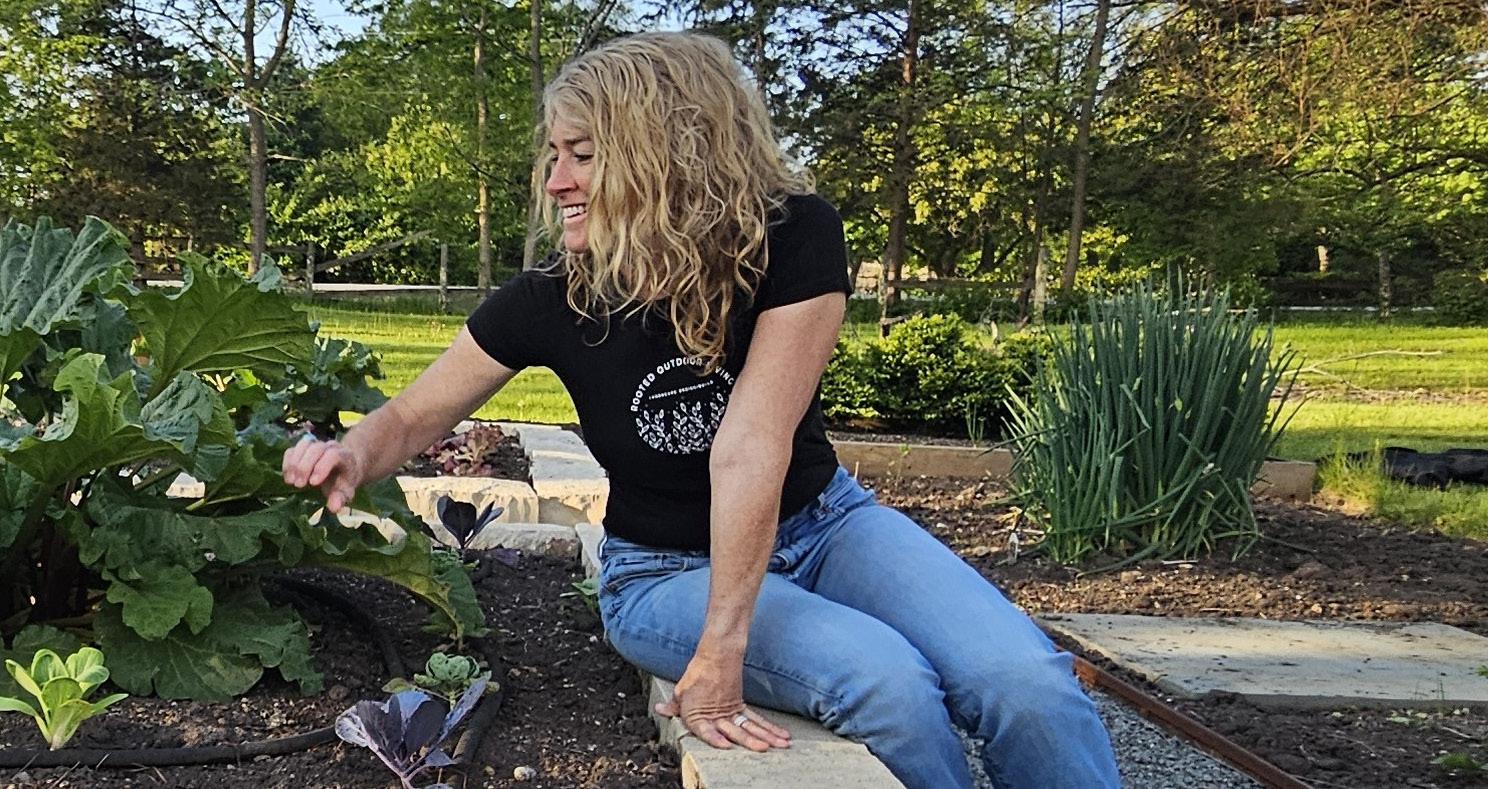
Dawn is the owner and landscape designer of Rooted Outdoor Living. She’s been in the green industry for more than 19 years but struck out on her own six years ago. “I work from home and my crew works from here as well.” Most of her residential clients are in the western suburbs. “I worked for several companies and was surrounded by so many talented people, but there were a lot of hands in the mix. I missed being in design and wanted to have more one-on-one with the client, following the project from start to finish. I wanted to go back to a boutique kind of feel.”
The Designer at Home
When it came time to work on her landscape, Dawn cast a critical eye over the existing woodies. “There was old-fashioned bridal wreath spirea, but they ran their course and we planted another row of them.”
“We have a lot of ‘weed’ trees—silver maples, poplars— things we don’t put in people’s yards now. There was a huge weeping willow by the driveway, and the kids would swing on the branches while they waited for the school bus,” Dawn explains. When they lost the willow in a storm recently they planted a new one in its place.
She also kept a big mulberry tree. “A neighbor said we should take it down, but I’m so glad we kept it. Every single summer, I’d have one of the four kids take a ladder and pick mulberries until their bowls were completely full. They’d com-
Homestead in Oswego
plain about it, but I’d look out there and they’d be laughing and having a great time. We’d have mulberry jam the whole winter.”
Their mulberry is a tribute to the history of the house and farm. “I’m always trying to keep the design in step with the architecture,” Dawn says. “For our home, I did it a bit differently than what I’d do for someone else. We have viburnums, boxwood and hydrangeas around the house and a big beautiful tricolor beech tree by the porch. The house is stark white and when that tree leafs out, it’s stunning.”
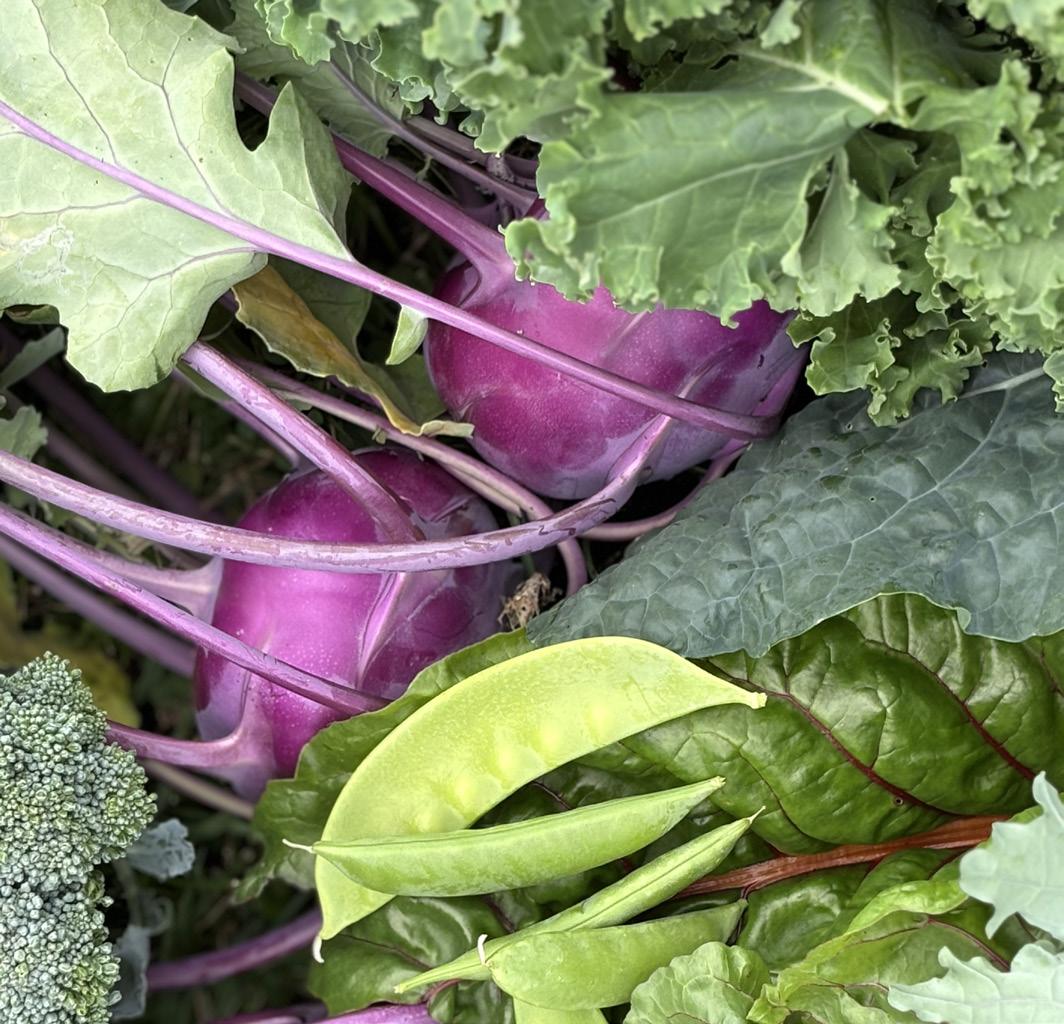
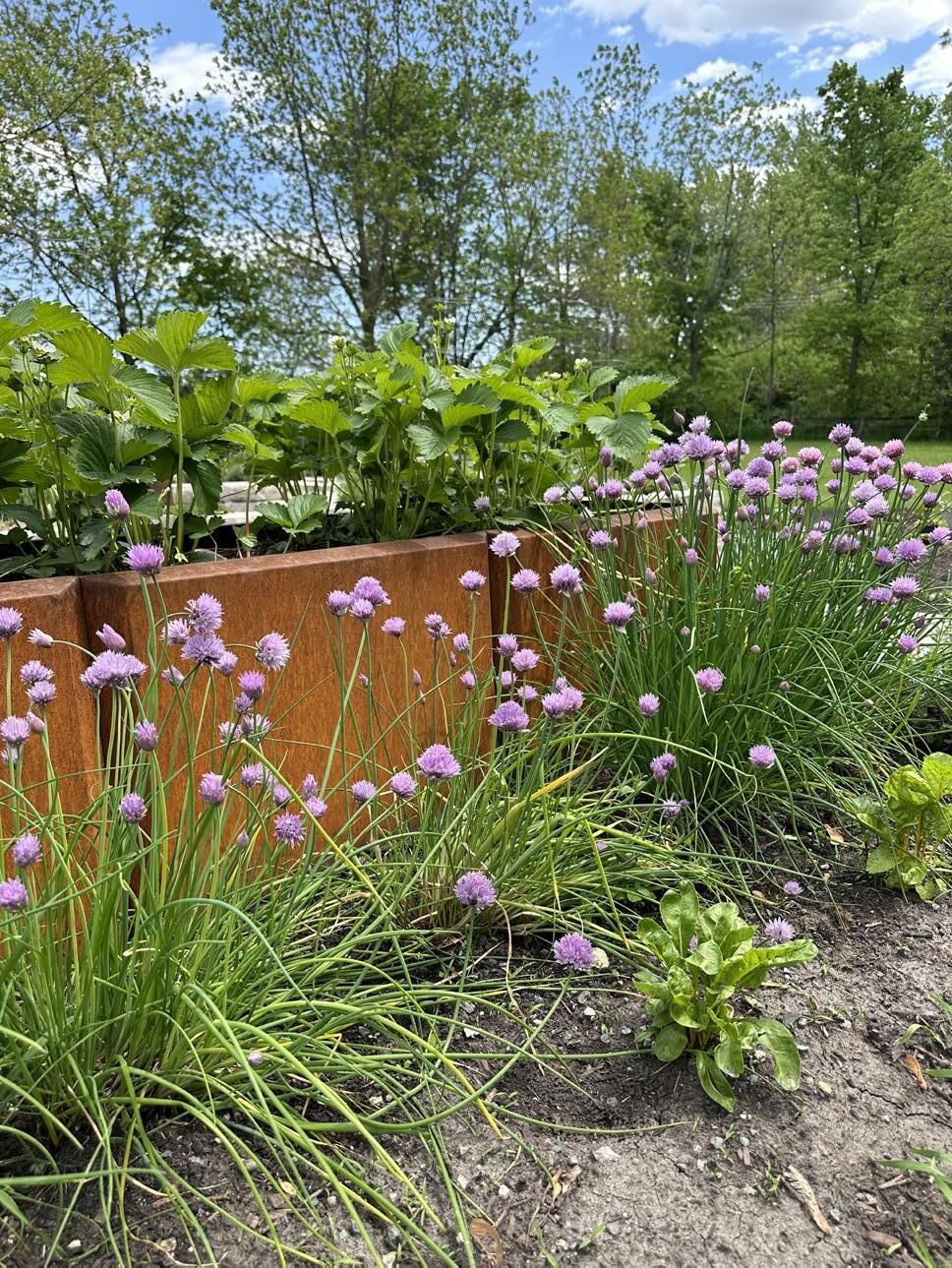
The stone-wrapped vegetable garden is her pride and joy. “To me, we’ve gotten away from knowing where our food comes from. I wanted my kids to have their hands in the dirt, and we’ve gotten more and more into the vegetable side—I’m
really dedicated to growing vegetables.” The stone retaining walls allow the family to sit and snack on cherry tomatoes right from the plants.
Dawn also gives vegetables to her crew. “To me it’s so important to share the harvest with them. The more we can plant and the more we can share, the better. My foreman is all about health and he’ll eat veggies straight from the garden. I try and plant edibles that they’d cook with, and we have a lot of everything.”
All in the Family
The Barr’s are the third owners of the 150-year-old house. The couple has five children, and the youngest, 12-yearold June, helps in the vegetable garden. Jesse works for the Naperville Park District. “He’s in charge of South Park woodlands, trails and big open spaces. He and I feed off each other all the time—he’s very into trees and native plantings. He does the same thing I do but on a much larger scale. We met while (continued on page 34)
(continued from page 33)
talking about hiking, skiing, and horseback riding—we’re definitely outdoorsy—backpacking and hiking.”
Jesse found aerial photos of their property and the surrounding farms taken decades ago. It was a fascinating discovery showing many of the buildings that are now gone. “The original homeowners surprised us one day when we were having a wedding on the property,” Dawn said. “They told us some history of the place and came back a few years later. It was interesting to hear how the rooms were used, who lived here.”
Researching is a bit of a passion. The couple are avid readers and have books throughout the farmhouse. “I’m a huge book nerd and have a great collection of landscape design and interior design books,” Dawn said.
(continued on page 36)
(continued from page 34)
Looking Back
Before they could move into the house, the family spent weekends filling dumpsters with orange shag carpeting, metal and wooden shelves, old wallpaper, paneling and other odd finds. “The house was a real mess and a disaster, but we found pine floors under the carpets and when the wall paper came off, there was plaster that we had repaired.” The roofs had to be replaced, and the barn needed new siding. “My kids laugh because we would come and be here all weekend working,” Dawn recalls. “We’d get snacks for them, but they remember how rough it was. I don’t know that I’d do that now.” All their efforts have been well worth the journey.
See Dawn’s work and blog at https://www.rootedoutdoorliving.com/
Living With Change
by Alex Head
From the outside, the green industry can appear steady and predictable. Plants grow. Landscapes get installed. Seasons come and go in a familiar rhythm.
But anyone who has worked in this field for a while knows the reality is a little different. Beneath that seasonal rhythm, the industry has been changing in meaningful ways. Over the past decade or fifteen years especially, a number of forces have been quietly reshaping how we work—from the weather we deal with to the labor we rely on, the suppliers we source from, and even the customers we serve.
Most of these changes didn’t arrive all at once. They’ve come gradually, one adjustment at a time, and the industry has adapted as it always does.
Weather That Doesn’t Follow the Script
Landscape work has always been tied closely to the weather, but the predictability of the seasons has become less reliable.
Many contractors remember the November snowstorm that abruptly shut down what should have been the final weeks of the season. Others can point to springs that swung wildly between warm and freezing temperatures, making it difficult to know when the real start of the season had arrived.
Heavy rain events can stall installations for days or even weeks. Long stretches of heat can stress newly planted material. Windows that once felt fairly dependable now feel much more unpredictable. For contractors, growers, and suppliers alike, the result is a constant need to adjust schedules and expectations.
The Labor Equation
For decades, the landscape industry operated with the assumption that labor would remain relatively available and affordable. Crews were the backbone of the business, and many companies relied heavily on seasonal and immigrant workforces.
That equation has changed.
Across the industry, companies are dealing with persistent labor shortages. Positions that once filled quickly can remain open for months, and competition for experienced crew members has intensified.
Wages have risen significantly as companies work to attract and retain workers. While necessary, higher labor costs ripple through the entire system—from installation pricing to maintenance contracts and plant production costs.
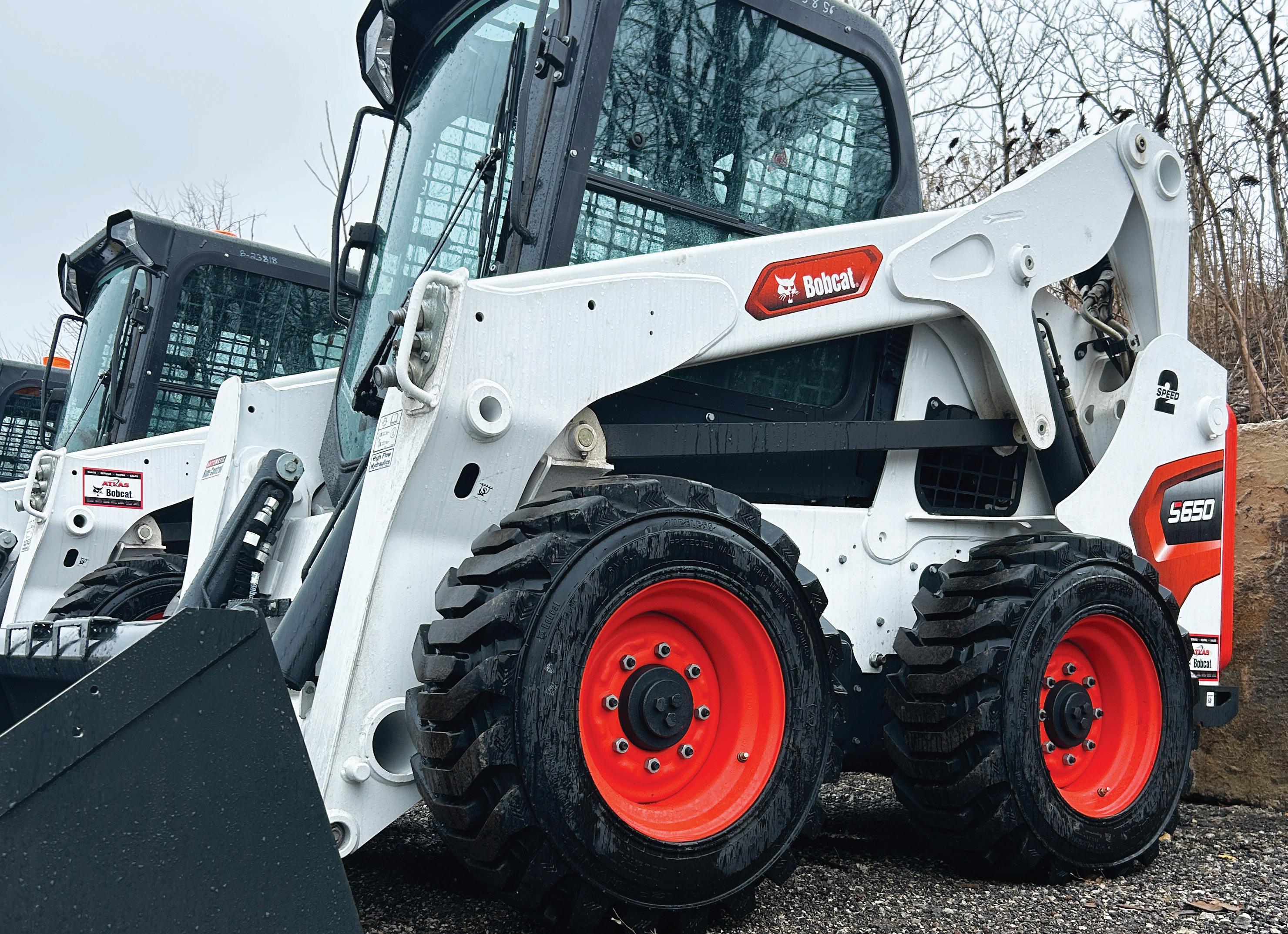
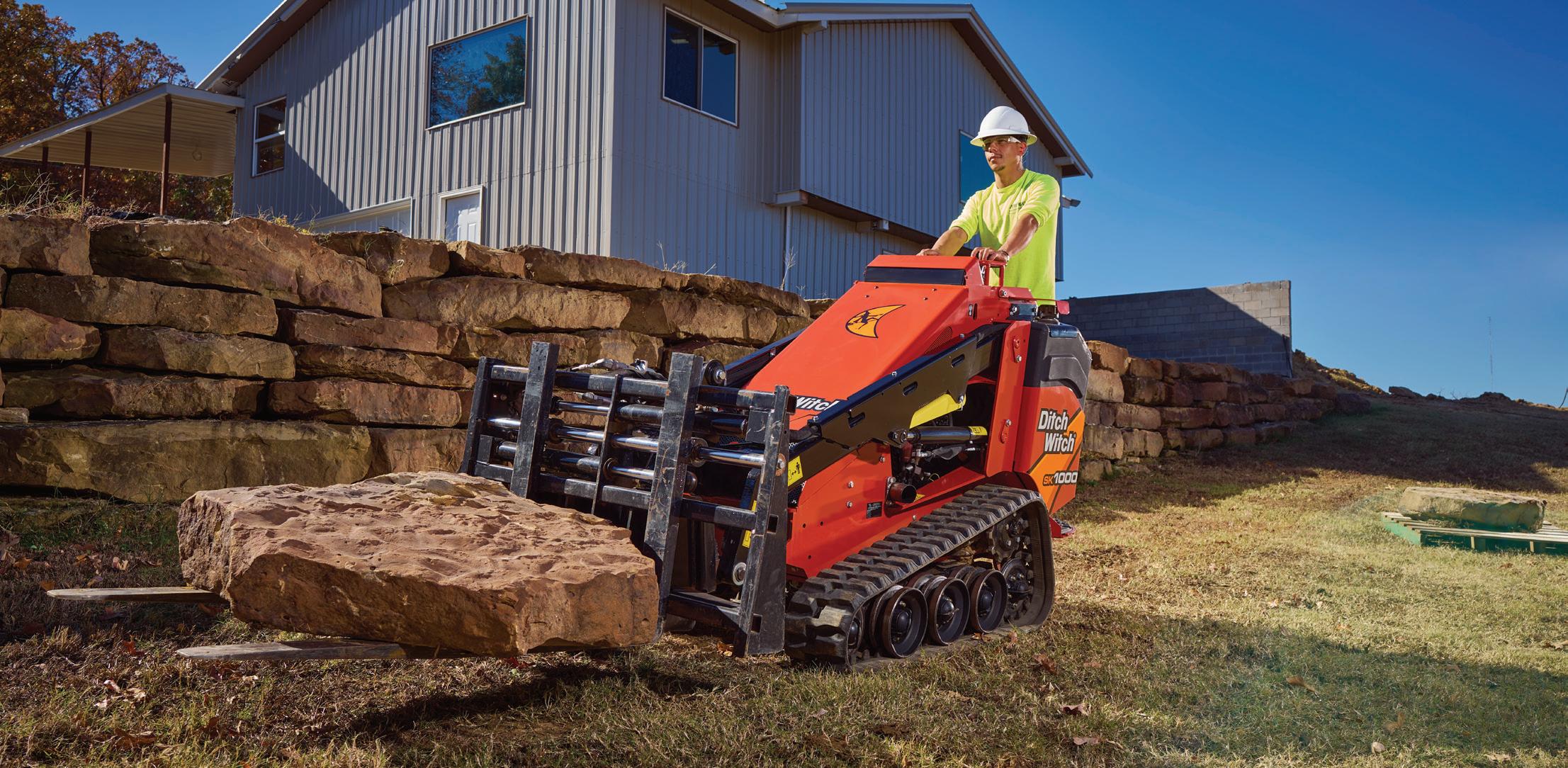
Many companies are responding by investing in equipment that allows smaller crews to accomplish more—from compact skid steers and mechanized material handling equipment to routing software, digital scheduling tools, and more refined estimating systems. The labor landscape looks very different than it did fifteen years ago.
A Changing Ownership Landscape
Another shift that has become more visible in recent years is the growing presence of outside investment in the green industry.
Private equity firms have been actively acquiring landscape companies across the country, building larger regional platforms through consolidation. In some cases, publicly traded companies and larger national platforms have entered the space as well.
For owners nearing retirement, these buyers can provide an exit strategy that may not have existed in previous decades.
At the same time, consolidation can change the competitive dynamics within local markets. Independent companies may find themselves competing with organizations that have greater access to capital, centralized purchasing, or shared resources.
Whether seen as an opportunity or a disruption, the ownership landscape is evolving.
Fewer Growers, Fewer Suppliers
On the production side of the industry, another long-term trend has been the gradual decline in the number of growers.
Some nursery owners are aging out of the business without a successor. Others are selling land that has become far more valuable for development than for agriculture. In other cases, businesses that once thrived have struggled to adapt to changing costs and market demands.
The result is fewer suppliers overall, even as demand for plant material remains strong.
For contractors and distributors, sourcing plants has become more complex. Relationships with growers matter more than ever, and supply chains often stretch farther than they once did.
Landscaping in an Uncertain Economy
The broader economy is another variable that quietly shapes the industry.
Landscaping often sits somewhere between essential and discretionary spending. Maintenance still needs to happen, but new installations or major upgrades can sometimes be delayed when economic uncertainty creeps in.
Over the past fifteen years, the industry has moved through several different economic environments—recovery after the financial crisis, years of strong growth, the sudden disruption of the pandemic, and more recently a period defined by inflation and rising interest rates.
Each shift influences how customers approach projects. Contractors may notice it in how long proposals sit before approval. Growers and suppliers may see more cautious ordering patterns or shorter planning horizons.
Landscapes have proven relatively resilient compared to
many other discretionary purchases, but economic shifts still influence how and when projects move forward.
A Changing Customer
The customers driving demand are evolving as well.
New generations of homeowners often bring different priorities to landscapes. Some are drawn to sustainability and native plantings. Others prioritize low-maintenance design or outdoor living spaces that extend how the home is used.
At the same time, the way companies interact with customers has changed dramatically. Digital communication, online reviews, websites, and social media now play a much larger role in how people find and evaluate landscape companies.
For many businesses, marketing and communication look very different today than they did even a decade ago.
The Constant Flow of New Plants
Plant development has also accelerated.
New cultivars are introduced every year, often supported by sophisticated branding and marketing campaigns aimed directly at consumers. For professionals in the industry, keeping up with the steady stream of new varieties can sometimes feel overwhelming.
Yet these introductions also help generate excitement among homeowners and designers. New plants inspire new landscape ideas and can help drive demand for projects.
The challenge, of course, is figuring out which new plants truly earn a place in the long term.
Adapting as We Go
Put all these trends together—less predictable weather, labor shortages, economic swings, consolidation, fewer growers, changing customers, and a steady stream of new plants—and it’s clear the industry is navigating a period of ongoing change.
And yet, if you visit job sites, nurseries, or garden centers across Illinois, what you’ll mostly see is people doing what they’ve always done: figuring it out.
Schedules get adjusted. New suppliers are found. Crews learn new systems. Businesses refine their services. Growers experiment with different crops.
The green industry may still look steady from the outside. But those working in it know that adapting to change has quietly become part of the job.
Setting the Scene: Building Thoughtful Curb Appeal
by Heather Prince
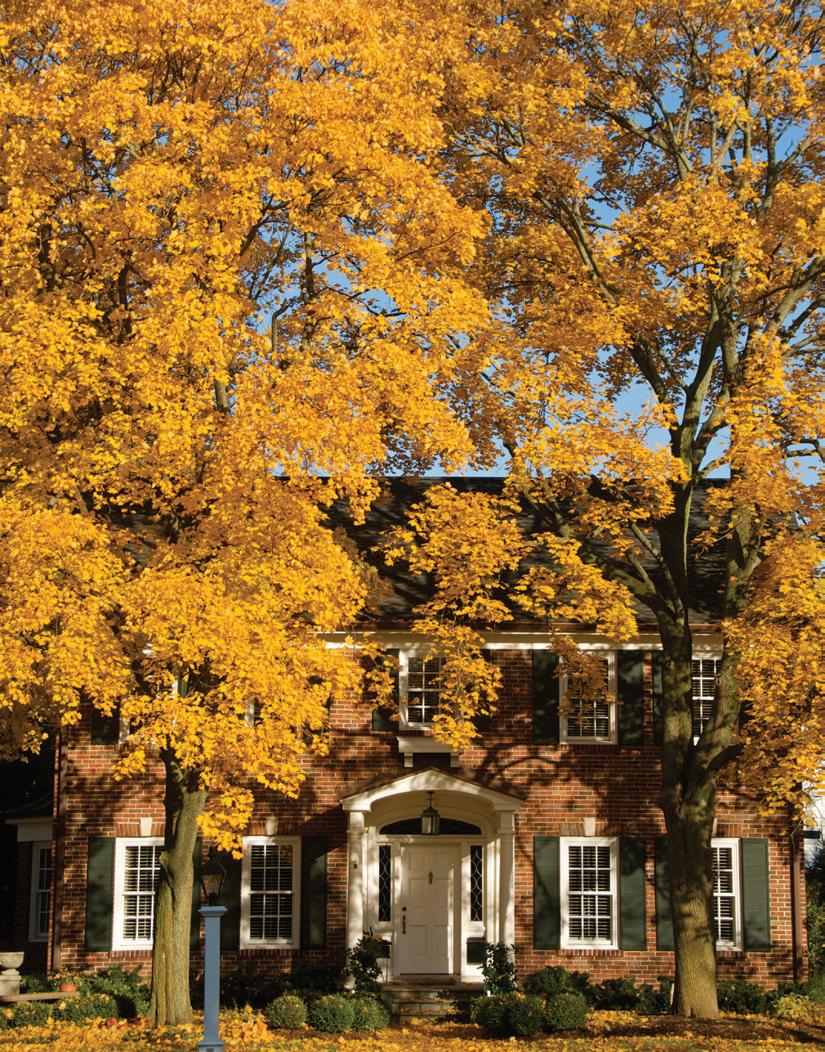
First impressions are the ones that usually linger in our minds. For landscapes, the feeling evoked when you pull in the driveway or walk up to the front door often sets the scene for your experience of the visit. How do we make it special? We spoke with three landscape designers who work on a wide variety of sites to talk curb appeal, entrance experiences, and creating a statement. Ashley Marrin, president of BretMar Landscape; Jenna Pfau, senior project director at Mariani Landscape; and Michelle Cohen, garden designer at Michelle Cohen Gardens shared their experience.
Reading the Client
“We often meet clients in their homes and sit at their kitchen table,” said Pfau. “Their interior style is incredibly revealing. You immediately see if they favor simple neutrals or playful colors or
structured formality.” Meeting folks where they’re comfortable gives a designer instant insight into their tastes and can lead to deeper conversation, but many times clients struggle to put their desires into words. When working with an existing landscape, Pfau added, “I start by trying to understand what they like and don’t like about the front facade. I don’t want to offend them in the first conversation by saying, ‘Oh, this is ugly. You’ve got to tear this out.’ So, it’s really important to me to ask what are their favorite, or not so favorite things about what’s existing.”
“In preparation for a meeting, I always ask clients to pull some photos from the internet to demonstrate what they like,” commented Marrin. “It doesn’t have to be the same style of the home. I want to see what colors they like, or a specific plant, attractive textures, or the way someone did a front walkway layout. Just (continued on page 42)
• Outc roppi ng s a nd Bou lder s
• Conc rete & C l ay Paver s
• Reta i n i ng Wa l l s
• Pond s a nd Low Voltage L i g ht i ng
• Seed s & Fer t i l i zer s
• Mu lc h & Decorat ive Stone
• L i mes tone Sil l s & Cou nter Tops
• Blues tone - Nom i na l & Di men siona l
• Bu i ldi ng Stone
• Mason r y P roduc t s
(continued from page 40)
whatever speaks to them. Often, at that first meeting, people have a hard time describing what they like. Also, they may love a specific style of landscape, but they don’t understand what’s needed to create and maintain that look.” Marrin also analyzes their choices and starts to pull common themes like grasses or evergreens and summarizes with the client. “How they react to those broad strokes can be really telling about their true wants.”
Cohen likes to start with broad questions to spark inspiration. “I like to ask clients about plants they particularly like or don’t like, including perennials, trees, and shrubs. It is also important to ask about the kind of feeling they want to have when approaching their house. A landscape that is loose, dynamic and bursting with color? Or something more structured and serene? Often, it’s something in between. Clients that desire perennial-forward landscapes might want a slightly more clipped look in front with more naturalistic plantings on the side or back of the house. In this case, we would focus on a more shrubby planting but include a soft edge of perennial forbs and grasses to tie the different spaces together.”
Responding to Architecture
From an urban bungalow to a newly built statement home, each site comes with challenges to create a landscape that speaks not only to the clients’ tastes, but the architecture of the structure. Figuring
out a sensible scale that anchors the house and responds to the neighborhood is a chief challenge.
“I think the biggest thing is looking at how the home is laid out,” commented Marrin. “The landscape, the beds themselves, the hardscape has to fit the scale of the home. So, if we’ve got this big three-story home, we can’t have itty-bitty beds and itty-bitty plants there. We see a lot of homes are more of a traditional style, and sometimes they’re just very flat. There’s not a lot of dimension to them. I feel like the landscape is an opportunity to give the home that dimension by maybe bringing out the front walkway a little bit or just a simple little curved line to the driveway.”
For Pfau, “I think my biggest goal is to make the front facade feel welcoming and draw people in. The biggest part of curb appeal is not only that it’s nice to look at, but also ‘oh, I want to go there.’ As I study the home’s architecture, I ask myself if the existing landscape is complementing the architecture, or is it unintentionally hiding some unique features of it?”
Directing Traffic
In most cases with a front elevation, the design is for the homeowner, but it also has to respond to the needs of other people from visitors to delivery persons to even the pizza guy. How do we signal (continued on page 44)
(continued from page 42)
where the front door is? How do we indicate where people should walk and where they shouldn’t? From a change in pavement to a colorful container, our designers indicate direction in multiple ways.
“First and foremost, when I am working with a client on their front entryway, I focus on the circulation,” observed Marrin. “Do they have a stoop coming into their house? Is it large enough for multiple people to be standing on it and open a door and be comfortable? There was a time when we were doing a lot of front yard seating areas. However, villages have been cracking down on it as they limit lot coverage and the amount of hardscape that you can have in the front yard due to stormwater considerations. There’s this fine line that you have to stay within and keep it more of a walkway than a patio.” Bret-Mar works primarily in the south and west suburbs across a wide range of property types.
Cohen works primarily in Evanston and surrounding cities, so her practice tends to focus on small, more urban spaces. “I find that people really like to have a couple of spots where they can have their morning coffee outside on the porch, or on a small patio nestled in the garden or landscape. In more urban areas, this can be a really nice way to make connections with neighbors and passersby. It’s almost like a stoop culture that helps create a friendly neighborhood vibe.”
Even with a new build, figuring out how to direct humans comes into play. “At Mariani, our philosophy is to make sure that our approach is unique to the canvas,” commented Pfau. “We try to elevate through thoughtful site-specific design and team collaboration. On a new build, we love to work closely with the architects and the interior designers. It’s really amazing when you can bring the hardscape element into the foyer, to achieve a truly seamless inside to out. And we work closely with the architect about their vision for the entry to the home as well. One architect we work with prefers a very understated front door. We always respect that vision, but it means the landscape needs to quietly guide visitors through path design, plant placement, and subtle lighting, we make circulation obvious without overpowering the architecture.”
Making It Special
Rarely is curb appeal something big and splashy like a statement sculpture or an impressive fountain. In most cases, people want more subtle indications of welcome and home. Pfau finds that sometimes taking something away makes the biggest impact. “The biggest change is often just getting those overgrown junipers off the front facade. You’d be surprised how transformative simple vegetation removal can be. Clearing out the overgrown shrubs and (continued on page 48)
PROVEN SOLUTIONS
LANDSCAPE PROFESSIONALS
• Designed for Landscape Contractors
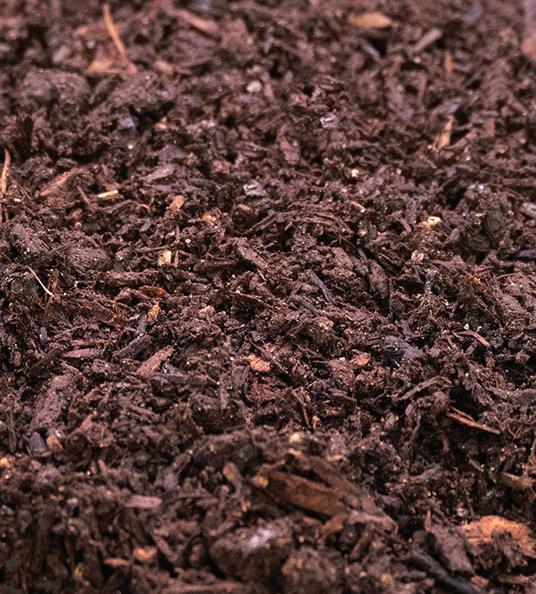
• 19-5-8 Fertilizer Lasts Through the Season
• Ideal for all Container Sizes and Hanging Baskets
• Superb Balance of Drainage and Water Retention
• Amendment and Mulch in One
• Fuller, Healthier Plants
• Suppresses Weed Growth
• Requires Less Watering
• Includes Mycorrhizae & Gypsum
• Skip the Rototilling (see website for info)
EMAIL
(continued on page
(continued from page 46) trees that have been hiding the home’s architecture can make a huge difference.”
After removals, Pfau and the other designers find that layering four-season plants to be critical for a cohesive design that works throughout the whole year. From a layer of groundcover in front of a boxwood hedge to sweeps of perennials hugging the lawn, humans respond to beautiful plants. “Texture is a quiet powerhouse,” said Pfau. “Thoughtful plant combinations create depth and beauty long after seasonal color fades. Even in winter, the bones of the landscape should still support and complement the home. When flowers are gone, the design shouldn’t disappear.”
Marrin adapts layers to embrace the property. “We’ve been doing more of a C shape in the planting design recently. We’re tying beds into the front foundation landscape and wrapping them around the front so that when the client looks out their windows, they’re not just staring at the people across the street. They’re seeing beautiful plants in the landscape.”
For Cohen, her signature style is a loose, more naturalistic perennial mix that welcomes pollinators and wildlife. But one of her signature flourishes is to add a water feature. “I feel that the sound of the water is so calming. I like to bring in a little bit of the musical tinkling of the water, which draws birds and other wildlife. Where I’m located, there’s so many people who want to attract birds, butterflies, and pollinators. Finding the right type of water feature, whether it’s a small one on the ground, or something larger set in with taller perennials, I feel like that adds a lot.”
From teasing out people’s true desires to implementing circulation that makes sense, curb appeal is a complex challenge. As designers, we navigate client expectations, village ordinances, and eclectic Midwestern architecture to create beautiful spaces that welcome folks home.
Más que monarcas: Plantas nativas que sustentan a polinizadores especializados
por Mandy Komes-Leifheit
Cuando la gente piensa en los polinizadores, por lo general se imagina a las mariposas monarca visitando las asclepias o a las abejas melíferas recolectando néctar de las flores. Si bien esas relaciones son importantes, constituyen solo una pequeña parte de una historia ecológica mucho más amplia.
En toda la región del Medio Oeste, cientos de insectos nativos dependen de plantas nativas específicas, no solo para obtener néctar, sino para su propia supervivencia. Estos polinizadores especializados e insectos dependientes de plantas hospedadoras evolucionaron junto con las plantas nativas de las praderas y los bosques a lo largo de miles de años. Sin esas plantas, muchos de estos insectos no pueden completar sus ciclos de vida.
A medida que el interés en el paisajismo ecológico sigue creciendo, los profesionales del paisajismo tienen la oportunidad de ir más allá de simplemente plantar jardines “amigables con los polinizadores” y comenzar a crear verdaderos hábitats. Las plantas hospedadoras importan Una fuente de néctar puede atraer temporalmente a mariposas o abejas adultas, pero son las plantas hospedadoras las que sustentan a las generaciones futuras. Por ejemplo, es bien sabido que las mariposas monarca requieren especies de asclepias (*Asclepias* spp.) para sus orugas. Sin las asclepias, las monarcas no pueden reproducirse. Pero las monarcas distan mucho de ser las únicas especies especializadas en nuestros paisajes.
Muchas abejas nativas recolectan polen únicamente de un rango limitado de especies vegetales. Del mismo modo, numerosas polillas y mariposas dependen de plantas nativas específicas como hospedadoras para sus larvas. Estas relaciones suelen pasar desapercibidas para los jardineros; sin embargo, constituyen el fundamento de ecosistemas saludables. El *Rattlesnake Master* y la polilla perforadora del *Rattlesnake Master* Un ejemplo notable es el *rattlesnake master* (*Eryngium yuccifolium*), una llamativa planta nativa de las praderas con flores blancas de forma globosa que atraen a una enorme diversidad de polinizadores. Si bien muchas abejas, avispas y mariposas visitan sus flores, el *rattlesnake master* también sirve como planta hospedadora larval para la rara polilla perforadora del *rattlesnake master* (*Papaipema eryngii*). Esta polilla depende casi por completo del *rattlesnake master* para completar su ciclo de vida.
A medida que los hábitats de pradera desaparecían en todo el Medio Oeste, tanto la planta como la polilla sufrieron un declive. La incorporación del *rattlesnake master* en proyectos de restauración, plantaciones municipales y paisajes diseñados ayuda a preservar toda una relación ecológica, y no solo una especie individual.
Las *Golden Alexanders* y las mariposas cola de golondrina negra
Las *Golden Alexanders* (*Zizia aurea*) son una de las plantas para polinizadores más valiosas de principios de temporada en los paisajes del Medio Oeste. Sus umbelas de color amarillo brillante florecen en primavera, justo cuando
Mariani Plants se enorgullese en su attencion al cliente. Tenemos expertos ajentes de ventas de habla hispana en nuestras dos localidades, Kenosha Wisconsin y Garden Prairie Illinois. Mariani Plants esta aquí para proveerle mejores plantas, mejor servicio y mejor selección.
Llámenos a Mariani Plants: 866-627-4264 / marianiplants.com
muchos polinizadores están emergiendo y las fuentes de alimento son escasas. Las *Golden Alexanders* también sirven como planta hospedadora larval para la mariposa cola de golondrina negra (*Papilio polyxenes*). Las orugas de la mariposa cola de golondrina negra (Black Swallowtail) se alimentan de plantas de la familia de la zanahoria, y las especies nativas del género *Zizia* son especialmente importantes en los sistemas naturales. La incorporación de la *Golden Alexander* (*Zizia aurea*) en jardines de lluvia, bordes de praderas y paisajes comerciales naturalizados proporciona tanto recursos tempranos de néctar como un hábitat de reproducción fundamental.
Las mariposas *Painted Lady* y las *Pussytoes*
Otra relación fascinante entre polinizadores involucra a la mariposa *Painted Lady* (*Vanessa cardui*), una de las mariposas más extendidas en América del Norte.
Si bien las mariposas *Painted Lady* adultas se alimentan del néctar de muchas plantas con flores, sus orugas dependen de plantas huésped como las *pussytoes* (*Antennaria plantaginifolia*), los cardos y la *pearly everlasting* (*Anaphalis margaritacea*). Las *pussytoes* son especialmente valiosas en los paisajes nativos porque también sirven como plantas huésped para la mariposa *American Lady* (*Vanessa virginiensis*).
Estas plantas perennes nativas de crecimiento bajo a menudo pasan desapercibidas en el diseño paisajístico tradicional; sin embargo, aportan un valor ecológico crucial, al tiempo que funcionan como cubresuelos resistentes para lugares soleados y secos.
Incluir especies nativas más pequeñas, como las *pussytoes*, en los diseños de plantación ayuda a diversificar las capas del háb-
itat y a sustentar una gama más amplia de polinizadores a lo largo de sus ciclos de vida.
La bergamota silvestre sustenta a más que solo abejorros
La bergamota silvestre (*Monarda fistulosa*) es ampliamente reconocida como una de las mejores plantas nativas para abejas, mariposas y colibríes. Sus flores de color lavanda resultan especialmente atractivas para las abejas de lengua larga y los abejorros nativos.
Menos conocido es su papel como planta huésped para varias especies de polillas. Esto constituye un recordatorio importante de que incluso las plantas nativas comunes sustentan una biodiversidad oculta. Cada plantación nativa tiene el potencial de mantener a docenas, o incluso cientos, de especies de insectos bajo la superficie.
El trébol de pradera púrpura y las abejas especialistas
El trébol de pradera púrpura (*Dalea purpurea*) es otra planta nativa destacada del Medio Oeste que sustenta a polinizadores especialistas.
Varias especies de abejas nativas del género *Colletes* (conocidas como abejas yeseras o *plasterer bees*) se especializan en los tréboles de pradera para la recolección de polen. Estas abejas han evolucionado para sincronizar sus ciclos de vida con el período de floración de los tréboles de pradera y otras leguminosas nativas emparentadas.
Más allá de sustentar a los polinizadores, el trébol de pradera púrpura también aporta nitrógeno al suelo, tolera la sequía y ofrece un valor ornamental excepcional en paisajes soleados.
Cutting Smart in the Heat: Practical Strategies to Reduce Heat
by Dr. Aaron Patton
Managing turf well during the summer months often comes down to how well we manage stress, and mowing remains the most frequent and influential cultural practice in turf. While we often associate mowing with creating a uniform, attractive appearance, it’s important to remember that grass does not thrive on mowing, but it does tolerate it. Every pass with a mower adds traffic stress, removes photosynthetic tissue, reduces carbohydrate production, and creates wounds that can increase susceptibility to environmental stress and disease. In the heat of summer, these impacts are magnified, making mowing decisions especially critical for maintaining turf quality.
Proper mowing height
One of the most effective ways to reduce summer stress is to maintain an appropriate mowing height. Closely mown turf has reduced leaf area, which limits photosynthesis and forces the plant to rely more heavily on stored carbohydrates. This often results in shallower root systems, reducing the turf’s ability to access water during dry, hot conditions. This reinforces a simple but important recommendation to keep mowing heights as high as possible while still meeting client expectations. This helps to not only improve turf health but also to increase drought tolerance and reduce water use. In practice, many turf managers choose to either maintain their standard height of cut or slightly raise it during periods of summer stress. This approach increases leaf surface area, supports continued photosynthesis, and helps sustain deeper rooting. When advising homeowners, especially those accustomed to mowing too low, emphasizing the relationship between mowing height, root depth, and drought tolerance can be an effective educational tool. Lawns cut too short in the summer are often the first to show signs of heat stress, thinning, and weed encroachment. It is also important to avoid mowing lawns that are showing signs of drought stress (i.e., wilting).
Know when to mow them
Mowing frequency is equally important. The one-third rule — never removing more than one-third of the leaf blade in a single mowing — becomes particularly valuable during summer. Removing excessive tissue at once can abruptly halt root growth, compounding stress during already
challenging environmental conditions. For professionals maintaining client properties, this means adjusting mowing schedules based on growth rate rather than sticking strictly to a calendar. For homeowners, it may mean mowing more frequently during periods of rapid growth to avoid scalping (i.e., removing too much green leaf tissue).
Sharp blades save the day
The maintenance of mowing equipment also plays a significant role in turf health. Sharp mower blades are essential. Dull blades strike leaf blades and cause injury or tear leaf tissues rather than cutting them cleanly. The result is injured blades with frayed, ragged leaf tips that increase water loss and create additional stress. This is a straightforward but often overlooked detail that can make a noticeable difference in turf health and appearance across large commercial properties and residential lawns alike.
Another consideration during summer mowing is the management of grass clippings. Returning clippings to the turf rather than collecting them provides multiple benefits. Clippings decompose rapidly, returning nitrogen and other nutrients back to the soil. This not only supports plant health but can reduce fertilizer needs over time. Additionally, returning clippings avoids the removal of valuable nitrogen — up to a significant portion of what was applied—and reduces labor and disposal costs. For both professionals and homeowners, this practice supports healthier turf with minimal additional effort.
Consider newer technology
Ultimately, summer turf management is about balancing necessary maintenance with minimizing stress. Mowing height, frequency, blade sharpness, clipping management, and managing traffic all play interconnected roles in determining how well turfgrass withstands heat and environmental pressure. As a controllable variable, mowing offers one of the most effective tools available to influence turf health during the most challenging time of the year.
Beyond mowing practices themselves, mowing equipment is changing. Some are replacing gasoline-powered mowers with battery-powered autonomous mowers to reduce emissions, noise, and labor. Autonomous mowers, in particular, mow on a near daily schedule and as such they remove small amounts of tissue with each pass, adhering
Stress
to the one-third rule and reducing plant stress. As adoption increases, these technologies may provide a practical summer advantage by maintaining consistent mowing without large fluctuations in turf height. However, the equipment still needs a human hand to maintain it as all mowing equipment does. Replace blades on autonomous mowers frequently. The recommended frequency varies by manufacturer and also turf species being mown. Inspect the leaf blades for the quality of cut as a useful gauge on when to replace or sharpen mower blades.
For landscape professionals, these mowing practices translate directly into improved turf performance and client satisfaction. By approaching mowing with an understanding of plant response and summer stress, we can make better decisions and provide customer education that supports long-term turf health.
Aaron Patton
Aaron J. Patton is a professor at Purdue University, where he serves as Indiana’s turfgrass extension specialist. His research program explores weed ecology and control, novel grasses, and agronomic practices in turfgrass systems. He mentors undergraduate and graduate students and teaches the senior-level turfgrass science
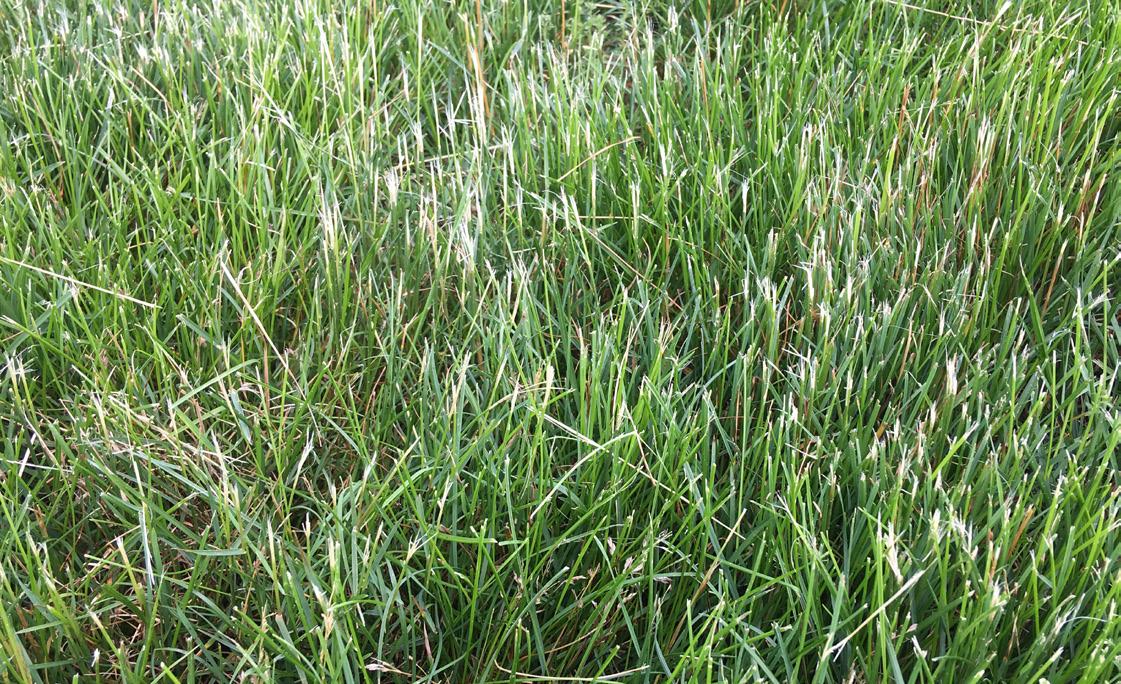
Mowing with dull mower blades leaves a poor, shredded appearance on the leaf blade.
Autonomous mowers mow frequently, helping to reduce scalping from cuts.
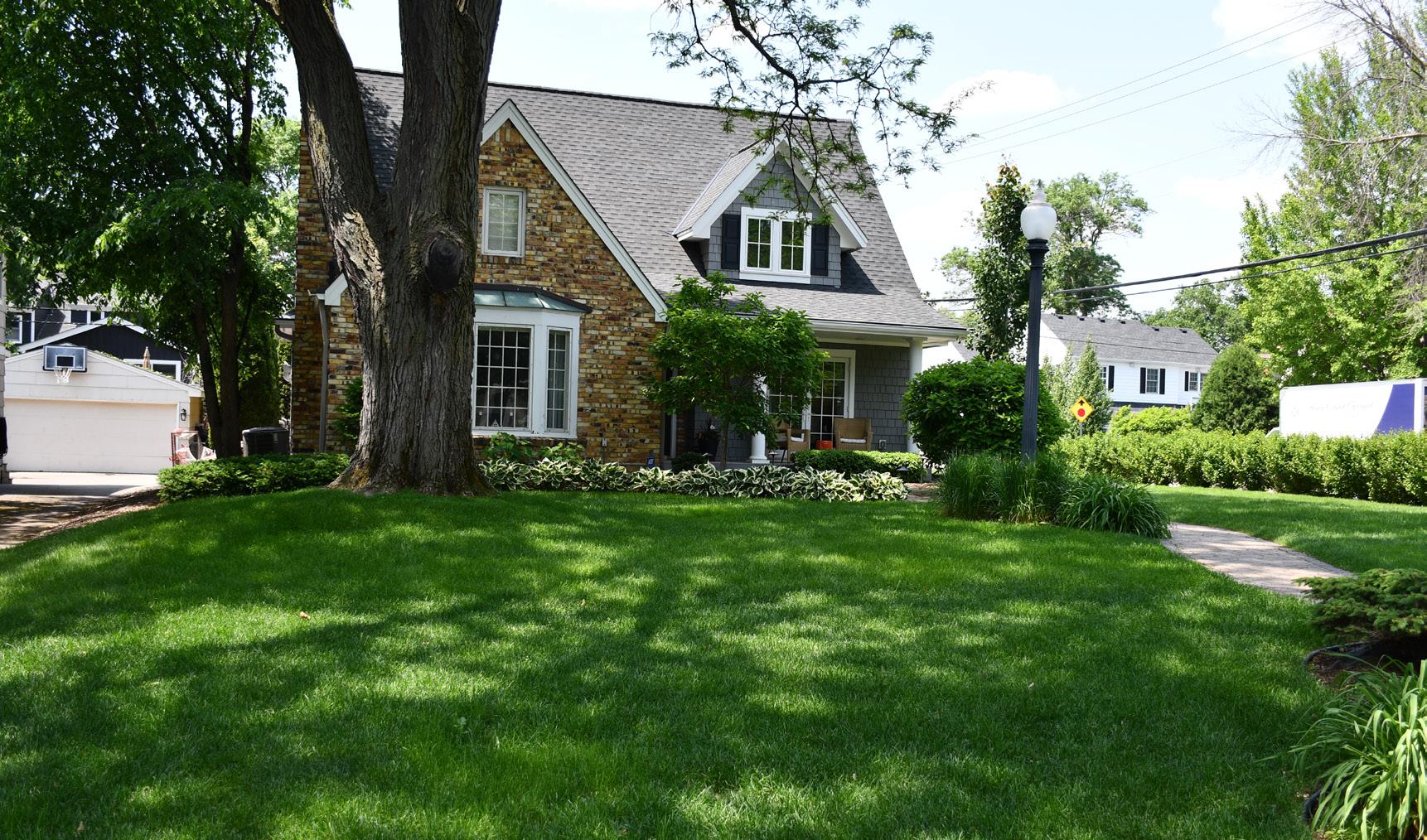
A well-cut and managed lawn brings value and beauty to a property.
Landscape, Hardscape, Pool Designer, Project Manager/Sales
Position Overview: We are seeking an experienced and motivated landscape and hardscape designer/ project manager to join our team. This is an opportunity to step into a leadership role and run your department within an expanding company. We specialize in high-end outdoor living spaces, including in-ground pools, patios, outdoor kitchens, pergolas, and full backyard transformations. Our company has doubled in size over the past two years, and we are looking for the next key team member to help us continue that growth.
Key Responsibilities:
-Design custom outdoor living projects, including:
- In-ground pools (fiberglass & vinyl liner)
- Hardscapes (patios, retaining walls, fire features)
- Outdoor Kitchens, pergolas, and water features
-Develop 2D and 3D design plans for client presentations and project execution
-Meet with clients to understand their vision and guide them through the design process
-Prepare plans for estimating, bidding, and construction
-Manage projects from initial concept through final completion
-Coordinate with field crews, subcontractors, and suppliers
-Ensure projects are delivered on time, on budget, and to a high standard
Qualifications:
- Bachelor’s degree in Landscape Architecture, Design, or related field (preferred) OR minimum of 5+ years experience in landscape/hardscape design AND project management
-Strong knowledge of construction practices in outdoor living projects
-Experience with design software such as Pool Studio, VIP3D, AutoCAD, or similar
-Ability to create detailed and visually compelling 2D and 3D designs
-Strong organizational and project management abilities
-Bilingual (English/Spanish) is a plus What we offer:
-Opportunity to lead and grow your own department
-Fast-growing company with a strong reputation and consistent project flow
-High-end, creative projects- not cookie-cutter work
How to apply: Send resume to mbusin@ statementsinstone.net or call 708-534-8780 for a phone interview or schedule an in-person meeting
Salary Range: $35,000 to $75,000 + sales commissions depending on qualifications and experience.
Entry-Level Landscape Designer
Dickson Design Studio, Inc. | Lake in the Hills, Illinois
Dickson Design Studio is seeking an Entry-Level Landscape Designer to help shape commercial developments across the Chicagoland region. We’re looking for someone who is motivated and eager to grow within a collaborative, fast-paced, and client-focused environment.
The Opportunity
• Support schematic design, foster design development and prepare construction documents
• Contribute to meaningful commercial landscape projects while building technical skills, refining design sensibility, and strengthening your professional voice
• Mentorship, growth and increasing responsibility over time
• Produce high quality drawings, visualization models and presentations
• Participate in site visits and client meetings
Why Dickson Design Studio
• Direct involvement with studio leadership
• Opportunity to work on projects from day one through built construction
• A tight-knit team where your ideas are welcomed and supported• Visible impact on built work across the region
This role offers a clear path toward Design Associate/Project Manager, with opportunities to be an integral thought-leader as you grow.
The ideal candidate brings: Required:
- Landscape Architecture degree or similar field (horticulture, graphic arts, technical drafting)
- Proficiency in AutoCAD
- Desire to listen, respond, and continuously eager to learn
- Organization and initiative Preferred:
- 2D rendering and 3D modeling experience (Photoshop, SketchUp, Lumion, Enscape, or similar platforms)
- Knowledge of Zone 5 plants
- 1-3 years of experience
How to Apply: Interested in an opportunity
to do your best work? Send your resume, portfolio/work samples, and a short note about you to assistant@dicksondesignstudio. com. We’d love to see how you think and understand your current skill set.
Salary Range: $50K-$60K
Mid-Level Landscape Architect / Designer
Dickson Design Studio, Inc. | Lake in the Hills, Illinois
Dickson Design Studio is seeking a MidLevel Landscape Architect/Designer to help shape commercial developments across the Chicagoland region. We’re looking for someone who is not only technically capable, but genuinely excited about thoughtful design, collaborative problem-solving and client satisfaction.
The Opportunity
• Contribute to design direction and project storytelling
• Lead design development from concept through construction documents
• Collaborate directly with clients, municipalities and internal team
• Produce high-quality drawings, visualization models and presentations
• Participate in site visits and oversee implementation
Why Dickson Design Studio
• Direct involvement with studio leadership and design direction
• Opportunity to work on projects from day one through built construction
• A tight-knit team where your ideas are heard and implemented
• Visible impact on built work across the region
This role offers a clear path toward Project Manager/Senior Designer, with opportunities to lead projects and mentor junior staff as you grow.
The ideal candidate brings:
Required:
- Landscape Architecture degree or similar field (horticulture, land planning)
- Strong proficiency in AutoCAD
- Excellent design sensibility and strong graphic composition skills
- Strong knowledge of Zone 5 plants
- Organization, initiative and the ability to manage multiple projects in a fast-paced studio environment
Preferred:
- 2D rendering and 3D modeling experience (Photoshop, SketchUp, Lumion, Enscape, or similar platforms)
- 3-6 years of experience
How to Apply: Interested in an opportunity to do your best work? Send your resume,
portfolio/work samples, and a short note about you and your design approach to assistant@dicksondesignstudio.com.
We’d love to see how you think and understand your design process and technical abilities.
Salary Range: $70K-$80K
Account Manager – Commercial Landscape & Snow Services - Peoria, IL Reinhart Landscaping & Snow is seeking a driven Account Manager to oversee and grow a portfolio of commercial properties in the Peoria, IL market. This role focuses on
customer retention, revenue growth, and client satisfaction through proactive communication, property audits, and the sale of enhancements and landscape services.
Key Responsibilities
-Manage client relationships and serve as the primary point of contact
-Conduct site visits and property audits
-Retain accounts and manage contract renewals
-Identify and close enhancement and landscape opportunities
-Communicate with clients and operations teams
-Maintain follow-up and manage pipeline activity
What Success Looks Like
-High customer retention
-Revenue growth through enhancements and services
-Strong relationships with decision-makers
-Organized and active pipeline
-Work sold, scheduled, and completed on time
Seasonality & Snow
This role supports both landscape and snow operations. Snow events require flexibility, including early mornings, nights, weekends, and holidays. Responsiveness and communication during snow events are critical to customer satisfaction and retention.
Qualifications
-2+ years in account management, sales, or related field
-Landscaping or service industry experience preferred
-Strong communication and organizational skills
-Self-motivated and results-driven
-CRM experience (Aspire preferred)
Why Reinhart
-Growing company with strong market presence
-Direct impact on revenue and customer success
-Support from leadership and operations
-Advancement opportunities
Compensation & Benefits
-Base salary + performance-based commission
-Company vehicle
-Health care package
-PTO and paid holidays
-401(k) with company match
Requirements
-Valid driver’s license with a clean record
-Ability to obtain and maintain a DOT card
Final Note: This role is for someone who takes ownership, builds relationships, and drives results. If that’s you, we want to talk. How to apply:
Salary Range: $55,000 to $65,000.00 with no cap on commission
Green Garden Group - Account Manager
Come Join the Green Garden Group Team! About Green Garden Group:
Green Garden Group’s mission is to provide best-in-class leadership and resources while fostering market-leading strategic insights from across our group of companies, allowing each business to meet their full potential. Our approach is to preserve the entrepreneurial spirit and specific attributes that enabled the success of each business while providing access to a cutting-edge tool set to support future growth. We are currently looking to add an experienced Account Manager to our team.
Position Description:
As an Account Manager, you’ll be the primary point of contact for a portfolio of high-value landscape maintenance clients. You’ll manage relationships, contracts, budgets, and service delivery to ensure an exceptional customer experience. With an existing book of business to step into, this role blends relationship management, operational coordination, and business development.
Key Responsibilities:
· Serve as the trusted advisor and main liaison for a portfolio of residential and commercial maintenance clients
· Conduct property assessments to understand client needs, horticultural conditions, and enhancement opportunities
· Develop customized proposals and
contracts that reflect accurate labor, materials, and budgeted hour estimates
· Collaborate with field and production teams to ensure timely, high-quality service delivery that meets or exceeds client expectations
· Monitor account budgets and proactively address variances or service issues
· Identify and pursue upsell and enhancement opportunities to drive client satisfaction and revenue growth
· Regularly communicate with clients to ensure ongoing satisfaction and address concerns promptly
· Renew client contracts and assist with onboarding new business opportunities
· Participate in business development initiatives to grow market presence and client base
· Provide recommendations for seasonal improvements and long-term property enhancement strategies
The Ideal Candidate Will Have:
· Proven experience in landscape account management or a related client-facing role
· Strong knowledge of horticulture, property maintenance, and landscape operations
· Exceptional communication, organizational, and relationship-building skills
· Ability to create and manage budgets, proposals, and contracts
· Comfortable working in outdoor environments and variable weather conditions
· Self-starter with a client-first mindset and a drive to exceed expectations
Why We Are Your Employer of Choice:
· Fast-growing company with ability to build long-term career and take advantage of future opportunities within the organization
· Incentive compensation program
· Company subsidized medical insurance
· 401(k) with 4% company match
· Paid time-off and paid holidays
· Company vehicle
How to apply: Apply via email to mark@ greengardengrp.com
Salary Range: $65,000 - $80,000
Client Representative
Mariani Landscape seeks a dedicated Client Representative to be the primary point of contact for our maintenance clients. This role is responsible for nurturing client relationships from initial sale through ongoing weekly maintenance, driving new business, and increasing department revenue by delivering exceptional customer service. You will manage client needs and requests, ensuring satisfaction and fostering long-term partnerships. Responsibilities and Duties
-Maintain established sales volume by keeping current with client needs, changing trends, and competitors; increase sales by following up on new leads and prospective clients.
-Initiate and attend all preliminary and subsequent Maintenance client presentations and meetings.
-Participate in onsite visits and walkthroughs with the client to ensure needs are being met.
-Inform clients of relevant issues regarding their property and involve them in relevant decision-making.
-Follow the sales process (i.e. using Maintenance agreements, dissemination of information to admin and production, etc.).
-Manage all communication and correspondence with current and prospective clients, ensuring a “One Point of Contact.”
-Recommend and advise clients on additional services or enhancements.
-Oversee and guide weekly maintenance and enhancements to ensure results will exceed client expectations and enhance Mariani’s reputation.
-Assists in the scheduling of jobs with the Production Coordinators.
-Maintain accurate records and documentation (i.e. client history, sales reports, client contact list, etc.)
-Initiate and approve all necessary work orders and change orders necessary to communicate with the maintenance department.
-Prepare proposals, renewals, and contracts using appropriate standard templates.
-Monitor the billing process and Accounts receivable.
-Work with the Crew Leaders to ensure any desires or information expressed by the client is completed accurately.
-Communicates with the Administrative Support team, Accounting Team, Production Coordinators, and Crew Leaders as required to update project status.
Job Requirements
-2+ years sales experience, preferably in the landscape industry.
-Demonstrate exemplary knowledge of landscape terminology, plant materials, and installation techniques.
-Previous experience as a Client Representative, Production Coordinator, or Crew Leader preferred.
-Demonstrate a thorough understanding of the “Mariani” approach to Maintenance and follow Mariani standards.
-Ability to work in a team environment, and independently, including taking direction and constructive feedback from team members,
as well as providing feedback to other team members.
-Demonstrate flexibility to perform duties wherever volume deems it necessary.
-Minimize non-productive time and fill slow periods with activities that will enable you to prepare to meet the future needs of internal and external clients.
The Perks
- 401(k) plan with company match
- Medical insurance
- Dental insurance
- Vision insurance
- FSA/HSA
- PerkSpot
- LongTerm Disability and Life Insurance
- Paid time off
- Tuition Reimbursement (after one year of service)
Pay Transparency
0Mariani Enterprises LLC is committed to pay transparency and equity among all employees and provides employees with an environment where pay transparency and dialogue on compensation are allowed. Mariani Enterprises LLC complies with Equal Employment Opportunity laws as well as federal, state, and local laws on compensation, pay transparency, and pay equity.
How to apply:
Landscape Designer
Full-time • Hybrid (office/remote) • West Suburbs Chicago
Come join the Green Grass team! About Green Grass
Green Grass is the leading residential designbuild firm serving Chicago’s west suburban market. Since 1995, our mission has been to deliver exceptional outcomes for clients by transforming their outdoor spaces. Our success is built on expert client service and a culture that’s supportive, collaborative, and focused on individual growth for our team. We are looking to add a Landscape Designer to our design studio. This is a full-time position with a hybrid office/remote schedule.
Position Overview
We’re seeking an early-career landscape designer to join our design team and grow alongside our senior sales team and designers. In this role, you will support the development and delivery of residential landscape
designs, learning the full project lifecycle from initial concept through construction documentation. This is an excellent opportunity for a recent graduate or designer with a few years of experience to build a long-term career in residential design-build.
What You’ll Do
• Support senior designers in developing landscape designs that align with client goals and project objectives
• Prepare site plans, scaled drawings, and 3D visualizations to communicate design concepts to clients and internal teams
• Research and recommend plant materials, hardscape elements, and other landscape features
• Assist in preparing construction documents, including technical drawings, specifications, and preliminary cost estimates
• Coordinate with sales, pre-construction, and project managers to keep projects moving smoothly
• Maintain organized project documentation, design files, and progress records
What We’re Looking For
• 1–5 years of experience in landscape design, landscape architecture, or a closely related field (internships and academic projects count)
• Degree or coursework in Landscape Architecture, Landscape Design, Horticulture, or a related field — preferred, not required
• Working knowledge of DynaScape Design or AutoCAD; familiarity with SketchUp or other 3D tools and Adobe Suite is a plus
• Familiarity with Aspire (or willingness to learn) is a plus
• Strong written and verbal communication skills; comfortable presenting ideas to clients and teammates
• Eye for design, attention to detail, and curiosity about plants and outdoor spaces
• Team-first attitude
Compensation & Benefits
Salary range: $65,000 – $80,000 per year, based on experience and skills.
In addition to base salary, Green Grass offers:
• Medical and dental insurance
• 401(k) with company match
• Paid time off and paid holidays (in compliance with the Illinois Paid Leave for All Workers Act)
• Funded continuing-education opportunities
• Career growth in a fast-growing, collaborative organization
• The benefits of a larger, professional company with the nimbleness of an entrepreneur-
ial team
Posted in good faith in accordance with the Illinois Equal Pay Act / Pay Transparency Act, 820 ILCS 112.
How to Apply: Visit www.greengrasslandscape.com/jointheteam or contact Brian Casey at briancasey@greengrasslandscape.com.
Green Grass is an Equal Opportunity Employer. We celebrate diversity and are committed to creating an inclusive environment for all employees. We do not discriminate on the basis of race, color, religion, national origin, sex, sexual orientation, gender identity, age, disability, veteran status, pregnancy, marital status, or any other category protected by federal, state, or local law.
Salary Range: $65,000-$80,000
Building and Outdoor Storage for Lease Building and Outdoor Storage for sublease in the western suburbs.
Building and Grounds Suitable for Contractor. Approx. 2,100 sq ft of Office / Warehouse. Outdoor storage and parking available. The square footage of the outdoor storage area available is TBD.
Email Inquiries To: Joseph@landworkslimited.com
Assistant Turf Care Manager
The primary responsibility of this position is to assist with quality control and growth of our Profession Turf Care Program. The individual selected for this role will be applying granular fertilizer, liquid herbicide, operating sprayers, seeders, tractors, and aeration equipment. This person will be working along side and assisting the Turf Care Manager and Operations Manager to coordinate logistics and planning for all PTC work as requested. This may include assisting with purchasing, inventory and other administrative responsibilities.
Position Accountabilities
Regular and on time attendance
Strong written and verbal communication skills to include note taking
Oversee equipment, and materials preparation for each job
Customer Service skills
Show care for Contour and client property
Help maintain vehicle and equipment to ensure proper function and safety
Manage job times and production through Aspire software program
Team player
Take part in snow operations as required during winter season
Employment Requirements
Must have Illinois Pesticide license or be able to obtain one within 60 days of employment
Must have a valid driver’s license
Must be able and ready to lift, push, or pull
80 pounds
Proficient in math related to application work Horticulture or turf degree (2-4 years) preferred
Must be able to or learn to tow a trailer
Previous experience in operating equipment
a plus
English and Spanish bilingual preferred
Compensation
Hourly compensation based on experience
$20-$30/hour
Fulltime Position
Overtime available
Five Paid Sick/Personal days after 60 days
PTO after 60 days
Paid Holidays
Job Type: Full-time
Benefits:
Dental insurance
Health insurance
Paid time off
Referral program
Vision insurance
License/Certification:
Driver’s License (Required)
How to apply: Please send resume to: info@callcontour.com
The overall roll of this position is to lead and assist with physical work related to completing each assigned landscape maintenance job, while maintaining the standards and quality assurance set forth by Contour Landscaping. Leadership by example and strong communication and organizational skills are required to be successful in this role.
Position Accountabilities
Regular and on time attendance
Strong communication skills
Oversee provided equipment and materials preparation for each job
Show care for client properties and awareness
of each job’s expectations
Maintain vehicle and equipment as required to include inspections and general care
Manage job times for entire crew for each job and at the Contour facility
Follow end of day procedures for returning to yard, parking and storing equipment
Position Standards
Follow all daily staff procedures including required paperwork and reporting quality assurance concerns and job specific notes to management
Comply with general safety practices and assure crew compliance
Comply with all standard operating procedures mandated by Contour Landscaping Inc.
Comply with equipment use, maintenance and safety standards
Comply with appearance and uniform standards mandated by Contour Landscaping Inc.
Background/General
Foreman must have at least two years’ experience operating light and medium duty landscape equipment and previous driving experience. Applicants must have a valid Driver’s License and be able to lift 80 pounds.
How to apply: Please send resume to: info@callcontour.com
Salary Range: $20 to $25 per hour based on experience. Overtime pay after 40 hours per week
Paid Summer Intern
Attention College Students!
Looking for more than just a summer job?
Contour Landscaping is now hiring students passionate about horticulture, landscaping, lawn care applications and turf/ plant health management. Will participate in day-to-day scheduling, planning, and hands on application work. Will work directly with Operations and Account Managers.
Responsibilities Include:
Apply fertilizer and weed control to designated areas while adhering to safety regulations and guidelines.
Conduct regular inspections of landscapes to identify weed and plant health issues and determine appropriate treatment methods. Collaborate with team members to ensure timely completion.
Provide excellent customer service and edu-
cate clients on best practices for lawn and plant care. Maintain accurate records of applications and treatments.
What You’ll Gain:
Hands-on experience in horticulture and landscaping
Outdoor work in a supportive, team-based environment
Competitive summer pay + flexible scheduling
Great résumé experience for majors in horticulture, agriculture, biology & environmental science
Opportunity to network with industry contacts
Qualifications
Valid Driver’s License
Currently enrolled in a horticulture, science or similar program
Desire to learn and expand your resume
How to apply: Please reach out to Trishatrisha@callcontour.com or Joshjosh@callcontour.com or Call 847.673.5149 to set-up an interview
PLEASE NOTE: “HELP WANTED” AD SALES ARE LIMITED TO ILCA MEMBER COMPANIES
Magazine Cost is $5 per line
Minimum charge $50
Website Cost is $12 per line
Minimum charge $120 (About 6 words/line)
Submit your ads online at landscapeillinois.org Call Alycia Nagy (630) 472-2851
Maidenhair Fern – Steadfast Texture
by Mark Dwyer
Have you ever entered a shade garden or woodland and exclaimed, “Wow, that’s way too many ferns!”? I think it’s impossible. Unfortunately, I don’t think we utilize ferns as often as we should and their potential is never fully appreciated. I curated a fern collection for many years in southern Wisconsin, and we were able to collect and feature over 250 types of ferns in a setting with moss and other plantings. The section that included North American native species always entranced me, and my favorite native fern for texture is the Northern maidenhair fern (Adiantum pedatum).
Maidenhair fern, with a 7 million year origin story, is not rare in the trade or new to most gardeners or landscape professionals. However, I don’t think it’s appropriately valued for its rock-solid hardiness (USDA zones 3-9), delicate appearance and textural heft in masses or used in tandem with other plants in endless combinations. Preferring part to full shade, this fern is happiest in evenly moist, humusy, acidic soils and is normally found on rich, wooded slopes, ravines or in shady, damp woodland settings. Too much sun may scorch the foliage. Maidenhair fern translates well in the contrived landscape and will commonly reach 12-30” in height. Spreading slowly by creeping rhizomes, larger colonies will materialize over time.
appearance and have interesting details of narrow, rounded “teeth”. The graceful, fan-like pattern of the foliage is unique among native ferns and both solitary specimens and masses of maidenhair fern are simply put, textural marvels. Maidenhair fern emerges with pinkish-red fiddleheads in early spring and the stems (stipes) mature to a shiny black by summer. Sheltered locations from strong winds are recommended, and this fern is also black walnut tolerant and deer resistant.
The delicate appearance of the layered, pinnately-divided foliage is accentuated by the curved stems and frond arrangement. The smaller foliage (pinnules) contributes to the dainty
I’ve seen landscape plans for shadier garden sections with planting details simply indicating “native ferns” or “fern mix”. There are so many amazing ferns to consider for use in our Midwest landscapes. Maidenhair fern should be near the top of the list for wide adaptability in our landscapes (considering its cultural needs, of course) and the airy, delicate texture it provides. I’ll never forget seeing massive patches of this fern at the Chicago Botanic Garden and in the Japanese garden section of The Butchart Gardens (Victoria Island, BC, Canada). Unbelievable. My camping excursions throughout many of the state parks in Wisconsin have also connected me with this amazing fern. In shade gardens, I’ve combined it well with other moisture-lovers (also with bold texture) like hostas, Ligularia sp., Rodgersia sp., Kirengeshoma sp. and so many more. I’ve used it as a repeating element and like to plant maidenhair fern in groupings to maximize that fine texture in close proximity to bold-foliage neighbors. Don’t neglect this native fern in your planting considerations!