




PRESIDENT
Peter Mezitt, MCH Weston Nurseries, Inc. Tel: (508) 435-3414
VICE PRESIDENT
Chris O’Brien, MCH Howard Designs, Inc. Tel: (617) 244-7269
SECRETARY/TREASURER
Kerry Preston, MCH Wisteria & Rose, Inc. (617) 522-3843
PAST PRESIDENT
Tim Hay, MCH Bigelow Nurseries, Inc. Tel: (508) 845-2143
DIRECTORS
Deborah Trickett, MCH The Captured Garden
Steve Charette Farm Family Insurance Family
David Vetelino, MCH Vetelino Landscape, Inc
Jean Dooley, MCH Mahoney’s Garden Centers
David Anderson Hartney Greymont, Inc.

EDUCATION & RESEARCH COMMITTEE
Deborah Trickett, MCH — Board Liaison
The Captured Gardens (781) 329-9698
FINANCIAL COMMITTEE (FINCOM)
Steve Corrigan, MCH — Chair
Mountain View Landscapes & Lawncare, Inc.
Tel: (413) 536-7555
Chuck Baker, MCH — Vice Chair Strictly Pruning
Tel: (508) 429-7189
GOVERNMENT RELATIONS COMMITTEE
Chris O’Brien, MCH — Chair Howard Designs, Inc. Tel: (617) 244-7269
HISTORY COMMITTEE
Philip Boucher, MCH — Chair Elysian Garden Designs Tel: (508) 695-9630
Skott Rebello, MCH — Vice Chair Harborside P.S. Tel: (508) 994-9208
MAGAZINE COMMITTEE
Gaele McCully, MCH MCLP — Chair Mahoney’s Garden Center Tel: (781) 729-5900
MASSACHUSETTS CERTIFIED HORTICULTURIST BOARD (MCH)
Jack Elicone, MCH — Chair
John R. Elicone Consulting Tel: (617) 527-5706
Corinne Jean, MCH — Vice Chair Wisteria & Rose (617) 522-3843
PRODUCTS COMMITTEE
Peter Mezitt, MCH — Chair Weston Nurseries, Inc. Tel: (508) 435-3414
GOVERNMENT RELATIONS DIRECTOR
Jason Wentworth Tel: (617) 417-4050
EXECUTIVE DIRECTOR
Rena M. Sumner Tel: (413) 369-4731
Massachusetts Nursery & Landscape Association P.O. Box 387 Conway, MA 01341 mnlaoffice@aol.com www.mnla.com www.PlantSomethingMA.org www.mnlafoundation.org
ProGrowNews is published quarterly by the Massachusetts Nursery & Landscape Association (MNLA), P.O. Box 387, Conway, MA 01341, tel. (413) 369-4731. Articles do not necessarily reflect the view or position of MNLA. Editorial coverage or permission to advertise does not constitute endorsement of the company covered or of an advertiser’s products or services, nor does ProGrowNews make any claims or guarantees as to the accuracy or validity of the advertiser’s offer. (c) 2014 All rights reserved. No part of this publication may be reproduced in print or electronically without the express written permission of the MNLA.
www.mnla.com

ByPeter Mezitt, MCH
Simply put, these past two months have been the most uncertain period of time I can remember. Covid-19 has thrown us completely off balance like nothing else we ever experienced. We wish all we had to worry about was the weather!
As we transitioned through the early periods of Covid-19, we began to realize this thing was for real, but we still held out hope it would end before we got into our busy season in mid-April. In April, it became obvious we are all in this for the long run. Unprecedented executive orders and government relief programs confirmed we must plan on an uncomfortable existence well into May. As of this writing, there is no certainty our lives will get back to normal anytime soon.
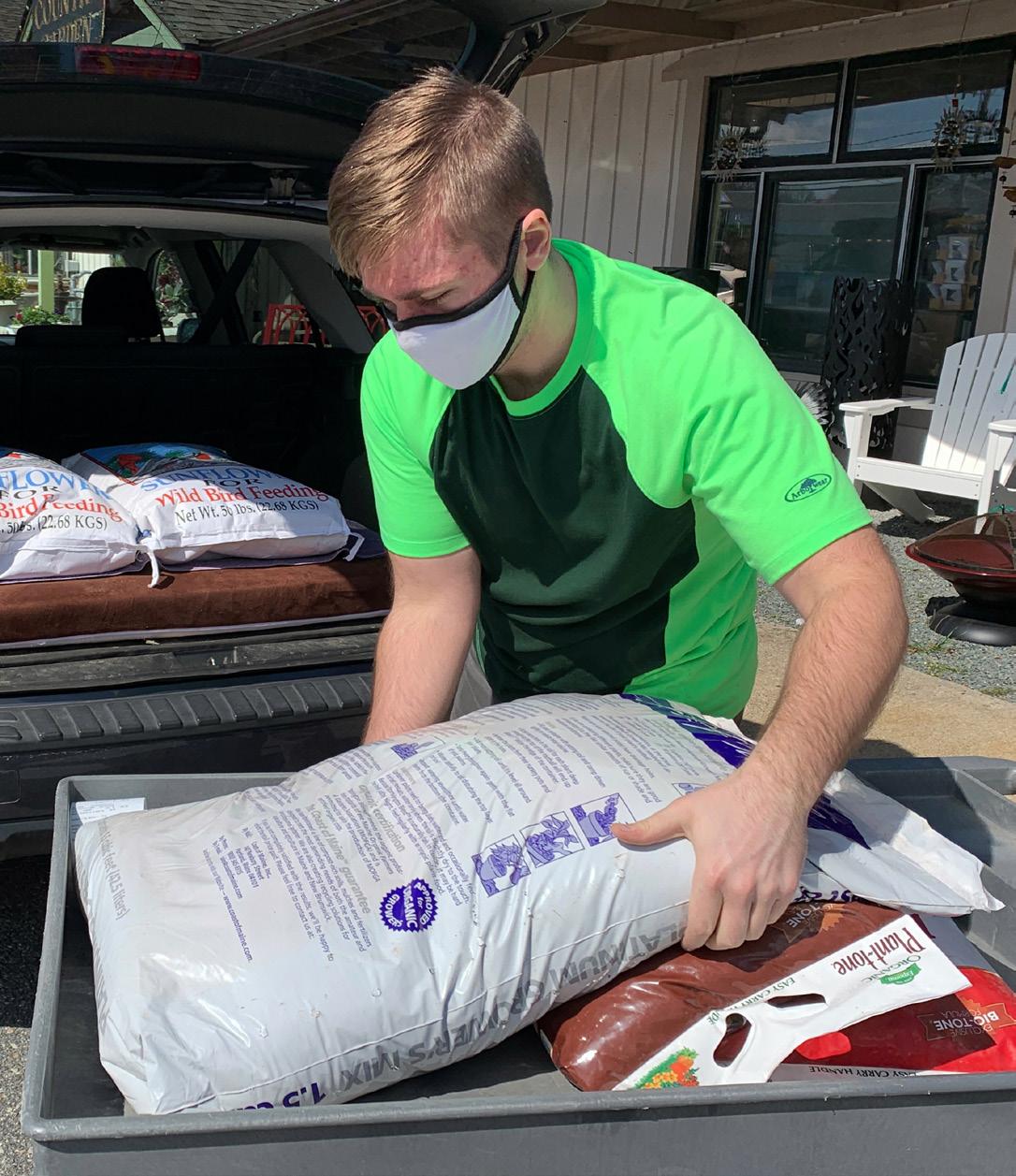
From a national level on down, our industry lobbied to have member businesses deemed essential based on being part of the food supply and contributing to the safety and well-being of clients by providing time-sensitive gardening and landscaping opportunities for people stuck at home. In most states, horticulture businesses remain essential for these reasons. This gave us hope. We could come up with some semblance of a business that makes sense. We could see a way to fight our way through this with limited hours, curbside pick-up, social distancing, and Zoom meetings.
It has been interesting to see how our industry’s employers reacted to this ultimate test of our normal routines. There are no right or wrong answers to how business leaders choose to react to this pandemic. Every business is different, and we all had to morally do the right thing to balance the safety of our employees and our customers with keeping our livelihoods and our businesses intact. Within the supply chain of greenhouses/ growers to wholesalers to garden centers that had already borrowed and invested for the spring season, shutting down was not an option.
Our member businesses have done a phenomenal job trying to do the right thing. Those of us who have kept their operations going have done so by listening to their people and proactively creating a safer environment than is required — sacrificing short-term opportunities for the long-term benefit of their business. Those of us who have paused our operations have made incredible sacrifices to support the greater cause of minimizing the impact of this pandemic.
I have spoken to many folks in the industry over the last couple of months, and the support for one another is incredible. We are sharing ideas and helping one another like never before. I have also talked to so many customers who are happy our businesses are open and we can safely provide them with all the things they look forward to in spring.
Thanks for taking the time to read this; I know you are working harder than ever these days. Best of luck and WE WILL GET THROUGH THIS TOGETHER!
Peter Mezitt, MCH Weston Nurseries, Inc. MNLA President
by Jason Wentworth
Just two words many of us never expected to hear but two words that instantly reshaped not just how our members do business but how our modern society functions as a whole. On the heels of a fantastic Annual Meeting, it quickly became clear that a storm was coming…and its size was unmatched by anything in recent memory. COVID-19 had made it into the United States and, as in other countries, it began to spread among an unassuming population. Faced with a looming crisis, Governor Charlie Baker declared a State of Emergency on Tuesday, March 10, giving the administration far-reaching authority to support a statewide response. Agriculture Day was obviously canceled, as was MDAR’s public hearing on the results of the neonic review. That week, the entire MNLA Executive Team began to work not just on preparing our members with the latest information but also to develop and implement a strategy to engage policymakers.


Immediately, MNLA began to provide up-to-date guidelines via the Centers for Disease Control (CDC) and OSHA and opened a dialogue with national leaders on what could be an expected policy response, both at the national and state level. Shortly after, the Department of Homeland Security released the Cybersecurity and Infrastructure Security Agency (CISA) guidance on Essential Critical Infrastructure Workforce. This guidance was meant to be used by individual states as a template should they decide to exercise their executive authority to institute “shelter in place” orders, allowing for “essential services” to remain open under certain conditions while “non-essential services” would be barred from operating out of a brick- and-mortar location. While many of us interpreted that our industry fell in the respective categories and descriptions of Agriculture, Public Works, and Home Improvement within the initial document, we were troubled by the lack of specificity and clarity and were concerned that if Massachusetts adopted this language, it could create potential problems for our industry (particularly at a time when so much has already been invested in perishable plant materials). Preemptively and proactively, we advocated to Governor Baker, Lieutenant Governor Polito, various cabinet members, MDAR, and legislative leadership in a Friday, March 20, letter requesting that, if there was a move to adopt this guidance, the Commonwealth include with specificity retail, wholesale, and rewholesale operations (nurseries, greenhouses, garden centers) and landscape services as “essential.”
On Monday, March 23, after a weekend that saw a huge spike in confirmed COVID-19 cases, Governor Baker issued an emergency order ordering nonessential businesses and organizations to close their physical workspaces and facilities to customers, workers, and the public, and accompanying guidance outlining what were “essential services.” As we feared, the guidance document was largely a cut-and-paste of the CISA document, allowed for interpretation, and did not include our industry with specificity. Why was this important? Because, without clarity, a municipal health agent could effectively shut a business down if he or she felt it did not meet the “essential” criteria established in the guidance document. Operating under such ambiguity would put our members, our industry, and the public at risk. Without hesitation, the MNLA team responded. Given our interpretation of our essential nature, we continued to provide guidance to members on how businesses should operate, strongly recommending strict practices that conformed to or exceeded CDC guidelines. On
the policy end, we continued to push for the clarity and specificity absent in the emergency order, reaching out once again to state leaders before the ink was dry on the governor’s order and pointing to the number of states, particularly in the northeast, that either included our green industry sectors in their “essential services” guidance from the beginning or amended their original orders. While we maintained pressure on behalf of retail operations, we also pushed hard for landscape services, illustrating in a Wednesday, March 25, letter their role in the “circle of life” and how suspension of landscape services would also hurt our wholesale and rewholesale nurseries and greenhouses.
MNLA continued to strongly promote best practices to our members, even as many members had already voluntarily adopted most or all of them to ensure the safety of their employees and customers. We heard complaints from only a small few within our own industry. Some maintained we were not “essential” and should not be open. Others lamented the proposed best practices and how they would affect businesses. Under the direction of our Executive Board, MNLA held firm to our belief that we COULD and SHOULD remain open SAFELY. This voluntary adoption of best practices was pivotal in the Commonwealth’s decisions to come. On Friday, March 27, we sent a “call to action” to members asking them to engage policymakers directly via email or phone. I’m a firm believer in not “picking up the red telephone unless you absolutely need Batman”…this was the time for such engagement. Coupled with our continued organizational advocacy, the response was extremely positive, mostly due to our message: We are essential, but we are not ignorant to the current climate. We have taken steps to protect our communities and stand at the ready to do more.
On Tuesday, March 31, our collective efforts bore fruit. Massachusetts, via a new guidance document, followed the example of almost every state in the northeast in reaffirming horticulture’s value and critical nature, specifying that the operation of garden centers, nurseries and greenhouses, and landscaping are “essential services.” While we were excited by this huge victory, we continued to press our members to institute best practices, knowing that such voluntary rules might become mandatory. Sure enough, as predicted, further guidance from the Department of Public Health was released governing our public-facing retail operations, including processes on how to retail and requirements for food-bearing plants. Again, many retail operations were prepared for these changes because of MNLA’s ongoing guidance to members. Almost immediately, we began to hear from policymakers; they were very pleased to see such broad and enthusiastic compliance with the DPH order. It wasn’t an accident; our members have always put their employees and customers first. This was no different.
And here we are now…still in the midst of a health and economic crisis. All aspects of running a business are beyond challenging right now. Supply chain, staffing, day-to-day management… there is no part of our industry that has remained untouched by this pandemic. But we are open, and we are providing a service that is giving communities hope. State and federal relief has begun in the form of small business loans, but that will not be the last of it. We will continue to press for relief specific to agriculture, and more specifically to horticulture, as the nation looks to reopen. It won’t be easy. Nothing about this has been…but MNLA will continue to serve its members at the highest level, preparing them for the reality to come and advocating on their behalf.
by Peter Mezitt, MCH
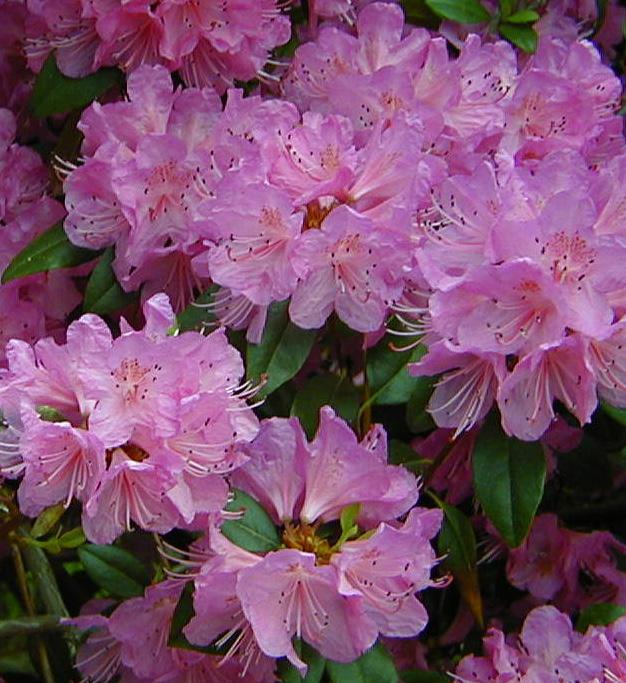
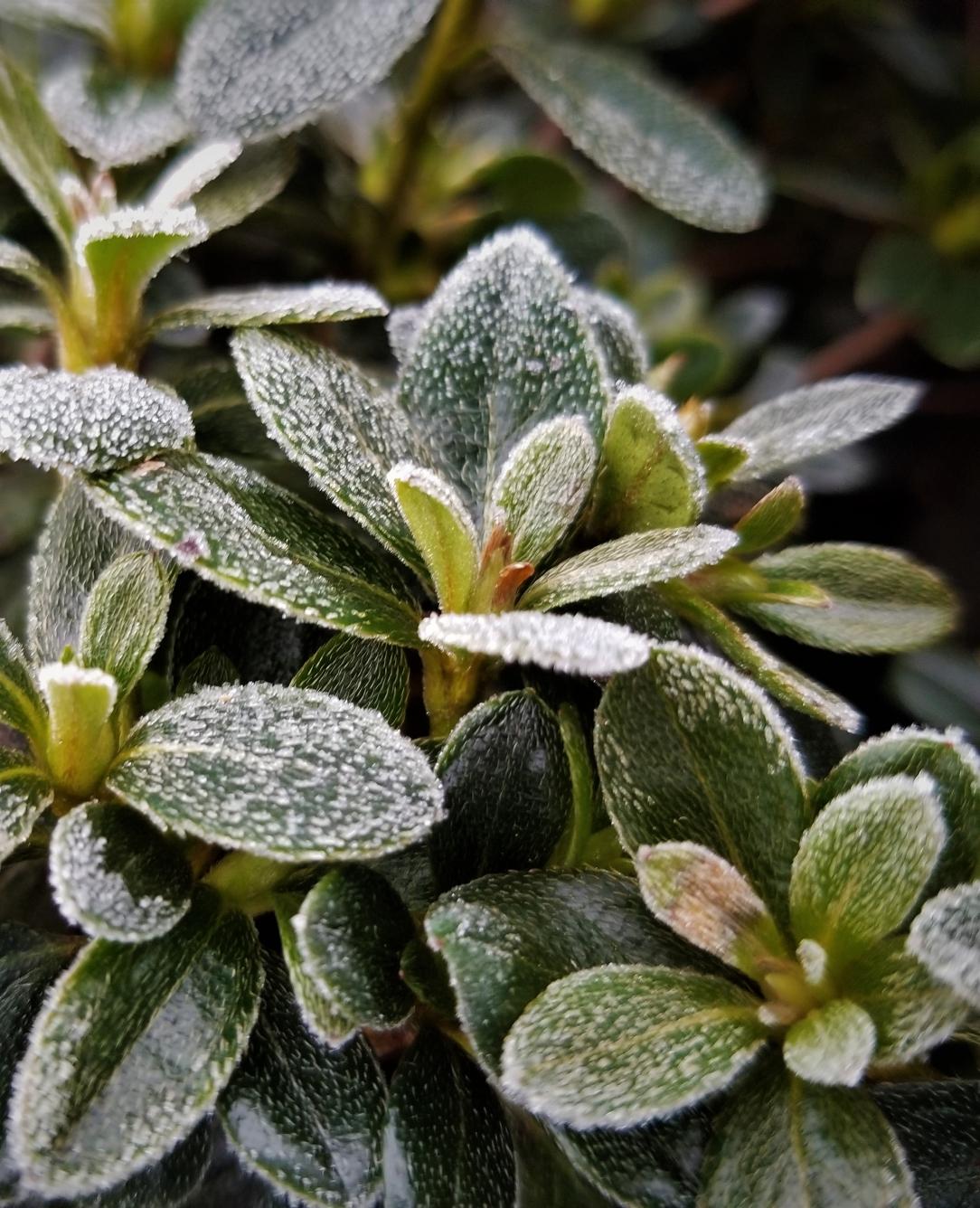
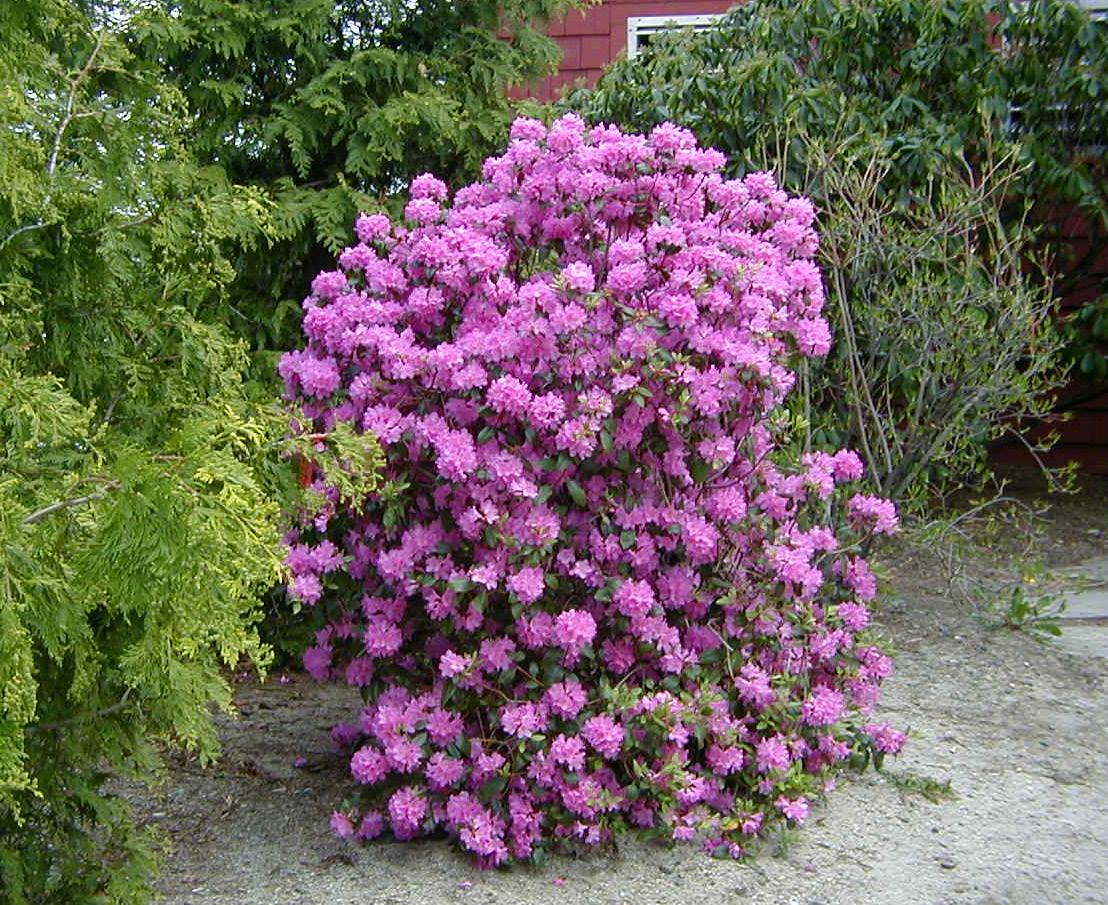
Throughout the Northeast, a familiar and popular earlyblooming plant is the bright, lavender-pink-flowering Rhododendron ‘PJM’, a plant your clients will likely recognize. But they may be surprised to know it was developed here in Massachusetts.
This distinctive plant has now become ubiquitous, and rightfully so: Few plants so winter-hardy offer such a stunning display of color so early each spring. And not many woody plants have the proven tolerance for the harsh conditions where it thrives.
Most everyone recognizes those more familiar large-leaf rhododendrons — they open their flowers in mid to late spring, grow fast, prefer shade, and can sometimes mature to overwhelming stature. But ‘PJM’ is a different type of rhododendron in many important respects: It blooms so much earlier in the

spring, is slower growing, more compact, thrives in full sun, and is easy to maintain. In addition, ‘PJM’s compact, distinctive, and aromatic mahogany-purple winter foliage adds significant winter appeal to any garden.
In the early 1940s, recently graduated from Cornell University, my father Ed Mezitt realized how outstanding his new Rhododendron ‘PJM’ appeared to be. He named it to honor his dad, Peter J. Mezitt, using his initials (an unusual practice at that time), and began propagating. But it took many years to develop a market, and it wasn’t until the late 1950s that the real value of this plant was more widely recognized and demand increased significantly. Ed never patented any of his plants, and he encouraged others to grow them. For many nurseries nationwide, Rhododendron ‘PJM’ is now among their most frequently demanded plants.
But that is not the end of the story. Ed continued to use his success with Rhododendron ‘PJM’ as a basis for developing many new early-flowering cultivars. When I joined him in the
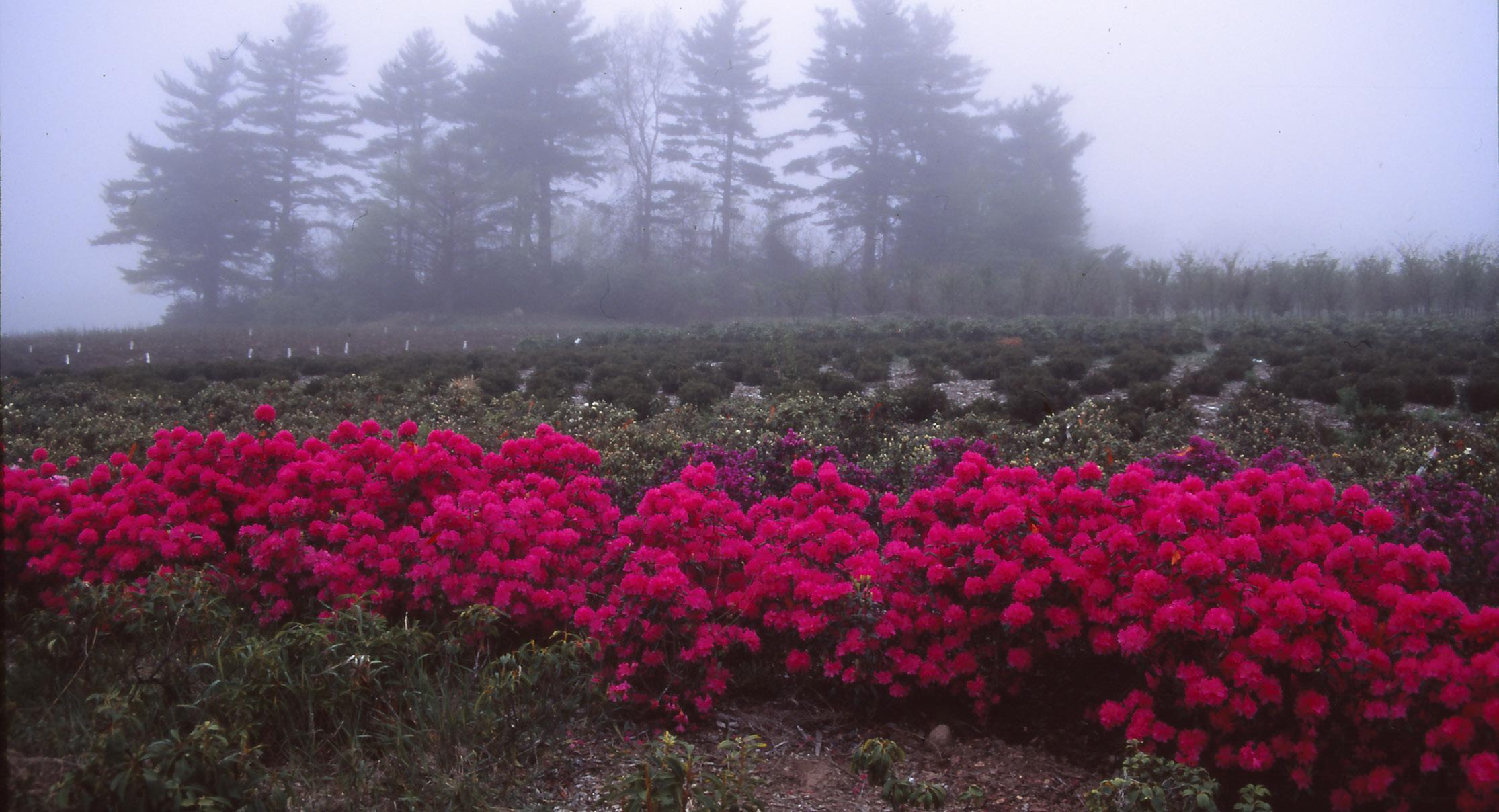
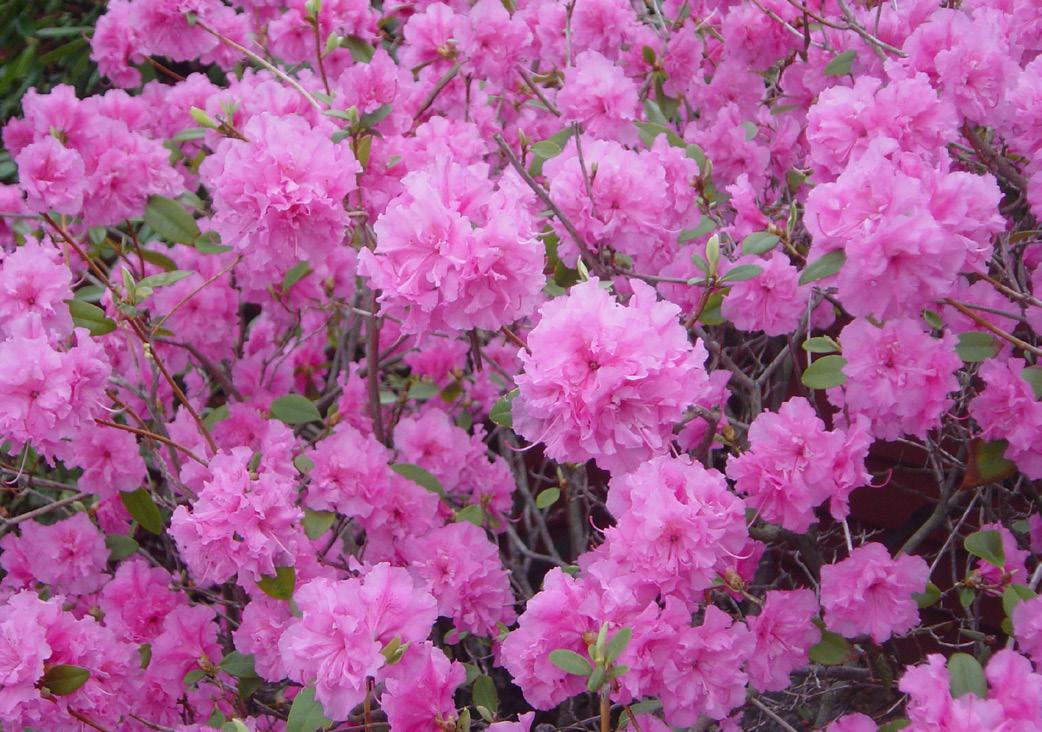
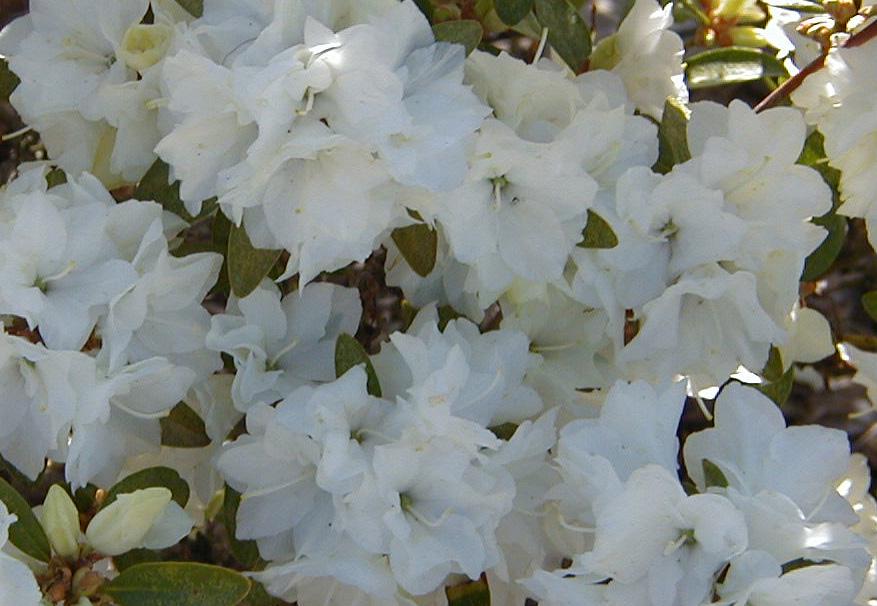
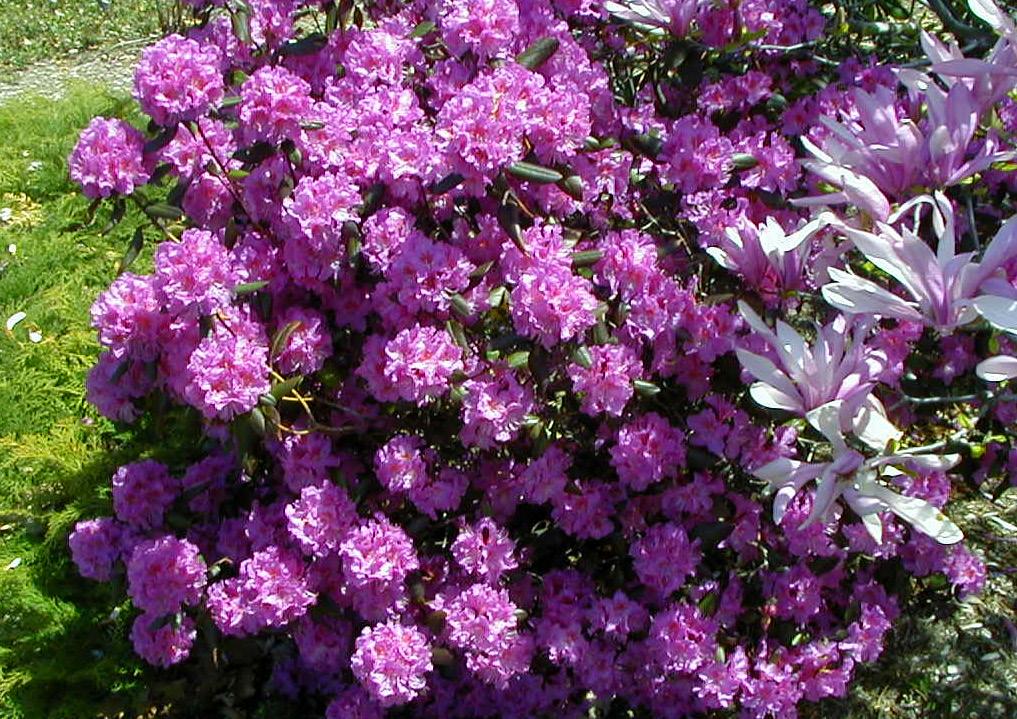
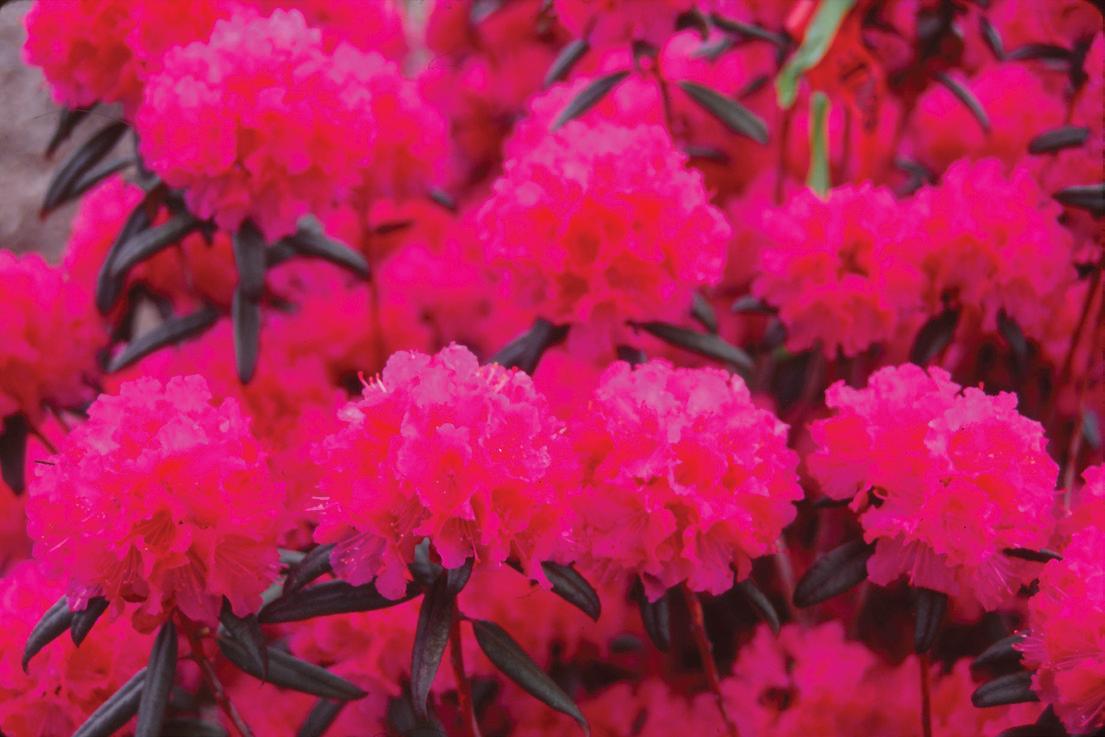
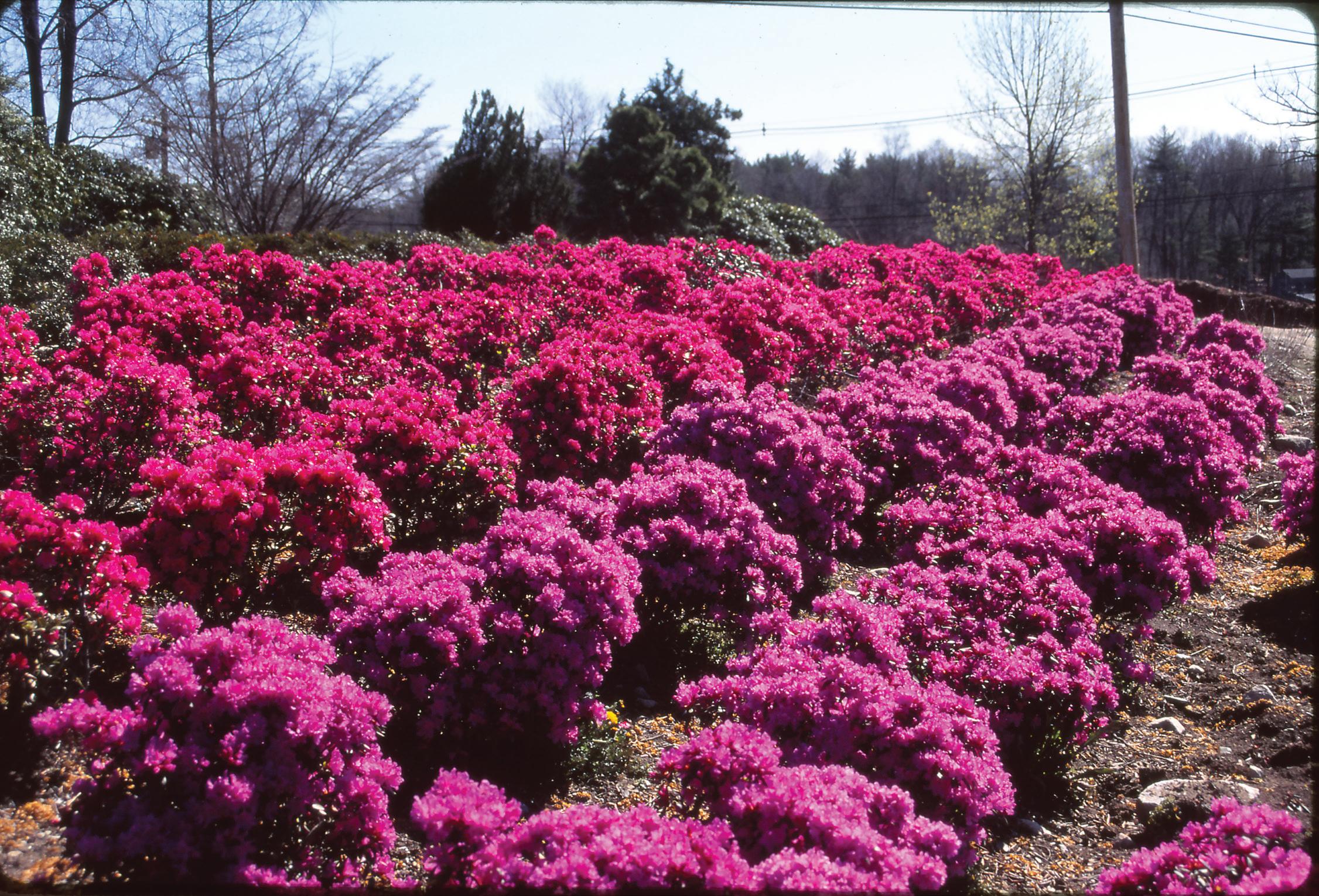
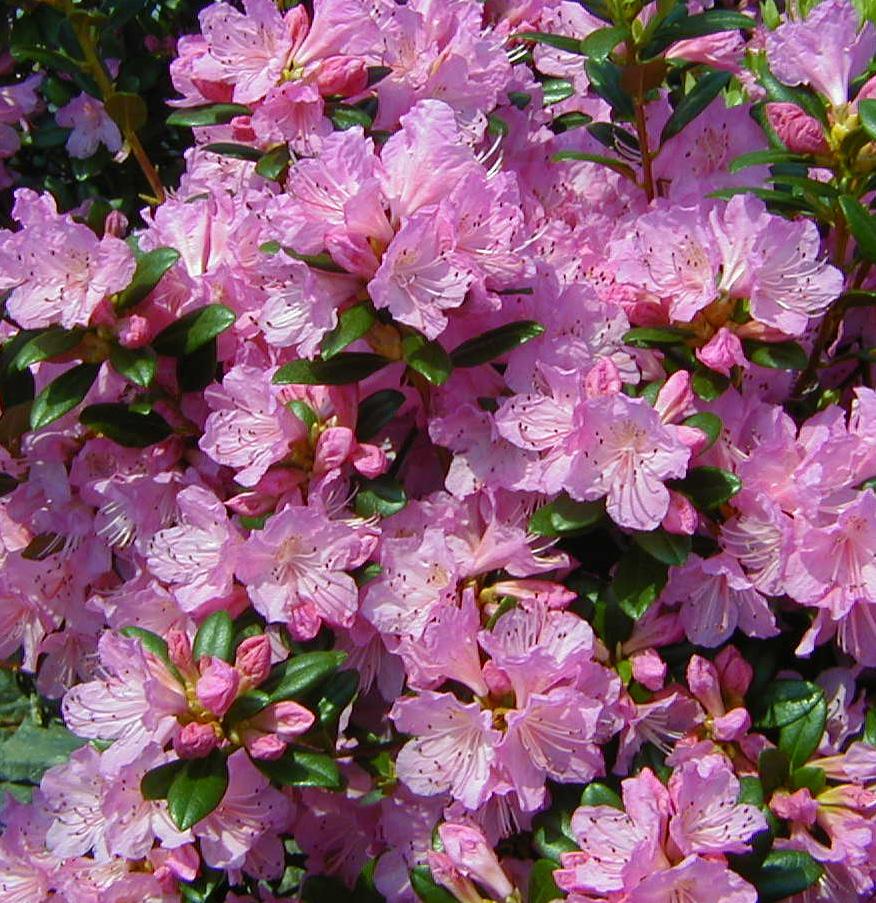
‘Checkmate’ — Low-growing and compact form of the lavender-pink-flowering ‘PJM’ blooms late April to early May.

Established in 1910, Cavicchio Greenhouses is a fourth-generation New England farm working more than 250 acres in Sudbury. As a horticultural grower and landscape distributor, we cultivate and supply an extensive variety of annuals and perennials, nursery stock, stone, masonry and landscape materials. With a hard-earned reputation for service, quality, selection and sustainability, we work with professionals and garden centers throughout the area to keep our region beautiful.
business at Weston Nurseries in 1966, we worked together until he died in 1986 to hybridize and introduce an increasingly wide range of flower and foliage colors and different growth habits.
To help distinguish the so-called ‘PJM’-types from the largeleaf rhododendrons, we named this category early rhododendrons to designate those with smaller leaves that reliably display their blooms much earlier in spring — by Mother’s Day at the latest.
Unlike their large-leaf relatives, most early rhododendrons thrive in open, exposed locations, even in colder climates. Coming out of winter, they show minimal winter leaf damage following the most challenging conditions. Although they produce smaller flowers, their hardiness, profusion of bloom, and tendency for even young plants to produce impressive displays more than compensates. People sometimes mistake them for evergreen azaleas, but they are far different; very few evergreen azaleas perform well in harsh northern winters.
Be sure to advise your clients to choose a sunny planting location with well-drained acid soil and high organic content. None of the early rhododendrons will perform well with wet feet, and they can suffer in boggy conditions. All require minimal fertilizing, and they readily tolerate shearing to maintain their size and shape. It’s always best to cut them back right after they finish flowering. Try placing them near a walkway or path where their aromatic leaves can waft their spicy scent and add to your enjoyment any time of year as you brush by.
Because they bloom so early each spring, be sure your clients appreciate that these early rhododendrons offer a distinct advantage of earliest color each spring. Most of them will have
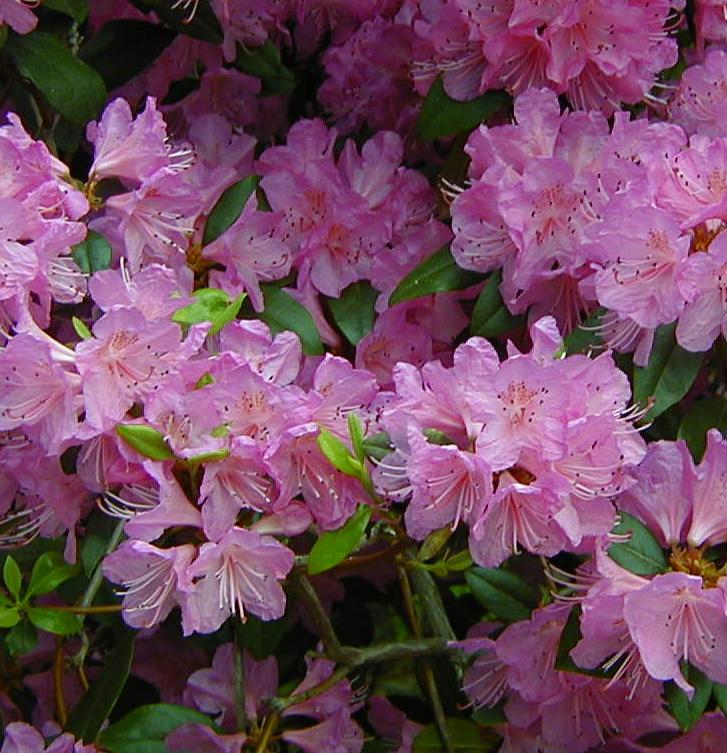
finished flowering by the time real spring begins and so many other plants are coming into bloom.
R. Wayne Mezitt is a third-generation nurseryman and a Massachusetts Certified Horticulturist (MCH). He is currently chairman of Weston Nurseries of Hopkinton and Chelmsford, MA, and owner of Hort-Sense, a horticultural advisory business. Wayne currently serves as trustee chairman for the Massachusetts Horticultural Society at The Gardens at Elm Bank in Wellesley, Massachusetts.




By Bobbie Schwartz

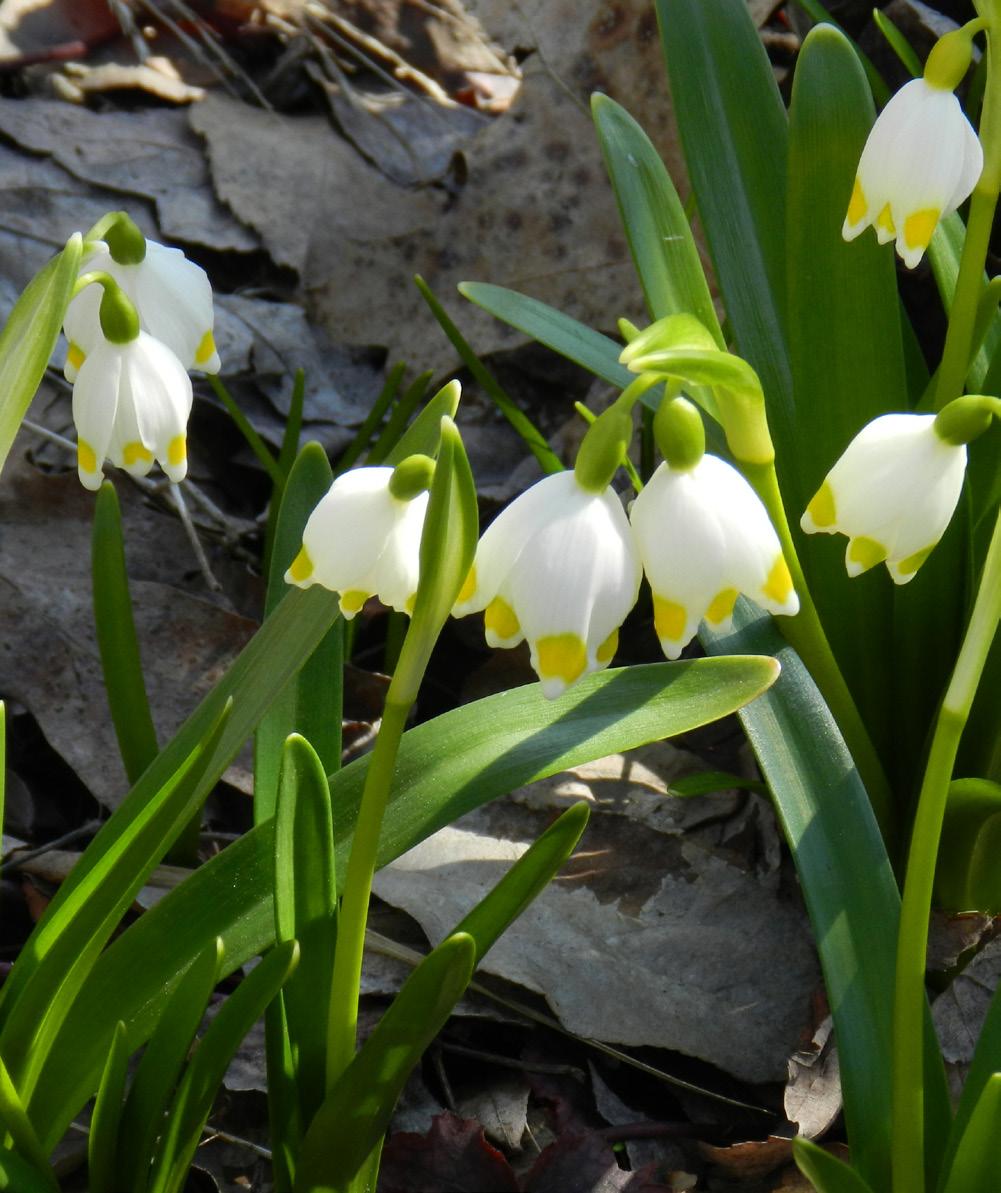
As an obsessed gardener who has kept journals for 36 years, I I can attest that climate change is here. One of my favorite bulbs, Leucojum aestivum (Summer Snowflake) used to start blooming in early May. For the last ten years, it has bloomed in early April. Scarier yet is that this year, 2020, it started blooming in mid-March.
A few years ago at a green industry conference, Kim Eierman, an ecological landscape designer and environmental horticulturist, cited several statistics that demonstrate how the number of species of birds and invertebrates (e.g. butterflies) has diminished, some by over 50 percent. I learned that the Xerces Society publishes red lists categorizing the status of bees, butterflies and moths, and aquatic invertebrates. If you enter the word “plants” into the website search box, several articles suggest plants we can use to encourage the survival of these invertebrates.
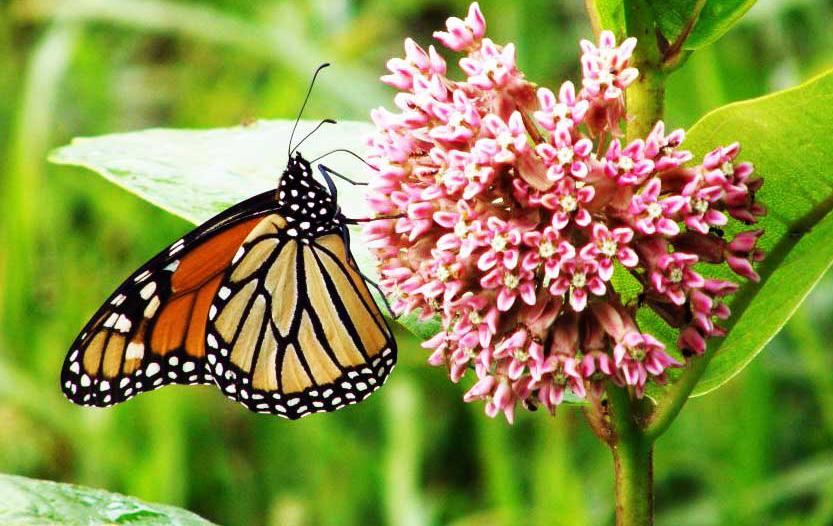
Most people are aware of the population drop of monarch butterflies and the campaign to get gardeners to plant milkweed (Asclepias spp.). Monarch caterpillars only eat milkweed plants, and the butterflies need milkweed on which to lay their eggs. Adult monarchs drink the nectar of many flowers in addition to milkweed; in fact, they need sources of nectar to nourish them throughout the entire growing season.
Try to add a variety of native
flowering species with different bloom times to provide monarchs with the food they need to reproduce in the spring and summer and to migrate in the fall. The Xerces Society has nectar plant guides for each region of the country. Among those listed for the Great Lakes are perennials we often use in our gardens: Rudbeckia hirta, Monarda fistulosa and punctata (both fairly mildew-resistant), Liatris spp, Veronicastrum virginicum, and Symphyotrichon (Aster) novae-angliae and oblongifolius. These perennials will supply hosting for caterpillars and nectar later for monarchs as well as bees, many of which are also threatened.
Kim also spoke about the diminishing bird species as well as changes in their habitat range. Spring to mid-summer is nesting time. Twigs, of course, provide the product to create the nests, but after the young-uns are born, the parents must find lots of food for the young and for themselves. Many of our beloved trees can be planted with this in mind: Aesculus pavia (Red Buckeye), Amelanchier (Serviceberry), and Betula (Birch), as well as noninvasive Lonicera (Honeysuckle) and fruits humans also love such as blueberries and strawberries.
Migrating birds need to feed heavily. Many plants that do well in Ohio are a feast for them: Cornus (Dogwood), Mahonia aquifolium (Oregon Grape Holly), Malus (Crabapple), Sambucus (Elderberry), Viburnum, and Celastrus scandens (American Bittersweet). Robins, for instance, used to leave northern Ohio for the winter. Now they remain, and


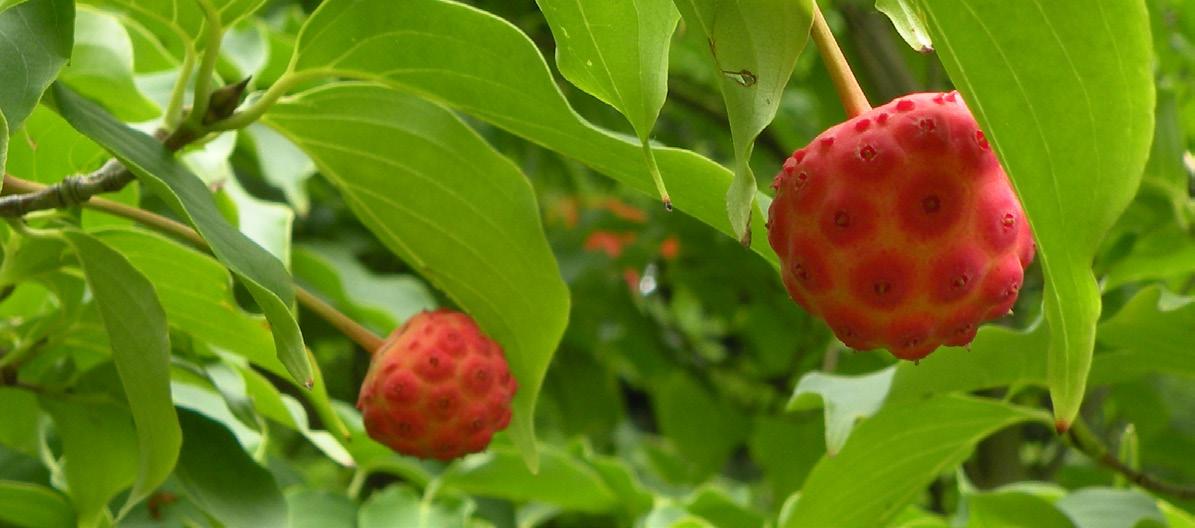
supplying them with winter food is crucial to their survival. I see them outside my office window, nibbling on frozen and shrunken crabapples. But what else can we plant for them? Some of the hollies, like winterberry and American holly, bear persistent fruit, but when we plant these dioecious species, we must be sure to have mostly females because, although the males are needed to pollinate them, the males do not bear fruit (sound like human sexuality?). Other suggestions include Aronia (Chokeberry), Myrica pensylvanica (Bayberry), Rhus (Sumac), and Rosa rugosa.
As members of the green industry, we know plant species are also disappearing or moving northward. Kim showed two maps that were stunning. The first showed the present range of sugar maples. The second showed what their distribution would be in 100 years. That range no longer included Ohio.
Biodiversity seems to be the main key to mitigating climate change, but designing and planting for seasonal flowering and fruiting as well as habitat is also crucial. An abundance of different flower shapes, sizes, and colors will appeal to a variety of pollinators. Keep in mind that although double flowers are very popular with hybridizers — the Echinacea in particular — they provide less pollen and nectar than single flowers. Grouping plants together in sunny locations helps pollinators find and feed on desirable flowers










while expending less energy in the search for plants.
All pollinators need to be fed, especially the early ones, thus the need for more Acer rubrum (Red Maple), Cercis canadensis (Redbud), Salix discolor (Pussy Willow), and Lindera benzoin (Spicebush) instead of Forsythia. Lindera is a native while Forsythia is Asian. You know I am not a rigid nativist, but Lindera blooms early enough for the early pollinators and also supplies fruits for migrating birds as well as the northern cardinal that remains in its habitat through the winter.
Who knew that dandelions provide an important source of nectar and pollen for pollinators? Perhaps we can convince our clients their lawns don’t have to be perfect.
Healthy ecosystems are as valuable to humans as they are to wildlife, just in different ways. They supply clean air and water, help regulate climate, contribute to pollination of food crops and flowering trees and shrubs, and prevent erosion. As part of these ecosystems, we need to plant more trees because they absorb carbon emissions and mitigate storm water run-
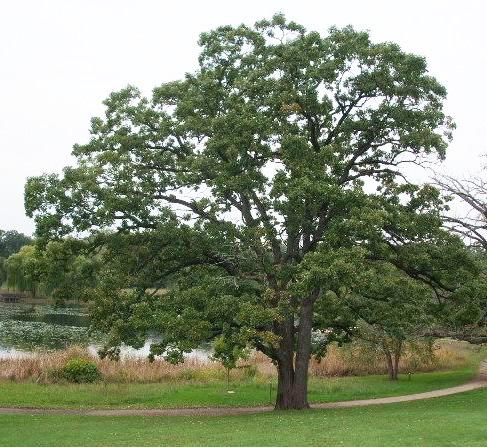

off by intercepting raindrops with their canopies. Did you know that two mature trees can provide enough oxygen for a family of four? I was flabbergasted by a client who pointed to a number of oaks along her property line and said she was going to have them taken out. When I asked why, she answered that they were messy. At that point, I asked her whether she knew oak trees supply habitat for more types of caterpillars than any other species, thereby convincing her that the oaks should remain.
Everything I mentioned here can be integrated into your landscapes and gardens if you are willing to give up great swaths of plants such as boxwood that have little function other than providing green boredom.
Bobbie Schwartz, a certified landscape designer in Shaker Heights, Ohio, is the owner of Bobbie’s Green Thumb, a full-time business focusing on landscape design, consultation, installation and maintenance, lecturing, and writing. Most of Bobbie’s designs are for residential properties. Her landscape signature is the use of perennials, flowering shrubs, and ornamental grasses to facilitate color and interest throughout the year. An obsessed gardener for fifty years and a landscape designer for forty-two years, her extensive travels to gardens and nurseries have contributed greatly to her
knowledge of design and new plants. Bobbie has received several design awards for residential, commercial, and institutional designs. She lectures locally and nationally for master gardeners, botanical gardens, and landscape associations on various aspects of design and perennial and ornamental grass gardening. She also writes extensively for various associations and magazines. Her book, Garden Renovation: Transform Your Yard into the Garden of Your Dreams, was released by Timber Press in 2017.