Wood Pellet Machine Guide for Efficient
Biomass Fuel Production
With the global demand for renewable energy continuing to rise, biomass pellets have become an important alternative to traditional fossil fuels. Among all production equipment, the wood pellet machine plays a critical role in converting wood residues into high-density fuel pellets. It is widely used by wood processing plants, energy companies, and agricultural recycling projects. For investors planning to enter the biomass industry, understanding equipment selection and complete production solutions is essential.
The Core Function of a Wood Pellet Machine in Pellet Production
A wood pellet machine is designed to compress raw materials such as sawdust, wood shavings, and forestry residues into uniform pellets through mechanical pressure and heat. This process increases energy density while reducing transportation and storage costs.
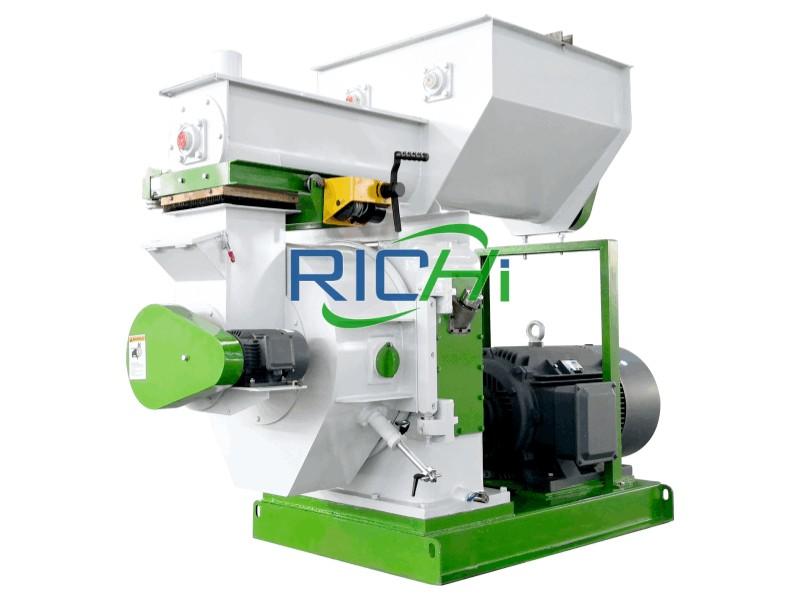
Modern pellet machines typically adopt ring die technology, which ensures stable output, lower energy consumption, and longer service life. Compared with earlier equipment generations, current designs include improved lubrication systems and temperature control mechanisms, allowing continuous industrial operation with minimal downtime.
Depending on production goals, users can choose between small-scale units for local processing or large-capacity machines suitable for industrial energy projects. Selecting the right capacity helps balance investment cost and long-term productivity.
(Related Post: https://biomasspelletizer.com/wood-pellet-machine/)
Advantages of an Industrial Wood Pellet Production Line Solution
While a single machine is important, overall efficiency depends on the integration of the entire production system. A complete industrial wood pellet production line solution normally includes crushing, drying, pelletizing, cooling, screening, and automatic packaging systems.
A well-designed production line delivers several advantages:
Consistent production capacity and stable pellet quality
Reduced labor requirements through automation
Lower operational costs and optimized energy use
Continuous processing with minimal manual intervention
For example, raw material moisture content significantly affects pelletizing performance. Proper drying equipment ensures stable feeding conditions, preventing excessive wear on the pellet machine. Therefore, a systematic solution often provides better results than purchasing standalone equipment.
How to Choose a Reliable Equipment Manufacturer
Selecting the right supplier is one of the most important decisions in a pellet production project. Experienced manufacturers can help minimize operational risks and improve long-term profitability. Buyers typically evaluate suppliers based on:
Project experience and international installation cases
Customization capability according to raw materials
Technical training and installation support
Availability of spare parts and after-sales service
To better understand how production lines are configured for different capacities, you can explore detailed project information through this link, which provides insights into real industrial applications and solution planning.
Technology Advantages of Richi Machinery
Richi Machinery has established a strong reputation in biomass pellet equipment manufacturing by delivering customized solutions for global clients. Its systems are widely used across Europe, Southeast Asia, and South America, serving both medium-scale factories and large industrial energy plants.
One key advantage lies in material-based engineering design. For hardwood processing, machines are reinforced with wear-resistant components and optimized compression ratios. For softwood or mixed biomass materials, adjustments are made to improve pellet formation efficiency and reduce energy consumption.
Additionally, intelligent control systems allow operators to monitor temperature, motor load, and production data in real time, improving operational safety and production consistency.
Key Factors to Consider Before Investing in a Wood Pellet Machine
Before launching a biomass pellet project, investors should carefully evaluate several factors:
Long-term availability of raw materials
Target market standards and pellet specifications
Production scale aligned with investment budget
Factory layout and energy supply conditions
Stable raw material supply is often the determining factor for project sustainability. Moreover, pellet diameter and ash content requirements vary by region, making early technical planning essential.
Future Trends and Market Opportunities
Driven by global carbon reduction policies, biomass energy is expected to grow steadily in the coming years. The wood pellet machine is no longer just a processing device but a key component in the renewable energy value chain.
Future development trends include higher automation levels, energy-efficient system design, and intelligent monitoring technologies. Many manufacturers are integrating digital management systems that enable remote monitoring and performance analysis, helping operators maximize productivity.
In conclusion, choosing the right equipment together with a professional industrial wood pellet production line solution is crucial for achieving long-term profitability. By partnering with experienced suppliers such as Richi Machinery and designing production systems based on real material conditions and market demand,
businesses can successfully position themselves in the rapidly expanding biomass energy industry.