A Greater Mission: Why Oncology
Experts Are Embracing the Power of Giving by Richard Pestell
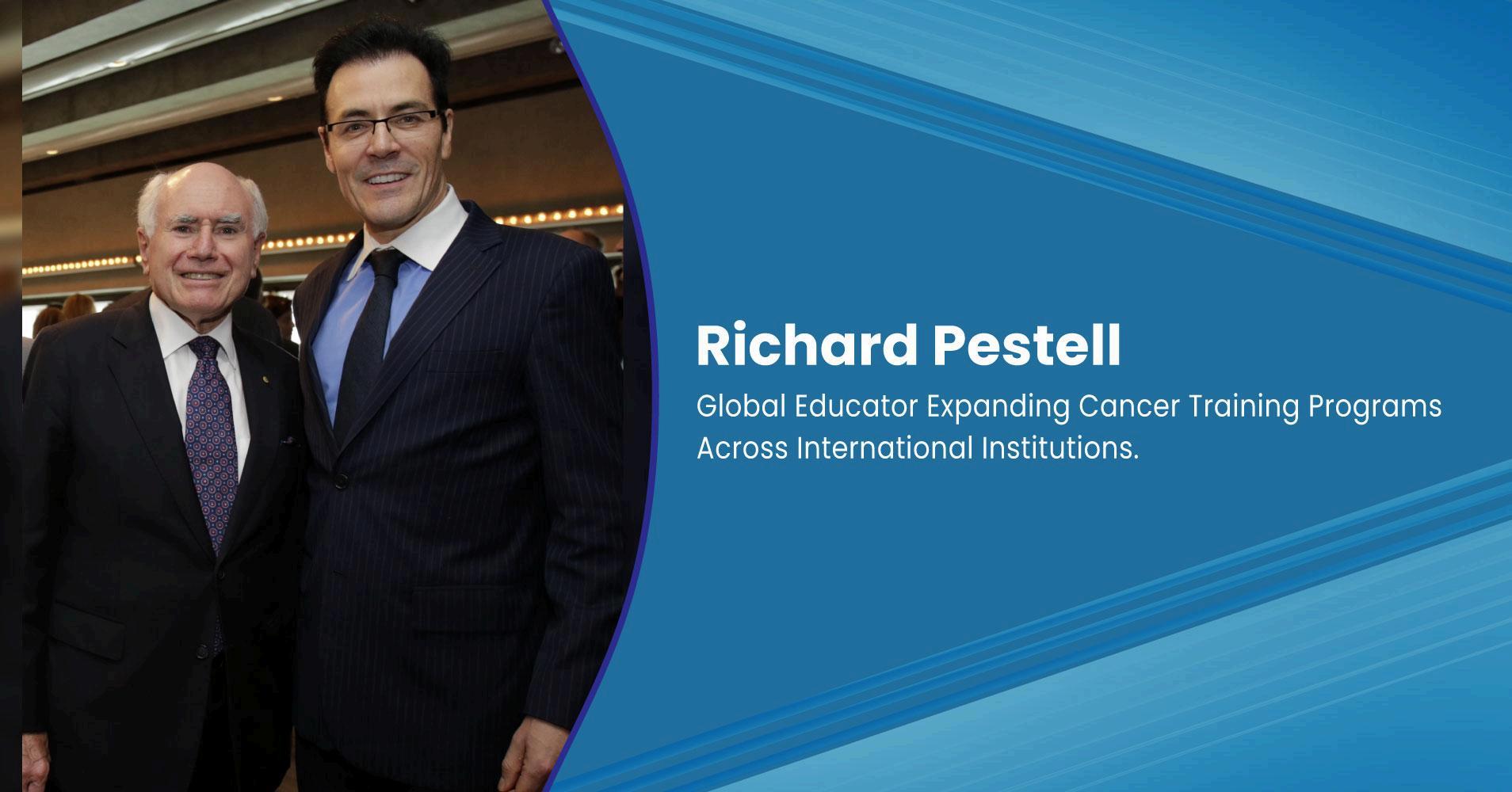
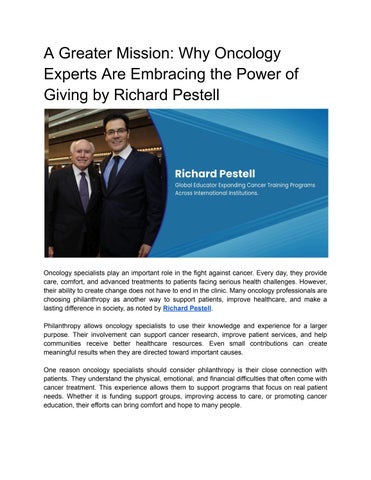
Oncology specialists play an important role in the fight against cancer. Every day, they provide care, comfort, and advanced treatments to patients facing serious health challenges However, their ability to create change does not have to end in the clinic Many oncology professionals are choosing philanthropy as another way to support patients, improve healthcare, and make a lasting difference in society, as noted by Richard Pestell
Philanthropy allows oncology specialists to use their knowledge and experience for a larger purpose Their involvement can support cancer research, improve patient services, and help communities receive better healthcare resources. Even small contributions can create meaningful results when they are directed toward important causes
One reason oncology specialists should consider philanthropy is their close connection with patients They understand the physical, emotional, and financial difficulties that often come with cancer treatment This experience allows them to support programs that focus on real patient needs. Whether it is funding support groups, improving access to care, or promoting cancer education, their efforts can bring comfort and hope to many people
Cancer research is another area where philanthropy can make a significant impact Medical progress depends on continued studies and innovation. Donations and charitable support help researchers explore new treatments, improve existing therapies, and discover better ways to care for patients. Oncology specialists who contribute to these efforts can help accelerate advancements in cancer care.
Beyond research and treatment, philanthropy also helps spread awareness about cancer prevention and early detection Oncology specialists can use their voices to educate the public about healthy choices, regular screenings, and the importance of seeking medical advice early These activities can help reduce risks and encourage people to take better care of their health.
Philanthropy also allows oncology professionals to inspire the next generation of healthcare workers. By showing compassion and commitment outside their regular duties, experienced specialists can encourage young doctors and researchers to focus on both medical excellence and service to others. Their example demonstrates that healthcare is not only about treating diseases but also about improving lives
Some specialists may feel that their busy schedules leave little time for charitable work. However, philanthropy can take many forms Sharing medical knowledge, mentoring future professionals, participating in awareness events, or supporting a trusted organization are all valuable ways to contribute.
For oncology specialists, giving back is a natural part of their dedication to healing By combining their medical skills with charitable efforts, they can reach more people, support important advancements, and help create a future where cancer care becomes more accessible and effective for everyone.