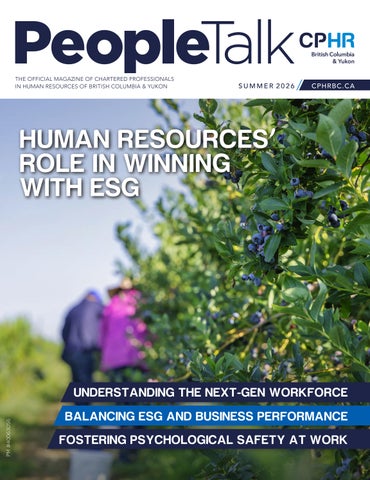

HUMAN RESOURCES ’ ROLE IN WINNING WITH ESG
2050 - 1050 West Pender St. Vancouver, B.C. V6E 3S7
Tel: 604-684-7228 | Fax: 604-684-3225
Canada toll-free: 1-800-665-1961 www.cphrbc.ca
Marketing & Communications Manager
Peopletalk Online Editor
Carma Chan
cchan@cphrbc.ca | 604-694-6930 ext. 115
Senior Director, Marketing, Communications & Member Affairs
Kara Douglas kdouglas@cphrbc.ca | 604-694-6947 ext. 129
Contributors
Gary Carr
Marziyah Hussain, CPHR
Arjun Mullakkara
Published by
251 Consumers Rd, Suite 1020 North York, Ont. M2J 4R3
President Kevin Brown
Publisher David Careless davidc@mediaedge.ca
Sales Executive
Rick Todes rickt@mediaedge.ca
©2026 CPHR British Columbia & Yukon. All rights reserved. The contents of this publication may not be reproduced by any means, in whole or in part, without the prior written consent of the association.
Publication Mail Agreement #??
Please return undeliverable copies to: CPHR British Columbia & Yukon
2050 - 1050 West Pender St. Vancouver, B.C. V6E 3S7
We acknowledge that CPHR BC & Yukon’s main office located in downtown Vancouver operates on the traditional, ancestral and unceded territory of xwm
ỷǝm (Musqueam), Skwxwú7mesh (Squamish), SǝỈílwǝta (Tsleil-Waututh) nations. We thank their people and the elders who continue to live on these lands and care for them, along with the waters and all that is above and below.

Psychological Safety Isn’t a Perk — It’s
Marziyah Hussain, CPHR
Arjun Mullakkara

SHAPING THE FUTURE THROUGH INFORMED ACTION
Against a backdrop of rapid macroenvironmental shifts, our team has been working on initiatives that inspire impactful human-centred change. Rather than a singular action, each movement creates a ripple effect that positively influences the next. It’s a reminder that while we are confronted with changes we cannot control, we still have the power to make informed decisions that determine how we’ll navigate the uncertainties ahead.
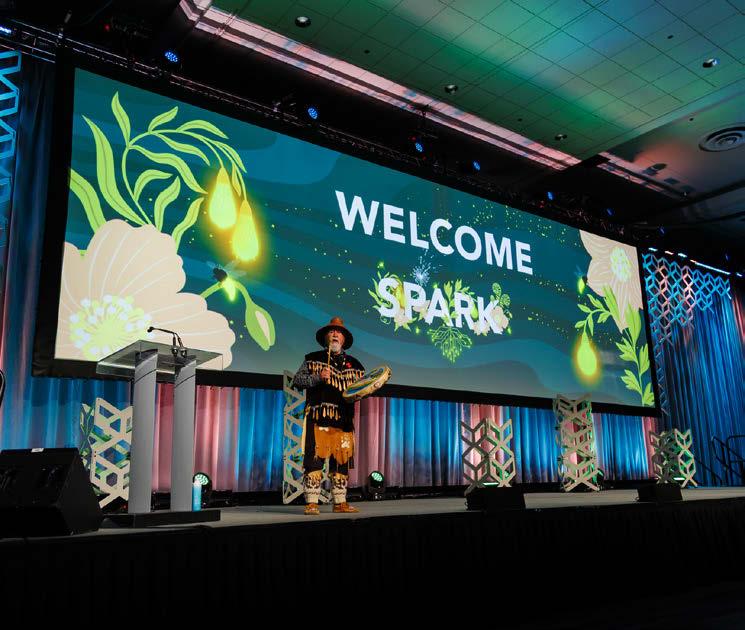
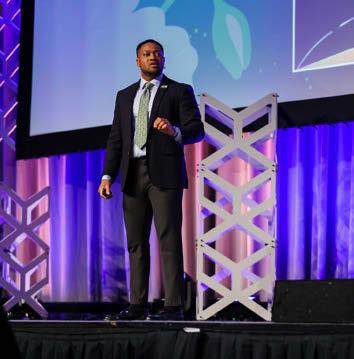
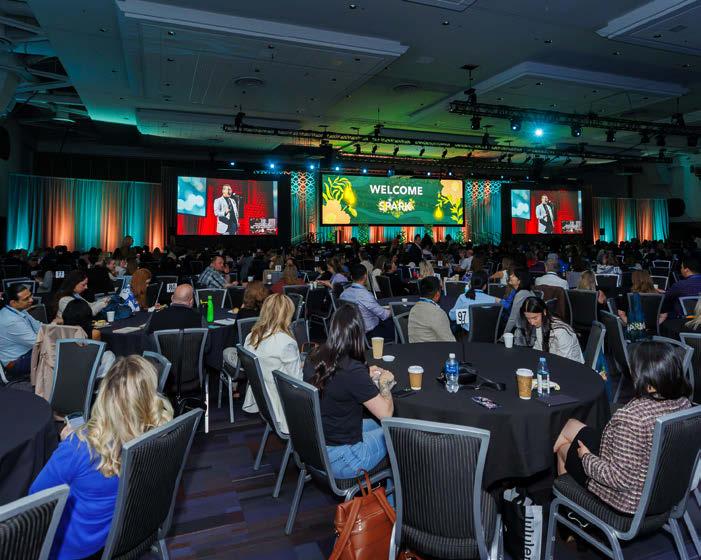
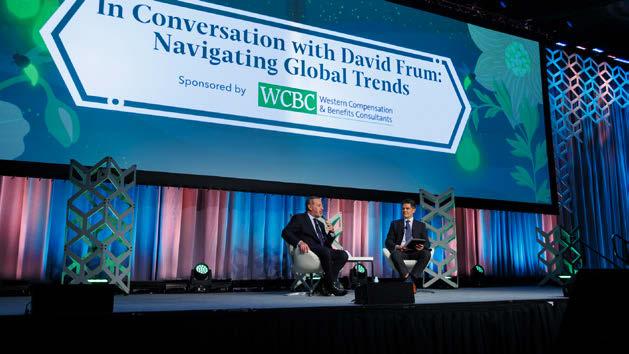
We saw this clearly at our most recent HR Conference & Expo, Spark, where nearly 1,400 participants were called to envision how imagination can fuel transformation and innovation within their organizations and communities. The consensus from their feedback was that they left the event feeling empowered by the knowledge gained and by a sense of camaraderie, knowing that others from our shared community were facing similar challenges. We are never fully alone if we are working as a profession to find a common solution. This togetherness reflects the people-centric nature of human resources from which we can draw our strength and, in turn, give back to those we lead.
Strengthening community, connection and career value; advancing relevance through innovation and stewardship; and amplifying our voice, influence and impact — these are the core elements in our DNA. They are also the framework of our 2025–2028 strategic plan, which was shared at the annual general meeting in early June. These goals are more important than ever as socioeconomic and geopolitical factors converge to influence employers, workplace culture and the HR profession.
As we search for solutions outside the box, we can look to the environmental, social and governance (ESG) structure for a roadmap. Today’s workforce, consumers and shareholders are much savvier than previous generations, presenting an opportunity to identify new strategic business advantages.
Instead of viewing ESG as just another set of workplace responsibilities, we can adopt a different lens and use it as a guide for future-proofing our workplaces while keeping people at the core of what we do. Rest assured that our recently formalized ESG plan and latest strategic plan will complement each other, working in tandem to guide us forward through these uncharted waters.
As sentiments from our in-person and online events have shown, we are stronger as a community — from sharing ideas in peer exchanges and participating in the professional mentorship program to finding volunteer or employment opportunities from within the networks we have built. In return, we will continue to position the CPHR designation as the gold standard for better business through people, to work alongside our national colleagues to define the best path forward, and to amplify our presence on the world stage.
These commitments are the raison d’etre for our association and it’s a pleasure to continue serving our members with the innovation-forward, community-minded consistency that you’ve come to appreciate and expect. Thank you for being with us.
Anthony Ariganello, CM, FCPHR President and CEO CPHR BC & Yukon
Doaa Sharaf, Graduate


Grow your HR expertise WITH CONTINUING EDUCATION
Bridge capability gaps, maintain your CPHR CPD, and prepare for the NKE® exam with UCalgary Continuing Education’s HR Professional Development Hub. Discover flexible online courses now at conted.ucalgary.ca/cphr
Looking to train a group in your company? Courses can be tailored to your team’s needs. Visit conted.ucalgary.ca/corporatetraining for details.
Explore programs at: conted.ucalgary.ca/cphr


HOW DOES YOUR WORKPLACE BALANCE ESG PRIORITIES AND BUSINESS PERFORMANCE?


JENNIFER HOULE, CPHR Vice-President, People Operations, Raven Indigenous Capital Partners
Raven Capital has stopped treating ESG and business performance as separate conversations because we realize that when ESG is done well, it actually improves how we operate as a business.
The challenge is ESG can sometimes become overly focused on optics or reporting, or be seen as a box-ticking exercise, but the organizations creating real strategic advantage are the ones embedding ESG principles into how they operate and make decisions every day.
I think ESG pushes companies to think beyond short-term wins and pay closer attention to how their decisions affect people, communities and the long-term health of the business. The organizations doing this well are not treating it as a side initiative. Instead, it’s becoming part of how they operate and grow.



RAVI DHALIWAL, CPHR
Director, People Experience, Vancouver Airport Authority
At Vancouver Airport Authority (YVR), ESG isn’t something we balance against business performance — it’s how we deliver it. Our strategy is grounded in integrated lenses, including climate, reconciliation and financial sustainability, so environmental and social priorities are built into how we operate, invest and grow.
That means we’re not making trade–offs — we’re designing for both. Whether it’s improving efficiency while reducing emissions, or deepening community partnerships that support long-term economic resilience, ESG is a driver of value creation.
From a people experience perspective, this shows up in a very practical way. We focus on building an inclusive, purpose-driven environment where employees can do their best work while contributing to meaningful outcomes for our communities. This connection to purpose drives engagement, retention and better performance.
EMILY COBURN, CPHR
HR Business Partner, Coastal Community Credit Union
From my HR perspective, a workplace balances the ESG framework and business performance by building it into the people strategy. That means incorporating it into hiring, onboarding, performance management, work expectations and employee policies. HR supports environmental goals by encouraging behaviours that reduce waste and supports flexible work arrangements.
On the social side, HR helps create fair hiring practices, supports employee well-being and development, and builds a respectful culture that improves engagement, retention and being a great place to work. It can also include community impact. With governance, HR helps ensure transparency, clear policies, fair and consistent decision-making, compliance and accountability.
The balance happens when ESG is built into practical processes that support employees, lower environmental impact, strengthen culture and community, and contribute to long-term business performance. It should be applied realistically, focusing on what aligns most strongly with the organization’s strategic goals, purpose and values.
JENNY YEE,
CPHR
Senior Human Resources Manager, Woodfibre LNG
At Woodfibre LNG, ESG is not simply a framework. It is reflected in the way we work with people, communities and the environment every day.
From an environmental perspective, the project is designed to be one of the world’s lowest-emission liquified natural gas (LNG) facilities through the use of hydroelectric power and electric-drive technology that significantly reduces emissions compared to conventional LNG operations. Just as important is our commitment to building strong relationships with Indigenous partners, local communities, employees and regulators through ongoing engagement, transparency and workforce development opportunities.
As an HR business partner, I see firsthand how these commitments help create a stronger workplace culture and support long-term business success. By integrating environmental responsibility, community partnership and good governance into our approach, Woodfibre LNG is helping create lasting economic and social benefits for the region and Canada.
HUMAN RESOURCES ' ROLE IN WINNING WITH ESG
By Gary Carr

“It may well be in the long-run interest of a corporation to devote resources to providing amenities to (its) community or to improving its government. That may make it easier to attract desirable employees, it may reduce the wage bill ... or have other worthwhile effects.”
This statement sounds like something you’d hear about an organization in 2026, but it’s actually a quote from renowned economist Milton Friedman, who outlined his revolutionary idea more than 50 years ago.
While it has taken half a century for some or-
ganizations to even consider the approach, many high-performing companies have embraced environmental, social and governance (ESG) policies, using them as a competitive advantage in attracting talent, engaging communities and strengthening investor relations.
According to Forbes, “ESG has evolved from a moral imperative to a proxy for management quality,” ushering in the opportunity for a growing new role for human resources professionals.
But how can these practitioners support their organizations in adopting the processes and discipline required to do ESG well?
I reached out to three CPHRs to gain their insights and real-life experiences.
FOLLOWING PERSONAL VALUES TO A SUCCESSFUL ESG ORGANIZATION
As an HR business partner for Seabridge Gold, May Arora, CPHR, didn’t set out to pursue a career in the mining sector, but nearly a decade later she finds herself in an industry she has grown to love.
“I had no idea what mining was about,” says Arora. “I suspect many new HR professionals likely feel the same way.”

Her experience has shown that ESG is a significant component of operating a mine anywhere in the world, and that strong companies like her current employer spend a considerable amount of time planning and working toward their ESG goals. From using research to set goals, monitor progress and report on results, she’s clear on the value a strong ESG framework offers Seabridge.
“I’ve found mining is all about giving back to local communities,” she says. “From building relationships with Indigenous people to engaging these communities, mining is an indus-
try where people are supportive of each other.”
She adds, “This approach clearly affects the whole ESG framework because it’s so purpose-driven.”
Arora believes she and her HR colleagues have an opportunity to play a vital role in their company’s efforts.
“HR sits right in the centre of the ESG framework,” she explains. “From getting the right fit for employees, retaining them and keeping them as safe as possible in that environment — that’s what drives operational excellence.”
This is why she believes it’s key for HR professionals to fully understand their industry and the ESG frameworks that are in use in order to be difference makers.
“While there are plenty of ESG frameworks out there, it’s about more than ticking the boxes,” she explains. “These frameworks define expectations very clearly, which is why they help guide the company’s efforts — it helps them link their objectives to their ESG goals.”
In her experience at Seabridge, Arora has observed a growing trend in recruitment and retention, with prospective employees increasingly asking about the organization’s ESG goals during interviews.
“We’ve become more transparent by clearly sharing the company’s objectives and longterm direction because people want to know about the company when they’re considering joining us,” she explains. “They’ll ask what our sustainability strategy looks like, whether we’ve got an active diversity policy, that sort of thing.”
“ESG is important for mining companies because of how the industry sometimes gets portrayed in the media and community,” she continues. “We work to help our communities understand the values and safety culture we foster at Seabridge.”
STARTING WITH SUSTAINABILITY UPFRONT
Community contribution is also something that attracted Debbie Mcloughlin, CPHR, to her cur-
rent role as Director of People and Culture at Richmond Olympic Oval.
Part of the 2010 Olympics legacy in the Lower Mainland, the Oval has built a reputation within British Columbia for sustainability efforts, such as pioneering sustainable timber architecture, implementing award-winning rainwater harvesting and energy recovery systems, and operating as an environmentally responsible, multi-sport community hub.
The Oval’s senior leadership team has used its ESG values and strategy as an organizational differentiator, setting it apart from other recreational facilities.
CERTIFICATION A STRONG PATH TO ACHIEVING ESG GOALS
Pursuing various types of certifications for the Oval’s operations has been a successful approach, says Mcloughlin. From environmental to safety and a host of other business areas, there are a variety of certifications a company can earn that help advance ESG goals.
While many are valuable, Mcloughlin advises that HR leaders work with their team to choose the most appropriate certification processes for their organization. For instance, the Oval is now certified as a BC Green Business, after working through a certification process and recommendations based on sector-specific checklists. These checklists include numerous best practices and are reviewed every two years so they’re aligned with industry standards.
“The idea to pursue the BC Green Business label came to us from a valued partner, Richmond Tourism,” says Mcloughlin. “Our team researched the designation and process, making sure it was a good fit before engaging in the process.”
This certification is in addition to the Rick Hansen Foundation Accessibility Certification, which measures and certifies the level of access of buildings and sites. Both certifications tie in with the Oval’s ESG goals, strengthening the organization’s performance in key areas.
Similar to the Oval, Surrey-based Falcon Equipment has used certification as a pathway to achieving its ESG goals. The organization holds an active

Certificate of Recognition (COR) from WorkSafeBC, a voluntary, audited certification confirming that the company’s safety protocols meet or exceed the highest provincial industry standards.
Falcon’s HR Services Manager, Tamanah Mominzada, CPHR, is a strong safety advocate who understands the close relationship between safety, employee retention and a good workplace culture.
“The COR certification is appropriate because safety is so important to us, especially when it comes to onboarding new employees,” she says.
Using a centralized, dedicated system for housing all safety documents, Mominzada works closely with a safety compliance officer to ensure annual reviews are completed and employees are clear on proper workplace procedures.
“WE’VE BECOME MORE TRANSPARENT BY CLEARLY SHARING THE COMPANY’S OBJECTIVES AND LONG-TERM DIRECTION BECAUSE PEOPLE WANT TO KNOW ABOUT THE COMPANY WHEN THEY’RE CONSIDERING JOINING US.”
May Arora, CPHR
TARGETING ESG APPROACHES TO A COMPANY’S NEEDS
For Mominzada and her vice-president, retention is another important initiative they track to identify whether issues may be developing in one of Falcon’s locations.
“We focus on metrics so turnover is key for us,” she says. “We meet monthly to review retention strategies and if there’s an issue in a branch or shop, we’re able to work on a plan and take quick action.”
“At Falcon, there’s not a lot of red tape,” she continues. “It can be as straightforward as, ‘Here’s the issue we’re seeing, let’s approach it like this,’ and we move ahead quite quickly.”
One recent ESG-related step forward was the introduction of a new app to reduce the
company’s carbon footprint. The app is designed to help curb business travel and integrates with a flight booking service to streamline corporate bookings while tracking carbon reductions.
Falcon’s focus on employees doesn’t stop at safety; the organization places a strong emphasis on transparency and the demonstration of effective governance processes.
“While many private companies don’t share their financials, we share ours with employees through town halls twice a year,” says Mominzada.
These and other ESG-related measures have helped Falcon grow across the country and foster a culture that extends beyond the workplace, enhancing its social impact.
“We have a program called Falcon Cares,
“MAKE SURE TO USE WHATEVER DATA YOU CAN GET. LOOK AT WAYS TO QUANTIFY THAT ESG DATA AND PRACTICE DIFFERENT COMMUNICATION STYLES WITH DIFFERENT STAKEHOLDERS.”
Debbie Mcloughlin, CPHR

“WE FOCUS ON METRICS SO TURNOVER IS KEY FOR US. WE MEET MONTHLY TO REVIEW
RETENTION STRATEGIES
AND IF THERE’S AN ISSUE IN A BRANCH OR SHOP, WE’RE ABLE TO WORK ON A PLAN AND TAKE QUICK ACTION.”
Tamanah Mominzada, CPHR

where employees can request funds if they’re in need,” says Mominzada.
While the company initiated the program, employees contribute to the fund.
“For example, if someone’s going through a divorce and they’re unable to afford a lawyer, we can help them out,” she explains.
Another example of ESG initiatives focused on areas of need can be found at Seabridge, where Arora encourages her organization to provide mental health supports for the large number of employees working at remote mine sites. She recognizes the importance of strong mental health programs, aligning them with the company’s broader commitment to safety, both physical and psychological.
PLANNING FOR THE FUTURE OF ESG
Looking back at the strides made in integrating ESG goals into broader corporate business plans, it is clear ESG is neither a passing fad nor a burden on well-run organizations. On the contrary, research shows that organizations excelling at the ESG process are typically performing better across multiple aspects of their business, including corporate reputation, finances and employee satisfaction.
So, what do these CPHRs see for the future of HR and ESG over the next five to 10 years?
For Falcon’s Mominzada, she expects HR’s role in the process to continue growing, with greater use of tools like artificial intelligence (AI) to help uncover trends or insights that may not
be easily visible.
“As we learn more using AI, we can understand more about the needs of the new generation that’s coming into the workforce so we can provide what they’re wanting,” she explains. “For example, our team has been noticing a lack of talent coming into the trades industry, so we’re starting to attend high schools to support youth in pursuing trades.”
Seabridge’s Arora also expects to be more involved in exploring data in the coming years, not only from her own company but from partners and other suppliers, where appropriate.
“For instance, are there new trends or issues that our benefits providers are experiencing?” she asks. “HR isn’t just about hiring and maintaining the life cycle of the employee within benefits anymore.”
Arora anticipates that HR teams will further embrace ESG, and HR will be about transforming the workplace, moving from a support role into one where HR takes deliberate actions that contribute directly to ESG metrics.
“This would involve using people and operational data strategically so the ESG framework becomes embedded in the company’s values,” she says. “In a few years, I think we’ll have to hire an ESG expert or advisor because it’s not going to be a one-person job — there’s a huge scope to it.”
PASSING ALONG ADVICE FOR NEWER HR PROFESSIONALS
As for advice for HR professionals who may be new to ESG, Mominzada offers a perspective
shared by all three interviewees: “Make sure to educate ourselves about ESG and be open to other people’s ideas.”
She adds, “I wish I’d known more about this earlier in my career.”
While echoing Mominzada’s educational push, Arora also urges people to, “Ask more ‘why’ questions. Why are we doing this project a certain way?”
“Early in my career, I did a lot of projects where I didn’t fully understand the why?” she says. “I was giving 100 per cent effort but not always in the right direction. So, make sure to ask and don’t be afraid to look silly by asking what you think might be basic questions.”
Mcloughlin has the final word, agreeing with the need for continuous ESG education while adding, “Make sure to use whatever data you can get. Look at ways to quantify that ESG data and practice different communication styles with different stakeholders. Getting buy-in from people at different levels of understanding is another key to your ESG success.”
She adds, “First, you have to understand what’s going on within your organization, so be sure to look at the data internally. But make sure to also use resources like CPHR BC & Yukon, who may have already identified trends in the corporate community.”
Gary Carr is a North Vancouver communications professional with more than 25 years of writing experience in topics as varied as healthcare, insurance, environmental engineering and human resources.
FROM PAYCHEQUES TO PURPOSE
The
changing priorities of younger workers
By Arjun Mullakkara

The relationship between employees and employers is evolving rapidly. While compensation, benefits and job security remain important, younger workers are increasingly evaluating organizations through a broader lens that includes purpose, sustainability, inclusion, flexibility and social impact. For human resources professionals, this shift presents both a challenge and a strategic opportunity. Organizations that successfully align environmental, social and governance (ESG) priorities with workforce expectations are likely to strengthen employee engagement and retention while enhancing their employer reputation.
As a CPHR BC & Yukon student member, and a university student pursuing an HR certificate, I see firsthand how these important conversations are shaping the expectations of future employees. Universities are becoming important spaces where discussions around climate responsibility, mental health, diversity, equity and ethical leadership influence how younger gen-
erations define organizational success. These are not abstract topics in classrooms and campus communities; they are shaping how emerging workers judge credibility, leadership and long-term value. Increasingly, students are not only asking whether a company pays well, but whether it acts responsibly and contributes positively to society.
A useful starting point is to broaden the definition of ESG. It is sometimes reduced to climate action, but a more complete view connects environmental issues to social responsibility and governance. ESG includes environmental sustainability, diversity, equity and inclusion, fair pay policies, health and safety, workplace policies, human rights, due diligence, codes of conduct and more. It is a direct reflection of HR’s ability to influence positive change in workplaces and society.
Traditional HR priorities, such as fair pay, benefits, job security and advancement opportunities, remain fundamental. Younger workers are not
“FOR HR PROFESSIONALS, THE CENTRAL TASK IS NOT TO CHOOSE BETWEEN TRADITIONAL PRIORITIES AND NEWER EXPECTATIONS, BUT TO INTEGRATE THEM.”
abandoning those basics. What has changed is that they are no longer enough to distinguish one employer from another. According to a Deloitte survey, 89 per cent of Gen Zs and 92 per cent of millennials consider a sense of purpose to be important to their job satisfaction and well-being. That does not mean every young worker wants the same thing; however, it strongly suggests work is being evaluated not only for income and advancement, but also for alignment with personal values.
Sense of purpose should be interpreted carefully. It is easy to overstate its role and imply young workers are willing to trade financial stability for ideals alone. In reality, purpose tends to matter most when basic employment needs are already being met. As a millennial myself, fair compensation, respectful management and opportunities for growth remain essential. Purpose becomes meaningful when it complements these fundamentals and gives employees a stronger sense that their work contributes to something worthwhile.
The growing emphasis on purpose is closely connected to ESG strategies. Organizations that integrate these principles into business often create stronger narratives around accountability, long-term thinking and stakeholder responsibility. HR departments play a crucial role in translating these organizational commitments into everyday employee experience. If ESG remains limited to annual reports or marketing campaigns, employees may perceive it as performative rather than authentic.
Transparency has become increasingly important in recent years. Younger employees tend to value openness about company practices, leadership decisions, diversity metrics and sustainability goals. They are often highly informed consumers of corporate information and can quickly identify inconsistencies between public messaging and internal culture. For HR leaders, this means organizational credibility matters more than polished branding alone. Employees are more likely to trust organizations that acknowledge challenges while demonstrating measurable progress toward ESG commitments.
Flexibility is another expectation reshaping the employment relationship. The pandemic accelerated conversations around remote work, work-life balance and employee wellness, particularly among younger workers entering the labour market. Flexible work arrangements are no longer viewed solely as perks but increasingly as indicators of organizational trust and capability. HR professionals must now balance operational needs with evolving expectations around autonomy and well-being.
This shift also highlights the growing importance of mental health supports. Historically, discussions around mental health were limited or stigmatized. Today, younger employees increasingly expect organizations to actively support psychological well-being through benefits, flexible scheduling, inclusive leadership practices and supportive workplace cultures. ESG strategies that prioritize the social dimension of sustainability can strengthen employee trust when organizations make genuine investments in mental health and employee well-being rather than treating it as a temporary trend.
Inclusion and belonging are similarly central to younger workers’ expectations. Many emerging professionals want workplaces where diversity is not only represented but actively supported through equitable policies and inclusive leadership practices. HR departments are often responsible for embedding these values into recruitment, onboarding, leadership development and performance management systems. Importantly, younger employees generally expect organizations to take visible positions on social issues affecting them and their communities.
Climate responsibility is also becoming more visible. While young workers may not prioritize environmental sustainability equally, climate concerns increasingly influence how organizations are perceived by employees, investors and consumers alike. I grew up in South India, where my ammamma (grandma) taught me how important it is to reduce, reuse and recycle. These are not buzzwords; they are part of daily life. That experience has shaped
Specialized Care for High-Stress Professions



Sunshine Coast Health Centre and Georgia Strait Women’s Clinic deliver private mental health and addiction treatment for individuals facing BURNOUT, TRAUMA, ANXIETY,































challenges. Trusted by professionals, unions, insurers, and employers DEPRESSION, and SUBSTANCE USE across Canada. schc.ca gswc.ca

how I think about sustainability and has reinforced the importance of genuine corporate responsibility in the organizations I want to work for. In addition, organizations that demonstrate meaningful environmental responsibility gain competitive advantages in attracting and retaining talent.
For HR professionals, the central task is not to choose between traditional priorities and newer expectations, but to integrate them. Compensation, security and development remain essential, especially in uncertain times. But they now sit alongside expectations for flexibility, well-being, social impact, inclusion and climate responsibility. The employers most likely to attract and retain younger talent will be those that recognize these are not competing demands but parts of a broader employee value proposition.
Ultimately, balancing ESG with the expectations of the next-generation requires authenticity, consistency and long-term commitment. Younger employees are often highly responsive to organizations that demonstrate genuine accountability and social responsibility. HR leaders must move beyond performative messaging and focus on integrating ESG values into organizational culture, leadership behaviours and employee experiences.
As a student of HR, it is clear the future workforce increasingly views
organizational success through both economic and social lenses. Competitive salaries and career growth opportunities still matter, but so do transparency, flexibility, well-being, inclusion and environmental responsibility. In an increasingly values-driven labour market, organizations that integrate ESG authentically into workplace culture may gain not only reputational advantages, but also the trust and loyalty of the next-generation workforce.

After nearly 10 years of teaching adult learners, Arjun Mullakkara transitioned into human resources to deepen his understanding of people, workplaces and organizational culture. He is currently an HR representative supporting a workforce of nearly 3,000 employees while pursuing HR Management at Simon Fraser University. He is also a CPHR student member. Arjun’s interests include environmental, social and governance frameworks, employee well-being, workplace inclusion and strategic HR practices. At the centre of his work is a simple goal: helping people thrive at work and beyond































PSYCHOLOGICAL SAFETY ISN ’ T A PERK
— IT’ S OPERATIONAL INFRASTRUCTURE
By Marziyah Hussain, CPHR

While many employers still view psychological safety as a workplace perk, thriving organizations understand something fundamentally different: psychological safety is a business necessity.
At its core, psychological safety is the belief that employees can contribute ideas, ask questions, admit mistakes and raise concerns without fear of embarrassment, punishment or professional retaliation. It appears in leadership presentations, value statements and wellness initiatives, but is typically framed as an employee experience issue rather than a business priority.
While psychological safety is often associated with culture, its impact reaches far beyond morale. The concept influences communication, innovation, accountability, retention, leadership effectiveness and organizational sustainability.
Organizations do not simply feel better when psychological safety exists. They function better.
This conversation is especially relevant within environmental, social and governance (ESG) strategies. The social component of ESG often focuses on employee well-being, inclusion, engagement and workplace culture. Many organizations approach these goals through initiatives like wellness campaigns, appreciation days or value statements posted on office walls. While these efforts may have value, they cannot compensate for environments where employees feel unheard, unsupported or unsafe to speak openly.
CULTURE REINFORCED THROUGH SYSTEMS, NOT SLOGANS
A company may promote collaboration but when employees are criticized for questioning leadership decisions, it disappears. A leader may talk about innovation but if mistakes are met with blame rather than accountability and learning, it slows down. An organization may prioritize retention but if managers create inconsistent or psychologically unsafe environments, employees quietly disengage long before they resign.
This is why psychological safety must be viewed as operational infrastructure rather than a cultural aspiration. It is built into the daily mechanics of how organizations communicate, lead, onboard employees, provide feedback, navigate conflict and manage performance.
One of the biggest misconceptions about psychological safety is that it lowers accountability. In reality, the opposite is often true.
Psychologically safe workplaces are not environments without standards, conflict or difficult conversations. Rather, they are settings where employees trust that those conversations can happen respectfully, consistently and productively.
Employees in psychologically safe workplaces are more likely to ask for clarification, raise concerns early, admit mistakes before they escalate and contribute ideas that improve operations. When psychological safety is missing, organizations often experience the opposite — communication breakdowns, disengagement, leadership avoidance, workplace tension, burnout, high turnover, reduced collaboration, and hidden mistakes and operational risk.
BREAKING BAD HABITS
Many leaders assume these issues stem from employee performance alone when in actuality, they are symptoms of organizational inconsistency.
Employers can unintentionally create psychologically unsafe environments through operational habits that have become normalized over time. Leaders may dismiss concerns publicly, avoid difficult conversations until issues escalate, reward overwork or fail to regularly communicate during periods of change.
In some workplaces, employees are encouraged to speak up yet are quietly penalized when they do. Over time, this creates cultures where silence feels safer than honesty.
This becomes especially important during times of organizational growth, restructuring or economic uncertainty. Employees pay close attention to lead-
ership behaviour during periods of pressure. Trust deteriorates quickly when communication breaks down, expectations constantly shift or accountability is applied inconsistently. Even high-performing teams struggle to maintain engagement in environments where psychological safety is missing.
Organizations often focus heavily on external reputation, brand image and customer experience while overlooking the internal employee experience that shapes those outcomes in the first place. Workplace culture directly impacts how teams collaborate, solve problems, support clients and navigate change. Healthy workplace cultures are not created through isolated initiatives. They are built through repeated leadership behaviours, operational consistency and systems that reinforce trust over time.
WHAT PSYCHOLOGICALLY SAFE ORGANIZATIONS DO DIFFERENTLY
Psychologically safe organizations share several operational characteristics.
First, they create clarity. Employees understand expectations, decision-making processes, communication norms and accountability structures. Unclear environments create anxiety, workplace politics and distrust, especially during times of growth or change.
Second, they prioritize leadership consistency. Employees do not need perfect leaders; instead, they need predictable and respectful leadership behaviour. Trust erodes quickly when leaders respond inconsistently to feedback, mistakes or conflict.
Third, they normalize communication. Questions, concerns and differing perspectives are not treated as threats to authority. They are recognized as necessary inputs for organizational improvement and risk reduction.
Finally, psychologically safe organizations understand that workplace culture is shaped most heavily at the management level. Policies and mission statements matter, but employees experience culture through daily leadership interactions.
MOVING FROM INTENTION TO INFRASTRUCTURE
Creating a psychologically safe workplace is an important responsibility for human resources professionals and organizational leaders. It cannot exist only within workshops or employee engagement initiatives. It must be operationalized through systems and leadership practices. This may include:
• Onboarding processes that establish communication expectations early.
• Leadership development focused on feedback, conflict management and accountability.
• Performance management systems that encourage regular conversations instead of annual criticism.
• Policies that reinforce respectful workplace expectations.
• Clear escalation pathways for concerns.
• Structured check-ins that create space for dialogue before issues intensify.
Organizations often underestimate how much operational strain is created by psychologically unsafe environments. Teams spend valuable time managing tension, clarifying unclear expectations, repairing communication breakdowns or replacing employees who quietly disengaged months earlier. The financial cost of turnover and burnout is measurable, but the hidden cost of silence inside organizations is far greater.
Employees do not usually stop caring immediately when psychological safety is absent. More often, they stop contributing fully and speaking up
in meetings, avoid offering new ideas and disengage from collaboration. Eventually, many leave altogether.
From an ESG perspective, organizations focused on long-term sustainability must recognize sustainable business performance depends on sustainable workplace environments. A workplace cannot claim to value people while operating systems that consistently create fear, confusion or instability.
For HR professionals, this is an opportunity to move beyond reactive people practices and position psychological safety as a measurable operational and business strategy.
Organizations that will remain resilient in the future of work are not necessarily those with the loudest culture campaigns or the most visible wellness initiatives. They will be the ones that intentionally build operational environments where trust, accountability, communication and leadership consistency are embedded into everyday practice.
Psychological safety is not a perk. It is not optional. It is infrastructure.

Marziyah Hussain, CPHR, is the Founder of The Mindful Workplace, a human resources consulting practice focused on helping organizations build healthier, more sustainable workplaces through strategic people practices and operational systems. Marziyah also works in people and culture within the non-profit healthcare sector, supporting leadership, recruitment, workplace culture and organizational development initiatives across the Fraser Valley. Her work focuses on bridging the gap between employee well-being and operational excellence.



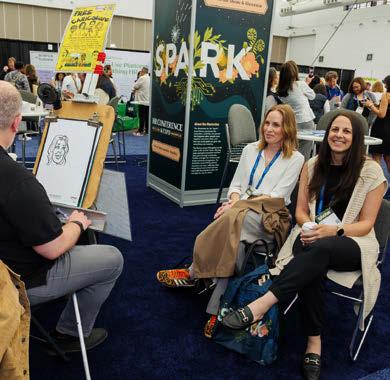
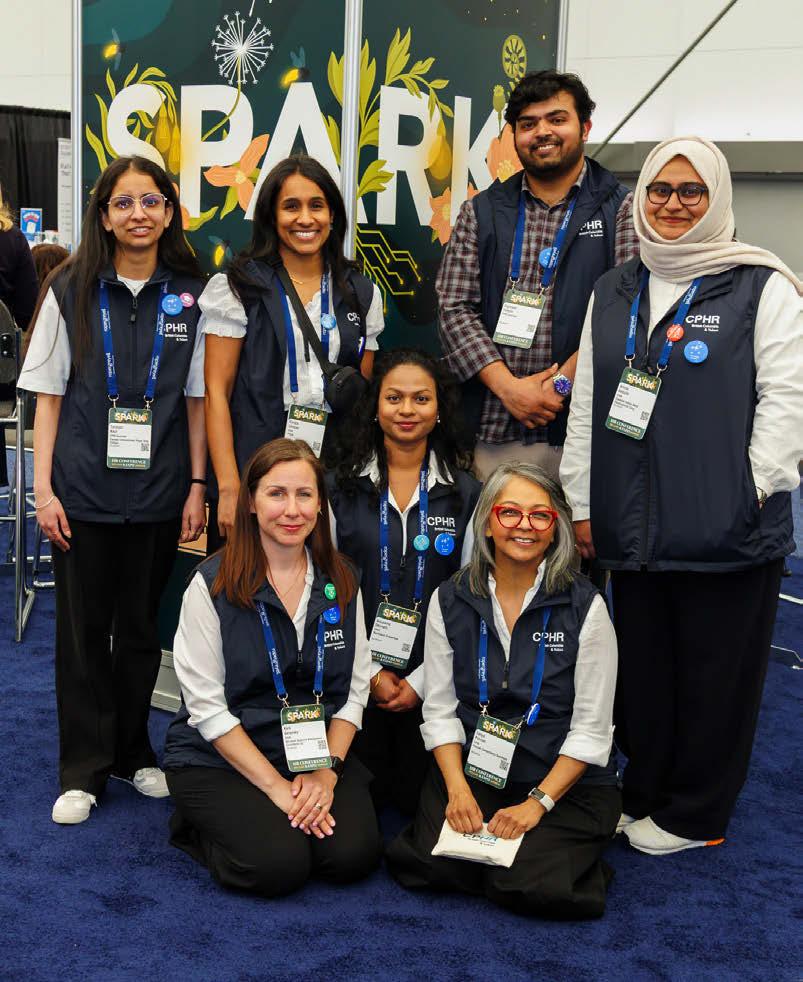
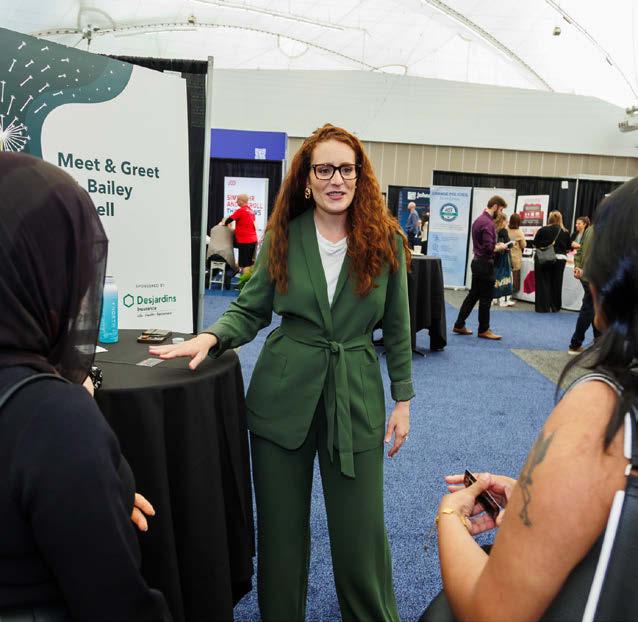

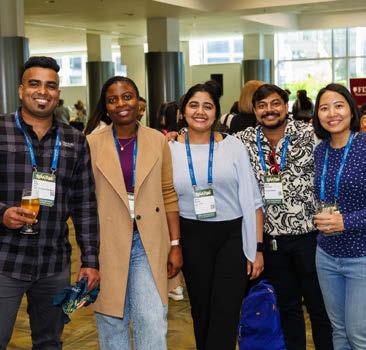



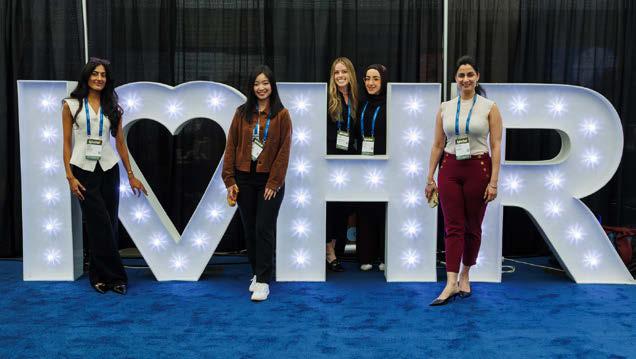
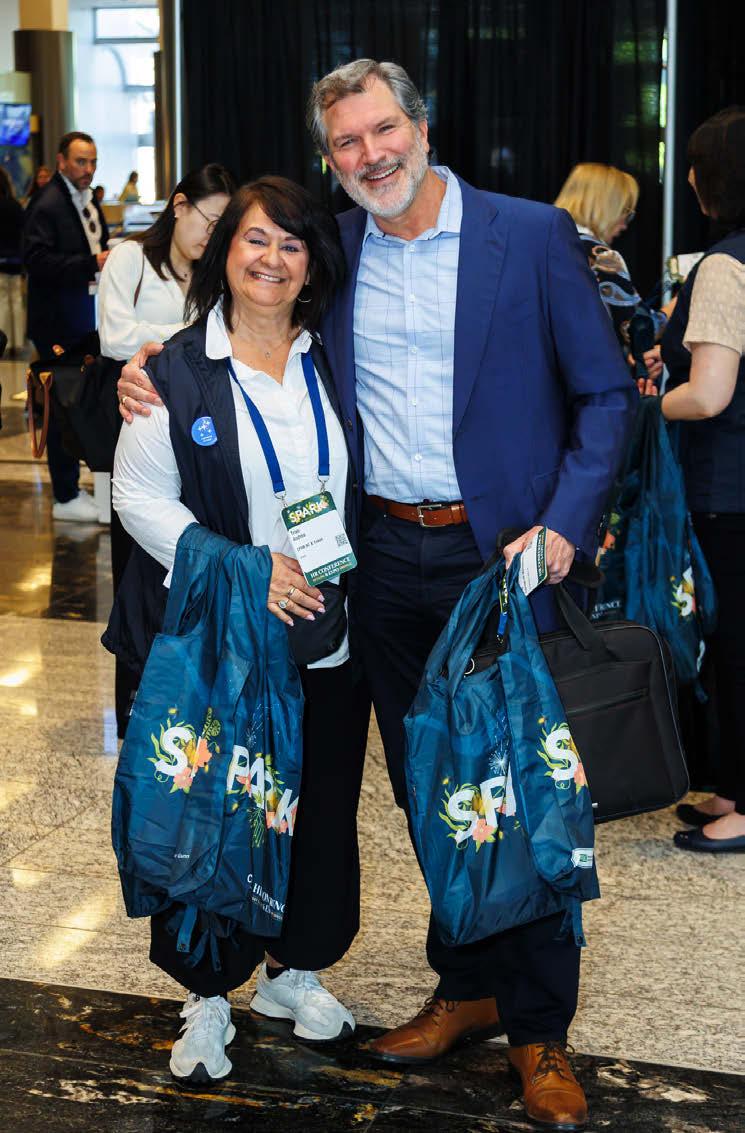
HR CONFERENCE & EXPO 2026

CPHR BC & Yukon recognizes the following sponsors for their support of our annual HR Conference & Expo held May 5 – 6, 2026. Thank you sponsors



Platinum Sponsors
Gold Sponsors
Silver Sponsors

Bronze Sponsors
Join us on May 4 – 5, 2027, for our 64th annual HR Conference & Expo.