The picture of health
How are wellness trends shaping restaurant menus?


A FRESH PERSPECTIVE

This time of year brings brighter days, new ideas, and fresh flavours. Our Spring/Summer 2026 issue of Canadian Restaurant & Foodservice News looks ahead to increased traffic, shifting dining habits, and strategic ways that restaurant operators can continue to thrive throughout the season.
As the weather warms up, operators need to prepare for a summer of staycations, involving more than simply busier patios. This season’s heightened traffic brings a new type of guest, a different pattern of spending, and a summer that could either strengthen your business or expose how unprepared it really is. Along with these operational shifts, we cover summer staffing, and the key principles every leader in hospitality needs to turn seasonal demand into lasting success.
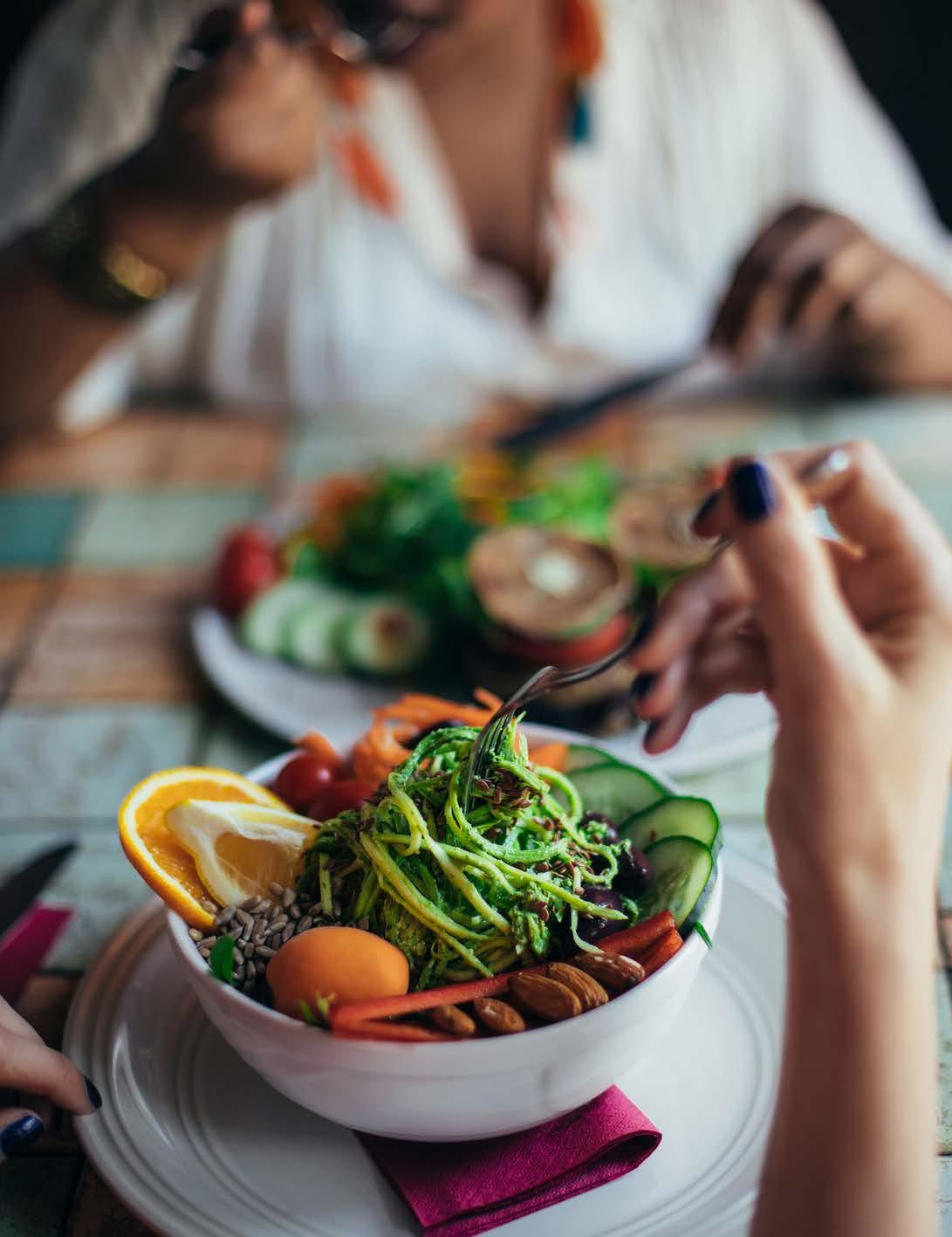
Our cover story provides an overview of today’s version of healthy dining, highlighting some of the impactful trends, diner preferences, and menu shifts, as operators strive to remain relevant, appealing, and a destination for the health-focused consumers of today and tomorrow.
We continue focusing our attention on menu trends and tastes with a look at global influences, growing beverage menus, Canadian ingredients, eco-friendly eats and more, helping operators build menus that deliver on diner demand.
Our featured Canadian Trailblazer is Joanna Jagger, Founder and Executive Director of WORTH Association, who is blazing a path for self-identifying women and gender diverse people working in recreation, tourism, and hospitality, with mentorship, leadership, development, advocacy, and community connection.
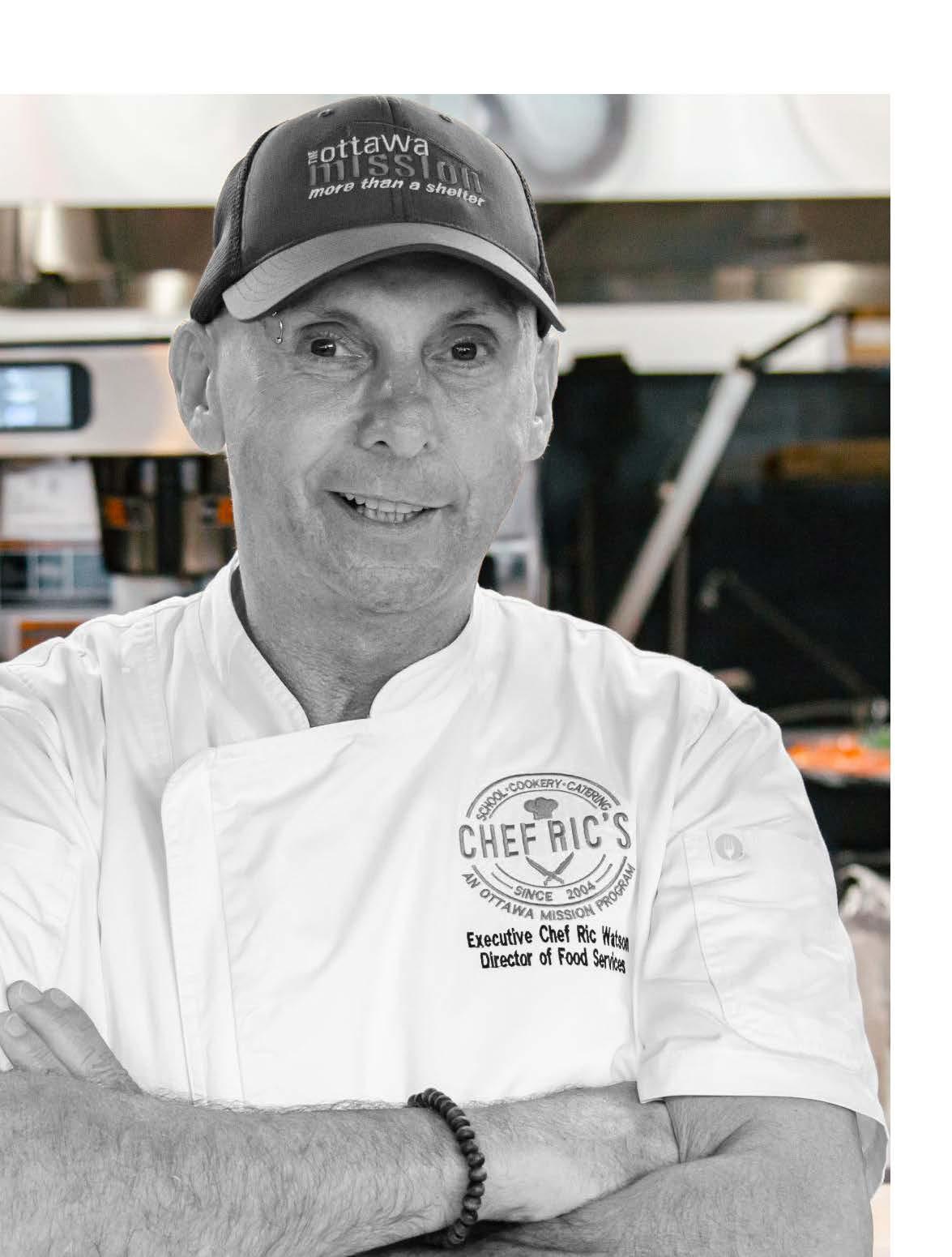
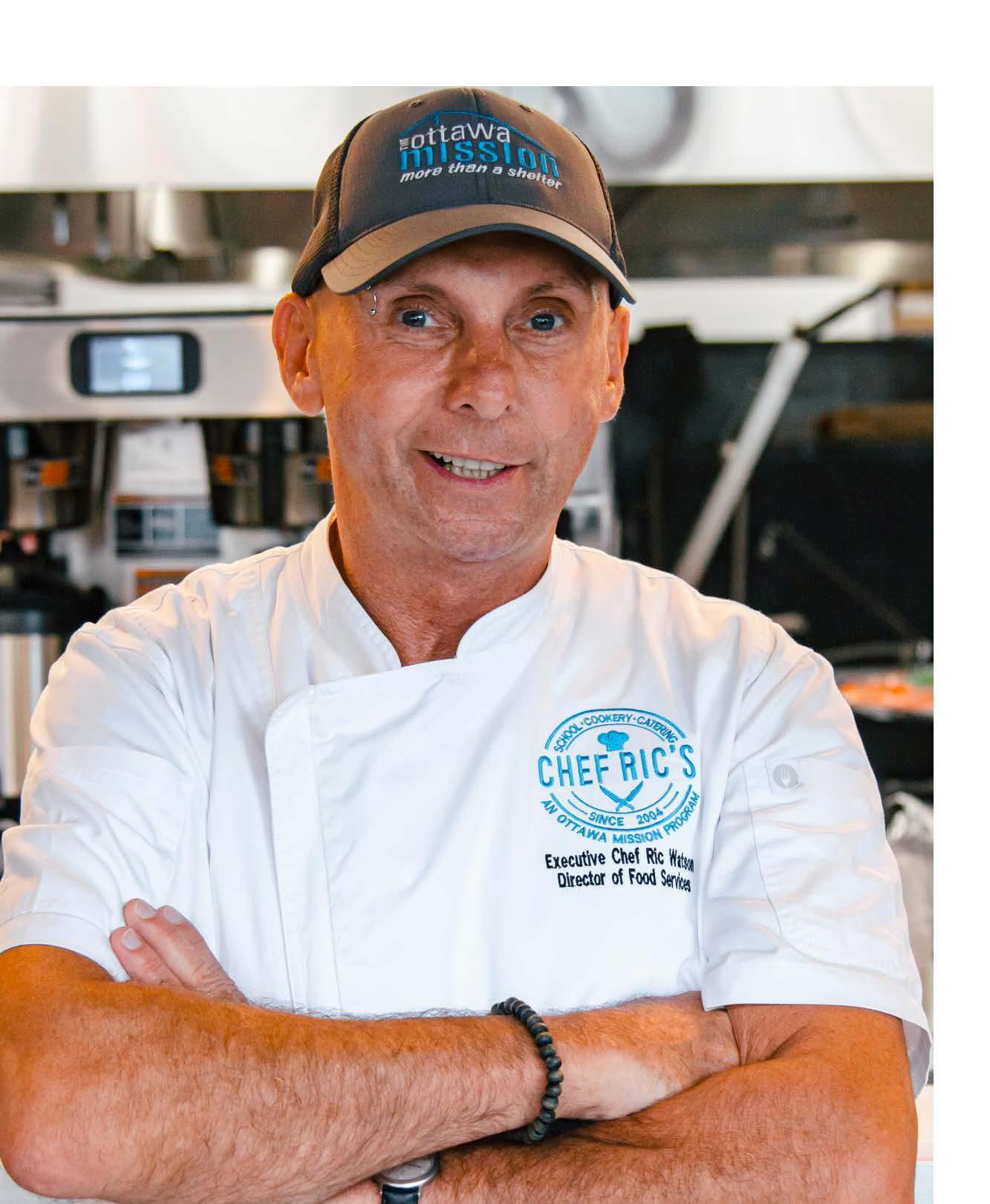
In this issue’s Q&A, we learn about Chef Ric Allen-Watson’s story of resilience and a commitment to making the world a better place. We explore the life he’s led, and the lives he’s been able to change in his desire to make lasting changes in his community.
Our Culinary Federation insert, À la Minute, recaps the Culinary Federation’s recent 2026 National Conference, Rooted and Rising. Held in Waterloo, ON, the event featured keynote programming, education sessions, product showcasing, social opportunities, competitions, and so much more.
With the warmer weather comes renewed passion, endless possibilities, and exciting opportunities for today’s restaurant operators and culinary talent.
Can’t wait for you to read this issue!
Jessica Brill jessicab@mediaedge.ca
The official publication of the Culinary Federation, RestoBiz.ca, RestoBizBYTES and RestoBizGuide.
PRESIDENT
Kevin Brown | kevinb@mediaedge.ca
SENIOR VICE PRESIDENT/PUBLISHER
Chuck Nervick | chuckn@mediaedge.ca
EDITOR
Jessica Brill | jessicab@mediaedge.ca
DIGITAL MEDIA DIRECTOR
Steven Chester | stevenc@mediaedge.ca
SENIOR GRAPHIC DESIGNER
Roxy Huynh-Guinane | roxyh@mediaedge.ca
GRAPHIC DESIGNER
Amanda Spearman | amandas@mediaedge.ca
PRODUCTION MANAGER
Ines Louis | inesl@mediaedge.ca
CIRCULATION INQUIRIES
Adrian Holland | circulation@mediaedge.ca
CONTRIBUTING WRITERS
Emma Balment Danny Murrell
Lizzy Freier Doug Radkey
Evelyn Long Samir Zabaneh
MAGAZINE EDITORIAL ADVISORY BOARD
Jason Bangerter
Executive Chef, Langdon Hall Country House Hotel and Spa
Donna Bottrell, RD
Owner, Donna Bottrell Food Consulting
Andrea Carlson Chef/Owner, Burdock and Co.
Connie DeSousa and John Jackson
Co-owners/chefs, Charcut/ Charbar
Jeff Dover Principal, fsSTRATEGY
Ryan Marquis Corporate Chef, CW Shasky
PUBLISHED BY
Gary McBlain
National Director of Culinary Services Amica Mature Lifestyles Inc.
Brent Poulton
CEO, St. Louis Bar and Grill
Doug Radkey
Owner and Director of Operations
Key Restaurant Group
Matt Rolfe
CEO and Hospitality Leadership Coach/Speaker, Results Hospitality
1020-251 Consumer Rd., North York, Ont. M2J 4R3 Tel: 1-866-216-0860 | E-mail: info@mediaedge.ca www.restobiz.ca
Copyright ©2026
Subscription Rates: Canada: $50*/year, $90*/2 years US: $75, International: $100
Single Copy Sales: Canada: $12*
*Plus applicable taxes
Publications Mail Agreement No: 40033126
PAP Registration No. 10983
ISSN 1494-7625. We acknowledge the financial support of the Government of Canada through the Publications Assistance Program towards our mailing costs.
Views expressed are not necessarily those of Canadian Restaurant & Foodservice News or the editorial staff. Although every care will be taken of material submitted for publication, Canadian Restaurant & Foodservice News, its servants or agents accept no responsibility for their loss, damage or destruction arising while in its offices, in transit or otherwise.


















The Certified Canadian Beef Training Program is a digital training platform designed for front-of-house and back-of-house foodservice professionals and students in culinary-focused educational programs.


































































JoannaJagger
Blazing the trail to a brighter future for women in hospitality and tourism
By Jessica Brill


The foodservice industry continues to evolve, adapt, and grow as it responds to ongoing challenges such as labour shortages, mental health concerns, and the need for greater workplace diversity. As these important conversations take place, progressive steps are being taken toward more equitable representation for women.
“Early on in my experience, I recognized that I was often the only female in the kitchen or on the line, a theme that continued throughout my culinary career,” says Joanna Jagger, Founder and Executive Director of WORTH Association.
Today, women make up 58 per cent of the workforce across all roles, however, their presence decreases in leadership positions, accounting for just 30 to 33 per cent of management roles. Only seven to 11 per cent hold senior decision-making positions, while 19 per cent are in kitchen leadership. Notably, just six per cent of Michelin-starred restaurants are led by women. And while progress is being made, there is still much to be done to drive meaningful, lasting change that creates a more direct path to leadership for women in hospitality.
Joanna Jagger started her culinary journey in a high school program, and following her passion, she worked in kitchens, pursued front-ofhouse roles, moved into sales, and experienced catering, landing in human resources, as she built her career and climbed the hospitality and tourism ladder.
The path to change
As Joanna spent more time in a human resources capacity, she started to notice that an “off ramp moment” often happened, where some very talented women were exiting the industry into different sectors. Similarly, while pursuing her master’s degree in leadership studies, she discovered that fundamental resources and networks simply did not exist for women in hospitality. An idea came to her while on maternity leave, and Joanna decided to try and bring together a group of talented women whom she admired, cold calling each of them to pitch her idea that they
FOODSERVICE
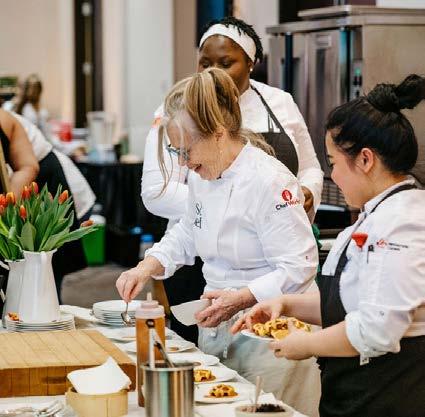

participate in a panel to speak about their experiences. That event, held in 2018, was so well received that 100 people joined a waitlist to get into the event, garnering interest from several regions in British Columbia to host similar events.
Following that event, Joanna began to work to create a community for women in hospitality, and WORTH Association was born of that need. Working to champion self-identifying women and gender diverse people working in recreation, tourism, and hospitality, the non-profit prioritizes mentorship, leadership development, advocacy, and community connection. “Many women have a real passion for service and hospitality, and an innate set of skills that shows that they belong in the industry,” says Joanna. “I am very interested in that path for women, engaging them in the industry, helping them follow their






ambition within the sector, and supporting career acceleration to find roles in leadership.”
The foodservice industry is Canada’s top employer, and 52 per cent of Canadians started their work experience in hospitality. Keeping women connected and passionate about this industry and its future by providing opportunities that include mentorship programs, conferences, leadership courses, and resources is at the heart of Joanna’s work. “The more time that passes, the more I realize that this work is a love letter to my younger self,” she says.
Women helping women
Mentorship is an important part of WORTH’s mandate, advocating for change through the stories that women tell and the legacies they create. With an abundance of opportunities through the hospitality industry, focusing on an “all ages, all stages” approach helps keep women connected to the industry that they love.
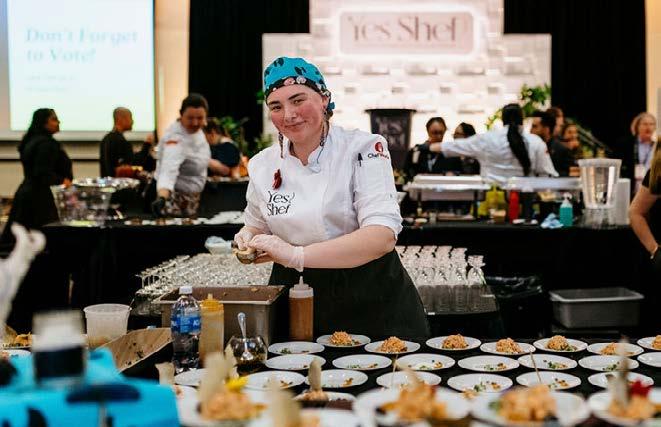
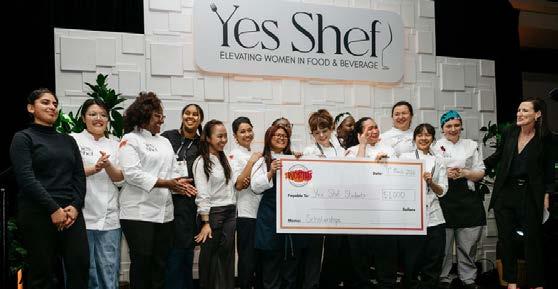
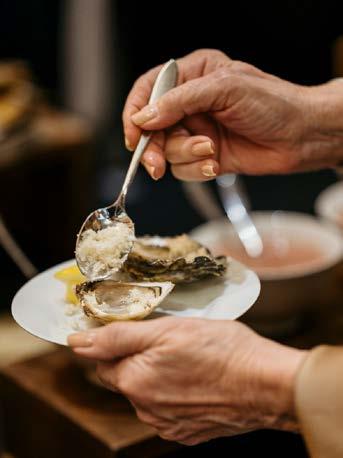
Hosting the ‘Yes Shef’ event is an important part of WORTH’s focus on fostering mentorship. Beginning in Vancouver, the event was held there for five years, embraced enthusiastically by attendees and the community. The concept pairs notable chefs with a protégée, and the event features 20 stations where guests wander the room, enjoy tasting bites, meet the chefs, and celebrate that mentorship. As the event progresses, there is a live auction, entertainment, awards, and the young women receive a scholarship at the end of the evening. This year’s program in-
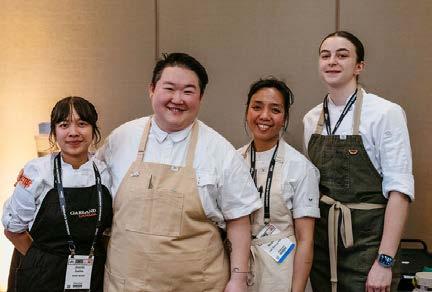
cluded 16 students, providing a platform — and the spotlight — to share their stories. To date, $85,000 in scholarships have been awarded, and Joanna hopes to grow the event to include five cities across the country in the next five years.
This year’s event was held on March 9th in Toronto, alongside the RC Show, and is now going into its 6th year. “It’s such a special night with electric energy, communal vibe, and sisterhood connection that you just don’t see at other events,” affirms Joanna.
The ‘Yes Shef’ event is as impactful for the mentors as it is for attendees. “Mentors are always amazed how much value they have to offer to these young women who are exploring their paths,” says Joanna. “Their stories are powerful, helping women learn to think bigger, set greater goals, and stretch themselves.”
A bright future
Joanna asserts that the industry is changing, as advocacy helps to propel evolution, from legislation to practice. She cites amended dress code policies, pay transparency, employment legislated change as examples — and at the grassroots level, fewer businesses are tolerating harassment in the workplace as more tools become available. 60 per cent of women in hospitality report that sexual harassment is an uncomfortable aspect of their work lives, but increasingly, employers are adopting zero tolerance policies, creating codes of conduct, and investigations are taking place.
This is an important step in creating lasting change. “In many cases, women would rather leave than report harassment, and we are working to support women and create an environment where they feel safe to speak up,” says Joanna. Change does not happen overnight, and challenges persist for women in hospitality, but keeping them in the field, engaged and connected with their passions, is a fundamental goal for Joanna Jagger and WORTH.
How can women help change the future of hospitality and tourism?
Joanna advises women seeking a future in hospitality to “not play small,” stressing that while it is not all up to women to fix every issue, thinking big can help them avoid feeling insignificant in their careers.
“There are so many wonderful employers and businesses that want to work with talented women and promote diversity on their teams and in their leadership,” Joanna says. “That’s the environment we need to help women find, to continue to work on building systems so that women don’t feel compelled to look for that off ramp.”
Amid all the challenges that the foodservice industry faces, gender equity doesn’t always take centre stage, but Joanna and WORTH are working to prove that investing in developing women offers significant ROI for operators, results in more diverse representation, minimizes turnover culture, and creates a desirable environment for the next generation seeking development, support, and mentorship.

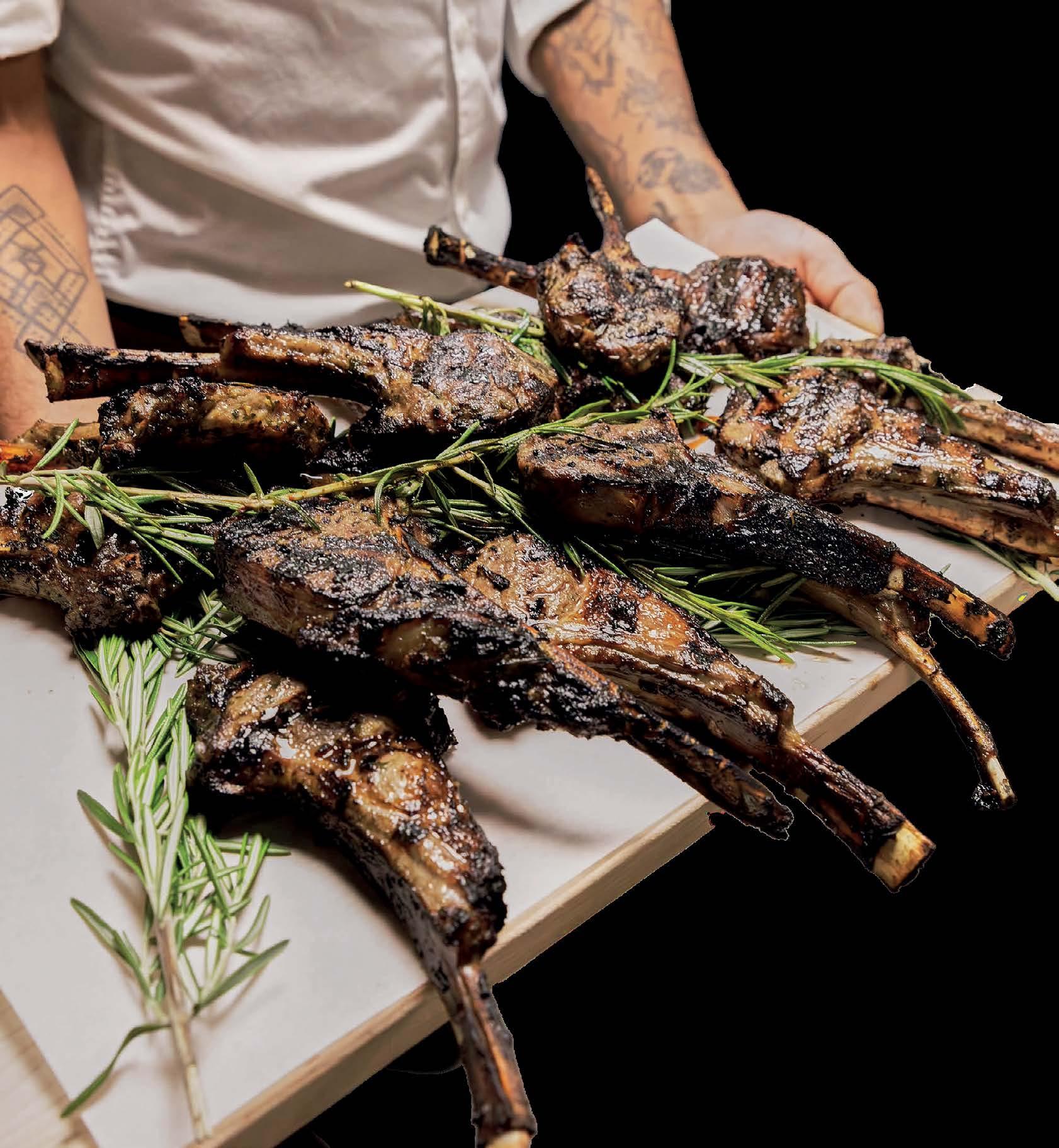
SAY G’DAY TO PREMIUM AUSSIE BEEF & LAMB
Canada and Australia have long had a special bond as Commonwealth countries and trading partners. As Canadian appetites for high quality, sustainable and naturally raised proteins continue to increase, Australia’s hardworking beef and lamb producers are answering the call. Say g’day to Aussie Beef & Lamb!
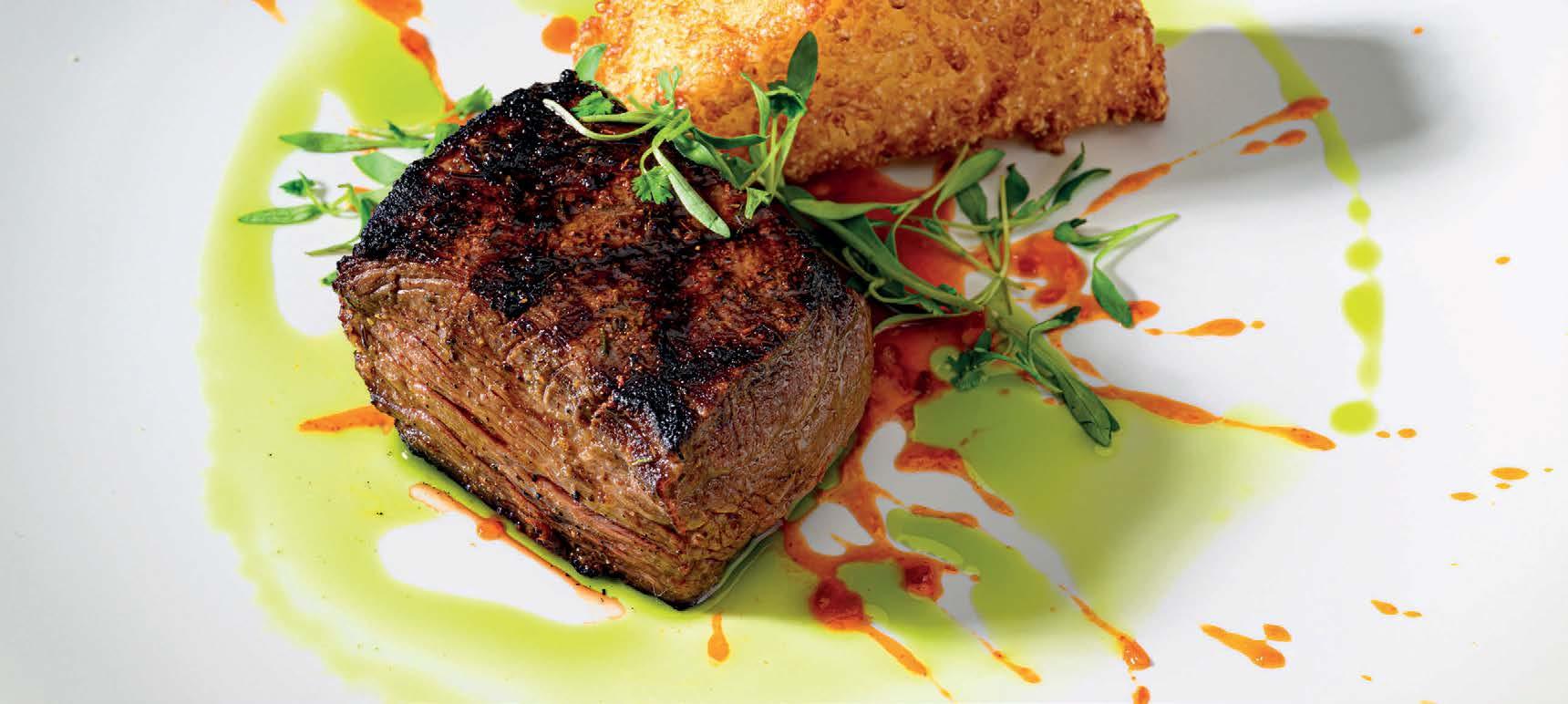
AUSTRALIAN PROTEINS HELP RESTAURANTS MEET
GROWING DINER DEMAND
Canadian food costs continue to climb (up four to six per cent annually), supply chains remain challenged and consumer discretionary spending is down. Yet research shows that diner demand for red meat in Canada is on the rise, with steakhouse-style dining increasing 15 per cent in urban centres. Canadians are looking for dishes that take centre stage – and here’s where Aussie proteins really shine.
Restaurant operators are shifting their focus, increasing protein mentions on menus by 20 per cent yearover-year, and Australian red meats help deliver on diner demand for protein with high quality, consistent, sustainable products.
Australia as the country of origin has become a signal of value and premium quality, ‘‘
said Henry Vega from Congressum Consortium Inc. “It’s a product that’s worth it.”
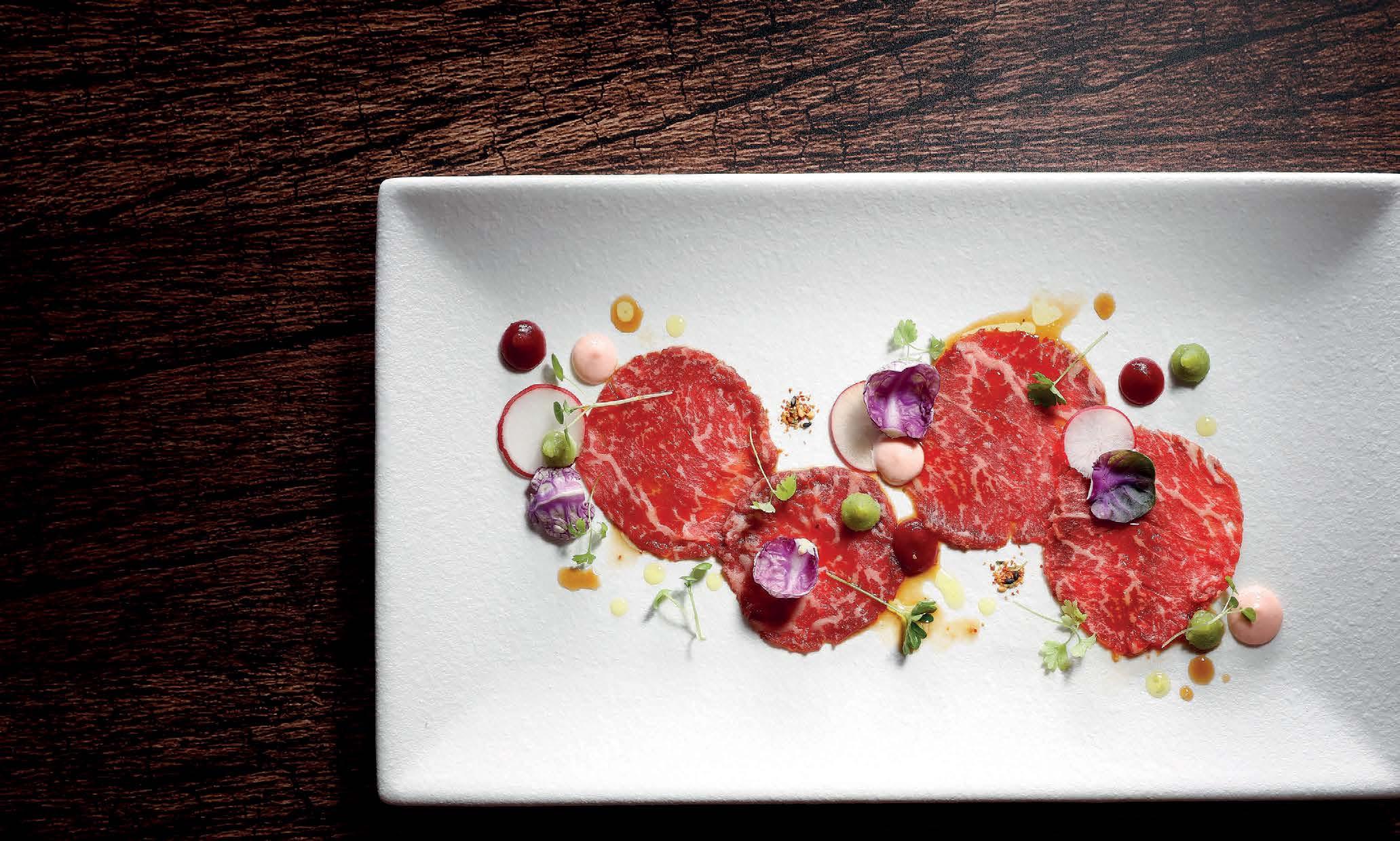
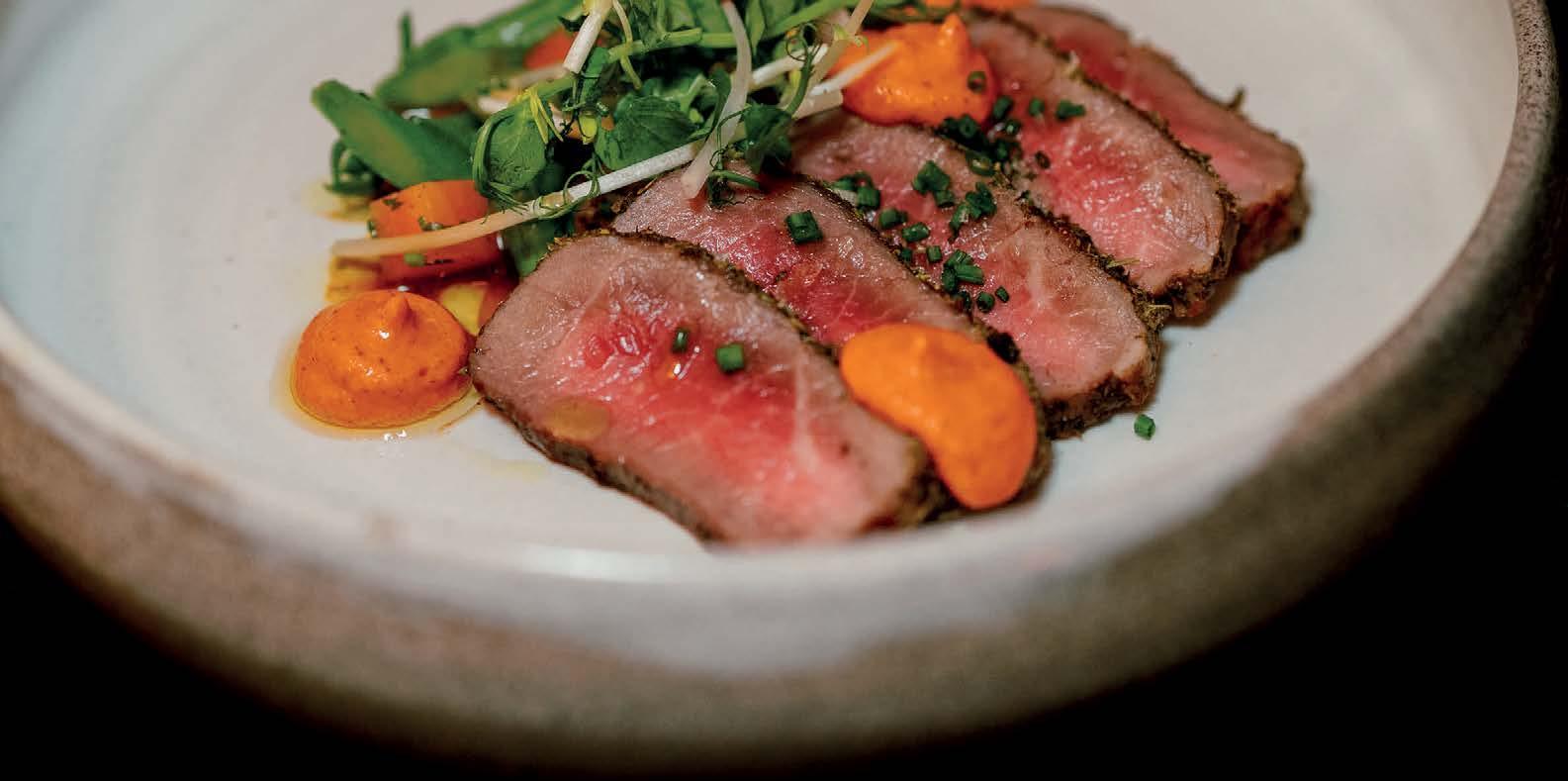
beef and lamb exporter, Australian proteins help bridge the gap when Canadian supply is constrained. Australian lamb is climate conscious, pasture raised, all natural, and free from artificial additives. Backed by a strong commitment to quality and
tender and juicy proteins make it easy for chefs to create innovative menu options featuring everything from tasty comfort classics to upscale dishes.
overall experience through unique, shareable moments. Creating dishes that evoke connection and reflection, while educating and elevating the experience is what being a chef is all about.
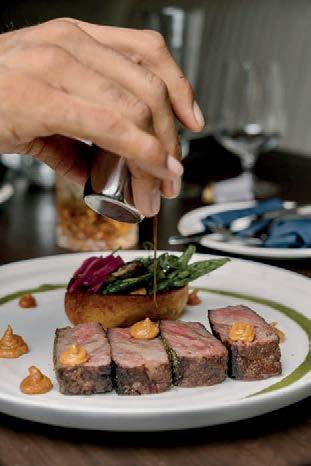
“At a destination restaurant like ours, guests like to have an element of a “show” with their meal – an Aussie tomahawk tableside flambé with Hennessy or cooking your own MB9 Australian Wagyu on a hot stone at your table,” said Chef Scott Smith,
Canada has a steady demand for high quality red meat, and Australian proteins fit neatly into that space by consistency, premium quality, . Canadian diner demand is focused on high quality ingredients, sustainable sourcing, better value, and memorable visits – and Aussie proteins help chefs
For sourcing, menu inspiration, trends & more!
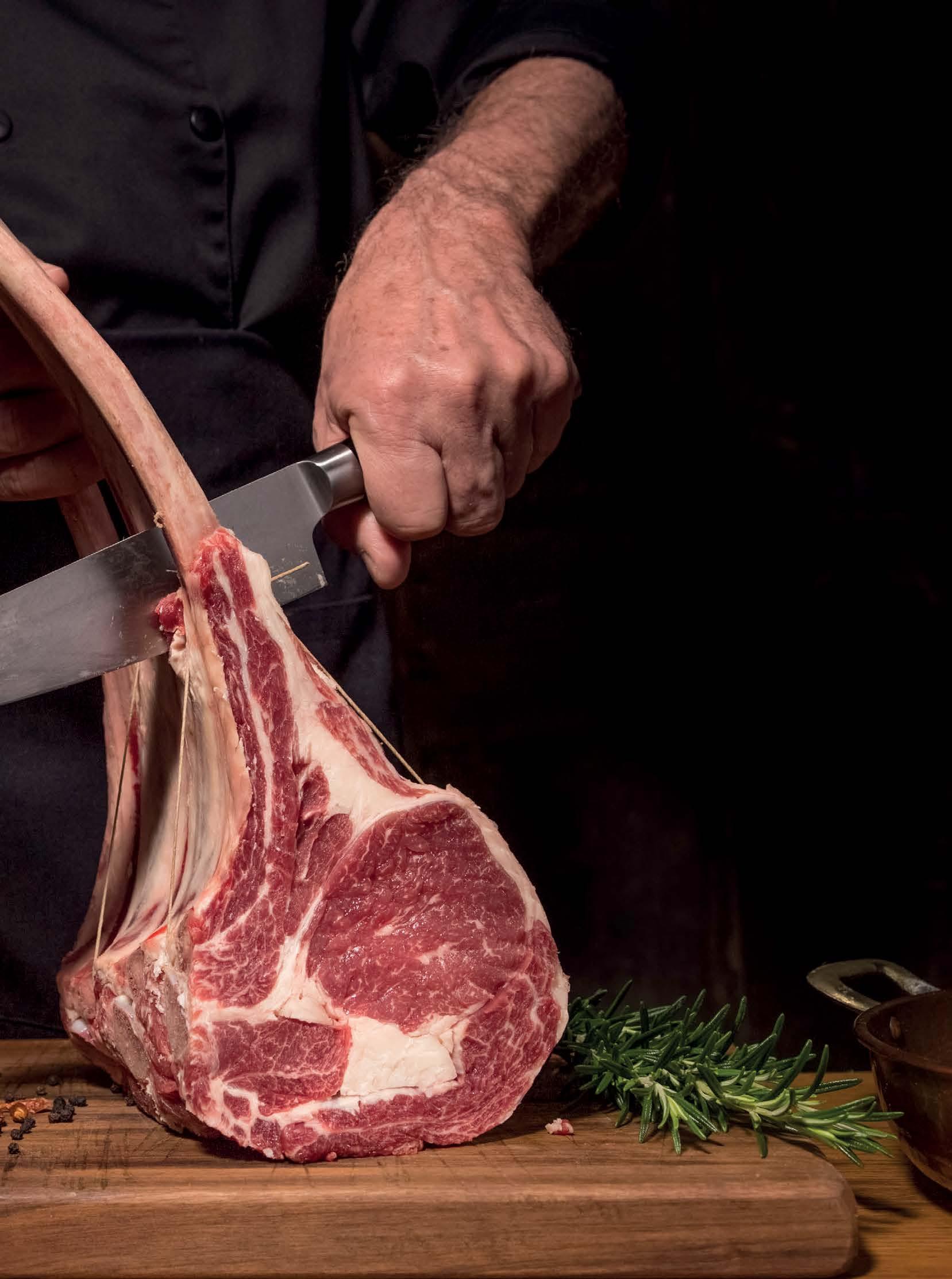
AUSSIE RED MEAT: A CUT
ABOVE
Consistency out of the kitchen isn’t just a nice-to-have; it’s what separates a great restaurant from a good one, connecting quality, reputation, and profit. Building trust with your guests, driving efficiency, increasing profitability, and encouraging repeat visits all come from positive, consistent guest experiences. With the rise of red meat imports from Australia, today’s Canadian buyers have a new tool in the kit to achieve them.
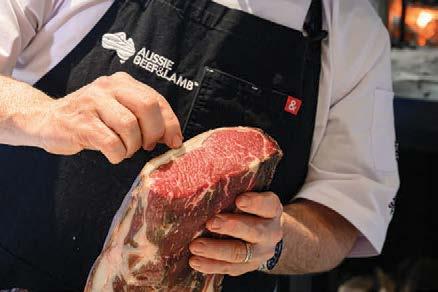
Meat Standards Australia (MSA) sets Aussie meats apart from the rest. It is a scientifically backed paddock-to-plate grading system that predicts eating quality based on cut, aging, and cooking method.

Fast facts on
• MSA accounts for all 16 known factors that affect eating quality based on over 1.7 million consumer taste tests.
• Consumer standards are continually reassessed through the consumer taste-testing program using research and a strict independent auditing program.
• Meat is labeled with recommended cooking methods that ensure tenderness, juiciness, and flavour reliability.
• In order to extract more value from each carcass, individual primals receive their own grade.
• Participants in the program are licensed, and product integrity is traceable from the producer to the consumer.
How can MSA and operators diner demand?
• Better menu planning by identifying value or alternative cuts of meat while still holding to a high eating quality standard.
• Cuts must meet a level of quality to receive an MSA grade, so Chefs know they are serving the best of the best and getting what they’re paying for.
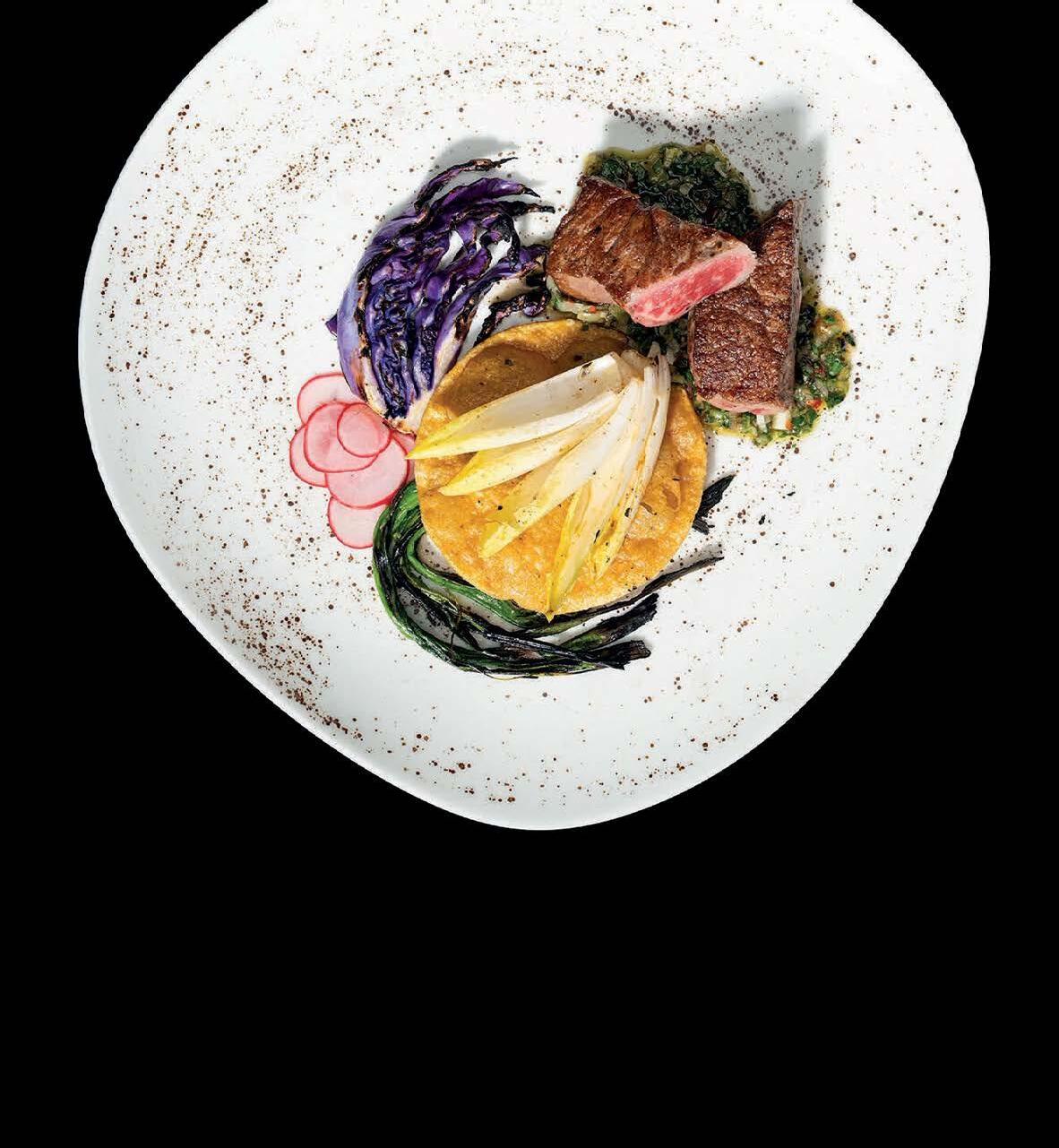
• Higher MSA grades give operators credibility in justifying premium pricing while maintaining perceived customer value.
By adopting MSA-certified Aussie proteins, chefs and restaurants can provide a predictable, high quality experience that builds customer loyalty.
Looking to source MSA beef?
Most Australian beef processors are licensed to participate in the MSA program, visit https://www. aussiemeattradehub.com.au/rmed/search/ to search the MSA Australian Exporters Database.
For a full list of distributors, restaurants, retailers, wholesalers and butchers stocking Australian beef brands, head to: foodservice.aussiebeefandlamb.com
MSA predicts eating quality by assigning each cut a rating:

• Dependable quality at accessible pricing
• Strong fit for burgers, braises, sandwiches, tacos, and everyday steak offerings
• Good balance of value and consistency

• Noticeably improved tenderness and flavour consistency
• Ideal for featured steaks, upscale bistro menus, and premium pub dining
• Help operators trade customers up without entering ultra-premium pricing

• Highest eating-quality prediction
• Exceptional tenderness and overall satisfaction
• Suited for signature steaks, tasting menus, and premium centre-of-plate applications
IN THEIR OWN WORDS: WHY CHEFS LOVE AUSSIE PROTEINS
Premium proteins don’t just improve a plate; they help strengthen menu appeal, improve customer satisfaction, streamline operational performance, and increase profitability at the same time.
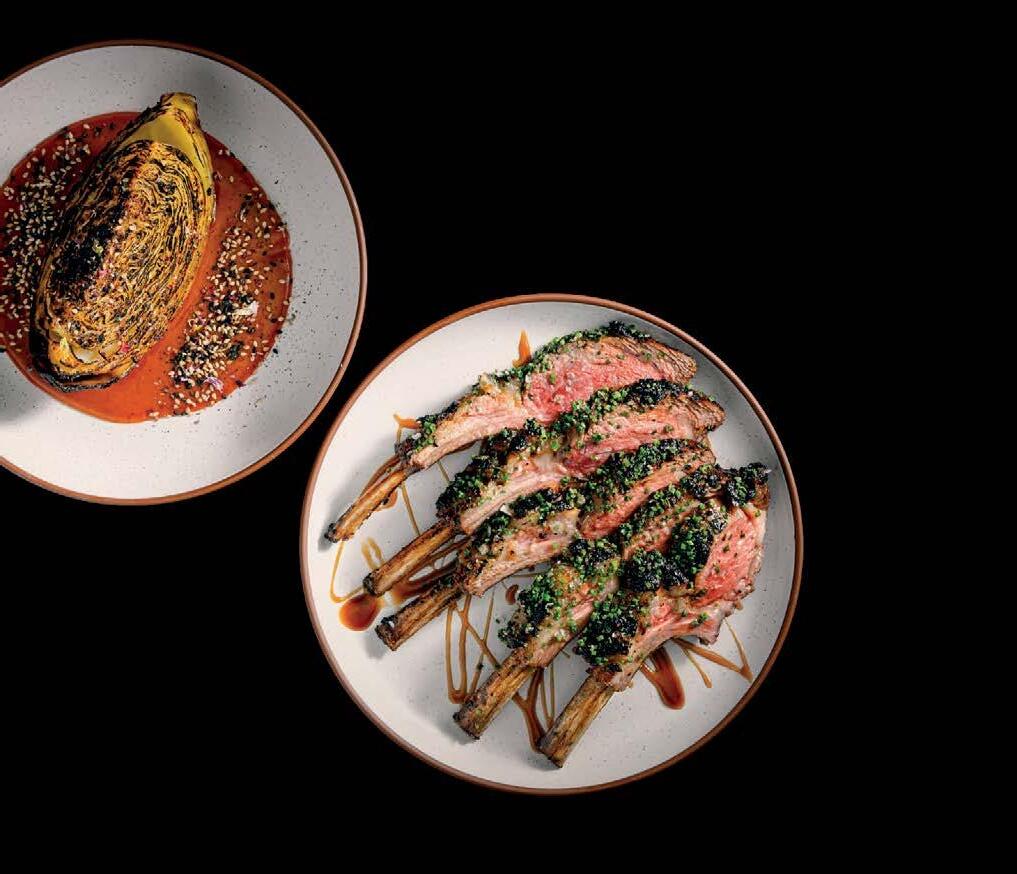
Aussie proteins simplify things in the kitchen by helping chefs:
• showcase technique with less risk of inconsistency
• create signature dishes more confidently

As Owner/Chef at Eddington’s in Exeter, James Eddington is committed to sourcing and serving the best product, focusing on offering consistent high quality in every season.
“While there is certainly some great lamb here in Canada, Australia has the advantage of being able to pasture-raise all year round,” he says. “That makes for a beautiful, high-quality, and consistent product that I can serve with confidence and pride every night. Once I got to try it out and cook with it, I was hooked.”
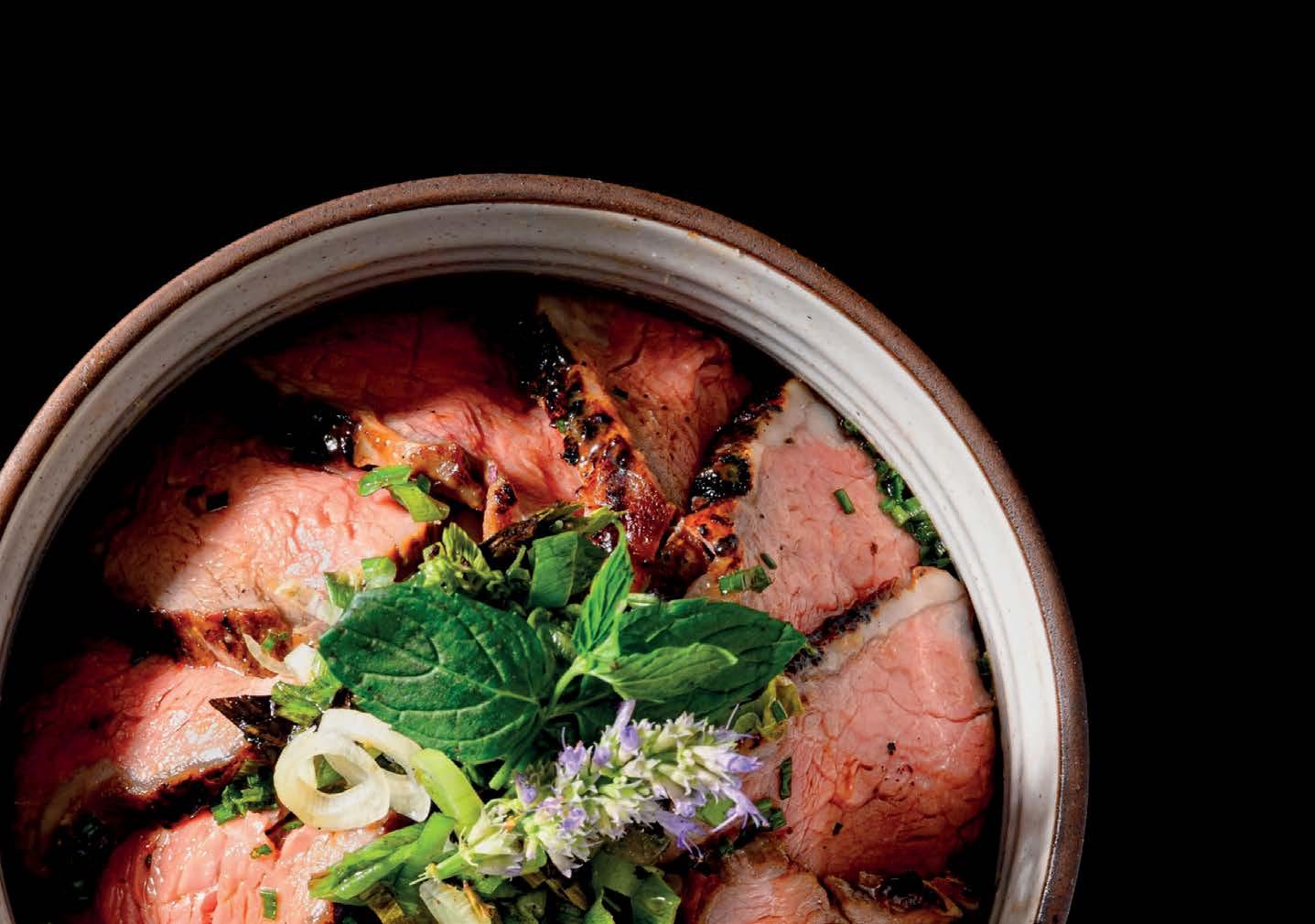
Chef Eddington values sustainability as much as taste and consistency for his guests.
“It’s about quality first,” he says. “I’ve always been an advocate for farmto-table and that’s the beauty of Aussie lamb – it’s pastureraised all year round, so it’s always a consistent, high-
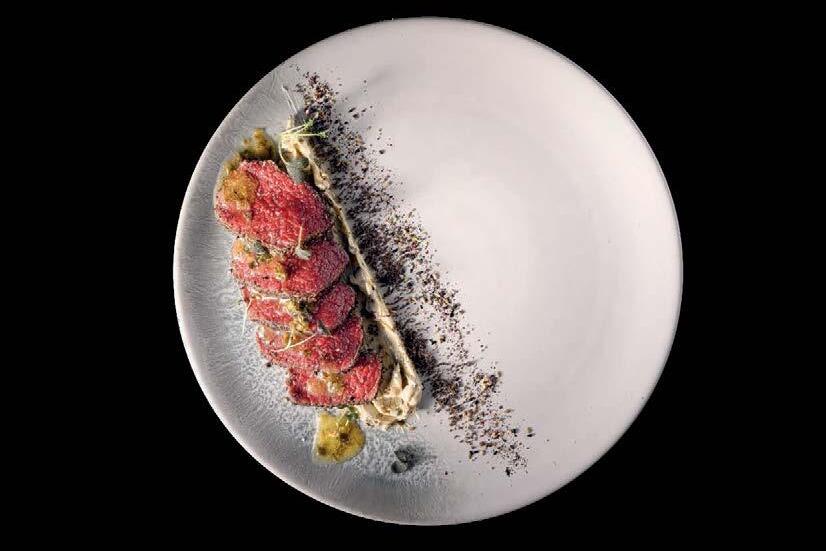
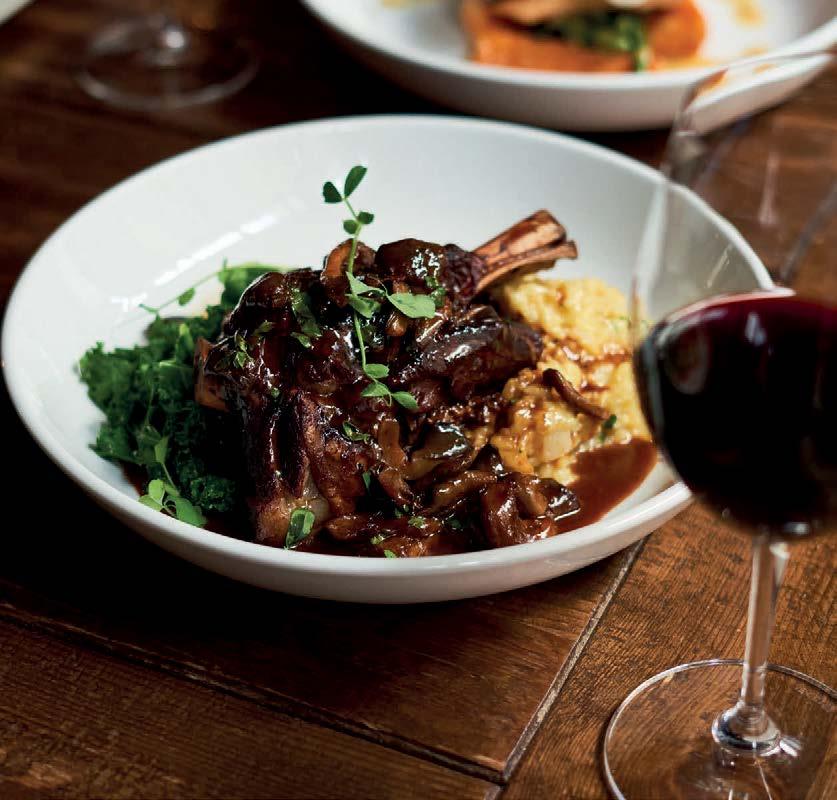

“Our guests love Australian lamb, especially the different iterations we can do throughout the seasons. I love how gentle the flavour profile is –that subtlety makes it so versatile for everything from tartares to full-on braises,” said Chef David Godsoe, Ottawa Venues.
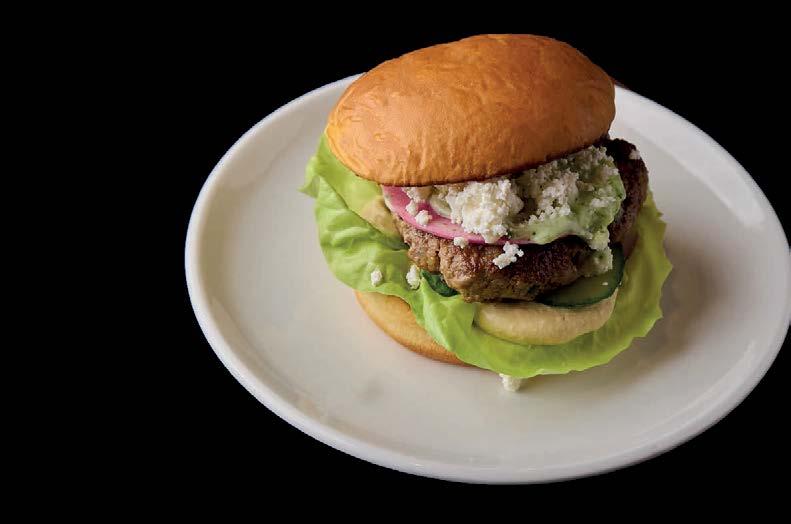

Toronto Chef, Matt Rosen, leads the kitchens at the Ballroom Bowl, an “eatertainment” bowlingalley multi-unit concept, as well as consulting to help design menus for other brands and concepts across the GTA. He raves about the versatility that Aussie meats bring to the table, serving the many preferred cuisines in the city. “Toronto is one of the most multicultural cities on the planet, so it’s just good business to have certifications like halal built into the menu by default,” he says. But value is also a key factor. “Our guests are looking for something a little more sophisticated and special than the everyday – without breaking the bank. Aussie beef and lamb really hit that sweet spot of affordable luxury.”
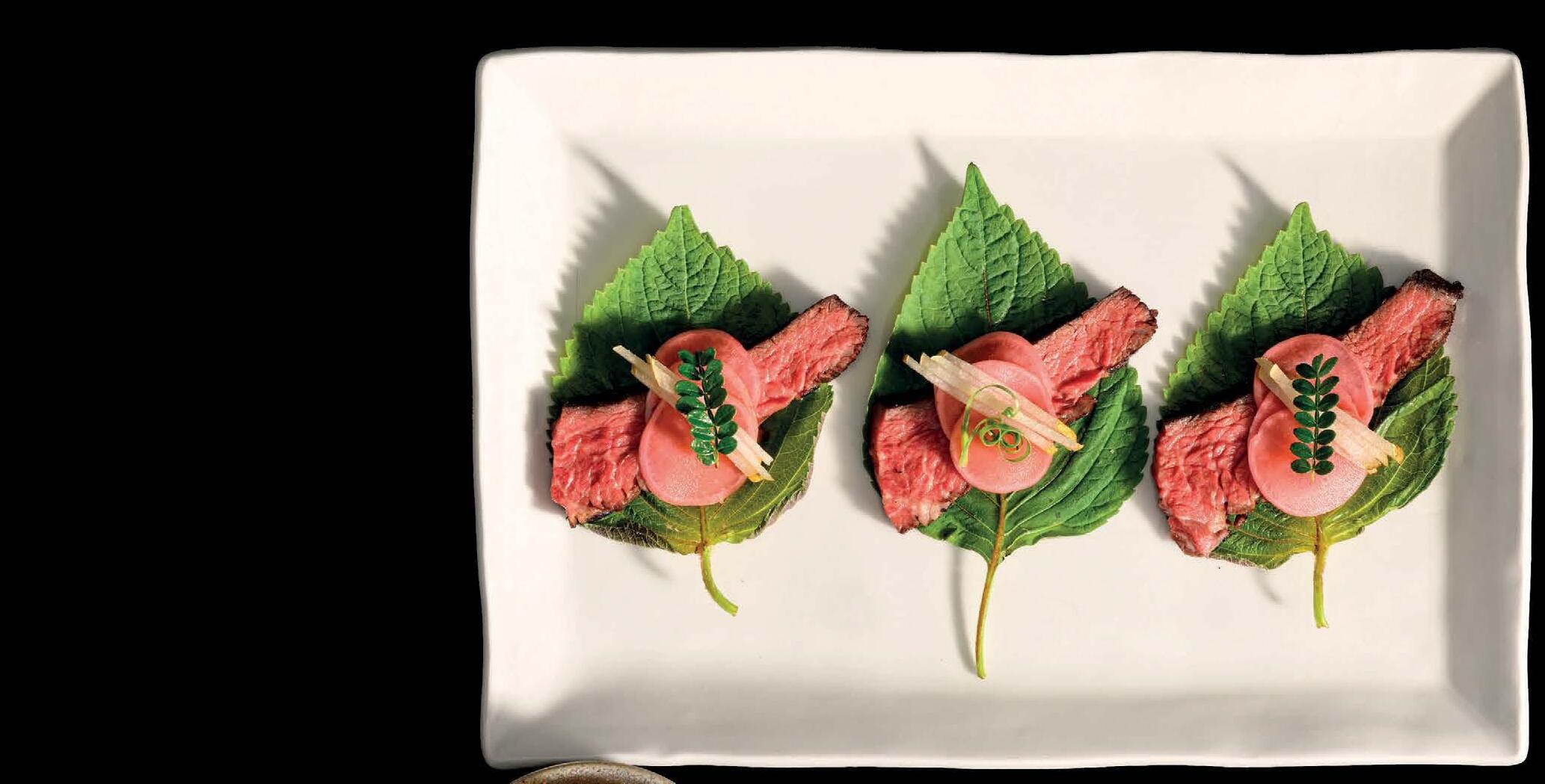
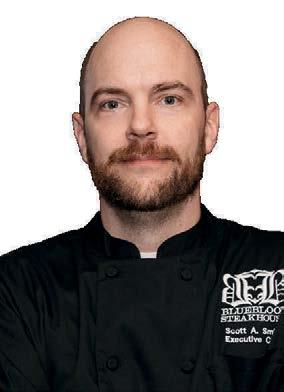
Scott Smith, Executive Chef at Blue Bloods Steakhouse, Toronto, runs the kitchen at one of the top steak destinations in Canada, and features Aussie meats on the menu across the board, from filet mignon to rib eyes and tomahawks, lamb racks to Wagyu tasting flights. “I’ve never had a complaint about Aussie meat from a guest. The flavour is number one and the quality is so consistent. Aussie meats generally punch above their weight for eating quality at the price point – there’s good value there for our operation and for the guest.”
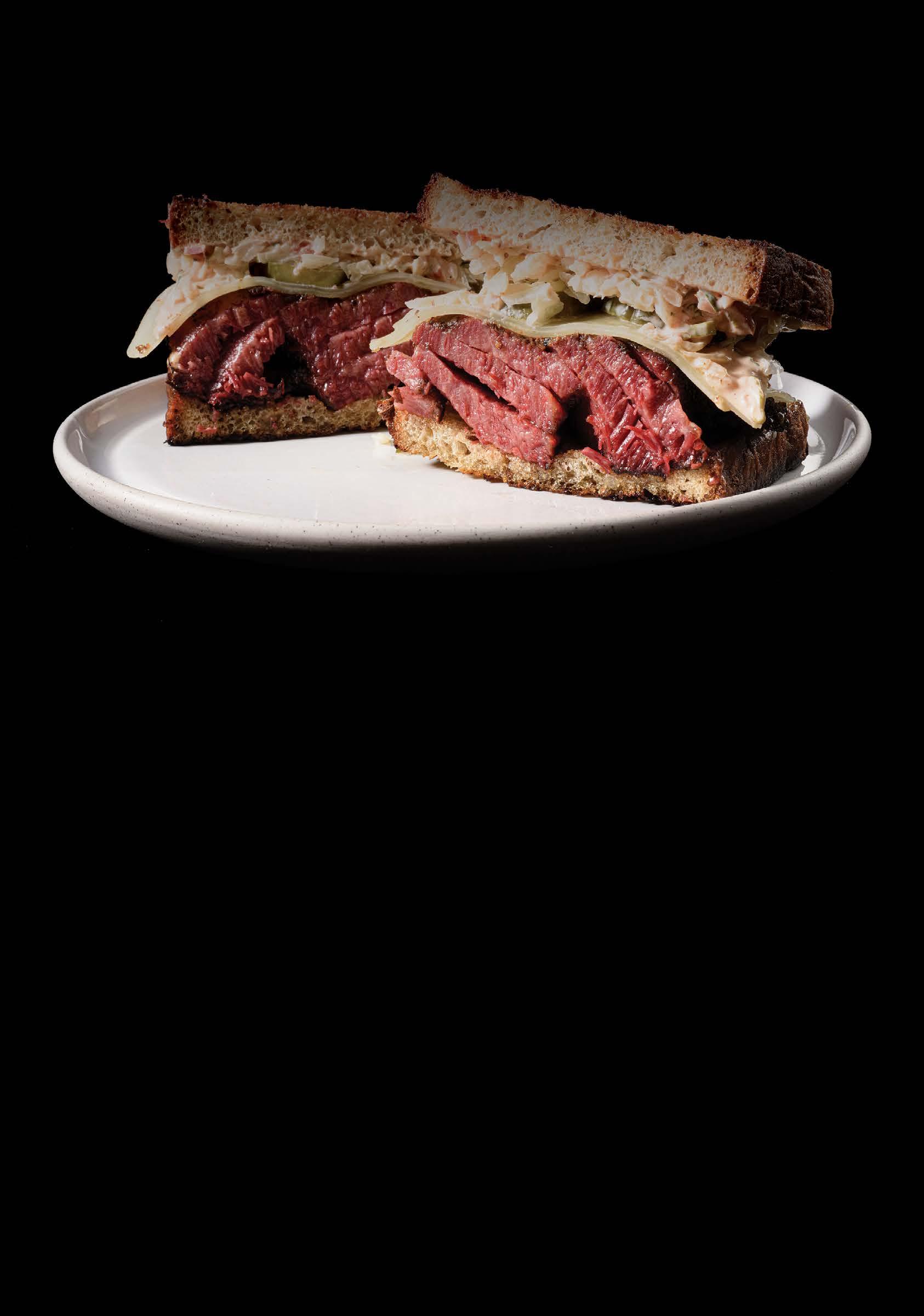







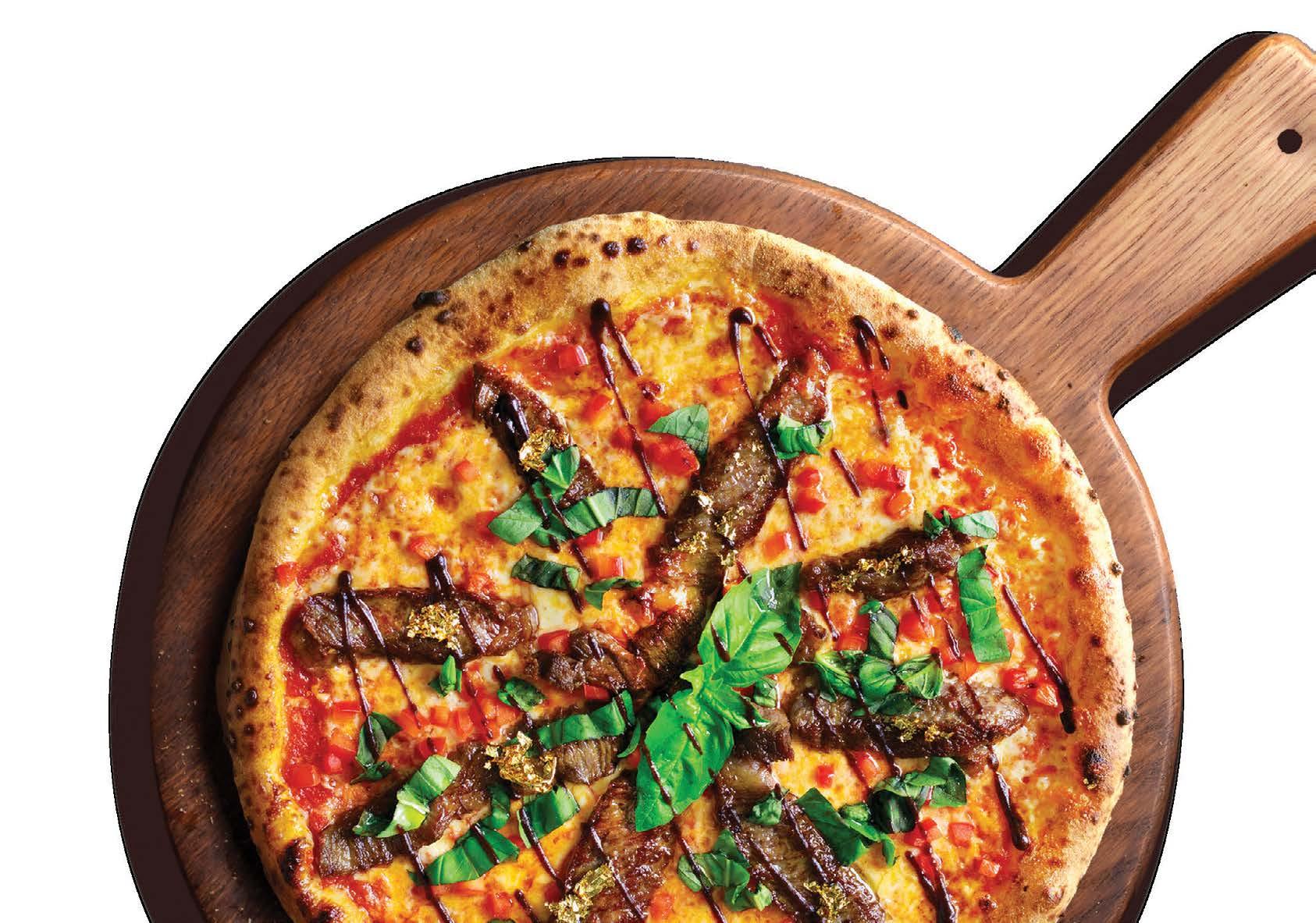
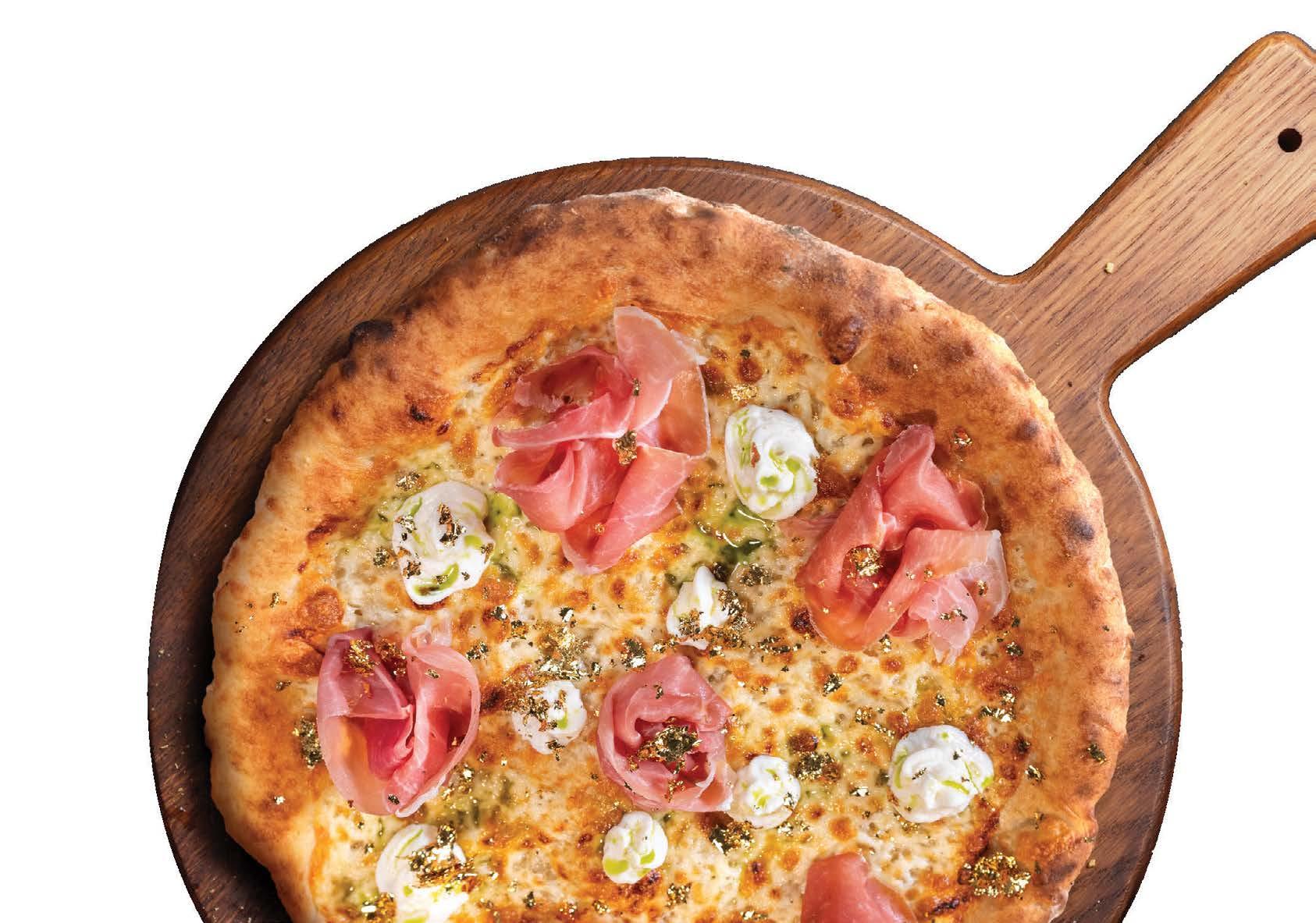
EVERY BURGER DESERVES THE PERFECT MELT.
Whether it’s a classic favourite or a gourmet masterpiece, Black Diamond slices are crafted to perform.

Let’s connect!
WARM WELCOME
Serving your guests better with informed restaurant
design
By Evelyn Long
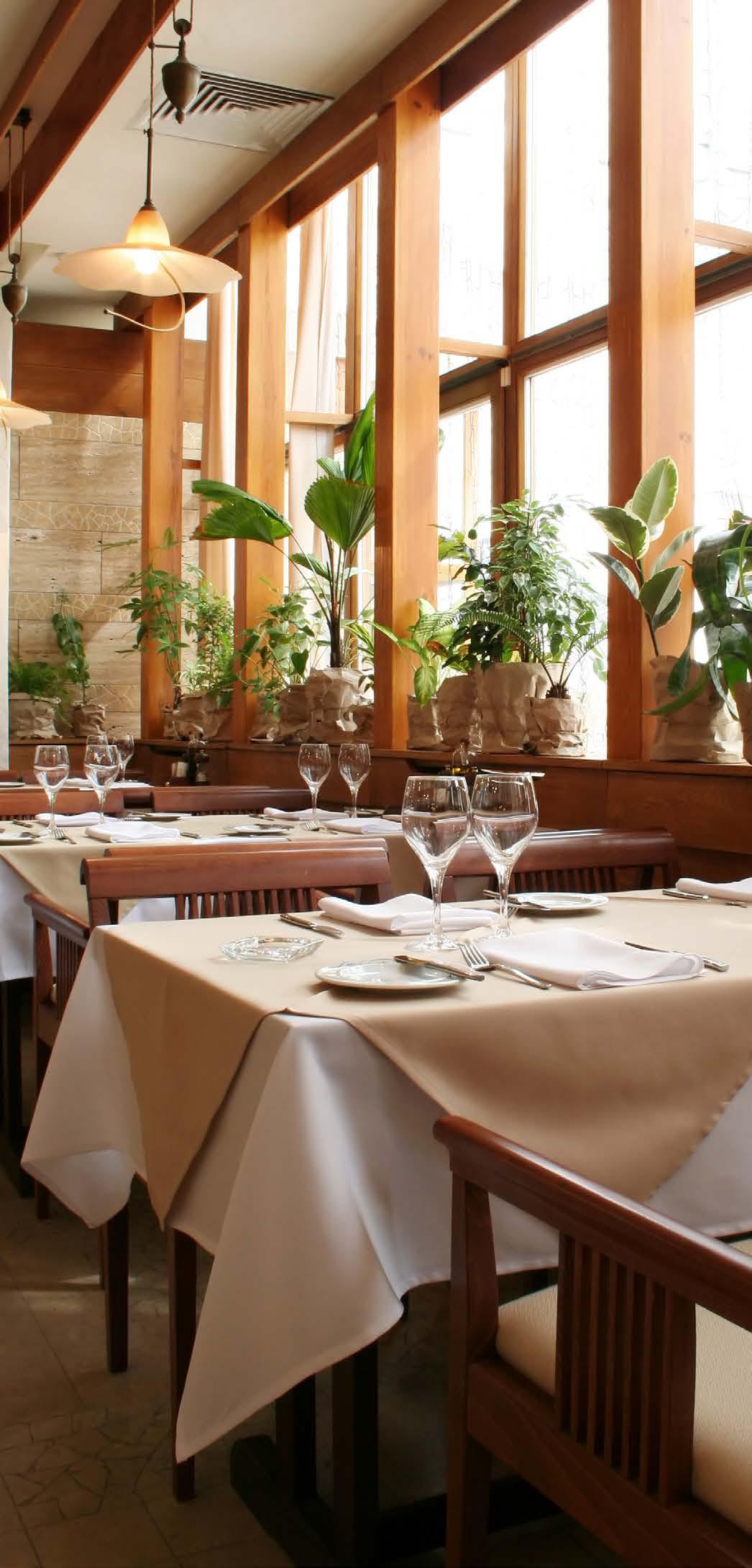
In recent years, more restaurant operators across Canada have started looking beyond aesthetics and focusing on how environments affect emotional comfort. That shift has brought more attention to trauma-informed design, which looks at how physical spaces can increase or reduce stress. When guests feel physically and emotionally safe, they are more likely to relax, stay longer, and return to your restaurant. Employees can benefit from informed restaurant design, too, especially in an industry where stress and burnout are common challenges.
What is trauma-informed restaurant design?
Trauma-informed design comes from traumainformed care, which recognizes that many people have experienced traumatic events that may affect how they respond to certain situations, sounds, layouts, or interactions.
Trauma-informed approaches prioritize understanding how trauma affects behaviour, creating spaces that feel physically and emotionally safe and giving people more choice and support. They also encourage collaborative relationships and build resilience by recognizing individual strengths rather than focusing solely on the challenges.
You have likely already experienced some guests who have been affected: diners who prefer quieter seating away from crowded entrances, customers who become overwhelmed by excessive noise or diners who feel anxious in cramped layouts. These guests are all responding to environmental stressors. Trauma-informed design aims to reduce those triggers without making the experience feel restrictive.
Creating hospitality spaces that feel approachable and predictable can make a meaningful difference for a broad range of guests, including people living with anxiety, PTSD, sensory sensitivities, or cognitive conditions.
Restaurant environments can become overwhelming
Restaurants naturally involve stimulation, as background music, the din of conversation, kitchen noises, crowded walkways, and flashing screens all compete for attention. While that energy can help create an atmosphere, too much sensory input can make some guests feel overwhelmed.
This is especially important as mental health concerns continue to rise across Canada, particularly among younger people. Statistics Canada reported that the share of youth rating their
mental health as “fair” or “poor” increased from 12 per cent in 2019 to 26 per cent in 2023, highlighting the growing importance of emotionally supportive environments in public spaces.
Restaurants that create calmer and more predictable environments can appeal to guests who increasingly value emotional comfort alongside food quality and service. Trauma-informed design also affects customer behaviour in subtle ways: guests who feel uncertain or overstimulated may leave sooner, avoid returning, or perceive service more negatively.
On the other hand, environments that feel intuitive and calming can increase trust and satisfaction for your guests and employees. Restaurant staff spend hours navigating noise, congestion, and sensory overload, but a more thoughtfully designed environment can support concentration and reduce stress.
Designing for comfort without losing atmosphere
One misconception about trauma-informed design is that it requires neutral or minimalist interiors. In reality, the goal is balance rather than blandness.
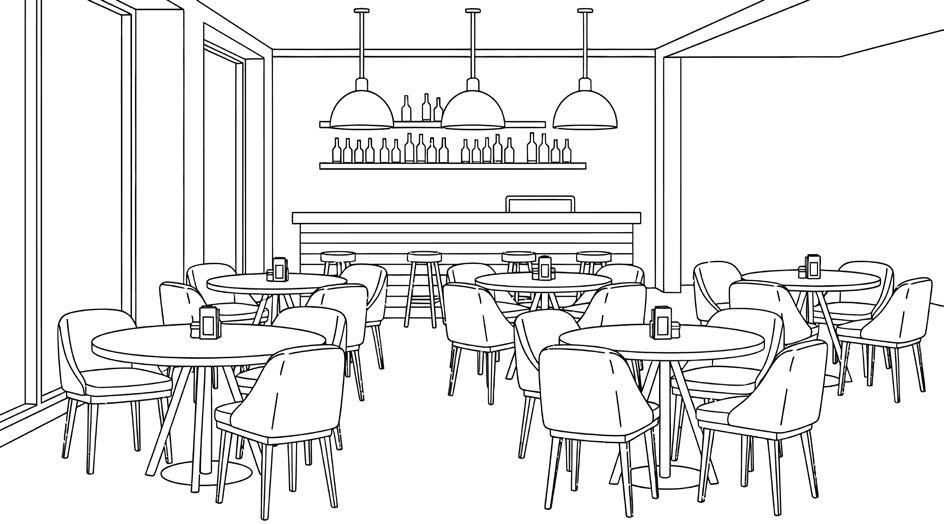
Restaurants can still feel energetic, stylish, and memorable while providing emotional comfort:
• Intentional lighting: Harsh fluorescent lighting or rapidly changing digital displays can increase stress for some guests. In contrast, soft lighting and natural elements help create a warmer and more comfortable environment, which aligns closely with trauma-informed design principles. Natural light can also help guests feel calmer and more grounded during daytime service.
• Noise management: Excessive echo and constant high-volume music can make conversations exhausting. Acoustic panels, upholstered seating, and thoughtful speaker placement can lower stress without changing the restaurant’s brand identity.
• Mindful layout: Clear pathways, visible exits, and seating arrangements that avoid crowding help reduce anxiety. Booths or semi-private seating areas can also make guests feel more secure and in control of their surroundings.

Cook Smarter with HIGH OLEIC SUNFLOWER OIL


Even smaller details can contribute to a more trauma-informed experience. For example, washrooms with clear signage, waiting areas with enough personal space and predictable ordering systems also help reduce uncertainty.
How accessibility connects to trauma-informed design
Accessibility and trauma-informed design often overlap because both prioritize dignity, independence, and comfort. Doorways, entrances, and transitions between spaces can significantly affect how welcoming a restaurant feels.
While Canadian accessibility laws differ by province, the broader principle still applies. Difficult-to-navigate entrances can create physical and emotional stress. Heavy doors, narrow

vestibules, or confusing entry points may make guests feel excluded or anxious before they even sit down. This becomes especially relevant for guests with mobility challenges, chronic pain, PTSD, or sensory sensitivities.
Accessible layouts also help parents with strollers, older adults, and guests with temporary injuries, which shows how trauma-informed design often improves experiences for everyone rather than a single group.
The Government of Canada’s accessibility framework also emphasizes the importance of removing barriers in public spaces, since more than six million Canadian adults have a disability. For restaurants, accessibility creates environments where people feel welcome and comfortable from the moment they arrive.
Trauma-informed design strengthens guest loyalty
Customers are more likely to stay loyal to a restaurant when they have a great meal, feel comfortable in the environment, and receive thoughtful service throughout their visit. In competitive restaurant markets, those experiences can become a differentiator even when customers cannot fully explain why they preferred one space over another.
Trauma-informed design is ultimately about intentionality. As the restaurant industry continues evolving, emotional comfort will become an even more important part of hospitality design. Restaurants that recognize that shift now may be better positioned to create spaces where guests genuinely want to return.
Creating restaurants that feel safer and more welcoming
Restaurant design has always helped shape the customer experience, but trauma-informed design takes that idea a step further by considering how environments affect emotional well-being, too. Small adjustments like quieter seating areas, clearer layouts, and more accessible entrances can help guests feel calm, safe, and comfortable throughout their visit. This way, trauma-informed design helps restaurants build stronger connections with customers and staff while fostering a more positive hospitality experience.
Evelyn Long is a leader in accessible and inclusive interior design for commercial spaces. As Editor-in-Chief of Renovated Magazine, Evelyn champions innovative and thoughtful design solutions that prioritize inclusivity and functionality.


The ofpicturehealth The ofpicturehealth
How are wellness trends restaurant
picturehealth health
shaping menus?

By Jessica Brill
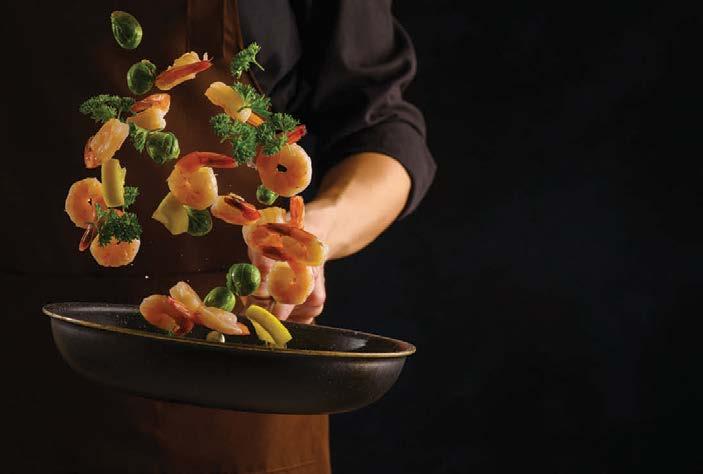
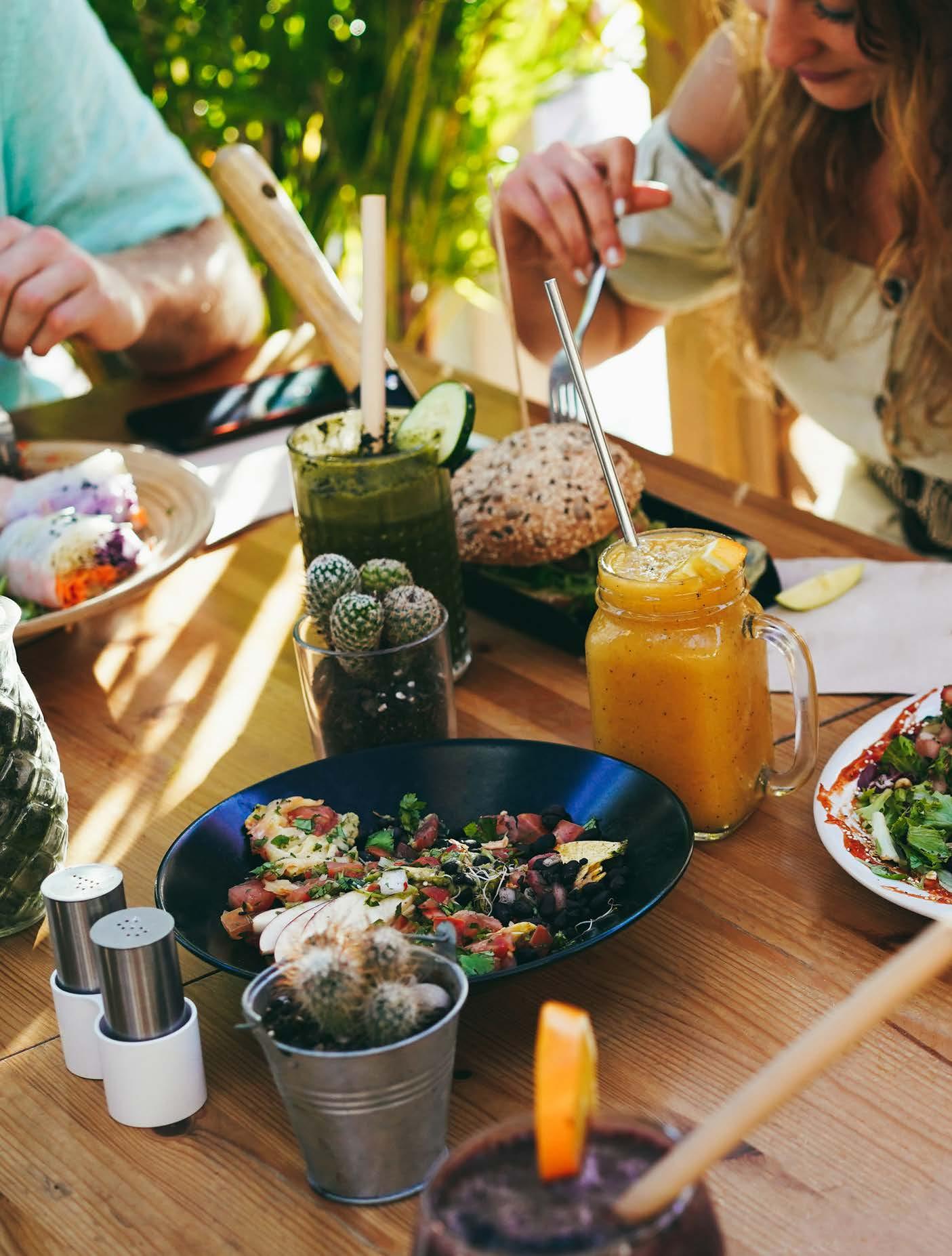
Dining trends come and go, evolving to reflect current tastes, economic considerations, and even social media phenomena. Healthy eating has long been a factor for many consumers, and today’s idea of healthy dining has shifted from the simple desire for wellness, to a focus on functionality that addresses specific consumer needs and goals.
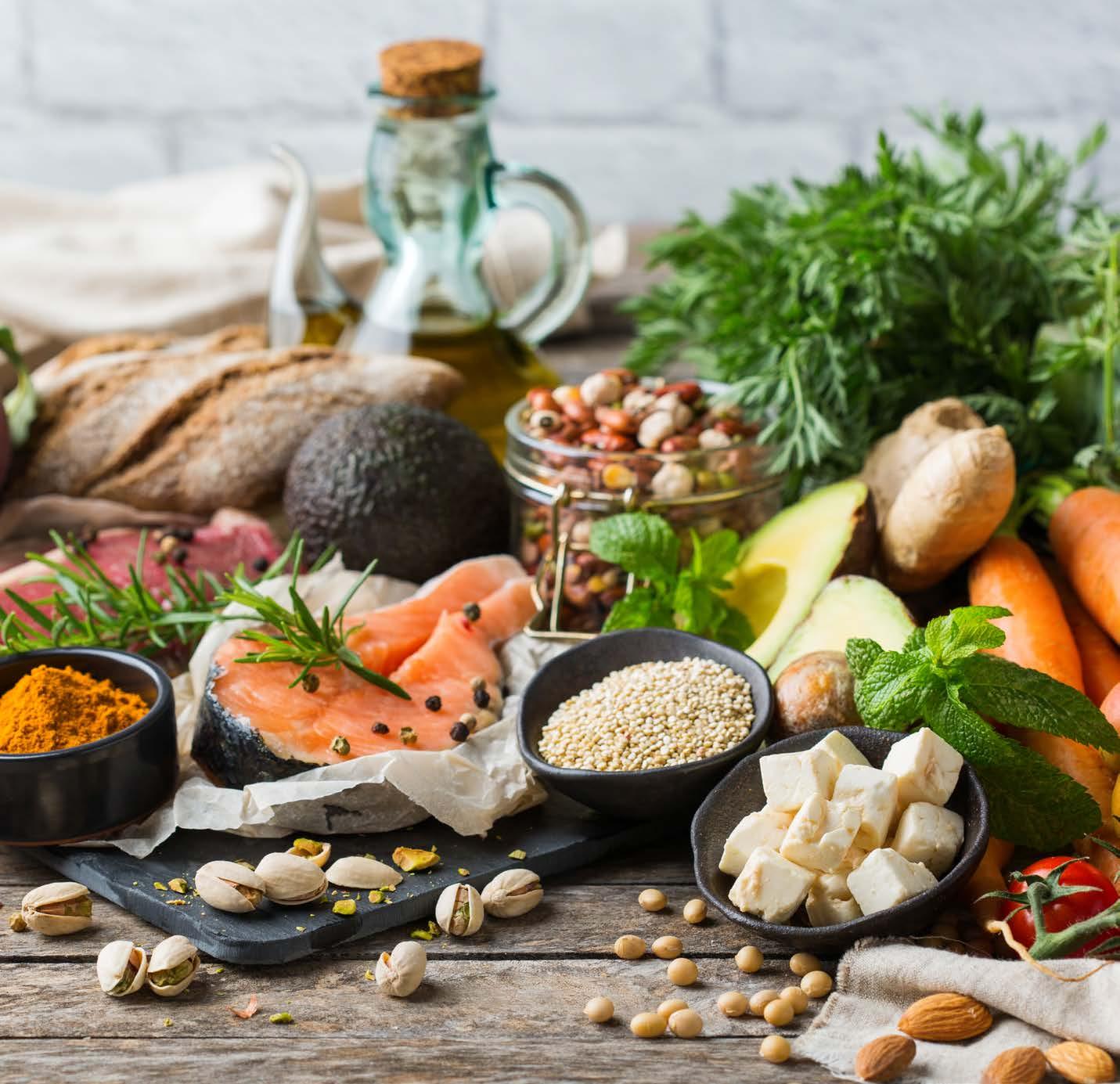
Blending innovation and vibrant flavours, 2026 diners are searching for a balance of indulgence and nourishing foods, while striving for their health and wellness objectives. It’s important for restaurant operators and chefs to pay attention to health considerations: if the menu does not include options for health-conscious consumers, it will likely lead to lost business.
A healthier approach
Some studies suggest that only five per cent of diners choose a restaurant based on the availability of healthier options, and that restaurant selection is driven by habit, menu, and food exploration, providing opportunity to try new things and include the occasional indul-
gence. Despite this, in over 25 per cent of all restaurant visits, consumers will choose a menu item that is specifically labelled as a ‘healthy’ choice, making wellness a priority when dining out.
Customer demographic is an important factor for consideration. About 13 per cent of consumers say that they are looking for more protein in restaurants, a number that has risen by about a point a year over the last four years, but this is more predominant with younger guests. Older guests are more inclined to avoid things in their diet — sugar, salt, fat, calories — and this data affects menu engineering, marketing, and more.
Beverages have gained traction as a way to deliver incremental protein to restaurant guests. This growth
can be seen in many chains and QSRs offering mix-in additives for smoothies, cold foam for coffees and teas, plant-based beverage dairy alternatives, and high protein milk and cream products.
“Trends are always on the move and the challenge for operators is that perceptions of ‘healthy’ change over time,” says Vince Sgabellone, Senior Director, Foodservice Industry Analyst at Circana. “Today it is all about protein, and it appears the next trend may be fibre, but before that was clean labels, vegetarianism, and lowcarb diets.”
Sgabellone recommends that restaurateurs include some ‘healthy’ options on their current menu that can tick a few of the boxes for the health-conscious consumer who come through their doors.
Plant-based and flexitarian diets
Looking past the bottom line, the foodservice industry “has an important role to play in shaping societal norms and eating habits, and reducing its negative impacts on the planet,” says Riana Topan, Program Director with Humane World for Animals. “The good news here is that healthy food — focused on plants — has a lighter environmental footprint, is more compassionate to animals,
is often more cost-effective, and can be so delicious.”
Research shows that the number of plant-based diners continues to grow, with 2.3 million Canadians identifying as vegetarian and 850,000 identifying as vegan. Flexitarian dining is also on the rise, with 40 per cent of Canadians planning to cut back on their meat consumption — and though it may not be growing at the original predicted rate, it is still a priority for many diners.
In today’s uncertain economy, with guests so focused on value, some operators are hesitant to make dramatic changes to the menu, but for restaurants wanting to add more plant-based options to their menus, Topan asserts that simple strategies are available.
One recommendation she makes is to start with the ‘low-hanging fruit,’ making easy substitutions wherever possible. She suggests replacing dairy milk and butter with non-dairy options in soups, sauces, and desserts, and defaulting to plant-based choices — for example, serving coffee with oat milk unless a diner requests cow’s milk. Next, adding a few new, fully plant-based dishes designed for everyone to enjoy, not just for vegans or vegetarians that prioritize protein can help them appeal to a broader group of diners.
There is a growing concern about ultra-processed
“Trends are always on the move and the challenge for operators is that perceptions of ‘healthy’ change over time.”

“Today it is all about protein, and it appears the next trend may be fibre, but before that was clean labels, vegetarianism, and low-carb diets.”
food these days, with sugar-sweetened beverages, candies, cookies, chips, and refined grains making up a significant portion of the average person’s daily caloric intake. However, studies have shown that even ultra-processed plant-based foods (like plant-based meats) could lower the risk of chronic illness, including diabetes, cardiovascular disease, and other chronic conditions, when replacing items like red meat in diets. This means that operators can incorporate a few plant-based items on the menu without recreating the wheel, to help satisfy diner demand for healthy alternatives and broaden their offerings.
Some of these dining preferences also stem from the consumer desire to cut back on spending. According to the most recent Canada Food Price Report, 86 per cent of Canadians are reportedly eating less meat due to high prices, and increasing their consumption of plant proteins, like lentils and tofu. Foodservice operators can similarly stretch their budgets by adding more beans and peas to menus, which can help to keep food costs in check, benefitting businesses and their clientele.
Topan suggests reducing the amount of animal-based protein in a dish to add in more plants. She gives the example of a chili, stew or stir fry recipe being modified slightly to have a little less meat and more beans or veggies, which adds fibre and colour, often coming in at a lower price point. The simple shifts can help operators offer something for everyone, and as health considerations continue to take centre stage, attracting healthy, plant-based eaters can help boost the bottom line.
GLP-1s and restaurant menus
Along with value, plant-based diets, higher protein, and increased fibre, operators are also faced with an increasing number of diners on GLP-1 medication to treat obesity, diabetes, and other chronic conditions. Research from Dalhousie University shows that about two million Canadians now use GLP-1 medications, and that could have a notable impact on restaurant traffic and dining habits. According to the report, 45.5 per cent of users are eating less and 21.6 per cent visit restaurants
less often. As far as dining habits, those have shifted too: users are eating less sweet bakery goods (30.6 per cent), consuming fewer sweet treats and snacks like candy (30.4 per cent), chocolate (36.5 per cent) and chips (25.3 per cent), drinking fewer carbonated soft drinks (28.8 per cent), and consuming less alcohol (19.2 per cent).
Research indicates that GLP-1 users have lowered the number of items ordered per trip by one per cent, aligning with the broader health trend of 35 per cent of diners ordering smaller portion sizes from restaurants. In addition, GLP-1 users tend to order more main dishes and fewer sides, snacks, and breads, with 63 per cent looking for more vegetables and 55 per cent seeking more fruit.
Many operators are taking a closer look at menu items, portion control, and healthy trends to stay relevant and continue to attract diners who may be taking GLP-1 medication, looking for ways to maximize margins while hitting the mark with healthier guests. Adding protein, lowering carbs, and offering smaller portions can help operators better manage inventory, reduce food waste, and better serve these guests.
Restaurants looking to capitalize on this healthier movement should focus on nutrient-dense dishes, labelling dishes with easily accessible nutritional information and clear marketing that suggests options for these guests to attract these diners and keep them coming back.
Healthy eating is always an evolving trend, but today’s version looks like a more targeted, higher value menu for guests with specific health goals. By embracing this shift and looking ahead to upcoming health and wellness trends, along with offering some indulgence, operators can remain relevant, appealing, and a destination for the health-focused consumers of today and tomorrow.
Sources:
•Circana, CREST® database of consumer restaurant behaviour year ending December 2025
•Polling data provided by Humane World for Animals
Your culinary companion



THE BOTTOM LINE
Managing today’s concept of foodservice value
By Emma Balment
Today’s restaurateurs and suppliers are operating in what is being described as ‘The Endurance Economy’.1 Cost of living is the top issue facing Canadians today. Price has become the determining factor for purchase, and consumers are predominantly pessimistic about both short and long-term financial wellbeing. There is hope on the horizon as consumer confidence begins to stabilize,2 but personal financial outlook has been eroding for the past decade.
How do restaurateurs provide compelling value and compete in a price-first economy? The good news is that restaurants are an enduring part of Canadians’ everyday lives, but the more uncomfortable truth is that it feels like the industry is working furiously just to stand still. As the margins for error are as thin as the margins for profit, there can be no wasted effort.
Customers are strategically managing what they spend on food and beverage but can still be enticed to choose restaurants over the more economically defensible home-cooked meal. Moderate year-over-year traffic growth of two per cent and dollar growth of five per cent hide complex currents of change that keep traffic and spend on the upswing at foodservice. These trends indicate how consumers simultaneously seek practical value and affordability alongside less tangible social, emotional, and experiential benefits.3
Trading down and trading out
Full-service restaurants (FSRs) are under fire during times of economic constraint as they have the highest average eater cheques. However, in 2026, FSRs are in a better position to protect their traffic flow because the restaurant customer has aged. FSRs’ more mature, economically secure guests are protected from (but not immune to) the Endurance Economy.
FSR operators find guests making concessions: the costly dinner hour may be slower, but daytime traffic more than compensates. Dining rooms are quieter, but more orders are going out the door. As such, dollar growth is driven entirely by traffic as customers resist spending more per visit. Dinner occasions instead trade down to quick-service restaurants (QSRs). QSR operators have invested decades in preimmunizing their offer to make a competitive bid against FSRs. Customers agree it’s better to go to a nicer QSR than to stay home altogether for dinner. But on the same note, the cheap n’ cheerful breakfast, lunch, and snack occasions trade down and out. As such, top chains are relying more on their power to promote good deals with combos, value menus, and daily specials to protect their traffic.
While QSRs were upping their game to compete with FSRs, convenience stores and grocers were investing to fill the void on hot, fresh, and affordable fast food. These segments show the greatest incremental traffic growth for foodservice in the past year, and they’re not doing it with packaged goods for immediate consumption, they’re doing it with fresh items that compete directly with QSR favourites.
Social connection and cultural exploration
The value of restaurants lies not just in balancing the price to quality ratio of products and services. Restaurants are an ingrained part of Canadian — and human — culture. Choosing a restaurant for reasons like craving, hunger, and convenience are less compelling, but choosing restaurants for social connection and cultural exploration are reasons to keep coming back. These trends go beyond special occasions and spicy food. Consumers are strategically adapting how they use restaurants to help them spend time and bond with family and friends. Social connec-


tion occasions are typically reserved for FSR dining rooms, but younger customers are changing the status quo for the appropriate use of foodservice for these occasions, saving a buck ordering in or taking out from FSRs. They’ll use QSRs to meet over a coffee or a quirky drive-thru date: retail foodservice is the hot new caterer. The younger generation has decided to keep it casual rather than to avoid foodservice for social occasions altogether.
Furthermore, each new generation of foodservice customer has changed the status quo for expectation for their cultural diversity to be reflected on menus. Palates are more adventurous and in search of new and authentic tastes from around the world. Restaurants have always had the advantage when attracting explorative foodies, and now there are more of them to go around.
The need for a good price does drive up comfort food classics like burgers and fried chicken. Entrées with higher price points offer more value if they can meet needs for cultural exploration and trying something new. In turn, those global flavours have become the basis for many limited time offers of fast-food favourites that add spice to familiar burgers, sandwiches, pizza, and friend chicken, making it even easier to fulfil the need for a unique experience. In 2026, the new frontier for flavour expands from Chinese, Thai, and Japanese into Korean, Middle Eastern, and South Asian.
Adapting rather than reacting
The affordability problem is not going away any time soon: operators, suppliers, and marketers are required to adapt, rather than to react. If we manage affordability like a short-term crisis with a box of bandages and a book of coupons, we will fall short. The industry needs to make strategic and intentional changes to help consumers endure this extended period of constraint. Restaurateurs can be successful and provide value in how they offer goods and services that provide financial accessibility and offer emotional and social permissibility to avoid having to merely do without.
Emma Balment, Director, Ipsos, Market Strategy and Understanding, Food and Beverage Group, has dedicated her career to supplying major brands in the Food and Beverage industry with the consumer insights they need to develop competitive strategies. Leveraging a team of industry experts and powerful syndicated data sets such as the FIVE Consumption Tracker, and the Foodservice Monitor, Emma specializes in uncovering growth opportunities for manufacturers, retailers, and foodservice operators by providing a deep understanding of their consumer and competitive landscape.
Sources:
1. Ipsos, Endurance Economy Insights Hub, 2026, https://www.ipsos. com/en-ca/endurance-economy-insights-hub
2. Ipsos, Consumer Confidence, March 2026, https://www.ipsos.com/enca/consumer-confidence-canada-monthly-update
3. Ipsos Foodservice Monitor, rolling twelve months ending December 2025


Next stop: Making a new BFF.
The Fields & Flavours Trail is a self-guided journey featuring 18+ stops of farm-fresh fun in every direction. From pick-your-own experiences and countryside markets to vineyard picnics and cuddly animal encounters, it’s your perfect excuse to get out, explore, and savour the best of the Waterloo Region.
Explore the Fields & Flavours Trail at StayCurious.ca
The culinary movements transforming Canadian restaurants FLAVOUR FORECAST
By Lizzy Freier
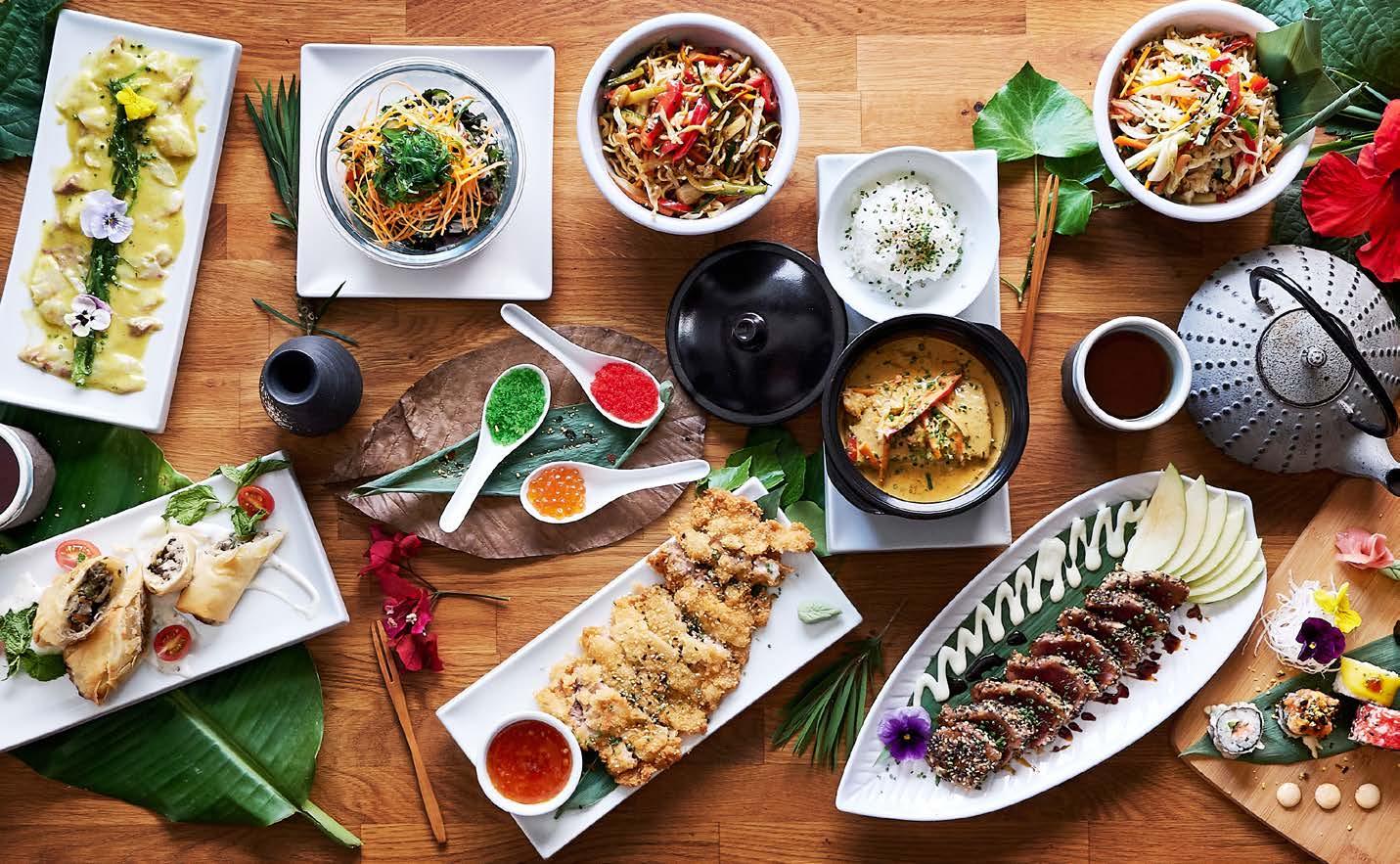
As operators strive to drive traffic in 2026 by connecting with Canadians’ tastes and values, we’re seeing exciting trends and shifts that reflect the evolving preferences of diners. Let’s dive into the movements and creative approaches shaping the Canadian culinary landscape.
Exploring uncharted Asia
Increased global flavour innovation and a growing appreciation for authenticity are fueling the uptick of regional specialties from lesser-known Asian cuisines as well as mainstream Asian ingredients in unexpected preparations.
This shift is closely tied to population trends. Statistics Canada’s 2021 Census of Population revealed that 62 per cent of immigrants arriving in Canada from 2016 to 2021 came from Asia, bringing their culinary tradi-
tions and preferences with them. As a result, Canadian diners are being introduced to a broader spectrum of Asian offerings, sparking curiosity and demand for dishes that go beyond the familiar.
For instance, there’s a heightened focus on more regional specialties, such as Fried Ice from China’s Teochew region, a dessert that combines ice chips and fruit, and Japanese Hokkaido soft serve, known for its rich taste, creamy texture, and high fat content.
Beyond regional specialties, operators are also reimagining staple ingredients from more mainstream Asian cuisines, such as Chinese, Japanese, and Vietnamese. For example, Japanese miso (made with fermented soybeans) is adding a savoury umami twist to desserts and drinks, while Japanese yuzu citrus is finding momentum in sauces and condiments.
Liquid assets
Beverages are stepping into the spotlight on menus, evolving from a supporting act to a major draw for diners and a platform for exploring bold new flavours and formats.
Beverages are seeing significant growth on Canadian menus over the past five years, with non-alcohol beverages up 35 per cent and adult beverages increasing 22 per cent. This is a direct response to consumer interest and demand for more variety within this category.
This wave of beverage innovation includes operators pushing boundaries with unconventional ingredients, flavours, and preparations within their drinks, including taking inspiration from food menus and global cuisines. Bold beverage innovation ranges from bell peppers and Japanese ume in cocktails to unique rim garnishes, like Hawaiian black salt or cardamom.
Alcohol-free beverages, particularly cocktails and wine, are also carving out a significant space on menus as sober-curious consumers (namely younger ones) increasingly look for innovative ABV-free options. These offerings are redefining the beverage category and proving that flavour, creativity, and memorable drink experiences don’t require alcohol.
A new era for health and wellness
Health and wellness trends are entering a new era where functional ingredients are becoming table stakes on menus. As a result, operators are spotlighting various ingredients and nutrient callouts in unique ways.
Functional ingredients with anti-inflammatory and gut health benefits are gaining menu prominence, with operators looking to classic functional ingredients and applying innovative preparations, such as mushroom dust or whipped tofu.
With protein being a key buzzword in 2025, we’ll continue to see protein-rich ingredients like zucchini, almonds, and yogurt celebrated and even extend to innovative mealparts, such as desserts. Coming soon, expect fibre to follow on protein’s heels, especially fibre-fortified ancient grains.
“It’s clear that Canada’s restaurants are paving the way for a more thoughtful and exciting culinary future for guests.”
Lastly, expect more innovative takes on fermentation to provide not only enhanced flavour and complexity to items, but also digestive benefits. In particular, look for more lacto-fermented callouts, housemade fermented sauces, and fermented ingredients in drinks.
Homegrown highlights
Canadians are showing a growing appetite for locally sourced ingredients, and restaurants are responding in kind. Research shows that 62 per cent of Canadians say they’re more likely to visit a restaurant that prioritizes Canadian-grown ingredients over U.S.-sourced products. This preference is driving operators to adopt more visible and innovative approaches to highlighting sourcing practices on the menu.
While broad “Canadian” labels are flourishing on menus, many operators are taking this trend a step further by spotlighting specific regions
Simply Watermelon
Delightfully DELICIOUS. Vastly VERSATILE. Always AVAILABLE. Attractively AFFORDABLE

Scan for inspiration.
of the country. For example, menu mentions of Quebec maple syrup or British Columbia eggs are becoming more prevalent breakfast descriptors that help diners forge a meaningful connection to the origins of their food.
While this movement is layered with economic and political significance, the “Buy Canadian” trend also reflects authenticity, trust, pride, and quality for consumers.
Eco-friendly eats
Sustainability is emerging as a defining feature on menus across Canada as restaurants embrace a more environmentally conscious future of food while still delivering exciting, flavourful dishes.
One of the most prominent growth areas within sustainability is the rise of plant-powered menus. This shift is more than just a trend; it’s a movement rooted in the health and environmental benefits of vegetables, which produce a lower


People love watermelon. Give the people what they want. It’s that simple.



carbon footprint than meat. For many chefs, this means putting vegetables front and centre in creative and unexpected ways.
Take, for example, the exciting trend of vegetable swaps. Imagine the meaty texture of oyster mushrooms replacing fried chicken with a classic pairing with waffles, or tacos being reinvented with ground walnut crumbles standing in for beef. If there’s a preparation with meat, chances are there’s a vegetable alternative that
can stand in for it.
But sustainability isn’t limited to plant-based innovations — meat is also undergoing a transformation on menus. The rise of whole-animal cooking is reshaping how chefs think about meat, emphasizing the importance of minimizing waste while maximizing flavour. Known as the “nose-to-tail” approach, this method encourages the use of every part of the animal, from the gizzards and stomachs to the skin and heart. By
incorporating non-traditional meat cuts in popular dishes such as salads, skewers and pastas, chefs are honouring the animal by utilizing it fully while introducing these unconventional ingredients in approachable ways for guests.
It’s clear that Canada’s restaurants are paving the way for a more thoughtful and exciting culinary future for guests. The journey ahead promises to be one of discovery, creativity and a deeper appreciation for the food we eat and the stories it tells.
This article was written by Lizzy Freier, Senior Director, Menu Research & Insights, Technomic. Technomic Inc., an Informa Connect company, was founded as a management consulting firm in 1966. Since then, Technomic’s services have grown to encompass cloudbased B2B research tools, consumer and menu trend tracking and other leading strategic research and analytic capabilities, to prioritize and size business opportunities. Our clients include food manufacturers and distributors, restaurants, retailers and multiple other business verticals aligned with the food industry that are looking to make informed decisions to support their business growth. Visit Technomic at www.technomic.com.









ONTARIO VEAL: WHAT CHEFS SHOULD KNOW (BUT OFTEN DON’T)
Veal has long held a place on classic menus—but today’s Ontario veal offers far more than tradition.
One of the biggest challenges facing the category is simple: many chefs don’t fully understand how veal is raised, what differentiates Ontario grain-fed veal, and why it deserves a place on modern menus.
Let’s start with one of the most common points of confusion.
ONTARIO VEAL IS GRAIN-FED
Many restaurants believe they are serving milk-fed veal, when in fact, Ontario veal is grain-fed. That distinction matters.
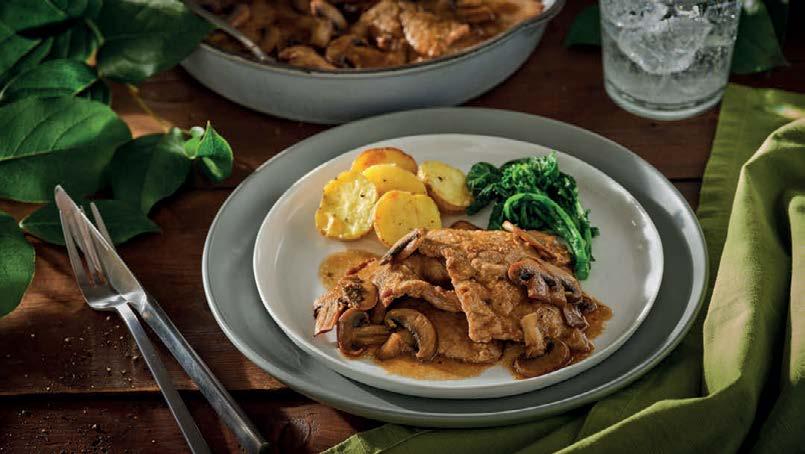
Milk-fed veal is known for its pale pink colour and very delicate flavour profile. Ontario grain-fed veal is different: it has a slightly darker pink colour, exceptional tenderness, and a mild, beef-like flavour that works beautifully across both classic and modern menu applications.
For chefs, understanding that difference opens up far more opportunity. Ontario grain-fed veal is not limited to traditional European preparations—it can carry bold sauces, global flavours, smoke, spice, braising, grilling, roasting, and contemporary plating styles.
A PREMIUM PROTEIN THAT WORKS FOR YOUR MENU
Research shows that diners continue to perceive veal as a premium, special-occasion protein-allowing for strong menu pricing-while Ontario grain-fed veal offers chefs flexibility in managing food costs and margins.
With more than 35 cuts available, it supports:
Classic dishes like breaded cutlets, osso buco, marsala, and parmesan
Modern, globally inspired menus, including halal-friendly applications
Use of underutilized cuts to improve margins across the menu
Ontario is one of the leading producers of veal in Canada, with farms following national codes of practice and food safety programs.

Today’s Ontario grain-fed veal farming has evolved significantly: Veal cattle are transitioned from milk to a balanced grain-based diet Group housing supports animal welfare and social interaction Farmers maintain close, daily oversight of animal health and care
For chefs and diners alike, that translates into a product that is highquality, consistent, and responsibly raised.
SUPPORTING CHEFS THROUGH #DININGONVEAL
The Dining with Ontario Veal (#DiningONVeal) program was created to support chefs and operators who feature veal on their menus across Ontario.

Through the program, participating restaurants benefit from:
Social media exposure and promotion
Inclusion in consumer-facing campaigns
Opportunities to be featured throughout the year including a potential visit from TV personality John Catucci
It’s not just about putting veal on the menu—it’s about helping drive demand and telling your story.
A CATEGORY READY FOR REDISCOVERY
Veal is no longer just a legacy item—it’s a versatile, premium protein with untapped potential in today’s foodservice landscape.
For chefs looking to differentiate their menus, balance cost and perception, and offer something both familiar and elevated, Ontario grain-fed veal is worth a closer look.


Learn more or get involved: DiningONVeal.ca / info@ontariovealappeal.ca 289-217-3933
Veal Marsala
Osso Buco Ravioli
À LA MINUTE À LA MINUTE
À LA MINUTE À LA MINUTE
NATIONAL CONFERENCE 2026 - EVENT RECAP
THE CF WOULD LIKE TO THANK AND RECOGNIZE OUR NATIONAL PARTNERS







DAY ONE
DAY ONE: COFFEE, COMMUNITY, AND A FEW TOO MANY OYSTERS
By Kristy Olsen, Chef/ Owner Eden Restaurant, CF Lethbridge President
“The talent in the room did not disappoint.”
Conference week officially kicked off, and while some very ambitious humans welcomed the day with sunrise yoga, I chose a different form of wellness: coffee, breakfast, and catching up with chef friends. No regrets. There is something special about conference mornings. You walk into breakfast and suddenly find yourself surrounded by people from every corner of the country, all connected by this wonderfully chaotic industry we love. Somehow, despite only seeing some people once a year, conversations pick up exactly where they left off, usually over eggs, caffeine, and enough laughter to wake you up faster than the coffee ever could.
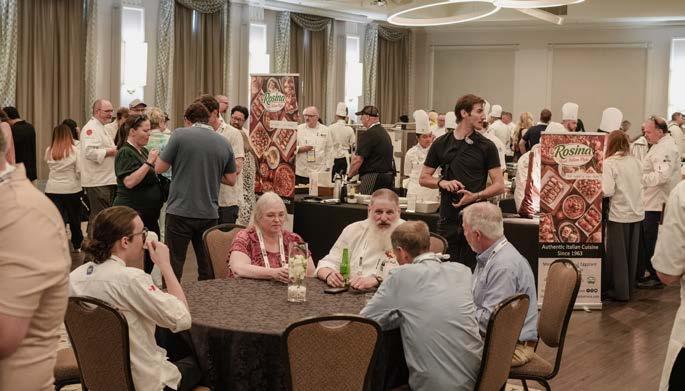
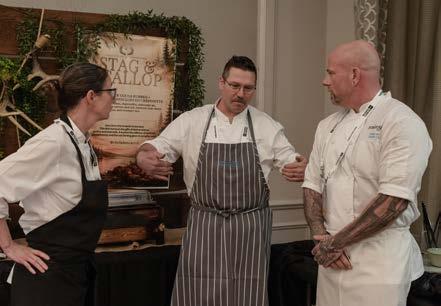
The morning moved into the National Board of Directors Meeting, which carried a little extra meaning this year as it marked the final board meeting of Chef Ryan Marquis’ term as National President. There was a feeling of reflection in the room as leaders from across Canada gathered to discuss where our Federation is headed and what opportunities the next few years may hold. It was a chance to share gratitude, celebrate progress, and remember that so much of what happens within our Federation comes from volunteers quietly giving their time to create opportunities for others.
The afternoon brought the Annual General Meeting, where members and leaders gathered to talk about the future of our profession, celebrate achievements, recognize contributions, and continue the work of growing our Federation. While meetings may not sound glamorous from the outside, they matter deeply. Behind every competition, scholarship, educational opportunity, and event, is a group of chefs working hard behind the scenes to make this organization stronger for the next generation.
One of my highlights of the day was getting to present a project Mark Thompson and I have been quietly tinkering away on for the last 18 months. What started as a lot of ideas, brainstorming, and
“there has to be a better way to organize this” conversations have slowly grown into something we are incredibly excited about: the National Database. Designed to help support members, branches, education, leadership transitions, recruitment, and professional development, seeing it begin to come to life feels a little surreal. I genuinely cannot wait for members to see it launch this September!

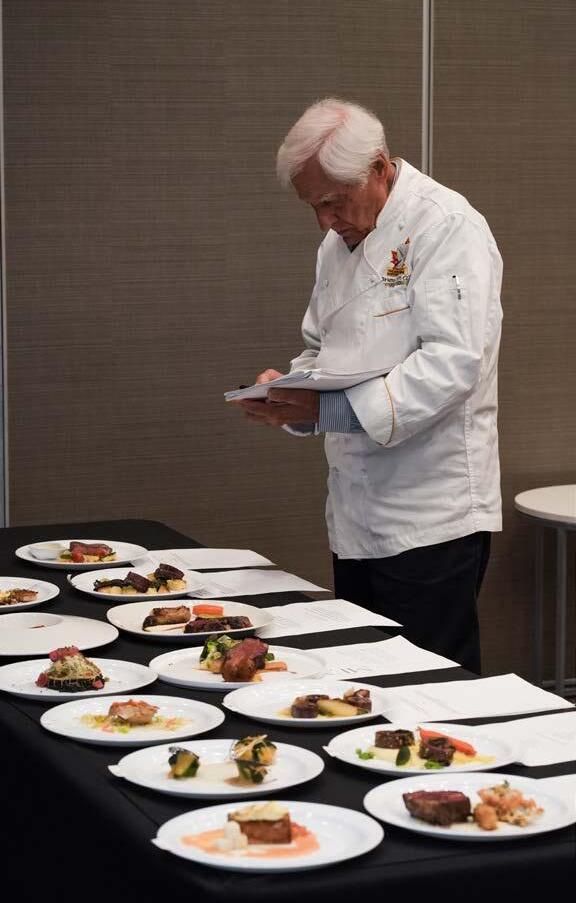
As the meetings wrapped up, the energy shifted from boardrooms to burners as the Senior Chef Competition began. And let me tell you, the talent in the room did not disappoint. Chefs from across the country showcased beautifully executed dishes filled with creativity, technique, and regional inspiration. Getting to watch chefs compete at this level always feels exciting, equal parts inspiring and humbling, especially when you know the amount of work, planning, and pressure happening behind every plate.
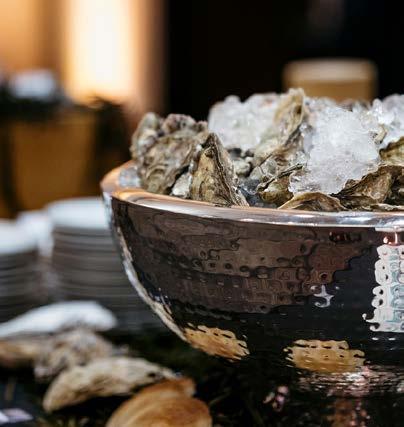
And then… one of my favourite conference traditions returned: Raspberry Point Oysters. Every year I tell myself I’ll keep count of how many I eat, and every year I fail spectacularly. At this point, it’s less of a snack and more of a personal commitment to supporting Canadian seafood.
One of the quieter highlights of the day was getting to spend time with first-time conference attendees. There is something genuinely exciting
about seeing conference through fresh eyes, hearing their stories, and welcoming new chefs into this wonderful Federation family of ours. New friendships were made, ideas were shared, and more than a few laughs were had along the way.
The night wrapped up at the Central Region hospitality suite, themed “I Always Wanted to Be… A Lumberjack!” Picture flannel shirts, maple fudge, smoked marshmallow cocktails, games, and rooms full of chefs unwinding after a long day. Somewhere between the laughter, plaid, and questionable competitive party game spirit, it became one of those evenings that reminds you why conference matters. Yes, we come to learn, compete, and plan for the future, but we also come to reconnect.
Day one was full in the best way possible, thoughtful conversations, exciting ideas, incredible food, and the reminder that this Federation truly feels like family.
DAY TWO
DAY TWO: COMING TOGETHER TO SHARE AND SUPPORT
By Sue Cahoon, Western Region Young Chef Representative
“It was an insightful reminder of the deep connection between food, community, and the environment.”


The second day of the conference was a full day of learning, reflection, friendly competition, and celebration at the Canadian Culinary Federation National Conference.
The morning began with a welcome from National President Chef Ryan Marquis, who officially opened the day’s activities, encouraging members to make the most of the opportunities to learn, connect, and grow throughout the conference.
Our first presentation highlighted Food Day Canada and the importance of supporting Canadian producers, farmers, ranchers, fishers, and food businesses. Members were encouraged to participate in Food Day Canada (www.fooddaycanada.ca) on August 1 by shopping Canadian, cooking Canadian, and dining Canadian as a way to celebrate and support our country’s food industry.
The next presentation focused on Indigenous Food Philosophy, emphasizing sustainability,

working in harmony with the land, respecting natural resources, and understanding the importance of seasonal foods. It was an insightful reminder of the deep connection between food, community, and the environment.
One of the most impactful sessions of the day was presented by The Burnt Chef Project, where the speakers addressed mental health within the hospitality industry and the importance of removing the stigma surrounding conversations about mental wellness. Members shared personal experiences involving addiction, burnout, loss, grief, and the pressures that often come with a career in hospitality. The presentation highlighted the importance of acknowledging our struggles, supporting one another, and understanding that no one has to face those challenges alone. Following the presentation, attendees received Burnt Chef wristbands and gathered together for a group photograph in support of the initiative.
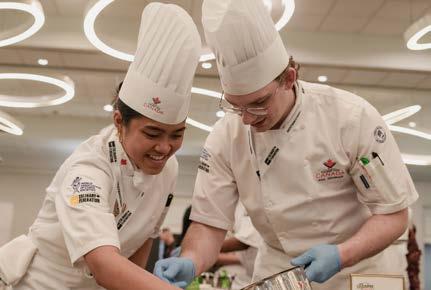
The morning concluded with a lively Young Chefs Family Food Challenge, sponsored by Nestlé. Four teams of two young chefs competed in a culinary knowledge competition that tested everything from cooking techniques to industry knowledge. It was entertaining to watch the competitors think on their feet while the au-
dience enthusiastically cheered them on.
Following lunch, attendees had the opportunity to participate in a variety of educational seminars. I attended “Human-Led Marketing in an AI World: How to Build Trust, Not Noise.” The session explored how artificial intelligence can be a valuable tool for businesses while emphasizing the importance of maintaining authentic human connections. The presentation served as a reminder that while AI can help create content and improve efficiency, the human stories, experiences, and relationships behind our work remain what truly builds trust.
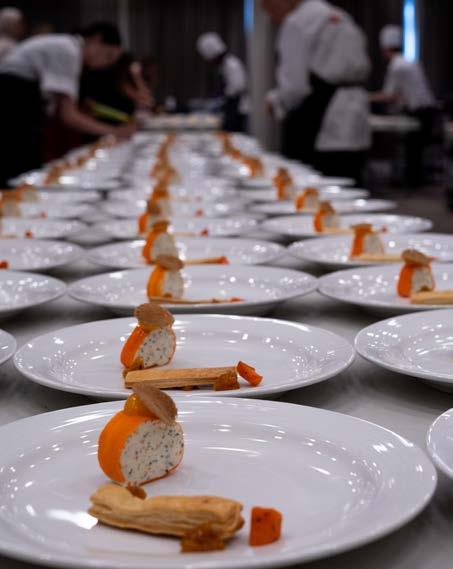
The afternoon also featured a fun, fast-paced team challenge where participants were divided into six teams of six and worked through a relay-style cooking competition. Team members rotated through different stages of the challenge, including an equipment auction, ingredient shopping, food preparation, cooking, and final plating for the judges. Additional mini-challenges kept everyone engaged while waiting their turn. The event encouraged teamwork, communication, creativity, and plenty of laughter throughout the afternoon.
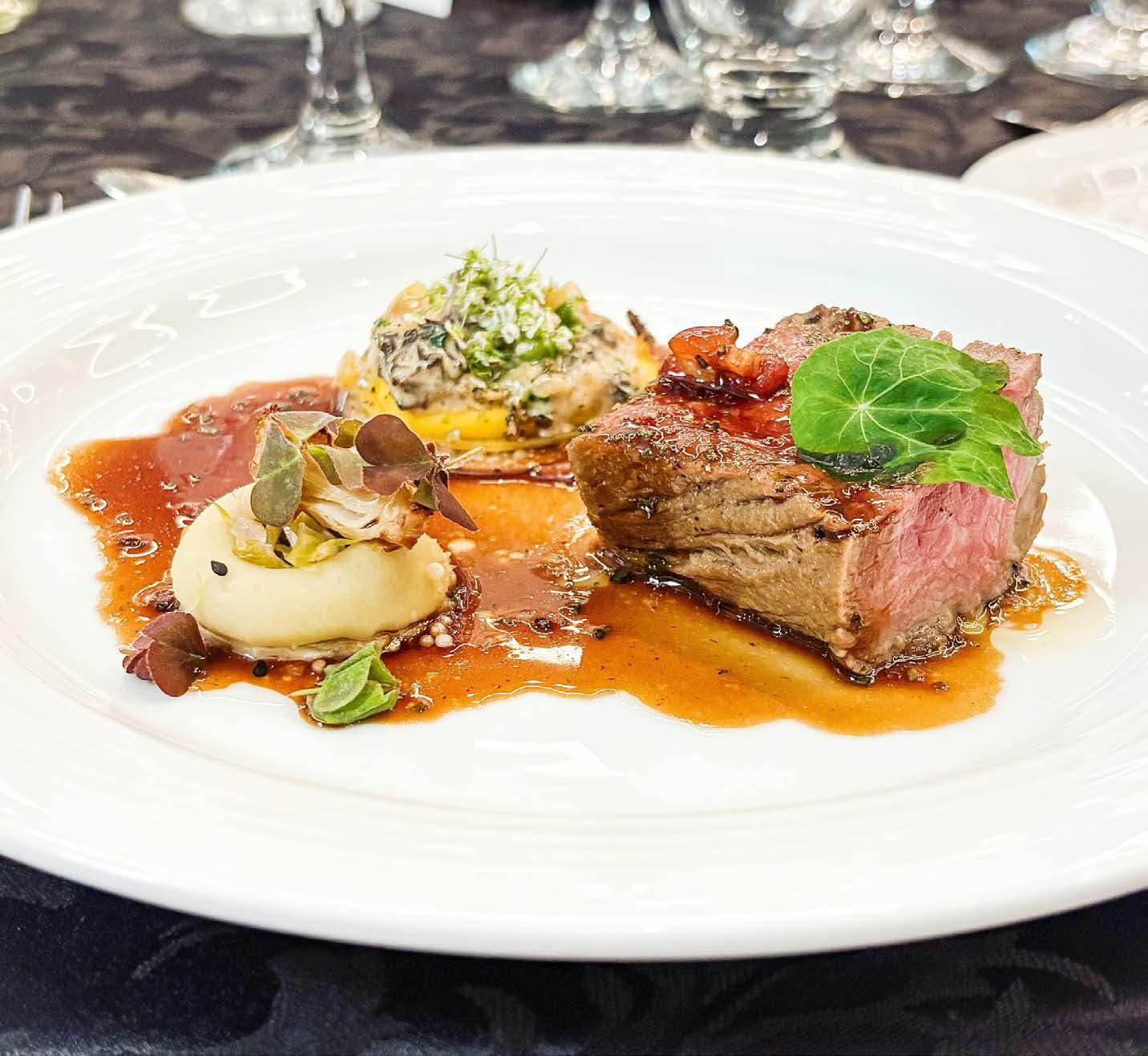
The evening concluded with the Honour Society Induction Dinner held at the beautiful Langdon Hall. The menu was exceptional and showcased the high level of culinary excellence that the venue is known for. Most importantly, it was inspiring to witness this year’s inductees receive recognition for their years of service, leadership, mentorship, and dedication to the culinary industry. Their contributions have had a lasting impact on our organization, and the honour was truly well deserved.
To finish the day, attendees gathered for the hospitality suite hosted by the Eastern Region. It was a wonderful opportunity to relax, reconnect with friends from across the country, share stories from the day, and enjoy the camaraderie that makes the Culinary Federation community so special.
Tuesday was a day filled with learning, inspiration, meaningful conversations, and celebration. It served as a reminder of the many ways our profession continues to grow when we come together to support one another and share our experiences.
DAY THREE
DAY THREE: CONVERSATIONS AND COMPANIONSHIP
By Rebecca van Bommel, National Young Chef Liaison
“The conversations and companionship that night were incomparable!”

Day three brought more excitement after spending two days catching up with old friends, reconnecting, and letting our hair down.
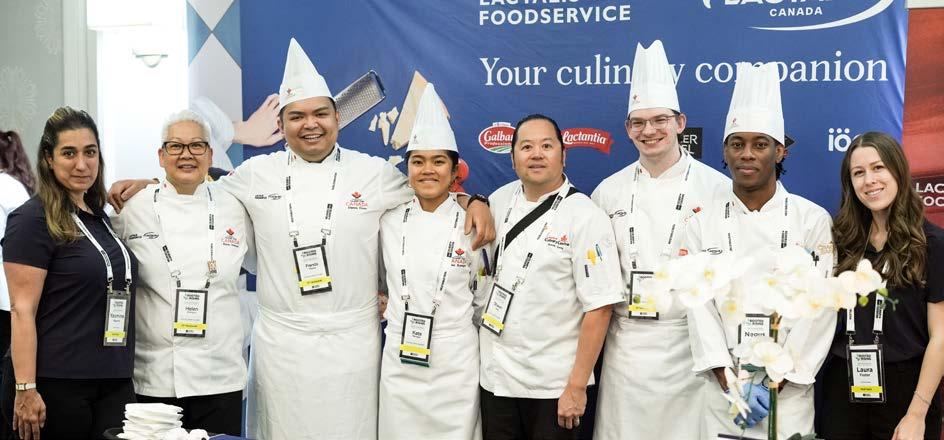
I always look forward to the Product Showcase, which is essentially a mini trade show, featuring a number of our partners, sponsors, fellow chefs, plus a wide variety of amazing food. The Product Showcase becomes even more enjoyable for me each year, as I become acquainted with more people and enjoy catching up with them and enjoy exploring new booths and showcasing local companies, producers and sponsors. The local booths are often my favourite to visit as I am bound to leave with new knowledge and new connections. It also encapsulates the beauty of each conference being hosted in a different city, each having their own culture and local specialties to share. At my first few conferences, starting out as a meek young chef, I was hesitant and sometimes intimidated to introduce myself to new people and strike up a conversation with each vendor. Now, after years of honing this skill, I am excited to chat with each vendor, and the conversations become deeper and more detailed. It also helps that I now know a good number of them, and they recognize me from previous years or events.
Running simultaneously with the trade show, were two competitions: the Young Chef Competition and the Callebaut Chocolate Competition. The Young Chef Competition is always a joy to watch, to see the pride and preparedness, the nerves and the confidence of the young chefs as they prepare their dishes for the judges. The Callebaut Chocolate Challenge was a new addition this year which I am sure is here to stay. Three chefs competed (two young chefs included), and

they were required to create a 12-inch-high and 7-inch-wide chocolate showpiece showcasing technical excellence and artistic expression. The chefs spent five pain-staking hours melting, tempering, sculpting and molding chocolate into fine, intricate pieces and stable structures — each completing a beautifully designed and executed sculpture.
The afternoon was filled with Breakout Rooms where chefs chose between three different topics per hour to learn something new. The options for the first hour were Canadian Beef, Beverages and Bold New Training, Lacto-Fermentation with The Preserving Chef, and The Art of Soy, Presented by Kikkoman. I chose the Canada Beef and Beverage Pairing session to start, and I learned more about cuts of beef, beef preparation methods, and how wine pairings can be influenced by temperature, texture, and
cooking method of the beef. Though I had done a session with Canada Beef last year, this was a new concept and was very enlightening. I always considered flavour and body when pairing wines but hadn’t given as much thought to the influences of temperature and cooking method. I chose the Indigenous Inspired Bannock Pastry session for the second timeslot, learning about indigenous ingredients such as birch syrup and Saskatoon berries, along with how to make the most elegant chocolate discs and the secret to the best Bannock (it’s butter and more butter).
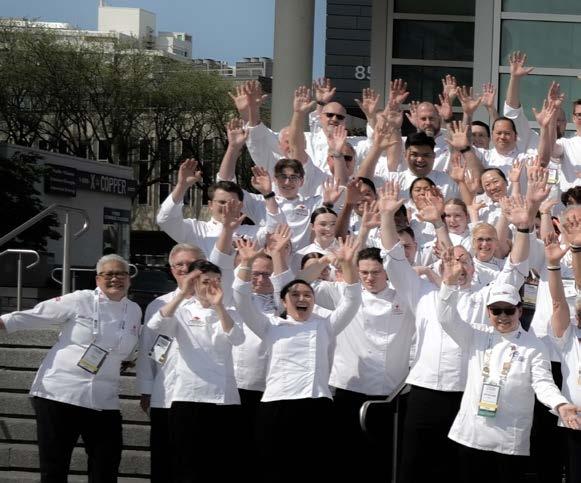
The group photo is always a fun highlight of the conference, bringing us together in one space and igniting a sense of pride and camaraderie — and passersby can’t help watching the sea of white jackets strutting through the streets.
The highlight of the day, though, would have to be the Oktoberfest Celebration hosted by
the wonderful Concordia Club. Beer and comfort food are already chef favourites, but adding in live music, dancing, keg tapping, and great company, and you’ve got the recipe for a night to remember! We indulged in delicious flaky sausage rolls, a variety of tender pierogies, crispy golden schnitzel, cabbage rolls, buttery spätzle, and sweet apple strudel, along with a continuous flow of beer. We got to cheer on our current and incoming presidents, Chef Ryan and Chef Doug, as they tapped a keg with ease and confidence. We clapped and sang along with the live band who kept the mood lively and cheerful and danced the night away.
The festivities continued in the nightly hospitality suite with the Western Region hosting a “Great Outdoors Cabin Party,” and I loved seeing the many different interpretations of the theme represented in chefs’ attire. The conversations and companionship that night were incomparable!

DAY FOUR
DAY FOUR: FROM LOCAL TOURS TO THE PRESIDENT’S GALA
By Rebecca Reardon, Young Chef Representative, Eastern Region
“The visit left me humbled and appreciative of how food, culture and people are woven together.”



The final day of the conference always carries its own flavour: a blend of excitement, curiosity, joy, and that unmistakable hint of bittersweetness. It’s a day filled with adventure, education, connection, and celebration where moments feel both full and fleeting because we know the end is near.
I started my morning with a peaceful walk along the Iron Horse Trail and through Victoria Park, sharing the path with fellow attendees who, like me, wanted to savour the calm before the day unfolded. After an energizing breakfast, I boarded the bus for my chosen adventure: From Market to Meadow: St. Jacobs Farmers’ Market and Countryside Experience. The other offered culinary tours included: The Real Veal Story & Stratford Area Experience; Soil, Spirits and Season: A Willibald Farm Experience, Raising the Standard: An Ontario Beef and Beverage Experience, and From Forest to the Table: A Local Wild Foods Experience.
I’ve always believed that local markets reveal the soul of a place. They are the heartbeat of a re-

gion’s food culture, a living expression of community and tradition. Yet, nothing prepared me for the sheer scale and vibrancy of St. Jacobs Farmers’ Market, which turns out to be Canada’s largest year-round farmers’ market, and a testament to the region’s Mennonite heritage and culture. Everywhere I turned, there were bursts of colour and aroma – bright produce, fresh breads and pastries, unique cheeses, handcrafted meats, artisan creations, teas, coffee, and more. I was told I had to try the Market’s famous apple fritter, and I’m glad I listened; it was warm, sweet, and absolutely unforgettable.
At the market, we met our Mennonite guide, Steve Martin, who shared the history, practices, and values of the Old Order and modern Mennonite congregations. His stories followed us as we drove through the countryside, passing farms and homesteads that reflected a way of life grounded in simplicity, faith and community. A stop at Elmira’s Kitchen Kuttings — a small market rooted in Mennonite tradition
and openhearted hospitality — quickly became a highlight. The visit left me humbled and appreciative of how food, culture and people are woven together.
Lunch took us to Crowsfoot Smokehouse in Conestogo, where we were treated to generous platters of mixed barbecue meats and traditional southern sides; the kind of meal that nourishes the soul. With full bellies, we continued to Eby Manor, a family owned Mennonite dairy farm operating since 1959. I was fascinated to learn that they produce only A2 Golden Guernsey milk from their herd of 60 cows. I sampled their Balkan-style yogurt, cheeses, ice cream and chocolate milk — all exceptional — but my favourite part was spending time with the Guernsey cows themselves. From calves to full-grown “moo moos,” they were so gentle, shy yet curious and utterly adorable. Anyone who knows me knows how much I adore cows, so this moment felt like a gift.
After a day that fed both mind and spirit, it was
time to dress up for the President’s Gala – an evening of connection, celebration and sincere emotion. Awards were presented, achievements honoured, and our outgoing President, Ryan Marquis, was recognized in a heartfelt and memorable tribute. It was especially meaningful to have Culinary Team Canada Community Catering, Junior Culinary Team Canada, and Culinary Team Canada craft the evening’s menu — a beautiful expression of talent and pride.
And then came the after party, a delightful surprise: Sue Mercer took the stage with her band, Soulmates, filling the room with music and joy. It was the perfect way to close out another brilliant conference. As the night wound down, I felt that familiar mix of gratitude and wistfulness settle in. Conferences like this remind me why I love what I do — the food, the people, the stories, the shared passion. And while it’s always a little sad to say goodbye, I left feeling inspired, connected, and proud to be part of such a vibrant, loving, rooted, and rising culinary community.



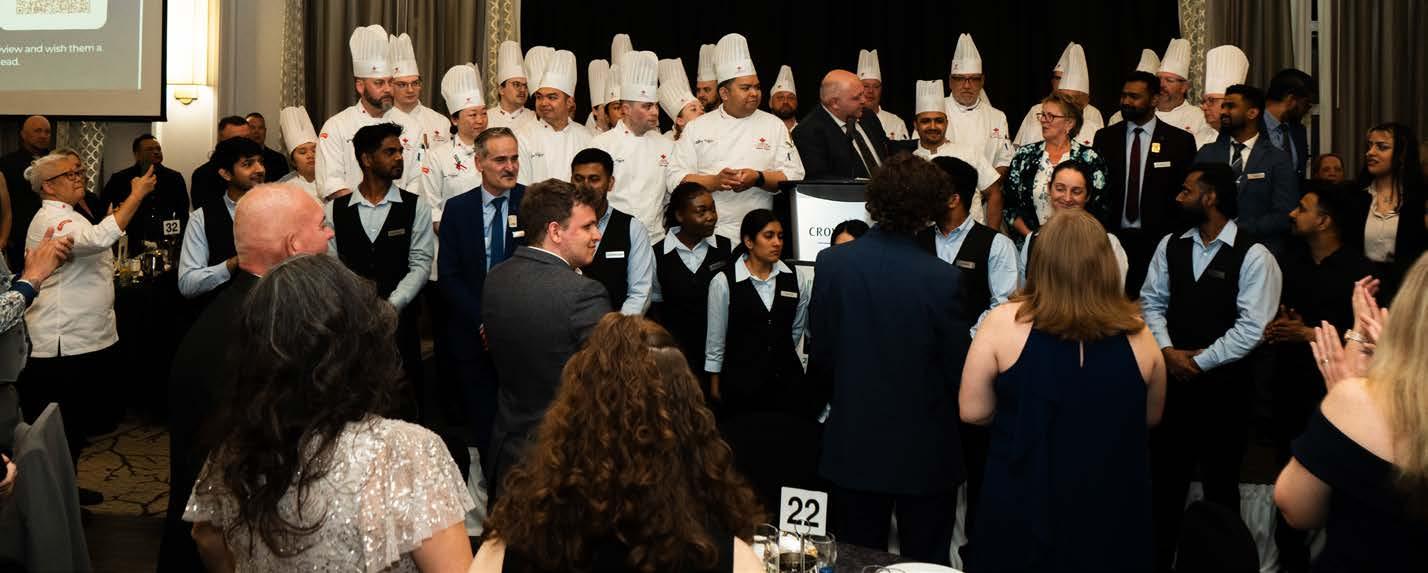
Celebrating 75 Years of Family Farming
THAT WAS THEN

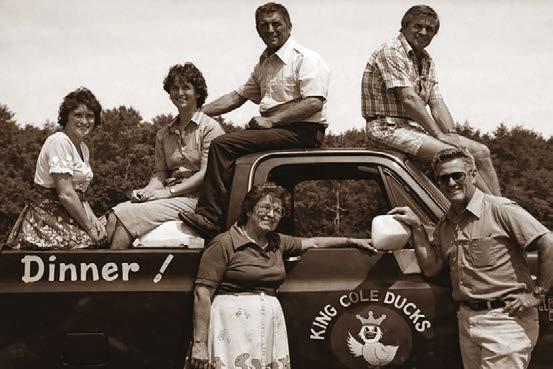


From humble beginnings in 1951, we are now a world-class brand with duck products sold globally to airlines, cruise ships, restaurants, hotels and retailers.
As we celebrate our 75th anniversary, we are excited to embrace the future of the food industry in Canada and the innovative approach of our 4th generation. Canada has a proud tradition of family farming excellence and we are honoured to be a part of this history.

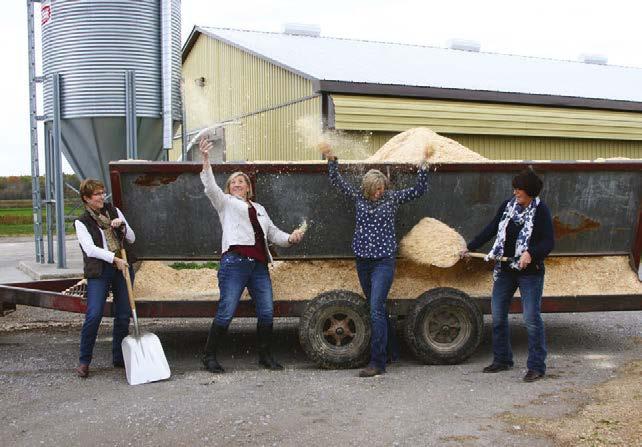
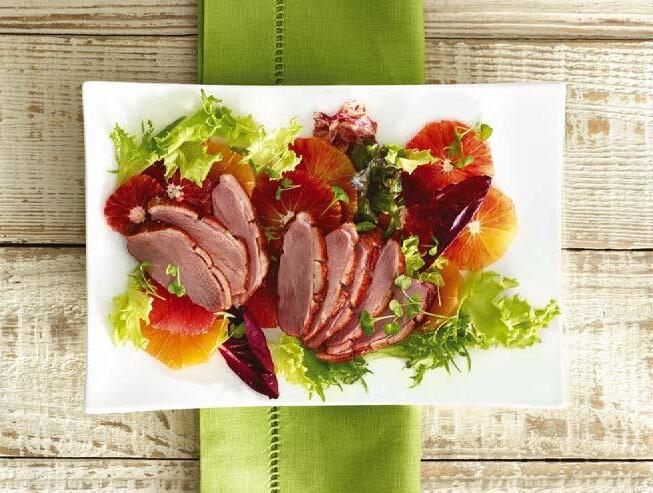
for 75 amazing years… and thank you for supporting Canadian!


ChefRic Allen-Watson
By Jessica Brill

From adversity to impact: Giving back to create meaningful change Q&A
Q&A

Chef Ric Allen-Watson’s story is one of resilience and a commitment to making the world a better place. Born in Kingston, Ontario, to a mother living with schizophrenia, he faced significant challenges from an early age. By the time he was seven, he had taken on responsibilities well beyond his years — regularly walking to the store on his own and carrying groceries home to help support his household.
In talking with Chef Ric, we learned about how his culinary journey began, the life he’s led, and the lives he’s been able to change in his desire to make lasting changes in his community.
This interview has been edited for length and clarity.
CRFN: How did your culinary journey begin and where has it led?
Chef Ric: When I turned 14, my mother decided it was time for me to leave our home. I was not street smart, but I left the house with nowhere to go, and for a while, I depended on friends. When that was no longer an option, I spent some time sleeping in apartment building hallways and in parks — wherever I could find a place to sleep.
I turned to drugs and alcohol and was stealing to sustain a life I hated. I desperately wanted to change my life, and when I was able to get a job in a residence at Queens University, my life turned around. The people in the kitchen became my family, making me feel wanted and appreciated, and the Chef helped me quit my addictions and get into school. With help, I got my chef’s papers and an education in Hotel Restaurant Management. After graduation, I moved to British Columbia, taking a position as Head Chef at the University of Victoria — and while I loved that experience, I still felt that something was missing in my life. And that’s when I decided to move back home to Ontario, settling in Ottawa.
CRFN: What is the story behind the Food Services Training Program at the Ottawa Mission?
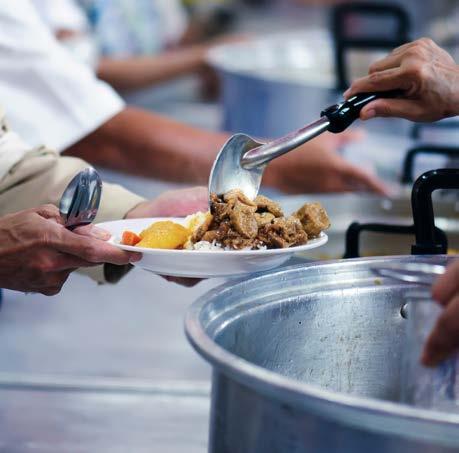
Chef Ric: In 2002, a friend asked me to come to the Ottawa Mission to serve a meal. The thought intrigued me, and while I was there, passing the plates to the people on the other side of the glass, I could see myself in them.
Many of the visitors asked for a job, offering to work in the kitchen, doing dishes or cooking, and it was like looking at an old version of myself. I decided that this was a place I wanted to stay, so I got a job at the Ottawa Mission as a cook and very quickly moved up to the position of Manager of Food Services. In 2004, I started the Food Services Training Program.
When it first began, it was a four-month program. We were reaching out to people who are homeless and people at risk of homelessness to bring them into the program, where we would train them to work in a commercial kitchen and help them in any way we could. This included anything from getting them into drug and alcohol rehabilitation to finding housing to donating food. We would do anything we could anything to help them get ahead.
CRFN: How has the program evolved since its inception?
Chef Ric: In the beginning, the program included five students, and it was held once a year. But once the session was complete, those five students had jobs and a life, and it really became a full circle moment for me. I connected with this work, and I knew it was my turn to give back.
So, the following year, we did two sessions, and we graduated 20 students, growing the program as much as we could over time. Today, the program has evolved to three sessions per year, with almost 100 students graduating annually. We have the capacity to house 30 to 40 students per session, but we regularly receive over 250 applications each time.
In 2006, I realized that there was an opportunity to expand into catering, so we added that to the program, and we started teaching the students how to cater, despite some concern that there may not be enough interest in catering from a homeless shelter. I could see the potential, though. Last fiscal year, we did over 4 million dollars in catering, and all that money goes back into the program. We’ve catered all kinds of events, from weddings to some high-profile local events like Bluesfest, Winterfest, and we even won Best Caterer in Ottawa in 2025, which is helping our reputation grow even further.
It’s amazing that there have been inquiries from coast to coast about what we do and how we’ve made it so successful, with people asking for advice on starting programs of their own. I have travelled to talk about the program, and there have been some similar programs created, so it’s growing into more communities across the country.

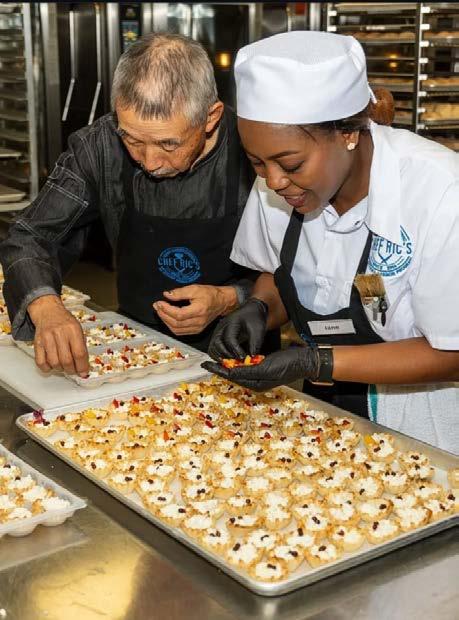
“I connected with this work, and I knew it was my turn to give back.”
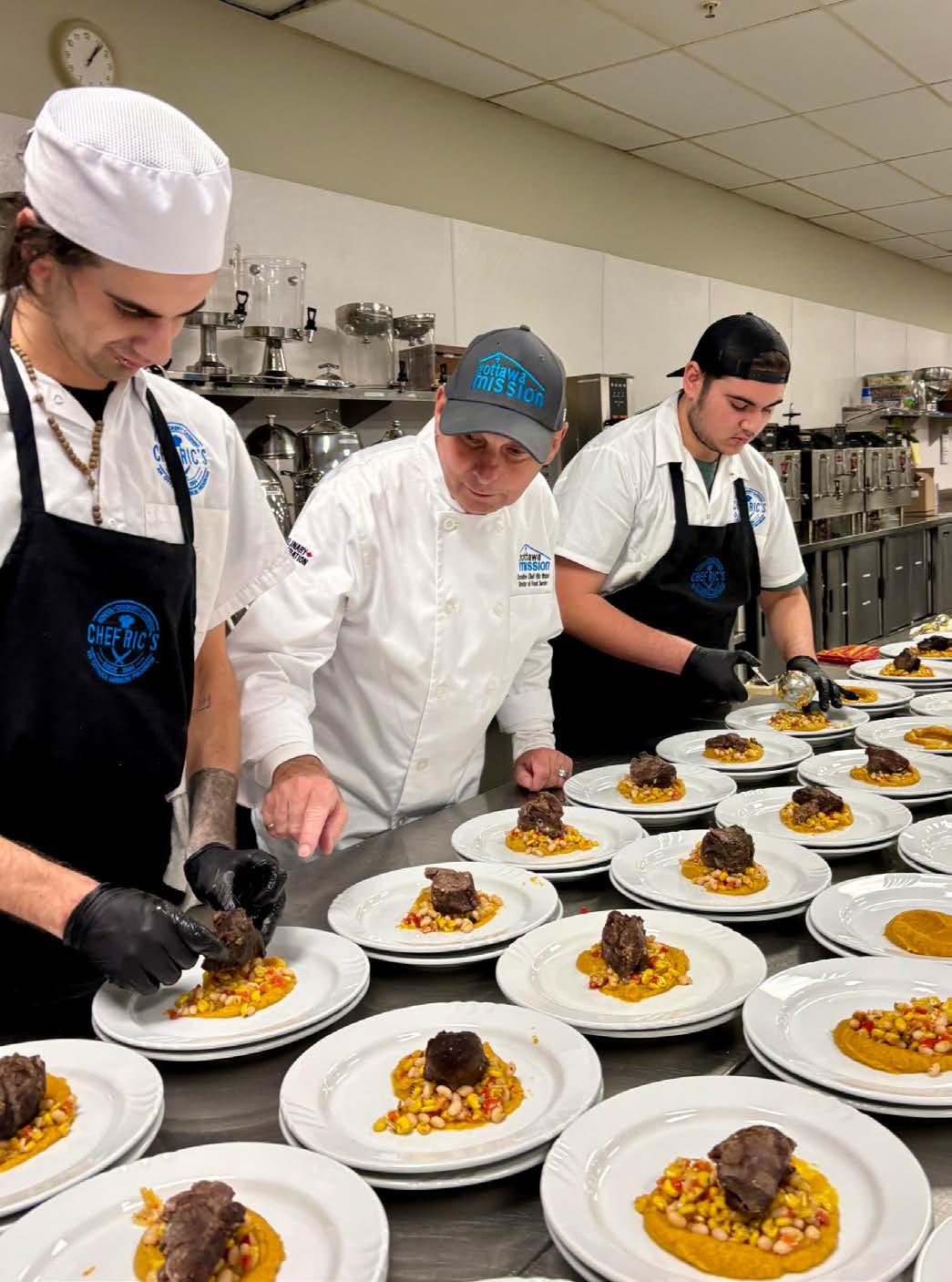
CRFN: Why is it such an important part of your mandate to give back, and how do you stay inspired to do this work?
Chef Ric: Without someone offering me a helping hand and some guidance, I’m not sure where I would be today. I love coming to work every day and interacting with the students. In fact, every two weeks, I sit down with each of the students for a one-on-one to check-in to see whether there’s anything more I can offer them — and that’s a really inspiring part of what I do.
It’s just been such an amazing journey, and over the years, our mandate has shifted slightly — it was originally designed for at-risk and homeless people, and while that is still part of it, there are a lot of newcomers to Canada now taking the program. We’re helping to change people’s lives by getting them into the workforce, and showing them that there are people who care, and helping to provide the tools to support their success. With that little nudge, a helping hand, and a hug once in a while, people can change their lives.
My favourite part of what I do is graduation at the end of the program, where I get to hand over that certificate, shake hands, and give them a few words of encouragement in front of a dining room full of guests. It’s amazing to experience the pride and happiness on the graduates’ faces. Also, 80 per cent of the catering team is made up of past students, so it’s so cool to see them doing their part to help others and pay it forward. It’s really amazing to see the transformation that occurs for the students during their time with us. I’m reminded every day how lucky I am to be able to do this work.





















































SUMMER RUSH
Seasonal staycations drive restaurant demand
By Doug Radkey
Canada may be heading into a summer that gives bars and restaurants a rare opportunity. Not because costs are easing (hint: they aren’t) and not because guests have suddenly become less price-sensitive (hint: they haven’t). But because more Canadians appear likely to stay closer to home, travel more domestically, and look for local experiences that still feel memorable.
Recent travel sentiment points to stronger domestic travel intent and weaker interest in U.S. trips, while restaurant industry groups and thought leaders continue to warn that margins remain under pressure even when revenue may hold up.
What does that mean for restaurant operators?
It means this summer could bring more local traffic, more short-distance leisure movement (thanks to cost of fuel), and more occasion-based dining. But operators need to understand the real opportunity.
This is not about hoping for a busier patio and calling it a strategy. This is about preparing for a different type of guest, a different pattern of spending, and a summer that could either strengthen your business or expose how unprepared it really is.
If more Canadians choose road trips, cottage weekends, city breaks, and regional escapes instead of international or even cross-country vacations, restaurants in the right markets will feel it. Think about those waterfronts, downtown cores, entertainment districts, main streets, hotel corridors, and tourist-adjacent neighbourhoods.
All of them could see a stronger than usual increase in traffic and more spontaneous dining decisions. It’s no secret that domestic travel is up while U.S. travel has softened, which reinforces the idea that more discretionary spending may stay inside Canada this summer.
But operators may get things wrong by assuming that more traffic this summer means a stronger business. The truth is, it doesn’t — it just means more pressure on the business you’ve already built.
Staycation guests dine differently
A staycation guest is not your regular Wednesday guest: these guests are often out for a reason. It may be a family break or a couple’s day in the city or a pre-event dinner or patio cocktails after a day of exploring or a brunch tied to an occasion — but it is not just to satisfy hunger.
This means guests are buying more than food: they are buying convenience, atmosphere, memories, and perceived value. They are buying memorable experiences.
In this environment, the operators who win will not just serve meals; they will plan for these occasions, understanding why the guest is out in the first place and building an experience around that moment.
This is where too many brands stay generic, marketing only brunch, lunch, and dinner. But the sharper operators will market date nights, family stops, patio moments, post-shopping cocktails, pre-show shareables, and destination brunches.
The difference might sound small, but it’s a strategic shift and a shift in mindset.
Busy summer service can expose weak operations
A stronger summer is not automatically good news, especially if your systems are weak. More guests means more pressure on prep, more stress on labour, more opportunity for missed handoffs, and more chances to lose trust through slow service, poor pacing, or inconsistent execution.




“Canada’s staycation summer could absolutely create an upside for bars and restaurants.”
Restaurants Canada has already pointed to rising operating costs and continued margin pressure heading into 2026, and that means operators cannot afford to treat increased volume as a victory on its own. If your labour model is sloppy, if your menu is too complex, or if your patio flow is broken, extra traffic may just magnify the problems you already had.
Rebuilding the value story
Yes, guests are still cost-conscious, and that has not changed. But cost-conscious and cheap are not the same thing — people will spend this summer, but the spend needs to make sense. This is where operators need to be careful: the temptation is to chase demand with discounts, bloated promotions, and panic-driven offers,
but that is not a winning strategy. A smarter move is to make value easier to understand for the customer.
Operators should be thinking about family bundles that feel intentional, shareables that suit groups, and patio menus built for speed, margin, and outdoor experiences. Think strategy around fixed-price occasion offers and visible experience improvements that justify the price.
The goal is not to be cheaper; the goal is to feel worth it. That is the value story operators need to own.
Treat summer as a live stress test
Summer is not just a revenue window. If traffic increases, smart operators should be watching which dayparts strengthen, which channels convert, which menu items overperform, where labour breaks, what guests respond to fastest, and what operational friction keeps appearing.
In other words, use the summer to learn. Gather data, analyse challenges and successes, and implement change.
The operators who benefit most from a staycation-driven increase will not be the ones who simply celebrate stronger weekends. They will be the ones who turn that traffic into better systems, clearer offers, and more repeatable insights going into fall and winter.
That is how one good season becomes a stronger long-term business.
The real opportunity
Canada’s staycation summer could absolutely create an upside for bars and restaurants. The market suggests that local occasion-based spending may outperform routine habits in the months ahead.
But this is not the summer to wing it. The operators who win will prepare for a different guest, tighten operations before traffic hits, market targeted experiences and not just meal periods, they will strengthen value without racing to the bottom, and they will use the season to gather intelligence, rather than just revenue.
The real opportunity is becoming the place they remember, they talk about, they return to, and they trust when discretionary spending gets tighter again going into the fall and winter.
Doug Radkey is the President of KRG Hospitality Inc. plus a 2x author, and a keynote speaker on all things bars, restaurants, and boutique hotels. He is on a mission to revolutionize the way hospitality businesses start, stabilize, and scale all over the world by aligning strategy, programming, and coaching to deliver what’s needed most — strategic clarity. For more information, visit krghospitality.com.


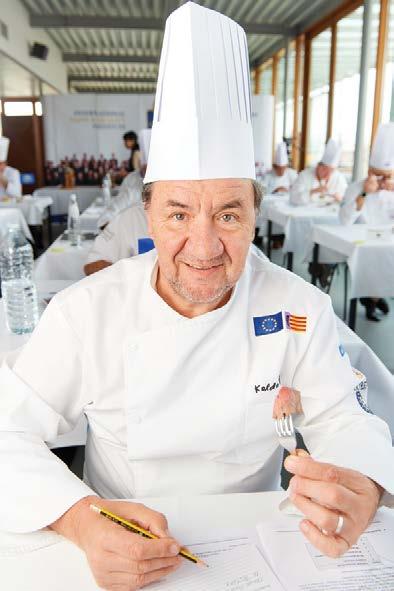

Strategic summer staffing Turning seasonal team building into lasting success
By Danny Murrell
As Canadian restaurants, foodservice operators, and staffing agencies gear up for the busy summer season — packed with staycations, concerts, and sporting events — one thing stays the same every year: the summer rush is rarely predictable. Effective seasonal staffing is the secret to turning what could be a major operational headache into a wave of returning business.
At the end of the day, great hospitality is all
about the people. Hiring and supporting the right team is how businesses navigate their busiest months while creating the kind of environment that keeps customers coming back. Here are five key principles every leader in the hospitality and foodservice space needs to turn seasonal demand into lasting success:
1Perfecting the timing of recruitment Timing is everything in our industry, and
that includes staffing up for the summer. Many employers fall into the trap of reactive hiring, scrambling to fill roles only after the first sunny weekends bring crowds. The most effective operators start recruiting early, capturing the window when students and seasonal job seekers are first hitting the pavement.
While job boards and community organizations are valuable tools, your best recruitment channel is often your returning staff. Bringing back high-performing employees season after season creates a natural, positive culture. When employees enjoy their environment and feel that their leadership is committed to them, they become your loudest ambassadors. They draw in like-minded candidates, keeping your hiring pipeline strong without you having to chase it.
One strategy operators consistently overlook is partnering with a specialized staffing agency for your peak overflow. Rather than scrambling to hire and onboard 15 people in two weeks, a good agency gives you pre-vetted, service-trained staff you can call on when demand spikes. The margin you pay isn’t a cost — it’s insurance against a short-staffed Saturday in July.

2
Ensuring flexibility and effective scheduling
Flexibility has long been the cornerstone of the hospitality world. Accommodate school commitments, family responsibilities, and summer plans where you can — you can usually do this without sacrificing coverage. Offering a mix of guaranteed shifts and on-call opportunities gives staff the room they need to live their lives, while ensuring service never falls short.
Technology makes this easier. Use scheduling software that lets staff broadcast their availability in real time and pick up open shifts. This changes the dynamic — instead of managers chasing people down, staff are actively opting in, and that kind of ownership changes how people show up.


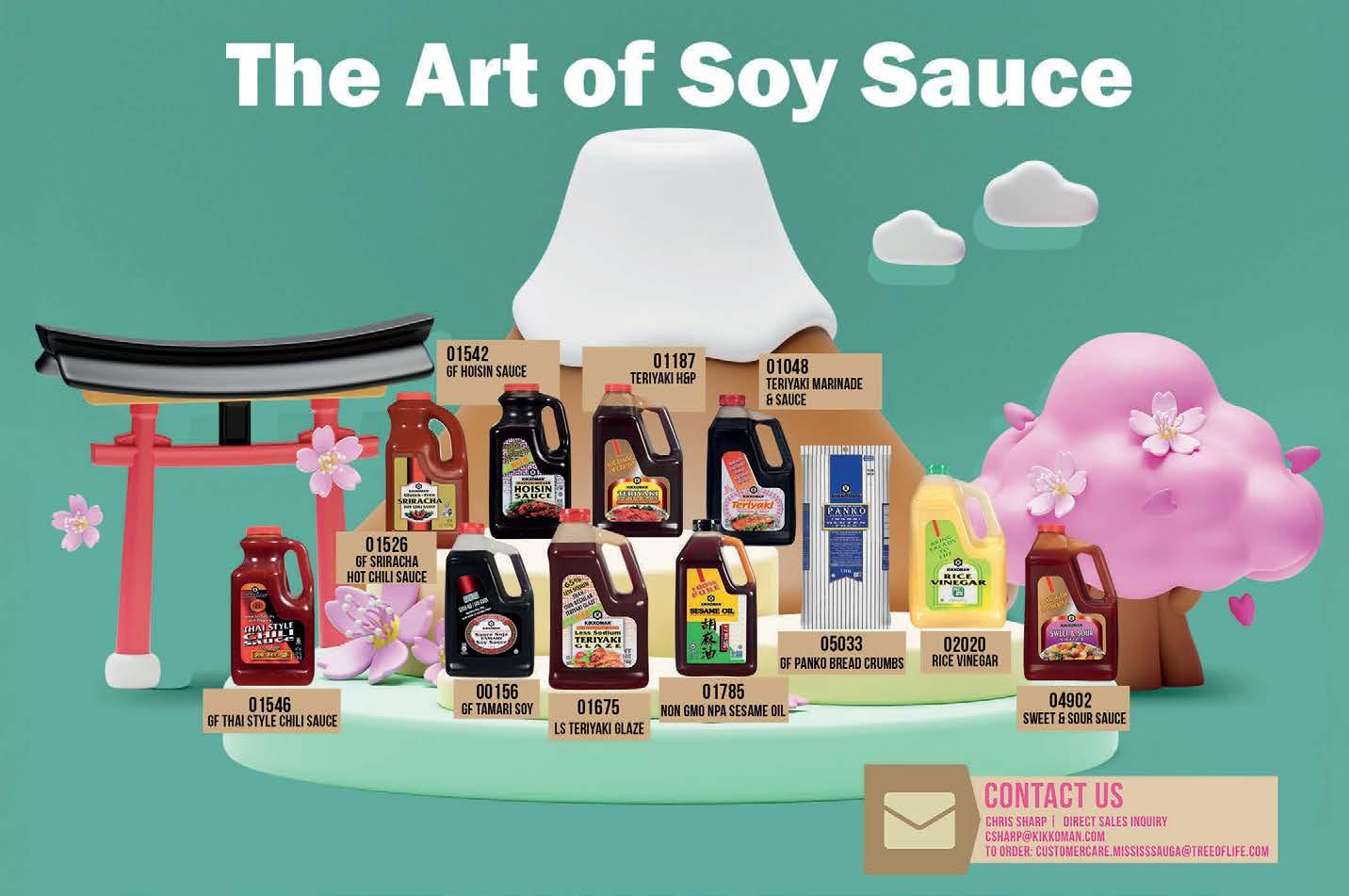
But flexibility only works with a mutual commitment to communication. Human agreement is what matters: we provide the flexibility you need, and you provide the reliability we need. Managers who get this right maintain consistent coverage without burning anyone out.
3
Setting clear expectations and delivering effective training
Seasonal hires — often students juggling multiple priorities — need clear guardrails from the jump. Onboarding shouldn’t be a mystery, so it’s important to outline exactly what a shift looks like and what conduct is expected without any ambiguity.
A significant portion of Canada’s summer hospitality workforce is newcomers and international students. These team members often bring incredible work ethic and commitment to service; they’re not looking for a casual summer job. The employers who invest in clear onboarding, who meet them where they are culturally, and who treat them as people building a career, get rewarded with some of their most loyal seasonal staff.
This is where the concept of “follow-through” becomes critical. Business moves fast, especially in high season. To protect the team members who are showing up and working hard, leadership has to be prepared to move on if the commitment to performance isn’t being met. We’ve all seen the damage it does to a team when managers have to micromanage basic tasks or monitor inconsistent attitudes. It drains morale and forces your top performers to carry the weight of others.
Part of a leader’s commitment to the staff is ensuring they aren’t held back by peers who aren’t pulling their weight. If an expectation is set and ignored, move on to protect the team and the guest experience.
4
Maintaining a positive workplace culture
The stress of the high season can wear down team spirit quickly, which leads to high turnover and a worse experience for guests. To fight this, authentic and regular recognition is essential for building camaraderie and loyalty.
Keeping the lines of communication open is equally important. Creating a space where feedback is welcome and concerns are handled quickly helps resolve issues before they sour the whole team. Seasonal workers who feel valued and heard are much more likely to come back next year, which gives you better
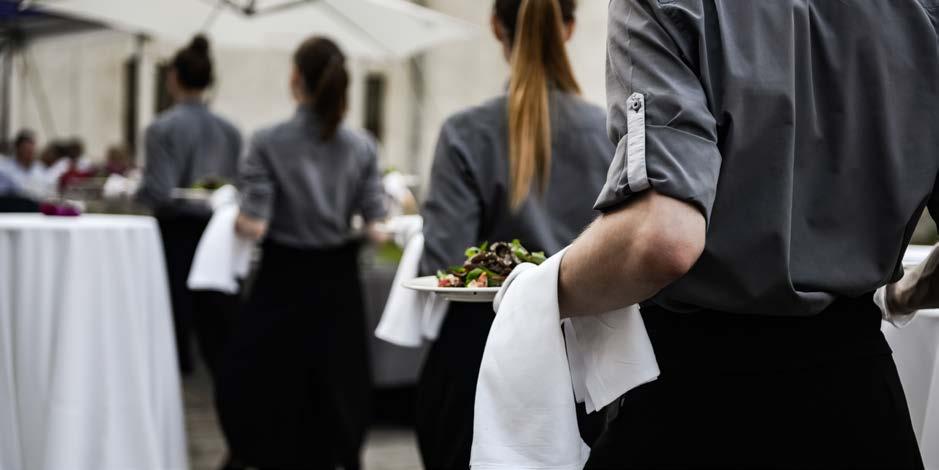
continuity and raises the bar for both your guests and your full-time staff.
5
Honest
assessment and adaptability
Honest self-assessment is the most underrated skill in this industry. Monitoring team morale, seeking input from frontline staff, and staying attuned to what is and isn’t working allows you to pivot when needed.
Resilience in hospitality is less about brute endurance and more about intelligent planning and a willingness to adapt. That flexibility, paired with a commitment to high standards, turns the summer rush from an obstacle into a competitive advantage.
Turning seasonal staffing into a strategic advantage
As the patio tables and outdoor tents come out and the days stretch long, Canadians head to their favourite local spots in numbers that can send even the best-prepared teams scrambling. With amplified demand and raised stakes, every guest interaction goes beyond a simple sale and becomes an opportunity to create a brand ambassador for the local community.
That rush is precisely why seasonal staffing
should be treated as a strategic investment. By hiring early, investing in training, and establishing that two-way commitment of respect and performance, you create the conditions for reliable service even at peak demand.
The operators who thrive every summer aren’t the ones who hustle hardest mid-season; they’re the ones who’ve built the right team, set the right standard from day one, and created conditions where people wanted to come back. That’s not luck, that’s strategy.
Danny Murrell is the Founder and CEO of Harrison Staffing, a leading event staffing company. Danny is a visionary entrepreneur and labour advocate transforming the hospitality industry and event staffing in Canada. An immigrant from Barbados who began his career as a server, Danny founded Harrison Staffing in 2018 to address the instability and lack of support he saw in the service industry. His people first model is based on fair pay, flexible schedules, and a respectful workplace that prioritizes the treatment of staff who drive service excellence. Danny also engages in broader advocacy for hospitality workers, including helping to establish Hospitality Workers Appreciation Day in Ontario.
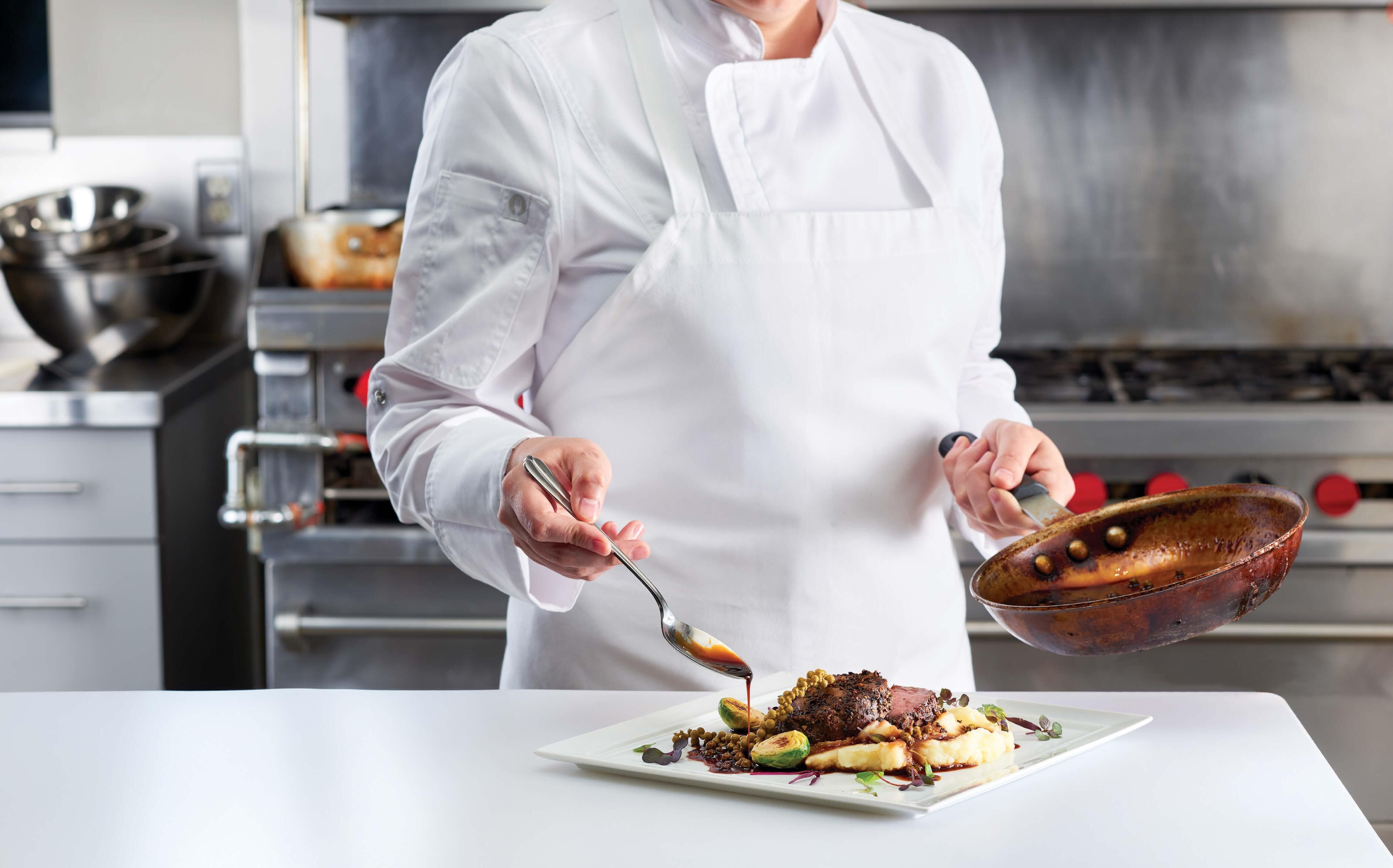
Today’s tech is driving restaurant resilience
By Samir Zabaneh
Canadian foodservice operators are navigating a landscape defined by rising costs and changing consumer habits, and they are using technology to bridge the gap. Research shows that technology adoption in the restaurant industry is more than just a modernization effort; it has become a mandatory strategy for protecting profit margins and empowering lean teams to increase efficiency. But despite economic pressures, technology budgets remain strong. Canadian full-service restaurants spend an average of $195 dollars per month on technology and 68 per cent of operators plan to spend more in this category over the next six months. This reveals exactly where the industry is heading.
Why strategic tools matter
The core of this digital shift starts with the point of sale: twenty-eight per cent plan to invest in reservation software, followed closely by marketing software and staff scheduling tools. 95 per cent of Canadian operators use a POS system, and 72 per cent rely on POS-integrated payments. More than half of operators purchased or switched POS systems in the past year, many citing a need for better features and functionality (60 per cent) or technical issues with their previous provider (53 per cent). Operators are not settling for outdated systems; they are actively seeking tools that streamline daily workflows.
Beyond the basic register, strategic automation is taking hold. 62 per cent of operators have automated their online ordering processes, 58 per cent have automated kitchen order routing, and 57 per cent rely on automated invoicing. The benefits of this tech adoption are undeniable, with nearly half of operators using automation saving valuable time and 47 per cent enjoying faster service times. Barriers still exist — high upfront costs hold back 31 per cent of operators from fully embracing automation — but the initial expense often pays for itself by reducing manual labour hours and improving accuracy long-term.

Upscaling with artificial intelligence and digital marketing
Artificial intelligence is also making a quiet but powerful impact, with 79 per cent of operators feeling positive about AI, and 83 per cent already using it in some capacity. Unlike the early hype around AI disrupting front-of-house roles, data shows operators are using it primarily behind the scenes. Currently, 31 per cent use AI for reservations and bookings, 30 per cent for inventory management, and 29 per cent for staff scheduling. Operators are using AI to handle complex back-of-house logistics so human staff can focus on delivering more personal, high-quality guest experiences. Customer engagement and digital marketing remain critical components of a successful tech strategy. Today, 48 per cent of operators offer a restaurant loyalty program to drive repeat visits. These programs are particularly successful in frequency-driven venues, offered by 68 per cent of brasseries, bistros, and cafes. Additionally, establishing a digital storefront is now mandatory: 80 per cent of operators have a dedicated restaurant website, and nearly all of them ensure their menus are easily viewable online. If a restaurant cannot be found online, it simply does not exist to a large segment of today’s diners.
Creating the best tech stack for your restaurant
Set against rising costs and shifting diner expectations, studies point to a clear pattern: successful operators do not spend the most on the newest trends; they make deliberate technology choices that free them up to focus on strategy. By investing in reliable POS systems, automating routine tasks, and using AI to handle the heavy lifting behind the scenes, restaurants can protect their bottom line while elevating the guest experience. Operators can evaluate their tech stack by focusing on what saves time, discarding what slows staff down, and implementing tools that empower teams to work more efficiently.
Samir Zabaneh is the CEO of TouchBistro, an all-in-one restaurant management system. He has held various executive roles, including CFO and COO in large global fintech companies, including Fiserv Inc. (previously First Data), Global Payments (previously Heartland Payments) and Moneris Solutions, executing various successful strategies related to vertical-specific software solutions integrated with payments processing.
Source: The TouchBistro 2026 Canadian State of Restaurants Report