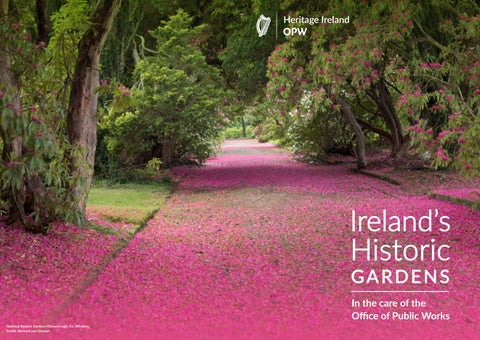
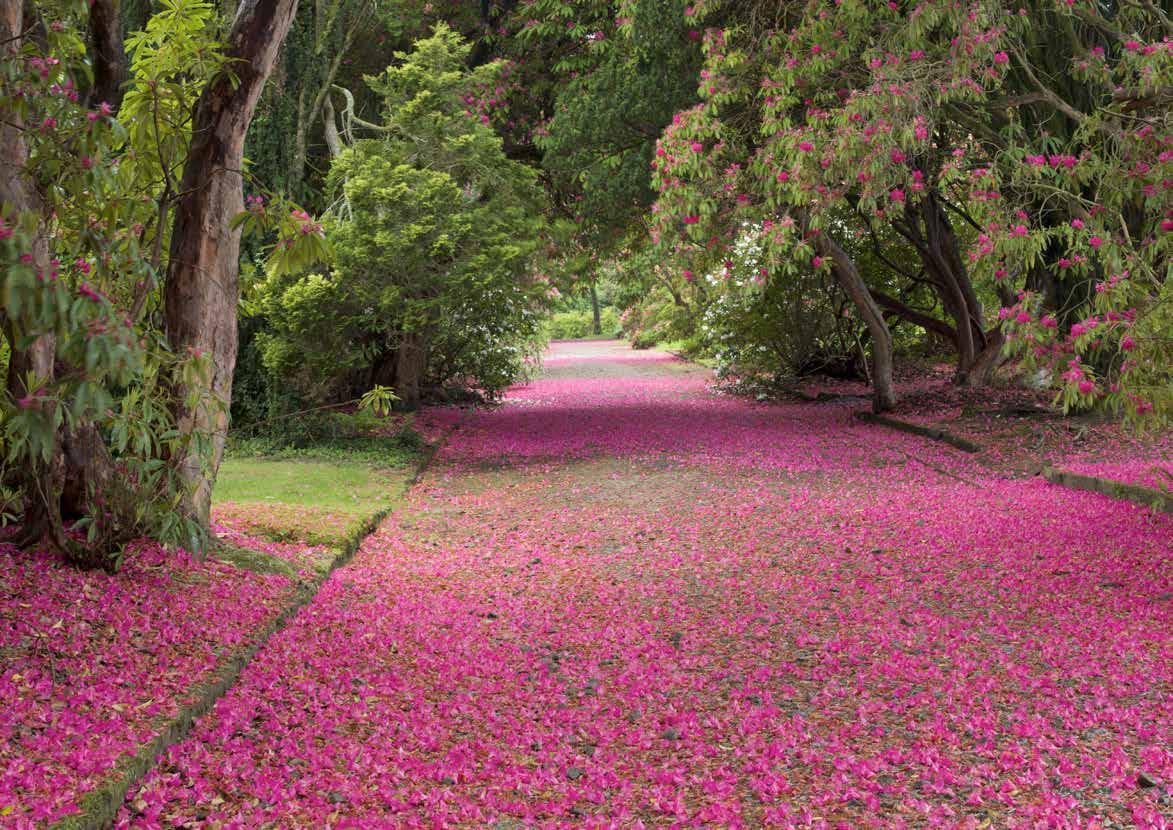
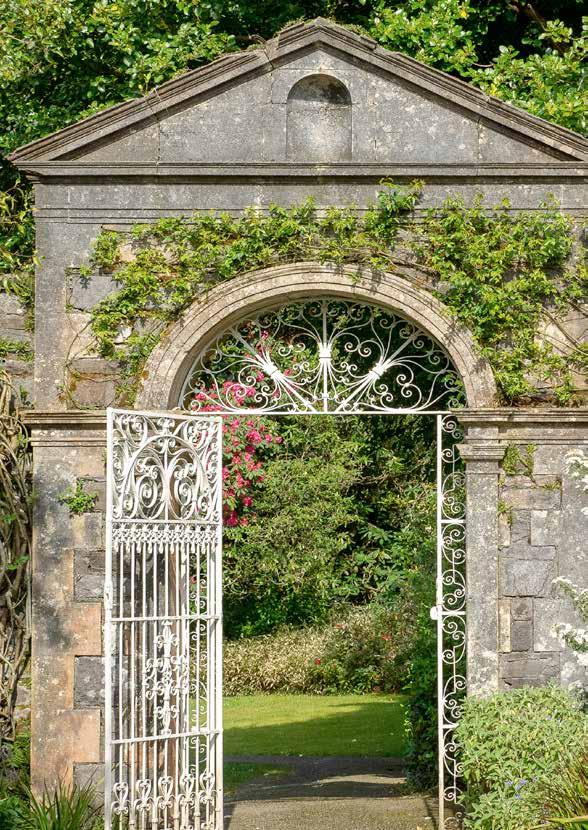
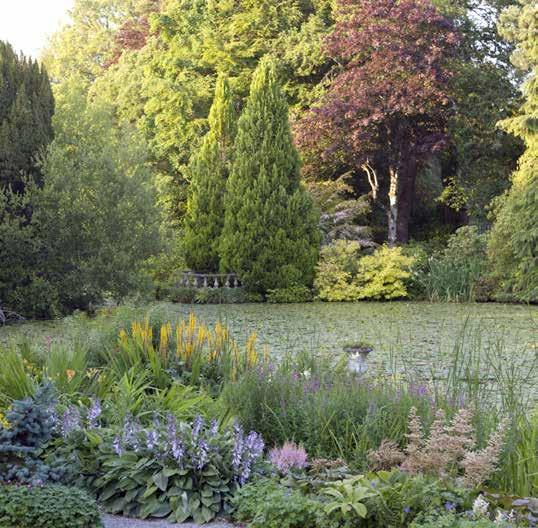
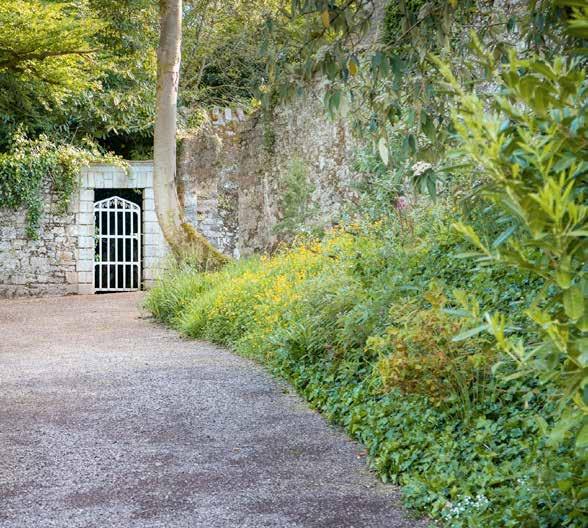
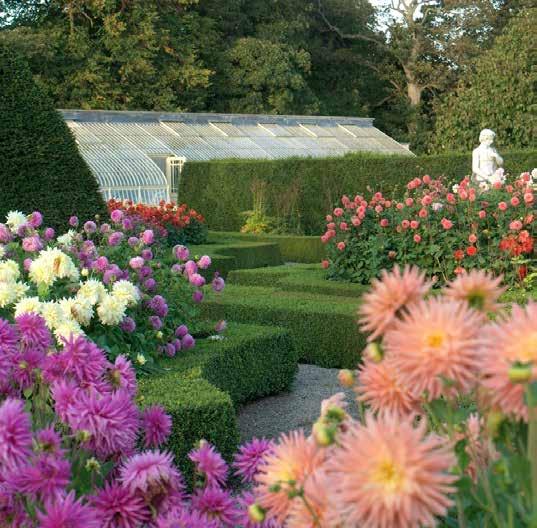
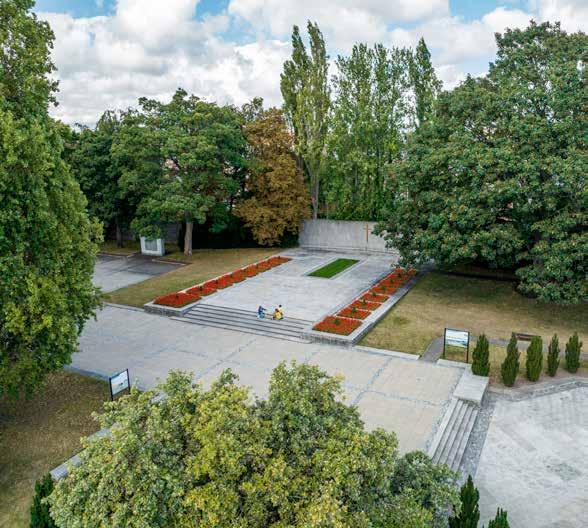
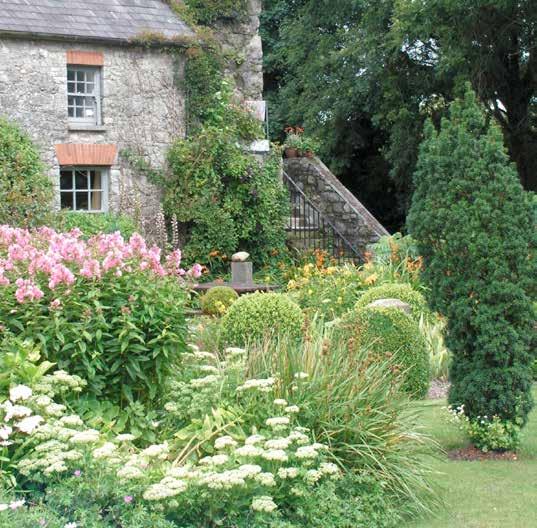
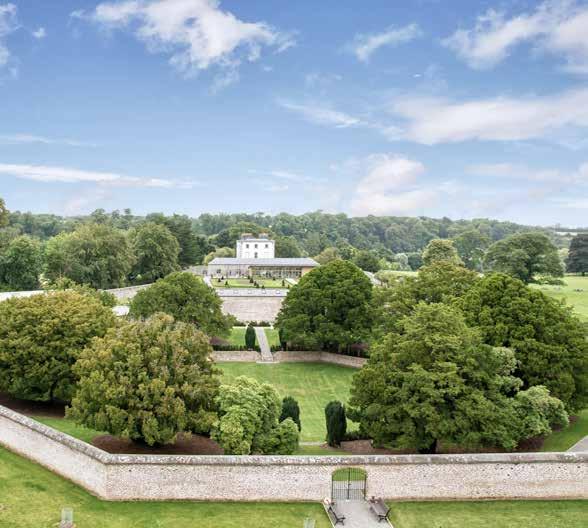
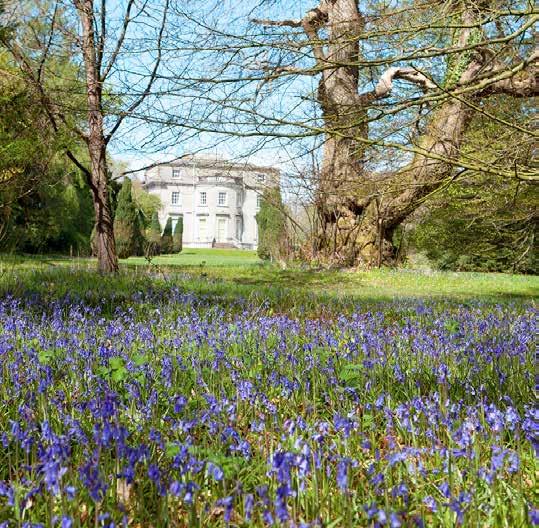
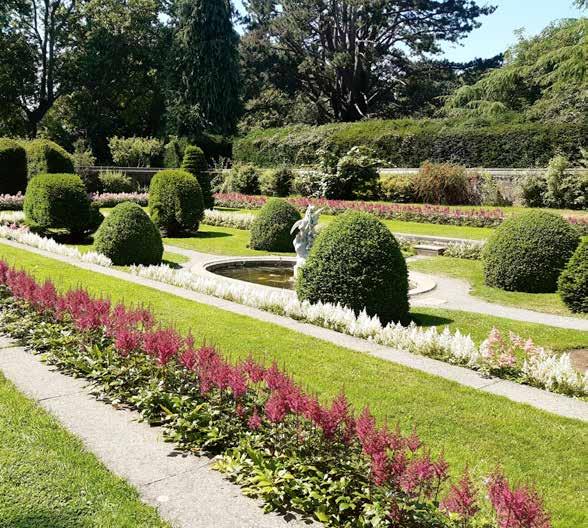
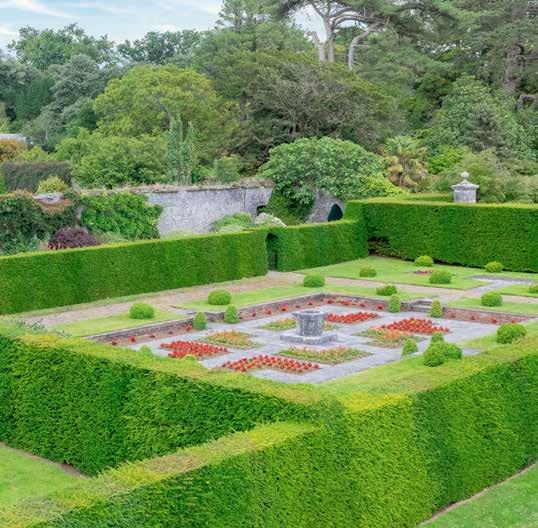
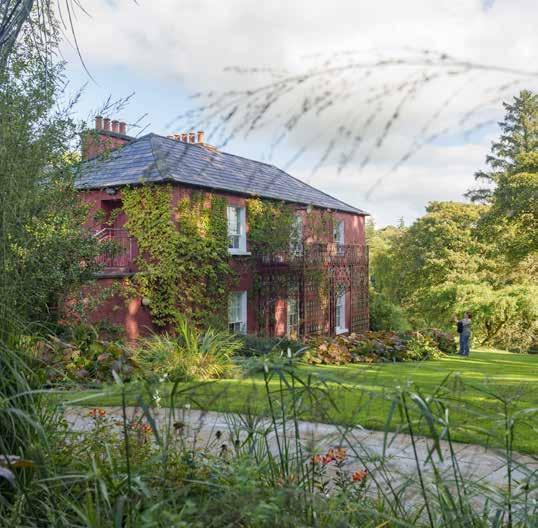
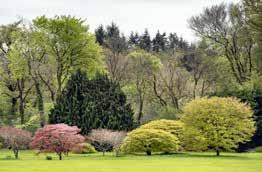
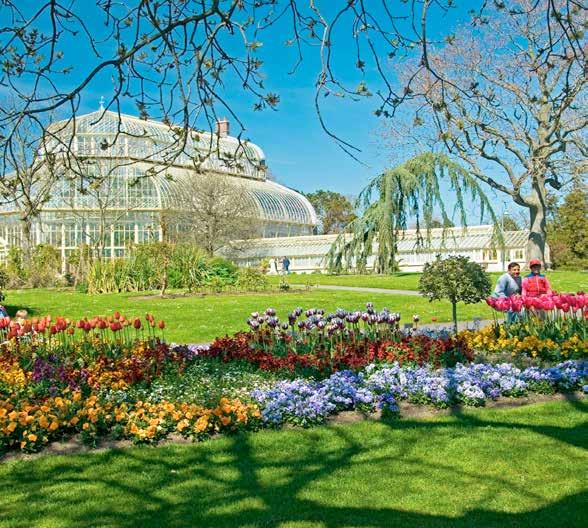
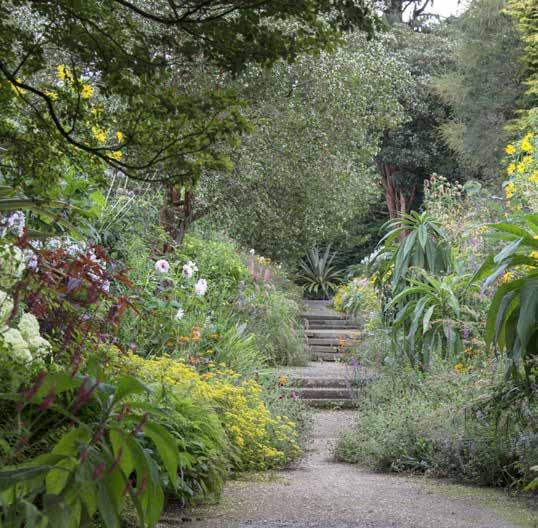
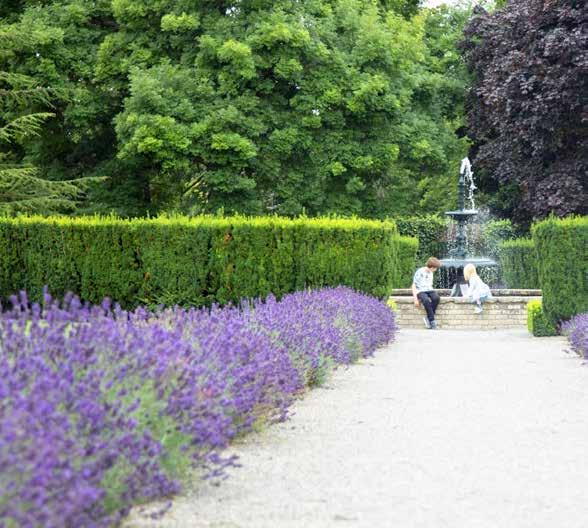
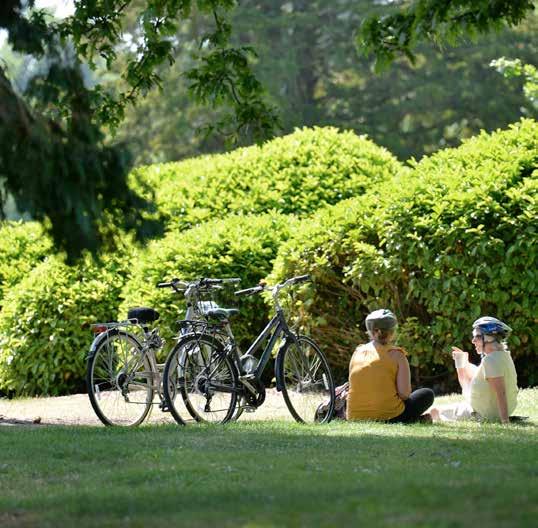
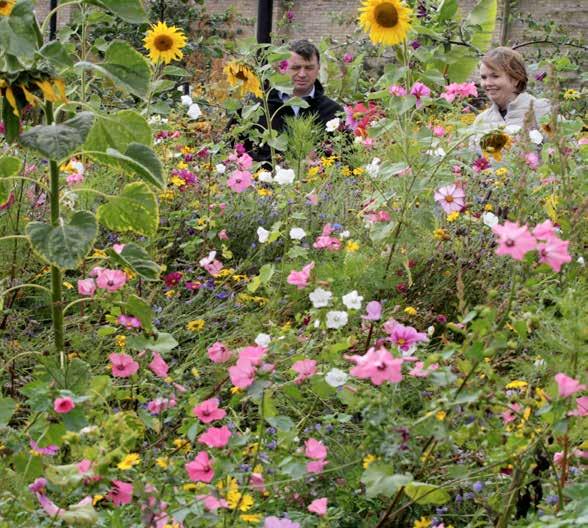
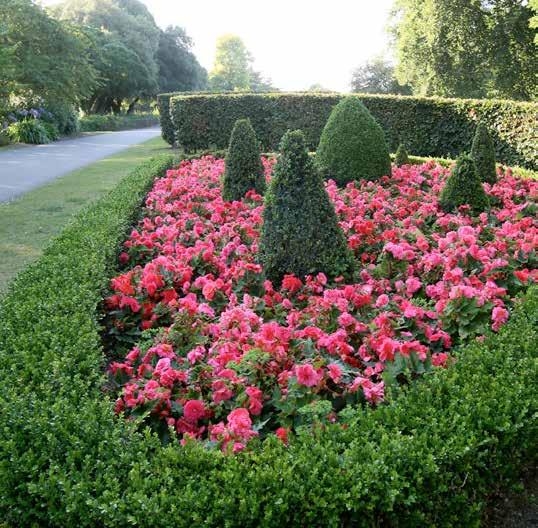
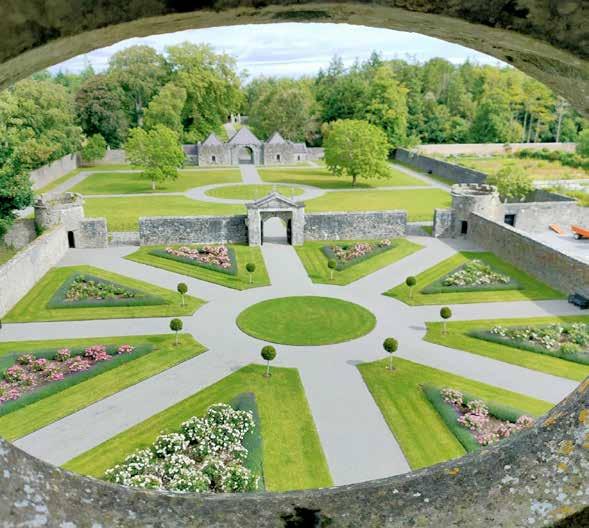
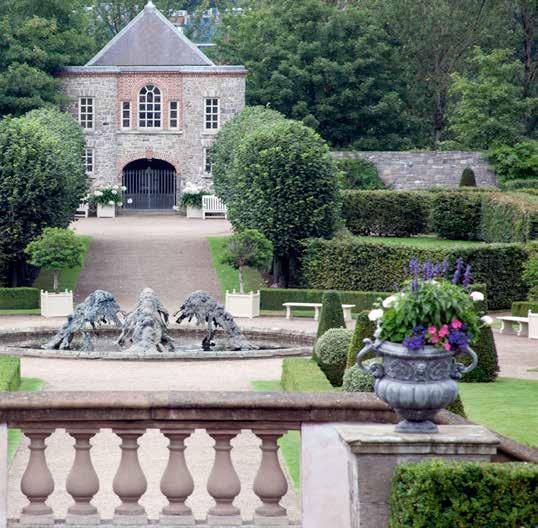
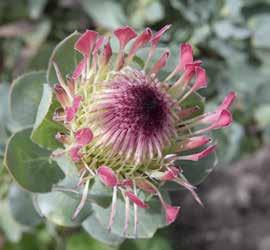
National Botanic Gardens Kilmacurragh, Co. Wicklow.
Credit: Bernard van Giessen
‘The many great gardens of the world, of literature and poetry, of painting and music, of religion and architecture, all make the point as clear as possible: the soul cannot thrive in the absence of a garden.’
Sir Thomas More (1478 – 1535)
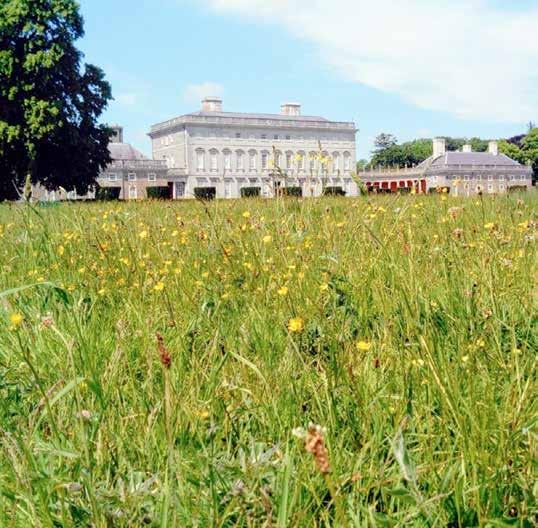
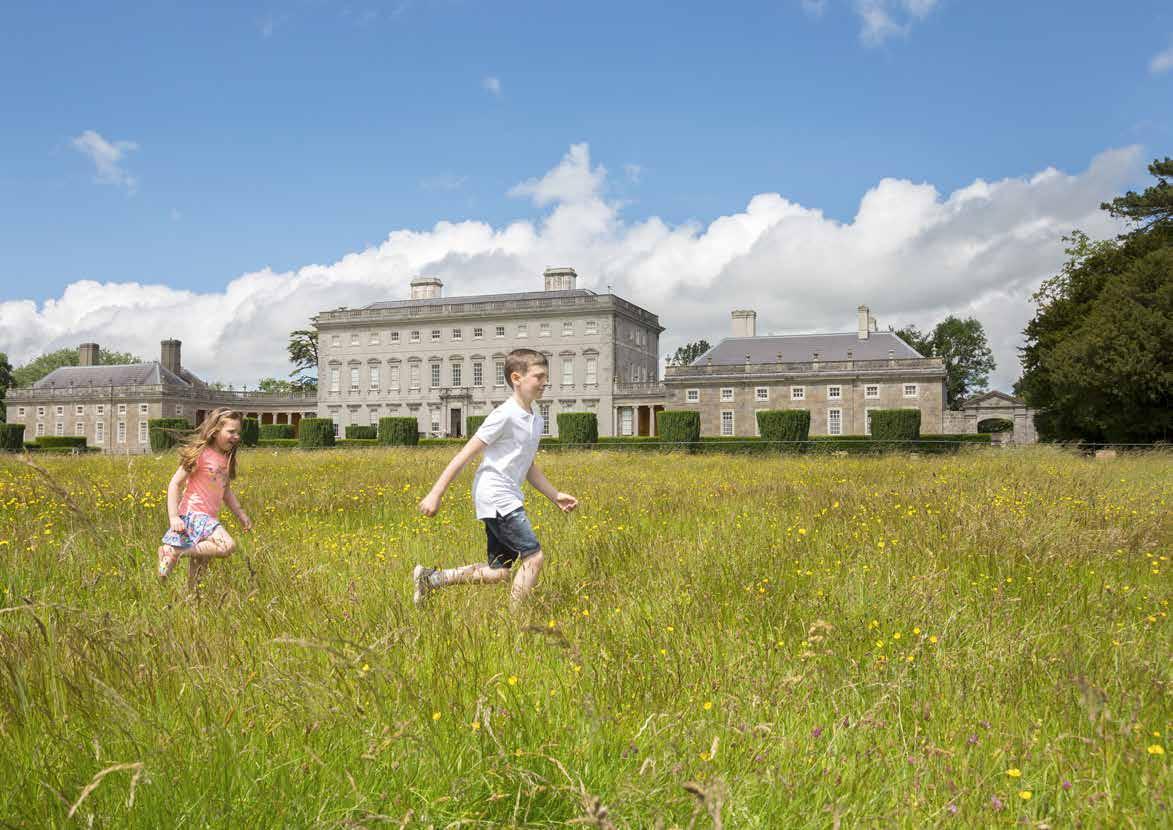
Castletown House, Co. Kildare. Image Credit: Mark Reddy
Áras an Uachtaráin, Dublin. Image Credit: Richard Johnston
On behalf of the Office of Public Works (OPW), it gives me great pleasure to introduce you to this guide to Ireland’s Historic Gardens in our care.
The OPW presents some of Ireland’s most iconic gardens and celebrated plant collections, from the internationally renowned National Botanic Gardens at Glasnevin, to Ilnacullin/Garinish Island with its collection of exotic and rare southern hemisphere plants; from the semi-tropical Fota Arboretum with its celebrated champion conifers, to one of Dublin’s better-kept secrets, the Iveagh Gardens.
The gardens attached to these historic properties are a careful balance of conservation, beauty and the evocation of their pasts. The personal creations of passionate plant collectors such as Corona North at Altamont Gardens, County Carlow and Richard Grove Annesley at Annes Grove Gardens in County Cork are being carefully maintained and restored to their original owner’s principles and ideals.
While our aim is to conserve these gardens for the enjoyment of generations to come, many are also significant repositories of unusual and rare plants and trees. Climatic changes, emerging plant diseases and other challenges mean that we must constantly innovate and plan for the future. We do this through our dedicated team of specialists and experienced heritage professionals who manage and cultivate these gardens for the nation. Our workforce is made up of skilled botanists, horticultural specialists, craft gardeners, forepersons and grounds staff who are hugely dedicated to the individual gardens that they serve.
Scientific and botanical research is an important aspect of our work too at the National Botanic Gardens in Glasnevin, at Kilmacurragh and at the John F Kennedy Arboretum in New Ross where our teams engage in international programmes of research and collaboration. Promoting and enhancing the biodiversity at our sites is now coming to the fore, and the OPW is committed to protecting the habitats of our pollinators, birds and wildlife at all our sites.
Through this guide, I hope that you will be inspired to visit some of these most beautiful historic gardens. The OPW team looks forward to welcoming you to one or all of them very soon.
Rosemary Collier Head of Heritage and
Works Delivery
in February
experience
Altamont Gardens
Perched on the banks of the River Slaney, Altamont Gardens is an enchanting blend of the formal and informal. The estate is laid out in the style of William Robinson, who strived for ‘honest simplicity’, and Corona North’s outstanding plant collection nestles perfectly within the surroundings, filling the summer air with the scent of roses.
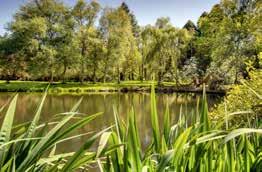
The gardens offer a varied landscape of lawns, an arboretum and a lake surrounded by rare trees and rhododendrons. Notable features include the Bog Garden and the Ice Age Glen, sheltered by ancient oaks and flanked by huge stone outcrops. With its sensitive balance of nature and artistry, Altamont is a treat at any time of year.
OPEN ALL YEAR Altamont, Tullow, Co. Carlow, R93 N882
Annes Grove Gardens
An oasis of nature and beauty set on the picturesque banks of the River Awbeg, Annes Grove is both an historic estate and a horticultural paradise. Home to the Annesley family from the 1600s until 2015, it is celebrated for its stunning collection of specimen plants from all over the world.
After inheriting Annes Grove in 1892, Richard Arthur Grove Annesley supported plant-hunting expeditions led by Frank Kingdon-Ward to Tibet, Yunnan Province, Burma and Bhutan, and assembled an exotic collection of plants. In the early 1900s he developed the landscape in the Robinsonian style, and today the gardens are the perfect setting for a leisurely stroll enjoying the breathtaking plant life on display.
OPEN SEASONALLY Castletownroche, Co. Cork, P51 HR74
Image Credit: Jonathan Hession
Top Tip
Spectacular flowering shrubs dating from the Annesley period include Cornus kousa, Embothrium, Eucryphia and Hoheria
Top Tip
Come
to
Altamont’s renowned collection of over 200 varieties of snowdrop.
Image Credit: Kachmarsky
The fruit and vegetable gardens at the Áras are certified organic and home to bees that produce award-winning honey.
Áras an Uachtaráin Gardens
The grounds of Áras an Uachtaráin, the residence of the President of Ireland, have always been one of its chief glories. The main formal garden, or parterre, was laid out by the famous architect and designer Decimus Burton around 1838, and later additions were made by the celebrated landscape gardener Ninian Niven. Many original Victorian features can also be seen, including ornamental lakes and a walled garden.
One of the most impressive features of the walled garden is the Richard Turner-designed linear glasshouse, known as the Peach House, which won several awards following its restoration in 2009.
Top Tip
The cemetery is behind the National Museum of Ireland, Collins Barracks, where you can find a large display of 1916-related material.
Arbour Hill Cemetery
The military cemetery at Arbour Hill is the last resting place of 14 of the executed leaders of the 1916 Easter Rising, including Patrick Pearse, James Connolly and Major John MacBride. The leaders were executed in Kilmainham Gaol and their bodies transported to Arbour Hill where they were buried in quicklime, but their grave was rescued from obscurity with an impressive memorial.
The gravesite is on a terrace of Wicklow granite and surrounded by a limestone wall on which the names of the leaders are inscribed in Irish and English. Today the cemetery is a place of pilgrimage and a moving memorial to a tempestuous moment in Irish history.
Image Credit: Richard Johnston
Image Credit: John McMahon
Barryscourt
out for the
Top Tip
The estate can be enjoyed year-round but the garden is designed to peak in July to coincide with the anniversary of the battle.
Castle Battle of the Boyne –
Dating from between 1392 and 1420, Barryscourt Castle is one of the finest examples of a restored Irish Tower House. The castle was partially destroyed during the Irish rebellions of the late-sixteenth century.
The castle and grounds, including the herb and knot garden and the charming orchard, are currently closed as they are undergoing extensive restoration work and will re-open once work has been completed.
Further details on reopening dates will be available on heritageireland.ie.
Oldbridge Estate
Situated on the banks of the River Boyne, Oldbridge is a 500-acre estate which takes in much of the original site of the Battle of the Boyne. The estate and gardens have been extensively restored in recent years and the Green Flag-accredited parklands are a haven for wildflowers, insects and birds (the buzzard, until recently endangered, is now a common sight). The gardens include a sunken octagonal walled garden (very rare in Europe), a peach house and an orchard filled with old Espalier pear trees and Blood of the Boyne apple trees.
Image Credit: Photographic Archive, National Monuments Service, Government of Ireland.
Image Credit: Jonathan Hession
Top Tip
Look
cannonballs lodged in the wall above the castle entrance, dating back to the Irish Confederate War.
Top Tip
June and July is the best time to visit our All-Ireland Pollinator Award-winning meadows: a mosaic
Castletown House & Parklands
Castletown House, Ireland’s first and largest Palladian-style house, is a beautifully restored eighteenth-century mansion. The house is set within 120 acres of superb landscaped grounds which in recent years have been returned to their former glory.
Features of the landscaped parklands include meadows, waterways, woodlands, a classical temple, a Gothic Revival lodge, still ponds and clusters of once-rare imported trees. The newly redesigned Pleasure Gardens, with their family fairy trail, offer a chance to learn all about biodiversity and to watch the bees and butterflies at work on our pollinator patch.
Top Tip
Spring is a great time to visit Derrynane, when the magnolias, camellias and many other shrubs are flowering in the gardens.
Derrynane House & Gardens
Derrynane House, the childhood home of Daniel O’Connell, is set in a beautiful and sheltered demesne landscape within Derrynane National Historic Park. A network of paths and trails enables visitors to enjoy over 120 hectares of woodlands, natural wildflower meadows, informal gardens and breathtaking coastline.
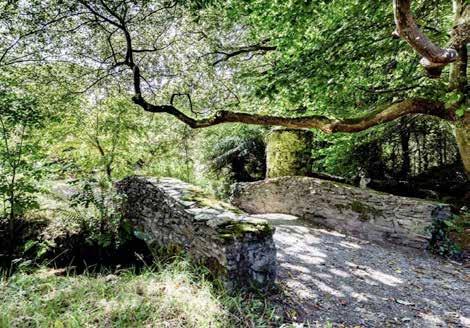
The National Historic Park includes one and a half kilometres of sandy and rocky shoreline filled with rare plant species such as the Kerry lily, while the sub-tropical woodland gardens boast a range of exotic and endangered plants and trees. Hidden features include a fernery, a neo-Gothic summerhouse, a fairy trail and a stone ring fort.
of colour in the summer months.
Image Credit: OPW
Image Credit: Ben Russell
Image Credit: Ben Russell
Doneraile Estate Dublin Castle
Doneraile Court was the home of the St Leger family from 1637 until 1969. The house is set in a magnificent eighteenth-century landscape filled with specimen trees dating from this period, including oak, beech, Spanish chestnut and lime. Some of the larch trees on the estate are thought to have been planted in the 1730s.
The fine parklands are designed in the naturalistic style of the famous landscape architect Capability Brown and include a parterre walled garden and gardeners’ cottages, along with many beautiful water features, including the River Awbeg, which flows through the middle of the park.
The Dubh Linn Gardens are laid out to the rear of the main castle complex, on the site of the Dubh Linn, the Black Pool, which gave Dublin its name. Planted with shady trees and shrubs and filled with the heady scents of flowering plants and the sound of bees, the gardens are one of the few restful green places in the heart of metropolitan Dublin.
Entering through wrought-iron gates of Celtic-inspired spirals, visitors encounter a ‘four seasons’ garden, beyond which lie four smaller gardens featuring specially commissioned works of sculpture. At the heart of the gardens is the grassy sward of the Dubh Linn Gardens, where patterns representing sea serpents are cut into the lawn.
Top Tip
Visit the wonderful Chester Beatty Library and Coach House Gallery situated right next to the gardens.
Image Credit: Ben Russell
Image Credit: Mark Reddy
Top Tip
A stroll through this historic landscape offers beautiful views of the house and a chance to spot the red, sika and fallow deer that live on the estate.
Image Credit: OPW
Emo Court & Gardens
Set amidst the ancient Slieve Bloom Mountains, Emo Court is a quintessential neoclassical mansion designed by the famous architect James Gandon. Surrounding the house is a magnificently designed historic landscape of approximately 150 acres featuring gardens, lake and woodlands. Walking routes enable visitors to take in the mature, picturesque grounds with their many fine specimen trees.
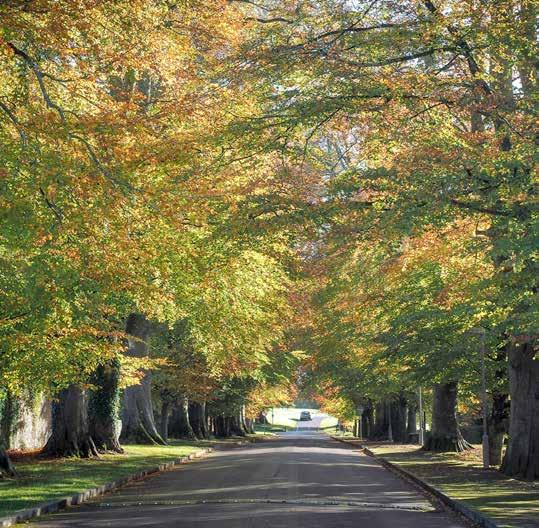
Closer to the house, avenues of old lime trees date from the time of Dawson’s Court – the house that predated Emo Court – while at the front of the house is the splendid, mile-long Wellingtonia Avenue, planted in 1853 following the introduction of the giant redwood to Ireland.
Top Tip
Discover the peaceful surroundings of the Dutch Sunken Garden, replete with an oval pond featuring a white Carrara marble fountain decorated with putti.
Farmleigh House & Estate
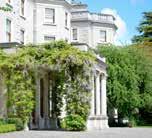
Farmleigh Estate, with 78 acres of park and gardens, is situated adjacent to the Phoenix Park. The range of plants and trees here offers visual and horticultural treats throughout the seasons. Approaching the house via The Thuja Avenue reveals the old dairy nestled among the trees, and on lakeside walks visitors can discover contemporary sculptural works by renowned Irish and international artists.
The woodlands feature magnolia, cherry blossom and mature specimen trees, while the extensive pleasure grounds, created by various members of the Guinness family, include a wonderful collection of Victorian, Edwardian and contemporary ornamental features with walled and sunken gardens and scenic lakeside views.
Image Credit: Maria O’Hanlon
Image Credit: OPW
Top Tip
The park, open all year round, is a beautiful place for a stroll, while the house is open seasonally and a visit is a must.
Image Credit: Karen Williamson
Top Tip
The arboretum is home to 130 species of conifer, including outstanding examples of Pinus, Picea, Cupressus, Cryptomeria, Abies, Sequoia and Sequoiadendron.
Top Tip
Take a moment to enjoy the poem by Liam Mac Uistin inscribed on the wall behind the sculpture.
Fota Arboretum & Gardens Garden of Remembrance
Fota Arboretum and Gardens boasts one of the finest collections of rare and tender trees and shrubs grown outdoors in Europe. The unique conditions at Fota – its warm soil and sheltered location – enable many excellent examples of exotics from the southern hemisphere to flourish, and in the 1840s James Hugh Smith-Barry began a planting programme that continues to this day under the care of the OPW’s Head Gardener. The result is a magnificent arboretum that features everything from giant redwoods to Chilean flame trees, while the delightful gardens include formal pleasure gardens, a Victorian fernery, an orangery and walled gardens, sunken gardens and a sun temple.
Dedicated to the memory of all those who gave their lives in the cause of Irish freedom, the garden is a quiet place of remembrance and reflection. Its design, created by architect Daithí Hanly in 1946, centres on a large crossshaped pool, symbolic of the dead, with a tiled mosaic pattern as its base.
Important objects from the history of prehistoric and medieval Ireland are woven into the structure of the garden, including the Brian Boru harp, the Loughnashade trumpet and the Ballinderry sword. Oisín Kelly’s magnificent sculpture, The Children of Lir, unifies the theme. The tranquil atmosphere of is appreciated by every visiting head of state.
Image Credit: Ben Russell
Image Credit: OPW
Top Tip
A safe haven for wildlife and insects, the wildflower meadows are best seen in the month of July.
Top Tip
Glebe House & Gardens
Glebe House and Gallery is the former home of artist and collector Derek Hill. The estate is set on a hilltop sloping down to Lough Gartan with the Derryveagh Mountains and Glenveagh National Park providing a stunning backdrop.
Spanning 20 acres, the heritage gardens at Glebe House are part of the Donegal Garden Trail and a delightful blend of the formal and informal. Notable features include magnificent rhododendrons, relaxed herbaceous beds and an extensive tree collection, including a beautiful 200-year-old beech. The gardens are also home to the ‘Derek Hill Peony’, a stunning flower named in honour of the artist.
Grangegorman Military Cemetery
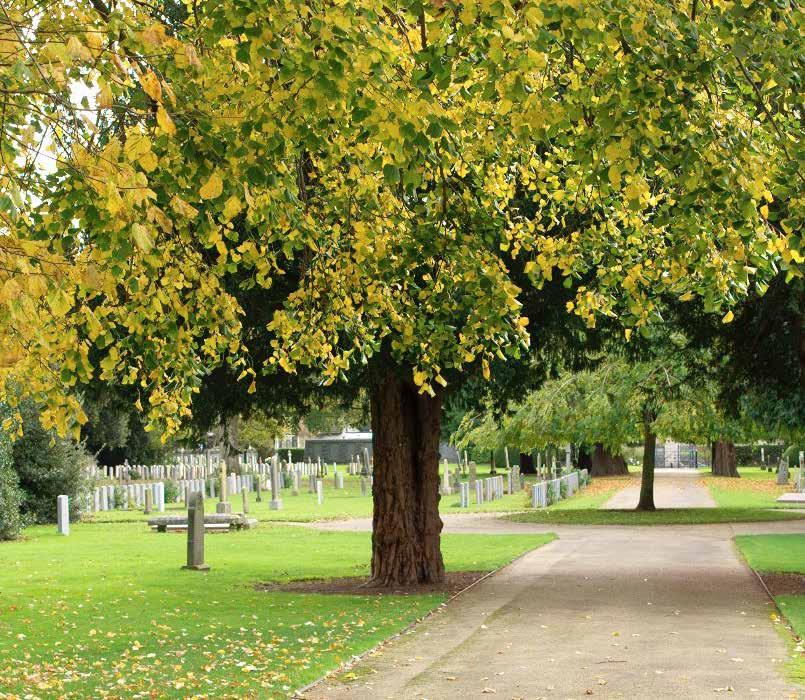
A stone’s throw from Phoenix Park, Grangegorman is the largest military cemetery in Ireland. It was opened in 1876 as a resting place for service personnel of the British Empire and their families, and contains over 1100 burials, including some of the British soldiers who lost their lives during the 1916 Rising, as well as war graves from both world wars. Several members of the ANZAC forces are also buried here.
A simple screen-wall memorial, built of Irish limestone and nearly two metres high, commemorates those war casualties whose graves lie elsewhere in Ireland. Mature trees and immaculate lawns cast a reflective atmosphere over this restful place.
Visit the resting place of 14-year-old Thomas Woodgate, one of the youngest military casualties of the First World War.
Image Credit: Richard Johnston
Image Credit: Fáilte Ireland
Top Tip
A walk in Trench’s beautiful Georgian landscape, with its many follies, is a must.
Top Tip
The ten-minute boat trip to the island offers stunning views and a chance to glimpse the white-tailed eagles that nest there.
Heywood Gardens Ilnacullin / Garinish Island
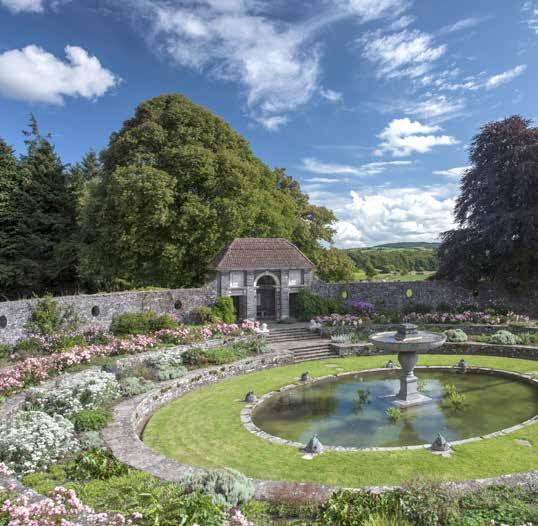
Heywood Gardens is an entrancing site representing two chapters of garden history. The exquisite Georgian landscape was commissioned by Michael Frederick Trench and comprises walks, woodland, lakes and Gothic follies. But the centrepiece of the site is an early-twentieth-century architectural garden, commissioned by the Hutcheson Poë family and designed by Sir Edwin Lutyens. The beautiful approach is bordered by pleached limes.
Circular terraces of planting in the style of renowned designer Gertrude Jekyll overlook a sunken pool garden with a grand fountain. The garden is surrounded by a walk with ox eye windows, offering a panorama of seven counties, while a cloister-like terrace surveys Trench’s Romantic landscape.
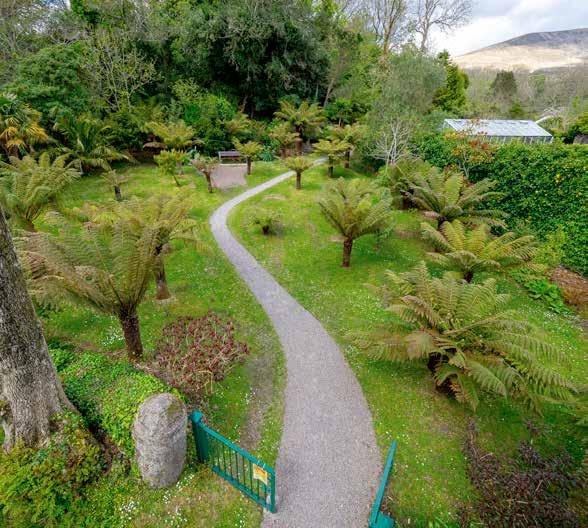
Nestled in the sheltered harbour of Glengarriff in Bantry Bay, Ilnacullin is a unique island garden of rare beauty.
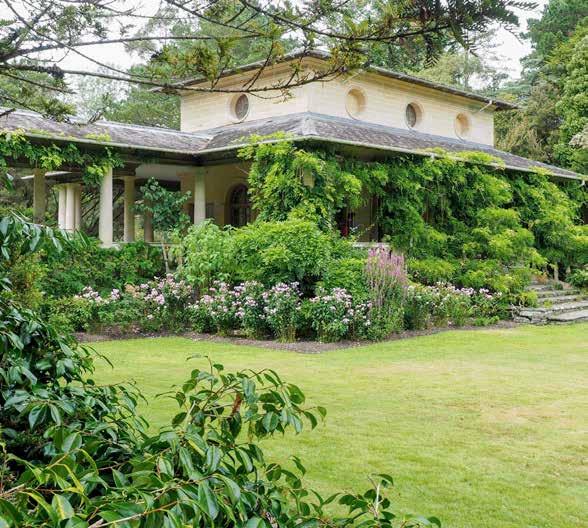
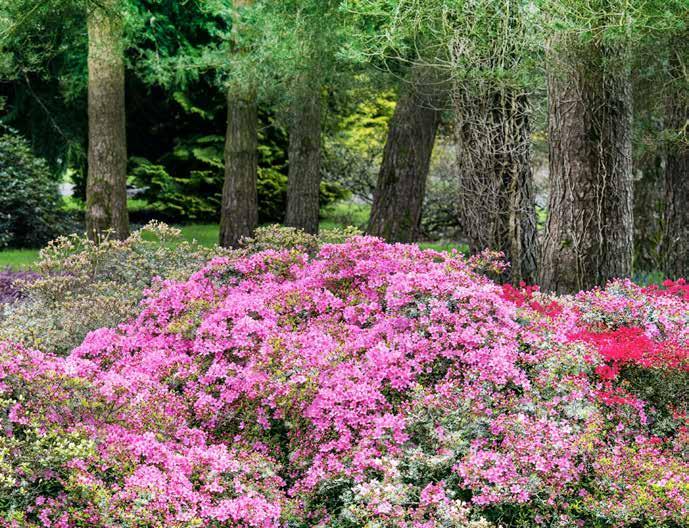
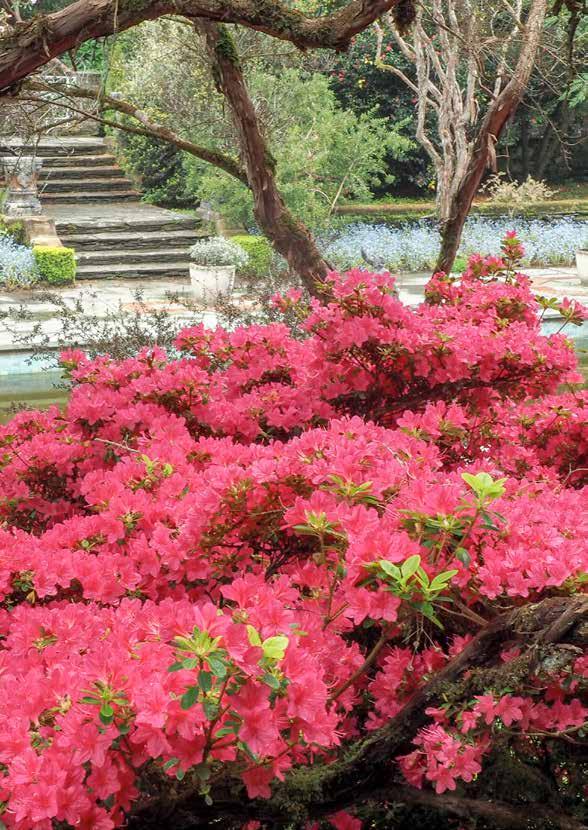
The gardens are the result of a creative partnership between Annan and Violet Bryce – owners of Ilnacullin in the early-twentieth century – and Harold Peto, the renowned architect and garden designer. Pathways leading around the island take in the sunken Italianate garden, the Medici pavilion, casita and lawns, the walled kitchen gardens, a Grecian temple and a Martello tower with panoramic views. The gardens also feature extensive collections of rare plants including mature magnolias, rhododendrons, azaleas, leptospermums and many fine southern-hemisphere trees.
Image Credit: Jonathan Hession
Image Credit: Ben Russell
Top Tip
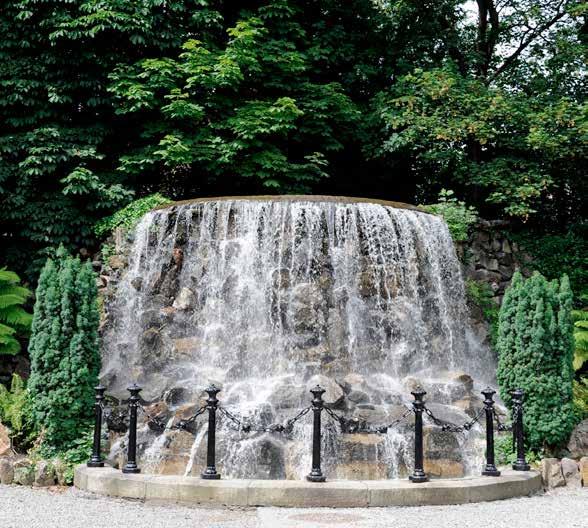
No visit to the gardens would be complete without viewing the Rustic Water Cascade, which is particularly beautiful in summer.
Irish National War Memorial Gardens Iveagh Gardens
Nestled in a picturesque setting on the south bank of the River Liffey, these fabulous gardens are the work of celebrated architect Sir Edwin Lutyens. Dedicated to the 49,400 Irish men and women who died in the First World War, these memorial gardens are among the most famous in Europe, and full of treasures to be discovered.
Fountains, obelisks, sunken rose gardens, herbaceous borders and extensive tree-planting make for an enjoyable visit in any season. The solemn, serene atmosphere of this elegant garden makes it a perfect place in which to relax and reflect.
Tucked away behind tall buildings and surrounded by brick walls, Dublin’s ‘secret garden’ is a peaceful oasis within the bustling city centre, with an atmosphere that’s totally unique.
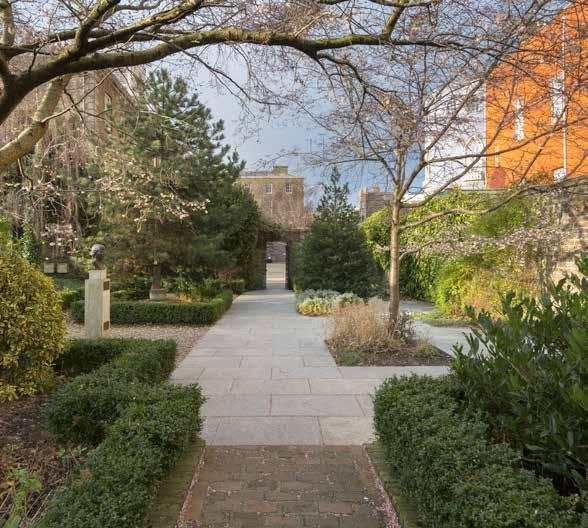
Designed in 1865 by celebrated landscape designer Ninian Niven, the gardens combine the ‘French Formal’ and ‘English Landscape’ traditions. Many of the original features are still in place, including the formal lawns, the scented rosarium and the yew maze. Two fountains, restored in 1994, form a magnificent centrepiece, and at one end of the gardens is Ireland’s first purpose-built archery ground. The Iveagh Gardens are perhaps best known today for the many events held there during the summer, maintaining a centuries-old tradition of ‘brilliant display’.
Image Credit: Sean Bruen and Alamy Stock Photo
Image Credit: Claude Thibault and Alamy Stock Photo
Top Tip
The Gertrude Jekyll-style herbaceous border, which encircles the rose gardens, provides wonderful displays in spring and autumn.
John F Kennedy Arboretum
Dedicated to the memory of John F Kennedy (whose great-grandfather, Patrick, was born in the nearby village of Dunganstown), this magnificent arboretum contains a plant collection of presidential proportions.
Covering some 252 hectares on the summit and southern slopes of Slieve Coillte, the arboretum contains 4,500 types of trees and shrubs from all the temperate regions of the world. There are 200 forest plots grouped by continent. Of special note is an ericaceous garden with 500 different rhododendrons and many varieties of azalea and heather, dwarf conifers and climbing plants. The summit offers amazing panoramic views, but perhaps the most picturesque part of the arboretum is the lake, a haven for waterfowl.
Don’t miss the visitor centre, which houses engaging exhibitions on both JFK and the arboretum itself.
ALL YEAR Ballysop, New Ross, Co. Wexford, Y34 KA48
Image Credit: Bernard van Giessen
Image Credit: Bernard van Giessen
Image Credit: Bernard van Giessen
Image Credit: Bernard van Giessen
Image Credit: Aidona Photography
Image Credit: Bernard van Giessen
Visitor’s
Kilkenny Castle & Gardens
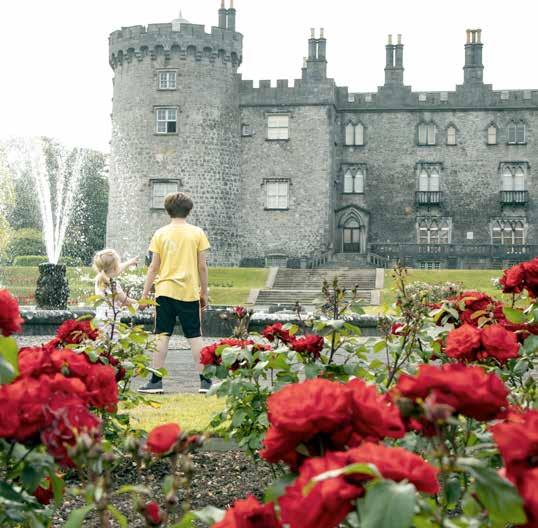
The historic parkland surrounding Kilkenny Castle was originally a deer park in medieval times. Today it is hugely popular with Kilkenny residents and visitors alike, especially in summer when runners, picnickers and walkers enjoy the wide-open spaces and formal garden. The parkland features 15 acres of native woodland and three acres of native wildflower meadows, home to bees, birds and bats. The terraced garden has been lovingly restored, with formal beds of old roses surrounding an impressive fountain.
The castle runs a free programme of events throughout the year, including music, garden talks, festivals and family events.
Top Tip
The Curvilinear Range, built between 1843 and 1869, was one of the masterpieces of the internationally celebrated
National Botanic Gardens Glasnevin
The National Botanic Gardens is Ireland’s premier garden, offering visitors a chance to view plants from every habitat imaginable, from arid deserts and tropical rainforests to snowy mountain tops.
A stroll around the estate takes in the extensive pleasure grounds with a wonderful collection of Victorian, Edwardian and contemporary ornamental features including sensory, fern and vegetable gardens and scenic lakeside views. A dedicated children’s garden enables young visitors to learn more about the plant world. The gardens are also home to the National Herbarium and the National Botanical Art collection, the largest collection of botanical art in Ireland, as well as some magnificent Victorian glasshouses.
Dublin iron founder Richard Turner.
Image Credit: Aidona Photography
Image Credit: Barry Mason and Alamy Stock Photo
Tip
Visit the Rose Garden with a central fountain from which axial paths spread out to elevated seating areas.
The double herbaceous borders originally planted in Victorian times are one of the highlights of the summer/autumn season.
Top Tip
The park is home to many protected species, including sparrow hawks, buzzards, kingfishers and dippers, bees, beetles and bats.
National Botanic Gardens Kilmacurragh Pearse Museum –St Enda’s Park
Home to seven generations of the Acton family, this remarkable plantsman’s garden was developed during the golden age of plant collecting. Through its close ties with the Moore family of the National Botanic Gardens at Glasnevin, it became one of the best private plant collections in Ireland.
Today the gardens’ 104 acres boast an important collection of rare trees and shrubs, particularly southern hemisphere conifers and 300 varieties of rhododendron. Alongside the Victorian gardens traces of an earlier Dutch landscape park can still be found, including a two-acre walled garden, a gothic folly and an extensive system of ha-has surrounding the eighteenthcentury deer park.
St Enda’s is a rare surviving example of a nineteenth-century walled estate in Dublin. In 1910 Patrick Pearse moved his bilingual school, Scoil Éanna, here, recognising that the place embodied everything his pupils could want: tranquillity, a natural playground and an inspirational setting.
Today the park’s 50 acres are a wonderful place to enjoy a stroll, taking in the fascinating assortment of eighteenth-century follies that once provided the backdrop for school pageants. The beautiful, wooded glen beside the Churchtown stream evokes the spirit that once drew Pearse here, while the walled garden features a sculpture by Stephen Burke marking the centenary of Pearse’s death.
Image Credit: Jonathan Hession
Image Credit: Aidona Photography
Phoenix Park
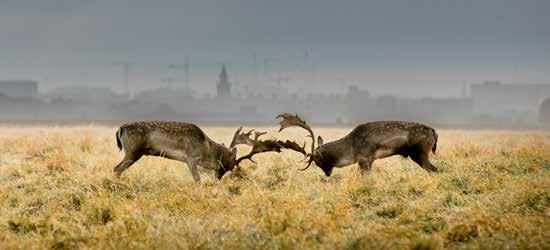
Having started life as a royal deer-hunting park, Phoenix Park was first opened to the public in 1747. Today it is the largest enclosed public park in any European capital. Almost 93% of its 707 hectares consists of green spaces – a mix of old grasslands and woodlands, with rare examples of wetlands. The park is hugely important for its biodiversity. 351 plant species thrive within its borders, including rare and protected species such as meadow barley, and the park supports approximately 40% of the bird species and 50% of the mammal species found in Ireland, most notably the wild fallow deer that have roamed the park for over 350 years.
Colourful summer displays such as sweet pea, chrysanthemums, lupins and campanula (bellflower) make the walled garden a place of exceptional beauty.
Phoenix Park Victorian Kitchen & Walled Garden
One of the highlights of the park is the Victorian Walled Kitchen Garden at the Phoenix Park Visitor Centre. Beautifully restored to its original nineteenth-century layout, the garden is an oasis of herbaceous borders, trained fruit and vegetables, pollinated by honeybees and cared for by dedicated and enthusiastic gardeners: the perfect place to sit and relax, have a quiet stroll, or grow your interest in horticulture.
Come and learn about the design of a walled Victorian garden and the fruit, vegetables and flowers there, all grown under the international organic principles of health, ecology, fairness and care.
Top Tip
Don’t miss the People’s Garden (see page 30) and the Walled Garden (see opposite), both located within the park.
Top Tip
Image Credit: Lafayette Photography
Image Credit: Mark Stedman Photography
Top Tip
The gardens are conveniently located close to the Parkgate Street entrance, just a short stroll from the Luas and bus stops.
Phoenix Park Victorian People’s Flower Gardens
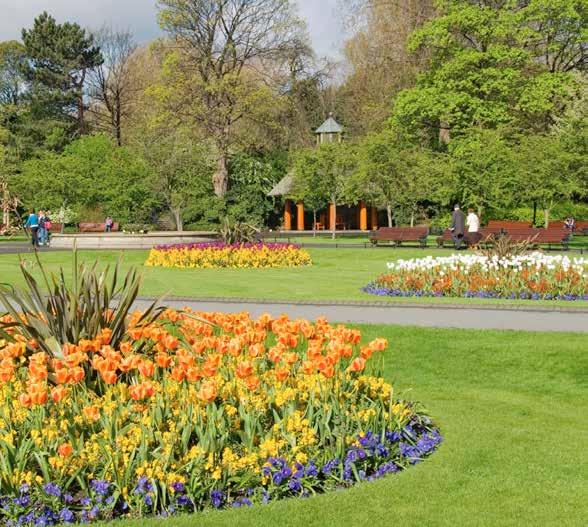
Nestled within the Phoenix Park, the People’s Flower Gardens represent Victorian horticulture at its finest. Nine hectares of the park are devoted to an enclosed and immaculately manicured flower garden, laid out and opened in the mid-nineteenth century.
A large ornamental lake, a children’s playground, picnic areas and herbaceous and Victorian bedding schemes are just some of the things to see and enjoy here, together with a bust of Seán Heuston (after whom Heuston Station is named). Whether you’re looking to relax in the sun, have a picnic or simply take a pleasant walk, don’t miss this enchanting portion of the capital’s largest green space
Top Tip
The roses in the rose garden are in bloom from mid-June to mid-July and on a warm, still day their fragrance is magnificent.
Portumna Castle & Gardens
Strategically situated on the shores of Lough Derg and the banks of the River Shannon, Portumna Castle was the seat of the Burke family for almost 300 years. A stroll through the estate takes in the forest parks, with their red squirrels and fallow deer, as well as the seventeenth-century formal gardens, Italian-style Tuscan Gate, the Ladies’ Garden and the castle itself with its impressive defensive features.
The three walled gardens have been fully restored, and include an entrance garden, a rose garden and a kitchen garden rich in sensory experiences, with seasonal changes of flowers, fruit, vegetables and herbs creating an ideal haven for butterflies and bees.
Image Credit: Mark Stedman Photography
Image Credit: Giacomo de Blasi
Image Credit: Lynn O Keefe
Top Tip
Explore the ‘Old Man’s House’ exhibition which tells the history of Royal Hospital Kilmainham.
Top Tip
The park is home to many important sculptures and monuments, including memorials to James
Royal Hospital Kilmainham St Stephen’s Green Gardens
Inspired by Les Invalides in Paris, the Royal Hospital Kilmainham was built in 1680 to house military pensioners. The gardens were initially laid out as a medicinal resource but, over the years, they became a pleasure garden and the private resort of the Master of the Hospital.
In the 1980s the OPW restored the site as a seventeenth-century formal walled garden replete with topiary, ornamentation, a grand fountain, historic walls and historically appropriate shrubs and flowers. What the visitor sees today is not a faithful reconstruction but an evocation of the spirit of a seventeenth-century garden and a beautiful creation in its own right.
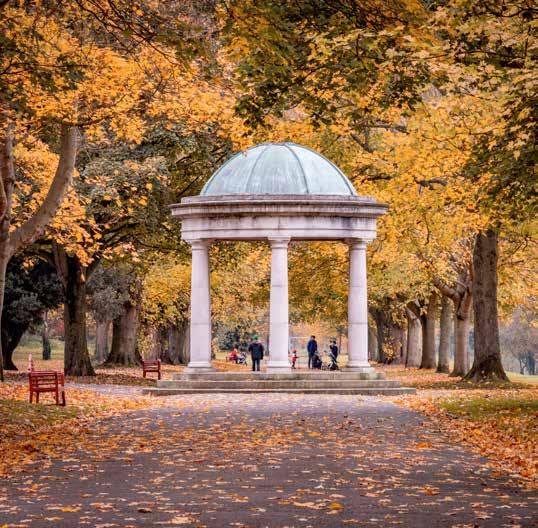
Nestled in the very heart of the city, Dublin’s oldest public park is an oasis of calm. The park opened in 1880 and retains many of its original features, including a bandstand, monuments and statues, water features and fountains, and Victorian floral displays. Other notable features include a garden for the visually impaired, a playground and a rockery with alpine plants. 3.5 kilometres of pathways offer ample opportunity to soak up the atmosphere.
The park is Green Flag accredited and its nine hectares are home to over 750 trees, including a formal walk of lime trees along the northern boundary. Victorian flower beds planted with tulips, geraniums, wallflowers and petunias offer colourful feasts for the eyes.
Joyce and WB Yeats.
Image Credit: Saks Photography and Alamy Stock Photography
Image Credit: Juliet Ferguson and Alamy Stock Photo
Botanical Gardens
Botanical gardens first appeared in Europe during the Renaissance, but as the science of botany took shape in the eighteenth and nineteenth centuries their popularity grew. In Ireland, visionary landowners like Richard Arthur Grove Annesley at Annes Grove (page 3) and James Hugh Smith-Barry at Fota House (page 16) amassed magnificent collections of exotic plants and trees that still form the core of their collections to this day. But the most famous and celebrated collections are undoubtedly the National Botanic Gardens at Glasnevin (page 25) and at Kilmacurragh (page 26).
Founded by John Foster and Walter Wade in 1795, the National Botanic Gardens flourished in the nineteenth century under David Moore and his son Frederick, whose close ties with Kilmacurragh also enabled the latter to thrive. Today the National Botanic Gardens at Glasnevin are home to
over 14,000 plant species and cultivars from habitats all over the world, 300 of which are endangered, while the unique soil and weather conditions at Kilmacurragh have enabled it to develop an important collection of rare trees and shrubs, including 300 varieties of rhododendron.
These sites (along with JFK Arboretum – page 23) are important centres of scientific and botanical research, but they’re also wonderful spaces for everyone to explore, with beautiful arboretums (such as those at Fota – see page 14 – or the Royal Hospital Kilmainham – page 32) and magnificent greenhouses like Richard Turner’s celebrated Curvilinear Range at Glasnevin. Wherever you choose to go, you’ll find rare species in breathtaking settings, while talks and guided tours offer opportunities to learn more about plants and how to cultivate and grow them.
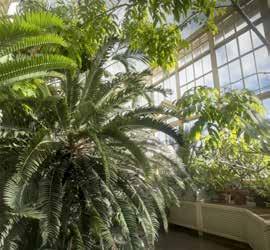
National Botanic Gardens, Dublin. Image Credit: Jonathan Hession
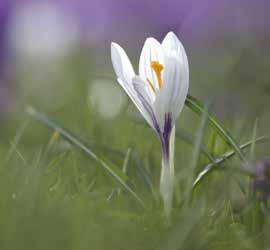
Ilnacullin, Garinish Island, Co. Cork. Image Credit: Ben Russell
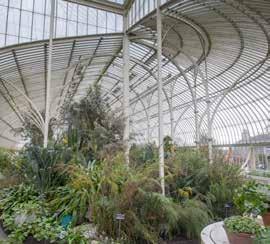
National Botanic Gardens, Dublin. Image Credit: Jonathan Hession
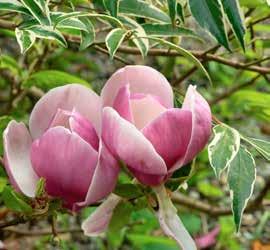
National Botanic Gardens, Kilmacurragh, Co. Wicklow Image Credit: Jonathan Hession
Ilnacullin, Garinish Island, Co. Cork. Image Credit: Ben Russell
National Botanic Gardens, Dublin. Image Credit: Jonathan Hession
National Botanic Gardens, Dublin. Image Credit: Jonathan Hession
Ilnacullin, Garinish Island, Co. Cork. Image Credit: Ben Russell
Family friendly Gardens
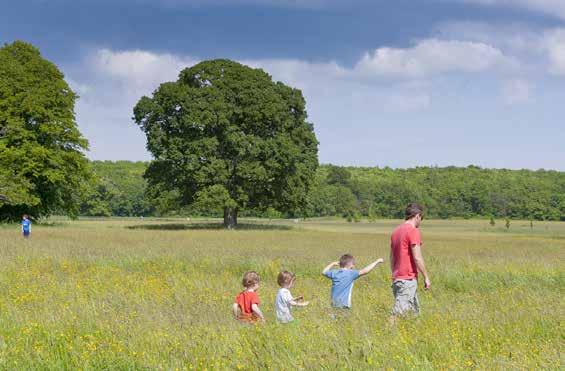
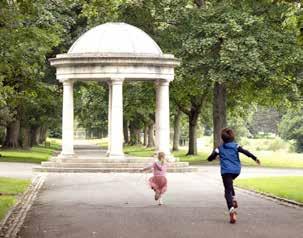
You don’t have to be a guerrilla gardener or a budding botanist to enjoy a day out at one of our historic gardens. With beaches, forests, meadows, walled gardens, ponds, lakes and streams, there’s a breathtaking variety of landscapes for all ages to enjoy and explore. Marvel at the giant sequoias in St Enda’s Park, or the Chilean flame trees of Fota. Explore the yew maze at Iveagh Gardens or follow the fairy trail through the woodlands at Derrynane. If you need a break from the outdoors, you’ll find that many of our gardens are in the grounds of some of Ireland’s great historic houses, equally full of fascinating history to discover.
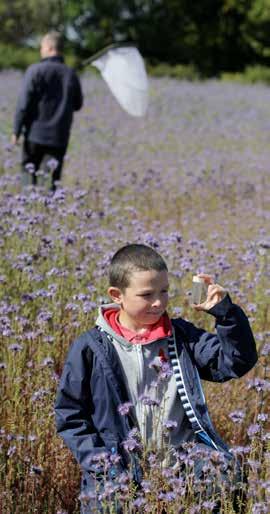
Outside, our sites are filled with flora and fauna for everyone to enjoy. In the summer months walled kitchen gardens like the one in Phoenix Park are riots of colours and scents, and wildflower meadows are bursting into flower. Birds and animals abound, from the herds of deer in Phoenix Park to the red squirrels at Portumna.
A boat trip out to Ilnacullin takes you past a colony of seals basking in the sun, and if you’re lucky you might even spot the white-tailed eagles that nest on the island.
Many sites put on events throughout the year, including guided tours, trails and talks. Glebe House has a family friendly garden trail, while Castletown’s Biodiversity Garden teaches children all about the importance of ecosystems, and the dedicated children’s garden at the National Botanic Gardens in Glasnevin enables young visitors to learn more about the plant world.
Packed with breathtaking spaces, great amenities and inspiring events, our historic gardens have everything a family needs to enjoy a wonderful day out. For more information, visit heritageireland.ie
Castletown House, Co. Kildare Image Credit: OPW
Biodiversity in our Gardens
Biodiversity – the variety of all living things – is under threat everywhere. Global populations of wild species have fallen by 60% in the last 40 years, and Ireland’s own biodiversity is also in decline. With responsibility for over 5,700 acres of historic parks, botanic gardens and designed landscapes, the Office of Public Works has a major role to play in preserving the nation’s biodiversity. That’s why we’ve developed a Biodiversity Action Strategy designed to integrate biodiversity concerns into every aspect of our work.
When you visit one of our sites, you’ll find a range of initiatives in place to promote biodiversity, such as the semi-natural grasslands planted at Castletown: 80 acres of meadow that encourage native wildflowers and, in summer, thrum with the sound of feeding bees. At Oldbridge a linnet and skylark plot encourages ground nesting birds, while Ilnacullin is a nesting
site for the white-tailed eagle. Tree-planting programmes ensure that our collections of native and exotic trees grow year on year, while the OPW Swift Initiative aims to ensure the long-term conservation of a bird closely associated with many of our sites.
Gradually, these and other initiatives are making a difference. Our heritage sites have won numerous awards for their environmental management, including the International Green Flag Award and the National Biodiversity Data Centre Pollinator Award. While we’re immensely proud of this recognition, there’s still much work to do, and as you visit our sites you’ll discover more and more projects as we strive to safeguard Ireland’s unique flora and fauna for generations to come.
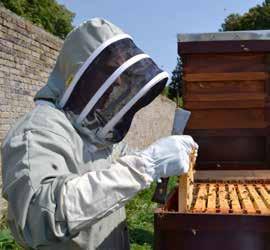
Beekeeping, Phoenix Park, Dublin
Image Credit: Leif Barry
Phoenix Park, Dublin Image Credit: Naoise Culhane Photography
Kilkenny Castle Image Credit: Dylan Vaughan
Kilkenny Castle Image Credit: Dylan Vaughan
Image Credit: Mark Stedman Photography
Young Fawn, Phoenix Park, Dublin Image Credit: Leif Barry
Do bear in mind weather and ground conditions when planning your visit and dress accordingly. It is a good idea to wear shoes suitable for uneven terrain and bring a jacket or umbrella for the Irish weather.
DOGS ON SITES
At some of our parks and gardens, dogs are allowed in certain areas only and not in any formal gardens. For everyone’s safety and enjoyment of our open spaces, dogs must be kept on leads at all times. Please clean up after your dog and take your dog’s waste home for disposal.
WASTE
Many of our historic parks and gardens follow the ‘Leave no Trace’ ethos and typically do not feature rubbish or recycling bins. Please leave the site as you found it and bring your waste home for disposal.
IRISH SIGN LANGUAGE
We run a programme of tours featuring Irish Sign Language interpretation at sites around the country. Entrance to the site and tour are free of charge but places are limited so participants are asked to book early by emailing the site or info@heritageireland.ie
NEURODIVERSITY
We are working to make our heritage sites more autism-friendly. Many of our guides have received training from AsIAm, Ireland’s National Autism Charity, and our sites are in the process of developing Social Guides to help you prepare for your visit. This information can be found under the ‘Social Guide’ section of their individual web pages. If you’d like to visit a specific place, but can’t find the information online, please contact the site directly.