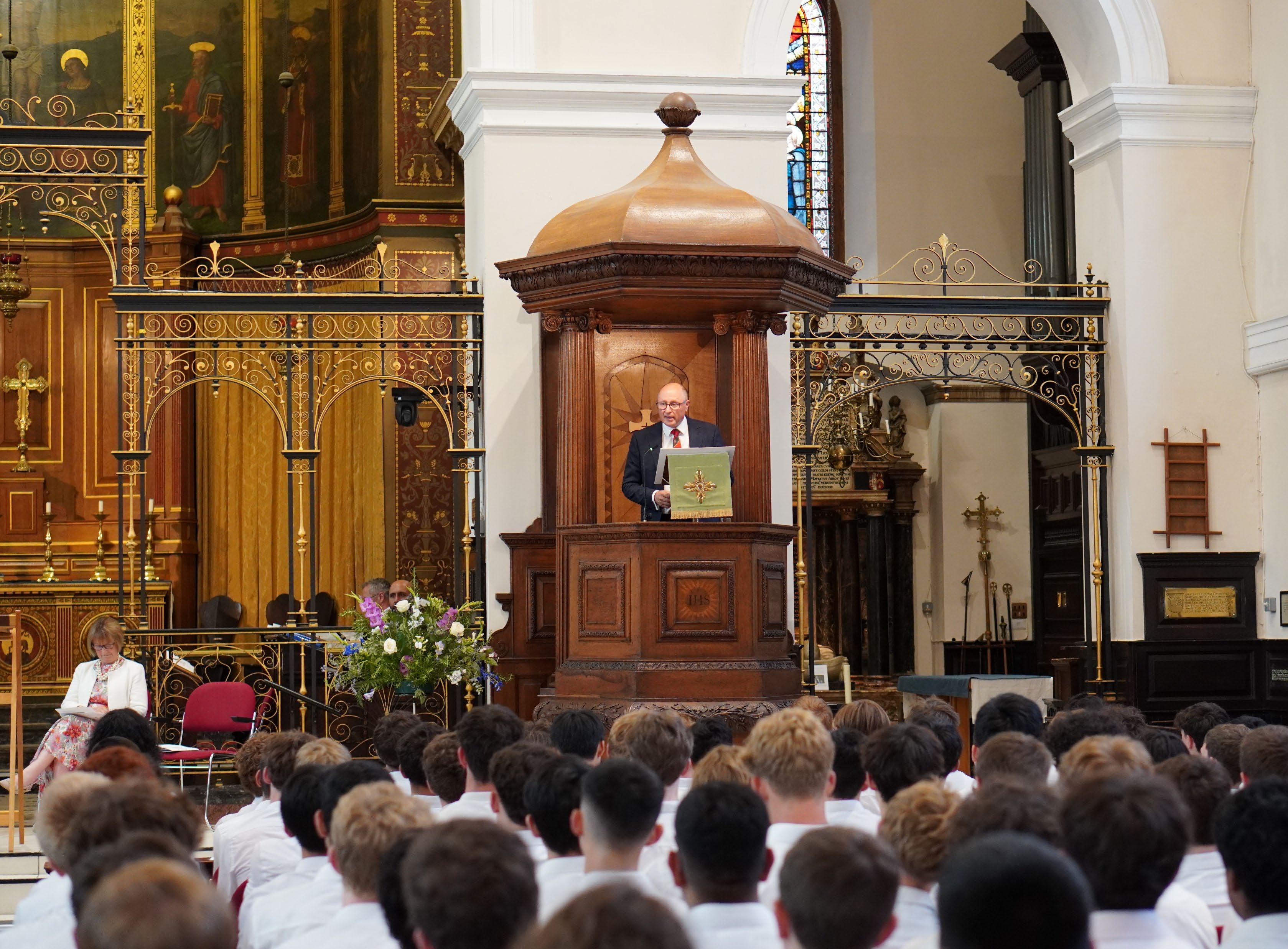
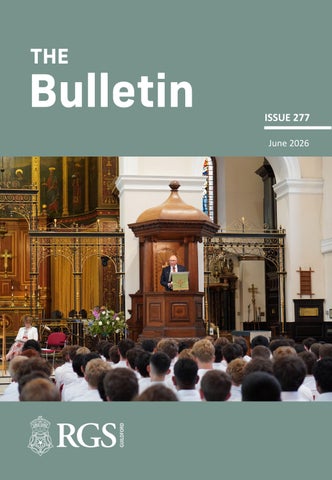

Madam Mayor, Chair of Governors, Honoured Guest, Ladies and Gentlemen, I am now in my twentieth year as Headmaster of the Royal Grammar School and I have, therefore, been granted the privilege of presenting an address at every Prizegiving ceremony since 2007.
What a lot has changed in those two decades. My hair is a little thinner, the font size of my speech is a considerably larger, and having played a cricket match against the Old Guildfordians yesterday, as I struggled to climb up the stairs to the pulpit, I realise that my fitness and flexibility are not quite what they used to be. But the talents and enthusiasm of our students certainly haven’t changed and, with the varied and interesting education that we provide and with the extraordinary ability of RGS students and staff, I am never short of material for speeches such as these. This year has, for obvious reasons, been particularly memorable and momentous, as we have announced a historic change to the School and to the future generations of students who will be fortunate enough to attend this esteemed institution.
A very dear friend of mine from my school days, Richard Deverell, who was the Guest of Honour on this very occasion in 2013 is the current Director of the Royal Botanic Gardens, Kew. Before that, he was Controller of BBC Children’s TV and then Chief Operating Officer of the BBC's new broadcasting and production centre in Salford Quays, Manchester. My many discussions with Richard about the challenges faced by the BBC, mainly during happy days fly fishing on Hampshire chalk streams, confirmed…
…the need for all venerable institutions to change and to adapt depending on the challenges which a rapidly developing society presents.
For much of the 20th century, the BBC was synonymous with very high-quality public service broadcasting, but by the early 21st century, the BBC faced major challenges: the advent of streaming services; changing audience habits particularly of younger audiences; financial pressures and debate over the licence fee; and intense global competition. These pressures made it clear that the BBC needed to evolve quickly. Its response was to invest heavily in its online presence, most notably through BBC iPlayer and BBC Sounds, to produce innovative content with global appeal, to embrace new formats and platforms such as podcasts, to restructure the organisation and to relocate where necessary, and to confirm its reputation for trusted journalism. Trust which, I know, has taken a bit of a knock recently, but by adapting to a rapidly changing world, the BBC took significant steps to remain relevant for future generations.
And such is the case for all venerable institutions. They must adapt to remain relevant and, if they do not face up to this challenge, they will diminish and ultimately fail. I remember fondly the shops and businesses of my childhood found on every British High Street: Woolworths (from whom I bought my first 6-inch single, I won’t tell you which one); British Home Stores, Blockbuster Video.
These institutions were mainstays of British towns and cities, but they all failed because they relied too heavily on past success, they ignored societal change, they were slow to understand new consumer behaviour, and they failed to modernise.
The RGS has been in existence for 517 years and has, on many occasions, felt the need to change its offering to ensure that it remained relevant for the future. Robert Beckingham’s legacy created our institution in 1509 as a ‘free schole for boys in Guildford’. But his generous gift was soon depleted, and the only way of survival was to petition King Edward VI, for support. The King’s generosity, as recorded in the School Charter, provided the means to create the Tudor building still in use today and prompted the School to charge fees for the first time.
The history of the RGS has always been one of change and adjustment. We have Canon Arthur Valpy to thank for saving the School at the end of the 19th century through a very generous fund-raising campaign. But the start of the 20th century saw very low numbers on the school roll. The RGS could not afford to maintain itself and it was necessary to apply to the Surrey Board of Education for grants to support the School. 40% of the School’s income was provided by Surrey Board of Education. We lost much of our precious independence at that time, but at least our survival was guaranteed.
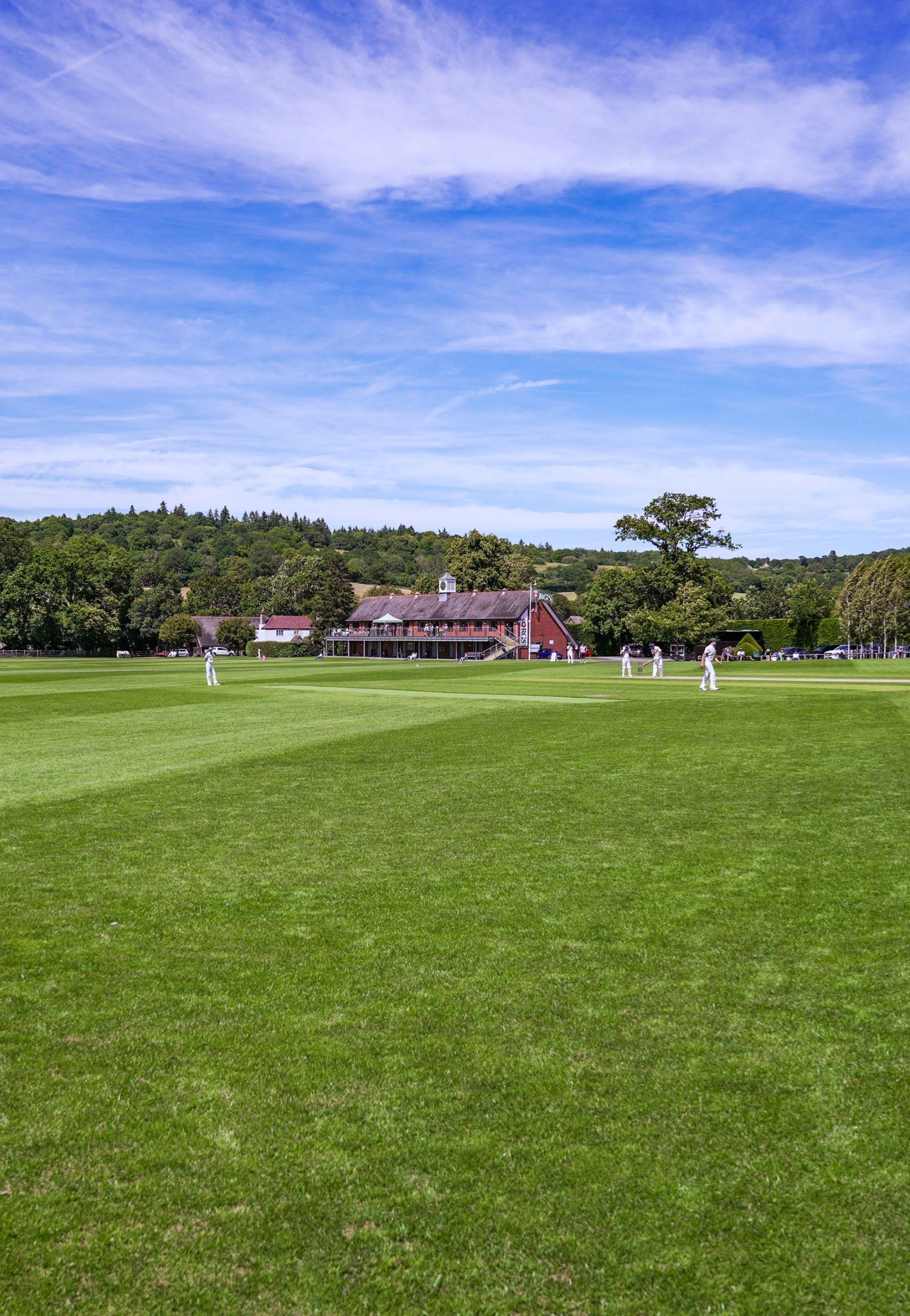
Forty years later, the RGS evolved once again to become a state grammar school, losing its independence fully and ceding control of the School to the Surrey Local Education Authority. In a reflection of the current Labour government’s antipathy towards selective schools, the Labour government of the 1970s was a strong advocate for comprehensive education and wanted to force the RGS to merge with County School to create a huge Guildford comprehensive school. To ensure the retention of the School’s name, assets and reputation, the Governors took the School back into the independent sector in 1977. The forward-thinking Governing body at the time, led by John Brown, also looked to the future - and soon acquired a new Prep School, what is now RGS Prep, in 1978 and the very beautiful sports facilities (which I very briefly batted on yesterday) at Bradstone Brook in Shalford in 1982.
Throughout our 500-year history, the RGS has been no stranger to change.
Indeed, when the need has arisen, strong characters such as Arthur Valpy and John Brown have shown the courage and leadership to make those difficult decisions which have preserved this historic school and have ensured its continued success for the future.
And so it is, again, here in 2026. We have taken a decision regarding the future of the RGS which is perhaps the most important one of any decision over the course of this school’s 500-year history. Our announcement to become a fully co-educational school starting in 2027 was made in December of last year, but discussions and research had been going on for over two years before that. We make this announcement from a position of strength. As is demonstrated by the number of students joining us in September, our admissions are strong, and the RGS continues to be the school of choice in the surrounding area. Despite the introduction of VAT on fees, the removal of business rate relief, and the increase in the national minimum wage, which has had a detrimental effect on so many independent schools nationally, we are in a very sound financial position. To the extent that we were able to share the pain of the introduction of VAT with our families and to phase that increase in fees over time to reduce the burden on parents. But like all great institutions, we have to adapt to ensure that we continue to be relevant for the future, which is what we are doing from September 2027.
The news that we were becoming a co-educational school was greeted with reactions ranging from enthusiasm, acceptance, concern, and disappointment (although, I have to say, we had far less people expressing the latter sentiments than I had anticipated). The question on most people’s lips was why this momentous decision now when the School is thriving? I would attest that if we are
going to become co-ed, which was unanimously agreed by both the governors and the executive, the time to do it is now when we are in such a strong position and not, unlike some schools, because we are struggling to promote our business model in a highly competitive market.
One of the questions I was asked by a member of the Lower Sixth was ‘What have we (the pupils) done wrong?’. The answer is absolutely nothing. We have taken this decision because of the change in external attitudes, not because we are dissatisfied and concerned about the performance and behaviour of our current students or of Old Guildfordians, of whom we are immensely proud. Nothing has changed about current RGS pupils, although they are now a little more tech savvy and mobile phone dependent than they were even just a decade ago. They have continued to be a delight to educate, and our decision is not because of any failing on their part. It is simply the fact that…
…we feel that, in today’s social climate, we will be preparing our boys even better for the future…
…by immersing them in a co-ed environment. Let’s not kid ourselves. It is a difficult and sometimes dangerous world being a young man in today’s society. Growing up used to be gradual and guided. Now, very often, it is fast, exposed, and unsupported. Today’s society has unreasonable expectations on all young people. Growing up now often means facing adult expectations before emotional tools are fully formed. Identity, self-worth, and resilience are still developing, yet young people are expected to be grown up, successful and fulfilled so early on in their lives. For young men, in particular, emotions are often felt, but not expressed, increasing the risks of isolation, anxiety, and poor coping strategies. It is not helped by the fact that life for young people, these days, revolves around their mobile phone.
We took the decision in September to create a mobile phone-free school for our students in the First to Fifth Form. To give them a precious few hours every school day when they are free of the burden of that addictive and often damaging device which seems these days to be in every young person’s hand rather than in their pockets. I applaud the Government’s courage in announcing a ban for all young people under 16 on social media programmes such as Instagram, TikTok and Snapchat, although one can’t help but wonder whether the processes to check the ages of social media users will only help the largest and most powerful tech companies consolidate their power and influence over everyone’s lives. Social media wildly amplifies comparison and judgement. Mistakes are more visible and permanent, while ideas of “success” or “masculinity” or, indeed, ‘femininity’, can be narrow and unforgiving online.
When students leave the benevolent and caring environment of schools like the RGS, support structures that once guided young people – community, stable institutions, trusted authority – are, sadly, much weaker and inconsistent these days, leaving many to navigate early adulthood alone –alone, but constantly watched and judged. It is into this unforgiving world that we need to send our young leavers and we firmly believe that the benevolence, care and values of the RGS combined with the opportunities and that sense of cohesion and equality which a co-educational school provides, will ensure that our young students are even better prepared for life beyond school age. The practical leap into adulthood is much steeper these days. When did all these changes for young people happen? Within the last decade, perhaps it is more accurate to say within the last five years.
Our world is changing incredibly quickly – in so many respects. Recently, I was the guest of the owners of High Clandon Vineyard, an award-winning boutique vineyard less than five miles from here. I enjoyed an afternoon of wine tasting presented by the wine expert Oz Clarke. He was comparing English sparkling wine with French champagne and, perhaps not surprisingly in a slightly biased audience of amateur wine-tasters, the English sparkling wine came out on top. The interesting thing is that even 20 years ago, English sparkling wine was almost unheard of. Nowadays, in Kent, Sussex and Surrey, there are over 250 vineyards making quality sparkling wine, some of whom are owned by the classic French champagne houses. The reason being that our
world is changing and one only has to look at the record-breaking temperatures that we are facing over the next couple of days to realise how quickly it is changing. Climate change means that it is fast becoming too hot to grow the champagne grapes in France. The English wine makers have seized the opportunity that rapid change has presented them, and they are now producing a product which compares with any in the world.
And extraordinarily rapid change is the case in education, too. We could continue to promote a model of education which is very quickly losing traction in today’s society, becoming less and less relevant, or we can be brave and seize the moment. We could put our heads in the sand, mirroring the Woolworths of yesterday, or, like the English sparkling wine growers, we can take advantage of the opportunities presented to us. It was a big decision to move to co-education and taking a big decision often feels like standing at the edge of a precipice. Such a far-reaching change in direction takes courage in those moments to move to the next step. It doesn’t mean you’re not afraid of the future; it simply means you’re willing to move forward despite that fear.
Uncertainty with any big decision is normal but when the reason for that decision is clear and strong, in our case, a changing educational landscape, a change in societal attitudes, and a desire to do what is best for our students in preparing them for a rapidly changing world, it is much easier to push through that uncertainty, knowing that the right choice can feel a little ‘risky’ on occasions. We are mitigating the risk by becoming co-educational in small steps – Lower Sixth first in 2027, then First Form in 2028, all the way to a fully co-educational school in 2032. And each small step will, I am sure, build confidence.
When I look at the really tough decisions which the RGS has made over its 500-year history, particularly over the past 150 years, I realise that, actually, we have a very impressive track record of change. We have taken tough decisions in the past and we have become a better school every time. There will be bumps in the road during our journey to co-education, and we won’t get it right all the time, but progress for this extraordinary school matters more than perfection.
I have spoken this evening, at length, about change, but to reassure you, I also wanted to present to you what mustn’t change at the RGS.
The values that we hold dear at this school have been honed over many years and are what makes the RGS, in my opinion, utterly unique.
They were first proscribed at the beginning of the 20th century by Headmaster Arthur Green and they have, ever since, been the guide for subsequent generations of pupils and Headmasters. That focus on kindness, on criticality of thought, on creativity, service to others, on resilience, on collaboration have, over the past century, defined us as a school. These values are at the core of everything we do and our inspection report last year confirmed that such values are fully on display and are lived and breathed at this school at all times. A fact which is regularly confirmed by visitors.
To have achieved two significant strengths in last year’s inspection by profoundly effecting the education of our students with regard to inclusivity and scholarship is something of which to be extremely proud. Sadly, we may be among the last of schools in this country to receive two significant strengths as the Independent Schools Inspectorate are thinking, in their wisdom, of doing away with such accolades in the future, thereby ensuring every inspection report is as bland as the others. But we can take comfort and pride from the fact that the quality of our school community, the tolerance, kindness and engagement of our students has been recognised as a unique feature of the RGS, and this must never change, because encouraging such values, those which are essential for life, is what we do best here.
There is an old adage which says that ‘education is what is left after you have forgotten everything you learnt at School’ and that holds true at the RGS. Exams results, and the acquisition of knowledge is important to get you onto the next step in your lives, but it is the living of the values which were promoted at the RGS which is the most valuable lesson that we can teach. And this will not change as we move forward to a co-educational future. I seem to talk a lot about change in my Prizegiving addresses. Sadly, one of the architects of change at the RGS, John Daniel, who was Headmaster when the School reverted back to independence in 1977, passed away last week at the ripe old age of 94. I am pleased to say that he was communicating with me, very lucidly, in December, just six months ago. I wrote to tell him of the news of our co-education decision, and he wrote back to say how delighted he was to hear the news and that, in this day and age, it did not surprise him at all. He went onto quote Winston Churchill who once said in a speech to parliament, ‘the customary process of belated conversion to the obvious is steadily going forward’.
We are embracing a new direction and a new future for the School. It is very exciting because we do so from a position of strength. Instead of looking back with nostalgia as to how we always did things, and consequently facing a new future with trepidation, we can now look forward with real excitement and enthusiasm. As a Biology teacher, it is always fitting for me to paraphrase Charles Darwin. He said, “It is not the strongest of the species that survives, nor the most intelligent, but the one most responsive to change.” Now is absolutely the right time for change and I trust that our new co-educational RGS will thrive and will continue to be, not just fit for the future, but a beacon of all that is best about education as we move into our next exciting chapter.
Thank you for listening.
Dr JM Cox Headmaster
Our Values INCLUSIVITY
SCHOLARSHIP INTEGRITY

Our Vision
Our Vision
A high-performing and inclusive independent day school, which provides a great education so that students can lead happy, successful lives and have a positive impact on society.
Our Strategic Priorities


Integrate our pastoral and wellbeing offer, and tailor this to meet the needs of a modern-day student community.

Develop a more focused co-curricular offer, organised around a character development framework based on our school values.

Enhance our academic strength, in terms of exam results, developing minds and preparing students for higher education.
Maintain a healthy pipeline and transition effectively to co-education, ensuring a positive experience for all students (current and future).

Please keep encouraging your sons to be proactive in looking after themselves during the current weather conditions. Please make sure they have a water bottle with them and are keeping well hydrated. Please also ensure they have adequate sun protection (sun cream, sun hat); these are even more important for games days but also when they are travelling to and from school. It is easy to feel the effects of the hot weather if they do not take the right action to prevent them. If they have hayfever, they should remember to take their antihistamine in the morning as a preventative measure when it will work more effectively. Thank you for your support.
Monday 29 June
Field Day 5.
Tuesday 30 June
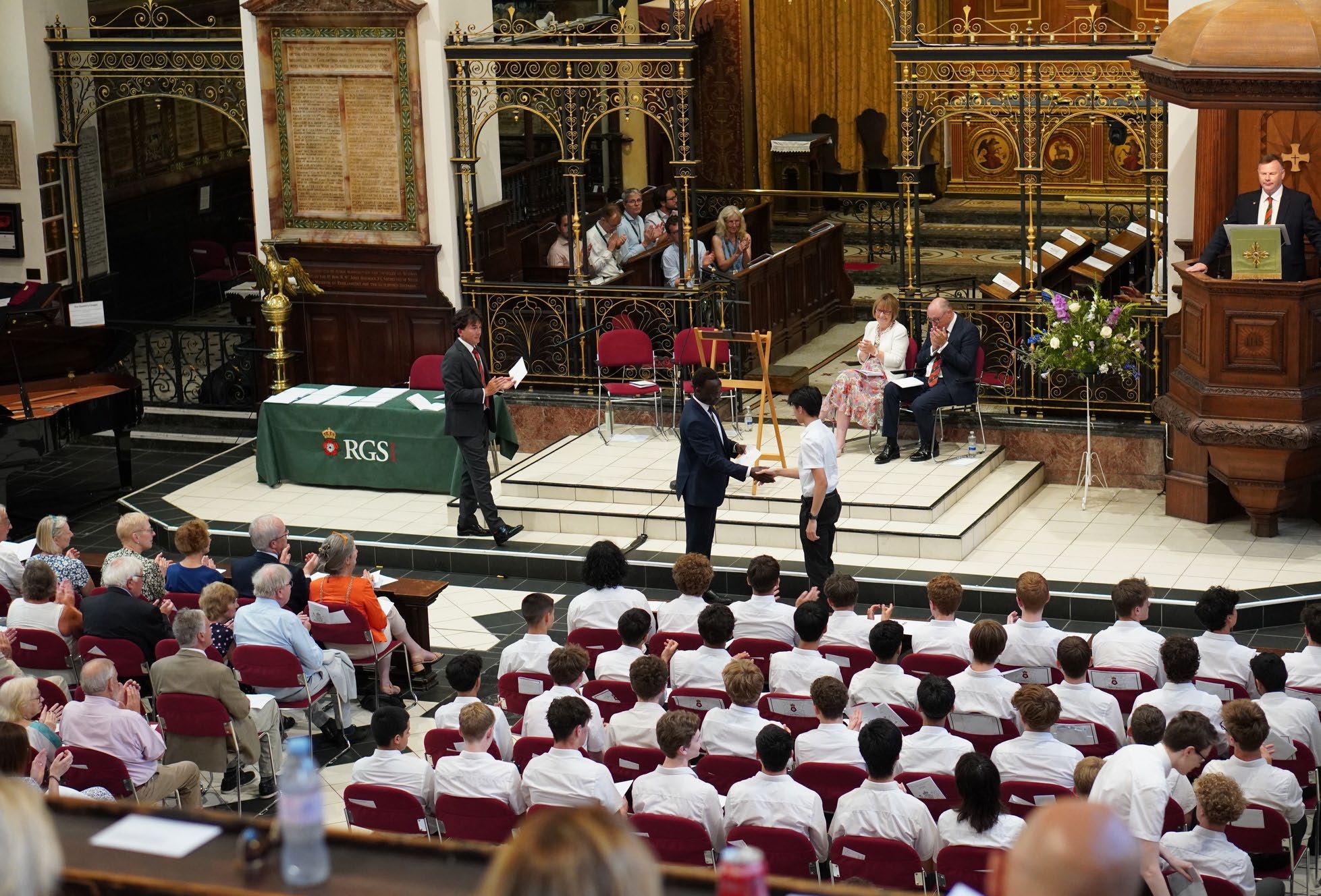
Junior Prizegiving in Holy Trinity Church.
Wednesday 1 July
RGS Rock at The Boileroom.
Wednesday 8 July
Trinity Term ends at approximately 12.00pm.



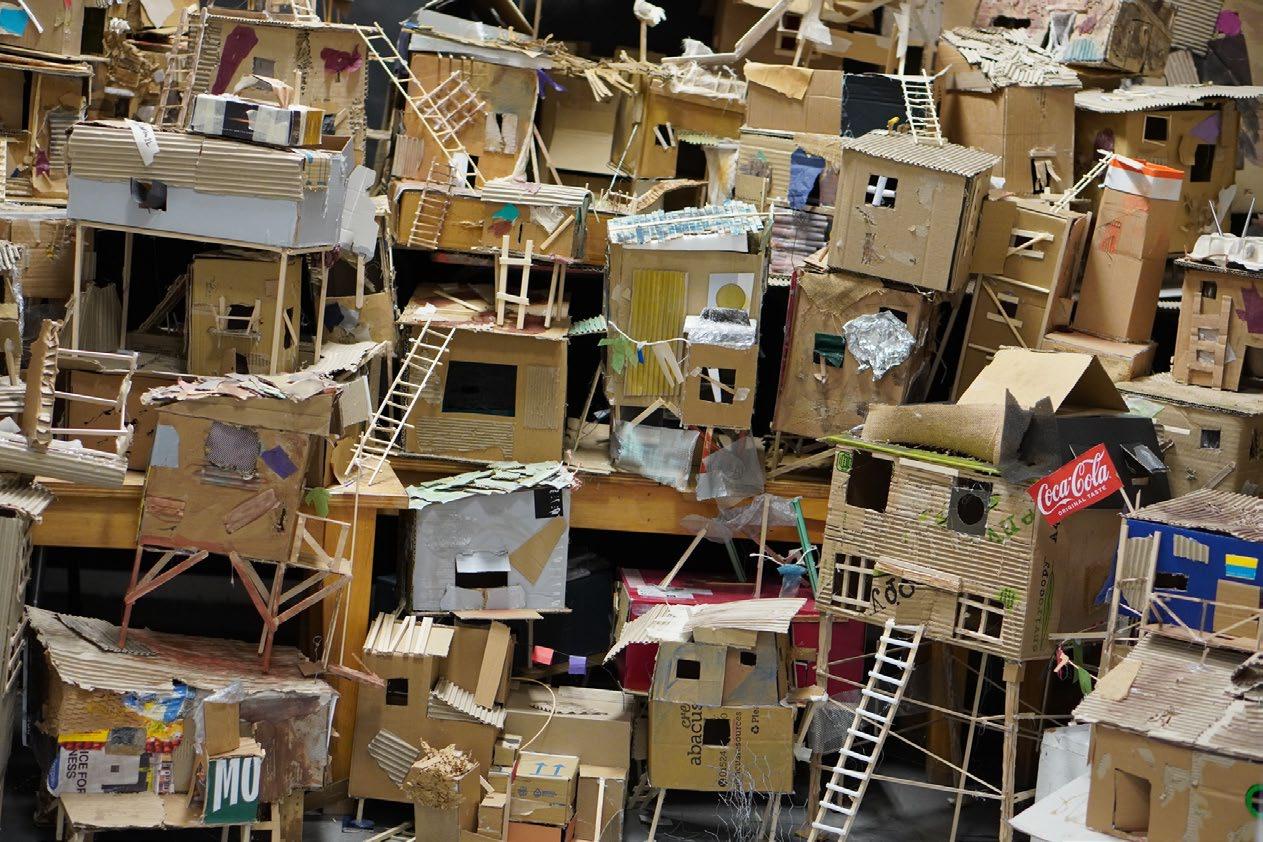
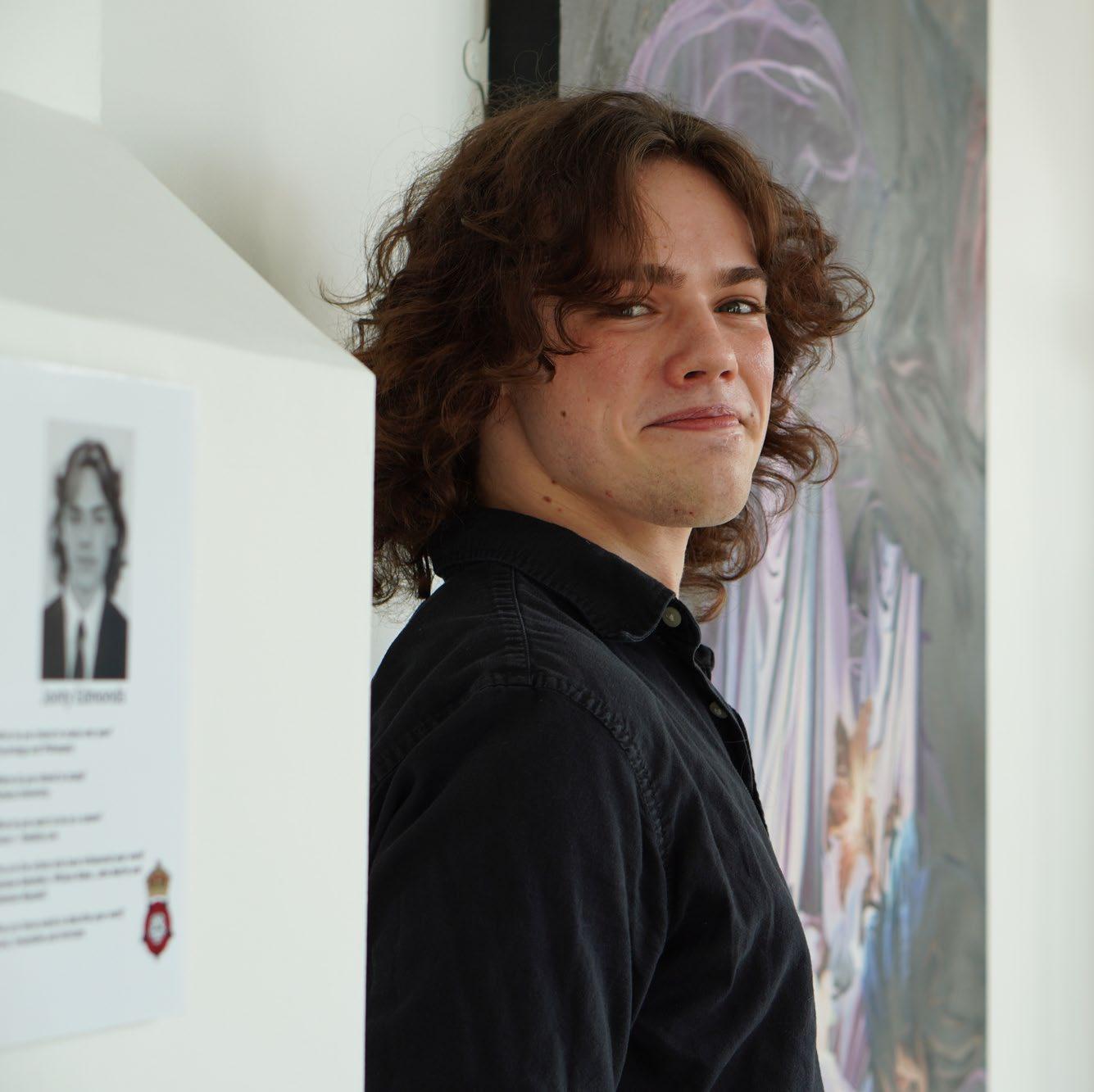









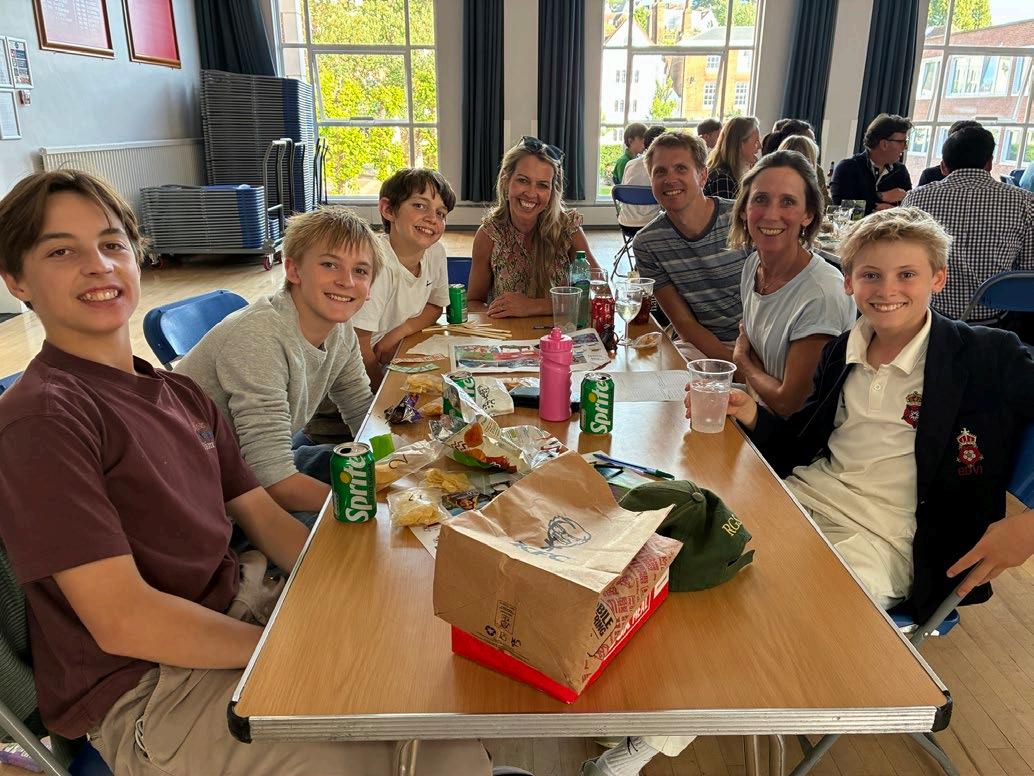











Great Hall was once again filled with RGS families, staff and friends for the annual Charity Family Quiz, hosted by our very own quizmaster, Mr Bailey. Rounds included Guess the crisp flavour, Guess the theme tune to children’s programmes and Guess the film in which Mr Bailey’s sons reenacted scenes from famous films, including Alien, Jaws and Jurassic Park. Overall, the event will have raised approximately £1,000 for our schoolnominated charities.
Middle School students participated in lively MFL debates at St Catherine’s School, Bramley, against four other schools. Topics included whether school uniform should be compulsory in Germany, whether life in the city prepares you better for life than life in the country and whether AI is a threat in education. Individuals were allowed notes to help them, but the majority of points focused on their ability to work as a team, use their material to answer questions and use language effectively. In both French and German, RGS teams qualified for the final, whilst the German finalists, comprising Ben Thain and Edward Reid, were victorious.
Our budding junior scientists from the First and Second Form took part in the national Physics Challenge with extraordinary levels of success. RGS students were awarded 66 Gold, 84 Silver and 6 Bronze awards; the highest score was achieved by Samarth Nanda.
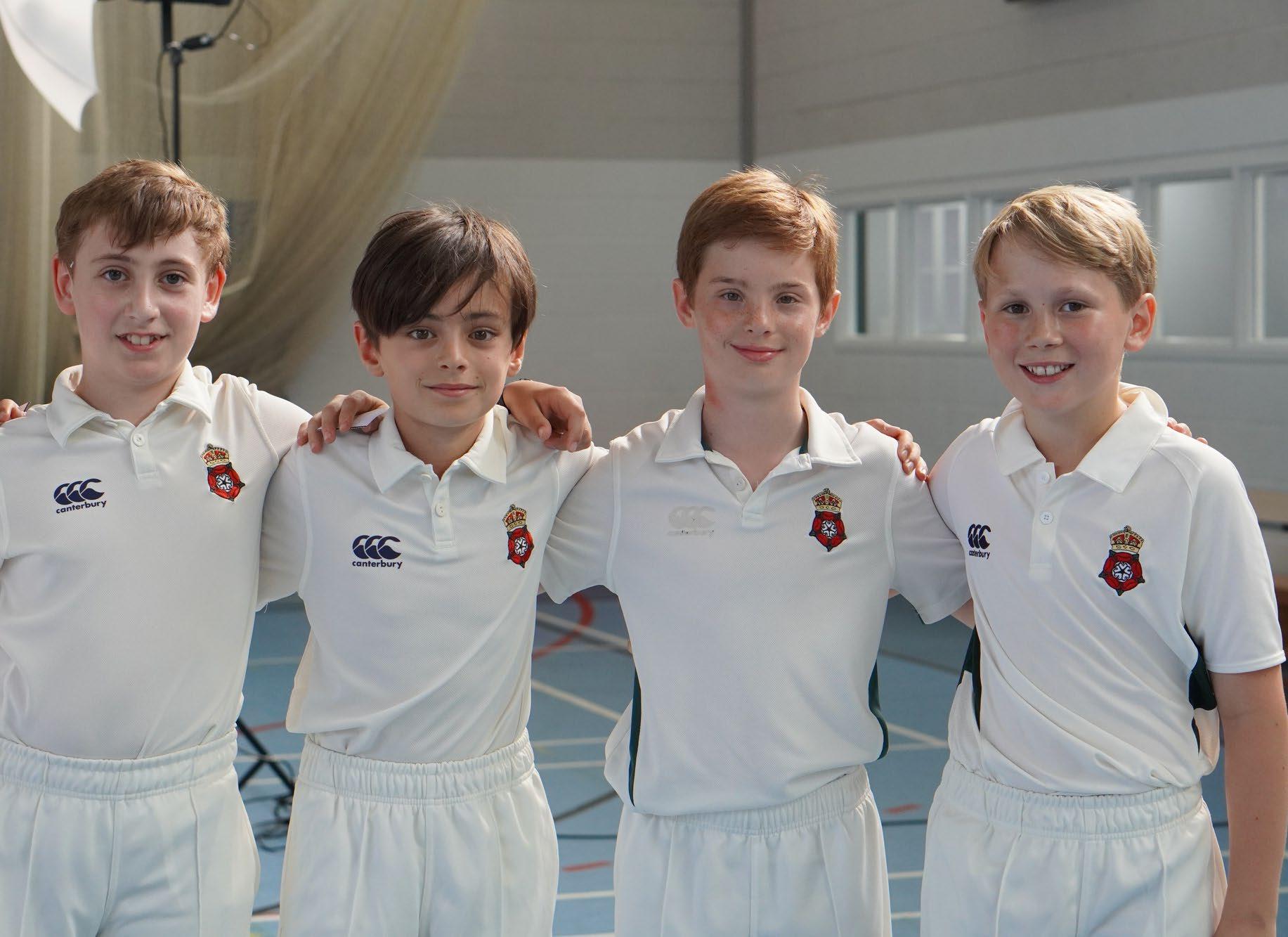
In the block fixture against St Paul’s School for our senior teams and Merchant Taylors’ School for our juniors, RGS sides enjoyed a succession of competitive fixtures. Highlights included a narrow 2-run victory for the Under 15Cs while the Under 12Cs lost by just one wicket. The Under 15B bowlers particularly impressed in their win: Jackson Bigmore (3 for 9) with a wicket with the first ball of the match, Sam Weight (3 for 3) and Shaurya Saxena (3 for 6). On a day for bowlers Bhavya Kapoor was outstanding for the Under 14Cs, taking 2 for 3 including two maiden wicket overs.
Against Hampton School, the 1st XI produced one of their most impressive results in recent years, defeating a strong Hampton side by 41 runs. Batting first, the RGS posted 176 thanks largely to an excellent innings of 81 from Khalil Aziz. The Under 14As also delivered an outstanding victory with Alex Vickers and Ben Vickers producing a devastating opening spell to reduce Hampton to 13 for 4.
In the Surrey Youth Team Épée Championships held at Epsom, RGS fencers enjoyed a very good day in the competition with six boys getting their first Gold medal: Eric Lee-Mather, Toma Yanev, Linus Lee, Avner Mor, Dhylan Tayal and Fred Lay in the Under 18, Under 14 and Under 12 age groups. Eric fenced very well and fought the crucial anchor legs, with two of the matches won by just a single point. He only started fencing last September and this was his second competition.