JOB DESCRIPTION & PROFESSIONAL EXPECTATIONS
Job Title: Head of Student Experience & Engagement (Co-Education)
Responsible to: Senior Deputy Head
Responsible for: Head of Mentoring; Head of General Studies
Job Purpose
The Head of Student Experience and Engagement (Co-Education) is responsible for leading, developing, and embedding a whole-school approach to student welfare which includes playing an integral part in implementing the School’s strategy to become fully co-educational within ten years.
Key Responsibilities
Strategic Leadership and Development
• Develop a strategic oversight of the integration pathway for female students joining the RGS.
• Act as a role model and advocate for co-education, helping students and staff navigate cultural and operational changes.
• Act as a key point of contact for co-education-related concerns, supporting students and families.
• Engage with current and prospective students and parents, and with staff to gather feedback and refine co-educational opportunities.
• Promote strong communication lines with the SLT at RGS Prep school to maintain a whole school perspective in relation to student transition.
• Identify skills gaps among staff and training needs within the pastoral team to enhance current inclusive pastoral practices and the effective support of female students in a newly co-educational environment.
• Coordinate, oversee and monitor student voice throughout the RGS.
• Oversee mental health education in conjunction with the School Counsellors and the pastoral team for both students and staff.
• Oversee and support Heads of Year / Heads of Section in the development of the assemblies and speakers’ programme.
• Oversee the collation and monitoring of the SMSC programme.
Pastoral and Co-Education Integration
• Liaise with the Assistant Head (Pastoral DSL) and Senior Deputy Head on all matters of pastoral care relating to student experience.
• Support the Assistant Head (Pastoral DSL), Heads of Section and Heads of Year, over the management of serious pastoral cases, as appropriate.
• Support the Assistant Head (Pastoral DSL) in safeguarding matters and act as a Deputy DSLin the School’s Safeguarding team.
• Liaise and support the Head of PSHME in reviewing, embedding and designing the PSHME programme across the Senior School.
• Oversee the delivery of the RSE (Relationships and Sex Education) curriculum strand, in support of the Head of PSHME.
• Support the Head of Upper School and develop appropriate and equitable leadership opportunities in the Sixth Form.
• Collaborate with theAssistant Head (Co-Curricular) to oversee the equitable participation and delivery of Field Days and trips where appropriate.
• Oversee and develop the effective transfer of information from one year to the next with respect to transition from feeder schools to the RGS.
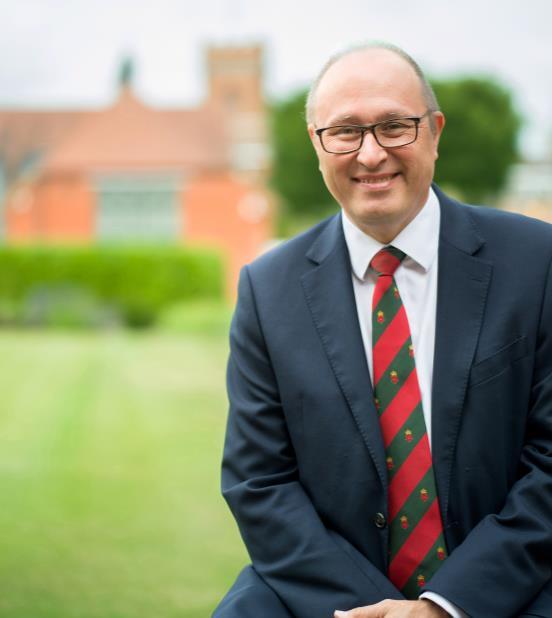
Matthew
Emma Lab Technician, joined 2022
What do you love about your department? Friendly and supportive staff, biology is fun! Which staff social groups are you involved in? Staff choir.
Head of Lower School, Head of PSHME, joined 2010
What’s the best thing about the RGS?
The enthusiastic, positive pupils who have a real desire to learn.
If you could give one bit of advice to your younger self what would it be?
Do what you enjoy, not what you feel you should do.
Marketing and communication
• Be a key part of promoting co-education at the RGS and attend recruitment events accordingly, such as Future School’s evenings and Open Days.
• Take a leading role in the new parents and new student events, assemblies and induction process.
• Be a visible part of RGS’ marketing to help communicate how RGS is adapting its pastoral care to a co-educational environment.
• Assist the Senior Master and Head of Admissions withAdmissions days and processes.
Other Responsibilities
• Organise and manage the Lower, Middle and Upper School Councils in conjunction with other Heads of Section.
• Collaborate with other Heads of Section to strengthen the twilight pastoral information evenings for parents.
• Line management: Head of Mentoring and Head of General Studies.
• Attend the following meetings: Admissions and Marketing, Heads of Section, Heads of Year, Heads of Department, DSLMeetings, Care List and SMT meetings on rotation.
Teaching our students to learn
• Classroom management: teaching staff will determine clear boundaries of behaviour, based on mutual respect and trust. High expectations will be set and a range of strategies will be used to manage classes effectively, with praise, sanctions and rewards used consistently and fairly.
• Formative and summative assessment: of student work, consistent with departmental marking policy and on a sufficiently regular and timely basis.
• Maintaining classrooms and equipment: staff will treat all school property with respect and care and, equally, ensure their students do likewise.
• Reporting on student progress: teaching staff will complete reports and grades in a prompt and timely fashion as and when required by the school in the appropriate directed manner and style.
• Professional Development: teaching staff will reflect on and seek to continually continually improve their practice through, for example, collaboration with other staff, engaging with CPD courses opportunities and the school’s Personal Development Strategy (PDS) appraisal process.
• Planning: teaching staff will be able to demonstrate evidence of planning in terms of where the lesson fits within the scheme of work and then delivering wellstructured lessons using an appropriate range of teaching practices.
• Special Educational Needs: teaching staff will make themselves aware of and accommodate pupils’ specific learning and medical needs.
Supporting and enriching our school community
• Attendance: teaching staff are expected to support school events, such as assemblies; and attend those events as required by the Headmaster, including: Open Day, Junior and Senior Prizegiving Ceremonies, Commemoration Service, Parents’ Evenings, Field Days, Development Days and the Entrance Examination day.
• Co-curricular contribution: teaching staff, including part-time staff on a pro-rata basis, are expected to make a significant contribution to the co-curricular life of the school. An example of what constitutes a significant contribution is taking a team with fixtures and after school practices, helping with a club or society and being involved with a house. Staff are matched to their skills as much as possible and so may contribute in equivalent ways to the example above.
• Duties: teaching staff are expected to play their part in covering lessons and undertake duties as part of the ‘staff duty rota’, and carry out any other responsibility as reasonably requested by the Headmaster.
• Punctuality: staff should ensure prompt attendance within school contracted business hours.
The school is an inclusive and welcoming environment where pupils succeed academically and make the most of the extensive range of opportunities.
ISI Inspection - 2025
Person Specification
Essential:
• Qualified teacher status (QTS) or equivalent.
• Proven experience in pastoral care in a co-educational setting.
• A commitment to the co-curricular life of the school.
• Strong leadership and organisational skills.
• Inspirational teacher and role model.
• Excellent communication and interpersonal abilities.
• Commitment to safeguarding and promoting the welfare of children.
• An ability to adopt a flexible approach to the role in support of the SMT and the development of the school’s move to co-education.
Desirable:
• Applications are encouraged from those who have previous middle management experience in a pastoral role; such as a Head of Section, Head of Year or equivalent in another school.
• All subject specialisms considered, including Psychology.
• Experience in promoting a school through marketing and admissions activities.
Ian
Teacher of Biology, joined 2022
If you could choose any other career, what would it be?
Professional sportsman! (In a dream life. Never got even close!!)
What Staff groups are you involved in?
Staff football after work; trips to the pub; fantasy football wine league; staff prayer on a Friday before school.
Nicola
Head of Learning Support, joined 2017
What do you love about your department?
That we work as a team and recognise one another's expertise.
What Staff groups are you involved in?
Staff/Parent/Student choir.
ABOUT THE ROYAL GRAMMAR SCHOOL
The RGS is a kind, inclusive, tolerant community where diverse opportunity, personal development, high achievement and collaborative partnership define who we are.
Our values of inclusivity, scholarship, integrity, respect, courage and collaboration underpin all we do.
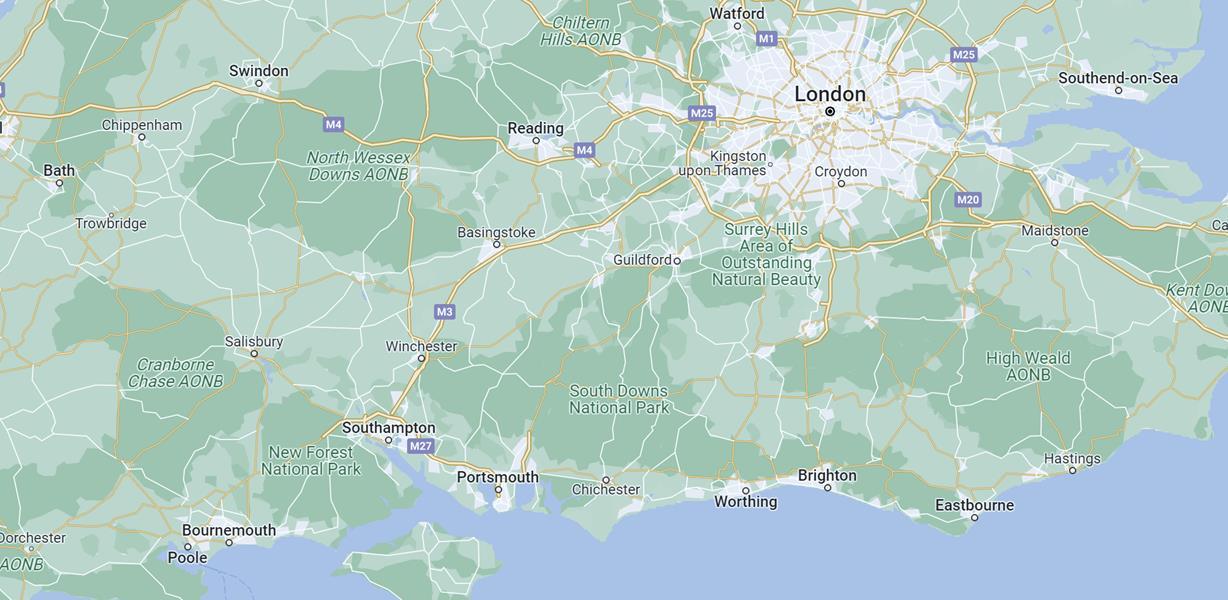
Pupils come to the RGS from around 140 different schools in Surrey and the neighbouring home counties and this number is growing each year. We regularly receive four applications for every place.
The RGS curriculum aims to combine breadth with balance. In the first three years all pupils study a broad range of subjects, choosing options at the end of their third year which sees them sitting ten GCSE subjects including English Language, English Literature, a Modern Foreign Language, Mathematics, three separate sciences and a humanities subject. From the Third Form, a Tutor Period is introduced during which pupils study Information Technology, Problem Solving, First Aid, Health Education and Study Skills. It is also during this time that initial careers and higher education guidance is given which then continues throughout the pupils’ time at the School.
The RGS boasts a thriving Sixth Form with all pupils studying four subjects in the Lower Sixth and then continuing with three or four subjects to A Level in the Upper Sixth. This is complemented by a range of General Studies courses, organised jointly with Guildford High School.
All pupils are encouraged to engage in independent research and activities throughout their time in the School via our Scholarship for all programme. Whilst not curricular, there is an expectation that staff will support this provision as their experience and expertise enables.
All members of the teaching staff help with co- and extra-curricular activities, of which there is an impressively wide range. Music, Art and Drama all flourish with performances, exhibitions and workshops. There is a well-equipped auditorium, a large Art School and a purpose built Music Department. We have a very active clubs and societies programme that takes place before, during and after school each day. All the Third Form take part in our curricular, weekly expedition and adventure programme, EXAD. We have five Field Days per year and also offer overseas expeditions, a large Duke of Edinburgh’s Award Programme and numerous sports tours. Staff are invited to attend and support all of these events.