Built to ENDURE

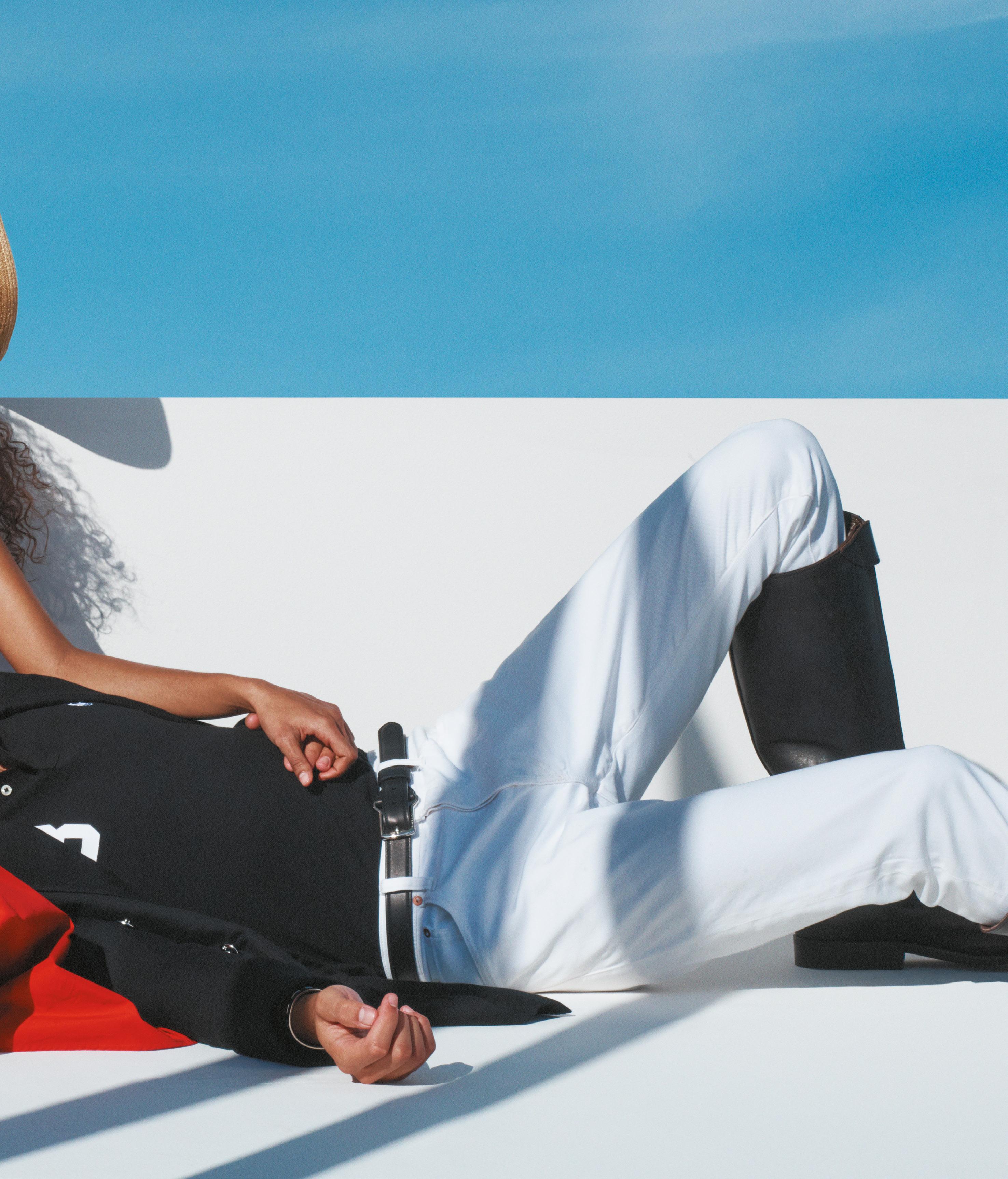
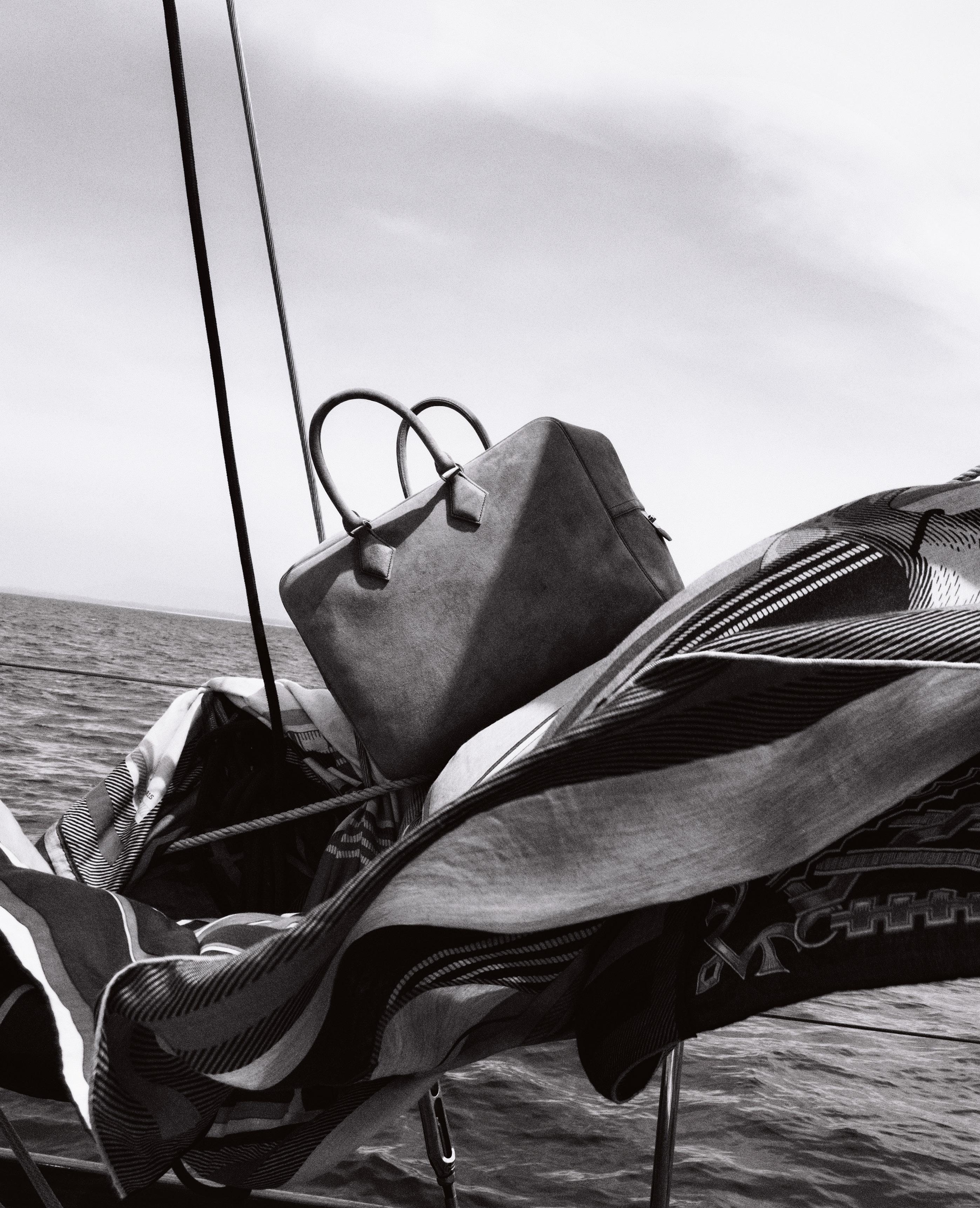


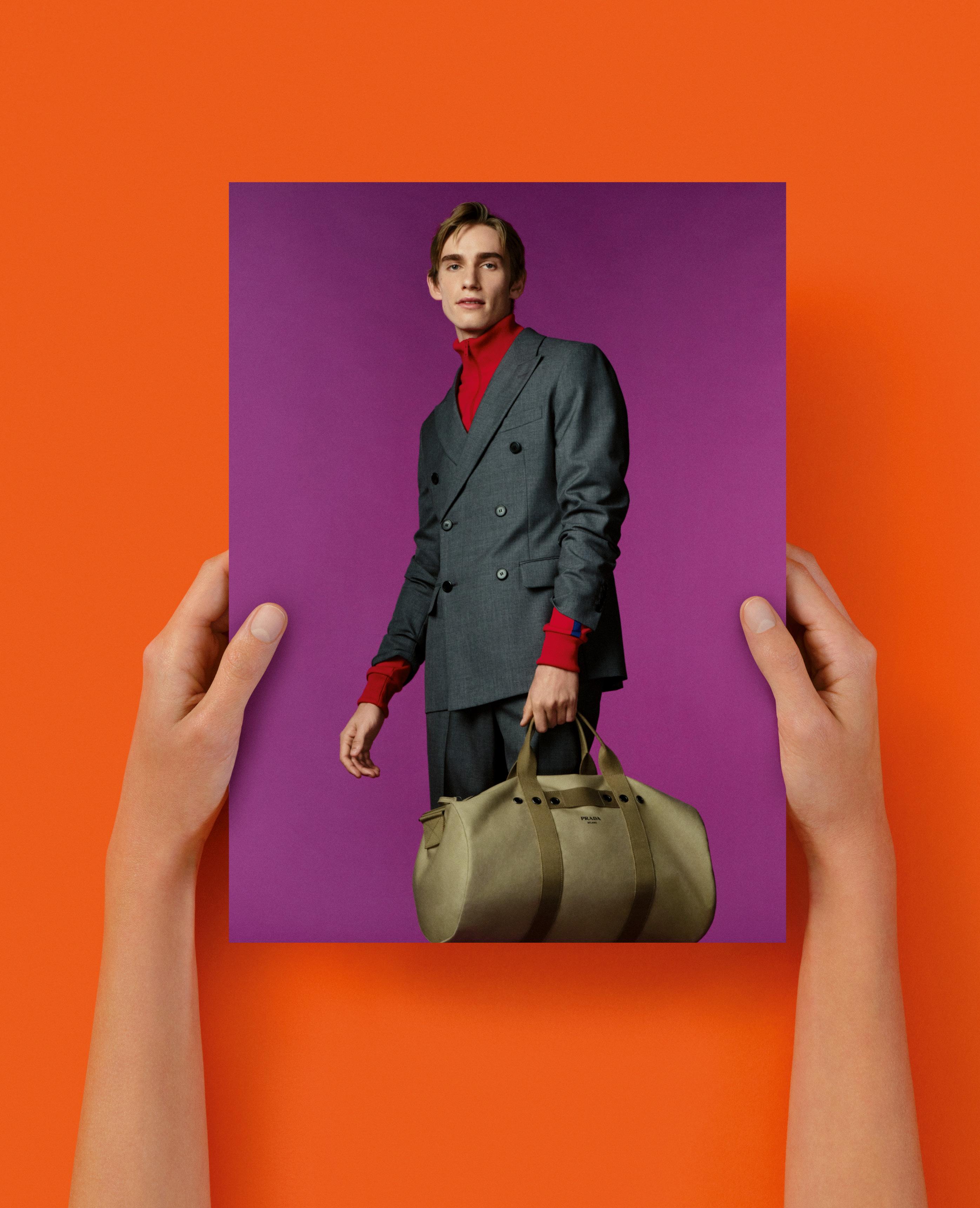
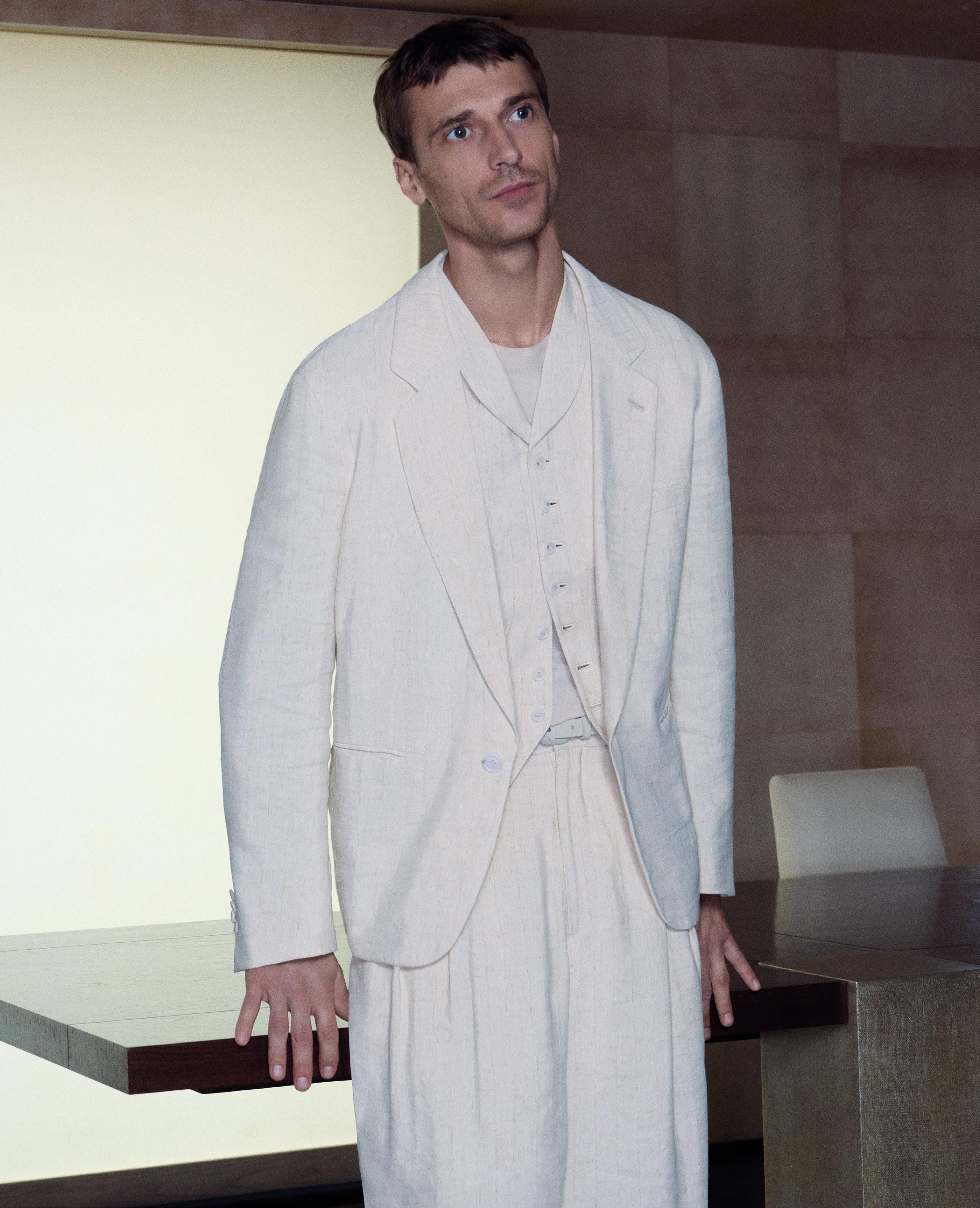



















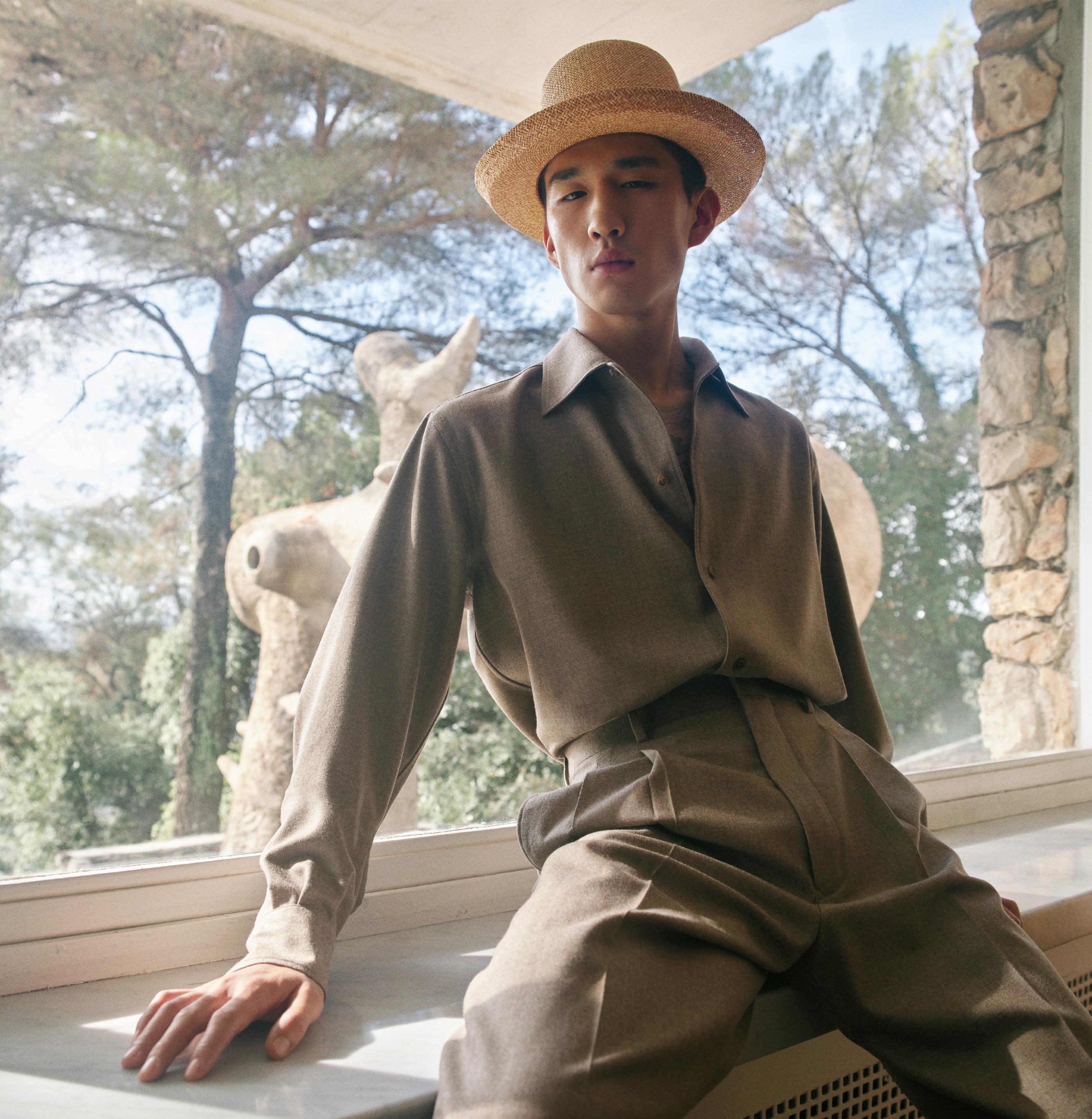
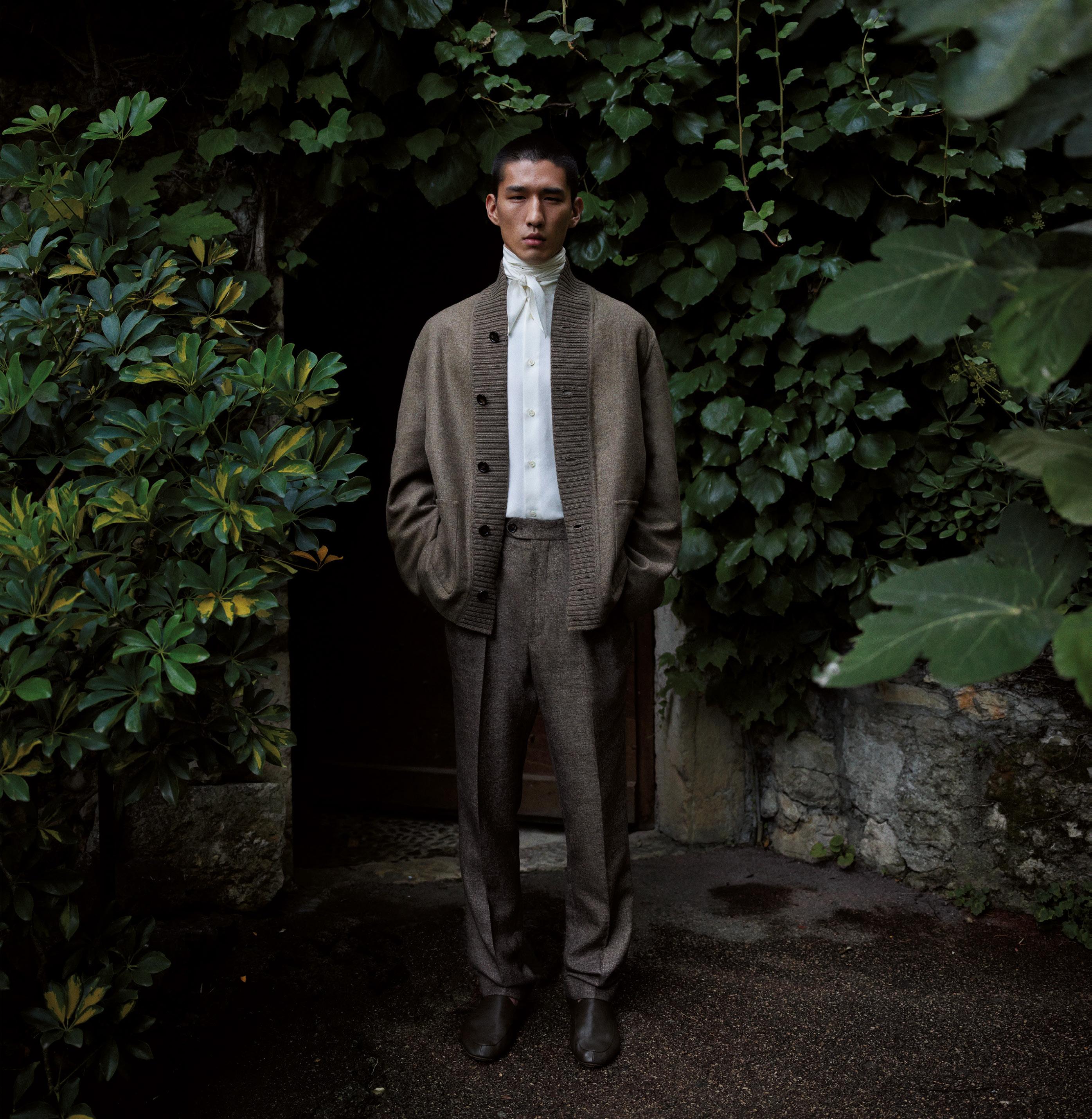











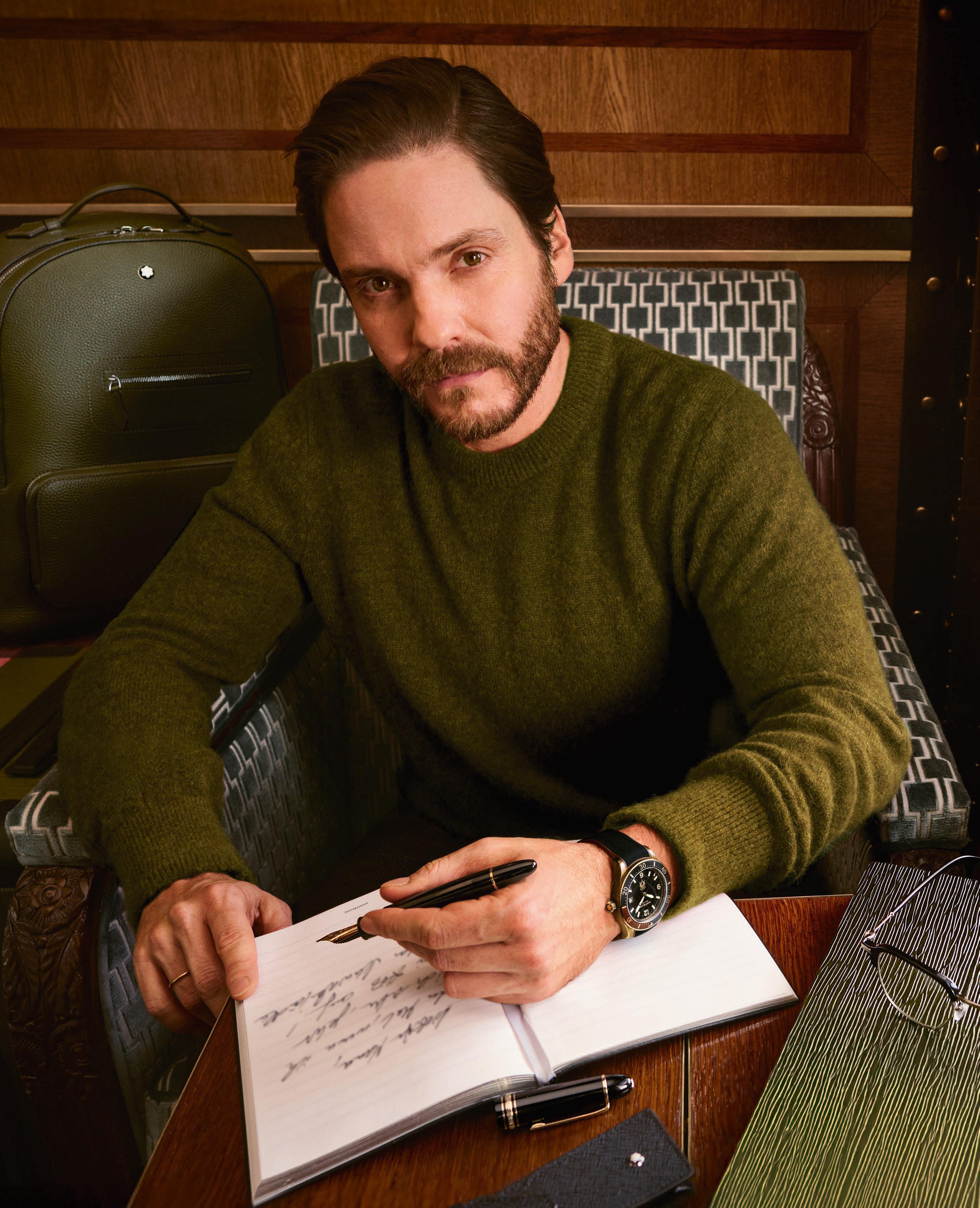

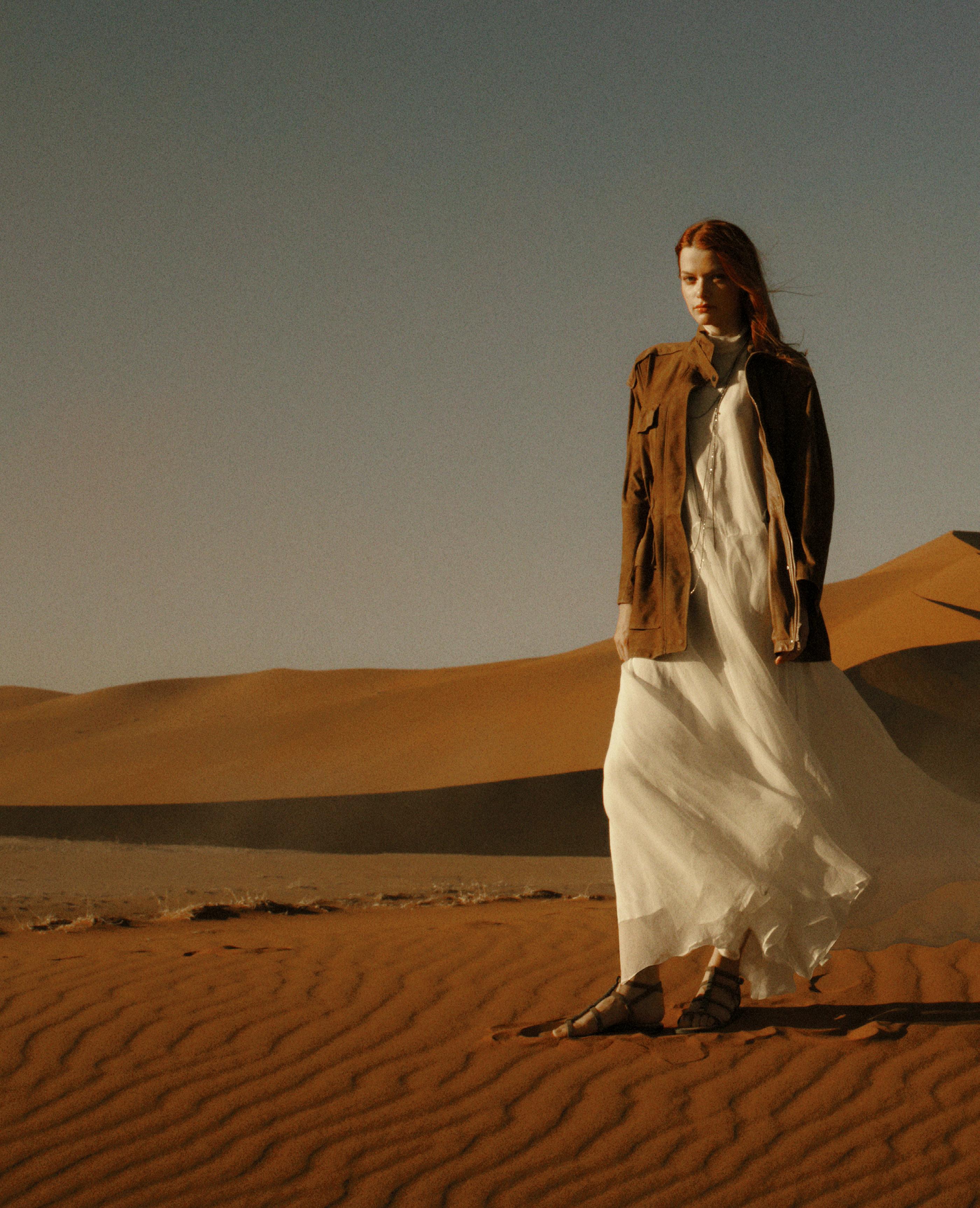
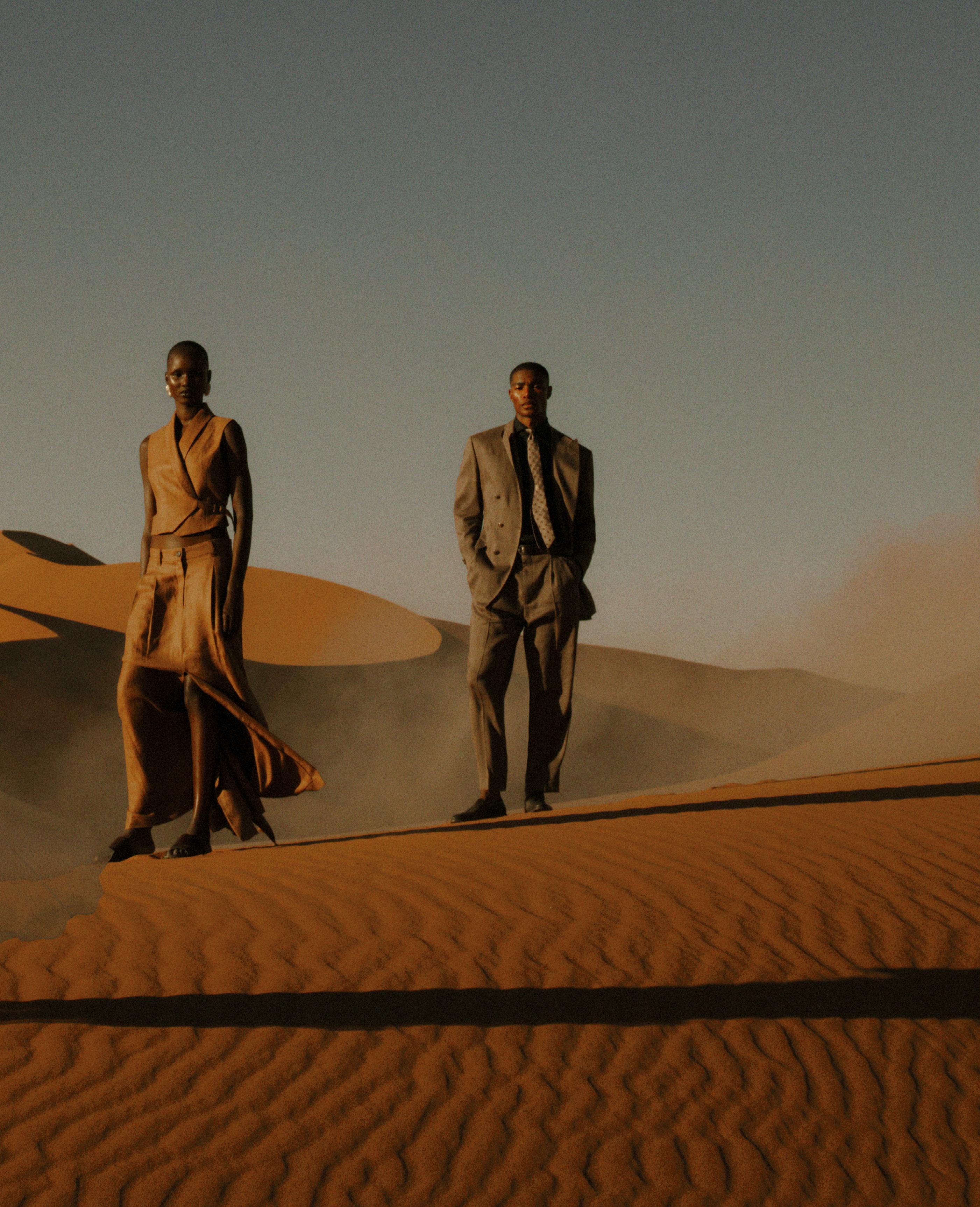
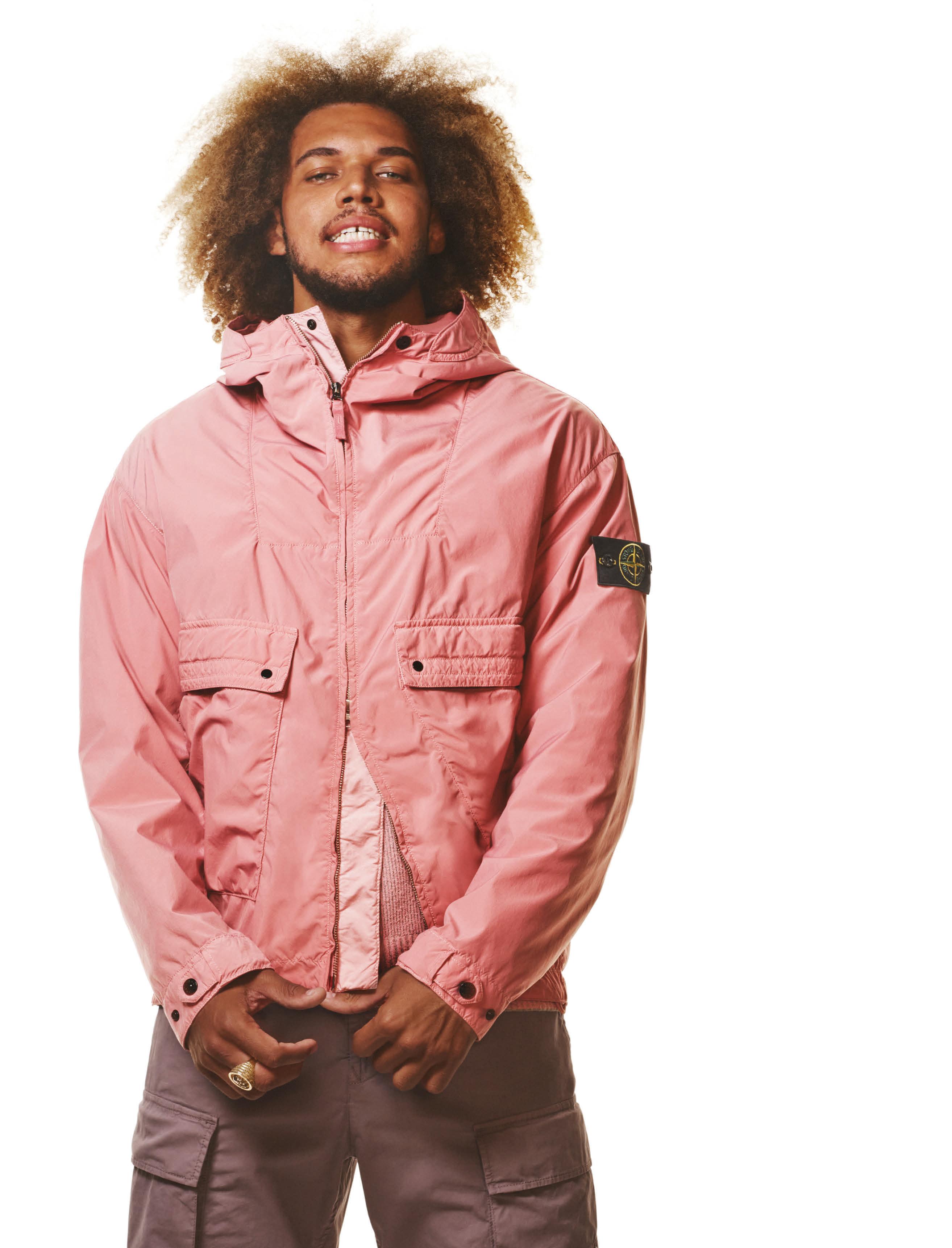




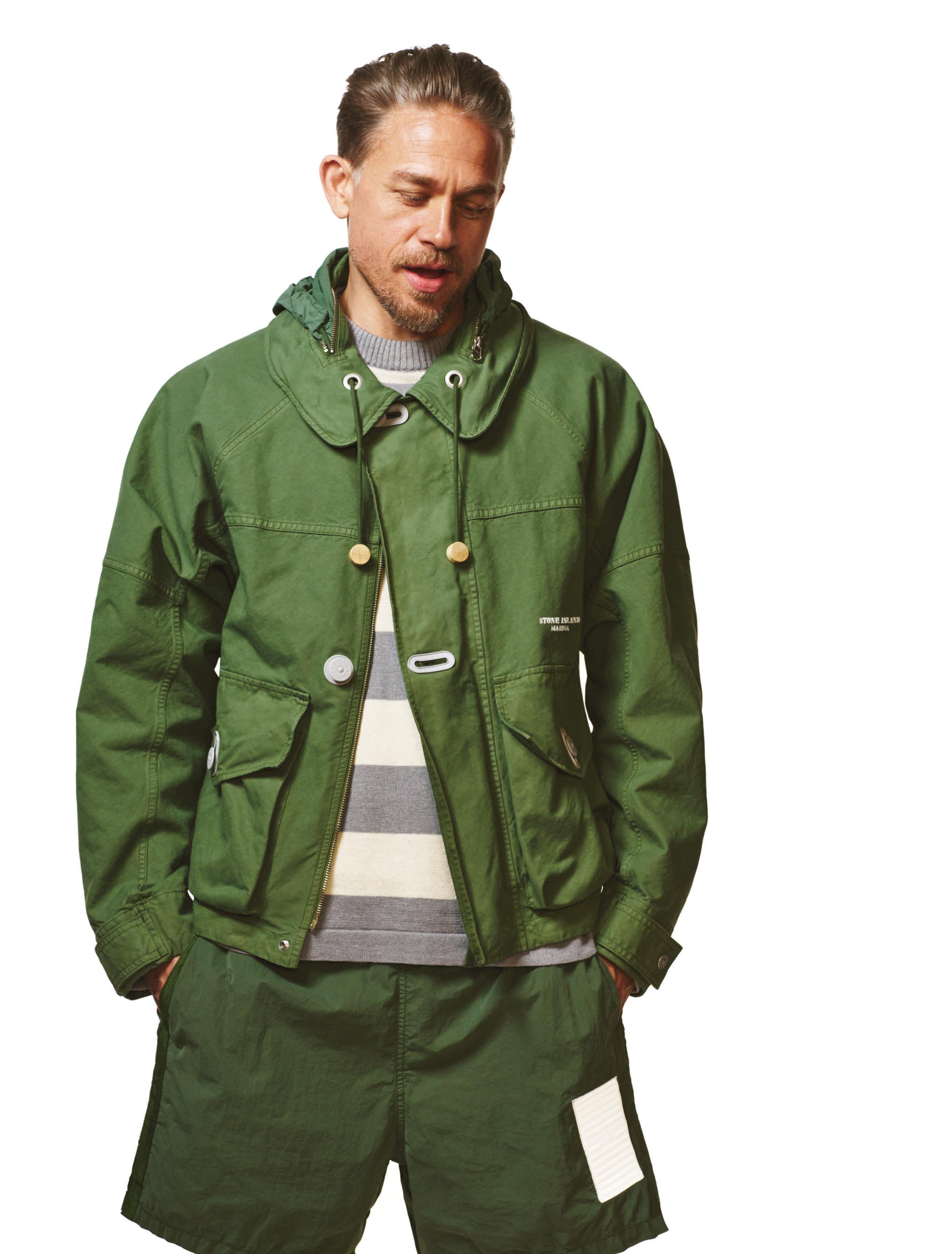


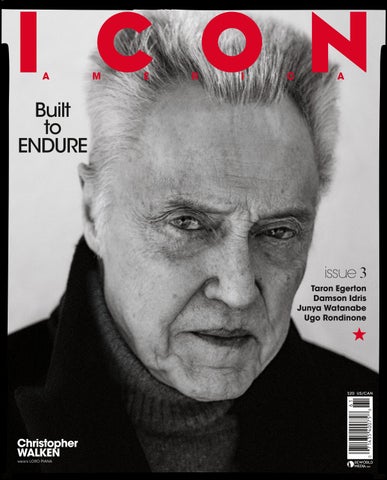
If you decide to stand your ground in fashion (or any creative field, for that matter) you will sometimes find the whole process painful and financially draining. Our business is addicted to change, and just as you doomscroll through your social media account, you can find yourself mindlessly flicking through endless trends season after season. To create in service of quality over quantity is often challenging in the short run, but in the long run, you will win the race.
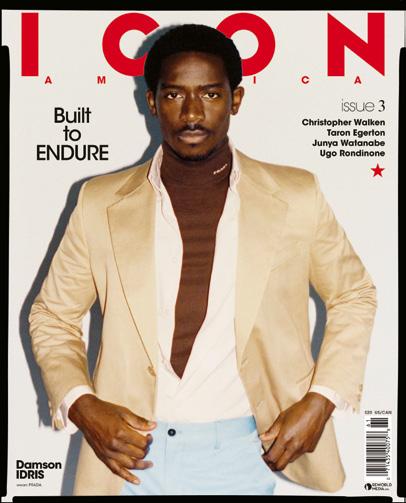
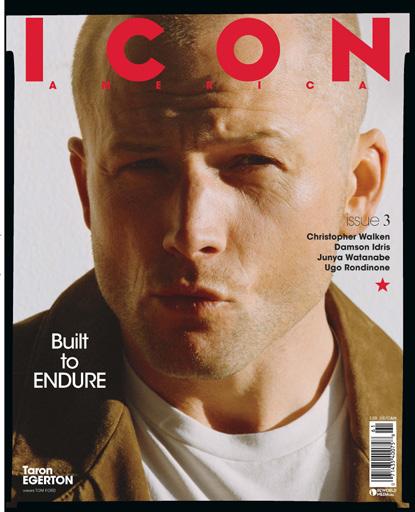
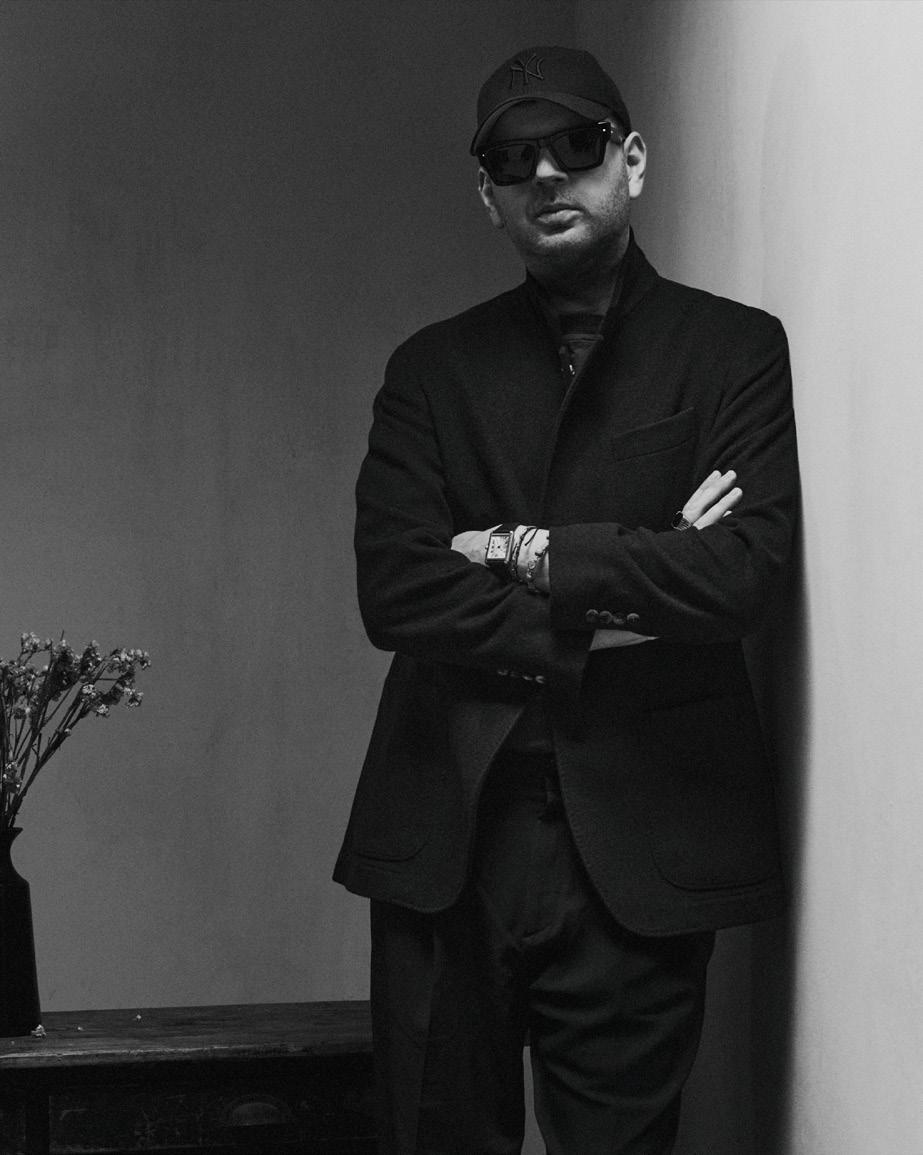
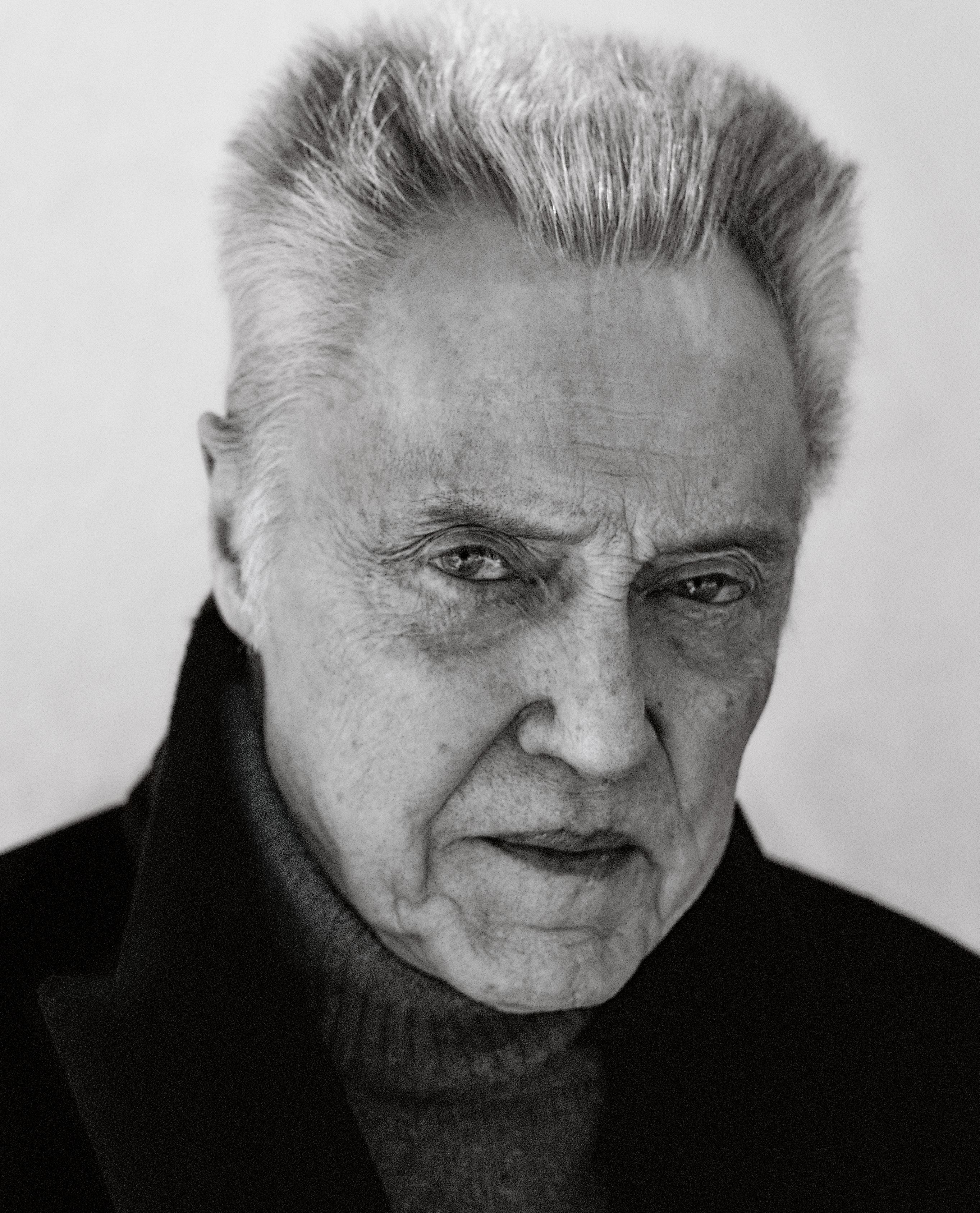
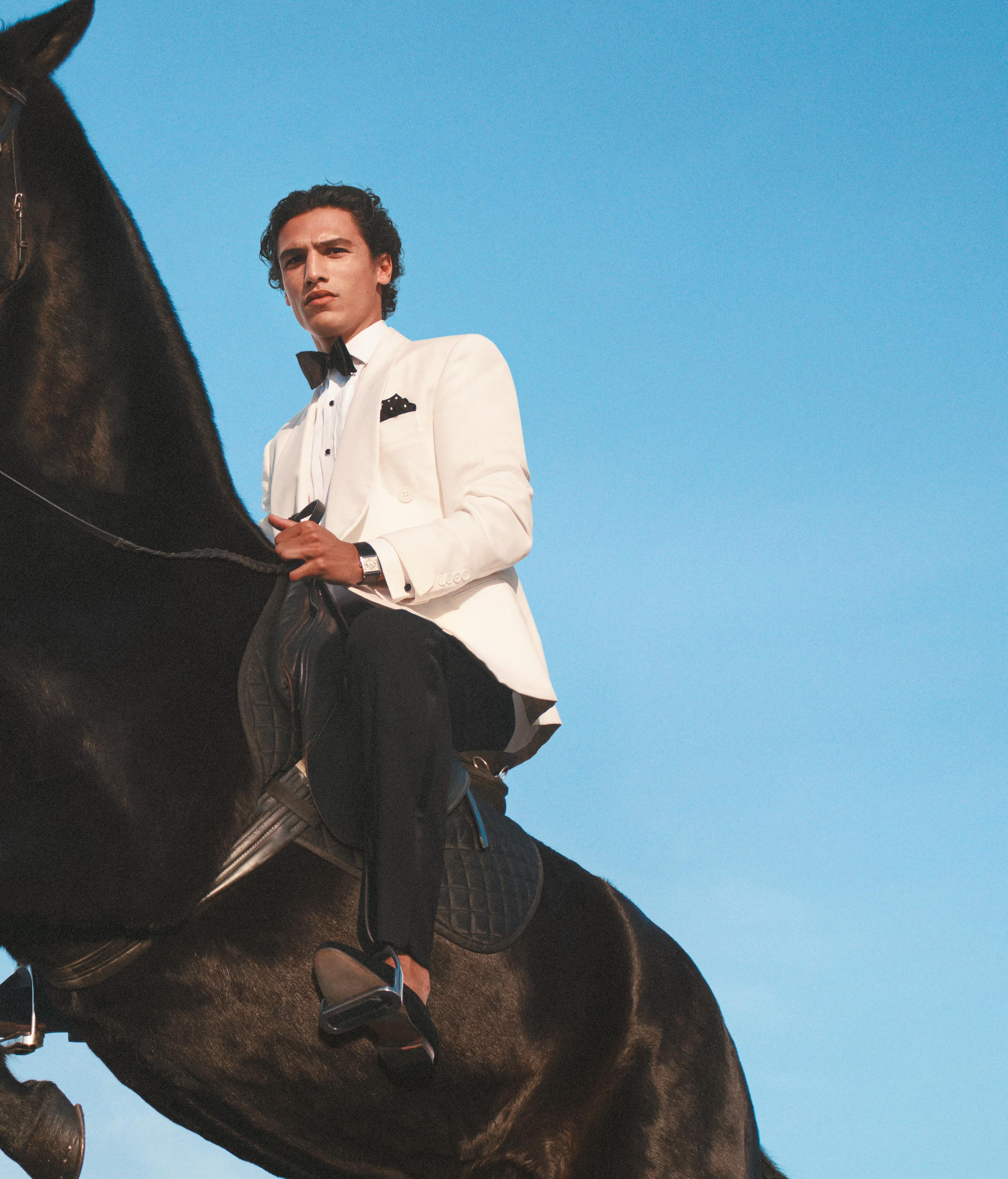
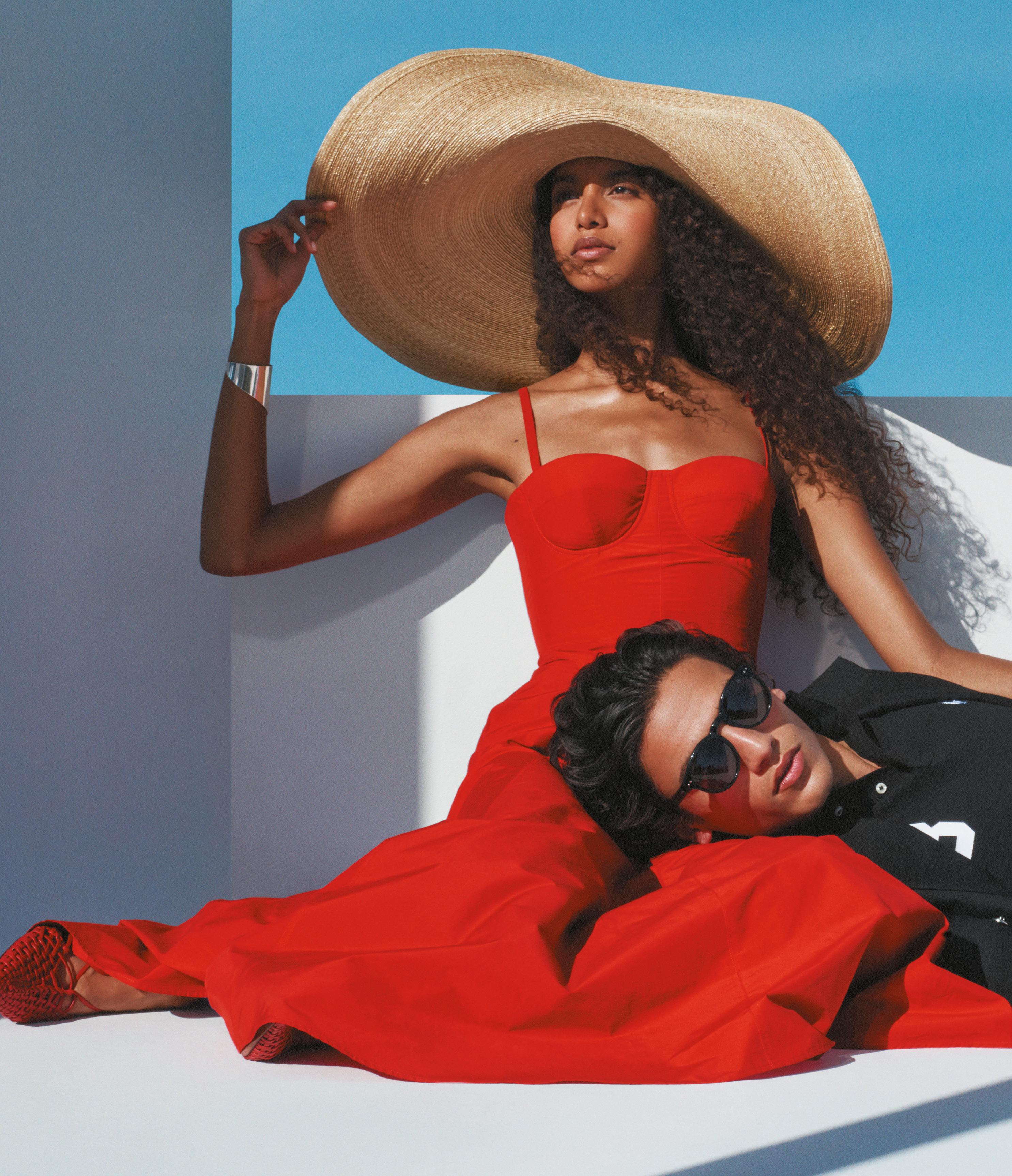
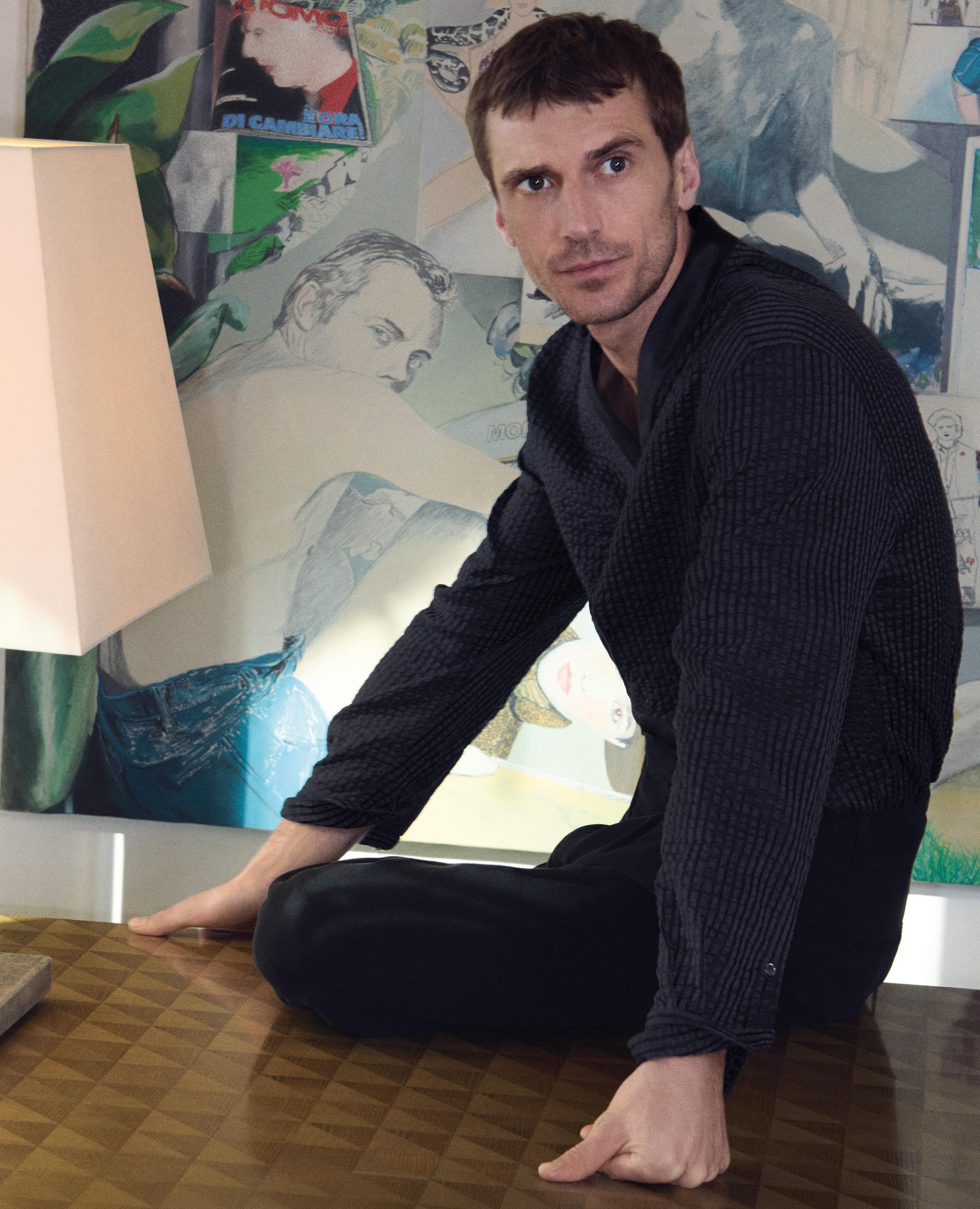
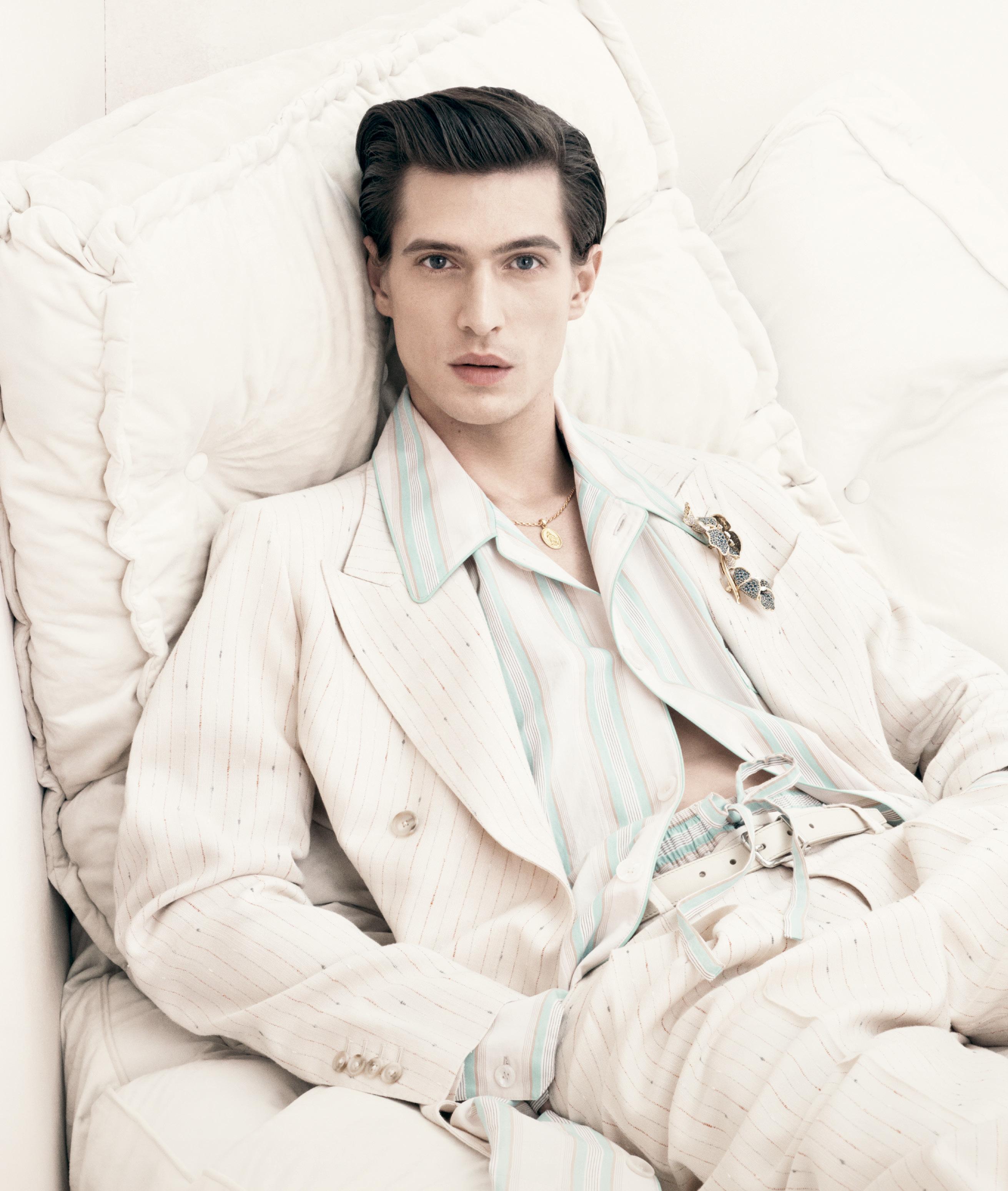
Here at ICON America, we are religious about style’s connection to substance. Even though we are still a new player in the world of magazines (you are holding Issue #3!) we believe that consistency and quality always pay off. Our cover stars for this year’s spring awakening reflect that philosophy: Mr. Christopher Walken is the ultimate style icon and film legend, Mr. Damson Idris is a young star whose built his swagger with discernment in both his role and wardrobe choices, and Mr. Taron Egerton is a new leading man in the classic simple white t-shirt. These are our men of grace and sophistication, living examples of the timelessness of true style. Through over forty pages of fashion stories, we also celebrate the rise and return of preppy style, the unique aesthetic originating from 1950s Ivy League collegiate culture. Why, these days, does everyone want to buy a polo t-shirt? Is it a reaction to living in a time of political and financial insecurity? Does nostalgia for the past and the familiar soothe fear? Maybe we are so afraid of tomorrow that we can only face it armed with polo and tweed blazers?! We also prove that preppy goes all the way around the world: from Japanese deconstruction with brilliant Mr. Junya Watanabe, to the very OG of this (r)evolution, Mr. Ralph Lauren, who could write a manual on how to go at your own pace and win the race, just ask his scion Mr. David Lauren. From our REPORTS pages all the way to VOICES, we are here to envelop you in modern versions of the familiar in fashion, then ease you out of winter and into the promise of spring with stories that guide you through the best in the forthcoming season’s culture and style. We believe in old school magazine making, where quality reigns supreme over hype. Sit down, relax, pour a glass of something comforting, and enjoy. Hope springs eternal.

Christopher Walken
The actor on Queens, punctuation, and the pleasure of a good day's work.
This young star has understood the power of “no” from the very beginning.
The Welsh-English rising superstar enters his villain phase.
ICON’s essential guide to the books, films, exhibitions, and restaurants that matter now. Spring reads BOOKS Nick Cave and more ART
is a wine bar? FOOD
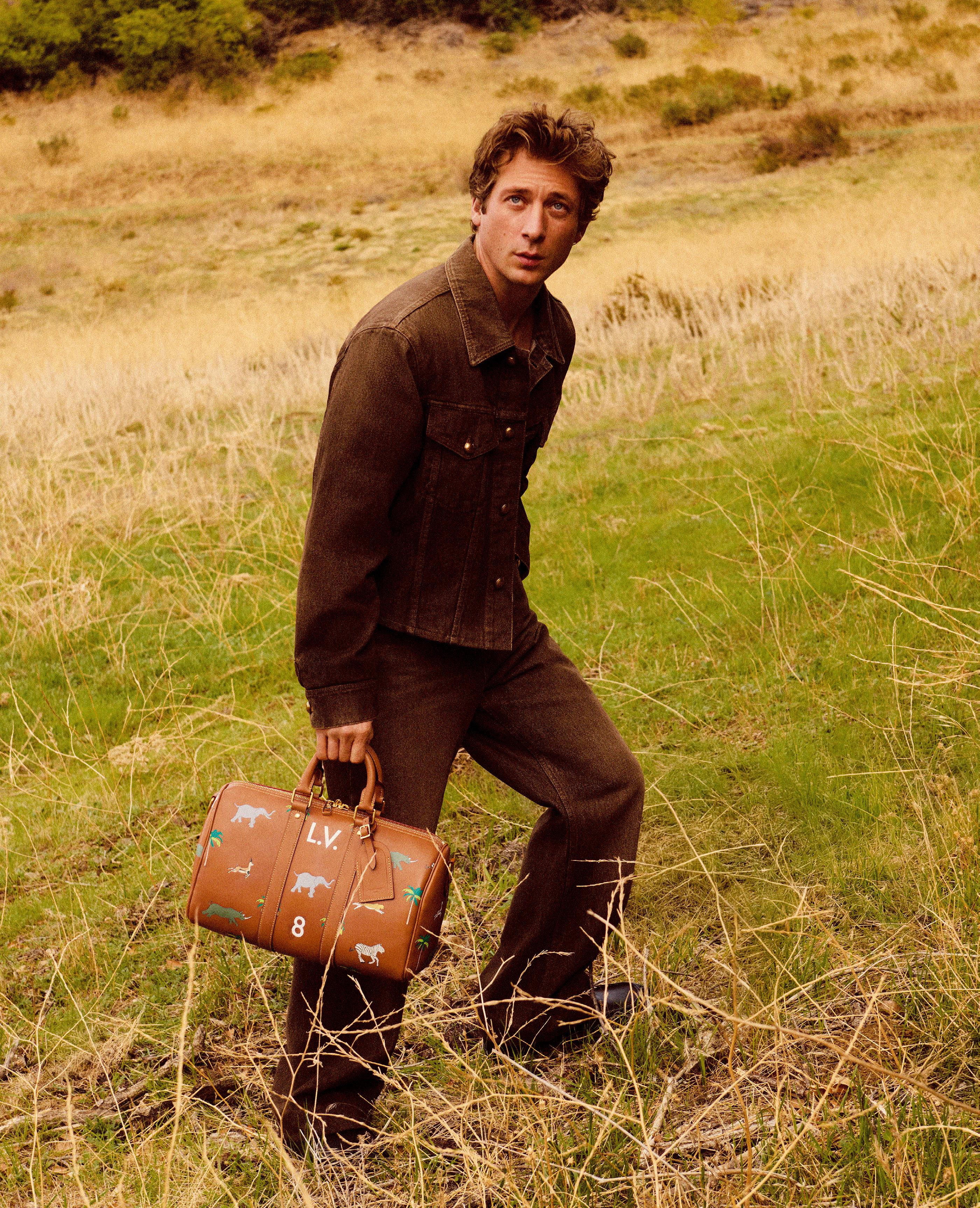
We’re all familiar with “main character energy.” The question is, what is he wearing?
From sunscreens and exfoliators to the newest scents this season – your checklist is complete.
The finer details in watchmaking that drive collectors crazy.
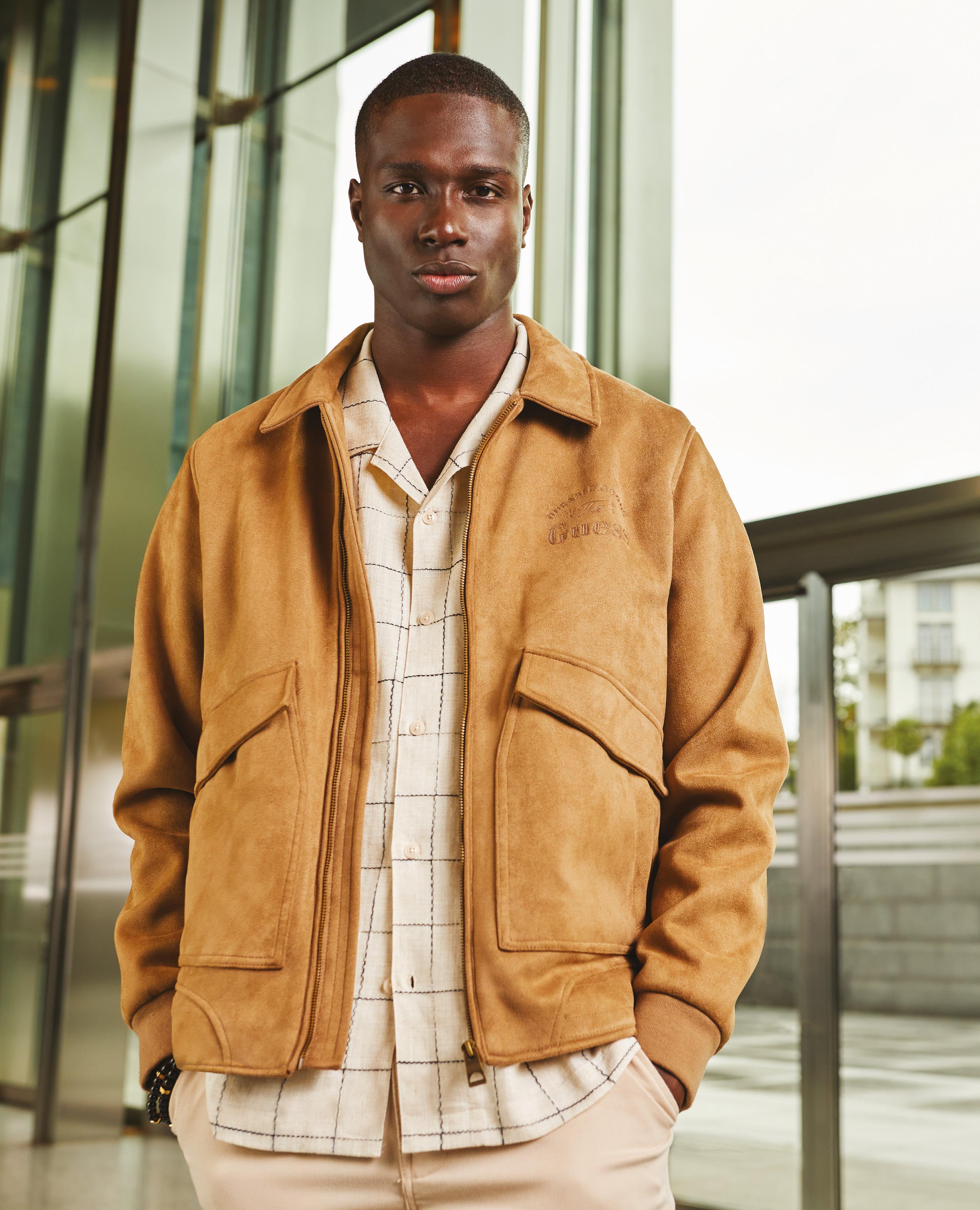
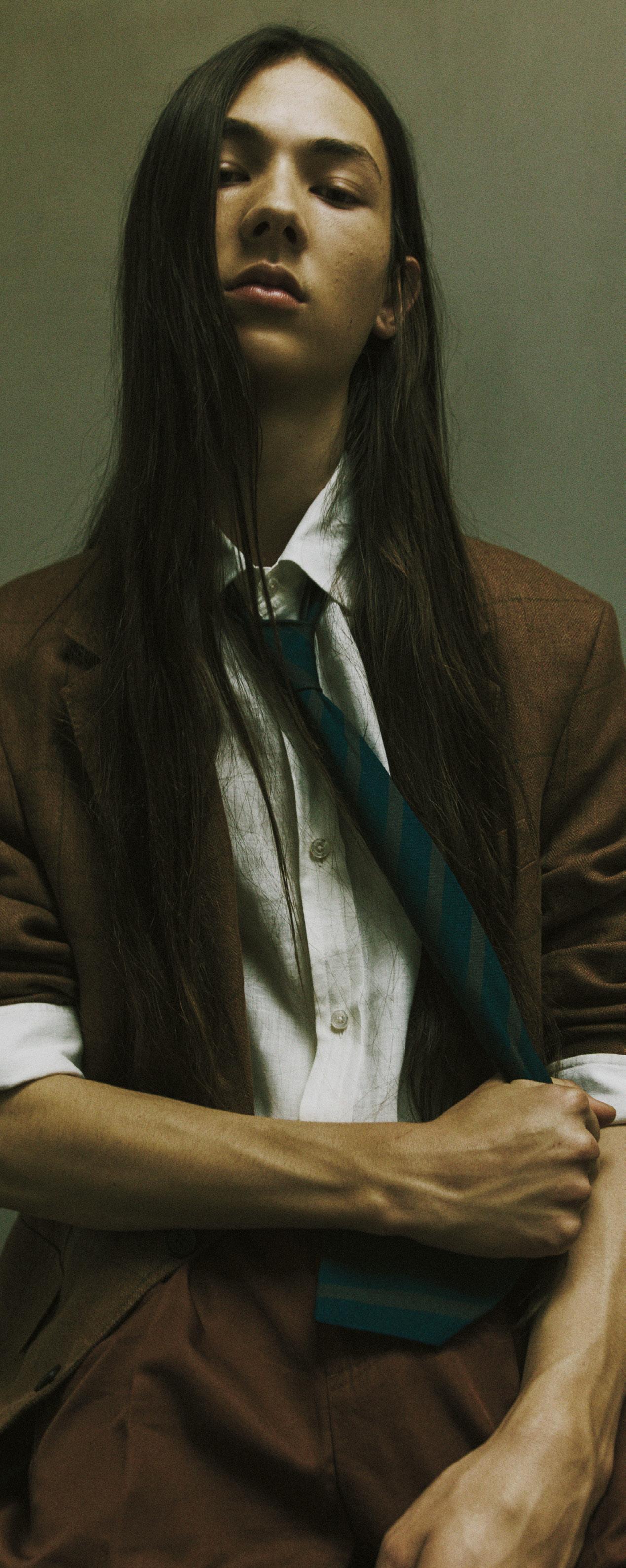
A new generation is discovering that a wellcut suit can say more than a logo ever could.
This season, the most deliberate move a man can make is to let things slip – romance is the art of the undone.
Junya Watanabe is still the most influential, underestimated designer out there.
Tommy Hilfiger has one core principle for dressing well: learn the rules, then break them.
George Cortina and Paul Cavaco sit down for their first real conversation.
In Ugo Rondinone’s hands, an abandoned Harlem church becomes his home and studio.
David Lauren is masterfully steering Ralph Lauren’s next global chapter.
The
EDITORIAL DIRECTOR
Andrea Tenerani
EDITOR-IN-CHIEF Gro Curtis
CREATIVE DIRECTOR
Alexander Wiederin Buero New York
ART DIRECTOR Michael Ricardo Buero New York
DEPUTY EDITOR Lizzy Goodman
BOOKINGS DIRECTOR Goran Macura
TALENT BOOKINGS Establishment Casting
SENIOR FASHION MARKET EDITOR Carson Stannard
EUROPEAN FASHION EDITOR Keeley Dawson
EDITOR-AT-LARGE Mathias Rosenzweig
SENIOR EDITOR Alex Tudela
ASSOCIATE GRAPHIC DESIGNER Giacomo Pasqualini
BEAUTY EDITOR April Long
ART EDITOR Claire Voon
FOOD EDITOR Emily Wilson
AUTOMOTIVE EDITOR Jason Barlow
SOCIAL MEDIA EDITOR David Evan Ruff
ENTERTAINMENT EDITOR Jessica Shaw
CONTRIBUTING FASHION EDITORS
CONTRIBUTING EDITORS
Max Berlinger - Damon J. Barnes
Renata Mosci Sanfourche - Stella Peters
Anastasia Barbieri - David Bradshaw - Edoardo Caniglia
Monty Jackson - Matthew Josephs - Taylor McNeill - Roberto Piu
Robert Rabensteiner - Victorie Simonney - Anders Sølvsten Thomsen
CONTRIBUTING PHOTOGRAPHERS
Campbell Addy - Daniel Archer - Robin Broadbent - Quentin De Briey - Antonino Cafiero - Felix Cooper
Charlie Grey - Matthew Healy - Daniel Jack Lyons - Sebastian Mader - Jonny Marlow - Ryan McGinely
Martien Mulder - Alberto Mora - Paolo Roversi - Sølve Sundsbø - Johan Sandberg
DIRECTOR Stéphane Haitaian
MANAGING DIRECTOR Daniela Sola CHIEF REVENUE OFFICER Marly Graubard
BUSINESS
SALES DIRECTOR, WATCHES & JEWELRY Cherryl Llewellyn
SALES DIRECTOR, HOME & LUXURY Priya Nat STRATEGIC PLANNING & ADVISORY Yulia Petrossian Boyle
INTERNATIONAL
INTERNATIONAL ADVERTISING MANAGER, REWORLD MEDIA ITALIA Sara Di Nunzio HEAD OF DIGITAL, REWORLD MEDIA ITALIA Katia Ciancaglini MARKETING DIRECTOR, REWORLD MEDIA ITALIA Francesca Brambilla
SPECIAL THANK YOU
Rachael Evans (Quentin De Briey Studio), Annemiel Ter Linden, Christopher Miles (Art + Commerce), Stacy Fisher, Christopher Whitridge (Exposure NY)
Murray Arthur (Lalaland Artists), Thu Nguyen (MMXX Artists), Jessica Hafford (A Creative Partner), Jeff Stalnaker (R3 MGMT), Margaret Park (A-Frame)
Kade Russell Jones (Forward Artists), Kate Jones (Nevermind), Steven Pranica, Jeremy Herzog (Creative Exchange Agency), Hanna Söderblom (Bryant Artists) Cydney Psarolis-Stannard (The Wall Group), Peggy Ann McDonnell (Walther Schupfer Management), Darin Barnes (Exclusive Artists Management) Tatiana Antonina, Chloe Moal (Home Agency), Britta Lund (Lundlund Agency), Juliette David Management, Pierre Chpakovski (Success Models) Oceane Dimaloko (16 Paris), Stania Jaspert (Julian Watson Agency), Cathy Butterworth (Saint Luke Artists)
Printing by Quad; Distributed by CMG
ICON America (UPC 0-71435 40075-8) is published biannually by Reworld Media US Inc. 122 East 42nd Street, 18th Floor, NY, 10168 USA. / Reworld Media US is a branch of the Reworld Media Group / Icon is a tradermark registered and owned by Reworld Media Italia Srl. / For further details, please write to contact@ reworldmediaitalia.com / © [ 2026 ] Reworld Media Italia Srl. All rights reserved. / Published by “Reworld Media US” with the permission of Reworld Media Italia Srl./ Reproduction in any manner in any language in whole or in part without prior written permission is prohibited. contact@iconmagazine.us
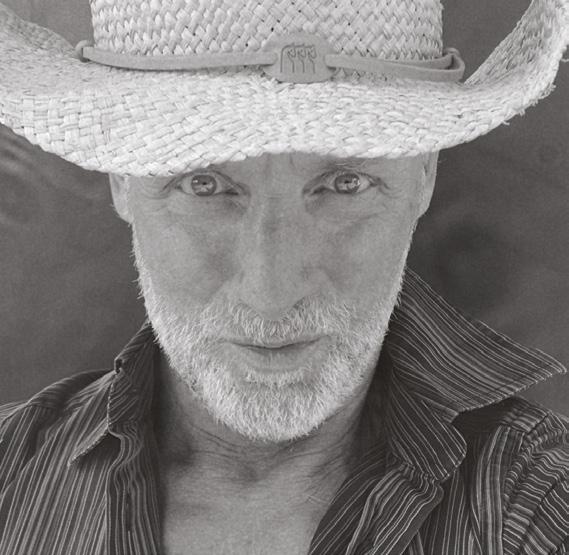
Stylist, “Keep on, Walken” pg. 80
David Bradshaw is a visionary fashion editor and creative director who helped shape brands like Prada Sport and Miu Miu, styled iconic videos for Madonna, Michael Jackson, and Janet Jackson, and led creative direction at GQ Style UK, Versace, McQueen, and Tom Ford.
Photographer, “Taron Egerton Leaps Into The Wilderness” pg. 98
Daniel Jack Lyons is a photographer and trained social anthropologist whose collaborative practice centers marginalized youth, documenting coming-ofage, joy, and resilience in communities from Mozambique and Ukraine to Amazônia, New York, and Los Angeles.
Beauty Editor, “Beauty Reports” pg. 60
Photographer, “A Grand Gesture” pg. 142
Sølve Sundsbø is a Norway-born, London-based fashion photographer and filmmaker known for otherworldly imagery, technological innovation, and Emmy-winning work, with clients including Chanel, Prada, and Louis Vuitton, and pieces held by the National Portrait Gallery.
April Long is a Brooklynbased writer and editor with extensive expertise in fragrance, wellness, and skincare. A regular columnist for The Cut, her previous editorial roles include beauty director at Town & Country and executive beauty editor at ELLE. Her work has appeared in Vogue, Air Mail, 10 Magazine, NYLON, and Allure.

Photographer. “Damson IDRIS and the Power of “No” pg. 88
Quentin de Briey is a Belgian-born, Paris-based photographer whose skate and music roots inform his
Photographer, “Spring Cleaning” pg. 168 Born in London and now living in NYC, photographer Robin Broadbent creates monumental minimalist still lifes. Solo shows include Black and White Photographs at Smith’s Galleries and Metal Flesh at The Studio Gallery, London; group exhibitions include Sticks, Stones, Bones in New York and Dossier’s Secrets Show in Los Angeles.
dynamic fashion imagery, published in Vogue and The Wall Street Journal, with campaigns for Calvin Klein, Chanel, Louis Vuitton, Supreme, and Zara.
Let’s face it—this winter was brutal. When Punxsutawney Phil (America’s most famous groundhog) ran back into his hole on Groundhog’s Day, thus predicting six more weeks of winter, we couldn’t help but feel he was just in fact running away from February’s frigid cold like the rest of us. But now, it’s officially spring, and the sun—that long lost friend of ours—has returned, along with an onslaught of must-see films, zeitgeisty books, tips on how to use sunscreen (now that there is a sun at all), exciting new wine bars, inspiring art exhibits, hotels to try out, captivating fashion trends for men, and an interview with one of pop culture’s sharpest commentators, Evan Ross Katz. Welcome to ICON’S REPORTS.
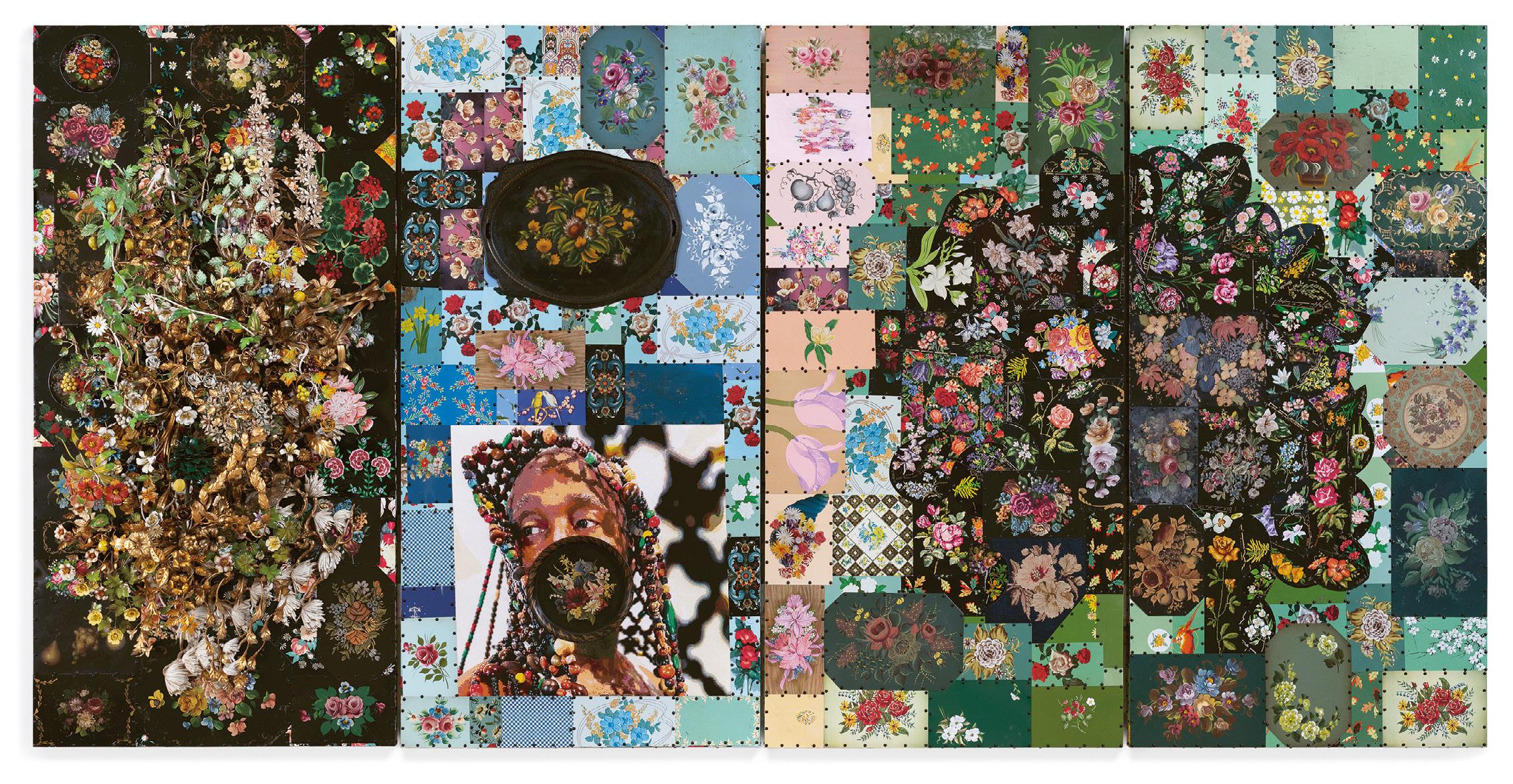
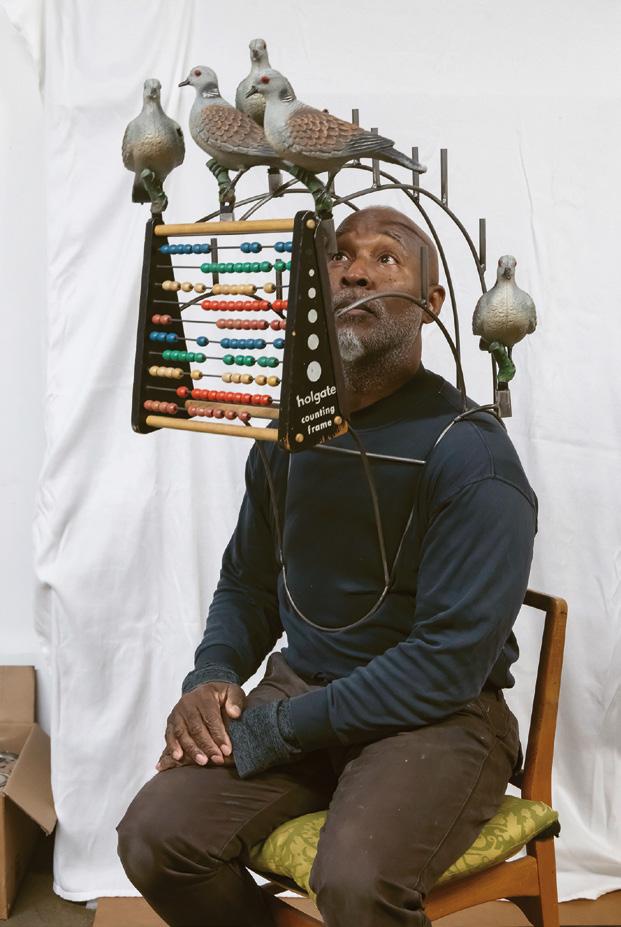
American artist Nick Cave transforms family artifacts into living sculpture.
The Chicago-based artist Nick Cave makes art that seems alive—beaded, blossom-laden works always on the verge of movement or dance. Best known for his exuberant, wearable sculptures known as Soundsuits, Cave has built a practice of transforming found materials into powerful conduits for truth-telling, protest, healing, and change. In a major new commission for the Smithsonian American Art Museum, Cave presents his most deeply personal work to date, an exhibition that pays homage to his ancestral and artistic roots while engaging themes of memory, heritage, and legacy. “Mammoth” invites visitors into an immersive environment adorned with crafted mammoth bones and hides, skeletal guardian figures, and an illuminated constellation of objects the artist collected from his family farm in Missouri, including his grandmother’s thimble collection. Ahead of the opening, Cave spoke with ICON about the commission and creating a site of remembrance and preservation.
ner and spending the last three hours of her day quilting—as meditation, as a way of winding down. That was a real awakening moment for me. I realized there was no other way for me; this was the only way. I had tried working in corporate America, but in terms of my internal happiness, I had to find my way back. I took that leap of faith because art and culture are the core of my being. I came to understand that I am a manifestation of my family—that I carry their dreams, aspirations, and unrealized possibilities. When working with found objects, how do you decide which objects to transform? What role does the act of transformation play in your work? I’m interested in the idea that one person’s trash is another person’s treasure. How do we decide to devalue and reevaluate things? A lot of the objects in “Mammoth” aren’t repaired, because I like that they’re disintegrating and falling apart. Sometimes it feels like a skin is shedding, revealing something new. Other objects are repaired and take on an entirely different meaning.
ICON: As you conducted this archaeological dig into your past, what were some surprising discoveries you came across about yourself or your lineage?
Nick Cave: The main discovery was realizing that art and craft weren’t seen as something sustainable in my family—not as a way of life, but as an activity to pass time. They didn’t imagine a future in it. I don’t think there were even schools that framed art as a viable path.
I think about my grandmother pulling out a quilt after din -
Last summer, I went back to the family farm to collect relics and talk with relatives about how they were used. I found an old scooter we had as kids, and an incredible badminton set—we removed the worn-out net and replaced it with a fully beaded one. There are seven fencing helmets that represent my seven siblings, each completely adorned.
The idea is that all of these objects were once crafted. My grandmother’s quilting, my aunt’s sewing, my uncle’s painting—they did this work after their nine-to-five jobs. It was how they cared for themselves and their creative spirits. The question becomes: how do we keep that alive?
The work is about illuminating our existence. It reminds us of the artifacts that can return us to the places that define who we are.
MCA Chicago June 27, 2026–January 31, 2027
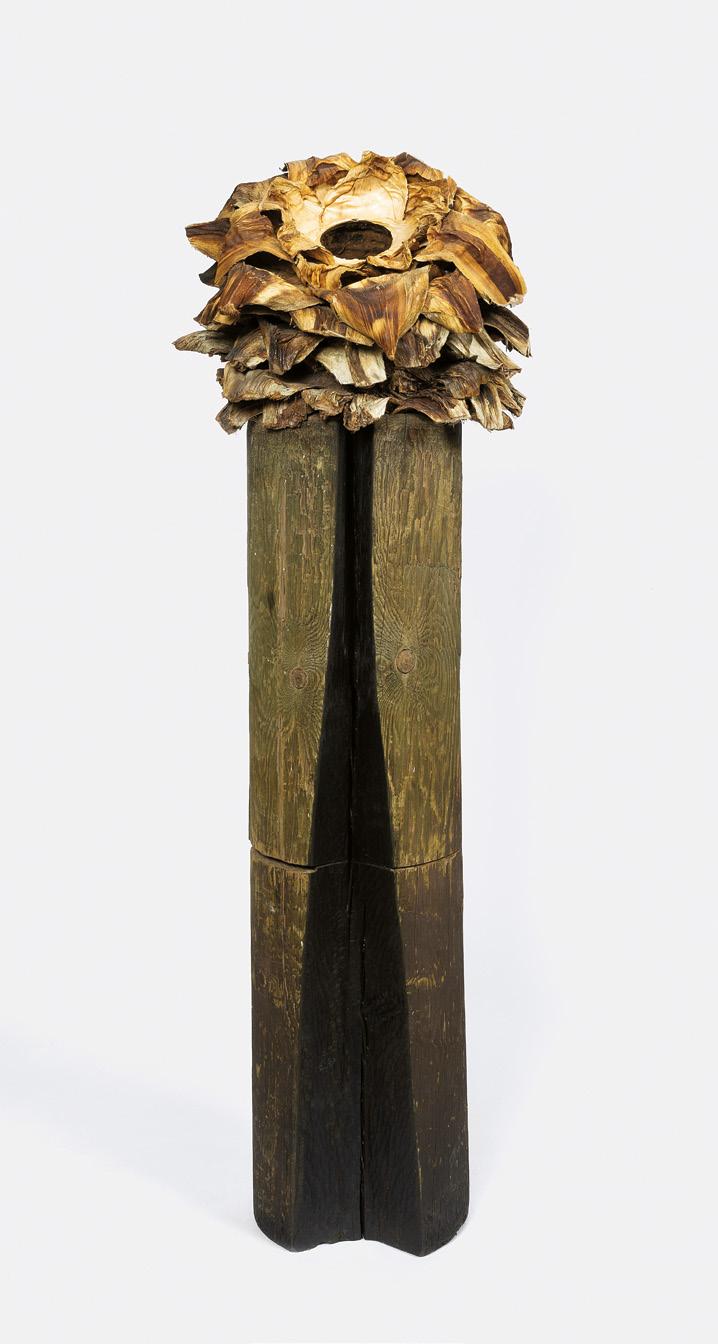
The late Japanese Brazilian artist Kenzi Shiokava transformed salvaged materials—driftwood, telephone poles, shells, action figures—into carved totems and meditative dioramas. Over five decades, these works filled his Los Angeles studio, reflecting a sustained exploration of the spiritual within the everyday. Featuring more than fifty sculptures from the 1970s to the 2010s, this exhibition marks his first solo museum show.
Guggenheim Museum, New York
September 18, 2026–March 14, 2027
Taryn Simon is known for rigorously researched projects that examine systems of power and classification. From cataloging items seized by U.S. Customs and Border Patrol to documenting wrongful convictions, her work exposes the bureaucracies shaping modern life. For this long-anticipated exhibition, Simon will transform the Guggenheim’s Rotunda with a new body of photographs, text, video, and sculpture, turning the museum itself into a site of investigation.
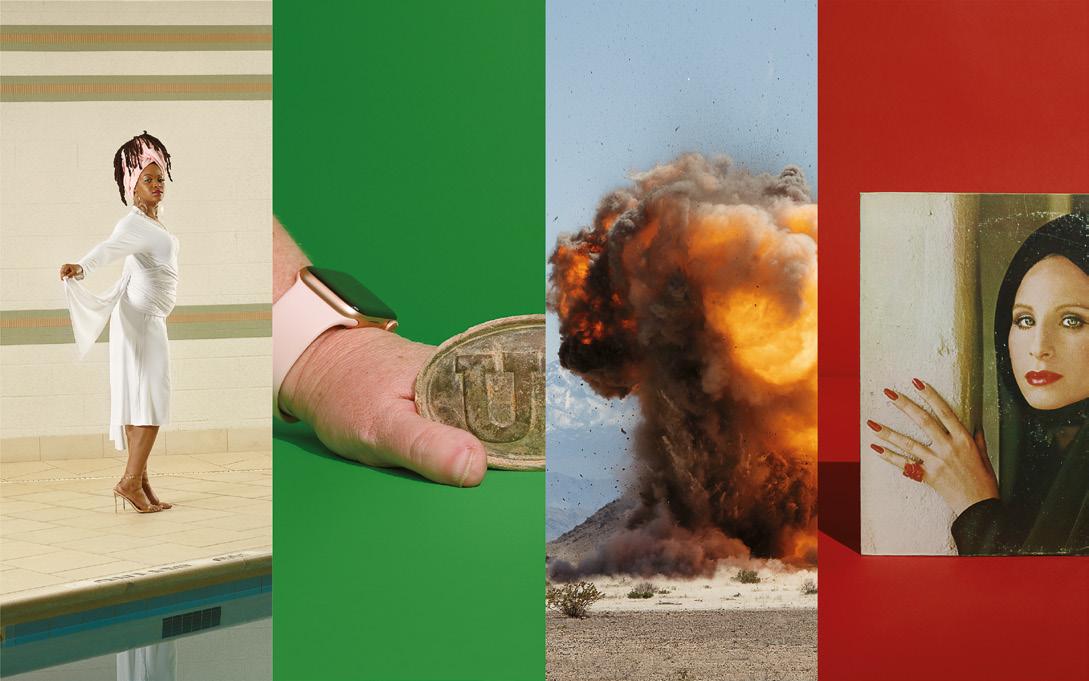
ICA San Francisco May 2026
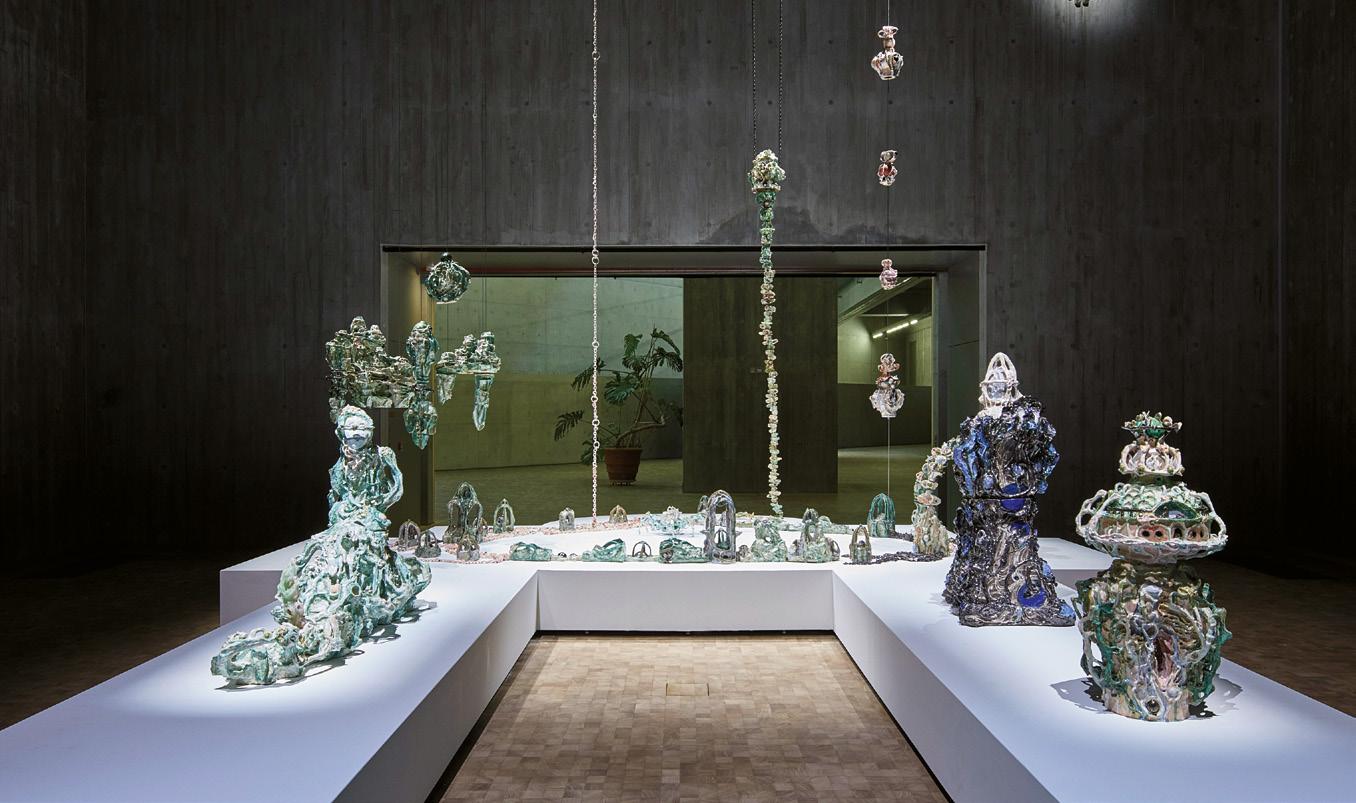
Time loops and fractures in the work of Dominique Fung and Heidi Lau, whose practices explore memory, ritual, and transformation. In this pairing of new commissions, Fung’s Surrealist-inflected paintings rooted in East Asian
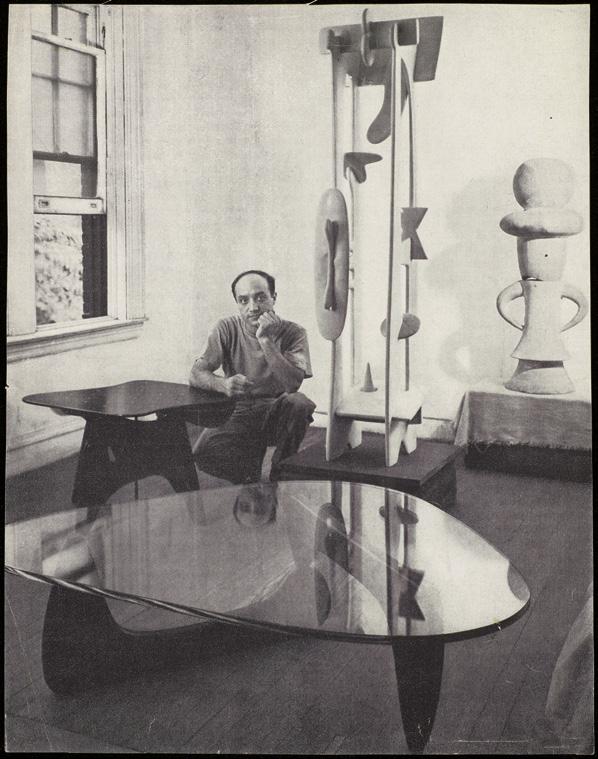
High Museum of Art, Atlanta April 10–August 2, 2026
Whether working in sculpture, architecture, or light—seen in his iconic Akari washi-paper lamps—Isamu Noguchi approached objects with a deep sensitivity to space and function. He resisted the label “designer,” believing it was too aligned with art for art’s sake. This retrospective, his first in nearly twenty-five years, revisits that stance through nearly two hundred objects, many rarely exhibited. From a sleek baby monitor to models for playgrounds and theater sets, the show reveals the breadth of Noguchi’s inventive, evolving vision.
myth meet Lau’s ceramic sculptures referencing Chinese funerary architecture. Curated by Kathy Huang, the exhibition will be installed at Pier 24, marking a milestone in ICA San Francisco’s shift to a fully nomadic model.
Museum of Modern Art, New York April 12, 2026–August 22, 2026
Across a six-decade career, Marcel Duchamp challenged art’s conventions through radical readymades and works like Nude Descending a Staircase (No. 2) and L.H.O.O.Q. This exhibition, his first North American retrospective in over fifty years, brings together nearly three hundred works alongside archival materials. Tracing Duchamp’s critique of authorship and value, the show underscores his relevance in an era shaped by automation and artificial intelligence.

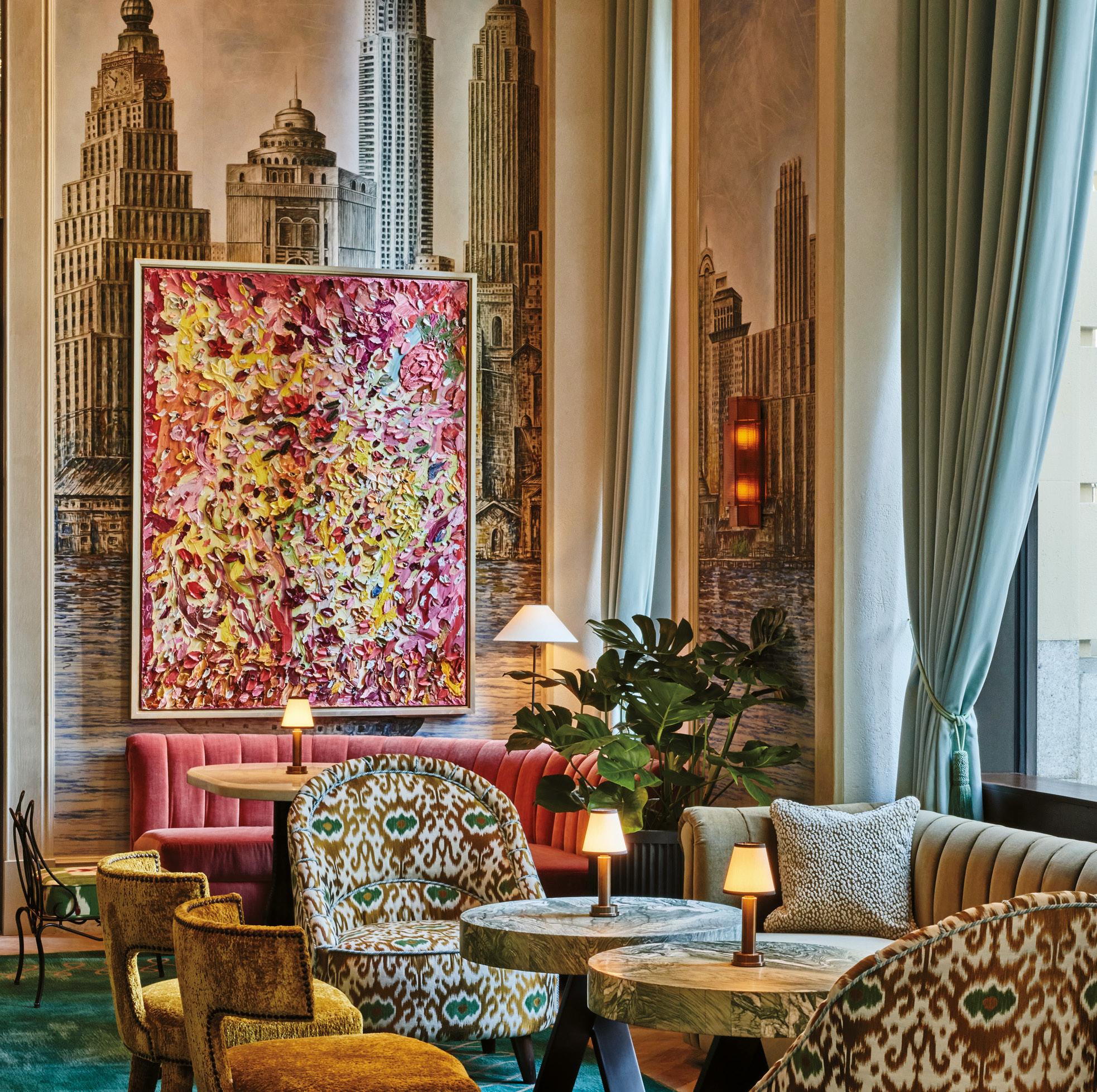
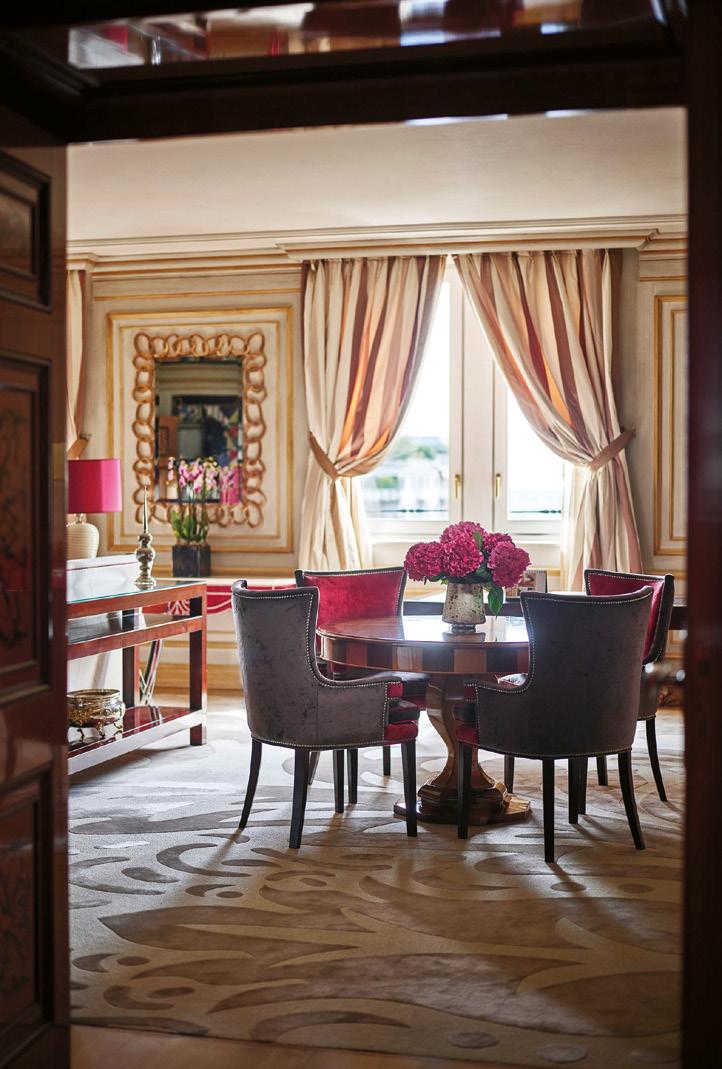
Hotel Principe di Savoia stands as both sanctuary and stage for Milanese life. Steward and General Manager Ezio Indiani shares how luxury is a service, enveloped by storytelling - a cohesive narrative expressed through the daily rituals, flavors, and Lombardian spirit that characterize the thoughtful elegance of the Dorchester’s Savoia.

Address: Piazza della Repubblica, 17, 20124 Milano MI, Italy
Year established: 1927
Number of rooms: 301 rooms and suites
Signature fare: Acanto Restaurant’s signature risotto, made with the finest golden saffron. Milan’s heritage on a plate.
by stella peters
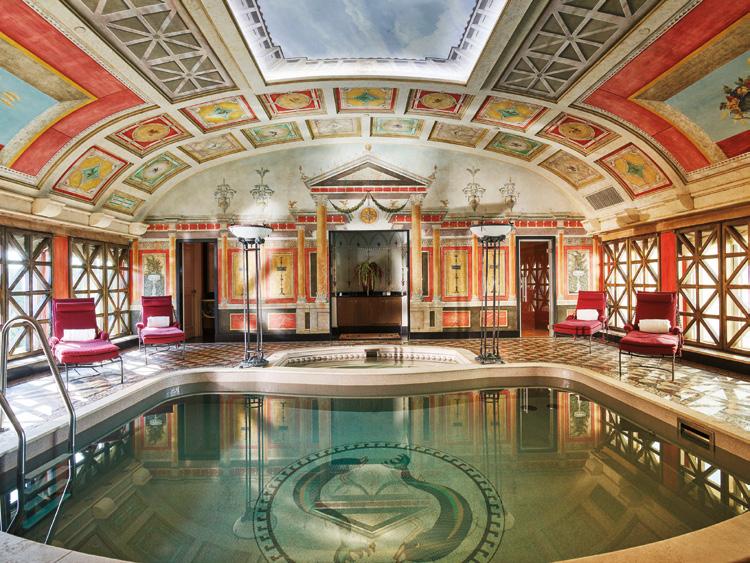
Most underrated amenity: The 34-foot indoor swimming pool, or perhaps the rooftop terrace overlooking the Milanese skyline.
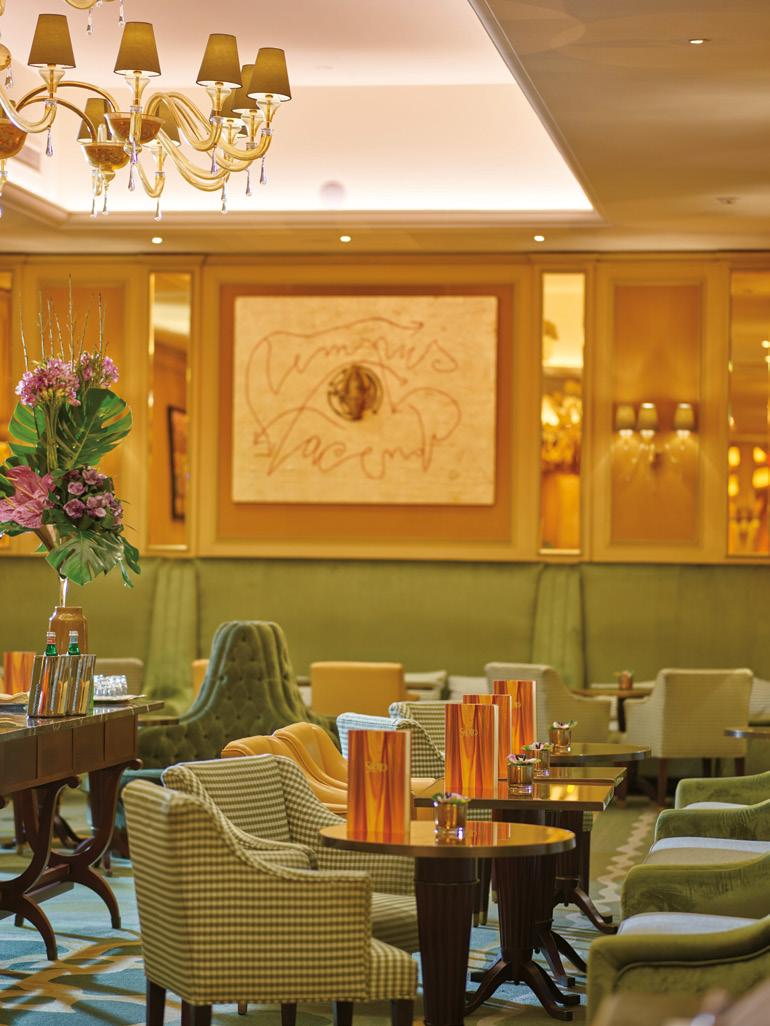
For your 9 to 5: Il Salotto - where velvet armchairs create an environment that feels both professional and profoundly residential.
For your 5 to 9: As the sun sets, Principe Bar is electric, a premier destination for an evening aperitivo.

True luxury, Mr. Indiani believes, is distinctly imbued with both meaning and sophistication. Since 2005, he has guided the bespoke hospitality of Milan’s storied Hotel Principe di Savoia into a new era, living and breathing the daily rhythm of the hotel. On the eve of its centennial, the Principe is a reflection of its steward: thoughtful, charming, and alive with stories. The people certainly make the place.
What is your daily ritual?
I really enjoy morning coffee and a light breakfast at Il Salotto. I love to see the hotel coming to life.
What sets Hotel Principe apart?
We are not simply a place to stay; we are the living room of Milan. There is an unmistakable energy, a blend of Italian warmth and international prestige, that cannot be replicated elsewhere. You can feel the pulse of the city’s future while being surrounded by the impeccable service of its past.
What should every guest taste during their stay?
Food and beverage is a true passion for me, having started my career as a young waiter. To celebrate our centenary, Bar Manager Daniele Celli created a menu paying homage to each decade of our history. El Milanés is a tribute to Milan. It is an edible piece of art, served in a glass shaped like a grain of rice. Guests can taste Milan and take its spirit home in memory.
How has hospitality evolved?
It’s incredible to think how Milan must’ve looked when we opened in 1927. Over ten decades, travel has evolved from a rare privilege into a quest for meaningful experiences. Luxury is about curating stories and a sense of place, even within the hotel. We have transitioned from being a silent witness to history to becoming an active storyteller, bringing the past alive for a new generation.








Crack the spine on a new season of must-reads.
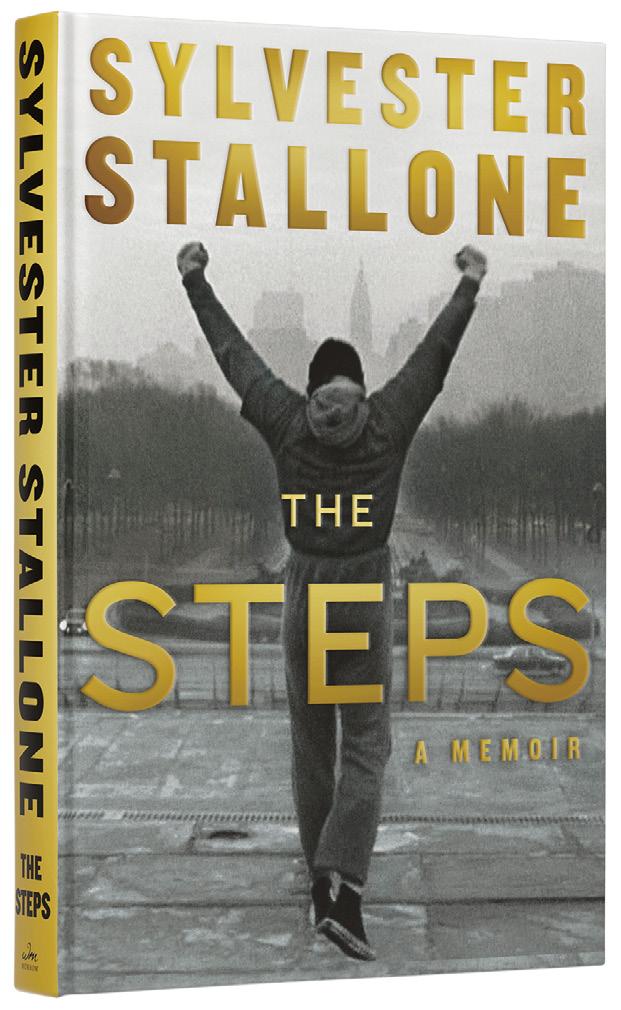
Author Sylvester Stallone
Publisher Harper Collins
May 5, 2026
Author Philippe Collin, Publisher Simon & Schuster
Spring 2026
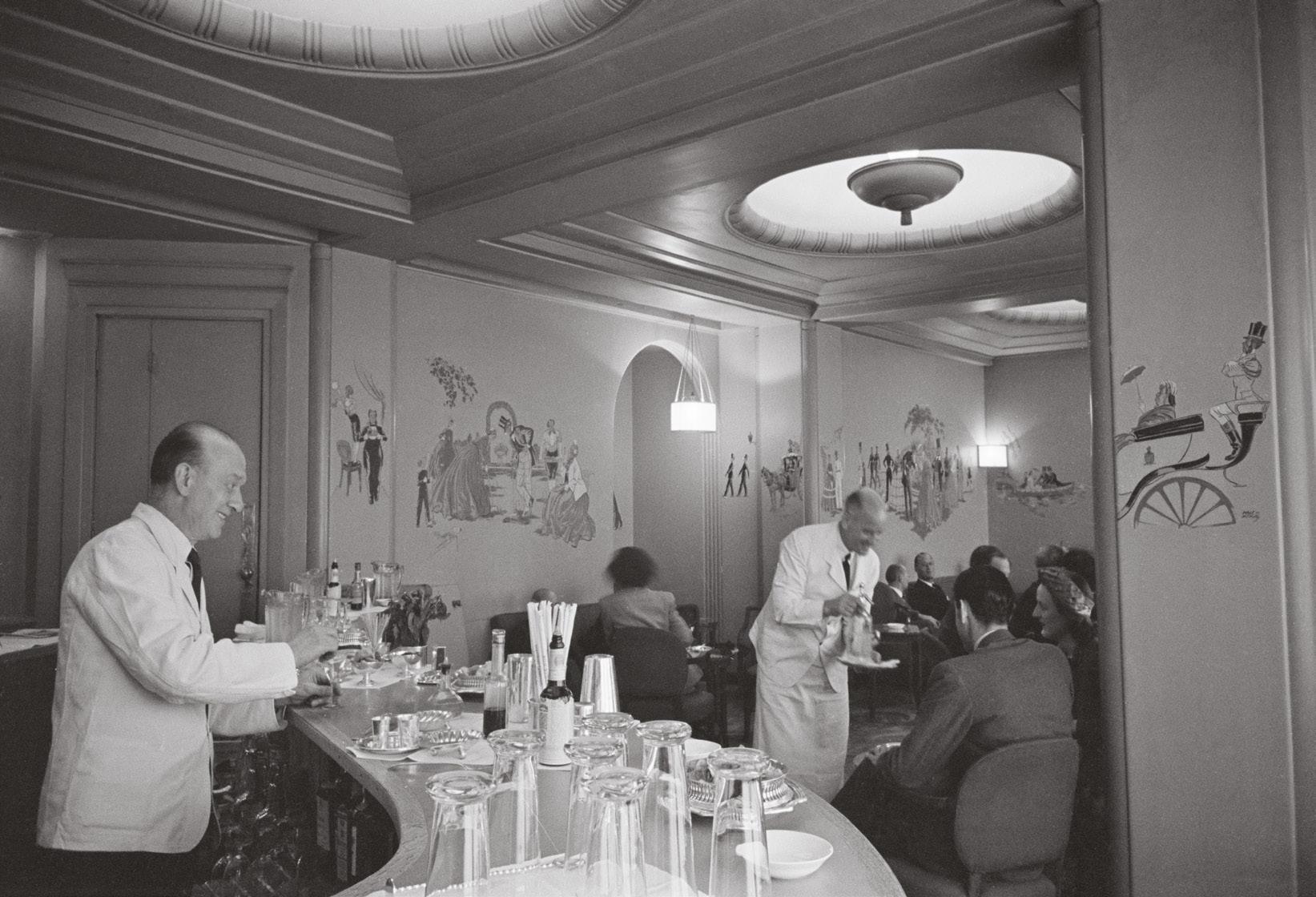
During the Nazi occupation of Paris, the Ritz Hotel remained open, its bar frequented by German officers and French collaborators. Behind it stood Frank Meier, the hotel’s legendary head bartender—and a Jewish man whose identity put him in constant danger. Drawing on real events, Philippe Collin recounts how Meier survived the Occupation by turning discretion, charm, and impeccably made cocktails into tools of concealment, navigating a world where luxury and terror uneasily coexisted. simonandschuster.com
For his latest memoir, Sylvester Stallone skips the swelling score, opting for the unvarnished, unsparing take instead. From near-invisibility to pop culture sensation, this book tracks the incremental climbs that built an unlikely legend. Funny, blunt, and occasionally self-critical, “The Steps” swaps Hollywood mythmaking for a candid tale of personal, professional, and psychological momentum, divulging what it takes to keep going once perseverance becomes a permanent brand. harpercollins.com
Text by Joshua Chuang
Publisher Thames & Hudson
May 19, 2026
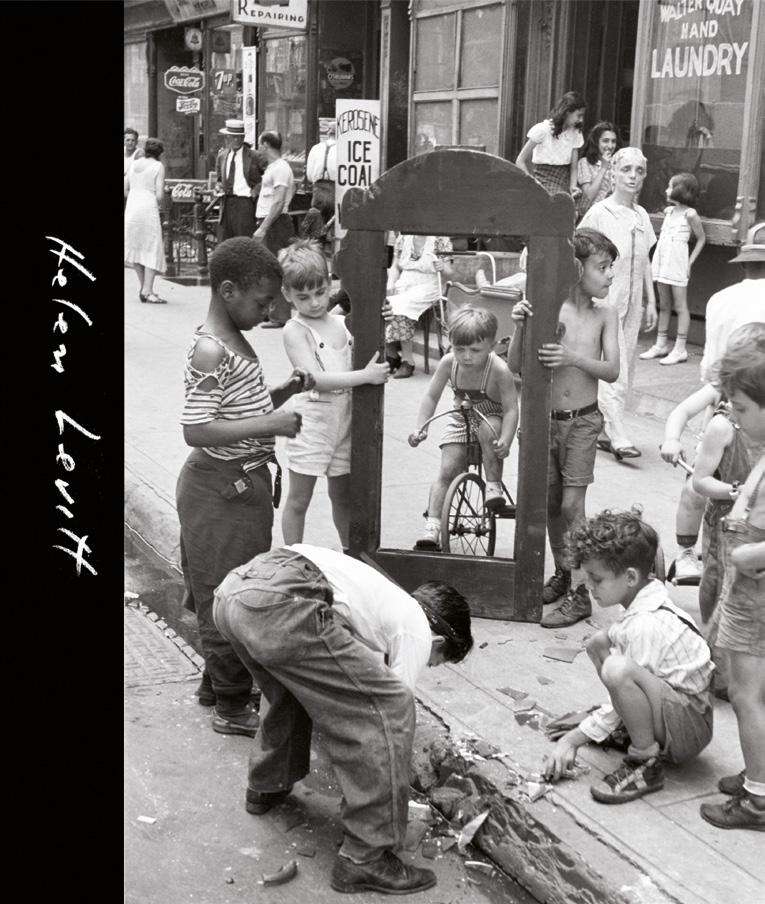
Simultaneously casual and deeply attentive, Helen Levitt used photography to capture a city life unfolding beyond spectacle. For six decades, the American photographer and cinematographer turned New York’s streets into a theater of unscripted humanity, photographing children chalking sidewalks and engaging in the everyday mischief of roaming youth. This career-spanning volume reveals Levitt’s quiet radicalism and her singular ability to find lyricism in the mundane, rendering the city briefly, miraculously, and tenderly humane. thamesandhudson.com
Author H.W. Brands
Publisher Penguin Random House
May 12, 2026
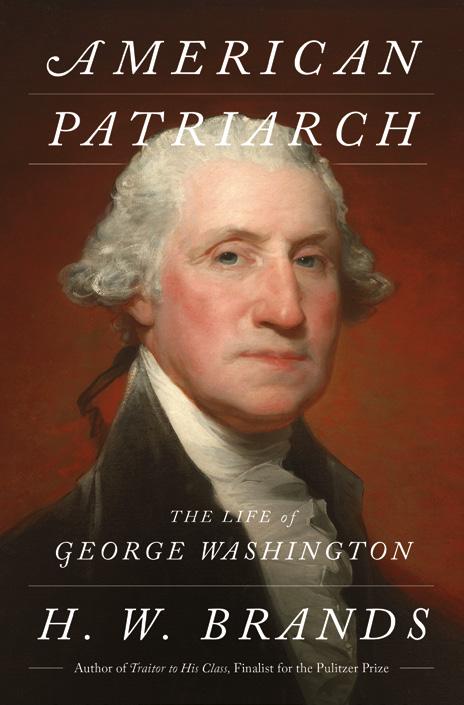
A compact reintroduction to George Washington that eschews the marble pedestal, this portrait focuses on pragmatism and the careful construction of authority at a moment when none existed. “American Patriarch” reframes Washington’s legacy in anticipation of the 250th anniversary of American independence, meshing Brands’ narrative flair with a cast chock-full of U.S. history’s marquee names. penguinrandomhouse.com
Text by Lucy Sante
Publisher Taschen
Now Available
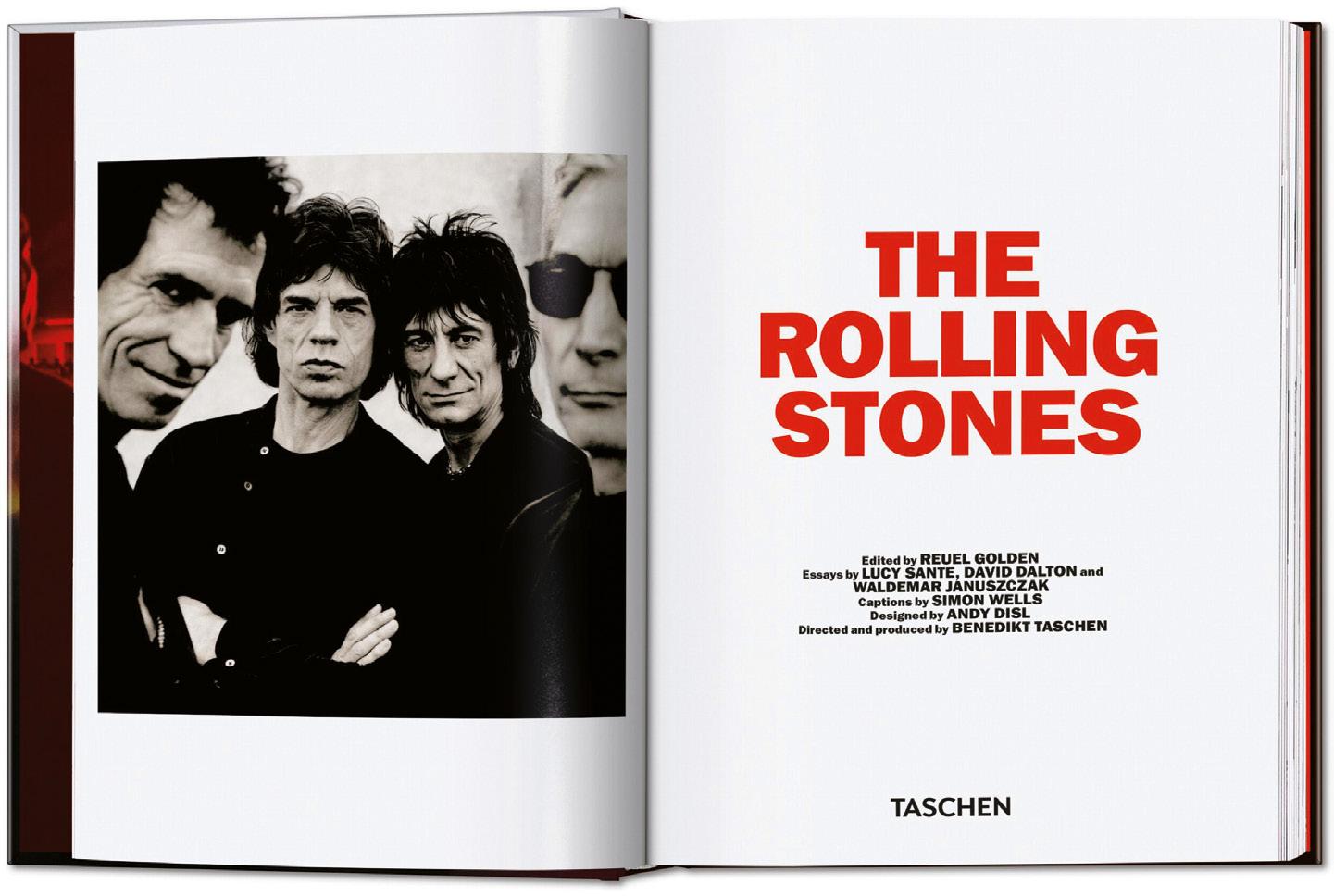
The latest installment in Taschen’s ongoing tribute to the Rolling Stones spans 500 pages of archival photographs and illustrations by many of
Publisher Assouline
July 2026
Never mind the novelty belt-buckle version of Texas so often served up. Yes, the state is home to long drawls, swaggering cowboys, big portions, and even bigger hair—but it is also a place of vast landscapes and ranches, and of a modern art scene that rivals the roar of its famed rodeos. Through a series of photographs, this book captures Texas’s many identities, revealing a state still committed to its gun-slinging myth even as its cultural cache continues to evolve. assouline.com

Publisher
Author Fay Bound-Alberti
Hachette Book Group
June 9, 2026
the world’s leading photographers, interwoven with essays and a timeline tracing the band’s six decades of swagger and sonic daring. Featuring work by Annie Leibovitz, Cecil Beaton, Andy Warhol, David LaChapelle, and others, the volume offers a richly illustrated history for both die-hard fans and the uninitiated alike Taschen.com
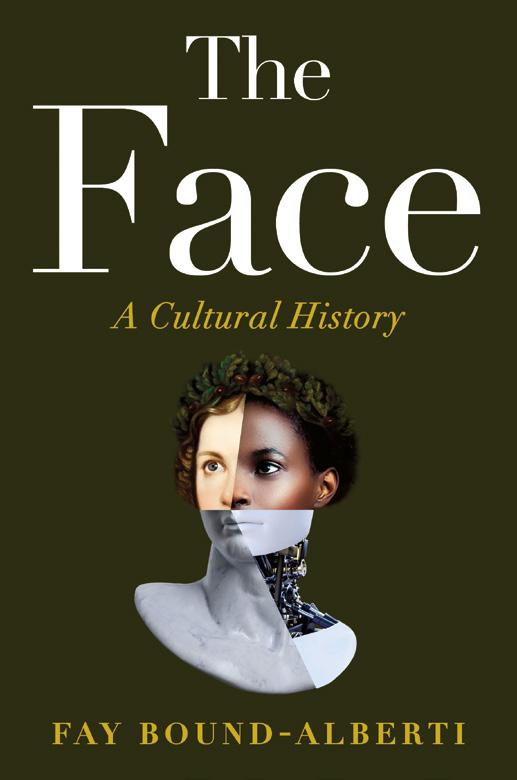
An intelligent survey of how the human face has been studied, stylized, measured, and monetized, the latest work from cultural historian Fay Bound-Alberti moves from classical portraiture to algorithms, questioning how meaning gets assigned to our features, and who holds the authority to scrutinize one of culture’s most overinterpreted surfaces. hachettebookgroup.com
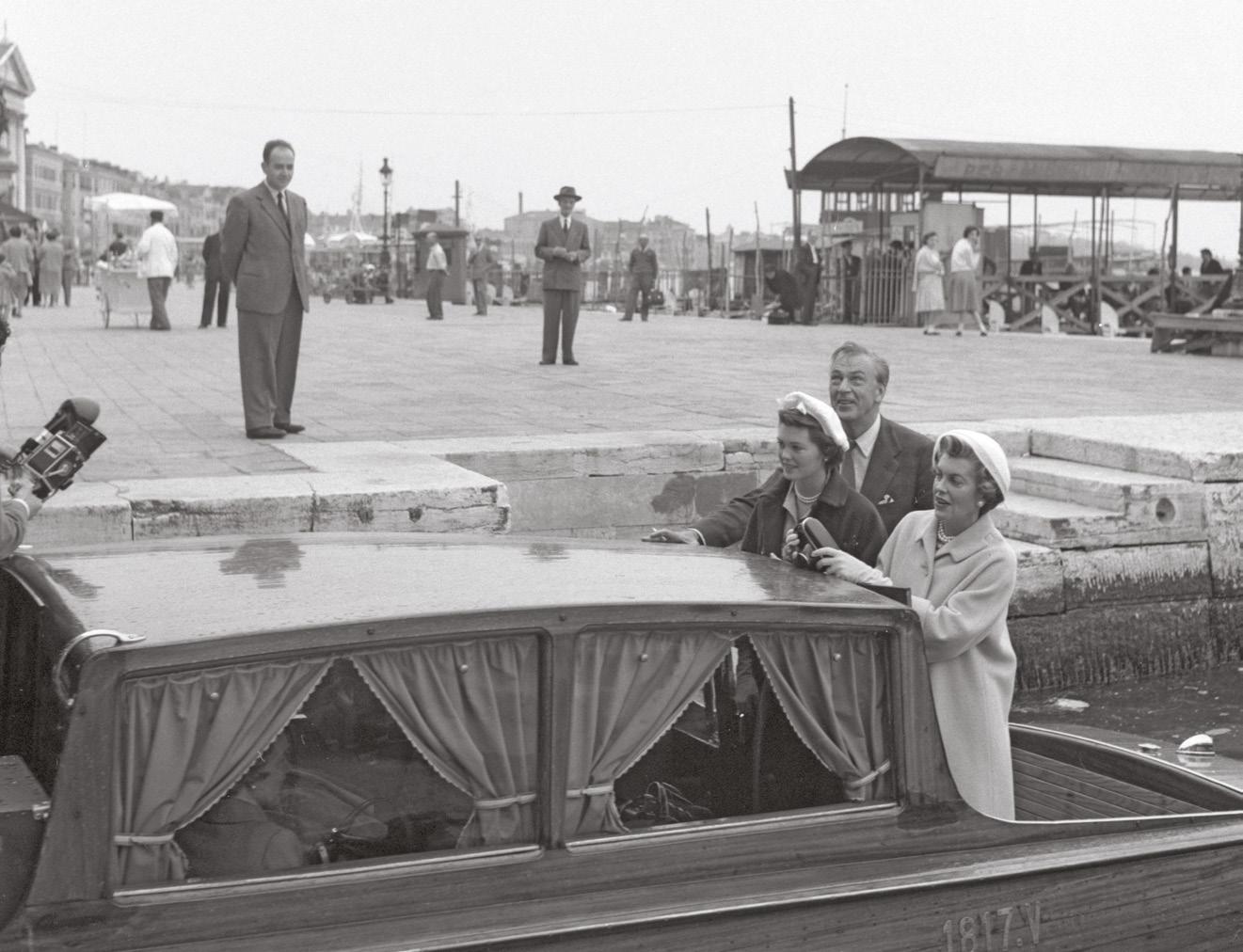
Publisher Assouline
September 16, 2025
Italians are celebrated for many things—pizza, Positano, and painting among them. Less widely known is
Italy’s mastery of luxury yacht building, a craft epitomized by the sleek elegance of Riva boats. Assouline’s latest volume catalogs the brand’s most iconic models in all their low-slung glamour: polished-wood speedboats famed for ferrying stars to the Venice Film Festival, and exemplars of aerodynamics elevated to an art of finely tuned excess. assouline.com
The must-see films and TV shows defining this season’s biggest cultural moments
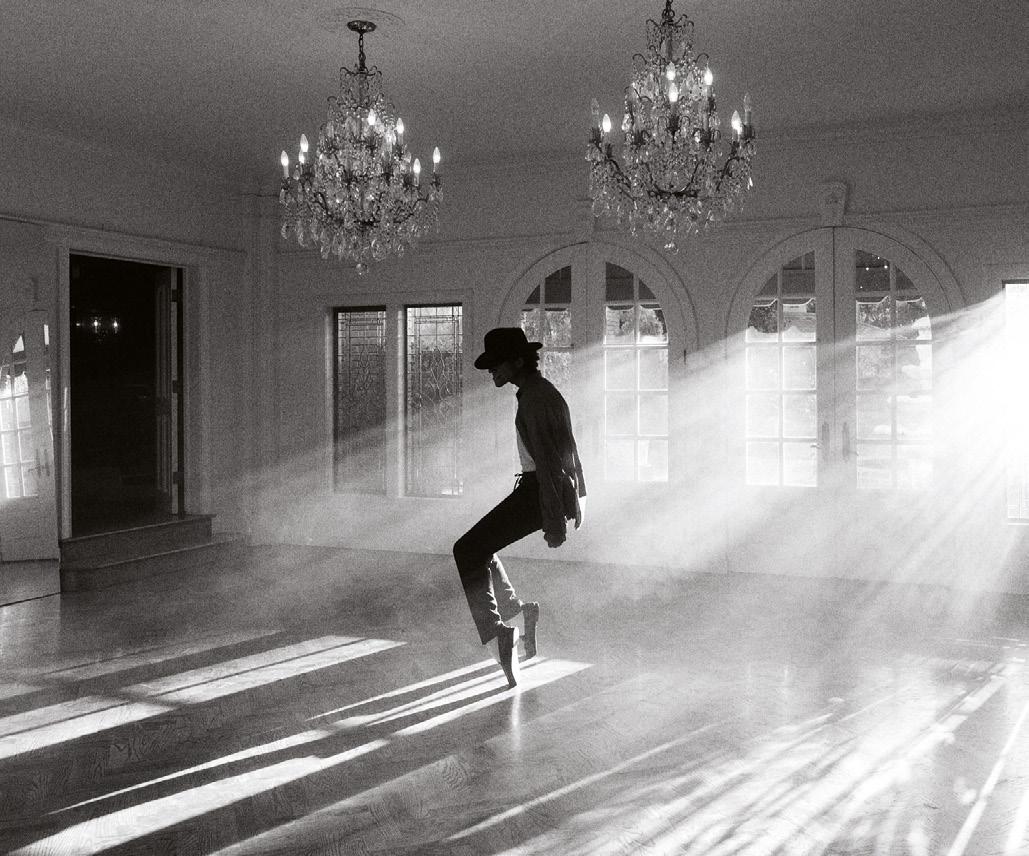
April 24, Lionsgate
It’s a family affair for this Michael Jackson biopic that traces the former King of Pop from his Jackson 5 days through his superstardom in the 1980s. Jackson’s own nephew, Jaafar Jackson (Jermaine Jackson’s son), makes his film debut playing his iconic uncle. The rest of the cast is a who’s who of greats, from Colman Domingo (who plays Joe Jackson) to Miles Teller (who plays Jackson’s manager John Branca) to Nia Long (who plays family matriarch Katherine). Get ready to moonwalk right to the theater.
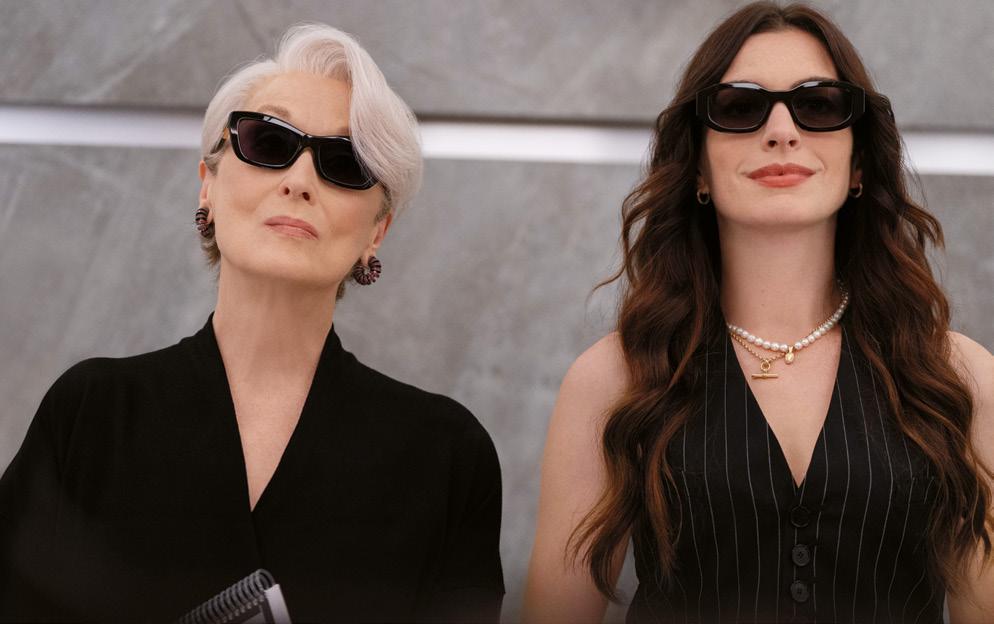
May 1, 20th Century Studios
As if this one needs explaining. By now, you’ve probably memorized the trailer of Miranda Priestly (Meryl Streep) walking Runway’s hallowed halls, red heels clicking out the beat to Madonna’s “Vogue,” just before assistant-turned-nemesis Andy Sachs

May 22, Walt Disney Studios Motion Pictures Get ready to be obsessed all over again with Grogu, a.k.a. Baby Yoda, in this film that picks up after the events of The Mandalorian TV series. (What was going to be a fourth season became a film.) Pedro Pascal’s Din Djarin (the Mandalorian) is back alongside his
adorable Force-friendly apprentice, as is the evil Empire. Jeremy Allen White joins the Star Wars-verse as the voice of Rotta the Hutt, who is—yes—the son of iconic OG villain Jabba. Meanwhile, Sigourney Weaver plays a former pilot for the Rebel Alliance who is now a leader of the New Republic. Something tells us Ripley would approve.
(Anne Hathaway) joins her in the elevator. Luckily, spring is around the corner (ditch those cerulean blue sweaters!), and fans will be reunited with returning cast members Emily Blunt (back as Emily, now a luxury group exec) and Stanley Tucci’s beloved Nigel. New cast members include Justin Theroux, Kenneth Branagh, Lucy Liu, and Sydney Sweeney. To paraphrase Miranda: “We’re waiting!”
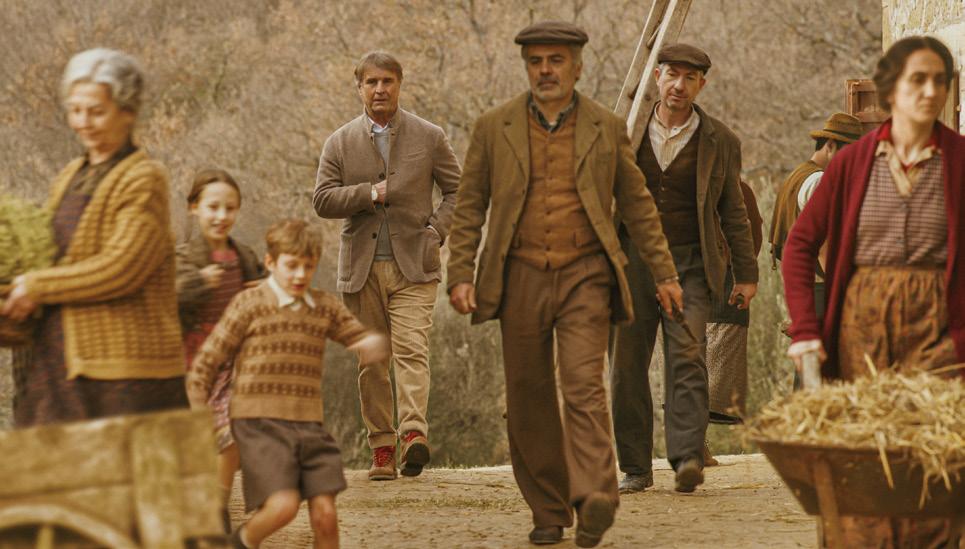
April 14, Masi Film, Rai Cinema
A documentary about “King of Cashmere” Brunello Cucinelli chronicles the designer’s life from growing up in a rural agricultural community in Italy to becoming a fashion mogul responsible for a multibillion-dollar brand. Directed by Oscar winner Giuseppe Tornatore (Cinema Paradiso) and scored by Oscar-winning composer Nicola Piovani, the film took three years to complete. Expect to learn a lot about the beloved designer’s philosophy— not to mention his 60,000-book library.



September 18, Warner Bros. Pictures
The Owens family returns 28 years after the original Sandra Bullock and Nicole Kidman witchy picture became a cult classic. Based on Alice Hoffman’s The Book of Magic, the sequel follows sisters Sally (Bullock) and Gillian (Kidman), who must navigate new dangers alongside Sally’s daughters (played by Joey King and Maisie Williams) and their nascent
April 12, HBO
The much-anticipated third season of the gritty drama is set five years after the events of the last season, which aired in 2022. In other words, instead of high school students navigating sex, mental health, and identity, now they’re twentysomethings navigating sex, mental health, and identity. Rue (Zendaya)
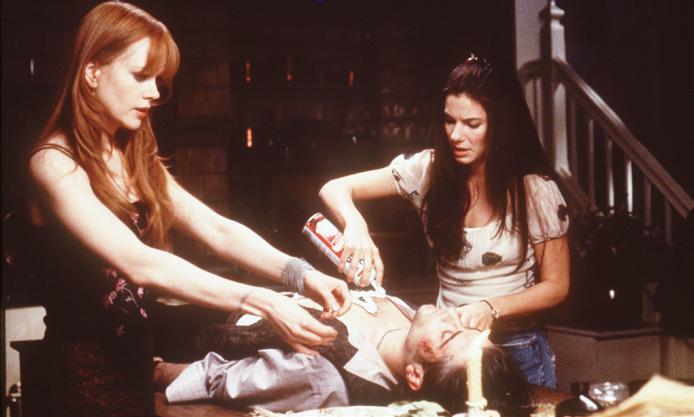
superpowers. Don’t worry—Aunties Franny (Stockard Channing) and Jet (Dianne Wiest) haven’t left the fold. Is there a spell to manifest a reprise of the midnight, margarita-fueled dance party? Cue Harry Nilsson’s “Coconut”!
July 17, Universal Pictures
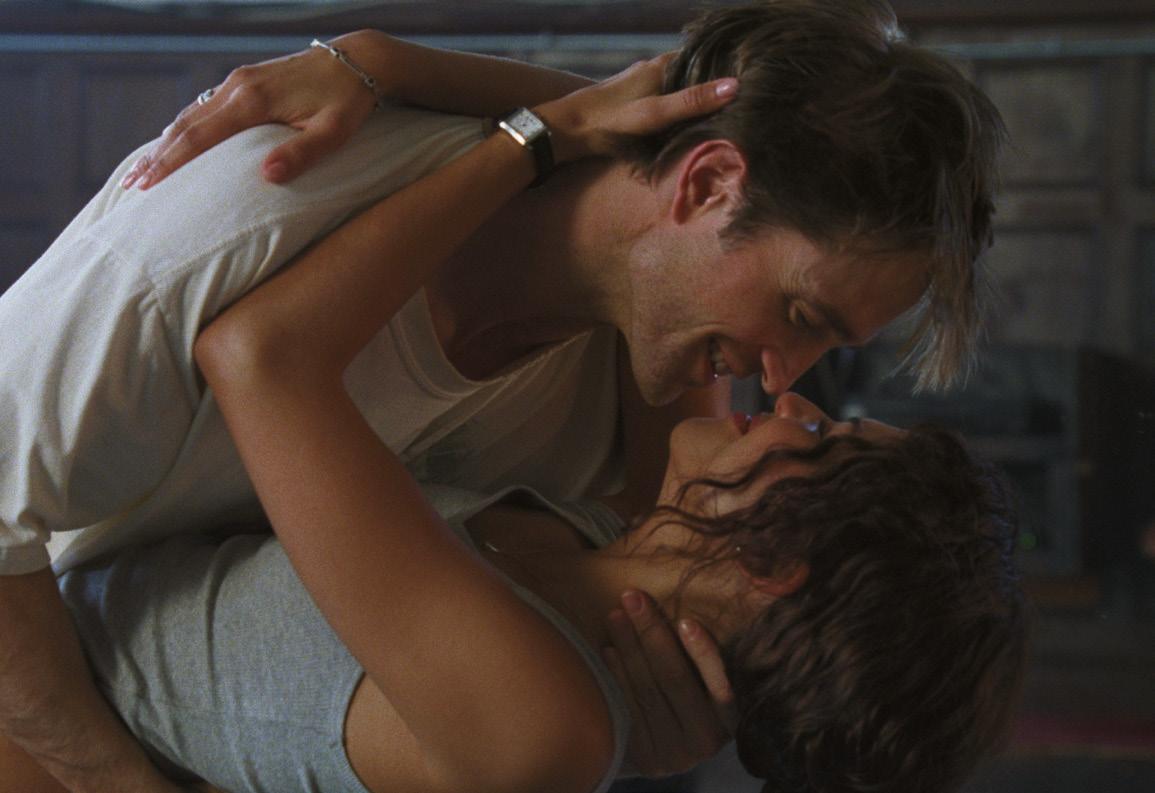
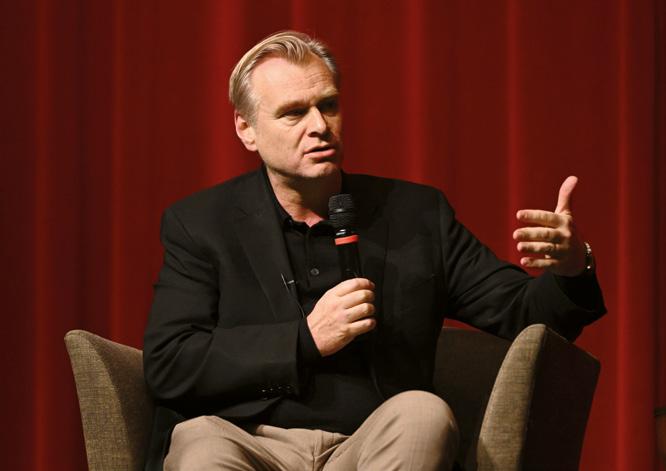
The simplest plot description of Homer’s ancient Greek epic, on which Christopher Nolan based his most expensive film to date ($250 million!):
April 3, A24
You’ve probably seen the mock engagement photo of Emma (Zendaya) sporting a shiny diamond while sitting on the lap of her future husband, Charlie (Robert Pattinson). But if you think that snapshot leads to pre-wedding bliss in this drama from Kristoffer Borgli (who directed Nicolas Cage’s Dream Scenario), guess again. Secrets are exposed during the week leading up to the nuptials that should incite panic attacks in any couple planning to tie the knot this year.
After the Trojan War, Odysseus, the King of Ithaca (Matt Damon), heads home to his wife Penelope (Anne Hathaway). Of course, along the way there are witches, goddesses, sea monsters, and, naturally, a one-eyed Cyclops. Zendaya is the goddess of wisdom Athena, Charlize Theron is Circe, Tom Holland is Odysseus’ son Telemachus, and the massive cast also includes Mia Goth, Elliott Page, Corey Hawkins, Jon Stewart, Lupita Nyong’o, and Robert Pattinson. Will this film beat the seven Oscars Nolan’s last film, Oppenheimer, took home? Surely one of Homer’s fortune tellers knows.
begins the season owing money to a drug dealer in Mexico; Nate (Jacob Elordi) and Cassie (Sydney Sweeney) prepare to tie the knot; and Jules (Hunter Schafer) begins art school. Look out for new faces Danielle Deadwyler, Natasha Lyonne, Eli Roth, and Rosalía joining the cast. Is it too much to hope for a Zendaya–Rosalía duet?
April 16, Netflix
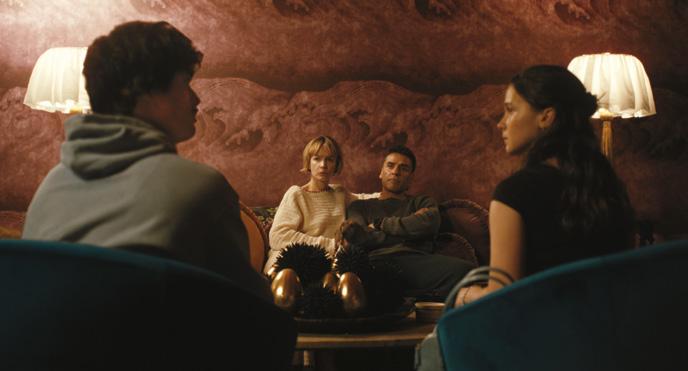
Season two of the Netflix anthology series explores a whole new beef, this time when a young couple witnesses a fight at an elite country club owned by a Korean billionaire. Oscar Isaac (Dune), Carey Mulligan (Maestro), Charles Melton (May December), Cailee Spaeny (Civil War), and Oscar winner Yuh-Jung Youn star in this installment. Will it take home eight Emmys like season one did? Don’t fight us, but we hope so.
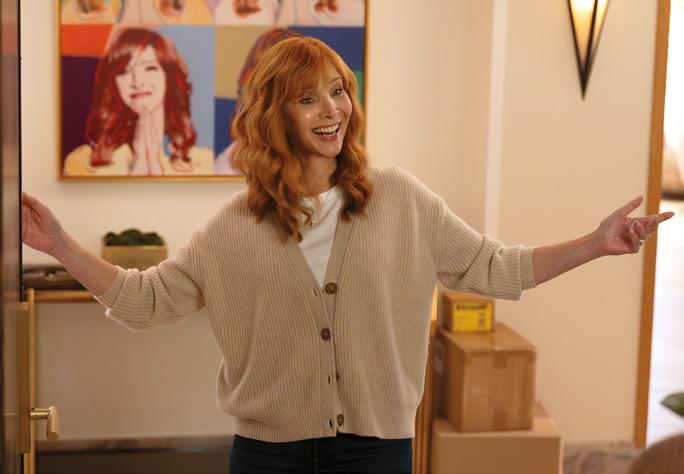
March, HBO
More than a decade after season two, Lisa Kudrow’s Valerie Cherish is back—and, well, we most definitely do want to see that. The new season of the cult hit, a mockumentary about a delusional D-list actress, revolves around Valerie being cast in the first-ever written-by-AI sitcom. Andrew Scott joins the cast as a studio head who might not always see eye to eye with Cherish. As for Kudrow, not only does this new season reunite her with Valerie, it also reunites her with the same Warner Bros. soundstage where she and the gang filmed Friends. (Cue the theme song being stuck in your head for the next 3–5 hours. Clap clap clap clap clap.)
Nine wine pros weigh in on the form, and name their favorite wine bars around the world.
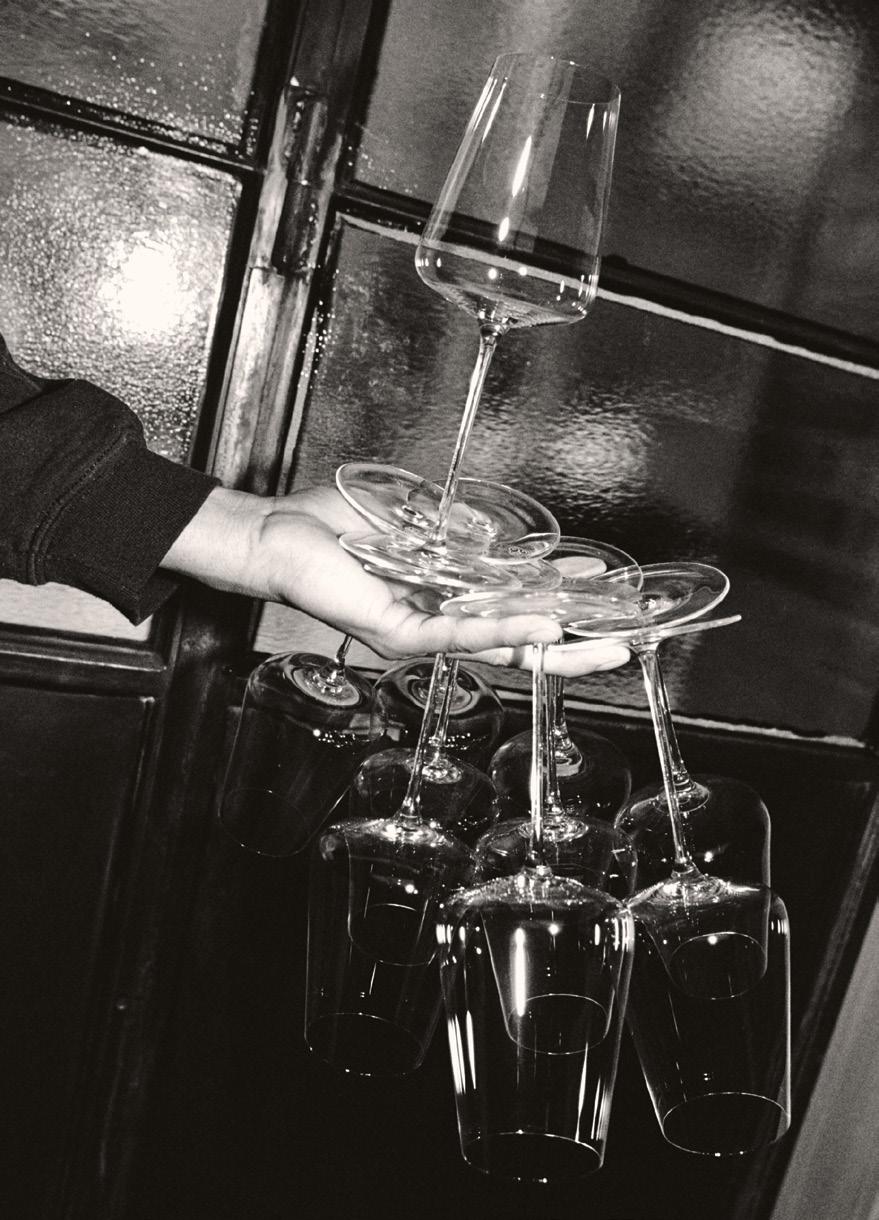
What is a wine bar? Is it a place with a deep list and a few snacks? A full-on restaurant where wine sets the tone? Is it inherently European, or can it be Japanese, American, or something entirely its own?
In 2026, a wine bar can function in all of these ways. Over the past decade in America, they were finding their footing: trendy, experimental, at times homogenous. Today, the wine bar is simply a style of restaurant with vast range and plenty of room for originality.
Take two of last year’s most compelling new openings in New York. There’s Lei, a Chinese-leaning wine bar from restaurateur and sommelier Annie Shi (King, Jupiter, Dean’s), where dishes like chilled celtuce with kombu jelly and hand-rolled noodles with cumin-laced lamb complement a global, Burgundy-loving list. And then there’s Stars, a 12-seat, U-shaped zinc bar from Chase Sinzer and Joshua Pinsky (Claud, Penny), where the wine is the main event: a gold mine list stacked with steals and splurgy bottles, supported by simple snacks like daily cheeses and deviled eggs.
The golden age of the wine bar is here. So there’s no better moment for a state of the union. We asked some of our favorite wine people one question: What is a wine bar?
Chase Sinzer , Owner, Stars (NY); If a restaurant is declarative (a steakhouse is a house of meat; a red sauce joint an ode to spaghetti and meatballs), wine bars are impressionistic. They are about people and wine. You're not there for a meal; you're there for moments. Wine bars should be all about the fun of drinking and being in good company. Reilly Cox , Director of Operations, Psychic Wines and Cafe Triste (LA); A wine bar, at its core, is a site of convivial drinking. Bottles open on tables, meant to be shared rather than atomized into flights for pseudo-elusive consumption. Those who do it best understand the harmony between wine and food, using simple, unstuffy dishes to nourish and line the stomach.
Christine Muhlke , Culinary Consultant and Co-Author of
Wine Simple (NY); In every country except ours, a wine bar is a casual, affordable, no-reservations space in which to discover natural wines, supported by a few delicious bites that may or may not require a full kitchen. In the U.S., a wine bar is a restaurant with an interesting, mostly natural wine list.
Tatiana Ettensberger , Owner & Wine Director, Wilde’s (LA); When it comes to wine bar vs. restaurant, the key distinction, to me, is intention. In a wine bar, the food exists to complement the wine; in a restaurant, the wine exists to complement the food. Of course, the best wine bars and restaurants are thoughtful with both components, but the difference is in what the list is built around.
Annie Shi , Owner, Lei (NY); To me, a wine bar means that the wine comes first—that you are not limiting your wine program because of the food menu, but rather you are building your food menu around the wine. That doesn't mean that the food is an afterthought, which I think is what trips people up about it. But the food is what flexes to the wine and is edited to taste great with the wine program, and not the other way around.
Randolph Moon , Owner, The Four Horsemen (NY); A restaurant is a place that can make a full commitment to the guest experience, which is why a restaurant offers table service and other touches that a wine bar doesn’t necessarily have an expectation to provide. That’s not to say wine bars can’t have food as spectacular as any restaurant, and the best wine bars are often more personal than restaurants ever manage to be.
Kae Whalen , Wine Director & General Manager, Little Fish (LA); A wine bar has to check a few specific boxes to qualify: 1.) wine 2.) served at least somewhere in the establishment at a bar or counter 3.) to people who didn't have to make a reservation to be there. It's a place where you can walk in, sidle up, and order a great glass or bottle from someone who (hopefully) has something to say about it if you ask.
Lindsay Tusk , Owner, Verjus (SF); A wine bar is a place that stays open late and doesn’t take itself too seriously. Where you can walk in without a reservation, and the host will always do their best to find a place for you to drink. Even if that place is a tiny corner where glasses are propped on a ledge. The food offered at a wine bar should be simple and meant for snacking, but robust enough that you can cobble together a meal if you’re hungry.
Luke Fortney , Food & Wine Reporter (NY); If it has wine and it has a bar, call it a wine bar. Unless it takes reservations (then it’s a winestaurant) or it sells beer on tap (then it’s pandering).
Their Favorite Wine Bars, World-Wide
Septime La Cave (Paris) – Chase Sinzer
40 Maltby Street (London) – Reilly Cox
Ved Stranden (Copenhagen) – Christine Muhlke
Ordinaire (Oakland) – Tatiana Ettensberger
Cantina Isola (Milan) – Annie Shi
Le Verre Volé (Paris) – Randolph Moon
Montezuma Café (Paris) – Kae Whalen
Les Enfants du Marché (Paris) – Lindsay Tusk
Horse With No Name (New York) – Luke Fortney
At Saga, the rising star claims New York’s most elevated kitchen as his own.
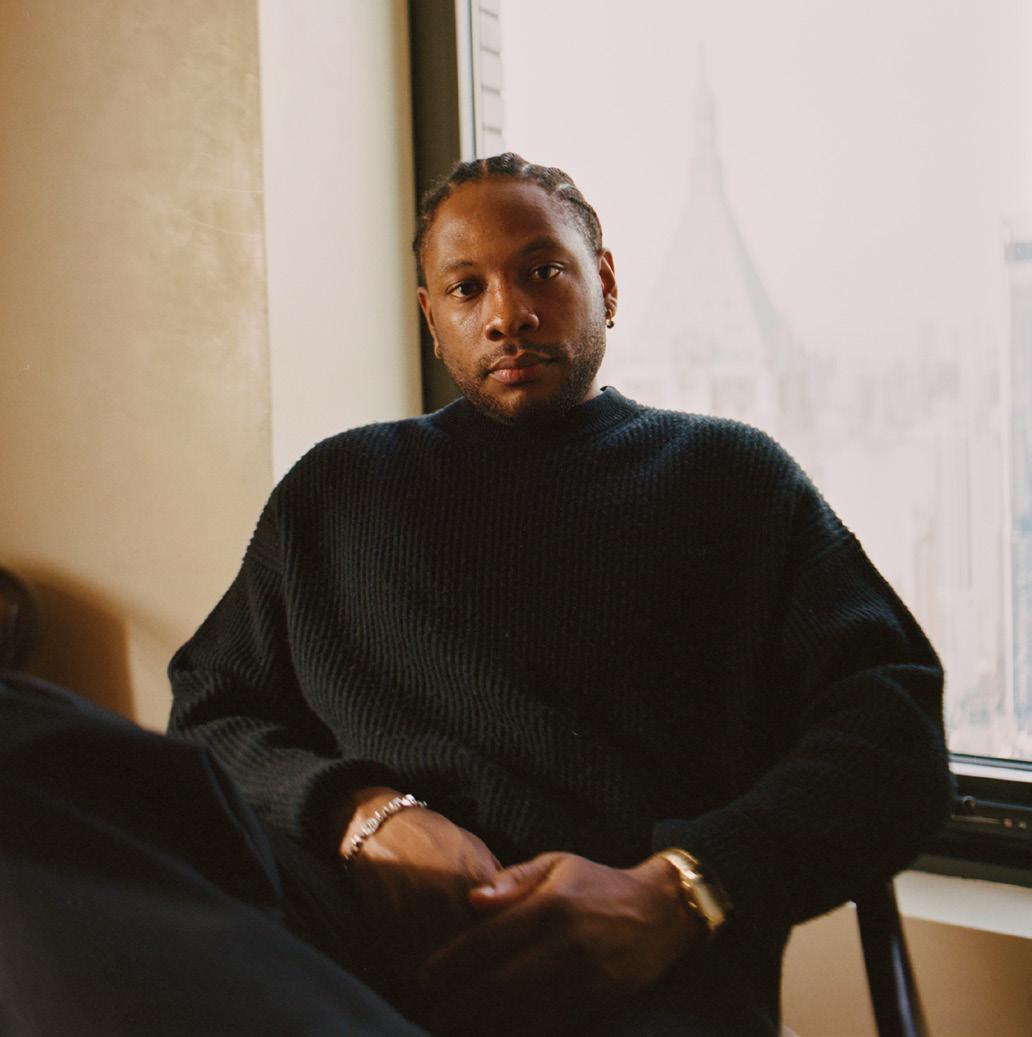
Meeting Charlie Mitchell requires jumping through a few wondrous hoops. First, an elevator ride up 63 floors in the Financial District’s iconic Art Deco tower, 70 Pine Street. Then, a pause on the terrace to take in the unobstructed view of the New York City skyline, flanked by the East River and the Brooklyn and Manhattan bridges. And finally, a walk through Mitchell’s dining room at Saga, where he’s executive chef—a soothing, grounding space defined by low ceilings, warm beige tones, and minimal flourish, despite its rarefied perch.
At just 33, Mitchell already holds a James Beard Award and has earned Michelin stars at two different restaurants: one at Clover Hill in Brooklyn Heights and now two at Saga. After a year spent stewarding the menu the restaurant’s founder, the late James Kent, left behind, he is now making his own mark on one of the city’s loftiest dining rooms, serving a tasting menu shaped by his Detroit upbringing, an obsession with hyper-seasonal ingredi-
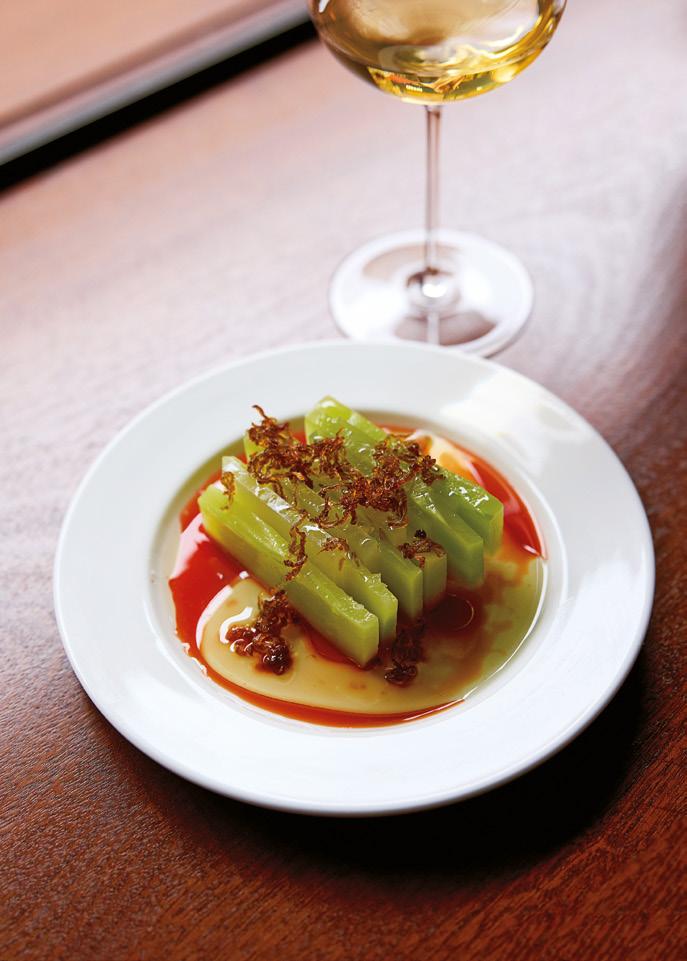
ents, and a knack for technical finesse. He also oversees the snack menu at Overstory—the award-winning cocktail bar one floor above Saga—where bites like smoked eel croquettes and uni French toast anchor the experience. We caught up with Mitchell six months into the overhaul to talk about how it’s going, what he’s excited about this spring, and where he goes to feel like a guest.
How does it feel to be cooking your own cuisine on the very dramatic stage that is Saga?
I just feel lucky, to be honest. Cooking on this platform felt intimidating at first. The restaurant is literally raised above the city, and I felt like I couldn’t fuck up, I had to make sure the food was on par. But after I got through those nerves, I was just like, ‘Wow, this is pretty special.’ As we were reconcepting the restaurant, I spent a lot of time thinking about how I wanted to show my point of view in the food and show my personality, but at the same time, I knew it really had to match the space. It’s March. What seasonal produce are you excited to see at the market?
March is maybe a little early, depending on the weather here, but I'm always most excited about spring because I get to cook with mainly vegetables. Some local to here, but also a lot of special luxury vegetables from around the world. White asparagus, fava beans, peas, stinging nettles.
What are the three ingredients you lean on most heavily in your kitchen at Saga?
I put a scallop on almost every single menu. Spice is very important to me,
especially in fine dining, where it’s a very underrepresented flavor profile, since you cook with a lot of restraint. And then this is a more cheffy answer, but when it comes to making sauces, we’ve gotten into a big habit of merging meat proteins to get a certain flavor. Our venison sauce currently has venison, chicken stock, beef, and bacon. We use all those proteins to build a nice, strong sauce. I like naturally thickened sauces because they have more protein, collagen, and fat, and also natural umami. Wales Bonner made a chef’s coat for you. Is that what you wear in the kitchen?
No, it’s too precious (laughs). I was a really big fan of Grace Wales Bonner’s work, and I thought it’d be cool to get a custom one-of-one chef’s jacket. I thought I would wear it here a lot, but I like dressing like my team; we all wear the same thing, which makes us feel like a team. The Wales Bonner coat is connected to the moment I took over the restaurant, so I put it on a pedestal. You serve a tasting menu here, and you've cooked primarily in fine dining restaurants. How do you like to cook at home when you have the time? I like it to be as quick and as straight to the point as possible. I’m a really chill home cook. The first thing I do is use my rice cooker. I try to cook fast and light, so it's usually something like rice, a protein, some simple sautéed veg, and a condiment. I'm always making a quick salsa verde or a quick chimichurri, something that's very herbaceous but very fast.
Where do you like to eat out on your nights off?
I go out a lot. I think it’s important in hospitality to feel like a guest when you’re in the position of providing for other guests. The places I’ve been dining at most frequently are La Tête d'Or, a steakhouse, Crane Club in Chelsea, The Nines for drinks in SoHo, and Clemente Bar [inside Eleven Madison Park]. Also, fast halal food. There are a couple of good carts down here. As a New Yorker, I’m halal over pizza all day.
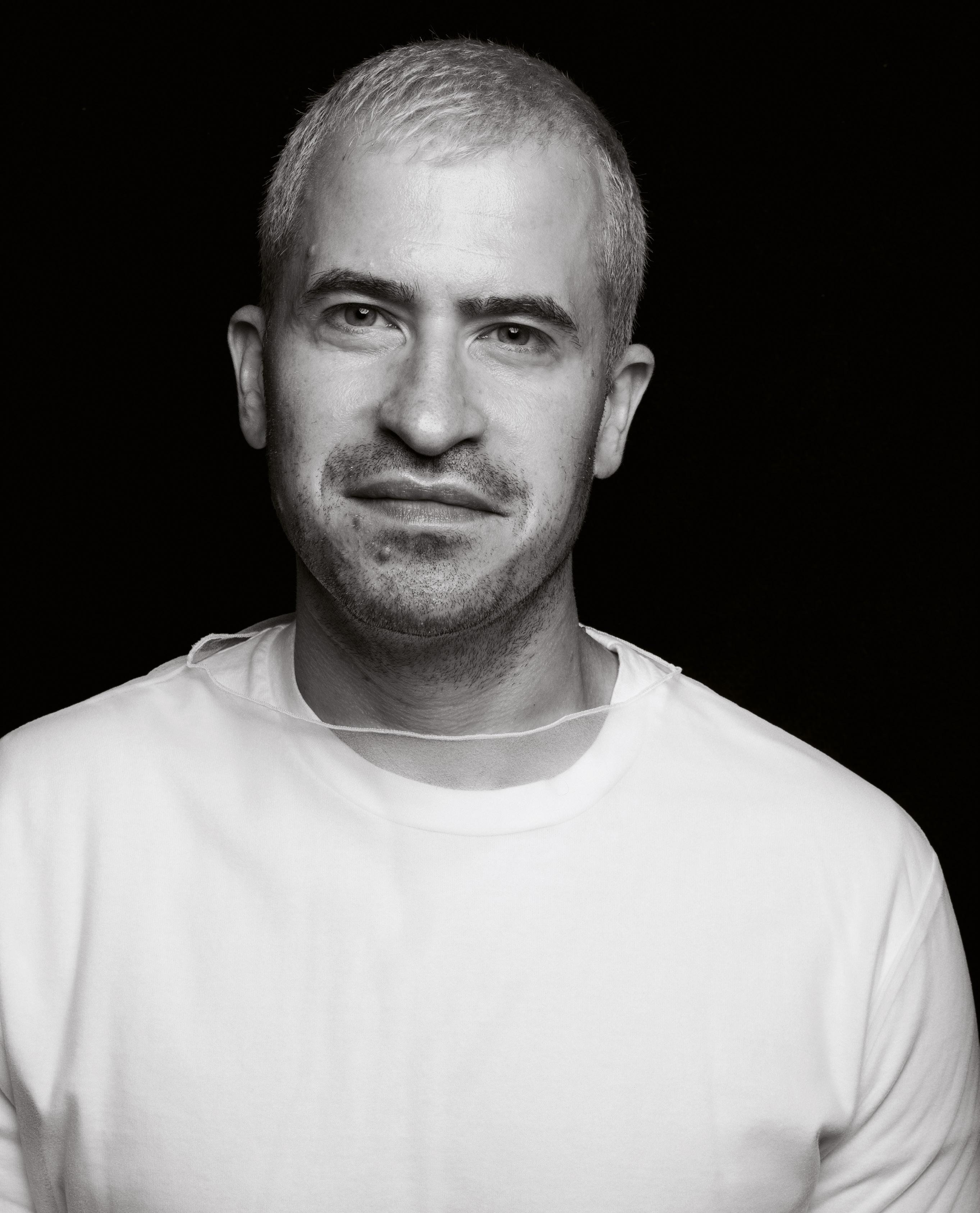
In the age of fandom, feeds, and feeling, Evan Ross Katz occupies a role once held by critics like Roger Ebert — translating taste for a mass digital audience.
Evan Ross Katz pays attention for a living. Rooted in traditional editorial and fluent in the language of fandom, the writer and commentator has built a following across podcasts, newsletters, and social media by slowing the conversation down — favoring second viewings, longer exchanges, and close reading over instant reaction. In an era defined by immediacy, he occupies a rare role: the memer with discernment, the critic with empathy, and, increasingly, your favorite celebrity’s favorite fan.
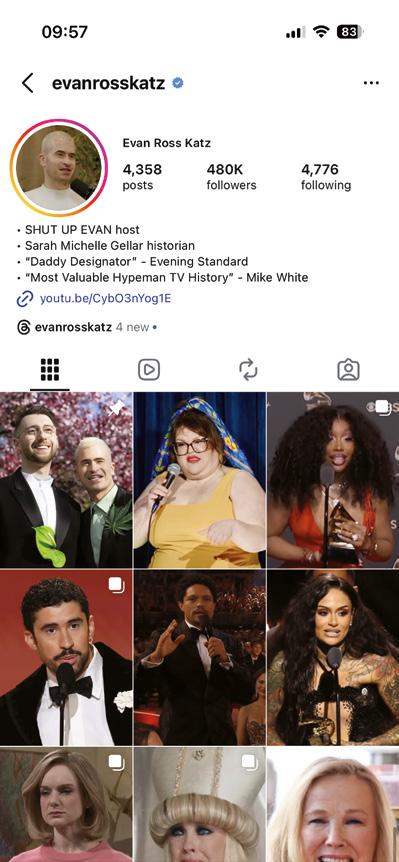

ICON: You started in traditional editorial before building a massive audience online. How did that foundation shape the way you talk about television and celebrity today?
Evan Ross Katz: Having that foundation was enormously helpful. I came up within strict editorial standards — my work was factchecked, edited, and given a qualitative pass. Those standards became the bedrock of how I approach storytelling, and I still apply them today, whether I’m doing independent journalism or posting on social media.
You’ve been dubbed everything from “TV’s most valuable hype man” by Mike White to “pop culture chronicler.” Which label actually feels closest to the job you think you’re doing?
I try not to spend much time thinking about labels and instead focus on doing the work. People find me through different entry points — certain fandoms know me as the “Heated Rivalry” or “The White Lotus” guy — and I’m comfortable with that. My hope is simply that whatever brings someone in makes them want to stick around.
the actor in the world they’ve built. In an era of constant “hot takes,” how do you protect nuance without losing momentum?
I input more than I output. When I like something, I want to consume as much around it as possible. I’m not someone who watches something and forms an immediate opinion. If I do have a strong reaction, I actually enjoy having that perspective challenged right away. I find the conversation around a thing as vital as the thing. Social media has turned fandom into a participatory sport. When does fandom deepen culture—and when does it begin to distort it?
I’m a child of fandom. I think that matters because I discovered fandom before the internet. When I was younger, you had to work to be a fan. That said, fandom has also helped many people feel less alone or better understand themselves, including their sexuality. I think fandom can be both good and bad for culture — it depends on the person, the fandom, and the depth of engagement.
As a gay commentator, you often spotlight queer subtext and coded performances. Do you think mainstream criticism still underestimates how queer audiences read culture?
I think it depends on where you look. Many people, myself included, want to see these stories on larger stages. What’s exciting about “Heated Rivalry” is watching something built for a smaller audience achieve mainstream recognition and shape what gets greenlit next. Mainstream media matters, especially for passive fans. You’re trusted by audiences and embraced by Hollywood. Has access ever softened your criticism?
Evan reminds me of Mae West mixed with Addison Dewitt and a little bit of Warhol or Capote. He is the ultimate taste arbiter but then he also genuinely is deeply versed in the languages of film and fashion. He’s truly one of a kind. - Jennifer Coolidge
I would be lying if I said access hasn’t changed the way I talk about things. It does change things — but less in terms of compromise and more in terms of approach. If I don’t like something, I’m never going to pretend that I do. Now, I try to lead with enthusiasm as my guidepost. I’m more discerning about what I engage with so I’m not in a compromised position.
You have a gift for spotting performances that capture the cultural zeitgeist. What do you look for that tells you something will linger rather than disappear in the scroll? It is instinctual. When something stays with me beyond the initial viewing, when I want to watch it again, that’s usually the sign. On a second watch, I notice different nuances. Ultimately, it comes down to whether I want to stay with
Your audience often treats you as both critic and confidant. Do you think parasocial relationships are changing how criticism functions?
Absolutely. I have people in my DMs with whom I’ve had incredibly in-depth conversations. The only time it veers into a negative place is when people can’t recognize the boundaries of parasociality. It’s the Wild West! There’s no rubric for how a parasocial relationship is supposed to function.
We’re all familiar with “main character energy.” The question is, what is he wearing?
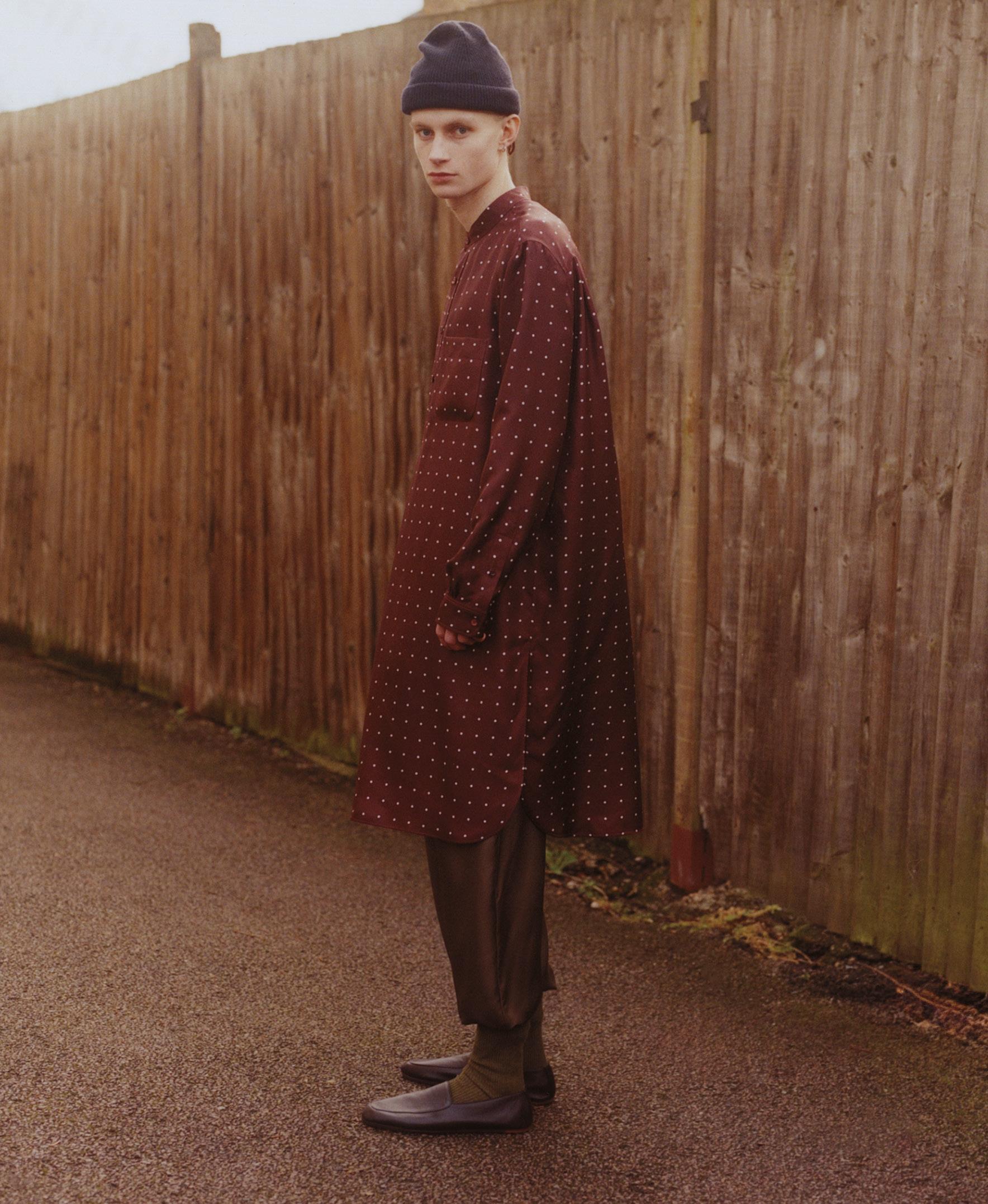
Nostalgic yet defiant, this look blurs art-school eccentricity with timeless cool.
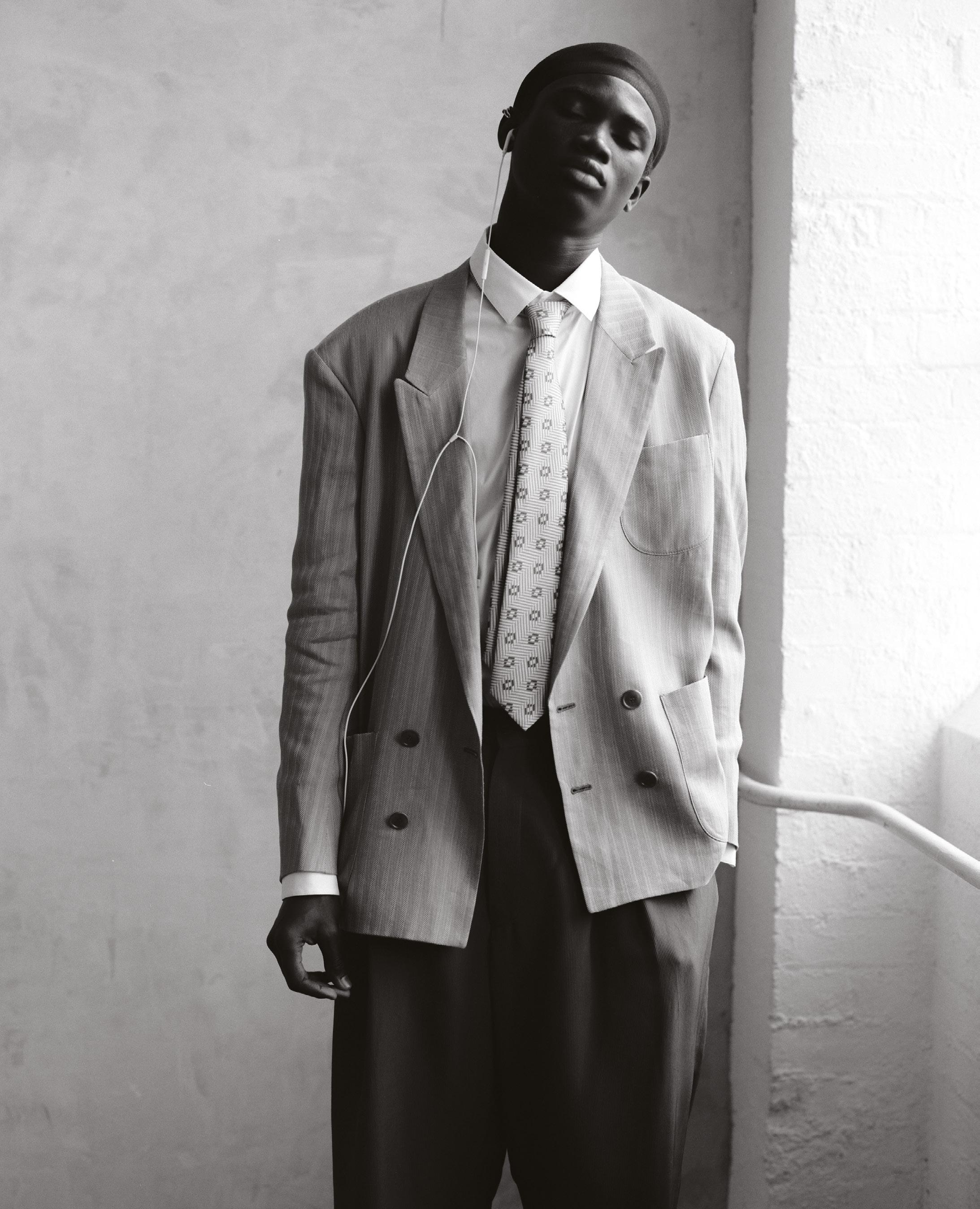
Tailored sharpness meets relentless momentum in a character who never clocks out.
Dark, tactile, and unapologetically magnetic, this is after-hours dressing with a dangerous edge.
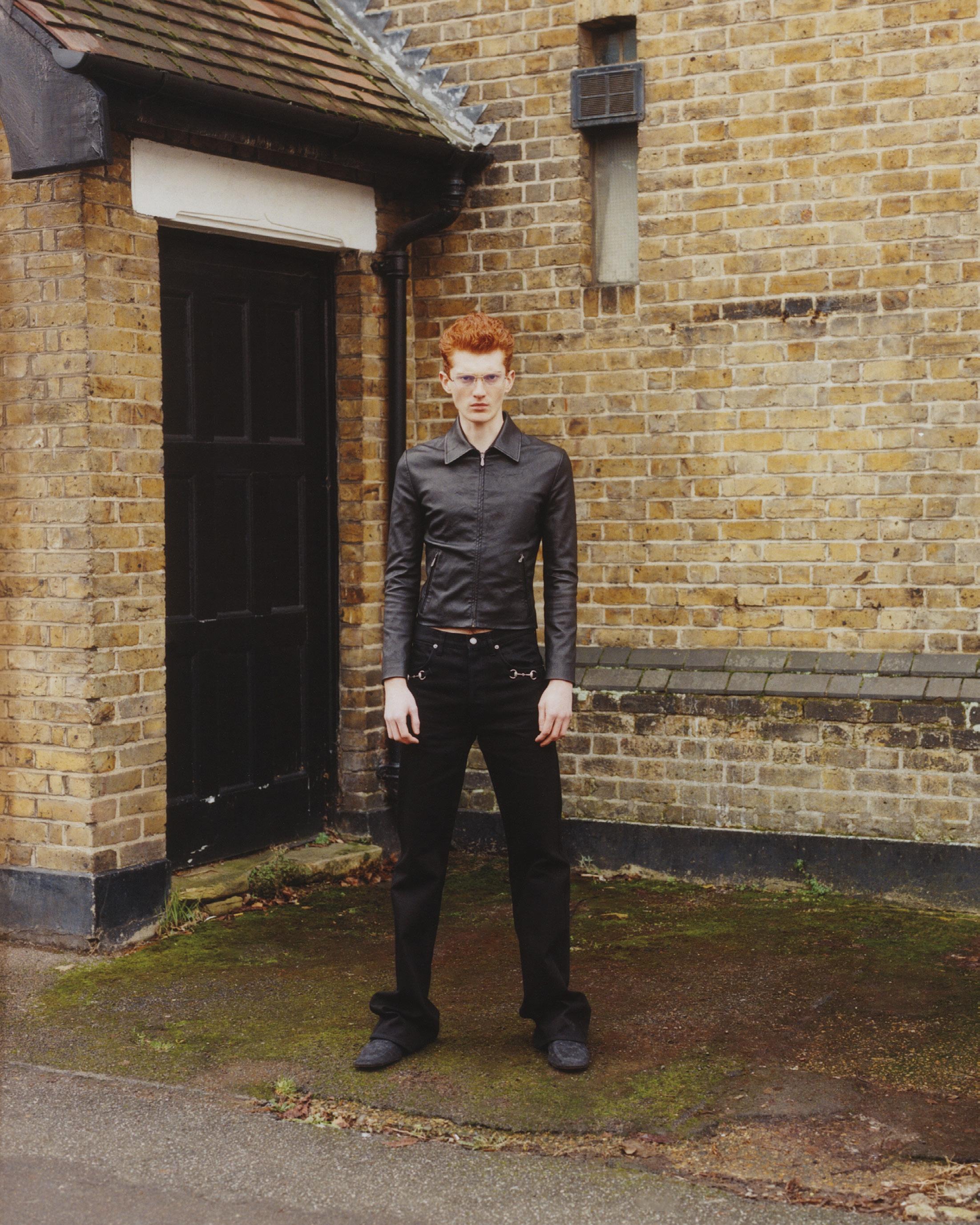
Once theatrical, now refined, he tempers emotion with structure and a sharp silhouette.
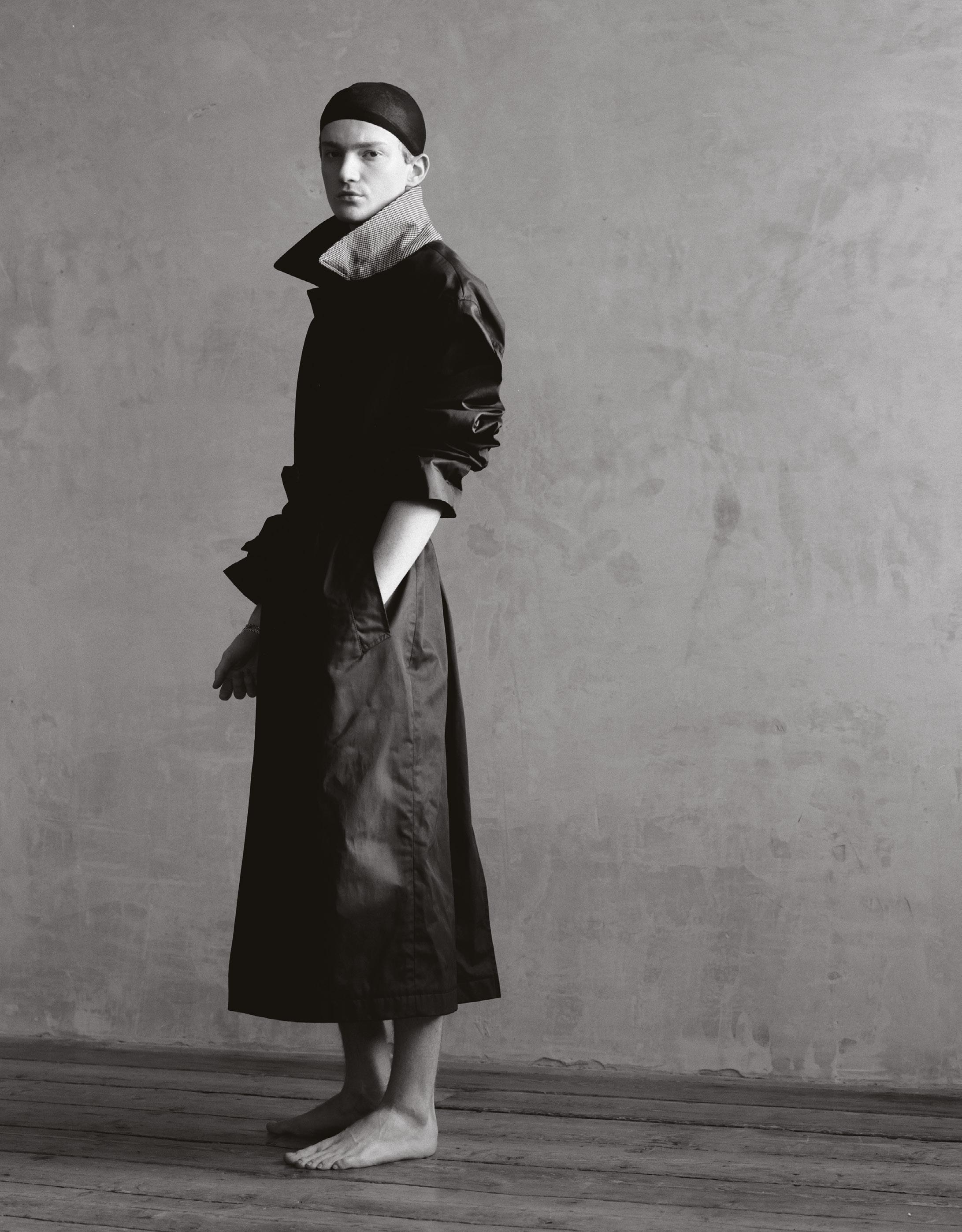
A composed rebellion: refinement charged with rock-and-roll tension.
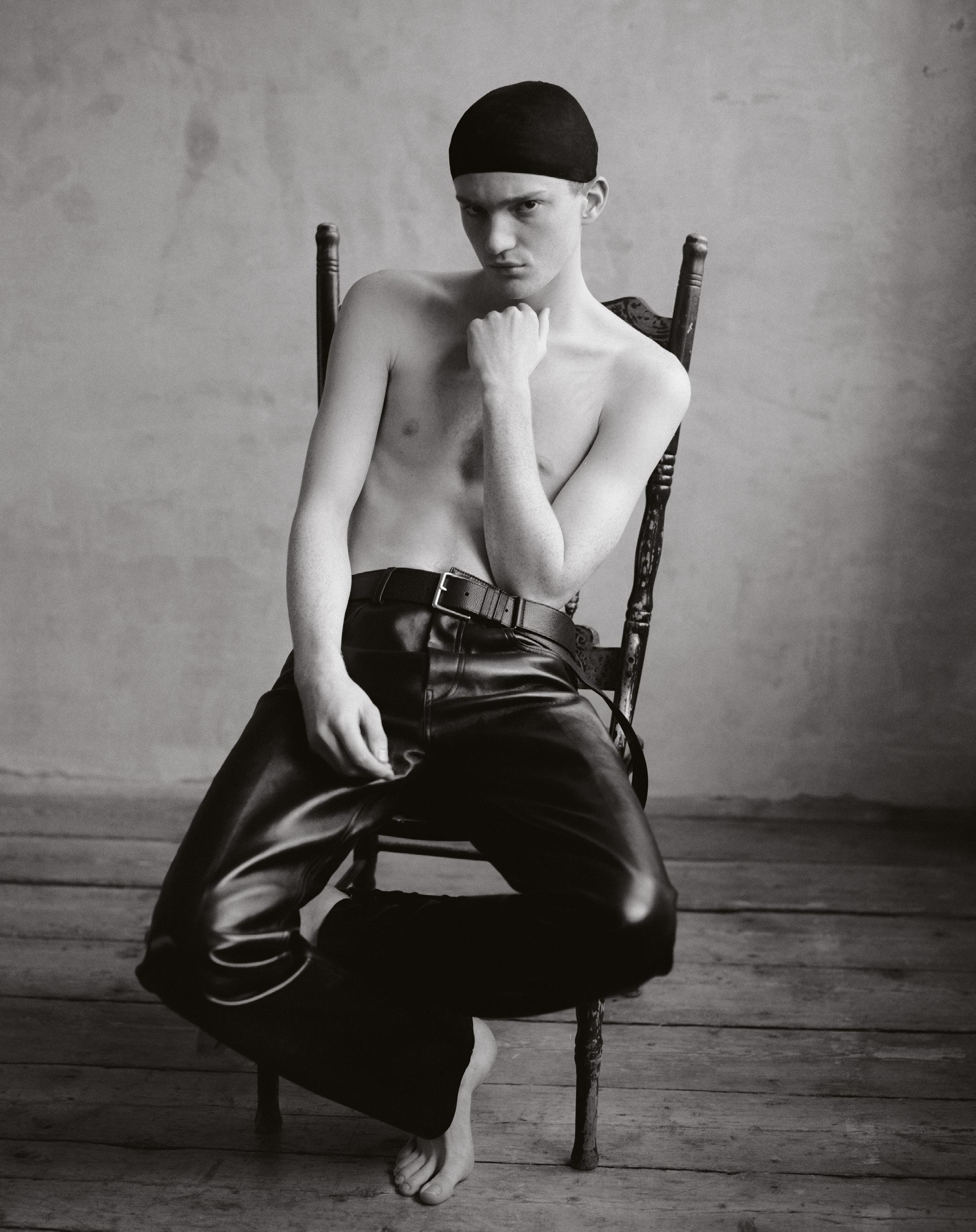
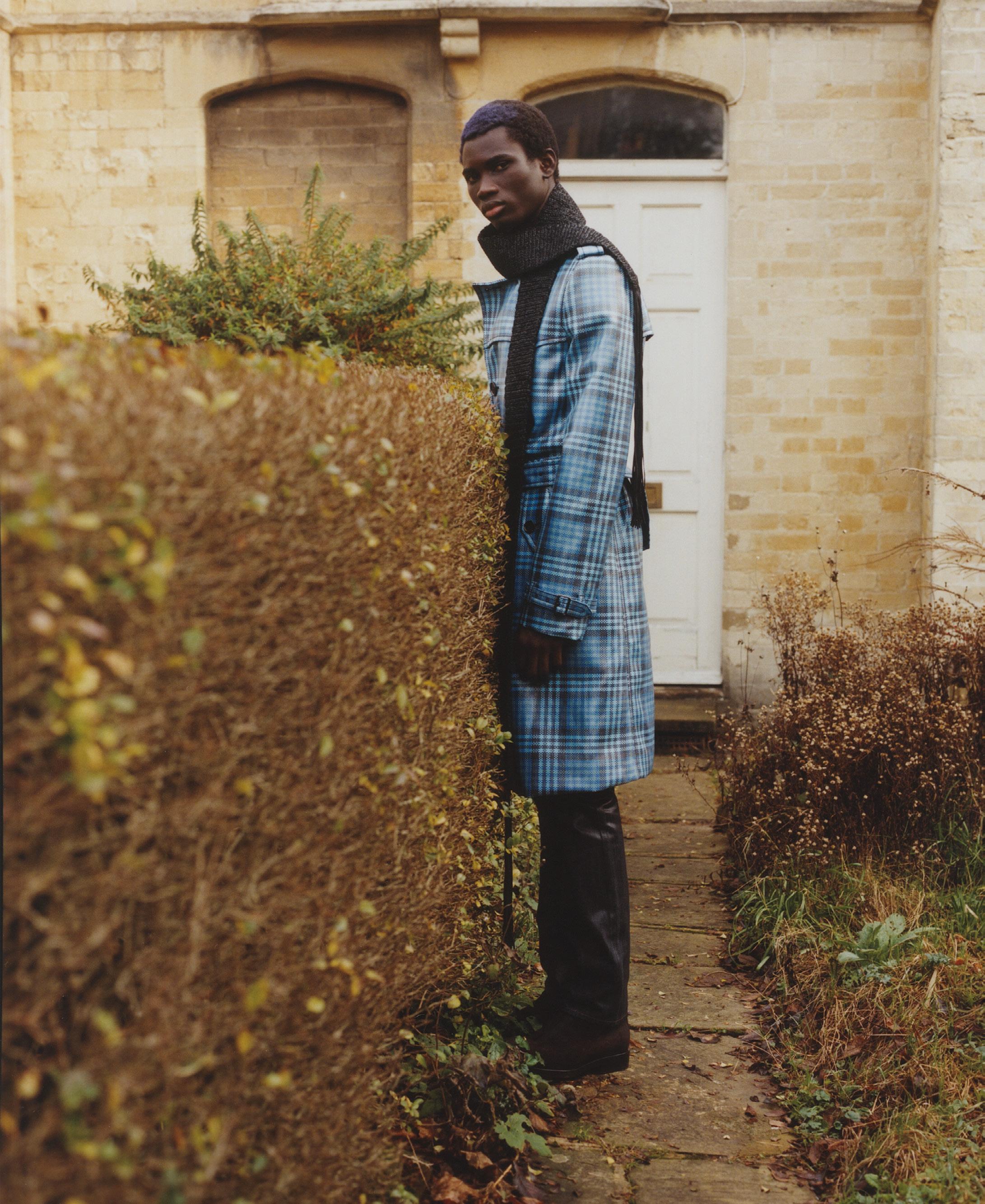
He’s messy, he’s nostalgic, and just a tad bit feral, channeling Camden nights in the early aughts.
An elegant dreamer’s wardrobe: practical, poetic, and purposefully worn-in.
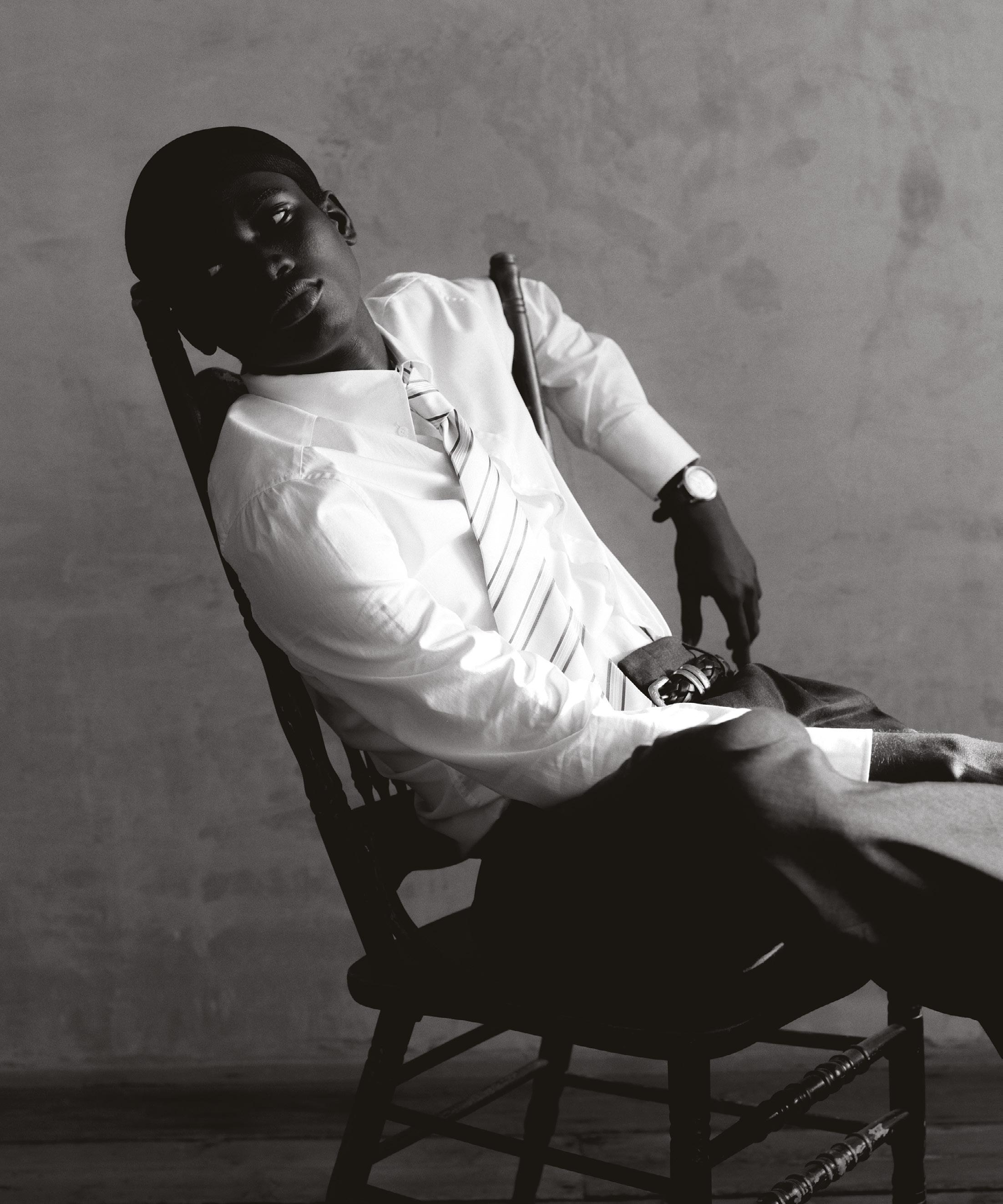
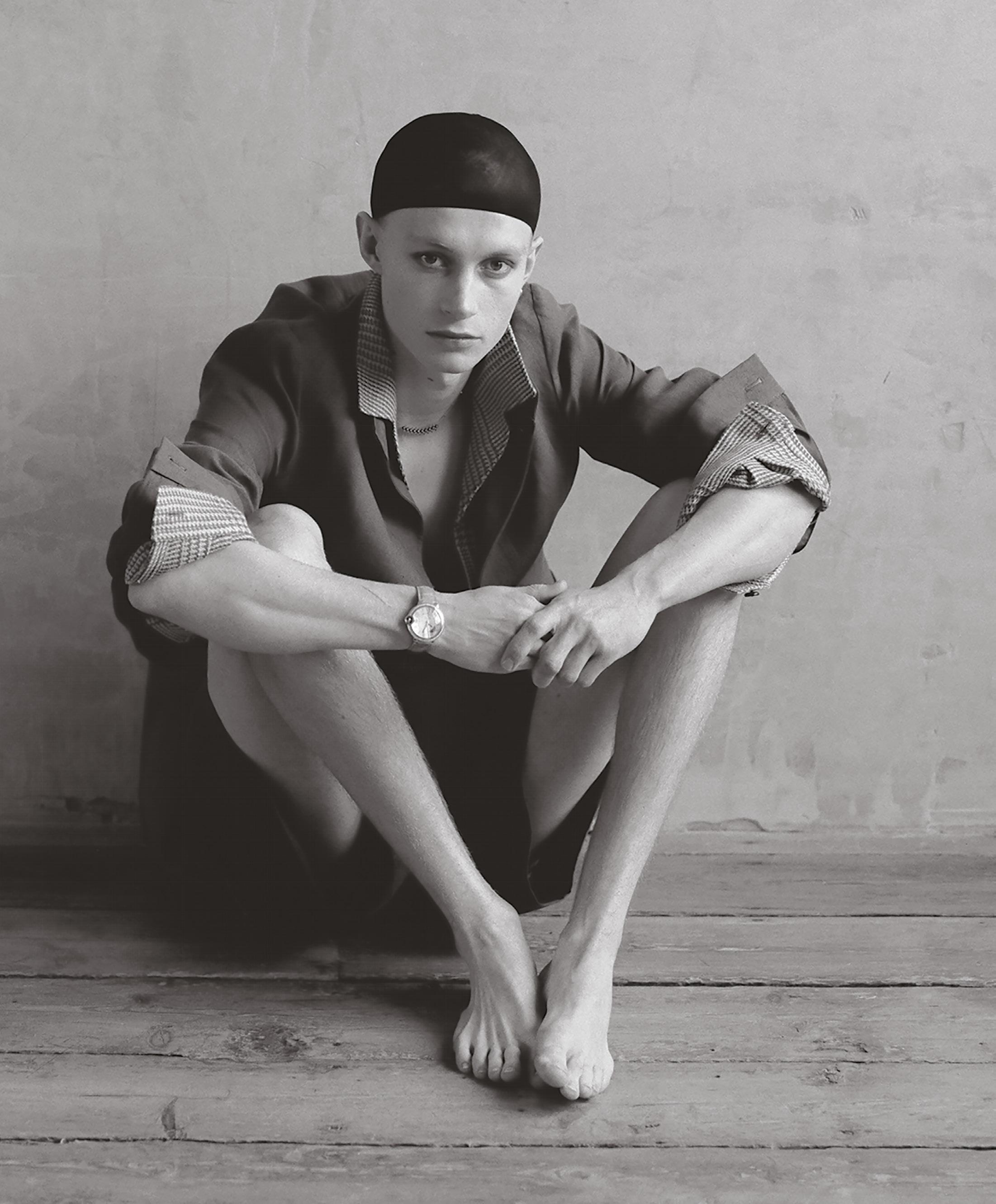
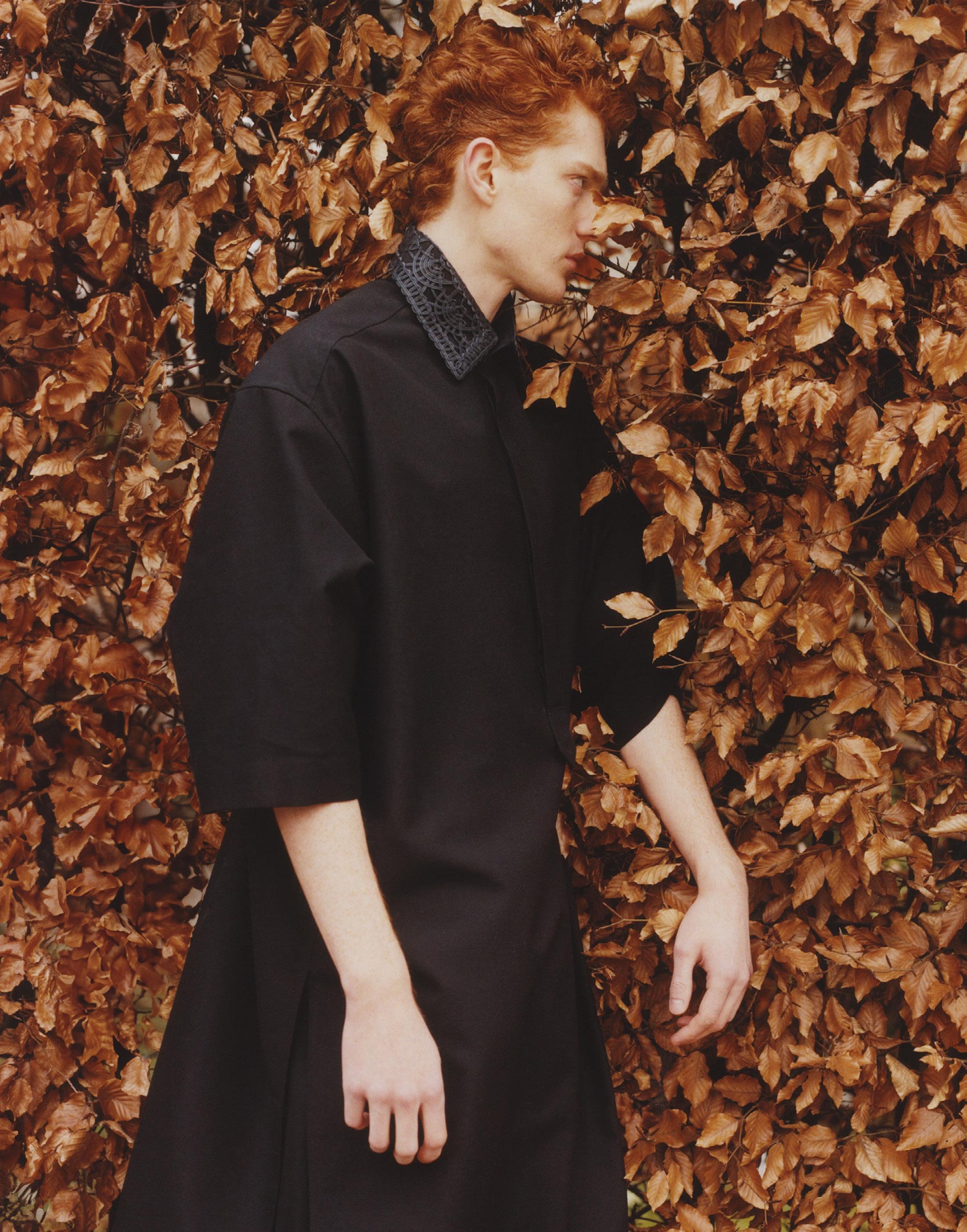
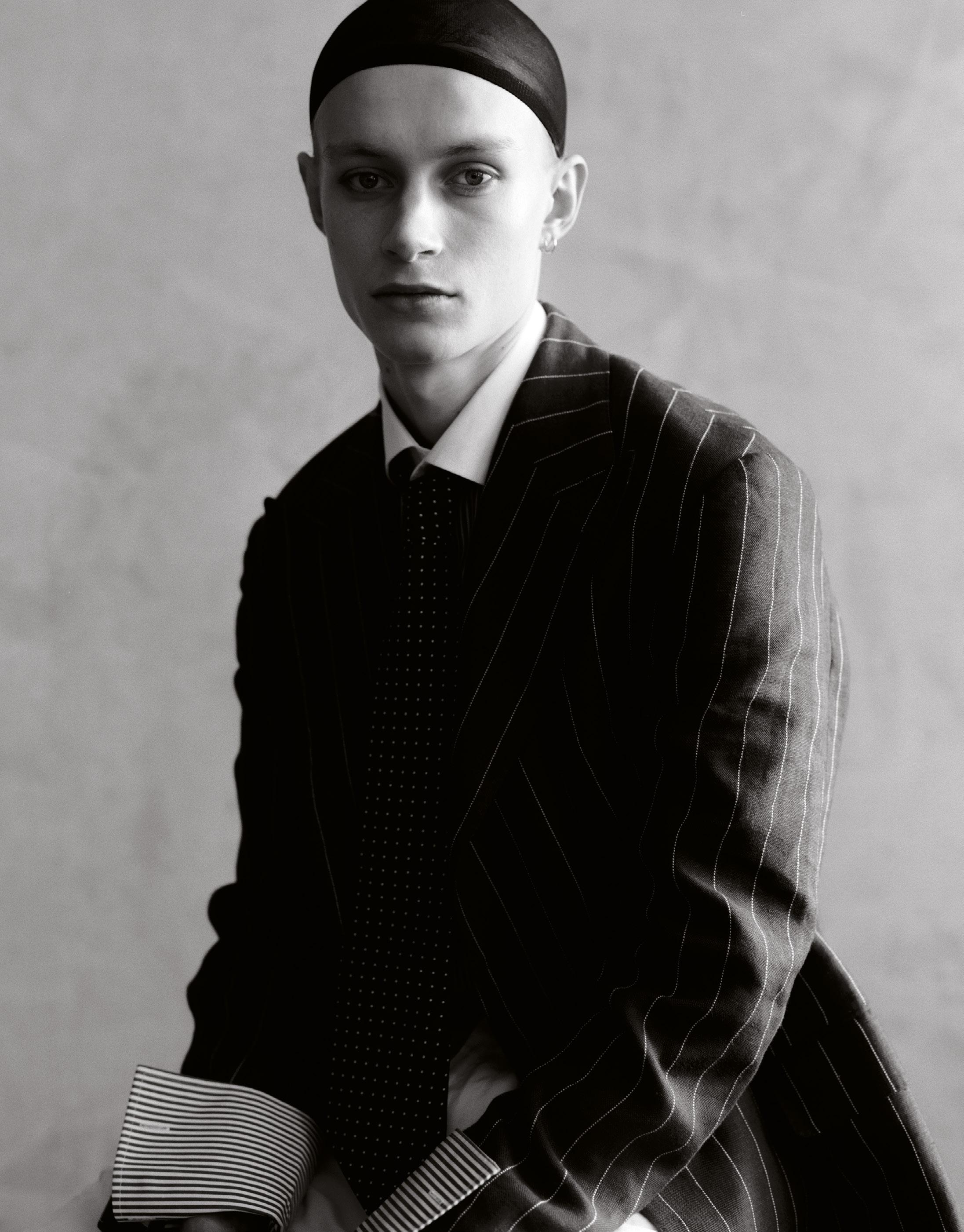
Polished, preppy, and fearless, this is old-school Americana at its most aspirational.
Inherited elegance meets studied nonchalance where privilege dresses down without losing its shine.
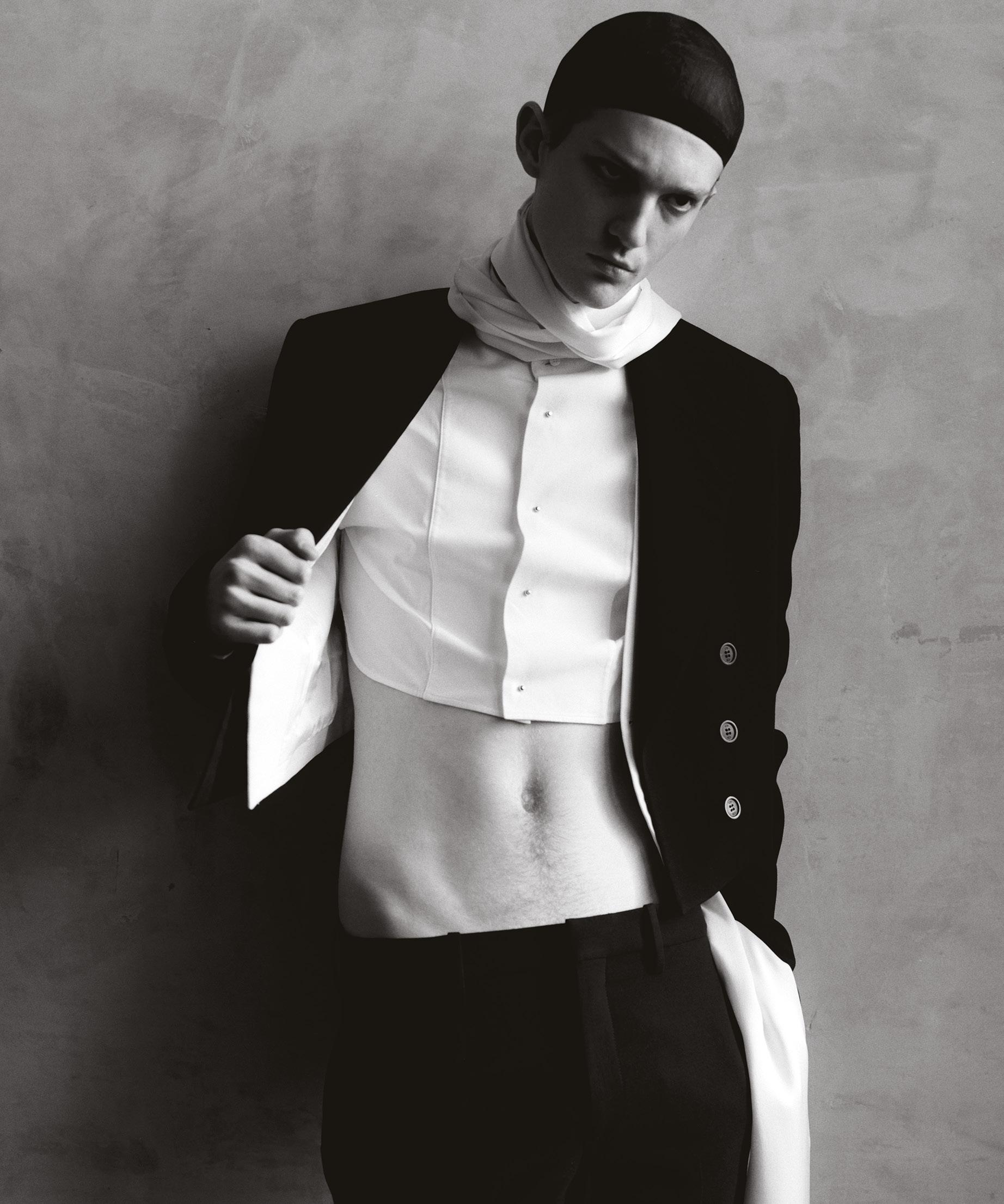
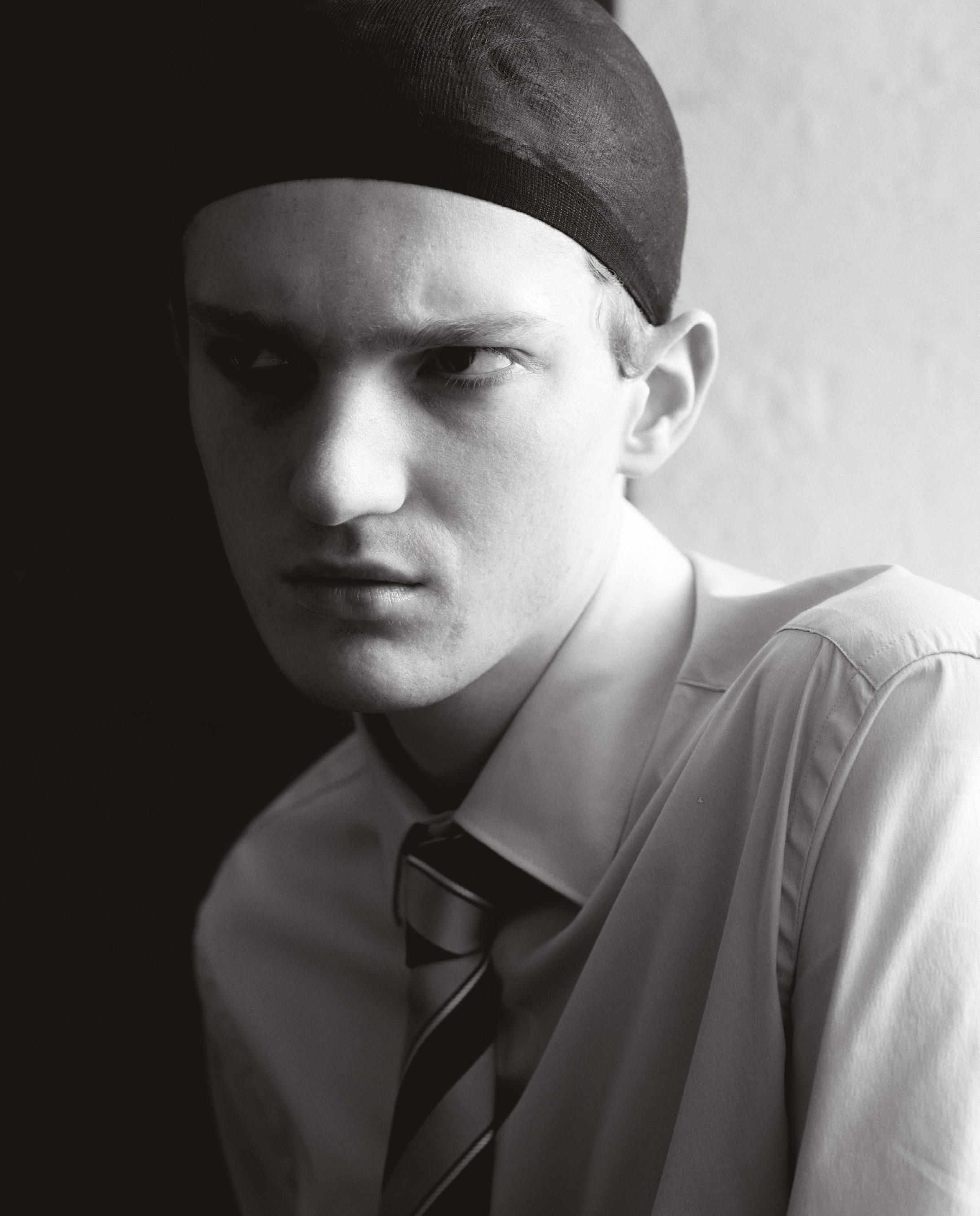
Where refinement meets curiosity, tailoring loosens up for a life challenging the status quo.
Sunscreen. It’s not a sexy subject— but if you care about your skin, it’s the number one thing you should have in your regimen.
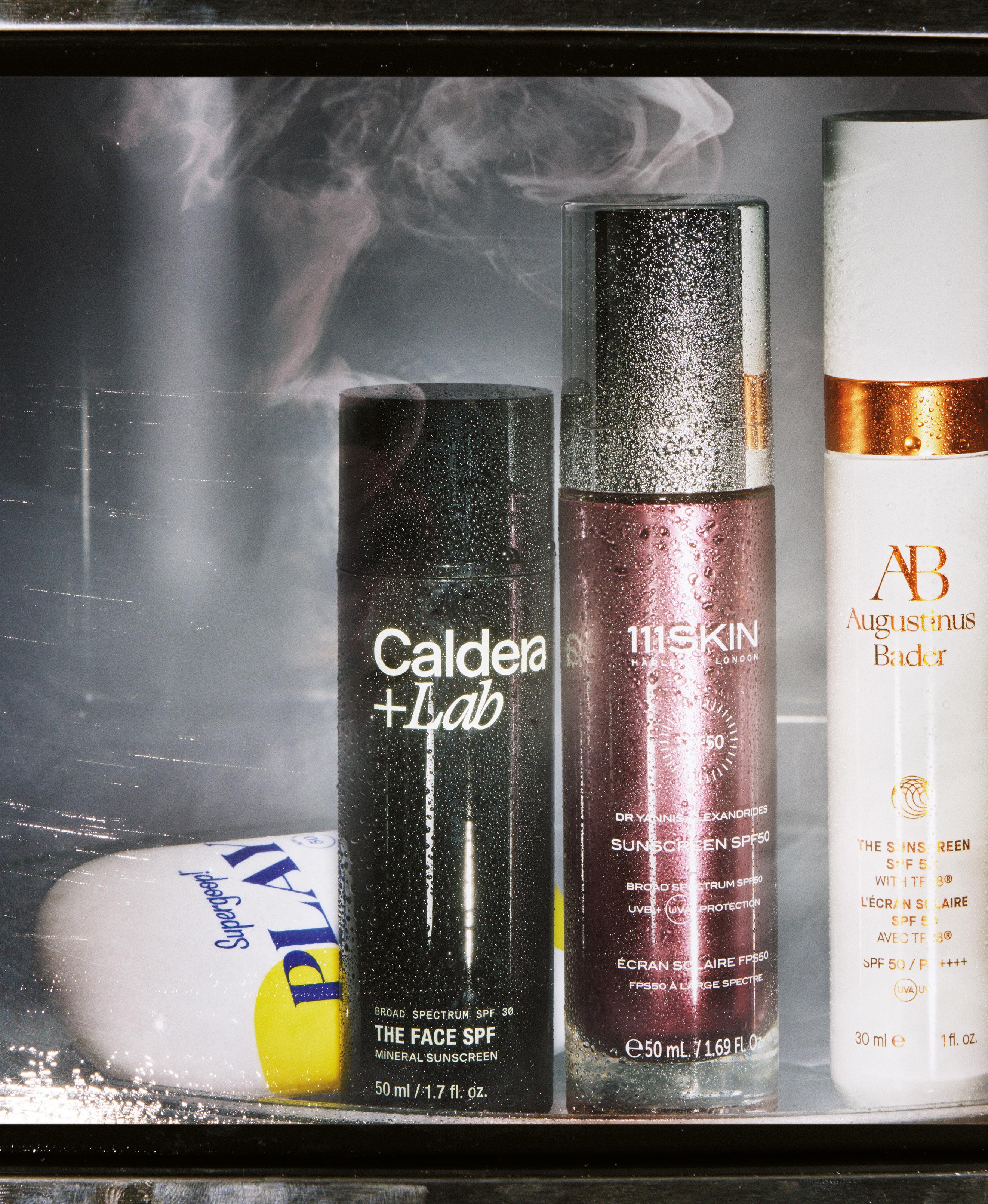
FROM LEFT:
SUPERGOOP Play Every Day
Sunscreen Stick, $22, supergoop.com
CALDERA + LAB The Face SPF, $40, calderalab.com
111 SKIN Repair Sunscreeen SPF 50, $145, 111skin.com
AUGUSTINUS BADER
Sunscreen SPF 50, $145, augustinusbader.com
LIGHTSAVER Mineral
Sunscreen SPF 33, $45, www.lightsaverskin.com

Tell the truth: are you using sunscreen every day? Most men aren’t, so we won’t judge. But if you want to get ahead of aging—and yes, prevent skin cancer— it’s more important to apply SPF regularly than to rely on a peptide-packed moisturizer or eye cream. Nearly 90 percent of visible skin aging—leathery texture, dark spots, wrinkles—is caused by cumulative UV damage. You’re exposed while driving, playing sports, or going to the beach—but also just crossing the street or sitting near a window.
“Daily SPF is one of the most effective steps anyone can take for long-term skin health,” says Dr. David Kim, MD, a Stanford-trained dermatologist and founder of sun care brand Lightsaver. “Sunscreen isn’t just about preventing sunburn—it's the single most powerful anti-aging product available, and it protects against skin cancer, uneven pigmentation, and collagen breakdown.” Men often avoid sunscreen due to the misconception that it’s greasy or breakout-causing. The good news: modern formulas are lightweight and blend easily, whether from prestige brands like Augustinus Bader or affordable drugstore options. They also come in countless formats— from creams to sprays to solid sticks.
As for SPF numbers, higher is better, but never go below 30. “For everyday routines—commuting, working indoors, running errands—choose a lightweight SPF 30 or higher,” says Kim. “For outdoor sports or extended sun exposure, look for water-resistant formulas with SPF 50+, and reapply every two hours.” Don’t skimp. “Use about a nickel-sized amount for the face, plus more for the neck and ears.”
Mineral or chemical? Both work. Mineral formulas are gentle but may leave a white cast; chemical sunscreens feel lighter but need 15 minutes to activate. In the end, says Kim, “The best sunscreen is the one you’ll actually use.”
Some say it’s time to ditch woody, boozy fragrances when spring arrives. We believe there are no rules. Whether you feel like being a renegade who turns the oud up to 11 or exploring your feminine side with a whiff of violet, there is a new spray to suit every mood. Just follow your nose. These scents are set to be the icons of the season.
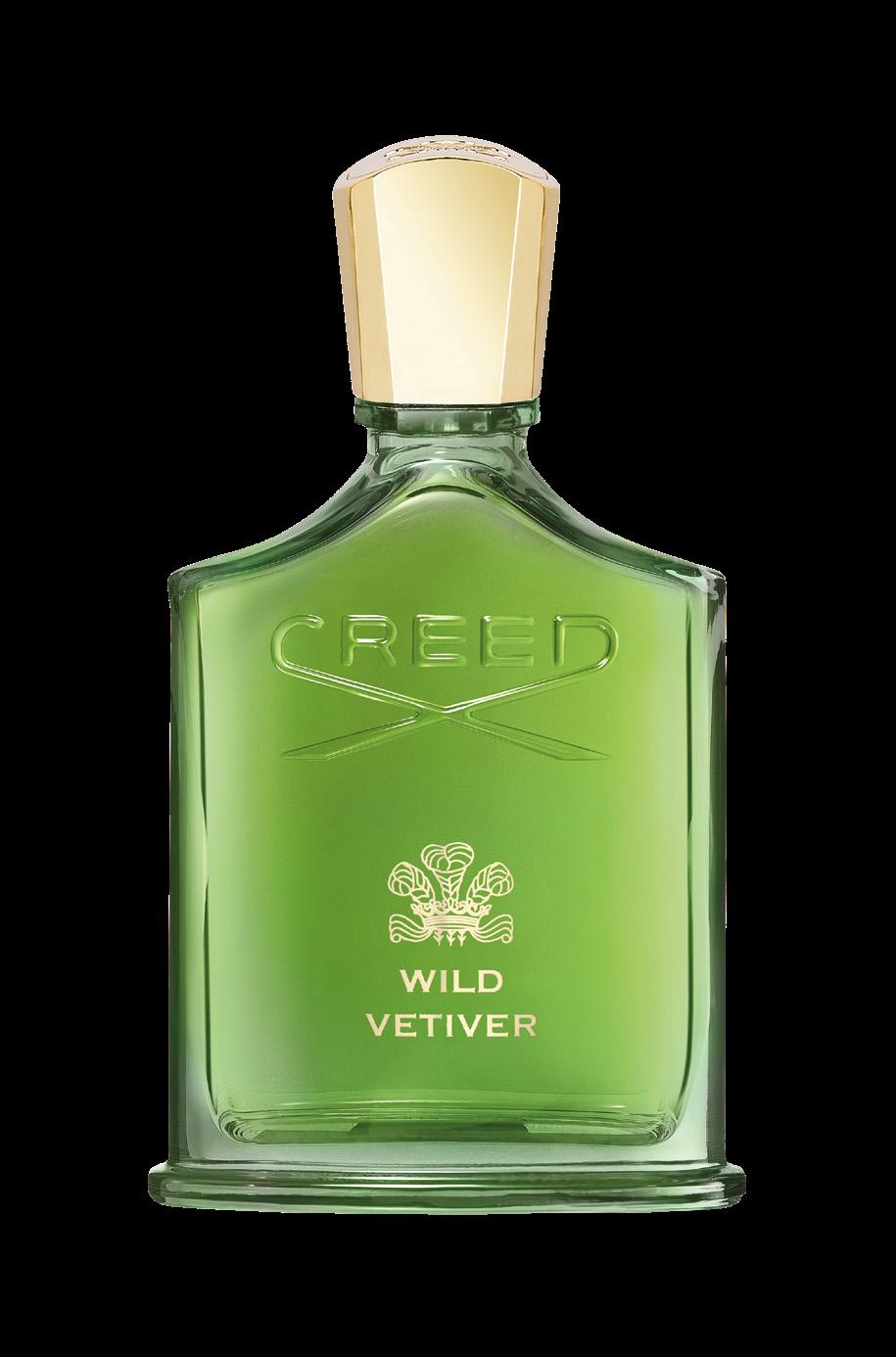
Aventus is always a solid choice—but maybe it’s time for an alternative?
Creed’s new scent, in which spicy pink pepper, fruity blackcurrant, and rose brighten the green grassiness of vetiver, was inspired by the idea of a perfect English garden party (where absolutely no one is wearing athleisure). It emanates exactly the kind of fresh, crisp elegance you would expect from a heritage brand with centuries of royal patronage. $380, creedboutique.com

Penhaligon’s Potions & Remedies collection is all about tapping into the power of scent to shift your state of mind. The apothecary-inspired bottles hearken back to the British heritage brand’s history as a purveyor of elixirs to well-to-do gents of the last century (Churchill, for one), but the fragrances smell modern and refreshingly quirky. The tagline for Bold Blend, which unites invigorating peppermint with brain-fog-busting sage and grounding palo santo, is “Shed the Shy.” Perfect for your next high-stakes presentation or first date. $295, penhaligons.com

Heretic is a niche brand with a penchant for theatrics and iconoclasm. Perfumer Douglas Little uses all-natural ingredients to concoct scents that wear more like talismanic elixirs than traditional fragrances, and Haxan (the Swedish word meaning “witch”) is no different. Here, notes of fossilized amber resin, sweet osmanthus flower, and damp forest-floor oakmoss weave a heady, beast-mode spell that stays potent on skin for hours. $125, hereticparfum.com
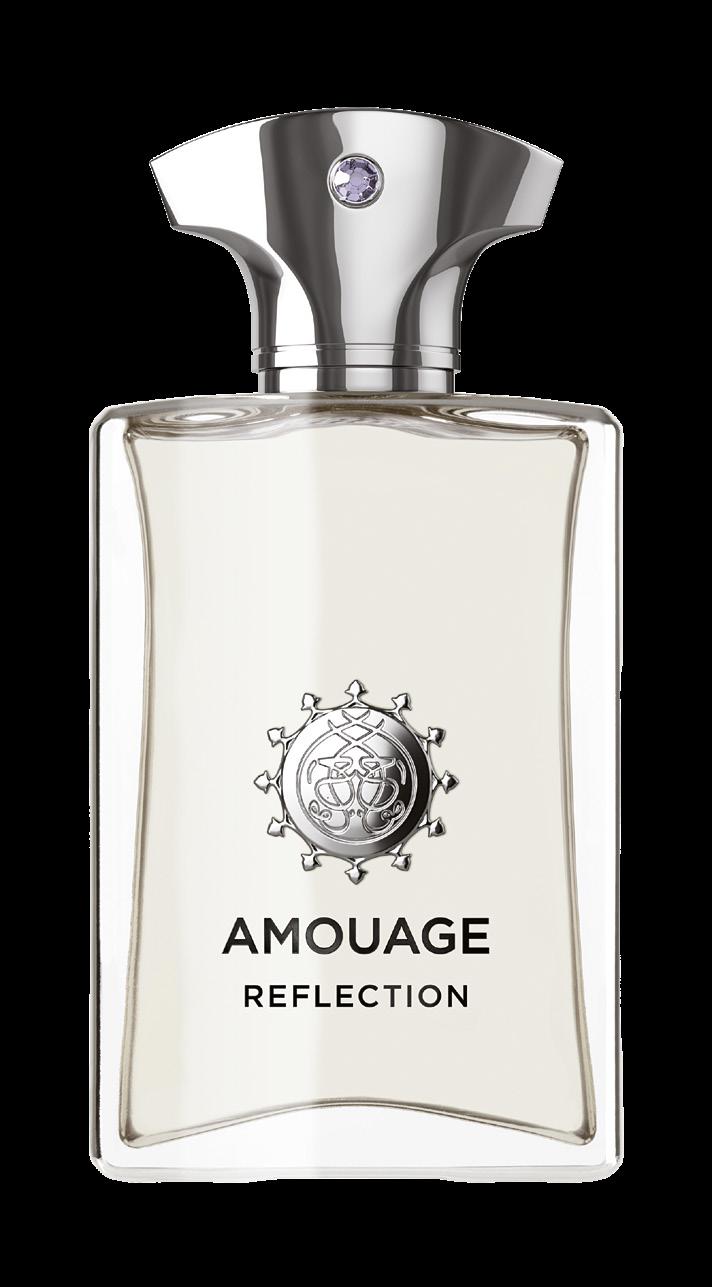
Wear any scent from Amouage, an Omani luxury fragrance house that emphasizes high-quality, wildly expensive ingredients, and you’ll smell like money. Reflection Man, one of the brand’s most iconic fragrances, is a case in point: simultaneously fresh and woody, with herbaceous opening notes of rosemary and pink pepper, a flash of bright florals in the middle, and a super-suave finish of creamy sandalwood, vetiver, and patchouli, it tells the world you’re someone who knows your own value. $395, amouage.com
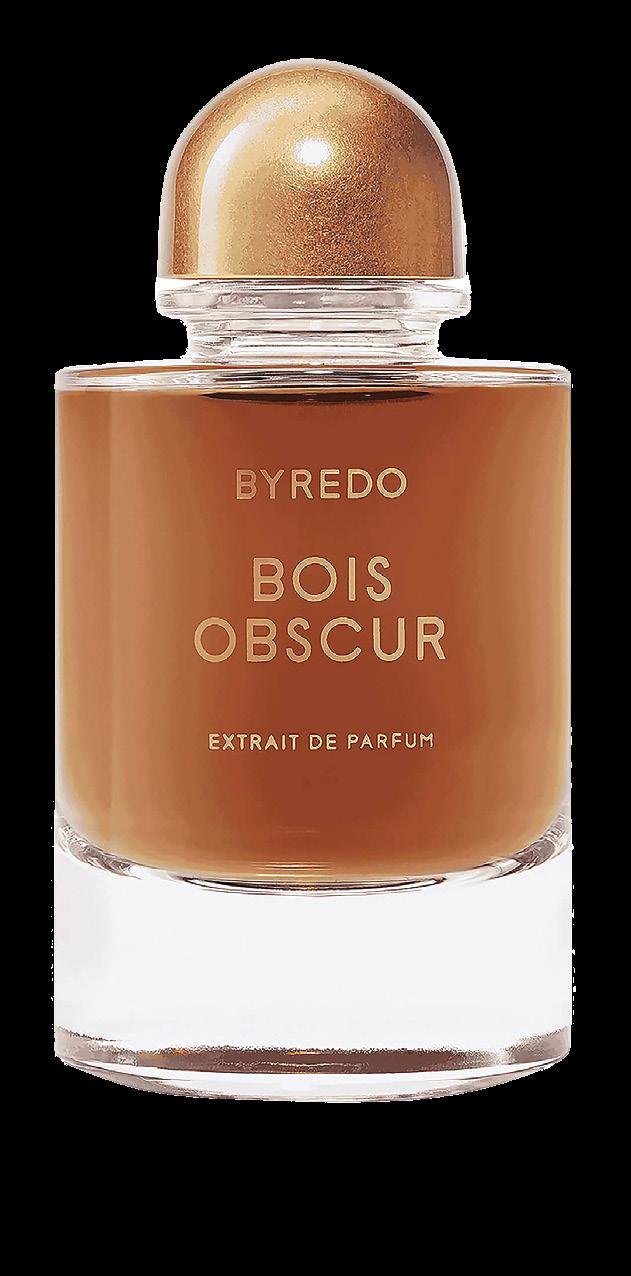
Byredo’s latest extract-strength fragrance is intense, moody, and not for the faint of heart. The notes alone should tell you that Bois Obscur means business: it opens with spicy saffron and smoky papyrus, packs in a wallop of tuberose, jasmine, and oud, then deepens into a haze of heady amber, leathery labdanum, and earthy patchouli. This one is for after dark— and only if you plan on getting up to no good. $465, byredo.com
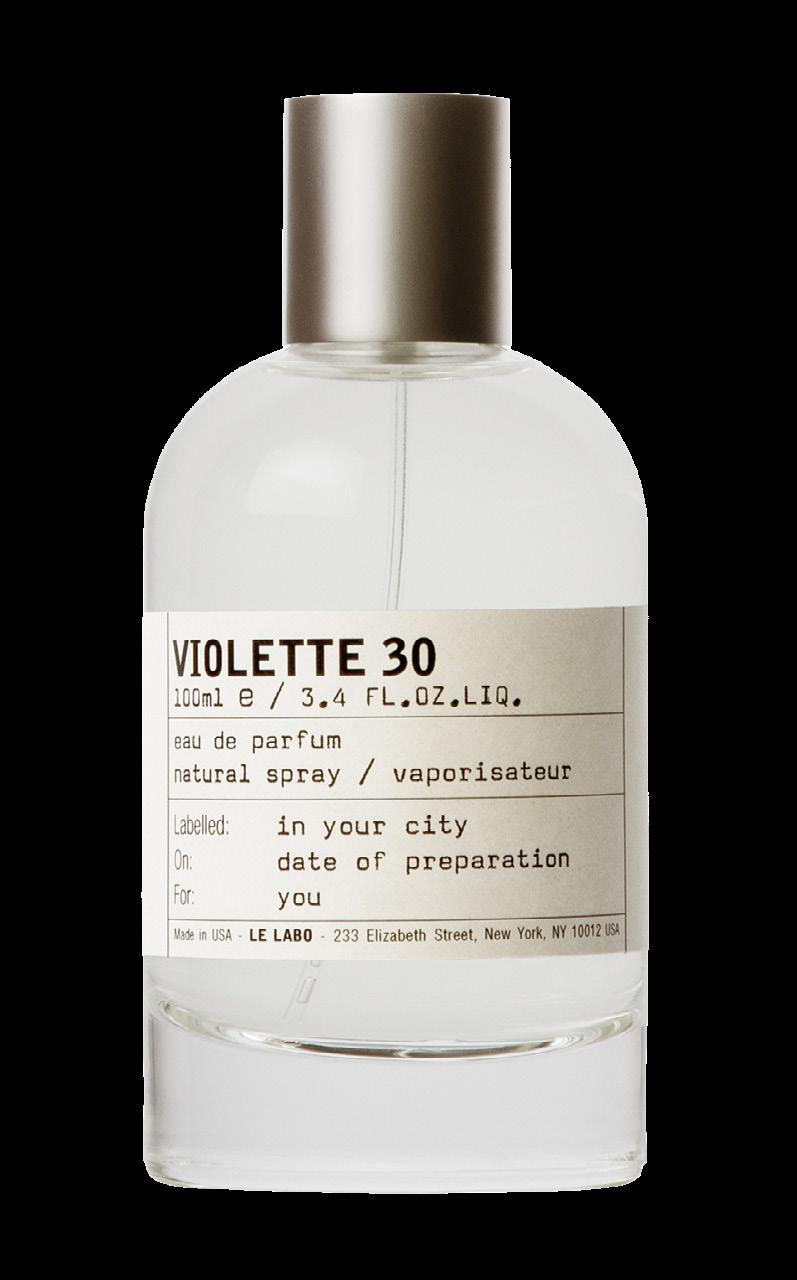
Think men can’t wear florals? Violette 30 will change your mind. This violet is far removed from the scent of Victorian candies and Aviation cocktails— instead, it’s earthy, woody, even dirty. Couched in white tea and cedar, the flower smells distinguished, surprising, and incredibly modern. Spray this on when you’re ready to raise some eyebrows—in the best possible way. $240, lelabofragrances.com
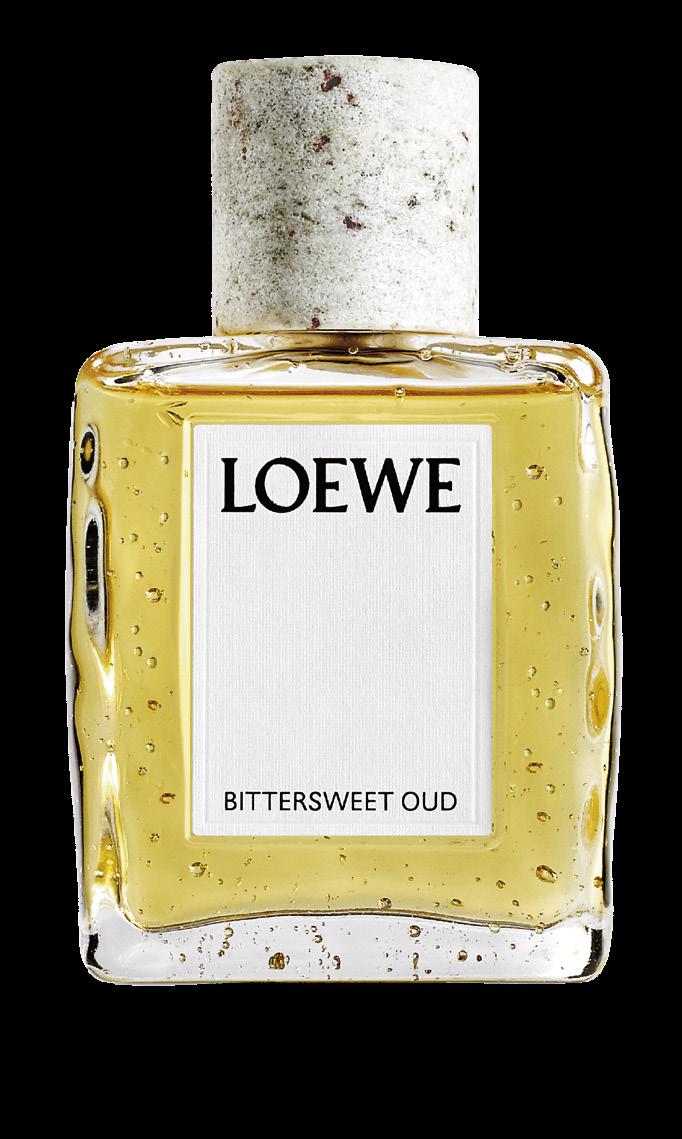
Oud may not be the first thing you think of when reaching for a spring scent. Even in small amounts, it smells intense, dark, and—let’s be honest—a little like the inside of a barn. Not here. Each of Loewe’s exclusive Crafted Collection fragrances spotlights a specific ingredient and presents it in an unexpected way. Bittersweet Oud combines the potent resin with zesty, effervescent citrus, rendering it light, bright, and wearable in any season. $485, loewe.com

What does Lignum Idealis smell like? A hike in Big Sur, bottled. Inspired by a giant sequoia tree, the scent’s dominant note is a true-to-life coniferous cypress, couched in a thicket of juniper, cedar, vetiver, and sandalwood, with a wisp of frankincense adding a hint of smoke to the dry-down. Physically, you may be in the office, but wearing this is like a mental escape hatch to a distant forest. $280, gucci.com
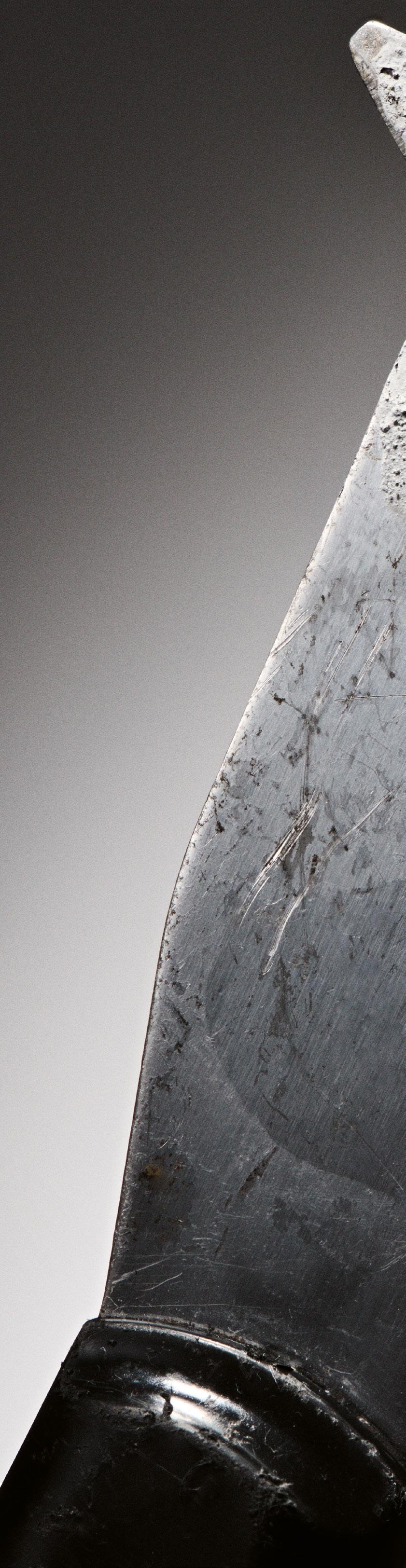
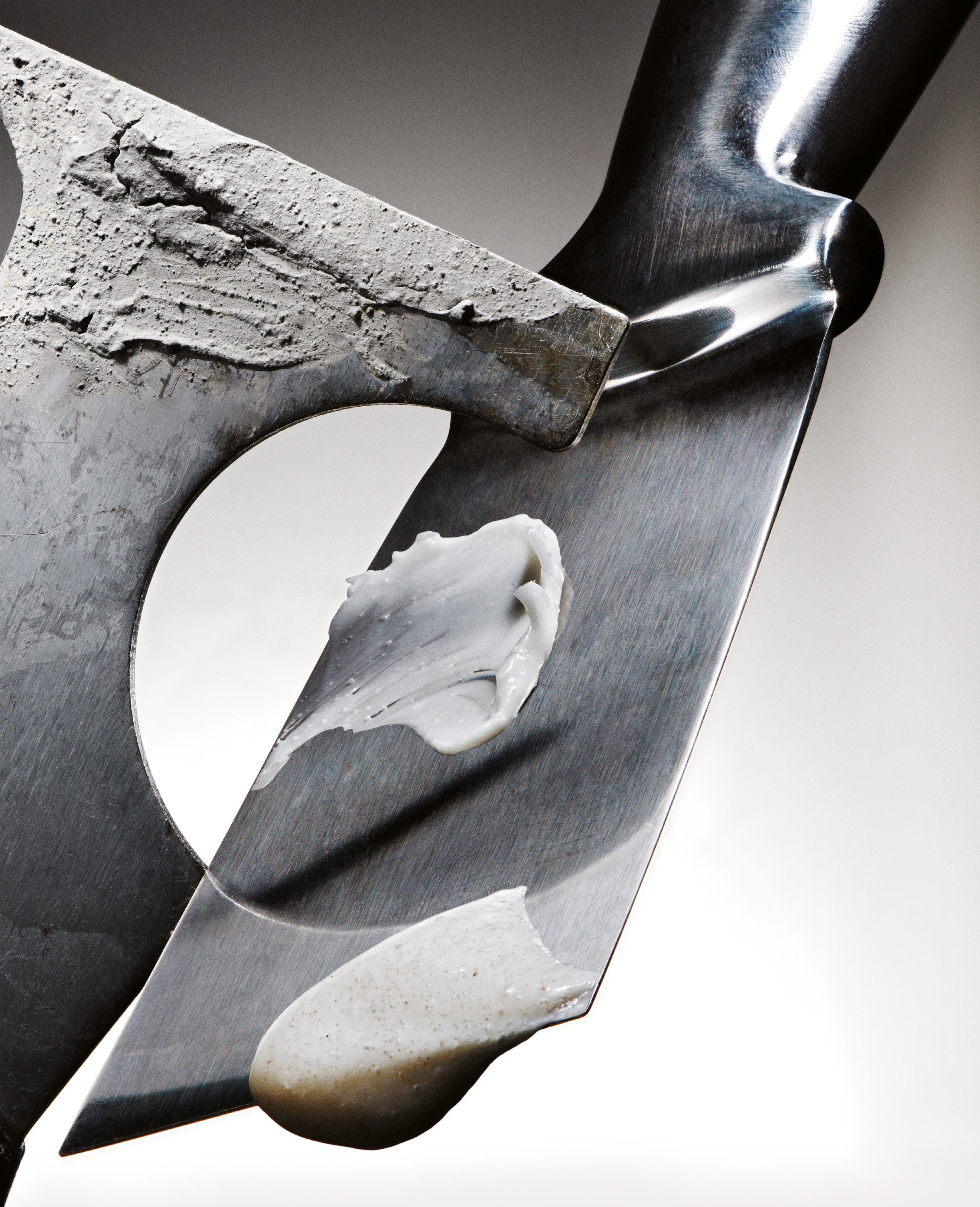
Get ready to shed some skin.
You’re doing everything right: using moisturizer, an after-shave toner, a beard oil. But your skin still isn’t great. It looks dull and feels rough to the touch. Maybe you even have blackheads, redness, or dry patches. What gives? Simple: you need to exfoliate.
Skin cells have a life cycle. They’re born deep in the epidermis, then travel to the surface, where they die and are replaced by new cells. When we’re babies, this happens every 14 days. As we age, the process slows—and by 50, it can take up to 90 days. Dead skin cells linger on the surface, clogging pores, roughening texture, and preventing products from penetrating properly.
Thankfully, it’s easy to speed things up. And it doesn’t mean scrubbing your face raw. “There are generally two types of exfoliation, chemical and physical,” says New York dermatologist Joshua Zeichner, MD. “Chemical exfoliating products contain hydroxy acids that dissolve connections between cells in the outer skin layer so dead cells can easily be shed. Physical exfoliators use coarse particles to mechanically remove dead cells.” Neither is better—it comes down to skin type. “I believe that physical exfoliation is best for very sensitive skin provided that you are using the right products,” Zeichner says. “Look for scrubs that contain ultra-gentle exfoliating powders derived from ingredients like rice or hydrated silica.” Just don’t rub too hard.
Others may prefer chemical exfoliators. “The effects of chemical exfoliators depend on the type of acid,” says Zeichner. “Alpha hydroxy acids like glycolic or lactic are the most potent and are typically used for aging skin. Beta hydroxy acids like salicylic are best for people who have oily or acne-prone skin.” The mildest options are enzymatic exfoliators.
How often should you exfoliate? Not as much as you might think. “So daily exfoliation is not truly needed,” Zeichner says. “Especially when beginning an exfoliation routine, I recommend starting once or twice a week.”
FROM TOP TO BOTTOM: BLUE LAGOON ICELAND
Lava Scrub Mask, $95, bluelagoon.com
MALIN + GOETZ Jojoba Face Scrub, $42 malinandgoetz.com
AESOP Purifying Exfoliant Paste, $59, aesop.com
How Dior’s fragrance mastermind concocts scents that capture the spirit of the fashion house’s most iconic designs.
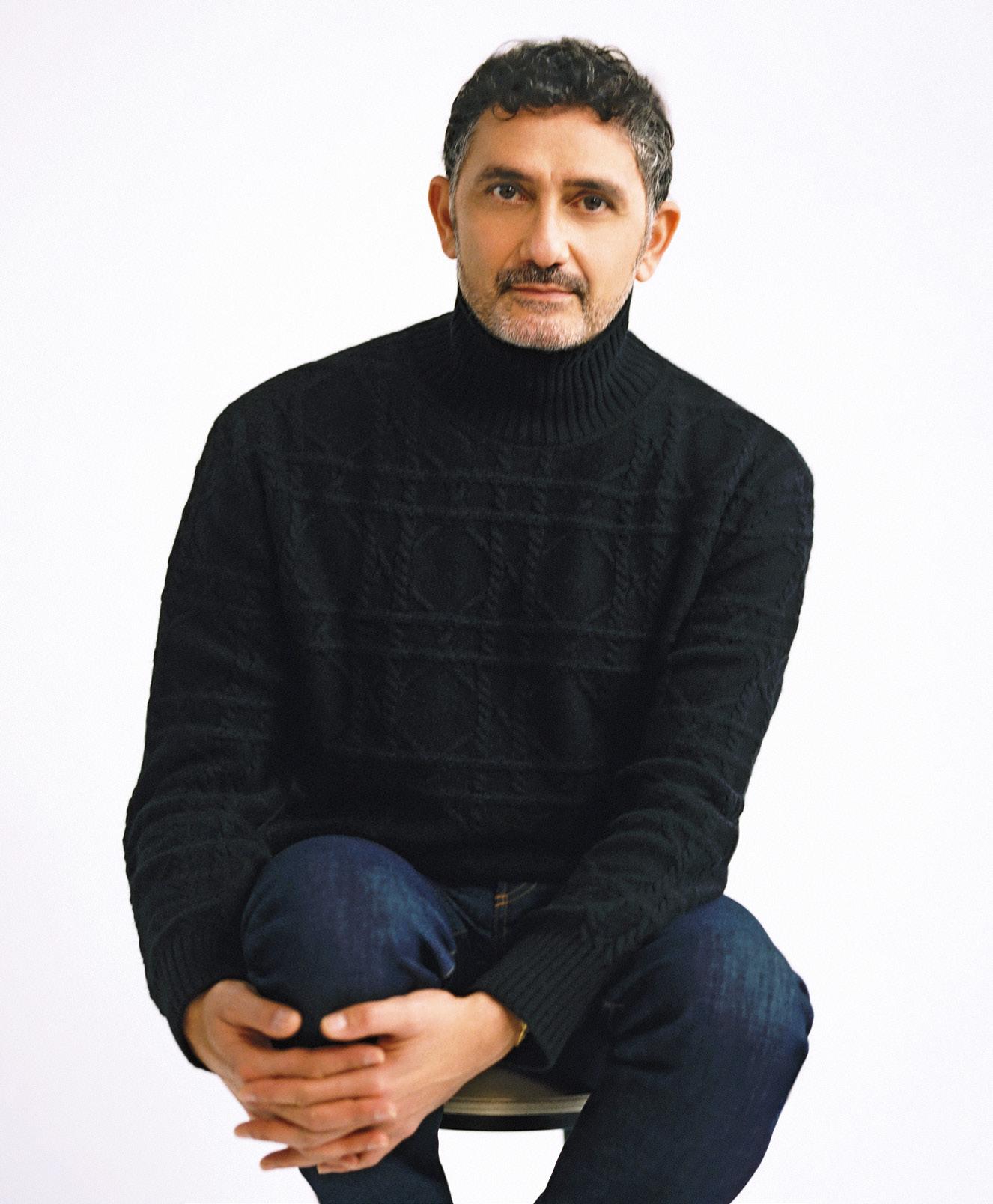
Since becoming Perfume Creation Director for Parfums Christian Dior in 2021, Francis Kurkdjian has brought renewed energy to the house’s fragrance portfolio. He famously created JeanPaul Gaultier’s Le Male at age 26, and Baccarat Rouge 540, from his own Maison Francis Kurkdjian, remains one of the most recognizable fragrances in the world.
At Dior, his most daring work has emerged within La Collection Privée, which relates to the house’s mainstream fragrances much like couture does to ready-to-wear. The latest launch, Cuir Saddle, takes inspiration from the iconic Dior Saddle Bag—but reimagines leather entirely. Here, Kurkdjian shares a glimpse into his process.
ICON: What makes the creation of a Collection Privée fragrance special?
Francis Kurkdjian: The first step in creating a perfume for La Collection Privée is to define its line, and to see its olfactory architecture like the structure of a garment. The next step involves making use of the constraints of the raw materials, like a couturier uses the drape of a fabric. I have to master the olfactory material to compose a fragrance according to
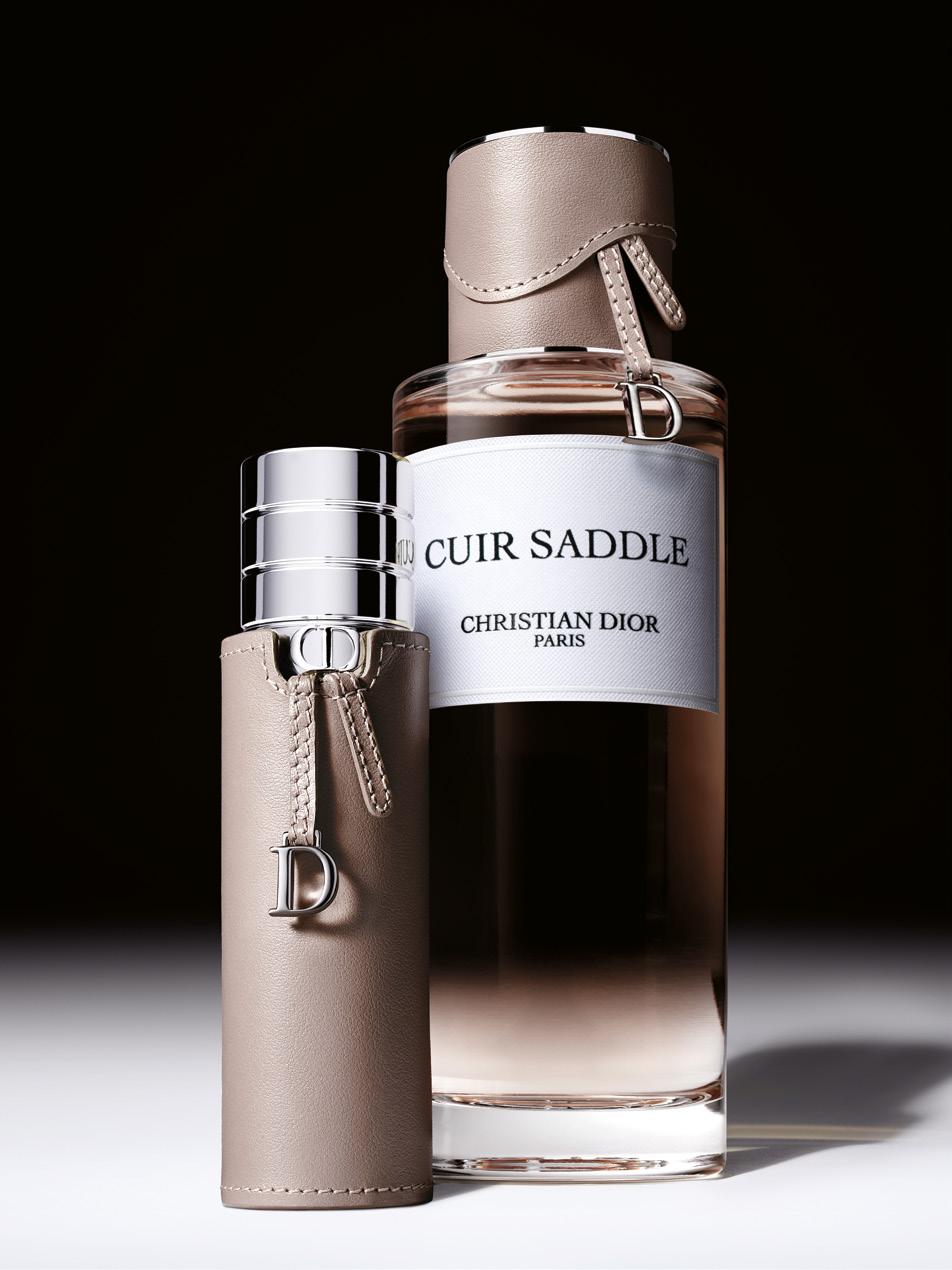
an idea, like a couturier masters fabric to give it a specific, perfect shape.
What was your starting point for Cuir Saddle?
The It bag created by John Galliano at the dawn of the 2000s guided me towards an olfactory creation that defies convention. I was inspired by the way the bag is often worn clasped under the arm, where it embraces the lines of the body and caresses the skin so that it becomes an extension of the self.
What interested you most about the idea of working with leather notes?
The history of the traditional leather accord in perfumery can be traced back to the origins of perfume. For centuries, people attempted to mask the smell of leather with rose, musk, spices, and wood. The master glovemakers of Grasse refined this tradition before focusing exclusively on perfume cultivation in the 18th century.
The Roaring Twenties, when Russians arrived in Paris with their famous Russian Leather, also holds appeal for me. This history established leather as a classical accord—but I wanted to disrupt its respectable aspect by using synthetic molecules.
How did you go about creating a leather fragrance that is not obvious?
I wanted to create a trompe-l’oeil leather perfume that seemed “classic” in its charred, smoky, woody accord, but which surprised the senses through an unexpected lightness. Creating a leather fragrance today is a unique exercise, as it obliges you to begin with a founding formula that can move toward warmth or smokiness. With modern synthetic molecules, we can give leather multiple features. For Cuir Saddle, I softened the leather into a supple, velvety suede. By blending traditional leather notes with musky, creamy florals and modern woody ambers, the result is persistent yet light—sensual, but softer.

Italian eyewear brand CARRERA’S new VICTORY C 27/S cuts a sharp silhouette with its squared frame and double bridge, engineered for clarity at full throttle. Finished in performance-driven colorways and precision lenses— from polarized grey to photochromic brown—it’s built for those who prefer life in the fast lane.
The finer details in watchmaking— hand-finished or painstakingly perfected— that drive collectors crazy.
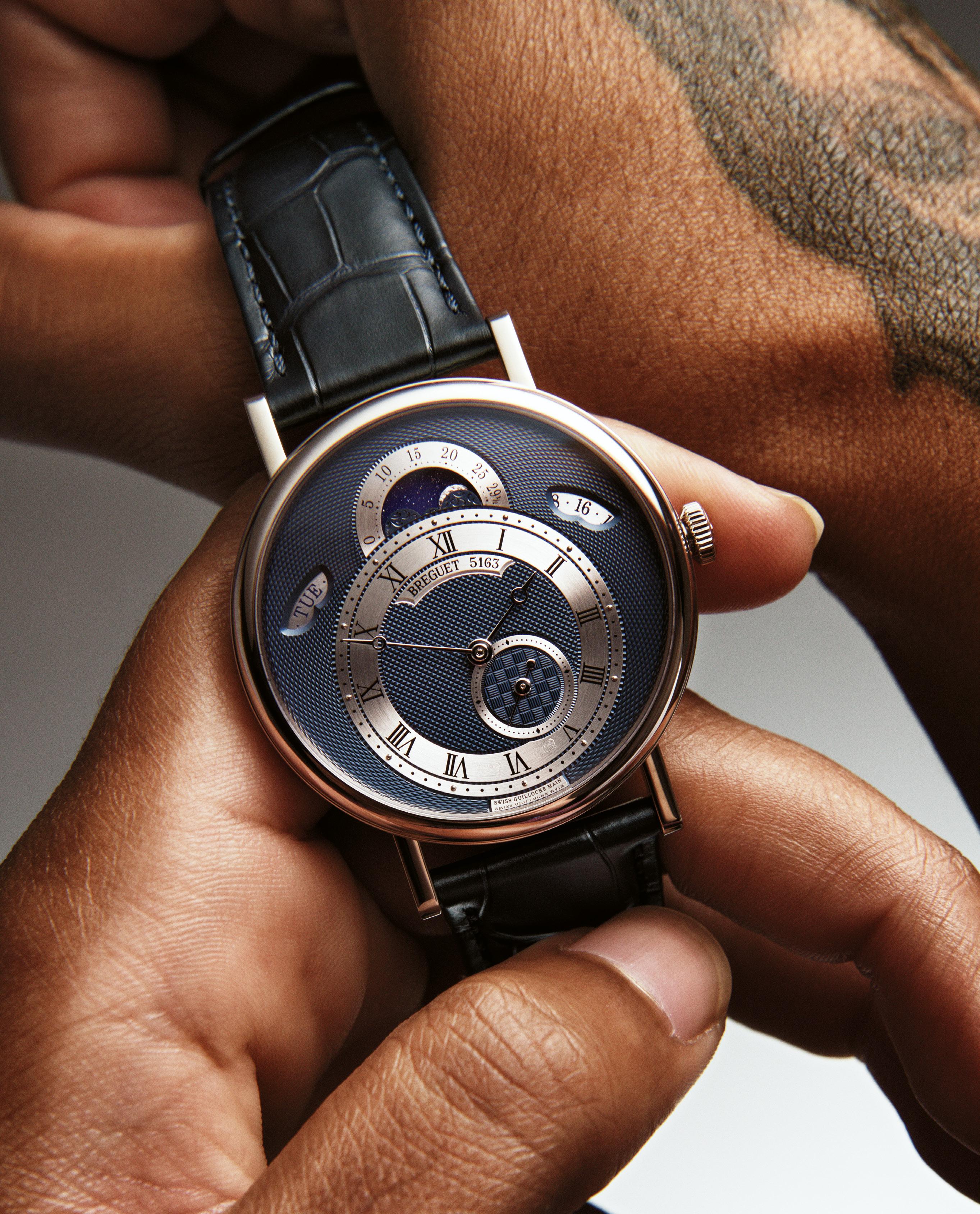
BREGUET
Classique 7337
Moonphase
A return to tradition: hand-engine-turned guilloché dials invite closer inspection. Look again and you’ll find Breguet’s secret: a discreet hand-engraved signature, meant to be discovered only by those who look closely.
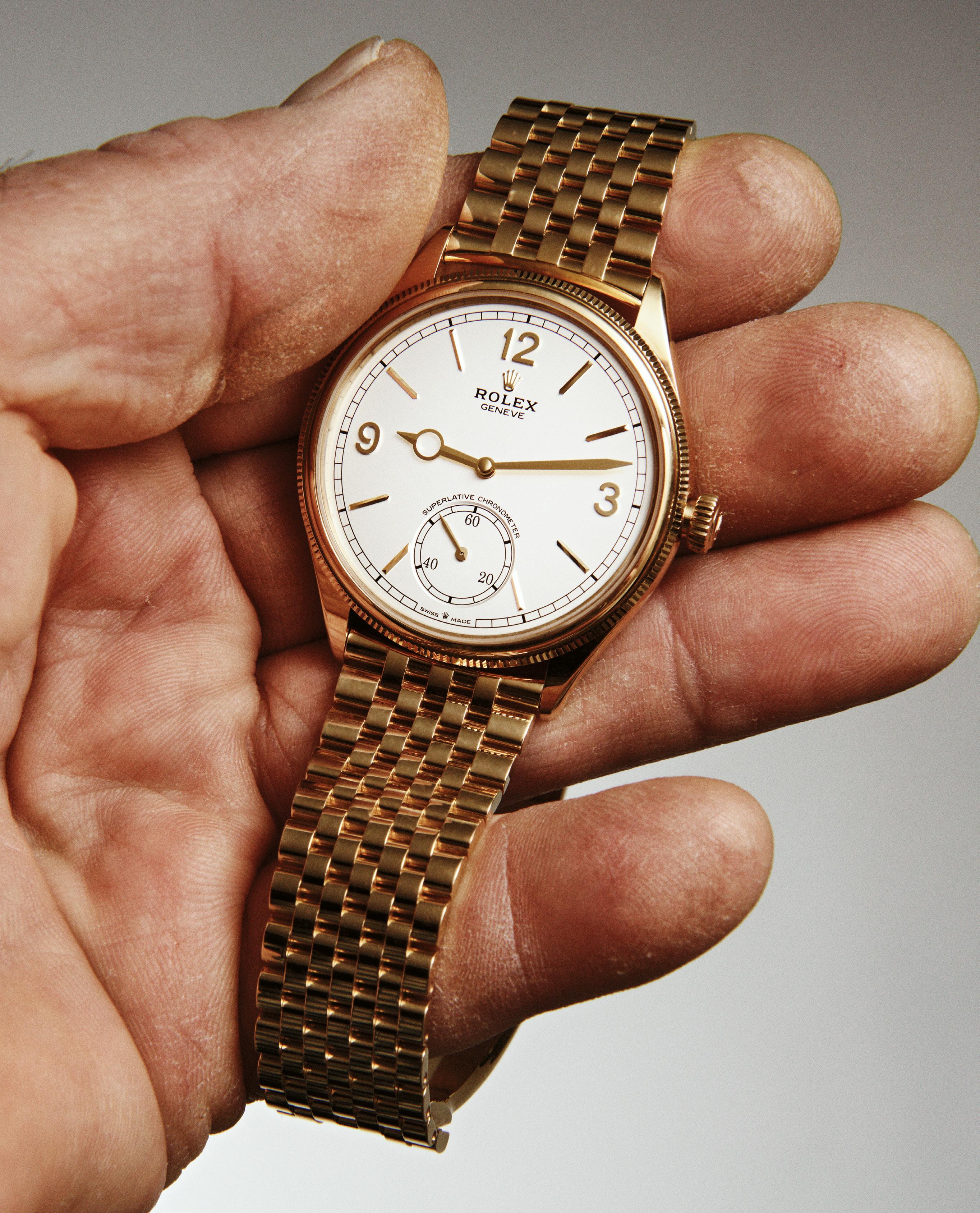
Perpetual 1908
Settimo
Beyond chronometric precision, the new Settimo bracelet reveals Rolex’s quieter obsession: fluid, feather-light links in 18-karat gold, each polished on all sides and softly contoured to disappear into the wrist.
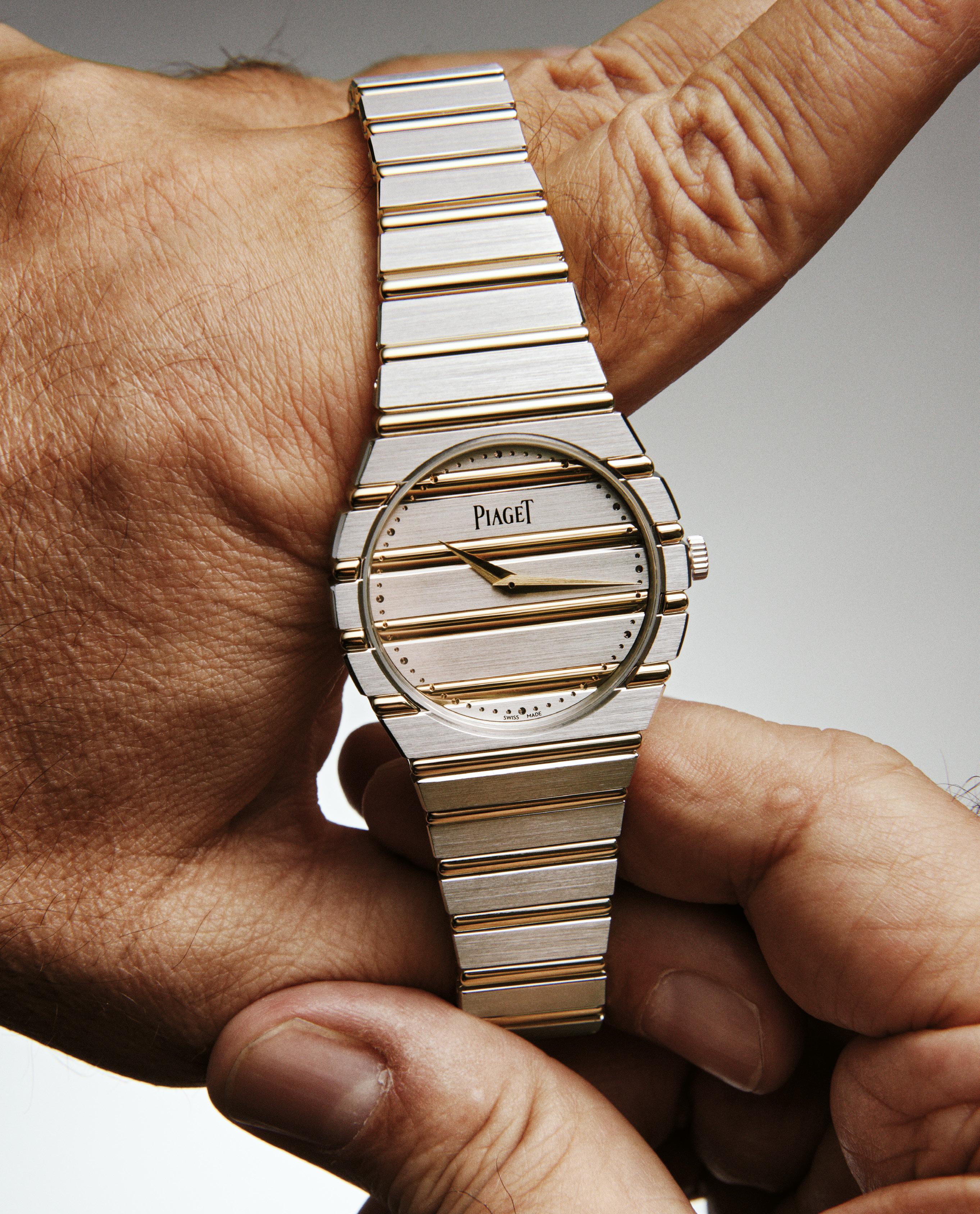
PIAGET Polo79 Two-Tone
Brushed white gold interrupted by flashes of polished yellow—the Polo 79 Two-Tone reclaims the swagger of its era. A sensual study in contradictions: sport and jewel, then and now, restraint and gleam.

OMEGA Seamaster Milano Cortina 2026
Made for the Olympics, the Seamaster Milano Cortina is formal without being precious. Sculpted markers, a faceted crown, crisp dauphine hands—details that reward composure.
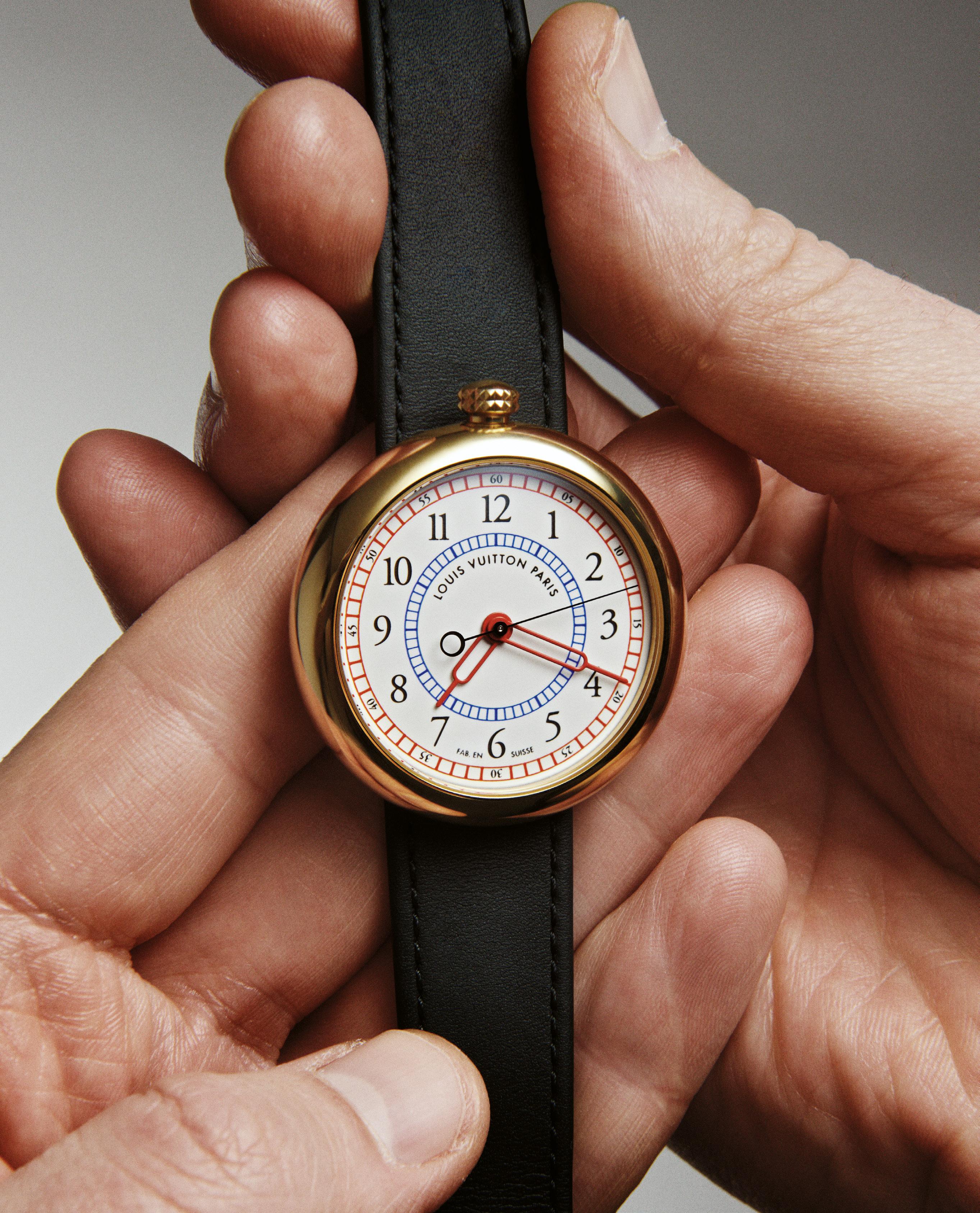

BVLGARI
Octo Roma
Like a grid of tiny pyramids rising from the evergreen dial, the Clous de Paris motif brings texture and shadow to the Octo Roma. It is Roman architecture translated into Swiss precision—rigor softened by surface.

Cartier’s most elusive Tank reveals time only when and where it chooses. With jumping hours and dragging minutes concealed behind a brushed metal façade, the Guichet transforms restraint into seduction.
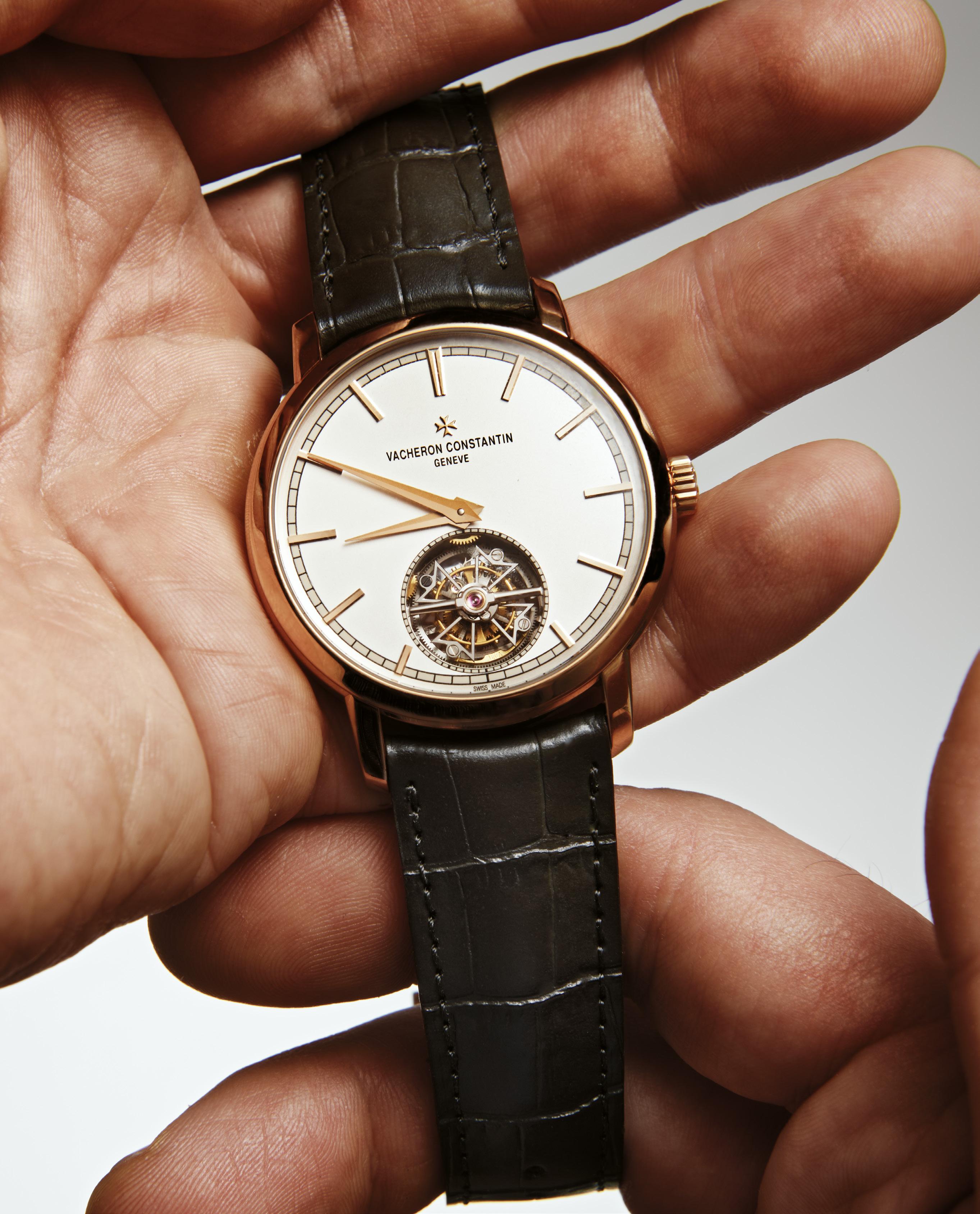
Traditionelle
Tourbillon
A single aperture at 6 o’clock opens onto a living mechanism: the tourbillon, handfinished and hypnotic, spinning against gravity’s pull. True refinement isn’t loud. It doesn’t beg. It holds your gaze until you forget to look away.
Philippe Delhotal on why Hermès watches don't follow the rules—and
why that's precisely the point.

We met in the upstairs salon of the Hermès flagship on Madison Avenue, where afternoon light filtered across shelves of leather goods and objets. Tea arrived in finely painted porcelain—sun motifs drawn across the cups, a design created with purpose, as is always the case at Hermès.
It was a fitting backdrop for a conversation about time, craft, and the quiet philosophy that shapes Hermès Horloger, according to its creative director Philippe Delhotal.
ICON: Hermès often talks about time as something to be shaped, not merely measured. When you work across so many different collections, how do you think about what time means at Hermès?
Philippe Delhotal: At Hermès, every object begins with a story. It doesn’t exist simply because it looks beautiful—many brands can do that. An Hermès object is meant to create a pause in life. Everything today moves quickly, perfectly, efficiently. Our watches offer a break from that. They create a moment—almost a breath—inside the speed of daily life. That is the Hermès spirit. And how does that philosophy inform the H08 collection? It’s

your sportiest line, especially now with the new monopusher chronograph. Yes, it is our sporty watch—but “sport” means many things. There is extreme sport, aquatic sport, everyday activity. We needed to be precise about what kind of sport we were designing for. For the H08, we wanted something modern, masculine, urban—a watch for the movement and rhythm of the city.
New York inspired us: the mix of old and new buildings, the blend of materials. That’s why we chose titanium, composite materials, rubber— everything light, resistant, practical. We didn’t choose them because they look nice. We chose them because they make sense for an urban life.
And the monopusher chronograph— was that always a planned evolution?
When we created the H08, it was very simple, with three hands. To make a collection last, you must evolve it, so a chronograph was natural. But I didn’t want to lose the original character—the balance, the clarity. So the chronograph had to integrate quietly, seamlessly. You see many brands with complicated or busy chronographs. Hermès is different. We prefer simplicity with depth.
I remember meeting Pierre-Alexis Dumas [Hermès artistic director] at Baselworld before the Slim d’Hermès launched. The attention to typography, craft, and lightness all expressed a poetic idea of time. Where are your
references coming from now—art, literature, architecture, nature?
Everywhere—except the office. Travel, exhibitions, walking through a city like New York, meeting people, talking to craftsmen. Inspiration is a process: you sketch, you doubt, you research, you start again. On Monday a drawing seems right; on Friday you hate it. That’s normal. Creativity is questioning. And what have you learned at Hermès that you couldn’t have learned elsewhere?
The freedom. I came from very traditional houses—Patek Philippe was my last—where creativity exists, but within limits. Hermès opened my eyes. Here, creativity is vast. The craftsmanship is serious, but the spirit is playful. When you visit the métiers, you see it immediately: objects that smile, typography that dances. There is joy. And it still respects the highest level of craft. Since this interview will run in the spring, is there anything you can share about what’s coming?
[Laughs] A little. Every new Hermès watch must carry the spirit of the house—lightness, elegance, surprise. With the Slim, even the typography was designed specifically for the watch. Everything must belong to the same world. What comes next continues that idea: something elegant, something with lightness, something with personality. Always something unique—we do not want to do what others are doing. That would be boring.
Last question: when you’re not thinking about time or watchmaking, what are you doing?
Skiing! And living. Culture, friends, the outdoors. You must live to create. Otherwise there is no inspiration.
Courses,
kits, and ateliers
are opening the doors to watchmaking's most guarded secrets.

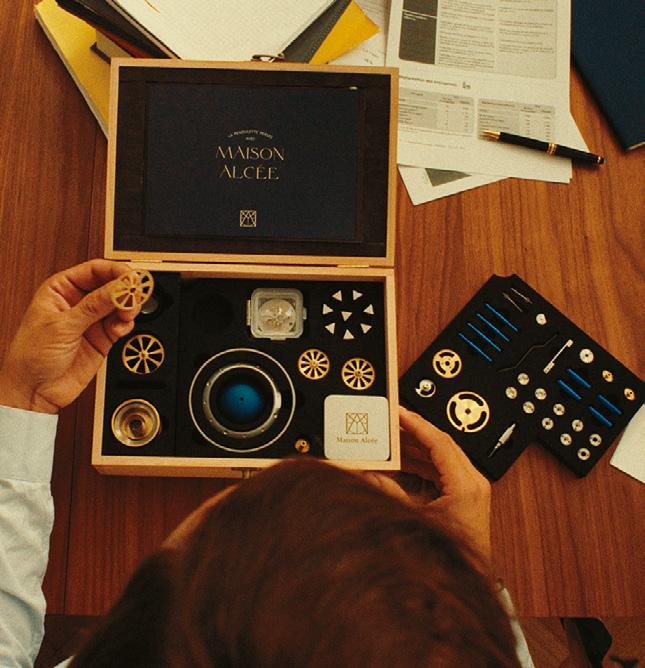
Maison Alcée's Persée clock arrives in 233 components—brass wheels, springs, screws, a bell—along with tools and a 150-page book co-written with watchmaking professors and museums. You build it, adjust it, listen to its chime, and check its two-week power reserve— like a watchmaker would.
"When you assemble your clock, you understand how a mechanical wristwatch movement works," says founder Marine Alcée. "The more we discover, the more we appreciate the world. And there is nothing better than combining manual and intellectual skills to understand it."
The typical buyer? Business leaders seeking refuge from screens, watch enthusiasts demystifying the craft, or fathers and children building together. Alcée's team creates private WhatsApp groups with each customer, guiding them through assembly in real time. "We are all big kids at heart," she says. The feedback is unanimous: after Hodinkee's collaboration opened the American market last fall, demand surged. Turns out collectors want to make time, too.

Inside Jaeger-LeCoultre's Madison Avenue boutique, Atelier d'Antoine offers something rarer than a limited edition: initiation. Swiss-trained instructors guide small groups through the mechanics of complications, the art of finishing, and the philosophy
behind haute horlogerie. It's experiential, almost ritualistic—less workshop than pilgrimage.
"Atelier d'Antoine embodies Jaeger-LeCoultre's commitment to education and transmission," says Chief Marketing Officer Matthieu LeVoyer. "Through these hands-on experiences, we invite a wider audience to engage with the culture and craft of fine watchmaking."
Courses range from introductory movement assembly to advanced modules on tourbillons and perpetual calendars. Participants leave with fluency: the ability to read a watch the way a musician reads a score. In an industry built on heritage, JLC is wagering on literacy. In New York, that education now has an address.
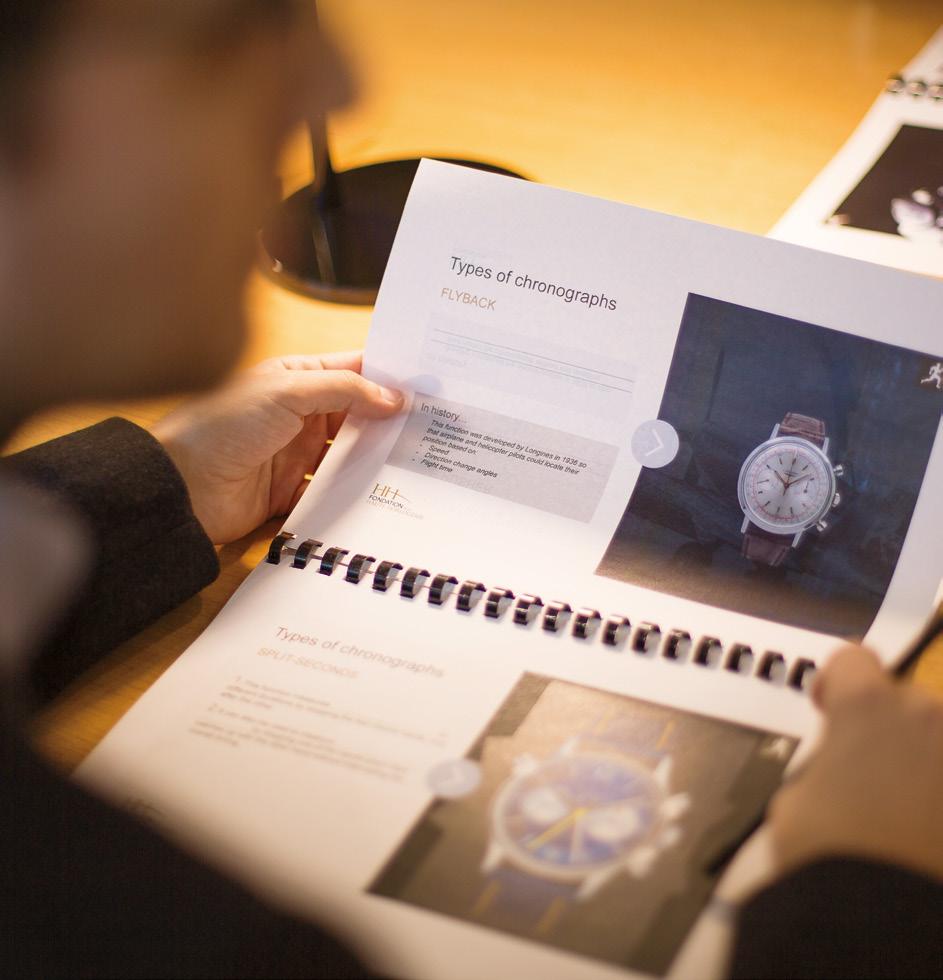
The Fondation de la Haute Horlogerie's online certification opens with a statistic: Swiss watches account for 54% of global exports by value, yet just 2.5% by volume. It's a reminder that what you're learning isn't mass production. It's an economic engine at microscale.
The course reveals the kind of granular obsession that defines fine watchmaking: a beveling specialist who works
brass components by hand, describes patience as "either you got it or you haven't."
You learn that Cartier hides its name within the VII or X on every dial—a secret signature meant to authenticate, but also to reward closer looking. Throughout the course, similar insights emerge—each revealing just how deep and expansive the world of watchmaking truly is.
"For collectors, the FHH Certification offers a new way of engaging with watchmaking—not just through ownership, but through understanding," says Pascal Ravessoud, Vice President at Fondation de la Haute Horlogerie. "The certification transforms watchmaking into an experience: something you can explore, share, and even gift, rather than simply consume."
In a post-pandemic market exporting record numbers, knowledge has become the new luxury.

Our three cover heroes—Taron Egerton, Damson Idris, Christopher Walken—arrive with the season, each one proof that style, at its best, is a form of fluency. They understand what we've always known: that dressing well is less about following rules than knowing which ones to break, and when. Across forty pages, we present the ultimate spring wardrobe for the man of tomorrow—every suit you can imagine, from the boardroom to the bar, brought to you in fabrics that breathe and silhouettes that move. Preppy is a word du jour, but not as a form of nostalgia: this is prep refracted through the moment right in front of us, sharpened by the urgency of now. From Tommy Hilfiger's New York to Junya Watanabe's Tokyo, we're bringing the right look for each moment, the one that makes you feel like a version of yourself you haven’t met yet but have always, somehow, known. Consider this your field guide to THE FUTURE YOU.
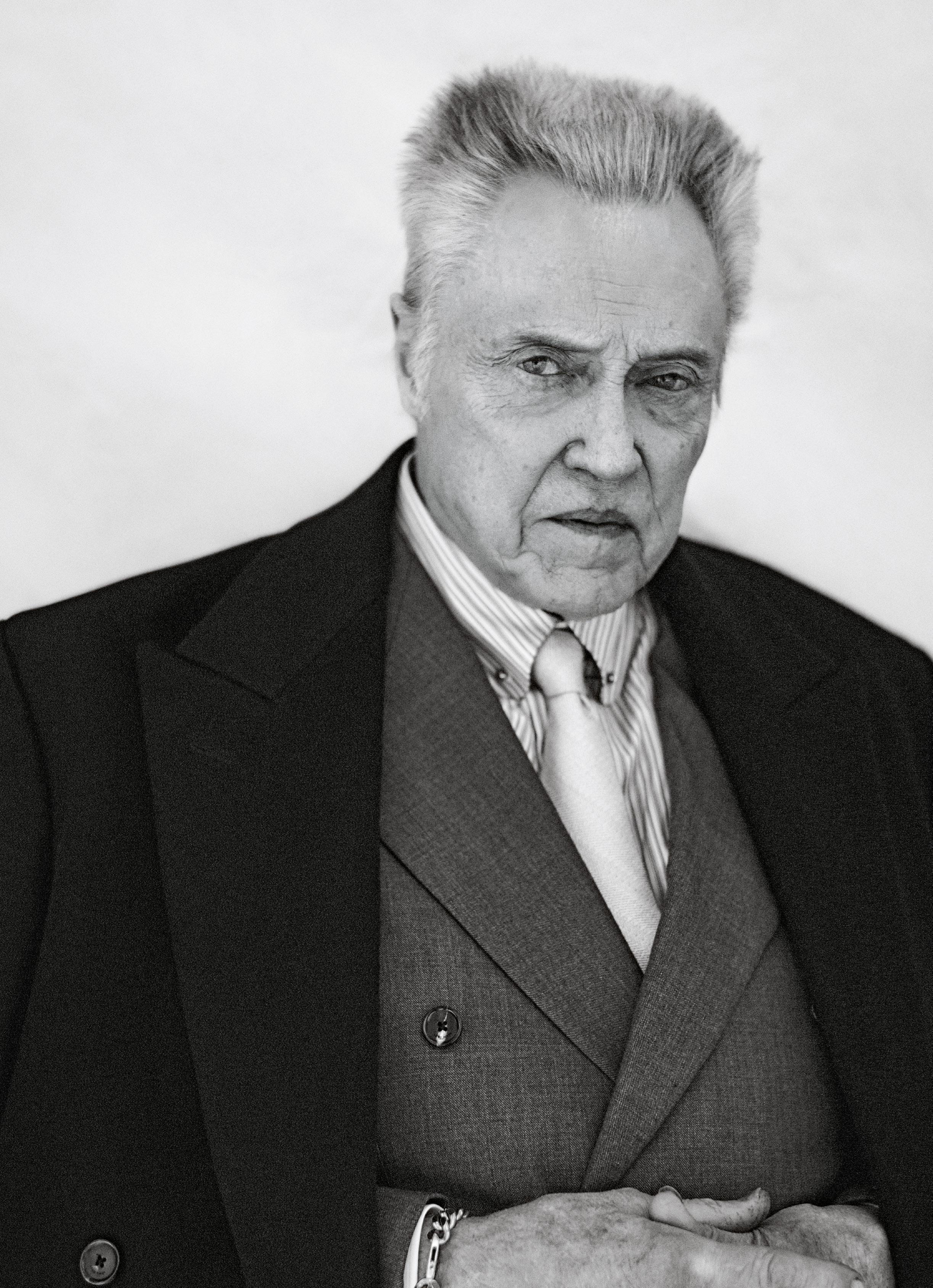
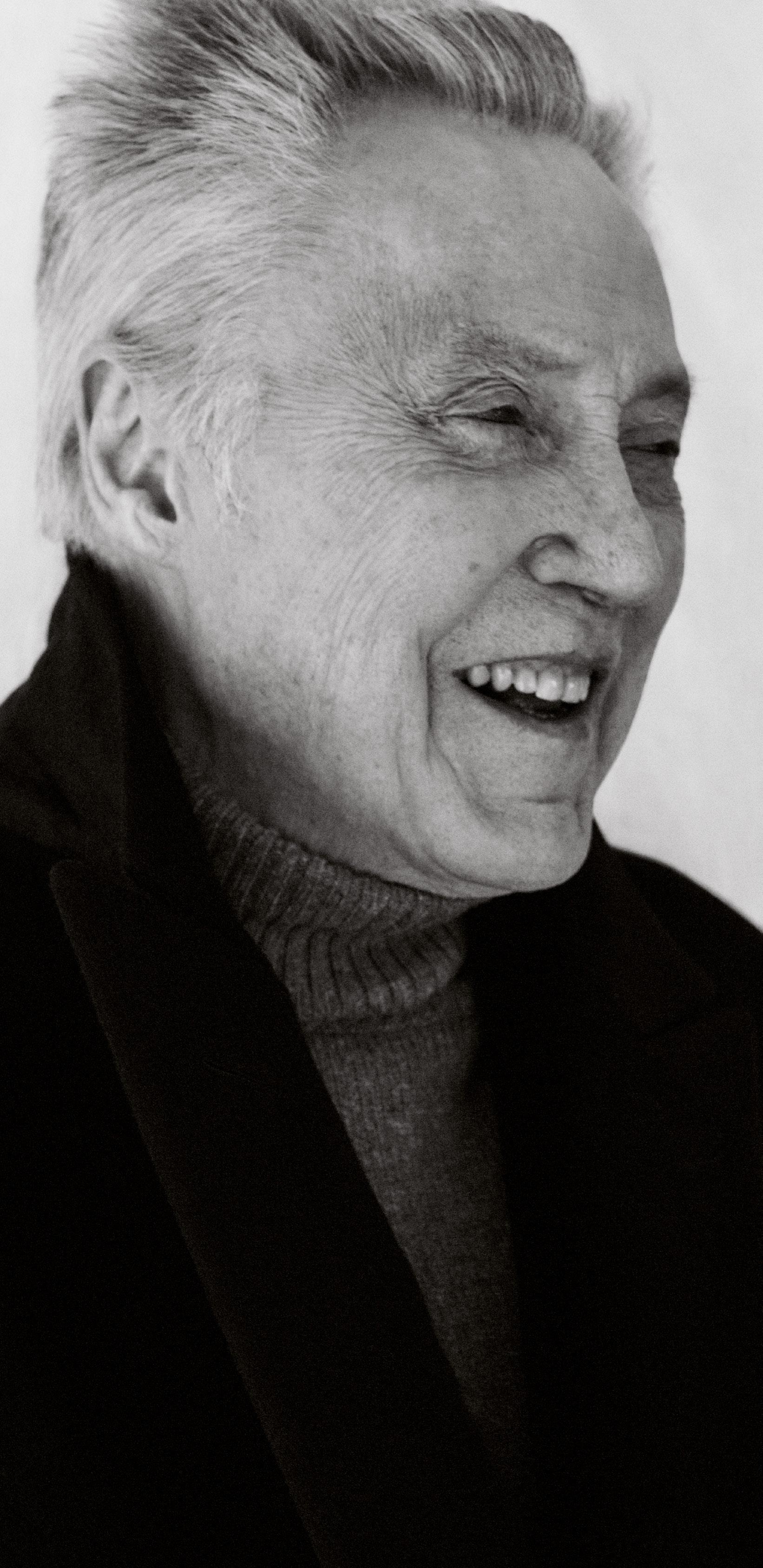
In the final sequence of Abel Ferrara’s “King of New York,” Christopher Walken’s Frank White sits alone on the 7 local train, painted in that now-vanished red, as it curves past the Silvercup Studios sign and slips underground toward Manhattan. Minutes later, he will be shot on the train and die in the back of a taxi in Times Square. That subway ride is brief, fatal –and unmistakably Queens.
For Walken, the image is not abstract. It’s a route that once carried him from Astoria, where his parents settled after immigrating from Europe, into Manhattan in the 1950s. By the time he was ten years old, Walken was making that trip alone, traveling from the flour-dusted air of his father’s bakery to dance auditions and live television studios in Rockefeller Center. He would later insist that it’s wrong to call him a child actor; he prefers “child performer.” The distinction matters. His early life depended on infrastructure and work.
New York and about what he calls “the country of show business.” He has been doing this for more than six decades. As long as the work is there, he plans to keep going. ICON: I wanted to start with rhythm. You said it's more important to you than thinking. When did you first notice that?
Christopher Walken: Well, I don't know whether it's more important than thinking. It's what I usually do. I take the script and I put it on my kitchen counter and I read it over and over. Maybe because I was a dancer, you know, rehearsals are basically repetition. You just do it and do it until your muscles remember it. I'm not good at learning lines. Takes me a very long time. So I just speak it out loud and try to make sense of it and just do that over and over until it starts to sound right. And that's kind of how I go at it. I just do it till it sounds okay. Rather than think about, you know, the meaning of things or the psychology of the things that I'm just not very good at.
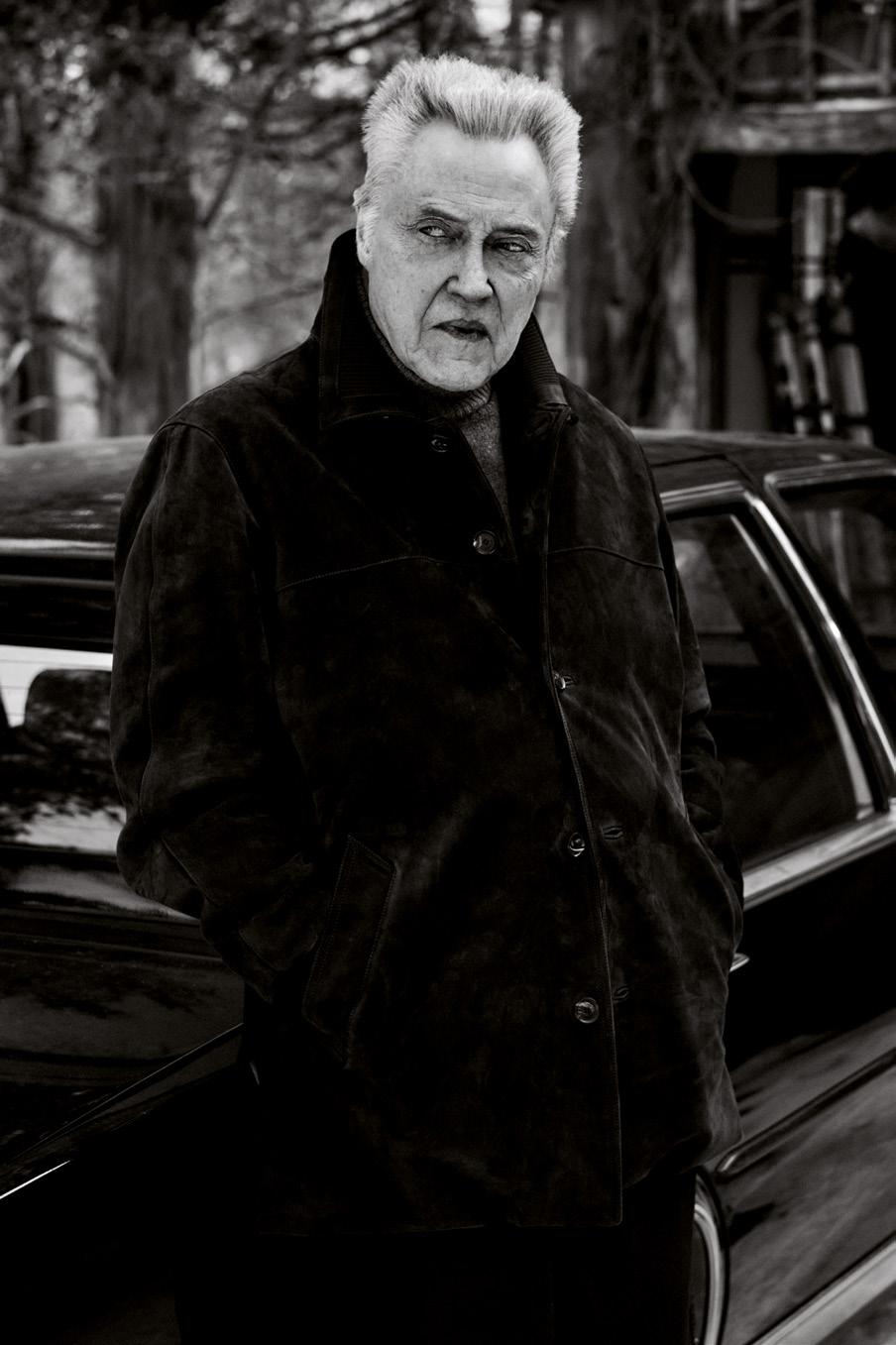
Walken never left Queens. That fact is often treated as eccentric loyalty. It is more accurately just continuity. In mid-century Astoria, nearly everyone except the children came from somewhere else. English was spoken hesitantly, shaped by accents, by people translating thought as they spoke. Walken grew up inside that soundscape. His voice – the pauses, the rhythm, the searching cadence that would later become iconic – was not invented. It was absorbed. Inherited.
Over a phone call on a Friday morning, Walken, 82, talked about rhythm and repetition, about growing up in
Do you approach a scene the way you'd approach choreography?
Interesting. I don't really think much about it, but it's true that in dancing, you work in sort of blocks of numbers. It's quite mathematical, really, when you think about it, dancing. And it could be that my approach to dialogue keeps some of that. What did growing up in Queens teach you about work?
Well, I come from a part of Queens that was very hardworking. My father was a baker. He was the hardest working guy I think I've met. He went to his bakery seven days a week and there was that work ethic. But aside from that, almost everybody in my neighborhood, except for the children, came from Europe or somewhere far away. And there were many people who lived there their whole lives and barely spoke English. And the people who spoke English, including my parents, they usually had an accent from the old country. So people have said to me, why, you know, did I speak in a peculiar way? And I think that probably a lot of people in my generation from that neighborhood would—they speak English the way they heard it, which was in a kind of a broken, hesitant way, you know, the way people speak a second language. And I think I just grew up hearing language spoken that way, including my own house.
I'm wondering, do you think the city taught you how to move, not just physically, but as a performer?
I remember as a child, in those days the kids were kind of more free-range than they are now, you know. By the
"A lot of life is, you know, kind of a roll of the dice. You happen to be someplace when something is happening and your whole life changes."
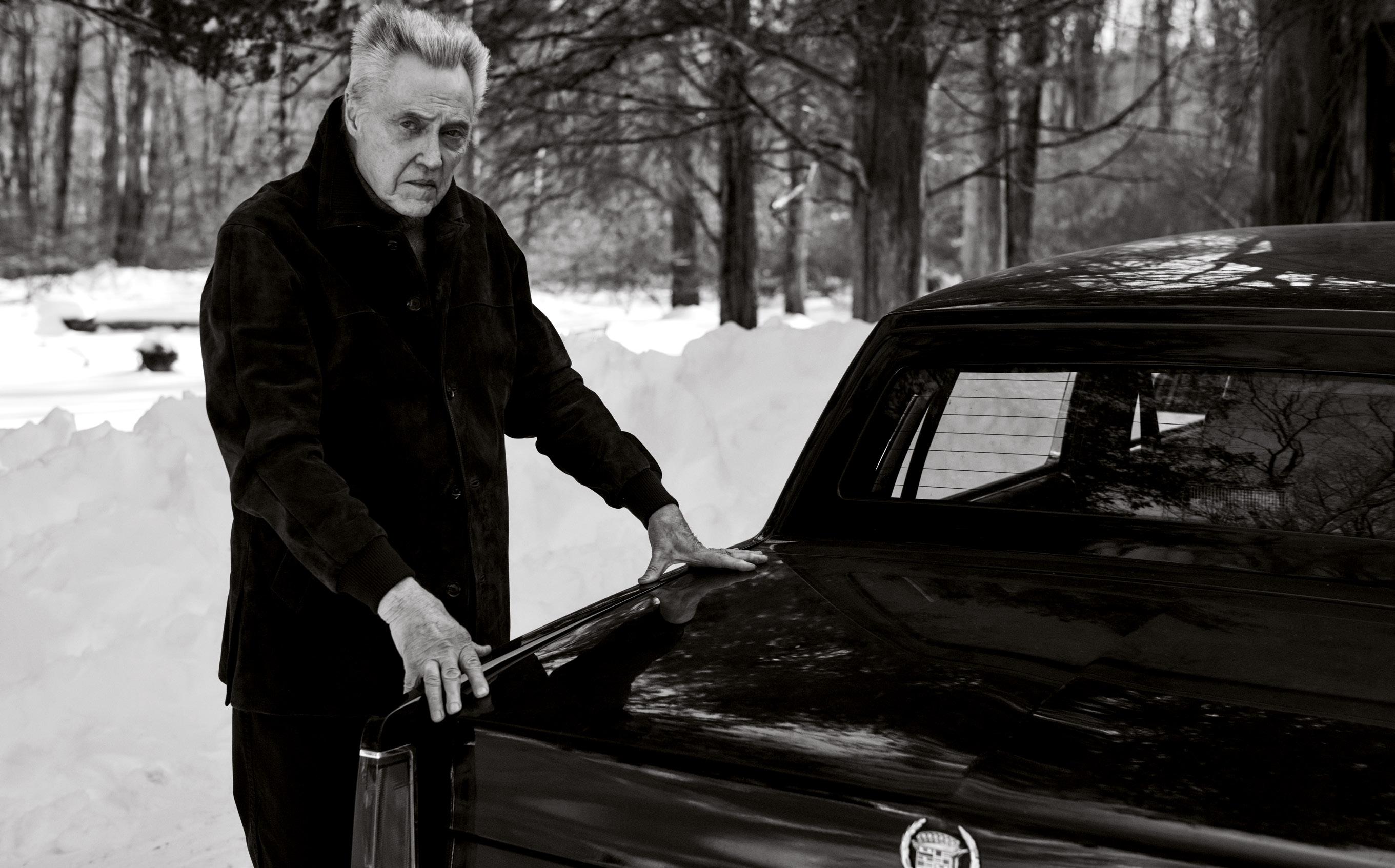
"You
can think everything is honky-dory, but be careful. You can be in London and step off the curb, look the wrong way. You can not notice that asteroid coming.
If you have your health and a good job and a place to live and all that, you're very lucky. Stuff comes out of nowhere."
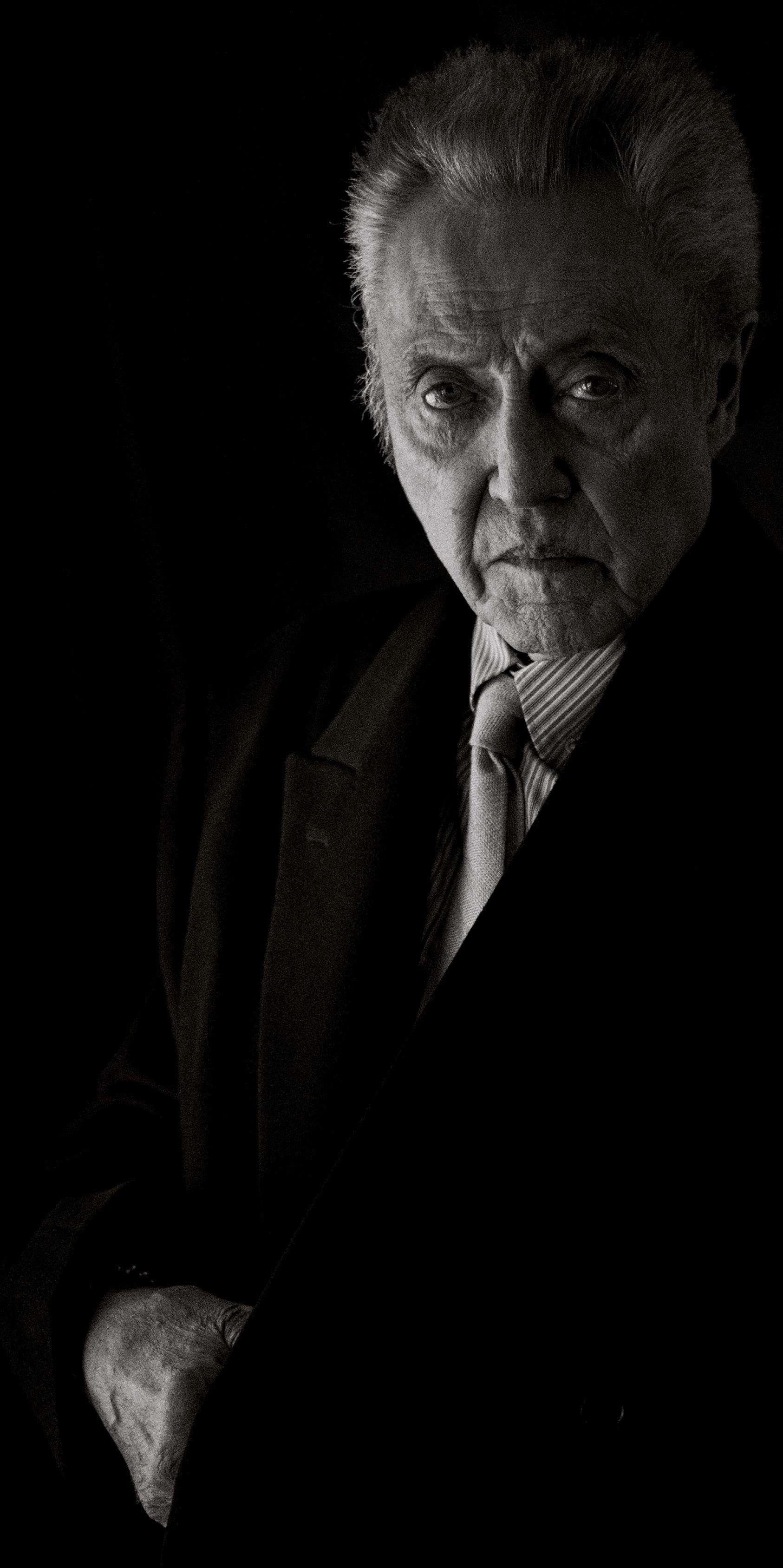

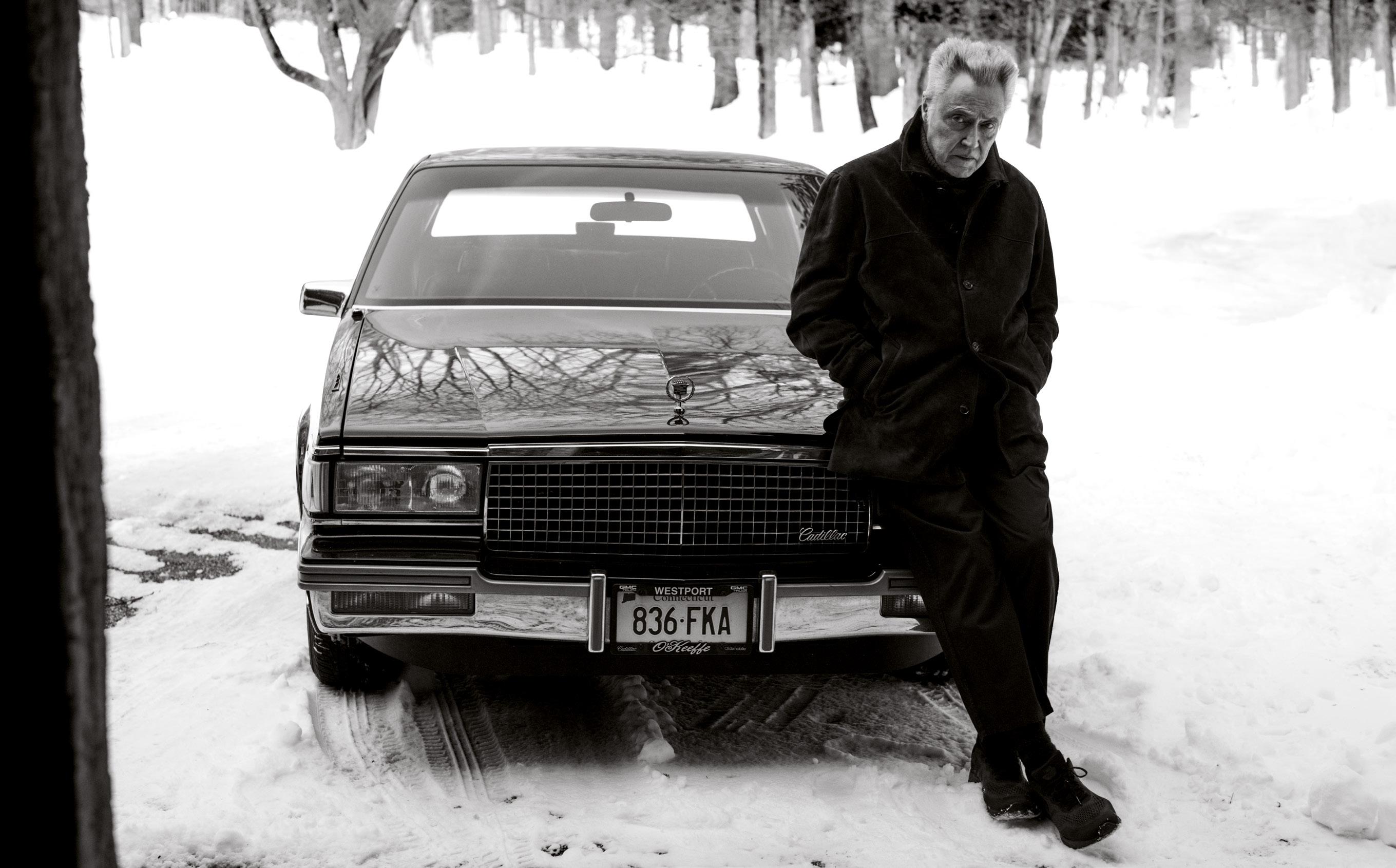
time I was ten years old, my brothers and I would leave the house in the morning and come back for dinner and we'd be out by ourselves all day. And there was always the subway and the buses, but in New York, all my life when I had to go somewhere I would walk. And I just grew up walking around New York from place to place. If I hadn't been born into New York, I wouldn't have been part of that. A lot of life is, you know, kind of a roll of the dice. You happen to be someplace when something is happening and your whole life changes.
You once said "I come from the country of show business." What are the customs of that country? When I was brought up, television was being born. It was right after the Second World War. TV was just getting started. There were 90 live shows that came from New York every week. And so I grew up with that—going to auditions, you know, being competitive, learning to sing and dance and say a few lines, you know. A triple threat was a kid who could sing a little, dance a little, say a couple of lines. They were very hirable. And so I did that instead of, you know, playing baseball and riding bikes and stuff like that. So I had an education that most children don't have. You know, most children go to a school and they do the things that kids do. But if you grow up in show business, you have a particular kind of education. And that's not something you can get anywhere else. You know, if my mother hadn't put me in show business, I'm not sure what I would be doing today. You talked about having a secret when you do your scenes, like being Elvis or Bugs Bunny. Why do you need that kind of private game and does anyone notice? I do it to amuse myself. I'm a terrible impersonator. If I impersonate somebody, nobody's going to know what I'm doing, they'll just know that I'm doing something private. Sometimes I do that just to give myself a laugh. It puts a little—what do you call it—skip in your step, a little bit of a twinkle in your eye. I've always thought that if you're having a good time doing what you're doing, it shows, and that people love to watch other people have a good time. I was reading an interview with John Turturro and he said that he finds you as a very vulnerable person. How do you experience that vulnerability in your work or in your life? Well, I think that anybody who thinks they're not vulnerable is very much mistaken. I'm vulnerable, so is everybody else. You can think everything is honky-dory, but be careful. You can be in London and step off the curb, look the wrong way. You can not notice that asteroid coming. If you have your
health and a good job and a place to live and all that, you're very lucky. Stuff comes out of nowhere. So I am vulnerable, but so is everybody else. What happens when you're not working?
I like to work, and I've never been especially choosy about what I do. I tend to do what comes next. Keeps your mind busy, keeps your body busy. But there are these times with an actor that you have no choice but to just wait. Unlike a lot of people who do whatever they do, they do it five days a week. You know, if you're a doctor or a chef or you drive a taxi, you know, you go and you do it and you go home. The actors go and they do it usually for very long days, and then it's over. And you have to wait till the next one. It seems patience is important.
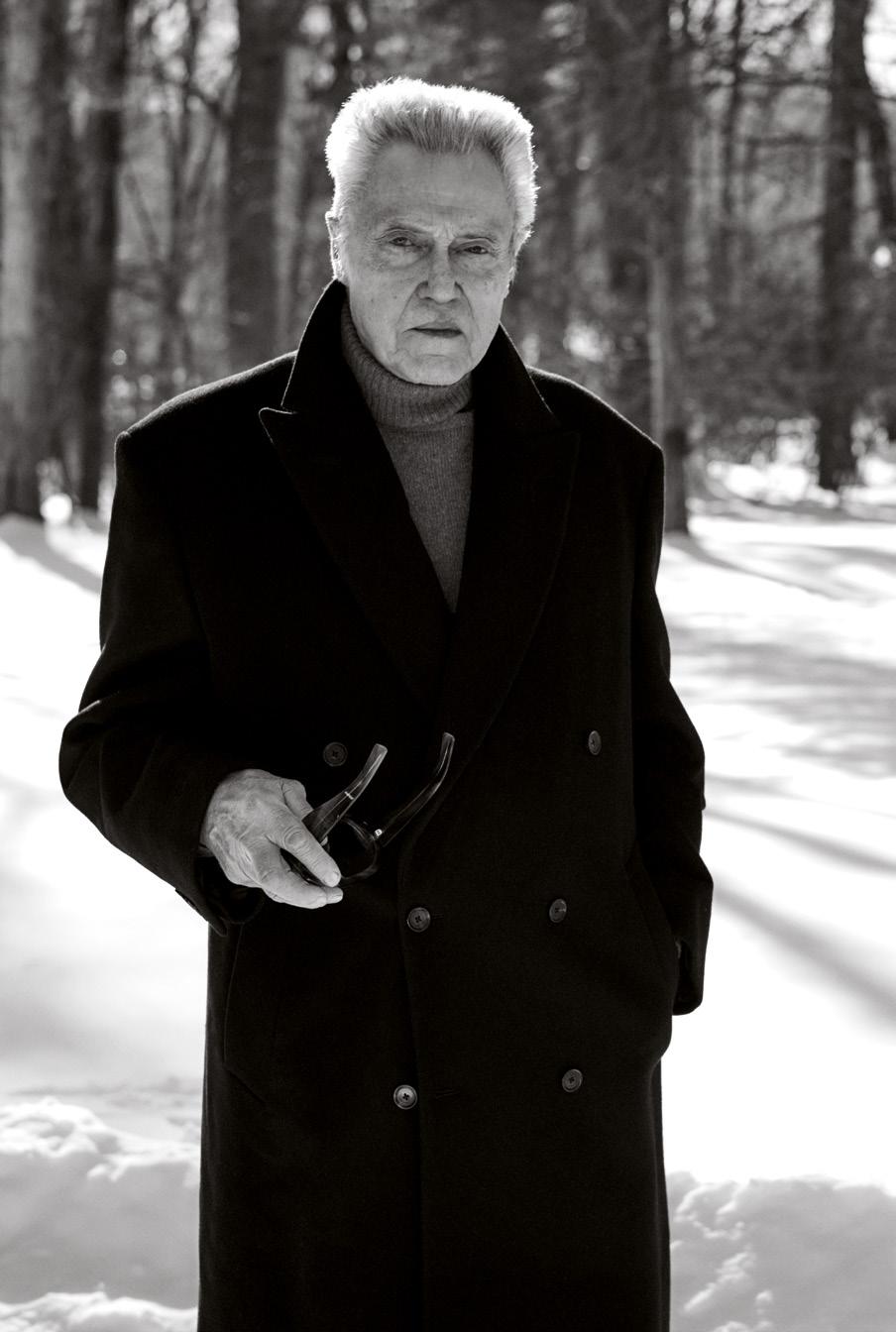
Yeah. And I mean, I think that's why you find a lot of actors that have these private things that they do. You know, they paint or they write or they play golf or, you know, I mean, I know actors who fly their own planes. You know, a lot of actors have something that they do on the side that most people don't know about.
Well, do you have something on the side?
Sure. I've got boxes full of stuff that I've written. Plays and this and that. But when I read them, they're not very good, so I don't bother with it. But it does keep me busy. You know, it's sort of like putting a ship in a bottle. You just do it because it's fun and it keeps you busy.
And how much punctuation do you use in your writing? I use punctuation, but it happens in peculiar places. Because I know you said that you don't like punctuation in your scripts or you don't like the use of them.
Well I think that punctuation often is a way the person who wrote it is telling you how to read it. And I love what people write, but I like to read it on my own terms. The words belong to the writer, but how I say them belongs to me.
Last question, Mr. Walken. At the end of the day, how do you know it was a good one?
That's easy. When you're an actor, particularly in the movies, if you have a scene to do, you know it's coming, you've been getting ready to do it for two weeks. And then you go to work in the morning and you spend the day and you do the scene and then you get in the car to go back to the hotel and you think, ‘That was good. That's going to be a good scene.’ That's a very nice feeling. It doesn't always happen, but, you know, when you're in the car going back and you think that scene that I did today, that was good—that's kind of the best.
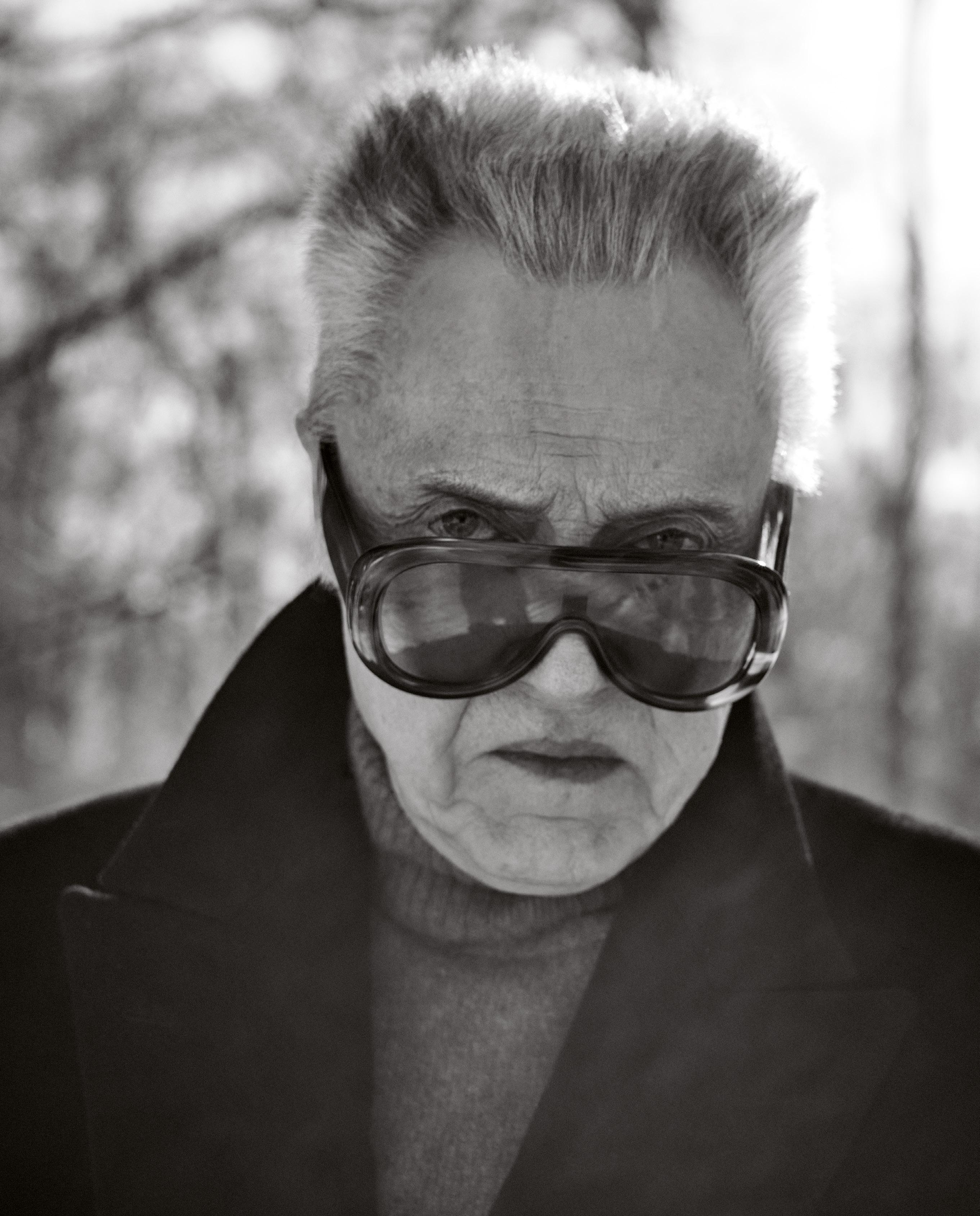
"I've got boxes full of stuff that I've written. Plays and this and that. But when I read them, they're not very good, so I don't bother with it."
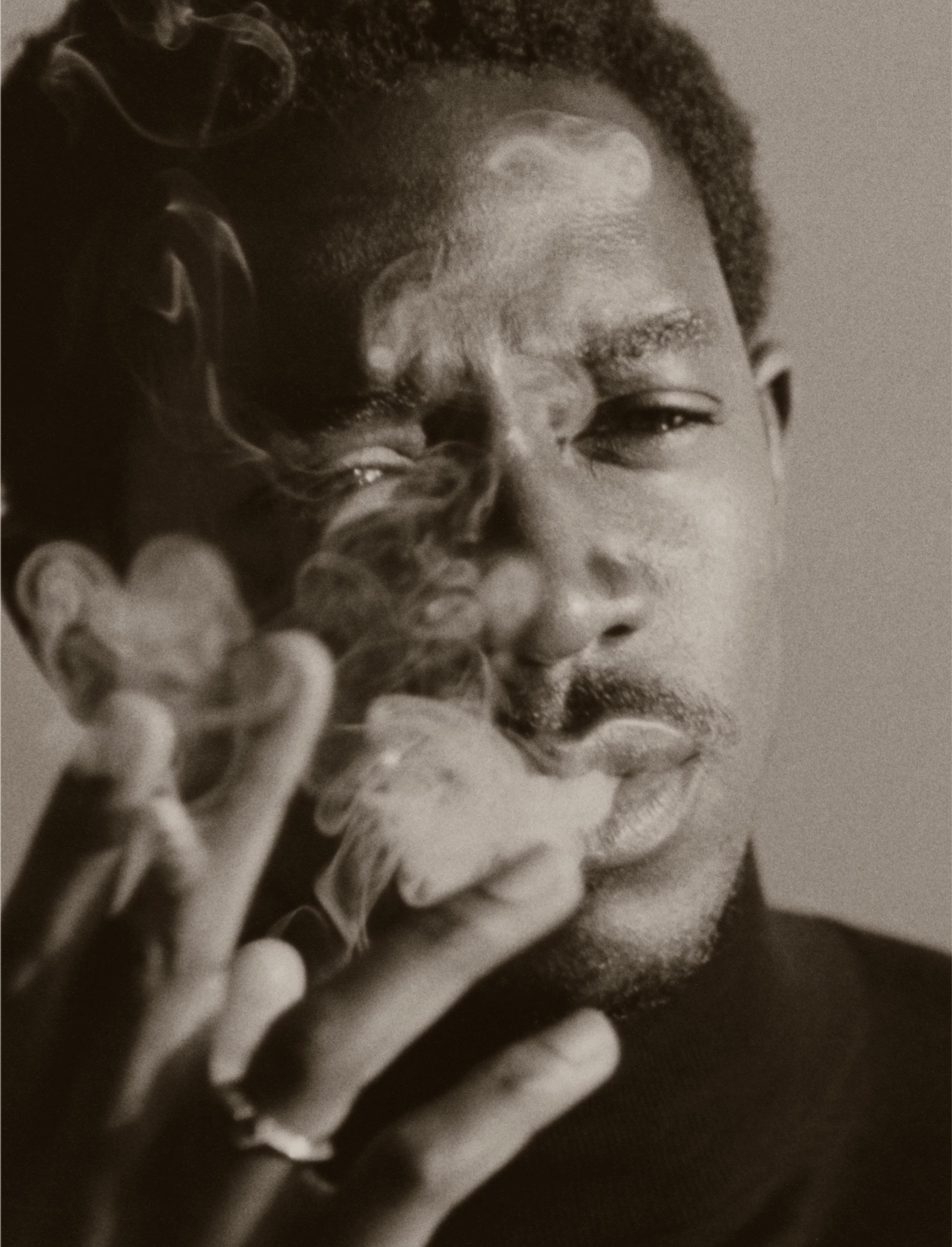
At 34, the actor, DAMSON IDRIS, has built his career by choosing less— and choosing well.
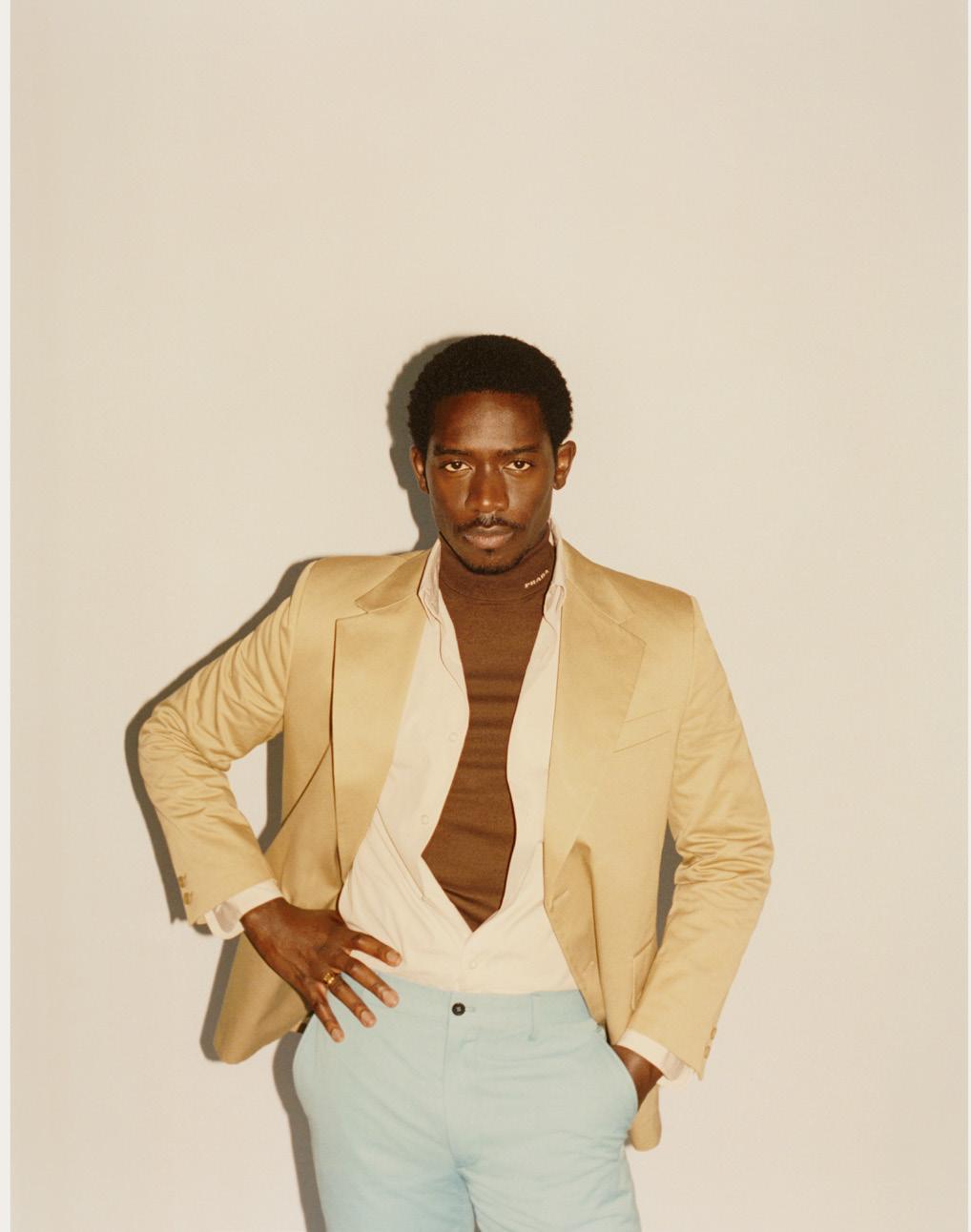
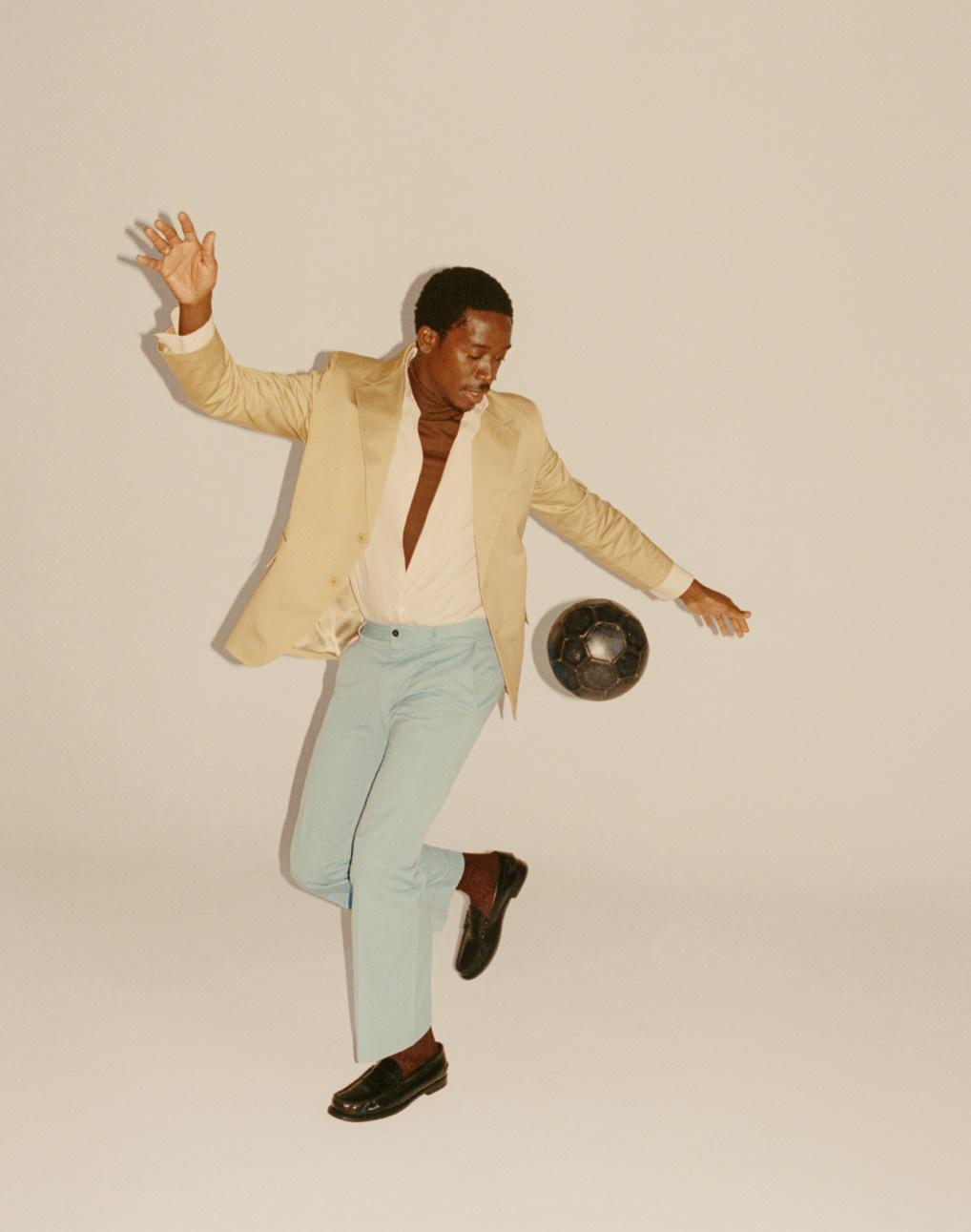
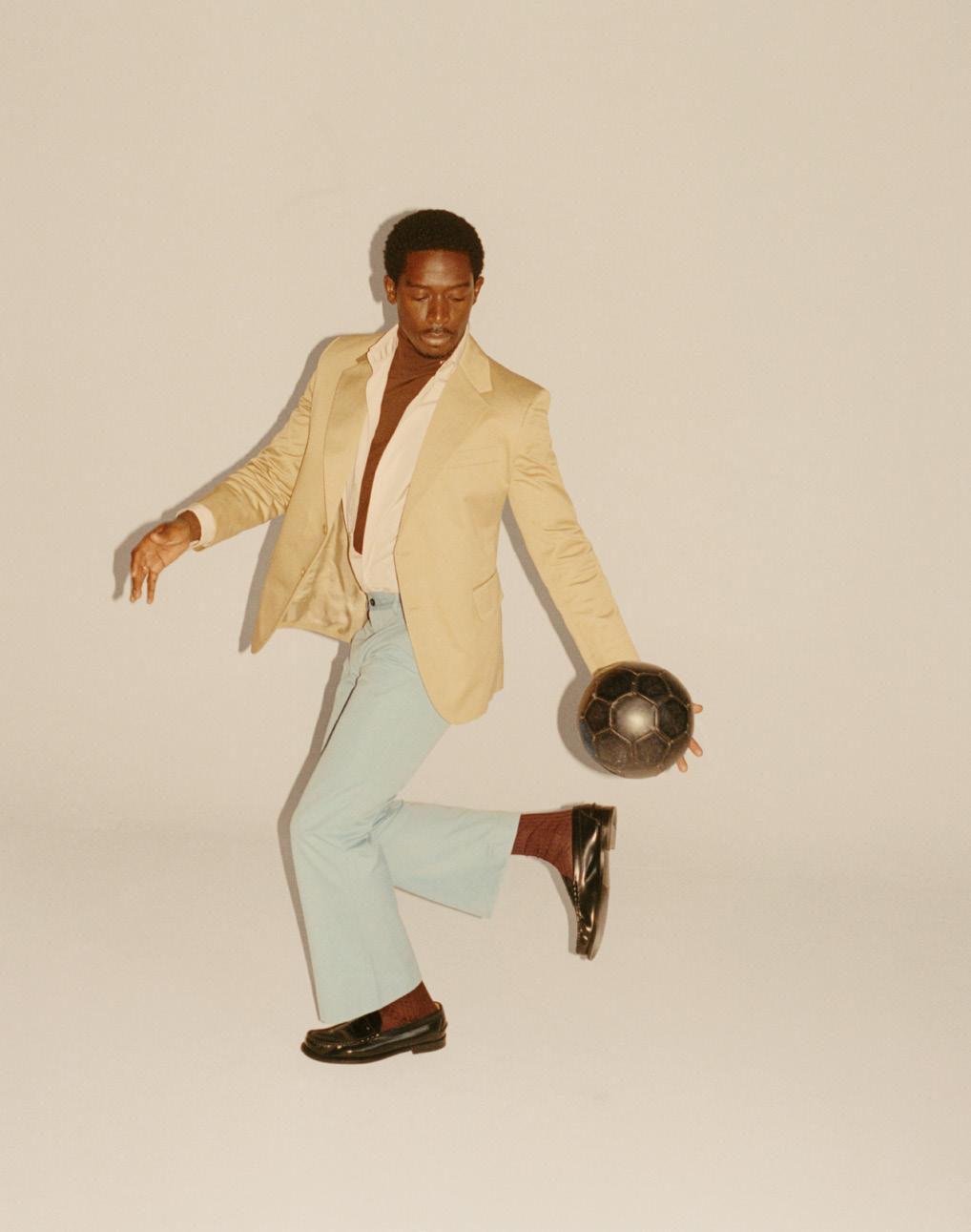
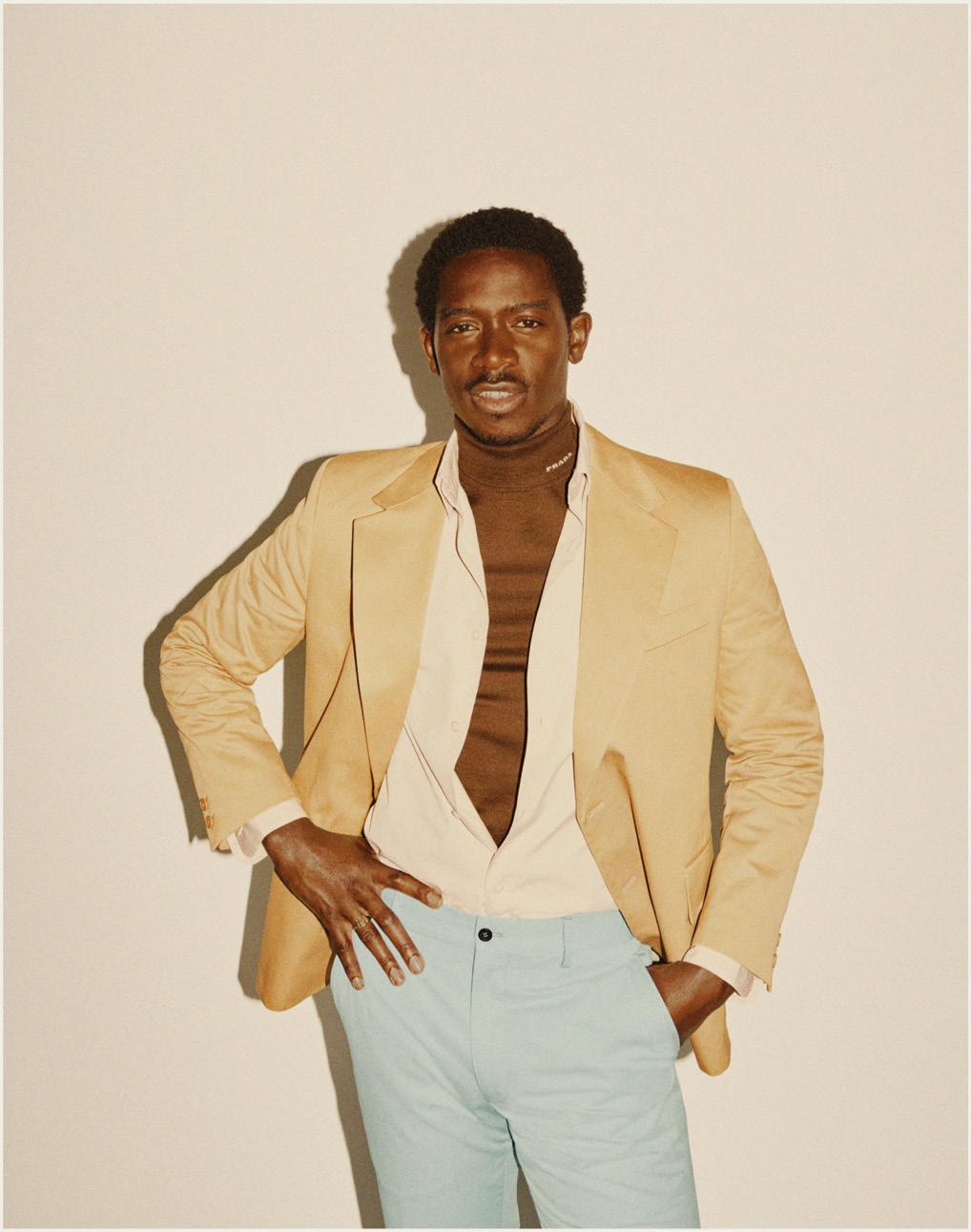
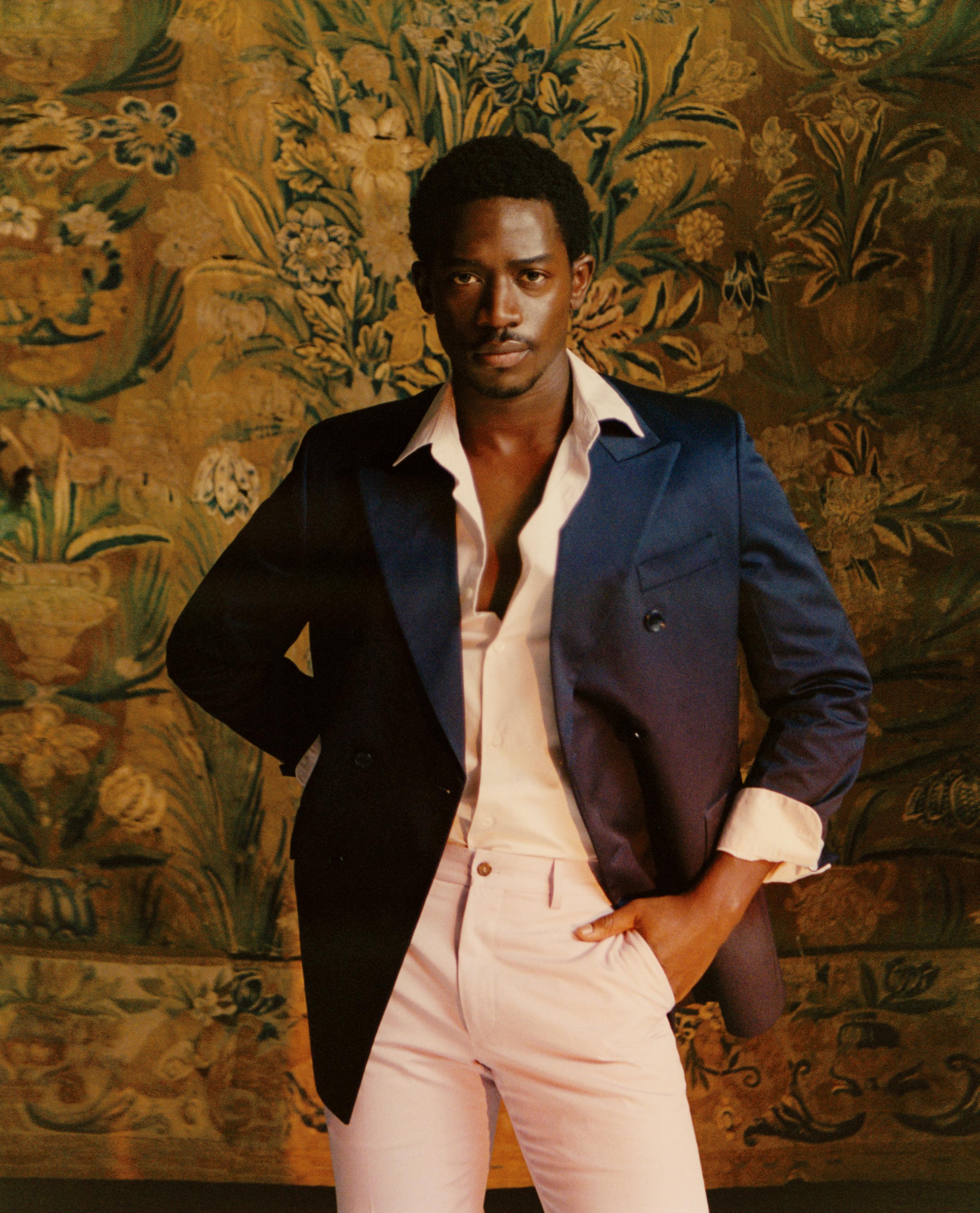
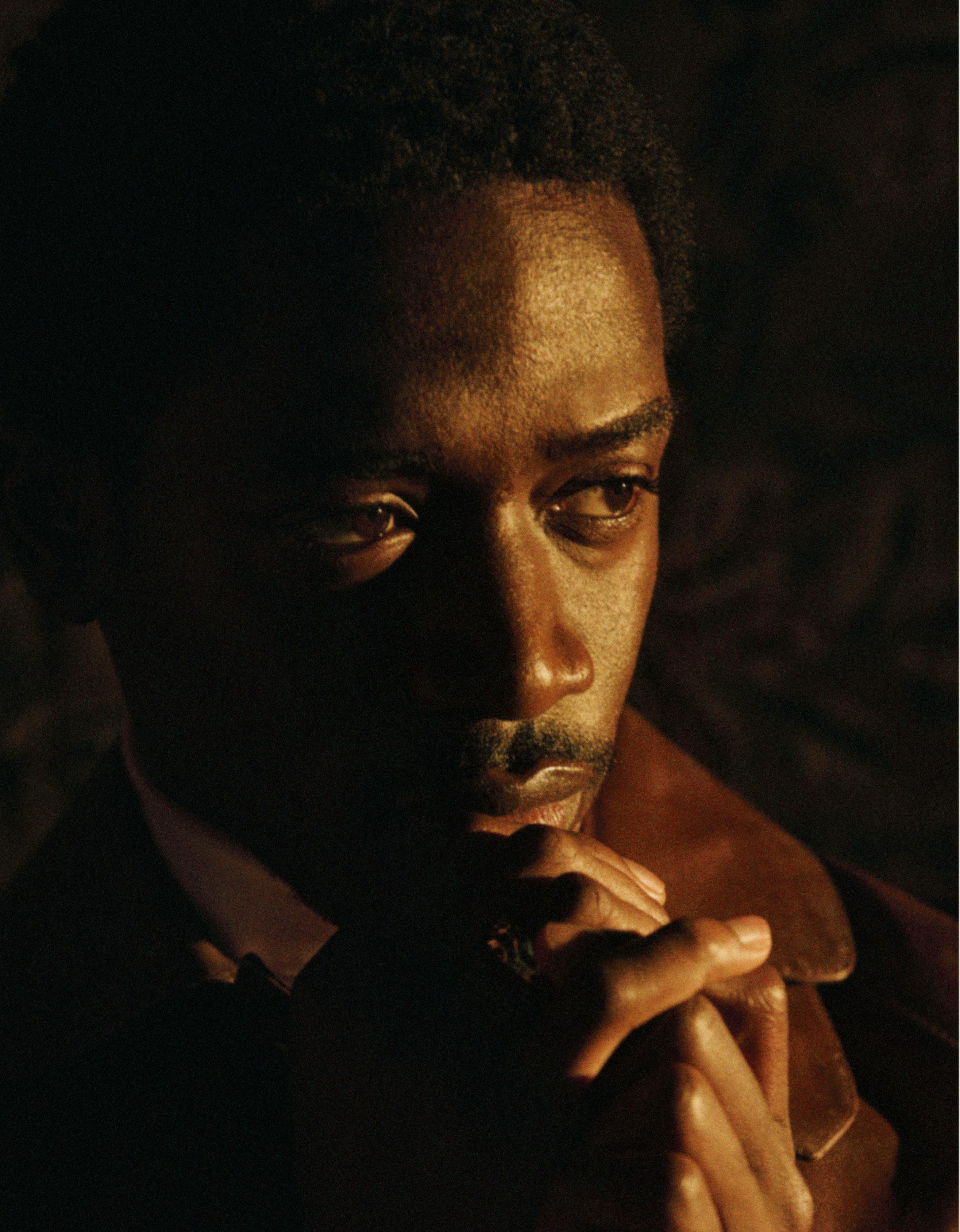
"You
were looking at a group of people who, yeah, may have a warped sense of reality, but they’re passionate about what they do, and they’re passionate about creating iconic pieces."
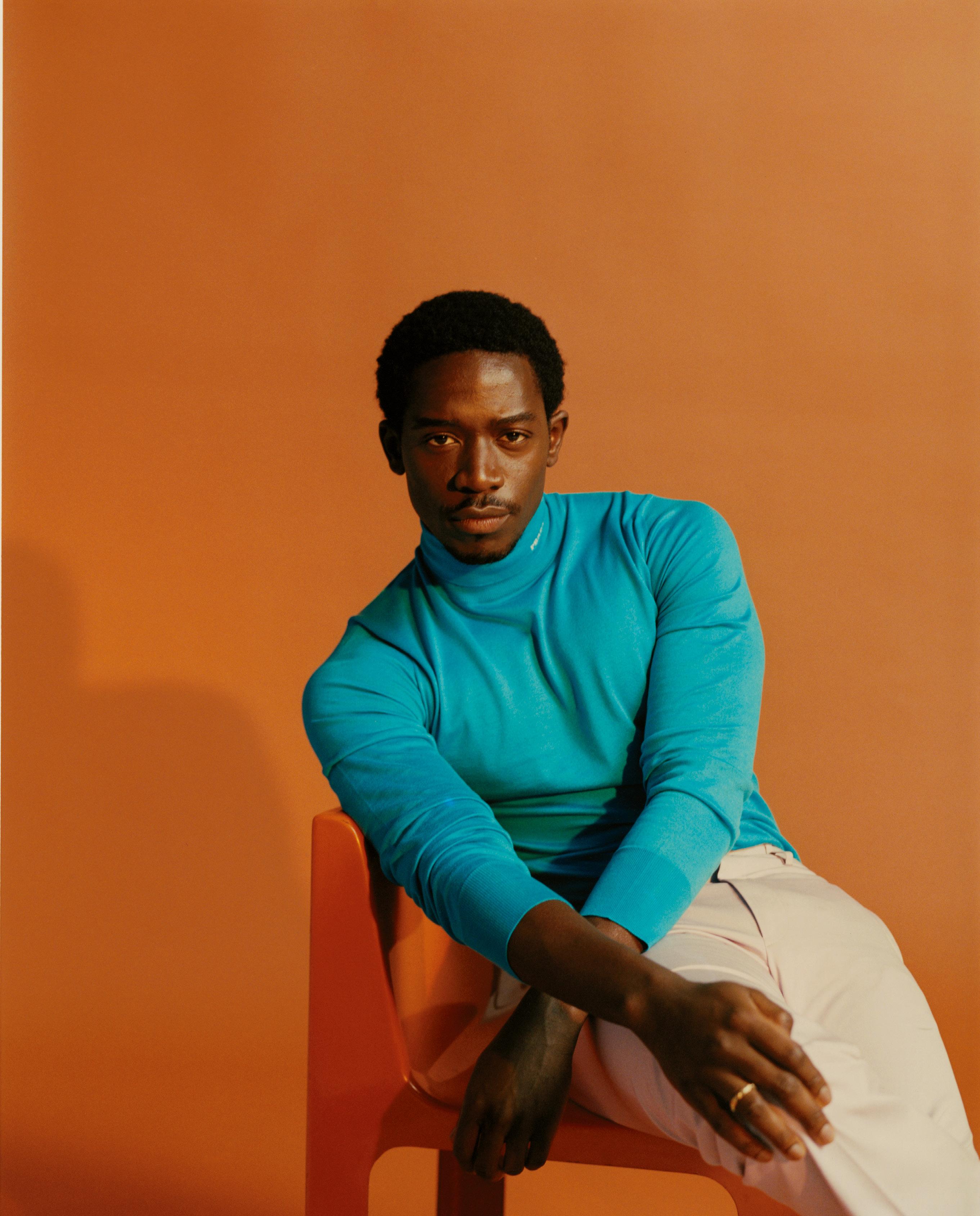
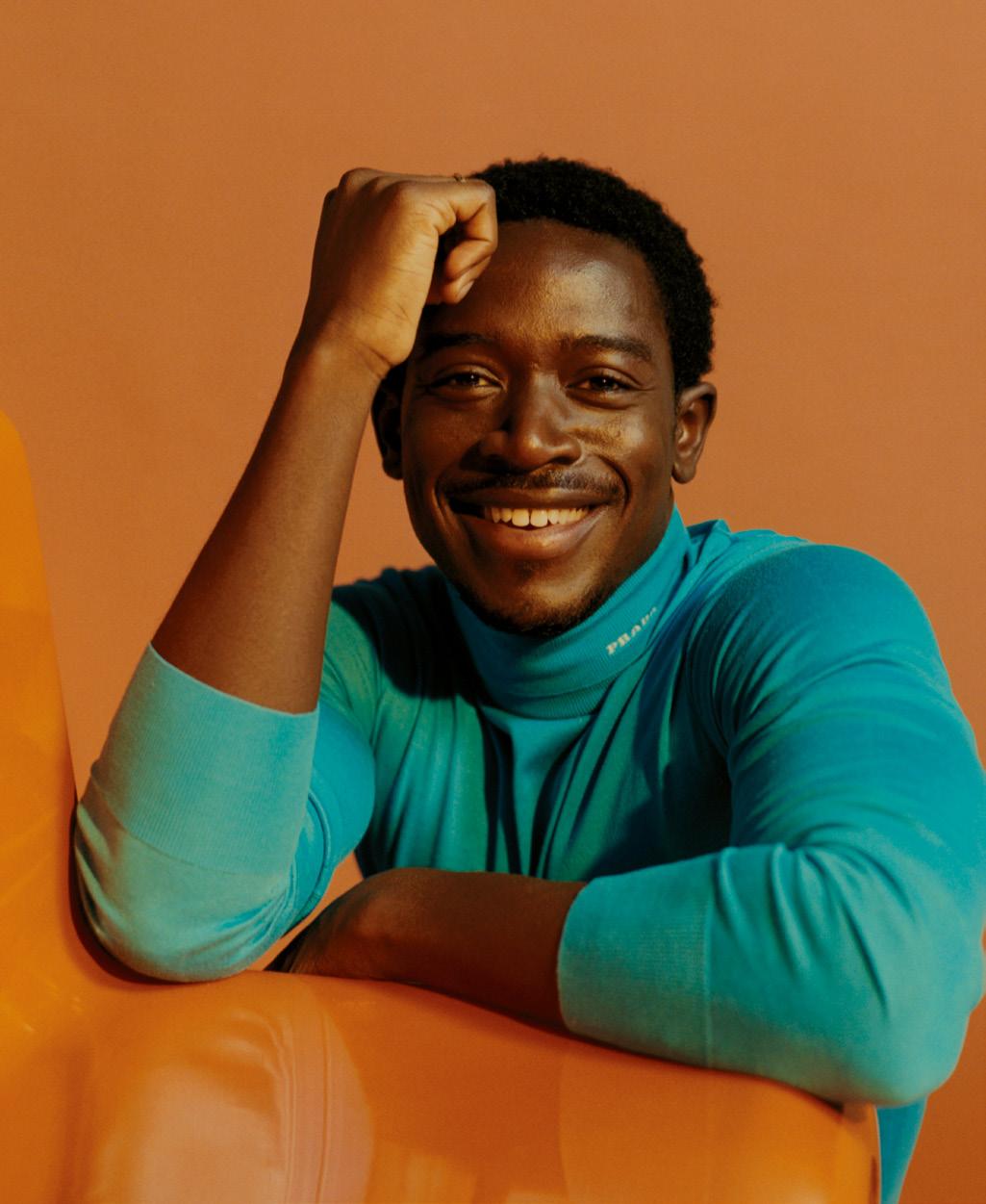
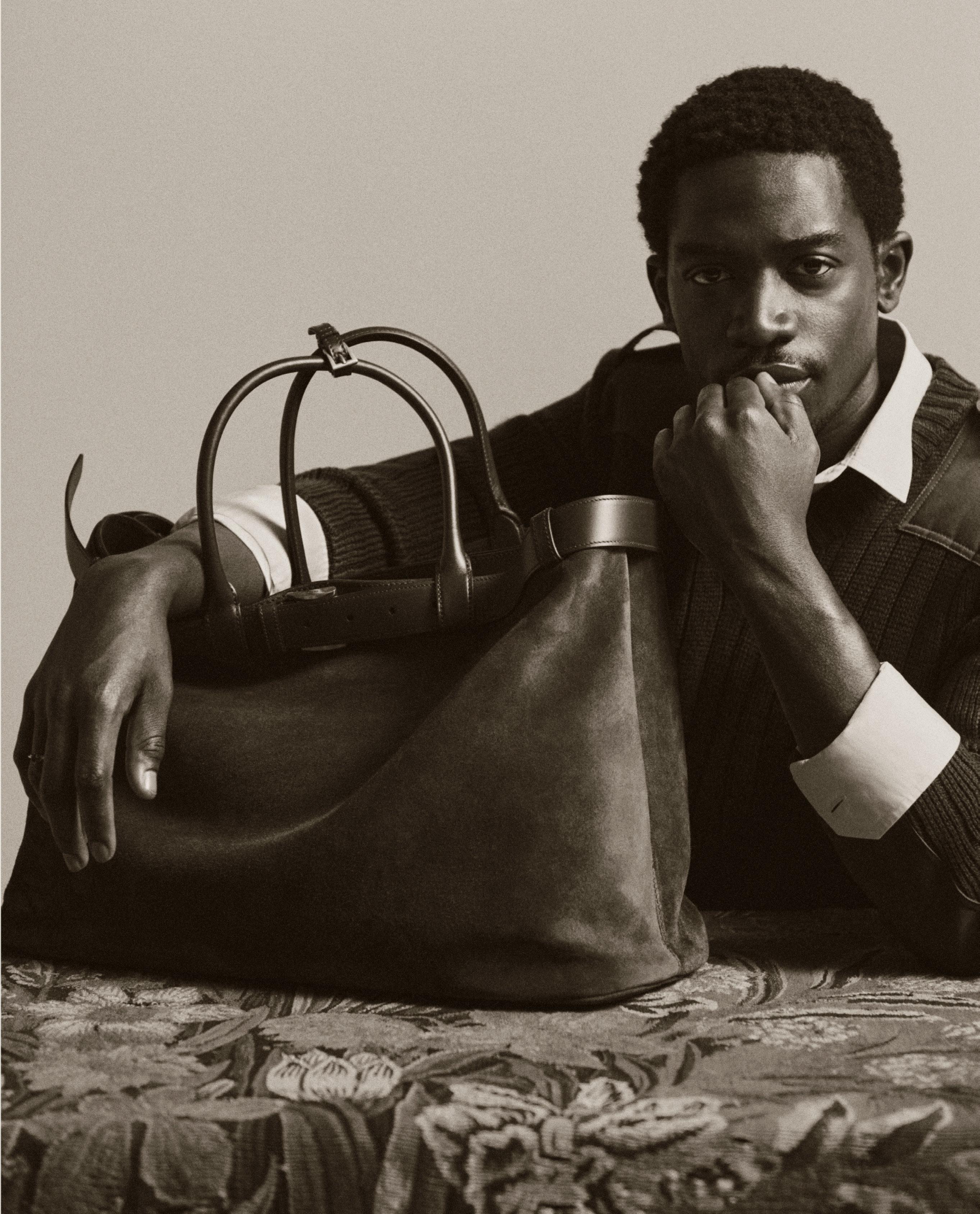

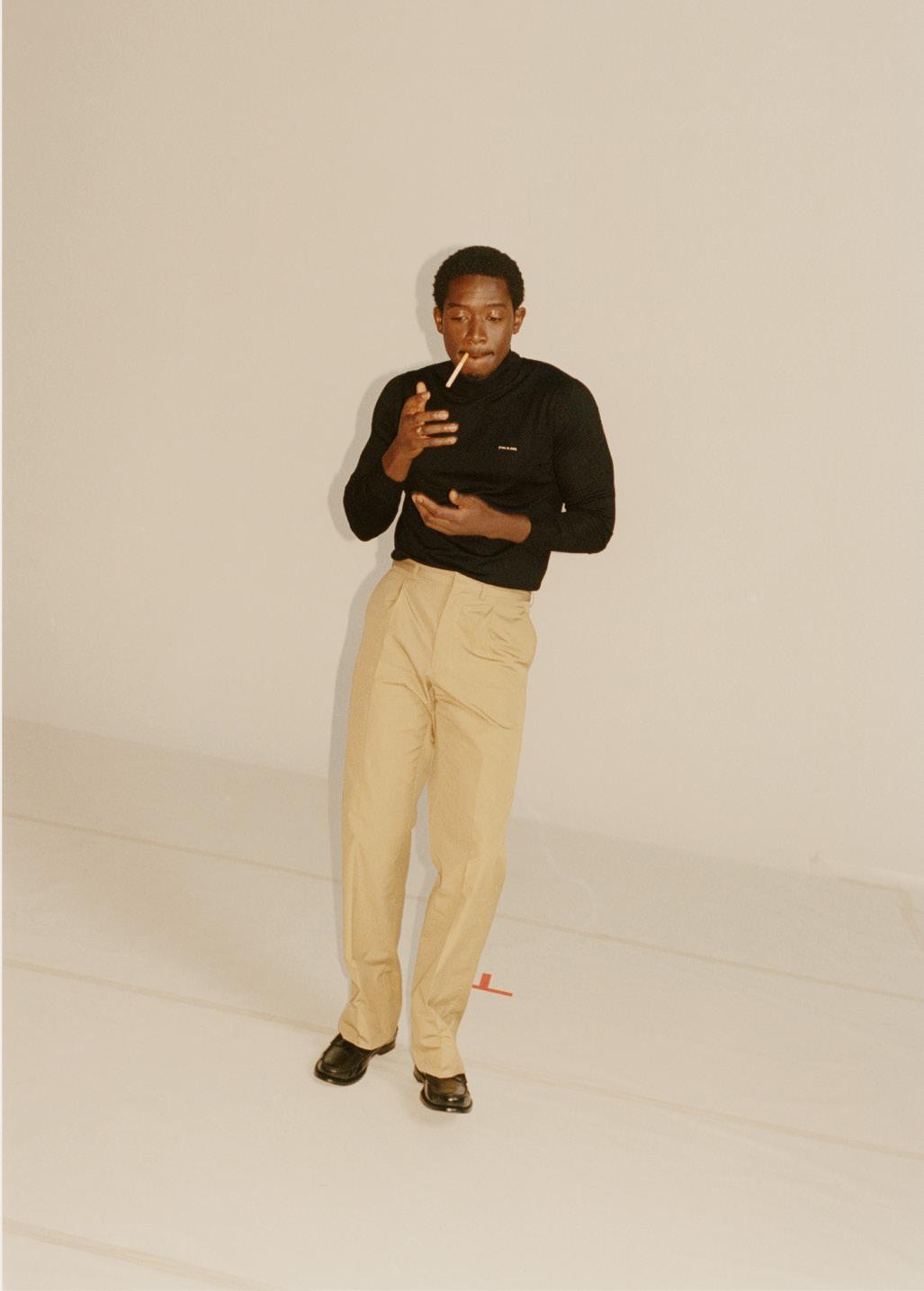
"I’m not obsessed with money, I’m not obsessed with fame, I’m not obsessed with trophies, and I definitely don’t see anyone as competition."
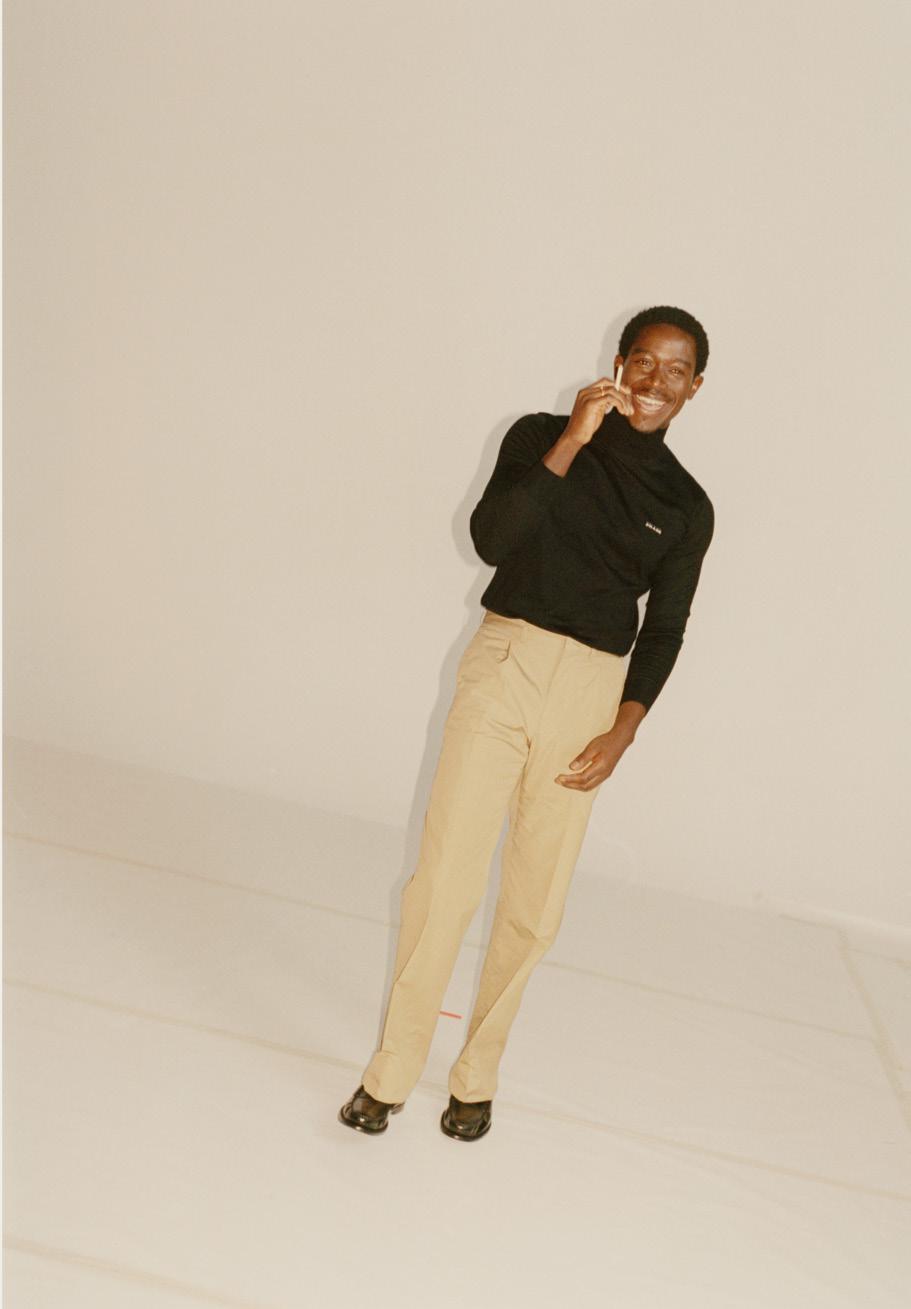
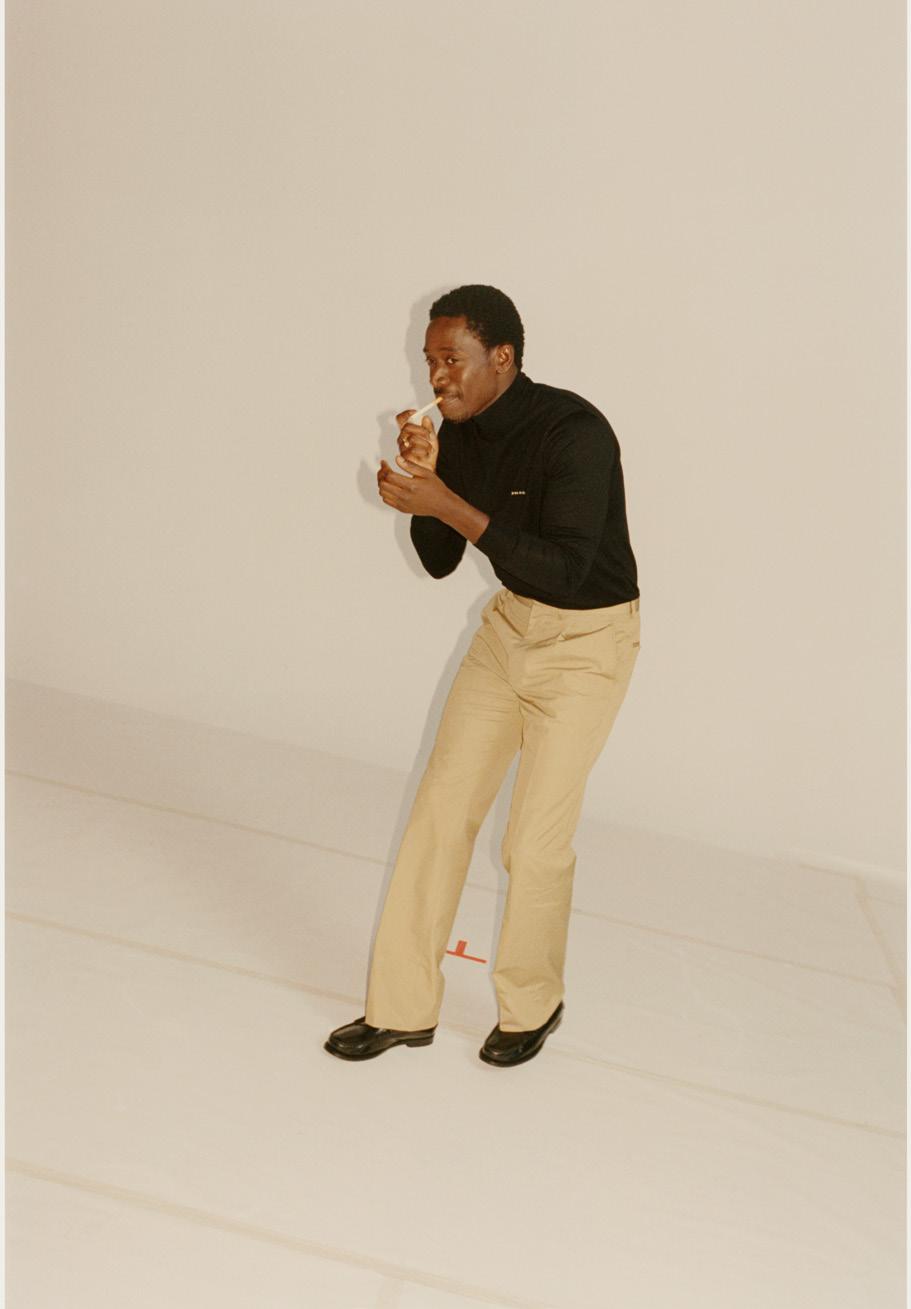
Damson Idris has built his career by being selective. Since his breakout role as Franklin Saint on “Snowfall,” the Londonborn actor has resisted the churn of constant visibility, instead choosing projects, partnerships, and public moments that are deliberate and heartfelt rather than ubiquitous. That same sensibility has made him a compelling presence in fashion, where he’s become a regular on the front rows of Milan and Paris and a standout on red carpets. Moreover, he’s landed one of the most coveted roles in the fashion world: Prada Ambassador (and, for the record, he wears it well). His next character? Playing Miles Davis in the highly anticipated film “Miles & Juliette,” still in pre-production at the time of this interview.
ICON spoke to the actor and entrepreneur about the power of “no,” as well as his early (and hilarious) forays in the fashion world.
ICON: You’re launching a jewelry brand in a world where everyone has ideas but few actually build them. How did this go from a concept to something real, especially with how busy your life already is?
Damson Idris: I guess I looked at my life and how much of my time is spent lifting up other brands. Artists today can really relate to that. You get on a plane, go to events, take photos, do campaigns, but you don’t really own the things you’re promoting. Very early on, as I entered the industry as an actor, I knew ownership was something I wanted to move toward. I was inspired by how the people I partnered with ran their companies and the position they held in the market. When it came to DIDRIS, it was a no-brainer. I’d worked with incredible jewelry brands—from Cartier to Bulgari to Chopard—and I became a sponge. I learned how they made decisions, who they chose as faces of the brand, and how they embedded themselves in culture. I initially thought about getting into rum—because we love rum and beaches—but I realized I needed something more personal, something tied to my heritage. My mother was the first clue. She was obsessed with luxury. She used to buy and sell gold in Nigeria, bring it to Europe, sell it, and use the profits to uplift our family. Her dream was deferred when she came to Europe as a single mother. That’s where the dots connected. I wanted to pay homage to her.
fashion show was in Milan, and because I was late, the seats got packed up, so I had to stand. I didn’t know any different, because I’d never been to a fashion show before. Obviously, everyone was losing their minds.
That’s insane! Everyone must have been freaking out. Yeah. My team was losing their minds, because I was there as an actor, like a guest of honor or whatever. But I was just so green and so fresh. I didn’t even care! I didn’t know that it was bad that I didn’t go sit down. I was so immersed in the show and so captivated by everything around me. And that was what sparked for me, “Okay, this is an industry I want to work in.”
You’ve said no to a lot in your acting career. Does acting still scare you?
"I’ve turned down so many roles. It’s absolutely insane. There are actors who have made careers off the parts that I’ve turned down."
Oh yes, I still do, funny enough, before every single role— however big or however small—I, for some reason, don’t think I can do it. They made a mistake. They need to give it to someone else. Like, I’m the worst guy. And it’s partly why I don’t do a lot of movies. I mean, I’ve turned down—I've turned down—so many roles. It’s absolutely insane. There are actors who have made careers off the parts that I’ve turned down. And, you know, I think I just made the decision and asked myself, “Okay, why am I doing this?” I know I want to do this forever. I know it’s an ageless industry. But I’m not obsessed with money, I’m not obsessed with fame, I’m not obsessed with trophies, and I definitely don’t see anyone as competition. So why am I doing this thing—acting? It was because of a feeling. I want to connect to certain worlds. That doesn’t happen all the time, but when it does, I give 100 percent. And that is the body of work that I’ve created so far, and it’s why—because if you really think about it, I mean, I’ve been acting for a while, but I haven’t done a lot of stuff. And despite that, it’s been so impactful to the culture and to young people, because I give everything. I really do give everything. And it’s impossible to give everything to everything. You’ll stretch yourself so thin.
Final question! What does a good day off look like in your eyes?
Let’s zoom out a bit. What surprised you most when you first stepped into the fashion world?
It’s so funny. My first time ever taking in fashion, and what that world was, was “The Devil Wears Prada.” I was like, “Oh my gosh, this is insane.” I remember that Meryl Streep character, and how they really villainized the world, but also how you had empathy for it. You were looking at a group of people who, yeah, may have a warped sense of reality, but they’re passionate about what they do, and they’re passionate about creating iconic pieces.
And fashion, for all of us—so much detail goes into it, and they really love it. I remember clear as day my first ever
Wow. As cheesy as this is, I call every member of my family, and I FaceTime with them for as long as possible. Because I just don’t see them. And I think that’s why a lot of the stuff I’m doing lately is really just to pay homage to my mom. Oh, I’m going to do that kid movie because my nephews and nieces are going to watch it, or my brother would really like this. I think I’m just overcompensating for the fact that I never get to see them, and I never really get to spend a lot of time speaking to them.
So through my art and through my endeavors, I’m kind of pathetically trying to get their attention. That’s often what I do on a day off. And then, aside from that, I sit down and watch and admire the work of my peers, because I’m always inspired—mostly by the people who are also on this journey beside me.
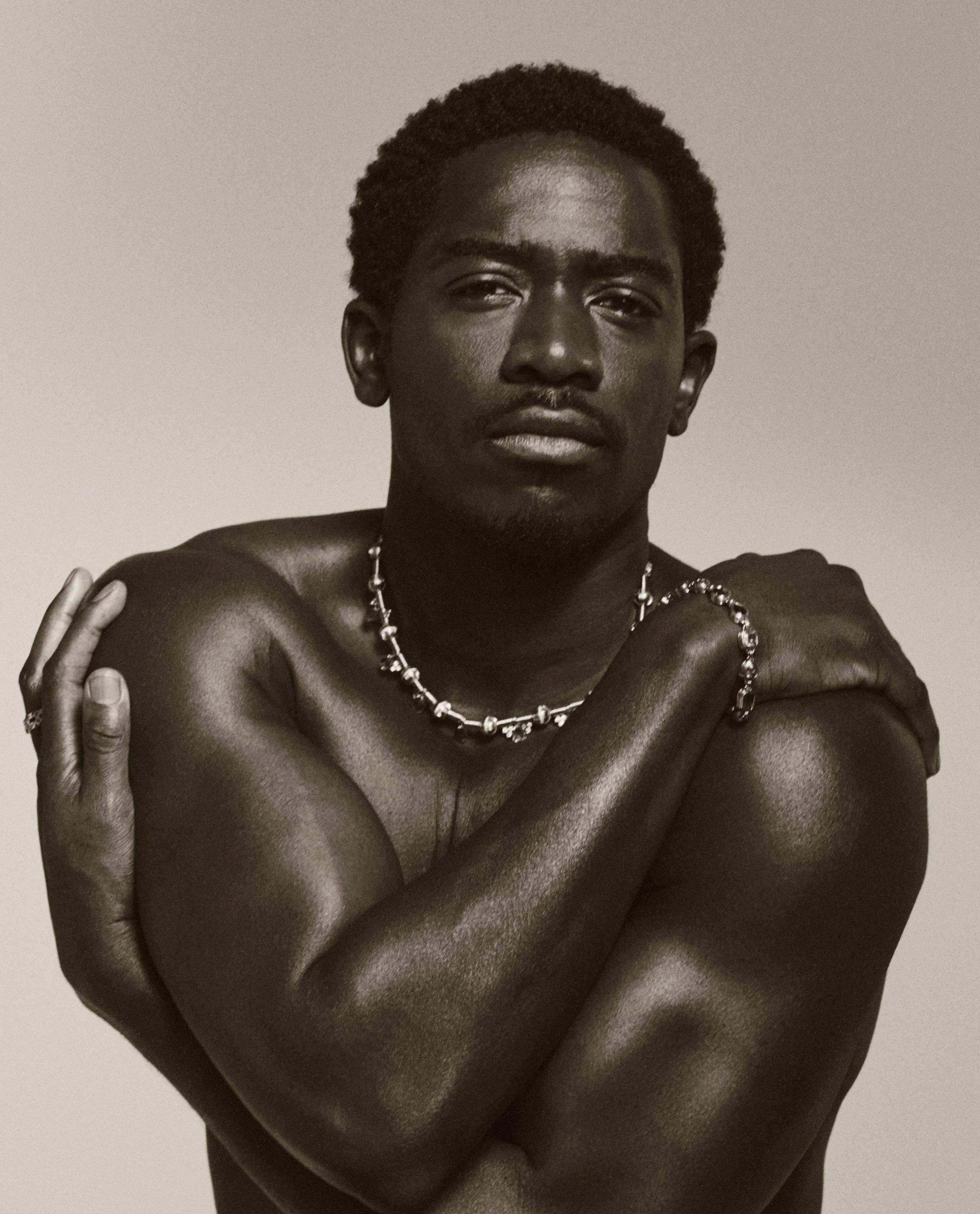
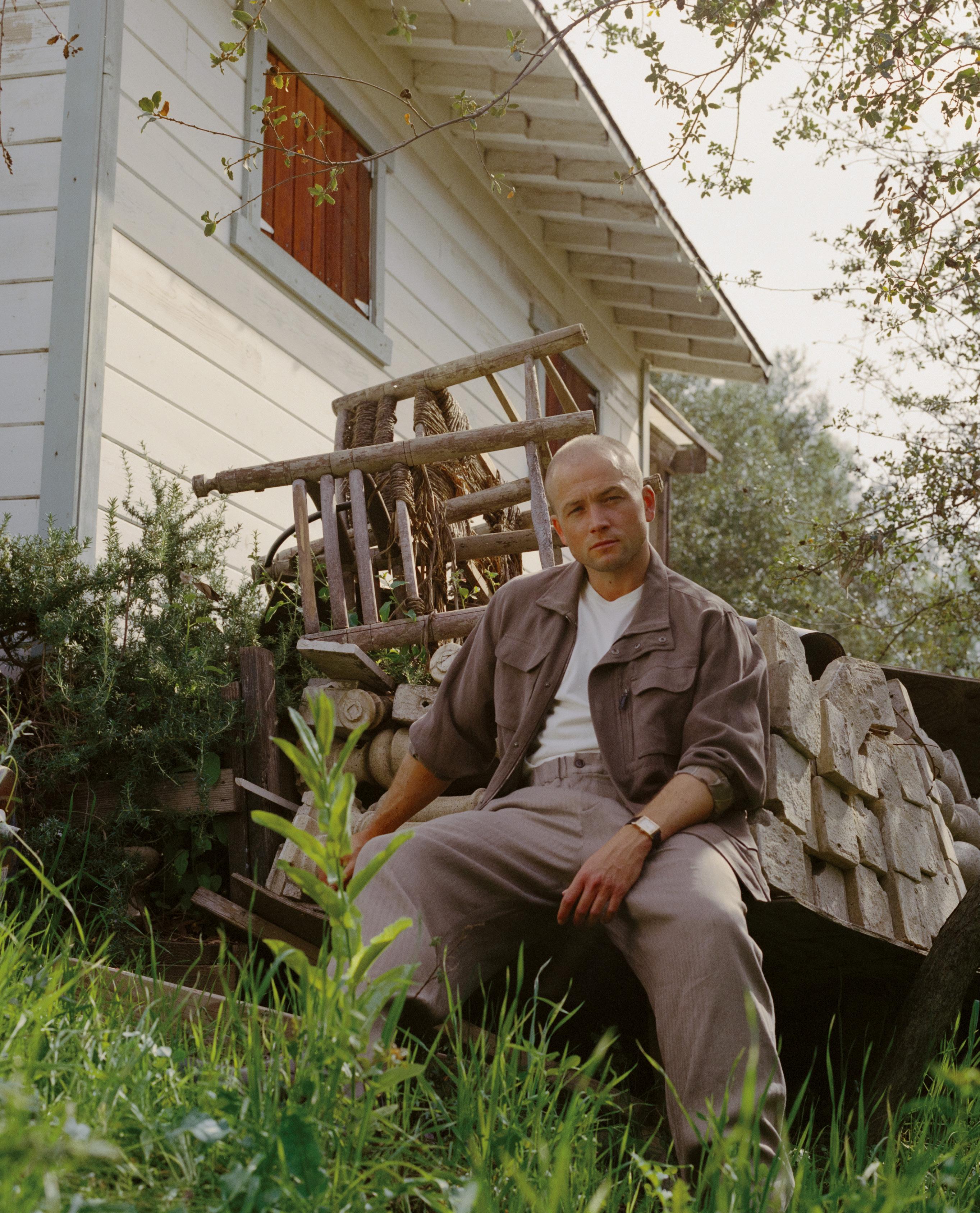

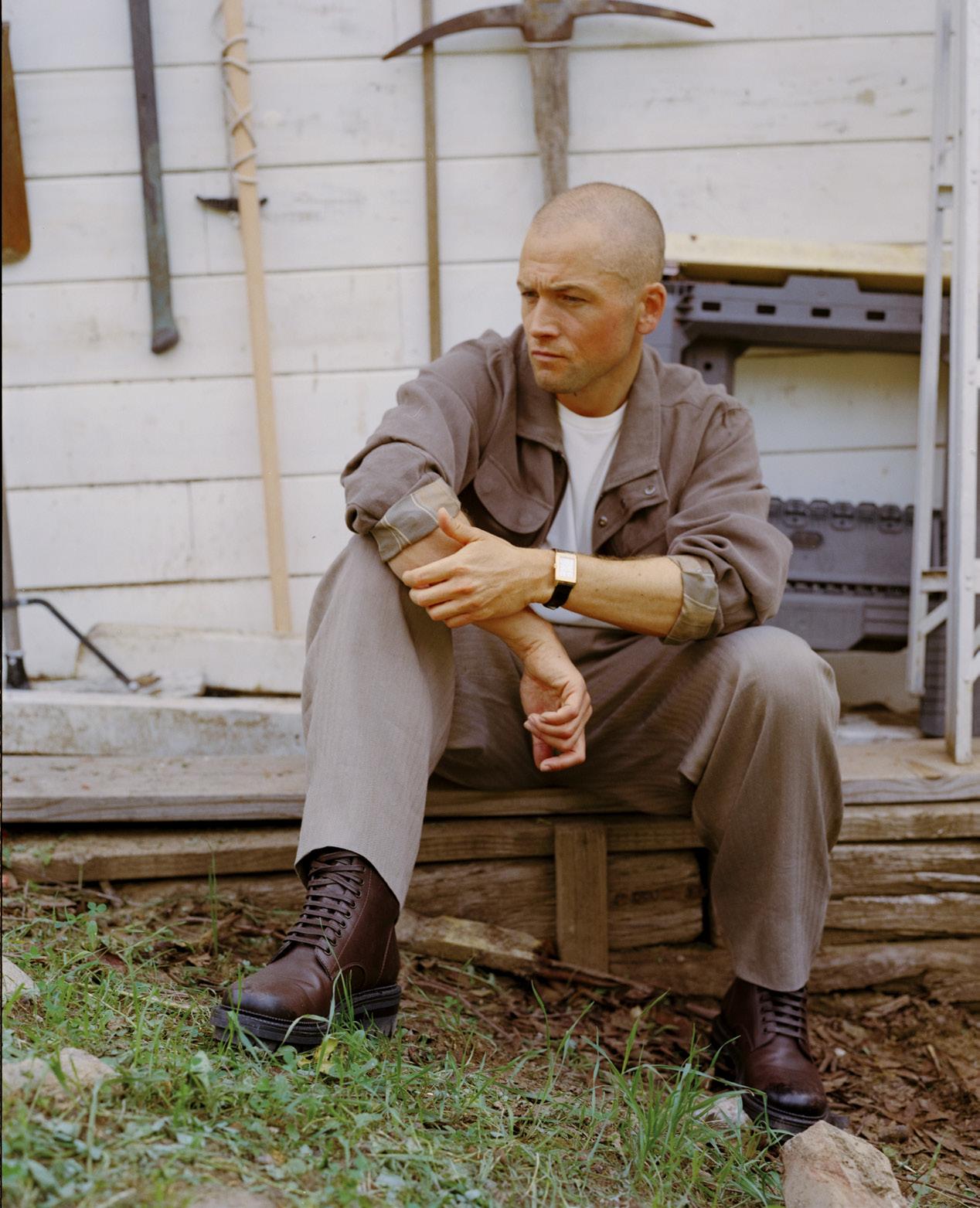
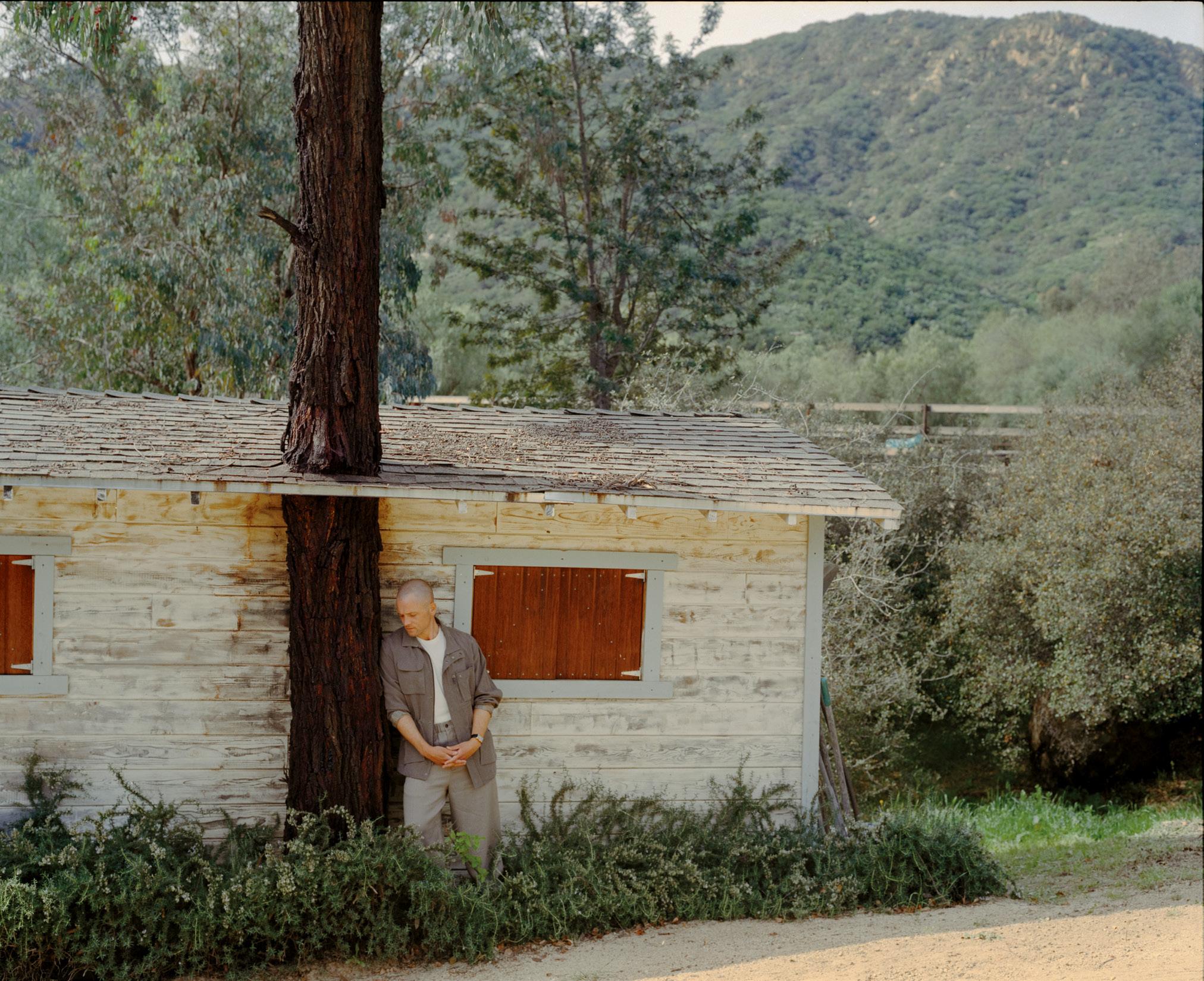
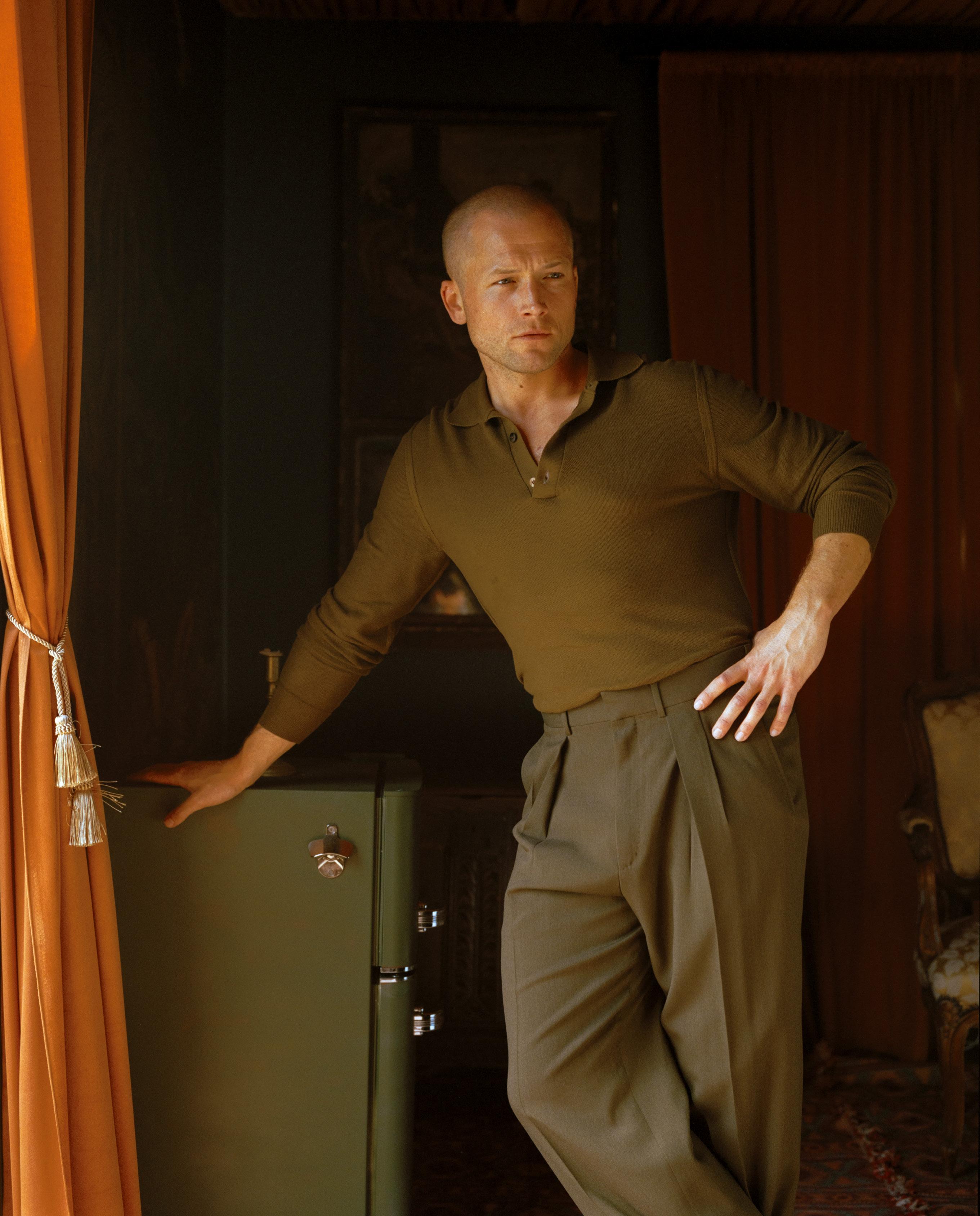
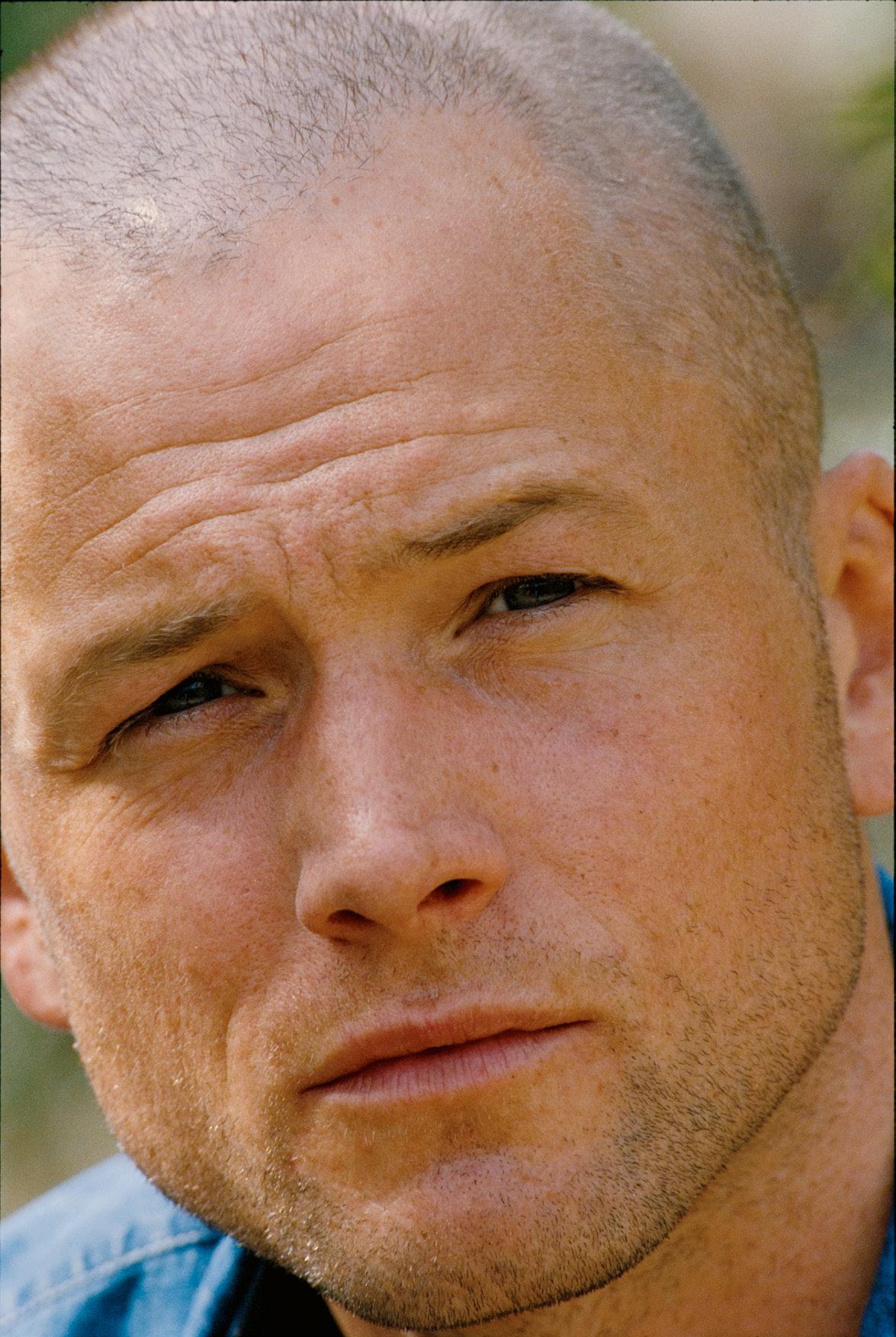
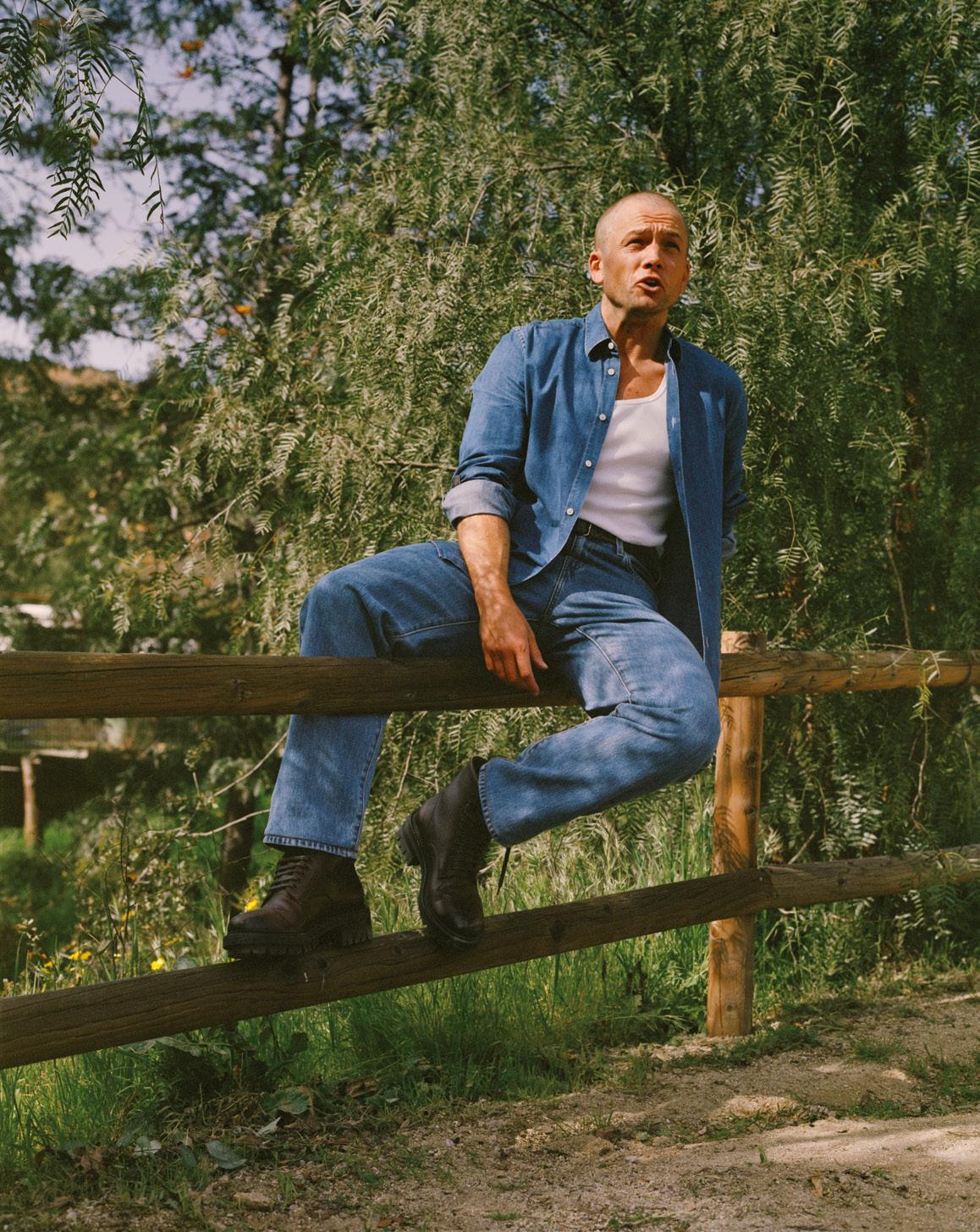
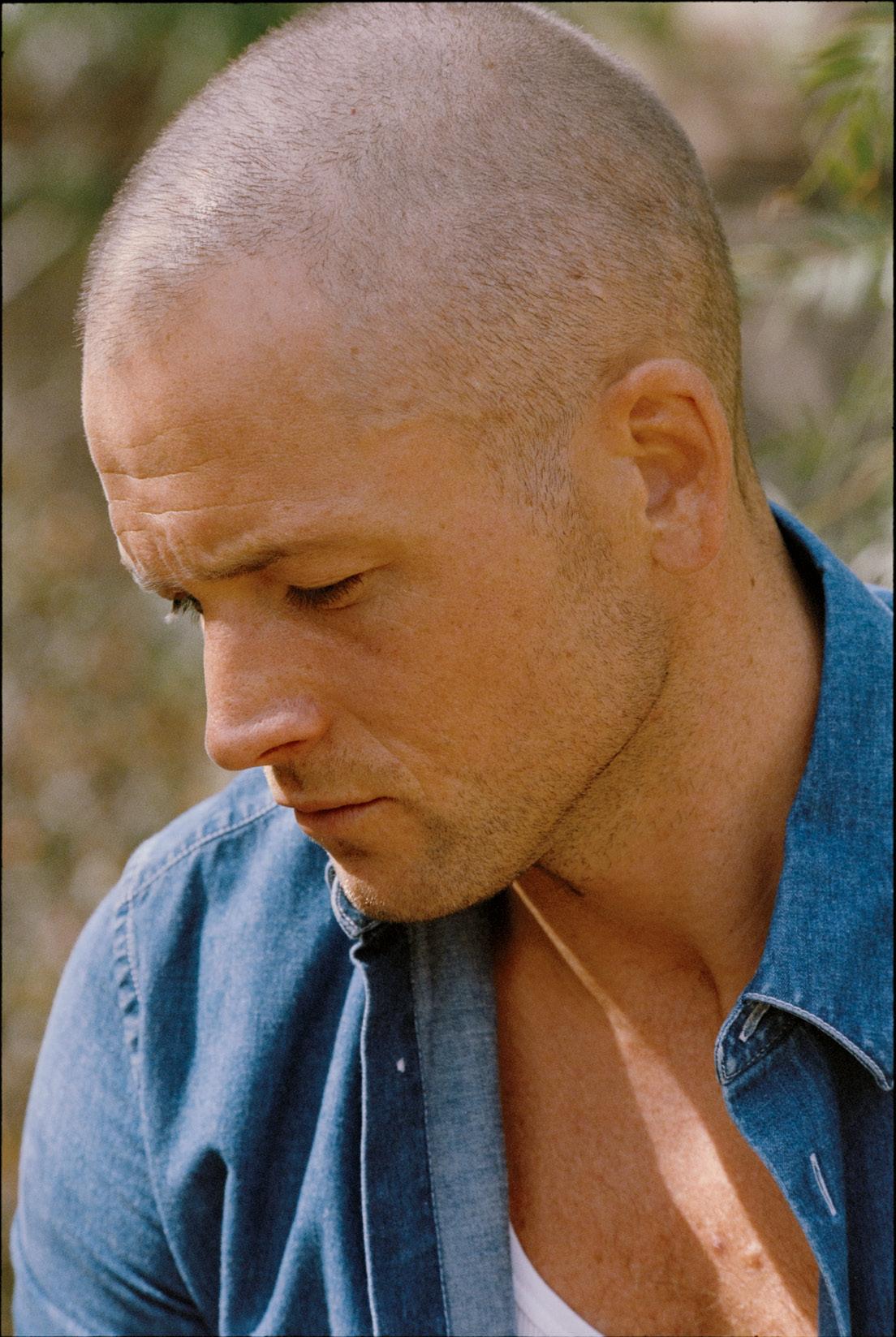
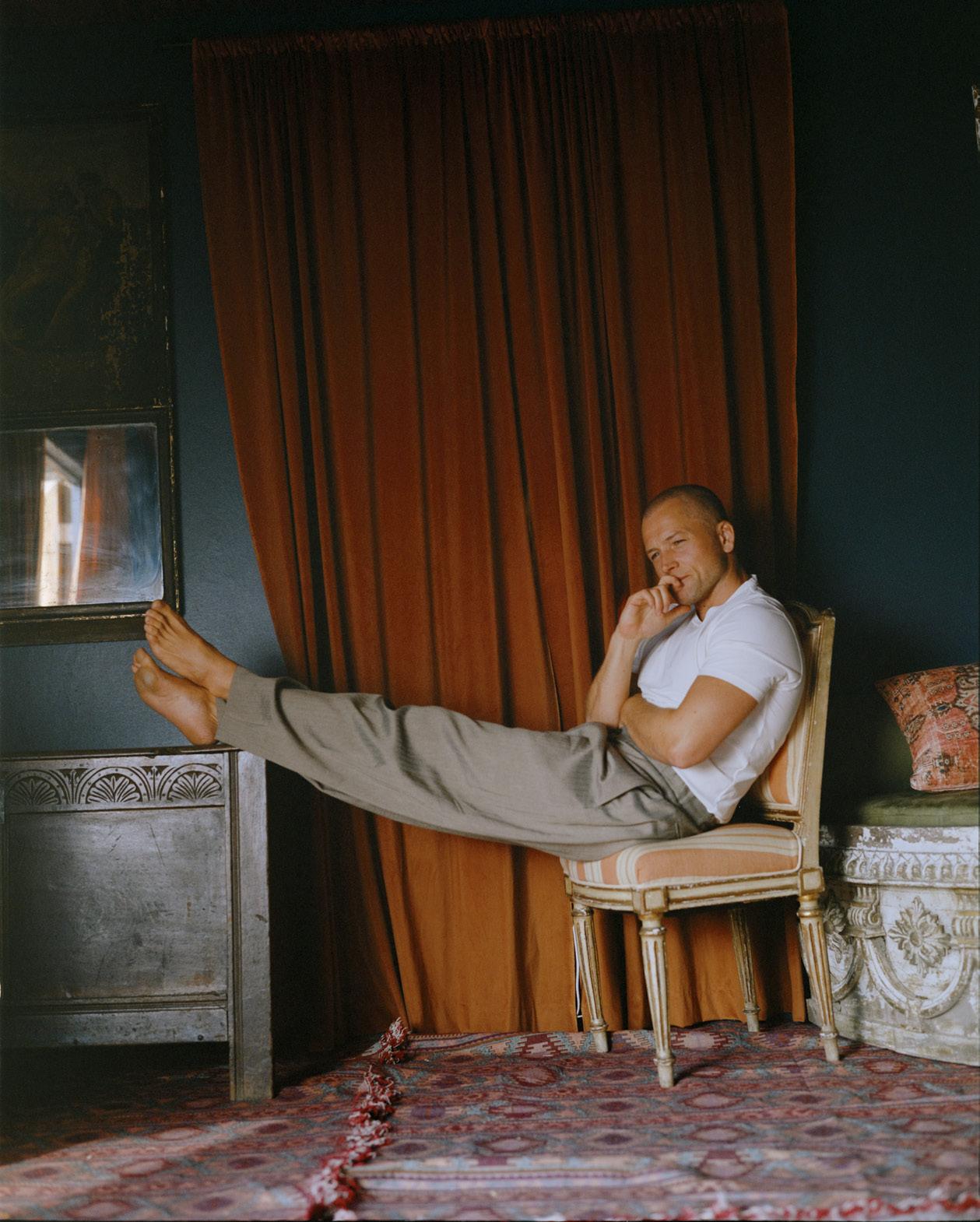
Each time the 36-year-old actor, TARON EGERTON, is pushed beyond his comfort zone, he steps more fully into it.
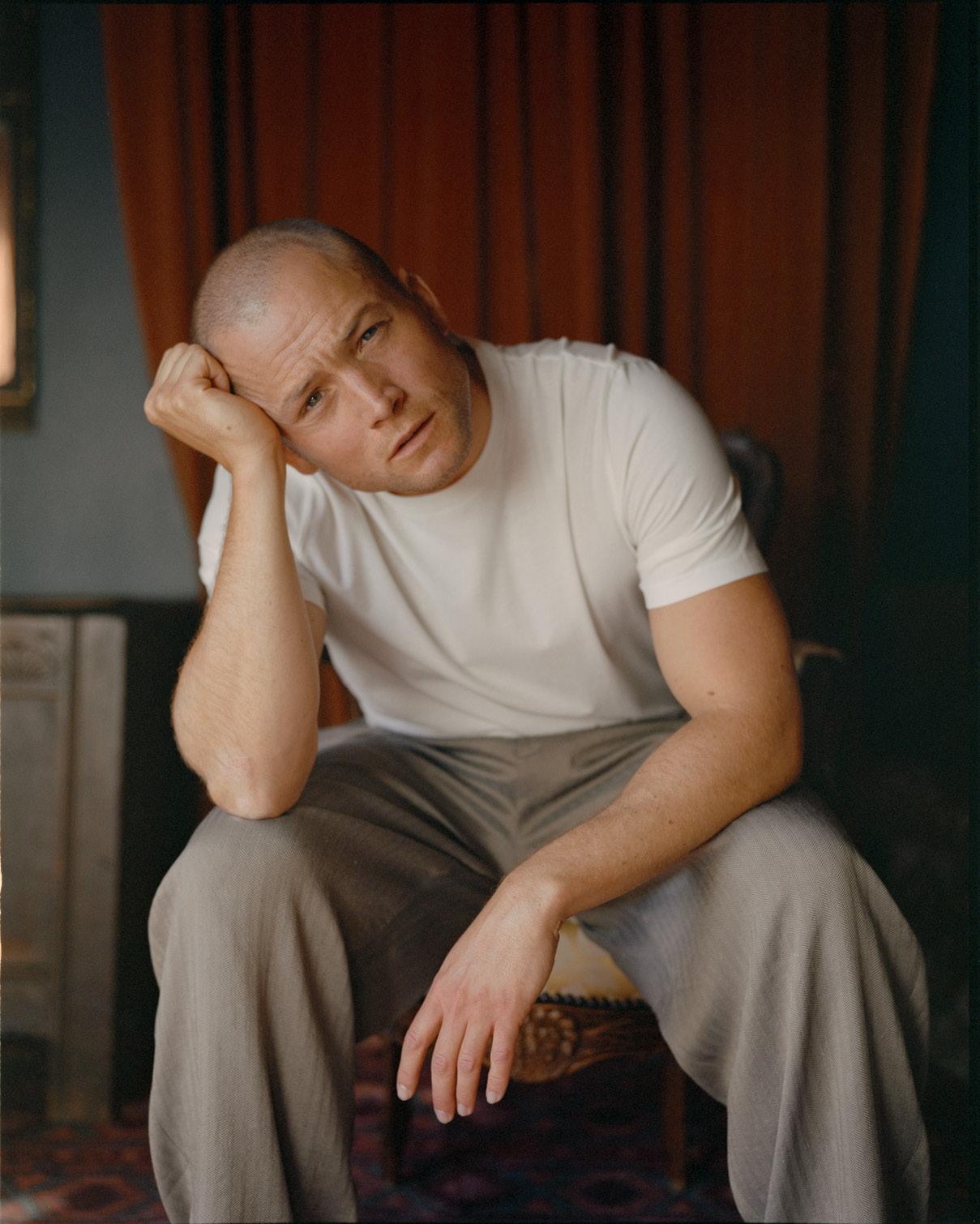
"I’m not interested in being an infallible artist. I want to create roles that show the fractured, fissured vulnerability of being human, because that’s how I feel every day."
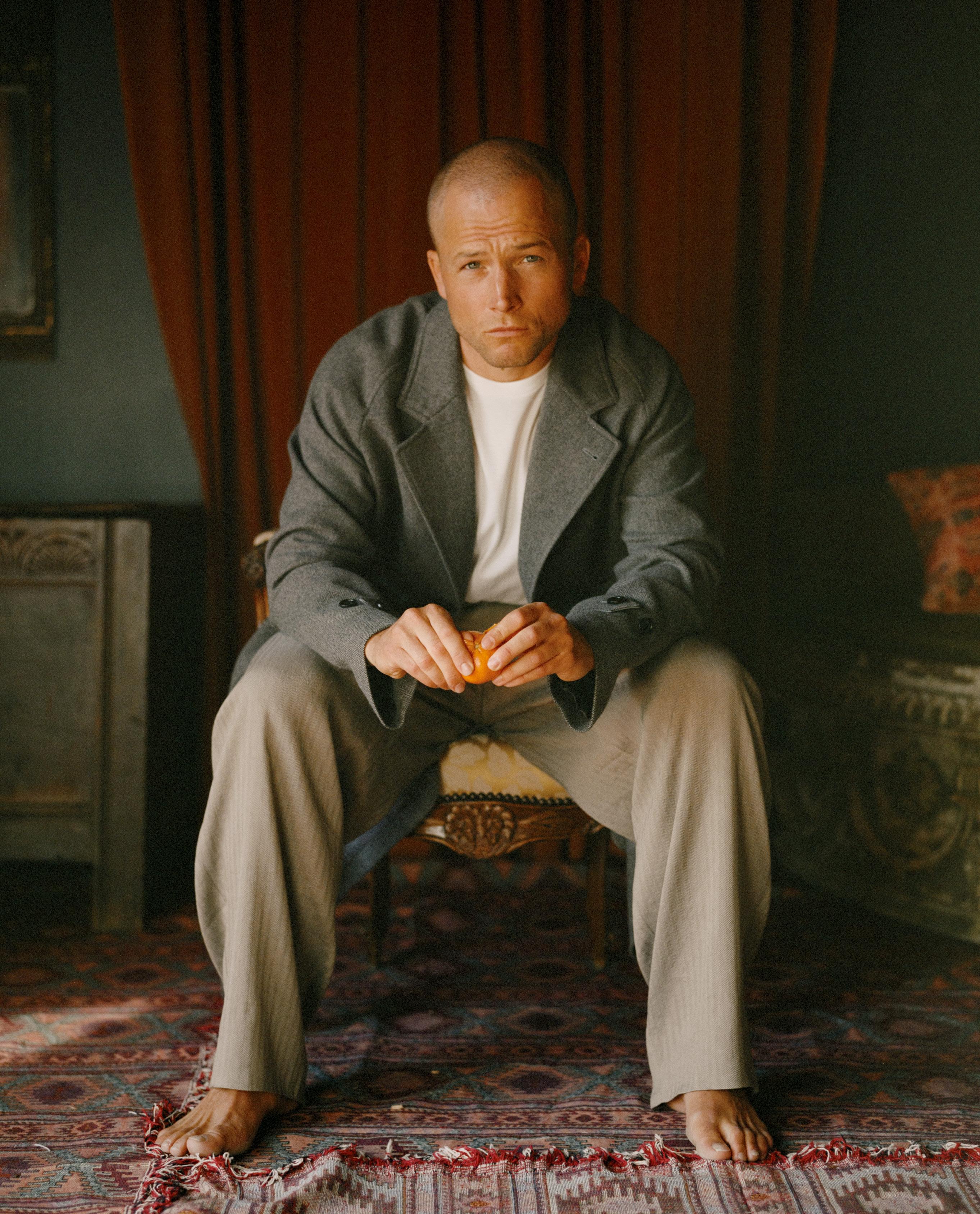
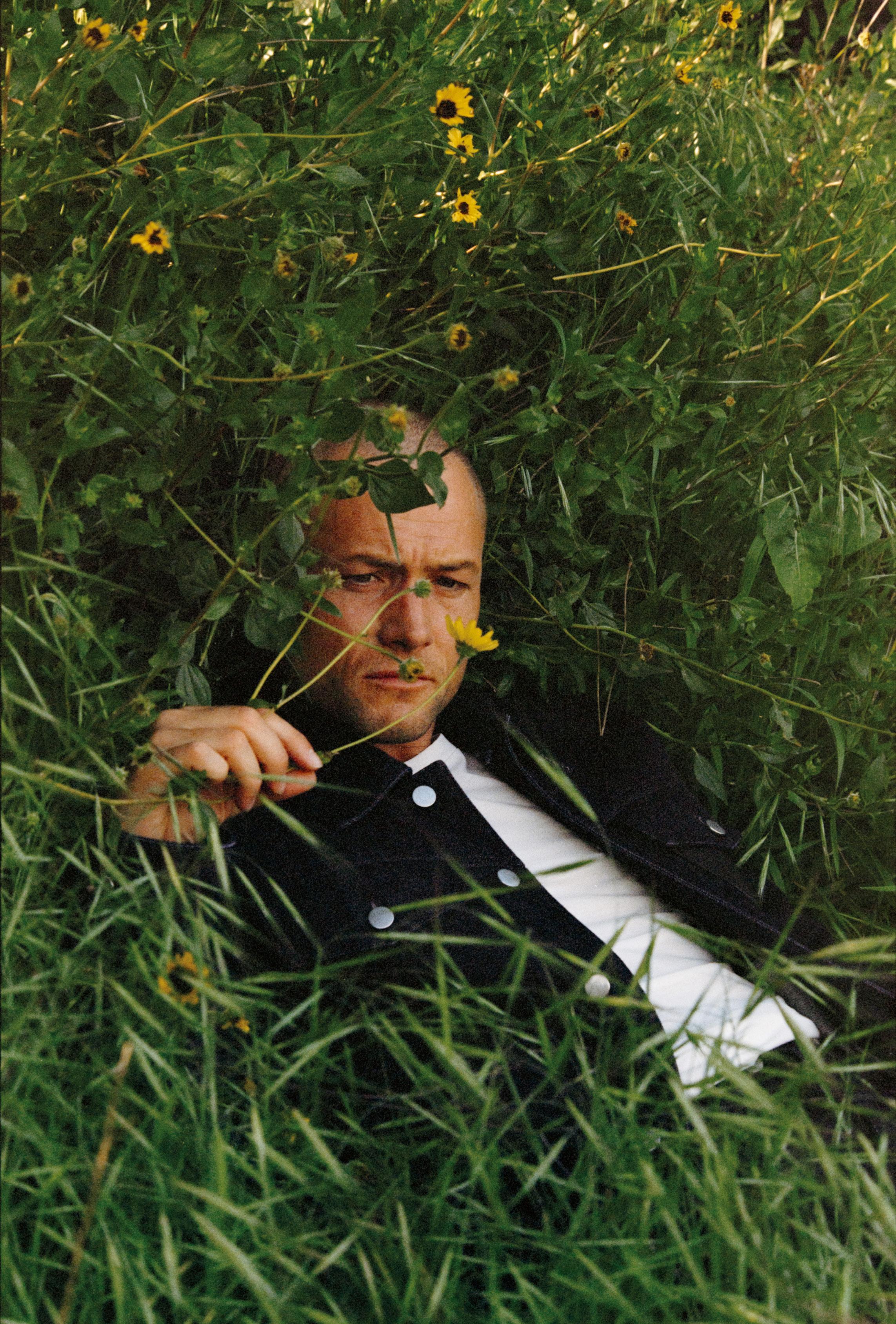
"I get easily bored, and while I want to do all kinds of work, I’m drawn to things that are punchy, that make you think, 'He’s going to do what?'"
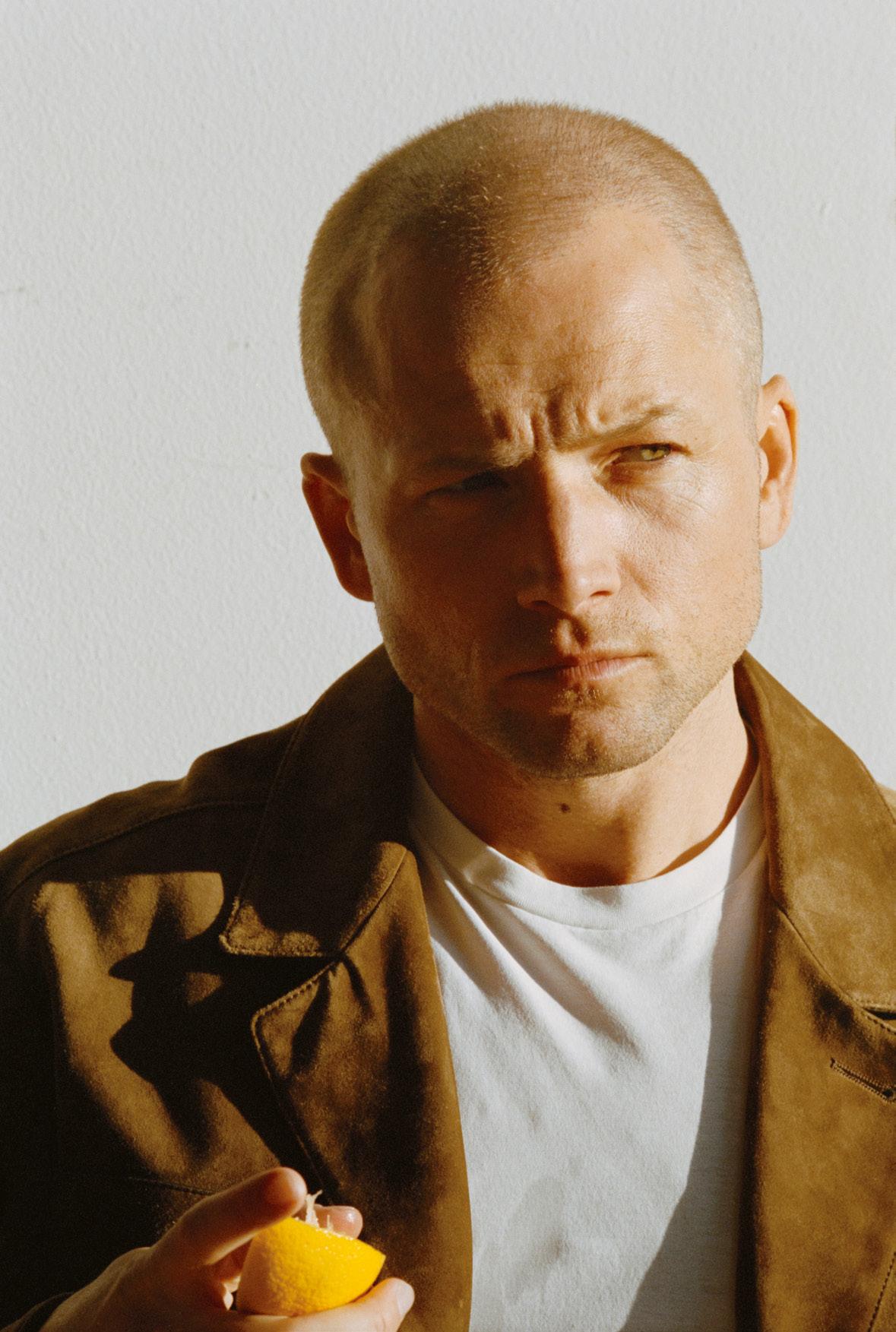
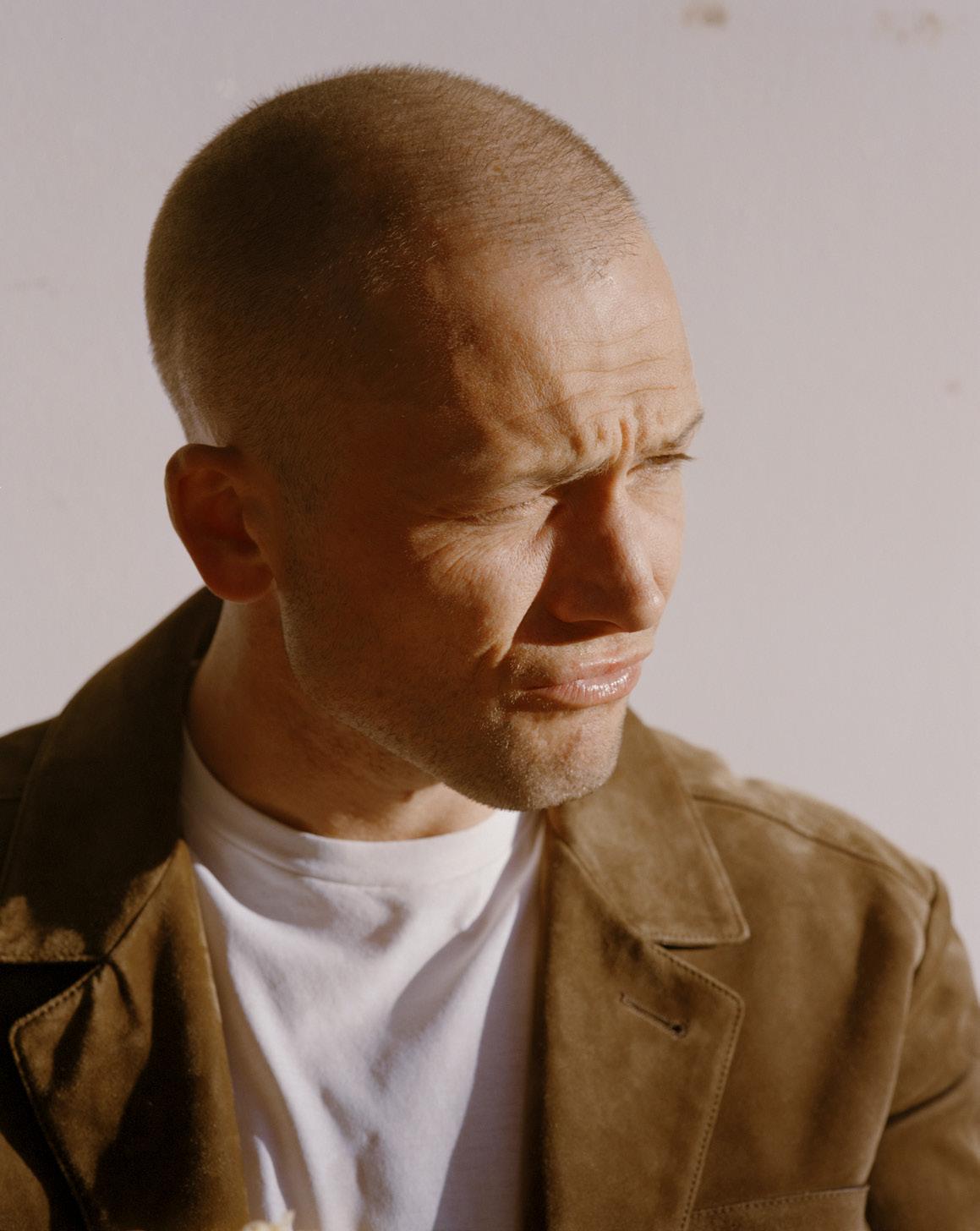
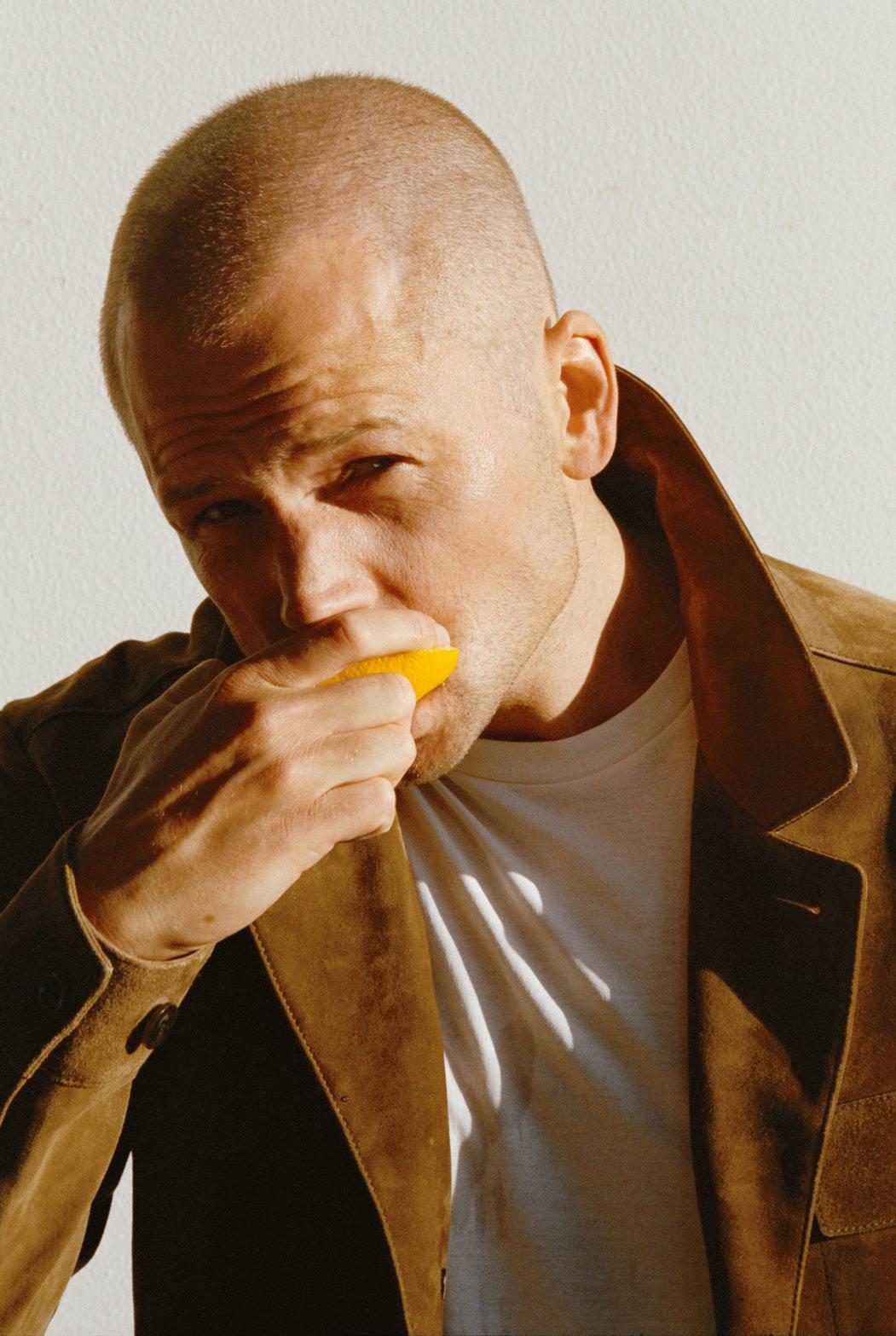
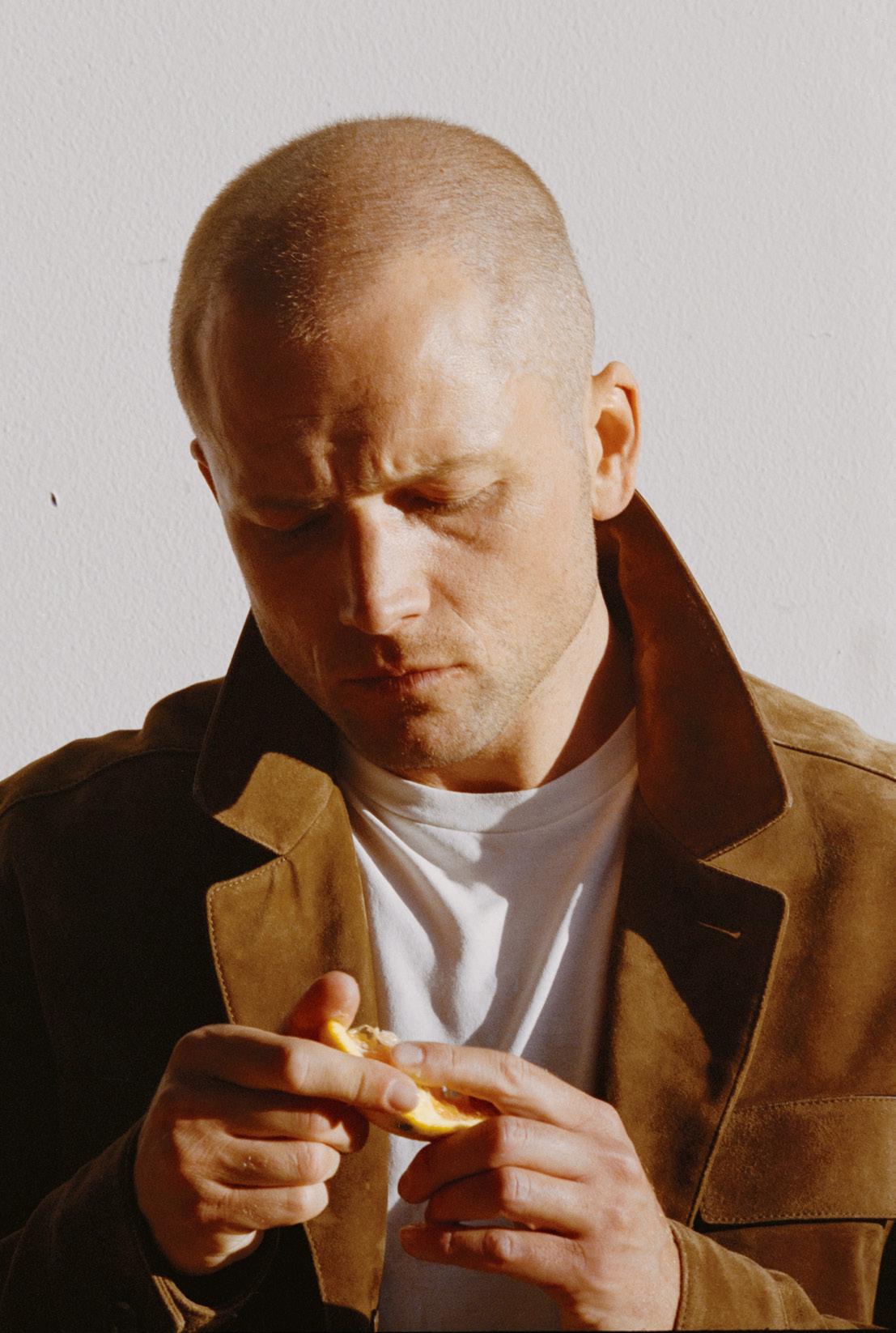
Taron Egerton is unmistakably the villain in “APEX,” premiering on Netflix on April 24th. Directed by Baltasar Kormákur and set deep in the Australian wilderness, the film casts him squarely as the villain opposite Charlize Theron, dropping the two into a brutal game where psychological and physical warfare between the two plays out like a sadistic sport.
It’s easily the Welsh-English actor’s most gripping performance to date, in part because it sits so far outside anything he relates to. When we spoke, Egerton was still in Australia, having stayed on after filming wrapped. He talked about loving the dislocation of it—the relief of being in a completely different time zone, slightly untethered from the rest of the world. Something was telling in that;as if distance itself offers him clarity. The farther he gets from home, from expectation, even from himself, the more settled he seems. Is that not the sign of an actor with true, unpredictable range?
ICON spoke with Egerton about his most engrossing role yet, exploring how escapism fuels daring (and unhinged) artistry.
ICON: I’m going to go ahead and start with a classic because your character in this film makes it necessary. What drew you to this role? I assume you’re not much like him in real life.
Taron Egerton: No, of course I’m not like him, but in some ways, the things that draw you to a character are often the things you have some commonality with. When I was sent the script, the studio and Baltasar and everyone were very open to morphing the character into something that felt more playable for me. What I found appealing was the question of how to make him playful— his really weird, fucked-up version of a game. I found myself thinking a lot about Peter Pan, because he’s this guy who’s a long way from home and seemingly doesn’t want to grow up. That felt like a very fruitful starting point. There’s something about being out in the wilderness, away from grown-ups and responsibility, that I found appealing. I liked the idea that he’s somebody who doesn’t want to engage with reality. There were also so many things that drew me to the project—working with Charlize, being in this incredibly remote and exciting location—but from a selfish perspective, I like things that feel like a big swing. That’s baked into who I am. I get easily bored, and while I want to do all kinds of work, I’m drawn to things that are punchy, that make you think, “He’s going to do what?” The character of Ben felt like an opportunity to do something audacious and genuinely fun. A good villain usually makes emotional sense, even when their actions are extreme. How did you think about giving this character an internal logic the audience could recognize?
really anchored him for me, because at the end of the day, he’s just a raging, narcissistic man-child.
I felt very free playing him, because he makes all the rules. When you’re playing someone like that, you’re inherently unconstrained, and that’s a real gift. There was something escapist about staying in Australia and just committing to playing someone completely deranged— getting out of your own head and letting yourself get weird with it. There were so many reasons it felt freeing. One of them was physical. When they offered me the role, I said, “I’m shaving my head.” I’ve been losing my hair since I was 23, and if you’re giving me a role where I can really express myself, I’m not going to pretend I have Brad Pitt’s hair. Life’s too short. That decision alone unlocked something for me as an actor. Not worrying about how I looked put me in a place where I could be more honest, more grounded, more strange. You’ve experimented with so many different genres and types of roles. Do you have a preference these days, or you just like the diversity?
"If you put it under a broad umbrella, I’d probably rather be seen as a character actor than a leading man— though I do quite like leadingman money."
I like the diversity. I try, as best I can, not to think in terms of optics, because it’s none of my business. It’s the business, but it’s not my business. Truthfully, I’ve never been very good at playing that game. I’m not the guy who shows up wearing the right clothes or saying the right things—it doesn’t come naturally to me.
I also get a little turned off by things that are exclusively highbrow, not because I have any insecurity about my intellect, but because I like making work that the man in the street might want to watch, whoever that is. There are times when I envy the opportunities some of my contemporaries get, but I’m also incredibly proud of the things I’ve been part of. I feel very lucky.
At the end of the day, I just want to keep pursuing the things that genuinely interest me. If you put it under a broad umbrella, I’d probably rather be seen as a character actor than a leading man—though I do quite like leading-man money.
At this point in your career, do you still feel anxiety when you take on a new role, or have you reached a place where you trust that you’ll figure it out?
I don’t think anyone ever reaches a point of arrival. I think the idea of arrival is really dangerous creatively. I’ll be very honest with you—this movie wasn’t one I had anxiety about at any point. I knew exactly what I wanted to do with it. I knew where the bullseye was, I knew what my version of the character was, and I felt very confident in my ability to show up and be playful and malleable, but also very direct about what I felt it should be.
I think the scariest villains are the ones who are just a hair away from being reasonable or even likable. With Ben, he’s able to put on a good face as a normal guy, but he’s also completely fallible. She can poke holes in who he is, and he gets frustrated, petulant, childish. That grounding quality
I don’t believe anyone is fearless. I just don’t. I’m sure even John Wayne had moments where he was teary and terrified on his own, because that’s what being human is. I’m not interested in being an infallible artist. I want to create roles that show the fractured, fissured vulnerability of being human, because that’s how I feel every day.
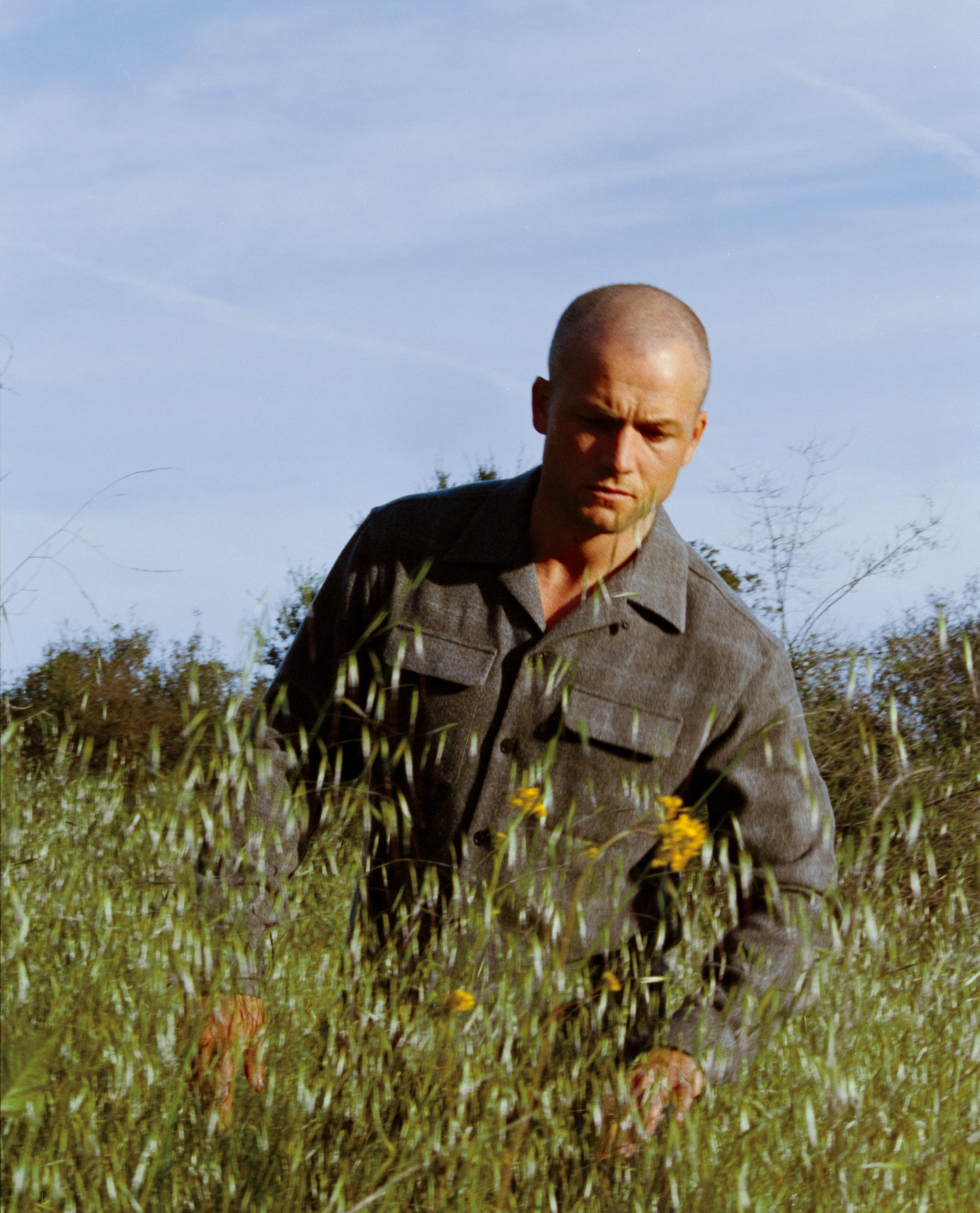
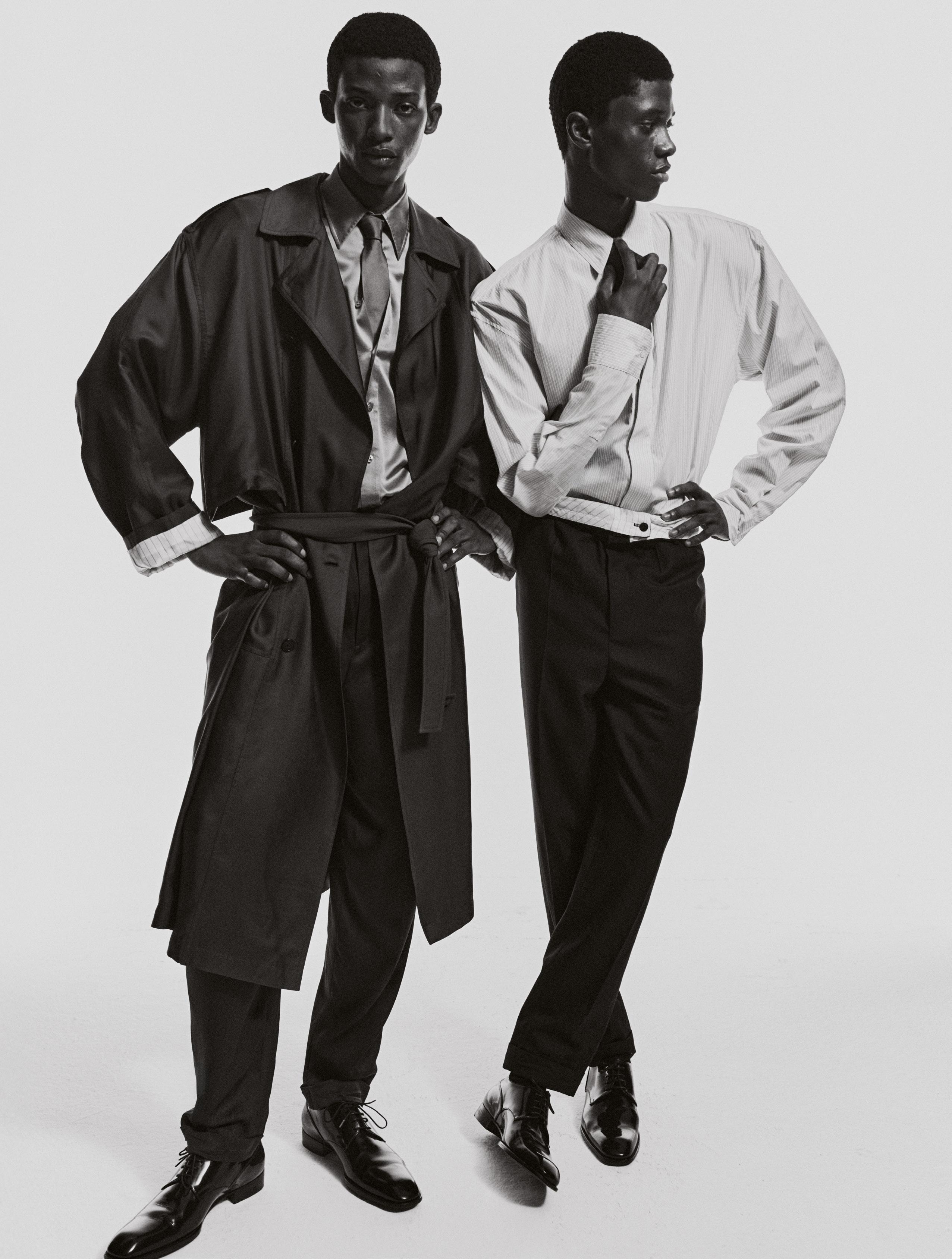
For years, the hoodie was the default. Now, a new generation is discovering that a well-cut suit, a polo or a blazer worn with intention can say more than a logo ever could. Americana’s codes of elegance are back, and this time, the kids are rewriting the rules.
photography daniel archer
fashion gro curtis
Groomer Jody Taylor (Leftside Creative)
Makeup Lesley Vye using Victoria Beckham Beauty
Models Hank Akerlund (Premier Model Management), Mason Strudwick (PRM), Awwal Adeoti (Models 1), Gideon Adeniyi (Next), Daniel Howard (Rapture Management), Nand Quivereux (Rapture Management), Miles Burdock (Present)
Robbie Jr (Supa), Otto
Manicure Liia Zotova
Set design Tobias Blackmore (Saint Luke Artists)
Executive producer
Giorgio Tsintoukidis (The Curated)
Production manager
Katie Holmes (The Curated)
Casting Director Shaun Beyen
Digital technician Nina Close
Photo assistants
Bradley Polkinghorne , Scott Brickett
Stylist assistants Keeley Dawson , Emily Houghton
Makeup assistant Evan Cahill
Set design assistants
P aula Salinas, Fergus Lockyer
Location The Tank Factory
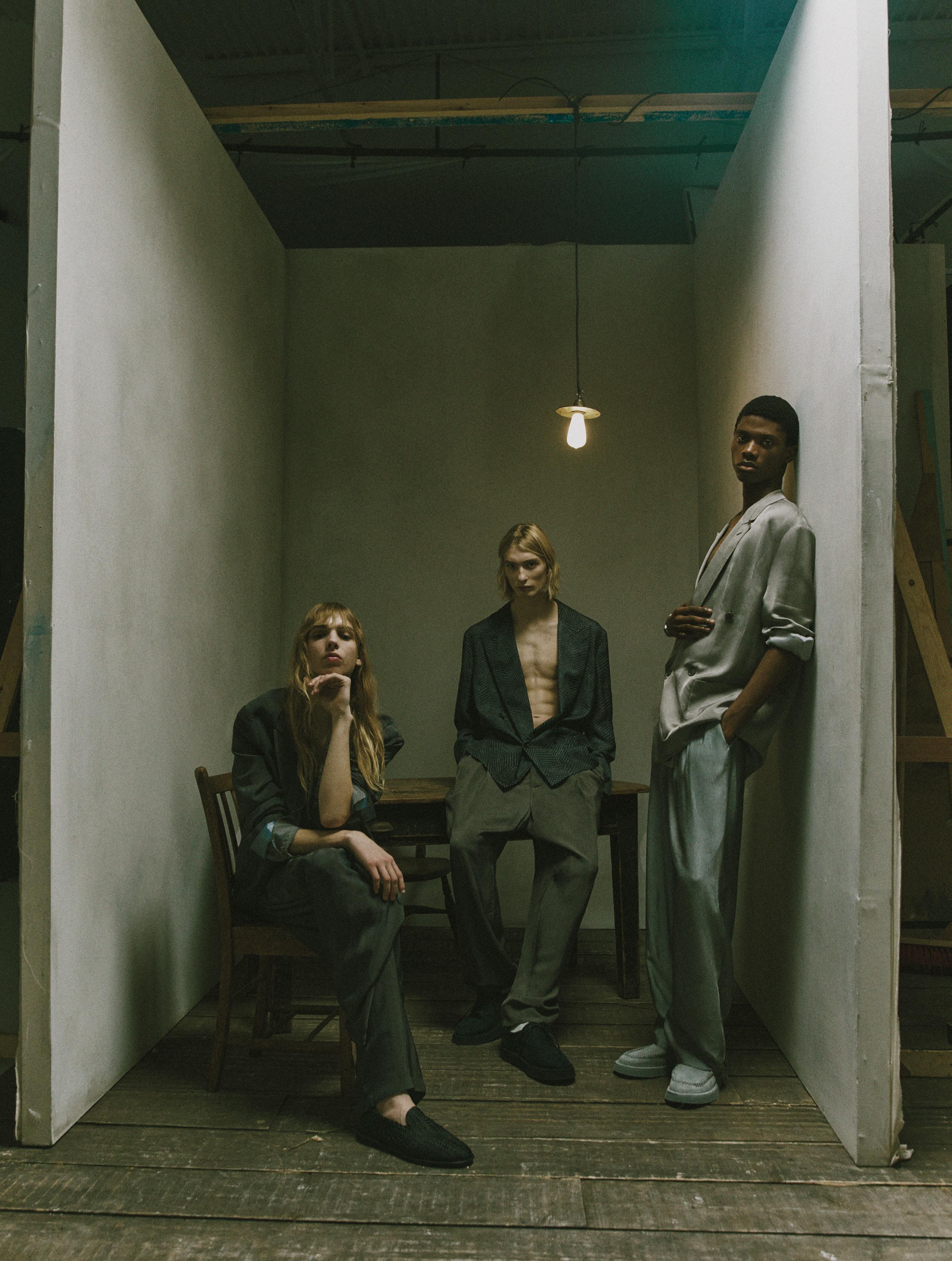
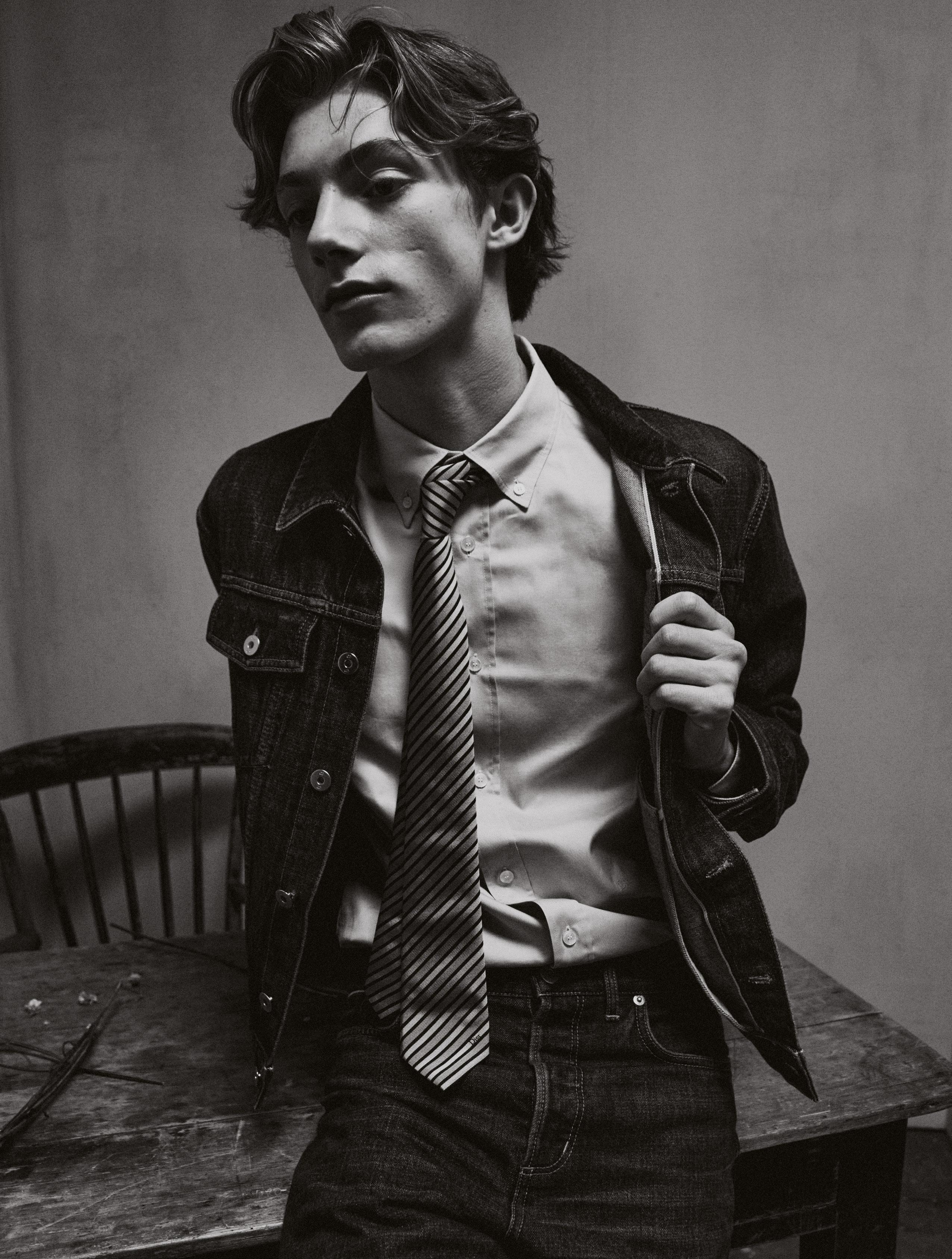
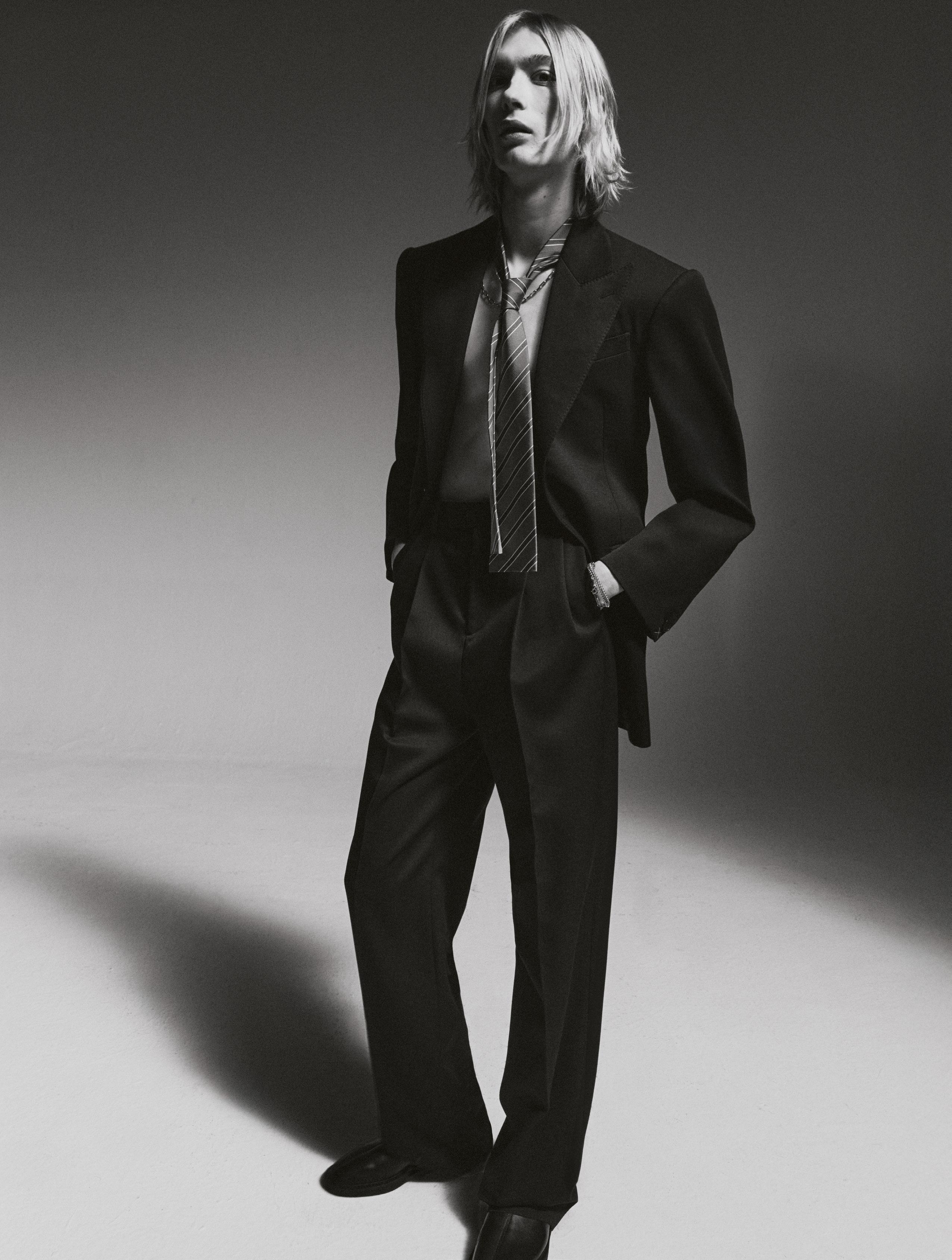
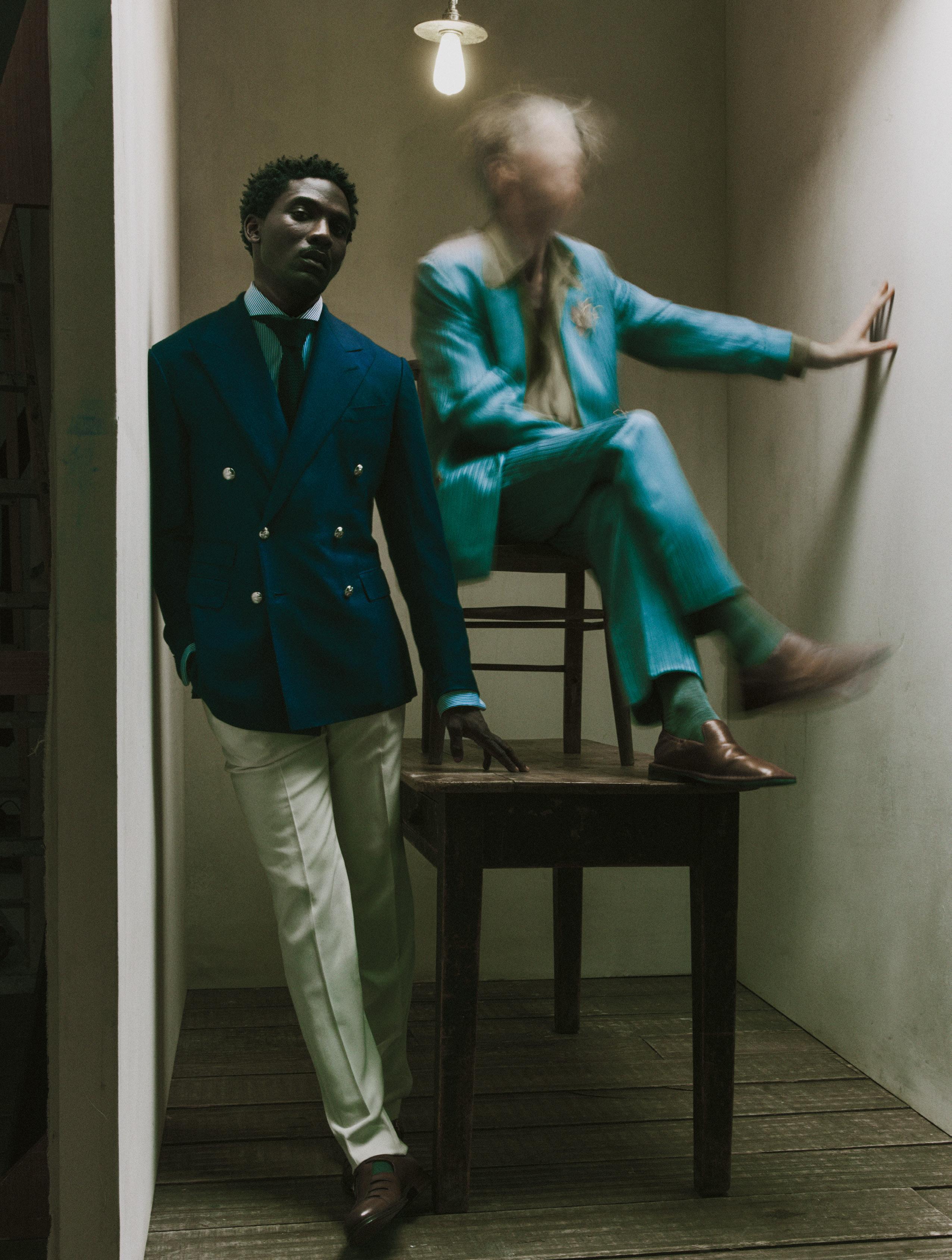
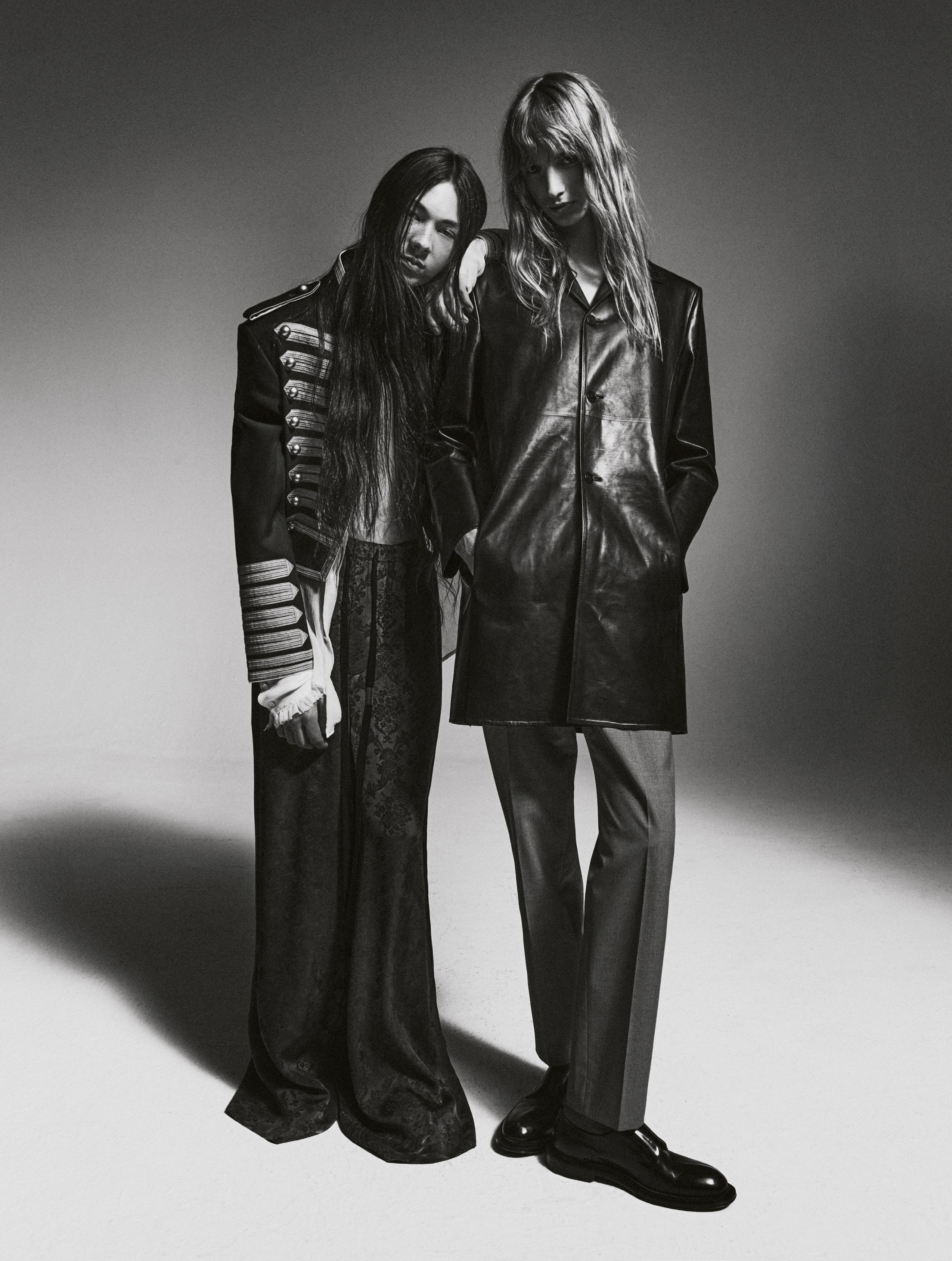
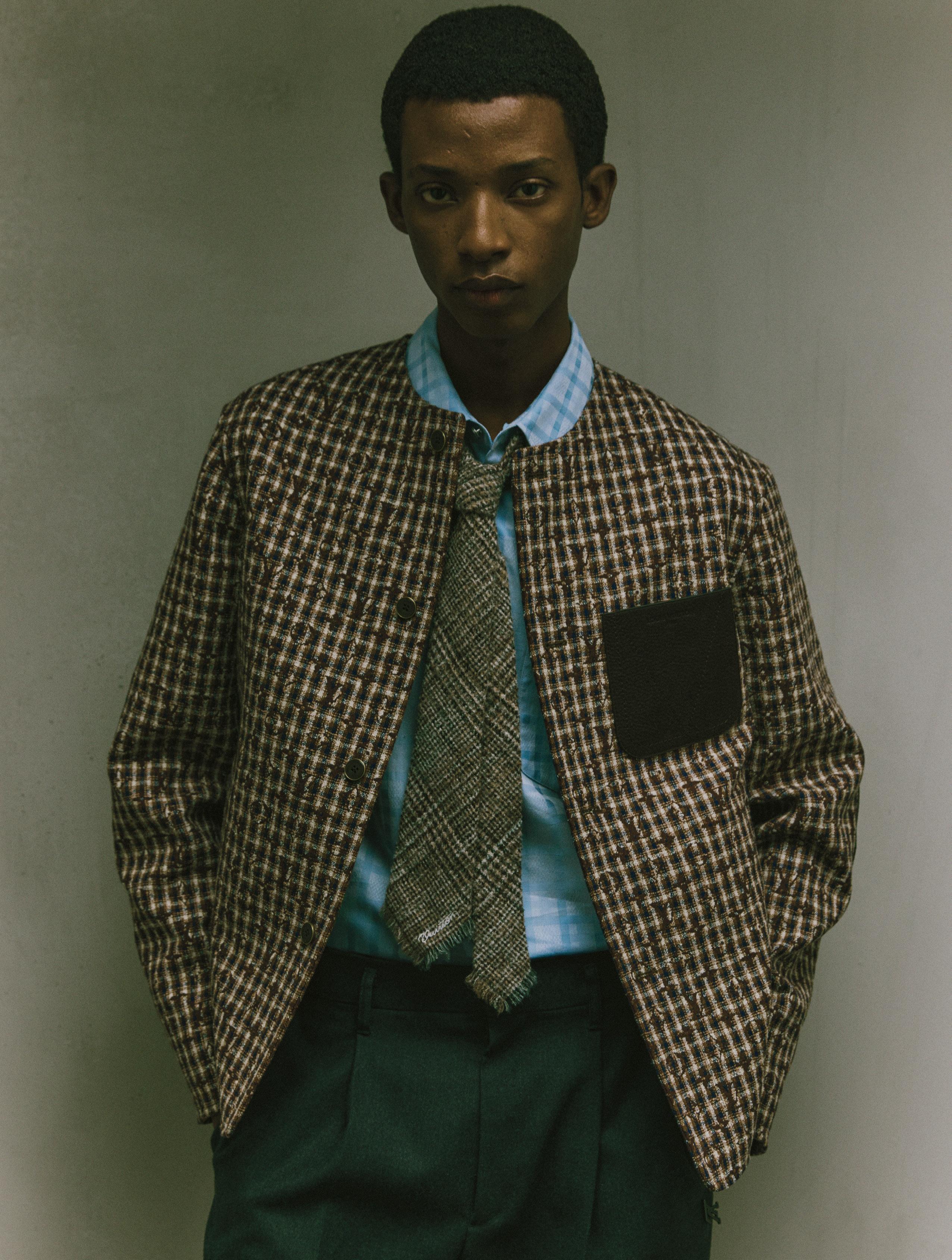
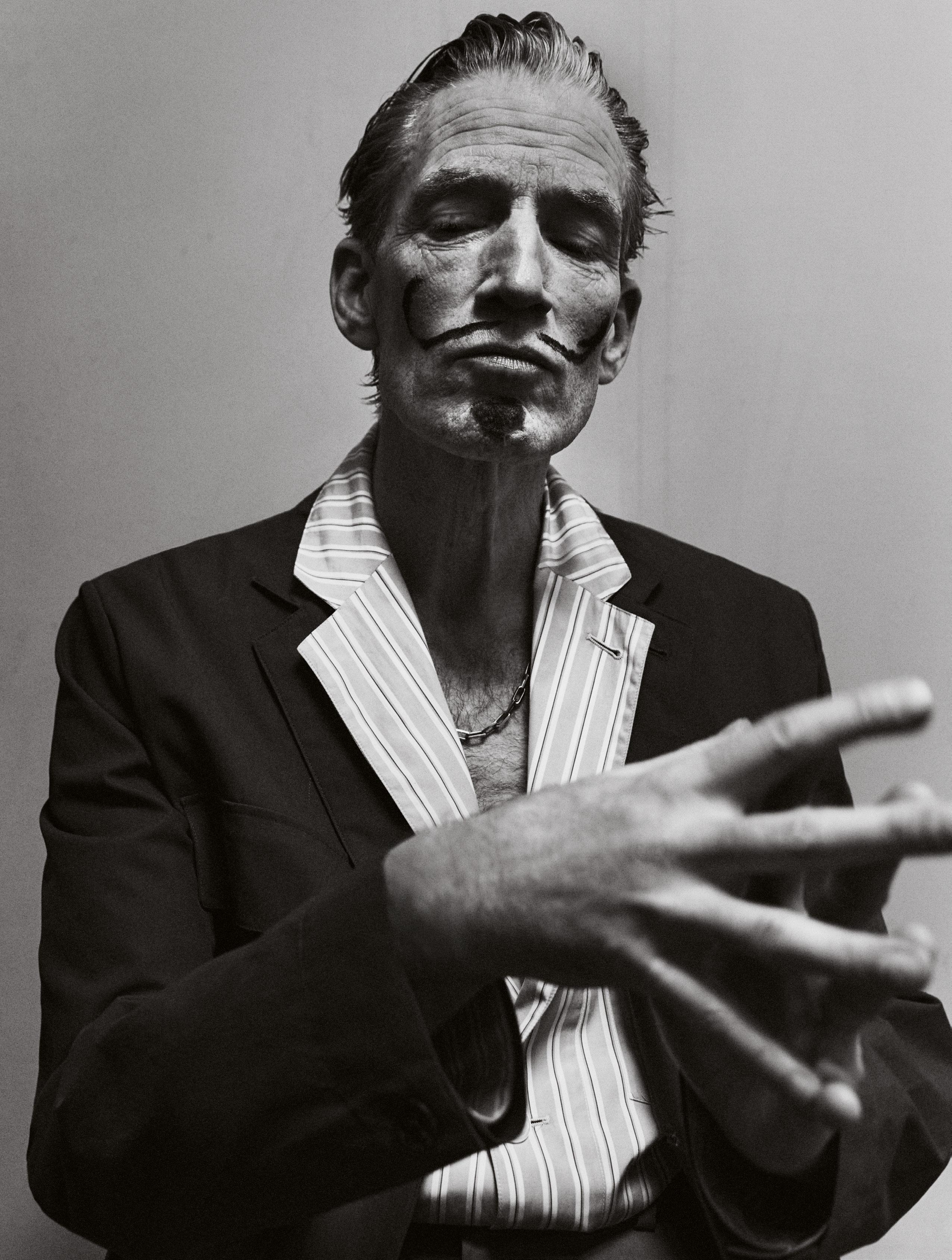
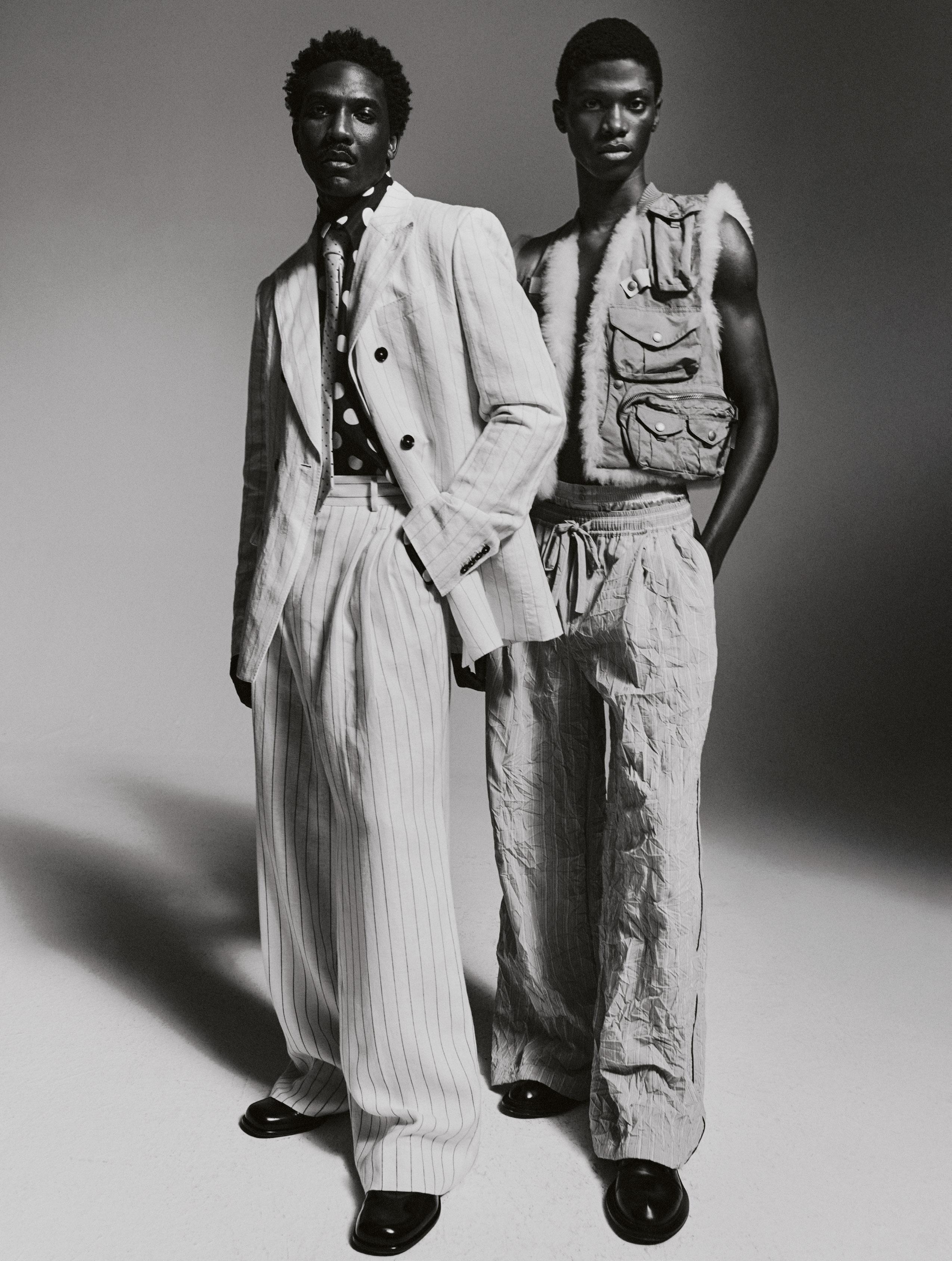
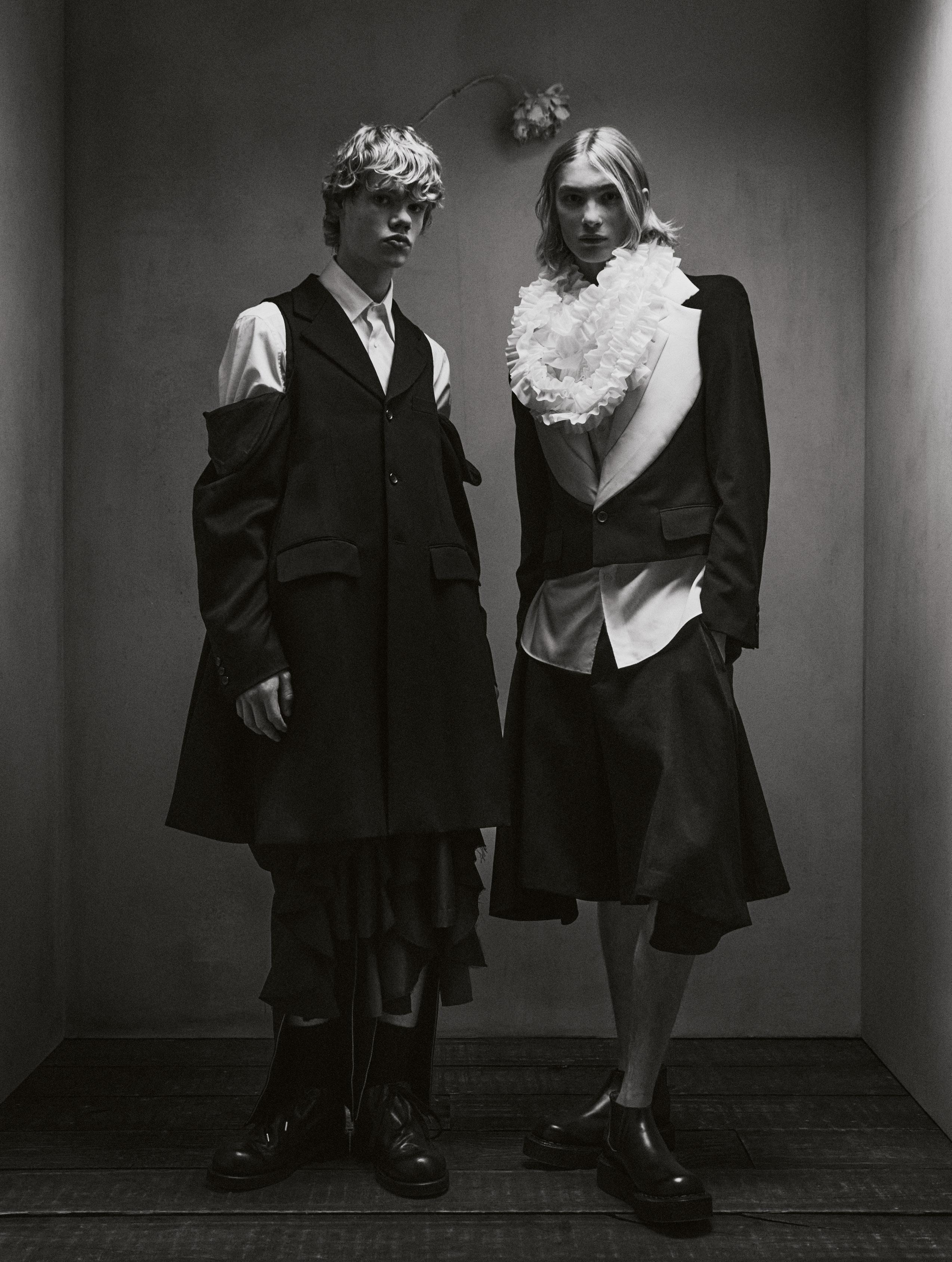
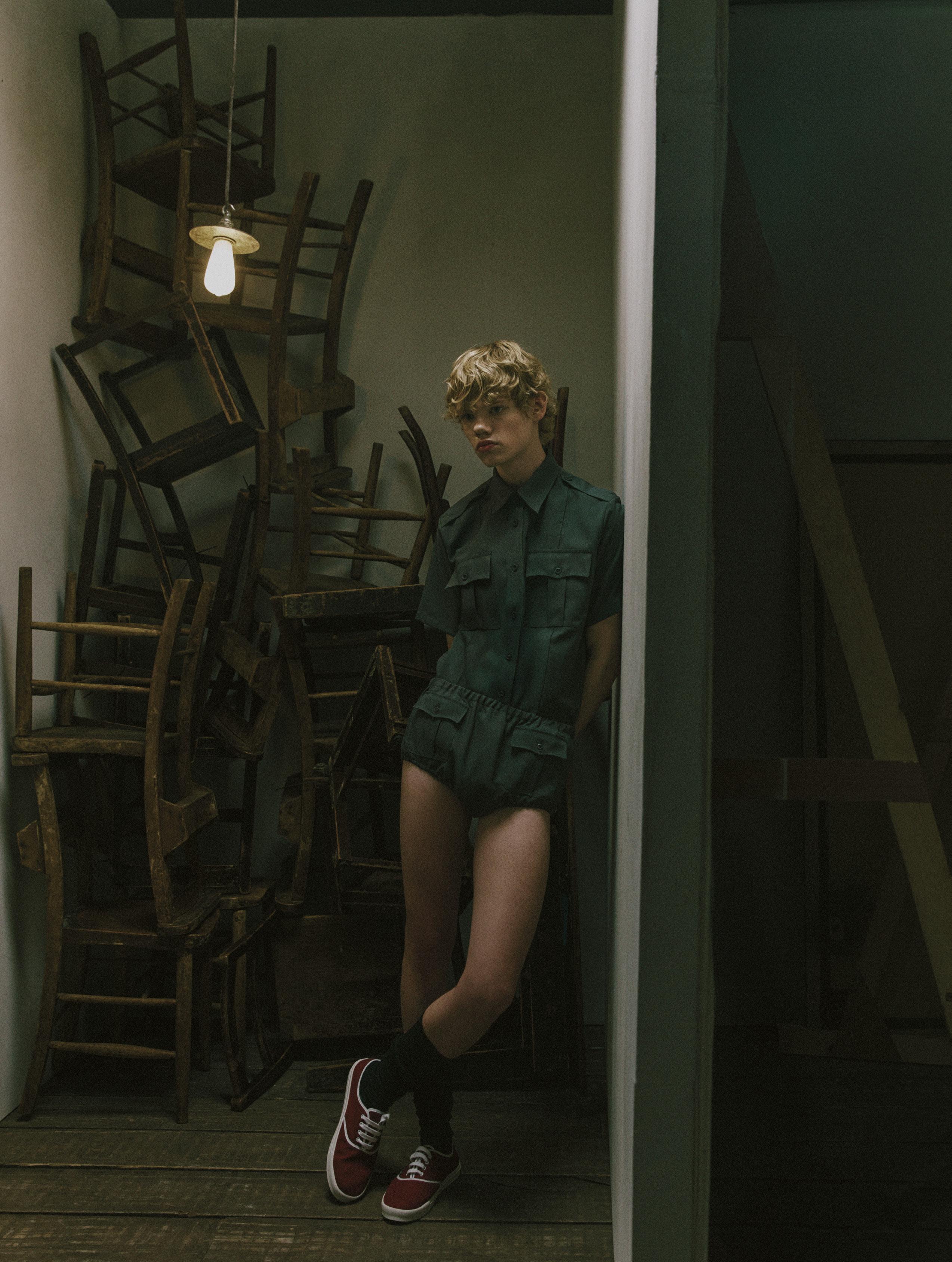
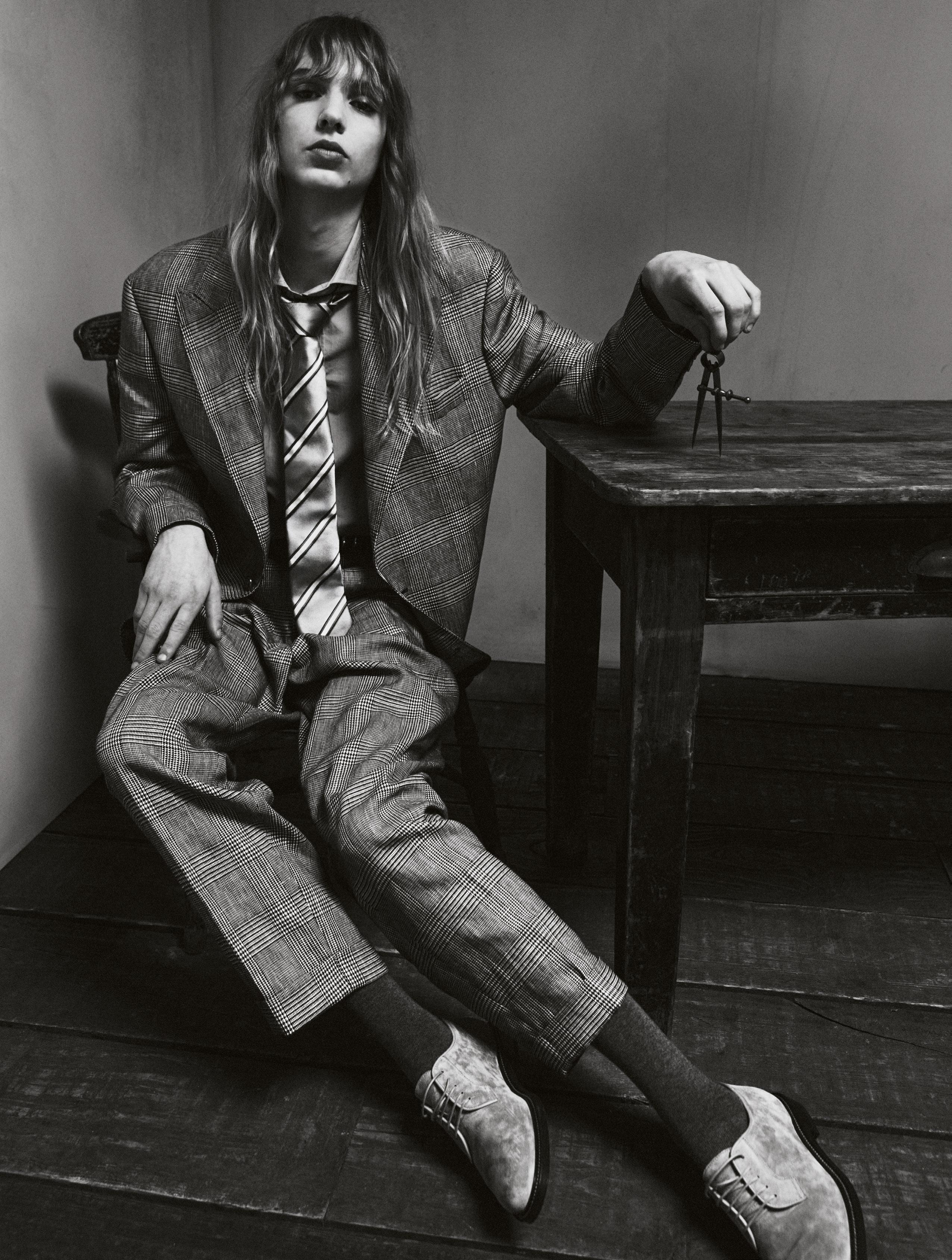
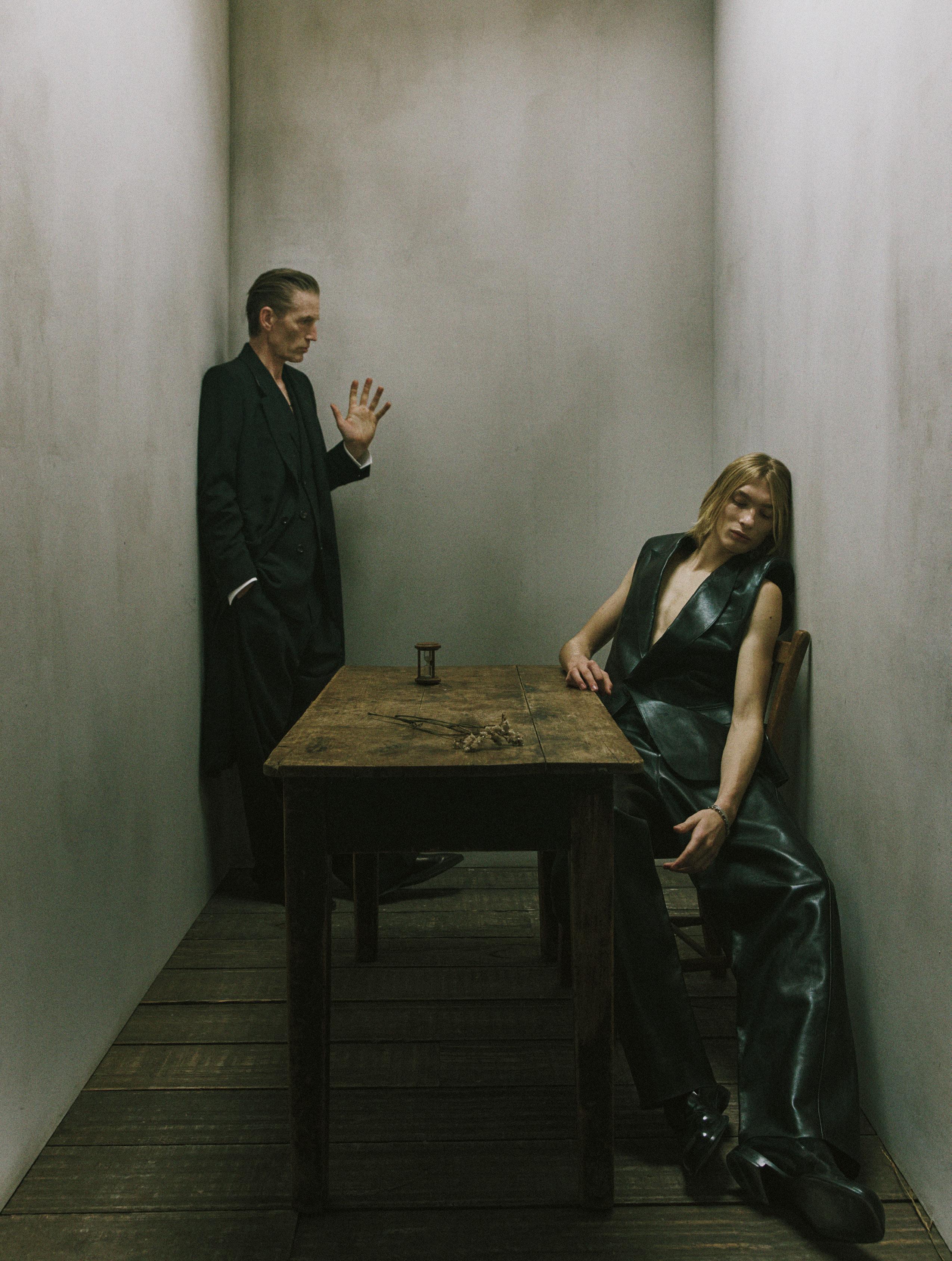
There is a particular Parisian talent for looking as though getting dressed was an afterthought. This season, the most deliberate move a man can make is to let things slip: a collar, a cuff, a button. Romance, it turns out, is the art of the undone.
photography johan sandberg
fashion victoire simonney
Hair Fatma Bendris
Models Axel Gay (Success Models), Evan Leblond (16 Paris)
Casting Alexandra Sandberg (Lundlund)
Digital technician Erik Lundgren
Lighting technician Symphonie Steinmetz

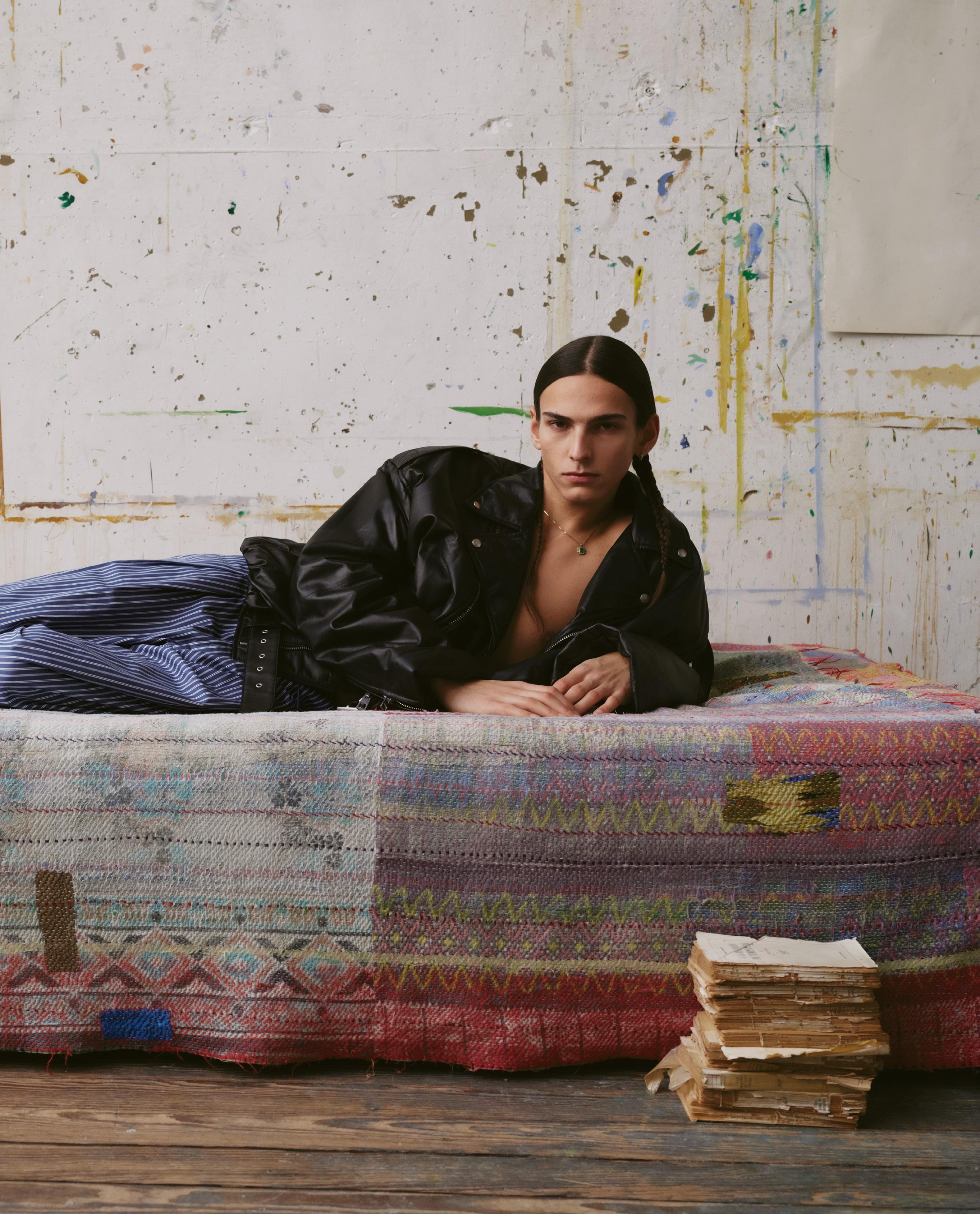
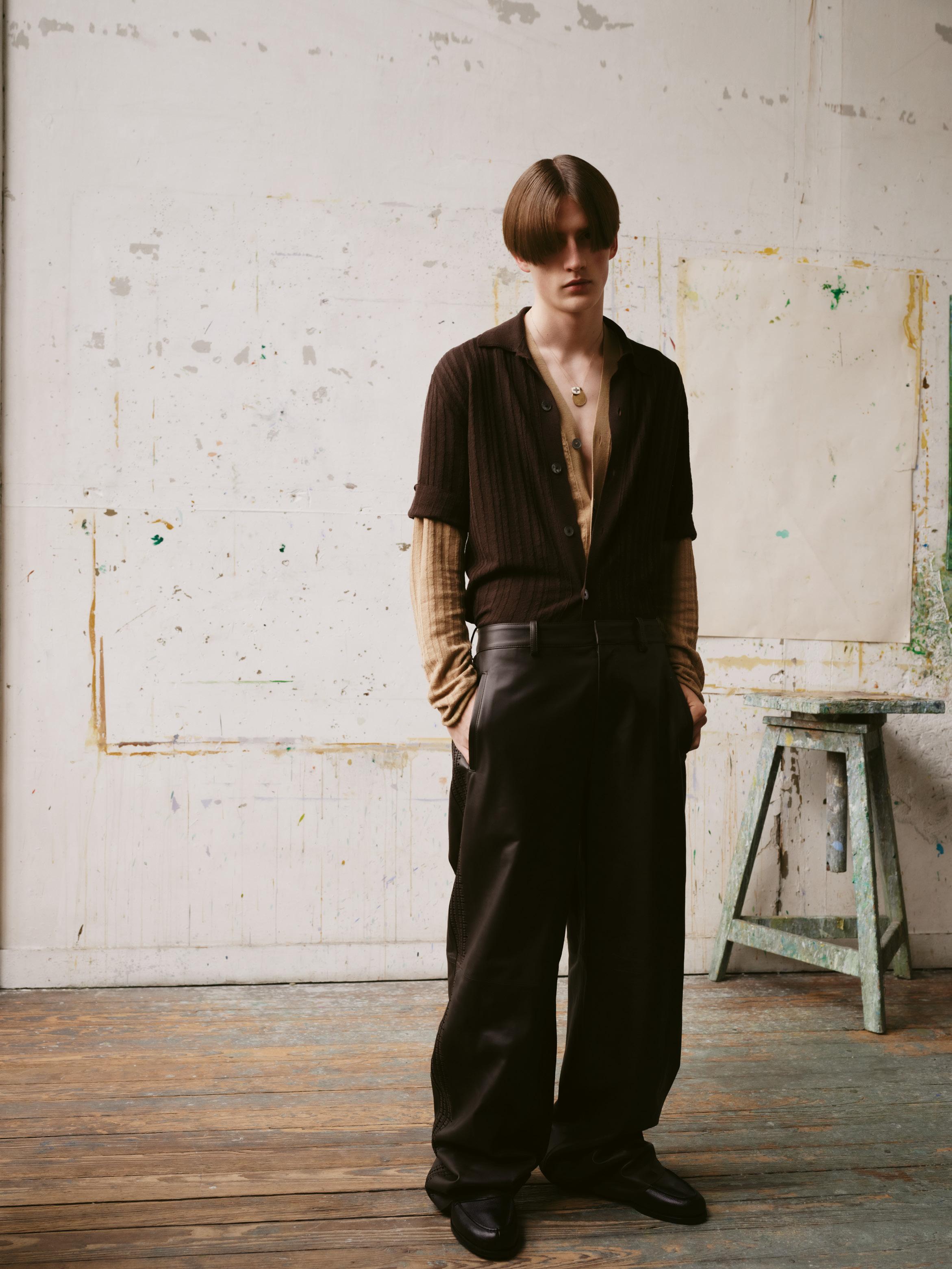
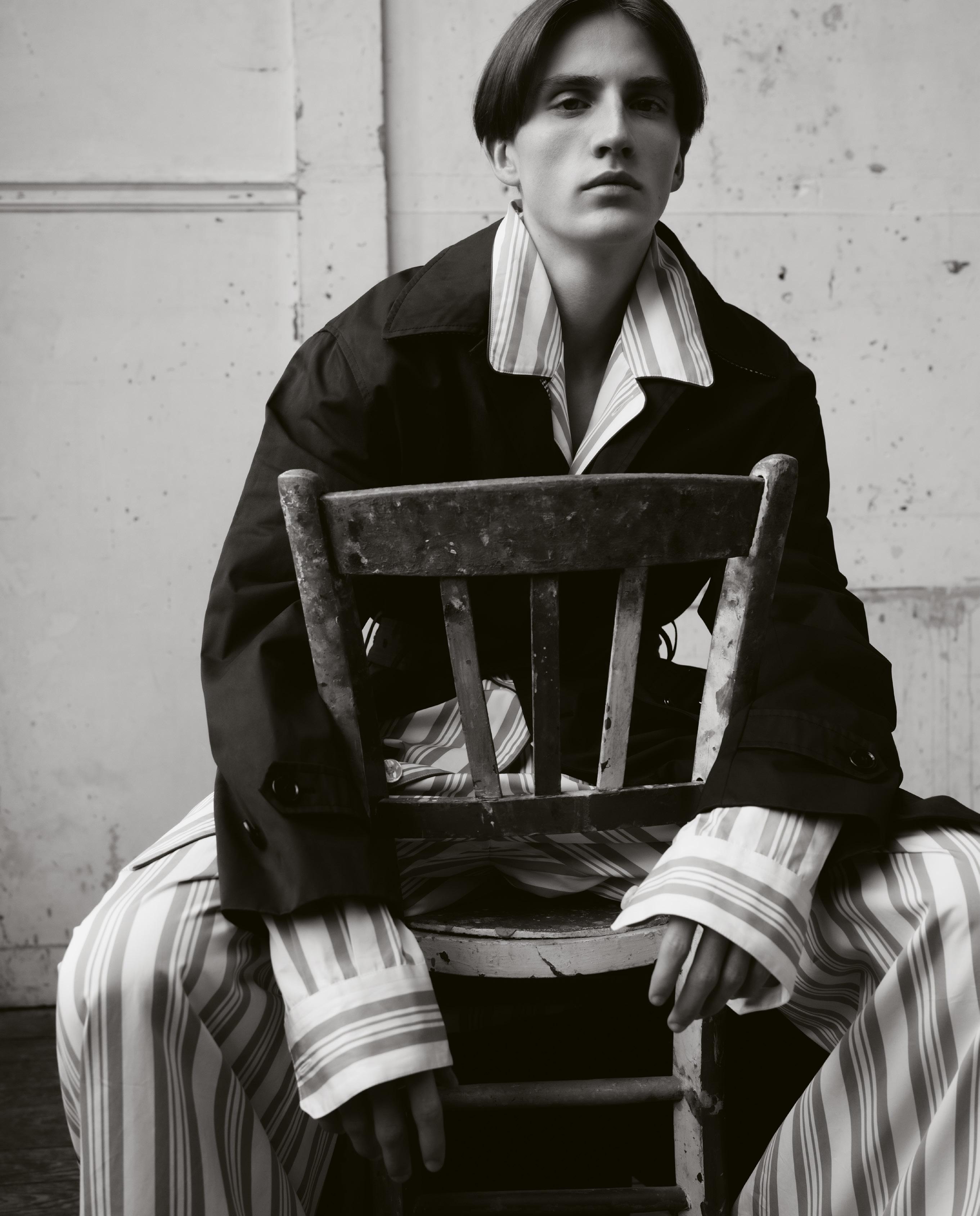
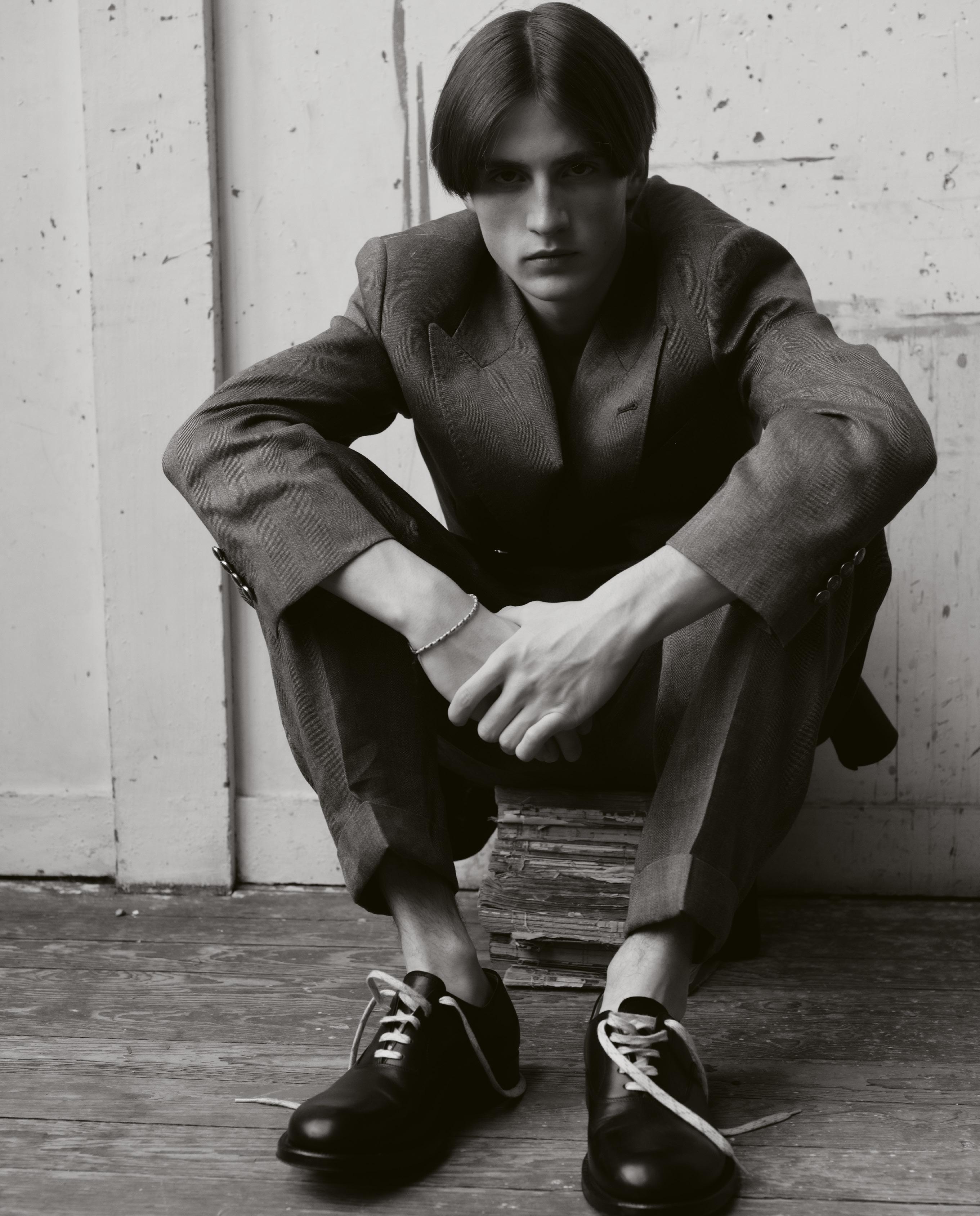
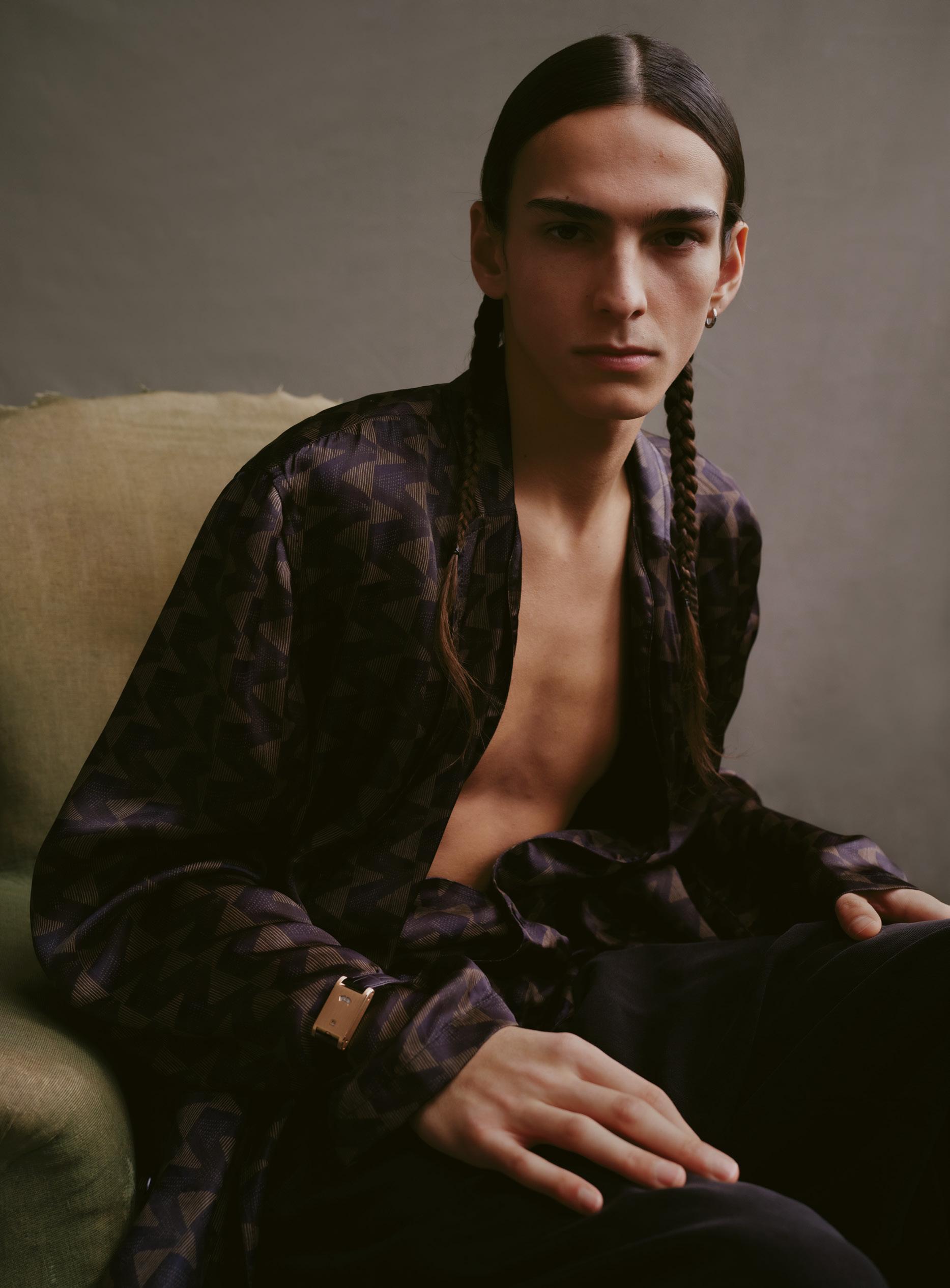
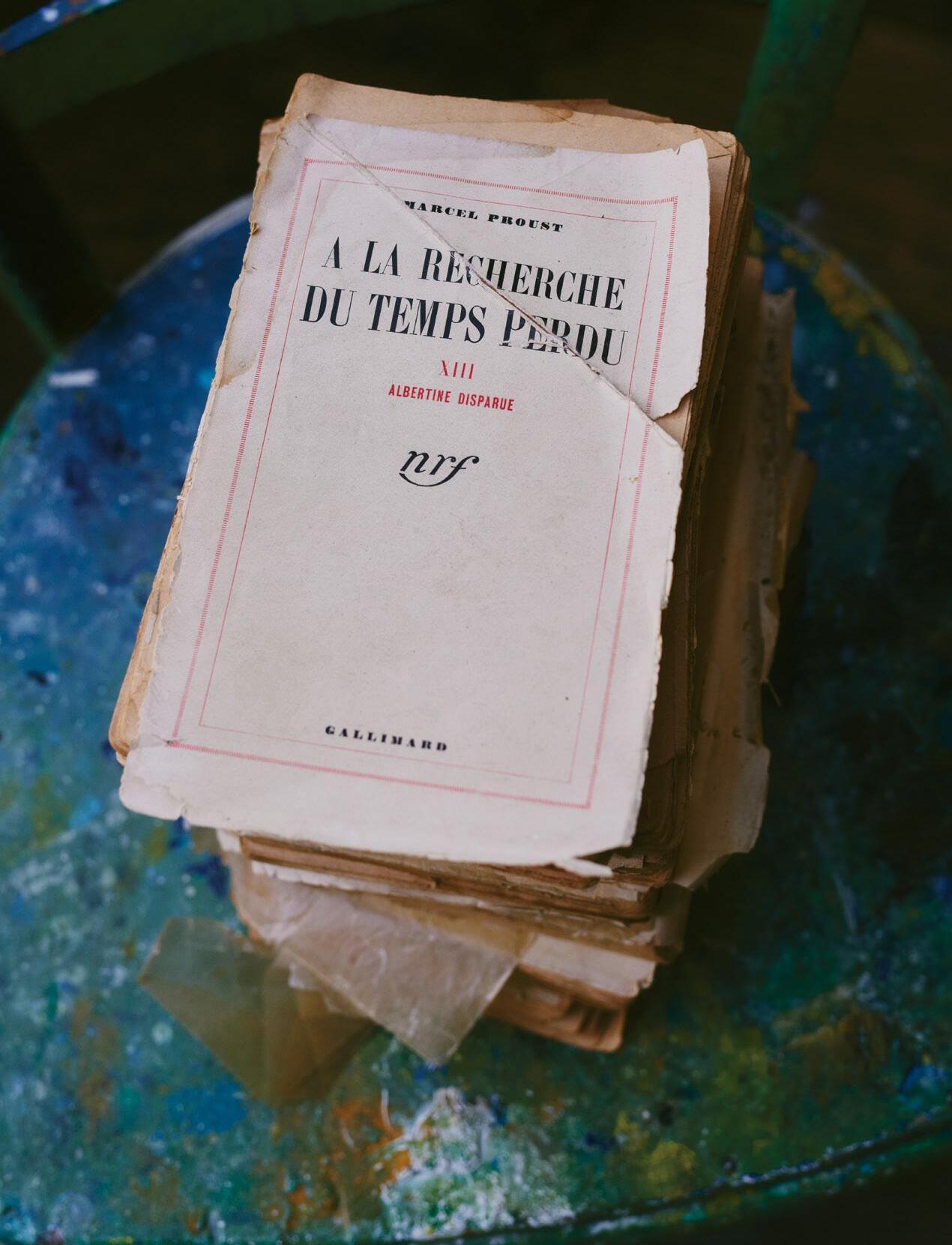
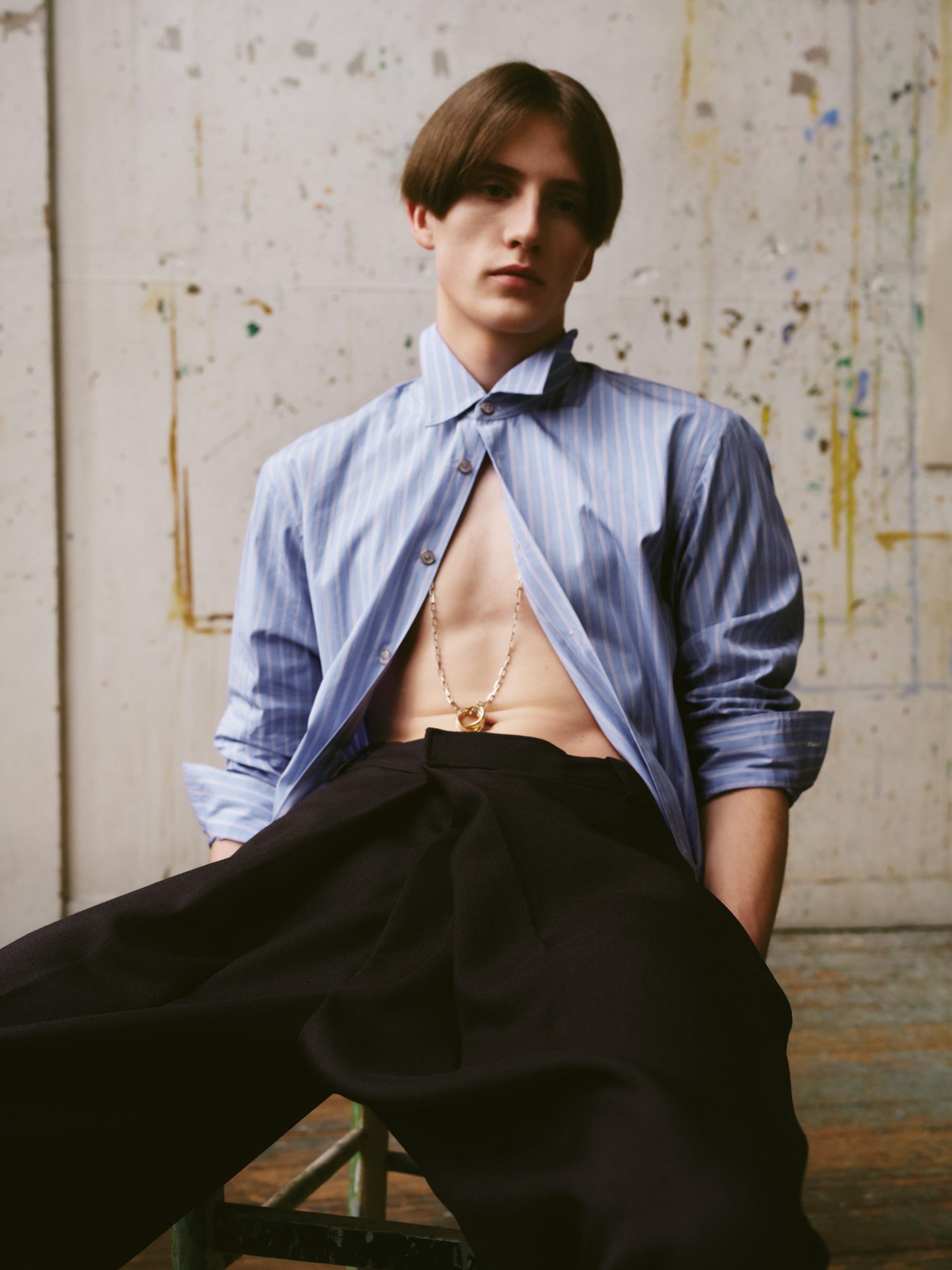
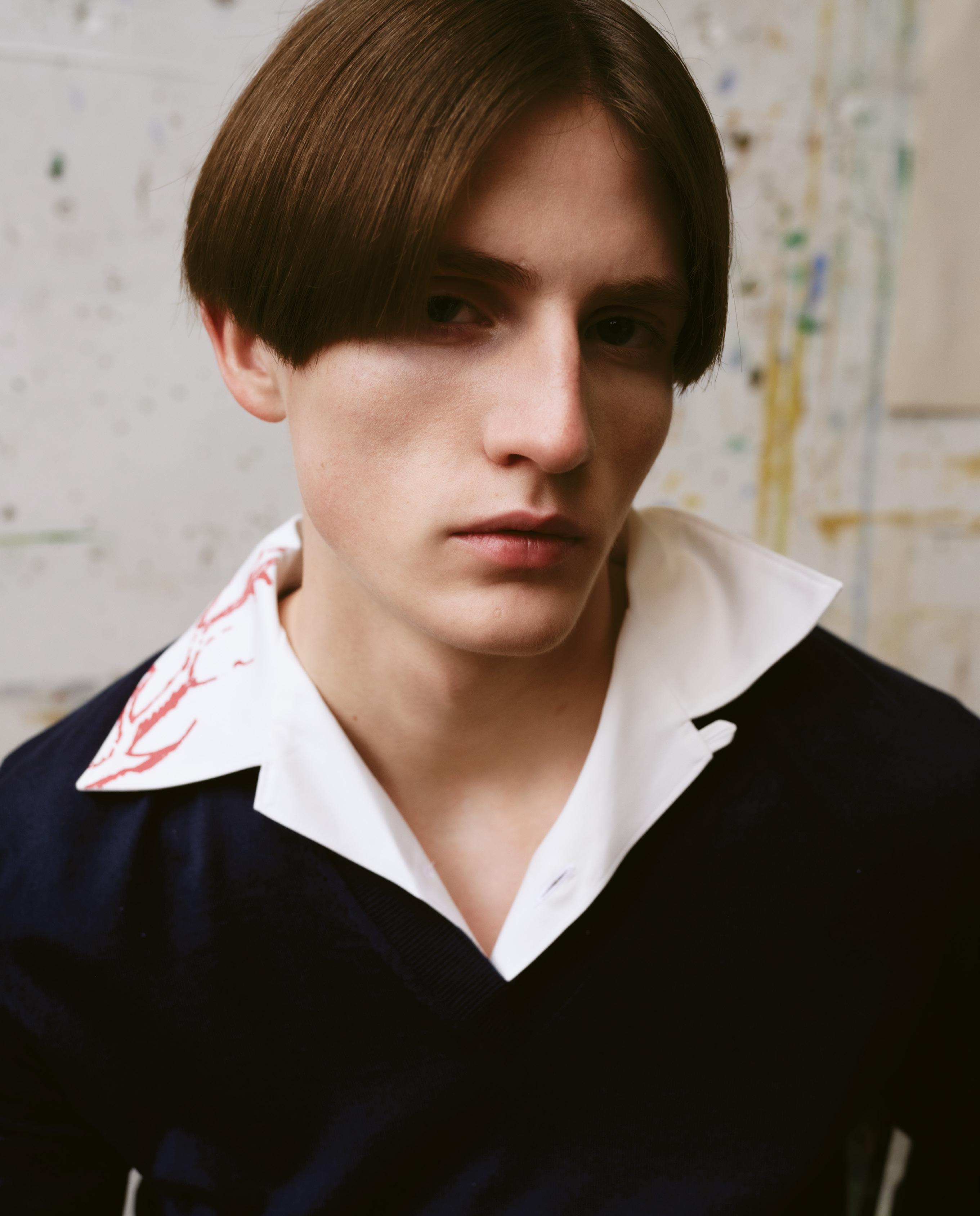
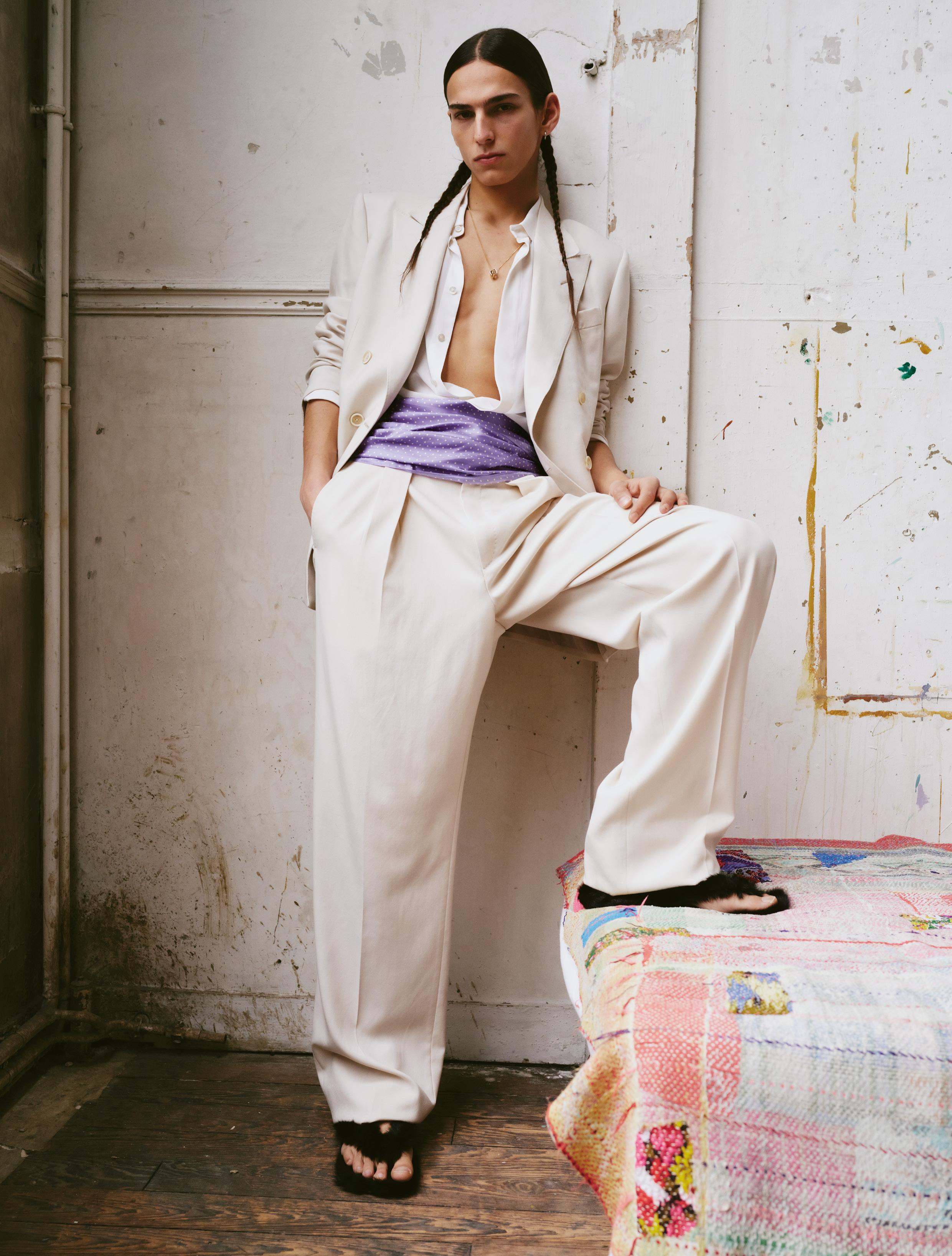
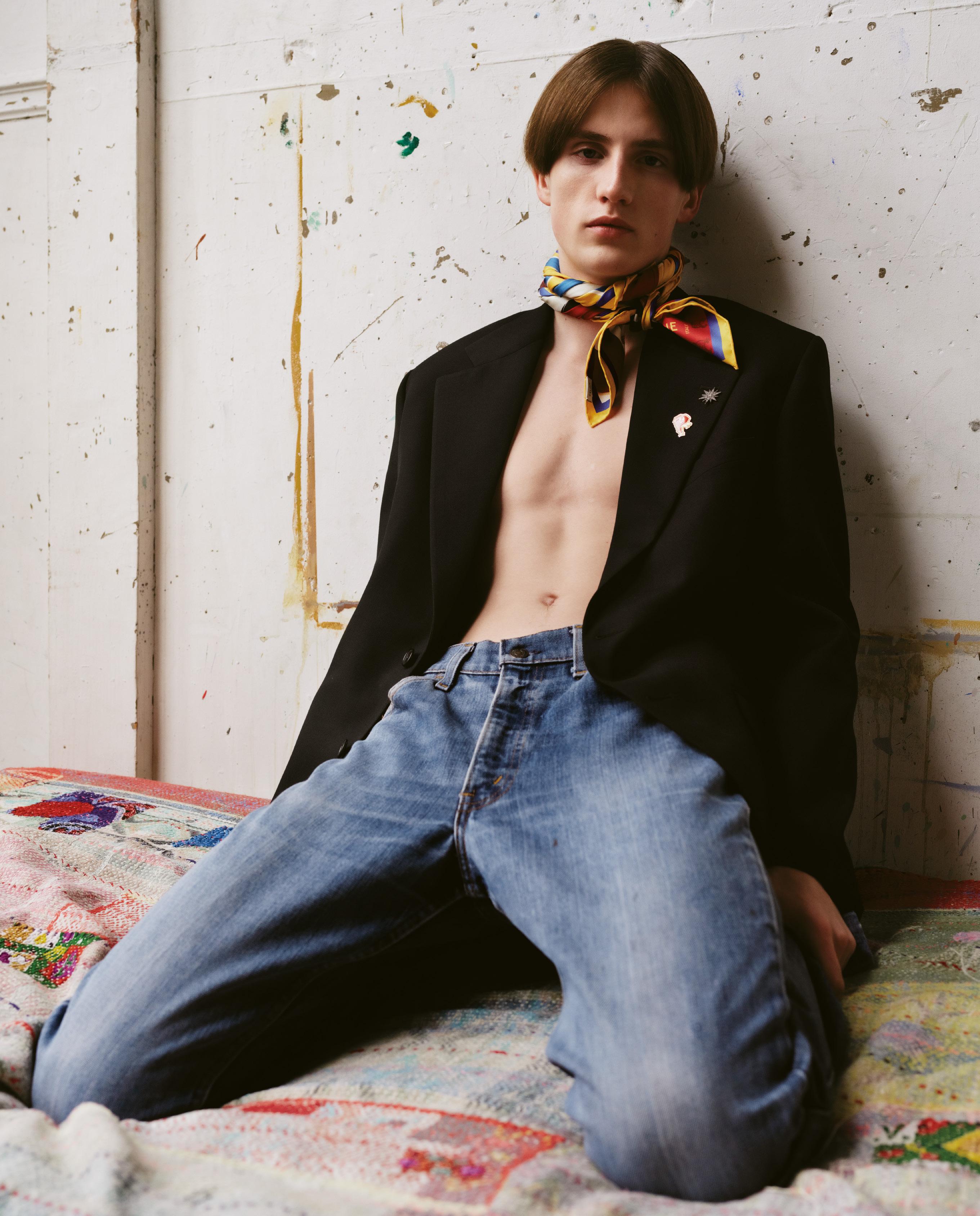
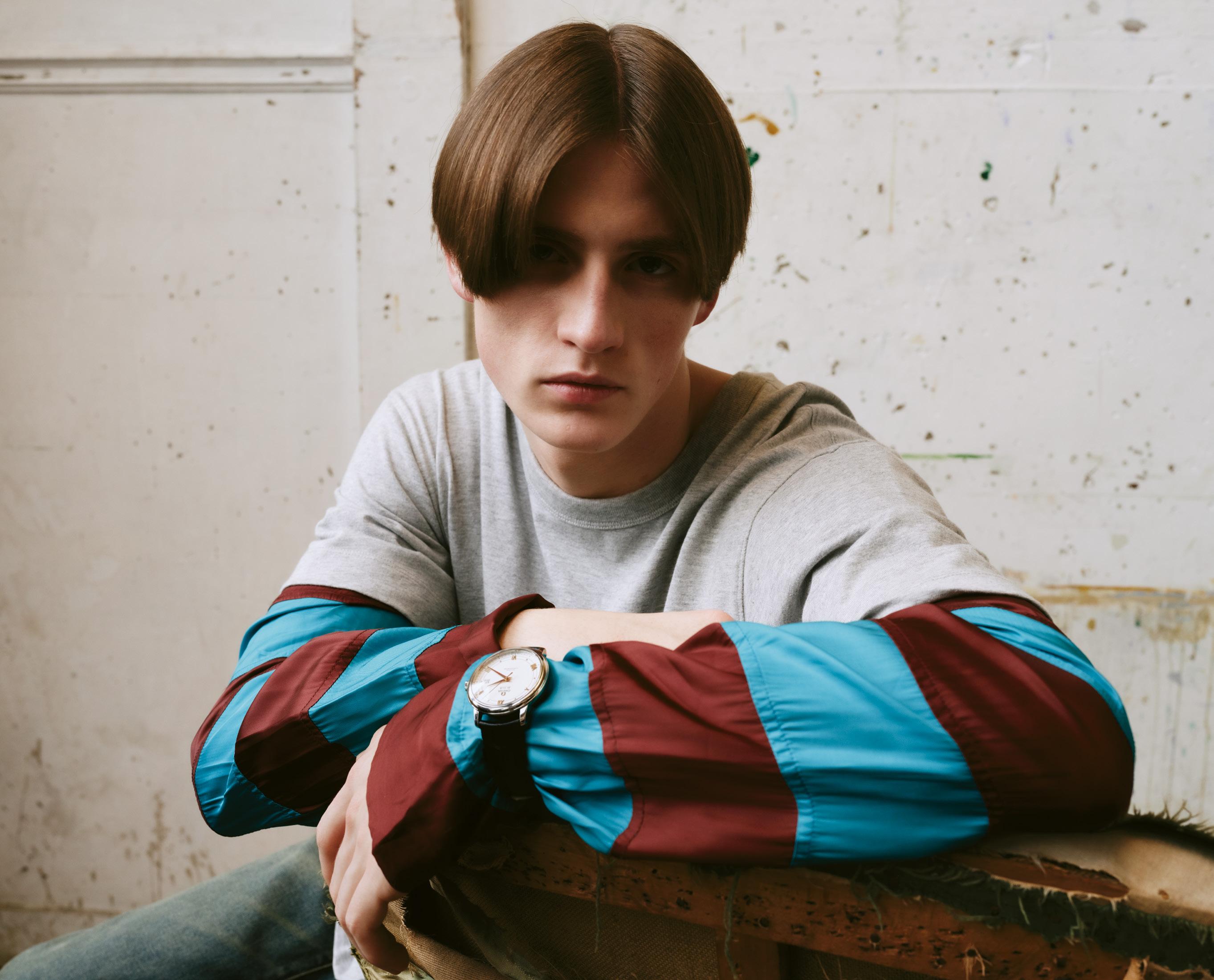

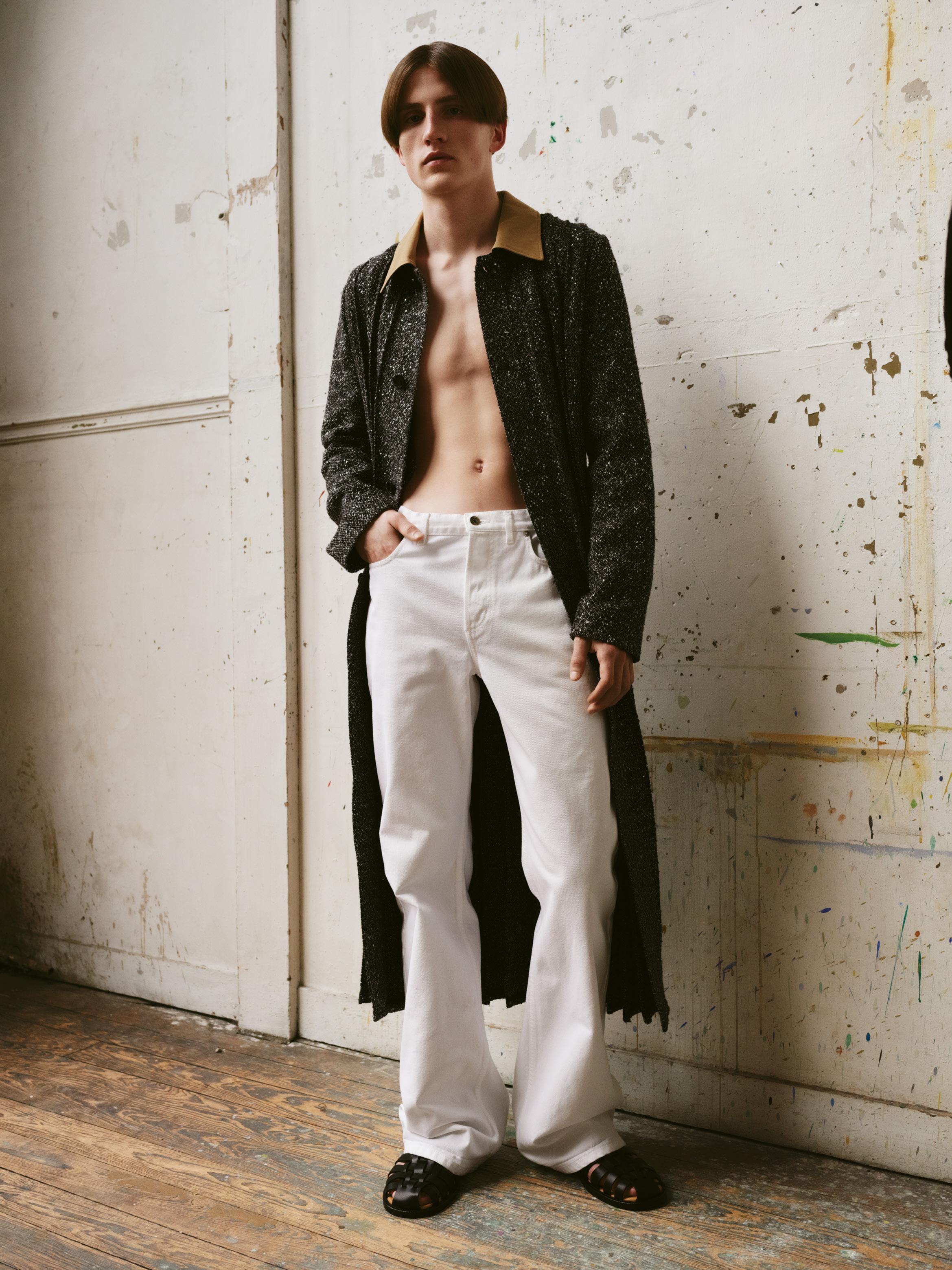
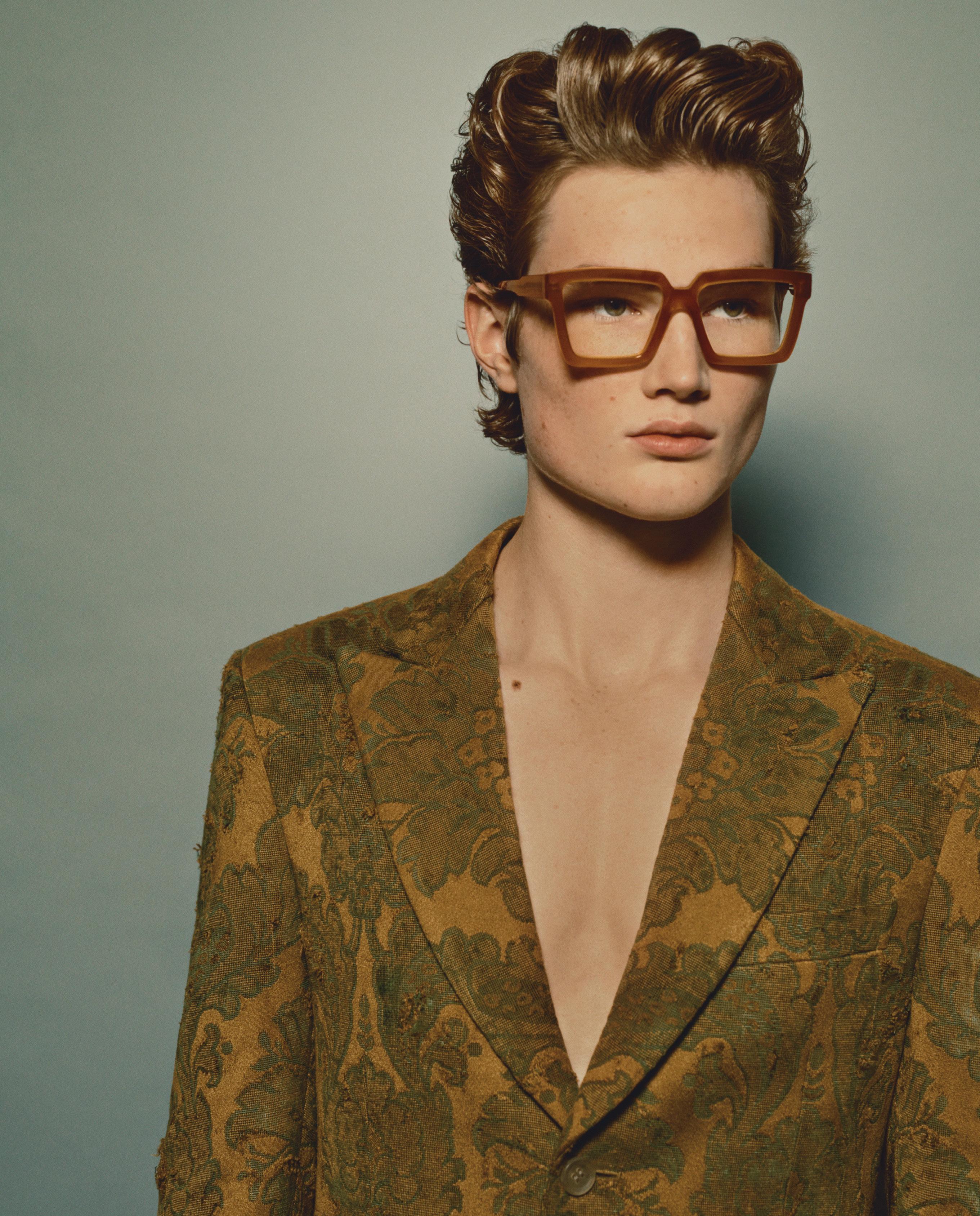
Junya Watanabe is still the most influential, underestimated designer out there.
Junya Watanabe’s spring/summer 2026 menswear collection opened with an object so familiar it almost felt radical—the humble blazer. Not a blazer as a symbol of Wall Street power or a return-to-office gesture or sly symbol of homogeneity, but the blazer as a means of expression, of flamboyance, of sartorial eccentricity. There were jackets in mismatched fabrics, softened tweeds, psychedelic prints, and unexpected knits. These were beautifully tailored pieces that nodded to the classicism of suiting without genuflecting before it. The effect was quietly disarming. In a season crowded with spectacle and slogan, Watanabe began with restraint—and, as usual, with an idea that seemed to have arrived a few years before everyone else caught up.
“I felt like wearing a tailored jacket again for the first time in a while,” the designer said of the collection in an interview. “But instead of an orthodox fabric, I wanted to create a jacket that you could wear in a more relaxed, workwear-like way.” The phrasing is telling. Watanabe does not discuss trends; he addresses feelings, impulses, and personal needs. The jacket, he explained, was liberated from its traditional materials and recast in textiles that allowed it to behave in a looser way— relaxed, functional, lived-in.
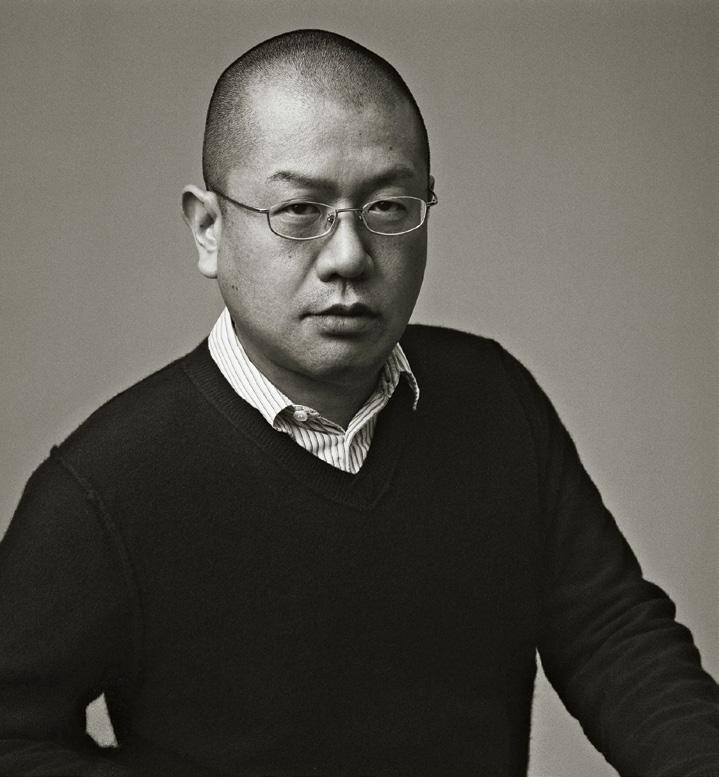
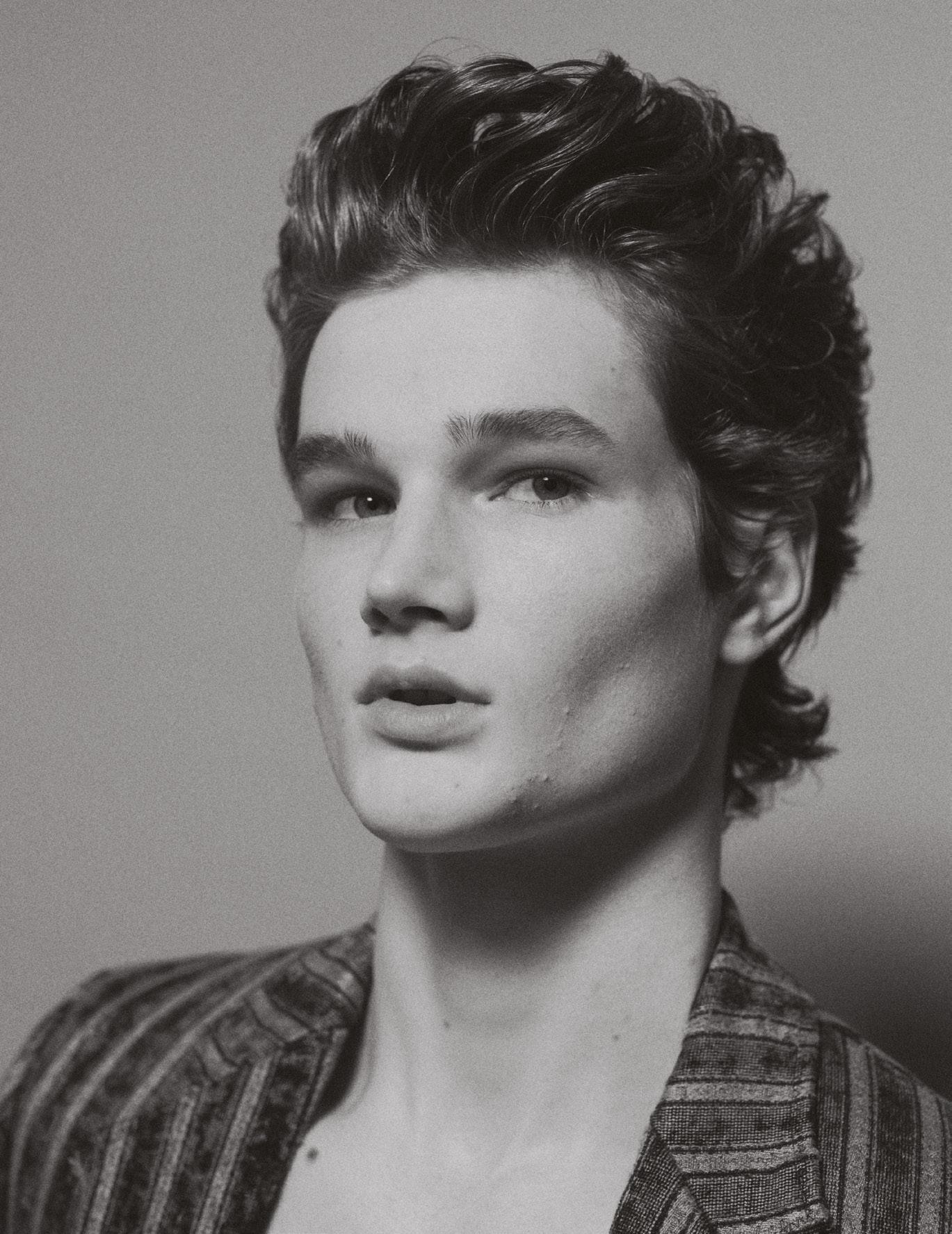
project right now. His impulse was spot-on—who couldn’t use a sense of comfort right now, with the world seemingly coming off its axis?
This is Junya’s gift: taking an item heavy with cultural baggage and making it feel newly necessary.
That sensibility ran through the rest of the collection. Knits borrowed the proportions and sweetness of children’s clothing, inspired by pieces he encountered at a flea market. They brought, he noted, “a sense of comfort”—a word that rarely appears in discussions of avant-garde fashion, but one that feels central to Watanabe’s
There were also headier references, like an evocative portrait by Edvard Munch, which, when Watanabe saw it at London’s National Portrait Gallery, served as a distant spark. Watanabe had collaborated with Munch’s estate before, and here the influence felt less literal than atmospheric: it channeled the faint melancholy of the artist’s oeuvre, adding a touch of human vulnerability to the collection.
This is how Junya Watanabe works, and always has. He is, paradoxically, one of fashion’s most influential designers and one of its most consistently overlooked. Ahead of the curve to the point of invisibility, his ideas often enter the bloodstream of fashion without his name attached. Patchworking, modular construction, the deconstruction of classics, the elevation of utilitarian garments, and collaborations with mass, everyday brands like Carhartt, Levi’s, Filson — many of the moves that define contemporary menswear passed through Watanabe’s hands years, sometimes decades, before.
Part of that has to do with his temperament. “I’m
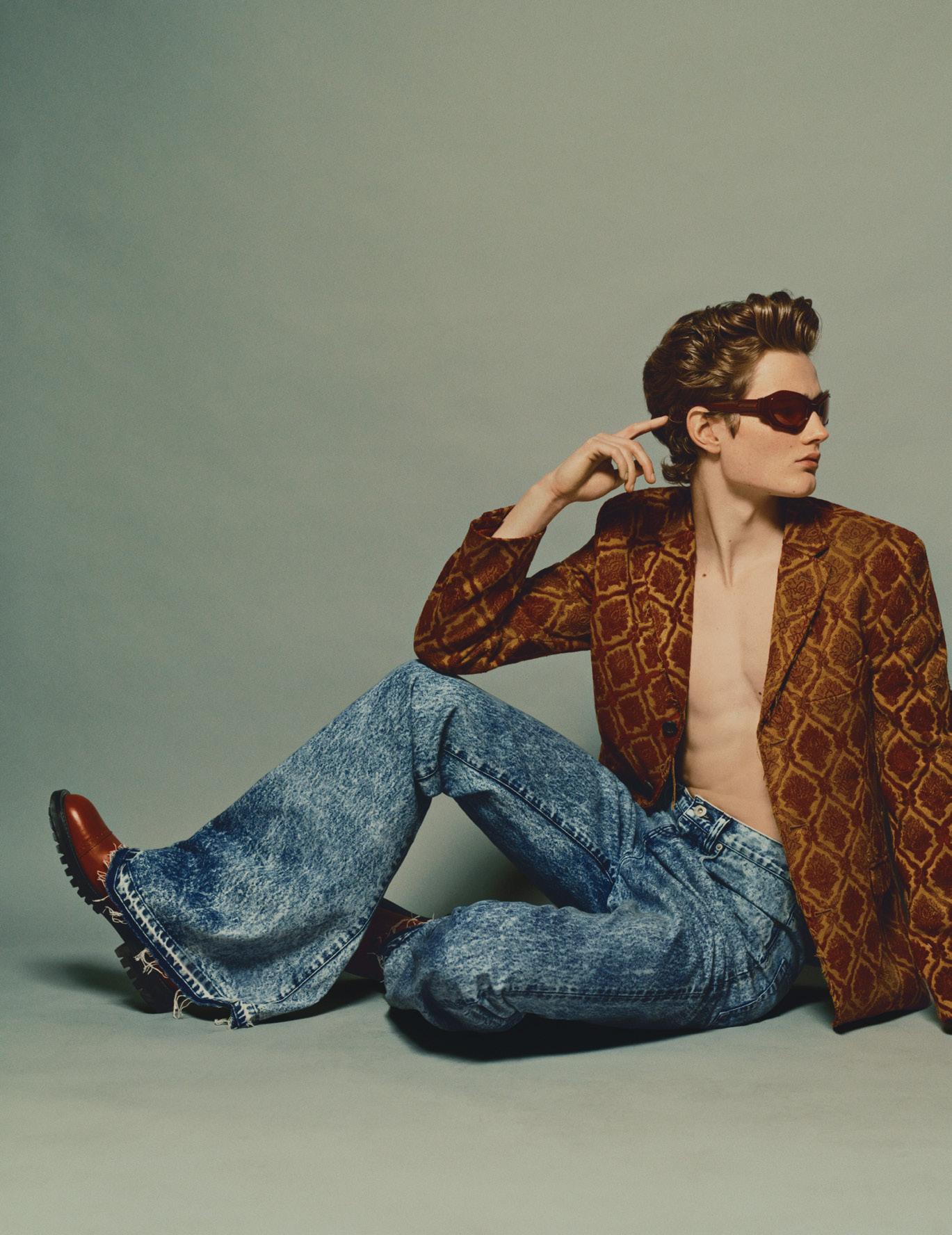
fully occupied with my own work,” he says plainly, with no performative modesty, when I ask him his thoughts on the current fashion landscape—namely, the creative director churn, the rise of social media’s dopamine rush. His response is less of an answer than a deflection. Watanabe has never seemed particularly interested in being a personality, let alone a brand ambassador for himself, an elusive quality akin to Martin Margiela. His focus has remained—steadfastly, stubbornly—on the work, on the clothes.
That focus was forged early. As a student, Watanabe was deeply struck by the innovative spirit of Comme des Garçons.
Joining Rei Kawakubo’s studio, he learned, by his own account, everything about making clothes—both the technical discipline and the conceptual freedom. It is impossible to understand Junya Watanabe without understanding that education: the permission to question everything, and the rigor to execute those questions with precision.
Yet Watanabe’s path diverged in important ways. His womenswear, which remains ferociously experimental, is what he calls his “personal challenge in creation.” His menswear, by contrast, is more intimate because it reflects his own style and fashion sensibility. That distinction— between challenge and desire—has shaped two parallel
bodies of work that speak to each other without collapsing into sameness.
When he launched his menswear line in 2001, Watanabe knew that novelty for its own sake was pointless. If the brand was to exist, it had to generate something genuinely new. The solution was not to invent from scratch, but to rethink the concept of authorship itself. Instead of designing denim pants, he incorporated Levi’s 501s directly into the collection. “I thought it would be far more interesting to incorporate the Levi’s 501, with its long history and iconic status, directly into the collection,” he said. “Its history and legend are impossible to imitate. I believe that adding the genuine article itself to the collection would be a new idea, and that conviction led to the collaboration with Levi’s.”
By integrating the real thing, Watanabe wasn’t outsourcing creativity; he was reframing it.
That decision set the tone for a careerlong engagement with collaborationas-concept rather than mere marketing exercise. A collaboration, he insists, cannot function without mutual respect. This attitude has allowed him to work with brands and cultural artifacts not as decorative add-ons, but as structural components of his designs. The result is work that feels embedded in the real world, not floating above it.
Looking back, Watanabe identifies his debut menswear collection as a turning point — the moment he captured attention by presenting ideas completely different from his women’s line. That initial clarity became the brand’s concept and, remarkably, has remained intact for over two decades. In an industry addicted to reinvention, Watanabe has practiced something profound and, in its way, meditative. His fashion is a slower, deeper form of evolution.
The spring collection can be read as a distillation of that philosophy. There was no overt theme, no political message or commentary on current events, no gimmick. There was a plain, earnest coherence: jackets that suggested tailoring without hierarchy, knits that recalled childhood without sentimentality, references to art history that functioned as personal touchstones rather than some belaboured message.
“[My] men’s wear,” he said plainly, “is about making the clothes I want to wear myself.”
Look closely enough and you’ll find Watanabe’s influence is everywhere, even if his presence remains discreet. Designers borrow his ideas, brands echo his constructions, trends catch up to silhouettes he explored long ago. He continues, largely uninterested in the noise, refining a vocabulary that, because it is deeply personal, has remained broadly resonant and undeniably influential.
If men’s fashion is finally ready to re-embrace tailoring, texture, and thoughtfulness, it is not because these ideas are new. It is because Watanabe never stopped believing in them—and never felt the need to explain why.
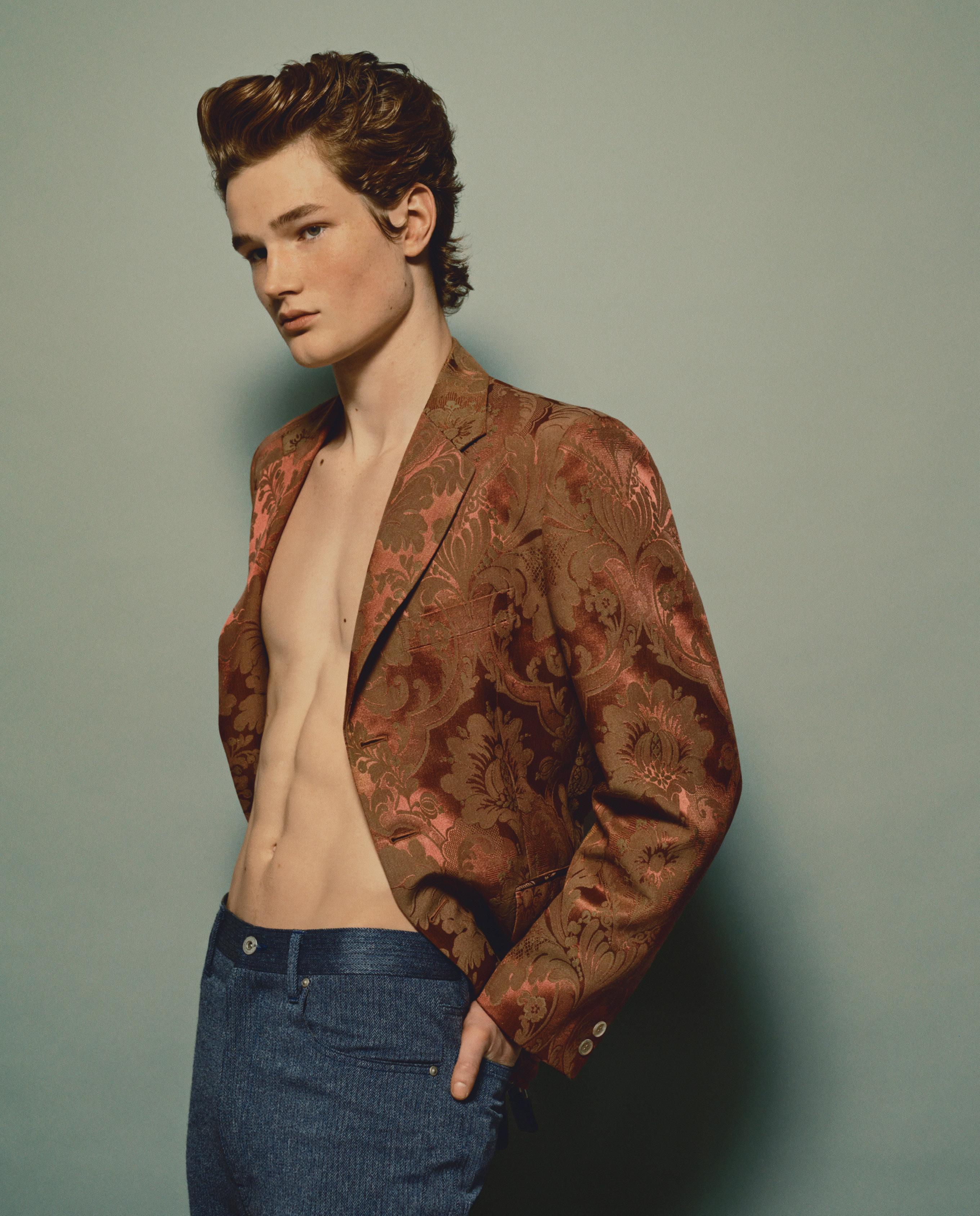
"When I started menswear, I felt there was no point in creating a brand unless I could generate something new new ideas and new developments— through a completely different approach."
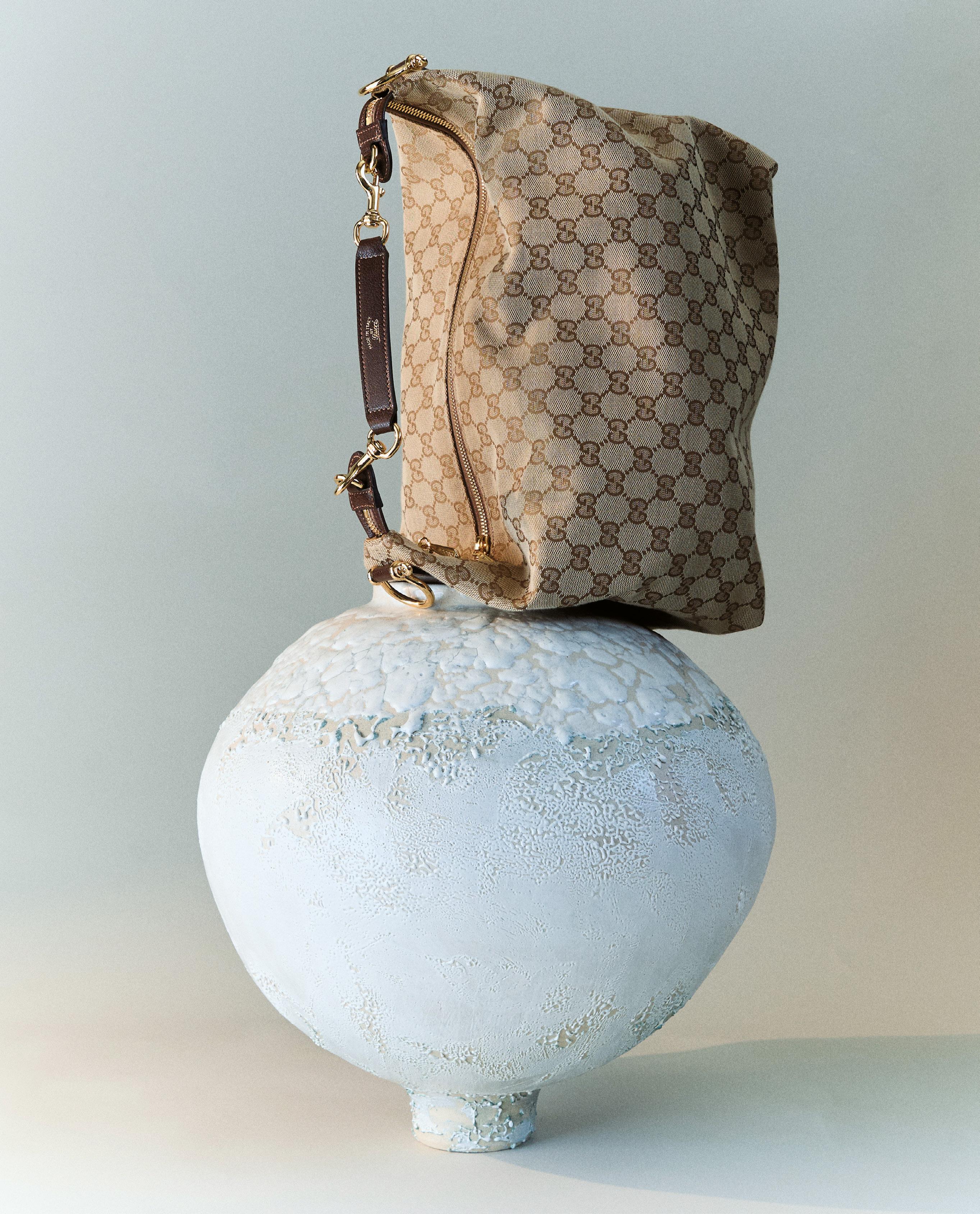
In three key items from the spring/summer 2026 Collection, Gucci proves that in the right hands, past is always prologue
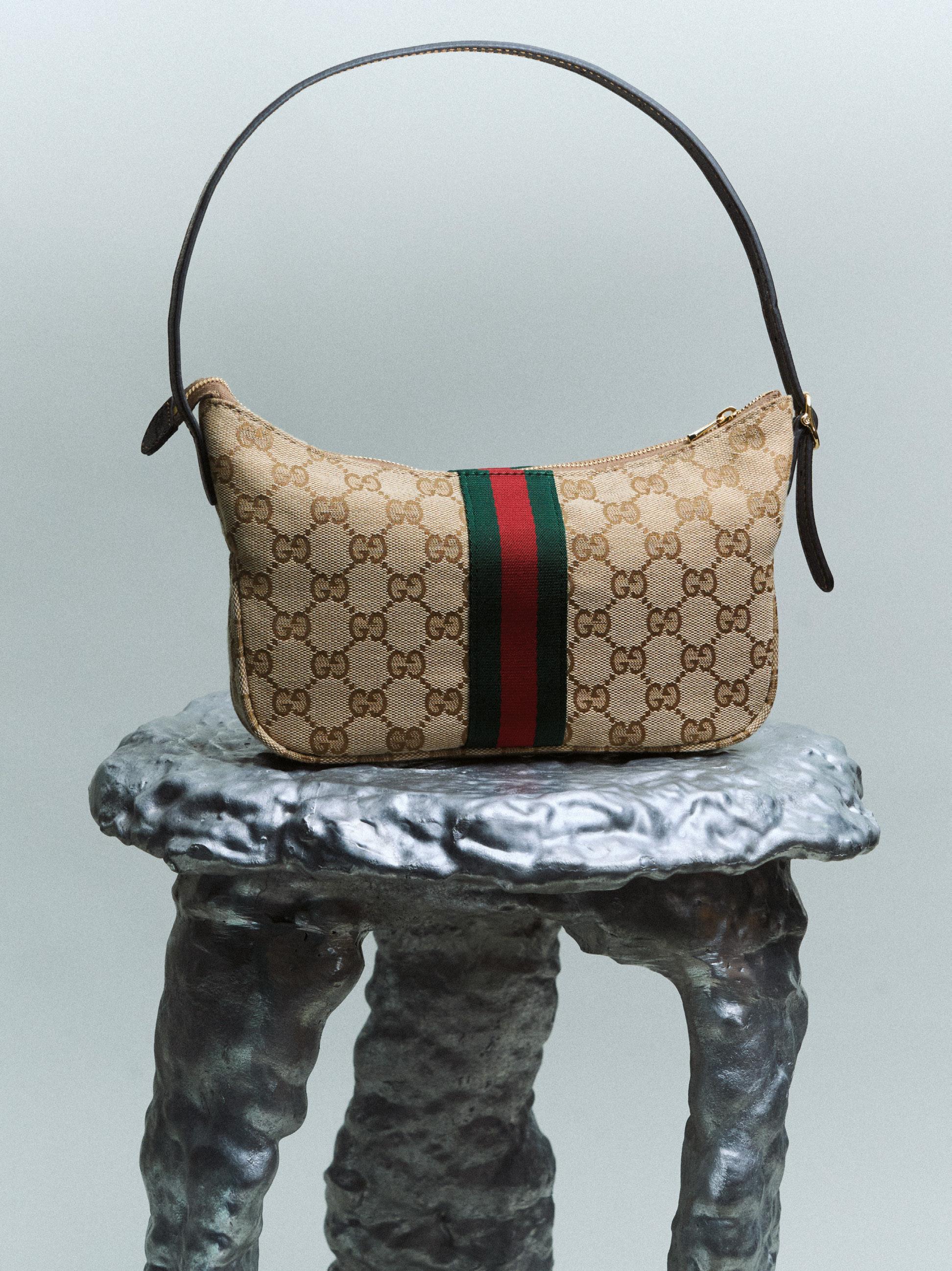
The past isn't found—it's made. Through deliberate touch, engineered elegance, and an instinct for what endures, Gucci's spring/summer 2026 collection offers a different relationship to history, one that sees the past and the future as intimately connected. The Brera bag borrows its name from Milan's storied art district, translating cultural memory into supple leather and specially developed hardware. The
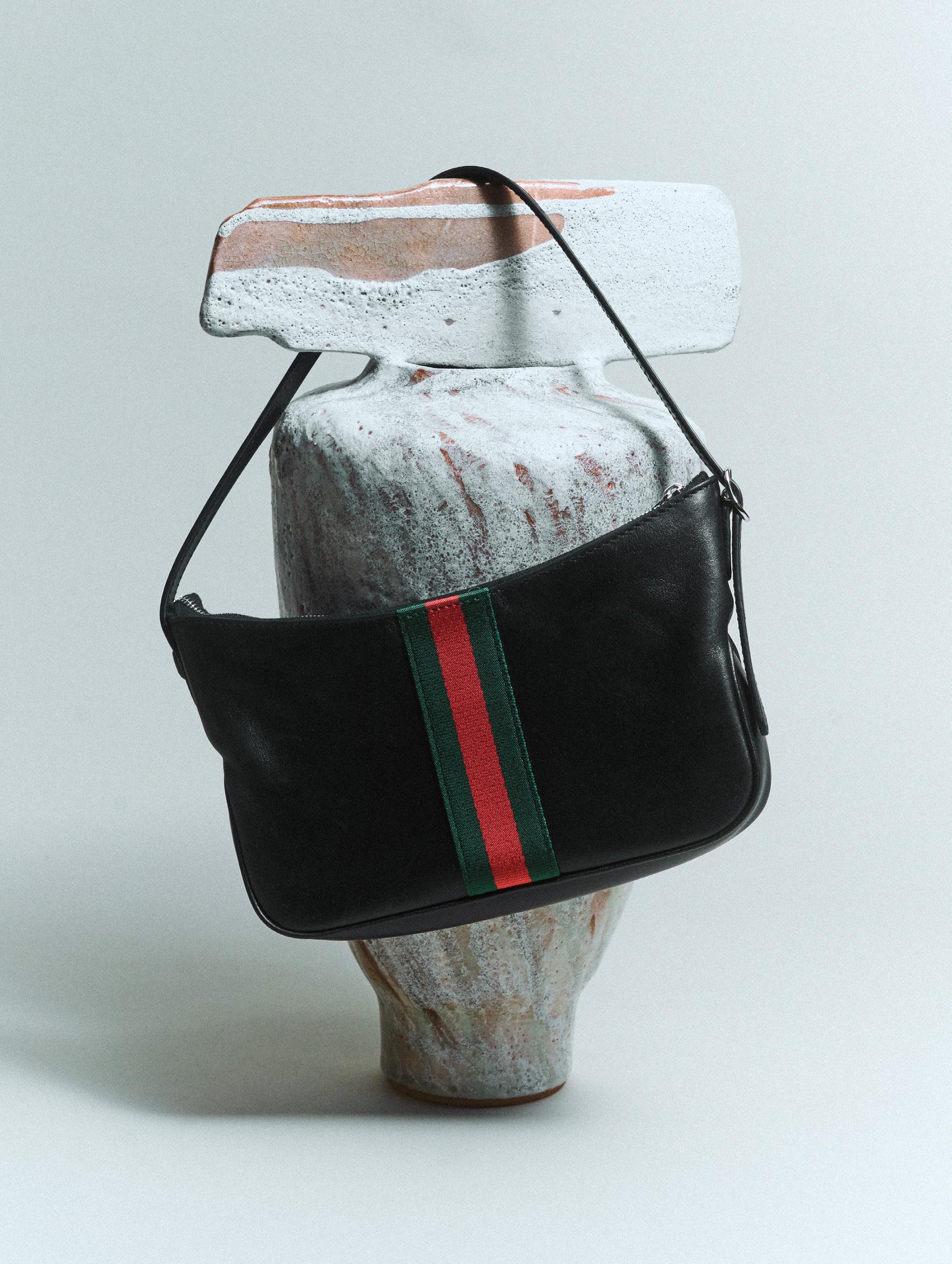
Lunetta—little moon—is hand-treated for a vintage patina that suggests years of living with the novel freshness of the brand new, and the Ace sneaker continues its evolution from 1970s court precision into something pared-back and decidedly modern. Together, these objects d'art suggest that timelessness isn't about looking backward, but about knowing which notions are worth carrying forward.
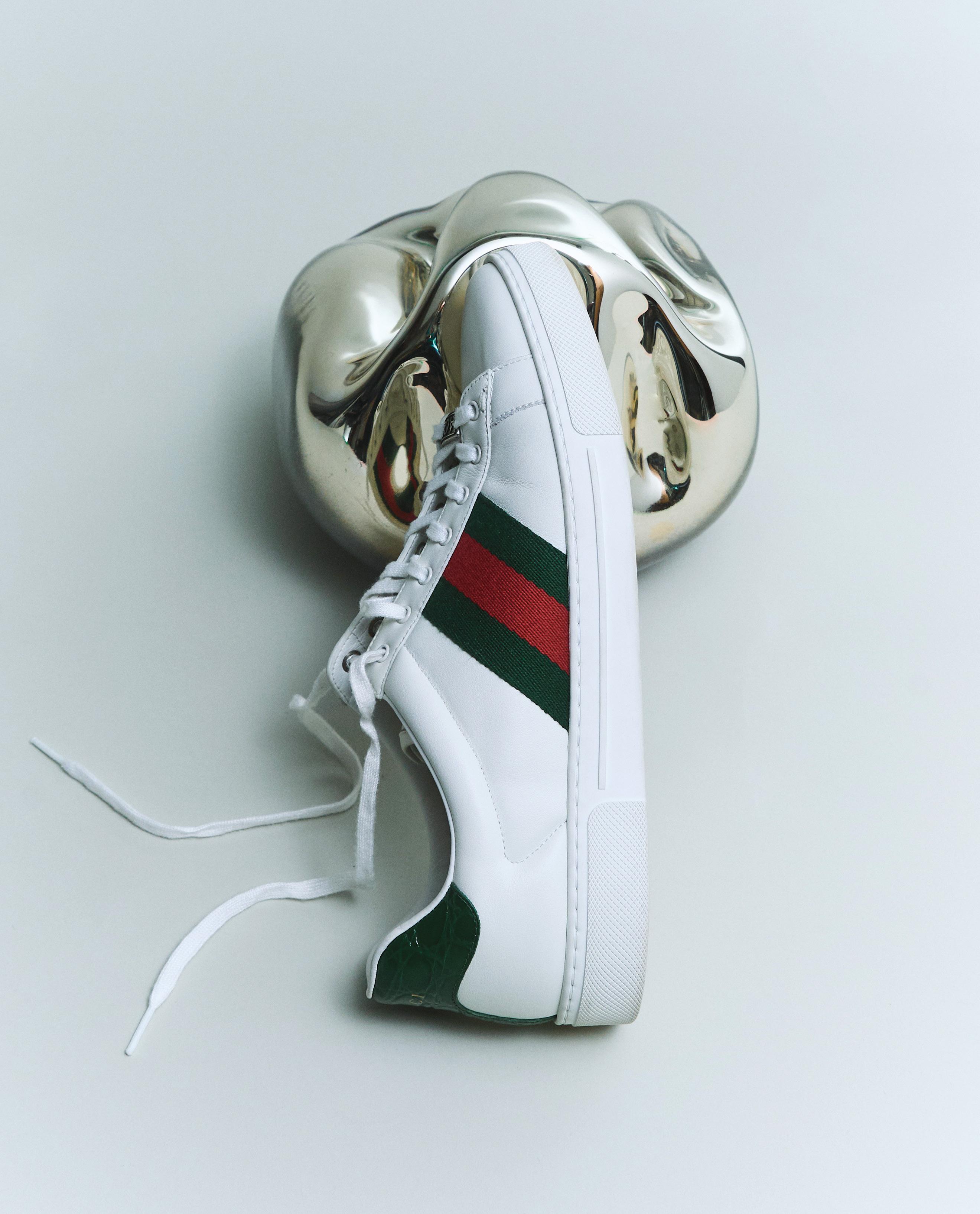
photography sølve
Hair Syd Hayes (Art + Commerce) for Babyliss Makeup Bea Sweet (The Wall Group) using Elemis
Model Owen Ruppersburg (Milk Collective)
Set design Max Bellhouse (The Magnet Agency)
Production Paula Ekeneger
Casting Angus Munro (AMC Casting)
Movement director Anders Hayward (Unsigned Group)
Digital technician Lucie Rowan
Photo assistant Michael O Williams Matt Davies
Finbar Taylor-Jones
Stylist assistants Ben Carnall Hiroto Ide
Makeup assistant Hannah Bust
Hair assistant Ryan Wood Set design assistant Sean Kirwin
Retouching Digital Light Ltd
Sculpted tailoring, dramatic layering, collars that belong to another century. Spring dressing at its most compelling is also its most theatrical.
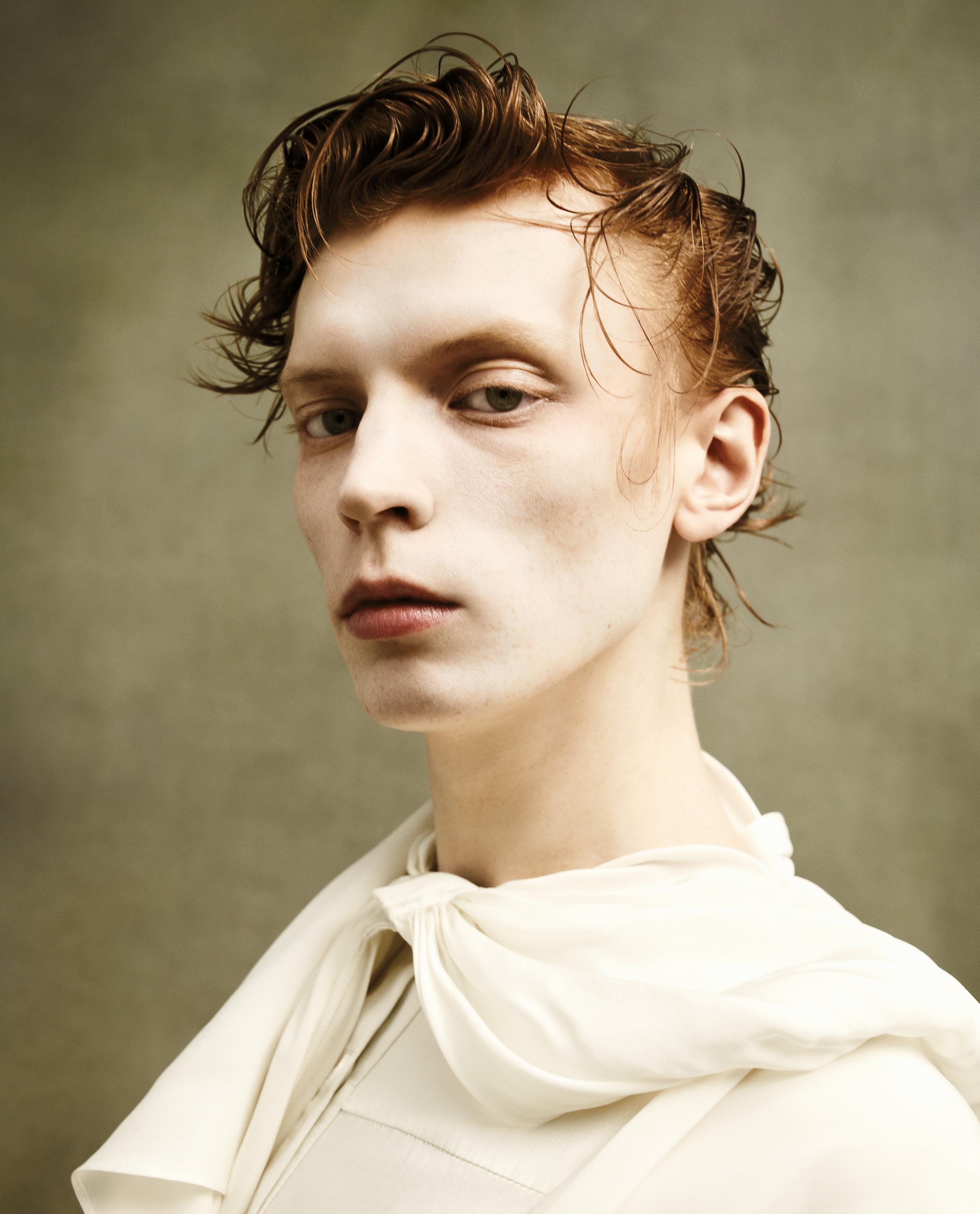
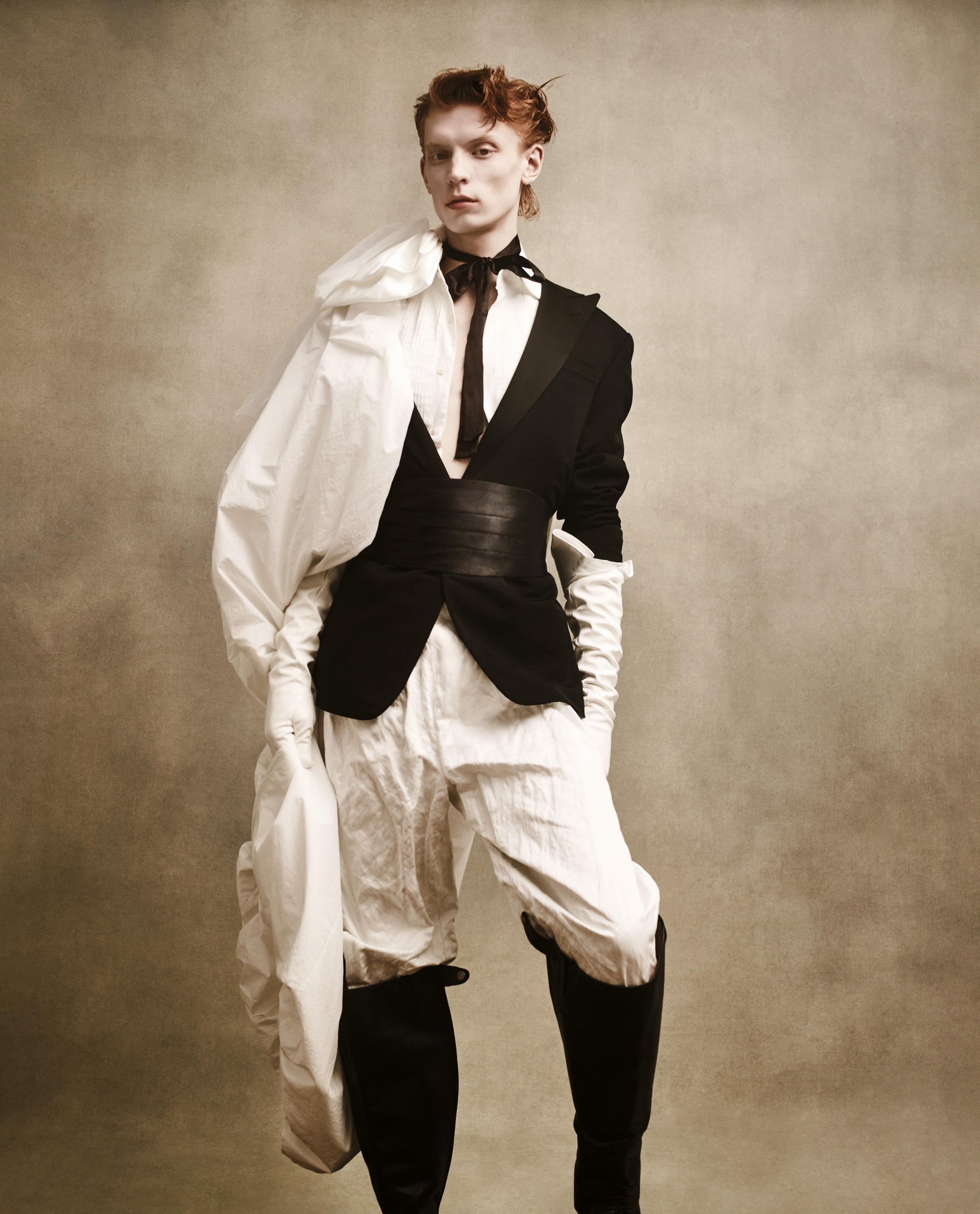
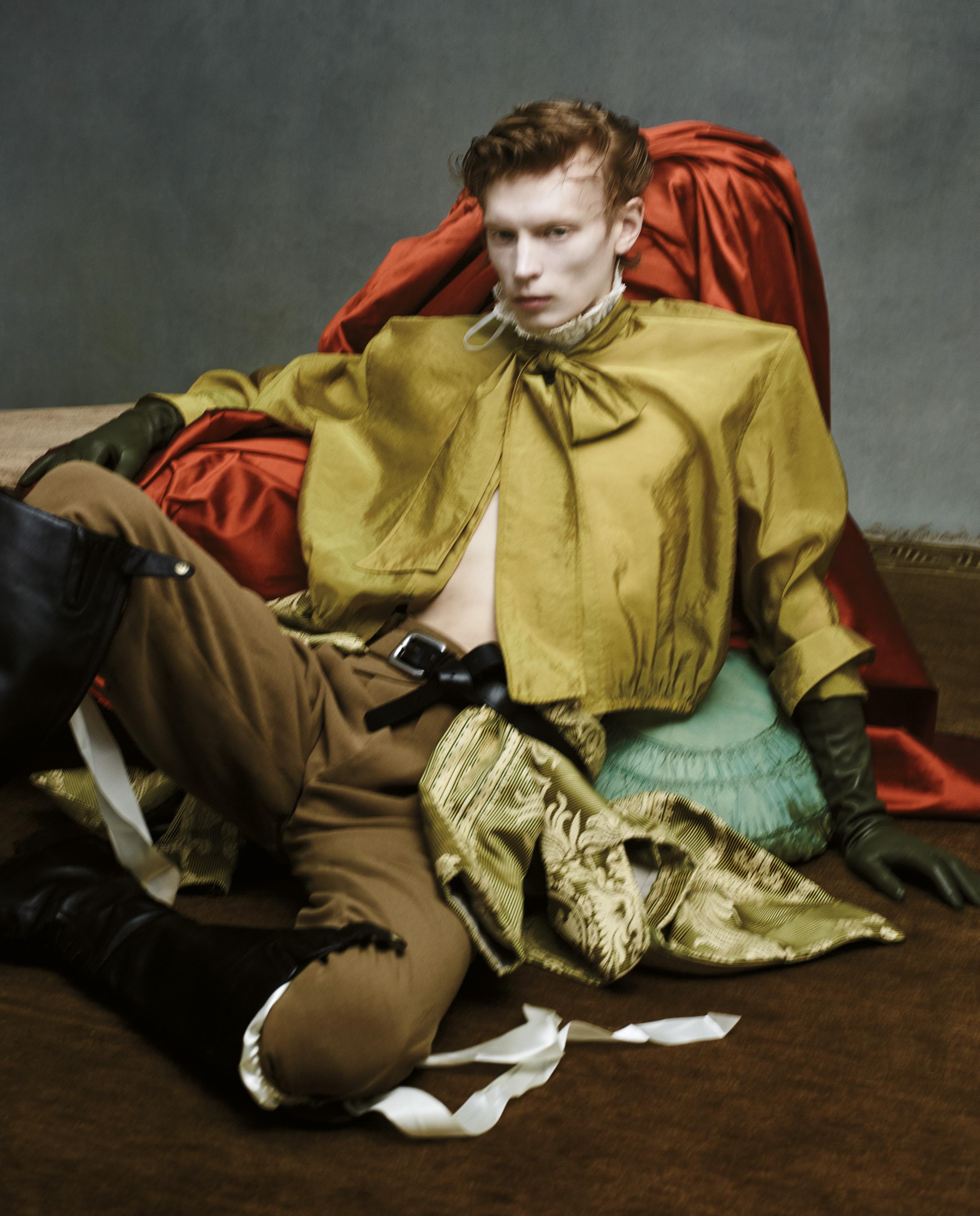
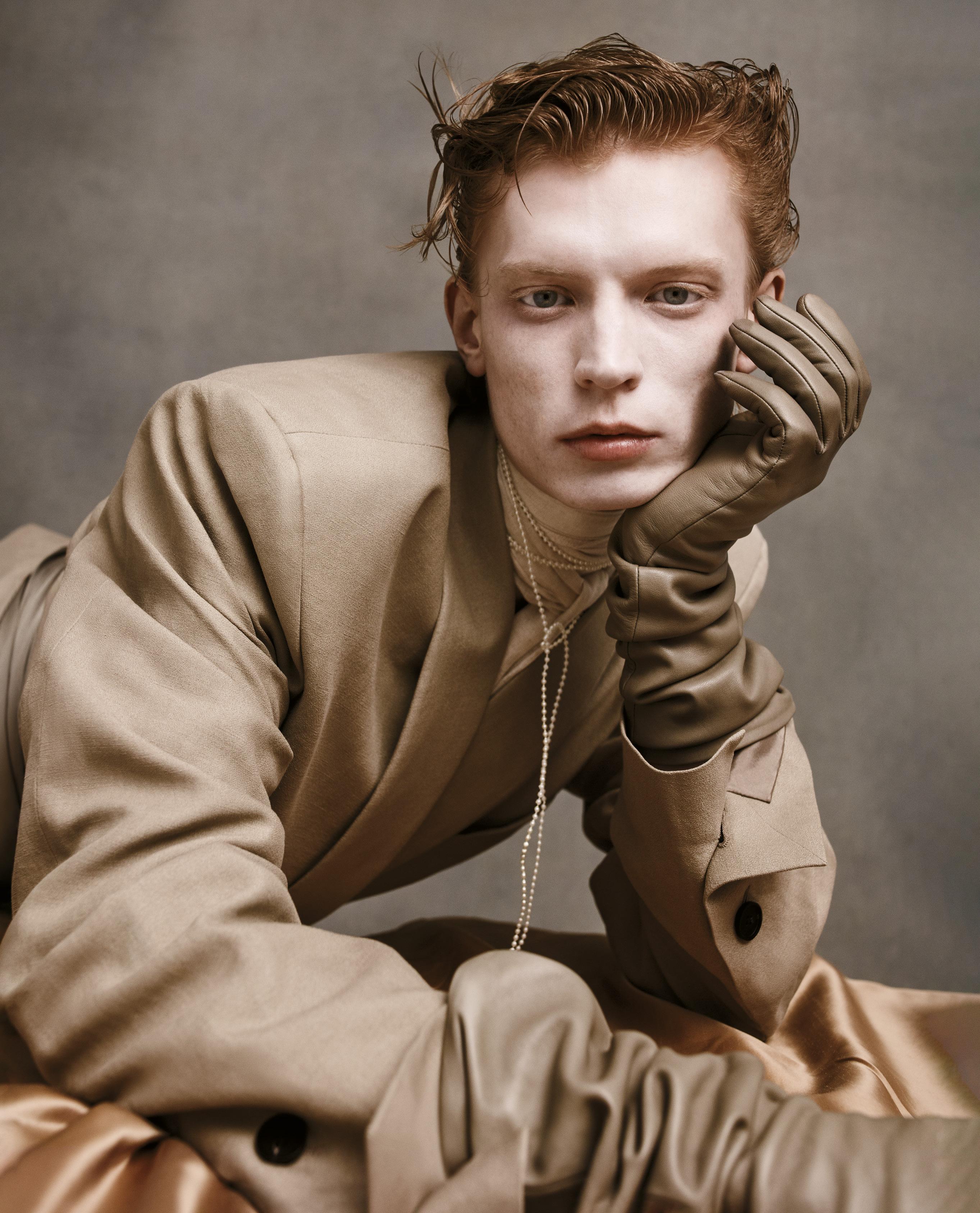
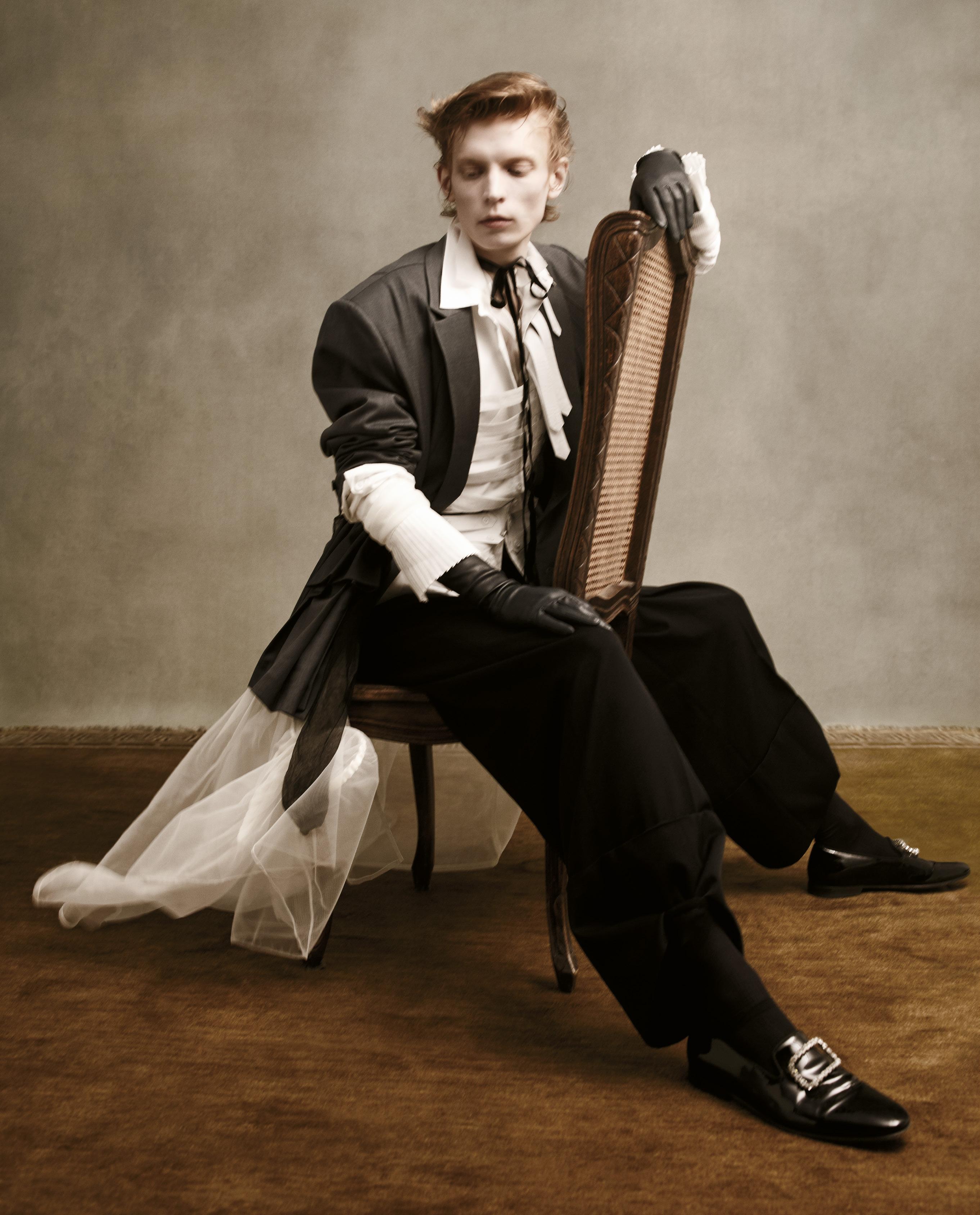
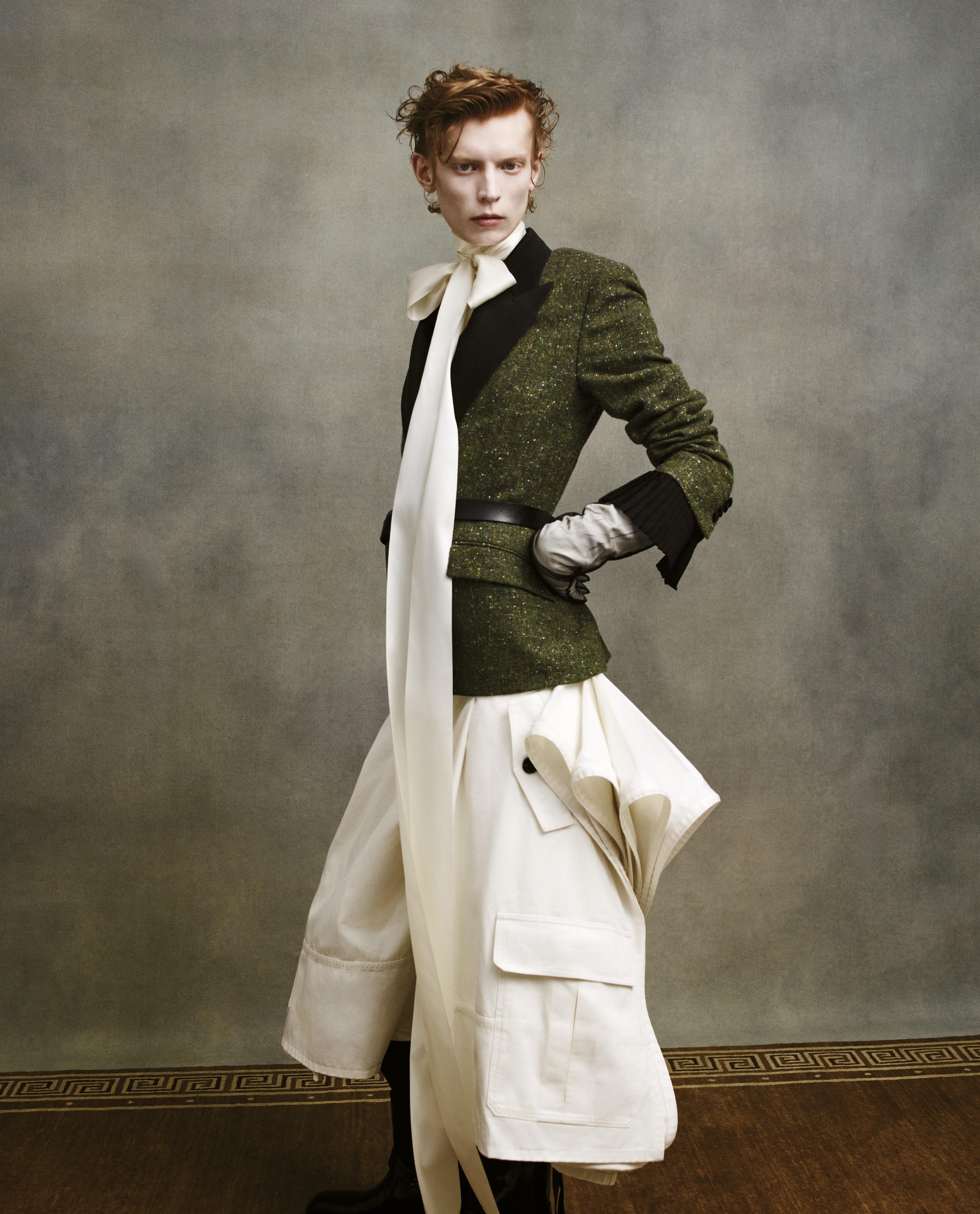
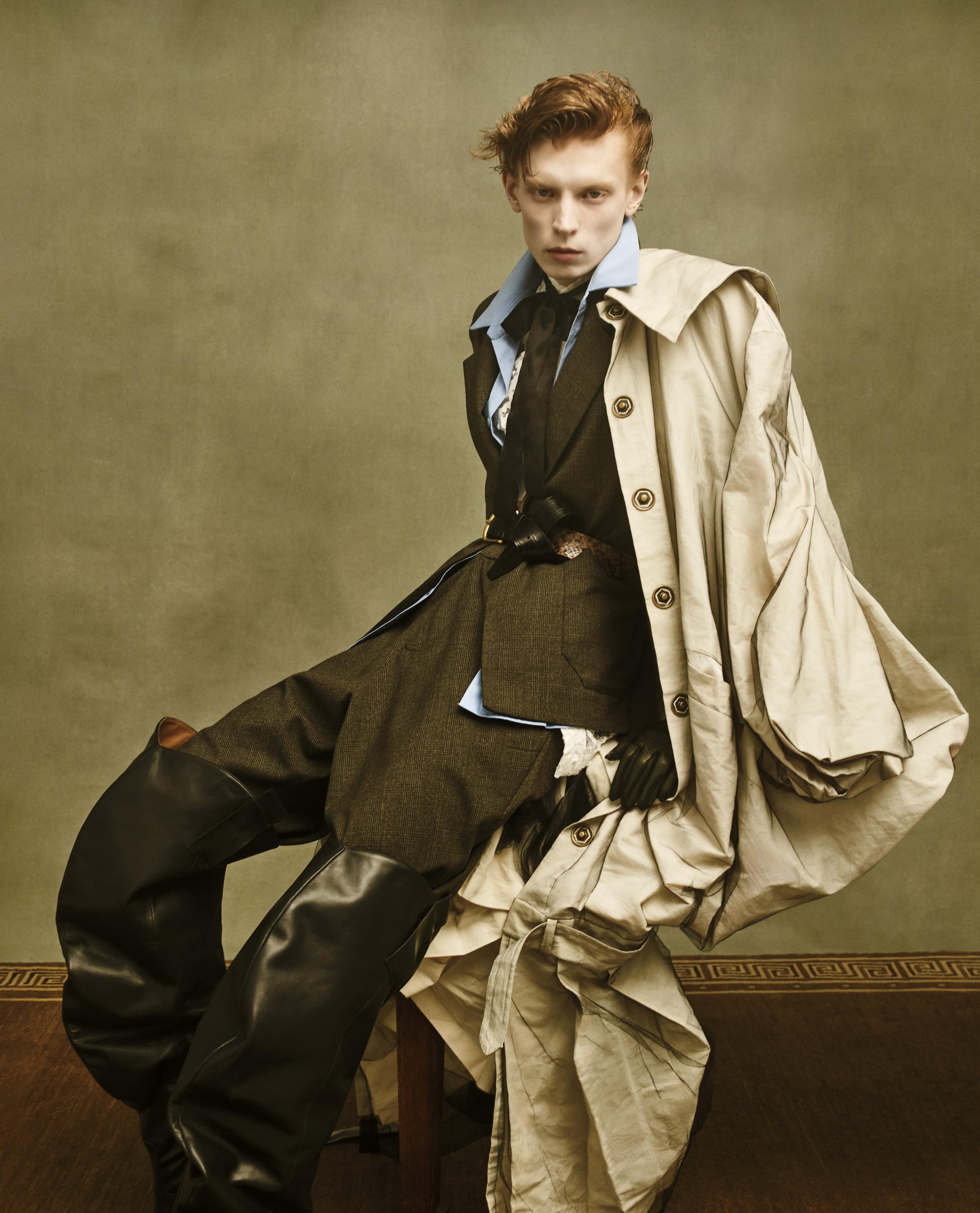
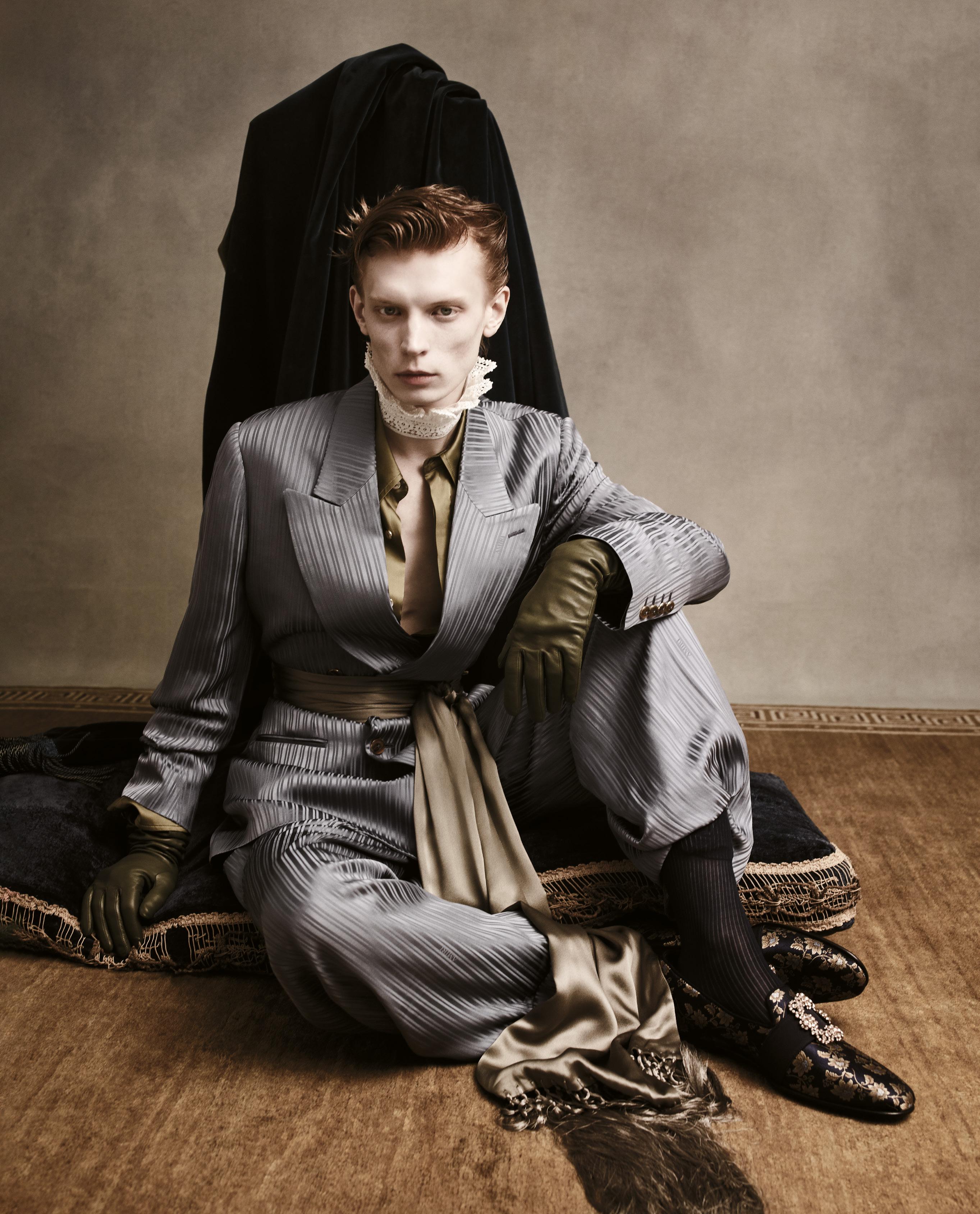
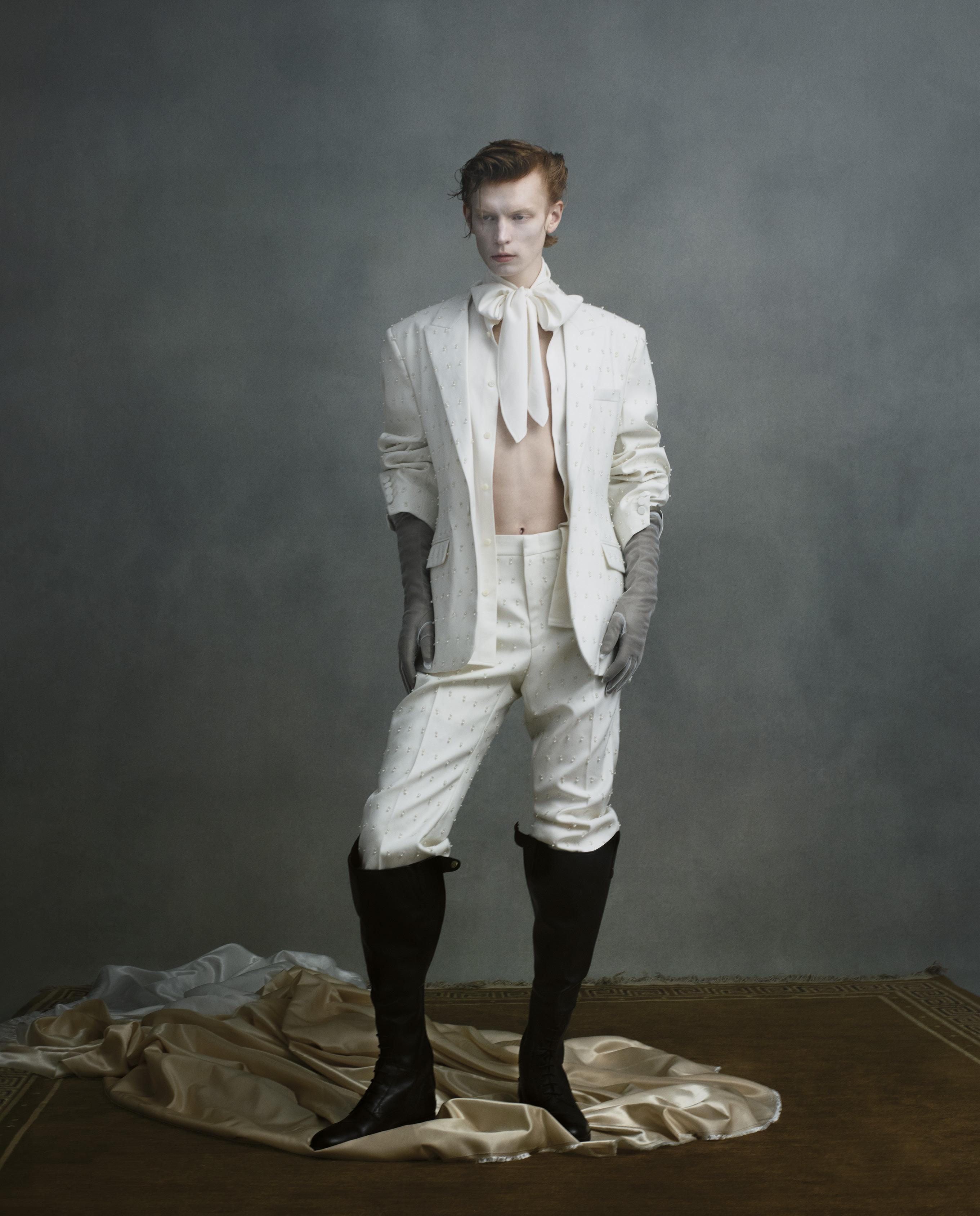
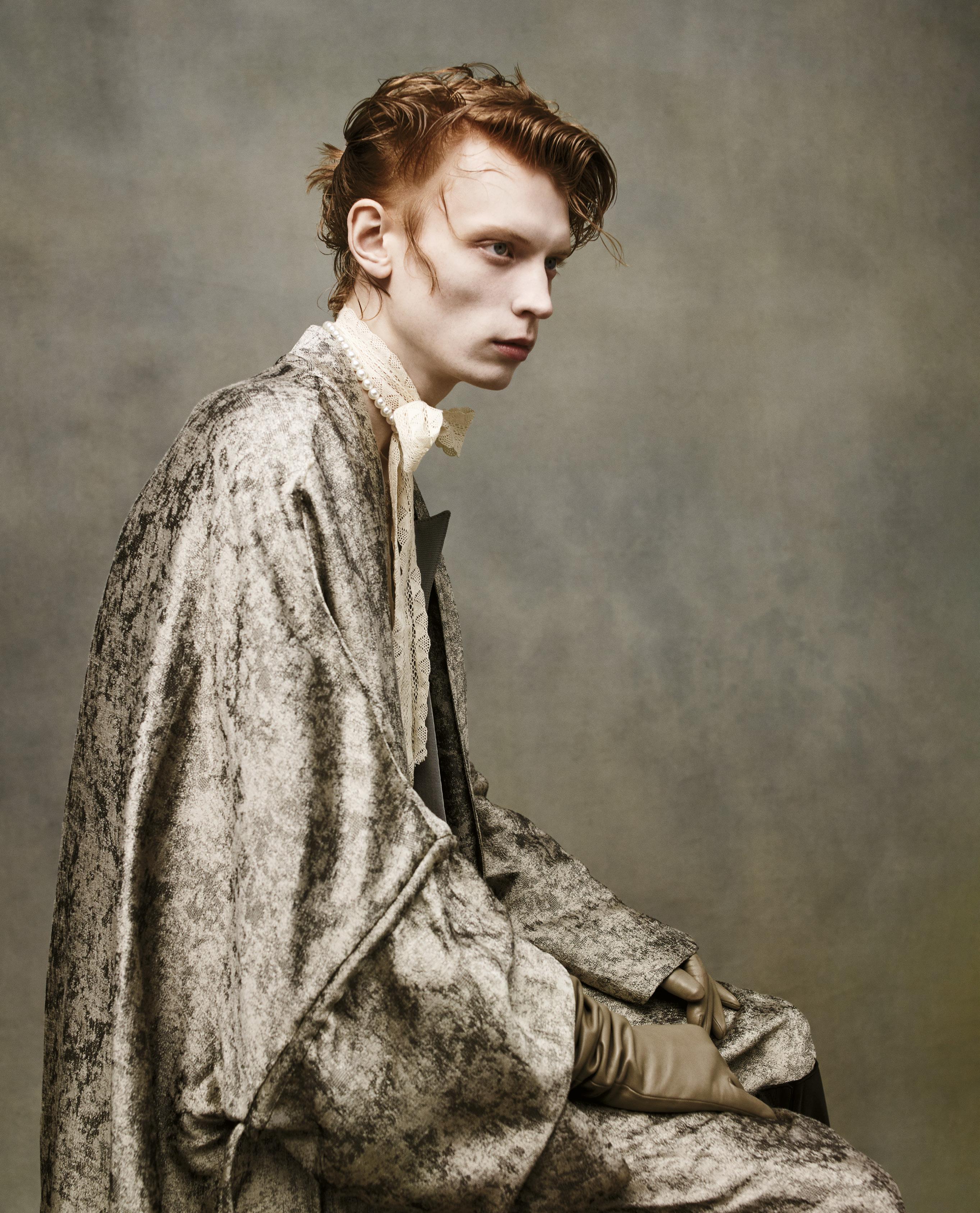
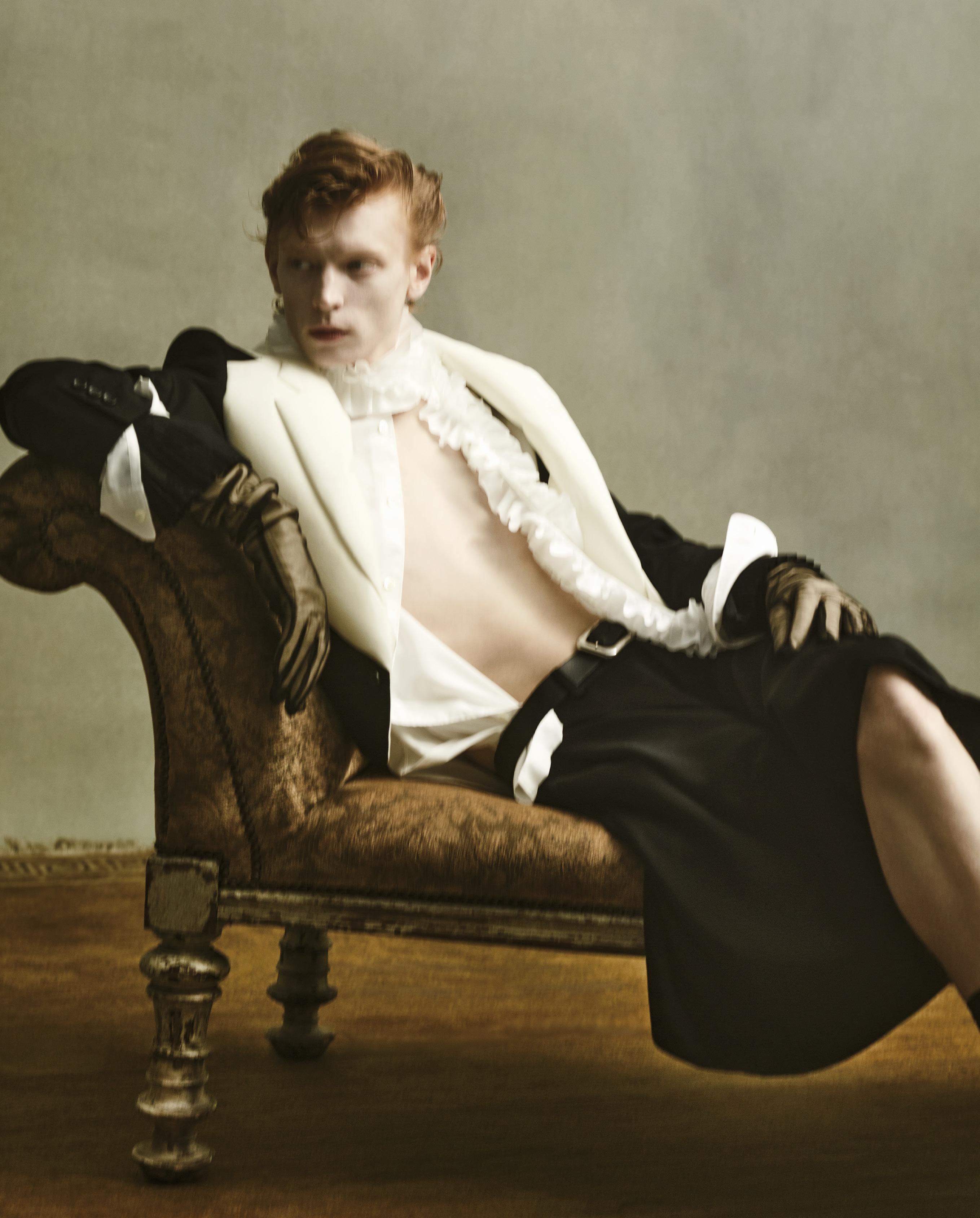
photography felix cooper
fashion roberto piu
Groomer Andrea Dini (Home Agency)
Models Axel Blanche , Siegfried Blanche (Garçons by Gervais)
Production Gabi Besevic-Simpson (MMXX Artists)
Casting Ricky Michiels
Photo assistant Marion Duchaussoy
Stylist assistant Emie Dieudegard Julian Lissinna
Location Studios Daylight
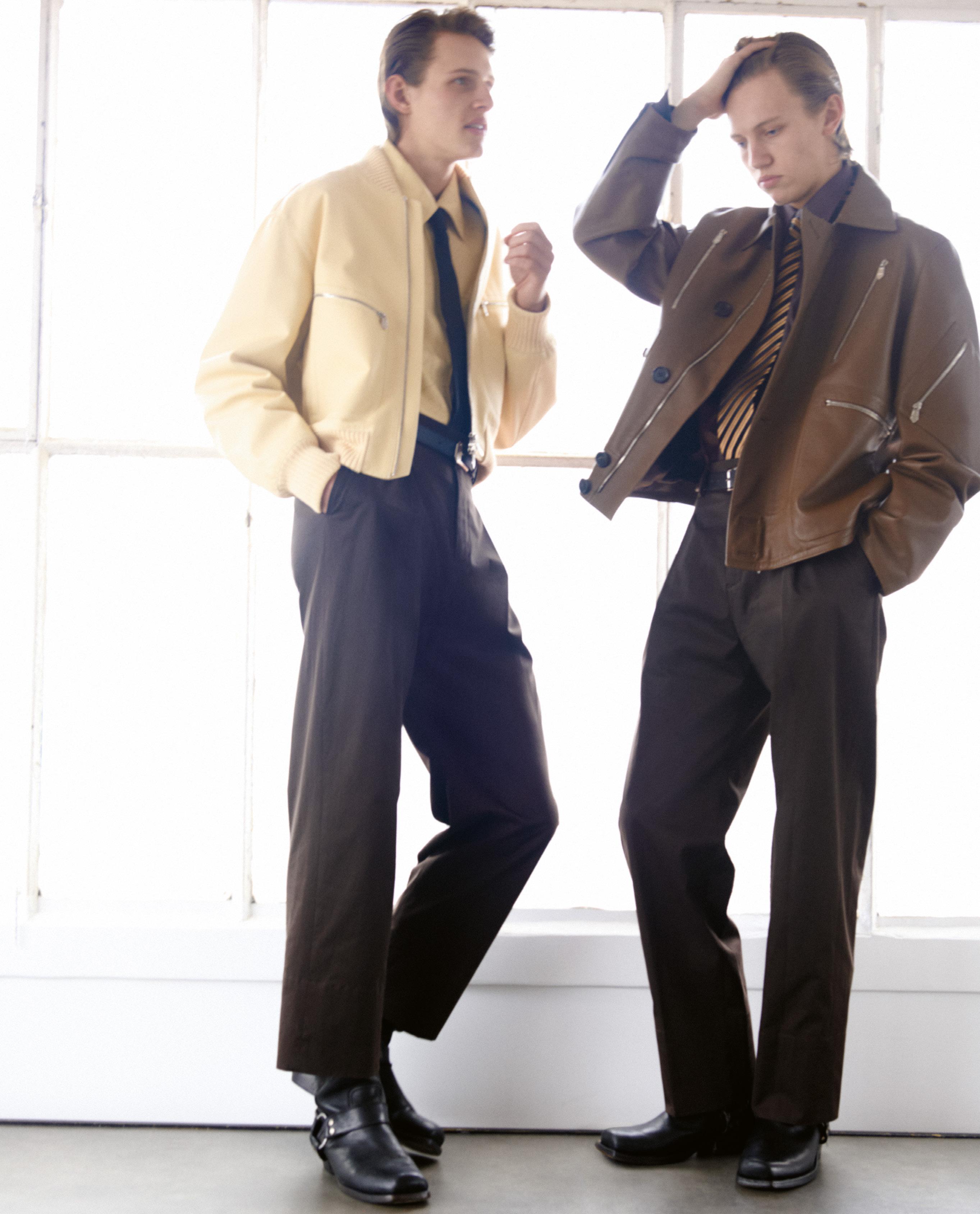
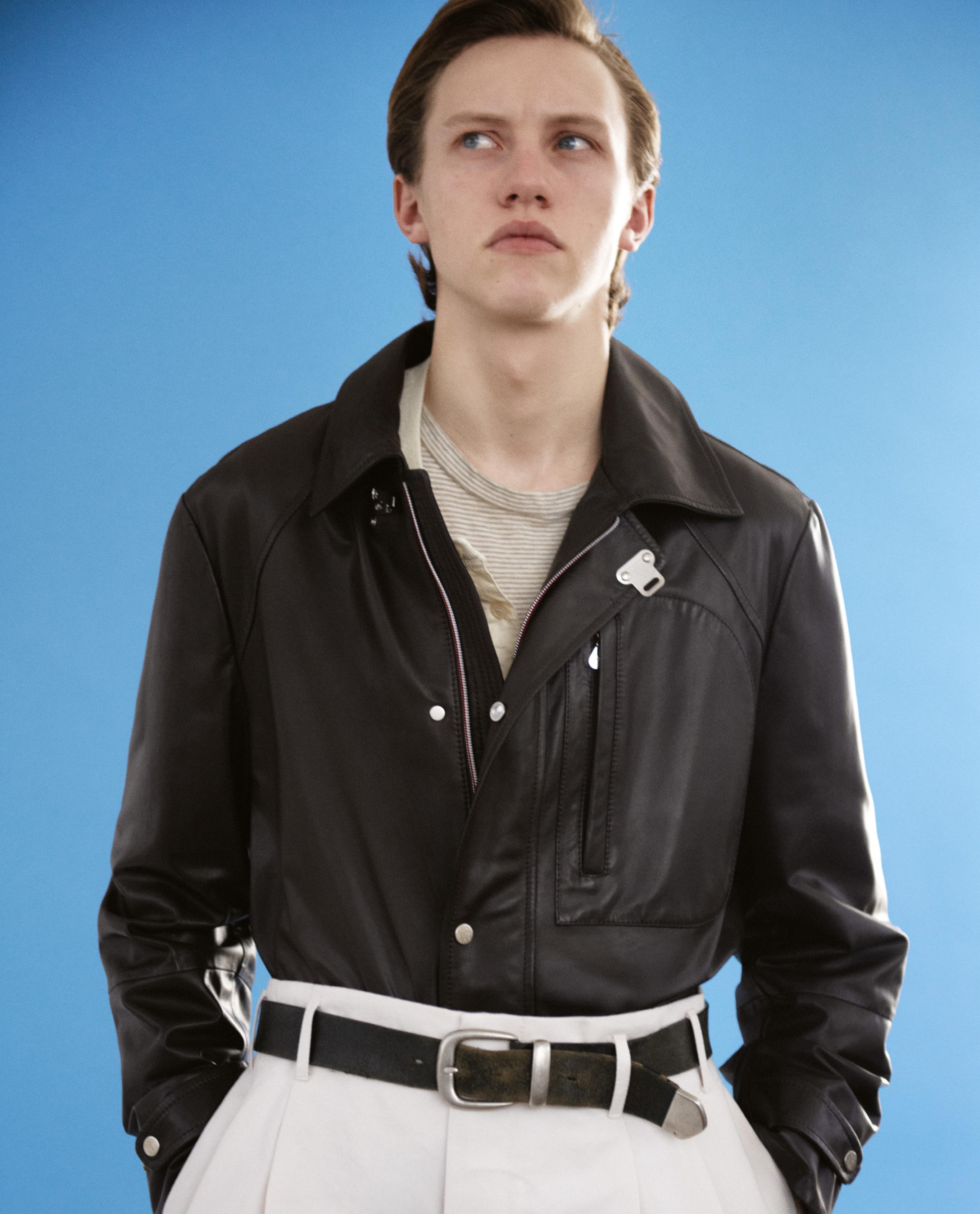
Fashion has a short memory. Style does not. The clothes that endure – the leather jacket, the ringer tee, the suit – are not classics by accident. They are the wardrobe of men who never needed to be told what to wear.
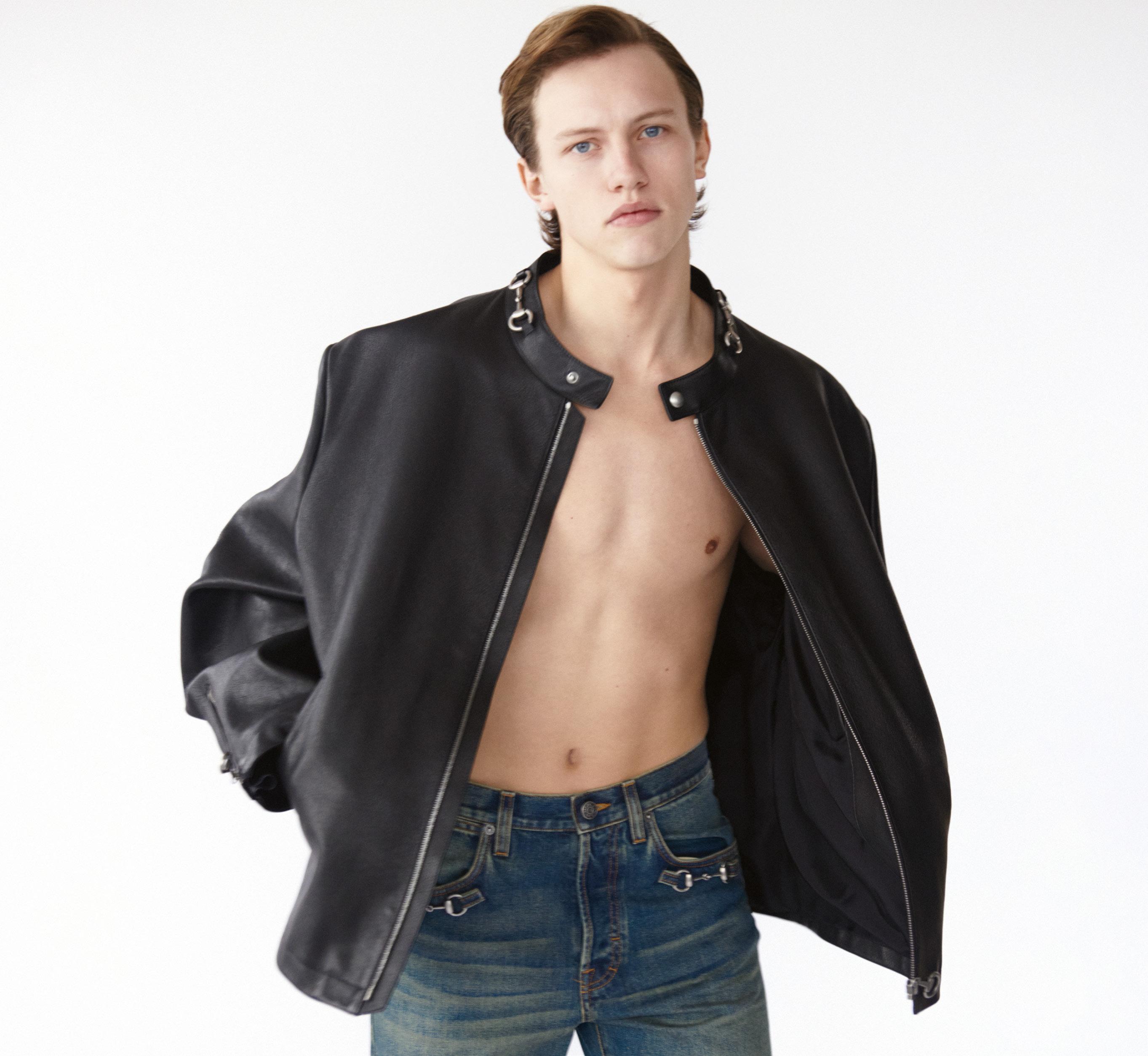
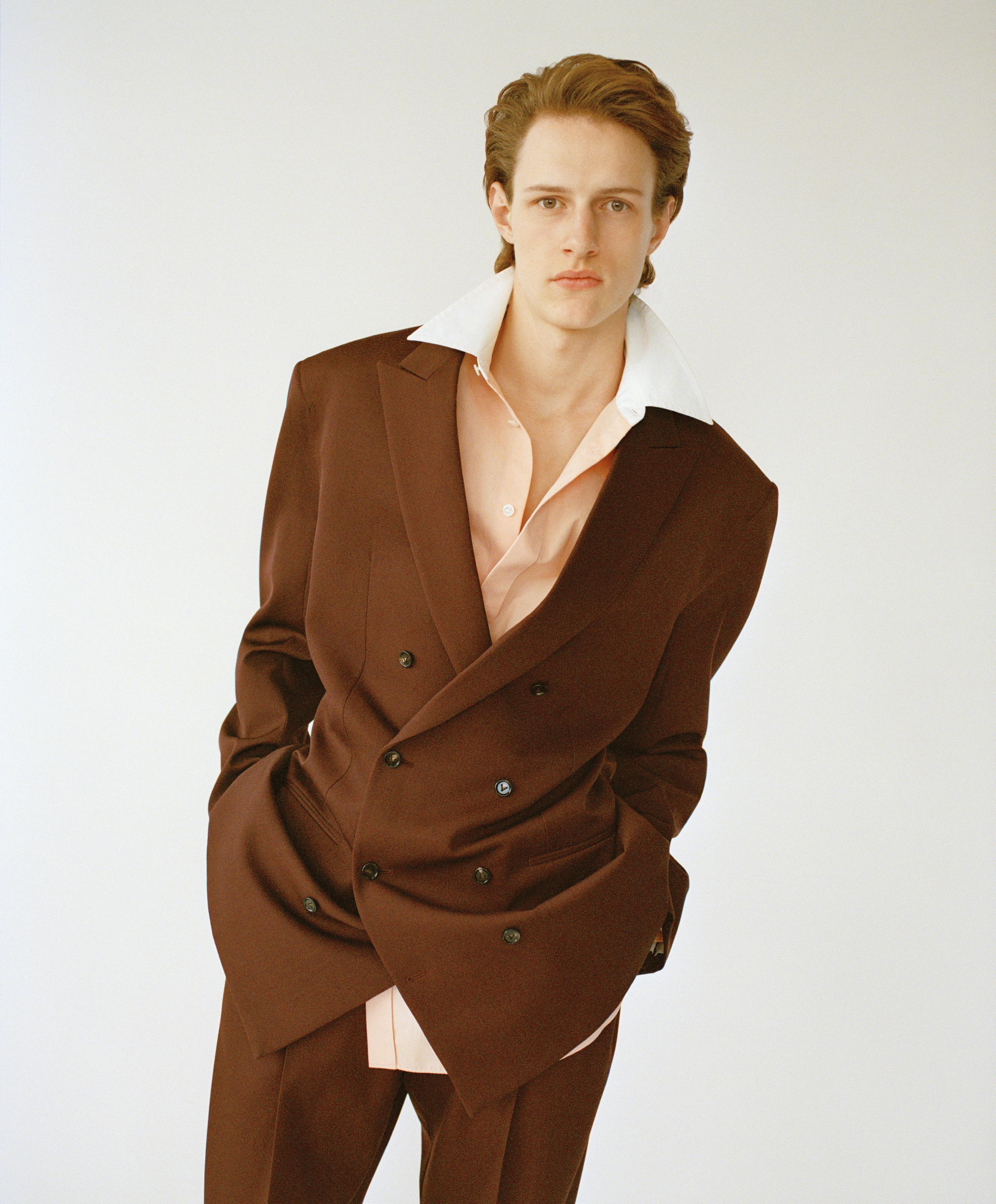
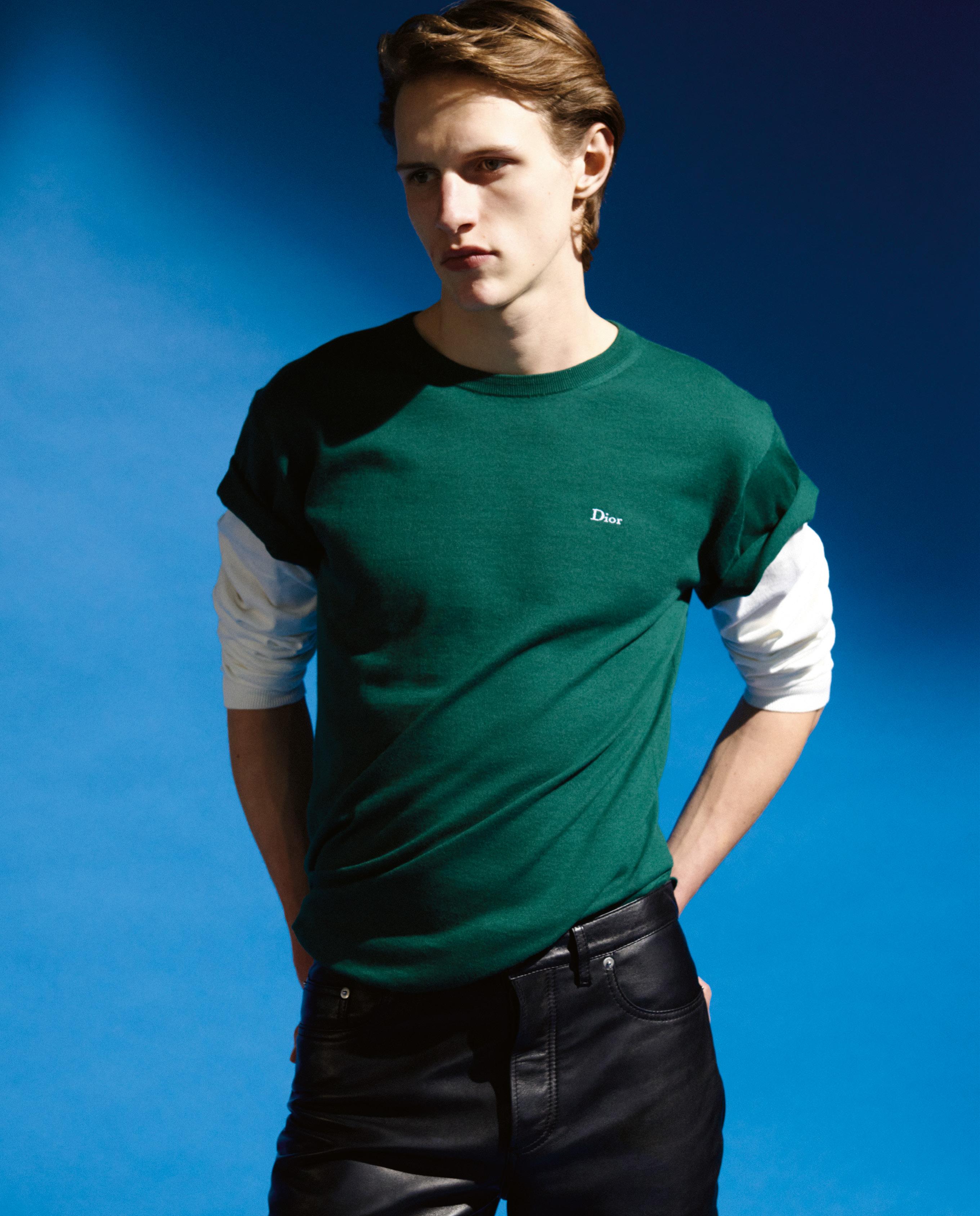
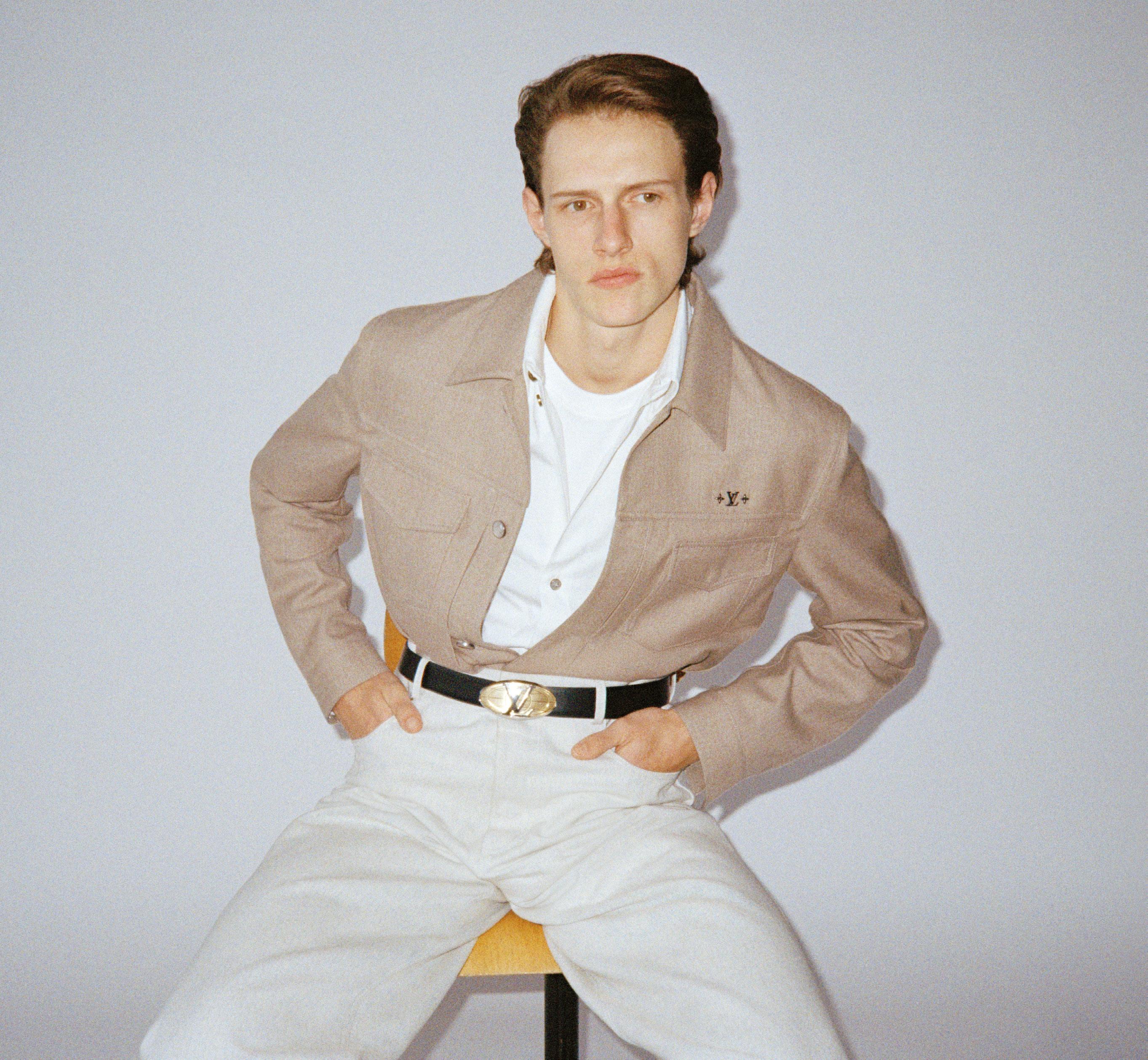
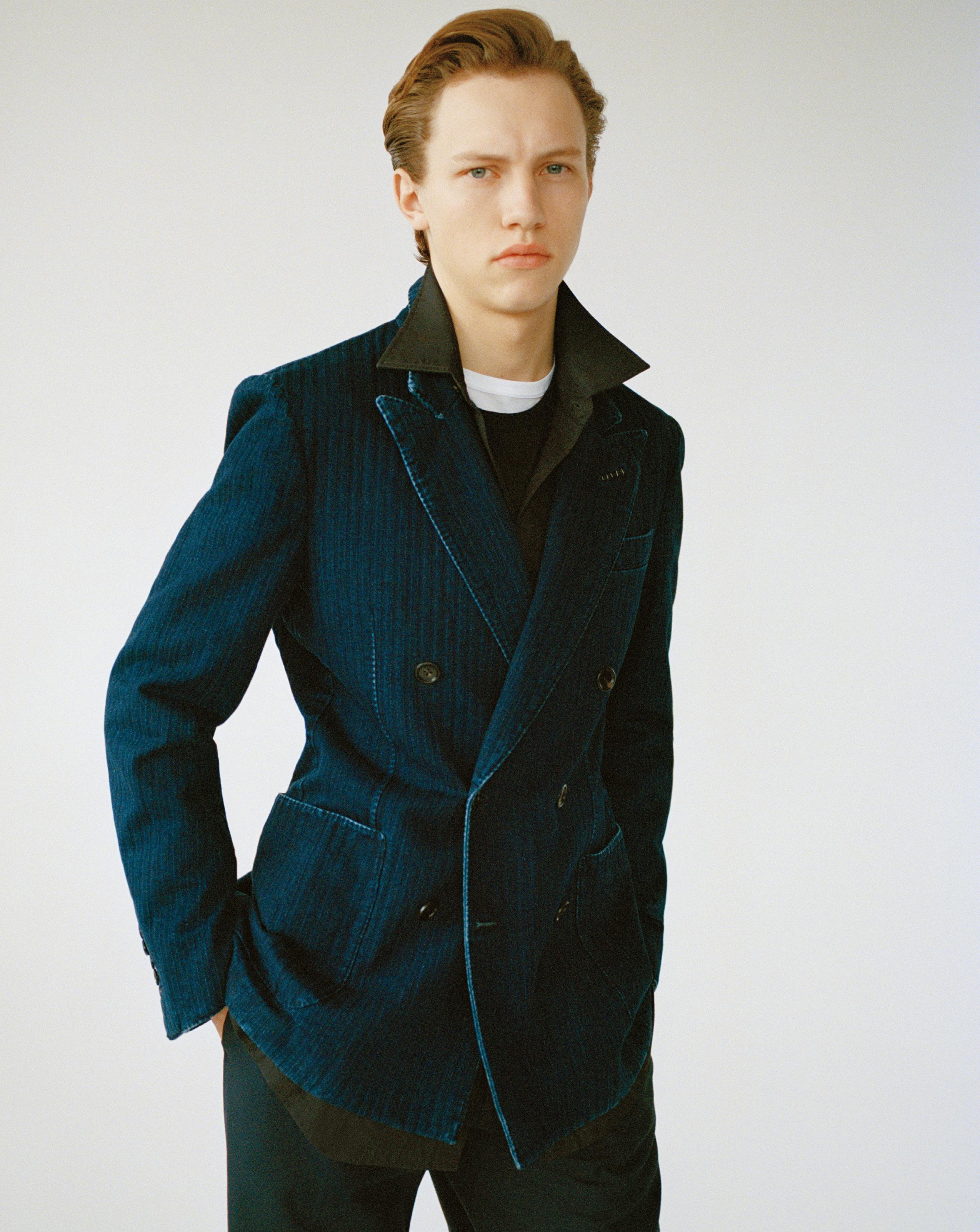

Tommy Hilfiger has one core principle for dressing well: learn the rules, then break them.
There is perhaps no American designer whose work more immediately calls to mind patent American ideals like democracy and innovation than Tommy Hilfiger. The New York designer trades unattainable, elaborate, and elite constructions of the American dream in favor of relaxed, unpretentious, and yet confident silhouettes for the active man and woman. The name “Hilfiger” has become synonymous with American style, East Coast heritage, and the country’s most enduring sartorial tradition: preppiness.
This spring’s TOMMY HILFIGER New York collection promotes a new prep modernity where caps, denim, and sneakers anchor contemporary iterations of preppy style. Adapting heritage garments to the needs of the wearer, Hilfiger incorporates athletic technology to
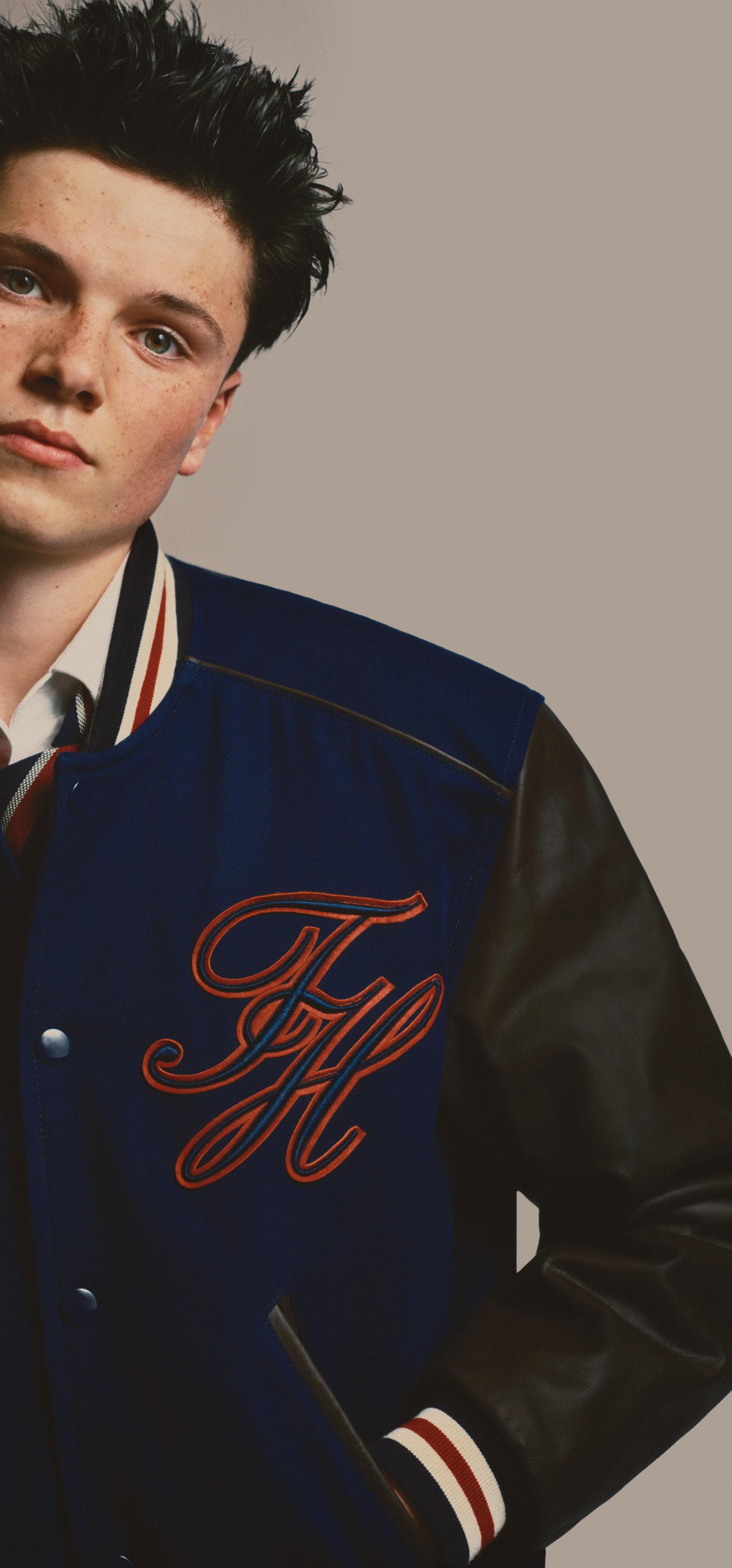
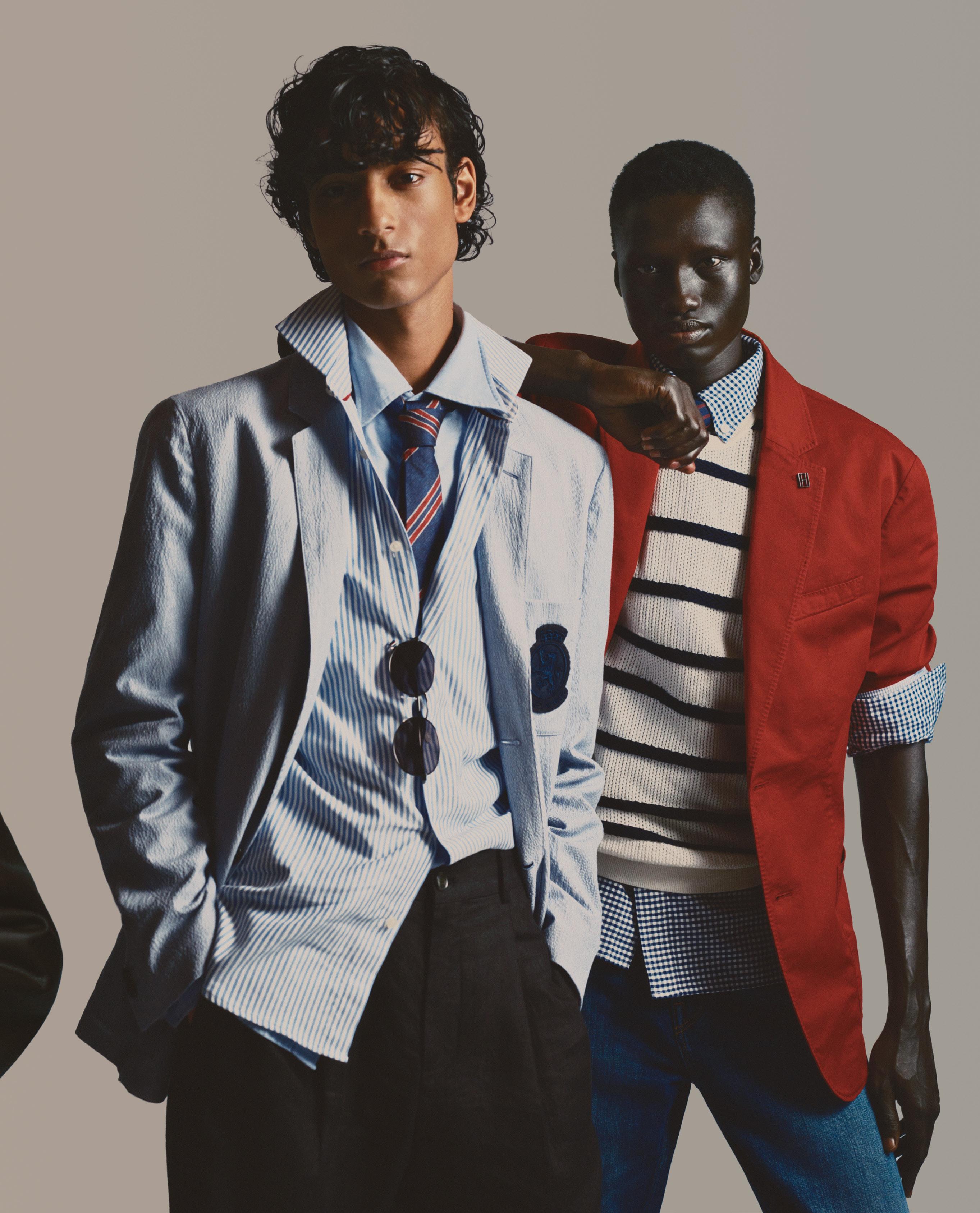
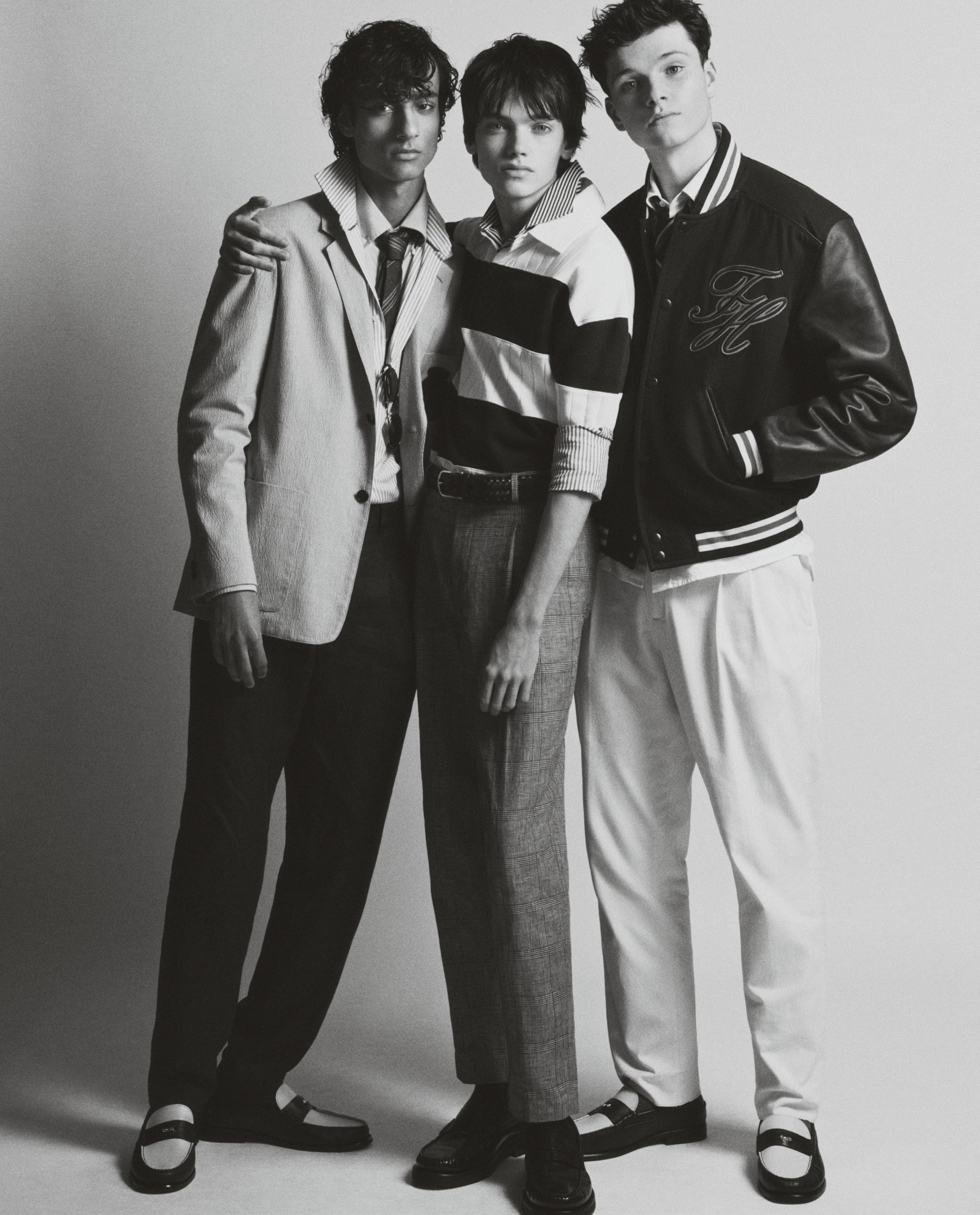
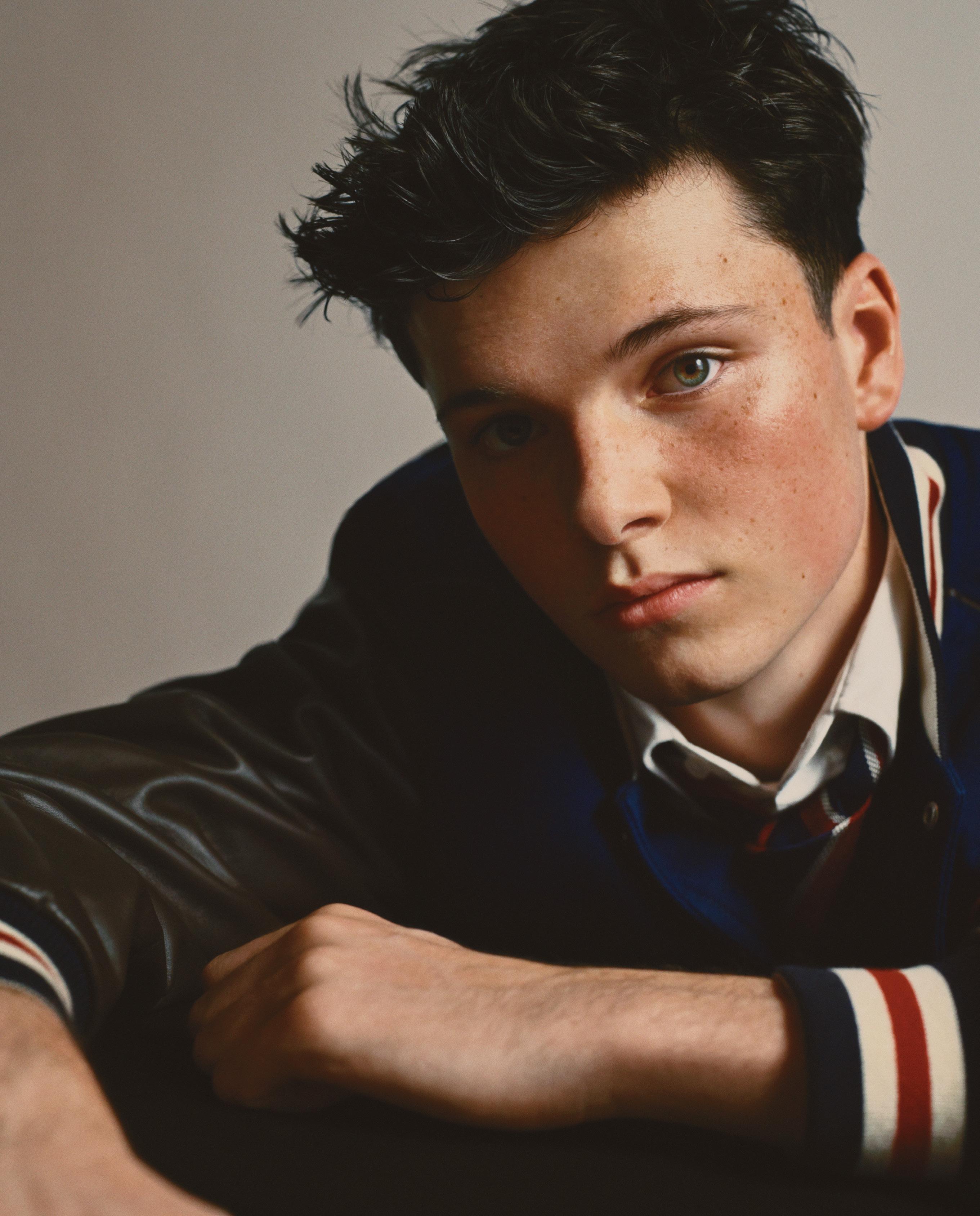
"It’s not about being stiff or formal but rather it’s about self-expression, and the joy of getting dressed up."
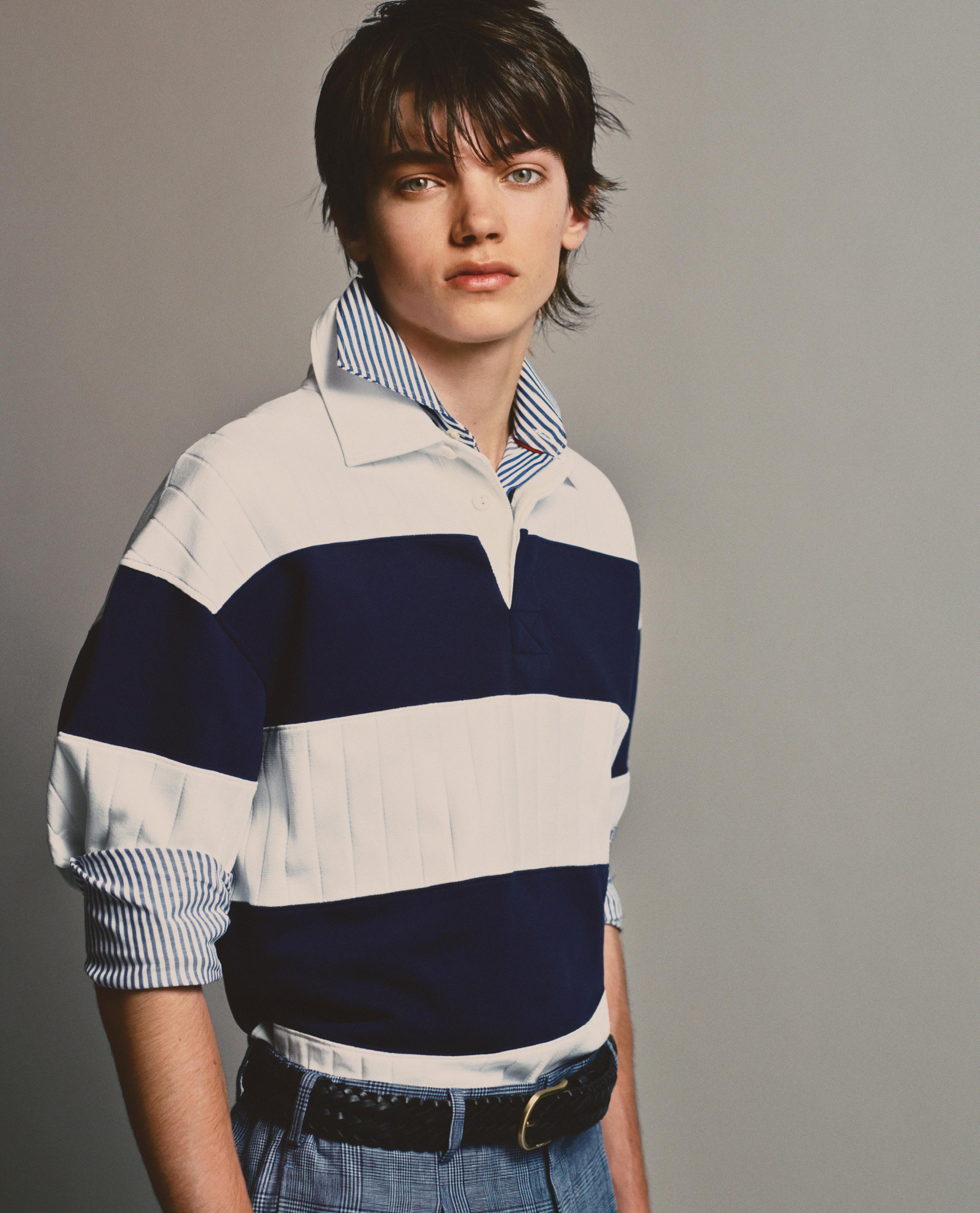
engineer the lightweight suit with air-dot performance fabrics and uses rich cool wools and textured linens to refresh the club blazer. These clothes are made to step off campus and endure the on-the-go, modern globetrotter.
Rooted in the traditions of New York tailoring, the collection loosens classic codes and reworks them for how men dress now.
In a wide-ranging conversation with ICON America, Hilfiger reflects on the global return of Americana, how younger generations are redefining prep through selfexpression, and the balance that needs to be struck between honoring tradition and moving menswear forward. “Fashion always moves in cycles,” the designer notes. And if the 2025 quarter-zip revival — seen in Chanel’s Metiers d’Art extravaganza, on A$AP Rocky, Jennifer Lawrence, among other celebrities, as well as countless TikToks from young men — is any indication, that shift is already well underway.
ICON: The collection feels like a heartfelt homage. Is this your love letter to New York as your favorite city in the world?
Tommy Hilfiger : We’ve called it “TOMMY HILFIGER New York” because I always like to start a new chapter by going back to my roots and the DNA of the brand. New York City has a long tradition of taking timeless tailoring and loosening it up—making it more relaxed and laid-back, with a fun American twist. That spirit is what we’re channeling again. It’s a new era in our menswear story: a reimagining of American prep through a bold, unpretentious lens, reworked with softer structures for the way men dress today.
Americana and preppy style are making a comeback globally. Is there a new meaning to the style that is allowing it to resonate so powerfully with a new generation today?
sporty all at once. For me, it’s the ultimate expression of the American Dream: optimistic, inclusive and confident. When it’s done right, prep feels bold, vibrant, and timeless, not conservative or old-fashioned, but alive and evolving. You've observed decades of style evolution. The viral men’s fashion trend of 2025 was quarter zips and young men trading athletic style for preppy style. What has impressed you most about how young people are dressing and defining their own identity today?
What really impresses me about today’s young men is how bold they are in mixing tradition with their own personal spin. They’re not just following trends but redefining what style means to them. From this collection, I love how pieces like the knitted rugbies, airy overshirts and linen blazers are being worn in innovative ways. There is a fluency in how they mix heritage with modernity – it’s familiar but feels new and revitalized. What is the key to cultivating your style to feel both timeless and of-the-moment?
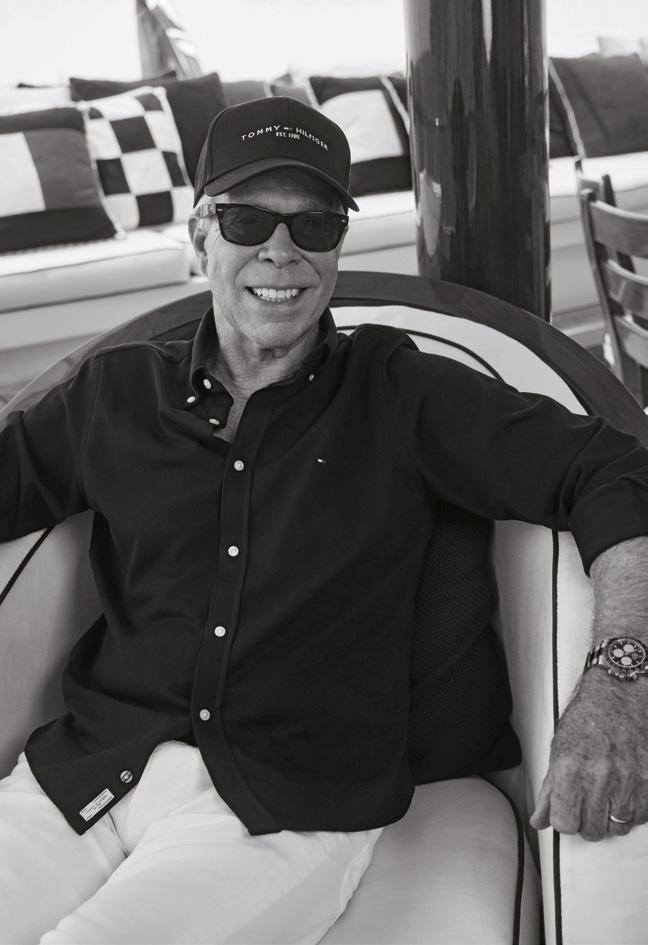
"Timeless style is built on strong foundations, but it only feels current when you let new voices influence it."
Fashion always moves in cycles, and right now there’s a real shift happening. After years of ultra casual dressing, men are looking for something more elevated yet still easy and assured. That’s where Americana and prep feel fresh again. It’s not about being stiff or formal but rather it’s about selfexpression, and the joy of getting dressed up. I love that this generation is embracing that spirit and reinterpreting it on their own terms.
Preppy style used to define the visual codes of American affluence. Today, some people would say the style has been bastardized from the lifestyle. Others would say the style implies an old-fashioned affinity with a revived conservatism and masculinity. What would you say?
What I’ve always loved about prep is that it’s never onedimensional – it's witty, tailored, classic,collegiate and
It starts with curiosity and staying plugged into pop culture. Timeless style is built on strong foundations, but it only feels current when you let new voices influence it. That’s why we collaborate with contemporary icons, like Sofia Richie Grainge, who last year brought a refined, effortless perspective to womenswear. It’s that balance of heritage and the now that keeps style moving forward.
As a pioneer of menswear, what is the one piece of essential advice you would give to a young menswear designer starting today?
My advice to any young designer starting today is simple: stay true to the classics, but don’t be afraid to shake things up. It’s all about honoring tradition, while pushing things forward and giving your own voice room to shine. Since menswear has always been at the heart of our brand, I believe the magic is in those essential, traditional pieces that feel refined and versatile.
Today, men are looking for wardrobe staples that move with them, reflect their personality, and let them make a statement, without trying too hard.
Imagine you’re the headmaster of a boys' prep school on sartorial style and etiquette, Hilfiger Prep. What specific look or styling detail from the New York collection would earn a student an A+?
An A+ goes to a student who understands the rules and then confidently breaks them. From our new “TOMMY HILFIGER New York” Spring collection, try layering a vibrant red blazer over a reimagined cricket sweater—a classic prep style with a bold, modern twist. It all comes together with confidence, wearing heritage pieces in a way that feels fresh and unmistakably you.
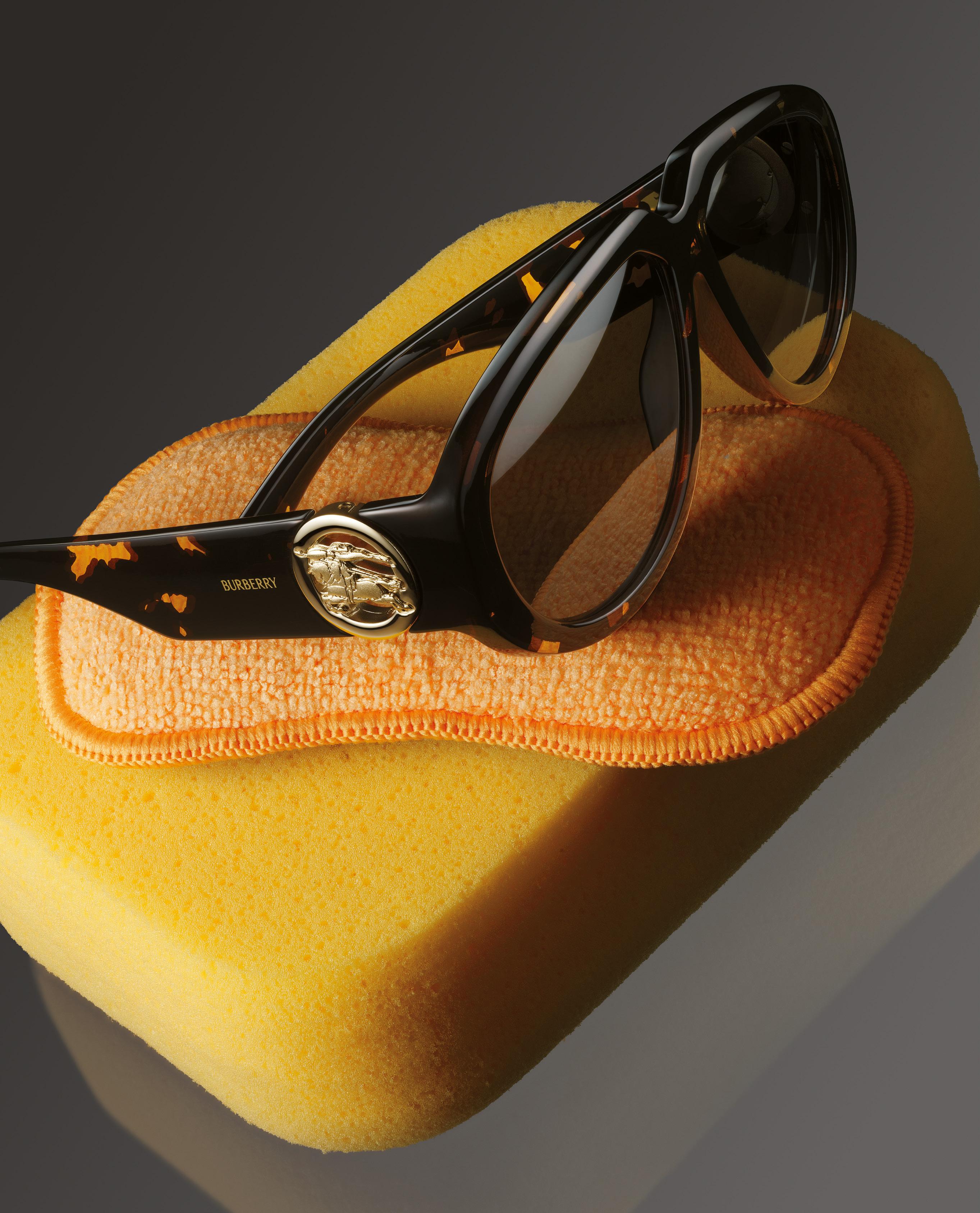

This season, looking good requires surprisingly little effort. Structured leather carryalls, open-weave bags and slides that go with everything –consider it a clean sweep.
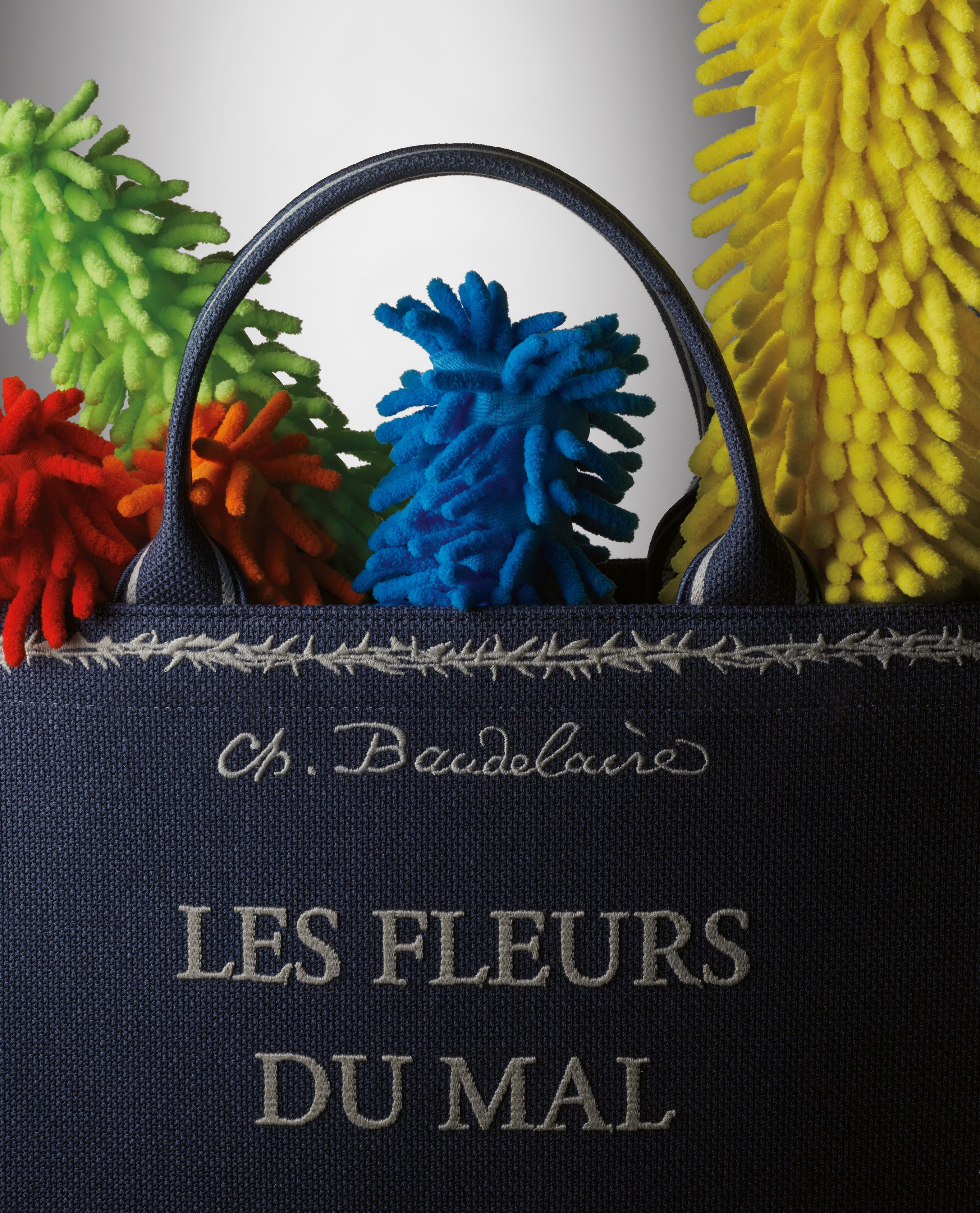
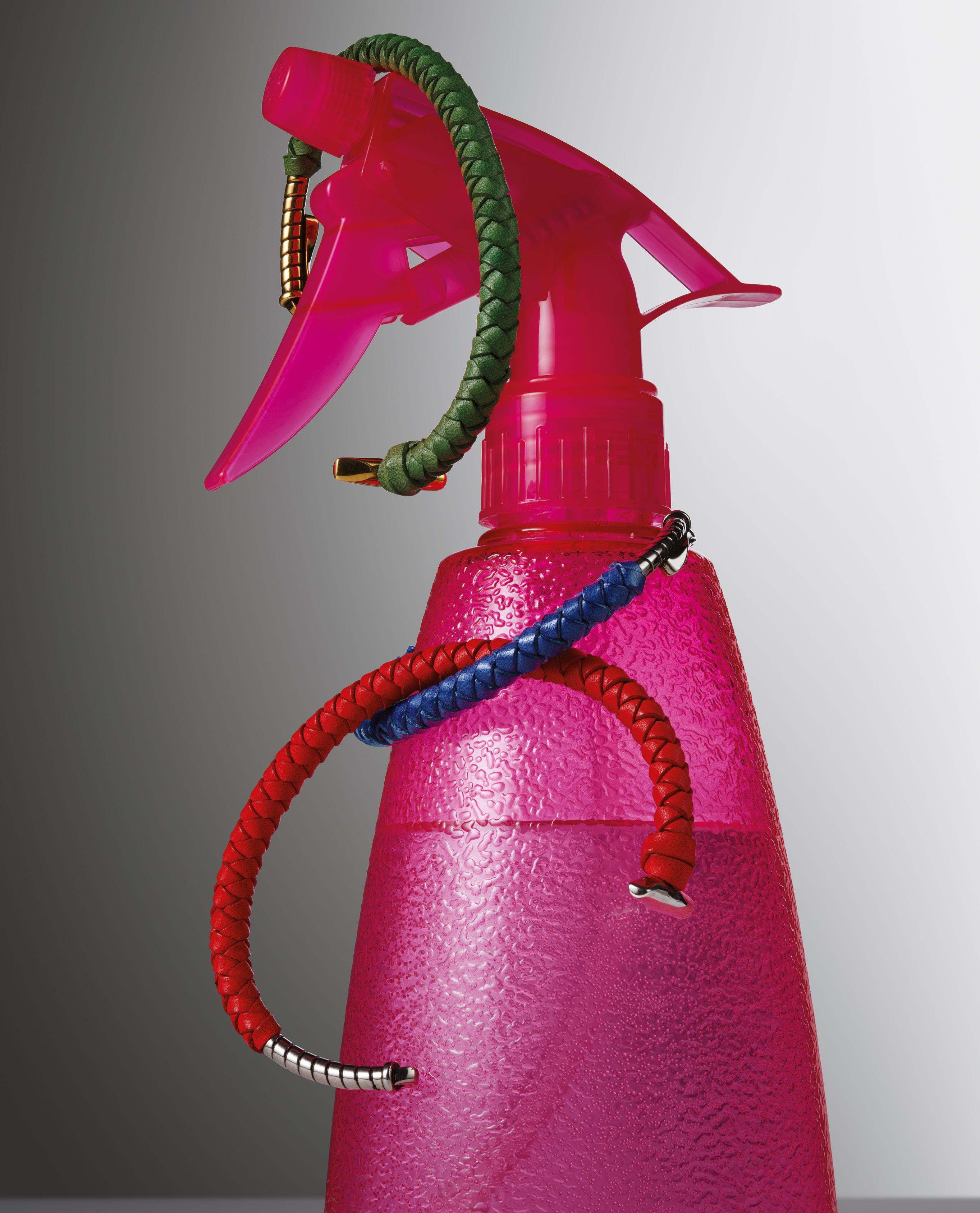
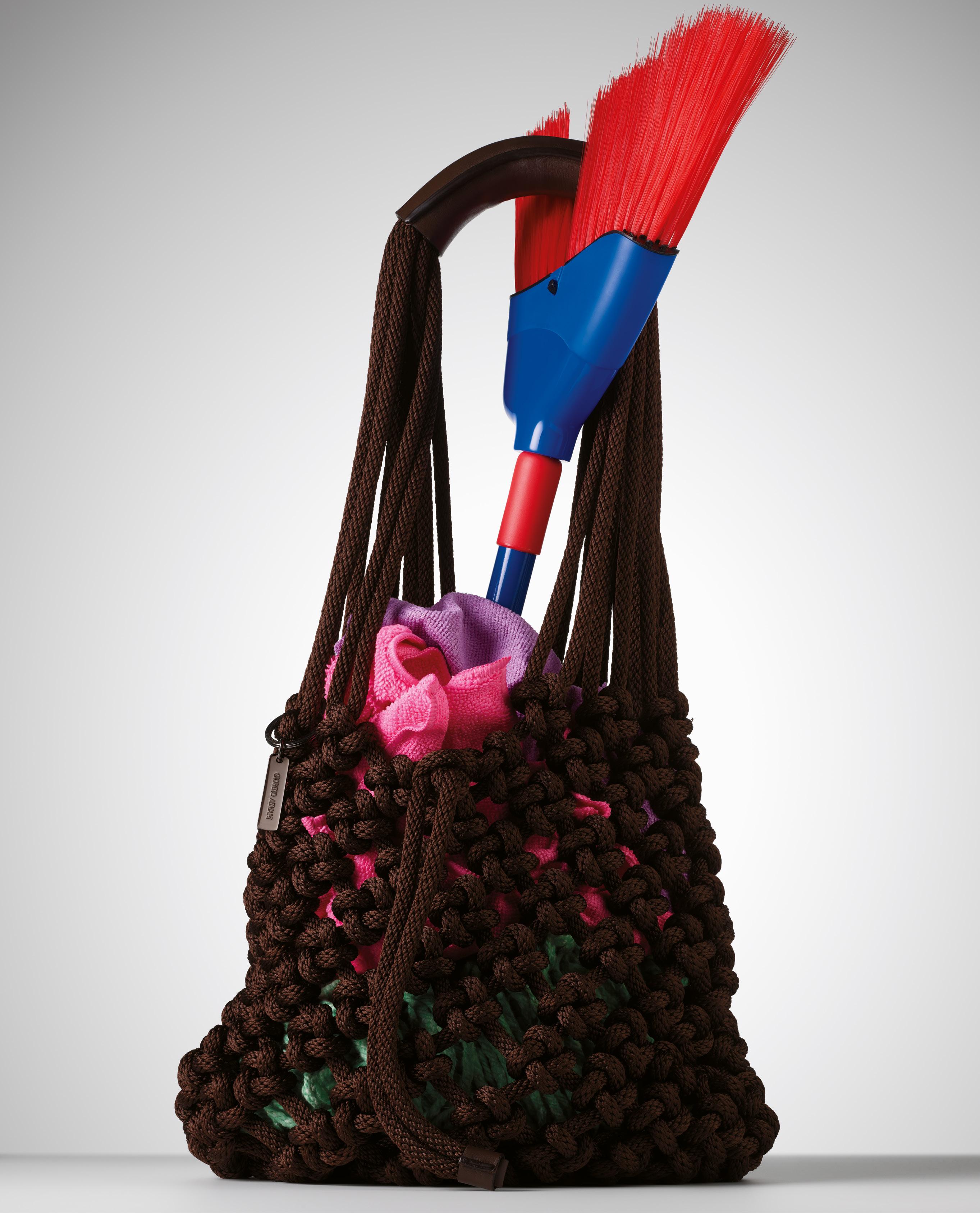


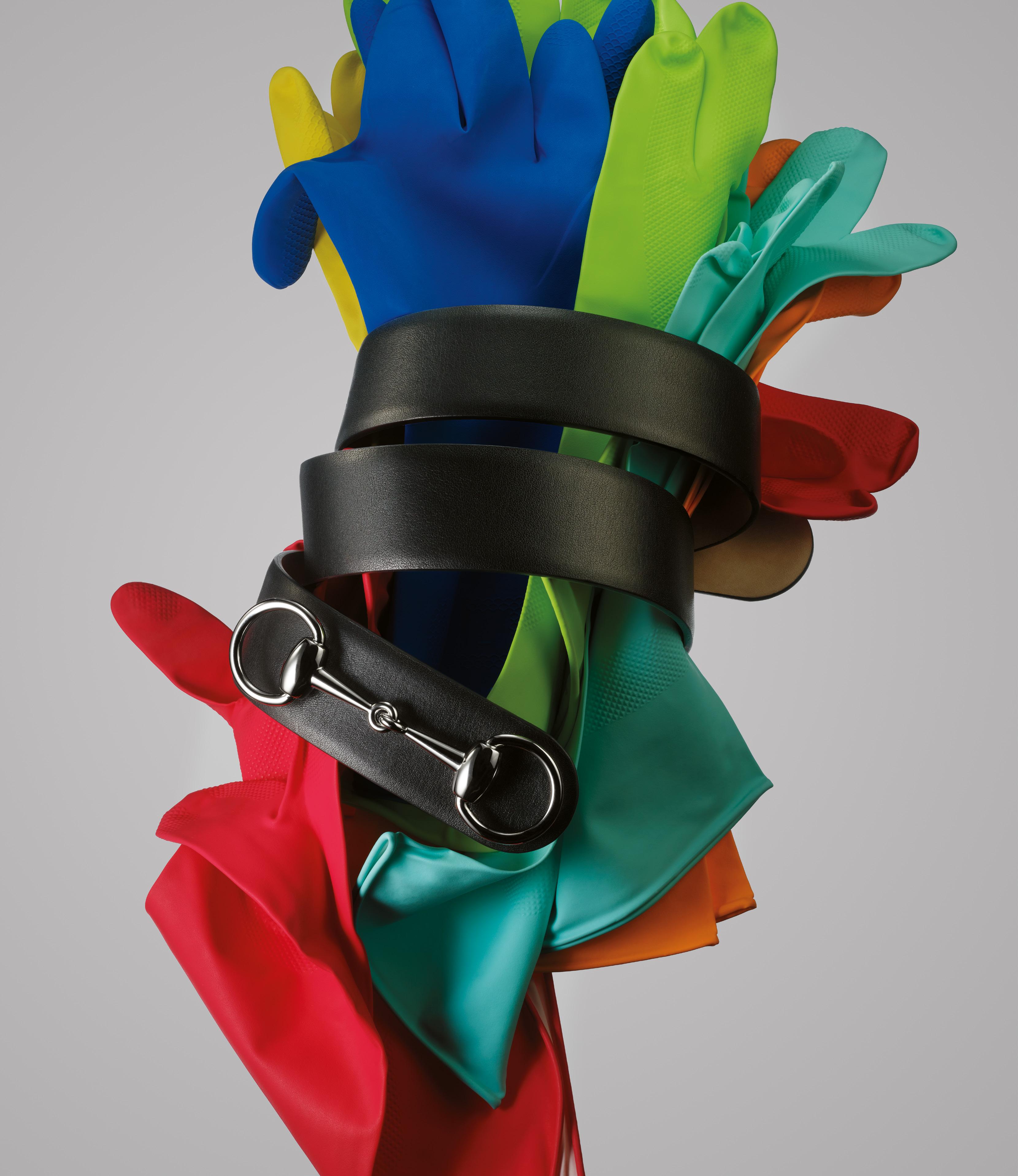
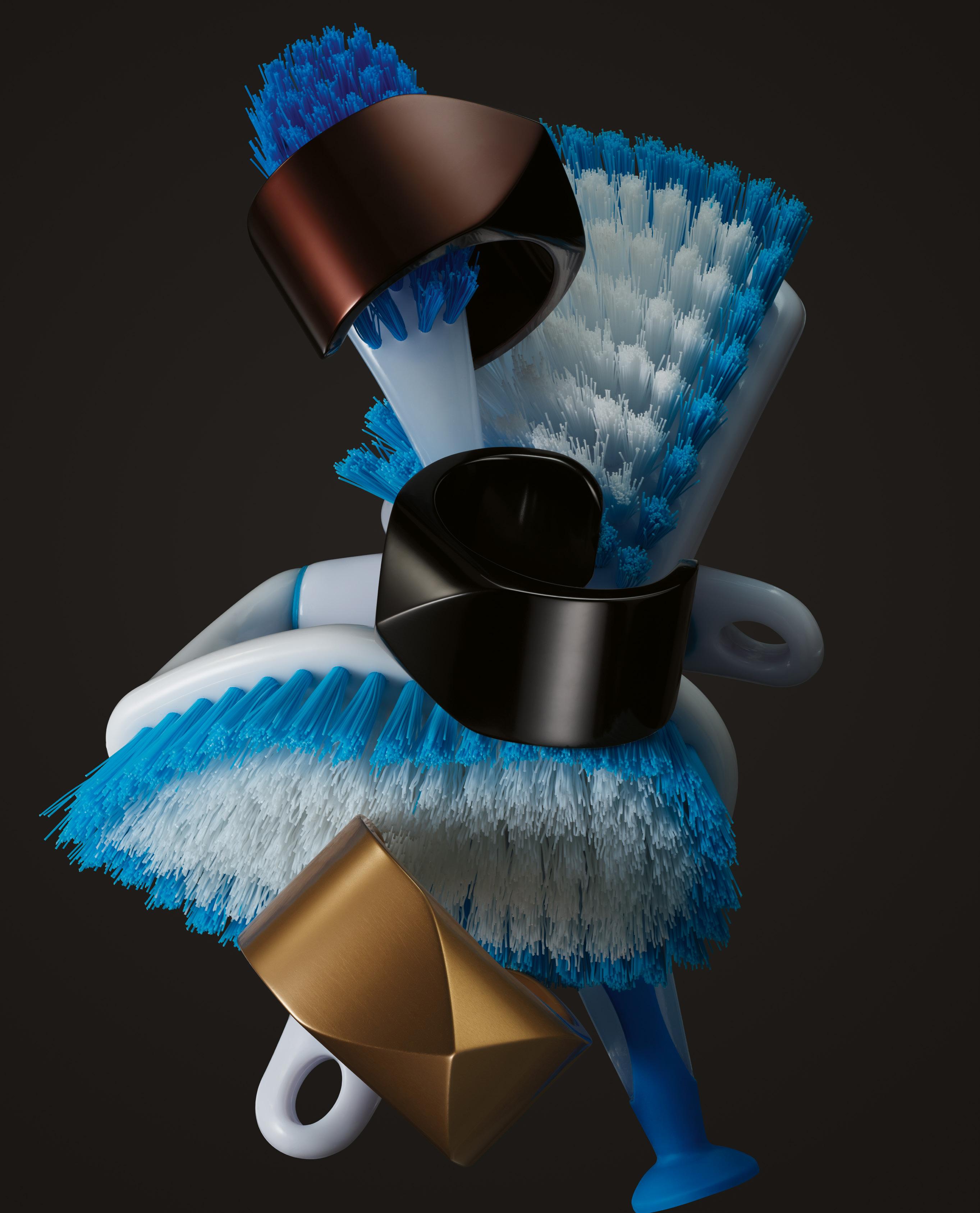
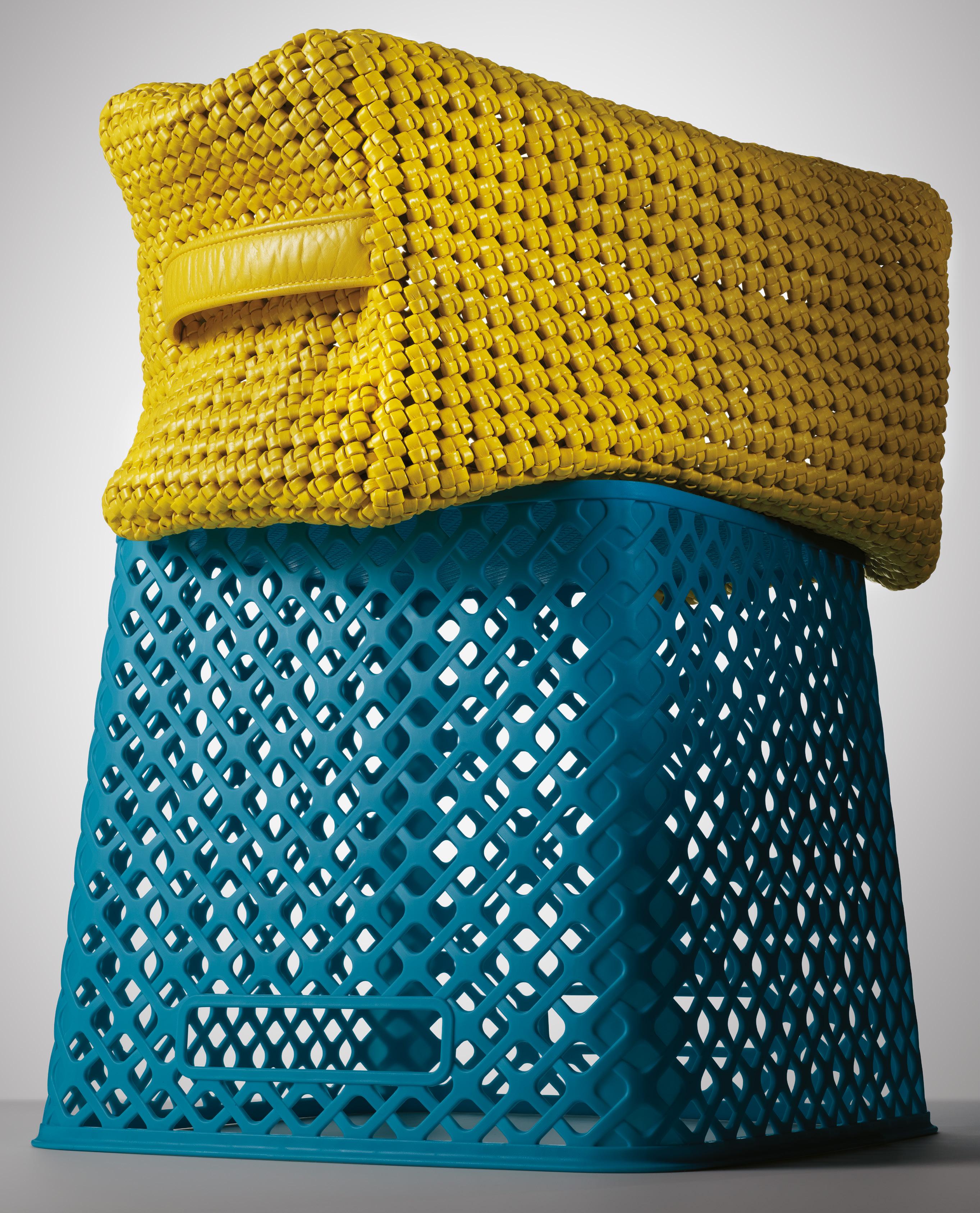
The '70s are always in. If you are looking for a perfect hobo bag to compliment your flare pants -
is your best friend.
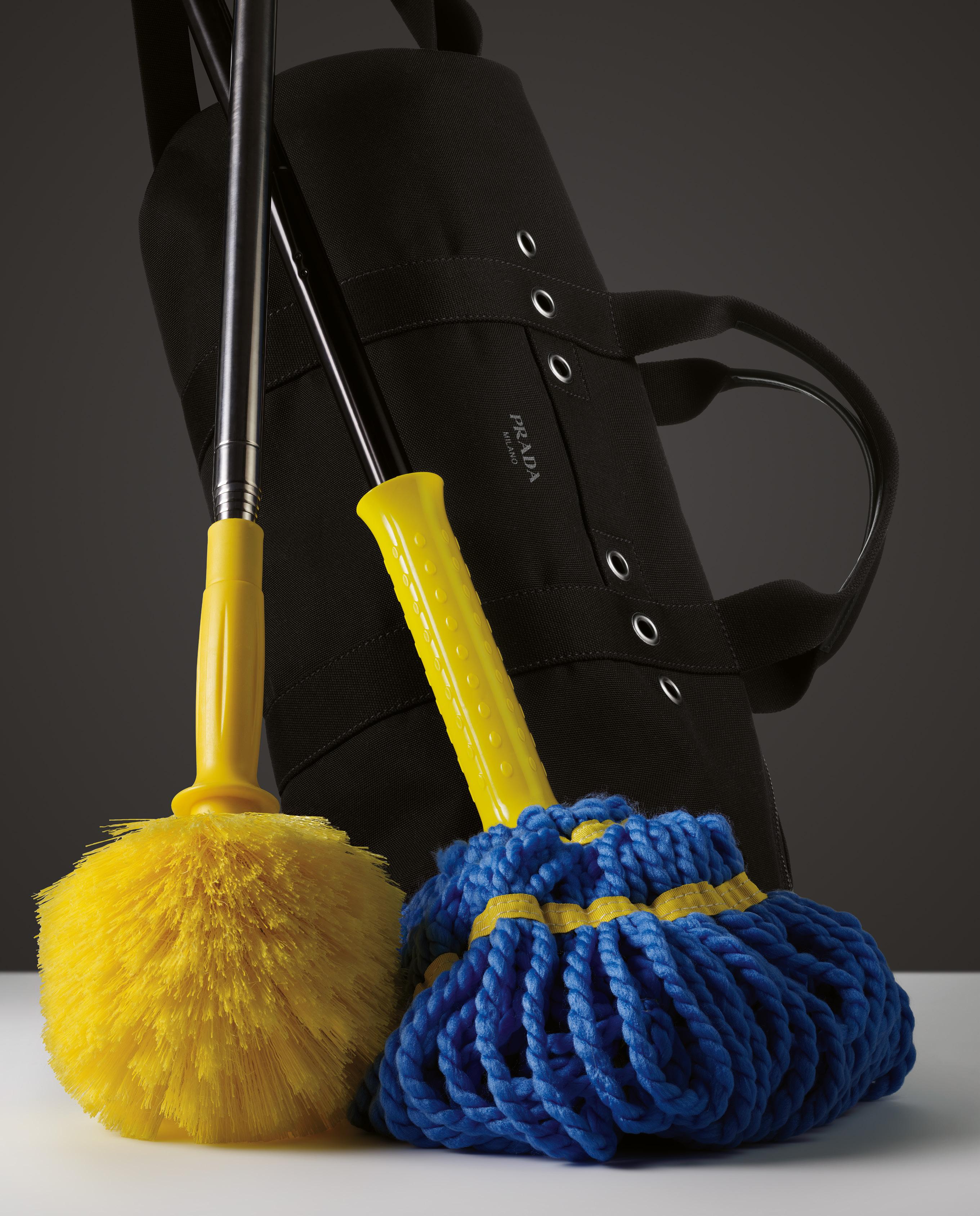

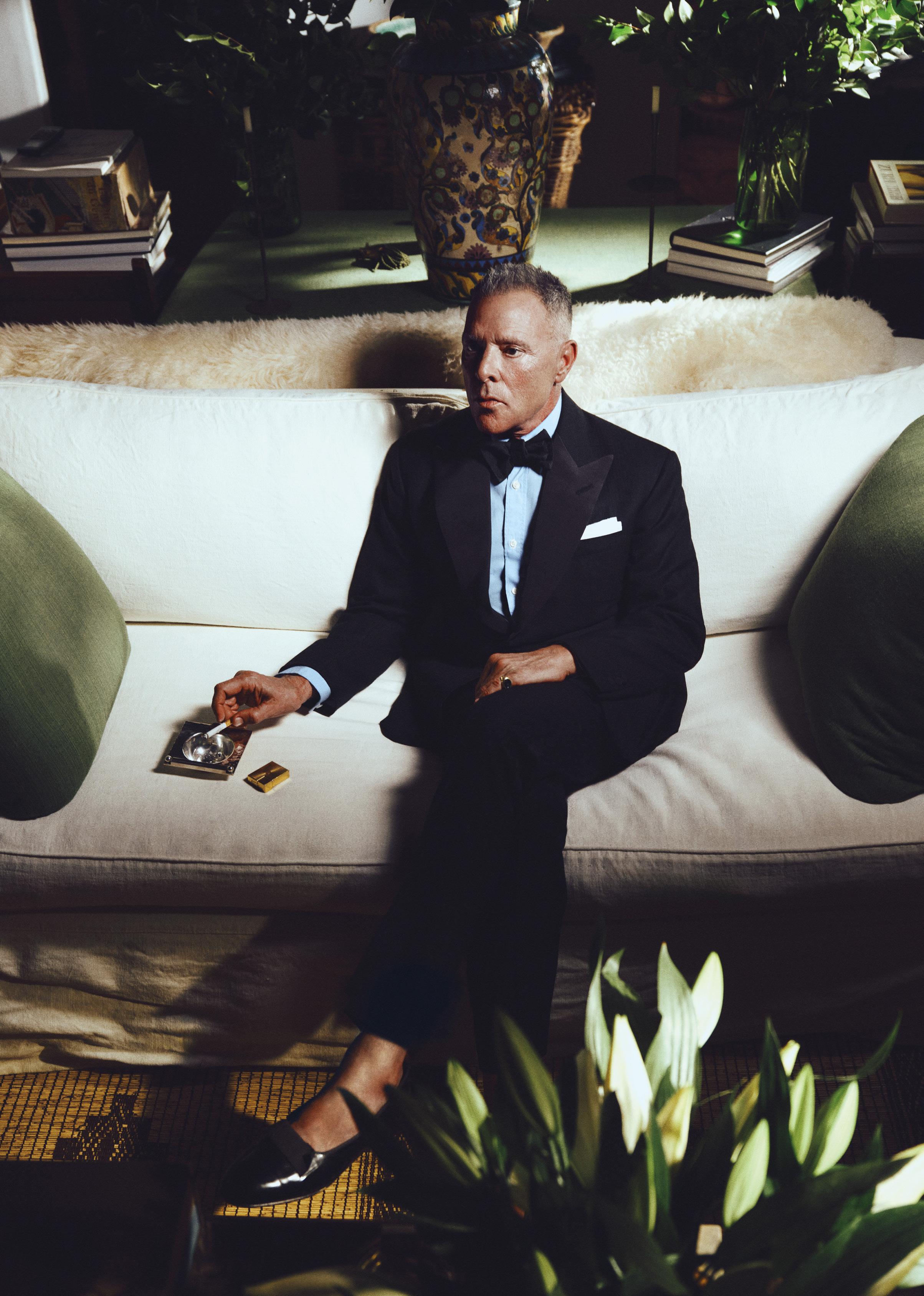
Whether you’re headed downtown or uptown, this season’s VOICES give a guided tour through four perspectives on life and culture. From punk emissary Jesse Malin and Harlem-based artist Ugo Rondinone to legendary stylist George Cortina and the scion of American prep, David Lauren –style has never been about brand, shape or consensus. Style is a way of being.
George Cortina and Paul Cavaco—two of the image-makers who shaped modern fashion—sit down for their first real conversation about taste, New York, and the art of turning clothes into dreams.
When ICON asked George Cortina who he'd most like to speak with about his work shaping fashion's visual language, his answer was immediate: fellow renowned stylist and creative director Paul Cavaco. You'd be forgiven for assuming the two know each other well. As Cavaco puts it, "We are guys and Latin in jobs that were traditionally held by women and mostly of the manor born." Cavaco started in the mid- ‘70s, Cortina in the early ‘90s—both became towering figures in fashion. But though they've been in dozens of the same rooms over the years, they've never had a real heart-to-heart until now.
In a wide-ranging conversation, they discuss the wild grit of their shared early New York years, Cortina's personal philosophy about dressing for photo shoots (nudity is the move), the mechanics of styling, and a theme animating both careers: "creating desire," as Cortina puts it. Above all, this is a conversation about the development of taste— the kind you earn, the kind shaped over time, the kind that can't be purchased. "My favorite people," Cortina tells Cavaco, remembering his earliest inspiration, "were always chameleons, but they never lost themselves."
Paul Cavaco: When do you think we met?
George Cortina: I'll tell you exactly when we met. I was living with Greg Wolf in New York behind a shop and the designer Stephen Sprouse walks into the shop, the three of us are talking, and Greg looks at me and says, “He needs to be a stylist.” Stephen says, well, yes, that's obvious but he wants to be an English professor. Wolf looks at me and says, just call Paul Cavaco. You answered immediately. I got off the phone and I said, okay, let's do this. That was 35 years ago.
What’s funny is I was going to be an English teacher, too. See, I didn't know that. Besides my love of travel and literature and music and all that, one of the biggest influences for me was working with Giorgio Sant’Angelo when I was 17 years old. We remained friends until he died. I met everyone through him. I used to sneak into the Met Ball and I’d sit on the crook of his chair, back when you could do that. Now they'd have me arrested and probably sent to El
Salvador to one of those beautiful prisons. Well, you are Latin, and it could happen. You were born here, right?
I was born here, in Miami. So yeah, that was the beginning for me. I was enthralled by that whole world. I was also going to the Vogue Balls and Area. Area was it.
And Paradise Garage, which was my church – seeing all of these different characters and interacting with them gave me my basis for dreaming. I was never interested in the trendiest thing in the world. I was always interested in things that were beautiful, whether it was an interior, a dress, a person's face, beautiful makeup, like an exquisite red lip. Tina Chow would show up in black Yohji trousers and a white tank top and flat shoes and the next day she'd be in a jumpsuit with a belt and Charles Jourdan stilettos. She knew how to carry whatever it was that she was wearing with effortless ease, which we barely see anymore. We sound like two old queens talking about this.
What's your process like?
When I work in fashion, it starts with the clothes that I love and then it's the casting of the girls that I want. When I dress a celebrity, I study the face, and I'm like, who could I make him look like? How can I make him better than he is? How can we make him more iconic than he is? That’s where the movie references come in. When you work with an actor, you have to give them a character because that they can do. If you don't give them character, you’re just putting clothes on someone that’s not a model. They're two very different processes. You did Brad Pitt as a sort of longshoreman and the boot you chose was the Saint Laurent thigh-high men's boot, something very fashion-y and yet it suited the photograph. It was brilliant. I think people don't understand, we're not doing it for the sake of fashion for fashion, but more how is fashion serving the picture, serving the look and then you make it covetable. Like, I wanna buy those boots. I mean, I would look insane. You and I would both look insane, but I want the boot. I don't really, but I do. For me, one of the most important things is to create desire. It all goes into that. I'm not trying to sell the boot, I'm trying to sell a dream.
I think to be kind and gracious is enough. It’s how I was brought up. You don't cave.
Okay, we're going to talk about your clothes.
Oh, God.
We’re going to talk about how you've been photographed with no clothes on for the cover of … what magazine was it?
“10 Men” [Winter 2010].
I was, I have to be honest, scandalized, but I loved the picture and I love that you did it. But why did you do it?
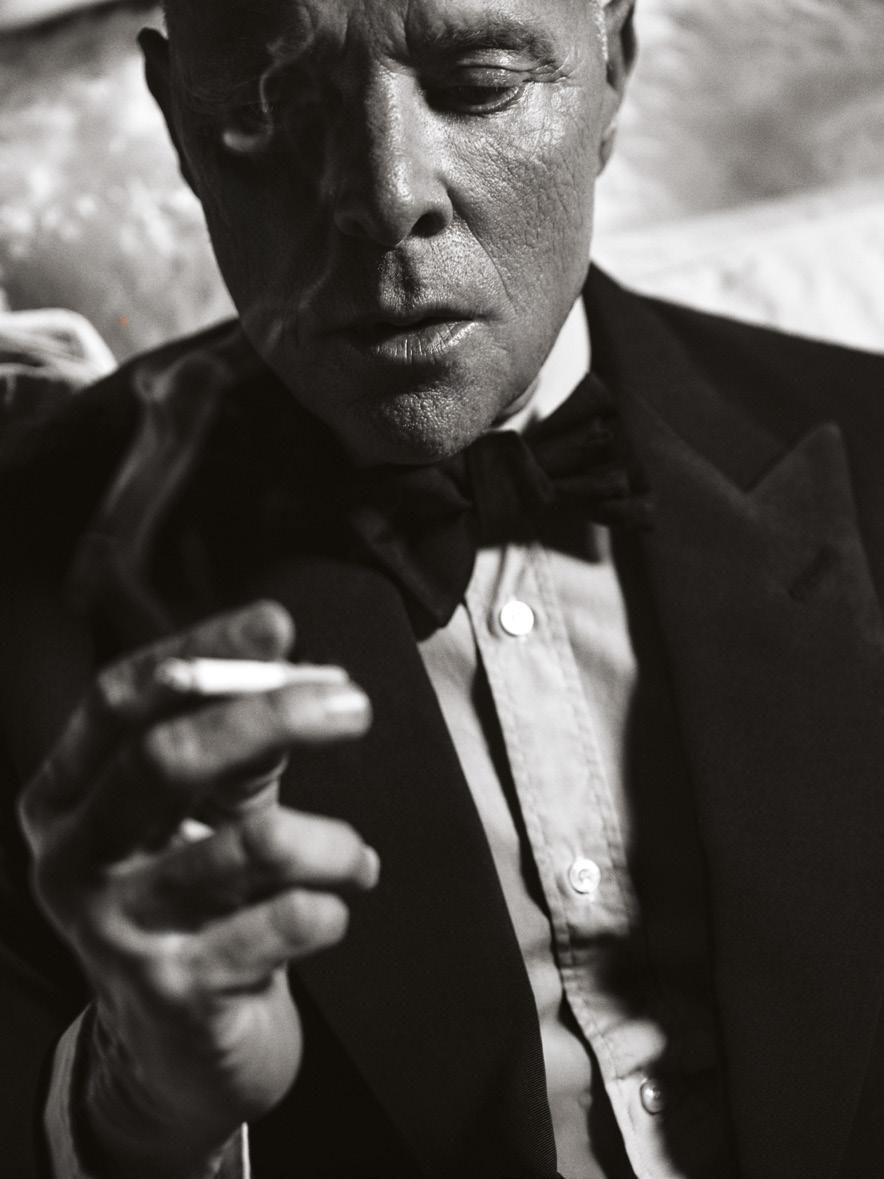
It was meant to be an inside story about my style and they were coming to my apartment to shoot the picture and I just thought, ew, I'm gonna get into a little outfit and sit and pose for a picture in my living room? No, I wanna sit at my dining table and just be sun-tanned and naked. That should be enough. James Baldwin said if you have style – and I'm not saying that I do or don't – you can be as stylish naked as you are dressed. I love wearing clothes, but when it comes to dressing myself to be photographed? I'm not so into that.
Your style is very specific but it goes all over the place. It’s always very you, which I think is instinctual.
Whether he's in a smoking or whether he is in a suit a man should look like he got dressed in a rush. I'm always running late so I always get dressed in a rush – I'm tying a bow tie in a lift, not even looking in the mirror. There's a laziness to the way that I like to wear clothes. And I like uniforms, so a lot of the clothes that I wear or that I purchase are variations on a basic theme. I just keep tweaking silhouettes.
The speed of it is very American to me, which I love. Well, it also comes from my grandparents and the way that my grandfather dressed – he was immaculate. He was extremely elegant, as was my father. My father was a very elegant man, without being fussy. That's why you'll never see me with scarves or things or like, I don't do that. I'll just wear a roll neck if I'm cold because I think it's too much.
If you had one thing that you wanted us to know about you, about your career, about your life, about anything, what is the thing that, in all the interviews you've done, somehow gets missed.
We're in fashion, so we gossip a lot, so I know a little bit about your exacting nature.
Let's discuss that! What have you heard?
That you're very exacting and that you will go to the mat to get what you want. I also have a version of that –
I have no filter.
I have zero filter, but at the same time, I'm never unkind. I'm extremely direct, I don't like to lie, I don't like to soothe egos, I don't believe that that's a part of my job.
I think meeting fascinating people is really one of the things that I've loved the most about my career. I don’t give a shit about meeting someone famous, I could care less, in the end I like someone because they surprise me. Like, I was working with Ben Affleck and someone said, oh, he's a monster, but I ended up adoring him – so bright and so into it. I was like, we’re gonna do this and he's like, I love that idea but how are you gonna turn me into this person? And I'm like, with the clothes.
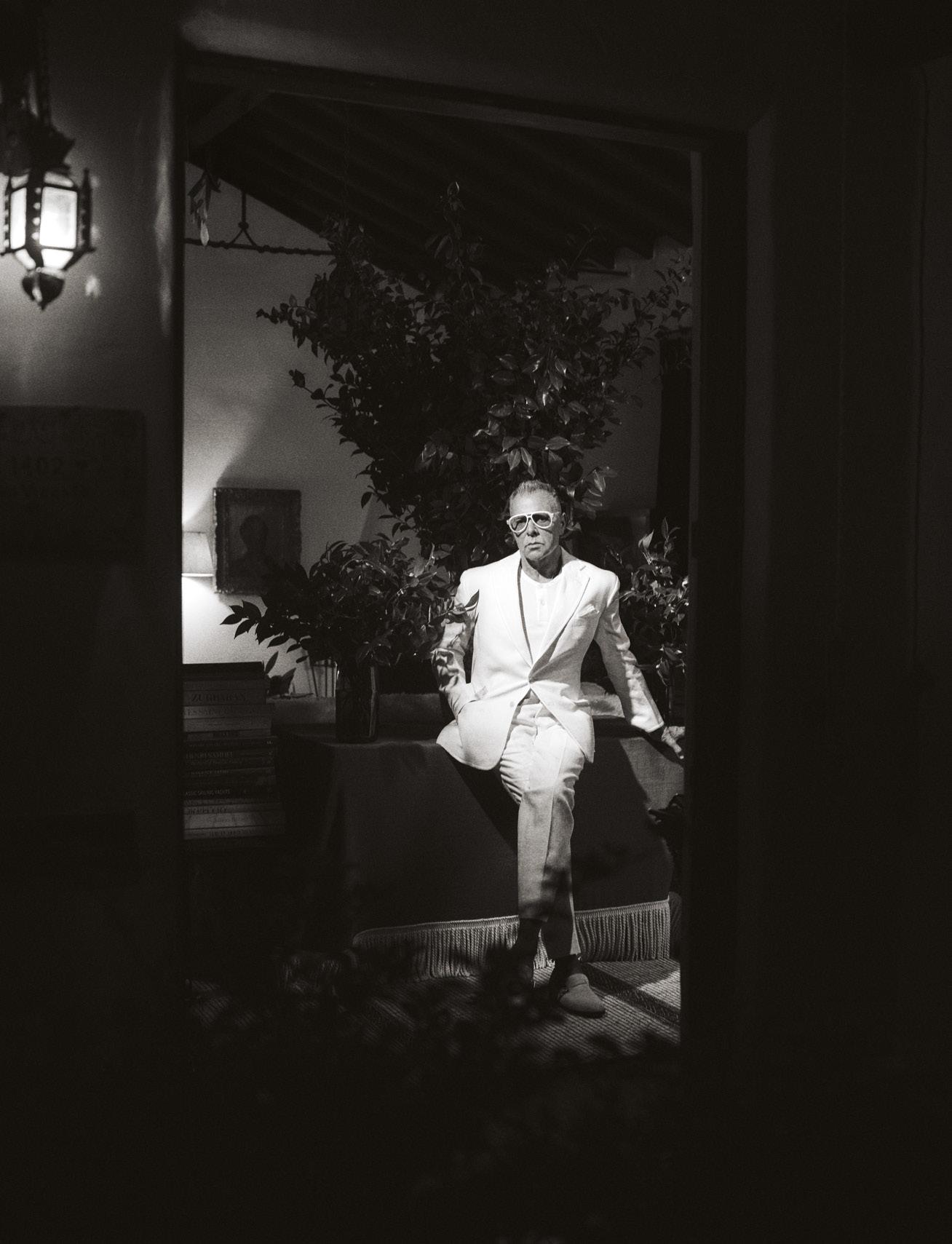
A
man should look like he got dressed in a rush
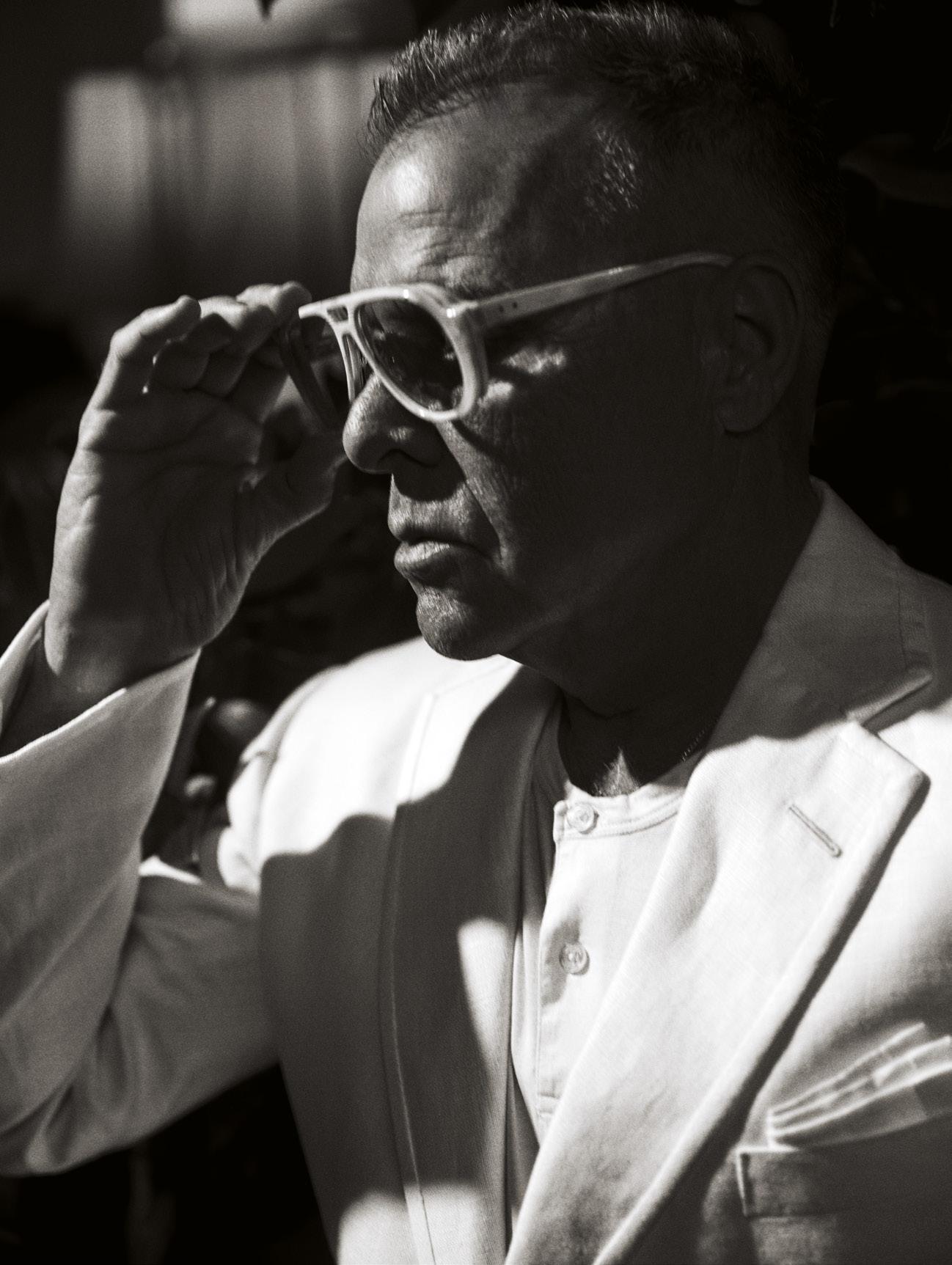
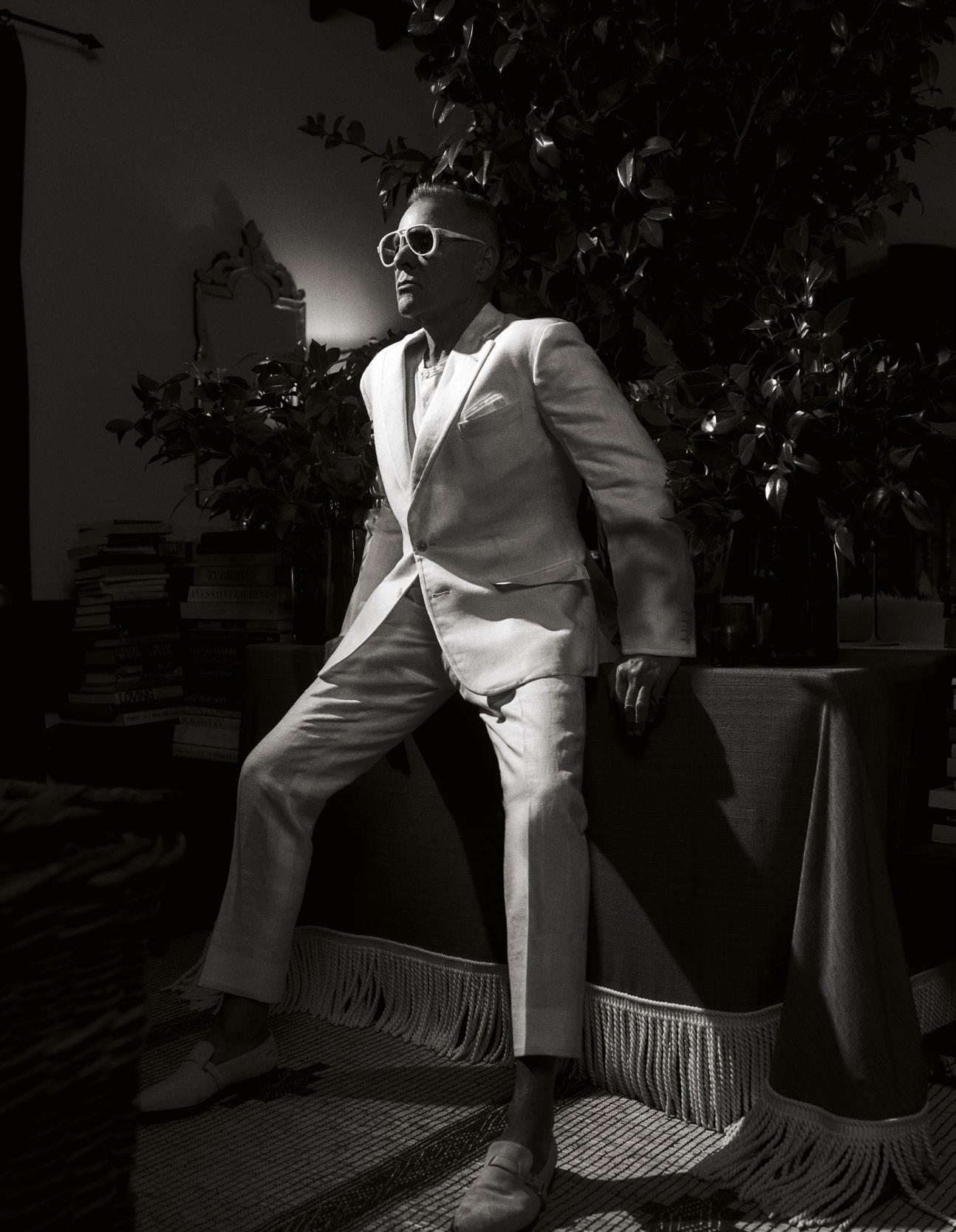
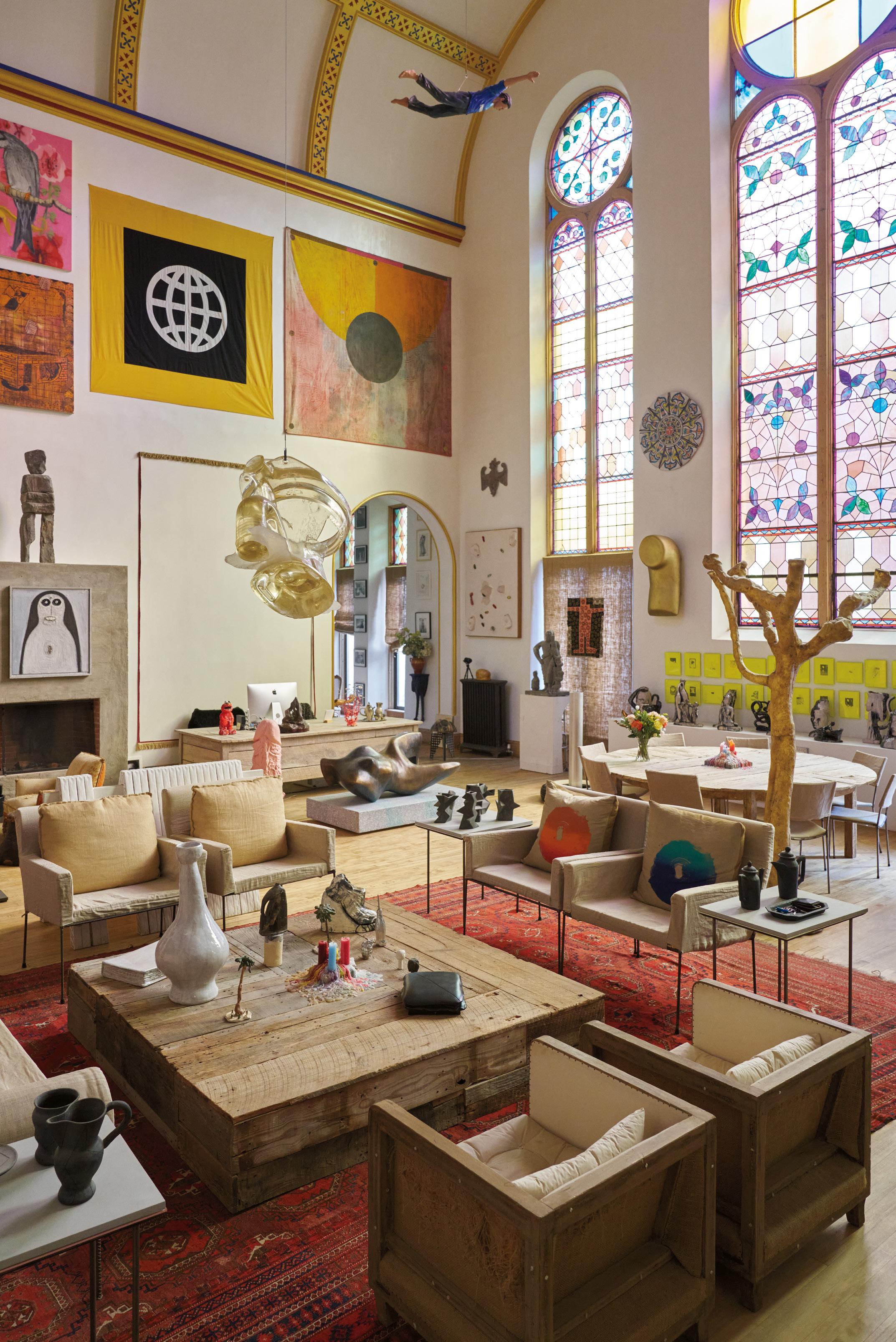

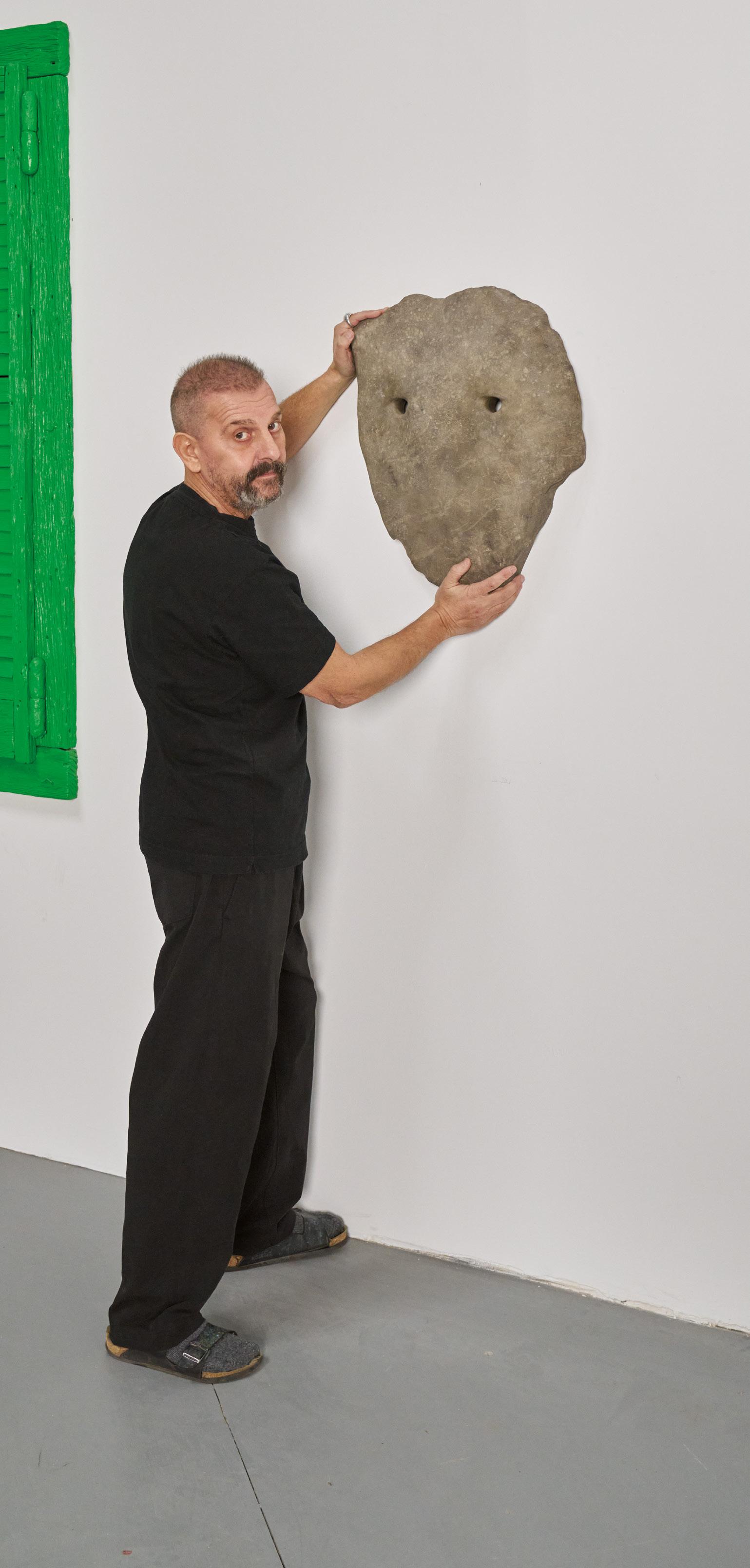
In Ugo Rondinone’s hands, an abandoned Harlem church becomes his home and studio— a place where he feels present, where living becomes the work.
It is both difficult to imagine and impossible to ignore that Ugo Rondinone’s Harlem home was once a working church. Today, the space stands as a living expression of his practice—a harmonious interior born out of the contrasts of the world outside. Yet it is precisely within this threshold, between the profane and the sacred, the dark and the light, the inner and the outer, that his home comes to life. “The space becomes a place where these opposites are allowed to coexist, reflecting the complexity of being alive,” he said. Throughout the 20,000-square-foot building, Rondinone juxtaposes an immaculate collection of artworks. Pieces by Sarah Lucas, Valentin Carron, Hans Schärer, Alan Shields, Latifa Echakhch, Peter Halley, Urs Fischer and Cady Noland, among others, form a meditative symphony on the human condition, a score that resounds throughout Rondinone’s practice.
ICON: You’re driving through Harlem when you spot a Romanesque church with a for-sale sign. What goes through your head? What seduces you?
Ugo Rondinone: It was a rainy Sunday in April 2011. My late husband, John Giorno, and I were driving from upstate New York into the city. We had made this drive nearly every weekend for years, but that day we took an unusual route— through Harlem instead of the FDR—to reach downtown. That’s when we saw the sign. We stopped and took a photo of the contact number. The next day, I called the agent and requested a site visit. The church was in poor condition— abandoned for five years and recently foreclosed. A week later, I returned with an architect to assess what it would take to bring the building back to life. The numbers made sense, as did the price. I sold my downtown loft and used the proceeds to purchase the church. We renovated for two years, and I moved in March 2013.
In 2012, you built a live-and-work house in a forest clearing near Zurich, Switzerland. You referred to it as a gesamtkunstwerk , meaning a total work of art. At what point does a house also become an artwork?
A house becomes an artwork at the moment it stops being only a container for life and starts actively shaping that life. For me, it happens when architecture, light, time, objects, rituals, and the surrounding landscape are composed with the same intentionality as a sculpture or an installation. It
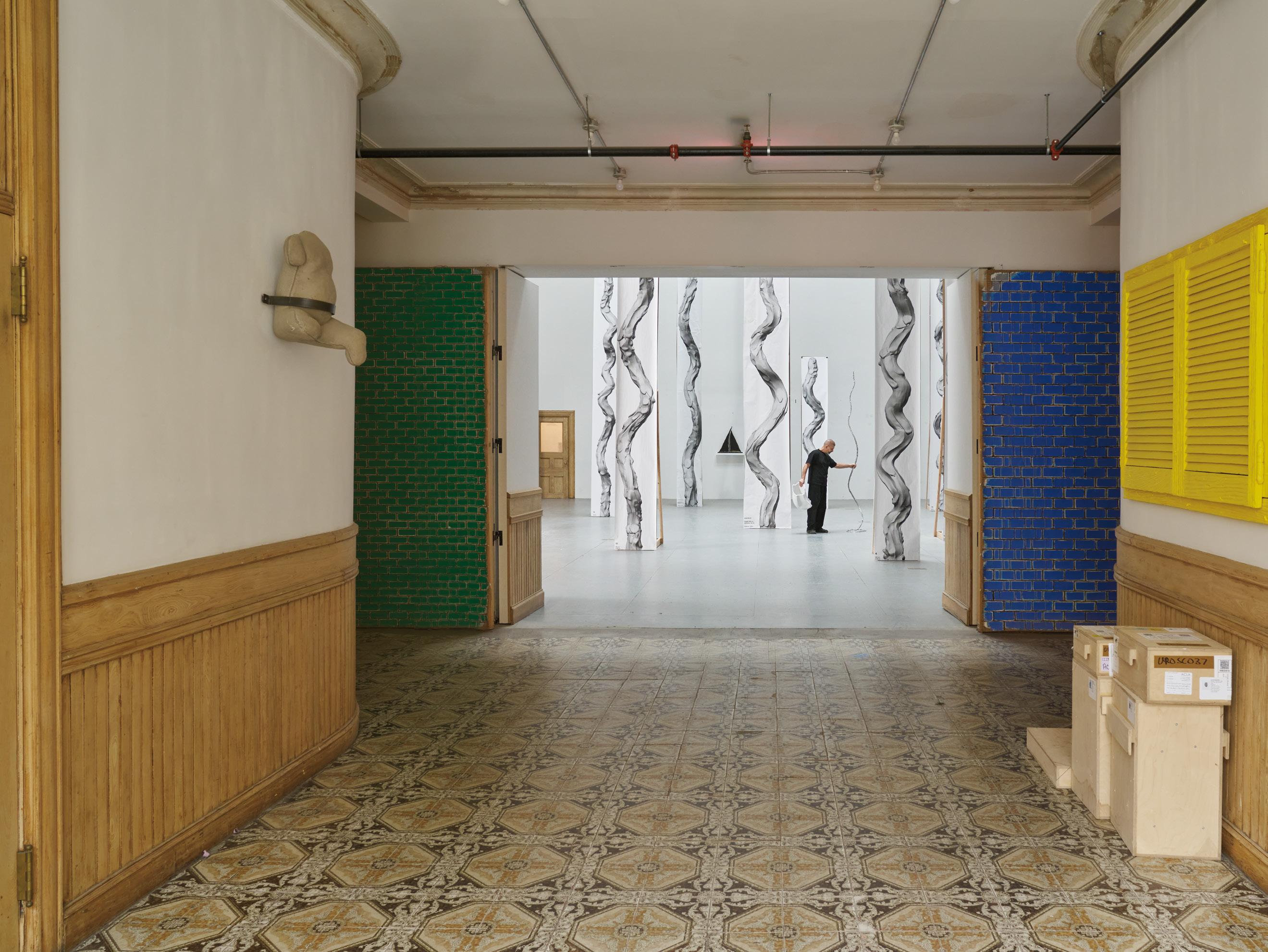
is a gesamtkunstwerk because nothing in it is neutral: the proportions, the materials, the silence, the forest outside, the rhythm of days and seasons. Living there is not separate from making art; it is part of the work. The house holds memory, labor, solitude, repetition, and care. It asks you to slow down, to be present, to listen. At that point, the house is no longer just functional—it becomes a lived sculpture, activated by time and by the body moving through it. When you decided to invest in this church—renovate and curate its spaces—did you view it as a challenge, or is inhabiting and transforming places a natural process? Building and renovating have always felt natural to me, almost instinctive. My father was a stonemason, and as a young teenager I spent Saturdays helping him hand-shape stones for river-stone dry walls. Each stone had to be lifted, examined, and gently altered with a few deliberate hammer strikes until it found its place within the larger structure. That early experience taught me that transforming a space is not about force or domination, but about listening, understanding what already exists and guiding it toward balance and cohesion.
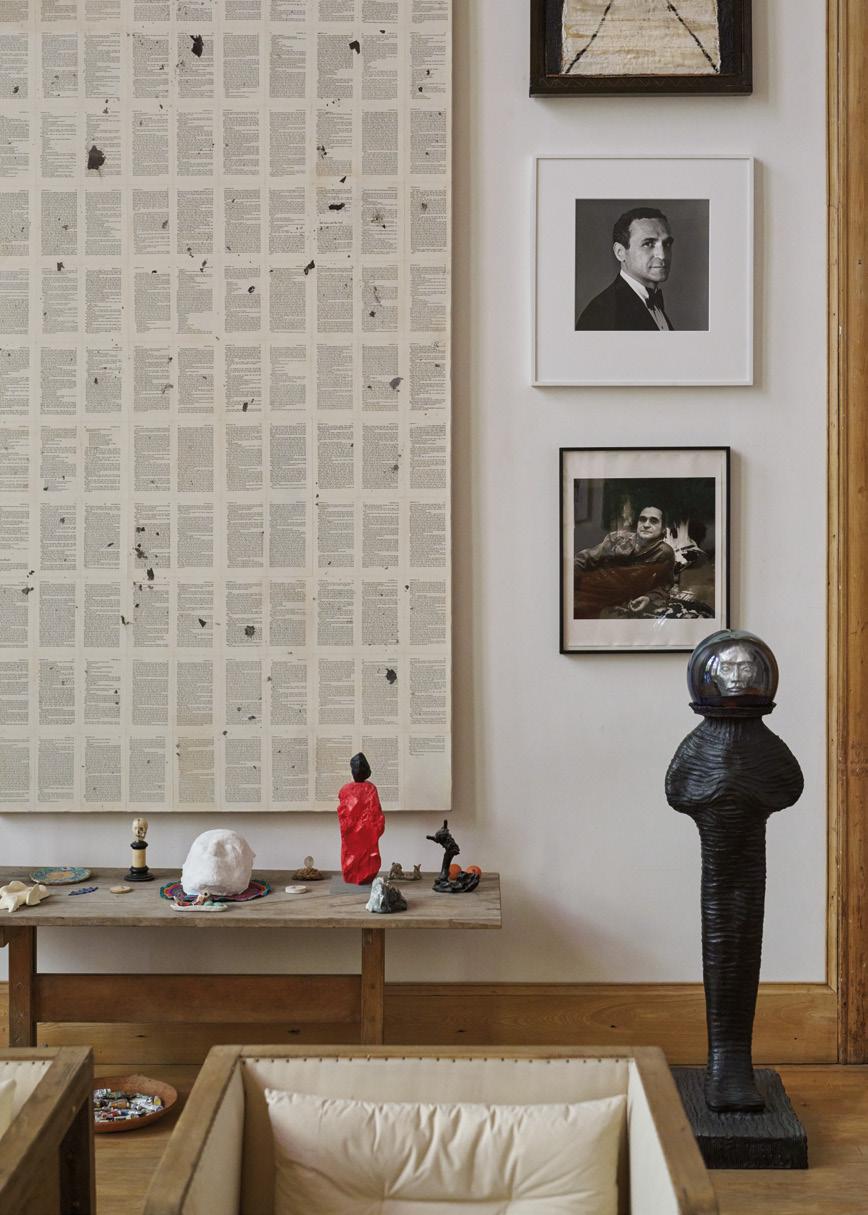

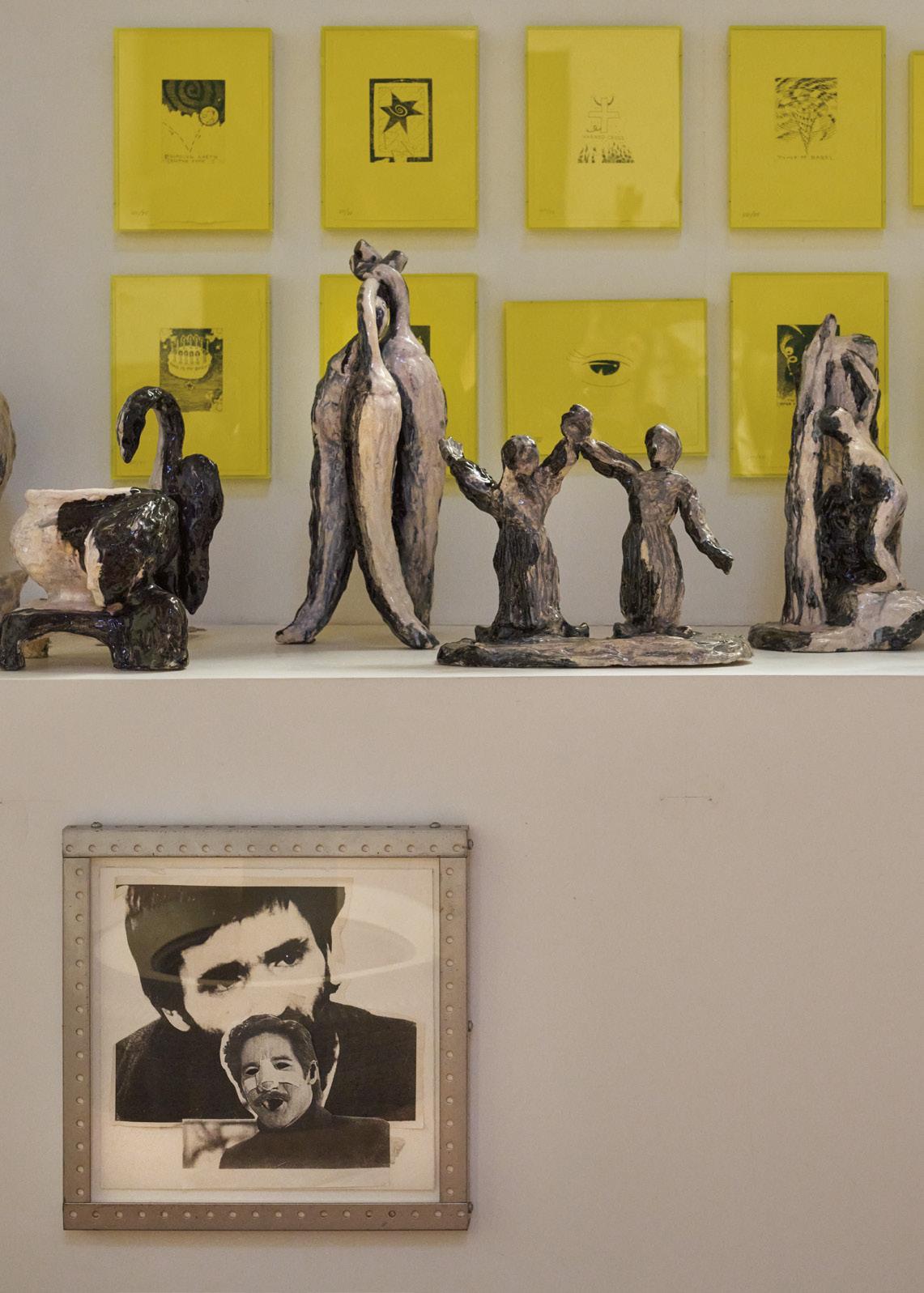
A room, an apartment, a house grows alongside you, almost imperceptibly. It begins to carry your breath, your routines, your solitude.
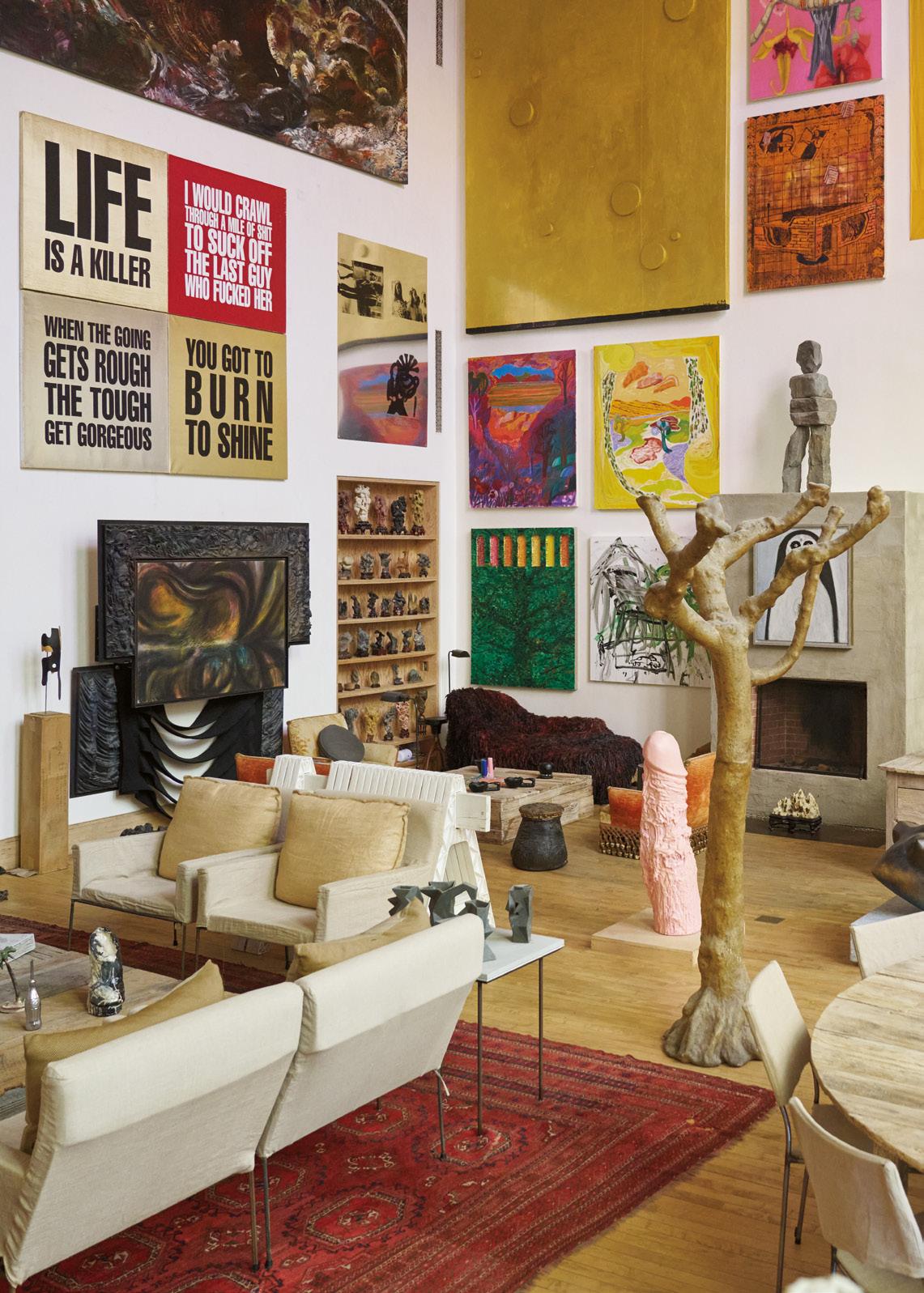
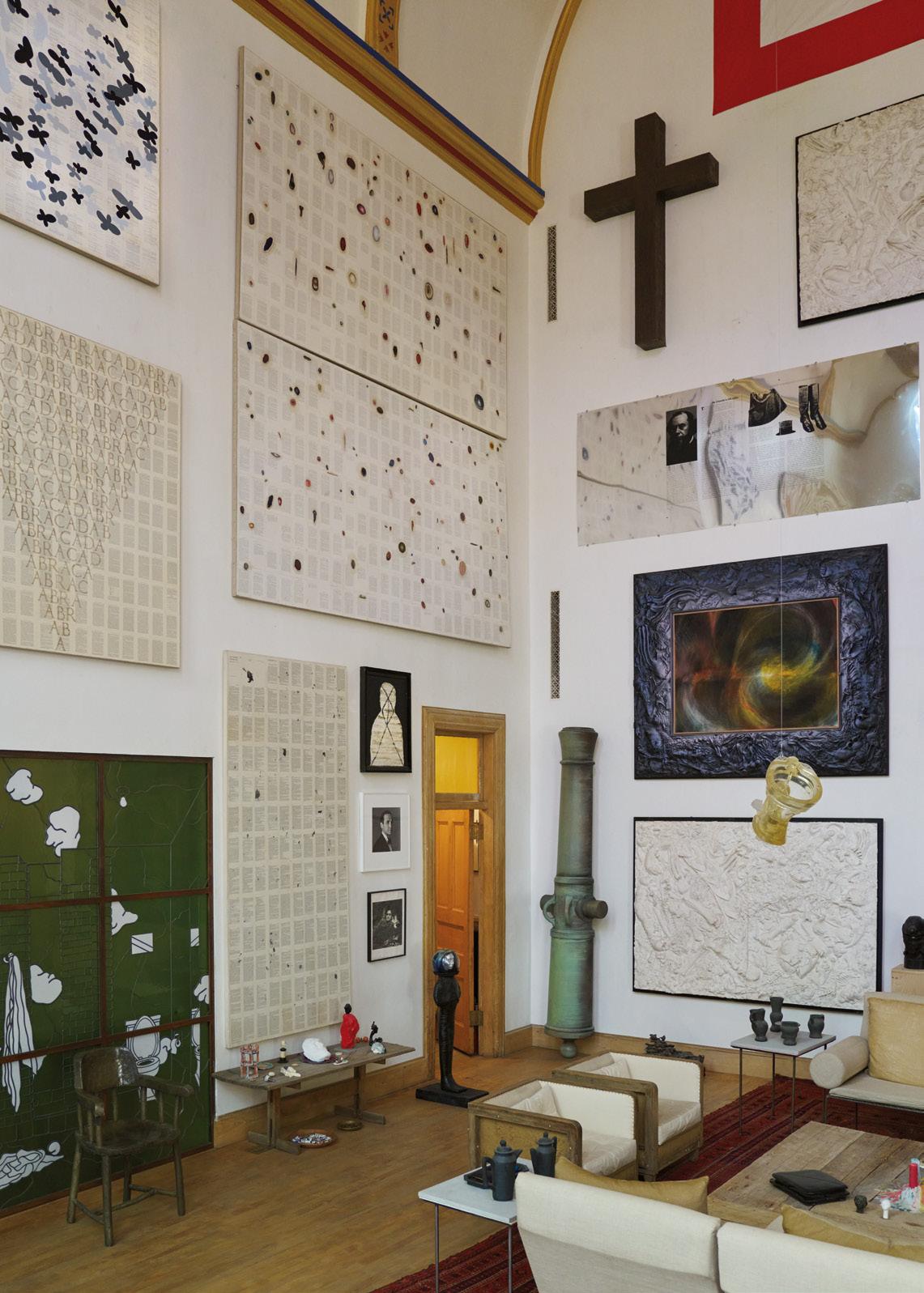
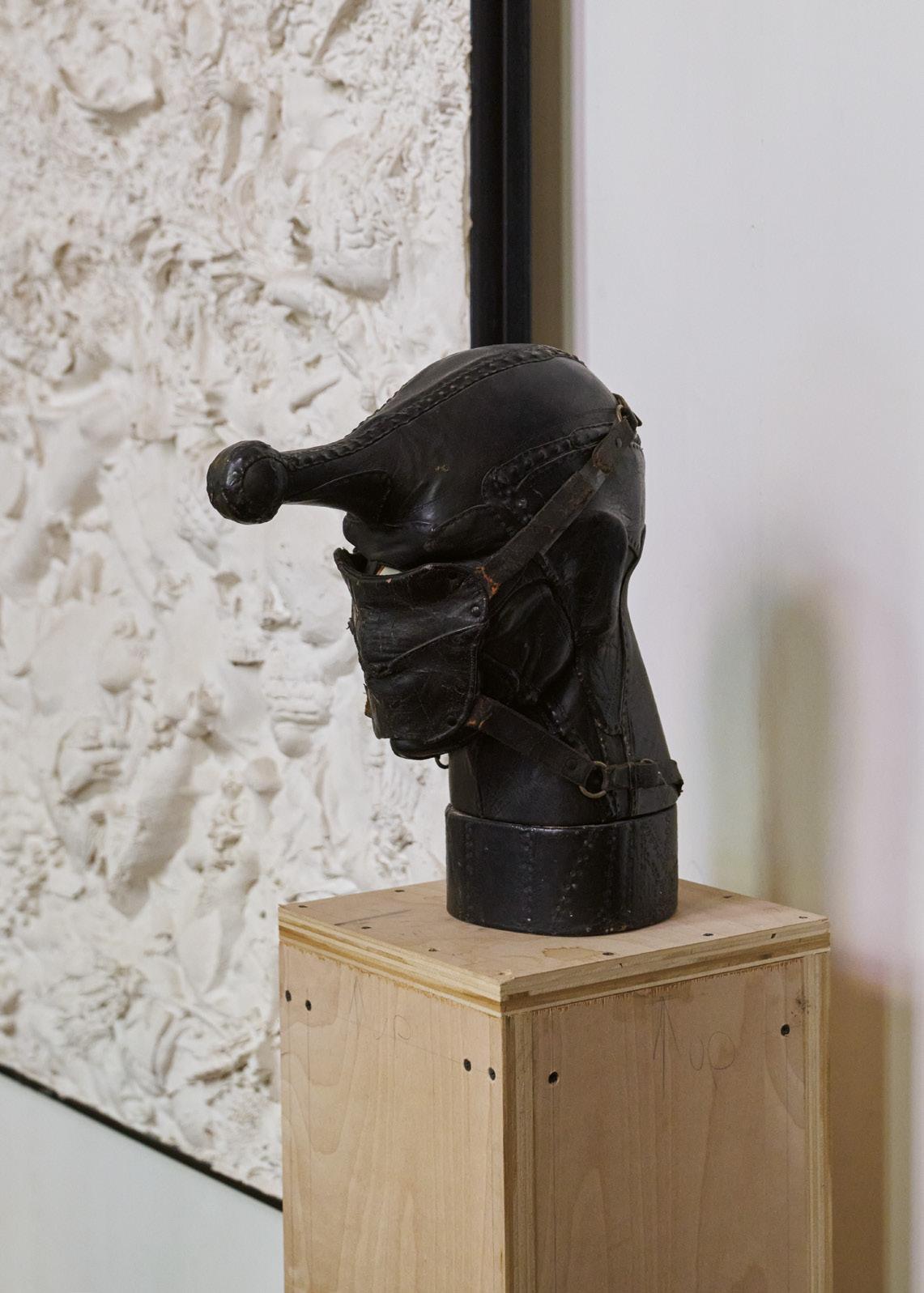
How does your approach change between architecture projects and art installations for museums and institutional spaces?
I do not experience a clear separation between architecture and art installations. For me, both are practices of holding space. They are ways of framing emptiness, light, and time so something can unfold within them. Whether a space is inhabited daily or encountered briefly, my concern is the same: how it receives the body, how it shapes attention, how it allows silence, vulnerability, and reflection to exist. Architecture extends the encounter over a lifetime; an installation condenses it into a moment. But both are ultimately about creating conditions for presence.
On your website, we can filter your work between ‘day’ and ‘night’. These contrasts are important in your world where we’re often juggling the perception of the inner versus the outer, the natural versus the man-made, the sacred and the profane, and so on. Was it important for you to create this type of contrast in the Harlem space?
That contrast continues naturally in the way I organize artworks by other artists within the living space. I am drawn to polarity as a way of creating awareness to overcome the common value system of good and bad. In the Harlem house, one wall holds darker, more sinister works, while the opposite wall gathers pieces that are luminous, open, and bright. The two are not in conflict; they exist in dialogue. Living between these poles heightens perception, it mirrors the oscillation between inner and outer states, between vulnerability and affirmation. The space becomes a place where these opposites are allowed to coexist, reflecting the complexity of being alive.
What do windows represent in your work? Is there any relationship between them and the stainedglass windows we see on the church’s facade, or the Urs Fischer glass in the bathroom?
Was your recent exhibition “The Rainbow Body” at Sadie Coles HQ in any way inspired by this Harlem property?
The window has always functioned as a metaphor for both revealing and obscuring. This idea goes back to my very first exhibition, where I presented four large ink landscapes while the gallery windows were boarded up. Visitors were deliberately cut off from outside reality so they could fully enter the artificial, constructed world of the exhibition.
My relationship with Franz West began in the late 1980s, when I was studying in Vienna. What started as an artistic connection slowly grew into a friendship rooted in shared conversations about art, life, and vulnerability. In the 1990s, we began exchanging works, which felt less like collecting and more like an ongoing dialogue between our practices.
His furniture always resonated with me because it refuses hierarchy. It is neither purely sculpture nor purely functional object, but something in between—awkward, intimate, human. Living with these pieces, they activate the space in a very physical and emotional way. They invite the body to participate, to rest, to linger, while also carrying the presence of Franz himself. They make me feel accompanied, grounded, and gently unsettled, reminding me that art can be humorous, fragile, and deeply alive all at once.
How did this Harlem home evolve with you over the years?
A room, an apartment, a house grows alongside you, almost imperceptibly. It begins to carry your breath, your routines, your solitude. The Harlem home has changed as I have changed—it has held moments of joy and grief, periods of intense work and quiet withdrawal. Over time, it became less a place I shaped and more a place that shaped me in return. It stands as a private testimony to a life lived from within, marked not by events, but by presence.
Transforming a space is not about force or domination, but about listening, understanding what already exists and guiding it toward balance and cohesion.
Like in Romanticism, my window sculptures operate as vehicles of longing and desire, thresholds through which emotions, memories, and projections are cast into an unknown future. They frame absence as much as presence. In that sense, the stained-glass windows on the church facade and the Urs Fischer glass in the bathroom are not decorative elements, but extensions of this ongoing inquiry into light, distance, and interiority.
“The Rainbow Body” continues this investigation, not as a literal response to the Harlem property, but as part of the same sensibility: a sustained reflection on perception, transformation, and the fragile boundary between inner experience and the world beyond.
You’re one of the first to collect Franz West’s furniture and they’re prominent pieces in the church. What caught your attention in them and how do they make you feel?
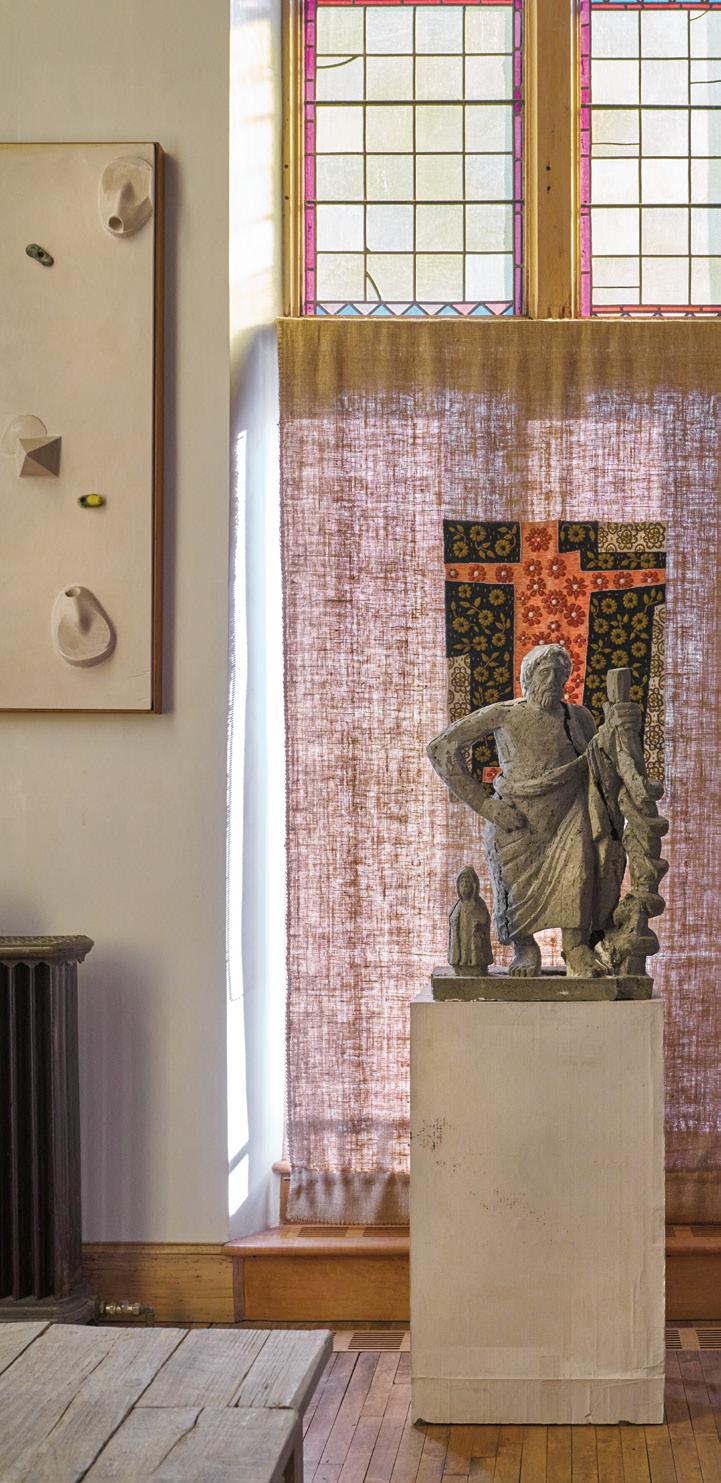
Many years ago one could say it’s unexpected to find a Swiss-born living in Harlem. It may still be something unexpected. What do you like about Harlem and how do you interact with the neighborhood?
Harlem has always been a place of transformation. Since its founding, it has continually reinvented itself—shaped by successive waves of inhabitants and cultures. Once a predominantly white Protestant neighborhood, it later was home to large Italian and Jewish communities before emerging as a center of black cultural life during the Harlem Renaissance, and continuing to evolve into the diverse, multiethnic neighborhood it is today, with Hispanic, Black, and white residents living side by side.
This constant change is not an exception, but part of Manhattan’s deeper character. Its neighborhoods are never static; they shift, adapt, and renew themselves. I find that vitality deeply compelling. Living in Harlem means inhabiting a place where history is layered rather than erased, where cultural memory coexists with everyday life.
My relationship to the neighborhood is grounded in that awareness—being present, attentive, and respectful of the rhythms and histories that continue to shape it.

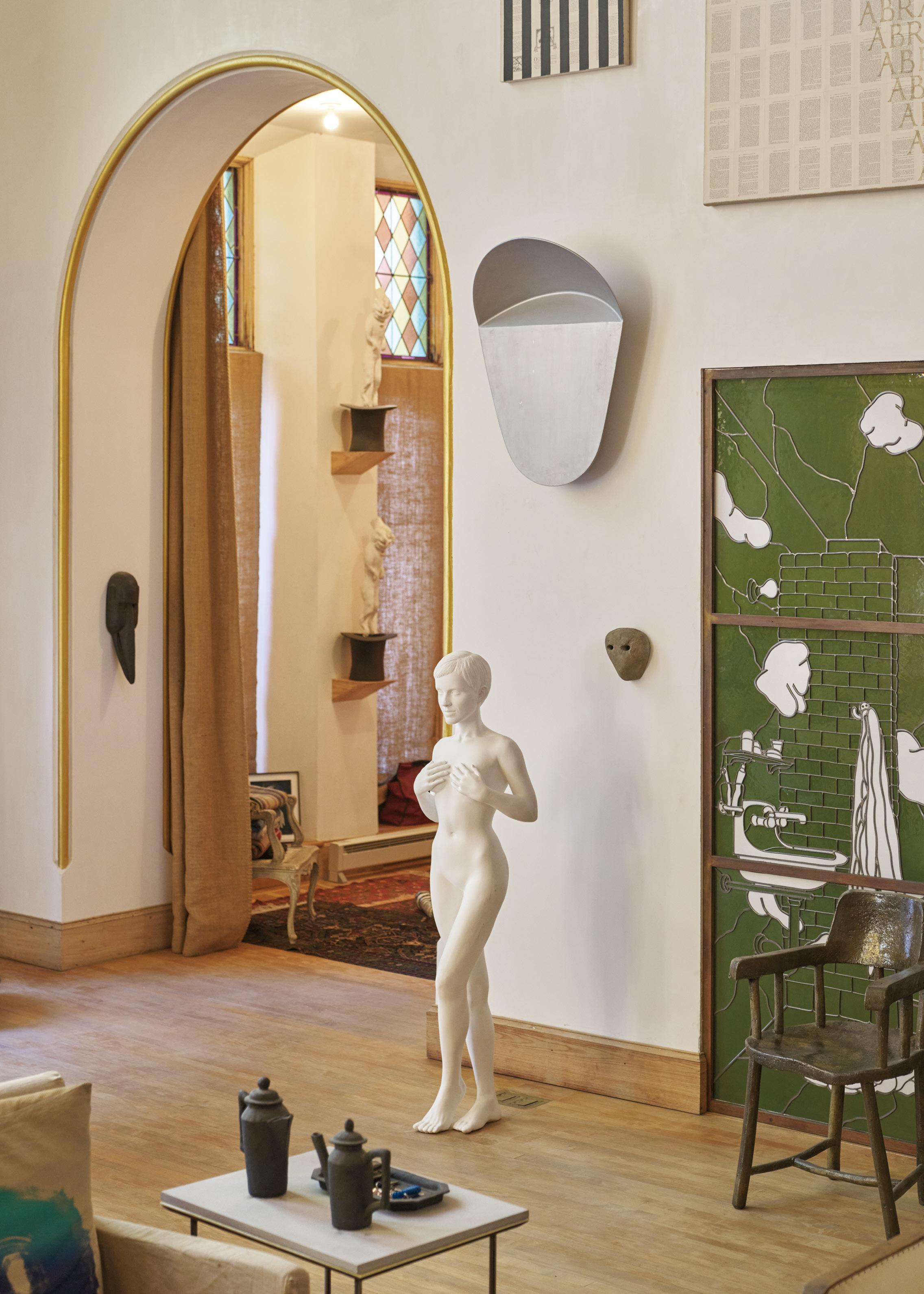
rock
Jesse Malin on his new memoir, surviving a spinal stroke, and keeping the spirit of old New York alive
For the last thirty years, every rock and roll kid who passed through New York has had some sort of interaction with Jesse Malin, whether they knew it or not. The Queens-born rocker started playing in bands when he was all of 11 years old, and found success first with his hardcore band, Heart Attack, and later with his punk band, D-Generation. But it’s his role as an unofficial ambassador of the city’s rock and roll spirit that has perhaps been most enduring. Malin has worked with and been praised by everyone from Green Day’s Billie Joe Armstrong to Bruce Springsteen to Lucinda Williams; Williams produced and sang on Malin’s 2019 record “Sunset Kids.”
Beginning in the late ‘90s with the iconic venue Coney Island High – a “by the kids for the kids” spot that was the destination club for rebellious teenagers with decent fake IDs – Malin and his partners have been behind some of downtown New York’s most legendary venues and hangouts, from Bowery Electric to Niagara.
In May of 2024, while out in the East Village with friends, the singer collapsed, suffering what he later discovered was a rare spinal stroke. The New York music community rallied around him during his recovery, which is ongoing. Malin can regularly be seen out on the street in front of his apartment doing his rehab, where he’s often cheered on by passersby who know his unmistakable wiry rock-t-shirt and newsboy cap-wearing silhouette anywhere. In a new memoir, “Almost Grown,” out this spring (and accompanying musical debuting off Broadway later this year) Malin tells the story of his remarkable life, and all the rock and roll saints – from bold names to cult heroes – who’ve helped him stay connected to the spirit of the city, and of the music, that still fuels him.
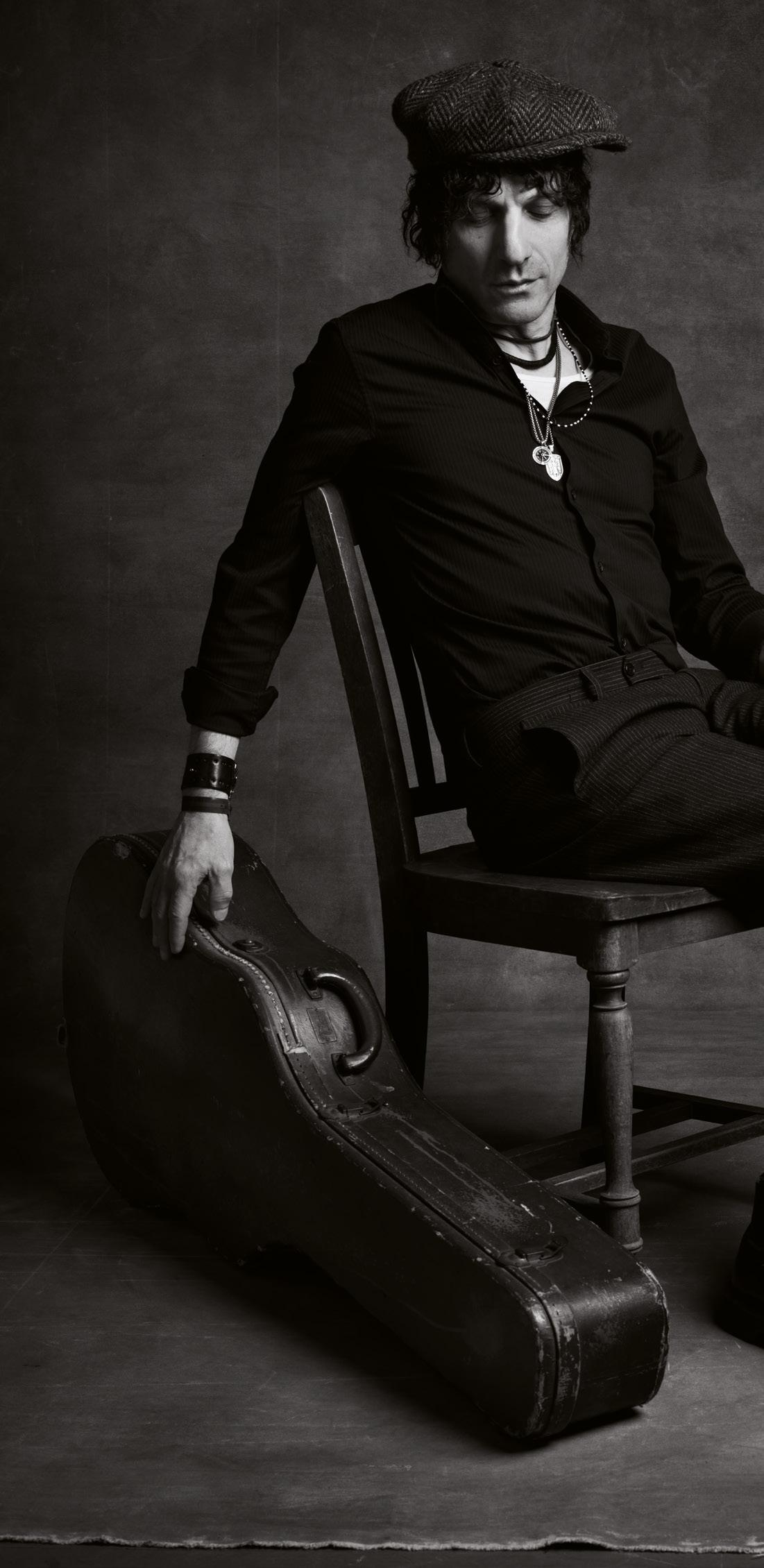
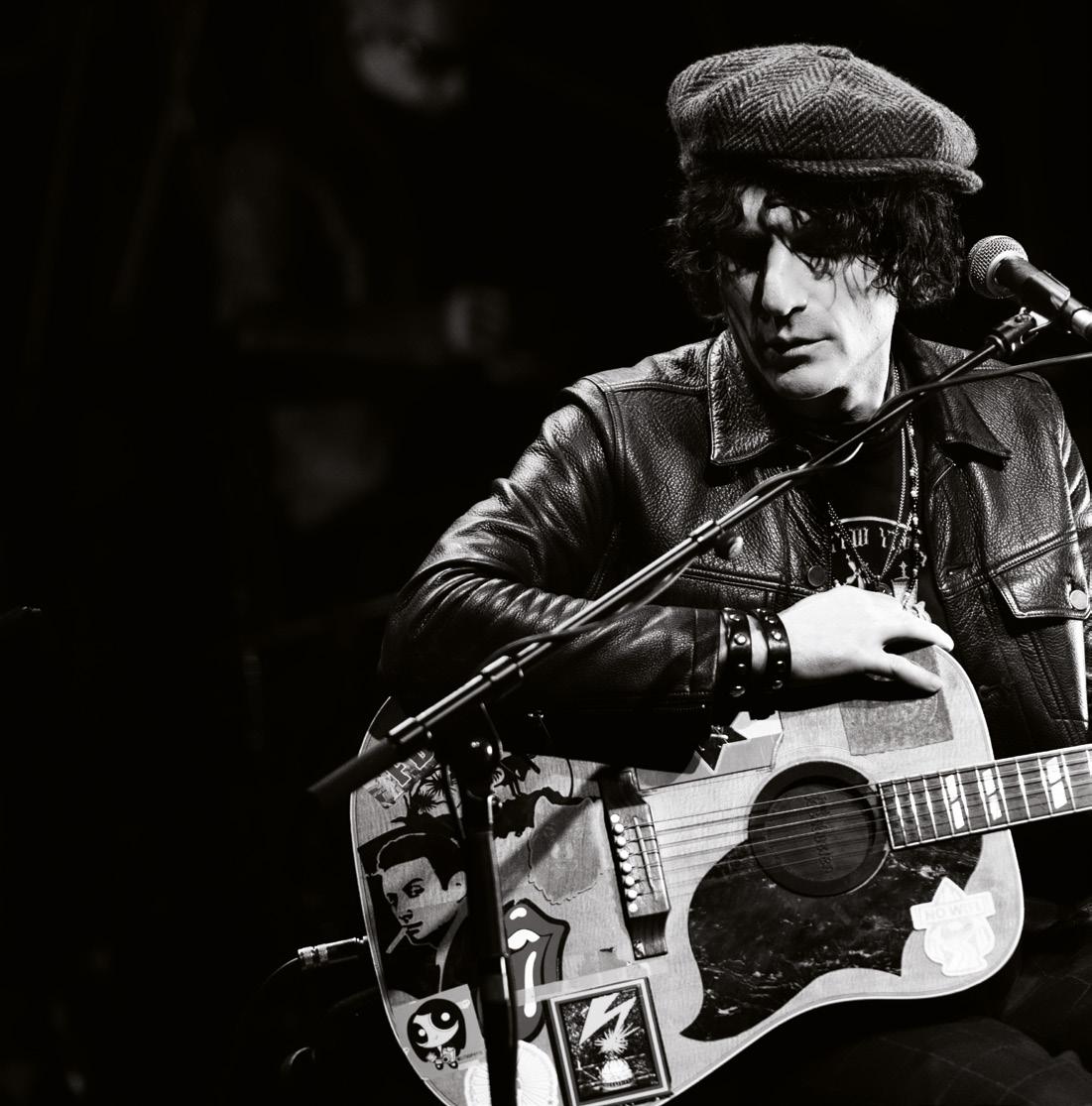



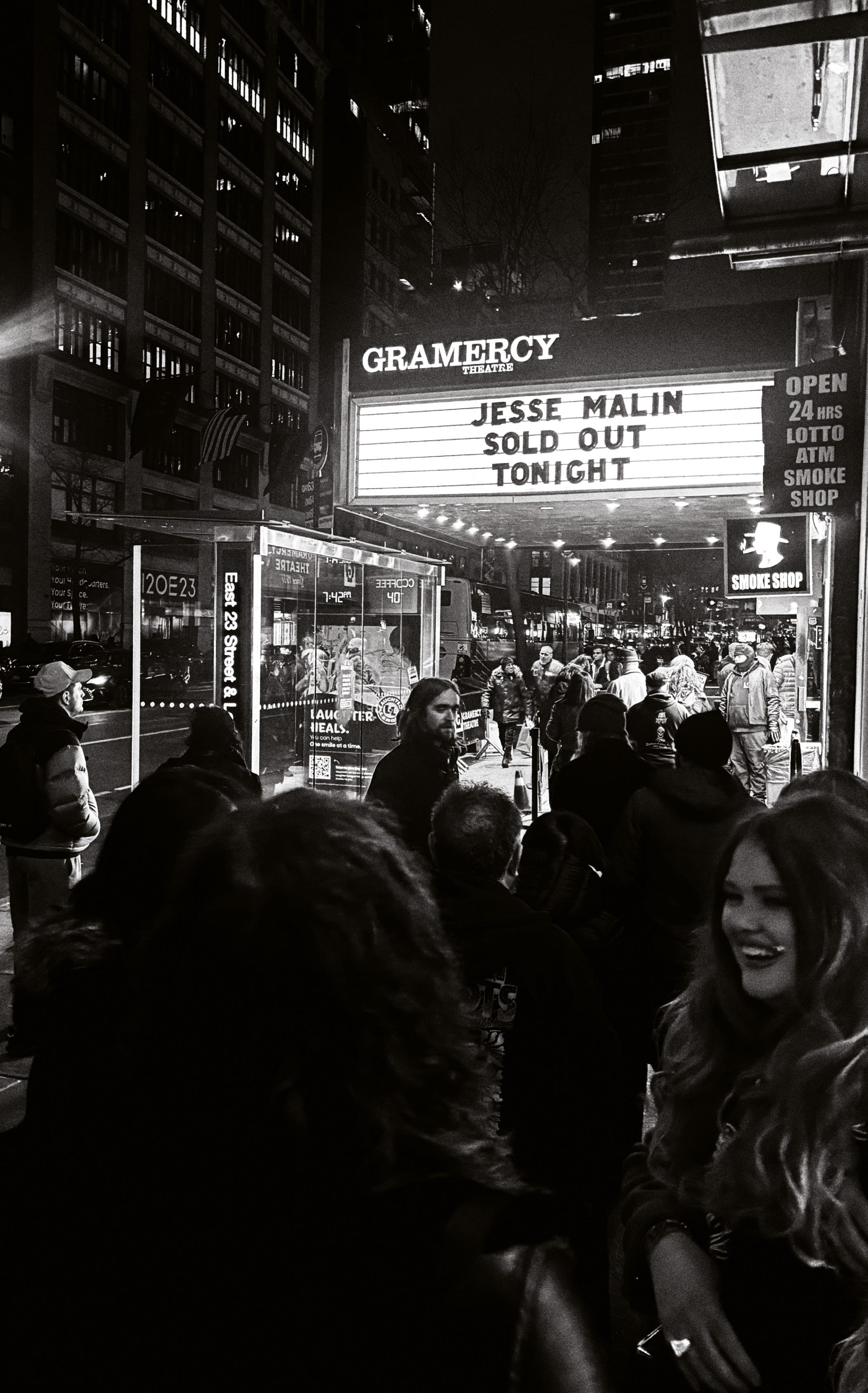
We needed this place where it’s decadent and wild and people can have fun and you hear music you don’t hear in other places.
ICON: Your book has this wonderful sense of urgency to it, like you were unspooling something that had been sitting there for a while. Is that how it felt to write?
Jessie Malin: I started about five months before this spinal stroke happened. I was touring a lot and finishing a record, so it wasn’t like every day I’d sit down at the desk, but I made time and it was a priority. Then, after this happened, I got pretty heavy into it because it was a good distraction. I worked a lot from the hospital bed. Then I went to Argentina for treatments for six months, and I worked down there. It was something to keep me sane. What would you say were your main influences for the project?
I was inspired by some of the obvious things — “The Basketball Diaries,” [by Jim Carroll] and “Just Kids” by Patti Smith. My band wasn’t even big Patti Smith fans, but we had that book on CD in the van when it came out. It’s funny, saying “Just Kids” as a first-time writer is like saying you want to make a movie and it’s going to be like “The Godfather.” Ever heard of it?
How did you want the book to land for people?
I didn’t want the book to be, you know oh, then I met this rock star, and then I got high. I wanted the characters that are unsung people, too, that are just funny, colorful, real, dirty, wild characters. It’s also a love letter to my mom. She died really young, and wanted to be a singer – she was the one that drove us to CBGBs when we were 12 in an old car with our amps in the back seat. Even though Queens is so close, coming into Manhattan felt like being in “The Wizard of Oz,” being in this mix of all these cultures and people. You’re walking down the street and your life just changes: you’re in love, you’re in a band, you get mugged, whatever. The book is about a New York that doesn’t really exist anymore, but that’s ok, because that’s the nature of the city. How would you describe that New York, the one that doesn’t exist?
There was a sense of danger. You had to know where you’re going. You had a walk a certain way. You had to be dedicated to what you were into. Now, a lot of times people say, what kind of music do you like? You’re like, I like everything, which you should because there’s good and bad in all kinds of music. But in those days, people were ready to fight for what they like. On the train there would be B-boys, Hip-hop kids, rocker kids, and everyone was kind of looking at each other. There were no photos and no posting on social media. Things happened in a moment. You had to be there with somebody in that way. There would be some duct tape flyer on a post saying this club on Avenue A is having a thing and
suddenly you went down there and then you met someone that told you about this other thing. There was this almost telepathic experience of connecting with strangers – we found each other, people that came from all different parts, Jersey, Long Island and the boroughs. There was a wildness there was a recklessness, there was a beauty and a danger mixed. And if you knew how to carry yourself mostly you stayed out of trouble.
I remember this guy from Boston said to me once, back in the day you could get beat up for wearing Converse on the T, but you wore them anyway because that was your look, that was your tribe.
Yeah, you had to make a commitment to it. It wasn’t casual. It mattered to find certain clothing and you wore it. You have also had this role in creating all these different spaces for people to play and meet each other. How did that start?
I credit hardcore punk, especially the hardcore movement, for so many lessons of what is the cliche DIY – learning how to take things into your own hands. If they’re not going to put your record out and you’re 15, well, we’re gonna put it out. They’re not gonna write about you in the “New York Times,” but we’re making a fan zine. They won’t book us at these places? All right, we’re going to find a place to play. You’ve been shaping the city’s venues and bars for almost as long as you’ve been playing music. Why is it important to keep building spaces for rock kids to hang out?
After I got out of hardcore because it became too metal and macho and I became a moving guy for a while. I was taking care of my sister and my mom, and I had a van and I was just getting so many great New York stories – I didn’t realize moving pianos and dead dogs and, like, Barbara Streisand’s couch would create so many great stories. Anyway, I decided I wanted to do something on New Year’s Eve, and we all hated the big clubs with the fancy, expensive shit. I said let’s just throw a party. The goal was to play music you didn’t hear in other clubs or on the radio like the Cramps and the Stooges and Funkadelic, and to get people to dress up. We went around like that scene in that movie “Midnight Cowboy” where we saw people to look cool and hand them a Kinko’s flyer. That night it was packed and we made some money. Someone said, you should do that again. And I was like, really? Suddenly I wasn’t having to move furniture as much anymore. There was this need. We needed this place where it’s decadent and wild and people can have fun and you hear music you don’t hear in other places. We still need those places. We need those places forever.
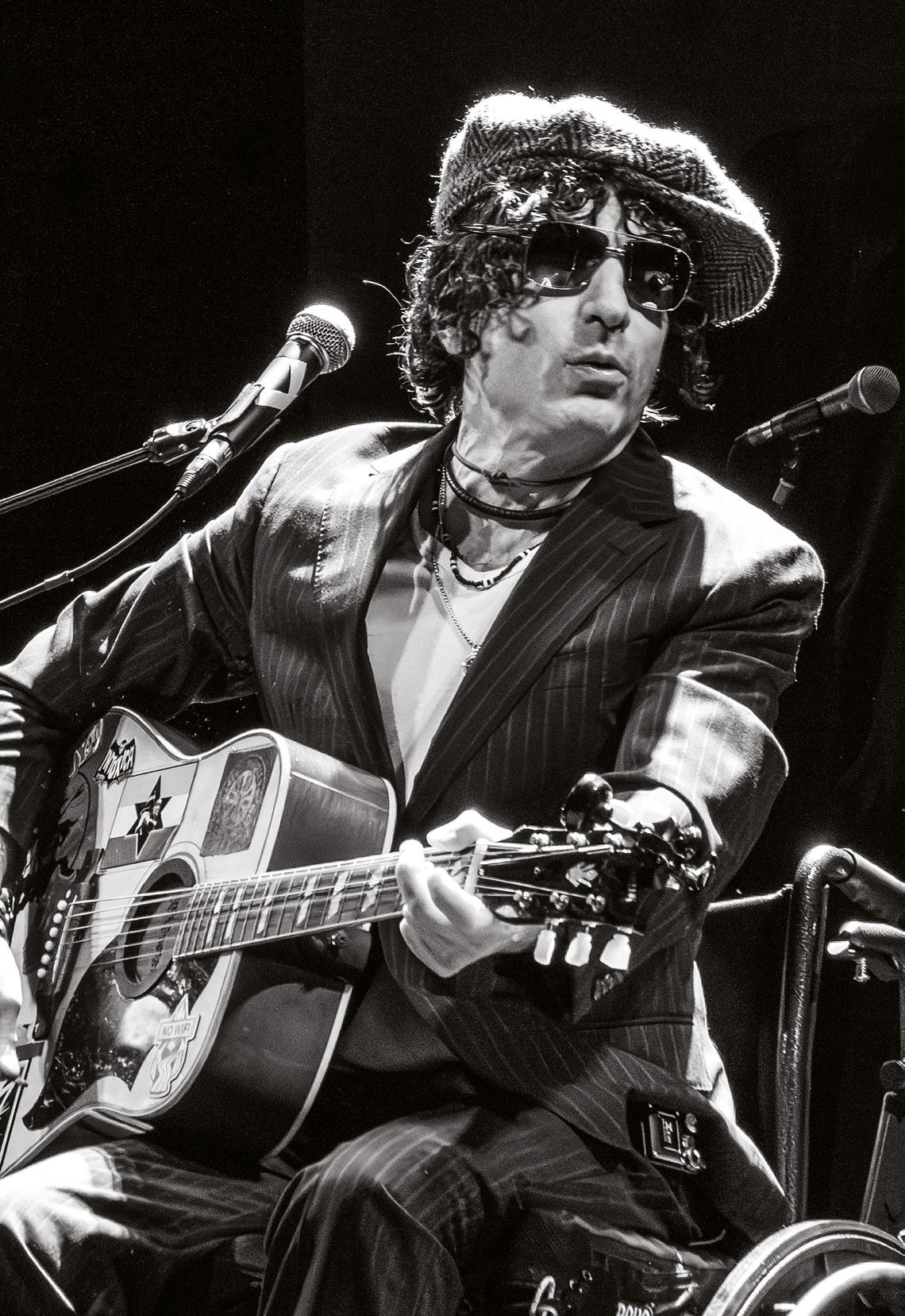
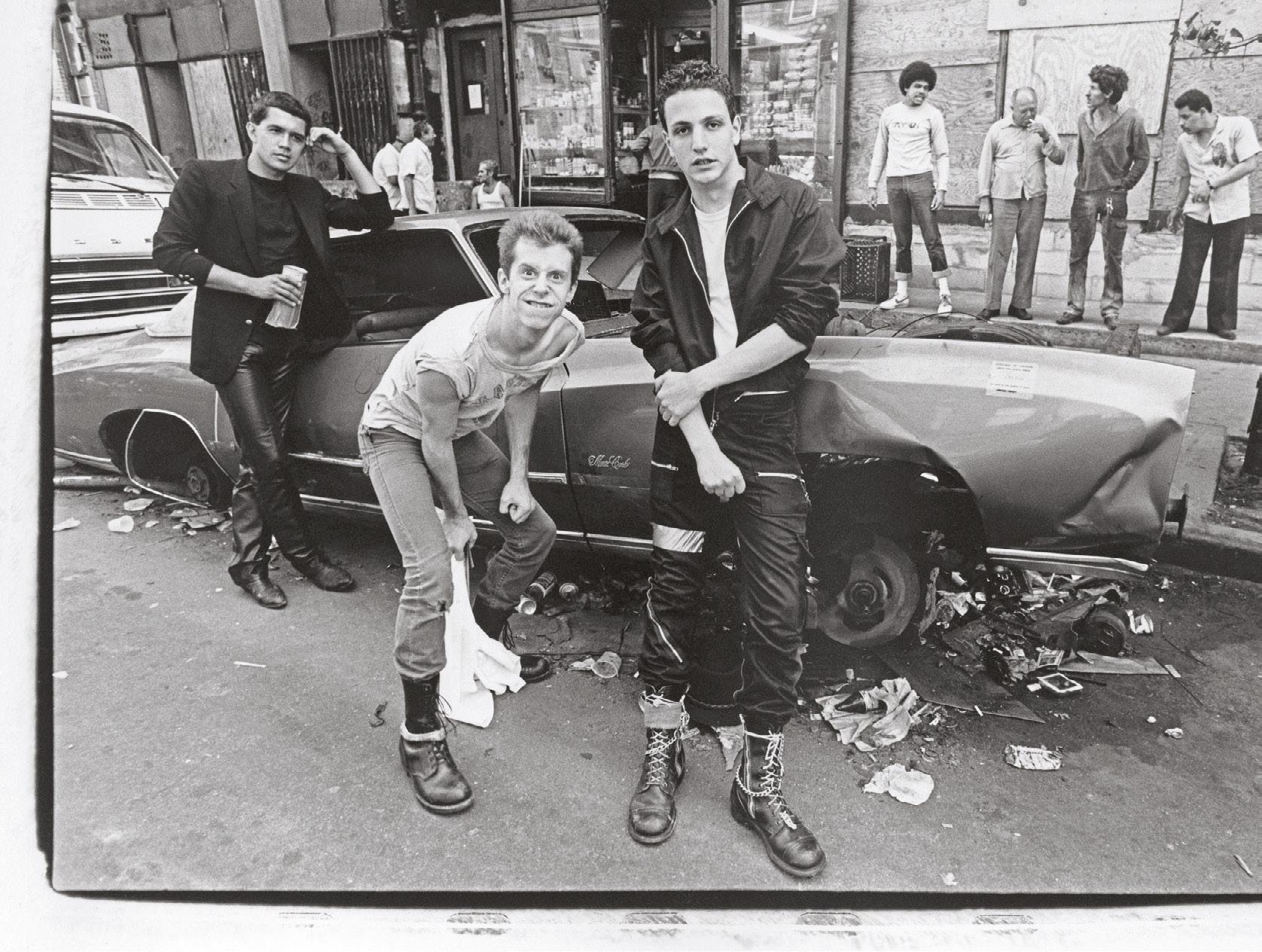
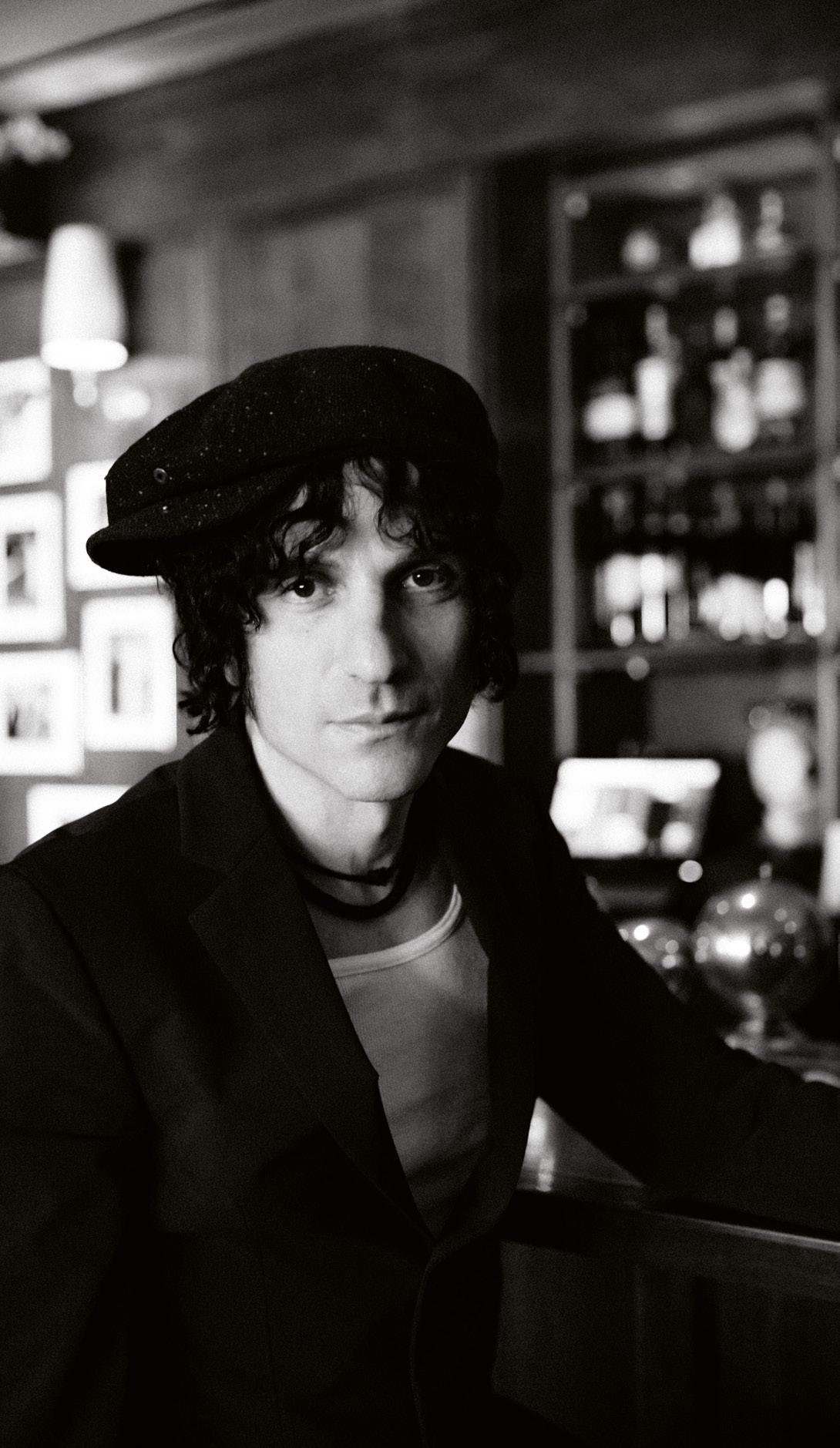
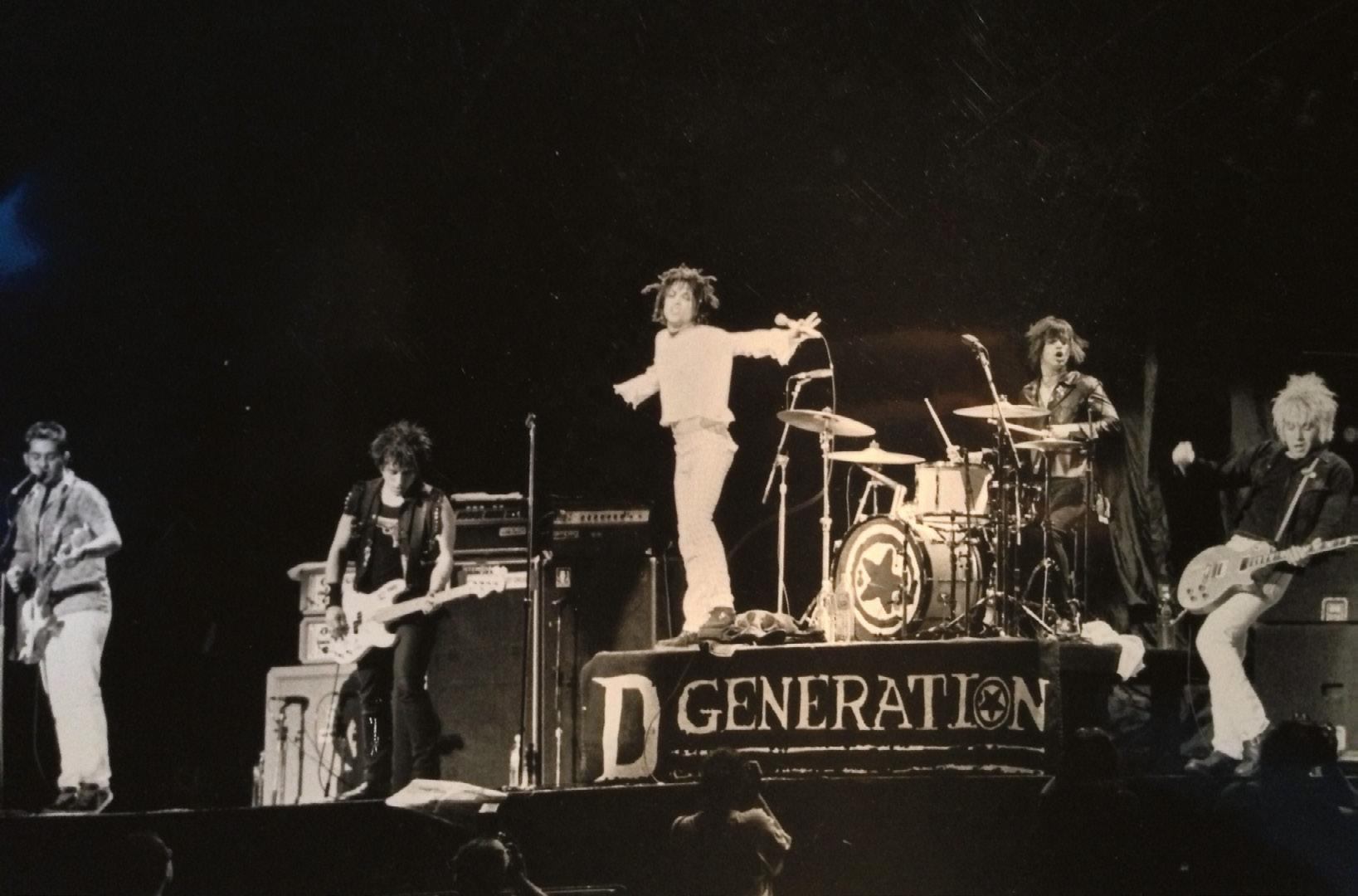

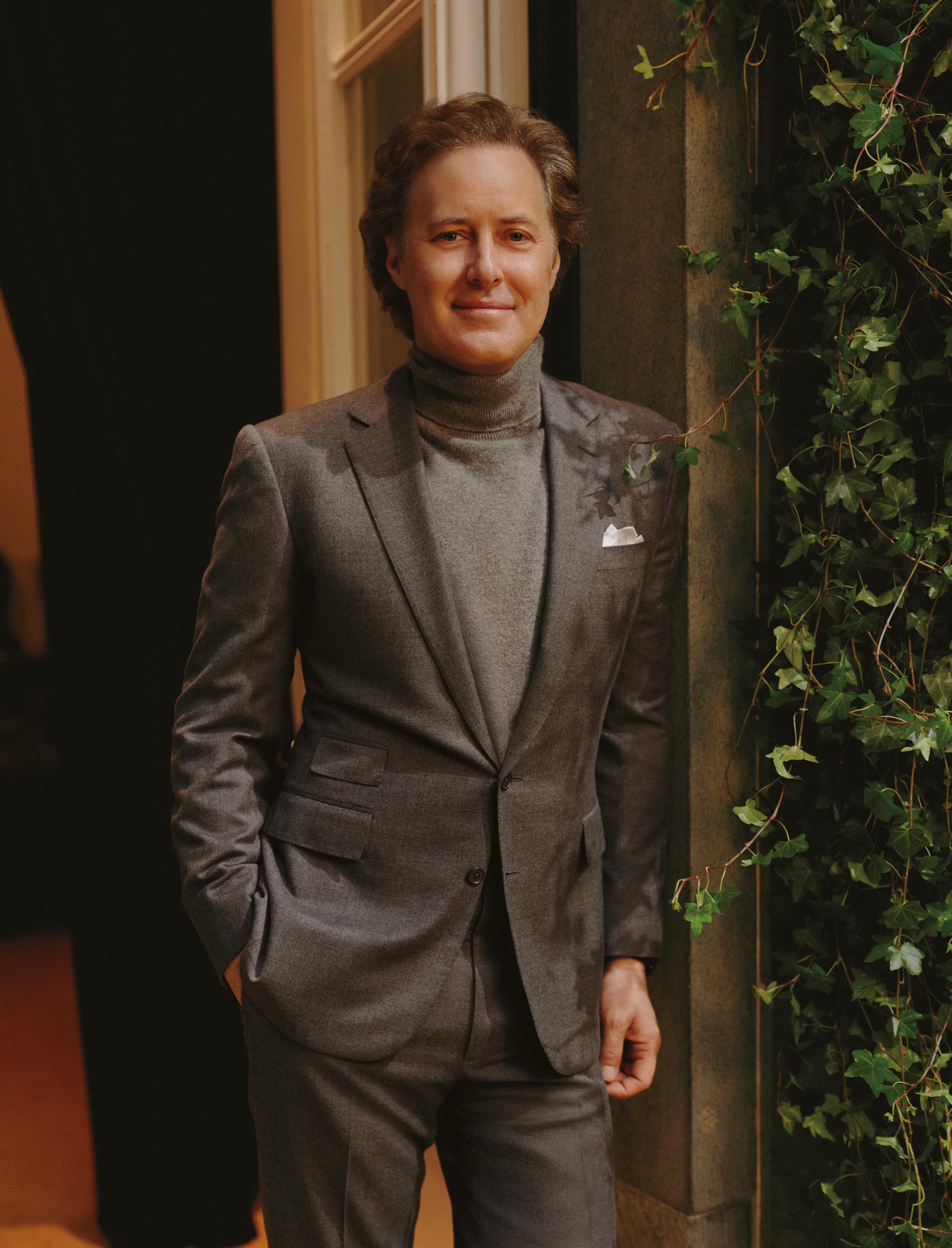
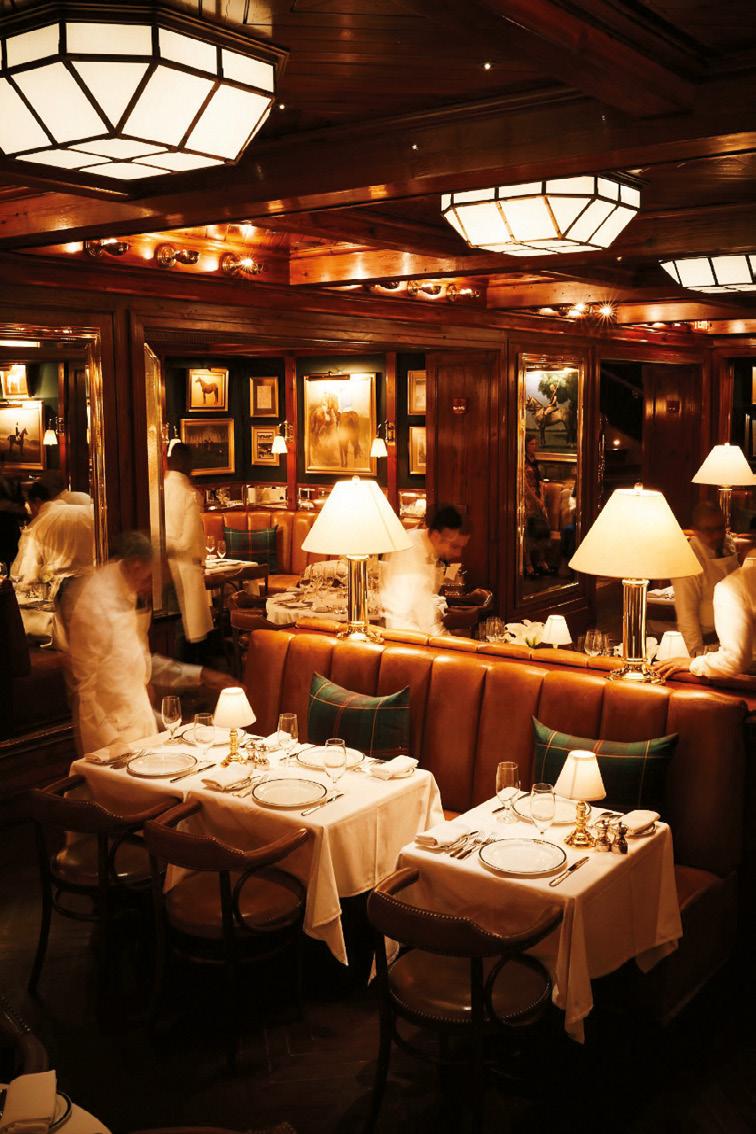
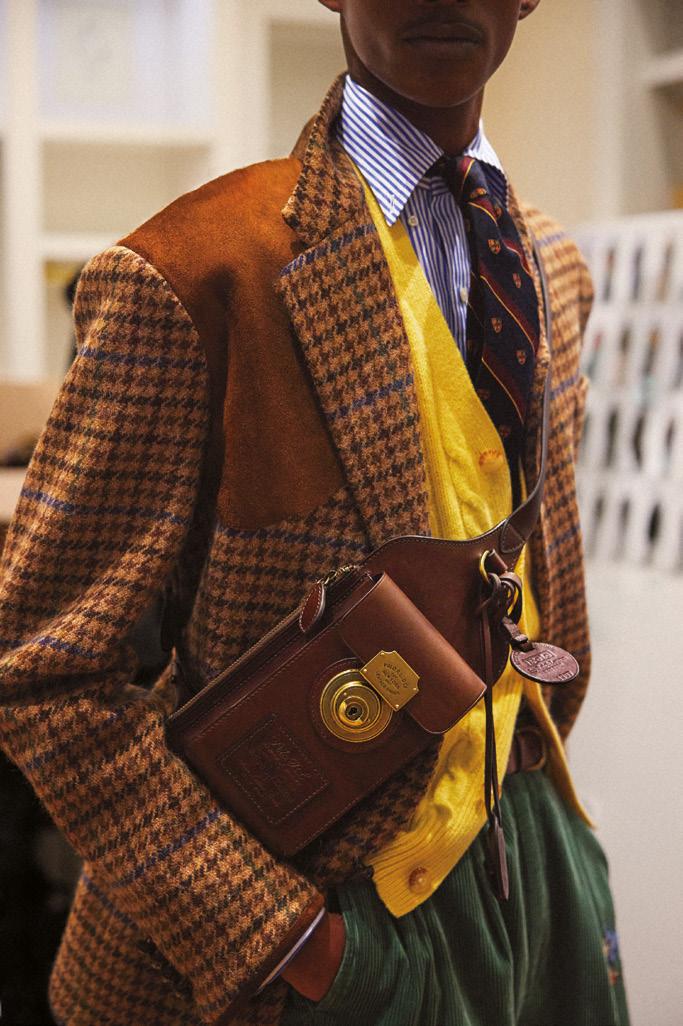
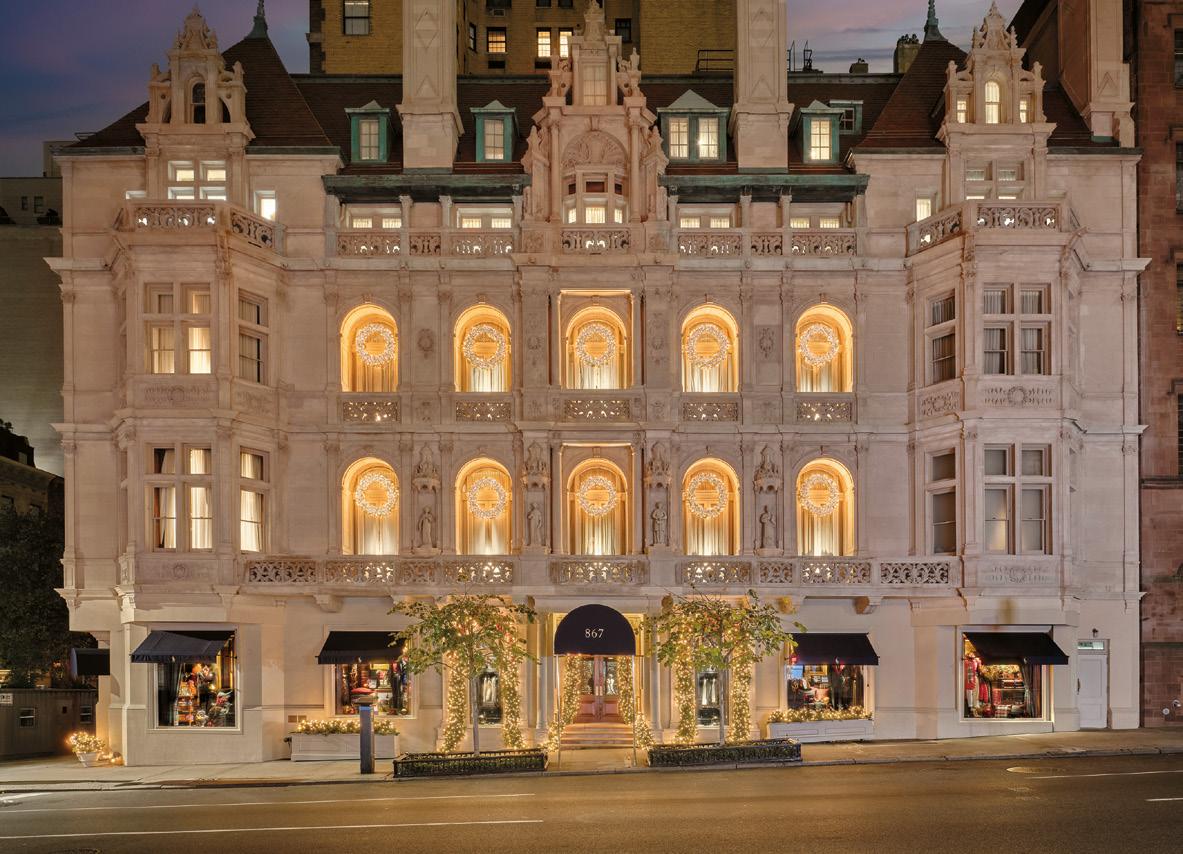
Born into fashion’s most American dynasty, David Lauren is steering the brand’s next global chapter.
David Lauren is a man of many talents. On paper he is the vice chairman of the board of the directors and chief branding and innovation officer at Ralph Lauren. But in reality, he is much more than that, he’s a visionary leader at the helm of one of the most enduring American fashion brands in history. Ralph Lauren, the company founded by his father in 1967, is a flagship not only of American fashion but of this country’s way of life. What Armani is to Italy and Dior is to France, Ralph is to the United States. And David is now the custodian of Ralph's core philosophy and worldview, where storytelling rules over numbers and corporate strategies. This approach has made Ralph Lauren irresistibly emotional and nostalgic for customers around the globe for generations.
Though Ralph Lauren is always a central player in
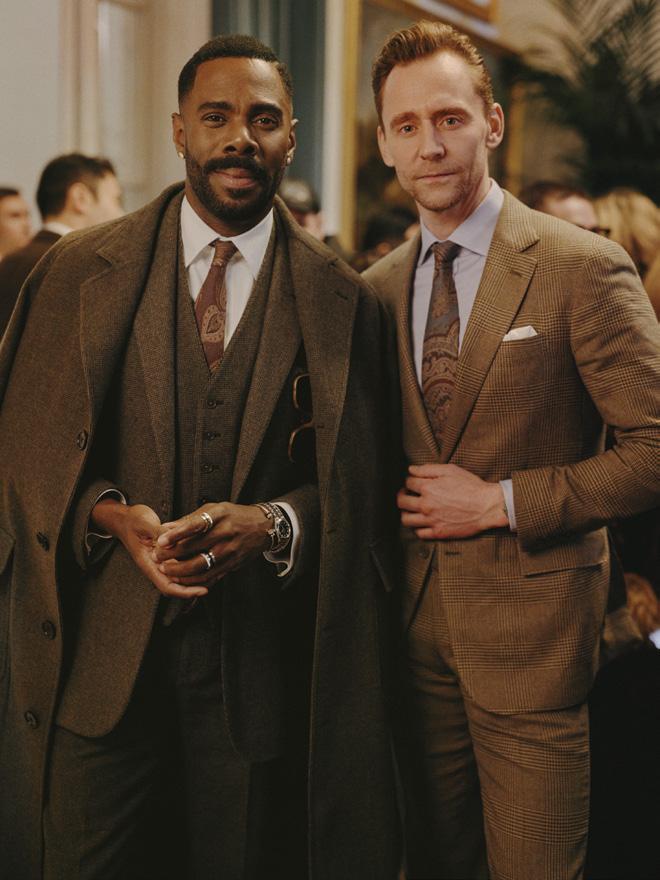
fashion’s ongoing story, the last couple of years have been particularly booming for the brand, with sales rising across all markets and earning double digit increases in Europe and Asia. At a time when even the most untouchable houses are having to think hard about how to turn a profit, Ralph Lauren clearly has cracked the code. On a sunny January morning in Milan, hours before their surprising menswear show ICON editor in chief Gro Curtis sat with Mr. Lauren at Grand Hotel et de Milan to discuss Ralph's enduring magic.
ICON: You have said that your father never had a master plan; it was more a natural evolution of connecting the dots along the way. Do you think and work in the same way?
David Lauren: There is always a mission and a purpose
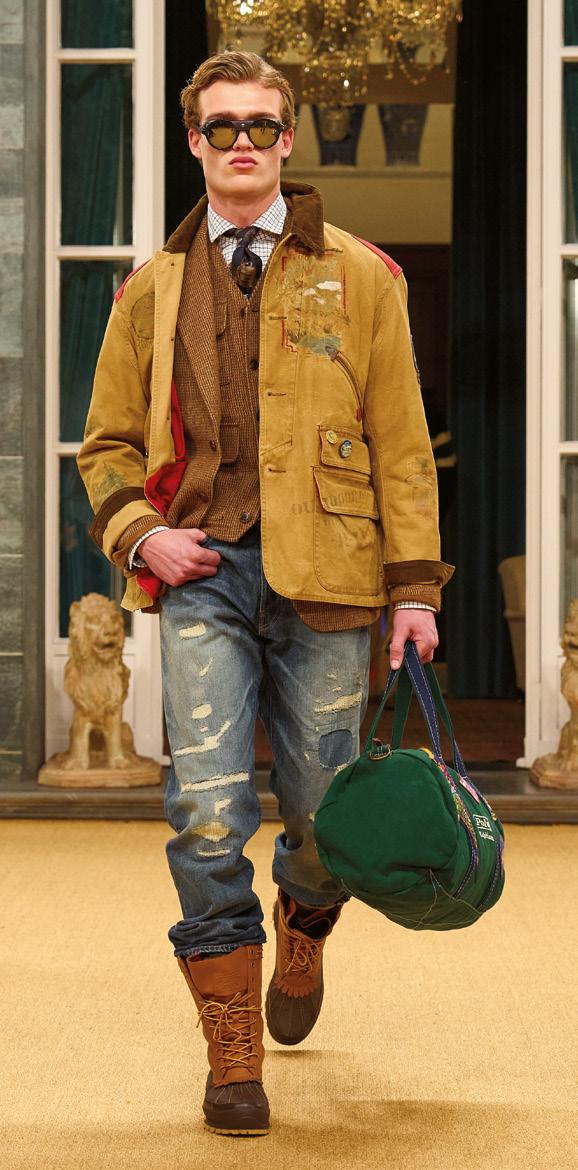
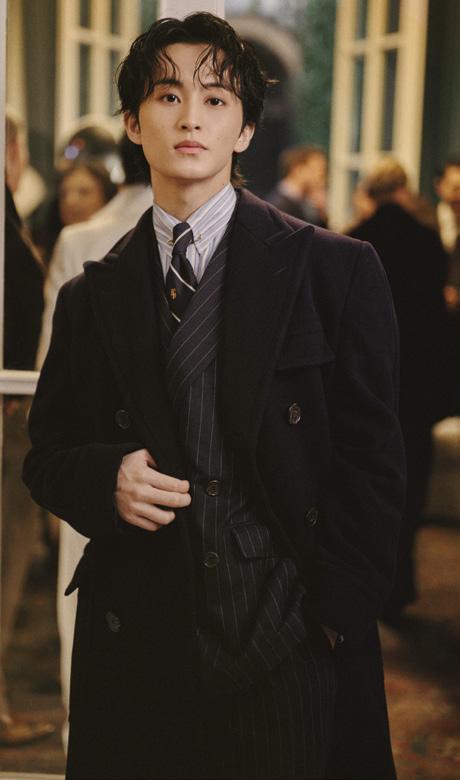
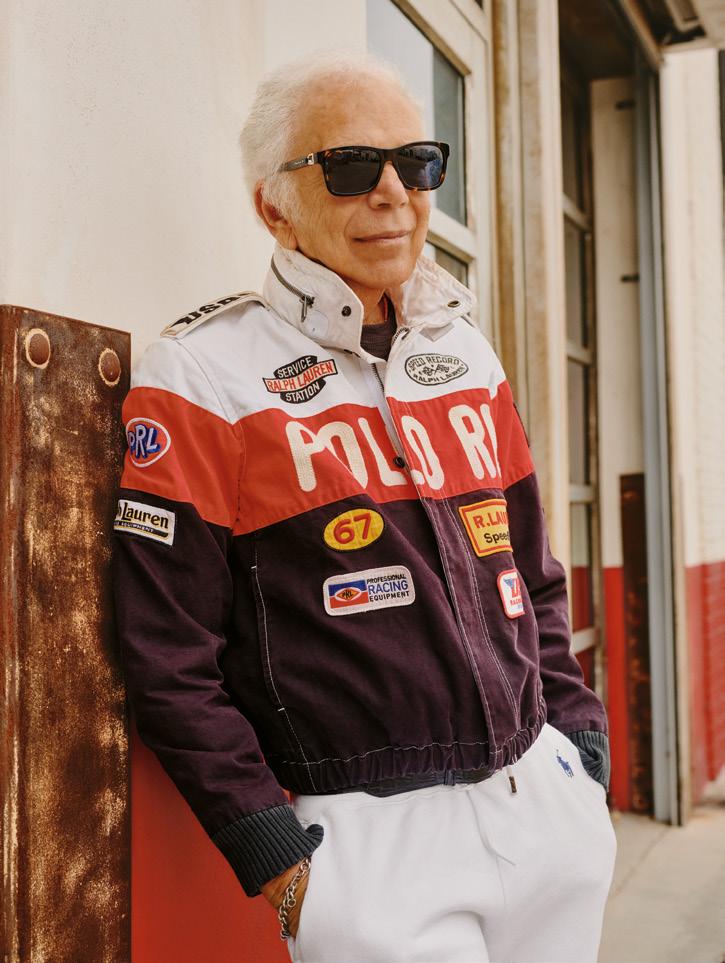
It's exciting that there's a lot of energy around our brand, and that there are a lot of brands that want to emulate us, but we're the real deal.
to what we do, but ideas come from ideas, and they come from surrounding yourself with talent. The purpose of the company, we often say, is to inspire the dream of a better life through authenticity and timely style. So having a focus, having a purpose, but then within those confines being totally open.
Right now, preppy is everywhere, and Polo is everywhere.
It's exciting that there's a lot of energy around our brand, and that there are a lot of brands that want to emulate us, but we're the real deal. When you create it, when you define it, it comes with a deeper meaning and purpose than if you just copy it.
I remember you once said that Ralph Lauren is very similar to Walt Disney and I love that because it explains the allure of customers wanting to live in this complete world that’s not just fashion; it's fragrances, books, interiors, but also hospitality. Do you think that’s the next big thing?
It's one of the next big things. Hospitality is a wonderful way for people to step into the dream and live inside of it. For years, people used to pick up a printed magazine and you'd see a singular page and you could sit at home and you would cut that photograph out and put it on your wall exactly, and you would try to emulate it by maybe decorating your house in a similar way or getting dressed in a similar way. Brands like Ralph Lauren created stores
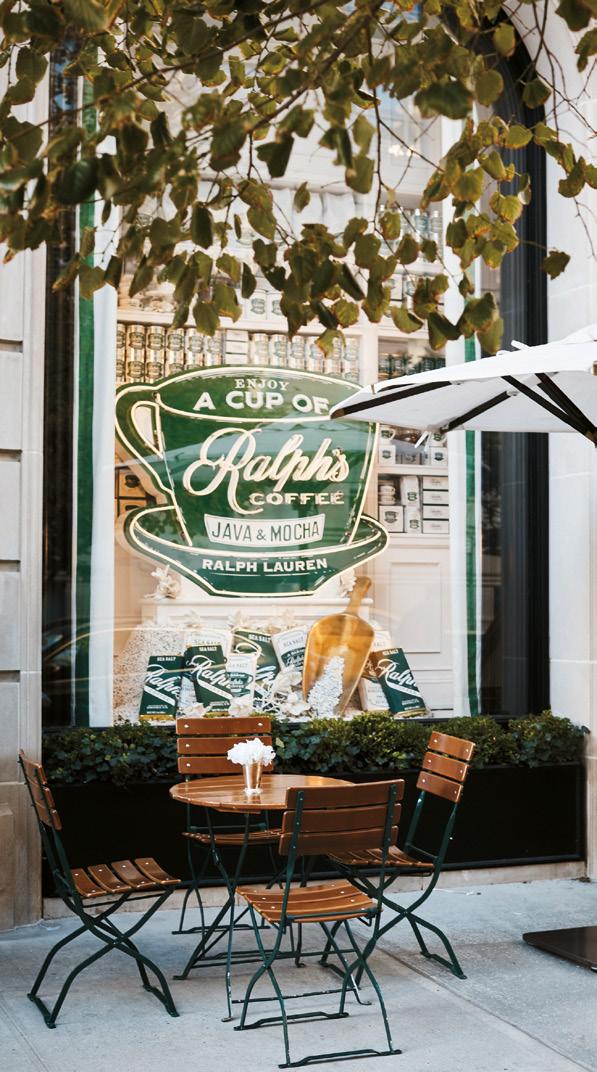

where you could walk in on a Saturday afternoon and be surrounded by the style and the culture and people that love that same style and culture. Now you can sit and eat and live in that culture. We're seeing hotels being opened, seeing people finding ways to sleep in that culture and dream in that culture. We're finding a lot of new ways to connect and I think it's exciting.
But I presume you're still very careful about not expanding too much when it comes to hospitality, no?
We want to be careful to expand in a way that keeps it exclusive, where we can make sure that we control the experience, because just opening up another coffee shop might grow your business but it has to be run with the same quality, with the staff and the talent at the highest level. You cannot dilute that. You have to pay attention to every detail. So expanding at the right pace is important. We open up a boutique store for luxury in Miami, and then maybe we open up a really cool whiskey bar in Chengdu, China. These are completely different ways to talk to a customer, based on the market and based on the customer.
When it comes to numbers, quarter after quarter, you're outpacing your own forecast. In this climate, that’s especially remarkable. Do you think it's all because you're just staying true to yourself and staying on point with the story?
Every few years fashion evolves and grows, and there are
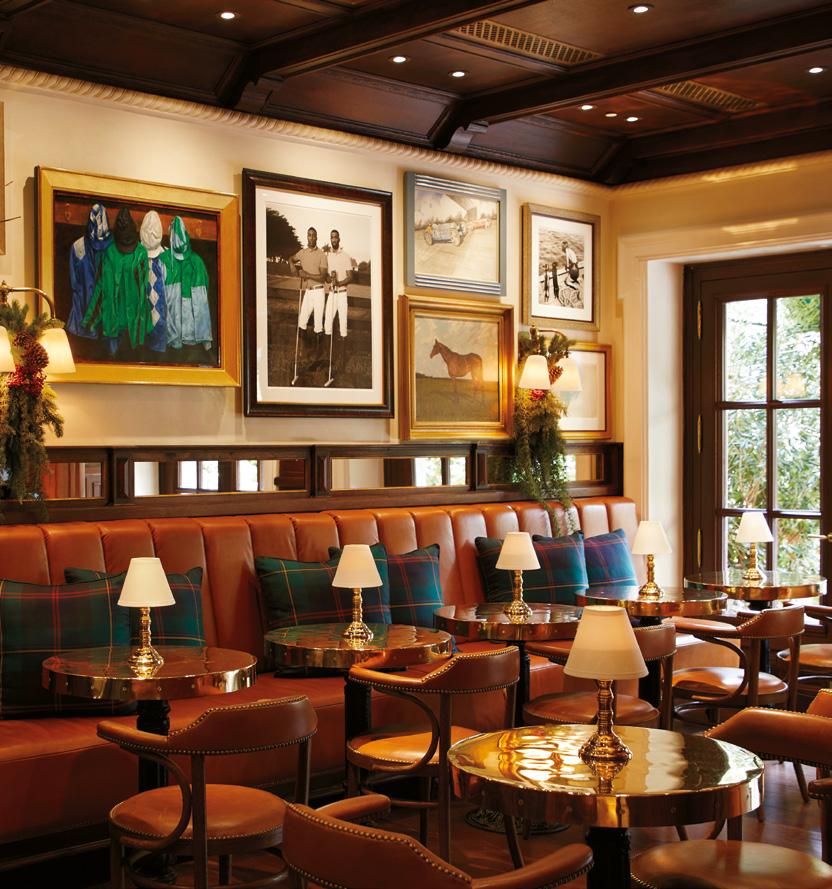
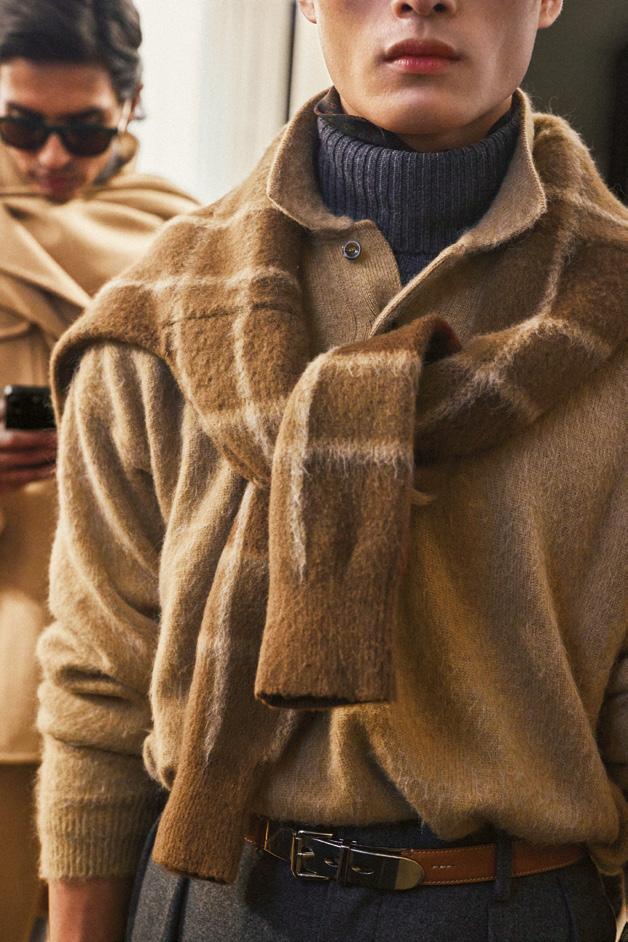
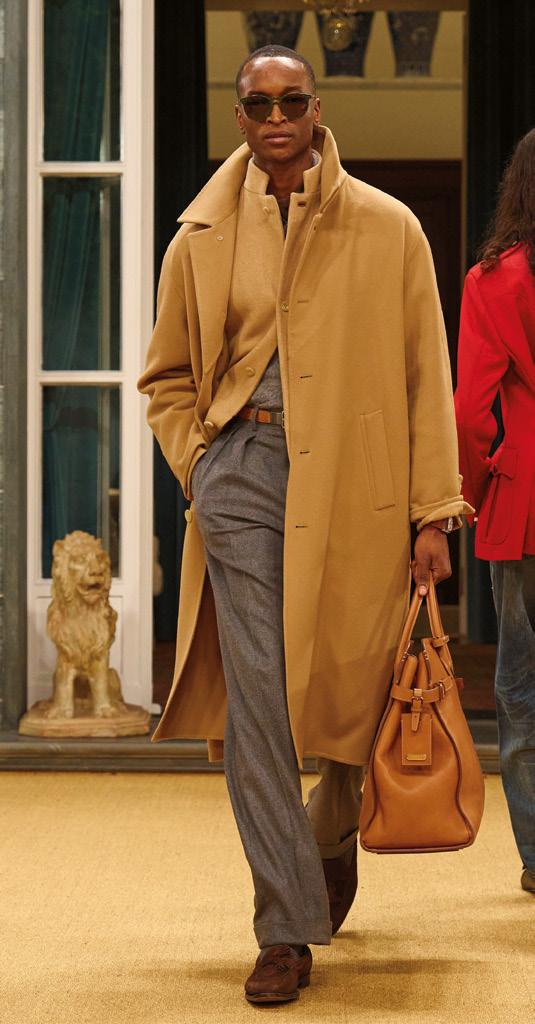
There are always things that people expect from Ralph Lauren ... but what Ralph has done is he has reinvented them a million times.
new trends, and that will always happen. It falls to each brand to look at themselves more closely in the mirror and say, “Who are we?” There was a lot of pressure out there to follow different trends. Instead of listening to the critics we really sat down and talked to ourselves, talked to our customers, talked to the people who we felt understood who we were or wanted to be. We had a really good look in the mirror. Being very clear about who you are is very important. If you're smart about your life, you're going to constantly stay in touch with your identity and try to figure out what makes a fulfilling life and a complete life and a life where you are growing and changing. That’s what we do as a company as well.
Two of my favorite designers of all time, Mr. Lauren and Mr. Armani, they both started with men’s. Do you think that guys are more loyal customers? I know my dad, for example, if he finds a white shirt he likes at Armani, he's going to go there for 30 years for the same white shirt.
Mr. Armani was brilliant, and we have a tremendous respect for what he did. I went through Mr. Armani's Silos exhibition, and man, did he create a lot. So, while he stayed true to a few things that were distinctively Armani, he made thousands of suits and shirts and sweaters and pants and dresses. He had so many ideas, and he kept those ideas fresh. There are always things that people expect from Ralph Lauren – a great polo shirt, a great cashmere sweater. But what Ralph has done
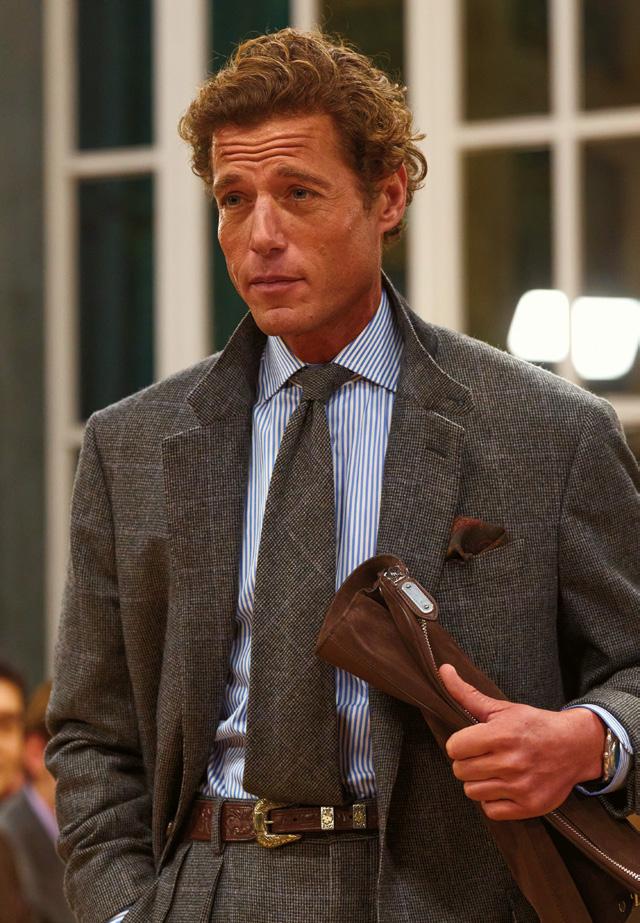
is he has reinvented them a million times. There are, I kid you not, thousandsof polo shirts in the line right now that range from a simple white polo shirt to a polo shirt that's a dress to a polo shirt that's for a boat to a polo shirt that's for intense sport to a polo shirt that goes with a tuxedo. He has taken a singular item, made it his own, and reinvented it, and he's done the same thing with a couch and a dish on your table, the same thing with a gown that walks down a runway. And that’s the brilliance – to take an idea and to electrify it based on all these different people and ideas, to make sure that that person's daughter or son will also find it exciting, and that when you're 70 years old, you'll still relate to it as somebody who is in their 20s will. I think Ralph Lauren is one of those designers that is sometimes underestimated because of the simplicity. Picasso at one point became such a master, and then he decided to take all of that away and go back to drawing, almost like a child. And at first people started to look at his art and say, “What happened to this guy who had mastered the Masters?” But then you start to see an originality in the simplicity. Do you see yourself as the long term guardian of this philosophy at Ralph Lauren?
I've grown up in this world, and I have a lot of respect for what my father has done. It’s my job to help protect it and evolve it, and to help inspire the next generation to understand it.

by jason barlow
The oldest names on the block are queuing up to show the start-ups how it should be done. One of America’s automotive pioneers is embracing electrification and heading into Formula One, while Audi and Toyota are putting a fresh new spin on the eternally exciting GT idea


Cadillac is one of America’s great brands –here’s why it’s suddenly hot
A ’62 Cadillac Coupe de Ville stars in an episode of “Mad Men,” called ‘The Gold Violin’. “I have a Dodge,” Don Draper tells the salesman. “Those are wonderful if you want to get somewhere. This is for when you’ve already arrived,” he replies.
More recently, however, even its most ardent fans will have wondered whether Cadillac is coming or going. One of the automotive industry’s great pioneers, it was founded in 1902 and just six years later was able to proclaim itself – not without foundation – “The Standard of the World.” Innovations included the first synchromesh transmission, power steering, and the V16 engine.
As GM’s grandest brand, Cadillac also set the template for American luxury. Importantly, its place in history was secured by Harley Earl, the man credited with introducing design to the car industry as a selling point, and with it the concept of ‘dynamic obsolescence’. Some would argue that his Eldorado Biarritz is peak car design, a 19ft long vision whose 45in tall tail-fins crowned American triumphalism and jet-age inspiration as the sixties beckoned. Others may beg to differ.
Some of that grandeur has definitely attached itself to the Celestiq, a pure-electric super coupe that sees Cadillac square up to its old foe in the ultra high end luxury stakes, Rolls-Royce. Its Spectre EV is a deeply impressive statement car, true to the company’s roots in Jazz Age engineering and design flamboyance. Yet the Celestiq makes it look oddly mannered, such is the high theatre and concept car dazzle of its design, especially when you take in the fastback three-quarters.
The engineering is the real deal, too. Carbon fibre body panels cloak an aluminum chassis of impressive rigidity, which provides the framework for Spectre-rivalling dynamics. Cadillac has been notable for its embrace of electrification, and the Celestiq uses a version of GM’s Ultium platform, and integrates a separate motor and gearbox on both axles. The result is a power output of 655bhp, which isn’t stellar by contemporary EV standards but is sufficient to hustle this big machine to 62mph in 3.7 seconds. The 111 kWh battery promises a range of 303 miles.
Although the interior can’t resist a bit of showboating – check the full-length electrochromatic roof – the enormous, single-piece 55in screen keeps the tech flag flying while the rest of the interior channels some Richard Neutra mid-century modern vibes. Cadillac has delivered a car that scenesters and latter-day Jay Gatsbys can really hit the LA demi-monde in. The 38-speaker AKG audio system helps here, as does the Celestiq’s rarity: only two per week are being made, priced from $340k.
We’re also fans of the Cadillac CT-5 Blackwing, which shows that the company can still nail old-school internal combustion. But the resurgence is evident in other, very high profile places. Cadillac has been contesting the World Endurance Championship (and the American IMSA series) since 2023, and its dramatic looking V-Series.R cars secured a front row lock-out ahead of the ’25 Le Mans 24 Hours.
But even that isn’t enough, for Cadillac is entering the 2026 Formula One world championship, a joint effort between parent company GM and its partner TWG. Former Mercedes F1 and Red Bull Racing drivers Valtteri Bottas and Sergio Perez will front the company’s campaign in global motorsports’ highest profile series. (American IndyCar star Colton Herta is the team’s test driver.) Although currently based in Silverstone in the UK, operations will migrate to the US at some point and it will make its own engine from 2029. F1 is regularly referred to as the Piranha Club. Cadillac, though clearly no wide-eyed start-up, is arriving all over again.




At Toyota, racing is part of the family business. Meanwhile, Audi looks back to project forward for its next GT




Japan – and indeed the world’s – biggest car maker benefits from having a family scion who’s personally vested in both high performance cars and motorsport. Akio Toyoda backed the Gazoo Racing spin-off not just so he could indulge his own racing passions, but because he knows the difference it makes to the cars Toyota produces. (If it was good enough for Enzo Ferrari, it’s good enough for him…) The GR GT is the latest result, a hypercar of almost cartoonish design extremes thanks to its lengthy hood and cab rearward proportions. Although an all-electric Lexus equivalent has also been confirmed, the GT commits to combustion in a major way by using an all-new 4.0-liter V8, good for 641bhp – although a small electric motor does help with torque in-fill. That extraordinary body is made of carbon fibre composite for reduced weight and extra structural rigidity, and clothes an aluminum chassis. It also uses a track-

honed multi-stage stability control system and bespoke Michelin Pilot Sport 2 tyres. It’s relatively restrained inside, with a straightforward dashboard architecture that houses a main display for the driver with a big digital readout, and a central multi-media screen. A pair of rotary buttons on the steering wheel governs the four drive modes, with a traction control button on the other side. That runs up to ‘Expert’ level, a setting we’d likely take our time building up to. A GT3 racing version is planned to take Toyota into the hugely popular – and lucrative –customer racing segment, where it’ll square up to rivals from Ferrari, Lamborghini, Mercedes and Porsche. But it’s the road car that underlines Toyota’s absolute confidence, even as it wades back into territory vigilantly patrolled by the biggest names in the business.
Not just a car, more of a manifesto for an entire re-set for Audi after a period of drift. “Our vision is a call to action for the whole company – and is essential for making our brand truly distinctive once again,” Chief Creative Officer Massimo Frascella says. “It is the philosophy behind every

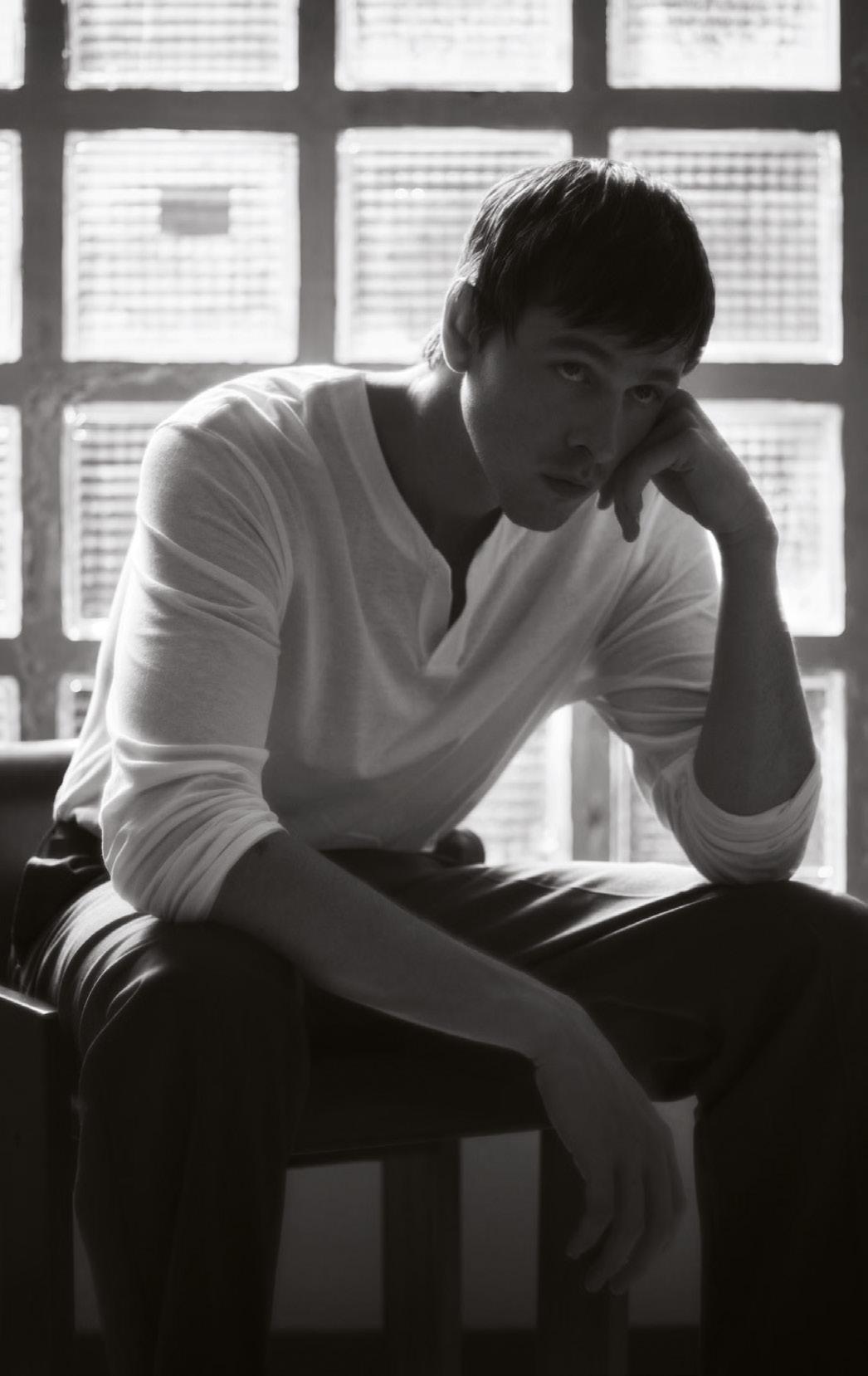
decision we make, and we aim to apply its principles across the entire organization. We call it ‘The Radical Next’.”
It’s a bold play from one of Germany’s major car brands. While it channels elements of Audi’s past – there are traces of Thirties Bauhaus and the more recent TT coupe – the Concept C addresses some timely concerns. Namely that technology can be a destabilising force if left to run rampant, and that there’s beauty in simplicity. Clarity is actually the key precept here, and the Concept C’s minimalist exterior form and pared-back interior offer a strong contrast to recent design trends.
“For Audi, technology is a given, unobtrusive and yet functional and present when the customer wants it,” Frascella tells me. “It is a seamless part of the experience. But we want to focus on what really matters. Minimalism can be misinterpreted. If a line on a car brings a value to the design or the experience then there is a place for those elements. But we don’t want to go beyond that.” Audi also enlisted the services of British actor Harris Dickinson for a short film on the Concept C. Smart thinking.
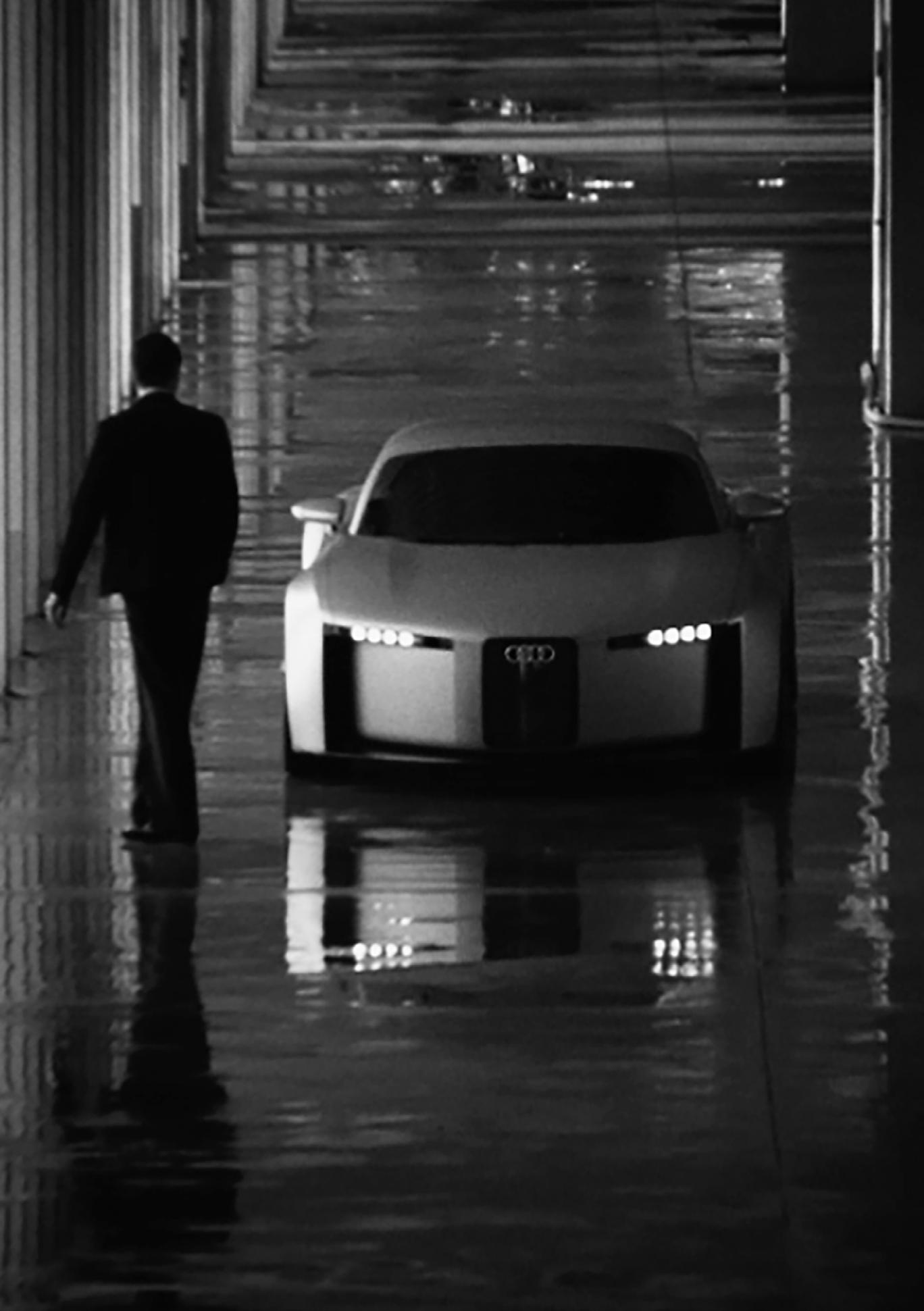
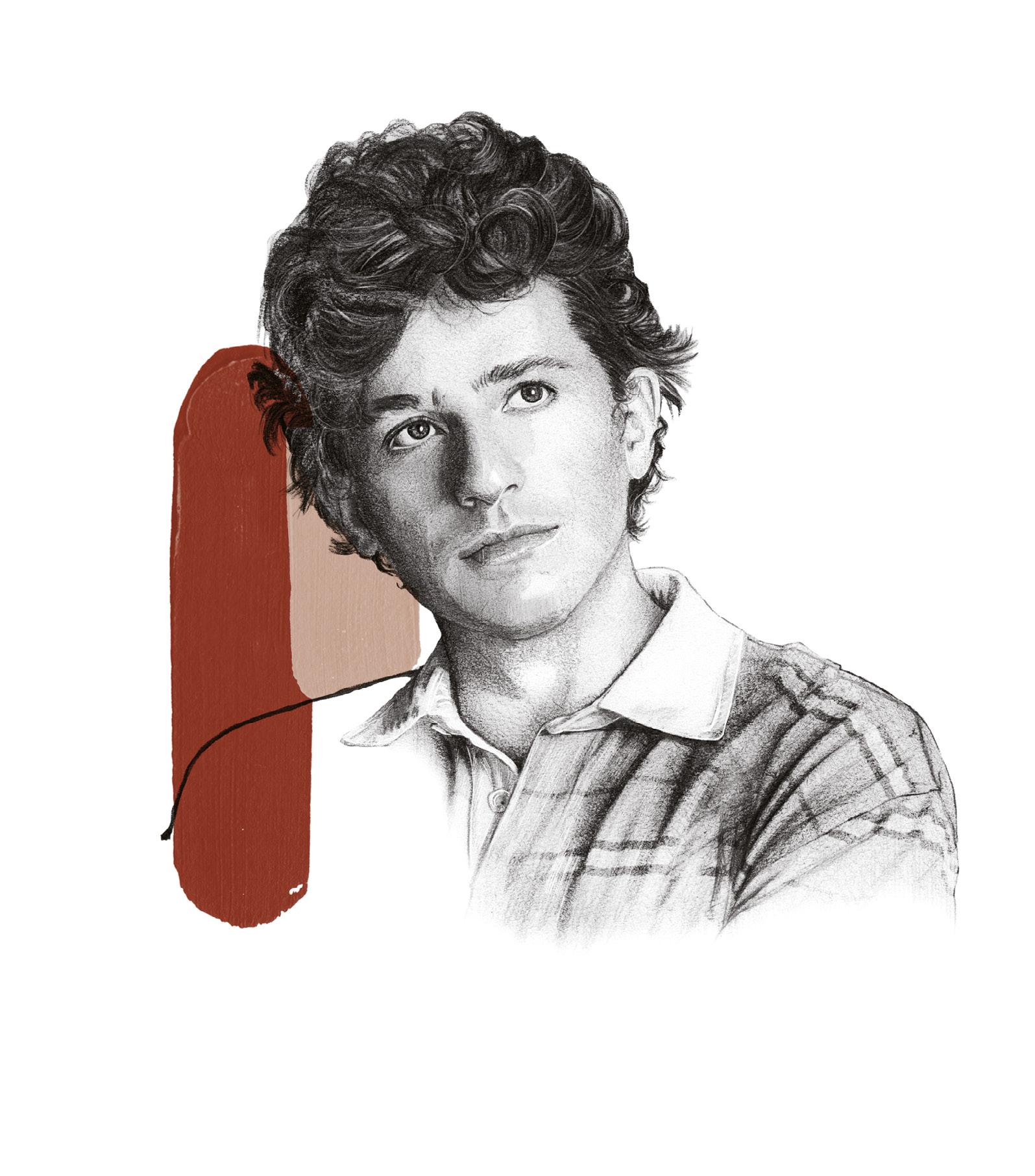
• 2 chicken breasts, butterflied and pounded very thin
• All-purpose flour, for dredging
3 eggs, whisked
• Breadcrumbs (½ panko, ½ Italian-style)
• Fresh parsley, finely chopped
• Pecorino Romano, finely grated
Garlic powder
• Neutral oil, for frying (algae oil preferred)
• Salt (to finish)
Charlie Puth is having one hell of a year. Starting with his rendition of the National Anthem during the Super Bowl alongside single releases like “Cry” featuring Kenny G, the musician (also known as Professor Puth, we must mention,) is continuing strong fresh off the release of his new album, “Whatever’s Clever!.” Now, the 34-year-old superstar has taken a quick break from prepping for his international tour (starting April 22nd) to share his favorite recipe with ICON America— proof that his cooking is just as delicious as his charttopping hits.
1. Butterfly chicken breasts and pound until very thin.
2. Set up three stations: all-purpose flour; eggs (3, whisked); and breadcrumbs. Combine panko and Italian-style breadcrumbs, then add chopped parsley, Pecorino Romano, and garlic powder.
3. Dip chicken breasts in flour, then egg, then breadcrumbs, coating generously.
4. Pan-fry in neutral oil. When the edges start to turn golden, flip the cutlets. Cook 3 to 5 minutes per side, until the internal temperature reaches 165°F.
5. When done, place cutlets on a plate lined with paper towels to absorb excess oil. Sprinkle with salt and enjoy!