1.1 What is the Rete Ferroviaria Italiana (RFI) Service Charter?
1.2 Our year at a glance
1.3 RFI’s Mission and Activities
2. Developing transport in Italy
2.1 The RFI Network
2.2 Safety: travelling safely
2.3 Service quality and network development
2.4 Environmental and social sustainability
3. Our stations
3.1 Investments and the Integrated Station Plan (PIS)
3.2 Macro-quality factors and our commitments
3.3 Focus on Intermodality
3.4 Focus on public information
3.5 Focus on Effective Accessibility: Accessibility and assistance for persons with reduced mobility (PRM)
4. Handling of complaints and reports
5. Associations connected to the FS Italiane Group
Introduction
Our stations
Handling of complaints and reports
Associations connected to the FS Italiane Group
1.1 What is the Rete Ferroviaria Italiana (RFI) Service Charter?
The Service Charter (Carta dei Servizi, CdS) is a document published annually, based on the Prime Ministerial Decree of 30 December 1998, through which each provider of a public service informs and makes concrete commitments to their users.
In particular, the RFI CdS is the annual document that allows citizens to consult the services provided, how they can be used, the quality standards guaranteed and the protections established if these commitments are not met, with a view to transparency and continuous improvement of the quality of the services offered.
Introduction
Developing transport in Italy
Our stations
Handling of complaints and reports
Associations connected to the FS Italiane Group
1.2 Our year at a glance
The following are some highlights of the numerous upgrades made to the network: CONTENTS
2025
February
Redevelopment of the Palermo Notarbartolo station is now complete
April
January
March
June
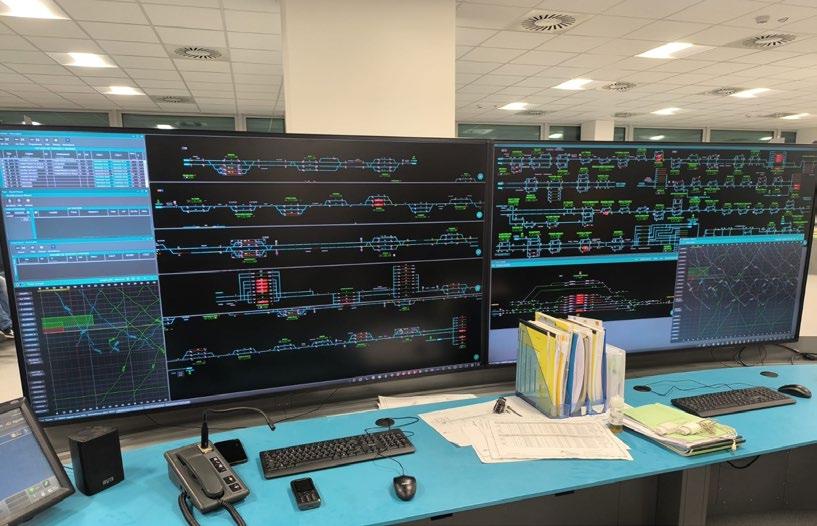
Sicily: new operations room and modern traffic technology
May
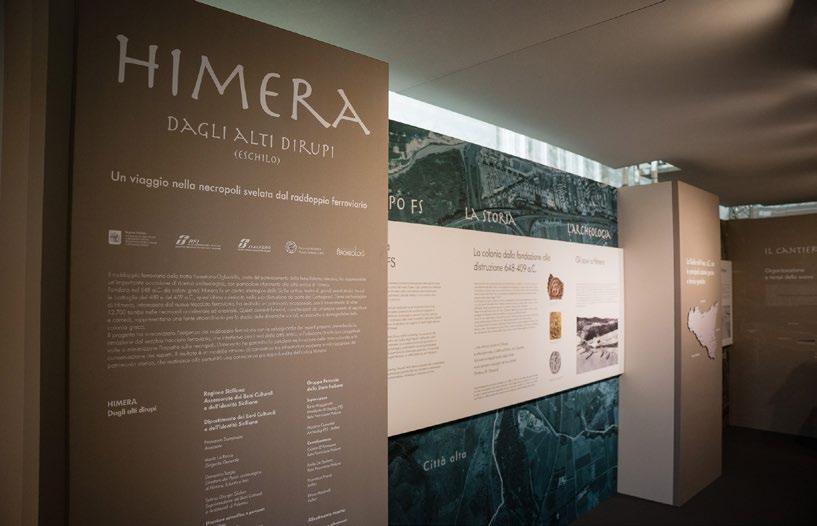
Himera: the Greek necropolis resurfaced during the track doubling works, now featured in the Palermo exhibit
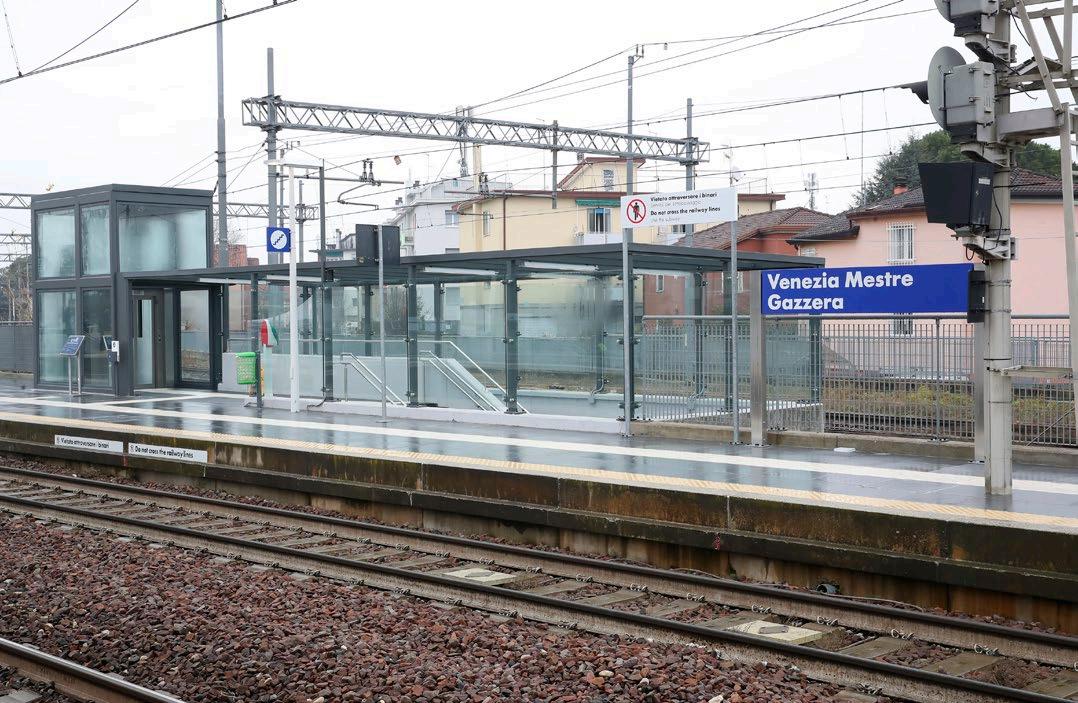
Venice: Unveiled the new Venezia Mestre Gazzera station
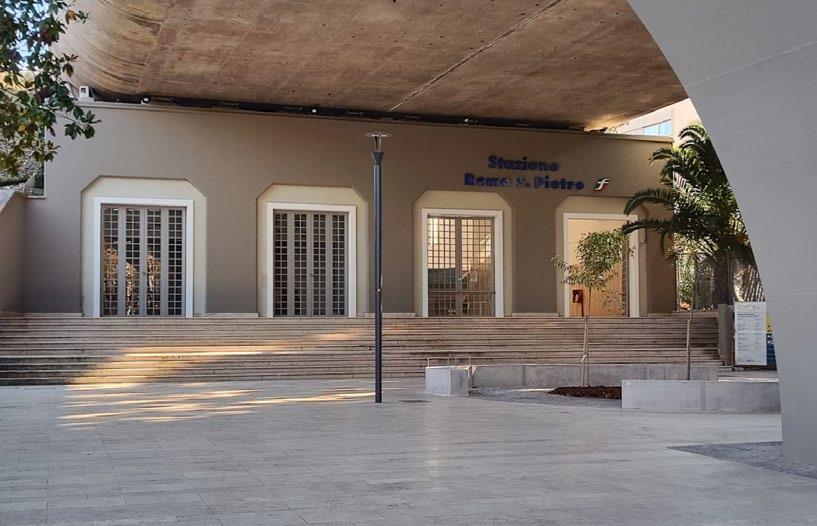
Jubilee 2025: work at the Roma San Pietro station completed
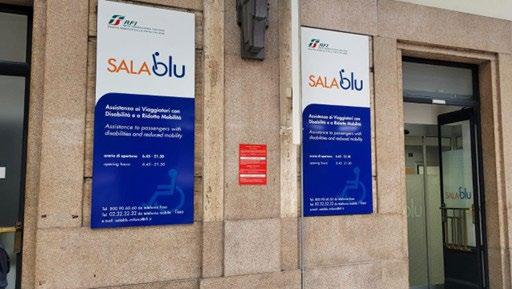
News for the Sala Blu Assistance Network
Developing transport in Italy
Our stations
Handling of complaints and reports
Associations connected to the FS Italiane Group
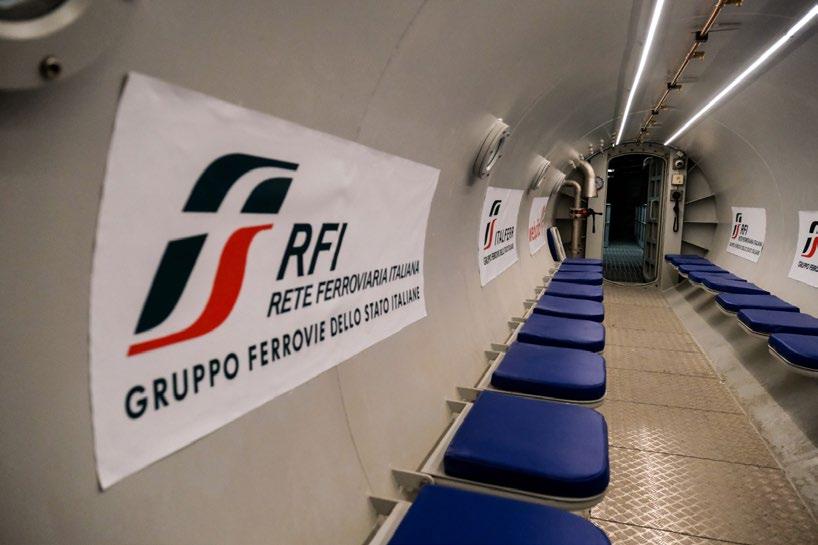
HS/HC Naples-Bari line: Excavation works on the Casalvuono tunnel are now complete
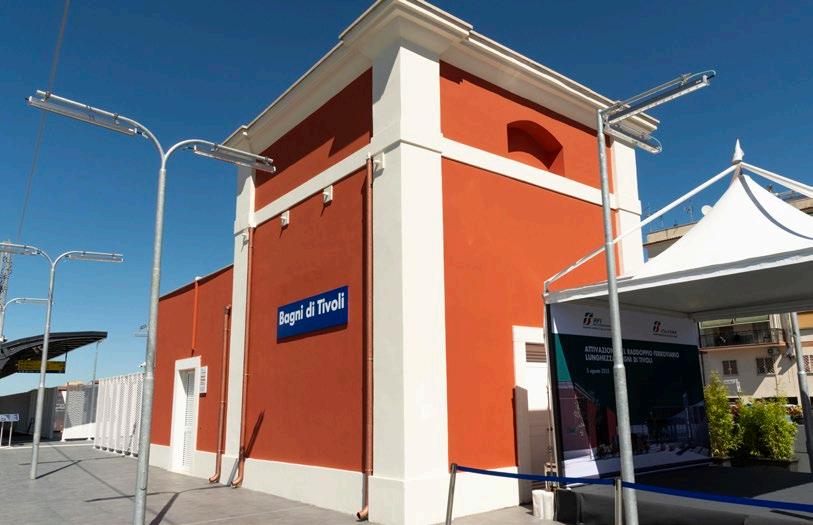
Track-doubling works between Lunghezza and Bagni di Tivoli are now complete
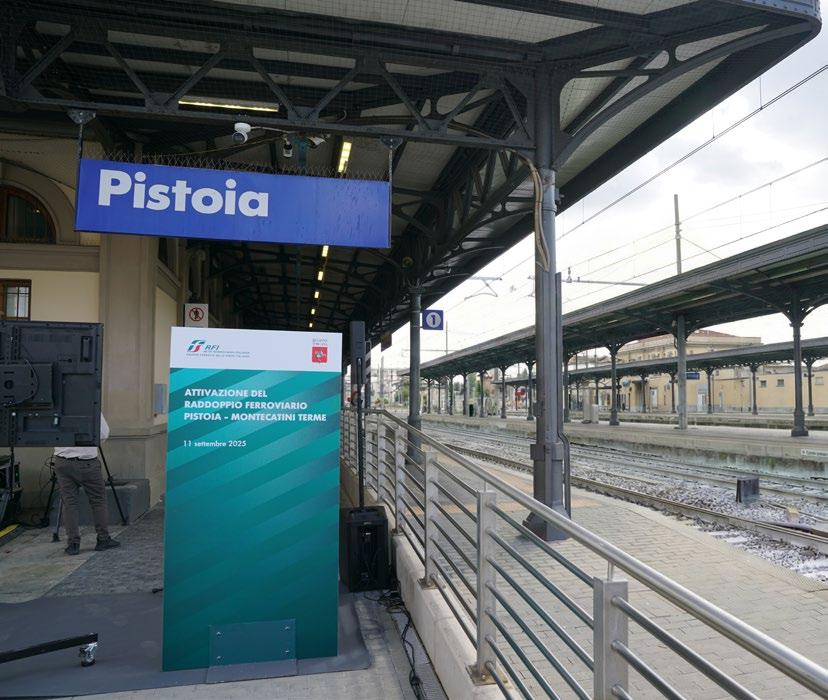
Track-doubling works between Pistoia and Montecatini Terme are now complete
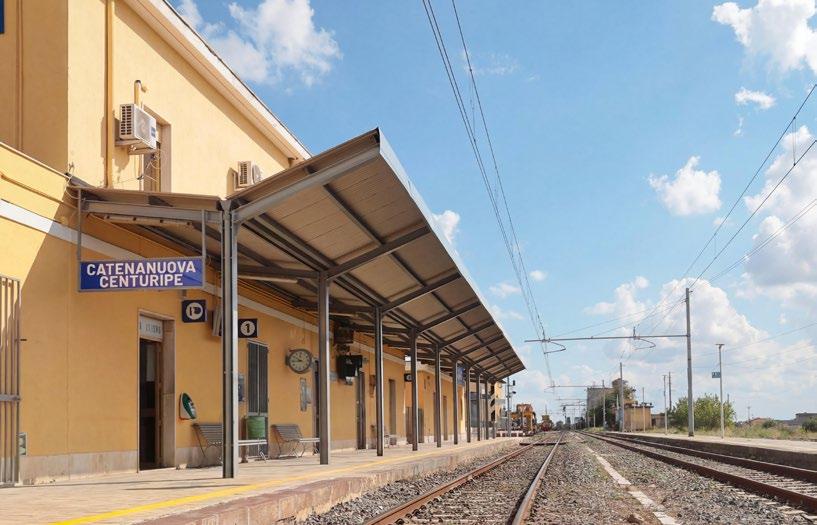
New route Palermo – Catania – Messina: the new Bicocca–Catenanuova section is now open
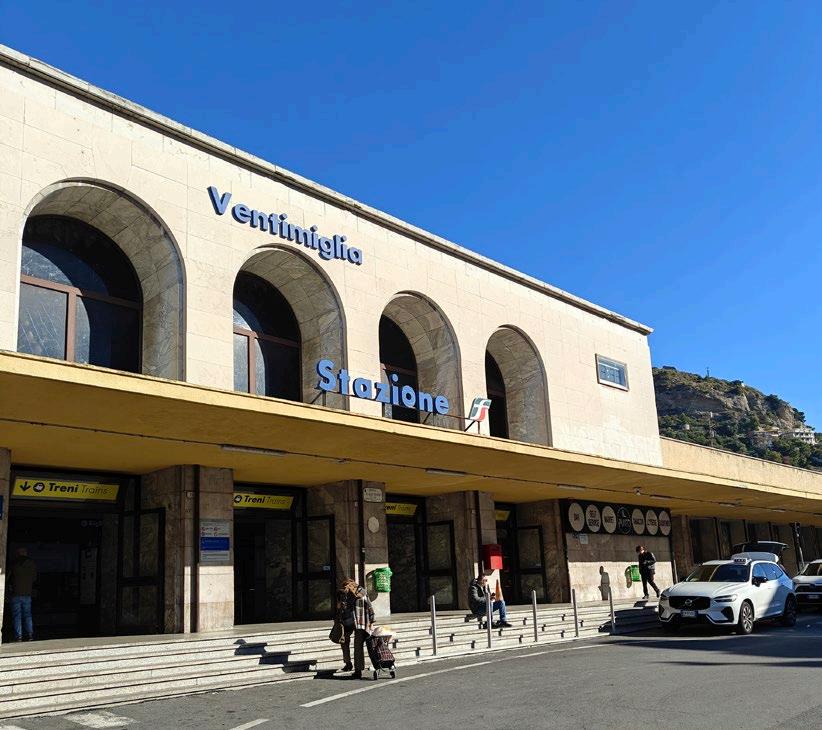
Ventimiglia: A new electric power system paves the way for next-generation train services
Ravenna: After the redevelopment project, the refurbished station is now more accessible and hosts a museum in the main hall
Our stations
Handling of complaints and reports
Associations connected to the FS Italiane Group
1.3 RFI’s Mission and Activities
Rete Ferroviaria Italiana (RFI) SpA, part of the Ferrovie dello Stato Italiane Group, manages the national railway infrastructure on behalf of the government, ensuring safety, efficiency and development. Its main activities include:
•Safely managing railway traffic with advanced control systems.
•Maintaining infrastructure, ensuring railway companies are fully operational.
•Integrating the Italian network into trans-European transport infrastructure.
•Investing in upgrades and developing new lines and technologies.
•Scheduling the railway timetable, in line with requests from railway companies and governed by the Network Information Prospectus (NS).
•Ensuring the accessibility of stations and services for all travellers.
•Providing assistance to Persons with Reduced Mobility (PRM) in stations.
•Managing the freight terminals owned.
•Providing maritime connections to link Sicily and Sardinia.
•Offering public health services, including legal medical examinations for transport personnel.
2. Developing transport in Italy
Our stations
Handling of complaints and reports
Associations connected to the FS Italiane Group
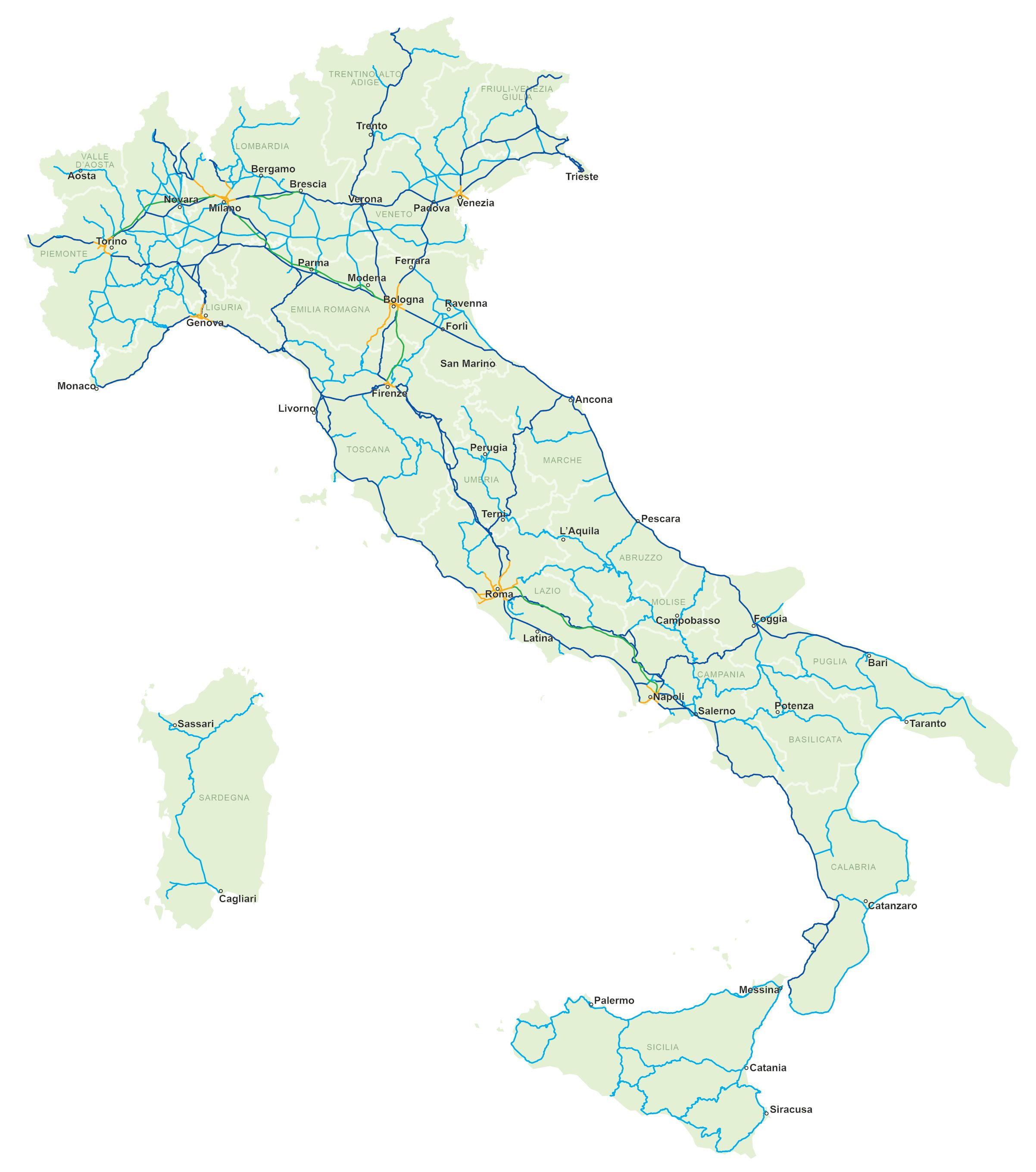
2.1 The RFI network
RAILWAY LINES
OPERATED (1) 16,881
of which HS/HC lines (2) 1,097 km
Essential lines
6,451 km
Complementary lines
9,477 km
RAILWAY FACILITIES
Stations with active/possible passenger service ~2,200
Goods facilities (3) 169
(1) of which 70 km of foreign networks, 52 km of Umbrian regional railway and 54 km of Piedmontese regional railway (2) with reference to lines with speeds ≥ 250 km/h, 25kV power supply, ERTMS Level 2 and high performance lines with speeds >200 km/h (3) facilities with intermodal centres, yards, junctions, etc.
Link Network Map: https://www.rfi.it/it/rete/ la-rete-oggi.html
Introduction
Developing transport in Italy
Our stations
Handling of complaints and reports
Associations connected to the FS Italiane Group
Key
HS/HC Essential Network
Traditional Essential Network
Complementary Network
Nodes
Includes lines not currently used for commercial services
Our stations
Handling of complaints and reports
Associations connected to the FS Italiane Group
2.2 Safety: travelling safely
RFI safely manages railway circulation and operation on the entire national network, with several Railway Companies providing transport services for passengers and freight.
Safety (the safety of train circulation and railway operations) is the cornerstone for RFI, around which processes and activities are developed. Traffic safety is pursued through the continuous involvement of staff, the development of technological systems and organisational and regulatory measures aimed at reducing railway accidents to zero.
Consequently, safety is RFI’s main commitment to its stakeholders and its primary objective in the Safety Charter.
In compliance with national and international standards, safety goals are aligned with national reference values (NRV) assigned to Italy, included within the more general “Company as a whole” risk category.
These NRVs and the Common Safety Targets (CST) are established by the European Union Agency for Railways (ERA) and ratified by the European Commission.
In order to guarantee the efficiency and safety of train circulation and railway operations, RFI is committed to the maintenance and renewal of railway infrastructure, its technologies, the development of advanced diagnostic and management systems for train circulation and, finally, protection against external events.
In particular, all activities that affect the safety of train circulation and operation fall within the scope of the Safety Management System1 (SMS), which is constantly updated and certified in line with ISO 9001.
Our stations
Handling of complaints and reports
Associations connected to the FS Italiane Group
Indicator
Number of FWSI resulting from significant accidents/trains per km*
Staying below the NRV assigned to Italy for the “Company as a whole” railway risk category (achieved)
FWSI = ratio between total number of “deaths and serious injuries” in the year
* Internal/third-party monitoring
Staying below the NRV assigned to Italy for the “Company as a whole” railway risk category
¹ The SGS, which is constantly updated is part of the Integrated Safety Management System (SIGS), which also includes the Environmental Management System (EMS) and the Occupational Health and Safety Management System (SGSL), certified according to ISO 14001 and ISO 45001. It is accepted and supervised by the National Agency for Rail, Road and Motorway Safety (ANSFISA). Safety Authorisation, pursuant to Legislative Decree 50/2019
Our stations
Handling of complaints and reports
Associations connected to the FS Italiane Group
provided, not only by improving stations, their accessibility and the services provided there, but also through other aspects that represent the comprehensive role it plays as the Infrastructure Manager: contributing to train punctuality, the quality of relationships with railway companies, development of freight transport, and finally, effectiveness in the management of major events and disruptions.
In order to achieve these objectives, RFI has planned short-, medium- and long-term measures aimed at guaranteeing the availability and performance of the network as far as possible, even in the presence of maintenance and development activities, as well as redesigning the timetables to allow better utilisation of the lines, reducing the number of breakdowns, and developing the accessibility of freight transport.
The projects follow a progressive approach to predictive maintenance and a more functional organisation to reduce intervention times, monitoring “critical” network points which have seen the highest numbers of delays, and developing digital systems able to optimise timetable planning.
In addition, our commitment continues to build new railway lines and to upgrade the existing network in order to offer better accessibility to local areas through an increasingly effective integration between the HS network and the “conventional” network. Works in progress include Brescia-Verona-Padua and, to strengthen the infrastructure in the South, the completion of the Naples-Bari line, as well as the new connection by functional stages of the new HS Salerno-Reggio Calabria line and the infrastructure development of Sicily.
At the same time, maintenance work on the existing network continues.
Our stations
Handling of complaints and reports
Associations connected to the FS Italiane Group
The aim is to raise the quality standards of the network so as to ensure increasingly modern, integrated, accessible, high-performance, reliable and fast infrastructure for passenger and freight transport.
In 2025, RFI made investments of around € 11 billion, mainly for maintenance, infrastructural and technological enhancement of the network and station improvements with around 1250 active mediumsized construction sites per day, and 345 thousand unavailable services due to infrastructural works.
Investments are expected to grow even further in 2026, to achieve NRRP targets and improve service quality, albeit the number of active construction sites, total service disruptions and traffic volumes is expected to remain mostly the same.
In order to carry out several activities at the same time and minimise inconvenience for passengers, a model has been adopted that envisages longer interruptions during periods of lower traffic with a major important information and communication campaign regarding scheduled worksites that informs passengers in stations in a timely and widespread manner through social channels, traditional media and the RFI website, also thanks to a dedicated section. Additionally, a QR-code on display at the relative stations connects users to a web page that indicates progress on the works under way, and useful information for planning a journey in the event of line interruptions.
With regard to the strategic projects (a total of 44, 26 of which financed by the NRRP), the main ones include the Brescia-Verona-Padua with the objective of better separating traffic flows, with a consequent reduction in travel time and an increase in train frequency; the Naples-Bari, the first and most advanced project in southern Italy that will make it possible to travel from Bari to Naples in 2 hours and to Rome in 3 hours, while also connecting Lecce and Taranto to the capital in 4 hours; the SalernoReggio Calabria, a strategic connection to ensure both greater accessibility to the railway system and the development of new passenger traffic along the north-south axis of the peninsula, also benefiting connections to and from Sicily.
Our stations
Handling of complaints and reports
Associations connected to the FS Italiane Group
2.4 Environmental and social sustainability
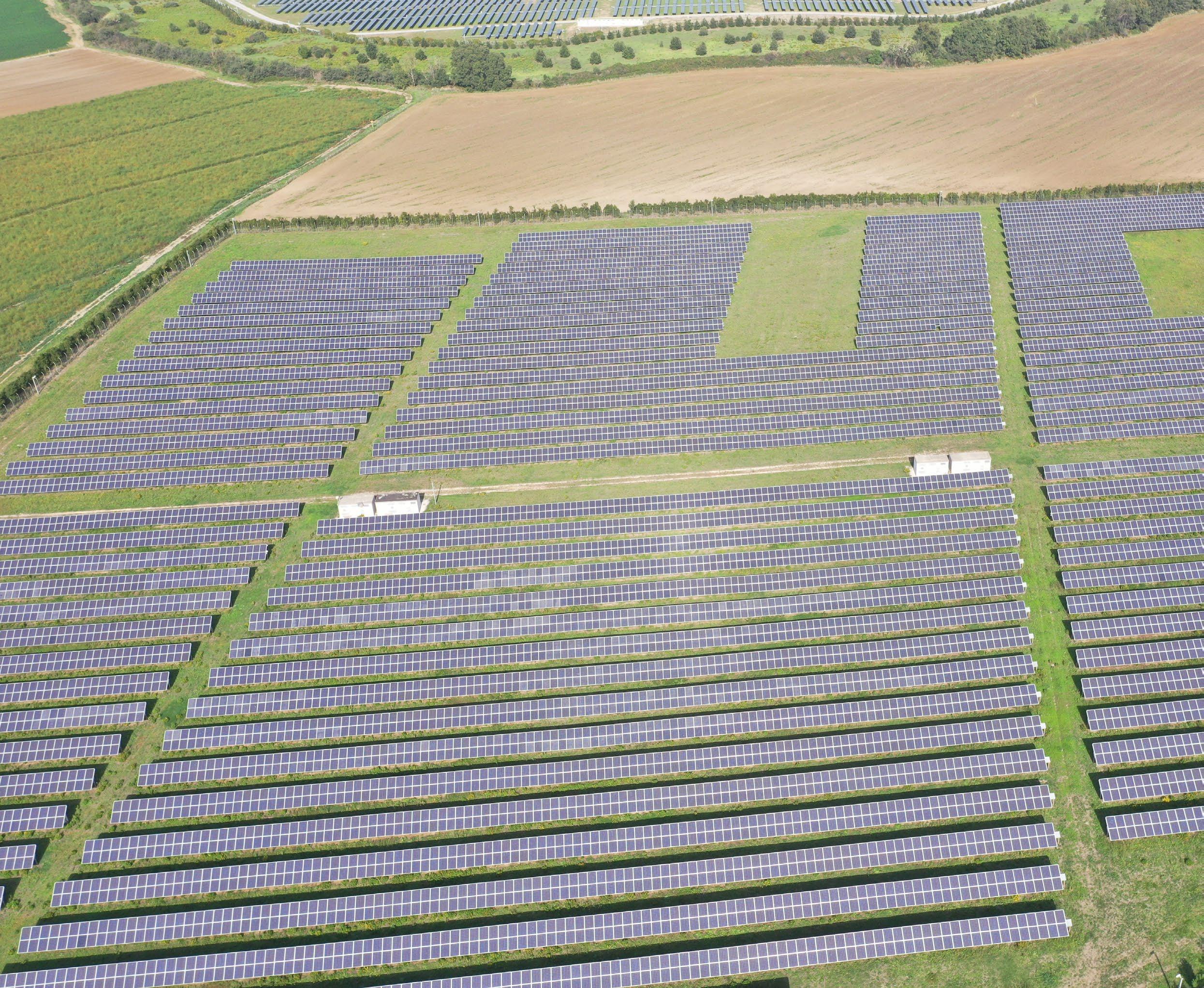
For RFI, sustainability is the driver that directs corporate strategies, and accompanies the planning, implementation and management of the infrastructure system, contributing to the pursuit of the UN 2030 Agenda sustainable development goals (Sustainable Development Goals - SDGs) and the guidelines outlined by the European Green Deal, within the framework of European and national programmes. RFI promotes the construction of an infrastructure system which is increasingly resilient in terms of climate change, while reducing climate-changing emissions and the consumption of natural resources with a view to the circular economy, the protection and enhancement of biodiversity and ecosystems, and the inclusion and development of communities for social engagement in line with the principles of a just transition.
Among the challenging Goals set out in the UN 2030 Agenda, infrastructure projects represent a concrete opportunity to support inclusive growth of various areas and communities, stimulating economic, cultural and tourism development in Italy. RFI promotes the reuse and enhancement of assets no longer required for railway operations, the allocation of station venues to non-profit activities, the creation of cycle paths and greenways² to add value for the community, and a sustainable management of resources, preserving natural capital throughout the entire production chain. In this model aimed at creating a value for society, RFI considers the stakeholder engagement crucial to develop projects focused on local areas and communities, by establishing a dialogue with the institutions and by pursuing specific initiatives targeted at and involving the stakeholders. This model ensures a better local integration of the project and provides the communities with new spaces and
RFI integrates sustainability at every management stage of infrastructure development investments, promoting operational alliances to implement sustainability policies that encourage viable choices across the entire supply chain, whilst adopting solutions, actions and measures to protect natural resources, minimise land consumption, preserve biodiversity and ensure the resilience of new infrastructure. One of RFI’s goals for 2026 is strengthening its strategic and operational ESG (Environmental, Social and Governance) framework, by launching pilot studies on sustainable vegetation management in the areas managed by railroad companies, and by promoting Sustainability Protocol certification processes for some of the most significant redevelopment projects taking place in existing stations.
In order to reinforce its commitment to increase (more sustainable) rail freight transport, RFI has overseen the design, implementation and management of an IT platform, EasyRailFreight, dedicated to the promotion and development of intermodal and multimodal logistics. EasyRailFreight makes achieving the transport sector’s decarbonisation targets easier, by digitising logistics processes, matching the field supply and demand, and providing advanced tools to turn the logistic flows into efficient, transparent and sustainable processes.
Introduction
Developing transport in Italy
Our stations
Handling of complaints and reports
Associations connected to the FS Italiane Group
Environmental and Social Focus 2025 Results 2026 Targets
Launch of pilot studies on sustainable green spaces management in railway areas*
Community involvement initiatives on specific projects* (achieved)
Concept preparation for the transformation of disused railway lines* (achieved)
* Internal/third-party monitoring
Certification of projects with Sustainability Protocols* implementation
Launch of Certification Process for Projects with Sustainability Protocols* (achieved) implementation
3. Our stations
Our stations
Handling of complaints and reports
Associations connected to the FS Italiane Group
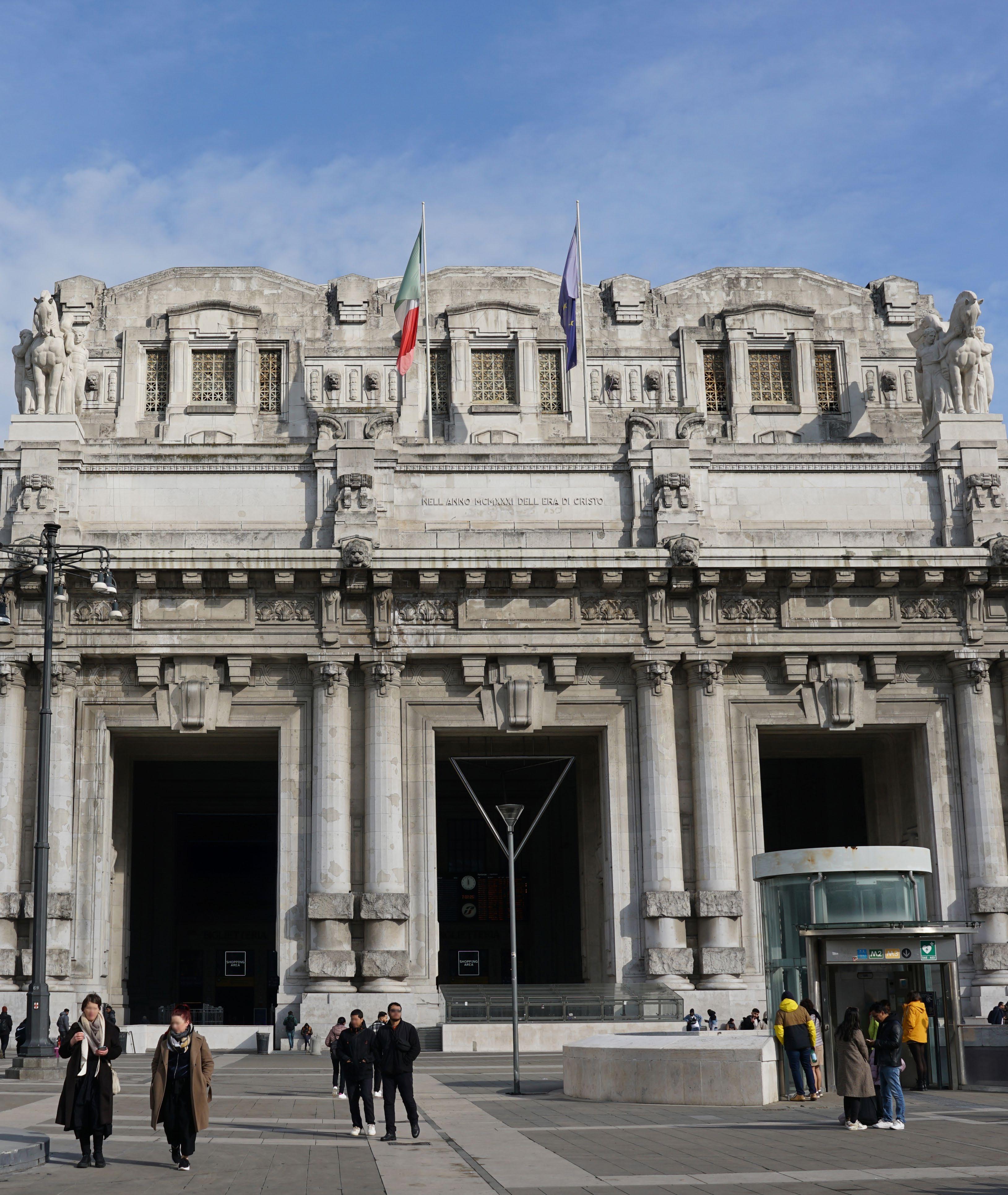
RFI has launched the Integrated Station Plan (PIS) to modernise over 600 stations throughout the country, corresponding to 30% of all stations managed by RFI. These include larger and busier stations, but also medium and small stations of particular relevance in relation to the many demands expressed by the community and stakeholders institutions.
The Integrated Station Plan is intended to improve the integration of stations within their urban areas, with a positive impact on redevelopment. Objectives include increasing integration with local public transport, with new shared mobility services and with active mobility, that is pedestrian and cycle traffic. The Plan will improve the internal accessibility of stations through an inclusive and barrier-free design, while enhancing the attractiveness, functionality, quality and safety of indoor and outdoor spaces.
The main projects aimed at improving station accessibility for Persons with Reduced Mobility (PRM), include upgrading underpasses/overpasses with fixed vertical connections (stairs and ramps), installing and activating lifts, raising the pavements on the platforms to the European standard of 55 cm (H55), adapting guidance systems consisting of tactile paths for the visually impaired and blind, upgrading existing shelters and constructing new ones, comprehensive lighting updates, and adapting public information systems (both fixed and changing).
Our stations
Handling of complaints and reports
Associations connected to the FS Italiane Group
3.2 Macro-quality factors and our commitments
2026 Goals % fully satisfied people
Customer Satisfaction Indicators
in 2025 all targets were met
Indicators of perceived quality are based on customer satisfaction surveys. In the pursuit of continuous improvement, from 2025 onward, goals are based on the percentage of fully satisfied people (i.e. those who rate the service 7 or higher, on a scale from 1 to 9), rather than the percentage of satisfied people (i.e. those who rate a service between 6 and 9). The range of stations at which surveys are carried out is representative of the entire network and includes approximately 92% of travellers using trains. *Quality objectives involving third parties The target values are set taking into account the stabilisation phenomenon for indicators approaching a maximum value in terms of performance.
Italy
Our stations
Handling of complaints and reports
Associations connected to the FS Italiane Group
3.3 Focus on Intermodality
The more than 2,000 RFI stations are the leading players in multimodality, hubs within an increasingly integrated system offering spaces and services capable of ensuring that the transition from one means of transport to another is quicker, easier, more intuitive and smoother.
In the context of increasingly connected and sustainable mobility, constant dialogue with Ministries, Regions, Metropolitan Cities and Municipalities has been strengthened, with the aim of improving the door-to-door travel experience of customers. Special attention is paid to national and local planning, in particular to PUMS3Sustainable Urban Mobility Plans - key tools to guide urban transformation.
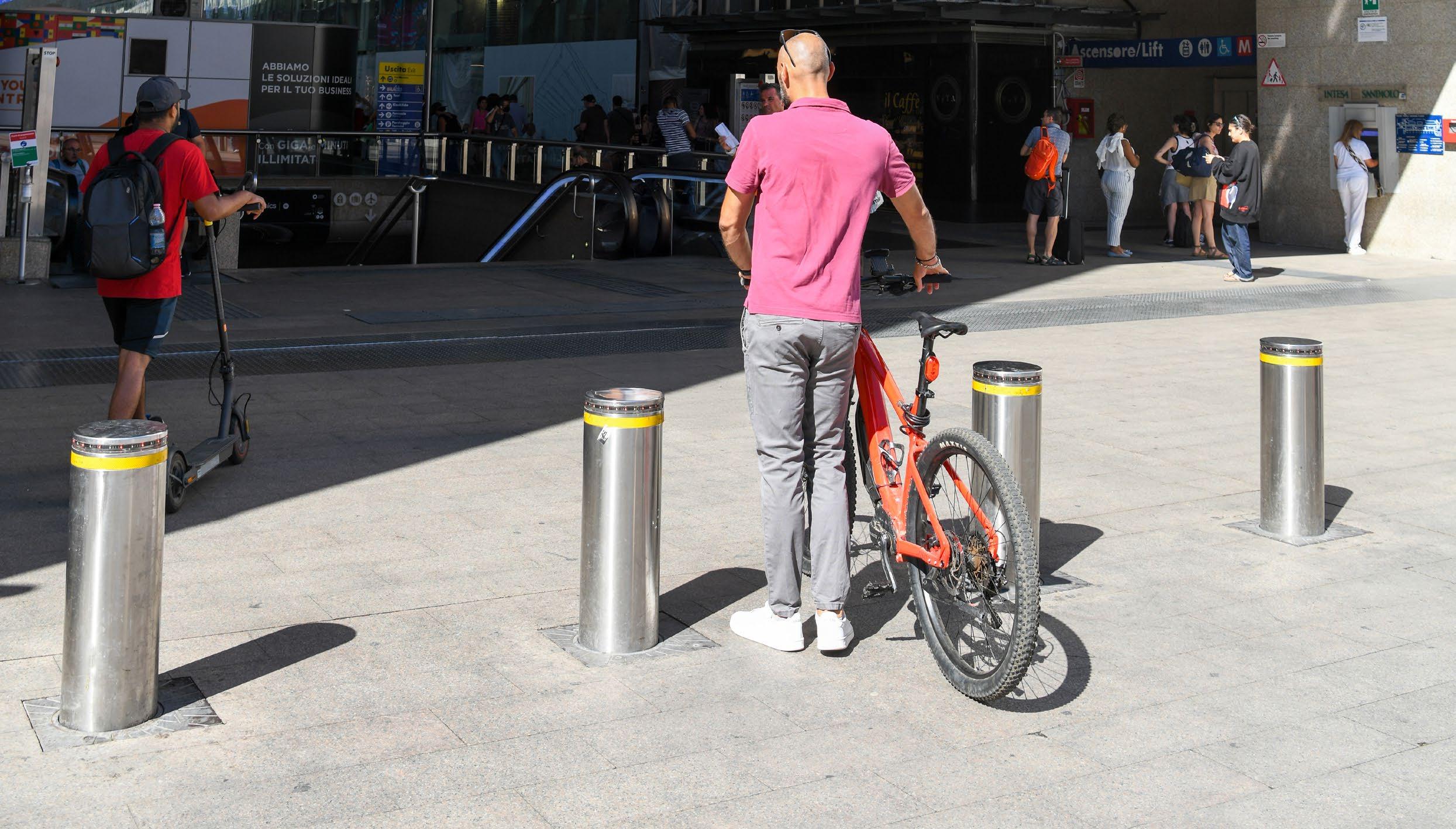
Railway stations and surrounding areas have been reimagined as central hubs of this new mobility, through an integrated design approach. Projects are focussed on improving connections between the station and the city, with works on forecourts and entryways that promote intermodality.
With this in mind, the development of infrastructure for public, shared (such as new parking spaces for scooter sharing services), active (bicycle-pedestrian) and environmentally friendly mobility is promoted through the installation of electric vehicle charging stations. The aim is to make the station a reference point for sustainable, safe and efficient travel.
Intermodality for freight transport is achieved through rail/road terminals and at ports, where cargo units coming from ships are loaded onto trains headed to inland destinations.
3 Ministry of Infrastructure and Transport, Ministerial Decree of 4 August 2017 “Identification of the guidelines for urban sustainable mobility plans, pursuant to Article 3(7) of Legislative Decree No. 257 of 16 December 2016”
transport in Italy
Our stations
Handling of complaints and reports
Associations connected to the FS Italiane Group
3.4 Focus on public information
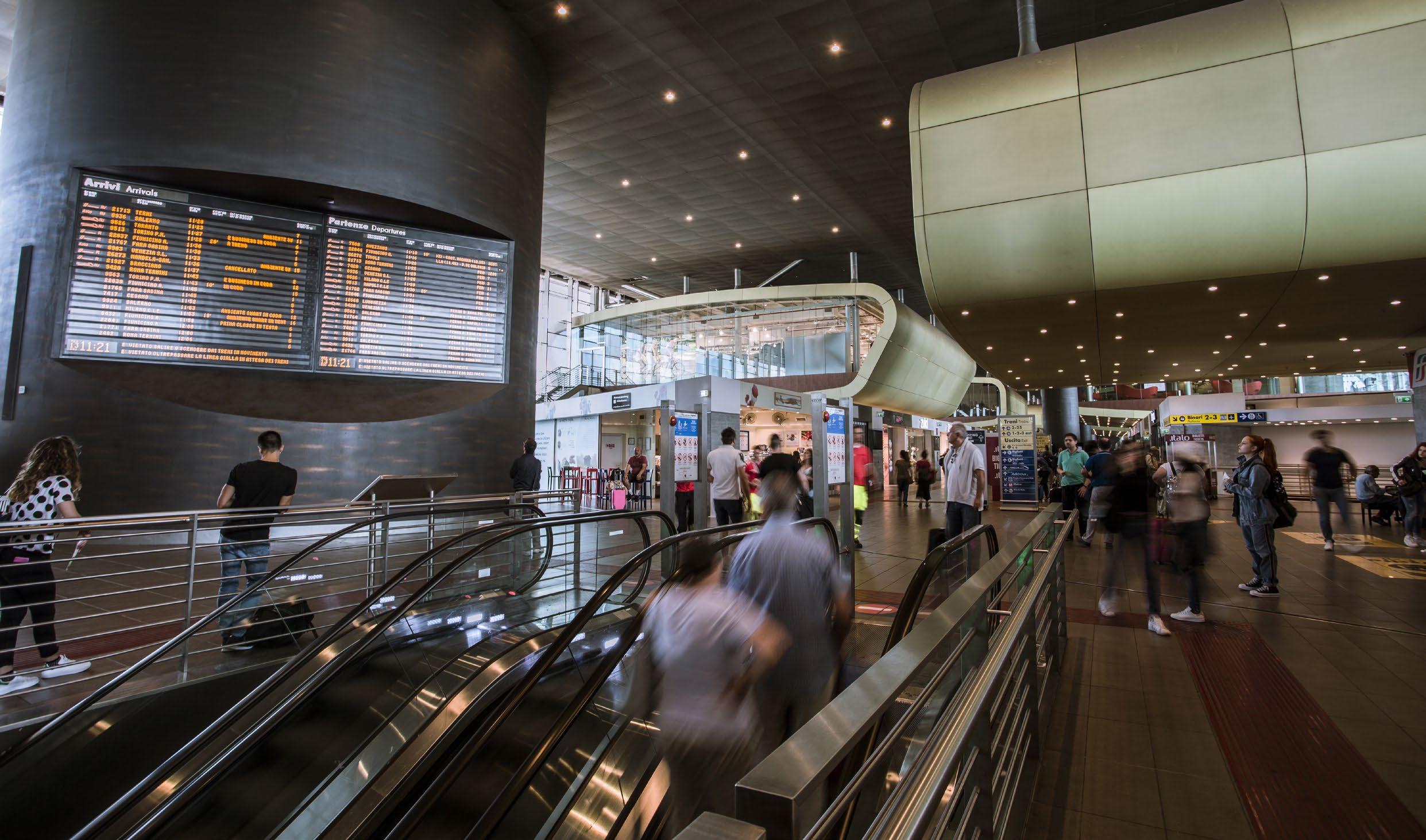
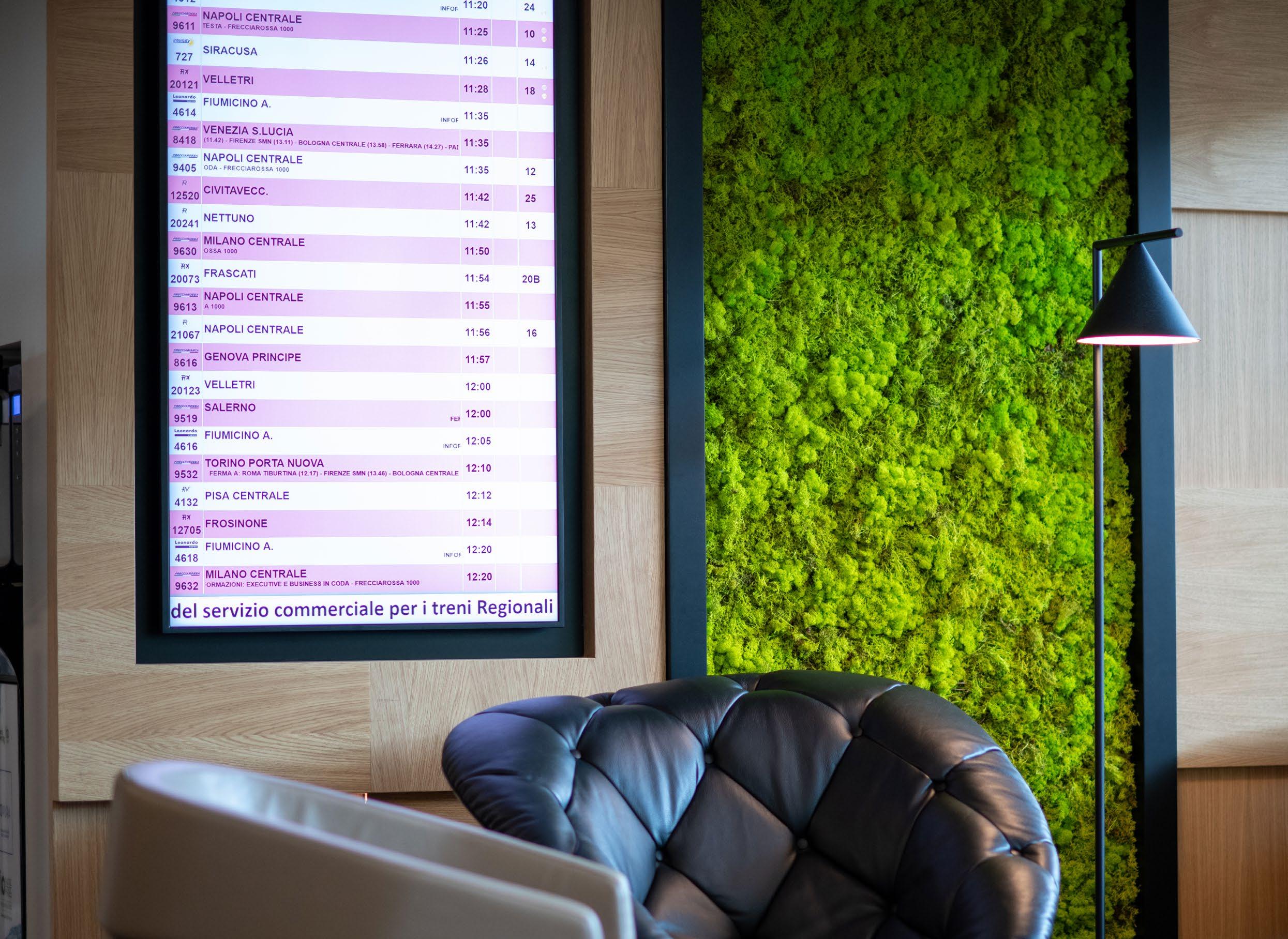
(IeC) system - already operational in the main stations - is constantly growing. It will be gradually extended to the entire network, according to the Industrial Plan, eventually replacing the most obsolete systems and ensuring that real-time audio-visual information is managed more effectively, and train information is disseminated to all connected stations in a coordinated manner.
The new Public Information Manual (MIP) is progressively being rolled out since January 2026. It revamps the announcements structure, to reduce noise pollution and information overload, whilst improving the quality and prominence of messages that are truly useful to passengers. The MIP is the next step forward in railway communications, and will be rolled out over the course of the year at around 500 stations covered by the Information and Communication (IeC) system. The remaining stations will continue to provide audio and video information according to the Loudspeaker Announcement Manual (MAS 2011 edition) until the IeC system is fully implemented across the entire network.
The new IaP4 crisis operating mode is also being implemented. When this mode is activated, audio and video information are adjusted when traffic is severely disrupted, to limit them to strictly necessary messages and ensure a clearer and easier to understand communication.
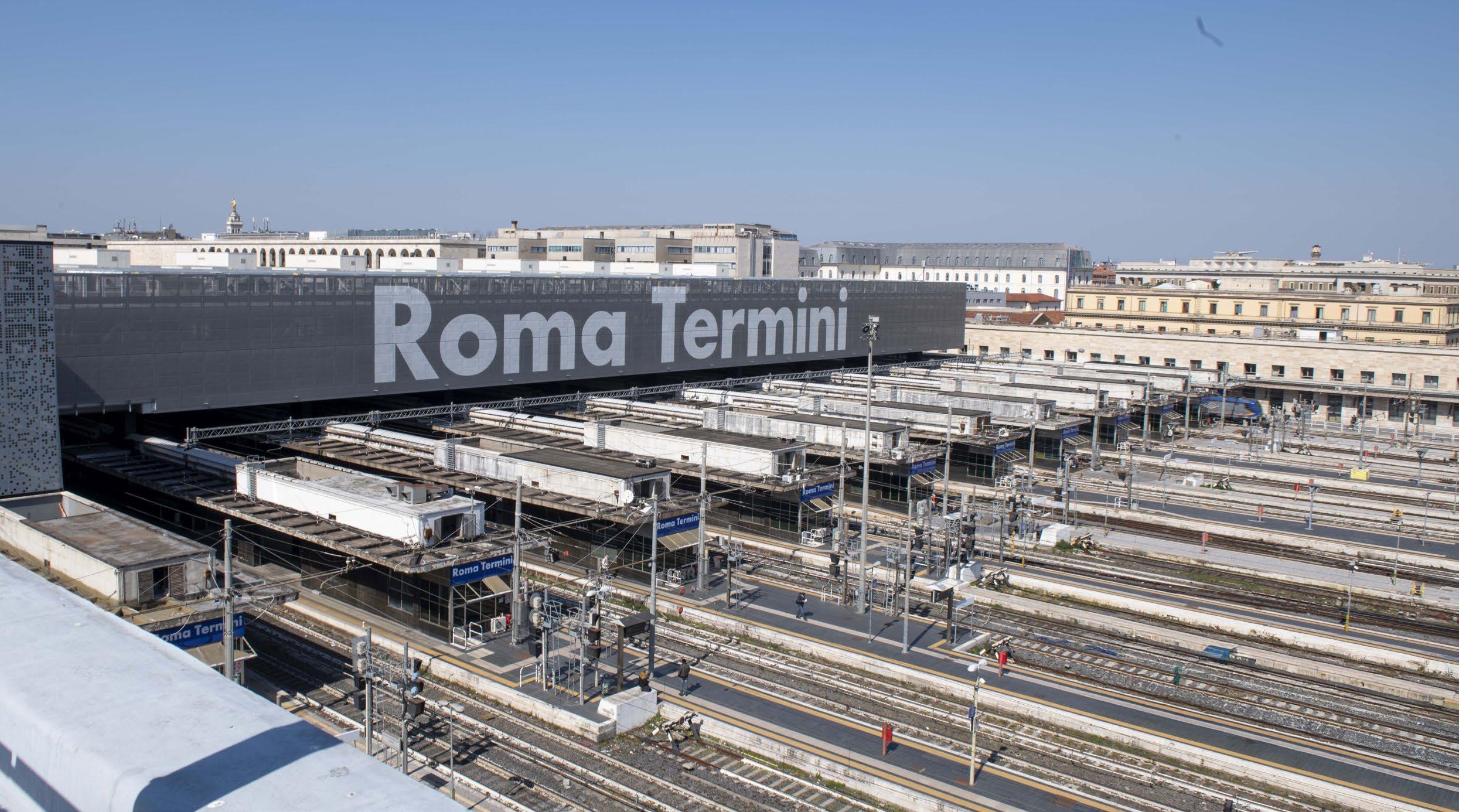
4 Currently available in the stations of Roma Termini, Milano Centrale, Milano Rogoredo and Venezia Santa Lucia
Associations
In compliance with the regulations in force on accessibility and protection of disabled persons and persons with reduced mobility, RFI ensures the effective accessibility of its stations in two ways:
1) Independent accessibility
• All platforms used for passenger services are raised to a height of 55 cm above rail level, are equipped with tactile maps/labels and paths, a yellow tactile stripe and are accessible via step-free paths (pedestrian ramps/lifts).
2) Assisted accessibility
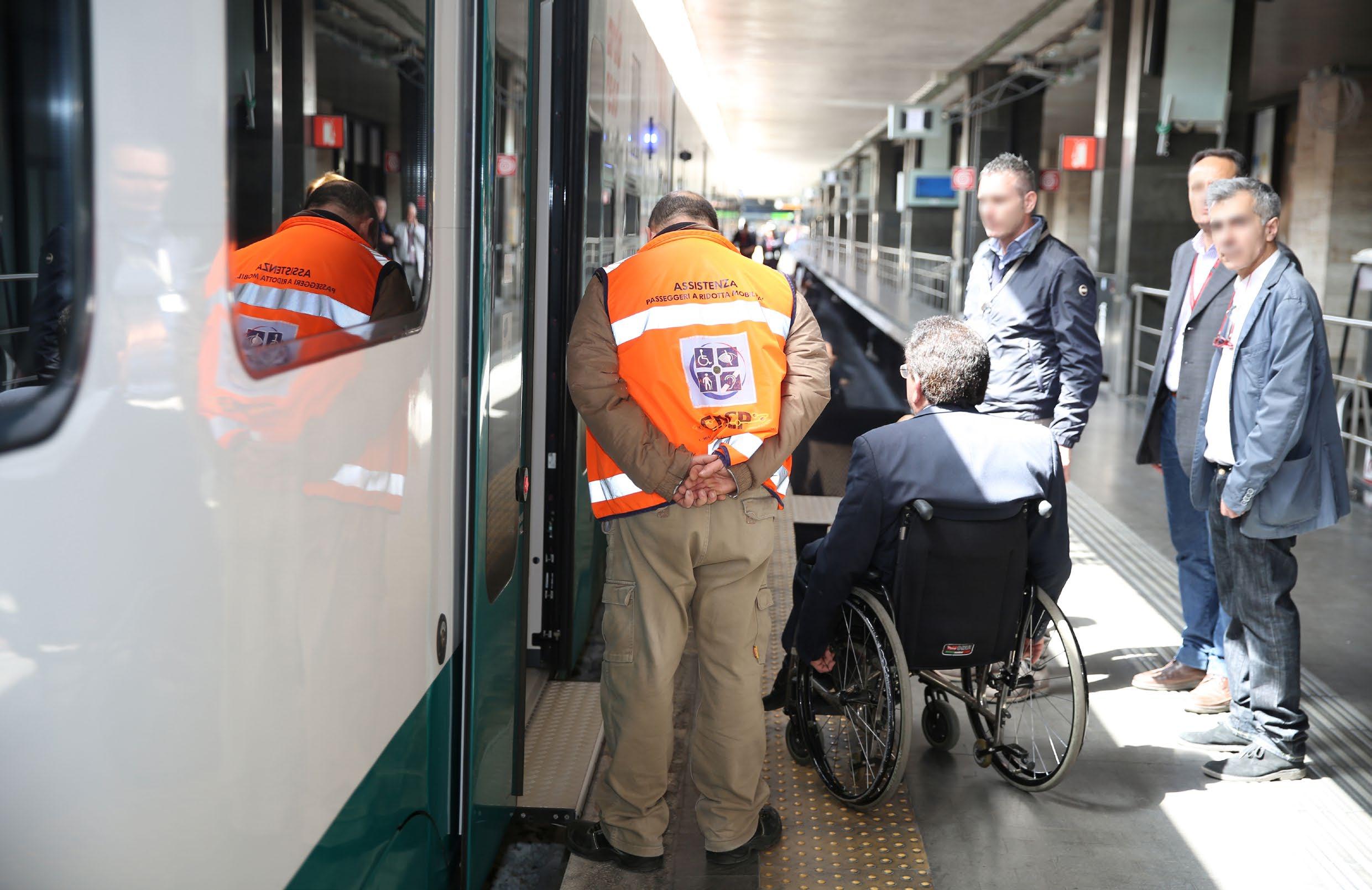
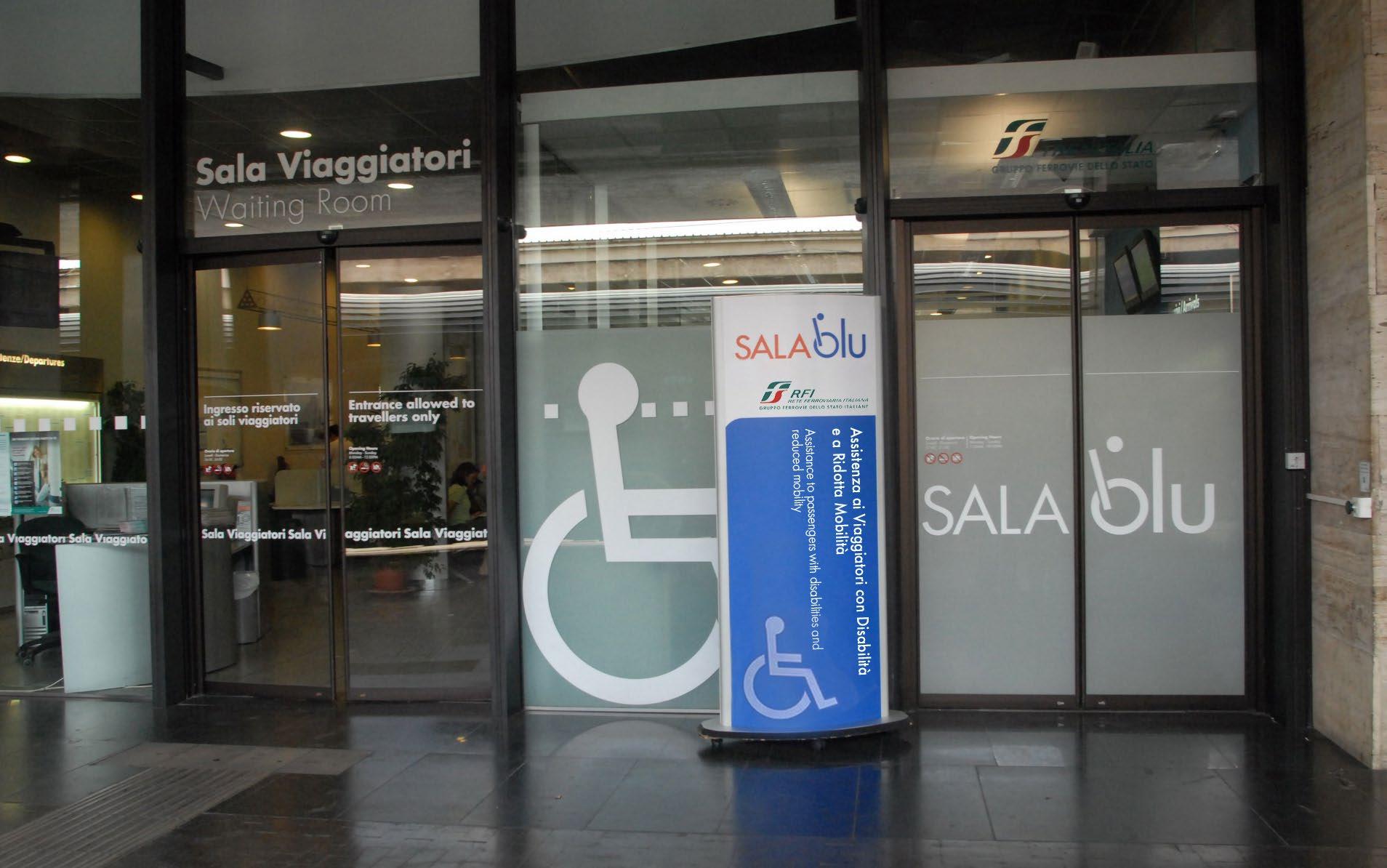
• In the stations belonging to the Sala Blu Circuit, accessibility is guaranteed through the assistance service, which accompanies travellers and provides lifts or ramps to users who need them.
When applicable, the railway company providing the transport service will ensure independent accessibility to the train through the use of means suitable for the purpose.
With these two methods, RFI has developed an aggregate indicator called “effective accessibility5” in stations, which takes into account both the infrastructural characteristics of the stations and the service offered.
In 2025, the total number of effectively accessible stations was 678, equal to around 32% of the network total, through which 81% of travellers move, with a target for further increase in 2026.
Our stations
Handling of complaints and reports
Associations connected to the FS Italiane Group
Here are some more details on the two modes and the accessibility of information on the website.
Sale Blu support services
Pursuant to Regulation (EU) 2021/782 on passenger rights and obligations in rail transport, RFI also offers assistance services to persons with disabilities and reduced mobility (PRM) in over 380 stations, at no charge, strengthening its commitment to ensuring information is accessible to all.
RFI's commitment to offering assistance to persons with disabilities and people with reduced mobility (PRM), to ensure their right to access railway services, is presented in the Service Charter through indicators referring both to the satisfaction expressed by travellers who have used this kind of services, and to corporate actions planned to make them even better.
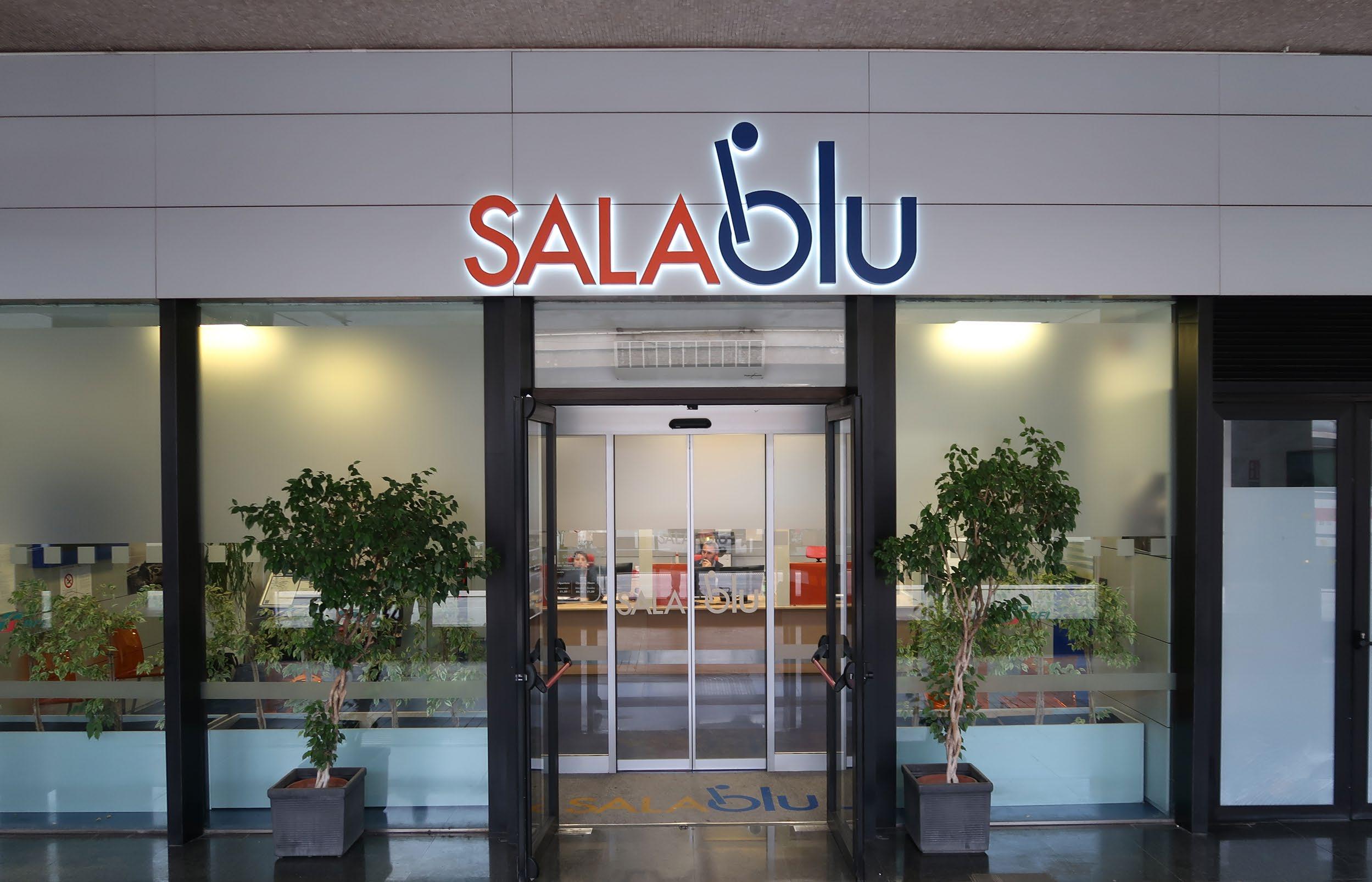
Travel services for persons with disabilities and/or reduced mobility is coordinated by RFI’s Sale Blu circuit, which organises and oversees the provision of assistance services and helps passengers board and alight independently, in accordance with their needs. The Sale Blu circuit provides useful information on the services offered by RFI to passengers with reduced mobility (PRM), timetables and booking procedures. Some of the services provided include meeting passengers at the station and assisting them to and from the train, providing RFI wheelchairs, forklift trolleys and platform ramps to board and alight from trains, and the free transport of one piece of luggage.
Our stations
Handling of complaints and reports
Associations connected to the FS Italiane Group
There are currently 16 Sale Blu in the circuit: 15 local Sale Blu open every day, including holidays, from 6:45 a.m. to 9:30 p.m., at the following stations: Ancona Centrale, Bari Centrale, Bologna Centrale, Cagliari, Firenze Santa Maria Novella, Genova Piazza Principe, Messina Centrale, Milano Centrale, Napoli Centrale, Reggio Calabria Centrale, Roma Termini, Torino Porta Nuova, Trieste Centrale, Venezia Santa Lucia and Verona Porta Nuova. And one National Sala Blue that coordinates and supports the others. These services are provided free of charge, 24/7 (full details are available at www.rfi.it > Stazioni > Accessibilità > Le informazioni sull'assistenza delle Sale Blu in un click).
Future stations to be included in the support network are identified across the country by consulting with Local Authorities, Institutions, Federations, Associations, and other stakeholders.
In order to analytically determine the appropriateness of offering PRM services at a given station, RFI evaluates all proposals carefully, and resorts to an index of potential demand for PRM services. This index takes into account the number of travellers at each station, the number of trains stopping there, the type of trains (i.e. whether the trains are equipped to accommodate PRMs using wheelchairs and whether there are any stairs along the path to reach the train), the user base, distance to other stations with the service, distance to high traffic locations in the area (such as hospitals, schools/universities and tourist centres) and the possibility of modal interchanges.
The goal of extending the network was achieved in 2025 with +15 stations.
Internal monitoring
Our stations
Handling of complaints and reports
Associations connected to the FS Italiane Group
Independent accessibility
The Service Charter also includes indicators and targets related to the commitment to remove barriers that limit accessibility to and inside stations, to allow PRM to travel as independently as possible. Currently, over 450 stations/stops throughout Italy are fully accessible, open to the public and able to guarantee the possibility of independent travel, in the case of transport provided by the operating railway company with new-generation trains (low-floor).
The commitment to extend accessibility improvement measures to at least another 15 stations in 2026 has been confirmed.
Additional stations/stops undergoing upgrading and retrofitting* (reached by +20 Stations)
Update of technical specifications on accessibility in stations (achieved)
* Internal monitoring
stations/stops undergoing upgrading and retrofitting*
Our stations
Handling of complaints and reports
Associations connected to the FS Italiane Group
Website Accessibility
To support the right to mobility, RFI is also committed to breaking down barriers to communication, continuing in 2026 to improve the accessibility of the institutional website www.rfi.it (already compliant with the web accessibility requirements dictated by Italian Law 4/2004 and the international WAI standardWeb Accessibility Initiative).
In particular, on the RFI website, it is possible to consult, for each station, a web page dedicated to information on infrastructure equipment, the availability of assistance services, as well as the operating status of ramps and lifts providing access to trains.
4. Handling of complaints and reports
Our stations
Handling of complaints and reports
Associations connected to the FS Italiane Group
4. Handling of complaints and reports
Through the “RFI Risponde” digital channel, users can send complaints about services offered at stations (public information, assistance for people with disabilities or reduced mobility, comfort and cleanliness, accessibility and security conditions) or reports concerning the services for which the Infrastructure Manager is responsible, and relative to railway traffic, network safety and efficiency, the environment, etc., governed by sector regulations6.
Channels available
Complaints and reports must be submitted via:
1. “RFI Risponde” digital channel, which can be accessed from the homepage www.rfi.it (accessible at the link http://rfirisponde.rfi.it/RFIrisponde/HomeRfiRisponde.aspx)
2. Registered mail with return receipt, filling out the specific form provided on the Complaints and Reports page, at www.rfi.it (in Italian at https://www.rfi.it/it/misc/Segnalazioni-e-reclami.html and in English at https://www.rfi.it/en/misc/reports-and-complaints.html), to be printed and sent to the following address: RFI. S.p.A., c.a. Regulatory Affairs and Antitrust - Users' Rights Office, Piazza della Croce Rossa No. 1, 00161, Rome.
These channels are intended solely for handling complaints and reports regarding RFI services.
6 For a complete definition of all complaints and reports, please consult https://www.rfi.it/it/misc/Segnalazioni-e-reclami/faq.html or the section on “Personal Data Protection” on the next page.
Response time to complaints and reports
RFI undertakes to provide an adequate and reasoned response:
- to complaints within thirty calendar days from receipt
- to reports within sixty calendar days from receipt
In justified cases, it undertakes to inform users that more time is required, but in any case no longer than 90 calendar days from receipt of the complaint.
With reference to complaints, in justified cases, RFI, within 30 calendar days for receipt, informs the user that they will receive a full response within 90 calendar days of receipt of the complaint.
Right to compensation for late or non-response to complaints
In the event of no response to a complaint, or of a response submitted after 90 ninety calendar days of receipt of the complaint, the user is entitled to a compensation of € 5.00.
RFI’s shall be responsible for requesting the user's current account details for settling the compensation amount by bank transfer. The user shall not be entitled to further compensation, if automatic compensation has already been paid for late or no response in connection with a claim concerning the same journey.
Remedies in the event of failure to reply within the deadline or of a reply deemed unsatisfactory
If the user does not receive a response to their complaint within 30 days or if the reply is unsatisfactory, a request for conciliation can be filed with the ART Conciliation Service, at the link https://www.autorita-trasporti.it/conciliaweb
It is also possible to address the Autorità di Regolazione dei Trasporti (Transport Regulation Authority - ART) through the Digital Complaints Acquisition System (SiTe) available on the website www.autorita-trasporti.it, or by filling in the specific forms to be sent by certified mail to pec@pec.autorita-trasporti.it or by e-mail (art@autorita-trasporti.it).
For more information on the methods, terms and conditions for submitting complaints to the ART, please see the website www.autorita-trasporti.it
Our stations
Handling of complaints and reports
Associations connected to the FS Italiane Group
Compensation for the repair of lifts and ramps
In compliance with the provisions of Resolution 106 of 25 October 2018 of the Autorità di Regolazione dei Trasporti (Transport Regulation Authority), RFI undertakes to compensate any traveller with disabilities or with reduced mobility who uses transport services subject to a public service obligation (PSO) in the event that, in case of a lift out of order for more than 24 hours in the stations managed by RFI, the repair times communicated or adjusted by the station manager online in the section Infoaccessibility - Lift and Track Access Ramps Status are not complied with. To request compensation, the traveller with disabilities or with reduced mobility must submit a claim, and specify the information regarding the journey (date, time of departure, origin, destination, train number and PNR or ticket/subscription code, a copy of which must then be provided), and any information useful for assessing the claim.
In the event that the traveller has purchased an integrated ticket that also includes the use of transport services not subject to public service obligations, the compensation will be calculated only regarding the price of the ticket limited to the route covered by the PSO services.
Criteria for Calculating the Compensation
Parameter
Parameter
delayed repair of lift with respect to the timeframe communicated/ rectified by RFI
> 48 hours 50% of the ticket price
< 48 hours 25% of the ticket price
Distance to travel by train to reach the first accessible and functional station for the traveller's planned journey
> 10 KM 50%
of the ticket price to the nearest accessible station
0 - 10 KM 25% of the ticket price to the nearest accessible station
Parameter C
Lack of accessible and economically equivalent alternative local public transport to the train to reach the destination station for the planned journey if no viable travel alternatives are available - to be demonstrated by the traveller - a lump sum of € 15.00 will be paid
▶ The compensated amount is the sum of the value calculated for each of the three parameters (A+B+C).
▶ Calculation criteria are defined according to principles of reasonableness, proportionality and gradualness.
Personal Data Protection
For complaints and reports, all personal data disclosed are processed in compliance with Regulation (EU) No. 679/2016 (so-called. GDPR). The Information Notice on the Processing of Personal Data can be viewed on the digital channel “RFI Risponde”, accessible from the homepage www.rfi.it, and on the specific PDF form for submission by registered mail with return receipt.
5. Associations connected to the FS Italiane Group
Developing transport in Italy
CONTENTS Introduction
Our stations
Handling of complaints and reports
Associations connected to the FS Italiane Group
meet the needs of its stakeholders, through dedicated round tables.