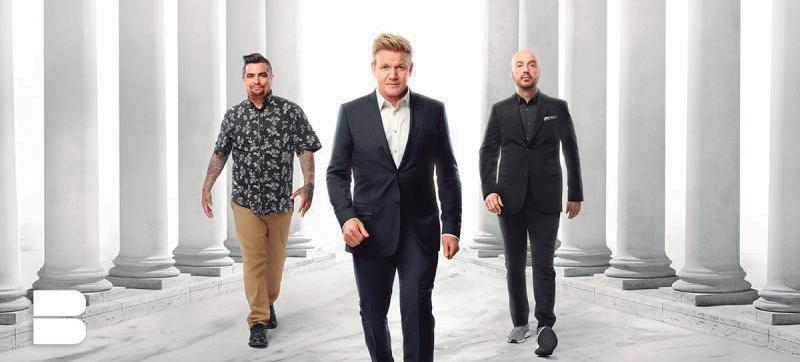
BANIJAY ENTERTAINMENT AND ALL3MEDIA WILL MERGE, CREATING A GLOBAL ENTERTAINMENT POWERHOUSE WITH A CATALOG OF 260,000+ HOURS OF MULTI-GENRE CONTENT.
2x1
50
THE TRANSACTION IS EXPECTED TO DELIVER APPROXIMATELY €50 MILLION OF COST SYNERGIES.
3
THE NEW CATALOG WILL FEATURE ~45 FORMATS PRODUCED IN MORE THAN 3 TERRITORIES IN 2025.
The combined Banijay Entertainment and All3Media group would encompass more than 170 creative labels across 25 countries, operating in all major English-language markets and distributing content in nearly 250 territories. The new catalog exceeds 260,000 hours of content and 20,000 hours produced annually.
STUDIOCANAL ACQUIRED MAJORITY STAKE IN LUCKY RED
Studiocanal confirmed the acquisition of a majority stake in Lucky Red, one of Italy’s leading independent distribution and production companies. The transaction marks a strategic expansion for Studiocanal into a key European market while reinforcing a long-standing collaboration between the two companies. Founded in Rome in 1987 by Andrea Occhipinti, Lucky Red began as an independent arthouse film distributor and has grown into a major force in Italy’s independent film and television landscape. ∙
TALPA STUDIOS APPOINTED MARLOES STURKENBOOM
NBCUNIVERSAL PROMOTED GUS O’BRIEN
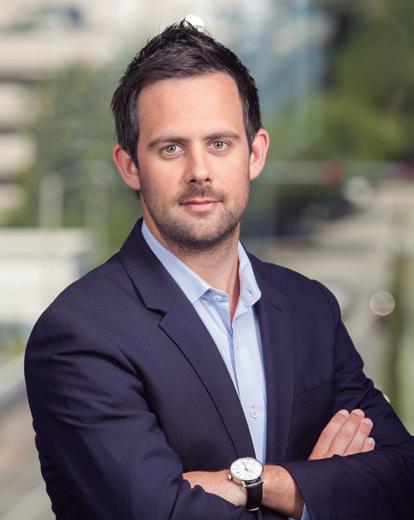
NBCUniversal Media Group announced the promotion of Gus O’Brien to President of International Networks & Directto-Consumer, effective April 1. Ken Bettsteller,
who currently serves as president of the group, will transition into an advisory role focused on key international projects for NBCUniversal Media Group. The appointment was announced by Matt Strauss, Chairman of NBCUniversal Media Group. ∙
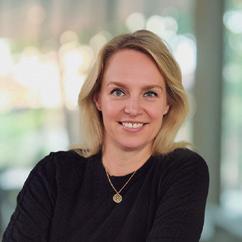
Talpa Studios appointed Marloes Sturkenboom as Managing Director Global IP, Strategy and Operations. Following the company’s recently announced sharpened strategy and strengthened leadership structure, her appointment bolsters Talpa Studios’ global organisation. Working closely with the Global distribution team, she will deepen strategic partnerships, accelerate new business and further scale Talpa Studios’ formats worldwide. Sturkenboom will play a key role in connecting IP strategy, development, partnerships and dealmaking across markets. ∙
MERZIGO AND BANIJAY TO ENHANCE DIGITAL PRESENCE FOR ENTERTAINMENT BRANDS
Merzigo entered into a deal with Banijay Rights, designed to optimise and monetise select titles from the leading distributor and scale these globally. Under the deal, Merzigo will optimise the digital presence of select titles from Banijay Rights’ portfolio of some of the world’s most recognisable TV shows and formats, driving audience growth and engagement across YouTube and Facebook, by leveraging their datadriven insights and mastery in premium content optimisation. ∙
SPI AND RTP STARTED THE FIRST PORTUGUESE MICRODRAMA PROJECT
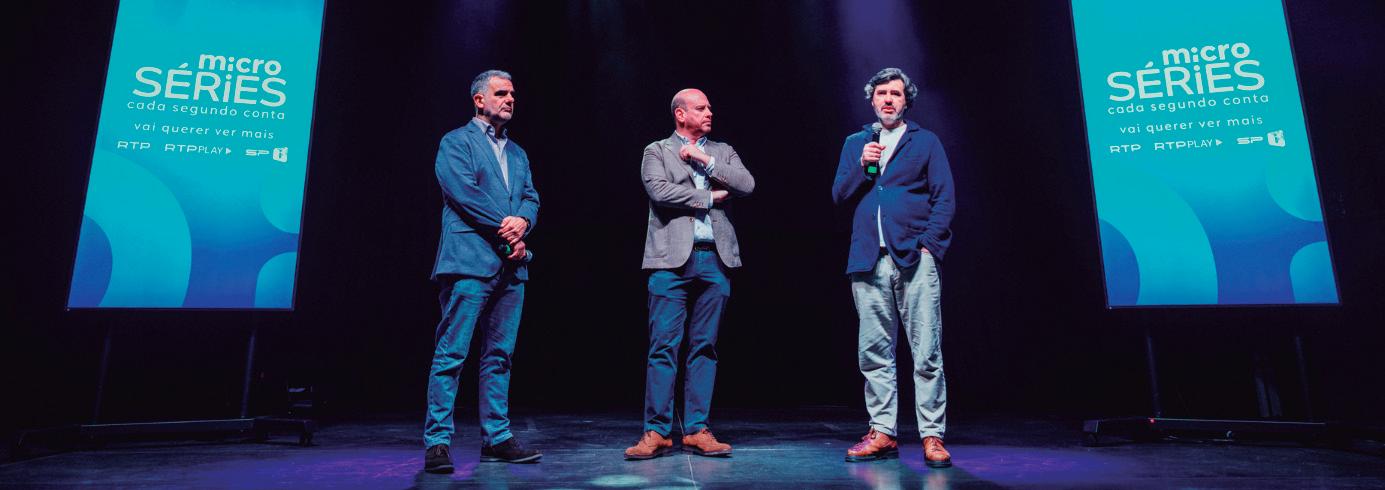
RTP and SPi started the first Portuguese microdrama project, an innovative fiction format made for mobile devices and digital consumption. Produced by SPi, this project consists of five micro-dramas, each with 20 episodes lasting one and a half minutes, exploring various genres from thriller to comedy. The original idea is by Pedro Lopes, with screenwriters Inês Gomes, Susana Romano, and Marina Ribeiro. Filming took place between December 2025 and January 2026 and the content is available on TikTok, Instagram, and RTP Play. To suit this new format, RTP Play underwent structural adjustments, and the series will follow an extended multi-distribution strategy. ∙
ITV STUDIOS LAUNCHES STUDIO 55 TO REVAMP BRAND PARTNERSHIPS
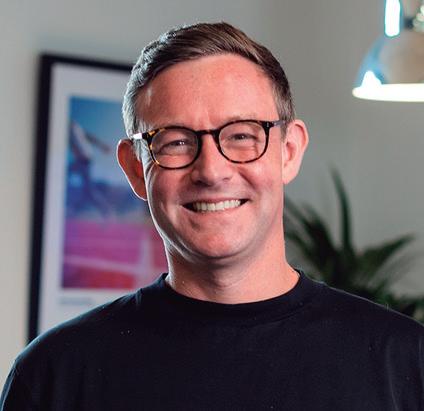
ITV Studios has officially launched “Studio 55,” a new global brand partnership division designed to connect advertisers, agencies, and creators with the company’s extensive portfolio of world-class IP. Announced by Ruth Berry, President of Global Partnerships & Zoo 55, the initiative was unveiled during the London TV Screenings and marks a strategic expansion of ITV Studios’ commercial ecosystem. The new division is led by Will Scougal, EVP of Brand & Commercial Partnerships, whose background spans senior creative leadership roles at Snapchat and X (Twitter), as well as co-founding the immersive social studio Make My Day. ∙
INTER MEDYA CONTINUES TO EXPAND ITS MICRODRAMA CATALOG
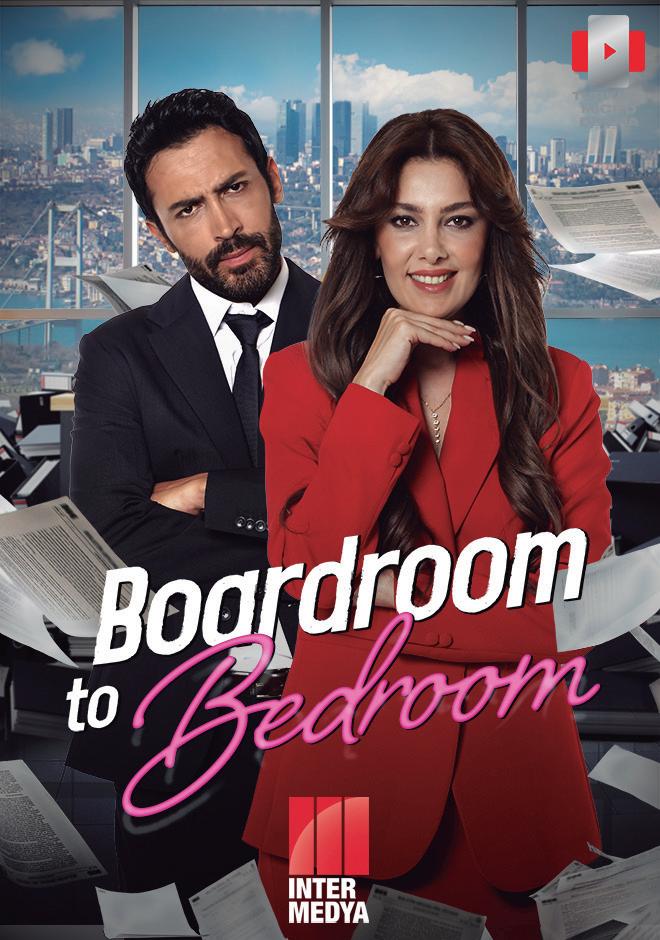
Inter Medya, which recently announced its strategic entry into microdrama production and distribution, continues to grow its presence in this rapidly rising genre. Last September, the company completed production of its first micro drama, “Boardroom to Bedroom” and successfully premiered the title during Mipcom. In addition, Inter Medya has also begun acquiring third-party micro dramas for international distribution. The company added two new series, “New Generation Family” and “Local Kid”, both produced by İki Dakika Creative House. Inter Medya has also secured sales rights in certain territories for 16 micro dramas from Gain. ∙
PRODUCTION
INNOVATIVE NARRATIVES AND FORMATS, WITH A GLOBAL TONE
CATALAN AUDIOVISUAL CONSOLIDATES ITS INTERNATIONAL PRESENCE WITH A PROMINENT PARTICIPATION IN SERIES MANIA. WITH 21 COMPANIES ATTENDING THE EVENT AND SHOWS SELECTED IN THE SHORT FORMS COMPETITION AND THE BUYERS UPFRONT, THE ACTIVITY IN THE REGION IS GROWING THANKS TO A SOLID LOCAL ENVIRONMENT THAT STIMULATES PRODUCTION.
ICEC, under the Catalan Films internationalization brand, will have its own stand at the Series Mania Forum to support Catalan companies and enhance their global positioning. Catalan presence at Series Mania will feature the presence of 21 companies: 3Cat, AngeliPictures, DeAPlaneta, Escándalo Films, Fasten Films, Filmax, Funicular Films, Ginga Stories, Gravando Sound, La Drecera Produccions, Marineda Films, Moiré Films, Neo Art Producciones, Nocturna Pictures, Playlab Films, Ringo Media, Serielizados, Sweet Film Memories, The Mediapro Studio, Vanvelvet Studio, and Zabriskie Films.
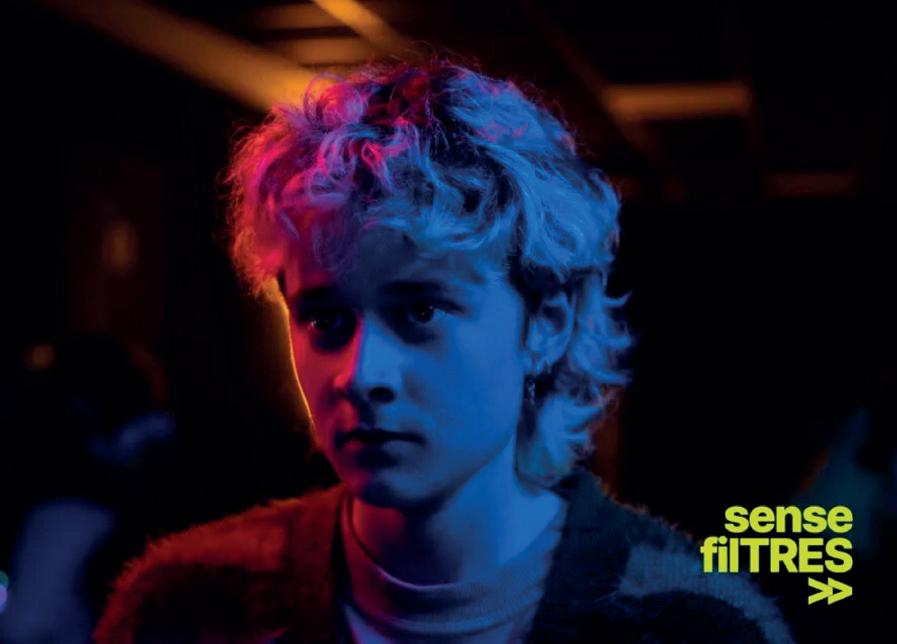
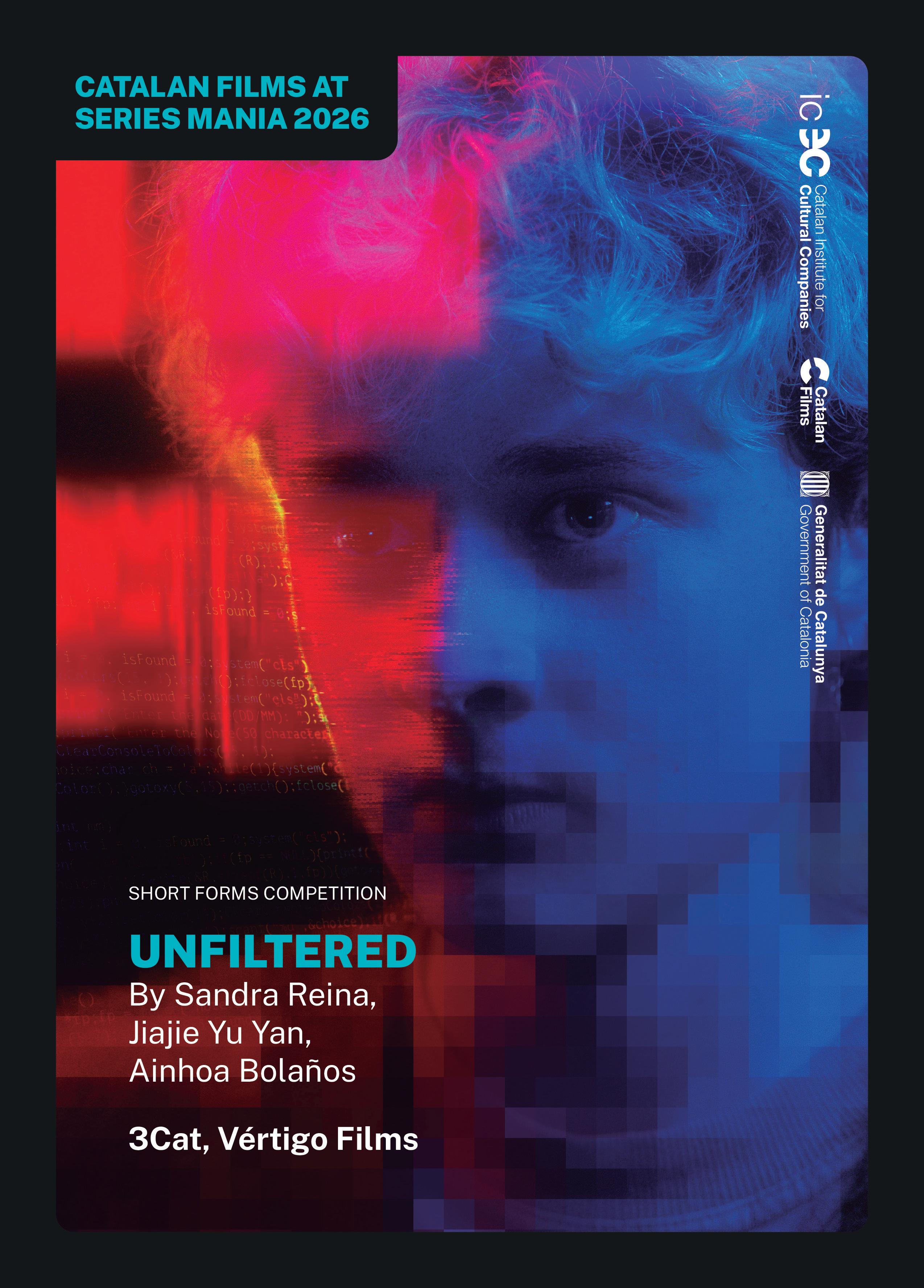
One of the main highlights of the event will be the Catalan series “Sense filTRES” (Unfiltered), selected for the Short Forms Competition. The series is produced by 3Cat and Vértigo Films, created by Amaya Izquierdo and directed by Sandra
Reina, Jiajie Yu Yan, and Ainhoa Bolaños. It is a 9-episode fiction series about the new forms of relationships that emerge between adolescents through digital media. Moreover, the Catalan series “In Vitro,” supported by ICEC and produced by Moiré Films, Rodar y Rodar, and 3Cat, and distributed by HBO Max, created by Marc Crehuet and Alejandra Guimerà, has been selected for Buyers Upfront. Beta Film handles its international sales. Within the framework of the Series Mania Forum, Catalan Films and the Catalonia Film Commission organize a networking event aimed at international and Catalan professionals to highlight the potential of the sector and present ICEC's series financing lines, key to promoting new projects and co-productions.
A cornerstone of the stimulating series-production environment in Catalonia is the support provided by the Catalan Institute of Cultural Enterprises (ICEC) to projects. ICEC offers several lines of aid that cover the entire value chain of the audiovisual product, from ideation and development through production to promotion. This promotion has been instrumental in advancing innovative narratives and formats, reflecting the region's commitment to its industry. A key element of this support is the ICEC (High-End TV Production Fund) support line to produce fiction series, which grants up to 1.5 million euros for projects with a minimum budget of 4 million euros (per project). The line encourages the project to join a second international broadcaster or streamer. As a novelty, this subsidy is open to second seasons
of successful series, offering more opportunities and guaranteeing the continuity of successful television series.
SUCCESS STORIES
The acclaimed series “This is Not Sweden” or “Ravalear: Not for Sale,” which premiered at the Berlinale and was the first Catalan series in its official section, serves as an example of a series that has the support of ICEC and reaches audiences with local and international success. In addition, the line also supports the production of second seasons, as will be the case for “This is Not Sweden”. In 2026, three Catalanproduced series will receive support from the ICEC through its series production line. In addition to “Ravalejar,” which will premiere on HBO Max and 3Cat, “In Vitro,” created by David Pujol, will also debut, focusing on the birth of ElBulli.
With a growing industry and a consolidated network of professionals and companies, Catalonia has positioned itself as a benchmark in the production of high-quality series, combining creative talent, financing incentives, and high-level infrastructure. The prominent presence at Series Mania reaffirms this positioning and strengthens the sector's international connections. Series Mania 2026 will be a strategic meeting point for the Catalan audiovisual sector, facilitating business opportunities, financing, and the promotion of content worldwide.
By Diego Alfagemez
“COLLABORATION FOR CO-PRODUCTIONS ON A GLOBAL SCALE IS MORE CRUCIAL THAN EVER BEFORE”
TFRANCESCO CAPURRO, DIRECTOR OF SERIES MANIA FORUM, ANALYZES HOW THIS YEAR’S EDITION IS ADAPTING TO A MARKET WITH FEWER PRODUCTIONS AND RISING TENSIONS, WHILE HIGHLIGHTING THE FORUM’S ROLE AS A CATALYST FOR INNOVATION AND AS A PLATFORM FOR CREATORS AND BUYERS, INCLUDING SOUTH KOREA AS COUNTRY OF HONOUR.
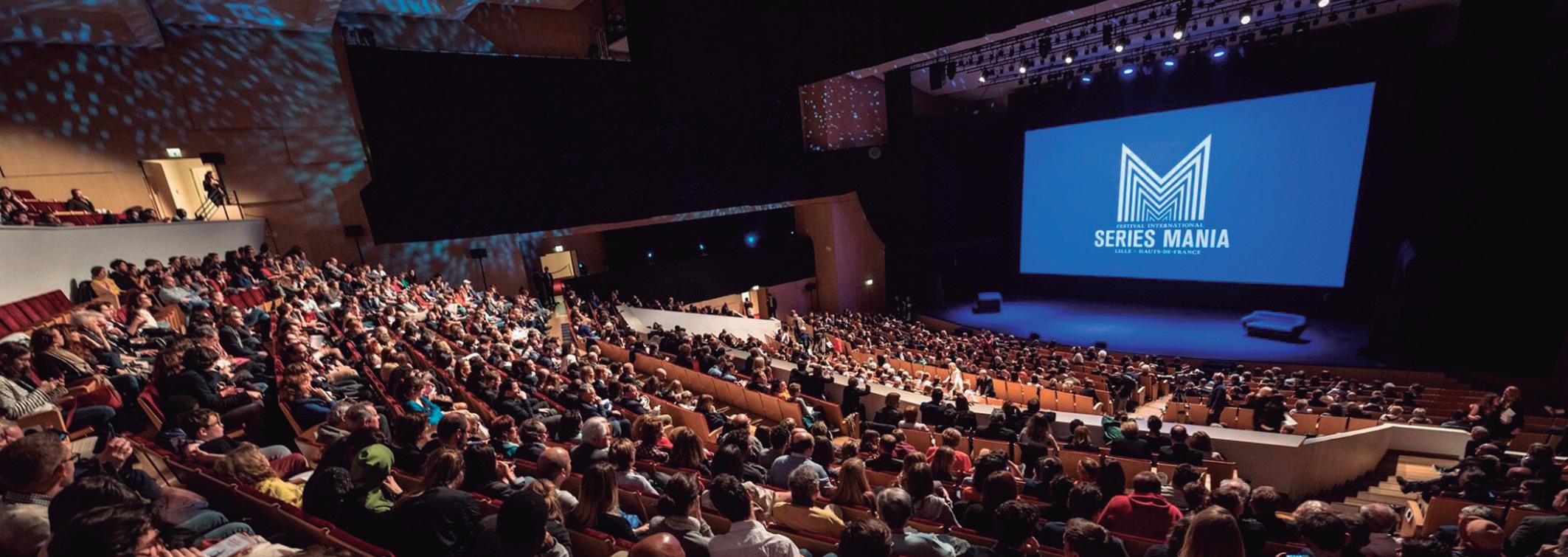
he audiovisual industry is navigating a period of profound transformation marked by consolidation, budget adjustments, and geopolitical shifts. In that context, Series Mania Forum reinforces its position as a strategic hub for the global community, offering a space where more than 5,000 professionals come together to develop new strategies and strengthen international partnerships. Francesco Capurro, Director of Series Mania Forum, explained why the event remains a must-attend for the industry.
How is this year’s edition adapting to a market marked by consolidation, fewer productions, and rising geopolitical tensions?
“The Series Mania Forum is taking place in a rather unexpected context, which, it must be said, is more fragile for our industry. Between mergers and acquisitions, budget cuts, reorganizations, and geopolitical tensions, we are all experiencing an accelerated period of transformation. The market is adjusting to these changes as the volume of new shows is less this year than in the past. However, in this landscape, Series Mania Forum is more important than ever. Collaboration and cooperation for co-productions on a global scale are more crucial than ever before, and the Forum is the place where we can meet, exchange ideas, build new strategies, and where industry professionals can come together. An international
market like ours has a full responsibility to provide you with concrete support. Supporting creation, facilitating co-production, accelerating distribution, encouraging financing, and, above all, bringing together all the key players for three days to drive change and keep the business going. We truly hope that the collaboration and cooperation created at Series Mania will ultimately lead to higher budgets and international co-productions, series, and micro-dramas that will travel the world."
Francesco Capurro
With more than 5,000 professionals from 75 countries expected this year, what are the main opportunities it offers for creators, producers, and buyers?
"The spirit of international collaboration takes very concrete form within the Forum’s core professional activities. At the heart of the Forum are the Co-Pro Pitching Sessions. This founding premise and the most anticipated event of the Series Mania Forum will highlight 15 series seeking international funding. These projects will be pitched to decision-makers in the TV industry. The best project will be awarded a €50,000 prize to help develop the series, as determined by a professional jury of leading industry executives. For buyers, we will host the second edition of the Buyers Upfronts, along with the 'Coming Next From' sessions, showcasing the best of international content. We will welcome 27 official delegations from around the world, including Japan, Canada, Singapore, Taiwan, Brazil, several African countries, and Korea. Beyond individual projects, Series Mania Forum also provides a space for collective reflection on the future of the industry. On the third and final day of the event, Series Mania Forum will host the 8 th edition of its ‘Lille Dialogues,’ the much-anticipated day-long international summit that brings together key industry leaders, encouraging international cooperation and a joint reflection on the challenges facing the TV industry today."
For the first time, Series Mania Forum has selected a Country of Honour, with South Korea taking the role in 2026. What motivated this decision, and what does Korea represent today for the global industry?
"The designation of the Republic of Korea as Country of Honour reflects the growing global influence of Korean content and the strong creative exchange taking place within the international television industry. It also coincides with the 140 th anniversary of diplomatic relations between France and South Korea, making it a meaningful moment to celebrate cultural collaboration. This recognition also builds on last year’s Broadcast
KOREA IN THE GLOBAL SPOTLIGHT
The Korea Creative Content Agency (KOCCA) will attend the Series Mania Forum with a delegation of eight high-profile Korean companies: Channel A Corporation, CJ ENM, EO Content Group, KBS Media, MBC (Munhwa Broadcasting Corp.), SLL Joongang, Studio S, and Whynot Media. In the section ‘Coming Next from Korea,’ these companies will unveil their most ambitious next-generation series projects, presenting groundbreaking narratives, cinematic production excellence, and breakthrough series IPs. The featured titles will be: "The Legend of Kitchen Soldier"; "Bloody Flower"; "Dear X"; "Positively Yours"; "The Atypical Family"; "The Judge Returns"; "Walking on Thin Ice"; "Bitch x Rich" and "Good Partner."
Worldwide (BCWW) in Seoul, which honored France and highlighted the spirit of mutual partnership between the two countries. With Korean content continuing to resonate with audiences around the world, we felt it was the right time to spotlight Korea’s creative community and the impact it is having on the international entertainment industry."
By Romina Rodriguez
THE COUNTRY KICKED OFF 2026 WITH A MAJOR BOOST FOR ITS AUDIOVISUAL SECTOR, LAUNCHING SCRI.PT, A NEW FUNDING PROGRAM WITH A FOURYEAR €350 MILLION BUDGET, OFFERING CASH REBATE AND CASH REFUND INCENTIVES, ALONGSIDE A €150 MILLION MUTUAL GUARANTEE SCHEME TO SUPPORT FILM AND TV PRODUCTIONS OF ALL SIZES.
Portugal started 2026 with significant updates to film and audiovisual production. The Portuguese Government announced a new funding program comprising a four-year budget for both Cash Rebate and Cash Refund, and a mutual guaranteed scheme to support production financing. SCRI.PT is the new Audiovisual and Film Industry Funding Program, which will work with €350 million over the next four years. Targeting big productions, the Cash Refund will amount to €35 million annually, while the Cash Rebate will be €15 million for medium-budget projects. Meanwhile, projects supported by these incentives will be able to access the mutual guaranteed scheme, with an allocation of €150 million for the period 2026-2029. The procedures and regulations of the new incentives are expected to be announced in the short term.
With this new funding system, Portugal intends to create a robust response to industry needs and promote its sustainability. A reassurance that film and audiovisual production
PRODUCTION
PORTUGAL BOOSTS PRODUCTION THROUGH NEW FUNDING PROGRAMS
is a strategic axis for the country, accompanied by an understanding of its impact on cultural, economic, and touristic dimensions.
With this news about to be released, the Portugal Film Commission started the year with a busy agenda in Berlin. With a stand hosted by the Portuguese Institute of Film and Audiovisual (ICA), the European Film Market (EFM) once again proved itself a crucial platform for networking with international key players. The presence in Berlin was marked by several parallel events. A special note was the ceremony where the city of Figueira da Foz won the EUFCN Audience Location Award 2025. The application was submitted by the Portugal Film Commission, as a member of the EUFCN, and highlighted the city’s role in “Broken Spies”, a series produced by Ukbar Filmes, supported by the Portuguese Cash Rebate, and selected for the Berlinale Series Market 2025.
Another highlight was the event where Portugal, Spain, and Italian Film Commissions joined forces
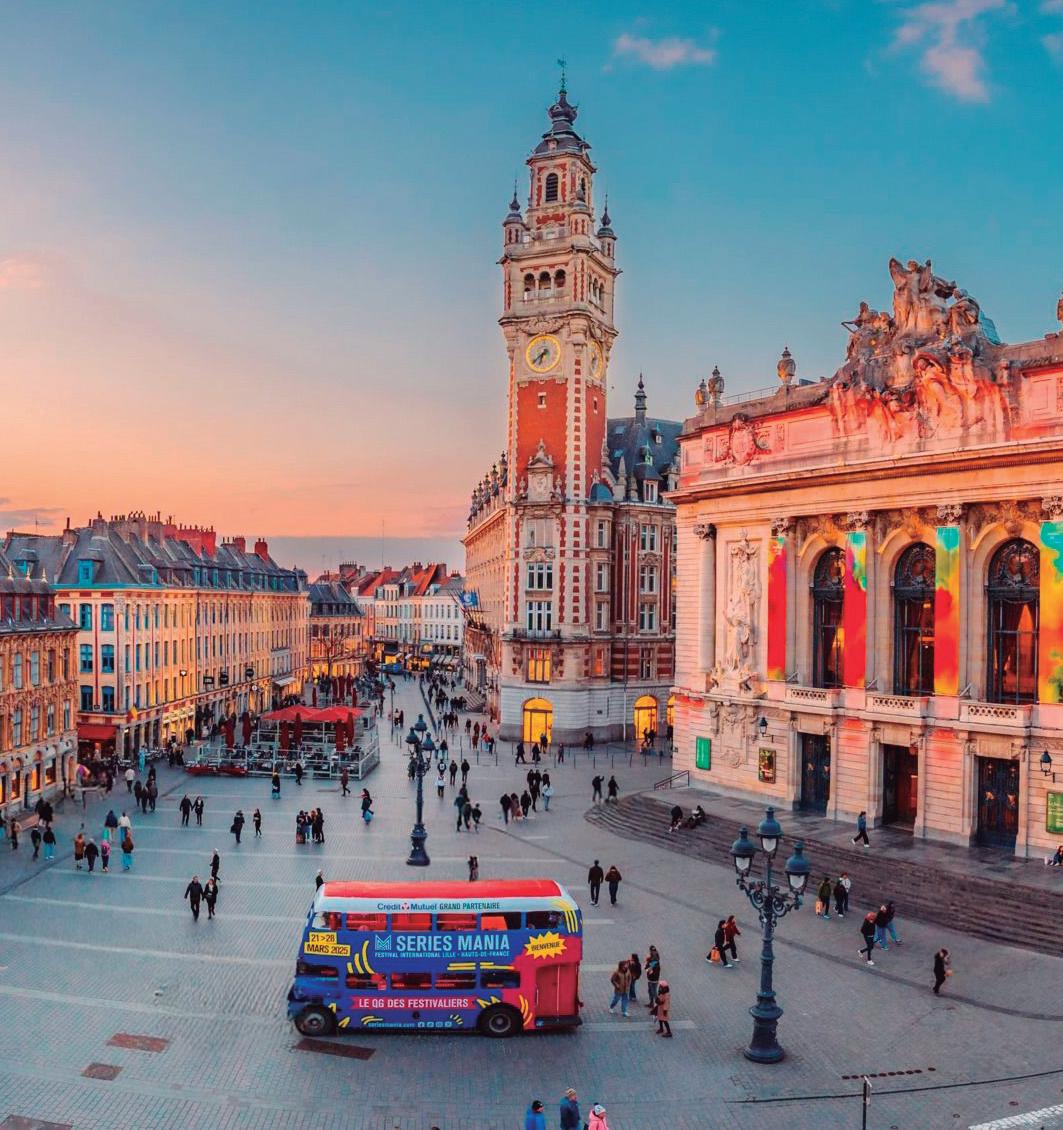
to host a networking initiative that brought together around 150 industry professionals at the Hotel Adlon Kempinski. It was a moment that fostered the dialogue on co-production opportunities between the three countries. As March started, the team flew to Spain to participate in MAFIZ –Málaga Festival Industry Zone, with a dedicated stand showcasing the conditions the country offers for attracting international productions. The month continues in Lille, where Series Mania Forum takes centre stage as a key event for the audiovisual sector, with Portugal continuing to have a strong presence.
WHERE THE SUN MEETS THE OCEAN
With more than 300 days of sunshine a year, shooting in Portugal means a world of opportunities within a short drive: from castles and palaces to avant-garde architecture, from golden shores and the strength of the Atlantic to the calmness of small, historical, and unique villages. All this is backed by highly skilled crews and coproduction agreements with more than 60 countries, including all countries with Portuguese as the official language, representing over 250 million speakers. The Portugal Film Commission team works to ensure everyone has the best experience when filming and producing in the country, streamlining processes and facilitating contact with all the entities involved. Everything is in place to ensure global companies will return for their next production.
By Romina Rodríguez
SUBSTITUTION, CONSOLIDATION
AND THE AI FACTOR: RETHINKING MEDIA ECONOMICS IN A POST-STREAMING ERA
WIN THE FOURTH EDITION OF "THE BUSINESS OF MEDIA DISTRIBUTION", JEFF ULIN EXPANDS HIS LONG-STANDING ANALYSIS OF GLOBAL FILM AND TELEVISION ECONOMICS, EXAMINING HOW STREAMING REPLACED, RATHER THAN EXPANDED, LEGACY REVENUES AND HOW ARTIFICIAL INTELLIGENCE MAY RESHAPE PRODUCTION, RIGHTS VALUATION, AND MONETIZATION.
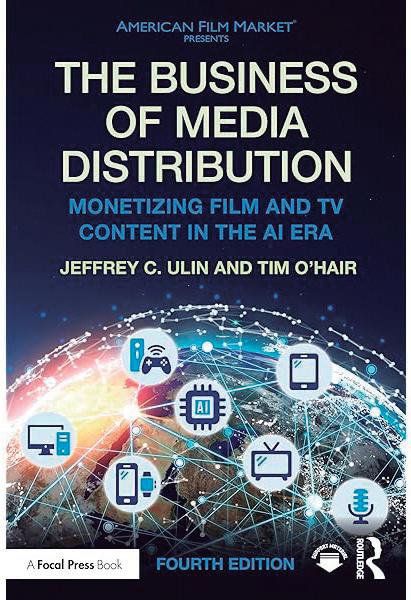
hen Jeff Ulin first published "The Business of Media Distribution", the industry was still driven by theatrical windows and a booming home video market. Streaming originals did not exist, binge-watching was not part of the lexicon, and direct-to-consumer access remained more ambition than infrastructure. In the newly released fourth edition of the book, Ulin revisits a radically transformed landscape: one defined not only by the rise of streaming but also by the collapse of home video revenues, increasing consolidation among buyers, and the normalization of global licensing models. Rather than framing digital transformation as purely additive growth, he argues that streaming has largely functioned as a substitutional model, introducing new efficiencies while simultaneously increasing economic fragility.
Looking back, what has been the most profound structural shift in global media economics?
“This is a tough question, because I would say structurally, there have been a couple of profound changes altering the ecosystem. One is, obviously, the rise of streaming, and all that goes with that, including streamer originals. Second, and equally impactful, though not discussed as much (except within the industry), is the demise of the home video/DVD market. The home video market accounted for nearly half of all
studio revenue, and the shift from physical to digital has not come close to replacing that lost revenue stream. One other item I should mention, related to streaming but also a product of internet/online/app enablement, is the shift to direct consumer marketing and access. Oneto-one consumer marketing and access was always the holy grail, and we’ve been slowly moving to a tipping point from a ratings-driven world to an individual relationshipdriven ecosystem.”
Over the years, we’ve seen the rise and recalibration of streaming. Has the industry ultimately strengthened its economic model, or has it introduced greater fragility into the system?
“There continues to be a strengthening of the streaming market as it has matured; however, unlike prior technological upgrades, streaming has been substitutional and not additive. Streaming is akin to Pay TV, and the uptake of streaming has not come close to matching the prior revenues of Pay TV + Home Video, adding risk and fragility into the business calculus.”
What would you highlight as the most positive transformation for producers and rights holders in the past two decades?
“This is all a matter of perspective. For producers, the shift to digital has enabled consistent, high-quality
Jeff Ulin
consumer viewing, especially in cinema; there is no degradation in quality with D-Cinema. No scratches, pristine quality every time. Streaming services have also diversified the options for producing, with the advent, for example, of creating limited series. I’m not sure there has been a positive transformation for rights holders, as there is now a more limited pool of buyers given consolidation and the increasing dominance of leading streaming services. Additionally, the upsides and the ability to co-finance have been dialed back by the trend toward licensing globally rather than by market, as Netflix and others seek and often retain worldwide rights. The most damaging development is the dual impact of consolidation and cratering of the home video market, both fundamentally driven by the rise of streamers; beyond the obvious downside to a shrinking pool of buyers, the loss of guaranteed home video impacts everything from the ability to finance productions (absent this prior failsafe revenue stream, which enabled projects to be greenlit/risks taken in the first place) to upsides/profits.”
In your book’s fourth edition, you frame artificial intelligence as a systemic economic factor rather than just a creative controversy. Where do you believe AI will most significantly impact the business?
“I actually think it will impact everything. The focus right now is on production, with AI-generated scripts and the ability to prompt actual visuals/scenes. This will come to dramatically alter costs and create massive disruption across the spectrum. What people are not talking about as much are these other elements in the chain, where the ability to hyper-target, market, and analyze will lead to better personalization options and monetizing. It’s harder to tell about windowing strategies because the ultimate permutations of AI are mindblowing. Legal and rights questions aside, imagine if you’d like a sequel to a favorite show and even want a particular favorite character to dominate; when AI (conceptually) can generate both scripts and scenes, you could create personalized sequels, even bringing back dead actors. When this is possible (and assuming AI data costs come down just like computing costs did), coupled with AI-driven recommendations with an assistant that freakishly knows what you want and when to tee up your viewing, the concept of windowing may become something altogether different than what we’ve conceived of up to now.”
As global rights exploitation becomes increasingly interconnected, how is the balance of power shifting between studios, streamers, independents, and local players?
“Frankly, I’m not sure this is that impacted as much as the question implies, given global rights exploitation has been interconnected for quite a while, and the majority of
" The home video market accounted for nearly half of all studio revenue, and the shift from physical to digital has not come close to replacing that lost revenue stream."
revenues from cinema have shifted to the international markets for years. Also, the line between streamers and studios has shifted/been blurred, given that most studios now combine streamers within their group (or vice versa in the case of Amazon and MGM). Today, it is all about consolidation, and we are seeing an ever-shrinking pool, moving toward winner-take-all markets with a few leaders dominating. With Warner ending up with Paramount, it’s symbolic of that shift where we’ll see a much smaller number of mega-studios/streamers than existed a decade ago. Risks and stakes are higher, and with that scale is needed to survive.”
Looking ahead, are we entering a phase of consolidation and stabilization, or another disruptive cycle?
“I think I’ve sort of already answered this, but the question has two parts: consolidation and disruption. We’re entering a new phase of consolidation, as not all the streamers can flourish. As I’ve written, Pay TV trends toward monopolies because, ultimately, consumers want easy access to everything (for them, in one place, a concept that helped initially grow Netflix). So, I believe we’ll continue to see consolidation driven by the dual forces of consumers demanding limited access points (people are already getting frustrated having to subscribe to so many services, similar to the frustration that grew with cable bundles) and production groups needing scale given increasing monetization risks driven by a shrinking pool of global buyers and the elimination of home video revenues. Already, the number of studios has dramatically contracted (Warner, Fox, DreamWorks, and MGM have devolved into production labels); that means we’ll be down to half the number of historical studios, several of which had been around for 100 years. This consolidation drives disruption at one level, but probably not nearly as much as we’re apt to see from AI. AI will disrupt things both in ways already feared (autogenerated scripts, actors, scenes) and ways we’ve hardly yet imagined, as I hypothesized regarding your ability to script a personalized sequel to a favorite show and have an AI assistant schedule optimized viewing times.”
By Romina Rodriguez
AFTER “FINDING HER EDGE” ENTERED NETFLIX’S GLOBAL TOP 10 AND SECURED A RAPID SECOND SEASON RENEWAL, AUTHOR-TURNEDSHOWRUNNER JEFF NORTON REFLECTS ON ADAPTATION, CREATIVE LEADERSHIP, AND BUILDING GLOBALLY RESONANT DRAMA.
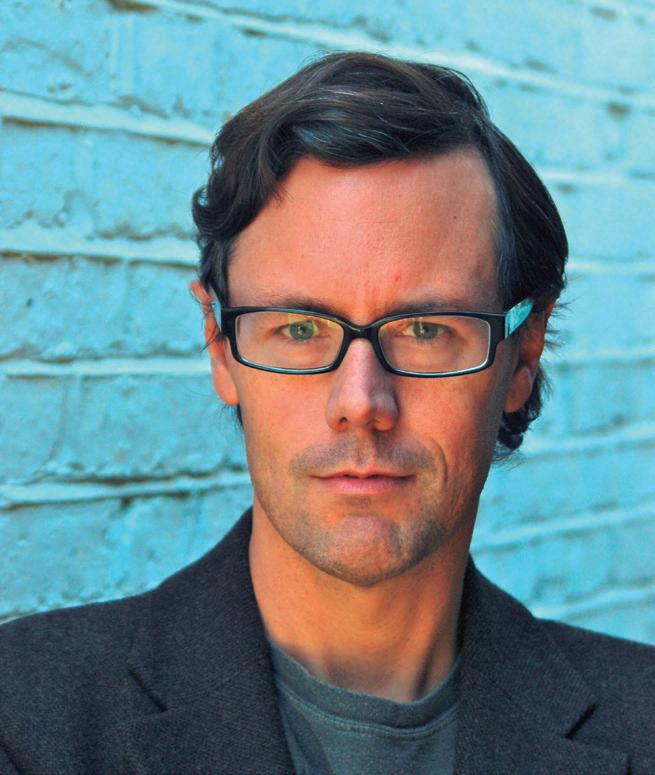
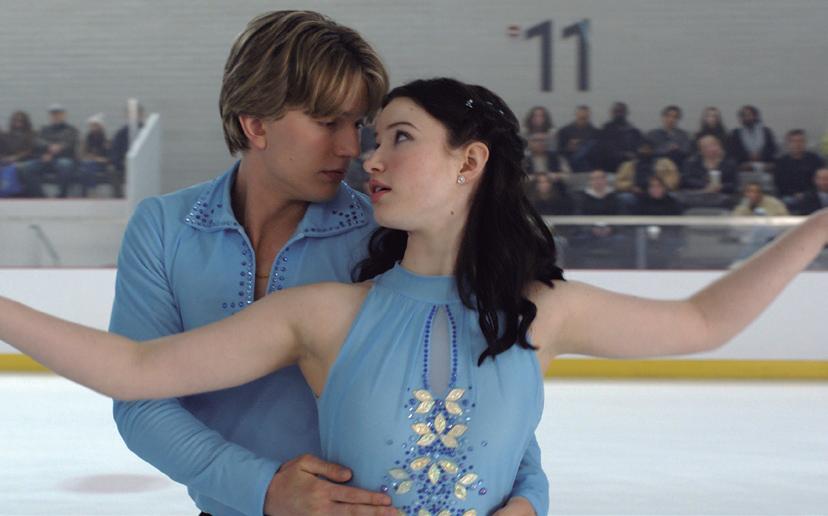
When “Finding Her Edge” premiered globally on Netflix in January, the young adult drama quickly entered the platform’s global Top 10, an impressive milestone for Jeff Norton’s first full showrunning credit. Based on Jennifer Iacopelli’s novel and produced with WildBrain, the series blends competitive ice dance with romance, sisterhood, and coming-of-age storytelling. An award-winning author with over fifteen years in publishing, Norton has built his television career at the intersection of literary IP and internationally focused young adult drama. In conversation with Señal News, he discusses the responsibilities of tone, the realities of production, and why character remains the cornerstone of successful book-to-screen adaptations.
FROM PAGE TO GLOBAL TOP 10: BUILDING HITS FOR THE STREAMING ERA
What did the success of “Finding Her Edge” mean to you?
“It’s both a wonderful surprise and incredibly validating. As a showrunner, you make thousands of decisions in service of a singular vision. You hope the totality of those creative decisions will resonate, but you don’t know until the audience responds. I think there’s a real appetite for compelling romance right now. Audiences are hungry for positivity. ‘Finding Her Edge’ has conflict and drama, but at its heart, it’s a feelgood love story. Both the romantic triangle and the family dynamic among the three sisters are central to that appeal. In a way, we’re all coming of age all the time, no matter how old we are.”
What were your biggest lessons stepping into the showrunner role?
“I recall advice from a fellow showrunner: ‘be the keeper of the tone’. I took that very seriously. Audiences may not remember every plot twist, but they remember how a show made them feel. My role was to ensure that every department, from costume to cinematography, was making the same show. From a managerial perspective, consistency in communication proved essential. I’ve seen productions fall apart because departments have different interpretations of the creative. My job was to align everyone around a shared tone and aesthetic. Also, budget discipline was equally critical. There’s never enough time or money. Sometimes constraints forced us into creative solutions that delivered deeper emotionality.”
What is the key to adapting a novel for a global audience?
“It always comes back to character. Television is character-driven. Everything else stems from that. While plot adjustments were necessary to expand the story into eight episodes, the characters' essence remained intact. We kept their hopes, fears, dreams, and flaws at the forefront. The writing team enriched the adaptation while preserving its emotional truth.”
The series was filmed across Ontario. What does that reveal about Canada’s role in production?
“It’s no secret that shows shoot in Canada for financial reasons, but what excites me is that Canadian storytellers are now doing the designing, not just the assembling. The industry’s evolution is like the back of an iPhone: ‘Designed by Apple in California. Assembled in China’. For years, Canada was primarily the assembly line. Now, it is increasingly a creative engine exporting original storytelling.”
How did you balance sports with emotional storytelling?
“I was clear from the outset that I didn’t want to make a show about figure skating, but a show set in the world of figure skating. The sport provides a propulsive backdrop, especially elite ice dance, but the emotional core remains front and center. The first season was about Adriana saving the family rink. Now it’s about what she actually wants, both in sport and in life. In elite competition, you’re never done. There’s always another milestone. That’s rich territory for a story.”
By Roxana Alcalá
Jeff Norton
“Finding Her Edge”
“THE MARGIN FOR ERROR HAS BECOME SMALLER IN TODAY’S MARKET”
AANDRI
OMARSSON, CEO OF GLASSRIVER, DISCUSSES ICELAND’S GROWING ROLE AS AN INTERNATIONAL PRODUCTION HUB, THE EVOLVING ECONOMICS OF COPRODUCTIONS, AND HOW INDEPENDENT PRODUCERS CAN BUILD SUSTAINABLE GLOBAL PARTNERSHIPS.
s global demand for distinctive stories continues to grow, smaller production markets are playing an increasingly influential role in the global ecosystem. Iceland, in particular, has emerged over the past decade as a strategic hub for international film and television projects, combining experienced crews, striking locations, and a reliable production infrastructure. At the center of this development is Andri Ómarsson, CEO of Glassriver, one of Iceland’s leading independent production companies. In an interview with Señal News, he reflects on the complexities of structuring cross-border financing in a rapidly changing market.
What makes Iceland such a compelling hub for international co-productions?
"Iceland has developed into a very compelling hub for international productions over the past decade. The combination of a highly experienced crew base, a strong production infrastructure, and the country’s unique natural landscapes gives filmmakers an exceptional canvas to work with. From a production perspective, Iceland is also very efficient. The ecosystem is small and collaborative, which means decisions can be made quickly and productions can move with real momentum. The
rebate system is competitive and reliable, and that predictability is extremely important when structuring international financing. At Glassriver, we try to combine those practical advantages with storytelling that travels. Our ambition is always to make stories feel real and relatable, grounded in a familiar world that audiences can immediately connect with. Icelandic stories often explore universal themes such as family dynamics, moral dilemmas, and power structures. By anchoring our projects in authentic local environments, we create narratives that resonate far beyond Iceland."
What are the key elements that make a cross-border coproduction financially viable?
"International co-productions have always required a careful balance between creative alignment and financial structure, and the margin for error has become smaller in today’s market. For a project to work now, three elements are particularly important. The first is a strong IP or a strong original concept that immediately signals value and clarity to potential partners. The second is a financing structure that combines several layers, such as public funding, rebates, presales, and sometimes private investment in a way that distributes risk across partners.
The third element is timing and flexibility. Commissioning models continue to evolve, and producers need to design financing structures that can adapt to different types of broadcasters and distribution partners. At Glassriver, we try to build that structure early in development rather than approaching coproductions as something that is added later in the process."
How do you balance creative ambition with the practical realities of development, casting, and international collaboration?
"The key is transparency and alignment very early on in the development phase. When working with international broadcasters, creative partners, and talent, expectations can vary by market and project scale. Our role is to create a framework that allows creative ambition to thrive while respecting the realities of financing, casting availability, and production logistics. That means building strong development processes, bringing partners into the conversation early, and ensuring that everyone shares the same vision for the project. A strong original concept is essential, it creates a clear, creative foundation that allows multiple partners to collaborate without losing the story's identity. Creative ambition benefits from clear parameters. When everyone understands the scale, the timeline, and the market positioning, it often leads to more focused storytelling and stronger creative decisions."
By Romina Rodriguez
Andri Omarsson
BUILDING IP ECOSYSTEMS FOR THE PLATFORM ERA
SALLA KOZMA , FOUNDER OF PIG & HORSE PRODUCTIONS AND NARU FORCE STUDIOS, EXPLAINS WHY THE FUTURE OF CONTENT LIES IN OWNED PLATFORMS, HYBRID FINANCING, AND AI-ASSISTED DEVELOPMENT.
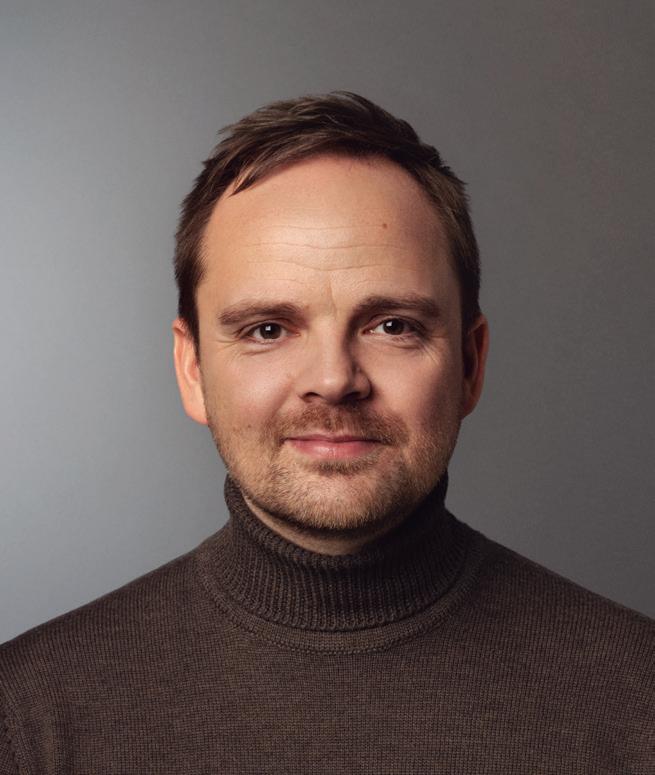
As audience behavior shifts from passive viewing to multi-platform participation, Salla Kozma is betting on a dualstructure strategy. While Pig & Horse Productions continues to operate in the premium unscripted and documentary space, her newly launched outfit, Naru Force Studios, is built as a platform-first, AIassisted venture focused on socialnative IP, branded ecosystems, and direct audience ownership.
What industry changes prompted Naru Force Studios’ focus on socialfirst IP and owned platforms?
“We’ve seen a fundamental change in how audiences behave. While the linear route still exists, audiences are no longer just viewers; they are consumers interacting across many different platforms. This means content, commerce, and community-building must now be integrated from the start. Branded entertainment has evolved into something more holistic. Brands don’t just sponsor shows; they want to participate in the ecosystem around the IP itself. The two can complement each other, sharing IP, development pipelines, and creative ideas while producing content in multiple sizes and formats for different purposes. A simple analogy is: why only make the eraser when you can also make and sell the pen? Even better, why not collaborate with a brand that wants its logo and colors on both? That mindset reflects how IP must now be built, distributed, and monetized."
Naru Force Studios aims to create “ecosystems, not standalone shows.” What does this mean in practice?
"Creating ecosystems means that a project or IP is never just a single or standalone format. From the onset, we think about multiple layers: vertical storytelling, creator collaborations, commerce touchpoints, and scalable format extensions. In practical terms, we bring brands into the development process early. We present core content ideas and co-develop them to align with the brand’s message, values, and visual identity, and therefore feel authentic. At the same time, we map out how the IP will live across different platforms, wether short-form, long-form or interactive, and how those layers connect to e-commerce and creator amplification. The goal is that every piece of content strengthens the overall ecosystem rather than functioning independently."
How do you see funding models evolving for digital-native formats?
"Digital-native formats are increasingly funded through hybrid structures combining brand investment, platform monetization, IP ownership, and startup-style capital. European producers in particular need to start thinking more like start-up founders: building MVP-style content, validating their audiences early, and scaling up based on
traction rather than waiting for traditional commissioning cycles. Data, scalability, and ownership are becoming central to financing."
Why is building audience traction on social a key element today?
"Launching on social platforms first enables us to obtain that measurable audience and consumer data we need. Brands and collaborators increasingly require engagement metrics before committing at scale. Social platforms allow us to test formats, talent, and storytelling styles while building a community around the IP. That data informs both an IP’s creative direction and commercial strategy, from casting decisions to product integrations and commerce opportunities. 2026 is going to be about building a data foundation and having strong, validated audience metrics and potential partnerships locked in before we head into 2027."
How do you balance traditional formats with AI-driven workflows?
"The balance comes from combining our traditional format knowledge with new production workflows. Our traditional expertise ensures we have a strong storytelling structure and scalable format design, while AI tools will be instrumental in accelerating the development, testing, and multi-platform scaling. We are building our first full K-content ecosystem, spanning vertical series across social platforms, creatordriven micro-formats, integrated e-commerce, and a fully developed broadcast-ready format. That flagship concept exists in Pig & Horse’s K-Pop ‘Odyssey’ format, which Naru Force Studios will be taking and expanding on."
By Romina Rodriguez
Salla Kozma
RTBF DEBUTS ITS FIRST ORIGINAL FICTION SERIES SET IN 1990S GRAVINES, EXPLORING THE TIES BETWEEN COMMUNITY, FAMILY, AND BURIED SECRETS THROUGH SUSPENSE, EMOTION, AND A RICHLY DETAILED PERIOD SETTING.
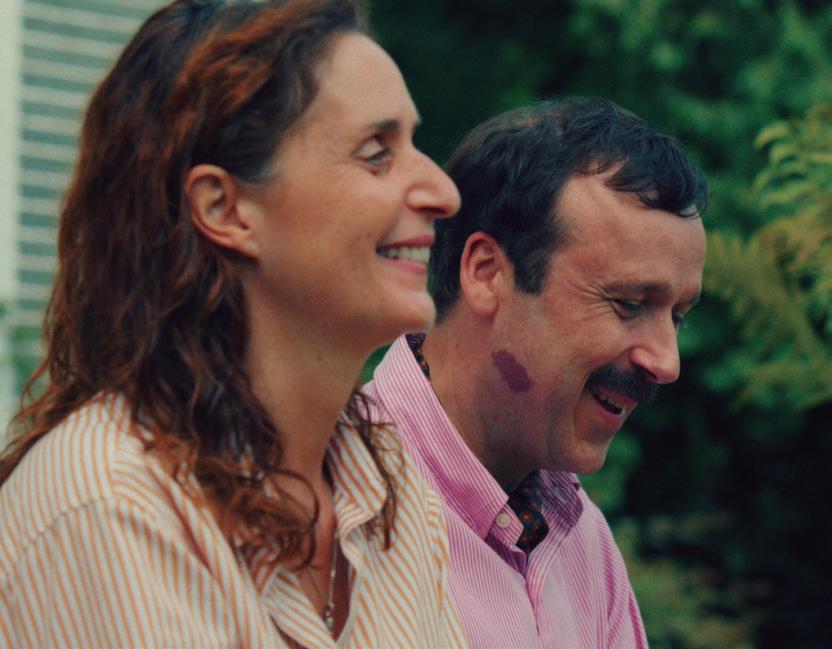
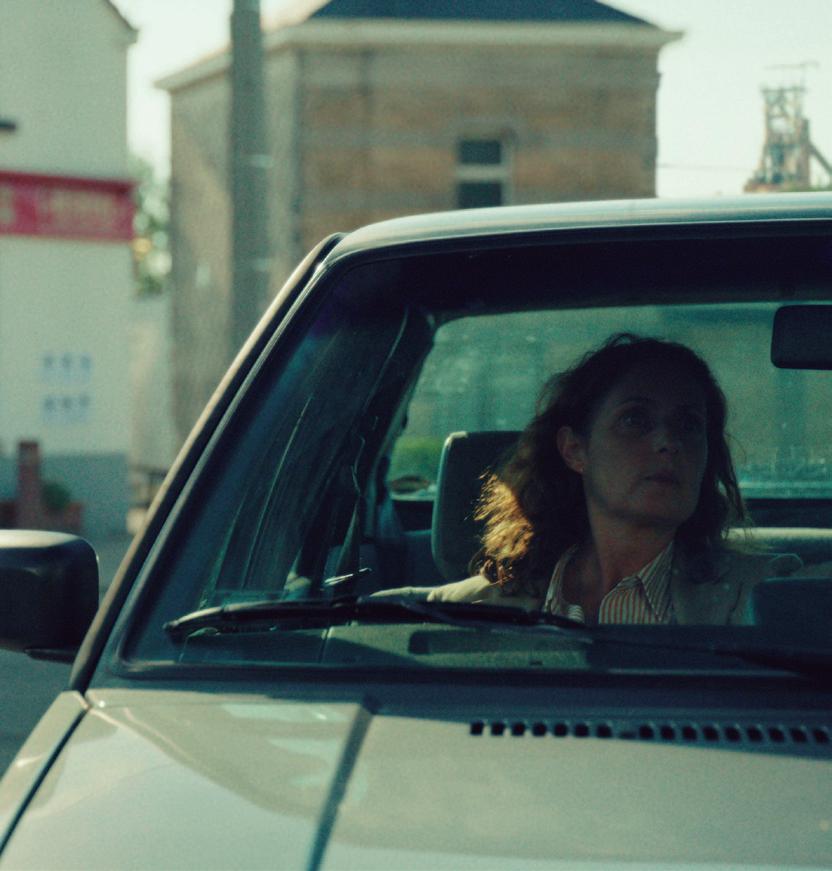
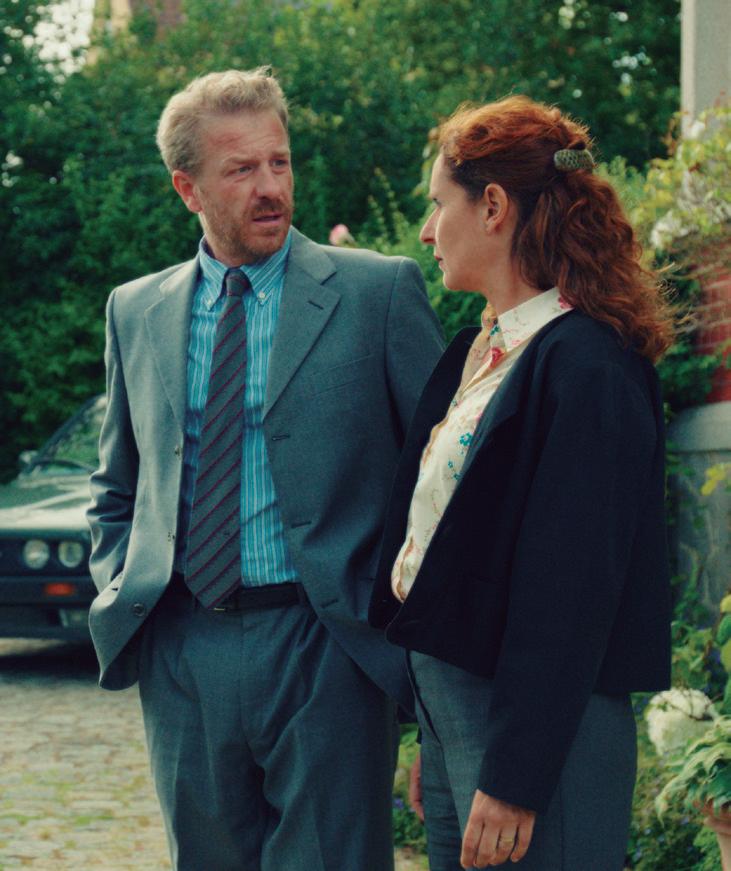
RTBF has entered the fiction genre with the production of "Stilltown" (6x52'), a new Belgian murder mystery series produced in late 2025 by Beluga Tree and RTBF (Belgian PBS) and distributed by RTBF Creative. The series is set in Gravines, a small industrial town in the 1990s, marked by the closure of the MTLK factory, a pillar of the local economy and social fabric for generations. Clémence Rosier, born into the bourgeoisie and heir to the factory, sees her world collapse when her son Benjamin disappears.
When the child’s body is found and the investigation fails,
"STILLTOWN",
A BELGIAN MYSTERY THAT DIGS INTO THE HEART OF A TOWN
sees her world collapse with the loss of her son.
Clémence sinks into despair. Three years later, as she prepares to leave town with her husband and daughter to turn the page, another tragedy turns everything upside down: Stella, Ben’s former best friend, vanishes. This time, Clémence refuses to remain a spectator. Convinced that the two cases are linked, she teams up with Antonio D’Ambrosio, a laborer and once the main suspect in her son’s death. Together, they must face their prejudices, unearth the town’s buried wounds, and confront a threat that has never gone away.
"Stilltown" is set in a community marked by tension that fuels mistrust and resentment: Antonio D’Ambrosio, a reserved man with a troubled past, becomes the prime suspect in young Ben’s disappearance because he had a motive: Clémence Rosier, Ben’s mother, had shut down the factory where Antonio worked. Clémence, a strong and determined woman,
Driven by courage and intuition, she is willing to do whatever it takes to uncover the truth, even if it means confronting buried conflicts and painful obstacles.
"Designed to reach a broad audience, 'Stilltown' blends suspense, emotion, and universal intrigue. Through the eyes of both children and adults, the series explores how past grudges and hidden alliances shape the present, offering a universal reflection on family, community, and the weight of social conflicts," stated RTBF Creative.
90S ATMOSPHERE
An era evoked through carefully detailed costumes and everyday objects. The production design uses bright tones against a gray, industrial backdrop, creating a contrast between hope and vitality and the harshness of daily life. The period is also reflected in the absence of questioning around certain behaviors, such as widespread sexism.
At the heart of the mystery lies "The Book of Nessuna", which guides the investigation of the two main characters. Through it, Clémence learns more about her missing son, while viewers gain access to the children’s inner world. Written like a journal, the book captures Benjamin and Stella’s friendship, their codes, and their attempts to make sense of the end of childhood.
By Romina Rodriguez
"Stilltown"
"Stilltown"
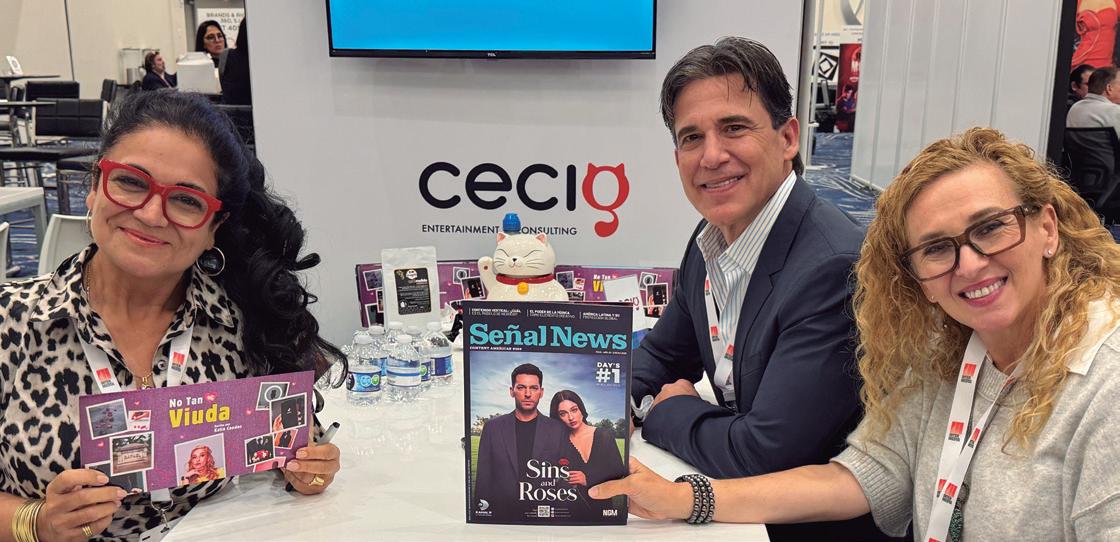
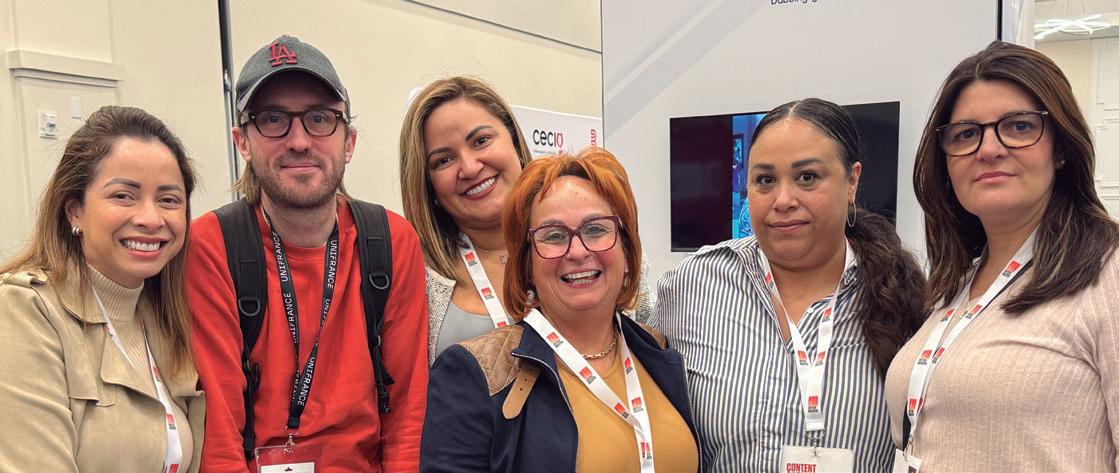
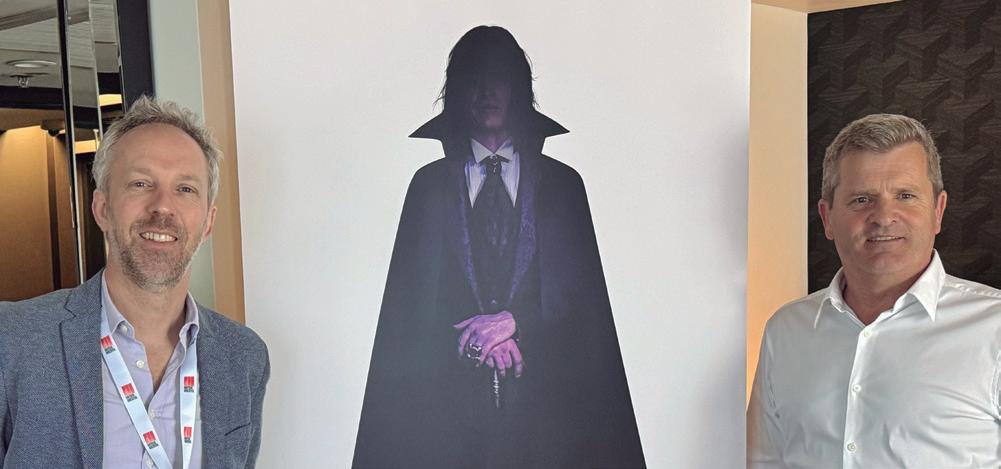
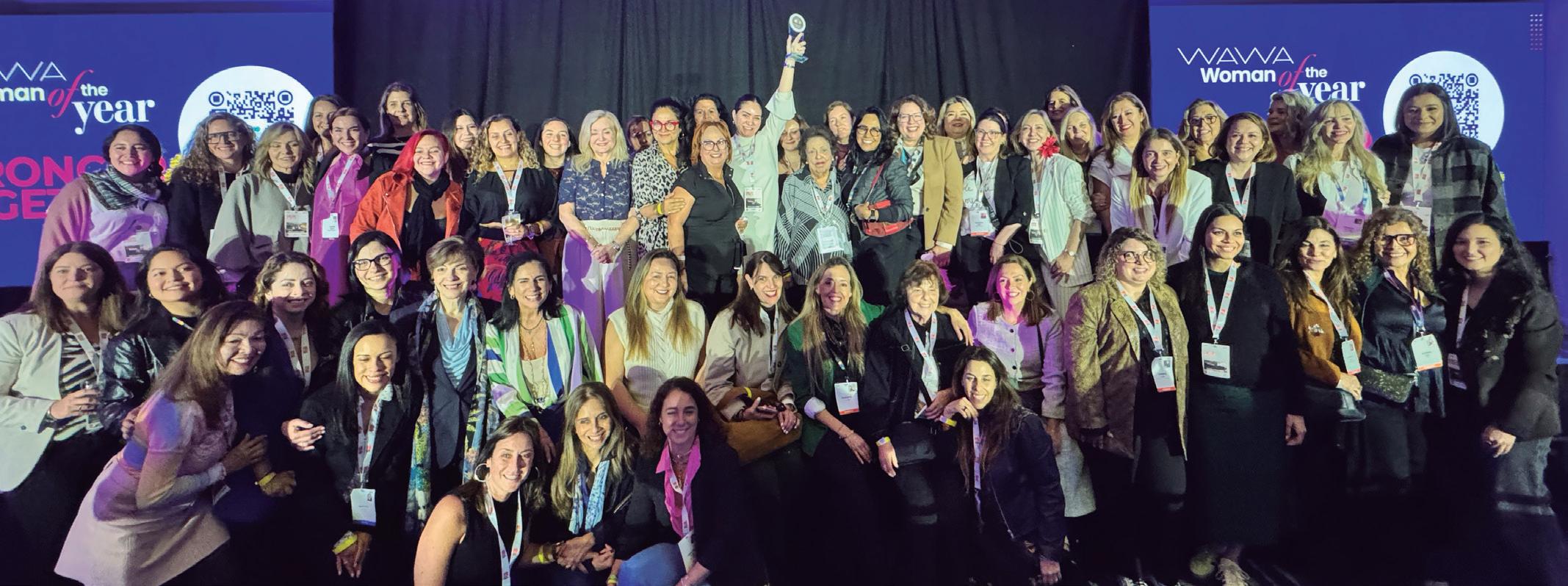
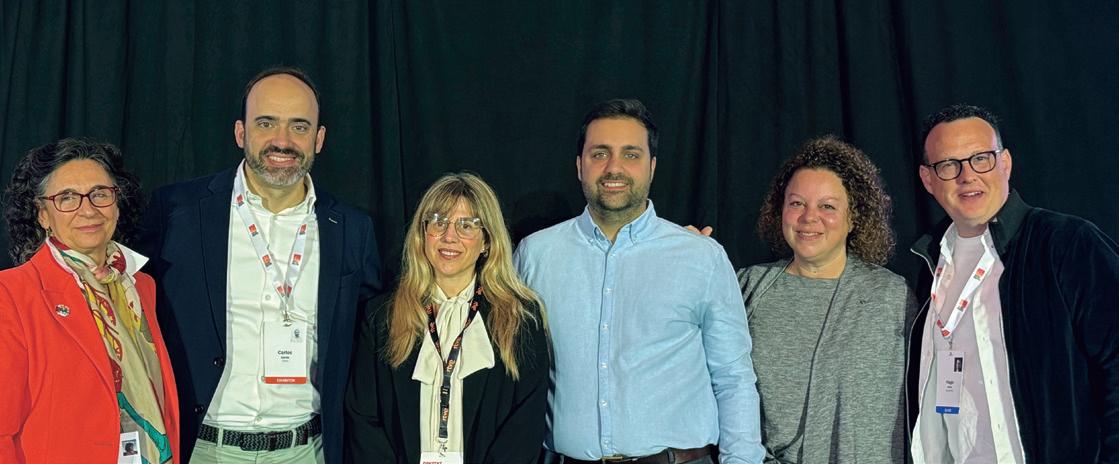
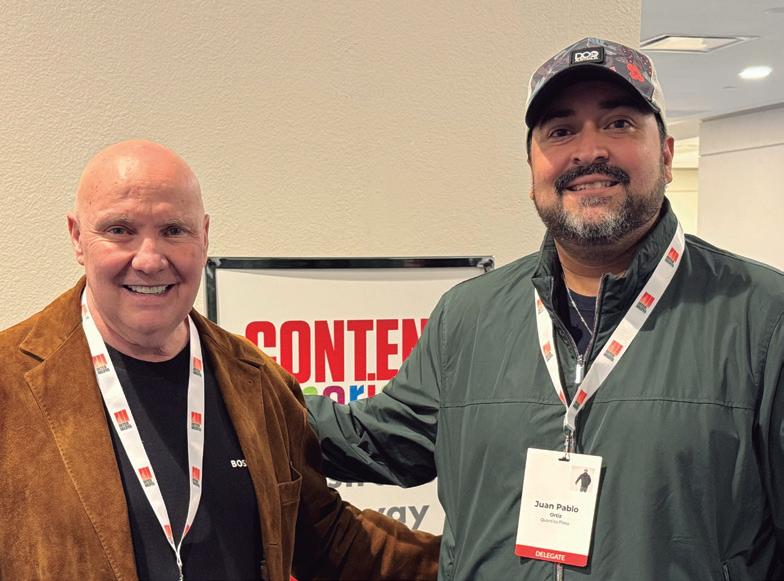
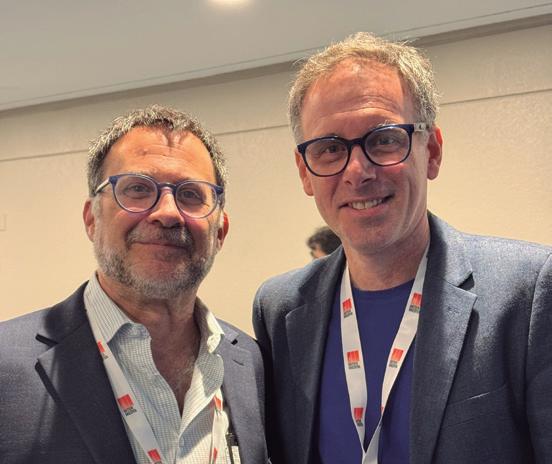
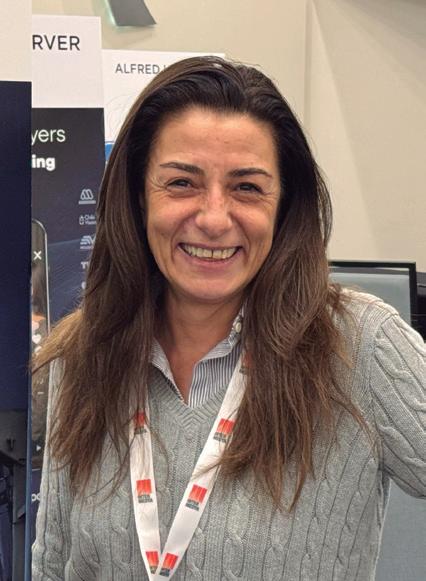
CONTENT AMERICAS 2026
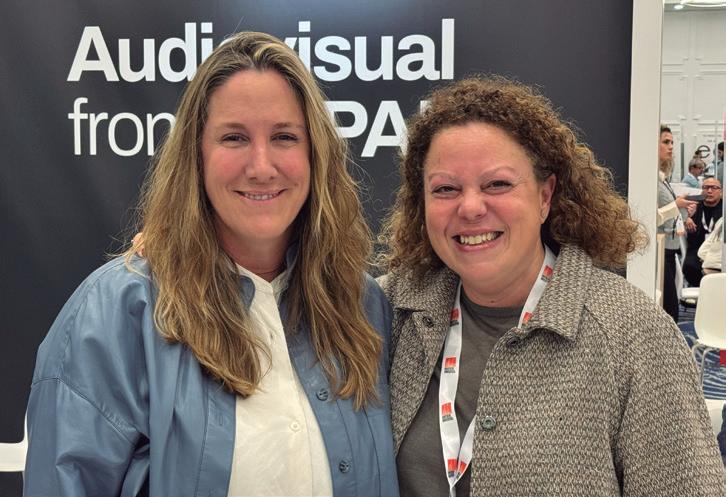
Eric Jurgensen (LATINA), Muge Akar (ATV)
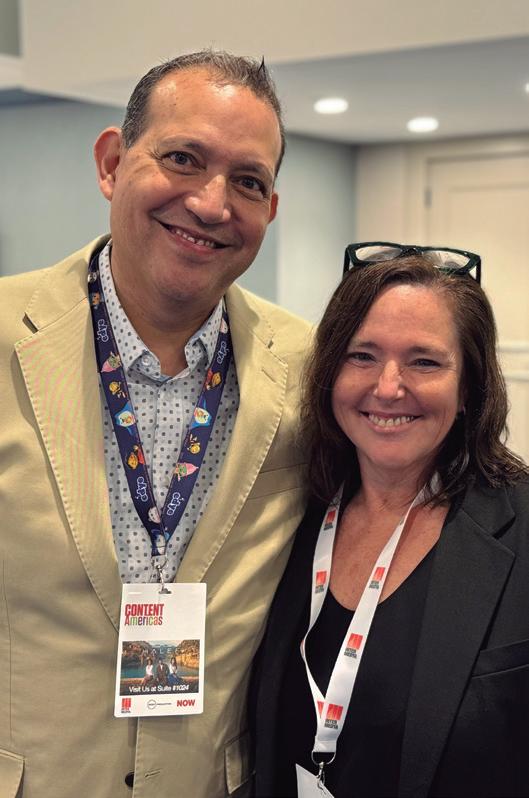
Fernanda Briceno, Daniel Álvarez, Mariana Pérez, Leonardo Aranguibel, Javier Castany, Fabiola Bovino (DISNEY)
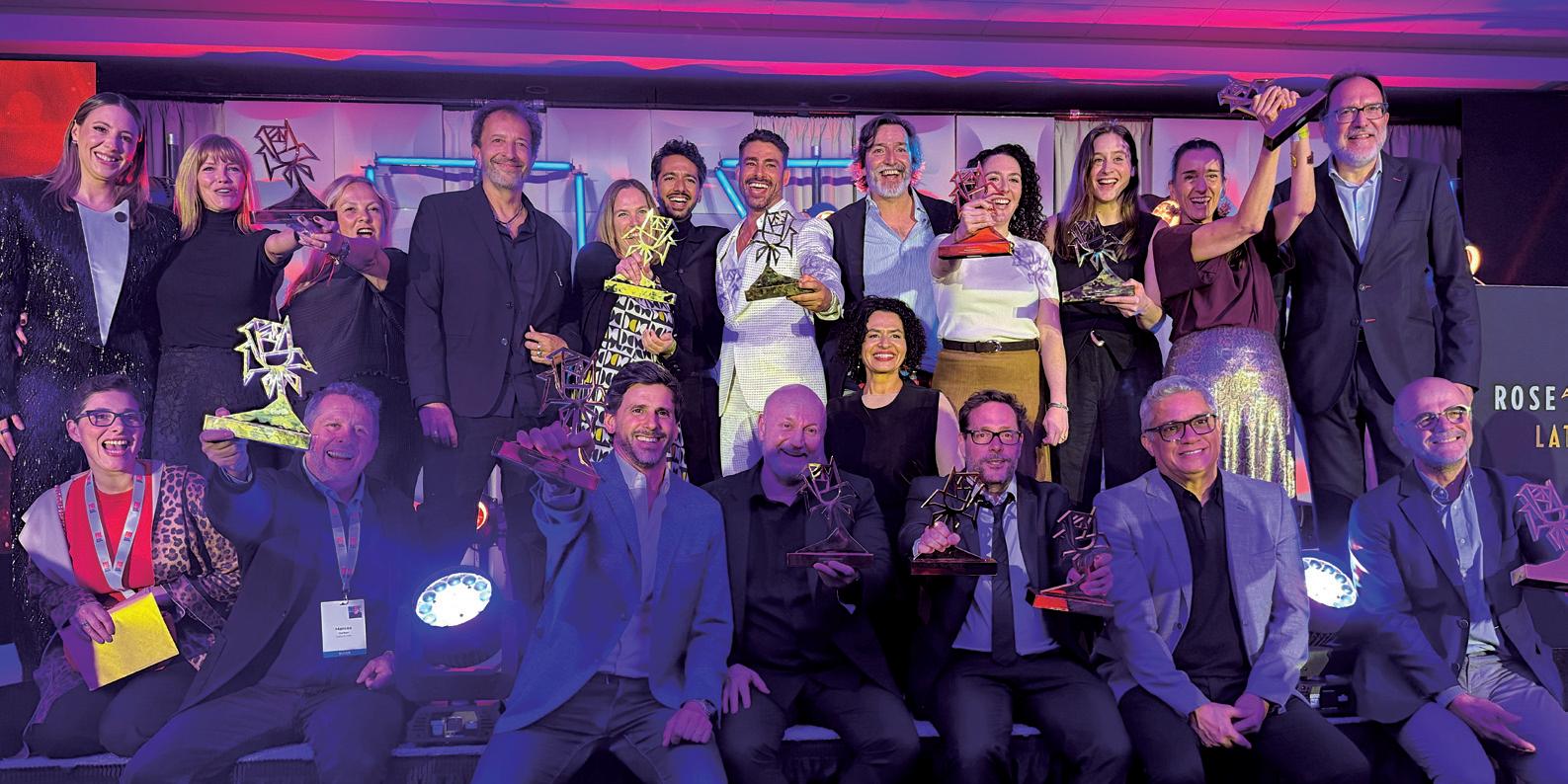
Rose D'or Latinos Awards
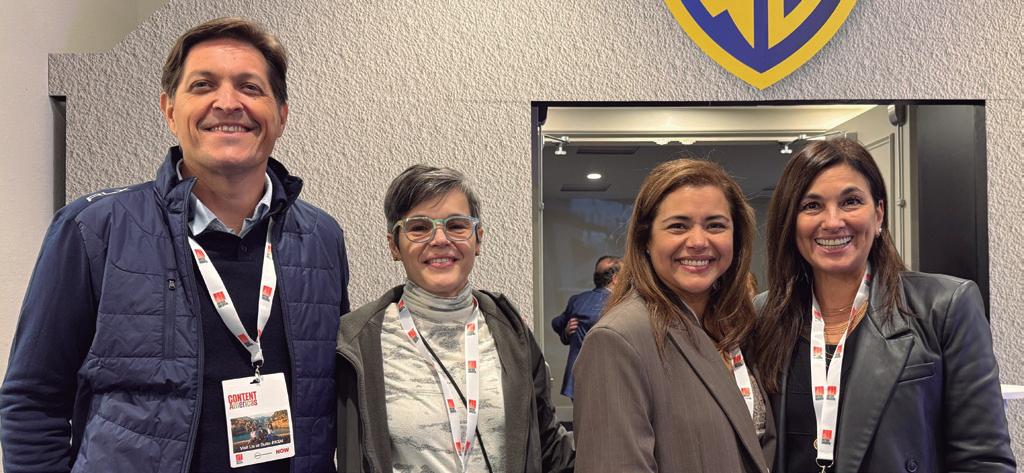
Pablo Zuccarino, Vanessa Miranda, Irida Tovar, Patricia Jasin (WBD)