US PLATFORMS DOMINATED SVOD AND IN-VIDEO OTT ADS WITH OVER 80% OF TOTAL REVENUES IN EUROPE, AS STATED BY FINDINGS FROM THE EUROPEAN AUDIOVISUAL OBSERVATORY.
3
COMCAST, NETFLIX AND YOUTUBE ARE THE TOP THREE PLAYERS IN EUROPE BY OPERATING REVENUE.
1/3
EUROPEAN COMPANIES ACCOUNT FOR ONLY ONE-THIRD OF THE TOP 10 GROUPS’ AUDIOVISUAL REVENUES.
Netflix overtook Sky in 2024 to become the leading company in the pay-AV service market, with both together controlling one-third of cumulative pay-TV and SVOD revenues. SVOD alone accounted for roughly 40% of that combined market and remained dominated by US streamers.
EDUARDO
RUIZ LEFT A+E NETWORKS LATIN AMERICA
A+E Networks Latin America confirmed the departure of Eduardo Ruiz, its President and General Manager, effective January 15, after more than 20 years of service to the company and its partners. Ruiz joined A+E Networks Latin America in 2003 as the company’s Senior Vice President of Sales and Marketing. He was later promoted to Executive Vice President and General Manager, and in 2013 was named President and General Manager of the company. ∙
NETFLIX AND SONY CLOSED GLOBAL DEAL
Netflix and Sony Pictures Entertainment announced a landmark global Pay-1 licensing deal. In the exclusive multiyear agreement, Sony’s feature films will stream on Netflix worldwide, following their full theatrical and home entertainment windows. The new global Pay-1 arrangement will roll out gradually, starting later this year as individual territory rights become available, with full global availability on Netflix in early 2029. ∙
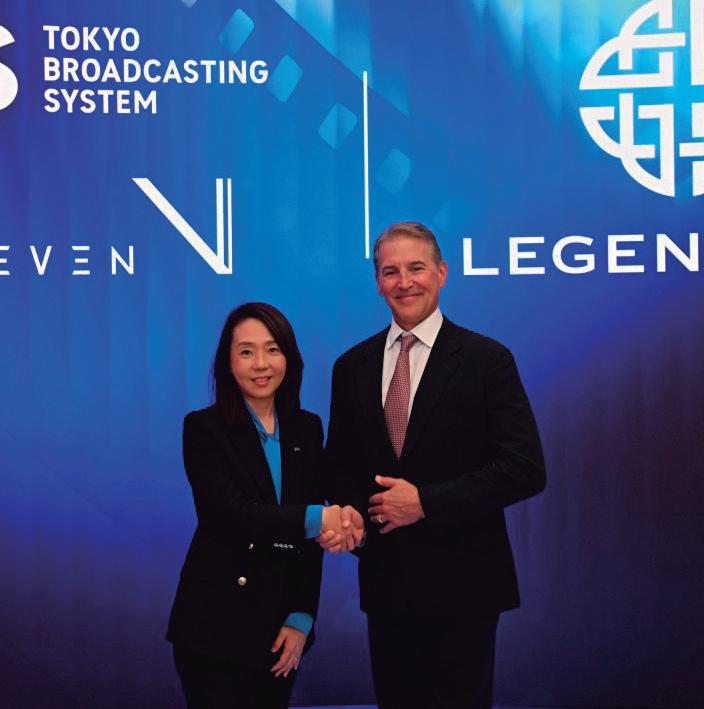
TBS HOLDINGS TAKES MINORITY STAKE IN LEGENDARY ENTERTAINMENT
TBS Holdings has entered into a strategic partnership with Hollywood-based Legendary Entertainment, acquiring a minority stake in the studio for USD 150 million. Under the agreement, The Seven, the studio spearheading the TBS Group’s global strategy, will work closely with Legendary, whose portfolio includes major global franchises such as “Dune”, the” Monsterverse” and “Minecraft”. The partnership is designed to accelerate the creation of globally scalable entertainment rooted in Japanese intellectual property. ∙
MFF & CO AND GLOBO NAME WRITERS FOR NORTH AMERICAN TELENOVELA ADAPTATIONS
MFF & CO and Globo announced the writers attached to three projects currently in development as part of their partnership to adapt a curated slate of hit Brazilian daytime and primetime telenovelas for the North American market. Writer Alexander Maggio (“Homeland”) has been confirmed to adapt “Empire”, while “The Other Side of Paradise” will be adapted by Jenny Lynn (“Mayans M.C.”). Finally, “King of Cattle”, will be adapted by Ted Sullivan (“Riverdale”). ∙
BOAT ROCKER STUDIOS SETS NEW STRATEGIC VISION
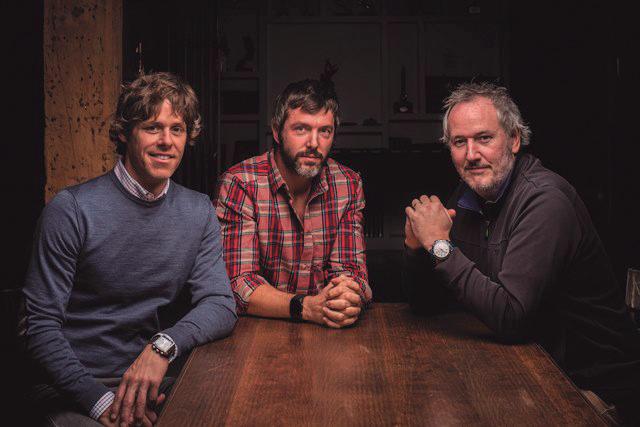
Boat Rocker Studios has finalized an internal reorganization to better align the business with its strategic priorities as a newly private company. Partners Ivan Schneeberg, David Fortier, and John Young, who completed a management buyout of Boat Rocker Studios in August 2025 have set a new strategic plan for the independent studio focused on the creation, ownership, and global monetization of premium content across genres and platforms. The company has created several new roles and reporting structures, promoted several Boat Rocker executives, eliminated or relocated certain positions, and will hire new team members across various divisions. ∙
BANIJAY AND ALL3MEDIA IN ADVANCED TALKS FOR A MEGA MERGER
Banijay Group is in advanced discussions with RedBird IMI, the owner of UK-based All3Media, to merge their television production businesses. If completed, the tie-up would combine Banijay’s Entertainment & Live unit with All3Media’s portfolio, which includes hits such as “The Traitors,” “Midsomer Murders,” “Call the Midwife” and “Race Across the World.” The talks represent one of the latest moves in a broader trend of legacy TV producers consolidating to compete more effectively with deep-pocketed streaming giants. Discussions began late last year after Banijay abandoned its pursuit of Britain’s ITV Studios. ∙
BLUE ANT RIGHTS EXPANDS GLOBAL SALES LEADERSHIP
Blue Ant Rights confirmed a series of leadership promotions and a new appointment across its Americas and APAC sales teams. In the Americas, Bryan Gabourie has been promoted to EVP, Content Monetization and Head of Americas, while Nick Solowski has been promoted to VP, International Sales (US & Canada), expanding his current responsibilities. In the APAC region, Blue Ant Rights has appointed Bruno Liporoni as VP, International Sales (ANZ & Japan), and Jason Soh, VP, Distribution (Asia), will assume expanded responsibilities, adding oversight of content sales in China and Korea to his existing remit. ∙
“FLEXIBILITY AND AGILITY ARE THE REAL ADVANTAGES FOR US”
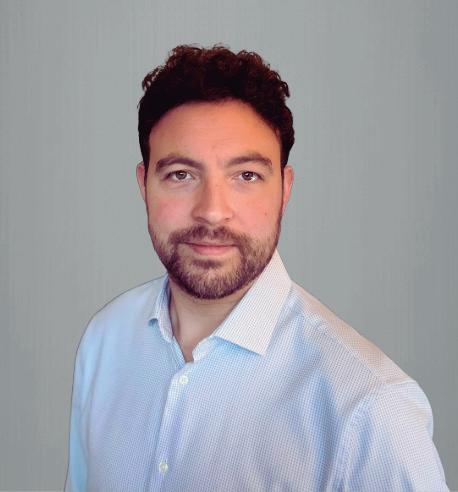
JAMES MEYER, SVP OF INTERNATIONAL SALES & DISTRIBUTION AT RADIAL ENTERTAINMENT, DISCUSSES HOW FLEXIBILITY AND DATA TRANSPARENCY ARE SHAPING THE COMPANY’S GLOBAL EXPANSION ACROSS FAST, AVOD, AND TRADITIONAL LICENSING.
As ad-supported models continue to accelerate worldwide, international distributors are rethinking how content is windowed, monetized, and scaled across territories. Señal News spoke with James Meyer, SVP of International Sales & Distribution at Radial Entertainment, about how the company is leveraging its independence to drive international growth.
What is your vision for global expansion across AVOD, FAST, and traditional platforms?
“With Jeff’s arrival, there’s a shared focus on building systems that scale rather than chasing isolated wins. Internationally, we’re approaching AVOD, FAST, and traditional licensing as complementary monetisation layers, each suited to different content types and markets. Rather than a one-size-fits-all global strategy, we want a bottom-up approach, working closely with our partners in individual territories, deploying the right model in the right market at the right time.”
What criteria do you use when selecting partners for new deals?
“We have three priorities: audience fit, of course, genre affinity, viewing behaviour, and engagement patterns that show us our content will work reliably for audiences on their platform. Second is the economic structure of the deal. Sustainable revenue
mechanics and the ability to refine and optimise performance over time. Third, we look at operational alignment, how easy is it for us to launch, what are our localisation options, and crucially, the transparency of data. We are looking for partnerships that work in both directions, and data transparency is fundamental to ensuring reliable, predictable revenues for ourselves and our platform partners.”
How does Radial’s independence influence your strategy?
“Flexibility and agility are the real advantages for us. We’re not juggling internal platform priorities and franchise agendas, and not trying to protect a studio slate. We can respond in real time to how audiences are reacting and adjust windows dynamically. If something’s working, we can lean into it, whether that’s adding a promotional AVOD window, cross-promoting through social channels, or adding bonus content in transactional windows. That adaptability not only helps the content perform better over time, but it also makes us a more collaborative partner.”
“What specific trends do you observe in the Americas?
“We’re observing distinct but complementary content performance trends across Latin America and the U.S. In LatAm, audience engagement
on ad-supported platforms skews toward genre-driven programming—including crime, action, drama, and unscripted formats—reflecting continued FAST and AVOD expansion across the region. That performance is reinforcing a focus on acquiring content with local relevance that can scale across multiple territories. In the U.S., demand remains strongest for evergreen library titles and established genres such as true crime, action, and horror, particularly within ad-supported environments, supporting continued investment in owned IP with long-term value. Taken together, these signals are guiding a more targeted acquisition and distribution strategy for us, prioritizing content that travels internationally while aligning with regional viewing behavior.”
What key challenges do you observe for international growth?
“The main challenges to global growth are structural. Fragmented rights, inconsistent metadata, and the cost and complexity of localisation. We're very fortunate to be part of a group laser-focused on forging new partnerships to address these structural hurdles. Whether that’s with platforms directly or exploring new technology solutions in advertising and localisation, collaboration is key to helping us scale effectively.”
By Romina Rodriguez
James Meyer
“TACHI AI IS A TOOL DESIGNED TO ENHANCE THE ARTIST, NOT REPLACE THEM”
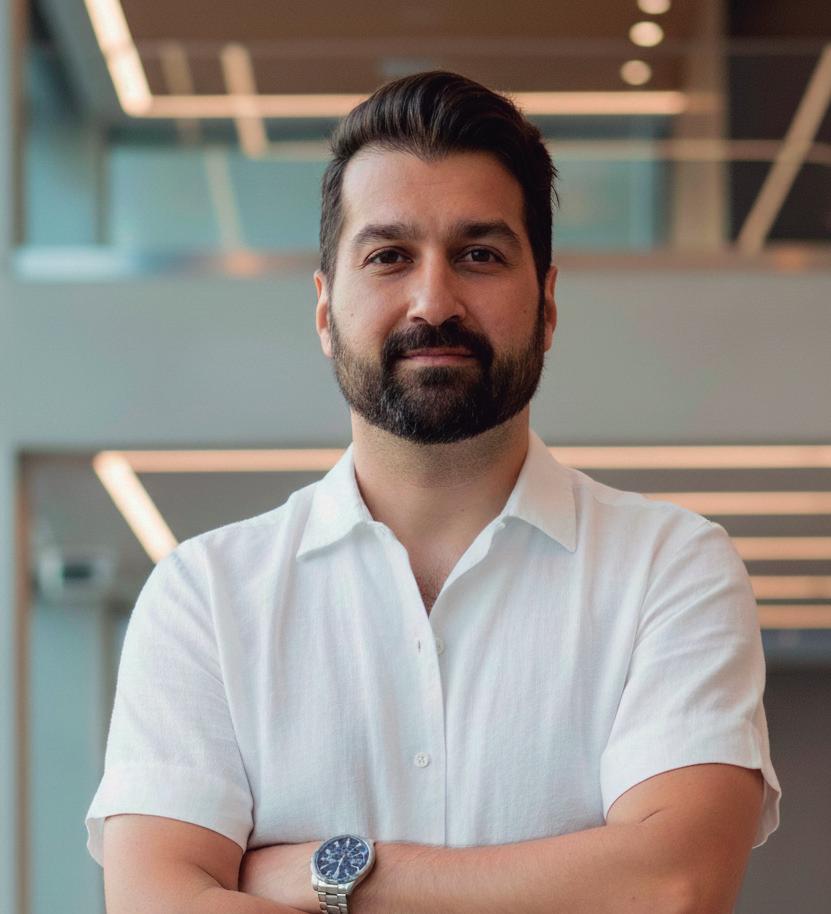
ADEN BAHADORI, CO-FOUNDER AND CEO OF TACHI AI, DISCUSSES HOW THE COMPANY’S UTILITY-DRIVEN AI PLATFORM WAS BORN FROM REAL EDITING-ROOM FRUSTRATION AND HOW IT AIMS TO CUT ASSEMBLY TIME BY UP TO 95% WHILE PRESERVING CREATIVE AUTHORSHIP.
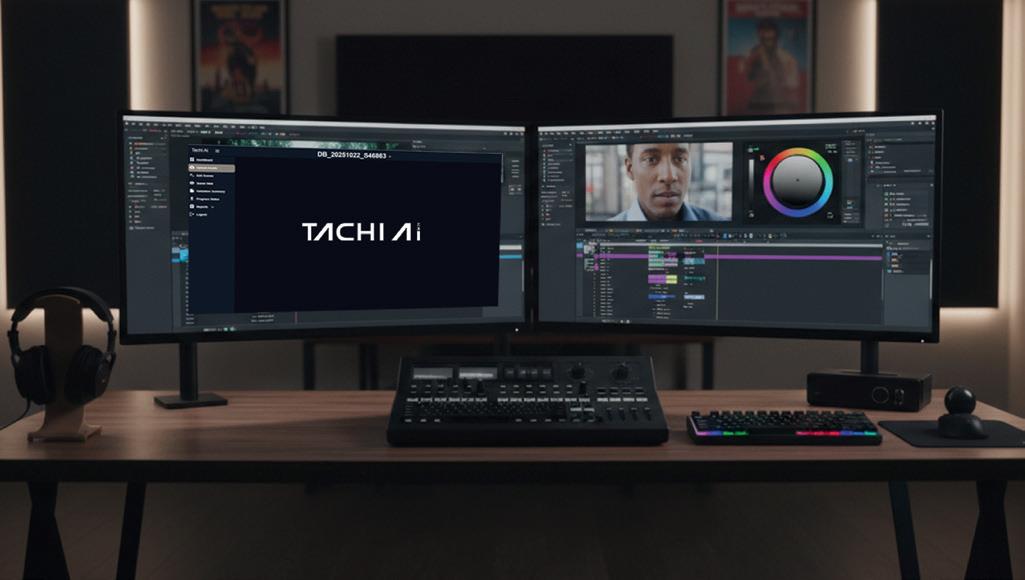
After more than a decade of conceptual development and years operating in stealth, TACHI AI is preparing for its public debut as a post-production utility AI platform built specifically to eliminate technical bottlenecks in the edit bay. Unlike generative AI tools, TACHI AI focuses exclusively on automating the most time-consuming tasks. Aden Bahadori, the company's co-founder and CEO, explains how the platform works.
What was the initial spark that led you to create a postproduction utility AI platform?
“The foundational concept for TACHI AI originated in March of 2012. It began in the edit suite in Los Angeles, grappling with a particularly challenging film edit. We recall a scene we spent weeks meticulously assembling, with many technical issues. That frustrating experience sparked a decade-long contemplation of automating the technical aspects of film editing and the entire post-production workflow. The timing became right in 2023, when I partnered with Brett and Gary Granstaff to bring TACHI AI to life. Our combined passion for filmmaking and technology became the genesis of a truly disruptive solution that does not sacrifice human creativity. With the recent advancements in AI/machine learning, Aden's long-held vision has become technologically feasible. TACHI AI specifically addresses the technical part of film editing. Our core philosophy is that AI enhances, never replaces, human creativity. Our entire team firmly believes that AI cannot possess human-like creativity. For creativity to be computed, AI would need intuition, the ability to feel emotions, an understanding of human nature, and an
appreciation of the complexities of imagination. AI is not sentient; it computes algorithms built by humans. It is, at most, a complex imposter, nothing more. We built TACHI AI as a technology to exclusively tackle technical challenges. Editing is fundamentally about telling a story and evoking emotions in an audience. By significantly reducing the technical editing process, we free up more time for the crucial creative editing. This is precisely why we categorize TACHI AI as a utility AI platform: it's a powerful tool designed to enhance the artist, not replace them.”
As filmmakers-turned-founders, how did your own industry experiences shape the vision for TACHI AI? “As seasoned filmmakers, we intimately understand the entire filmmaking pipeline. We have spent countless hours making films and TV shows. As filmmakers and disruptive thinkers, we have cultivated the grit needed to implement the necessary changes, resulting in more creative time and ultimately improving the quality of the story. None of us has ever viewed filmmaking as merely a job; it is a profound passion. Our extensive experience across the entire pre-production to post-production pipeline has given us the skills to tackle any challenge. When the dots didn’t connect, whether it was a complex narrative needing a specific visual rhythm or simply the inefficiencies of a tight deadline, we devised solutions not only to connect them but also to refine the process for subsequent projects. For example, we often found ourselves inventing small hacks or custom workflows to
Aden Bahadori
overcome technical bottlenecks, much like the broader problem TACHI AI now solves. Founders who intimately understand their industry and its entire process make the best solution-makers. We are in the trenches; we see the challenges; we know the mission, and we are best suited to build forward. This deep understanding of both the art and the grind of filmmaking directly informed every aspect of TACHI AI's development, ensuring it’s a tool built by filmmakers, for filmmakers.”
What specific post-production pain points were you most determined to solve?
“The assembly edit is the first, often arduous, step of editing any media format, whether it’s a short film, a commercial, a music video, or a feature film. An editor sits in a dark room, meticulously crafting this initial edit. This is a heavily technical, repetitive, and cumbersome process. The assembly edit is rarely pretty; it's long, it doesn’t sound right, and most of all, it drains the editor's mojo. This creative burnout can significantly impact morale and the overall project timeline. TACHI AI precisely targets this phase by taking on the assembly edit. That gives the editor a great starting point. Instead of building the assembly edit from scratch, the editor can immediately grasp the essence of the scene and refine it from there. Does the editor still need to review the media? Yes. Does the editor still have to shape the edit on the timeline and make necessary changes to tell a great story? Yes. The critical difference is that with TACHI AI, this foundational work is done faster, with less technical effort, and creativity has time to breathe. It’s not just about saving time; it’s about preserving the editor’s creative energy for the storytelling that truly matters, preventing valuable hours from being spent on purely technical tasks.”
TACHI AI promises up to a 95% reduction in assembly time. What does that look like in practical terms for editors and production teams?
“At its core, TACHI AI is a workflow solution that changes how the initial edit is approached. Aden spent years meticulously understanding the process of editing, down to the smallest details, cataloging every step required to piece media together from a script on a timeline to create an edit of a scene. By leveraging AI and intelligent workflows, TACHI AI can edit scenes in a fraction of the time it would take a human. For example, an assembly edit that might take an editor two full days to complete could be generated by TACHI AI in just a couple of hours. This translates to significant efficiencies in the edit suite. Like all AI today, it’s not perfect. It might occasionally overlap dialogue or incorrectly place an insert shot. It won't give you an edit that is 100% finished. However, throughout our
development, alpha, and beta testing, we have observed consistent results of up to a 95% reduction in time. This is calculated by benchmarking a film scene edited from scratch by a professional editor against the same scene processed by TACHI AI. TACHI AI has many practical use cases beyond the editor. A director, for instance, can preview a scene shortly after shooting it to assess its effectiveness or to determine if additional footage is needed. This can potentially save a costly reshoot or an entire day on set. Editors can use TACHI AI to quickly preview ideas for a scene that might be difficult or incomplete, using it as a creative sounding board. Just as a writer might ask ChatGPT for book or script ideas before they begin writing, TACHI AI offers rapid ideation for filmmakers. This ability to quickly visualize and iterate creative choices is relatively new to filmmaking and the creative process, and TACHI AI makes it a reality for editors and the wider production team.”
What can users expect from the public launch scheduled for 2026?
“We are currently in a closed beta test, working with partner productions to process a variety of films and TV shows. Every project is unique, and we are working to understand as wide a variety of creative works as possible to better shape and tune TACHI AI. We're prioritizing feedback on seamless integration with existing NLEs like Adobe Premiere and DaVinci Resolve, as well as the platform's overall usability and intuitive design. As of right now, we do not have an exact release date, but our goal is to have the optimal version of TACHI AI ready before the end of Q2 2026. Users can expect a highly refined, cloud-based utility AI platform that integrates effortlessly into their existing post-production workflows. While the initial launch will focus on revolutionizing the assembly edit, we envision TACHI AI expanding into other technical postproduction challenges in the future, offering even more comprehensive assistance.”
By Romina Rodríguez
“WE TEND
TO
STICK
WITH GENRES THAT PERFORM WELL WORLDWIDE”
COURTNEY
KENSINGTON, VP OF SALES & FINANCE AT THE ASYLUM, ANALYZES HOW DATA-DRIVEN DECISION-MAKING, GENRE PERFORMANCE AND PLATFORM VISIBILITY SHAPE THE STUDIO’S GLOBAL DISTRIBUTION STRATEGY AND ITS POSITIONING AT INTERNATIONAL MARKETS SUCH AS NATPE GLOBAL.
With a prolific production model and a clear focus on commercially proven genres, The Asylum has consolidated its position as a key independent player in the international content market.
Señal News talekd with Courtney Kensington, VP of Sales & Finance, who shared insights into how the company balances creative identity with audience data, the role of global market intelligence in shaping its slate, and the strategic importance of international events like NATPE Global as platforms to strengthen partnerships, align content strategies and maximize global reach across AVOD, FAST and traditional broadcast ecosystems.
The Asylum has built a global reputation with genre-driven, market-oriented content and a prolific production model. How does this strategy shape your approach to presenting your slate at international events like NATPE Global?
“Actually, NATPE is a great chance for us to catch up with our domestic
VOD partners and networks. We really like to hear from them on certain promos or stunts that they’re focusing on this year, so we can help provide the type of content that they’re looking for.”
In a previous interview, you emphasized knowing what audiences can expect from The Asylum’s films and series. How do you balance creative identity with evolving global audience tastes when selecting titles for international buyers?
“We are always looking at the numbers! Numbers don’t lie. So whether it’s revenue reports or performance metrics, we’re keeping an eye on what sold and performed strongly previously, and we stick to that!”
Co-productions and partnerships are increasingly important for global distribution. What criteria do you prioritize when evaluating co-production opportunities, especially in diverse markets across Latin America, North America, and EMEA?
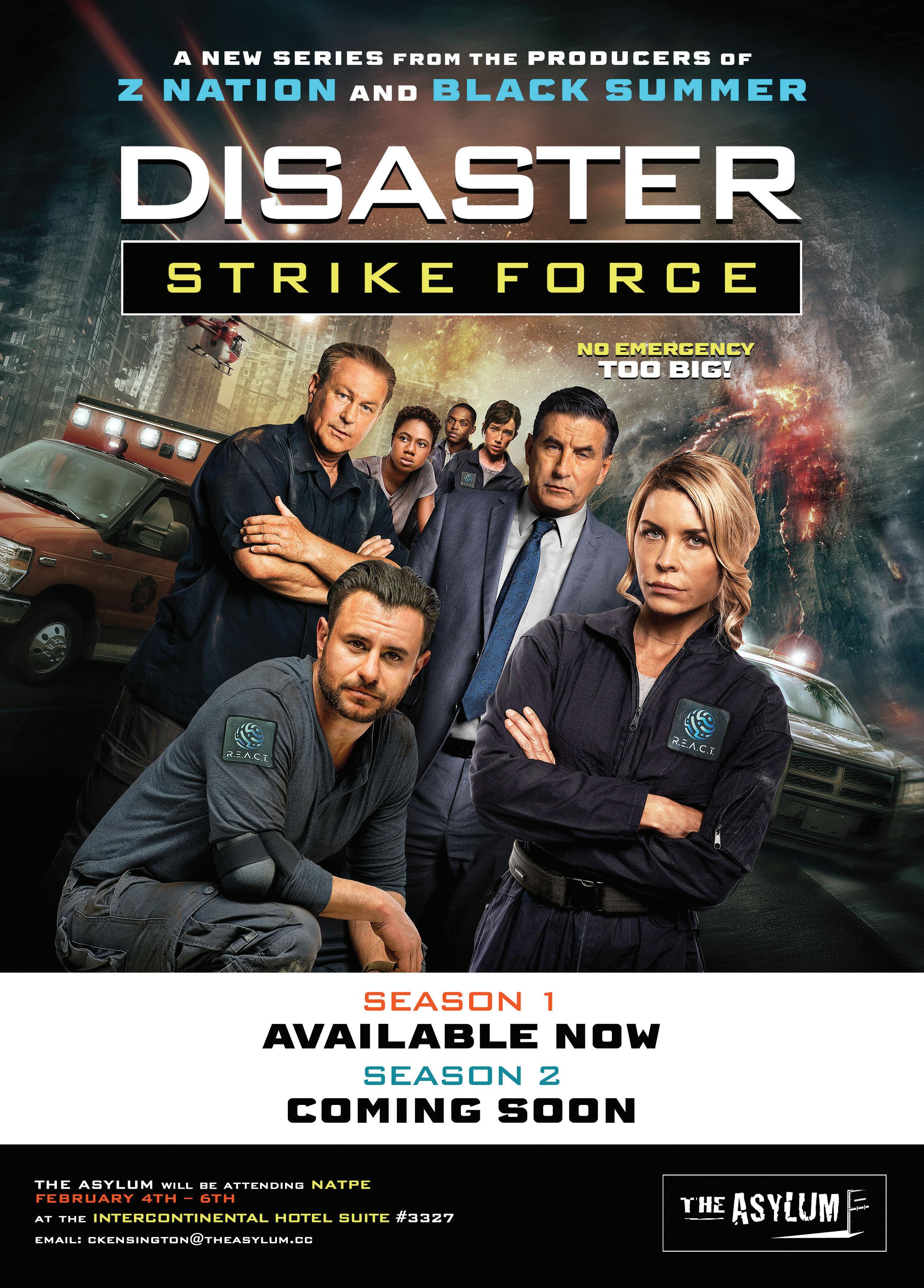
“We tend to stick with genres that perform well worldwide. For example, we try to avoid gory horror because, although it performs well in the US, it doesn’t sell as easily in territories like Japan. Meanwhile, genres like disaster and creature films perform very well in many territories. That being
said, we’re willing to make anything and everything if it makes sense financially with a potential partner.”
As an independent studio with both film and television properties, what do you see as the biggest opportunities and challenges in the AVOD, FAST, and traditional broadcast landscapes?
“Placement! Now that these platforms are expanding and there’s just so much content on them, we need our content to be in the rows or buckets they're promoting, so it's right in the viewers’ faces!! If it’s buried in the platform somewhere, we will definitely see a decline in revenue.”
With a catalog that spans hundreds of original productions and multiple genres, how does The Asylum leverage data and audience insights to tailor its international distribution strategy and maximize reach?
“These events like NATPE Global, provide us a chance to catch up with our partners so we can hear from them on what’s working and what’s not. We like to hear what they’re focused on so we know what we should focus on.”
By Romina Rodriguez
Courtney Kensington
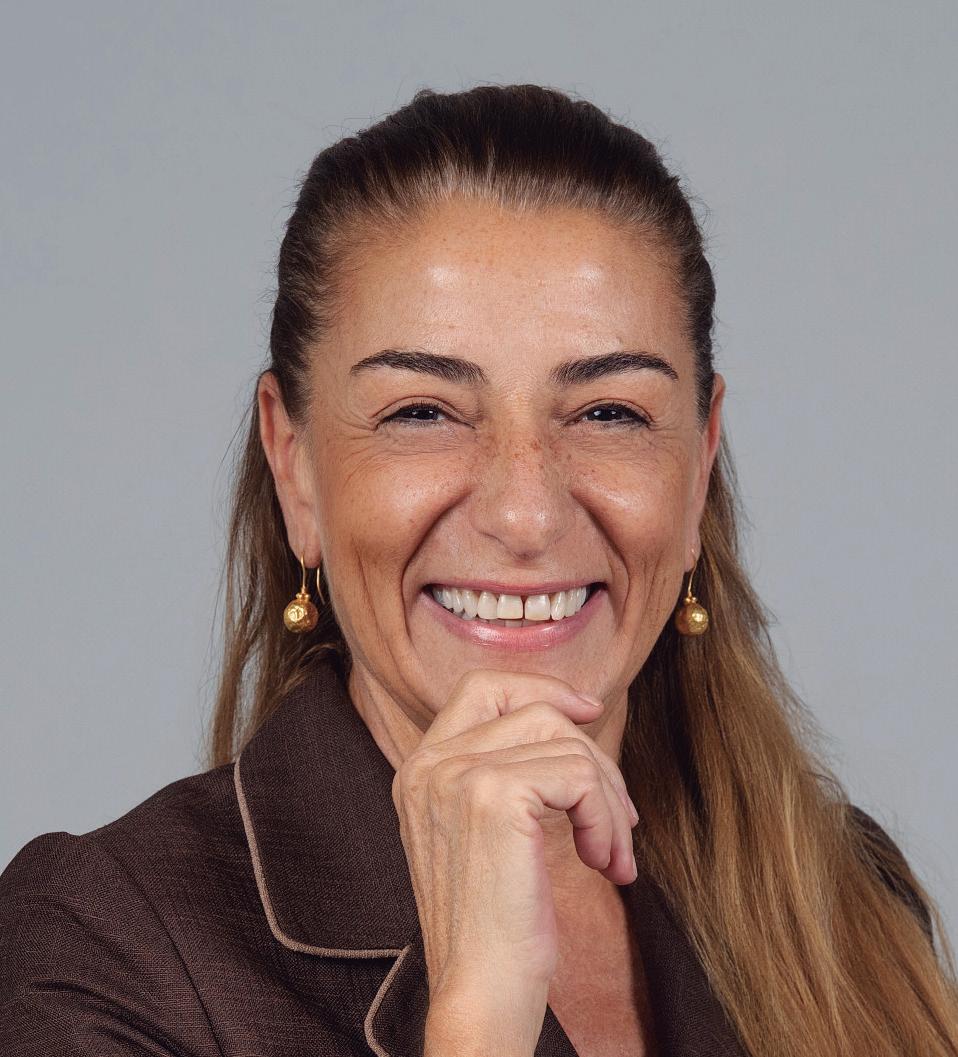
Cagla Menderes
CAGLA MENDERES, HEAD OF INTERNATIONAL CONTENT SALES AT MEGA TV, EXPLAINS THE COMPANY’S GOALS AND BUSINESS MODELS AS IT ENTERS THE INTERNATIONAL MARKET TO HIGHLIGHT A NEW ERA FOR GREEK CONTENT.
Greek content is experiencing a new phase of global recognition, with highquality productions beginning to travel the world. Cagla Menderes, Head of International Content Sales at Alter Ego Studios / Mega TV, spoke with Señal News to explain her global expansion strategy.
What would be the main goals for Mega's distribution arm?
“Our primary goal is to position Alter Ego Media’s TV station, Mega, as a global leader in the distribution of premium Greek content. Mega has already proven that its series resonate far beyond Greece; for example, ‘Maestro in Blue’ reached the Netflix Global Top 10, showing that Greek storytelling can compete on the world stage. What sets us apart is that Mega retains 100% ownership of its intellectual property, giving us total flexibility to license, adapt, and market our series worldwide. We are not only selling content; we are building a global label for Greek originals, recognized for high-quality, culturally rich, and emotionally engaging storytelling.”
“WE ARE BUILDING A GLOBAL BRAND OF GREEK ORIGINALS”
What business models will you push internationally?
“Our catalog is diverse, including limited crime dramas, epic family sagas, period dramas, long-running telenovelas, and contemporary comedies. This allows us to match content to the specific needs of each market. Our strategy combines ready-to-air localization, direct licensing, and flexible distribution models, allowing buyers to offer content that engages audiences immediately.”
What is the local potential of Mega and its facilities in Greece?
“Alter Ego Media is a powerhouse in the Greek media landscape, combining historic prestige with modern innovation. The Group maintains a dominant position across television, digital media, and strategic investments. Mega is not only broadcasts but produces all original content, controlling every stage from script development to post-production. This vertical integration ensures consistently high production values and creative control. We are fully equipped to deliver cinematic quality for series of any scale. Coupled with Mega’s track record as Greece’s top-rated channel, this infrastructure allows us to serve international buyers with content that is both visually sophisticated and narratively compelling.”
How would you describe the current momentum of Greek storytelling and creativity?
“Greek content is experiencing a bold rebirth, moving past years of inward focus to claim its place on the global stage. At the heart of this renaissance is Mega,
producing world-class fiction that resonates far beyond Greek borders. From ‘Silent Road,’ which secured a global distribution deal with Beta and captivated audiences in Italy, to ‘Milky Way,’ the first Greek miniseries distinguished at the renowned Series Mania Festival in Lille, Mega is proving that Greek storytelling is now a premier global export. Greek creators are experimenting with structure, pacing, and genres, producing narratives that are fresh, culturally grounded, and compelling for audiences worldwide.”
How do you define the business potential of the Americas for Mega?
“Our presence in the region is defined by a meticulously curated slate specifically tailored to resonate with the Latin American market. We have handpicked ‘The Innocents,’ ‘Shipwreck,’ ‘Heat,’ ‘Terra Olivae,’ and ‘Black Rose’ because each one possesses a distinct narrative DNA that aligns with the viewing habits and cultural sensibilities of the region. Whether it is through sweeping generational sagas, the intense passion of forbidden love, psychological thrillers, true-life drama or highstakes political suspense, every title has been chosen for a specific reason, ensuring they are perfectly positioned to find a dedicated audience in this vibrant market. By combining high-quality production, cultural resonance, and ready-toair content, we ensure that buyers in Latin America can immediately connect with our stories, creating strong engagement and long-term partnerships.”
By Diego Alfagemez
INTERNATIONAL EMMYS 2025
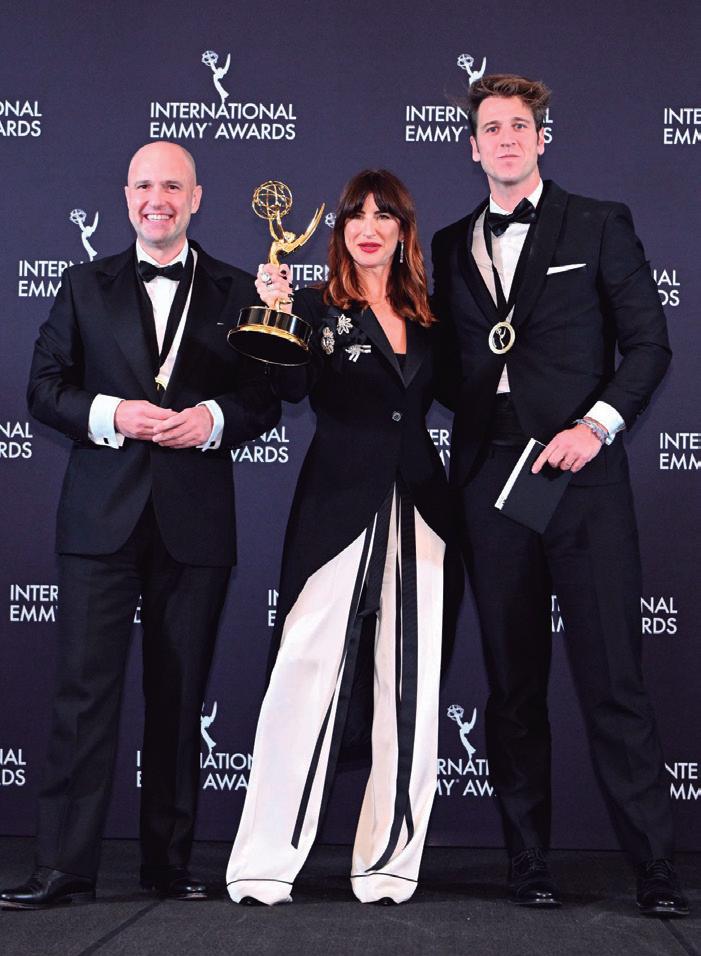
The You First Originals team, winner for "It’s All Over. The Kiss That Changed Spanish Football"
Leonardo Aranguibel, Fernando Semenzato (DISNEY)
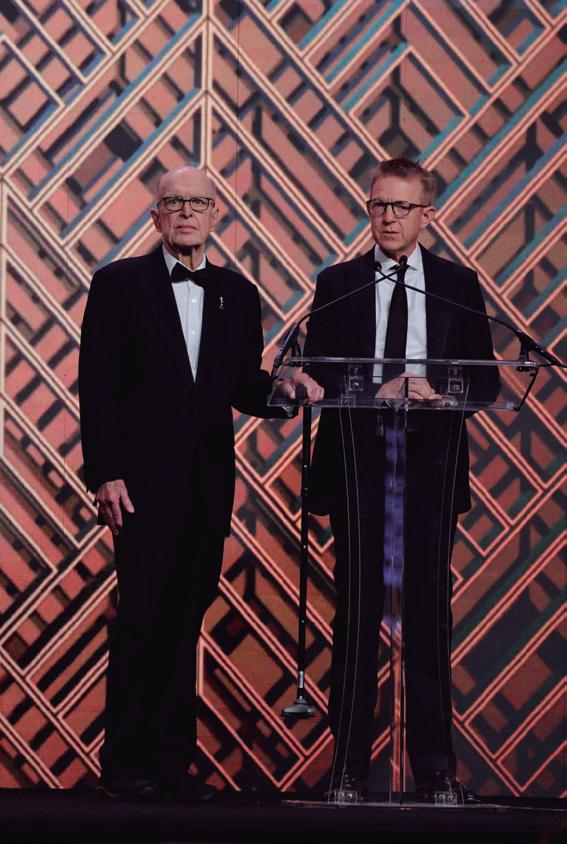
Bruce Paisner and Kevin Beggs (INTERNATIONAL ACADEMY)
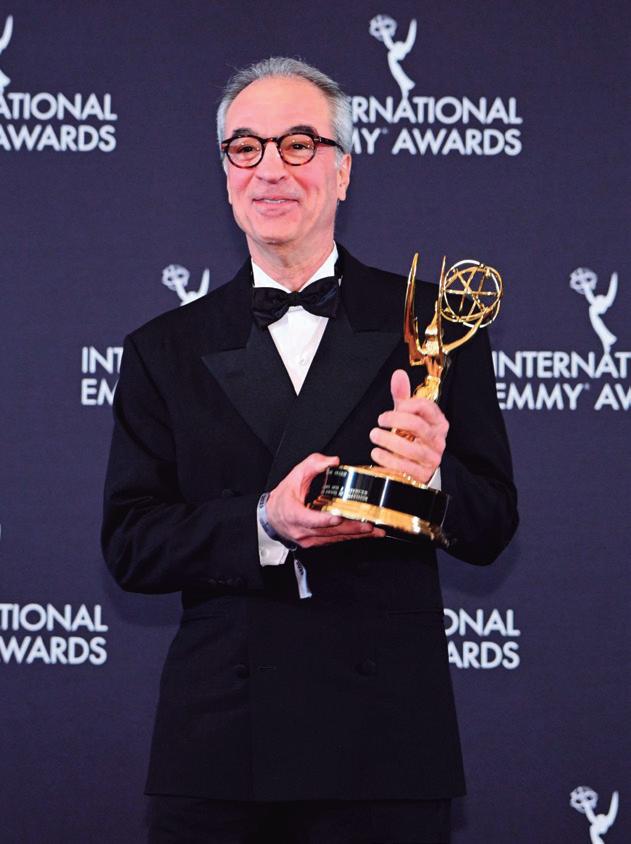
The Directorate Award went to João Roberto Marinho, Chairman & President of Grupo Globo.
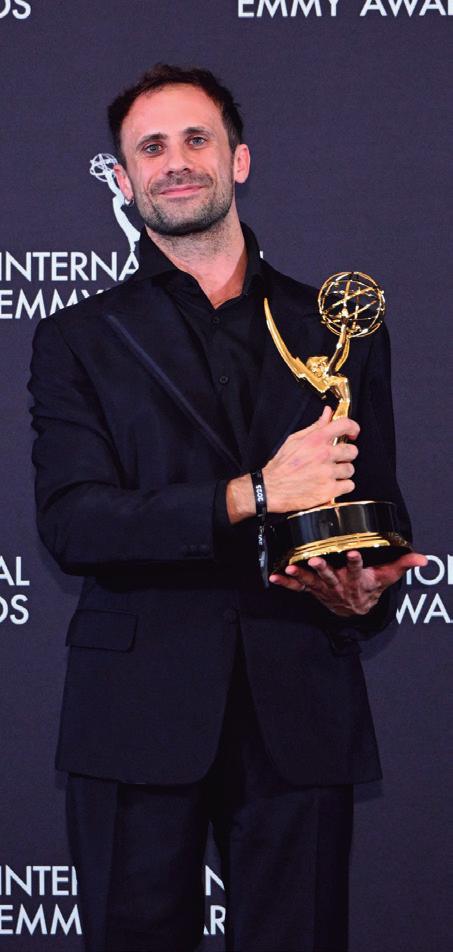
Best Performance by an Actor went to Oriol Pla for "Yo, adicto," from Alea Media and Disney+.
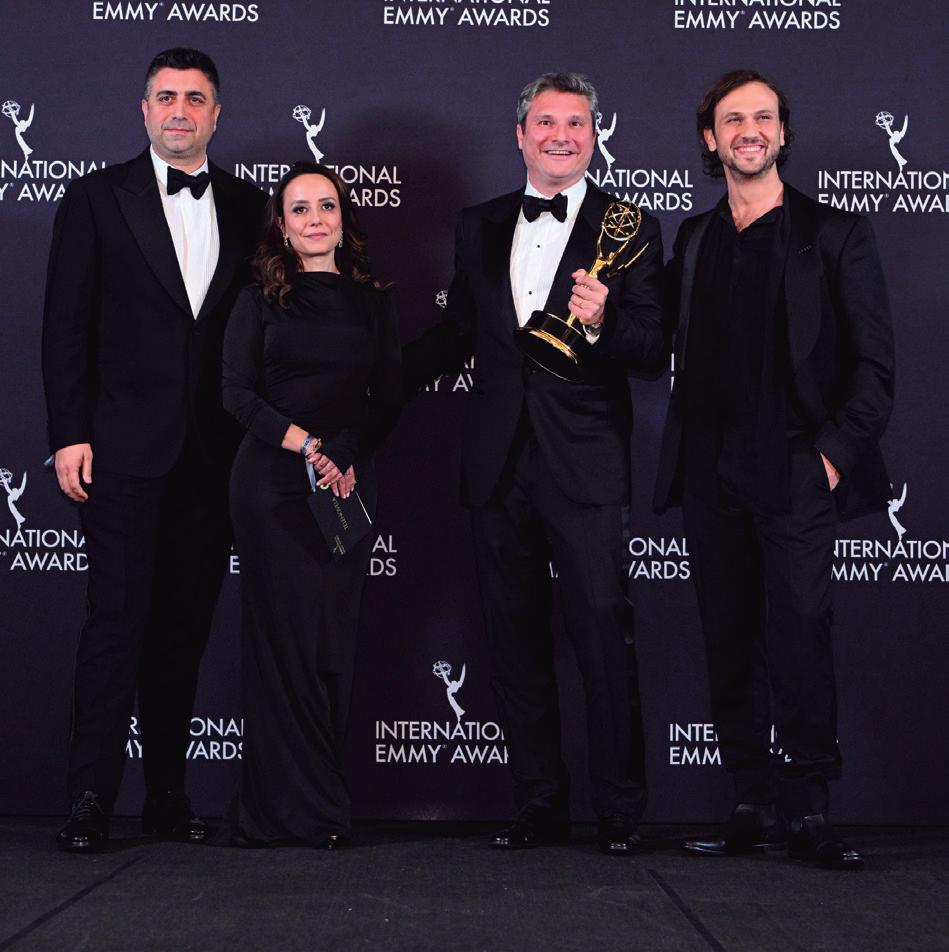
Turkey's Ay Yapim triumphed as Best Telenovela with "Deha"
Japan's NHK won the Arts Programming category with "Ryuichi Sakamoto, Last Days”
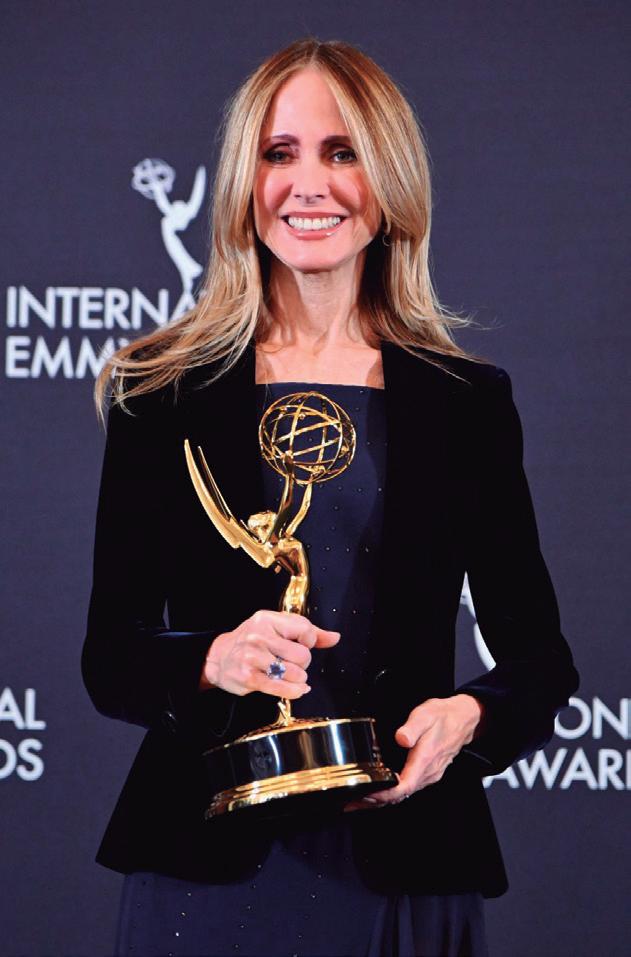
The Founders Emmy was presented to Dana Walden, Co-Chairman of Disney Entertainment.
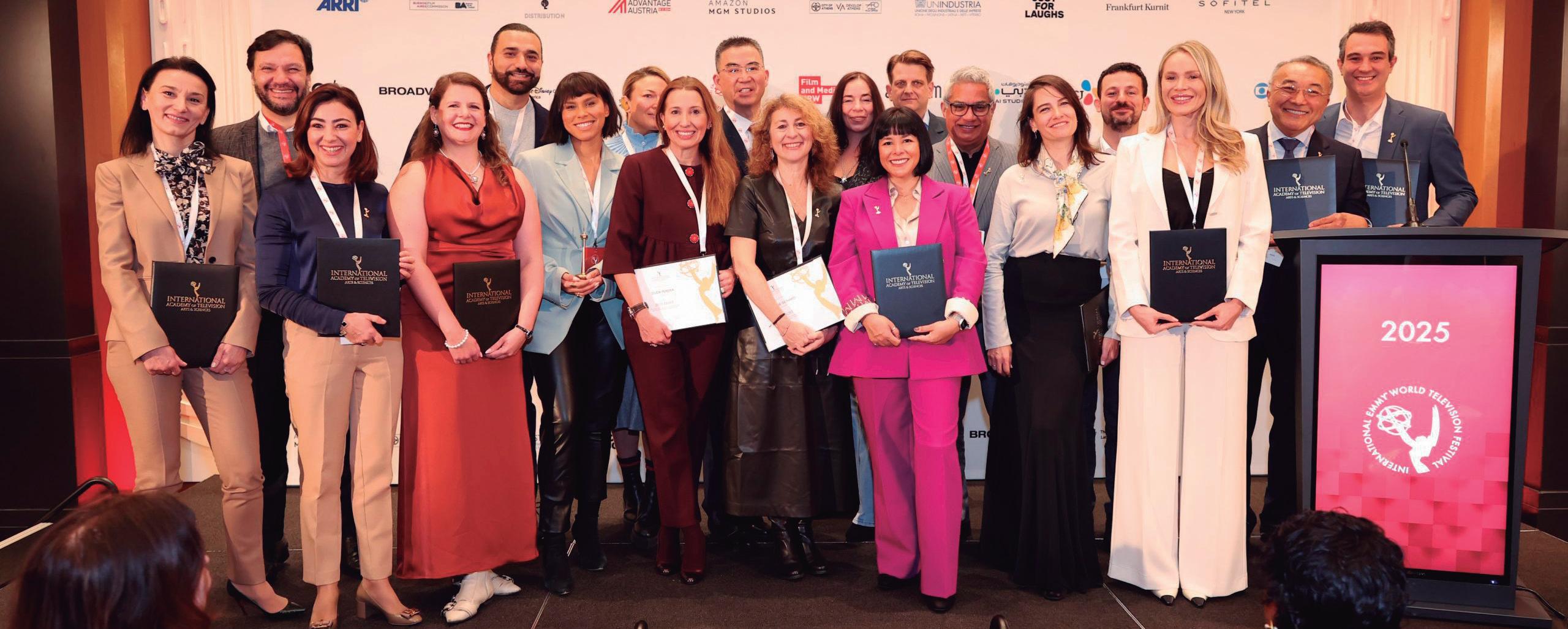
All the nominees after the medal ceremony on Saturday, during the Emmy Festival.
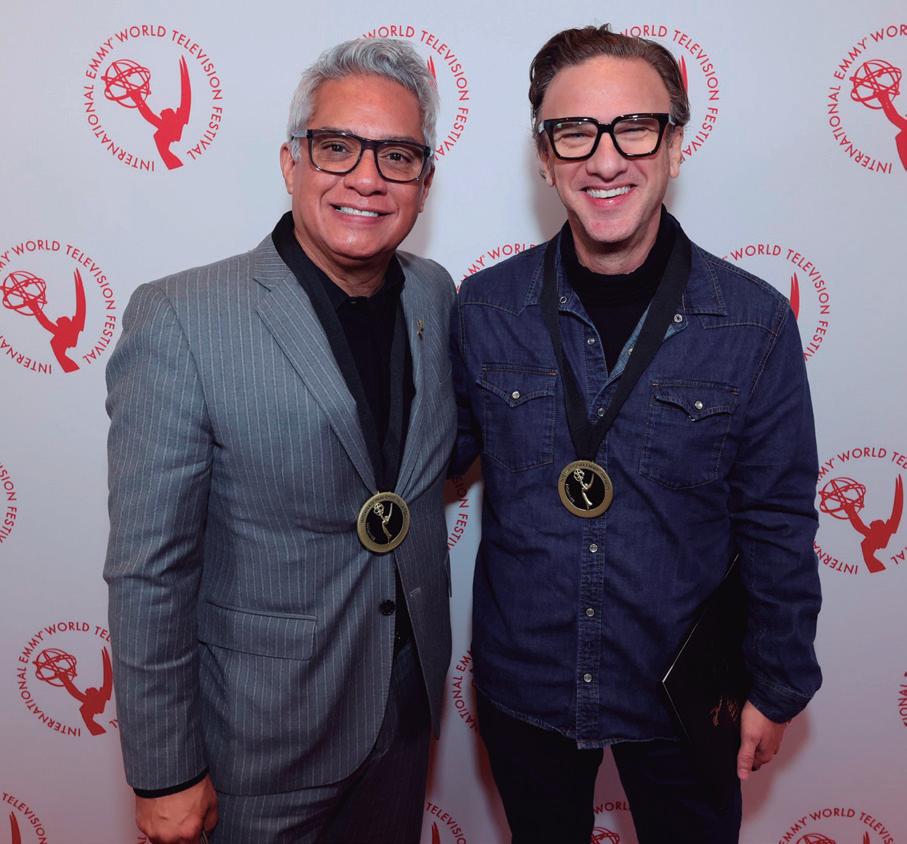
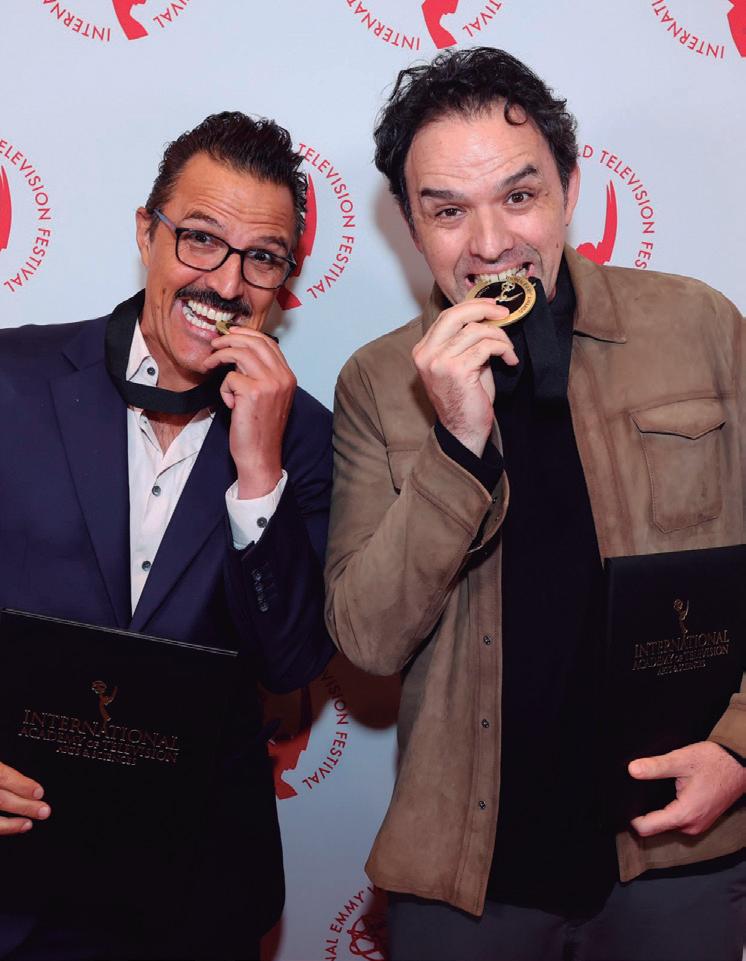
Billy Rovzar and Fernando Rovzar (LEMON STUDIOS)
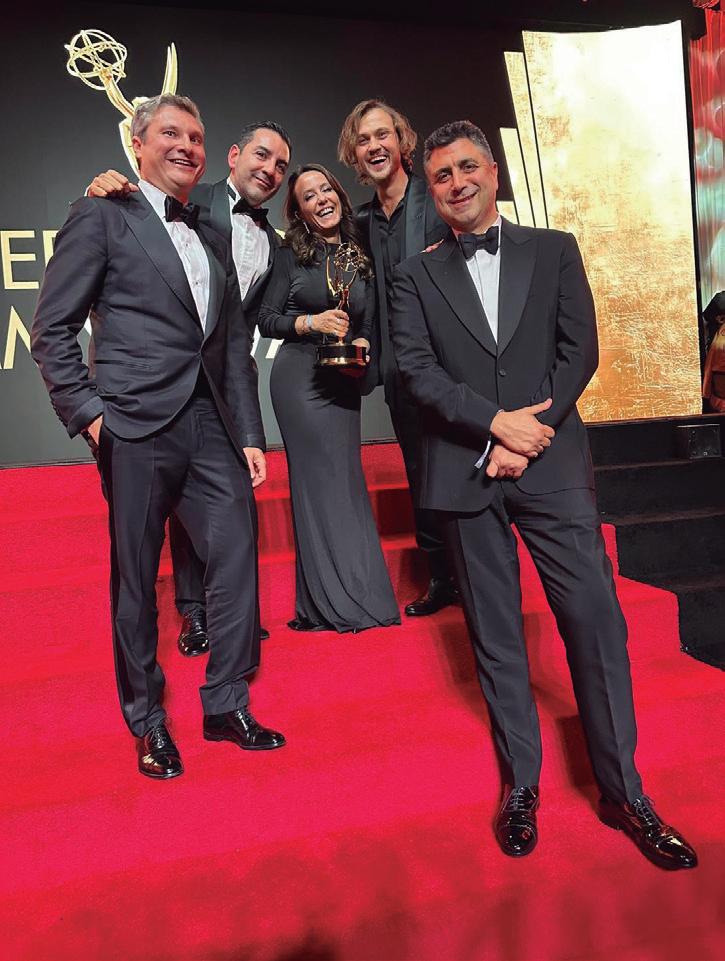
The Ay Yapim team celebrates its Emmy after the ceremony.
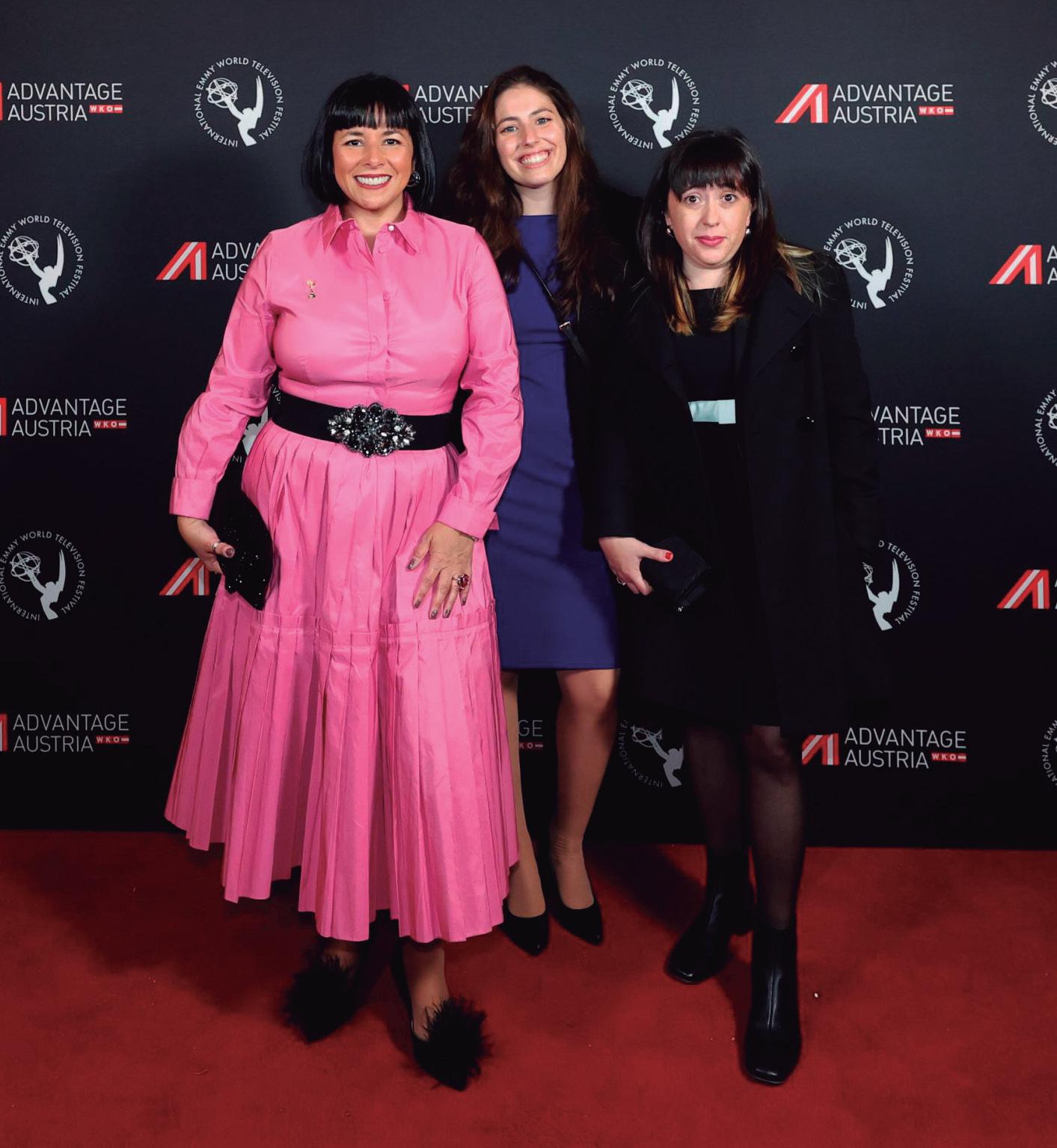
Carolina Cordero and the Buenos Aires Film Commission team.