
Mayor inventario de herramientas especiales en México, disponible 24/7.
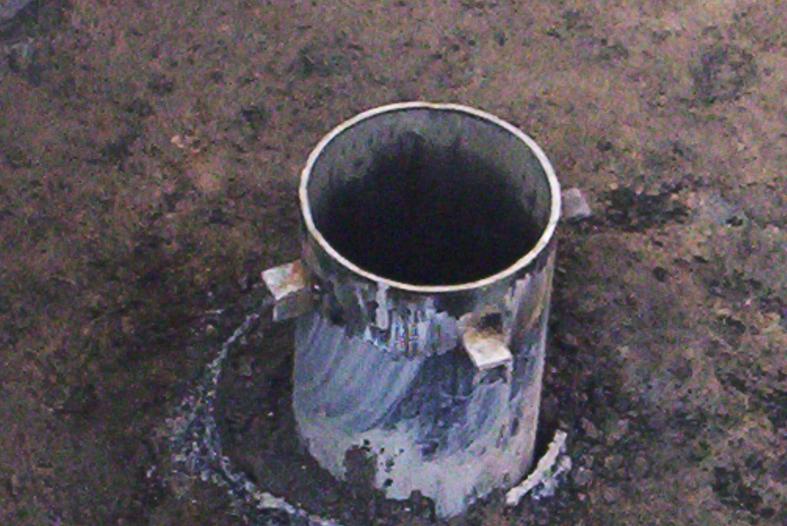
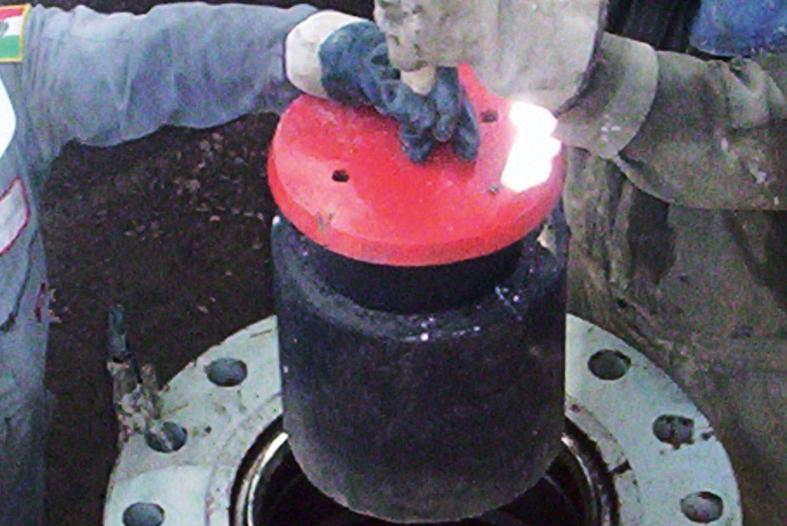
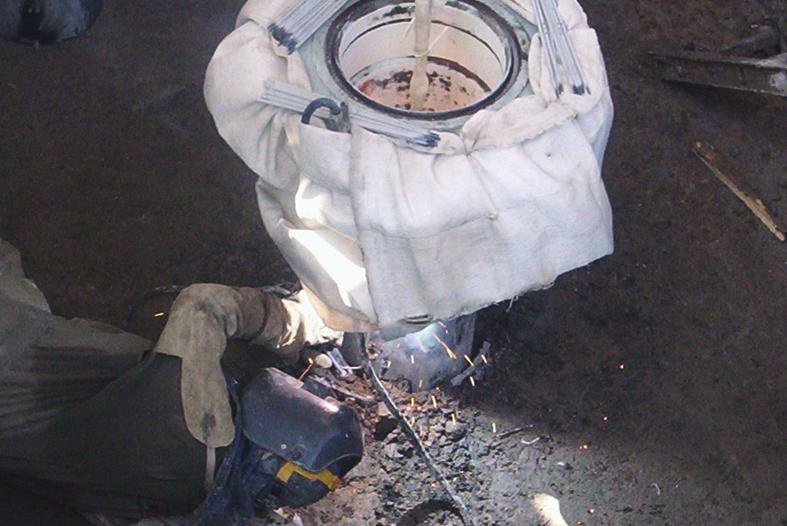
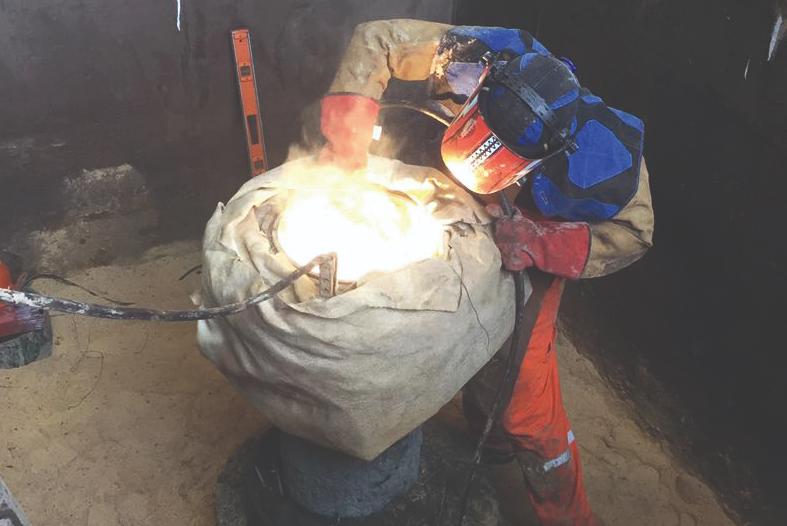
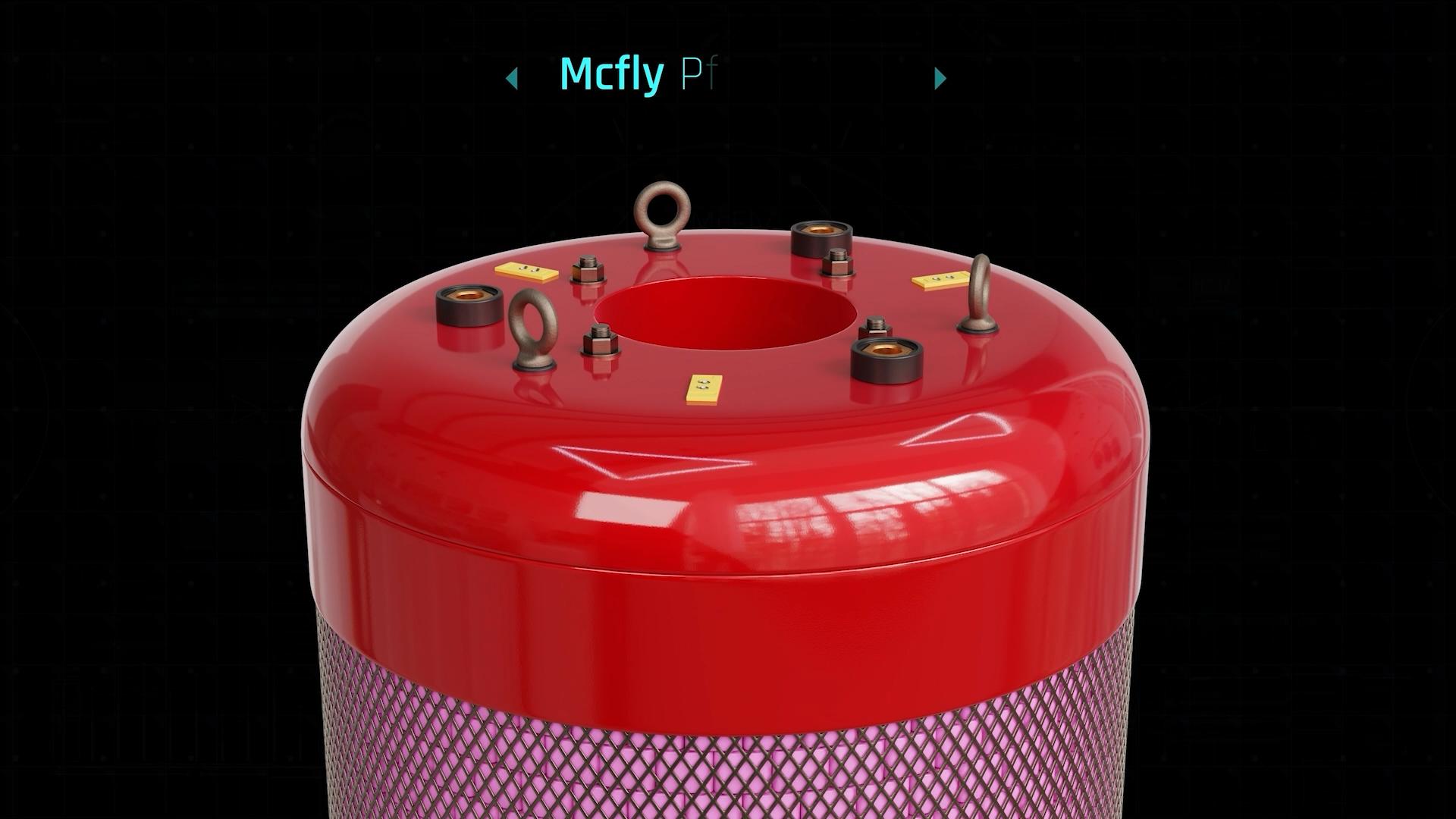
Soldadura de cabezales con control térmico (Hot Hed® y McFly®), tecnología patentada en México y EUA.
Operación certificada ISO 9001, ISO 14001 e ISO 45001.
Innovación ·
Registro: 2550533
Contacto: a.santos@mcflyoilservices.com Representante Exclusivo HOT HED MÉXICO, S.A. DE C.V.
Título de patente: 409162 www.mcflyoilservices.com
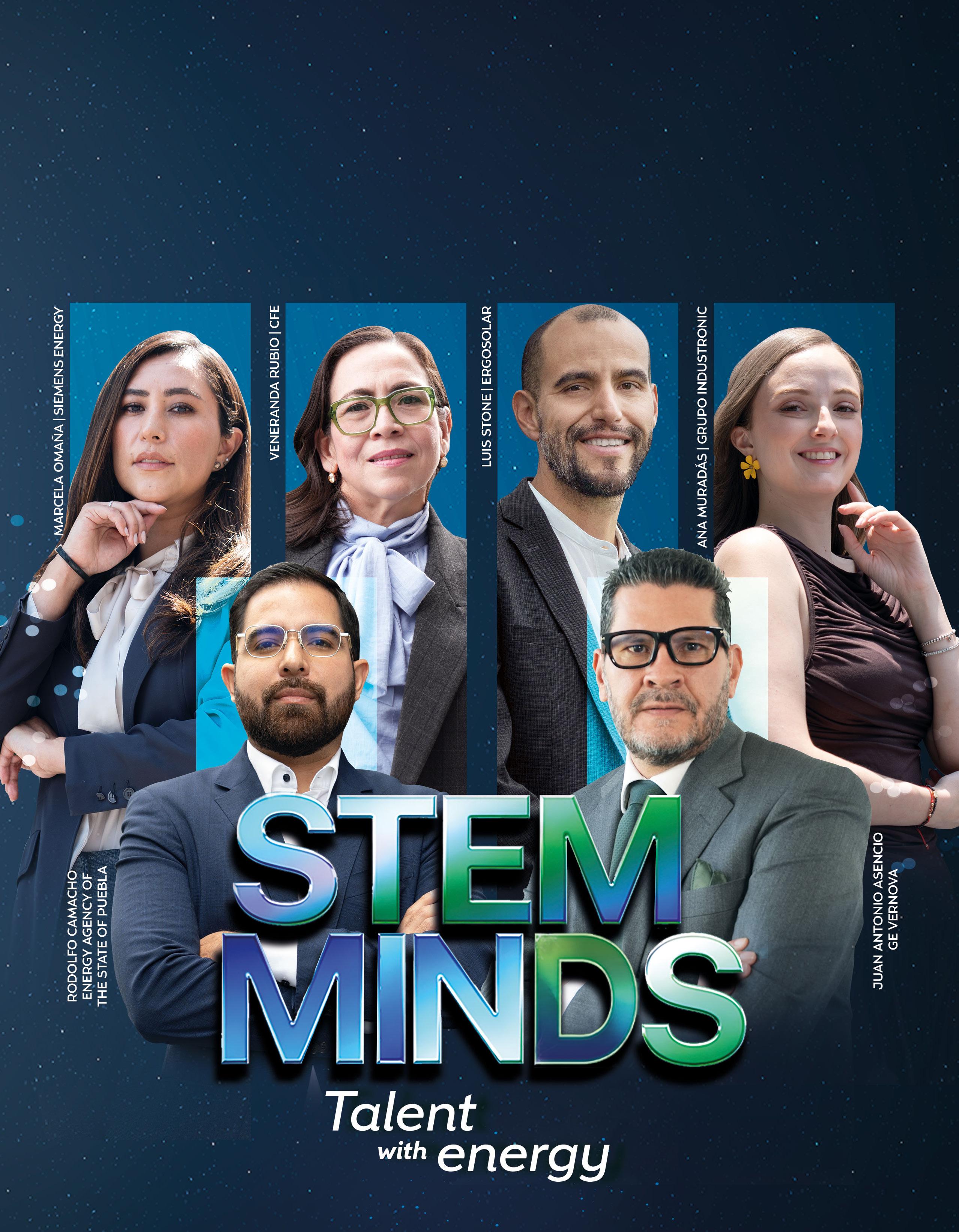
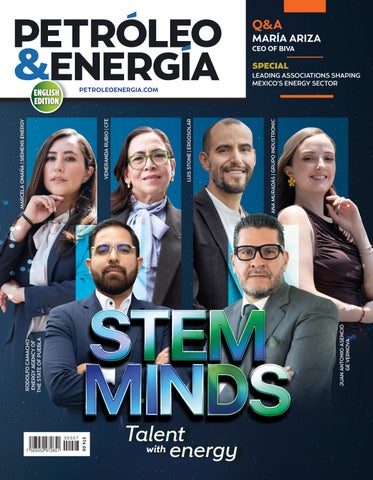
Producing the 160th edition of Petróleo y Energía, STEM MINDS, left us with an important first insight: STEM represents far more than careers related to science, technology, engineering, and mathematics. This edition brought together six professionals from different sectors who are driving innovation, technological development, and new initiatives that are transforming one of Mexico’s most strategic industries.
These women and men discovered early in life a passion for disciplines such as chemistry, biology, geophysics, and engineering, and today they apply that knowledge to projects focused on energy, sustainability, and innovation.
Throughout these conversations —available on the Petróleo y Energía YouTube channel— a common perspective emerged: Mexico has cultivated high-level STEM talent for many years. However, there is still a significant challenge in bridging the gap between academic training and professional implementation. In other words, connecting what happens in classrooms and research centers with the real needs of industry, the public sector, and the creation of new businesses.
The six STEM MINDS, Talent with Energy, featured in this edition agree that the future of the energy sector requires professionals capable of combining technical expertise with social and environmental awareness. Innovation is no longer just about developing technology or generating new solutions; it also means understanding how those initiatives
positively impact communities, contribute to environmental stewardship, and create economically sustainable models.
The development of clean energy, new technologies, and innovation projects must advance alongside profitability and scalability. Mexico has the potential to cultivate talent, generate patents, develop solutions, and build businesses capable of competing globally while addressing the social and environmental challenges facing the country.
Personally, STEM MINDS confirmed something I strongly believe: the true value of these disciplines within organizations lies in the ability of human talent to transform knowledge into action. Because today, the energy sector needs talent with energy.
Germán Sánchez Hernández Editor in Chief, Petróleo y Energía gsanchez@pqmedia.mx



EDITION 160
GERMÁN SÁNCHEZ HERNÁNDEZ
EDITORIAL DIRECTOR
TANIA TAMAYO CREATIVE & INNOVATION DIRECTOR
HUGO ENRIQUE ESTRADA GRAPHIC CO-EDITOR
MARIO BECERRIL HEAD OF DIGITAL
LESLY SÁNCHEZ DIGITAL REPORTER
MARLENE MIZRAHI EDITORIAL COORDINATOR
MARÍA FERNANDA NAVARRO SOFÍA NIÑO DE RIVERA DIGITAL CONTENT CREATORS
PAULINA BOCHE MULTIMEDIA PRODUCER
DANIEL SILVA
ADRIANA LÓPEZ MULTIMEDIA EDITORS

SERGIO CÁRDENAS
CHIEF EXECUTIVE OFFICER
ÓSCAR SANTIAGO CHIEF OPERATING OFFICER
ALEJANDRO OVIEDO STAFF MANAGER
G UILLERMO MENDOZA CARLOS GONZÁLEZ COMERCIAL STAFF
JUAN SOTO ADMINISTRATION MANAGER
HAROL ZARCO LEGAL COUNSEL
PEDRO QUINTANA CHAIRMAN
ARTURO MEDINA MOLINA CHIEF FINANCIAL OFFICER
JAVIER SENDEROS VICE PRESIDENT
P&E Petróleo & Energía is edited and published on a bimonthly basis as an active member of the Cámara Nacional de la Industria Editorial Mexicana No. 1864. P&E Petróleo & Energía, with registered address at Ignacio Ramírez s/n, Col. Tabacalera, Alcaldía Cuauhtémoc, Mexico City. The magazine title, as well as its content, are duly authorized and protected by the Comisión Calificadora de Revistas y Publicaciones Ilustradas, Secretaría de Gobernación, as evidenced by the certificate of legality of title and content currently in process. Likewise, this publication is protected and registered before the Instituto Nacional del Derecho de Autor (INDAUTOR), Secretaría de Cultura, as evidenced by Rights Reservation No. 04-2024-100812575100-102.
Responsible Editor: Sergio Alfonso Cárdenas Fernández. Printed by: SmartPress. Caravaggio No. 30-A, Col. Mixcoac, C.P. 03910, Mexico City. P&E Petróleo & Energía investigates the credibility of its advertisers; however, it assumes no responsibility for the offers made by them. Postage paid and authorized by SEPOMEX under permit number PP09-1871.
Issue 160, May / June 2026. The opinions expressed in this issue do not necessarily reflect those of the editor. The reproduction, in whole or in part, of the content and images published herein is strictly prohibited without prior authorization.
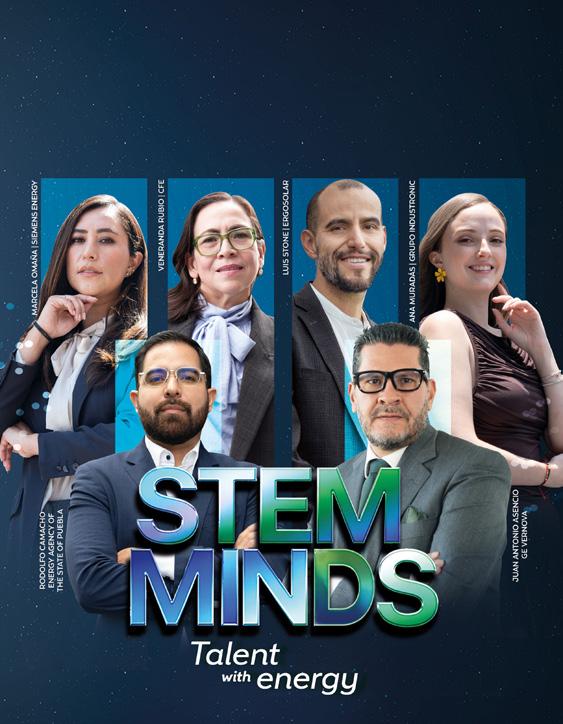
Petróleo y Energía presents the first edition of STEM MINDS: Talent with Energy, bringing together six professionals who are generating knowledge, driving innovation, and creating business opportunities across the energy sector.
THE PASSION OF THE 2026 WORLD CUP AND THE PRECISION OF HAUTE HORLOGERIE CONVERGE IN A NARRATIVE WHERE EMOTION AND EXCLUSIVITY DEFINE THE MOMENT.


The latest trend is planning a getaway around a major sporting event, using it as the ultimate springboard to discover a destination at its peak.
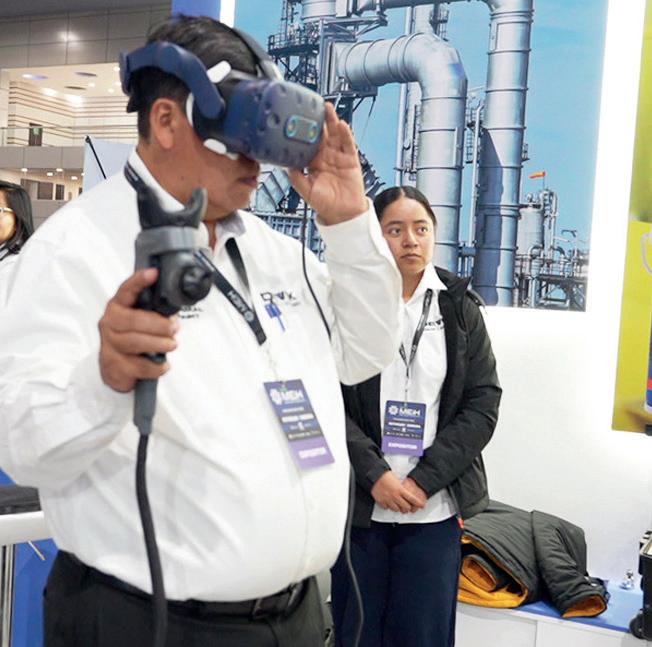
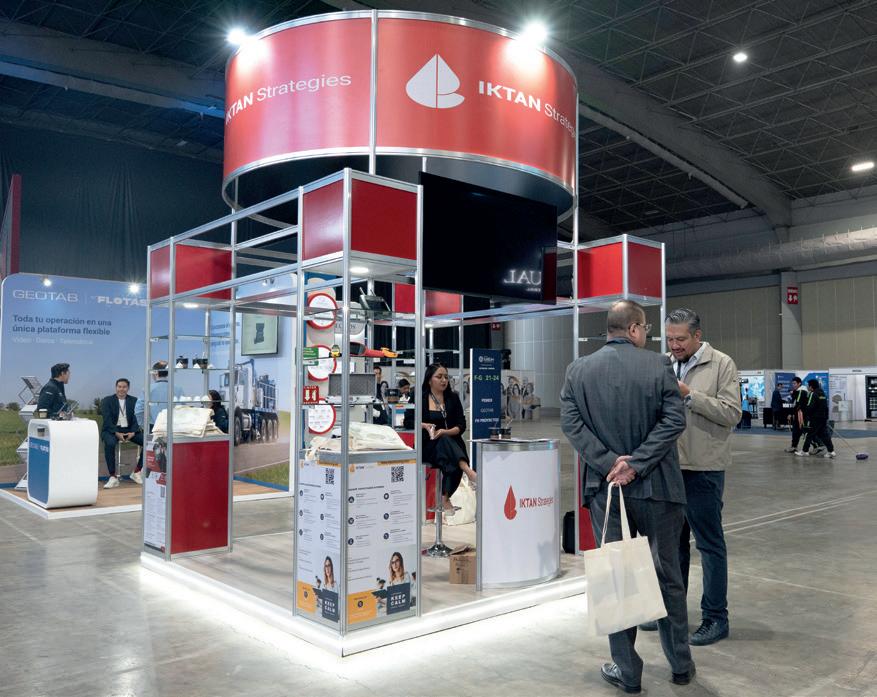
Expo MEiH 2026, by PQ Media Group and Petróleo y Energía, brought together 61 exhibitors showcasing high-value solutions and innovations to more than 1,800 attendees.
Mexico’s real clean energy opportunity
The sector’s future will ultimately depend on a regulatory model.


Although the conflict between the US and Iran began decades ago, the military and political escalation has triggered an upward spiral that has not subsided. Who is the “winner or loser”?

FUTURO NOS ESPERA EN 2027.

































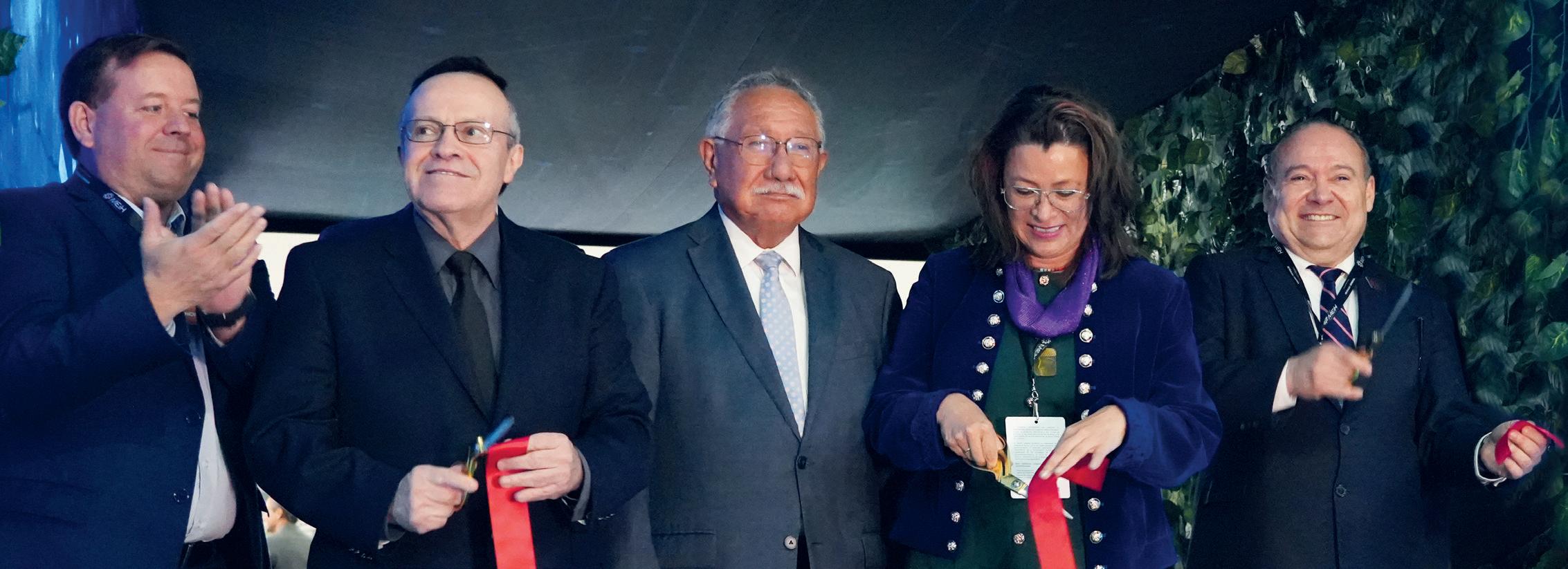
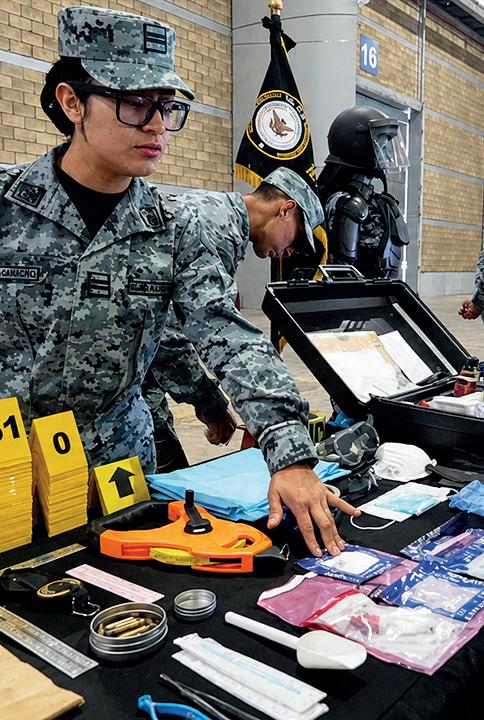
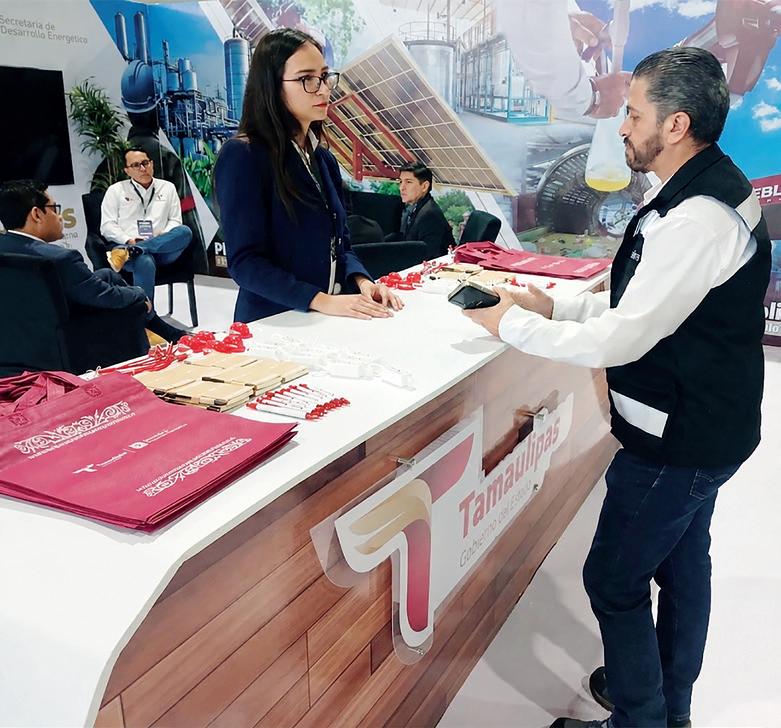
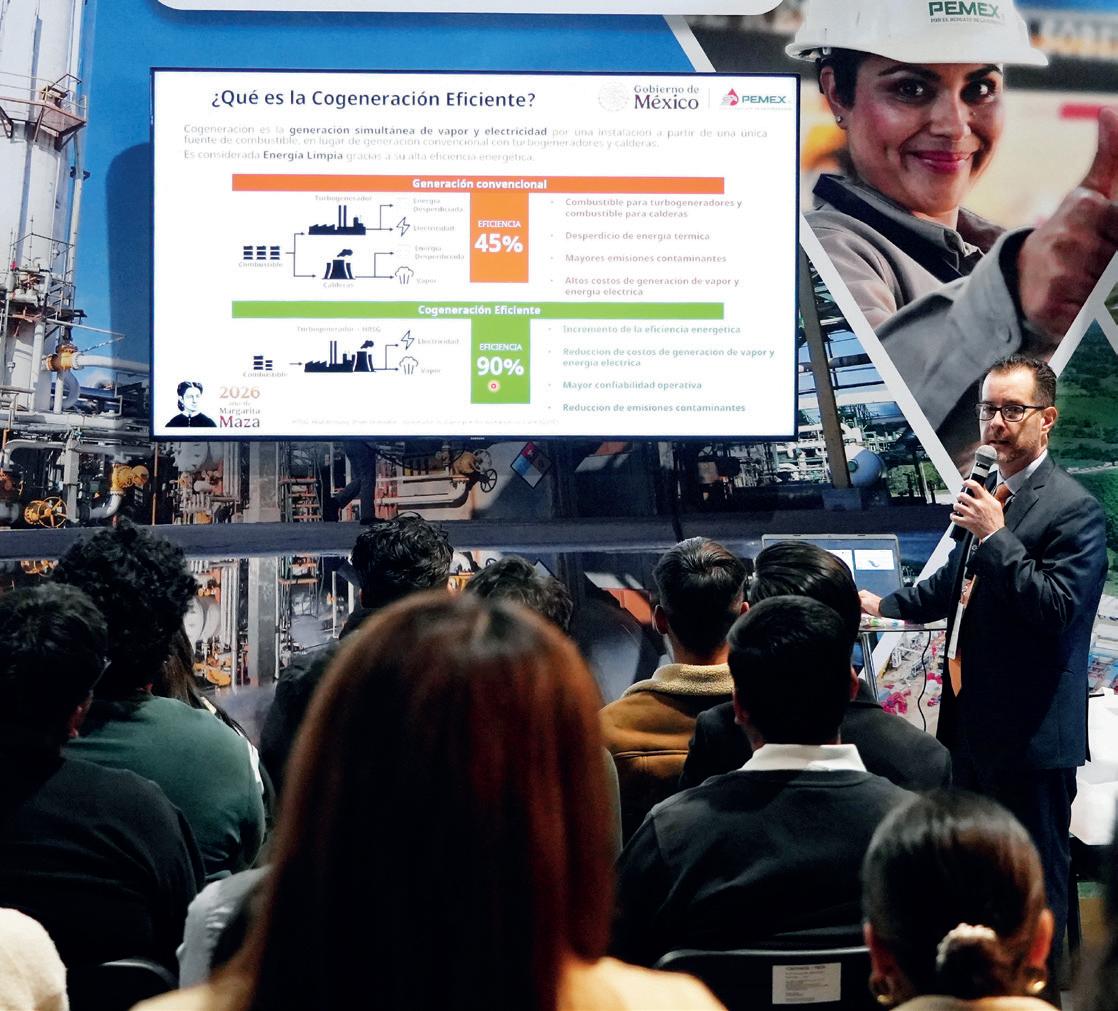
Held from March 24–26 at Expo Santa Fe in Mexico City, the event brought together 61 exhibitors showcasing high-value solutions and innovations to more than 1,800 attendees. The exhibition floor also featured the participation of specialists from Petróleos Mexicanos (Pemex), Instituto Mexicano del Petróleo (IMP), Government of Tamaulipas, and National Guard.
In its inaugural edition, Expo MEiH (Mexico Energy & Industry Hub) 2026, organized by PQ Media Group with the participation of the Petróleo y Energía community, established itself as a key meeting point for Mexico’s energy sector and strategic industries, including logistics, mobility, manufacturing, and clean energy.
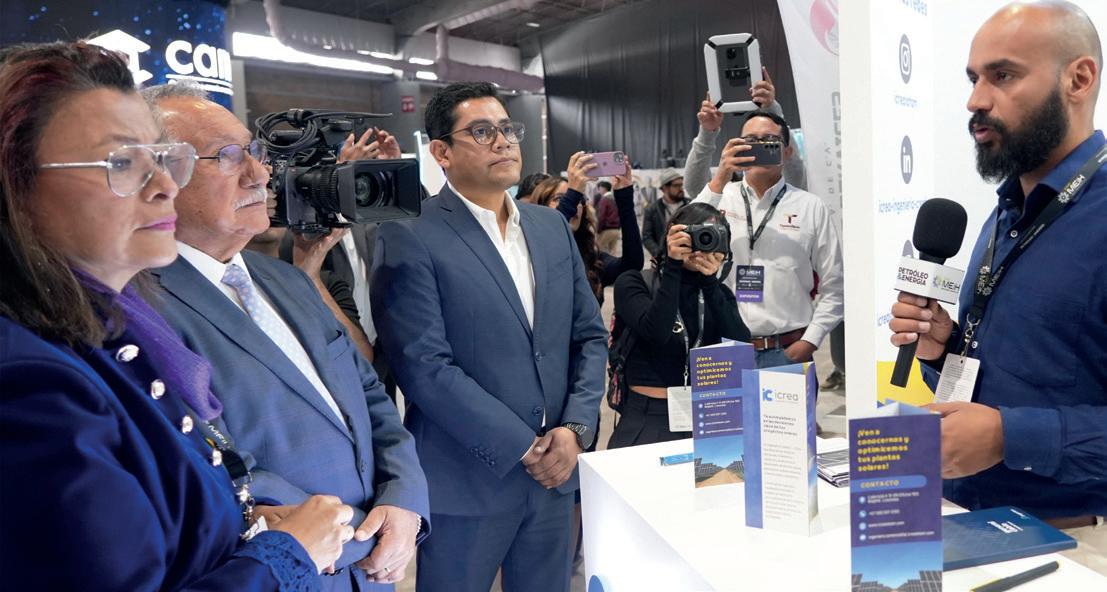
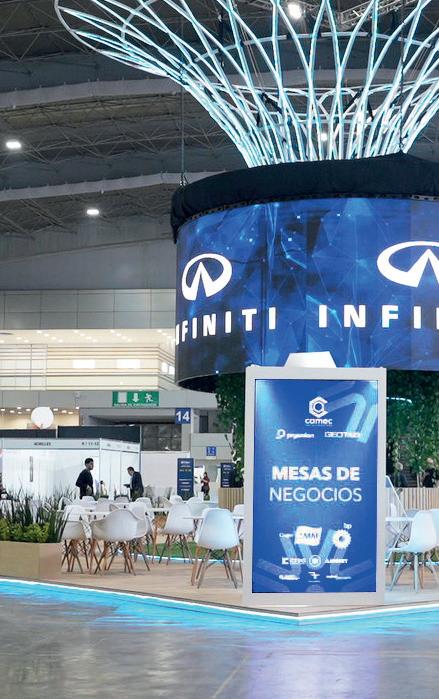
Expo MEiH 2026 offered an extensive networking agenda designed to foster meaningful business connections. Through B2B Business Matchmaking Sessions, exhibitors met with key buyers from the energy and industrial sectors, creating opportunities for strategic commercial partnerships. The event also featured Collaborative Roundtables, where companies explored areas of mutual interest and identified opportunities to work together on future projects.





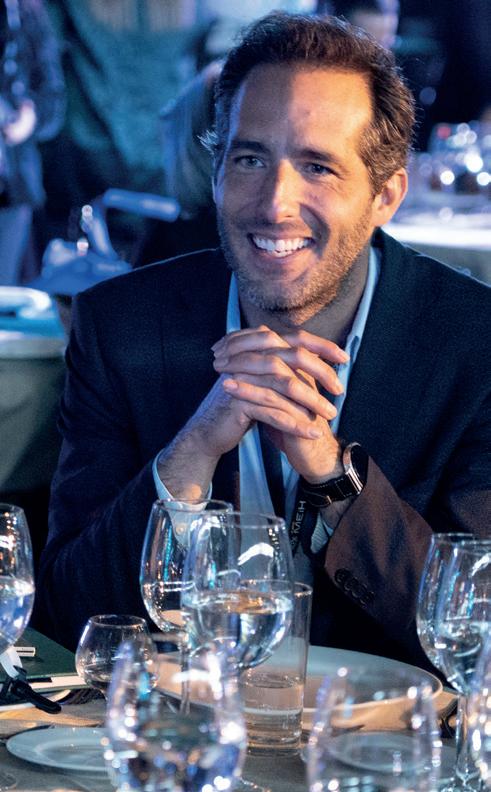
On March 25, as part of Expo MEiH 2026, Petróleo y Energía hosted its annual 100 Energy Sector Leaders (100 Líderes del Sector Energía) event, bringing together some of the most influential figures in Mexico’s energy industry.
• Enrique Felix Robelo, Onexpo Nacional
• Vanessa Serrano, Grupo TMM
• Juan Acra, Consejo Mexicano de la Energía
• Elizabeth Mar Juárez, IMP
• Alfredo Bejos Inclán, AMGN
• Miriam Grunstein, Brilliant Energy Consulting
• Walter Julián Ángel Jiménez, Secretaría de Desarrollo Energético del Estado de Tamaulipas
• Carlos Adrián García Basto, Agencia de Energía de Campeche
• General de Brigada, José Martín Luna, Quinta Coordinación Territorial de la Guardia Nacional
• Juan Pablo Vega Arriaga, Naviera Integral
• Leticia Pérez, FOTOVOLTAICA Design Studio
• Igor Guilarte López, Zeeco Therme
• Rosa Elena García Hidalgo, GAN
• Juan Leoncio Hernández, Integra Sun Power
• Israel Hurtado, H2 México
• Araceli Moscosa, CMX 360
• Gonzalo Solórzano, Accesenergy
• Ian de la Garza, Finsolar
• Miguel Carreón, AECOM
• Marco Vera, GE Vernova
• María José Treviño, Acclaim Energy Mexico
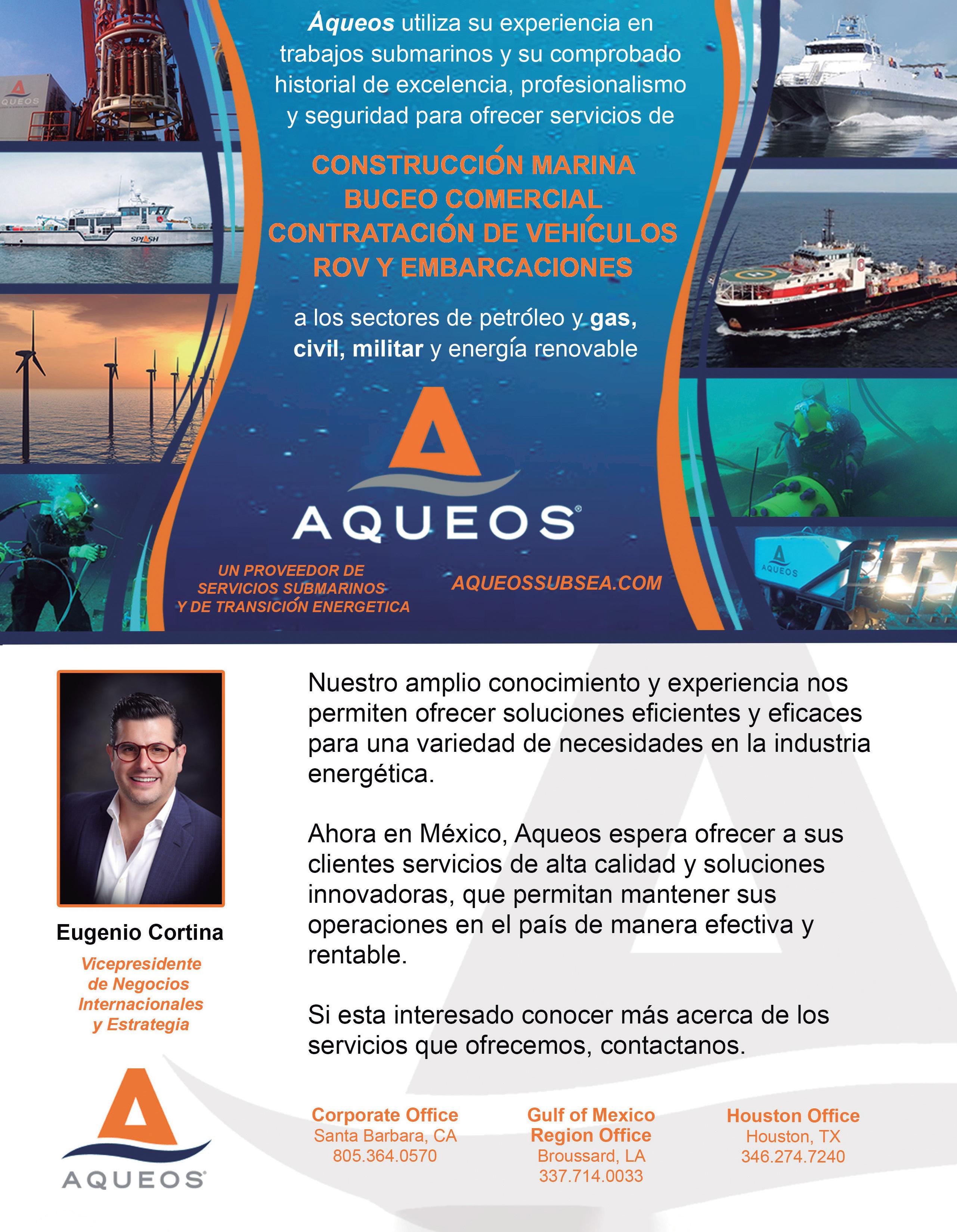
• Eugenio Cortina, Aqueos Corporation
• Jesús Chillón, Repsol México
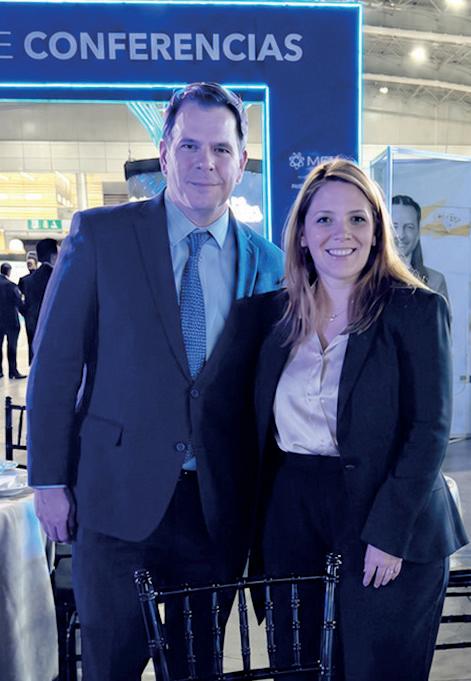



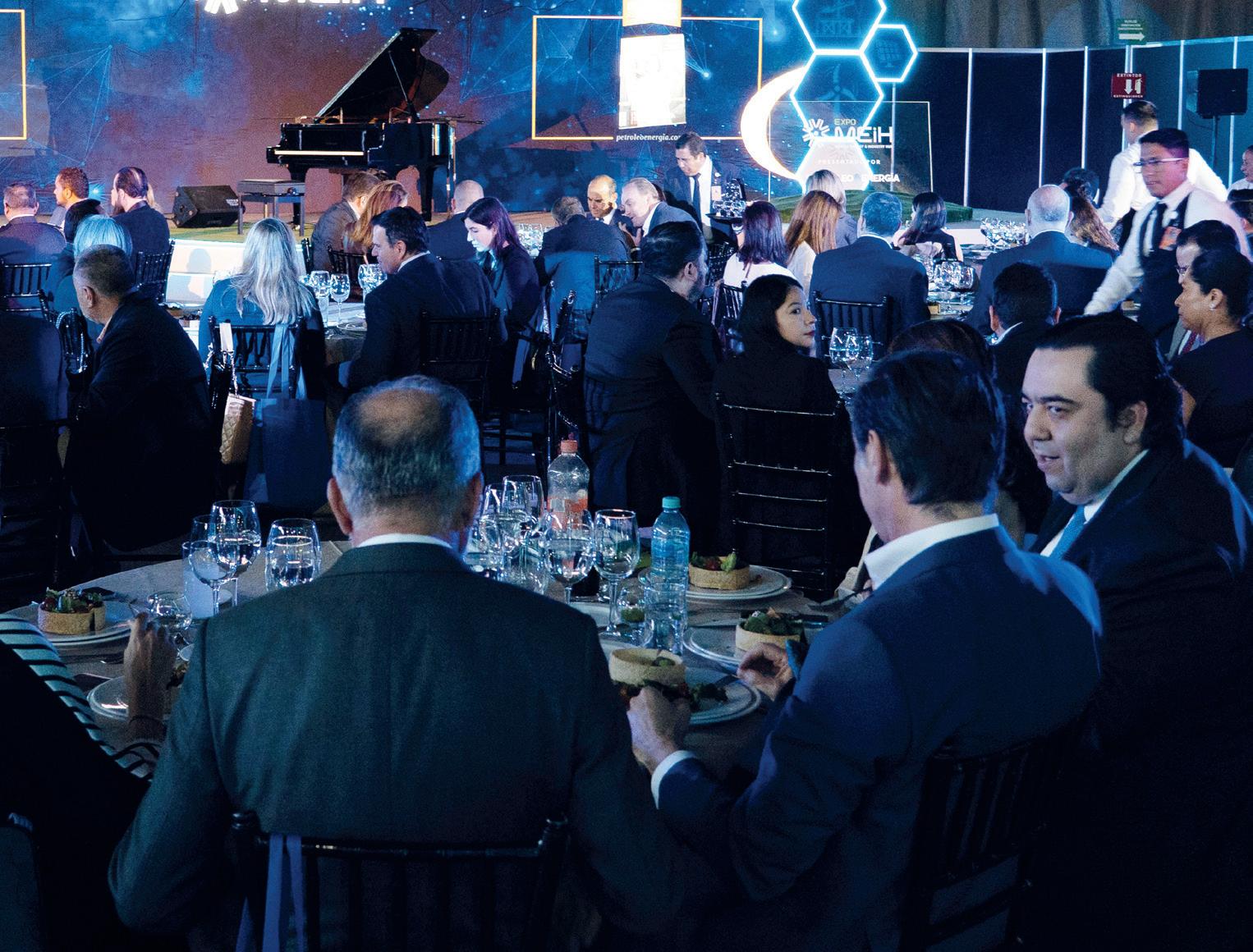

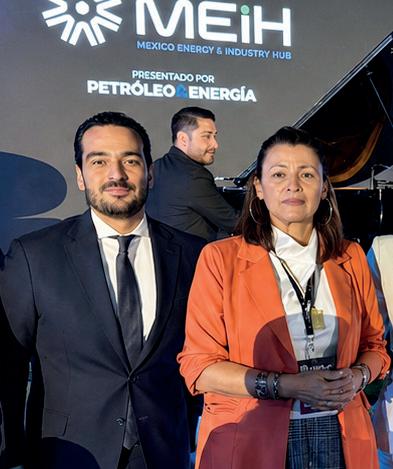

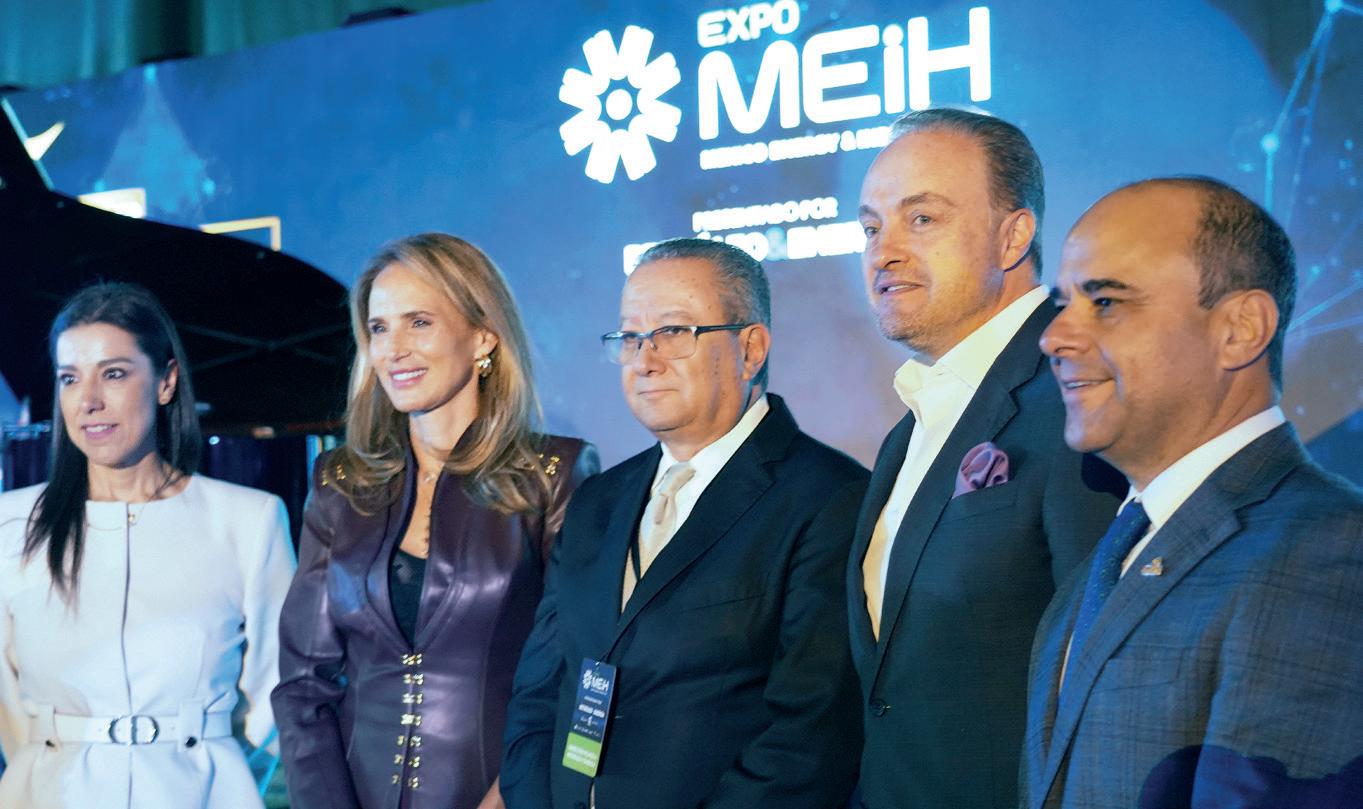
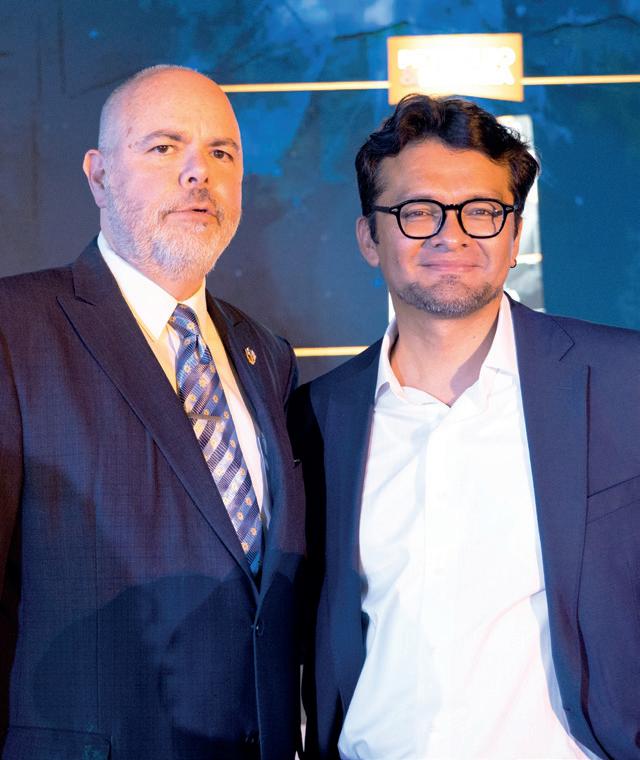
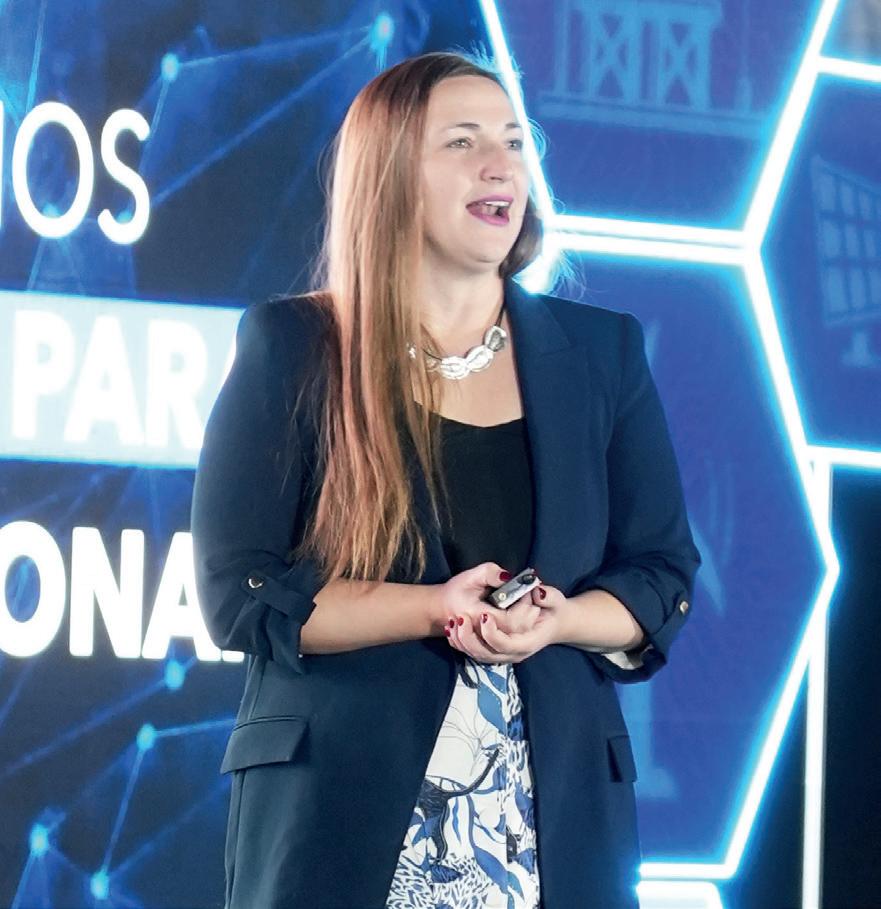
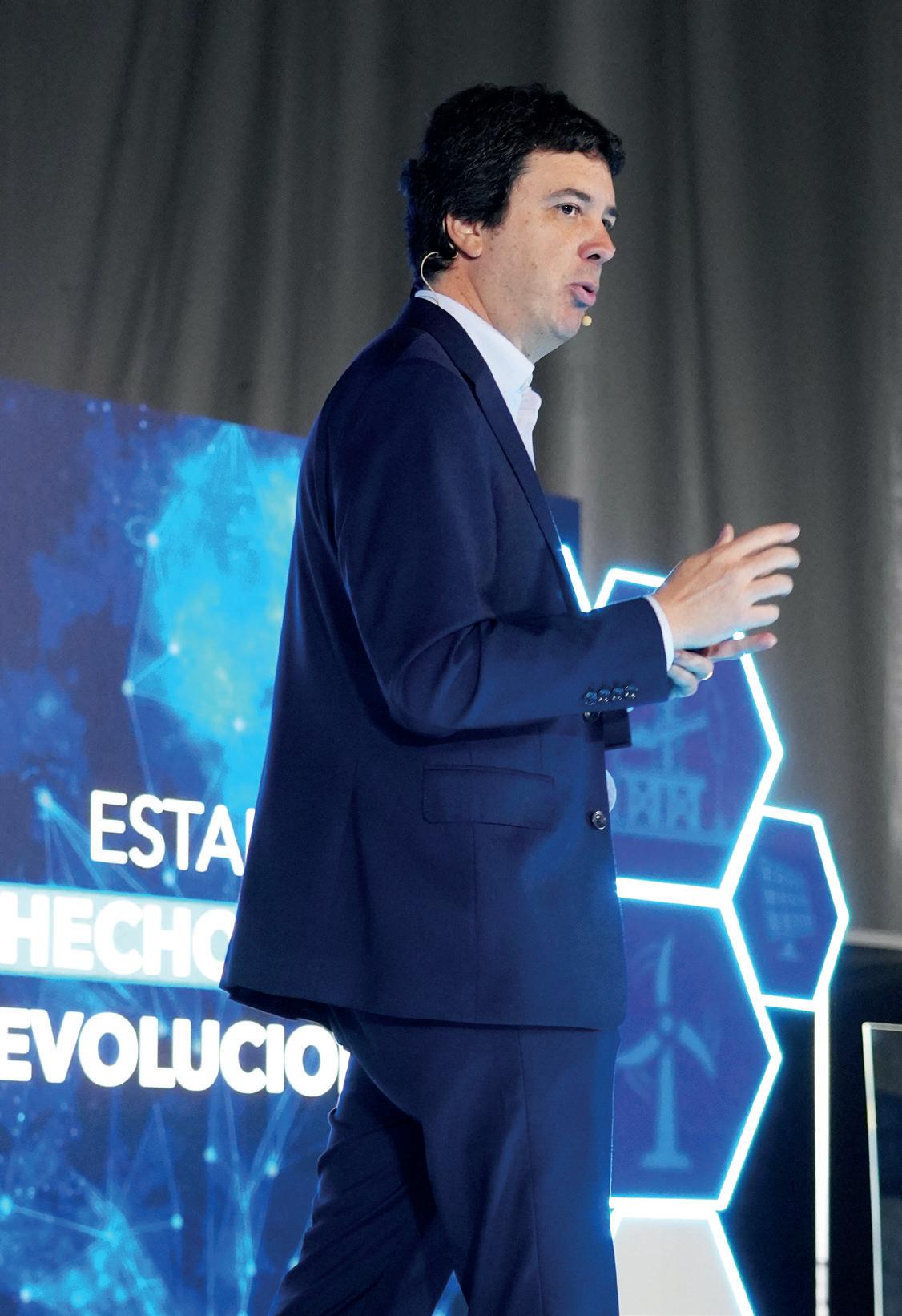
Over the course of the three-day event, Petróleo y Energía also presented the National and International Energy Transition Forum: Mexico 2030, a platform that brought together 25 speakers and panelists to share insights, experiences, and perspectives on key topics shaping the future of the energy sector, including sustainability, productive financing, STEM talent, and geopolitical analysis.
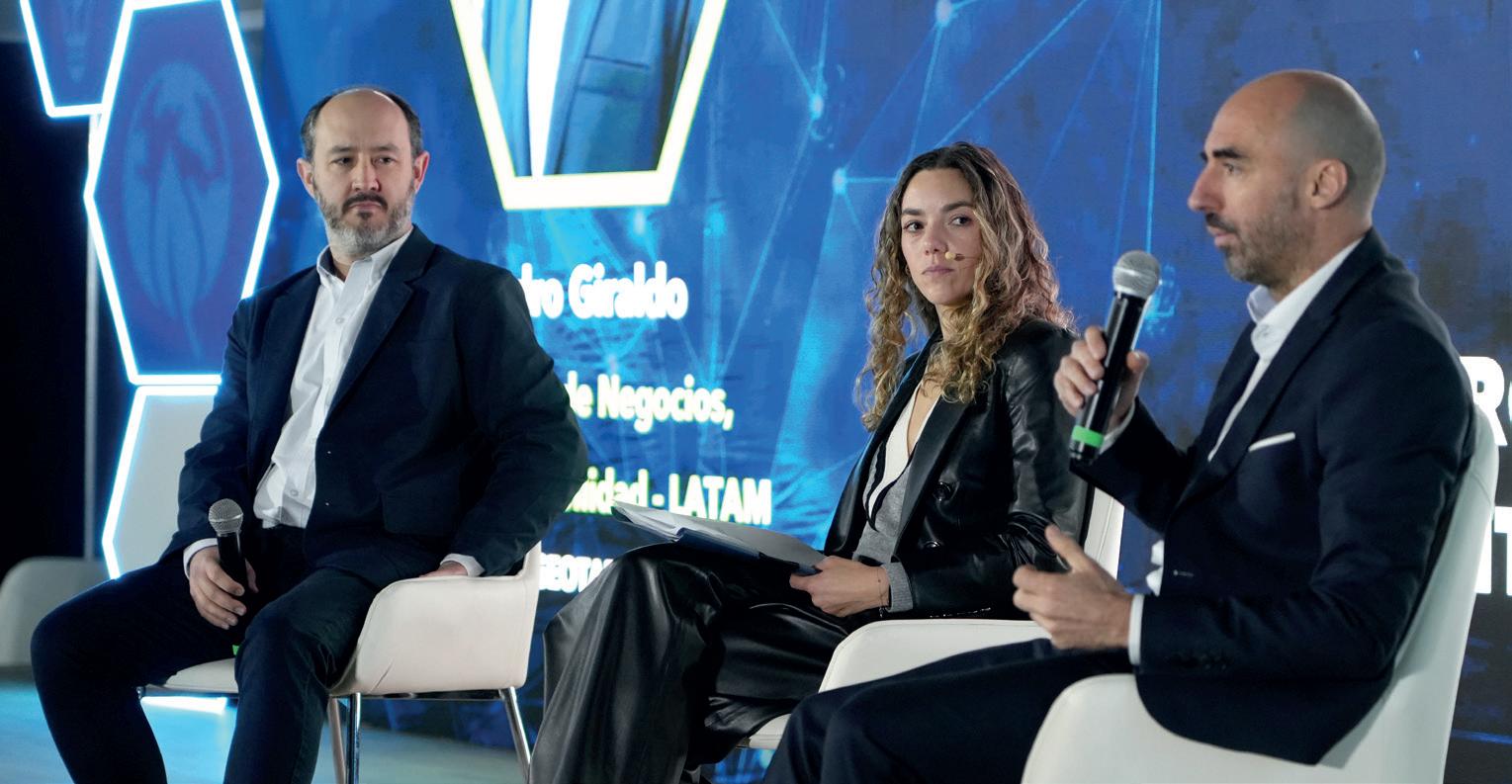
on Sustainable Logistics and Productive Financing.
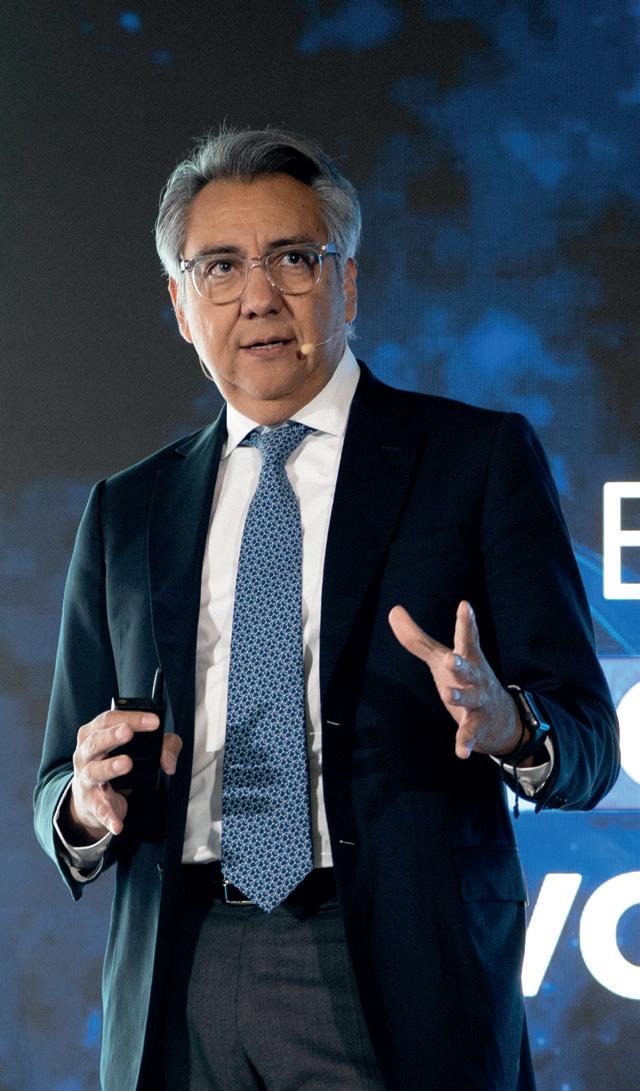
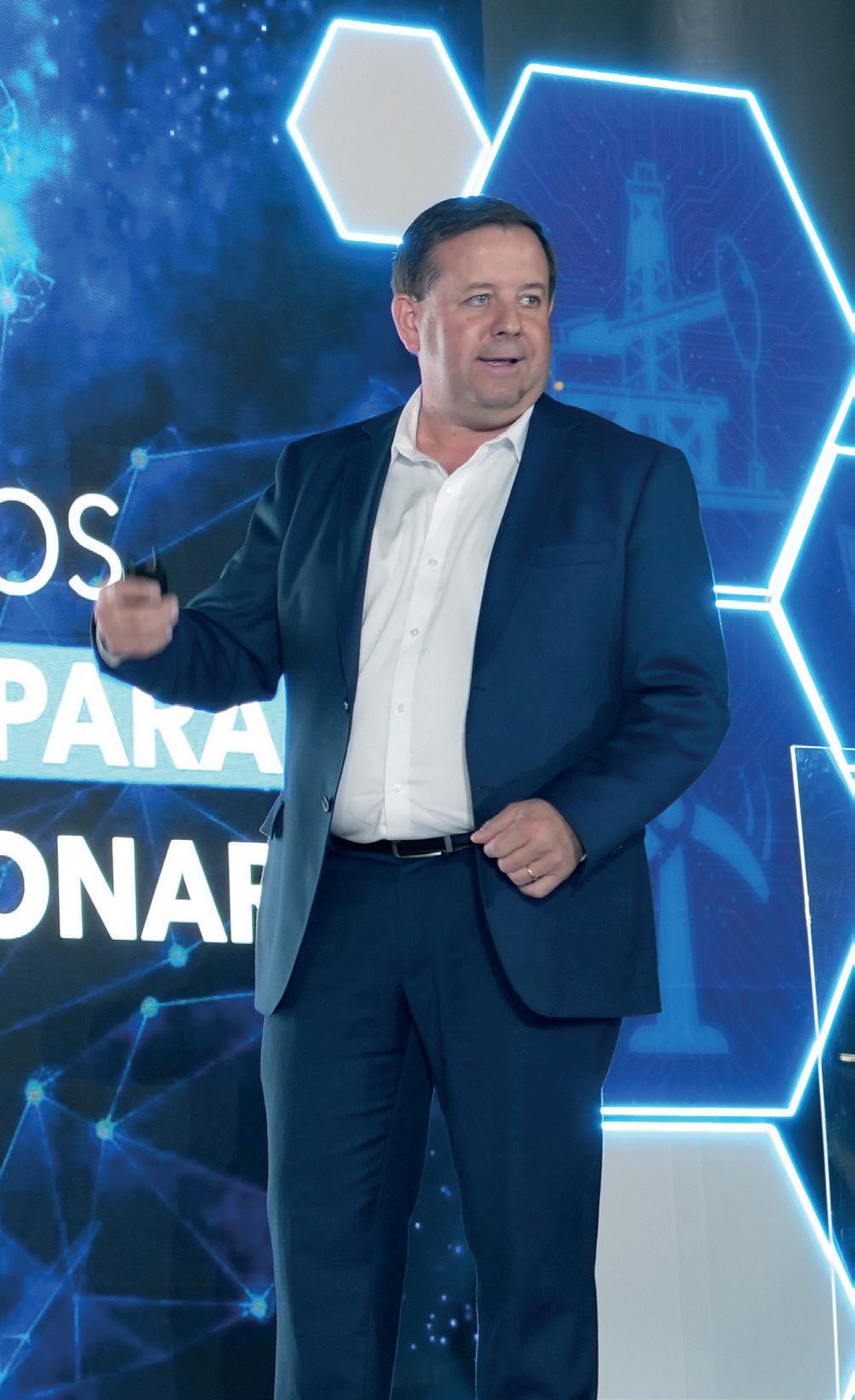

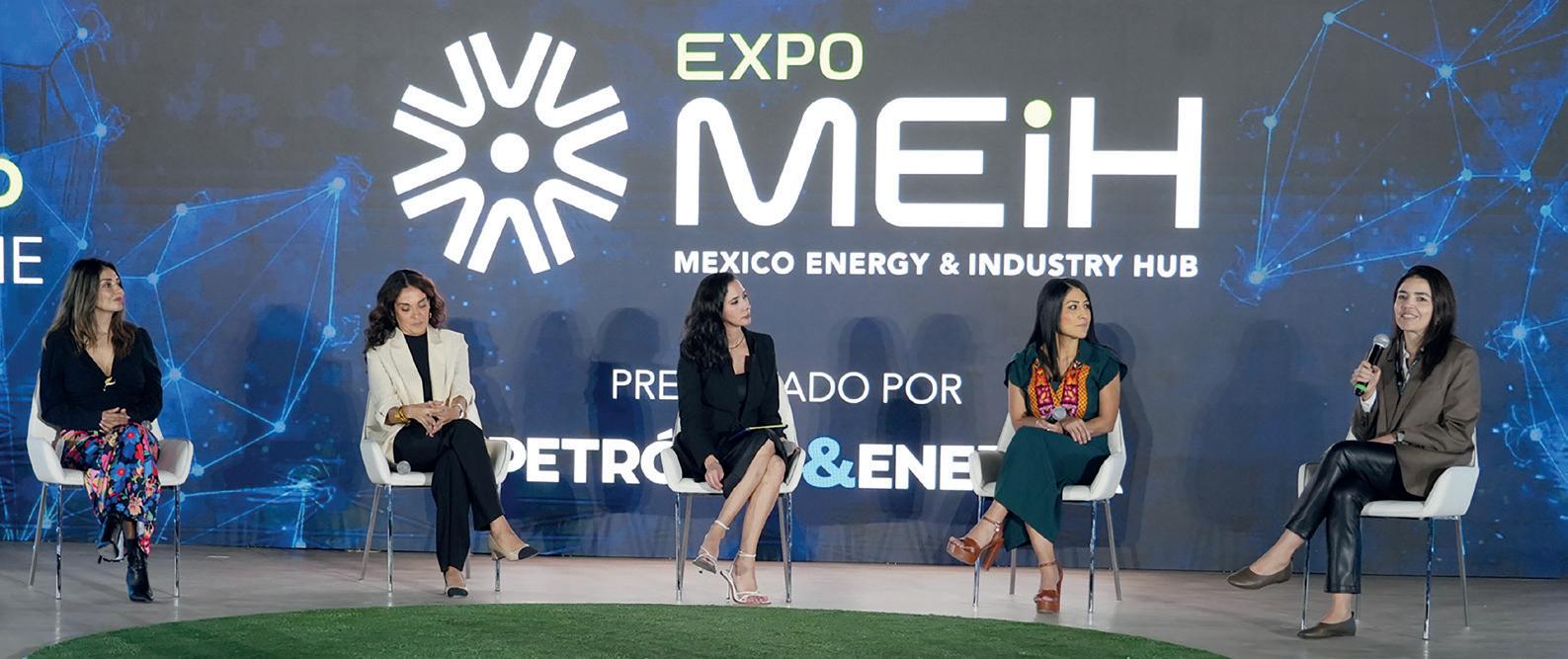
Following the success of its inaugural edition, the PQ Media Group team is already preparing Expo MEiH 2027, with an innovative new proposal designed to create value for both the Petróleo y Energía community and new strategic partners. For more information, visit expomeih.com and follow Petróleo y Energía on social media.
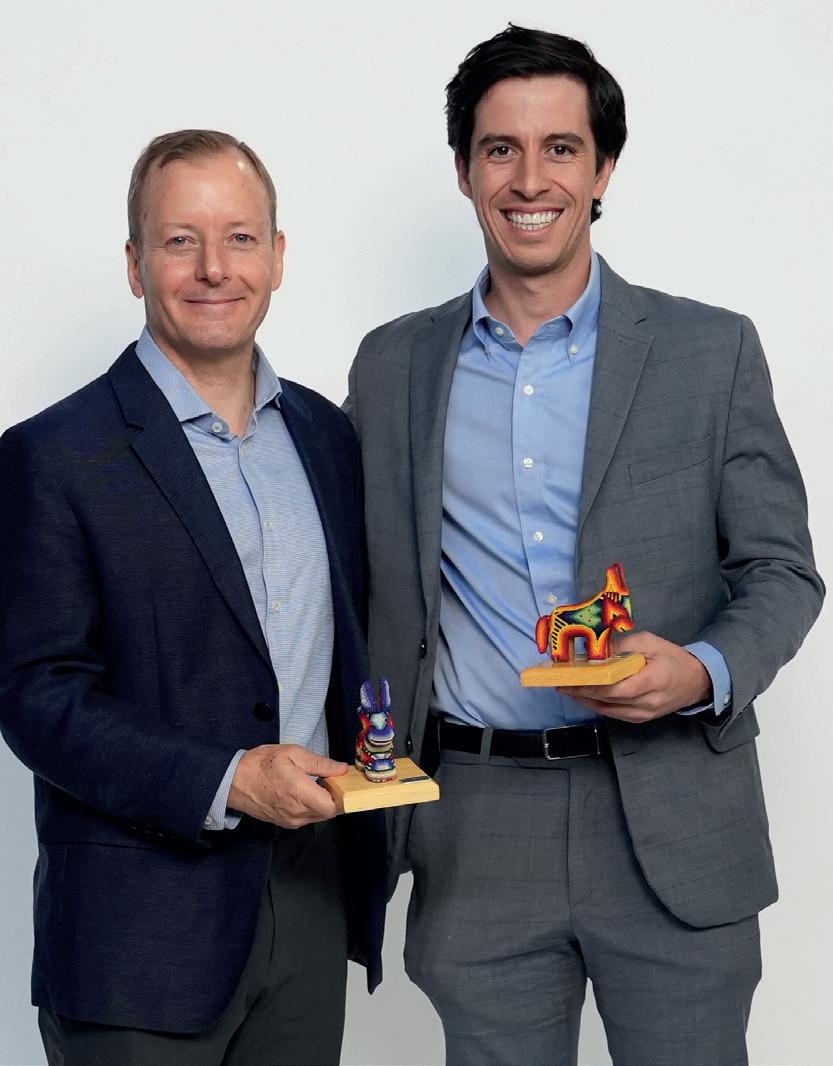
Panelists. Andrés Brügmann, SL Intelligence; and Sergio Prado, Greening North America.
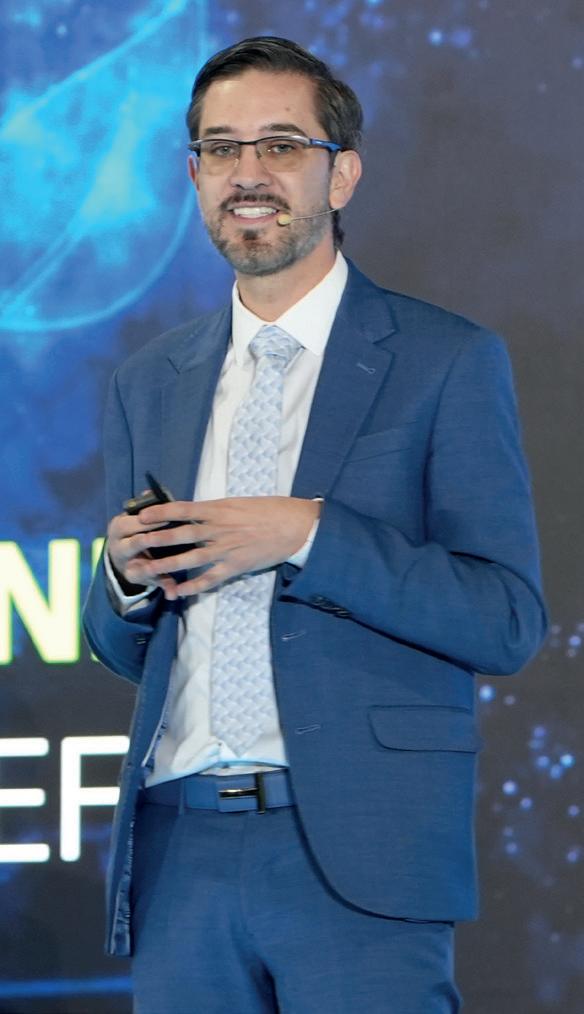
Rafael Scott, Partner and Leader, Energy, Materials & Sustainability, McKinsey & Company
Cumberland, Canada, is reinventing itself through a project that transforms former coal mines into a source of clean, affordable geothermal energy.
The planet is undergoing rapid changes that rarely allow us to process what is happening. Technological obsolescence in the field of energy is something we all think about when we see how quickly technology evolves to prevent global warming and transition to renewable energy.
This is where Neil LaBute’s phrase comes in, affirming that we live in a disposable society. But this is not necessarily the case for renewable energy. As 2007 Nobel Peace Prize laureate Al Gore said: “Each one of us can make changes in the way we live and be part of the solution to climate change.” This raises the question: is it possible to be creative and, instead of discarding something obsolete, turn it into a source of hope for clean energy? This is precisely what is happening in Cumberland, a historic village on Vancouver Island, Canada.
Cumberland is a historic, fast-growing town located in the heart of the Comox Valley, a scenic coastal region on the east side of Vancouver Island, British Columbia, Canada. It is known as a prime destination for mountain biking, outdoor recreation, and as a culinary capital for food lovers seeking new experiences.
Most notably, Cumberland was originally known as Union, founded in the late 1880s as a mining town for the Union Coal Company. For nearly 80 years, thousands of workers extracted millions of tons of coal for export. Eventually, the mines were shut down to combat climate change, leaving behind

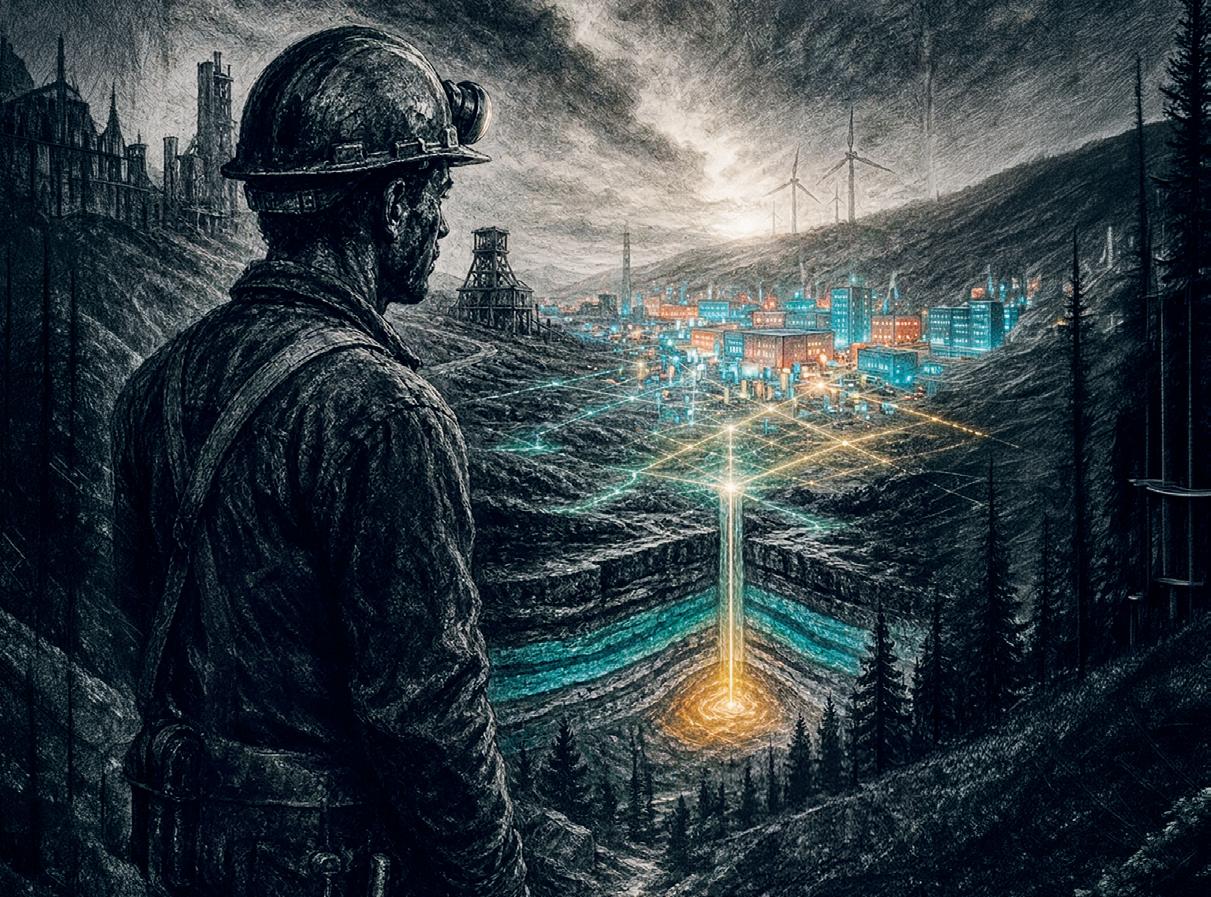
If Cumberland succeeds in providing clean heating and cooling energy, it could become a new hub for economic development.”
obsolete facilities filled with deep holes in the ground and an even greater void in the town’s economy. Now, Cumberland seeks a sustainable future rooted in the philosophy of clean energy. The question is: how can the waste of an obsolete resource contribute to the transition toward cleaner energy?
The case of Cumberland is inspiring. Thanks to a partnership with the University of Victoria, supported by the ACET initiative (Accelerating Community Energy Transformation), this picturesque town is planning a sustainable future using clean energy by repurposing
abandoned mine shafts and extraction tunnels that snake beneath its streets.
Their first project is to determine how the water trapped in those tunnels could be used to produce geothermal energy for heating and cooling buildings. Local authorities, together with scientific experts, see this project as a necessary step to reinvent the town as a destination that offers clean energy to the world.
Scientists discovered that the water trapped underground in the abandoned mines is cooler in summer and warmer in winter compared to outside temperatures. By harnessing these differences, special pumps could use the mine water to provide heating or cooling to buildings at relatively low cost and with zero carbon emissions. Through the network of old wells and tunnels spread across the town, the entire area could gain access to this new form of clean energy.
Canadian authorities emphasize that the Cumberland project stands out for transforming former coal mines into a source of clean, affordable geothermal energy, aligning with decarbonization goals for 2050. This initiative represents an innovative reuse of mining infrastructure for heating and cooling.
Expert geologists have already mapped the mine system beneath Cumberland to better understand its geothermal potential. This project is not just about creating a new energy system; it is about reimagining an obsolete mining resource in an innovative way for a town built on coal extraction. It sends a clear message: transform mining ruins into constructive opportunities and shared community assets.
Using abandoned coal mines to produce clean energy does not erase Cumberland’s mining past, but it does allow the town to use its history to rewrite its future. Scientists from the University of Vancouver are working to apply geothermal energy, after mapping the tunnels, to redevelop areas with potential. They will begin with two municipal government sites located above Mine No. 6. If this pilot project proves successful and sustainable, there is enormous potential to expand throughout the labyrinth of tunnels beneath the town. While mine conversion is the foundation, the project is framed within

the adoption of advanced geothermal technologies across the Americas.
The use of abandoned, obsolete mine structures reflects a model that leverages existing tools and resources to meet community needs —a novel form of resilience against climate change compared to past approaches.
If Cumberland succeeds in providing clean heating and cooling energy, it could transform into a hub of development, an industrial growth destination particularly for companies that require or produce significant heat, such as food processors. This would generate jobs and transform a declining mining town into a place where sustainable living is possible —preventing it from becoming part of history as yet another disposable society.
fdieck@tec.mx
*Author of the book Financial Institutions: Structure and Regulation. Co-Author of the book Energy and Sustainable Development in Mexico. National Ethics Award Recipient. Professor and Researcher at Tec de Monterrey –Monterrey Campus.
Oil remains essential to the global economy, but the ability to guarantee its circulation has become fragile. The hegemony that once sustained stability is eroding, turning critical nodes into potential points of disruption.
Metaphors are often imperfect, but in this case one is particularly useful: oil is the bloodstream of the global economy. When its flow is interrupted, even temporarily, the entire system feels the impact. The longer the disruption lasts, the greater the damage.
For decades, the global energy system operated under an implicit assumption: oil would continue to flow, even through unstable regions. Not because conflicts disappeared, but because there was sufficient capacity to manage them without disrupting transit. The Persian Gulf offered the clearest example —a region of permanent tension that nevertheless maintained a form of functional stability. For years, analysts speculated about the possible closure of the Strait of Hormuz, until that scenario ceased to be a remote hypothesis.
That stability was not natural. It was the product of a specific architecture: military presence, financial dominance, control of strategic routes, and an infrastructure network designed to absorb shocks. Risk was not eliminated; it was contained. For decades, that containment was sufficient to sustain an illusion of normality. That illusion had a name: hegemony. Energy markets have never been truly free; they ultimately depend on a capacity for coercion that guarantees circulation.
Today, that premise is eroding. Not because oil has ceased to be central, but because it remains so. The global economy continues to be deeply anchored to hydrocarbons:
The world has not stopped depending on oil; it has stopped being able to guarantee its flow.”


maritime transport, aviation, petrochemicals, mining, agriculture, fertilizers, and manufacturing all depend upon them. The complexity of contemporary civilization cannot function without fossil fuels. Yet the ability to guarantee their circulation has become increasingly fragile.
In 2021, the grounding of a container ship in the Suez Canal functioned as a clot in one of the arteries of the global system. There was no war and no sabotage —only a logistical accident. Traffic resumed relatively quickly, and the damage remained limited. A few years later, attacks in the Red Sea revealed a different scenario: not a complete blockade, but a rise in risk. Trade routes were diverted, costs increased, yet the system managed to adapt.
The problem is that not all nodes are replaceable. The Strait of Hormuz is not merely a maritime route; it is a point where production, transportation, and geopolitics converge. Its importance lies not only in the volume that passes through it, but also in the impossibility of replacing it in the short term. There is insufficient redundancy. No equivalent alternatives exist.
This creates a structural vulnerability. The system does not need to collapse in order to enter into crisis; it is enough for the flow to become uncertain. Energy markets react to risk as much as they do to scarcity. Transportation depends on insurance and predictability. Refining requires continuity. In a highly interconnected system, uncertainty spreads faster than any physical disruption.

We are witnessing a change of era. Energy transit is no longer guaranteed by permanent conditions, but by unstable balances, temporary arrangements, and reversible decisions. For decades, energy security meant ensuring supply against external threats. Today, it means something different: preventing critical nodes from becoming points of rupture.
In this new context, power itself is changing form. It is no longer expressed solely through the ability to dominate the system, but through the ability to condition it. Whoever can interrupt —or permit— the flow at a critical point acquires disproportionate influence. It is no longer necessary to control the entire network; a credible threat of disruption is enough. Hormuz is not merely a potential hostage —it is a structural chokepoint, the true aorta of the global energy metabolism.
The energy transition does not eliminate this reality. It has transformed certain segments of the global economy, but it has not replaced the most intensive uses of oil. Moreover, it depends on industrial supply chains that remain deeply fossil-fuel based. The transition is occurring within the existing system, not outside it. Consequently, it reproduces many of the same tensions.
What is emerging is a system that remains profoundly dependent on oil while facing increasing difficulties in maintaining its stable circulation. Not because of an immediate physical shortage of resources, but because of the growing challenge of keeping open, continuously and reliably, the routes that make such circulation possible. This redefines stability itself. Stability is no longer a permanent condition; it is something that must be constantly produced. It is not the outcome of a robust architecture, but of the continuous management of tensions that can never be fully resolved.
Oil continues to flow. Yet increasingly, it does so under conditions that reveal the fragility of that flow. And that fragility is not a temporary anomaly. It is a structural characteristic of the system in which we still live.
We are in transition toward a new order. Perhaps, in time, a new form of stability will emerge. For now, we find ourselves in what Antonio Gramsci described with remarkable precision: “The crisis consists precisely in the fact that the old is dying and the new cannot be born; in this interregnum, a great variety of morbid symptoms emerge.”
juan.arellanes@ anahuac.mx
@JuanArellanes5
*Professor of Geopolitics and Global Challenges, Faculty of Global Studies, Universidad Anáhuac México.

Unlike Mexico, Brazil designed an energy security model well before uncovering the first major evidence of its oil wealth.
By establishing the “Escudo de las Américas” (Shield of the Americas), Donald Trump formalized a hemispheric framework that effectively isolated Mexico within the regional security architecture. This backdrop is further complicated by a political calendar where Colombia is entering the decisive phase of its presidential elections —with a probable shift to the right— and Brazil is heading toward a general election in October. Consequently, Mexico’s room for maneuver depends on a geopolitical neighborhood that is becoming less and less neutral.
Against this backdrop, several signs of rapprochement between the governments of Mexico and Brazil regarding hydrocarbons began to emerge. These efforts culminated in a visit to Mexico by Petrobras’s top executives, signaling a new era of cooperation between the Brazilian National Oil Company (NOC) and Pemex.
This is undoubtedly welcome news, reminding us of Petrobras’s success in deepwater hydrocarbon

exploration, development, and production, both inside and outside Brazil, as well as its growing technical capabilities in refining and petrochemicals. This success stands upon a rock-solid foundation of scientific research, technological development, and human capital formation.
On an institutional level, Brazil offers an exemplary empirical case of the importance of “building the company before oil abundance arrives.” Indeed, Petrobras developed and consolidated because the State established a proper oil architecture first; the grand confirmation of the country’s geological potential only came afterward. Law 2.004 of 1953, which established the monopoly managed by the Conselho Nacional do Petróleo and launched Petrobras’s operations in 1954, predated both the discovery of the Garoupa field in the Campos Basin in 1974 and the technological breakthrough of the PROCAP program in 1986.
In other words, Brazil designed an energy security model well before uncovering the first major evidence of its oil wealth. This sequence matters immensely: first came the State, the company, the mandate, the industry, and the strategic direction. Only later came the discoveries, the volumetric scale, and the technological sophistication.
There is a historical data point worth recalling: the creation of Petrobras was not merely the result of the “O Petróleo é nosso” mobilization, but also of an electoral pact that successfully turned the state monopoly into a political tool. The Brazilian military —particularly through the Conselho Nacional do Petróleo and later the Escola Superior de Guerra— viewed oil as an instrument for

national development and, simultaneously, as leverage for foreign policy vis-à-vis the United States. This dual dimension—both domestic and external—is what transformed Petrobras into an institution of the State, rather than just a corporation.
Recent hydrocarbon production figures in Brazil confirm the importance of this longterm vision and the sequence of political-institutional decisions it generated. Overall, Brazil reached a historic average production of 3.77 million barrels of oil per day (bpd) in 2025, setting a new record in February 2026 by hitting 4.06 million bpd.
Petrobras, through fields it operates either independently or with partners, contributes just over 90% of the country’s crude production, with 80% of that volume originating from its deepwater reservoirs. Beyond these impressive figures, the core takeaway is that Brazil did not achieve this success solely due to its geological potential, but rather —and most importantly— because of a well-designed and timely institutional framework.
One lesson to be drawn from the comparative study of NOCs is that, in an importing country, the objectives of the State and those of the national company can align much more easily than in an exporting nation. As a long-time importer, Brazil managed to weave supply security, industrialization, and technological expansion into a single project.
Brazil reached a record average oil production of 3.77 million barrels per day (bpd) in 2025 and set a new record in February 2026, with output reaching 4.06 million bpd”.
This alignment explains why Petrobras was able to open up, compete, and remain vital to the national interest, even after its monopoly was dismantled in 1995.
In Latin America, there is a recurring temptation: when an NOC loses technical, financial, or managerial capacity, governments often try to compensate by strengthening state intervention through the ministry or secretariat responsible for the sector. While this creates the illusion of control, it does not replace the operator —it merely suffocates it. Without a strong company possessing financial and technical autonomy, the government is left without a real counterpart, ultimately managing an inevitable operational decline instead of regulating a strategy for capability recovery.
Balance is always the key. An NOC can neither be a disguised ministry of energy nor a mere administrator of contracts with the State or private parties. It must possess budgetary autonomy, decision-making power over strategic projects, and —as is the case with Petrobras and Ecopetrol— labor representation on its board of directors. The absence of workers on Pemex’s board since 2014 is no minor detail; it is symptomatic of a governance model designed for administrative discipline rather than technical execution. This approach only manages the short term and hinders internal social dialogue.
We have reviewed these key aspects of the Brazilian energy architecture —of which Petrobras is an essential piece— because the benefits go beyond the upstream and downstream synergies that can be established between the Brazilian NOC and our public enterprise. From exchanging experiences regarding the institutional paths traveled by both entities, valuable insights can emerge to shape both the present and the future.
*Associate Professor at CIDE.
**Founding Partner of CoreSight Strategies, based in Paris, France. Specializes in national oil company governance and exploration and production (E&P) contracts.

The World Cup will have an energy impact on Mexico, from stadium energy consumption to electric mobility at the venues.

3.63 3.63 3.63 3.63 52% 52% 52% 52%
million tons of of emissions

Estimated carbon footprint for an expanded-format World Cup.
Mexico City Stadium (Estadio Ciudad de México)
Capacity: 87,523 spectators.

Stem exclusively international and local fant travel.
Energy Challenge: The modernization of the "Coloso de Santa Úrsula" focused on a state-of-the-art LED lighting system, reducing power consumption by 40%.
Electromobility: Access is supported by Metrobús Line 1 and the Light Rail (Tren Ligero), both integrated into an urban electromobility plan to minimize the transport carbon footprint.
Key Data: A monitoring task force was established with CFE (Federal Electricity Commission) to safeguard the Coyoacán district’s substations against critical demand spikes.
Guadalajara Stadium (Estadio Guadalajara)
Capacity: 49,850 spectators.
LEED Platinum Certification: This venue is among the few stadiums globally to achieve this level of certification.
Solar Self-Generation: Equipped with a photovoltaic system that generates 35% of the stadium's total electricity consumption.

Average electricity consumption per elite stadium match (high-power LED lighting, 4K displays, VIP areas, and global broadcasting).

Peak global electricity demand during the final, driven by the simultaneous power-on of televisions and mobile devices. billion viewers

electric transport units (42 trolleybuses + 12 Centrobús + 19 Metrobús) will be integrated into Mexico City’s public transport network specifically to serve the World Cup.
Monterrey Stadium (Estadio Monterrey)
Circular Economy: The irrigation system utilizes 100% treated water, saving 150,000 liters per month. Additionally, Zapopan has implemented low-emission zones around the venue.
Capacity: 53,500 spectators.
Concrete Infrastructure Investment: The state of Nuevo León is leading investments in "gray" infrastructure, with 600,000 m³ of concrete dedicated to roadways connecting General Mariano Escobedo Airport to the stadium.
Summer Consumption: Given the extreme July temperatures in Monterrey, the main challenge is massive air conditioning demand. CFE combined-cycle power plants in the region have been integrated to guarantee operational reserve margins and prevent blackouts.
Mobility: Expansion of Metro and BRT lines to connect the metropolitan area (Santa Catarina–Monterrey–San Pedro).
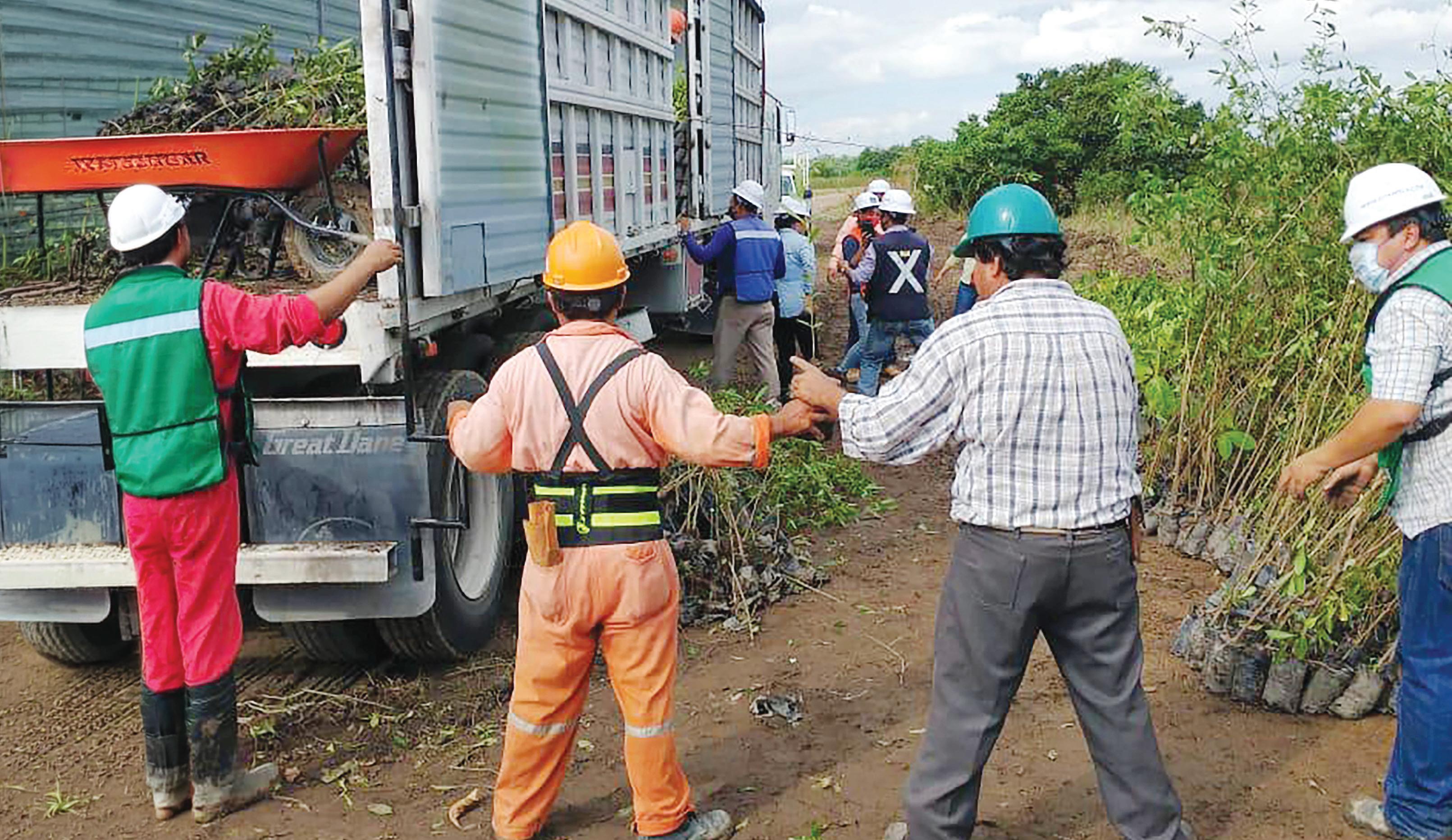
At the heart of the Corredor Interoceánico del Istmo de Tehuantepec (CIIT), one of Mexico’s most ambitious infrastructure projects is taking shape. SPIMVER is emerging as an industrial and port ecosystem poised to transform the region into a strategic hub for global trade, supported by a 1,240-hectare land reserve and a long-term vision that is evolving from hydrocarbons toward sustainability.
SPIMVER is being developed within one of the country’s most promising logistics corridors. Located approximately 10 kilometers inland along the Coatzacoalcos River, in Cosoleacaque, Veracruz, the project enjoys a clear strategic advantage: The project is designed
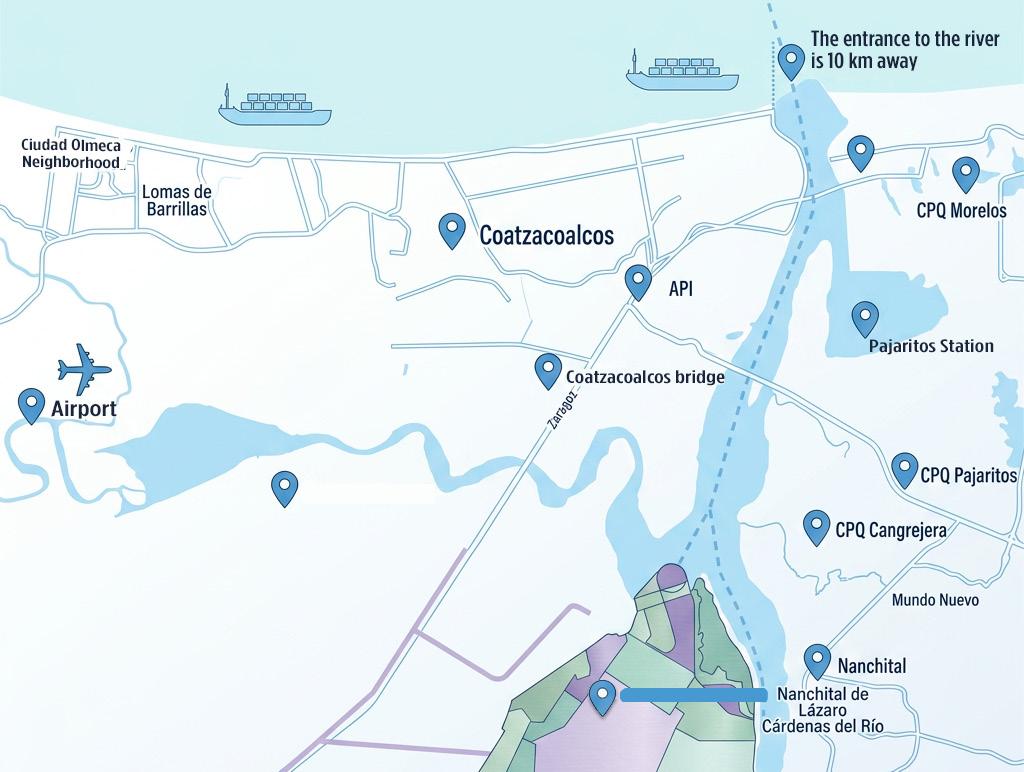
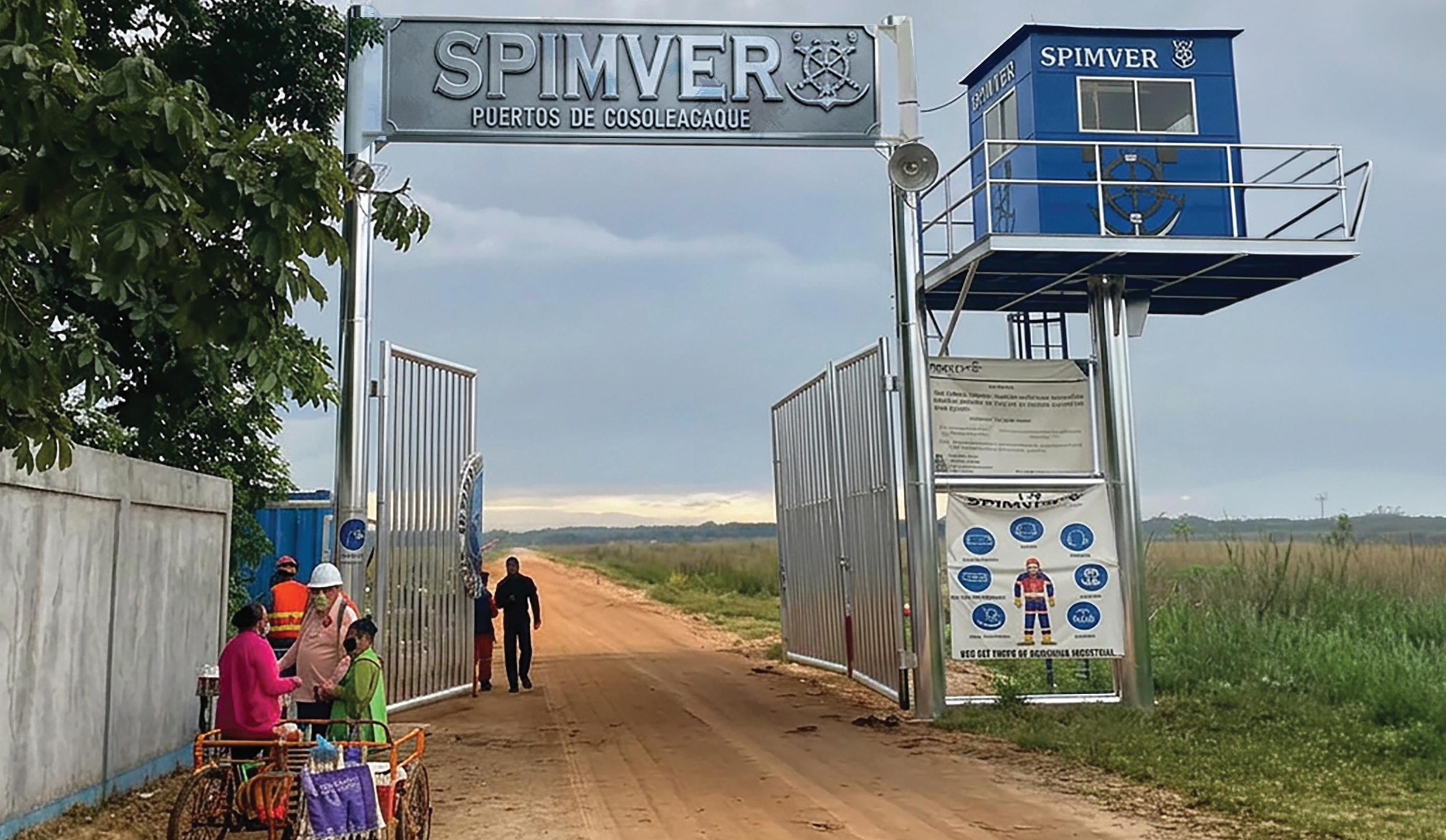
to integrate both land and maritime connectivity within one of Mexico’s most promising trade and logistics corridors.
The project has been developed with the support of internationally recognized firms, including Singapore-based Surbana Jurong and the United Kingdom’s London Offshore Consulting (LOC). Their expertise has helped shape a strategy that maximizes the value of the CIIT’s existing infrastructure, including a 220-kilometer railway and a network of up to 22 specialized pipelines crossing the property, among them assets operated by Petróleos Mexicanos (PEMEX) and the Centro Nacional de Control del Gas Natural (CENAGAS).
SPIMVER’S DEVELOPMENT IS STRUCTURED AROUND THREE STRATEGIC PHASES: PHASE 1: STORAGE INFRASTRUCTURE.
The cornerstone of the project is the construction of a fuel storage terminal (tank farm) for diesel and gasoline, with a planned capacity of 1.2 million barrels. Once completed, it is expected to become one of the largest and most significant facilities of its kind in Mexico. The terminal’s final design contemplates the reception of vessels carrying more than 250,000 barrels. The project
has already secured all the permits required to begin construction.
The second phase envisions the development of an industrial park focused on the downstream petrochemical industry. The project seeks to leverage synergies with nearby PEMEX facilities —including Pajaritos, Morelos, Cangrejera, and Minatitlán— to support the production of value-added products such as industrial plastics, coatings, and electronic components.
SPIMVER’s long-term vision includes the development of a Green Hydrogen plant, Sustainable Data Centers, a 150-MW combined-cycle power generation facility, and a waste-to-energy plant designed to operate with net-zero emissions while recovering valuable by-products.
Another factor strengthening SPIMVER’s business model is the significant regulatory progress achieved to date. The project has secured key authorizations, including environmental risk approval from ASEA (Agencia de Seguridad, Energía y Ambiente) and a 30-year storage license granted by the CNE (Comisión Nacional Energética).
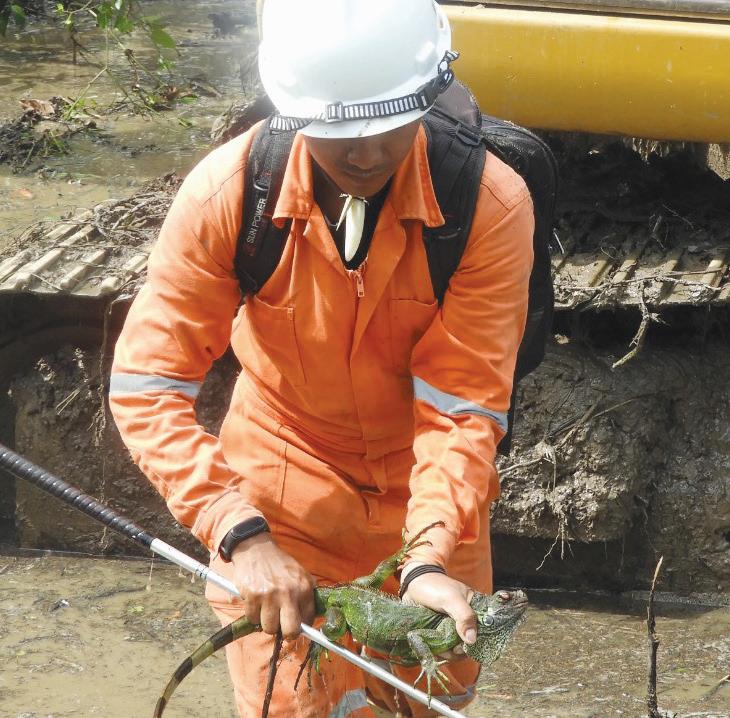
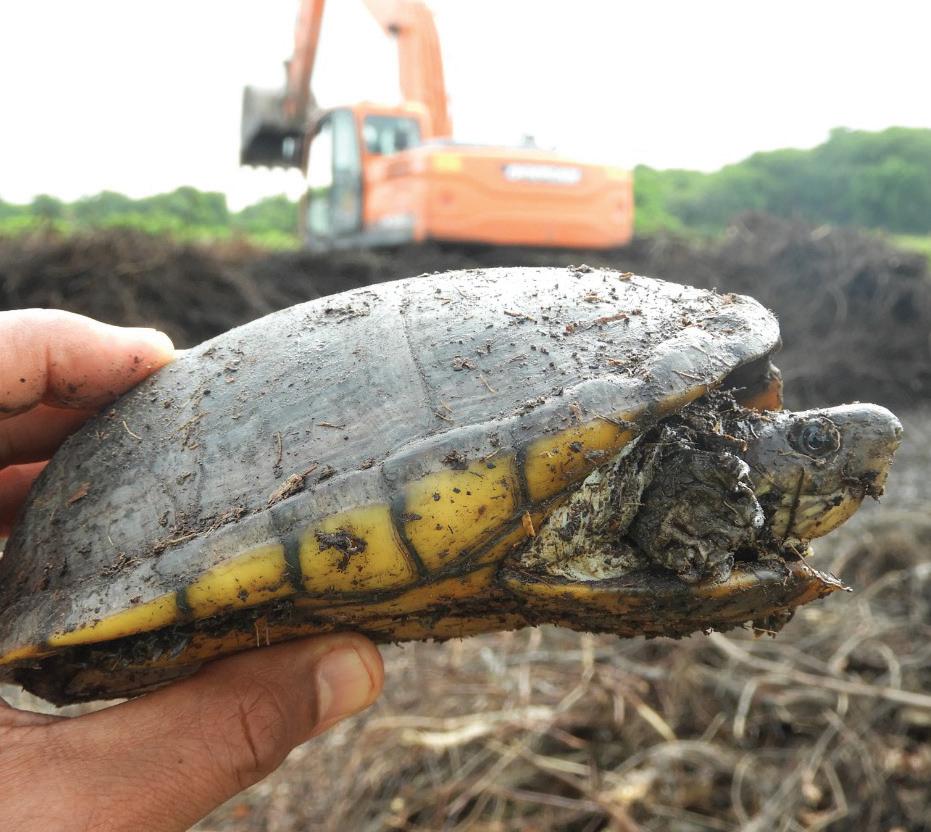



Beyond its industrial scale, SPIMVER is advancing a high-value vision supported by a Private Conservation Area spanning more than 250 hectares. This reserve not only helps preserve the ecological balance of the surrounding environment, but also serves as a key differentiator for the project’s long-term operations.
The initiative is further strengthened by social development and community integration programs designed to expand its regional impact. Together, these efforts position SPIMVER as a next-generation development aligned with ESG (Environmental, Social and Governance) principles, which continue to gain relevance among investors and stakeholders in the Mexican market.
The future of energy logistics is not something to wait for —it is something to lead. Backed by a long-term vision and a strategic location, SPIMVER is emerging as a world-class platform for companies and investors who understand that the greatest opportunities belong to those who anticipate them. A Gateway to the World.
1.2 MILLION BARRELS
CNE-AUTHORIZED FUEL STORAGE CAPACITY, INCLUDING DIESEL, JET FUEL, AND GASOLINE.
1,290 HECTARES
Total project area across all development phases.
583 HECTARES
Area of Lot 1 , which has already secured all required environmental approvals. .
255 HECTARES
Private Conservation Area dedicated to the preservation of mangroves and tropical forest ecosystems.
14 KILOMETERS
Distance to the Interoceanic Railway.
10 KILOMETERS
Distance between the site and the mouth of the Coatzacoalcos River.
22 PIPELINES
Specialized oil, natural gas, and petrochemical pipelines directly connected to the hub.
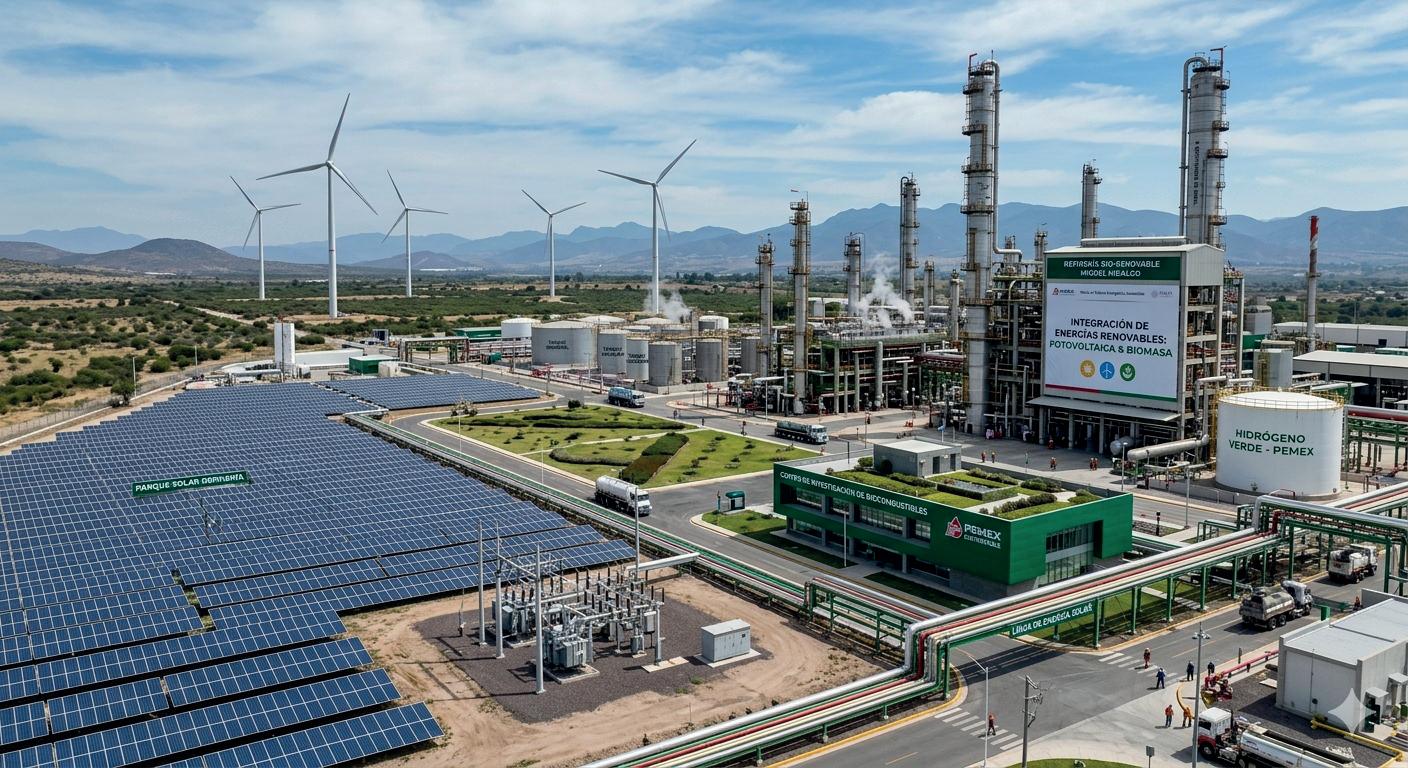










María Ariza, CEO of BIVA, shares her vision on how financial innovation, sustainability, and broader market inclusion are shaping the future of investment and economic growth in Mexico toward 2030.


BY: MARLENE MIZRAHI
PHOTOS: CARLOS ARANDA
FFacing a capital market industry that has historically concentrated its offering on large corporations, Bolsa Institucional de Valores better known as BIVA, was born in 2017 with the conviction that the securities market can —and should— be a real option for companies of all sizes.
Leading that vision, María Ariza has championed instruments that connect institutional investors with productive projects of different scales, including those advancing the sustainability agenda. From the securitization of agricultural portfolios to training corporate sustainability specialists, her tenure has broadened access to financing.
In conversation with Petróleo & Energía, BIVA’s CEO shares the projects that have defined her career at the institution, as well as her outlook on the challenges and opportunities Mexico faces heading into 2030.
What has your experience leading BIVA been like, and what distinguishes the securities market you have built?
It has been a very enriching experience, one of tremendous growth, at the forefront of an industry that is vital to the country. At BIVA we asked ourselves how to channel resources to companies and projects that the traditional market was not reaching: smaller companies that had never conceived of the stock market as a real option. From that search came joint securitization —a product through which we managed to bring together four Sofomes (Mexican non-bank financial entities) from the agricultural sector to securitize their portfolios collectively and add a development bank guarantee.
That mechanism generated greater appetite among institutional investors and allowed resources to effectively reach small and medium-sized entrepreneurs in the countryside, who could never have accessed the market on their own. Today we also see venture capital, equity funds, and new companies coming to the public market for resources —things that simply did not happen before. All of this is the result of the talent, innovation, and expertise of a group of professionals working to develop real solutions for Mexican companies.
How does BIVA integrate the UN Sustainable Development Goals (SDGs) into its operations?
We believe that the energy transition becomes a reality when resources are successfully channeled, on time and in the right amounts, to the projects pursuing those goals. We have done this through thematic bonds and sustainability-linked bonds: instruments in which companies modify their own internal models to advance the transition, and which

The energy transition becomes a reality when resources are effectively directed toward the projects driving it.”
allow us to support that process with concrete financing.
But it is not only about channeling capital —we have also worked on building capacity within organizations. Through programs such as the Chief Sustainability Officer program, we have trained nearly 600 professionals from more than 350 institutions across Mexico, and we are already beginning to expand that effort into Latin America. That cultural shift within companies is what will truly have an impact on achieving the SDGs.
What challenges do you identify as priorities for strengthening Mexico’s securities market?
For a stock exchange to function as it should, it needs a good balance
of supply and demand: investment opportunities on one side; institutional and retail channels willing to access those opportunities on the other. However, balance alone is not enough —you must also ensure sufficient liquidity and a reliable model that gives investors certainty.
The market will grow more sophisticated as we achieve greater participation, more investment vehicles —hedge funds, structures that generate liquidity— and as companies understand the real advantages of being listed.Technological infrastructure is part of that, but the foundation is having a market that is sound, trustworthy, and liquid.
What is your vision for Mexico heading into 2030, and what advice would you give to the next generation of professionals?
Mexico is at an extremely important moment: proximity to the world’s largest market, the USMCA, the reshoring of global supply chains, and our demographic dividend place us in a uniquely competitive position. We have biodiversity to generate clean and renewable energy; as well as the conditions to consolidate ourselves as an attractive region for investment, so long as we offer legal certainty and security.
For young professionals, my recommendation is clear: engage with technology and STEM disciplines from an early age, because that is where the greatest opportunities will be concentrated. And I especially invite women to get involved. Globally, only 30% of the technology workforce is made up of women. That gap concerns all of us, but those of us already in leadership positions have a particular responsibility to open the way.

linkedin.com/in/mariaariza/
ALTHOUGH THE CONFLICT BETWEEN THE US AND IRAN BEGAN DECADES AGO, THE MILITARY AND POLITICAL ESCALATION HAS TRIGGERED AN UPWARD SPIRAL THAT, CONTRARY TO EXPECTATIONS, HAS NOT SUBSIDED. WHO IS THE “WINNER OR LOSER”?
BY: SOFÍA NIÑO DE RIVERA

Talking about the war between the United States and Iran involves much more than comparing armies or military budgets. In reality, it means delving into one of the most persistent and complex tensions in the contemporary international system, where the question of “who would win?” is as appealing as it is misleading.

At its core, this is not a conventional conflict. It has not been for decades and, most likely, would not be in the future either. Furthermore, we cannot truly speak in terms of absolute winners or losers in a war. However, we can analyze who has emerged more politically or narratively strengthened.
The modern origins of this confrontation are usually traced back to the Iranian Islamic Revolution, a turning point that transformed Iran from a strategic ally of Washington into one of its main adversaries. Since then, tensions have evolved in cycles: sanctions, negotiations, temporary agreements, and renewed breakdowns.
The clearest attempt to stabilize the relationship was the 2015 nuclear deal, which sought to limit Iran’s nuclear program in exchange for economic relief. Nevertheless, the United States’ withdrawal from the agreement in 2018 reactivated economic pressure and opened a new phase of confrontation,

characterized by harsher sanctions, indirect clashes, and growing mutual distrust.
Today, the conflict unfolds simultaneously on multiple levels: diplomatic, economic, military, and symbolic. There is no formally declared war, but there is a constant tension that remains on the threshold of open confrontation.
At first glance, the balance seems clearly tilted. The United States possesses the world’s largest military budget —exceeding US$800 billion annually— along with a global network of bases, technological superiority, and the ability to project power almost anywhere on the planet.
The true outcome would not be a victory for the United States or Iran, but a new stage of global uncertainty.”
Iran, by contrast, operates with far more limited resources. Its military spending is only a fraction of that of the United States, and its conventional capabilities are inferior in terms of aviation, naval forces, and advanced combat systems. However, measuring
this conflict solely through traditional metrics leads to an incomplete reading.
Over decades, Iran has developed a strategy of asymmetric resistance. Instead of competing on equal footing, it has built tools to offset its disadvantages: a vast missile arsenal, cyber capabilities, and above all, a network of allied actors throughout the Middle East. This structure allows it to project influence without requiring direct confrontation.
A key geographic factor must also be considered: control of the Strait of Hormuz, one of the world’s most important energy routes, through which nearly one-fifth of global oil supplies pass. At this point, the question is no longer who has greater military power, but who can impose greater costs.
In a conventional war scenario, the United States would hold a clear advantage. Its air and naval power would allow it to strike Iranian strategic infrastructure, weaken its defensive systems, and gain control of the airspace in a relatively short period of time. Yet
such a “victory” would merely mark the beginning of a much larger problem — as well as the illusion of a quick triumph.
Iran does not need to win a war in classical terms. Its strategy is based on resisting, prolonging, and complicating the conflict. It can resort to indirect attacks, activate its regional allies, and above all, disrupt critical nodes of the global energy system. This transforms any confrontation into a war of attrition, where political, economic, and military costs multiply over time.
US$800 BILLION
BILLION
IRAN: THE ENERGY WINNER?
The true battlefield may be the energy sector, because if there is one area in which this conflict would have immediate consequences, it is precisely this one. The Persian Gulf concentrates a fundamental portion of the world’s oil and gas supply, and any disruption in the region directly impacts global markets.
It is worth noting that between 17 and 20 million barrels of oil pass daily through the Strait of Hormuz. Even a partial interruption would have immediate effects on international prices.
Under scenarios of moderate tension, oil prices could climb above US$100 per barrel. In a context involving blockades or attacks on infrastructure, prices could surpass US$150, generating an energy shock comparable to the major crises of the twentieth century.
ECONOMIC IMPACT BEYOND THE REGION
The interdependence of the global economy amplifies any conflict in the Middle East. A more severe con-
GLOBAL MARITIME OIL TRANSIT
20% STRAIT OF HORMUZ
80% OTHER ROUTES
PRICE PER BARREL (USD)
70–80
STABLE SCENARIO
100–120
MODERATE TENSION
+150
SEVERE CRISIS

frontation between Iran and the United States would not remain a regional event, but rather become a catalyst for global instability —something that is already beginning to unfold.
Financial markets would react with immediate volatility. Stock markets would likely decline, while investors would seek refuge in assets considered safe havens. At the same time, rising energy costs would disrupt supply chains, increasing expenses in key sectors such as manufacturing, transportation, and agriculture.
One dimension of this conflict that is often underestimated is the technological and cyber sphere. Both Iran and the United States have developed significant digital capabilities, where attacks do not require visible military deployment but can still inflict considerable strategic damage.
Energy infrastructure, financial systems, transportation networks, and even electoral processes have become potential targets. In this arena, asymmetry once again works in Iran’s favor: it does not need to match American technological capabilities, only to identify specific vulnerabilities that allow it to maximize the impact of each action. A successful cyberattack against critical infrastructure could generate economic conse-

quences comparable to those of a limited military offensive, though with lower immediate political costs.
Added to this is the nuclear dimension, which remains the most sensitive axis of the conflict. The development of Iran’s nuclear program carries not only military implications, but symbolic ones as well. It represents sovereignty, deterrence, and bargaining power.
For the United States and its allies, the risk is not merely that Iran could develop a nuclear weapon, but that progress in that direction could alter the strategic balance across the entire region. This could trigger an arms race in the Middle East, with countries such as Saudi Arabia pursuing similar capabilities, exponentially increasing the risk of proliferation. In this context, the conflict ceases to be bilateral and becomes a systemic problem.
Another key factor is the domestic politics of both countries. In the United States, relations with Iran tend to fluctuate depending on the administration in power. Governments more inclined toward multilateralism usually prioritize negotiation, while harder-line positions favor economic and military pressure. This variability introduces a level of uncertainty that Iran has learned to manage by pursuing long-term strategies that outlast American political cycles.
On the Iranian side, the regime also faces internal pressures: economic, social, and political. Sanctions
have significantly affected the population, creating domestic tensions that, in some cases, may encourage a more confrontational posture abroad as a mechanism for internal cohesion.
At the regional level, the role of non-state actors is decisive. Iran-backed groups operate in several countries and function as extensions of its influence. This allows Iran to respond to American actions without directly involving itself, maintaining a degree of plausible deniability.
For the United States, this type of indirect warfare presents a complex challenge because it diffuses responsibility and complicates the possibility of a clear proportional response. Moreover, it multiplies the points of conflict, making any escalation more difficult to contain.
Despite the rhetoric and repeated episodes of tension, the most likely scenario remains one of controlled containment —although this scenario could depend heavily on whatever decision Trump makes according to his mood.
However, this balance is fragile. A miscalculation, an unexpected attack, or a disproportionate response could rapidly escalate the situation. In that case, the conflict could expand regionally, drawing in additional actors and multiplying its consequences.
So, who would win? The answer depends on how “winning” is defined. In strictly military terms, the United States holds the advantage. But strategically, the situation is far more ambiguous. Iran possesses the capacity to transform any conflict into a global problem, driving economic and political costs to unsustainable levels.
In that sense, a war between the two would likely produce no clear winner. What it could produce, however, is a deep and lasting impact on the international system. Because in today’s world, wars between powers are no longer measured solely by conquered territory or won battles, but by their ability to alter markets, destabilize regions, and redefine global balances. And by that standard, the true outcome would not be victory, but rather a new stage of global uncertainty.
* International analyst and columnist for Petróleo y Energía.
Sofía Pacheco Niño de Rivera
BY: JAVIER SENDEROS, VP, PQ MEDIA GROUP
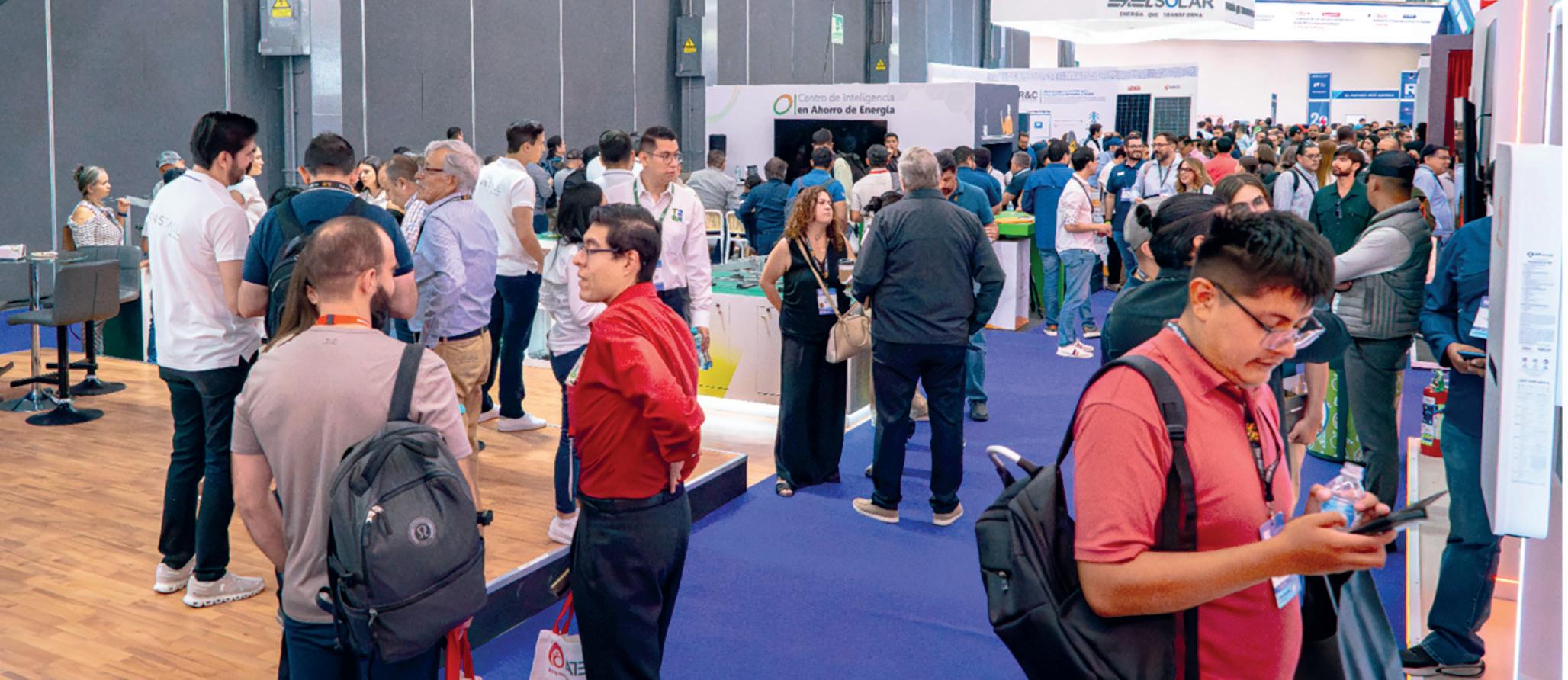
Guadalajara once again reinforced its position as Latin America’s Clean Energy Capital. Over three days at Expo Guadalajara, RE+ Mexico 2026, held alongside Ecomondo Mexico, demonstrated that the energy transition is no longer just a vision of the future—it has become a powerful economic driver of the present.
Walking the exhibition floor at RE+ Mexico 2026 offered a firsthand look at the technologies shaping the future of the energy market. Among this year’s standout exhibitors were companies that showcased not only products, but also integrated solutions designed to address today’s challenges in energy storage and efficiency.
One of the clearest trends throughout the event was the growing need for strategic




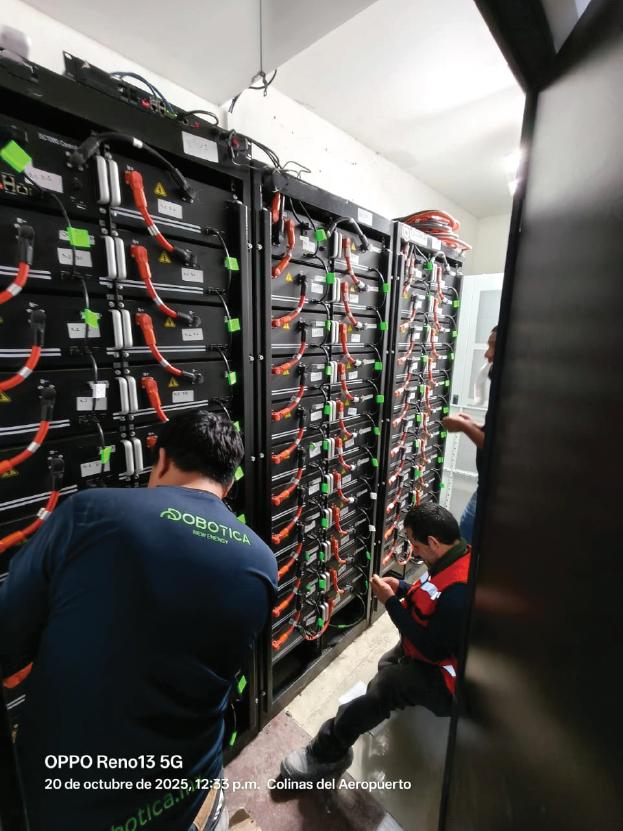


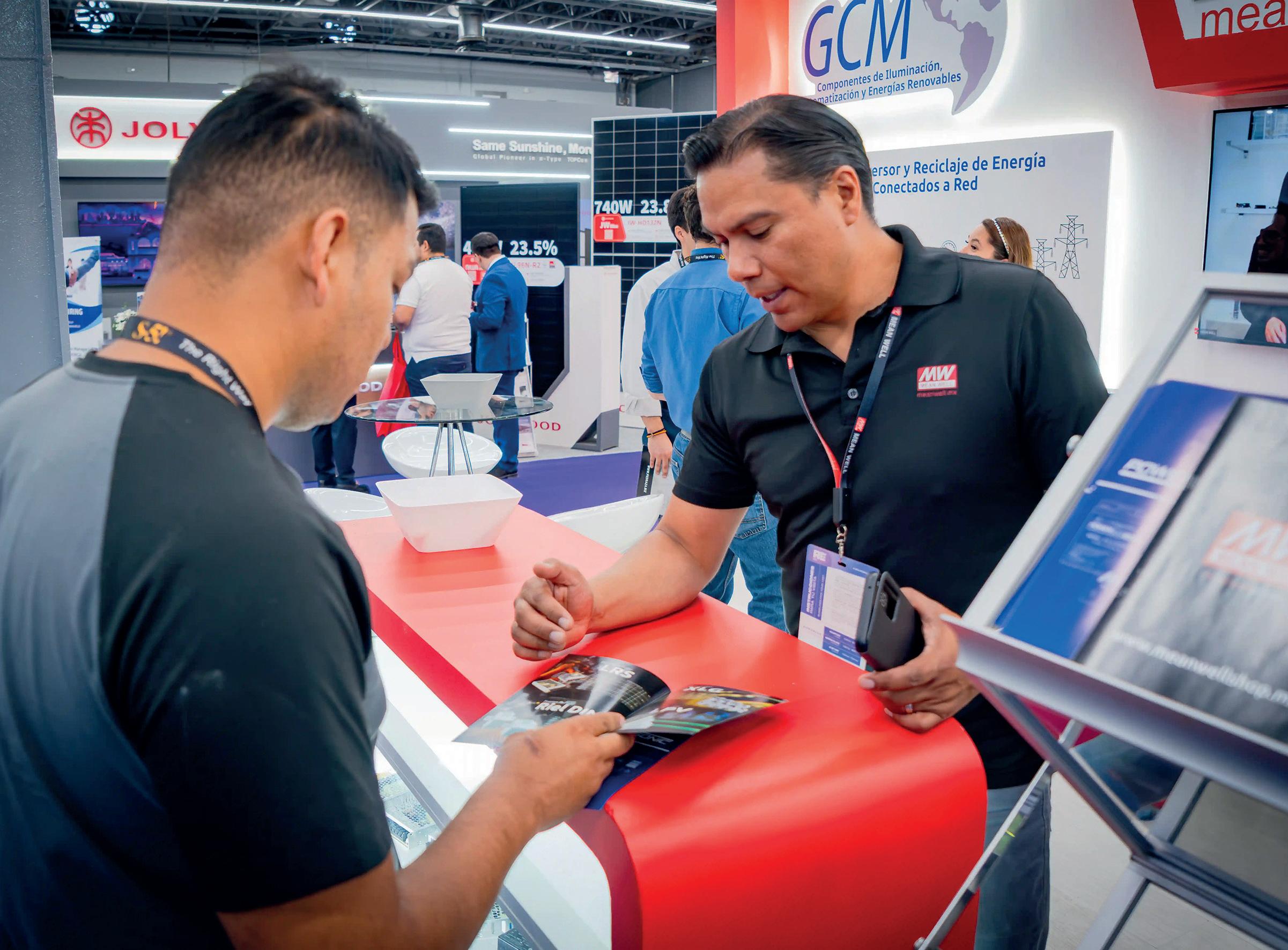
México 2026 showcased the technological innovations shaping the future of the energy market. 70 CONFERENCE

partners capable of navigating the complexity of today’s energy landscape. In this context, Nos Mueve El Sol emerged as a key ally in the development of high-impact energy projects.
During the exhibition, the company presented Sigenergy, a battery energy storage system (BESS) designed to deliver versatility, efficiency, and safety across a wide range of applications —from residential installations to heavy industry.
Meanwhile, Dobotica, a company specializing in energy storage and photovoltaic solutions, highlighted its integration of next-generation technologies aimed at maximizing operational efficiency. Beyond strengthening industry relationships through technical training initiatives, the company reinforced its leadership position through participation in expert panels and high-profile events such as the Mujer Solar Awards.
Within this innovation ecosystem, industry organizations also played a critical role in raising professional standards across the sector. One notable example was the Consejo de Profesionales en Energía Fotovoltaica (CPEF), whose participation underscored the importance of certification and technical excellence in the installation and operation of solar energy systems, helping ensure that Mexico’s solar industry continues to grow with a highly qualified workforce.
Beyond the exhibition floor, RE+ Mexico featured more than 70 conference sessions and over 100 international speakers. Topics such as the 2030 Agenda, ESG criteria, and the integration of Artificial Intelligence (AI) into power grid management were central to discussions held in collaboration with leading organizations including the Asociación Mexicana de la Industria Fotovoltaica (AMIF) and the Asociación Mexicana de Energía Solar (Asolmex).

LIDERAZGO, INNOVACIÓN Y ENERGÍA EN MOVIMIENTO
Nallely Camarena CEO Y FUNDADORA
Referente en la industria fotovoltaica y promotora activa del crecimiento del talento femenino a través del CPEF.
se consolida como una empresa innovadora, en constante movimiento, cercana a sus clientes y respaldada por las mejores marcas globales.
Ahora con una nueva imagen que refleja dinamismo, innovación y conexión con el mercado.
Presencia en RE+, punto de encuentro estratégico para fortalecer relaciones, generar nuevas alianzas y presentar soluciones de vanguardia para México.
• Distribuidor más longevo de Jinko Solar en México (+12 años)
• Portafolio sólido con marcas líderes: SAVANT Power, K2 Systems, Shelly, Fluke
• Acompañamiento integral: ingeniería y capacitación especializada
LANZAMIENTO DE SIGENERGY:
Es el sistema de almacenamiento de energía en baterías ultra seguro más versátil, eficiente, estético, robusto y práctico, del mercado mundial. La marca cuenta con soluciones para los sectores residencial, comercio e industria ligera así como Comercial, Industrial.

Tú vendes, nosotros te respaldamos. Accede a stock inmediato y soporte técnico.
Contacto: nosmueveelsol.mx. +52 33 11428928 / contacto@nosmueveelsol.mx nosmueveelsol
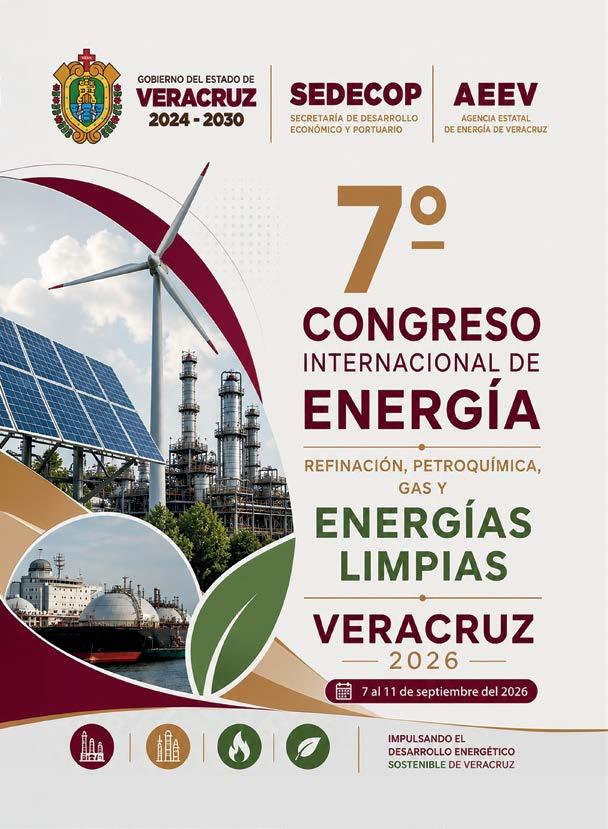


Petróleo y Energía presents the first edition of STEM MINDS: Talent with Energy, bringing together six professionals in Science, Technology, Engineering, and Mathematics who are generating knowledge, driving innovation, and creating business opportunities across the energy sector.
Their shared mission goes beyond strengthening the industry. They are helping transform it by creating new opportunities that emerge from universities and research centers and extend into strategic roles within public institutions and leadership positions at leading companies in Mexico and around the world.
BY: GERMÁN SÁNCHEZ HERNÁNDEZ |
PHOTOGRAPHY & VIDEO: CARLOS ARANDA, PAULINA BOCHE, ADRIANA LÓPEZ AND DANIEL SILVA

FIND THE VIDEO INTERVIEWS


During the ceremony marking CFE’s 88th anniversary on August 14, 2025 —led by Mexico’s Secretary of Energy, Luz Elena González Escobar, and Emilia Esther Calleja Alor, Chief Executive Officer of CFE— Veneranda Rubio represented the company’s workforce and emphasized in her remarks that “nothing is impossible for CFE.”
In 2025, she was also recognized as part of Petróleo y Energía’s 50+ Women Inspiring Value (+50 Mujeres que Inspiran Valor) initiative and, in early 2026, was featured among the publication’s 100 Energy Sector Leaders (100 Líderes del Sector Energía). Now, as one of the magazine’s STEM MINDS, she shares her perspective and experience in the development of high-impact, environmentally responsible energy projects that benefit local communities.
What key moment or decision led you toward a STEM profile and a professional career in the energy sector?
I began my career in 2000 as an environmental supervisor. At the time, my work focused solely on overseeing construction projects; however, I was always curious about what happened behind the scenes. That led me to become involved in project planning, particularly in understanding how to make projects compatible with environmental requirements. I am a biologist by training.
Much of my work has focused on environmental permitting processes required to implement projects.
Through pre-project activities, we evaluate the environmental, social, and even archaeological feasibility of projects. For me, that work is fascinating: helping ensure that what we build is both socially and environmentally acceptable.
How have you seen STEM fields evolve within organizations across Mexico’s energy sector?
Mexico has outstanding engineers. Proof of this is our interconnected power system, which is recognized internationally. At the same time, other professions have evolved alongside engineering and now work together in multidisciplinary teams. We have biologists, chemical and environmental engineers, surveyors, sociologists, lawyers, and even archaeologists. All these disciplines collaborate to make projects possible. Without that interdisciplinary analysis, it would be impossible to develop projects that are both technically and socially viable.
What do you consider the main challenges Mexico faces in developing STEM talent?
I believe universities play a critical role in fos tering empathy and collaboration among different professions. Sometimes, academic programs focus exclusively on their own discipline. However, young professionals need to learn how their work connects with other fields so they can contribute to projects that are truly sustainable and capable of generating long-term value.

STEM fields are essential, especially from the social perspective of developing ethical professionals for the public sector.”


linkedin.com/in/veneranda -rubio-pérez-363597179


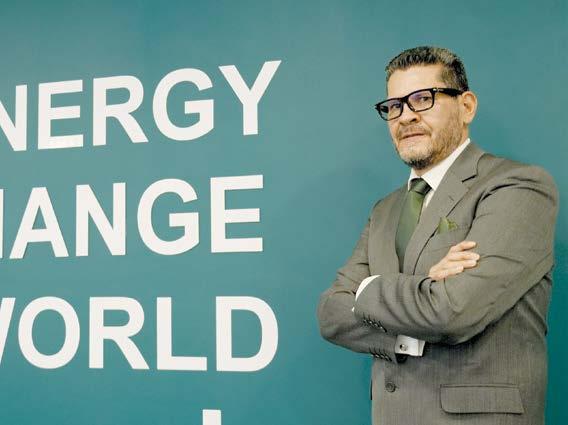
Chief Technology Officer and General Manager, Engineering Design & Services
Gas Power Business, Mexico & Latin America
GE Vernova
Juan Antonio Asencio shares two lifelong passions: helping people and understanding how things work. He holds a degree in Electrical and Mechanical Engineering from the National Autonomous University of Mexico (UNAM), where he participated in the University Program for Space Development and Research. He also received the Gabino Barreda Medal, the university’s highest academic distinction, awarded for achieving the highest undergraduate GPA and for his participation in the design, construction, and launch of the UNAMSAT-B satellite in Moscow, Russia.
After an important chapter in the automotive industry, he joined General Electric in 2000, working across its Energy and Aviation businesses. Today, he serves as Chief Technology Officer and General Manager of Engineering Design & Services for GE Vernova’s Gas Power business in Mexico and Latin
America. He leads a team of more than 450 engineers and designers across the region, specializing in power generation engineering.
How do you contribute, through strategic decisions, to the transformation and innovation of the energy sector?

From my current position at GE Vernova, I have two primary strategic objectives. The first is aligning the needs of regional customers with the company’s global strategy. The second is developing the engineering talent we have in Mexico and Latin America —ensuring that professionals have both the skills and the tools required to address emerging technological challenges.
We will also begin to see the implementation of important projects involving hydrogen, carbon capture, and smart grids. To support these initiatives, we will need talent that understands these technologies and can integrate them into
the design process as part of their daily work.
How do you envision Mexico’s energy sector in 2030?
Today, Mexico has approximately 90,000 megawatts of installed capacity. That figure will continue to grow as a result of social and economic development, as well as the increasing demand for electricity driven by emerging technologies such as virtual reality and artificial intelligence (AI).
Bridging the gap between academia and industry is essential to advancing STEM talent. Government, academia, and industry must work together.”
As a result, we will require more data centers in Mexico and around the world. This will drive the need for additional infrastructure across the country. I see a broad range of opportunities
https://www.linkedin.com/in/ juan-antonio-a-6888658b/
ahead for Mexico. That is precisely why GE Vernova remains committed to the market. We have been present in Mexico for 130 years, and we are here to stay.

Is there a risk that engineering jobs could be lost due to the development of artificial intelligence?
I believe that if young professionals have a solid understanding of the engineering fundamentals they are studying, that will not happen. Ultimately, AI is an excellent tool, but critical thinking must always remain in the hands of engineers. If they develop strong critical-thinking skills, I do not believe AI will eliminate jobs. Rather, it will transform the way we work.

Ana Muradás Lorenzo is one of the STEM MINDS 2026 featured in this edition of Petróleo y Energía. She is also part of the magazine’s latest 50+ Women Inspiring Value (+50 Mujeres que Inspiran Valor) community. As BESS Commercial Manager at Grupo Industronic, she oversees energy storage projects that combine technical expertise, economic viability, and sustainability to generate a positive impact on both society and the environment.
In April 2026, she received the Technical Woman of the Year Award, presented by K2 Systems and the Council of Professionals in Photovoltaic Energy (CPEF). The recognition highlights her leadership, vision, and contribution to the growth of renewable energy in Mexico, as well as her commitment to innovation and sustainable development.
For Muradás, the award —which recognizes technological excellence— represents an opportunity to inspire greater female participation in the energy sector. “It is one of the ways we can encourage more women to join the energy industry, and honestly, it is an honor to have received it.”
What key moment or decision led you toward a STEM career and the energy sector?
I believe it was not a single moment, but rather a series of experiences. It starts with the career path you choose —I am a chemical engineer by
training— and continues through your professional development within an organization. Over time, I have realized that STEM is not only the future; it is also very much the present.
How have STEM profiles evolved within organizations, particularly in the energy sector?
The demand for STEM talent has grown significantly across all industries, especially in energy. We have also seen major advances in technologies such as energy storage, data management, and analytics.
These developments have influenced every company operating in the energy sector because they enable projects and solutions to become more comprehensive. STEM professionals are also helping make the industry far more multidisciplinary.
From your position at Grupo Industronic, how do you contribute to innovation and transformation in the energy sector?
Grupo Industronic has more than 53 years of experience. We are specialists in power quality and energy efficiency, offering solutions that include voltage regulators, surge protection systems, solar energy technologies, and Battery Energy Storage Systems (BESS), which is the area I lead. The advances we have seen in recent years have strengthened both the com-


STEM careers are not only about numbers and technology; they are about finding solutions to complex challenges.”
pany and my professional role. Everything begins with a market need: energy is becoming more expensive, while demand continues to grow. Companies need more efficient ways to operate and remain competitive through the technologies we develop.
linkedin.com/in/ anamuradaslorenzo/
When it comes to energy storage, these technologies help solve real-world challenges and deliver practical solutions. In my role, energy storage enables operational continuity while helping organizations optimize energy consumption, making operations more sustainable and cost-effective. My work combines engineering and technology expertise with financial analysis, allowing me to address the technical requirements of projects while ensuring attractive returns on investment.
Why is STEM talent essential to the future of Mexico’s energy sector?
Mexico —and the world as a whole— needs more STEM professionals. Their way of thinking helps ensure that projects are both technically sound and economically viable. STEM professionals understand technology and implementation, but they also bring an interdisciplinary perspective and an understanding of business fundamentals. Mexico has been developing this talent for many years, and the number continues to grow.
In recent years, we have also seen greater participation from women, which is something I find particularly encouraging. When I studied Chemical Engineering, we were told that historically very few women entered the profession. Today, howe-

ver, classrooms are much more balanced, with women representing a significant portion of future STEM talent.
What technologies and trends are shaping your field and influencing the industry?
The most significant trends today are energy storage and data-driven technologies. These advances are helping projects become more efficient, scalable, and capable of solving the challenges facing Mexico’s energy sector.
When combined with Artificial Intelligence (AI), Energy Management Systems (EMS), and advanced control platforms, energy storage technologies allow us to collect, interpret, and analyze information in ways that improve project performance and efficiency. We are already seeing the impact on grid stability. As a result, there is growing interest in implementing these types of projects to enhance both sustainability and reliability.
How does your work align with the United Nations Sustainable Development Goals (SDGs)?

The connection is very direct. The UN Sustainable Development Goals seek to promote affordable, sustainable, and cleaner energy. The work we do in energy storage complements these objectives by facilitating the integration of renewable energy sources while making projects more efficient and reliable. That is precisely where Grupo Industronic —and my role within the company—contributes.
What are the main challenges Mexico faces in developing STEM talent?
I believe the biggest challenge is access to information. Mexico has the talent and the people needed to succeed in STEM careers. However, we do not always do enough to communicate the opportunities available or the impact these professions can have. That is why communication efforts through events, industry associations, and media platforms such as Petróleo y Energía are so important.
How do you envision the role of STEM disciplines in transforming Mexico by 2030?
The year 2030 once seemed far away, but it is now approaching quickly. Many projects are already aligned with that horizon. The energy transition and electrification are helping move us toward those goals. At the same time, significant work remains to be done. Advanced technologies, innovation, energy storage, and power quality solutions will play a critical role in helping Mexico achieve its objectives.
These technologies will not only support progress toward 2030 targets; they will also ensure that projects are more efficient, socially responsible, environmentally sustainable, and economically viable. We have already implemented several projects that demonstrate the value of BESS technologies in achieving these outcomes.
What message would you like to share with the next generation considering a STEM career?
I would encourage them not to be afraid of pursuing STEM. These careers are not only about numbers and technology —they are about solving problems and creating meaningful solutions. And especially for women, I want to emphasize that there is a place for all of us in STEM fields. Leadership opportunities and the ability to create the next generation of solutions for the energy industry can absolutely be achieved through technology and a STEM career.

Héctor Rodolfo Camacho Hernández holds a degree in Geophysical Engineering from the Benemérita Universidad Autónoma de Puebla (BUAP). Reflecting on his academic journey, he recalls a strong passion for the field. While he initially expected his career to focus on hydrocarbons, he later had the opportunity to collaborate with then Senator Alejandro Armenta —now Governor of Puebla— on initiatives related to lithium development.
After working in several energy consulting firms, his professional focus shifted toward clean energy. Since December 2024, he has served as Director General of the Puebla State Energy Agency, where he is helping advance projects aimed at strengthening energy infrastructure and supporting regional economic development.
How have STEM profiles evolved within organizations, particularly in the work carried out by the Agency?
I believe STEM profiles are becoming increasingly important, not only within corporations but also across government institutions. As a country, we need to rethink where we are heading and how we plan to grow. One thing I often discuss with my team is that economic development cannot exist without energy development.
At the Puebla State Energy Agency, we are currently working alongside an industrial development hub known as the Technology and Sustainability Capital. Our goal is to attract major technology and information technology companies to the state. In fact, Governor Alejandro Armenta often refers to it as the Silicon Valley of Puebla.
The objective is to develop innovation and infrastructure throughout the region. However, one of the first challenges we encountered was that companies could not establish operations because there was not enough electricity available.
So, what did we do? We evaluated the available options and invested in a new electrical substation capable of supplying power to the entire area. This was particularly important because the companies we aim to attract require energy that is clean, affordable, reliable, and available on a continuous basis. If Mexico wants to achieve sustainable economic growth, energy investment and electricity availability must advance together. One depends on the other.
How do you envision the role of STEM disciplines in Mexico’s economic and energy transformation by 2030?
The year 2030 is no longer a distant milestone —it is just around the corner. In fact, we do not even need to wait until then to act. The importance of STEM talent and STEM disciplines in Mexico has already become increasingly evident.
We have all witnessed how state energy agencies and energy ministries across the country are taking on a more active role. They are becoming more influential within their regions, something that was not as visible just a few years ago.
Their presence is essential if we want to promote development across Mexico’s states and regions. STEM professionals will play a critical role in helping those institutions design, implement, and accelerate the energy solutions needed for long-term economic growth.

Economic development depends on energy development.”
https://www.linkedin.com/ in/h%C3%A9ctor-rodolfo -camacho-hern%C3%A1 ndez-239993100/
Marcela Omaña decided at an early age to build a career in technical fields. She chose Industrial Engineering because of its multidisciplinary approach, combining analysis, people, and processes. She later spent nine years in the automotive industry, holding a variety of roles —some highly technical, others more strategic.
At one point in her professional journey, however, she reached an important realization: she was no longer passionate about the work she was doing. That reflection led her to redefine the purpose of her career and seek opportunities to generate a positive impact on society. It was then that she made the transition into the energy sector.
Today, amid Mexico’s ongoing energy transition, Marcela Omaña is part of Siemens Energy.
How have STEM profiles evolved within organizations across Mexico’s energy sector?
STEM professionals are essential to the energy sector because they support critical initiatives related to digitalization, automation, and energy efficiency. As a result, they play a key role in industry development.
Within Siemens Energy’s engineering organization, for example, we have professionals working on initiatives that go beyond purely technical objectives. Their work increasingly incorporates a business perspective, combining productivity and development efforts to create new solutions and drive innovation.
How do you contribute, through strategic decisions, to the transformation and innovation of the energy sector?
I currently serve as Head of Engineering at Siemens Energy’s High-Voltage Circuit Breaker Factory in El Marqués, Querétaro. One of my primary responsibilities is ensuring that engineering activities remain aligned with the company’s business strategy. I am responsible for introducing new solutions into the factory —not only in terms of products, but also through process optimization initiatives.
In addition, I am responsible for Product Safety, which means participating in key decisions related to product design, quality, and safety. At the same time, I actively support local talent development and continuous improvement initiatives.
What technologies or trends are shaping your field and influencing the industry?

I see two major trends shaping the future of our industry: industrial digitalization and automation. However, these trends are not simply about optimizing processes or products —which is something we hear about frequently today. Nor are they only about becoming faster. The real objective is to become more agile so we can respond effectively to evolving market needs.
When it comes to industrial digitalization, for example, we are seeing technologies that allow us to measure, monitor, and predict. The insights generated from predictive data help us make better decisions and identify opportunities to introduce new solutions.

Today, technical expertise alone is not enough. Leadership is equally important to identify solutions and align them with business strategy.”
linkedin.com/in/marcela -oma%C3%B1a-ba600247/


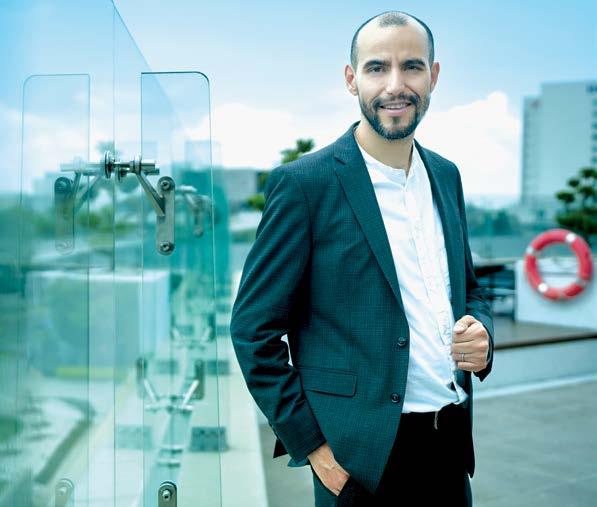
Choosing a STEM career and building a professional path through entrepreneurship is what motivates and inspires Luis Stone to “change the world.” Reflecting on the roots of that mindset, the Founder and Chief Executive Officer of ErgoSolar —a vertically integrated company with 16 years of experience providing financing, design, construction, operation, and maintenance services—says it all started at home: “I come from a family of entrepreneurs.”
Stone holds a degree in Mechatronics Engineering from Tecnológico de Monterrey and has completed graduate studies and academic programs at institutions in Mexico and abroad. His experience developing innovative solutions for projects and companies spans several countries, particularly Switzerland, India, and Germany — each presenting unique contexts and challenges. Ultimately, he chose to bring that STEM knowledge and international experience back to Mexico and Latin America.
Over the past few years, how have you seen STEM disciplines evolve within organizations, particularly in the energy sector?
I believe energy is becoming increasingly intelligent. It’s important to remember that the energy

Everything begins in a primitive stage. We are now living through a period of complexity, but in a few years STEM will become simple.”

linkedin.com/in/luis-gerardo-s %C3%A1nchez-stone-09758a22/
transition is driven by three key principles: decarbonization, decentralization, and digitalization. Digitalization, however, also makes the sector more complex. Today, we have artificial intelligen ce, electric vehicles that not only consume electri city but can also inject power back into the grid, and machines that are beginning to think, com municate, and make decisions with one another.
That is why I believe the future of STEM is in credibly promising. Right now, it may seem com plex, but as these technologies mature, they will eventually become simpler and more accessible.
How do you contribute to strategic deci sion-making of the energy sector?

ErgoSolar has always sought to be a leader. We developed the seventh medium-voltage solar project ever built in Mexico. We are also the
There is also resistance among some companies when it comes to adopting new technologies. At the same time, some students pursue STEM

Petróleo y Energía presents some of the leading associations shaping the energy sector and key industries within Mexico’s economy.

Collective made up of women politicians, academics, activists, and specialists with extensive experience and commitment to public life in Mexico. 50mas1.org/
Asociación de Ingenieros de Minas, Metalurgistas y Geólogos de México
Seeks to integrate and develop mining professionals in Mexico, while operating as an innovative, transparent, and efficient association that creates value for its members. geomin.com.mx/

Asociación de Ingenieros Petroleros de México
Brings together engineering professionals working within the Mexican oil industry. aipm.org.mx

Asociación Mexicana de Almacenamiento, Electrificación y Movilidad
A business coordination platform designed to reduce regulatory friction, lower execution risks, and enable business development. amaem.org/
Asociación Mexicana de Bioplásticos
Leads and connects Mexico’s bioplastics value chain by bringing together science, industry, government, and society to promote the responsible adoption of certified compostable materials and efficient organic waste management systems. ambioplasticos.org/





Asociación Mexicana de Distribuidores de Gas Licuado y Empresas Conexas
Private Mexican institution with its own legal identity and assets, backed by 61 years of experience, and broad national representation. amexgas.com.mx/
Asociación Mexicana de Empresas de Eficiencia Energética
Brings together companies, individuals, organizations, and institutions focused on implementing energy efficiency models and developing sustainable infrastructure to strengthen competitiveness in the energy market. ameneer.org/
Asociación Mexicana de Empresas de Hidrocarburos
Nonprofit association representing the leading oil and gas investors and operators in Mexico. amexhi.org/

Asociación Mexicana de Energía
Brings together leading power generation companies recognized for their experience and innovation in Mexico and internationally. amenergia.org/

Asociación Mexicana de Energía Eólica
Promotes the development of wind energy in Mexico, representing wind project developers with authorities, economic sectors, and society at large. amdee.org/es_es/

Asociación Mexicana de Gas Natural
Promotes the healthy and competitive development of Mexico’s natural gas industry. amgn.mx

Asociación Mexicana de Energía Renovable y Medio Ambiente
Organization that brings together individuals with extensive experience, vision, and expertise in renewable energy, sustainable development projects, and environmental protection. amer.mx/

Asociación Mexicana de Energía Solar
Represents more than one hundred companies across all segments of the solar energy value chain, from distributed generation to utility-scale projects. asolmex.org
Asociación Mexicana de Geofísicos de Exploración
Founded in 1958 to promote geophysics knowledge among its members; it is the oldest geophysicists association in Latin America. amgemx.org/

Asociación Mexicana de Geólogos Petroleros
Scientific and technical organization composed of professionals dedicated to petroleum geology and related disciplines. amgp.org.mx



Cuando su reputación importa, confíe en los expertos.
Rendimiento térmico superior y duradero, y protección contra la corrosión bajo el aislamiento (CUI) para temperaturas de proceso desde criogénico hasta vapor de alta presión.
Visite aerogel.com/es o contáctenos en info@aerogel.com

Asociación Mexicana de Hidrógeno y Transformación Energética
Aims to promote the hydrogen industry and sustainable technologies in Mexico through organized and efficient strategies and initiatives. h2mex.org/

Asociación Mexicana de la Industria Fotovoltaica
For more than a decade, it has brought together companies in Mexico’s photovoltaic industry, fostering development and collaboration across the sector. amif.org.mx/

Asociación Mexicana de Válvulas y Convexos
Since 1964, it has represented and coordinated Mexico’s valves and fittings industry in both domestic and international markets, working to protect the interests of its members while fostering collaboration and dialogue among stakeholders. amexval.mx/
Asociación Mexicana de Impulso al Vehículo Eléctrico
Its mission is to represent and lead a unified voice regarding policies and regulations that support the expansion of electromobility. amive.org/

Asociación Mexicana de Proveedores de Estaciones de Servicio
Comprised of more than 79 companies providing products and services to the energy sector under the highest quality standards. ampes.mx/
Asociación Mexicana de la Industria Automotriz
Asociación Nacional de Energía Solar Civil association founded in 1951 to represent Mexico’s automotive sector, promote its growth and development, and provide sales, production, and export statistics for its affiliated companies. amia.com.mx/
Bringing together more than 600 members, including scientists, professionals, industry leaders, students, and individuals interested in renewable energy. anes.org.mx

Cámara Nacional de Manufacturas Eléctricas
Business organization representing Mexico’s leading manufacturers of electrical products. caname.org.mx

Nonprofit civil association that has promoted the development of petroleum engineering since 1973 through professional development and collaboration among its members. cipm.org.mx/



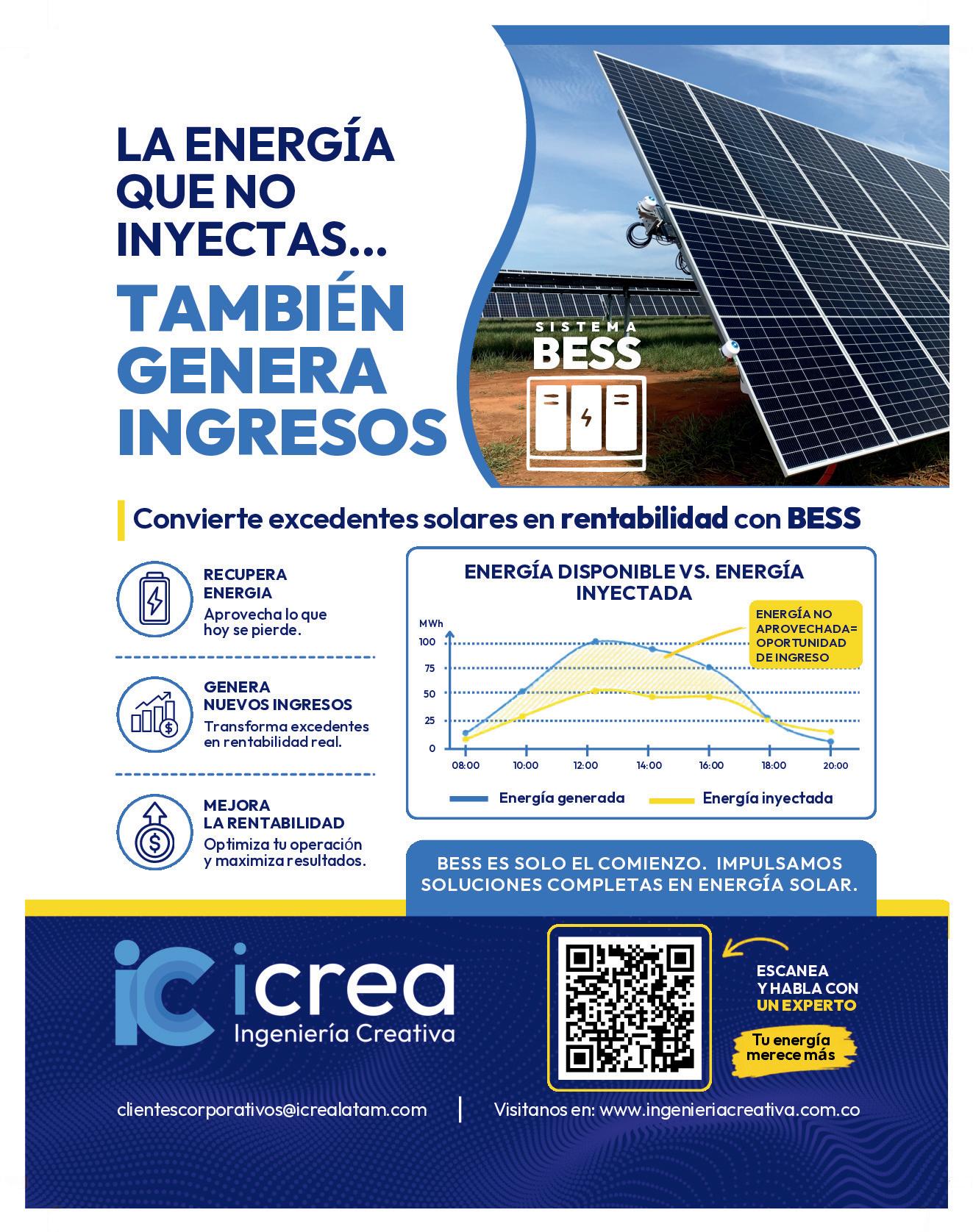

Consejo de Profesionales en Energía Fotovoltaica
Nonprofit autonomous organization focused on increasing the value of companies and the photovoltaic industry through collaboration among its members. cpef.org.mx/

Consejo Mexicano de la Energía
Leading private-sector organization that provides its members with access to decision-makers, knowledge, information, and human capital for the successful development of energy projects. comener.mx

Electro Movilidad Asociación
Its mission is to accelerate the adoption of electric mobility in Mexico in order to combat climate change. emasociacion.org/
Mujeres en Energía Renovable México
Promotes economic opportunities for women, addresses gender-specific needs, and encourages women’s participation in the energy sector. mermx.org/Inicio

Organización Nacional de Expendedores de Petróleo
Mexico’s largest association of fuel station operators, with representation in every state across the country. onexpo.com.mx
Red Mujeres en Energía Renovable y Eficiencia Energética
Promotes a renewable energy and energy efficiency sector that supports the full development of women and men under equal conditions. mujeresenergia.org/

Society of Petroleum Engineers
The largest individual-member organization serving managers, engineers, scientists, and other professionals within the upstream oil and gas industry. mexico.spe.org/inicio

Nonprofit initiative focused on increasing the visibility and participation of women experts in the energy sector. vozexperta.com.mx/

Founded in 2017 by a group of young professionals with the goal of creating a network that empowers women in Mexico’s energy sector. womensenergynetwork.org/ mexico

NATURAL ADVANTAGES AND TECHNOLOGICAL PROGRESS HAVE LAID THE GROUNDWORK. BUT THE SECTOR’S FUTURE WILL ULTIMATELY DEPEND ON A REGULATORY MODEL CAPABLE OF PROVIDING CERTAINTY AND ENABLING PUBLIC-PRIVATE COLLABORATION.
BY: MARIO BECERRIL
Clean energy in Mexico is no longer just about sustainability, energy transition, or international commitments. It is increasingly about business opportunity —and about the structural tensions between public policy, regulation, market forces, and execution.
Mexico is no longer debating whether to transition to clean energy. That debate is over. The real question now is who will capitalize on the transition, under what rules, and how quickly.
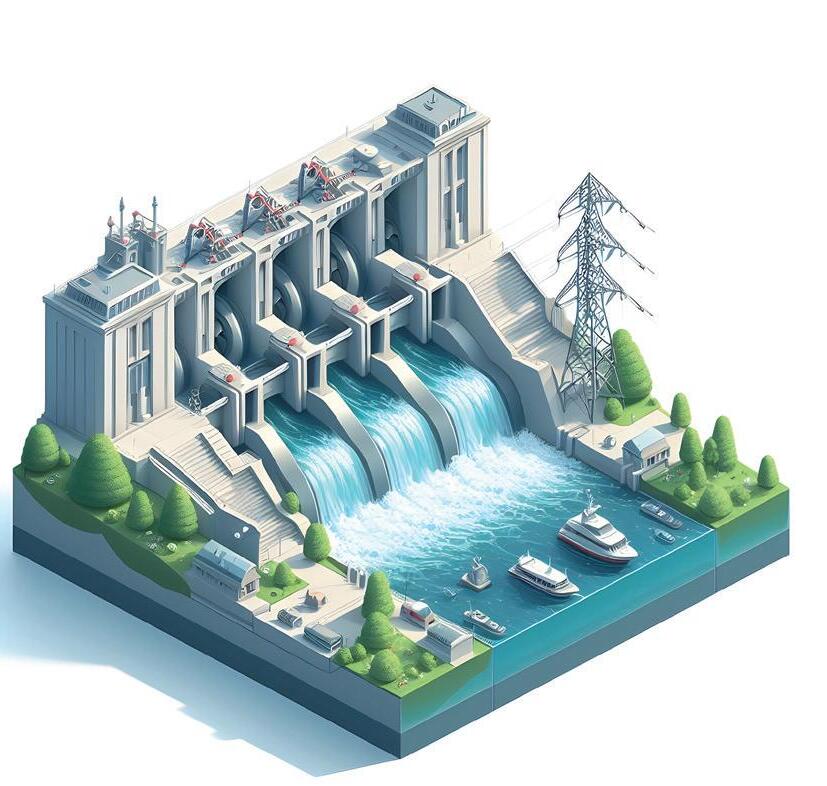
At a time when energy has become a geopolitical, economic, and technological asset, Mexico faces a paradox. The country has one of the world’s strongest clean energy profiles, yet its long-term development still depends on a regulatory framework that continues to generate uncertainty.
Under Mexico’s Electricity Industry Law (Ley de la Industria Eléctrica, LIE),
clean energy is defined as energy sources and electricity-generation processes whose emissions or waste remain below the thresholds established by regulatory provisions.
Clean energy sources include:
◗ Solar power, photovoltaic (PV) and concentrated solar power (CSP).
◗ Wind power, both onshore and offshore.
◗ Hydropower, still the country’s main renewable energy source.
◗ Geothermal energy, utilization of the Earth’s internal heat.
◗ Bioenergy, derived from biomass, biogas, and biofuels.
◗ Marine energy, including tidal and wave technologies.
◗ Energy storage systems, particularly pumped-storage hydropower, identified by Mexico’s National Atlas of High-Potential Clean Energy Zones as a critical technology for renewable backup capacity.
Despite this broad range of opportunities, Mexico has reached an inflection point. The country benefits
from exceptional natural conditions —it ranks among the world’s leading markets for solar irradiance— giving it a competitive advantage few countries can match. At the same time, energy decision-making remains highly centralized. The result is a market rich in potential, but constrained by regulatory uncertainty.
For Aldo Díaz Nuño, president of the National Council of Professionals in Photovoltaic Energy (Consejo Nacional de Profesionales en Energía Fotovoltaica, CPEF), the country’s clearest business opportunity is distributed solar generation. Across the sector, there is growing consensus that the most attractive opportunities in clean energy are no longer concentrated in mega-projects, but in distributed generation.

“Distributed solar generation is clearly the biggest opportunity. Mexico is one of the countries with the highest solar irradiance in the world, and we already have the legislation, the regulatory framework, and the energy demand needed to expand it,” he says.
The model is built on a simple premise: generate electricity closer to where it is consumed. In a power system facing transmission and distribution constraints, distributed generation is not only profitable —it is increasingly necessary. Cost is another major driver. Mexico’s trade relationship with China has significantly lowered solar module prices, making adoption far more accessible for businesses and households alike. But the deeper issue is structural: the national grid is not expanding fast enough to keep pace with electricity demand.

Three factors continue to drive the market:
◗ Exceptional natural conditions.
◗ Competitive technology costs, particularly through trade with China.
◗ A legal framework that, while limited, still allows development.
Distributed generation is also responding to mount ing pressure within Mexico’s energy system. Rising electricity demand, grid congestion, and insufficient infrastructure have accelerated the need for decentral ized solutions. According to Mexico’s National Atlas of High-Potential Clean Energy Zones, large por tions of the country —particularly northern Mexico and the Bajío region— offer ideal con ditions for solar development, reinforcing the segment’s long-term growth potential. This opportunity is emerging not just from efficien cy, but from operational necessity.
Private-sector participation remains one of the industry’s most sensitive issues. While official rhetoric points to greater openness, partici pation in practice remains heavily condition al. Under the current model, projects depend largely on government authorization, marking a departure from the more market-driven approach seen in previous adminis trations. “It looks like an open ing, but ultimately it depends on government approval,” Díaz Nuño says.
The expansion of clean energy in Mexico is being driven not only by strategic policy, but by operational pressure. Compa nies facing recurring outages, industries requiring stable power supply, and regions with longstanding infrastructure deficiencies are increasingly turning to self-generation solutions. Mexico’s National Atlas of High-Potential Clean Energy Zones shows that these operational pressures align closely with the country’s highest-potential regions:
The result is a fragmented market. Large-scale projects face slower timelines, greater bureaucracy, and increased political dependence. Smaller and mid-sized projects —especially in distributed generation— are seeing far greater momentum. This is

◗ The manufacturing-heavy Bajío region.
◗ Southeastern states historically affected by weak electrical infrastructure
Clean energy is no longer just a sustainability trend. In many cases, it has become an operational survival strategy.

One of the most significant —and least understood— elements of the new regulatory framework is the introduction of grid-connected self-consumption. The model allows companies to generate their own electricity, consume it internally, and inject excess power into the grid. Capacity is capped at 20 MW.
On paper, the change may appear technical. In practice, it fundamentally reshapes the logic of the power system. The model:
◗ Reduces pressure on the national grid.
◗ Expands corporate energy autonomy.
◗ Creates new business models.
◗ Encourages private investment in energy infrastructure.
◗ The challenge now is execution.
There is still limited clarity around permitting timelines and the institutional capacity needed to process these projects efficiently. Bureaucratic bottlenecks could ultimately undermine an otherwise viable policy framework.
If distributed generation is the opportunity, storage is the enabling technology. Energy storage is no longer viewed as a future trend, but as an operational requirement. Market projections reflect that shift. While distributed generation has already grown into a market worth roughly US$1 billion, energy storage could scale into a US$30 billion market by 2030.
The reason is straightforward: Mexico’s biggest electricity challenge is no longer generation alone,
Mexico’s energy sector will increasingly be shaped not only by electricity generation itself, but by emerging business models and infrastructure services:
◗ Storage as a Service: a model in which companies lease access to Battery Energy Storage Systems (BESS) rather than purchasing the infrastructure outright.
◗ Energy leasing: financial or technical leasing agreements for renewable energy equipment, particularly solar systems.
◗ Smart self-consumption: on-site electricity generation, typically solar, designed for direct consumption.
◗ Hybrid systems (solar + gas): systems combining photovoltaic solar generation with natural gas or propane backup generation.
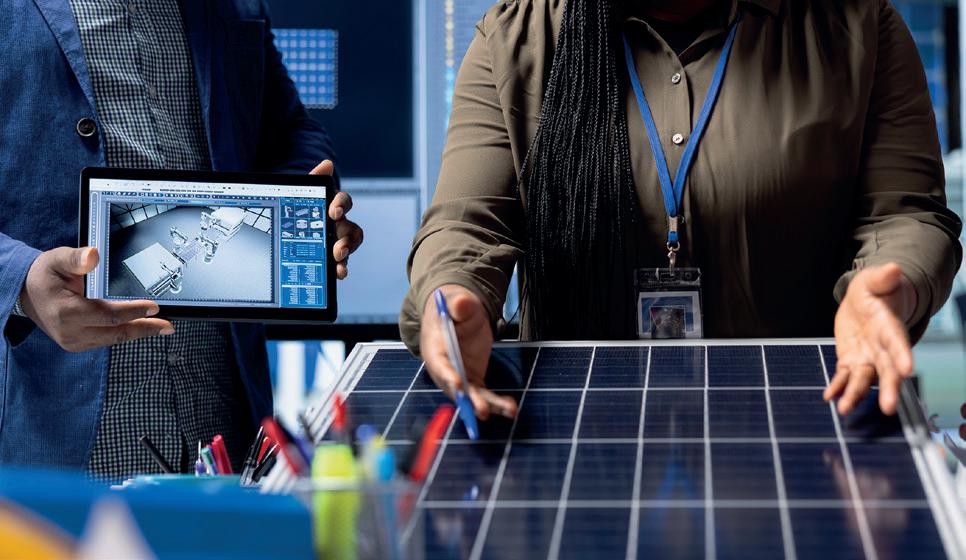
but transmission and distribution. Expanding grid infrastructure is expensive, slow, and operationally complex. Storage offers a faster and more flexible alternative. Among its main advantages:
◗ Managing peak demand.
◗ Improving grid stability.
◗ Reducing dependence on transmission infrastructure.
◗ Optimizing energy costs.
At the same time, falling battery costs —particularly for lithium iron phosphate (LFP) technology— are accelerating adoption across the market.


THE PASSION OF THE 2026 WORLD CUP AND THE PRECISION OF HAUTE HORLOGERIE CONVERGE IN A NARRATIVE WHERE EMOTION AND EXCLUSIVITY DEFINE THE MOMENT.

THE LATEST TREND IS PLANNING A GETAWAY AROUND A MAJOR SPORTING EVENT, USING IT AS THE ULTIMATE SPRINGBOARD TO DISCOVER A DESTINATION AT ITS PEAK. THE 2026 FIFA WORLD CUP IS SET TO REDEFINE OUR UNDERSTANDING OF MODERN TRAVEL.

BY: IZASKUN ESQUINCA HERNÁNDEZ
The opening whistle of the world’s mostwatched tournament will do more than just start a match; it will kick off a whole new era of travel.
With Mexico, the United States, and Canada playing host, this edition marks the dawn of an expanded geography for sports tourism, where fans transform into true explorers.
While the trend isn’t entirely new, it has certainly become more sophisticated. Today’s sports tourism has evolved into a holistic experience. It’s no longer just about catching a game; it’s about crafting a curated itinerary that seamlessly connects world-class stadiums, vibrant cities, and local culture.
Mexico City, Guadalajara, and Monterrey serve as gateways to a rich cultural tapestry: high-end gastronomy, historic architecture, and an electric urban pulse. The stadium becomes the starting point for exploring the markets, museums, and neighborhoods that define the heart of Mexico.
Perched on Paseo de la Reforma, Hotel Volga introduces the “Mexico Super Host” experience for the tournament’s marquee matches. With exclusive viewing parties, tasting menus inspired by Oaxaca, Puebla, and Yucatán, and a masterfully crafted mixology program, the


hotel becomes a natural extension of the pitch where luxury meets the beautiful game.
In Monterrey, the focus is firmly on the plate. Galería Plaza Monterrey offers bespoke stay packages paired with culinary experiences designed to let guests savor the city’s intensity during the World Cup fever.
Stateside, sports tourism is synonymous with massive infrastructure, grand spectacle, and—increasingly—ultra-luxury. While staples like L.A., New York, and Miami lead the charge, destinations like Boston and Houston are currently redefining the hospitality gold standard.
In Boston, for instance, XV Beacon presents “The World Cup at XV Beacon Experience.” It’s designed as the ultimate seamless journey: signature suites, gourmet breakfasts, private chauffeured transport to Gillette Stadium, and a dedicated concierge to curate bespoke city discoveries between matches.
Meanwhile, The Post Oak Hotel at Uptown Houston offers the “A World in a City Experience.” This three-night stay includes a dedicated concierge, VIP Fan Fest access, and a sensory narrative ranging from private wine-paired dinners to a Global Massage Experience. Here, luxury is found in the details: customized jerseys, themed amenities, and exclusive lounges to follow the action in style.

Start planning your next escape around your favorite sport.
Wimbledon Tennis
June 29 – July 12, 2026. London, UK
US Open Tennis
August 30 – September 13. New York City
Canelo Álvarez Fight Nights Boxing
September 12. Riyadh, Saudi Arabia
Mexico City Grand Prix Motorsports
October 30 – November 1. Mexico City
New York City Marathon Athletics
November 1. New York City
Super Bowl Football
February 8, 2027. Santa Clara, CA
The experience at the XV Beacon includes an elegant champagne welcome.

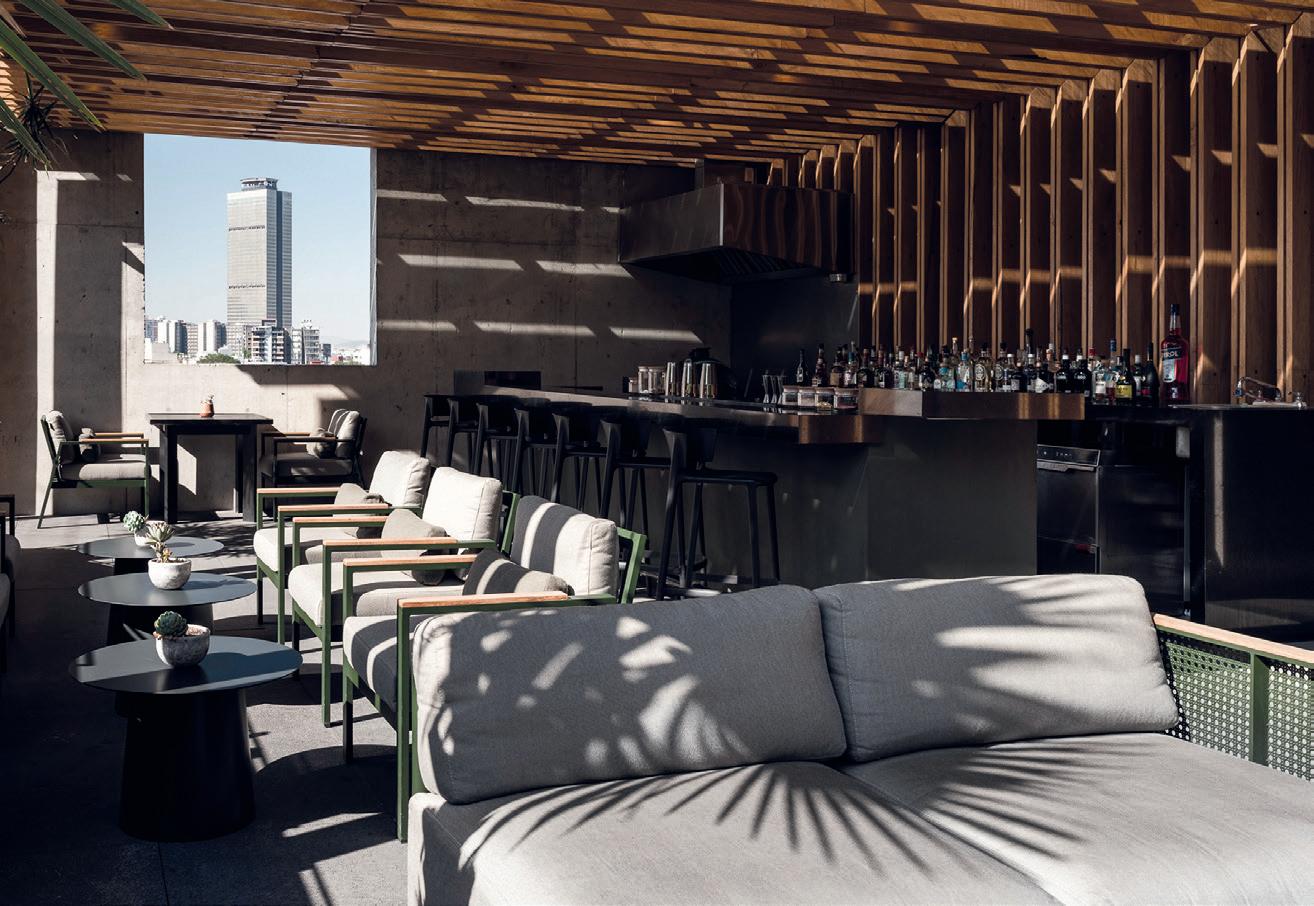

Canada offers a different vibe: nature, sustainability, and sleek urban design. Toronto and Vancouver invite travelers to linger long after the final whistle, with routes through national parks, outdoor adventures, and a booming cultural scene. Here, sport is the perfect excuse to reconnect with the great outdoors.
Sports tourism is no longer just a niche; it’s a lifestyle. From world-class marathons to the high-octane speed of Formula One, every event is the perfect invitation to discover a new corner of the world, walk its streets, and fall in love with its culture. Sport unites us, fuels economies, and creates new paths for unforgettable experiences.
CHEF CARLOS GAYTÁN UNVEILS TETÉ, HIS MOST INTIMATE PROJECT YET, AT ACAPULCO’S PRINCESS MUNDO IMPERIAL
BY: SATFF
Carlos Gaytán’s journey is one of relentless perseverance, transforming his cooking into a universal language. In 2013, the Guerrero native became the first Mexican chef to earn a Michelin star for his Chicago restaurant, Mexique —a pivotal achievement that cemented his status as one of the most compelling ambassadors of Mexican gastronomy.


It is therefore a profound symbol that his most personal endeavor has landed in Acapulco, where he launches Teté by Carlos Gaytán inside the newly renovated Princess Mundo Imperial. More than just a restaurant, Teté is an emotional return, a familial tribute, and a powerful declaration of culinary identity.

Named for his mother, Teresa —or “Teté”— the restaurant is a soulful homage to the flavors of his Huitzuco childhood. Its menu revolves around pristine local ingredients, heritage recipes, and a deeply personal narrative, all elevated to the standard of contemporary haute cuisine.
Teté’s opening signals a dramatic homecoming, not only for the chef himself but also for a city poised to reclaim hospitality as one of its defining engines.
THE LATEST HIGHLIGHTS FROM WATCHES & WONDERS: FROM CENTURY-SPANNING CELEBRATIONS TO THE TRIUMPHANT RETURN OF THE MANUFACTURE FROM LE BRASSUS.
BY: IZASKUN ESQUINCA HERNÁNDEZ
Geneva, Switzerland, remains the undisputed epicenter of high horology. It’s the annual host of Watches & Wonders, a paramount industry gathering that convenes 65 venerable watch firms—from the established maisons like Cartier and Patek Philippe, to powerhouses such as Rolex, Tudor, Hublot, and Bulgari, alongside boutique independents like Laurent Ferrier, Norqain, and H. Moser & Cie.
Over seven days, these brands unveiled their most anticipated collections and recent timepieces. The show saw the celebrated re-entry of certain reinvented icons, including the Piaget Signature and the Baume & Mercier Riviera, among a glittering array of new releases. Herein, a detailed look at the most significant highlights: 1

This is not just another watch in the prestigious Swiss brand's catalog; it is, quite literally, the cornerstone upon which Rolex's monolithic prestige was built. It holds the honor of being the brand's first waterproof watch, developed in 1926. A unique detail that catches the eye is the "100 Years" inscription, subtly embossed at 6 o'clock. The case features a masterful finish in Oystersteel, while the bezel and crown boast Rolesor construction. The Manufacture has integrated the Calibre 3230, equipped with the Chronergy escapement, a proprietary innovation that harmonizes perfectly. This timepiece is brimming with design details and technical feats that will undoubtedly captivate the most passionate Rolex enthusiasts and collectors.

While this striking piece made its initial debut at the AP Social Club, the Neo Frame signals the definitive return of the Le Brassus manufacture to the prestigious Geneva Salon. It makes its entrance with remarkable elegance, courtesy of a stunning jumping hours complication. The design draws inspiration from a revered 1929 model, distinguished by its sophisticated rose gold case.
Just last year, Hublot marked the two-decade anniversary of the Big Bang’s explosive launch. Now, the iconic timepiece undergoes a serious re-engineering, refreshing both its external architecture and its signature UNICO caliber. The collection is offered in five distinctive case executions: Magic Gold, green ceramic, blue ceramic, black ceramic, and titanium, all presented in a commanding 44mm diameter.
The celebrated collection dedicated to the persona of The Little Prince marks its 20th anniversary. To commemorate this milestone, the Maison is releasing five new pieces, with this particular chronograph standing out. It features a robust 43mm steel case and the line’s signature deep blue dial, finished with a sunburst effect. The reverse side offers a glimpse of an engraved figure of Le Petit Prince positioned next to a moon and two stars.
5

6

Five years of intensive development from the Geneva manufacture stand behind this phenomenal creation. It represents the firm’s first grand complication to incorporate a dedicated indication for sunrise and sunset hours. This breathtaking feat is achieved via three super-imposed, transparent sapphire crystal discs. Cased in white gold, the imposing watch measures 47mm. The final result is as utterly hypnotic as it is profoundly beautiful.

A genuine horological legend —the El Primero Caliber, originally born in 1969— has been fully skeletonized and housed within the contemporary silhouette of the Chronomaster Sport collection. The resulting timepiece maintains its hallmark highfrequency performance thanks to a newly optimized architecture. It is available in striking versions featuring either a black or green ceramic bezel and is paired with a new, highly functional bracelet.

5

The legendary GT 1300 Junior of the sixties inspires Alfa Romeo’s latest chapter: a compact hybrid SUV that seamlessly blends Italian design, intuitive technology, and the brand’s storied sporting DNA.



BY: STAFF
Alfa Romeo enthusiasts cherish the memory of the iconic 1970s GT 1300 Junior —that lightweight, accessible coupé that brought Italian performance to a new generation without compromising character or driving thrills. Over half a century later, that moniker returns, reimagined as the new Junior Hybrid: a compact SUV that looks toward the future while honoring its prestigious heritage.
Visually, the Junior preserves the brand’s emotional design language. Its compact proportions mask a muscular yet refined silhouette, where sharp lines and clean surfaces meet historical cues like the traditional coda tronca and the emblematic frontal scudetto, ultimately forging an urban presence with a distinct sporting edge.
Inside, the experience is entirely driver-centric. The telescopic instrument cluster and 10.25-inch digital displays create a technological and intuitive atmosphere, while details such as the quadrifoglio-inspired air vents and Sabelt sports seats pay homage to the core of Alfa Romeo’s identity.
Its 48V hybrid system delivers 145 hp and 170 lb-ft of torque, achieving a seamless balance between performance and intelligent efficiency. The result is a vehicle that understands modern mobility without losing touch with what has historically defined Alfa Romeo: pure emotion.