





EXECUTIVE LEADERSHIP
President & CEO
Julio Castillo
Executive Vice President
Eduardo Dorantes
Editorial Director
LNG MX Publishing Group
Institutional Relations
Marcela Gastélum
ART AND DIGITAL STRATEGY
Art Direction:
Energy Transition Consulting
Web Development
Energy Transition Consulting
Marketing Strategy
Sofía Gryllo


Life presents us with challenges, but it also offers us the opportunity to realize our aspirations. This involves making decisions, which translate into actions that demonstrate our courage.
The LNG Mexico and Latin America magazine represents that desire. The desire of the voices that today find ourselves in a position to make decisions, whose responsibility involves confronting ideas and recognizing who we are. Knowing that the perspective from which others view us is different from the image we hold within ourselves.
With these words, I want to fill a moment of your life and ask you to pause and look at who you are, whether you are actually where you want to be or just where you can be.
A thousand ideas come to mind as I compile the content of this magazine. The memories and events of our past are a fundamental part of who we are and what we have. What lies ahead is uncertain, but we nourish our future with past experiences, so that we can achieve anything—we just have to want it, and in this way, the necessary elements for it to happen will come together.
Thus, from a combination of elements, LNG Mexico and Latin America was born, driven by the need to bring valuable information to those interested in learning about the world of Liquefied Natural Gas (LNG) through an innovative approach that generates value to strengthen and consolidate the community of professionals in the energy sector.
In this way, we will be the point of union and convergence for young generations driving their countries’ development toward the future.
Years ago, I watched my mentor, Ernesto Iniesta, be cheerful and a bit mischievous.
Sharing this with those of us who considered ourselves his friends taught me to empathize with people, build trust, make myself heard, and pass on what I know. Today, looking back, my memory of him is joyful and inspiring, and I recall his final piece of advice: always conduct yourself like a professional.
To that end, Eduardo Dorantes Sevilla and I have brought together a group of internationally renowned experts—mostly women—so that, through their insights, we can gain a better understanding of the perspectives on LNG in Mexico and Latin America.
We begin our path by discussing the Latin American landscape, its infrastructure, energy security, and gas reservoirs, moving on to the processes of natural gas extraction, liquefaction and regasification terminals and its transportation by ship and pipelines.
This provides key reference material for decision-makers. We explain how geopolitics and trade shape the rules governing LNG. At the same time, we identify areas of opportunity in each country and highlight that gas is not merely a fuel for power plants, but something of greater value.
We discuss new developments and projects from Mexico to Argentina, covering every country in Latin America. To name a few examples we have: Peru’s journey in LNG, Colombia’s history and growth, trade in Panama, and the potential of the Caribbean and Brazil, among other nations, all the way to where LNG professionals are making their mark.
All of this is told through the voices of women and men who, with principles and passion, are building a future full of energy. We invite you to immerse yourself into this world.
We are convinced that our content will captivate you from start to finish. It has been carefully designed from a holistic perspective that emphasizes the human touch which is something fundamental yet, often overlooked today.
Each of our sections conveys the passion that characterizes us Latinos and the team that makes up LNG Mexico and Latin America. As a result, we hope our community will develop a solid understanding of the Liquefied Natural Gas value chain.
Finally, I want to share with you that years ago, I saw a burner on a platform for the first time, with millions of cubic meters of gas burning. It was at night, and the sea glowed against the imposing flame. This is an image I’ve always carried in my mind. Talking about ships that could carry gas was a dream… that is now coming to life in this magazine. That was over 15 years ago, yet today we are close to making it a reality in more Latin American countries.
So, I’ve revisited some of my memories, trying to weave them together and connect them. Without a doubt, this magazine is the place I aspired to be; I didn’t know how, but in the end, life allowed me to bring together the right people to make it happen, and through that, to be the joyful memory of someone who influenced you and inspired you to change and build a better world.
Julio E. Castillo Ybarra CEO LNG Mexico


By: Julio Castillo Ybarra, Petroleum Engineer Hydrocarbon Production Specialist
LNG Mexico and Latin America magazine invites us to look beyond what meets the eye, because in the end, we are more than just a LinkedIn profile. We are what people don’t see: our families, our dreams, and the hope we hold for our own growth. In that spirit, Marcela Gastélum shares her perspective with us.
1. Tell us, how did your journey in the industry begin?
It began by breaking away from the traditional corporate model.
Twenty years ago, there were not many people with experience in the sector, and it was hard to find anyone; so, the director of Igasamex said, “It doesn’t matter that you don’t have experience—we’ll teach you here.”
It was a great learning experience. The more I learned, the more passionate I became, and the more I wanted to know about the impact the company’s projects had on society. Later, I moved into the self-use sector with Engie and Sempra, working on bids for the Federal Electricity Commission in Mexico (CFE) to build gas pipelines and thermal power plants. I had the opportunity to enter the world of LNG with Énestas and, later, electricity generation with CapWatt.1
1 Own-use permits are authorizations to transport or store petroleum products intended for the final consumption of companies in their industrial processes (fixed machinery, boilers, or mining).
2. What have been the biggest challenges you’ve faced as a woman?
Negotiating only with men is challenging. I felt nervous, since we are hard on ourselves and can end up doubting our abilities, our leadership, and our ability to achieve goals. In my opinion, you are not born a leader; you learn it, and you learn it by practicing. It also involves being patient enough to learn, and I think that part is challenging for


Marcela Gastélum broke away from the traditional corporate model and built a 20-year career in energy.
everyone. On a personal level, living in France meant starting from scratch: learning the language and adapting to the culture. We had no problem with the food because it’s delicious. The hard part was living far from my support network and the pandemic because me, my husband and daughters went through it over there.
Balancing time between family and work means coming home and saying, “Work stays there; here I come to rest and enjoy my family.” Because when you’re passionate about your work, it’s hard to disconnect; but we can always do better and spend more quality time with our family.
But when people ask me, “You have three daughters—do you want to keep working?” my immediate, unhesitating answer is yes. It sets a notable example for them to see me grow as a professional. It gives them the tools to be self-reliant and to want to be that way: to be passionate about their lives and what they do to make them happy, and for them to see me happy. In addition to being a mother, I am a professional, I am a woman; I have dreams and I have goals.
That’s a critical issue you’re bringing up, and I can offer two perspectives: the optimistic one and the realistic one. The optimistic side, obviously, is that it’s possible as long as there’s coordination between the private sector and the government. We’re seeing the ‘Plan México,’ investments in CFE are being announced, and the authorities are engaging with us, opening their doors, and listening to us; they’re even inviting us to their working groups.
On the realistic side, one of the most critical points is the urgent need to expand Mexico’s energy infrastructure, both for natural gas and electricity. We need to stop politicizing this issue. We need to truly come together to move forward and achieve that energy justice.
Marcela reinforces the idea that energy is an issue that concerns all of society. The public must understand its impact and participate in the discussion, turning this concern into a priority. Her story is the perfect example of how female and multidisciplinary talent is leading the conversation on energy security in the region.
Her greatest challenge has been to make her way in male-dominated environments, learning leadership skills and balancing family and work without giving up on her goals.
Marcela Gastélum’s journey reminds us that energy is not only measured in millions of cubic feet, but in the vision of those who, with resilience and preparation, transform technical challenges into social well-being. Her story is an invitation to lead with authenticity, reminding us that the future of the sector is built on talent, but above all, on purpose.
When people ask me:
“You have three daughters—do you want to keep working?,”
my immediate, unhesitating answer is yes.


360° Leadership:
Over 20 years of experience at PERU LNG, moving from technical operations to international marketing.
Face of the Investment: As SVP and Country Manager of Hunt Oil Company, she leads one of Peru’s most ambitious energy investments.
The Power of Identity: She advocates for empathetic leadership that embraces feminine identity as a strength, which has enabled her to break down biases in a historically maledominated industry.
Meet the woman leading South America’s only LNG export plant and redefining female power in energy executive leadership.

A true benchmark: She leads “Pampa Melchorita,” the only LNG export plant in South America.
Impact Figures: She manages an infrastructure with an initial investment of $3.8 billion, processing approximately 625 MMSCFD (million standard cubic feet per day).
Operational Excellence: She contributes to maintaining world-class safety standards and Peru’s consolidation on the global energy map.
Breaking new ground: She advocates for the inclusion of women in STEM fields (Science, Technology, Engineering, and Mathematics) and in senior leadership positions to promote gender equality in the sector.
Regional perspective: She is the leading voice of the LNG industry in international forums, promoting diversity policies that ensure equal opportunities for advancement within the LNG industry.
Gas expansion: During her leadership, PERU LNG promoted the use of tanker trucks to transport LNG to the northern and southern regions of Peru, where pipelines do not reach.
Social welfare: She has achieved corporate profitability through regional development, transforming natural gas into a tool for change for the end user.

Her profile stands out as one of the most strategic executives in the region due to her focus on effort, commitment, and teamwork.


By: Noemí Ortiz
Energy and LNG Specialist with 15 years of experience in the Oil & Gas Sector
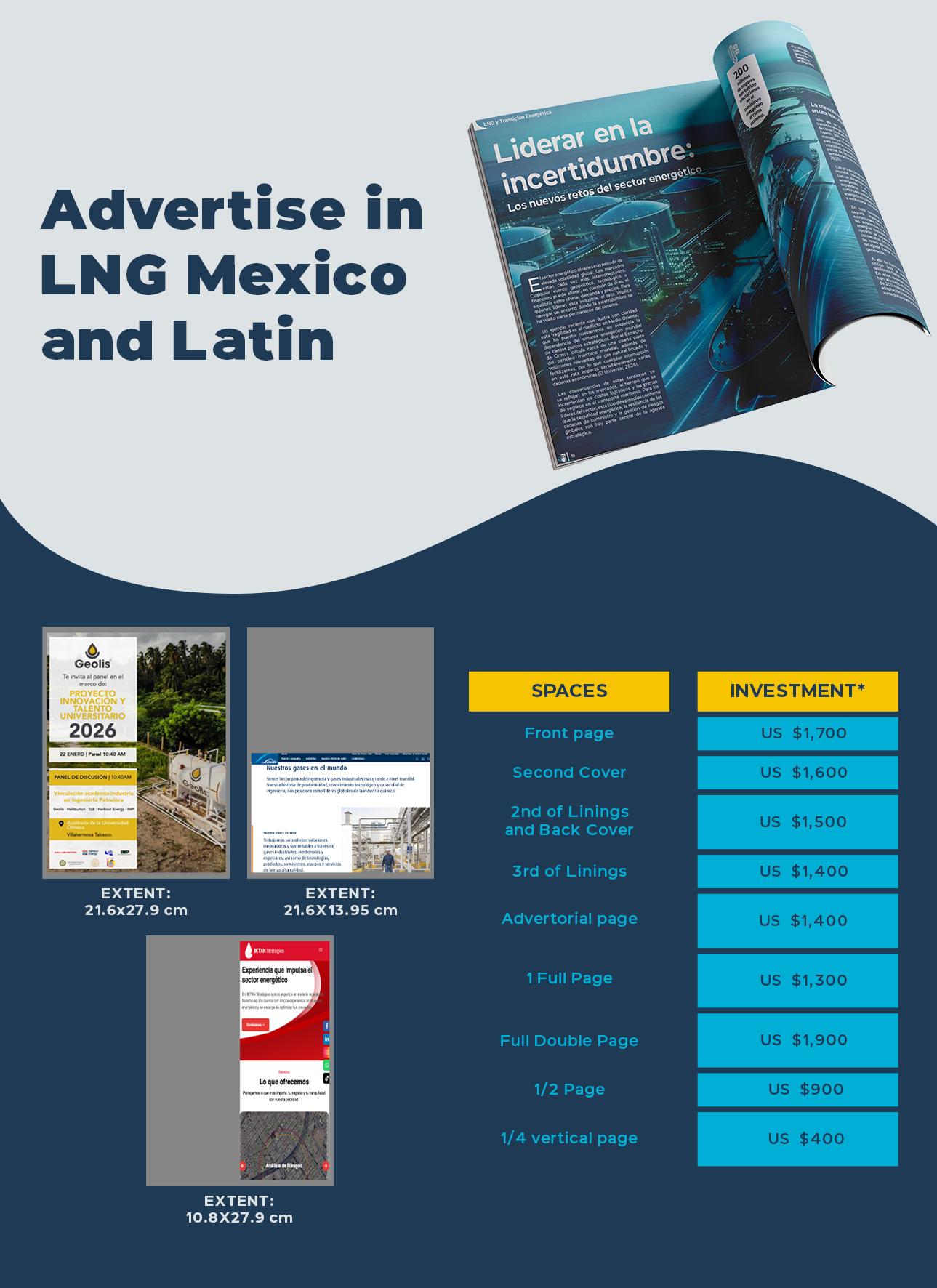
To understand where we’re headed, it’s sometimes necessary to look back and analyze success stories in the region. In that context, it’s worth asking: What did the shift in natural gas supply that began nearly 25 years ago mean for Peru, and how did it impact the entire industry?
In reality, the gas reservoir was discovered by Shell, but discovering a resource is not enough; the difficult part is creating the conditions to turn it into a system. In Peru, we had a period when the resource was there, but development was not moving forward. Many remember that stretch as a “valley of death,” because everything came to a standstill and the country continued to depend almost entirely on oil, without a truly coordinated natural gas industry.

The impact was enormous because it changed the logic of Peru’s energy system. Today, when we see that Camisea accounts for nearly 96% of the country’s natural gas production and contributes about 40% of the nation’s electricity, we understand that we are not talking about just another project, but rather a structural cornerstone of Peru’s energy sector.
What made this Law’s entry into force possible?

The important change came when a legal framework was established that actually made the project viable. In this regard, the Organic Law on Hydrocarbons was decisive, because it allowed for the regulation of the relationship between the State, investment, and infrastructure development. Camisea was not merely a geological discovery or an engineering feat; it was a decision regarding institutional architecture.
Natural gas ceased to be an option and became the cornerstone of Peru’s electricity system.
What made the law possible was giving the project an economic and institutional framework. A vertical separation of the business was chosen: production, transportation, distribution, and marketing were not concentrated in a single entity.
The second key pillar was the Main Network Guarantee. Without a mechanism to ensure demand, an infrastructure of this magnitude could not be financed. That scheme made it possible to turn the resource into a viable system.
This led to a profound transformation. It resulted in cost reductions, the replacement of liquid fuels, greater competitiveness, and energy diversification.
But even more importantly, energy security was achieved. Natural gas ceased to be an option and became a cornerstone of the Peruvian electricity system.
The Main Network Guarantee (GRP) for the Camisea project had three pillars: electricity generation, gas distribution, and LNG exports. These were not isolated components, but rather an integrated system that ensures economic sustainability.
Regarding where the greatest value lies in the upstream sector, it is important to remember that the most competitive margins are in natural gas liquids. Blocks 88, 56, 57, and 58 follow a strategic logic: domestic consumption and international monetization.
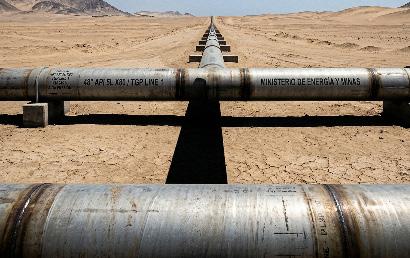
Let us recall that the gas from Cusco is transported via the TGP pipeline across the mountain range to Lima. It is a complex infrastructure that connects the jungle, the highlands, and the coast, and enables the integration of the entire energy system.
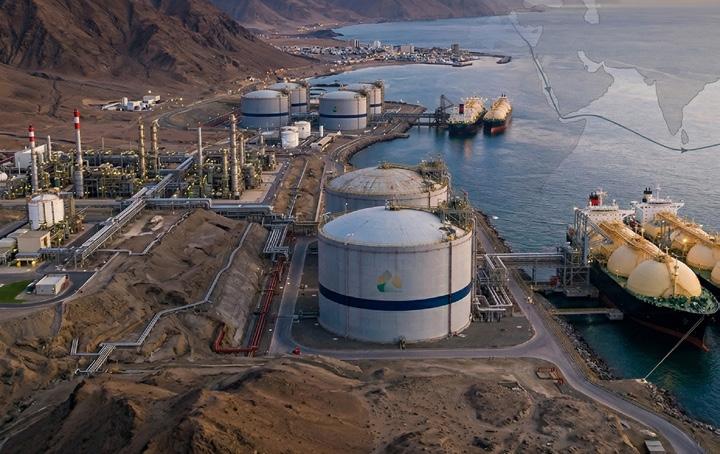
When analyzing the components of the Peru LNG plant, its dual role stands out: it not only connects the Peruvian system to the global market but also enables virtual transportation to areas without pipelines, thereby expanding access to natural gas in remote regions.
On the other hand, the question arises as to how the distribution system operates from Melchorita. This process is carried out using tanker trucks that transport LNG to satellite regasification plants; a logistical solution that allows for the expansion of energy coverage in the short term, although it entails higher operating costs compared to physical pipeline infrastructure.
The residential sector dominates in terms of the number of users, but the greatest demand comes from electricity generation and industry. Gas is key to the productive system.
Peru has approximately 7.88 TCF* of proven reserves. Rather than focusing on exact years, the challenge lies in how these reserves are managed in the context of growing demand.
The challenge is no longer to demonstrate the success of Camisea, but to decide what to do after that success: how to turn it into a pillar for an orderly and sustainable energy transition.
*TCF: Trillion cubic feet of gas.
The importance of LNG in the energy mix of Latin American countries points to an unresolved issue that remains to be addressed. We can look to Southeast Asia, where LNG has been processed for over 50 years; specifically, at the first plant built on the island of Brunei, south of Vietnam and between the Philippines and Malaysia.
It was there that, on April 4, 1973, Brunei LNG began operations: a facility with a capacity of 7.2 million metric tons per annum (MTPA) and three tanks with a capacity of 195,000 m³, which recently celebrated 53 years of operation.
In this regard, liquefaction plants in Latin America trace their origins to 1999, when Trinidad and Tobago began operations with the Atlantic LNG plant, a project that started with a 102,000 m³ tank and a capacity of 3 MTPA. Today, the plant requires a greater gas supply to sustain its operations, which opens a window of opportunity for the Dragon field in Venezuela to supply the resource and allow the plant to extend its operations for many more years.
Since then, the history of liquefaction in this region began. The Peru LNG project is a legacy that, since 2010, has filled Latin Americans with pride as the first development on the Pacific coast of the Americas to
By: Eduardo Dorantes Specialist in Geopolitics and Hydrocarbon Trade

supply LNG to Asian markets without the need to pass through the Panama Canal.
Mexico is entering the world of liquefaction. In 2024, through a small terminal using self-elevating platforms—formerly used for drilling operations—LNG made its debut in the Gulf of Mexico. Although this complex does not have its own tanks, it operates alongside the FSU known as “El Pingüino.”
On the other side of the country, on the northern Pacific coast, Sempra’s Energía Costa Azul (ECA) regasification plant is being converted. It will now function as a liquefaction terminal for gas from the U.S. and is set to begin operations later this year.
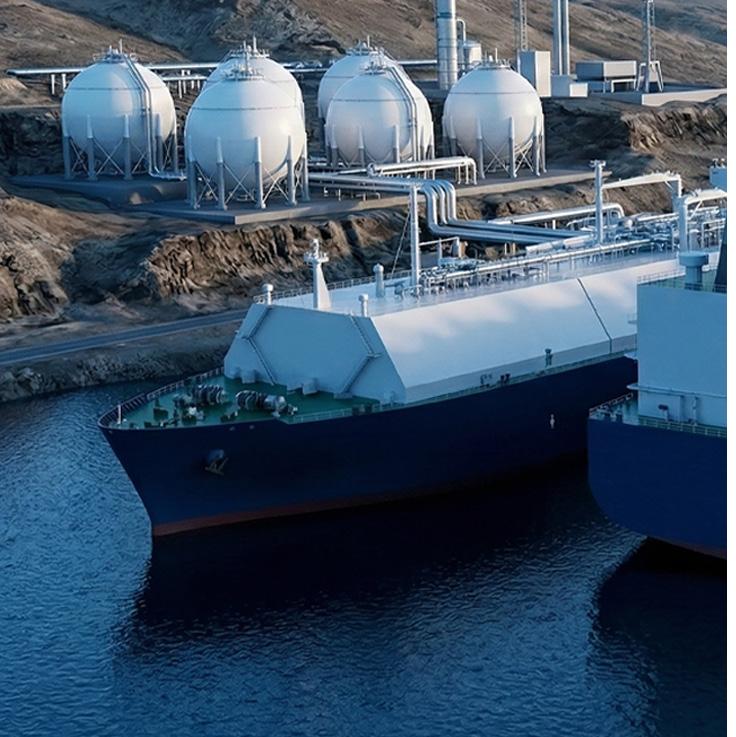
This is the current situation, but it remains to be seen how the Argentine market and Vaca Muerta—the Southern Cone giant attracting investments exceeding $20 billion—will evolve. This project has also opted for floating facilities, given their advantage in construction time compared to onshore terminals.
All these elements are poised to shine by 2028, with the aim of ushering in the long-awaited golden age of LNG for Latin America.
We must be involved in these developments, which will help more professionals—and the people of our countries—enjoy their benefits.
LNG is redefining energy security in Latin America: from an import market to an emerging export hub.
Historically, Latin America has stood out as an import market for LNG, which has been used primarily to offset the variability of hydroelectric generation and the decline in local pipeline gas production.
The other part of the process is regasification. In this regard, electricity generation as an anchor load is fundamental to understanding the LNG trade. A success story is Brazil and its power auctions. These mechanisms secure more than 18 GW of capacity, where 60 new natural gas projects currently guarantee the stability of the power grid.
Caribbean and Central American countries, such as the Dominican Republic, Panama, and El Salvador, have led the adoption of smaller-scale regasification terminals. LNG allows them to reduce their dependence on petroleum products, thereby lowering both operating costs and CO2 emissions.
The number of regasification terminals is growing every day and opens up a wide range of possibilities.
These terminals not only ensure a constant supply via pipelines to power plants, but they also drive virtual gas pipelines, which transport LNG to locations far from traditional infrastructure. This magazine will offer a comprehensive analysis of these success stories, which span from Mexico to Argentina, in our upcoming issues.
By 2050, gas is projected to account for 34% of Latin America’s total energy supply—up from 26% in 2025—thus establishing itself as the necessary bridge to a zero-emissions future.
The challenge for Latin America is integration. The region is transitioning from a collection of isolated markets to an interconnected ecosystem, where LNG will provide the flexibility that pipelines and renewables, on their own, cannot offer.
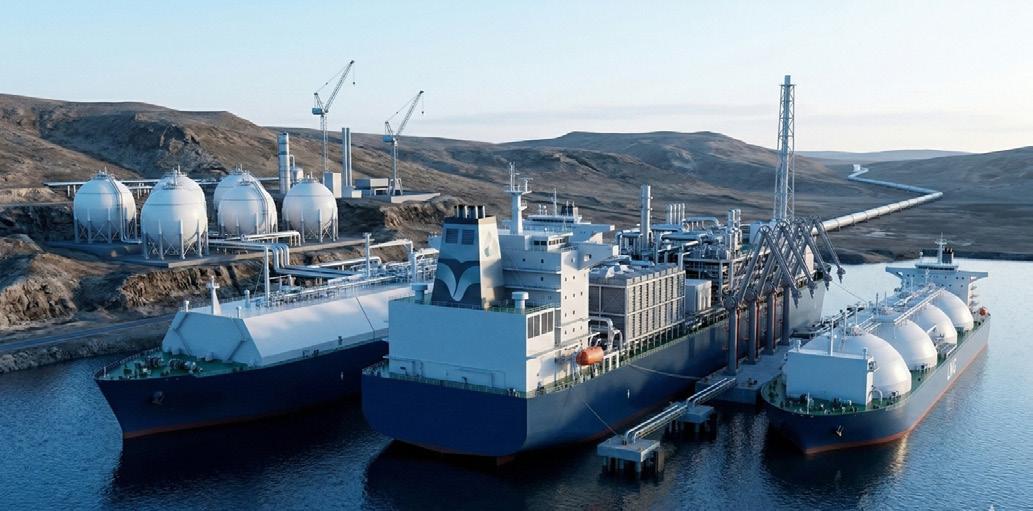
The major challenge is integration: LNG will provide the flexibility that pipelines and renewables, on their
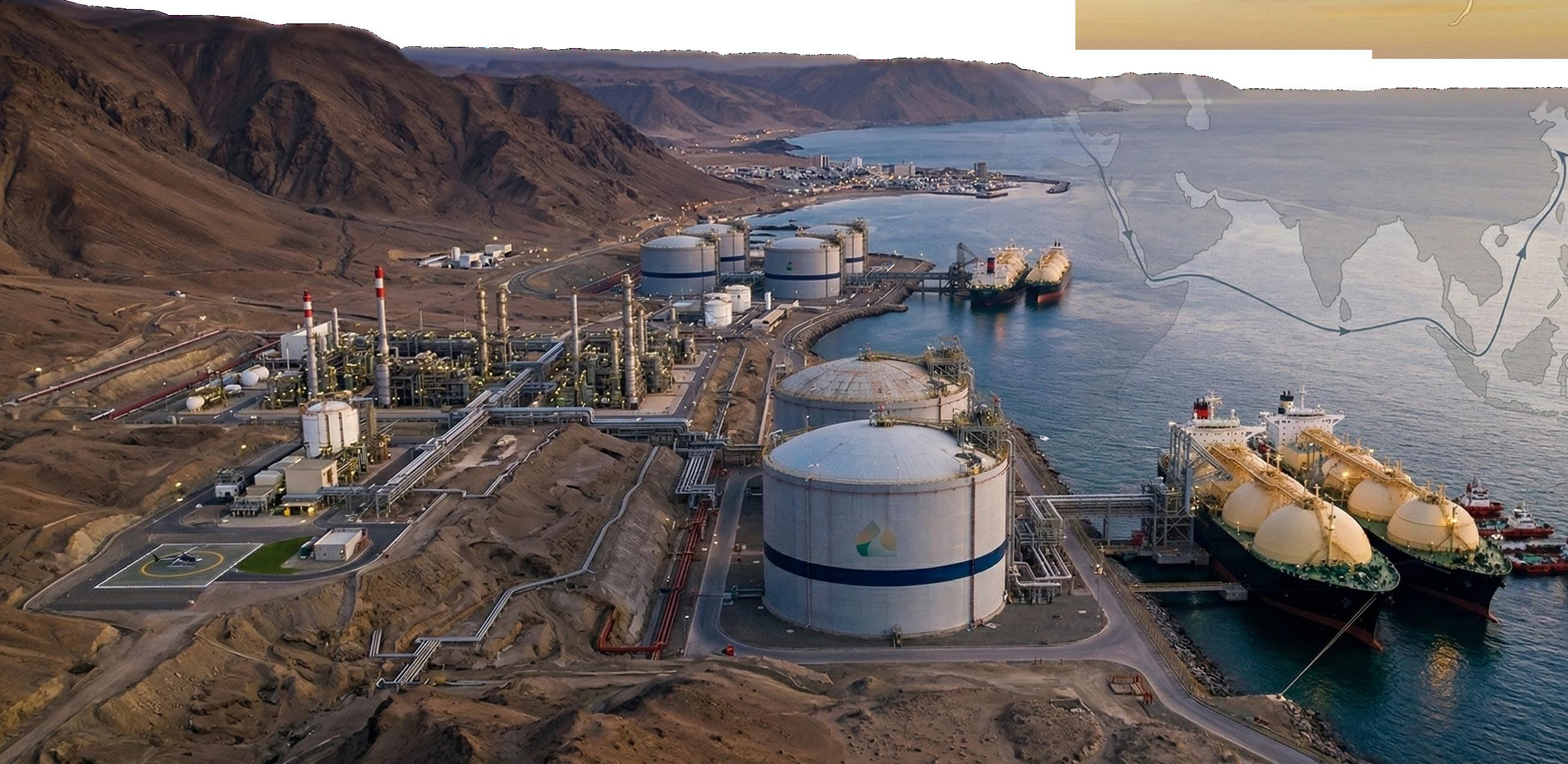

In the analysis of complex risks, there are points on the map where theory becomes reality. The Strait of Hormuz is one of them.
It is not merely a maritime passage; it is a systemic threshold through which a critical portion of the global energy supply flows. Its significance lies not only in volume but in its operational irreplaceability.
In an environment marked by recurring tensions between Iran and Western powers, this corridor becomes a point where geopolitics ceases to be a narrative and transforms into tangible disruption.

By: Lyndsay Garnica Expert in major risks in the air and maritime sectors.
Exporters, such as Qatar, are structurally dependent on the navigability of the Strait of Hormuz. When this navigability is compromised, the market does not react gradually but it adjusts abruptly: spot prices rise, insurance becomes more expensive or restricted, and supply agreements come under strain.
This adjustment exposes a structural reality: global energy security rests on fragile balances. However, the impact of LNG is not limited to the energy sector. It is a fundamental input for various industries, including petrochemicals, the foundation of multiple production chains.
Its volatility directly affects the production of ethylene, propylene, resins, and other essential compounds. This energy dependence extends to less obvious—and seemingly unrelated— industries, such as cosmetics and beauty, where it often goes unnoticed.
Unlike oil, liquefied natural gas (LNG) does not allow for improvisation. Its value chain is extensive yet rigid, capital-intensive, and highly technical: liquefaction, cryogenic transport, and regasification.
Behind every cosmetic product lies a complex chemical architecture. Emulsifiers, solvents, surfactants, alcohols, glycols, and polymers—many of them derived directly or indirectly from hydrocarbons—are part of their composition.
Likewise, plastic packaging relies on energyintensive petrochemical chains.
When LNG enters periods of volatility, the industry does not stop, but it transforms: it adjusts costs, redefines suppliers, and is constantly forced to reconfigure formulations. What appears to be a sector distant from geopolitics is, in reality, deeply integrated into it.
From an insurance and risk management perspective, the Strait of Hormuz introduces a particularly complex category: the risk without physical proximity, in other words, exposures that do not arise from direct damage but rather from global interdependencies. Companies with no presence in the Middle East may face potential business disruptions, the invocation of force majeure clauses, frustration of agreements, or increases in logistics, production, and insurance costs.
This type of exposure challenges traditional models, as it does not stem from direct damage but from systemic interdependencies.
In this environment, resilience ceases to be an aspirational concept and becomes a strategic discipline. The most advanced organizations are diversifying energy sources, regionalizing their supply chains, exploring alternative inputs, and integrating geopolitical intelligence into their operational decision-making.
The Strait of Hormuz does not appear on a product label or in a brand’s narrative. However, it is present in the cost of its inputs, in

Non-energy industries, such as cosmetics, depend indirectly on gas and petrochemicals.
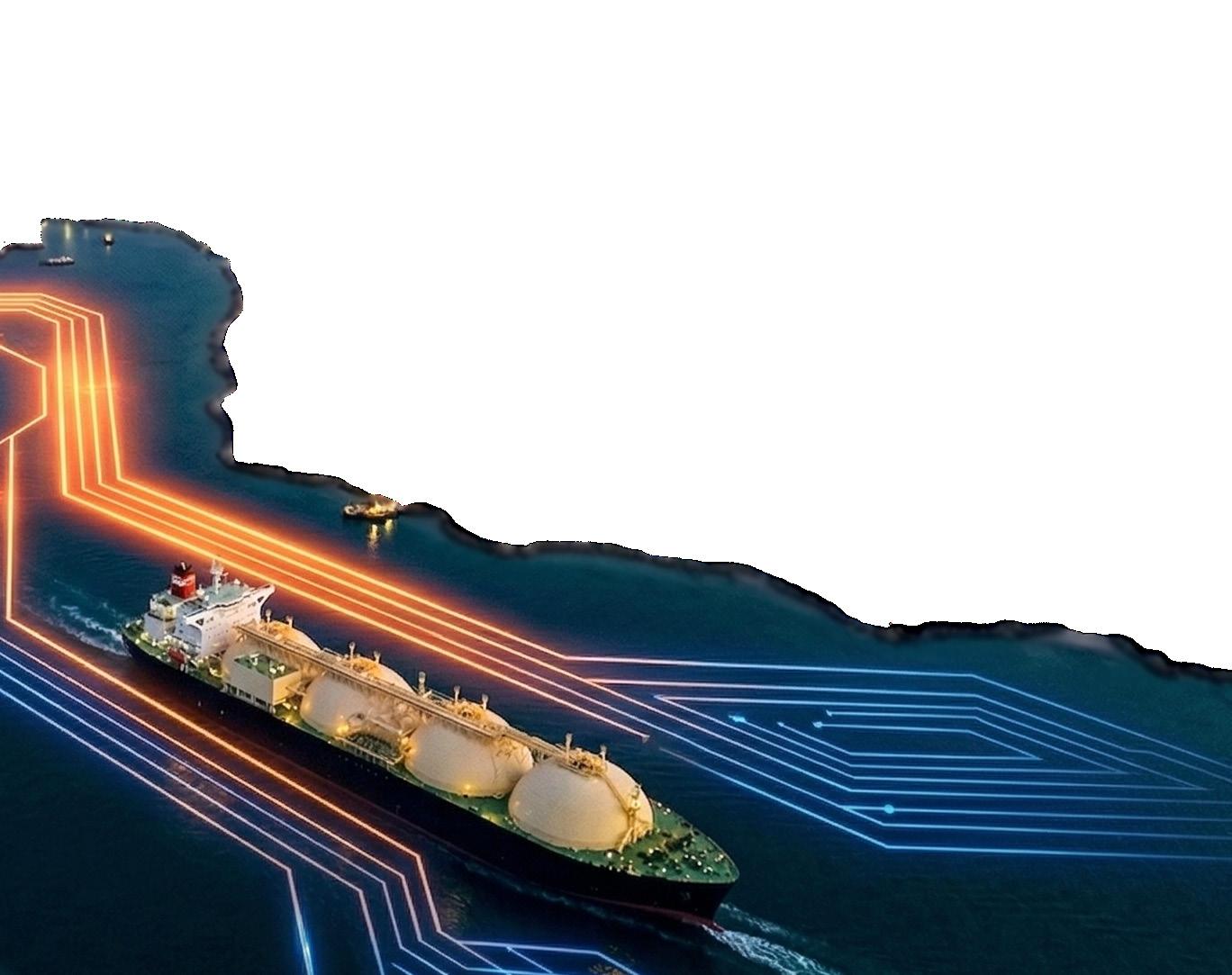
stability of their production and the viability of their formulations and supply chains.
Understanding these interconnections is not a theoretical exercise, but a strategic advantage. Because in a world of complex risks, what is truly critical is rarely visible. And those who learn to identify it, do not merely manage uncertainty: they build leadership and competitive advantage.
In the end, the true risk is not visible disruption; it is what silently infiltrates every industry decision, every product we believe to be untouched by geopolitics. It is not a conspiracy; it is understood that, in an interconnected system like ours, distance is merely an illusion.

By: LNG Mexico and Latin America Staff
Attacks on key natural gas facilities in the Middle East are reshaping the global energy map in real time. It is an offensive targeting hubs, where the energy that sustains entire economies is produced, processed, and transported—and whose effects are already reflected in prices, routes, and supply expectations, experts warn.
The most significant blow is occurring in South Pars, the world’s largest gas field. This gas reservoir, shared with Qatar, holds nearly 20% of global natural gas reserves and, on the Iranian side, has a capacity exceeding 700 million cubic meters per day. The attack does not necessarily target the wells; rather, it is aimed at the infrastructure that enables the flow of the hydrocarbon.
Adrián Calcáneo, vice president of Energy & Feedstocks at OPIS, warns that this is where the real risk lies. Production may continue, but without functional infrastructure, the gas does not reach the market.“Rebuilding these facilities is not an immediate process. It can take months or years, creating bottlenecks that put pressure on agreements and prices on a global scale,” he warns.
Qatar has built its global LNG leadership on this asset. Today it exports more than 77 million tons annually, with expansion plans exceeding 110 million tons per year (MTPA). All this capacity converges at Ras Laffan Industrial City, where liquefaction trains and export networks to Asia and Europe operate.
Meanwhile, the state-owned company QatarEnergy recently invoked force majeure in some of its long-term LNG supply agreements, which will prevent it from fulfilling its contractual obligations to customers such as Italy, Belgium, South Korea, and China.


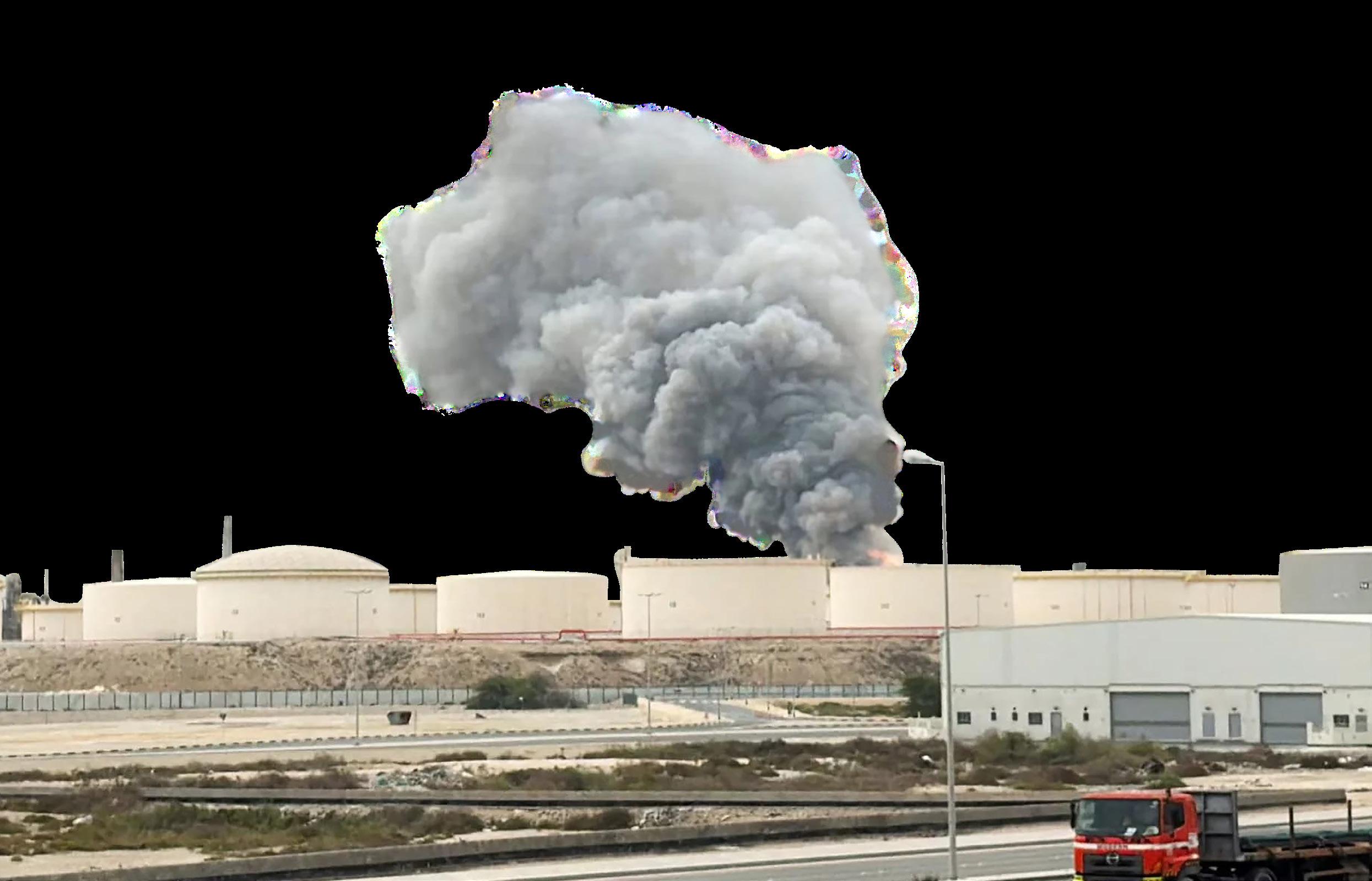

23% of the world’s LNG is transported through the Strait of Hormuz
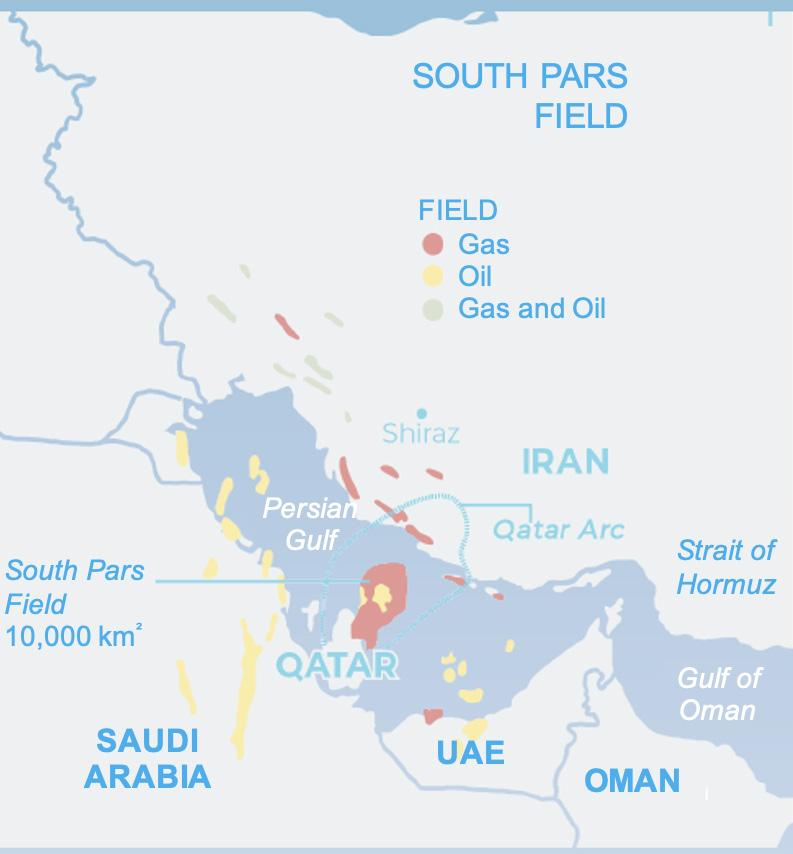
Saad al-Kaabi, the company’s director, stated that an Iranian attack on the Ras Laffan gas plant in Qatar destroyed approximately 17% of the country’s LNG export capacity, resulting in an estimated loss of $20 billion in annual revenue and jeopardizing supplies to Europe and Asia.
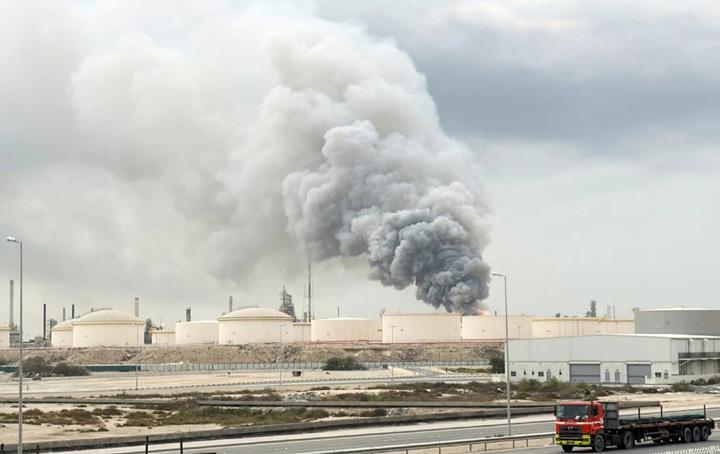
Despite extensive damage and major fires in Ras Laffan, no casualties were reported, and emergency crews moved quickly to contain the situation.
“There are countries that are entirely dependent on natural gas from that region; therefore, we will see price increases for both basic and luxury consumer goods, driven by the price hikes caused by the war,” says Lyndsay Garnica, an expert in major risks in the air and maritime sectors.
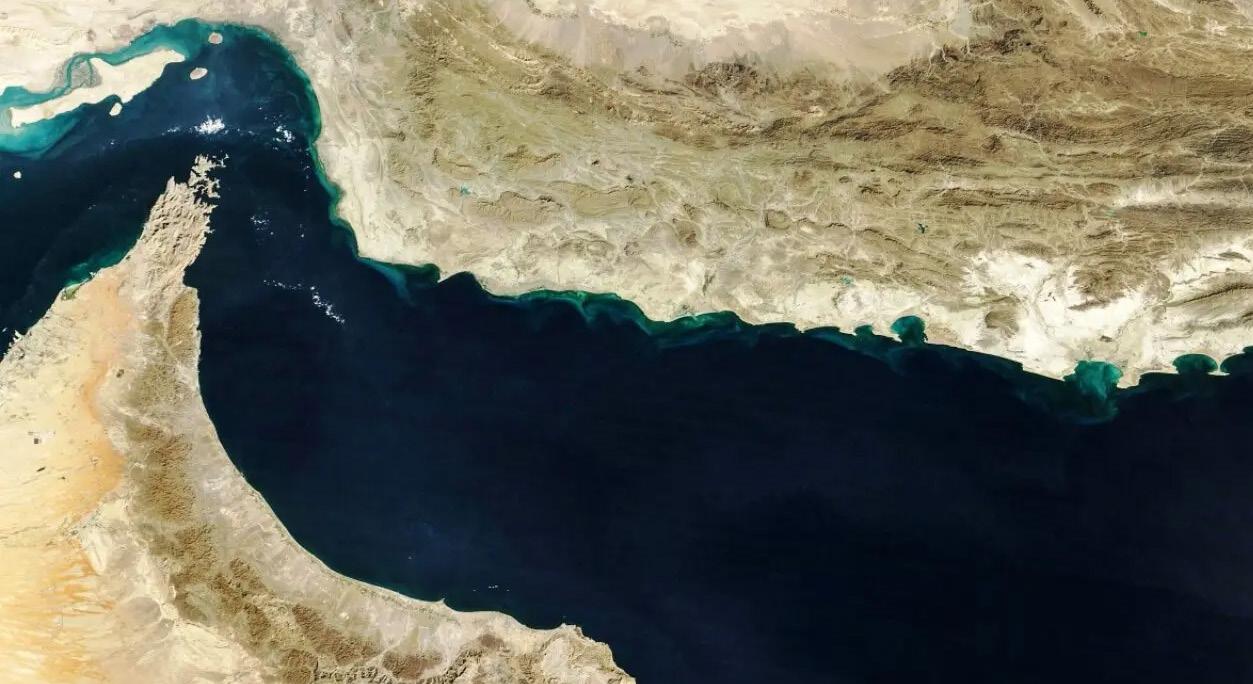
Another risk is materializing in the Strait of Hormuz, the most sensitive point in global energy trade. About 20% of the world’s oil and between 20% and 25% of LNG pass through there. More than 100 energy vessels used to cross this corridor daily.
“The closure of Hormuz is symbolic, because there are no actual barriers blocking passage, but restrictions on maritime navigation
and the instability caused by the war are affecting the flow of ships carrying goods, including liquefied natural gas,” explains Garnica.
In the eastern Mediterranean, the pressure is being felt on a more limited, but equally strategic infrastructure. The Leviathan and Tamar platforms have experienced temporary shutdowns for security reasons. Although Israel is not a dominant player on a global scale, its gas is key to the regional balance because the flows to Egypt and Jordan depend on these platforms.
This link impacts the operations of the Idku and Damietta terminals, with capacities of 7.2 and 5 MTPA, respectively. Egypt’s dependence on Israeli gas is such that, in the event of production stoppages, the country is forced to suspend exports or even import gas for domestic consumption. The resulting LNG shortage in the Mediterranean basin strains supplies to Europe, exacerbating energy vulnerability during the winter.
For Lindsay Garnica, the rising cost of energy sources such as natural gas, stemming from the war, will directly impact both populations in resource-poor countries and developed nations; an economic pressure that ultimately triggers social discontent.
“It’s something that’s happening everywhere. Norway, for example, had very low electricity rates years ago, and now they’ve become quite expensive, which is generating a wave of discontent not seen in decades, and that’s what we’re going to see in this scenario,” she concludes.
The price of European gas on the Dutch Title Transfer Facility (TFF) reached a high of 61 euros per MMBTU, doubling its pre-war value.


The energy sector is undergoing a period of high global volatility. Markets are increasingly interconnected. Any geopolitical, technological, or financial event can, in a matter of days, disrupt the balance between supply, demand, and prices. For those leading this industry, the challenge involves navigating an environment where uncertainty has become a permanent feature of the system.
A recent example that clearly illustrates this fragility is the conflict in the Middle East, which has once again highlighted the global energy system’s dependence on certain strategic points. Nearly a quarter of the world’s seaborne oil passes through the Strait of Hormuz, along with significant volumes of liquefied natural gas and fertilizers, so any disruption to this route simultaneously impacts multiple economic chains (El Universal, 2026).
The consequences of these tensions are already being felt in the markets, as logistics costs and insurance premiums for maritime transport rise. For industry leaders, such episodes confirm that energy security, supply chain resilience, and global risk management are now central to the strategic agenda.


200million households have experienced disruptions in their energy supply during extreme weather.
By: Ana Laura Ludlow General Director of Generation at Engie Peru

Beyond the geopolitical situation, the global energy transition is approaching a decisive phase.
According to the International Energy Agency (IEA), in 2026 the transition will be shaped by the global economy’s ability to sustain its growth in a geopolitical volatility setting, as well as by the partial easing of inflationary pressures due to moderating energy prices (IEA, 2025).
Projections indicate that the global economy will grow by around 3.1% in 2026, with particularly strong momentum in emerging and developing economies, which could expand by nearly 4%. This growth will continue to drive demand for energy services and force energy systems to evolve rapidly.
In this scenario, the energy transition will continue to be driven by two structural trends. On the one hand, the electrification of economies and the accelerated deployment of renewable energy, which in 2024 recorded record growth for the twenty-third consecutive year. On the other hand, the challenge of modernizing electricity grids, where investment continues to lag behind the pace of generation expansion.
Added to this is an increasingly critical dimension for energy planning: resilience to extreme weather events. In recent years, environmental phenomena have disrupted the energy supply to more than 200 million households, making adaptation and operational resilience immediate priorities for the industry.
Global economic growth will reach 3.1% in 2026.
But the challenge does not stem solely from the geopolitical or economic environment. Technological transformation is also redefining how decisions are made and work is organized within companies. The Deloitte 2026 report argues that we are facing a paradigm shift: leadership can no longer be limited to managing technical efficiency but must focus on building what it calls the “human advantage” in a context of constant change.
In this sense, one of the first adjustments involves understanding that the adoption of artificial intelligence is not merely a technological issue, but an organizational one. Leadership must evolve into a role as a designer of synergies, capable of integrating the potential of people with that of machines. As the report notes: “Competitive advantage is now driven less by technological differentiation and more by the cultivation of the human advantage (…) Value is unlocked through a reimagining of work that brings together the best of humans and machines in concert,” (Deloitte, 2026).
At the same time, the volume of information and strategic options available to energy companies is growing. This forces a rethink of how decisions are made. According to Deloitte, leaders must treat decision-making as a strategic discipline, clearly defining when human judgment must prevail and when it can rely on algorithms.
In this way, energy leadership also faces a profound cultural shift. The traditional model based on control, rigid planning, and closed hierarchies is becoming increasingly less effective in an environment where market cycles are shortening and disruptions are constant.
Adaptability and organizational curiosity are becoming strategic assets. Leadership trends suggest that the organizations that will thrive are those capable of turning disruption into an opportunity to rethink how they work, redefine roles, and generate new value, rather than attempting to return to strategic models of the past (Deloitte, 2026).
Artificial intelligence can be replicated, but people cannot. Therefore, leadership at this historic moment demands elevating the value of creativity, discernment, and human judgment within organizations. It also demands building trust in teams facing accelerated technological transformations and needing visible, consistent leaders to guide that process.
Under these conditions, leadership in the energy sector must become a balancing act between strategic vision, adaptability, and change management.
Aligning leadership profiles in this direction will be essential to advancing the energy transition. Building more resilient, diversified systems capable of integrating different energy sources will be key in the coming years, as emerging technologies, renewable energy, and transition fuels coexist within the same system.
In this scenario, natural gas will continue to play a significant role as a transition fuel, helping to strengthen energy security while moving toward increasingly sustainable systems. Therefore, the leadership required today must not only manage the energy of the present but also strategically design the energy system of the future.
The accelerated deployment of renewable energy globally set a record for expansion for 23 consecutive years, as of the end of 2024.


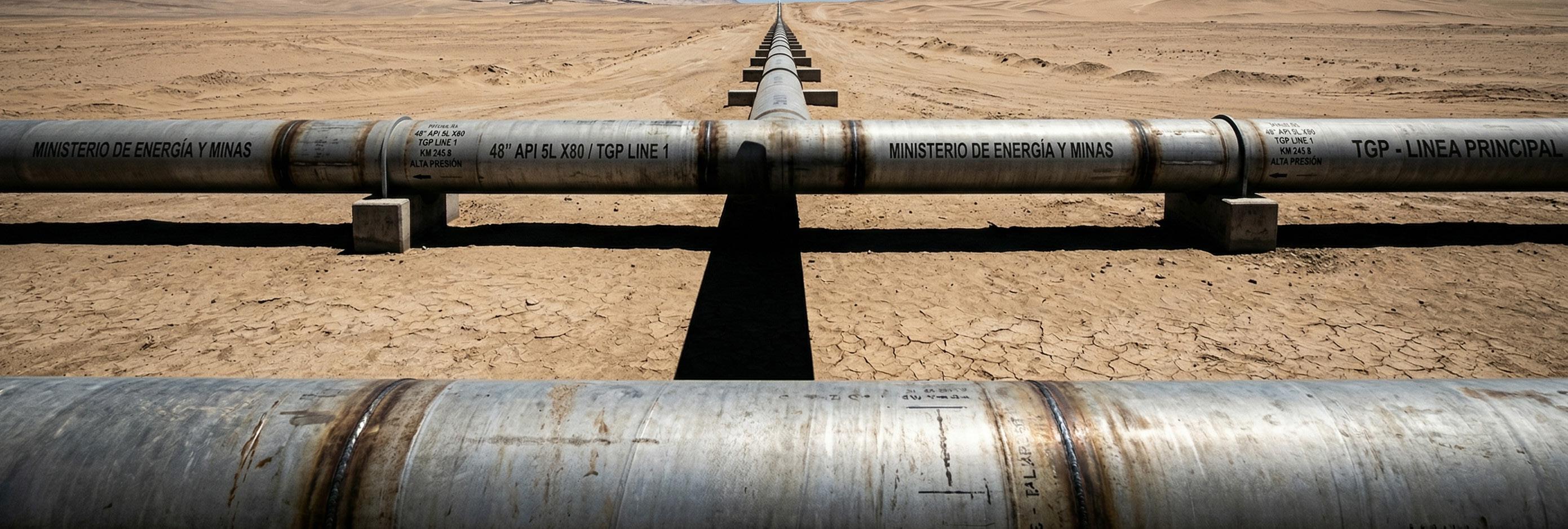
Towards redefining our energy security: an analysis of the system’s vulnerability and the urgent need to strengthen national infrastructure.
The incident at TGP should be viewed as a structural warning about the vulnerability of Peru’s energy system, not as an isolated event.
The high efficiency achieved with natural gas coexists with low redundancy, which increases the country’s exposure to highimpact disruptions.
A strategic agenda based on resilience, redundancy, diversification, digitalization, and modern governance is required to strengthen energy security
The recent leak and fire incident in the natural gas transmission system operated by Transportadora de Gas del Perú (TGP) should not be interpreted as an isolated event or a mere technical contingency. It is a structural warning sign for the country.
In a world where energy is the cornerstone of competitiveness, macroeconomic stability, and national security, any disruption to critical infrastructure extends beyond the operational level and becomes a strategic issue.

By: Yessica Cubas Commercial Executive for LNG and CNG in Peru
What has happened forces us to ask: Is our energy system resilient? Are we prepared for high-impact events? Do we manage natural gas as a strategic advantage or as a risky dependency?
According to international standards, the incident likely began with a leak in the pipeline, followed by ignition and the subsequent fire. The causes are often associated with material degradation, geological movements, pressure variations, external damage, or monitoring failures. In complex geographies such as Peru’s, with high earthquake activity and a highly variable climate, these risks are amplified; however, the critical issue is not the specific cause, but the system’s inability to anticipate and contain the risk.
The natural gas transportation system connects electricity generation, industrial activity, mining competitiveness, and urban supply. Its vulnerability turns any failure into a problem of national scope. Therefore, it must be managed for what it truly is: critical national security infrastructure, with standards equivalent to those of the most advanced countries.
Natural gas has made it possible to reduce electricity costs, boost industry, and attract investment. However, this efficiency relies on a system with high dependency and low redundancy.
The equation is clear: High efficiency + Low redundancy = High risk exposure.
Energy Security
Power outages drive up costs, reduce system reliability, and force a critical dependence on more expensive alternative fuels
Economic competitiveness
Strategic sectors such as mining, manufacturing, and agroindustry see their operations compromised by the lack of a stable supply.
Confidence and investment
Global capital evaluates not only the resource itself but also the resilience of the infrastructure, regulatory stability, and crisis response capacity.
Social and territorial dimension
Communities in the area of influence directly perceive environmental risks and demand transparent and responsible management.
Global perspective: How do advanced systems respond?
Resilience is a competitive advantage: anticipation, data, and integrated systems.
Asset management must evolve: real-time sensors, predictive models, and applied artificial intelligence.
Governance matters as much as operations: modern regulators, consistent policies, and effective coordination.
Crisis management is strategic: transparent communication, rapid response, and a focus on stakeholders.
Countries with robust infrastructure have strengthened their resilience through two key pillars:
Redundancy: Multiple supply routes and regional interconnections.
Diversification: renewables, LNG, and energy storage.
The incident can be viewed as a threat— perceived risk, impact on investment, and exposed vulnerability—or as an opportunity to drive structural reforms, modernization, and higher standards. The difference between one scenario and the other will depend exclusively on the decisions made today.
Energy redundancy: new pipelines, LNG infrastructure, strategic storage.
Diversification: accelerating solar, wind, and distributed generation.
Digitalization: advanced analytics and integrated control centers.
Governance: modern regulation and a longterm vision.
The greatest risk is not the incident itself but becoming accustomed to them. The event at TGP is a sign that Peru must evolve toward a more resilient, diversified, and bettermanaged energy system. The country’s future competitiveness will depend not only on its resources, but on the efficiency with which they are managed.
The question is clear: Will we turn this crisis into a turning point, or will we let it pass as just another warning?
The incident at TGP should be viewed as a structural warning about the vulnerability of Peru’s energy system, not as an isolated event.

By Usue Abad Expert in Government Affairs in the Energy Sector
In the Mexican energy sector, we are fascinated by the words sovereignty and security. They sound impressive, embellish any press release, and evoke an idyllic past where borders stopped the wind and defined flows. But in 2026, the reality is more ironic: nothing screams sovereignty more than waking up every morning to check the weather report from the Waha Hub in Texas, to find out if the domestic industry has permission to produce that day.
While energy sovereignty attaches to the romantic notion of “I produce it,” security focuses on the pragmatic “as long as it arrives.” We have confused the state’s stewardship with the idea of technical self-sufficiency. Today, with a dependence on U.S. gas of nearly 80%, our sovereignty seems to lie more in the fine print of agreements than in the pressure of the reservoirs.
cryogenic logistics to transport molecules to places the map says are impossible. We do this so the system can survive its own shortcomings.


The system operates with natural gas inventories of just 2.5 days
Mexico is a unique case study. We depend on more than 70% of molecules that travel through underground infrastructure from Texas, creating a geographical dependency as rigid as a steel pipeline. Entrusting a country’s stability to just-intime logistics is not a strategy; it is blind faith. We have a system that, at the slightest climatic disruption in Houston, forces us to choose between lighting homes or keeping factories running. Talking about security when our national inventory is of 2.5 days makes no sense. Managing energy under a just-in-time model is the antithesis of security.
Traditionally, energy security was explained by the elegant “4 A’s” (Availability, Accessibility, Affordability, and Acceptability). However, looking ahead to 2026, that academic concept has mutated into something more visceral: operational resilience. It is no longer just a balance between cost and sustainability. Energy security is the engine driving production, simply because there is nothing more expensive than energy you don’t have. And no wonder: today, the cutting edge of technology is not in the well, but in resilience. We’re innovating in digital twins and
And here comes our special guest: Liquefied Natural Gas. It’s not just ultra-cooled gas. It’s a tool for geopolitics and logistical flexibility. LNG transforms a regional market into a liquid global market. It allows us to decouple the molecule from geography. It allows us to move from the rigid take-or-pay model to the freedom to redirect shipments based on urgency, acting as the balancer that the pipeline lacks.
Historically viewed as the expensive molecule, LNG is actually the life insurance that redefines our geo-logistics.


Mexico depends on gas imported from the United States for more than 70% of its needs.
It is precisely here that the irony reaches its peak: Mexico seeks to establish itself as an LNG export hub to Asia, positioning itself as an exporter of gas that is not its own, while praying that domestic supply does not run out. If we cannot be sovereign by producing the molecule, let us at least hold the key to moving it around the world.
For Mexico, true sovereignty today is not about producing every molecule we burn. It is about having the ability to decide who to buy it from, where to store it, and, with a little luck, to whom to sell it. LNG is our opportunity to stop being a captive importer and become a global player. Security is built on infrastructure, redundancy, and political and regulatory pragmatism—not on nostalgia.
Energy security today is defined by operational resilience, not self-sufficiency.

The name of an unconventional geological formation of oil and shale gas in Argentina.

EBy: María Eugenia Schiaffino Hydrocarbons Market Analyst, Oil & Gas Consultant
very great epic tale begins with a buried treasure and a map that takes shape in the heat of battle. In Argentina’s case, the treasure is Vaca Muerta, the world’s secondlargest unconventional gas reserve, and the map is the ambitious “Argentina LNG” project. But this is not a static story: it is the chronicle of a strategic metamorphosis that is reshaping the global energy landscape in 2026.
The project began with the hope of a partnership with the Malaysian company Petronas, but geopolitical realities and growing demands for profitability dictated a necessary change of course. Following Malaysia’s exit in late 2024 and Shell’s recent strategic pause in the initial liquefaction phase, YPF has restructured the consortium with a speed unprecedented for the industry.
Today, the new key players arethe Italian giant Eni and XRG and the investment arm of the National Oil Company of Abu Dhabi (ADNOC). Both players have signed agreements to transform gas from Neuquén into liquid wealth, providing not only capital, but also the long-term purchase agreements (offtake) that Europe and Asia urgently need to diversify their sources.
(MTPA) in its first phase, with the goal of exceeding 30 MTPA by the 2030.
The master plan calls for the deployment of floating liquefaction units (FLNG) for the 2028–2029 period, which will allow the first ship loaded with LNG to set sail for international markets, marking the definitive end of dependence on costly winter imports that drained foreign exchange reserves for decades.
But the climax of this story lies not only in the physical assets but in the highly complex financial architecture. With JPMorgan and a pool of international banks structuring the project finance to secure the first $12.5 billion, the goal is to position Argentina as a reliable and competitive supplier in the face of U.S. and Qatari LNG.
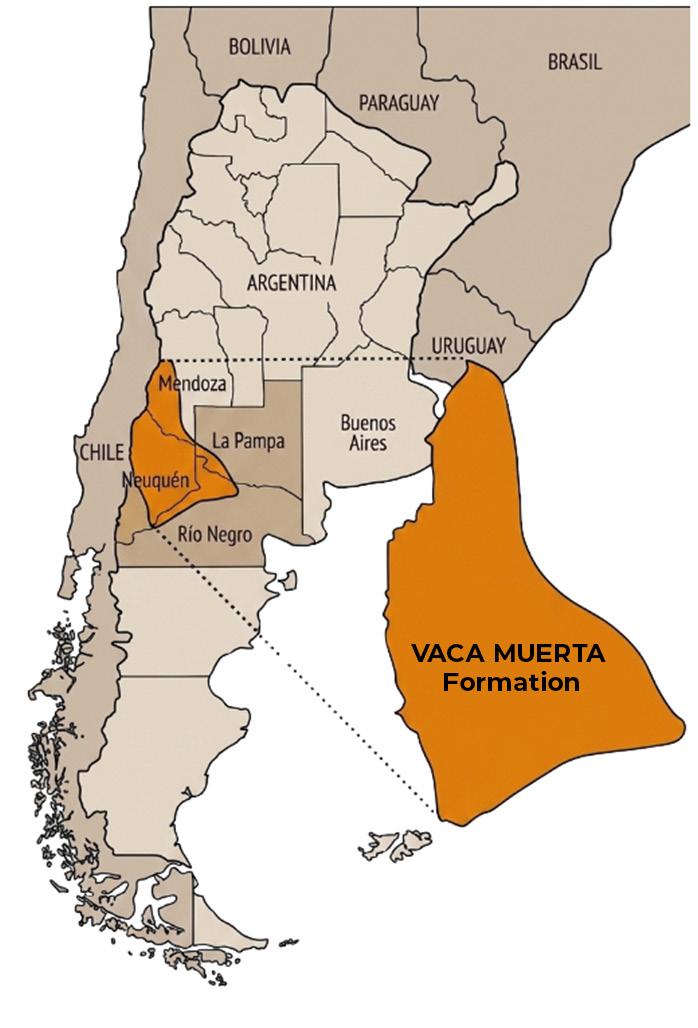
The key to success lies in the Vaca Muerta Sur oil and gas pipeline, the vital artery that will connect the Neuquén Basin to the Atlantic. This will ensure the uninterrupted flow that is needed to supply the liquefaction plants.
The value lies not in the data but in its interpretation: Argentina is moving beyond being a textbook example of potential to become a major player in global energy security, proving that in the world of shale, those who fail to adapt will disappear.
The stage is no longer Bahía Blanca; the epicenter of this revolution has definitively shifted to Punta Colorada, Río Negro. There, under the protection and legal shield of the RIGI (the Large Investments Incentive Regime), a monumental investment is planned that aims to reach an installed capacity of 12 to 18 million metric tons per annum
The giant has already awakened and has partners who speak the language of the future, as well as a deep-water port that faces the world. The era of Argentine gas has begun, and this time, all the pieces of the puzzle finally fit together for an irreversible takeoff.
She is currently the Regional Director for Latin America and the Caribbean, where she leads the SPE’s Asset Management Technical Section (AMTS).
Some careers are measured in years, and others in the mark they leave. For Lourdes Guiñazú, her more than 25 years in the energy industry are merely the foundation of a more ambitious mission: shaping the future from the classroom.
Between the halls of the National University of Cuyo and the operational complexity of oil reservoirs, Lourdes has successfully blended technical expertise with a passion for teaching that today influences new generations of engineers in Argentina.

Her training as a Petroleum Processing Engineer and a specialist in Project Management from the same institution, combined with a certificate in leadership from the IESE Business School in Spain, laid the foundations for a career with global reach.
With a career spanning eight countries—from Argentina and Brazil to the United States—Lourdes has led commercial expansion and operational management in the region’s most demanding markets, where she has been recognized in multiple organizations for leading large-scale multidisciplinary teams. Today, she is a Manager at Halliburton.
At the same time, her commitment to the energy community is reflected in her tireless work within the Society of Petroleum Engineers (SPE). She has been a key figure in leadership roles, from serving as president of the SPE Patagonia Section to her work as a leader in Diversity and Inclusion (D&I). Her strategic vision earned her the 2021 Regional Management Award for Latin America and the Caribbean.
As a leader, she is organizing the first “Energython – From Molecule to Megabyte” competition. This “Shark Tank”-style competition is for students from Latin America and the Caribbean who belong to SPE student chapters.
Students will present a techno-economic model to supply energy to a data center (with a demand of 10–20 MW) using a natural gas-fired power plant.
Proposals must cover the supply chain, power generation technologies, contractual agreements, and financial models. The five best entries will be selected to advance to the regional final, and the winning team will move on to the global round.
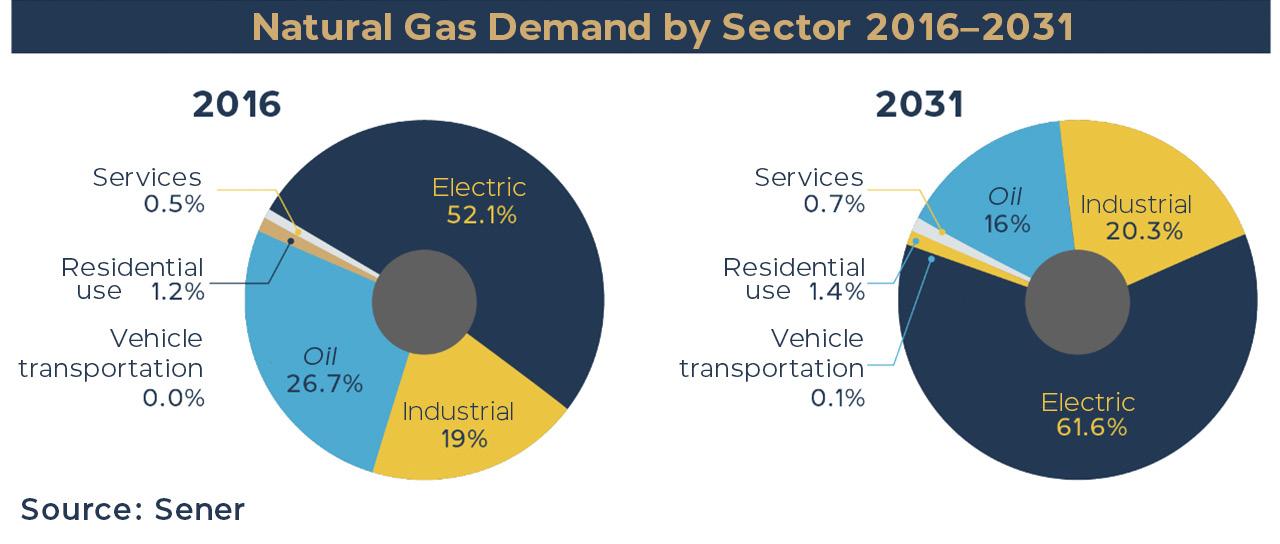
For Mexico, the impact of the conflict in the Middle East regarding natural gas will not come through supply channels—which are structurally anchored to the United States—but rather through the pressure of a potential rise in the price of the fuel that powers more than half of our national electricity generation.
Data indicates that between 54% and 70% of the country’s electricity generation depends on this energy source. It is the cornerstone of the energy mix and, at the same time, its main vulnerability.
The conflict has put pressure on prices, which could directly impact the Mexican market. According to PETROIntelligence, Europe has seen a 107% increase in the price of gas at the Dutch Title Transfer Facility (TTF) since late February, while Asia faces a 68.5% increase.
In contrast, North America shows a more moderate rise, of around 9.5% on the Henry Hub index. However, this apparent stability is deceptive, as it reflects the United States’ production strength but also forecasts growing pressure from liquefied natural gas exports.
“The greatest danger lies not in a price hike, but in sustained high levels with episodes of recurring volatility,” says Alejandro Montufar, director of PETROIntelligence.
Mexico imports nearly 70% of the gas it consumes, with flows exceeding 6.6 billion cubic feet per day from the United States. Added to this is a structural weakness, where
By: LNG Mexico and Latin America Staff
storage capacity barely covers 2.5 days of consumption.
In this context, any disruption—whether due to weather, infrastructure, or international arbitration—quickly translates into pressure on the power system. In this regard, PETROIntelligence estimates that the price for the United States could rise to between $4 and $5 per MMBtu if external demand intensifies.
Beyond the cost per unit, volatility stands out as the main threat. As Montufar points out, the market “is entering a phase where it loses operational flexibility,” which complicates strategic planning in the sector. This leads to recurring price hikes that complicate cost planning, particularly in energy-intensive sectors such as electricity generation.
Oscar Ocampo, an energy specialist at IMCO, links the issue to energy security. He warns that the long-term closure of the Strait of Hormuz and attacks on strategic infrastructure underline the importance of having resilient supply chains.
Julio Castillo Ybarra, director of LNG Mexico, highlights that there is aggressive competition for the molecule (gas) supplies, especially given rising costs in Asia, where prices for Japan have doubled.
“This could translate into higher gas costs for Mexico, given that U.S. terminals will seek to sell to the highest bidder despite having commitments with the Federal Electricity Commission (CFE), so the increase may be the expected outcome,” he says.
This leads to higher costs for combined-cycle power plants, which produce more than 61% of the electricity consumed in Mexico, he warns.
Regarding the future of the armed conflict, Julio Castillo mentions that there are two possible scenarios, outlined by Anne-Sophie Corbeau, an expert at the Center for Global Energy Policy (CGEP):
End of the conflict in April: An agreement would be reached between the U.S. administration and Iran, and the stranded shipments would be sent to their destinations. Qatar and the United Arab Emirates would repair their damaged facilities within at least five years. In this scenario, the growth in LNG supply in 2026 would be limited.
Delayed ceasefire: A ceasefire would be reached in the fall of 2026, due to the intervention of other countries or the fall of the regime, allowing LNG plants to resume operations.
From Julio Castillo’s perspective, these scenarios involve a high degree of uncertainty regarding a return to previous LNG supply levels.
Beyond the cost per unit, volatility stands out as the main threat.
Recent geopolitical events stemming from the closure of the Strait of Hormuz, coupled with the complex challenges facing LNG in the global market, have raised concerns about the volatility of energy prices.
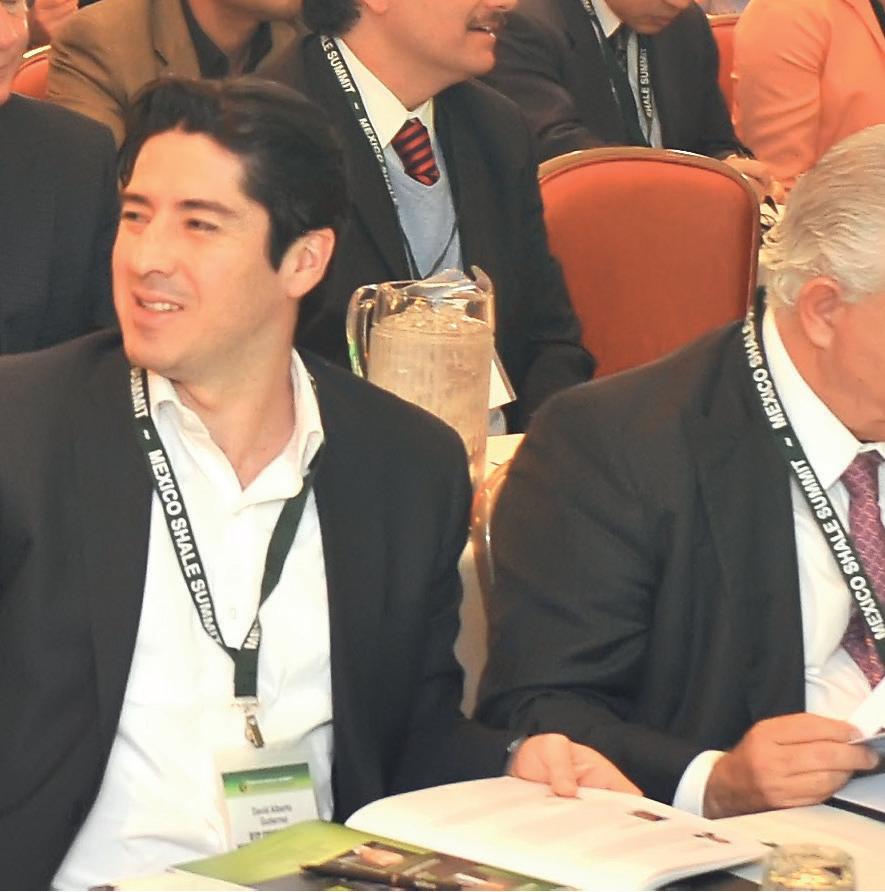
Given this situation, the twelfth edition of the “Mexico Gas Summit”—to be held on June 9 and 10, 2026, at the historic St. Anthony Marriott Hotel in San Antonio, Texas—presents a vital opportunity for regulators and operators to define an urgent course of action for the industry. This year’s agenda will highlight the urgent need to expand midstream infrastructure and interconnect the sector. The discussion will focus on expanding the distribution network through key projects such as Los Ramones and the new cross-border pipelines between Mexico and the United States, which have consolidated a highly competitive binational market with improved economic conditions.
The summit’s discussion agenda also includes the deployment of LNG and storage projects, covering the entire chain from regasification to export aircraft.
At the same time, industry leaders will discuss the current investment climate, the structuring of agreements, and how to balance the energy trilemma—security, equity, and sustainability— in the face of nearshoring’s impact on energy demand. Given this context, the meeting will conclude with the development of market entry and expansion strategies, aimed particularly at service companies focused on onshore infrastructure, pipeline development, and storage facilities.
Founded and organized by Dora Mancera of Industry Exchange LLC, the Mexico Gas Summit was created with the vision of bridging the gap between energy players in the United States, Canada, and Mexico following the 20132014 energy reform. Since its second edition in 2016, it has established itself as the leading C-suite forum for the onshore, midstream, and infrastructure sectors.

It is worth noting that the event has evolved alongside the market, bringing together more than 400 international delegates who align public policy with private capital. Thus, the Mexico Gas Summit is positioned as the definitive forum to determine whether natural gas will solidify its role as the fuel of Mexico’s energy transition or whether the pace of investment will hinder its potential.









Register with discount code "EnergyInsights2026" and receive an additional 10% off!