








DESIGN vibes
8
FABRIC-FIRST RETROFIT
A home’s disjointed shell is transformed into a serene, cohesive retreat in Stowe, Vt.
INSIDE/OUTSIDE rehab
14
PERUSE INNOVATIVE HOME-RENOVATION PROJECTS FROM ACROSS THE U.S.:
• Lofts at Osage Mill, Bessemer City, N.C.
• Metal Masterpiece, Orefield, Pa.
• ‘This Old House’ Siding Recovery, Westford, Mass.
• Desert Palette, Miami
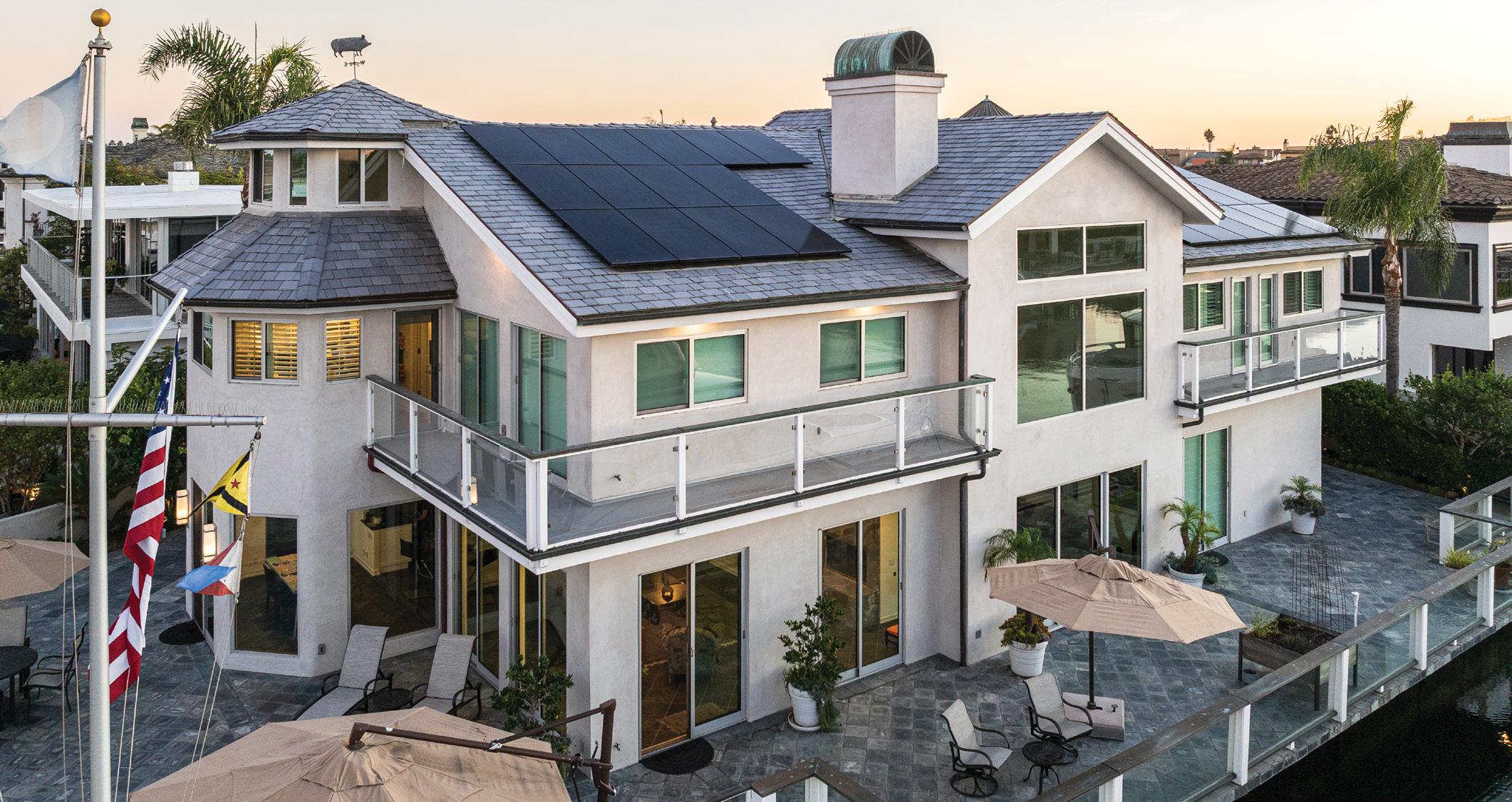
• Waterfront Solar, Huntington Harbor, Calif.
• From Hotel to Home, Austin, Texas
8
MID-CENTURY house
22
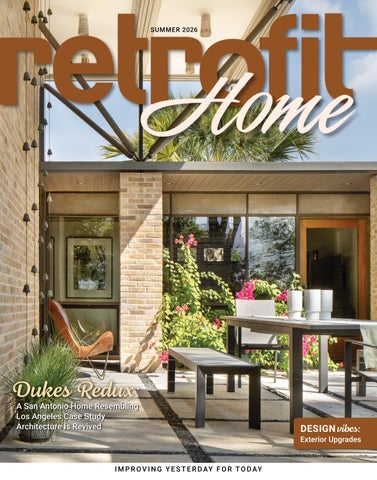
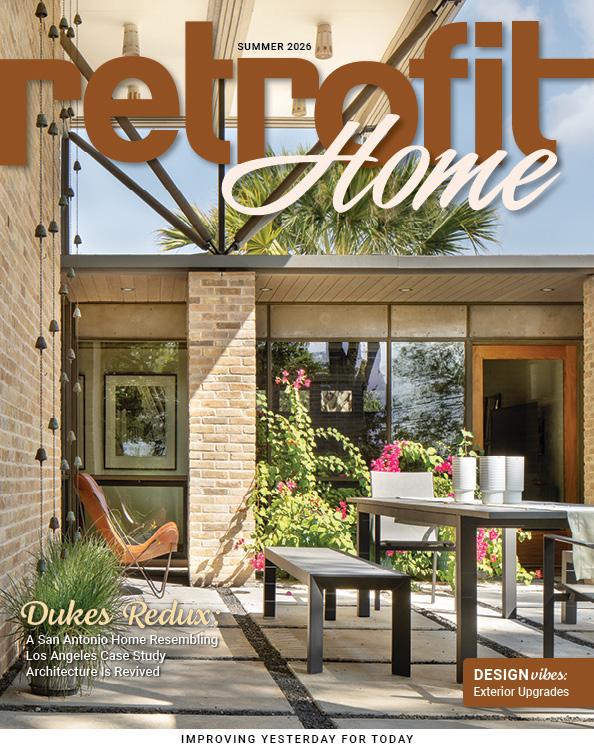
DUKES REDUX
Strongly resembling Los Angeles Case Study Architecture, a San Antonio home is revived by an architect and interior designer for their family.
VICTORIAN house
28 AN INVISIBLE TRANSFORMATION
A 1908 Victorian house in the Washington, D.C., area is reinvented without being overtly modernized.
OUTDOOR living
34
NATURAL INSPIRATION
A Hocking Hills, Ohio, retreat includes thermally modified wood for decking, walkways and saunas.
ROOM reveal
42
The Kips Bay Decorator Show House in New York features a living room with flair.


My college friend, Heather, recently came to Omaha with her family so we could spend our mutual Spring Breaks together. As newer residents, my husband, daughter and I have done our fair share of exploring but I was grateful for another opportunity to be a tourist in my town. I had not yet visited the Durham Museum, which was on Heather’s kids’ list of things to do.
Housed in Omaha’s former Union Station, a beautiful Art Deco building that opened in 1931, the museum highlights the history of Omaha, the state of Nebraska and region. Upon entry, I marveled at the main hall with its marble floors and oak trim around its massive windows. My 8-year-old daughter Clare was mesmerized by the bronze statues of people placed around the concourse who told stories through speakers of where they were going or coming from and what their lives were like during the heyday of the station.
Clare and I also enjoyed a brief film inside the museum that provided background for the names of the major streets, schools and recreational areas around town. It was exciting for us to put the names of Omaha’s founders together with these important places—probably more so than for our guests.
In this issue of retrofit home, we showcase several homes owners chose in the communities they love and renovated to make them more suitable for their families. For example, when a couple began house-hunting in the neighborhood where they grew up, they hoped to find a property that honored the charm and history of Chevy Chase Village, Md. They landed on an aging 4,000-squarefoot home; with help from a talented team, they transformed it into a refined, family-friendly residence. Read about the project in “Victorian House”, page 28.
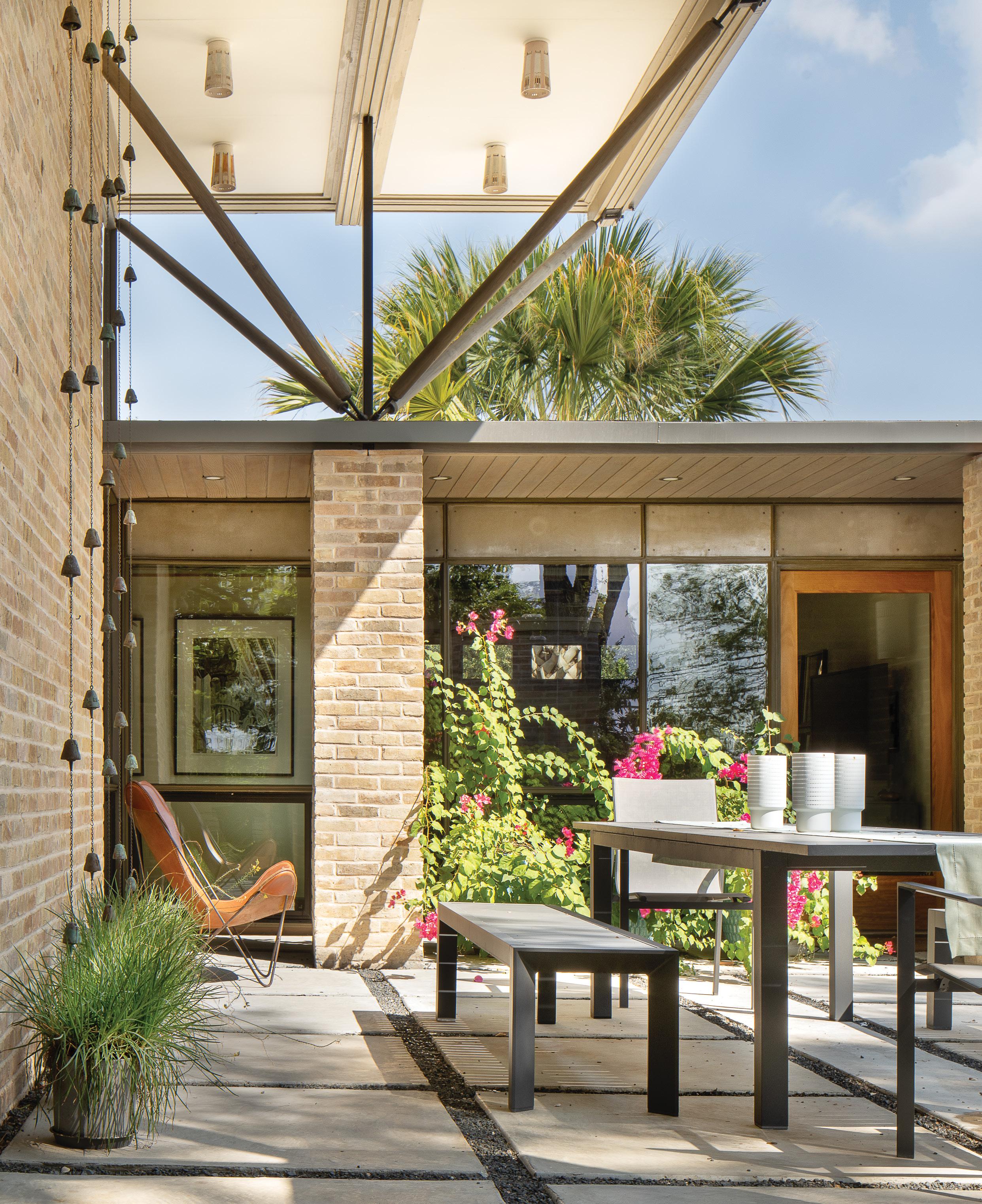
Meanwhile, in San Antonio, Molly McMahon, an interior designer, kept driving past an intriguing house that resembled Los Angeles Case Study Architecture while doing school drop-off/pickup. She encouraged her husband, Craig McMahon, AIA, to check it out and eventually the pair became the house’s owners with a goal of restoring it to its 1961 glory. The restoration, which appears on our cover, was a family affair as told by Craig in “Mid-century House”, page 22.
These stories underscore how a place can captivate and attract you to put down roots. A community is only as good as the people who love it and strive to make it a great place to live. The Durham Museum opened my eyes to the difficulties Omaha’s founders faced in the early years of this city, and I am grateful to them for shaping the community I love.

CHRISTINA KOCH
Associate Publisher/
Editorial Director

Mary Beth Childs is founder and principal of MB architecture + design. With more than 25 years’ experience in residential architecture, Childs brings a keen eye for site-specific solutions to every project, as seen in “DesignVibes”, page 8. Positioned in a small meadow overlooking the Green Mountains of Vermont, the Stowe House stands as a compelling case study in fabric-first retrofitting.

After spotting what strongly resembled a Los Angeles Case Study Architecture home in a San Antonio neighborhood, Craig McMahon, AIA, president of Craig McMahon Architects, and his interior designer spouse, Molly McMahon, believed the house needed to be restored as their family home. Read the story in “Mid-century House”, page 22.

Christopher Boutlier, founder and principal of Christopher Boutlier Interiors, recently was part of the renovation of a 1908 Victorian house in Chevy Chase Village, Md. Overseen by historic-preservation guidelines, the home’s updates, including significant intervention of the existing structure, were required to appear as though they had always been there. Read “Victorian House”, page 28.


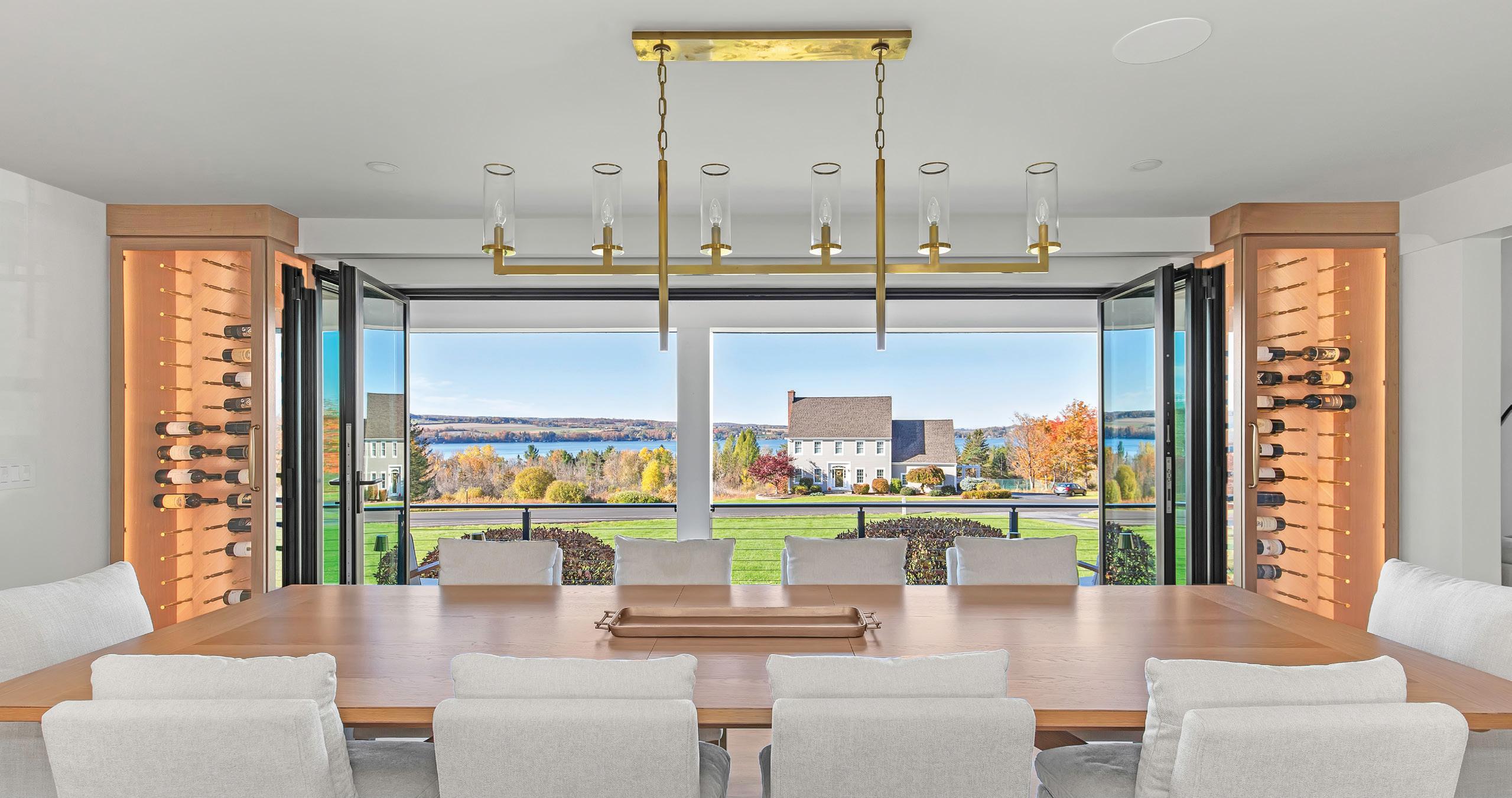
Easy Operation: Smoothest and easiest operation of any folding glass wall as panels glide to their open or closed position.
Superior Performance: Exceptional resistance against wind-driven rain. Energy-efficient panels keep extreme weather out. Air, water, structural, and forced entry tested.

Design Options: Slimmest profiles that stack inward or outward. Barefoot-friendly sill designs, customizable configurations, and 50 standard color choices.


PUBLISHER
JOHN RIESTER john@retrofitmagazine.com
ASSOCIATE PUBLISHER/EDITORIAL DIRECTOR
CHRISTINA KOCH christina@retrofitmagazine.com
DIRECTOR OF OPERATIONS
BECKY RIESTER becky@retrofitmagazine.com
CONTRIBUTING EDITOR
JIM SCHNEIDER
ART DIRECTOR/DIGITAL DESIGN DIRECTOR
ERIKA NYGAARD
CIRCULATION MANAGER LYN URE lyn@retrofitmagazine.com
WEB ENGINEER DEREK LEEDS
SOCIAL MEDIA MAVEN
ROBIN GRABER
ADVERTISING SALES
JOHN RIESTER john@retrofitmagazine.com (919) 641-6321
BETH EMERICH beth@retrofitmagazine.com (781) 710-4745
BARRETT HAHN barrett.hahn@gmail.com (919) 593-5318
MIKE GILBERT treblig2023@gmail.com (847) 867-9615
EDITORIAL ADVISORY BOARD
NATHAN M. GILLETTE AIA, LEED AP, REALTOR Director, Natura Architectural Consulting LLC, Grand Rapids, Mich.
WILLIAM E. HOLLOWAY AIA, LEED AP Principal, BERNARDON, Wilmington, Del.




JOHN J. NOONAN Facilities Management Consultant, Durham, N.C
MICHAEL P. WASHBURN, Ph.D. Principal, Washburn Consulting, Scottsdale, Ariz.









A Home’s Disjointed Shell Is Transformed into a Serene, Cohesive Retreat
By Mary Beth Childs
Along a dirt road in the heart of Stowe, Vt., a house at the end of a winding, cedar-lined driveway was waiting to be revived. Positioned in a small meadow against a backdrop of dense evergreens on 6 secluded acres overlooking the Green Mountains, the Stowe House stands as a compelling case study in fabric-first retrofitting. It demonstrates that a building’s disjointed past doesn’t have to dictate its future but, instead, that history can become the foundation for a resilient, high-performance legacy. In northern Vermont’s harsh climate, where winters are long and summers humid, the stakes for such a transformation are high. MB architecture + design brought a fresh sensibility to Vermont vernacular, blending the warmth of New England tradition with modern clarity. Based out of the Green Mountains, the firm views sustainability not as a modern add-on, but as the fundamental core of good practice. Alongside Roots Builders, the goal to transform a fragmented structure was ambitious: Turn a disjointed shell into a serene, cohesive retreat. The clients prioritized longevity and energy efficiency, seeking a home that would feel effortless to live in yet stand the test of time. Rather than simply covering up imperfections, the design team treated the house as a living system, carefully
reworking its bones to optimize performance. The result is a retreat that feels timeless and contemporary. It is light-filled, efficient and quietly elegant, where every detail serves comfort and function.
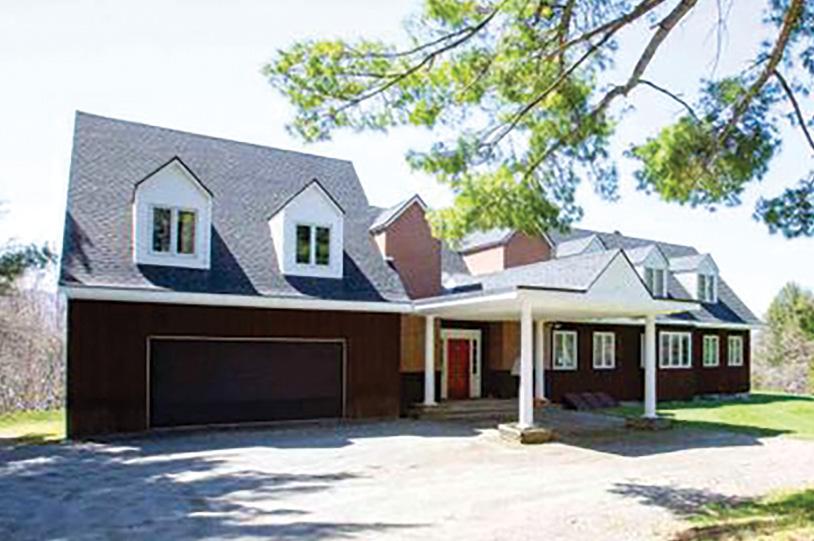
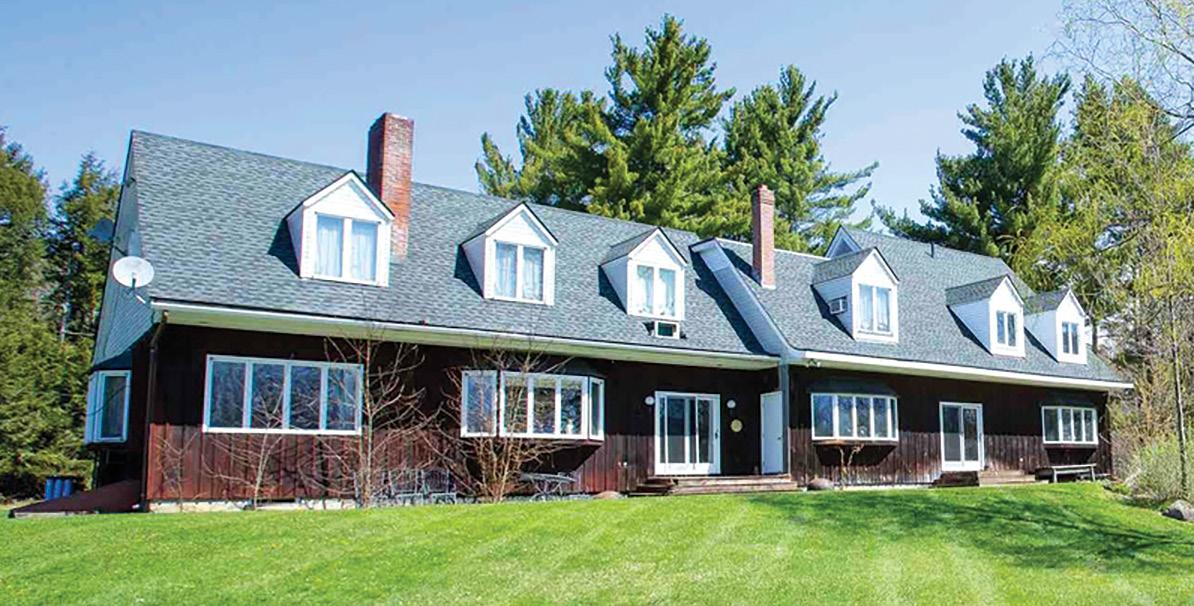
Built in 1966 as a modest single-story cabin, the home has evolved through decades of uncoordinated additions. By the time the current owners took possession, it had become architecturally disjointed, defined by competing rooflines and a confused material palette. Yet beneath the visual noise, the structure remained sound. The renovation was a deliberate choice to work with the existing footprint rather than build anew. The owners saw the house as a store of embodied carbon and an opportunity to create a long-term family anchor. Their goal was to establish a durable, low-maintenance sanctuary capable of hosting generations to come. By choosing to revive rather than replace, they preserved the home’s connection to the land while the team positioned it for the future.
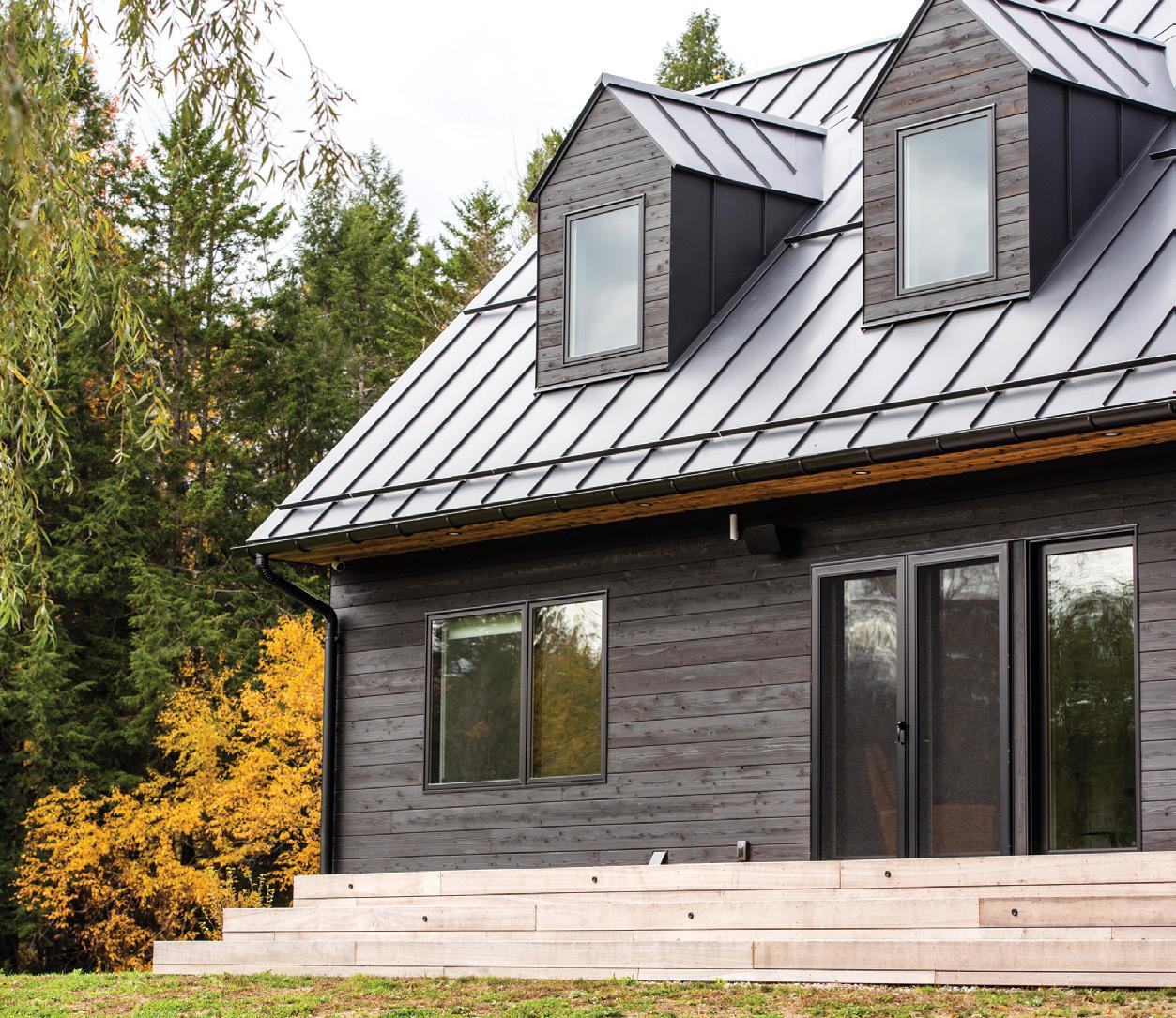
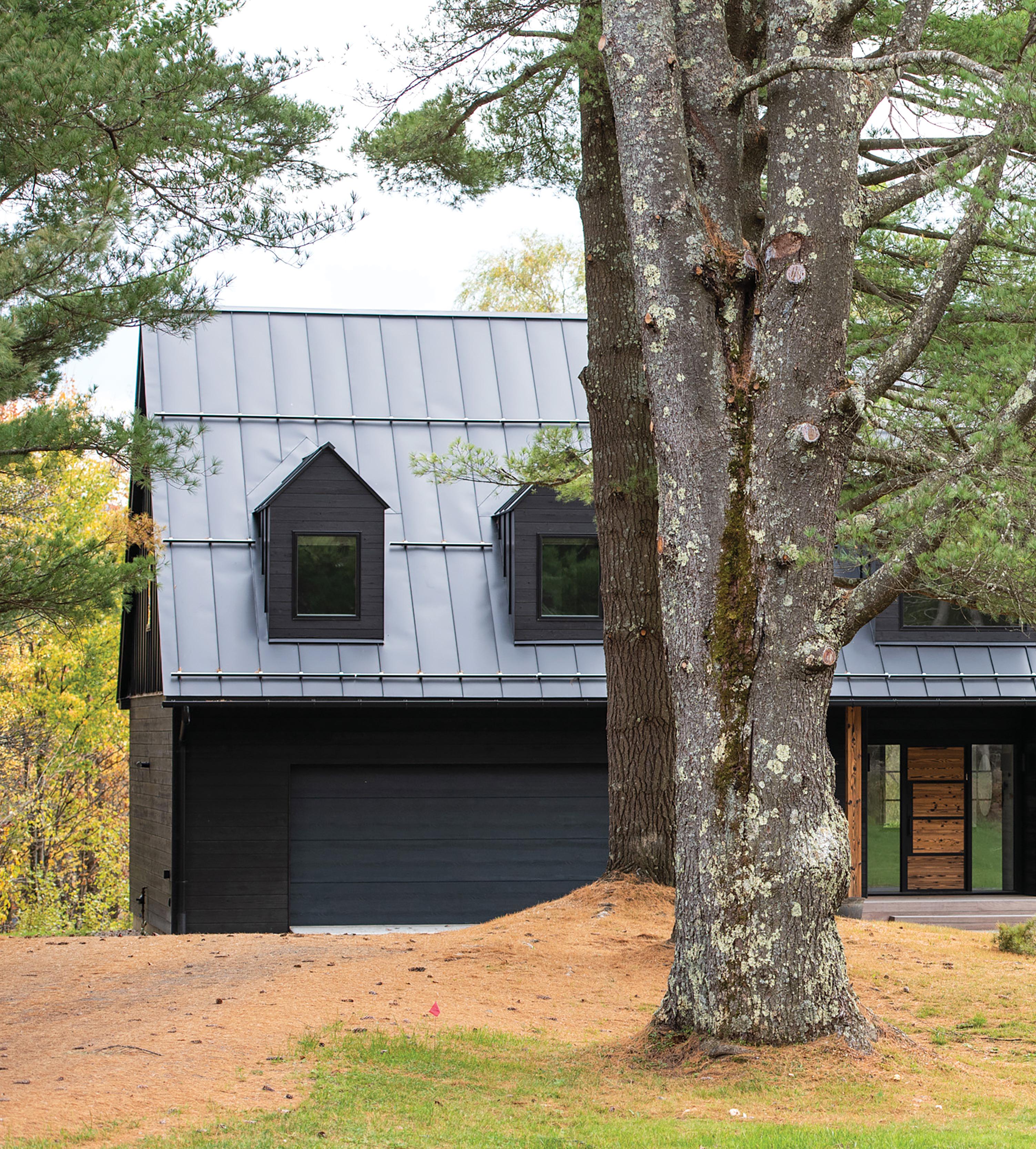
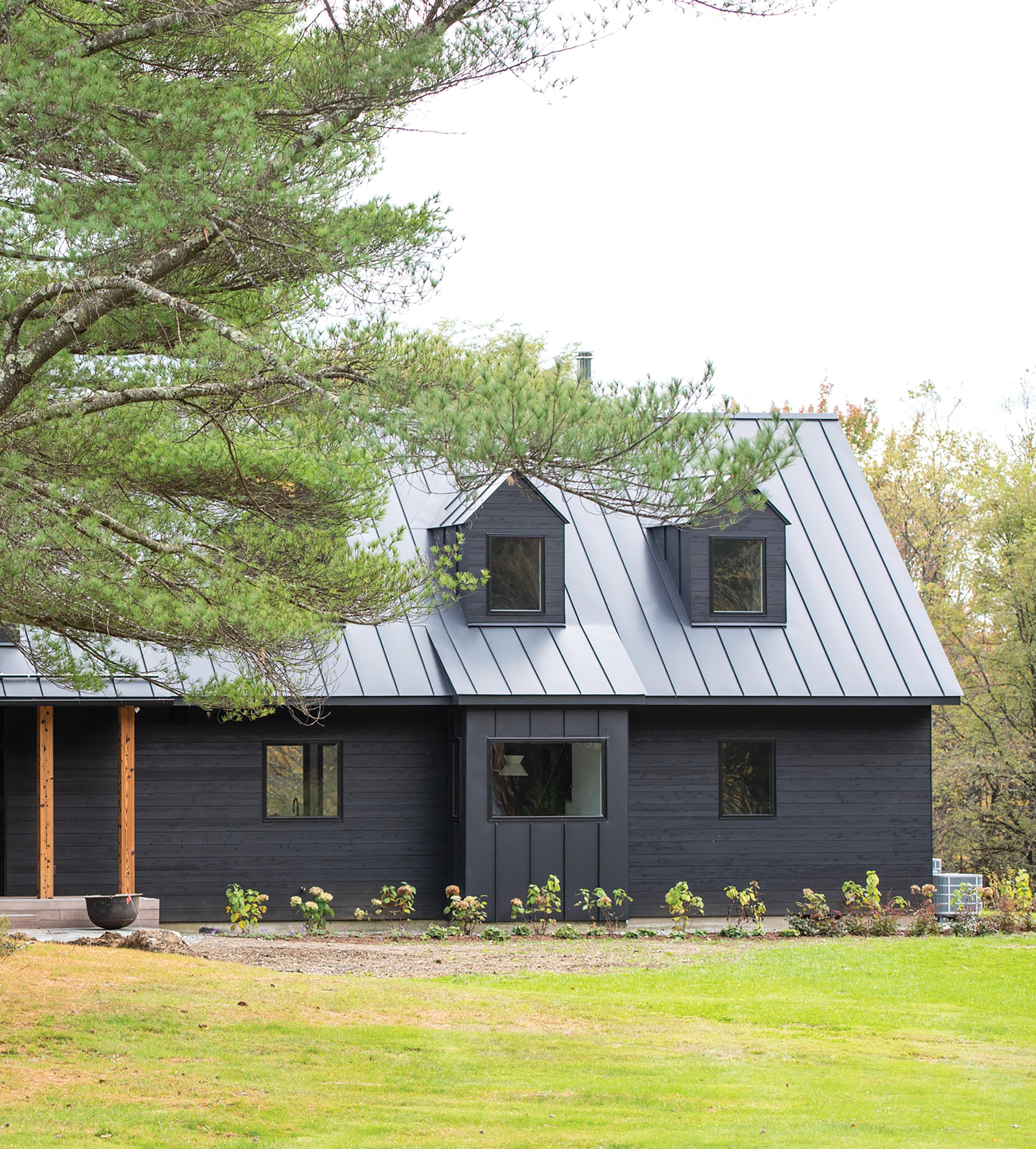
To unify the exterior and bring a more modern look to the home, the design team chose yakisugi cladding, more popularly known as shou sugi ban cladding. Yakisugi is the
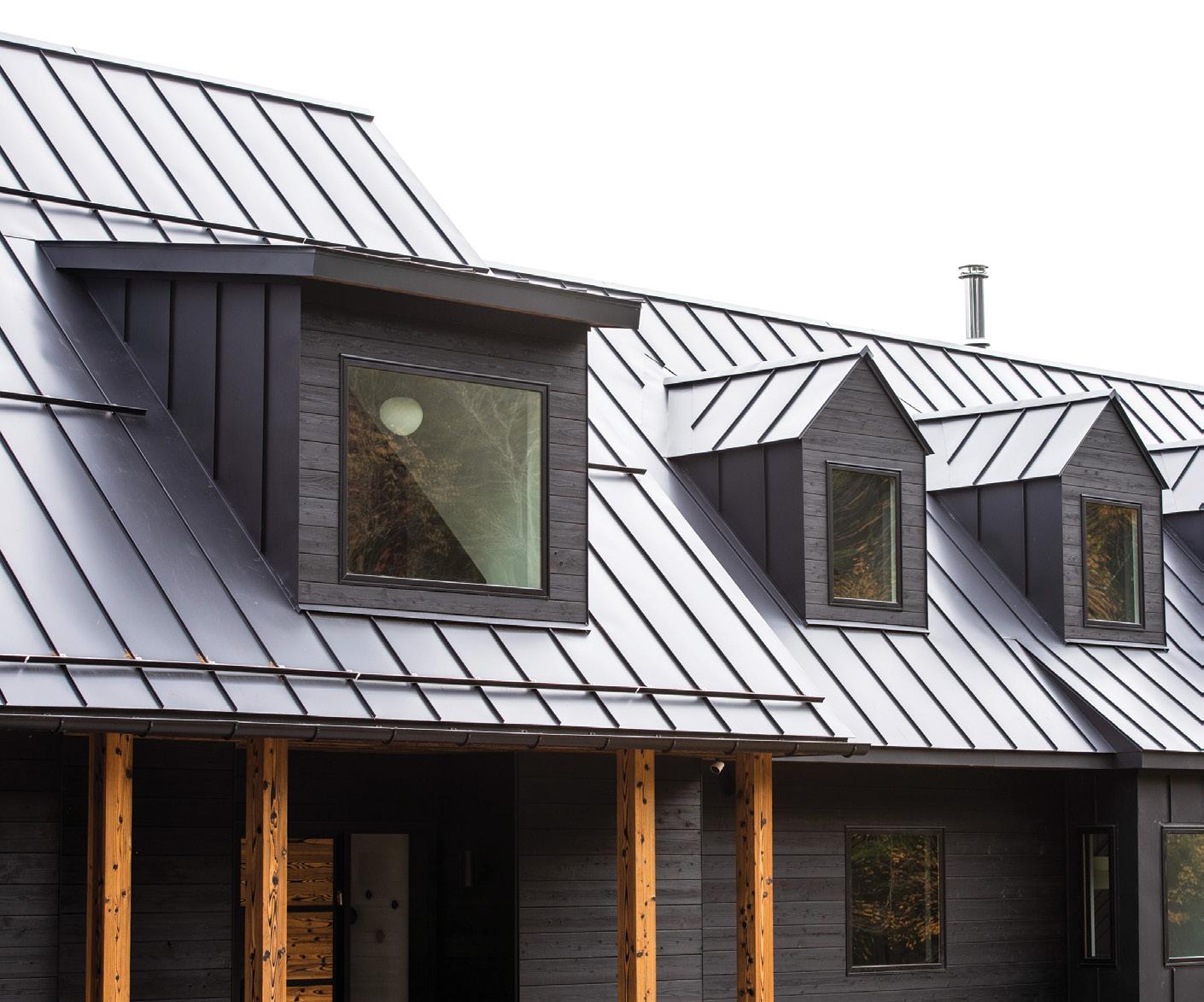
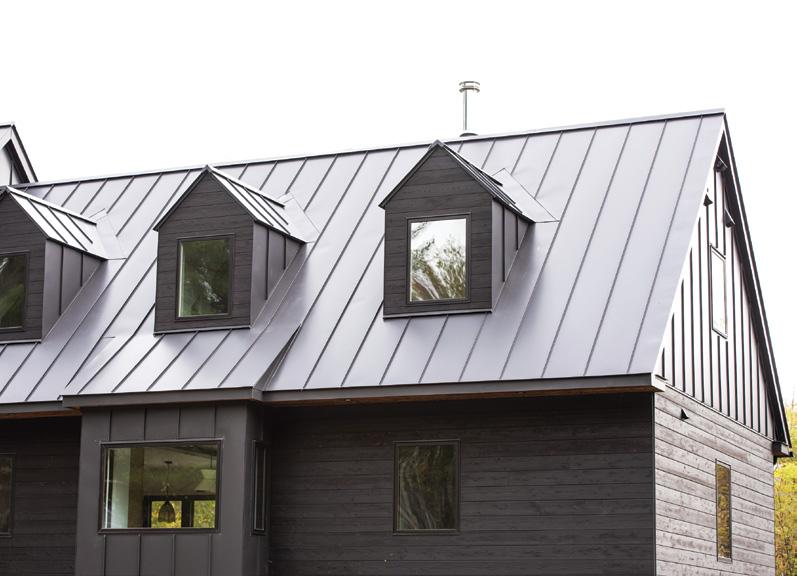
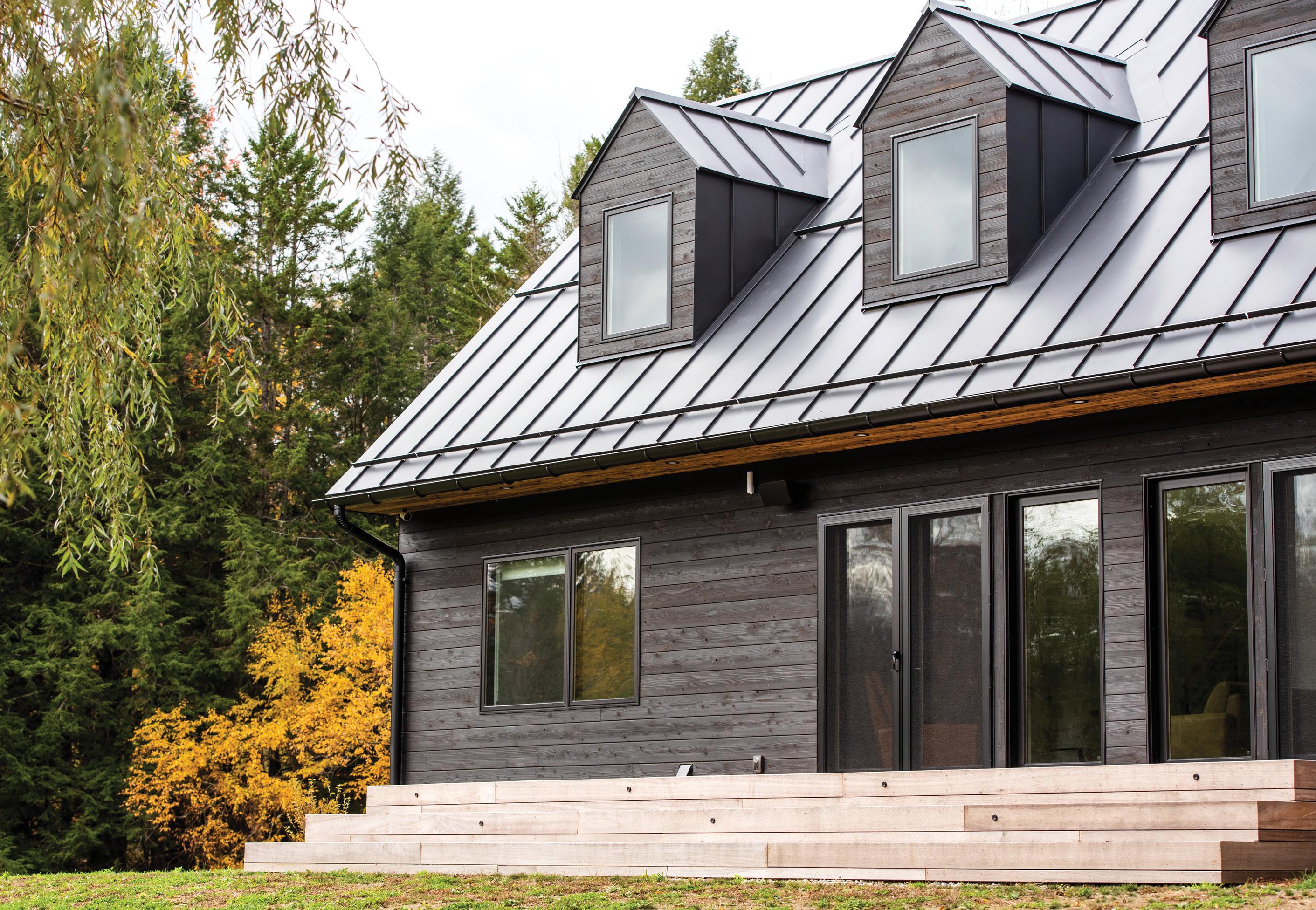
traditional Japanese charred wood material that is naturally durable and weather resistant thanks to an intensive heat treatment. This deep, carbonized finish allows the home to assert a bold architectural presence while ensuring the structure remains deeply connected to its wooded environment.
The primary cladding’s smooth, deeply charred surface is sealed with natural oil. This dark skin wraps the once-fragmented structure, allowing it to recede into the surrounding forest while creating a cohesive, grounded presence. It lends the house a sense of permanence, as though it has always belonged to the landscape.
In contrast, soffits are clad in a more heavily brushed finish that reveals the wood’s internal grain. This lighter, textured surface introduces warmth beneath the eaves, offering a subtle but intentional counterpoint to the darker exterior. The interplay between these finishes adds depth and tactility, elevating the material expression beyond conventional mountain architecture.
Complementing the charred wood, charcoal standing-seam metal cladding is used at the gables and dormer sides, creating a seamless transition between wall and roof. This hybrid approach balances the organic qualities of timber with a precise, contemporary edge, helping the house read as a unified form. For cohesiveness, this same standing-seam material was used to replace the existing roofing.
Material alone, however, could not resolve the home’s geometric inconsistencies. A targeted architectural
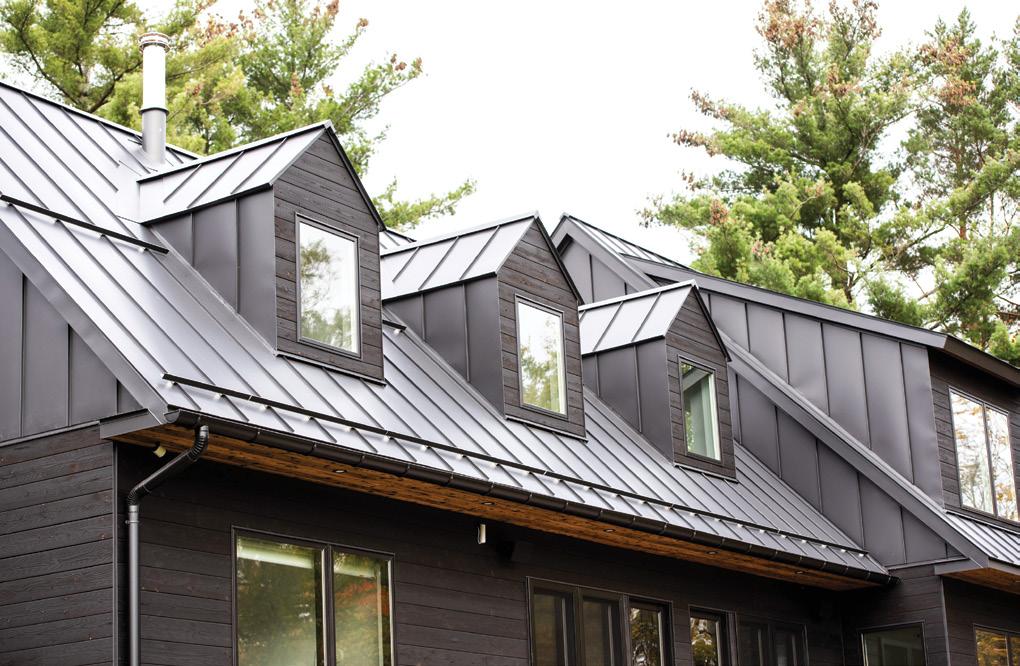
Yakisugi, Japanese charred wood, is naturally durable and weather resistant thanks to an intensive heat treatment. Charcoal standing-seam metal creates a seamless transition between wall and roof.
BEFORE
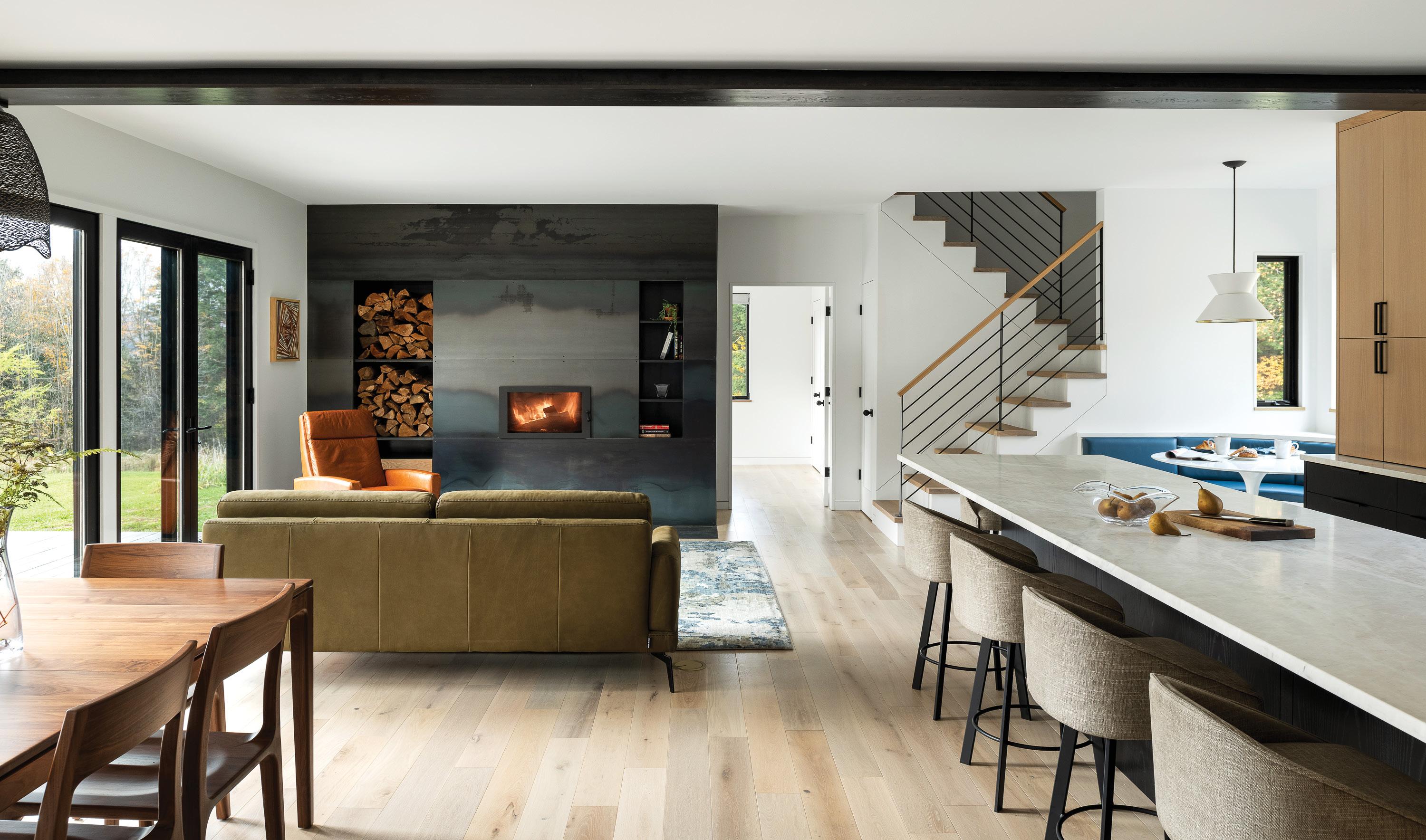
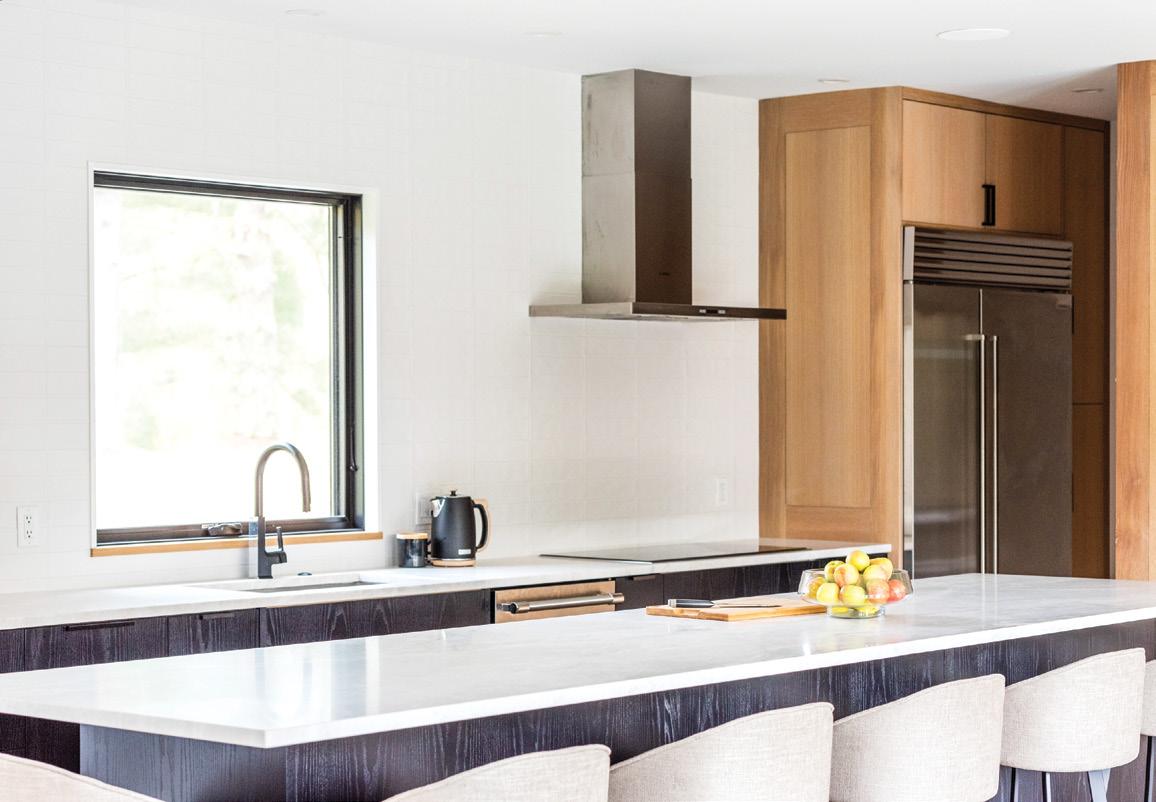
As fragmented as the exterior once appeared, the interior was equally disjointed and confusing in its flow. MB architecture + design recognized the opportunity to completely reimagine the layout, opening the main living spaces into a light-filled, cohesive sequence while still accommodating a generous primary suite and four ensuite bedrooms.
The airy, light-filled entry now sets the tone for the home, introducing a warm, modern palette of natural wood, clean lines and black steel details. Within the open kitchen, living and dining area, a defining moment in the renovation was the removal of the massive, inefficient brick fireplace, replaced by a sleek, energy-efficient wood-burning insert with a steel surround and integrated wood storage. This striking focal point anchors the space, complemented by light oak floors, minimalist cabinetry and expansive glazing that connects the interior to the surrounding landscape, establishing a calm, contemporary rhythm throughout.
intervention was required to clarify its silhouette. The most significant move was the introduction of a large shed dormer. Although the original roofline was preserved to reduce demolition waste, its mismatched planes disrupted the composition. The new dormer conceals these inconsistencies, unifies the roofline and establishes a clear focal point above the entry while bringing soft northern light into the upper level.
Strategic subtraction also played a key role. An aging carport was removed and replaced with a simple front porch, clarifying the entry sequence and reducing envelope complexity. Fewer junctions mean fewer opportunities for air leakage, which is an essential consideration in such a demanding climate. A custom front door incorporating the same cladding as the soffits provides a tactile transition between exterior and interior.
On the south side, a wall of glass doors replaces smaller windows, dramatically improving performance and experi-
A building’s disjointed past doesn’t have to dictate its future but, instead, that history can become the foundation for a resilient, high-performance legacy.
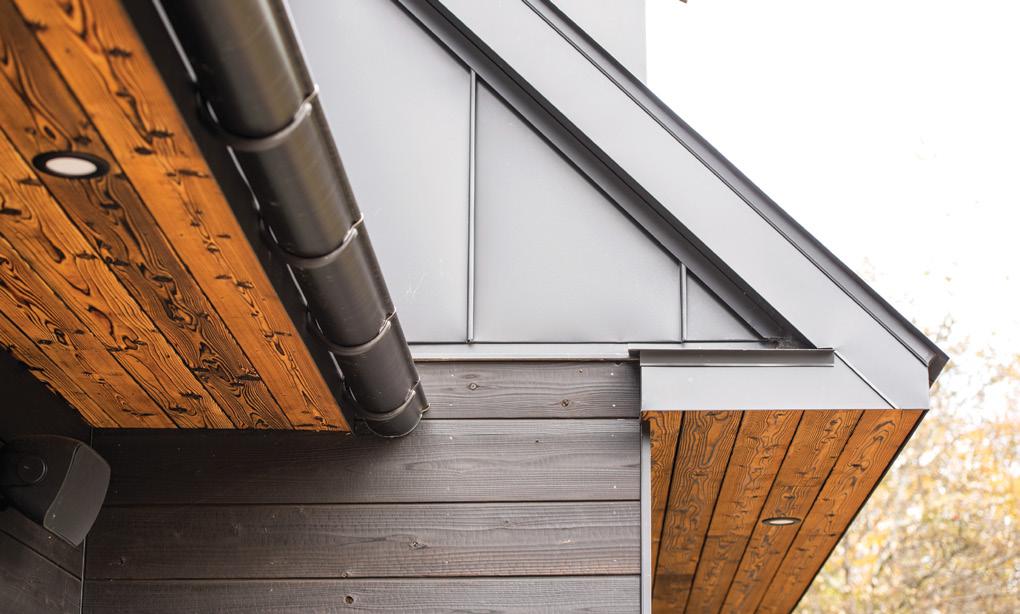
Wood soffits feature a more heavily brushed finish that reveals the wood’s internal grain and brings warmth to the exterior.
approach reduces the need for paints and treatments, supporting environmental stewardship and longevity.
The Stowe House is ultimately a story of transformation through restraint and precision. Rather than erasing the past, the project builds upon it by resolving inconsistencies, improving performance and establishing a clear architectural identity. What was once a fragmented structure has become a cohesive, enduring home: a place designed not only to withstand Vermont’s climate, but to support generations of family life for decades to come.
Retrofit Team
Designer: MB architecture + design, mbarchitectureanddesign.com
• Mary Beth Childs
ence. This intervention maximizes passive solar gain, allowing winter sunlight to penetrate deep into the home and contribute to heating. At the same time, it dissolves the boundary between inside and out, opening the house to expansive views and creating a seamless connection to the landscape.
Beneath its refined exterior, the house operates as a high-performance system guided by a fabric-first approach. Two massive, brick exterior chimneys, which previously caused significant heat loss through thermal bridging, were removed and replaced with a single energy-efficient, insulated metal chimney pipe. High-performance windows and careful detailing further reduce energy demand.
In a region defined by heavy snow and freeze-thaw cycles, durability is critical. A carbonized yakisugi surface provides a natural barrier against moisture, insects and UV degradation, ensuring long-term resilience with minimal maintenance. This
Builder and Cladding Installer: Roots Builders, rootsbuildersvt.com
Custom Front Door: Sirak Woodworking + Design, sirakwoodworking.com
• Todd Sirak
Materials
Primary Cladding: 1 by 8 by 12 Shiplap/Select Grade Gendai Linseed Black from Nakamoto Forestry, nakamotoforestry.com/ product/gendai-linseed-black
Secondary Cladding and Standing-seam Metal Roof: Englert Inc., englertinc.com
Soffit, Front Door and Posts: 1 by 6 by 12 S3S Square/Select Grade and 1 by 8 by 12 S3S Square/Select Grade Pika-Pika Linseed Natural from Nakamoto Forestry, nakamotoforestry.com/ product/pika-pika-linseed-natural
Windows and Doors: Marvin, www.marvin.com

CITY, N.C.
Retrofit Team
Owner/Developer: WinnCompanies, www.winncompanies.com
Architect: Tise-Kiester Architects PA, tisekiester.com
General Contractor: Rehab Builders, rehabbuilders.com
Historic Consultant: Ryan, formerly MacRostie Historic Advisors, ryan.com
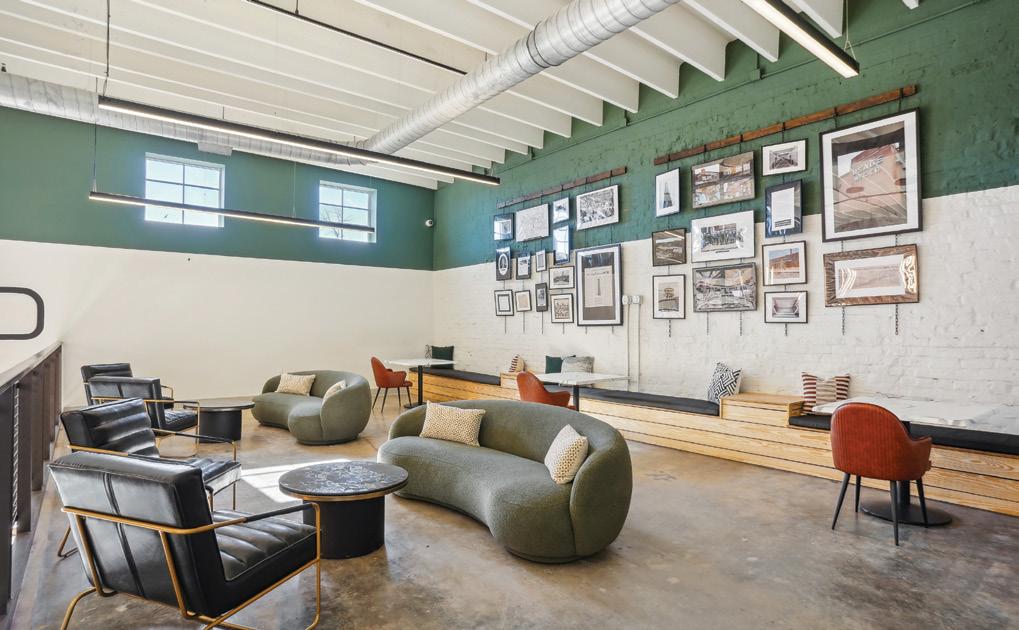
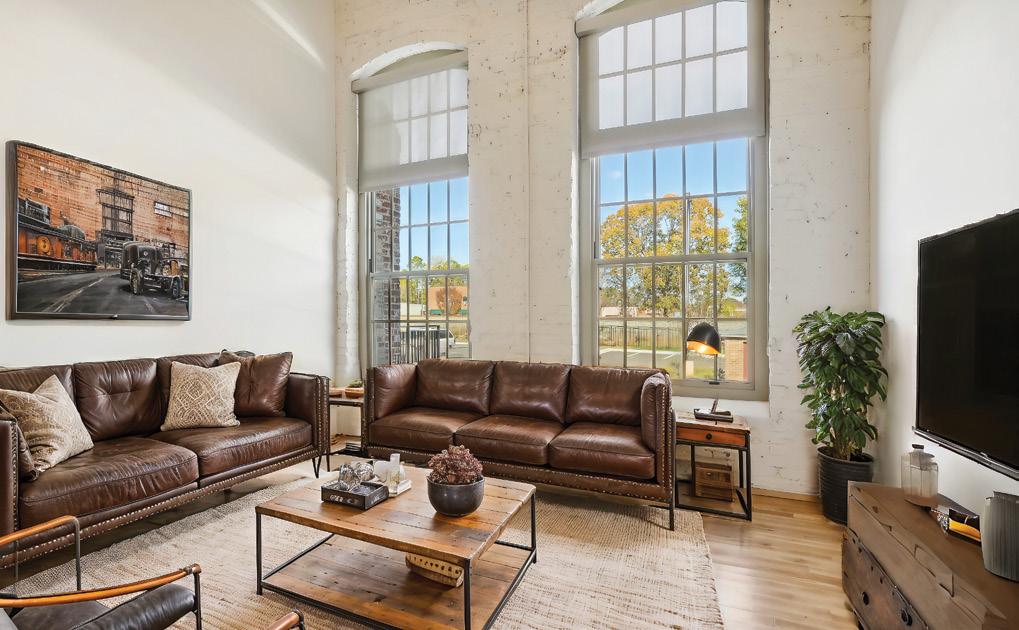
The 250,000-square-foot building was built by Bessemer City Founder John Askew Smith in 1896 and quickly became one of the region’s largest textile mills. It had been largely vacant for the last 30 years, a visual blight that hampered the growth and vibrancy of downtown Bessemer City, which straddles strong employment hubs in Charlotte, N.C., and Spartanburg, S.C. WinnCompanies’ redevelopment of the mill preserved the building’s iconic exterior and historic features while creating 12 three-bedroom apartments, 77 two-bedroom units and 50 one-bedroom units for households earning 60 percent of the Area Median Income.
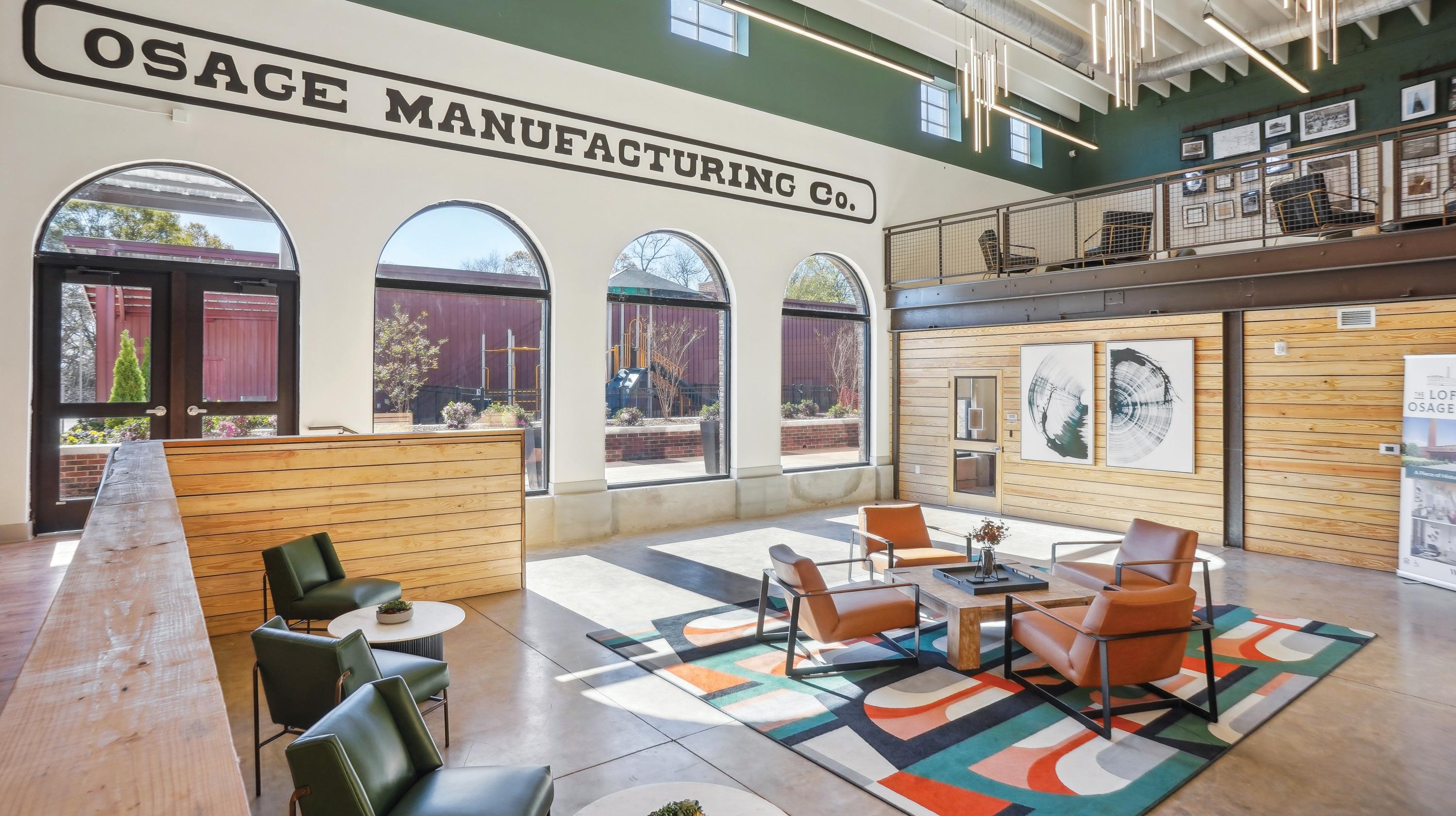
“The revitalization of the historic Osage Mill is a cornerstone of Bessemer City’s efforts to bring new life to our downtown and community,” says Bessemer City Mayor Becky Smith. “This project not only preserves our rich history, but also fuels economic growth; attracts new businesses; and creates opportunities for residents, existing and new. It’s a transformational step forward in making our community a vibrant place to live, work and visit.”
The Lofts at Osage Mill offers a host of modern amenities, including an onsite management office, mail room and package lockers, resident lounge, business center, fitness room and secure storage for residents. New skylights bring natural light into the building’s interior atriums, illuminating the building’s historic wooden beams and original flooring. Residents can enjoy outdoor seating, a picnic area and playground. The property offers 244 parking spaces, including 20 spaces for persons with disabilities.
The North Carolina Housing Finance Agency supported the project with tax-exempt bonds issued by the Gastonia Housing Authority. Bank of America provided construction and permanent financing, as well as equity under the federal Low-Income Housing Tax Credit program, the federal Historic Tax Credit program and North Carolina’s Mill Rehabilitation Tax Credit program.
OREFIELD, PA.
Retrofit Team
Roofing and Siding Contractor: Name withheld
Materials
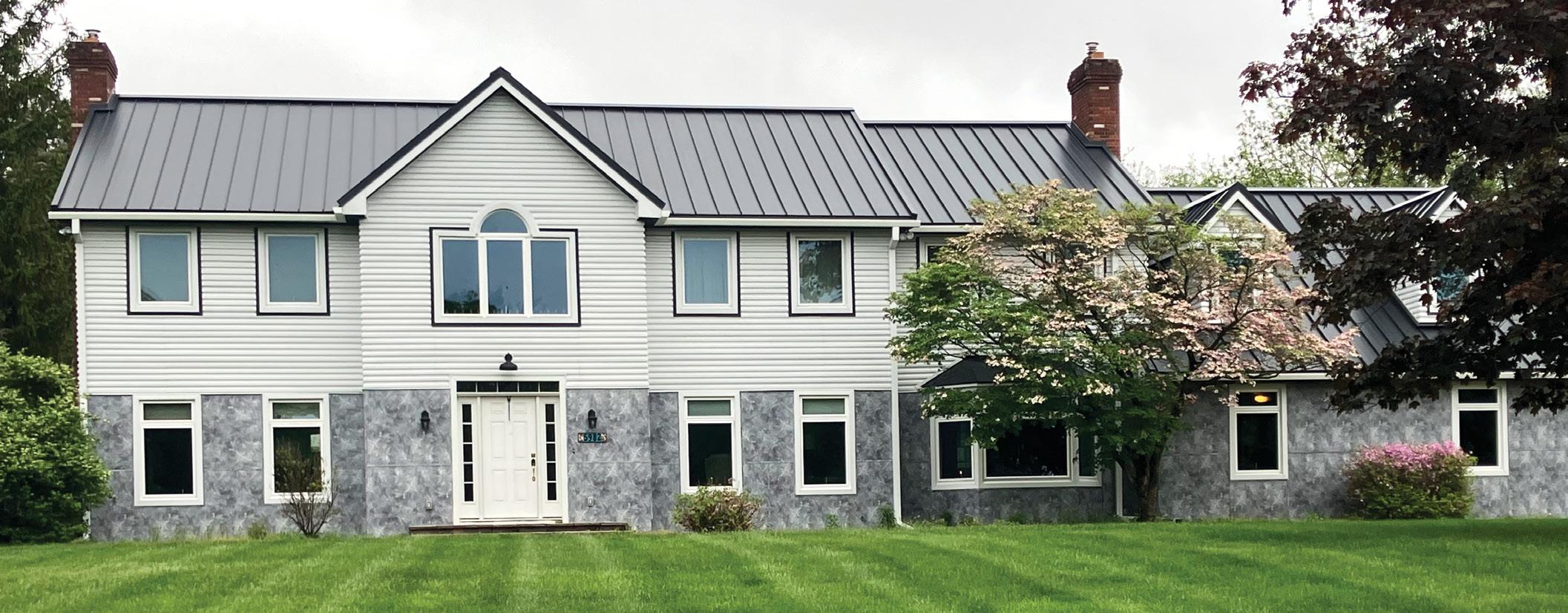
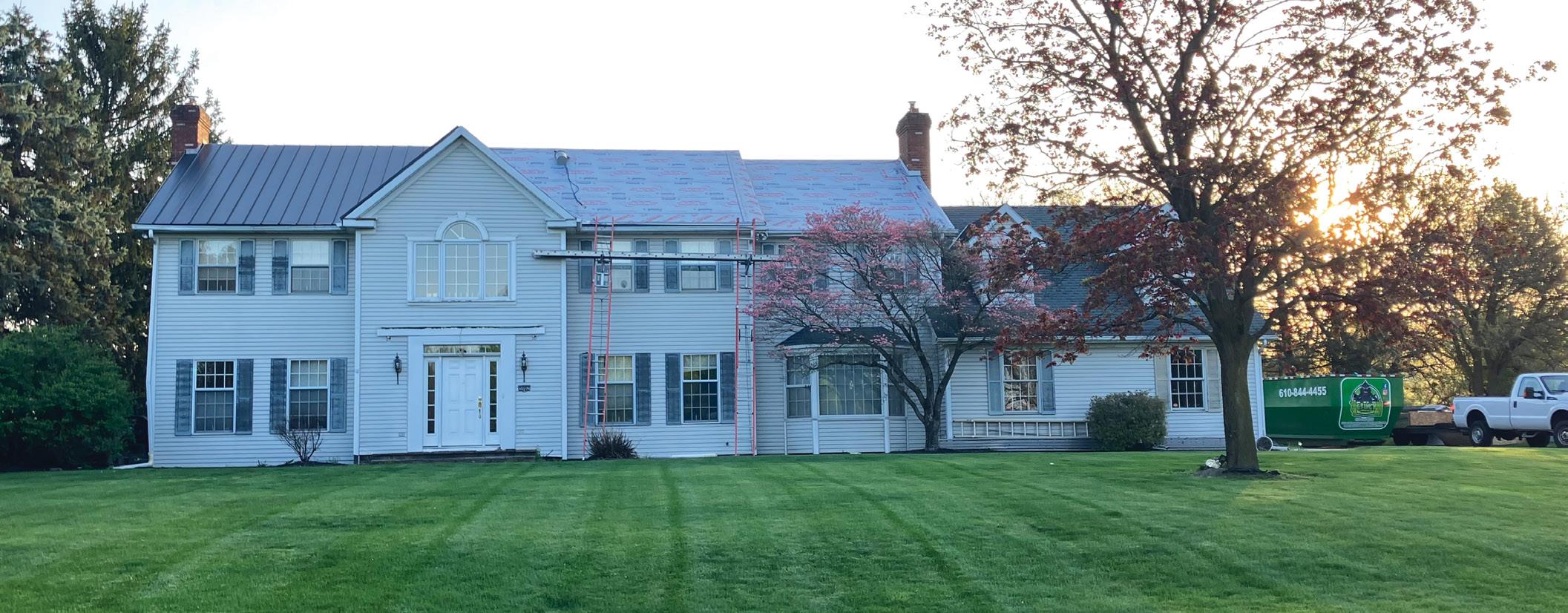
The home was built with aluminum siding and asphalt shingles. The current homeowners decided to update their home’s exterior with Dutch Seam standing-seam roof panels in .040 aluminum and a Matte Black 70 percent PVDF color.
Rigid Wall II wall panels in .040 aluminum in a Bone White 70 percent PVDF color and SterraCore wall panels with an .032 aluminum exterior skin, custom 70 percent PVDF marble print coat, were installed on the walls. As part of the renovation, custom gutters in .063 aluminum in a Bone White 70 percent PVDF color were installed.
Builder: Silva Brothers Construction, silvabrothers.com, along with the “This Old House” Crew, www.thisoldhouse.com
To preserve the historic character of the home, the team wanted to replicate its original white, real-wood clapboard (that had yellowed with age) but without costly maintenance. The team and homeowners selected Everlast siding in Antique Ivory, and the historic commission approved its use on the home. Approximately 32 squares of 4 1/2-inch Everlast lap siding was installed.
The product is designed for lifelong durability with minimal upkeep and engineered to endure harsh weather conditions, as well as resist warping, cracking and delamination. Everlast siding features a CedarTouch finish, delivering the authentic appearance of rough-sawn, top-grade cedar. The product’s durability comes from a proprietary composite substrate made with C Core, a key element of its advanced mineral composite technology.
Everlast Lap Siding (4 1/2 inch): Everlast, www.everlastsiding.com
When a 2016 three-alarm fire severely damaged this 1893 colonial-style home, the whole town took notice. The home’s roof and attic suffered the most damage from the fire, but the entire structure required extensive renovations to make it livable again.
In 2021, after the town of Westford purchased the property and developed a plan to restore it as a singlefamily home, the Grondine family won the bid to purchase it. The family began planning the restoration in collaboration with the town’s historic commission. The Grondines also submitted an online inquiry to Silva Brothers Construction, long-time collaborators with the Emmy Award-winning home-improvement series “This Old House.”
Owner Charlie Silva brought the show’s producer with him on the first site visit, and the home’s restoration ultimately became a focal point of season 46 of “This Old House.”
MIAMI
Retrofit Team
Architect and Interior Designer: Studio Rodrigo Buelvas, www.studiorodrigobuelvas.com
Contractor: TDS Contractors, (855) 334-9355
Custom Millwork: The Miter Cut, (305) 968-9225
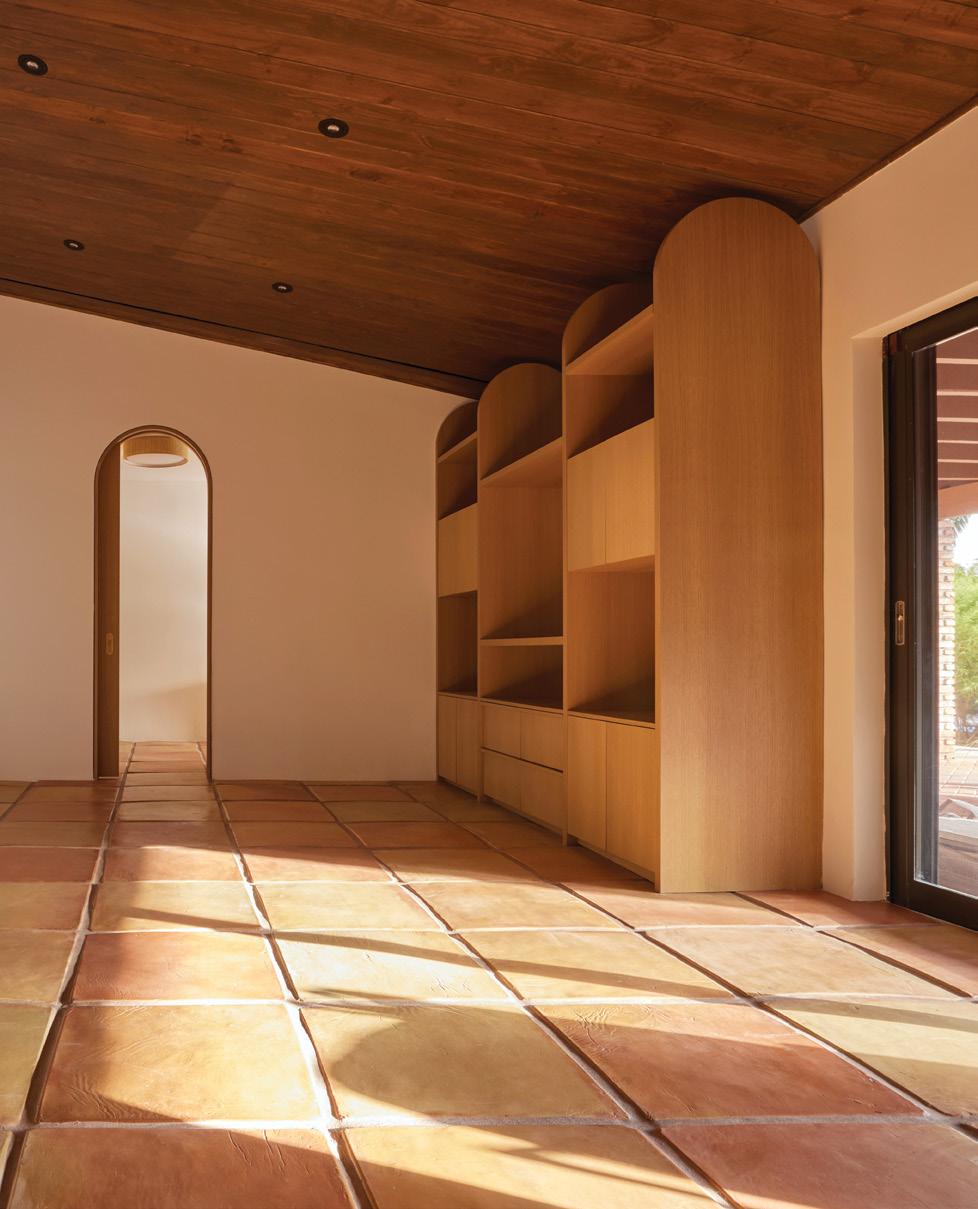
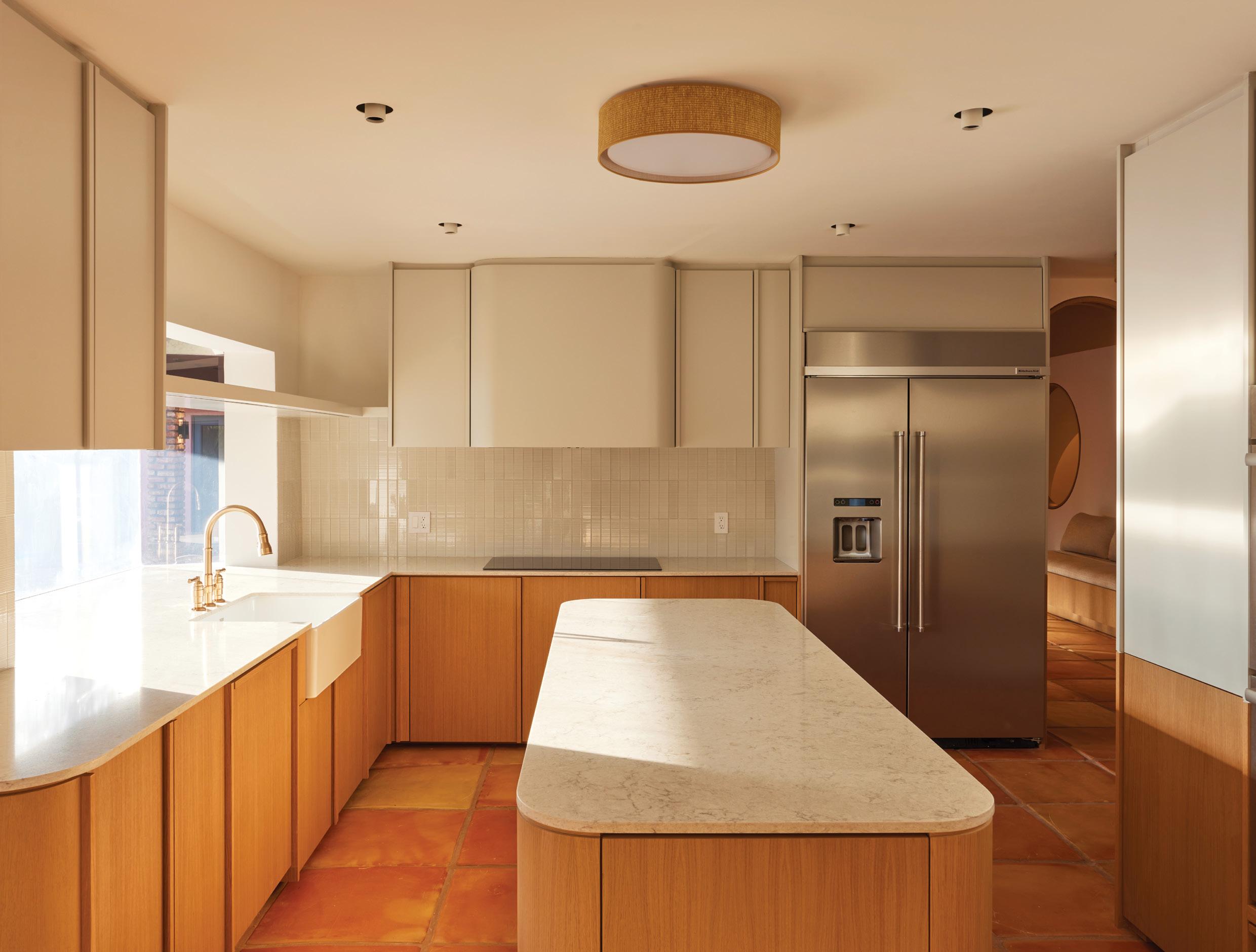
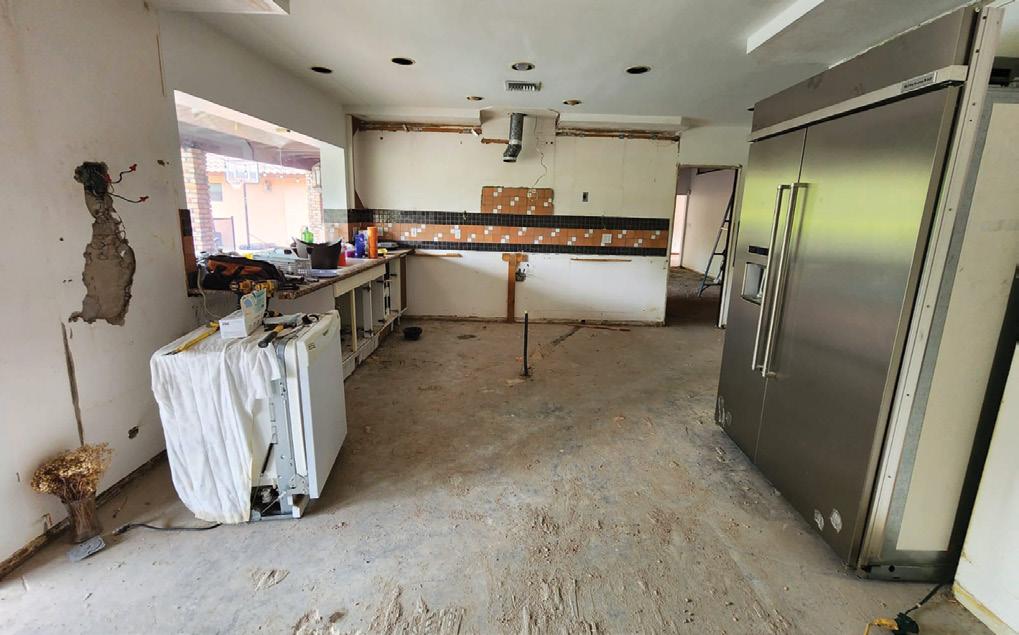
Before the renovation, the house felt small and dark with walls blocking the views of the ocean. By opening the connection between the social-gathering areas and introducing natural light and warm interior finishes, the entire home feels more spacious and now has beautiful views of the sea.
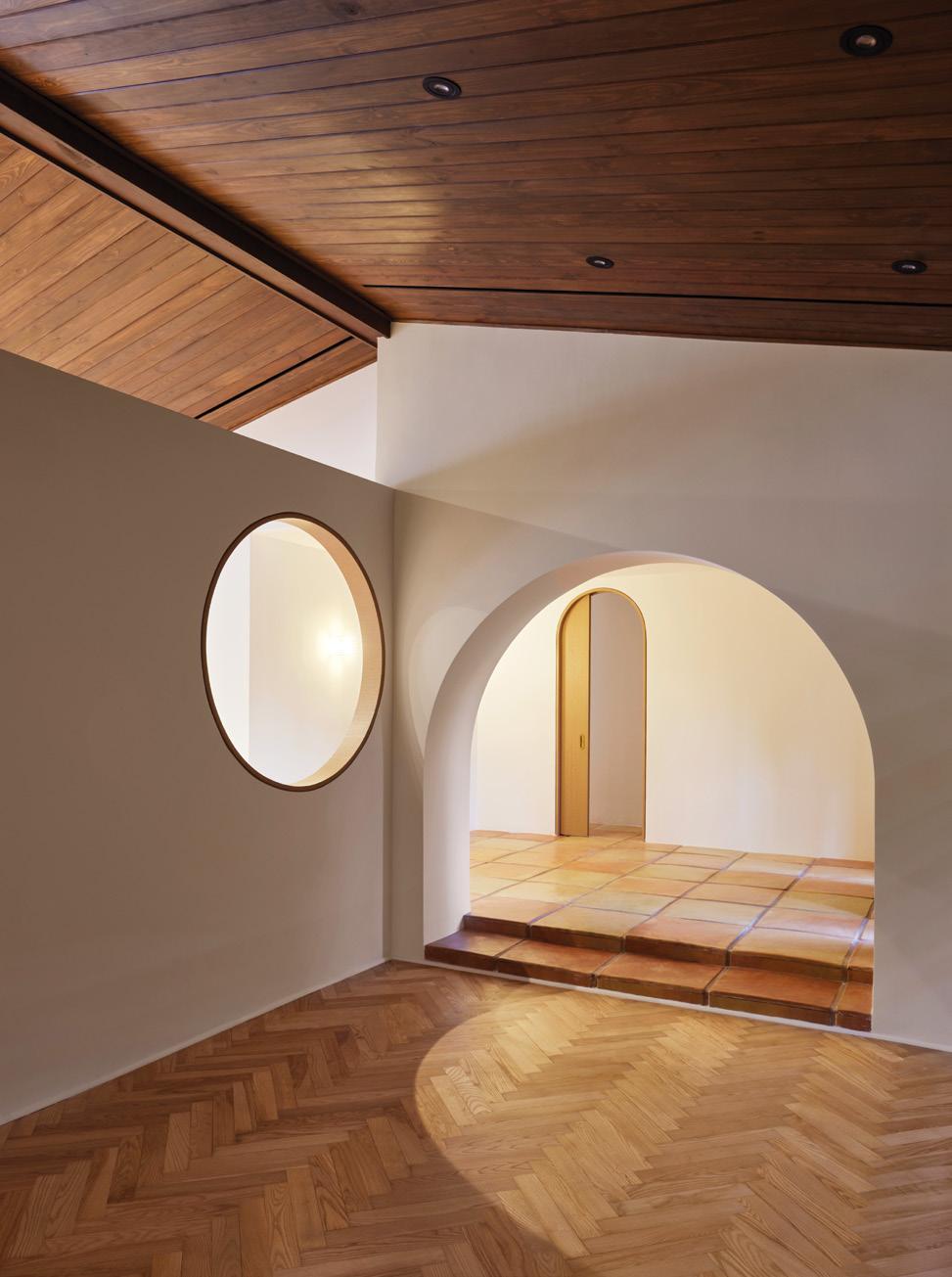
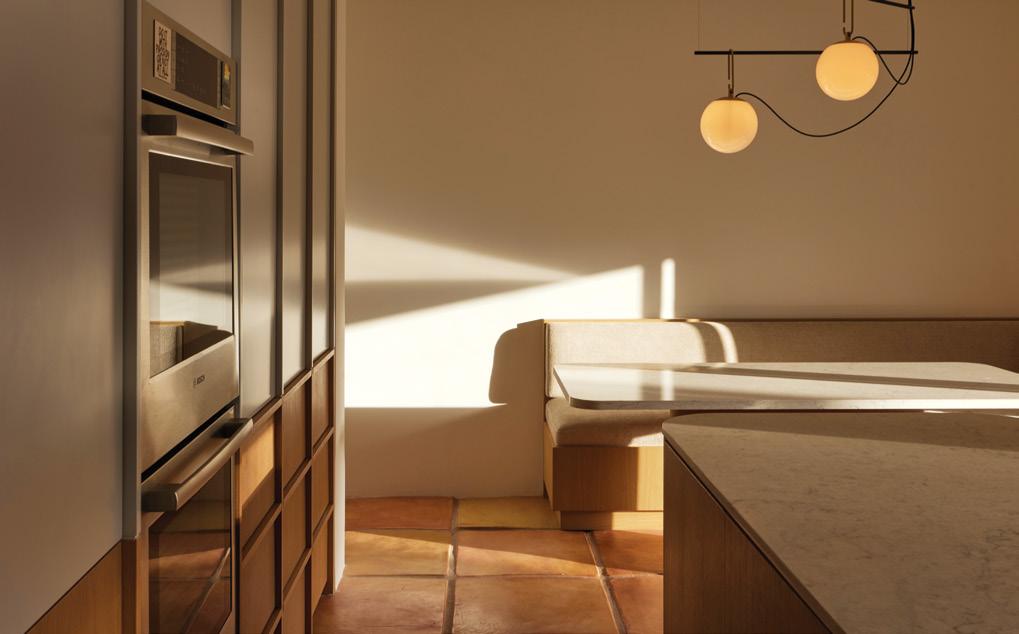
The kitchen is the true heart of this home, designed for a young family who enjoys cooking and entertaining. Handmade saltillo floor tiles from Mexico and details in the built-in cabinetry evoke a rustic, contemporary ambiance. Light tones and architectural lighting create an open, comfortable space for people to gather at the built-in banquette and gaze through the sliding glass doors toward the lush outdoor-living area.
In corridors and bedrooms, the integration of rift oak wood veneers with cove lighting creates warmth. The bathrooms include marble with modern fixtures in gleaming finishes. Patterned tiles in a seafoam color are applied to the walls, evoking the nearby ocean waves. Crimson marble counters with creamy veins complement the seafoam green cabinets, brass hardware and modern sconces.
The living areas feature a wood-paneled ceiling with recessed architectural lighting to cast warm light on complementary birchwood built-in cabinets and shelves. Stone furniture accents and countertops bring in the coolness of the Earth, especially in the wet-bar lounge area. A porthole cutout in the wall with modest wood shelving within creates a modern connection between rooms.
This project—a five-bedroom, three-bath Mid-century Modern residence with only two previous owners—began as an engineering consultation and evolved into a considerate enhancement that responds to the needs of the new homeowners. In lieu of a modern renovation, Studio Rodrigo Buelvas improved upon some of the 4,200-square-foot home’s winning features while personalizing and enhancing the living experience and functionality for a contemporary family.
Roofing Contractor: Final Touch Construction & Design, finaltouchconstruction.net
Materials
After living 35 years in the idyllic waterfront setting, homeowners Daniel and Patrice Levin decided their home needed a change. The deteriorating roof had to go and a new roof to accommodate solar panels was the goal.
“Our monthly energy costs were very expensive, and solar seemed the right fit,” Daniel says. “The solar system is designed to produce 107 percent more energy than we were using.”
Taking the advice of their roofing contractor, the Levins chose a composite slate roof that is durable against coastal conditions, including intensive UV rays and potential severe weather, as well as suitable for mounting a photovoltaic array.
The DaVinci Multi-Width Slate product used on the Levins’ home is made of virgin resins, UV and thermal stabilizers, plus a fire retardant. The composite slate resists fading, rotting, cracking and pests. Backed by a lifetime limited material war-
ranty, the lightweight slate tiles are modeled after real slate for natural, non-repeating beauty on the roof. The homeowners selected a random installation of Castle Gray and European blend colors for their roof.
“The height and design of the home, especially the circular section, demanded precision and thoughtful design execution,” explains Louie Echeverria, superintendent with Final Touch Construction & Design. “Our team’s attention to detail and problem-solving techniques ensured the project stayed on track and was executed at the highest level.”
Once the majority of the DaVinci tiles were installed, the solar-energy team installed the panels. The roofing crew then returned to finalize detailing and confirm the roof system was fully sealed and intact.
Composite Slate Roofing: Multi-Width Slate from DaVinci, bit.ly/4enr3SB
For the exemplary work done on this project, Final Touch Construction & Design was named a winner of a 2025 DaVinci Masterpiece Contractor Project of the Year Award. The team earned the honor based on the excellence of installation, outstanding visual impact, and ability of the roofing work to transform the look and workability of the home.
TEXAS
Retrofit Team
Architect: Pfluger Architects, pflugerarchitects.com
Developer: SHIR Capital, shircapital.com
General Contractor: Ava’s Construction, avasconstruction.com
Landscape Architect: Austin Outdoor Design, www.austinoutdoordesign.com
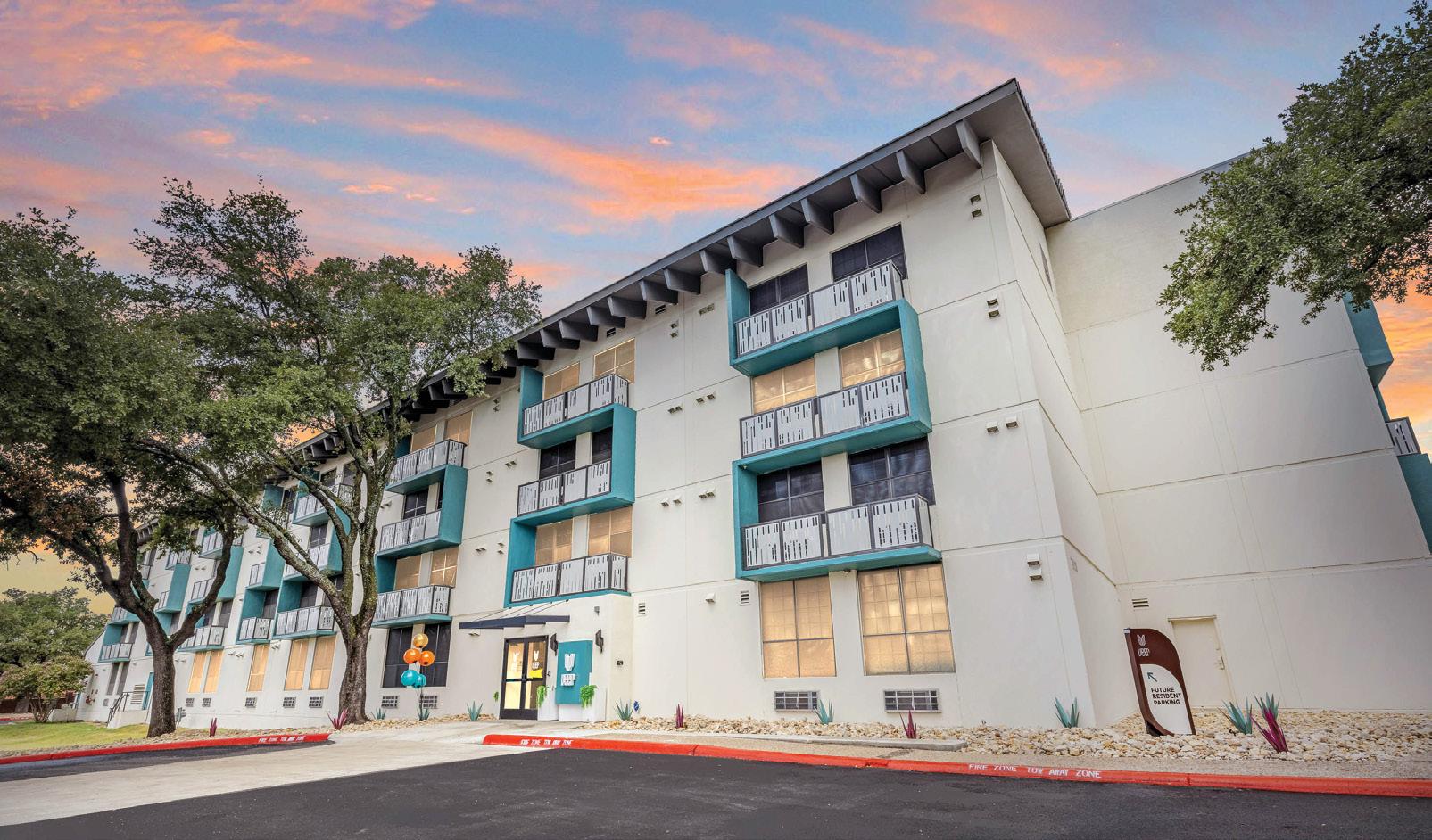
Originally a 4-story building, the design added a fifth level and infilled the interior atrium with apartment units to achieve the highest and best use of the existing site. Metal façade detailing wraps around the exterior windows and balconies, adding a contemporary appearance to the structure.
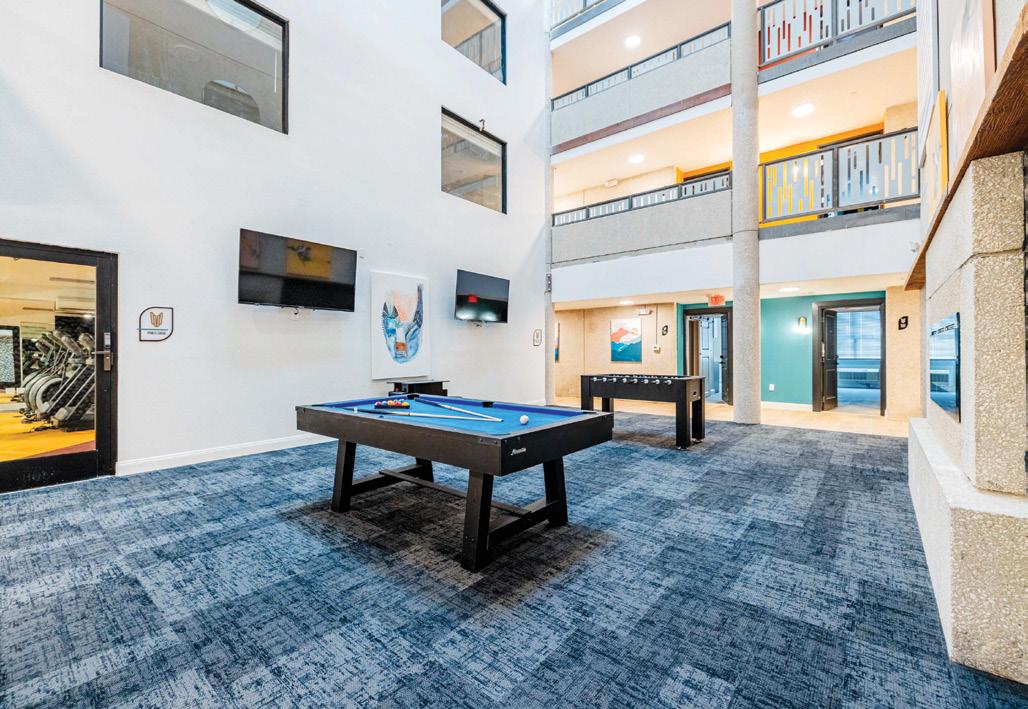
Each of the 174 apartments offer modern finishes and fixtures, vinyl flooring that looks like hardwood, a gourmet kitchen with stainless-steel appliances and granite countertops, and fully remodeled bathrooms with tiled showers and modern vanities. The renovation added a fitness center and outdoor pool to the property to complement the business center, onsite laundry facilities, pet spa and complimentary Wi-Fi in common areas.
Pfluger Architects and developer SHIR Capital are helping alleviate Austin’s affordable housing crisis by transforming vacant and distressed hotel buildings into modern, convenient and affordable apartments in the heart of the city. The recently completed Veer Apartments features more than 89,000 square feet of living space and amenities in 174 pet-friendly units.
Veer Apartments, a former Quality Inn situated near the intersection of I-35 and Highway 183, is conveniently located near retail, dining and entertainment venues, as well as Austin ISD schools, The University of Texas at Austin campus and major employers.
“We’ve seen increasing demand for this type of rental property in urban neighborhoods,” says Elan Gordan, principal with SHIR Capital. “The advantages of renovating old structures
often include lower costs than building comparable new ones, along with more cities willing to ease zoning restrictions and extend tax credits to curb housing crises. Transforming an underutilized hotel property into a vibrant residential community infuses opportunity into the entire neighborhood.”
“Adaptive-reuse projects, like Veer Apartments, are poised to make a huge difference in the communities where they are located,” says Erik Leitner, principal and senior project architect for Pfluger Architects. “The hotel floor plate is not much different from that of a studio or one-bedroom apartment, so the conversion and redesign are less expensive and time-restrictive than other adaptive-reuse projects. These projects create much-needed workforce and student housing in the heart of the city, where affordable housing options were previously limited.”
Strongly Resembling Los Angeles Case Study Architecture, a San Antonio Home Is Revived by an Architect and Interior Designer for Their Family
By Craig McMahon, AIA
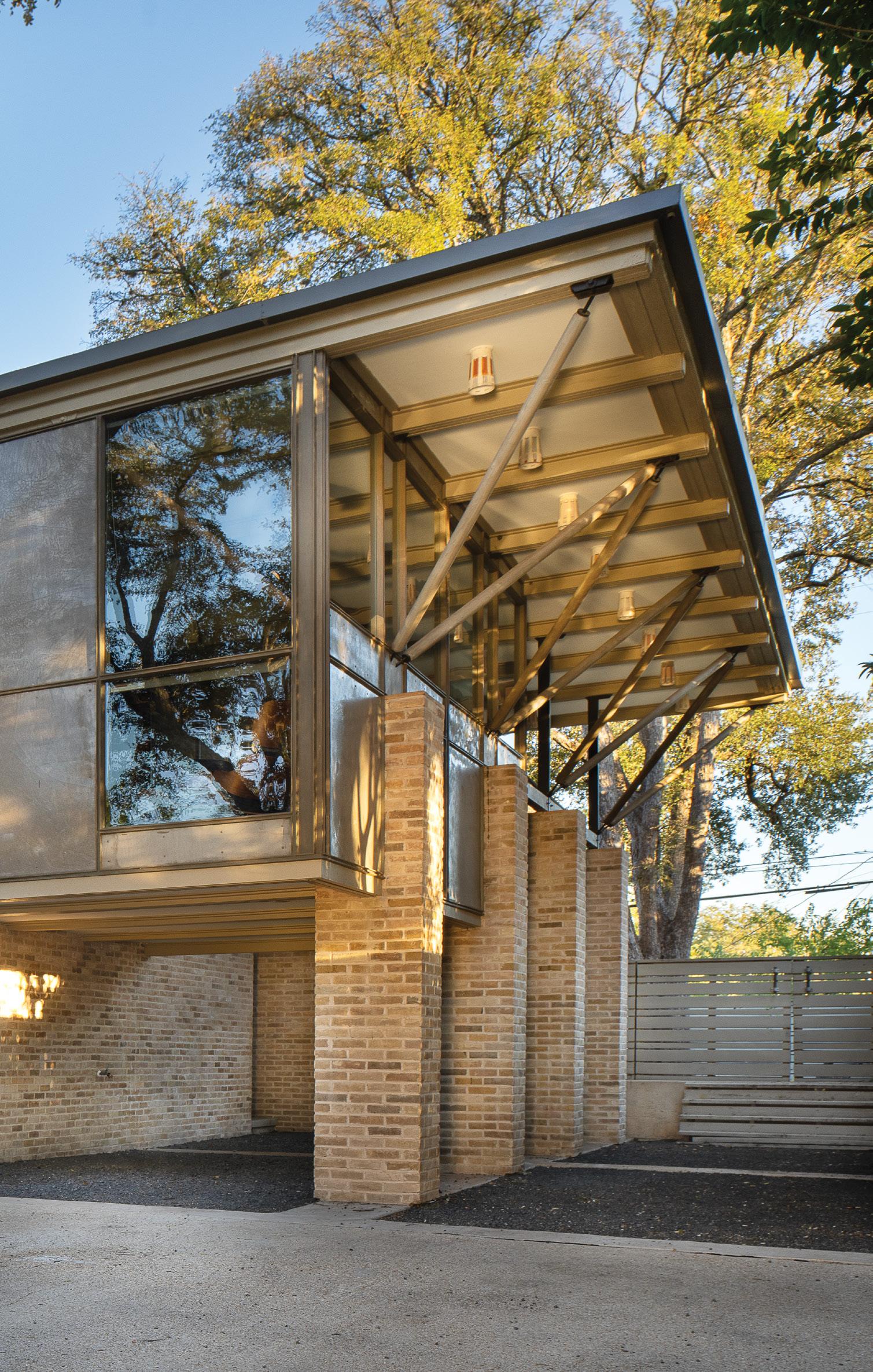
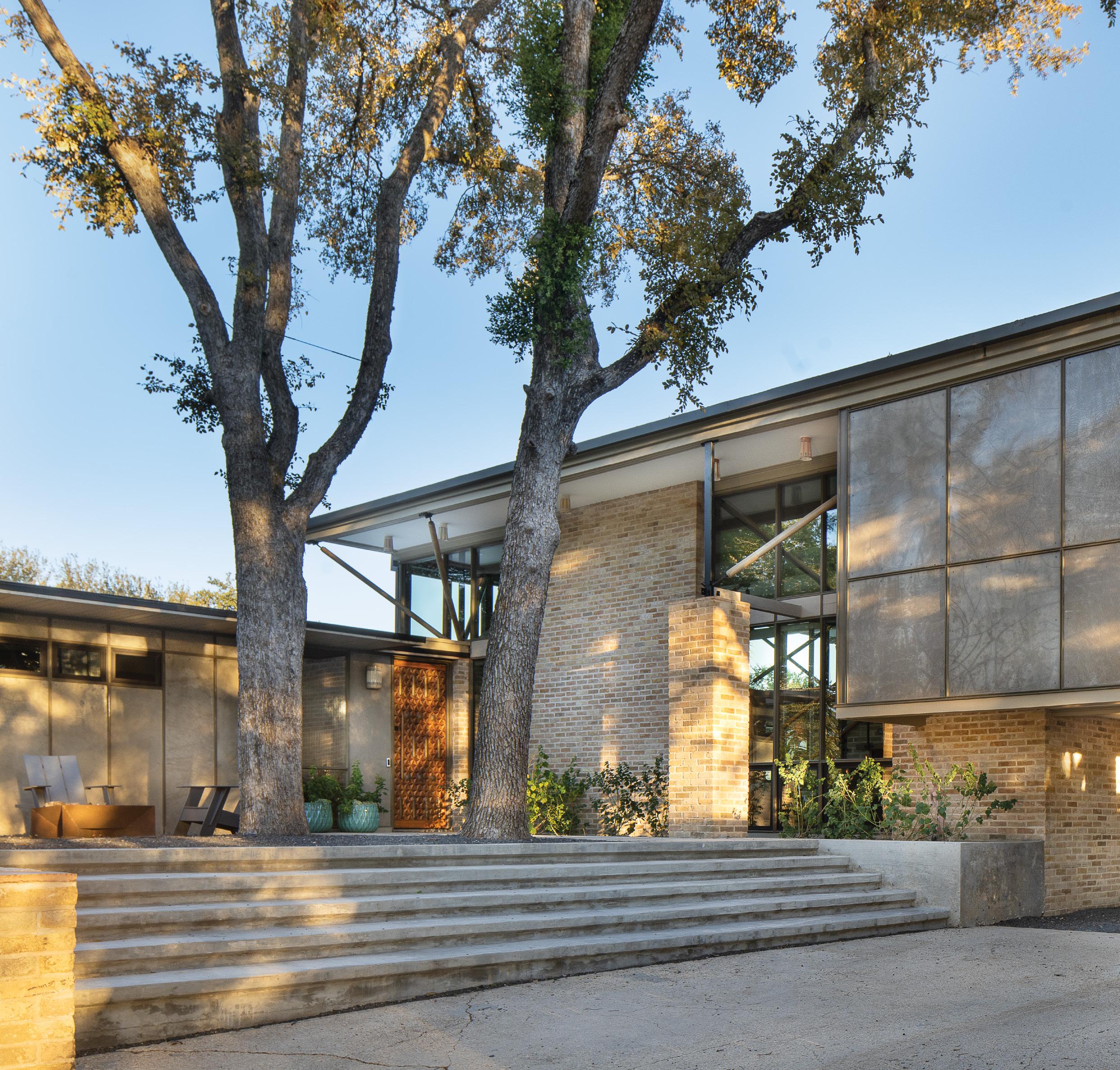
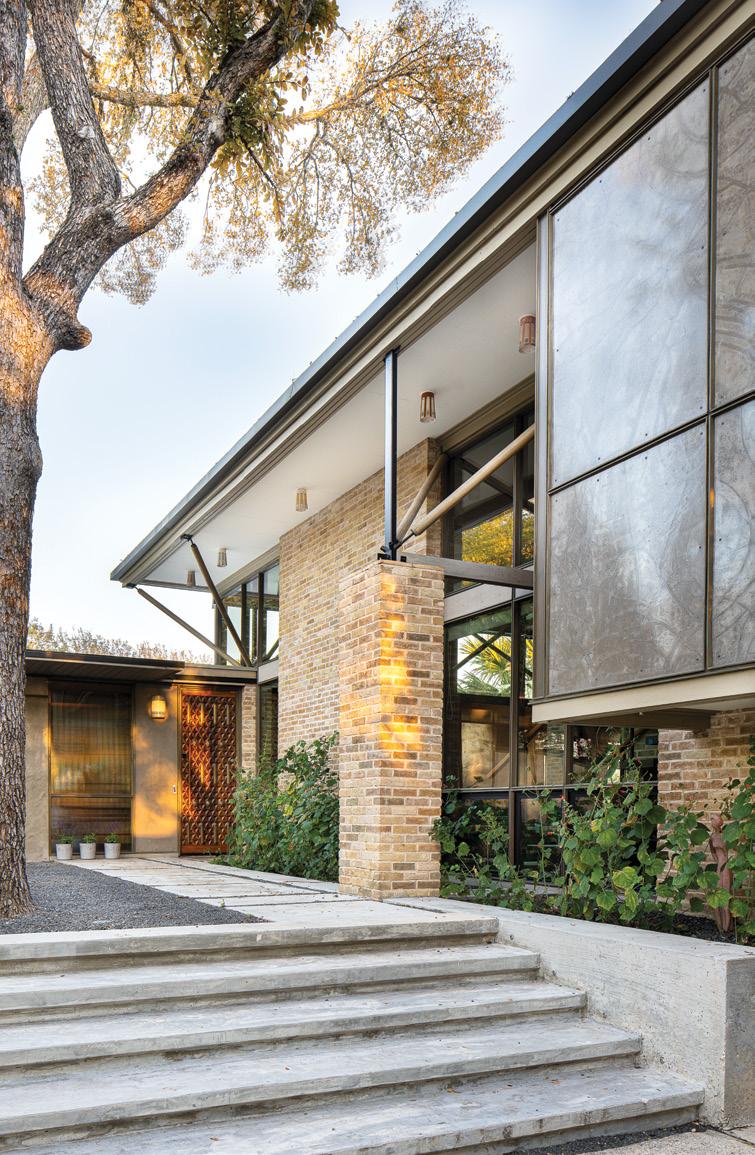
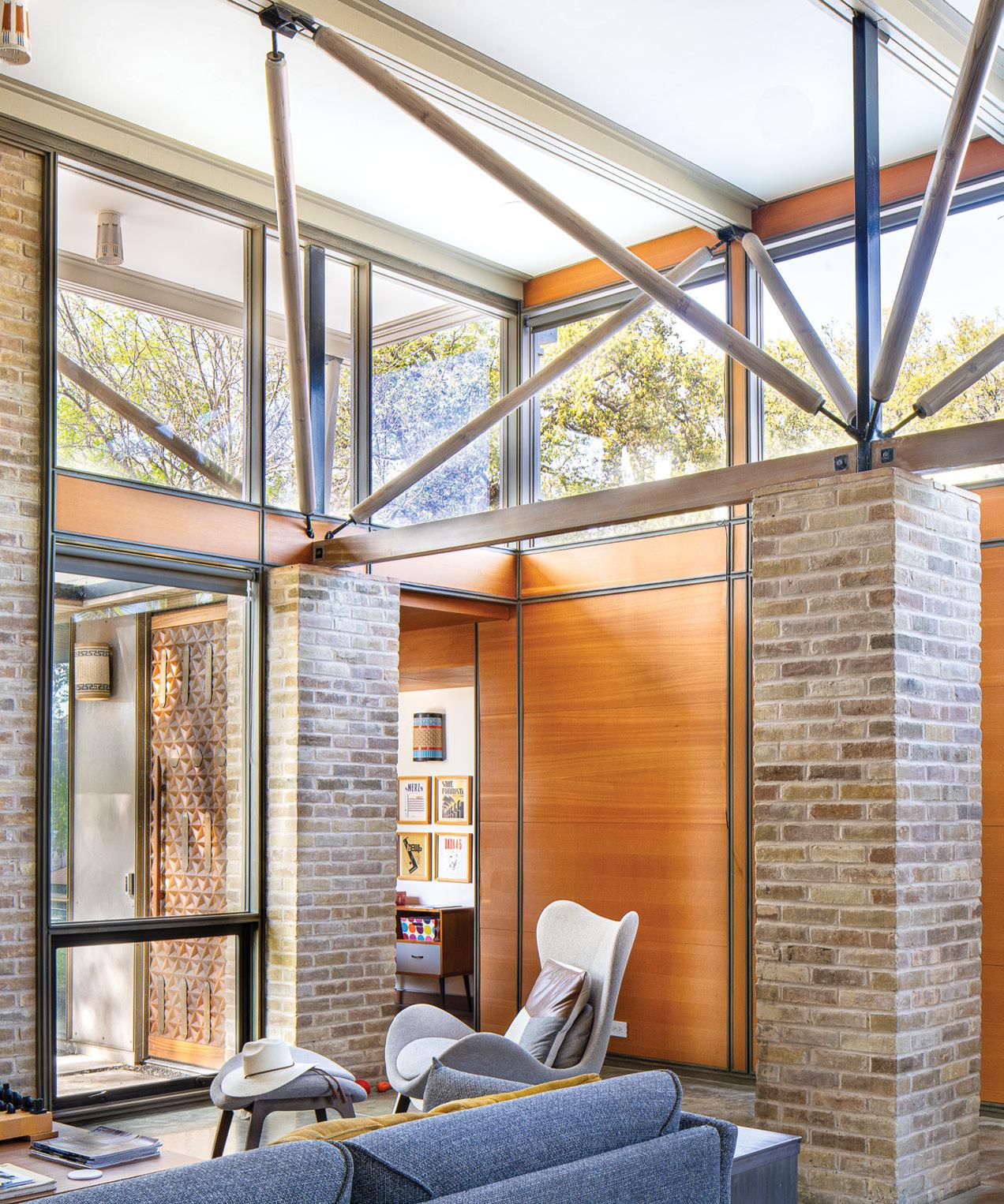
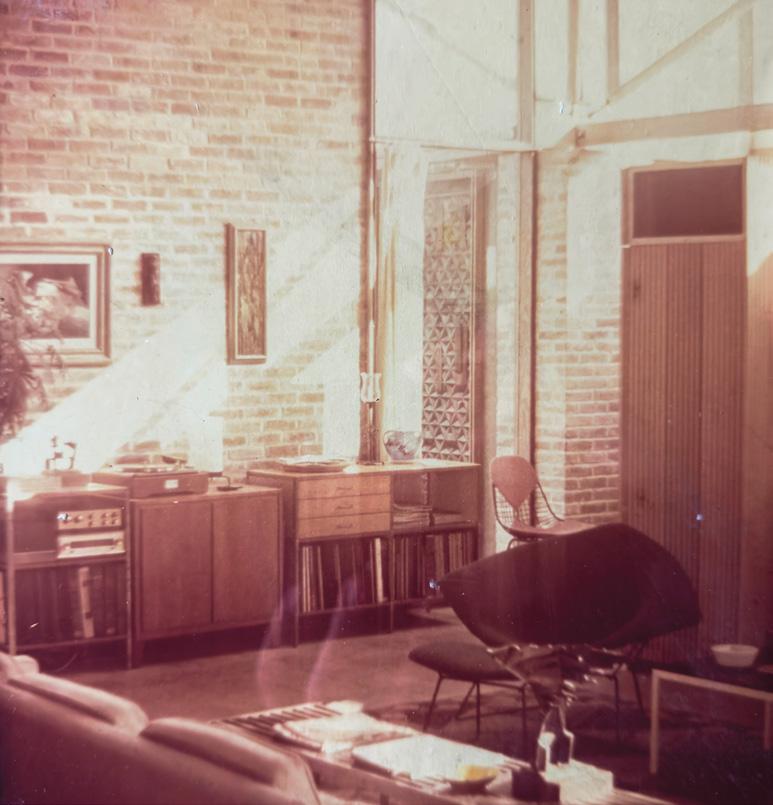
Constructed in 1961 by Architect William Dukes as his family home, with Jack Peterson serving as lead draftsman, this San Antonio residence stands as a rare example of highly progressive modern design in South Texas. Peterson, who had worked with O’Neil Ford’s office, assisted Dukes in developing the home’s distinctive space-frame structure. Despite Dukes’ prolific work in Mid-century Modern residential, church and school design, the home was unusually advanced for the area.
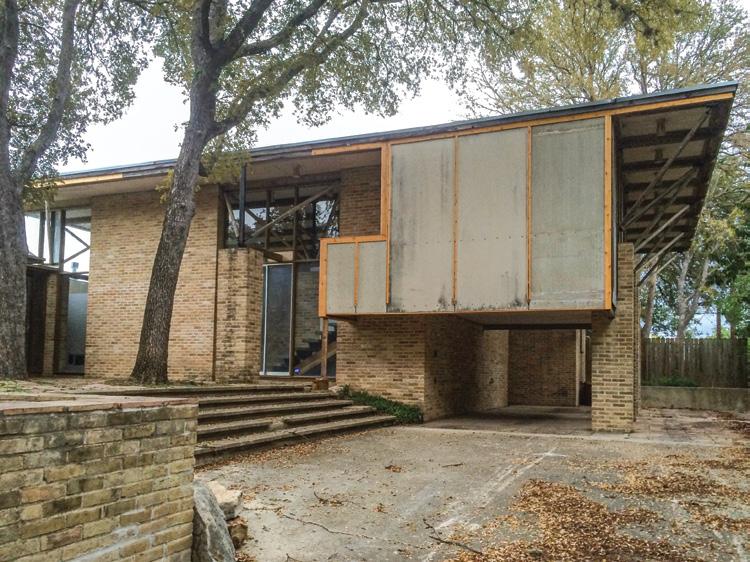
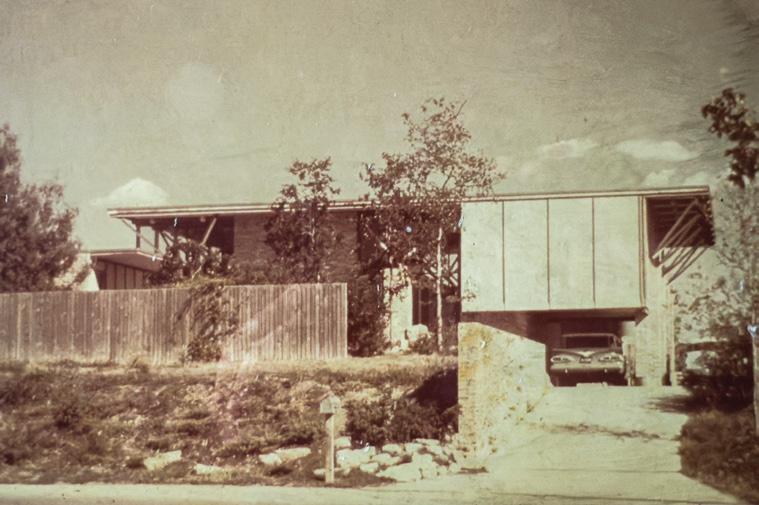
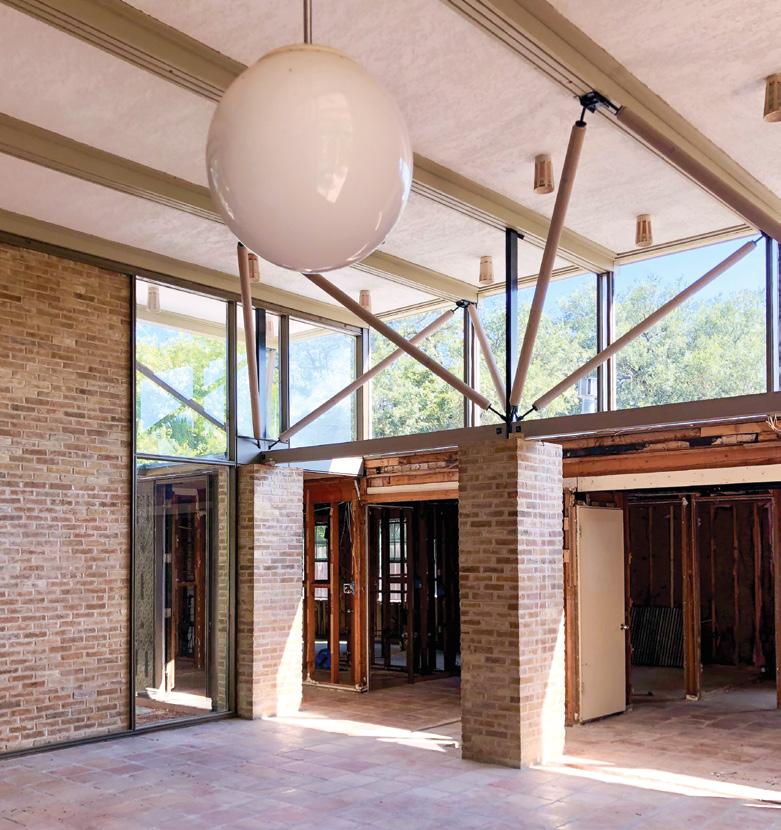
After passing through multiple owners and withstanding investor-led alterations that stripped original details and introduced lower-quality materials, the home was left in severe disrepair. Another owner with architectural interest attempted restoration but stopped work because costs exceeded the market values of the neighborhood.
In 2020, Craig McMahon, AIA, and his interior designer spouse Molly McMahon purchased the home with the intention of making it their family residence. The home underwent
a full renovation and restoration during the COVID pandemic, which created severe material shortages and logistical challenges.
Today, however, the home reflects the original architectural vision while accommodating contemporary living. It has hosted professional architectural events and design award programs, highlighting its successful revival.
The home strongly resembles Los Angeles Case Study Architecture, evoking the work of architects, like Charles and Ray Eames, John Entenza, Richard Neutra and Eero Saarinen. Given McMahon’s experience living in Los Angeles and studying these precedents, encountering a comparable design in South Texas was unexpected. With its space-frame roof, extensive
glass connections and open layout, the home stood out and deserved preservation.
The restoration demanded intensive research, creative problem-solving and hands-on effort. Original construction drawings by William Dukes were discovered onsite and preserved with assistance from the local AIA. These documents proved essential in guiding the restoration, particularly as major portions of the home—the bedroom wing and kitchen— had been demolished.
The home required complete rebuilding of utilities, windows and structural components. Custom wood window and door frames were milled onsite using salvaged Douglas fir. Direct-glazed insulated glass provided a cost-effective solution for large window spans. Foundation cuts had to be made to replace sewer lines.
Meaningful architecture can endure when recognized and restored by those willing to invest in its legacy.
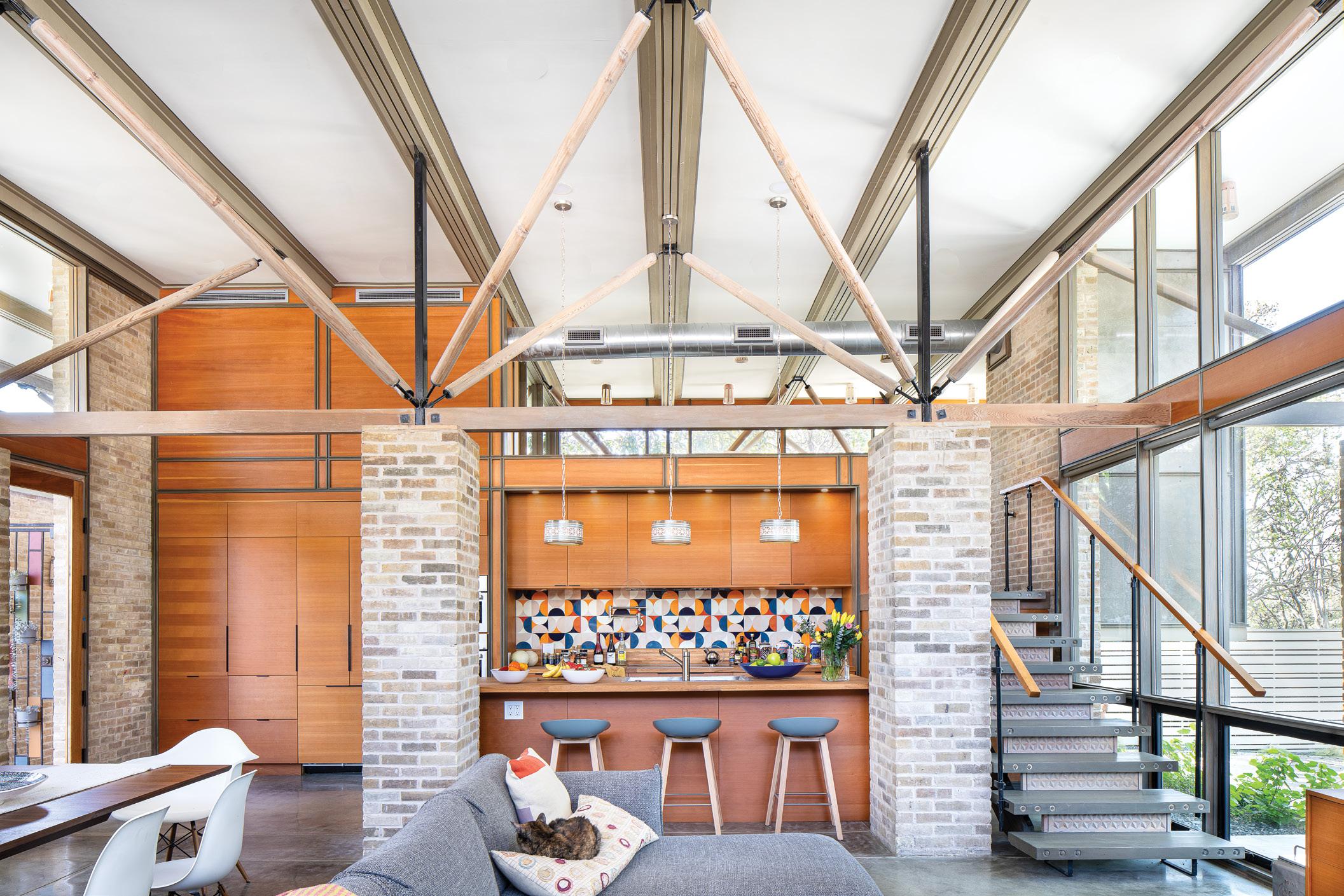
The entire McMahon family became deeply involved. They established a temporary workshop onsite, producing cabinetry, millwork and finishes themselves. IKEA cabinetry systems were adapted with custom wood cladding to match the original design intent. Craig and Molly’s son and daughter, Rachel McMahon, managing director of the Austin School of Furniture, spent six months recreating interior woodwork and custom staining the unique wood design.
Original elements were carefully restored or replicated. The carved front door was recreated, and Beaumont Mood ceramic
The McMahon family established a temporary workshop onsite, producing cabinetry, millwork and finishes themselves. IKEA cabinetry systems were adapted with custom wood cladding.
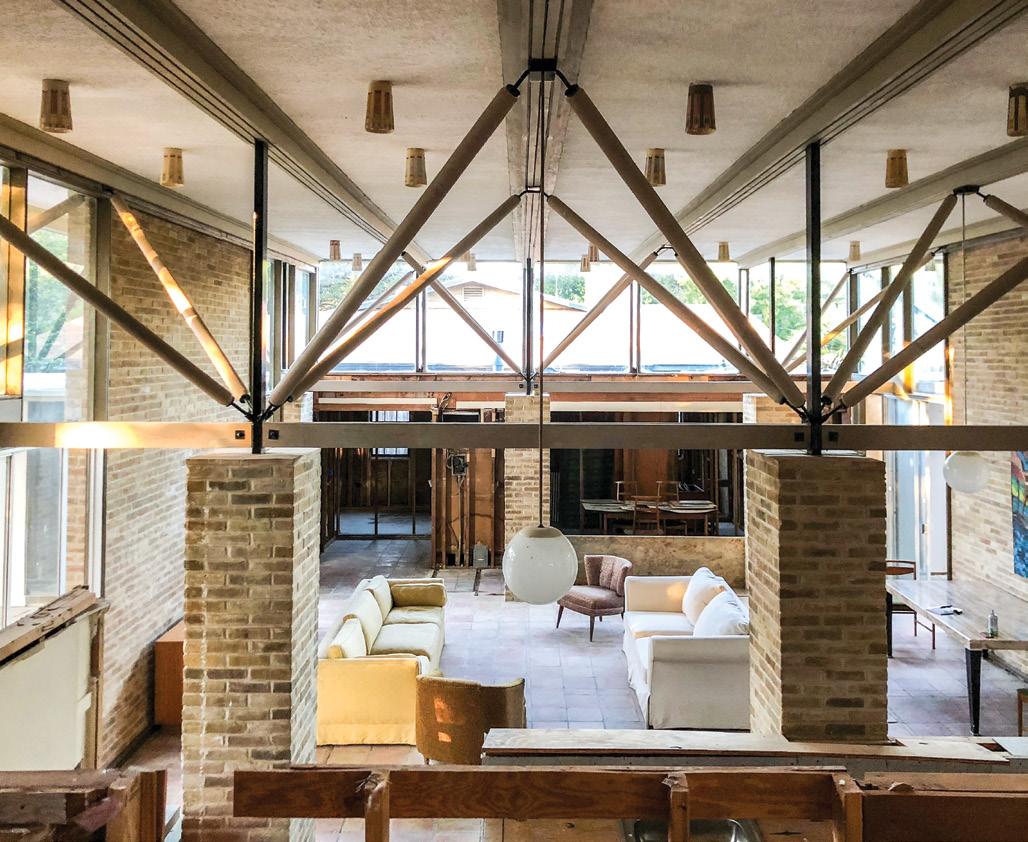
BEFORE
light fixtures were refurbished. Lost cement-asbestos, or cemesto, exterior panels were recreated onsite to match the original aesthetic. The team developed a custom method of casting thin concrete panels but unexpected environmental factors—even birds staining wet panels while curing—created obstacles.
COVID-era shortages required constant sourcing of available materials nationwide. Appliances, fixtures, and finishes were secured through extensive research and persistence.
Original elements were carefully restored or replicated. The carved front door was recreated, and Beaumont Mood ceramic light fixtures were refurbished.
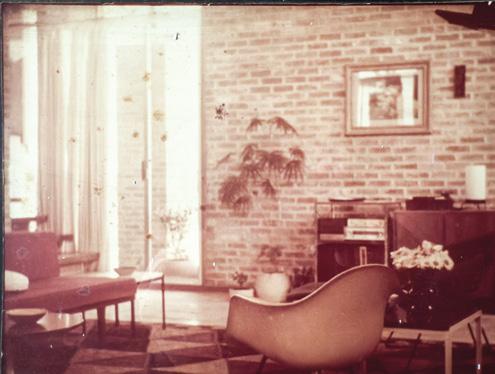
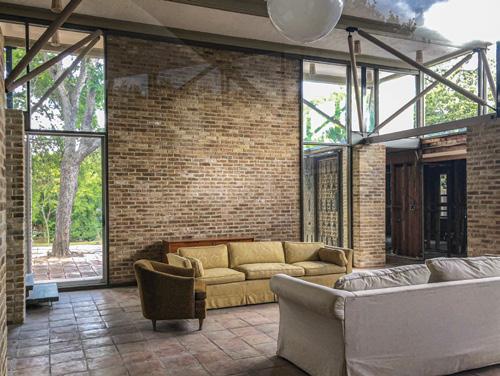
Because of early stages and missing original documentation at first, certain layout decisions were made independently. The primary bedroom was relocated to the rear for privacy, aligning with Dukes’ design philosophy for the home. The kitchen, originally enclosed, was redesigned as an open space.
Additional glazing was introduced in the loft to enhance natural light while maintaining privacy—consistent with the home’s original principles.
The restoration took three years and required balancing historical accuracy with modern functionality. It required significant time, effort and personal investment. Acting as both architect and contractor allowed cost savings while collaboration with skilled tradespeople ensured high-quality execution.
Ultimately, the 2,450-square-foot project stands as a testament to the value of preserving architecturally significant work. The McMahons’ efforts reflect a broader principle: Meaningful architecture can endure when recognized and restored by those willing to invest in its legacy.
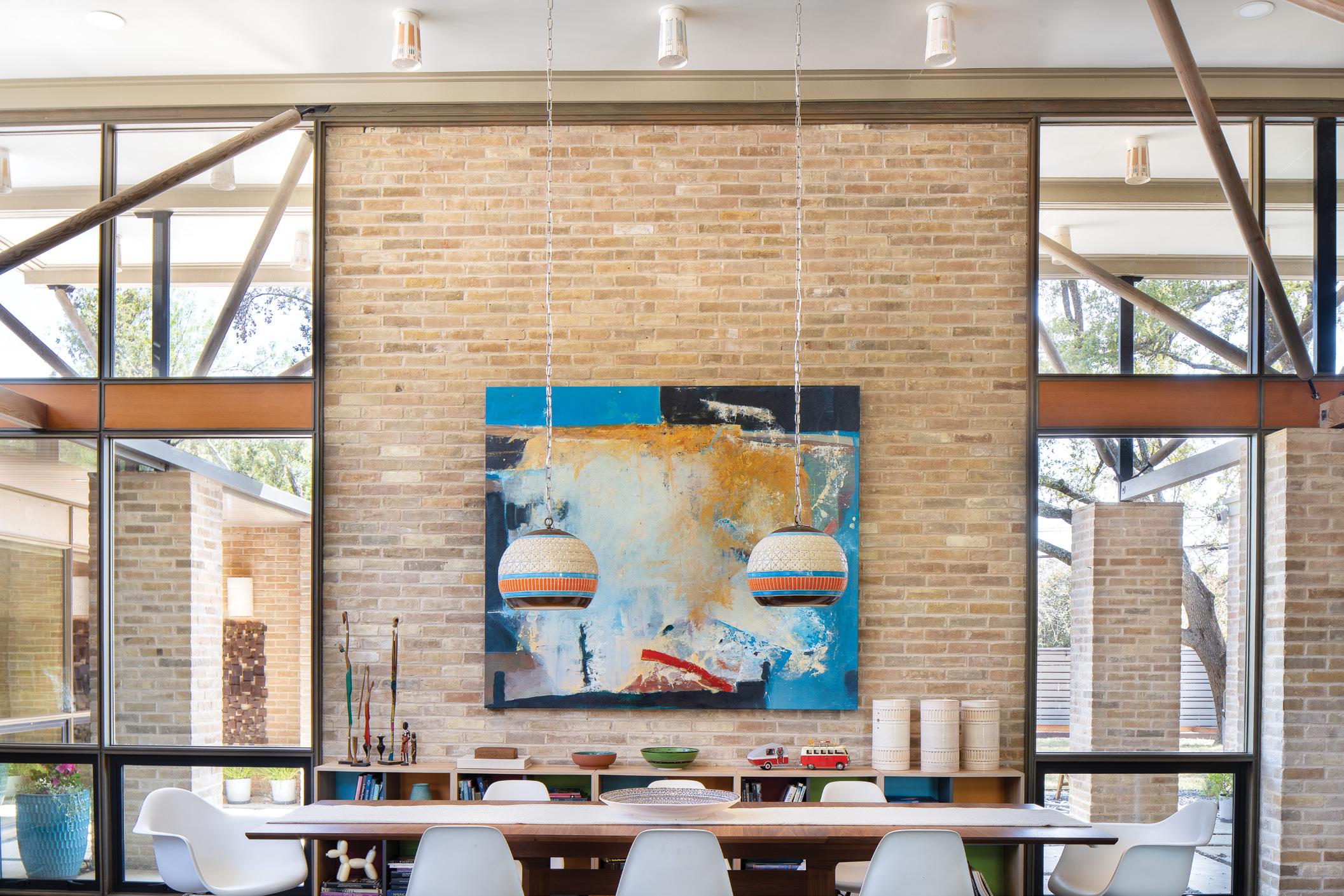
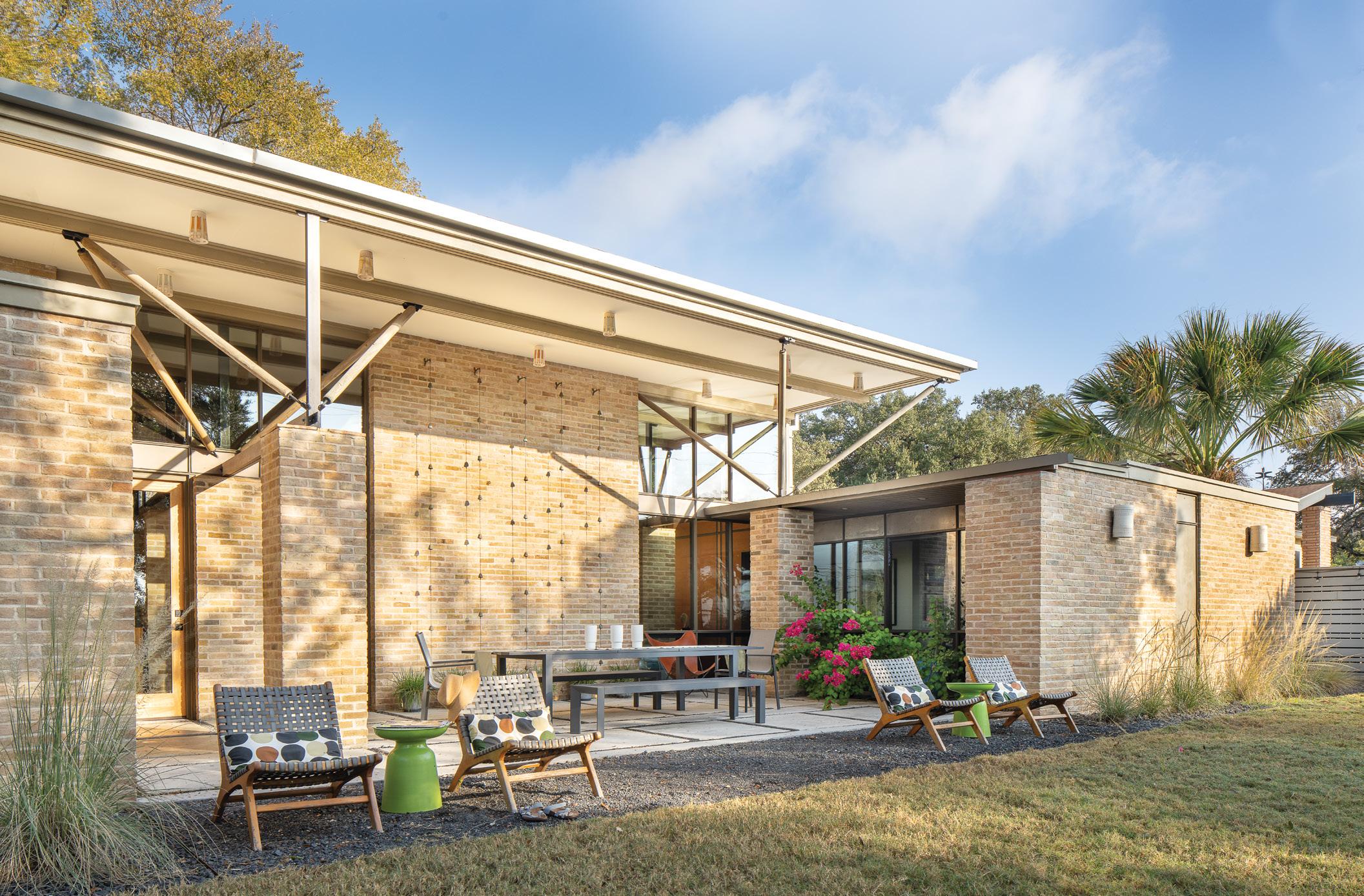
The restoration took three years and required balancing historical accuracy with modern functionality. It required significant time, effort and personal investment.
Retrofit Team
Architect and Contractor: Craig McMahon Architects, www.cmarchtx.com
Framer/Trim: Henry Hernandez, (210) 493-9181
Concrete: Israel Espinosa, (210) 663-4559
Specialized Trim: Supercarps Inc., (210) 882-7676
Materials
Doors and Windows: Milgard Windows and Doors, www.milgard. com, and ETO Doors, www.etodoors.com
Door Hardware: Emtek, www.emtek.com
Paint/Stains: Sherwin-Williams, www.sherwin-williams.com; Valspar, www.valspar.com; and PPG, ppgpaints.com
Refrigerator, Oven, Microwave and Dishwasher: Bosch, www.bosch-home.com
Washer and Dryer: LG, www.lg.com
Toilets and Bathtub: Kohler, www.kohler.com
Shower/Tub, Lavatory and Kitchen Fixtures: Hansgrohe, www.hansgrohe-usa.com
Lighting Controls: Caseta by Lutron, www.casetawireless.com
HVAC: LG Heat Pump, www.lg.com/us/residential-hvac
Cabinetry: IKEA, ikea.com
Design Recognition
2026 Best in American Living Awards, Gold Award
2025 AIA San Antonio People and Place Awards, Design Award Winner
2025 San Antonio AIA Residential Design Awards, Finalist
2025 Golden Nugget Design Awards, Silver Award
2025 Preservation San Antonio Design Awards, Honor Award
2025 Texas Tech University College of Architecture Design Awards, Merit Award
2025 Qualified Remodeler Master Design Awards, Gold Award
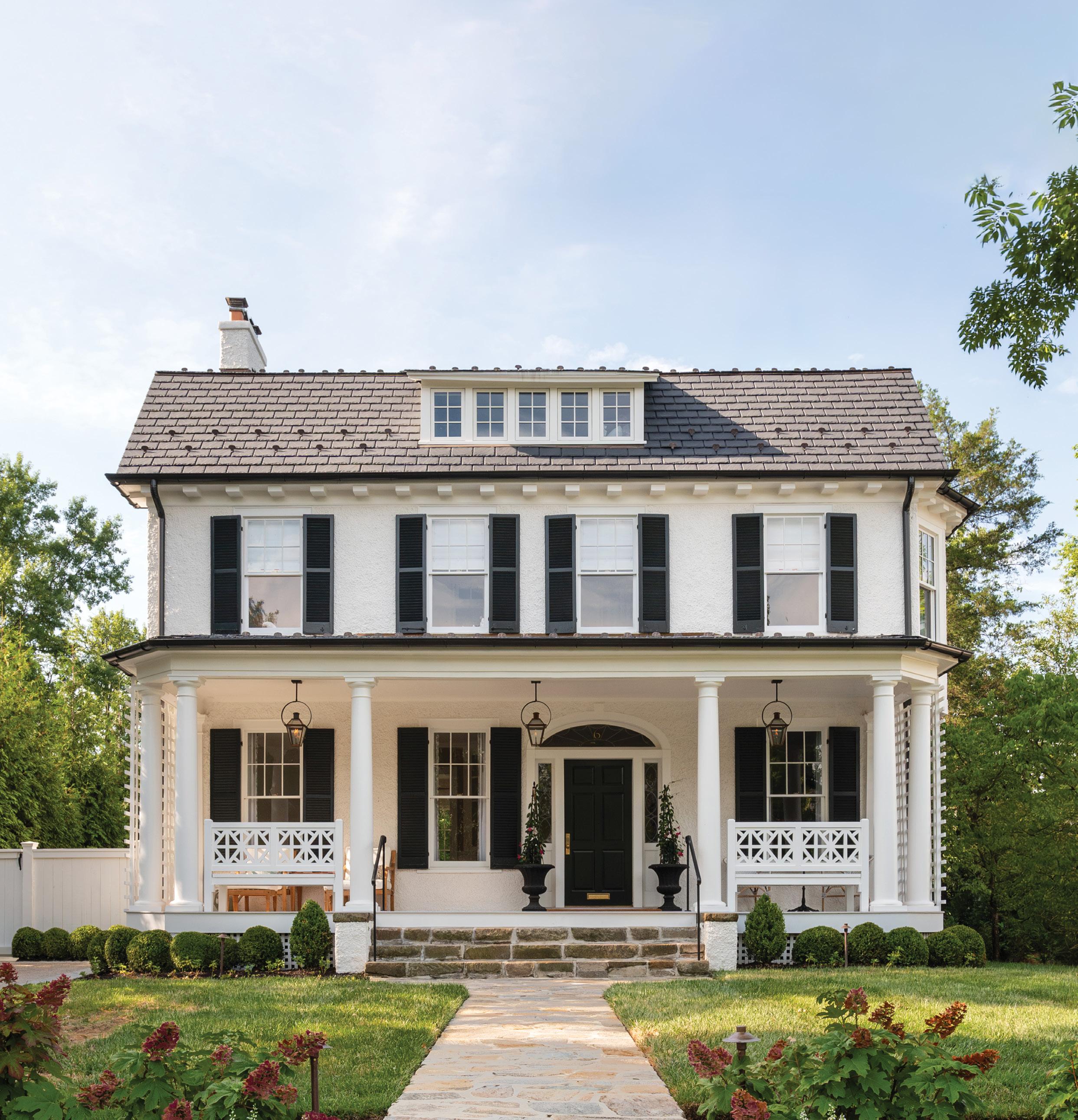
By Christopher Boutlier
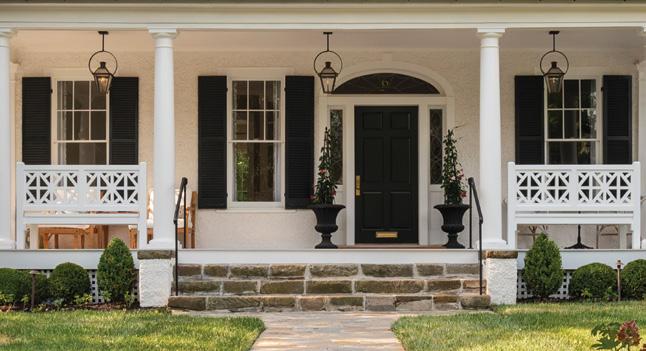
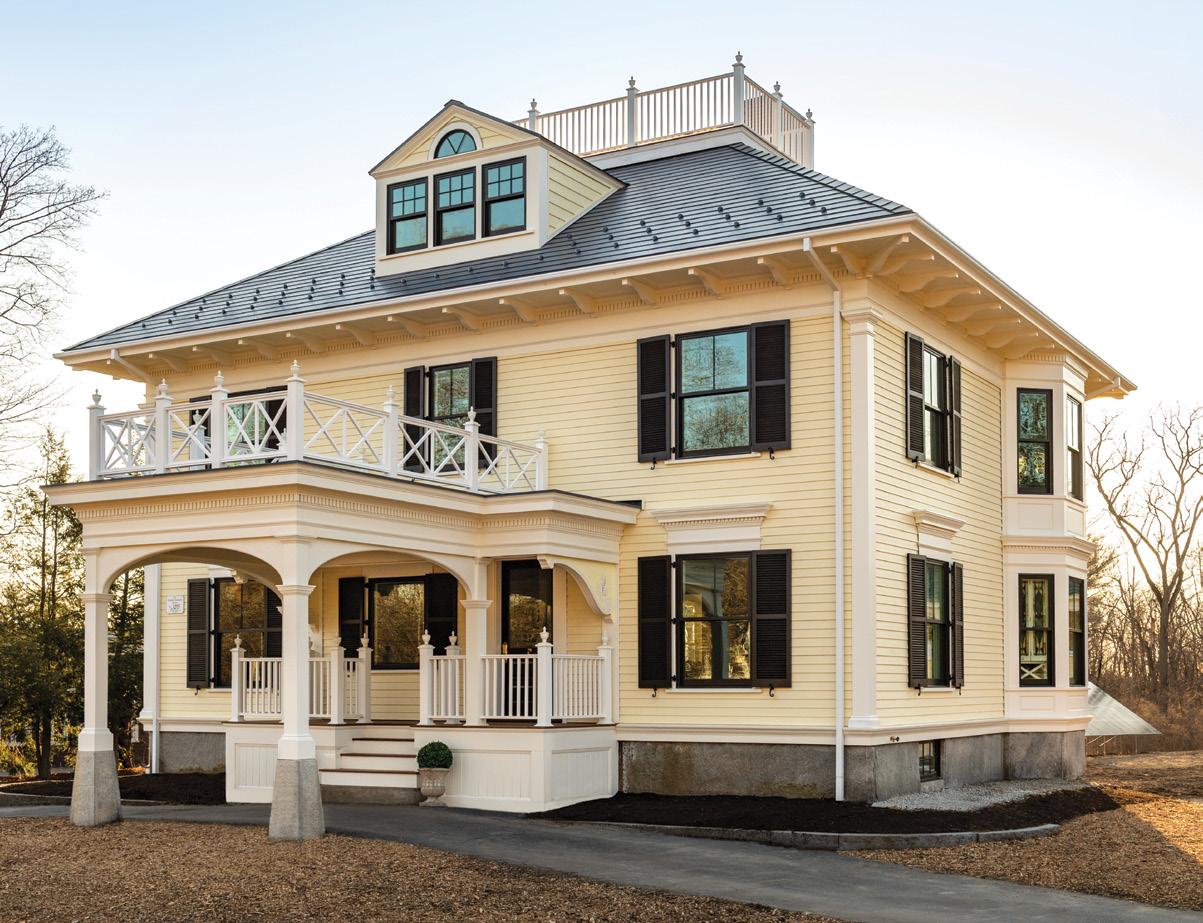
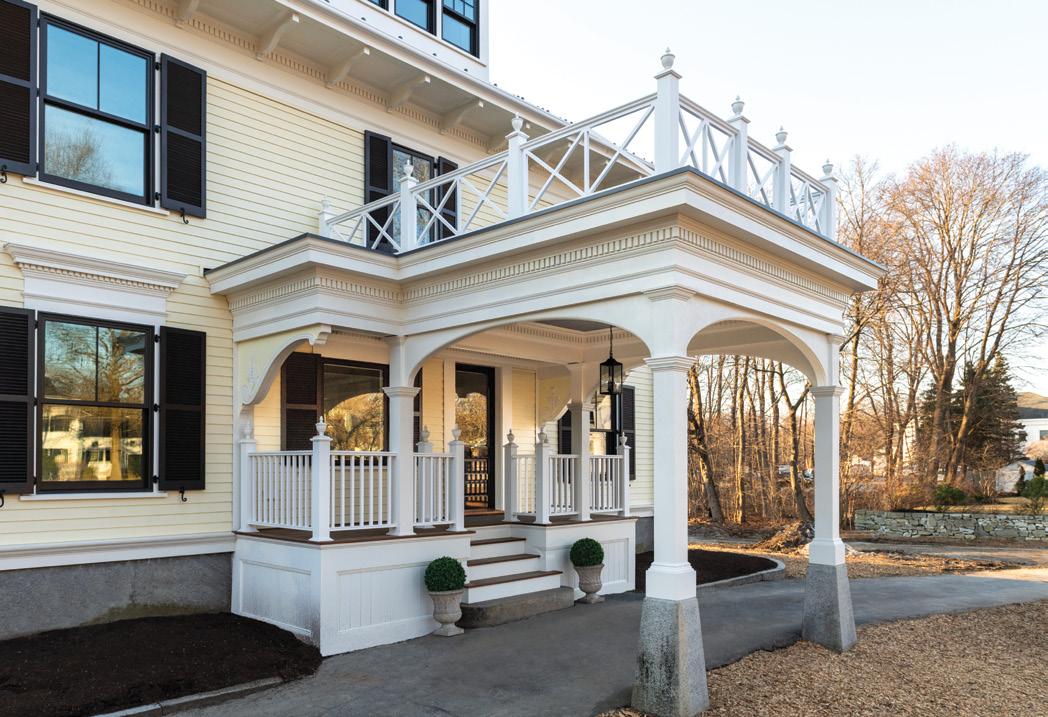
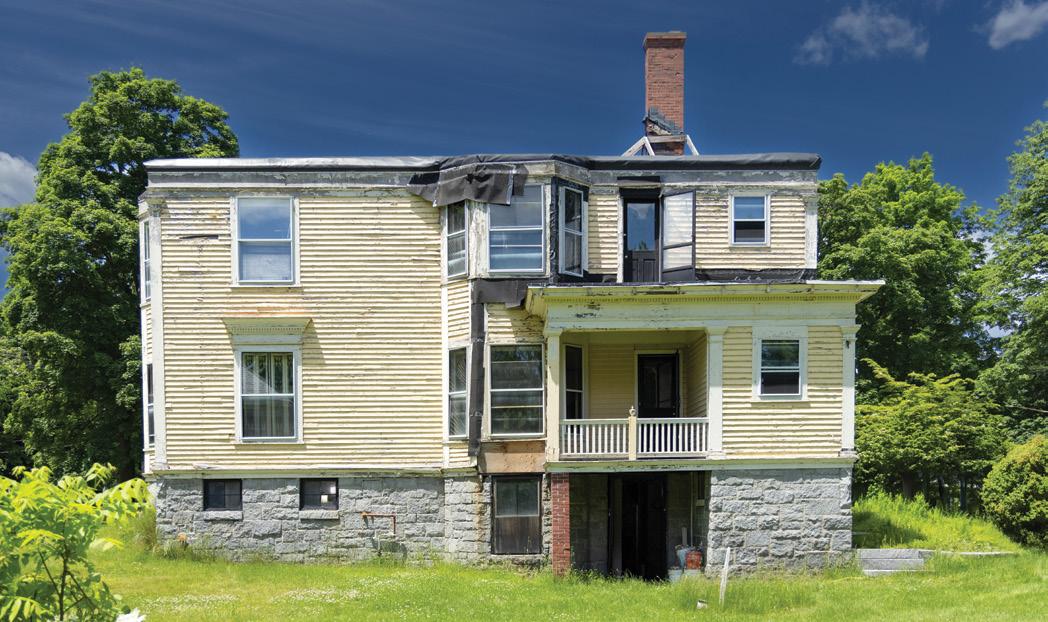
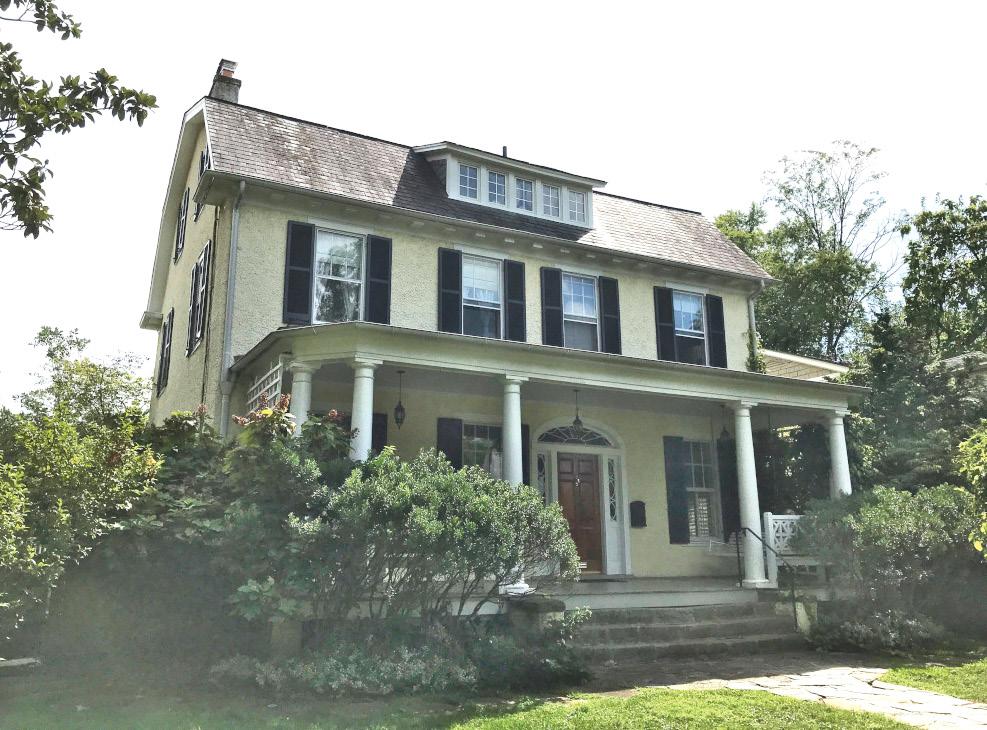
Set along one of Chevy Chase Village’s quiet, tree-lined streets, the Primrose project began not as a cosmetic renovation but as a fundamental rethinking of a 1908 Victorian house that had lost its footing, both structurally and architecturally. What emerged is not a reinvention, but something far more elusive: a home that feels as though it has always been exactly this way.
The neighborhood set the tone. Chevy Chase Village, Md., is defined by its eclectic mix of early 20th-century homes, unified less by style than by scale, material and a shared sense of restraint. The architecture does not compete for attention; instead, it sits comfortably within a landscape of mature trees, generous setbacks and a quiet consistency shaped by historic preservation guidelines. It was important that this house participate in that dialogue rather than stand apart from it.
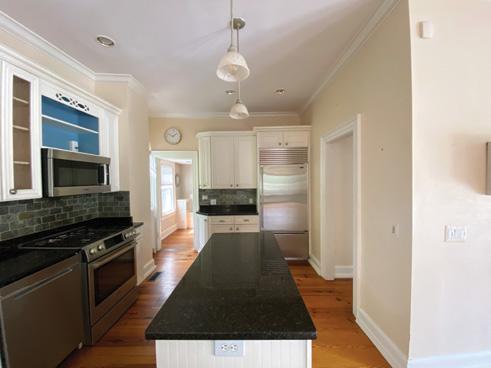
From the outset, the architectural approach, led by Thomson & Cooke Architects, was grounded in continuity. The existing structure required significant intervention, including a complete restructuring of the foundation and the excavation of a full-height basement. This created an opportunity not just to repair the house, but to recalibrate it. A new addition allowed for expanded living spaces, including the kitchen and family room, while the overall composition was carefully adjusted to feel cohesive and balanced. The ambition was clear: No part of the house should read as newly imposed.
Achieving this level of integration required close coordination among architecture, construction, interiors and landscape. Hilltop Builders played a critical role in executing what was, in many ways, an invisible transformation. Modern mechanical systems, new windows and doors, and updated lighting infrastructure were introduced throughout the house, yet none of these interventions disrupt the historic character. Achieving that balance required technical precision and restraint. Systems needed to perform to contemporary standards while remaining visually quiet. The result is a house that functions as a modern home without feeling overtly modernized.
Richardson & Associates led the landscape design. Rather than treating the exterior as a separate exercise, it was developed in direct relation to the architecture and interiors. The placement of plantings, the structure of the garden, and the
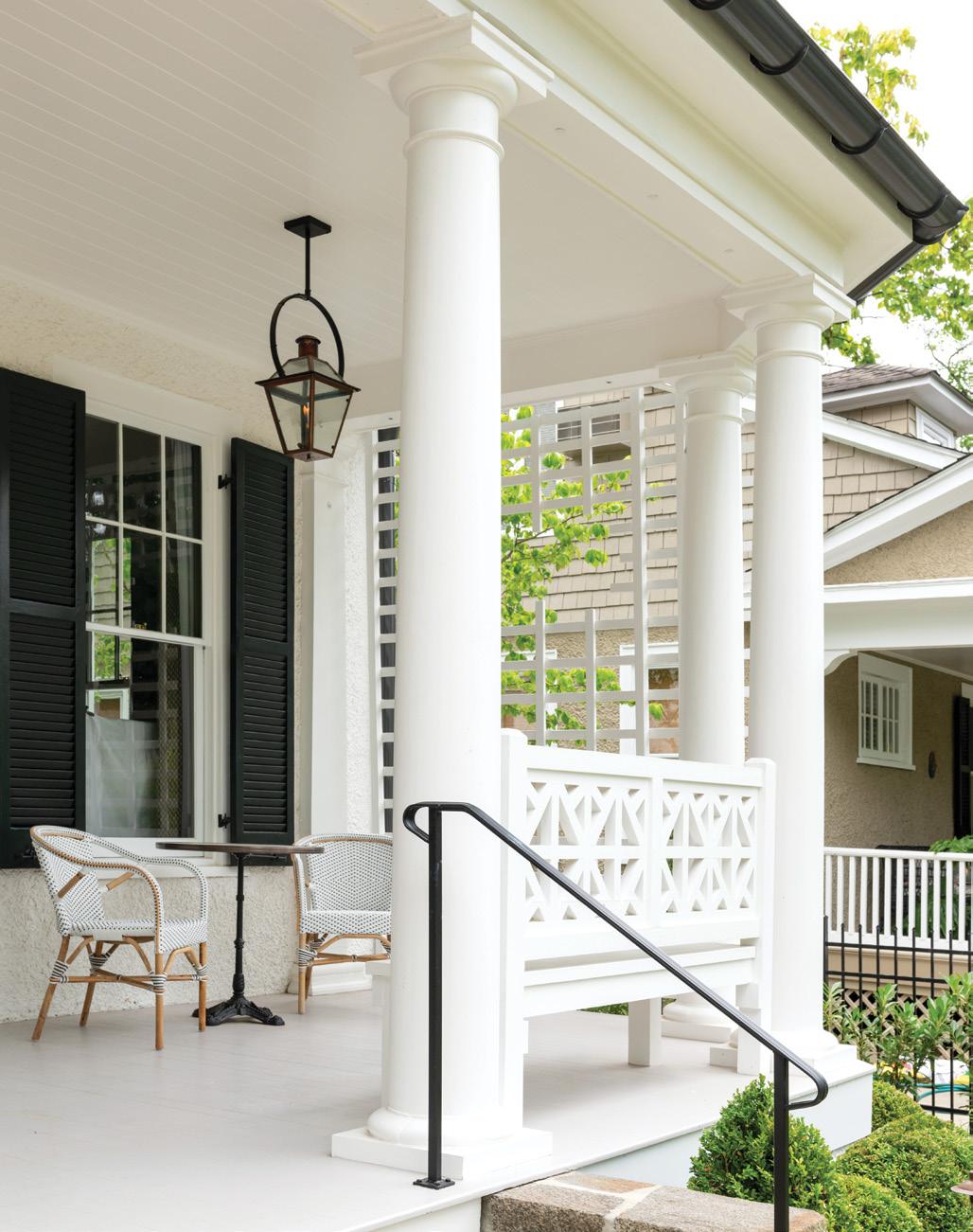
The placement of plantings, the structure of the garden, and the framing of outdoor spaces were all considered in terms of how the house is seen and experienced.
framing of outdoor spaces were all considered in terms of how the house is seen and experienced. Views toward the house were softened and grounded within the site while views from the interior were carefully composed to extend a sense of calm outward. The result is a continuous dialogue between inside and out, where neither feels secondary to the other.
The interiors were developed in direct response to this architectural clarity. Rather than introducing contrast or
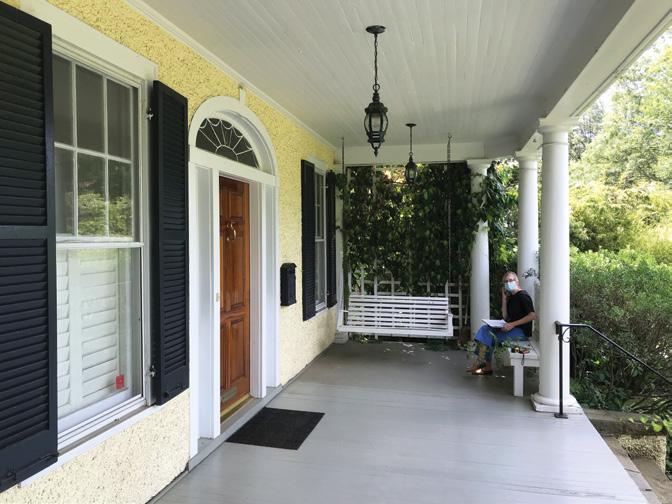
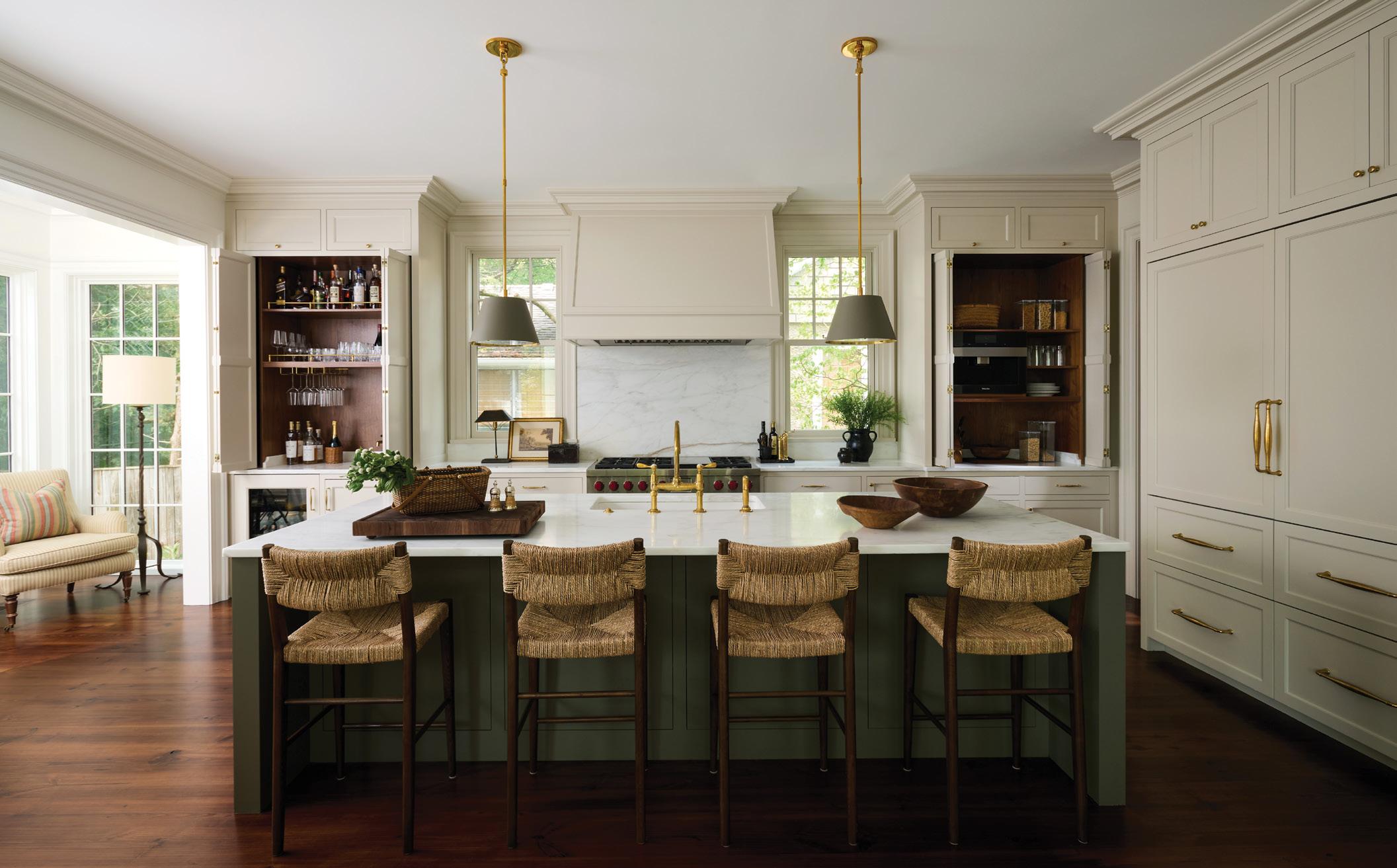
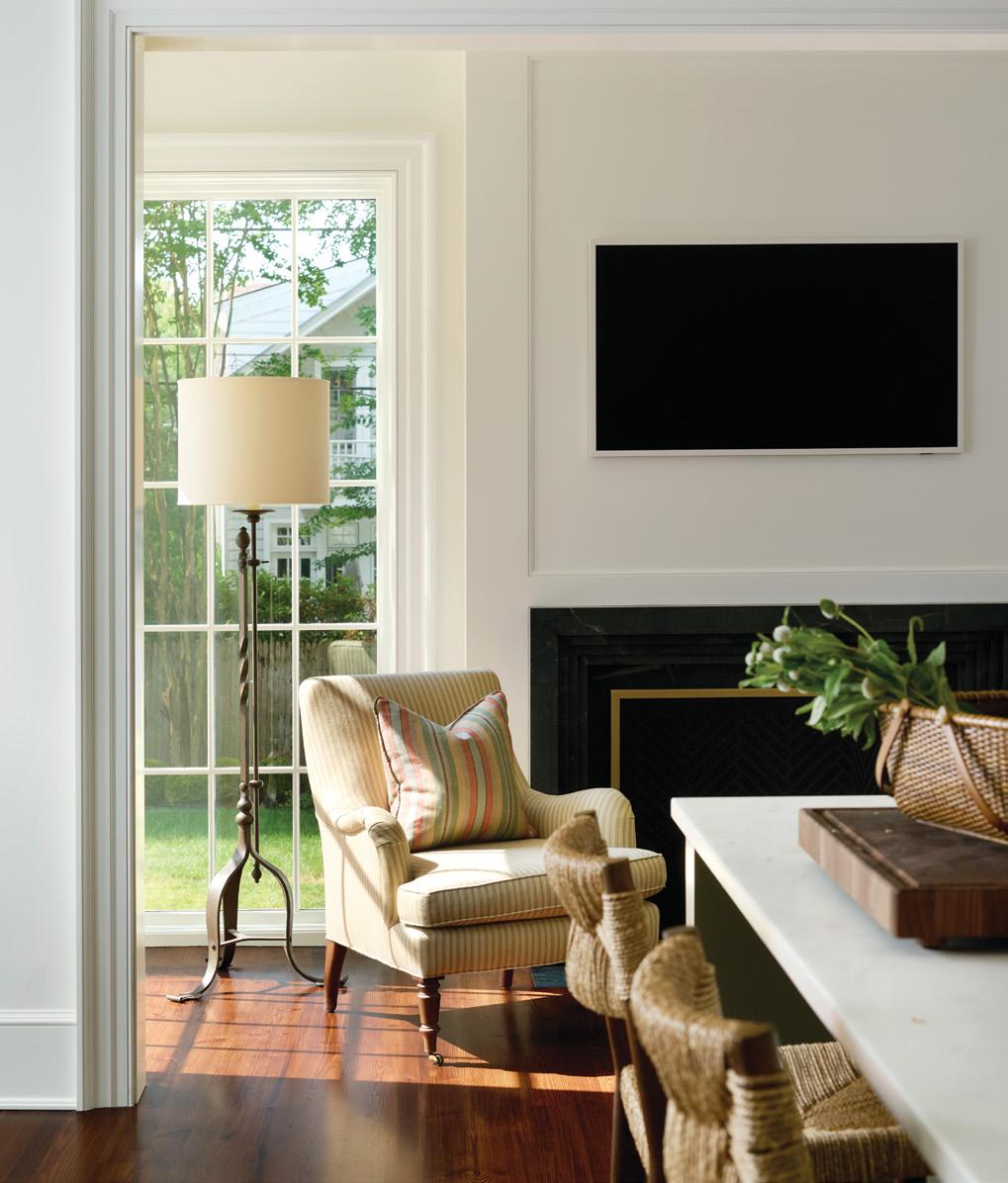
Material choices throughout the house reinforce the sense of continuity. Dark-stained pine floors, cited by the architects as a grounding element, anchor each room.
decorative flourish, the focus was on reinforcing the structure of the house—its proportions, alignments and material continuity. Each decision was filtered through a simple question: Does it contribute to a sense of cohesion, or does it call attention to itself?
In the dining room, this approach is immediately apparent. Grasscloth walls and painted millwork create a subtle tension between texture and smoothness while the scale of the table and chairs is carefully calibrated to the room. Nothing feels oversized or undersized; the composition holds. Curtains frame the windows without becoming a focal point, and the
lighting remains restrained. The room feels complete without being overworked.
Elsewhere, variation is introduced through shifts in tone rather than changes in style. In the study, a deeper palette creates a sense of intimacy, allowing the room to feel more enclosed and contemplative. The effect is subtle but noticeable, a shift in mood within an otherwise consistent language.
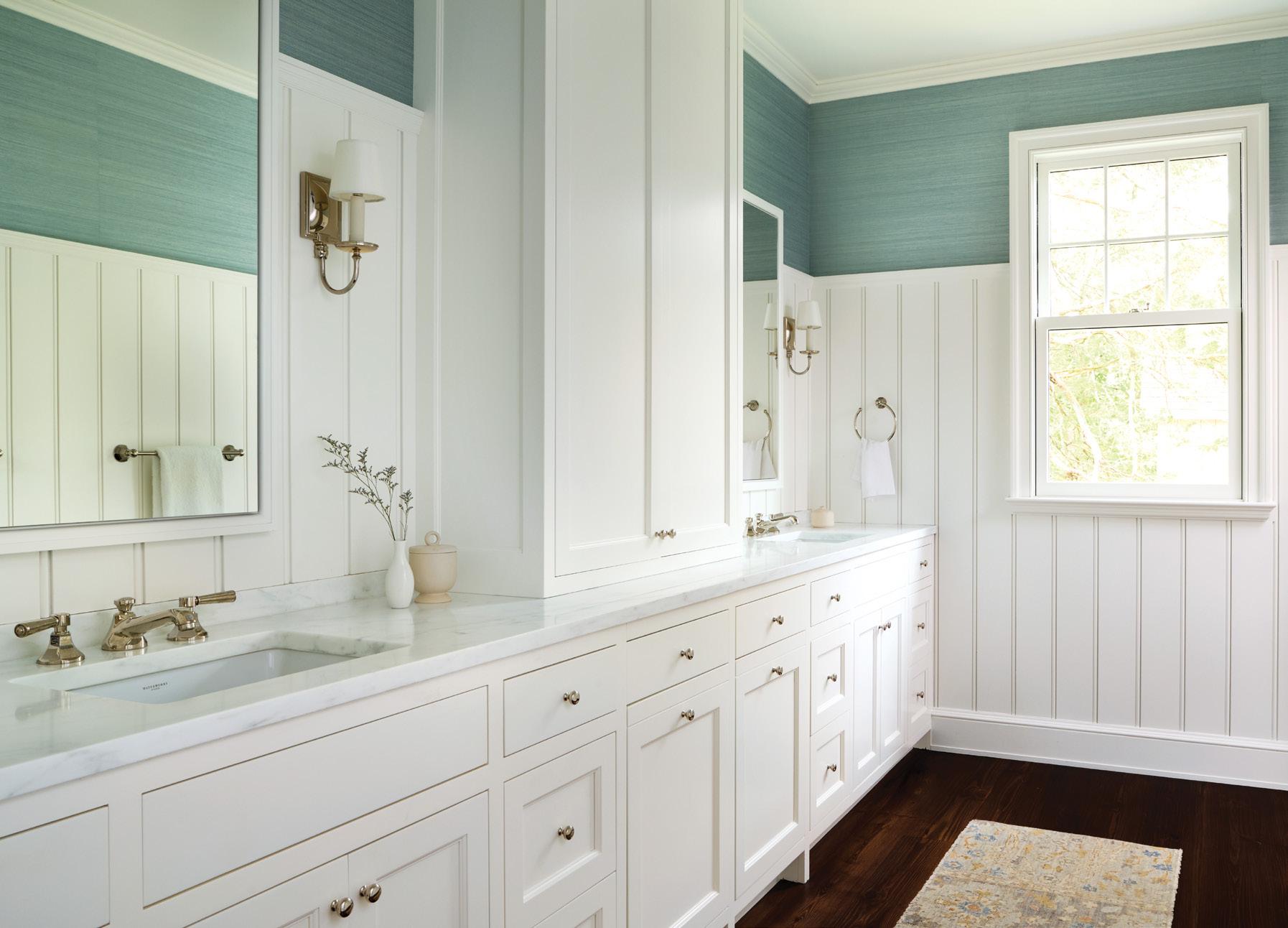
Material choices throughout the house reinforce this sense of continuity. Dark-stained pine floors, cited by the architects as a grounding element, provide a consistent base that anchors each room. Against this, a palette of layered neutrals, natural fibers and understated finishes softens the architecture without obscuring it. There is a deliberate absence of high contrast; instead, the house relies on nuance, shifts in texture, tone and light to create depth.
In more utilitarian spaces, such as the bathrooms, the same discipline is maintained. Simple paneling, restrained stone surfaces and carefully selected fixtures ensure that these rooms feel integrated rather than secondary. Nothing interrupts the rhythm of the house.
A palette of layered neutrals, natural fibers and understated finishes softens the architecture without obscuring it. In the study, a deeper palette creates a sense of intimacy, allowing the room to feel more enclosed and contemplative. The effect is subtle but noticeable.
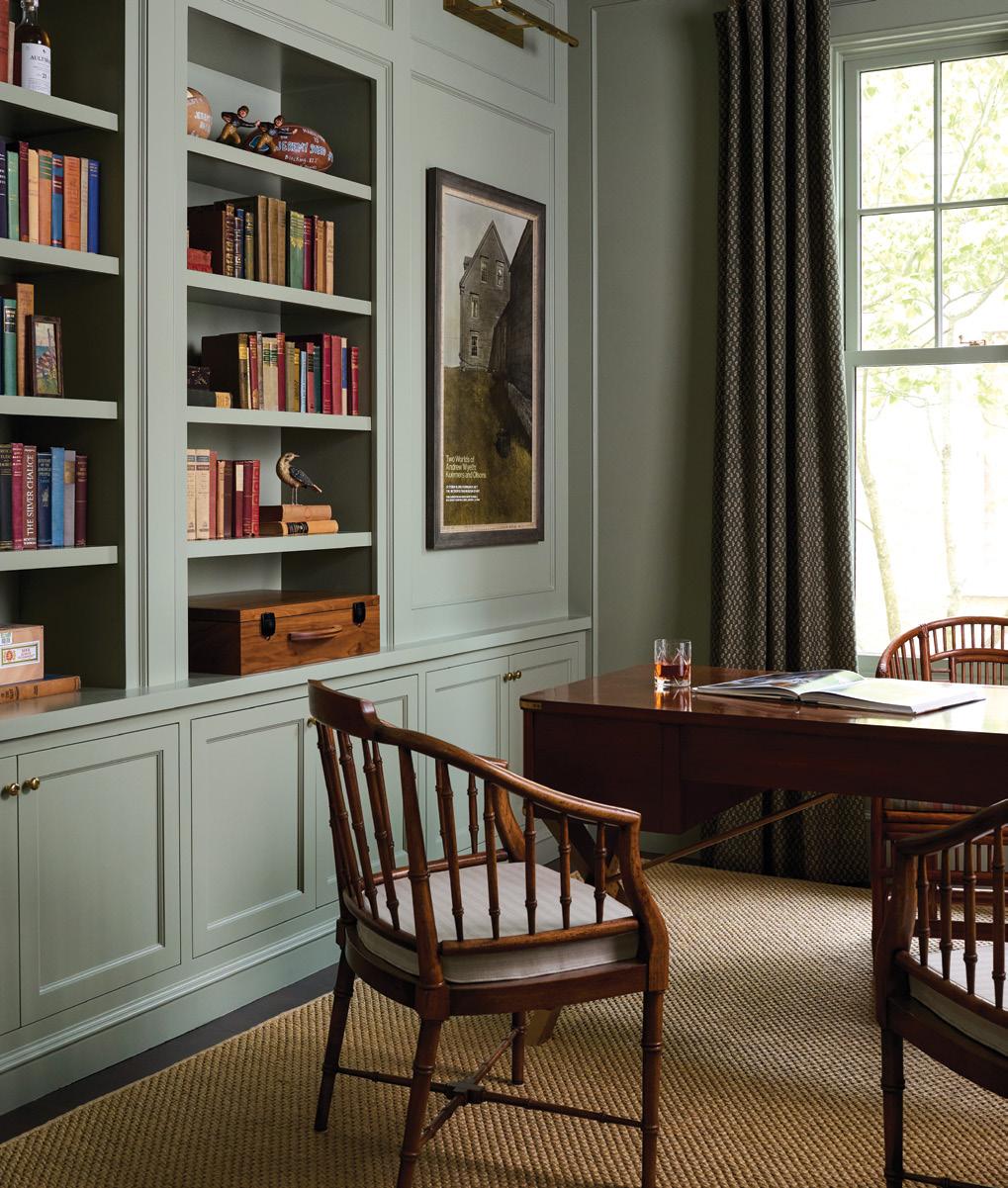
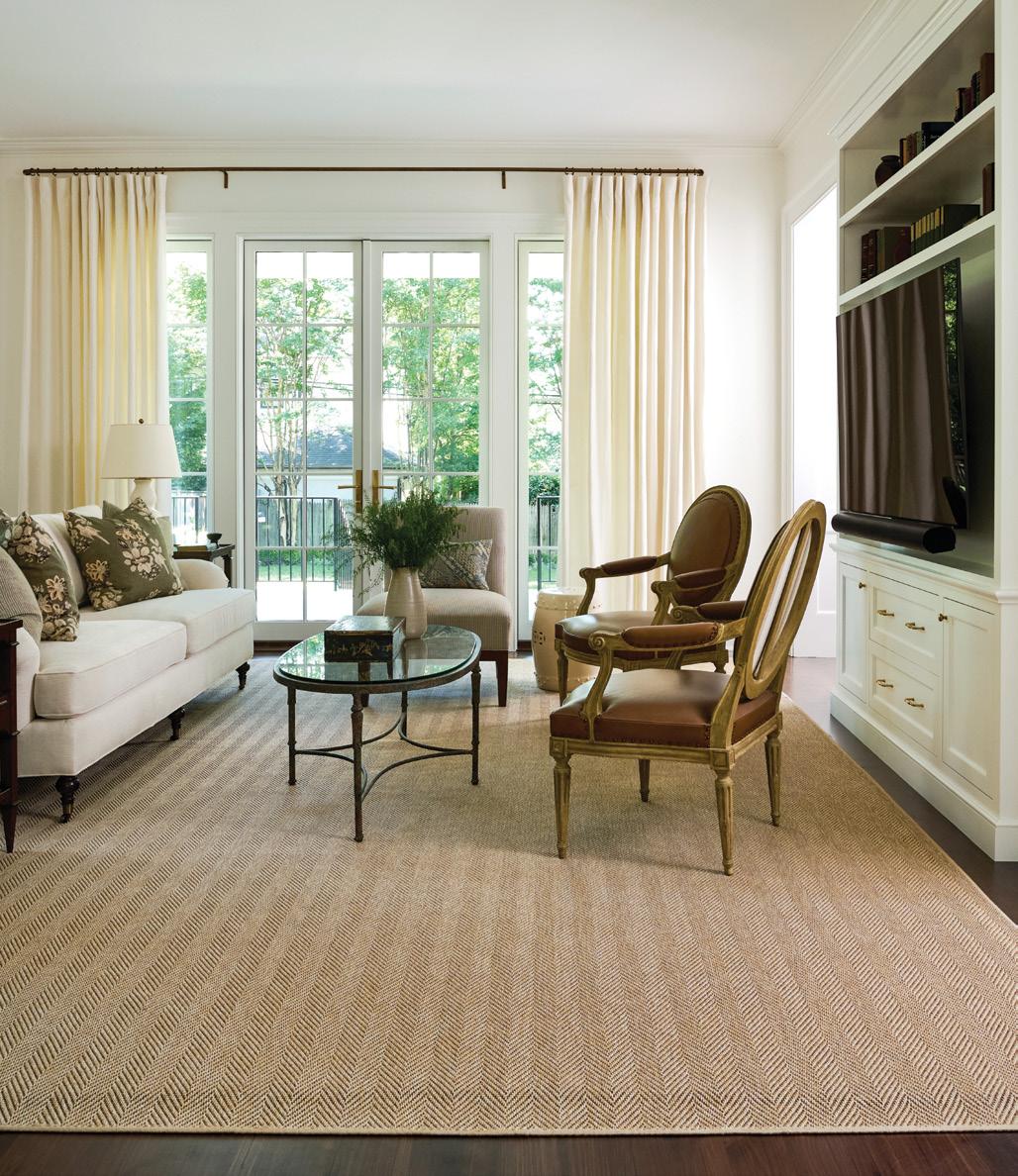
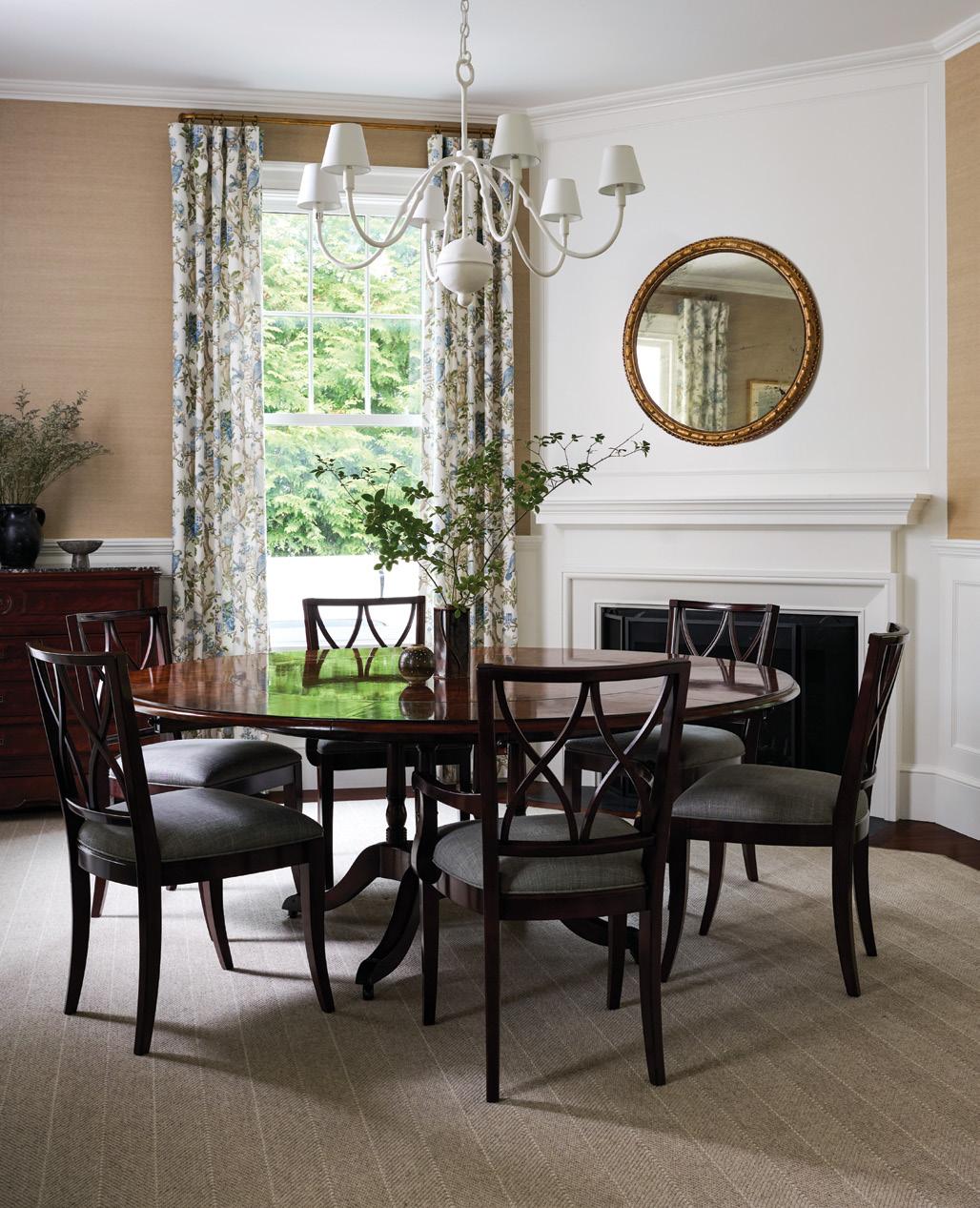
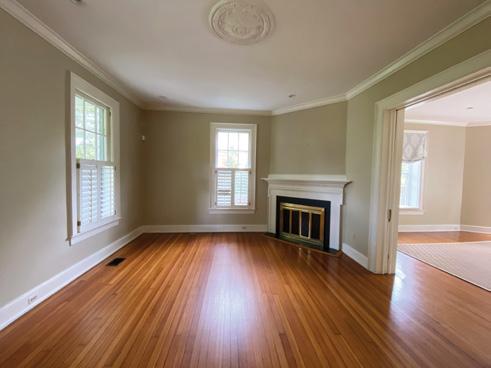
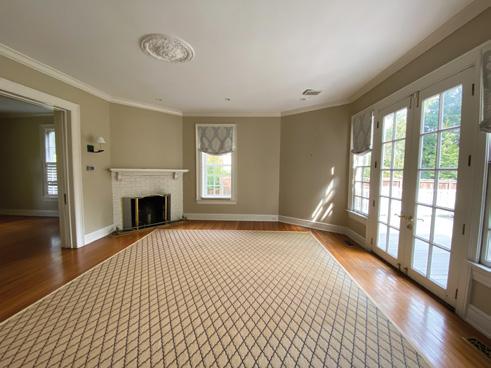
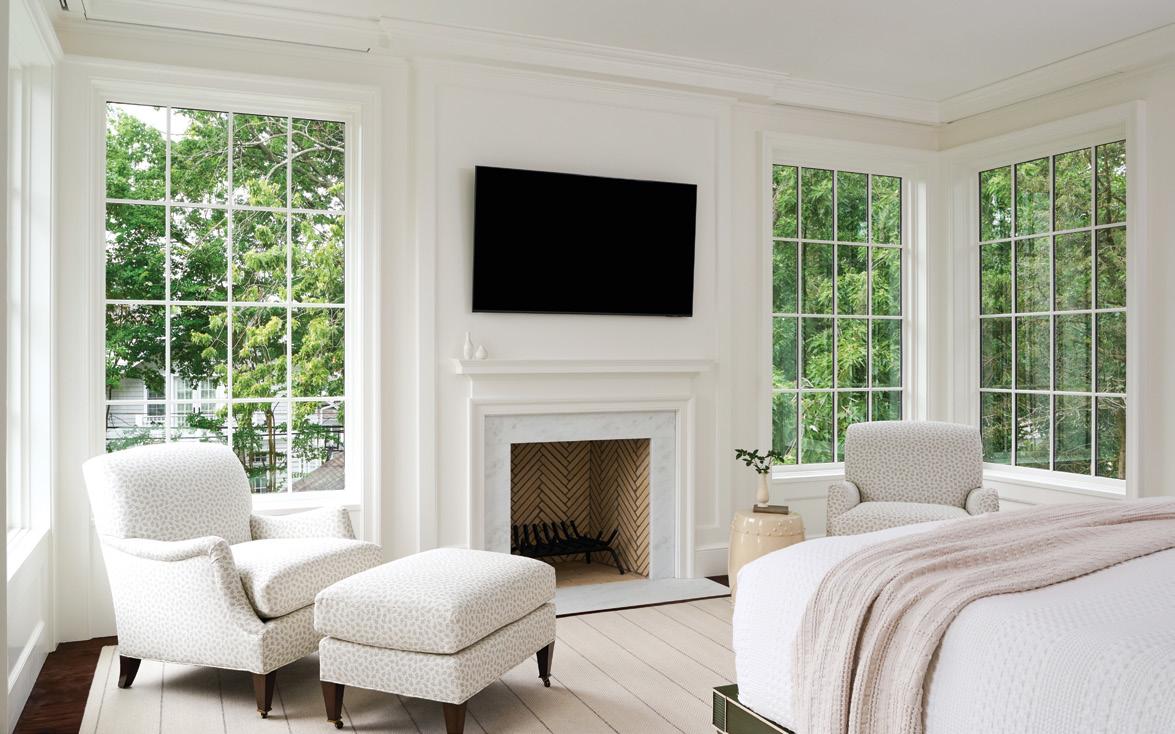
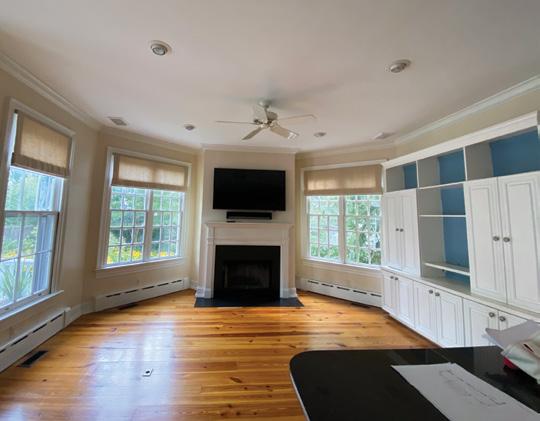
Views from the interior were carefully composed to extend a sense of calm outward. Meanwhile, in bathrooms, simple paneling, restrained stone surfaces and carefully selected fixtures ensure these rooms feel integrated rather than secondary.
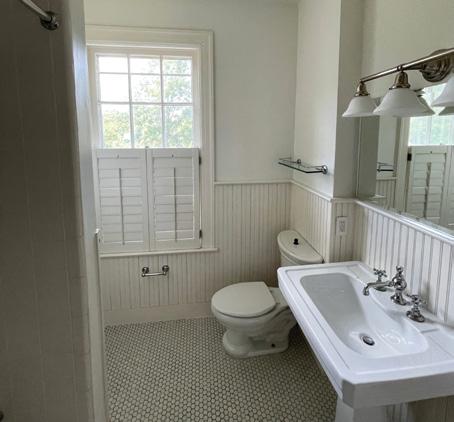
There is a deliberate absence of high contrast; instead, the house relies on nuance, shifts in texture, tone and light to create depth.
Perhaps most importantly, the project succeeds in how it moves. Views are aligned, thresholds are considered, and transitions between spaces feel natural and resolved. From one room to the next, there is a continuity of experience that reinforces a sense of calm. At the rear of the house, where the new addition opens to a covered terrace and garden beyond, the relationship between architecture and landscape becomes especially clear. The exterior spaces are scaled and detailed with the same restraint, allowing the house to extend outward without losing its center.
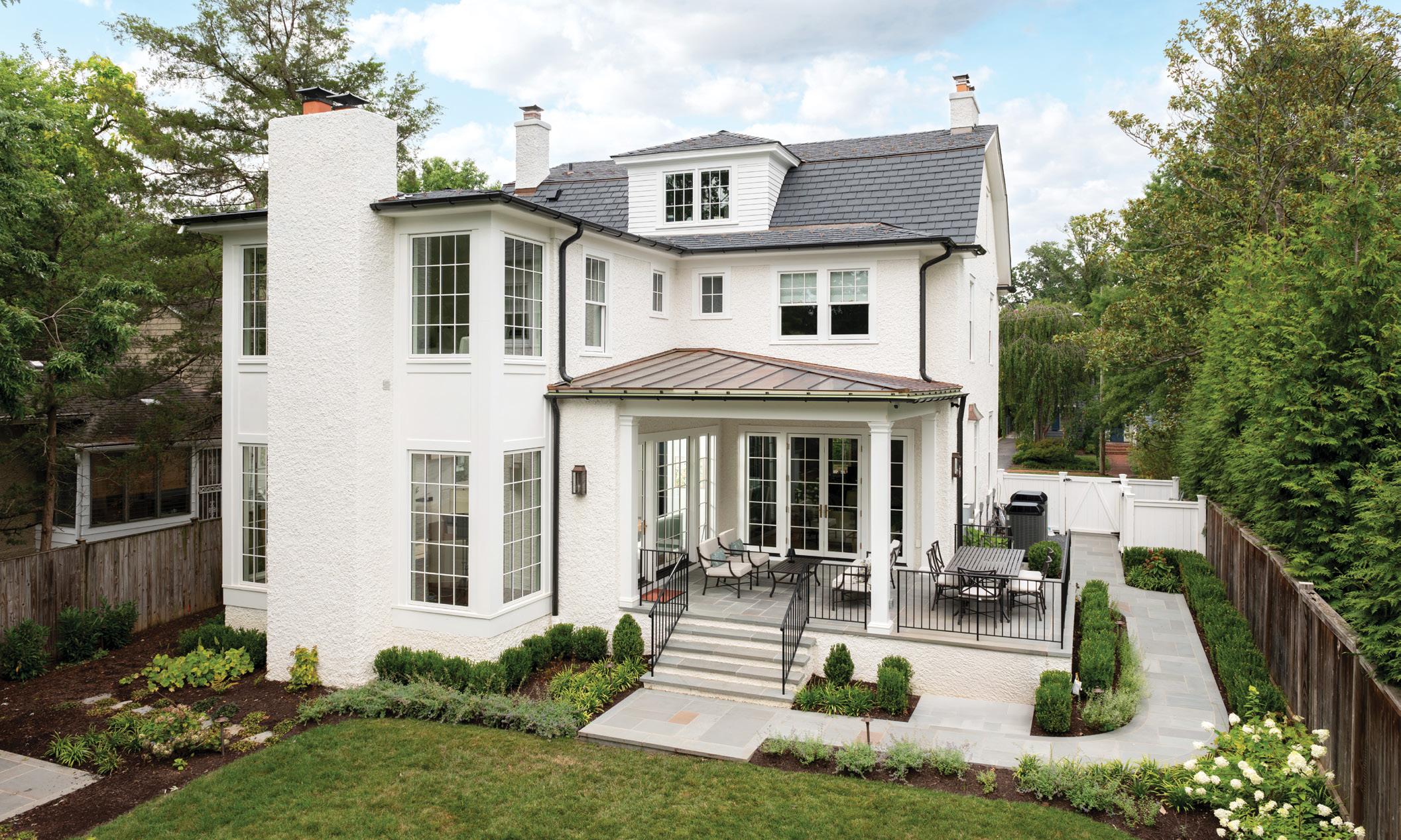
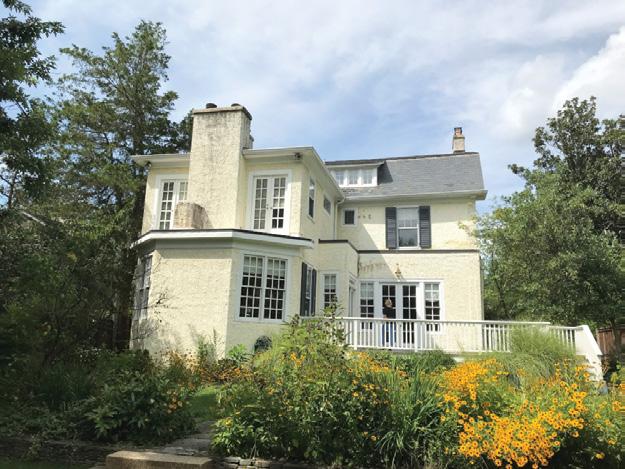
At the rear of the house, where an addition opens to a covered terrace and garden beyond, the design is scaled and detailed with restraint.
Retrofit Team
Architect: Thomson & Cooke Architects, www.thomsoncooke.com
Builder: Hilltop Builders, www.hilltop-builders.com
Interior Designer: Christopher Boutlier Interiors, boutlier.com
Landscape Designer: Richardson & Associates, jrichardsonla.com
Window Restoration: The Craftsmen Group, www.thecraftsmengroup.com
Materials
What makes this project compelling is not any single gesture but the accumulation of decisions that favor clarity over statement. There is no moment that demands attention, yet the house holds it. It feels settled, composed and quietly confident.
Ultimately, the success of the Primrose project lies in its restraint. It is a house carefully reconsidered at every level— structural, architectural, interior and landscape—yet presents itself without effort. The work is evident only in how seamlessly everything comes together.
It is, in the end, exactly what it set out to be: a home that feels as though it has always belonged.
New Windows and Doors: Loewen Windows, www.loewen.com
Reclaimed Pine Floors: Classic Floor Designs, classicfloordesigns.info
Moulding and Trim: The Master’s Woodshop, www.themasterswoodshop.com
Door Hardware: Classic Brass, classicbrass.com
Lighting Control Systems: Lutron, www.lutron.com
Decorative Lighting: The Urban Electric Company, www.urbanelectric.com
Plumbing Fixtures and Fittings: Newport Brass, www.newportbrass.com, and Waterworks, www.waterworks.com
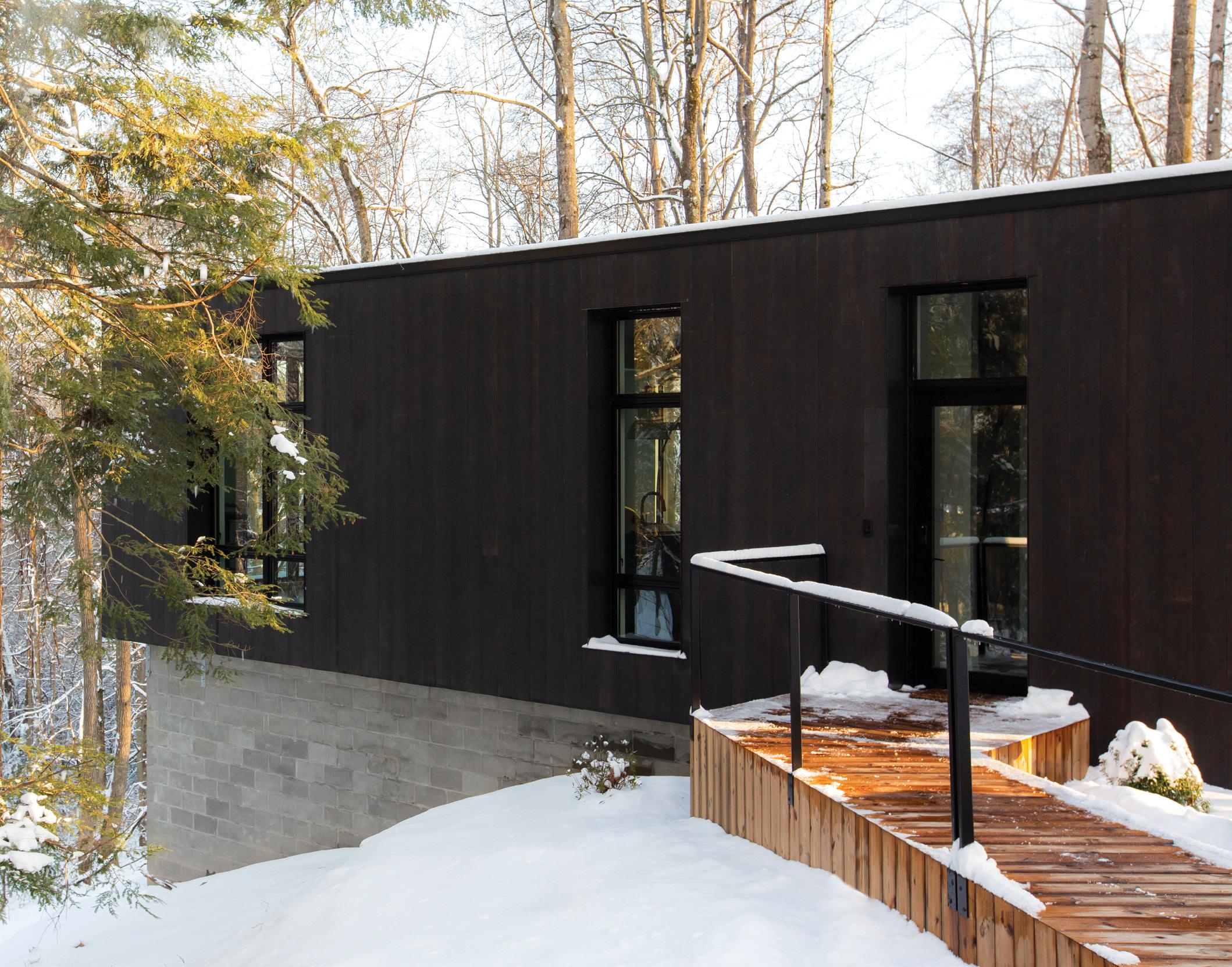
By Christina Koch
Siblings Jay and Laura DeVore grew up in a household where reinvention was almost a family sport. Their parents moved the family around the world, traded careers and modeled a belief that curiosity could shape one’s life. That ethos followed them into adulthood.
Jay met his wife, Kelly, in architecture school. The two built parallel careers in design, development and sustainability, both earning LEED AP accreditations. Meanwhile Laura carved her path in hospitality, operations and culinary environments in New York before settling in Switzerland, where sustainable design is an expectation.
Coming together to create Idyll Reserve, a relaxing retreat in the Ohio foothills of the Appalachian Mountains, their different disciplines interlock: Jay builds, Kelly shapes and Laura orchestrates the rhythm that makes it all function.
Family getaways to Hocking Hills, Ohio—an area known for sandstone gorges, deep forests and stunning waterfalls—provided the inspiration for what would become Idyll Reserve.
“We would go to Hocking Hills about once a year, and we found the accommodations for the price were not up to par—this was about 10 years ago. It felt like we were staying in grandma’s cabin,” Jay recalls. “That had us wondering: Is there a business opportunity here?”
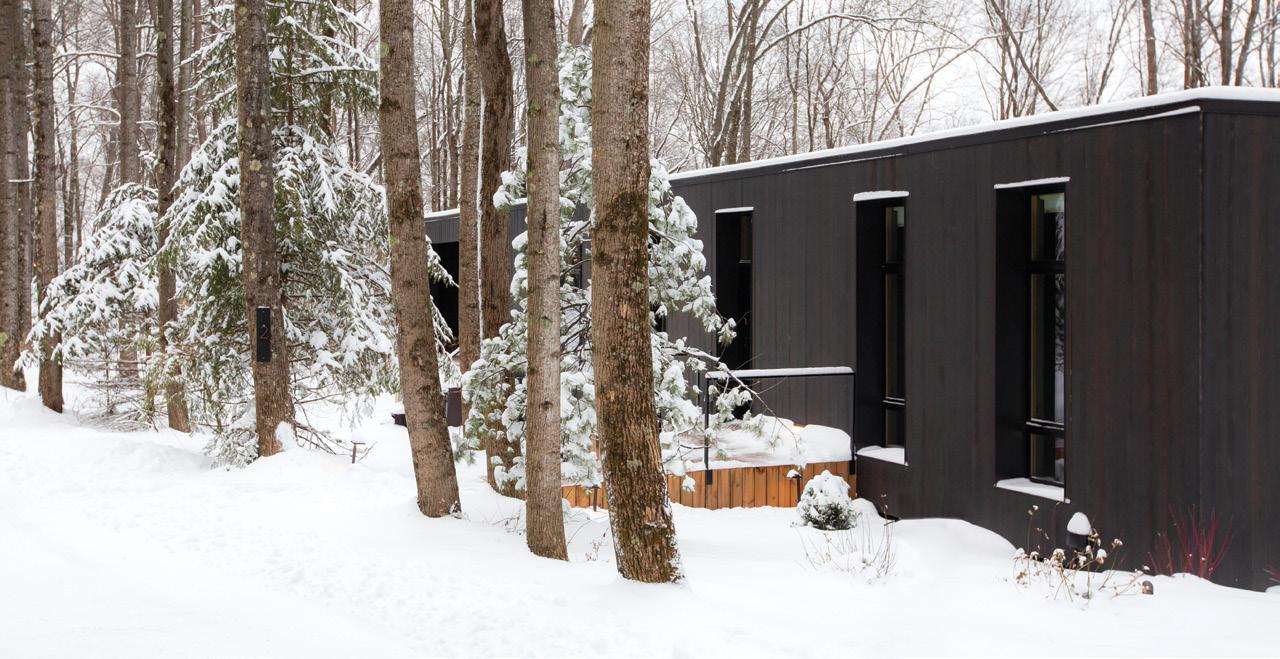
For Idyll Reserve’s cabins, Hygge Supply provided home kits with plan sets, modular components and wellness elements all in one. “Hygge” is a Danish term, meaning a cozy, intimate atmosphere that achieves contentment and wellness.
In 2019, a realtor located a property in Hocking Hills. A house already stood on the property, giving the DeVores an opportunity to renovate while building four additional houses for Idyll Reserve. The DeVores were interested in making the five buildings cohesive in their look—modern yet cozy with no resemblance to grandma’s cabin. With Laura’s understanding of guest expectations and operational flow, the team emphasized the kind of comfort, durability and experience that makes a place truly memorable.
They sought materials that could withstand the heavy use of short-term rental properties, and they strived to be good stewards of the beautiful land upon which they were building.
While considering how they wanted the new cabins to look, the DeVores recalled a modern cabin they had rented in Michigan and started researching other properties owned by the same person. “We discovered the houses were kits, almost like a drop-ship process: As soon as you’re done building the frame, which is steel, they send the roof kit,” Kelly says.
The DeVores chose Hygge (pronounced hoo-gah) Supply, a national provider of home kits with plan sets, modular components and wellness elements all in one. The word “hygge” is a Danish term, meaning a cozy, intimate atmosphere that achieves contentment and wellness—just the type of cabins the DeVores sought for Idyll Reserve. Hygge Supply offers several layouts from which to choose; the DeVores opted for the one-bedroom, one-bathroom kits for three of the cabins, as well as a larger two-and-a-half-bedroom cabin featuring a covered porch.
Part of what appealed to them was the interior wood flooring that came standard with the kit and flows outside to the cladding. Not only is the wood beautiful and sustainably harvested, but it is also low-maintenance and devoid of chemi-
cals. Through a heat and steam process, the wood is modified for rot-resistance, stability and lasting beauty. It will age—as all wood does—and turn a silvery gray, but a penetrating oil offered by the modified-wood manufacturer will deflect UV rays, ensuring the brown tones remain for a longer period.
“We were trying to create a place that was as sustainable as possible, and we loved the idea that we could have this product that wasn’t pumped full of toxic chemicals. It’s something you can walk around barefoot on and not worry about,” Jay says.
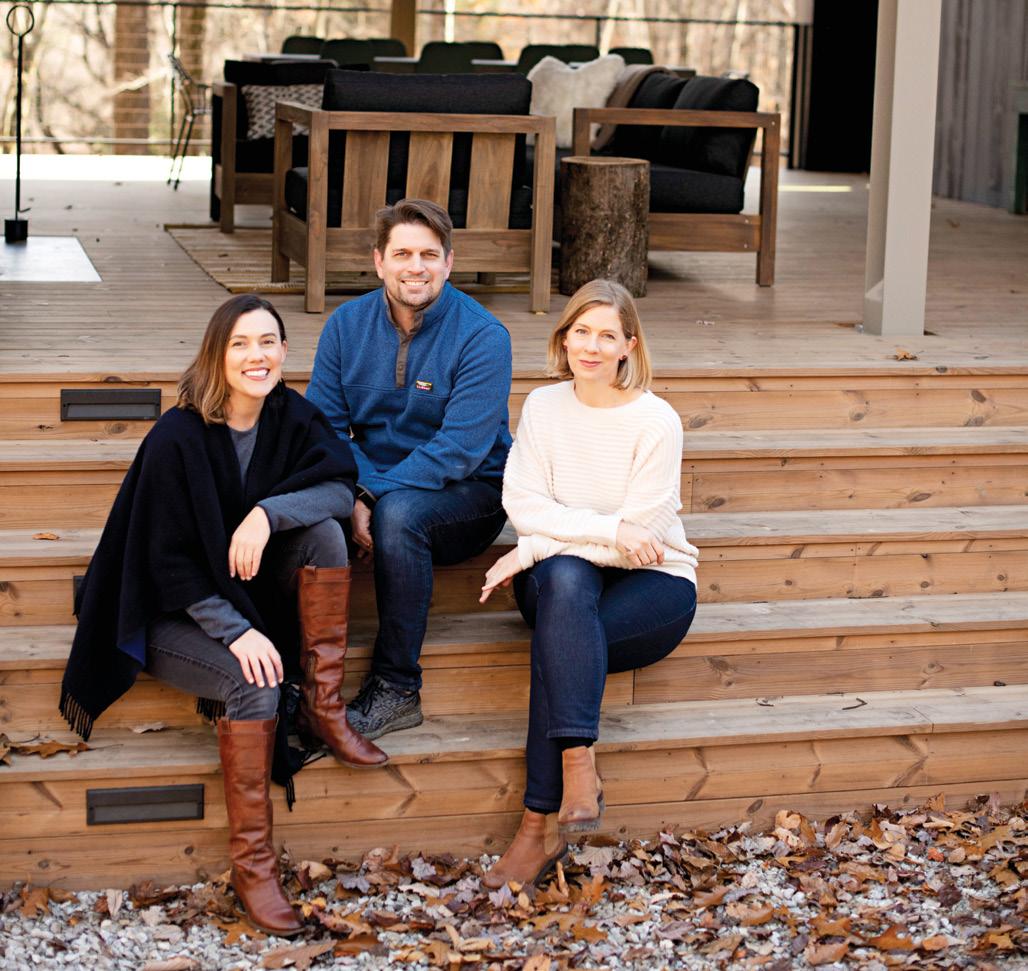
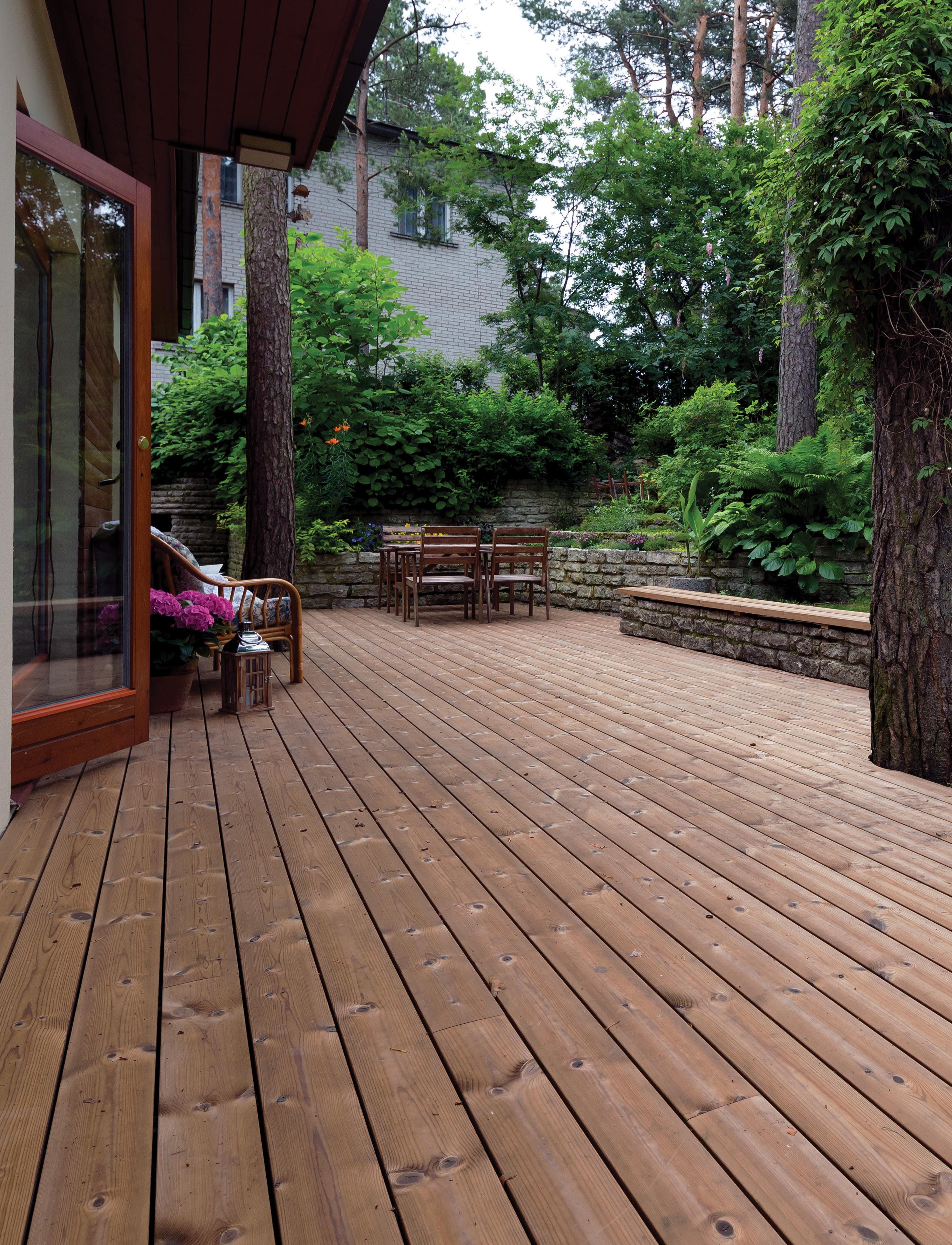
About four years after the kit houses were built, the team considered outdoor-living components. They wanted to connect the five houses to each other, as well as continue the consistency in appearance. They already were impressed by the durability of the thermally modified wood cladding and interior floors in the kit houses and elected to use the same wood for the outdoor amenities.
“It’s real wood, so it looks the same all the way through,” Jay remarks. “If the top gets nicked and exposes a little bit below the surface, it’s completely camouflaged. We already knew how this wood worked and we liked it, so it made sense to continue that consistent look.”
Although there was a struggle to find contractors in the area who were willing to build the kit houses, it was not difficult to find someone to build the decks and walkways. The DeVores enlisted the property’s handyman to complete these installations. According to Jay, the thermally modified wood cuts like wood should.
“If you can install pressure-treated wooden decking, you can install this, plus it’s non-toxic, which is an added benefit,” he says.
The thermally modified wood appears every place on the property where there is exterior wood, including decks and detailing, rail posts and caps, steps, trim pieces and walkways.
“This wood is literally the first thing you see on our property, so it was important that it look good,” Jay notes. “It’s the decking. It’s the cladding. It’s the hardwood flooring. It’s extremely aesthetically elegant. If you were here, it looks like a computer-generated rendering; it’s that beautiful.”
As Idyll Reserve began attracting visitors, Laura identified two of the cabins were not being rented as often as the other homes on the property.
“One of the lesser-rented units is tucked up in the hillside, so it’s far from the others,” Kelly explains. “The other one is the
first cabin that has the most visibility from the road. We added screening and trees but knew we needed another amenity to increase these cabins’ rentability.”
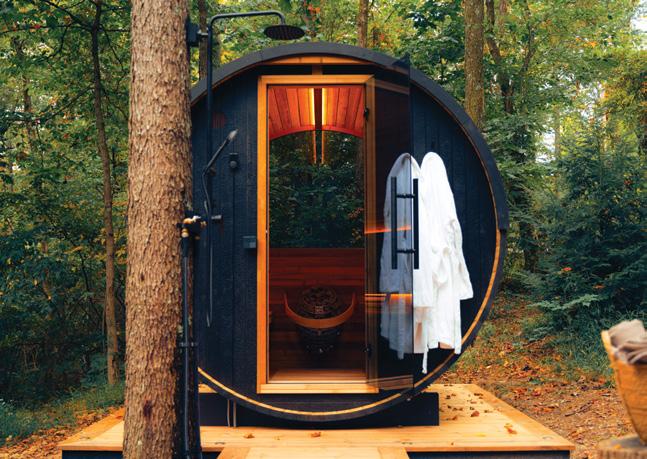
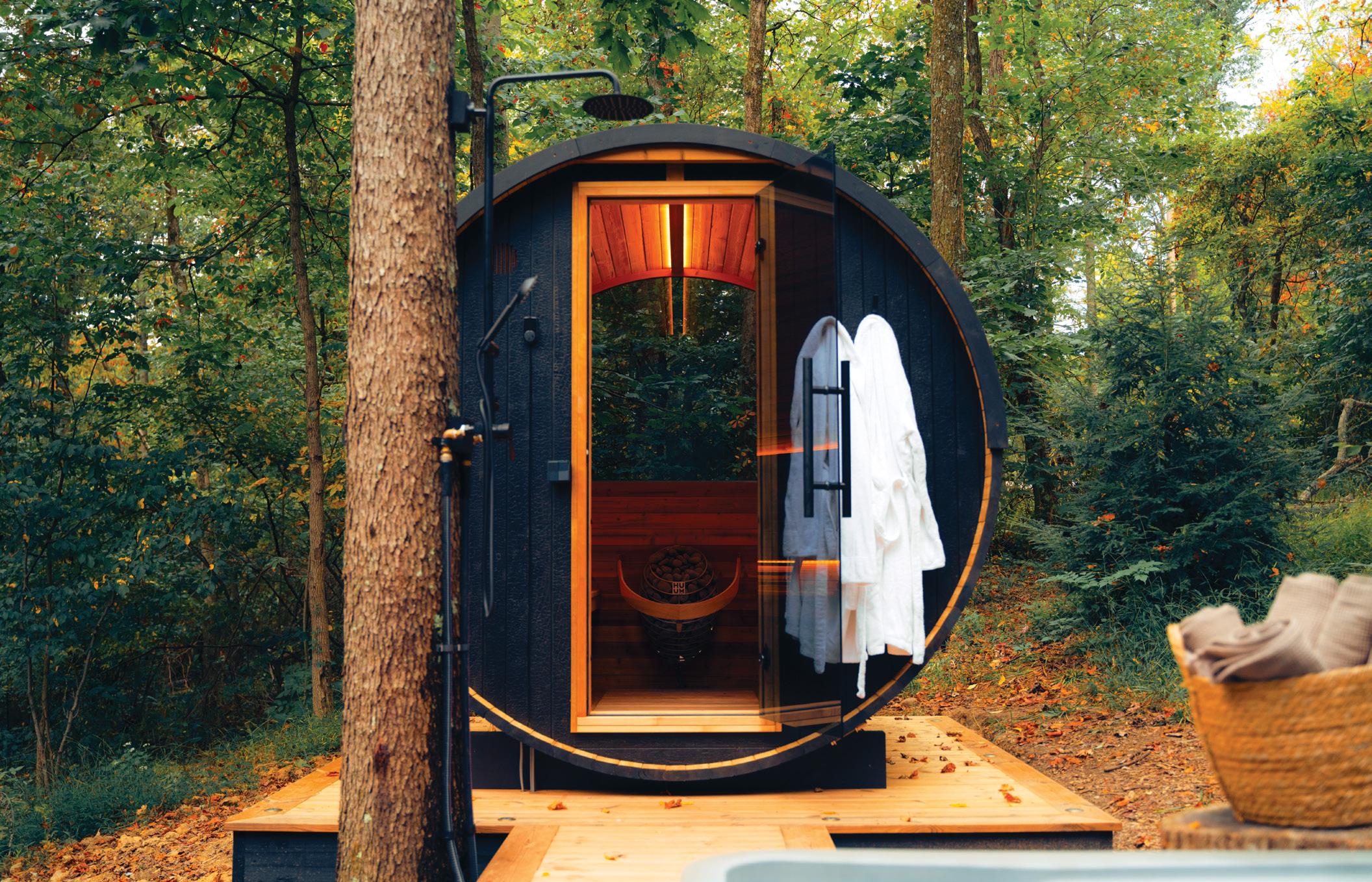
Saunas were the solution. Like the kit houses from Hygge Supply, freestanding barrel sauna kits were purchased from the thermally modified wood manufacturer to install outside the two lesser-performing cabins. The saunas, which are composed of Nordic spruce sustainably harvested from northern Europe, can be erected in four to six hours. They can be fitted with an electric or wood-burning heater, and the DeVores chose a Wi-Fi-enabled electric model that would allow off-site control. Both saunas were built and heaters were installed by Idyll Reserve’s handyman.
“Six years after the houses were built and two years after the outdoor components were added, the wood still looks like new.”
—Jay DeVore, LEED AP, owner, CEO, Idyll Reserve
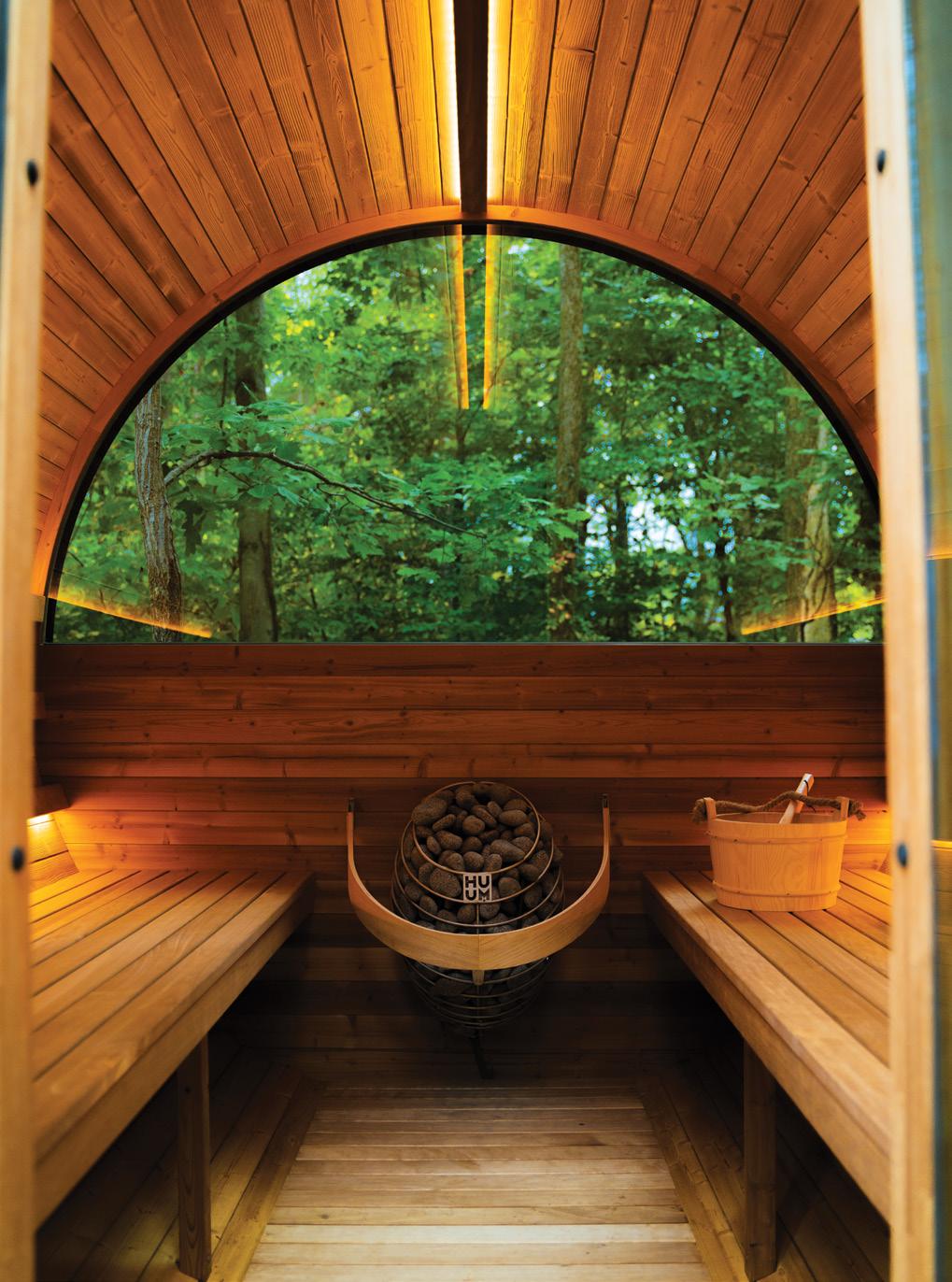
The saunas, which are composed of Nordic spruce sustainably harvested from northern Europe, can be erected in four to six hours.
Jay is gratified that he was able to make a big dream he had with his sister and wife come to fruition. “Because my sister lives in Europe, we don’t have the opportunity to see her all the time,” he says. “It would’ve been easy to drift apart, but Idyll Reserve has brought us all closer together.”
“The two cabins where we added the saunas now are the highest-occupancy, short-term rental cabins in the state of Ohio,” Jay says. “Last year, they both were rented 360 nights out of the year.”
To protect the thermally modified wood around Idyll Reserve during Ohio’s four distinct seasons, Jay says nothing special or intensive needs to be done. “We clean the wood annually and oil it to maintain the original color, but that’s it,” he says. “Six years after the houses were built and two years after the outdoor components were added, the wood still looks like new.”
It’s not often you can be your own client, and Kelly found it particularly rewarding to be able to make the sustainability choices in which she believes. “So often sustainability is sidetracked because people can’t see the longevity of it,” she says. “Being able to say, ‘We know this product’s going to last longer; it’s worth it,’ was truly wonderful. We haven’t had to redo anything we have built at Idyll Reserve; we’ve just been adding to it.”
Book your next escape to Idyll Reserve in the beautiful, natural environment of Hocking Hills, Ohio, at www. idyllreserve.com. The pet-friendly retreat offers sustainable luxury accommodations, including EV chargers and freestanding saunas and hot tubs. The location includes easy access to hiking trails and an adjacent cave.
Hardwood Floors: Salsa and Tango from Thermory, thermory.com
Decks: Pine 5/4 by 6 from Thermory, thermory.com
Black-stained Exterior Cladding: Thermory, thermory.com
Saunas: No. 62 in the Ignite Finish from Thermory, sauna.thermoryusa.com
Sauna Heaters: HUUM, huumsauna.com
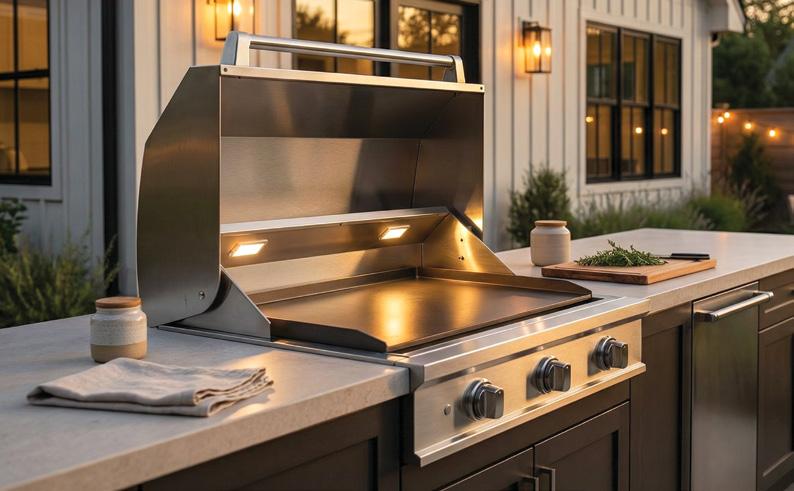
Induction Hardware has entered the market as the first all-electric appliance company focused on accelerating the shift to induction cooking in the U.S. The company recently unveiled a 36-inch built-in outdoor induction grill. The grill delivers the power and performance outdoor chefs expect without the hazards, inefficiencies and limitations of gas. The zero-PFAS, carbon-steel griddle delivers precise heat, faster cooking, easier cleanup and a safer outdoor cooking experience for today’s high-end outdoor kitchens. inductionhardware.com
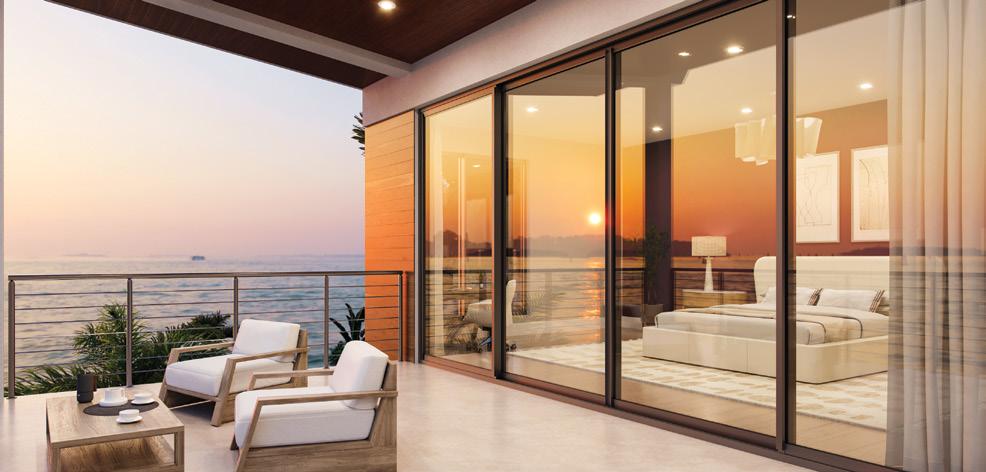
Euro-Wall has released its Horizon Multi Slide, a sliding door system purpose-built to handle the harsh demands of coastal environments while maintaining modern aesthetics, efficient installation and easy serviceability. Its updated sill geometry, panel-to-sill connections and a flatter sill profile support effective water management and durability. Hidden anchors, screw covers and replaceable rollers simplify installation and long-term service. Able to accommodate up to eight 72-inch panels, Horizon Multi Slide offers slim sightlines, large glazing areas, and a cleaner architectural presence to blur indoor and outdoor living. Its wide configuration range—from 90-degree angles to multi track and reverse stacking options—allows the system to be used in residential and commercial projects. euro-wall.com
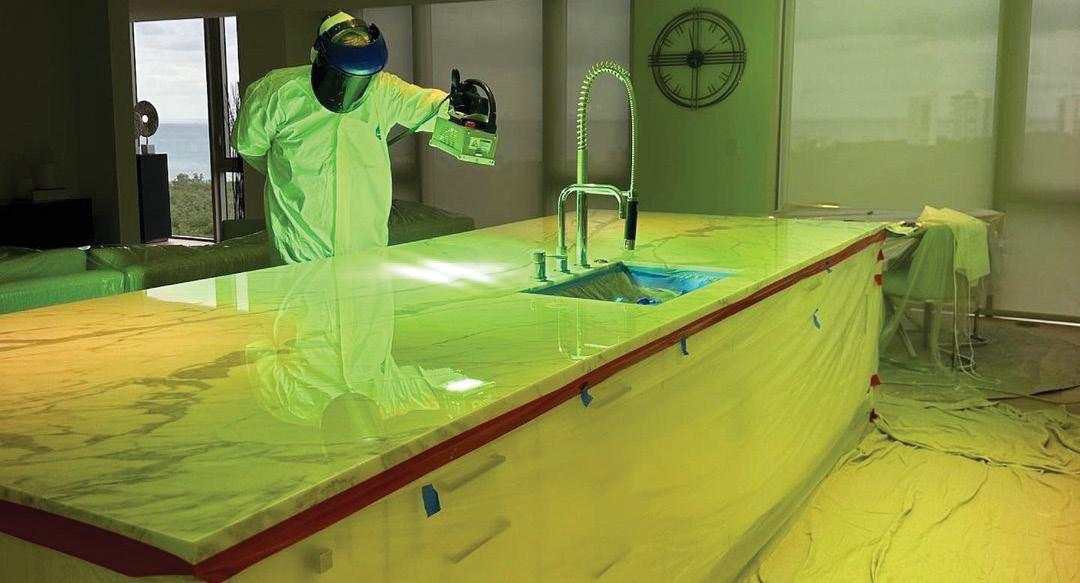
MORE Surface Care has made available MORE AntiEtch Next Gen, which offers stone protection for marble and other acid-sensitive stones. AntiEtch delivers zero etching, zero staining, and preserves the stone’s natural beauty without altering its feel or appearance. MORE AntiEtch Next Gen is professionally installed by certified applicators nationwide, including restoration contractors and countertop fabricators, ensuring consistent quality and expert application across the country. This certified network reinforces MORE Surface Care’s commitment to long-term performance, accountability and customer trust. From busy kitchens to elegant entertaining spaces, marble surfaces are protected for life—allowing spills, celebrations and daily use without constant concern.
www.moresurfacecare.com
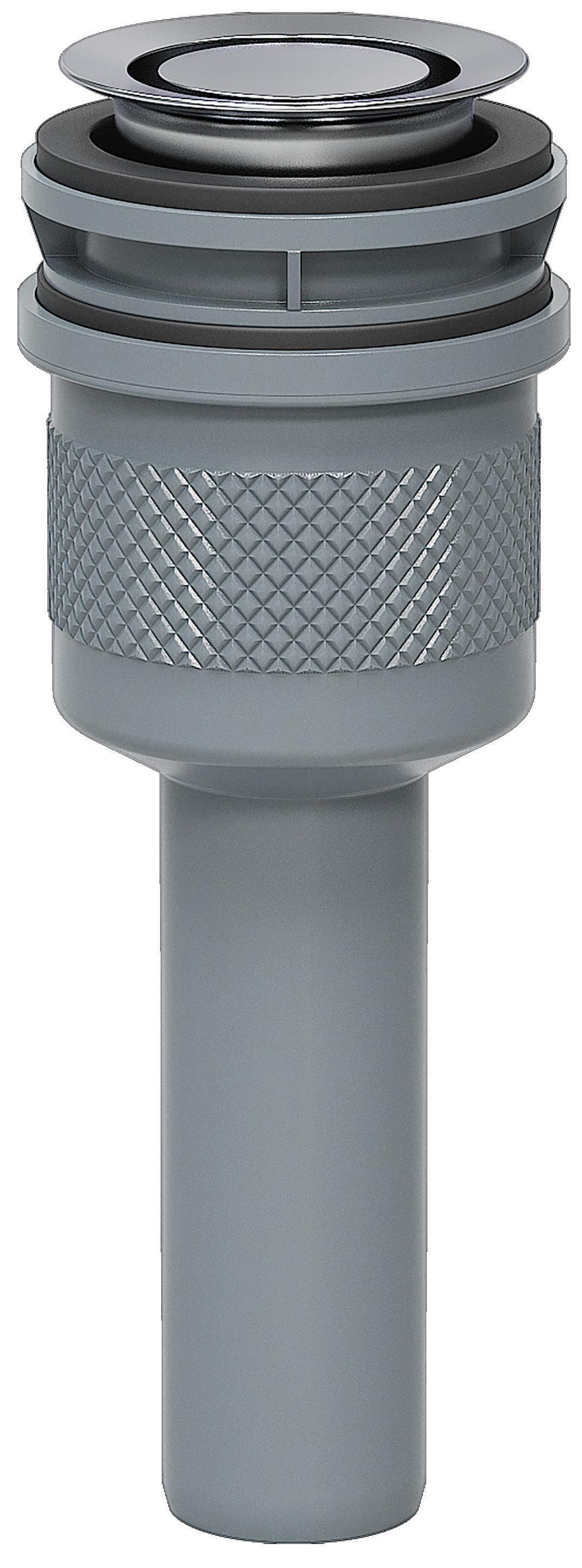
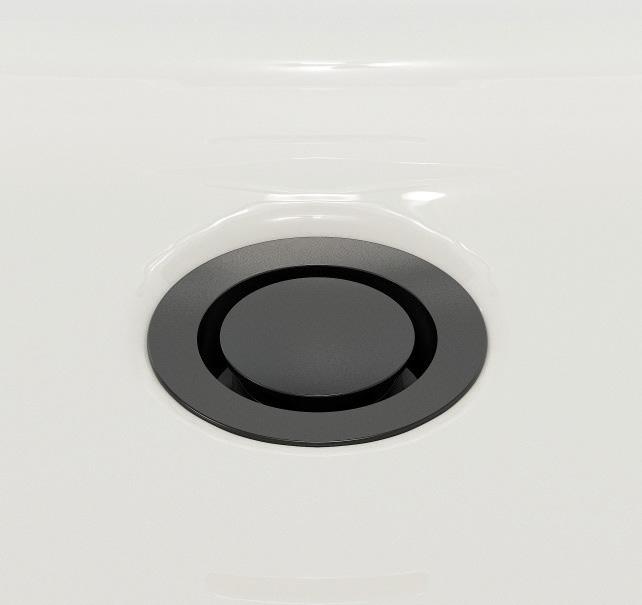
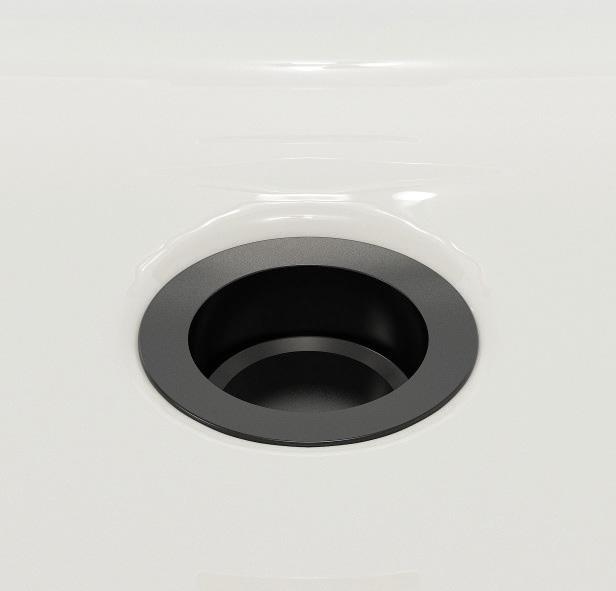
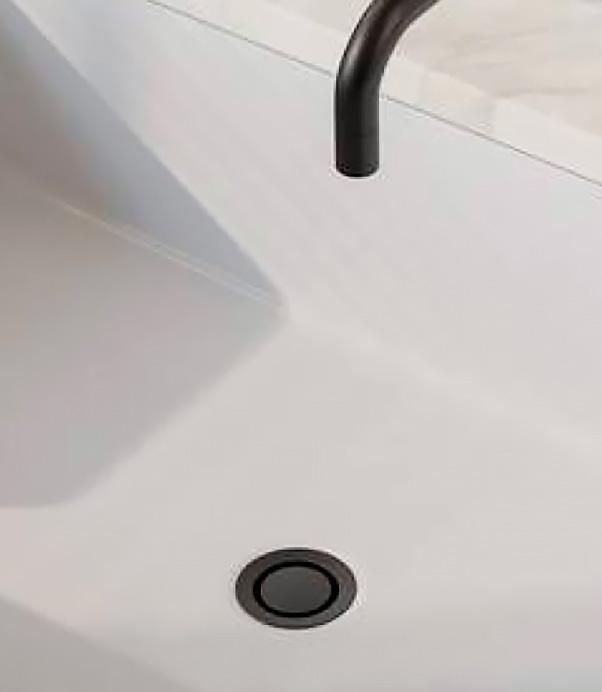
Dearborn, a part of the Oatey family of companies, has launched its Universal Pop Down Sink Drain, which combines modern design, universal compatibility and everyday practicality. Made to fit overflow and non-overflow bathroom sinks, professionals need to stock only one option on their trucks. Its patented, one-piece body eliminates potential leak paths and ensures long-term reliability, delivering consistent performance across any application. The drain’s intuitive, push-to-open and lift-to-clean functionality allows for effortless cleaning and maintenance. Its flush-to-basin design creates a seamless, elevated profile while helping prevent small items, such as jewelry, from slipping down the drain. It is offered in tarnish-resistant Chrome, Brushed Nickel and Matte Black finishes. www.oatey.com/pop-down

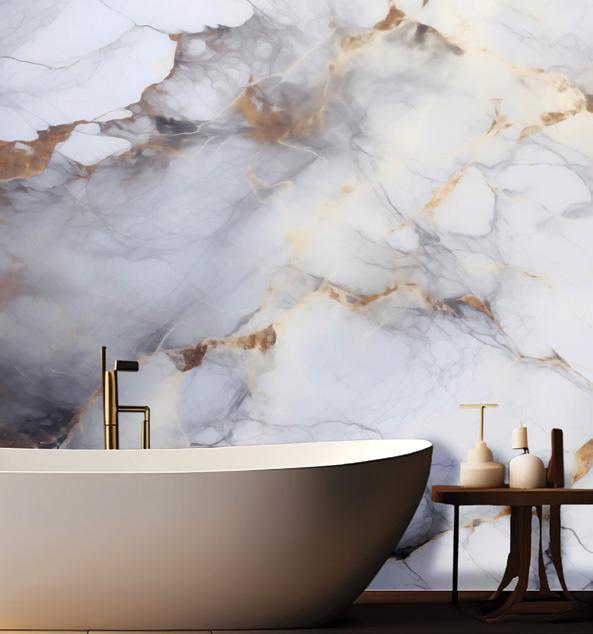
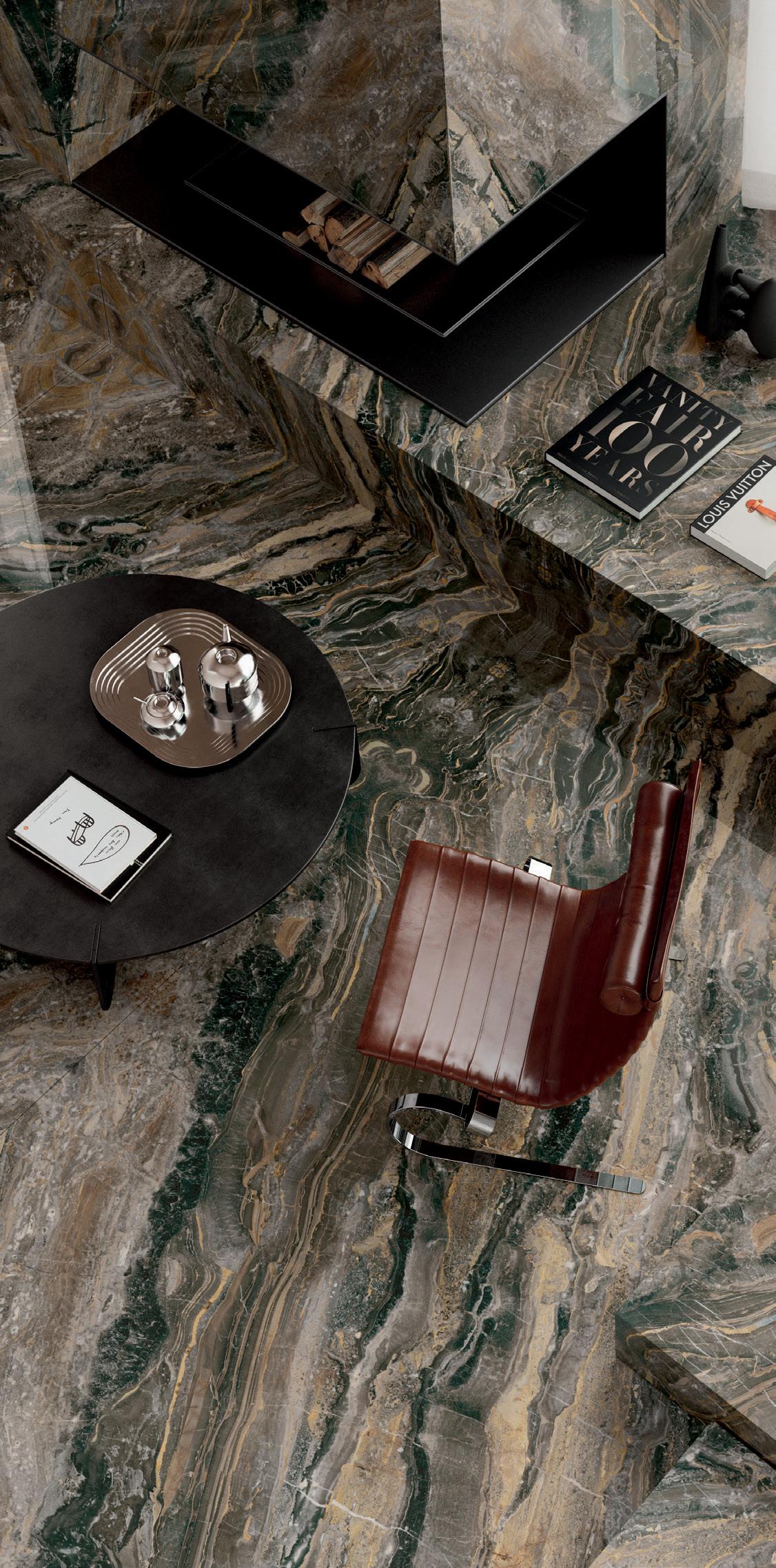
Buca Interior Solutions has debuted Canvastone, a next-generation architectural surface made from real marble dust. Canvastone bridges the gap between natural stone aesthetics and advanced material flexibility, offering architects and designers a highly customizable solution for walls, curved surfaces and furniture integration. Ultra-thin, lightweight and seamless, Canvastone allows large-format installations without visible joints while maintaining the visual depth of natural stone. Produced using advanced UV printing technology, the material delivers long-lasting color accuracy and refined surface detail. Each design can be fully customized and adapted to project-specific requirements, enabling tailored patterns, scales, and finishes. Canvastone supports backlit applications. Heat- and moisture-resistant when properly coated, Canvastone is suited for a wide range of interior design contexts. www.bucastore.com
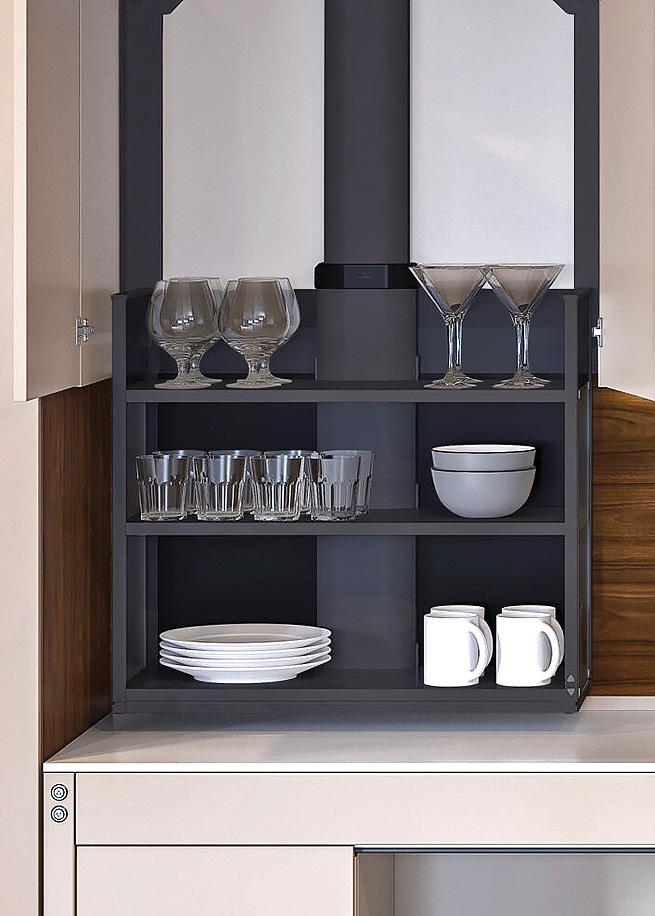
Richelieu has collaborated with Granberg, a European manufacturer of accessible kitchen and living solutions, to offer the VERTI 840 motorized lift for upper cabinets. A winner of the prestigious “Best of KBIS” awards in the “Wellness Trailblazer” category, VERTI 840 helps users avoid stretching and straining. With a simple touch, the smart electric height-adjustable lift system smoothly, silently and safely brings cabinet shelves down to countertop level. The product is designed to integrate seamlessly into virtually any kitchen to create more ergonomic, flexible and universally accessible spaces. www.richelieu.com
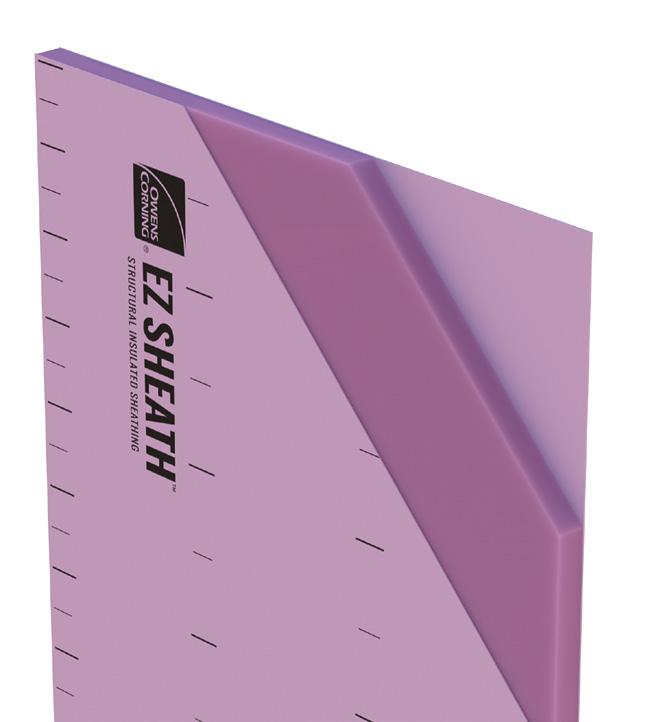
Owens Corning has introduced EZSheath Structural Insulated Sheathing (SIS), a 4-in-1 prefabricated exterior wall system that integrates structural strength, continuous insulation and air/weather protection into a single, easy-to-install panel. Engineered to meet today’s and tomorrow’s energy codes, EZSheath SIS combines a structural composite of FOAMULAR NGX insulation with air- and water-barrier components. The innovative design helps builders finish installation faster and conserves square footage while meeting performance and code requirements. EZSheath delivers a dependable R-5 per inch and is up to 50 percent lighter than OSB. www.owenscorning.com/en-us/insulation/ products/ezsheath
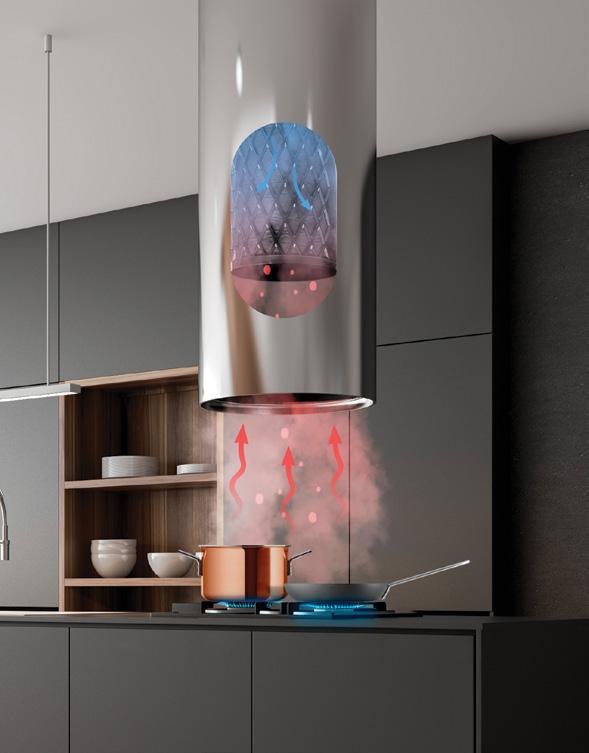
PlasmaMade is redefining what’s possible in kitchen ventilation and indoor air quality—delivering powerful, ductless technology that removes smoke, grease, odors and airborne contaminants without the need for exterior venting. In addition to capturing and neutralizing airborne pollutants, PlasmaMade enables greater design freedom, lowers construction costs, creates faster installs, and provides more flexible floorplans and retrofit opportunities, as well as makes indoor environments healthier for homeowners. plasmamadeusa.com
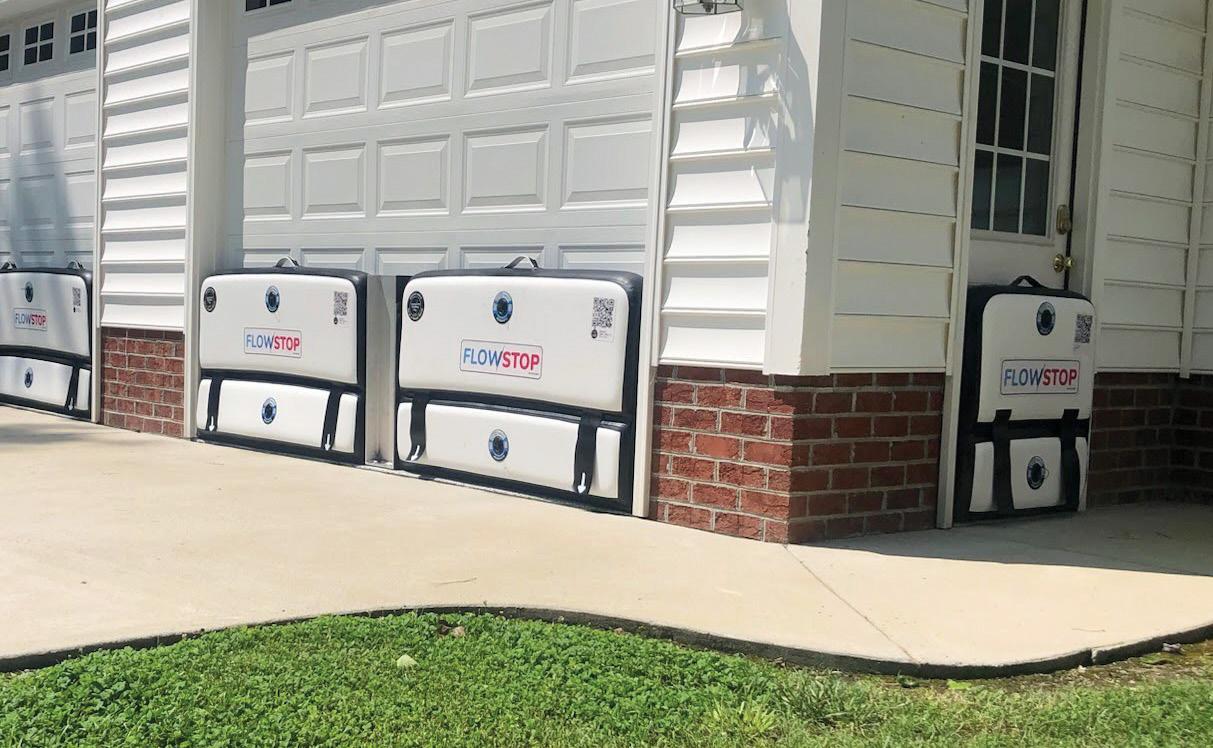
FlowStop’s patented inflatable flood barriers are now manufactured in the U.S. at a facility in New Hampshire, meaning expanded capacity, shortened lead times and better quality control for customers nationwide. The custom inflatable flood barriers deploy in under five minutes—without tools—and create a watertight seal in doors, windows, and garage openings to protect houses and buildings against floods. The barriers, which can be reused, were designed and tested to withstand various types of debris, including logs and sharp objects, encountered in different conditions. They also have undergone rigorous testing under extreme-pressure scenarios.
www.flowstopfloodbarrier.com
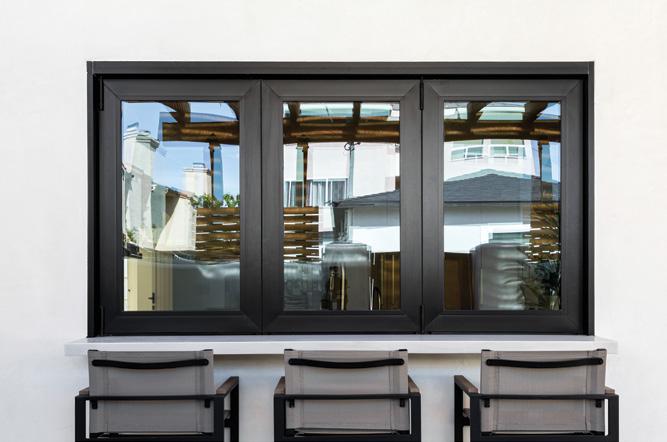
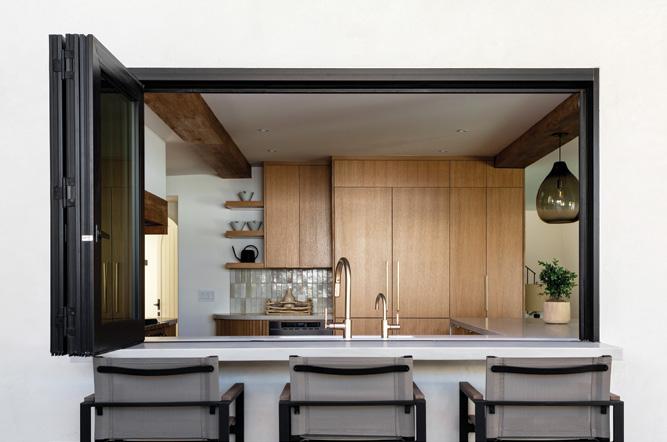
The Pella 250 Series Vinyl Bifold Window creates a wide pass-through opening that makes it easy to serve food and drinks between kitchens, patios and poolside spaces. Available in configurations up to six panels for expansive openings with pre-drilled installation holes, these windows are equipped for high-quality and fast installation. Pella’s precision welding process helps prevent warping and twisting over time. Reinforced window frames are 52 percent stronger than ordinary vinyl based on the force required to bend a window-frame profile. A multi-chambered, fully welded sash and frame improve strength and thermal performance, as well as reduce sound transmission.
www.pella.com/shop/windows/250-series/bifold-windows

A. O. Smith has partnered with Panasonic to develop the Voltex X outdoor split CO2 heat pump water heater. The small footprint and split-system design was created for a wide range of applications, including hard-to-fit installation locations. Running on CO2 as a refrigerant, the unit can work in extremely cold temperatures; water lines are insulated to add an extra layer of freeze protection while remaining environmentally friendly. Voltex X HPWHs are equipped with leak detection and a shut-off valve, as well as require no venting kit or ambient air. www.hotwater.com

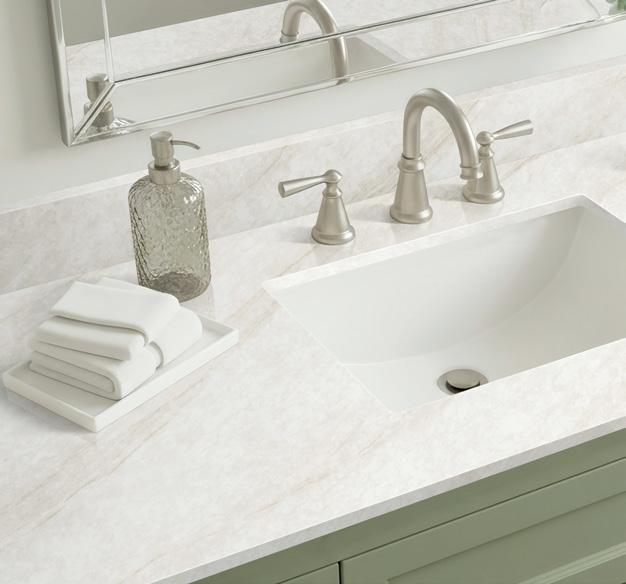
M S International Inc. (MSI) offers an array of interpretations of Taj Mahal Quartzite. A creamy off-white to soft-ivory backdrop sets the stage for delicate gold and blonde veining. With more than 50 years in the industry, the company has carefully crafted and curated a wide selection of Taj-inspired products in Q Quartz, Q+ Engineered Stone, and even LVT and hardscape, thoughtfully capturing its natural beauty while prioritizing consistent color and veining in durable, low-maintenance surfaces. For example, Aurataj boasts a warm, creamy backdrop with wisps of gold and luminous blonde veining for gentle movement and depth. Travataj brings soft movement with delicate cream and ivory tones drifting across a serene warm-white canvas while LumaLuxe technology illuminates the veining for a radiant effect. www.msisurfaces.com
Be recognized by retrofit for your outstanding work retrofitting commercial, industrial, institutional and residential buildings!
Submissions now are being accepted to enter our eighth-annual Metamorphosis Awards, honoring architects, designers and contractors for excellence in renovation, retrofits and more.
CATEGORIES
• Whole Building
• Historic
• Exterior
• Interior
• RESIDENTIAL
• Mixed Use
• Multifamily
• Adaptive Reuse

• Addition
• Wild Card: A creative improvement to an existing space/feature that doesn’t fit in the other categories.
Learn more at www.retrofitmagazine.com/metamorphosis-awards VIEW THE 2025 WINNERS AT www.retrofitmagazine.com/category/2025-awards.
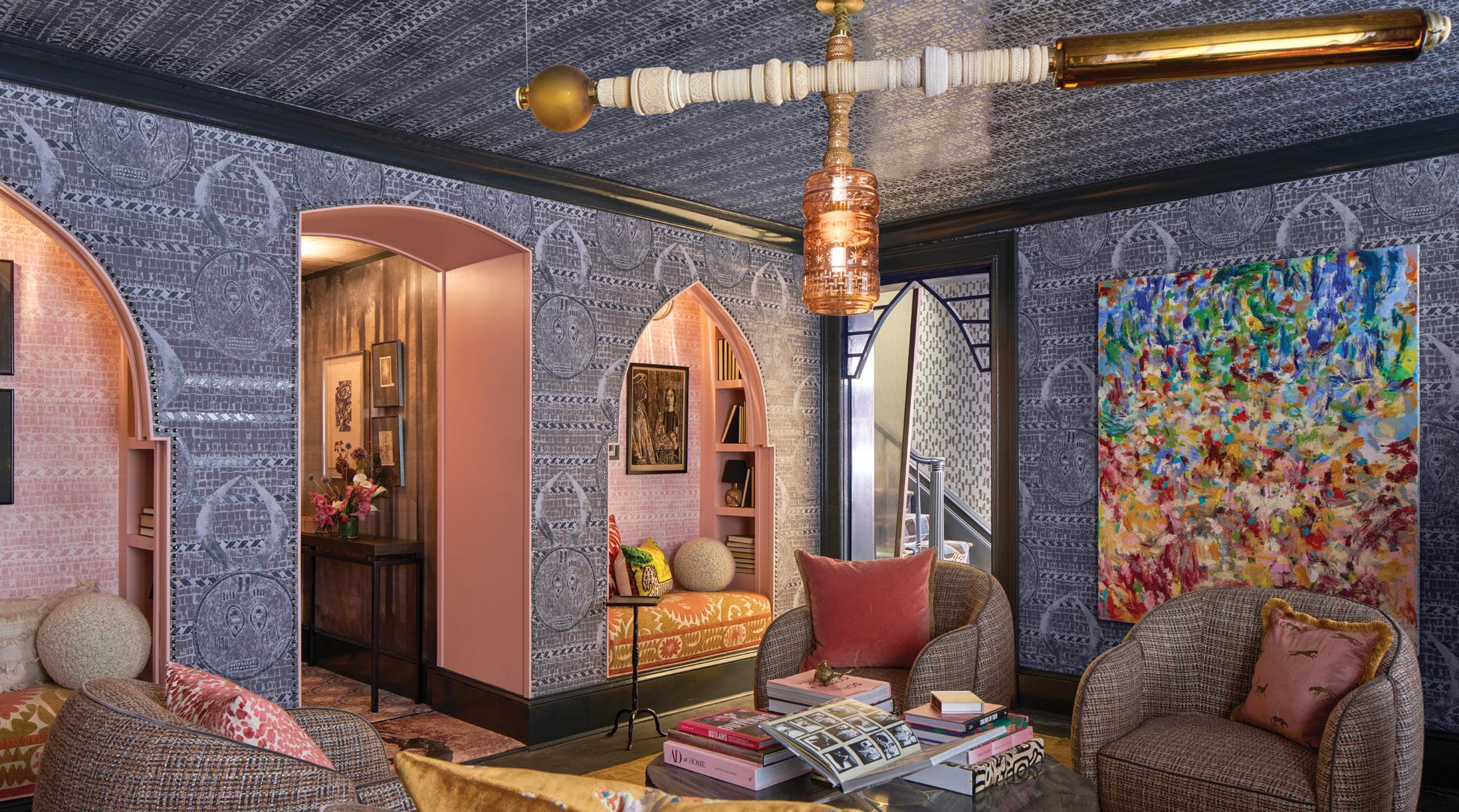
The Kips Bay Decorator Show House, Benefiting the Boys & Girls Club, Features a Living Room with Flair
Inspired by her childhood in Nigeria and an enduring love for Morocco, Andrea Schumacher, founder of Andrea Schumacher Interiors, imagined a modern speakeasy for her room at the Kips Bay Decorator Show House in New York. The design started with wallcovering, which is from Schumacher’s own collection, based on original artwork by her grandmother, Elizabeth “Liesl” Monath, who studied under Dalí and Léger in Paris in the 1930s.
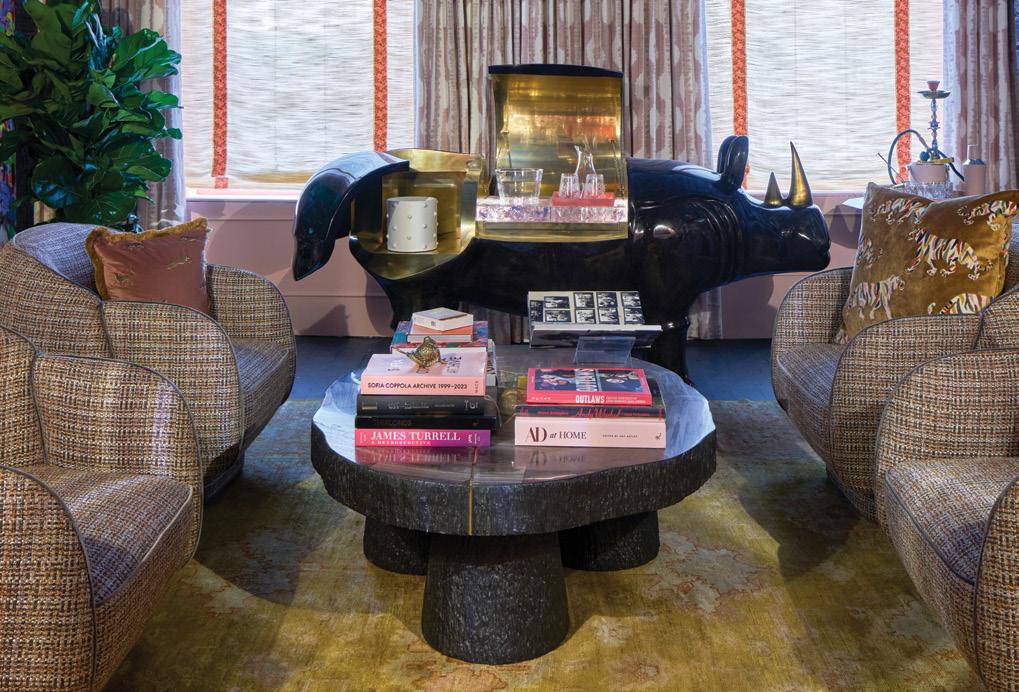
Tile and stone ground the space in rich texture, and drapery frames the space beautifully, complemented by striking upholstery. Rugs provide warmth underfoot while a side table brings sculptural grace. The centerpiece of the bar area—the whimsical rhinoceros-shaped dry bar—gives the room its Pink Rhino Club name. Lighting fixtures and lamps infuse the space with a luminous ambiance.
Materials
Wallcoverings: The Vale London Co., thevalelondon.co.uk/ collections/the-liesl-collection
Tile and Stone: Artistic Tile, www.artistictile.com
Drapery: Kravet, www.kravet.com
Rugs: Rug & Kilim, rugandkilim.com
Bar: Sylvan San Francisco, www.sylvansf.com
Lighting: Visual Comfort & Co., www.visualcomfort.com, and Hector Finch, www.hectorfinch.com
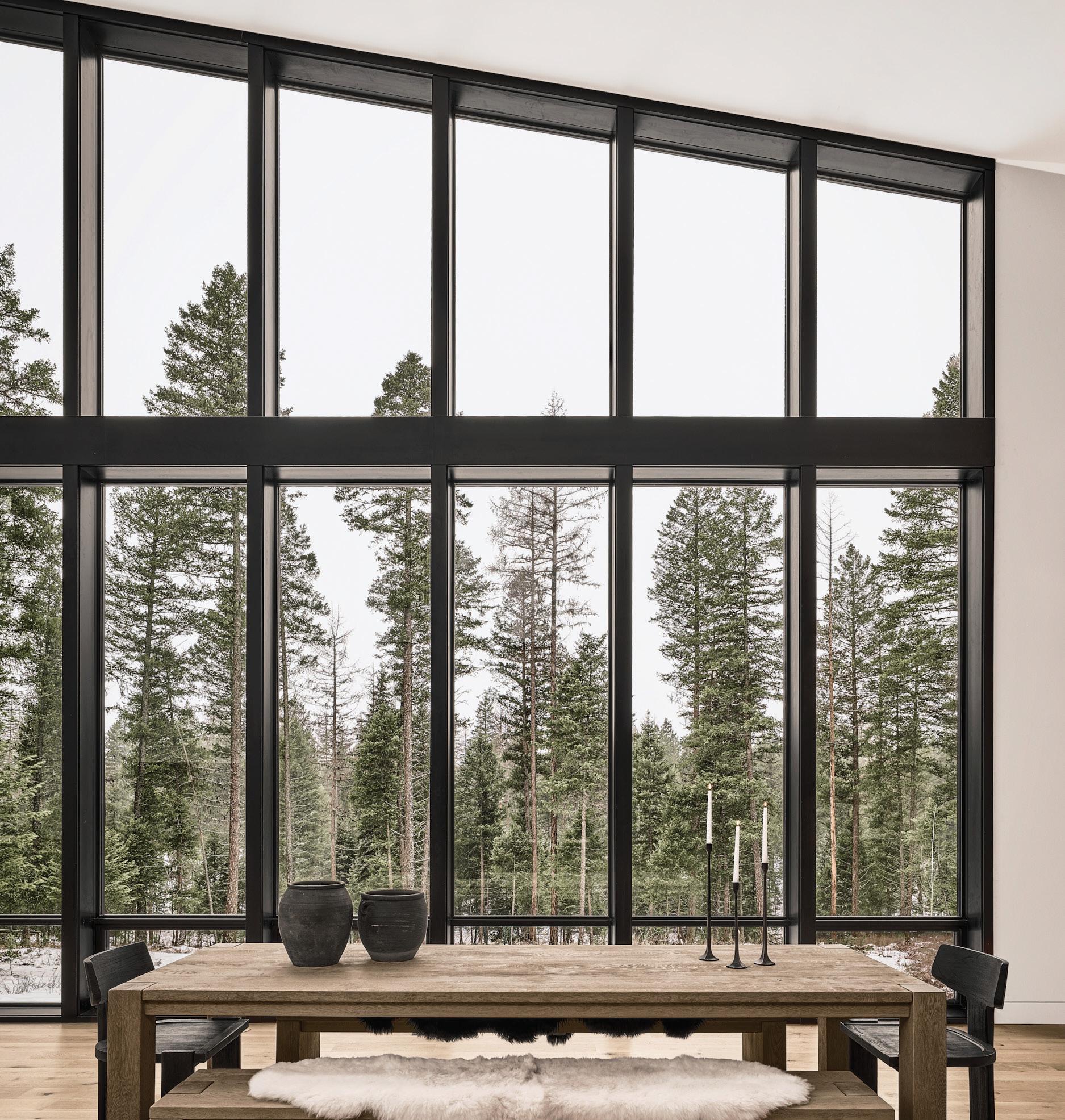

The battle between time and wood has always been an unfair fight. But not anymore. Now, you can recommend natural wood products designed to stand up to decades of wear.
Our thermally modified decking is backed by a rot resistance warranty of up to 20 years for knotty pine and 25 years for ash and spruce. And our chemical-free process enhances each board for dimensional stability in any climate.
So, your clients can enjoy a beautiful outdoor space year after year … after year.

Scan the code now to see how you can create the look you want with real wood from Thermory.