INSPIRE Issue 39 - The Research Economy: Value, Impact & Return
Punching Above Its Weight: The Hidden Policy Power of Health Services Research
New evidence on the policy reach of NHMRCfunded health services research and its contribution to evidence-informed health system decision-making.
A/Prof Alison Pearce,
Vanessa Peters & Dr Bronwen Merner | Health Services Research Association of Australia and New Zealand
Conversations about health research often focus on the value of breakthroughs in basic science or clinical medicine. However, some of the most consequential healthcare research occurs at the systems level.
Health services research (HSR) is an area of research that examines the effectiveness, efficiency and equity of health services in delivering healthcare, and how these measures impact the health and wellbeing of populations (HSRAANZ 2026 ). However, in Australia, HSR remains chronically underfunded relative to its impact. And new evidence suggests that gap is harder to justify than ever.
A Funding Disparity That Doesn’t Stack Up
The National Health and Medical Research Council (NHMRC) recognises HSR as one of four Broad Research Areas, alongside Basic Science, Clinical Medicine and Science, and Public Health. However, the funding allocated tells a different story about its perceived value.
In the 2025 NHMRC Investigator Grants Scheme, HSR researchers submitted 10% of applications, but received just 2.6% of total funding compared to Basic Science (39.7%), Clinical Medicine and Science (37.6%), and Public Health (20.1%) (NHMRC). Similar rates are seen for Ideas Grants, where HSR represents 3% of submissions but only 1% of awarded grants, against Basic Science’s 75% ( NHMRC ). While Partnership Grants and the relatively new Medical Research Future Fund represent
higher rates of funding for HSR, the NHMRC Investigator and Ideas Grants represent the primary opportunity for researchers in Australia to build a high-profile, highimpact career.
The disparities in NHMRC funding might be defensible if HSR were delivering proportionally less impact. New research suggests it isn’t.
Tracing the Policy Footprint
A bibliometric analysis of NHMRC-funded HSR from 2015 to 2025 drew on the Dimensions database, which links grants to publications, and the Overton database, which tracks when research is cited in policy documents, white papers, and clinical guidelines. The findings were compelling.
Of the 670 HSR grants awarded by the NHMRC over the decade, 36% were linked to policy citations. For Investigator Grants specifically, that figure rose to 51%. This demonstrated that HSR was directly informing government policy, health system guidelines, or official white papers, at a proportion drastically higher than the average of 1.41% across disciplines ( Tattersall and Carroll 2018).
These grants didn’t just influence Australian policy. HSR-funded research accumulated 1,020 national and 2,868 international policy citations across 54 countries. This represented a genuinely global reach from a comparatively modest investment.
The research also moved quickly into practice. On average, HSR grants received their first policy citation within 3.4 years of publication. This timeline is consistent with international benchmarks. A comparable UK study of NIHR-funded maternal and neonatal research found a median time to first policy citation of 3.5 years (Tunn 2025).
In other words, Australian HSR is competing on the world stage with a fraction of the resources.
Balancing study designs that will attract funding vs influencing policy and practice
Researchers respond to poor success rates for HSR by re-classifying their research for different categories (Fradgley 2019). As one researcher mentioned “Finding a balance between designing a study that will successfully attract major funding, and designing a study that might actually influence practice and policy” is a challenge (Fradgley 2019).
Similarly, funders increasingly want researchers to use innovative methods. However, funding to develop these methods and the skills to use them among methodologists such as health economics, biostatistics, implementation science, etc. is extremely limited.
To change the way health services are delivered, HSR often requires large, multi-method and transdisciplinary projects. This can be inconsistent with the review approach of many large funding bodies, and results in reviewers who are less familiar with the types of scientific study designs used in HSR. The small HSR community in Australia also means conflicts of interest are common and the reviewer pool can therefore be small.
The Case for Rebalancing
The biggest challenges facing the Australian health system are not predominantly problems that will be solved in the laboratory or clinic. They require the kind of systems-level thinking that HSR provides. Our analysis shows that even when under-resourced, HSR is delivering sizable policy impact. This raises the question: what could HSR achieve with equitable funding?
Research Australia has long championed the value of health and medical research to Australia’s future. Part of that advocacy must include calling out structural inequities in how research is funded and making the case that investment in HSR is investment in a smarter, fairer, more effective health system.
The data shows HSR is already punching well above its weight. It’s time the funding caught up.
Authors: A/Prof Alison Pearce is a researcher at the University of Sydney and the President of the Health Services Research Association of Australia and New Zealand (HSRAANZ). Vanessa Peters is a Master of Public Health student at the University of Sydney whose Capstone Project contributed to the analysis. Dr Bronwen Merner is a researcher at the University of Melbourne and the Executive Officer of HSRAANZ.
A Thriving Australia: Unlocking the Power of Health Economics, Productivity and Research
Australia’s health and medical research sector generates significant economic returns. Our investment in it does not yet reflect that reality.
Dr Talia Avrahamzon, Emmett Whitaker & Oluwafunmilayo Vaughn | Research Australia
It is well established that for every dollar invested in health and medical research, the Australian economy gains around four dollars in return - an incredibly high return for any form of government expenditure.
Yet health and medical research continues to be framed as discretionary spending rather than strategic public investment, and is funded accordingly.
The relationship between research investment and economic return operates across multiple channels simultaneously. Every preventable disease and hospital admission avoided reduces pressure on health system expenditure. Every faster diagnosis enables earlier intervention, reducing long-term treatment costs and keeping people in the workforce. Every home-grown technology that reaches market creates high-value jobs and attracts international investment. And every year of healthy life preserved translates directly into the health and wellbeing of our nation, community, social and economic contributions and participation, productivity and tax revenue. Health and medical research does not sit alongside economic policy - it is economic policy, compounding over time in ways that conventional infrastructure investment rarely does.
However, how do we measure the true value of this research beyond scientific discovery?
A Case for the Benefits
Health economics is a specialised branch of economics that examines how healthcare resources are allocated, financed, and utilised within a society. It provides critical insights into the efficiency, effectiveness, and equity of health systems. It can guide policymakers in making informed decisions that maximise health outcomes while ensuring sustainable use of resources.
At its core, health economics seeks to answer fundamental questions: how can we deliver high-quality healthcare efficiently? What are the most cost-effective ways to keep people well, prevent and treat diseases? How should limited resources be distributed to achieve the greatest benefit for the population? By addressing these questions, health economics helps strike a balance between quality care and affordability, ensuring that health systems remain resilient and capable of meeting future challenges.
Employing the principle of health economics in research can significantly empower us to reduce inefficiencies and promote sustainability. Through rigorous economic evaluations informed by the latest health research, policymakers and providers can pinpoint unnecessary procedures, overused treatments, and gaps in care delivery.
Health economics provides the analytical frameworks to evaluate the value of preventable care, new treatments
and technologies derived from research. Conversely, research offers the evidence needed to inform economic models and policy decisions. When these disciplines work together, they enable decision-makers to prioritise investments that generate the greatest health and economic returns. Consequently, by continuously analysing spending patterns and health outcomes and being guided by emerging research findings, health systems can adapt and improve in real time.
Governments, research institutions, healthcare providers, industry, and policymakers must work handin-hand to foster an environment where innovation flourishes. Research Australia recognises the critical role of health economics and its role in the broader health and medical research ecosystem - and has a well-established, dedicated focus on health economics, spear-headed by our health economics working group.
Bringing health economics together across the ecosystem
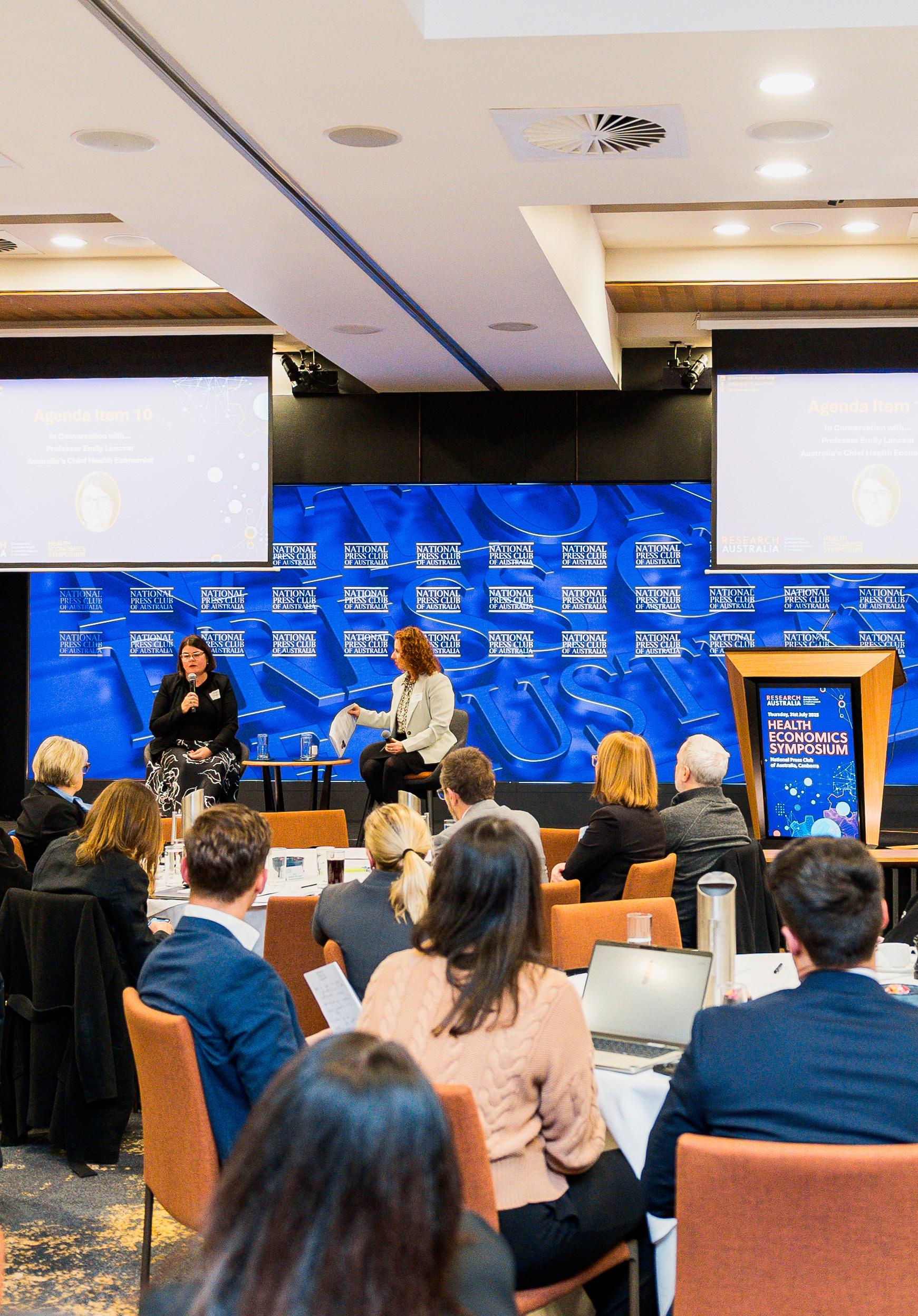
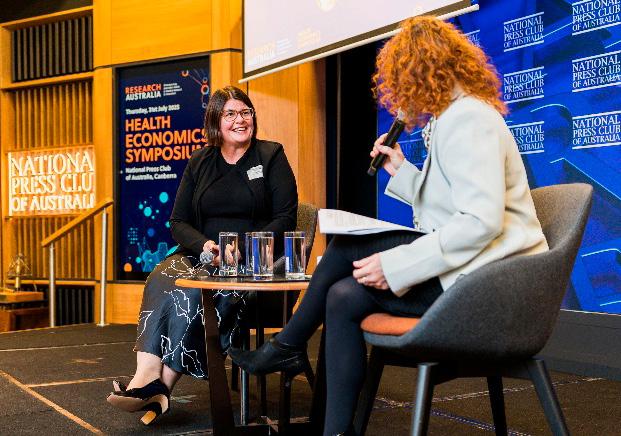
At our 2025 Health Economics Symposium, we identified key challenges that need to be addressed to better incorporate health economics into the health and medical research landscape – dedicated funding for health economics and health services research, increasing the health economics workforce, enabling access to the breadth of Australia’s data, investing in and monitoring research translation and implementation, and elevating health economics into evidence-based policy. With over 100 sector leaders across the health and medical research ecosystem and policy makers, we identified actionable solutions to addressing these issues that Research Australia is progressing in its policy and advocacy platforms.
Evidence led advocacy
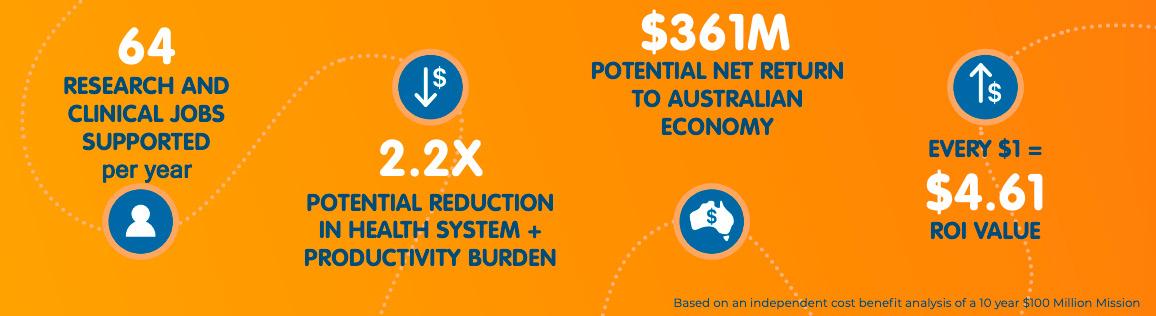
As a separate example, Research Australia has been working in partnership with Arthritis Australia, health economists, researchers, clinicians, consumers, policymakers and industry stakeholders to create the evidence base to determine the best return of investment in increasing funding arthritis and musculoskeletal disease.
A key finding in the body of work was the significant mismatch between the burden of arthritis and musculoskeletal conditions on health and wellbeing, socio-economic and community participation and
productivity, and the level of research funding allocated. AMSK conditions affect almost one-third of Australians, are among the leading causes of disability and chronic pain, and impose substantial costs on the health system and economy. Yet they receive a disproportionately small share of national health and medical research funding.
Our report: Evaluation of Preferred Investment Models for Arthritis and Musculoskeletal (AMSK) Research, examined the best return of investment for AMSK research. It included a scan of potential funding sources and investment models which would support a national research initiative in AMSK health, and then aligned these with a set of strategic pillars we drew together from our landscape review, stakeholder consultations and feasibility analysis. In June 2026, a new $100 Mission for AMSK was announced by the Prime Minister, the Hon Anthony Albanese MP, and Health Minister, the Hon Mark Butler MP.
Achieving the transformative impact of health and medical research across the health and wellness pipeline as well as research pipelines of discovery through to translation and/or commercialisation requires more than just strategic investments and innovative policies. It demands strong evidence-based advocacy, enabled by health economics, to shape public understanding, influence decision-makers, and secure sustained support.
Research Australia stands at the forefront of this advocacy effort. As the nation’s peak body for health and medical research innovation, we see the whole of system lens, not just the discrete parts which are often in sharp juxtaposition with each other, often with unintended consequences as a result.
Our advocacy advances and champions the vital role that research plays in shaping a healthier, more productive Australia and the innovation that comes with that will shape our nation for years to come.
Authors: Dr Talia Avrahamzon, Emmett Whitaker and Oluwafunmilayo Vaughn, Research Australia.
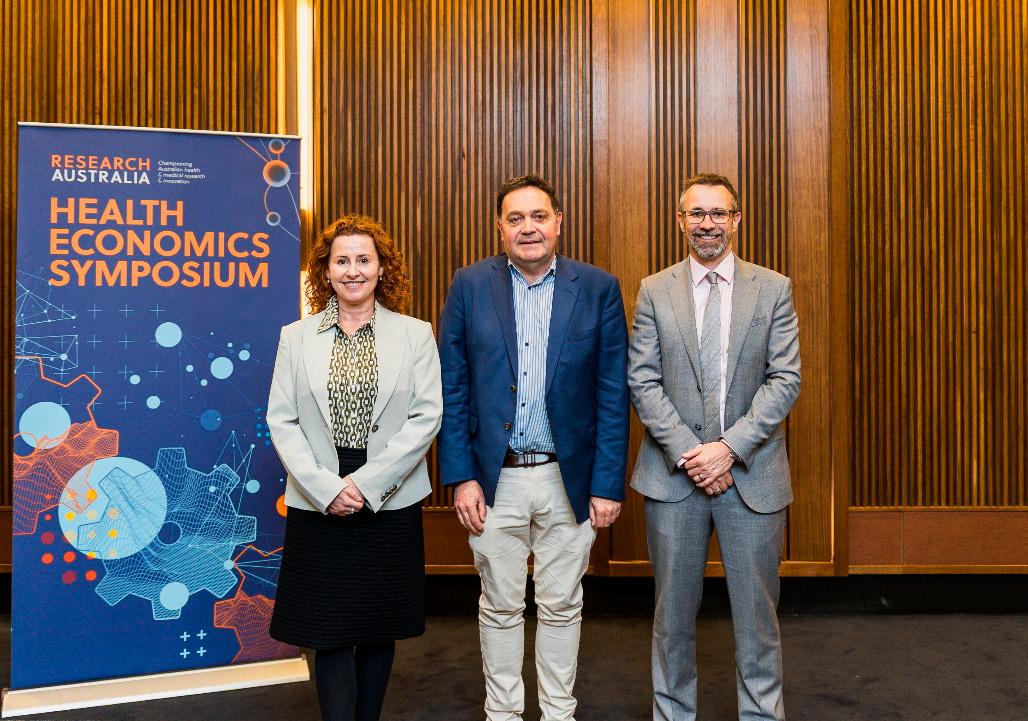
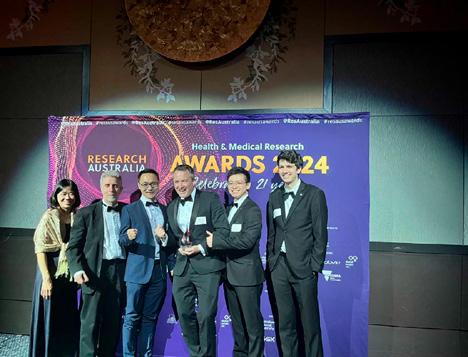
L-R Nadia Levin, Prof Philip Clarke & Prof Henry Cutler
Nadia Levin, CEO of Research Australia in discussion with Professor Emily Lancsar, Australia’s Chief Health Economist
The $2.6 billion case for viral hepatitis elimination
In Australia, nearly 300,000 people are living with hepatitis B or hepatitis C. Hepatitis B has a vaccine and effective treatment, and hepatitis C has a cure. Despite this, around 1,000 people still die each year from these conditions.
Australia has committed to eliminating hepatitis B and hepatitis C as public health threats by 2030. This means new transmissions, preventable illness, and premature deaths are reduced to minimal levels.
Hepatitis Australia, the national peak organisation representing community hepatitis organisations and people affected by viral hepatitis, leads national efforts to implement hepatitis B and hepatitis C strategies and drive progress toward these goals.
Over the past decade, the collective effort of community, research and government has had real results. Treatments have improved, national frameworks are in place, and elimination remains within reach.
But alongside this progress, what is less widely recognised is the scale of the economic and social return tied to eliminating viral hepatitis in Australia — and the cost of falling short of the nation’s 2030 deadline.
The cost of missing the deadline
New modelling commissioned by Hepatitis Australia estimates that failing to meet hepatitis B and hepatitis C elimination targets would cost $2.6 billion in 2030 alone. This includes direct healthcare costs as well as broader impacts on people’s wellbeing and ability to participate in the workforce.
Although centred on a single year, the estimate points to an ongoing burden: if targets are missed, similar costs are expected to recur annually, pushing the long-term impact far higher.
When viral hepatitis is not treated early, the consequences extend well beyond the health system. Healthcare costs rise, but so too do less visible impacts on people’s lives, such as reduced capacity to work and diminished quality of life.
In contrast, the modelling shows the value of getting on track. Every dollar invested in hepatitis C delivers an estimated return of $16, while hepatitis B delivers $7. These returns come from avoided healthcare costs, fewer people developing advanced liver disease, and more people staying well and in work.
The returns reflect the progress already achieved. Hepatitis C can now be cured through short courses of medication, while hepatitis B can be effectively managed, reducing the risk of serious complications.
Yet access remains uneven. The challenge is no longer treatment, but ensuring early diagnosis and consistent engagement in care. When care is delayed or disrupted, the risk of cirrhosis, liver cancer, and other serious complications increases.
Unequal impacts
The impact of viral hepatitis is not shared evenly. Aboriginal and Torres Strait Islander peoples, people from culturally and linguistically diverse backgrounds, and people with lived experience of injecting drug use are among those most affected.
These communities face stigma, discrimination, and barriers to culturally appropriate care. As a result,
Hepatitis Austalia
diagnosis may occur later and continuity of care can be harder to maintain.
This contributes to poorer health outcomes and higher long-term costs, reinforcing the link between inequity, delayed care, and preventable complications.
What needs to happen next
There is strong evidence for what works. Communityled and culturally responsive programs improve testing, treatment uptake, and continuity of care. Services designed with communities are more likely to be trusted, accessible, and effective.
Sustained investment is needed to support both system-wide improvements and targeted approaches. Expanding testing in primary care, strengthening connections between services, and ensuring consistent follow-up are all critical.
Early detection and regular monitoring can identify liver disease before it becomes severe, making treatment more effective and less costly. Many of the most expensive outcomes, including advanced liver disease and liver cancer, are preventable with earlier intervention.
At the same time, the complex nature of some social impacts makes them difficult to measure accurately. Stigma, discrimination, and social exclusion play a significant role in shaping health outcomes, yet without comprehensive data, their full effect is often underestimated in policy and funding decisions.
While I have followed the doctor’s advice, concerns over my health and the social pressures of living with hep B have had a dramatic effect on my personality. I became withdrawn and began to lose too much weight. Joining Hepatitis NSW activities turned my life around!
–
Mary, Person living with hepatitis B
An opportunity for partnership and impact
Viral hepatitis is one of the few areas of public health where elimination is achievable with the tools already available. The remaining challenge is ensuring that existing solutions reach everyone who needs them.
This creates a clear opportunity for partners across healthcare, research, policy, and community sectors to contribute to a measurable national goal. Coordinated action can accelerate progress toward elimination, reduce pressure on the health system, and improve lives.
Hepatitis Australia welcomes opportunities to collaborate with partners across healthcare, research, policy and community sectors. As the national peak body, we bring sector-wide insight, lived experience leadership, and strong evidence to help translate strategy into impact and accelerate progress toward the 2030 elimination goals.
Full report here for free, confidential hepatitis information and support, contact HepLink at 1800 437 222 or www. heplink.au
Making child health care smarter and fairer
Australian families rely on a child health system that is under growing pressure. Demand for services is rising, pathways to care are becoming more complex and costs continue to increase.
Professor Kim Dalziel | Murdoch Children’s Research Institution
In this environment, investing in child health services and research is not only important - it is essential.
Health economics plays a critical role in making sure healthcare investments deliver real impact and value. By applying economic principles to healthcare, researchers can determine what works, for whom and at what cost. The result is a smarter, fairer system that delivers the right care at the right time, while ensuring sustainability into the future.
Understanding which children access services
Medicare spending for Australian children is not evenly distributed. A study of 4,853 children from the Longitudinal Study of Australian Children, linked with Medicare Benefits Scheme data, examined government out-of-hospital Medicare spending from birth to age 11.
After accounting for health needs, overall spending favoured children from wealthier households.
GP spending was broadly equal, but specialist care, diagnostics and imaging were more likely to benefit higher-income families. The inequity was greatest in infancy, highlighting a need for closer policy attention.
Evaluating models of care to reach more children
Understanding who can access care - and who is missing out - is also essential to building a fairer child health system. Health economics helps reveal where funding and services are falling short so care can be better targeted to the children and families who need it most.
To Strengthening Care for Children model was launched through the Centre for Community Child Health at MCRI, following a successful pilot in 2018. The aim of the model was to strengthen access to paediatric care closer to where children live via general practice.
In the first Australian, multi-state trial of an integrated GPpaediatrician care model, experts aim to:
• Reduce GP referrals to hospital emergency departments and outpatient clinics for children and young people under 18 years
• Strengthen paediatric quality of care delivered by GPs
• Increase GP knowledge and confidence in the management of paediatric conditions
• Increase family trust in GP care and reduce family preference for referrals to paediatricians
• Determine factors that help or hinder the implementation of the model of care in general practice to inform adaptability and sustainability
• Document the cost-effectiveness of the model of care to the healthcare system.
The model was found to be acceptable, effective and cost-effective even leading to cost savings in high referring GP practices and low-income families. families.
Listening to families to guide smarter care
Understanding patient and family needs is also at the heart of effective health care.
A key innovation in recent years is the use of patientreported outcome measures (PROMs). These tools capture children’s and families’ own assessments of their health and wellbeing, which are often missed in
clinical data and show broader impacts than clinical outcomes alone.
We have carefully explored patient views on PROM potential and co-designed, with consumers, how paediatric PROMs (P-PROMS) could be used directly in clinical care.
Early findings from a randomised pilot study of embedding a P-PROM in the Electronic Medical Records of hospital outpatient clinics show when clinicians and patients have access to this information, consultations become more focused and personalised and follow-up care is better tailored to individual needs.
Strengthening the system through research investment
The benefits of health economics extend beyond individual care decisions. Investment in research drives broader economic and social returns, including job creation, innovation and industry development.
Ultimately, health economics is about making choices that maximise impact. With finite resources and growing demand, the challenge is to deliver care that is both high quality and accessible to all children.
By combining rigorous analysis with a deep understanding of family experiences, health economics provides a pathway to achieve this balance. It ensures investments are guided by evidence, services are designed around real needs, and outcomes are measured in ways that reflect what matters most.
As Australia’s child health system continues to evolve, this work will be critical. Smarter, fairer care not only improves the lives of children today — it also builds a stronger, more sustainable system for generations to come.
Author:
Professor Kim Dalziel is CoGroup Leader of Health Services and Economics in the Centre for Community Child Health at Murdoch Children’s Research Institution (MCRI).
Breathing for Life: a case study on the true value of a clinical trial
Retrospective impact evaluation of a clinical trial reveals benefits and impacts not previously recognised or reported.
Associate
Professor Shanthi Ramanathan, Professor Vanessa Murphy & Dr Elissa Elvidge | Hunter Medical Research Institute
Every year Australia spends $10 billion on health and medical research which is approximately 4% of all spending on health. Of this expenditure, approximately 10% or $1.1 billion is spent on clinical trials activity providing valuable evidence for more effective disease prevention, detection, and management strategies.
These trials require significant investment. Trial designs need to be suitably robust, sometimes requiring a large number of participants and costly strategies to recruit hard to reach cohorts. Patient safety and data security are paramount in trials, requiring adequate checks and balances in place. A narrow focus on the trial findings as being the only valuable output of a trial can be extremely reductive. To date, little has been systematically captured and reported about the broader benefits that result from the conduct of clinical trials, but things are changing and assessment of impact beyond academic outputs is becoming more commonplace in many countries.
Breathing for Life
The Breathing for Life Trial (BLT) was a 7-year NHMRCfunded multi-centre randomised controlled trial looking to improve asthma management during pregnancy. The trial tested the effectiveness of an intervention that used the level of eosinophilic lung inflammation (measured as fractional exhaled nitric oxide, FeNO) to adjust asthma medication dose in pregnancy. The results paper provides data on the trial outcomes but the take-home message is simple – the trial showed no differences between the usual care and the FeNO-based management group on any of the perinatal outcomes examined.
A serendipitous connection
During a journal club presentation on the application of a research impact assessment lens, Lead investigator, Professor Vanessa Murphy was convinced that the impact that BLT had beyond the trial results was worth capturing. She collaborated with the Impact and Evaluation Team at the Hunter Medical Research Institute to retrospectively evaluate the broader impacts of BLT. The Framework to Assess the Impact from Translational health research (FAIT) was selected as the preferred framework due to its multi-dimensional lens on impact, its ability to be retrospectively applied, and the opportunity to trial its feasibility for application to a clinical trial. Given there are no impact frameworks designed specifically for clinical trials, the team believed the multi-dimensional feature of FAIT was ideal.
Using a comprehensive impact lens revealed a range of benefits across several domains
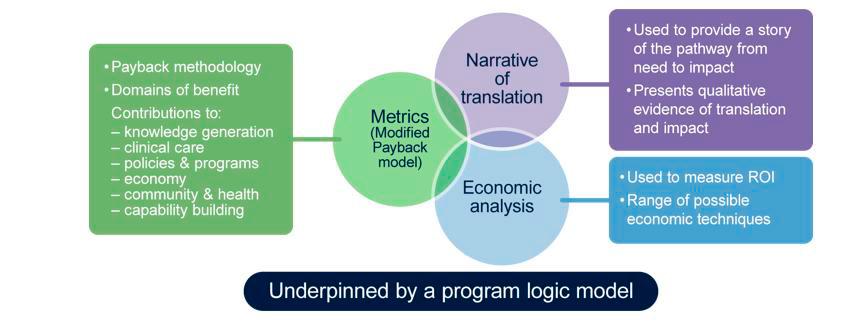
FAIT is a hybrid of three proven methodologies for measuring research impact: quantified metrics, economic analysis, and narratives of the process by which research translates and generates impact. Figure 1 presents a pictorial representation of FAIT. Its application to BLT revealed significant knowledge, capacity building, practice and patient impacts.
This case example illustrates how researchers can use evidence to demonstrate and report on the broader impacts and value of research investment. The full results can be found here.
Domain of impact
Knowledge advancement In addition to the 8 peer-reviewed articles with a total citation account of 78, one paper was selected for a “Latest Research” highlight on the American Academy of Allergy, Asthma & Immunology website
BLT contributed significantly to the development of an Asthma in Pregnancy online toolkit, a “best practice” go to information resource for asthma in pregnancy care for health care professionals and community members. The Toolkit has been endorsed by Asthma Australia and the Society of Obstetric Medicine of Australia and New Zealand. In its first 8 months, it has been accessed by over 13,000 unique users from 73 countries worldwide.
Capability building Upskilled 18 midwives and obstetricians in evidence-based asthma management in pregnancy ensuring improved care at the trial sites, beyond the 7-year trial period.
Improved the research capability of 6 PhD students who successfully completed their doctoral studies creating a cohort of skilled early career researchers in respiratory health.
Facilitating collaboration Academics, clinicians, allied health and research staff who participated in BLT represented 12 national and international universities, health and research-based institutions with some collaborations continuing beyond the trial.
Patient benefits Of the 1200 mothers who were part of BLT, 1182 were given asthma self-management education and 508 were provided with written asthma plans, an evidence-based approach to asthma management.
The proportion who improved their asthma plan knowledge increased by 58 percentage points from 12 to 70 per cent.
The proportion who had correct reliever medication knowledge increased from 25 to 79 per cent.
268 participants had a clinically significant improvement in their asthma control score.
Economic impacts
Specialised equipment purchased by BLT is now being repurposed to undertake other research in regional Australia, showing efficient use of research investment
From an initial investment of just over $2.8 million in direct and indirect research investment, BLT delivered a return of $6.7 million in leveraged grants, fellowships, and consultancies; these funds that are being allocated to increasing jobs in the knowledge sector.
Framework to Assess the Impact of Translational health research (FAIT)
Authors: Associate Professor Shanthi Ramanathan, Head of Impact & Evaluation, Hunter Medical Research Institute; Professor Vanessa Murphy, Chief Investigator and Dr Elissa Elvidge, Early Career Researcher, Breathing for Life Trial, University of Newcastle.
Figure 1 : FAIT: a three-dimensional impact lens that comprehensively captures the impact of health and medical research.
Table 1: A summary of some key impacts of BLT, not previously captured or reported
Making precision medicine available for every child who needs it
Paediatric cancers, rare diseases and neurodevelopmental disorders affect thousands of children in NSW, placing a significant burden on families, communities and the health system, with limited treatment options.
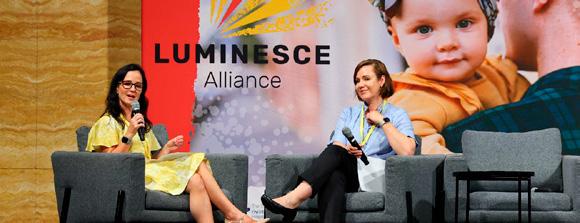
Luminesce Alliance addresses this by transforming $45 million in NSW Government funding into $454.7 million for worldleading precision medicine, tailoring treatments to children’s unique genetic profiles.
Paediatric cancers, rare diseases and neurodevelopmental disorders affect thousands of children and young people every year in NSW. The toll on families, communities and the health system is enormous. There’s often no known treatment or cure, and because these conditions are so rare it can be difficult to attract research funding through traditional means.
That’s where Luminesce Alliance adds so much value. Luminesce Alliance, with the support of NSW Health, drives precision medicine research tailored to children’s unique genetic profiles.
By leveraging $45m funding from the NSW Government into an exceptional $454.7m research funds since 2019, Luminesce Alliance has enabled world-leading research into precision medicine that tailors treatments to children’s unique genetic profiles.
Over the past six years, we have successfully embedded and delivered paediatric precision medicine across NSW. This has transformed outcomes for many children with cancer, rare genetic diseases and neurodevelopmental disorders. We’ve shown how this approach can be integrated into routine care, with benefits for the health system, NSW’s infrastructure and the economy.
Since its inception, this pioneering partnership has united the Children’s Cancer Institute, Children’s Medical Research Institute, Sydney Children’s Hospitals Network, UNSW Sydney, and University of Sydney to drive paediatric research innovation and translation to clinical care, through the development of critical enabling platforms infrastructure and collaborative networks across functional specialisations.
People are working collaboratively and undertaking truly groundbreaking research in ways that would never have happened without our initial funding.
By supporting people to work together, we achieve much more than any individual entity could alone.
Patients and their families are central to everything we do. They drive our research questions and sometimes take part in the research themselves.
This investment in early treatment can change the trajectory of children’s and family’s lives, prevent complications, and reduce healthcare costs.
More children and young people are now gaining access to treatment theywould not otherwise have.
But there’s much more to do. Precision medicine should be available to everyone who needs it, regardless of their geography, background, or socioeconomic status. Using precision medicine more widely requires investment, coordination and will.
Luminesce Alliance
Delivering impact
The opportunities are endless as technology improves, and our understanding grows.
What is precision medicine?
Precision medicine is a personalised approach to treatment and prevention that uses genomic, lifestyle, and environmental data to guide clinical decisions and improve outcomes. It’s especially important for children, as admissions to tertiary paediatric hospitals in NSW are dominated by genetic conditions, while up to 1 in 5 childhood cancers is associated with an underlying genetic predisposition
About Luminesce Alliance
Luminesce Alliance is a not-for-profit cooperative joint venture established with the support of the NSW Government to coordinate and integrate precision medicine research for children with cancer, rare diseases and neurodevelopmental disorders.
Since its inception in 2016, this pioneering partnership has united the Children’s Cancer Institute, Children’s Medical Research Institute, Sydney Children’s Hospitals Network, UNSW Sydney, and University of Sydney to drive paediatric research innovation and translation to clinical care.
Healthy Rural Hearts - amplified benefits of a clinical trial run in regional Australia
Recognising the broader returns to the rural workforce, residents and communities when investing in health and medical research in nonmetropolitan regions
Dr
Kurtis Budden, Associate Professor Shanthi Ramanathan, Laureate Professor Clare Collins & Dr Tracy Schumacher | Hunter Medical Research Institute
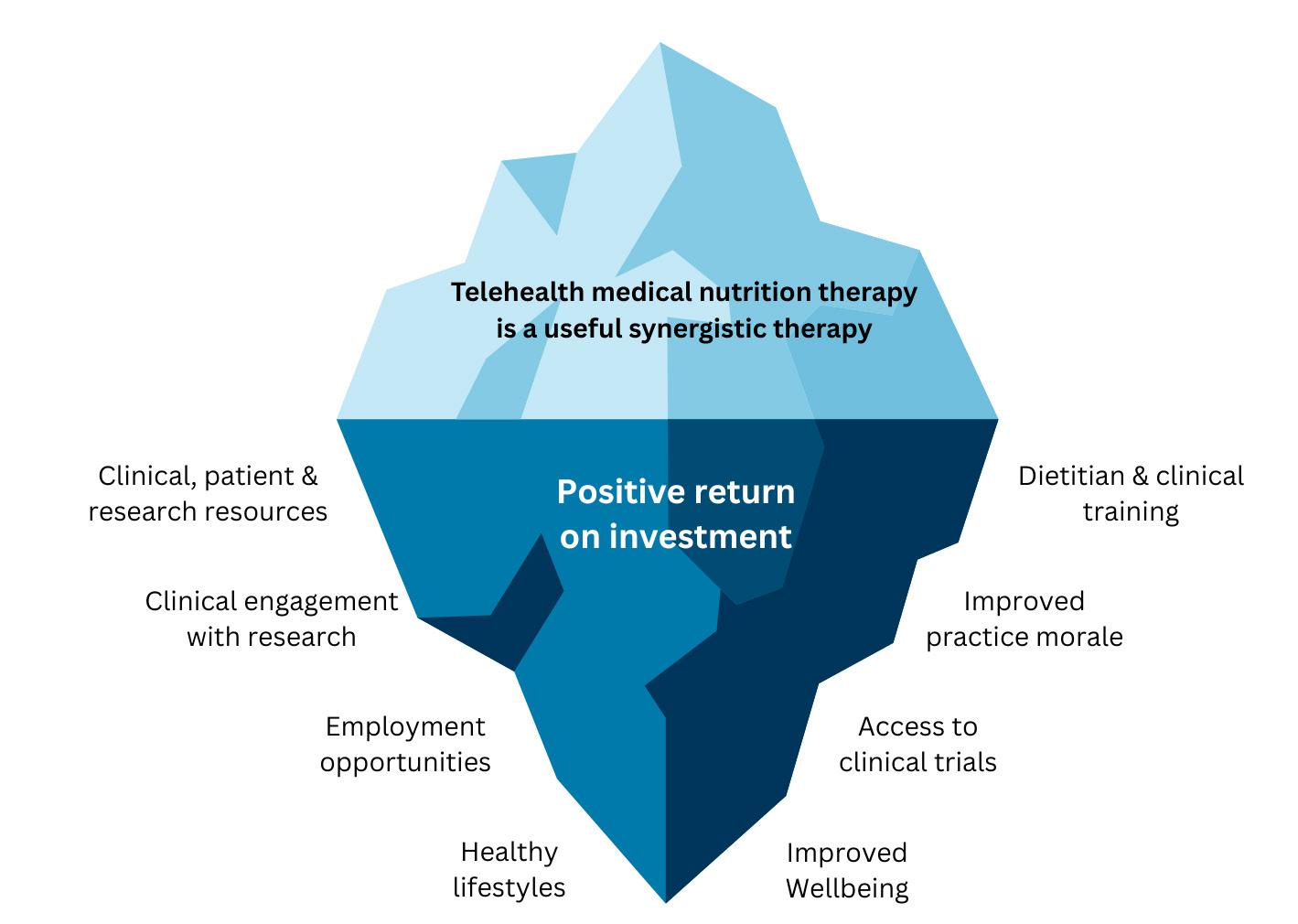
When researchers consider the impact of a clinical trial, they primarily consider the key findings reported in peer-reviewed publications. This exclusive focus on end results misses the broader societal and economic benefits that a clinical trial can have. To use a common analogy, research outcomes are just the tip of the iceberg, the rest of the impacts are often hidden beneath the surface.
For example, healthcare facilities that participate in clinical trials have better guideline adherence and offer better quality care, irrespective of trial outcomes. Similarly, patients who participate in clinical trials have better health outcomes, improve their understanding of their condition and are more active in decision-making around their health. Yet very few researchers recognise or report the valuable impacts of their work beyond the primary experimental aims.
Giving visibility to the bottom of the iceberg Research impact assessments are a formal evaluation of the broader societal impacts beyond the research outcomes and can be guided by a variety of reporting frameworks. While their adoption is not yet widespread, impact assessments are increasingly recognised as a valuable contribution to health and medical research and provide an essential point of reference for policy recommendations on research investment.
Healthy Rural Hearts – A Case Study in Hidden Impact
The Healthy Rural Hearts (HRH) study was a pragmatic cluster-randomised controlled trial conducted in rural communities in the Upper Hunter and New England regions of NSW. The study aimed to reduce cardiovascular disease risk in rural Australians through a six-month medical nutrition therapy (MNT) intervention delivered via telehealth. Outcomes from the study demonstrated that telehealth MNT did not reduce total cholesterol or blood pressure (the primary outcome measures) but was a useful supplement to usual care provided by general practitioners (GPs), improving body weight, blood glucose control, and diet quality.
From the beginning, lead investigator Laureate Professor Clare Collins recognised the potential for broader benefits from the HRH study. The Hunter Medical Research Institute Impact and Evaluation team was prospectively engaged to plan for, capture and report on these broader impacts. The Framework to Assess Impact from Translational health research (FAIT), a mixed method evaluation combining quantitative metrics, a narrative from the perspective of beneficiaries, and an economic evaluation, was applied to HRH.
Benefits to research and healthcare
To deliver the HRH trial, the team developed seven training packages, 26 “how to” guides/videos, and 70 templates for researchers and practices to support trial implementation. In addition, they trained eight research
Exemplar of impacts from the Healthy Rural Hearts Trial. While the visible published outcomes improved the evidence-base for medical nutrition therapy, broader benefits to society beneath the surface were only recognised through a formal impact evaluation.
staff in participant recruitment and developed research collaborations with 36 GPs and 18 practice managers and nurses from 16 practices to improve research capacity and capability in the region.
Clinical capability was improved by developing four clinical resources (including an online version of the heart disease-specific Australian Eating Survey) and 16 patient resources to guide specific dietary changes, as well as training for ten dietitians to deliver telehealth MNT. Dietitians, GPs and practice staff participating in interviews said that they had learned new skills which they integrated into routine practice, and that staff morale had improved from being involved in research. Both dietitians and practice staff reported an economic benefit to their participation, and one dietitian continued to be involved in other research projects after the study was completed.
Benefits
to the Participants
Nearly all patients received support to access and use the technology for telehealth consultations, and 67% of all participants improved their overall CVD risk scores. More than 90% of participants, including those in the non-intervention group, increased their activation in healthcare participation, health literacy and quality of life.
Some interviewed participants described improvements in their knowledge and healthy eating behaviours, with corresponding benefits to their physical and mental health. Several attributed non-dietary changes such as increased exercise or quitting smoking to their participation in the trial. Some felt their involvement improved management of other diseases. One participant received an early cancer diagnosis as a result of their study blood tests, leading to better treatment
outcomes, demonstrating benefits beyond the initial trial scope and design.
Benefits to the Community
The study had a total investment of $1.7 million in direct and indirect research and implementation costs. While this was a substantial investment, there was approximately $2 million in monetisable consequences, mainly in leveraged research funding and including >$700,000 in wages for rural-based professionals. This had a flow on economic impact into those rural economies. As a result, the broader benefits described were delivered at a modest return of $1.31 for each dollar invested (sensitivity analysis: $0.69- $1.89). View the full results here.
Conclusion
Investment in medical research is valuable to society, even beyond the headline discoveries that it produces. If we want to better understand how to effectively allocate resources and advocate for further research investments, it is valuable to give visibility to these impacts that are hidden beneath the surface.
Authors: Dr Kurtis Budden (Research Impact Officer), Associate Professor Shanthi Ramanathan (Head of Impact and Evaluation), Laureate Professor Clare Collins (Chief Investigator) and Dr Tracy Schumacher (Trial Manager) Healthy Rural Hearts MRFF-funded Clinical Trial, Hunter Medical Research Institute and the University of Newcastle.
Why research funding matters to practitioners
Science is the bedrock of medical practice and funding for research into quality, safety and the sustainability of the Australian health system is an essential priority.
Tom Hull | Avant Foundation
Every diagnosis, every treatment plan, every surgical technique; none of this exists without decades of scientific research behind it. Medical research isn’t peripheral to the practice of medicineit is the foundation of medicine.
Admittedly, not every practitioner is directly involved in research themselves or seeking funding. However, they probably work alongside colleagues who are, or they know someone who stepped back from a research career because the pathway became too uncertain.
Doctor researchers are a rare and valuable combination: practitioners who bring clinical insight and patient perspective to scientific inquiry, in ways that laboratory researchers alone cannot. Ensuring that opportunities exist for doctors to pursue research projects that are economically viable matters, for the future of Australian healthcare.
Avant welcomes the Federal Government’s recent commitment to increase MRFF spending over the next 4 years, reaching the $1 billion goal from 2030-31. We congratulate the parliamentary representatives and all the peak organisations working across the research industry who advocate for Australian investment in world-class health and medical research.
Independent modelling consistently shows that every dollar invested into health and medical research generates strong returns through productivity gains, reduced health expenditure, commercialisation and workforce participation. Professor Jason Kovacic, AAMRI president, Avant member.
Beyond a clinical focus: driving system improvements
The need for research goes beyond disease-specific breakthroughs. Health systems research, which is the complex interplay of patient care, technology, law, policy, workforce and economics that determines whether our healthcare system is safe, sustainable and high quality, is still chronically underfunded. The evidence base for how we organise and deliver care affects every practitioner and every patient, yet it rarely attracts the attention or investment that clinical research does.
This is why in 2024, Avant set up a foundation to support research that promotes quality, safety, sustainability, professionalism and equity in healthcare and the practice of medicine. Recently, the Avant Board committed $50 million to the foundation, creating an enduring philanthropic legacy in support of medical research, education and health programs. Avant Foundation launched its annual $1 million Transformation Grant in 2025. This flagship funding program aims to create meaningful, lasting change in how healthcare is delivered and experienced across Australia.
Transformative treatment for children with neurodevelopmental disorders
For over three decades, Professor Russell Dale has been on a mission to crack one of medicine’s toughest puzzles: how to better understand and treat neurodevelopmental disorders in children. Based at the University of Sydney and the Children’s Hospital at Westmead, this leading paediatric neurologist is pioneering research that could transform the lives of thousands of children and families.
Professor Dale and his scientific colleague Dr Shrujna Patel, envision a future where neurodevelopmental
disorders in children, such as autism, ADHD and Tourette syndrome, are understood through biological markers.
A new era of epigenetic therapeutics is on the horizon, unlocking the potential for children with neurodevelopmental disorders to thrive. Unlike rare genetic disorders with clear causes, most neurodevelopmental disorders result from a complex interplay of genes and environment. Factors like infection, stress and diet can influence gene expression through epigenetics, how genes are switched on or off without changing the DNA itself.
At the heart of this research is chromatin, the structure that wraps DNA inside cells and controls gene activity. “When chromatin is tightly wrapped, genes stay silent; when it’s open, genes are active,” Professor Dale explains. Dysregulation of this system, he believes, is a missing piece in understanding why some children develop neurodevelopmental disorders. What makes this research exciting is its potential for intervention. Some existing therapies, like the ketogenic diet, produce metabolites (such as butyrate) that can ‘open’ chromatin and modify gene expression.
Professor Dale and his team have developed a modified form of butyrate designed to reach the brain more effectively. Early lab tests show it can reverse inflammatory markers tied to neurodevelopmental issues. Thanks to winning the inaugural $1million Transformation Grant from Avant Foundation, the project team, comprising neuroscientists, clinicians, dietitians and bioinformaticians from University of Sydney and Westmead Children’s Hospital, are moving towards clinical trials.
The clinician-scientist partnership is crucial,” Professor Dale emphasises. “We listen to families and bring cutting-edge science to the bedside.
Avant Foundation’s $100k Research Grants round is now accepting expressions of interest until the end of August, and the 2026/27 $1m Transformation Grant round will open in September. Avant Foundation - Avant
Author: Tom Hull is Head of Avant Foundation, the $50m healthcare research fund of Australia’s largest medical indemnity mutual.
Professor Russell Dale with James Kennedy at the University of Sydney. Photo by Karl Schwerdtfeger.
Australia is increasing medical research funding.
Here’s one big question it should answer.
The boost to the Medical Research Future Fund is welcome. Now let’s use some of it to improve all Australians’ access to dental care.
Philip Clarke & Henry Cutler | University of Melbourne
The federal budget delivered welcome news for Australian researchers: the Medical Research Future Fund will increase its annual disbursements to $1 billion by 2030-31, an increase of $508 million over the next four years. It is a significant commitment, rightly celebrated by a sector under sustained financial pressure.
But more money only matters if it gets spent on the right things. So here is a question worth asking: what are the big unanswered questions where medical and health systems research could genuinely provide the answers that improve the lives of most Australians?
There is probably not a more important one than improving access to dental care.
Unlike Medicare and the National Disability Insurance Scheme (NDIS), there is no universal insurance for dental care in Australia. Millions of Australians cannot afford to see a dentist. Untreated oral disease ripples into serious chronic conditions including heart disease and diabetes. And yet, 50 years after universal insurance for medical and hospital care was introduced, dental care remains outside the public system — largely because nobody has figured out how to design a scheme that both improves access and remains financially sustainable.
The gap Medicare never closed
It is worth remembering how Australia got Medicare. The scheme was designed by two economists, John Deeble and Dick Scotton, in a six-page article published in The Australian Economic Review in 1968 . They
applied economic principles to redesign Australia’s entire healthcare financing system — and what emerged has lasted and remains one of the most popular policies in Australian history.
Dental care was left out not because it was unimportant, but because it was too politically difficult and too uncertain. As Deeble later reflected, the public was not yet used to the idea that services could be provided universally through a tax-financed scheme, and there was little knowledge about what demand for dental treatment would look like when people no longer faced the full cost. Fifty years on, those same uncertainties remain.
A 175-page report and still no answer
The 2023 Senate inquiry into dental services ran to 175 pages documenting well-known problems and cataloguing a litany of failed attempts to introduce public dental schemes. The Parliamentary Budget Office estimated a universal scheme would cost between $6.5 and $9.1 billion annually — a wide range built on assumptions borrowed from a Canadian costing exercise, not Australian data.
While leaders across the political spectrum have seen the need for the government to find ways to increase access to dental care, what holds them back is whether we can afford to pay for it — particularly as insurance schemes often end up being more expensive than expected. This is what economists call “moral hazard” — the tendency for insurance to increase use of services precisely because
people are no longer bearing the full cost. Around half of Australians currently see a dentist each year. Offer a subsidy, and that number will rise — but by how much? Nobody knows, and that uncertainty is what makes designing a sustainable scheme so difficult.
Lessons from history
Think about how Australia evaluates new drugs. Any pharmaceutical must first be tested through randomised trials to demonstrate it is safe, effective, and costeffective before it can be listed on the Pharmaceutical Benefits Scheme. A dental insurance scheme used by millions of Australians, costing billions annually, deserves the same rigour.
While some will say randomising people to different types of health insurance is very difficult to do in practice, this is exactly what the US Government asked RAND, a US think tank, to do in the late 1960s. The resulting RAND Health Insurance Experiment (HIE), conducted between the early 1970s and 1982, randomly assigned thousands of families to plans ranging from fully free care to very high co-payments. The dental findings were striking: people with free care visited dentists significantly more, with gains concentrated among the poorest and sickest participants. More generous insurance improved access for those who needed it most — but also drove up overall demand substantially. Knowing how big that demand effect is, and for whom, is precisely what a modern Australian experiment would establish.
The NDIS lesson
When the NDIS launched, it was rightly celebrated as a landmark reform. But costs grew far faster than projected, and the scheme has since faced difficult questions about sustainability and demonstrating value
for public money. A dental scheme carries exactly the same risks. It is very hard to fly the plane while you are still building it. Better to run a large-scale experiment first and be equipped with the evidence of what works when finalising a full scale scheme.
What the MRFF should fund
A randomised experiment — as bold as the RAND HIE but tailored to Australian conditions — would randomly assign several thousand families to different types and levels of insurance. It would measure how much additional care people use, how it affects oral and general health, and whether new insurance mechanisms such as income-contingent loans may be a financially sustainable way to increase access to dental care. It would require a multidisciplinary team: dentists, economists, and researchers experienced in largescale trials of drugs to treat and prevent cardiovascular disease. It would provide the best evidence to design a scheme that both provides greater access, improves oral health, and is financially sustainable.
Designing Denticare well will take a randomised experiment and a few years of patience. Given we are talking about an ongoing commitment approaching $10 billion a year, that seems a very small price to pay for getting it right.
Authors: Philip Clarke is Professor of Health Economics at the University of Melbourne and the University of Oxford. Henry Cutler is Professor of Health Economics and Director of the Macquarie University Centre for the Health Economy.
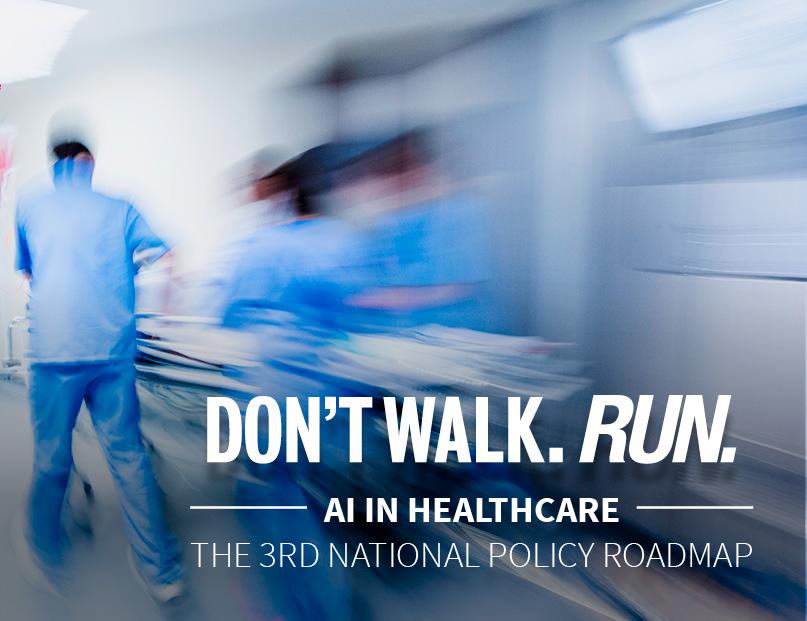
New call for urgent national action on AI in healthcare
The third National Policy Roadmap for AI in Healthcare has been released by the Australian Alliance for AI in Healthcare (AAAiH), supported by the Australian Institute of Health Innovation at Macquarie University, the Digital Health Cooperative Research Centre, CSIRO eHealth Research Centre, and RMIT University.
Professor Enrico Coiera | Australian Institute of Health Innovation, Macquarie University
The third National Policy Roadmap for AI in Healthcare was released on 22 July 2026 and outlines the future of artificial intelligence (AI) in healthcare, urging faster, more coordinated action to ensure Australia keeps pace with rapid global developments.
The Roadmap, led by Professor Enrico Coiera, founding member of the AAAiH, sets out a refreshed agenda to support the safe, effective, and widespread integration of AI technologies across the health system. It highlights the need for a nationally aligned approach that balances innovation with oversight, as AI continues to transform how care is delivered.
AI is already reshaping healthcare in significant ways. From virtual care platforms that act as a digital front door for patients, to tools that assist clinicians in interpreting medical images and pathology results, the technology is increasingly embedded in everyday practice. It is also being used to streamline administrative tasks, guide clinical decision-making, and tailor treatments to individual patients.
However, the Roadmap makes clear that alongside these opportunities come substantial risks. The speed of advancement in AI has outstripped existing systems designed to ensure safety and effectiveness. At the same time, a small number of powerful global technology companies are rapidly expanding into the healthcare sector, bringing the potential to fundamentally disrupt how services are accessed and delivered.
Australia must define its own pathway
The Roadmap shows that Australia must act quickly to define its own pathway, rather than simply responding to international trends. Maintaining a sustainable and resilient healthcare system will require a shift from reactive policymaking to proactive leadership, with a stronger focus on national capability.
Central to this effort is the role of government in setting the conditions for responsible AI adoption. But the Roadmap emphasises that governments cannot act alone. Instead, it calls for a coordinated approach involving industry, researchers, clinicians, and the broader community.
The Roadmap provides guidance across a range of critical areas, including governance, workforce development, regulation, sovereign capability, industry support, and AI safety. It builds on earlier national efforts and reflects growing urgency as gaps emerge between technological capability and system readiness.
Research and development
Guidance for future research and development is a key focus of the Roadmap. Successful deployment of AI in healthcare will need to be guided by Australian research evidence for effective AI design and implementation. Ensuring this evidence is available will require the major research funding bodies, including the National Health and Medical Research Council and the Medical Research Future Fund, to support the appropriate
presence of AI expertise within funding schemes and on review panels.
Key recommendations from the report around research and development include:
• AI should be an explicit focus of National Health and Medical Research strategy
• Dedicated AI review panels should be created to ensure expert assessment of applications involving AI
• Funding should be allocated to the establishment of one or more Centres of Research Excellence in Healthcare AI
• Prioritisation should be given to funding and resources from industry-academia collaborations that progress the meaningful adoption of AI
Being agile and decisive
Recognising that healthcare systems are often slow to change, the Roadmap calls for a more agile and decisive approach. Its message is clear: the pace of transformation demands bold action.
Professor Coiera is urging stakeholders across the sector to move quickly, collaboratively, and with purpose. He states that the challenge ahead is not incremental improvement, but acceleration.
Healthcare is well known for its inertia to change and so we must find new agile ways to meet these historic challenges. Our mantra must be Don’t walk, run. says Professor Coiera.
The AAAiH brings together more than 150 national and international partners and stakeholders in academia, government, consumer, clinical, industry organisations, and peak bodies to support and accelerate the adoption of AI-enabled healthcare in Australia. Alliance members operate across strategic areas including safety, quality and ethics, and workforce.
The Roadmap is available on the AAAiH website here
Author: Professor Enrico Coiera, Director, Centre for Health Informatics, Australian Institute of Health Innovation, Macquarie University. Founder and Lead,
Australian Alliance for AI in Healthcare.
Infrastructure as a Catalyst for Growth
The future of health and medical research will not be defined by individual breakthroughs alone, but by how effectively we connect, collaborate, and scale.
Charlene Stephenson | Translational Research Institute
As demand for medical research funding intensifies in an increasingly competitive and resource-constrained environment, the sector faces a critical challenge: how to maximise impact without disproportionally increasing costs.
A key opportunity lies in optimising shared infrastructure to ensure that highly specialised facilities, technologies, and expertise are accessible, coordinated, and fully utilised across the research ecosystem.
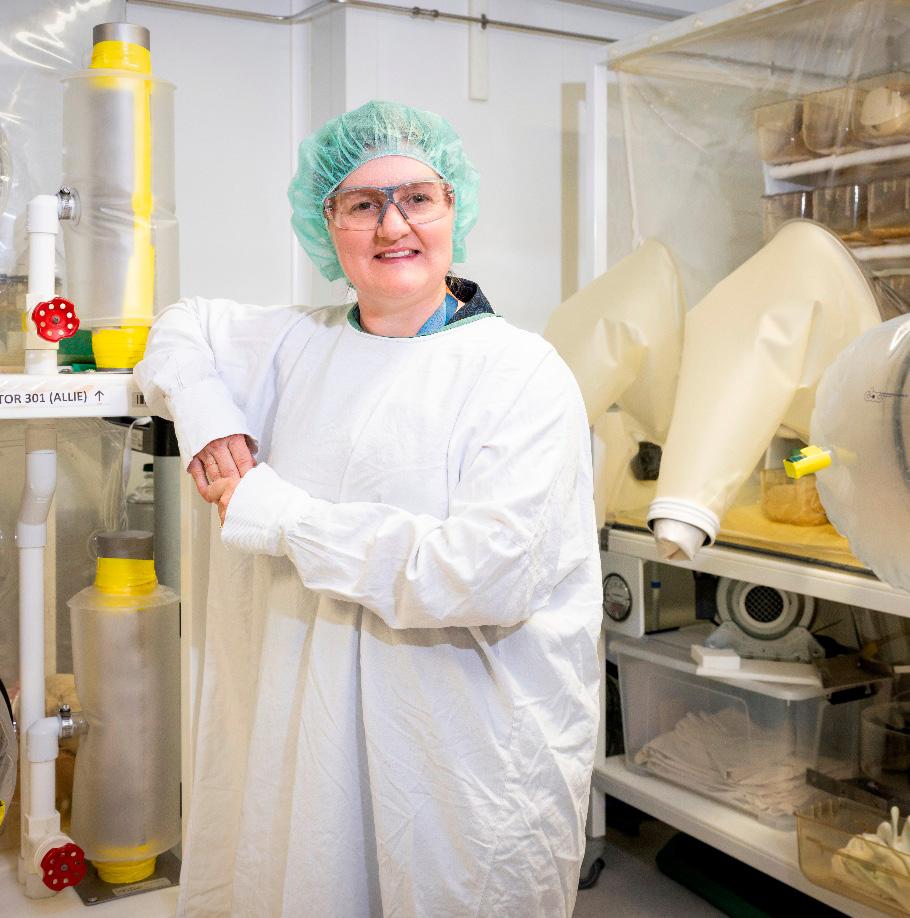
Translational Research Australia (TRI) demonstrates what is possible when investment is directed toward building an ecosystem. Translational Research Institute Australia (TRI) is a uniquely structured medical research institute committed to Transforming Health through Collaborative Research.
TRI encourages networks between academics, clinicians, health consumer advocates, clinical trial networks, and industry and commercial tenants within the ecosystem, and provides advanced shared infrastructure and core facilities, wrap-around scientific expertise, and corporate services. In doing so, TRI accelerates discoveries from the laboratory bench to the clinical bedside.
This approach reflects a broader shift in national thinking towards increasingly coordinated, shared-access models that reduce duplication of specialised facilities and improve the use of competitive grant funding.
Supporting Discovery
TRI is proud to have established the nation’s first Human Immune Model Facility (HIMF), in partnership with The Jackson Laboratory (JAX). The facility provides immunodeficient recipient models transplanted with a human immune system using isolated stem cells, supporting research in oncology, immunology, haematology, autoimmunity, and infectious diseases.
Previously, models were only commercially available through facilities in the USA or Europe. TRI’s HIMF facility reduces costs while increasing access to this cuttingedge platform for the national research and development community.
There is increasing demand globally across academia and industry for innovative preclinical technologies that faithfully recapitulate human immune responses to more reliably and efficiently facilitate informed decision-making in preclinical drug development. Associate Professor Pam Pollock from QUT has already demonstrated the facility’s value, using it to populate models with tumour cells from endometrial cancer patients to identify more effective immunotherapy combinations.
As she explains, these models “more faithfully replicate the complex genomic changes seen in patient tumours,” allowing researchers to better understand how different cancer subtypes respond to treatment. The result is more robust preclinical data, stronger clinical trial design, increased competitiveness in securing grants and funding, and ultimately a faster path to therapies that can benefit patients.
HIMF is one of TRI’s shared Core Facilities, alongside gnotobiotics, histology, flow cytometry, microscopy, biological research and preclinical imaging.
From Lab to Clinic
Enabling research to progress from the laboratory to the clinic is not a single step but a coordinated effort across infrastructure, expertise, and partnerships. The University of Queensland’s Phase 1 (PM 1) Bioproduction facilities are co-located within TRI and supported by the Australian Government’s National Collaborative Research Infrastructure Strategy (NCRIS) through Therapeutic Innovation Australia (TIA) and the Queensland Government.
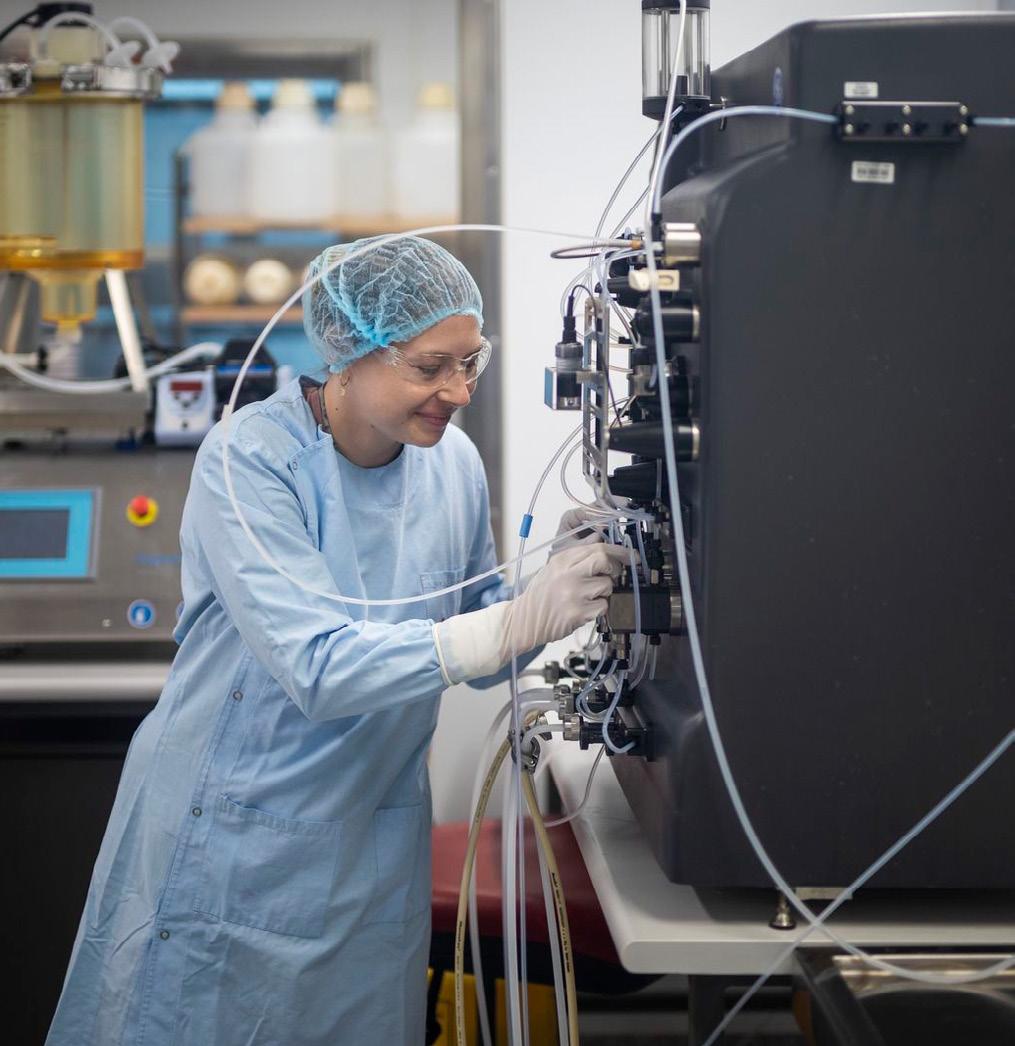
Providing an Australian-first streamlined capability, the combined facilities will assist researchers with process development and enable scale-up manufacturing (up to 50L clinical-scale manufacturing) of biologics, vaccines, and mRNA therapeutics, and provide a critical link between laboratory discovery and first-in-human clinical trials.
Importantly, the facilities bring together core expertise and specialist equipment to enable therapeutics translation across multiple modalities. It includes the Australian Institute of Bioengineering and Nanotechnology’s research platforms BASE facility and an expanded National Biologics Facility (NBF), which has integrated the Protein Expression Facility (PEF). When fully operational later this year, these interconnected platform technologies will strengthen Australia’s collaborative infrastructure network and provide the translation power for first-in-human trials.
This integrated service model and nationally supported infrastructure significantly reduce translation costs and complexity, shorten timelines, and increase the likelihood of clinical and commercial success for researchers and emerging companies.
Clinical Manufacturing
TRI’s ecosystem connects researchers and companies to an extensive adult and paediatric clinical trial network and to a translation trials team, supportive of both investigator-led and sponsored trials. As companies continue to scale up, they can access TRI’s ready-tooccupy, standalone biomanufacturing facility, ENTRI.
ENTRI offers scalable infrastructure, including cGMP cleanrooms, wet laboratories, GMP utilities, controlled storage, and quality systems, along with wraparound on-site operational support and training. It is anticipated to reduce the barriers faced by emerging biotech and medtech companies, including the need for new
infrastructure, which is attractive to start-ups and international companies alike.
TRI has celebrated the Queensland Government’s announcement that New Zealand-based Ltd has received $7.7 million Industry Development Fund out its automated clinical and commercial-scale CAR T-cell manufacturing
TRI CEO Professor Maher Gandhi said the investment in BioOra will bring life-changing treatments to Australian patients faster. “This funding will not only strengthen biomedical supply chains in Queensland but also create 72 high-value jobs, build local capacity, and ultimately provide high-quality, lower-priced therapies for patients.”
Scheduled to officially open in October 2026, ENTRI’s scalable infrastructure is a valuable addition to Australia’s biomanufacturing landscape.
ENTRI is proudly funded by the Queensland Government and TRI.
A Model for Future Growth
As research funding in Australia becomes increasingly more competitive, shared-access models, such as TRI, demonstrate the importance of coordinated, ecosystembased approaches. By aligning public and private investment across the translational pathway, we can ensure the medical research sector maximises funding, creates clearer pathways for medical breakthroughs to translate into healthcare outcomes, and remains competitive in a global market.
Author: Charlene Stephenson, Head of Communications and Marketing, Translational Research Institute (TRI).
TRI Core Facilities
PM1 Bioproduction facilities
Opinion: If the government is serious about supporting health and medical researchers and innovators, then it needs to ensure smarter investment for our future.
For decades, Australia’s health and medical research (HMR) ecosystem has been shaped by short political horizons rather than long-term national vision. Yet meaningful change in science and innovation takes time.
Nadia Levin | Research Australia
Our nation could be a global contributor –developing, exporting, and commercialising the next generation of diagnostics, therapies, and technologies that will define the future of healthcare. But it all comes down to how we invest.
As Research Australia set out in our Pre-Budget Submission, a high-functioning HMR sector is a foundational, economically generative and cross-cutting solution to the interconnected national challenges facing Australia, and should be treated as strategic public investment rather than discretionary spending.
Health Research Is Economic Policy
Health and medical research is too often seen as a “good deed” – a public health imperative rather than an economic and productivity engine. The truth is investment in research and innovation yields both social and fiscal dividends.
Every preventable hospital admission we avoid, every faster diagnosis we enable, and every home-grown medical product we export is productivity in action. Elevating HMR makes that possible.
From work previously undertaken by Research Australia, we know that for every $1 invested in HMR,
the Australian economy gains around $4 in return. This is one of the highest returns of any government expenditure.
We have seen these dividends firsthand. Australian researchers pioneered IVF, the Cochlear implant, the HPV vaccine, and ultrasound imaging – discoveries that not only changed lives globally but built enduring industries here at home.
But innovation pipelines are fragile. They depend on continuity, long-term planning, infrastructure, and stable investment across the research lifecycle.
If we are serious about transitioning from a resourcesbased economy to a knowledge-based one, as governments of all persuasions have promised for years, HMR and its workforce must be recognised as economic infrastructure, not a discretionary expense.
Smarter Investment: Beyond Election Cycles
The challenge is not just how much we fund medical research, but how we fund it.
Smarter investment means building the full research pipeline, from early-stage discovery through to clinical translation, commercialisation, and adoption in healthcare systems.
Australia has a world-class asset in the Medical Research Future Fund (MRFF) , a $24.5 billion endowment that was designed to provide $1 billion annually to fund transformative research. Yet, despite its growth, the fund is currently releasing only around $650 million per year.
Costings released late last year from the Parliamentary Budget Office commissioned by Dr Monique Ryan MP show that disbursements could be doubled to $1.4 billion annually without eroding the capital base. That means we could meet the MRFF’s original vision of sustaining Australian research while keeping the fund financially secure.
Since first identifying these funds, we’ve worked with government to ensure we use them to ensure smarter investment into Australia’s HMR sector - we’ve been advocating for the development of a new research active healthcare mission to better support the translation and implementation of research and support our clinician researchers and early- and mid-career researchers.
The money exists; the appetite in the research community is there; and the need for new cures, vaccines, and preventive technologies is urgent. What’s missing is the political will to think beyond the next election or a focus on quick political wins rather than delivering bold reforms.
The Long Game
The question is not whether Australia can afford to invest in health and medical research. The question is whether we can afford not to.
Every delay in funding the next generation of researchers risks losing them overseas. Every grant not awarded
means a potential breakthrough left undiscovered.
At Research Australia’s recent Policy Webinar with Dr Monique Ryan MP on MRFF funding, three key themes emerged from our members:
• We need to invest in HMR strategically, including trialling innovative co-investment models between industry, philanthropy and government.
• We need to ensure that our investment and funding strategies are embedded in the work already underway through the National Health and Medical Research Strategy.
• We need greater support for Australia’s HMR workforce — including early- and mid-career researchers and clinician researchers.
In 2025 we developed the National Health and Medical Research Strategy and undertook the Strategic Examination of R&D. In 2026, the government and the Parliament needs to act boldly and decisively to reimagine the role of public investment in HMR as a catalyst to deliver long-term and equitable social, economic and productivity dividends. We should not waste any more time!
It’s time for Australia to embrace the long game, where research and innovation are not the first to be cut in tight budgets, but the foundation upon which future prosperity is built. Because funding medical research is not charity; it’s our most powerful economic strategy.
Author: Nadia Levin, CEO and Managing Director of Research Australia.
The hidden world of research behind blood donations
You may have heard that donating blood can save up to three lives. If you hadn’t – well now you have! But did you know that by donating, you’re enabling a hidden world of research that’s transforming the lives of thousands?
Dr Patrick Capon | Lifeblood
It’s no secret that donating blood is a life-saving act. From adults and children needing transfusions during cancer treatment, to supporting people with chronic illnesses like Michael Klim’s battle with chronic inflammatory demyelinating polyneuropathy, there’s a blood product destined to help one in every three Aussies in their lifetime.
Research about the donor
What’s often a secret is the world of research behind blood donation. At Australian Red Cross Lifeblood, our researchers are transforming how blood is donated, who’s eligible to donate it, how donated blood is used, and much more. It’s safe to say there’s research behind every aspect of blood donation. Rest assured, research never gets in the way of hospital supplies and it is all approved by ethics committees.
Ensuring there’s enough blood to support Australia’s needs depends on our understanding of what makes donors tick. Our world-leading donor research team have built a body of evidence around what makes people want to help a stranger in the first place, and what motivates them to come back, time and time again. These behavioural insights have shaped international opinion across European Union strategy, World Health Organization regional reports , and think-tanks in Germany and Denmark
When our researchers investigate why people don’t donate, or donate less often, the key factor is often time. So, we explored how donating can become part of the workday. We found that when employers
endorsed donating blood during work hours as part of a Lifeblood Team, staff morale and connection to both company culture and their colleagues was strengthened. Commonwealth Bank already had a strong donation program, and pursued their 2025 donation day with renewed vigour after participating in the research program. Nationwide, 522 bank employees donated, toppling the previous record for donations by a single team in one day. When one blood donation leads to up to three lives saved, that’s a tremendous real-world impact!
Research beyond the donor
How can we do more with what is already donated?
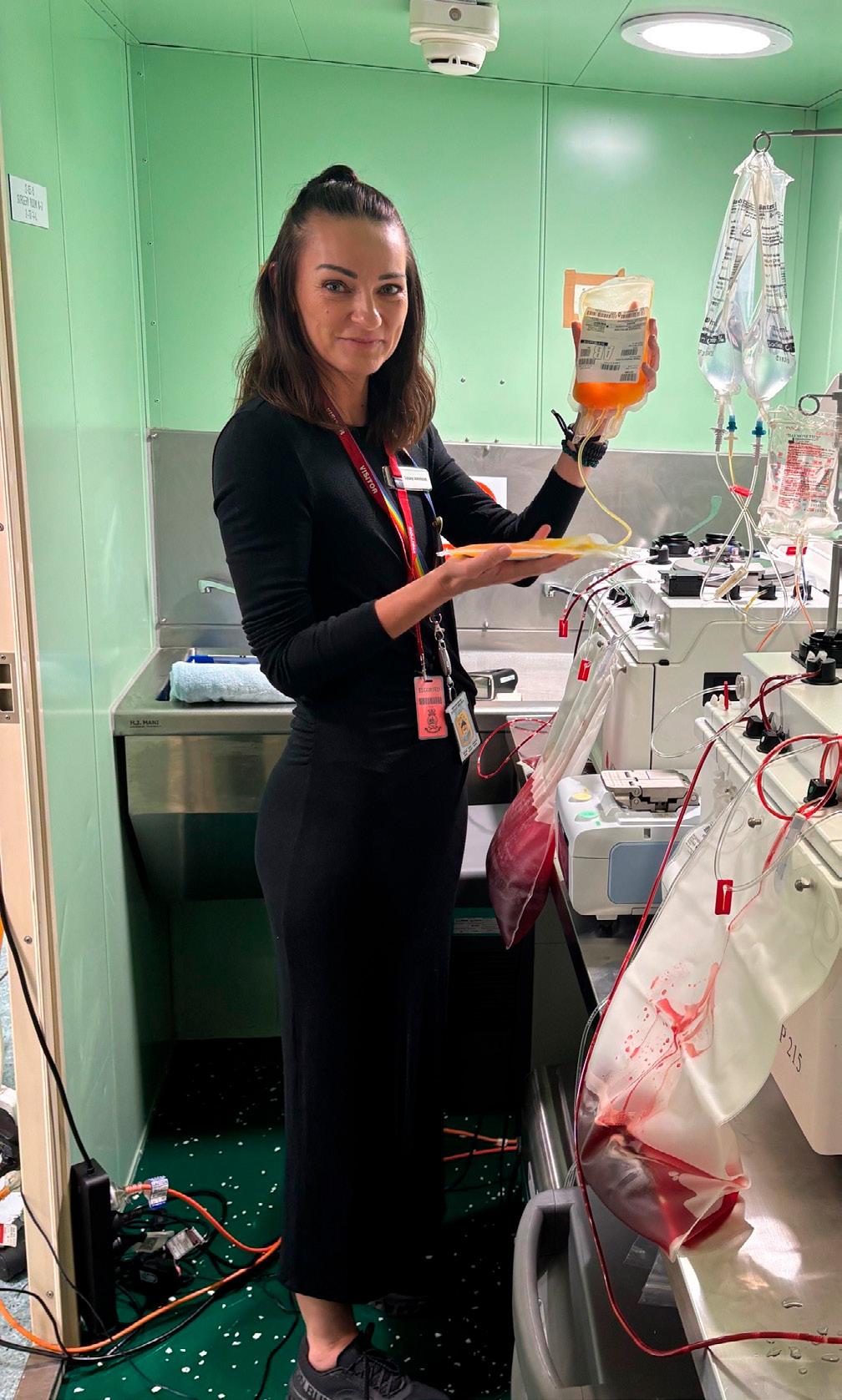
A typical blood donation is separated into three major components for transfusion: red blood cells, plasma and platelets. Each component has a distinct shelf-life, with platelets historically having the shortest at only 7 days. Lifeblood researchers led an Australian clinical trial of cryopreserved (frozen below -65°C) platelets, and were the only non-US site in another trial of coldstored platelets. Both trials may see future translation where cold or cryo storage enables wider distribution of platelets, particularly in remote or defence settings. The extensive characterisation and optimisation of platelet storage techniques completed before the trials also informed FDA guidelines. In 2026, the team are exploring more potentially life-saving products, like whole blood for transfusions given before the patient reaches a hospital, or even bioengineered skin to help heal extensive burns. Another hidden aspect of research behind blood donation is called serosurveillance. Blood donors offer
a unique window into the Australian population, with every donation screened for infectious diseases such as hepatitis B or HIV. Additional blood samples enable snapshots into infectious disease prevalence among healthy Australians. Lifeblood partners with universities and other health organisations to share this unique lens. For example, we’ve joined forces with CSIRO to investigate mammalian meat allergy. Donor blood samples will help determine how many Australians may unknowingly be carrying alpha-Gal antibodies. Similar serosurveillance projects are ongoing with UNSW’s Kirby Institute, with a jointly published annual report detailing incidence and prevalence trends of selected infectious diseases.
Sometimes our research is about when not to use a blood product. Many readers may be familiar with anti-D, or RhD immunoglobulin. It’s a blood product provided to pregnant women with an RhD-negative blood type (unless the baby is confirmed to also have RhD-negative blood). Anti-D protects against haemolytic disease of the fetus and newborn (HDFN) and is a remarkable success story, with HDFN rates in Australia now well below 0.2% since discovery of anti-RhD treatment in 1966. Lifeblood researchers developed a minimally invasive prenatal test that samples the mother’s blood, rather than the unborn baby’s blood, which is now available to all RhD-negative women to determine if they require anti-D (or not) during pregnancy. Ongoing research is now improving how clinicians can detect uncommon (i.e. non-RhD) blood antigens that may lead to HDFN, covering 13 blood group systems and six platelet antigens in the one test.
A look ahead
Lifeblood is exploring ways to use our unique skills, position and infrastructure to bring new products to Australian patients. For example, the rapidly expanding field of cell and gene therapies, particularly chimericantigen receptor T or NK cell (CAR-T or CAR-NK)
Lifeblood’s A/Prof Lacey Johnson thawing cryopreserved platelets on an Australian Defence Force ship.
therapies, rely upon peripheral blood mononuclear cells as a starting material. Lifeblood researchers have optimised how mononuclear cells are isolated from blood donations, and are exploring how our existing cold-supply chain infrastructure may enable Australia’s cell and gene therapies workforce.
Every donation contributes to our research in some way, and impacts thousands of lives for the better. If you’re a donor reading this and would like to participate in Lifeblood research, make sure your contact details are up to date and you’ve consented to research communications in your communication preferences settings (Lifeblood app or online). That’s it. We’ll be in touch if you’re eligible for one of our studies.
This is a brief sample of our program, but there’s even more behind the scenes. Check out our annual reports to learn more
Author: Dr Patrick Capon is Lifeblood’s Scientific Communications Specialist. He’s responsible for sharing Lifeblood research in clear and engaging ways. Just like this article!
Lifeblood’s Dr Kathleen Chell and Commonwealth Bank’s Andrew Culleton join The Morning Show’s Karen Ledbury to talk about the power of workplace-enabled blood donations.
Research Australia Alliance
New member profile
Research Australia is pleased to welcome our newest member, Lions Eye Institute.
Introducing Lions Eye Institute
For over 40 years, the Lions Eye Institute (LEI) has stood at the intersection of world-class clinical care and cutting-edge vision research. Founded in 1983 by Professor Ian Constable AO, with the support of Lions Clubs across Western Australia, LEI has grown into one of the country’s most significant eye health institutions, delivering more than one million outpatient consultations through a team of subspecialist ophthalmologists across Western Australia. Under the same roof, the team of researchers continue to generate novel fundamental knowledge about vision, neuroscience and immunology, developing new treatments for conditions such as glaucoma (a leading cause of vision loss, often undiagnosed until damage occurs), age-related macular degeneration, ocular surface disease and myopia (one of the world’s fastest growing eye conditions, with predictions that half the world’s population may be myopic by 2050).
The Institute’s work is grounded in a simple truth: most vision loss is preventable or treatable if caught early. LEI’s laboratory and translational programmes have been recognised internationally and at the forefront of transformation. For example:
• Gene therapy for wet age-related macular degeneration, leading to international clinical trials.
• Barrett Universal II Formula, one of the most accurate lens calculation tools in cataract surgery worldwide.
• XEN® Gel Stent, one of the most used surgical glaucoma implant globally.
• VP-001, a first-of-its-kind RNA therapy for inherited retinal disease being developed through Vision Pharma (a joint venture between LEI and PYC Therapeutics).
• OcuLinx™, a non-invasive device for measuring intracranial pressure with applications from neurological care to space medicine.
• Ninox Vision, a social enterprise spun out of Lions Outback Vision that uses AI to screen for diabetic retinopathy in remote and primary care settings, and is now expanding nationally.
For the Western Australians who walk through the Institute’s doors, often at one of the most vulnerable moments in their lives, this work translates into something simple: a greater chance of keeping their sight. The LEI continues to build on this legacy by expanding clinical capacity, accelerating research translation and training the next generation of ophthalmologists and vision scientists, work made possible by the ongoing support of its donors, partners and the broader Lions community.
With strong national and international research partnerships behind it, the LEI is well placed to keep advancing eye health research, training and mentoring future research leaders and delivering better vision for Australians for decades to come.
Last word
The Research Economy: Australia’s Untapped Gold Mine
There is a mining boom beneath the pavements and cobblestones of our universities and research institutes waiting to be unearthed. Another Cochlear or CSL, Gardasil, venetoclax, JAK inhibitor or titanium heart will make its debut and, if we get the policy settings right, it should happen here in Australia.
Senator Michelle Ananda-Rajah | Senator for Victoria
That is the intent of a future made in Australia. For the first time, a federal government has clearly identified those areas where Australia has a competitive edge: low-emissions tech, defence, agriculture, critical minerals, transport, enabling capabilities such as quantum, and health and medical science. These priorities underpin the $15 billion National Reconstruction Fund and are reinforced by the Strategic Examination of Research and Development, Ambitious Australia report, released in December 2025.
Led by Robyn Denholm, Ambitious Australia firmly places ideas, capital and talent at the centre of national prosperity. These are the three legs of the innovation stool—remove one and the stool falls over. Through better coordination including consolidating over $14 billion across 13 ministerial portfolios in over 150 government programs, the report provides a blueprint to move beyond the boom-and-bust cycles of mining towards an era of sustained prosperity.
Ambitious Australia assigns health and medical research first among the national innovation pillars, a position reinforced by the Prime Minister in his landmark artificial intelligence speech on 15 July 2026, where he declared: “We can lead in everything from cybersecurity and biotechnology to advanced manufacturing. We must create a new generation of good, secure jobs.”
And why not?
When it comes to health and medical research, Australia is primed for success. We rank seventh globally for research excellence in the 2025 Nature Index. According to the ABS, medical research dominates our university research output, well ahead of engineering and the biological sciences. Our health system, underpinned by Medicare, ranks first among nations according to the Commonwealth Fund (2024). The strength of Australian medical research is undeniable when in 2025 Sanofi acquired a UQ vaccine platform for US$1.15 billion, with milestone payments worth up to a further US$450 million representing the largest intellectual property acquisition from an Australian university.
Our research excellence, combined with investment, has created a pipeline flush with more than 1,600 biotech SMEs alongside global success stories like Cochlear, CSL and ResMed. Together, Australia’s biotechnology sector is valued at more than $250 billion, employs one in six Australians and is more gender balanced at 40% women than industries like construction and mining. But our biotech sector has the capacity to employ many more provided we enable our research ideas to scale with talent and capital- two legs of the stool.
The Albanese Government recognises that research requires sustained investment. With NHMRC grant success rates as low as 8% in some schemes, we have lifted the MRFF annual disbursement cap from
$650 million to $1 billion from 2030-31. This commitment coincided with the Government releasing the first ever National Health and Medical Research Strategy. The strategy also supports primary care research complementing our service investments in bulk billing, GP training, women’s health and cheaper medicines.
To eliminate the post code lottery of clinical trial access, streamline ethics approvals and attract more international pharma investment, an additional $15.8 million was allocated in the budget to progress the National One Stop Shop for Clinical Trials. First championed in 2009, when Minister Mark Butler chaired the Clinical Trials Action Group as Parliamentary Secretary for Health, the initiative gathered momentum following the McKeon Review he commissioned and has now come full circle.
On R and D, Australia is languishing near the bottom of the OECD at 1.66% of GDP well below the 2.73% OECD average making any boost in publicly funded research a step in the right direction.
However, public investment alone is not enough. With business investment declining from 1.37% of GDP in 2009 to just 0.88% in 2022 crowding in private capital was a central recommendation of both Ambitious Australia and the National Health and Medical Research Strategy. The government has responded by strengthening research and development tax incentives, expanding venture capital settings, joining the $155 billion Horizon Europe funding pool and cutting clinical trial red tape. Since inception, the Venture Capital Limited Partnerships programs have channeled more than $36 billion into over 3,000 Australian companies, including
biotechnology, medical tech and health tech firms. Consultation is also underway on a new tax concession for innovative start-ups, recognising biotechnology’s very long pre-revenue timelines, escalating capital costs linked to clinical trial gateways, rigorous regulatory pathways and high-risk profile. With Australian venture capital markets thin and a long way from big markets, we need to crowd in as much productive risk capital as possible.
Finally, it is not simply the quantity of research funding that matters, but its distribution.
As a government in which women comprise 56 per cent of the caucus, one of our earliest reforms in 2023 introduced gender equity measures in NHMRC’s Investigator Grants scheme. Before those reforms, women had received, on average, $73 million less in funding each year during the scheme’s first four years. We have complemented this with lived-experience panels in cardiovascular disease, stronger requirements for sex- and gender-based research design, a national survey into medical misogyny and an $800 million women’s health package.
But retaining women in research and supporting their transition to founders, where women currently hold 18 per cent of chief executive and founder roles in biotech, requires stronger scaffolding. Affordable childcare, flexible workplaces, implementation of all 55 of the Respect@Work recommendations, expanding paid parental leave to 26 weeks with super and challenging outdated gender norms all matter. Plugging these holes in the career pipeline will give more women the opportunity to take their innovations to market.
Health and medical research does not exist in isolation. It is part of an ecosystem that links research outputs to higher education, capital, talent, regulation, taxation, healthcare, aged care, disability services and international markets. Only by fine tuning these interdependencies can Australia truly translate its outsized research excellence into globally competitive companies that deliver jobs, exports and multiplier effects to the wider economy.
Author: Senator Michelle Ananda-Rajah is an Australian Labor Party politician serving as a Senator for Victoria. Prior to entering Parliament, Ananda-Rajah was a clinician scientist and infectious disease physician.
Senator Michelle Ananda-Rajah with research scientists at Cartherics Facility.