A bright and healthy smile offers more than cosmetic benefits.
with
which
form a protective layer against acids found in food and drinks.

with
which
form a protective layer against acids found in food and drinks.
When individuals prioritize oral hygiene, they’re also protecting their overall health and laying an important piece of a foundation that can support a long and healthy life.
The Mayo Clinic notes that oral health can be a contributing factor to various conditions, including cardiovascular disease and an infection of the inner lining of the heart known as endocarditis. By prioritizing oral health, individuals not only reap outward benefits like a bright smile they can be proud of, but also benefit internally in ways that are no less significant. Perhaps the best thing about oral health is how simple it can be to maintain. Indeed, some daily dental habits can help people protect their oral health, and thus their overall health, for years and years to come.
Brush twice per day (at least)
Brushing twice a day for two minutes each time has been the go-to brushing advice for some time. The Oral Health Foundation notes that brushing twice daily with fluoride toothpaste is the most effective means to safeguarding oral health.
Consider brushing before breakfast
Individuals who eat breakfast at home might want to brush before breakfast or wait to brush for 30 minutes after they finish eating. The OHF notes that brushing before

Brushing immediately after exposure to acidic items like fruit and coffee can wear down enamel. If you prefer to brush after eating breakfast, wait at least 30 minutes before reaching for your toothbrush.
Gently use a toothbrush with soft bristles
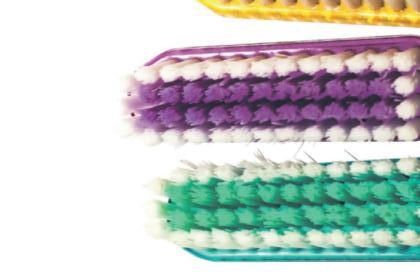
Soft brushes feature less densely packed bristles, which makes it easier for the bristles to bend during brushing. That’s gentler on the teeth and gums. The Cleveland Clinic recommends changing a toothbrush every three to four months, but more frequent changing may necessary if the brush becomes damaged. In such instances, replace the brush immediately. When brushing, do so gently to avoid aggravating the gums. Heavy brushing can lead to a receding gumline, which can expose the roots and lead to increased oral sensitivity.
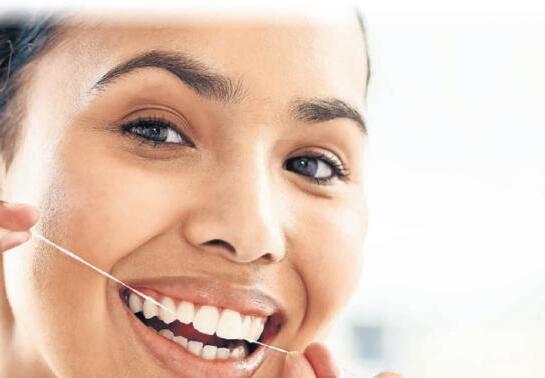
Floss daily
The Mayo Clinic urges individuals to clean between their teeth each day. Traditional floss, floss picks, a water flosser, and other products help to remove plaque and trapped food particles from between the teeth that a toothbrush cannot reach. If such particles remain between the teeth, people may be at elevated risk for cavities, gum disease and/ or bad breath.
Avoid sugary foods and beverages
The World Health Organization notes that consumption of free sugars is a major risk
factor for tooth decay and cavities. Consumption of sugar-sweetened beverages like sodas and foods that are high in sugars should be greatly limited, if not avoided entirely.
Some simple daily steps can help people protect their oral health over the long haul.
Clean teeth could translate to clean arteries
The mouth and the heart are tied in a unique way. Good oral health that aims to prevent gum disease has the potential to positively impact heart health. The Cleveland Clinic points to research that brushing one’s teeth may promote a healthier heart as well as healthier teeth. Although taking care of oral health will not eliminate the risk for heart issues down the line, some studies have found that people with gum disease may be twice as likely to have a heart attack or a stroke.
But why?
Gum disease is linked to increased inflammation in the entire body, according to the experts. When combined with factors like high cholesterol and diabetes, gum-related inflammation can contribute to the development of blockages in the arteries. Gum disease also serves as a portal to where bacteria can enter the bloodstream. Research has found the same bacteria from common oral infections in plaques and blockages in the heart arteries. Bacteria from the mouth also may enter and attack artificial heart valves. Brushing and flossing teeth at least twice a day and visiting the dentist for regular cleanings and check-ups can safeguard teeth and the heart.




Summer is a season to spend outdoors soaking up some sun. But all that time outdoors can pose some health risks if people are not careful. The dangers of overexposure to the sun are well-documented. Sunburn is one such threat that can not only lead to discomfort, but also increase a person’s risk for skin cancer. But sunburn is easily prevented with the use of sunscreen, and that’s not the only summertime threat that’s easily avoided.
Dehydration occurs when the body loses more fluids than it takes in. Come the dog days of summer, it’s easy to lose fluids when spending time outdoors. Sweating is one way to lose fluid on a hot day, but there are myriad ways to avoid dehydration once the hot weather kicks in.
Don’t wait until you’re thirsty to drink water
According to NHS Inform, the national health information service of Scotland, thirst is typically the brain’s way of warning individuals that they are dehydrated. So it’s unwise to wait until you’re thirsty to drink water. A proactive approach can help to prevent dehydration, especially when spending time outdoors on hot days.
A mid-morning coffee break or a mid-afternoon snack break are part of many people’s daily routines. You also can incorporate drinking water into your daily routine. When pouring your morning coffee or tea, pour yourself a
glass of water as well. When reaching for a mid-afternoon snack, pour yourself another glass of water.
Keep a water journal
Documenting your daily water intake is one way to overcome forgetfulness in relation to remaining hydrated. Smartphone apps like Water
Reminder and Plant Nanny can help people remember to drink water throughout the day. For those who prefer a more traditional approach to journaling, keep a small notebook near your desk or in your pocket when going outdoors so you can always know when your most recent water break occurred.
Look to foods to stay hydrated
Drinking water isn’t the only way to ensure you stay hydrated. Various foods are loaded with water. Henry Ford Health® notes that watermelon, berries, bell peppers, and grapes are water-rich foods that can help you stay hydrated.
Dehydration can creep up on hot summer days and put people in serious jeopardy. That’s why it’s imperative that people make a concerted effort to hydrate and do not wait until they’re thirsty to enjoy a glass of water on a hot summer day.
Your dog may become dehydrated
organs, among many other functions. Similar to humans, pets that fail to consume enough water can face dire consequences. Dehydration is a medical term for when the body has lost more fluid than it has taken in. Dehydration can occur at any time, but it is even more common during the warm weather months. Dogs quickly can become very sick from dehydration. That is why every pet owner should learn how to recognize the symptoms of dehydration in their dogs. The Veterinary Emergency Group says symptoms of mild dehydration can include:
● Dry nose, although this also can be a signal of other problems, like fever.
● Excessive drooling occurs as the dog tries to cool down its body.
● A dehydrated dog can exhibit signs of fatigue, including a reluctance to move around much.
● Sticky gums
As the dog becomes more dehydrated, the following symptoms can develop:
● Loss of elasticity of the skin.
● Loss of appetite.
● Thickening of the dog’s saliva.
● Gums may go from sticky to dry.
● Excessive panting may begin.
● Vomiting or diarrhea also may occur.
● Dehydration causes the body to redistribute fluid lost, and fluid may be pulled from the eyes, causing the eyes to appear sunken.


Water is essential for mammals’ bodies to operate at peak capacity. The American Kennel Club says water is necessary to lubricate joints, facilitate digestion, regulate body temperature, and cushion internal







If a dog appears to be dehydrated, you can start offering small amounts of water to slowly rehydrate the animal, says Northeast Veterinary Referral Hospital. It’s important to call the veterinarian and get further advice regarding how to address dehydration. Some vets may suggest offering an electrolyte-enhanced fluid like Pedialyte so electrolyte loss does not affect organs. The vet may want you to come into the office so the dog can receive intravenous fluids, says the American Kennel Club.
The best way to treat dehydration is to prevent it in the first place. Provide dogs with a constant supply of clean, clear water at all times. The amount of water needs to increase if the dog is spending time outdoors in hot weather or exercising. Cats also are prone to dehydration and can exhibit the same symptoms as dogs. So cat owners also must be diligent in checking for dehydration symptoms in their




By Simar Bajaj
The New York Times
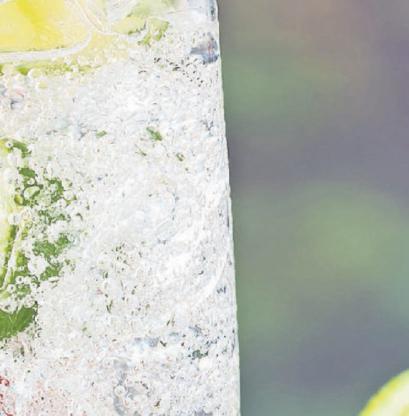
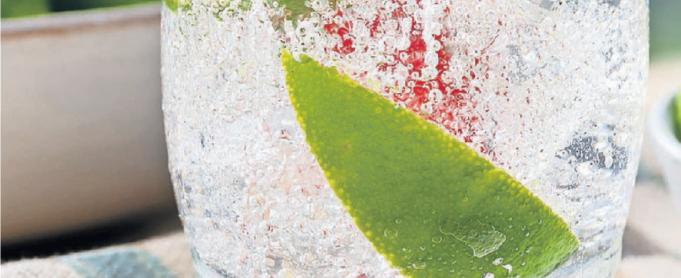
Q: I am constantly drinking seltzer. Is that an issue for my teeth?
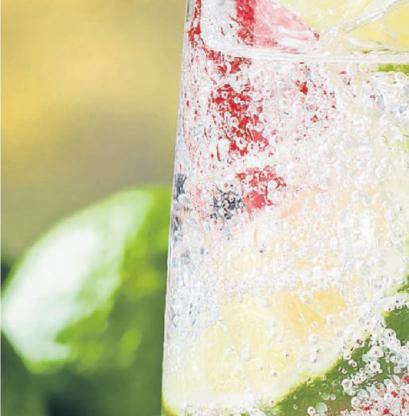
For many people, seltzer is a bubbly treat — light, crisp and satisfying. But as the drink has grown more popular, so too have questions about what it’s doing to our teeth.
Seltzers are available in many flavored and alcoholic varieties. While some are essentially sparkling water, others are closer to sodas. When it comes to the latter, you might be “bathing your teeth in the sugar and acid,” said Dr. Kenneth Allen, vice chair of general dentistry and comprehensive care at New York University. But how you sip your seltzer may be more important than how much you drink, he added. So we asked experts what to know about seltzer and how best to enjoy it.
The ingredients to watch out for
Seltzers are made by dissolving carbon dioxide into water, a process known as carbonation. This not only gives the drink its fizziness but also creates carbonic acid.
In general, dentists worry about frequent consumption of acidic beverages because it can soften the enamel of your teeth, stripping away minerals that protect against decay.
Added sugars can compound the problem, since bacteria on the teeth feed on them and produce even more acid, contributing to cavities, said Dr. Margherita Fontana, a professor of dentistry at the University of Michigan.
Plain seltzers are only mildly acidic and sugar-free, so they tend to be harmless, she added. However, the flavored versions can be over 100 times more acidic and may contain added sugars, making
them more damaging to your teeth.
That’s why it’s best to avoid seltzers that have citric acid or phosphoric acid on their ingredients list, said Dr. André Ritter, dean of the University of Washington School of Dentistry, as well as those with cane sugar, fruit concentrate, corn syrup or other added sugars. Hard seltzers deserve some extra scrutiny, since they tend to be flavored and contain alcohol, which is tied to mouth cancer and gum disease. (Still, a 12-ounce hard seltzer is probably no more harmful to your oral health than a 12-ounce beer.) Fortunately, your saliva helps neutralize acidic beverages and restore minerals to your teeth, Ritter said. Still, people with dry mouth are more vulnerable to dental issues from acidic drinks, he added. For example, older adults tend to produce less saliva, as well as people with diabetes, Alzheimer’s disease and Sjogren’s syndrome and those taking certain antidepressants, antihistamines and blood pressure drugs. That doesn’t mean they can’t have seltzer, but they should be more cautious about how they drink, Ritter said.
A few ways to be gentler on your teeth
Whether seltzer is a healthy choice depends largely on what it’s replacing. “I put water first, I put seltzer second, I put soda three steps down,” Allen said. But consumed in moderation, seltzer is really nothing to worry about. Still, you can take a few simple steps to reduce the risk of dental harm. Most important, reduce the time that you’re exposing your teeth to acid and sugar, Allen said. In other words, avoid swishing seltzers in your mouth, drinking a lot
of them or even sipping one throughout the day.
Having seltzer with meals can also help because when you’re eating, your body produces more saliva, which can better neutralize acid, Ritter said. Using a straw can also help, since it allows the seltzer to bypass your teeth, he added, as does drinking water afterward to wash away any acidic residue.
Experts say that it’s also smart to wait 30 minutes after drinking seltzers — particularly the flavored versions — before brushing. Since acidic drinks soften the enamel, you can increase the damage by immediately brushing, Allen said. Waiting helps your saliva restore your teeth’s strength.
If you really love seltzer or you’re worried about erosion and cavities, talk to your dentist. He or she can spot early signs of trouble before symptoms appear and prescribe special kinds of toothpaste if necessary, Ritter said.
Seltzers, however, aren’t a big worry for dentists, and most people don’t need to overthink them. “Just have your drink,” Fontana said. “Enjoy it. That’s not a problem.”
Did you know?
Oral cancer is a common form of the disease. The National Institutes of Health says oral cancer accounts for approximately 3 percent of all cancers worldwide. Men are twice as likely to develop oral cancer as women, and most cases occur in people over the age of 40. The American Cancer Society anticipates 54,000 new cases of oral cavity and oropharyngeal cancer will be diagnosed in the United States this year. The World Cancer Research Fund says that India has the highest number of oral cancer cases in the world.





Eating healthy, diverse food offerings is a step in the right direction for overall wellness. Foods rich in essential vitamins and minerals should be front and center in most people’s diets, and one particular fruit is quite literally the cherry on top when it comes to nutritional value.
Cherries, which are small stone fruits (fruits that have a pit or seed inside), boast some impressive benefits. Michigan grows most of the sour cherries in the United States, while Washington, California and Oregon grow 90 percent of the sweet cherries. Whether they’re tart or sweet, the nutritional benefits of cherries abound. Here’s a look at some of the health benefits.
High in antioxidants
Cherries are high in plant chemicals (polyphenols and anthocyanins) that have antioxidant properties. The Cleveland Clinic says anti-
oxidants fight free radicals, which can cause cell damage and contribute to chronic diseases. Cherries contain vitamins A, C and E.
Reduce inflammation
These same plant chemicals also are vital in reducing inflammation throughout the body.
Healthline says cherries can reduce inflammation by blocking inflammatory enzymes and lowering inflammatory markers. This is good news for people with arthritis or gout, who may find that consuming cherries or drinking cherry juice can alleviate symptoms.
Promote restful sleep
Tart cherries contain key compounds that support better sleep, says WebMD. These include melatonin, serotonin and tryptophan. These natural chemicals help promote relaxation and sleepwake cycles.
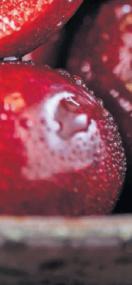
Low glycemic index Cherries are low-glycemic index foods. The fiber from the skin facilitates a slow increase in blood sugar, which makes cherries a treat for those with diabetes when enjoyed in moderation. Research is underway to see if a healthy diet that includes cherries may reverse prediabetes, says the Cleveland Clinic. It’s always best to thoroughly wash cherries to remove any dirt and pesticide residue. WebMD says cherry pits naturally have small amounts of cyanide in them. One would have to eat a lot of crushed pits for them to be harmful, but it’s best to spit out the pits. Pits should be removed before giving cherries to children. Select cherries that have bright green stems, plump fruit and a darker color, which have a better flavor profile. Cherries are nutritionally sound foods that offer a number of health benefits.






By Simar Bajaj
The New York Times
Q:I’m trying to reduce my exposure to microplastics. How concerned should I be about dental products?
A:It’s almost impossible to avoid microplastics altogether. These tiny plastic particles are regularly ingested, inhaled and absorbed from our environment and have been found in our hearts, brains and other organs.
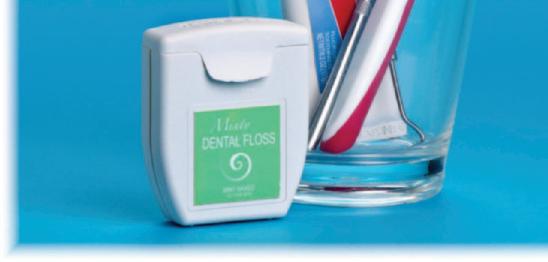
Plastic bottles, cutting boards and food containers are well-known culprits, but researchers are increasingly finding that dental products — such as toothbrushes and floss — can shed microplastics, too.
Some researchers speculate that microplastics could disrupt the microbial balance of the mouth, cause inflammation and damage DNA. But it’s not clear how many are actually released by dental products or whether exposure translates into meaningful health problems, said Dr. Bapanaiah Penugonda, a dentist at New York University.
Experts say that brushing and flossing are still essential for oral health and that, if you’re worried about microplastics, you should focus on more established sources like household dust, synthetic fabrics and plastic kitchen tools. But they also had a few ideas on how to limit your exposure to dental microplastics. Why do dental products release microplastics?
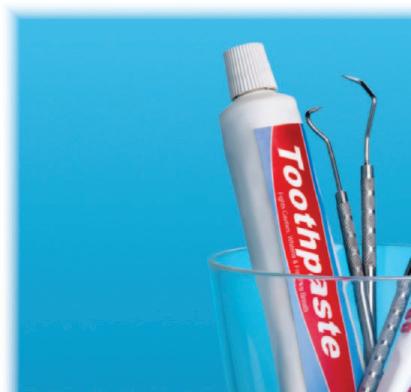
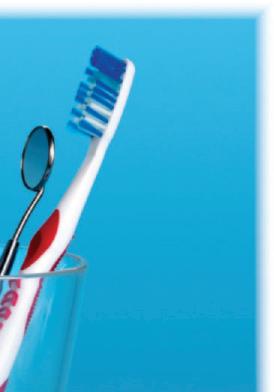
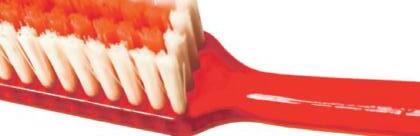
Most everyday dental products are made of plastic. Toothbrushes often use nylon bristles, and dental floss is essentially a plastic thread.
As you brush and floss, the friction can leave tiny fragments or fibers in your mouth, said Dr. Federica Di Spirito, an oral surgeon at the University of Salerno in Italy.
For toothpaste and mouthwash, the concern revolves around their packaging. Plastic tubes and bottles are often made by heating and forming plastic, which can cause microplastics to leach inside, said Sanjay Mohanty, an environmental engineer at the University of California, Los Angeles. (Many toothpastes used to contain plastic microbeads, tiny balls that helped scrub and polish teeth, but those were banned in the United States in 2015.)
Still, researchers can’t say if dental products are a major source of microplastics, compared to other sources, Di Spirito said. In theory, microplastics could enter your body through tiny breaks in thethe gums, by passing through tissues in your mouth or by simply being swallowed, she added. But it’s unclear how much this actually happens, or whether most of them are spat out.
“Just because microplastics are released doesn’t mean that they’re going into our body,” Mohanty said. Are there nonplastic alternatives?
Experts generally don’t recommend any particular toothbrush, floss, toothpaste or mouthwash to reduce your microplastics exposure. There simply hasn’t been any robust testing on how much different dental products release, said Dr. Dimitrios Michelogiannakis, an orthodontist at the University of Rochester. And nonplastic alternatives tend to vary in cost, comfort and performance. With toothbrushes, for example, you can opt for bamboo handles, which can reduce plastic waste but doesn’t really change what’s happening inside your mouth. While some toothbrushes use boar hair bristles, these can be harsh, potentially causing gum damage, and don’t dry as
well, which risks bacterial growth, Michelogiannakis said.
Some people also use silk floss, but in one study comparing it to three plastic flosses, the silk one was rated the least comfortable and pleasant to grip, as well as the most likely to fray, shred and snap.
Mouthwashes and toothpaste are sometimes sold as dissolvable tablets or in aluminum tubes and glass bottles. This might help reduce exposure to microplastics, but the experts couldn’t say by how much or if it’s worth the often higher price.
What to do to reduce your exposure to microplastics?
or cold water is perfectly fine, Michelogiannakis said.)
Spit well
Brush and floss your teeth softly

After brushing or flossing, spit out any toothpaste or gunk. Dentists don’t typically advise rinsing after brushing, since you want the fluoride in toothpaste to stay on your teeth. But rinsing with a little water — like a sip from your hand — might help wash away leftover grit or potential microplastics, pre prioritiz Mich




The benefits of brushing and flossing — preventing cavities, gum disease and even tooth loss — are well-established, Di Spirito said, while the risks of microplastics from dental products are still unknown. So keep prioritizing dental hygiene, but you can also consider a few simple changes that might reduce your exposure, although research is limited.








Be thorough but gentle, Michelogiannakis said, since rough, aggressive motions can damage your gums and potentially leave more microplastics behind. To that end, using
































Bring your book idea to life - from first draft to print publication - with Headline Studio Massachusetts. Our turnkey custom book design services include in-house research and writing, professional editing and typesetting, thoughtful interior layout, eye-catching cover creation, and high-quality printing.
With expert support at every step, combined with your guidance, we’ll turn your story into a beautifully crafted book - ready to share with the world.