
Asparagus Valley Pottery Trail returns this week, masslive.com/living
Better Health


Skin Care prevention for seniors




Wisdom and age frequentlygo hand in hand. But when it comes to knowledge of the latest medical advancements, some older adults may not be up-to-date.
Medical recommendations evolve over time. After all, it wasn’t too long-ago people were told to avoid foods containing high amounts of dietary cholesterol because it would raise their own blood cholesterol levels. Now MedlinePlus says the general consensus is that eating dietary cholesterol has a minimal impact on blood cholesterol for most people. And people in their 70s may have raised children thinking it was fine to lay the child in the crib on the baby’s stomach. Now the advice is “back is best.”
made it this long without skin cancer, and it takes decades to develop, so I’m never going to get it.”
No one knows how long they will live and it’s important to take care of oneself to live as strong, healthy and long as possible. To that end, seniors can employ these sun safety tips, courtesy of the Skin Cancer Foundation.
Learn the facts

EVENTS: The Mount announces summer season, D9
OPERA: School shooting topic of acclaimed opera, D9
HISTORY: Spaceflight started in Massachusetts 100 years ago, D9









Medical professionals now know that exposure to ultraviolet rays of the sun and tanning beds can contribute to the development of skin cancer. But just a few generations ago people were slathering on baby oil and using suntan reflectors to accelerate tanning. The risk of skin cancer is raised for those who have had cumulative exposure to the sun. So, it is essential that seniors practice sun safety every day so they are not adding to the damage that already may have occurred. It’s also foolish to think, “I’ve
Suffering just five sunburns over your lifetime more than doubles your chances of developing melanoma, and each successive tan or sunburn raises the risk even further. Suntans damage the skin’s DNA and age it before its time. Also, skin undergoes changes that reduce defenses against disease and healing. One bad burn as a senior may be the final straw.
Use sunscreen
Sunscreen may not have been widely used when today’s seniors were young. Just because that was the norm then doesn’t mean things can’t change now. It’s never too late to reduce your skin cancer risk by lathering on sun-
screen daily, even when the sun doesn’t seem particularly strong. Seniors should look for a broad-spectrum sunscreen with SPF 30 for daily use.
Wear protective clothing
Choose tightly woven, longsleeved shirts, long pants, and wide-brimmed hats to protect you. You can purchase clothing that has sun protection built right in.
Avoid being outside during certain times of day

Stay out of the sun when it is at its peak. Radiation is typically the strongest between 10 a.m. and 4 p.m. That’s when the risk for skin damage is highest, says the American Cancer Society.

Seek shade
When spending time outdoors, seek shady spots, whether you’re under an umbrella or in tree-lined areas.
Sun safety for seniors is generally the same for people of all ages. But it becomes a more urgent necessity due to cumulative sun exposure that comes with age.
Did You Know?
Vitamin D, also known as the sunshine vitamin, is crucial for maintaining health. Vitamin D is essential for bone health and immune function.
For the last 20 years, researchers have studied vitamin D to determine if it can help to prevent certain cancers. The theory that it may is built upon the role vitamin D plays in regulating cell growth, proliferation and cell death (apoptosis).
Data published in the New England Journal of Medicine in 2019 that was based on the largest randomized clinical trials on the topic, the VITAL

(Vitamin D and Omega-3 Trial), reveals the link between vitamin D and cancer prevention is nuanced. The primary finding was that vitamin D supplementation did not significantly lower the overall incidence rate of invasive cancer in the general population, when compared to the placebo. However, when researchers looked into specific cancer types, the VITAL study showed a statistically significant 38 percent reduction in total cancer mortality (death from cancer) among participants who took vitamin D for at least two years. Among the more than 25,000 men and women who participated, those who took 2,000 international units of vitamin D each day for an average of 5.3 years were nearly 20 percent less likely than those who took the placebo to have an advanced cancer, which is defined as one that metastasized or proved fatal. The risk reduction also correlated to participants being at a normal weight. Researchers didn’t see a benefit in people who
were overweight or obese. There has been a compelling trend regarding colorectal cancer and vitamin D supplementation. Data published in JAMA Network Open showed that those who consistently supplemented with vitamin D had a roughly 17 to 25 percent lower risk of developing advanced colorectal adenomas or cancer, suggesting a potential benefit for protecting against gastrointestinal malignancies. While vitamin D is vital for overall health, it cannot conclusively and universally be recommended as a cancer prevention measure for the general public, based on scientific consensus supported by the National Cancer Institute and other medical organizations. However, given the link between vitamin D and cancer mortality, supplementing with vitamin D is a low-risk measure individuals can adopt. It’s always best to consult with a doctor for more guidance about appropriate supplementation doses and health strategies.

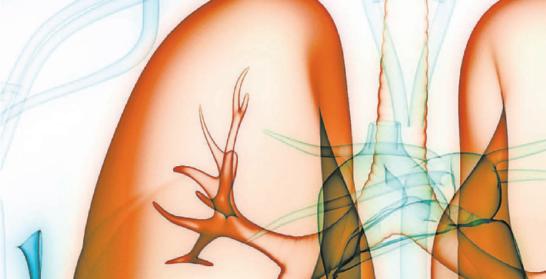




The facts about lung cancer
Lung cancer is a formidable disease that affects people from all walks of
life.
While the disease is often associated with smokers, even non-smokers develop lung cancer, making knowledge of it imperative for all.
When the body is working as it should, cells divide and make more copies of themselves. However, mutations can occur when cells keep making more copies of themselves when they should not be. These damaged cells create tumors and can affect organ function. With lung cancer, the mutations usually occur in the cells lining the bronchi or small air sacs known as alveoli.
The Mayo Clinic says lung cancer is the leading cause of cancer deaths worldwide. It also is the third most common cancer in the United
Types of lung cancer types
Many types of cancer can affect the lungs, but the two main kinds are known as nonsmall cell lung cancer and small cell lung cancer, indicates the Cleveland Clinic. Non-small cell lung cancer is the most common type of lung cancer, accounting for more than 80 percent of all lung cancer cases. Small cell lung cancer grows more quickly and is hard to treat, but it’s also less common than non-small cell lung cancer. SCLC is often found as a small lung tumor that’s already spread to other parts of the body.
Risk factors
Many factors can increase a person’s risk for lung cancer, but smoking any kind of tobacco product is the single-biggest of those variables. Experts estimate that 80 percent of lung cancer deaths are smoking-related.
Apart from actively smoking, those who are exposed to secondhand tobacco smoke also can develop lung cancer. Exposure to radon, asbestos, uranium, diesel exhaust, silica, coal products, and other toxins in the air also raises a
cer. The jury is still out on a potential link between vaping and lung cancer development. What is known is that a number of substances are inhaled when one vapes, and some are known to cause cancer.
Symptoms of lung cancer
Signs and symptoms of lung cancer vary, and the Mayo Clinic notes some indicators include.
►A new cough that doesn’t abate
►Chest pain
►Hoarseness
►Coughing up blood
►Wheezing
It’s important for a person to visit a doctor if they have any worrisome symptoms. Chest X-rays and CT scans are imaging tests that often are utilized to detect the presence of lung cancer. If suspicious masses show up on imaging, samples of lung tissue or fluid will be taken and tested for cancer.
The prognosis for survival after a lung cancer diagnosis depends on many factors and is different for everyone. Getting an early diagnosis and starting effective treatments can improve outcomes.





Adults in their early 40s know the day is looming when their physicians indicate it’s time for them to get a colonoscopy. According to the MD Anderson Cancer Center®, most people should get their first colonoscopy at age 45 and continue to get semi-regular screenings through age 75. Colonoscopies are an effective means to screening for colorectal cancer, which the World Health Organization reports is the third most common cancer worldwide. Though the MDACC characterizes colonoscopies as the “gold standard” for colorectal cancer screening, many people still approach the test with a degree of apprehension. But a closer look at these highly effective screenings shows there’s little to fear when getting a colonoscopy.
What happens during a colonoscopy?
During the procedure, a long, flexible tube known as a colonoscope is inserted into the rectum and around the colon. A camera and light at the tip of the colonoscope allows the doctor to examine the lining and the walls of the colon. The MDACC notes that ability is what makes colonoscopies so effective. During a colonoscopy, a doctor can remove any polyps, which are small, typically benign growths. Stool-based colorectal screenings and virtual colonoscopies do not allow for the removal of polyps.
Why do colonoscopies inspire anxiety?
The anxiety associated with colonoscopies typically does






not stem from the procedure itself but the preparation required the night before it. The Mayo Clinic notes that the colon, which is normally filled with stool, will need to be emptied prior to getting a colonoscopy. That means patients cannot eat solid food the day before the exam, and any drinks they consume may be limited to clear beverages, including water, tea and coffee without milk or cream, or broth (patients should first consult with their physicians about what they can and cannot consume on the day prior to the procedure). Avoiding solid food and sticking to clean liquids can be inconvenient, but the anxiety from a colonoscopy often can be traced to the prescription laxative patients typically consume in pill or liquid from the night before the procedure. That laxative facilitates the emptying of the colon, and patients may make several trips to the bathroom after consuming the laxative. Patients also may need to wake up in the middle of the night and take a second dose, after which they may make several additional trips to the restroom.
What about the procedure itself?
During a colonoscopy, patients will wear a gown but likely nothing else. Sedation or anesthesia is typically administered, and after that patients often fall asleep and ultimately awake in another room after the procedure has been completed. The Mayo Clinic notes some patients feel stomach cramps and/or bloated after the procedure. When patients awake from the sedative, the doctor who performed the procedure will offer his prognosis.
How soon do I need another colonoscopy?

Recommendations regarding a subsequent colonoscopy depend on what was found during the procedure. The MDACC notes that the typical timeline if no polyps were discovered is 10 years before the next colonoscopy.
Colonoscopies have a reputation for being unpleasant, but any pre-procedure discomfort is worth it given the efficacy of the exams.




Annual health checkups can be vital to







Annual health checkups are so vital that many insurance providers offer once-yearly wellness visits free of charge to policy holders. It’s important for people to get annual physicals even if they feel fit and healthy, as these yearly visits can help uncover issues that may not be producing symptoms. Annual wellness visits also afford adults an opportunity to discuss their lifestyle with their physicians, which can identify areas where changes might be necessary with a goal toward improving long-term health.
Yearly health checkups also provide an opportunity to learn about key screenings, especially those that may detect for cancer. But industry
surveys indicate far too many adults aren’t taking this vital step. A 2024 survey from the Prevent Cancer Foundation found that 39 percent of surveyed adults had not had a routine medical appointment in the previous 12 months. That’s a troubling finding and one that could be more costly than adults realize, as the PCF reports that as many as 50 percent of cancer cases and half of all cancer deaths are preventable. Screening for cancer, a process that often begins with discussions during annual wellness checkups, is a life-saving and typically non-intrusive way to detect the disease at its earliest, most treatable stage, a point in most cancer instances when symptoms
Get
the facts about


Testicular Cancer Cancer Prevention
are not necessarily present or noticeable. Annual checkups also offer patients an opportunity to discuss lifestyle changes that can decrease their cancer risk. Some adults may not recognize that their existing lifestyle is increasing their cancer risk. For example, the American Cancer Society notes that a sedentary lifestyle, a diet lacking in sufficient nutrition and excessive alcohol consumption all can increase a person’s cancer risk. Annual wellness visits provide an excellent opportunity for adults to discuss their lifestyle with their physicians, who may recommend some potentially life-saving tweaks that can greatly reduce a person’s risk for cancer.

Testicular cancer may or may not be on the minds of men during health checkups.
Despite being relatively rare, accounting for approximately 1 percent of all male cancers, testicular cancer may warrant concern for men between the ages of 15 and 35, as the American Cancer Society notes the average age at the time of a testicular cancer diagnosis is 33.
Those seeking to learn more about testicular cancer can review the following information about the condition.
Highly treatable
It is estimated that nearly 10,000 men in the United States will be diagnosed with testicular cancer in 2026, according to Johns Hopkins Medicine. However scary that might seem, treatment is highly effective. The overall five-year relative survival rate for testicular cancer is approximately 95 percent. If the cancer is caught in the localized stage (confined to the testicle), the survival rate rises to 99 percent, according to data from the National Cancer Institutes’s SEER Program.
Only about one in 5,000 males will die from testicular cancer, says the American Cancer Society.
Signs of the condition
Oftentimes the first sign of testicular cancer is a painless lump or swelling in the testicle. Additional symptoms may include a feeling of heaviness in the scrotum, a dull ache in the groin, or sudden fluid collection, advises the Cleveland Clinic.
Types of testicular cancer
Medical professionals generally categorize testicular cancer tumors into two main types, based on where a tumor originates. Seminomas are typically slow-growing and highly sensitive to radiation therapy. Non-seminomas tend to grow and spread more quickly and are often treated with surgery and chemotherapy.
Risk factors
The exact cause of DNA mutations that result in testicular cancer are unknown, but several factors increase a person’s risk.
· A family history (father or brother) who has had the disease.
· White men are diagnosed at higher rates than men from other demographics in the United States.
· Men with cryptorchidism (an undescended testicle at birth) are at elevated risk.
Treatment options
The Mayo Clinic says that treatment typically begins with a radical inguinal orchiectomy, which is the surgical removal of the affected testicle. Further treatments like chemotherapy or radiation also may be recommended.
Medical professionals recommend men familiarize themselves with what looks and feels “normal” on their bodies through monthly self-exams. Such exams may catch changes that indicate testicular cancer at a point in time when the disease is most treatable.
Did You Know?
According to the World Cancer Research Fund, people who work with metalworking fluids have a significantly higher risk for bladder cancer than those who do not confront such exposure. Metalworkers and machine operators are most likely to use metalworking fluids during a workday. The longer people who use such fluids are exposed to them, the greater their risk for bladder cancer becomes. But bladder cancer also poses a threat for those who do not work with metalworking fluids. For example, the WCRF notes the risk of bladder cancer is as much as six times higher among smokers compared to non-smokers.