
Cancer
LOCAL BUSINESS: Café offers a home for the arts downtown, D9
THEATER: Disney composer talks about ‘Aladdin’, ‘The Little Mermain’, D9
BOOK REVIEW: ‘The People’s Hospital’, D12
By K eith O ’C onnorSpecial To The Republican Cancer has been around since the dawn of time, yet scientists believe it is unlikely that we will find a single cure for cancer in our lifetime.
“Cancer is a vast and complex set of diseases with interrelated genetic, environmental and inherited causes, often worsened by other conditions patients may have,” said Dr. Wilson Mertens, medical oncologist with the Baystate Regional Cancer Program at Baystate Health and professor emeritus of medicine at the UMass Chan Medical School—Baystate.
“This leads to many different potential treatment targets and approaches, making a single therapy unlikely.”
Cancer is the leading cause of death worldwide. The American Cancer Society (ACS) predicts 1,958,310 new cancer cases and 609,820 cancer deaths this year in the United States. Despite the grim statistics, the good news is more people are surviving cancer than ever before. The ACS predicts 22.1 million survivors in 2030, with a 5-year survival rate.
“While there is much to be accomplished in our fight against cancer, the decrease demonstrates the increasing effectiveness of our efforts,” Dr. Mertens said. “This includes cancer screening, but especially new cancer therapies harnessing patients’ immune systems, as well as treatments targeted to specific molecular characteristics of the cancer.”
Scientists recently discovered evidence of a deadly bone cancer called osteosarcoma in a fossil leg bone from a dinosaur millions of years ago. The first documentation of cancer in humans, however, only dates back 5,000 years to ancient Egypt in a papyrus document describing tumors found in a woman’s breast.
Only in the past 200 years have there been many landmark discoveries increasing
knowledge of the nature of cancer and how to treat it effectively. The advent in 1946 of general anesthesia opened the door for modern cancer surgery. Radiation was first used to treat cancer in 1903 with further enhancements leading to modern linear accelerators in the 1970s. These devices – Baystate has four of them – are the main method of radiation delivery today. They are highly sophisticated and deliver therapy with increasing accuracy, often focused on the tumor itself, improving results with less side effects.
Nitrogen mustard was found during World War II to have potential anticancer effects, leading the FDA in 1949 to approve it for the treatment of lymphatic cancers and paving the way for modern chemotherapy. Today, drug therapy includes antibodies engineered to attack specific proteins and receptors on the cancer cell or enhance the patient’s immune response to the cancer, or even deliver a chemotherapy drug directly to the cancer cell. And those are just a few of the many advances to benefit patients.
Dr. Mertens offered his thoughts on what he considers the biggest two advances in the fight against cancer – the first being the ability to conduct clinical trials.
“We need to prove that the interventions we are using are making a difference in terms of improved survival and not just reduction of cancer growth. There are always going to be new scientific developments, but we need a statistically sound structure to prove we are doing something worthy. Clinical trials, which have grown tremendously in numbers since the late 1960s, have allowed us to build progressively on our past treatment approaches,” Dr. Mertens said.
“Current clinical trials include early-phase studies intended to determine if a drug is effective in treating a specific cancer, or increasing-
ly a specific characteristic that might be shared by many cancers, as well as large studies designed to show if a treatment will help a patient live longer. Both types of trials are available at Baystate Health, and new studies are starting frequently,” he added.
The second advancement is a team approach, something he learned the importance of and brought to the Baystate Regional Cancer Program after seeing a patient during his residency in Ontario, Canada. The patient suffered from ovarian cancer but struggled to find the appropriate specialists and had delayed diagnosis and uncoordinated management of complications.
“We have surgical, radiation, gynecologic, medical and hematologic oncologists that care for patients today along with other medical specialists such as gastroenterologists, endocrinologists and many others - everyone has a cancer role to play.
Nurses, pharmacists, radiation technologists and care coordinating staff are critical to the delivery of modern, complex cancer care. Cancer is managed by people for people, and it is important to include everyone’s special contribution, knowledge and skills for the betterment of our patients at the right time, in the right setting, for the best outcomes. It has taken a while to achieve, but being
able to offer the best that all our medical specialties can offer in a coordinated fashion is a truly critical advance,” Dr. Mertens said.
Coordination efforts abound at Baystate, including patient care coordinators, tumor conferences - there are 10 that meet regularly - and disease-specific treatment teams that enhance care management and knowledge as well as improve patient care flow.
Can cancer be prevented?
It’s a question that Dr. Mertens said he often hears from patients, noting the answer is that it is all about modifying risk factors to lower your chances of developing cancer.
“Aside from genetics and family history which are not modifiable, avoiding tobacco and limiting alcohol use, not being overweight, keeping physically active, protecting yourself from the sun, practicing safe sex and other healthy lifestyles can reduce your cancer risk. The campaign to stop smoking has been somewhat successful, reducing cancer deaths over the years, but we haven’t made strides in areas such as obesity or getting people off the couch. Most cancer screenings such as mammograms or those for prostate or lung cancer do not prevent cancer, but detect cancer earlier so that treatment can more effectively reduce mortality. However, screening colonoscopy can prevent cancer because if a polyp is found, it can be removed and prevent it from turning cancerous,” Dr. Mertens said.
“From a population perspective, we continue to make slow but steady progress to discontinue the use of tobacco and reduce alcohol consumption while obesity is going in the opposite direction. We are now seeing the price of obesity and an unhealthy diet in terms of increasing rates of colorectal cancer in younger people under 45. And, there is still a great deal of work to do on increasing physical activity which both improves cancer outcomes as well as impact-
ing other conditions such as heart and vascular disease,” he added.


As for the future, the Baystate cancer specialist noted promising work that may play a major role in cancer identification and treatment, as well as areas that must be addressed in prevention.


“In addition to work on cancer causing genes, such as the BRCA1 and 2 genes that cause inherited breast and ovarian cancer syndrome, and genes that are associated with other inherited cancer syndromes, there is increasing research still in its infancy on infectious agents as causes of cancer. Scientific study in this area may offer interesting results in the next 10-15 years including clarifying the role of bacteria in our bowels - the gut microbiome -in cancer causation and management,” Dr. Mertens said.
More work also needs to be done to improve the quality of life for cancer patients and their families. He agrees with the World Health Organization’s assessment that effective health strategies, comprising community- and home-based care, are essential to provide pain relief and palliative care, which is treatment to relieve, rather than cure, symptoms and suffering caused by cancer.
“Cancer care has been revolutionized over the past 50 years, but our community and home care models have not kept pace with this rapid change. Care provider organizations and health insurance entities will have to make significant strides to modernize and remain relevant to patients and families facing complex care challenges,” Dr. Mertens said.
For more information on the Baystate Regional Cancer Program and the D’Amour Center for Cancer Care, visit baystatehealth.org /services/cancer.
JetBlue adds Florida flights to Orlando and Fort Myers from
masslive.com/news
Worcester
(PHOTOS COURTESY OF BAYSTATE
Top: Dr. Wilson Mertens, medical oncologist with the Baystate Regional Cancer Program at Baystate Health and professor emeritus of medicine at the UMass Chan Medical School— Baystate stands before Baystate Health’s D’Amour Center for Cancer on 3350 Main St. in Springfield for which he helped to develop its physical layout and innovative care model to best serve the region’s cancer patients. Bottom: One of four linear accelerators located in the Center which are the main method of radiation delivery today.
HEALTH)
has been around since the dawn of time...
(PHOTO COURTESY OF ISTOCK IMAGES)
D | | SUNDAY, APRIL 16, 2023
yet scientists believe it is unlikely that we will find a single cure for cancer in our lifetime.
Bone Marrow
Donating is a great way to help people in need. Whether you’re donating time, money or items such as clothing or furniture, those donations have the potential to change people’s lives for the better.
Perhaps nowhere is the value of donating more palpable and personal than in situations when a healthy person donates part of their bodies to help someone facing a potentially life-threatening illness. Such situations unfold every day when people donate bone marrow.
According to the Mayo Clinic, roughly 5,000 people in the United States undergo a bone marrow transplant each year, and such transplants are vital for individuals diagnosed with blood cancers such as leukemia. Knowledge of bone marrow could compel more individuals to become marrow donors.
What is bone marrow?
The Cleveland Clinic notes that bone marrow is the soft, fatty tissue inside bone cavities. Components of blood, including red and white blood cells as well as platelets, form inside bone marrow.
Why is bone marrow important?
Bone marrow manufactures stem cells and other substances that ultimately








produce blood cells. According to the UCSF Benioff Children’s Hospitals, each type of blood cell produced by bone marrow performs its own vital function. Red blood cells carry oxygen to tissues throughout the body while white blood cells help to fight infections. Platelets help blood clot so people stop bleeding when they are cut or injured.
Who can donate blood marrow?
UCLA Health notes that most healthy individuals between the ages of 18 and 44 could be potential blood and marrow stem cell donors, though “Be The Match¨, which is operated by The National Marrow Donor Program , notes that donors on the bone marrow registry have their status changed to “inactive” upon their 61st birthday. People interested in becoming donors can join the program, be tested and add their names to the list if they’re ultimately approved as donors.
Why are some people excluded from becoming bone marrow donors?
Be the Match¨ is operated by the NMDP and manages the marrow registry. The organization notes that there are marrow donation
guidelines available through their website that shed light on who cannot be a donor.
For example, Be The Match changes donors’ status to “inactive” at 61 to protect the donors. Individuals who have been diagnosed with HIV/ AIDS cannot be donors. Even those who have received a tattoo within the previous 12 months will be carefully evaluated for infections before they are approved as donors.
A more complete rundown of issues that could exclude some people from becoming marrow donors is available at bethematch.org.

Can someone live without bone marrow?
The Cleveland Clinic notes that the absence of bone marrow can be fatal.
Are all donors matches to anyone in need?
Just because someone is on the bone marrow registry does not mean they are a match with anyone who needs a bone marrow transplant. The more diverse the registry is, the more likely those in need will find a match. That underscores how important it is to increase the number of people on the bone marrow registry, which the Mayo Clinic notes already includes 12 million donors in the United States.
When that gland is not working properly, such as when cancer has taken hold, individuals may experience a range of side effects. Learning about the thyroid and thyroid cancer can help individuals recognize their own risk factors for the disease.

The thyroid gland
The Centers for Disease Control and Prevention says the thyroid sends out hormones that control activities in the body, including breathing and pumping blood. The gland also regulates certain metabolic functions, such as controlling weight and putting on muscle. The thyroid also helps to keep the brain, heart, muscles, and other organs working as they should.



What is thyroid cancer?
Thyroid cancer is a type of cancer that starts in the thyroid. At first, thyroid cancer may not produce any symptoms, but as it grows, the cancer can cause swelling in the neck and may make it difficult to talk and swallow, says the Mayo Clinic. Thyroid cancer is not the most common cancer, but it is

helpful to learn more about the disease. The American Cancer Society reports that, as of 2022, there are about 43,800 new cases of thyroid cancer (11,860 in men and 31,940 in women). Women are three times more likely to develop thyroid cancer than men, and until recently, it was the most rapidly increasing cancer in the U.S.
Being
Types of thyroid cancer
The American Thyroid Association notes that there are four main types of thyroid cancer:

1. Papillary thyroid cancer is the most common, accounting for 70 to 80 percent of all thyroid cancers. It can occur at any age. It grows slowly, but can spread to the lymph nodes in the neck.
2. Follicular thyroid cancer accounts for 10 to 15 percent of cases in the U.S., and may spread through the blood to distant organs.
3. Medullary thyroid cancer is uncommon but can run in families. It is associated with other endocrine tumors.
4. Anaplastic thyroid cancer is the most aggressive and advanced form of the disease and the least likely to respond to treatment. It is very rare.
Thyroid cancer treatment

Doctors diagnose thyroid cancer by using ultrasound imaging and fine needle aspiration biopsy. Sometimes thyroid nodules are removed surgically and studied. According to the ATA, the first step in treating thyroid cancer is surgery. In some cases, only one lobe of the thyroid may be removed and in others the entire thyroid is removed. The extent of surgery depends on tumor size and whether or not the cancer has spread. Individuals will have to take thyroid hormone replacement medication if their thyroids are removed. Radioactive iodine therapy also may be used if the thyroid cancer spread to lymph nodes.
Thyroid cancer tends to be highly treatable and is being detected earlier than ever. That is good news for those affected by the disease.

413-301-WELL (9355) 24-Hour Crisis Line: 413-733-6661 Visit bhninc org for more information 417 Liberty St Springfield, MA | 77 Mill St Westfield, MA We’re Here for You. Care when and how you need it At home, in your community, at our clinic, and/or via telehealth Serving children, youth, adults, and families dealing with mental health and substance use challenges
A small, butterfly-shaped gland known as the thyroid is responsible for a host of functions in the body.
more about Thyroid
Susan Bankoski Chunyk, Au.D. Doctor of Audiology Jamie Conti, Au.D. Doctor of Audiology Jennifer Lundgren Garcia, Au.D. Doctor of Audiology The Finest Hearing Care by Doctors of Audiology SINCE 1984 200 North Main Street, North Building, Suite 103 East Longmeadow, MA hampdenhearing.com 413-525-7979 info@hampdenhearing.com
Wait? People who have trouble hearing often wait several years before they decide to get help. But life is happening now! Hearing loss affects your work, your family and your social life. Don’t let a hearing problem keep you from enjoying life. WE CAN HELP. MAKE THE BEST CHOICE Donation
ACS says scientists are not sure about what causes thyroid cancer, but getting too much radiation around the neck when young and inheriting certain genetic conditions from parents increases risk.
Learn
Cancer
Why
The
female also increases the risk. %%SATFOL-%%3MONTH%%2DATE D 2 | SUNDAY APRIL 16 2023 THE REPUBLICAN | MASSLIVE.COM
The risk factors for
Skin Cancer
Incidence rates for skin cancer can be hard to determine.
The World Cancer Research Fund International notes that’s due in large part to the various subtypes of the disease, which can present challenges when collating data. Those challenges have led the WCRFI to conclude that global skin cancer incidence rates, though significant, have likely been underestimated. Even if skin cancer incidence rates don’t paint an
accurate picture, researchers and medical professionals recognize that skin cancer is a formidable threat. Recognition of the risk factors of this often preventable disease can be an integral component of anyone’s preventive health care regimen. Though anyone can get skin cancer, the MD Anderson Cancer Center and the Centers for Disease Control and Prevention notes the presence of these characteristics can elevate individuals’ risk for the disease.
A lighter natural skin color
A lighter natural skin color indicates a person has less

melanin, which increases the risk for sunburn. That, in turn, increases skin cancer risk.


Skin with many freckles or moles
The MDACC urges individuals with many freckles or moles to keep an eye on them. Freckles and moles are typically tan or brown and round or oval-shaped. But any that are getting larger, painful, bleeding, itchy, or scabbing could be cancerous. The presence of these symptoms should be brought to the attention of a dermatologist immediately.
History of blistering sunburn
The MDACC notes that all it takes to increase an individual’s risk for melanoma, which is the most serious form of skin cancer, is one or two blistering sunburns as a child.


Blue or green eyes
The MDACC notes that, much like people with lighter skin, individuals with blue or green eyes have less melanin than people with eyes that are darker in color.
Blond or red hair
Individuals with blond or red hair also naturally have less melanin.
A family history of skin cancer
The MDACC urges individuals with a family history of skin cancer to share that background with a dermatologist, who can conduct a full-body screening to help individuals know if their own risk for the disease is elevated.
A personal history of skin cancer
Anyone who has had skin cancer in the past is more likely to get it again.

Age
The American Society of Clinical Oncology reports that


STROKE MONTH
BAYSTATE HEALTH EVENTS


Stress, Lifestyle, and Silent Stroke

Thursday, May 4, 6-7 p.m. | with Dr. Rajiv Padmanabhan

certain types of skin cancer, including most basal cell and squamous cell carcinomas, appear after age 50. However, younger individuals, particularly those who spend long hours sun bathing, and individuals of any age who use tanning beds, should know that their risk for skin cancer is elevated regardless of their age. Skin cancer affects millions of people across the globe. That figure could be lowered by greater recognition of various risk factors for the disease and preventive measures that can save lives.
Most of us feel stress at some level in our lives. Can stress and unhealthy lifestyle choices cause a stroke or even a silent stroke? Join Dr. Rajiv Padmanabhan, Baystate Neurology, for a discussion about stress, the impact of lifestyle, and what you need to know about silent strokes, a stroke that doesn’t cause any noticeable symptoms.
Signs of a Mini-Stroke in Women
Tuesday, May 9, 6-7 p.m. | with Dr. Heydi Flores Podadera
Although men are more likely to have a stroke, women have a higher lifetime risk for stroke. Mini-strokes, or transient ischemic attack (TIA), have symptoms that could be missed. Join Dr. Heydi Flores Podadera, Baystate Neurology, for a discussion about mini-stroke symptoms, causes, diagnosis, and treatment.
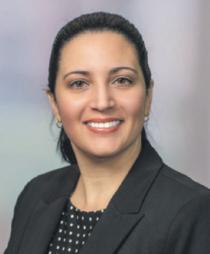
Stroke Rehab at Home: Hand Therapy Exercises
Monday, May 22, 6-7 p.m. | with Michelle Lantaigne, OT
Motor impairment of the hand is common after a stroke. Stroke rehabilitation and exercises to regain or build strength is part of the recovery process. Join Michelle Lantaigne, OT, Baystate Rehabilitation Care, for a discussion about the role of occupational therapy in stroke recovery, with helpful hand exercises to do at home.

TO REGISTER VISIT: BaystateHealth.org/StrokeSeries CS14522
3184052-01
%%SATFOL-%%3MONTH%%2DATE THE REPUBLICAN | MASSLIVE.COM SUNDAY APRIL 16 2023 | D 3