



















Welcome to July (already?). As you know, I cover Brookhaven, Dunwoody, and edit the Rough Draft In Print monthly publications. Consequently, I have not had many opportunities to cover World Cuprelated events. On June 17, I, along with my Rough Draft colleagues, attended an Atlanta Press Club and Metro Atlanta
Chamber media reception at the former CNN Center, now called the CTR. I was determined to cram as many FIFA-related encounters into that night. Here is my story.
I took the MARTA, along with regular commuters and a half-dozen FIFA fans, from the Dunwoody station. As we traveled south and the train became more populated, so did the police presence. Two Atlanta police officers strolled through the cars, engaging passengers and asking about their adventures. I saw them disembark at some point, and was surprised when they made another trip down the aisle a couple of minutes later.
“We never got off,” one of them told me, which immediately brought some “Groundhog Day” vibes. “We just move around between stops, but we never get off this train.” Heard.
A family sitting in front of me, Atlantans who told me they were originally from Colombia, was coming back from a satisfying day, where they immersed themselves in all the fan experiences at Centennial Olympic Park, which included waiting more than two hours in line to score a personalized Bank of America FIFA charm bracelet.
“Totally worth it,” the beaming nineyear-old told me. His parents also remarked that they were having to backtrack, having accidentally hopped on the gold line to get to their car instead of the red line.
“It’s okay,” they said. “We like MARTA.” 5 p.m.
During the changeover at Five Points, I met a decked-out, shiny-eyed volunteer, originally from Guatemala, who was heading to her first shift at the fan experience event. I asked her if she knew what to expect as far as her work duties.
“I don’t even care,” she said. “I get to be part of a big experience that I probably will never get to do again. It’s already amazing.”
After disembarking at the SEC District station, I waded through the aftermath of the cancelled Streamer University event, where I encountered throngs of angry people with selfie sticks, along with a lot of discarded water bottles, clothing, and broken lawn chairs. Note: When I looped back to get on the MARTA two hours later, most of the
debris was gone.
After some wandering around, I found the press event and achieved my ultimate goal of the outing, meeting a foreign correspondent covering the games. Romain Lafont did not disappoint.
A 17-year veteran at L’Equipe, which means “The Team” in French, Lafont is covering Spain’s national team, also known as Selección Española de Fútbol.
Lafont has worked for the paper ever since he snagged a three-month internship for winning a writing contest about a fictional 110-meter hurdles race. He worked as a copy editor, a graphic designer, and in other roles before reaching reporter status.
I asked him about the sports-writing process and how it differed from American journalism. Pretty shocking response: reporters don’t have any personal or locker room access to players or coaches.
In his decades of reporting, he has had a one-on-one interview with exactly one player.
“They don’t have to do it, and they don’t do it,” Lafont said. “So when we write stories, instead of reporting, we make a portrait of the game through the eyes of the fans, or by talking to former players or coaches.”
I asked him about the first Atlanta game – heavily favored Spain’s surprising nil-nil tie against underdog Cabo Verde.
“I truly believe that it will go down in history as the best match in the past 50 years,” he said. “It’s the beauty of soccer.”
Lafont emphasized that teams like Cabo Verde deserve as much respect as the overall favorites like England, Spain, and France.
“From number 50 to number one, these are all good, professional teams,” he said.
Lafont said Atlanta is just the first stop in his American adventures. He’s already been to Niagara Falls and Chattanooga, where the Spain team trains, and will travel to Kansas City and Toronto before he goes back to his Paris-area home.
7 p.m.
Heading back to MARTA, the tone of the crowd near the aborted Streamers University event was less hostile, and it seemed like my FIFA-adjacent adventure was coming to a close. Not quite.
The train emptied out with each stop until, between Medical Center and Dunwoody, I chatted up the only passenger in my car, a Jamaican man returning home from the airport after a trip to see his family. His son, he revealed, is an aspiring midfielder who is playing overseas in hopes of a shot at moving to an elite league.
When I mentioned that it must have been an expensive endeavor, he shook his head. “Hundreds of thousands of dollars,” he said. “You just don’t realize.”
“But it will all be worth it when he makes it to his dream team – Atlanta United,” he said.
Full circle.

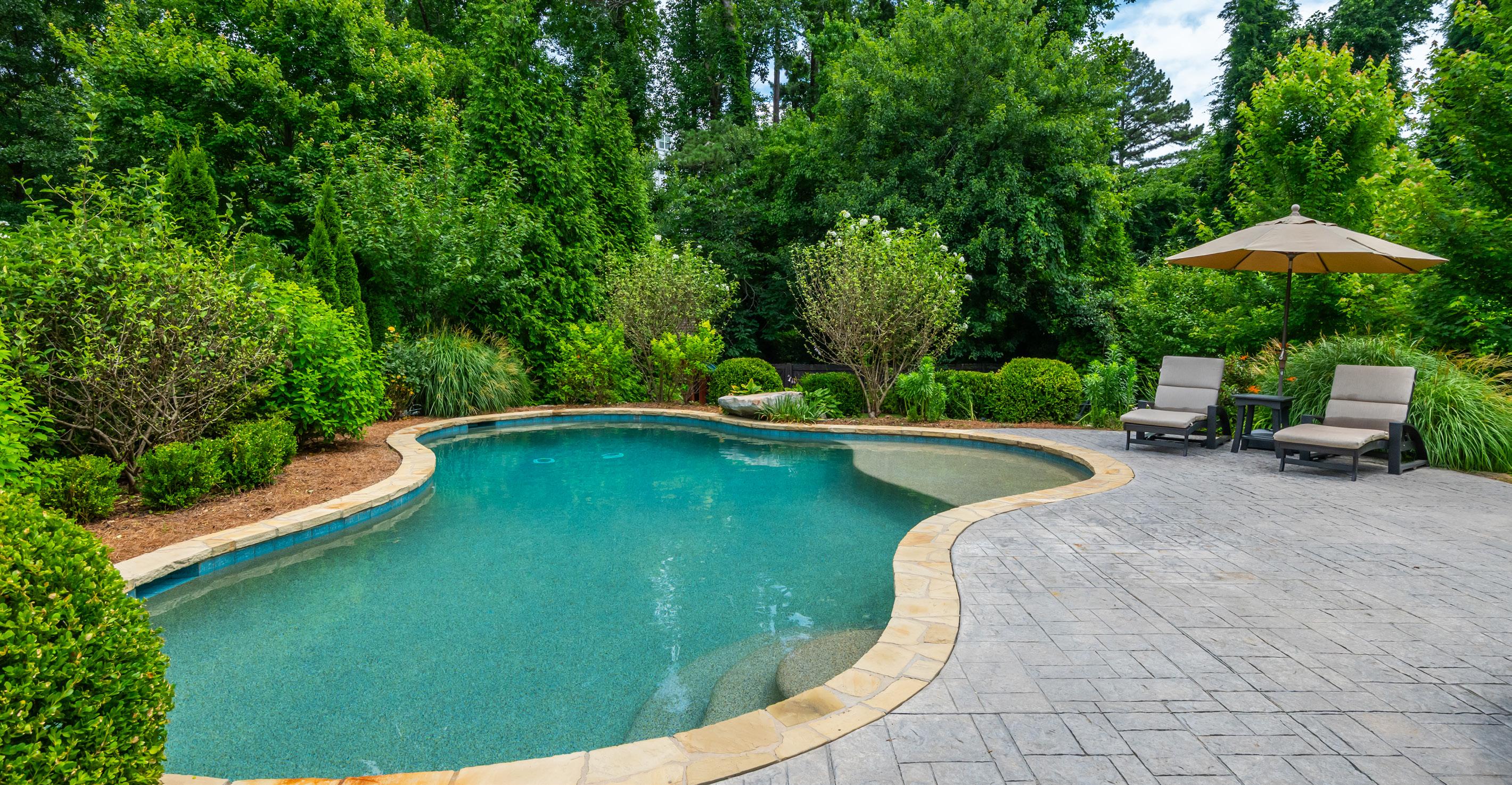
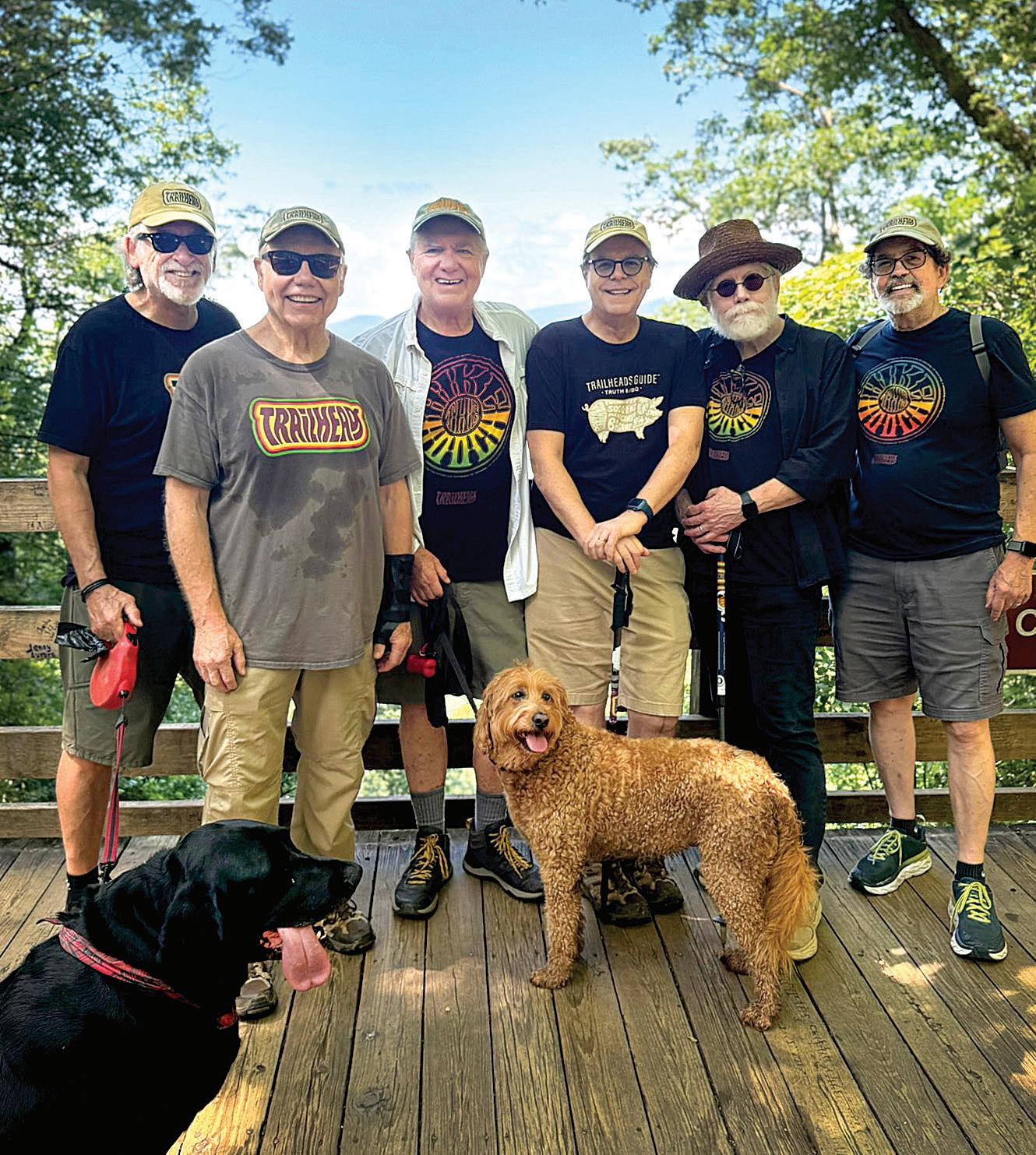
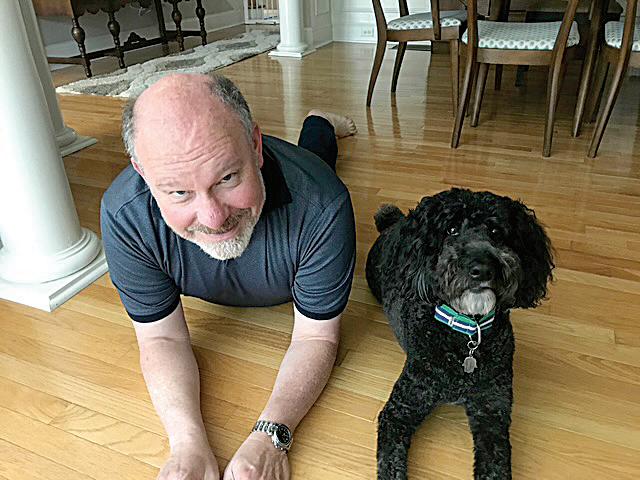
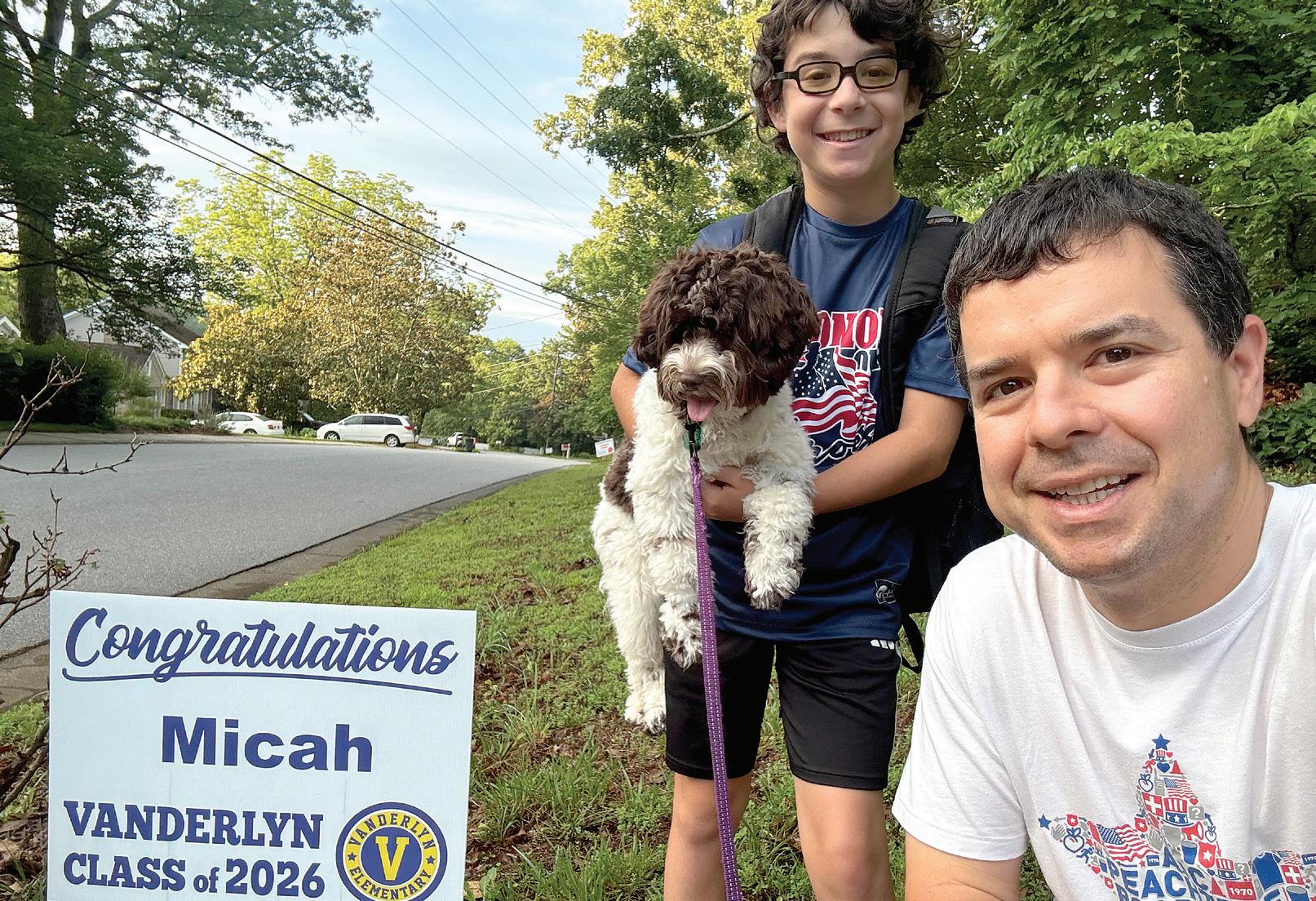
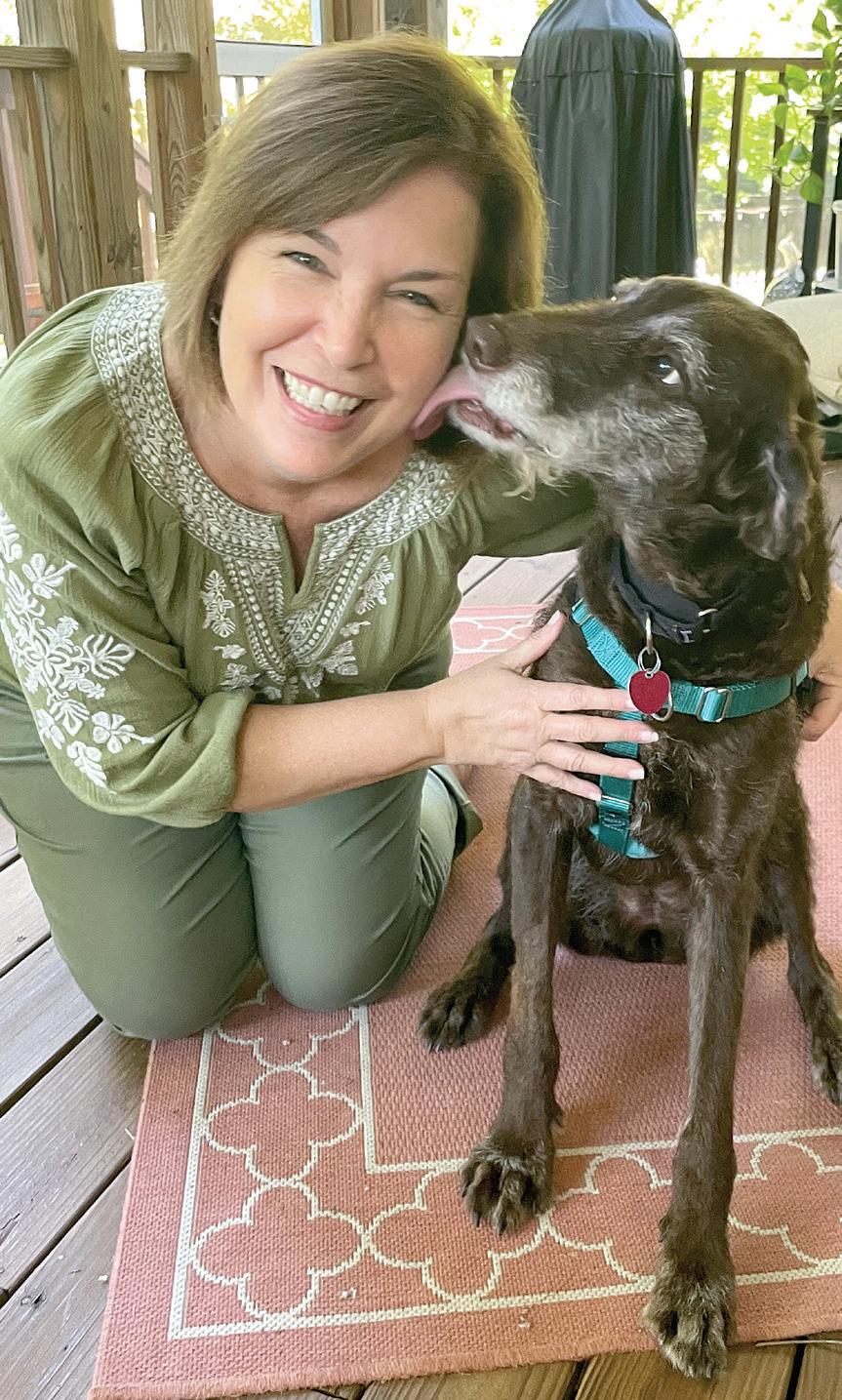
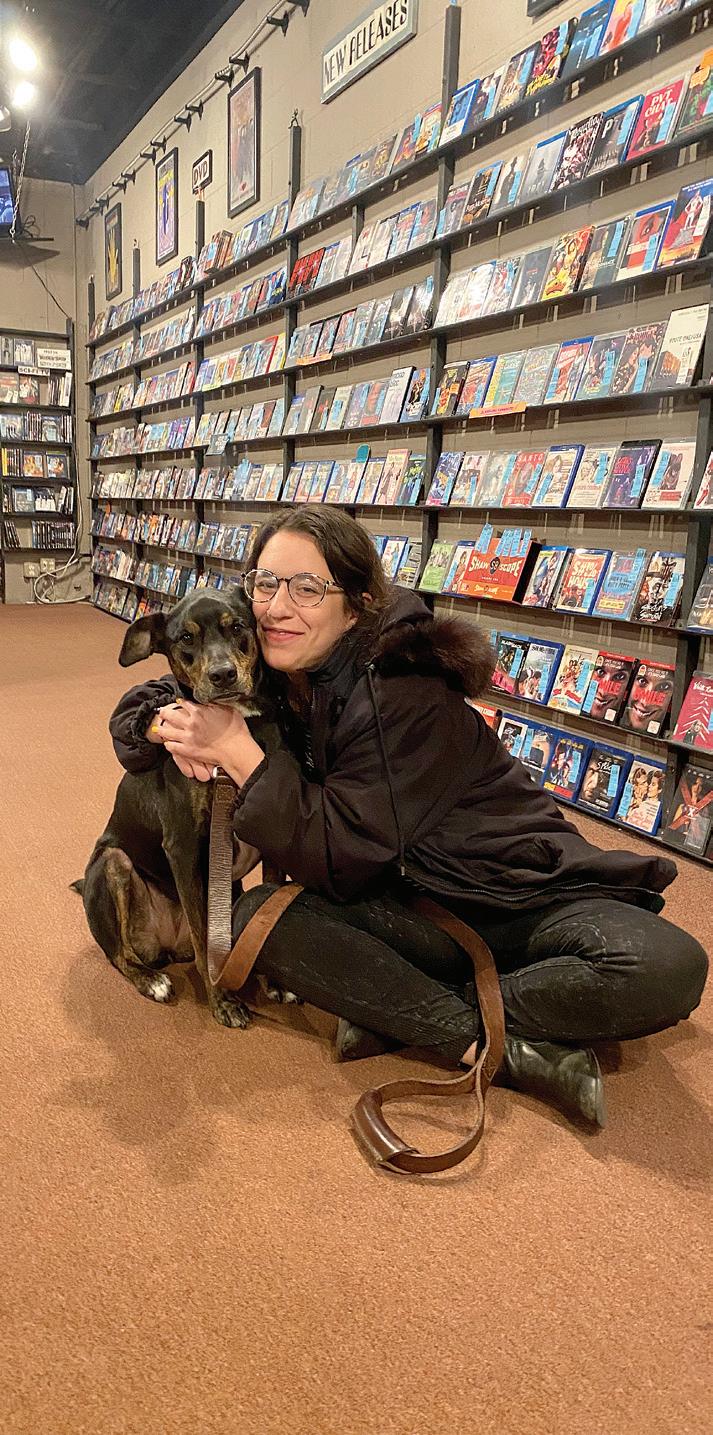
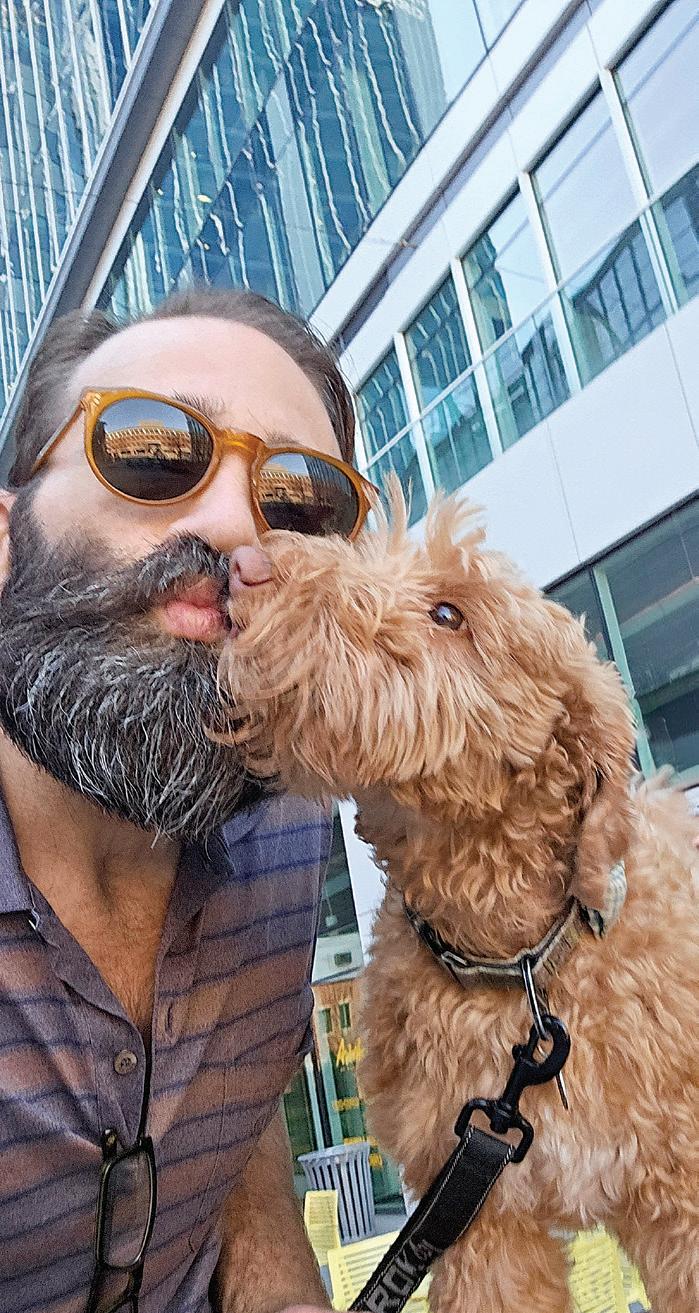
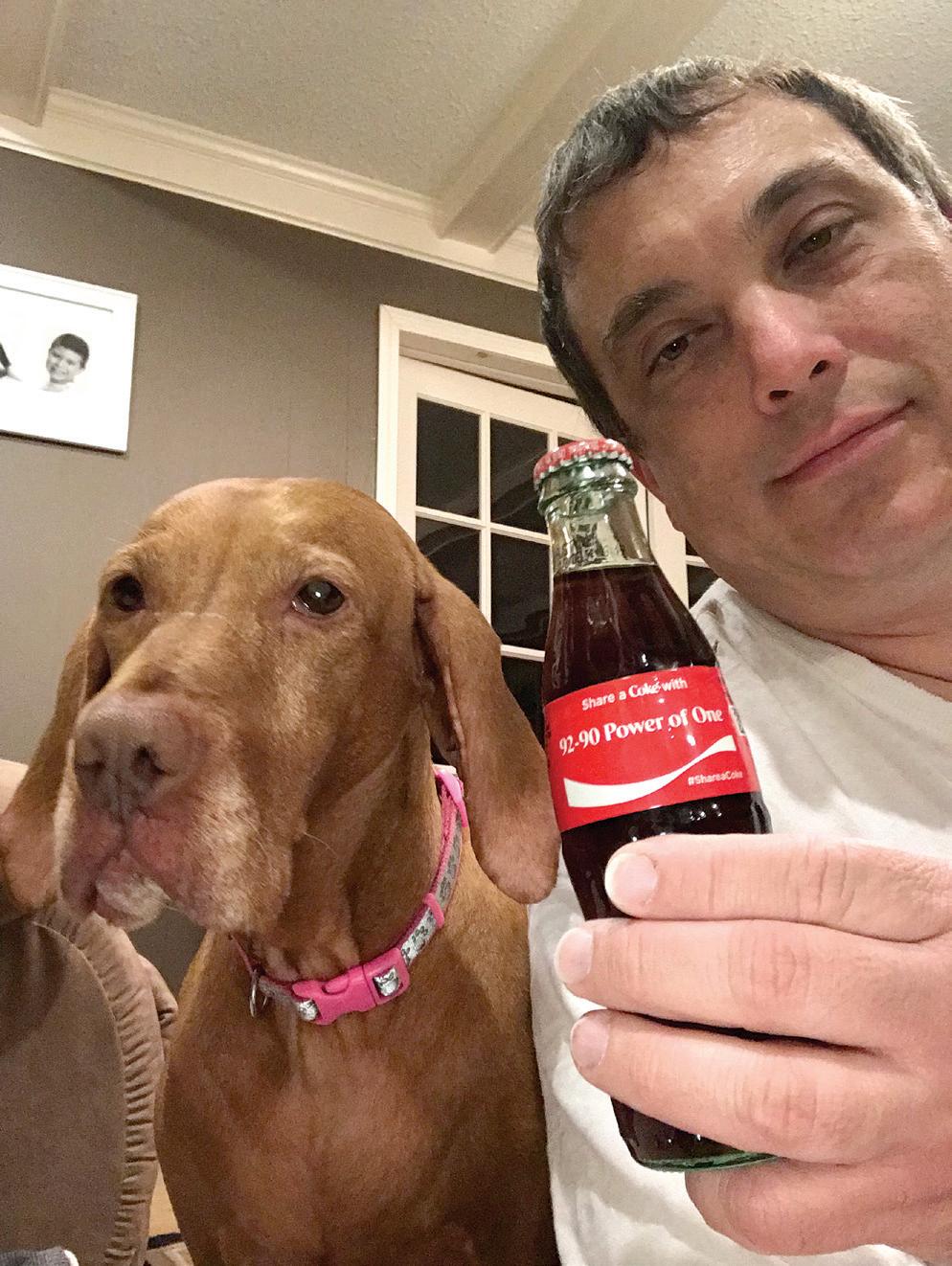
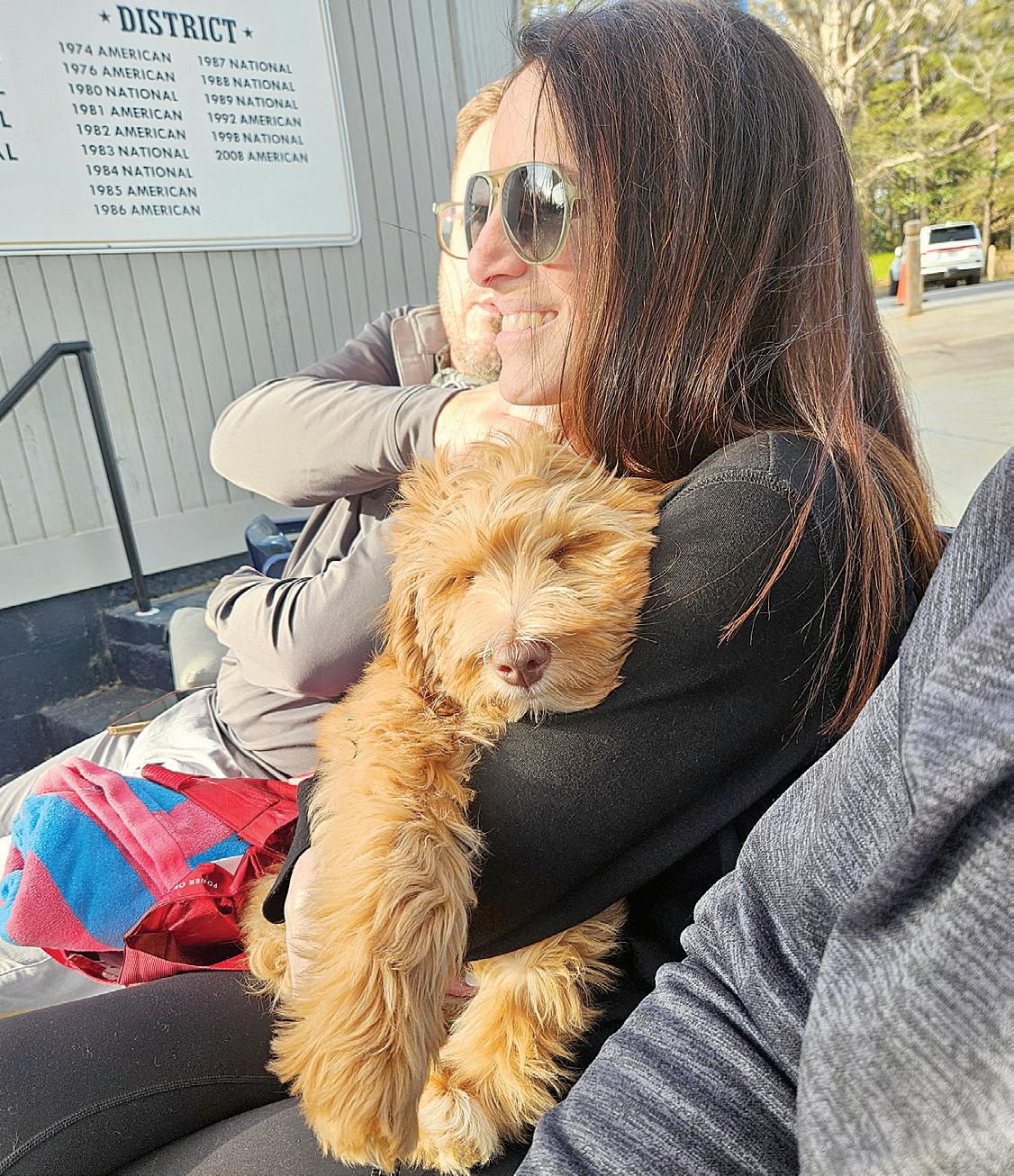
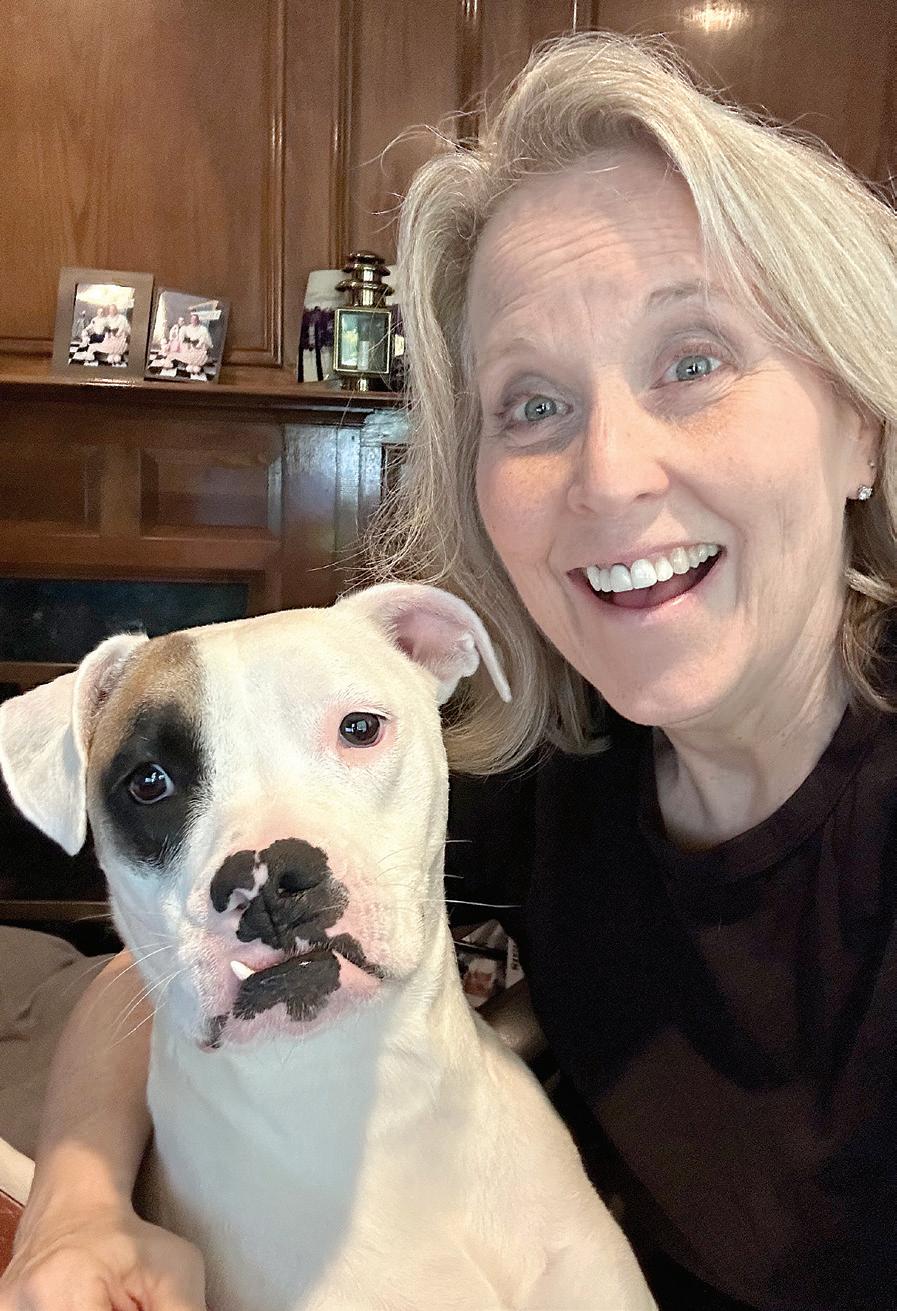
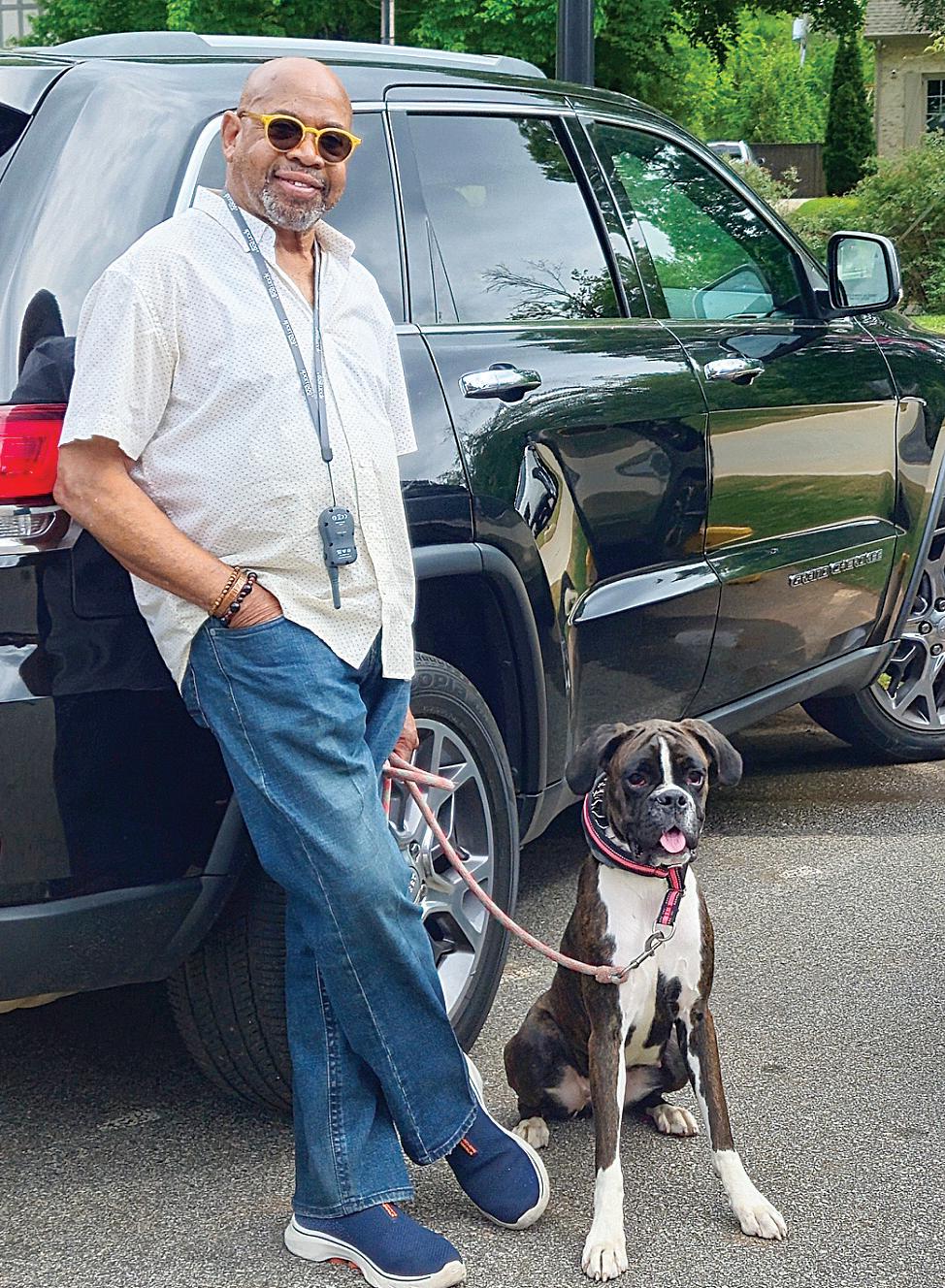
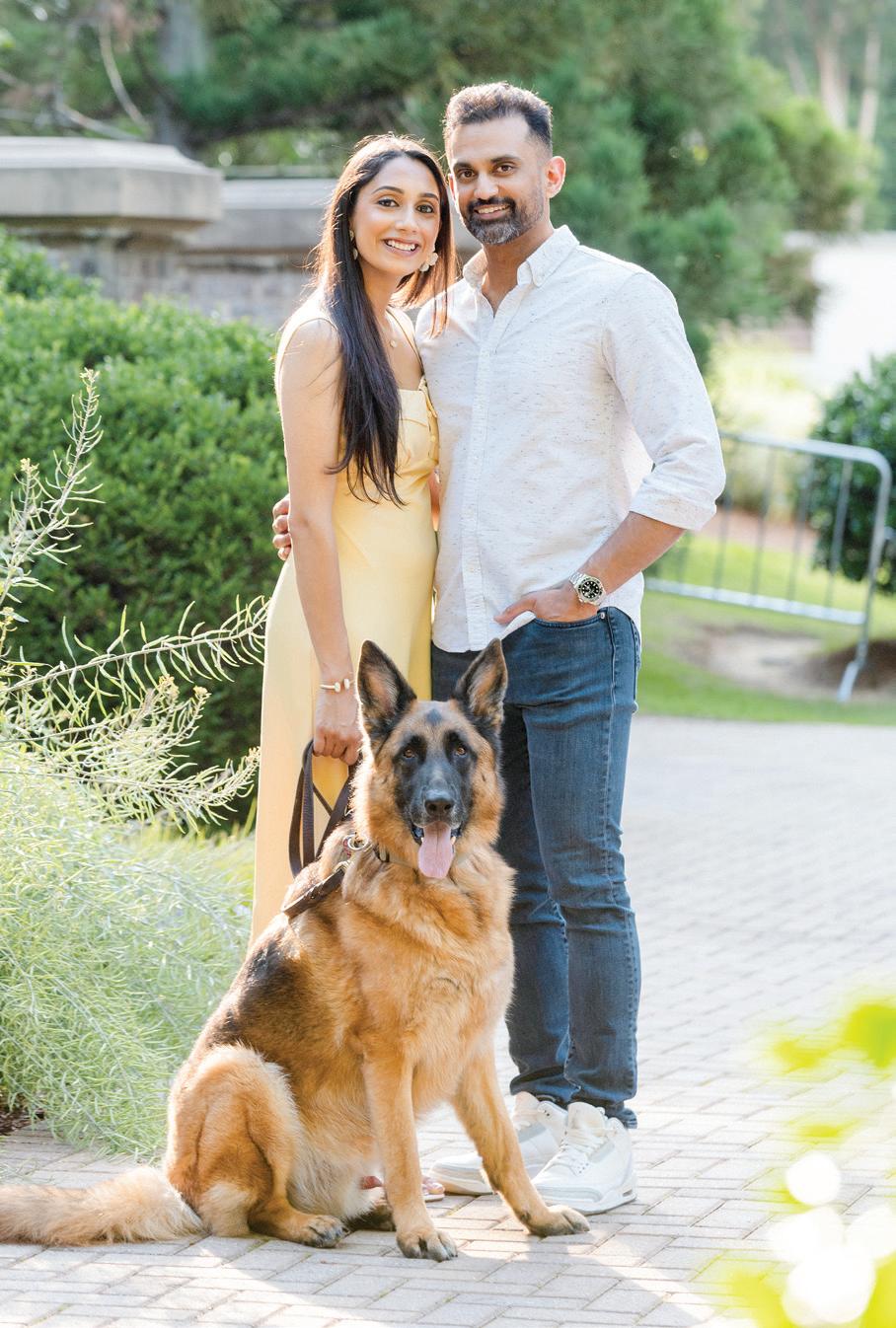
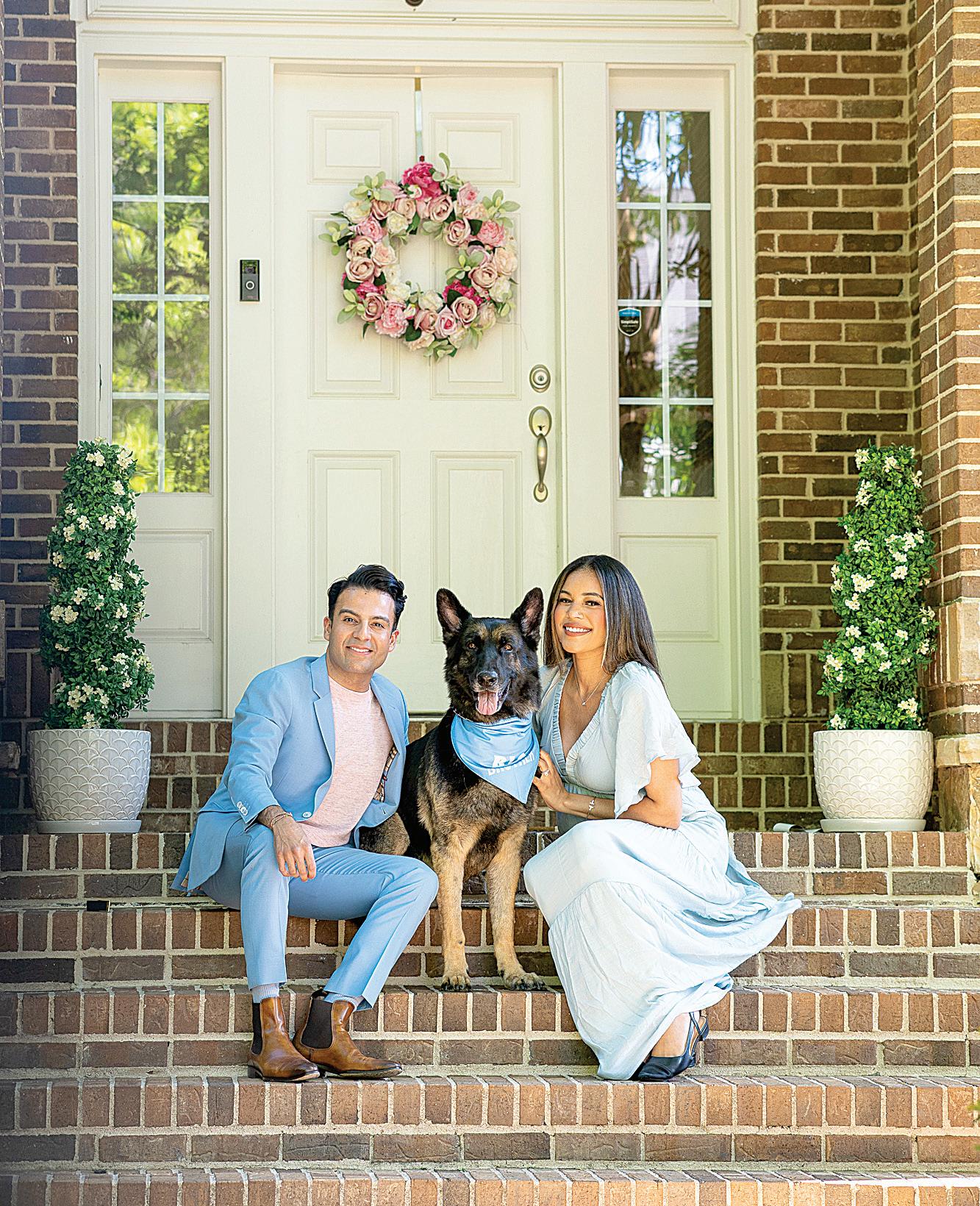
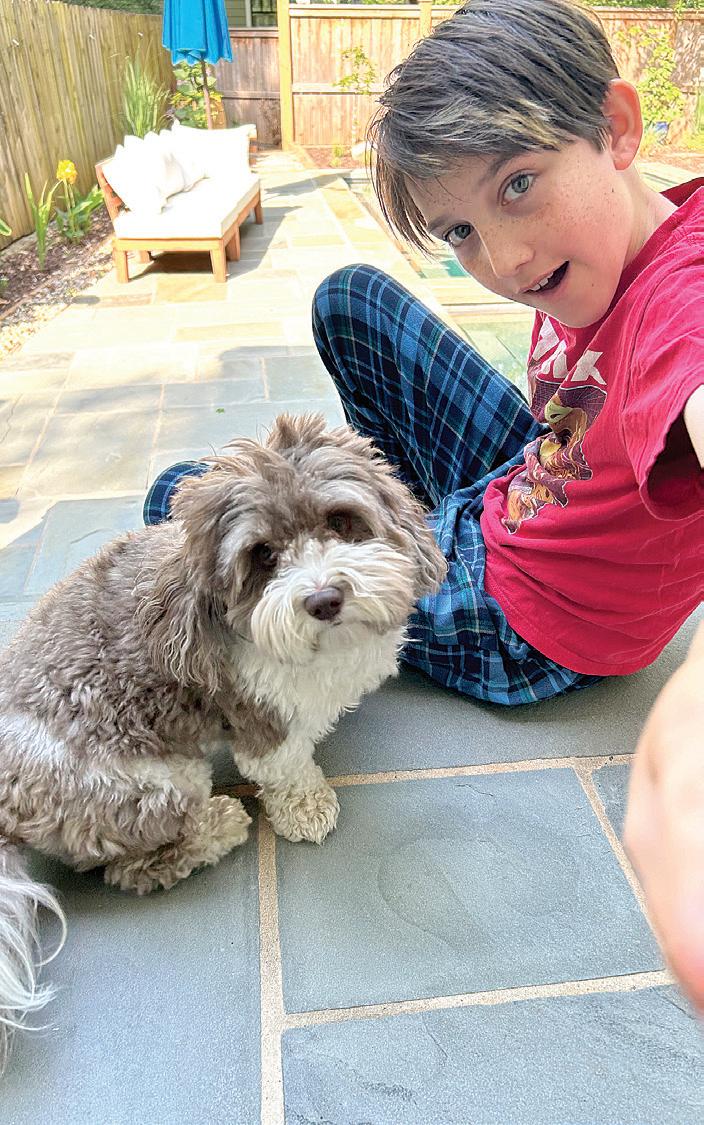
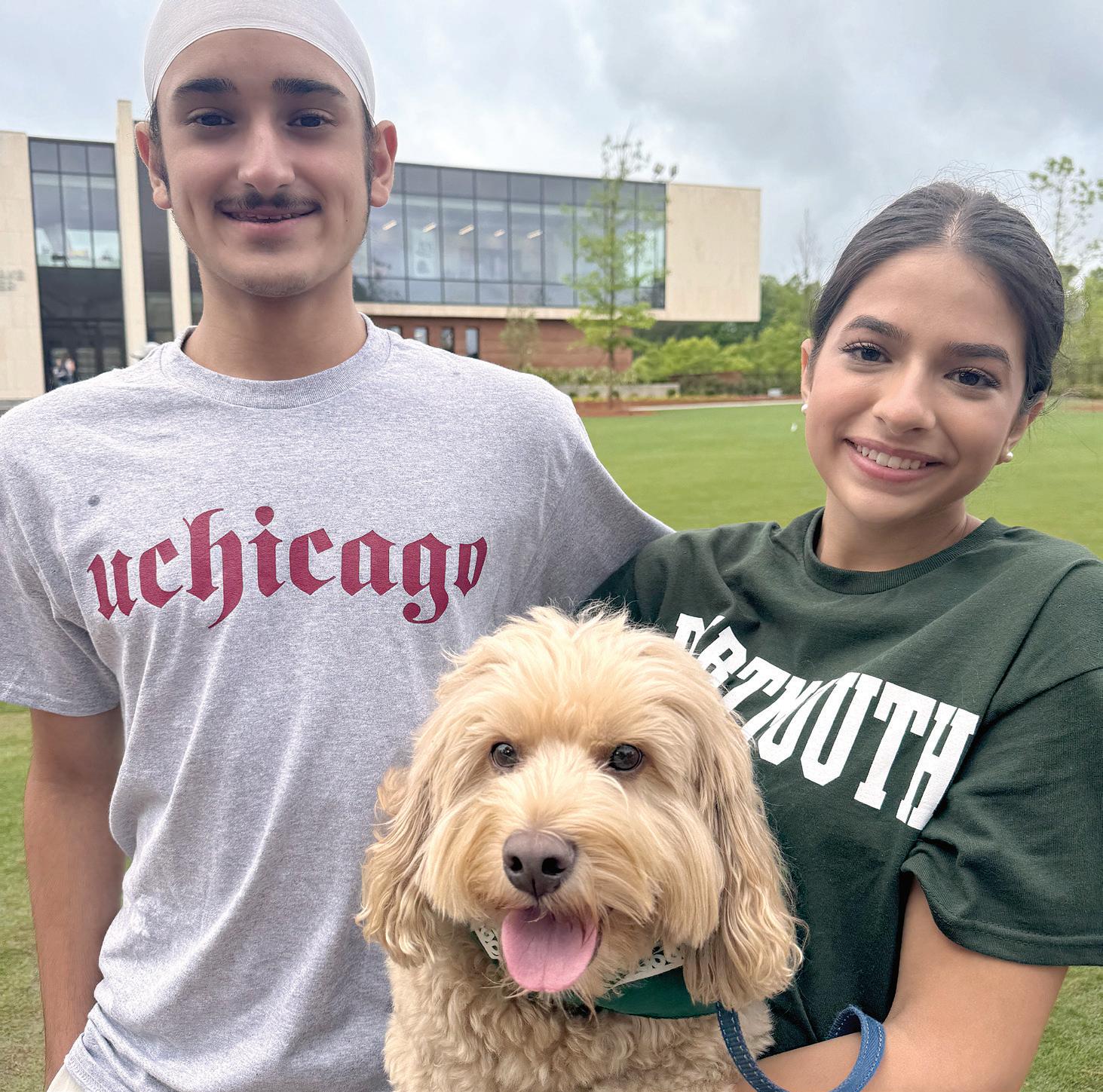
We put out the call for photos of you with your beloved furry friends and you answered us! Our annual “Pets & Their People” issue is one of our favorites to assemble as it gives us a great opportunity to showcase our readers and their BFFs.
Enjoy! –
Cathy Cobbs, Managing Editor
Sponsored by

THE DIFFERENCE IS NOT WHAT WE DO. IT’S HOW WE DO IT.
Long after the contracts are signed and the keys have changed hands, what remains is not the process. It’s how you felt.
The confidence of trusted guidance. The comfort of knowing every detail was thoughtfully managed. The assurance that your goals were understood and your interests protected.
At Peachtree Town & Country, we believe exceptional real estate begins with exceptional service. Every interaction is guided by a simple philosophy: people may forget the details, but they will always remember how you made them feel. That’s why we hold ourselves to a higher standard; not only in the service we provide, but in every interaction among our advisors, leadership, and staff.
Because the true measure of success is not the closing itself. It’s the relationship that remains long after.

















































































By Cathy Cobbs
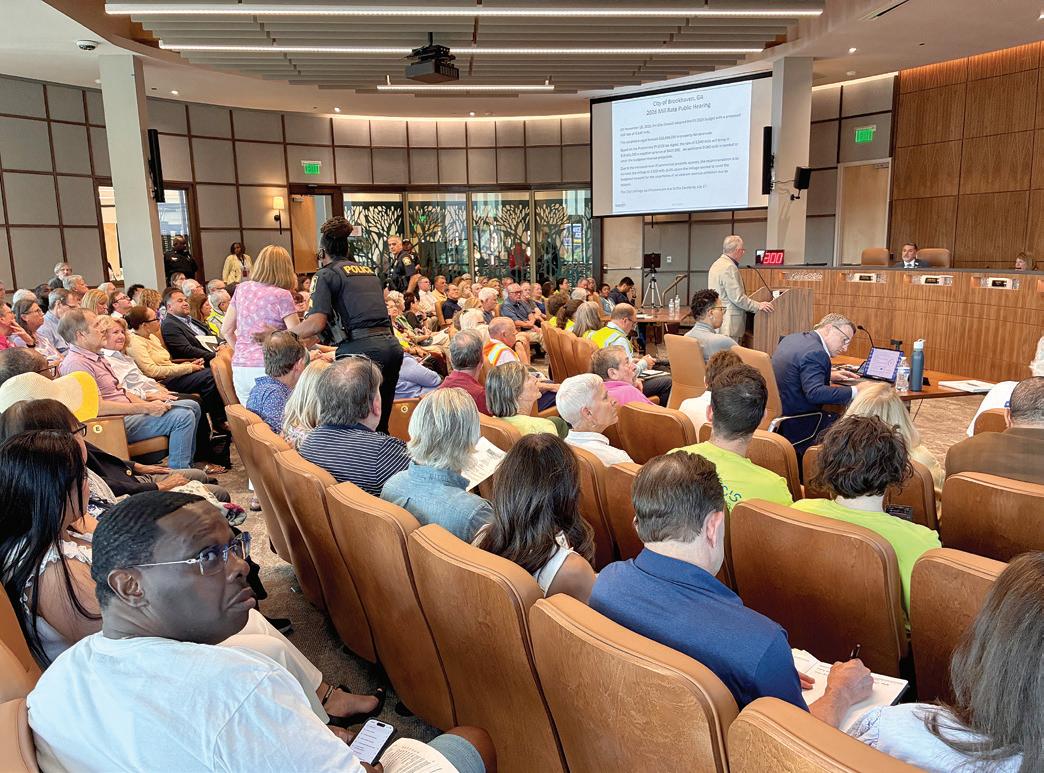
A standing-room-only crowd attended a Brookhaven City Council meeting on June 23 to let the panel know that it was unhappy with a proposal for a 40-percent increase in the city’s millage rate.
About 150 people attended the meeting in the council chambers, while another 100 watched the proceedings on a video feed on the first floor of City Centre.
After the public hearing, the council unanimously passed the millage rate increase during its regular meeting. All the council members, including Mayor John
Park, said they struggled with the decision, but economic pressures forced the issue.
Council member John Funny said before the vote that the council had “worked diligently” to find cost-savings in order to spend the taxpayers’ money wisely. He emphasized that the extra income generated by the tax increase will maintain, not expand, services within the city.
The phrase, “Read the room,” was repeated multiple times during public comment as more than a dozen speakers asked the council to reduce or eliminate the millage rate increase.
Other people said the city should not






reduce the Special Services Tax District millage rate from 12.000 to 6.45 for commercial properties that include Children’s Healthcare of Atlanta and Emory University.
Ronnie Mayer, who introduced himself as the “unofficial mayor of Brookhaven,” said the council should “run this city like a business.”
“There’s so much money that we are wasting,” he said. “There are more than 35 employees that we don’t need. And the questions that the council has asked [City Manager Christian] Sigman seem very rehearsed.”
referendum.
Sigman said during a presentation to the council that the city’s freeze on homesteaded residential properties has forced the city to raise the millage rate in order to provide the same level of services to its residents.
“Our assets need to be maintained,” Sigman said. “Personally, I wish I could keep the same budget that I had years ago, but it doesn’t happen.”
Council members asked Sigman about whether other cities, like Dunwoody, had similar amenities like public pools or parks. He declined to compare Brookhaven to other municipalities, although he said Brookhaven has more police officers per capita than Dunwoody.
Staff is recommending a millage rate of 3.850 mills, an increase of 1.233 mills, Sigman said. Property taxes comprise about 44% of the city’s revenues.
Last November, the council passed an ordinance to remove a cap on the city’s millage rate, despite pleas from residents to allow a decision to be made by
The proposed tax increase for a home with a fair market value of $800,000 will be about $394.56, and the proposed tax increase for non-homestead property with a fair market value of $1,575,000 is approximately $764.46, according to an announcement from the city.
The increase will generate about $6.6 million, Sigman said, which will go towards 911 fees, building maintenance, health insurance, contracted services, park maintenance, and other expenditures.
“We tried to look at moving the needle by contracting services, but I didn’t get any feedback from the community that they wanted to cut services,” he said.
If the millage rate increase didn’t pass, Sigman said there would have to be immediate cuts to employee benefits, travel, and other incentive programs.
Last October, staff discussed increasing the millage rate to 3.54, which would represent a hike of 0.8 mills from the current rate of 2.74 mills. The latest proposal has increased the original rate by 1.233 mills.
Despite the proposed increase, city officials say that Brookhaven still has the second-lowest millage rate, behind Dunwoody.
By Cathy Cobbs







A group opposed to Brookhaven’s plan to rebuild Windsor Parkway between Ashford-Dunwoody Road and Lanier Drive made their feelings known at the city council’s June 23 meeting, calling the path unneeded or too expensive.
Before public comment, Brookhaven Assistant City Manager Patrice Ruffin described the project, emphasizing that
several elements of the plan remain unfunded.
In addition, in response to questions from the council, she said that major changes to the plan could result in the Georgia Department of Transportation defunding the project or the entire community feedback and informationgathering process starting over.
According to Brookhaven’s website, the project “will convert the conventional
minor stop intersection at Ashford Dunwoody Road and Windsor Parkway into a single lane roundabout with a 10-foot shared use path on the east side of Ashford Dunwoody Road. Windsor Parkway between Ashford Dunwoody Road and Lanier Drive.”
A sidewalk will be built on the north side, a shared-use path on the south side, and a curb and gutter, the website said. It was one of the mid-term projects recommended in the Ashford Dunwoody Road Corridor Study adopted by the council in 2017.
She said the original price of about $4 million has increased to $7.3 million because of rising property values, which will affect right-of-way acquisition, and higher material and labor costs.
The group, comprised mainly of residents on or around the Windsor Parkway area, says they aren’t opposed to changes to make the roadway safer, but are “deeply concerned about the lack of transparency surrounding this project, the impact to the mature tree canopy lining Windsor Parkway, the acquisition of residential property without complete public disclosure, and the significant cost overruns from the original approved budget.”
According to organizers, the petition has more than 510 signatures, with the majority saying they want the city to:
■ provide a detailed, tree-by-tree survey and right-of-way impact map for the Windsor Parkway
corridor before construction proceeds;
■ hold a dedicated public information session on the Windsor Parkway corridor design, including tree removal, right-ofway impacts, and an alternative design that preserves the existing tree canopy where possible;
■ publish an updated, itemized project budget and commit to public disclosure before and after construction bids are received this fall;
■ pause the construction on the Windsor Parkway corridor segment, while allowing the intersection safety improvements to proceed on their own merits.
Several residents in the affected areas said they have not received notices about the project and said that the construction would adversely affect their property values.
Speakers called the project “a yellow brook road to nowhere” since the path that would connect it to other corridors remains unfunded and has not been prioritized by the council.
According to a status report on the website, as of June 5, right-of-way acquisitions are underway, and appraisals are complete. The city was expected to make initial offers to affected homeowners by June 30, with construction expected to begin by early 2027.
B uilding B ridges Across Faith and Community in D istrict 2

Gather with neighbors, faith leaders, service providers, and community par tners to:
✓ Learn about homelessness and local resources
✓ Build relationships across communities and faith traditions
✓ Explore meaningful ways to take action together
SAVE THE DATE
Listen. Learn. Connect. Act. Open to all District 2 residents.
Wednesday, August 26 - 9 to 11 a.m.
Thursday, September 24 - 9 to 11 a.m.
Thursday, October 15 - 6 to 8 p.m.
Contact: www compassionateATL org Leanne@CompassionateATL org


Scan QR code to register or visit www zeffy com/en-US/ ticketing/on-common-ground





By Logan C. Ritchie
Atlanta City Council members approved the Neighborhood Reinvestment Initiative, a public-private collaboration to address underserved neighborhoods, in a 13-2 vote – but there’s a catch.
The NRI will go into effect when and if Atlanta Public Schools or the Fulton County Commission gives Mayor Andre Dickens the green light to take out bonds.
Tax allocation districts (TADs) are defined areas, whether a commercial center like the Beltline or a neighborhood like South Downtown. Property tax is reinvested into infrastructure, development projects, and redevelopment rather than schools.
Open for a defined amount of time, TADs are meant to provide a windfall for schools when they are complete. When Atlantic Station’s TAD closed in 2024, the school system saw about a $16 million boost, closing the budget gap. School board Vice Chair Ken Zeff voted against the 30-year TAD extension in March, claiming that extending the Beltline TAD would cost APS approximately $80 million annually.
The NRI will be funded by TADs through Invest Atlanta, the official economic development authority for the City of Atlanta.
At budget review meetings in May and June, public commenters questioned the validity of the NRI’s goal to end generational poverty, combat displacement, and create equitable neighborhoods.
Rohit Malhotra, a civic leader and policy expert, said there’s “a deep and concerning culture of performative hypocrisy in Atlanta.” He said TADs are “specifically designed to raise property taxes, a tool that has historically created displacement for so many families.”
“There is no evidence, there is no research, there is no data that says that this tool solves inequality. In fact, data shows the opposite,” Malhotra said. “The truth is that the entity that will be hit hardest by this is our Atlanta Public School system.”
Royce Mann, an APS graduate, agreed.
“If we move forward with this plan without APS, who pays 50% of the funds, the goals will not be achievable. And if we move forward with this plan with APS, then APS’s goals of achieving universal pre-K [and] expanding college and careerbased education will be unachievable,” Mann said.
Community advocate Rodney Mullins said the NRI will be “a nail in the coffin” of many communities because residents haven’t read the legislation.
Council members Liliana Bakhtiari and Kelsea Bond voted against the NRI. Bond said there are areas across the city in dire need of funding, not just those inside a TAD.
“I do not believe that [TADs are] capable of repairing these historic and very, very real inequalities that exist in the city of Atlanta,” Bond said. “I wish that the time had been taken to actually deliberate and use research and data to determine what that mechanism is, but this is not it.”
Council member Antonio Lewis, who voted in favor of TADs, said the proposal includes changes made by conversations held with colleagues and constituents.
“This proposal moves us closer to addressing the longstanding issues and disparities in our city,” Lewis said. “It creates an opportunity to bring critical infrastructures to the heart of Atlanta and to the people that need it most, and it will close those gaps that have existed for generations.”
What’s next for the NRI?
A new TAD Investment Review Committee will review agreements, assess community benefits, and issue a report to the Atlanta School Board by Oct. 1. Changes made to the original plan include adding an anti-displacement clause and allowing the Beltline and Perry Bolton TADs to expire in 2031 and 2041. Westside, Eastside, Campbellton Road, Hollowell-Martin Luther King Jr., Metropolitan Parkway and Stadium TADs will be extended another 30 years.
“Many people came and spoke during public comment today, hoping and praying that this initiative will not continue to displace Atlanta residents, and that is exactly what I’m afraid of,” Bond said. “Decades of TADs have failed because of loose guard rails or no guardrails at all because they lacked specific and clear goals. What we are voting on today does not contain redevelopment plans. It does not contain clear project lists.”
Bond plans to focus on accountability, ensuring the TADs are benefitting Atlanta residents – not developers, real estate companies and corporations.
“I hope that I’m wrong about what this legislation will do,” Bond said.
Council member Michael Julian Bond had the last word before the vote.
“This is just as important as the World Cup, just as important as the Olympics, just as important as every other major initiative that the City of Atlanta has ever enacted, going all the way back to Mayor Hartsfield buying a racetrack and turning it into an airport,” Michael Julian Bond said.
As a Proud Partner of TOUR Championship, we’ve helped the tournament generate more than $71 million for its five charitable beneficiaries. We believe good energy makes a lasting impact in our communities that can be felt for generations.






PARTY JULY 15
2:00 - 7:00 P.M. LILLIAN WEBB PARK

By Hayden Sumlin
The Norcross City Council discussed increasing the occupational license tax rate on businesses by 150%, raising about $600,000 in operating revenue to balance the city’s 2027 budget.
If the council approves the rate increase, which requires a public hearing, the city’s business occupational tax revenue would increase from about $425,000 to $1.06 million, according to the Norcross Finance Department.
In May, council members indicated they preferred the 150% rate increase option. In fiscal year 2028, the strategy calls for restructuring the occupational tax system to match a business’s “gross receipts.”
A city memo says “comparisons of occupation taxes collected by the City of Norcross, with a peer set of 14 other jurisdictions in Gwinnett, Fulton, and DeKalb counties, and documented that businesses in Norcross presently pay significantly lower Occupation Taxes than comparable businesses in peer communities.”
City Manager Eric Johnson, who is departing Norcross in September, said the rate increase requires a public hearing in three weeks at the June 6 regular meeting. He said city officials understand the significance of the increase.
“We’ve had the impact of a constitutional amendment … our own referendum both impacting homestead properties,” Johnson said. “Rather than raise the millage as part of the budget, which hits everyone to some extent, largely businesses, this is an approach to say, ‘well, we tend to be high when it comes to our millage rate, we’re off the chart low when it comes to business and occupational license.’”
Council Member Josh Bare said the city needs to notify local businesses of the increased tax burden and expressed skepticism.
“The budget is counting on this money, and it’s a major difference,” Bare said. “It seems like it’d be more something that you would sort of roll out over a couple of years.”
Council members Bruce Gaynor and Matt Myers confirmed that even with the increase, the city’s business and
occupational license tax would still be the lowest among peer cities.
Next year’s budget and tax rate
Elected officials also discussed Norcross staff’s proposal to keep the property tax rate flat at 6.249 mills. If approved, the tax rate would stay the same for a fifth consecutive year.
Norcross voters overwhelmingly approved a new homestead exemption, drastically increasing the amount of a home’s assessed value shielded from city property taxes. Homeowners under age 65 saw their exemption jump from $9,000 to $45,000, and those 65 and older saw theirs increase from $18,000 to $90,000.
While the city has kept its millage rate flat for years, increasing property values mean homeowners are often paying more in city, county, and school taxes. A mill is $1 per $1,000 of a property’s taxable value.
Finance Director Jon Robinson said data from Gwinnett County’s most recent tax digest shows property taxes will remain flat this fall with the same millage rate. Because of new city homestead exemptions, homeowners may even be paying less.
“The rollback rate actually is the same as the millage rate that we proposed,” Robinson said. “At this time, we don’t see that we’ll have to have a scheduled public hearing, but if that changes in the next few weeks, as we continue to get more information from the county, we will present a new item.”
Norcross, which is a little more than six square miles, has one of the smaller city budgets in the metro Atlanta core. Its citywide budget, including all multi-year funds, is $62.6 million. The operating budget is $23.5 million, with more than 40% of revenue coming in through property taxes.
The city of Dunwoody in DeKalb County, which is more than double the size of Norcross (in area and population), has an operating budget of $38 million. However, Dunwoody homeowners with a city exemption are taxed at just 2.04 mills.
In Norcross’ proposed 2027 operating budget, revenues and expenditures are expected to increase 4.7%. Elected officials will continue discussing next year’s budget in July, before public hearings and final approval in August.
By Hayden Sumlin
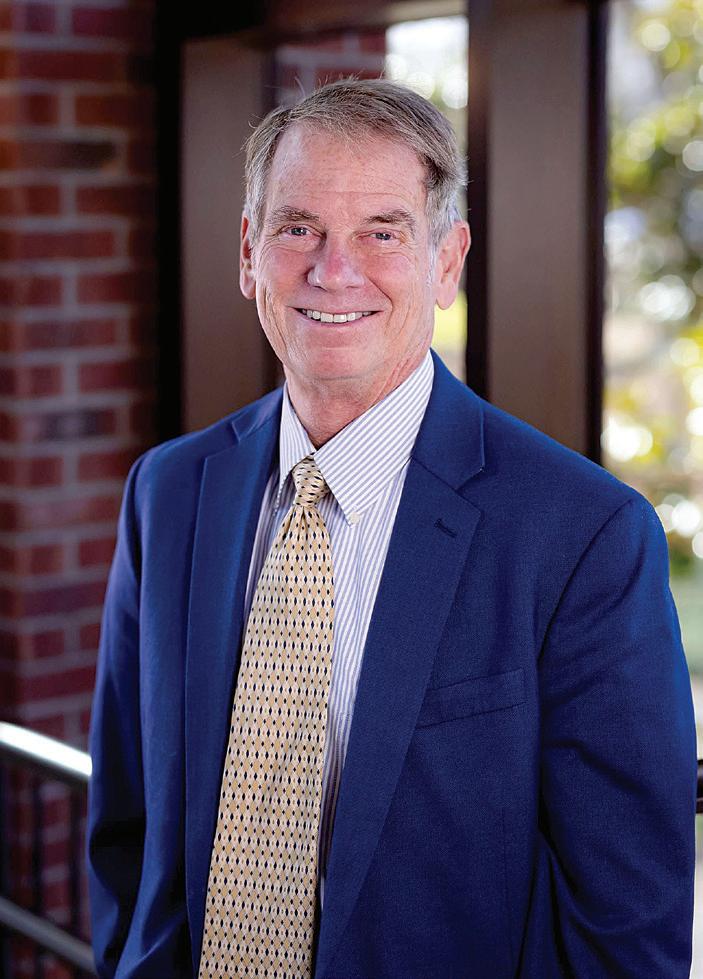
Norcross Council Member Marshall Cheek (1957-2026) passed away after a years-long fight with cancer on Sunday, June 14, community members announced.
The following day, Norcross officials ordered the American flag at city hall to be flown at half-mast. He was 69.
Cheek graduated from the Georgia Institute of Technology in 1980, earning a degree in industrial engineering. His career included 29 years of experience in commercial and residential design of HVAC systems.
He was the co-owner and president of Norcross-based Paulson-Cheek Mechanical since its founding in 1998.
Cheek defeated state Rep. Arlene Beckles (D-Norcross), a former Norcross council member, in November 2023. He served as mayor pro tempore in 2025. Because his term expires at the end of 2028, there will be a special election to fill his seat for the remainder of the term.
Mayor Craig Newton said Cheek believed deeply in the future of Norcross.
“He brought wisdom, professionalism, and a steady voice to the city council,” Newton said. “His dedication to public service and his commitment to our community will leave a lasting legacy. On behalf of the city council, city staff, and the residents of Norcross, we extend our deepest condolences to Marshall’s family, friends, colleagues, and everyone who had the privilege of knowing him.”
He is survived by his wife, sisters, two children, and three grandchildren. Read Cheek’s obituary here.
Colleagues react to Cheek’s passing
Council Member Josh Bare said he got to know Cheek when he joined the city council in 2024.
“I’m grateful for his interest in this community and his willingness to get involved and serve,” Bare said. “Despite the health battles he was dealing with, he fought with passion to make Norcross a better place.”
Council Member Bruce Gaynor said he became friends with Cheek while serving on the Norcross City Council and chatting with residents at Saturday morning Coffee(s) with Council.
“He very much loved the city,” Gaynor said. “He was very honored to be on the city council, took it seriously, and saw it as a major way of giving back to the community.”
While he and Cheek didn’t always vote the same, Gaynor said they approached things from different perspectives that usually aligned on issues of public concern.
In recent months, Gaynor said Cheek’s health was in decline. He said Cheek’s wife told him that Marshall passed away peacefully with his family.
“What he would advocate for more than anything is for government to get moving,” Gaynor said. “He was very pro-business and very much supported the business community, but not at the expense of everyday individuals.”
City remembers Cheek’s service
The city’s announcement of Cheek’s passing described him as “a dedicated public servant, respected business leader, and cherished member of the Norcross community.”
“He brought a practical perspective, strong business acumen, and a deep love for Norcross to every discussion and decision,” the city’s announcement said. “He knew his time was short, but giving back to the community he loved was very important to him.”
Throughout his life, he held numerous volunteer leadership roles, including homeowners’ association president, youth sports coach, church youth group and Sunday School teacher, and student mentor at Georgia Tech.
Before his election to the city council, he served as vice chair of the Norcross Planning and Zoning Commission, helping guide the city’s growth and development.
“When he announced his candidacy for city council, Cheek cited his unique perspective as both a longtime Norcross business owner and resident,” the announcement said. “He believed his life experiences, business background, and passion for the community would help him better understand the city’s needs, exemplify servant leadership, and support thoughtful growth. Those qualities became hallmarks of his service on the city council.”


Get ready to race, splash, and sink in the most creative way possible! Teams of two will design and build their own cardboard boat, then put it to the test in an exciting head-to-head race at the Kelley Cofer Pool. Whether you’re aiming for speed or style, this event is all about teamwork, creativity, and fun.
By Katie Burkholder
Members of the Tucker City Council approved a budget for fiscal year 2027 during a meeting on June 8.
The council members approved the budget with an amendment that allocated an additional $500,000 in the fiscal year 2028 budget away from Hugh Howell improvements and toward the South Fork Peachtree Creek Greenway in order to prioritize the completion of phase one by 2029.
The project will connect 32 miles of trails between Tucker’s downtown and Emory University. This $500,000 would go toward the estimated $1.5 million needed to complete the first phase of the project.
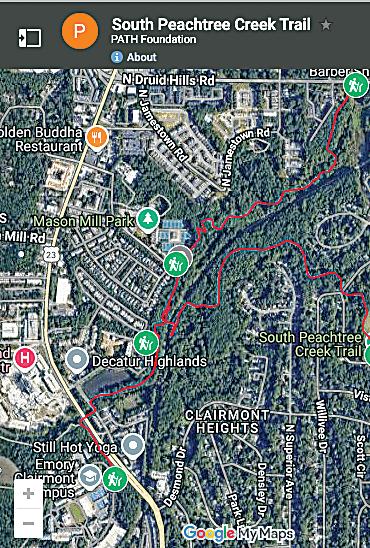
More than $1 million in the 2027 budget was moved to fund the South Fork project during the council’s budget workshops. The funds were moved from allocations toward DeKalb Fire Station Trail Head Parking Spaces, the Downtown Archway, and sidewalks on Hugh Howell Road, according to a presentation given by city staff during the meeting.
Unless otherwise noted, all meetings are held at Tucker City Hall, 1975 Lakeside Pkwy, Ste 350B, Tucker, GA 30084
• JULY 3
All City buildings closed in observance of Independence Day
NOTE: City Pools open 12-6 p.m.
• JULY 3, 6 P.M.
Celebration of Independence Main Street Tucker
• JULY 11, 1 P.M.
Tucker Cruise-In Main Street
• JULY 13, 7 P.M.
City Council Meeting
• JULY 16, 7 P.M.
Movie on the Green
Uncle Buck
Tucker Town Green
• JULY 18, 8 A.M.
Inaugural Tucker
Cardboard Boat
Regatta
Kelley Cofer Pool
• JULY 18, 9 A.M.
Perk Up with Parks
Changes to the budget approved by the council members also included an increase in the fee for renting the Tucker Town Green stage. Under the new budget, the stage rental will cost $300 per hour for sixor 12-hour blocks and $150 per hour for non-profit organizations.
A contract with KCI Technologies was also approved during the meeting for the development of an ADA Transition Plan Strategy. The strategy, which will serve as a comprehensive roadmap, methodology, and phased plan for ensuring Tucker is compliant with the Americans with Disabilities Act.
KCI Technologies will conduct a needs assessment, identification of existing conditions, the development of assessment tools and standardized documentation, a phasing plan with cost estimates, and a public engagement strategy. Council member Alexis Weaver said during the
meeting that the public engagement will include a meeting with stakeholders with disabilities.
The project was to begin in June and a final draft will be delivered to the city by October 1. The contract is for $56,000, $50,000 of which will be reimbursed through the DeKalb Community Development Block Grant Program.
City council members also approved a Special Land Use Permit to allow the construction of a Whataburger 24-hour drive-thru, which will be located at 4453 Hugh Howell Road, and contracts for tree services, stormwater repair services, and traffic signal, sign, and striping maintenance.
This month’s proclamations recognized Pride Month, Juneteenth, and Municipal Court Clerks Week.
Ordinances which will return to the next city council meeting on July 13 for a second reading and vote include the approval of a new 7 Brew drive-thru, the allowance of additional height to The Views from Browning luxury townhomes coming to downtown Tucker, and the construction of a new child daycare facility.

By Hayden Sumlin
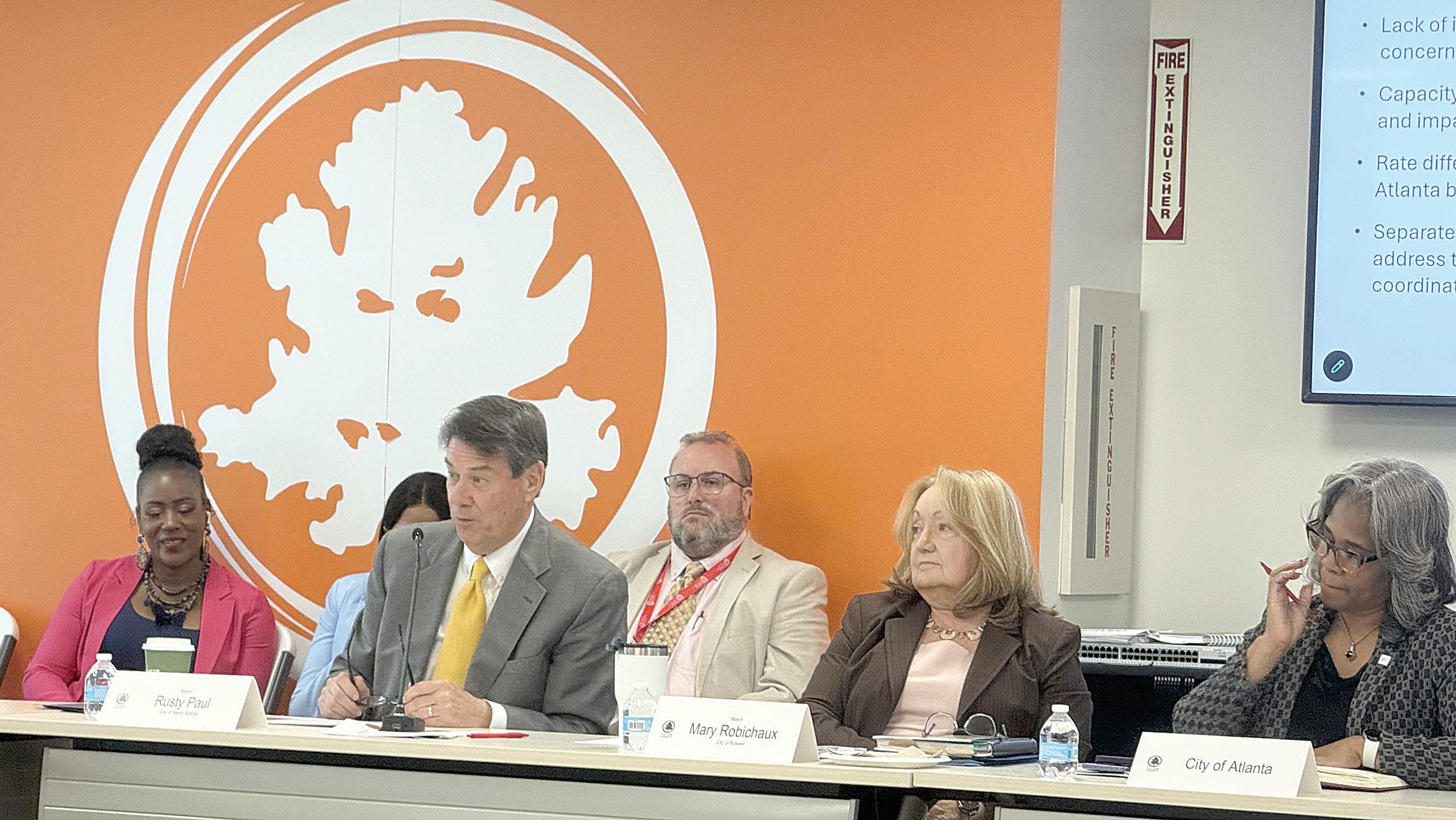
Mayor Rusty Paul said at a June 9 Fulton County Board of Commissioners meeting that he’s willing to risk state and federal funding to get Sandy Springs’
first-ever Service Delivery Strategy agreement with Atlanta on water supply and distribution.
Paul has made water reliability a priority during his 12 years in office. Residents and the city have battled
begins. begins.

Two days of big questions, bold ideas and conversations that reshape our world.
Coming to Sandy Springs this Oct 2 & 3.
TICKETS & DETAILS
Atlanta for 30 years over water rates and system maintenance. Atlanta provides water for Sandy Springs and owns the water system.
“Our position is that we prefer to buy the system from the City of Atlanta and operate it,” Paul said. “What is the capital investment plan for the water system in Sandy Springs that they are currently managing? We have not heard anything from the city of Atlanta … so I am certain that we’re going to go to mediation.”
Fulton County and its 15 cities were required by state law to begin mediation on Service Delivery Strategy negotiations by June 25. County officials, commissioners, mayors, and city managers met on May 12 and June 9.
Before the special-called board of commissioners meeting, county and city officials cleared up four of the six outstanding SDS issues from May. While senior services, jail operations/detention, warming/cooling centers, and animal control are “resolved,” water distribution and wastewater treatment remain “major issues.”

Because of potential scheduling conflicts, the board of commissioners agreed to select three mediators, including potential candidates from outside Fulton County. The idea is to ensure calendars line up and the deadline is met.
There are four cities still in water delivery negotiations with Atlanta, the county seat and state capital. According to Fulton County’s schedule, resolutions are set to be approved by the county and each city in September.
Paul said Sandy Springs officials have met once with their Atlanta counterparts, but it “wasn’t very productive.” Sandy Springs is waiting for Atlanta’s response to a June 3 memo, he said.
A court order in December was a setback for Sandy Springs residents. A DeKalb County judge ruled that Atlanta is justified in charging a 21 percent surcharge to residents outside of its jurisdiction.
By March, Sandy Springs officials indicated they would move on from challenging the surcharge and focus on “the level of service … maintenance and other issues related to the water system.”
Sandy Springs puts foot down
Paul briefly went back and forth with an Atlanta official during the May meeting. In June, Paul said Sandy Springs is looking for “a collaborative framework and parallel sales process.”
Paul said he opposes a mediator with ties to Fulton County or either city. He eventually pulled his nomination of a former Senior Superior Court Judge Jack Kirby of the Coweta Judicial Circuit.
“We are working to find a mutually acceptable appraiser to put a definitive value on the system’s assets,” Paul said. “The city attorneys will work with the county attorney to develop a list of mediators.”
While trying to get a consensus on a mediator, attorney Greg Hecht laid out what county and city officials can expect after mediation kicks off on June 25.
“You’re likely to have multiple mediations,” Hecht said. “You’ll probably start with a full session with everybody, and hopefully you resolve everything that day, but if you can’t, you may have some mediations, like I was saying, the City of Atlanta and City of Sandy Springs may have their own submediation.”
■ An issue related to Fulton’s transportation sales tax (TSPLOST) was resolved, allowing an additional $80 million to be collected through next spring. County officials thanked Sandy Springs City Manager Eden Freeman for her expertise in resolving the issue.
■ The county and its cities are finalizing and submitting their project lists for TSPLOST 2027. If Fulton voters approve a November referendum, the 0.75cent sales tax will be extended another five years.
■ Fulton County Chair Robb Pitts told local mayors that Sheriff Pat Labat will formalize his agency’s new policy on low-level misdemeanors by July 1.
By Hayden Sumlin
Sandy Springs council members have spent the first half of the year looking for ways to increase walkability and connectivity by accelerating path, sidewalk, and trail projects.
During their June 2 meeting, officials pitched ways the city can accelerate the construction of sidewalks and paths through right-of-way coordination, neighborhood consensus, and staffing.
Since 2014, Sandy Springs has spent more than $54 million on building sidewalks, paths, and trails.
Available funding increased after 2016 with the passage of the first countywide referendum, which supports transportation improvements through a 0.75% sales tax. Fulton County voters renewed TSPLOST in 2021, and it is on the ballot again for extension in November.
Some completed projects include the Brandon Mill Road sidewalk, Dunwoody Club Drive sidewalk, Interstate North Parkway sidepath, Spalding Drive sidewalk widening, and Springway Trail 2A at Orkin Lake in Morgan Falls.
Public Works Director Marty Martin explained the difference in the city’s classification of walking paths as sidewalks, sidepaths, or trails. He said TSPLOST funding has been predictable, allowing projects to be budgeted for accurately.
Sidepaths are wider sidewalks, typically 8 to 12 feet across, for pedestrians and cyclists. Sidewalks are 6 feet wide and are primarily built along residential corridors.
Martin said the city requires commercial developers to construct sidewalks or paths, but the city’s 2015 code changes removed the requirement for homebuilders.
“There was a time when teardown rebuilds on single-family [homes], for instance, were required to build a sidewalk,” Martin said. “Pretty much every project that we touch, with the rare exception … will generally have a sidewalk or a sidepath component … they’re named differently, but when it’s all said and done, there’s a major facility provided.”
Council advocates for more walkability
Mayor Rusty Paul said the city
differentiates between the two classifications because the Georgia Department of Transportation considers sidepaths to be qualified infrastructure, while sidewalks are not. Sandy Springs has received tens of millions from the Atlanta Regional Commission.
Federal requirements are similar. It’s why cities seeking state/federal funding for walkability projects, like Dunwoody, must build 10-foot-wide sidepaths.
At the request of elected officials, staff increased the 2026 TSPLOST budget for sidewalks from $12 million to $16 million, with another $4 million as a second-tier item.
Council Member Andrew Chinsky, who began representing District 6 this year, said he wants to see priority given to sidewalks on streets without them on either side, a potential sidewalk fund for residential developers, and more public works staff.
“We have a lot of money left to fund a lot of different trails around the city,” Chinsky said. “I would love to consider ways that either staff or technology or something can be used to help accelerate this program, because it’s a huge theme that I hear from all parts of the city. Again, not something to address tonight.”
Later, the city held its first public hearing for the 2027 budget.
Lake Forrest to Chastain Park moves ahead
Later during the regular meeting, council members approved $271,700 for phase two of the Lake Forrest Drive sidewalk project from Mount Paran Road to the city of Atlanta and Chastain Park.
The city is paying Georgia Power to relocate about 10 utility poles on the west side of the roadway. The public utility is contributing 10% and will help coordinate utility relocation.
Chinsky, who represents the area in south Sandy Springs, said the question he gets asked the most is when construction will get underway.
Martin said the last right-of-way needed for the project will be acquired in the next two weeks after a new homeowner closes on the property. The construction bid will also go out in the next two weeks, setting up construction this year.
Smaller projects, like “gap fills” with a price tag under $200,000, are called “simple sidewalks” and can be completed in about 30 days. The recreation and parks department handles trails, common throughout parks and natural areas.


By Cathy Cobbs
For cancer patients in Atlanta and around the country, a program called Road to Recovery has been, literally, a lifesaver. Organized through the American Cancer Society, the Road To Recovery program provides cancer patients with free rides to their chemotherapy and radiation treatments.
“Many patients don’t own a vehicle, can’t afford the extra gas, or don’t have access to public transportation,” said Jennifer Broocks, associate director, Access to Care Solutions Delivery for the American Cancer Society. “Some patients may be elderly and unable to drive, too ill
to drive, or have no family or friends who are able to provide regular assistance with transportation. Even the best treatment can’t work if a patient can’t get there.”
In Atlanta, about 100 volunteers regularly provide transportation services, but the need is double that, Broocks said.
“We have so many more requests than available drivers,” she said.
According to Evelyn Barella, the director of regional integrated marketing, in the Metro area most rides requested come from Fulton, Gwinnett, DeKalb and Cobb counties.
“Fulfillment rates vary, but the average in Metro Atlanta is 44%,” Baralla said.
“The national average for ride fulfillment is 51%.”











To be considered for the free program, patients must be undergoing oncology treatments. They often get referred to the program by their physicians or find out about it through the American Cancer Society. Rides can be scheduled by calling 1-800-227-2345 a few days in advance of the appointment.
Volunteer drivers from ages 18-84 must have a valid driver’s license, a safe and reliable vehicle, and proof of insurance. The American Cancer Society conducts criminal background and driving record checks on all drivers and provides free training, according to the organization.
“Many volunteers joined the Road To Recovery program because it’s personally rewarding and offers the flexibility to fit into their lives,” according to a release from the organization. “Volunteers choose the rides that work with their schedules.”
Longtime Dunwoody resident Pamela McKinstry has been a Road to Recovery driver for more than a year, and she has found inspiration in her clients’ stories.
“These people have so much joy and optimism, and truly believe that their treatment is going to work,” McKinstry said. “I’ve loved getting to know all their stories.”

McKinstry, who estimates that she has
provided about 75 rides during her stint as a volunteer, said she feels a great amount of angst when she learns that a patient has to cancel chemotherapy or radiation because they have no transportation.
“When there’s no way to get there, they have to delay or cancel treatment,” she said. “It makes me so sad. Some of these people have given up their driver’s license because they are so sick, or aren’t sure they can drive themselves home after receiving treatments, so for many, Road to Recovery is their only option.”
Dunwoody resident Charlotte Ray, who has used the service for two years, said she has been overwhelmed by the generosity of the Road to Recovery volunteers.
“In a town that has so many traffic issues, for someone to leave their homes to bring you to these appointments – it’s absolutely incredible,” Ray said. “I get emotional just thinking about it.”
Ray said she has received rides from volunteers like McKinstry, as well as from cancer survivors who want to give back after using the service themselves.
“Every one of the volunteers has been kind, educated, reliable, and most of all, really excellent drivers,” she said.
To learn more about volunteering for the Road To Recovery program, call 800-227-2345 or visit the ACS’s Road to Recovery site.
By Cathy Cobbs
The Dunwoody City Council will consider at a yet-to-be-determined meeting a zoning request that would allow a former church property that straddles Dunwoody and Sandy Springs to be developed into a 24-detached-home community.
The site, which is owned by North Atlanta Church of Christ, is listed as 1369 Spalding Drive and 5646 Roberts Drive in a staff memo regarding the application. It was to be presented at the June 9 Dunwoody Planning Commission meeting, which was cancelled because of a lack of a quorum.


The application, submitted by the Providence Group of Georgia, proposes that three homes be built within the city of Dunwoody and 21 in the area that encompasses Sandy Springs.
Currently, the land is zoned R-100, and would require a designation of R-60
to allow for the density that would permit the houses to be built on the Dunwoody side.
According to the application, the properties on Spalding Drive, which are in the City of Sandy Springs, were rezoned to allow a 21-lot subdivision on May 19 under the RD-9 designation (Residential Detached – 9,000 square feet minimum lot size).
The three homes, ranging in size from 3,500 to 4,500 square feet, will sit on a 10,910-square-foot lot, with one access point from Spalding Drive at the signalized intersection of Spalding Drive and Pitts Road.
The staff, in its memo to the Dunwoody Planning Commission, recommended the re-designation. The zoning matter will be heard at the next planning commission meeting on July 14, according to city officials.



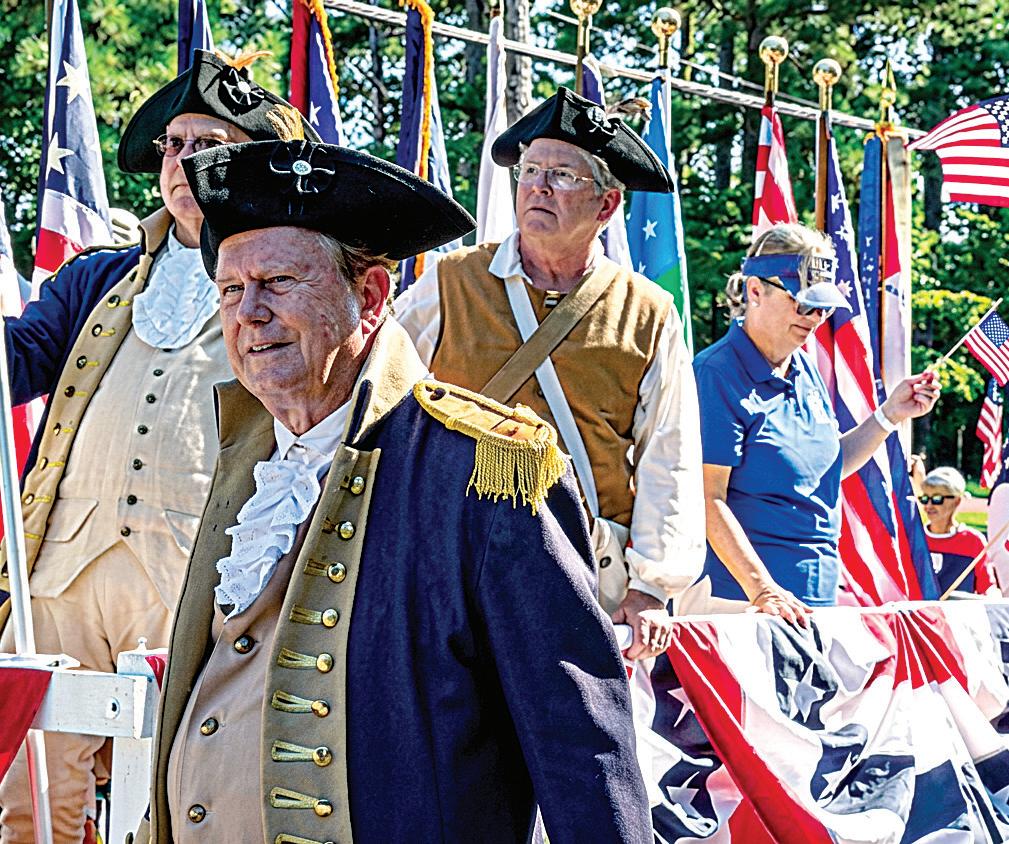
This year’s theme– “Honoring the Past, Marching into the Future”– marks the parade’s 50th year and the 250th anniversary of the signing of the Declaration of Independence. The Dunwoody Fourth of July Parade is the largest Independence Day parade in Georgia, drawing some 2,000 participants and 25,000 spectators along the 2.7-mile route.
Parade Route
The parade route is approximately 2.7 miles and steps off from the intersection of Mt. Vernon Road and Jett Ferry Road at 9 a.m., proceeds west on Mt. Vernon to Dunwoody Village, turns right onto Dunwoody Village Parkway, circles around the parkway, and turns left into Dunwoody Village at Starbucks.
Viewing information

Spectators are encouraged to set up chairs along Mt. Vernon and around the Dunwoody Village Parkway into Dunwoody Village. Viewing starts on the west side of Jett Ferry on Mt. Vernon. Mt. Vernon Road, between Jett Ferry Road and Dunwoody Village, will be closed from approximately 8:30 a.m. to 11:30 a.m.
Parade festival
After the parade ends at Dunwoody Village, stay for the family festival. Enjoy patriotic music and an opportunity to meet representatives from local businesses, neighborhood friends, and politicians. Scout Troop 266 will be selling McDaniel’s QN2 barbecue as a fundraiser (pre-order at troop266.us), and the Rotary Club will be selling hot dogs to raise money for the organization.
This year, the Dunwoody Fourth of July Parade is proud to name the Dunwoody Preservation Trust as its Grand Marshal– a fitting choice for a year themed “Honoring the Past, Marching into the Future,” and a tribute to the organization that has spent decades protecting the places and stories that preserve Dunwoody’s history.
Leading the trust this year are 2026 President Allegra Johnson and Executive Director Kristin Simons, who will ride near the front of the parade, with the Dunwoody Preservation Trust float following right behind them.
The Trust was founded by two longtime Dunwoody icons, Joyce Amacher
and Lynne Byrd, after the overnight demolition of historic 1880s railroad section houses– buildings that once housed the workers who laid the tracks for “Old Buck,” the little train that connected 19thcentury Dunwoody to the world beyond. With developers closing in on the 1906 Cheek-Spruill House, the two experienced preservationists founded the Dunwoody Preservation Trust, a 501(c)(3), with seed money from the Dunwoody Homeowners Association.
Since then, the trust has saved some of Dunwoody’s most iconic historic properties– including the Cheek-Spruill House, the beloved white “farmhouse” at the corner of Mt. Vernon and Chamblee
Dunwoody Roads –and played an integral role in the years-long renovation of the Donaldson-Bannister Farm at Chamblee Dunwoody and Vermack Roads. The DPT is also the driving force behind one of Dunwoody’s favorite annual events, Lemonade Days, which began in response to the 1998 tornado.


This year’s parade wouldn’t exist without them. The Dunwoody Woman’s Club started the Fourth of July Parade in 1976 as part of the nation’s Bicentennial. Five decades later, that idea has grown into the largest Independence Day parade in Georgia– and on this 50th anniversary, we’re proud to celebrate the club that began it all.
In this 250th year of American independence, no tradition feels more fitting. Driving near the front, the Classic Glass Corvette Club returns with its fleet of Corvettes, proudly carrying local veterans along the route– a salute to the men and women who served, and one of the most meaningful moments of the
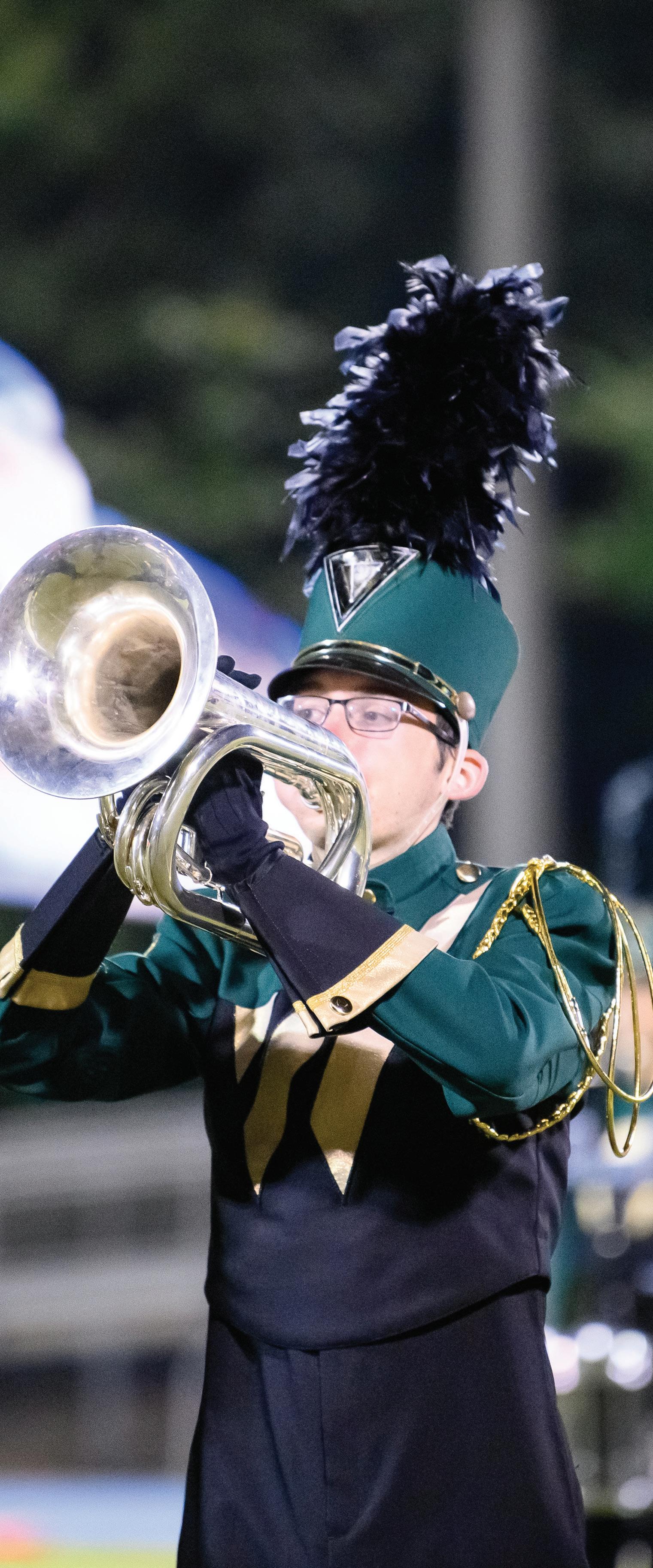
We’ve got that Wildcat Pride! Our hometown students hit the street as the Dunwoody High School Wildcat Band returns to bring its signature sound and community spirit to the route.
A parade favorite– and, in the eyes of many, the standout act of the entire day. One of the most revered drum and bugle corps in the country, Spirit of Atlanta brings more than 150 musicians and



























performers, pairing world-class sound with proud Southern heritage while continually pushing the boundaries of artistic innovation.
A hometown favorite is back! Founded in 2021, this all-volunteer brigade marches with aluminum folding chairs, performing synchronized routines, chants, and signature moves. This group took first place in the “Spirit” category at the 2024 parade.
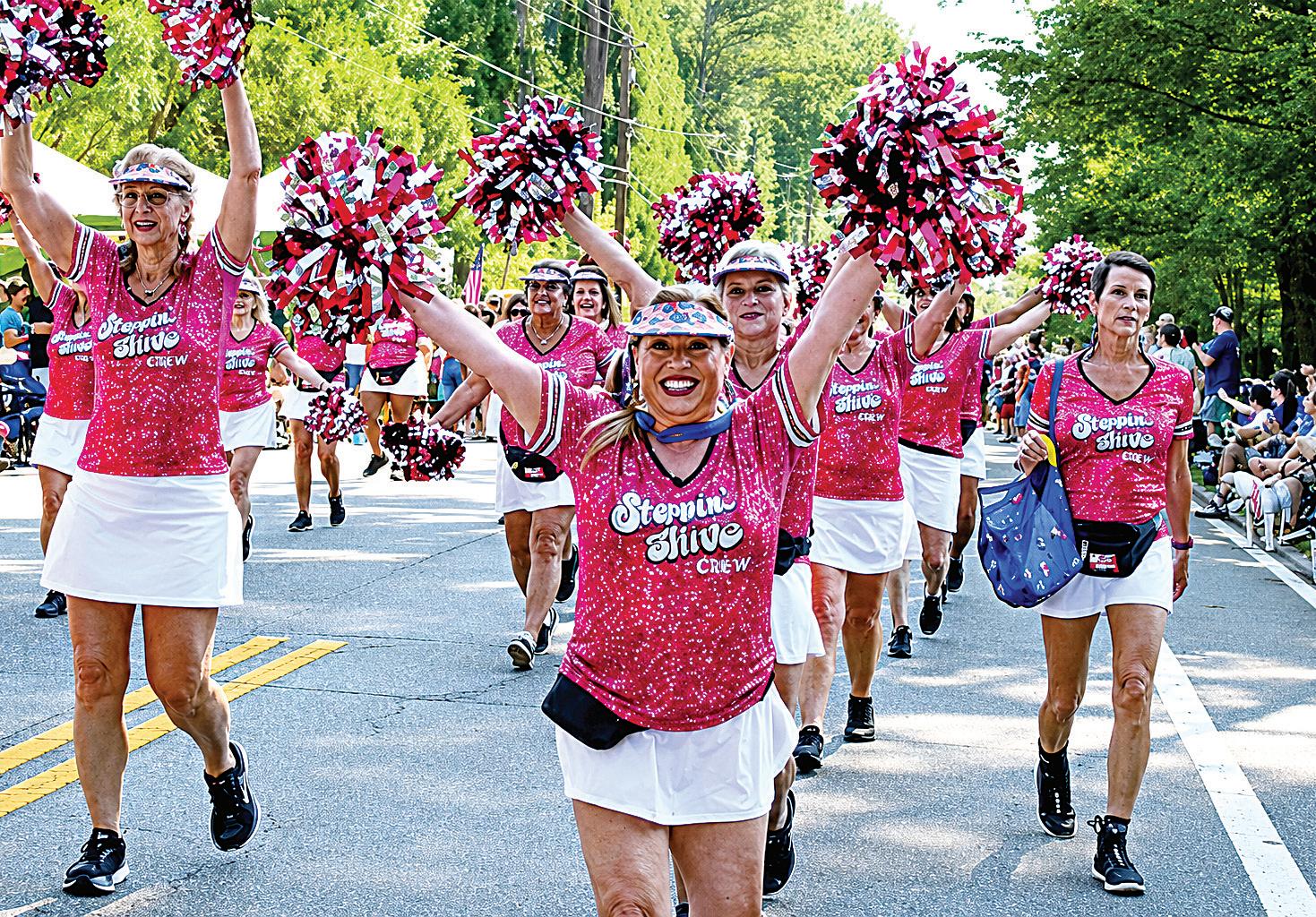
Proving age is limitless! This high-energy, over-50s dance crew gets crowds on their feet with routines spanning hip hop, jazz, line dancing, and parade favorites. Founded in 2018, the all-women crew has performed across Georgia and the Southeast – including a 2019 Georgia Has Talent win – and brings its infectious, funloving spirit to the route.

With the FIFA World Cup coming to Atlanta this summer, soccer is having its moment – and no club represents the sport in Dunwoody like Rush Union Soccer. A parade regular that marches with us every year, Rush Union plays at Brook Run Park through a public-private partnership with the City of Dunwoody, bringing its young players and families out to celebrate.
Led by Coach Matt Schmitz, the Dunwoody High School Wildcat football team carries the giant American flag down the route – the source of what might be the most iconic, most-photographed image of the entire parade.
Home to what may be the best giveaway in the parade: Thomas Eye Group returns with their famous eyeball stress relievers. The squishy eyeballs were a huge hit in years past and are making their comeback along the route this year.
The city’s destination marketing organization rolls through in the Discover Dunwoody Trolley – this year handing out small soccer balls in a nod to the World Cup spirit.
The all-volunteer group dedicated to making it safer and easier to walk and bike around town– for fun, fitness, and getting around – rolls and strolls down the route.
Bringing more vehicles to the parade than ever before! With a fire engine, a tiller ladder truck, a heavy rescue unit, response motorcycles, and command vehicles, this is the largest DeKalb County presence the parade has ever had – a rolling thank-you to the crews who keep our community safe.
Check out our photo gallery and a list of the winners at this year’s parade.

This year’s parade is proud to welcome IHG Hotels & Resorts as a Platinum Sponsor. One of the world’s leading hospitality companies - with 21 brands including Holiday Inn, Crowne Plaza, InterContinental, and Kimpton – IHG has run its entire Americas business right here in Dunwoody for more than 30 years from its headquarters at Three Ravinia Drive.
Ravinia is one of Dunwoody’s most recognizable business addresses – the landmark office towers tucked off I-285 at Ashford Dunwoody Road, in the heart of the Perimeter. From that home base, IHG
isn’t just a global brand passing through; it’s a Dunwoody neighbor, woven into the same community that fills Mt. Vernon Road every Fourth of July. That hometown connection makes IHG’s support especially meaningful.
As one of Dunwoody’s major corporate citizens, IHG’s Platinum sponsorship helps the all-volunteer parade bring in the marching bands, costumed characters, and festival features that make the Fourth of July special for the thousands of families who line the route each year.
Atlanta Lions Club & Georgia Lions Lighthouse Foundation – Eyeglasses collection: Bring your used eyeglasses to the parade for recycling at the Georgia Lions Lighthouse Foundation! The Lions International Youth Ambassadors and their host families will march with the Atlanta Lions Club and the Lighthouse Eye Clinic van. Look for the colorful flags of the world as the students parade with their national flags and carry eyeglass collection boxes.
The Community Assistance Center and National Charity League Dunwoody Chapter will partner to collect food donations along the parade route.
DeKalb County CEO Lorraine Cochran-Johnson Dunwoody Mayor Lynn Deutsch and members of the city council
DeKalb County District 1 Commissioner Robert Patrick Interim DeKalb School Superintendent Dr. Norman Sauce Dunwoody High School Principal Tom Bass Sarv Dharavane – Dunwoody’s homegrown speller recently finished third at the Scripps National Spelling Bee in May – for the second straight year.

w i t h ot h e r R o u g h D raf t re a d e rs C O N N E CT. E AT. E X P LO R E .

POWERED BY DNNR



By Hayden Sumlin
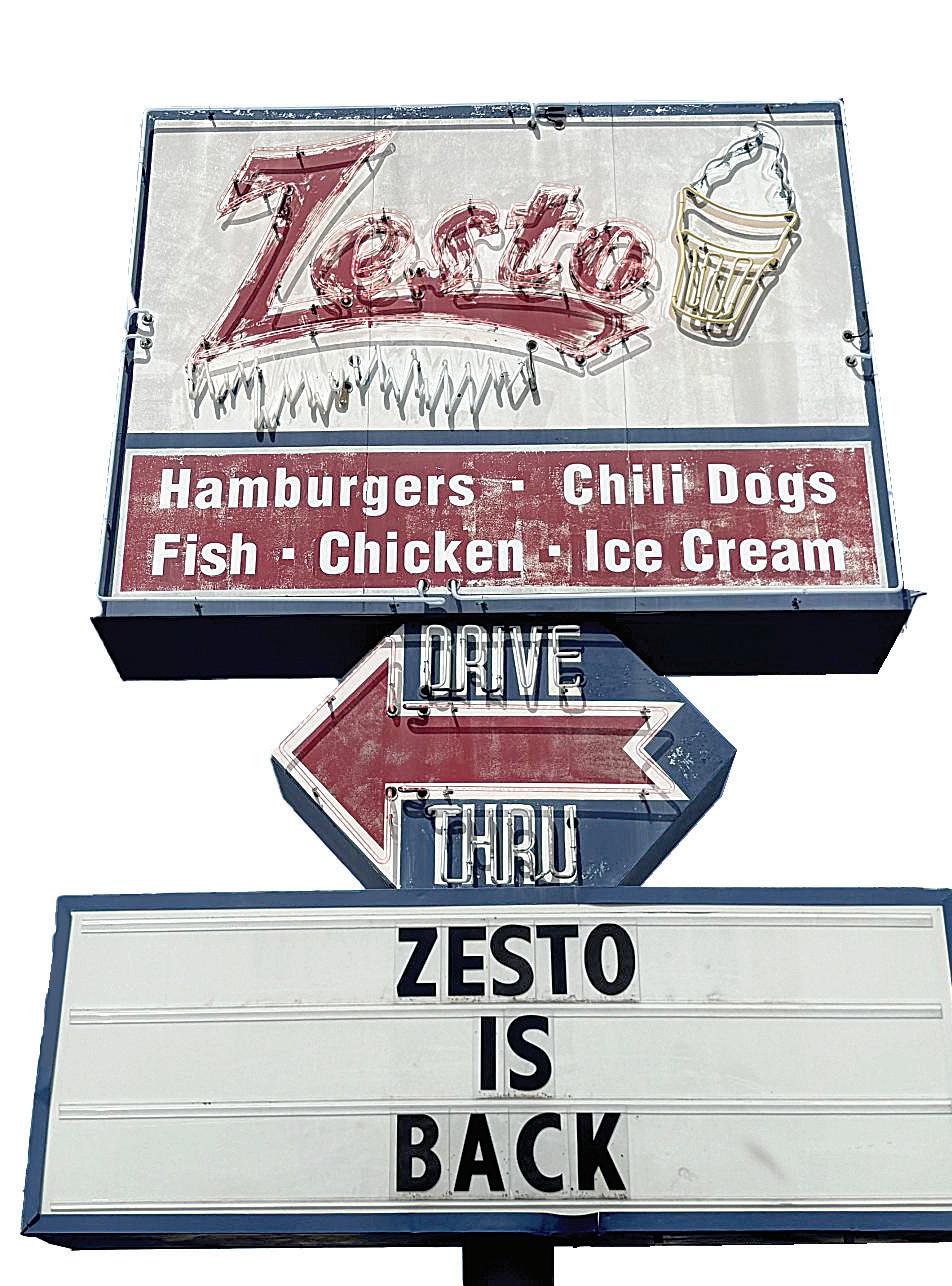
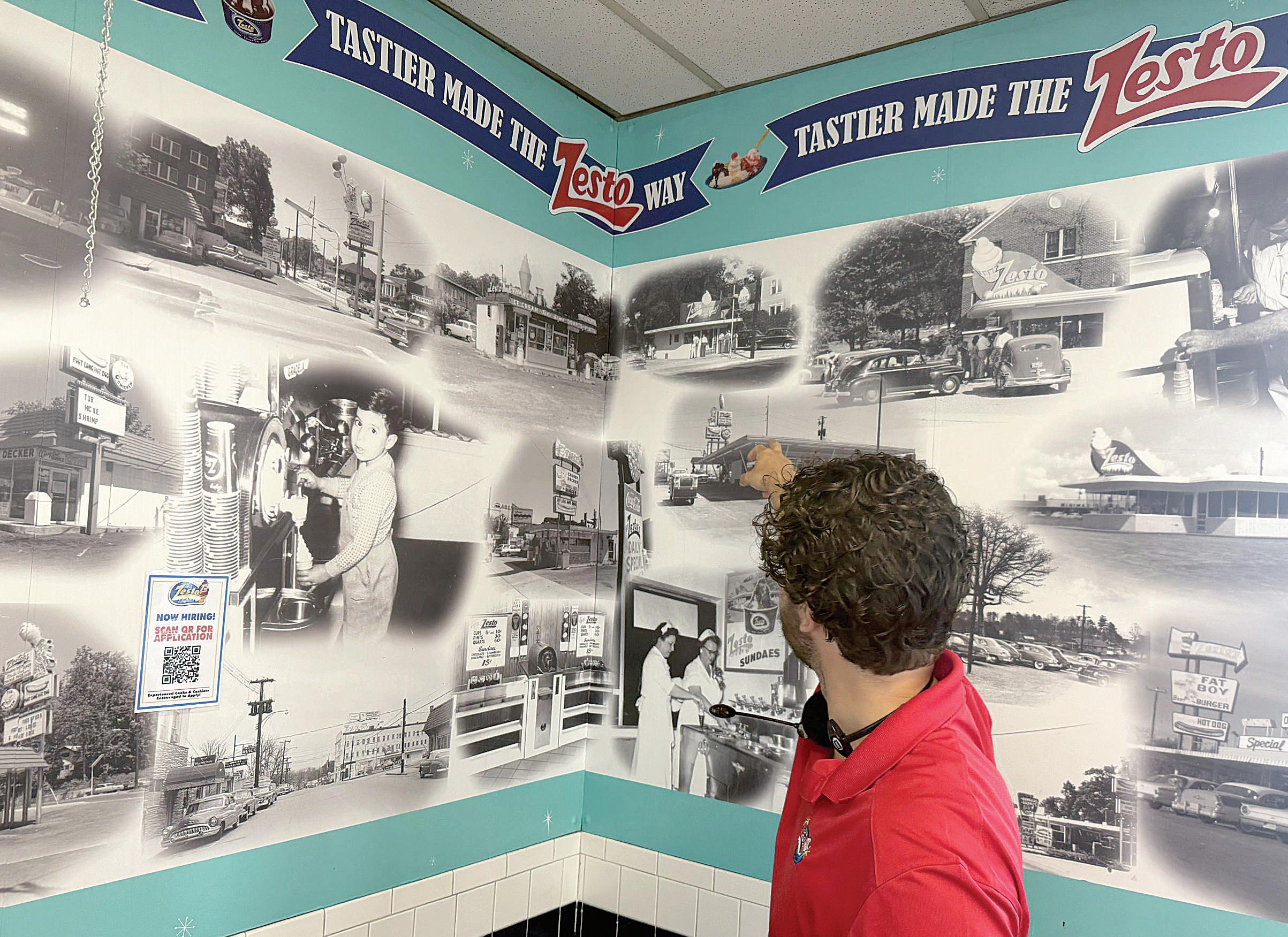
The Livaditis family has run Zesto Drive-In and Big John’s Christmas Trees for more than 77 years.
At its peak in the 1980s, Zesto had 10 locations across metro Atlanta. After multiple recessions and a global pandemic, however, only East Atlanta and Forest Park remain open under family control.
But a new generation of Livaditis family members have taken over Zesto in hopes of reviving the iconic Atlanta restaurant brand, betting on people’s nostalgia and cravings for its Chubby Deckers (double-stack burgers) and softserve ice cream.
Lucas and John Livaditis, the grandsons of Zesto founder “Big John,” took over operations earlier this spring from their parents, Jimbo and Leigh Ann.
“My brother and I were here for 80 hours a week the first two months,” Lucas Livaditis told Rough Draft. “That March was the biggest we’ve had in six years … and then April was the second biggest.”
Fifteen minutes before the Forest Park Zesto started taking orders on a recent Friday, Lucas said his older brother John was opening the East Atlanta Zesto and grabbing some inventory to bring south.

metro Atlanta to patronize their family business.
“At least once a day, someone comes in with their kids or grandchildren and says, ‘I’m bringing my kids because my grandparents brought me here when I was a kid,’” Livaditis said. “People come in here as a part of their family tradition. I’m shocked at how far people come from [to eat here].”
On the day of Lucas’ college graduation in 2021, his family learned that a tree had fallen on the Little Five Points Zesto. That location officially shuttered a few months later.
A little more than a year after that, his parents made the difficult decision to sell
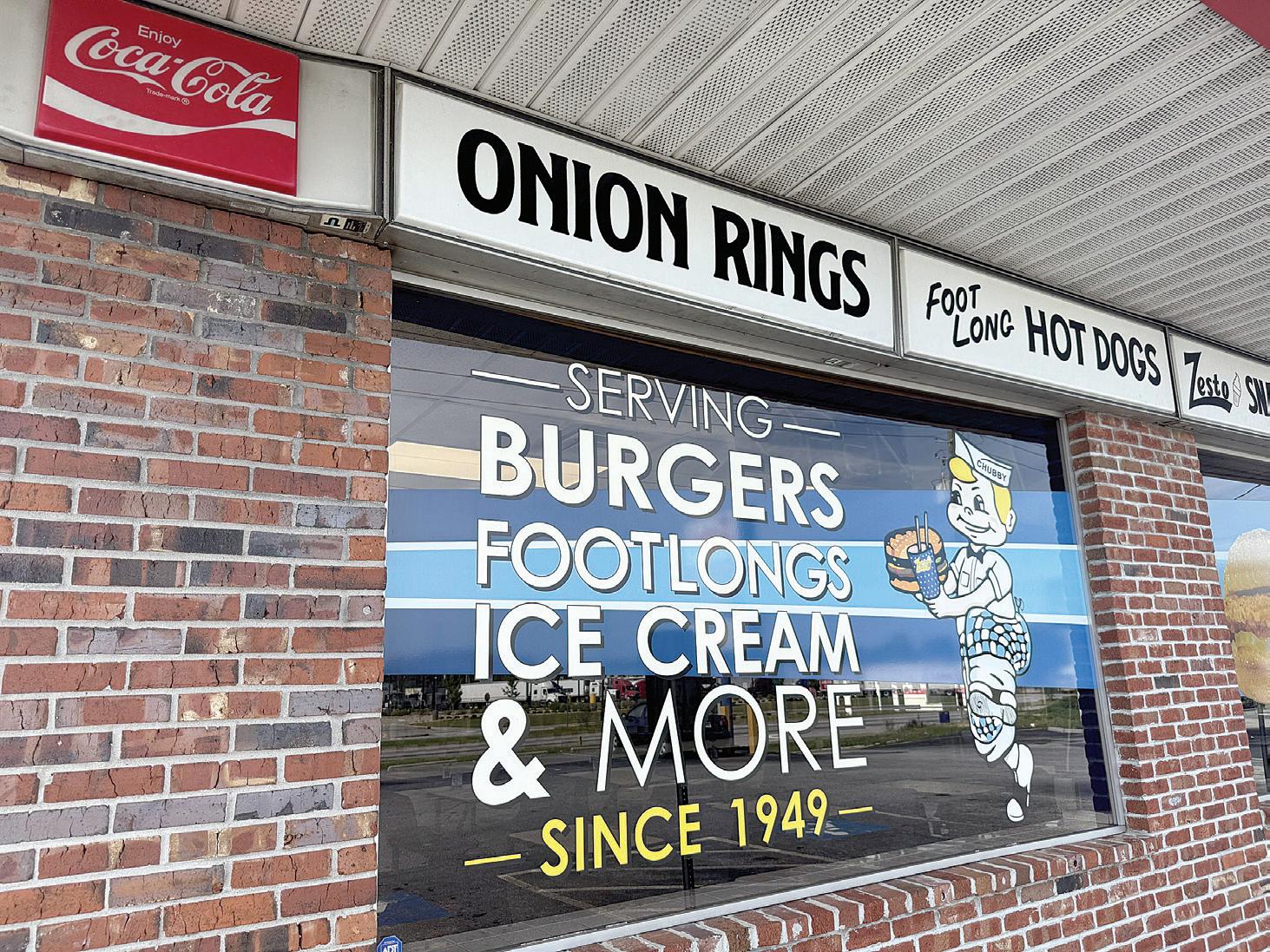
The brothers do just about everything inside the retro fast-food joint: taking orders, filling inventory, training staff, and cleaning tables. If you go to a Zesto, there’s a Livaditis somewhere in the restaurant.
The Forest Park location is less than a 10-minute drive from Hartsfield-Jackson Atlanta International Airport. Lucas, vice president of strategy for Big John’s and Zesto, said people come from all over
the Buckhead Zesto property on Piedmont Road. The family had already closed a longtime location on Ponce de Leon Avenue, which is now Cook Out.
“Every single day, John and I talk about getting back to Ponce de Leon,” Livaditis said. “We were
there for 65 years. My dad designed that huge neon building … but they sold it in 2014 … I did work on the last day at Ponce, though, and I’ll never forget it.”
The Livaditis brothers’ focus is now on perfecting operations, but they’re eyeing a return to the border of Atlanta’s Old Fourth Ward and Midtown. Their goal is straightforward: “restore Zesto to the Ponce glory.”
“Ponce was a genuinely productive store that was probably in the upper quartile of restaurant volumes in Atlanta,” Livaditis said. “Seventy-seven years is longer than I can fathom. We have to be worthy of that, keep earning return visits, and welcome new people.”
Despite the Forest Park location being in an industrial area, surrounding neighbors, churchgoers, and hungry drivers still peel into the drive-thru for a snack.
Livaditis said it’s no mystery why the family business has shuttered its locations in recent years, and that city planners across metro Atlanta probably don’t want to hear it.
“Little 5 and Piedmont didn’t have a drive-thru,” he said. “I don’t think it’s a coincidence that those are the ones that closed in the last five years. The ones that have them are still here.”