Druid Hills Home & Garden Tour - A Special Section, April 2026
atla nta
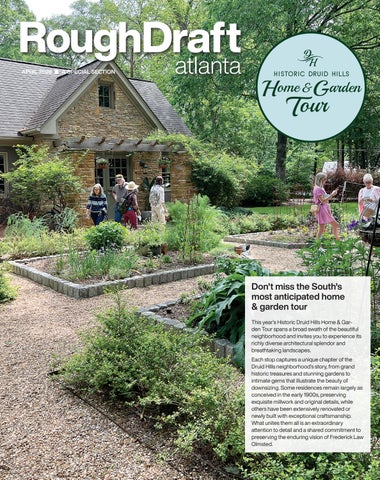
Don't miss the South's most anticipated home & garden tour
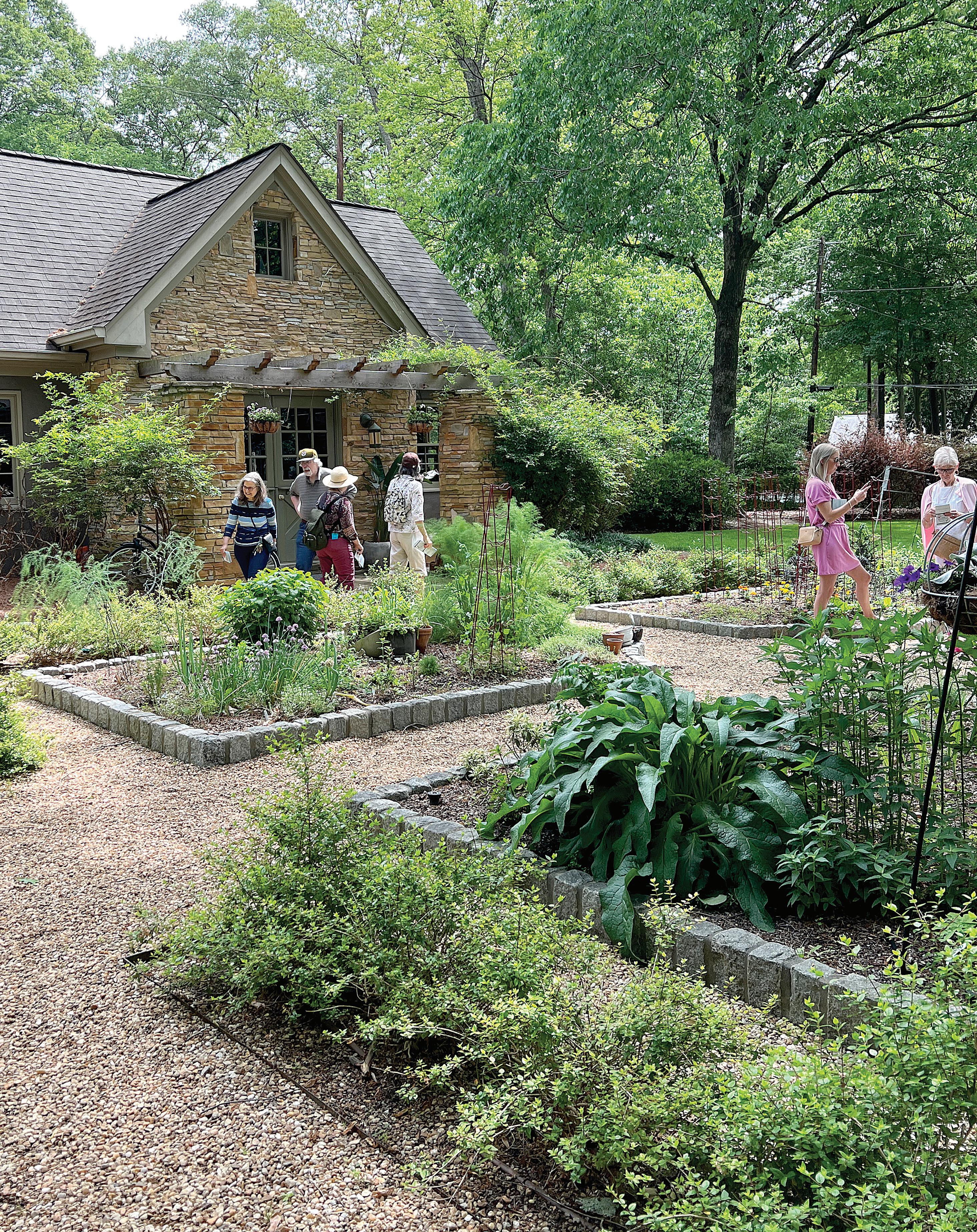
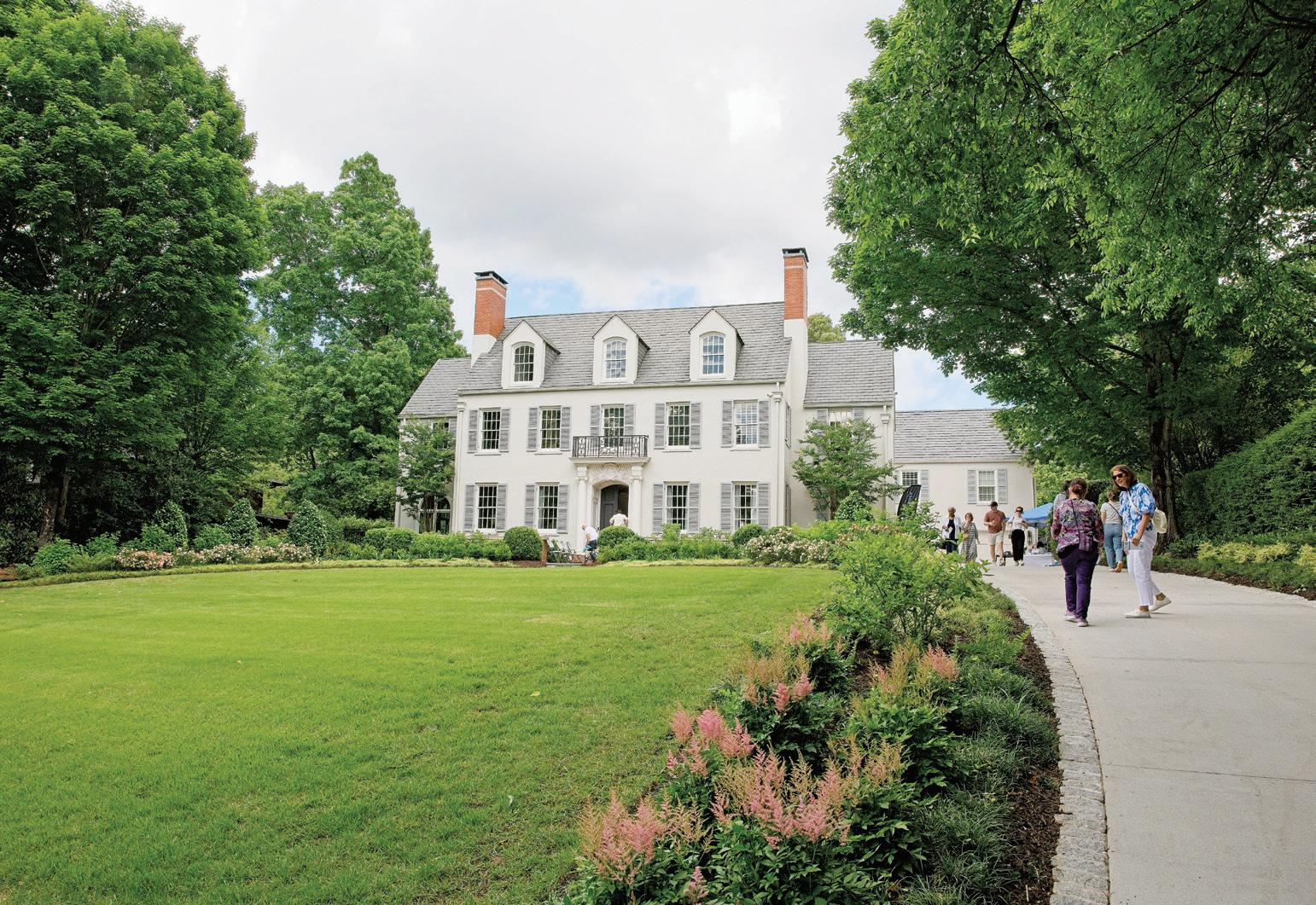
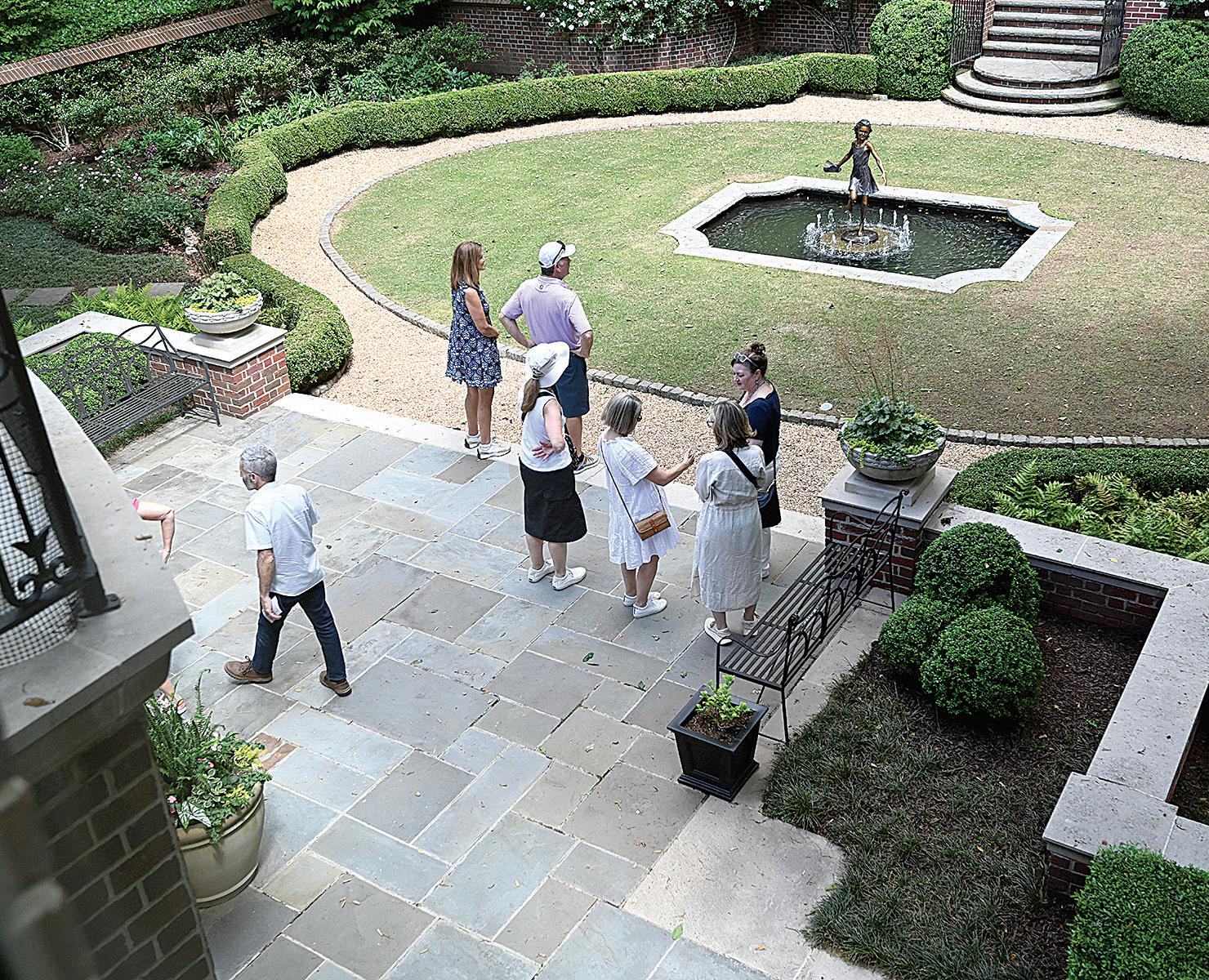
This year’s Historic Druid Hills Home & Garden Tour spans a broad swath of the beautiful neighborhood and invites you to experience its richly diverse architectural splendor and breathtaking landscapes.
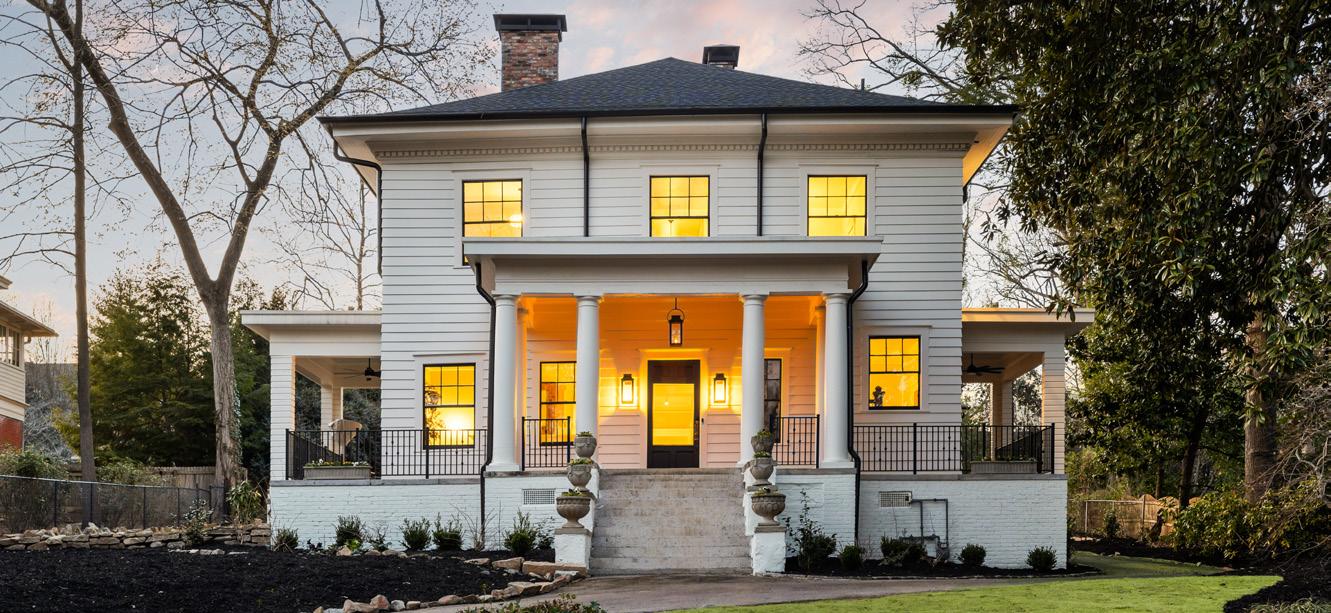
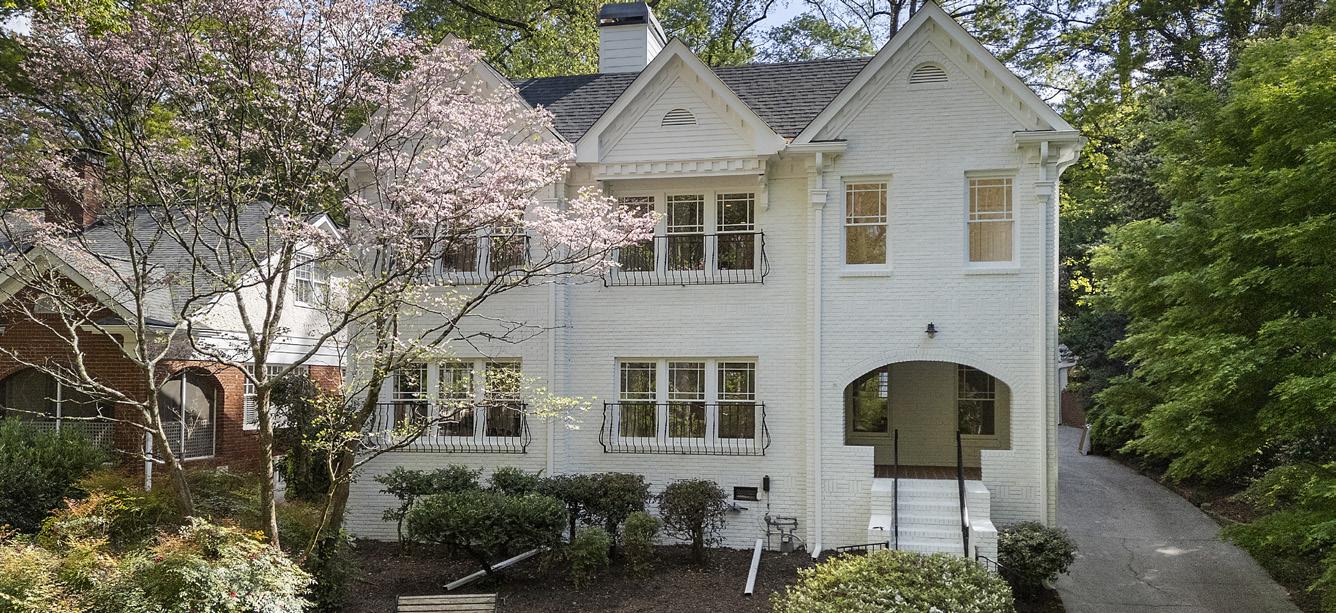
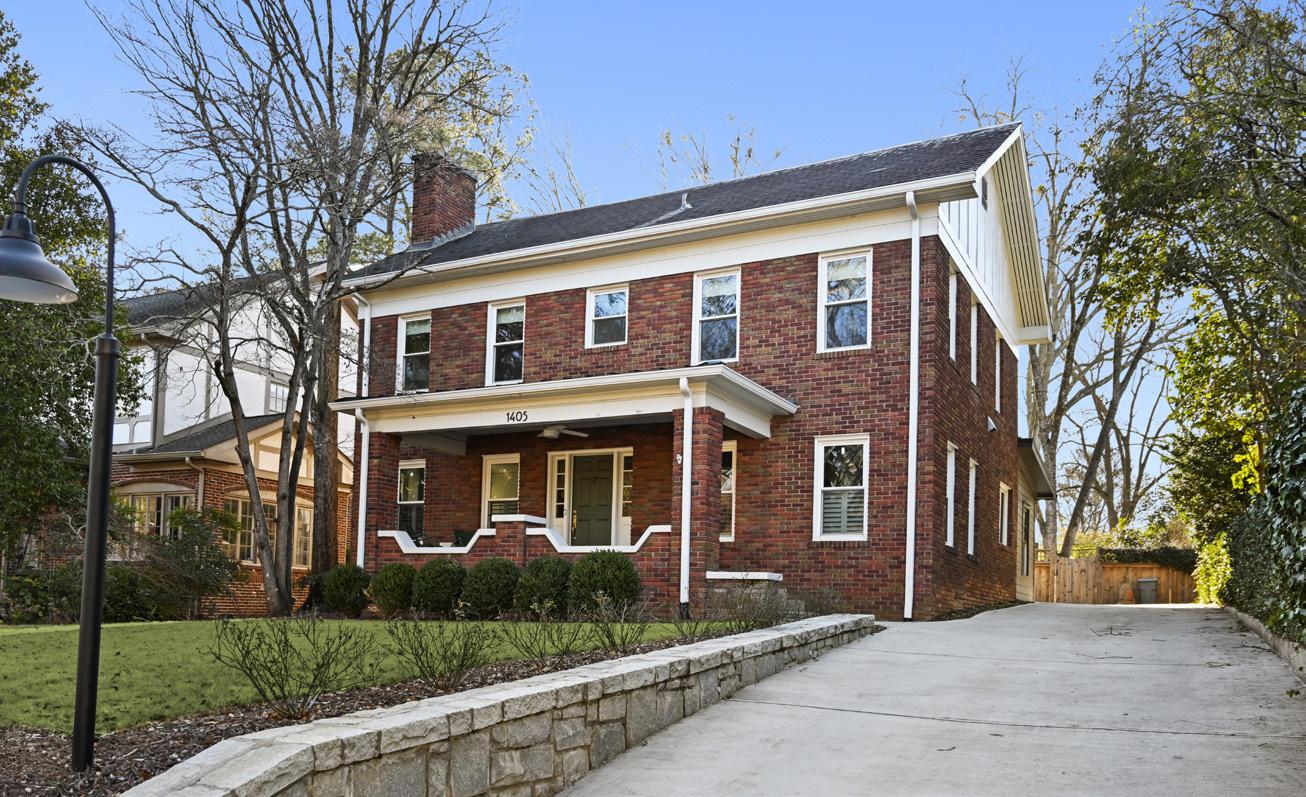
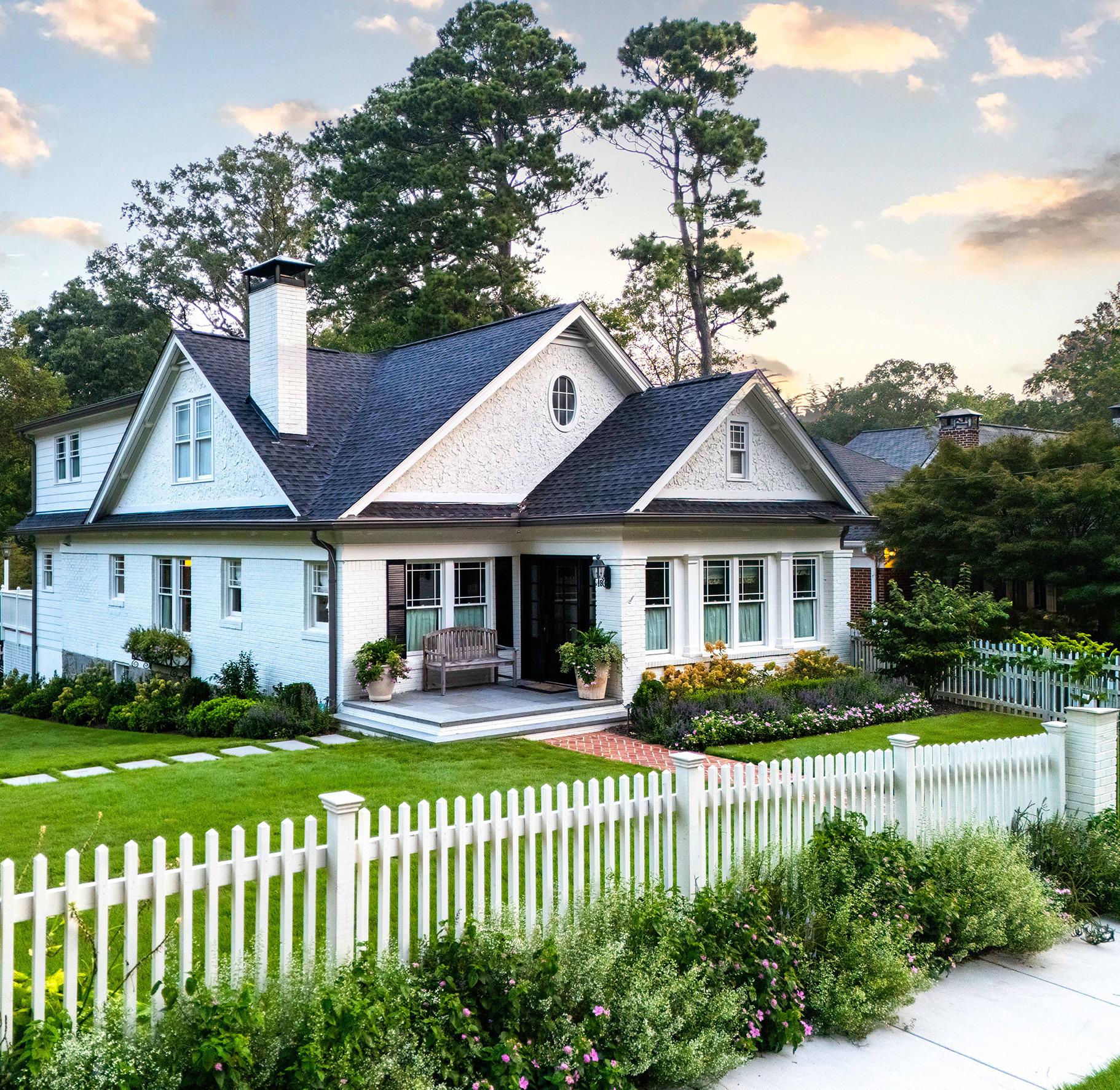
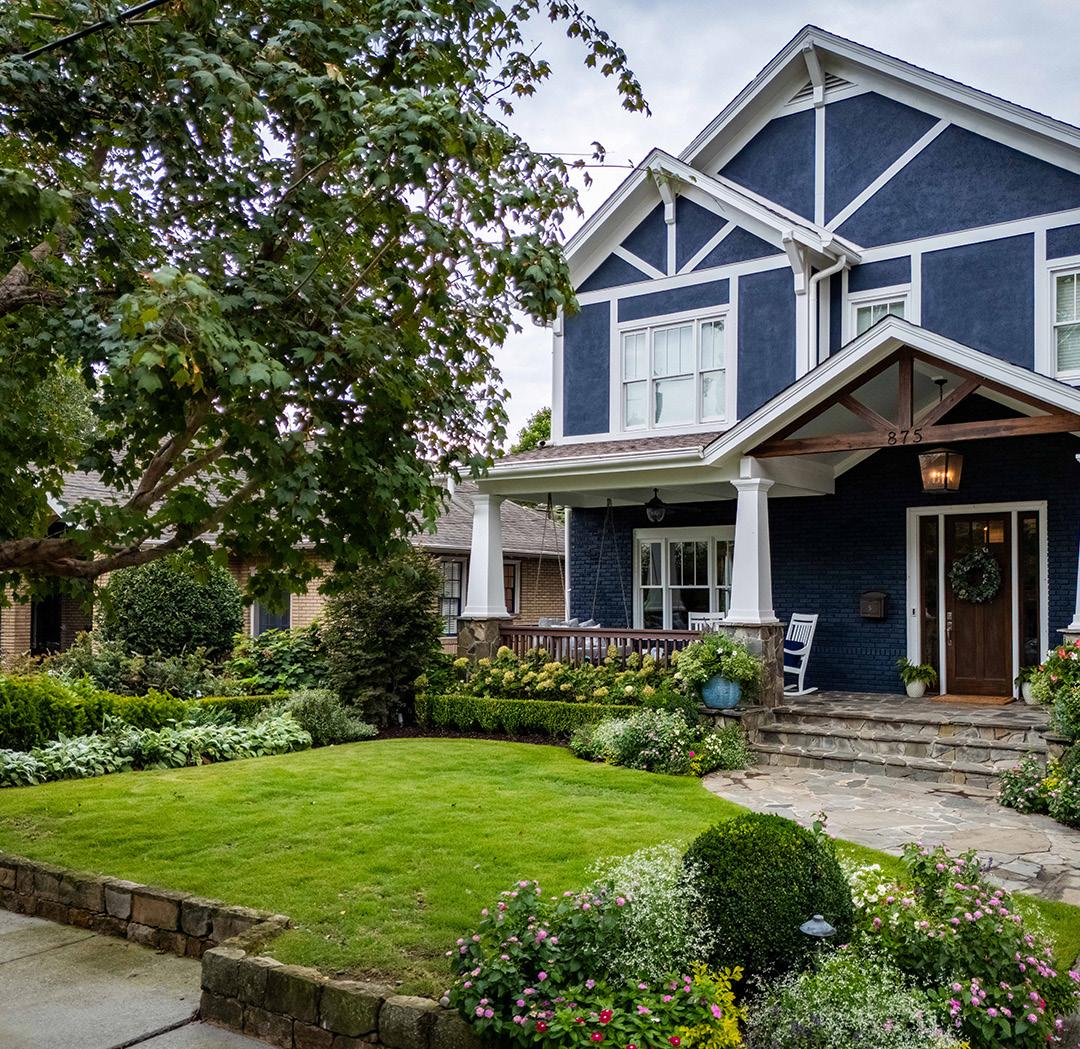
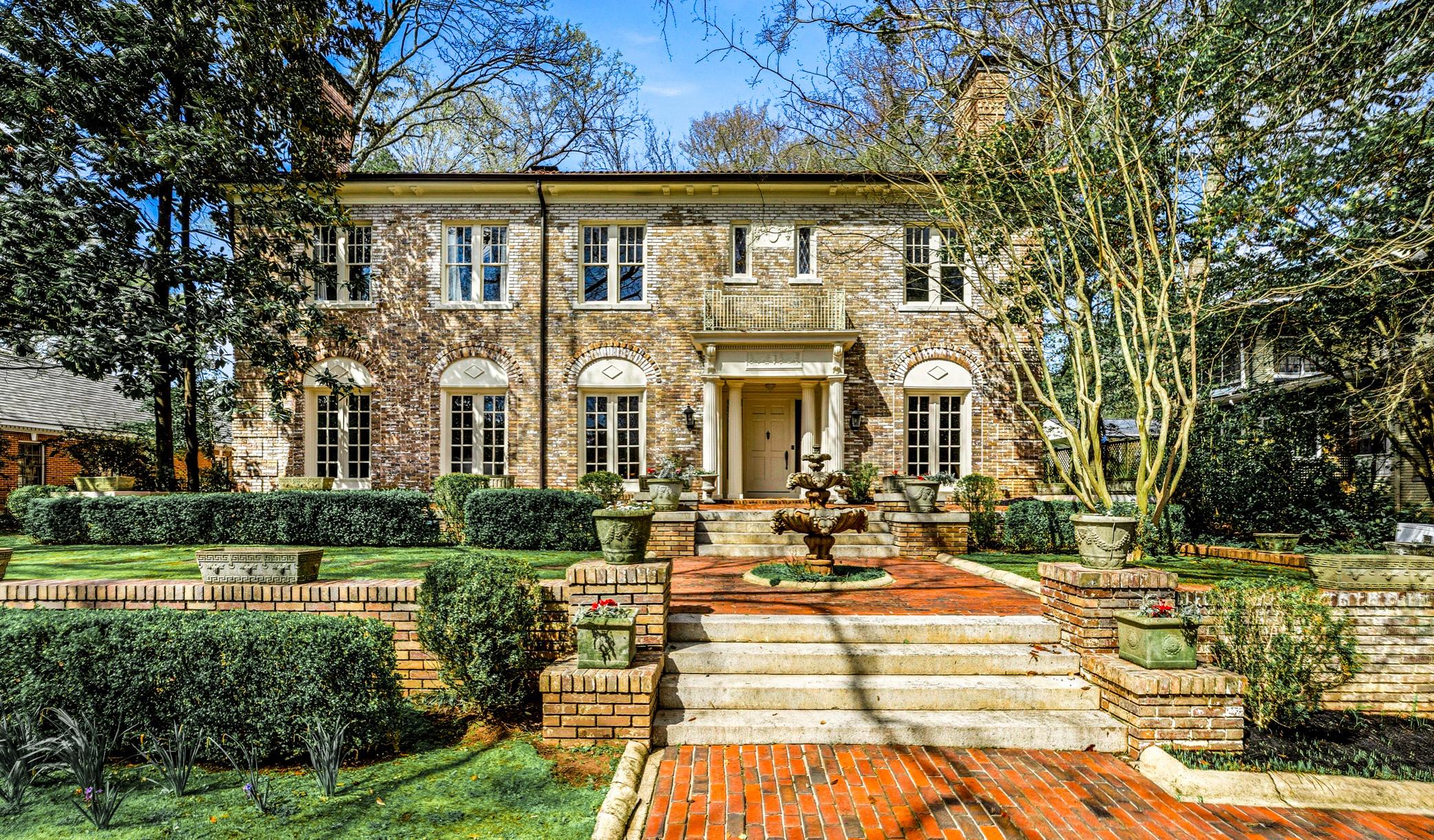
Each stop captures a unique chapter of the Druid Hills neighborhood’s story, from grand historic treasures and stunning gardens to intimate gems that illustrate the beauty of downsizing. Some residences remain largely as conceived in the early 1900s, preserving exquisite millwork and original details, while others have been extensively renovated or newly built with exceptional craftsmanship. What unites them all is an extraordinary attention to detail and a shared commitment to preserving the enduring vision of Frederick Law Olmsted.
APRIL 2026 ■ A SPECIAL SECTION
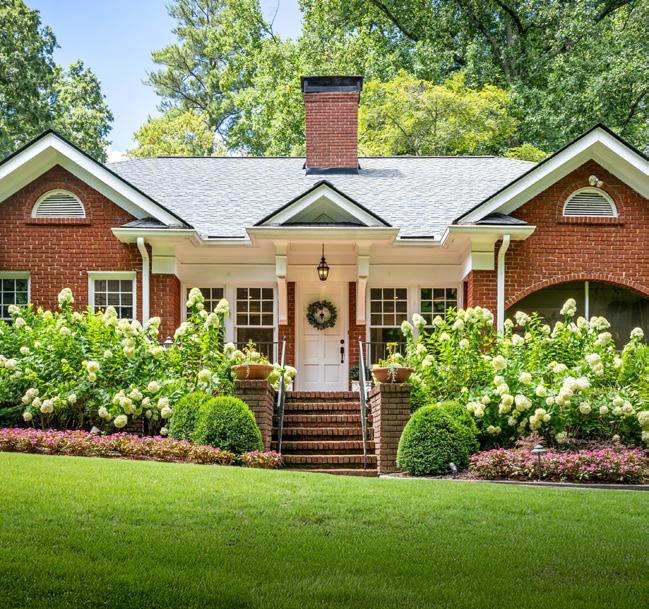
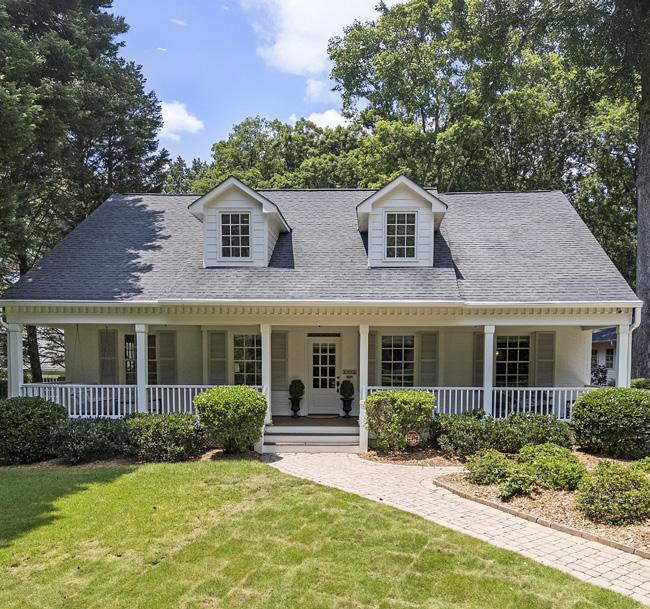
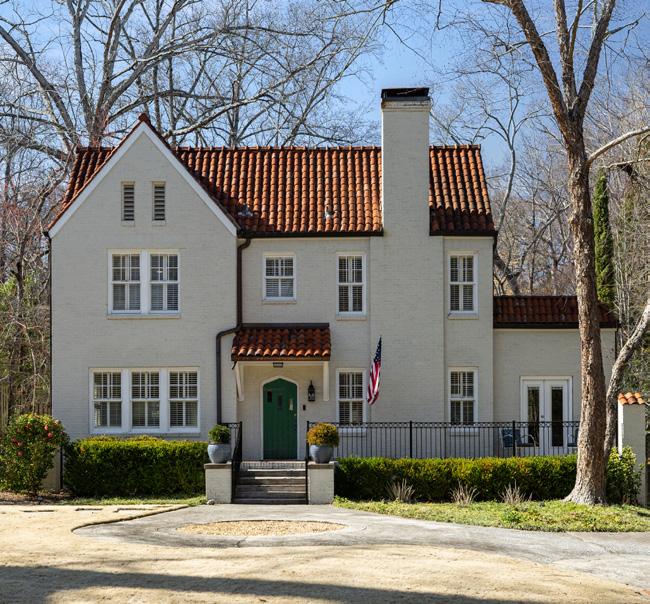
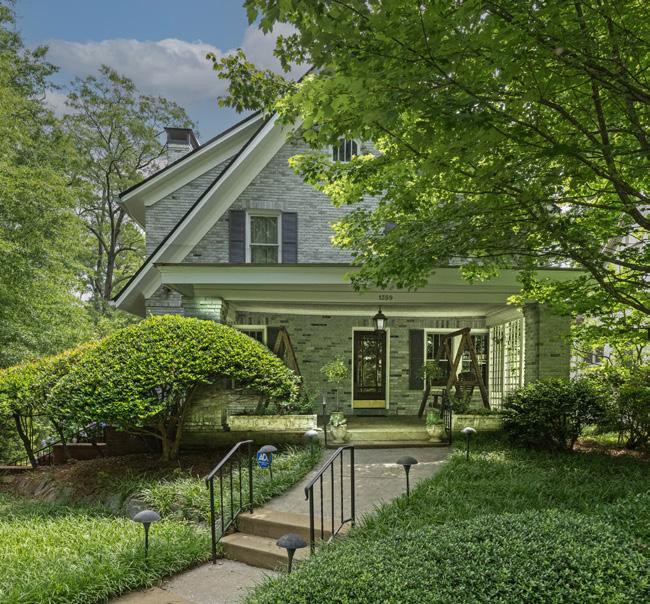
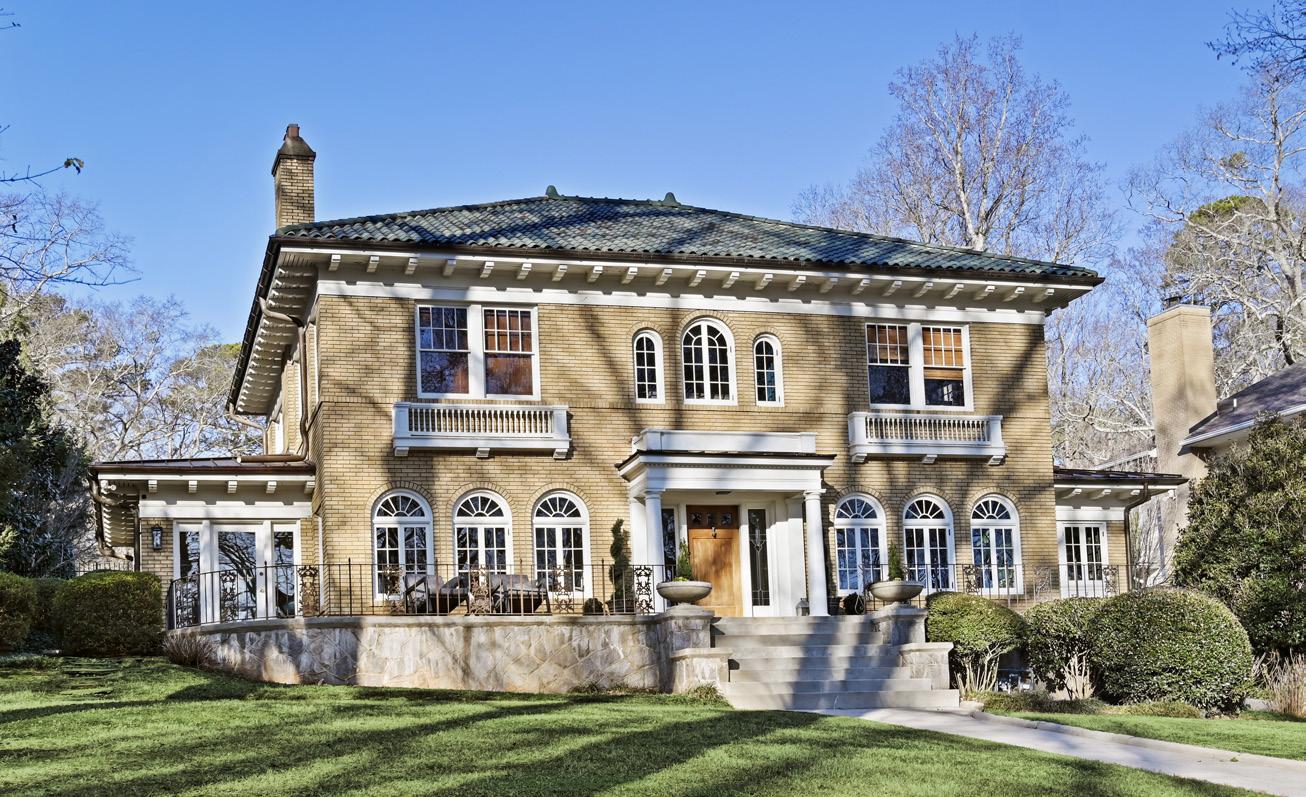
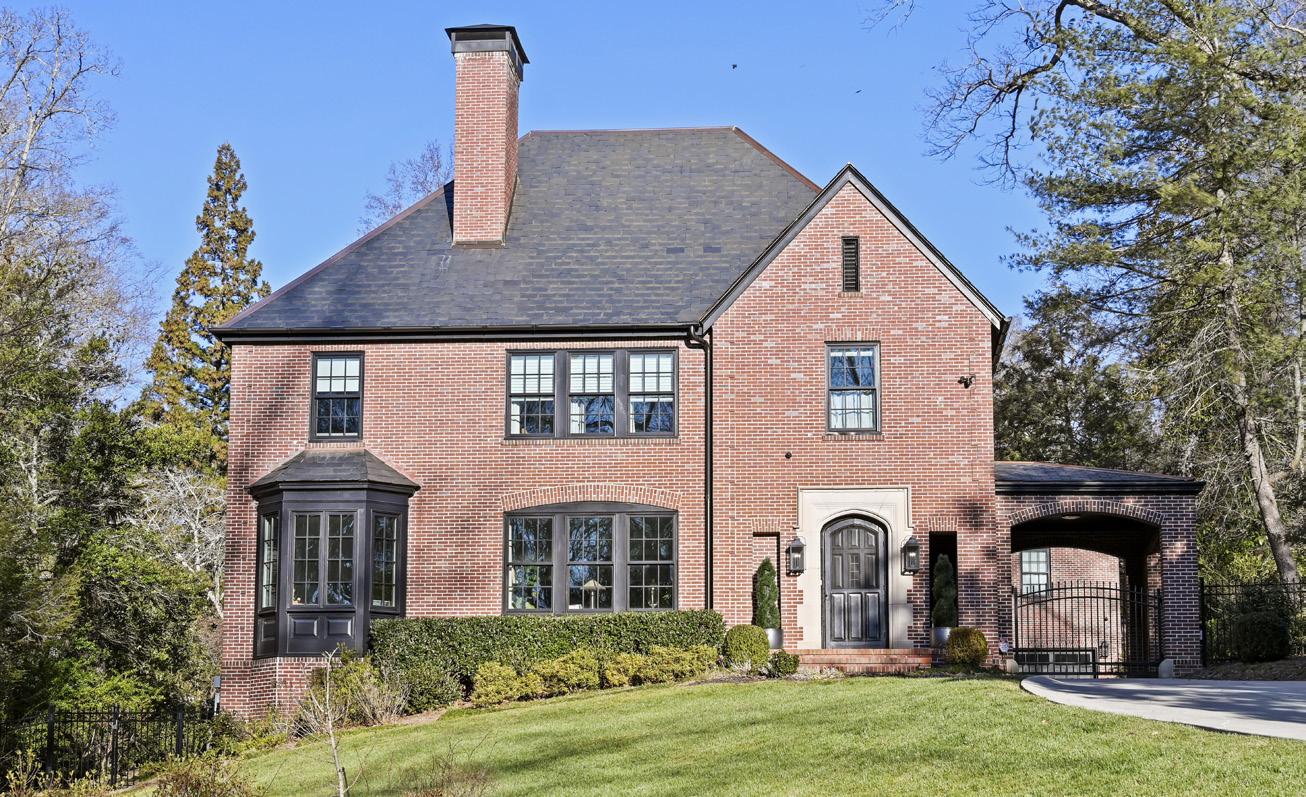
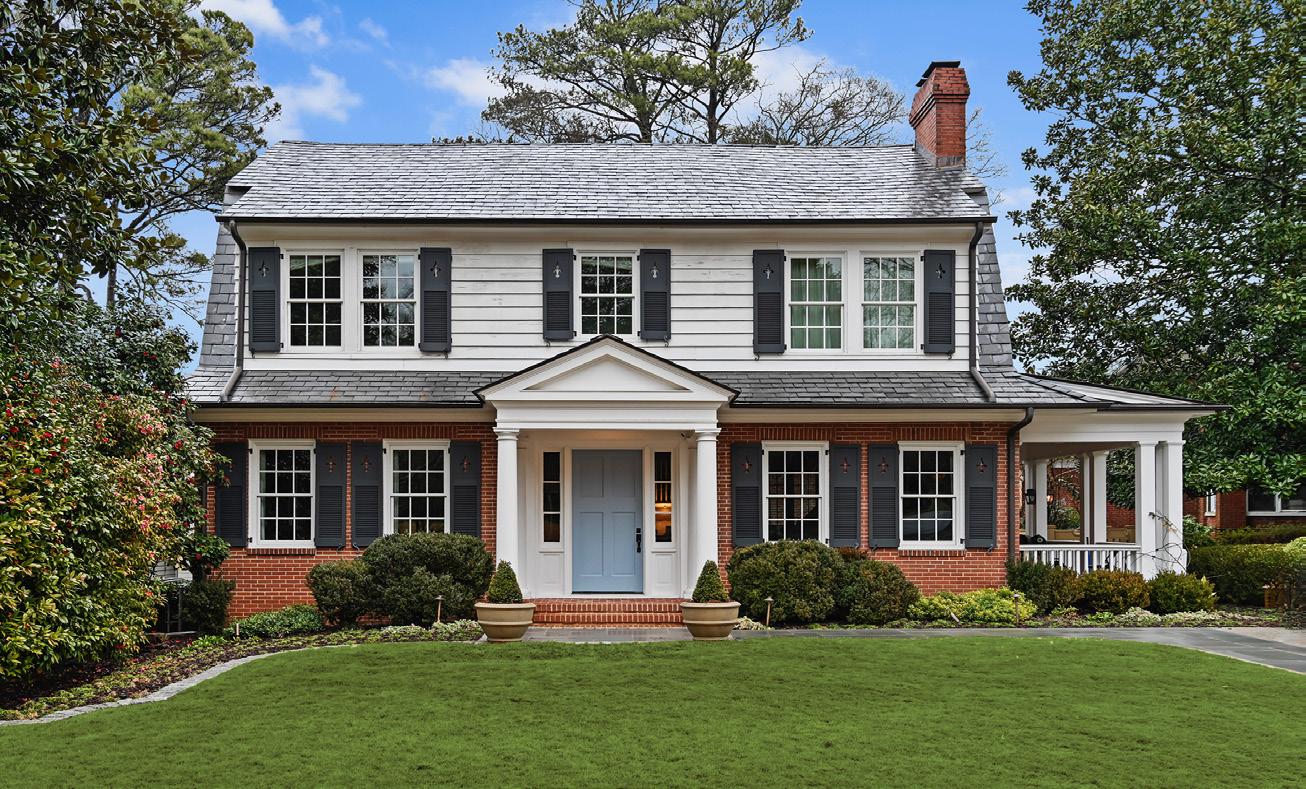
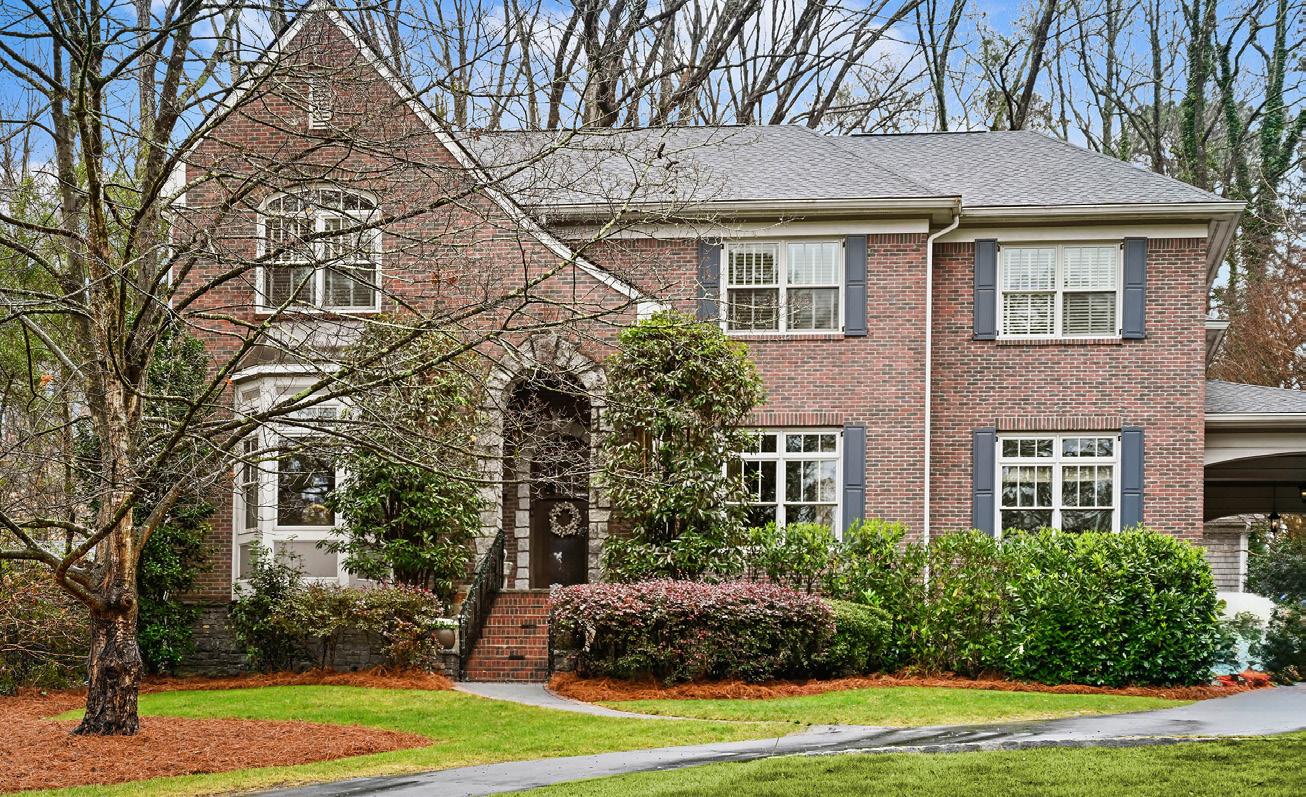
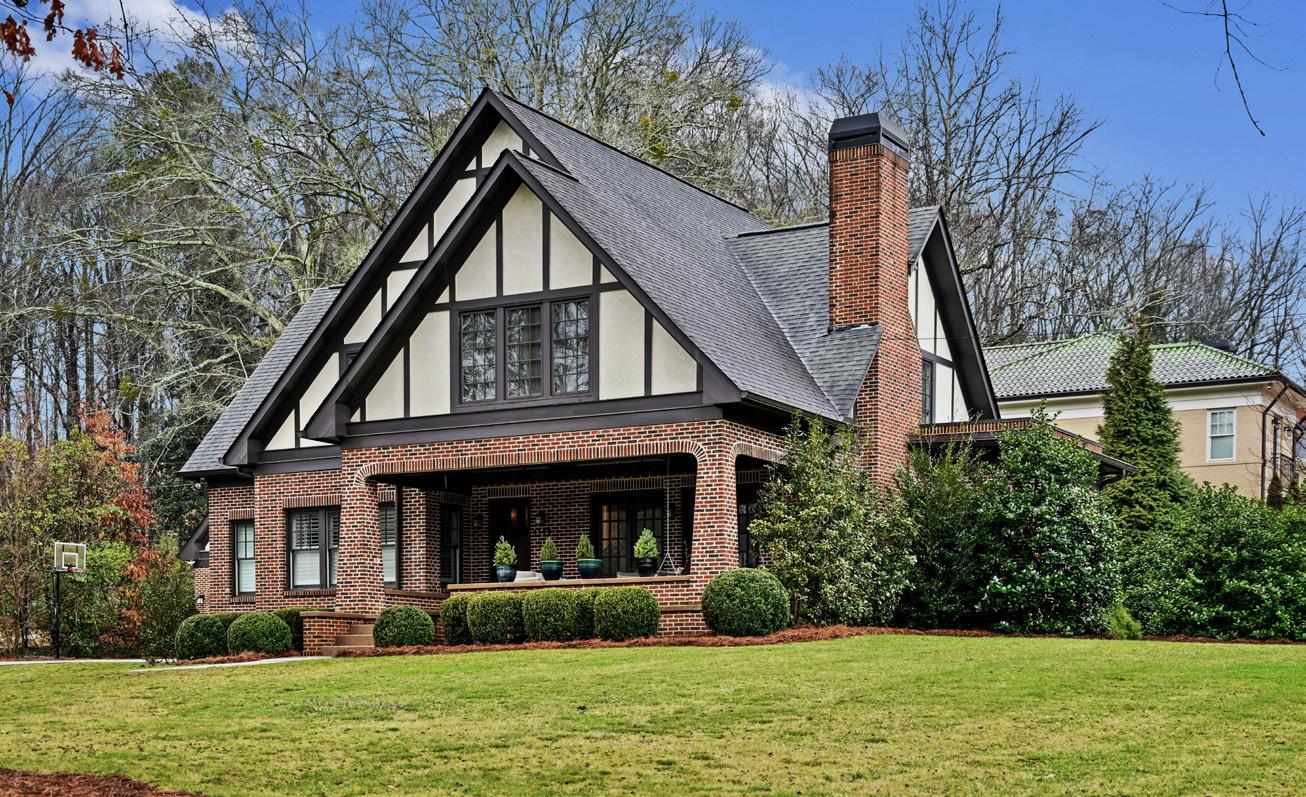
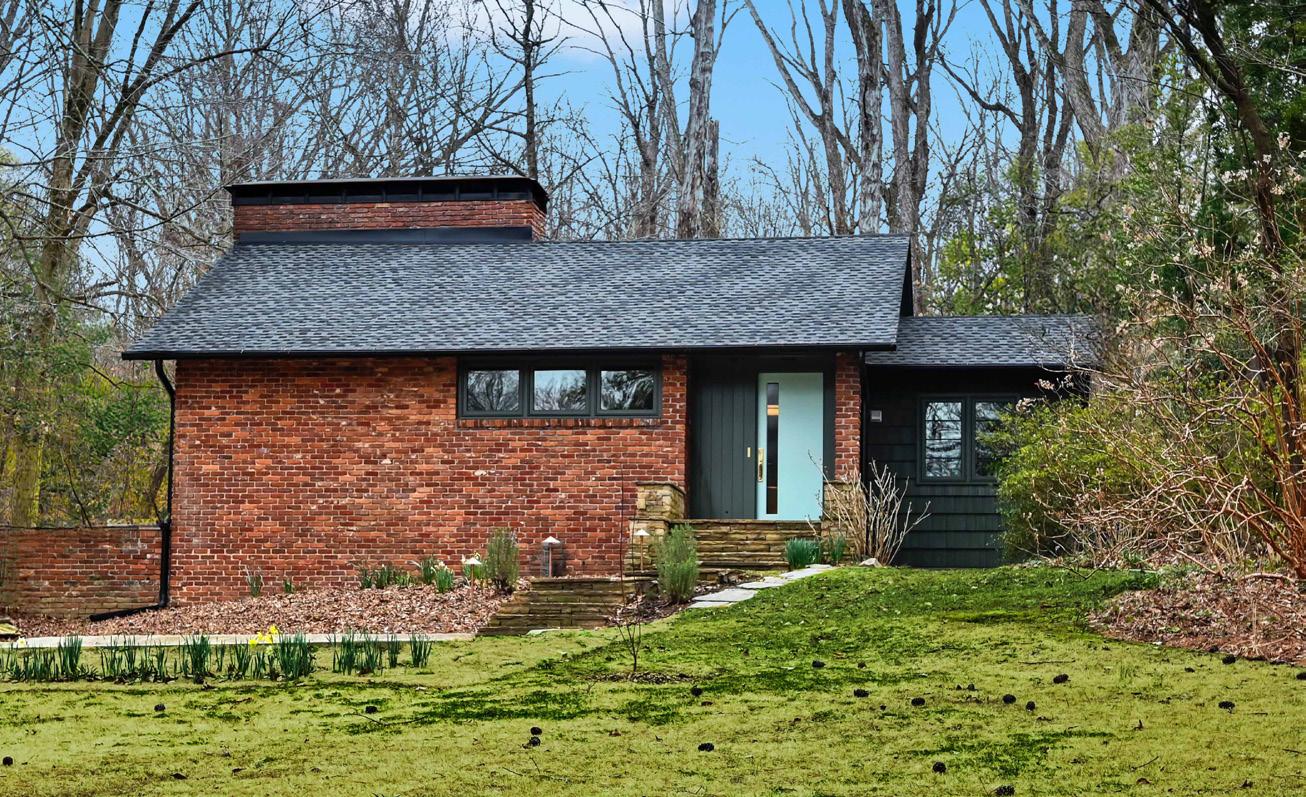
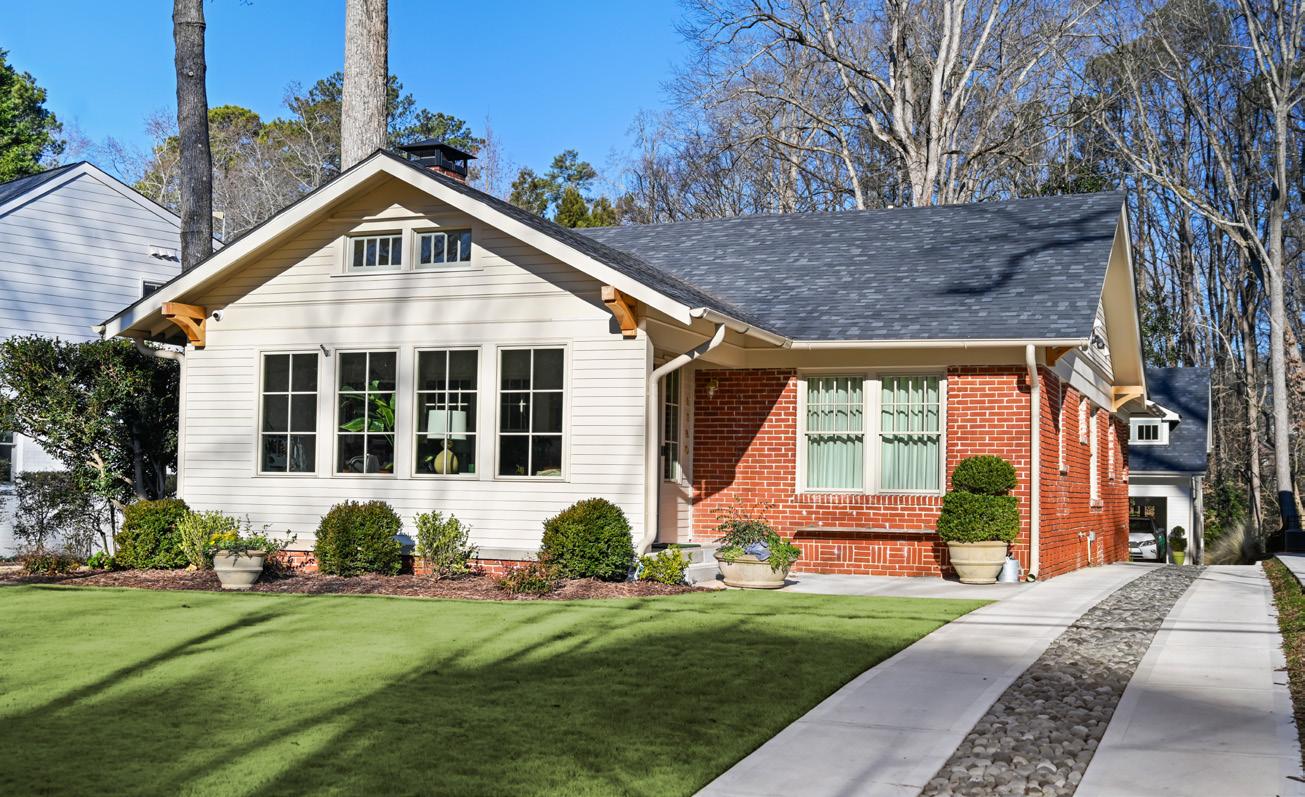
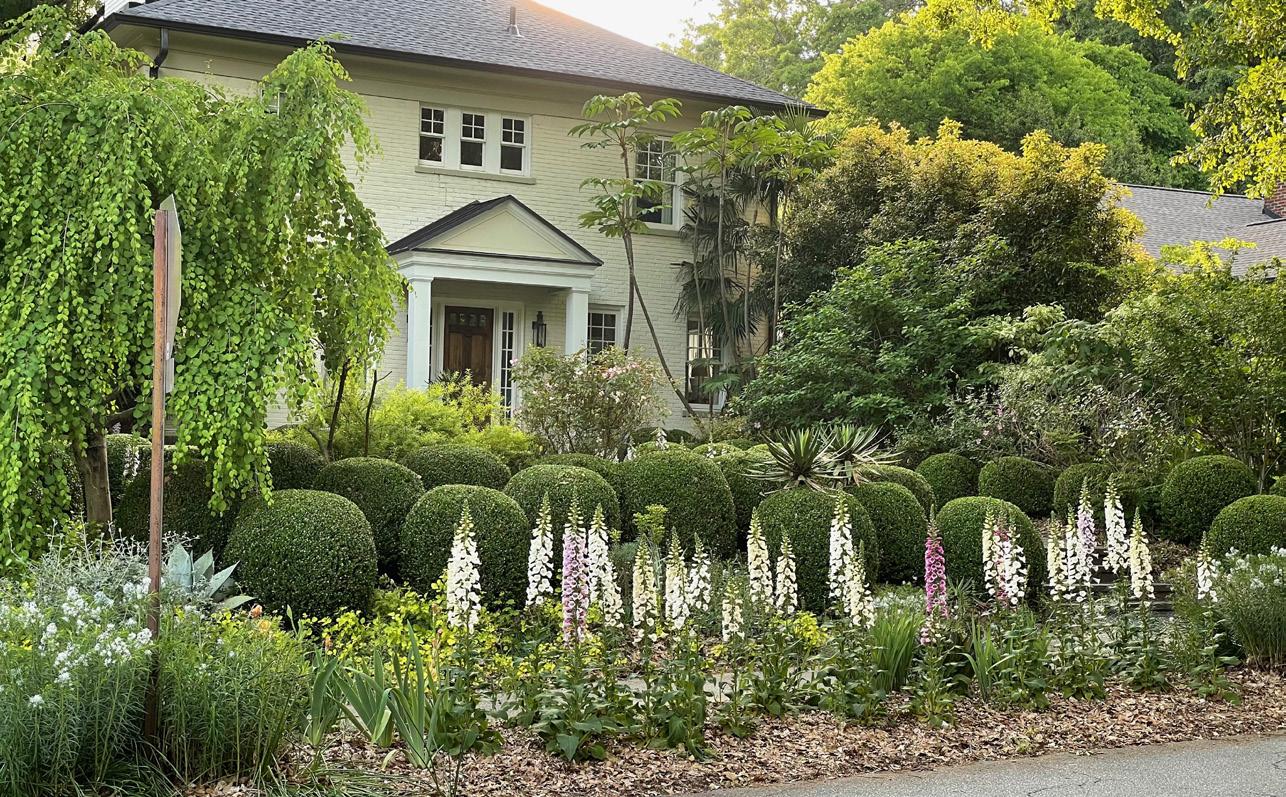
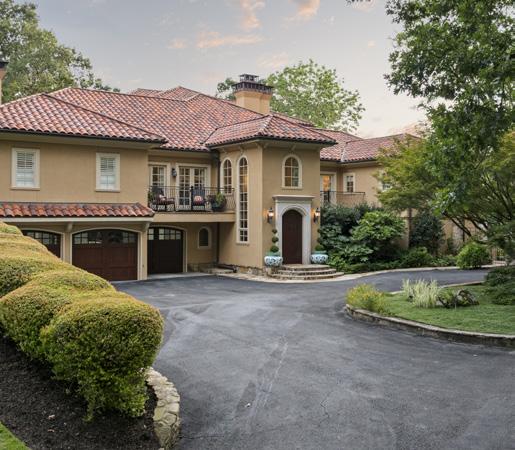
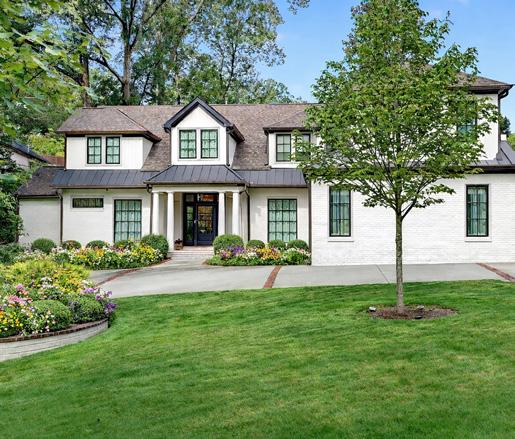
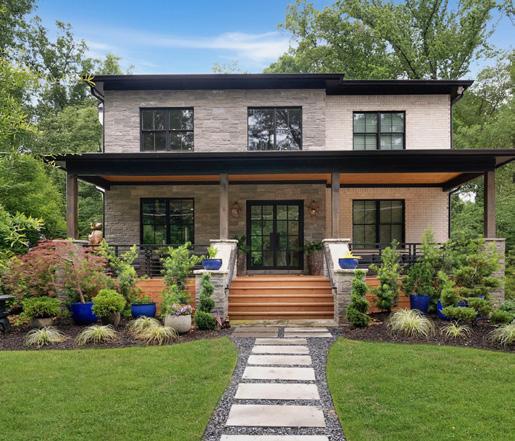
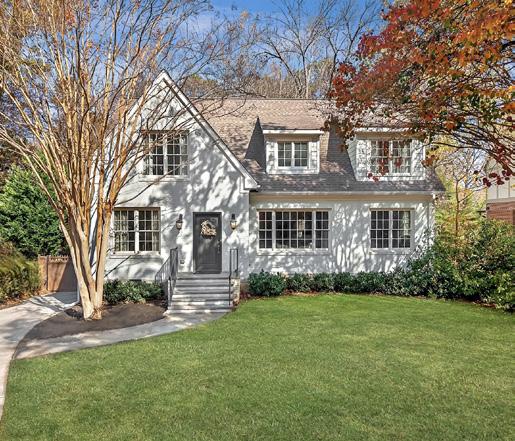
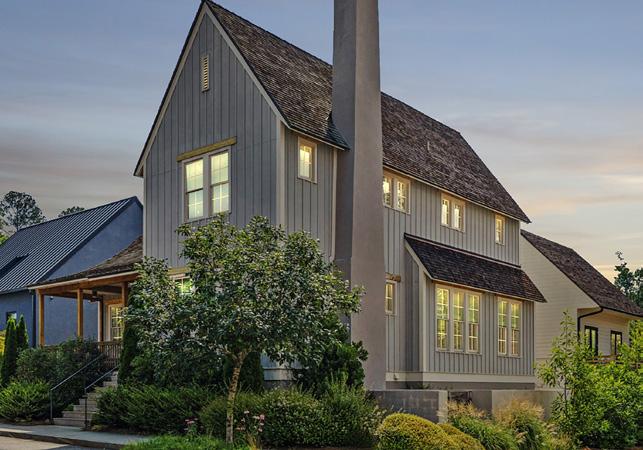
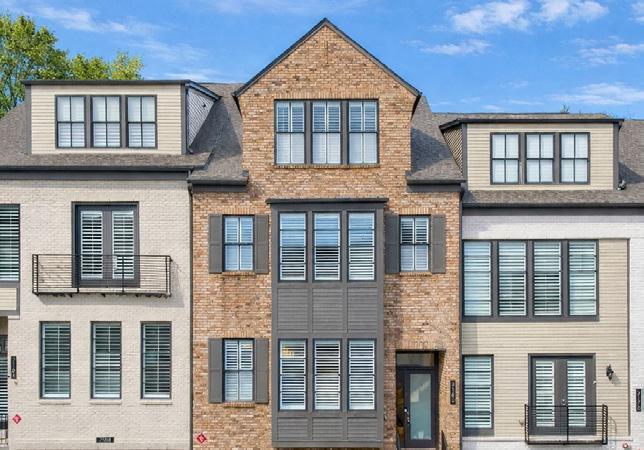
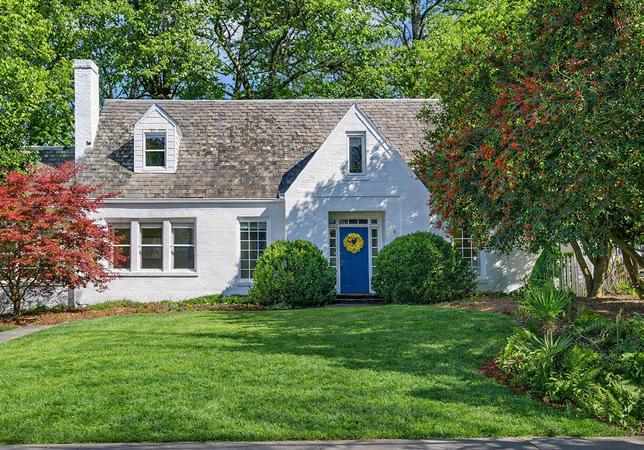
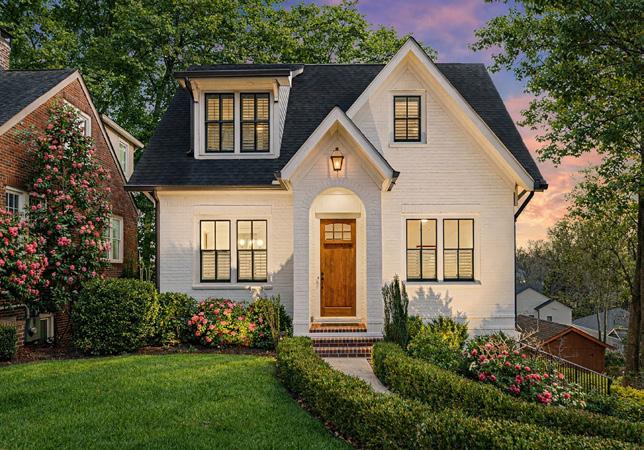
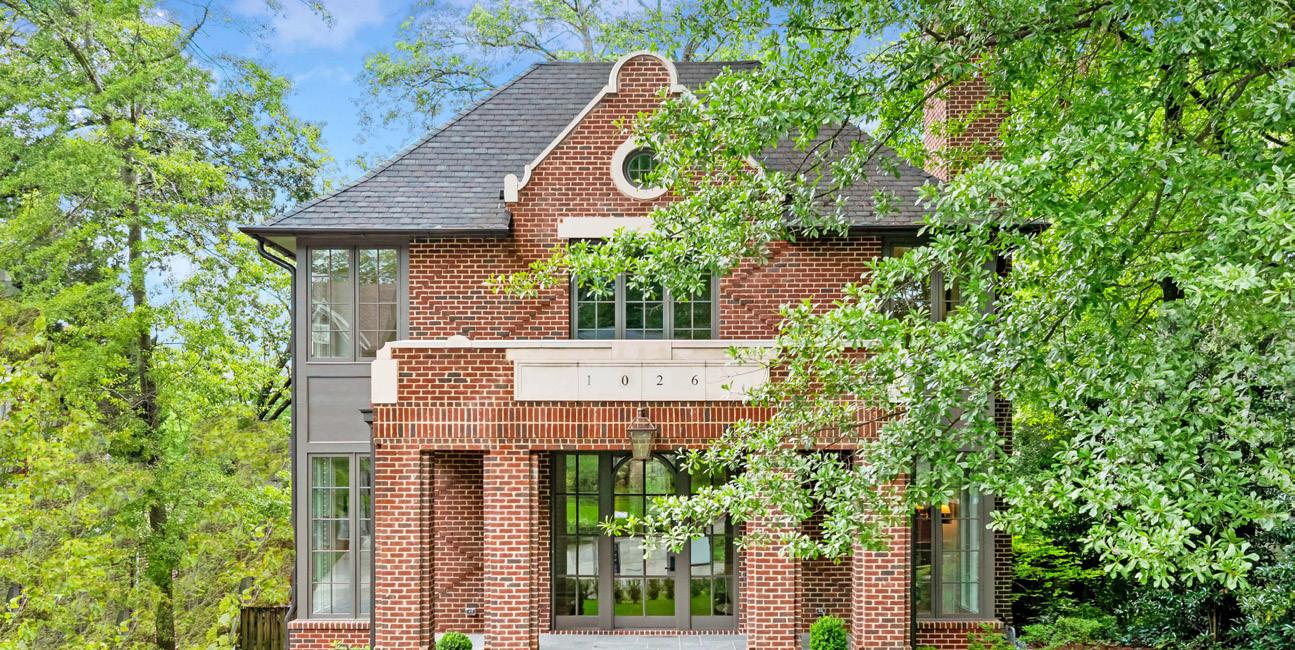
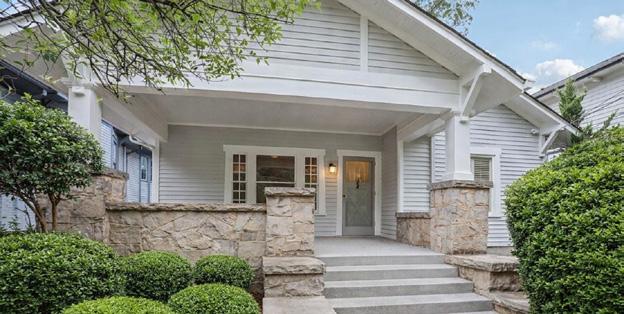
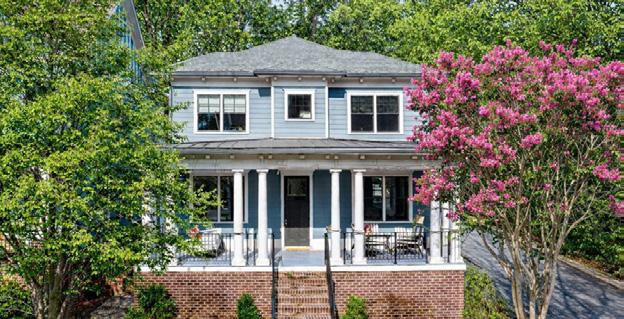
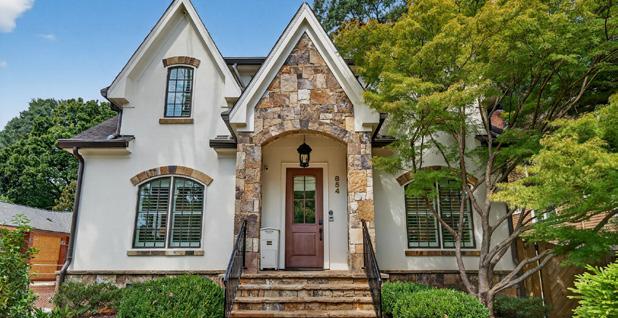
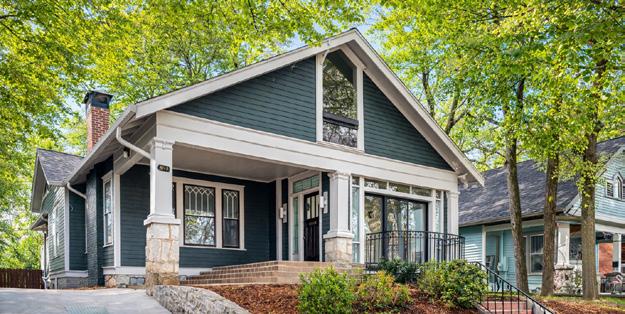
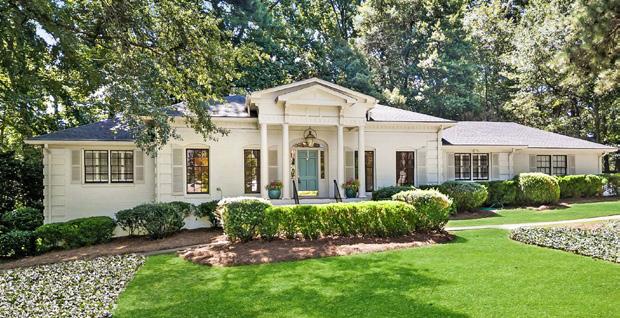
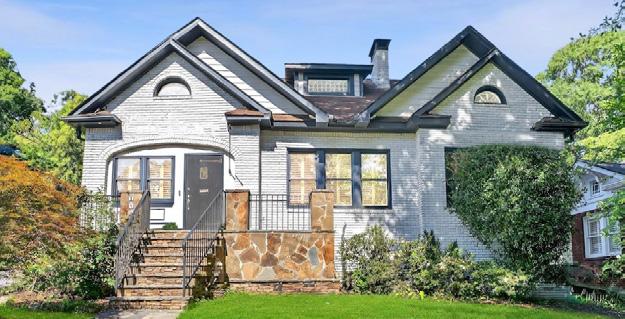
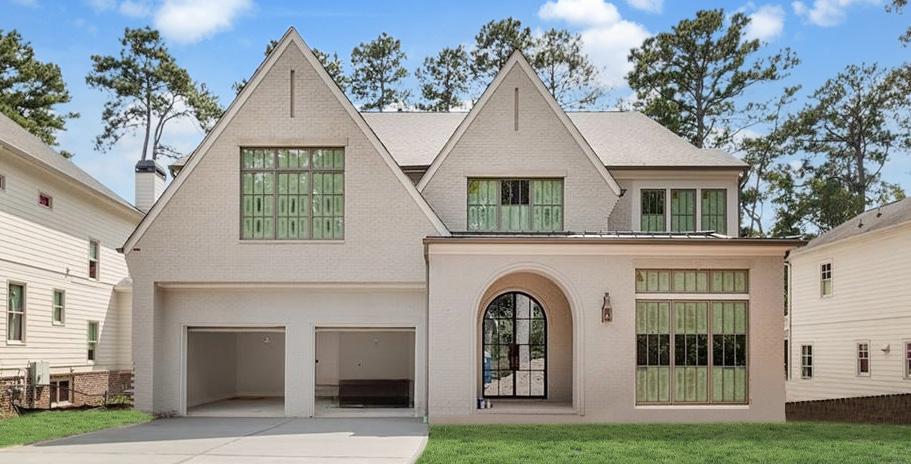
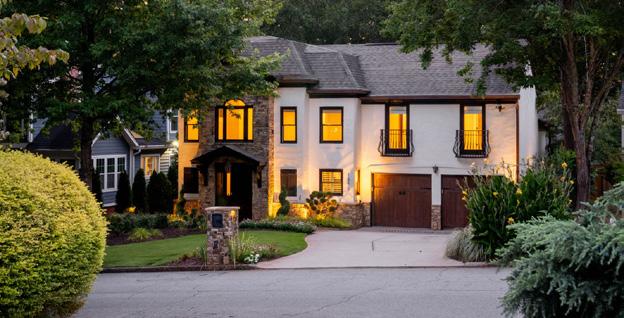
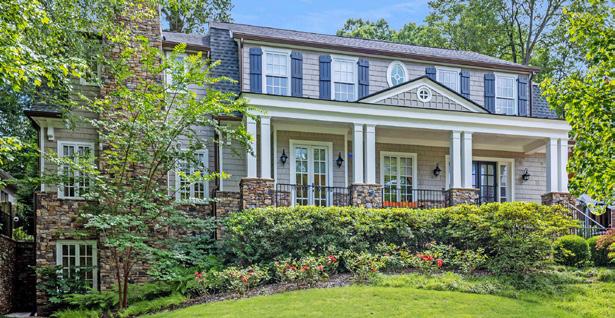
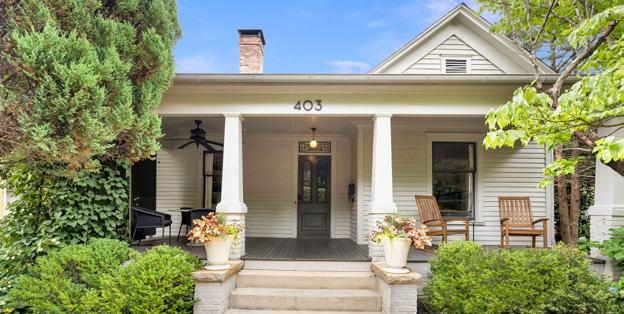
A Collection of Druid Hills Homes Sold By Molly
Friday, April 17: 1pm-5pm Saturday, April 18: 10am-5pm Sunday, April 19: 1pm-5pm
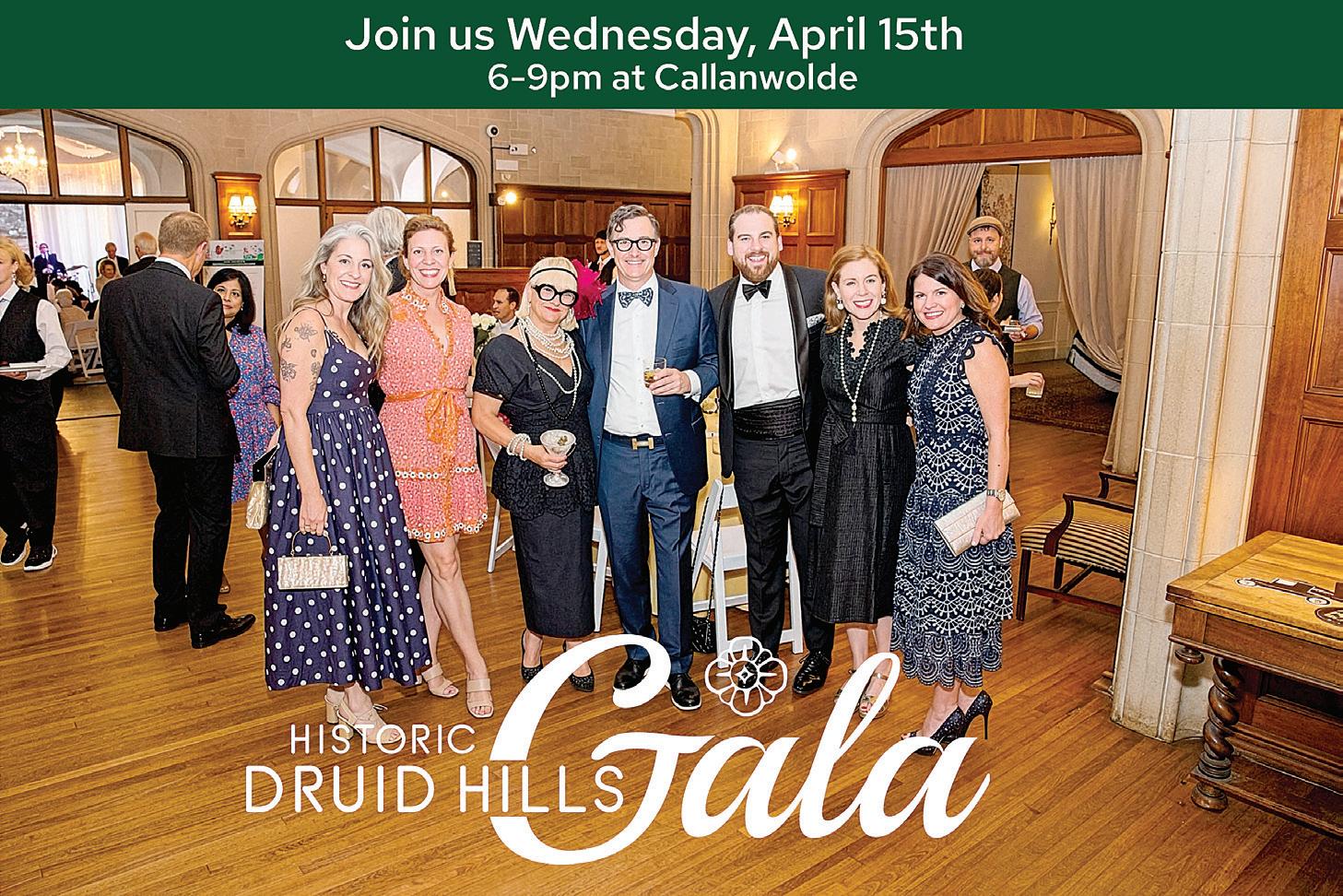
Wednesday, April 15
6pm-9pm at Callanwolde
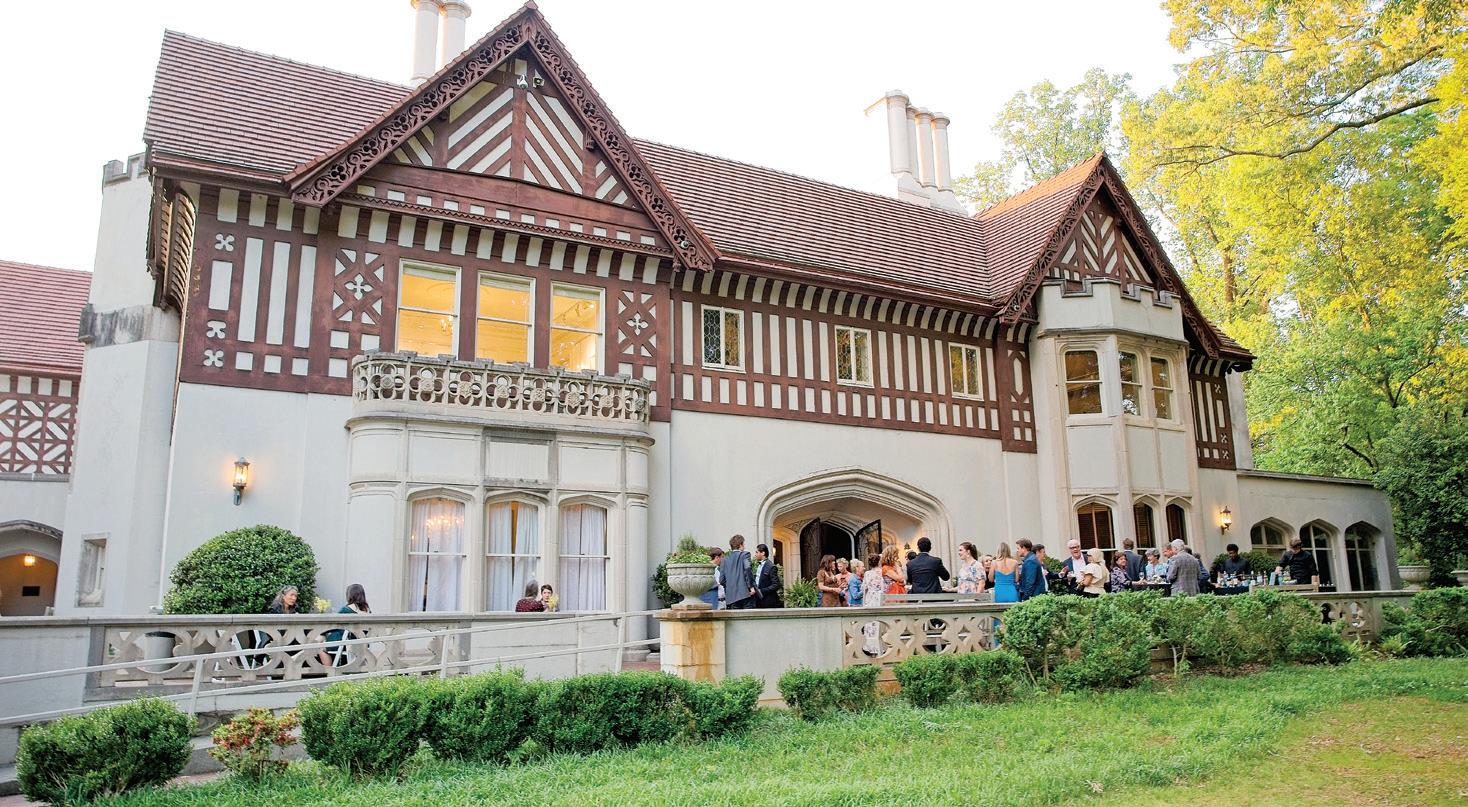
All Druid Hills neighbors, friends and supporters are invited to join us for a magical evening at Callanwolde’s historic mansion. This celebration for the neighborhood is a cocktail party with flair - formal attire is entirely optional, so come as you like and get ready to have fun! Enjoy live music, savor delicious bites, and sip on signature cocktails, premium beer and wine.
Friday, April 17: 1pm-5pm
Saturday, April 18: 10am-5pm
Sunday, April 19: 1pm-5pm
DRUID HILLS SPRING CELEBRATION
Over many years, generous Druid Hills neighbors have opened their stunning homes and gardens to the public to be part of the longest-running home tour in Atlanta.
Druid Hills Civic Association uses all proceeds collected from sponsorships and ticket sales to invest neighborhood. Don’t miss it!
The Many Faces of Druid Hills
This year’s Historic Druid Hills Home & Garden Tour spans a broad swath of our beautiful neighborhood and invites you to experience its richly diverse architectural splendor and breathtaking landscapes. Each stop captures a unique chapter of our neighborhood’s story, from grand historic treasures and stunning gardens to intimate gems that illustrate the beauty of downsizing. Some residences remain largely as conceived in the early 1900s, preserving exquisite millwork and original details, while others have been extensively renovated or newly built with exceptional craftsmanship. What unites them all is an extraordinary attention to detail and a shared commitment to preserving the enduring vision of Frederick Law Olmsted.
Tour & Gala Tickets
DHCA members get a half-price Tour ticket! Learn more about this offer, how to volunteer, and to read more about these wonderful properties at DruidHillsTour.org
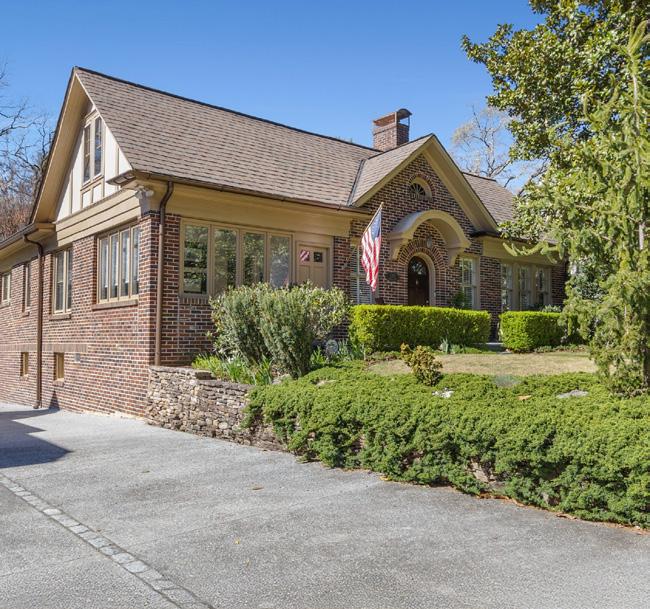
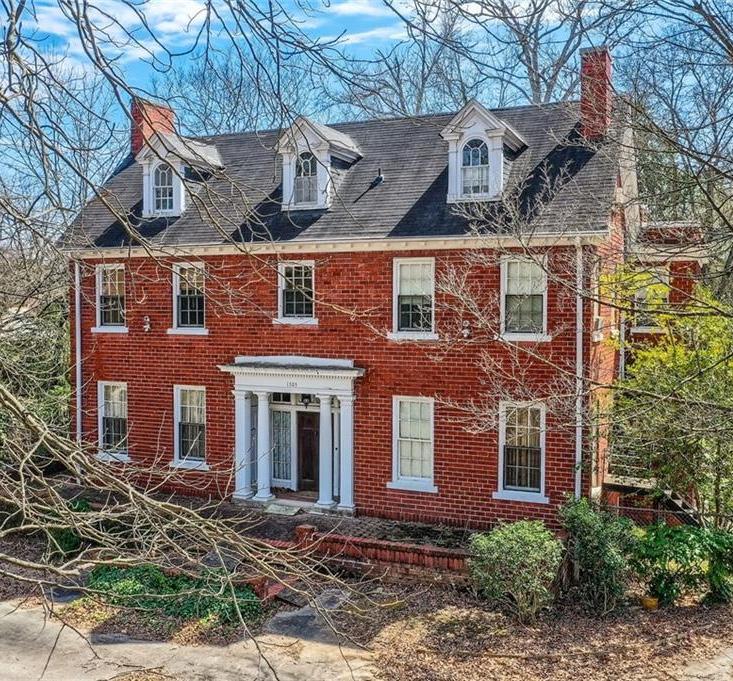
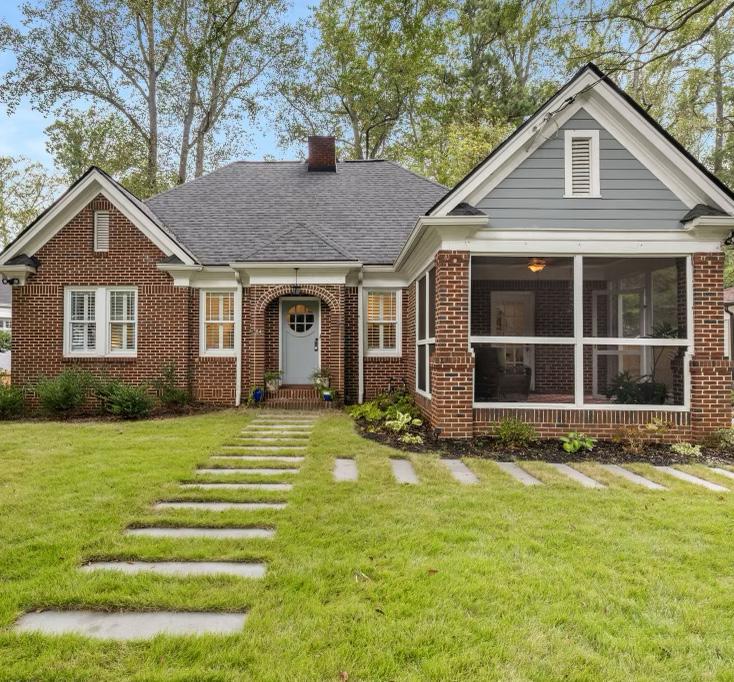
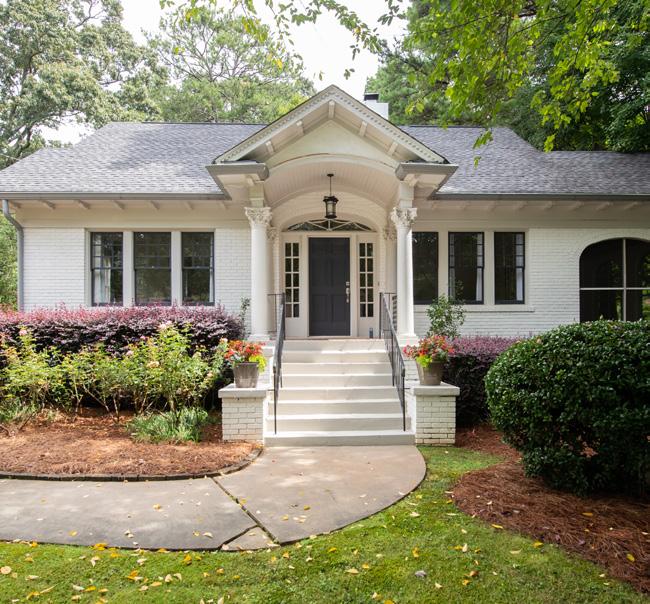
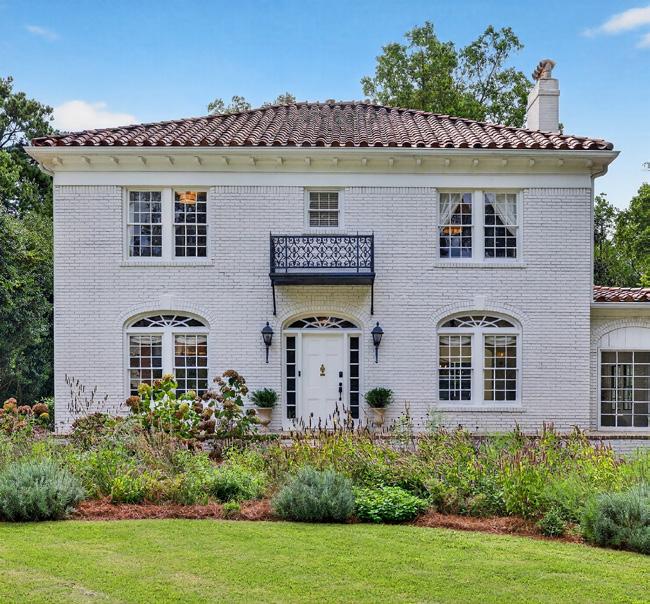
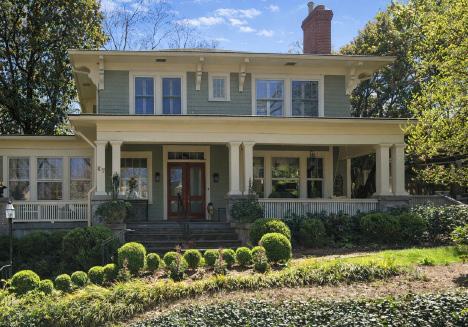
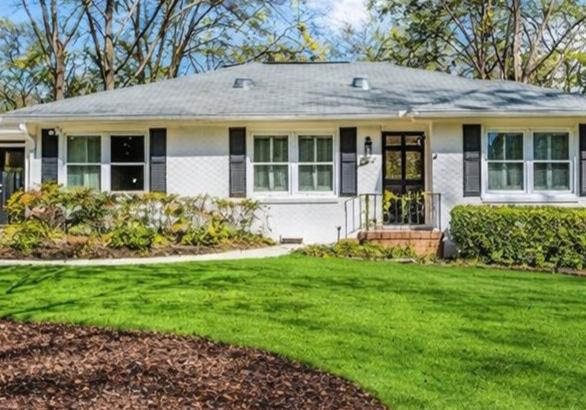
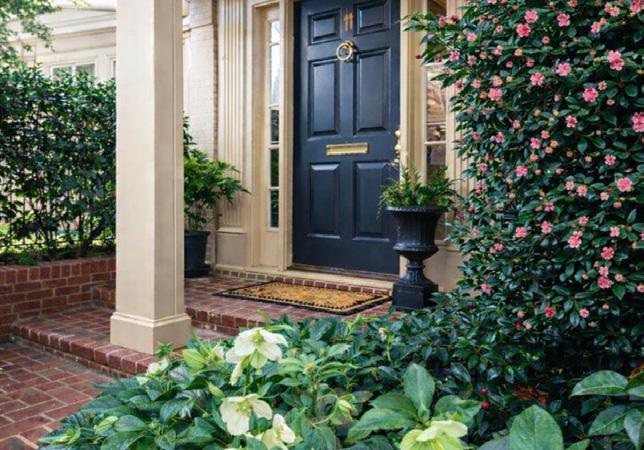
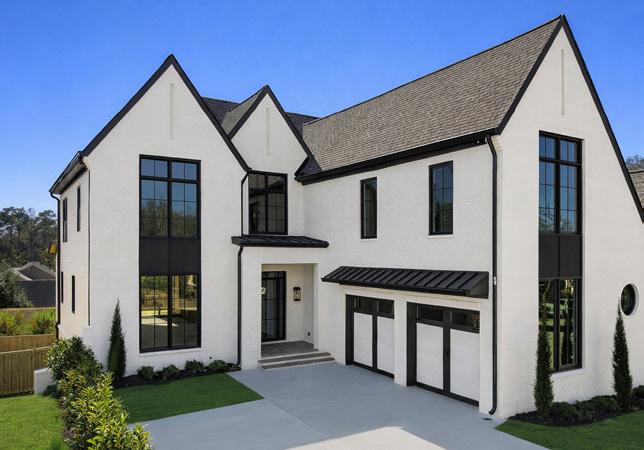
1790 East Clifton Road
1172 Springdale Road
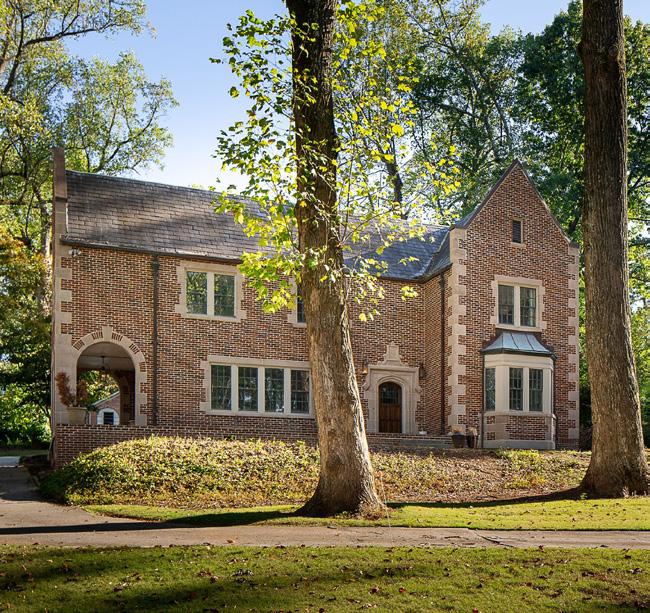
1802 East Clifton Road
Gardens, 1537 Emory Drive
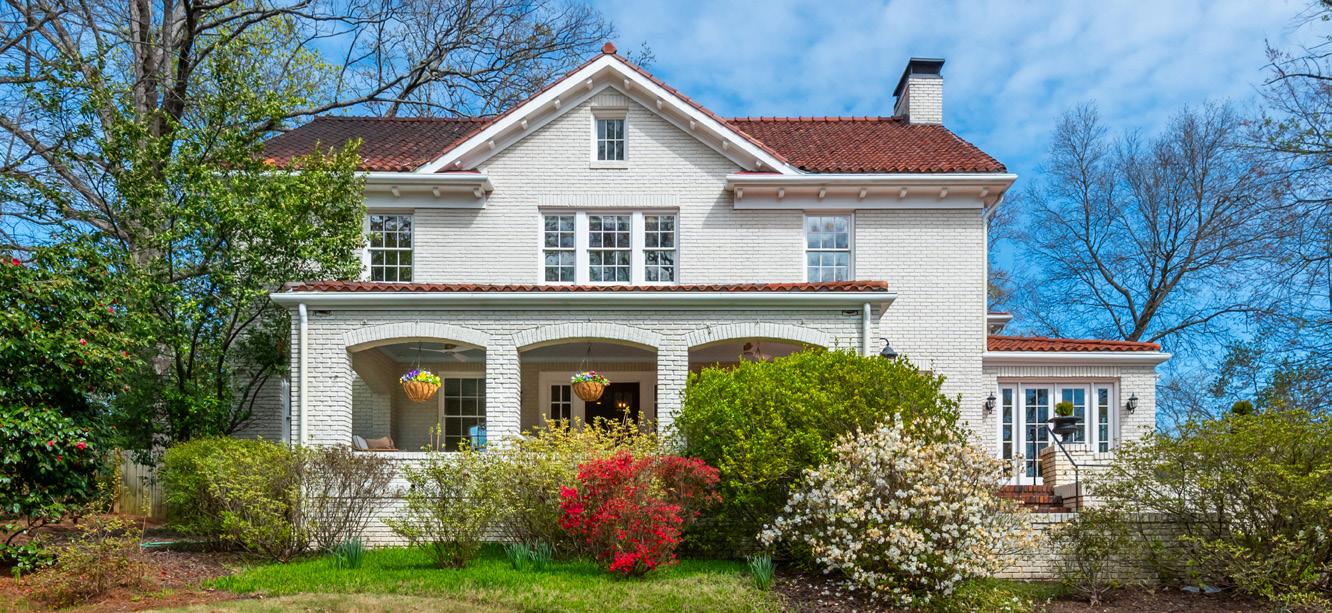
1780 Ridgewood Road
How a spring ritual in Druid Hills became Atlanta’s longest-running home tour
By Helena Oliviero
Every spring, the Historic Druid Hills Home & Garden Tour welcomes as many as 1,500 visitors eager to step inside some of Atlanta’s most beautiful homes. Along the way, they discover architectural treasures, stroll through lush gardens, and hear remarkable stories about the houses and the people who have lived in them.
The tradition echoes from an
earlier era. In the early 1900s, visitors traveled from across the South to see the spectacular dogwoods blooming along Lullwater Road. Residents lit the trees at night so admirers could stroll beneath the glowing blossoms and enjoy the trees long after sunset.
The first official Tour began in 1968 during a precarious period for the neighborhood, according to Druid Hills historian Jennifer Richardson.
Many of Druid Hills’ large homes —
especially along famous streets such as Springdale, Oxford and Oakdale — had been divided into boarding houses or rented cheaply by absentee landlords. Years of neglect were starting to show. A major factor contributing to the decline was worries about a proposed expressway which threatened to cut directly through the heart of the neighborhood. The road would have split Druid Hills in two, destroying Olmsted Linear Park and crossing the Deepdene section on a bridge. Plans also called for the expressway to pass through Emory University’s Lullwater Preserve and near several schools.
Residents fought the proposed road project for more than two decades before it was ultimately defeated. With the threat lifted, the neighborhood began to recover.
Richardson noted the first Tour was
created as both a garden tour and a home tour, and it was co-sponsored by the Lullwater Garden Club and the Druid Hills Civic Association. (The Lullwater Garden Club was the driving force, according to Richardson).
The idea grew out of the work of the Lullwater Garden Club, whose members had recently purchased the nearby Lullwater Conservation Garden from Emory University for $1,500. The roughly six-acre property is tucked between Lullwater Road and Lullwater Parkway and bisected by Lullwater Creek.
To help care for the garden, club members organized fundraisers — rummage sales, teas in private homes and even a horse show.
During one of those gatherings, an
Continued on page 28
PAM HUGHES, MICHAEL HOSKIN & HARRY NORMAN, REALTORS ® ARE PROUD TO BE THE SPONSORS OF THE
56TH DRUID HILLS HOME TOUR 1329 SPRINGDALE ROAD
OWNERS: ASHLEY ORR & JERICO PHILLIPS
TOUR DATES:
FRIDAY, APRIL 17 | 1PM-5PM
SATURDAY, APRIL 18 | 10AM-5PM
SUNDAY, APRIL 19 | 1PM-5PM
This charming Dutch Colonial residence was designed by celebrated Atlanta architect Leila Ross Wilburn and is proudly celebrating its 96th year.
Owners Jerico and Ashley have lovingly undertaken a thoughtful first-floor renovation with an eye toward bringing people together. The updates have flooded the home with natural light, creating warm, inviting spaces perfect for entertaining. A newly built back porch extends the living space outdoors, offering a serene retreat that keeps the owners connected to the beauty of the outdoors year-round. Whether hosting intimate gatherings or lively celebrations, this home reflects the owners’ passion for welcoming loved ones and creating lasting memories.
PAM HUGHES
REALTOR®
C: 404-626-3604
O: 404-897-5558
Pam.Hughes@HarryNorman.com
If you are thinking of buying a home or selling your home, call Pam today.
MICHAEL HOSKIN
REALTOR®
INSTRUMENTAL AGENT
C: 678-428-8737
O: 404-897-5558
Michael.Hoskin@HarryNorman.com
idea emerged.
“They had these teas in people’s homes and they said, ‘You know, we could have a tour of homes and gardens,’” recalled Richardson.
The first Homes Tour, held in 1968, featured eight houses including the residence of Emory University’s president, and several gardens. Tickets cost $2.50.
The tour quickly became a way to celebrate the neighborhood’s architectural heritage while raising funds for several projects in the neighborhood.
After the garden club dropped its sponsorship, the Druid Hills Civic Association carried the Tour forward to this day.
For Richardson, the appeal remains
simple.
“I think it’s the history of the neighborhood,” she said.
Druid Hills was designed by famed landscape architect Frederick Law Olmsted and remains the only Olmsted-planned residential neighborhood in the Deep South. It was also his final commission before his death in 1903.
Visitors come not only for the architecture, Richardson said, but also for inspiration.
“Decorators love it,” said Richardson, who has authored multiple books on local history and leads tours on Frederick Law Olmsted's designs. “They can see these beautiful homes, pick up ideas for wallpaper or paint colors and see how people live in them today.”
While kitchens or bathrooms may be modernized, homeowners typically preserve the craftsmanship that makes the houses special.
“People come and see these older homes,” Richardson said, “and realize you don’t have to tear them down just because they’re old.”
Each spring, when the doors of the Tour open again, the neighborhood’s story continues.
Continued from page 27
The Emory University President's residence in Lullwater Preserve was featured on the first Druid Hills Home & Garden Tour. (Photo: Emory University Archives)
Callanwolde Fine Arts Center plans expansion to grow arts, community programs
By Helena Oliviero
The Callanwolde Fine Arts Center is setting out on what may be its most ambitious endeavor with an expansion plan that will allow the center to almost double its arts education and community program offerings.
Just across the street from its current campus, Callanwolde plans to expand into a church building at 999 Briarcliff Road NE.
Established in 1972 and situated on a 12-acre estate, Callanwolde is a nonprofit community and arts center in Druid Hills that provides a wide range of classes,
performances, and community events.
Callanwolde expanded its mission four years ago to strengthen its offerings of enriching and life-changing arts education programs for those without access to the arts.
However, the demand exceeds the capacity of its current facilities, and the nonprofit is now facing waiting lists for its summer camps, pottery and dance classes and other arts, and education classes.
“The church presents a rare and timely opportunity for us to expand in a more cost-efficient manner while preserving the neighborhood’s historic landscape,” said
Continued on page 30
Callanwolde Fine Arts Center Executive Director Andrew Keenan.
Keenan said with the additional space, Callanwolde will not only be able to vastly increase space for classes but will also gain much-needed parking space. Keenan also stressed that no trees will be cut down at either campus, and in fact, “we will plant additional trees and make major improvements to the parking lot to avoid future adverse storm water events.”
Metro City Church, which owned the building, is moving to a new location. Last year, the church building was listed for sale, targeting developers interested in townhome development. Given Callanwolde’s longstanding relationship with the church, the nonprofit’s leadership initiated conversations to acquire the property. DeKalb County, which owns the Callanwolde estate, closed on the church building in December 2025.
As part of an agreement, DeKalb County will extend its lease with Callanwolde through 2064, including the newly acquired property.
With strong support from DeKalb County and early donations from local leaders, the fundraising campaign for this undertaking is already at 90% of its total goal. Funds will be used to purchase the church property, renovate and restore the building, and make needed improvements to the existing Callanwolde facilities. Callanwolde is continuing its fundraising efforts to raise an additional $1 million for the expansion plans.
“The work Callanwolde Fine Arts Center does is important. Last year, Callanwolde provided art instruction to over 650 underserved DeKalb County citizens, including kids from Title I schools, disabled veterans, and adults and families who were previously unhoused,” said DeKalb County CEO Lorraine CochranJohnson in a press release. “That is why I support Callanwolde’s new expansion plans to expand arts education and programming for the DeKalb County community. This is a once-in-a-lifetime opportunity, and with support from the community, we will grow one of DeKalb County’s greatest assets.”
Specifically, the addition of the church
property will add 28,500 square feet of classroom space and 140 parking spots. The new space will include four dance studios – all of which are more spacious than the studios currently being used at Callanwolde.
Keenan said he anticipates the new space will be ready within the next year.
The story of the church property begins with William Candler, who once owned the land stretching along both sides of the street from Briarcliff Road to Springdale Road and north to The By Way. He was the younger brother of Charles Howard Candler, who owned Callanwolde, which remains one of Atlanta’s architectural treasures.
In 1960, the First Christian Church of Atlanta built its sanctuary on part of that land once owned by William Candler.
Just a few years later, in 1963, the congregation purchased 29 acres of Callanwolde from Emory University. By 1972, the Callanwolde property had shrunk to 12 acres and fallen into disrepair. With help from the Callanwolde Foundation and a federal grant, DeKalb County purchased Callanwolde for $336,000. The county managed the site until 1983, when they turned over the management to the Callanwolde Foundation, Inc.
Now, the story has come full circle. Descendants of Charles Howard Candler have helped save the church from demolition with a $2 million gift—ensuring the property will remain a place for the community to gather, learn, and create.
The newly acquired building will be affectionately known as “The Warren,” to honor the legacies of William C. Warren III and his wife, Mary. They are descendants of the Candler family.
William C. Warren III known as “Billy” grew up at Callanwolde.
In celebration of the neighborhood’s architectural splendor and rich history, Druid Hills Civic Association will host its Historic Druid Hills Gala at Callanwolde for the fifth consecutive year. The fete, scheduled for Wednesday, April 15, from 6–9pm, kicks off their acclaimed Home & Garden Tour. It’s a fitting continuation of Callanwolde’s legacy as a place where history, community, and culture continue to come together. Tickets and sponsorships are available at druidhillstour.org.
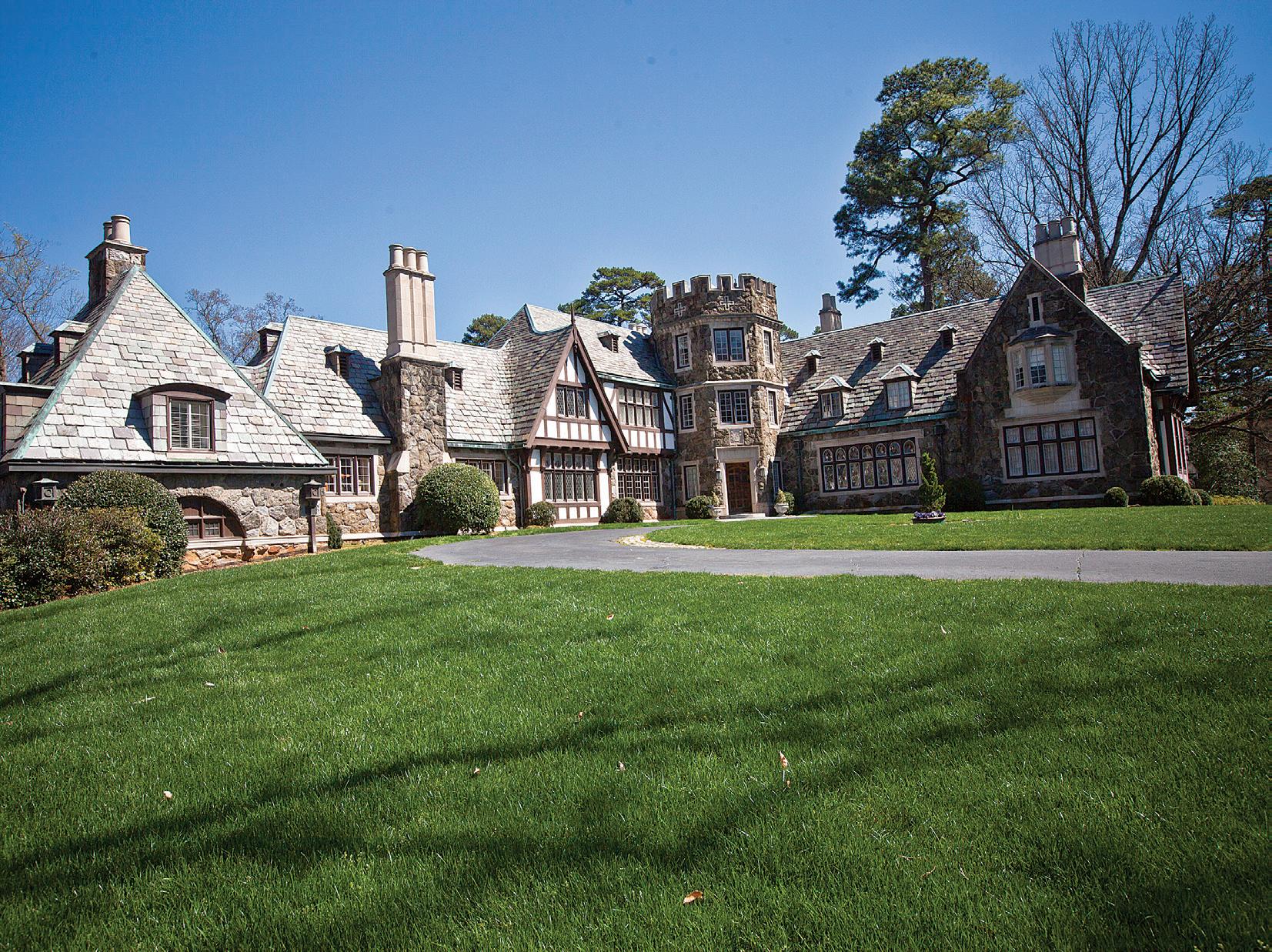
T h e H o m e s T h a t B u i l t A t l a n t a .
F r o m t h e e r a a n d t h e p e o p l e w h o s h a p e d t h i s c i t y .
$5,995,000 A f o r m e r D r u i d H i l l s T o u r o f H o m e s R e s i d e n c e n o w a v a i l a b l e Proud 2 02 6 Sponsor