Sally Bethea, Melody Harclerode, Isadora Pennington, Helena Oliviero, Sherri Daye Scott, Laura Scholz
Intern
Rachel Spooner
Follow
@RoughDraftATL on Instagram.
Published By
Rough Draft Atlanta
Keith Pepper
Publisher
keith@RoughDraft.news
Neal Maziar
Chief Revenue Officer
neal@RoughDraft.news
Rico Figliolini
Creative Director
Circulation
Each month, 27,000 copies of Atlanta Intown are mailed to homes and distributed to businesses in and around ZIP codes 30306, 30307, 30308, 30309, 30324 and 30329. For delivery information, delivery@RoughDraft.news
To subscribe to home delivery, ($75 / year) email delivery@RoughDraft.news
Jeff Kremer Sr. Account Manager jeff@RoughDraft.news
Suzanne Purcell
Sr. Account Manager suzanne@RoughDraft.news
Operations
Savannah Pierce savannah@RoughDraft.news
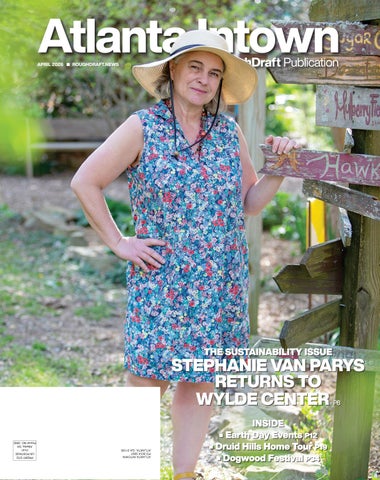
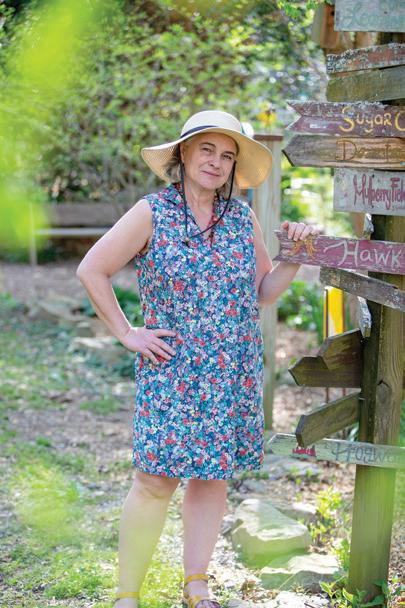
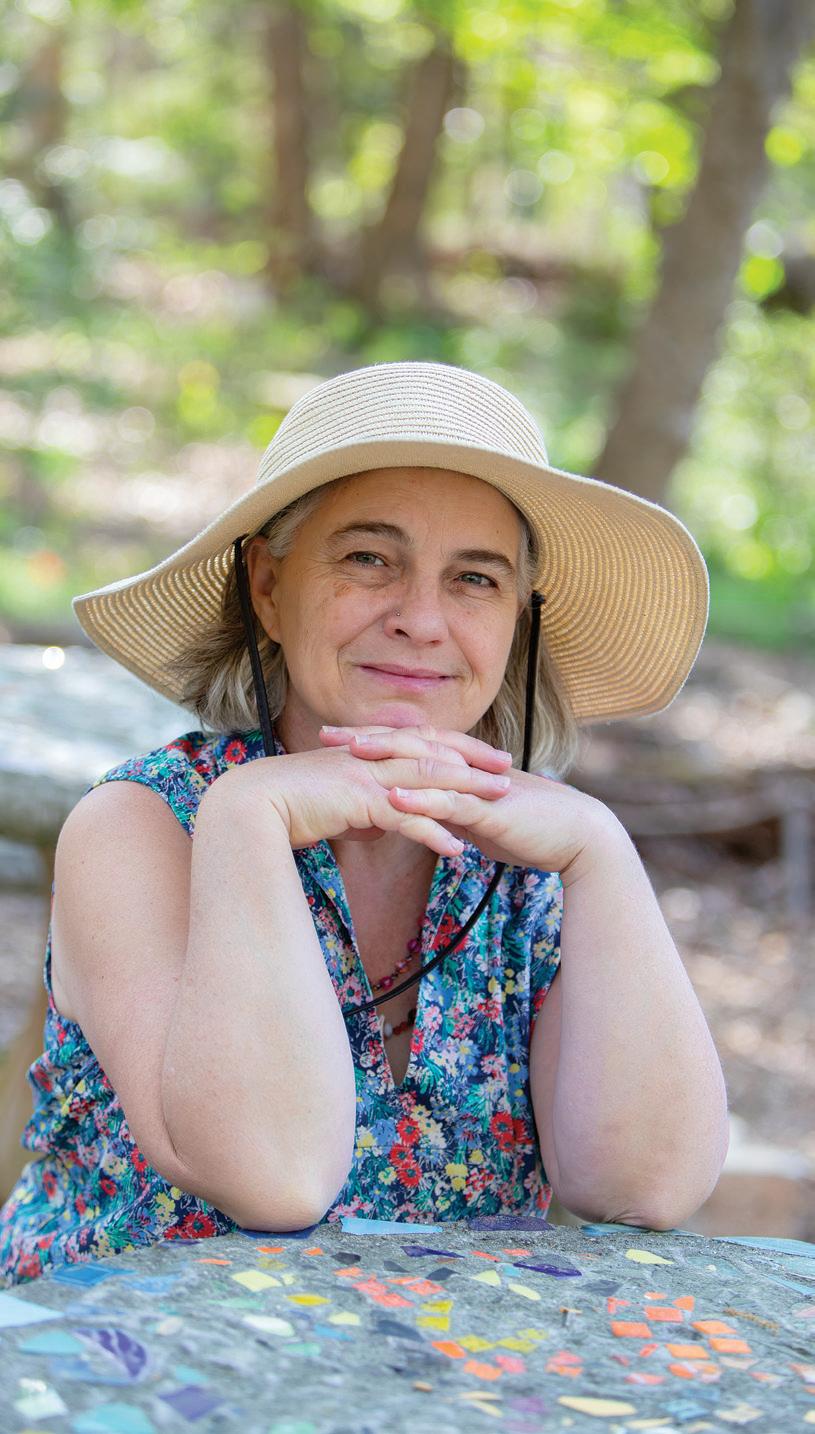
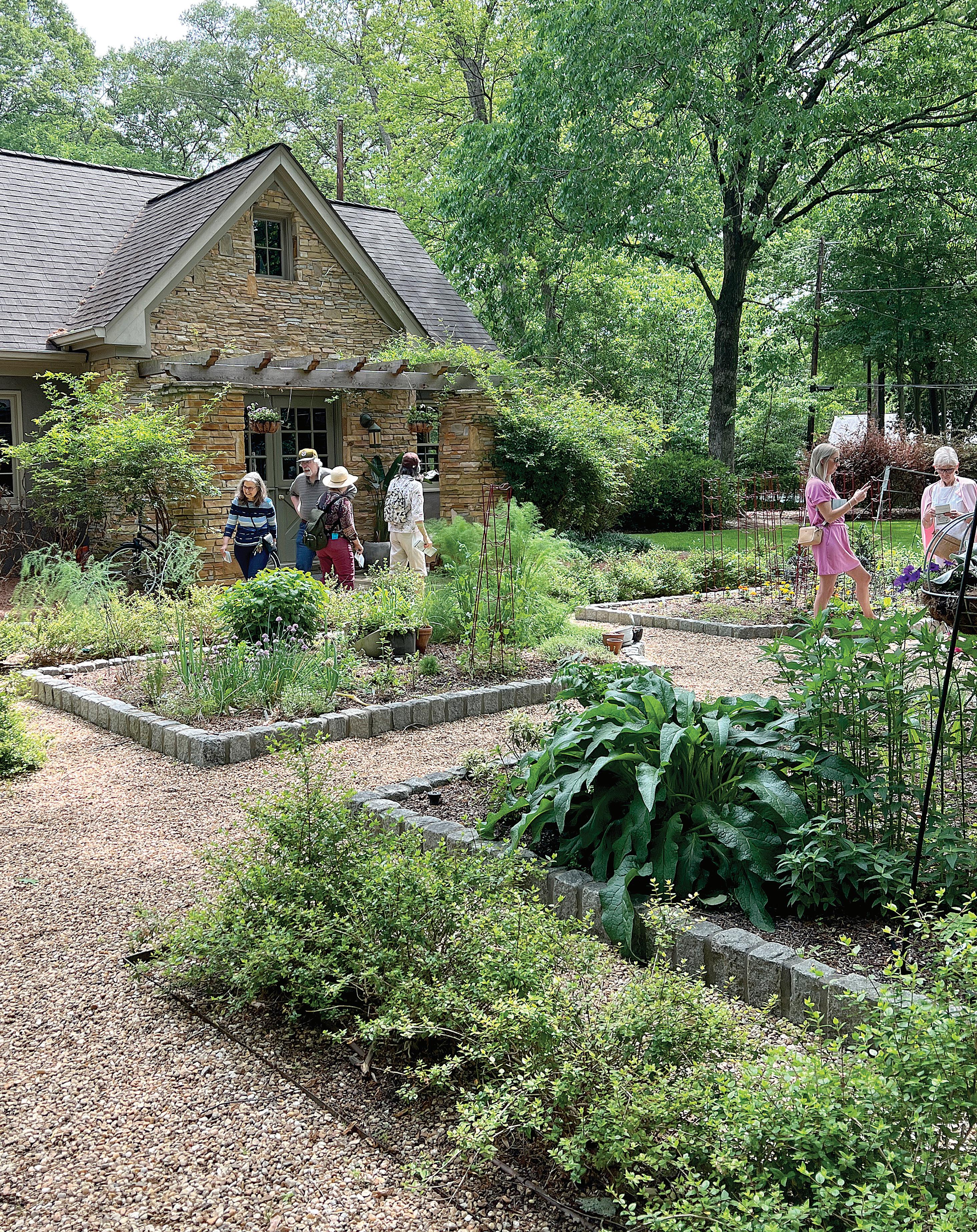
Stephanie Van Parys has returned as executive director of the nonprofit Wylde Center. She’s seen here at the Oakhurst Garden in Decatur in a photograph by Isadora Pennington. See more photos and read our interview on page 8.
Atlanta’s LARGEST Pottery Outlet
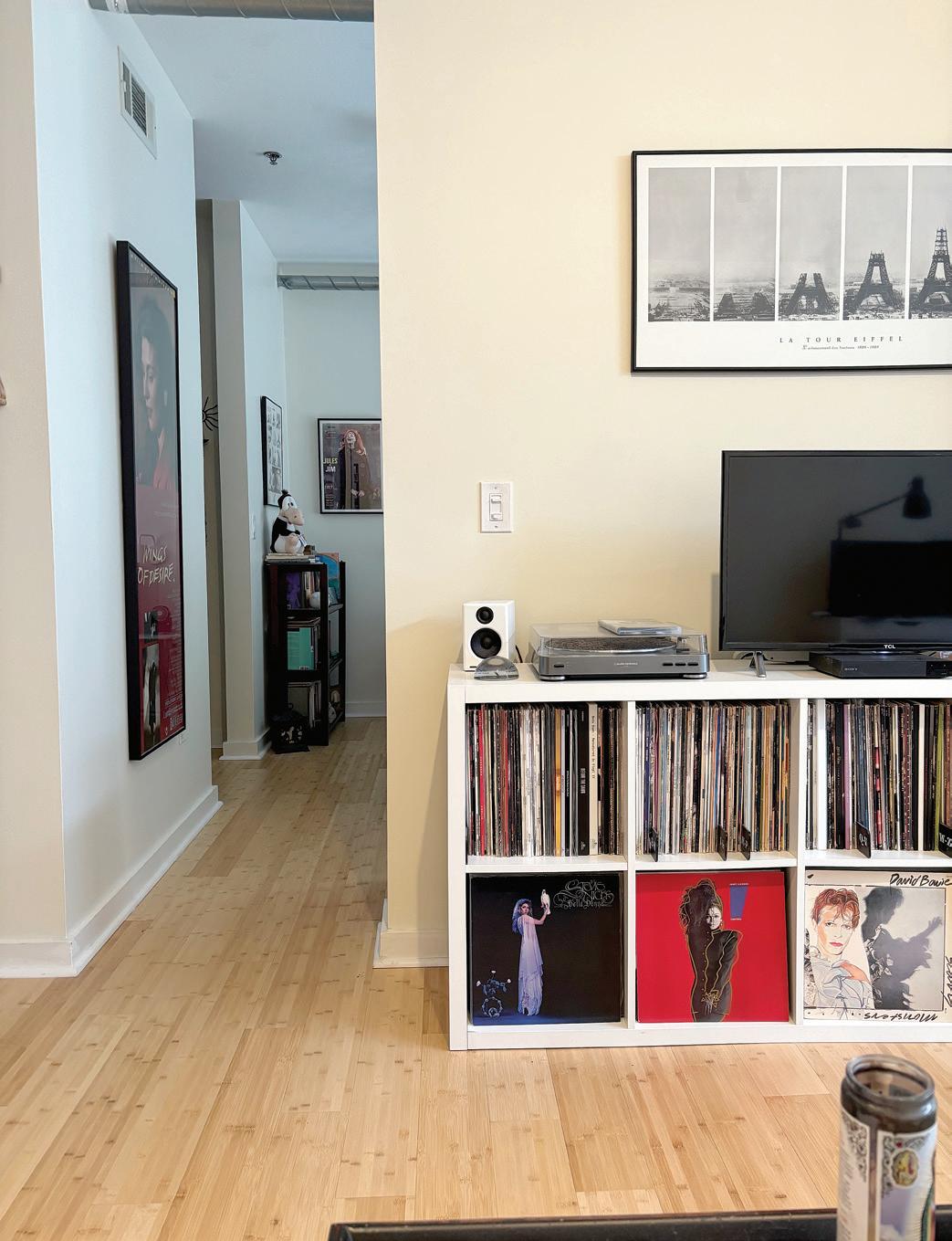
There was a report out in March that the sale of vinyl records surpassed $1 billion in 2026 – the first time since 1983. Of all the physical media comebacks, vinyl is still my favorite, mainly because I never got rid of my collection.
Collin Kelley
I have dutifully carted around 200+ albums for 36 years as I moved from apartment to apartment and finally to my condo. For many years, I didn’t have a working turntable, and I had succumbed to Spotify. I jettisoned more than half of my 1,000 CDs and the majority of my cassette tapes as I listened to streaming music more and more.
But as more and more of my favorite artists started releasing their albums again on vinyl, I invested in a good turntable and started growing my collection again. And when I have disposable income, much of the time it will go toward some “holy grail” I’ve wanted forever. My current hunt is for a nice original copy of Sade’s “Lovers Rock” from 2000, when vinyl was nearly extinct.
Yes, I could buy a fancy re-release half-speed master on heavyweight vinyl, but I’m a purist: I have all of Sade’s original releases, and filling in this gap in my collection is like an itch that must be scratched. If anyone has a copy they’d like to part with that won’t make me miss a mortgage payment, please get in touch.
Over the last few years, I managed to find a pristine copy of Joni Mitchell’s “Night Ride Home,” which got a very limited vinyl release in 1991, and Everything But The Girl’s double platter “Temperamental” from 1999 (I don’t want to discuss how much I paid for it, but no regrets). I’m a patient hunter, so my search for these sends me cratediving often or scrolling through the Discogs marketplace.
When my first novel, “Conquering Venus,” was published back in 2009, eBooks were threatening to upend traditional publishing and be
the end of physical books. The publisher implemented an eBook first release in October and the physical book three months later. I went along with it, but I hated it.
Because, along with those hundreds of vinyls I carted around, I was carting around thousands of books. I pruned my shelves when I moved to the condo, but each discard was like a knife wound. Ebooks are here to stay, but I was also thrilled when printed books became beloved once again.
My most expensive hobby is Criterion edition DVDs and Blu-rays. I have a modest collection (most recently “Klute”), but I’ve justified it by getting rid of most of my streaming services. Not only have I deleted Spotify, but Hulu, Disney+, Apple TV, and Paramount+. I cut the cable cord long ago, so my indulgences are HBO Max, Prime, and the ad version of Netflix. I’ve also started watching “freebie” channels like Tubi and Pluto, too. I can live with the ads when it's free.
In the age of social media and streaming everything, I love that the kids have embraced physical media. When BTS released their long-awaited new album in March, I saw a cavalcade of posts of ARMYs snatching up the vinyl and CDs. Scrolling through TikTok, teenagers are proudly showing off their vinyl collections. I love the convenience of streaming like everyone else, but sometimes I just need that tactile physical presence of an object; placing the needle on the record, popping open a DVD case, cracking open a book. It’s an unbeatable feeling.
Physical media forever! (Photo by Collin Kelley)
Buckhead: 881 W. Conway Drive, Atlanta, Georgia 30327
After a tumultuous few years, the Wylde Center is on an even keel once again with the return of Stephanie Van Parys as its executive director.
Van Parys returned to the Decaturbased community garden last summer on an interim basis to help stabilize the garden's finances and programs. She had retired in 2023 after 20 years as the nonprofit's leader, but viewed her return as a “necessity.”
The results have been immediate.
“We have completely flipped our financial situation from a year ago,” Van Parys said. “We are now strong financially. Important donors and longtime friends gave significant gifts to help secure us, and we’re on target to reach our financial goals this year.”
Van Parys said shortfalls in a capital campaign during a $2 million renovation put the Wylde Center in a precarious position. There were also staff departures, and those who stayed formed a union after reported issues with former executive director Jennifer Gerndt. During her tenure, a number of programs were
paused, and one of Van Pary’s goals upon her return was to “turn on the income taps.”
“One of our big income drivers is camp, and it was important to get that back in operation,” she said. “Our core education programs had to be restarted again.”
The Wylde Center is currently planning for its summer camps in June and July, and Van Parys said there was still plenty of availability. Details are available at wyldecenter.org.
Van Parys said individual donations increased at the end of 2025 as “donors felt more confident in what we were doing here.”
And while the renovations to the Wylde Center were costly, Van Parys said the new building at the Oakhurst garden is a “delight” to work in, and has also become a revenue driver as it is often rented for events.
She also praised the community for reengaging with the garden through
multiple events, including a recent successful seed exchange.
The organization currently operates four gardens, a reduction from five after Mulberry Fields in Candler Park transitioned to being led by its own dedicated group after a 10-year partnership, Van Parys said. There’s also the Hawk Hollow garden in Kirkwood, the Edgewood Garden on Edgewood Avenue, and Sugar Creek in Decatur. Van Parys said the goal for the next year is to restore full community programming at all the garden sites.
Van Parys said she was enjoying her retirement, but returned with renewed energy and enthusiasm after feelings of burnout when she left the role.
While Van Parys doesn’t expect to serve another 20 years, she’s also not going anywhere anytime soon.
“We’re back, we’re good, and everything is moving forward,” Van Parys said.
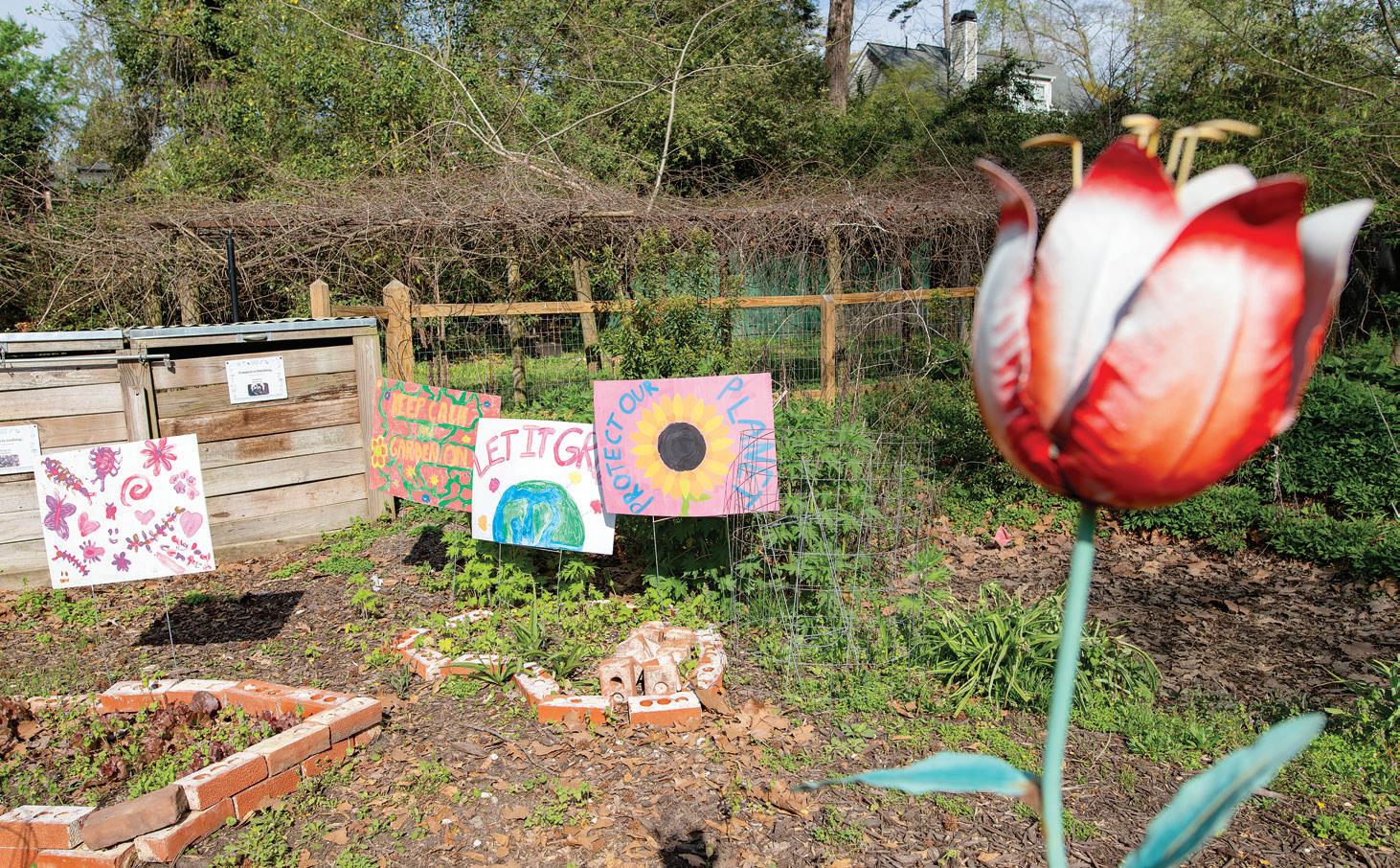
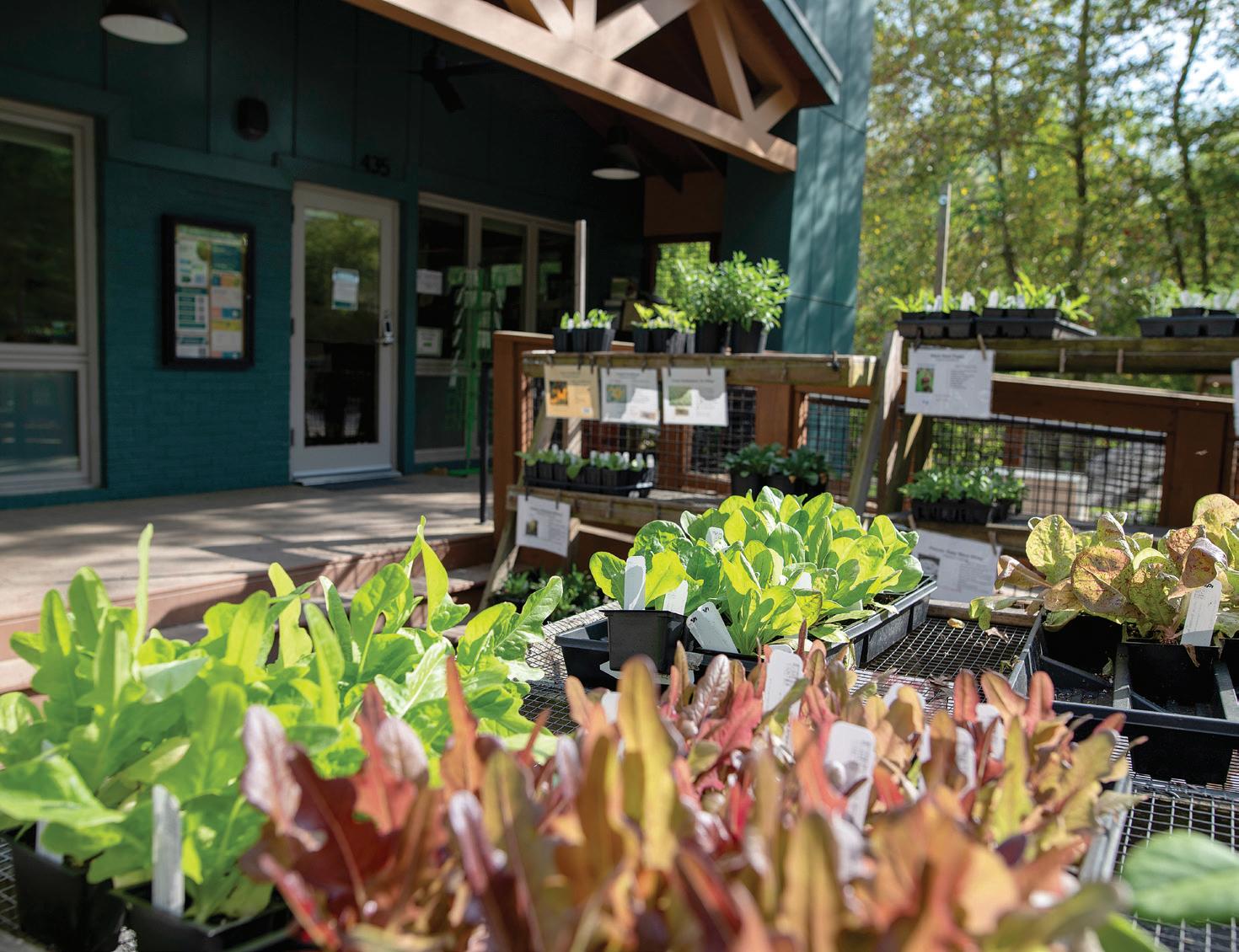
Stephanie Van Parys at the Wylde Center in Decatur. (Photos by Isadora Pennington)
Insider’s guide to The Masters Tournament at Lake Oconee
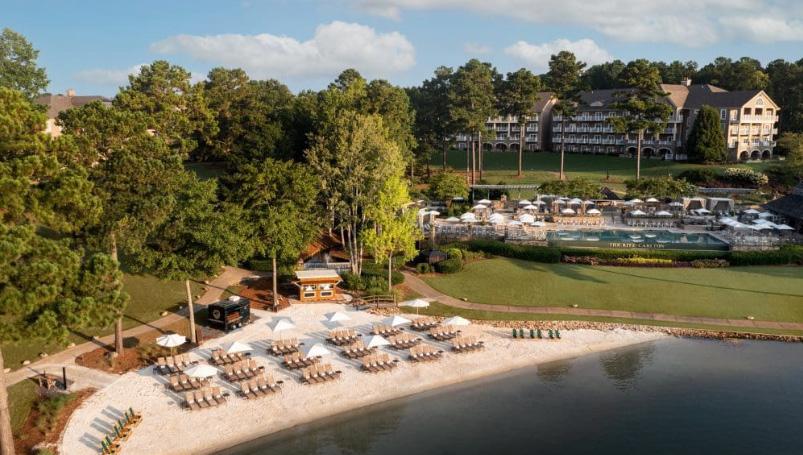
Conveniently located halfway between Atlanta and Augusta, Lake Oconee offers an unforgettable experience during Masters week. From luxurious lodging to savoring a delectable meal, there are plenty of ways to indulge during your stay. For golf lovers, the area’s six stunning courses provide the perfect opportunity to test your skills while soaking in the beauty of Greene County. Lake Oconee is the ideal.destination to make the most of Masters week.
The Ritz-Carlton Reynolds, Lake Oconee
Celebrate one of the biggest sporting events in the world by letting The Ritz-Carlton be your premier destination. Culinary experiences, championship golf courses, and a newly transformed spa welcome you back after a visit to Augusta National.
Linger Longer Steakhouse
A stylish Lake Oconee restaurant featuring a delightful menu. Guests can enjoy generous cuts of meat, seafood, and family sides, all with the perfect wine pairing.
Oconee Cove
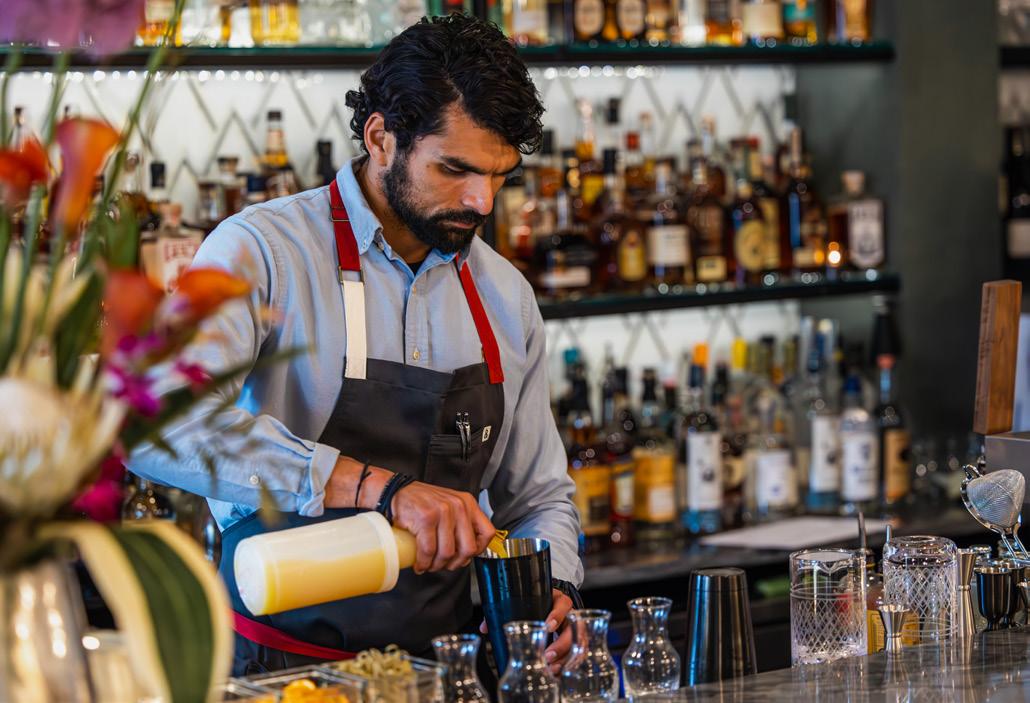
Hidden behind a wall of tales is Lake Oconee’s only speakeasy. Oconee Cove beckons you to indulge in an unparalleled collection of rare spirits and small plates.
Amore Del Lago
Indulge in the ultimate Italian experience. Savor homemade pizza and pasta inspired by authentic recipes. Enjoy fine wine and al fresco dining.
Gaby’s by the Lake You can watch The Masters at the bar while enjoying Master inspired cocktails and beer. They also offer the perfect golf snacks like BBQ pork nachos.
The Spa
Immerse in the opulence of the spa, boasting redesigned spaces and innovative treatments. Choose from body treatments, specialized massages, custom-tailored facials, and four signature wellness treatments.
Golfing in Greensboro
There’s no better time to explore golfing in Greensboro to elevate your experience! The courses at Lake Oconee are a must-add to your Masters checklist. Designed by legendary architects, these courses offer an unforgettable blend of challenge and beauty.
Harbor Club
Named one of the top three places to play in the state of Georgia by Golfweek, Harbor Club is the only public course in Greene County and a must do on your golf checklist!
Reynolds Lake Oconee
If you’re staying at The Ritz-Carlton Reynolds, Lake Oconee, or one of the cottages or condos through Reynolds Lake Oconee Vacation Rentals, you’ll have access to the incredible Reynolds’ courses: Great Waters, Landing, Preserve, National, and Oconee.
The Kingdom at
Reynolds Lake Oconee
Offering an integration of superior equipment technology with golf instruction, The Kingdom at Reynolds Lake Oconee is one of only two such facilities in the country, providing guests with an exclusive retreat for full-game improvement.
Dining in Greensboro
No visit to Greensboro is complete without savoring the flavors of our unique local cuisine, with a variety of charming restaurants and hidden gems, there’s something to delight every palate.
The Yesterday Cafe
Nestled in the heart of historic downtown Greensboro, The Yesterday Café is a beloved
Southern eatery known for its warm hospitality, charming atmosphere, and signature Buttermilk Pie—a dessert so famous it has been featured in Southern Living.
Café 44
Grab a breakfast sammie and a cup of coffee on your way out to Augusta. This cute café serves breakfast, lunch, and pastries Monday thru Saturday.
Table at the Lake
Table at the Lake is an upscale restaurant located in Greensboro. They focus on thoughtfully sourced ingredients and seasonal menus. Open for dinner or Sunday brunch. The Spanish octopus is a must try!
Silver Moon
After soaking up all the action at the Masters Tournament, treat yourself to a memorable dinner at The Silver Moon — a beloved local favorite. Insider tip: when you arrive there is no hostess, just write your name on the chalkboard by the door.
Transportation to and from the Tournament
If you’re planning to make Lake Oconee your base while attending the Masters Tournament - you’ll want reliable transportation for the roughly hour and a half drive to Augusta. While renting a car is one option, two local professional services stand out for comfort, convenience, and a stress-free travel experience.
RTSO
For visitors who want a professional, comfortable ride without the hassles of driving, RTSO offers premium ground transportation services tailored to events like the Masters. Their fleet includes luxury sedans, SUVs, and larger vehicles.
Lake Oconee Limo
If you’re looking for a more upscale or group-friendly option, Lake Oconee Limo provides luxury transportation to Augusta, nearby airports, and surrounding cities. With a fleet that includes premium sedans, SUVs, and limo sprinter vans.
Find your reason to stay a little longer
A beloved inn in the Appalachian forest
ABOVE THE WATER LINE
The Southern Appalachians have my heart. For more than fifty years, I’ve hiked worn footpaths through these ancient mountains – among the oldest on Earth – from Virginia to the foothills of North Georgia. Unglaciated, this range is known for its folded mountains, distinctive blue haze, steep ridges, and high elevation spruce-fir forests: a heavily eroded landform shaped by time and water. When I close my eyes and think about the temperate Appalachian forests of hardwoods and pines, I see rhododendron tunnels with tangled, arching branches. I see spring’s ephemeral wildflowers and immense oldgrowth trees. In my mind’s eye, I gaze on waves of
Sally Bethea
but to come home.
Winter Woods
As a birthday gift, my sons invited me to hike with them in late February to a rustic backcountry lodge in North Georgia – only a few miles from the beginning of the iconic Appalachian Trail. In 1999, a year after it opened, we visited the Len Foote Hike Inn for the first time. Our Thanksgiving that year was spent in nature, surrounded by like-minded strangers. Charles, Rob, and I joined them at long wooden tables for meals and then afterwards around the warmth of a wood stove in the “sunrise room.” It rained, but we didn’t mind. Over the decades, I’ve returned to the inn with friends and colleagues.
As we set off on our recent five-mile hike to the inn, the weather is excellent. For much of the way, my sons allow me to set the pace, slower than their long legs prefer, but at a respectable speed. Still winter, the largely deciduous Southern Appalachian forests showcase their tree canopy architecture with minimalist lines, curving branches, and textured bark. Long views down steep slopes without summer’s greenery emphasize the contours of the land.
The trunks of understory sourwood trees lean and twist to find gaps of
sunlight. I love the deep furrows and scaly ridges of their beautiful bark. Nestled among the fallen, brown leaves, I see single green leaves with deep purple undersides. By spring, each crane-fly orchid leaf will disappear, replaced in mid-summer by a slender stalk adorned with delicate, insectlike blooms. After more than two hours on the trail, a mile marker indicates we are nearing our destination. I look upslope and see the outline of a gray building that appears to be growing organically out of the mountain. We have arrived.
Almost Didn’t Happen
Every time I visit the inn, I think of my friend Hillrie Quin, who died six years ago. A dynamic conservationist with a passion for the outdoors and a hearty laugh, he was essential to the success of Georgia’s only true backcountry lodge–along with a handful of other people. They never gave up on their dream, despite repeated setbacks. As his wife Beverly observed when Hillrie died: “Any problem he saw, he faced it head on and tackled it, and would usually solve it.” The same could be said of the other individuals whose work manifested the Len Foote Hike Inn.
Like many other positive efforts in Georgia and around the world, the inn’s story begins with Jimmy Carter. In the early 1970s, as governor, he reorganized the state government and created the Georgia Department of Natural Resources (DNR). To its board, he appointed Len Foote, a noted natural scientist and author, along with other well-respected conservationists and environmentalists. (Today, this governor-appointed board does not include a single scientist, conservationist, or environmentalist.)
Foote helped the DNR evaluate natural areas statewide for possible purchase. He was particularly enthusiastic about a study that recommended the creation of lodges, including a backcountry-style lodge: a rustic, off-grid facility. Sadly, insufficient funding and Foote’s death in 1989 brought
the project to a standstill.
In 1995, Lonice Barrett became commissioner of DNR, and Burt Weerts became parks director. The backcountry lodge dream was given new life. A necessary land swap was finalized and construction drawings commissioned. Money from the legislature was still an issue, as always, but Weerts persisted and ultimately prevailed. The state would build the inn and own the property, but who would manage it? Because of personnel cutbacks, the state couldn’t hire operating staff.
Barrett turned to Hillrie Quin, who had started the nonprofit Friends of Georgia State Parks, to help solve the problem. A new nonprofit was created to manage the inn. As Hillrie noted later: “The right people with the right skills stepped up at just the right time.” The new organization needed a not insignificant amount of start-up money. Board members ponied up personal funds, with Quin leading the effort.
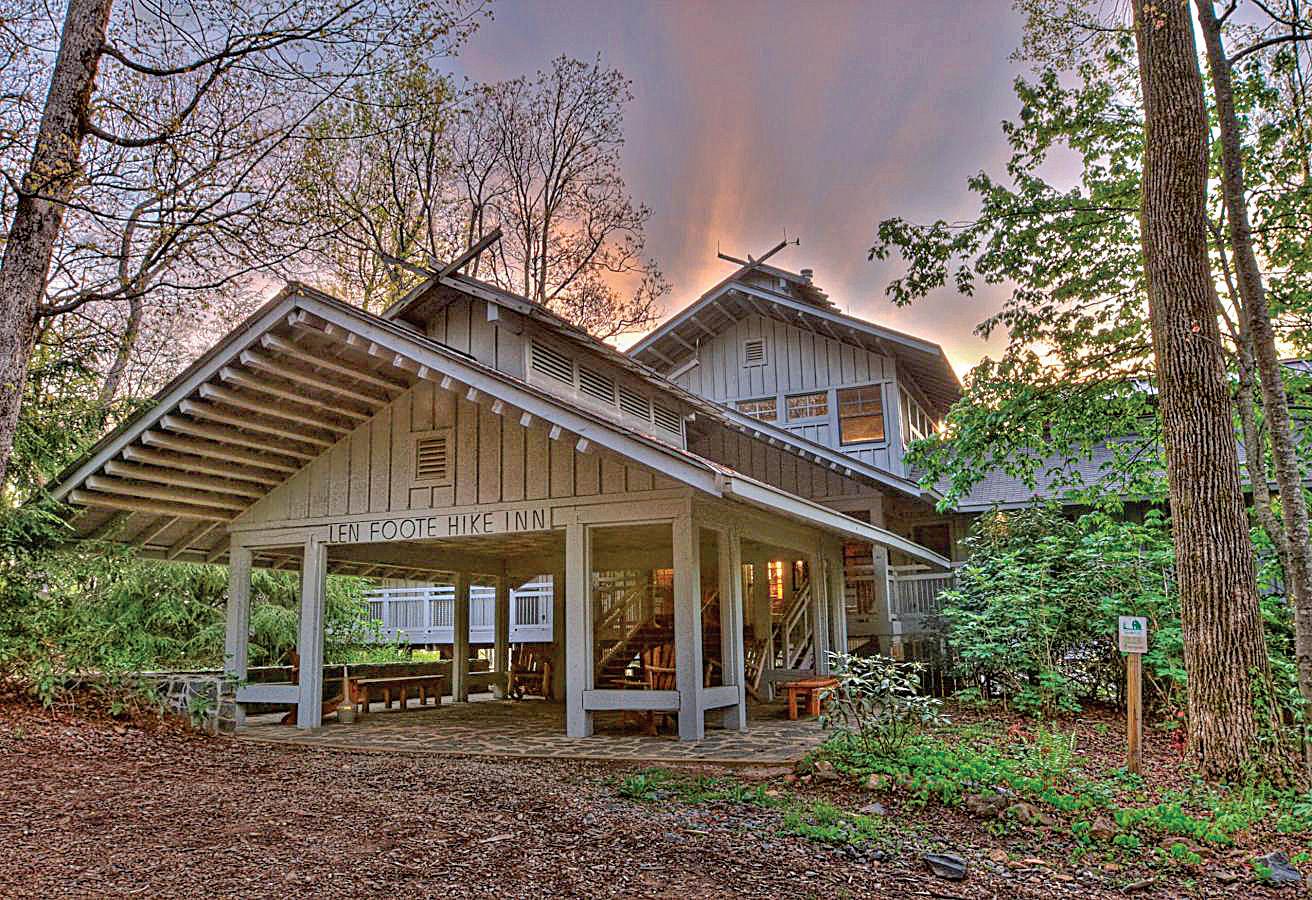
Other issues and construction challenges followed, notably mud from an unusually rainy year–not easy to navigate when trying to build a sustainable structure with minimal impacts. A decision to develop an on-grid facility changed the project’s original vision to some degree, but the team stayed true to its mission. Designed to look like a traditional Japanese inn on stilts, the handsome structure follows the natural slope of the mountain. No grading was required.
Len Foote’s spirit permeates the inn named in his honor through his wildflower photos, vintage wooden backpack, books, and commitment to sustainability –minimal waste, passive solar, natural lighting and ventilation, use of native plant species, and composting toilets. Our lives are made immeasurably better by the persistence of visionary leaders and average citizens.
Find out more about the Len Foote Hike Inn at hike-inn.com.
Len Foote Hike Inn
What my Clients are Saying
“After interviewing several highly recommended REALTORS®, we chose Joy Myrick to sell our home. Having been in the building business, I have known many REALTORS® Joy is the best of the best. There was never a wait in answering dozens of our calls and texts. Her advice on staging and pricing was invaluable and the home sold in two days. Not only is she a top producing REALTOR®, but a pure Joy to know.”
– Linda & Larry S., Sellers
Earth Day Celebrations & Events
Atlanta Botanical Garden
April 22, 10 a.m. to 12 p.m. atlantabg.org
The Atlanta Botanical Garden will host family-friendly Earth Day activities, including a scavenger hunt, exploring musical instruments made of plants from around the world, nature printing, and more. Mama Koku, author of “Little Black Fairy and Other Very Fairy Stories, Poems, Rhythms, and Rhymes,” will put on interactive live storytelling performances at 10:15 a.m. and 11:30 a.m. at the Children’s Garden Amphitheatre.
EAV Earth Day Fest
April 18, 12 p.m. to 5 p.m. IG @cryptidcreatives
East Atlanta Village’s Earth Day Fest will feature a DIY craft zone with recycled materials and a plant swap, plus over 30 vendors, live music, and food and beverages. All ages are welcome.
Grant Park Market in the Park
April 19, 10 a.m. to 3 p.m. gpconservancy.org
Grant Park Conservancy will debut Market in the Park, a new monthly event which will feature food from local chefs, seasonal produce, crafters, vintage vendors, live music, and family-friendly programming.
On Earth Day weekend, Zoo Atlanta will
host educational activities, and CHaRM (Center for Hard to Recycle Materials) will teach attendees best practices for responsible recycling and waste reduction.
Earth Day MARTA Cleanup Competition
April 18, 10 a.m. to 12 p.m. volunteer.handsonatlanta.org
Hosted by Clean Walk Alliance, volunteers will join a 5-person team and compete in a 20-team bracket to see who can pick up the most litter at the Kensington MARTA station in Decatur.
Lenox Square Electronic Recycling Drive
April 25, 9 a.m. to 2 p.m. simon.com
Lenox Square will host programming centered on sustainability plus an electronics recycling drive. Drop off unwanted electronics like cell phones, printers, monitors, computers, and more, and eWaste ePlanet, an R2.v3 certified electronics recycler and data destruction provider, will take them off your hands. The event will be in the Dining Pavilion parking lot,
Earth Day at Mill Creek Nature Center
April 25, 9 to 11:30 a.m.
gwf.org/earthday
The Georgia Wildlife Federation staff and volunteers will work together to remove invasive Chinese privet from areas around the park to restore and beautify the area.
2nd Annual Comedy to Save the Planet
April 23, 7 to 9:30 p.m. 7stage.org
Brighter Investing and Root Local are partnering to present a lineup of nationally recognized comedians (Ian Aber, Katie Hughes, David Perdue, Brian Tucker, Zain Sharif, and Holly Ballantine) for the 2nd Annual Comedy to Save the Planet at 7 Stages Theater. All ticket proceeds will go to Root Local, an organization that connects communities and businesses to environmental efforts and creates opportunities to educate and spread awareness.
Scrap Self Portraits at Blue Heron Nature Preserve
April 18, 1 to 3 p.m.
bhnp.org
BHNP Craft Club, an adults-only group, promotes creativity and sustainability. Participants will recycle unused craft
materials to create a mosaic-style portrait. No artistic experience necessary.
Earth Day Yoga in the Park
April 22, 7 to 8 p.m. malloryhazen.com
Bring your own mat to this donation-based yoga class for all levels in Freedom Park and celebrate Earth Day in nature. All proceeds from the event will go to Friends of Georgia State Parks.
Music in the Garden with LAVAHI April 22, 6 to 9 p.m. avahi.me
At The Wylde Center’s Oakhurst Garden, jazz and neo-soul artist LAVAHI will play live. Attendees can bring food, beverages, and blankets or chairs to sit on and enjoy the music in a garden environment.
Courtesy Atlanta Botanical Garden
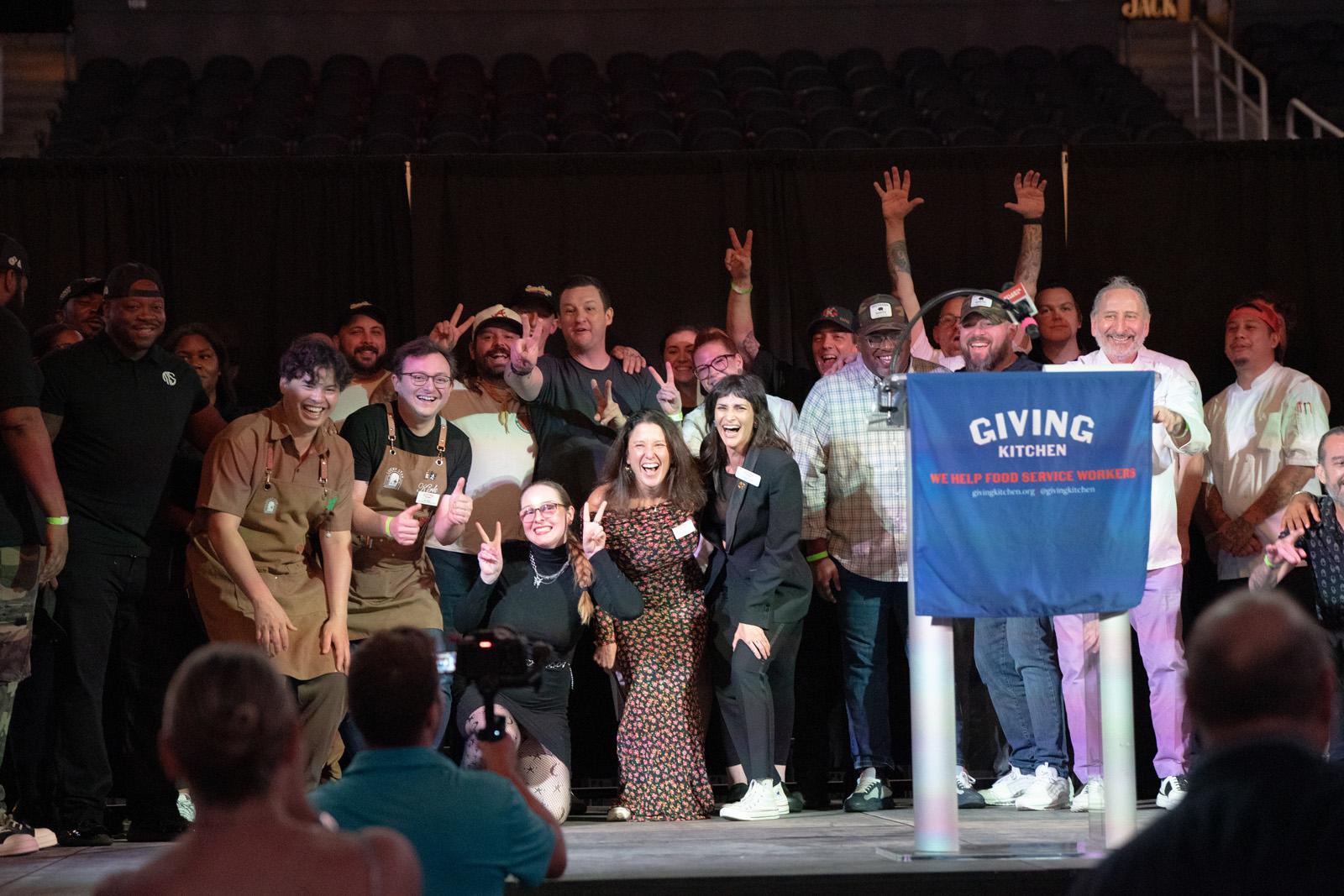
TOGETHER, WE ARE GIVING KITCHEN.
Giving Kitchen is an award-winning nonprofit providing financial assistance and resources to food service workers facing crisis — from illness or injury, the loss of a loved one, or a housing disaster.
The hardworking people who serve our community deserve support when life takes an unexpected turn. Every 36 minutes, a food service worker reaches out to Giving Kitchen for help.
JOIN OUR MISSION AND MAKE A DIFFERENCE IN THE LIVES OF FOOD SERVICE WORKERS IN YOUR COMMUNITY TODAY.
We Help Food Service Workers.
By Rough Draft Staff
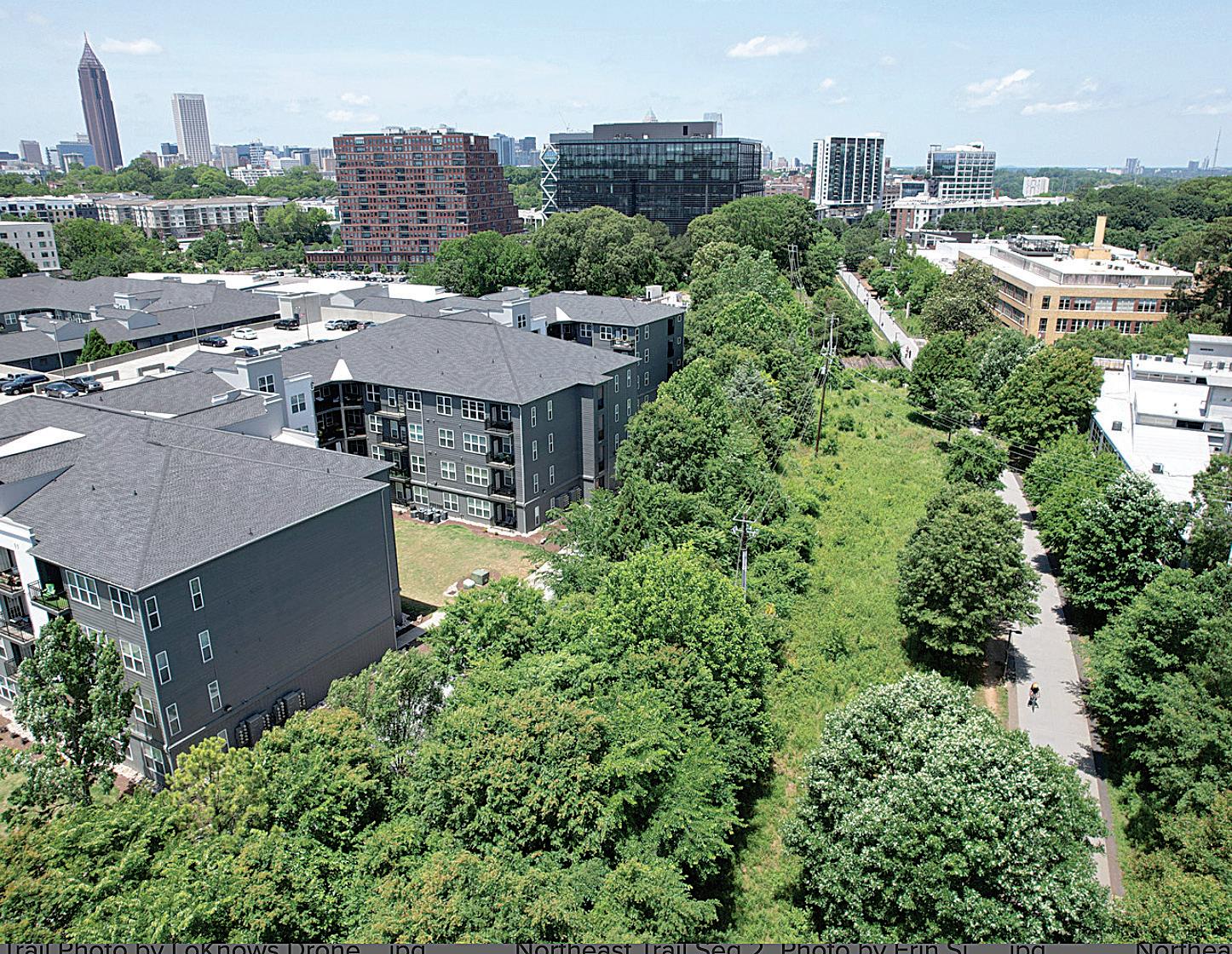
The Atlanta Beltline Arboretum officially has the world’s longest linear arboretum, spanning 12.44 miles of the completed trail.
The arboretum continues to grow, reaching 16.7 miles of trail by summer 2026, and progresses toward completion of the full 22-mile loop by 2030. It maintains Level II accreditation from ArbNet, an international network of more than 900 arboreta.
This new designation recognizes two decades of partnership between Atlanta Beltline, Inc., and Trees Atlanta to plant the arboretum along each mile of the 22mile rail-to-trail conversion, according to a news release.
“As we celebrate our 20th year and prepare to welcome FIFA World Cup 2026™ visitors with even more miles of trail, the arboretum highlights how urban redevelopment can showcase biodiversity and ecosystem restoration while catalyzing economic development, new affordable housing, and future mobility/transit infrastructure for generations,” Beltline CEO/President Clyde Higgs said in a statement. “We’re proud that as we connect more than 45 neighborhoods, we’re doing it not just with trails but also with an ecological corridor of native Georgia plants, creating an urban oasis where people can relax and see birds, butterflies, and other species attracted to this habitat.”
The 60-acre arboretum links directly to more than 400 acres of parks, 13.6 miles of mainline trail, and 11 miles of connector trails, creating a growing
network of connected green spaces adjacent to the Beltline, often described as an “emerald necklace.”
Trees Atlanta has also planted over 700,000 native plants, including grasses and wildflowers, along the corridor, according to the release.
“Trees are iconic to Atlanta’s identity, and Georgia is special in its incredible diversity of plants and trees. Before the Atlanta Beltline Arboretum was created, there was no other arboretum in the city of Atlanta,” Trees Atlanta Executive Director Greg Levine said in a statement. “We’re proud that the Atlanta Beltline Arboretum is the world’s longest linear arboretum and is free and accessible to millions of people. The Atlanta Beltline Arboretum is an important part of Atlanta’s urban forest and brings attention to the benefits of trees for the health and well-being of people, wildlife, and the natural environment. Our 20-year collaboration has built a unique botanical garden that demonstrates how trees and greenspaces improve where we live.”
The arboretum features several art collections of interest, including 33 Oaks, which shows Georgia’s native oak species. Each of the species is planted on the Eastside Trail, interspersed with a striking art installation of each tree’s leaf shape in large polished stainless steel by Atlanta artist David Landis. This and four other art installations have been donated to the Beltline Arboretum by Trees Atlanta to inspire and support education.
For more information about the Atlanta Beltline Arboretum, visit beltline. org/things-to-do/arboretum.
Riders can now tap to pay with a bank card or mobile wallet, or get a new orange Breeze card to ride MARTA and its partner transit systems. Transition to your new payment method before May 2. More info at itsmarta.com/breeze
Bus routes change on Saturday, April 18 A smarter, faster, better bus network is coming. Bus service will be more consistent and more frequent, with easier connections and less waiting. Find a map of your new route and more at itsmarta.com/nextgen
Courtesy Atlanta Beltline Inc.
Mark your calendars! The Taste of Alpharetta boasts an unforgettable night of culinary magic throughout the city’s charming downtown. This annual event celebrates the vibrant food community of Alpharetta featuring OVER 60 RESTAURANTS through dining events, cooking demos, culinary collaborations, and tasting tents galore.
MAY 23-24 | 10AM-5:00PM THE GROVE AT WILLS PARK
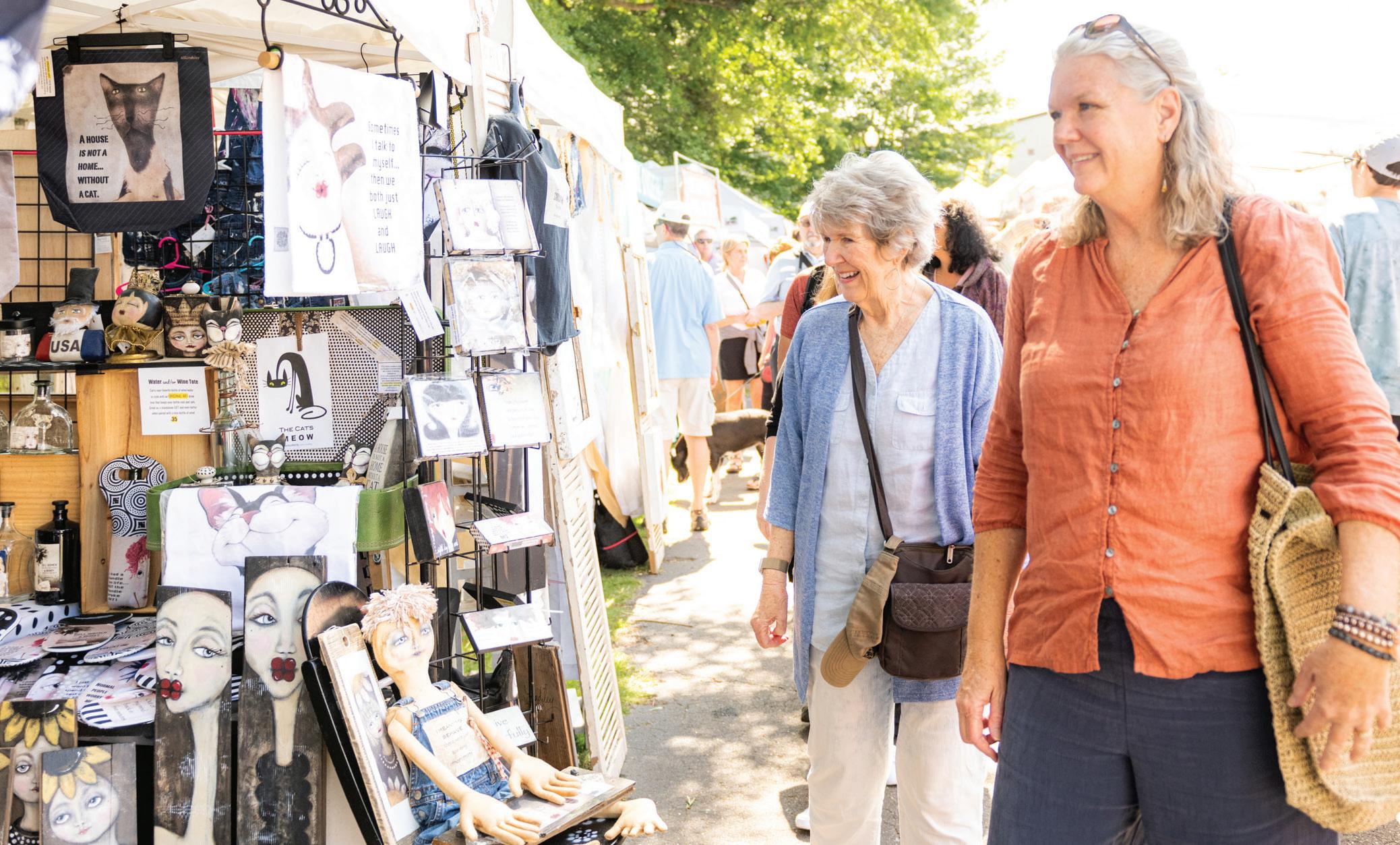
Kick off the start of Summer at Alpharetta Arts Fest. Circling the tree-lined green in The Grove (located at Wills Park), this two-day festival showcases a whimsical artist market that shoppers look forward to attending over the holiday weekend. Artisans from around the country exhibit their unique creations, welcoming neighbors and visitors.
SCAN HERE for details on these, and all of Alpharetta’s upcoming events.
Chattahoochee Nature Center celebrating 50th anniversary
By Rough Draft Staff
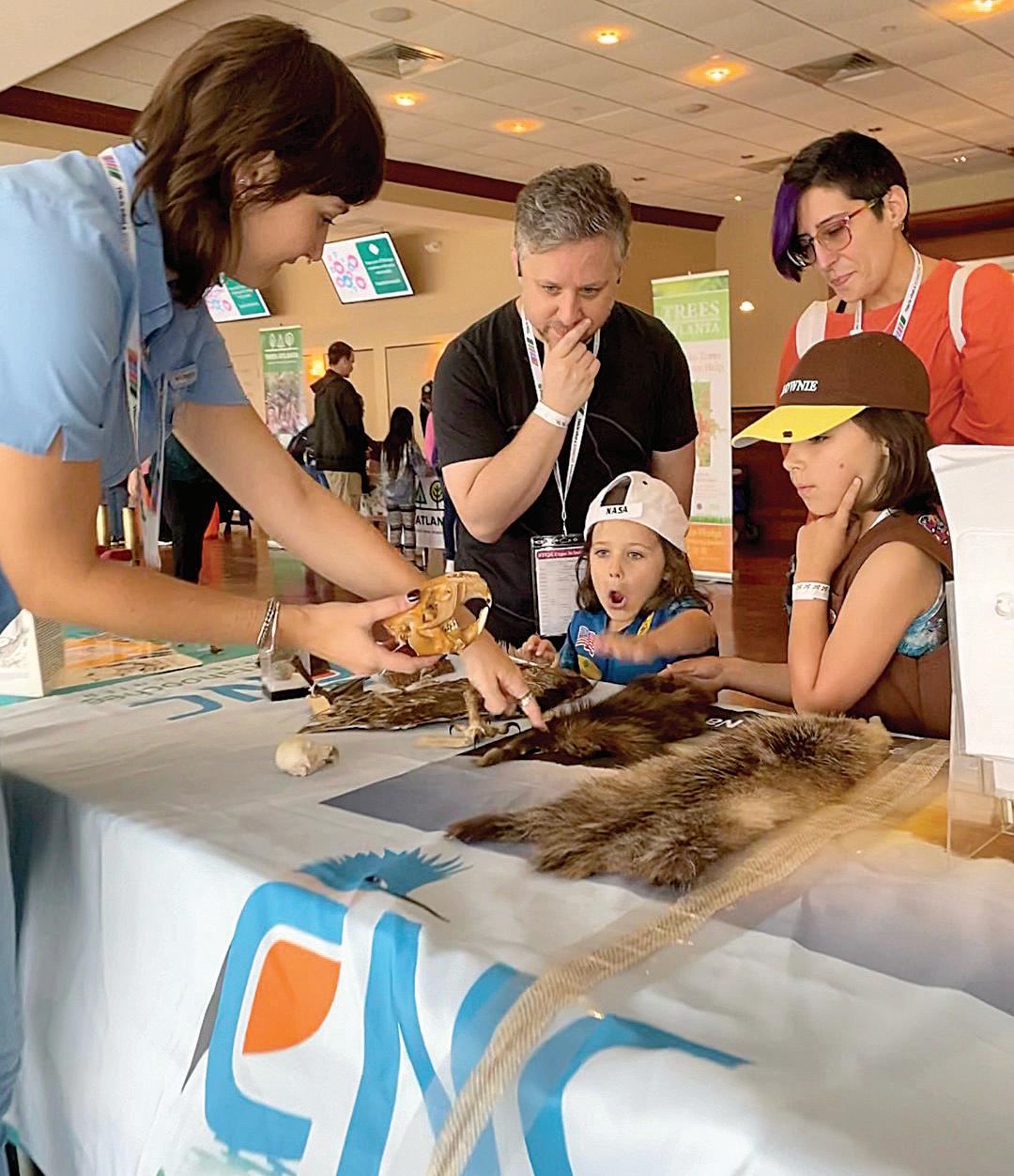
Chattahoochee Nature Center (CNC) is celebrating 50 years of environmental education, conservation and wildlife rehabilitation along the Chattahoochee River, marking its evolution from a grassroots preservation effort into one of Georgia’s leading nature centers.
Founded in 1976 by local citizen activists determined to preserve green space in metro Atlanta, the nonprofit has since expanded from 6.7 acres to 127 acres and currently welcomes more than 150,000 visitors annually.
Over the past five decades, the center has experienced several milestones, including the completion of the marsh boardwalk and the expansion of wildlife habitats in the 1980s; the debut of Camp Kingfisher in the 1990s; the addition of the Discovery Center, the Ben Brady Lakeside Pavilion and a new wildlife rehabilitation center in the 2000s; the establishment of the Unity Garden in the 2010s; along with the launch of the $9.8 million “Growing Tomorrow’s Nature Enthusiasts” campaign and the River Boardwalk Trail in the 2020s.
“It’s hard to believe Chattahoochee Nature Center is approaching its 50th year as a place where people of all ages can experience the wonder of the natural world, connecting through a shared respect for the river, land, wildlife and
plants,” said Natasha Rice, chief executive officer of Chattahoochee Nature Center.
“As we celebrate this tremendous milestone, we want to thank the incredible volunteers, members, partners, staff, and community who have helped us grow from a small grassroots idea, inspired by John Ripley Forbes and Frank McCamey, into one of Georgia’s leading centers for environmental learning. From rehabilitating injured animals to inspiring curiosity and environmental stewardship in the next generation, it’s incredibly rewarding to see our mission in action.”
In commemoration, CNC will be hosting numerous anniversary festivities on June 24–28, beginning with an evening of archery, canoeing, etc., followed by a 1970s-themed event (featuring live music and signature drinks) and concluding with the “official 50th Anniversary Community Celebration,” which the nonprofit describes as a “free-to-all, family-friendly day filled with nostalgia, excitement and community spirit.”
Ahead of the multi-day celebration, the center is also inviting the public to take part in the “50 Things to Do at Chattahoochee Nature Center” challenge, which encourages participants to complete a variety of activities for a chance to win monthly prizes (prize draws begin this upcoming July).
For more information, visit chattnaturecenter.org.
Courtesy Chattahoochee Nature Center
World Cup officials talk turf, transit and fan festivals
By Sarra Sedghi
With the clock ticking until the FIFA World Cup matches begin in June, local media got an update on preparations from the city’s host committee.
The press conference included a peek at the newly installed turf – a temporary, highquality natural grass field, featuring a hybrid blue-rye mix with synthetic components for stability. The Colorado-grown sod meets FIFA standards for the eight matches and a semifinal.
There were also transportation and city readiness updates, a preview of the FIFA Fan Festival itinerary and attractions, and an art installation. The latter is part of the World Cup Mile, a public art installation guiding fans to the stadium.
Officials providing updates reaffirmed Atlanta’s preparedness as a World Cup host city. Panelists included Dan Corso, President of Atlanta Sports Council and the Atlanta World Cup Host Committee, Bev Carey, the FIFA Atlanta Host City Director, and Tim Zulawski, President of Arthur M. Blank Sports and Entertainment.
Representatives from MARTA, the Georgia Department of Transportation, the Atlanta airport, and the city also updated the media on the progress of everything from signage and beautification efforts to increased staffing citywide ahead of the global soccer event.
MARTA and airport updates
MARTA continues to implement major improvements leading up to the World Cup, including a billion-dollar renovation program at stations in downtown Atlanta, Decatur, and Dunwoody.
New wayfinding and signage to aid non-English speakers and multilingual advances in MARTA announcements are also underway, along with the installation of new tap-to-pay faregates and ticket vending machines.
Jonathan Hunt, interim General Manager and CEO of MARTA, outlined match day strategies, like increased rail service, shorter wait times between trains, and two dozen additional buses as backups. He then unveiled new white transit ambassador uniforms for World Cup game days and a limited-run MARTA World Cup breeze card.
Augustus Hudson, General Manager of Hartsfield-Jackson Atlanta International Airport, said the airport continues to focus on concessions, wayfinding strategies, and security efforts. Hudson touted the airport featuring direct access to hundreds of national and international flights daily, along with its close proximity to Atlanta via car and public transportation.
Jobs update
Katie Kirkpatrick, President and CEO
of the Metro Atlanta Chamber, assured the press that the World Cup would not impede the day-to-day operations of businesses, residents, and commuters, especially Downtown.
“I was here in 1996 [for the Olympics] and it was like a ghost town. I think everyone was really concerned about traffic impacts and that they were not going to be able to get to their offices. That is not the case with [the World Cup],” she said.
“We still need business to operate as normal during those time periods,” Kirkpatrick continued. “Business does not stop just because the World Cup is here. If anything, we’re enhancing the experience for employees.”
Kirkpatrick suggested ways Atlanta’s workforce can support local businesses while enjoying the festivities surrounding the World Cup. Examples include hosting inoffice watch parties catered by independent Atlanta restaurants and encouraging employees to attend metro Atlanta World Cup fan events.
Last Mile art walk
Representatives from the Savannah College of Art and Design (SCAD) announced the Last Mile, an art installation that SCAD Dean of Academic Services Honor Bowman said will ensure “smooth crowd movement [to the stadium], while delivering a world-class fan journey that celebrates Atlanta’s identity.”
SCAD representatives displayed a piece of the art installation during the March 12 update, a soccer ball selfie wall that lights up.
FIFA Fan Festival
Georgia World Congress Center Authority CCO Joe Bocherer and Atilla Meis, producer of FIFA Fan Festival, shared a broad overview of the event’s itinerary throughout the World Cup.
Meis also unveiled FIFA Fan Festival’s theme, “Welcome Home.”
FIFA Fan Festival will feature a main stage for watching matches, a playground for families, a small community soccer pitch, and Georgia Street, laying out what the state has to offer beyond the World Cup.
The festival is now accepting vendor applications for Georgia Street.
FIFA Fan Festival will operate on all Atlanta match days, and on a handful of non-match days.
The free event at Centennial Olympic Park will run June 12-15, June 17-21, and June 24, 26, and 27, as well as on July 1, 7, 14, and 15.
MEDLOCK
MARTA launches new bus network,
By Collin Kelley
April is a big month for MARTA as the transit agency rolls out a series of upgrades and new services ahead of the FIFA World Cup matches.
New Bus Network
MARTA’s NextGen Bus Network will officially launch Saturday, April 18, marking the most significant redesign of the bus system since the 1970s.
According to MARTA, the new network is designed to connect riders to more destinations with faster service and fewer transfers.
equipment, but old ticket vending machines will be turned off, and no fare may be added to old fare media.
Customers unable to spend down their current stored fare before switching to the better Breeze system may transfer their balance to a new, registered Breeze account from May 2 to Oct. 30.
The new system will offer 15-minute service frequency across 17 corridors, with simpler routes that will reduce the need for transfers. The redesign for the entire network means buses arriving every 30 minutes or sooner, MARTA said.
New Signage has been installed at all bus stops, and transit ambassadors will be available at rail station bus loops and high traffic stops throughout April to help customers navigate their new routes.
Rapid A-Line
Atlanta’s first bus rapid transit (BRT) line will also launch on April 18. The Rapid A-Line will connect Downtown Atlanta to Capitol Gateway, Summerhill, Peoplestown, and the Beltline’s Southside Trail. It also offers connections to MARTA’s heavy rail system at Five Points, Georgia State, and Garnett Stations.
The first phase will feature service hours from 5 a.m. to 1 a.m. and buses will operate in dedicated lanes with transit signal priority in areas where construction has been completed. In areas still under construction, temporary bus stops located near the stations will be used.
Breeze Upgrade
The new Breeze fare payment system went live on March 28, offering tap-topay options, upgraded faregates, and updated touch-screen ticket vending machines.
From March 28 to May 2, both the old and new Breeze systems will be active to allow customers time to learn the new system and switch to the payment option that works best for them.
During the customer transition, riders can still use their old Breeze cards and the Breeze Mobile 2.0 app at any existing old fare
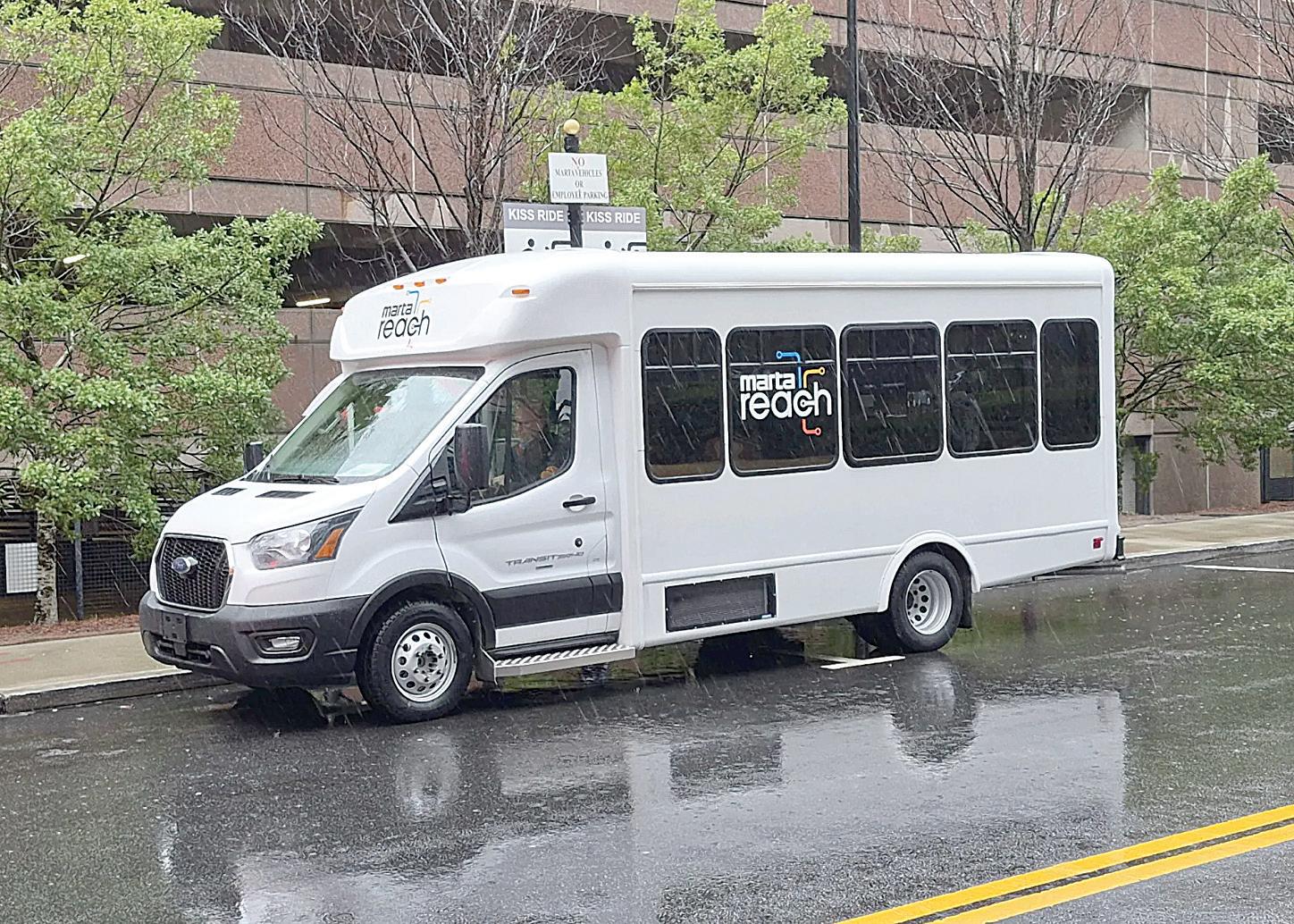
MARTA Reach
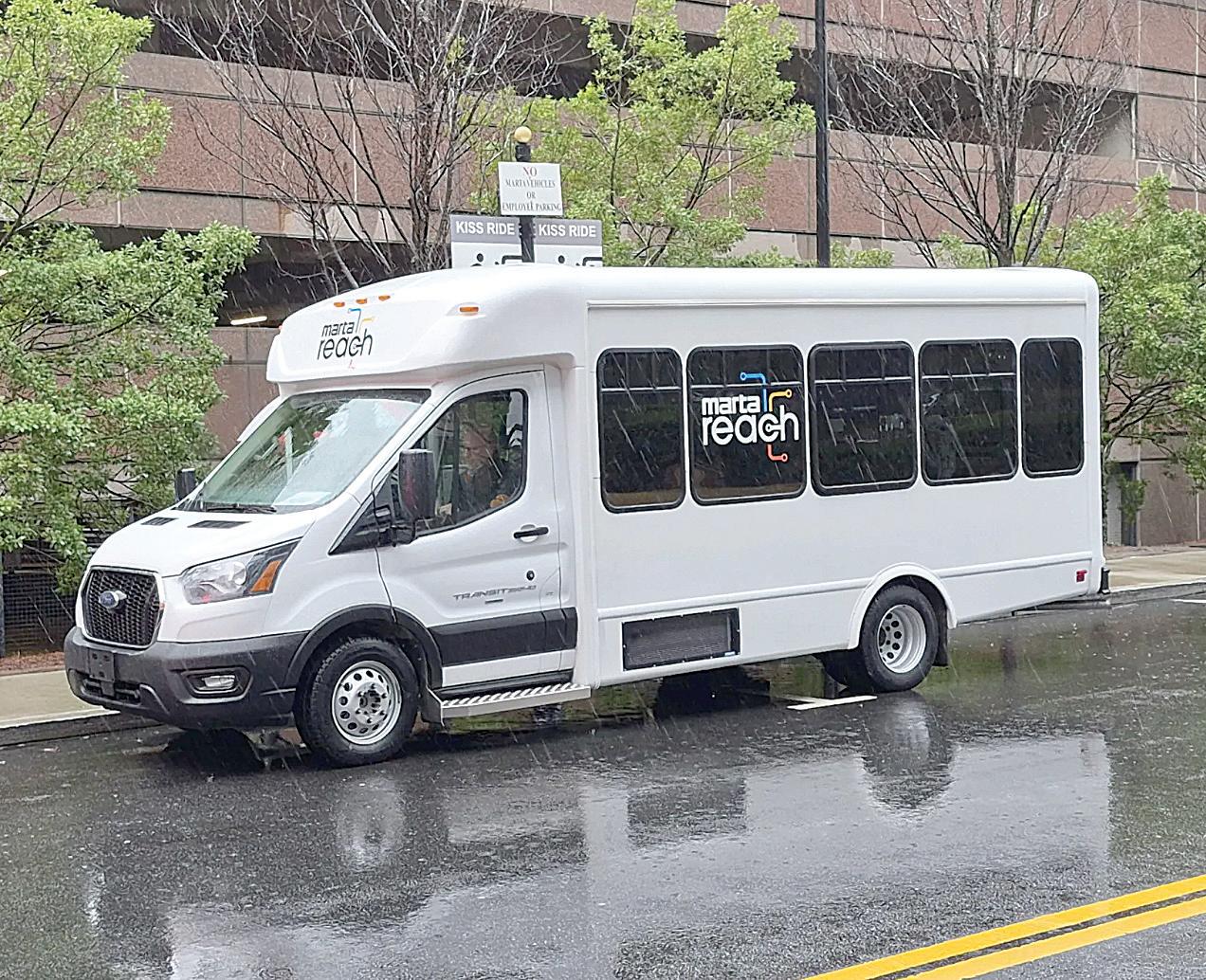
MARTA Reach, an on-demand transit service in 12 zones across Atlanta, began operations on March 7.
Part of MARTA’s NextGen Bus Network, MARTA Reach brings transit service directly to the rider’s location for transport to rail and bus stations.
Residents can request a ride through the MARTA Reach app or reservation line, which provides a pickup window of 30 minutes or less. The service operates 18 hours a day, seven days a week.
MARTA Reach is available in 12 zones: West Atlanta, Kirkwood/Candler Park, County Line, Lakewood, Oakley Industrial, Fulton Industrial, East Point, Hillandale, Candler-McAfee/Belvedere Park, Cedar Grove, Gresham Park, and North Fulton.
The fare for the service is $2.50, and includes four free transfers for customers using the Breeze system.
To begin using the service, customers are encouraged to download MARTA Reach in the Apple Store or the Google Play Store. Customers may also call the reservation line at (404) 848-6622 seven days a week from 8:30 a.m. to 5 p.m.
A new MARTA Reach shuttle. (Courtesy MARTA)
atla nta
Don't miss the South's most anticipated home & garden tour
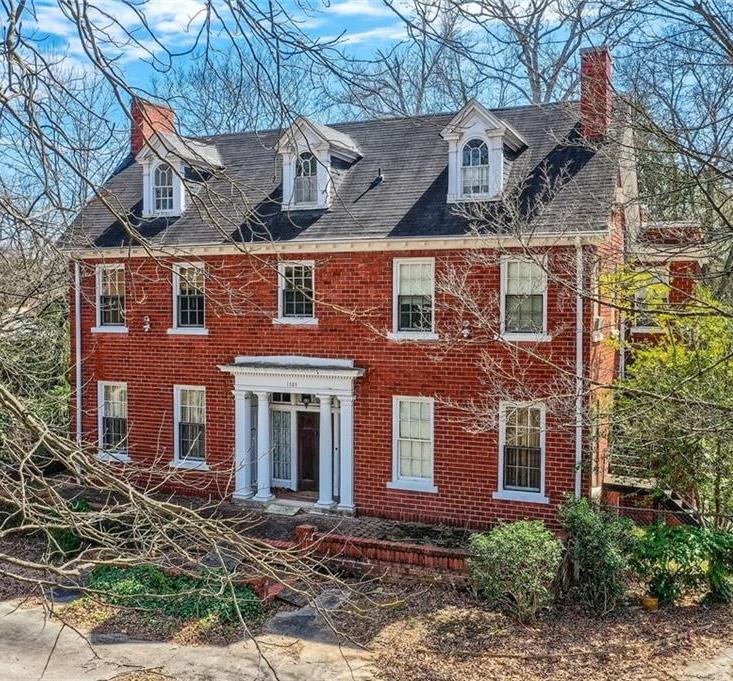
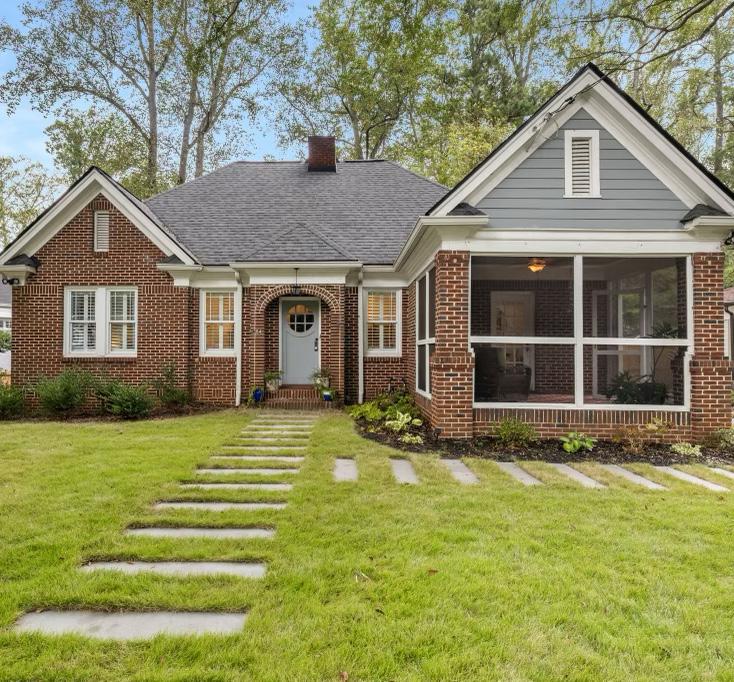
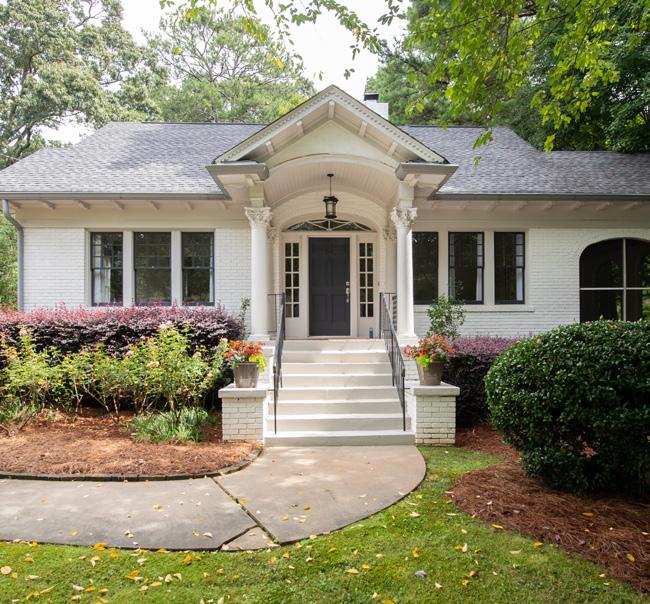
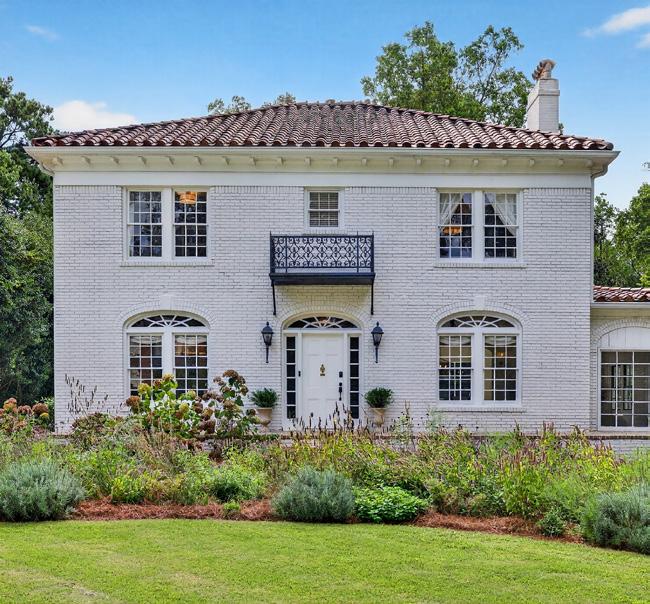
This year’s Historic Druid Hills Home & Garden Tour spans a broad swath of the beautiful neighborhood and invites you to experience its richly diverse architectural splendor and breathtaking landscapes.
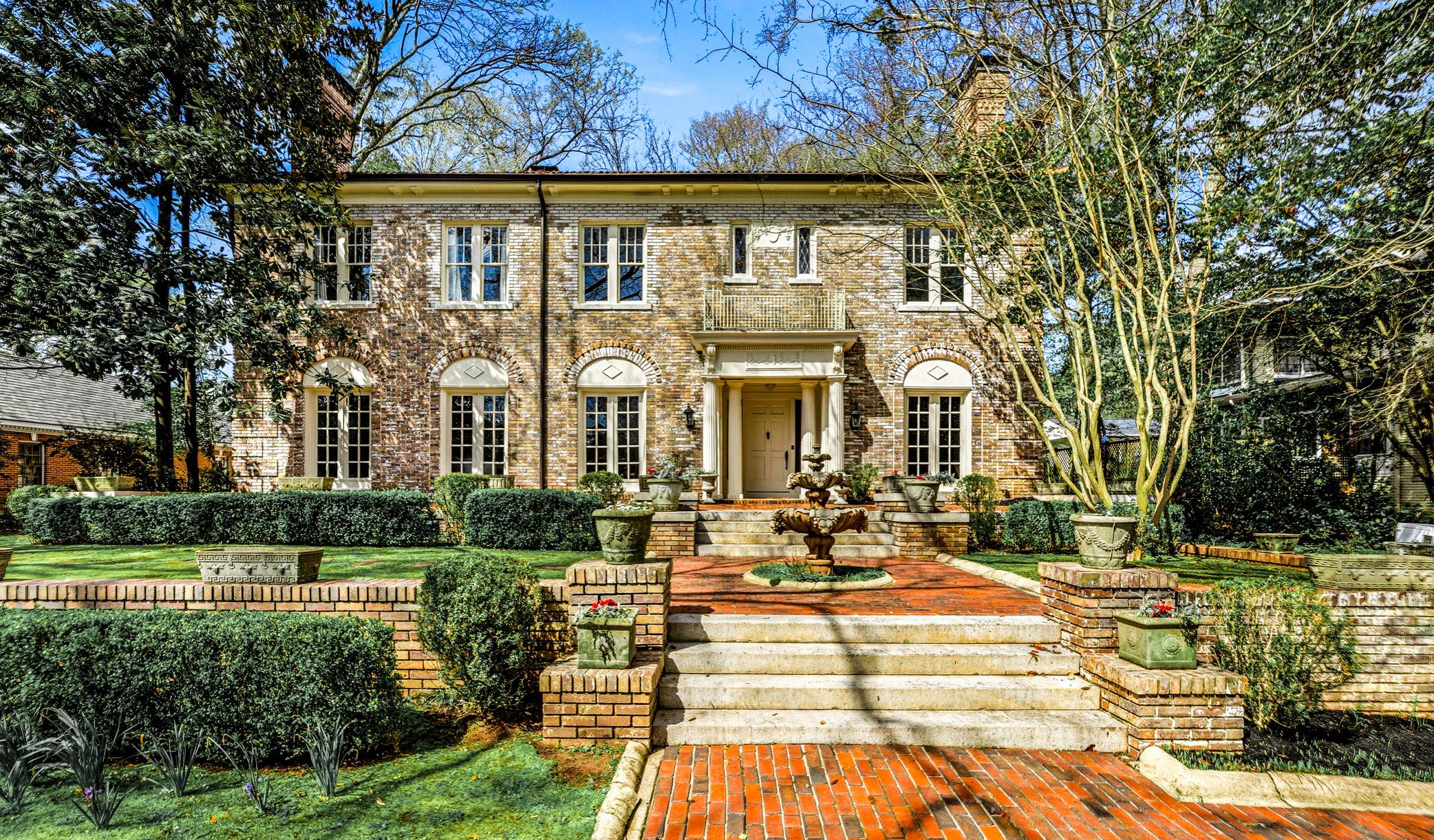
Each stop captures a unique chapter of the Druid Hills neighborhood’s story, from grand historic treasures and stunning gardens to intimate gems that illustrate the beauty of downsizing. Some residences remain largely as conceived in the early 1900s, preserving exquisite millwork and original details, while others have been extensively renovated or newly built with exceptional craftsmanship. What unites them all is an extraordinary attention to detail and a shared commitment to preserving the enduring vision of Frederick Law Olmsted.
APRIL 2026 ■ A SPECIAL SECTION
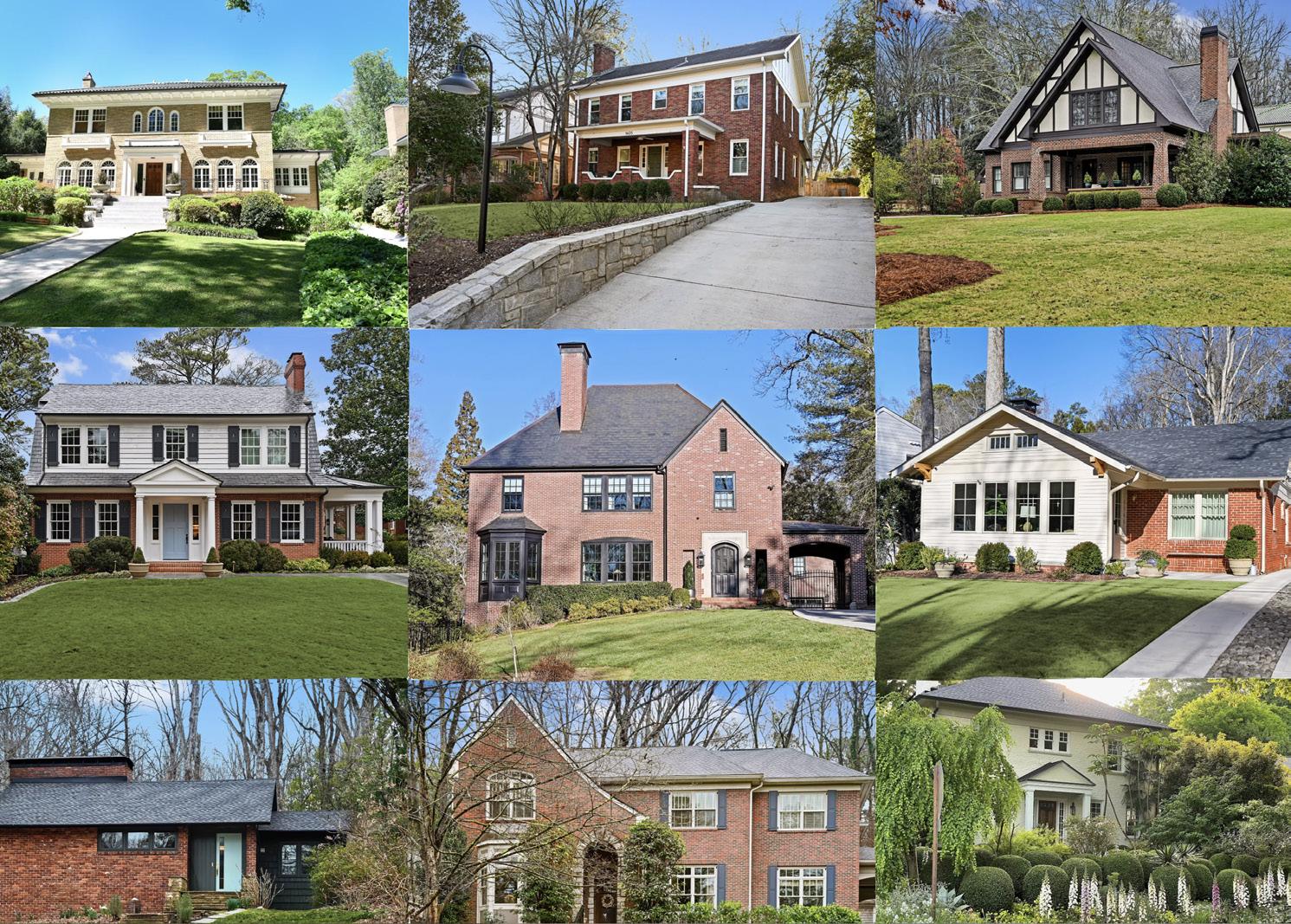
A Collection of Druid Hills Homes Sold By Molly
Friday, April 17: 1pm-5pm Saturday, April 18: 10am-5pm Sunday, April 19: 1pm-5pm
Wednesday, April 15
6pm-9pm at Callanwolde
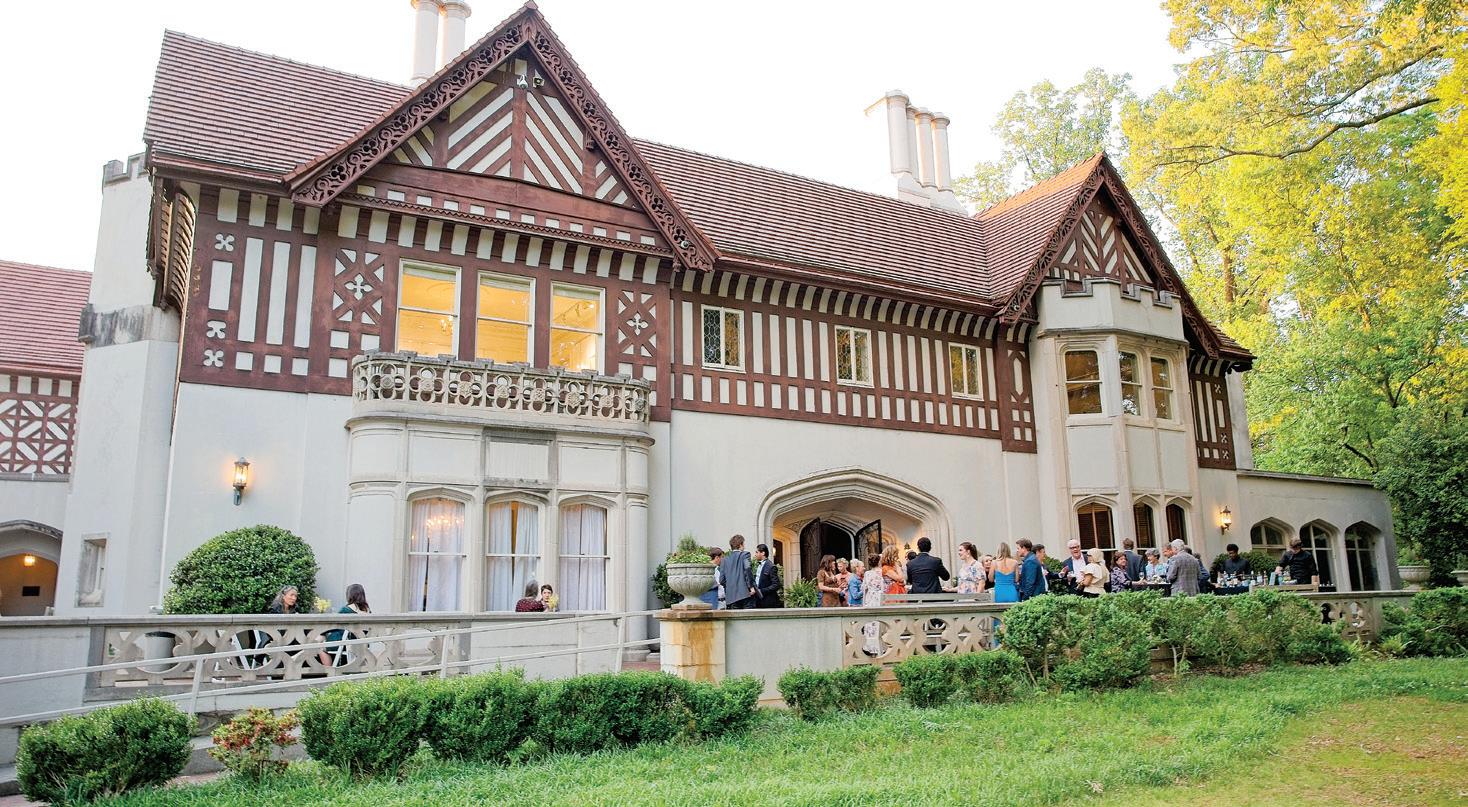
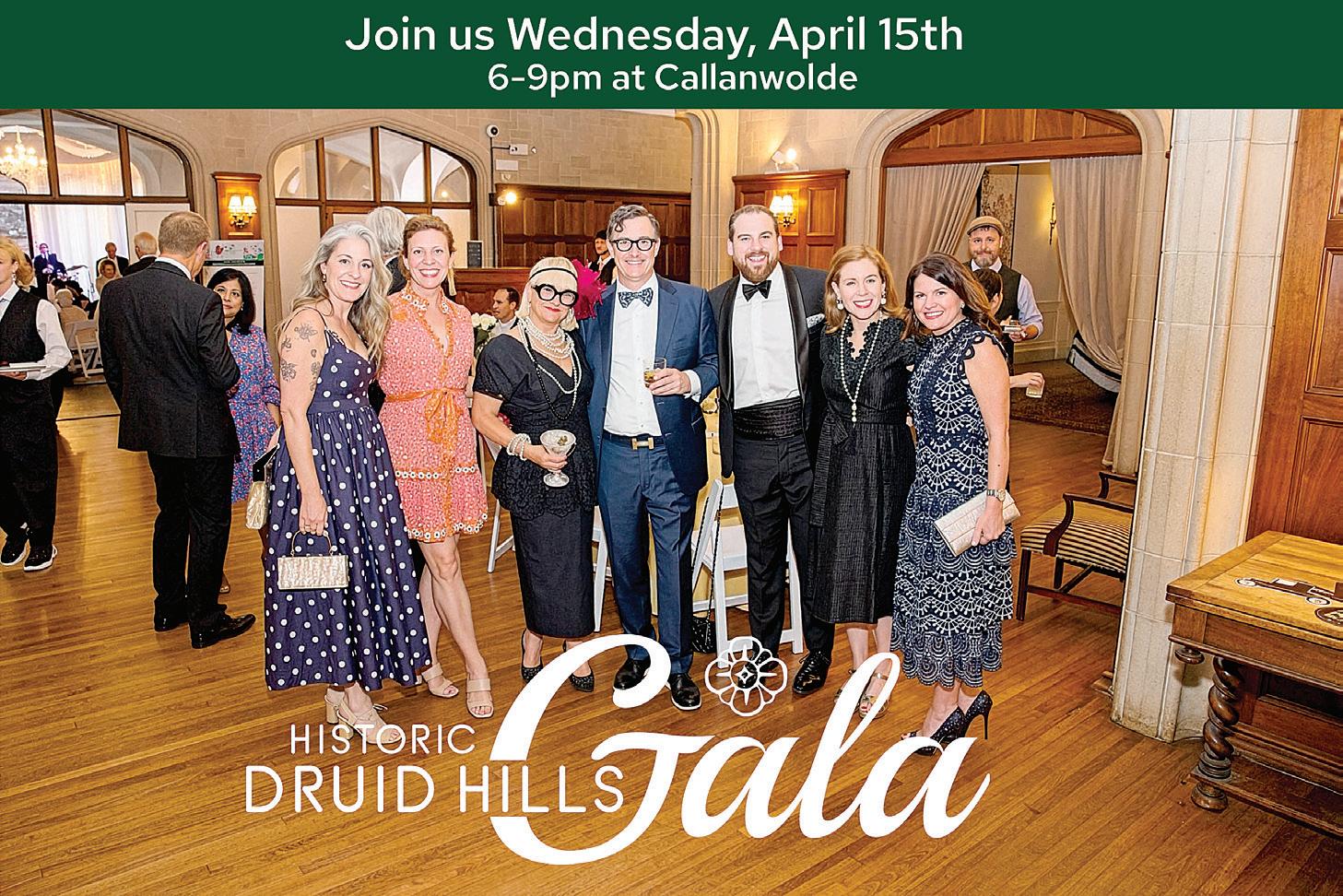
All Druid Hills neighbors, friends and supporters are invited to join us for a magical evening at Callanwolde’s historic mansion. This celebration for the neighborhood is a cocktail party with flair - formal attire is entirely optional, so come as you like and get ready to have fun! Enjoy live music, savor delicious bites, and sip on signature cocktails, premium beer and wine.
Friday, April 17: 1pm-5pm
Saturday, April 18: 10am-5pm
Sunday, April 19: 1pm-5pm
DRUID HILLS SPRING CELEBRATION
Over many years, generous Druid Hills neighbors have opened their stunning homes and gardens to the public to be part of the longest-running home tour in Atlanta.
Druid Hills Civic Association uses all proceeds collected from sponsorships and ticket sales to invest neighborhood. Don’t miss it!
The Many Faces of Druid Hills
This year’s Historic Druid Hills Home & Garden Tour spans a broad swath of our beautiful neighborhood and invites you to experience its richly diverse architectural splendor and breathtaking landscapes. Each stop captures a unique chapter of our neighborhood’s story, from grand historic treasures and stunning gardens to intimate gems that illustrate the beauty of downsizing. Some residences remain largely as conceived in the early 1900s, preserving exquisite millwork and original details, while others have been extensively renovated or newly built with exceptional craftsmanship. What unites them all is an extraordinary attention to detail and a shared commitment to preserving the enduring vision of Frederick Law Olmsted.
Tour & Gala Tickets
DHCA members get a half-price Tour ticket! Learn more about this offer, how to volunteer, and to read more about these wonderful properties at DruidHillsTour.org
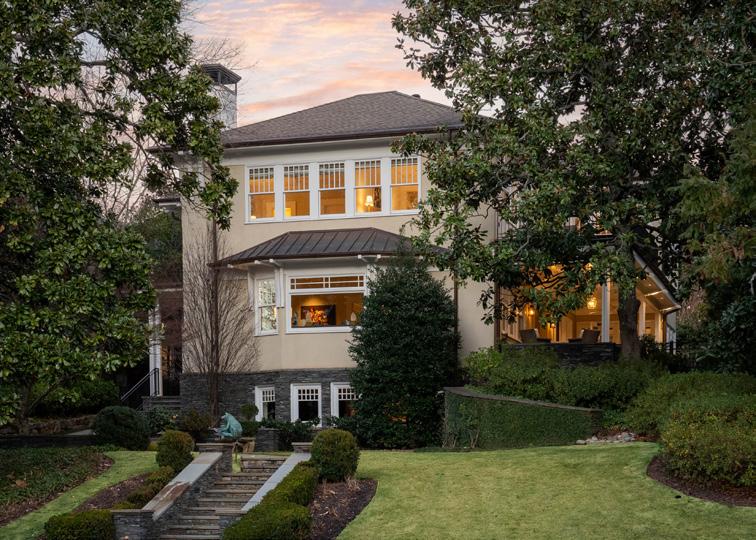
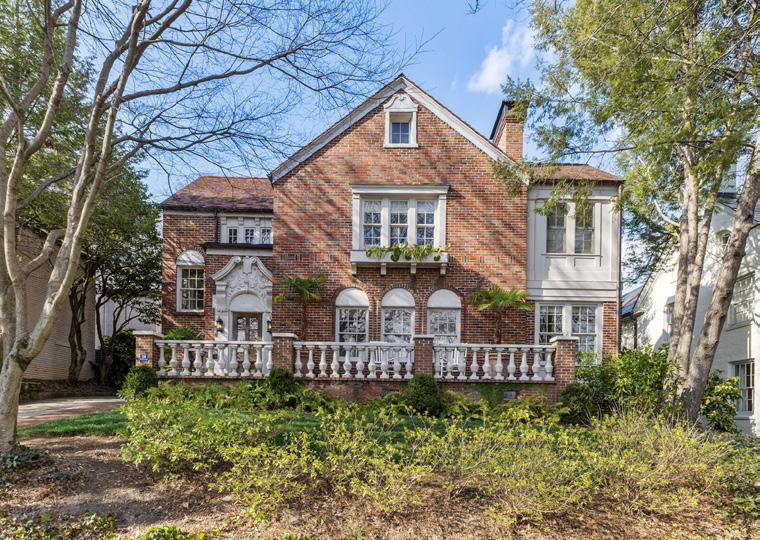
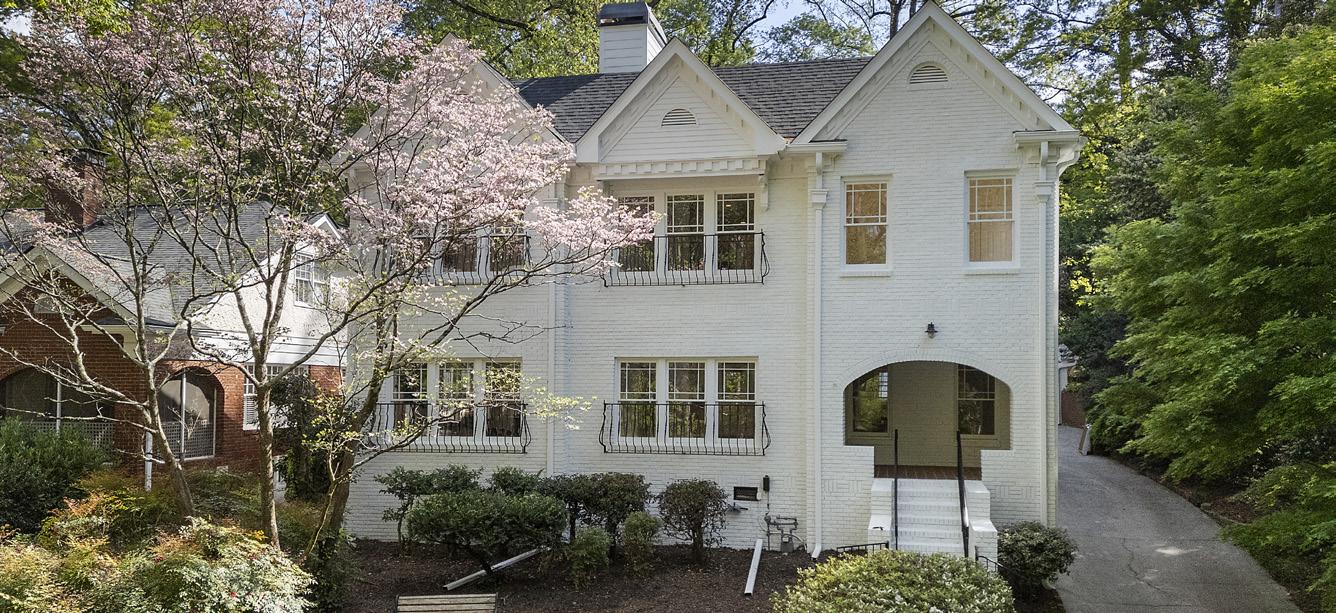
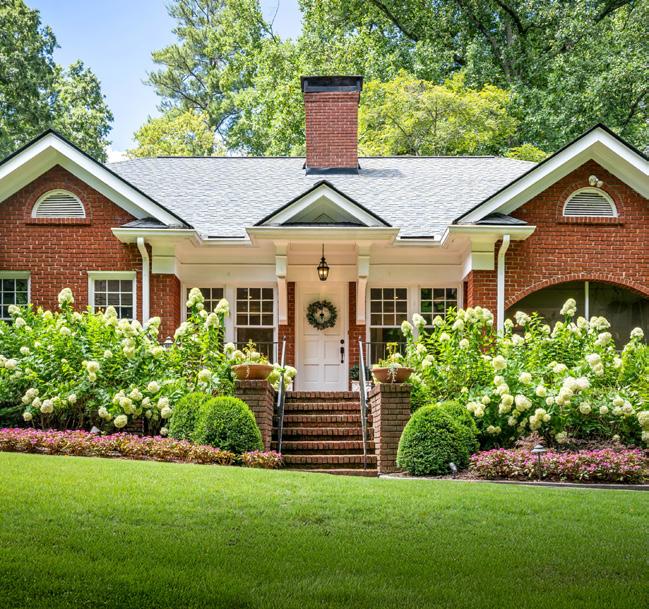
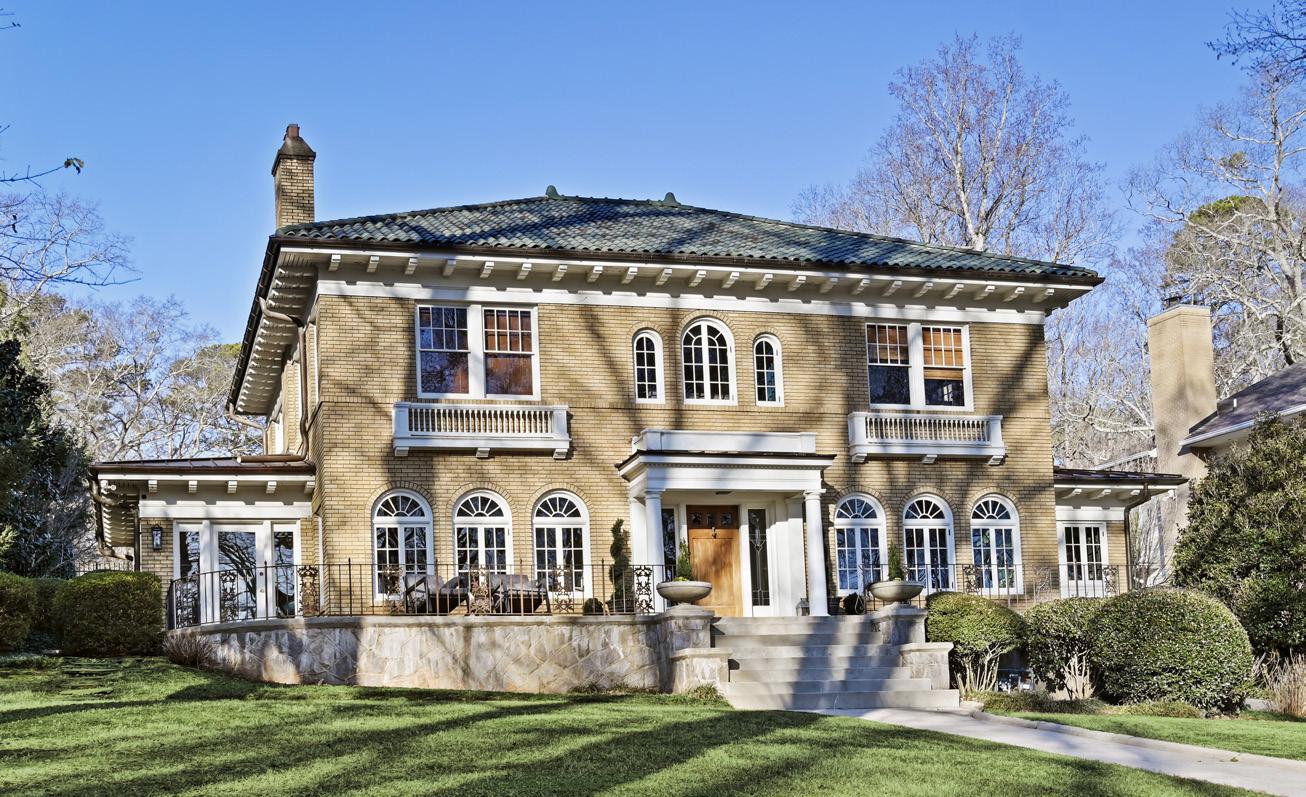
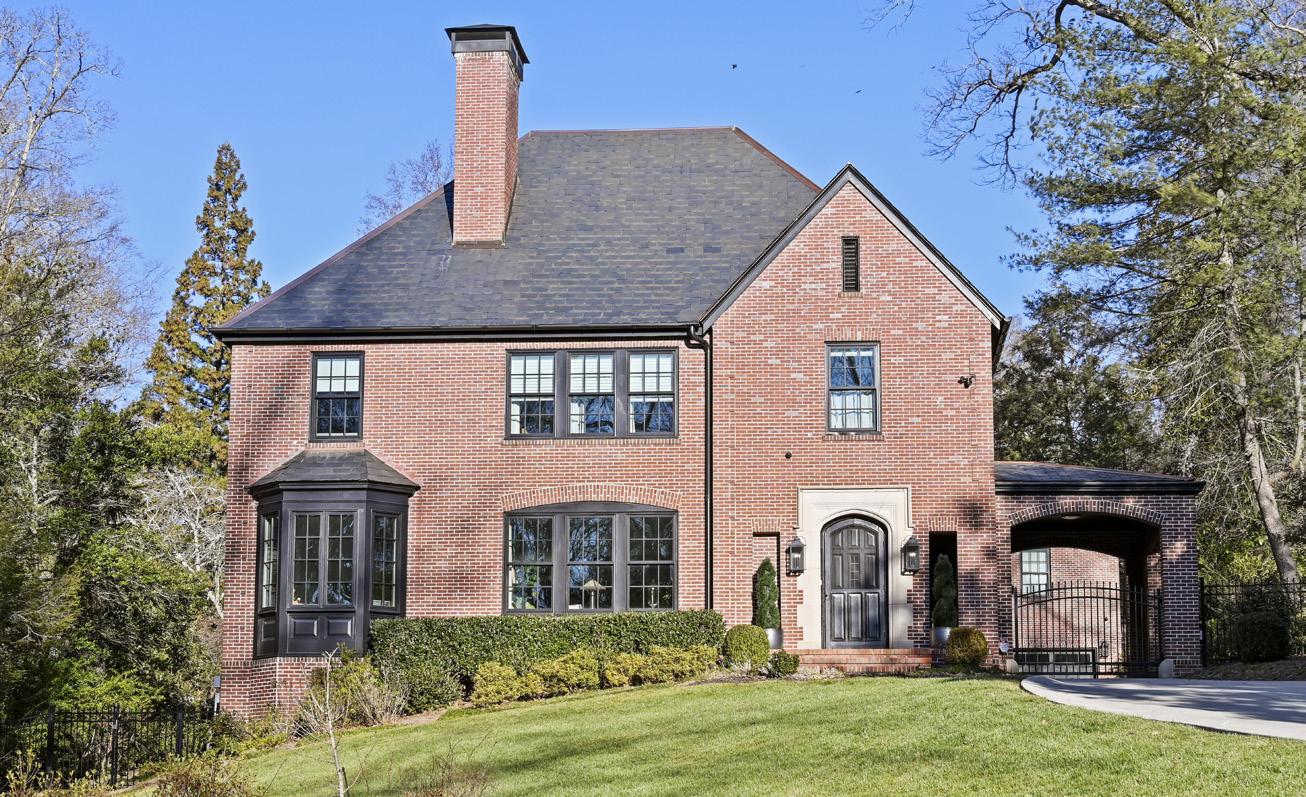
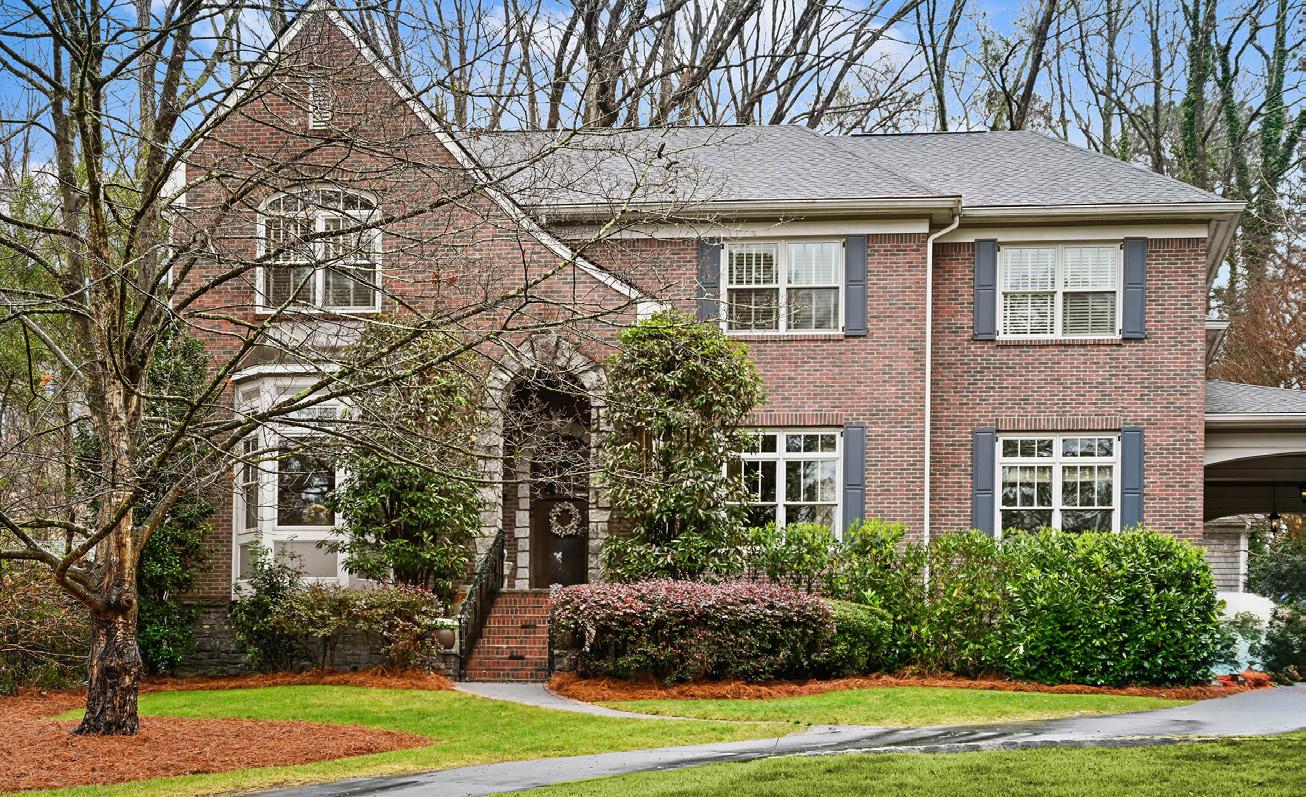
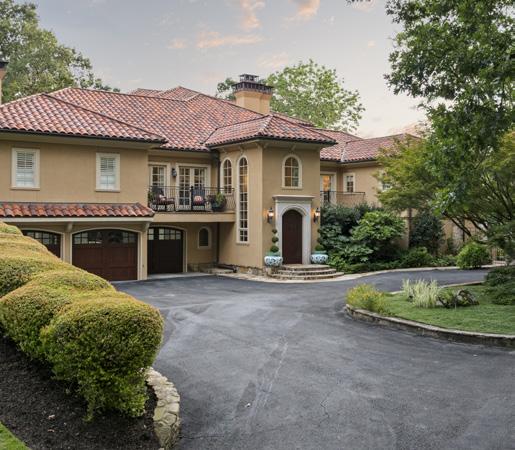
1790 East Clifton Road
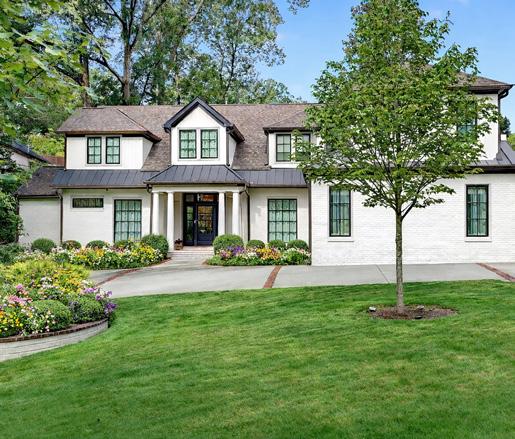
1172 Springdale Road
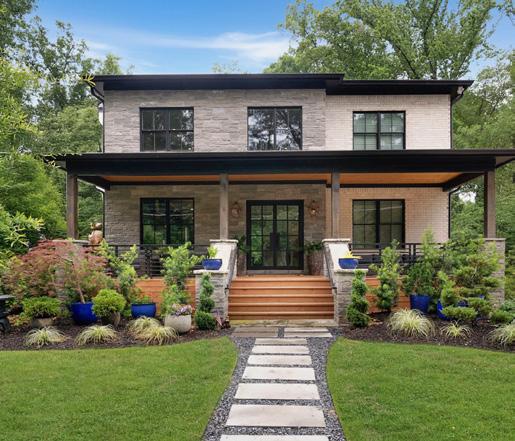
1802 East Clifton Road
Gardens, 1537 Emory Drive
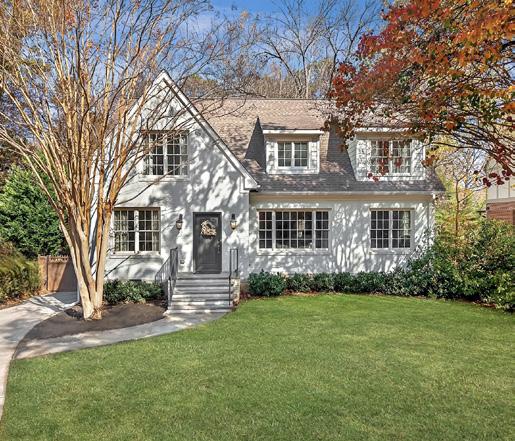
1780 Ridgewood Road
How a spring ritual in Druid Hills became Atlanta’s longest-running home tour
By Helena Oliviero
Every spring, the Historic Druid Hills Home & Garden Tour welcomes as many as 1,500 visitors eager to step inside some of Atlanta’s most beautiful homes. Along the way, they discover architectural treasures, stroll through lush gardens, and hear remarkable stories about the houses and the people who have lived in them.
The tradition echoes from an
earlier era. In the early 1900s, visitors traveled from across the South to see the spectacular dogwoods blooming along Lullwater Road. Residents lit the trees at night so admirers could stroll beneath the glowing blossoms and enjoy the trees long after sunset.
The first official Tour began in 1968 during a precarious period for the neighborhood, according to Druid Hills historian Jennifer Richardson.
Many of Druid Hills’ large homes —
especially along famous streets such as Springdale, Oxford and Oakdale — had been divided into boarding houses or rented cheaply by absentee landlords. Years of neglect were starting to show. A major factor contributing to the decline was worries about a proposed expressway which threatened to cut directly through the heart of the neighborhood. The road would have split Druid Hills in two, destroying Olmsted Linear Park and crossing the Deepdene section on a bridge. Plans also called for the expressway to pass through Emory University’s Lullwater Preserve and near several schools.
Residents fought the proposed road project for more than two decades before it was ultimately defeated. With the threat lifted, the neighborhood began to recover.
Richardson noted the first Tour was
created as both a garden tour and a home tour, and it was co-sponsored by the Lullwater Garden Club and the Druid Hills Civic Association. (The Lullwater Garden Club was the driving force, according to Richardson).
The idea grew out of the work of the Lullwater Garden Club, whose members had recently purchased the nearby Lullwater Conservation Garden from Emory University for $1,500. The roughly six-acre property is tucked between Lullwater Road and Lullwater Parkway and bisected by Lullwater Creek.
To help care for the garden, club members organized fundraisers — rummage sales, teas in private homes and even a horse show.
During one of those gatherings, an
Continued on page 28
PAM HUGHES, MICHAEL HOSKIN & HARRY NORMAN, REALTORS ® ARE PROUD TO BE THE SPONSORS OF THE
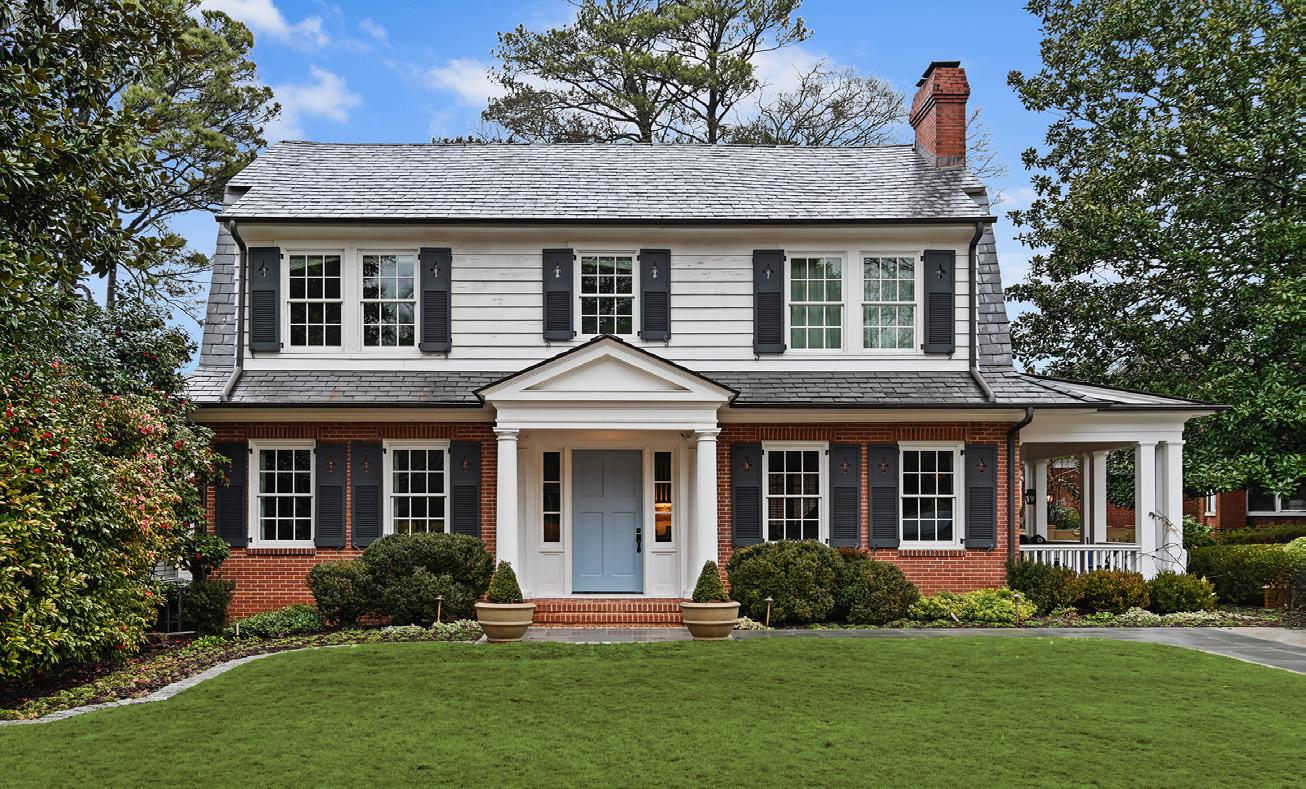
56TH DRUID HILLS HOME TOUR 1329 SPRINGDALE ROAD
OWNERS: ASHLEY ORR & JERICO PHILLIPS
TOUR DATES:
FRIDAY, APRIL 17 | 1PM-5PM
SATURDAY, APRIL 18 | 10AM-5PM
SUNDAY, APRIL 19 | 1PM-5PM
This charming Dutch Colonial residence was designed by celebrated Atlanta architect Leila Ross Wilburn and is proudly celebrating its 96th year.
Owners Jerico and Ashley have lovingly undertaken a thoughtful first-floor renovation with an eye toward bringing people together. The updates have flooded the home with natural light, creating warm, inviting spaces perfect for entertaining. A newly built back porch extends the living space outdoors, offering a serene retreat that keeps the owners connected to the beauty of the outdoors year-round. Whether hosting intimate gatherings or lively celebrations, this home reflects the owners’ passion for welcoming loved ones and creating lasting memories.
PAM HUGHES
REALTOR®
C: 404-626-3604
O: 404-897-5558
Pam.Hughes@HarryNorman.com
If you are thinking of buying a home or selling your home, call Pam today.
MICHAEL HOSKIN
REALTOR®
INSTRUMENTAL AGENT
C: 678-428-8737
O: 404-897-5558
Michael.Hoskin@HarryNorman.com
idea emerged.
“They had these teas in people’s homes and they said, ‘You know, we could have a tour of homes and gardens,’” recalled Richardson.
The first Homes Tour, held in 1968, featured eight houses including the residence of Emory University’s president, and several gardens. Tickets cost $2.50.
The tour quickly became a way to celebrate the neighborhood’s architectural heritage while raising funds for several projects in the neighborhood.
After the garden club dropped its sponsorship, the Druid Hills Civic Association carried the Tour forward to this day.
For Richardson, the appeal remains
simple.
“I think it’s the history of the neighborhood,” she said.
Druid Hills was designed by famed landscape architect Frederick Law Olmsted and remains the only Olmsted-planned residential neighborhood in the Deep South. It was also his final commission before his death in 1903.
Visitors come not only for the architecture, Richardson said, but also for inspiration.
“Decorators love it,” said Richardson, who has authored multiple books on local history and leads tours on Frederick Law Olmsted's designs. “They can see these beautiful homes, pick up ideas for wallpaper or paint colors and see how people live in them today.”
While kitchens or bathrooms may be modernized, homeowners typically preserve the craftsmanship that makes the houses special.
“People come and see these older homes,” Richardson said, “and realize you don’t have to tear them down just because they’re old.”
Each spring, when the doors of the Tour open again, the neighborhood’s story continues.
Continued from page 27
The Emory University President's residence in Lullwater Preserve was featured on the first Druid Hills Home & Garden Tour. (Photo: Emory University Archives)
Callanwolde Fine Arts Center plans expansion to grow arts, community programs
By Helena Oliviero
The Callanwolde Fine Arts Center is setting out on what may be its most ambitious endeavor with an expansion plan that will allow the center to almost double its arts education and community program offerings.
Just across the street from its current campus, Callanwolde plans to expand into a church building at 999 Briarcliff Road NE.
Established in 1972 and situated on a 12-acre estate, Callanwolde is a nonprofit community and arts center in Druid Hills that provides a wide range of classes,
performances, and community events.
Callanwolde expanded its mission four years ago to strengthen its offerings of enriching and life-changing arts education programs for those without access to the arts.
However, the demand exceeds the capacity of its current facilities, and the nonprofit is now facing waiting lists for its summer camps, pottery and dance classes and other arts, and education classes.
“The church presents a rare and timely opportunity for us to expand in a more cost-efficient manner while preserving the neighborhood’s historic landscape,” said
Continued on page 30
Callanwolde Fine Arts Center Executive Director Andrew Keenan.
Keenan said with the additional space, Callanwolde will not only be able to vastly increase space for classes but will also gain much-needed parking space. Keenan also stressed that no trees will be cut down at either campus, and in fact, “we will plant additional trees and make major improvements to the parking lot to avoid future adverse storm water events.”
Metro City Church, which owned the building, is moving to a new location. Last year, the church building was listed for sale, targeting developers interested in townhome development. Given Callanwolde’s longstanding relationship with the church, the nonprofit’s leadership initiated conversations to acquire the property. DeKalb County, which owns the Callanwolde estate, closed on the church building in December 2025.
As part of an agreement, DeKalb County will extend its lease with Callanwolde through 2064, including the newly acquired property.
With strong support from DeKalb County and early donations from local leaders, the fundraising campaign for this undertaking is already at 90% of its total goal. Funds will be used to purchase the church property, renovate and restore the building, and make needed improvements to the existing Callanwolde facilities. Callanwolde is continuing its fundraising efforts to raise an additional $1 million for the expansion plans.
“The work Callanwolde Fine Arts Center does is important. Last year, Callanwolde provided art instruction to over 650 underserved DeKalb County citizens, including kids from Title I schools, disabled veterans, and adults and families who were previously unhoused,” said DeKalb County CEO Lorraine CochranJohnson in a press release. “That is why I support Callanwolde’s new expansion plans to expand arts education and programming for the DeKalb County community. This is a once-in-a-lifetime opportunity, and with support from the community, we will grow one of DeKalb County’s greatest assets.”
Specifically, the addition of the church
property will add 28,500 square feet of classroom space and 140 parking spots. The new space will include four dance studios – all of which are more spacious than the studios currently being used at Callanwolde.
Keenan said he anticipates the new space will be ready within the next year.
The story of the church property begins with William Candler, who once owned the land stretching along both sides of the street from Briarcliff Road to Springdale Road and north to The By Way. He was the younger brother of Charles Howard Candler, who owned Callanwolde, which remains one of Atlanta’s architectural treasures.
In 1960, the First Christian Church of Atlanta built its sanctuary on part of that land once owned by William Candler.
Just a few years later, in 1963, the congregation purchased 29 acres of Callanwolde from Emory University. By 1972, the Callanwolde property had shrunk to 12 acres and fallen into disrepair. With help from the Callanwolde Foundation and a federal grant, DeKalb County purchased Callanwolde for $336,000. The county managed the site until 1983, when they turned over the management to the Callanwolde Foundation, Inc.
Now, the story has come full circle. Descendants of Charles Howard Candler have helped save the church from demolition with a $2 million gift—ensuring the property will remain a place for the community to gather, learn, and create.
The newly acquired building will be affectionately known as “The Warren,” to honor the legacies of William C. Warren III and his wife, Mary. They are descendants of the Candler family.
William C. Warren III known as “Billy” grew up at Callanwolde.
In celebration of the neighborhood’s architectural splendor and rich history, Druid Hills Civic Association will host its Historic Druid Hills Gala at Callanwolde for the fifth consecutive year. The fete, scheduled for Wednesday, April 15, from 6–9pm, kicks off their acclaimed Home & Garden Tour. It’s a fitting continuation of Callanwolde’s legacy as a place where history, community, and culture continue to come together. Tickets and sponsorships are available at druidhillstour.org.
T h e H o m e s T h a t B u i l t A t l a n t a .
F r o m t h e e r a a n d t h e p e o p l e w h o s h a p e d t h i s c i t y .
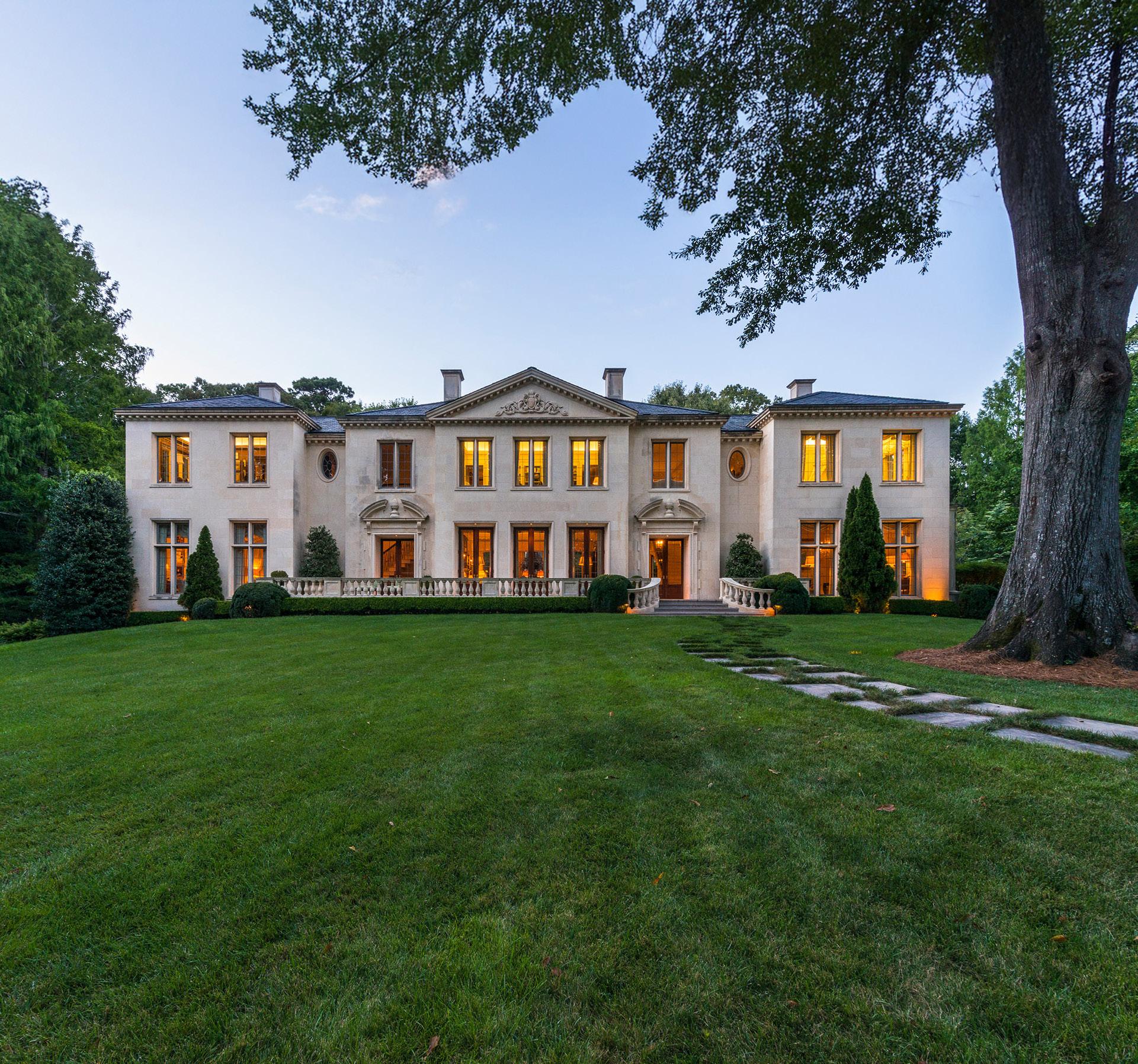
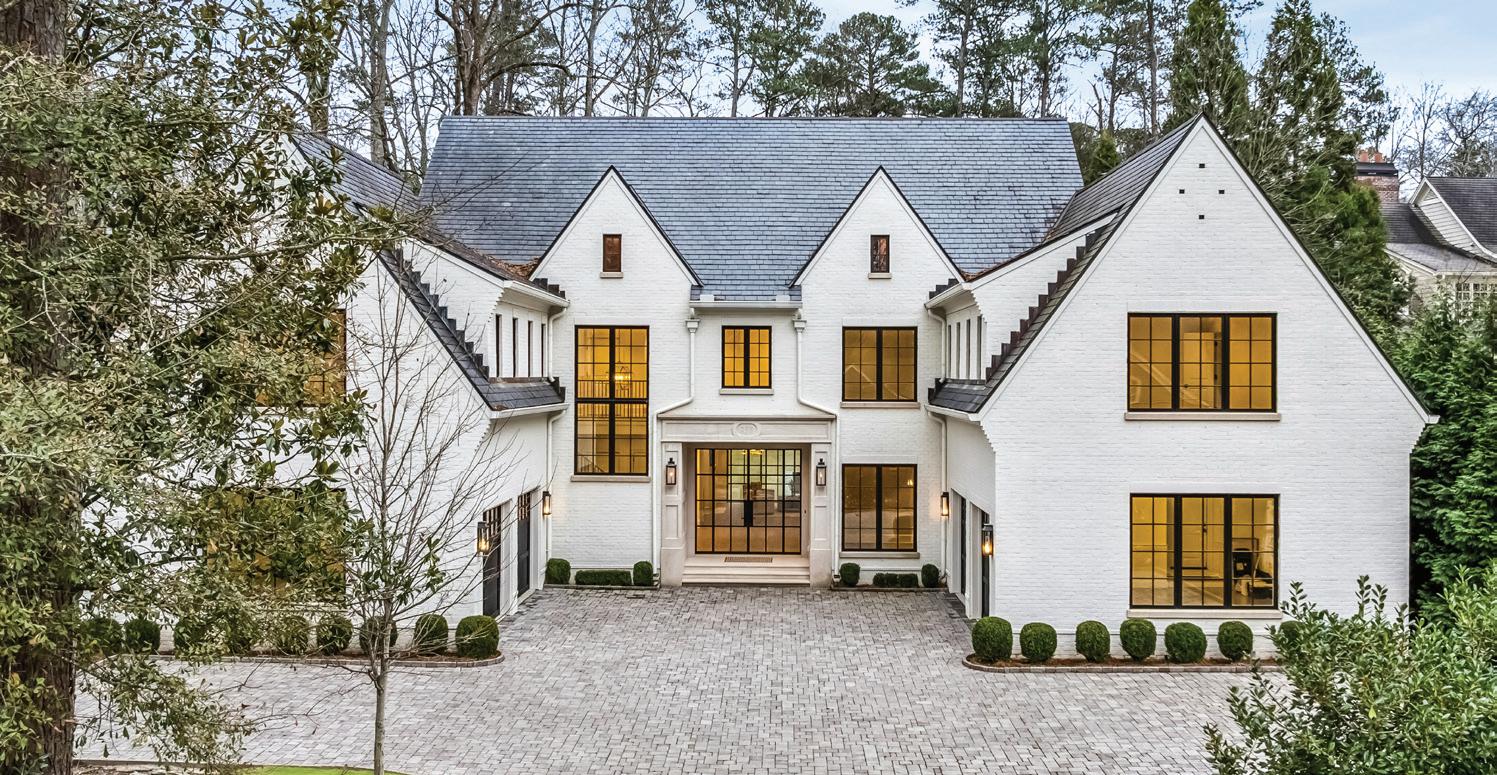
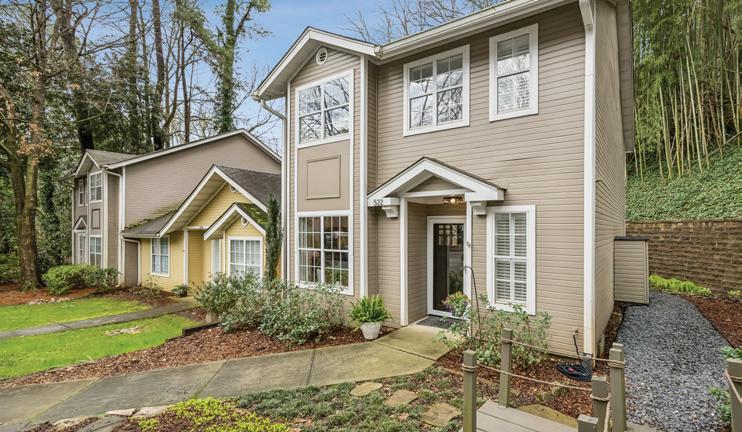
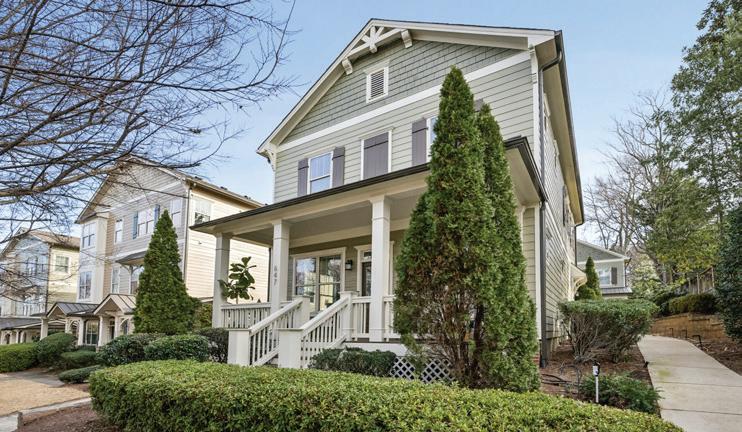
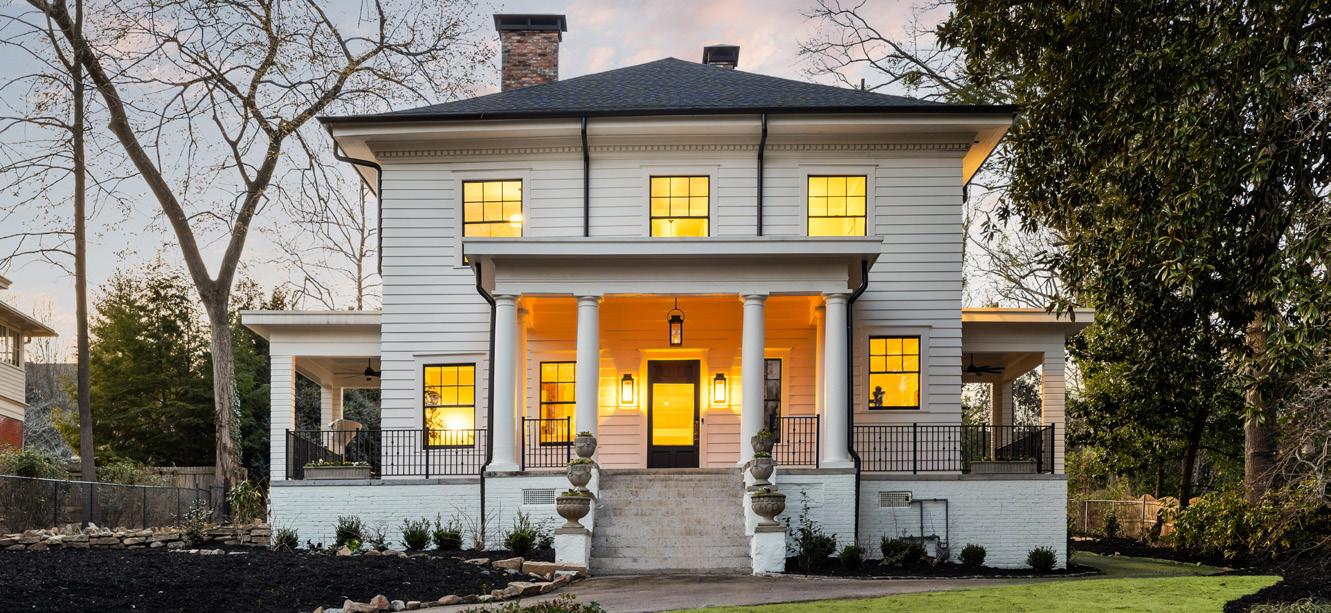
$5,995,000 A f o r m e r D r u i d H i l l s T o u r o f H o m e s R e s i d e n c e n o w a v a i l a b l e Proud 2 02 6 Sponsor
7 9 4 S p r i n g d a l e R o a d N E
ARTS & ENTERTAINMENT
EmpowerHER exhibition showcases over 200 women artists
By Sherri Daye Scott
Walk into the Emma Darnell Aviation Museum and Conference Center on Aviation Circle in Atlanta right now, and the first thing you notice is the sheer volume of it. Works by women artists cover the space — paintings, sculptures, photographs, quilts, mixed media, body casts — a full accounting of what women make when room is given.
That someone is Tisha Smith, public art manager for Fulton County Arts and Culture and the curator behind “EmpowerHER: A Celebration of Women in Art.” The exhibition, which opened March 13 and runs through April 25, draws artists from across Atlanta and beyond, spanning disciplines, generations,
backgrounds and communities. Smith built the show from a digital call for submissions, a curatorial eye sharpened over decades, and a conviction that the work itself, versus the resume behind it, should lead.
Since its inaugural year in 2024, when the show featured 70 artists, “EmpowerHER” has grown into one of the largest exhibitions of women artists in Georgia. The 2025 edition featured close to 160 artists. This year, the show hit 200. And Smith says the ceiling is nowhere to be seen.
Here’s Smith on what it takes to curate at this scale, the legacy artists who helped build the foundation, and why she thinks “EmpowerHER” is becoming something bigger than an annual art show.
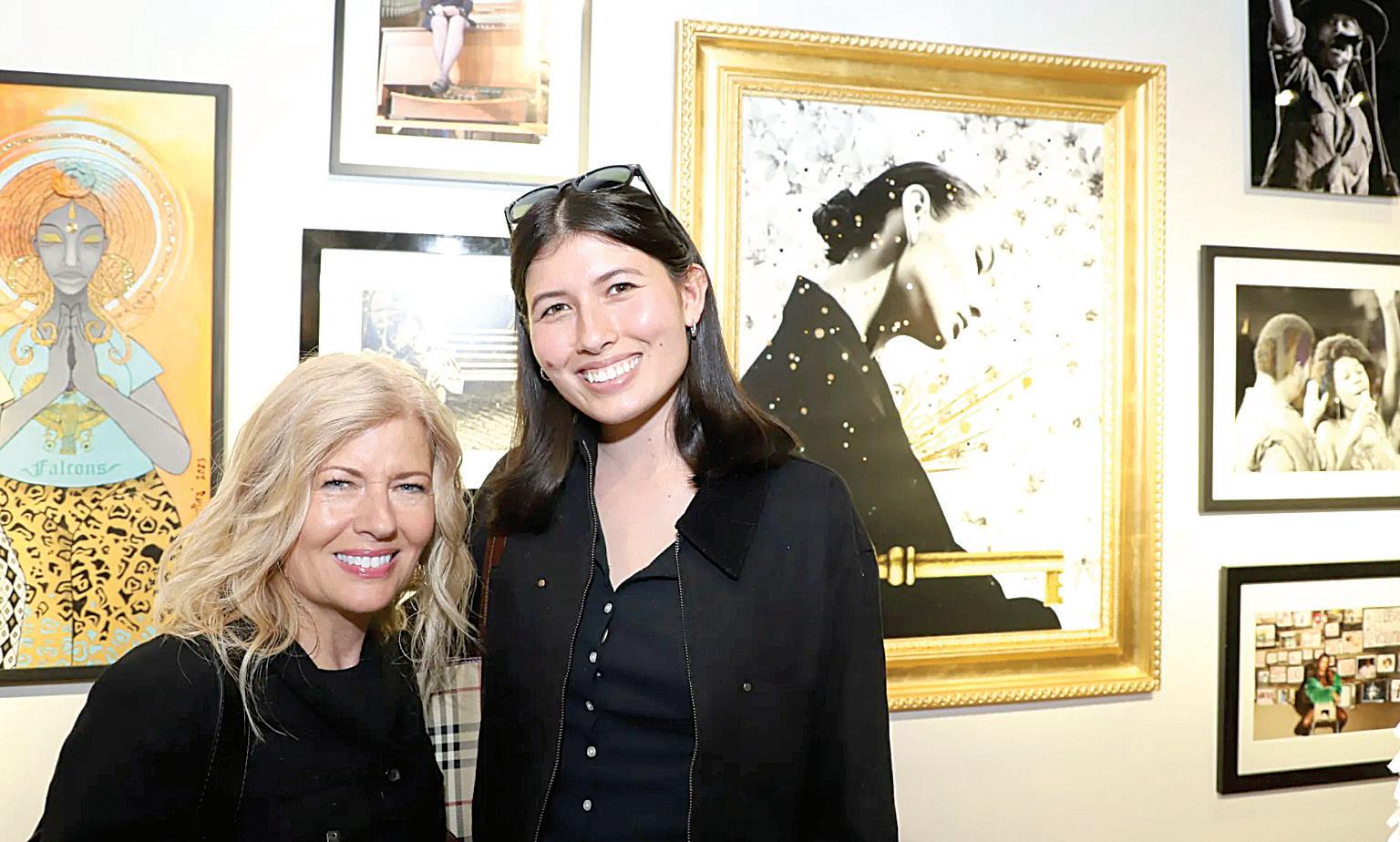
Attendees pause in front of works on view at “EmpowerHER 2026” during the opening reception at the Emma Darnell Aviation Museum and Conference Center. (Courtesy Fulton County Arts & Culture)
With more than 200 Fulton County women artists in this show, how did you and your team approach selecting artists? What criteria did you use beyond ties to Atlanta?
So, it’s a heavily curated exhibition all the way down through the submissions. I look at them, and I identify what would be a wonderful addition to the exhibit. If I have access to the website, I might review it to see if there’s another piece beyond what they submitted for consideration, and then ask them to bring that. So it is just utilizing my curatorial attributes and bringing these women together through the work that they submitted. What was the guiding curatorial philosophy behind EmpowerHER?
Your experience wasn’t necessarily a consideration. It was just, “How do I think this art would look with that art? How are you keeping on the theme of women being empowered? Does your artwork represent
women in an empowered way?”
So that’s pretty much how I gauged my selection of the work … beyond just being elementary and saying I picked what I liked. It wasn’t just that. It was really about applying a curatorial lens to the work. You mentioned legacy artists who’ve participated in the show year after year. Who are some of them, and what makes that designation meaningful?
We have Marryam Moma, Chanell Angeli, Sue Ross, Tae Earl-Jackson— quite a few other artists who are members of Sistography and African Americans for the Arts. The three women awarded the residency we added to EmpowerHer this year are also legacy artists. To be considered a legacy artist, you had to participate in EmpowerHER for at least two years. Of course, we’re in our third year.
Tell us about that addition of the residencies to the program?
We added an artist residency in partnership with the Central Library and the Fulton County Library System. The library at Central Library has three spaces designated for art residencies. We worked with the manager, Vicki Waters, to make those residencies available to EmpowerHER artists for Women’s History Month. Reinilda Blair, Carlita Scarborough, and Bonita Martin are the three artists.
Wearable art at the “EmpowerHER” exhibition. (Courtesy Fulton County Arts & Culture)
Atlanta Dogwood Festival turns 90 this spring — now with small entry fee
The Atlanta Dogwood Festival marks its 90th year this spring with a weekend of fine art, live music, and outdoor entertainment from April 10–12 in Piedmont Park. And, for the first time, there is a nominal admission fee.
As always, the festival is anchored at Charles Allen Drive and 10th Street. Friday admission is $5 for adults (13 and older). Saturday and Sunday tickets are $10 each, or $15 for a weekend pass. Tickets are available in advance at dogwood.org and include access to an express lane. Tickets can also be purchased at the gate. Organizers state that the fee is necessary to offset rising production costs. While a fundraising campaign last fall secured enough money to stage this year's event, the nonprofit cited longterm financial sustainability as the reason for introducing ticketing.
Founded in 1936 by Walter Rich, then president of Rich's Department Store, the Atlanta Dogwood Festival is the city's longest-running festival and one of the oldest fine arts festivals in the country. This 90th edition is presented by Associated Credit Union.
Three days in Piedmont Park
The centerpiece remains the juried Artist Market, where at least 250 booths fill the park with work across a dozen mediums — oil, watercolor, sculpture, jewelry, fiber arts, ceramics, and woodworking among them. Artists are selected from roughly 1,000 applicants and are on hand throughout the weekend to talk about their work.
The Coca-Cola Main Stage carries live music all three days, with a lineup that spans local acts, cover bands, and international performers.
What's new and what's back
High school programming returns with the Atlanta High
School Art Exhibition, an annual juried competition where Georgia students submit work to a panel of professionals. The top pieces will be displayed on-site throughout the festival weekend. Saturday also features the Chair Hack, presented by MODA, a creative challenge where participants use IKEA chair parts to build anything except a chair. On Sunday afternoon, the Art Throwdown, a timed live-art competition, pits high school teams against one another in a creative competition. This all takes place at the Community Center near the 12th Street park entrance.
A ticketed VIP experience, Party in the Park, runs Saturday and Sunday afternoons. It includes beer, wine, and cocktail samplings, a private bar, seating, dedicated restrooms, and lunch from Loaded Burger and Loaded Taco food truck. VIP tickets are sold separately at dogwood.org.
Festival Saturday kicks off with the Atlanta Dogwood Festival Mimosa 5K, a run through Midtown that concludes with a toast in Piedmont Park. The race, sponsored in part by Rough Draft Atlanta, serves as a Northside Hospital Peachtree Road Race qualifier; registration is available at dogwood.org.
Even better, Party in the Park ticket holders and Mimosa 5K participants receive complimentary festival entrance the same day as their event.
Families with young children can find activities, crafts, games, and entertainment at the Kids Village, presented by Dollywood Parks and Resorts, and Pigeon Forge, Tennessee.
Tickets and details
The 90th Annual Atlanta Dogwood Festival presented by Associated Credit Union runs April 10-12, 2026, at Piedmont Park. Tickets and full event information are at dogwood.org.
GUNNER STOCKTON
University of Georgia® Quarterback
SANAA FREDERICK
University of Georgia® Sprinter & Olympian
SOLE
FREDERICK
University of Georgia® Sprinter & Olympian
LAWSON LUCKIE
University of Georgia® Tight End
NO HYPE. JUST RESULTS.
For 95+ years, Associated Credit Union has shown up for members across Georgia with better rates, low fees, and real human support.
Great teams don’t just play the game — they change it. That’s why Gunner Stockton, Sanaa Frederick, Sole Frederick, and Lawson Luckie have teamed up with ACU.
For over 95 years, ACU has been a Game Changer in the “banking game,” built on trust, consistency, and relationships that always come first. Real Benefits. Real People. Real Game Changers.
When it comes to your money, you don’t need fluff or hype. You need a team that shows up. That’s ACU.
America@250: Rachmaninoff’s First Symphony + Jennifer Koh performs Philip Glass’ First Violin Concerto apr 9/10
+ Saint-Saëns’ Fifth Piano Concerto apr 16/18
Jordan Conducts Symphonie fantastique
Pianist Alexandre Kantorow Performs in Recital Featuring works by Liszt, Chopin and Beethoven apr 19
Join us pre-concert at 6pm before each concert for Fiesta Sinfonica: A Latin American Celebration apr 23/25
Flores Performs Márquez
+ Latin American music by Piazzolla, Revueltas and more
The Regulars: Film exec finds second home at Baraonda
By Laura Scholz
For 21 years, Baraonda Ristorante & Bar was a fixture at the corner of Peachtree and 3rd in Midtown. The lively vibe and blistered wood-fired pizzas made the Italian restaurant a favorite among Fox Theatre patrons and local residents, including Atlantan and film executive Courtney Bennett.
In 2021, Baraonda closed in Midtown after 21 years. Owners Costanzo Astarita and Mario Maccarrone wanted to downsize their Italian restaurant, opting to relocate it to a smaller space at the Adley City Springs apartment complex in Sandy Springs. Baraonda reopened a year later, and Bennett was among the restaurant’s longtime regulars who traveled from the city to embrace the new Sandy Springs location.
When Baraonda was in Midtown, Bennett would walk to the restaurant from his former home in Brookwood Hills to meet up with his twin brother who lived in the neighborhood. Sometimes he’d grab a late dinner at Baraonda after a show at
the Fox.
“People like me were kind of shocked when Baraonda left Midtown,” said Bennett. “I thought the restaurant had permanently closed, but a friend told me it moved over to Sandy Springs, so I came to try it out.”
Bennett now lives in Vinings, part of a broader trend that saw many intown residents moving to the suburbs following the COVID-19 pandemic. Astarita said with sluggish post-pandemic dining traffic and regulars moving away from the city in favor of the suburbs, it made sense to relocate Baraonda to Sandy Springs. He’s happy loyal customers like Bennett continued to dine at the restaurant after the move.
Consistent food and service and a communal atmosphere at Baraonda make Bennett a Wednesday night regular. He prefers to sit at the bar and share a bottle of half-priced wine with friends, while enjoying pasta like creamy penne norcina with Italian sausage, a dish inspired by Astarita’s Italian heritage.
Continued on page 41
The bar at Baraonda in Sandy Springs. (Photo by Ryan Fleisher)
Courtney Bennett. (Photo by Ryan Fleisher)
MOVE FOR GRADY WALK RIDE
RUN
Moving Baraonda to Sandy Springs, however, did mean losing the wood-fired pizza oven and nixing pizza from the menu. There just wasn’t enough space to accommodate the oven at the new location. Instead, the restaurant serves Roman pinsas (flatbread) topped with cheeses and ingredients like prosciutto or a trio of Calabrese salami, Italian sausage, and ‘nduja spiked with Calabrese peppers. Other dishes like lasagna and spaghetti
bolognese—both with a hearty beef, veal, and pork ragu—riff on family recipes from Astarita’s childhood growing up on the island of Capri.
Two of Bennett’s favorite dishes at Baraonda include the veal parmesan and a dry-aged ribeye served with roasted fingerling potatoes and grilled broccolini.
“I really appreciate how they’ve grown the menu [in Sandy Springs]. It’s a nice, approachable Italian restaurant, where everyone can get something they like,” said Bennett.
Despite the relocation and changes to the menu, Baraonda keeps attracting a core group of regulars, from families with young children gathering for pasta dinners to people meeting up for a postwork happy hour over espresso martinis at the bar.
And, without even knowing it, Bennett became a regular at Bonu
Taverna Italiana in St. Petersburg, a restaurant he dines at when visiting friends in Florida that just so happens to be owned by Maccarrone and his wife.
“As a restaurant owner, there’s nothing better than having regulars and knowing they’re following you for good food, good service, and a comfortable ambiance,” Astarita said.
South Downtown gets open container district designation
By Collin Kelley
Ahead of the 2026 FIFA World Cup matches coming this summer, the Atlanta City Council approved the creation of open container district for South Downtown.
The open container district will allow visitors to consume alcohol on the streets and sidewalks as they walk from different restaurants, bars, and events. The idea is to create a more social atmosphere in the re-emerging South Downtown district and make it a destination, Councilmember Jason Dozier told the Atlanta-Journal Constitution.
The new South Downtown Entertainment District is a rectangular area
extending from Alabama Street south to Trinity Avenue and Peachtree Street west to Ted Turner Drive. The district includes the South Downtown redevelopment, which includes 58 historic buildings that are being transformed into shops, restaurants, housing, and is home to a new location of Atlanta Tech Village. An ordinance was also introduced to declare parts of Downtown Atlanta as a temporary “public entertainment district” during the World Cup, from June 11 to July 29. The measure would prohibit the distribution of commercial products, prohibit cruising, and create a limited open container area.
Spaghetti bolognese. (Photo by Ryan Fleisher)
Beltline and Urban Realty Partners to develop Oakland Exchange
By Collin Kelley
The Atlanta Beltline and Urban Realty Partners have closed on a public/ private deal to develop Oakland
Exchange, a mixed-use project on the former Cut Rate Box Co. sites in Southwest Atlanta.
According to a press release, the project will preserve two historic warehouse buildings, bringing affordable housing and commercial space adjacent to the Beltline.
Lulah Hills reveals new retail
By Rough Draft Staff
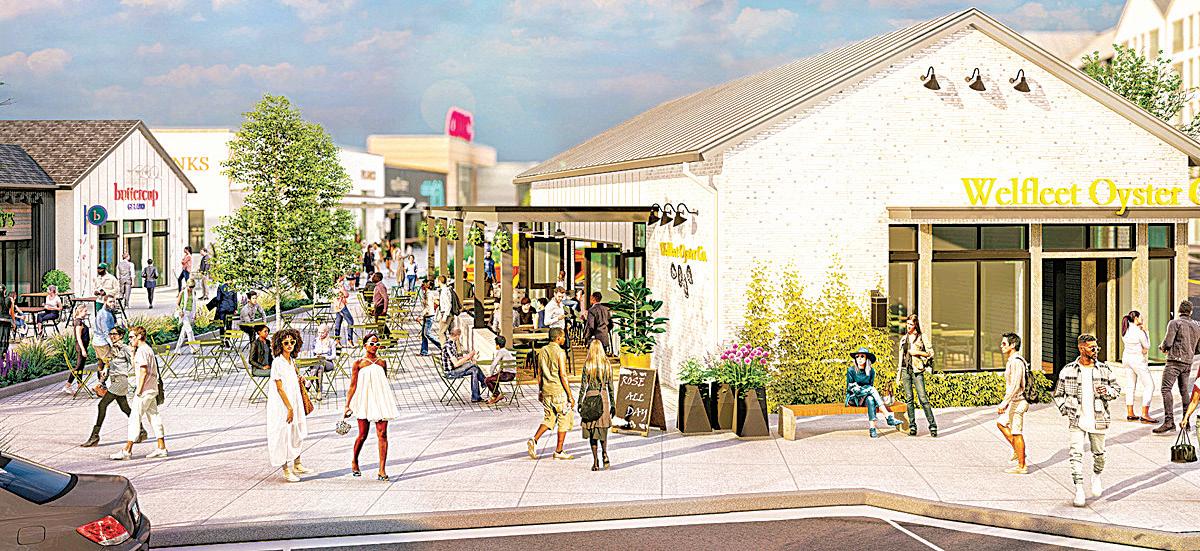
Lulah Hills, the mixed-use project rising on the site of the demolished North DeKalb Mall, has announced a slate of new retail and dining options coming to the development.
The new businesses include Anthropologie, Design Within Reach, Herman Miller, Solidcore, Firepit Pizza Tavern, Honeysuckle Gelato, Les Mains Nail Bar, and LaserAway.
Additionally, local favorite Refuge Coffee will open this spring in a former gas station at North Druid Hills Road and Mistletoe Road.
The retailers join the previously announced Publix supermarket and the existing AMC Theatres and Marshalls.
Crescent Communities and Empire Homes recently kicked off vertical construction of Novel Lulah Hills with 303 apartments and 92 townhomes.
At build-out, the 78-acre site will have 320,000 square feet of retail, 1,700 multifamily units, 100 townhomes, and multiple green spaces.
Under the agreement, the Beltline acquired the site and existing buildings, and Urban Realty Partners will complete development through a long-term ground lease. The project is supported by a combination of public and private financing sources, the press release said.
Located at 1088 and 1100 Murphy Ave. SW in the Oakland City neighborhood, the 6-acre site is directly across Sylvan Road from Murphy Crossing, the Beltline’s 20-acre planned development.
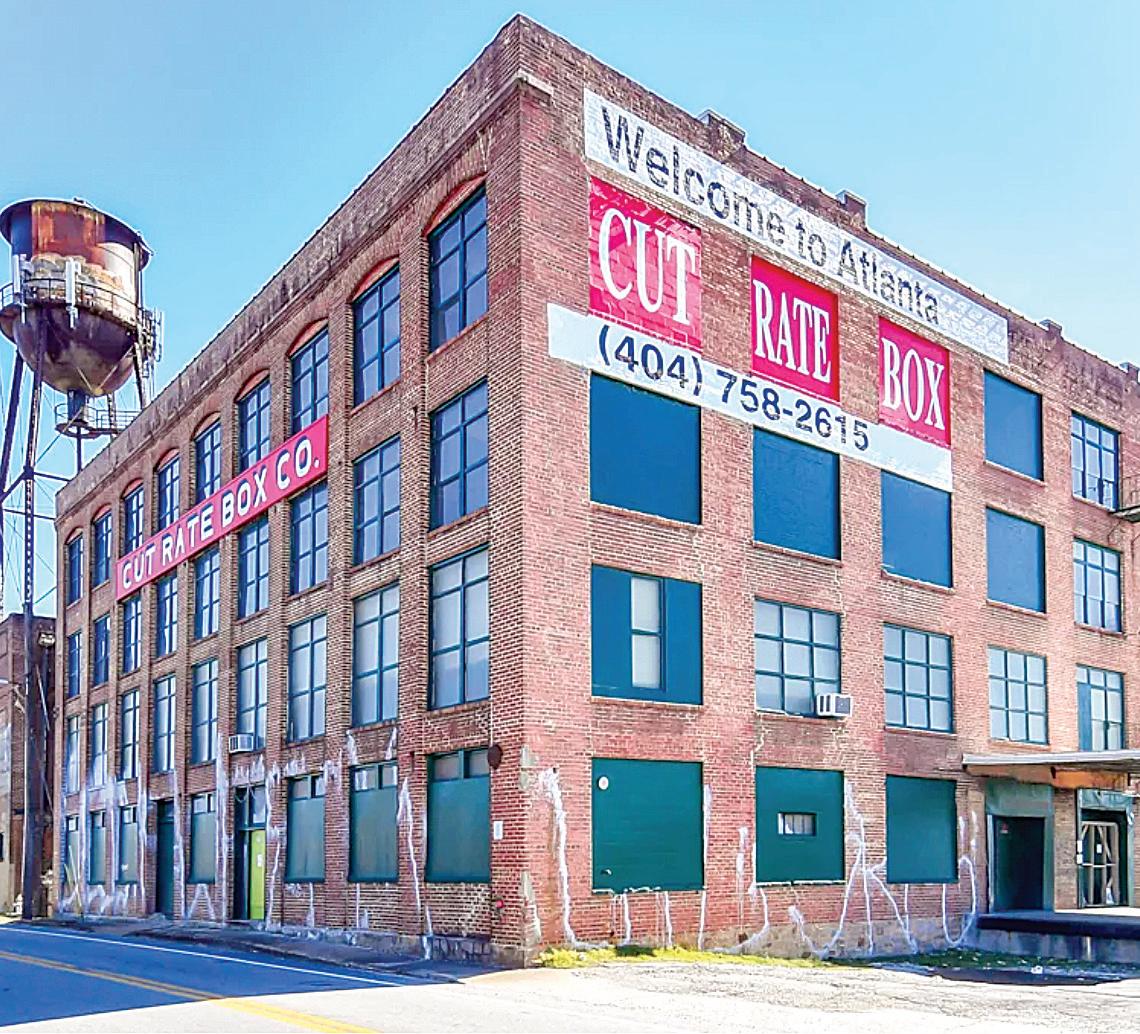
The three- and four-story historic brick structures, recognizable by huge painted signs that say Cut Rate Box Co. and Welcome to Atlanta, are landmarks in Southwest Atlanta, with high visibility from MARTA trains running between Downtown and Hartsfield-Jackson Atlanta International Airport.
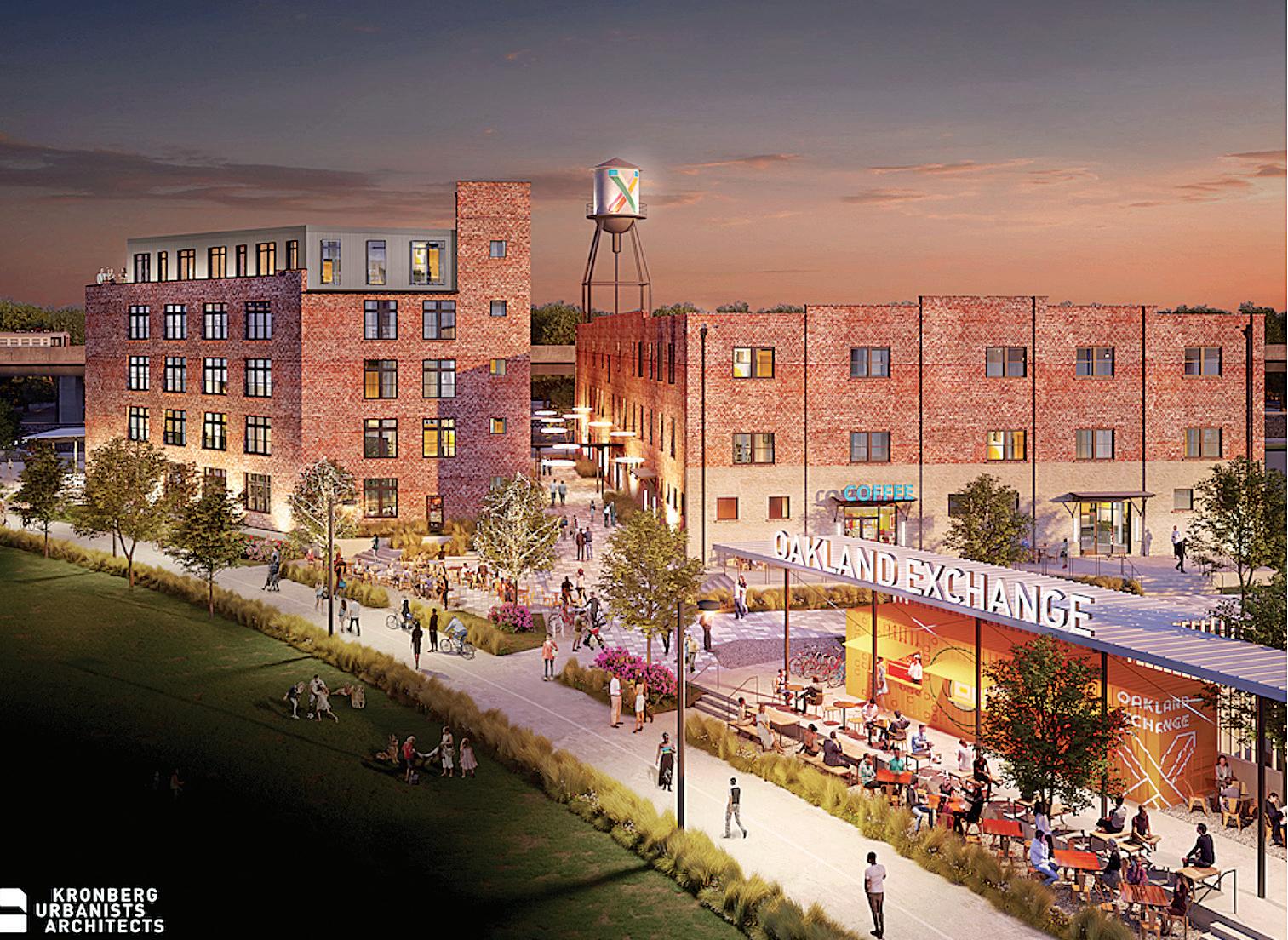
Phase I of Oakland Exchange includes the adaptive reuse of two early 1900’s warehouse buildings into 126 loft apartments and 16,000 square feet of creative commercial space geared toward local small businesses.
Phase I includes the construction of 3,000 square feet of retail/restaurant
spaces fronting the adjacent Oakland + Murphy Connector Trail, which is currently in design. The 1.31-mile trail will begin at the existing Southwest Trail access point at Allene Avenue SW and split into two segments, connecting to the MARTA Oakland City station.
Under the first phase of this public/ private deal, 60% of the homes will be affordable to residents at 80% of Area Median Income (AMI).
The overall Oakland Exchange project is planned to include two future phases of ground-up development at 1066 Murphy Ave and 1135 Sylvan Road. Both phases are likely to be multifamily, as the land is zoned for high-density residential development.
Funding includes a construction loan by Ameris Bank, state and federal historic tax credit financing by Enhanced Capital, in addition to GoATL, a fund established by the City of Atlanta, and a mezzanine loan by Community Foundation for Greater Atlanta to incentivize affordable housing. Through the Beltline Tax Allocation District (TAD) Increment Fund, funding was provided in April 2025 made possible by Fulton County, Atlanta Public Schools, and City of Atlanta.
A rendering of the Oakland Exchange development. (Courtesy Atlanta Beltline Inc.)
The Cut Rate Box warehouse will be transformed into a mixed-use destination. (Courtesy ABI)
A rendering of Lulah Hills. (File)
Bethlehem Cemetery: Un-Forgetting the history of chattel slavery
EDITOR’S NOTE: This story is a partnership with VOX ATL, a youth-led nonprofit media organization that prepares teens for life, career, and community by harnessing the power of youth voice and uncensored self-expression. Find out more at voxatl.org.
By Savannah Troncoso
Walking down the streets of Alpharetta, GA, there’s a palpable sense of nostalgia and Southern charm.
Tucked away in the suburbs north of Atlanta, the town is filled with colonialstyle mansions hidden by towering Georgia pines and hardwoods. Manicured golf courses thread themselves throughout the various subdivisions. Despite the intense development and population growth in recent years, neighbors here still smile warmly and wave at every passerby, even strangers.
But, just below the picturesque surface, there is a story half-forgotten for generations: the story of the enslaved people who likely lived and died in this community, whose unmarked graves today remain hidden beside a golf course.
A few steps from my home in Alpharetta, there is an abandoned cemetery containing scores of overgrown plots covered in pine straw and marked with fieldstones. It used to be called Bethlehem Cemetery. Based on interviews with local historians and previously unreported historical records, it is likely that some of these graves belong to enslaved persons.
This discovery raises difficult questions for the Alpharetta community, cited as one of Southern Living’s top 10 “Cities on the Rise” in the South. This part of Georgia has long maintained that it opposed secession and largely resisted the practice of slavery. This cemetery may indicate otherwise.
A stray mention
Bethlehem Cemetery sits hidden behind a copse of trees in the corner of Windward, an upscale planned community. There is no memorial or explanatory signage like one would find at official historic sites, and no acknowledgement that enslaved people are buried there.
Neither the City of Alpharetta’s website nor the Alpharetta Historical Society’s website mentions Bethlehem. Only two articles available on the internet refer to it, and only one of those, published in a local Alpharetta paper, mentions the possibility of graves of enslaved people.
A quick look at the readable grave
markers establishes that Bethlehem is an Antebellum grave site. The earliest grave in the plot is dated to 1845, belonging to an infant. Multiple graves predate the Civil War. At least one Confederate soldier, Stephen D. Tribble, is buried there.
Fieldstones are placed methodically throughout the grave plots – rounded stones that are half-buried and stand neatly in rows, as if they are vernacular tombstones. In the context of Antebellum grave sites in Georgia, such fieldstones are considered potential markers of the graves of enslaved persons, according to a report by Georgia researchers and archaeologists at New South Associates.
But there are more direct links between Bethlehem and the institution of slavery.
The cemetery belonged to a church called Bethlehem Methodist Episcopal Church, South (MEC), according to Tim Spruell, a local historian who initially noted the possibility of enslaved persons’ graves there. Spruell shared that the denomination itself was founded in a highprofile schism in the Methodist Church over slavery.
In the 1840s, a Methodist bishop inherited enslaved persons from his wife and kept them as property, Spruell explained. The Methodist Church censured the bishop at its 1844 General Conference based on the denomination’s “well-known sentiments against a slaveholding Bishop,” according to official church records. The censure “upset Southern Methodists,” Spruell said, who formed the breakaway Methodist Episcopal Church, South in 1845, which tolerated slavery.
Bethlehem MEC is one such church, and slave owners attended there, Spruell said. The church declined in the 1920s and splintered in 1932. The church building no longer exists, but the cemetery remains.
Perhaps the strongest link between Bethlehem and slavery is found in the “Slave Schedule” for Milton County –the former county where Alpharetta was located – from 1860. The federal census required each county in Georgia to enumerate its enslaved population, and each county prepared a “Slave Schedule” that listed the name of owners, the number of enslaved persons each owned, and the characteristics of the enslaved persons.
The Slave Schedule lists the family names of at least three enslavers – Shirley, Webb, and Smith – that also appear on family graves in Bethlehem. These family names are familiar to anyone who lives in Alpharetta today. They are names of streets, neighborhoods, and even schools. I attended Webb Bridge Middle School, and Shirley Estates is a planned subdivision just down the street from Bethlehem.
According to Spruell, this and other evidence establish that Bethlehem contains the graves of enslaved persons.
Another local expert said Bethlehem shares some of these key hallmarks of slave graves. Its plots appear to be predominantly organized by family name, and various fieldstone markers are placed among the family clusters. Family cemeteries will often have “slave burials in a section of it,” according to Meredith Clapper, a volunteer with the Georgia Tombstone Transcription Project, a group that preserves and restores grave sites throughout the area.
Minimizing the local history of slavery
In recounting the city’s history as it developed a local history museum, the city council approved an exhibit that claimed that “few farmers depend on enslaved workers” in this county and that Milton County “voted against Georgia’s secession from the United States.” Georgia’s secession resulted from “[l]arge, slaveholding counties [that] overruled Milton’s opposition.”
Local historians have found few mentions of enslaved persons in newspaper reports at the time. Meredith Clapper has “only run across a few mentions in the Cherokee Advance [local Georgia newspaper in the 1800s] about any non-white deaths … So far, the former slave would have to be extremely old or very beloved to be mentioned in that newspaper,” she noted.
But this anti-slavery account appears to be incomplete or inaccurate, according
to historians and a review of slavery-era records. The 1860 Slave Schedule discloses that there were 617 enslaved persons in Milton County, Georgia, out of a population of 4,260 – over 10% of the population.
Memory and justice
Just a few miles away from Alpharetta, the City of Johns Creek is debating how to respond to the discovery of formerly enslaved people’s remains at Macedonia Cemetery. Local activists and leaders are advocating for further action to preserve it. The City used eminent domain to acquire the cemetery property, but in the words of Kirk Canaday, one of those working to preserve the cemetery, “When [the City] say[s] ‘preserve,’ all they do is go up there and blow a few leaves around, but that’s about it.”
Canaday believes cities should be doing more. “The City has, I think, come to the point that they need to have a committee of families and state officials to determine how best to handle that cemetery.”
These cemeteries have a “spiritual voice,” he said, and hold traces of important traditions and customs, especially those belonging to Black communities. Even the alignment of fieldstones in some cemeteries has deep meaning: while they may appear scattered to laypeople, the graves are arranged so that the buried person is pointed toward the East, so they can face the rising sun on Resurrection Day. Traditions like these are the vestiges of a history that leaders believe is being lost.
Spotlight returns to the Atlanta Civic Center
PERSPECTIVES IN ARCHITECTURE
Melody Harclerode Atlanta
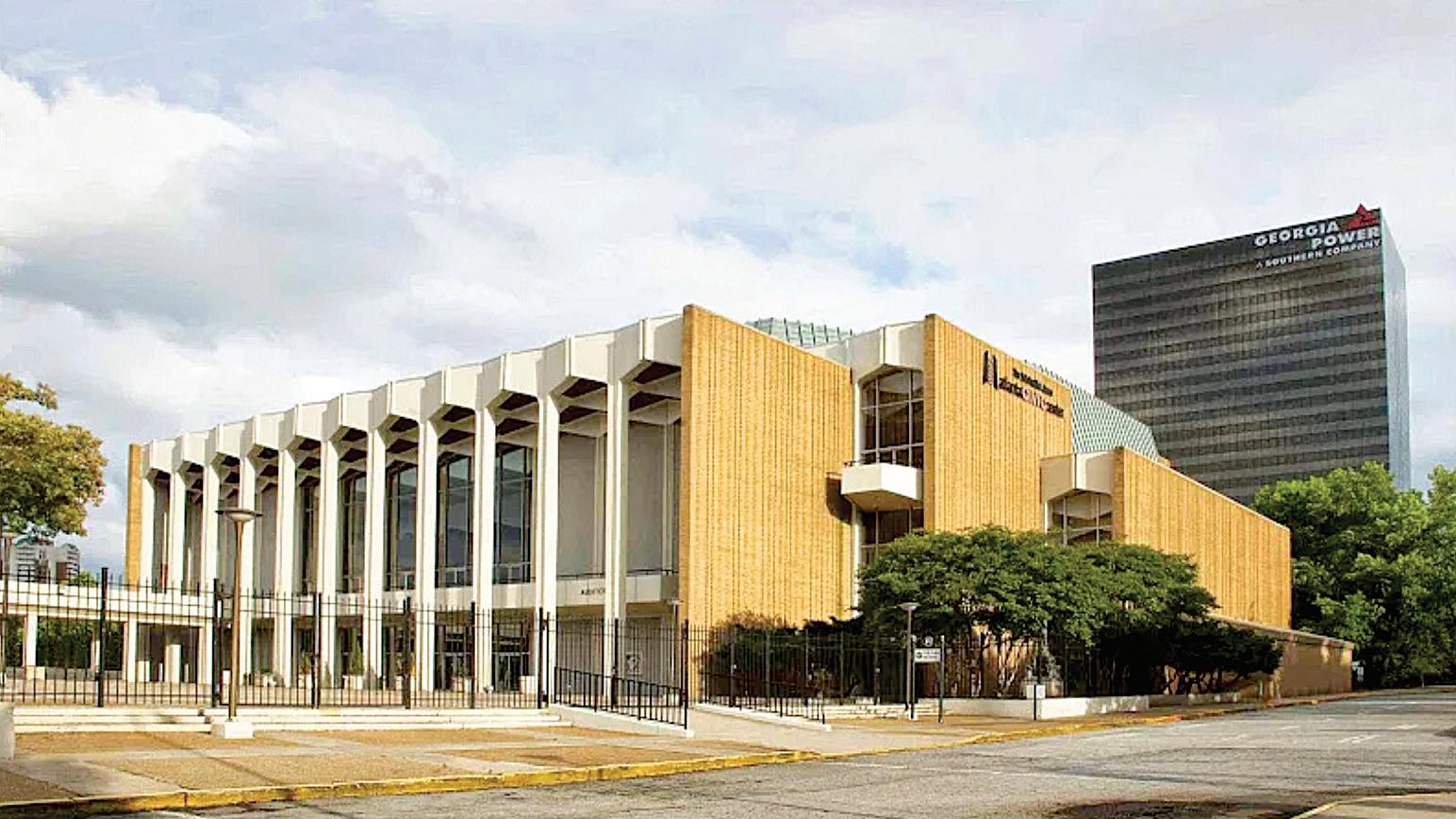
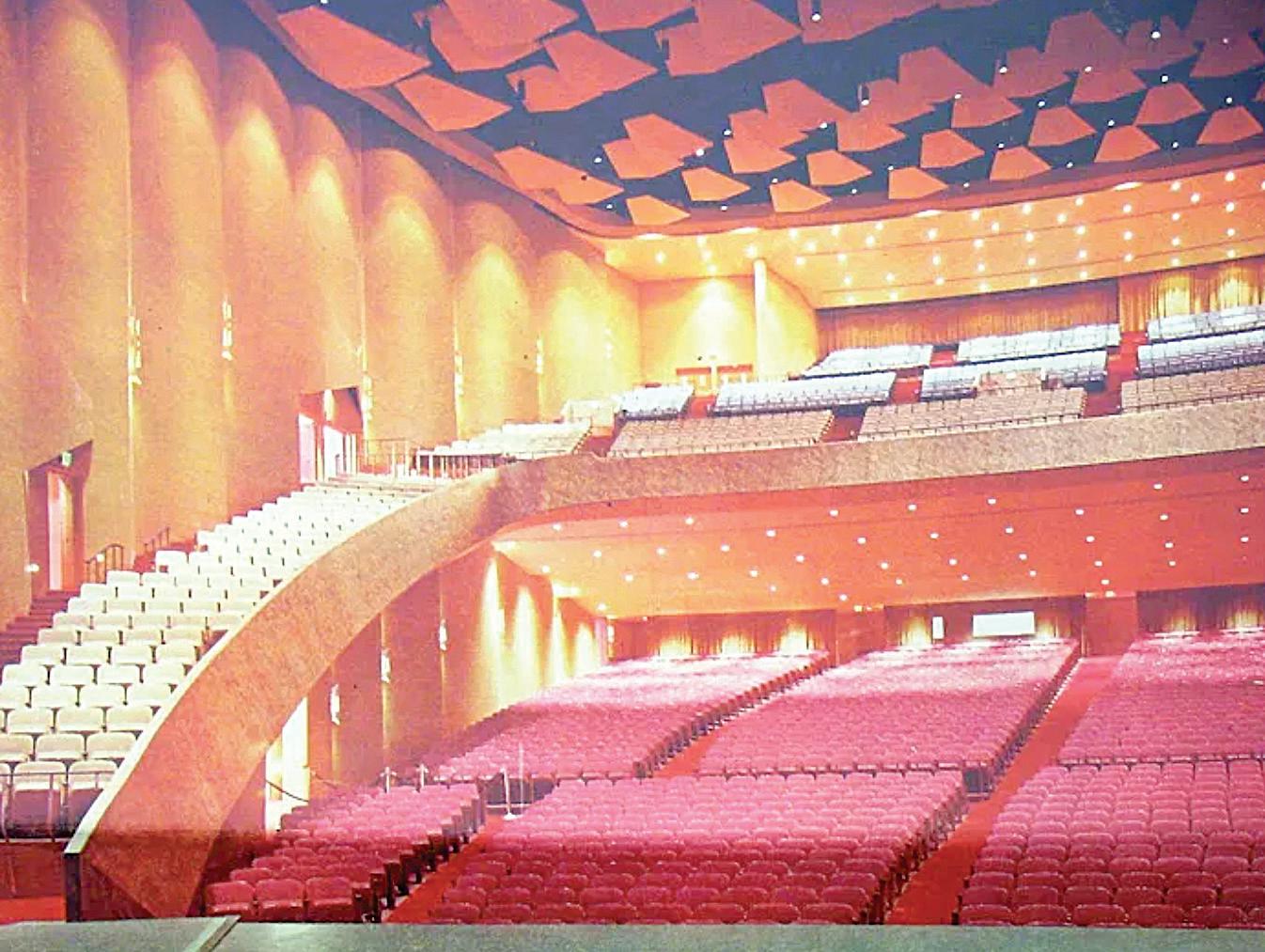
businessman Ivan Allen Jr. created the Six Point Forward Atlanta plan in 1961 as President of the Atlanta Chamber of Commerce. The civic leader sought to promote Atlanta as a major, progressive, and growing Southern city. His blueprint focused on school desegregation, highway construction, urban renewal projects, public transportation, the Forward Atlanta public relations campaign to attract businesses and tourists, and construction of a new sports stadium and city auditorium.
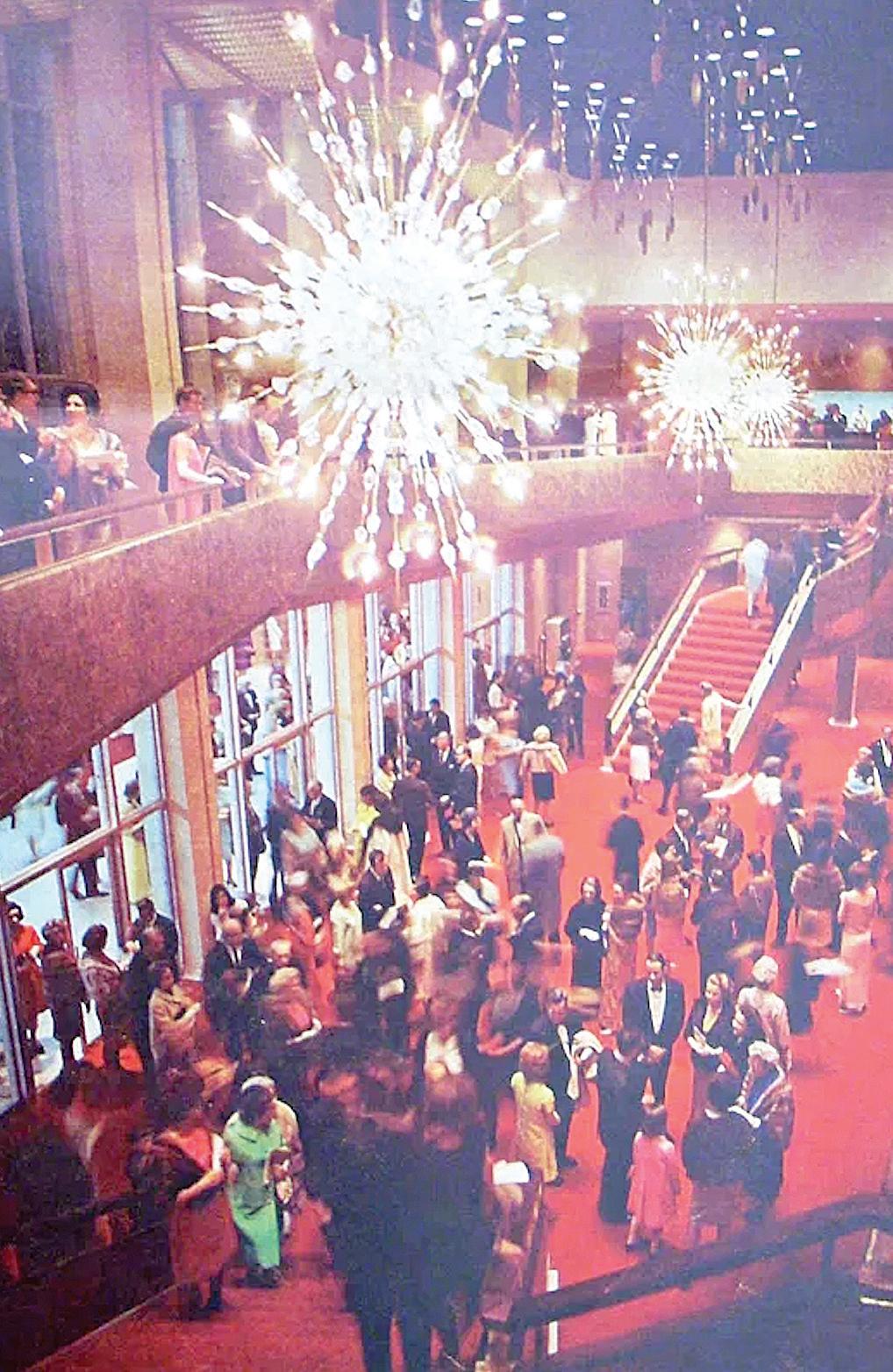
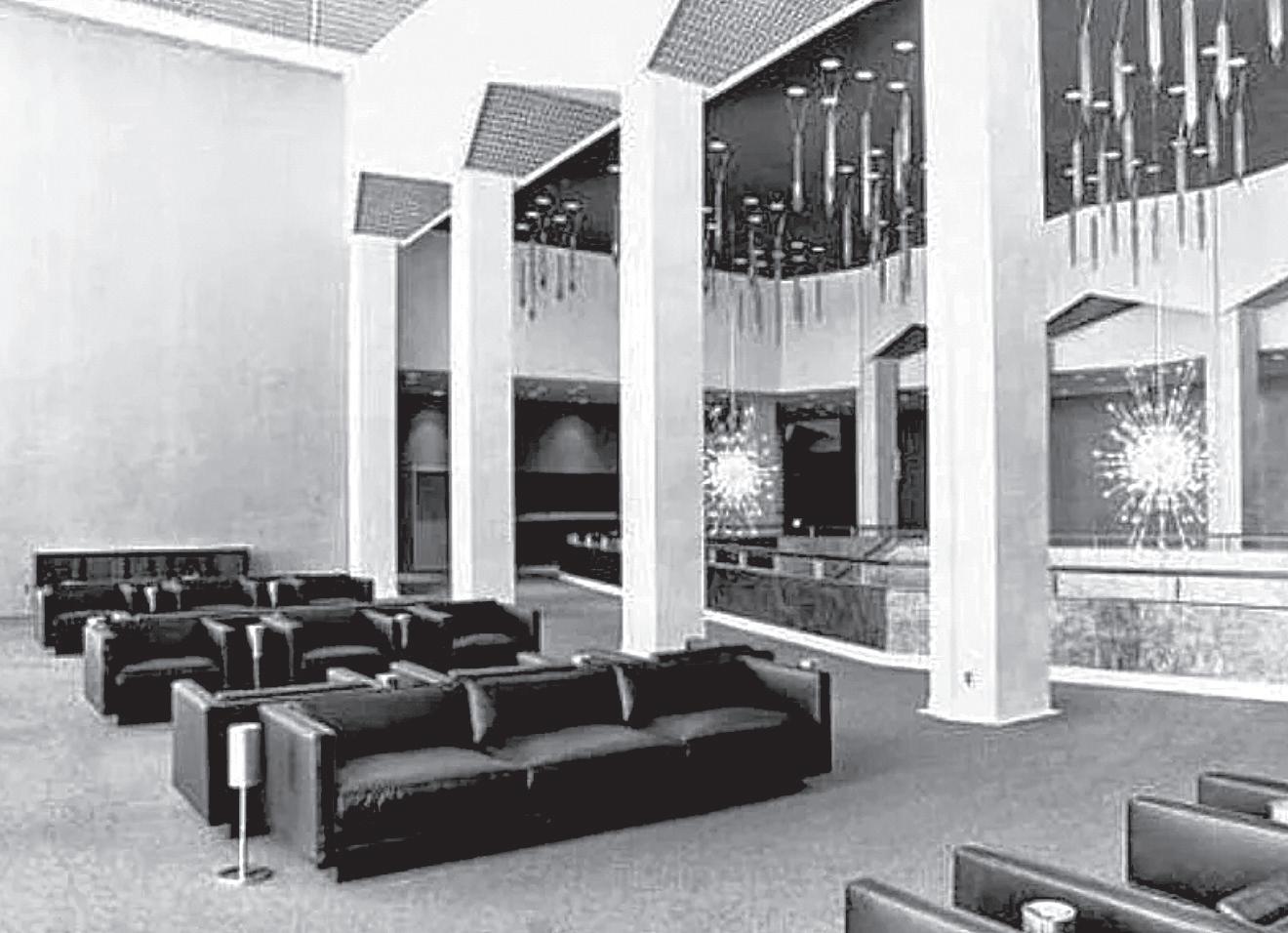
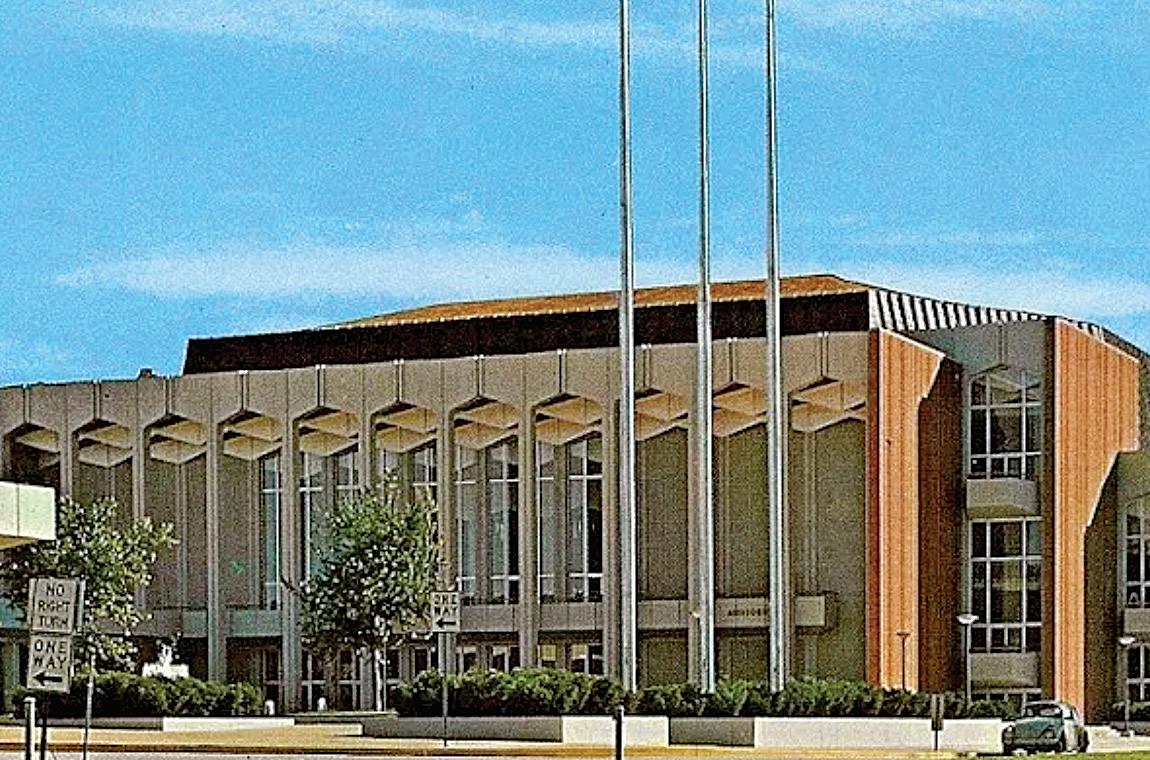
Allen put this plan into action as Atlanta’s Mayor from 1962 to 1970. Using urban renewal as the economic development tool that sanctioned demolition of blighted neighborhoods, Atlanta leaders razed Buttermilk Bottom, a Black neighborhood that suffered from a lack of municipal investment, to build the Atlanta Civic Center. With an extensive portfolio of municipal, health care, civic, and military projects, Robert & Company provided the architectural and engineering design for the $10.0 million project featuring a 4,600-seat theater, a convention hall, and meeting spaces.
Robert & Company architect Harold Montague designed the Atlanta Civic
in the New Formalism architectural style that flourished in the United States from the 1960s through the early 1970s for projects, such the Lincoln Center for the Performing Arts in New York City. Atlanta Civic Center is distinguished by its buff brick exterior walls with intricate patterns, classical-inspired arches and colonnades, and textured concrete accents to mimic stone.
On March 4, 1968, the Atlanta Civic Center opened with a performance by the Atlanta Symphony Orchestra with conductor Robert Shaw. Musicians played on the largest stage in the Southeast. Attendees entered the theater through a hexagonal-shaped two-story foyer with two monumental staircases and Rambusch chandeliers hung from a deep blue ceiling. The architect’s use of metallic gold wallcovering and ceiling grilles, red carpeting, red and gold theatre seating, and walnut wood finishes elevated visitor experiences at the building.
Although the construction of the Georgia World Congress Center in
Center
The Civic Center in 2001. (File)
The grand opening of the Civic Center was in March 1968. (Courtesy Atlanta History Center)
A postcard of the Civic Center from 1969. (Provided)
The Atlantic Civic Center lobby in 1968. (Courtesy Atlanta History Center)
SUMMER CAMPS
Continued from page 45
1976 reduced demand for the 125,000 square-foot Civic Center convention space, Atlanta residents and visitors attended concerts, touring productions of Broadway musicals, seminars, comedy acts, high school graduations, and commencement ceremonies at this cultural hub for decades. In subsequent years, complaints about theater acoustics and sightlines and competition from newer venues led to the closure of the Atlanta Civic Center in 2014.
Renewed interest in the 19-acre building site has sparked increased interest in the renamed Boisfeuillet Jones Atlanta Civic Center. Atlanta Housing acquired the complex in 2017. Last year, the housing authority announced the first phase of redevelopment with the construction of 148 affordable senior apartments on the Civic Center property. Building upon this momentum, the Atlanta Civic Center may once again be the community anchor and icon that it was in the past.