P O R T -
F O L I O

P O R T -
F O L I O
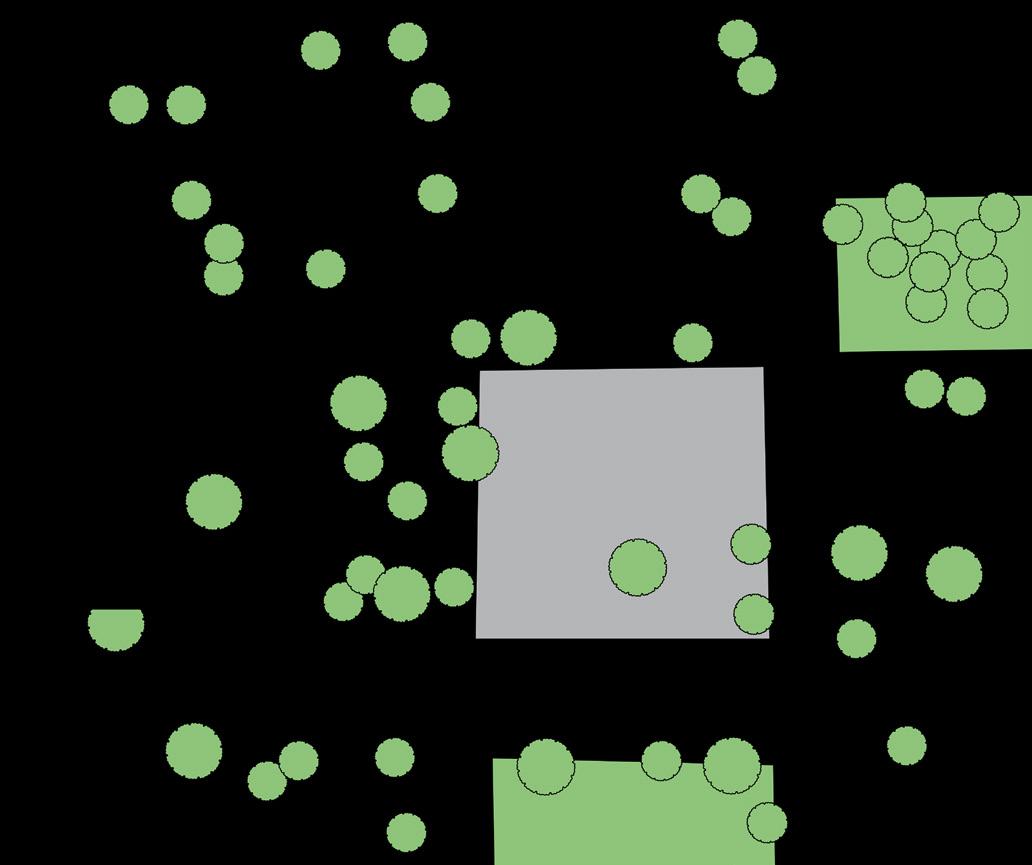
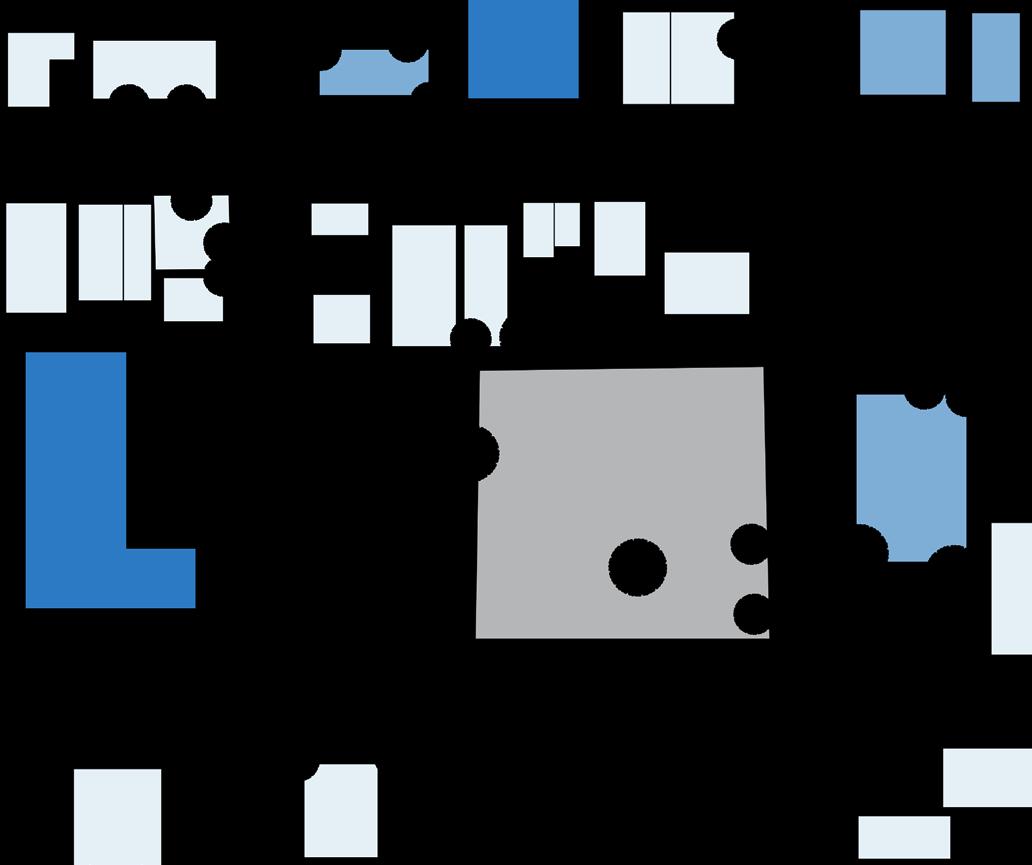
Site selection for this project was based upon three criteria: A comfortable walking distance from the homes and shops in the neighbourhood, streets in good condition and wide enough to allow entry of loading trucks, and a site of at least 4,000 m² in size to accommodate the project’s main construction areas: a recycling center, a community center and a maintenance building.


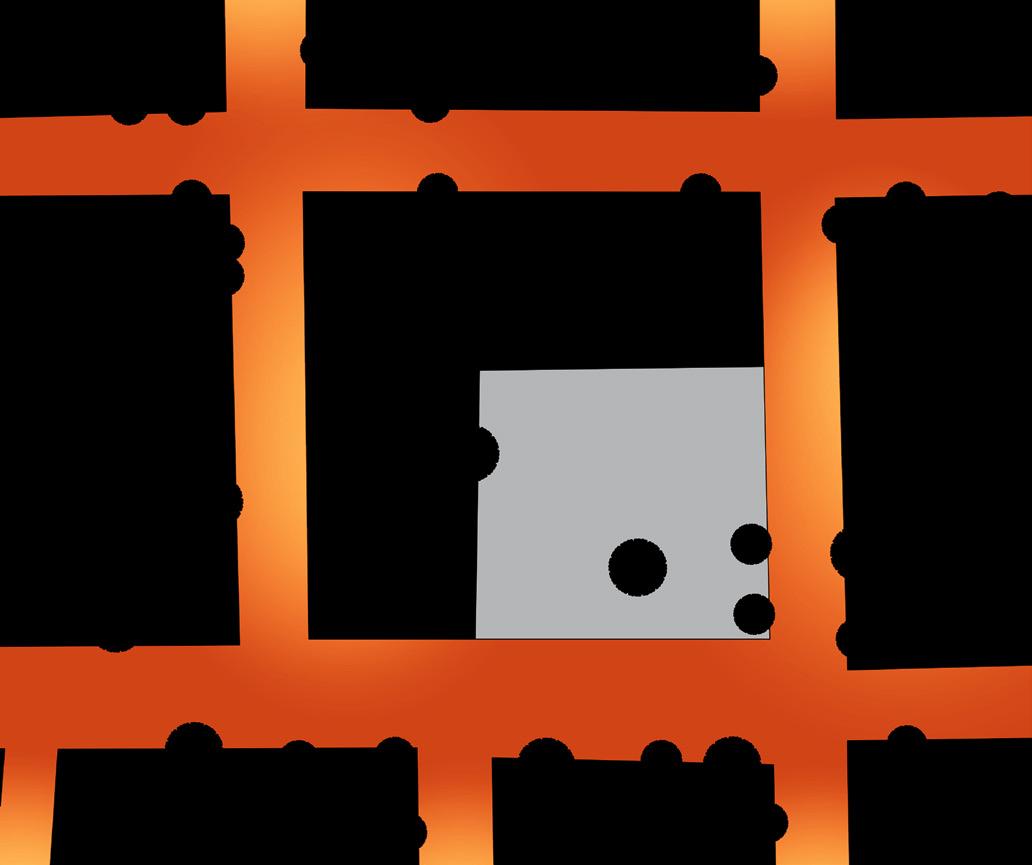
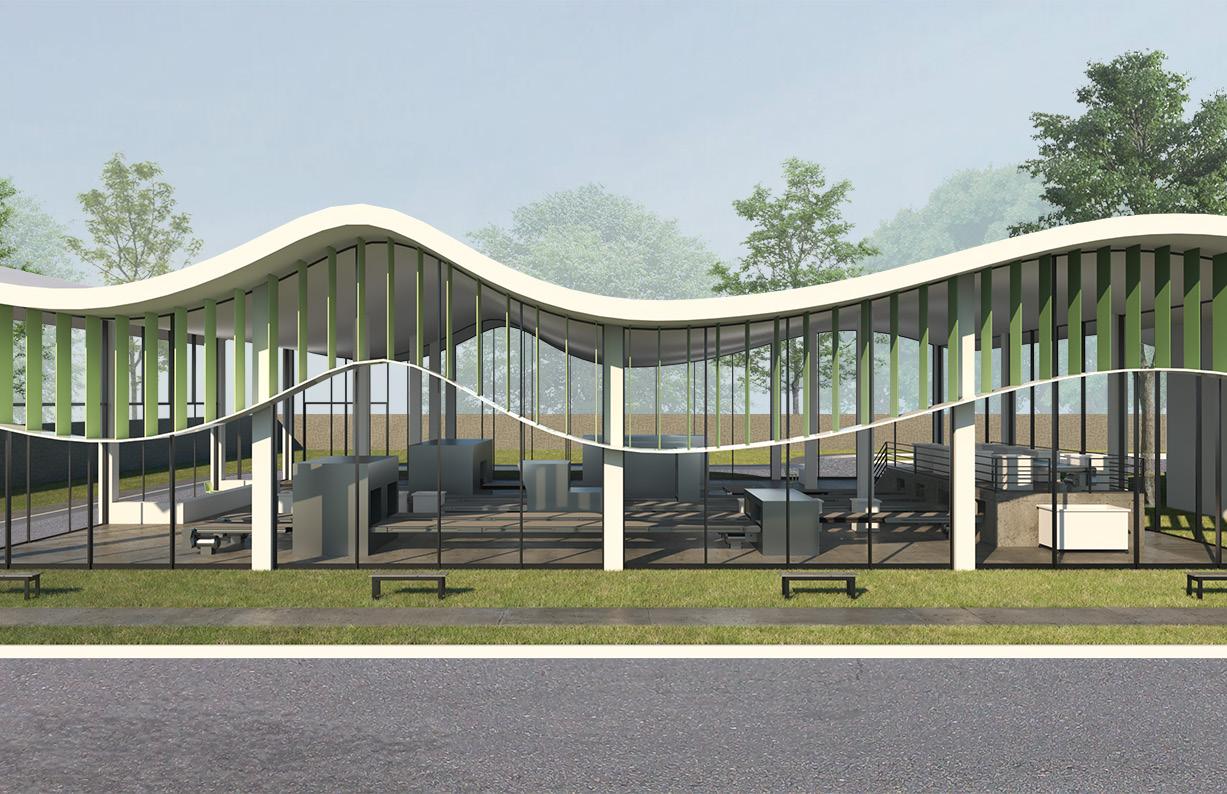
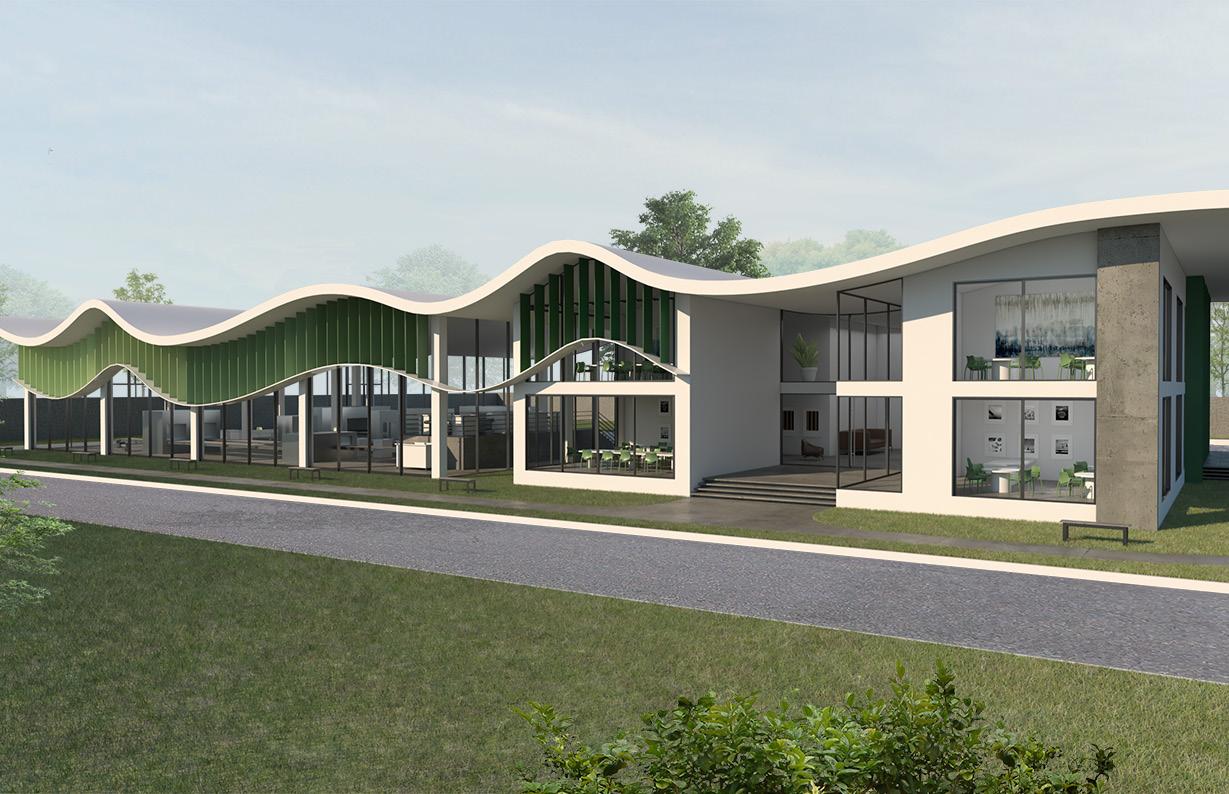
The project was proposed as an opportunity to revitalize a neighbourhood neglected many years by the government, and to create a building that reflects the local identity of San Pedro Sula. The design was inspired by the city’s largest natural reservoir and a favourite public space of its locals and visitors.
Year: 2013
Location: San Pedro Sula, Honduras
Area: 47,000 sqft
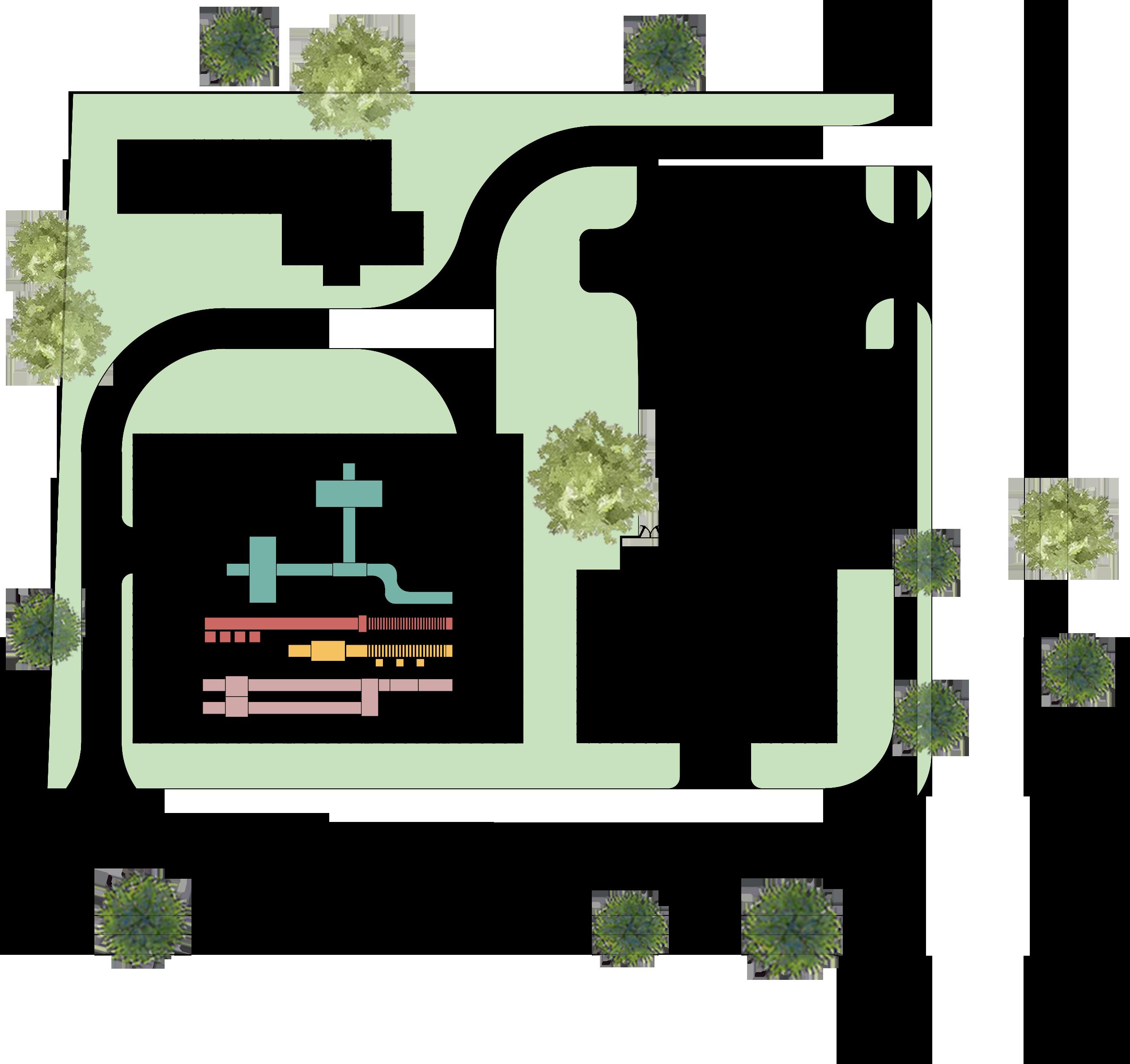
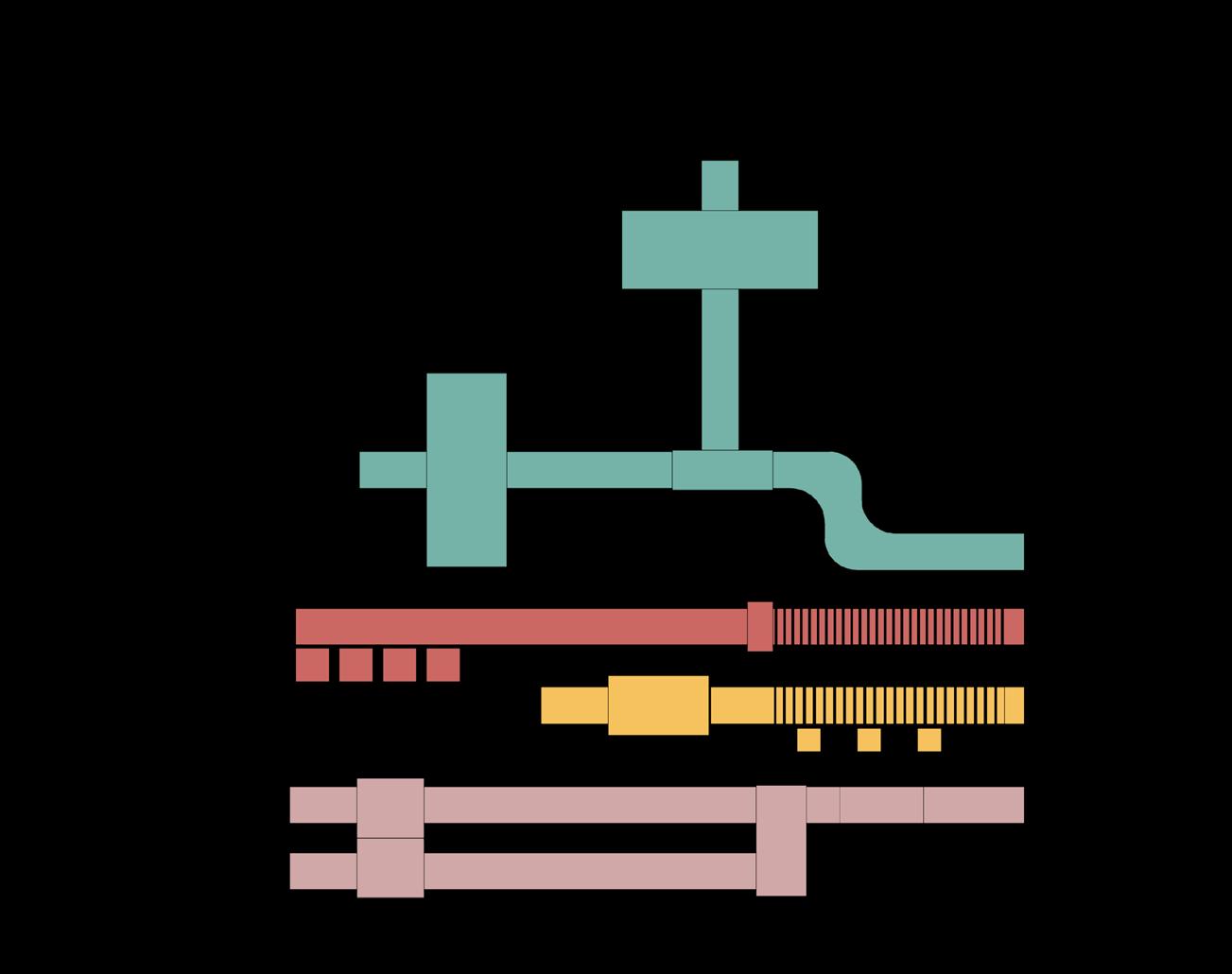
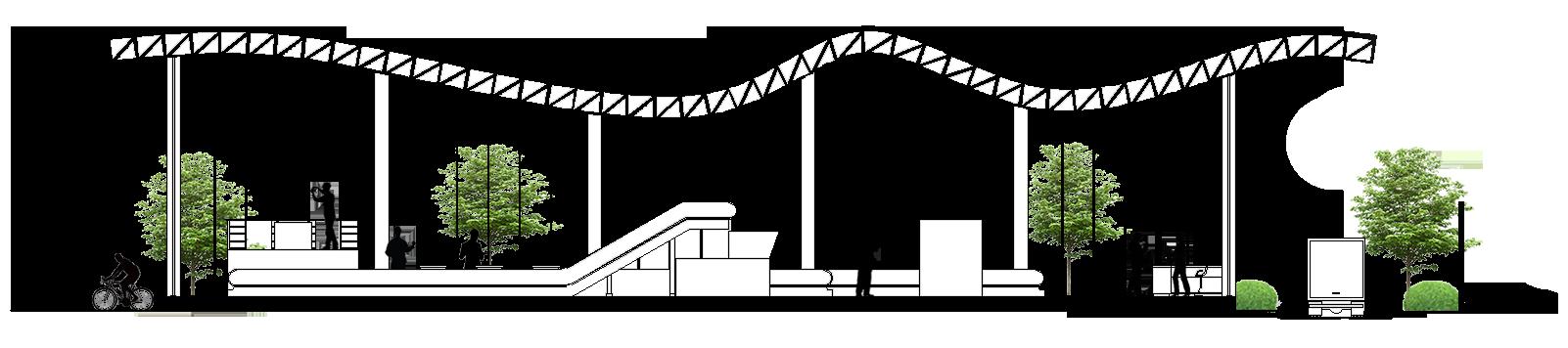
RECYCLABLE MATERIALS
TEMPORARY STORAGE SHREDDER
FLATTENER
The project includes three main areas:
1. Recycling center: Equipped to recollect and recycle metal, glass, plastic and paper waste.
2. Community center: Serving as a space of gathering and to hold recycling-awareness activities.
3. Maintenance building: To provide control and upkeep of the buildings and grounds.
Including a community center in the project was necessary for creating awareness about the benefits of recycling.
The spaces are designed as conference rooms and classrooms but can easily be rearranged to accommodate specific community activities.
1st Level floor plan
1. General storage
2. Multi-use conference room
3. Cleaning room
4. Generator room
5. Bathrooms
6. Main entryway
7. Reception
8. Classrooms
9. Small conference room
10. Commercial rentals

Community centre - 1st Level floor plan
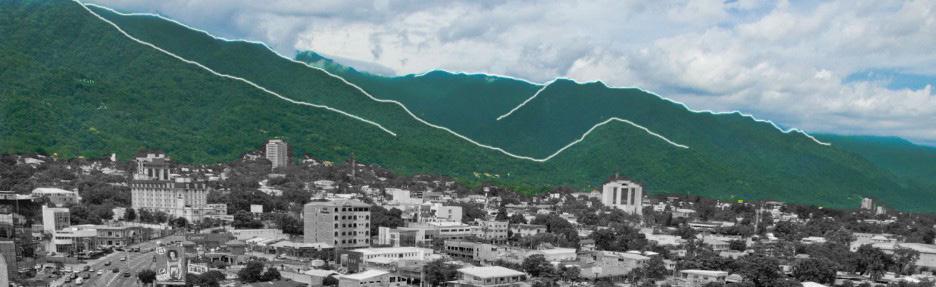
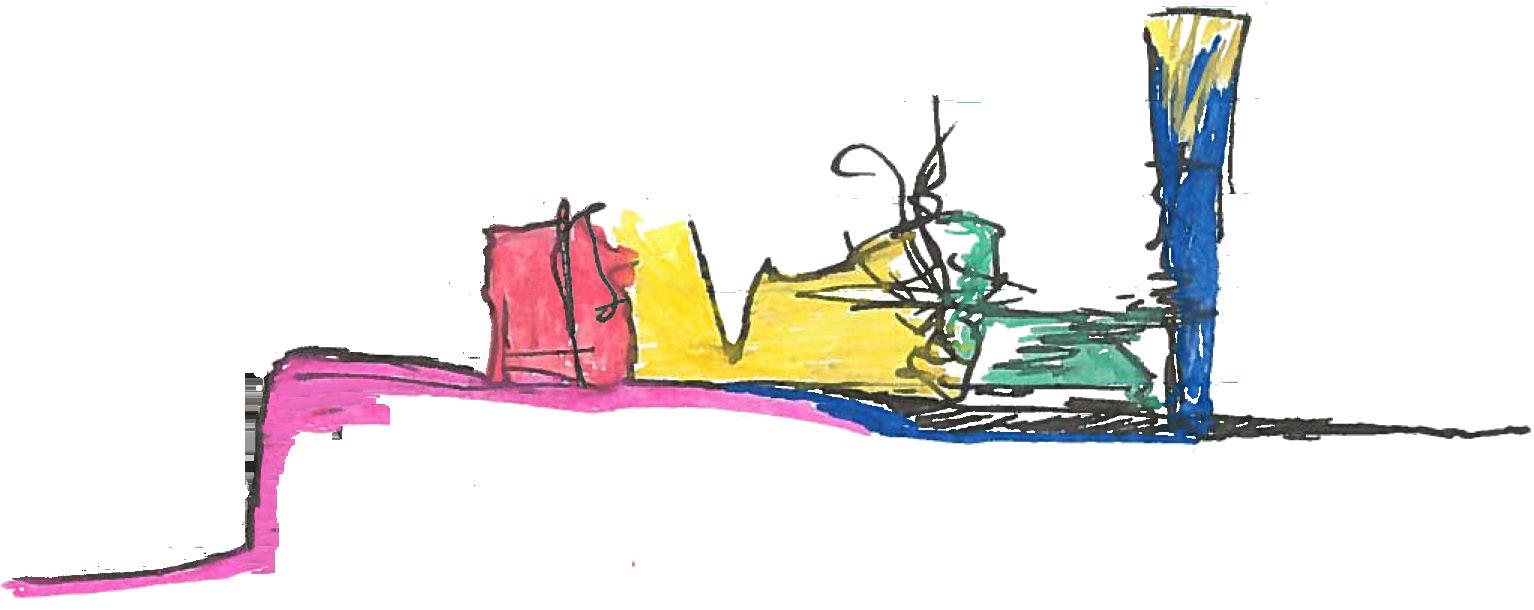
Besides addressing the neighbourhood’s issues on waste and physical deterioration, it was also important for the project to reflect the local identity of the city. Therefore, a curved roof was proposed to imitate the shape of the Merendon Mountain - the city’s largest natural reservoir and a favorite public space of its locals and visitors.
With a 900ft depth, the site is perfect for installing a long drive range. Its location in the outskirts of Rochester, New York, provides its residents a quick escape from the city and to a different kind of entertainment space.
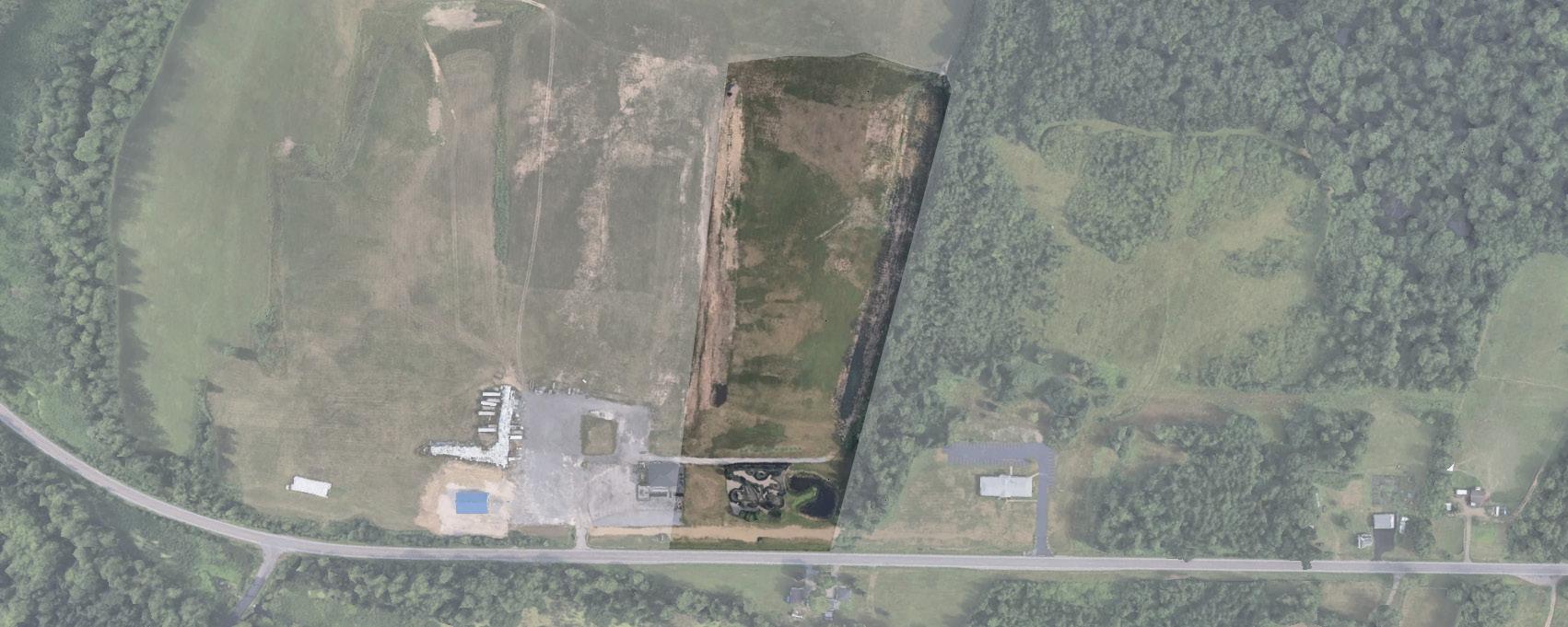
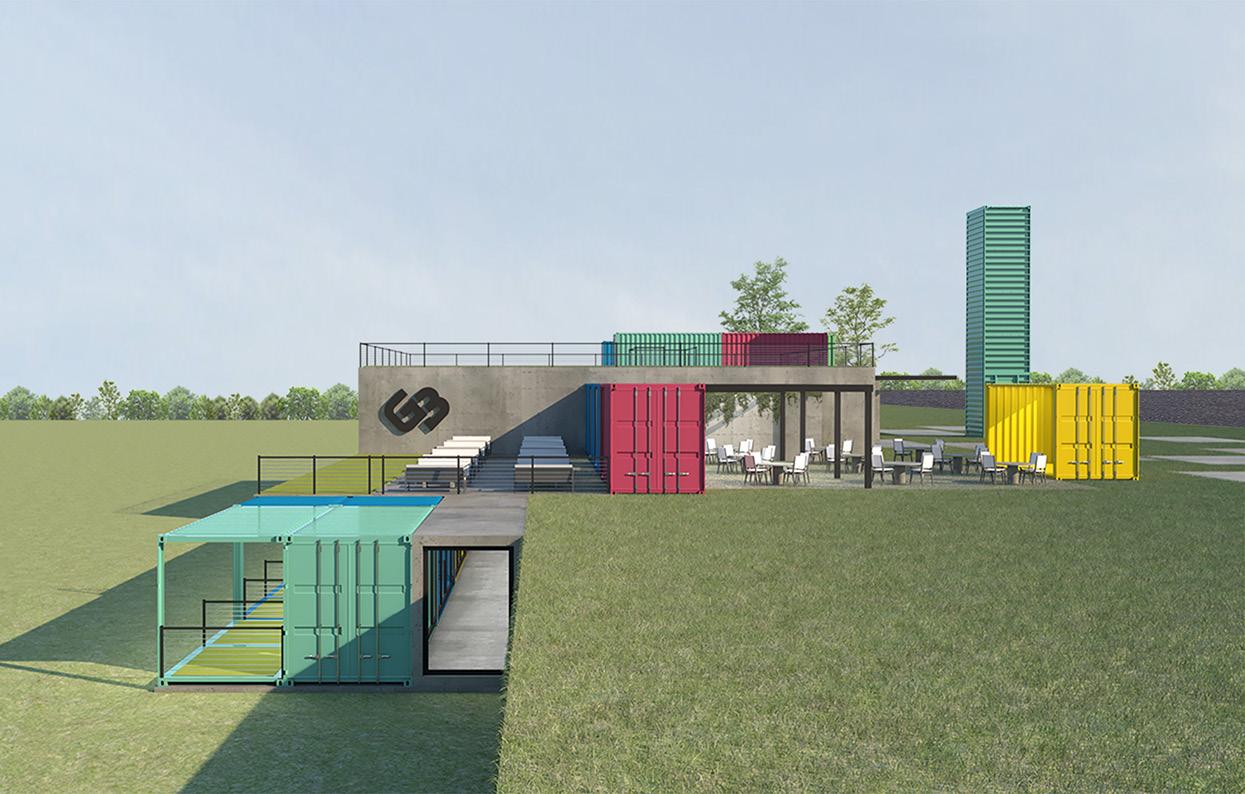
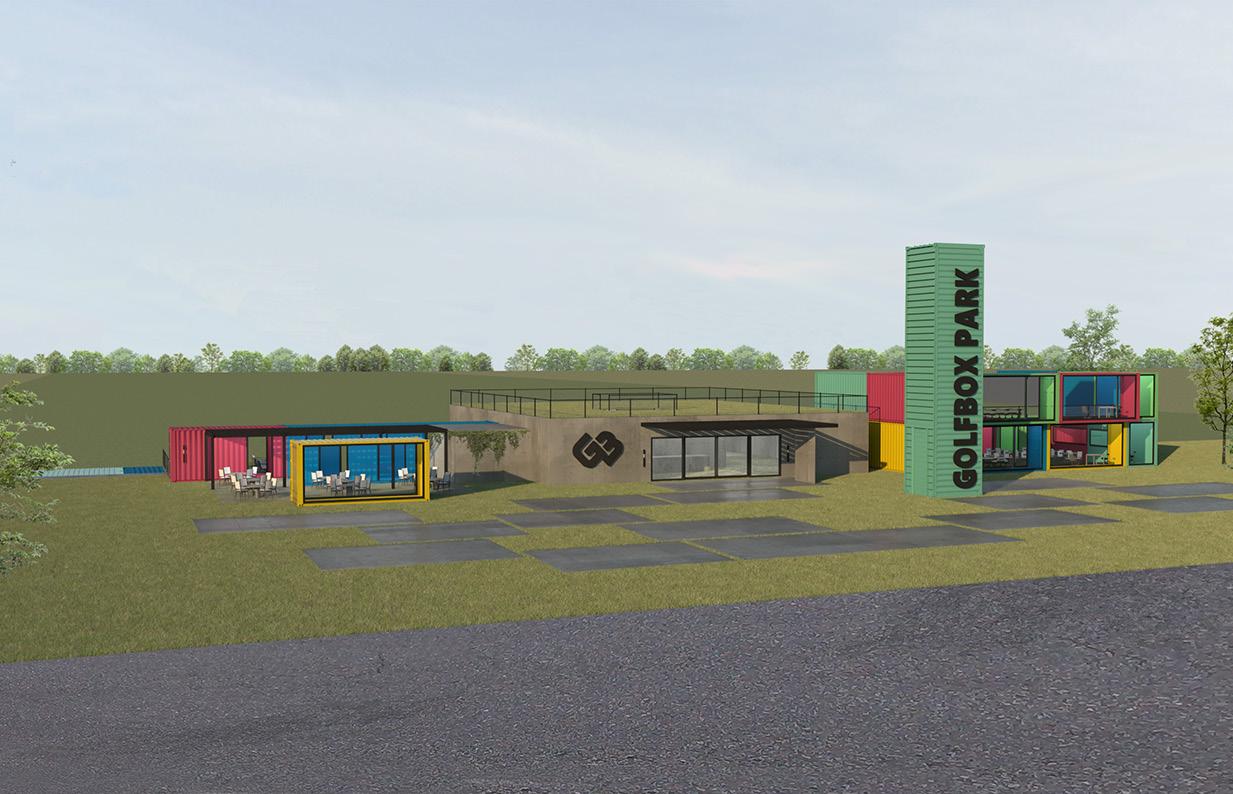
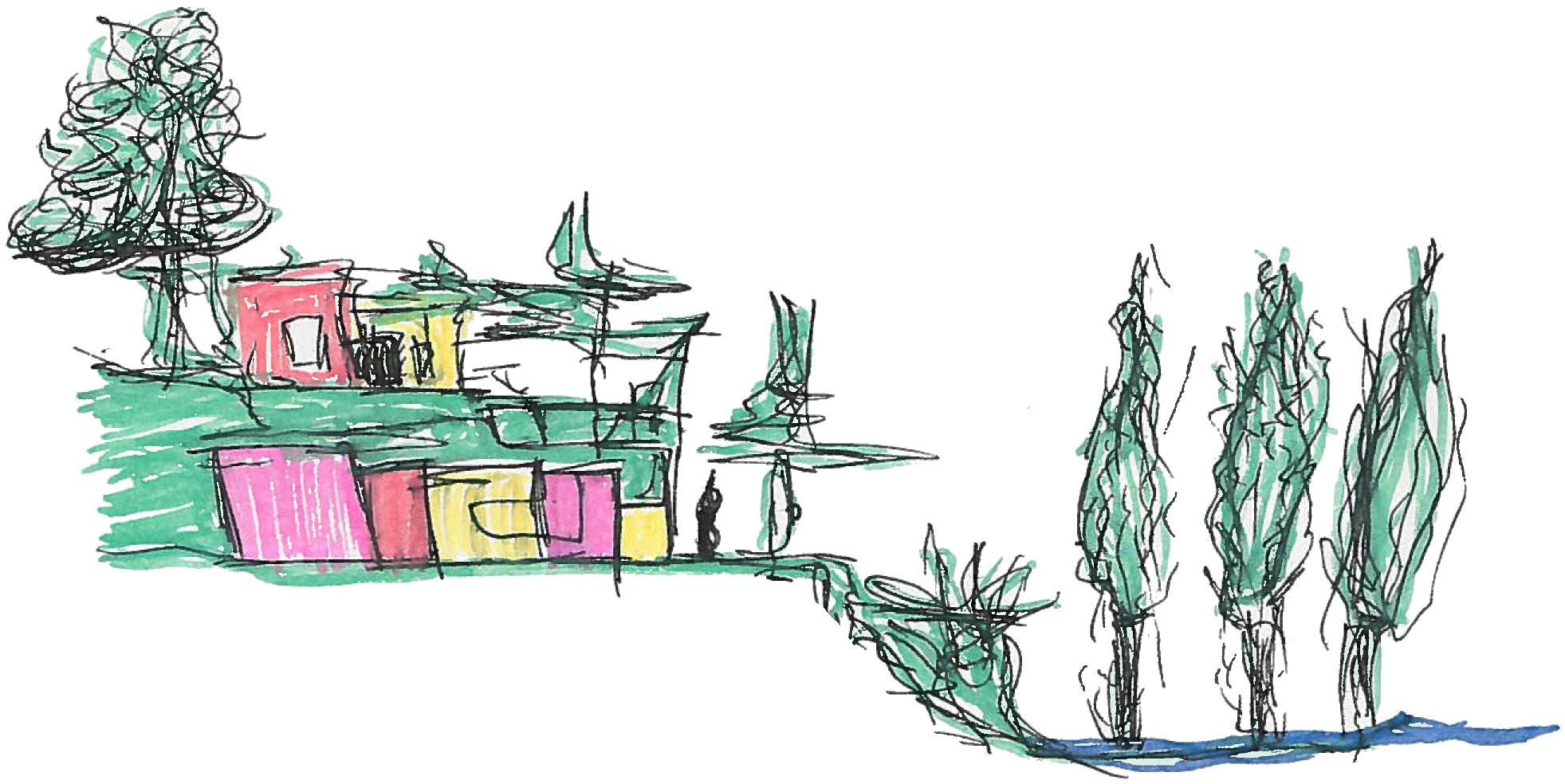
The design goal was to have all types of activities mixing seamlessly throughout the building and grounds. The social gathering areas were located on the top level to have them overlooking the long drive range.
The project was commissioned by Ryan Steenberg, World Ranked Long Drive competitor. A tier of shipping containers was placed in the lower site level to accommodate private hitting bays, while the ground level has a mix of a concrete structure and containers for office and event space rentals, restaurants, bars and cafés to create a fun and welcoming space for the whole community.
Year: 2022
Location: Rochester, New York
Area: 8,000 sqft
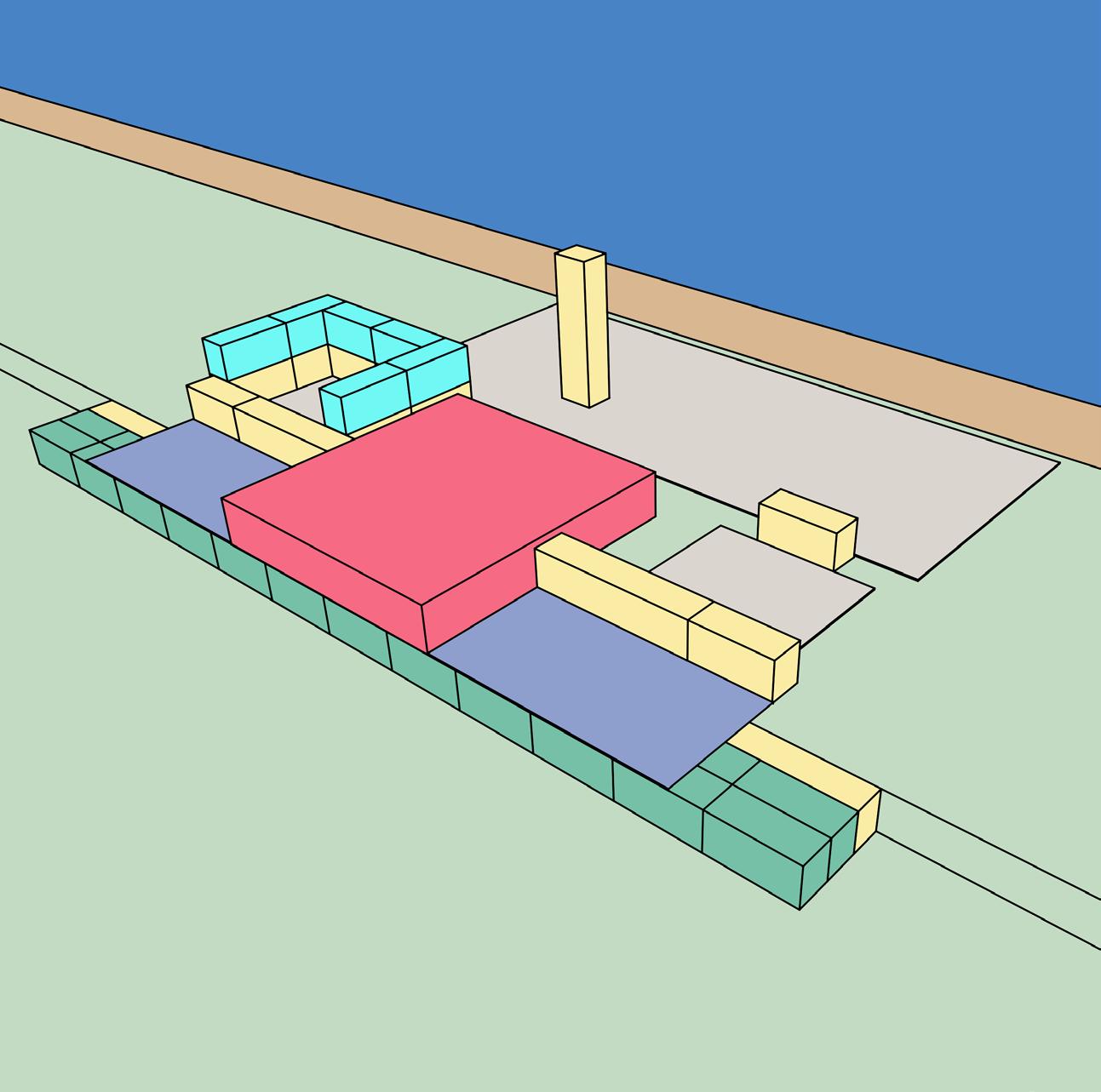
SITE
ROAD
INDOOR BAYS
OUTDOOR BAYS
RESTAURANT/BAR
SEATING AREAS
PLAZAS
OFFICE RENTAL SPACES
ROCHESTER, NEW YORK
The 10’ height difference between the two levels of the site made high-cube shipping containers, with a 9’6” exterior height, an ideal solution and opportunity for a catchy and new-style of building for the area.

LOWEST SITE LEVEL
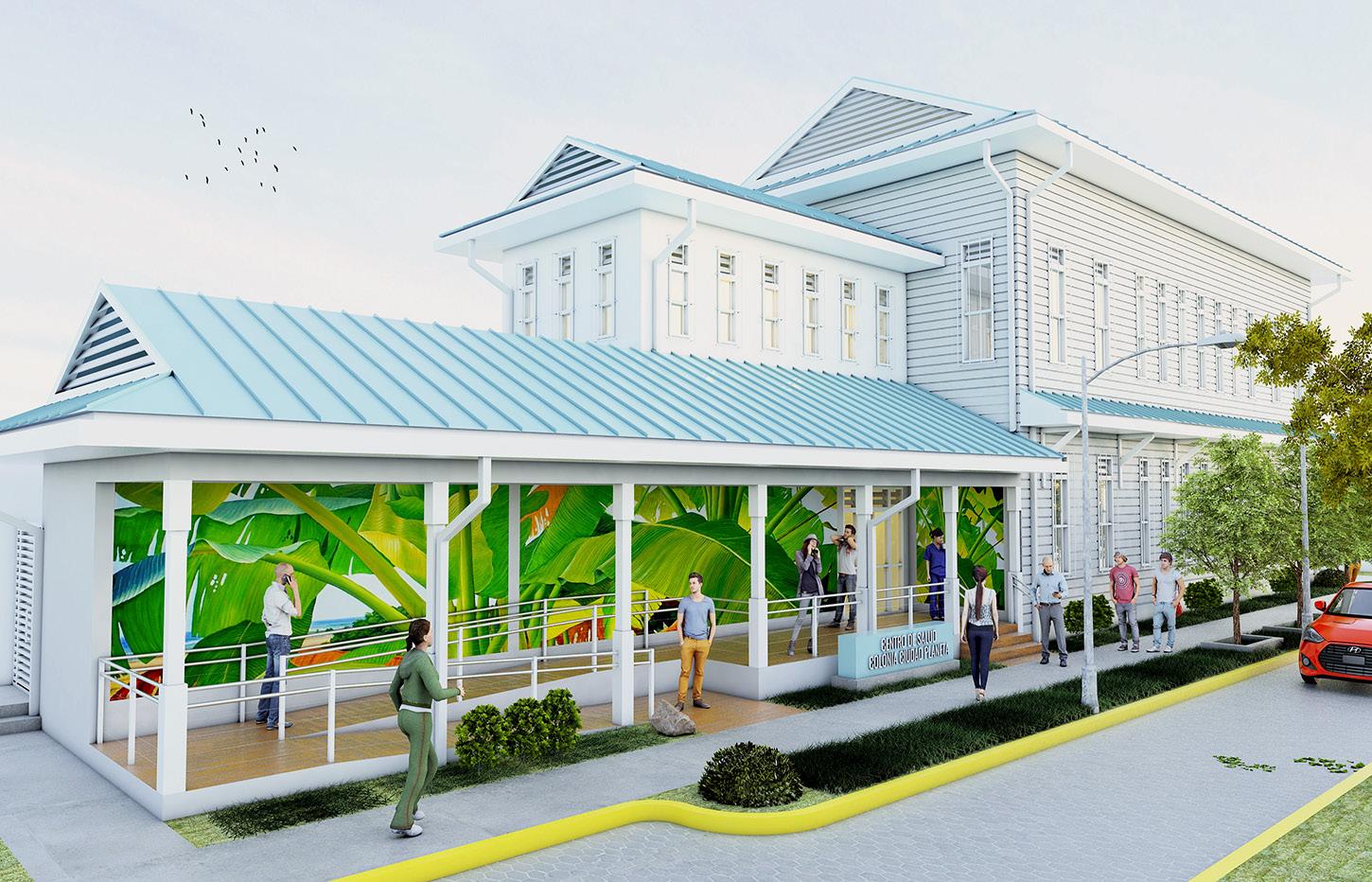
The project served as a tribute to the history of La Lima, Honduras — a city with a unique architectural identity, reminiscent of houses built in the southern United States in the early 1900s. The design was developed under the guidance of the Ministry of Health and local government to ensure community acceptance.
Year: 2015
Location: La Lima, Honduras
Area: 6,200 sqft
PRE-SELECTED SITE
The site is surrounded by low-height buildings and is accessed by the neighbourhood’s main avenue, which increased its visibility to the community for engagement. Additionally, it was already owned by the city municipality, which helped to reduce project costs and to speed up the design process:




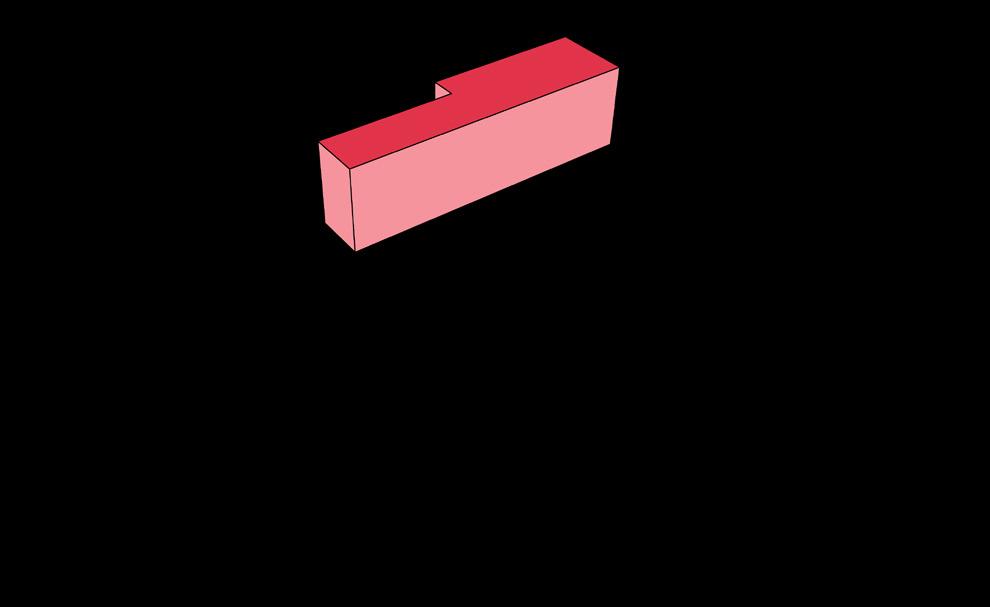
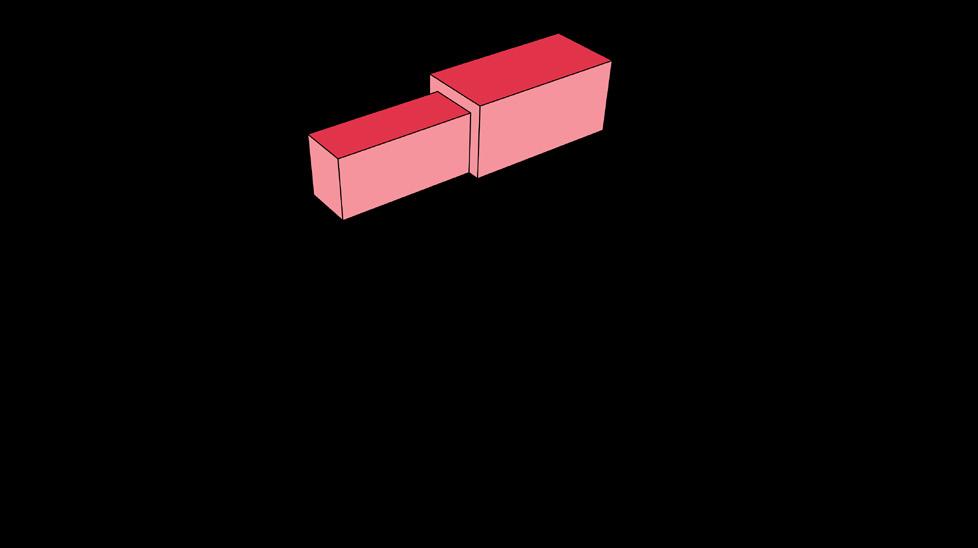
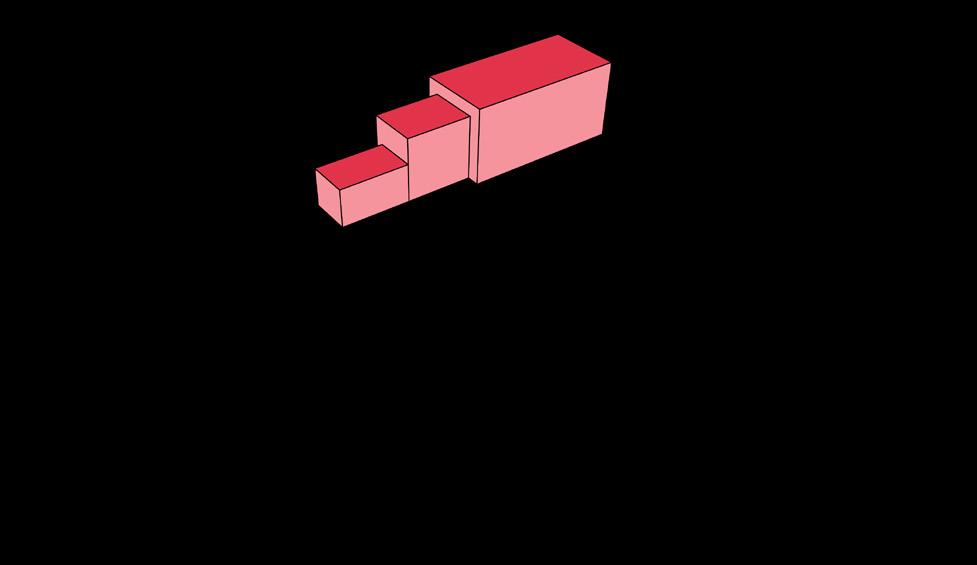
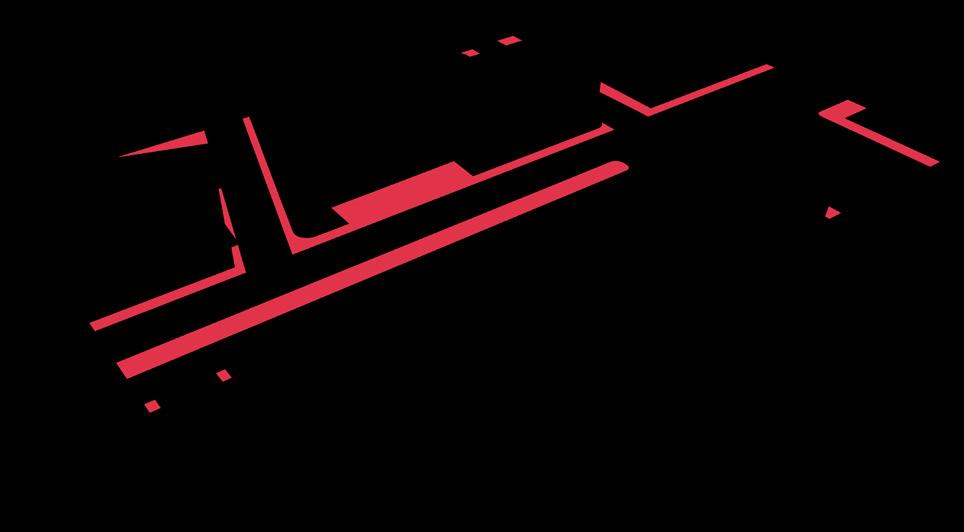
Patient area Maintenance Sun, winds & views
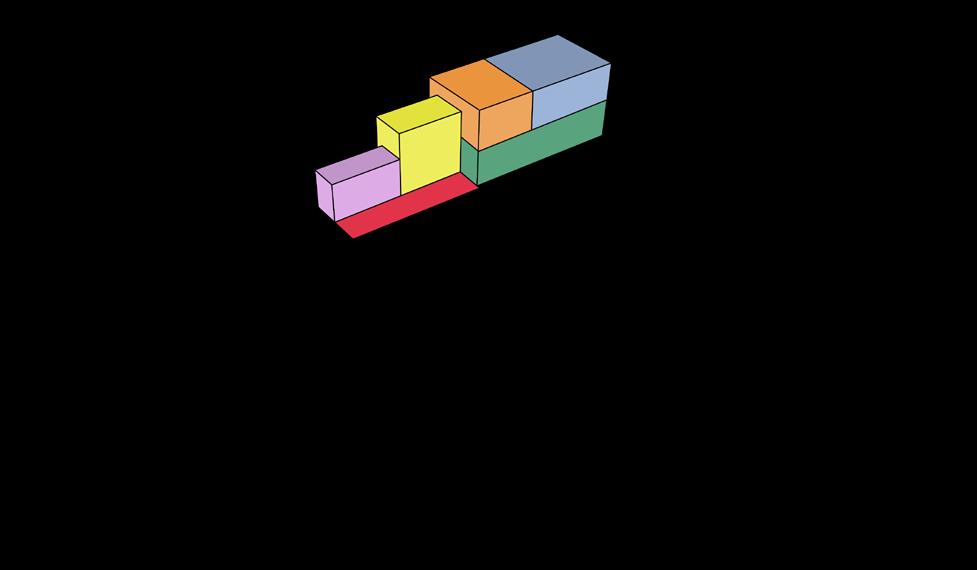
Circulation Laboratory Administration
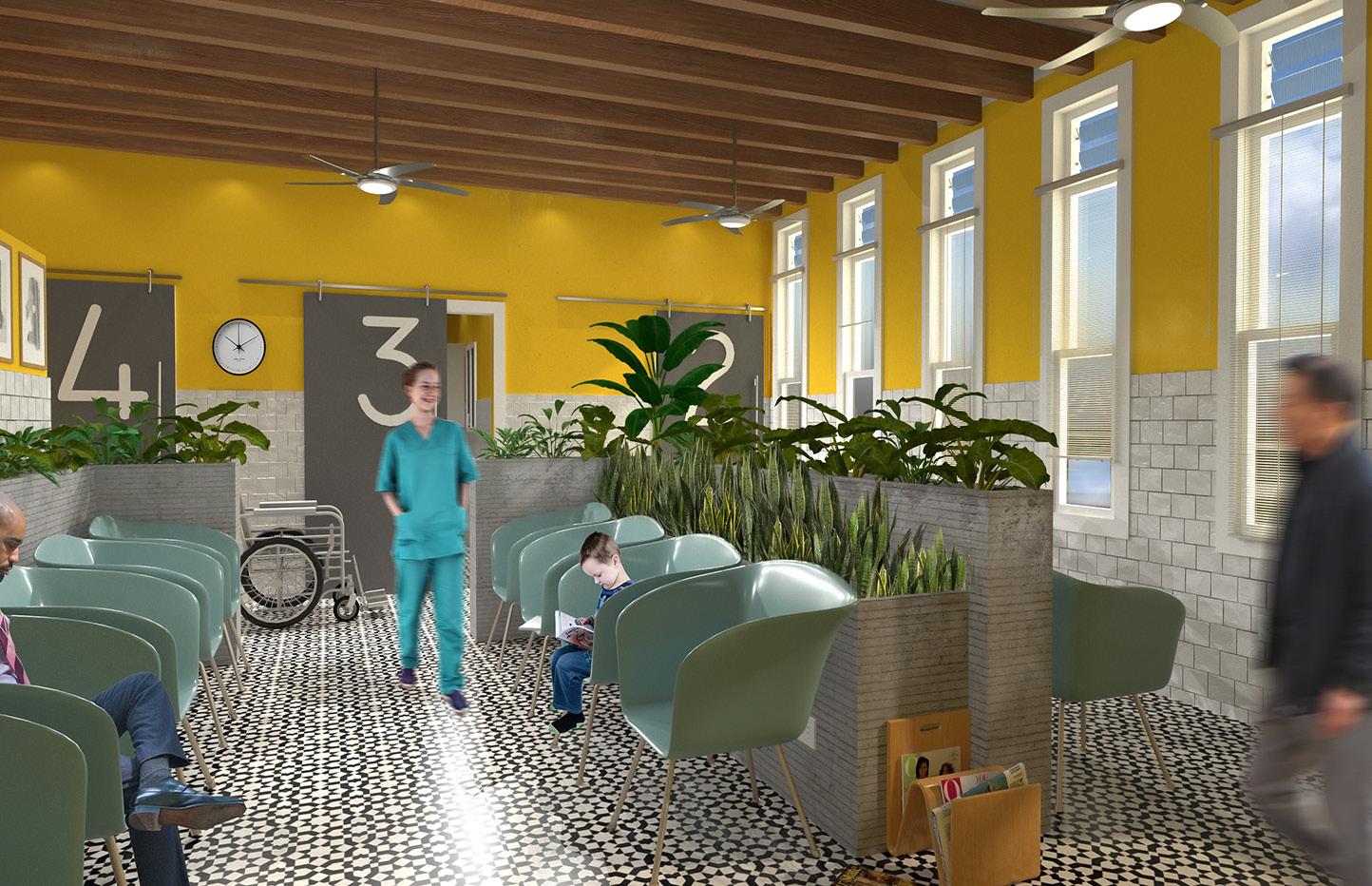
In the early 1900s, the city of La Lima became the administrative center for banana companies that came from the South of the United States, bringing with them an architectural style reminiscent of their own homes. For the community health center, it was important to include the style’s main elements:
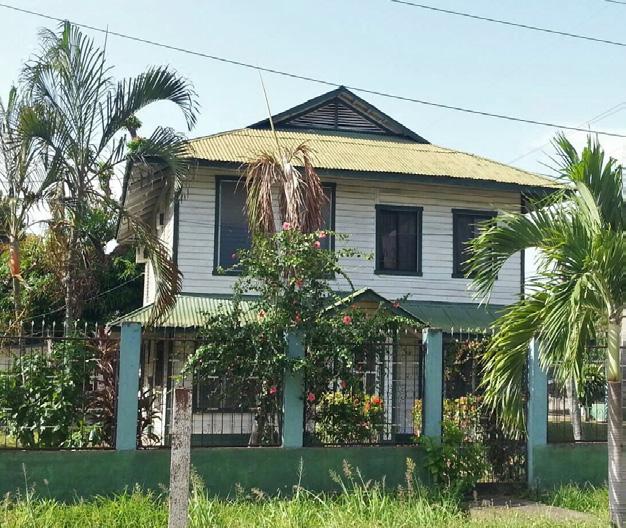
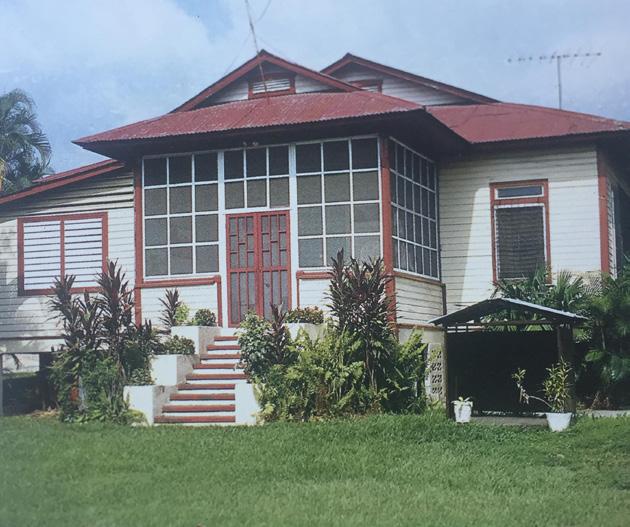
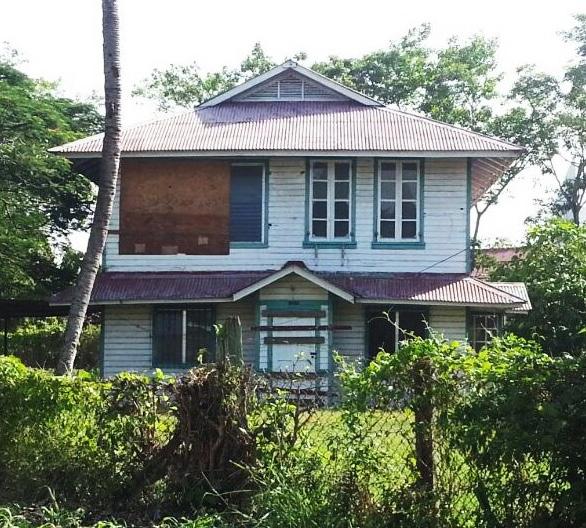
To this day, they are known as the “company houses” in reference to the banana companies that built them.
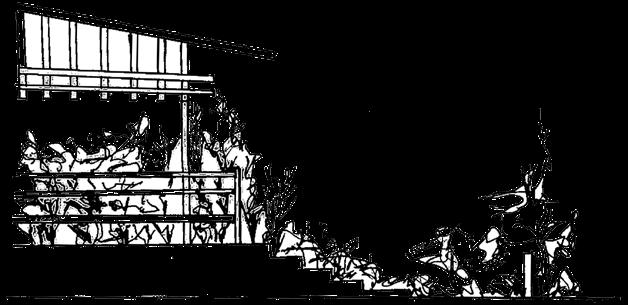
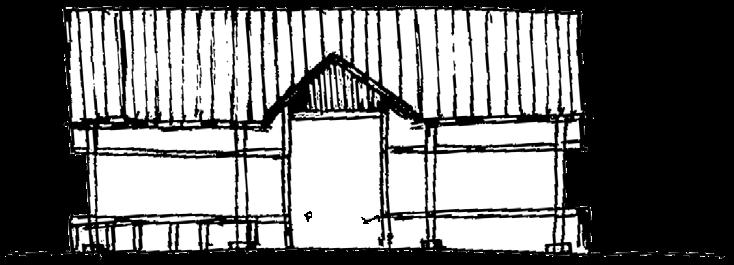
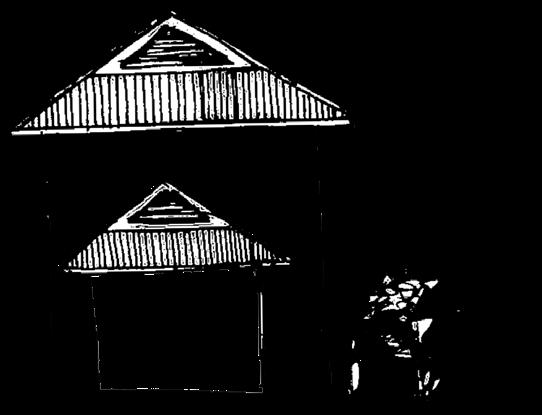
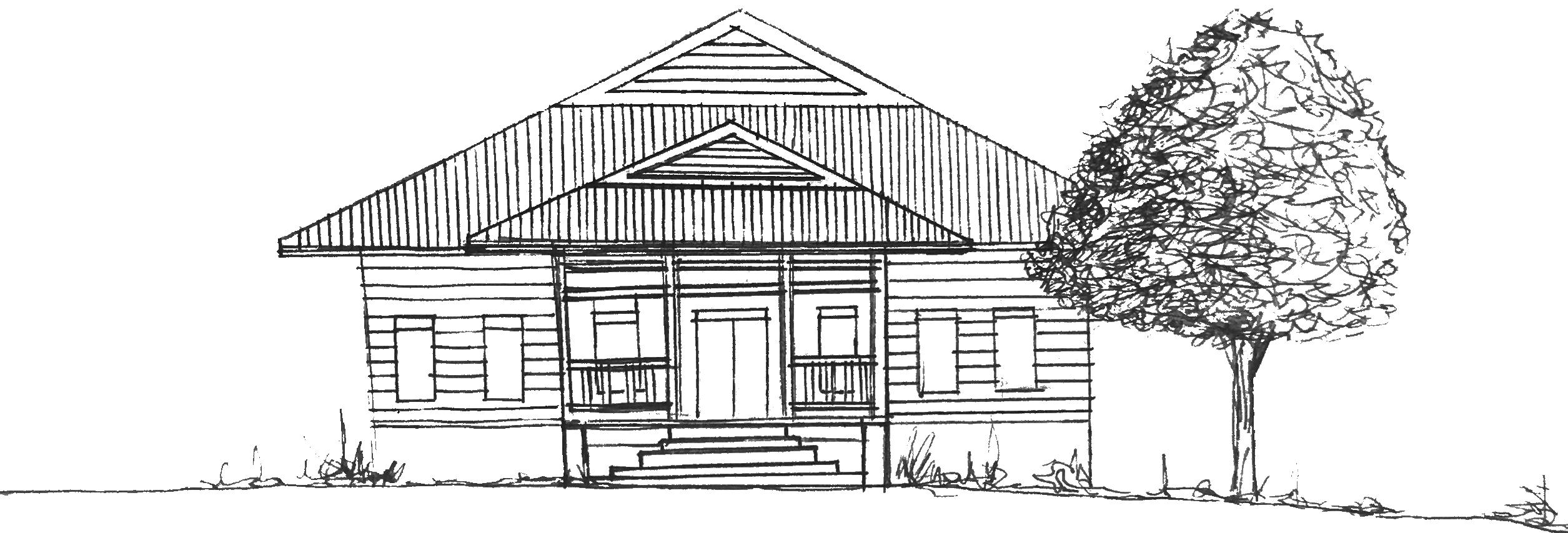
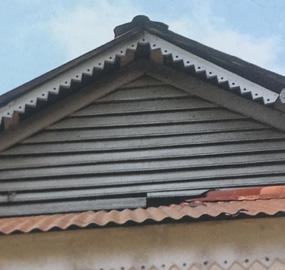
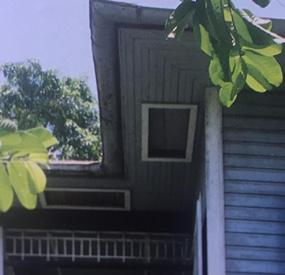
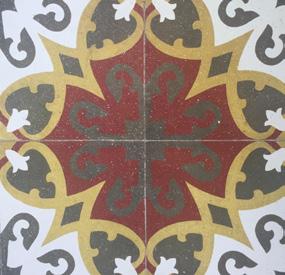
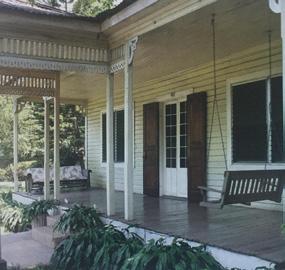
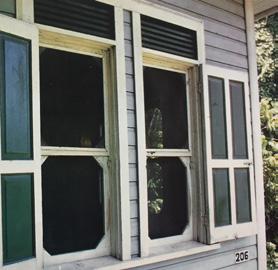
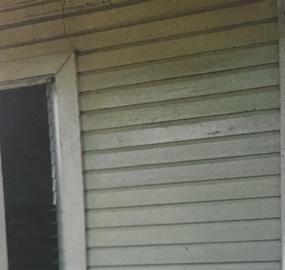
The design was developed in collaboration with the local Ministry of Health in order to comply with the required guidelines for designing a community health center.
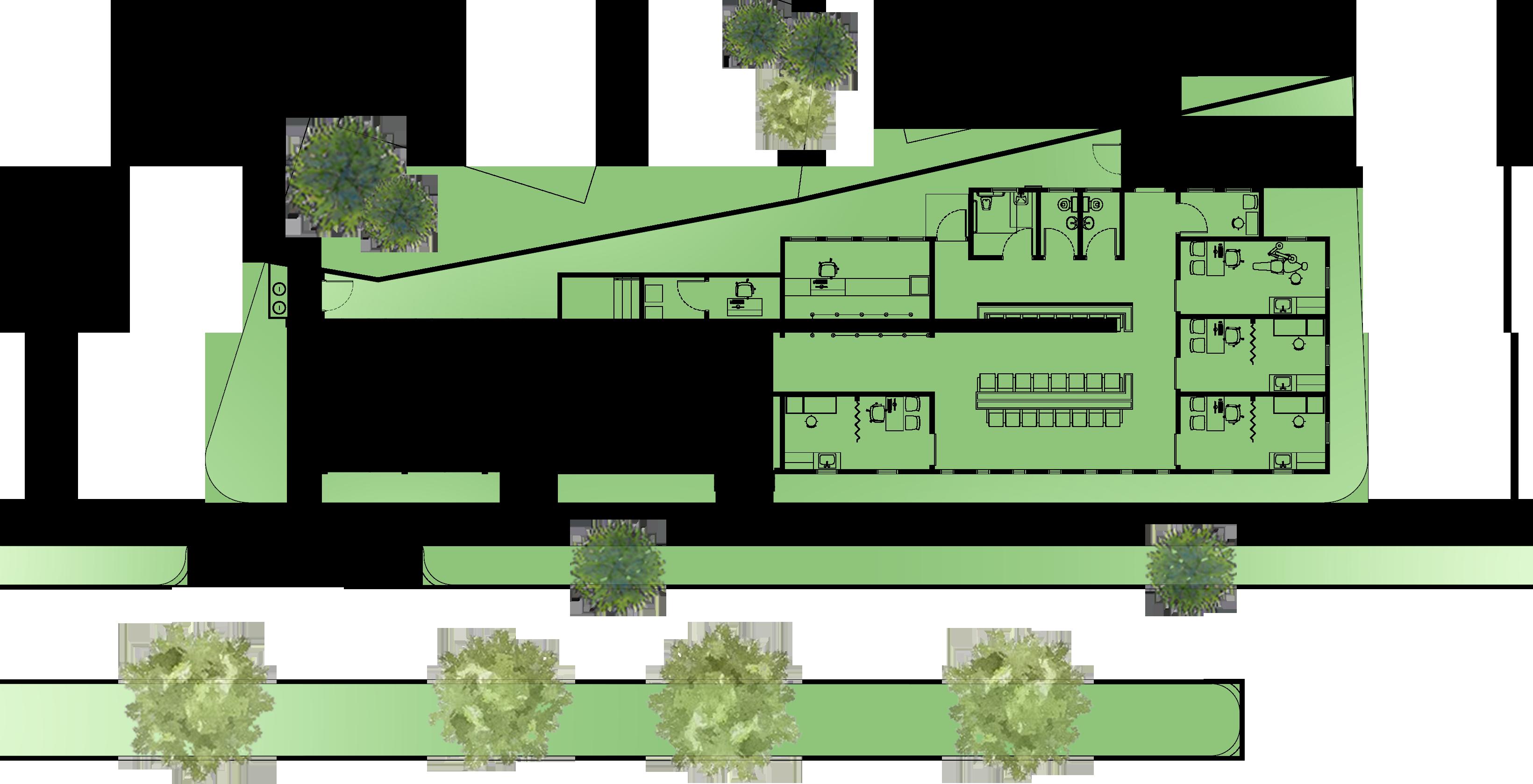
1. Waiting room
2. Child psychology
3. Immunization clinic
4. General storage
5. Conference room
6. Laboratory
7. Sterilization
8. Laboratory sterilization
9. Laboratory shower
10. Staff locker room
11. Staff break room
12. General manager
13. Administration

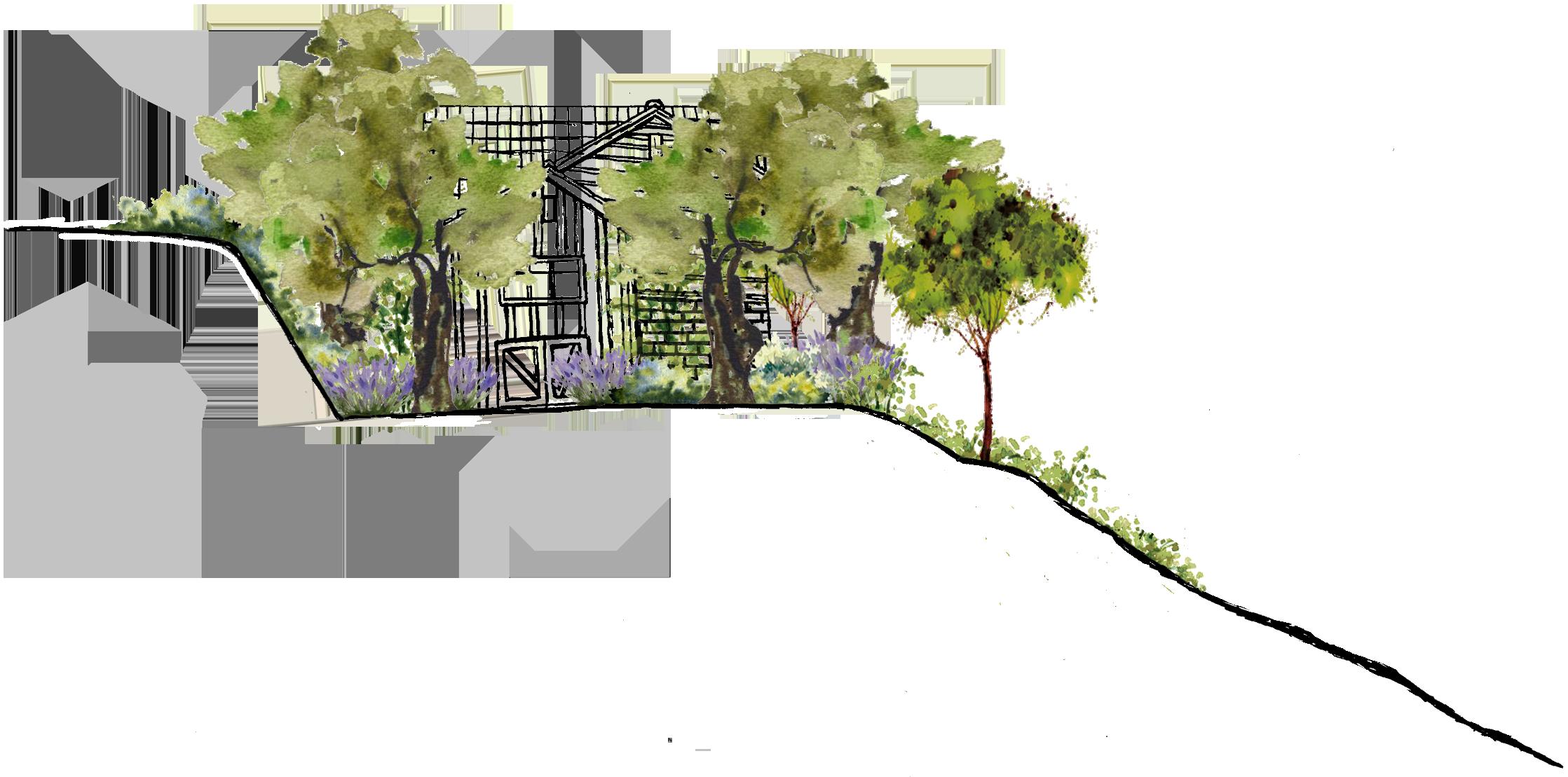
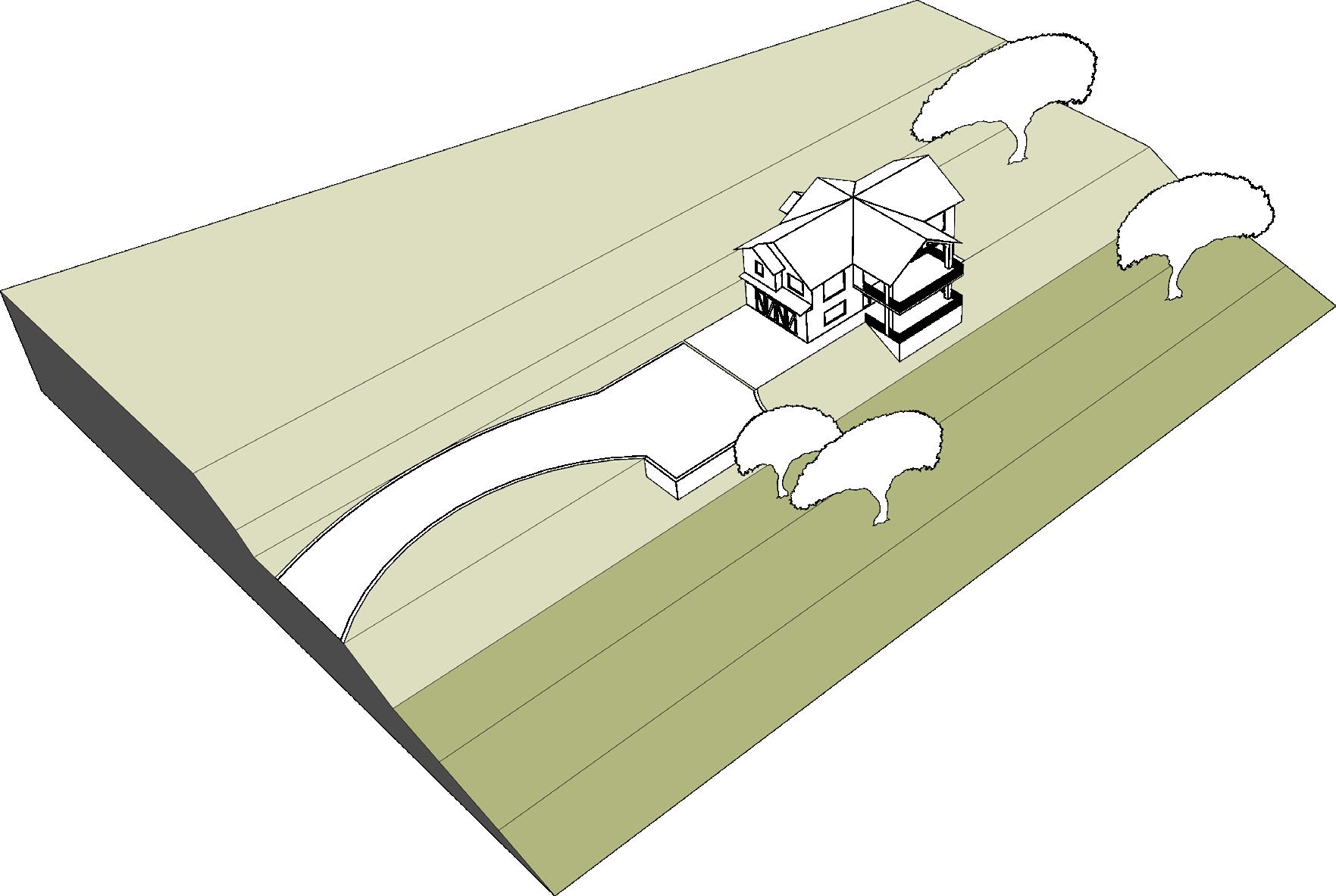
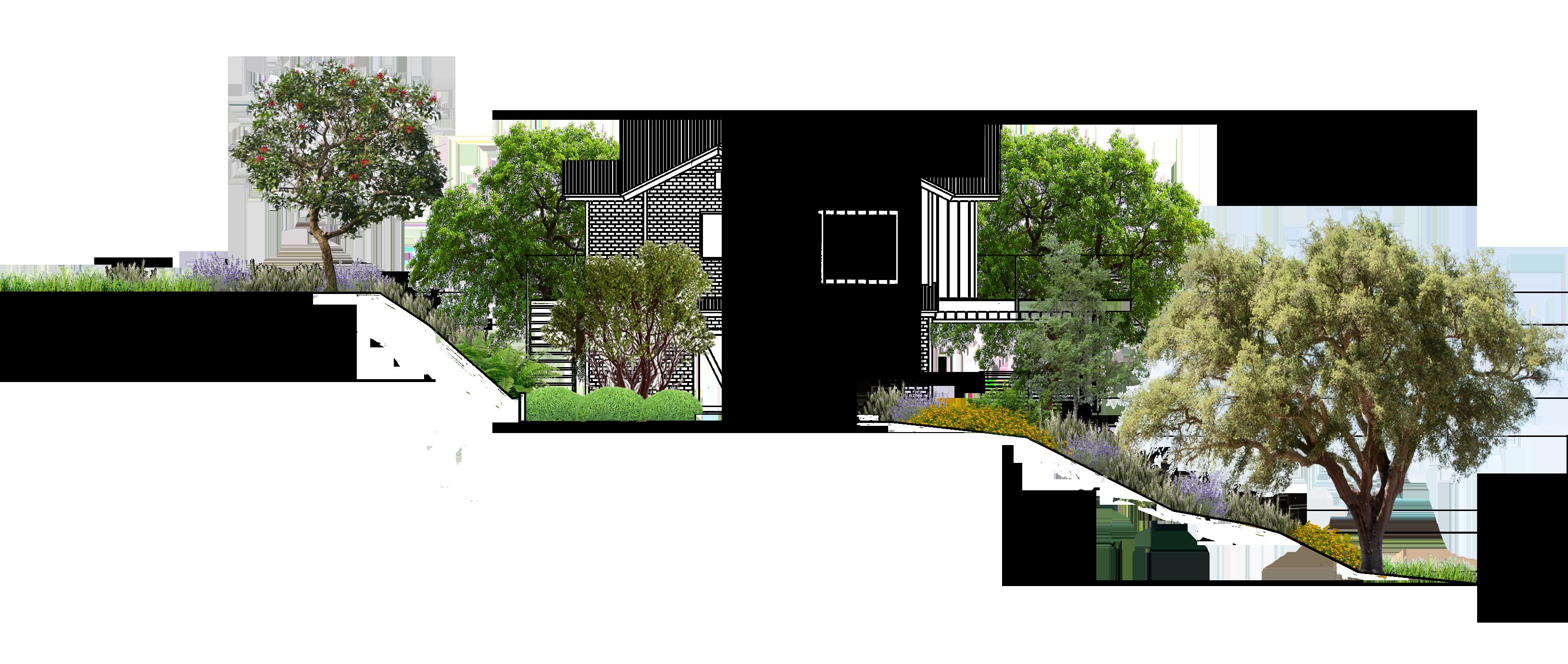
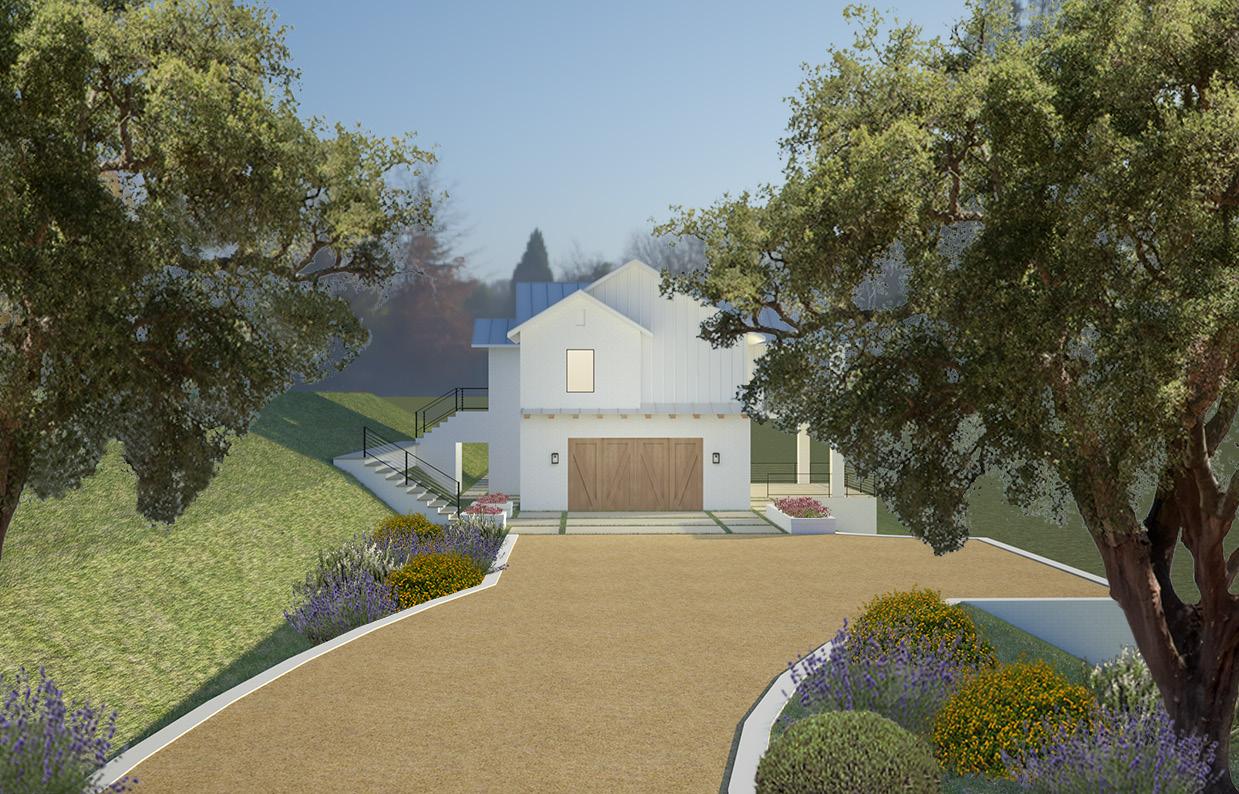
Located in a hilltop, the site offers stunning views of the Pacific Ocean and is surrounded by four beautiful, old California live oaks. The house, its driveway and parking area were accomodated in the site’s flattened area to respect the terrain as much possible, and to simplify the construction process.
A modern take to the classic farmhouse style.
Located in the beautiful countryside of Royal Oaks, California, the house went through a full exterior and interior re-design. A neutral palette was used to allow for the surrounding landscape — an oak forest and colourful flowers and bushes — to shine.
Year: 2022
Location: Royal Oaks, California Area: 3,500 sqft
HOUSE OVERLOOKING THE PACIFIC OCEAN CALIFORNIA OAKS
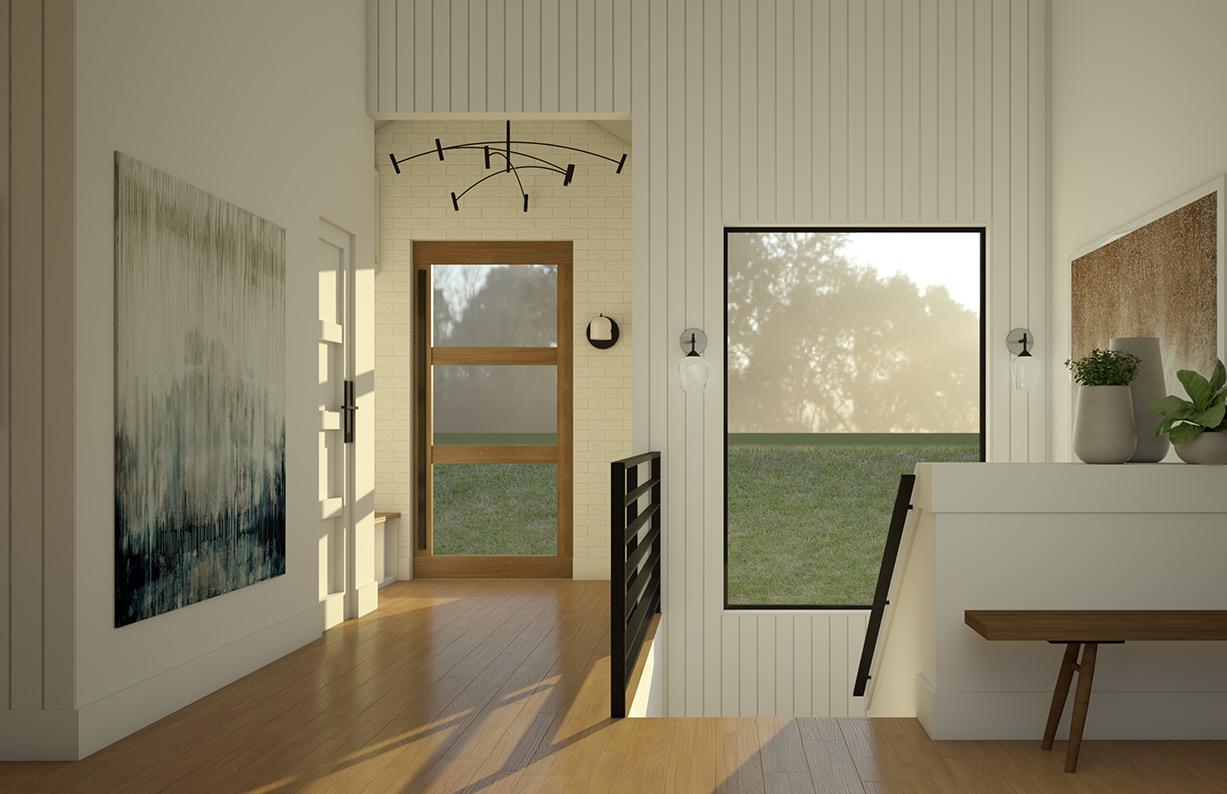
Before the project started, the layouts and exteriors of the house had already been designed by another architect, but the clients requested a remodel of the façades to create a modern version of a classic white farmhouse. Materials in neutral colours were selected to create a contrast with the lush, colorfoul landscape design, while the windows and doors were expanded in size from the original design to bring in the views of the natural landscape as much possible.
Only California native plants and trees were used for the landscape design. For soil erosion control, shrubs were planted on the hills of the site, while colourful trees were added throughout the garden to create a contrast with the white walls of the house.
The communities were located in a peri-urban setting, with only one access from a main road connecting it to cities and towns. The area is encircled by a river, an ideal resource for abundant harvesting, but making it prone to yearly floods, this was the main issue after the cyclone hit.
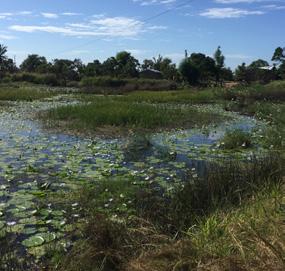
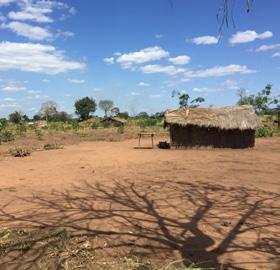
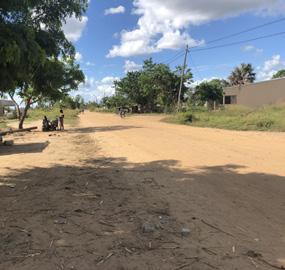

Three main types of construction methods were used in the communities. The project’s goal was to identify the best construction practices in each, including practices that could be improved, in order to design a sustainable housing model resilient to floods / winds and replicable by other families.
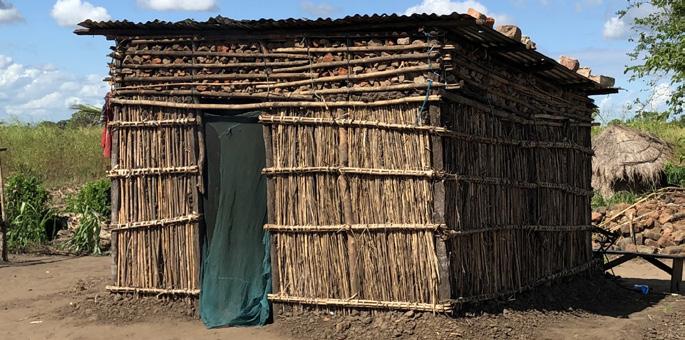
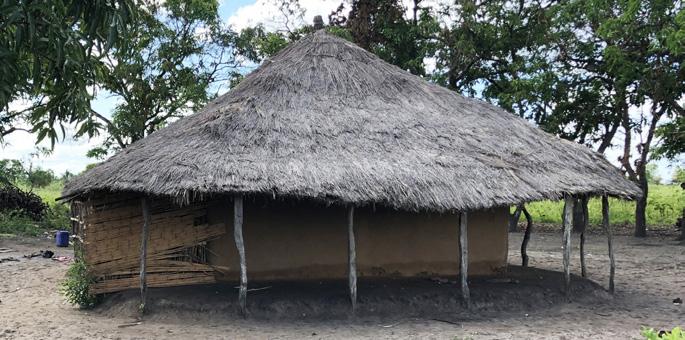
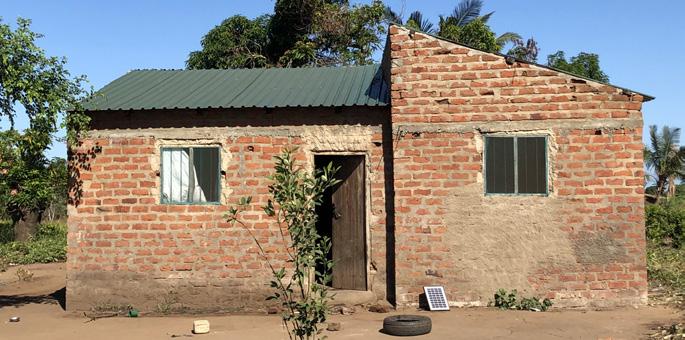
A housing project where local construction methods, labour and materials were the design core for supporting communities affected by Cyclone Idai in 2019. A model home that could be easily replicated by families, and with a strong resilience to natural disasters, as part of a long-term, sustainable recovery process.
Year: 2019
Location: Beira, Mozambique
Area: 2,900 sqft
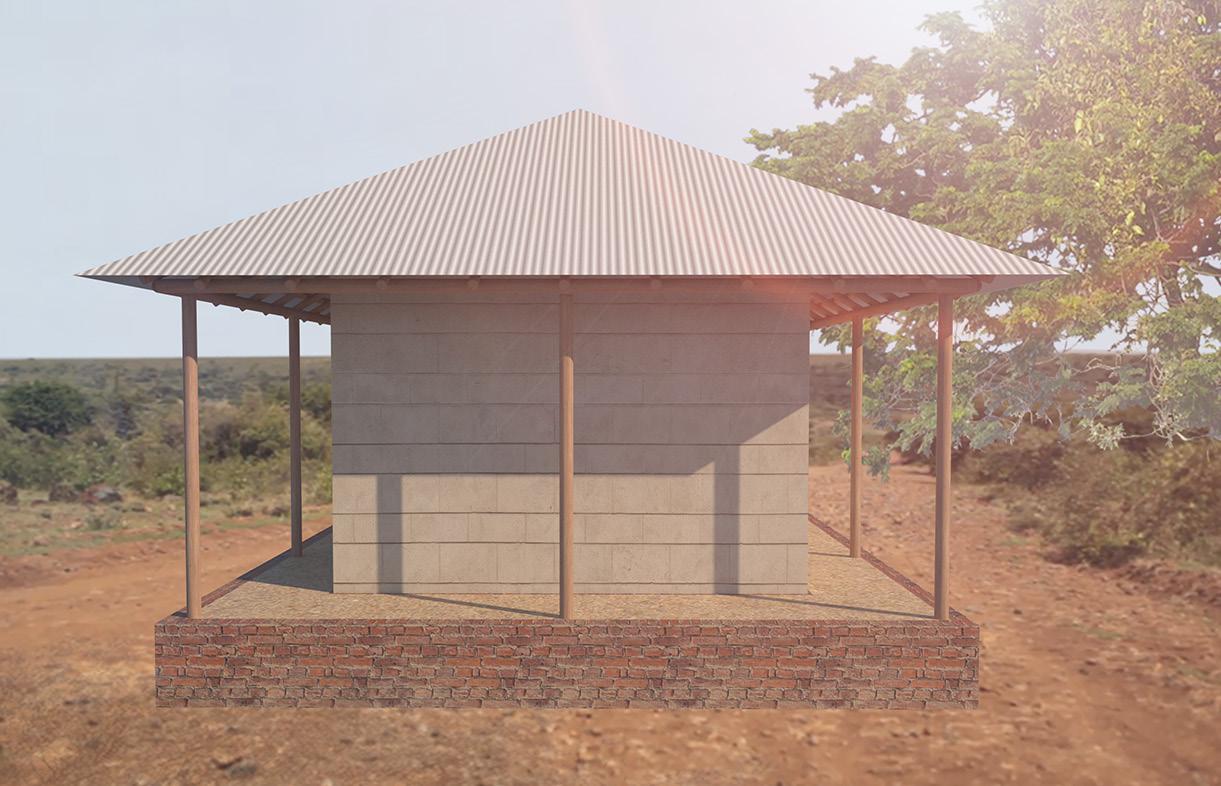
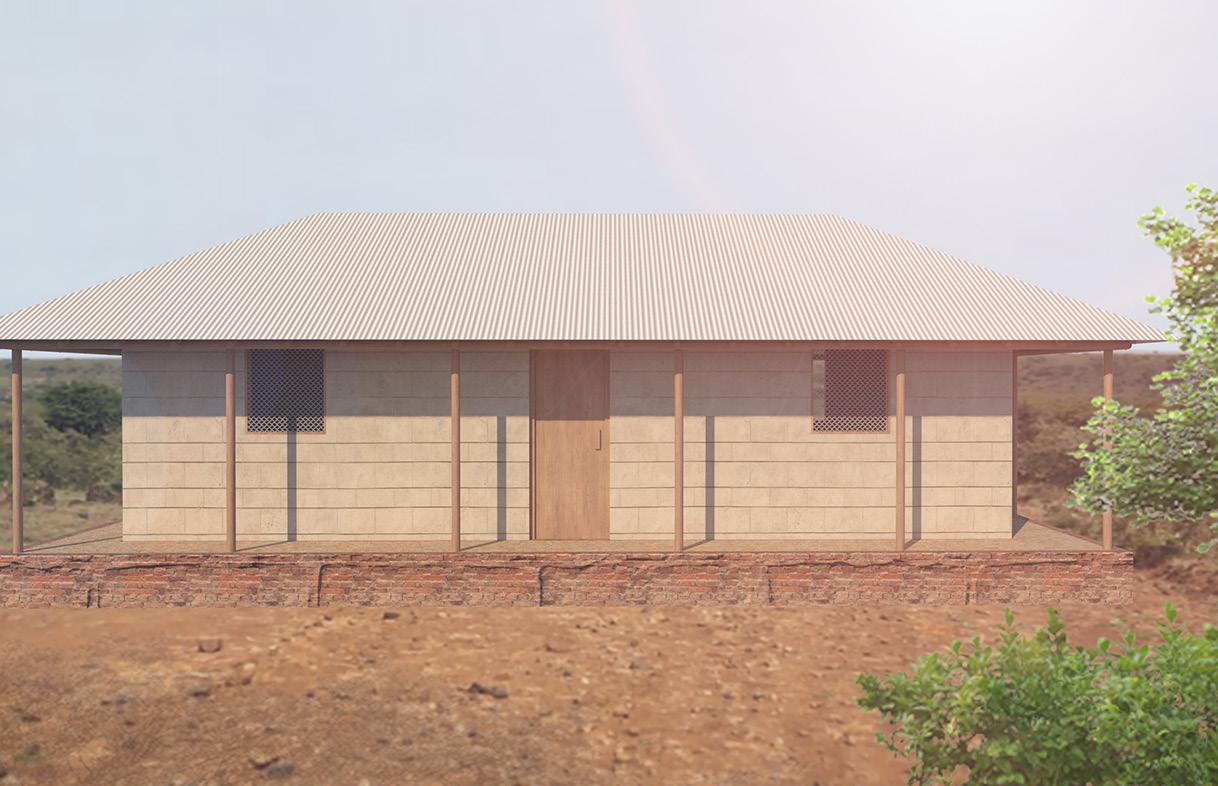
THE PROPOSED MODEL
A combination of the three construction methods:
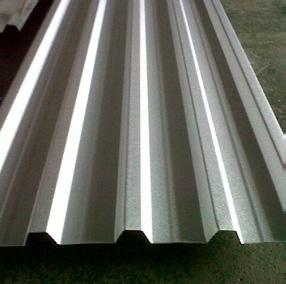
+ CGI roof, resistant to strong winds
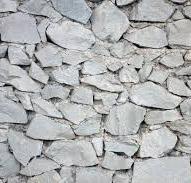
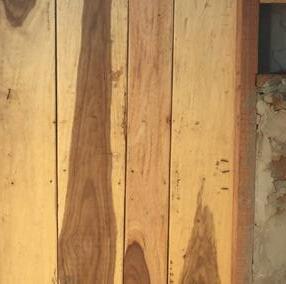
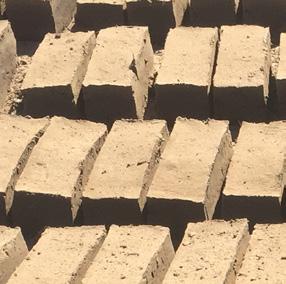
+ Walls built with natural and locally sourced materials: either wattle and daub or mud brick
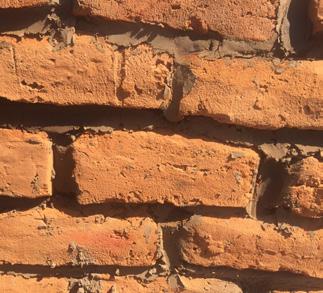
+ Fired brick used only in the foundation
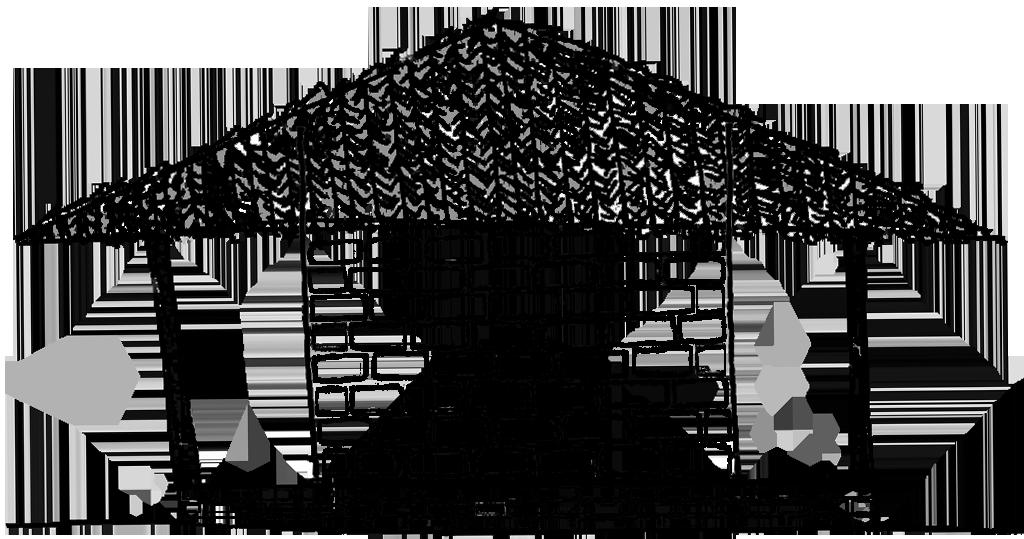
ROOF COVERING
• 0.4 mm gauge, minimum allowed by the government
ROOF STRUCTURE
• Hip roof, with 45° slope, to increase wind resistance
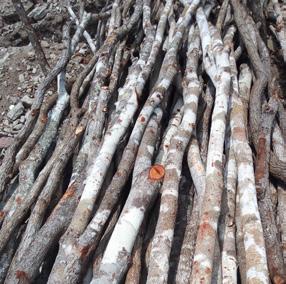
• Timber poles treated with gasoline
• Nodes reinforced with tire wire
WALL BRACING AND VERANDA STRUCTURE
• Wall bracing poles tied with tire wire to the door and window lintels
• Veranda poles buried 45 cm to increase wall stability
• Mud brick 18x15x25 cm
• Mud wall plastering to protect against humidity
• Door and window frames with lintels to increase wall stability
• Cement floor to reduce interior humidity
• Veranda floor with three 15 cm layers of rammed earth to reduce building cost
FOUNDATION
• Two lines of fired brick for the walls and one line of fired brick for the veranda, elevated above the ground to prevent flooding
• Fired brick plastered with cement
• House for an average family of five
• Three rooms of 3 x 3 m each
• Cross-ventilation in each room
• Wrap-around veranda

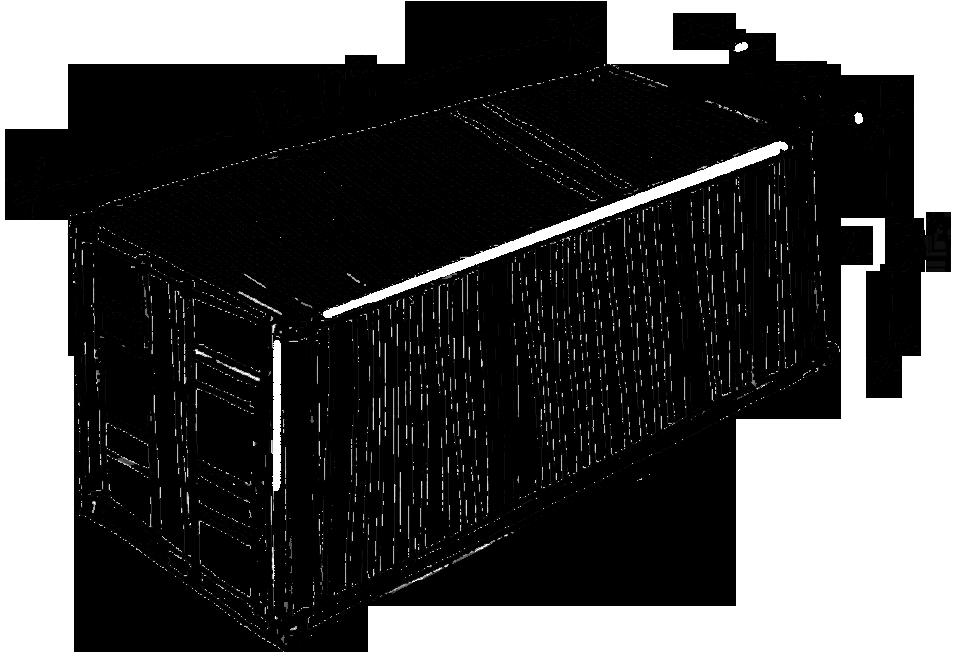
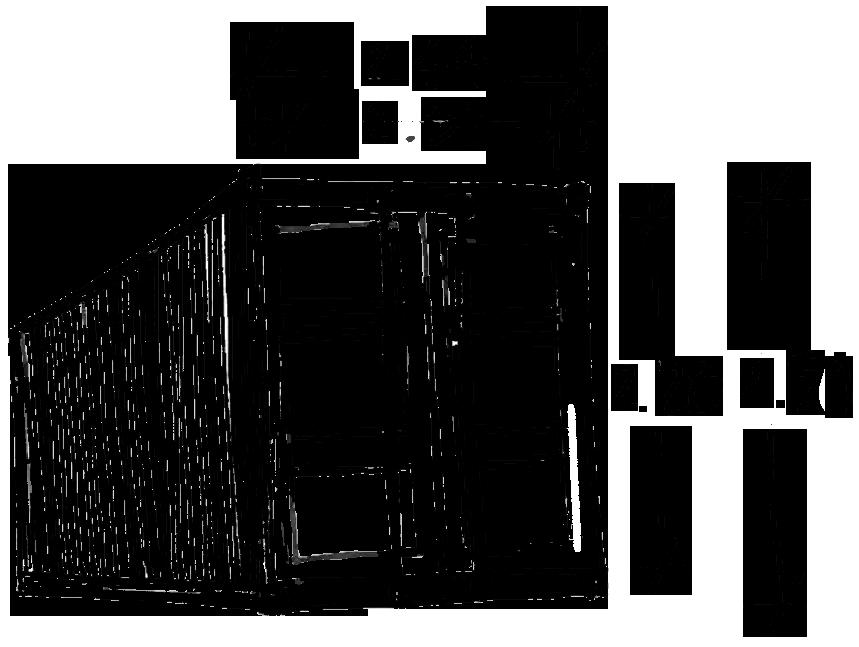
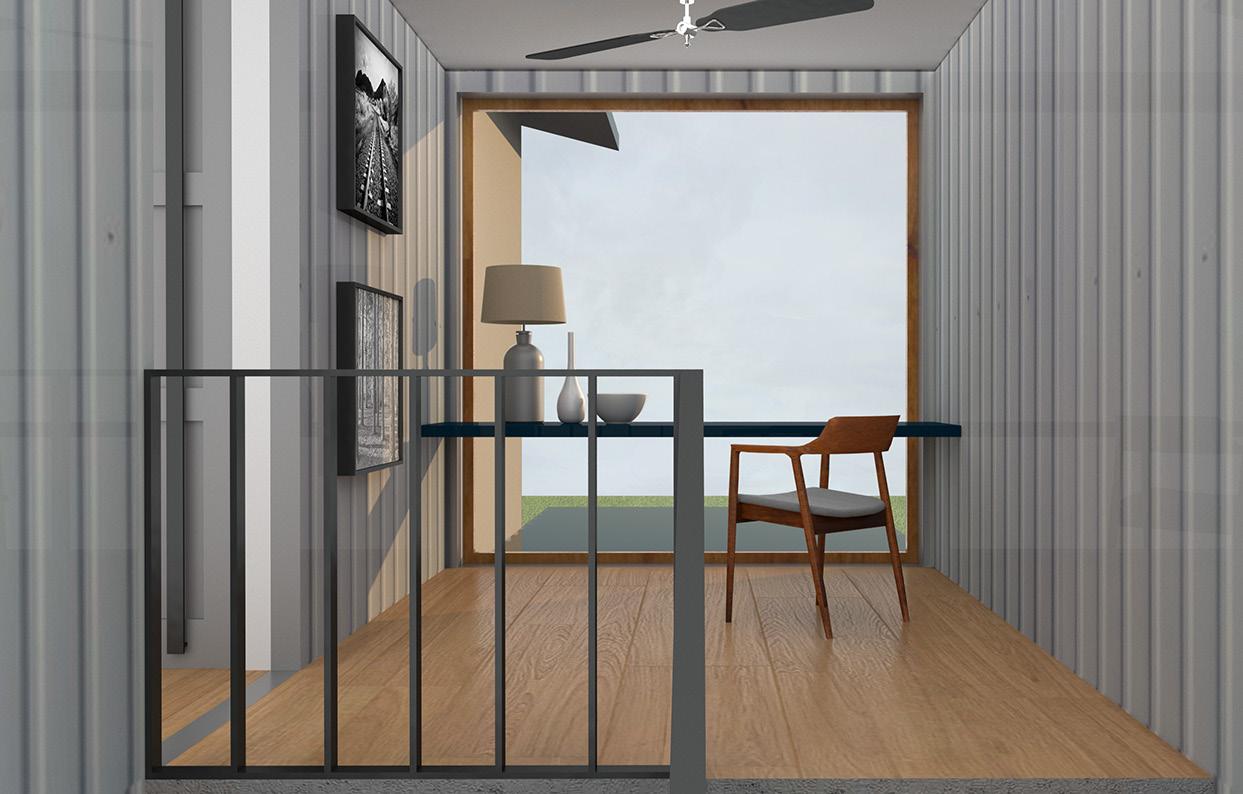
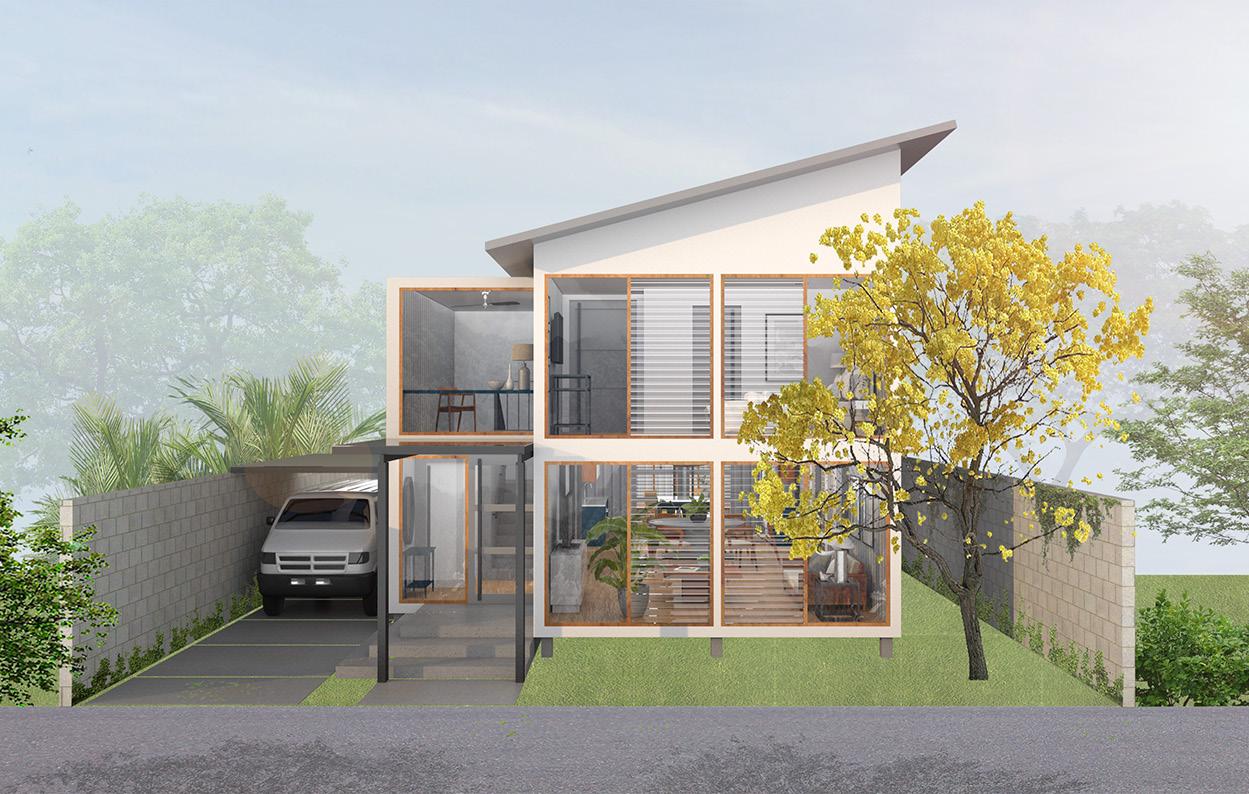
The one non-negotiable for the design: the house needed to be built with shipping containers. The design breaks from the traditional construction system in Honduras — concrete block — and served as an opportunity to explore a more cost-effective, simpler, yet comfortable living alternative.
Year: 2020
Location: San Pedro Sula, Honduras Area: 1,950 sqft
To ease the accommodation of the shipping containers, a rectangular-shaped site was purchased. A combination of 40 feet and 20 feet containers was used to comply with all the living spaces required:
1. SHAPE AND SIZE
A typical lot in the city, measuring 40ft x 80 ft
2. PUBLIC SPACES
Comprised of the living, dining and kitchen areas
3. EXTRA SPACES
A gym and staircase unit using 20ft containers
4. PRIVATE SPACES
A master bedroom and two additional bedrooms
5. SEMI-OPEN
Three pergola roofs to semi-outdoor spaces
6. VEGETATION
Planted trees to protect from the intense heat
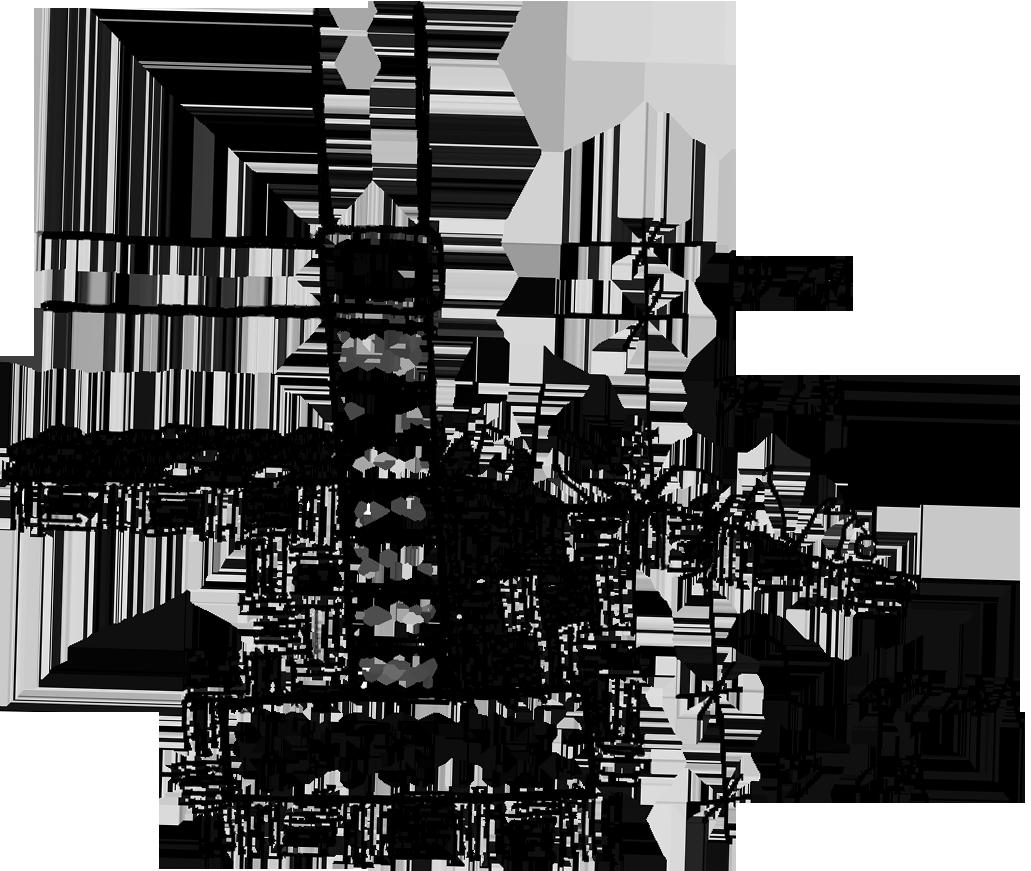
Multiple layers were added to the house’s exterior to protect the shipping containers from the heat, which averages 32 degrees Celsius all-year-round, and to give the house a more traditional look and feel.