I n t e r i o r D e s i g n
I n t e r i o r D e s i g n
How comfortable a piece of furniture feels when you use it
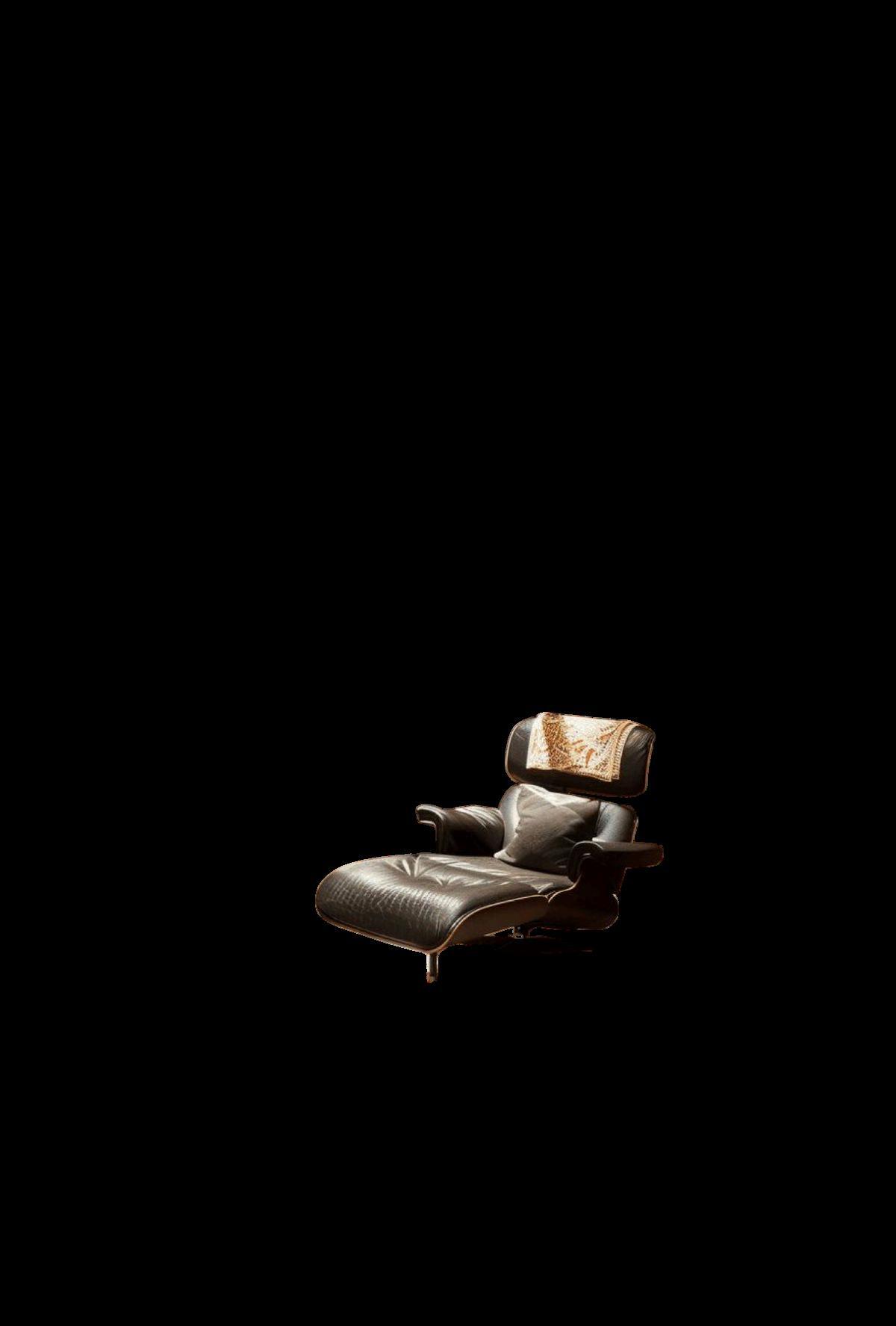
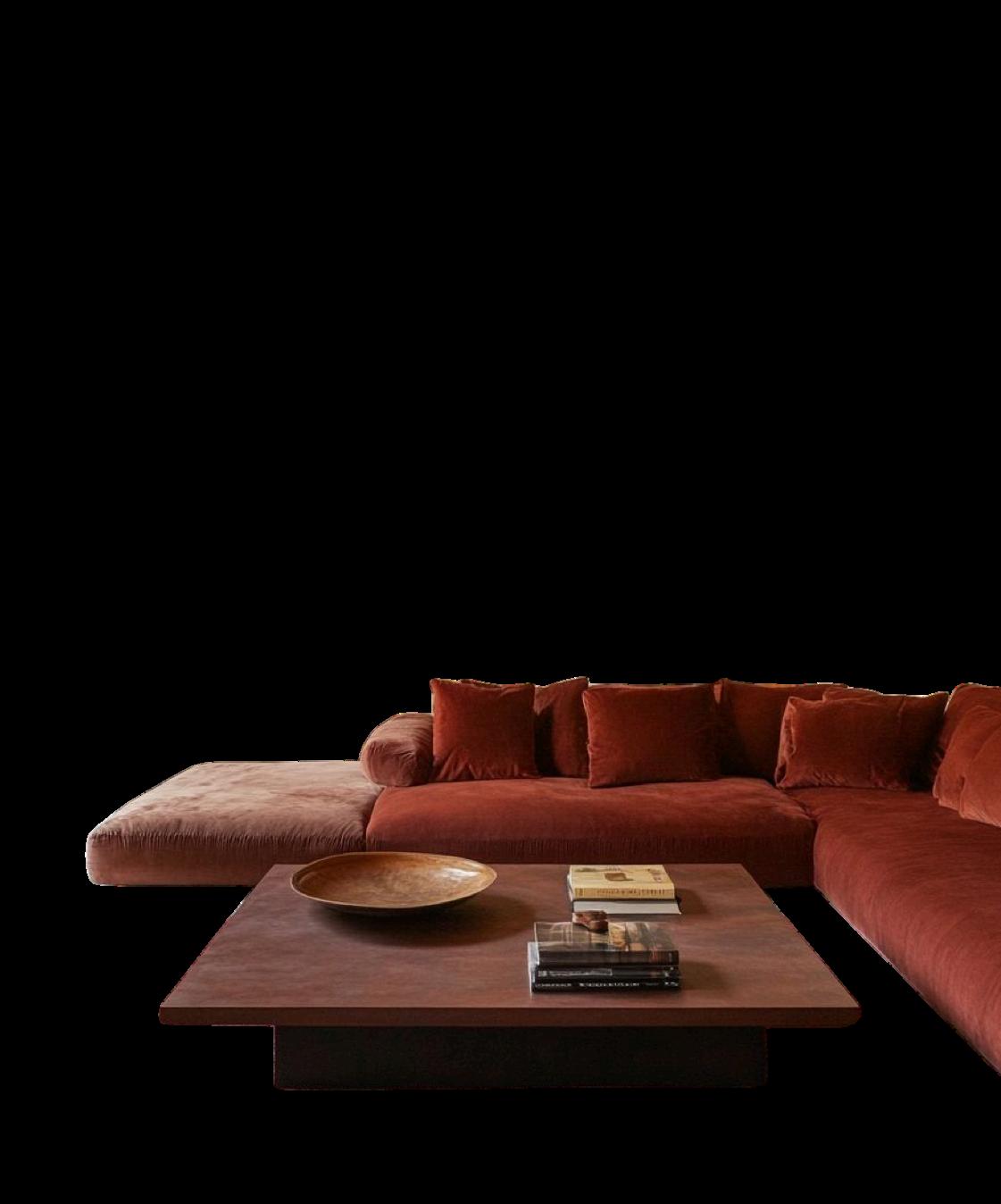
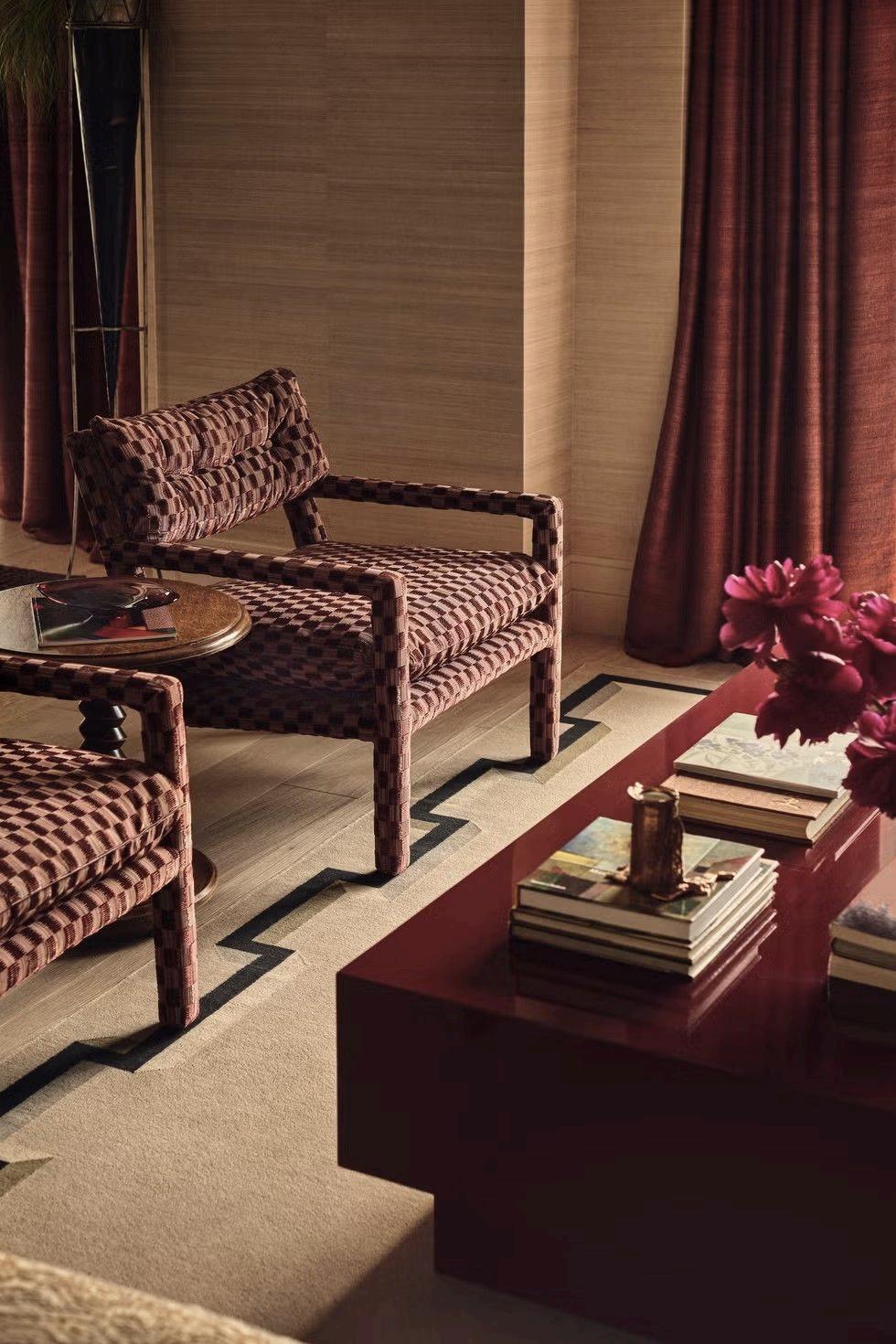
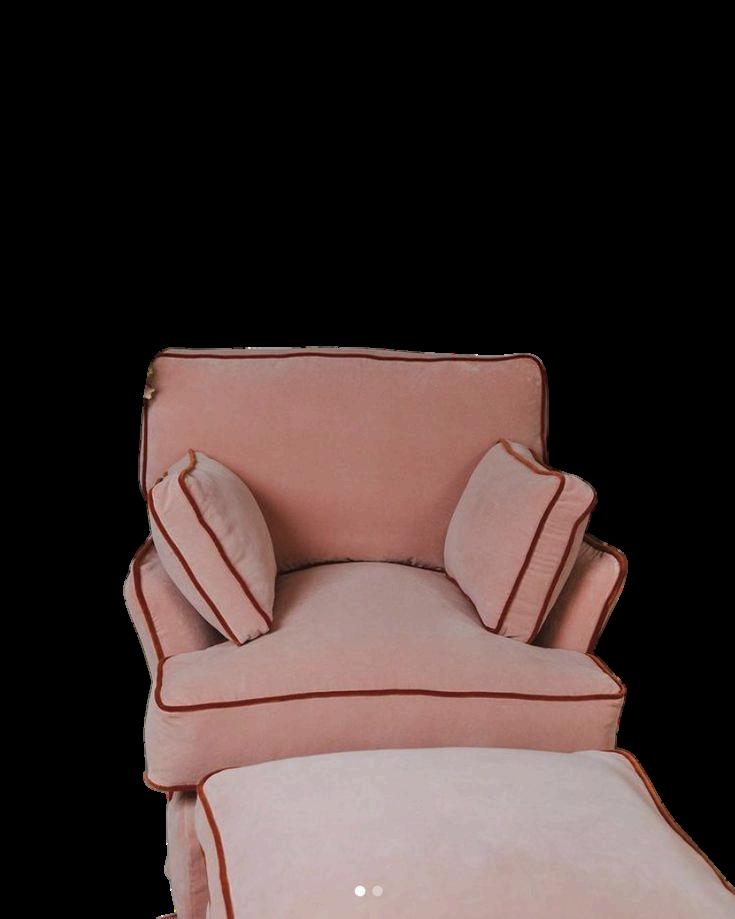
A sofa that supports your back can help your body relax, . Furniture that is too hard, too tall, or difficult to sit on can make you feel tense without you even noticing. When furniture fits your body well, it creates a sense of comfort, safety, and ease This physical comfort quickly turns into emotional comfort, making the whole room feel more welcoming.
Materials and textures also speak to your emotions
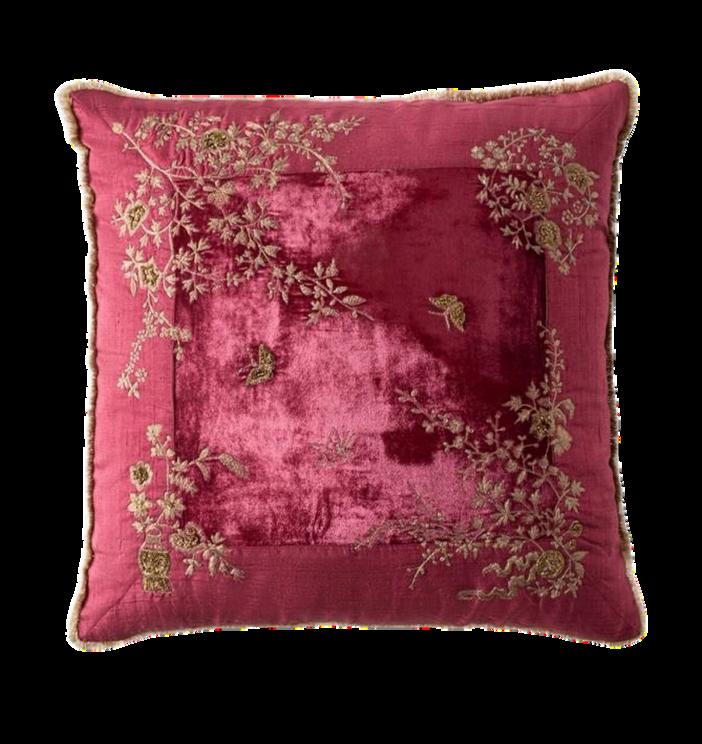
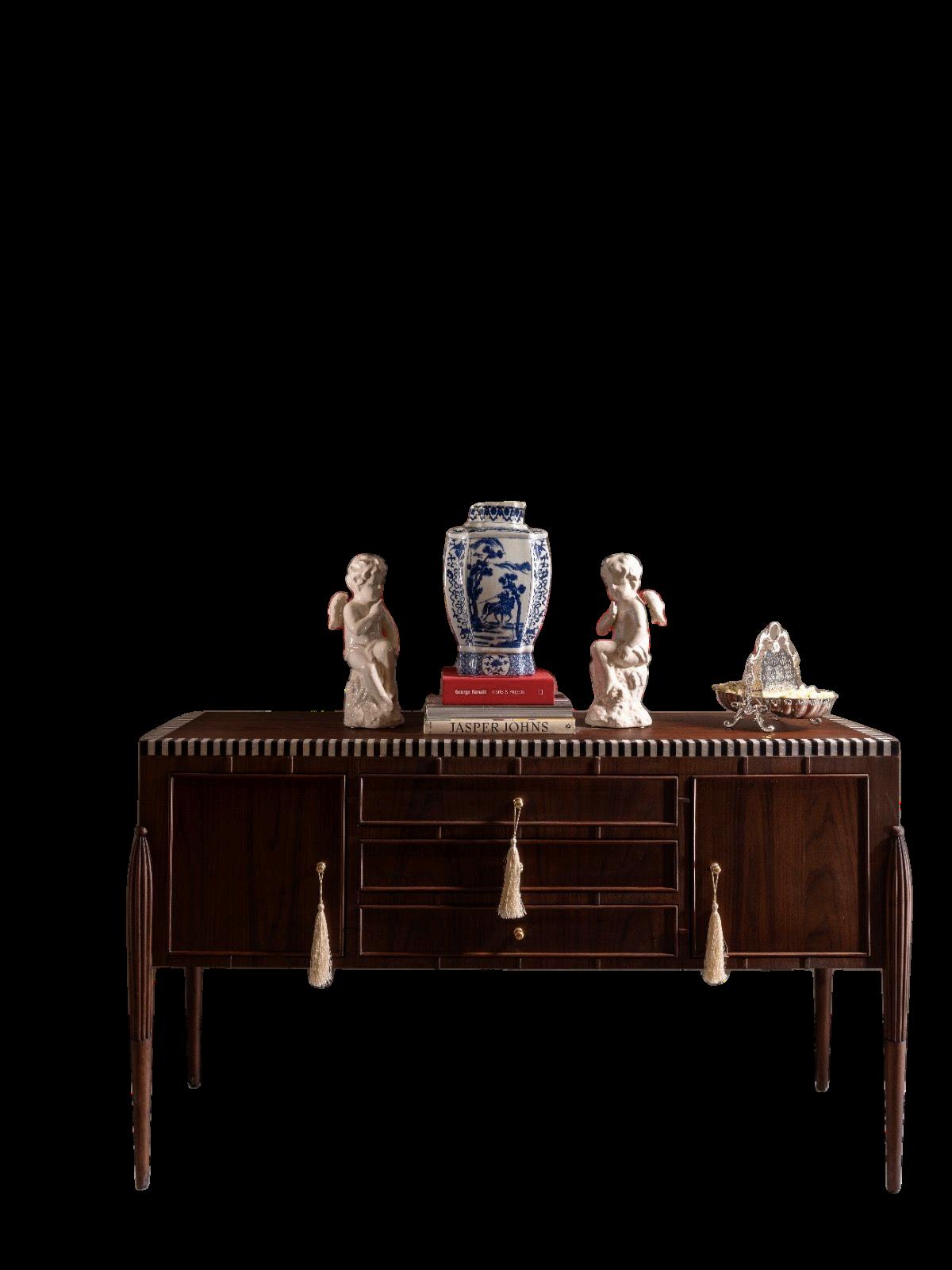
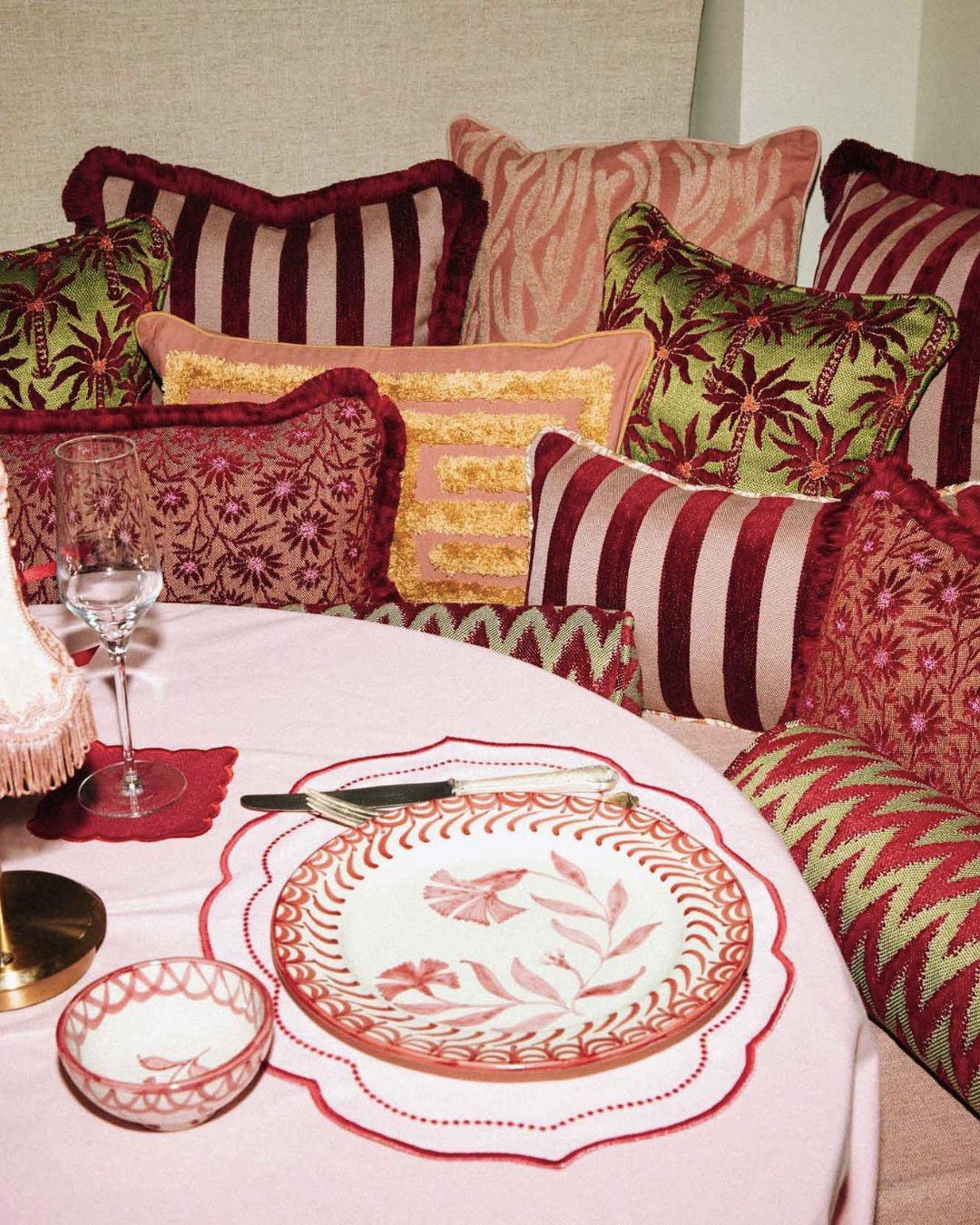
Soft fabrics, warm woods, and cozy textures make a space feel welcoming and safe. Shiny surfaces and metals add a modern look, but when used too much they can feel cold or distant. Even the shape of furniture affects your feelings: rounded edges often feel friendly, while sharp, straight lines feel minima and controlled.
Have you ever walked into a room and suddenly felt calm, stressed, happy, or even irritated? This reaction often has less to do with your mood and more to do with the furniture around you. Furniture is more than decoration; it quietly influences how you feel every day
Most importantly, furniture carries personal meaning. A chair you love, a table passed down through your family, or a piece that reminds you of a happy moment can make a room feel special. This emotional connection turns a simple space into a true home one that supports your comfort, your memories, and your everyday mood.
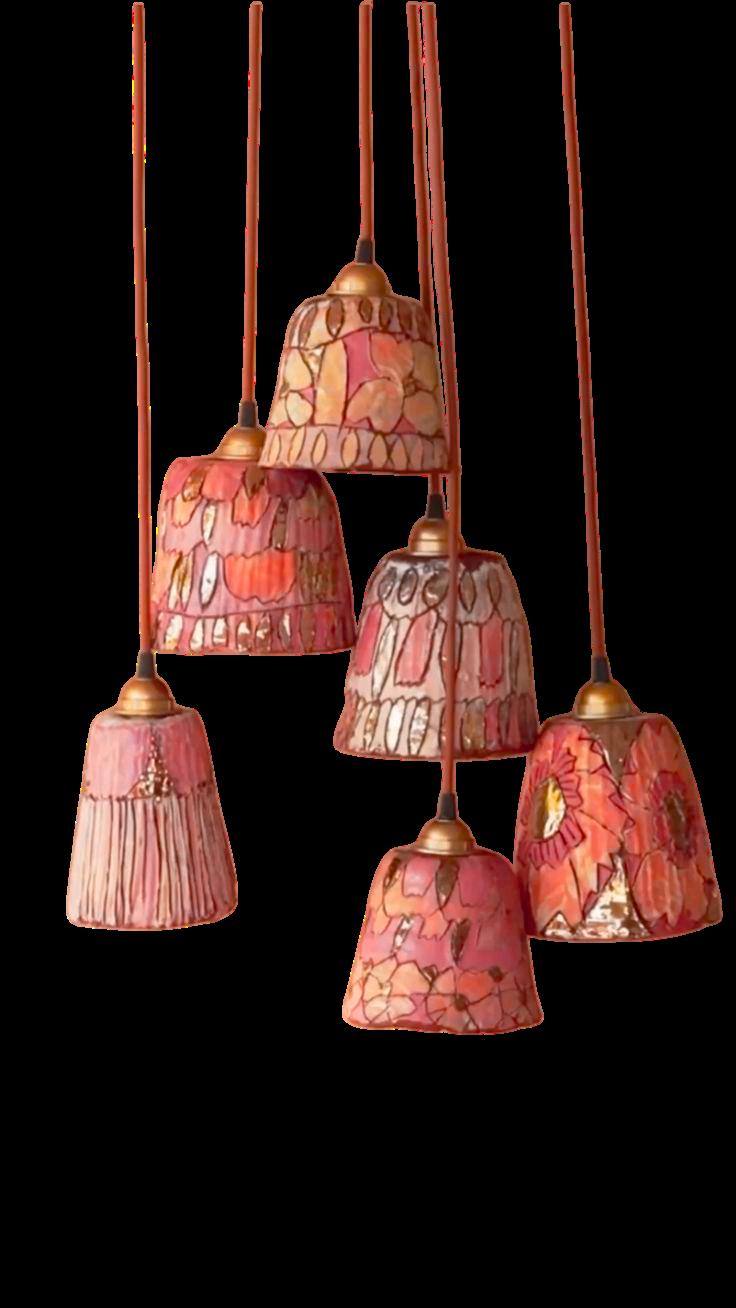
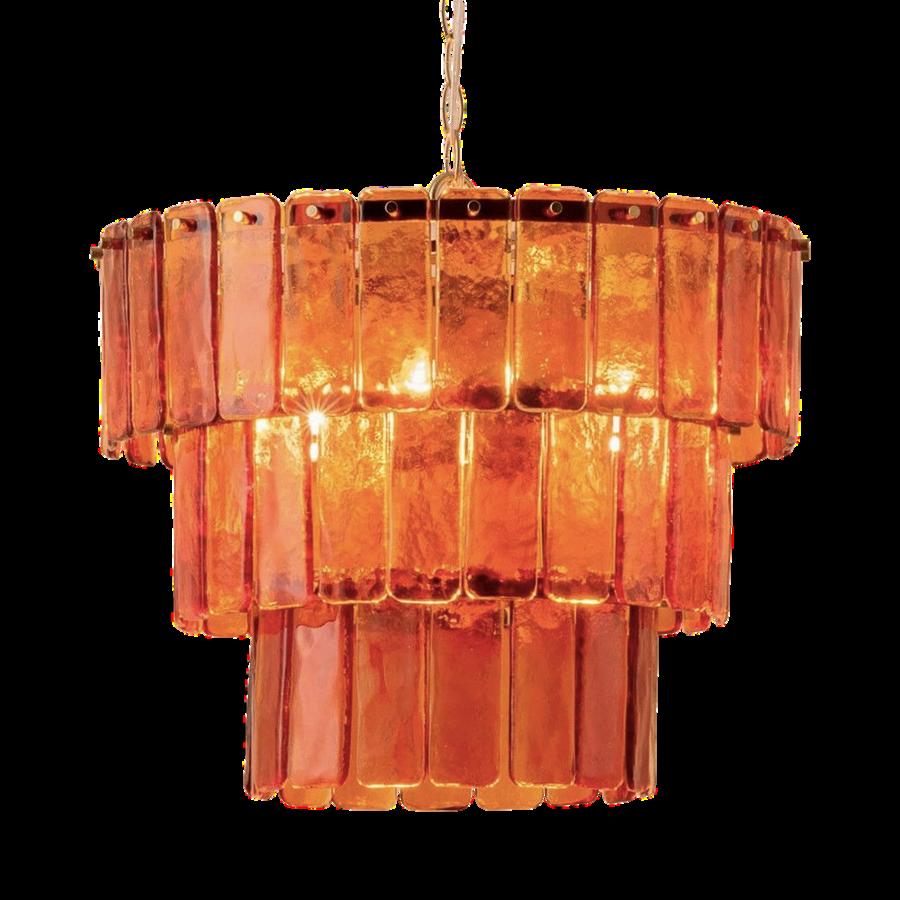
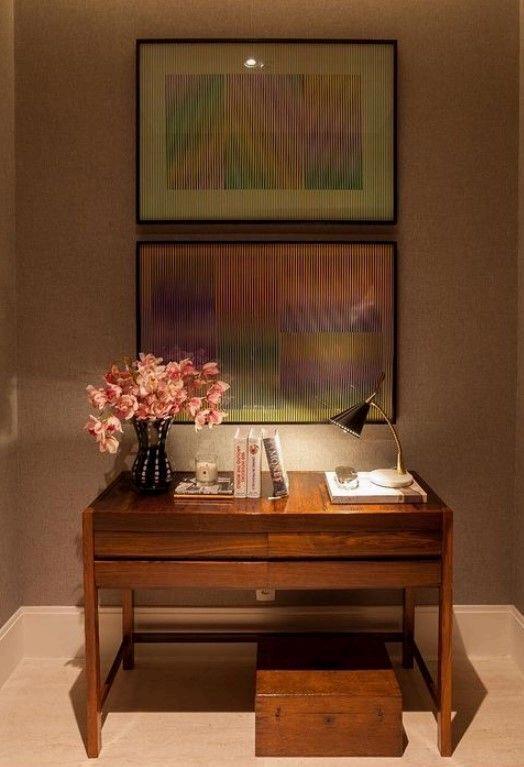
Light shapes how you feel. The way you light a room can make it feel calm and cozy, sharp and focused, or welcoming and relaxed. That’s why lighting matters so much in interior design.
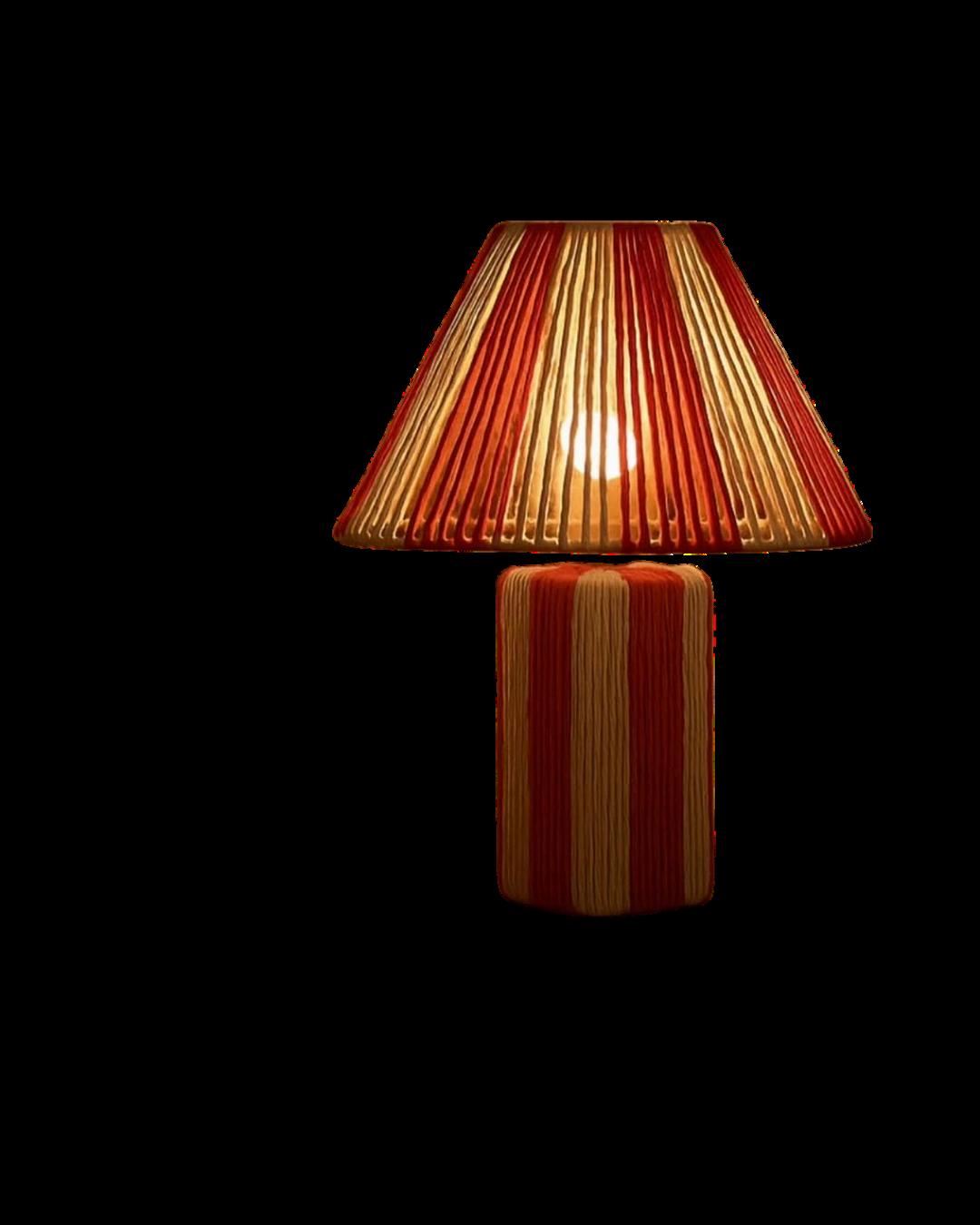
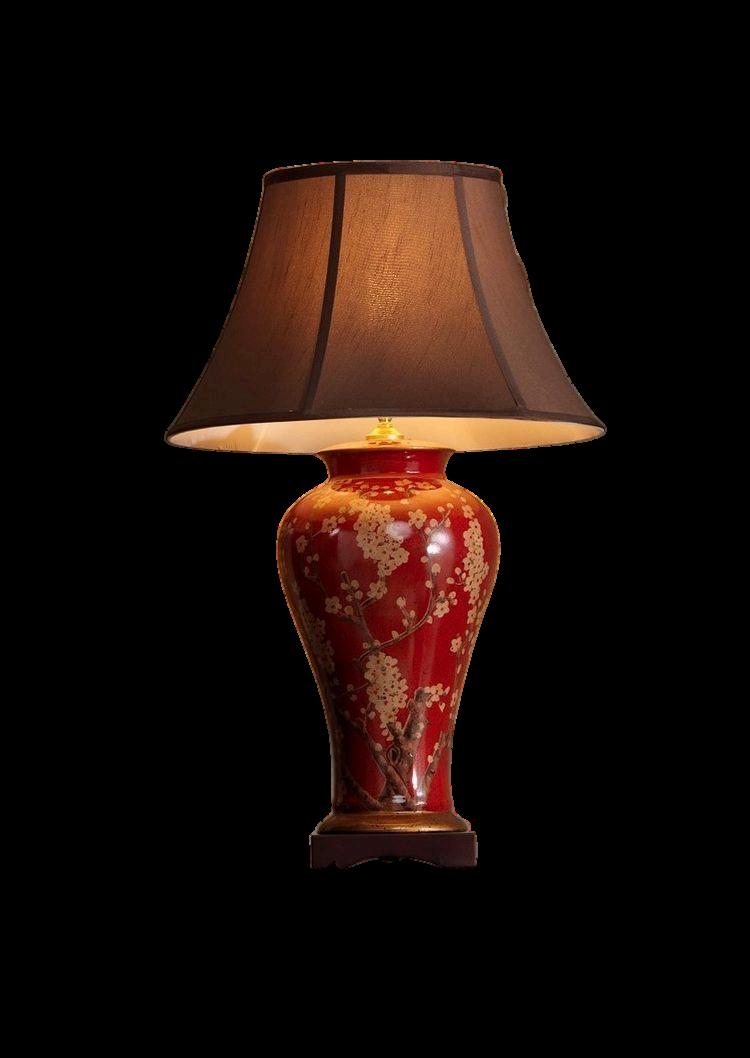
Warm light soft, golden tones make a space feel comfortable and calm. In living rooms or bedrooms, this kind of light helps you relax and feel cozy. It creates a sense of closeness and can help you unwind after a long day.
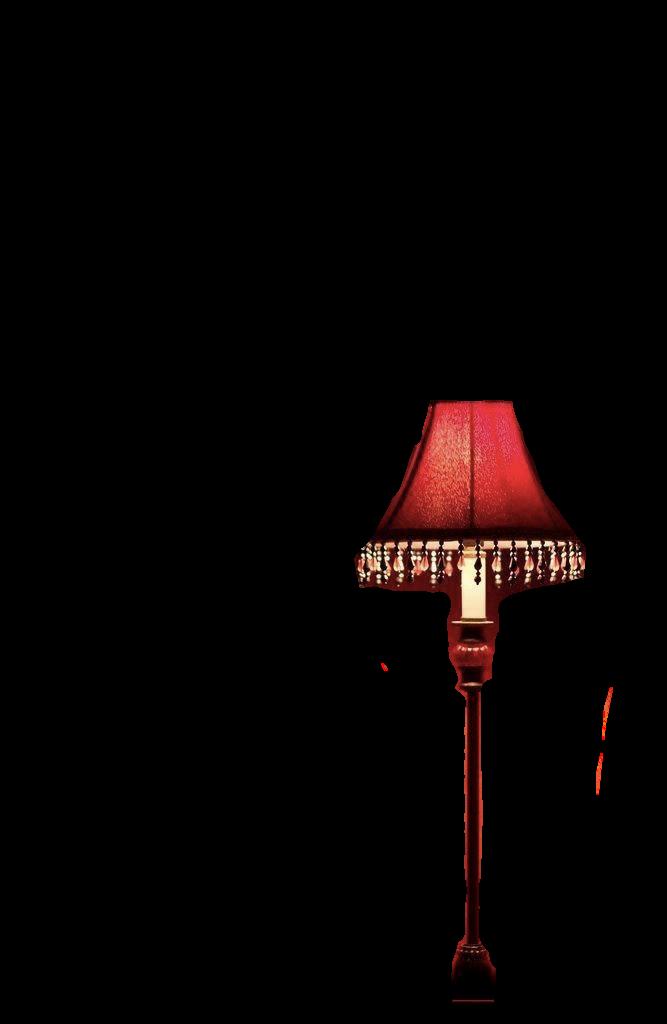
Cool light bright white or slightly blue works differently. It boosts energy, focus, and alertness. This makes it ideal for places where you study, work, or need to pay attention. Cool light can make a room feel fresh and lively, but if you use it everywhere it might feel cold or impersonal.
Finally, using natural light whenever possible adds strength to the design. Sunlight supports our internal rhythm, improves mood, and makes spaces feel more alive and welcoming. A home bathed in daylight often feels more open, healthy, and happy.
Lighting isn’t just about function, it's about feeling. With the right kind of light, your home becomes more than a house it becomes a space that hugs you, motivates you, or calms you depending on what you need at that moment.
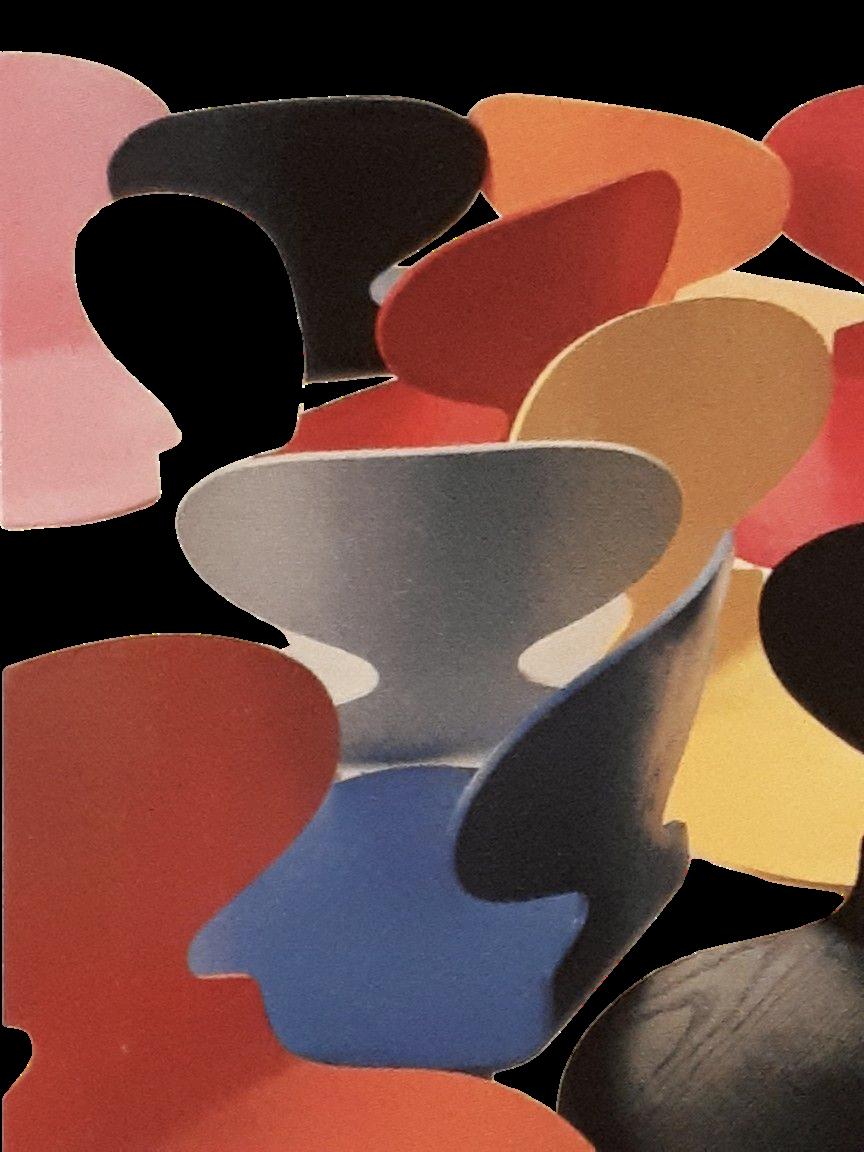
Color is more than decoration it has real power to affect how we feel in a space. Rockfon describes color psychology as a tool that can influence our emotions, behavior, and even our sense of well-being.By understanding color theory, anyone can design a home that feels good for mind and body.
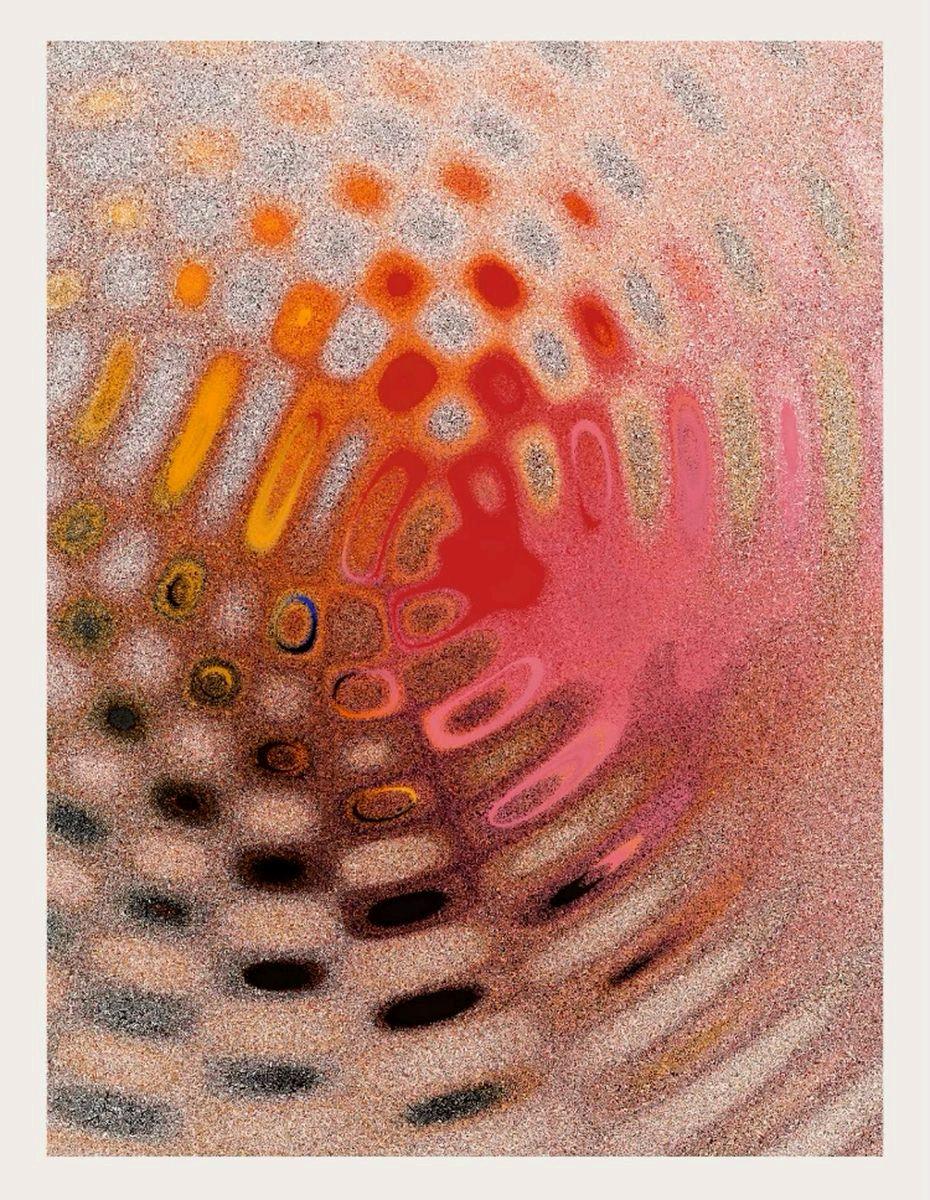
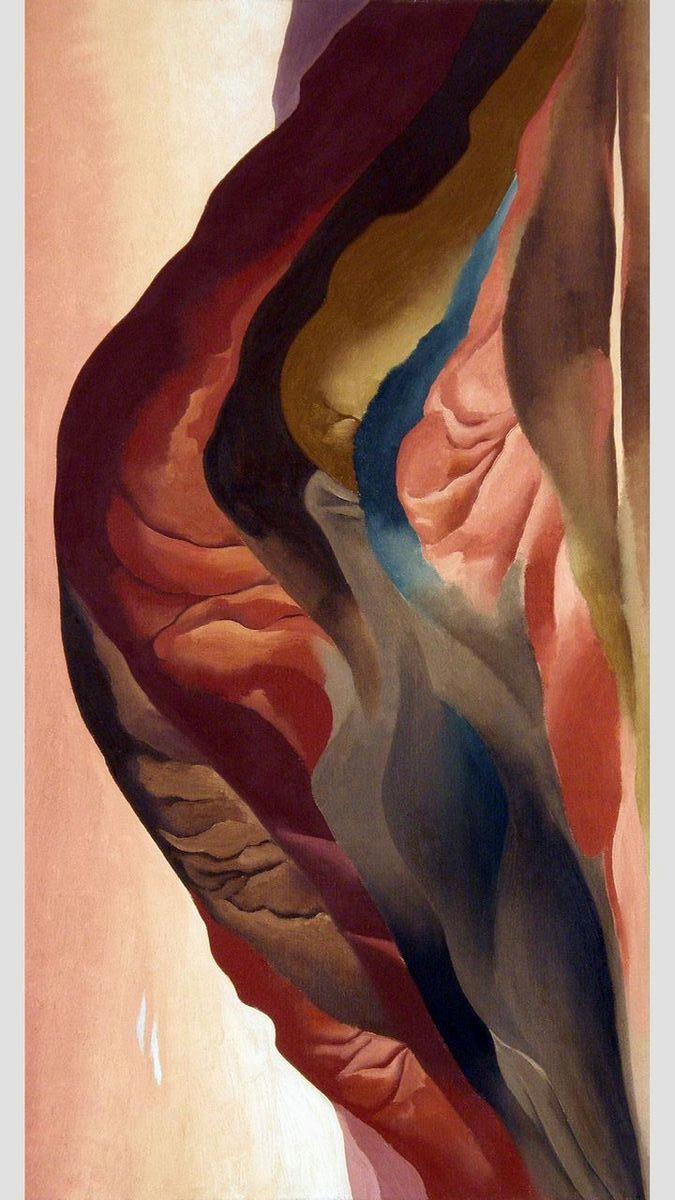
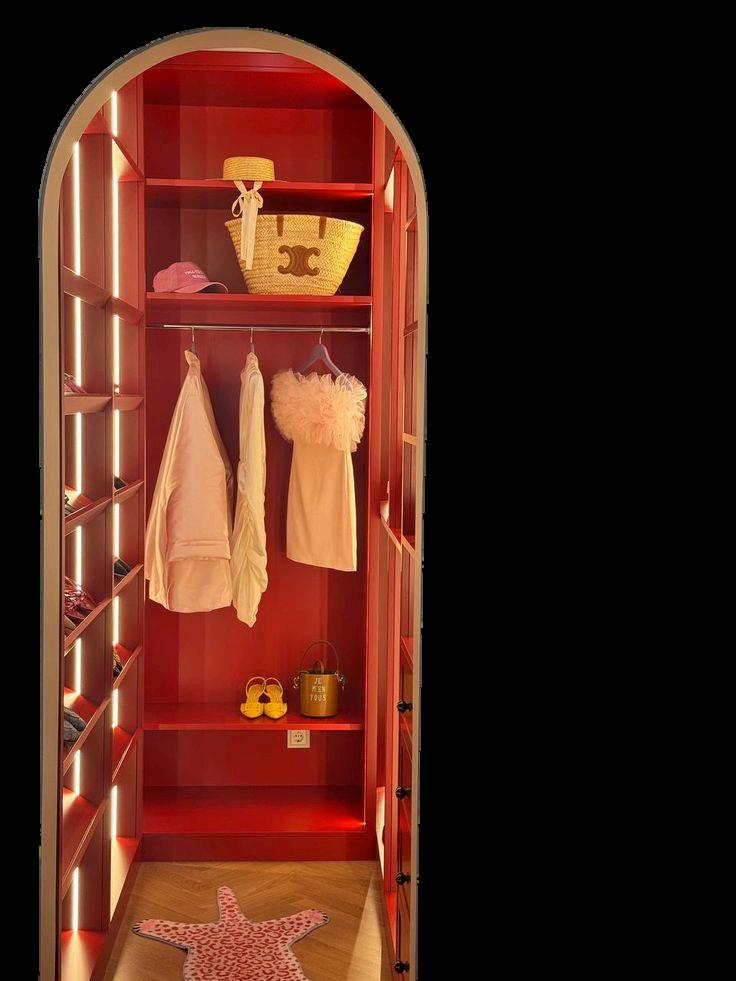
Different colors express different feelings. For example, Red is intense and energetic. It can bring passion, excitement or boldness into a room ideal for spaces where you want energy or social activity. Green suggests calm and balance, connecting us to nature and bringing freshness and peace to a home. Meanwhile, Blue tends to calm the mind, lower stress, and create a serene, restful atmosphere perfect for bedrooms or quiet spaces.
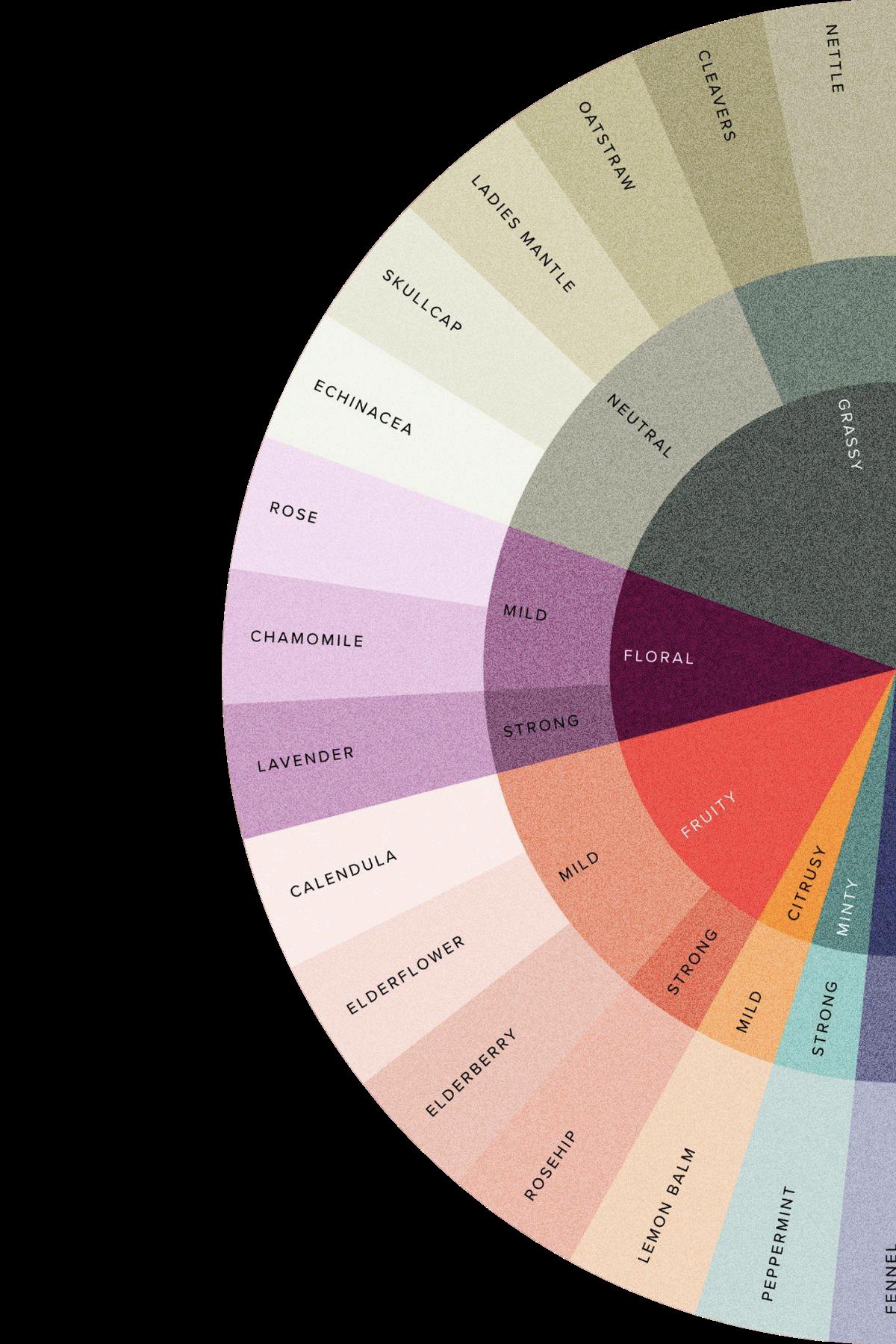
Color’s effect doesn’t just come from a single shade the way you combine colors matters. A. Using soft pastels or neutral tones can make a room feel light, spacious, and peaceful, while bolder colors can bring personality and emotion.
A home designed with color psychology in mind becomes more than a place to live. It becomes a space that supports your mood energizing you when needed, calming you when you rest, and reflecting your personality all at once.

Vonn Lighting. (n.d.). The psychology of light: How different lighting impacts our emotions.
https://www.vonn.com/blogs/articles/the-psychology-of-lighthow-different-lighting-impacts-our-emotions
Wit & Delight. (2020, July). A color skeptic’s guide to color theory in design.
https://witanddelight.com/2020/07/a-color-skeptics-guide-tocolor-theory-in-design/
DuCy Design. (n.d.). The emotional impact of color psychology in interior design.
https://www.ducydesign.com/blog/the-emotional-impact-ofcolor-psychology-in-interior-design
AAFT Online. (n.d.). Benefits of interior design. https://aaftonline.com/blog/benefits-of-interior-design/