I see myself working in fashion marketing, combining creativity with strategy to build brands that have meaning and purpose. I am drawn to marketing because it sits at the centre of how people connect with fashion. It shapes the stories we tell, the values we promote and the way brands engage with their audiences. I want to be part of a new generation of marketers who approach fashion with mindfulness and social awareness, focusing on authenticity, inclusivity and sustainability rather than constant consumption.
I am particularly interested in how psychology can be used within marketing to understand why people form emotional connections with clothing and brands. By exploring these motivations, I hope to create campaigns that encourage positive behaviour and help consumers develop healthier, more sustainable relationships with fashion. My goal is to work within a creative agency or brand team where research, insight and storytelling come together to inspire meaningful change.
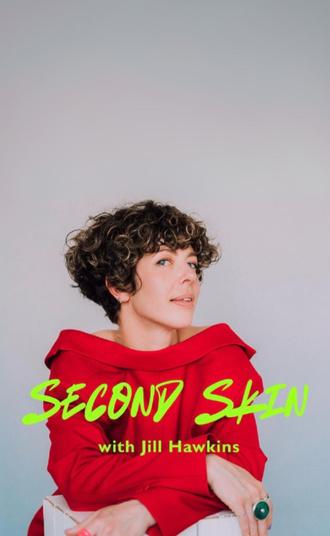
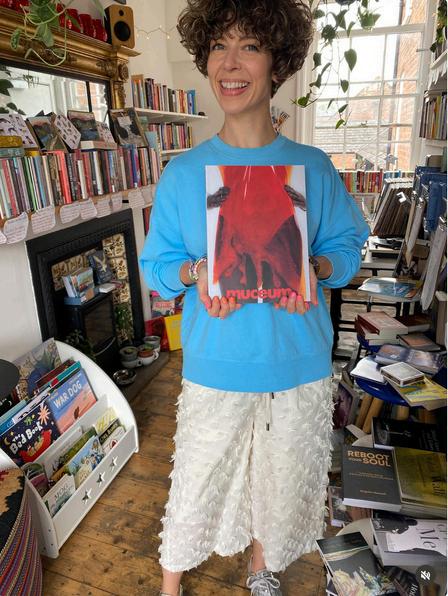
My current internship with Jill Hawkins is giving me valuable experience in this area. Through Second Skin, I am learning how to communicate ideas that link fashion, wellbeing and identity, while developing skills in brand building, digital storytelling and audience engagement. Working on MUCEUM, Jill’s magazine project, also allows me to explore editorial planning and creative direction through a focus on culture and sustainability. This experience continues to shape my ambitions for the future. I want to use fashion marketing as a platform for creativity, connection and change, helping to move the industry towards a more thoughtful and responsible direction.
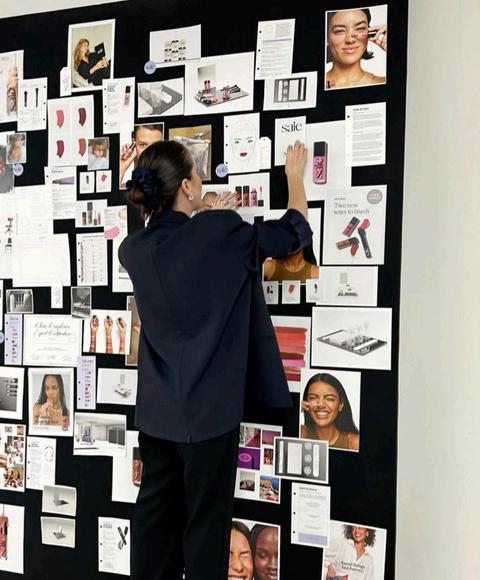
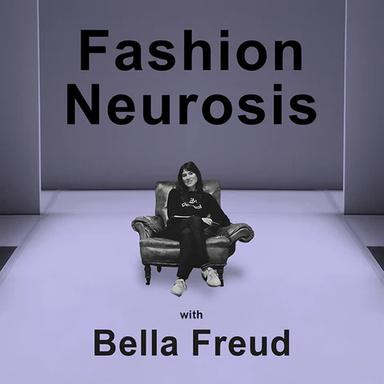
My role involves supporting the development and launch of Second Skin, a new podcast and community platform that reimagines fashion as a space for creativity and wellbeing. I research the podcast landscape, plan launch campaigns, and help shape the brand’s identity across Substack and social media. I also create mood boards, write newsletter content and develop interactive features such as the #SkinShiftChallenge to build engagement.
Alongside this, I assist with a magazine project called MUCEUM, which explores the cultural and emotional sides of fashion. I help with article planning, research and early photoshoot development, contributing creative ideas that connect visuals with editorial storytelling. This internship gives me hands-on experience in brand building, creative direction and digital communication.
Brand purpose:
Second Skin exists to flip perspectives away from fashion as trends, consumption and capitalism, and towards fashion as wellbeing, art, and creativity. We do this by sharing stories and ideas about fashion, clothing, and bodies that inform, inspire and empower people to reflect on and change their own fashion relationships and behaviours.
What do we do:
1.
2. Weekly podcast interview and mini-sodes (audio and video)
3. Email newsletter
4. Community interaction
5. Research bed
6. Media hub (blog)
Why:
The fashion industry is under enormous pressure to change, the way we shop and relate to clothing is dominated by newness and being up to date, and the stories that consumers are told about fashion focus on seasons, trends and consumption. But clothing and self-expression play a positive role in health, wellbeing, creativity and identity, yet these stories aren’t discussed with any significance or call to action. As an anti-trend forecaster, researcher, psychologist and stylist, Jill is driven to shape positive futures, and she believes that by sharing peoples experiences of clothing throughout significant changes in their lives, we can build knowledge to create action, and a community and open space for listening, learning and contributing to change.
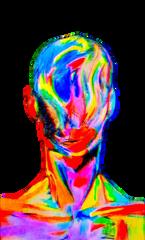
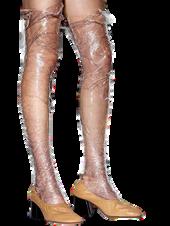
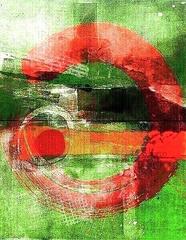
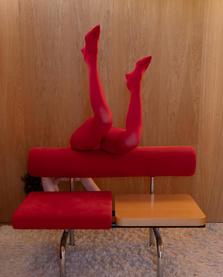
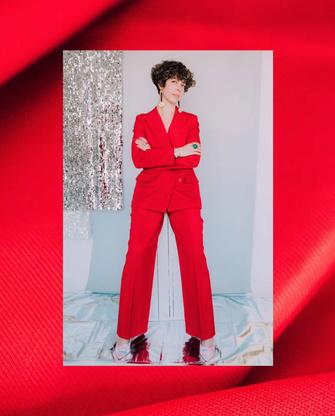
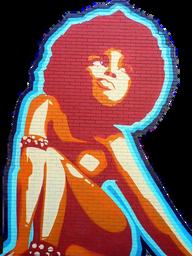
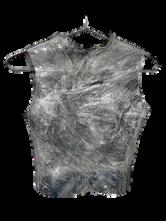
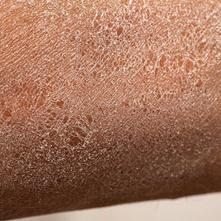
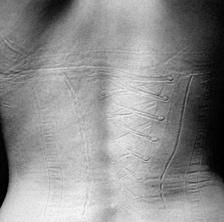
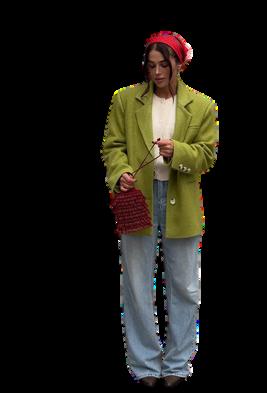
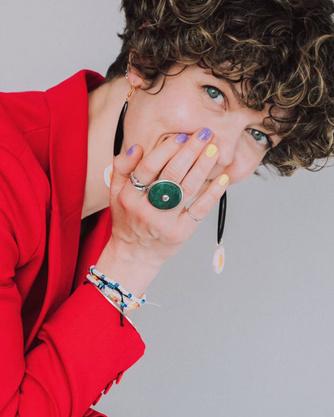
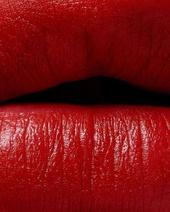
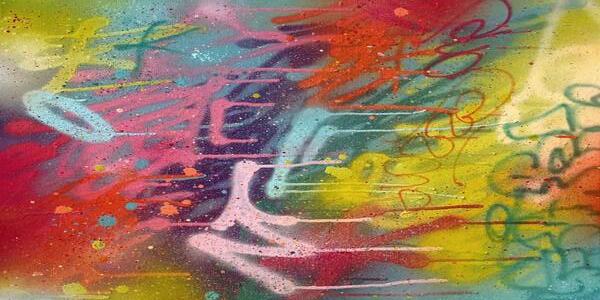
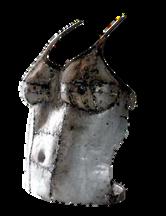
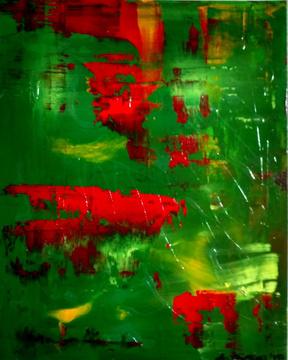
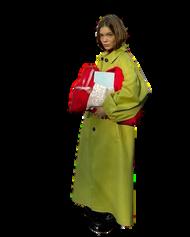
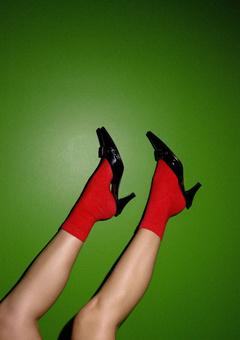
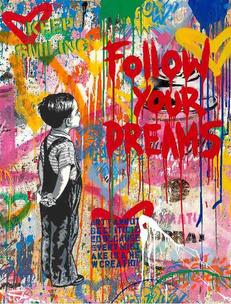
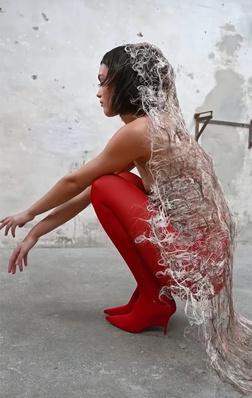
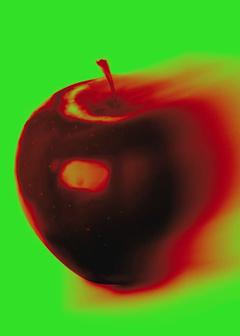
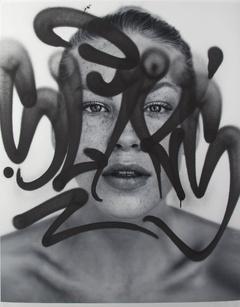
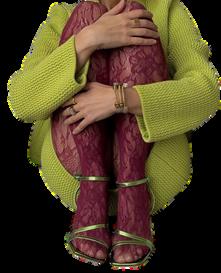
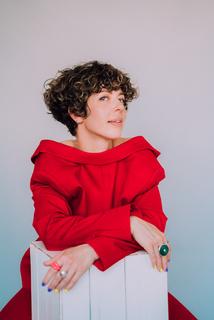
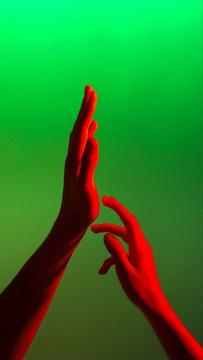
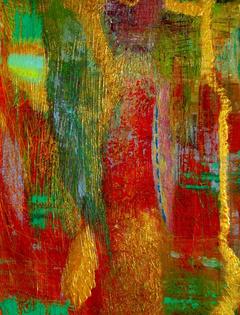
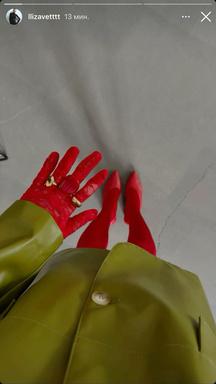
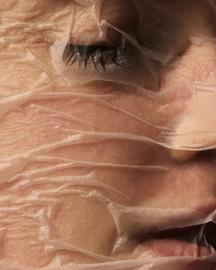
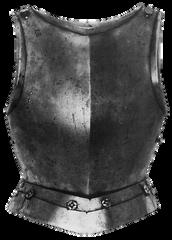
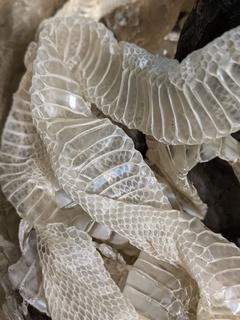
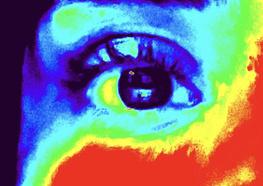
I wanted to create a visual piece that encapsulates the brand identity of Second Skin, the podcast I am interning for. Second Skin exists to reframe the way we think about fashion, moving away from trends, consumption and capitalism, and towards fashion as a form ofwellbeing,artandcreativity Throughstoriesandideasaboutclothing,bodiesandself-expression,thepodcastaimstoinform,inspire andempowerlistenerstoreflectontheirownfashionrelationshipsandbehavioursforthebenefitofbothpersonalhealthandtheplanet
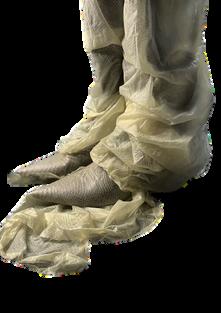
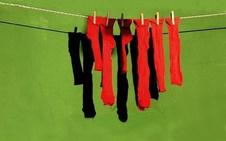
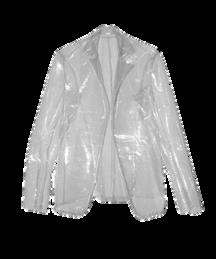
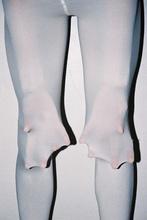
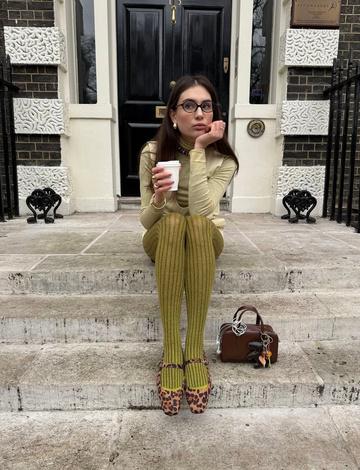
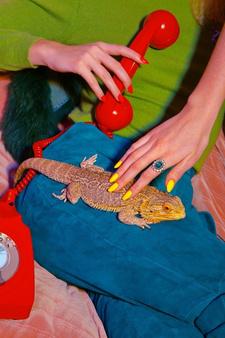
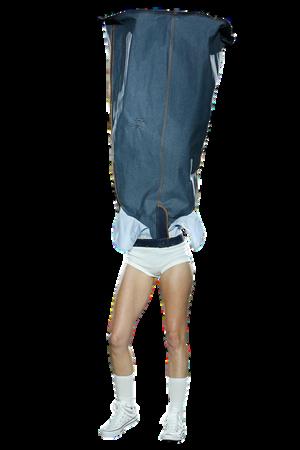
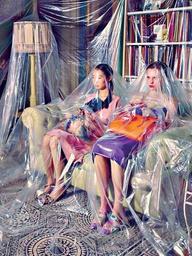
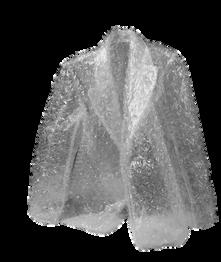
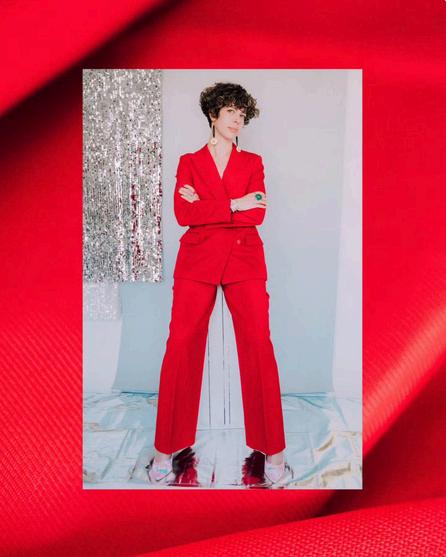
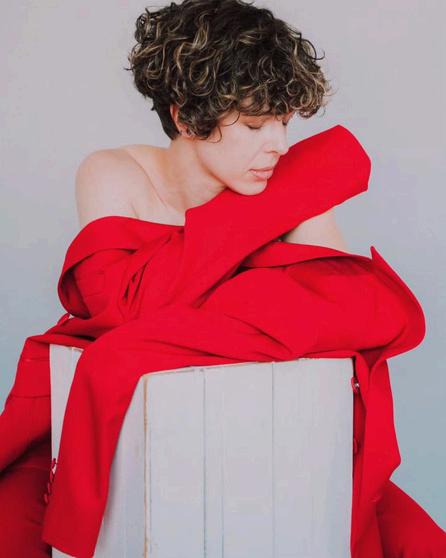
The creator, Jill Hawkins, chose the unconventional brand colours red and green so I curated randomimagerythatreflectsthiscombination.Theseincluderedandgreenoutfitsaswellasimages of legs/shoes to symbolise both foundation, representing what we build our sense of self upon, and the steps we take in self-discovery and transformation I also incorporated images of clothing worn in unexpectedways,referencingJill’schoicetowearablazerbackwardsinthepodcastcoverimage
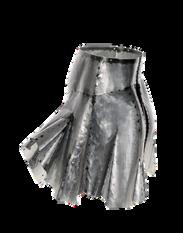
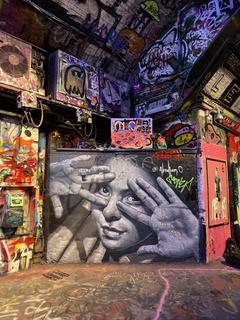
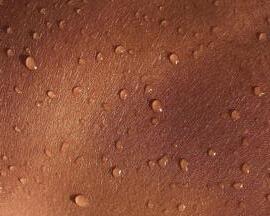
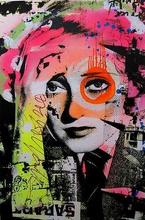
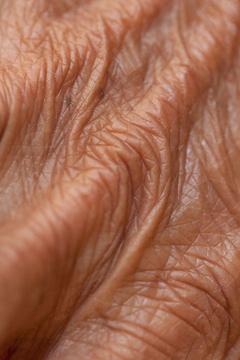
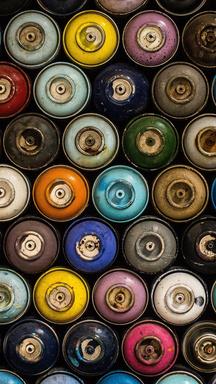
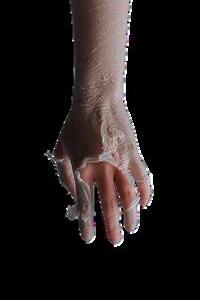
Additionally, I drew from Muceum, Jills magazine, as its aesthetic and themes align closely with Second Skin. I included graffitiimagerytoreflectthepodcastslogo,whichisstyledinagraffiti font, as well as visuals of diverse skin tones and shedded skin to represent the concept of transformation embedded in the podcast’s name Images of armour tie into the segment ‘Armour Archive’, where listeners respond to Skin Shift Prompts’, while infrared visualsanddepictionsofthemindevokethepodcast’spsychologicalside.
I chose the L-shaped composition because it best conveys a sense of balance and journey, which is different from my usual preference of full-pagespreadsorfocalmasscompositions.
Second skin
Vlog format research
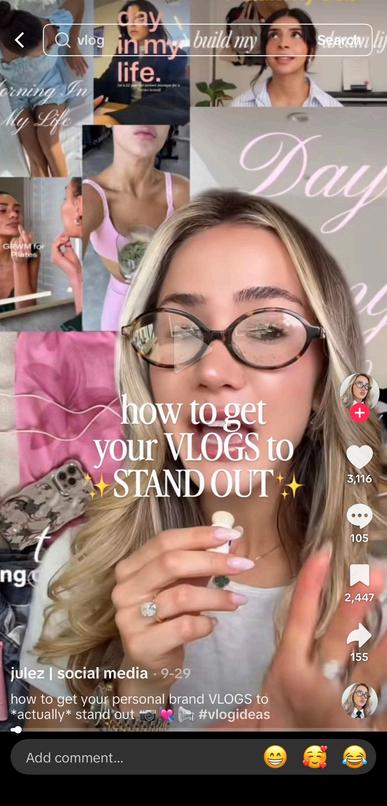
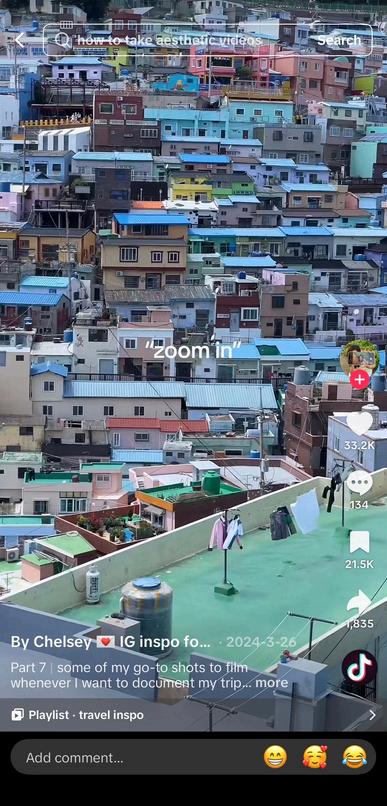
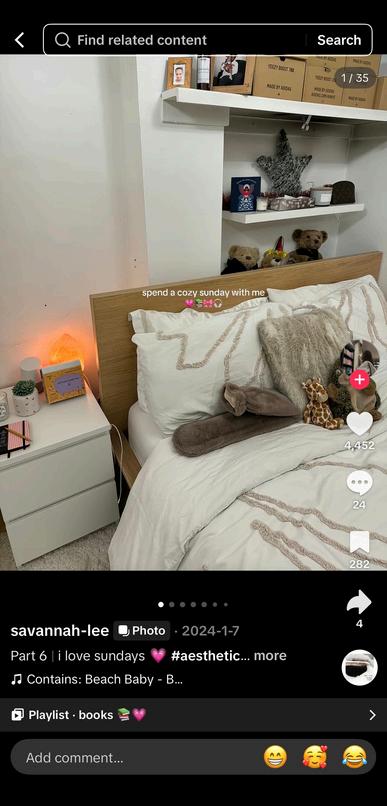
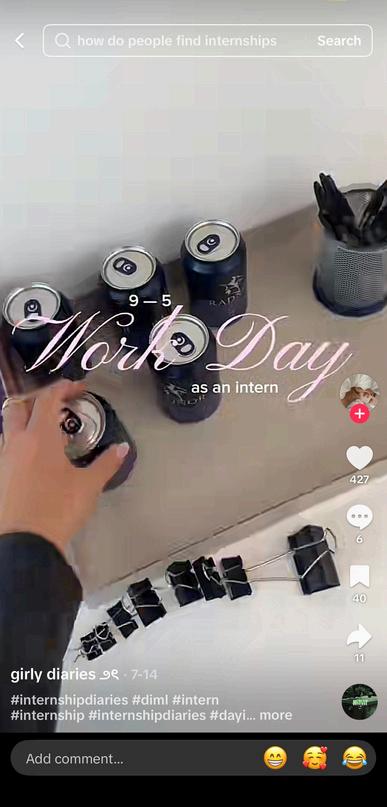
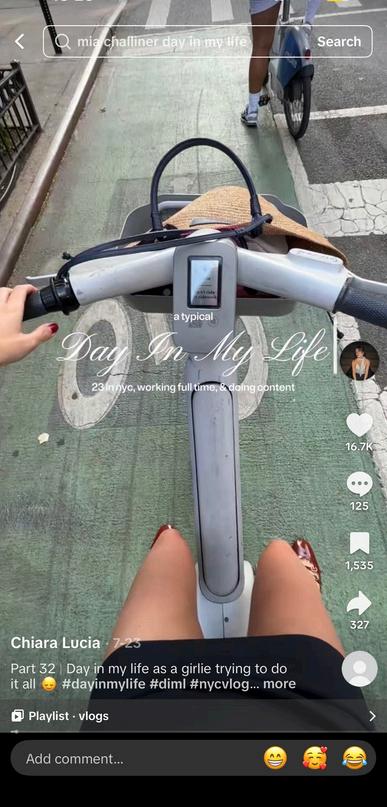
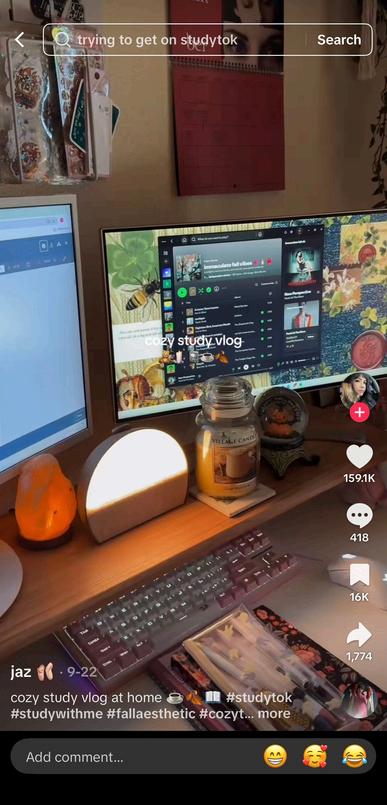
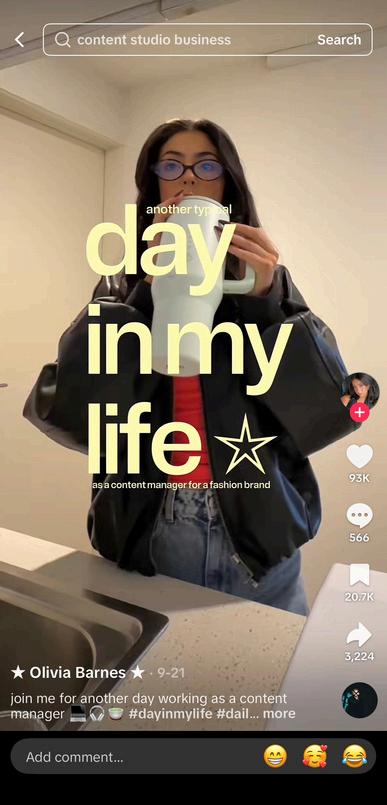
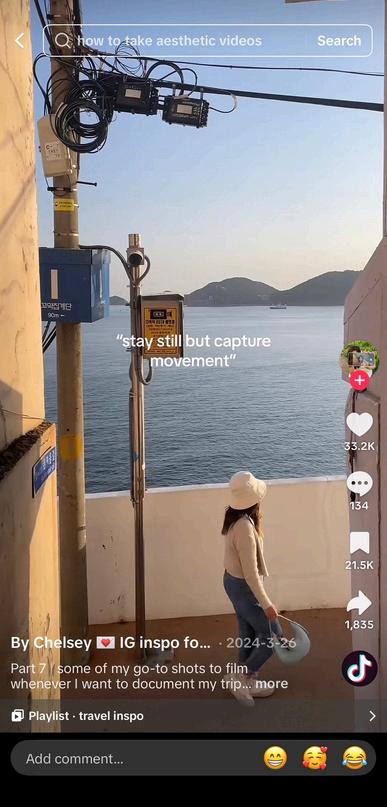
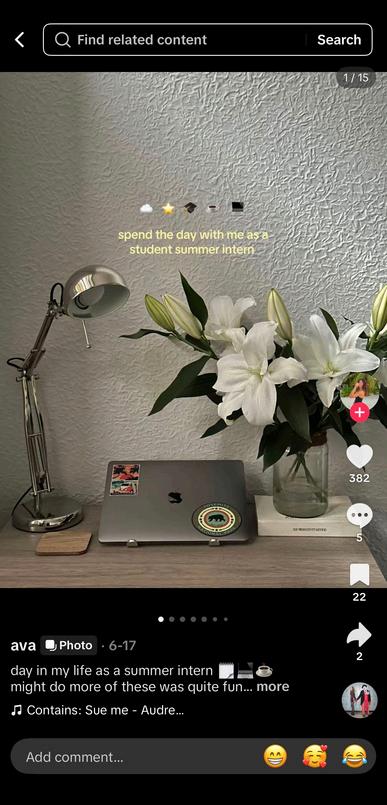
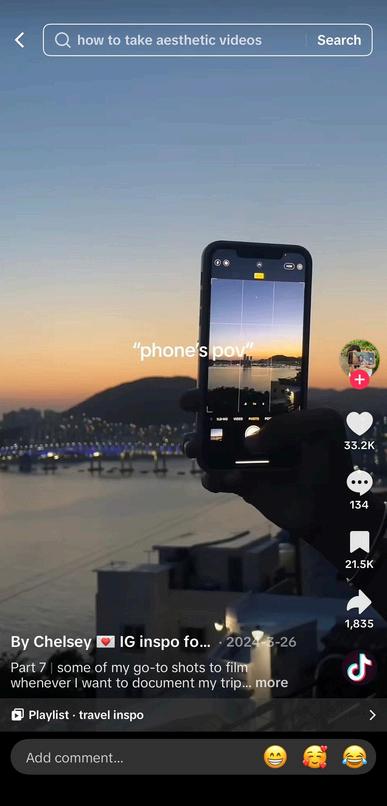
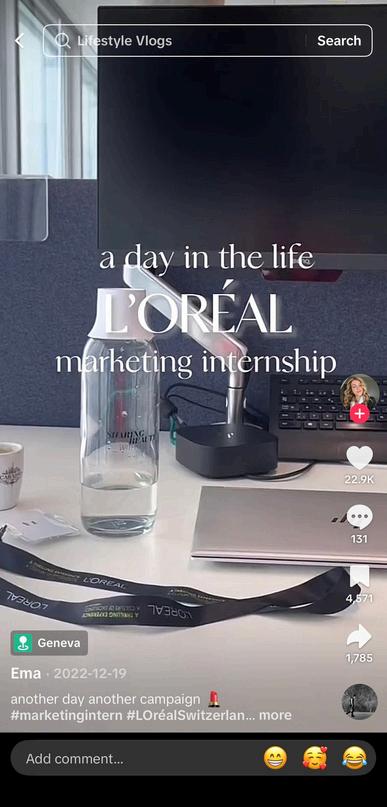
After looking for vlog inspiration and doing my first few weeks in these formats I realised I was bending to fit the trends, which didn’t properly convey my internship role, rather than using my internship to create vlogs. I decided to instead focus on creating short form content that give an insight into my job role. The last few weeks I still felt I wanted to share more so overcame my hesitance of talking to the camera and just pretended I was giving a presentation which helped a lot, this however meant I was unable to post them as I had a lot I wanted to share. I still definitely prefer to work behind the scenes but it was good to prove to myself that I could do it.
Blog format research
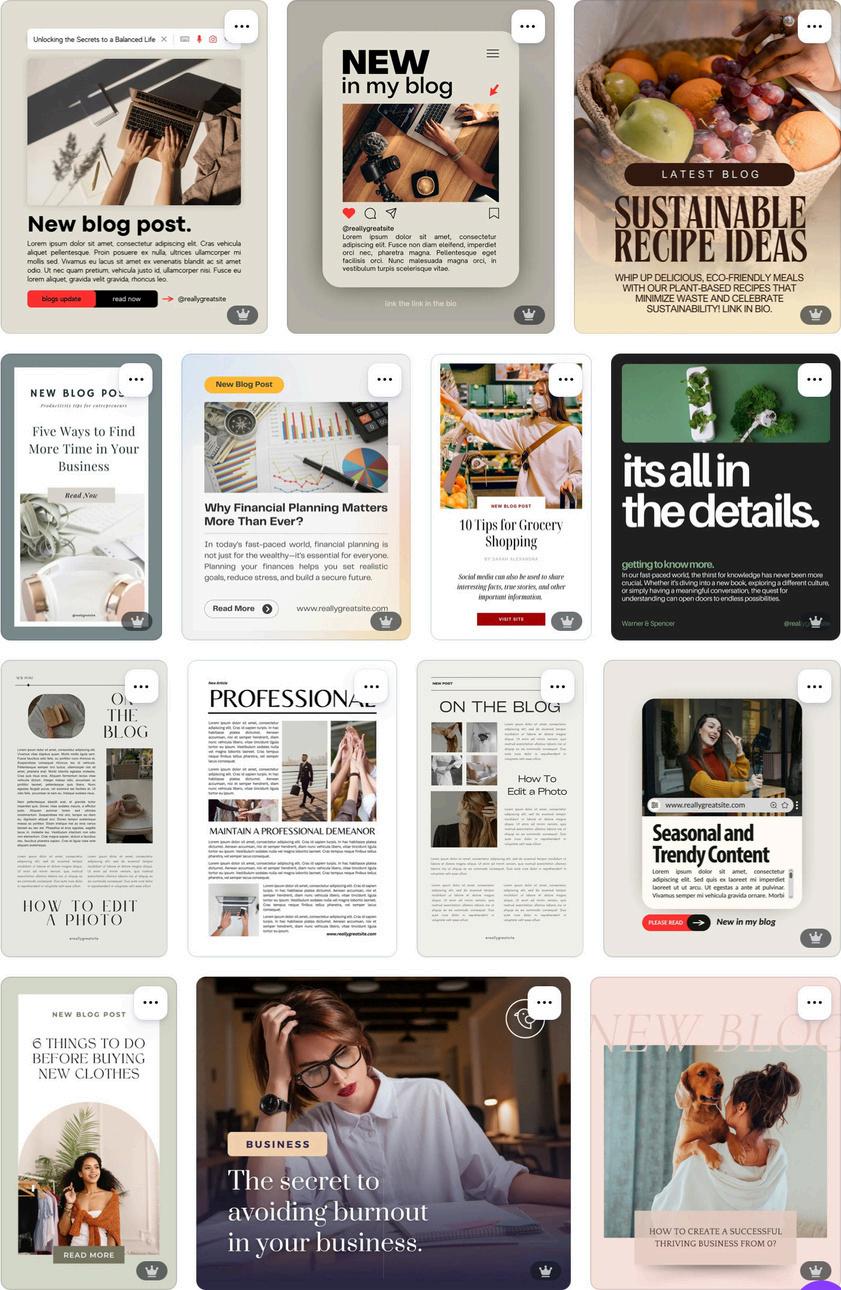
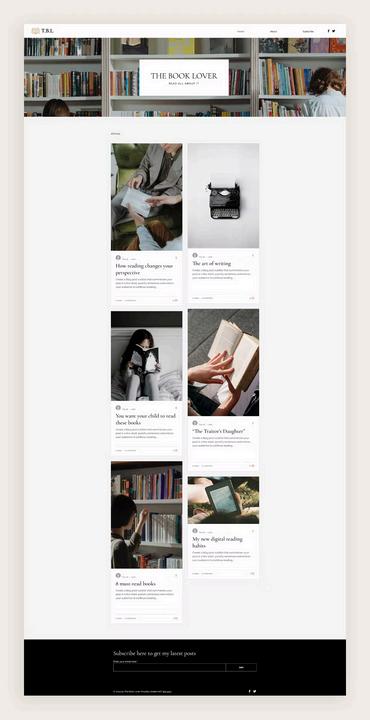
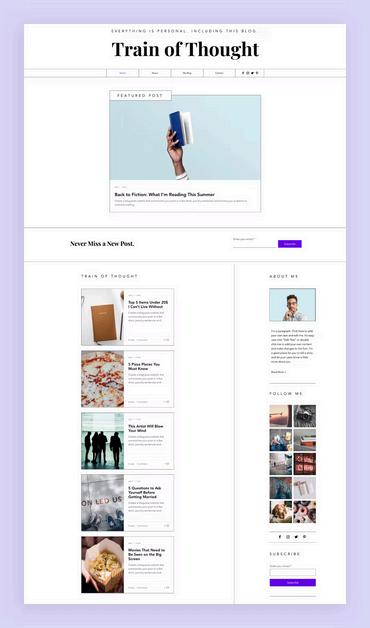
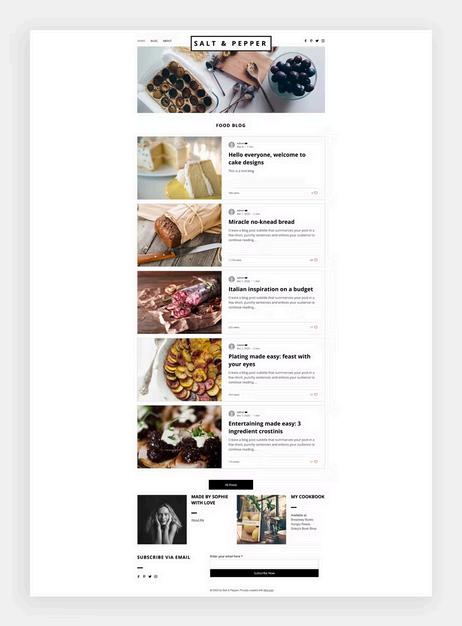
After looking at lots of different formats and from reading articles, magazines and blog posts I decided I wanted to lean more into a minimalist look to really convey the information I was sharing and to avoid distraction. I made sure to keep the formatting the same throughout to look polished and professional but chose to change the formatting of the paragraphs per page to make it slightly more interesting. I decided to pull back on visuals as that was my main focus in the vlogs and as my internship was more research, planning and video editing I didn’t have many vials to include and wanted to avoid repeats when possible.
Week 1
1
Week One
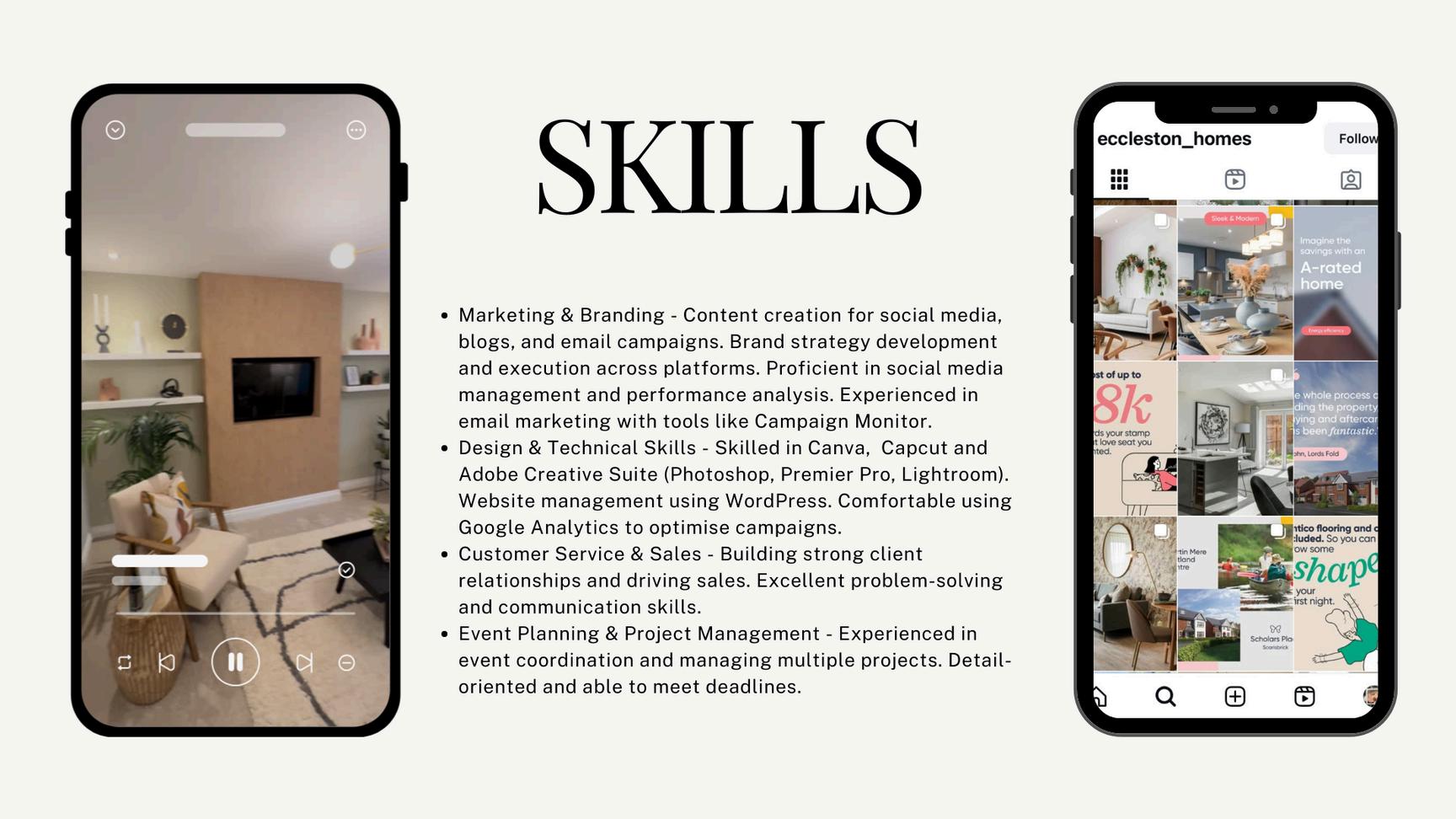
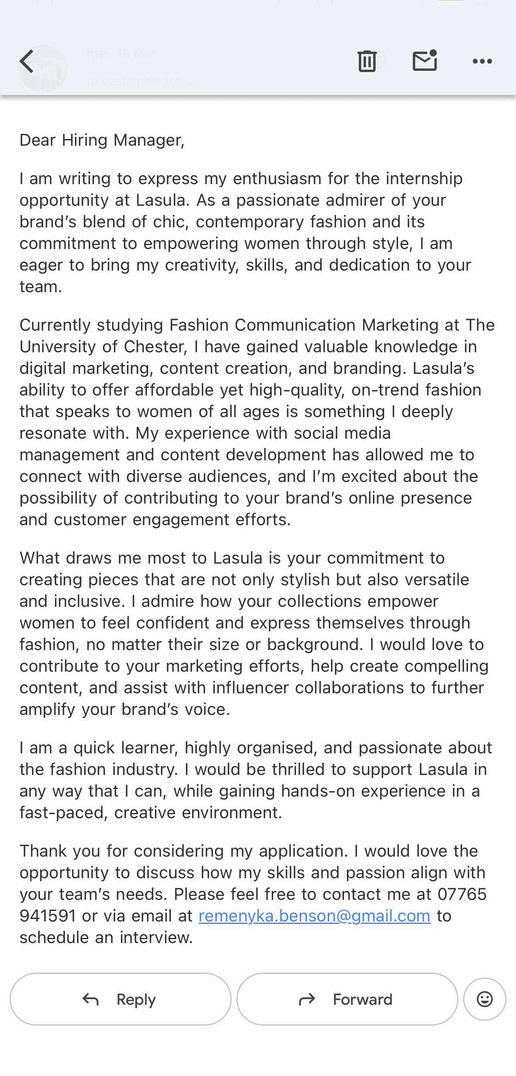
Over the course of my summer time off from University reached out to multiple North West clothing brands such as Club L London, Public Desire, Ax Paris, Maniere De Voir, Lasula and Nae. I unfortunately didn’t receive any correspondence back to my initial enquiry even though I conducted research into each company and tailored my application to align with their brand ethos and values. Complimenting the work they do, why I’d love the opportunity to work for them and what I believe can bring to the team. With each application included a copy of my traditional CV and am intuigued to find out since updating and improving my current CV as well as creating a Creative Portfolio/Digital CV, if my responses (or lack thereof) would be any different.
“James Whyte Pointed Me your way ”
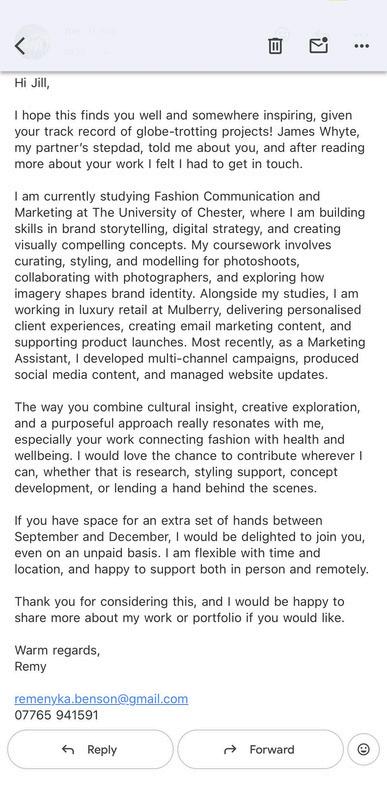
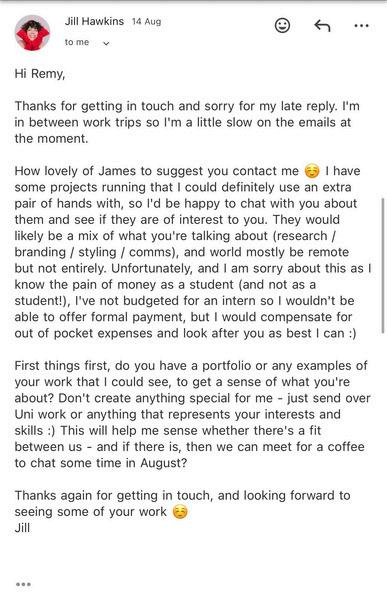
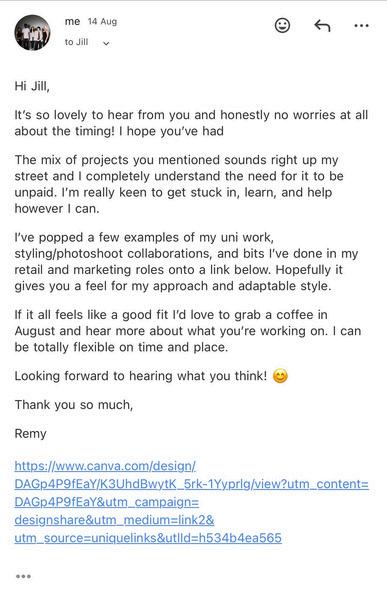
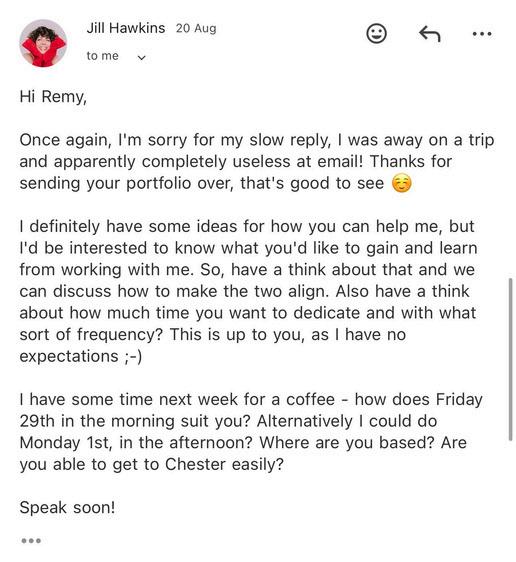
The classic saying ‘its not what you know, its who you know’ seemed to ring quite true here. My hairdresser, James Whyte, has worked with fashion designers, hair creatives, celebrities and models. He has judged Hair Dressing Competitions and scouted models for modelling agencies. He was the winner of The Midlands Hairdresser of the year twice and finalised the The British Hairdressing Awards 14 years on the run so reached out to him to see if he knew of anyone in the industry who would be open to taking on an intern. He told me to look into Jill Hawkins (they’ve worked together on Photoshoots in the past) and after throughly combed through Jill’s website, TheFutureThief, I knew I’d love to work for her.
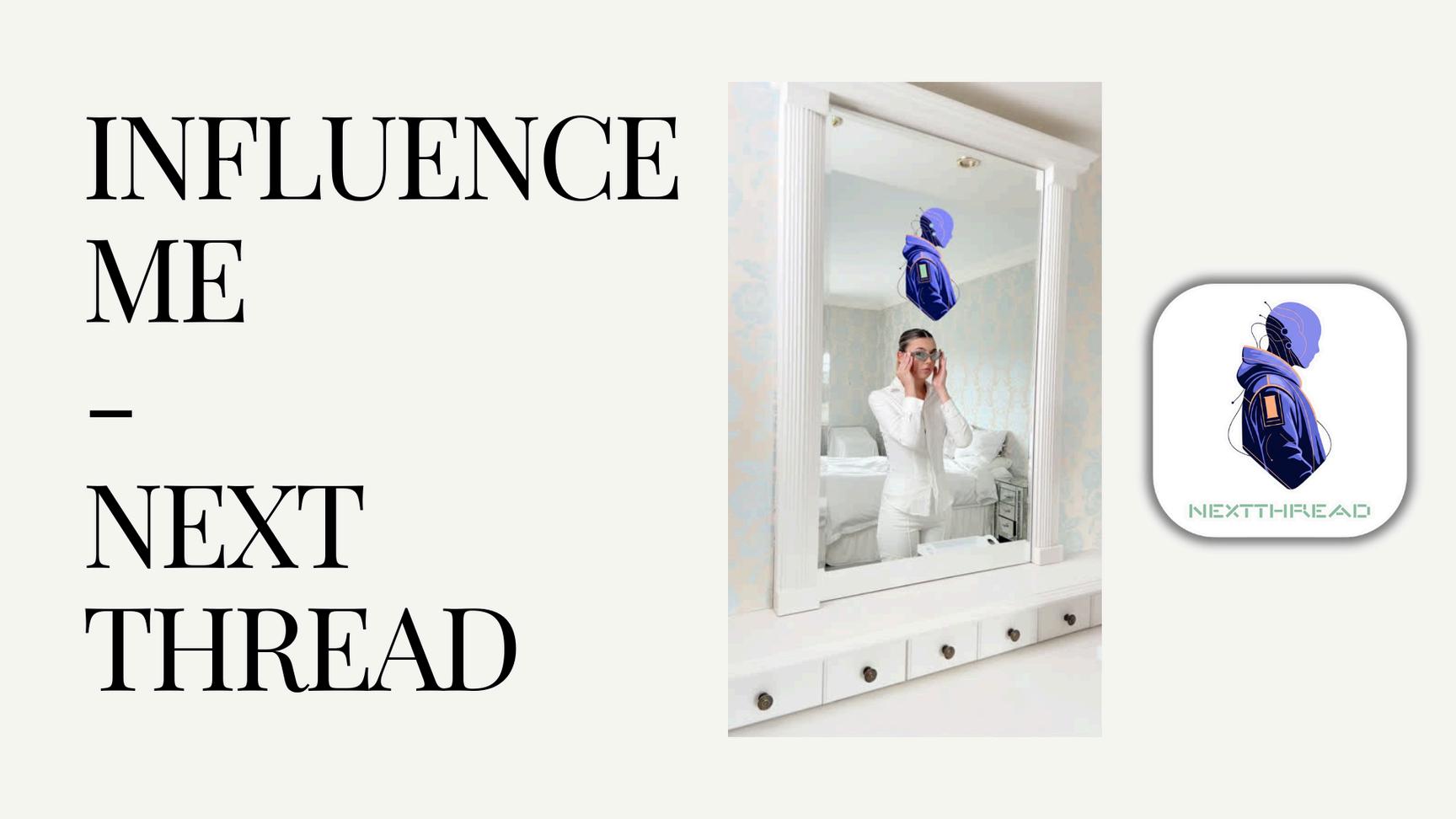
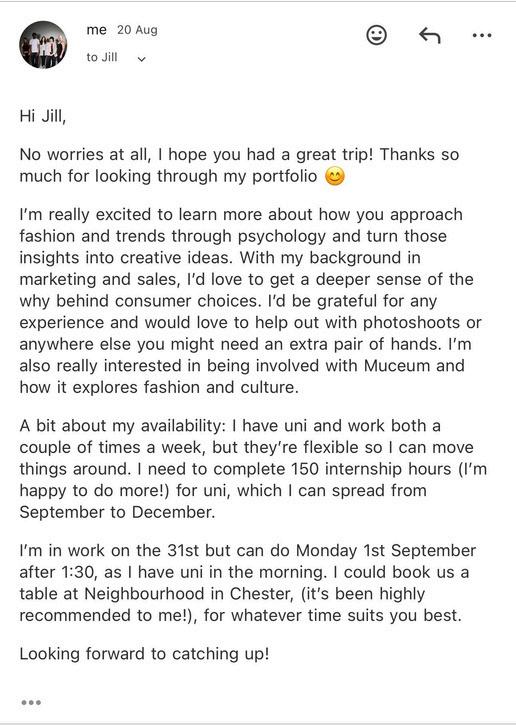
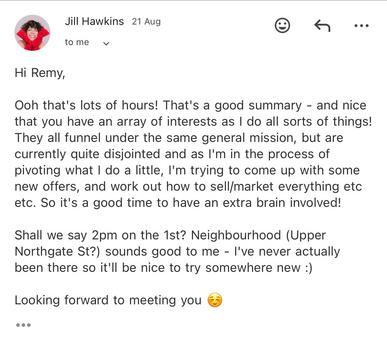
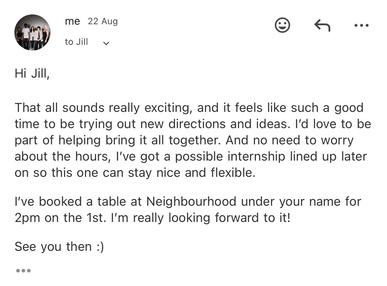
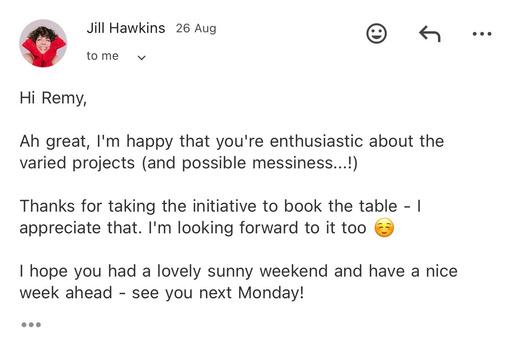
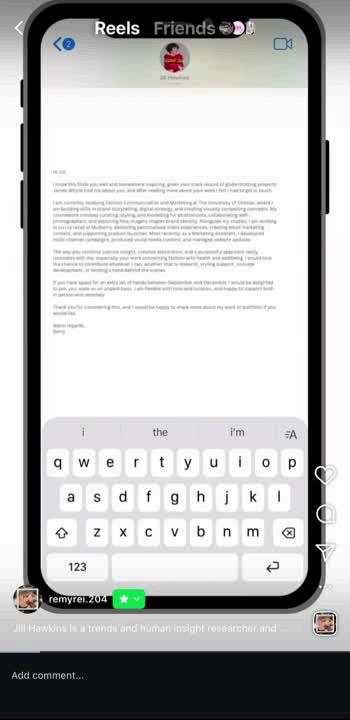
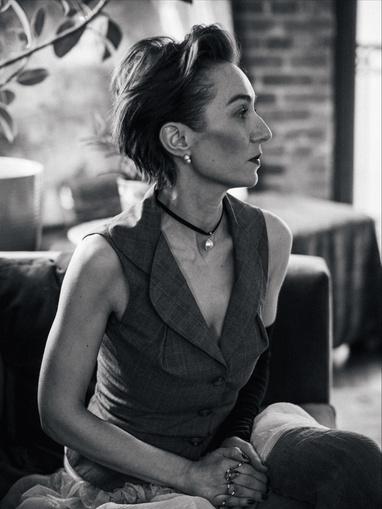
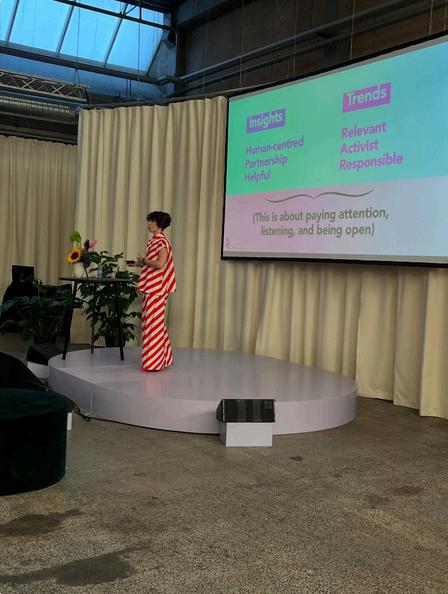
Jill Hawkins is a trends and human insight researcher and fashion psychologist whose work explores the intersections of fashion, lifestyle, wellbeing and creativity. After my project last semester, Influence Me! knew I wanted the chance to learn from her as I began to explore sustainability and the damaging impact of current fashion practices. chose to intern with her because of her ability to combine research, foresight and psychology to reimagine how both brands and consumers can act more responsibly and ethically. Jill was really positive about the possibility of me helping her as she was starting a new business endeavor (which I didn’t find out about until my interview!) but was worried on how it would work with the hours I needed to fulfill as she was relocating back to Copenhagen in the middle of September.
During my interview we talked a lot about what I’m studying at University, past projects I’ve completed and areas of the industry I’m looking to work in after graduate (marketing). She told me a lot about the work she does in the trends and human insight realm which was really interesting as she travels all over the world giving talks and inspiring people to create positive changes, to lead, rather than follow and to work towards the future with a responsible, optimistic and activist intention. We then went on to talk about a new pathway she was undertaking, creating and hosting a podcast called Second Skin to flip perspectives away from fashion as trends, consumption and capitalism, and towards fashion as wellbeing, art, and creativity. We do this by sharing stories and ideas about fashion, clothing, and bodies that inform, inspire and empower people to reflect on and change their own fashion relationships and behaviours for the benefit of health and planet.
2
Week One
Upon leaving the interview I was really happy with how it went. It wasn’t at all what thought I’d be doing (I assumed helping her with trend forecasting, researching, making presentations ect) but I’m very grateful to have the opportunity to be involved in something so important right from the beginning and to have such a range of work to be trusted with.
Jill told me she’d be emailing me a brief to work through over the next week and we arranged a meeting via Google Meets to discuss our findings and share ideas.
"What’s out there thats similar or related to Second Skin?"
For my first task with Jill was asked to research the podcast landscape and think about how Second Skin could stand out. The brief was broad: look at fashion podcasts that explore identity, psychology, wellness and body image, and find out what makes them engaging and how they are marketed.
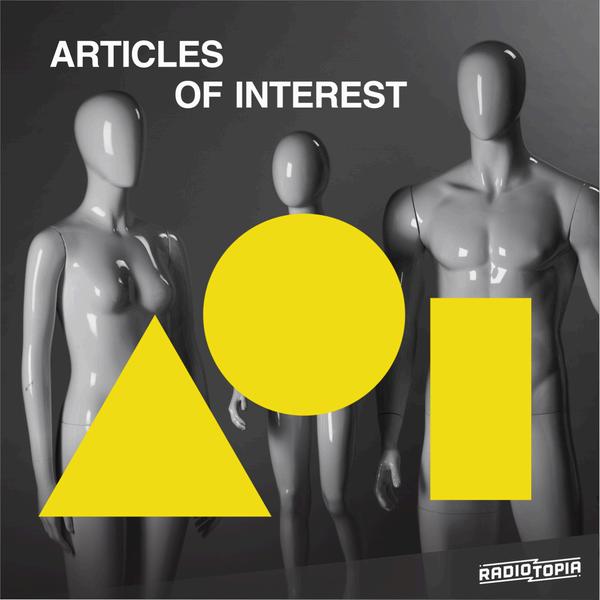
I focused on nine different podcasts, ranging from polished industry names such as Articles of Interest to smaller, more personal shows like Fashion Is Psychology and Style My Mind. Some were slick, high production projects backed by media outlets. Others were looser and community-driven, which made them feel honest and relatable. Despite their differences, most circled around the same themes of fashion as identity, links with psychology, and building connections with listeners.
From this I started to sketch ideas of how Second Skin could feel different. I imagined it as a mix of formats, with space for interviews, solo reflections and listener contributions, which would give it both structure and variety. liked the idea of shorter episodes such as Second Thoughts or Second Skin Letters, which could add rhythm and intimacy alongside the longer conversations. To build community, thought about reflective prompts and hashtags that invite listeners to join in, as well as creating a strong visual and written identity through Substack essays, moodboards and key phrases like Skin Shift or Skin Shed. Rather than being just another chat-based show, the aim would be to build an ecosystem that listeners could feel part of.
www.remyrei.com
This task showed me that podcasts are not only about audio but also about the world created around them. The strongest examples had a sense of community and gave people something to belong to. It was also a lesson in how to handle open-ended research. At first it felt overwhelming, but sitting with the material and noticing patterns helped me shape ideas. It has made me excited to see how these insights can influence Second Skin as it develops.
When I shared my presentation with Jill, she agreed with my assessment of where Second Skin could sit in the podcast landscape and especially liked my idea for Second Thoughts minisodes. She saw how this, along with the other elements, could help build not just a podcast but a real community around it which she was excited by.
Week 2
3
Week Two
Brief two brought something different. I began mapping out a full launch campaign for Second Skin, broken into phases designed to build intrigue, announce the project, drive listening, and then deepen engagement. The first stage focused on atmosphere, teasing the mood of the podcast with poetic posts, abstract textures, and a launch essay on Substack that encouraged early sign-ups. The second stage revealed more, with an official announcement, cryptic guest teasers, and behindthe-scenes glimpses that played on the fact that Jill and her guests were not always in the same room, finding humour in the difficulties. Launch week was about connection, with guest portraits, quotes, reels, and companion essays that turned the first episode into more than just audio. After that, the aim was to sustain momentum by sharing listener reflections, interactive stories, and community rituals to help people feel part of a growing circle. wanted the campaign to guide the audience on a journey from curiosity to anticipation, then into connection and, finally, belonging.
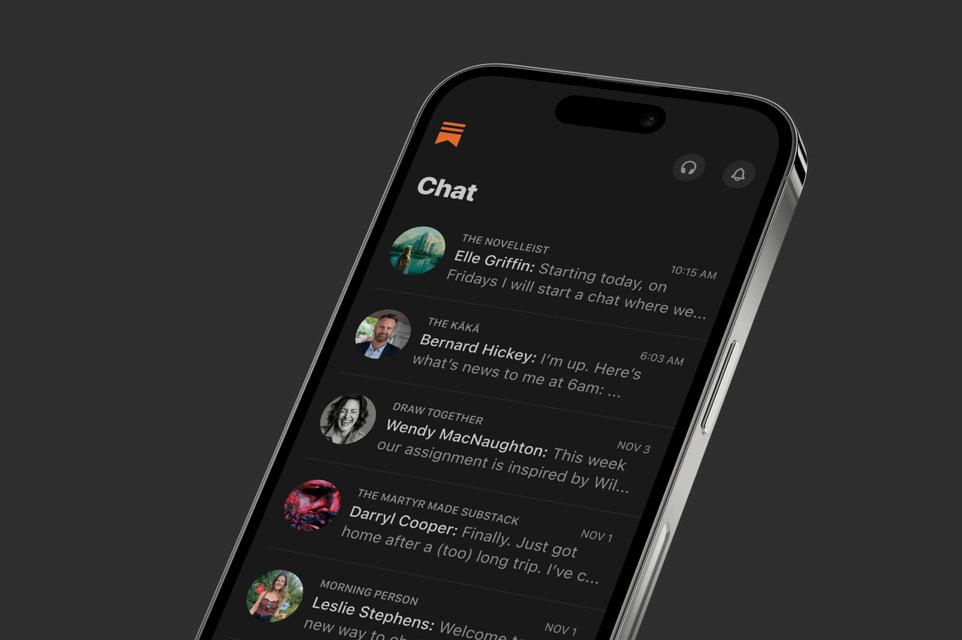
Alongside this, I looked into Substack as the best platform to anchor the reflective layer of Second Skin. Substack is part blog, part newsletter and part community hub, with posts sent directly to subscribers’ inboxes and also hosted on a dedicated site. Unlike social feeds, it is email-first, which means no algorithms or middlemen, and it comes with community tools such as comments, polls, discussion threads and a Chat feature. It is built for writers and creators who want to connect directly with their audiences, and it offers both free and paid tiers. For Second Skin it could work as the place where sound becomes words, images and moodboards, and as a space where listeners share “Second Skin Letters” or respond to reflective prompts. It could also provide a pathway for monetisation later on. The positives are its simplicity, directness and cultural fit for thoughtful, essay-style content, while the challenges are its limited discoverability, design flexibility, and the fact that it needs regular, consistent output.
I explored Substack Chat in particular, which works like a private group chat within the Substack app and allows weekly prompts, audience takeovers and behind-the-scenes threads. This felt like an especially natural extension of the community Jill wants to build. then drafted a launch kit for Second Skin on Substack, from the practical set-up details such as headers, typography and welcome posts, to content ideas like essays, listener spotlights and mood boards. Finally, I mapped out growth strategies, thinking about how to create loops between the podcast and Substack, how to cross-pollinate with guests across all social media (mainly Instagram, and how to use interactive rituals like #SkinShiftChallenge and #ArmourArchive to draw people in.
When presented my findings to Jill she was really excited by the newsletters and immediately linked it to the mailing list she already has in place for her FutureThief audience. She loved the idea of using it as a reflective layer for Second Skin, especially with community-driven touches like #MySecondSkin the #SkinShiftChallenge and #LettersToMySkin She was intrigued by the potential of Substack Chat, though a little cautious about whether engagement could be built easily and sustained over time. She also liked my suggestion of hinting at future guests through moodboards and told me she was already working on some teaser and trailer clips to build momentum before launch.
Week 3
4
Week Three
For this stage of my internship Jill asked me to dig deeper into the foundations of Second Skin. My brief was to look into how other creators are building communities on Substack, to refine the branding, to outline the blueprint more clearly, and to start nailing down content ideas alongside some visual references from Jill and her guests. It felt like a natural progression from the earlier research and campaign planning, moving from broad ideas into something more structured and tangible.
I began by looking at how writers, podcasters and artists are using Substack to build and sustain their communities. What stood out is that the most successful creators use it as more than just a newsletter, it becomes an interactive hub. Comments, polls, and Substack Chat allow readers to contribute, not just consume. I noticed that rituals work particularly well, whether that’s weekly prompts, letters from readers, or behind-the-scenes reflections. For Second Skin, this could translate into prompts like Skin Shift Challenges or themed “Second Skin Letters” that invite listeners to share their own stories. The key learning for me was that Substack is strongest when it’s a two-way street, where the audience feels like participants rather than followers, making it a community setting which is what Jill is striving for..
Next I turned to branding, I began exploring how we could make our existing ideas into a visual identity that carries across platforms. This meant thinking about the motifs (fabric, layering, transformation), the colours and typography, and the tone of voice. want the branding to feel polished enough to be recognisable yet intimate enough to invite community. My role here was to start pulling together references and imagining how the visuals could translate into Instagram, Substack posts, and even episode artwork.
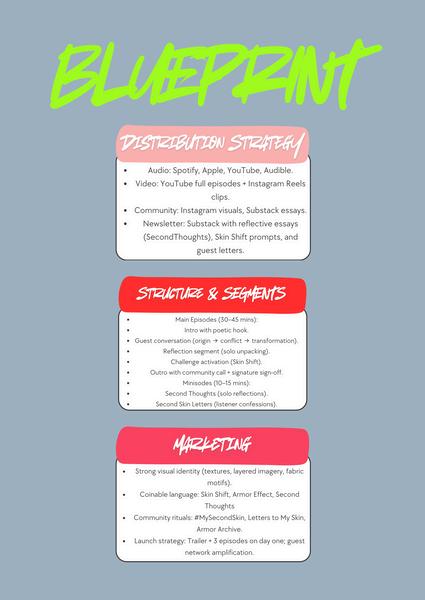
To make things clearer worked on setting down a sharper blueprint for Second Skin. This included how the episodes might be structured (sort of like a script, with flexibility toconnect with guests and share relevant knowledge) weaving guest conversations with reflective solo minisodes called Second Thoughts and how the content would flow into Substack essays, visual posts, and interactive prompts. also mapped how all of this could build community rituals that make listeners feel part of something bigger. Seeing it written out in a clearer framework helped turn all our many ideas into a structure we could start building on.
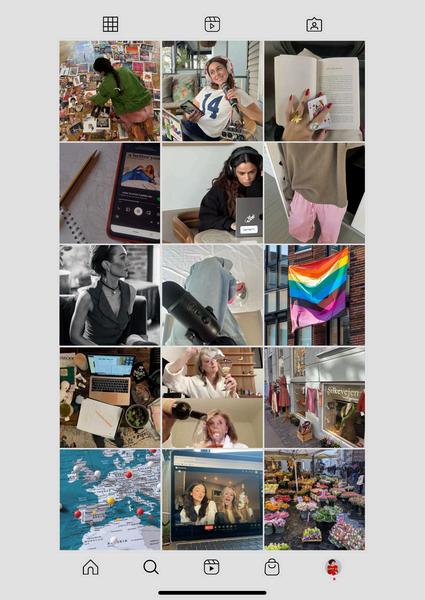
Finally, I began sketching out content ideas with Jill and her guests in mind. This included drafting reflective essays, mood boards, and prompts that could live on Substack alongside the podcast episodes. I also created a visual Instagram feed with suggested content needed from both Jill and her guests as for most of the filming won’t be present for (as Jill lives in Copenhagen and her guests are located all around the world). My aim was to create a toolkit that not only supports the podcast but also expresses its identity visually. www.remyrei.com
Week 4
Week Three
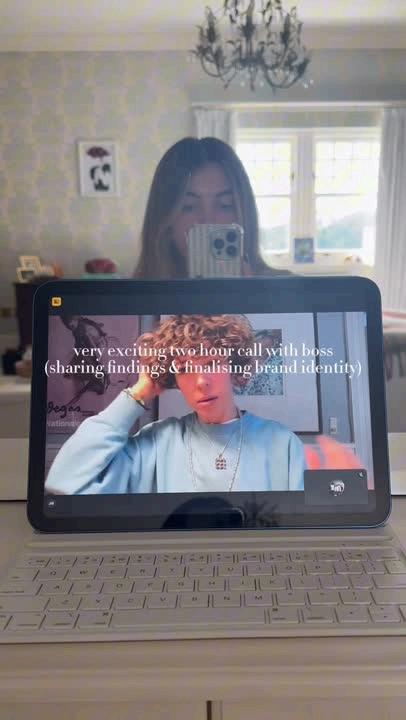
The next meeting I had with Jill we focused on Brand Identity and everything that comes with creating and building a brand.
Brand Purpose
We exist to flip perspectives away from fashion as trends, consumption and capitalism, and towards fashion as wellbeing, art and creativity. We do this by sharing stories and ideas about fashion, clothing and bodies that inform, inspire and empower people to reflect on and change their own fashion relationships and behaviours, for the benefit of both personal health and the planet.
What We Do
Our work spans a variety of channels and activities. We produce weekly podcast interviews and minisodes in both audio and video formats. We publish an email newsletter and foster community interaction. We maintain a research bed and a media hub in the form of a blog, and we also curate exhibitions and live performance events.
Why
The fashion industry is under enormous pressure to change. The way we shop and relate to clothing is dominated by newness and staying up to date, while the stories consumers are told focus primarily on seasons, trends and consumption. Yet clothing and self-expression play a positive role in health, wellbeing, creativity and identity. These stories are rarely discussed with significance or accompanied by a call to action.
As an anti-trend forecaster, researcher, psychologist and stylist, Jill is driven to shape positive futures. She believes that by sharing people’s experiences of clothing throughout significant changes in their lives, we can build knowledge, create action, and foster a community and open space for listening, learning and contributing to change, all in a fun, friendly and creative way.
How We Operate
Our culture is rooted in wide-eyed humility, which means being personable, open, comfortable, humorous and curious. We embrace imperfection because it reflects our humanity and signals that progress is happening. We validate experiences by treating every interviewee’s story as true and worthy of absolute respect. We focus on future-oriented education, empowering individuals with knowledge, confidence and a celebration of individuality. We also aim to inspire reflection and growth by provoking introspection, encouraging experimentation and action, and promoting self-reflection even when experiences differ from our own.
Week Four
Values
We prioritise sharing ideas, learnings and discoveries to make a difference at every level, from grassroots initiatives to brand headquarters. Our philosophy is “boxless”: everyone is encouraged to be themselves, and all individuals are welcome and respected. Conversation serves as a route to ideas, fostering community connection through openness and bravery. We rely on evidence from multiple perspectives, including art, reason, science, spiritual, physical and emotional viewpoints. Growth, both individual and social, is central, and we aim to move forward in ways that feel positive. Finally, everything we do feels real, with an anti-trend, grassroots approach and no unnecessary gimmicks.
Fundamentals
Our approach emphasises crossplatform presence, viewing fashion as both identity and psychology, a focus on community, and blending authenticity, wellness and mindful self-expression.
Pillars and Tone of Voice
Our pillars are defined by our fundamentals and differentiators.
The brand’s tone of voice reflects Jill: it is informative yet approachable, funny and self-deprecating, and uses real-life language to feel authentic and relatable.
Differentiators
We combine a polished, evidencebased approach with a casual, friendly style. Our content features a mix of well-known industry figures alongside real people. We maintain a grassroots focus, creating impact where individuals can make a difference, and explore the intersection of fashion, health, psychology and futures.
Outlining the brand purpose, values and differentiators for SecondSkin has been so helpful. It really gives me a clear picture of the podcast’s vision and how all the creative, strategic and community pieces fit together. I’m genuinely excited about the next steps. I’ll be continuing Week 3's task of refining marketing ideas and updating the activity calendar, watching and listening to the first episode to pull out content and marketing ideas, taking part in a brand building session with Jill, researching guests and topics to prepare questions and prompts, and building templates for content ideas like the “Skin Shift” format, making them easy to run. We’ll be diving into this in an in-person meeting in Week Four, and I can’t wait to see everything come together and start putting these plans into action.