Generation
Alpha
Overview and Economic Power
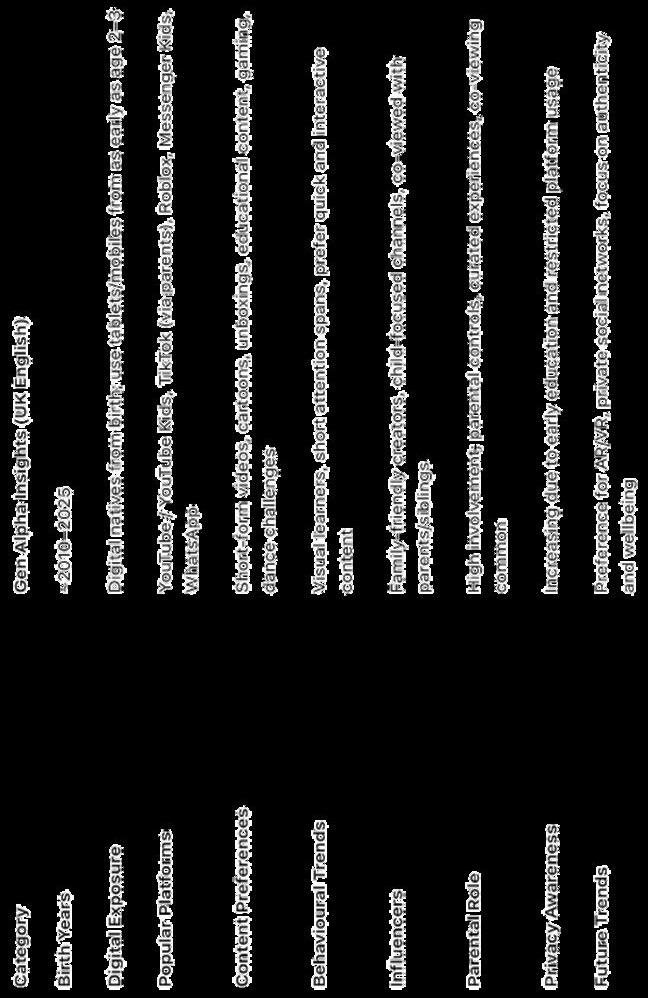
Phygital-First Generation: Gen Alpha effortlessly blends physical (real-life) and digital experiences often described as “phygital-first” or “Generation Metaverse.”
Economic Footprint: Projected to have a spending power of £5.46 trillion by 2029, expected to surpass all other generations by 2034.
Influence on Household Spending: 65% of 8–12-year-olds in the UK, US, and
Western Europe influence family purchases.
55% in Brazil say they strongly influence family buying decisions.
Spending Habits:
Prefer physical products over purely digital ones.
Early owners of luxury goods: 68% own a luxury item by age 10.
Total spending contribution estimated at approximately £50 billion annually.
Media, Technology & Digital Behaviour
Social Media & Content Consumption: 89% of Gen Alpha TikTok users consume short-form video daily.
Streaming and YouTube dominate media consumption; 85% of US children aged 2-12 watch YouTube.
Gaming & Virtual Worlds: 94% play video games globally.
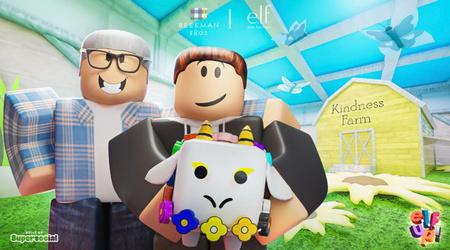
Roblox is a central platform with 55.1 million daily users, mostly under 13.
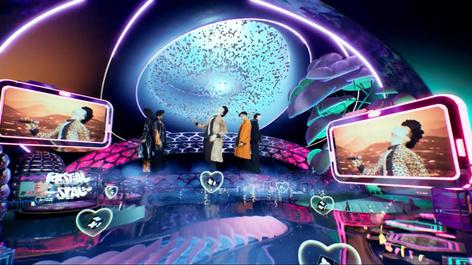
Popular brand activations include Givenchy Beauty House, Gucci Town, Vans World, and Forever 21 x Barbie.
Phygital Engagement Examples: Disney’s augmented reality experiences in theme parks.
Roblox fashion integrations linking virtual and real-world purchases (#TwinWithYourAvatar campaign).
Values, Identity & Social Priorities
Diversity & Inclusion:
Gen Alpha is the most diverse generation to date.
Expect brands to embrace race, ability, neurodivergence, gender neutrality, and family diversity.
Gender-neutral toy displays are now legally required in some regions (e.g., California).
Wellbeing & Mental Health:
Strong focus on social and emotional wellbeing.
Concern over screen time and digital wellness.
Balance of online/offline experiences is critical.
Climate Consciousness & Resilience:
Raised in a polycrisis era; 95% of US Alphas believe environmental care is essential.
Inherit Millennial values around climate action, equality, and transparency. Youth climate activism is rising globally.
Education & Lifelong Learning
Emphasis on developing critical thinking, creativity, and hands-on skills. Lifelong learning viewed as essential for future job market competitiveness. STEM content (science, technology, engineering, maths) is popular and promoted on platforms such as TikTok’s STEM feed.
Influence, Relationships & Social Spaces “Alphluencers” (Kid Influencers):
Rising importance of child content creators on YouTube and TikTok.
Examples: Ryan Kaji, Chef Kobe, Like Nastya.
Ethical considerations: privacy, exploitation, cyberbullying.
Social Interaction: Preference for face-to-face interactions despite digital nativity. 67% prefer eating with family/friends over digital interaction.
Rise in after-school meet-ups and renewed interest in shopping centres and “third spaces ” places outside home/school for socialising.
Brand Engagement Strategies
Spending & Lifestyle
Early luxury item ownership and significant influence on family purchases.
Playfulness, humour, meme culture, and creative
self-expression resonate strongly.
Phygital Marketing & Retail
Integrate digital and physical product launches (e.g., Roblox avatars with real-life fashion).
Gamification of brand experiences encourages engagement and loyalty.
Example campaigns:
Forever 21 x Barbie’s #TwinWithYourAvatar:
Syncing real-life fashion with digital avatars, boosting user-generated content and crossplatform presence.
Vans World on Roblox: A virtual skatepark blending culture, gaming, and fashion, with rewards linked to real-world products.
Personalisation & Customer Experience
Gen Alpha expects personalised digital experiences and high-quality service. Brands must create meaningful, two-way dialogue and authentic community building.
Technology & Innovation
Virtual Influencers and Avatars: Digital-only personas and avatars influence fashion and brand engagement. Rise of direct-to-avatar (D2A) economies where users buy digital fashion that may link to real-world items.
Creator Economy: Collaborate with young creators native to platforms such as Roblox. Support user-generated content and community-driven innovation.
Sustainability & Ethics
Authenticity and transparency in sustainability are key to avoid greenwashing. Brands should educate consumers on ecofriendly practices and support youth climate activism.
Diversity, equity & inclusion (DE&I) messages need to be woven into product design and marketing.
Summary
Generation Alpha is an economically powerful, digitally fluent, and socially conscious cohort that demands brands to:
Engage them phygitally (blending digital and physical).
Champion diversity, wellbeing, and sustainability.
Embrace gamification, creativity, and social connection.
Provide personalised and meaningful brand experiences.
Leverage virtual worlds, avatars, and the creator economy.
Brands that succeed will be those who authentically integrate these elements into seamless digital-physical ecosystems and multi-generational marketing strategies.
Roblox
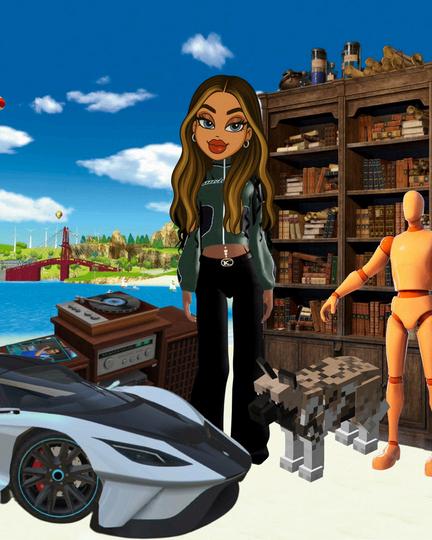
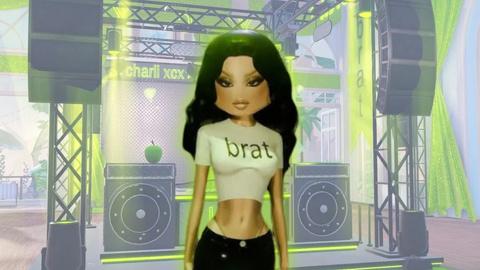
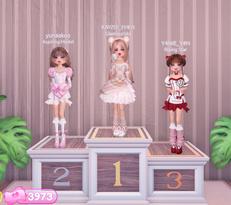
Dress to Impress is a popular multiplayer fashion game on Roblox, launched in October 2023. It combines creative outfit design, social interaction, and competitive gameplay. Players take part in themed fashion rounds, assembling outfits from customisable items and showcasing them on a virtual runway, where they rate each other’s looks.
Key Gameplay Features:
Timed Fashion Rounds based on themes (e.g., “Y2K”, “Album Cover”).
Runway Voting with star ratings; top players appear on a podium. Customisation options include makeup, skin tone, nail colour, and accessories.
Modes: Solo, duo, freeplay, and “Style Showdown” (an eliminationstyle mode introduced in 2025).
Cultural Impact:
TikTok Meme: The “Pose 28” emote went viral.
Celebrity Endorsement: Madison Beer praised the game’s nostalgic appeal; Charli XCX collaborated on in-game content linked to her Brat album.
Real-World Influence: Game-inspired outfits and aesthetics have influenced fashion trends and online creators.
Recognition & Popularity:
Awards (2024 Roblox Innovation Awards):
Builderman Choice of Excellence
Best Creative Direction
Best New Experience
Stats: By September 2024, the game averaged over 250,000 concurrent players and had been played more than 2.7 billion times.
Events & Collaborations:
Charli XCX Partnership (2024): Featured themed outfits and emotes inspired by her album Brat.
Seasonal Events: Halloween 2024 introduced a Greek mythologythemed questline featuring an original character named Lana.
Dress to Impress has become a cultural phenomenon, blending gaming, fashion, and social media influence, and attracting a wide audience beyond typical Roblox players.

Depop
Depop is a mobile app and online platform blending social media and ecommerce, primarily for buying and selling secondhand and vintage fashion. It’s especially popular among Gen Z and younger millennials who value sustainability, unique style, and small-scale entrepreneurship.
Key Features:
Social Media Feel: Similar to Instagram users can follow, like, comment, and message.
Selling: Simple listing process with photos, descriptions, and pricing.
Shipping managed via app or independently
Buying: Search, follow sellers, negotiate, and pay with PayPal or Apple Pay.
Community-Focused: Most sellers are individuals or small businesses offering vintage, handmade, or upcycled items.
Fashion Niche: Known for Y2K, streetwear, and rare vintage styles.
Pros:
Great for niche and vintage finds
Encourages sustainable shopping
Builds community through social interaction
User-friendly for beginners
Cons:
Limited buyer protection
Risk of scams or counterfeit items
10% seller fee plus payment processing costs
Social Features:
User Profiles: Mini shops with bios, photos, and follower counts
Followers: Builds visibility and trust for sellers
Likes: Acts as a wishlist and trend indicator
Comments/DMs: For public questions and private negotiations
Reviews: Boost credibility with ratings and user feedback
Hashtags/Trends: Improve item discoverability
Explore Tab: Curated items based on user interests and trends
Depop is more than just a resale platform it’s a social fashion community where aesthetic, engagement, and personal branding enhance both shopping and selling experiences
Techn ology
The Metaverse and Web3 in Fashion Market Trends & Challenges
Interest in the metaverse and Web3 has waned due to:
Crypto crashes (e.g., FTX), a 73% drop in asset values, and NFT market collapse.
Meta’s pivot to the metaverse resulted in a 70% drop in share price. The sector sits in the “Trough of Disillusionment” (Gartner Hype Cycle).
Brand Strategy & Innovation
Nike, Gucci, L’Oréal, H&M are early adopters exploring:
Digital wearables and virtual experiences.
Blockchain-backed NFTs for authentication and ownership.
“Phygital” items linking real and digital products.
Metaverse-based marketing and immersive branding.
Artificial Intelligence (AI) in Fashion Applications
Operational Efficiency:
AI used in demand forecasting, pricing, inventory planning.
Creative Design:
Tools like Midjourney & DALL·E assist designers with concept generation.
Manufacturing:
AI and robotics used for custom garment production and on-demand models.
Retail Personalisation:
AI-driven product suggestions and virtual styling in both e-commerce and stores.
Augmented Reality (AR) & Virtual Try-Ons
In-Store & Online Experience
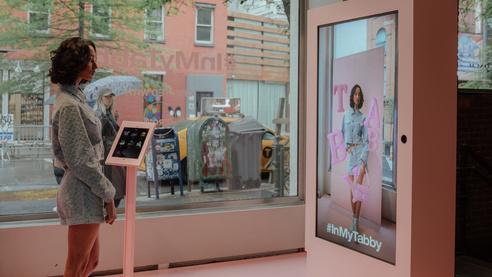
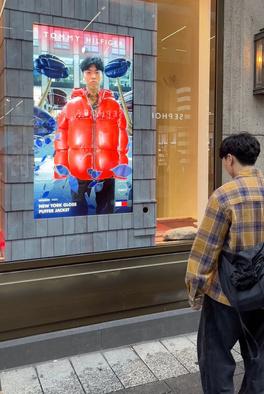
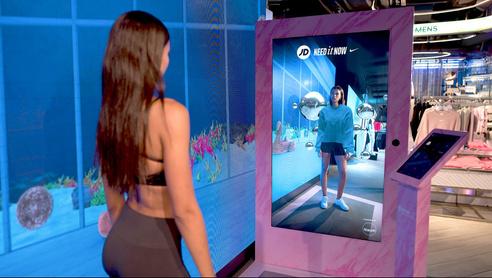
AR Mirrors:
Used by brands like Gucci, Coach, and Tommy Hilfiger.
Customers can digitally try on products, increasing engagement and sales.
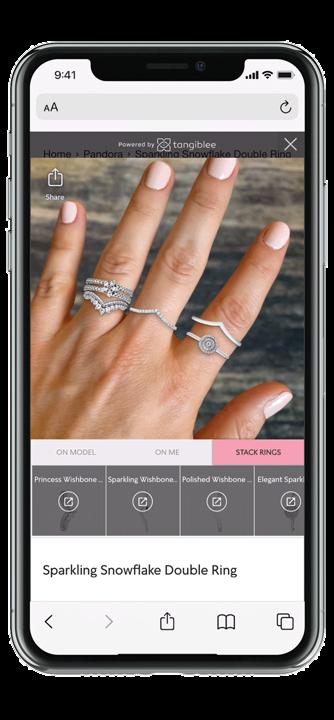
Digital Dressing Rooms: Tools like Zero10 and Tangiblee enable AR without needing apps. Brands use AR for real-time product comparison and social sharing.
Gamified Retail:
Disney and Macy’s used AR mirrors to attract younger audiences with interactive experiences.
Virtual Influencers & Influencer Marketing
Influencer Marketing Evolution
Fashion brands leverage influencers to: Launch virtual collections, promote AR try-ons, and highlight sustainable practices.
Livestream events that allow direct shopping via TikTok and Instagram.
Virtual Influencers
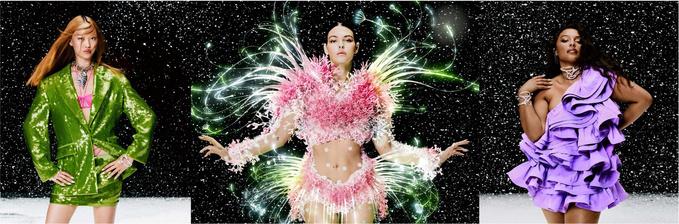
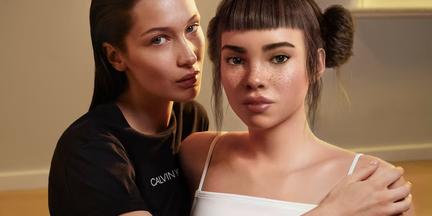
CGI avatars like Lil Miquela or Shudu are now brand ambassadors.
Appeal to Gen Z and Alpha through tech-forward aesthetics. Provide brands with control over image, narrative, and performance.
Use in Campaigns:
Virtual influencers often wear digital fashion and NFTs. Their presence supports campaigns in the metaverse and social platforms simultaneously.
Blockchain in Fashion Core Applications
Authentication & Ownership: Blockchain certifies provenance of physical and digital items.
NFTs:
Enable scarcity and resale of digital assets (e.g., CryptoKicks by Nike).
Phygital Integration: Combines real and virtual goods, ensuring linked ownership on blockchain.
Sustainability:
Enables tracking of materials and resale history for eco-conscious consumers.
Payments:
Supports crypto transactions in digital storefronts and metaverse platforms.
Immersive Fashion & Retail Experiences
Virtual Events & Social Commerce
H&M’s Metaverse Fashion Show: Included virtual concerts, NFT sales, and digital fashion drops. Reached 61 countries and sold out digital merch in 15 minutes.
Livestream Shopping:
COS, Monki, and & Other Stories offer shoppable shows with live styling tips.
Future Outlook
Technological Drivers of Change
AI + AR + Blockchain will transform:
Consumer engagement (personalised, immersive shopping).
Product development (fast, datainformed design).
Brand storytelling (narratives shaped across digital, virtual, and real-world platforms).
Influencers both human and virtual will continue to bridge fashion and tech, shaping consumer preferences globally.

Sustain ability
Impact of Tariffs on Fashion & Retail
Sales Decline Due to Tariffs
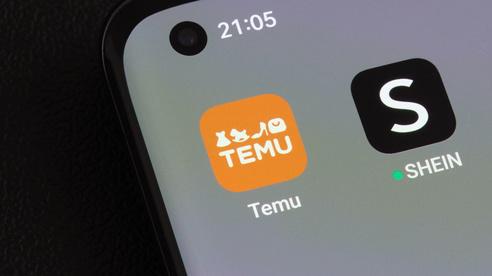
Shein’s US sales fell by 23%, Temu’s by 17% following price rises caused by US tariffs on Chinese imports.
Tariffs have soared to as much as 145% after the removal of the “de minimis” tax exemption, significantly increasing costs. Price hikes have forced consumers to cut back; fast-fashion platforms and major retailers such as Walmart and Target face increased financial pressure. Temu plans to pivot towards local US merchants to avoid tariffs.
Temporary Trade Truce Between US and China
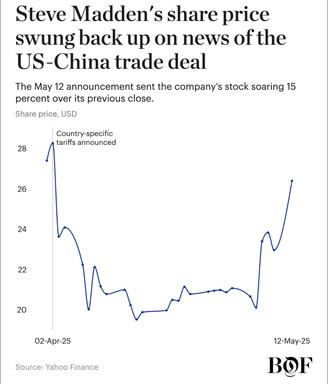
Tariffs reduced temporarily from 145% to 30% (China’s tariffs on US goods also lowered), offering some respite.
Uncertainty remains, particularly around tariffs on goods from other countries and ongoing effects of the “de minimis” exemption removal.
Retailers are expected to pass some of these costs on to consumers, fuelling inflationary pressures.
Lessons from Trump’s Tariff ‘Degrowth’ Experiment
Tariffs have curbed overconsumption by around 20%, compelling consumers to “make do with less.”
This mirrors the economic concept of “degrowth,” but it is abrupt, unplanned, and disproportionately affects vulnerable communities without investment in green infrastructure.
The trade war is likely temporary, limiting any long-term environmental benefits. The article advocates for targeted environmental taxes and reinvestment in recycling and circular economy efforts to truly advance sustainable fashion, even if this means higher prices.
Shift in Sustainable Fashion Branding
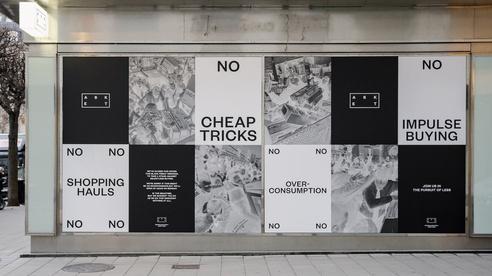
Brands such as the Swedish slow-fashion label Asket are moving away from leading with sustainability and focusing more on timeless design and product quality.
Consumers are experiencing “sustainability fatigue,” weary of greenwashing, and prioritise good-looking, reliable products. Political opposition in the US has prompted brands to be more cautious with sustainability messaging.
Designers like Anna Foster maintain strong eco-values but prefer to let the product quality speak for itself.
Sustainability remains an underlying commitment, supporting brand loyalty but is no longer the primary selling point.
Gen Alpha’s Role in Slowing Trends
Raised with strong awareness of climate change and social issues, Gen Alpha questions fast, disposable fashion and excessive consumption. They favour durable, timeless products over rapidly changing trends, encouraging a move towards “slow fashion.”
Gen Alpha influences family purchases, promoting more sustainable and ethical buying habits. Their digital fluency and access to information make them discerning and cautious consumers.
Brands are adapting by focusing more on storytelling, quality, and sustainability in line with Gen Alpha values. Overall, Gen Alpha is helping to slow the fast fashion cycle, fostering a more thoughtful and sustainable approach to consumption.
Fashion’s Recycling Start-Ups Inch Closer to Commercialisation
Start-ups backed by major fashion groups like H&M and Inditex are planning industrial-scale textile-to-textile recycling plants.
Syre (H&M), Circ (Inditex), and Reju (Technip Energies) aim to open facilities in Vietnam, France, and the Netherlands by 2027–2029.
These plants will produce tens of thousands of tonnes of recycled polyester and cellulose yearly but still represent a small part of the global market.
Key challenges include securing funding, reliable textile waste supply, and consistent demand from brands.
Major purchase agreements (e.g., Syre’s $600m deal with H&M) and partnerships with textile sorters help secure feedstock and control costs.
Government support in France and the Netherlands, through grants and circular economy policies, is critical. These efforts mark important progress toward scalable, sustainable textile recycling solutions.
Mulb erry
1 Sustainability Commitment
Made to Last Manifesto:
Aiming to transform into a regenerative, circular business by 2030, focusing on durability and longevity.
2. Key Sustainability Initiatives
Net Zero Emissions by 2035:
Targeting net-zero greenhouse gas emissions (both direct and indirect)
Science-Based Targets:
Emissions reduction targets validated by the Science Based Targets initiative in April 2024, aligned with the 1.5°C climate pathway.
Responsible Leather Sourcing:
Working with farmers practising regenerative agriculture and tanneries that focus on low-impact manufacturing and zero-waste leather production.
Circular Economy Practices:
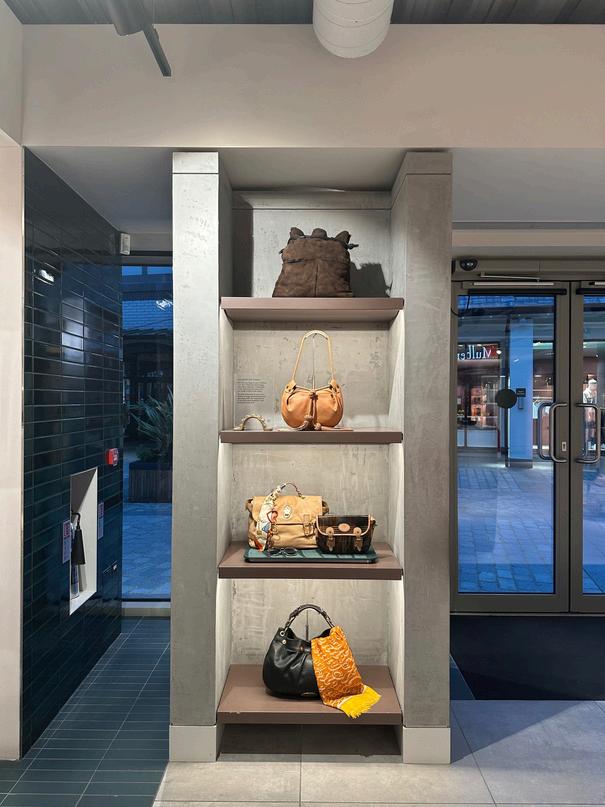
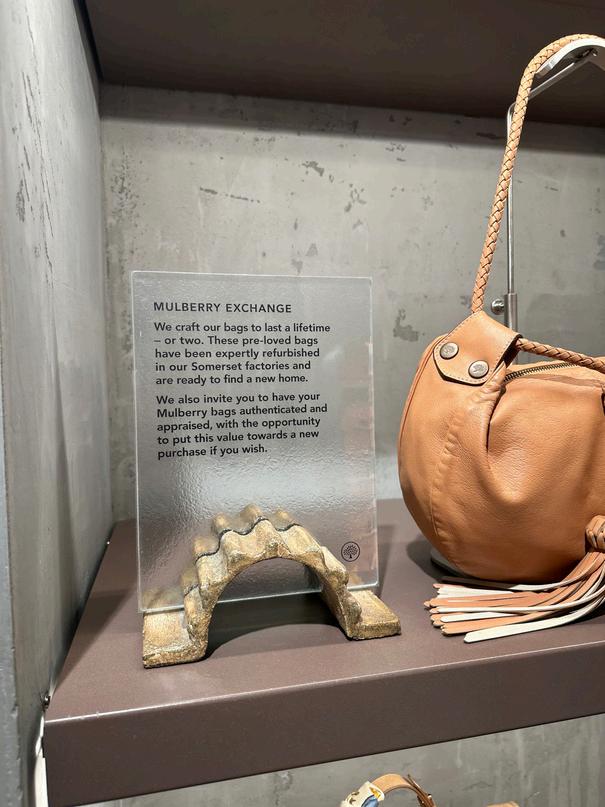
Promoting product longevity through repair and restoration services, encouraging customers to buy less but better with timeless designs
Pre-Loved Goods Programme:
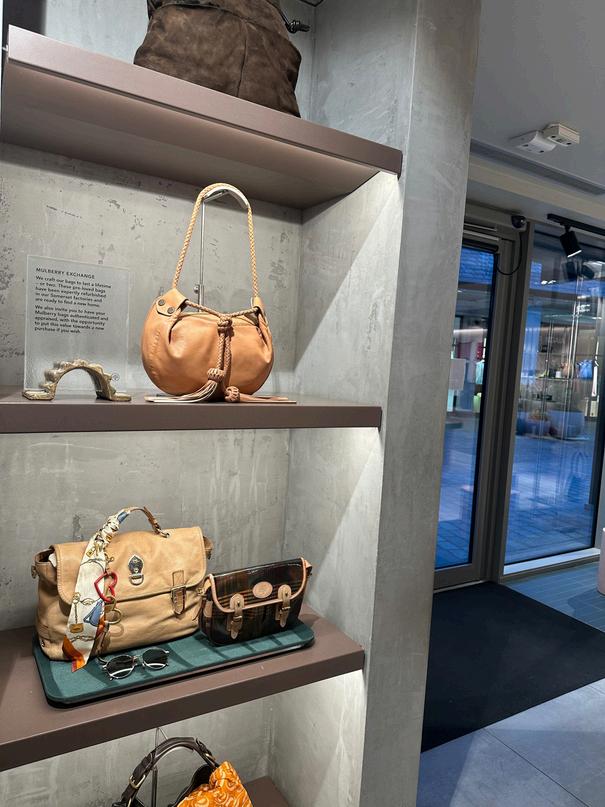
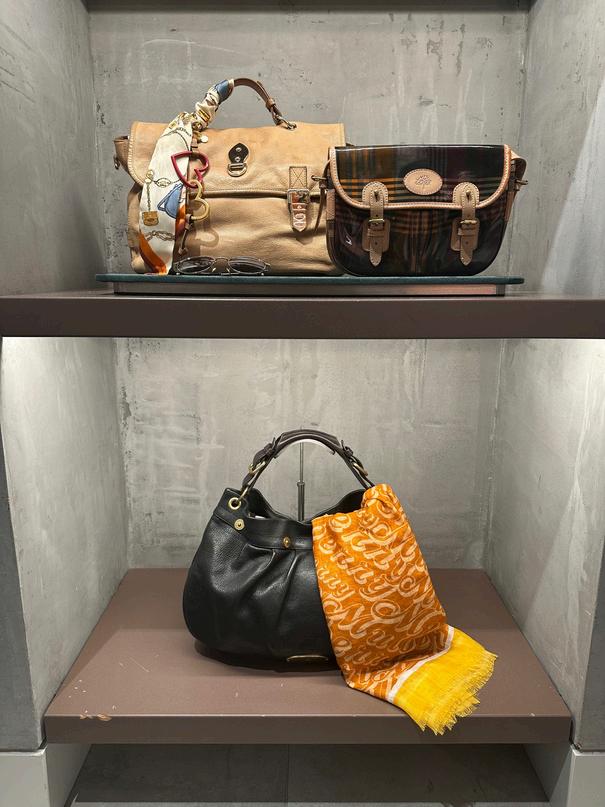
Offering a range of authenticated pre-owned Mulberry products through their official platform, supporting reuse and extending the life of their luxury items.
12-Month Guarantee & Repair Scheme:
Offering a 12-month warranty covering defects, alongside a comprehensive repair service to extend product life and support sustainability Repairs can be arranged in-store or online with clear pricing
3 UK Manufacturing and Craftsmanship
Made in the UK:
Around 50% of key styles, including the Bayswater and Lily bags, are produced in UK workshops such as The Rookery and The Willows in Somerset.
Apprenticeship Programme:
Established in 2006, training new generations of leather craftsmen to preserve British skills and address shortages
4 Recognition and Awards
Sustainability Luxury Brand of the Year (2022):
Awarded at the Walpole British Luxury Awards recognising Mulberry’s progress in sustainability.
Great British Brands Awards (2023):
Honoured for outstanding work in developing a regenerative and circular business model
Greenwashing is when companies mislead consumers into thinking their products or practices are more eco-friendly than they really are. It’s a form of deceptive marketing, used to appeal to environmentally conscious buyers.
H&M
H&M and the “Conscious Collection” Controversy
What Happened:
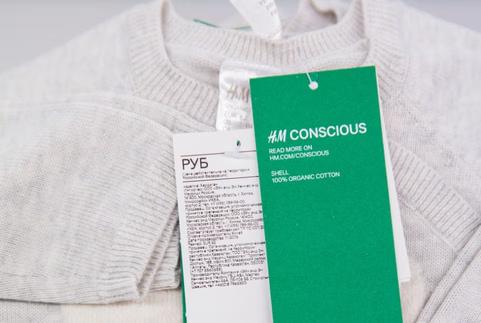
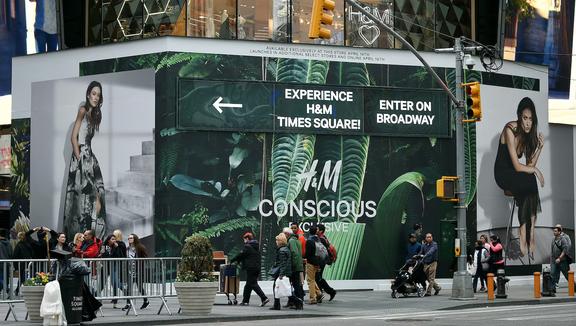
H&M, the global fast fashion retailer, launched its Conscious Collection, promoted as a sustainable clothing range made from environmentally friendly materials such as organic cotton and recycled polyester. However, in 2022, the Norwegian Consumer Authority (NCA) and other regulators criticised the brand for misleading marketing practices.
Key Issues:
Lack of transparency: Vague claims about sustainability were made without clear, accessible evidence to demonstrate how the garments were more environmentally responsible. Inaccurate information: An investigation by Quartz revealed that some of H&M’s sustainability scorecards either overstated the environmental benefits of products or included incorrect data. Limited consumer understanding: The supporting information was neither independently verified nor easy for the average shopper to interpret.
Why This Matters:
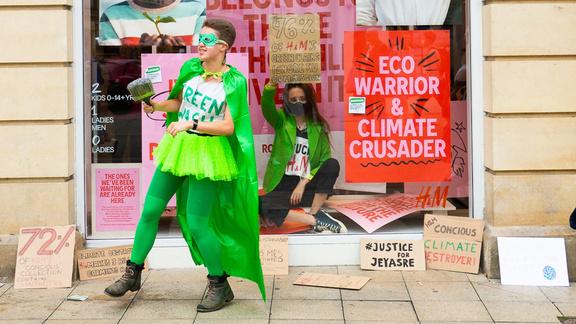
H&M’s case highlights how even major brands can engage in greenwashing giving the impression that their products are more sustainable than they truly are. It also underscores a broader issue in fast fashion: promoting "eco-friendly" lines while continuing to produce large volumes of inexpensive clothing contributes to overconsumption and undermines genuine sustainability efforts.
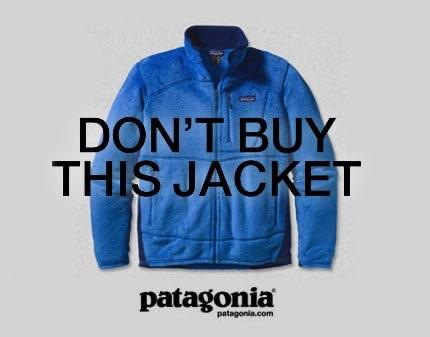
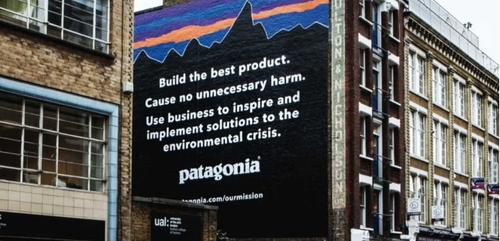
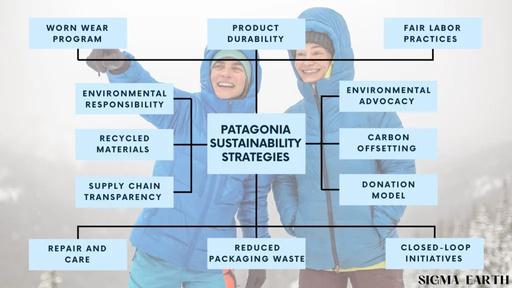
Pata gonia
1. Material Innovation
Uses 100% organic cotton since 1996, avoiding harmful pesticides and promoting soil health. Incorporates recycled materials, such as polyester and nylon, to reduce waste and reliance on virgin resources.
Developed Regenerative Organic Certified™ cotton to enhance soil health and sequester carbon.
2. Circular Economy Initiatives
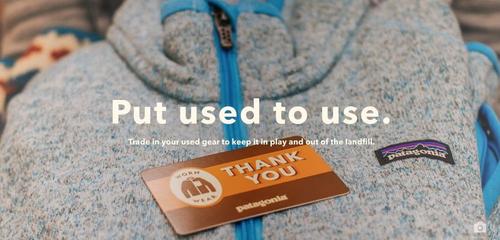
Operates the Worn Wear programme, encouraging customers to repair, reuse, and recycle garments.
Launched ReCrafted, creating new products from used Patagonia gear.
3. Climate Commitments
Aims to be carbon neutral by 2025, investing in renewable energy and reforestation projects. Eliminating virgin petroleum-based materials in products by 2025.
4. Ethical Business Model
Certified B Corporation since 2011, meeting high standards of social and environmental performance. Donates 1% of annual sales to environmental causes through the 1% for the Planet initiative.
In 2022, founder Yvon Chouinard transferred ownership to trusts dedicated to combating climate change.
5. Supply Chain Responsibility
Implements the Supply Chain Environmental Responsibility Program to measure and reduce environmental impacts across manufacturing processes. Ensures material traceability and adherence to sustainability standards throughout the supply chain.
Refor mation
1. Sustainable Materials
Aims for all fabrics to be sourced from recycled, regenerative, or renewable materials by 2025. Utilises Ref Fiber Standards to evaluate the environmental and social impact of materials.
2. Climate Goals
Products are 100% carbon neutral. Committed to becoming climate positive by 2025 and fully circular by 2030.
3. Waste Reduction
Strives for a zero-waste production process, currently recycling, donating, or composting 75% of organic and textile waste.
Incorporates deadstock fabrics into collections to minimise waste.
4. Social Responsibility
Ensures fair labour practices across its supply chain, with goals for all manufacturing partners to have fair compensation and worker engagement programmes by 2025.
Focuses on diversity, equity, inclusion, and community engagement within its operations.
5. Transparency and Reporting
Publishes quarterly sustainability reports to track progress and maintain accountability. Shares its climate-positive roadmap to guide industry-wide sustainability efforts.


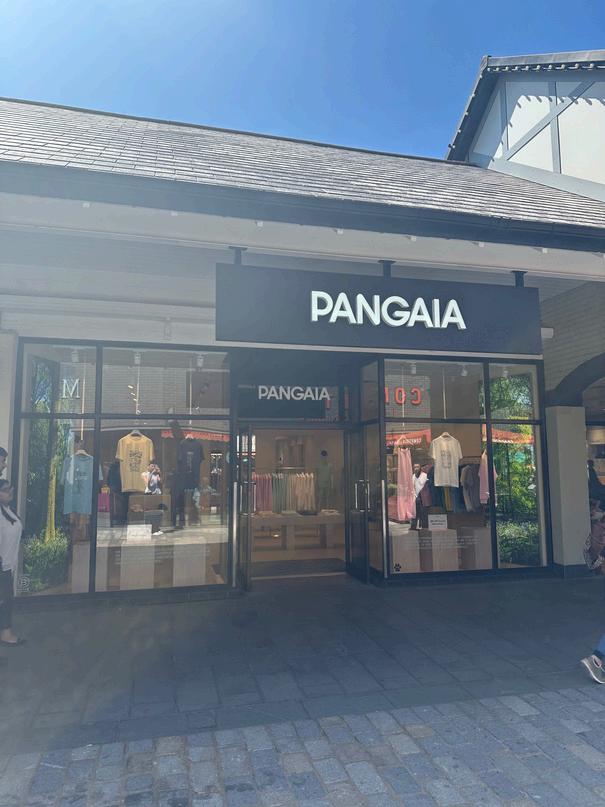
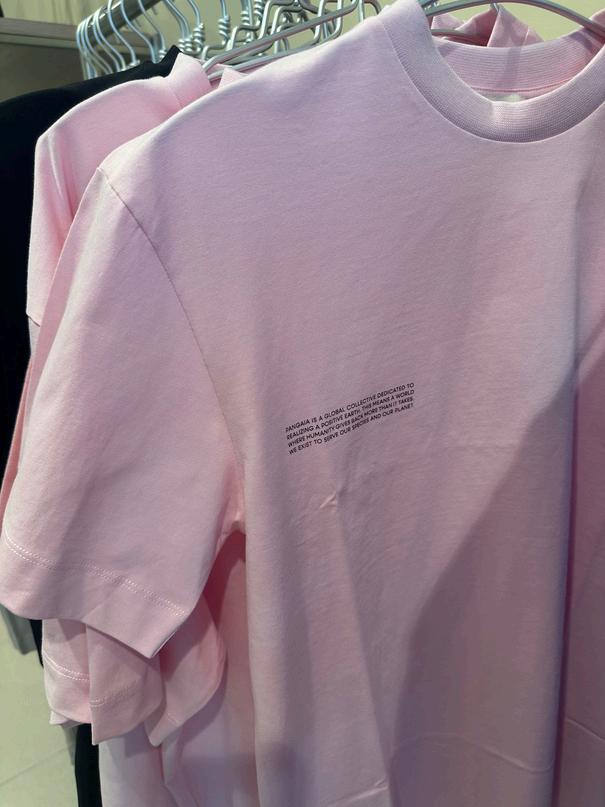
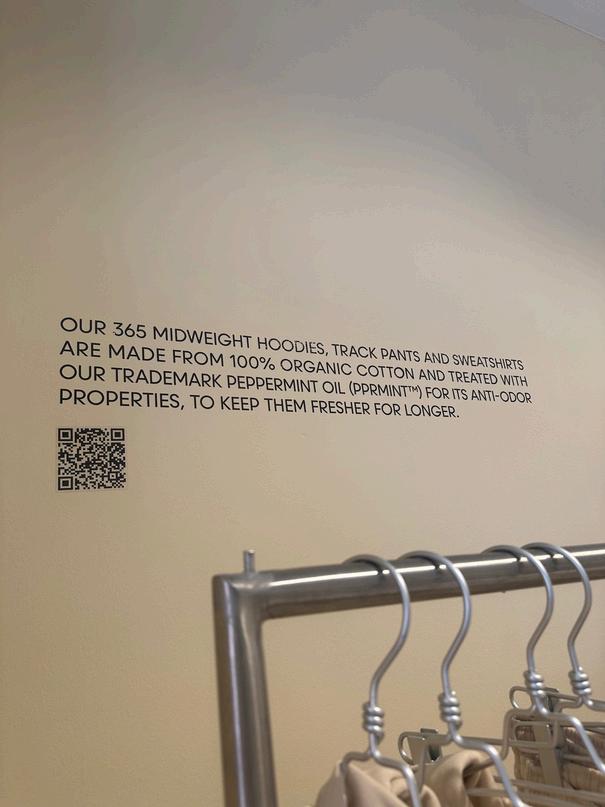
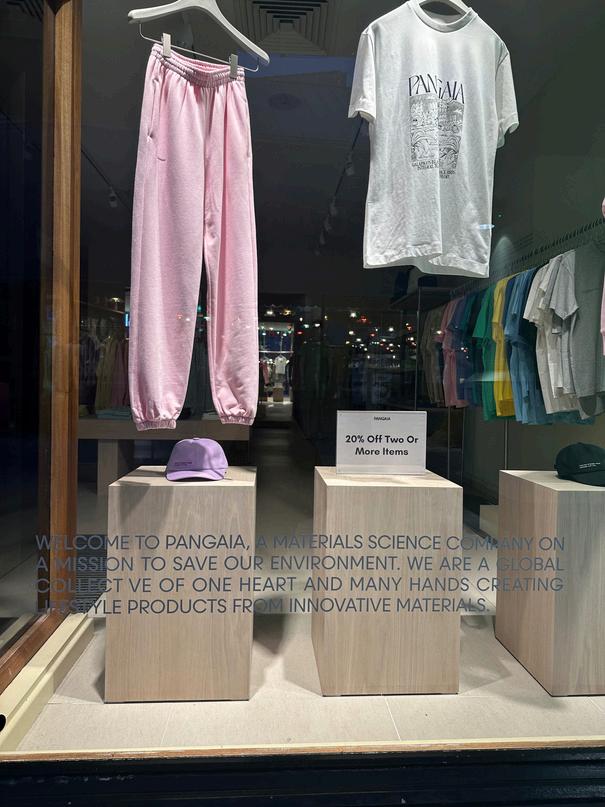
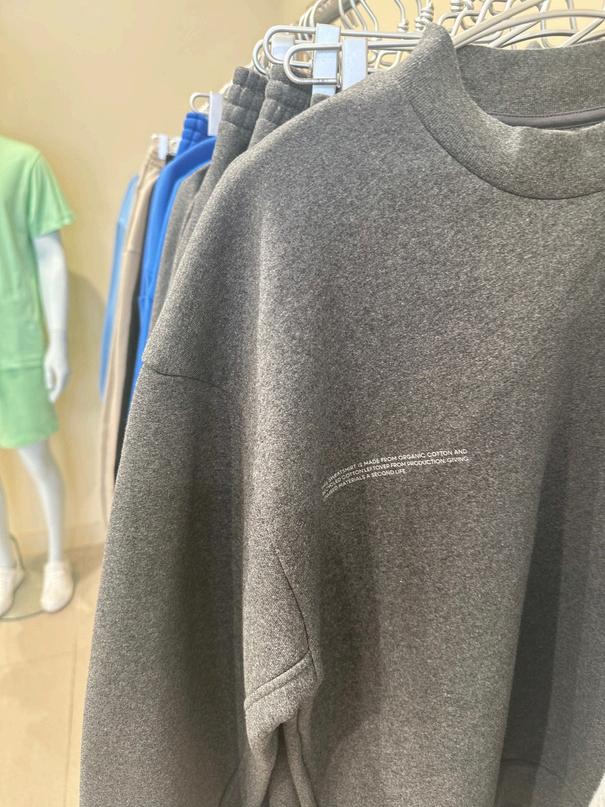
Pangaia
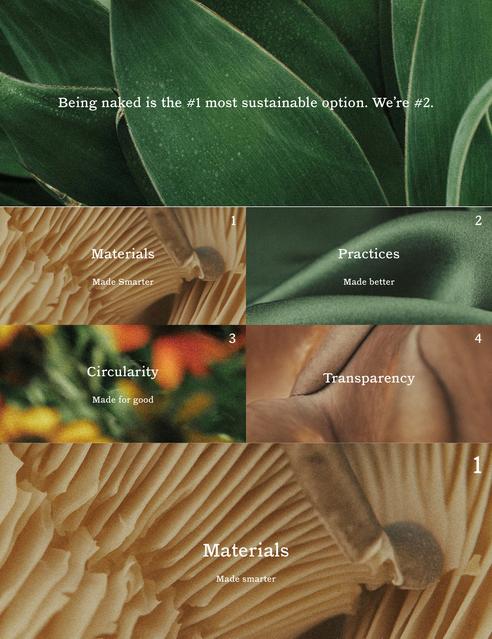
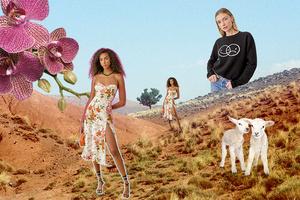
PANGAIA, a materials science company, is widely recognised for its strong sustainability efforts, combining innovation with ethical practices:
Environmental Initiatives
Carbon Reduction: Achieved a 40% carbon footprint reduction (2023 vs. 2021) and a 9% drop in emissions intensity.
Circular Fashion: Launched PANGAIA ReWear, a resale platform, and ensured 85% of products sold are recyclable.
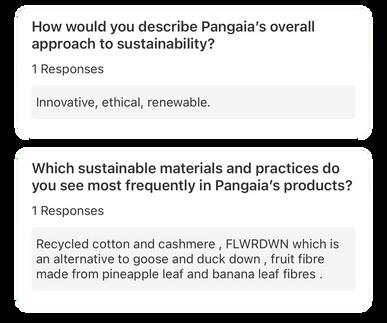
Innovative Materials: Uses seaweed fibre, recycled materials, and introduced fully recycled denim made from textile waste.
Ethical & Social Practices
Fair Labour: Member of the Fair Wear Foundation; discloses its supply chain for transparency.
Community Support: Funds environmental and humanitarian projects including reforestation and ocean conservation.
Innovation
PANGAIA Lab: Develops next-gen materials such as bacteria-dyed fabrics and carbon-capturing textiles.
Consumers
Growing Awareness: More people are becoming conscious of environmental issues like climate change, plastic pollution, and ethical labour practices, and want to make greener choices.
Scepticism & Greenwashing: Many shoppers are cautious about brands’ sustainability claims due to previous greenwashing cases. They look for transparency and credible proof, such as recognised certifications or clear supply chain information.
Price vs. Principles: Although consumers would prefer to buy sustainable products, higher prices can put them off. Value for money is important, so affordable eco-friendly options are more popular.
Preference for Quality and Longevity: There’s a shift away from fast fashion towards buying durable, timeless pieces that last longer and help reduce waste.
Generational Differences: Younger groups, especially Gen Z and Millennials, tend to place more emphasis on sustainability and expect brands to act responsibly.
Sustainability Fatigue: Some consumers feel overwhelmed or sceptical about constant sustainability messages, leading to a sense of “sustainability fatigue.”
Ethical Consumerism: Shoppers care not just about the environment but also about fair wages, decent working conditions, and animal welfare.
Fast Fashion
Alex James: Slowing Down Fast Fashion
Alex James explores the global impact of fast fashion, uncovering the environmental harm and human exploitation behind cheap clothing. Through global travels and hands-on experiments, he educates viewers on the consequences of their fashion choices and highlights sustainable alternatives.
Environmental Impact
Fast fashion relies on synthetic, non-biodegradable materials and toxic production processes that cause severe pollution.
James visits textile waste sites in Southeast Asia overflowing with discarded clothing
Observes polluted rivers contaminated by dye runoff from garment factories.
Interviews environmental advocates raising awareness about industrial waste.
Human Cost
Low-cost fashion often depends on exploitative labor practices in developing countries.
James visits garment factories supplying Western brands.
Talks with factory workers facing poor conditions, long hours, and low pay.
Highlights the invisible human cost of cheap fashion.
Consumer Awareness
Consumers often overlook the health, safety, and environmental risks of fast fashion.
Conducts a flammability test: acrylic jumper ignites dangerously fast compared to wool.
Examines the quality and disposability of cheap clothing. Engages with shoppers about their fashion habits and knowledge.
Solutions & Alternatives
We can reduce fashion’s impact by changing how we buy and value clothing. Visits ethical fashion brands using sustainable materials and fair labor.
Promotes “Buy less, choose well”: investing in quality over quantity. Advocates for second-hand shopping, clothing repair, and mindful consumption.
Takeaway
Slowing Down Fast Fashion challenges viewers to think beyond the price tag and understand the true cost of their clothing. Through informed choices, we can shift toward a more ethical and sustainable fashion future.
Generation Rewear
Episode 1: The Designers
This episode delves into the studios of three innovative UK-based fashion designers who are redefining sustainable fashion
Phoebe English: Known for her commitment to zero-waste design and the use of natural materials, Phoebe emphasises transparency in her production processes
Liam Hodges: Liam integrates upcycled materials and streetwear aesthetics, challenging conventional fashion norms.
Olubiyi Thomas: Drawing from his multicultural background, Olubiyi combines traditional craftsmanship with contemporary design, focusing on cultural narratives and sustainability.
Episode
2: The New Tag Rag
This episode highlights pioneering businesses that are revolutionising the fashion industry through sustainable practices:
Sojo: Dubbed the "Deliveroo of clothing repairs," Sojo is an appbased service connecting users with local seamstresses for clothing alterations and repairs, promoting garment longevity.
Oxwash: An eco-friendly laundry service aiming to reduce the environmental footprint of garment care by using sustainable technologies and processes.
Petit Pli: A wearable tech company designing children's clothing that grows with the child, reducing the need for frequent replacements and thus minimising waste.
Episode 3: People Power
The final episode celebrates everyday individuals, termed "Rewear Heroes," who are making conscious efforts to reduce fashion waste: Features stories of people who embrace second-hand shopping, clothing swaps, and DIY fashion projects.
Highlights community initiatives that encourage sustainable fashion choices and educate others on the importance of garment longevity.
The Next Black Patagonia
Rick Ridgeway, Vice President of Environmental Initiatives, talks about the company’s strong commitment to sustainability, stressing the importance of cutting back on overconsumption and encouraging environmental responsibility within the fashion industry.
Studio XO
Nancy Tilbury, co-founder of Studio XO, demonstrates the blend of fashion and technology through interactive garments made for artists like Lady Gaga and the Black Eyed Peas. Their work is a prime example of "digital couture," where clothing features elements like lighting and 3D printing to create dynamic, responsive designs.
Adidas
Matt Hymers, project manager of Team Elite System, introduces wearable technology that tracks athletes’ realtime performance. This use of sensors in sportswear marks a move towards smarter, more practical clothing.
Biocouture
Founder Suzanne Lee explores making garments from living organisms such as bacteria and yeast. This innovative method of textile production offers a sustainable alternative to traditional practices, aiming to lessen environmental impact.
Yeh Group
Sophie Mather, Innovation Director, presents a waterless dyeing technology that drastically reduces water usage in the textile industry, tackling one of the sector’s biggest environmental challenges.
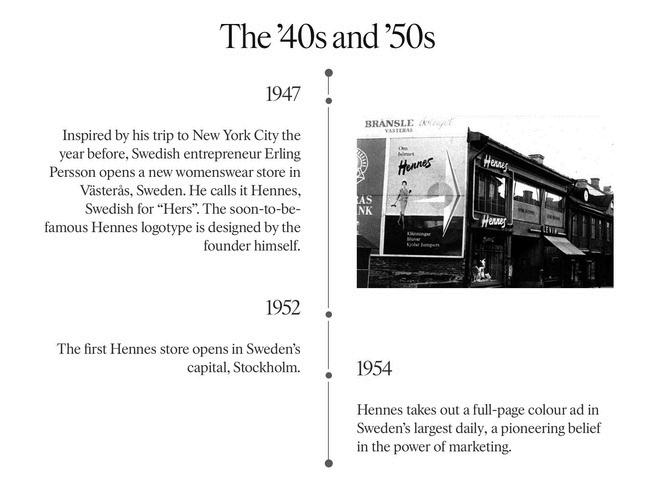
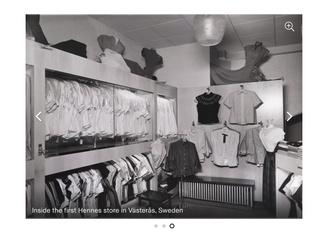
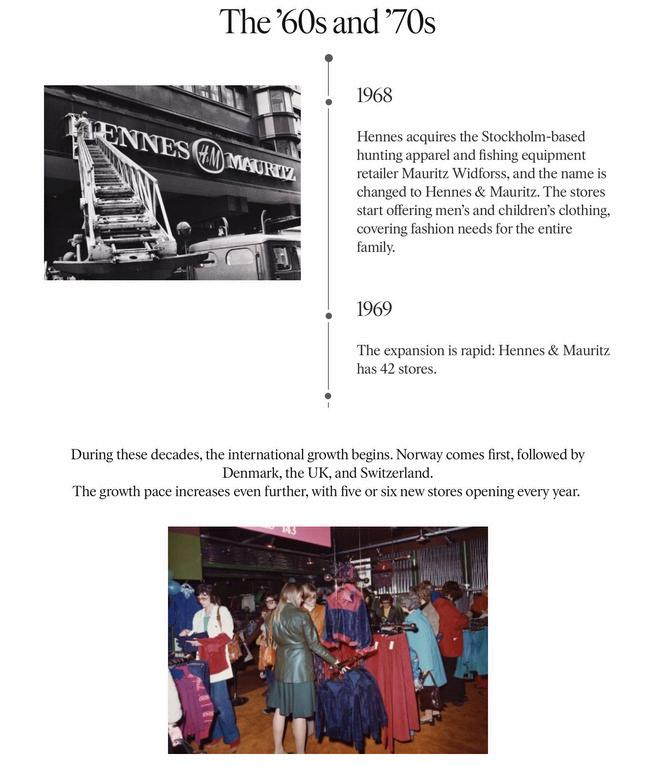
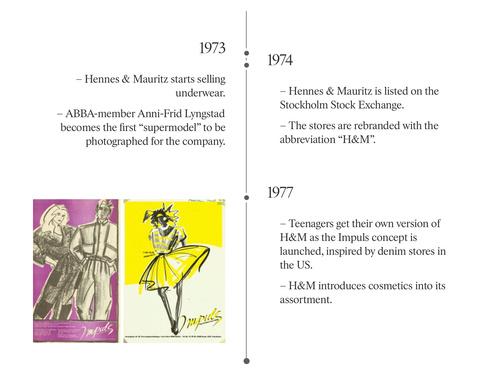
H&M Group
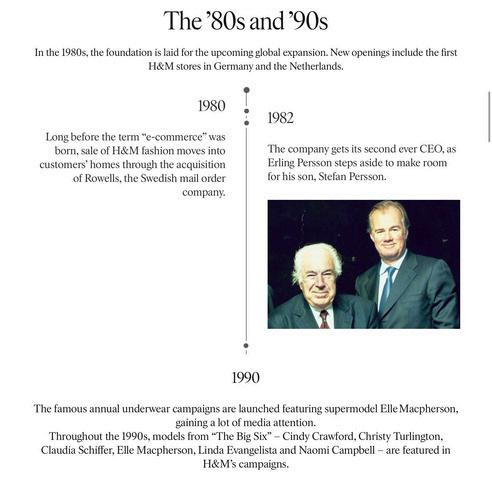
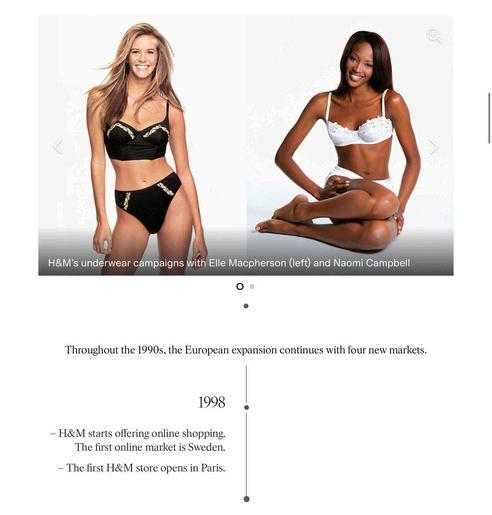
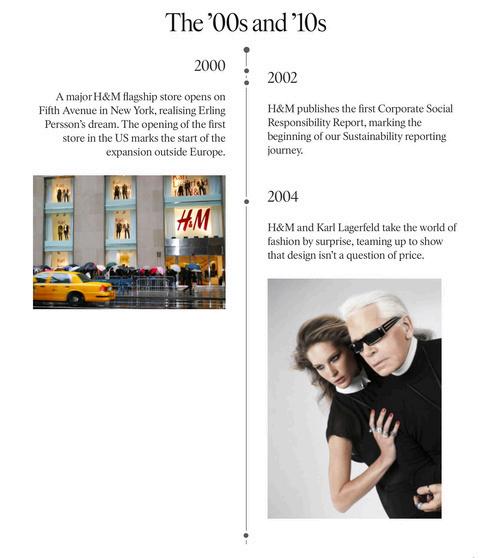
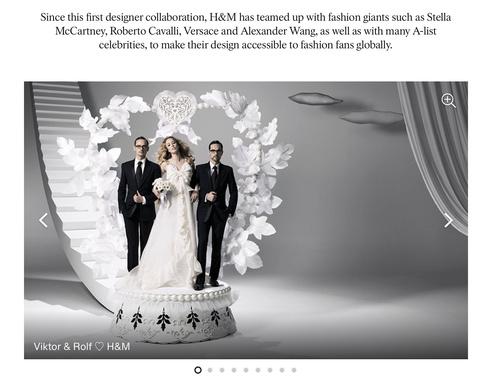
Demographic
Age: Primarily 16–35 years
H&M’s core customer base consists of Generation Z and Millennials While the brand also offers collections for children and older adults, these are not central to its product focus
Gender: Inclusive of all genders
Women’s clothing represents the largest category, though menswear and childrenswear also form significant portions of the product offering
Income Level: Middle to lower-middle income brackets
The brand appeals to consumers who are conscious of price yet seek fashionable and contemporary clothing.
Occupation: Students, early-career professionals, and urban workers
The typical H&M customer requires affordable yet stylish attire suitable for everyday wear, work, and social occasions.
Lifestyle
Fashion-Conscious:
Customers are drawn to on-trend, modern styles. Many appreciate fast fashion’s ability to replicate high-fashion aesthetics at accessible price points.
Social and Environmental Awareness (Increasingly Prominent):
Sustainability is of growing importance, particularly among younger shoppers. H&M addresses this through initiatives such as its Conscious Collection and in-store garment recycling programmes.
Value-Seeking yet Brand-Aware:
Consumers aspire to dress fashionably but tend to be cost-conscious, often prioritising affordability over brand loyalty.
Digitally Influenced:
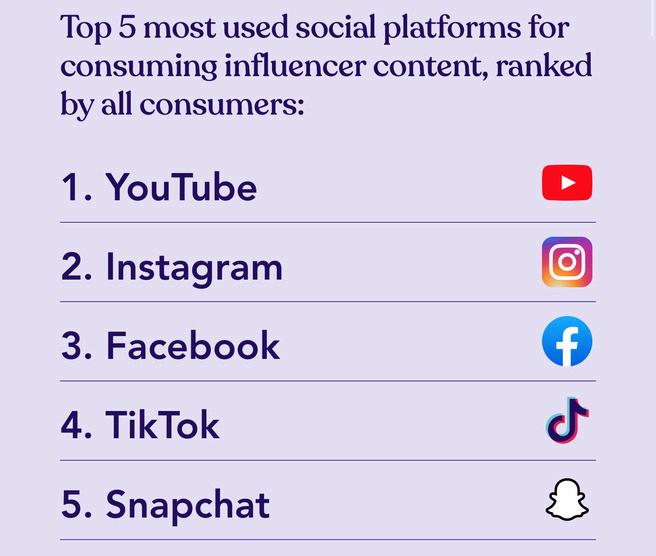
The customer base is highly engaged with social media platforms such as Instagram, TikTok, and Pinterest, often looking to influencers and digital trends for style inspiration.
Behavioural
Purchase Frequency:
Customers typically shop frequently, particularly in response to seasonal trends or new arrivals. Purchases are often made impulsively.
Shopping Preferences:
Both physical retail and online shopping channels are widely used. The pandemic accelerated the shift towards digital, with mobile-friendly interfaces and apps now essential to the consumer experience.
Loyalty:
Brand loyalty is moderate, with many consumers influenced more by price and current fashion trends H&M’s membership programme helps to incentivise repeat purchases
Geographic
Urban Locations:
H&M stores are predominantly located in major cities, high streets, and urban shopping centres where footfall is highest
International Reach:
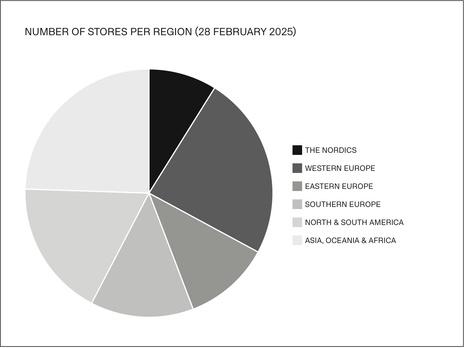
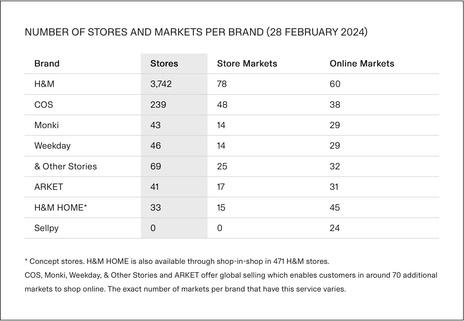
H&M operates globally, with strong consumer bases in Europe, North America, and Asia
The brand is also experiencing growth in emerging markets such as Latin America and the Middle East
Fast Fashion Model:
H&M swiftly turns catwalk or street-style trends into affordable items in-store
New collections are released frequently to encourage repeat visits and impulse buying.
Wide Product Range:
Offers everything from casualwear and officewear to basics, accessories, and activewear.
Includes inclusive sizing, though some criticism exists regarding limited availability in physical shops
Collaborations & Limited Editions:
Designer partnerships (e g Versace, Balmain, Mugler) attract fashion-conscious shoppers looking for high-end style at a lower price point
Creates excitement and a sense of urgency
Sustainability Focus:
The “Conscious Collection” features garments made from organic or recycled materials.
In-store recycling bins and circular fashion initiatives appeal to environmentally conscious consumers
Continues to improve supply chain transparency and sustainability credentials
Pricing
Good Value for Money:
H&M positions itself as stylish yet budget-friendly, catering to cost-conscious consumers
Multiple pricing tiers allow appeal across different income brackets.
Promotions & Loyalty Scheme:
Regular sales and promotions maintain high customer engagement.
The H&M Membership scheme offers points, discounts, early access to collections, and sustainability incentives
Placement
High Street & Urban Locations:
Stores are typically found in busy city centres, shopping centres, and retail parks
E-Commerce Presence:
Seamless website and mobile app tailored to local markets
Features like size guides, personal recommendations, and virtual styling tools enhance the online experience.
Click & Collect:
Allows customers to order online and pick up in-store popular among younger, digital-first shoppers
Promotion
Social Media Campaigns:
Strong presence on Instagram, TikTok, and Pinterest
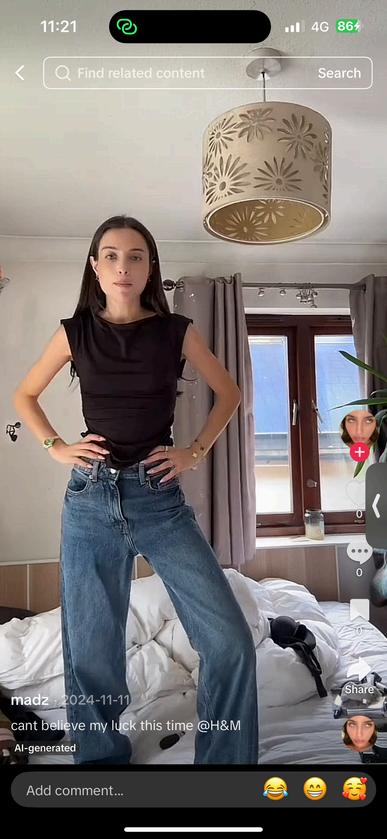
Works with influencers and content creators to highlight new drops, outfit ideas, and styling tips
Email & App Notifications:
Tailored promotions and product alerts drive urgency and customer loyalty.
Purpose-Driven Marketing:
Campaigns focus on sustainability, diversity, and social responsibility to align with Millennial and Gen Z values
In-Store Experience:
Modern shop layouts, curated playlists, and attractive displays appeal to younger demographics
Some flagship stores include interactive features or event spaces for deeper engagement
Social Media
Social Media’s Evolving Role in Fashion Weeks and Marketing
Emergence of Contemporary Influencers and Platforms
TikTok’s Influence:
TikTok creators such as Christina Najjar (Tinx) are gaining prominence at New York Fashion Week, challenging the dominance of traditional fashion insiders. The shift from static street style imagery to short-form video content reflects a broader move towards authentic, spontaneous storytelling that resonates with younger audiences.
Pinterest’s Strategic Entry:
Now a fashion week sponsor, Pinterest focuses on long-form, educational content, working with creators who provide value beyond realtime event coverage such as styling tutorials and sustainable fashion insights.
Collaboration with Diverse Creators
Platforms like TikTok and Pinterest are embracing a wider range of content creators, including hairstylists, makeup artists and stylists, to reflect the full ecosystem of the fashion industry through engaging video narratives.
Virtual Influencers, Artificial Intelligence and Automation
AI in Content Production
Companies such as Duolingo are replacing freelance translators with AI, highlighting a shift towards automation in content creation. This signals potential within fashion for AI-generated influencer personas, automated customer interaction, and AI-driven styling recommendations.
Virtual Influencers
These computer-generated personas offer fashion brands: Controlled brand representation. Scalable and consistent digital presence across platforms and metaverse spaces. Particular appeal to Gen Z and techsavvy consumers.
Strategic Use of Social Media by Luxury Fashion Brands
Maintaining Exclusivity Online (Berlendi, 2011)
Luxury labels carefully manage digital presence by: Releasing curated, limited-edition online content. Hosting private, invitation-only digital events. Collaborating selectively with influencers to maintain prestige whilst reaching broader audiences.
Digital Retail and Personalisation
High-end brands are increasingly embracing ecommerce, providing bespoke shopping experiences online that mirror the exclusivity of in-person luxury retail.
Integrated Communication and Brand Strategy
Holistic Media Planning (Young, 2016)
Emphasises merging traditional and digital channels to ensure a coherent and consistent brand narrative. Advocates a strategic, data-informed approach to media planning and campaign execution.
Content Strategy and Audience Engagement
Effective brand content should: Elicit emotional resonance. Facilitate two-way dialogue between brands and consumers. Use analytics and feedback loops to optimise campaigns and tailor future content.
Technological Advances in Fashion Communication
Digital Marketing Trends (Scott, 2017)
Brands are shifting towards real-time, mobile-first content strategies including: Live video streaming, especially during fashion weeks.
Viral, shareable content tailored to platform-native behaviours. Partnerships with influencers to foster trust and community engagement.
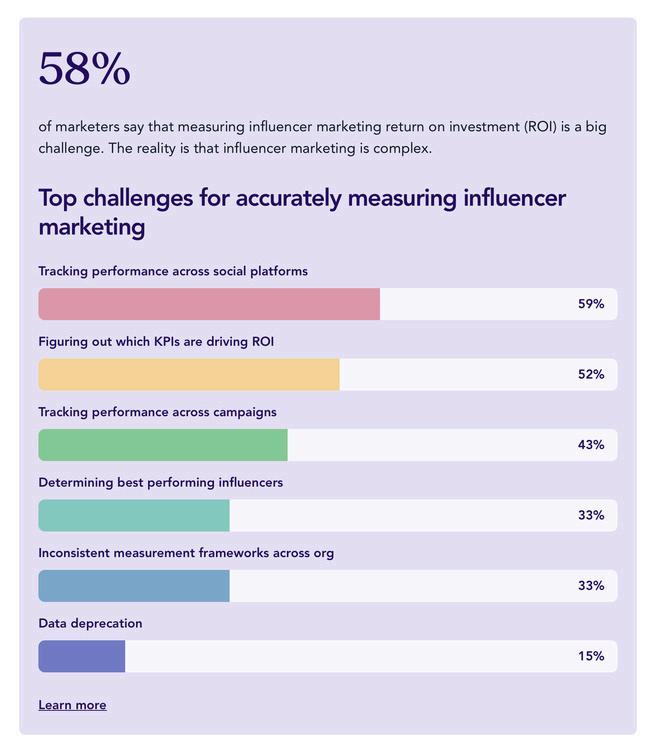
Measuring Success: Modern marketing is evaluated using metrics such as engagement, traffic, and conversion rather than legacy impressions or print circulation.
Legal and Ethical Issues in Web3 and Virtual Fashion
Nike and the RTFKT Controversy
A legal case alleges that Nike abandoned its RTFKT NFT platform after promoting and monetising virtual trainers raising concerns around: The long-term value and accountability of virtual fashion assets. Transparency and consumer protection in blockchain-based fashion initiatives.
Education, Technology and Fashion Innovation
TikTok’s STEM Feed
A dedicated space to promote educational content in science, technology, engineering and mathematics (STEM).
Videos are vetted for educational merit, accuracy and age-appropriateness (13+).
Potential exists for fashion tech creators to use this channel to educate audiences on innovations such as wearable technology, sustainable materials, and smart textiles.
Influencers
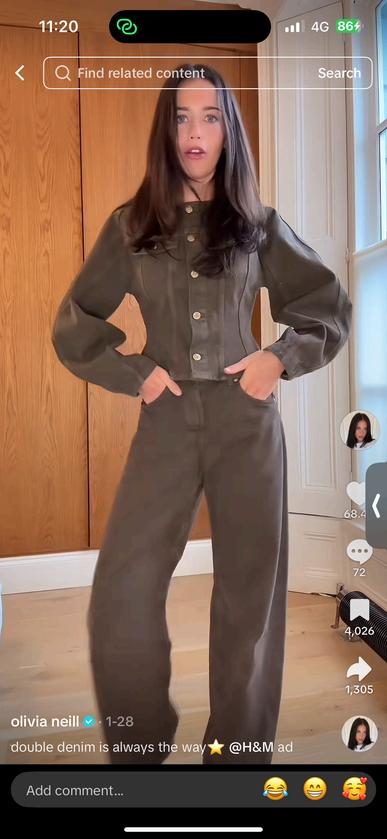
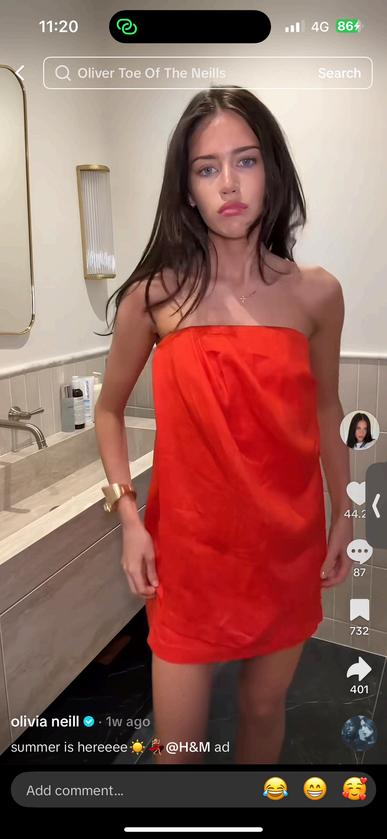
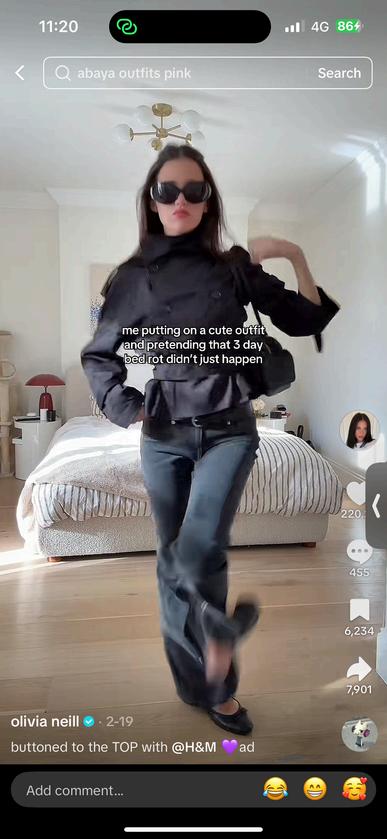
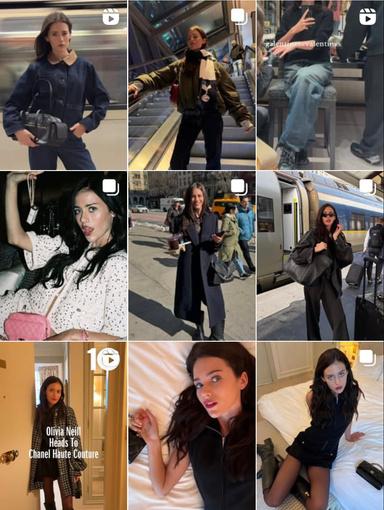
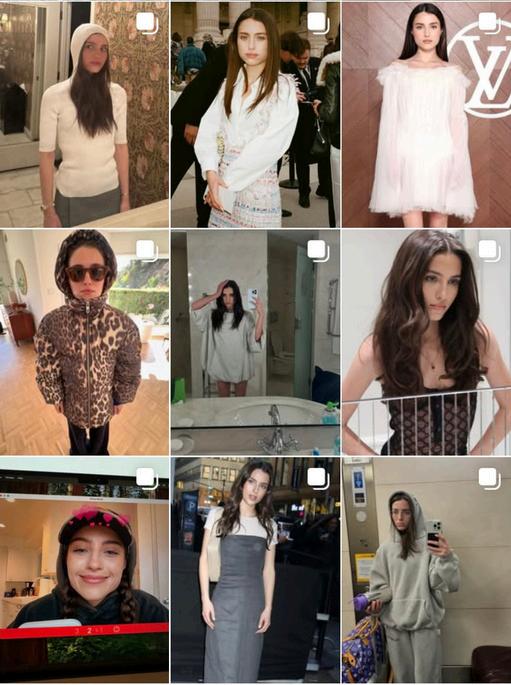
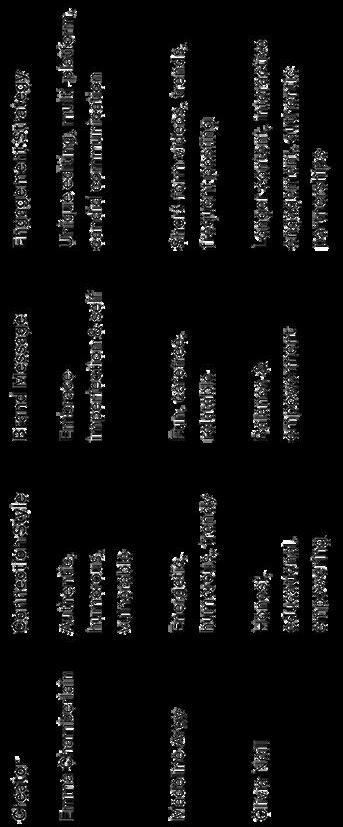
Olivia Neill has evolved over five years from a relatable, chaotic vlogger into a rising luxury fashion influencer often likened to Emma Chamberlain. Starting her content journey in 2019 from her parents' home in Belfast, she built a significant following through YouTube and TikTok. Initially focused on casual content like challenges and fashion hauls, she has since transitioned to working with high-end brands such as Chanel, Gucci, and Versace, attending Fashion Weeks, and modelling. She also launched her podcast, Inner Monologue, which topped the UK Spotify charts shortly after its release . The podcast offers listeners a glimpse into her life, featuring discussions on topics like relationships, personal experiences, and observations from her perspective as a young woman navigating life in London.
Building on her media presence, Olivia starred in a BBC Three documentary titled Unreal! With Olivia Neill, where she explored the concept of dating in the metaverse, engaging with individuals who have formed relationships through virtual reality . Though some followers miss her old persona, her shift in style, social circle, and personal branding has made her a Gen Z icon in the luxury space. She's now known for setting trends (like reviving skinny jeans and popularising certain makeup products) and has become a magnet for major brand collaborations.
With over 783K YouTube subscribers, 1.4M TikTok followers, and multiple brand deals, Neill’s transformation is seen as a branding masterclass. Her continued success hinges on balancing her new image with the relatability that first drew fans in.
Olivia Neill
Connection with Audience:
Authenticity & Real Talk: Olivia builds trust through honest conversations about lifestyle, health, and personal growth, often on YouTube and Instagram.
Educational & Empowering: She combines lifestyle content with advice and insights, helping her audience feel informed and motivated.
Brand Message:
Empowerment & Balance: Olivia’s message centers on balancing self-care with ambition, promoting growth without sacrificing well-being.
Strategy & Engagement:
Longer-form Content: Uses YouTube videos to dive deeper into topics, fostering meaningful connections. Interactive Content: Engages through Q&As, comments, and social media polls, encouraging audience participation.
Brand Partnerships: Aligns with brands that reflect her values on wellness and lifestyle, maintaining authenticity.
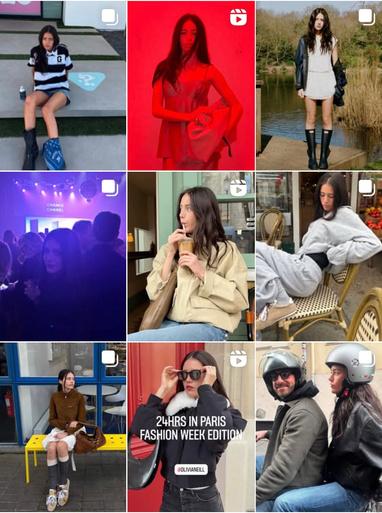
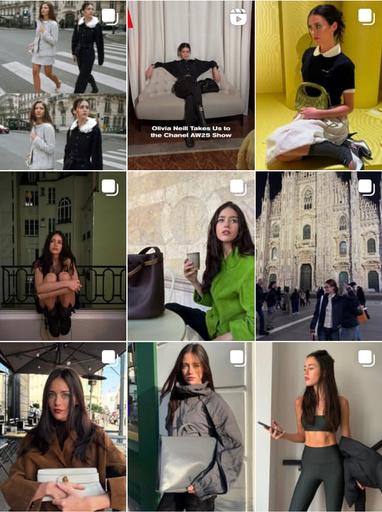
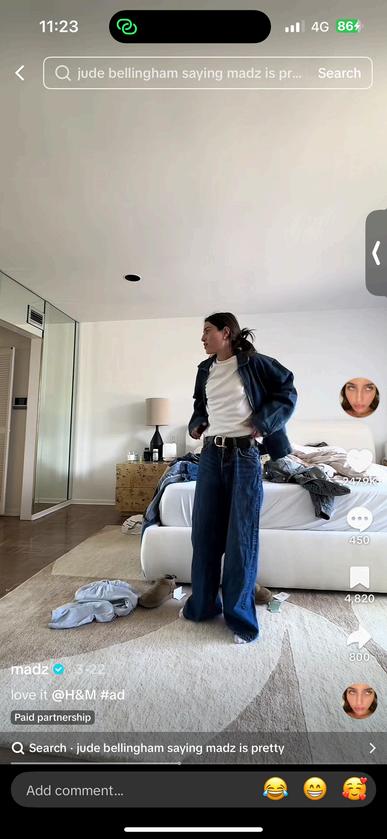
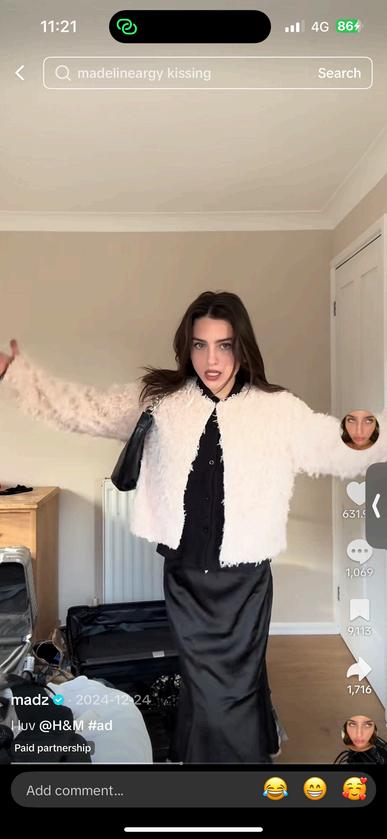
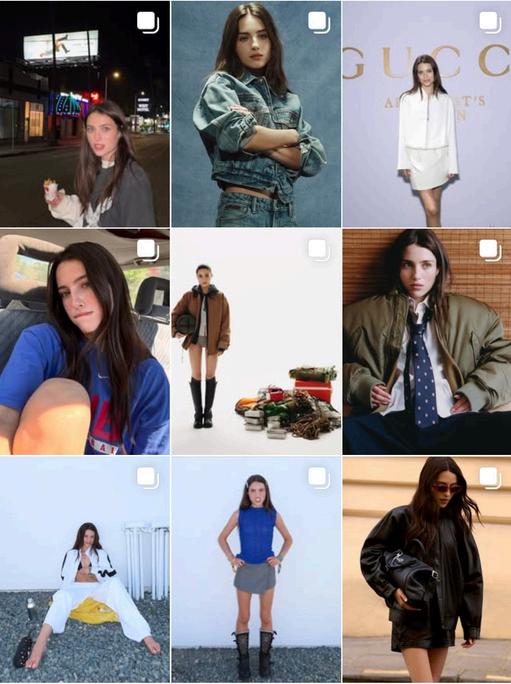
Madeline Argy is a 24-year-old British influencer, podcaster, and fashion icon who has swiftly ascended to prominence through her candid storytelling and authentic online presence. Born on July 7, 2000, in West Sussex, England, she began her journey into the digital world during the COVID-19 pandemic, launching her TikTok account in March 2021. Argy's content is characterised by its unfiltered and relatable nature, often delving into personal anecdotes, mental health discussions, and reflections on her experiences. This authenticity has resonated with a wide audience, leading to over 6 million followers on TikTok by July 2024. In October 2023, she expanded her reach by launching the podcast Pretty Lonesome with Madeline Argy, under Alex Cooper's Unwell Network. The podcast explores themes such as anxiety, imposter syndrome, and sexuality, further solidifying her position as a voice for Gen Z audiences. Beyond her digital platforms, Argy has made notable appearances in the fashion industry. She attended the Saint Laurent show during Paris Fashion Week in 2023, embracing a sheer ensemble that reflected her transparent approach to fame . Her collaborations with high-profile brands, including Valentino, Prada, and Versace, have further cemented her status as a fashion influencer.
In her personal life, Argy identifies as queer and has been open about her struggles with depression and anxiety. She has also been in a public relationship with British rapper Central Cee, which has attracted media attention.
Madeline Argy's journey exemplifies the power of authenticity in the digital age. Her ability to connect with audiences through honest storytelling and her seamless integration into the fashion world highlight her as a leading figure among modern influencers.
Madeline Argy
Connection with Audience:
Humor & Energy: Madeline connects primarily through her vibrant, comedic content on TikTok and Instagram, often centered on lifestyle, fashion, and relatable daily situations.
Trend-savvy: She taps into viral trends with her own twist, keeping her content fresh and shareable.
Brand Message:
Fun & Relatability: Her brand feels youthful and carefree, appealing to Gen Z with a focus on enjoyment and being unapologetically yourself.
Strategy & Engagement:
Short-form Content: Primarily uses TikTok and Instagram Reels to capture attention quickly.
Collaborations & Challenges: Often participates in trending challenges or partners with brands in a natural, relatable way.
Consistent Posting: Frequent uploads keep her audience engaged and algorithms favorable.
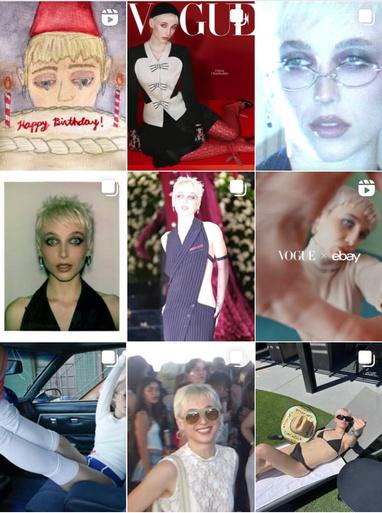
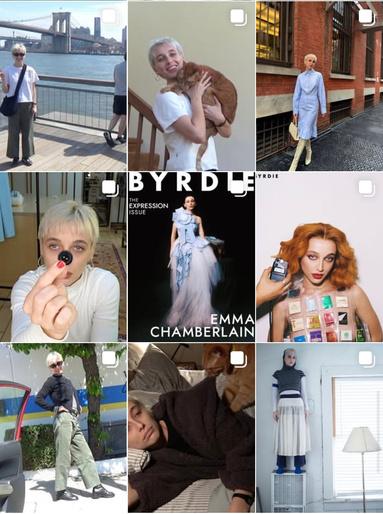
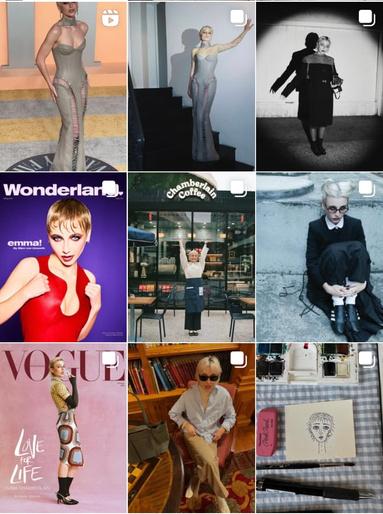
Emma Chamberlain is an American internet personality, entrepreneur, and creative known for her authentic content and digital influence. Born in 2001 in California, she gained fame on YouTube with candid vlogs and a unique editing style. By 2018, she had over a million subscribers and left high school to pursue content creation, later earning her diploma in 2024. Her YouTube channel features lifestyle, fashion, and travel content, amassing over 12 million subscribers and 1.6 billion views. In 2019, she launched the podcast Anything Goes, discussing mental health and personal growth, winning a Shorty Award.
Emma is a fashion icon, collaborating with brands like Louis Vuitton and Warby Parker, and has hosted the Met Gala red carpet since 2021. She founded Chamberlain Coffee in 2019, expanding into teas, apparel, and opening a café in 2025. In 2025, she began acting in the horror film Forbidden Fruits. Open about mental health and body image struggles, Emma maintains strong audience engagement despite scaling back daily vlogs. Her net worth is estimated at $22 million (2024), and she has been featured on Forbes’ Top Creators and 30 Under 30 lists.
Emma’s rise from relatable YouTuber to entrepreneur and cultural icon highlights her adaptability in digital media.
Emma Chamberlain
Connection with Audience:
Authenticity & Relatability: Emma’s hallmark is her genuine, unfiltered style. She shares everyday moments with a quirky, self-deprecating humor that feels very real, making viewers feel like they’re hanging out with a friend.
Vulnerability: She openly discusses mental health, body image, and personal struggles, fostering a deep emotional connection.
Brand Message: Be Yourself, Imperfectly: Emma promotes embracing flaws and individuality rather than curated perfection. Her content encourages self-acceptance and living authentically.
Strategy & Engagement:
Unique Editing Style: Her fast-paced, quirky video edits set her apart and keep viewers entertained.
Multi-platform Presence: Besides YouTube, Emma uses podcasts, Instagram, and brand collaborations to maintain engagement.
Community Building: She interacts through live streams and candid social media posts, creating a loyal fanbase.
Influencer vs Behind the scenes
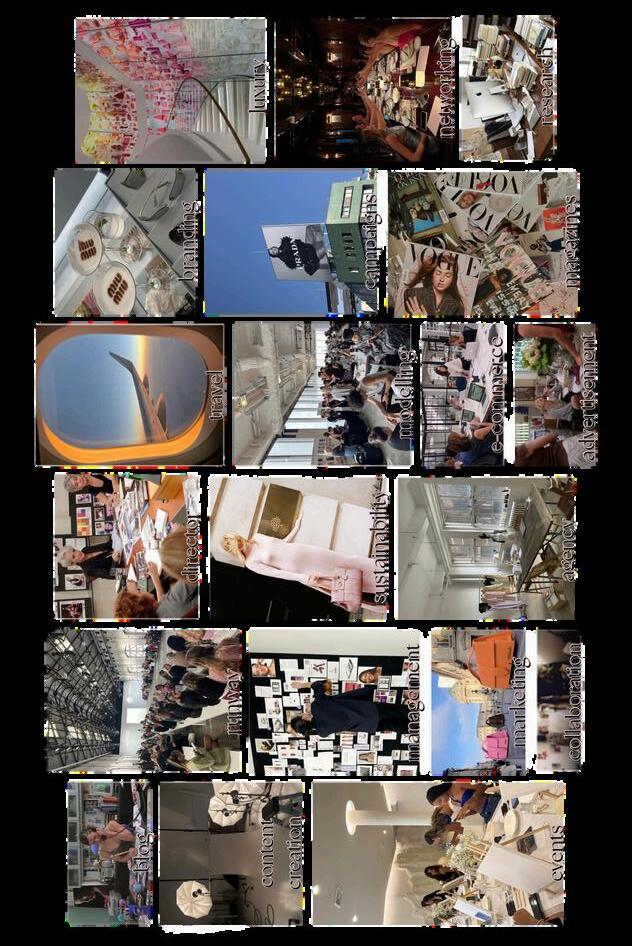
I’ve always been more interested in the creative process behind a campaign rather than being the face of it. While I can see how important the role influencers play is, I’m far more drawn to the behind the scenes work; developing concepts, shaping visual direction, and ensuring everything comes together in a cohesive and meaningful way. I enjoy the collaborative aspect of bringing a campaign to life, from the initial idea through to execution. I really enjoy consuming content, especially short form content from creators I relate to, but I recognise that opening their lives up on the internet can bring a lot of hate and negativity and id much rather be behind creating narratives I believe in and enjoy instead of being the face of the campaign itself. Cancel culture has become a huge thing in today’s society and I’m much more comfortable being the creator of a campaign that could possibly be taken wrong rather than an individual. I used to be a marketing assistant for a company and I really enjoyed creating the social content, social planning and scheduling but kept myself away from the company pages.
My Next Steps
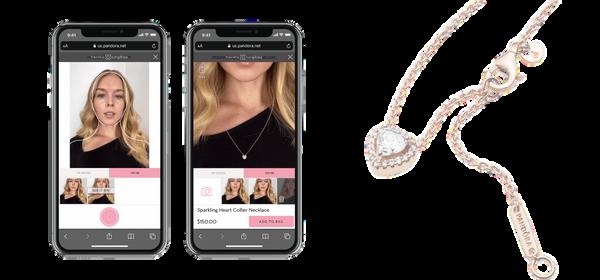
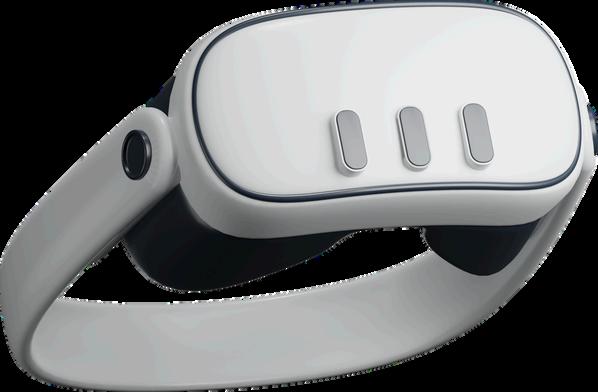
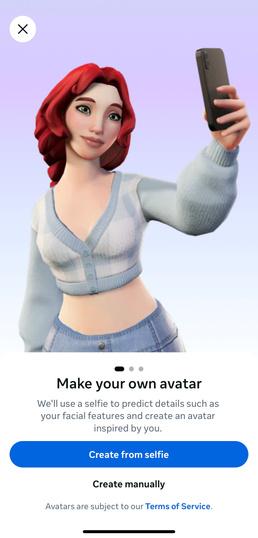
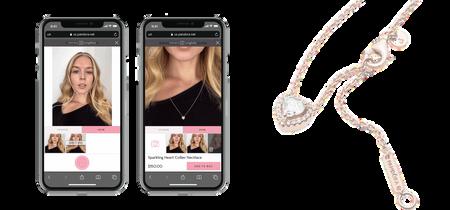
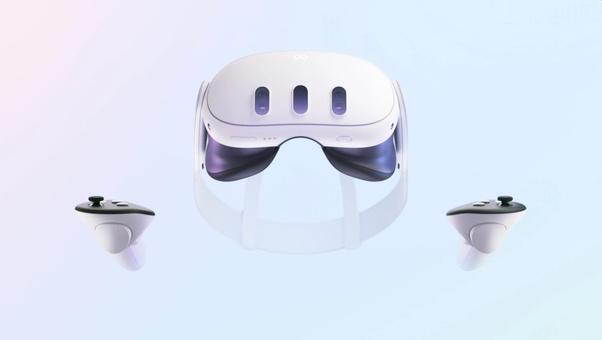
My concept so far is to create a collaboration between DTI and Depop. Allowing Gen Alpha users to either create their own avatars or bring their pictures to life (pandora try on) and host fashion shows and red carpet events wearing the clothes they want to sell, have previously bought on the app or have upcycled. Similar to Gucci Town on Roblox. I want to integrate AR, build a social community centred around fashion and sustainability and have exclusive virtual collections (nike trainer). I want to explore the idea of using VR headset so it really is like you’re attending a fashion show and have influencers and celebrities host virtual events (inspired by the film Surrogates).
Component 2
What am I taking forward?
size & visualisation, virtual try ons, virtual store fronts like pop ups in your room, virtual thrift events & style swaps, carbon footprint data, upcycle alternatives
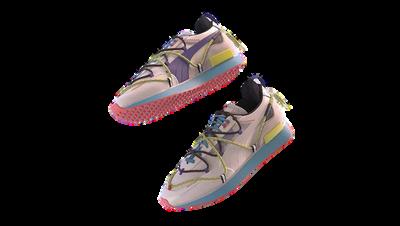
mui mui, nike, gucci avatar clothes
AR mirrors sims/bitmoji characters celebrity & influencer digital only fashion lines (NTs) collabs & events
social media platform selling clothes profiles, followers, likes + saves, messaging, reviews, hashtags + trends, fyp/explore page, ability to record the competitions for short form viewing content 15-60 seconds is most popular
what I’m bringing forward
game to model clothes & outfits
look different in every country to reflect their culture e.g. shared shops for South Easy Asia that youre selling or have bought/upcycle d on the app rewards, points, badges, eco points
H&M metaverse fashion show upcycling competitions gen alpha ethics sustainable practices (packaging)
VR headsets
AR try on (pandora)
amazon see product in room
What is my message?
style
fun: competitions games rewards eco points
body positivity
repurposing clothes:
less on landfill
less clothes bought so less fast fashion produced less physical more phygital so less harmful to environment., more sustainable carbon footprint tracking for packaging and delivery etc
no waste: virtaul storefronts so more sustainable than the running of and travelling to physical shops
ability to try online what it would actually look like so purposefull purchases and less returns upclycling rather than throwing away community: likes & saves followers & following messaging reviews hashtags
ETSY features
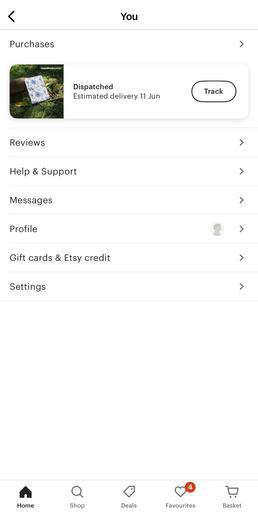
virtual celeb event
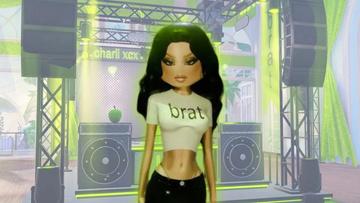
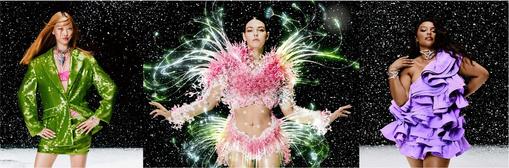
virtual event
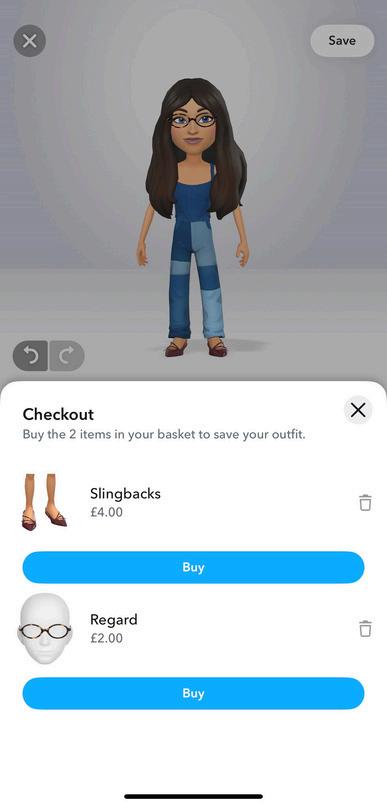
branded meta avatar wardrobe
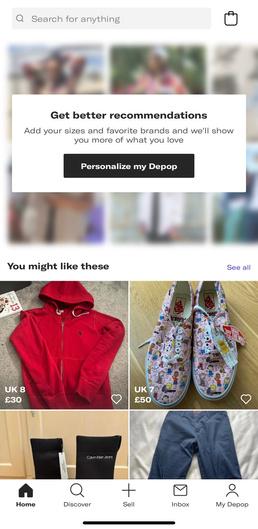
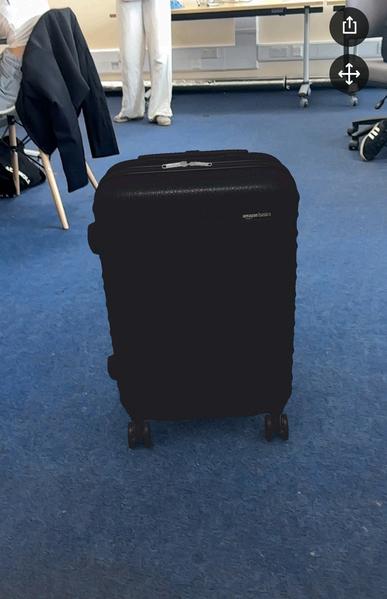

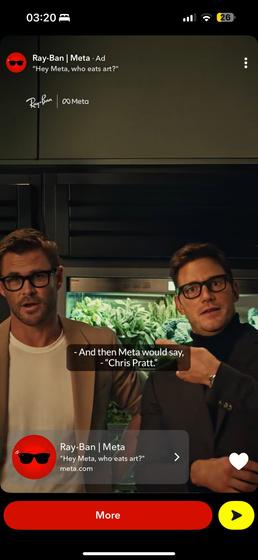
explore page
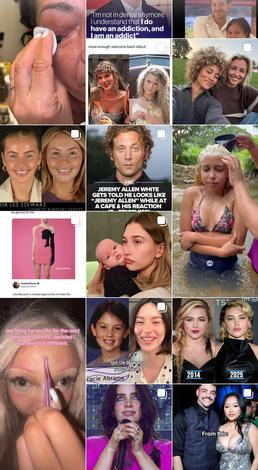
My App
Features
profiles, followers, likes + saves, messaging, reviews, hashtags + trends, fyp/explore page, ability to record the competitions for short form viewing content 15-60 seconds is most popular
size & visualisation, virtual try ons, virtual store fronts like pop ups in your room, virtual thrift events & style swaps, carbon footprint data, upcycle alternatives
App Logo’s










Original Concept
Reworked Concept
App Name
Why It’s Called NextThread
1 The Meaning Behind “Next” Future-First “Next” speaks to what’s ahead in fashion:
Digital garments
AI stylists
Circular wardrobes
Avatar outfits
Resonates with Gen Alpha a generation that’s future-focused, highly adaptive, and expects rapid innovation.
Suggests a platform that is constantly evolving always growing, always one step ahead. At its core, Next = innovation, iteration, evolution.
2 The Meaning Behind “Thread” Style, Identity, Culture
“Threads” is slang for clothes instantly recognisable and culturally rooted
Refers to both physical and digital garments, as well as the data/code that connects them (think: fashion tech, digital textiles)
Also a nod to storytelling every user weaves their own narrative through what they wear In essence, Thread = clothing, connection, and self-expression.
3. Combined Meaning: NextThread
Together, NextThread = the future of fashion, reimagined for a new generation. It captures a new dimension of fashion that is:
Sustainable
Digitally enhanced
Socially connected
Circular, not linear
Reflects the looping, remixable nature of clothing in this ecosystem where today’s outfit can be:
Digitised
Resold
Upcycled
Reimagined
Or worn again in both physical and virtual spaces
4 Brand Flexibility
Clean, modern, and scalable as a tech platform name: “Welcome to the NextThread app ” “Powered by NextThread.”
Expandable brand system:
NextThread Studio – creator tools
NextThread LoopMarket™ – resale & recirculation
NextThread ID – personal fashion identity
NextThread OS – styling API/infrastructure for the future
In conclusion NextThread sounds sharp, feels forward-thinking, and carries genuine meaning and reflects the platform’s mission:
Fashion for the next era in every thread
Tone of Voice
Core Voice Attributes
Future-Smart
Tech-literate, forward-thinking, always one step ahead
Sounds like: “Powered by AI. Designed by you. ”
Playfully Conscious
Light-hearted but grounded in sustainability and awareness
Sounds like: “Look good Loop better ”
Expressive & Personal
Encourages individuality and creative freedom
Sounds like: “You’re not one aesthetic you’re all of them ”
Real Talk
Honest, direct, and hype-free
Sounds like: “Fast fashion’s out. You’re better.”
Loop-Minded
Circular, remixable, and community-led
Sounds like: “Rewear it Remix it Resell it Repeat ”
Voice in Action –
Tagline Examples
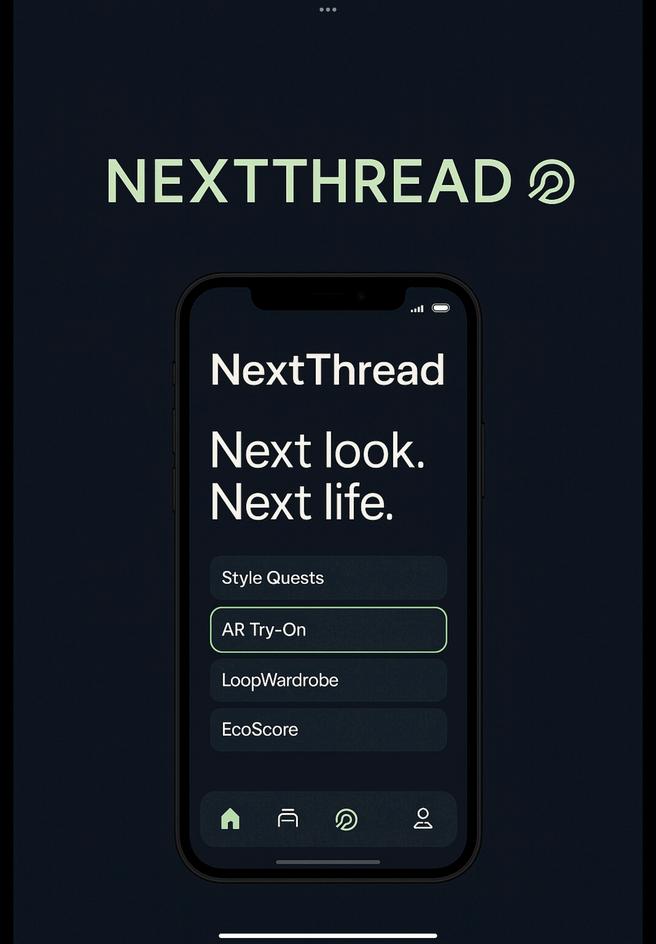
“Next look Next life ”
“Where your style and your values align ”
“Style it Try it Thrift it Thread it again ”
“The fashionverse for what’s next.”
Tone by Context
App Interface
Friendly and direct: “Let’s style your next fit.”
Marketing Copy
Bold and high-energy: “This isn’t resale It’s rebirth ’
Social Media
Playful and remixable: “Just dropped: upcycled velvet Would your avatar wear this?”
Sustainability
Empowering and smart: “You’re looping fashion forward.”
Onboarding
Encouraging and personal: “Welcome to your fashion future.”
Do’s
Empower users as creators
Sound authentic, smart, and casually futuristic
Use slang and digital-native expressions where appropriate
Make sustainability fun and second nature
Brand Vocabulary
Loop: Anything that keeps fashion in circulation
Thread: Clothes (digital or physical), content, or creative identity
Drop: New items, features, or content bundles
Flex: Showing off your fit or values
Styleverse: The digital world inside NextThread
EcoScore: Points earned through sustainable choices
Remix: Reimagine or modify clothes, looks, or ideas
Fit Chain: A challenge where users style using the same base item
Justdropped:upcycled velvet.Wouldyour avatarwearthis?
Colour
Psychology
Digital Lavender (#ADA7FF)
Psychology:
Associated with innovation, calm, and digital fluency
Seen as a “wellness tech” color soothing but forward-looking
Popular in Gen Z/Alpha design as a signal of future-mindfulness and gender fluidity
Why it works:
It’s soft and non-threatening, yet techy and distinct.
Makes fashion tech feel playable and personal, not sterile or corporate.
Green (#8BBF9F)
Psychology:
Evokes growth, eco-awareness, and health
A grounded, natural green that signals sustainability without feeling “crunchy”
Associated with circularity and freshness
Why it works:
Gives a trustworthy, planet-positive tone.
It’s nature-forward but tech-adapted ideal for eco innovation.
Blue (#050D35)
Psychology:
Deep navy-blues evoke trust, stability, and digital depth
Feels modern, immersive, and serious balances the playful tones
Used frequently in tech, gaming, and productivity tools
Why it works:
Perfect for dark mode interfaces and grounding the experience
It says: we’re stylish, but also sophisticated
Chrome Peach (#FF6F61)
Psychology:
Bright, energetic, and emotionally engaging
Adds human warmth and creative pop to an otherwise cool palette
Hints at youthful expression, energy, and fun
Why it works:
Grabs attention in buttons, highlights, and calls to action
Makes the brand feel alive and expressive, never bland
Overall Palette Strategy
Balanced: Warm and cool tones coexist for emotional and rational appeal
Inclusive: Non-gendered, soft yet bold perfect for a digitally native, identity-fluid generation
Futuristic but Familiar: Looks forward without losing touch with human warmth and nature
Multi-purpose: Works in UI, fashion product shots, AR overlays, and real-life branding
Font
NextThread NEXTTHREAD
App Logo
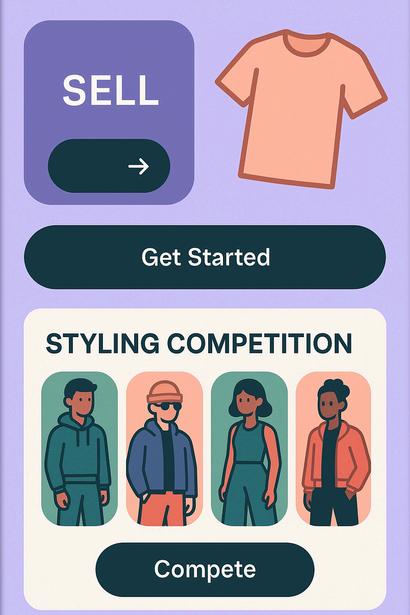
I gave a brief overview of my app to AI Software and asked it to create me an app logo. I described NextThread as a social media app to buy and sell clothes and compete in styling competitions. It is sustainable fashion focused, Gen Alpha cenetered, technology infused and futuristic.
1
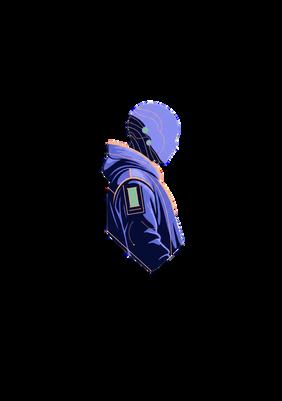
Step 1 - I chose this version due to the futuristic nature and because it links to technology and avatars while still linking with fashion due to the jacket.
Step 3 - I edited the image to incorporate more of my green brand colour. I then put this image onto the shape of the app and trialed how it would look on an iphone home screen.
Step 2 - I changed the font of my app name
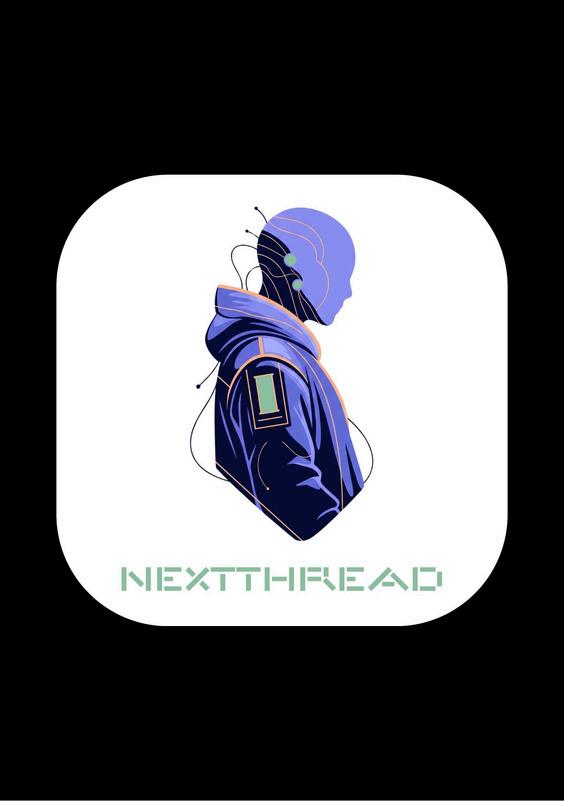
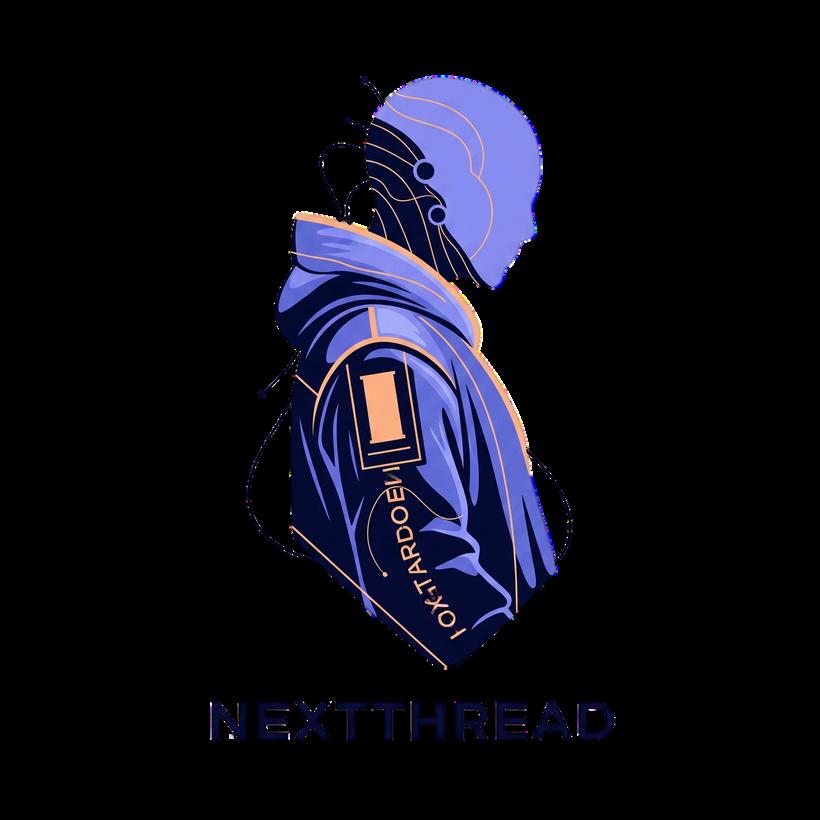
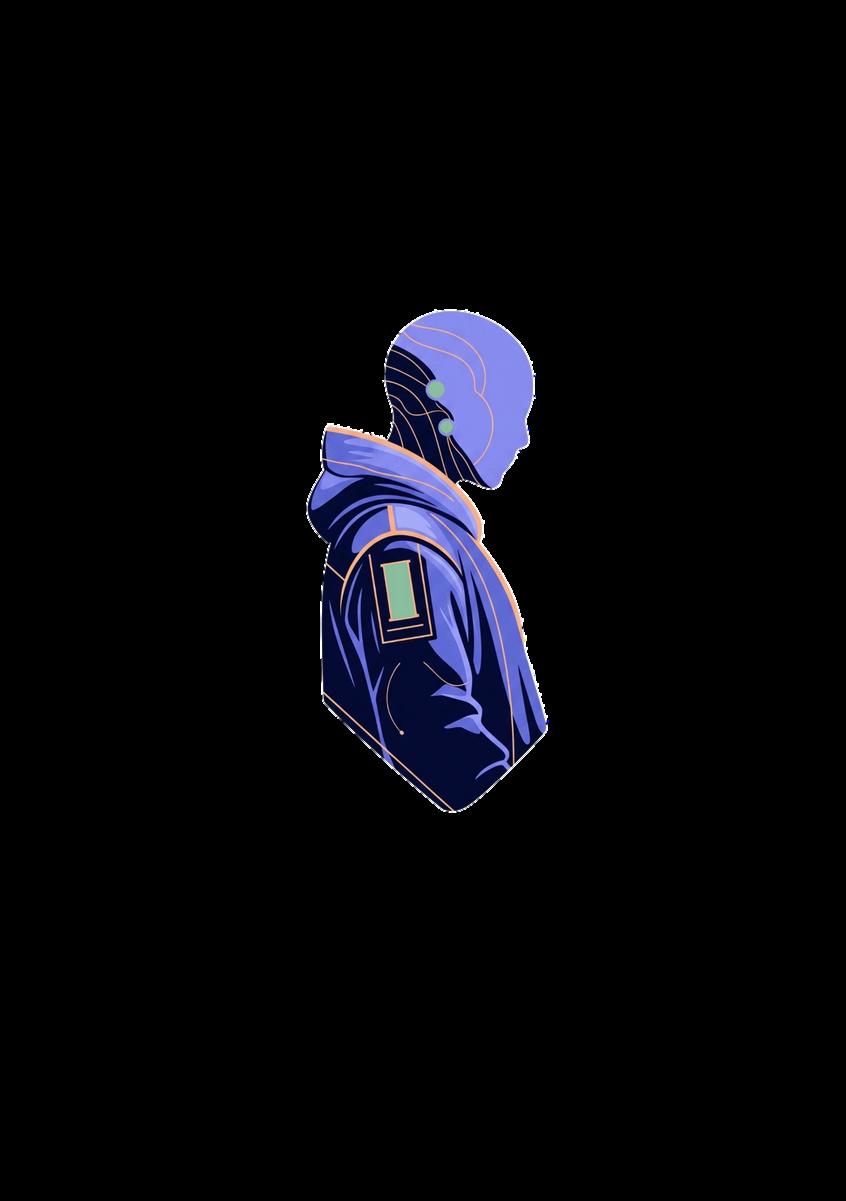
NextThread
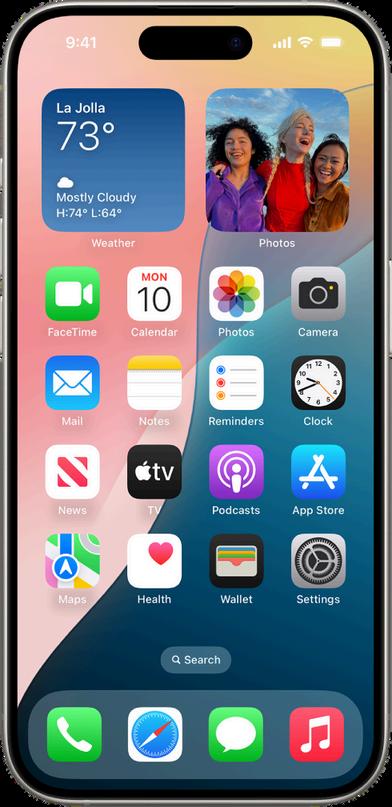
AI App Homescreen Ideas
Styling
The
Future of Fashion – Key Points
Sci-fi films show contrasting visions of the future:
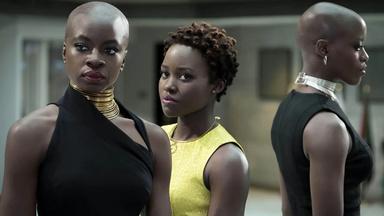
Black Panther: sleek, high-tech bodysuits.
Blade Runner 2049, The Expanse: rugged, salvaged streetwear.
The fashion industry is under increasing scrutiny:
Criticised for overconsumption and unethical labour practices.
Brands are being pushed towards more sustainable approaches.
Sustainability is gaining ground:
Major retailers (e.g. Barneys, Printemps) plan to almost double their spend on sustainable products (from 23% to 40% in five years).
Digital fashion is on the rise:
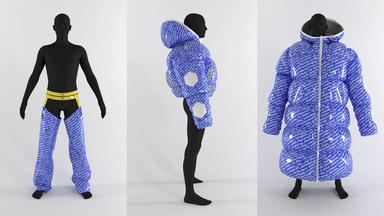
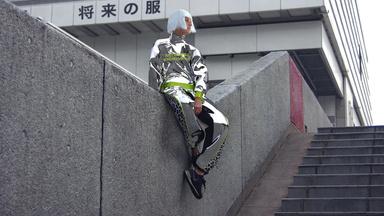
Virtual clothing exists only online worn in photos or through augmented reality
Carlings’ digital-only collection allows people to experiment with style without harming the planet
Gaming influences fashion’s digital future:
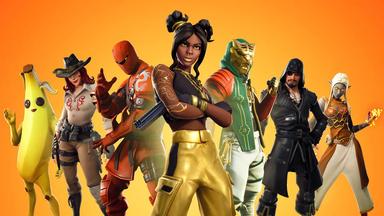
Players of Fortnite, The Sims, and Sansar already spend money on virtual clothing
Digital fashion removes physical and creative limits
Augmented reality (AR) and wearable tech are key:
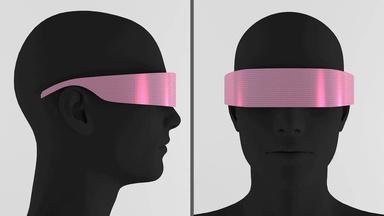
AR glasses could allow others to see the clothes you’re ‘wearing’ digitally
Future fashion may blend physical clothing with digital overlays
3D scanning and printing reduce waste:
Designers like Neuro Studio scan bodies and create made-to-order digital garments
Clothes are only produced once ordered – cutting down waste and ensuring better fit
Consumers becoming co-creators:
Customisation tools (like Nike’s trainer designer) put creative control in the hands of shoppers
Some brands let the public vote on designs via social media
Smart fabrics are evolving:
Clothes can collect data (e g to help prevent injuries or monitor health)
With 5G, garments may become new forms of tech interface
Fast fashion’s days may be numbered:
Rising costs and material shortages make it less viable.
Brands without sustainable strategies could face decline.
Handcrafted and second-hand are making a comeback:
Growing interest in craft and the handmade as a way to reconnect with clothing.
Second-hand platforms like ThredUP are booming.
Clothing rental is gaining popularity as a low-impact option.
Subscription-based fashion on the horizon:
Like streaming services, people may subscribe to fashion and borrow clothing.
AI may help offer hyper-personalised wardrobes on demand.
Fashion will always be about self-expression:
Even in difficult times, people turn to fashion for escapism and identity. Historically, hard periods (like the Great Depression) sparked bold, glamorous trends.



Sustainable Materials & Production
Circular fashion becomes standard:
Brands will focus on recycled and bio-based materials like algae, fungi, and reclaimed plastics.
Eco-friendly manufacturing:
Low-energy production methods and sustainable dyeing processes will be the norm
Rise of textile biologists:
Demand will grow for experts in bio-fabrication to help create environmentally friendly materials
Technology Integration
Wearable tech:
Clothing will include sensors to monitor health data such as blood pressure and glucose levels.
Haptic feedback garments:
Clothes will offer sensory responses adjusting temperature or delivering personalised messages.
3D printing for custom fashion:
Consumers may be able to design and 3D print their own clothing at home for a perfect fit and style.
Design Trends
Modular and adaptable clothing:
Outfits will feature detachable or interchangeable elements for personalisation and versatility
Genderless and fluid styles:
Fashion will move away from binary gender norms, favouring inclusive and expressive design
Biomimicry in fashion:
Designs inspired by nature’s forms and functions flowing, organic shapes and reactive surfaces
Digital fashion collections:
Virtual garments and digital-only fashion will gain prominence, unconstrained by physical limitations
Lower consumption:
Society may move towards valuing experiences over possessions, reducing clothing consumption.
Focus on self-expression:
Fashion will centre on individual style and personal narrative, rather than mass trends.
A new definition of luxury:
Luxury will be redefined to mean sustainability, craftsmanship, and personalised experiences rather than excess or exclusivity
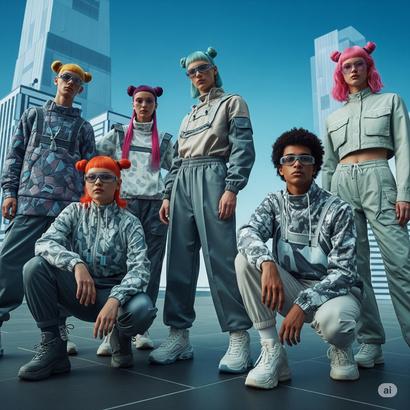
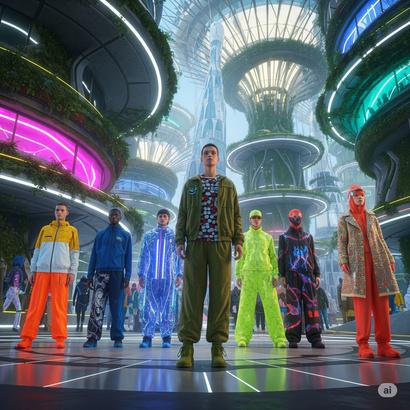
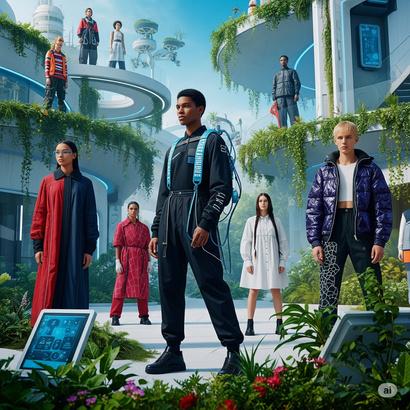
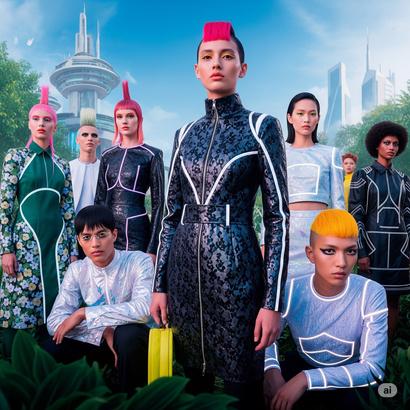
ORIGINSOFCYBERPUNK
•Emergedinthelate20thcentury
•Featuresdystopian,high-techfuturesdominatedbycorporatepower.
•Majorinfluences:
•WilliamGibson’s“Neuromancer”(1984) introduced“cyberspace ”
•RidleyScott’s“BladeRunner”(1982) visualhallmarkofcyberpunk
•Corethemes:advancedtechnologyvs societaldecay,classdivisions,andurbanruin
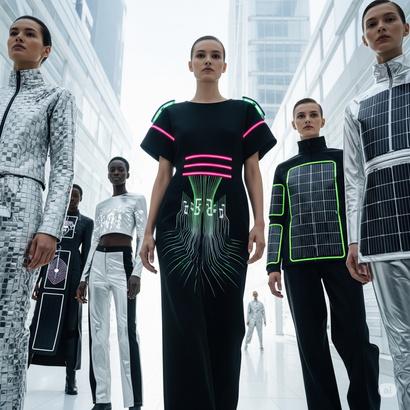
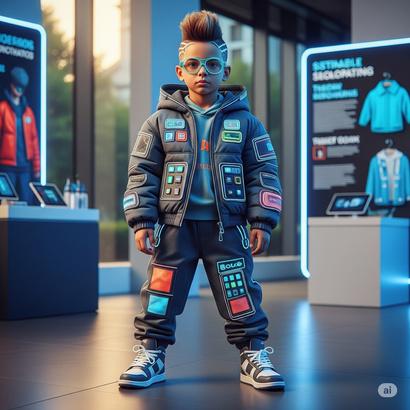
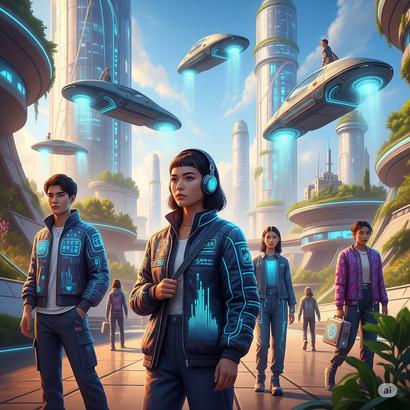
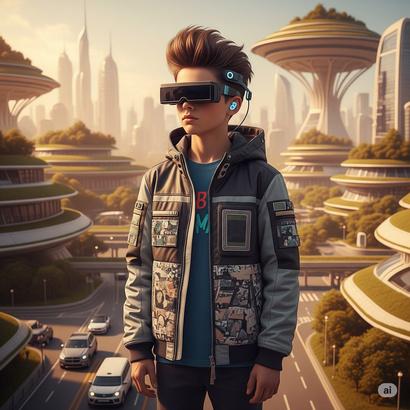
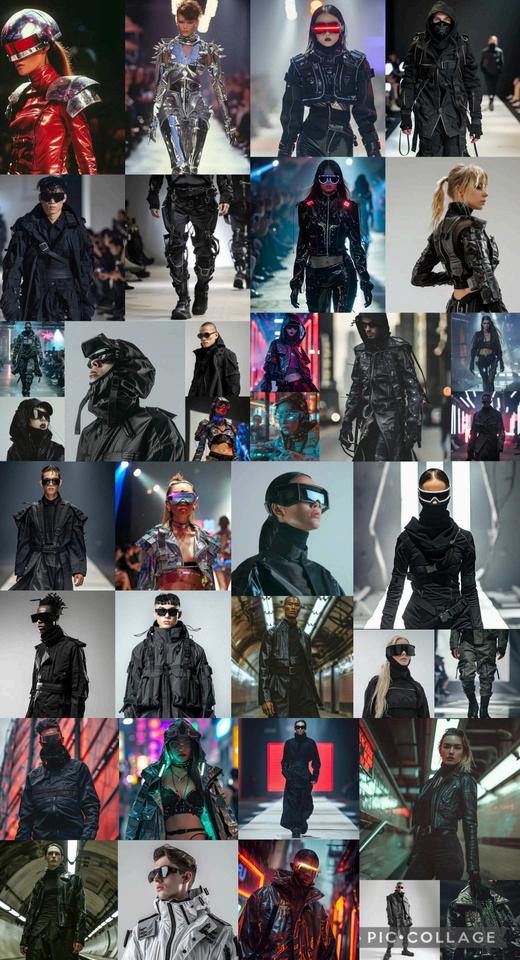
CYBERPUNK’SINFLUENCEONFASHION
•Theaestheticoverflowedfrommediaintobothstreetwearandhighfashion
•Fashiondrawsfromcyberpunk’stech-dystopianenergy
•Commonmaterialsandstyles:
•Leather,synthetics,reflectivefabrics.
•Neonaccents,futuristicaccessories(e.g.,LEDdetails).
•Rebellionagainstconventionalfashion.
HISTORICALFASHIONCONTEXT
•Cyberpunkmediaofthe‘80sand‘90sinfluencedearlyfashiondesigns
•Keydesigners:
•JeanPaulGaultier:layered,edgy,tech-infusedgarments
•HelmutLang:incorporatedfuturisticsubculturalcues
•Characteristics:
•DIY,punkethosfusedwithfuturisticmaterials
•Blendingperformancefabricswithclassicsilhouettes.
COREELEMENTSOFCYBERPUNKFASHION
AestheticCharacteristics:
•Futuristic,techwear-grungehybrids
•Mixoftight,body-conforminggearandflowinglayers
•Neonhighlights(blue,pink,green)
•Heavylayeringwithmultifunctionalpieces
MaterialsandTextures:
•Leather:rugged,crackedtextures
•Reflectivefabrics:mimicneon-liturbanenvironments.
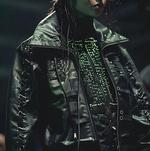
•Wearableelectronics:LEDstrips,screens,andembeddedtech.
•Clothingasbothfashionandsurvivalgear.
CULTURAL&PHILOSOPHICALINFLUENCES
Anti-AuthoritarianThemes:
•Symbolofresistanceandrebellion
•Militaristicclothing(combatboots,tacticalvests)
•Custom,DIY-modifiedgarments rejectionofconsumerism
RoleofTechnology:
•Techintegratedintofunctionandform
•Wearablesmayinclude:
•Biometricsensors.
•ARinterfaces
•Surveillance-counteringtools
•Reflectstension:empowermentvs techcontrol
MODERNCYBERPUNKSTREETWEAR
IntegrationwithStreetwear:
•Cyberpunkaestheticsblendwithurbanpracticality
•Sharedethosofsurvival,adaptability,andindividualism
•Commonpieces:
•Tacticalvests,multi-pocketjackets,cargopants.
•Riseofsmartaccessories(LEDshoes,ARglasses).
NFLUENCEONHIGHFASHION
Runway&DesignerAdaptation:
•Designersembracingcyberpunk’sedge:
•AlexanderMcQueen:metallicfuturism
•RickOwens:post-apocalypticminimalism.
•Balenciaga(Demna):exaggeratedsilhouettes+techtextures
ImpactonFashionNorms:
•Challengedtraditionalfabricandgarmentconstruction
•Embraceddeeplayering,syntheticinnovation
•Fostereddeeperthematicstorytellinginfashion
CYBERPUNKINPOPCULTURE
Movies&TV:
•BladeRunner2049,AlteredCarbonbroughtmoderncyberpunkvisuals
•Commonmotifs:neoncities,rain,integratedtech
MusicVideos:
•Grimes–“Violence”:classical&cyberpunkblend
•LilNasX–“Panini”:holographicdystopias.
VideoGames:
•Cyberpunk2077:fashionaffectsgameplayandcharacterperception
IconicFigures:
•KeanuReeves(JohnnySilverhand):epitomeofcyberpunkiconography
•Rihanna,KanyeWest:bringcyberpunktoreal-worldredcarpetsandappearances
THEFUTUREOFCYBERPUNKFASHION
EmergingTrends:
•Fashion+techsynergywilldeepen
•Innovationsin:
•Phase-changefabrics.
•Light-emittingtextiles
•Nanotech-basedmaterials.
•Enhancedadaptability,survivalistfocus
TECHNOLOGYINTEGRATIONS
•FashionwillintegratefunctionaltechlikeARvisorsandsmartglasses
•Wearablebiotechmaymonitorhealthanddispensemedication
•Clothingwillserveasaninterfacebetweenhumansanddigital/physicalenvironments
•Advanceswillreinforcethecyberpunkthemeofman-machinefusion
STYLISTICEVOLUTIONS
•Digital-only(virtual)fashionwillriseinvalue,especiallyonline
•Styleswillevolvetobesleekandtech-integrated,notovertlydystopian.
•Smartfabricsandmodulardesignswillleadurbantechweartrends
CYBERPUNK’SCULTURALROLE
UrbanIdentity
•Fashionwillbekeyinexpressingidentityintech-drivencities
•Cyberpunkattirewillsymbolizeindividualityandaffiliation
SocietalReflection
•Fashionwillrespondtoissueslikesurveillance,privacy,andjustice
•Clothingmayfeaturebuilt-indisplaysforactivismandmessaging.
SUSTAINABILITYÐICS
•Emphasisonrecycled,modular,andethicallymadegarments
•Tech-integratedfashioncouldhelpreduceecologicalfootprints
•Cyberpunkalignsnaturallywiththemesofscarcityandresourcefulness
CONCLUSION
•Originatinginsci-fi,cyberpunkhasgrownintoapowerfulfashiongenre
•Itblendsaesthetic,political,andtechnologicalnarratives
•Encouragesself-expression,storytelling,andculturaldialogue
•Positionedtoleadfutureinnovationinfashionandidentity.

VR Headset Research & Adverts
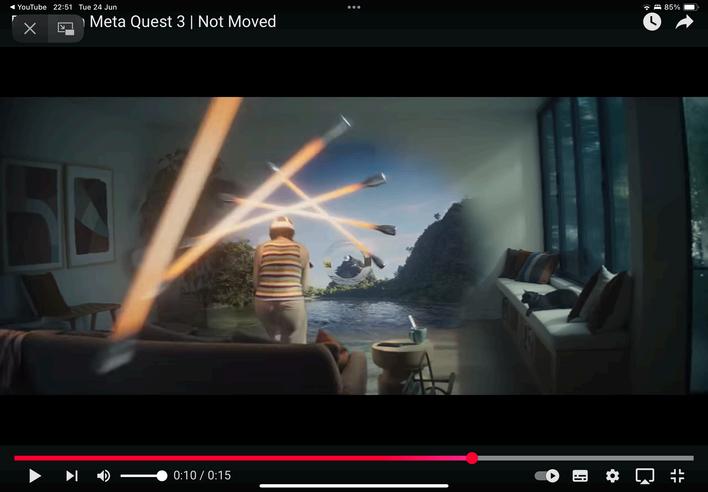
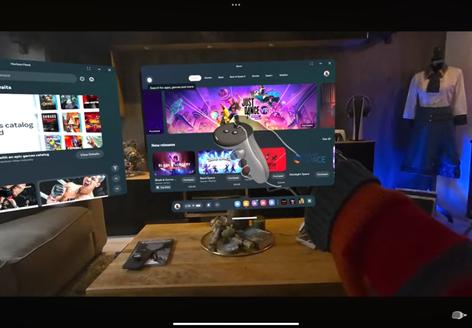
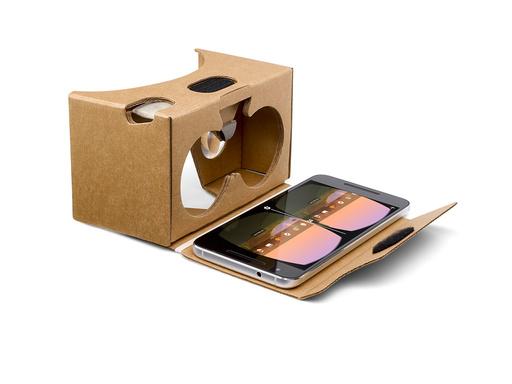
Films
VR Films
Surrogates: people remotely control humanoid surrogate versions of themselves (don't have to look the same) through ‘operators’ (reclining chair, pod or headset)
Dont Worry Darling: people enter a simulated reality system called the ‘Victory Project’ in which traditional 1950’s gender roles are idealised. They use a device on the eyes to enter a fully immersive VR world (the women are non consenting participants imprisoned inside the simulation by the men).
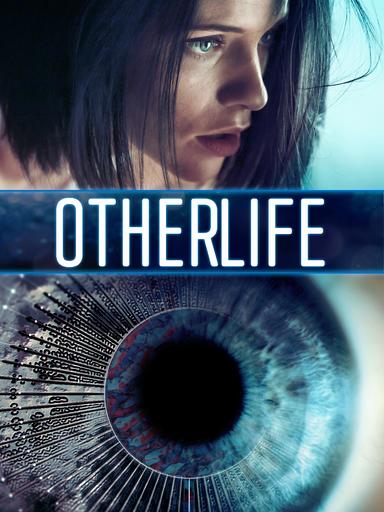
Otherlife: a world where black eye drops that contain nano technology are used to enter a fully immersive, time-compressed reality.


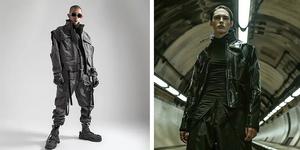
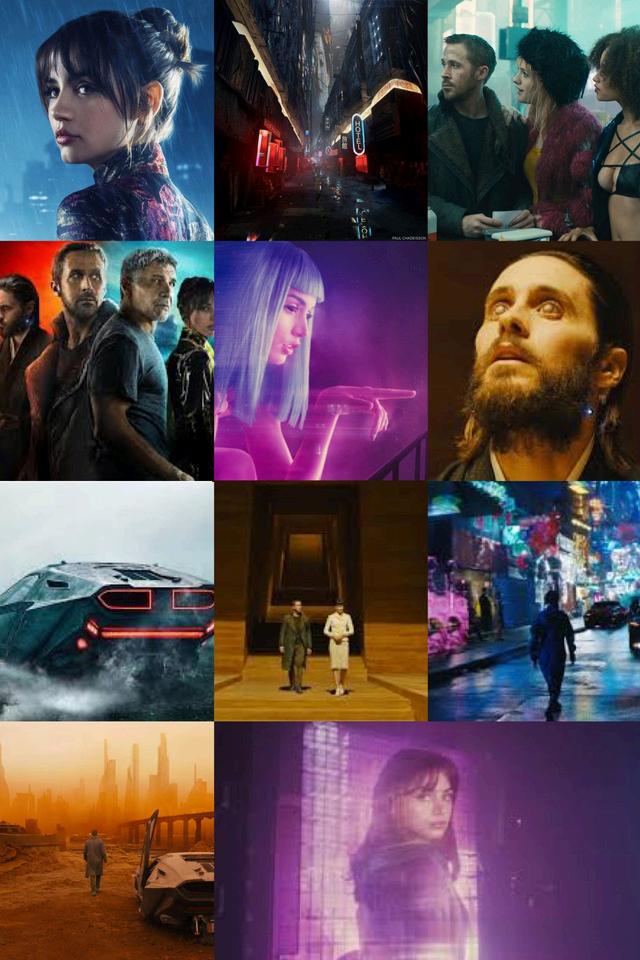
Blade Runner 2049 is a sci-fi film set in a dystopian future. K, a replicant detective, uncovers a secret that could change the world and searches for the missing blade runner, Rick Deckard. There are styling differences between Wallace Employees and the general population due to a difference in status.
Styling Differences: Wallace Employees wear clean, clinical colours like white, ivory, and pale grey. Their clothing is flowing, sculptural, and often resembles high fashion, made from refined, smooth, high-tech materials. This style reflects their wealth, power, and detachment from the grim reality of the outside world.
The general population and K wear dusty, worn colours such as black, grey, and brown. Their outfits are heavy, layered, and utilitarian such as long coats, high collars, and practical cuts made from tough materials like leather and wool. These looks are built for survival and represent struggle, anonymity, and lower status.
Symbolism: Wallace and his elite represent control and superiority, while K and the wider population embody survival and grounded reality. Costume design in Blade Runner 2049 silently conveys the divide between those who rule and those who endure.
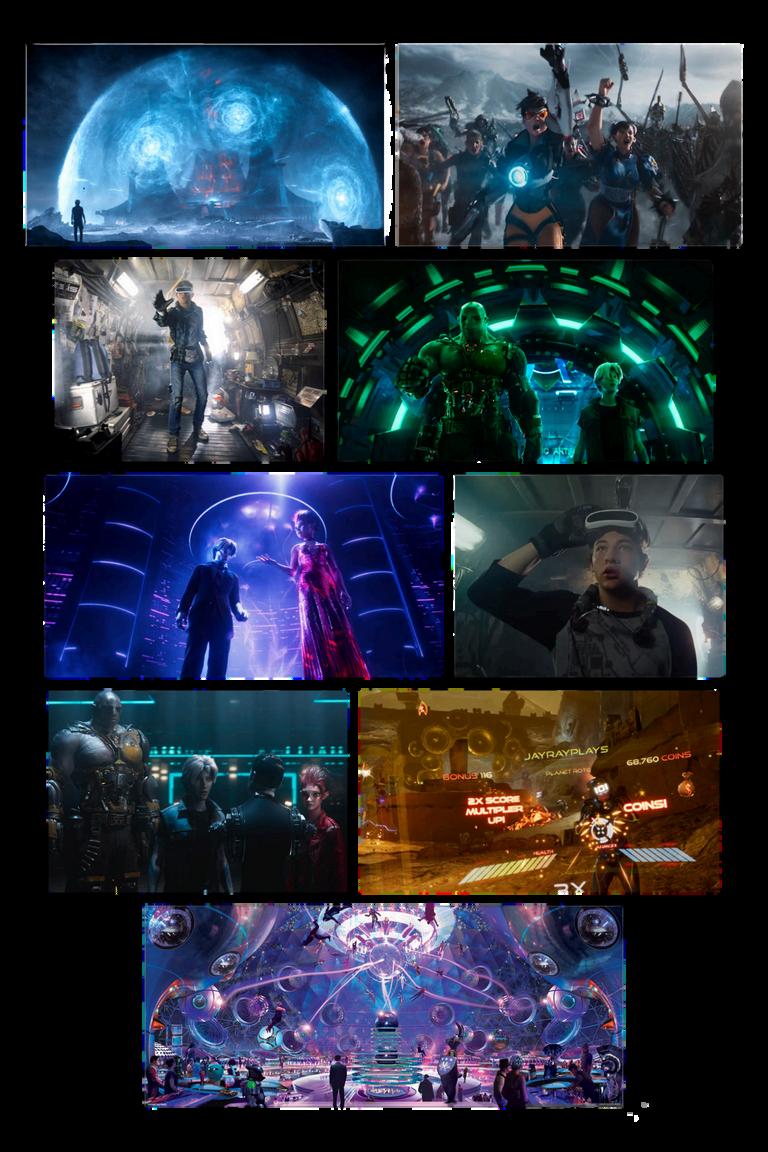
Ready Player One is set in a near-future dystopian world where humanity escapes their harsh reality by entering the ‘Oasis’, a vast virtual reality universe where avatars can look like anything from classic game characters to fantasy creatures.
Real World Styling: In the real world of Ready Player One, clothing is gritty, worn-out, and purely practical. The characters wear muted colours like greys and browns, reflecting poverty, decay, and the harshness of everyday life. Fashion here serves survival rather than style, mirroring the bleak, rundown conditions of the world outside the Oasis.
Oasis Virtual World Styling: In contrast, the Oasis offers a limitless space for creativity and self-expression. Fashion in the virtual world is bold, colourful, and imaginative. Avatars take on the appearance of iconic pop culture and fantasy characters, with styles inspired by futuristic tech, punk, and high fantasy. Glowing effects, dramatic silhouettes, and playful references dominate, creating a vivid escape from reality.
Key Characters: Wade Watts, also known as Parzival in the Oasis, wears simple, practical clothing in real life but transforms into a sleek, tech-armoured figure in the virtual world. Art3mis, his in-game ally, appears as a fierce, punkinspired avatar with a leather jacket and striking red hair, contrasting her real-world appearance.
Themes: The stark difference in fashion between the real world and the Oasis highlights the film’s central theme: the tension between bleak reality and vibrant virtual freedom. Clothing becomes a form of escape, celebration, and identity that’s rooted in nostalgia, pop culture, and personal expression.
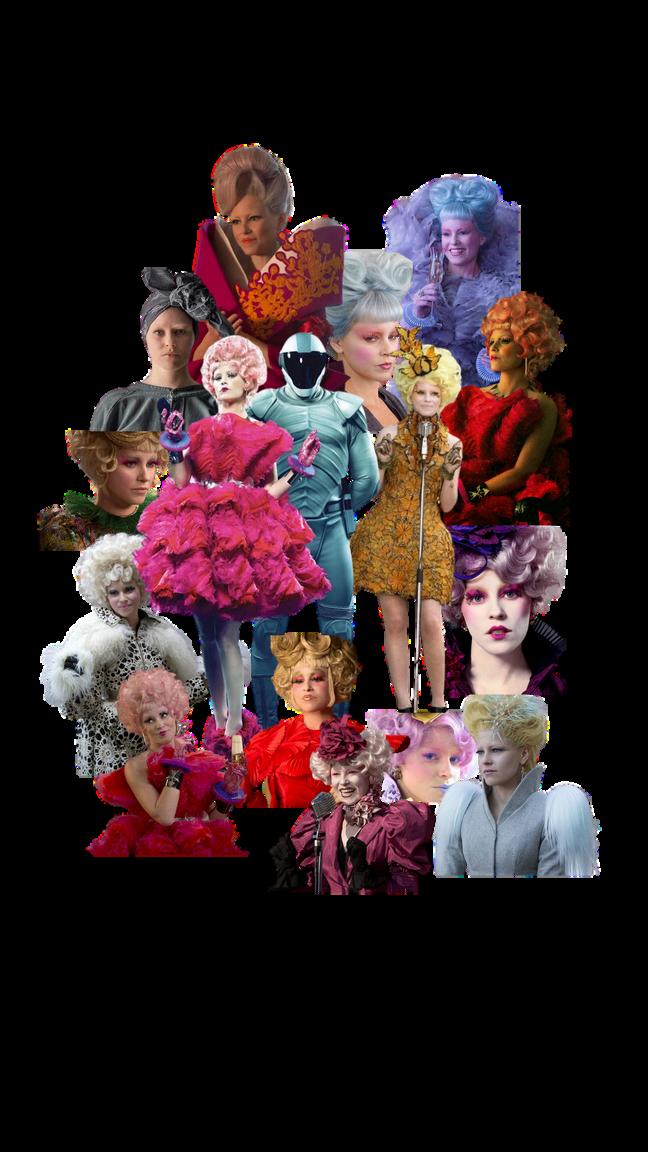
The Hunger Games’ fashion reflects the stark class divides and social hierarchy of Panem. Each district’s style is shaped by its industry, environment, and level of wealth, creating a strong visual contrast between the impoverished districts and the extravagant Capitol. This difference is especially clear during Capitol events, where fashion becomes a form of cultural display and control.
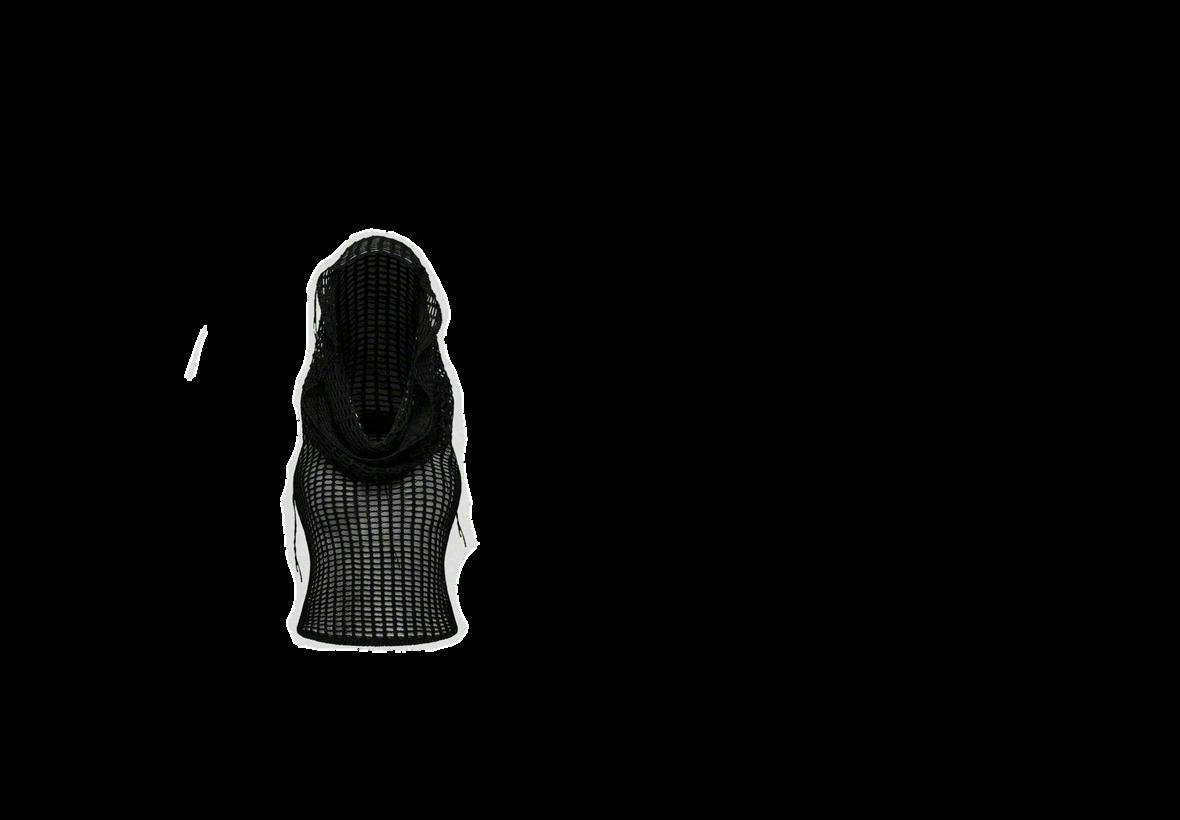
District 3, the Technology District, has a functional and minimal style. Clothing is designed for practicality, using lightweight synthetic fabrics, simple cuts, and a muted colour palette of greys, blacks, and dark blues. The overall look is clean and almost uniform-like, suited to a community focused on electronics and engineering. There is little decoration or flair just straightforward, work-ready clothing that reflects the district’s role as the technological core of Panem. It suggests seriousness, intelligence, and a no-nonsense approach to daily life.
In contrast, the Capitol embraces fashion as extravagance and spectacle. Outfits are bold, theatrical, and highly stylised. Residents wear luxurious and unusual fabrics like silk, satin, metallics, and plastic, often in bright or neon colours. Clothing features exaggerated shapes, avant-garde designs, and heavy embellishments such as sequins, feathers, and ornate accessories. Hair and make-up are equally elaborate, transforming individuals into walking works of art. Capitol fashion is a display of power and excess, designed to impress and overwhelm rather than reflect any sense of practicality. The contrast between District 3 and the Capitol highlights the story’s underlying themes. While the districts dress for function and survival, the Capitol dresses to flaunt its indulgence and distance from reality. Fashion becomes a powerful symbol of inequality, control, and the growing unrest that drives rebellion.

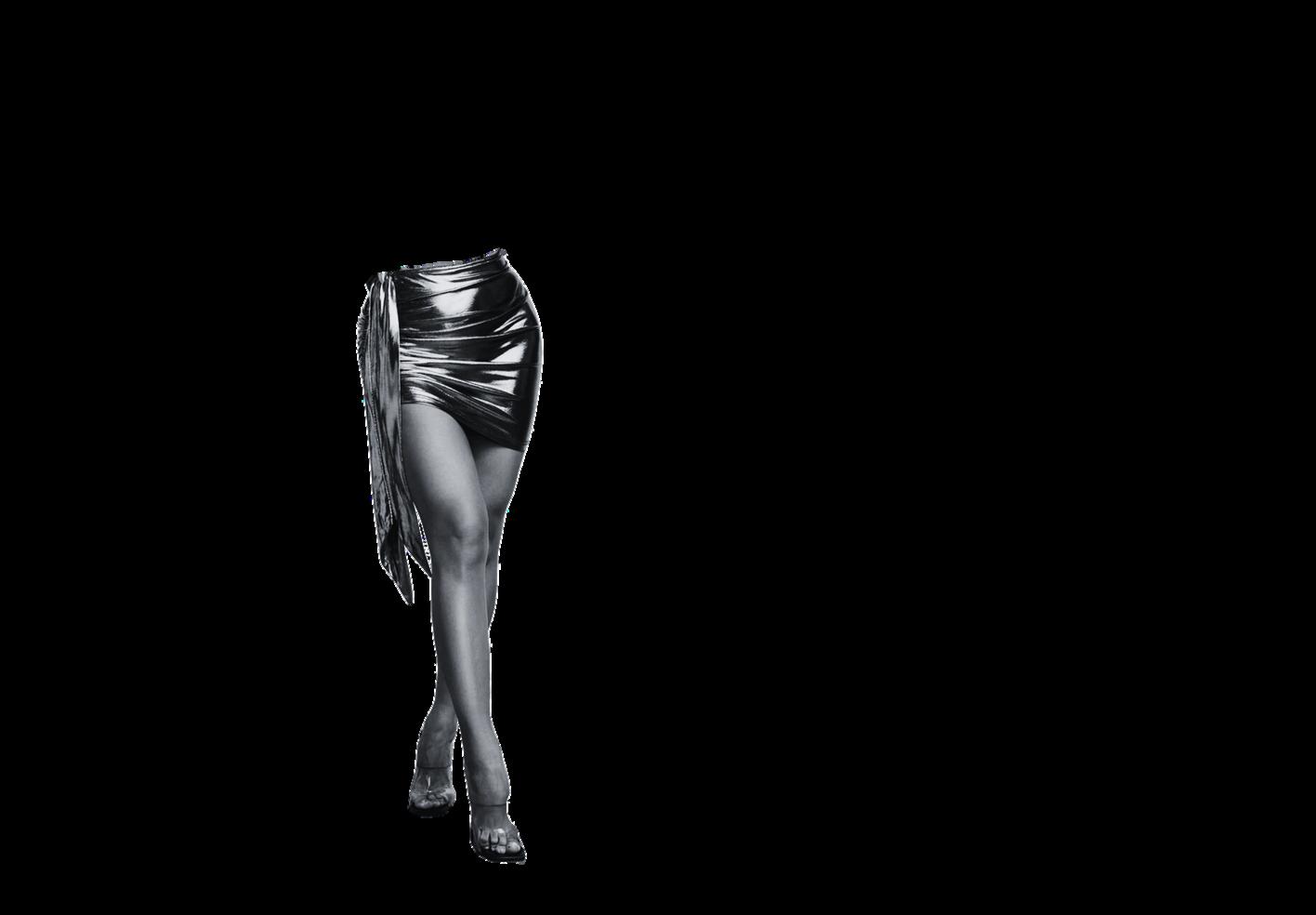
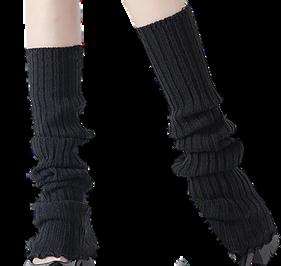
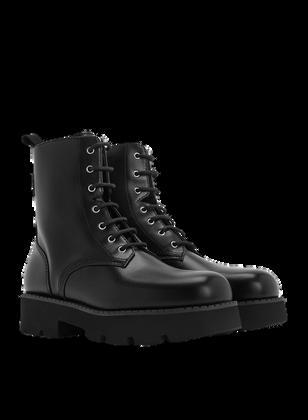
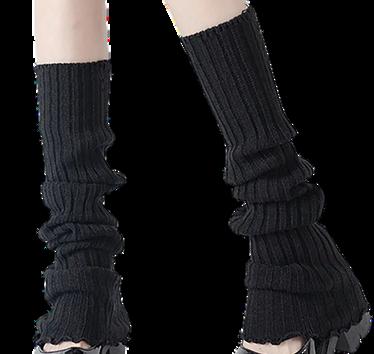
Campaign Ideas
Idea 1:
1. VR headset on 2. Me scrolling through clothes on the NextThread app
3. My avatar visible
4. Clothes appearing on my avatar
5. Headset off
6. Me wearing the same outfit as my avatar
Idea 2:
1. VR headset on 2. Split screen
3. Me adding clothes on my avatar
4. Show avatar walking down the runway
5. Show me walking down my room
6. Avatar wins competition
7. Shiw rewards and eco points
8. Someone purchasing my clothes from my avatar
9. Them receiving and wearing my clothes, as well as their avatar
Idea 3:
1. VR headset on
2. Virtual pop up event (show in room like Amazon)
3. Avatar try on using my measurements
4. purchase and delivery
5. Headset off
6. Me in the outfit/clothes I bought
Final Idea:
1. Me in all white sleek outfit
2. VR Headset on
3. Show reflection in my headset
4. Show me being given a theme for styling competition (in air like Ready Player One)
5. Me looking through clothing rail (pop up shop idea like Amazon view in your room)
6. Me looking in the mirror in my chosen themed outfit (similar to Tommy Hilfiger try on mirror)
7. Rating, rewards and eco points
8. Possibly multiple outfit try ons or quickly show different themes (also show virtual try ons with sizes etc)
9. Pan camera from behind me (watching me swipe and scroll in the air), to my view, to me looking down at my outfit
10. The ending could take a darker twist when taking headset off… living in a completely different world (run down like in Dont Worry Darling, or surrounded by clothes (to show overconsumption, or completely white and sterile with barely any belongings (all owned items are virtual + NFT’s)
11. End the video with my message and encouraging the, to download my app (use NextThread font)
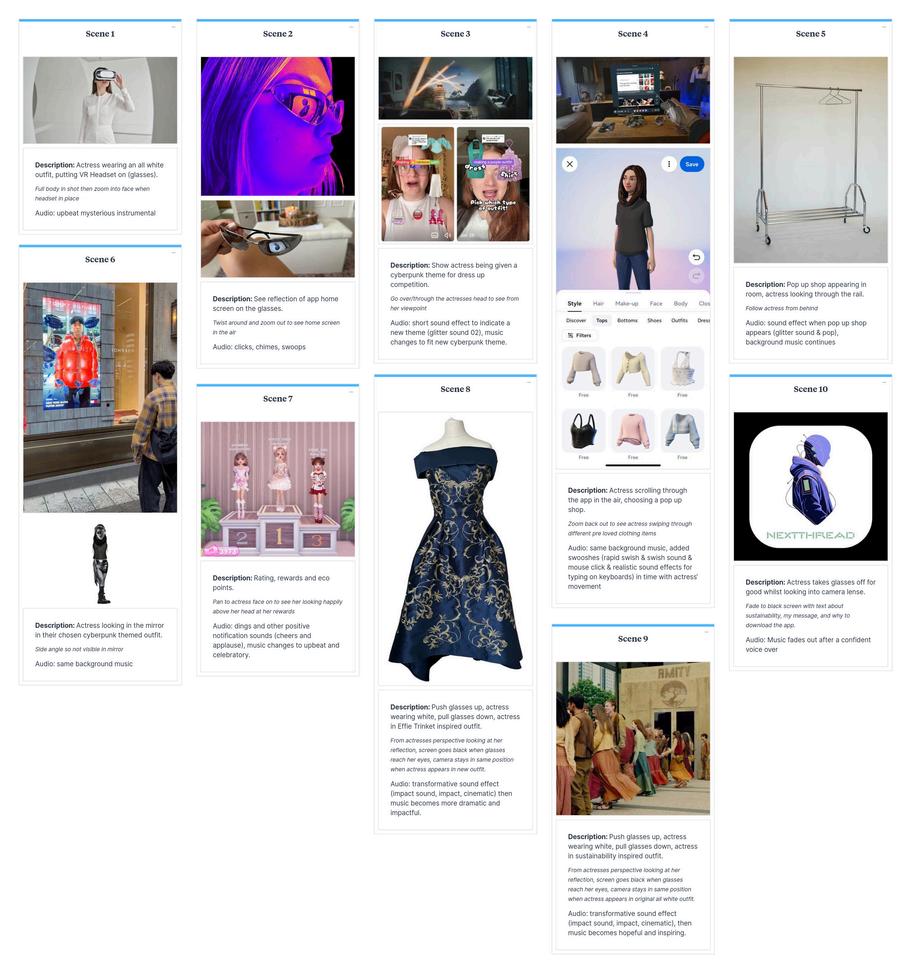
Story board
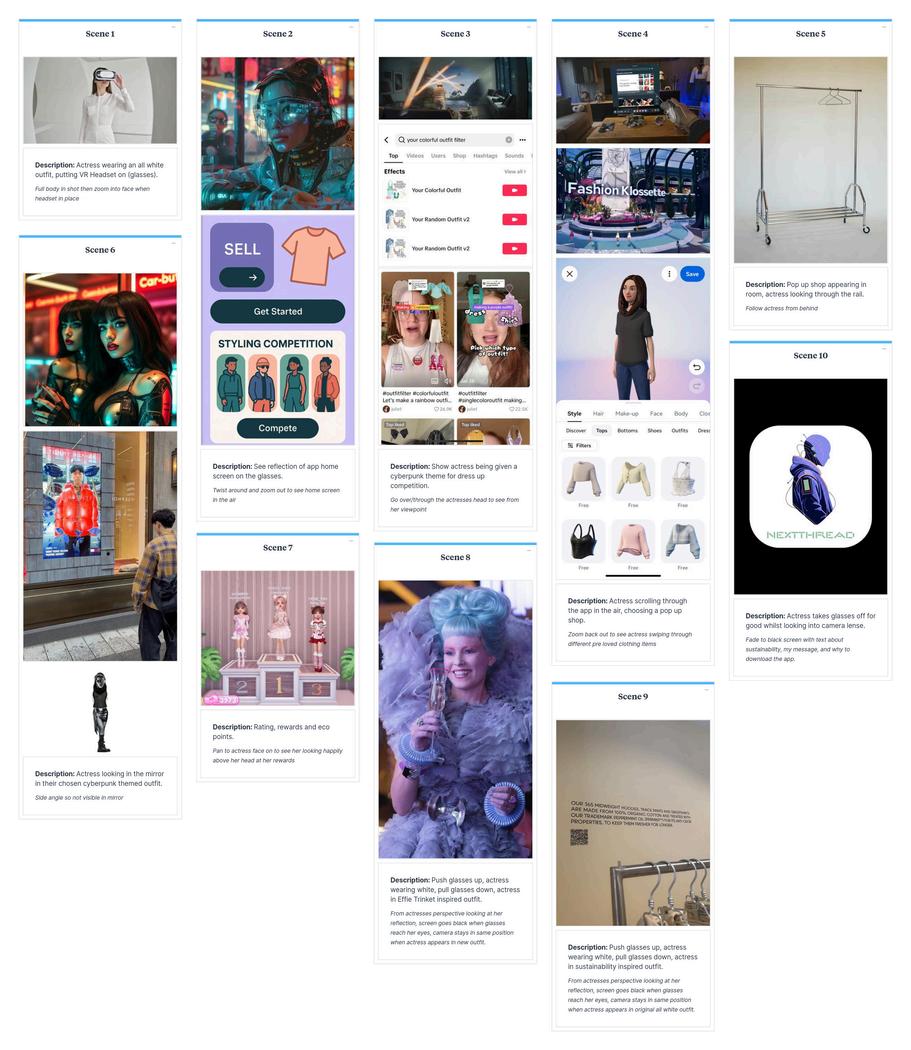
Next Steps
Order styling pieces and props
Conduct test shots and work out timings
Write final message to appear on my campaign
Create NextThread home screen
Component
Ecopunk
Definition
Ecopunkisagenreandaestheticfocusedonhowhumanitymight: Adapt
Survive
Rebuildafterenvironmentalcollapse
Itcombines:
Ecologicalawareness
Anti-establishment,punk-inspiredvalues
Unlikecyberpunk’sfocusontechnologicaldystopia,ecopunkimagines: Post-collapseregeneration
Sustainability
Self-sufficiency
Systemsthinking
CoreThemes
EnvironmentalFocus:
Climatechange,pollution,deforestation,andresourcedepletionarecentraltothenarrative notjust background.
Dystopian/Post-ApocalypticSettings:
Theworldisdamagedbyecologicalcollapse
Charactersmustinnovateandsurviveinharshnewrealities
Sustainability-Driven:
Emphasisongreen,community-ledsolutionslike: Permaculture
Solarenergy
Upcycledtechnologies
Biophilicdesign
PunkEthos:
Rebellionagainstcorporateandconsumeristsystems
Grassrootsaction,DIYspirit
Featuresanarchistgardeners,eco-hackers,roguebuilders,resilientcommunities
SystemsAwareness:
Everythinghasoriginsandconsequences
Interconnectednessofhumanaction,environment,andsurvival
Arejectionofdisposableculture
EcopunkAesthetic
Colours:
Earthtones:rust,moss,khaki,beige,amber,brown
Fabricsappearsun-fadedornaturallydyed
Fashion:
Loose,layeredclothing
Longskirts,oversizedcoats
Materials:linen,hemp,wool
Handmade,upcycled,orscavengedgarments
Prioritisespracticalityovertrend
Hair:
Naturalstyles:worndown,plaited,braided,orunstyled
Minimaleffort;rootedinnecessity
Make-up:
Bare,natural,orweather-worn
Mayappearsun-kissed,dirt-smudged,orabsententirely
Accessories:
Madefromnaturalorrecycledmaterials:bone,wood,stone,seeds
Functionalitemslike: Satchels
Scarves
Boots
Waterbottles
Tools
Cyber punk Look
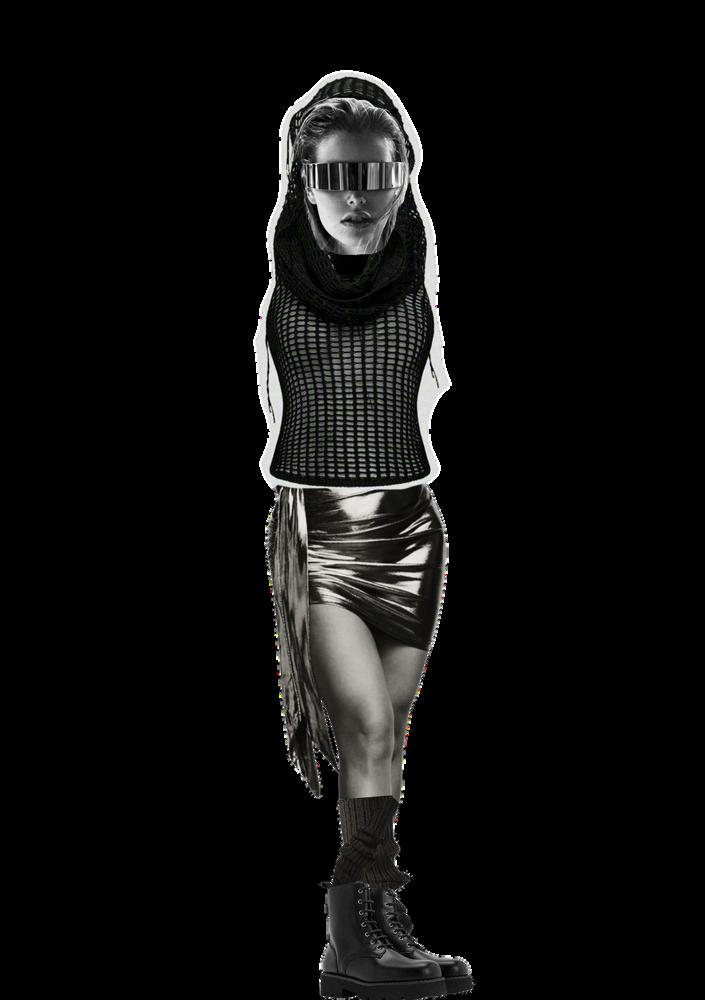
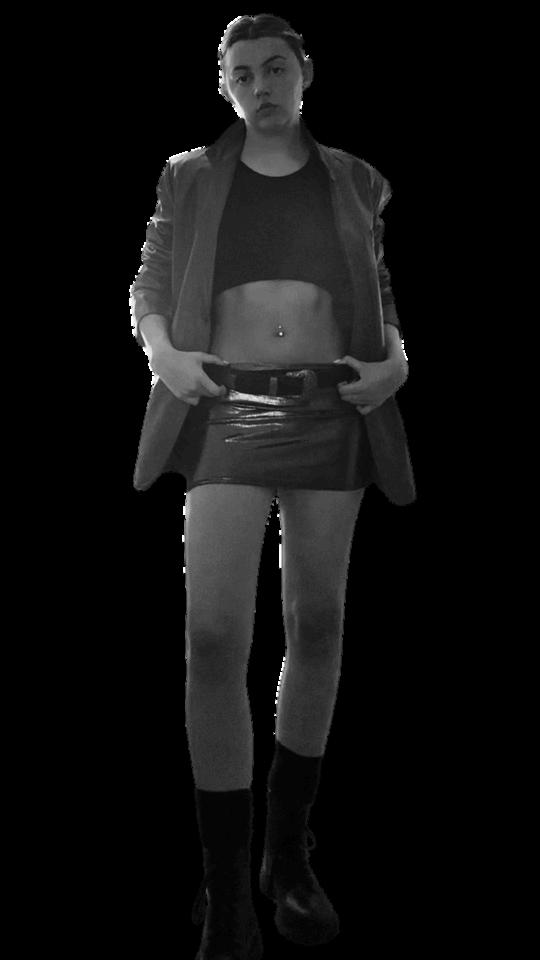
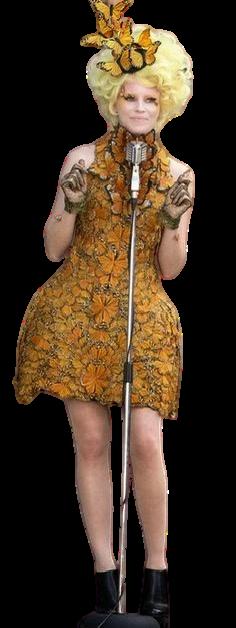
Extravagant Look
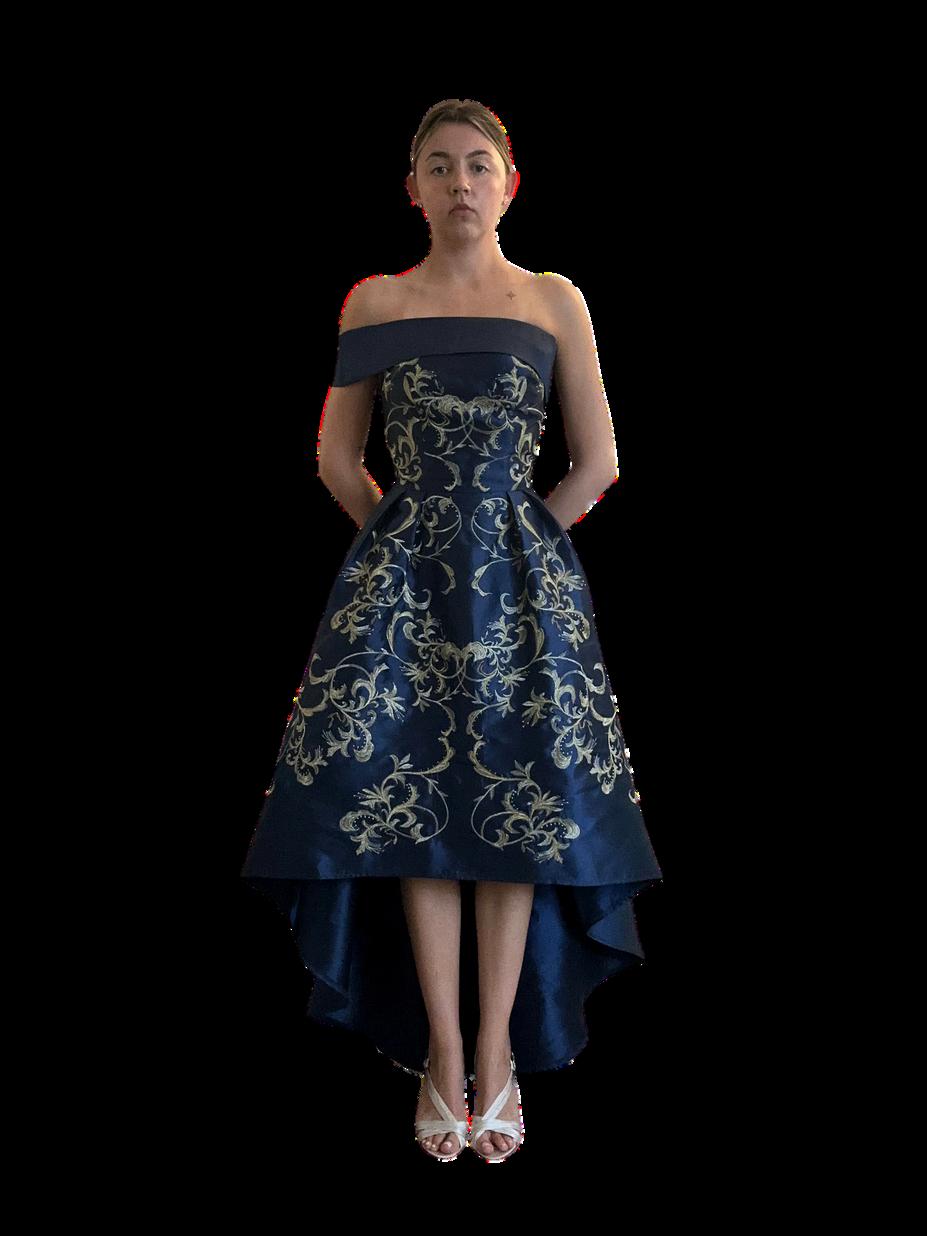
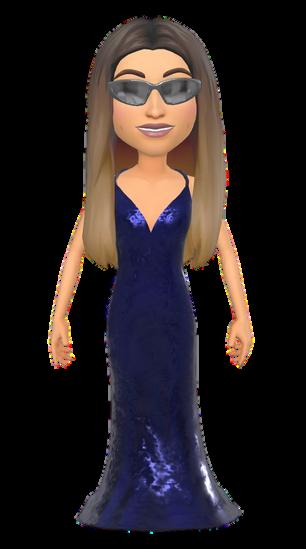
All Four Looks on my avatar
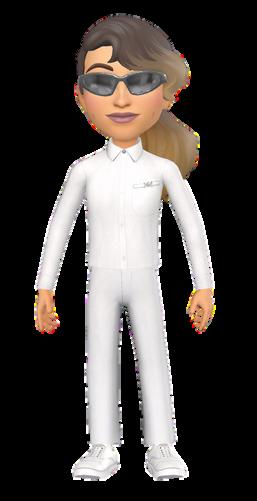
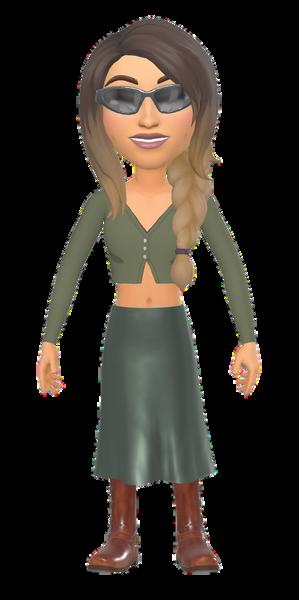
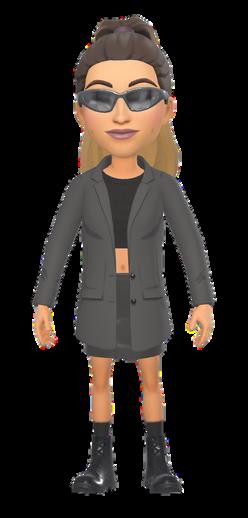
Updated Story board
Videographer Shot List
NextThread:VideographerShotList&Direction
Scene1:VROnboarding
Shot:Full-bodystaticshotofactressinanall-whiteoutfitputtingon smartglasses
CameraMovement:Slowzoomintofaceasheadsetsettlesinplace
Lighting:Bright,neutrallightingtohighlightthewhiteoutfitandcontrast withlaterscenes
AudioCue:Upbeat,mysteriousinstrumentalbegins
Scene2:InterfaceActivation
Shot:Tightfocusonglassesshowingtheapphomescreenreflectedin thelenses
CameraMovement:Twist/tiltaroundherface,thenzoomouttoreveal interfaceinARfloatingintheair
Lighting:Slightglow/reflectiontomimicaugmentedrealityinterface shine
AudioCue:Clicks,chimes,swoopsfordigitalfeedback
Scene3:CyberpunkThemeSelection
Shot:Actressfromthefront,thenmoveover/throughherheadto simulateapoint-of-viewshift
CameraMovement:Dynamicforwardpushintotheheadset
VisualFX:Screenglitchorsparkleasthenewthemeactivates
AudioCue:Shortglittersoundeffect,thenmusicchangestoa cyberpunktheme
Scene4:ChoosingPop-UpShop
Shot:WideshotshowingfloatingUIinfrontoftheactressasshescrolls
CameraMovement:Beginatherside,zoombacktoshowfullinterface interaction
AudioCue:Swishes,mouseclicks,typingsoundeffectsinsyncwith gestures
Scene5:ShopAppears
Shot:Followactressfrombehindasthepop-upshopmaterialises
CameraMovement:Trackingshotfrommidtoclose-upasshe approachestherail
VisualFX:Pop-upshoprailappearswithglitter-popvisualeffect
AudioCue:Glittersoundandpop;backgroundmusiccontinues

Scene6:MirrorReveal
Shot:Actressinnewcyberpunkoutfit,lookinginthemirror
CameraPosition:Sideangletoavoidcameraappearinginthereflection
Lighting:Neonorcyberpunkambientlighting
AudioCue:Continuationofbackgroundmusic
Scene7:RewardsUnlocked
Shot:Panuptoshowrewardsappearingabovetheactress’shead CameraMovement:Panfromchesttoeyes,thentiltup Performance:Actresssmilesinresponsetoecopoints
AudioCue:Dings,cheers,applause;musicbecomesupbeatand celebratory
Scene8:EffieTrinketTransformation
Shot:Fromtheactress’spointofview,lookingatherreflection;glasses up/downtransformation
CameraMovement:Staticshot screenfadestoblackmid-motion, thenrevealsnewoutfit
Lighting:Bold,theatricallightingtomatchtheEffie-inspiredfashion
AudioCue:Transformativesoundeffect(impact,cinematic);music becomesmoredramatic
Scene9:FinalStyleTransformation
Shot:SimilarsetuptoScene8,thistimetransitioningintoa sustainability-inspiredoutfit
CameraMovement:Staticagain;blackscreenbetweentransitions Performance:Actresslooksconfidentlyatherreflectionpost-transition
AudioCue:Impactfultransformationsoundeffect;musicbecomes hopefulandinspiring
Scene10:OutroandMessage
Shot:Medium-closeshotofactressremovingglasseswhilelooking directlyintothelens
CameraMovement:None;fixedcameraformaximumimpact
Transition:Fadetoblackwithboldon-screentext(sustainability messageandappdownloadcalltoaction)
AudioCue:Musicfadesoutafteraconfidentvoiceover
My Final Message
On-Screen Text: Style isn’t just what you wear. It’s what you stand for.
Pre-loved fashion, reimagined for your world. NextThread. Wear your values.
Voiceover:
“NextThread is fashion that fits your future. Circular, conscious, and completely yours. Download NextThread. Style it forward.”
Style isn’t just what you wear.
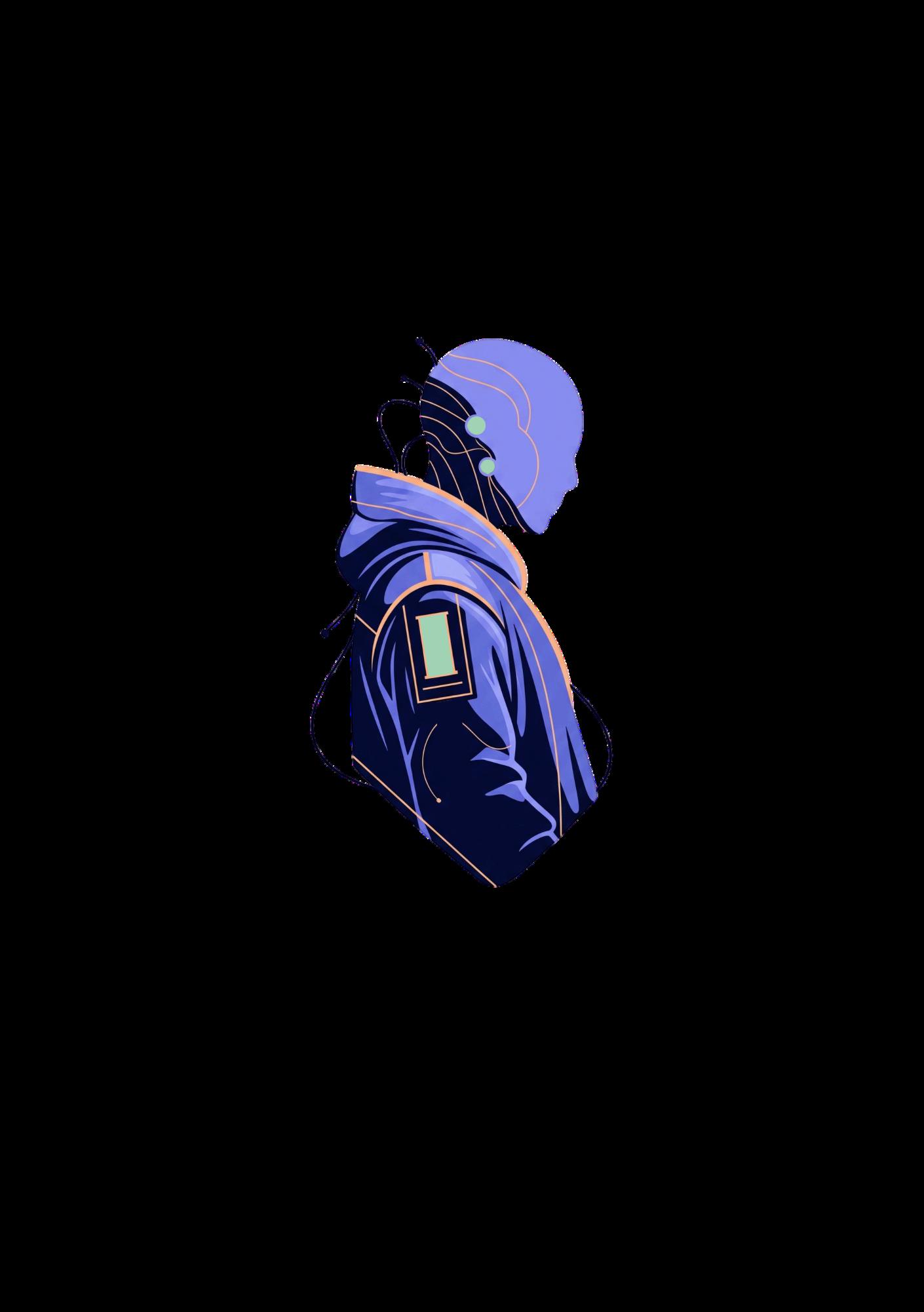
It’s what you stand for.
Pre-loved fashion, reimagined for your world. NextThread. Wear your values.
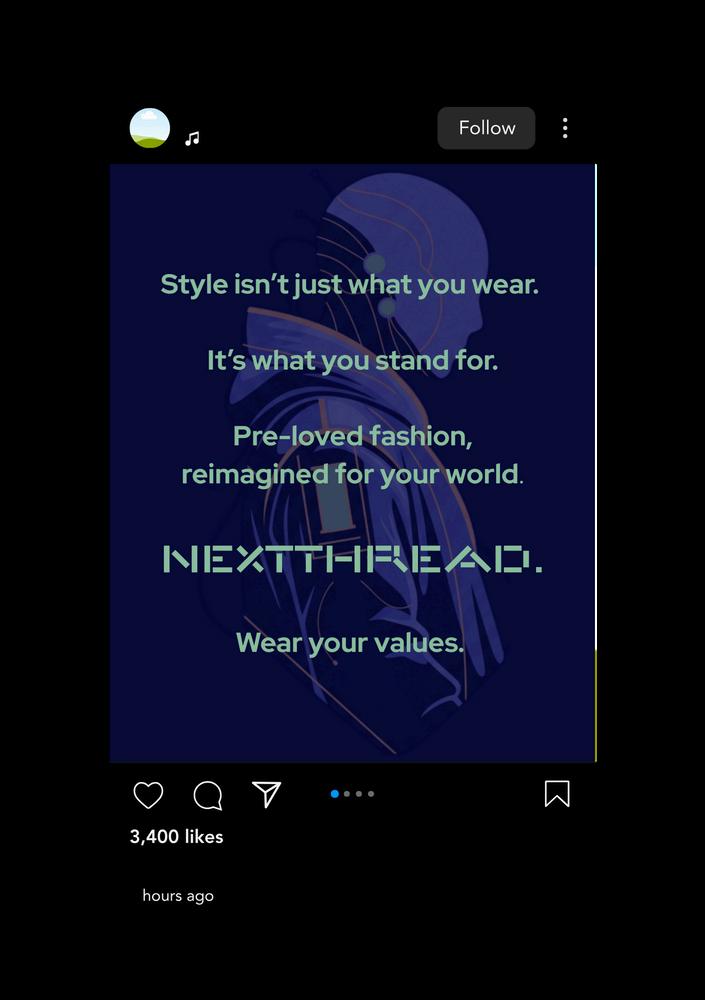
AI homescreens for in air screens

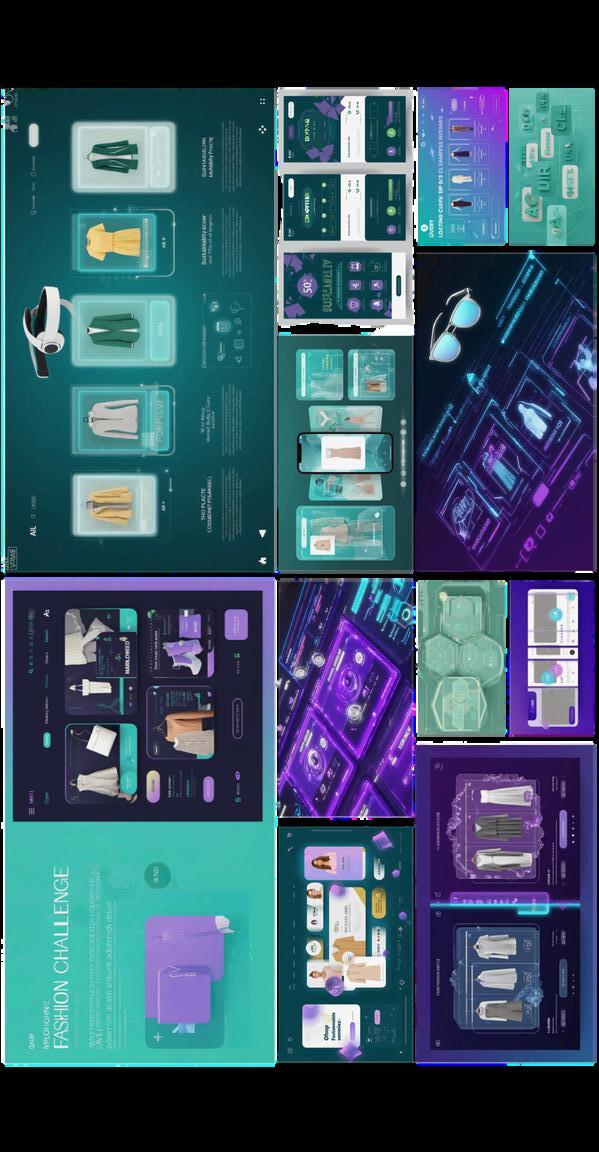
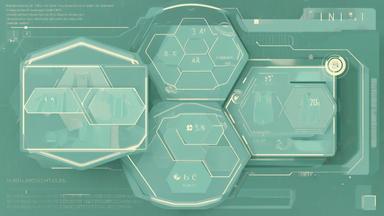

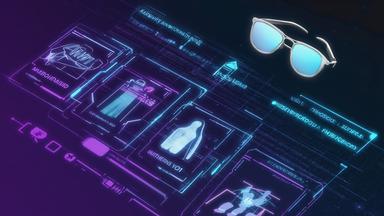
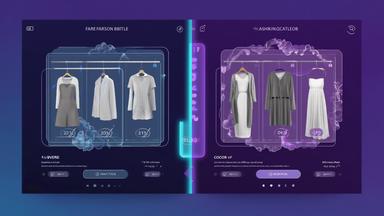
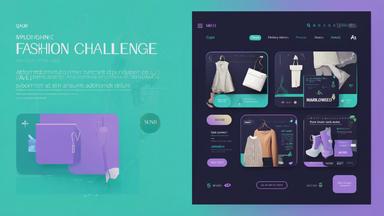
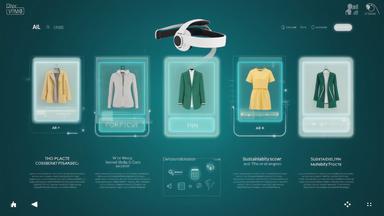

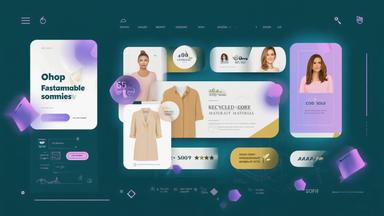
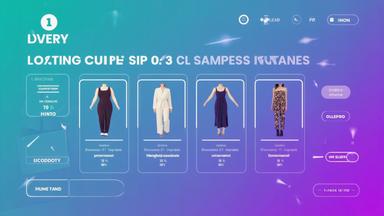
Sustainable Fashion Influencers
Venetia La Manna @venetialamanna
Who she is
Venetia is a London-based fair fashion campaigner, content podcast host. She is widely recognised for combining a clean aesthetic with strong messaging against fast fashion She co Remember Who Made Them campaign and is a leading voic greenwashing in the fashion industry.
What she talks about

Critique of fast fashion: Venetia regularly calls out brands such as Boohoo, Shein and H&M for exploitative labour practices and performative sustainability.
Rewearing clothing: She promotes rewear culture through the hashtag #OOOTD (Old Outfit of the Day), encouraging her audience to embrace outfit repeating.
Garment worker rights: She supports organisations like Labour Behind the Label and Remake, helping to amplify the voices of underpaid workers.
Intersectional climate justice: Venetia often connects fashion to broader systems of inequality, including capitalism, racism and patriarchy.
Projects
Podcast: All The Small Things explores activism, ethical living and social justice through interviews with experts, artists and organisers. Campaigns: Notable initiatives include “No New Clothes”, “PayUp Fashion” and Remember Who Made Them, all encouraging systemic change within the fashion industry.
Why she’s important
Venetia is known for her balance of accountability and accessibility. She is one of the few influencers who publicly critiques the fashion industry while offering practical alternatives. Her work inspires people to consume less and value more of what they already own
Emma Slade Edmondson @emsladedmondson
Who she is
Emma is a UK-based creative strategist, stylist and campaign working at the intersection of fashion, culture and sustainab master’s degree in Fashion and the Environment from Lond Fashion, she combines aesthetic creativity with systemic thin
What she talks about
Sustainable styling: Emma focuses on bold, expressive styling using second-hand or ethically made clothing.
Fashion waste and circularity: She explores how creative reuse and community-centred design can combat overconsumption
Social impact in fashion: Emma elevates voices marginalised within the industry, including Black creatives, plus-size bodies and working-class communities
Ethics and identity: Her content often examines how fashion connects to personal identity, race, gender and social equity.
Projects and work
Emergency Designer Network: Co-founded during the COVID-19 pandemic to create PPE from repurposed materials and support smallscale makers.
Ethical campaign strategy: Emma has led creative work for organisations including Love Not Landfill, Depop and Oxfam.
Public speaking and education: Frequently delivers workshops and talks on inclusive sustainability for universities, brands and industry panels.
Why she’s important
Emma is a connector between creatives, communities and institutions. Her approach is visually compelling while rooted in ethical practice. She brings a nuanced and inclusive perspective to the sustainability space, particularly through her collaborative campaigns and storytelling
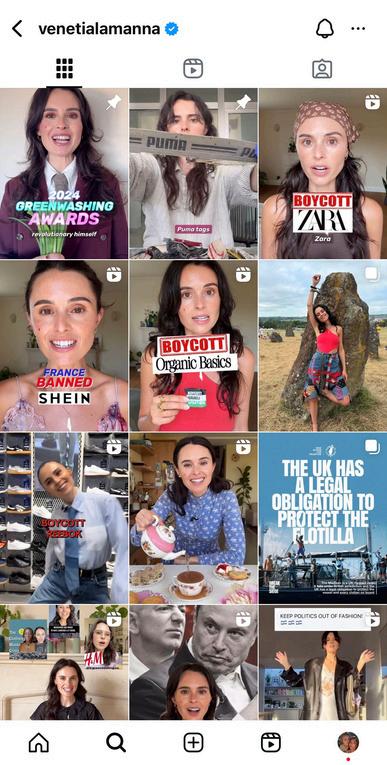
Behind the scenes of my trial shoot
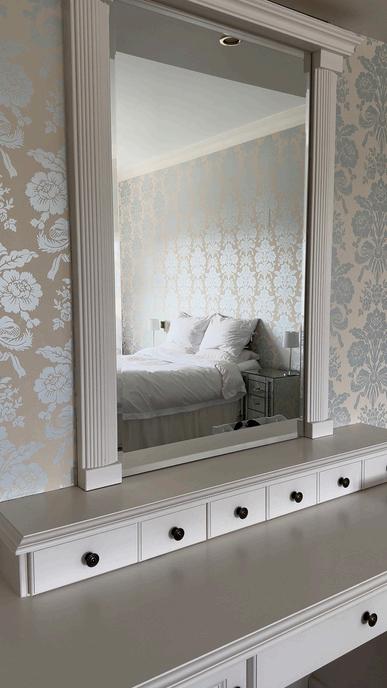
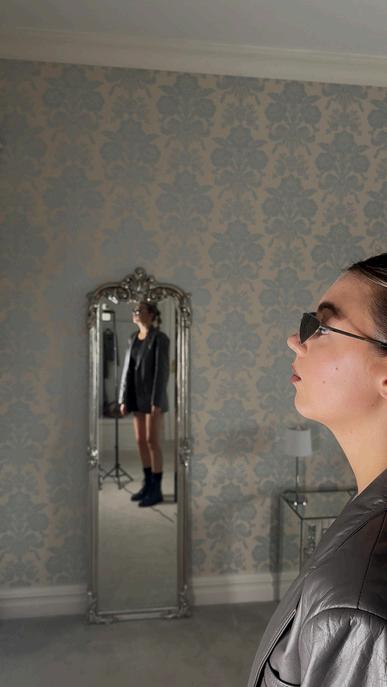
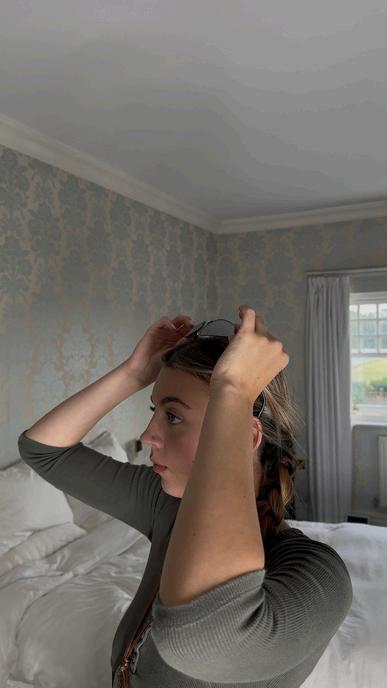
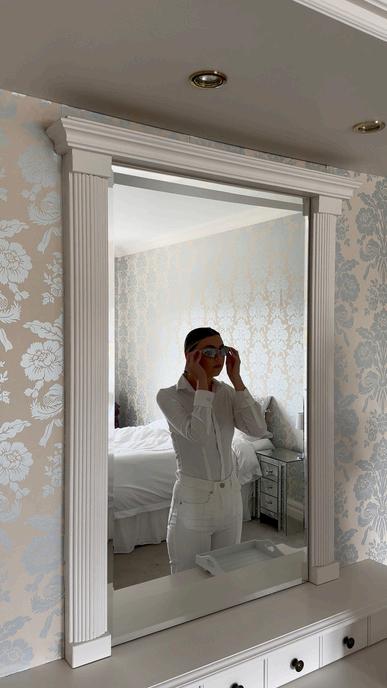
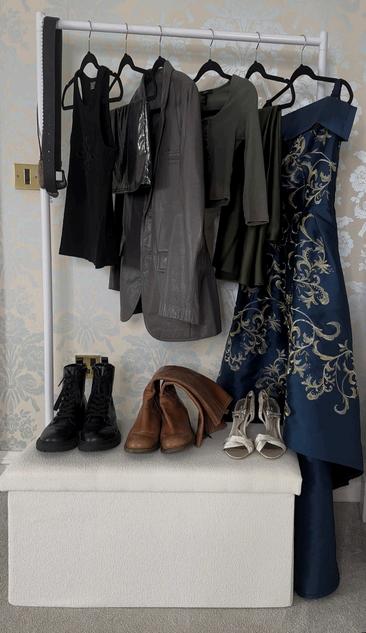
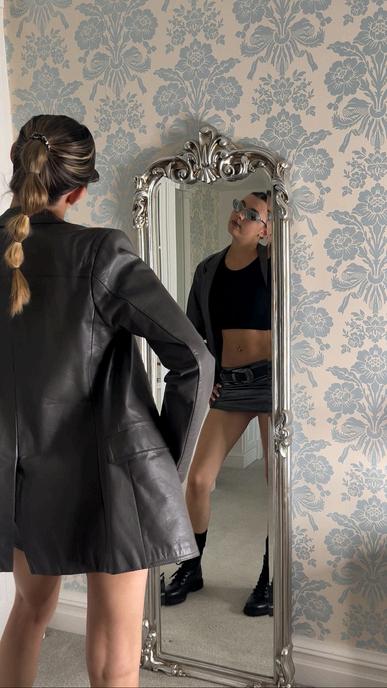
Storyboard with my own images

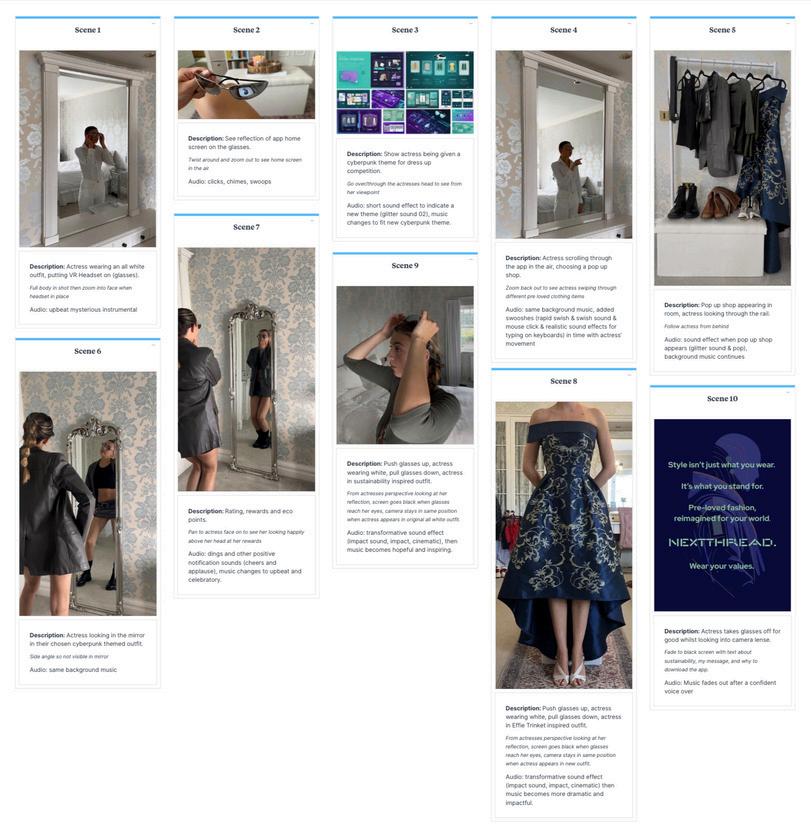
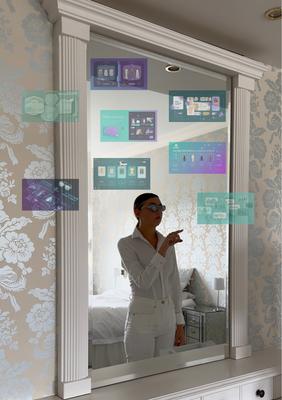

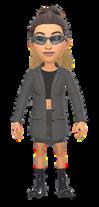
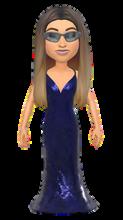
Editing

colour gradiing
clip sequencing
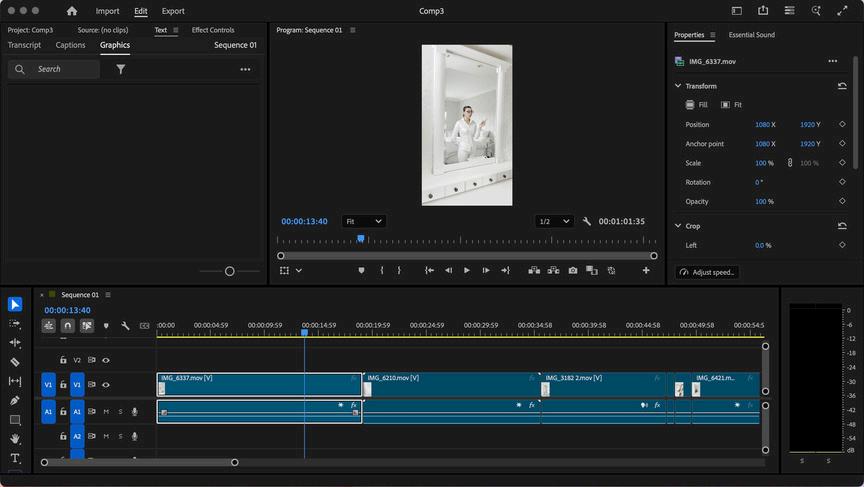
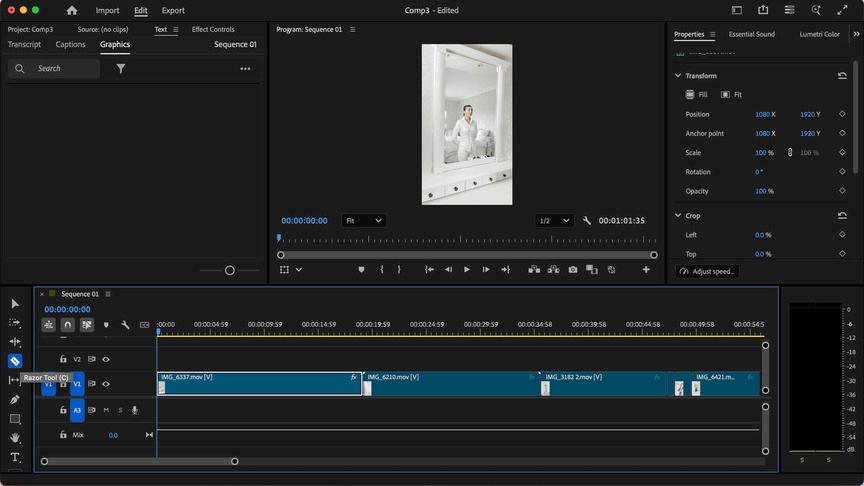
razor tool sound effects
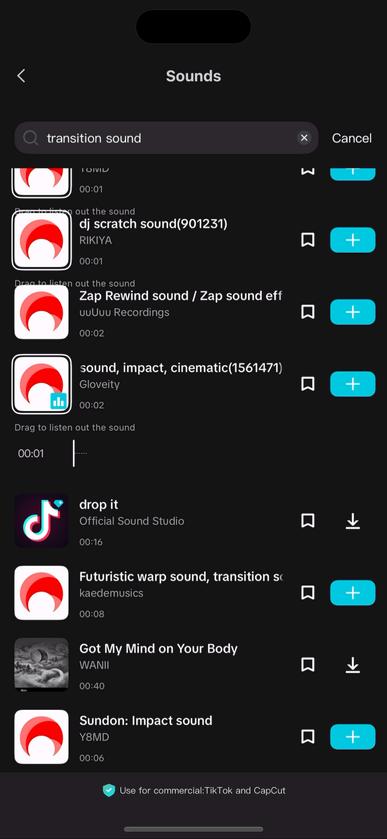
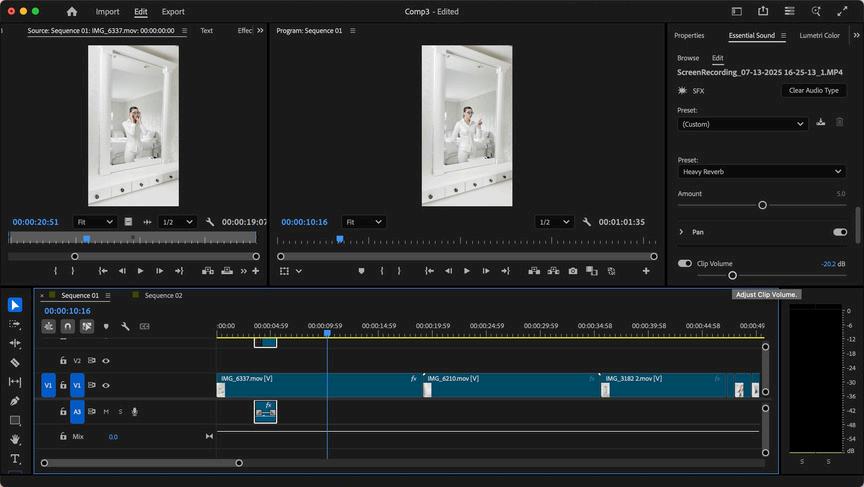
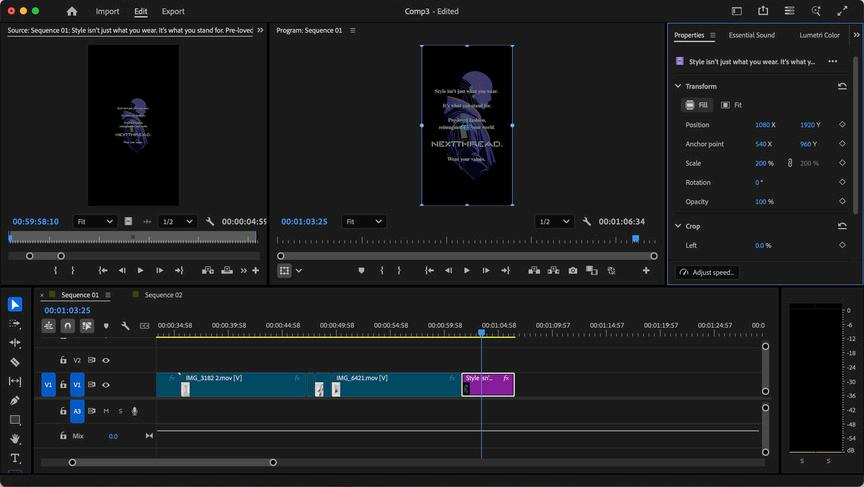
framing image voiceover
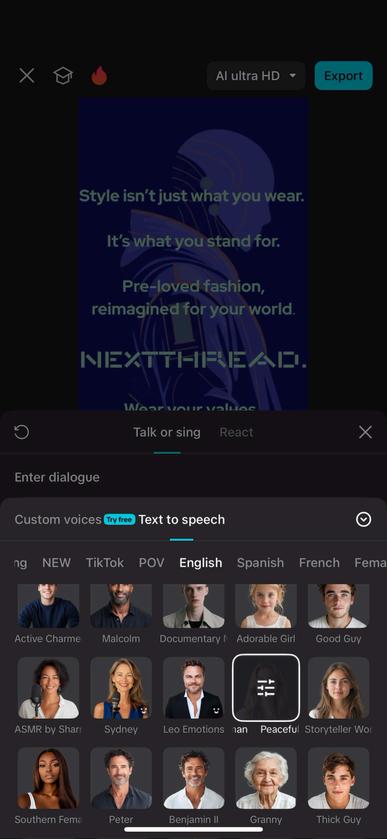
final message
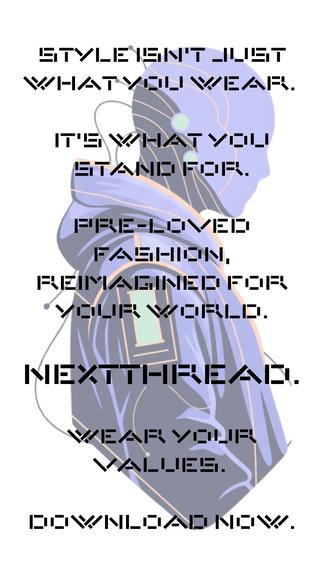
FASHION BIBLE