


Emotion and narrative are the foundation of my creative thinking and my route into brand communication.
Why I create
I create to make people feel something; understood, connected or momentarily elsewhere.
Why brand communication
Brand Communication allows me to translate emotion, memory and culture into meaning at scale.
Find a common theme between my interests and why I like them
Find my centre
My network
Reflection of each trimester
10 x 10
25 questions
3 honest words
Explore nostalgia
Identify romance and fantasy elements within fashion
How do I want to use my voice?
Sexuality?
Safety vs vulnerability
Hard vs soft
Brutalist vs romantic
Minimalism vs maximalism
Melbourne
Create a mission statement
Create a logo and banner
Look at the high end/luxury market
Reading




Charity work/ fundraising
Concerts & music
My main passions are fashion, literature and music. I love many aspects of these and initially struggled to find my ‘niche’. It was only by breaking down specifically what I love about each of my interests that I was able to find a link between them. I love expressive, emotive and romantic fashion with a touch of darkness. I love romance, fantasy and literary fiction. I love the music genres rock and soul. All three of my interests have the undercurrent of love, feeling and understanding. I think my passion for this probably stems from a place of loss. I wouldn’t say I’ve had the most difficult life, but nor would I say I’ve had the easiest. I’ve never met my father, my mother worked full time to support our family and my grandfather raised me. I lost him at the age of eleven and that was my first turning point.
I gave up my hobbies, all except reading - it was a form of escapism for me, which I suppose music and fashion was too. It allows you to step into the role of someone else, to be whoever you want to be and live whichever life you choose. Whether that be stepping into the shoes of my favourite character in a book and living their life with freedom and courage, feeling the emotions of another person through music so deep in my bones they became my own, or dressing each day as a new person in whichever style I choose and allowing people to perceive me in any way they wanted. I could be whomever I wished to be, my life didn't have to be my life if I didn’t want it to be.
I was self destructive and lost my two best friends. I stopped trying in school and mostly just stopped trying in general. I eventually made up with my friends, Libby and Rachel and can unequivocally say I would not be the person I am today without them. We spent every minute of every day with each other in school and out. They are currently both in Nottingham, Libby studying architecture and Rachel studying neuroscience, but no matter the distance and how different we have all grown to be over our 11 years of friendship, they have taught me family is not blood, it is centered around the bond between two people, any two people. Which brings me to my next turning point.
I love girls the way boys love girls. Not in exactly the same way, but in a way that has always felt natural and unquestioned. I believe that love between two women extends beyond the love between a man and a woman. I have always known this, and for a long time I saw nothing wrong with it. That understanding shifted gradually, first through hearing the word ‘gay’ used as an insult in primary school, and later through attending a strict all-girls Catholic grammar school. I wouldn't say I’m either ashamed or proud to be gay, it's just me, the same way my eyes are blue and my hair is brown, I was born that way. I came out to my mother at the age of sixteen and let's just say it was not received very well at all. We have come a long way since then and I know she tries in her own way.
My younger brother, Ethan, bridges the gap between us, and he has for as long as I can remember. I got our grandfather, and he got our mother. There are five years between us, and growing up I was more of a mother than a sister (but that has since changed). He has severe dyslexia and struggled a lot in school and in day-to-day life too. He’s always got his head in the clouds and views the world completely differently from anyone I’ve ever met. He teaches me the power in being and thinking differently, and that strength shows up in many ways.
My mother taught me the importance of hard work. She worked full time while attending night school to become a barrister. My grandmother moved from Spain to Liverpool, where she met my grandfather and raised my mother. She worked as a nurse and a hairdresser, while he owned his own electronics company. This makes me a quarter Spanish, with roots in Liverpool (my Scouse accent from my mum mainly comes out when I’m drunk or angry, haha), even though I live ‘over the water’ or by the water you could say. I lived first in Wales, then in Moreton, and later in West Kirby, all close to the sea.
The sea has always been a source of calm for me, a place where I feel most at home. It helped me when I lost my other best friend, Daniela Brandao, to cancer a few days after we turned nineteen. There is only a week between our birthdays but there will unfortunately be far more between the dates of our deaths. Even the calm and sense of belonging the sea once gave me could not ease my fury and grief, because I could not understand how someone like Dani no longer belonged in this world. There is no doubt that this loss changed me as a person; I do not believe anyone could go through something like that unchanged. Her life taught me to find humour and light in the mundane, as well as resilience and bravery in the face of hardship. Her death taught me gratitude, and pushed me to try to make positive changes in people’s lives through charity work.
All of these experiences have shaped the way I understand and share meaning. There have been many more experiences that have shaped who I am but this essay would need to be far longer and I also need to find a way to show this visually haha. Fashion, literature, and music have always been ways for me to explore emotion, identity, and narrative, and to translate these into forms that others can experience and connect with. I am drawn to fashion communication because it sits at the intersection of creativity and analysis, asking how stories are built, how meaning is made, and how people respond to it. Brand storytelling, in particular, allows me to think about how ideas, emotion, and culture come together to create connection. My attunement of emotion, my attention to narrative, and my instinct to look for depth and authenticity give me the tools to approach this field thoughtfully, creatively, and with intention.
This reflection shows how my interests in fashion, literature, and music are connected through a shared focus on emotion, narrative, and romantic intensity. While this coherence strengthens my creative identity, it also reveals how closely my work is tied to personal experience. This creates authenticity, but requires critical distance to ensure that meaning can be communicated clearly to others.
Experiences of loss, identity, and escapism have shaped how I use storytelling as a tool for understanding and connection. Moving towards fashion communication marks a shift from personal expression to intentional narrative-making, where emotion must be shaped and considered in relation to audience and context. The challenge within my practice is to balance emotional depth with restraint, allowing sensitivity to inform the work without overwhelming it.
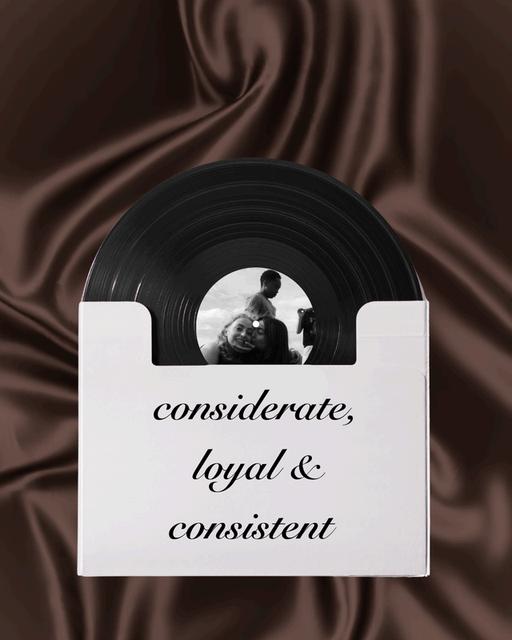
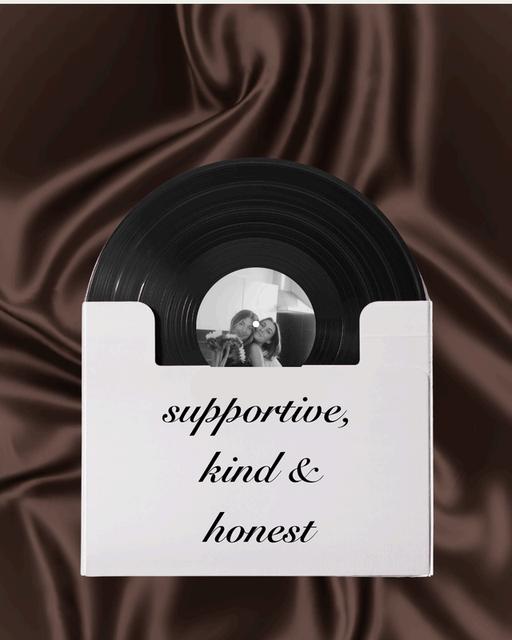
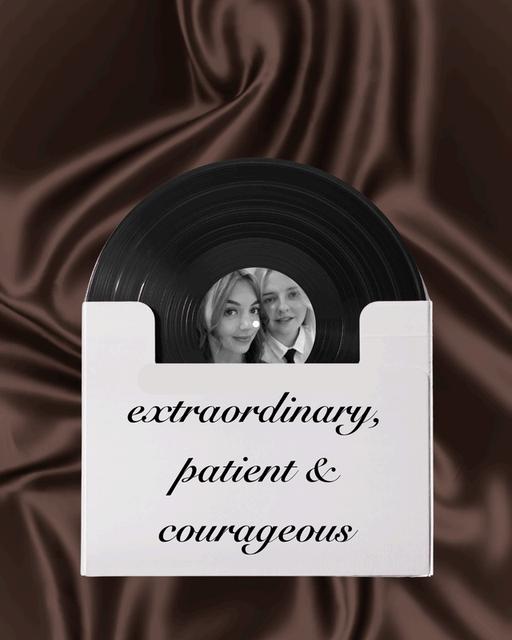
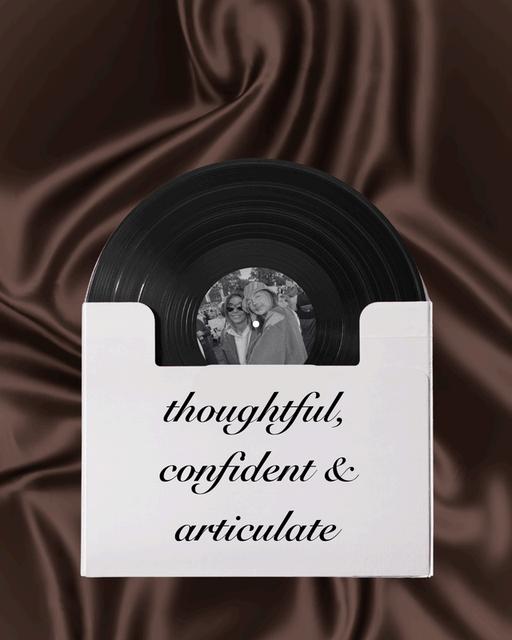
Three words to describe me from the five closest people to me
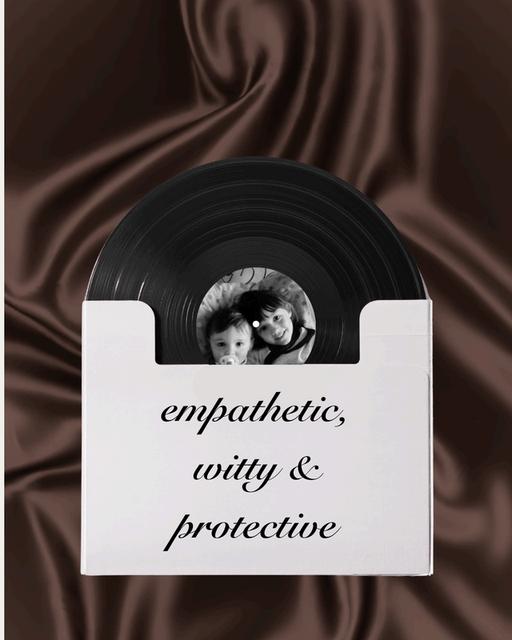
What do you fundamentally believe about fashion, communication, and their role in society? fashion should make you feel
What injustices, gaps, or problems in the fashion industry matter most to you? overconsumption and therefore waste and harm to the environment, exploitation of workers and the price of sustainable fashion
What principles do you want your work to quietly stand for, without having to explain them?
Which life experiences have most influenced how you see the world and your creative voice? answered
How have challenges, setbacks, or change shaped your perspective? answered
How do your background and personal journey inform your point of view? answered
Why do you want to work in fashion communication specifically? answered
What do you hope your work will do rather than simply look like? answered
What conversations do you want to start, challenge, or contribute to? the drawbacks of AI and the need for strong and enforced guidelines
Who do you feel responsible for in your creative practice (yourself, a community, a future audience)? It's quite strange to say but i feel responsible for the past, not all aspects ofcourse but I suppose I have quite an old soul, I love physical media, I hate ‘brainrot’, I don't like most music released after 2010 (spotify thought i was 68 years old based on my music taste), all this to say i feel responsible for humans remaining humans and art coming from humans using real human emotion.
What does success mean to you on your own terms, not industry expectations? success to me means happiness, community and freedom
What kind of practitioner do you want to become over time?
What skills, attitudes, or mindsets do you want to be known for? adaptability, understanding, knowledgeable, approachable
What do you want collaborators, clients, or employers to trust you with? their dreams
How should your personal brand support your long-term career direction? stay rooted in my past but able to grow
Translation into a Visual Brand
What would an authentic visual outcome look like if you stopped trying to please others? it would look different every day, i want to be changed every day (in a positive way), it would show who I am inside, it would be thoughtful and consistent, loyal and considerate, open but private
How does your visual personal brand act as a filter for opportunities you do and do not want? this is what i’m afraid of - i obviously am happy to filter out opportunities i dont want, however i worry that by choosing one ‘identity’ it’d be hard to be employable to multiple different brands as i dont care about our aesthetics matching, only our values.
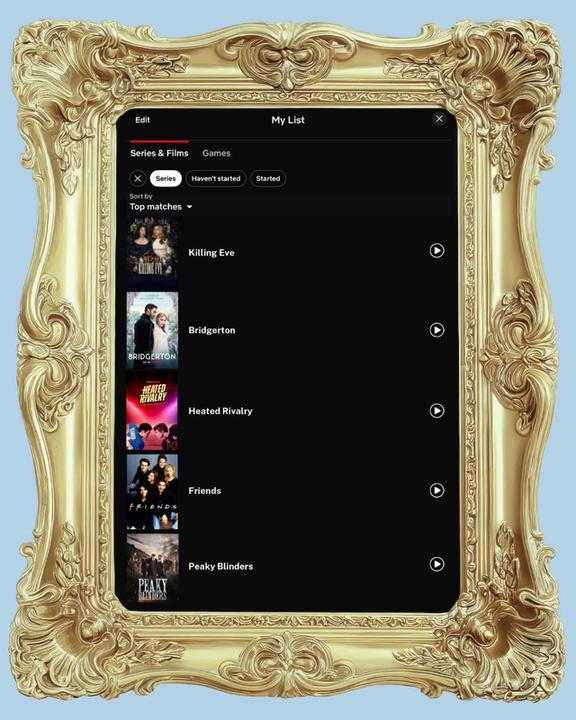
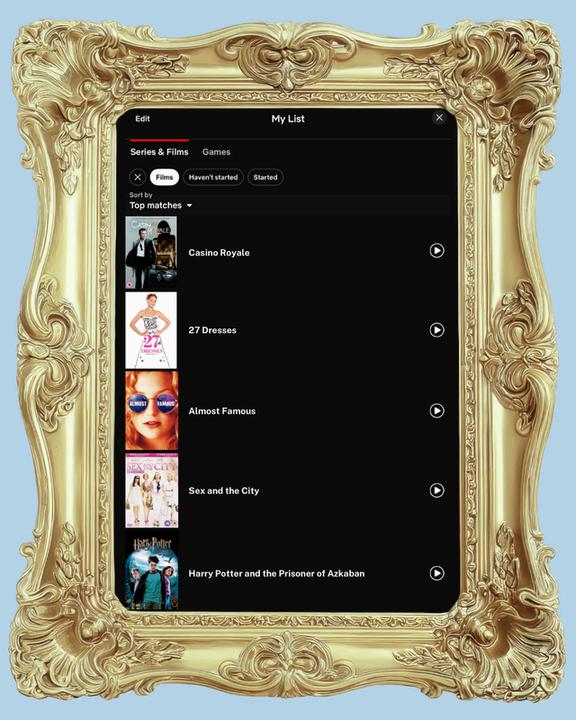
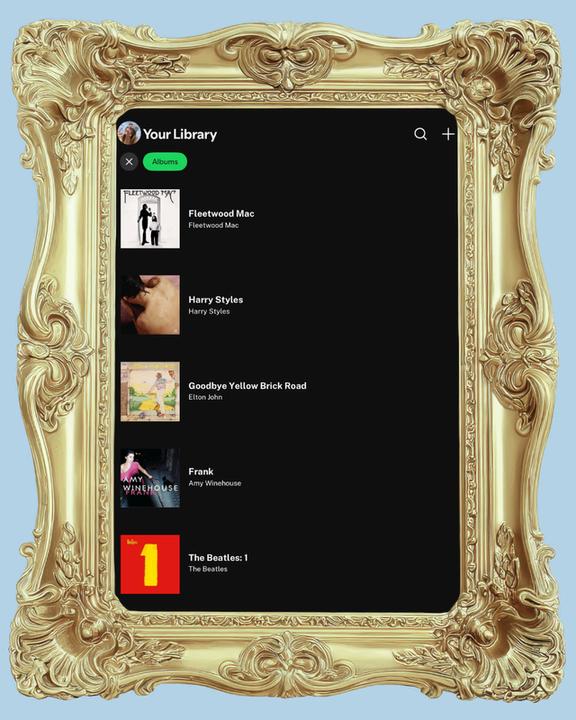
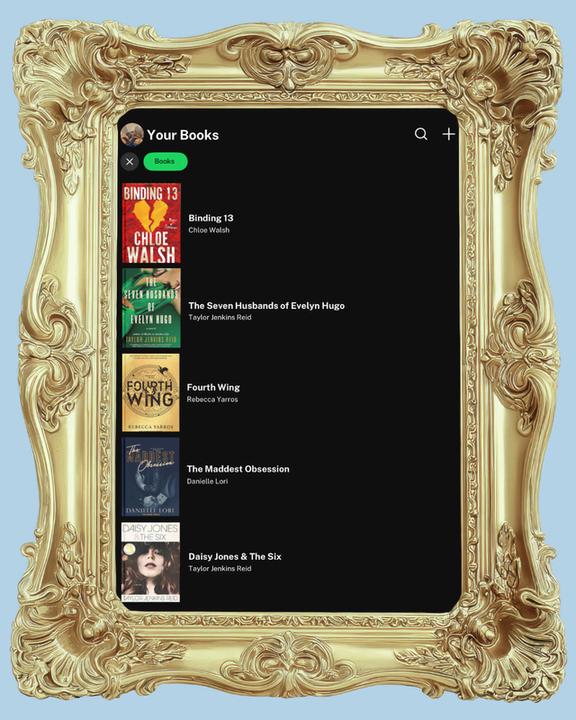
Taken together, your favourites paint a pretty consistent picture. There’s range, but it’s not random.
You’re drawn to emotionally intelligent stories. Not just romance, but relationships with tension, power shifts, longing, loyalty, and consequences. Killing Eve, Peaky Blinders, Bridgerton, Sex and the City, Casino Royale all sit in that space where desire, control, and identity overlap. You like characters who are complicated, self-aware, and slightly guarded, people who feel deeply but don’t spill everything at once.
There’s a strong pull towards intensity with polish. You enjoy drama, obsession, danger, and passion, but framed beautifully. Nothing sloppy or hysterical. Even chaos is curated. That suggests you ’ re comfortable with depth and darkness, as long as it’s handled with intelligence and style. Your books and music reinforce this. You gravitate towards longing, devotion, and emotional endurance. Stories about love that lasts, love that costs something, love that changes people. Albums like Fleetwood Mac, Amy Winehouse, Elton John, The Beatles sit with heartbreak, memory, and honesty rather than noise or novelty. You value feeling over trend.
There’s also a clear affection for romantic worlds. Fantasy, mythology, old Hollywood, cinematic storytelling, velvet-and-candlelight energy. You’re imaginative, but not naïve. You enjoy escapism that still feels emotionally real.
Overall, it suggests someone who: feels deeply but chooses carefully values emotional truth over spectacle is drawn to intensity, but only when it’s intentional appreciates beauty, style, and restraint takes love, loyalty, and connection seriously
You don’t consume stories to be distracted. You consume them to recognise yourself in them.
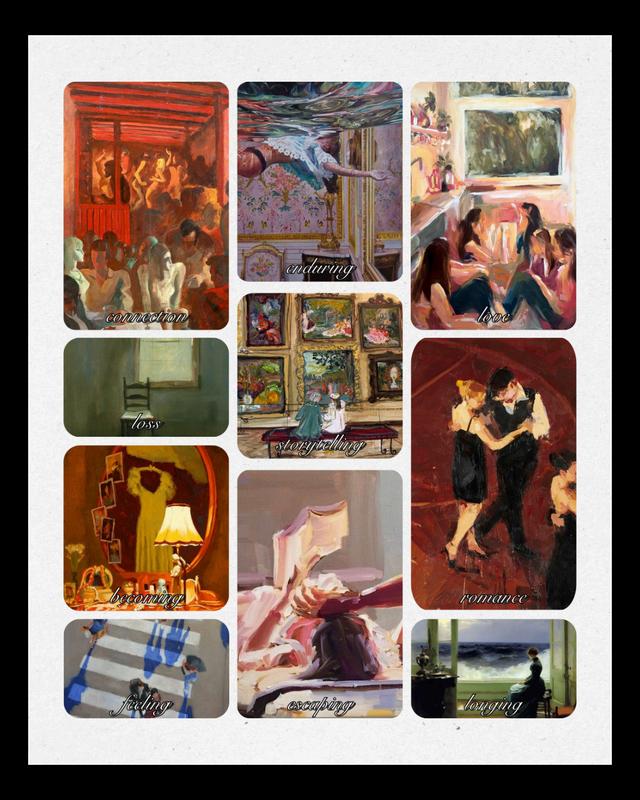
Emotion is the connecting thread between everything I’m drawn to. Fashion, books, music and film all move me in the same way. They create feeling first, and meaning second. A novel that lingers, a song that instantly takes me back, a film that reshapes how I see something, an outfit that changes how I carry myself. What I love most is not the medium, but the emotional response it creates. That depth of feeling is what makes experiences memorable, and memory is what gives them longevity.
In fashion communication, emotion functions as infrastructure. It is the underlying system that holds brand meaning together across visuals, language, sound and storytelling. Trends change, platforms evolve, but emotion provides continuity. When a brand understands the feeling it wants to evoke, every touchpoint can align around that emotional core. This creates coherence, recognisability and trust, allowing audiences to intuitively understand a brand without needing to be told what it stands for.
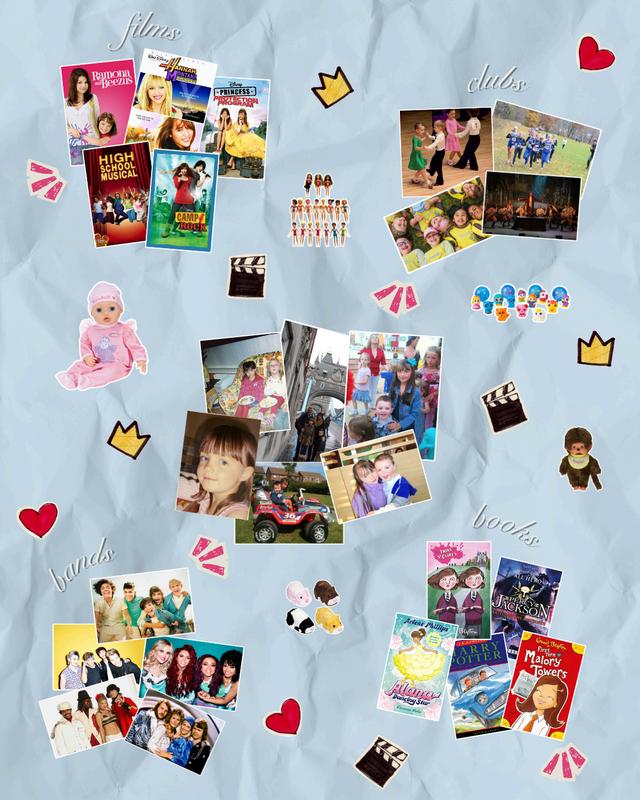
During one of my tutorials, I was encouraged to think about nostalgia. I started by looking back at the things I loved when I was younger, such as my favourite films, bands, books, clubs, and toys. As I reflected on them, I noticed a pattern. Many of these interests shared an underlying sense of romance, music, and fantasy. The films I loved were often shaped by music and romantic storylines, while the books I returned to were rooted in fantasy.
Nostalgia creates a feeling of trust and familiarity. It gives us emotional access to the past and can make us feel less alone. I am also interested in the way nostalgia connects to luxury, as both depend on memory, longevity, and a sense of cultural continuity over time.
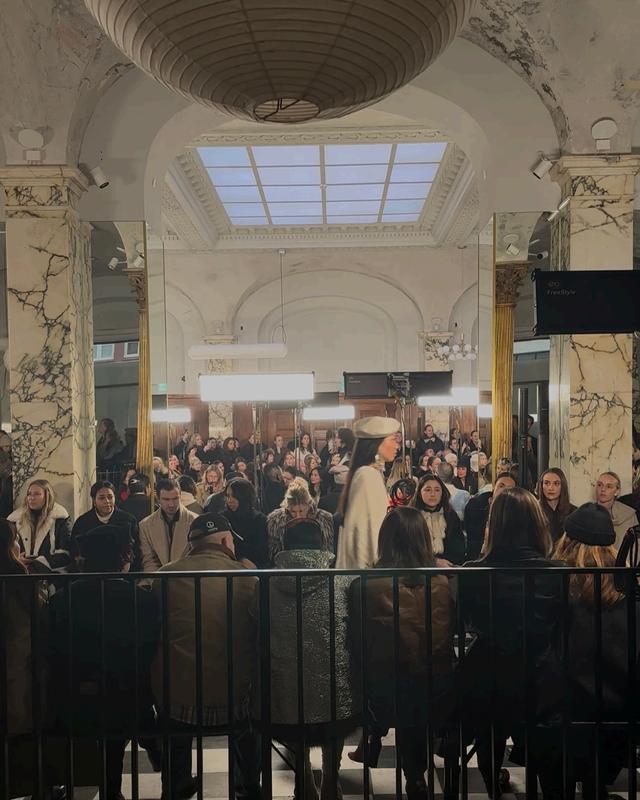
The CPHFW talk programme opened with a future-facing conversation marking the brand’s 20-year anniversary. The panel focused on what fashion needs to unlearn and rebuild if it’s going to be sustainable, responsible, and human long-term. What stayed with me was the emphasis on legacy over speed. It felt grounding to hear leaders speak about endings, transformation, and care as valid forms of progress, especially in an industry obsessed with constant growth.
The digital mirror
This talk explored how technology is reshaping fit, body confidence, and online shopping. The discussion moved beyond efficiency and returns, focusing instead on psychological comfort and inclusivity. I found it interesting how data and emotion were spoken about in the same breath. It reminded me that innovation only works when it understands people, not just systems.
Fashion as a platform for identity and expression
The final talk centred on fashion as a tool for identity, expression, and resistance. Creatives spoke about clothing as language, movement as storytelling, and fashion as a way of holding memory and politics. This resonated deeply with me. It reinforced why I’m drawn to fashion communication in the first place. Fashion isn’t just visual, it’s emotional, personal, and often deeply political.
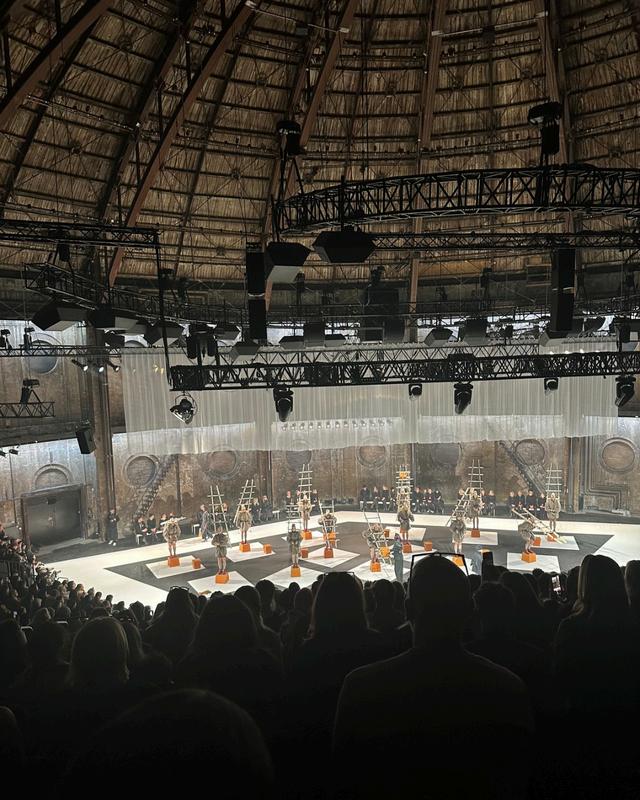
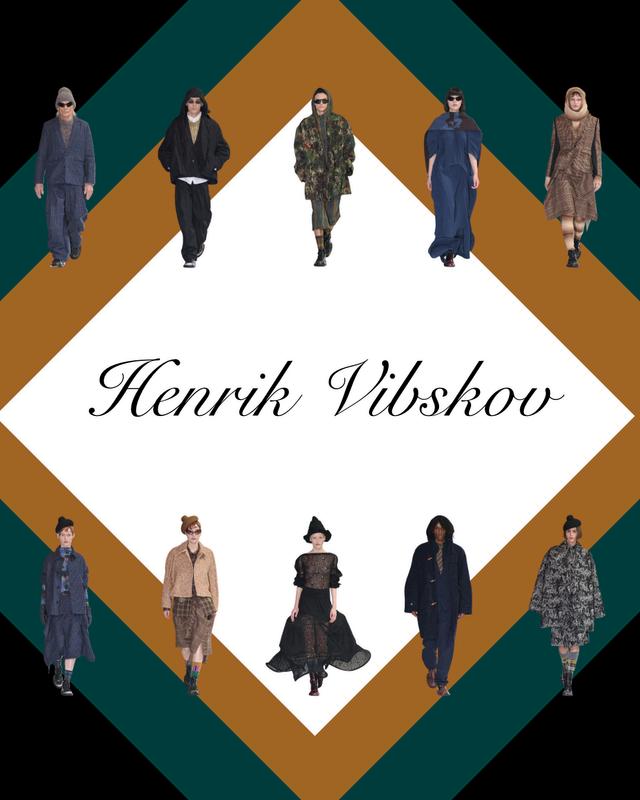
Henrik Vibskov
Vibskov’s show felt closer to a performance than a conventional runway. The set and styling created a surreal atmosphere where the clothes existed as part of a wider world rather than as isolated pieces. There was a sense of play and experimentation, but everything felt deliberate and thought through.
Reflection: I found myself responding more to the feeling of the show than to individual garments. It reminded me that what stays with me in fashion is often mood and imagination. This show reflected the way I connect to creative work through emotion first, then meaning, and reinforced my interest in how atmosphere can shape brand perception.
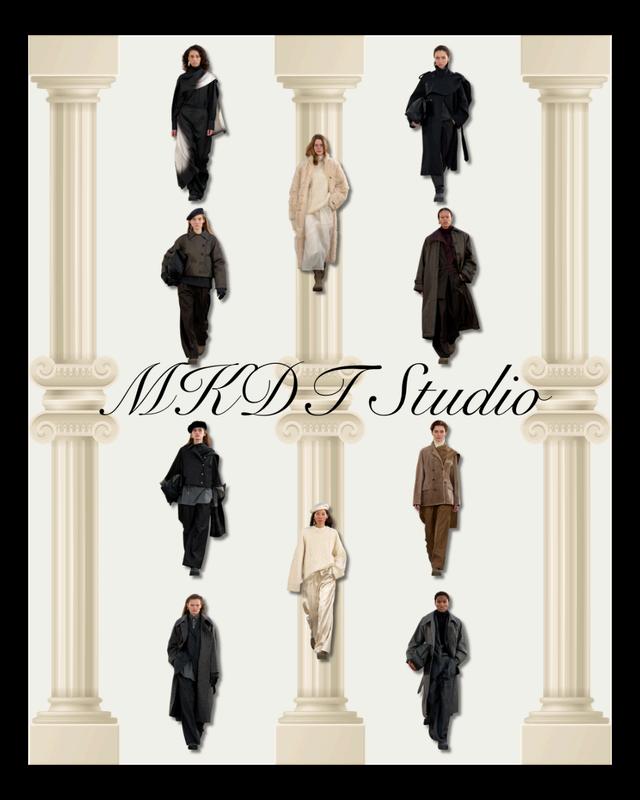
MKDT Studio
MKDT’s runway was calm, controlled, and stripped back. The focus on tailoring, texture, and proportion gave the collection a quiet confidence. Nothing felt rushed or overstated, and the show trusted the clothes to speak without embellishment.
Reflection: This resonated with my own taste for restraint and longevity. I’m drawn to things that feel considered and well edited, and this show made me think about how clarity and simplicity can be powerful communication tools. It felt aligned with how I prefer to express ideas without overexplaining them.
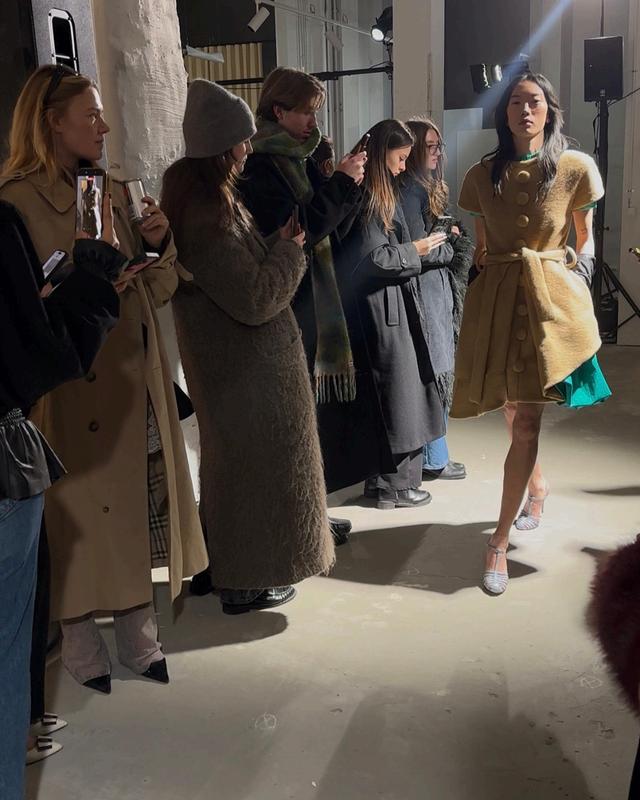
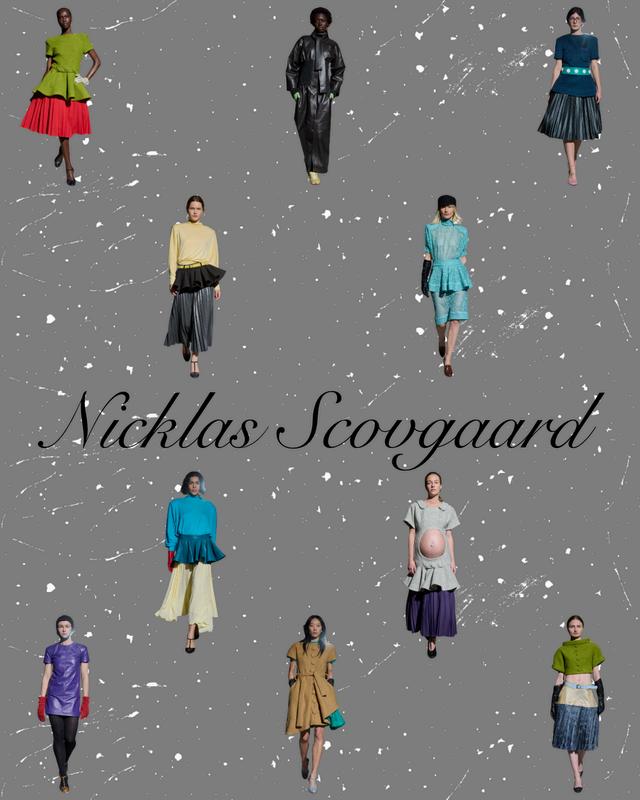
Nicklas Skovgaard
Skovgaard’s show carried a soft, romantic tone balanced by structure and precision. The silhouettes felt expressive and emotional, with a strong sense of narrative running through the collection. It felt personal rather than trend-led.
Reflection: This show connected closely to my love of storytelling across fashion, books, and film. I was drawn to how emotion was embedded in the clothes, not just styled on top. It reinforced my interest in fashion communication that centres feeling, memory, and identity, and why I’m instinctively drawn to brands that make me feel something rather than just impress me visually.
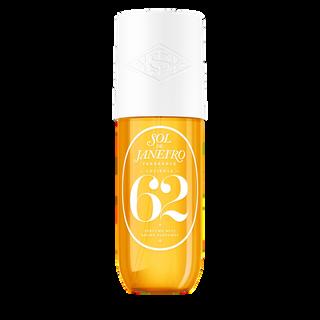
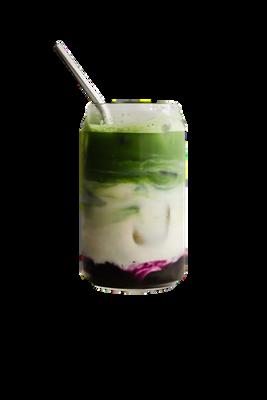
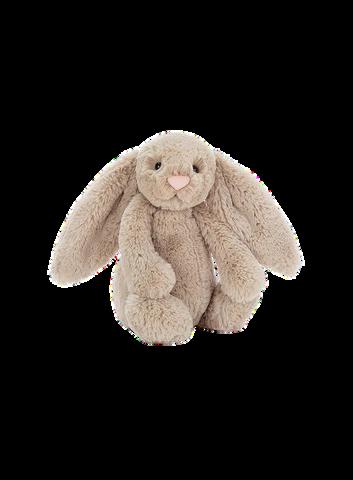

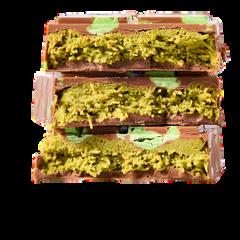
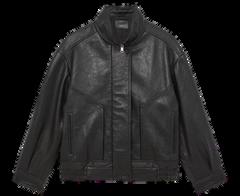
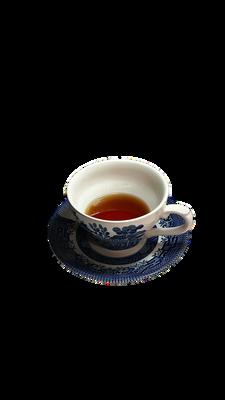
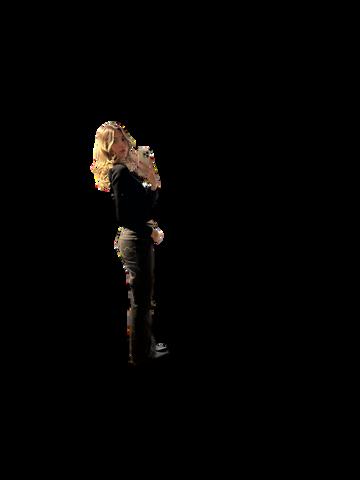
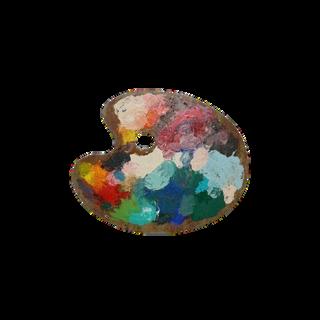
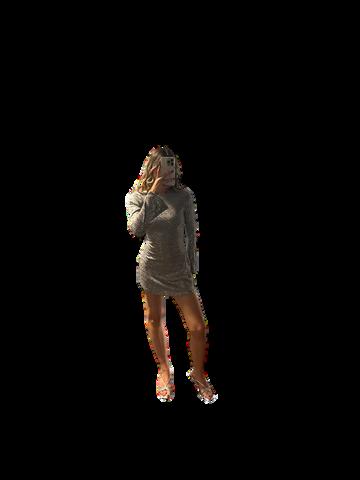

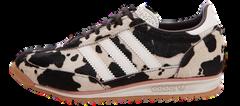
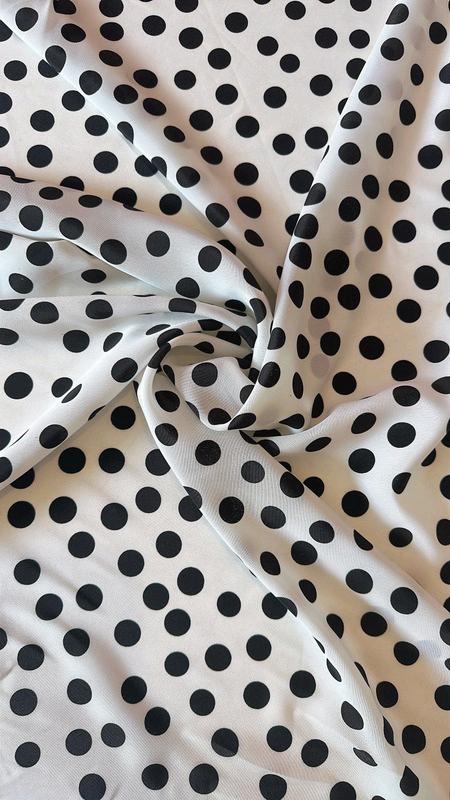
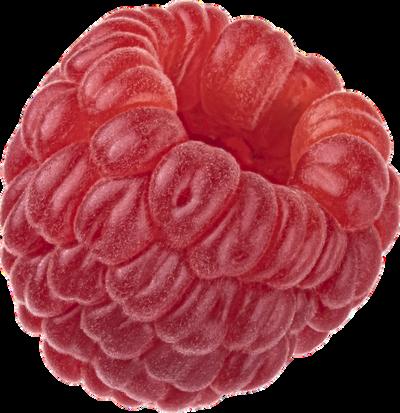

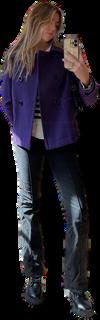
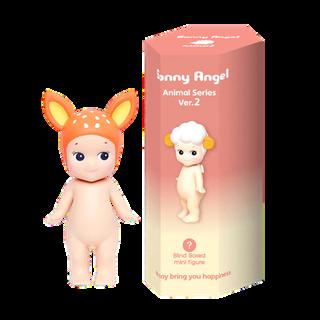
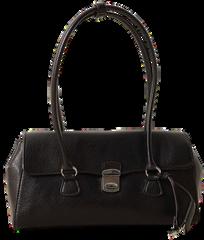

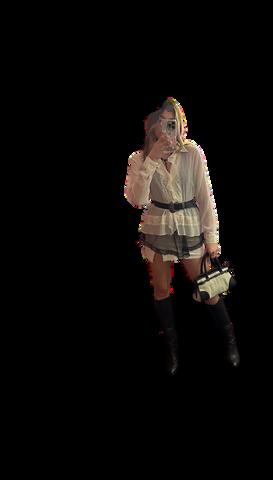
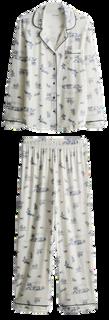

I want my work to prioritise emotional longevity over immediacy. I’m less concerned with creating things that only live in the moment, and more interested in whether the work can continue to resonate once the surrounding noise has faded. I don’t reject trends, as they help me stay culturally aware and often exist for good reason. However, I am careful not to let them define my decisions. Instead of chasing relevance, I want my work to find it naturally through intention, honesty, and emotional depth.
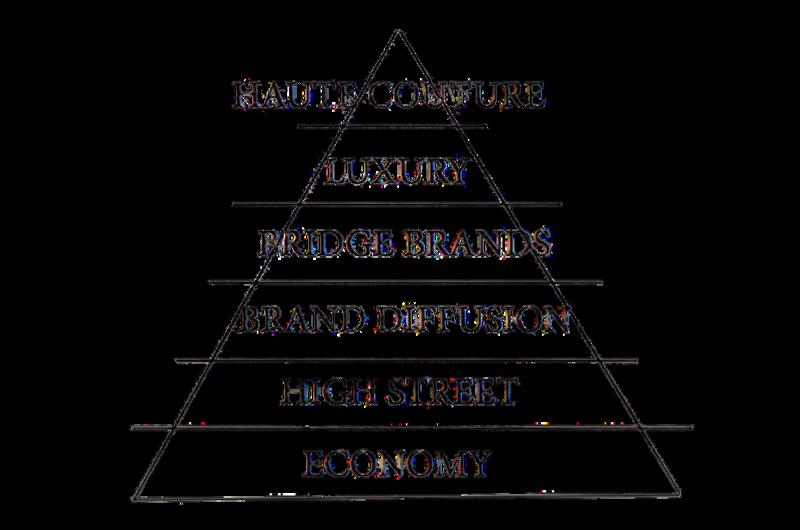
I want to work in high-end and luxury fashion because I am deeply drawn to the way brands communicate feeling and identity, not just product. I have always been more interested in the atmosphere around fashion than the object alone, the emotions it evokes, the worlds it suggests, and the stories it quietly tells. Luxury brand communication allows space for this kind of storytelling, where meaning is built through tone, imagery, and restraint.
I am particularly interested in the relationship between luxury brands and their audience. Luxury consumers often engage emotionally, responding to narrative, mood, and cultural reference rather than immediacy. I find it compelling how trust is built over time through consistent communication, and how brands invite people into a shared emotional space rather than pushing for attention.
Storytelling sits at the centre of how I want to work. My interests in literacy, music, and nostalgia strongly influence how I understand emotion and narrative. I am motivated by creating work that lingers, that people return to, and that feels emotionally familiar without being repetitive.
Working in luxury brand communication feels like a natural extension of how I see and interpret the world. It allows me to combine emotional sensitivity with cultural awareness, shaping stories that feel intentional, intimate, and lasting. This is the kind of environment in which I believe I can contribute most meaningfully and continue to grow.
Emotion is at the centre of how fashion communicates. People don’t connect to clothes because of logic alone. They connect because of how something made them feel in a specific moment. That feeling stays, and when it stays, it turns into memory.
Those memories are what build loyalty. A campaign that resonates, a brand that feels comforting or aspirational or deeply familiar, these emotional touchpoints layer over time. They create a sense of recognition and trust, where the brand feels less like a product and more like part of someone ’ s personal story.
Because of this, emotion-led storytelling isn’t just creative, it’s strategic. Trend-based messaging might grab attention quickly, but emotion builds longevity. In fashion communication, when a brand makes someone feel understood or seen, it moves beyond being worn for a season and becomes remembered. Remembered brands are the ones people return to, align with, and stay loyal to long term.
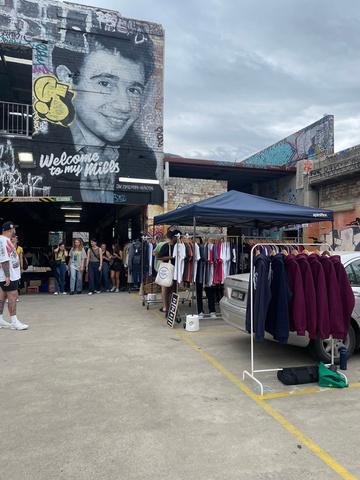
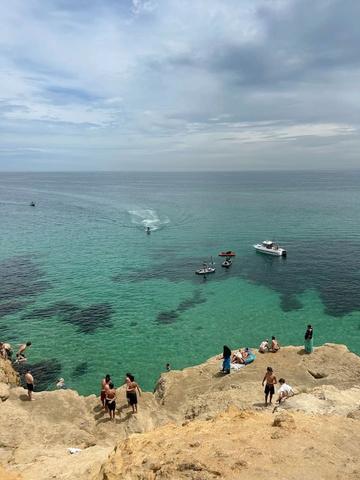
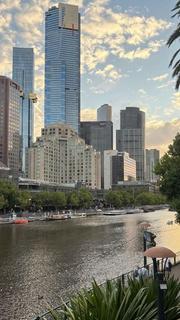
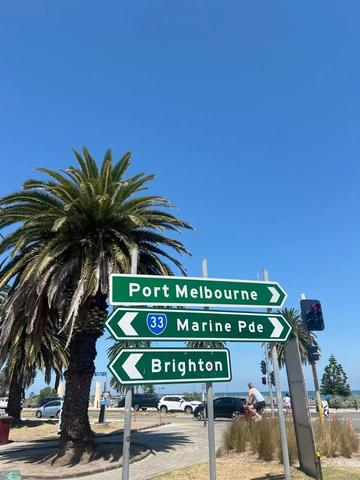
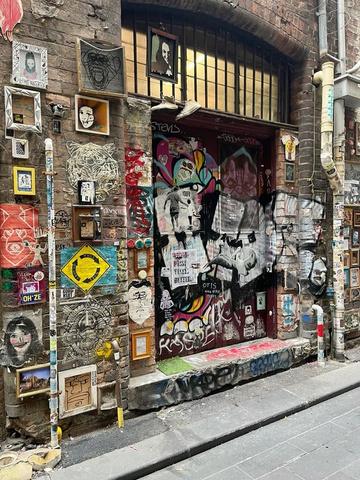

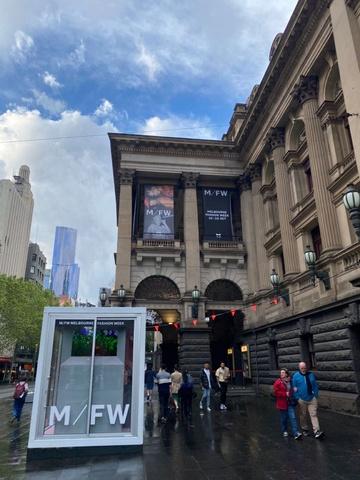
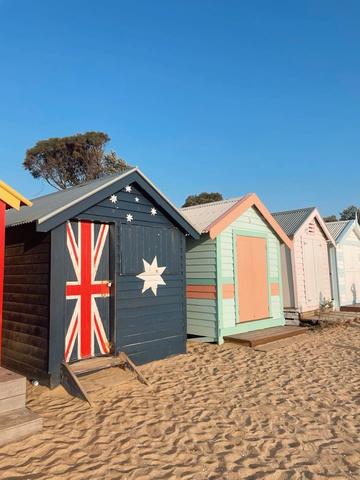
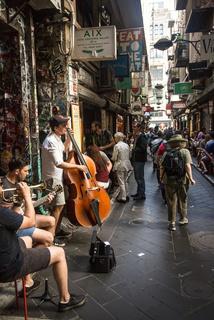
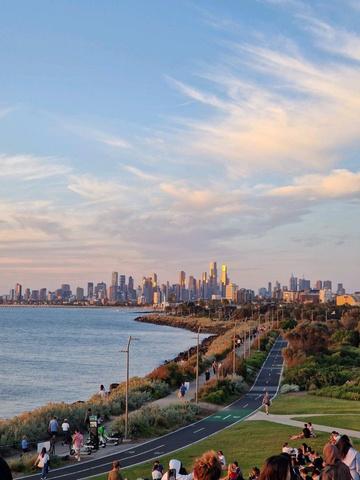
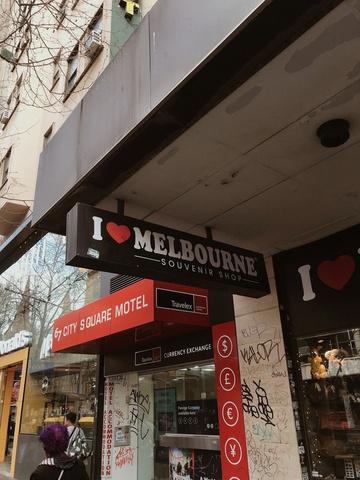
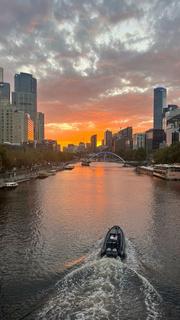
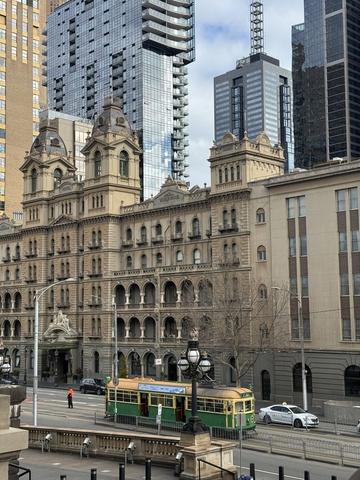
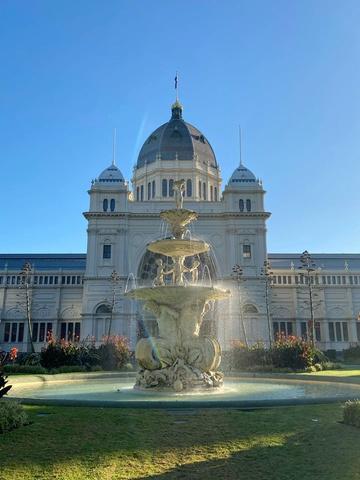
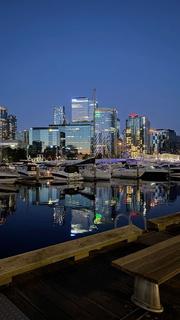
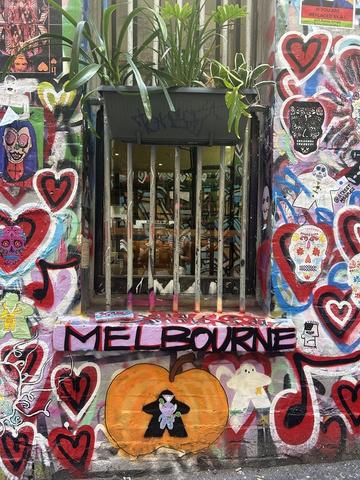

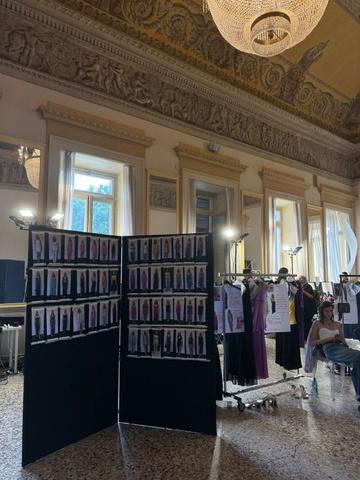
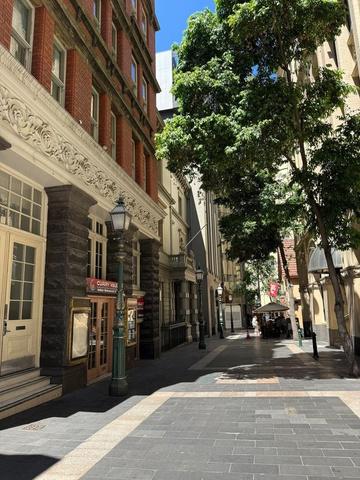
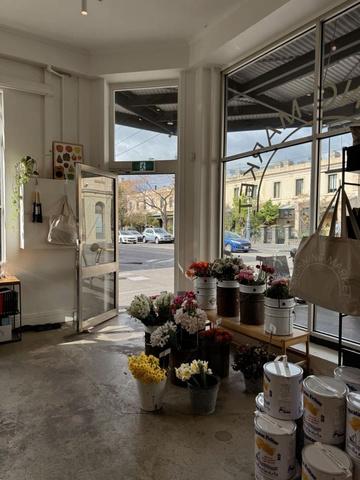
Melbourne appeals to me because of its strong creative identity and its deep engagement with culture. It is a city that values experimentation while still respecting craft, and where fashion, art, music, and design naturally overlap. There is a sense of sophistication in Melbourne that feels considered rather than performative, alongside a genuine openness to diversity, ethical thinking, and cultural exchange.
I feel aligned with Melbourne’s creative environment because it values imagination and emotional depth. My interest in building rich, lasting narratives, particularly through storytelling and emerging technologies, sits comfortably within a city that encourages innovation without losing sight of intention or quality. Melbourne feels like a place where creativity is thoughtful rather than rushed. Sustainability and purpose are also important to me, and Melbourne’s strong focus on ethical design and conscious consumption reinforces this alignment. I am interested in creating imaginative work that is also responsible, and in contributing to brands that consider their cultural and environmental impact.
Within the fashion industry, Melbourne offers a space where luxury, innovation, and storytelling intersect. The city’s growing interest in digital and experiential communication aligns with my desire to create emotionally engaging brand narratives that extend beyond the product itself. Melbourne feels less like a backdrop and more like an active participant in the kind of work I want to make.
Overall, Melbourne feels like a city that reflects how I think and create. Its balance of creativity, sophistication, and cultural awareness mirrors my own values, making it a place where I can contribute meaningfully while continuing to grow as a storyteller within luxury fashion.
Melbourne aligns strongly with my creative values, particularly its emphasis on cultural depth, ethical awareness, and considered design. However, this alignment also requires critical awareness. In a city where creativity and subtlety are expected, there is a risk of my work blending into an already refined visual language. This challenges me to communicate emotion and narrative with clarity and distinction, rather than relying on atmosphere alone.
Melbourne’s focus on sustainability and innovation further reinforces this need for accountability. Ethical positioning is not optional, and digital experimentation can easily become trend-driven if not carefully managed. From my perspective, working within Melbourne’s fashion landscape requires ongoing negotiation between sensitivity and confidence, innovation and restraint. It is within this tension that my practice can develop with intention and depth.
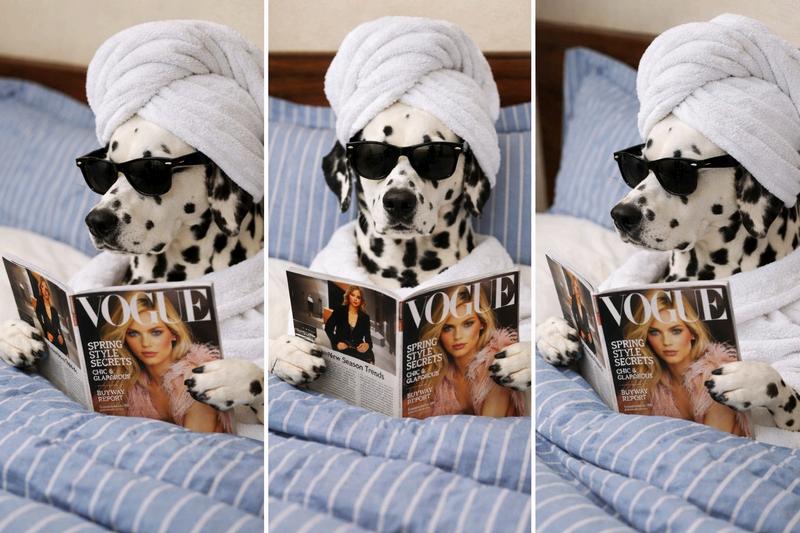
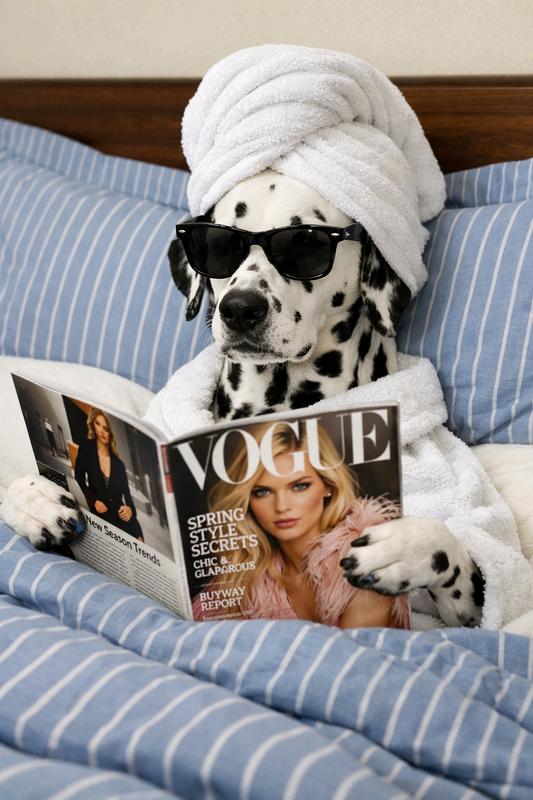
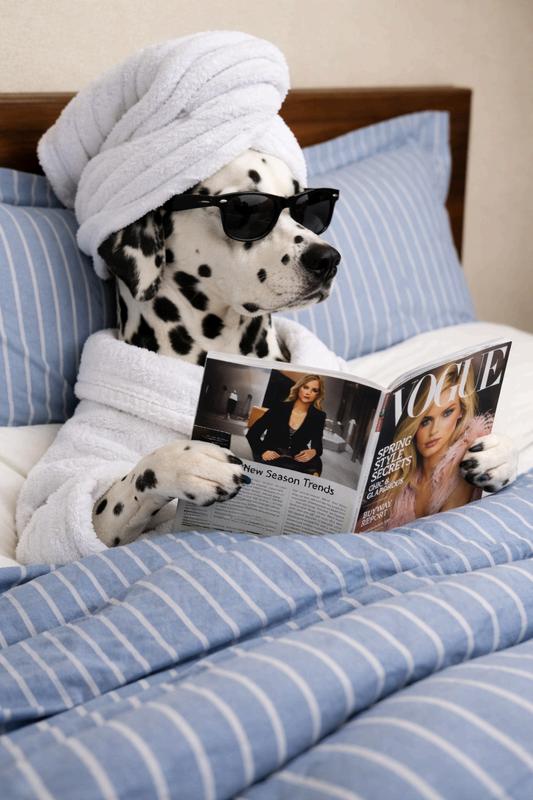
Using AI in fashion feels both exciting and uncomfortable, which is why it matters to me. Fashion has always evolved alongside its tools, but AI feels different because it shapes not only how things are made, but how ideas begin. My interest in AI is not in replacing creativity, but in extending it. Used thoughtfully, it can support research, speed up visualisation, and help articulate ideas that might otherwise remain internal.
Within the Australian fashion industry, there is clear hesitation around AI, often driven by fears of job loss, loss of craft, or a perceived threat to authenticity. I understand this resistance in an industry grounded in human intuition however avoiding technology entirely risks disconnecting fashion from global shifts already underway. I see AI not as a replacement for creative roles, but as a tool that still depends on human direction, taste, and critical judgement to be meaningful.
From a sustainability perspective, my relationship with AI is conflicted. It relies on energy-intensive systems and data infrastructure making it unsustainable. At the same time, when used selectively, AI can help minimise physical sampling, reduce repetition, and support more considered decision-making. Sustainability, for me, is less about technological solutions and more about how tools are used within existing systems.
On a personal level, engaging with AI makes me more employable because it reflects adaptability. Understanding how to use these tools critically, and when not to use them, feels increasingly important. In fashion communication, where storytelling and cultural awareness are central, AI works best as support rather than a voice. Sitting between creativity and technology feels essential in an industry negotiating its future.
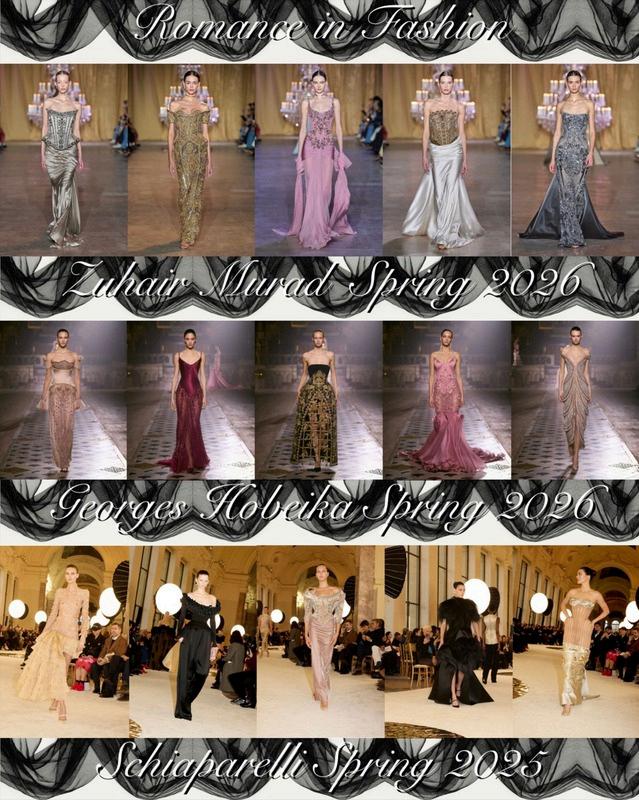
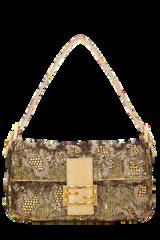
reflects my attraction to pieces that feel like they have a past. I’m drawn to draping, couture details, and historical silhouettes because they feel thoughtful and emotional, not decorative for the sake of it. This kind of romance is quiet and considered. It connects to my wider taste for things that linger and carry feeling, whether that’s fashion, books, or films. I’m always drawn back to fashion that feels archival and rooted in storytelling.
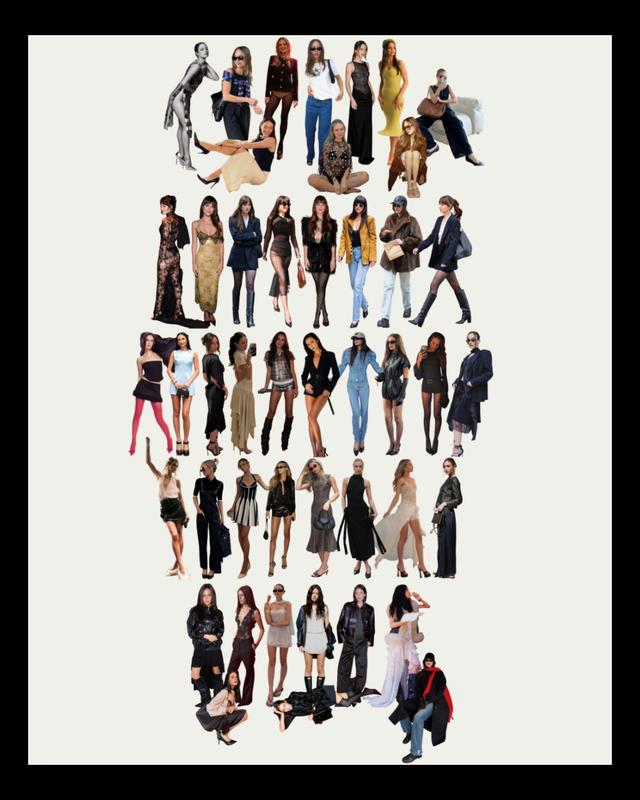
sits at the centre because it feels like a bridge between fantasy and real life. I’m less interested in celebrity as spectacle and more in how clothes change once real people wear them. This is where my interest in fashion communication comes through most clearly. I care about how meaning shifts outside the runway, how garments are lived in, interpreted, and emotionally received.
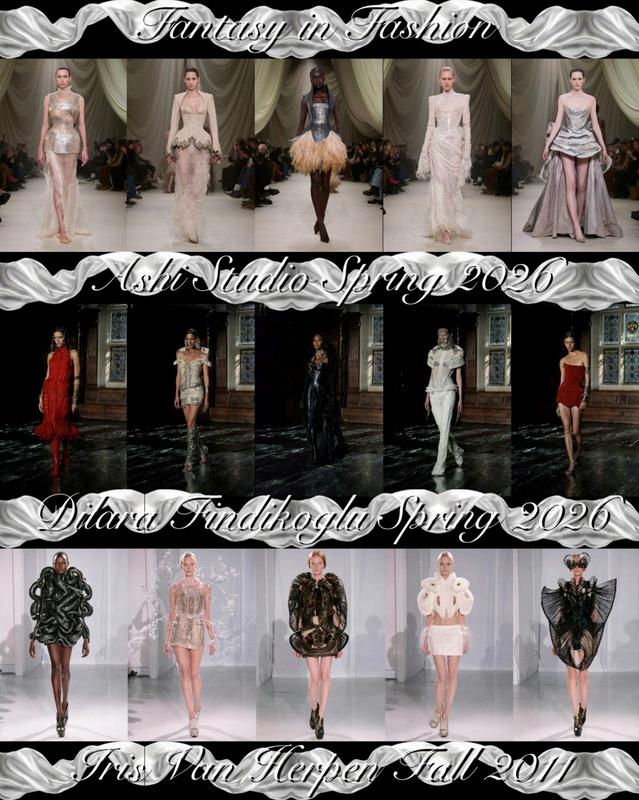
represents the other end of my emotional taste. This is where fashion becomes immersive and expressive. The theatrical silhouettes and dramatic staging reflect my love of escape and atmosphere. Fantasy isn’t about excess for its own sake. It’s about imagination and emotional release and it mirrors my pull towards creative worlds that allow me to feel something different, even briefly.
What connects all three is emotional coherence. I’m consistently drawn to fashion that communicates feeling, whether that feeling is nostalgia, identity, or escape. My signature lies in this balance between restraint and expression, intimacy and spectacle. Rather than following trends, my taste is guided by mood, memory, and narrative. This image reflects how I curate fashion as a language, using recurring emotional markers to create meaning that feels personal, considered, and lasting.
I want to craft emotionally rich, timeless narratives in luxury fashion, using storytelling and AI to communicate brand identities in ways that blend nostalgia, escapism, and modernity.
I aspire to create content that is imaginative, sustainable, and commercially impactful, helping high-end brands resonate with audiences and leave a lasting impression.
You’re drawn to emotionally rich, timeless narratives, which shows you care deeply about the emotional and aesthetic impact of your work. You’re not interested in superficial or fleeting trends; you aim to craft experiences that linger.
The way you talk about using storytelling and AI to communicate brand identities shows you can blend artistry with strategy. You’re not just creating for beauty you want it to serve a purpose: building a brand, resonating with an audience, leaving a lasting impression.
The focus on luxury fashion and timelessness implies refined sensibilities and an appreciation for quality, heritage, and cultural significance.
Your emphasis on nostalgia, escapism, and modernity suggests you understand what moves people emotionally and can craft experiences that connect on a deeper level.
Wanting to blend AI with storytelling shows openness to new technology and forward-thinking approaches. You’re not stuck in traditional methods you ’ re looking for ways to elevate creativity with modern tools.
Words like sustainable and commercially impactful indicate a desire to make work that is meaningful and ethical, while still achieving real-world success.
The overarching goal of helping brands resonate and leave a lasting impression signals that you aim for enduring influence, not just short-term recognition.
In short, this statement paints you as a visionary creative professional: emotionally attuned, strategically minded, aesthetically sophisticated, techsavvy, and purpose-driven. You care about both the heart and the mind of your audience, and you want your work to be remembered.
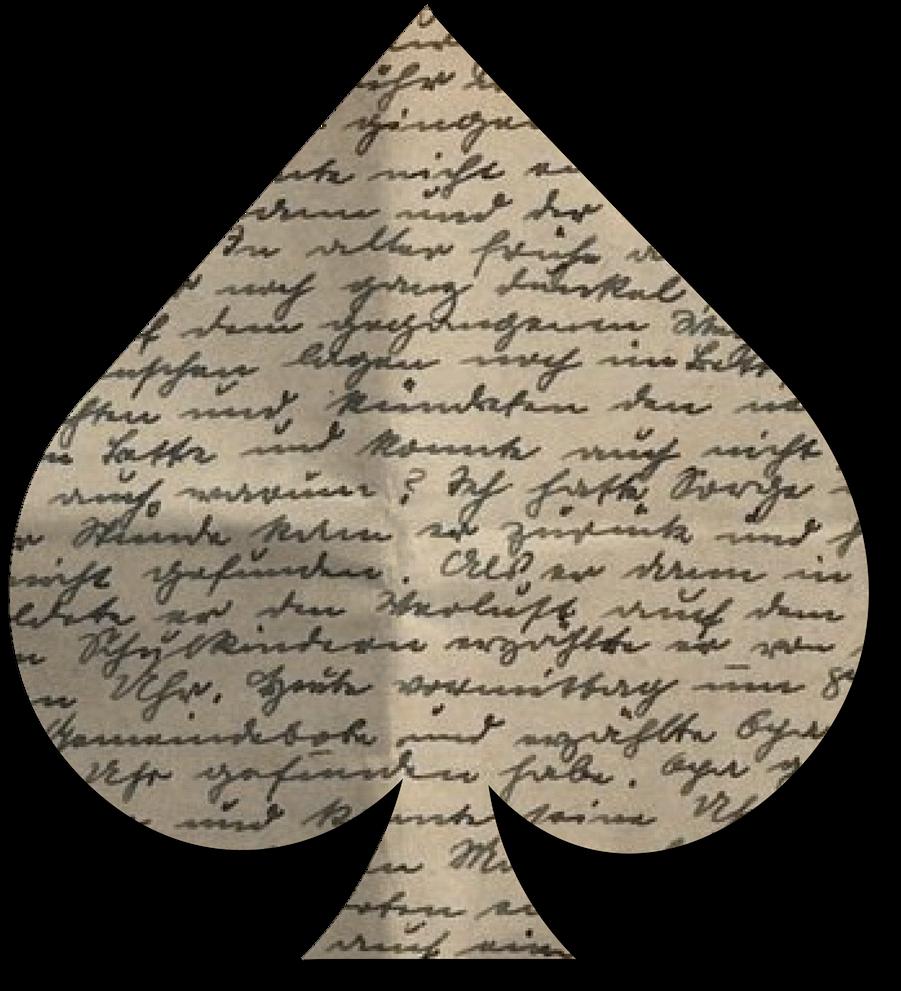
Wax seal - nostalgia, history, storytelling, literacy
The font looks like a neater version of a combination of mine and my grandfathers handwriting my colours dark brown and dark blue - my hair and eyes
Cards - strategy, connection
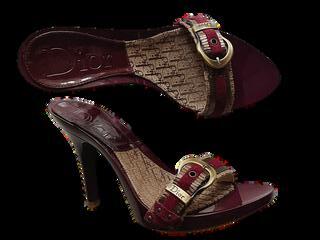
Femininity - romance
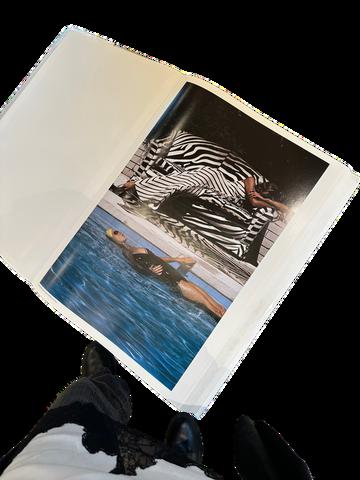
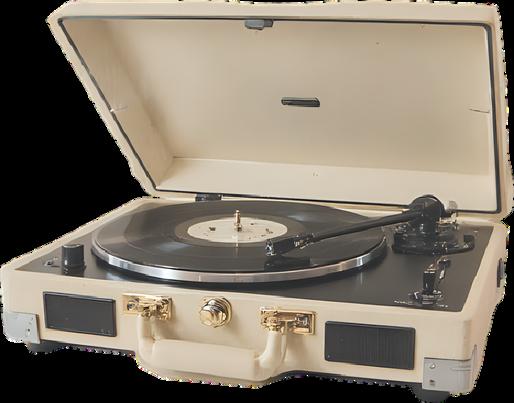
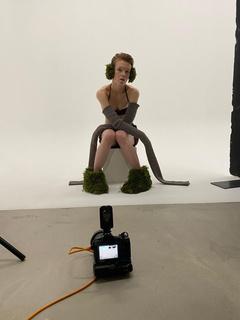
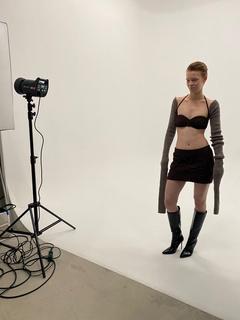
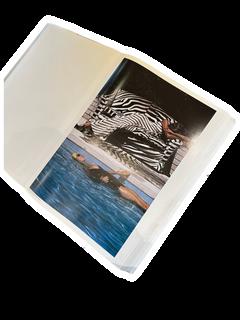
Music - emotion BTS images from a photoshoot I assisted on for a magazine
Vogue Editorial shot in Melbourne that I found in Copenhagen

Angel wing - Loss & fantasy
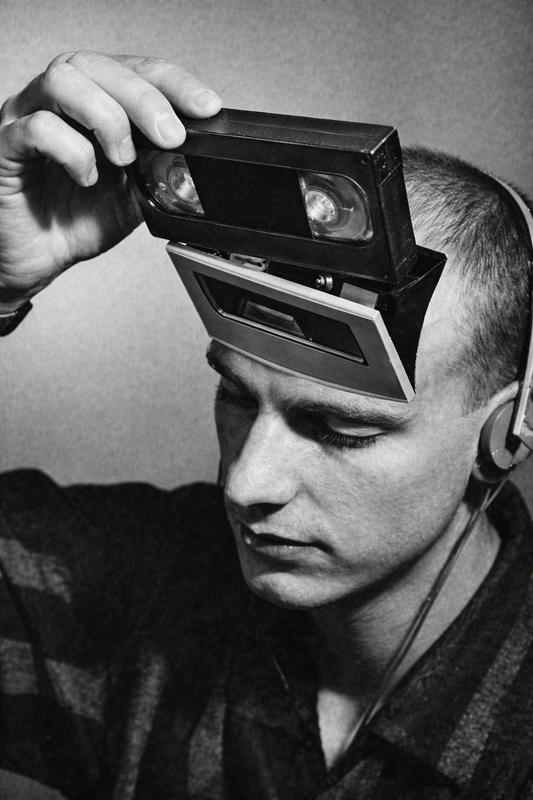
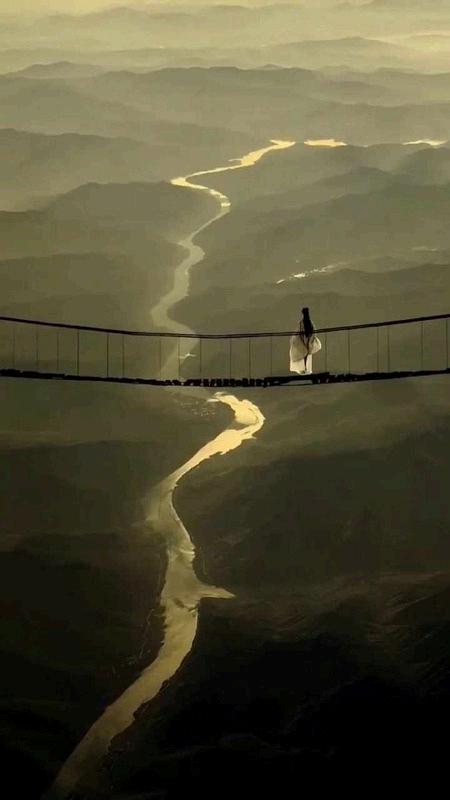
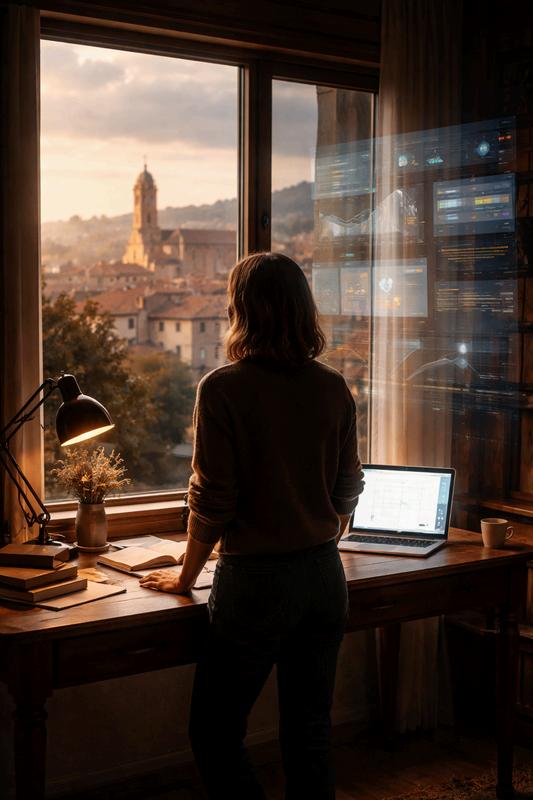
I was told that these images read as brutalist, and that I needed to decide whether I identify more as a brutalist or a romantic. I chose the first image because it reflects my relationship with my personal Instagram profile. I am a private person; I prefer to keep my memories to myself or share them directly with people I care about, where they can spark genuine conversation. I don’t enjoy the performative nature of social media, and I don’t want to concern myself with the perceptions of people who don’t truly matter to me. That said, I’m honest enough to acknowledge that those opinions can still have an impact. I am confident, but I am still human. While I value consuming media and believe it’s important for staying culturally aware, I rarely post. My memories are for me, and for those I intentionally choose to share them with.
I chose the second image because it captured my boot camp journey perfectly. The experience was rooted in introspection and self-understanding, looking back at the past to better understand the present, and using that awareness to carve a clearer path forward.
I created the third image using AI, responding to the prompt of how technology can be used in my career, along with its positive and negative effects. While AI undeniably has significant drawbacks and it’s essential, for the sake of the planet and society, to remain critically aware of them, I don’t feel personally threatened by it. Technology can assist, generate, and optimise but it can never replicate my thoughts, my emotions, or my lived experience.
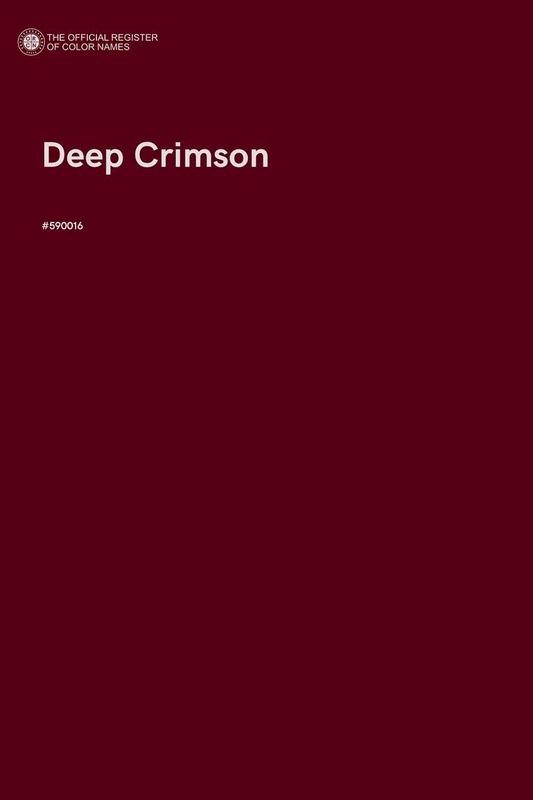
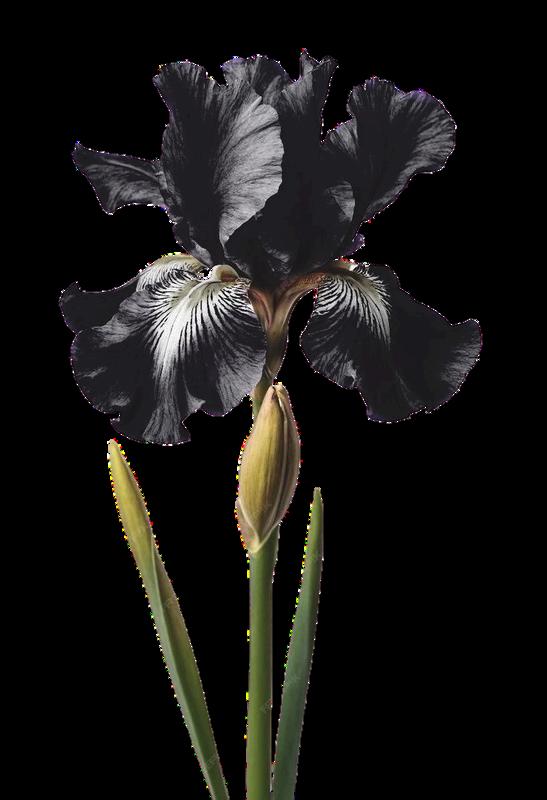
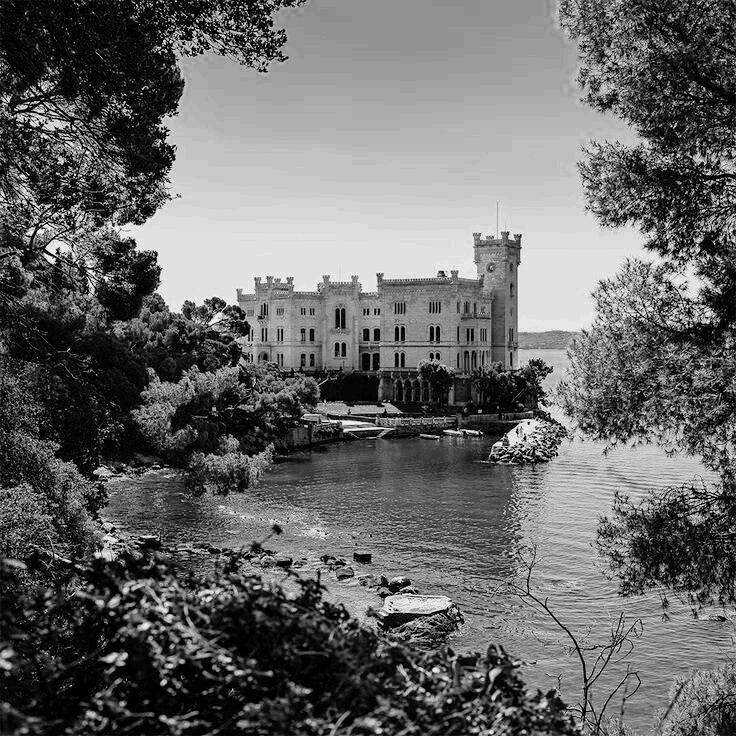
I gave a description of myself into ChatGPT, told it I need to decide what colour, flower and building I am. I then asked it questions to help me determine the answers and give me options. Deep crimson. It’s not flashy or impulsive; deliberate, warm, and steady. It reflects love and emotion that deepen over time, bold yet restrained, intimate yet earned. It mirrors my careful approach to feelings and the value I place on emotional truth.
A black iris. Strong, resilient, and intentional. It blooms quietly in challenging conditions, reflecting depth, endurance, and thoughtful selfexpression. It mirrors my blend of sensitivity and strength, and my measured way of engaging with the world.
A Mediterranean palacio-fortaleza on a cliff. Solid, enduring, quietly present. Outside, restrained and protective; inside, calm, warm, and inviting. Beauty is considered, not loud. I reveal myself slowly, welcoming those I trust, balancing strength with care. It also reflects my spanish heritage.
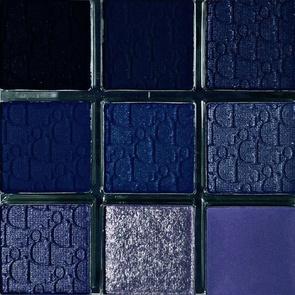
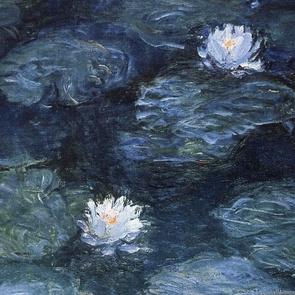
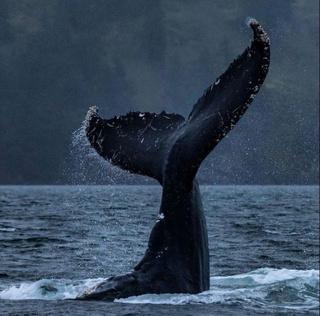
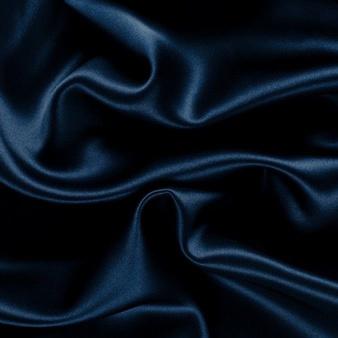
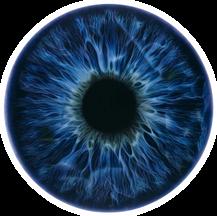
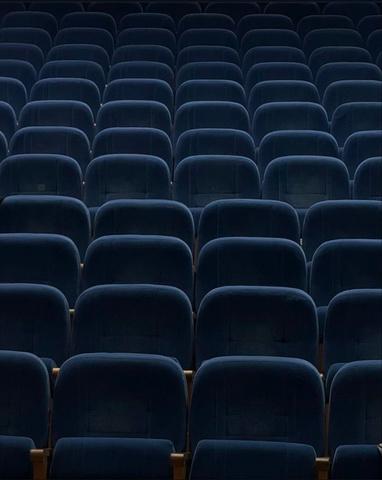
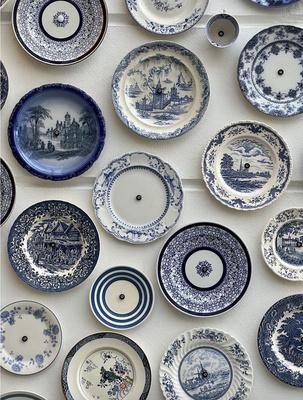
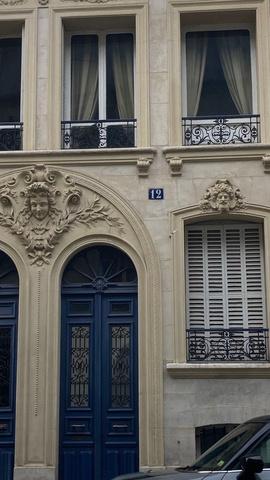
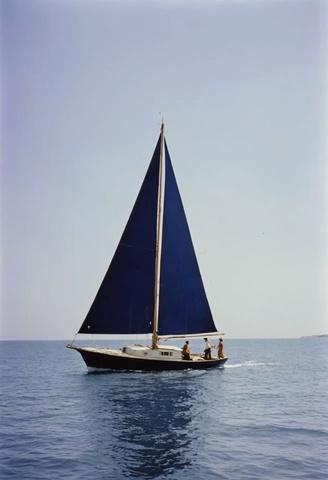
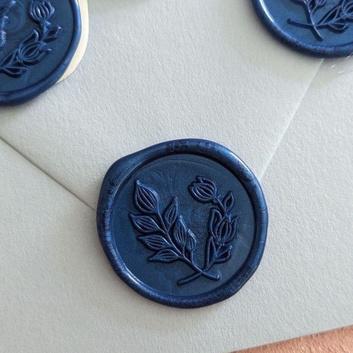
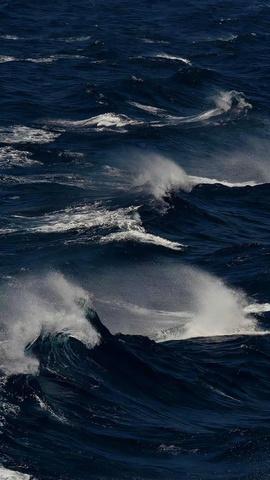
I have since decided to change my colour from deep crimson to a dark blue. It reflects my love of the sea, the depth of my emotions, my self-awareness and articulation. Dark blue is associated with thought, language and clarity which aligns with my love of books, music, films and fashion communication. It mirrors my attraction to story and atmosphere. Within fashion it’s confidence that doesn’t need to dominate which matches how I move through creative spaces; observant, emotionally intelligent, and ambitious. I’m drawn to longevity over hype, to brands and ideas that feel anchored rather than disposable.
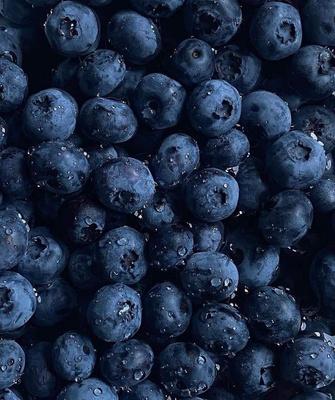

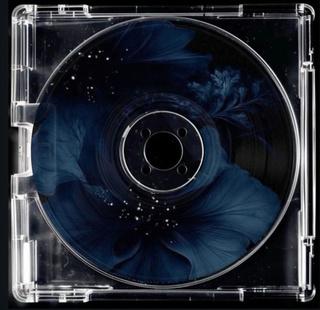
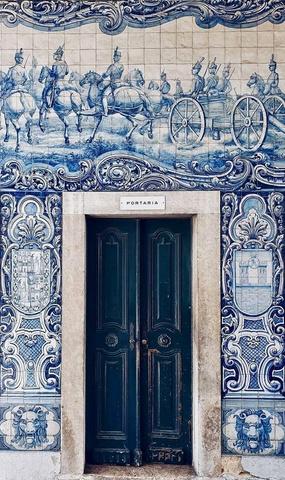
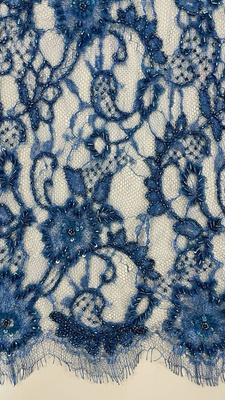
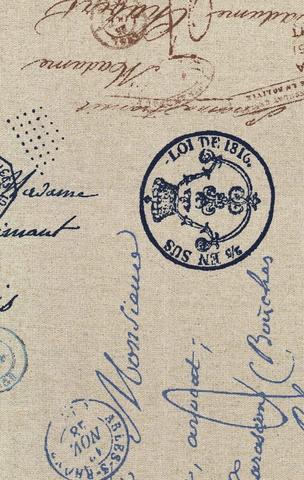
You give off a sense of stability and dependability. People would trust you, knowing you think things through and don’t act impulsively.
You’re drawn to classic elegance, not fleeting trends. Your tastes, values, and style lean toward what lasts, not just what’s flashy or loud.
Like deep navy water, you have a calm, reflective presence. You process emotions and ideas carefully, and you probably bring clarity to situations that feel chaotic to others.
You don’t feel the need to constantly prove yourself. Your confidence is quiet, measured, and assured you let your work and ideas speak for you.
There’s a subtle intensity to #003D75, suggesting you think long-term, plan ahead, and care about leaving a meaningful, lasting impact.
While it’s a serious, professional color, there’s richness and depth, hinting at your capacity for creativity, imagination, and nuance, especially in areas like storytelling and luxury branding.
In short: if you were #003D75, you’d be someone who’s elegant, thoughtful, reliable, and quietly confident, with a deep creative soul beneath a poised exterior.
This project marked my first introduction to working within a fashion context and became a formative experience in shaping how I view fashion as a storytelling medium. Beyond developing practical skills such as Photoshop and visual composition, the project encouraged me to critically research brand history and identity. I was particularly struck by the realisation that even established couture houses are not fixed institutions, but are continuously shaped by the individuals behind the scenes. This challenged my previous perception of luxury brands as timeless and untouchable, and instead revealed them as evolving narratives driven by creative vision, power, and cultural context.
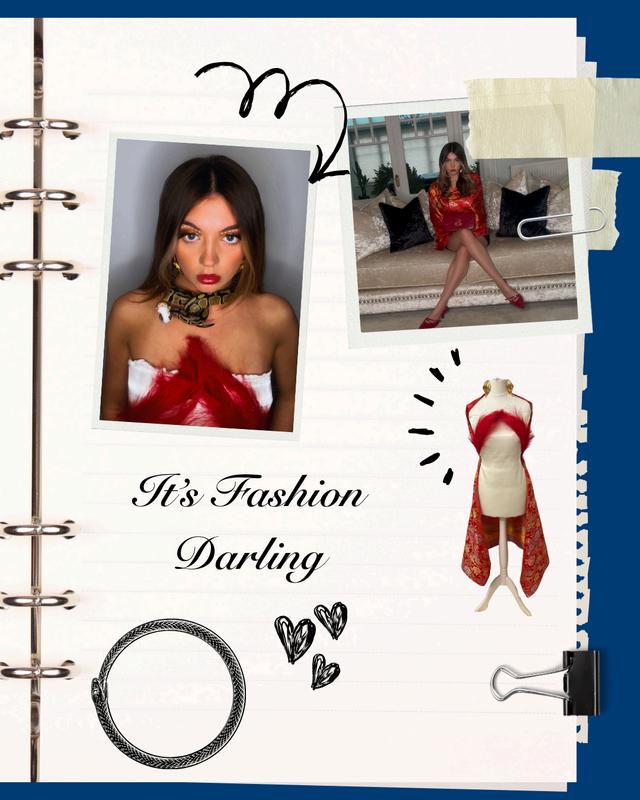
I consciously took creative risks in this project, throwing myself fully into both the conceptual and visual elements. Drawing on my long-standing interest in mythology, I used the Ouroboros as a narrative device, symbolising rebirth. Modelling with a snake around my neck was an intentional act of vulnerability and commitment to the concept, reinforcing my willingness to take risks in order to strengthen storytelling. This project also affirmed my love of research, as I found that the deeper my understanding of symbolism and brand identity became, the more meaningful and cohesive my final outcome was. In retrospect, It’s Fashion, Darling clarified my desire to work in brand communication, where narrative, symbolism, and research-driven storytelling are central.
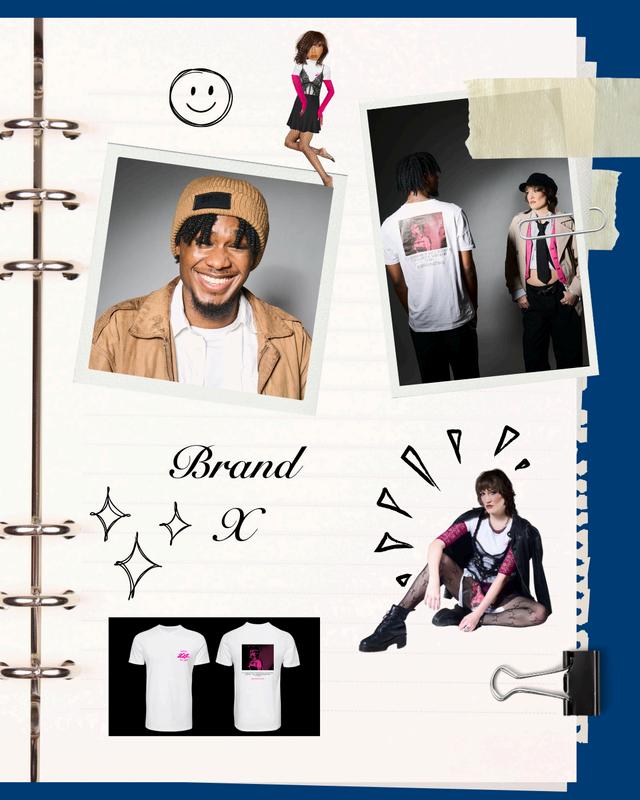
Brand X was probably my favourite project as it introduced me to a completely new aesthetic and way of thinking. Exploring the history of streetwear pushed me to consider fashion beyond the runway, focusing instead on subcultures, politics, music, and the communities that shape style from the ground up. I found the emphasis on the people behind streetwear particularly compelling, as it echoed my growing interest in fashion as a reflection of lived experience rather than purely visual trends. The use of documentaries as a research method significantly deepened my engagement with the project. Hearing creators speak in their own words added authenticity and emotional depth, allowing me to connect with the genre on a more personal level. This layered approach to research informed the development of my own narrative, which centred on the North/South divide in England which was a theme that was important to the client. I enjoyed the challenge of fulfilling a brief while still integrating my own interests, particularly punk culture, Vivienne Westwood, and the relationship between fashion and music.
Working in a pair presented both challenges and opportunities. While collaboration required compromise and clear communication, it also strengthened the final outcome by introducing perspectives beyond my own. This project reinforced the importance of balancing client expectations with creative identity which I think is an essential skill for working within brand storytelling and communication.
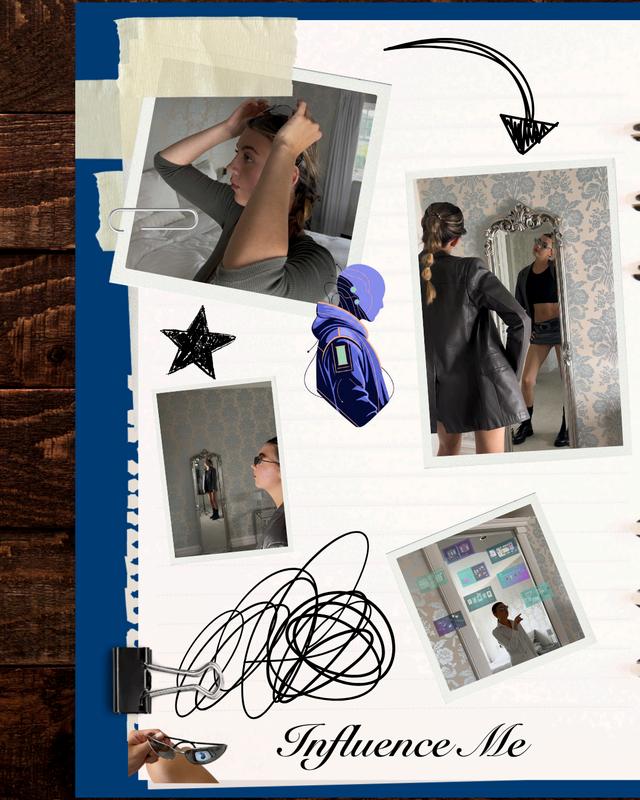
Through Influence Me, I developed a more critical understanding of the true impact of fast fashion. While I was already conscious of its environmental and ethical consequences, this project revealed the extent of its damage, solidifying my personal values around sustainability. As a result, I became more confident in my desire to work with sustainable brands that prioritise responsibility alongside creativity. I particularly enjoyed the research process, as it broadened my perspective and challenged me to think beyond aesthetics. Planning the video element was engaging, as it required me to structure information in a way that was both accessible and compelling. However, I struggled with being in front of the camera and with designing a product-based outcome (an app and headset) rather than a traditional campaign. This was revealing, as it clarified that my strengths and interests lie in narrative development and brand communication rather than product design. The project also connected to my interest in fantasy, as it required imagining alternative futures and systems, reinforcing my inclination towards conceptual storytelling rather than functional design.
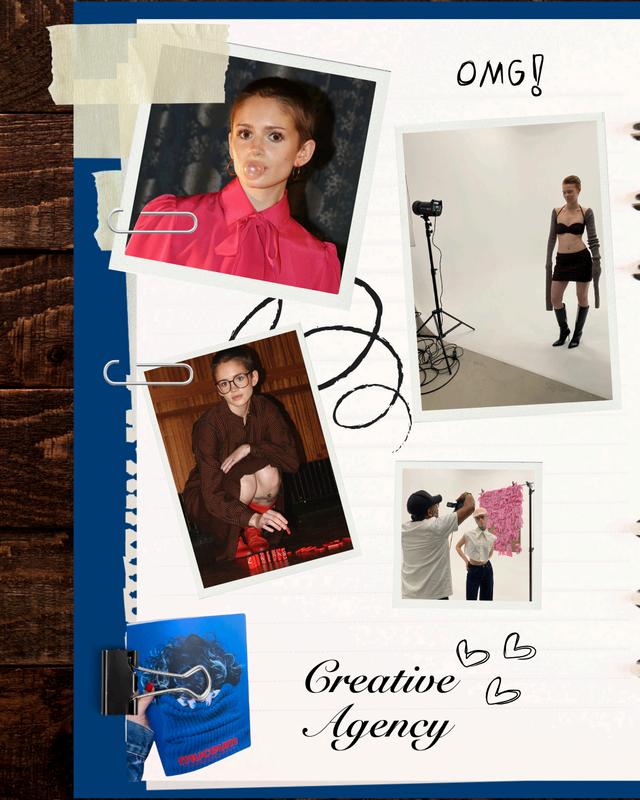
The Creative Agency project was impactful as it placed me directly within an industry setting, allowing me to apply my skills in a real world context. Working on the launch of a podcast and assisting on a magazine shoot pushed me beyond my comfort zone and introduced me to new forms of storytelling. The podcast, which explored fashion, identity, psychology, and body image, resonated deeply with me. I was drawn to its focus on why we wear what we wear and how clothing functions as an extension of personal identity and emotional experience. The magazine shoot was especially meaningful, as it allowed me to communicate a heavy and sensitive story through visual language. Styling a model in clothing belonging to someone who had passed away from an eating disorder brought an emotional weight to the project. This subject matter is close to my heart, having witnessed friends struggle with similar issues, and it reinforced my belief that fashion can be a powerful tool for empathy and communication. Looking back, this project solidified my brand values and clarified the kind of work I want to pursue, helping brands tell honest, emotionally resonant stories that connect deeply with their audiences. In this way, the project aligns closely with my interest in literature, as both rely on narrative, symbolism, and emotional truth to create meaning.
This component revealed a lot about myself, as it gave me the space to reflect not only on my time at university, but on my life before it. It allowed me to dive deeper into who I am as a person, including my interests, taste, creative direction, and the thread that links them all together.
One of the positives of this process was finding those connections. Being able to link everything helped me gain a clearer understanding of my strengths and future goals, and created a strong base for thinking about my career. I realised how important narrative and storytelling are to my work, particularly within the high-end and luxury fashion market, where meaning, atmosphere, and identity play a key role.
I found this process quite difficult at times, especially when it came to opening up and exploring why I am the way I am. Privacy is important to me, and I naturally prefer to communicate through concepts rather than personal explanation. I also found it challenging to visually show who I am through my brand identity, including my logo, banner, and brand colours, as it required me to translate personal ideas into clear visual choices. Melbourne, along with my love of romance, fantasy and nostalgia continues to influence my work and the direction I am moving in. While this component did not give me all the answers, it was an important step in understanding myself better and setting a foundation for my creative and professional development.