Growing Awareness: More people are becoming conscious of environmental issues like climate change, plastic pollution, and ethical labour practices, and want to make greener choices.
Scepticism & Greenwashing: Many shoppers are cautious about brands’ sustainability claims due to previous greenwashing cases. They look for transparency and credible proof, such as recognised certifications or clear supply chain information.
Price vs. Principles: Although consumers would prefer to buy sustainable products, higher prices can put them off. Value for money is important, so affordable eco-friendly options are more popular.
Preference for Quality and Longevity: There’s a shift away from fast fashion towards buying durable, timeless pieces that last longer and help reduce waste.
Generational Differences: Younger groups, especially Gen Z and Millennials, tend to place more emphasis on sustainability and expect brands to act responsibly.
Sustainability Fatigue: Some consumers feel overwhelmed or sceptical about constant sustainability messages, leading to a sense of “sustainability fatigue.”
Ethical Consumerism: Shoppers care not just about the environment but also about fair wages, decent working conditions, and animal welfare.
Fast Fashion
Alex James: Slowing Down Fast Fashion
Alex James explores the global impact of fast fashion, uncovering the environmental harm and human exploitation behind cheap clothing. Through global travels and hands-on experiments, he educates viewers on the consequences of their fashion choices and highlights sustainable alternatives.
Environmental Impact
Fast fashion relies on synthetic, non-biodegradable materials and toxic production processes that cause severe pollution.
James visits textile waste sites in Southeast Asia overflowing with discarded clothing
Observes polluted rivers contaminated by dye runoff from garment factories.
Interviews environmental advocates raising awareness about industrial waste.
Human Cost
Low-cost fashion often depends on exploitative labor practices in developing countries.
James visits garment factories supplying Western brands.
Talks with factory workers facing poor conditions, long hours, and low pay.
Highlights the invisible human cost of cheap fashion.
Consumer Awareness
Consumers often overlook the health, safety, and environmental risks of fast fashion.
Conducts a flammability test: acrylic sweater ignites dangerously fast compared to wool.
Examines the quality and disposability of cheap clothing.
Engages with shoppers about their fashion habits and knowledge.
Solutions & Alternatives
We can reduce fashion’s impact by changing how we buy and value clothing. Visits ethical fashion brands using sustainable materials and fair labor.
Promotes “Buy less, choose well”: investing in quality over quantity. Advocates for second-hand shopping, clothing repair, and mindful consumption.
Takeaway
Slowing Down Fast Fashion challenges viewers to think beyond the price tag and understand the true cost of their clothing. Through informed choices, we can shift toward a more ethical and sustainable fashion future.
Generation Rewear
Episode 1: The Designers
This episode delves into the studios of three innovative UK-based fashion designers who are redefining sustainable fashion
Phoebe English: Known for her commitment to zero-waste design and the use of natural materials, Phoebe emphasises transparency in her production processes
Olubiyi Thomas: Drawing from his multicultural background, Olubiyi combines traditional craftsmanship with contemporary design, focusing on cultural narratives and sustainability.
Episode 2: The New Tag Rag
This episode highlights pioneering businesses that are revolutionising the fashion industry through sustainable practices:
Sojo: Dubbed the "Deliveroo of clothing repairs," Sojo is an appbased service connecting users with local seamstresses for clothing alterations and repairs, promoting garment longevity.
Oxwash: An eco-friendly laundry service aiming to reduce the environmental footprint of garment care by using sustainable technologies and processes.
Petit Pli: A wearable tech company designing children's clothing that grows with the child, reducing the need for frequent replacements and thus minimising waste.
Episode 3: People Power
The final episode celebrates everyday individuals, termed "Rewear Heroes," who are making conscious efforts to reduce fashion waste: Features stories of people who embrace second-hand shopping, clothing swaps, and DIY fashion projects.
Highlights community initiatives that encourage sustainable fashion choices and educate others on the importance of garment longevity.
The Next Black Patagonia
Rick Ridgeway, Vice President of Environmental Initiatives, talks about the company’s strong commitment to sustainability, stressing the importance of cutting back on overconsumption and encouraging environmental responsibility within the fashion industry.
Studio XO
Nancy Tilbury, co-founder of Studio XO, demonstrates the blend of fashion and technology through interactive garments made for artists like Lady Gaga and the Black Eyed Peas. Their work is a prime example of "digital couture," where clothing features elements like lighting and 3D printing to create dynamic, responsive designs. Adidas
Matt Hymers, project manager of Team Elite System, introduces wearable technology that tracks athletes’ realtime performance. This use of sensors in sportswear marks a move towards smarter, more practical clothing.
Biocouture
Founder Suzanne Lee explores making garments from living organisms such as bacteria and yeast. This innovative method of textile production offers a sustainable alternative to traditional practices, aiming to lessen environmental impact. Yeh Group
Sophie Mather, Innovation Director, presents a waterless dyeing technology that drastically reduces water usage in the textile industry, tackling one of the sector’s biggest environmental challenges.
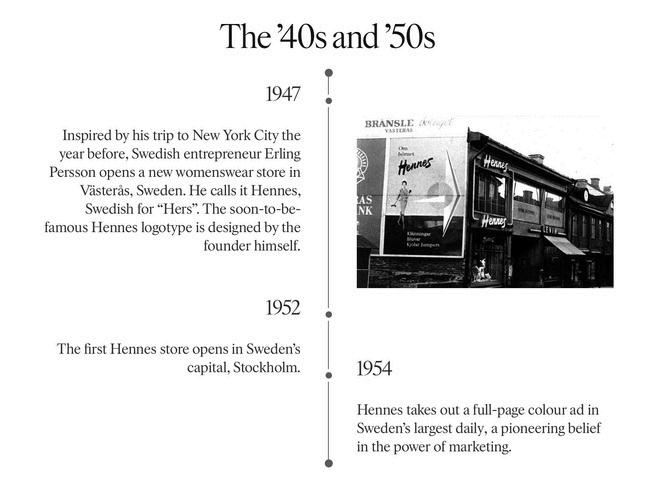
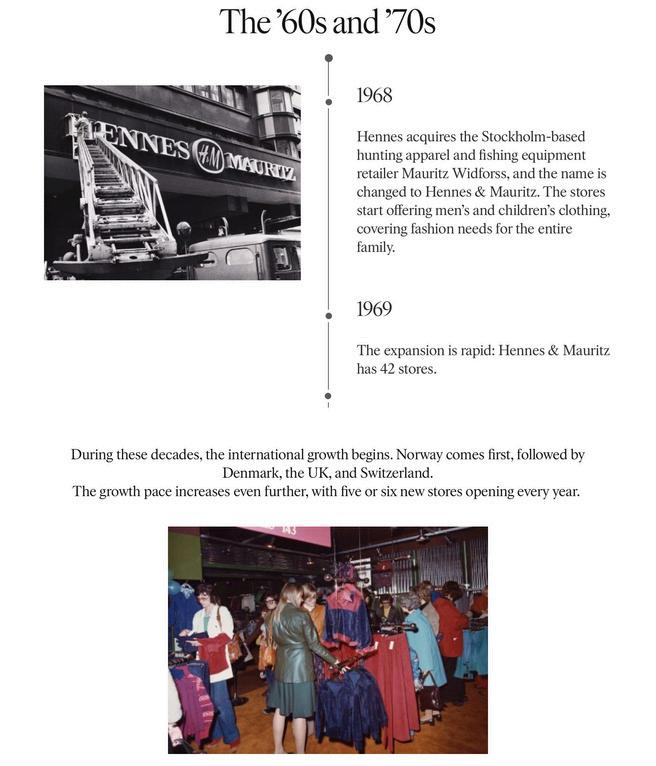
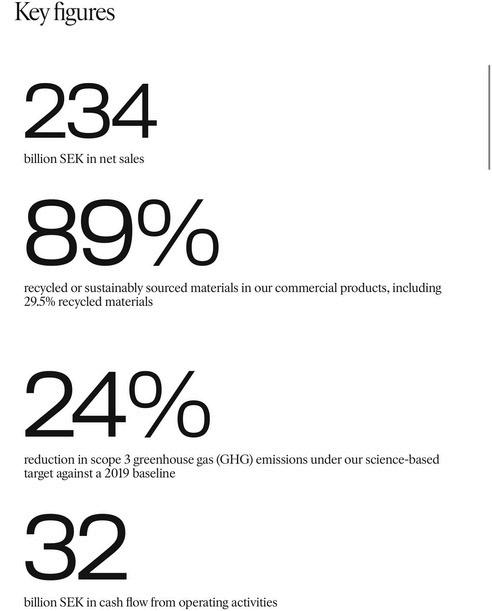
H&M Group
Demographic
Age: Primarily 16–35 years
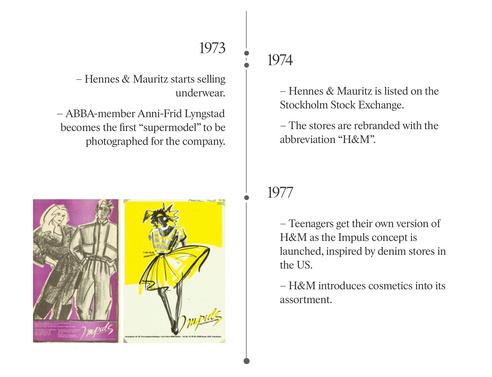
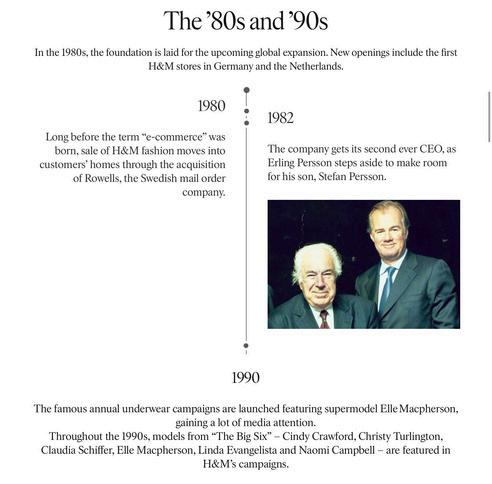
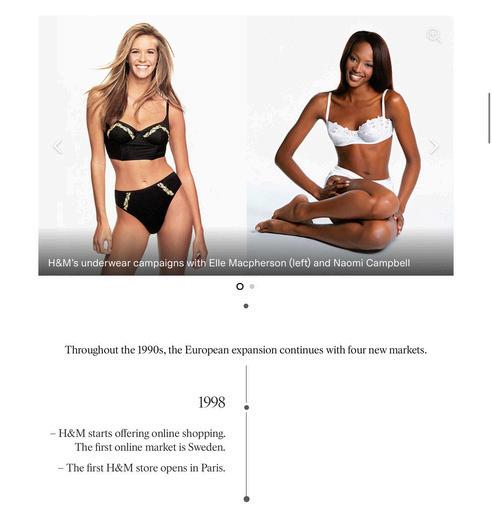
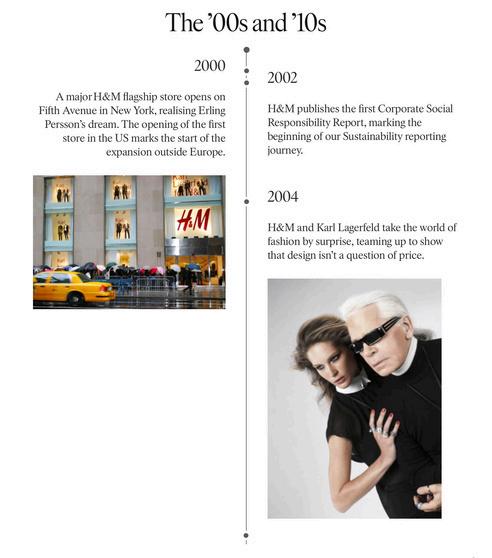
H&M’s core customer base consists of Generation Z and Millennials While the brand also offers collections for children and older adults, these are not central to its product focus
Gender: Inclusive of all genders
Women’s clothing represents the largest category, though menswear and childrenswear also form significant portions of the product offering
Income Level: Middle to lower-middle income brackets
The brand appeals to consumers who are conscious of price yet seek fashionable and contemporary clothing.
Occupation: Students, early-career professionals, and urban workers
The typical H&M customer requires affordable yet stylish attire suitable for everyday wear, work, and social occasions.
Lifestyle
Fashion-Conscious:
Customers are drawn to on-trend, modern styles. Many appreciate fast fashion’s ability to replicate high-fashion aesthetics at accessible price points.
Social and Environmental Awareness (Increasingly Prominent):
Sustainability is of growing importance, particularly among younger shoppers. H&M addresses this through initiatives such as its Conscious Collection and in-store garment recycling programmes.
Value-Seeking yet Brand-Aware:
Consumers aspire to dress fashionably but tend to be cost-conscious, often prioritising affordability over brand loyalty.
Digitally Influenced:
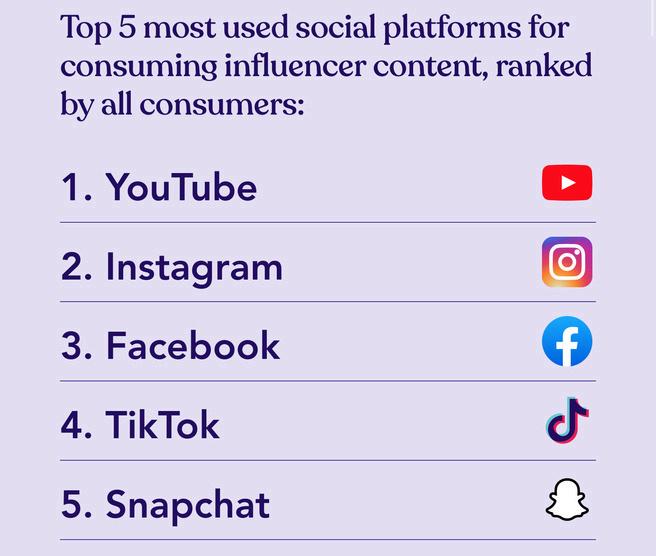
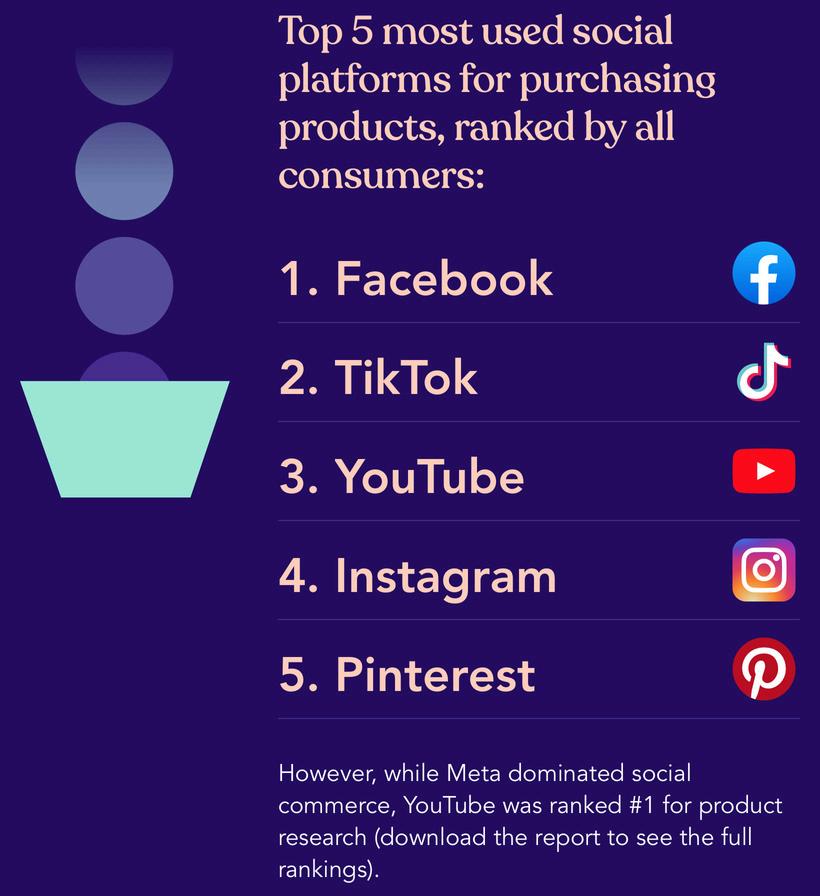
The customer base is highly engaged with social media platforms such as Instagram, TikTok, and Pinterest, often looking to influencers and digital trends for style inspiration.
Behavioural
Purchase Frequency:
Customers typically shop frequently, particularly in response to seasonal trends or new arrivals. Purchases are often made impulsively.
Shopping Preferences:
Both physical retail and online shopping channels are widely used. The pandemic accelerated the shift towards digital, with mobile-friendly interfaces and apps now essential to the consumer experience.
Loyalty:
Brand loyalty is moderate, with many consumers influenced more by price and current fashion trends H&M’s membership programme helps to incentivise repeat purchases
Geographic
Urban Locations:
H&M stores are predominantly located in major cities, high streets, and urban shopping centres where footfall is highest
International Reach:
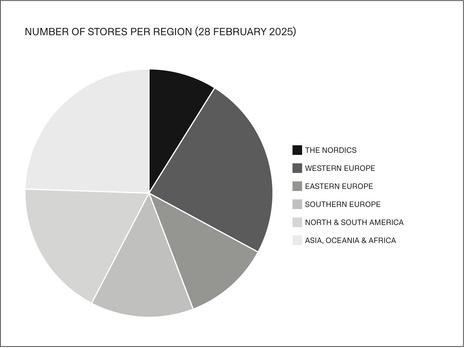
H&M operates globally, with strong consumer bases in Europe, North America, and Asia
The brand is also experiencing growth in emerging markets such as Latin America and the Middle East
Fast Fashion Model:
H&M swiftly turns catwalk or street-style trends into affordable items in-store
New collections are released frequently to encourage repeat visits and impulse buying.
Wide Product Range:
Offers everything from casualwear and officewear to basics, accessories, and activewear.
Includes inclusive sizing, though some criticism exists regarding limited availability in physical shops
Collaborations & Limited Editions:
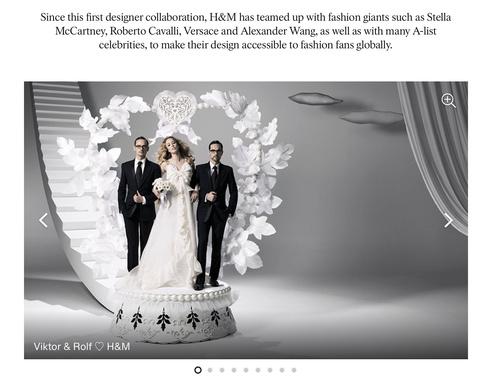
Designer partnerships (e g Versace, Balmain, Mugler) attract fashion-conscious shoppers looking for high-end style at a lower price point
Creates excitement and a sense of urgency
Sustainability Focus:
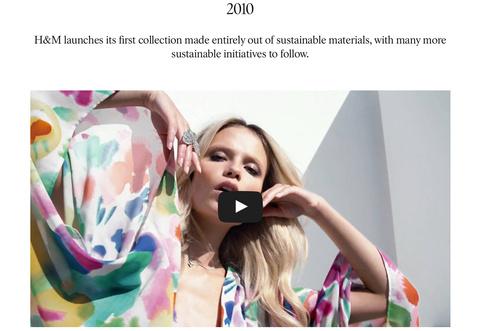
The “Conscious Collection” features garments made from organic or recycled materials.
In-store recycling bins and circular fashion initiatives appeal to environmentally conscious consumers
Continues to improve supply chain transparency and sustainability credentials
Pricing
Good Value for Money:
H&M positions itself as stylish yet budget-friendly, catering to cost-conscious consumers
Multiple pricing tiers allow appeal across different income brackets.
Promotions & Loyalty Scheme:
Regular sales and promotions maintain high customer engagement.
The H&M Membership scheme offers points, discounts, early access to collections, and sustainability incentives
Placement
High Street & Urban Locations:
Stores are typically found in busy city centres, shopping centres, and retail parks
E-Commerce Presence:
Seamless website and mobile app tailored to local markets
Features like size guides, personal recommendations, and virtual styling tools enhance the online experience.
Click & Collect:
Allows customers to order online and pick up in-store popular among younger, digital-first shoppers
Promotion
Social Media Campaigns:
Strong presence on Instagram, TikTok, and Pinterest
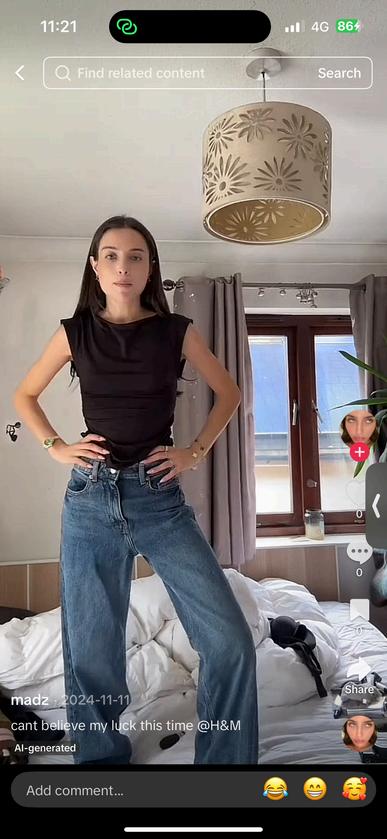
Works with influencers and content creators to highlight new drops, outfit ideas, and styling tips
Email & App Notifications:
Tailored promotions and product alerts drive urgency and customer loyalty.
Purpose-Driven Marketing:
Campaigns focus on sustainability, diversity, and social responsibility to align with Millennial and Gen Z values
In-Store Experience:
Modern shop layouts, curated playlists, and attractive displays appeal to younger demographics
Some flagship stores include interactive features or event spaces for deeper engagement
Social Media
Social Media’s Evolving Role in Fashion Weeks and Marketing
Emergence of Contemporary Influencers and Platforms
TikTok’s Influence:
TikTok creators such as Christina Najjar (Tinx) are gaining prominence at New York Fashion Week, challenging the dominance of traditional fashion insiders. The shift from static street style imagery to short-form video content reflects a broader move towards authentic, spontaneous storytelling that resonates with younger audiences.
Pinterest’s Strategic Entry:
Now a fashion week sponsor, Pinterest focuses on long-form, educational content, working with creators who provide value beyond realtime event coverage such as styling tutorials and sustainable fashion insights.
Collaboration with Diverse Creators
Platforms like TikTok and Pinterest are embracing a wider range of content creators, including hairstylists, makeup artists and stylists, to reflect the full ecosystem of the fashion industry through engaging video narratives.
Virtual Influencers, Artificial Intelligence and Automation
AI in Content Production
Companies such as Duolingo are replacing freelance translators with AI, highlighting a shift towards automation in content creation. This signals potential within fashion for AI-generated influencer personas, automated customer interaction, and AI-driven styling recommendations.
Virtual Influencers
These computer-generated personas offer fashion brands: Controlled brand representation. Scalable and consistent digital presence across platforms and metaverse spaces.
Particular appeal to Gen Z and techsavvy consumers.
Strategic Use of Social Media by Luxury Fashion Brands
Maintaining Exclusivity Online (Berlendi, 2011)
Luxury labels carefully manage digital presence by:
Hosting private, invitation-only digital events. Collaborating selectively with influencers to maintain prestige whilst reaching broader audiences.
Digital Retail and Personalisation
High-end brands are increasingly embracing ecommerce, providing bespoke shopping experiences online that mirror the exclusivity of in-person luxury retail.
Integrated Communication and Brand Strategy
Holistic Media Planning (Young, 2016)
Emphasises merging traditional and digital channels to ensure a coherent and consistent brand narrative. Advocates a strategic, data-informed approach to media planning and campaign execution.
Content Strategy and Audience Engagement
Effective brand content should: Elicit emotional resonance. Facilitate two-way dialogue between brands and consumers. Use analytics and feedback loops to optimise campaigns and tailor future content.
Technological Advances in Fashion Communication
Digital Marketing Trends (Scott, 2017)
Brands are shifting towards real-time, mobile-first content strategies including: Live video streaming, especially during fashion weeks.
Viral, shareable content tailored to platform-native behaviours. Partnerships with influencers to foster trust and community engagement.
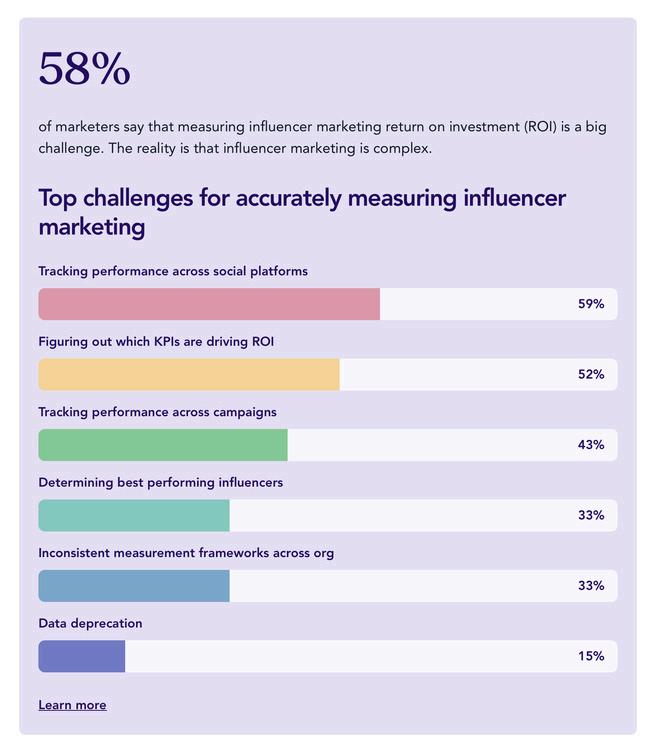
Measuring Success: Modern marketing is evaluated using metrics such as engagement, traffic, and conversion rather than legacy impressions or print circulation.
Legal and Ethical Issues in Web3 and Virtual Fashion
Nike and the RTFKT Controversy
A legal case alleges that Nike abandoned its RTFKT NFT platform after promoting and monetising virtual trainers raising concerns around: The long-term value and accountability of virtual fashion assets. Transparency and consumer protection in blockchain-based fashion initiatives.
Education, Technology and Fashion Innovation
TikTok’s STEM Feed
A dedicated space to promote educational content in science, technology, engineering and mathematics (STEM).
Videos are vetted for educational merit, accuracy and age-appropriateness (13+).
Potential exists for fashion tech creators to use this channel to educate audiences on innovations such as wearable technology, sustainable materials, and smart textiles.
Influencers
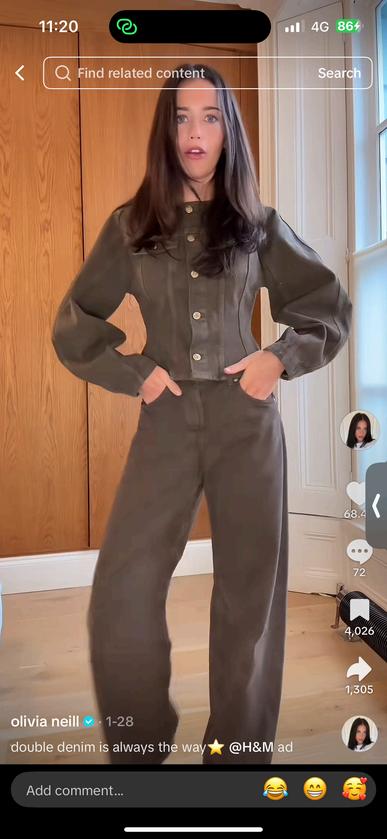
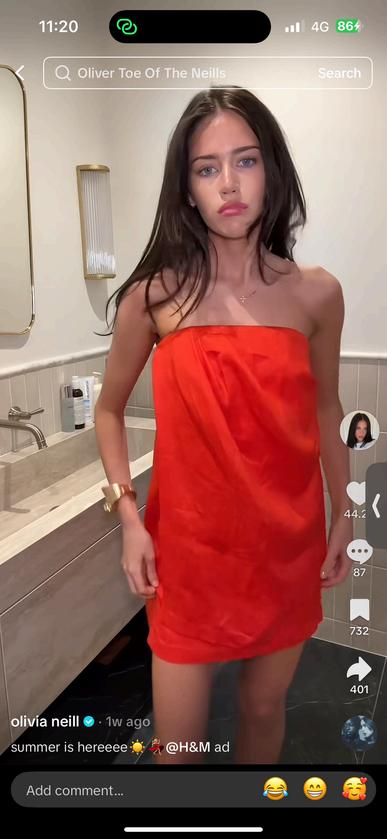
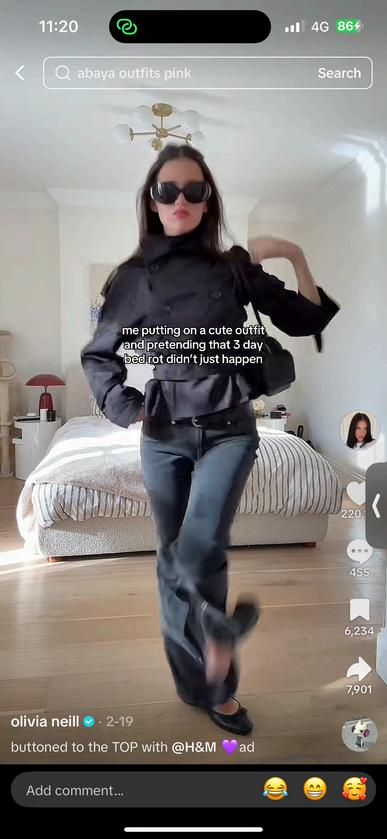
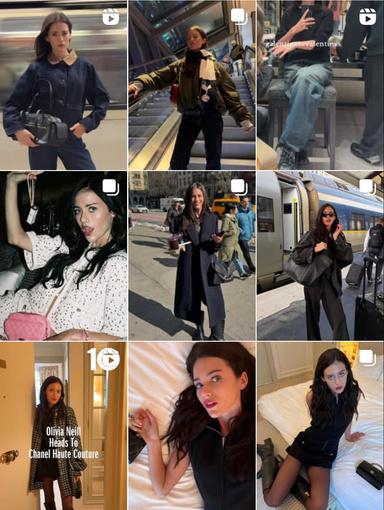
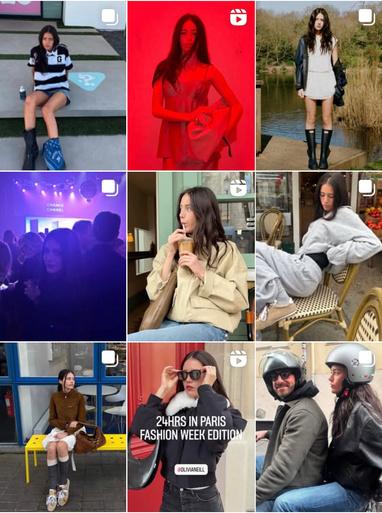
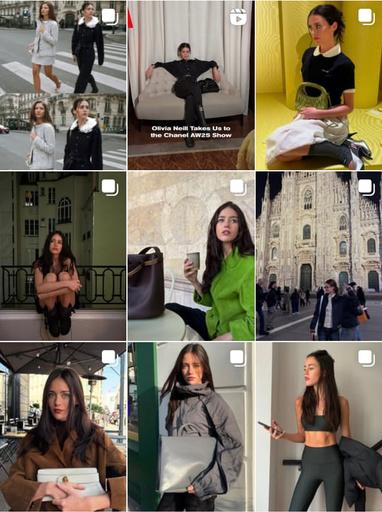
Olivia Neill has evolved over five years from a relatable, chaotic vlogger into a rising luxury fashion influencer often likened to Emma Chamberlain. Starting her content journey in 2019 from her parents' home in Belfast, she built a significant following through YouTube and TikTok. Initially focused on casual content like challenges and fashion hauls, she has since transitioned to working with high-end brands such as Chanel, Gucci, and Versace, attending Fashion Weeks, and modelling. She also launched her podcast, Inner Monologue, which topped the UK Spotify charts shortly after its release . The podcast offers listeners a glimpse into her life, featuring discussions on topics like relationships, personal experiences, and observations from her perspective as a young woman navigating life in London.
Building on her media presence, Olivia starred in a BBC Three documentary titled Unreal! With Olivia Neill, where she explored the concept of dating in the metaverse, engaging with individuals who have formed relationships through virtual reality . Though some followers miss her old persona, her shift in style, social circle, and personal branding has made her a Gen Z icon in the luxury space. She's now known for setting trends (like reviving skinny jeans and popularising certain makeup products) and has become a magnet for major brand collaborations.
With over 783K YouTube subscribers, 1.4M TikTok followers, and multiple brand deals, Neill’s transformation is seen as a branding masterclass. Her continued success hinges on balancing her new image with the relatability that first drew fans in.
Olivia Neill
Connection with Audience:
Authenticity & Real Talk: Olivia builds trust through honest conversations about lifestyle, health, and personal growth, often on YouTube and Instagram.
Educational & Empowering: She combines lifestyle content with advice and insights, helping her audience feel informed and motivated.
Brand Message:
Empowerment & Balance: Olivia’s message centers on balancing self-care with ambition, promoting growth without sacrificing well-being.
Strategy & Engagement:
Longer-form Content: Uses YouTube videos to dive deeper into topics, fostering meaningful connections. Interactive Content: Engages through Q&As, comments, and social media polls, encouraging audience participation.
Brand Partnerships: Aligns with brands that reflect her values on wellness and lifestyle, maintaining authenticity.
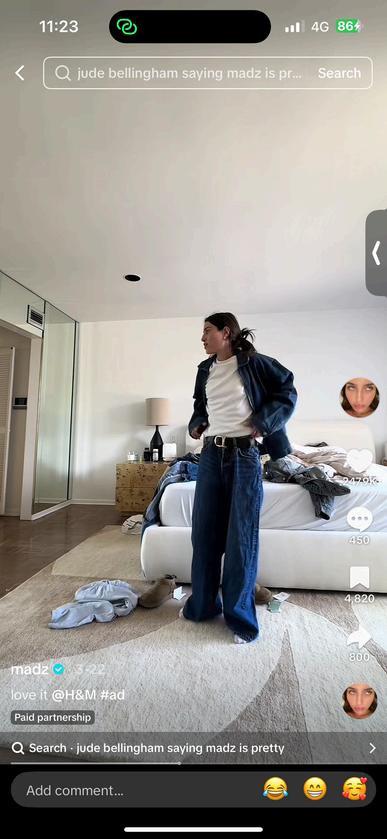
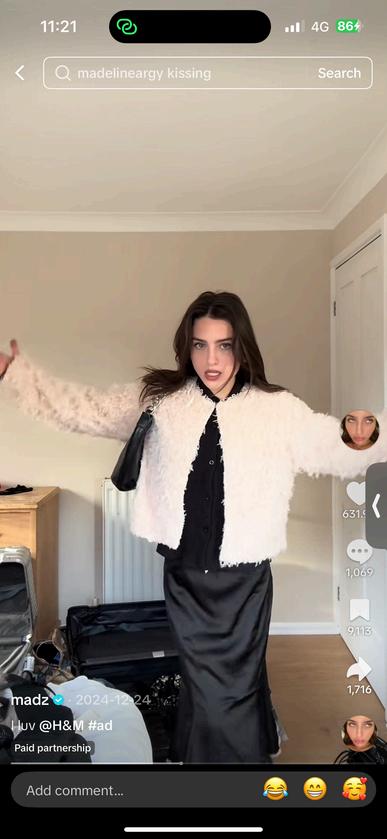
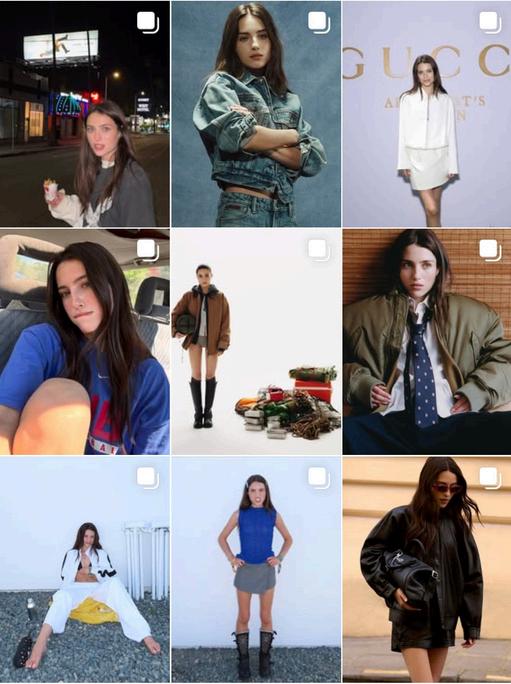
Madeline Argy is a 24-year-old British influencer, podcaster, and fashion icon who has swiftly ascended to prominence through her candid storytelling and authentic online presence. Born on July 7, 2000, in West Sussex, England, she began her journey into the digital world during the COVID-19 pandemic, launching her TikTok account in March 2021. Argy's content is characterised by its unfiltered and relatable nature, often delving into personal anecdotes, mental health discussions, and reflections on her experiences. This authenticity has resonated with a wide audience, leading to over 6 million followers on TikTok by July 2024. In October 2023, she expanded her reach by launching the podcast Pretty Lonesome with Madeline Argy, under Alex Cooper's Unwell Network. The podcast explores themes such as anxiety, imposter syndrome, and sexuality, further solidifying her position as a voice for Gen Z audiences. Beyond her digital platforms, Argy has made notable appearances in the fashion industry. She attended the Saint Laurent show during Paris Fashion Week in 2023, embracing a sheer ensemble that reflected her transparent approach to fame . Her collaborations with high-profile brands, including Valentino, Prada, and Versace, have further cemented her status as a fashion influencer.
In her personal life, Argy identifies as queer and has been open about her struggles with depression and anxiety. She has also been in a public relationship with British rapper Central Cee, which has attracted media attention.
Madeline Argy's journey exemplifies the power of authenticity in the digital age. Her ability to connect with audiences through honest storytelling and her seamless integration into the fashion world highlight her as a leading figure among modern influencers.
Madeline Argy
Connection with Audience:
Humor & Energy: Madeline connects primarily through her vibrant, comedic content on TikTok and Instagram, often centered on lifestyle, fashion, and relatable daily situations.
Trend-savvy: She taps into viral trends with her own twist, keeping her content fresh and shareable.
Brand Message:
Fun & Relatability: Her brand feels youthful and carefree, appealing to Gen Z with a focus on enjoyment and being unapologetically yourself.
Strategy & Engagement:
Short-form Content: Primarily uses TikTok and Instagram Reels to capture attention quickly.
Collaborations & Challenges: Often participates in trending challenges or partners with brands in a natural, relatable way.
Consistent Posting: Frequent uploads keep her audience engaged and algorithms favorable.
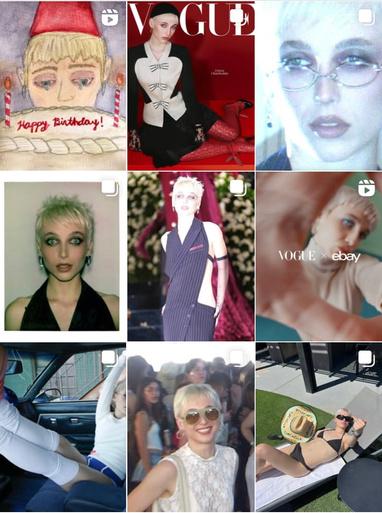
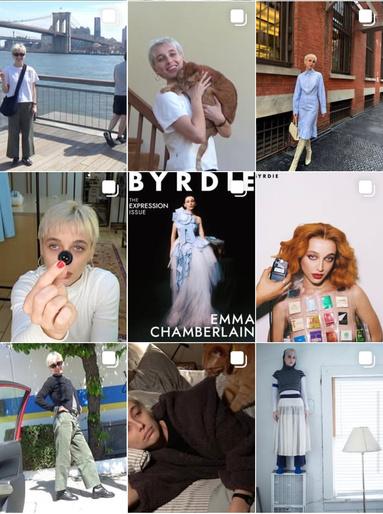
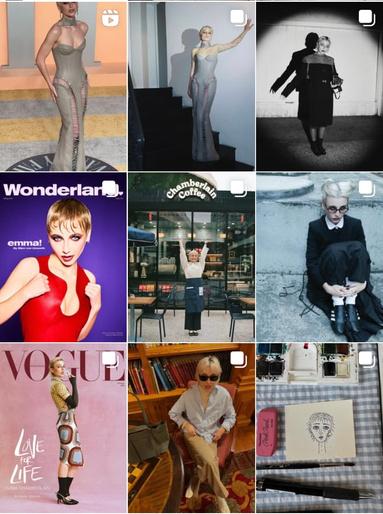
Emma Chamberlain is an American internet personality, entrepreneur, and creative known for her authentic content and digital influence. Born in 2001 in California, she gained fame on YouTube with candid vlogs and a unique editing style. By 2018, she had over a million subscribers and left high school to pursue content creation, later earning her diploma in 2024. Her YouTube channel features lifestyle, fashion, and travel content, amassing over 12 million subscribers and 1.6 billion views. In 2019, she launched the podcast Anything Goes, discussing mental health and personal growth, winning a Shorty Award.
Emma is a fashion icon, collaborating with brands like Louis Vuitton and Warby Parker, and has hosted the Met Gala red carpet since 2021. She founded Chamberlain Coffee in 2019, expanding into teas, apparel, and opening a café in 2025. In 2025, she began acting in the horror film Forbidden Fruits. Open about mental health and body image struggles, Emma maintains strong audience engagement despite scaling back daily vlogs. Her net worth is estimated at $22 million (2024), and she has been featured on Forbes’ Top Creators and 30 Under 30 lists.
Emma’s rise from relatable YouTuber to entrepreneur and cultural icon highlights her adaptability in digital media.
Emma Chamberlain
Connection with Audience:
Authenticity & Relatability: Emma’s hallmark is her genuine, unfiltered style. She shares everyday moments with a quirky, self-deprecating humor that feels very real, making viewers feel like they’re hanging out with a friend.
Vulnerability: She openly discusses mental health, body image, and personal struggles, fostering a deep emotional connection.
Brand Message: Be Yourself, Imperfectly: Emma promotes embracing flaws and individuality rather than curated perfection. Her content encourages self-acceptance and living authentically.
Strategy & Engagement:
Unique Editing Style: Her fast-paced, quirky video edits set her apart and keep viewers entertained.
Multi-platform Presence: Besides YouTube, Emma uses podcasts, Instagram, and brand collaborations to maintain engagement.
Community Building: She interacts through live streams and candid social media posts, creating a loyal fanbase.
Influencer vs Behind the scenes
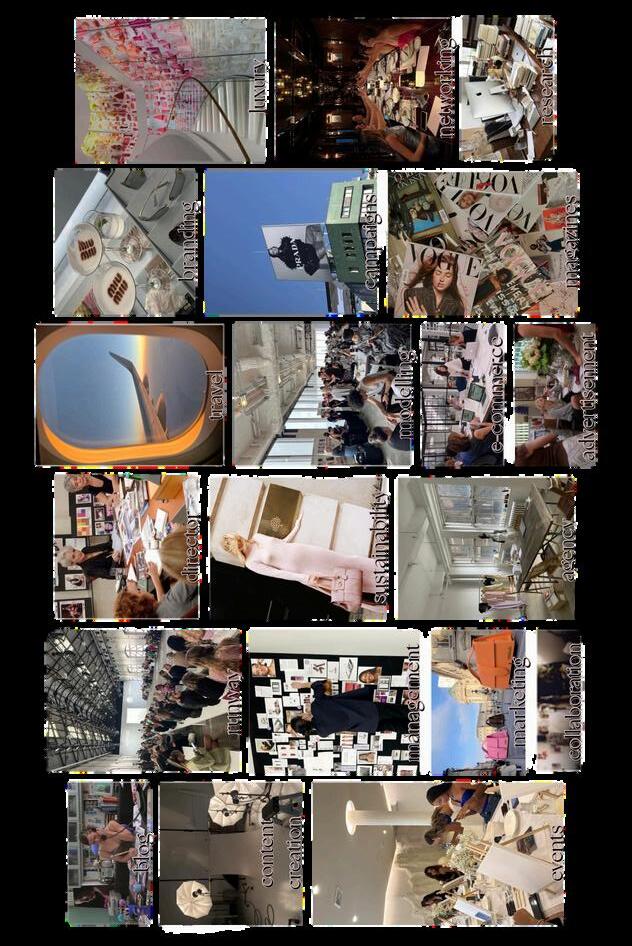
I’ve always been more interested in the creative process behind a campaign rather than being the face of it. While I can see how important the role influencers play is, I’m far more drawn to the behind the scenes work; developing concepts, shaping visual direction, and ensuring everything comes together in a cohesive and meaningful way. I enjoy the collaborative aspect of bringing a campaign to life, from the initial idea through to execution. I really enjoy consuming content, especially short form content from creators I relate to, but I recognise that opening their lives up on the internet can bring a lot of hate and negativity and id much rather be behind creating narratives I believe in and enjoy instead of being the face of the campaign itself. Cancel culture has become a huge thing in today’s society and I’m much more comfortable being the creator of a campaign that could possibly be taken wrong rather than an individual. I used to be a marketing assistant for a company and I really enjoyed creating the social content, social planning and scheduling but kept myself away from the company pages.
My Next Steps
My concept so far is to create a collaboration between DTI and Depop. Allowing Gen Alpha users to either create their own avatars or bring their pictures to life (pandora try on) and host fashion shows and red carpet events wearing the clothes they want to sell, have previously bought on the app or have upcycled. Similar to Gucci Town on Roblox. I want to integrate AR, build a social community centred around fashion and sustainability and have exclusive virtual collections (nike trainer). I want to explore the idea of using VR headset so it really is like you’re attending a fashion show and have influencers and celebrities host virtual events (inspired by the film Surrogates).