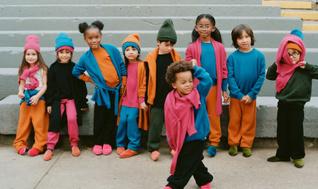
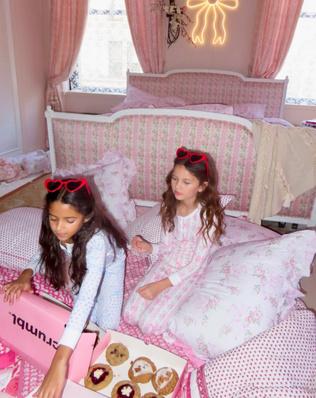
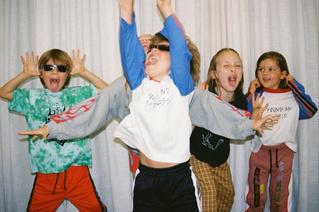
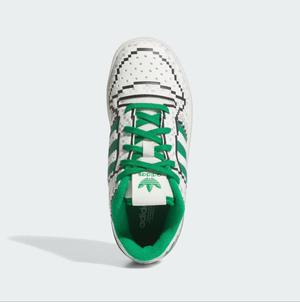
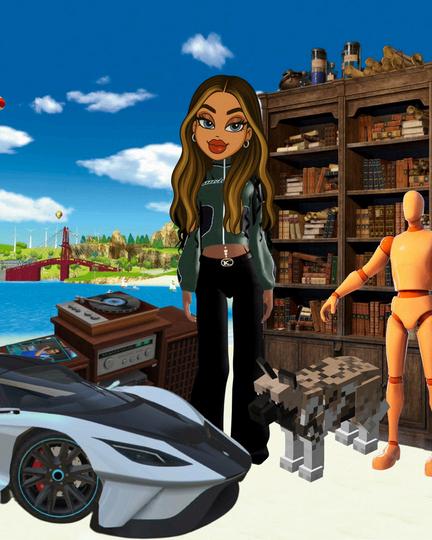
Phygital-First Generation: Gen Alpha effortlessly blends physical (real-life) and digital experiences often described as “phygital-first” or “Generation Metaverse.”
Economic Footprint: Projected to have a spending power of £5.46 trillion by 2029, expected to surpass all other generations by 2034.
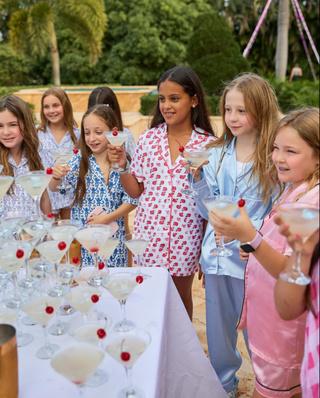
Influence on Household Spending: 65% of 8–12-year-olds in the UK, US, and
Western Europe influence family purchases.
55% in Brazil say they strongly influence family buying decisions.
Spending Habits:
Prefer physical products over purely digital ones.
Early owners of luxury goods: 68% own a luxury item by age 10.
Total spending contribution estimated at approximately £50 billion annually.
Media, Technology & Digital Behaviour
Social Media & Content Consumption: 89% of Gen Alpha TikTok users consume short-form video daily.
Streaming and YouTube dominate media consumption; 85% of US children aged 2-12 watch YouTube.
Gaming & Virtual Worlds: 94% play video games globally.
Roblox is a central platform with 55.1 million daily users, mostly under 13.
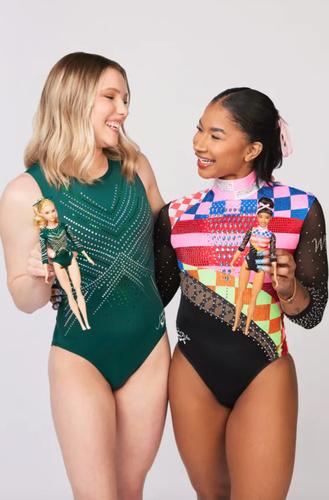
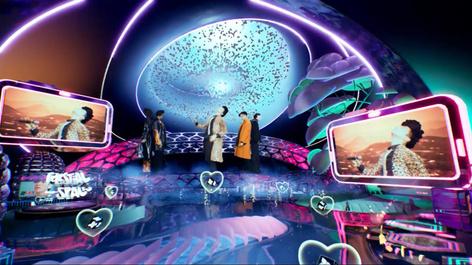
Popular brand activations include Givenchy Beauty House, Gucci Town, Vans World, and Forever 21 x Barbie.
Phygital Engagement Examples: Disney’s augmented reality experiences in theme parks.
Roblox fashion integrations linking virtual and real-world purchases (#TwinWithYourAvatar campaign).
Values, Identity & Social Priorities
Diversity & Inclusion:
Gen Alpha is the most diverse generation to date.
Expect brands to embrace race, ability, neurodivergence, gender neutrality, and family diversity.
Gender-neutral toy displays are now legally required in some regions (e.g., California).
Wellbeing & Mental Health:
Strong focus on social and emotional wellbeing.
Concern over screen time and digital wellness.
Balance of online/offline experiences is critical.
Climate Consciousness & Resilience:
Raised in a polycrisis era; 95% of US Alphas believe environmental care is essential. Inherit Millennial values around climate action, equality, and transparency. Youth climate activism is rising globally.
Education & Lifelong Learning
Emphasis on developing critical thinking, creativity, and hands-on skills.
Lifelong learning viewed as essential for future job market competitiveness. STEM content (science, technology, engineering, maths) is popular and promoted on platforms such as TikTok’s STEM feed.
Influence, Relationships & Social Spaces “Alphluencers” (Kid Influencers):
Rising importance of child content creators on YouTube and TikTok.
Preference for face-to-face interactions despite digital nativity. 67% prefer eating with family/friends over digital interaction.
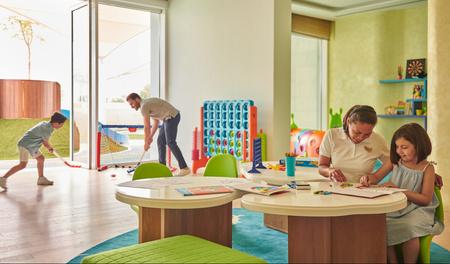
Rise in after-school meet-ups and renewed interest in shopping centres and “third spaces ” places outside home/school for socialising.
Brand Engagement Strategies
Spending & Lifestyle
Early luxury item ownership and significant influence on family purchases.
Playfulness, humour, meme culture, and creative
self-expression resonate strongly.
Phygital Marketing & Retail
Integrate digital and physical product launches (e.g., Roblox avatars with real-life fashion).
Gamification of brand experiences encourages engagement and loyalty.
Example campaigns:
Forever 21 x Barbie’s #TwinWithYourAvatar:
Syncing real-life fashion with digital avatars, boosting user-generated content and crossplatform presence.
Vans World on Roblox: A virtual skatepark blending culture, gaming, and fashion, with rewards linked to real-world products.
Personalisation & Customer Experience
Gen Alpha expects personalised digital experiences and high-quality service.
Brands must create meaningful, two-way dialogue and authentic community building.
Technology & Innovation
Virtual Influencers and Avatars: Digital-only personas and avatars influence fashion and brand engagement.
Rise of direct-to-avatar (D2A) economies where users buy digital fashion that may link to real-world items.
Creator Economy: Collaborate with young creators native to platforms such as Roblox. Support user-generated content and community-driven innovation.
Sustainability & Ethics
Authenticity and transparency in sustainability are key to avoid greenwashing. Brands should educate consumers on ecofriendly practices and support youth climate activism.
Diversity, equity & inclusion (DE&I) messages need to be woven into product design and marketing.
Summary
Generation Alpha is an economically powerful, digitally fluent, and socially conscious cohort that demands brands to:
Engage them phygitally (blending digital and physical).
Champion diversity, wellbeing, and sustainability.
Embrace gamification, creativity, and social connection.
Provide personalised and meaningful brand experiences.
Leverage virtual worlds, avatars, and the creator economy.
Brands that succeed will be those who authentically integrate these elements into seamless digital-physical ecosystems and multi-generational marketing strategies.
Roblox
Dress to Impress is a popular multiplayer fashion game on Roblox, launched in October 2023. It combines creative outfit design, social interaction, and competitive gameplay. Players take part in themed fashion rounds, assembling outfits from customisable items and showcasing them on a virtual runway, where they rate each other’s looks.
Key Gameplay Features:
Timed Fashion Rounds based on themes (e.g., “Y2K”, “Album Cover”).
Runway Voting with star ratings; top players appear on a podium. Customisation options include makeup, skin tone, nail colour, and accessories.
Modes: Solo, duo, freeplay, and “Style Showdown” (an eliminationstyle mode introduced in 2025).
Cultural Impact:
TikTok Meme: The “Pose 28” emote went viral.
Celebrity Endorsement: Madison Beer praised the game’s nostalgic appeal; Charli XCX collaborated on in-game content linked to her Brat album.
Real-World Influence: Game-inspired outfits and aesthetics have influenced fashion trends and online creators.
Recognition & Popularity:
Awards (2024 Roblox Innovation Awards):
Builderman Choice of Excellence
Best Creative Direction
Best New Experience
Stats: By September 2024, the game averaged over 250,000 concurrent players and had been played more than 2.7 billion times.
Events & Collaborations:
Charli XCX Partnership (2024): Featured themed outfits and emotes inspired by her album Brat.
Seasonal Events: Halloween 2024 introduced a Greek mythologythemed questline featuring an original character named Lana.
Dress to Impress has become a cultural phenomenon, blending gaming, fashion, and social media influence, and attracting a wide audience beyond typical Roblox players.
Depop
Depop is a mobile app and online platform blending social media and ecommerce, primarily for buying and selling secondhand and vintage fashion. It’s especially popular among Gen Z and younger millennials who value sustainability, unique style, and small-scale entrepreneurship.
Key Features:
Social Media Feel: Similar to Instagram users can follow, like, comment, and message.
Selling: Simple listing process with photos, descriptions, and pricing.
Shipping managed via app or independently
Buying: Search, follow sellers, negotiate, and pay with PayPal or Apple Pay.
Community-Focused: Most sellers are individuals or small businesses offering vintage, handmade, or upcycled items.
Fashion Niche: Known for Y2K, streetwear, and rare vintage styles.
Pros:
Great for niche and vintage finds
Encourages sustainable shopping
Builds community through social interaction
User-friendly for beginners
Cons:
Limited buyer protection
Risk of scams or counterfeit items
10% seller fee plus payment processing costs
Social Features:
User Profiles: Mini shops with bios, photos, and follower counts
Followers: Builds visibility and trust for sellers
Likes: Acts as a wishlist and trend indicator
Comments/DMs: For public questions and private negotiations
Reviews: Boost credibility with ratings and user feedback
Hashtags/Trends: Improve item discoverability
Explore Tab: Curated items based on user interests and trends
Depop is more than just a resale platform it’s a social fashion community where aesthetic, engagement, and personal branding enhance both shopping and selling experiences
Technology
The Metaverse and Web3 in Fashion Market Trends & Challenges
Interest in the metaverse and Web3 has waned due to:
Crypto crashes (e.g., FTX), a 73% drop in asset values, and NFT market collapse.
Meta’s pivot to the metaverse resulted in a 70% drop in share price. The sector sits in the “Trough of Disillusionment” (Gartner Hype Cycle).
Brand Strategy & Innovation
Nike, Gucci, L’Oréal, H&M are early adopters exploring:
Digital wearables and virtual experiences.
Blockchain-backed NFTs for authentication and ownership.
“Phygital” items linking real and digital products.
Metaverse-based marketing and immersive branding.
Artificial Intelligence (AI) in Fashion Applications
Operational Efficiency:
AI used in demand forecasting, pricing, inventory planning.
Creative Design:
Tools like Midjourney & DALL·E assist designers with concept generation.
Manufacturing:
AI and robotics used for custom garment production and on-demand models.
Retail Personalisation:
AI-driven product suggestions and virtual styling in both e-commerce and stores.
Augmented Reality (AR) & Virtual Try-Ons
In-Store & Online Experience
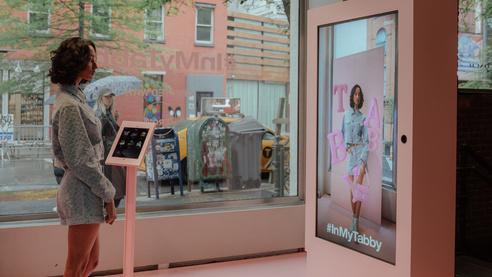
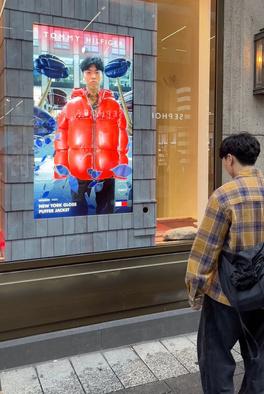
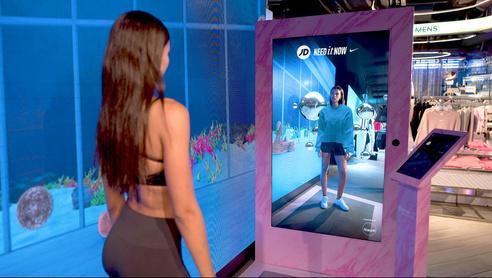
AR Mirrors: Used by brands like Gucci, Coach, and Tommy Hilfiger.
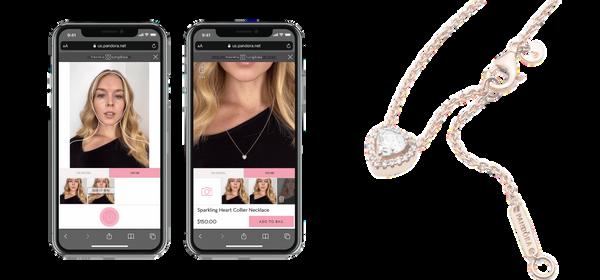
Customers can digitally try on products, increasing engagement and sales.
Digital Dressing Rooms: Tools like Zero10 and Tangiblee enable AR without needing apps. Brands use AR for real-time product comparison and social sharing.
Gamified Retail: Disney and Macy’s used AR mirrors to attract younger audiences with interactive experiences.
Virtual Influencers & Influencer Marketing
Influencer Marketing Evolution
Fashion brands leverage influencers to: Launch virtual collections, promote AR try-ons, and highlight sustainable practices.
Livestream events that allow direct shopping via TikTok and Instagram.
Virtual Influencers
CGI avatars like Lil Miquela or Shudu are now brand ambassadors.
Appeal to Gen Z and Alpha through tech-forward aesthetics. Provide brands with control over image, narrative, and performance.
Use in Campaigns:
Virtual influencers often wear digital fashion and NFTs. Their presence supports campaigns in the metaverse and social platforms simultaneously.
Blockchain in Fashion Core Applications
Authentication & Ownership: Blockchain certifies provenance of physical and digital items.
NFTs: Enable scarcity and resale of digital assets (e.g., CryptoKicks by Nike).
Phygital Integration: Combines real and virtual goods, ensuring linked ownership on blockchain.
Sustainability:
Enables tracking of materials and resale history for eco-conscious consumers.
Payments: Supports crypto transactions in digital storefronts and metaverse platforms.
Immersive Fashion & Retail Experiences
Virtual Events & Social Commerce
H&M’s Metaverse Fashion Show: Included virtual concerts, NFT sales, and digital fashion drops. Reached 61 countries and sold out digital merch in 15 minutes.
Livestream Shopping:
COS, Monki, and & Other Stories offer shoppable shows with live styling tips.
Brand storytelling (narratives shaped across digital, virtual, and real-world platforms).
Influencers both human and virtual will continue to bridge fashion and tech, shaping consumer preferences globally.
Sustainability
Impact of Tariffs on Fashion & Retail
Sales Decline Due to Tariffs
Shein’s US sales fell by 23%, Temu’s by 17% following price rises caused by US tariffs on Chinese imports.
Tariffs have soared to as much as 145% after the removal of the “de minimis” tax exemption, significantly increasing costs. Price hikes have forced consumers to cut back; fast-fashion platforms and major retailers such as Walmart and Target face increased financial pressure.
Temu plans to pivot towards local US merchants to avoid tariffs.
Temporary Trade Truce Between US and China
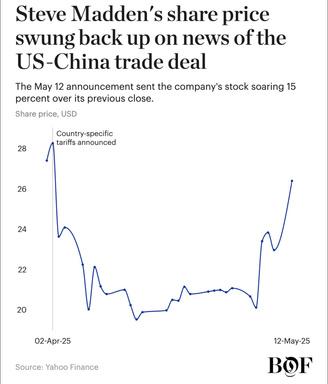
Tariffs reduced temporarily from 145% to 30% (China’s tariffs on US goods also lowered), offering some respite.
Uncertainty remains, particularly around tariffs on goods from other countries and ongoing effects of the “de minimis” exemption removal.
Retailers are expected to pass some of these costs on to consumers, fuelling inflationary pressures.
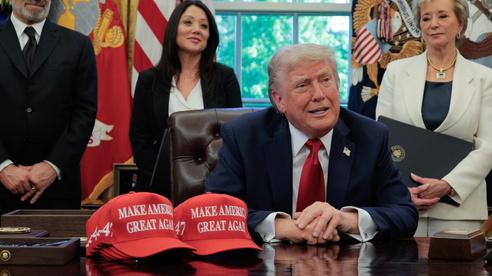
Lessons from Trump’s Tariff ‘Degrowth’ Experiment
Tariffs have curbed overconsumption by around 20%, compelling consumers to “make do with less.”
This mirrors the economic concept of “degrowth,” but it is abrupt, unplanned, and disproportionately affects vulnerable communities without investment in green infrastructure.
The trade war is likely temporary, limiting any long-term environmental benefits. The article advocates for targeted environmental taxes and reinvestment in recycling and circular economy efforts to truly advance sustainable fashion, even if this means higher prices.
Shift in Sustainable Fashion Branding
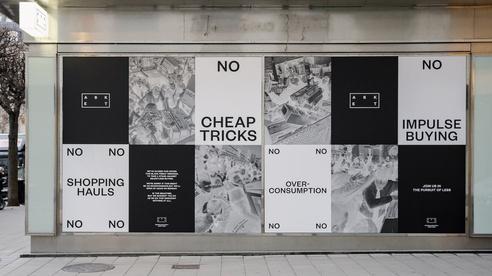
Brands such as the Swedish slow-fashion label Asket are moving away from leading with sustainability and focusing more on timeless design and product quality.
Consumers are experiencing “sustainability fatigue,” weary of greenwashing, and prioritise good-looking, reliable products. Political opposition in the US has prompted brands to be more cautious with sustainability messaging.
Designers like Anna Foster maintain strong eco-values but prefer to let the product quality speak for itself. Sustainability remains an underlying commitment, supporting brand loyalty but is no longer the primary selling point.
Gen Alpha’s Role in Slowing Trends
Raised with strong awareness of climate change and social issues, Gen Alpha questions fast, disposable fashion and excessive consumption. They favour durable, timeless products over rapidly changing trends, encouraging a move towards “slow fashion.”
Gen Alpha influences family purchases, promoting more sustainable and ethical buying habits.
Their digital fluency and access to information make them discerning and cautious consumers.
Brands are adapting by focusing more on storytelling, quality, and sustainability in line with Gen Alpha values. Overall, Gen Alpha is helping to slow the fast fashion cycle, fostering a more thoughtful and sustainable approach to consumption.
Fashion’s Recycling Start-Ups Inch Closer to Commercialisation
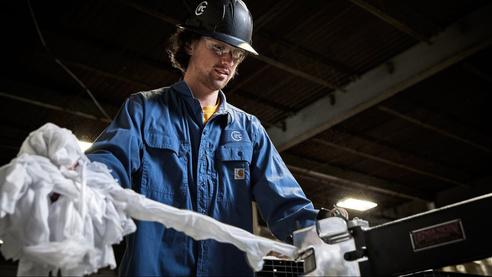
Start-ups backed by major fashion groups like H&M and Inditex are planning industrial-scale textile-to-textile recycling plants.
Syre (H&M), Circ (Inditex), and Reju (Technip Energies) aim to open facilities in Vietnam, France, and the Netherlands by 2027–2029. These plants will produce tens of thousands of tonnes of recycled polyester and cellulose yearly but still represent a small part of the global market.
Key challenges include securing funding, reliable textile waste supply, and consistent demand from brands.
Major purchase agreements (e.g., Syre’s $600m deal with H&M) and partnerships with textile sorters help secure feedstock and control costs.
Government support in France and the Netherlands, through grants and circular economy policies, is critical. These efforts mark important progress toward scalable, sustainable textile recycling solutions.
Mulberry
1 Sustainability Commitment
Made to Last Manifesto:
Aiming to transform into a regenerative, circular business by 2030, focusing on durability and longevity.
2. Key Sustainability Initiatives
Net Zero Emissions by 2035:
Targeting net-zero greenhouse gas emissions (both direct and indirect)
Science-Based Targets:
Emissions reduction targets validated by the Science Based Targets initiative in April 2024, aligned with the 1.5°C climate pathway.
Responsible Leather Sourcing:
Working with farmers practising regenerative agriculture and tanneries that focus on low-impact manufacturing and zero-waste leather production.
Circular Economy Practices:
Promoting product longevity through repair and restoration services, encouraging customers to buy less but better with timeless designs
Pre-Loved Goods Programme:
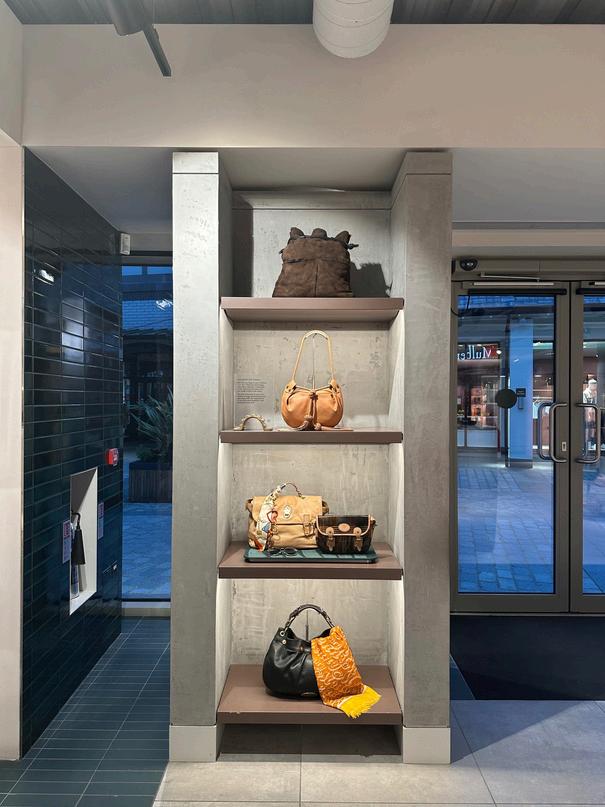
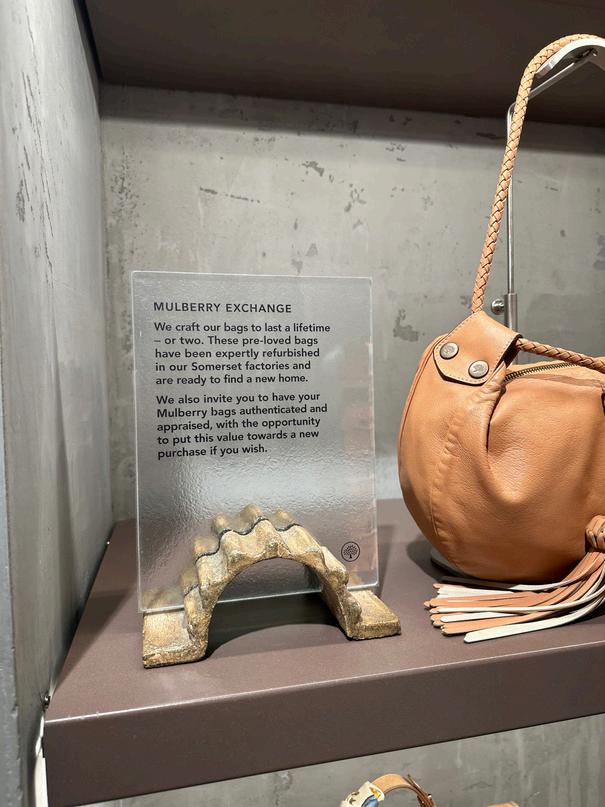
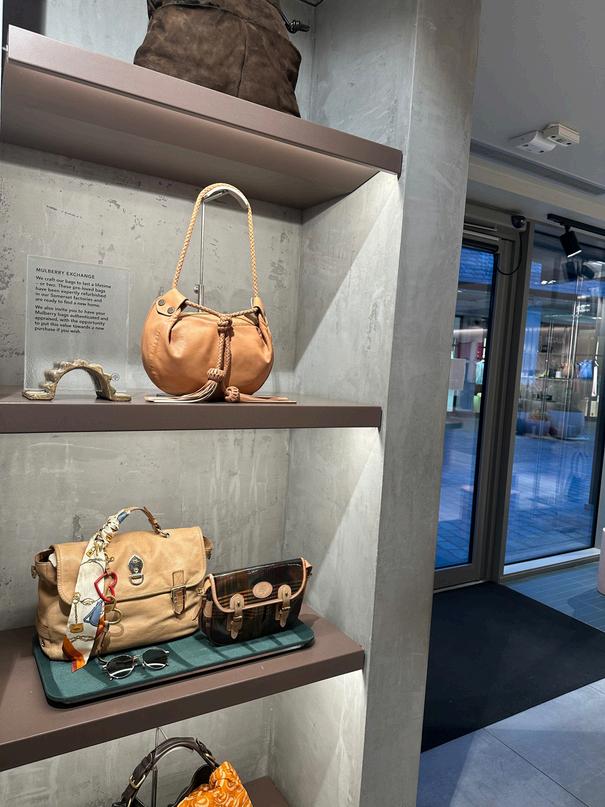
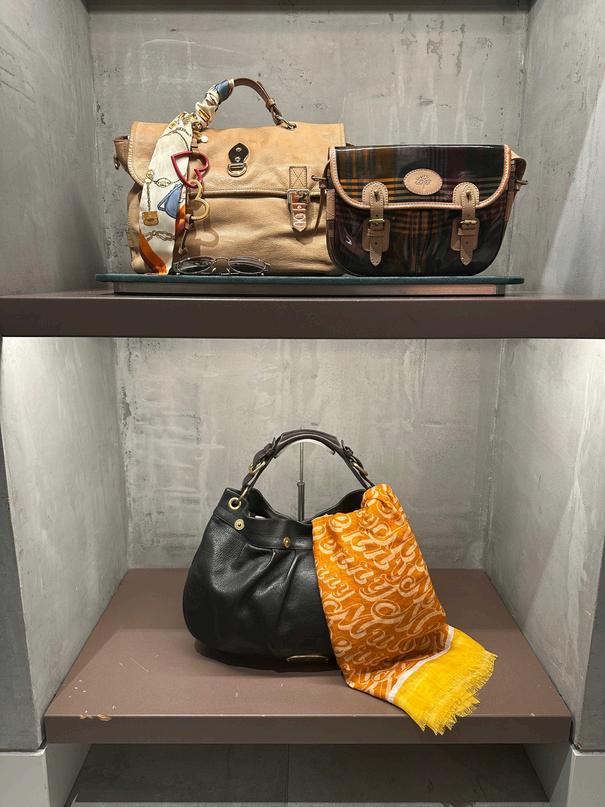
Offering a range of authenticated pre-owned Mulberry products through their official platform, supporting reuse and extending the life of their luxury items.
12-Month Guarantee & Repair Scheme:
Offering a 12-month warranty covering defects, alongside a comprehensive repair service to extend product life and support sustainability Repairs can be arranged in-store or online with clear pricing
3 UK Manufacturing and Craftsmanship
Made in the UK:
Around 50% of key styles, including the Bayswater and Lily bags, are produced in UK workshops such as The Rookery and The Willows in Somerset.
Apprenticeship Programme:
Established in 2006, training new generations of leather craftsmen to preserve British skills and address shortages
4 Recognition and Awards
Sustainability Luxury Brand of the Year (2022):
Awarded at the Walpole British Luxury Awards recognising Mulberry’s progress in sustainability.
Great British Brands Awards (2023):
Honoured for outstanding work in developing a regenerative and circular business model
Greenwashing is when companies mislead consumers into thinking their products or practices are more eco-friendly than they really are. It’s a form of deceptive marketing, used to appeal to environmentally conscious buyers.
H&M
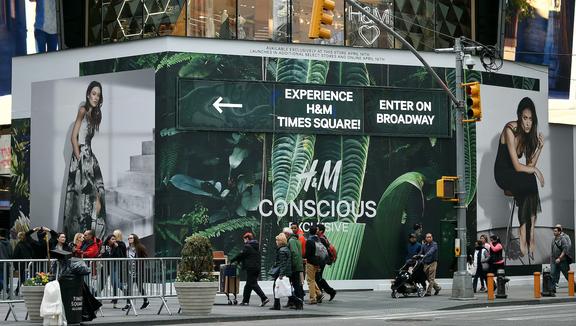
H&M and the “Conscious Collection” Controversy
What Happened:
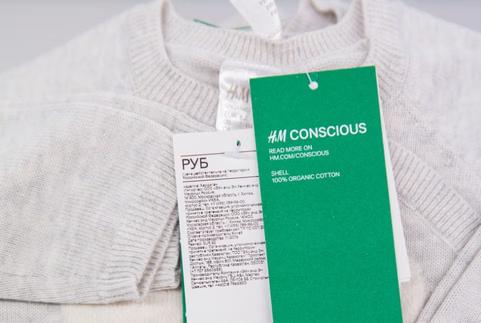
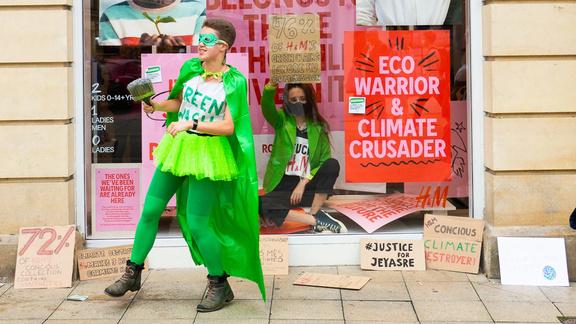
H&M, the global fast fashion retailer, launched its Conscious Collection, promoted as a sustainable clothing range made from environmentally friendly materials such as organic cotton and recycled polyester. However, in 2022, the Norwegian Consumer Authority (NCA) and other regulators criticised the brand for misleading marketing practices.
Key Issues:
Lack of transparency: Vague claims about sustainability were made without clear, accessible evidence to demonstrate how the garments were more environmentally responsible. Inaccurate information: An investigation by Quartz revealed that some of H&M’s sustainability scorecards either overstated the environmental benefits of products or included incorrect data. Limited consumer understanding: The supporting information was neither independently verified nor easy for the average shopper to interpret.
Why This Matters:
H&M’s case highlights how even major brands can engage in greenwashing giving the impression that their products are more sustainable than they truly are. It also underscores a broader issue in fast fashion: promoting "eco-friendly" lines while continuing to produce large volumes of inexpensive clothing contributes to overconsumption and undermines genuine sustainability efforts.
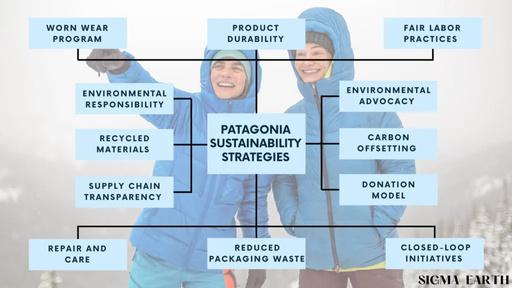
Patagonia
1. Material Innovation
Uses 100% organic cotton since 1996, avoiding harmful pesticides and promoting soil health.
Incorporates recycled materials, such as polyester and nylon, to reduce waste and reliance on virgin resources. Developed Regenerative Organic Certified™ cotton to enhance soil health and sequester carbon.
2. Circular Economy Initiatives
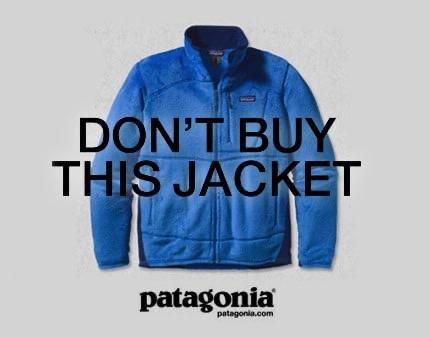
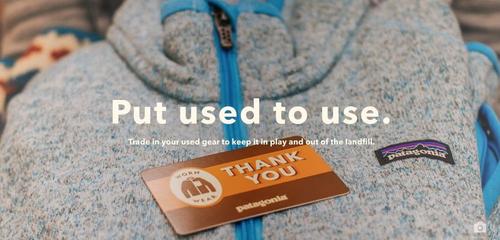
Operates the Worn Wear programme, encouraging customers to repair, reuse, and recycle garments.
Launched ReCrafted, creating new products from used Patagonia gear.
3. Climate Commitments
Aims to be carbon neutral by 2025, investing in renewable energy and reforestation projects. Eliminating virgin petroleum-based materials in products by 2025.
4. Ethical Business Model
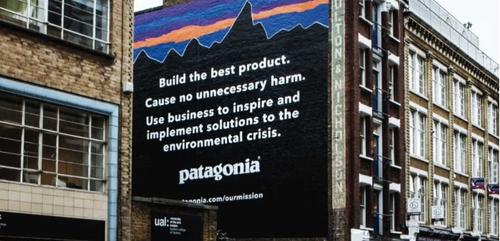
Certified B Corporation since 2011, meeting high standards of social and environmental performance. Donates 1% of annual sales to environmental causes through the 1% for the Planet initiative.
In 2022, founder Yvon Chouinard transferred ownership to trusts dedicated to combating climate change.
5. Supply Chain Responsibility
Implements the Supply Chain Environmental Responsibility Program to measure and reduce environmental impacts across manufacturing processes. Ensures material traceability and adherence to sustainability standards throughout the supply chain.
Reformation
1. Sustainable Materials
Aims for all fabrics to be sourced from recycled, regenerative, or renewable materials by 2025.
Utilises Ref Fiber Standards to evaluate the environmental and social impact of materials.
2. Climate Goals
Products are 100% carbon neutral.
Committed to becoming climate positive by 2025 and fully circular by 2030.
3. Waste Reduction
Strives for a zero-waste production process, currently recycling, donating, or composting 75% of organic and textile waste.
Incorporates deadstock fabrics into collections to minimise waste.
4. Social Responsibility
Ensures fair labour practices across its supply chain, with goals for all manufacturing partners to have fair compensation and worker engagement programmes by 2025.
Focuses on diversity, equity, inclusion, and community engagement within its operations.
5. Transparency and Reporting
Publishes quarterly sustainability reports to track progress and maintain accountability. Shares its climate-positive roadmap to guide industry-wide sustainability efforts.
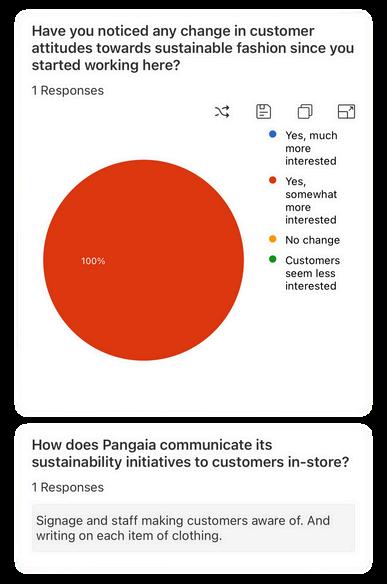
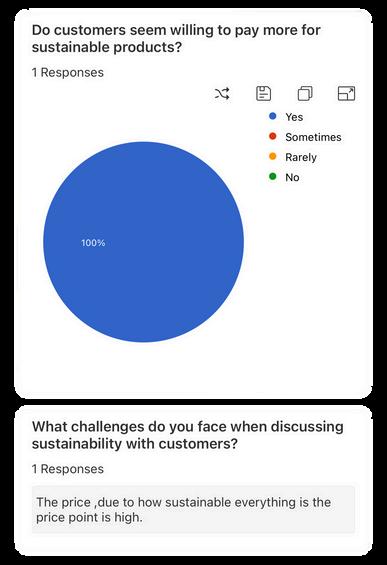
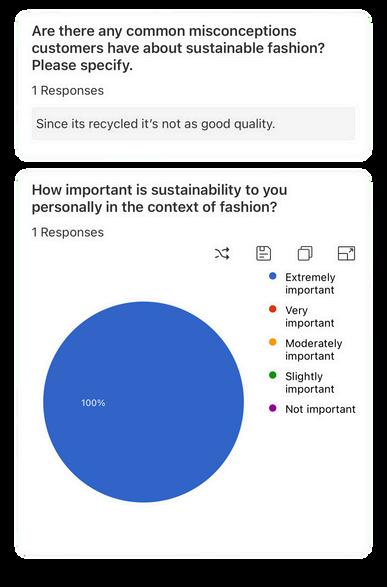
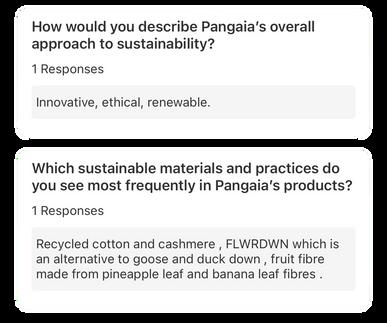
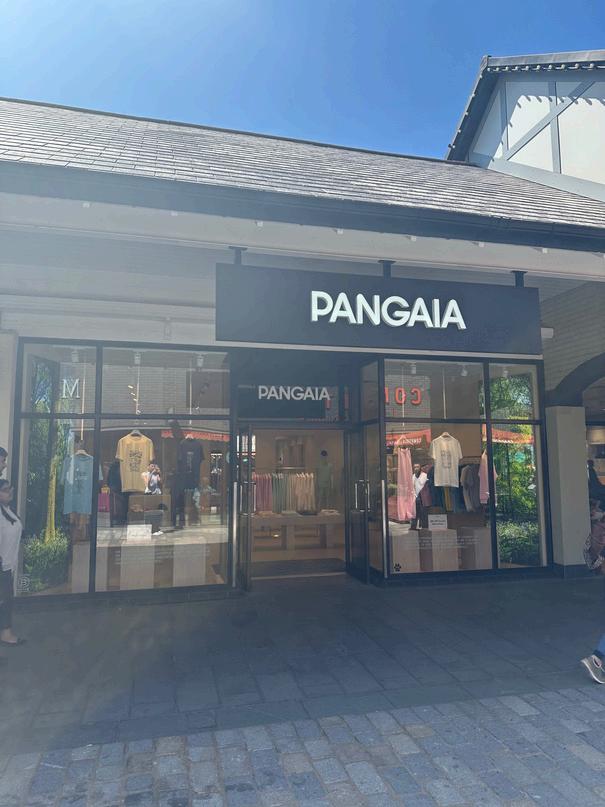
Pangaia
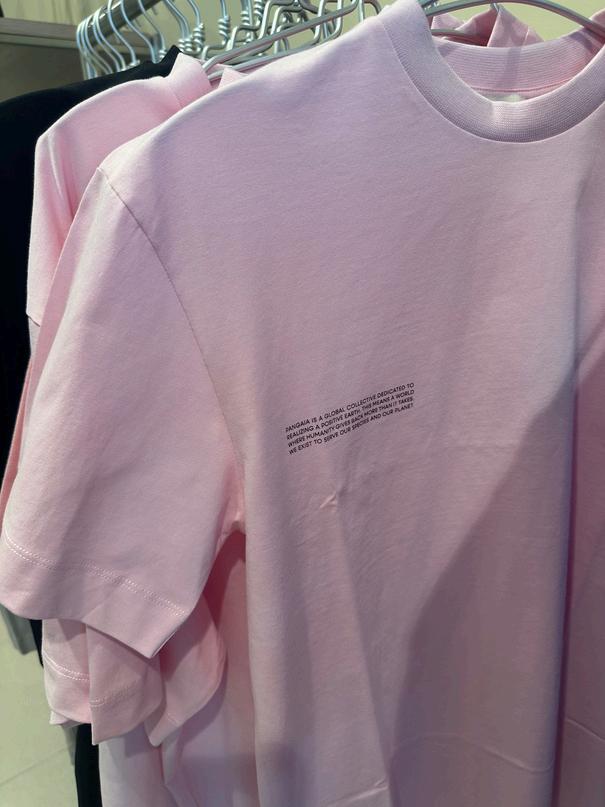
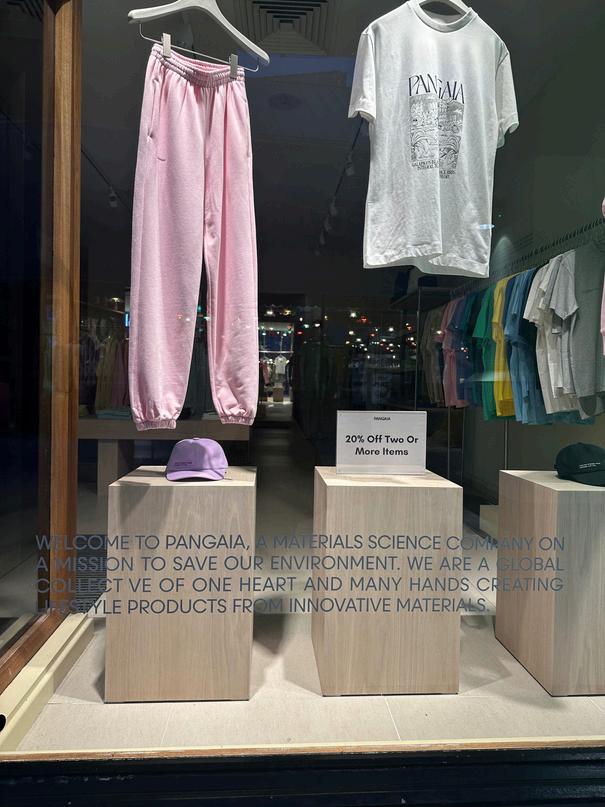
PANGAIA, a materials science company, is widely recognised for its strong sustainability efforts, combining innovation with ethical practices:
Environmental Initiatives
Carbon Reduction: Achieved a 40% carbon footprint reduction (2023 vs. 2021) and a 9% drop in emissions intensity.
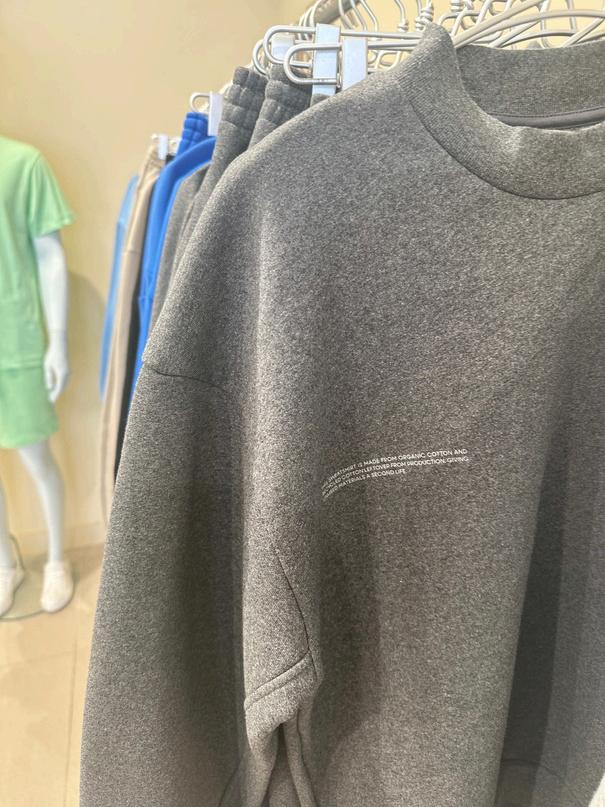
Circular Fashion: Launched PANGAIA ReWear, a resale platform, and ensured 85% of products sold are recyclable.
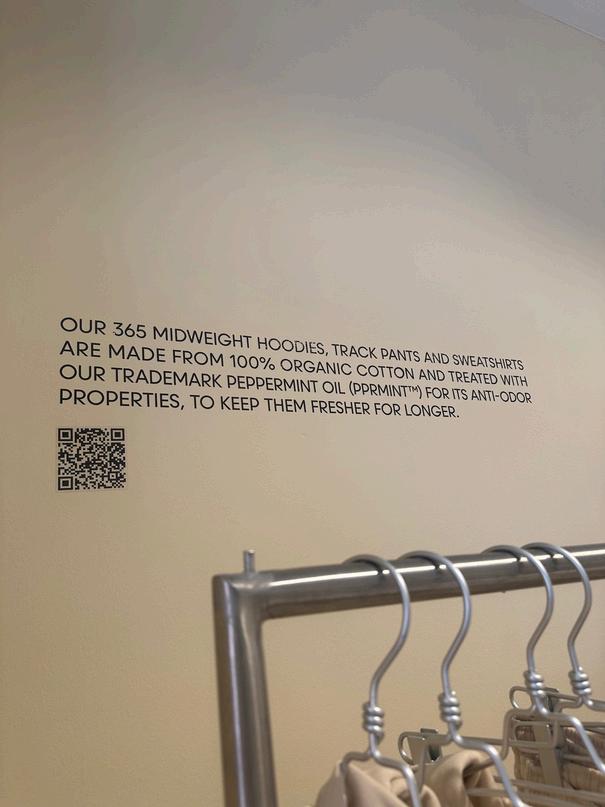
Innovative Materials: Uses seaweed fibre, recycled materials, and introduced fully recycled denim made from textile waste.
Ethical & Social Practices
Fair Labour: Member of the Fair Wear Foundation; discloses its supply chain for transparency.
Community Support: Funds environmental and humanitarian projects including reforestation and ocean conservation.
Innovation
PANGAIA Lab: Develops next-gen materials such as bacteria-dyed fabrics and carbon-capturing textiles.