if you want it, Send a story that holds up to scrutiny and Numbers that make sense. Then dance through a maze of evidence re uirements, forms and notifications.
Once you’ve done that, then we can talk. Bring a specialist.
s

Ever feel like your R&D tax credit is being held hostage and you’ve left it to the wrong person to negotiate its release?
We treat R&D credits as important innovation funding, not a year-end afterthought. Evidence over anecdotes. Certainty over guesswork. Serious about innovation? It’s time to get serious about your R&D tax claims. Quantify your innovation with us.
Book a R&D claim health-check - leave with a one-page risk and opportunity summary.

This edition of forum is all about recognising and celebrating the impact that our members have on the world. That’s not just in terms of turnover and growth, but the wider difference many of you are making across the North East and beyond. It always amazes me how so many of you find the time and energy to give back and support others. It’s easy to think of entrepreneurship purely in commercial terms. But time and again, we see members building businesses with purpose at their core, just like Nursem, Recite Me, and The Wonderful Wig Company. Others contribute more quietly. As trustees, mentors, youth leaders, volunteers, or governors. Roles that carry real responsibility and, often, very little recognition. As entrepreneurs, you are used to making things happen. That makes you extremely valuable, well beyond
your own business. To charities, communities and, yes, sometimes public bodies who need practical, experienced voices around the table.
As Alasdair Beveridge, founder of The Build Directory, puts it, “givers gain”. It’s a simple idea. The more you contribute, the more perspective you gain. And perspective tends to lead to better decisions, in business and beyond.
Of course, the impact of entrepreneurship starts with the companies you build. The jobs you create. The products and services you bring to market. Families across the region rely on your businesses, and the North East is a stronger place because of them.
The Entrepreneurs’ Forum exists, and has always existed, to strengthen the North East through entrepreneurship. We do this by creating space for founders to support one another, openly and without ego. Entrepreneurship gives you more than commercial success. It gives you influence, perspective, and a platform. How that’s used is always a choice. But one of the things that makes our community distinctive is that so many of you choose to use it well. Not loudly. Not for credit.
Because you understand that stronger businesses help to build a stronger region.

That quiet sense of responsibility is part of what sets the North East apart. We also know that it’s not always easy to show up. When things aren’t going to plan, an event can feel like the last place you want to be. If that’s you, reach out. No entrepreneur should feel alone. We can connect you with someone who’s been where you are and understands.
A conversation between peers can make a real difference in reassuring you. It can give you the energy to move forward.
When we do come together, the value is obvious. And you’ll be reminded why the Entrepreneurs’ Forum works.
On Wednesday 13th May, we’ll gather for our Annual Conference at the Ramside Hall Hotel in Durham. More than 200 members in one room.
Conversations that go beyond small talk. It’s a chance to reconnect with familiar faces. To meet members that you haven’t yet crossed paths with, and to take valuable time away from the day-to-day to think more clearly about what’s next.
I hope to see you there.

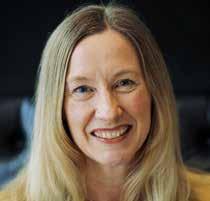
Elaine Stroud Chief Executive
Proud to be partnered with
Built and run independently by entrepreneurs, for entrepreneurs, the Entrepreneurs’ Forum brings together founders across the North East to share real experience.
Membership is personal, and everyone involved is building something. That keeps conversations honest, practical, and grounded.
Through events and mentoring, members connect with peers who understand the decisions they’re facing and help them move forward.
Membership starts from £54 +VAT per month. Visit our website or scan the QR code to find out more.
entrepreneursforum.net


We're stronger together

stacey@entrepreneursforum.net Steve Gibson steve@entrepreneursforum.net Nicole Wood nicole@allies-group.com
Advertising Stacey Crowther stacey@entrepreneursforum.net
Design studio@allies-group.com
To amend your mailing address, or to add/remove yourself, email info@entrepreneursforum.net
Each year, we host more than 70 events, bringing founders together to share what’s working, what isn’t, and what they have learned along the way. From small, focused discussions to our annual conference, these are conversations you won’t find anywhere else.
Only open to members, a selection is listed below. For the full calendar, and to book your place, visit entrepreneursforum.net/events

Round Table: How to Save a Day a Week with AI
Boho X, Middlesbrough
Thursday 7th May, 9.30am - 11.30am
Our series of AI round-table discussions brings together the entrepreneurs who aren’t just curious about artificial intelligence, but the ones that are ready to use it, lead with it and achieve real results from it. This session will explore how AI can help you reclaim your most valuable resource: time.

Annual Conference
Ramside Hall Hotel, Durham
Wednesday 13th May, 8am - 4pm
Our annual conference brings together
hundreds of business owners to share insight, celebrate success and spark new connections. With inspiring keynote speakers, interactive workshops and practical learning, this flagship event will be fun, inspiring and is one not to be missed.

On-site Visit to Micropore Technologies
Micropore Technologies, Redcar
Tuesday 19th May, 9.30am - 12noon
Join our exclusive behind-the-scenes tour of Micropore Technologies, the Teesside-based company turning a university innovation into a global force in filtration and membrane solutions.

Workshop: Real World AI Strategies
UMi, Durham
Tuesday 2nd June, 9.30am - 12.30pm
AI continues to evolve at a rapid pace; however, many organisations still struggle to extract real impact from the hype. Back by popular demand, former Microsoft Finance Director Oli Deacon will lead an engaging two-hour interactive discussion on AI, helping attendees understand how their organisations can start to adopt AI at scale using commonly available tools - in ways that are ethical, safe, and compliant with AI policy requirements.

Member Lunch
Côte Brasserie, Newcastle Friday 26th June, 12.30pm - 2.30pm

Round Table: Balancing Multiple Responsibilities
City Hall, Sunderland
Tuesday 9th June, 9.30am - 11.30am
Running and growing a business is demanding at the best of times, but doing it while also carrying the weight of family responsibilities is a challenge few talk about openly. Hosted by Karen Weir, Managing Director of Weir Insurance, this round table is a true peer-to-peer conversation designed to help entrepreneurs step back, reflect and reconnect with what you need to stay effective without exhausting yourself.

Focus Dinner with Andy Hook
Blackfriars, Newcastle Tuesday 16th June, 6pm 10pm
Our focus dinner with Andy Hook, Hooked-OnGroup, is a rare opportunity to hear from a founder who has built enduring hospitality businesses rooted in craft, culture, and community. It is guaranteed to leave you motivated, inspired and energised, alongside enjoying some truly great food at one of the region's most celebrated dining destinations.
Our year-round events calendar is designed to inspire, connect and support entrepreneurs navigating the opportunities and challenges of running a business. Below you’ll find a description of the type of events we offer, along with what to expect from each other.
As the North East’s largest gatherings of entrepreneurs, our annual conference brings top-class speakers to the region from some of the most successful and innovative organisations in the world.
Our members-only socials are the perfect opportunity to catch up, connect, and network with fellow entrepreneurs, all while enjoying delicious food in a welcoming atmosphere.
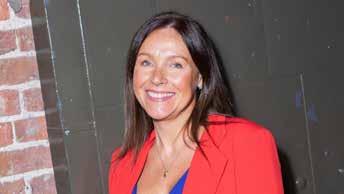
Workshop: Making Your Strategy Stick Gateshead College, Gateshead
Thursday 2nd July, 9.30am - 12.30pm Strategy might look brilliant on paper but when your team is at full capacity, it quietly slips to the bottom of the list. Through group discussion, real examples and simple tools you can use immediately, founder of The Empowerment Room, Angelina Bell, will share how you can cut through the noise, focus on what matters most and ensure your strategy sticks, even when your calendar is full.

Forum Four Ball and Beginner Experience
Rockliffe Hall, Darlington
Tuesday 14th July, 9am 4pm
We’re thrilled to announce our return to Rockliffe Hall for the Forum Four Ball and Beginner Golf Experience in 2026, proudly supported by our digital marketing partner, Maitland. The day will begin with a relaxed catch-up over bacon sandwiches before we head out onto the greens for either a friendly game of Texas Scramble or an exclusive beginner lesson led by Maitland Managing Director Doug Dinwiddie – a former caddie and brother of professional golfer Robert Dinwiddie.
From £120+VAT per person (for all categories of members and partners)
Our annual Entrepreneurial Awards acknowledge the achievements of the region’s most talented and successful entrepreneurs in an evening of celebration and fun.
From £120+VAT per person or £1200+VAT for a table seating ten (open to all in the North East business community)
Our entrepreneur-only focus dinners give you the opportunity to hear stories from trailblazing entrepreneurs that you won’t hear anywhere else. Connect with like-minded entrepreneurs over great food and unfiltered, honest conversations.
£90+VAT (for entrepreneurial members only)
Entrepreneurship can often be a lonely place, and the road isn’t always smooth. Our fireside chats are an intimate and candid discussion where entrepreneurs explore the real, often unseen challenges of running a business.
FREE (for entrepreneurial members only)
Every quarter, we host a new member online meet and greet session. There is no agenda, just a chance to get to know each other and the Forum team a little better.
FREE (for entrepreneurial members only)
On-site visits are full of helpful ideas to implement in your own business, giving you an exclusive behind-the-scenes tour of some of our region’s most creative and innovative organisations.
FREE (for entrepreneurial members and lead corporate partners only)
Our round tables provide a confidential space for candid discussions, where newer business owners connect with experienced entrepreneurs to share insights, tackle challenges and gain valuable knowledge.
FREE (for entrepreneurial members and lead corporate partners only)
If you’re looking to recharge your batteries, our social events are fun-filled ways to build authentic friendships whether it’s over lunch, at a sporting event or an evening out.
Costs may occur (for entrepreneurial members only)
Want to attend one of our events but not yet a member?
Head to our website to find out more or scan the QR code to explore the different options available.
Membership starts from as little as £54+VAT per month. We’d love to welcome and introduce you to the largest community of entrepreneurs in the North East. entrepreneursforum.net
Here we shine a spotlight on the entrepreneurs who have joined our membership lately, we’re so excited to have you as part of our community.
Tell us about yourself
Hello, I'm Chris the Managing Director of
The Impulse Group, a subsea engineering and integrity management company based in Morpeth.
I founded the company
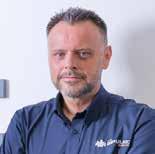
10 years ago supporting projects in flexible pipe technology but now we specialise across a range of disciplines and sectors. Outside of work love to spend time with my wife and kids, all things theatre and digging up any local golf course.
Why did you decide to join the Forum?
I joined because as my business grows it brings new challenges which can often make you feel isolated and unsupported. would like to connect with other like-minded people who are walking the same path.
What do you enjoy most about running your own business?
It is incredibly challenging, more so than ever anticipated but I relish the challenges, the opportunity to meet new people, see multiple projects from inception through to completion and of course the ability to plot your own course in life.
What is something most people don’t know about you?
I am a qualified and licensed ear piercing technician!
What was your first job?
After a few years of trying to post the Sunday Times through the smallest letter boxes in the North East
I began working at Newcastle United Football Club as a glass washer, before working my way up during my university studies to bar manager. It was a wonderful time to be part of the club, I met so many people who taught me so much in the eight years I spent there.
What are you most proud of?
My great big blended family! My wife and have six kids between us and we’ve weathered many storms in the years as we blended together but am so proud of where we are now and for what the future holds for us. Of course building a business from scratch is something to be very proud of and I love to see the team grow and the big Impulse family flourish under the culture have created.
Tell us about yourself

I’m Abbi, founder of Studio6 a gym built around redefining what fitness can feel like for women. I’ve scaled the business in an incredibly competitive industry with no outside investment and no paid ads, purely through community, referrals and relentless standards. Alongside that, now mentor gym owners around the country to help them build profitable, sustainable businesses that create freedom rather than burnout.
Why did you decide to join the Forum?
love learning from other founders, sharing the messy middle, the wins, the pivots and being in rooms that challenge me to think bigger, braver and more strategically.
What do you enjoy most about running your own business?
That no day is ever the same. I’m constantly being challenged, learning, adapting and evolving whether that’s through people, problems or growth opportunities. It forces me to stretch in the best way.
What is something most people don’t know about you?
I’m actually far more introverted than people expect. can show up loud and confident on stage or online, but I really value quiet mornings, long walks, solo travel, coffee on my own and space to think!
If you weren’t running your current business, what would you be doing now?
Something people centred, maybe in education, coaching or events. I love bringing people together, creating experiences and helping others grow, so I’d still be building communities in some form.
What are you most proud of?
Building Studio6 from the ground up into a space that genuinely changes lives. Creating opportunities for women, employing an incredible team, watching our community flourish and knowing that what we’ve built goes so much deeper than workouts. I’m proud that we’ve stayed values led while scaling and that I’ve backed myself even when it felt terrifying!
Michael Mitten
Tell us about yourself
Tell us about yourself

I’m Rachel, a former BBC journalist whose passion for storytelling began with a novel I wrote for my sister at 11. After 16 years in communications roles, I founded McBryde & Co. We are a strategic communications consultancy working with clients including the NHS, NECA, Ward Hadaway, Alnwick Garden, Sembcorp, and SMD. We’re a proud BCorp, focused on healthcare, professional services, public sector, construction, and clean energy. Outside agency life, I’m married to a farmer, with two children and a beloved menagerie of animals, which keeps me grounded and offers a very different perspective.
Why did you decide to join the Forum?
I’m always interested in learning from others. get a lot of support from marketing leaders, other agency owners and members of the CIPR, where I’m part of the committee. For 2026, thought it would be interesting to build my network and draw inspiration from entrepreneurs from different sectors and backgrounds. The Forum was the natural place to turn.
What is something most people don’t know about you?
For a long time, was dedicated to triathlon, and competed at the Ironman European Championships in Denmark. Now I run and cycle in my spare time, and it helps keep me sane. As a journalist, once interviewed Beyoncé in the back of a black cab, on the way to film Top of the Pops!
If you weren’t running your current business, what would you be doing now?
I’d love to be a sports journalist, covering cycling. I’m a bit obsessed, especially the three grand tours of Italy, Spain and France. I consume highlights, daily podcasts and love watching the sport live. I’d love to travel the world covering the Cycling World Tour series.
What are you most proud of?
Aside from my family, it’s the team work with at McBryde & Co. When we won Marketing Agency of the Year in December at the North East Marketing Awards, was so happy for them all, it was testament to years of hard work and graft.
I’m Michael, former owner and CEO of electromechanical engineering firm Houghton International, which joined as an apprentice at 15 and progressed to CEO at 27. After more than 19 years leading the company, successfully exited in May 2024 to a large American private equity-backed organisation. Originally from Houghton-le-Spring, I now live in Newcastle with my wife and two sons. I’m Chair of Youth Rugby at Northern F.C., a Sunderland A.F.C. season ticket holder, and love the outdoors. am currently preparing to launch a new business venture in Autumn 2026.

Tell us about yourself
I'm James, Managing Director of Wear Homes. I'm 38 years old and live with my partner and two sons aged six and one.
Why did you decide to join the Forum?

I joined to expand my network and connect with like-minded business leaders. Being part of a community where I can build new relationships, share experiences, and learn from others was important. The opportunity to engage with a wider range of entrepreneurs, access fresh perspectives, and create meaningful connections that support both personal and business growth really appealed to me.
developing the discipline that comes with maintaining high standards. It was a great introduction to working life and shaped many of the skills I still use today.
If you weren’t running your current business, what do you think you would be doing now?
I’d still be working as a firefighter. I continued in that role for as long as could while growing my business, and genuinely enjoyed it. It’s a career I’ve always valued for its sense of purpose, teamwork, and the opportunity to make a real difference in people’s lives. Even though my path eventually shifted towards running my property business full-time, that drive to support and protect others has stayed with me and it still shapes the way work with clients and mentor people entering the property industry.
Why did you decide to join the Forum?
I’m a former member who got great value in the past. I’m passionate about supporting North East entrepreneurs to be the best they can be, creating great lives for themselves and value for our communities. I’m keen to roll my sleeves up as an investor, mentor and collaborator. was lucky enough to be supported on my journey by some incredible people, and I’m keen to offer similar support to those trying to navigate the complexities of growing their businesses in a fast-paced world.
What do you enjoy most about running your own business?
love being part of a team, seeing people grow beyond their expectations, and consistently deliver at a higher level than they thought possible.
What is something most people don’t know about you?
failed my first attempt at a degree – economics at Salford University – and had to pick myself up and start again. A first lesson of many in how to bounce back from failure.
What was your first job?
Paper boy and collecting pint pots at the Lambton Arms in Houghton-le-Spring, where got paid in pint checks, which sold on to my mates. was only 13… my mam and dad didn’t know.
If you weren’t running your current business, what would you be doing now?
I’m figuring that out, and re-joining the Forum is part of that journey of discovery.
What are you most proud of?
The high-performance culture we created at Houghton International was built on investment in people development, high-skilled apprenticeships, and embedding strong values. This exceptional culture was recognised when we were named 2023 National SME of the Year by Make UK.
What do you enjoy most about running your own business?
The freedom to shape my work around the things I’m genuinely passionate about. love being able to transform properties - whether that’s flipping a project to create something new, managing portfolios for others, or helping people grow and protect their investments. It is really rewarding mentoring people who want to get into property. Supporting others to build confidence, develop their knowledge, and take their first steps in the industry gives me a real sense of purpose. A big part of that comes from my own experience - I didn’t have that support when I started out. had to find my own way, make mistakes, and learn through trial and error, so being able to guide others and give them the help never had feels incredibly meaningful. Ultimately, it’s the variety, the independence, and the opportunity to make a positive impact, both on properties and people, that I find most fulfilling.
What is something people don’t know about you?
I joined the fire service at just 19 years old, which was a huge achievement at such a young age. It gave me invaluable life skills early on - everything from discipline and teamwork to staying calm under pressure and dealing with challenging situations with confidence. I was also growing my property business on the side at the same time. Balancing both roles taught me even more about commitment, resilience, and pushing myself to achieve long-term goals. Those experiences shaped who am today and played a big part in the success of my business.
What was your first job?
As a lifeguard at my local gym while at college. It taught me a lot early on about responsibility, staying calm under pressure, and looking after people’s safety. enjoyed being part of a team, building confidence in dealing with the public, and
We're delighted to welcome the latest members of the Entrepreneurs' Forum, joining up to and including 25th March 2026.
Dave Knowles Alpine Online
Shaun Watts Chameleon Business Interiors
Tracy Fee Hiyed CIC
Tim Wilks Lane7
Kirsty Ostell O.Agency
Paul White Optimal Accountancy
Lyndsey Everett Stafford Accountancy
Jon Elwell Tbox Tech
Jayden Elwell Tbox Tech
Nicola Wood, The Wonderful Wig Company
Kate Rose TUTTI
Natasha Addis Wharton Global
Neville Wharton Wharton Global
The Entrepreneurs’ Forum is a membership organisation for North East entrepreneurs who run businesses that turnover more than £250,000 per annum. Membership is for the owner, not just the business because we know that entrepreneurship is a life choice that only other founders can truly understand. At the Forum you’ll surround yourself with friends, collaborators and mentors who can offer you guidance, support and inspiration at every stage of your business.
To find out more about what we do and how to join visit our website or scan the QR code.
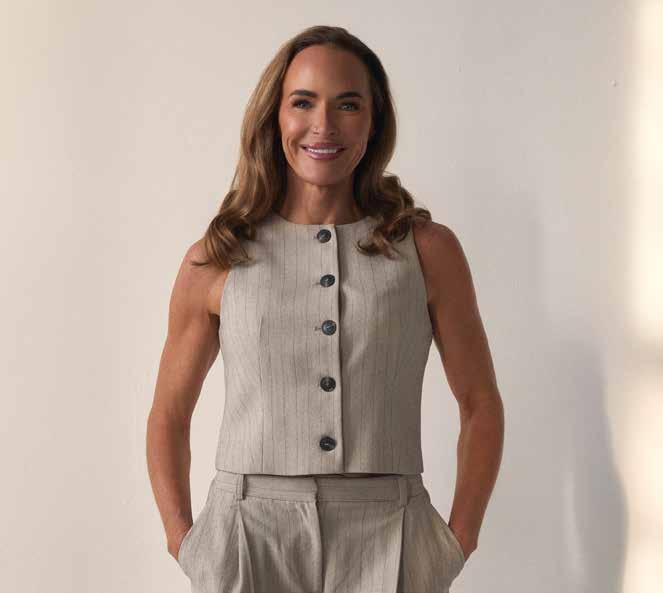
Nicola Wood, founder of The Wonderful Wig Company and winner of the Entrepreneurs’ Forum Impact Award for 2025, is on a mission to transform the way we perceive and treat hair loss.
After her own cancer diagnosis, Nicola Wood has spent nearly a decade building a service that prioritises human dignity and psychological support over profit margins.
In the bustling city of Sunderland, her remarkable journey began with a dream and a pair of scissors. Opening her first salon at just 21, she spent 15 years building a thriving business, witnessing every day how a good hair day can boost a person’s confidence and mood. But it was an unexpected turn of events in 2016 that would shift her focus from making people look beautiful to helping them feel whole again.
At the age of 36, Nicola was diagnosed with breast cancer. Sitting in the oncology department, she faced the primal fear of her own mortality. Her second question to the doctor, however, was telling: “Am going to lose my hair?”.
“Maybe it was the hairdresser in me, or maybe it was just the woman in me,” she reflects. “I’d spent my life making people feel beautiful with hair, and suddenly the prospect of no more good hair days felt like the cherry on top of the cancer cake”.
While Nicola ultimately did not lose her hair during treatment, her daily hospital visits provided a harrowing window into the lives of those who
disheartening. Poorly prepared wigs by staff who lacked hairdressing experience or the empathy to handle the trauma of hair loss.
Taking a leap of faith, Nicola and her husband re-mortgaged their home to build a purpose-built support studio in the back of her Sunderland salon, Kitui. The goal was to create a service that was the opposite of what she had seen – one that offered technical excellence and psychological understanding.
“I went on every course, I went to Europe, I just did everything I could to be the absolute fountain of knowledge for hair loss,” Nicola says. This included two years studying trichology – the science of the hair and scalp – and delving into the psychology of identity and self-esteem.
Nicola’s empathy for her clients is rooted in her own long-term health struggles. While her cancer treatment did not claim her hair, she has grappled with hair loss for two decades due to an autoimmune condition. “I’ve got rheumatoid arthritis and have to inject methotrexate and it’s just an absolute nightmare for your hair,” she explains. “It’s not about vanity, it’s about not recognising yourself anymore and the mental toll that takes”.
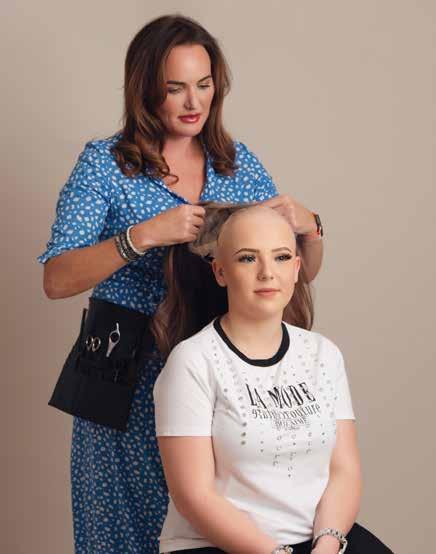
It's not about vanity. It's about not recognising yourself anymore and the mental toll that takes
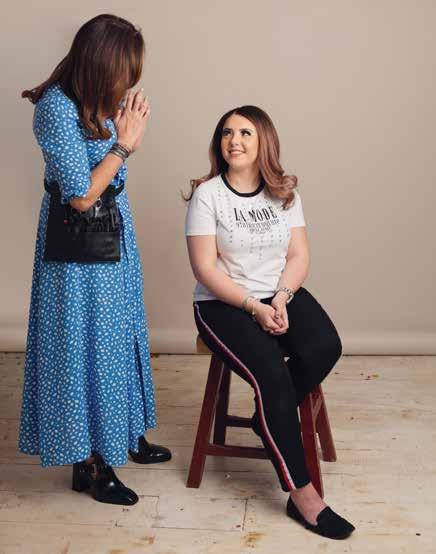
I take off that data-driven numbers head at the door and just be a hairdresser where everything comes naturally. When do have my office days, I’m actually more productive because I’m happier”.
the Scottish border down to Leeds.
did. She saw woman after woman burdened by the emotional toll of hair loss, often resorting to ill-fitting wigs that did nothing to restore their sparkle or identity.
“It was an epiphany,” she explains.
“I remember sitting in the hospital and thinking that maybe this is why I’ve got cancer – so that I could actually make a difference to these people’s lives. wanted to make the woman who had lost part of themselves feel beautiful”.
Determined to change the landscape of medical hair loss support, Nicola embarked on a period of intense research and training. What she found across the country was
The Wonderful Wig Company launched with a video that quickly went viral, attracting women from across the country who finally felt “heard”. However, as the business grew, Nicola realised that the people who needed the most help were often those who could least afford it. This led to a year-long quest to understand procurement and work with the NHS.
“I didn’t have a clue how to do procurement or anything like that,” she laughs. “I went from being a hairdresser to trying to be what considered a business woman. I joined the NatWest Entrepreneurs Programme to learn about risk and all the business-y stuff I didn’t feel confident in”.
Her persistence paid off in 2019 when she secured her first NHS contract with Sunderland Hospital. Today, the company serves 15 NHS Trusts and covers a vast territory from
For Nicola, success has never been just about turnover or the number of cities she can expand into. In fact, she recently decided to scale back some of her growth plans to ensure the service remains personal and impactful.
“I’ve tried a couple of models across the country, like franchises, but it dilutes the service,” she admits.
“I want to know every single person in my team personally. I’d rather make the most powerful impact on 100 people than a diluted impact on a million”.
This focus on quality over quantity is what led to her receiving the Entrepreneurs’ Forum Impact Award for 2025. Success for Nicola is measured in the restoration of a person’s identity. She tells the story of Mary, a woman who had lived with alopecia for 30 years and was so ashamed she wouldn’t even let her husband see her without her wig.
“In that moment, am not a hairdresser or a trichologist. I am simply a human hearing another human,” Nicola says. Through months of support, Mary eventually felt comfortable enough to sit in the salon without her hair. “How liberating to be fully seen for the first time in 30 years”.
The business also runs a wig bank, where people can donate wigs to be upcycled and given to those who cannot afford one. Regardless of the service you visit Nicola for, the time, care and dedication is given in equal amounts.
Balancing the roles of “Hairdresser Nicola” and “Business Nicola” has been one of her greatest challenges.
At one point, she stepped away from the salon floor to focus entirely on growth, only to find herself burnt out and unhappy.
“I realised that my passion is being with people,” she reflects. “I went back to the salon two days a week.
Nicola has now run her salon for 25 years, but the building’s heritage as a hairdressing space stretches back half a century before she even bought it; she now holds the ambitious goal of reaching a full century of hairdressing within those same walls.
The balance of both roles allows her to focus on broader impact, such as influencing the curriculum for future hairdressers through her board position at City and Guilds. She also conducts free educational seminars for doctors and nurses to improve the limited information currently available within cancer services.
“I want to unify the information that’s out there,” she says. “I’ve worked with Newcastle University to prove academically that this stuff matters and that it makes a difference to patient outcomes”.
Looking ahead, Nicola is focused on using her voice to spread awareness
through her book and her TED talk, which has already been watched over 30,000 times. She is also working on measuring the social impact across her business to ensure that no one faces hair loss unsupported, regardless of their background or financial situation.
“When I got cancer, my son was six, and I wanted to leave some lasting legacy work that he would be proud of,” she shares. “Now he’s 17, and I’m driven by the fact that I’ve lived a fuller and more impactful life in the last nine years than did in the previous 30”.
For the next generation of entrepreneurs, Nicola’s advice is simple: trust your intuition. “It’s my intuition swear by. If a feeling doesn’t feel right, try not to do it, and I’m generally proved right”. Nicola Wood is more than just a business owner; she is a pioneer who has turned a personal crisis into a national movement. By redefining what beauty means and validating the significance of hair loss, she is ensuring that for the thousands of people she helps, hair is never “just hair”.
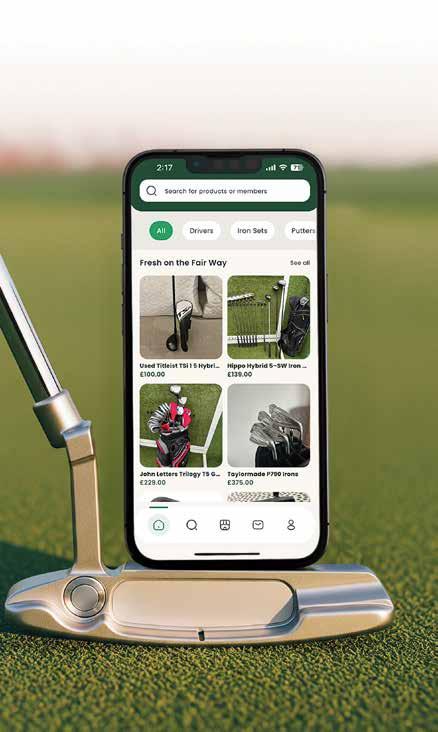
By Harry Hinchley, Head of User Engagement, Fair Way Marketplace
Every golfer knows the feeling. There’s a perfectly good driver gathering dust in the garage, a set of irons that never quite clicked, and somewhere across town a newcomer to the game is staring down a £500-plus price tag wondering if golf is even for them. Harry Hinchley of Fair Way Marketplace shares why he believes that it is, and why it shouldn't cost a fortune to find out.
A gap in the market
Golf in the UK is thriving. The R&A’s 2024 Global Participation Report recorded over 108 million players worldwide, and England had its most active year on record. The UK golf equipment market is worth over £800 million and growing. Yet for all that energy, buying and selling quality used gear has always been a frustrating experience: either lost in the noise of eBay or undersold at the trade-in counter.
We saw that gap and we decided to do something about it. Fair Way is a dedicated marketplace app built by golfers, for golfers. When you’re buying a set of PING irons or a Titleist driver, you want to know you’re dealing with people who understand loft, lie, and shaft flex. That’s exactly the community we’ve created.
Making the game more accessible
Our mission is simple - make golf more accessible. By creating a circular economy for golf gear, we help seasoned players recoup their investment while helping newcomers kit themselves out with premium brands at a fraction of the retail cost. Listings take seconds, the curated feed surfaces what’s relevant to you, and our built-in security features mean you buy and sell with complete confidence. We’re not just an app. We’re a digital clubhouse, a place where the golf community connects, trades and keeps the game moving. Whether you’re clearing out your locker before the new season or hunting for the upgrade you’ve been eyeing all winter, Fair Way is where you’ll find it.

We’re a digital clubhouse, a place where the golf community connects, trades and keeps the game moving.
The response has been incredible Since launching, the community response has exceeded our expectations. Golfers across the country are already buying and selling through Fair Way, and we’re proud to be growing a platform that genuinely serves the sport we love.
The North East has always been home to a passionate golfing community, and it feels fitting that a business built around fairness, quality, and accessibility has its roots here.
Our goal is straightforward: to be the first place any UK golfer thinks of when it’s time to move on a club or find their next favourite set. We’re building something the sport has needed for a long time, and we’re just getting started.
* Download the Fair Way app today and see how easy it is to buy, sell, and play. Just search Fair Way Marketplace in the app store.
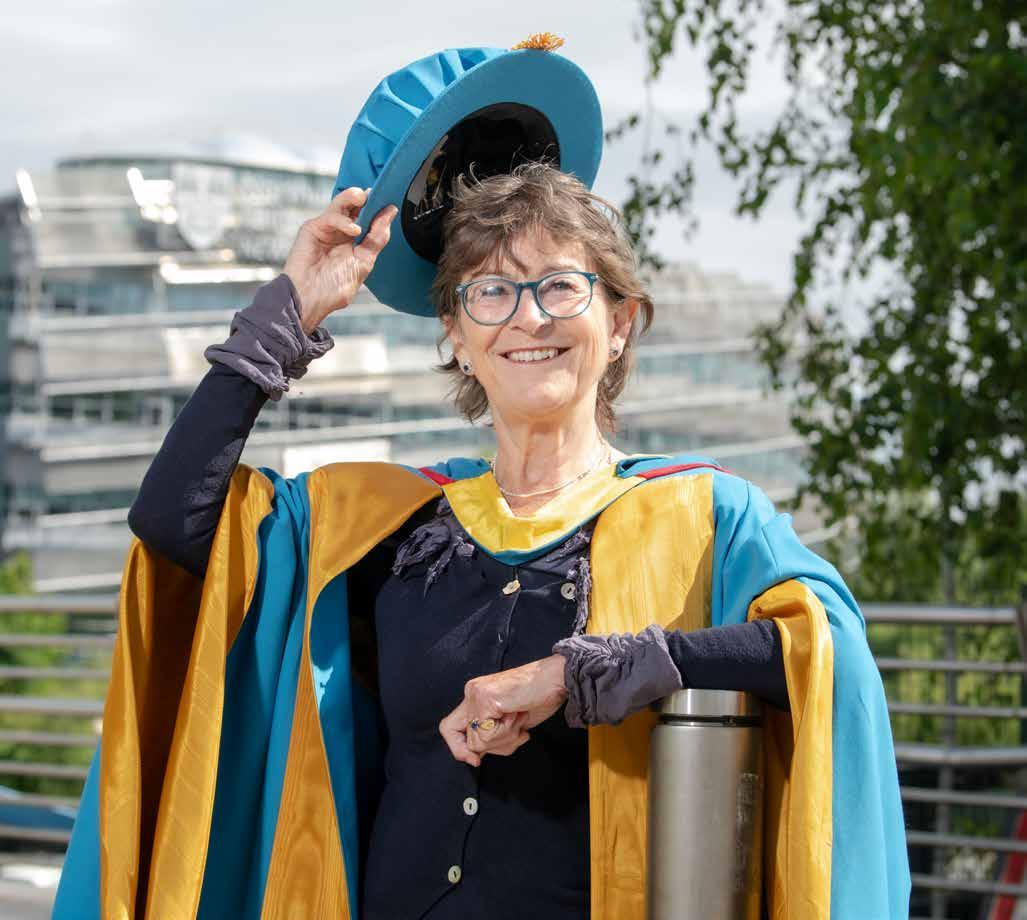
In our One Thing I've Learnt series, Entrepreneurs’ Forum ambassadors and honorary members reveal one lesson that has shaped how they build their businesses. Providing a source of inspiration for anyone following in their footsteps, our guest editors share some of the business challenges they’ve faced and what they taught them.
In this edition Caroline Theobald CBE, in whose honour our mentoring award is named, shares why she believes relationships are the true infrastructure of successpeople matter!
I’m often told that I’m the region’s super-connector. I’m not sure that’s true, but even if it is, what folk may not realise is that I arrived in the North East (North Shields) in 1990 knowing nobody and nothing. I owe Deborah Jenkins the co-founder of Common Purpose a debt of gratitude! I was included in an early cohort of this innovative leadership programme and it’s from there that I have built, nurtured and sustained the network that gave birth to my company Bridge Club – and many other things besides.
My network is like a nutritious spiders’ web of individuals spanning
sectors, career-stages, places and backgrounds all of whom would rather say ‘yes’ than ‘no’ when asked for help or advice. That’s why can say, with authority, people matter. For me, relationships are the infrastructure of success, however you define it. Unlike some, my success hasn’t been fiscal (OK I’ve washed my face) but it’s been a joy. A real pleasure to see the initiatives I’ve had a hand in creating, and the individuals I’ve helped, create companies, organisations and initiatives of value to them and to others. strongly believe that all opportunities start with a conversation. If one doesn’t have the courage to risk a new conversation, sometimes in an alien or frightening environment, nothing changes. I had no grand plan. just followed where the conversations led me: founders thirsty for connections at first, leading to my interest in ‘what’s next’ in all its forms. explored enterprise education in the university sector whilst igniting creative thinking through ‘Giant MindsTM and ‘Enterprise EvolutionTM’ in schools and colleges. Drawing on all that experience led me to be the senior co-founder of FIRST and subsequently to amplify the importance of trading ethically through the formation of The North East Initiative on Business Ethics. also helped forge stronger links between our region and Sweden when I was an honorary Swedish consul – this region punches well above its weight in AngloSwedish relations. People do business with people. What does all this mean to me, you might ask? How will it help me build my business on solid foundations and help me scale and sustain it? Here’s my answer, imagine growing your business in a vacuum. Where could you turn for help, support, advice and challenge. That’s exactly what the world was like for a lot of founders in 2000 – full of ideas on how to ride the dot.com wave, but without a clue how to push off from shore. Those were heady times with crazy valuations abounding (a young Nick Bell had a £70million valuation for his online teen magazine, but couldn’t
get a business bank account because he was under 18). I’ll never forget the call I had with the chairman of NatWest. He’d heard about Nick and he knew me - people matter.
Charlie Hoult was then in London helping establish the First Tuesday network and he and had fun and purpose in co-founding Bridge Club to connect early-stage founders, like Nick, to money and teambuilding professionals who had the knowledge, expertise and experience to help early-stage entrepreneurs survive and then to thrive. Charlie let me get on with it after a couple of years and although by then Bridge Club was national, it had forged enough of a reputation for ‘usefulness’ for me to be invited to help establish the Entrepreneurs’ Forum. There was a gap. Although access to professional advice is fundamental, what was missing was a network of peers that could support and encourage those a few steps behind them on their entrepreneurial journey – and look ahead for inspiration. Twenty five years ago there wasn’t a supportive community of scaling business founders who could swap war stories and share best-practice with their equals whilst being inspired –constantly – by those from the region and beyond who were breaking moulds.
The early 2000s and the digital revolution created enormous changes, but not the one that everyone told me would happen (and they’re shouting again because of AI).
“That technology will take over”.
“That people will cease to matter”.
“That you’ll be out of business before you get going”. Wrong, just plain wrong. People do business with people. Building trust between people matters and is what brings about systemic change.
Reflect on the changes in the University sector. At that time higher-education institutions were known only for teaching, learning and research. Enterprise wasn’t on the agenda. That started changing in the 2000s and the universities in this region, led by Newcastle, were instrumental in that change. From my Bridge Club perspective it made sense to build partnerships with the
People do business with people. Building trust between people matters and is what brings about systematic change.
universities because, even though enterprise activity wasn’t valued by the Institutions, the dot.com revolution meant that our universities were brim-full of young entrepreneurial talent. Gareth Trainer then at Newcastle (now at Sunderland) was and remains a leading, but somewhat unsung hero of enterprise education and start-up support in the North East and nationally.
Our early partnership gave his entrepreneurial students real-world support and connections, and he invited me to join the learning from ‘The Spirit of Enterprise’ being rolled out of Judge Business School at Cambridge as part of the Enterprisers Partnership developed between Cambridge University and MIT in the States. How else would have met, and invited North, the Cambridge Angels and shared speaking platforms with individuals like Lord Karen Billimoria, founder of Cobra Beer and Alex van Sommeren now a senior advisor in innovation, investment and technology. I was surprised to learn that connecting founders to the individuals and organisations that could help them grow wasn’t at all ‘usual practice’ at the time. was just daring to be different and doing it with joy –connecting people to make good things happen.
It was for that reason that our region was chosen as the launchpad of the ‘Flying Start’ rallies organised by the National Council of Graduate Entrepreneurship. From there Bridge Club went national, connecting university founders with the professionals and investors who could help make businesses fly. may not still be in touch with Tarek Nseir (Think) or Gill Chapple (Bedsearcher) who were involved in those early rallies, but am still in touch with Jonny Grubin (whom met when he was 15 and went on to be founder of SoPost – winner of The Spectator’s
Northern Economic Innovator of the Year award); and Nick Bell, the teen wonder-kid, now in America and co-founder of Fanatics Collect.
By the early 2000s professional networks were taking shape but there was still something missing.
What about a peer-group offering an essential but informal ‘advise, build and challenge’ resource to ambitious founders that wanted to scale? The willingness I’d shown in entering alien environments had got me noticed by two of the region’s best known entrepreneurs: Sir Peter Vardy and Lorna Moran. They’d come across The Entrepreneurial Exchange in Scotland (founded by Sir Tom Farmer) and were excited by the potential of a North East version. added to the mix the Cambridge’s ‘Spirit of Enterprise’ experience which had taught me that interconnectivity between successful individuals resulted in company formation and growth as part of a peer-community which was nothing short of extraordinary. Thus, the Entrepreneurs’ Forum began to take shape. At its core is that people matter, wherever you are on your business journey. And that’s my point. People really matter, especially in a digital age. And mean real people, not just online interactions. The individuals who’ll help you grow personally and professionally are the ones you invest time in and listen to – relationships are a two-way thing. They are nurtured by reciprocity, personal knowledge-transfer and going the extra mile. believe strongly that there’s a fundamental truth in ‘givers gain’ and the mutual trust it builds. And finally, those two ears we were born with are a wonderful asset – if you use them and make the effort to build and sustain relationships old and new I guarantee your life (and your business) will be richer for it. Give freely of your time too. You never know how that might be remembered when you need it most.
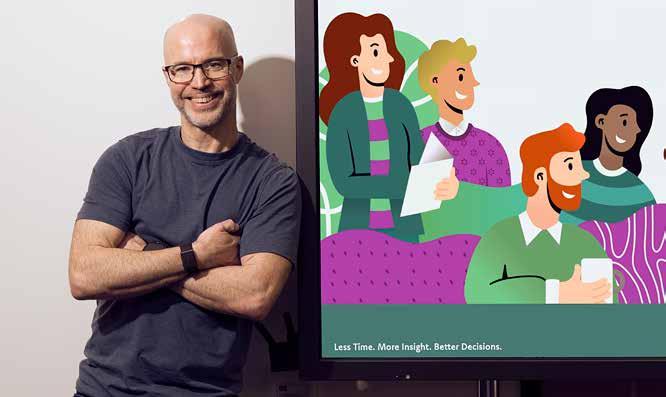
By Jordan Byers, Senior Manager at Northern Accelerator
Northern Accelerator believes that great ideas become world-changing businesses when the right people come together at the right time. Jordan Byers, Senior Manager, shares why she is urging the Forum’s entrepreneurial members to be part of their Executives in Business program.
Across the North East, our universities are home to groundbreaking research with the potential to solve real-world challenges. But to turn that research into successful companies, we need more than innovation. We need experienced leaders who know how to build, grow and navigate fastmoving businesses.
Northern Accelerator, a partnership of Durham, Newcastle, Northumbria, Sunderland and Teesside Universities, supports the creation of spinout businesses with strong leadership teams. Our Executives into Business programme matches experienced business leaders with academic founders, ensuring spinouts have the best chance of success.
A recent example of this partnership’s
impact is InSync Labs (insync-labs. com), a behavioural science spinout from Durham University. Their journey shows the power of bringing entrepreneurial expertise into early-stage academic ventures.
Making an idea investable
InSync was founded by Prof. Richard Crisp, a behavioural scientist and senior university leader who understood first-hand the frustrations of traditional employee surveys. He saw the opportunity to build a platform to give organisations real-time insight into how their people feel, and why. Something faster, smarter and more meaningful than the long annual questionnaires so many businesses rely on.
Instead of lengthy forms, InSync uses continuous sampling and AI-powered
analytics to deliver real-time insights. Managers can track sentiment, test engagement strategies and link morale directly to business outcomes such as productivity, safety and customer satisfaction.
Like many academic founders, Richard knew the company needed commercial leadership to match the strength of its research foundation. With the support of Executives into Business, he was able to step back from academic duties and focus fully on developing the business.
Making a difference
The business began as a partnership between Richard and software engineer, Dr Richard Hoare, who together built a prototype of the platform. Then, through our programme, Richard connected with experienced entrepreneur and HR specialist, now InSync CEO, John McConnell. Initially funded through our Executives into Business
programme, John joined to help shape the company’s strategic direction.
He brought commercial discipline, operational know-how and the ability to translate research-driven ideas into a compelling value proposition for customers and investors.
The team developed the prototype into a fully functioning commercial product, secured beta users across charity, education, healthcare and leisure sectors, and began preparing for investment. They’ve since entered the market and are now seeking capital to scale their sales, product and platform teams.
Calling all entrepreneurs Executives bring invaluable expertise to a university spinout, including commercial experience, confidence to drive growth, networks that open doors and the leadership to turn innovation into impact.
In return, they gain the chance to shape a business from the ground up, working with research that is often years, even decades, ahead of the market. A rare opportunity to build something meaningful, future-focused, and commercially exciting.
Shaping the next-gen
The region has the talent, the research strength and the entrepreneurial energy to build globally significant companies. But we can only do it by working together, with academics, founders, investors, and experienced entrepreneurs who help guide great ideas into commercial reality.
If you’re interested in joining our network of potential Executives into Business, we’d love to hear from you. Visit our website to find out more and register your interest.









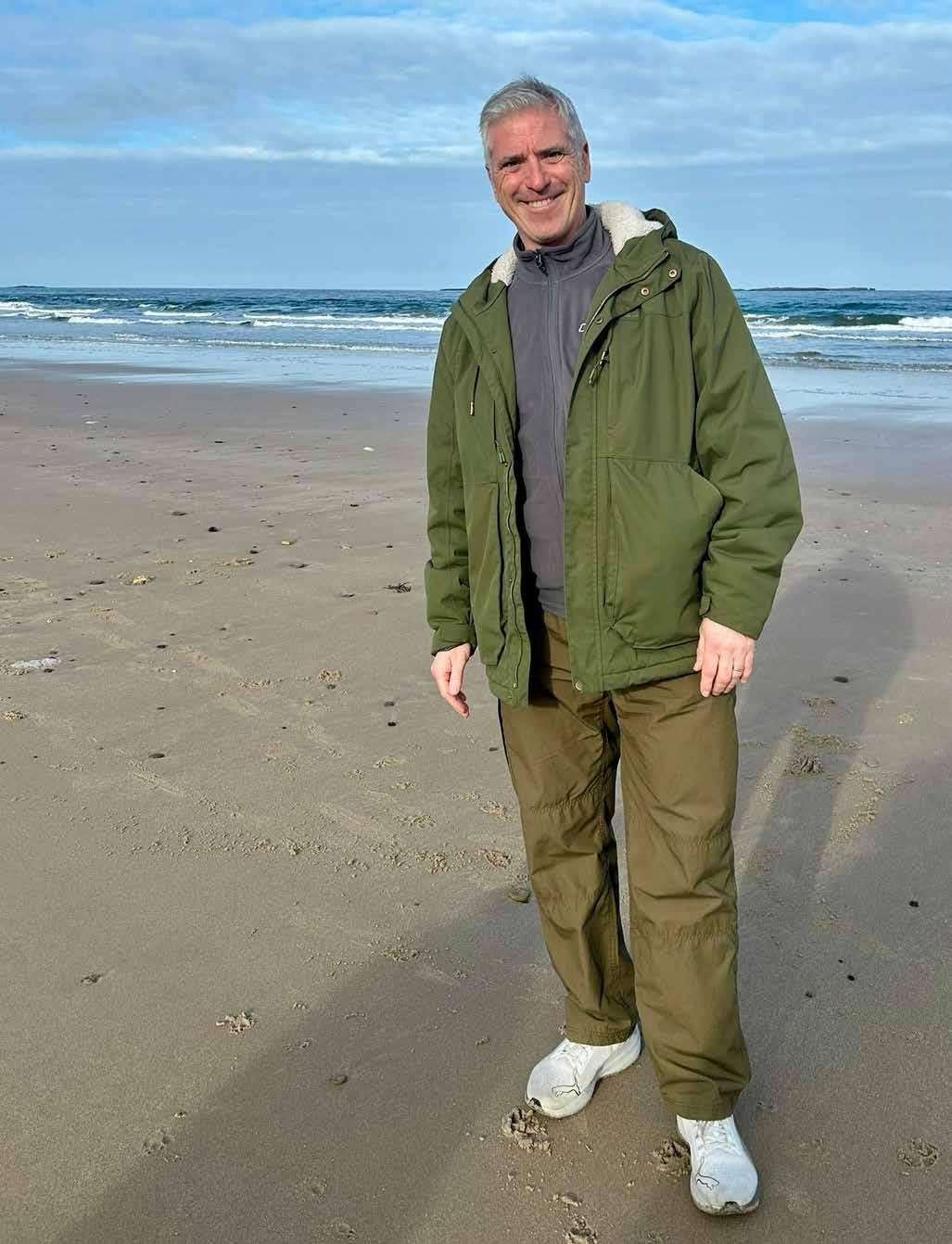
How well do you know your fellow members? In this feature, we shine a light on some of the Forum’s long standing members, exploring their business journey, their connection to the North East, and what makes it such a special place to live, work and grow a successful business.
Born and raised in ‘The Boro’, Pete Lillie spent years supporting companies across Europe and the Middle East in tech and IT security, before returning home to launch Presca Sportswear, a sustainable teamwear brand he exited in early 2021.
Now founder of DOUBLE A-SIDE, Pete helps businesses develop strategies, drive growth and achieve lasting impact. Here, he shares his love of Middlesbrough F.C. (especially their mascot, Rory the Lion - aka his eldest daughter, Anya) the North East food scene and breakdancing.
Can you tell us what the business does?
DOUBLE A-SIDE, has a core objective to deliver both employee value and organisational profit (those with a vinyl record collection will hopefully get the Double A-side reference).
We deliver a value-based proposition that enables organisations to achieve sustainable and inclusive growth, converting purpose into measurable commercial value and long-term organisational resilience. We strengthen business development through clear market positioning, partnership strategy and pipeline creation, and ensure organisations are investment-ready with robust propositions, credible impact metrics and commercially viable delivery models.
What are the best and worst parts of your job?
The most rewarding part is the ‘light-bulb’ moment with a client –when the work we’ve done together suddenly clicks into place and a clear, confident plan emerges.
The toughest part is seeing just how much pressure entrepreneurs and business owners place on themselves to deliver, often carrying far more than they need to on their own.
What do you consider to be your greatest achievement?
Personally – and most importantly –being a dad to three daughters and still being relatively sane. Professionally, the real achievement is being able to align what I do for a living with what genuinely care about and enjoy. That combination feels like a privilege.
What is your biggest fear, either personally or professionally?
I’m an optimist by nature, but am concerned by the social and environmental risk created when political short-term wins are prioritised over long-term value. Too often the wider impact of those
decisions – on people, places and financial sustainability – isn’t fully recognised. For me, real progress comes from taking a longer view and understanding that economic performance, environmental responsibility and social value are inseparable.
What is one thing that not many people know about you?
I’ve been a sprint coach at my local athletics club for the past ten years, but my true claim to sporting fame is winning a breakdancing competition at school in 1985 –a skill set that, sadly, hasn’t yet made it into the training programme.
How do you unwind after a long week in the office?
A spin class at the gym is my way of switching off for an hour – and, in my mind at least, it fully offsets the couple of pints of the black stuff that usually follow with the family at the pub.
What are you currently watching, reading and/or listening to? It’s a combination of audiobooks and podcasts, mostly centred on people and their journeys. I’ve recently gone back to Moods of Future Joys by Alastair Humphreys – a brilliant reminder that adventure is really about the individuals you meet and the shared experiences that shape you.
What makes the North East such a great place to live and work?
spent many years working in the Middle East and Europe, but the North East is different. The openness, the humour, the generosity – and that underlying determination – create a sense of community and purpose you don’t find everywhere.
What is your favourite regional restaurant, coffee shop or bar?
My local is The Fox Covert in High Leven – relaxed, welcoming and known for its great, hearty food. For something more celebratory we
usually head to Chadwicks in Maltby, where the menus are built around outstanding regional produce. It’s a great example of how strong the North East food scene has become, we recently tried one of their wine-pairing evenings which was really good fun.
You have out of region clients visiting, what is the one place that you would recommend they visit?
Of course it’s the Riverside Stadium. It’s our version of a cultural induction – full of passion and accompanied by a very honest running commentary from the stands. You can even say hello to our mascot, Rory the Lion… also known as my eldest daughter, Anya, (don’t tell anyone under the age of 12!).
If there’s no match on, the Marske to Saltburn walk is hard to beat – great
My true claim to sporting fame is winning a breakdancing competition at school in 1985.
cliff views, sea air, surfers, a pier wander and fish and chips done the way they should be.
You have been a member of the Forum for over eight years. What initially attracted you to join? Meeting like-minded people and having that sense of mutual support was the initial draw. When you’re knee-deep in setting up or running a business, it can feel as though you’re expected to have all the answers. Being able to spend time with people who’ve been there, seen it and done it to test ideas, share experiences and learn from each other makes a huge difference.
What is your favourite thing about the Forum?
It’s driven by entrepreneurs who really reflect the character of the region – innovative, hard-working, open and with a great sense of humour. That combination creates an environment where people support each other and make things happen.
Finally, what advice would you give to new members or anyone considering joining the Entrepreneurs Forum in the future? Chat to people, come along to a few events and just get involved. It’s a welcoming, down-to-earth community and you’ll quickly realise you’re among people who want you to succeed.
If you’re building a business and value honest conversation with people who understand the decisions and risks you’re carrying, the Forum may be for you.
Find out more on our website or scan the QR code. Membership starts from £54 +VAT per month.
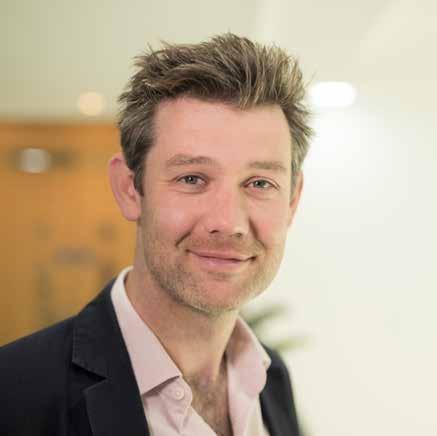
By Tom Solly, Director of Wealth Management at RBC Brewin Dolphin
It can be easy to neglect your own finances when you’re focused on growing your business. But creating a solid plan for both your business and personal finances can give you more confidence that your hard work will pay off.
Here, Tom Solly of RBC Brewin Dolphin shares his four financial planning tips that every entrepreneur should know.
Make the most of pensions
Many entrepreneurs view their business as their retirement fund, but this mentality carries risks. If your business doesn’t sell or falls short of expectations, your retirement could be jeopardised.
Making contributions to a pension offers a tax-efficient way to build a safety net.
Business owners can make both personal and employer contributions, which carry tax benefits. Your accountant can help you make
the most any personal and business tax reliefs available to you, as well as advise on the most appropriate business structure for tax purposes.
Protect against risks
You’re probably well-versed in insurance for your business premises and stock. But have you thought about insurance for what’s arguably your most valuable asset – your people? As an owner, you are your business, and in the case of illness or death, your operations could suffer.
Protection against this could be crucial for entrepreneurs.
You may also want to consider protection for the other key people in your business. Key person protection and shareholder protection are just some of the solutions that could help your business stay afloat should the worst happen to one of your key members of staff or shareholders.
It could also be worth getting legal advice to set up a cross-option agreement. This would give the surviving shareholders an option to buy back the shares of the unwell or deceased shareholder, helping to minimise business disruption.
Finally, make sure you have an up-to-date will. This will ensure your shares or business interests are passed on to the right people when you die, and that your family are taken care of.
Plan your exit in advance
Exiting your business may seem a long way off, but thinking about your exit early on could reap rewards further down the line.
Even if retirement seems distant, define your “magic number” - the amount needed from a business sale to fund your ideal lifestyle. A wealth manager can help you work out how much your future lifestyle might cost, and whether the potential proceeds from a sale, alongside your pensions, savings and investments, are likely to be sufficient. They can also work with you to allow you to undertake new projects or invest in other ventures.
If you are hoping to leave your business to your family, you might qualify for Business Relief (BR). Under the current rules, qualifying for BR may mean there’s no inheritance tax (IHT) to pay on the value of your company shares when you pass away. It’s important to note that from April 2026, the current full relief from IHT, per person, will only apply to the first £2.5 million of qualifying assets.
A 50% rate of relief (an effective tax rate of 20%) will apply thereafter.
Surround yourself with experts
There’s a lot more to being a successful entrepreneur than just having a good idea. Your business needs to be built on solid financial foundations to grow. That’s why it’s important to surround yourself with a team of experts from day one.
It’s also important to review your financial plans regularly to ensure they still align with your business and personal goals. At RBC Brewin Dolphin, we can introduce you to the right people at the right stage of your journey – whether that’s venture capital firms, lawyers, or accountants. We’ve worked with thousands of business owners, helping them to gain clarity over their financial future and supporting them in making the right decisions. Let our ideas help you plan for the future with confidence.
To find out more about how we can help you manage your wealth, please email Tom Solly at tom.solly@brewin.co.uk.
The value of investments can fall and you may get back less than you invested. Information is provided only as an example and is not a recommendation to pursue a particular strategy and does not constitute tax or legal advice. Tax treatment depends on the individual circumstances of each client and may be subject to change in the future. You should always check the tax implications with an accountant or tax specialist.




Nominated for the Entrepreneurs’ Forum One to Watch Award for 2025, Antonia and Jonny Philp are the husband-and-wife team behind Nursem, a skincare brand born from the harsh realities of frontline nursing. After years of development and a memorable appearance on Dragon’s Den, they are now on a mission to provide free hand care to every professional in the NHS.
It was this personal frustration that sparked the idea for Nursem.
Recognising that nearly 95% of healthcare staff suffer from skin conditions like contact dermatitis or eczema during their careers, Antonia and her husband Jonny decided to formulate their own solution. What followed was a seven-year journey of research and development to create a product that could withstand the most demanding environments.
about three years to develop the formula that we’ve got today because we’ve evolved and made it better and better over time,” Jonny says. While they weren’t chemists, Antonia brought vital clinical insights to the lab. She insisted on using Manuka honey, an ingredient she knew from hospital settings for its antiseptic and healing properties.
The development process was rigorous and involved a “hero” group of testers. Antonia would take tubes of various iterations into the ward, earning herself the nickname “hand cream girl” while Jonny became “hand cream boy”.
professional in the NHS. This values-led approach was nonnegotiable for the pair.
To date, they have delivered approximately 700,000 Nursem Promises across the UK and are on track to reach the one million milestone early next year. For Antonia, who still works as an NHS bank nurse, the impact is personal.
“We get loads of people who contact us individually from units where they’ve maybe had a really hard time,” she says. “It’s a special thing to be able to do”.
The brand operates on two core values: caring and effectiveness.
To maintain these, they adhere to the “Nursem Standard,” a rigorous set of rules for any new product.
Before anything reaches a shelf, it must be approved by at least 90% of a panel consisting of 2,000 healthcare professionals and members of the public.
“Even though we might love it as a team, if you get an 84% approval rating, we go back,” Jonny says.
“It goes back to that level of trust you expect of a healthcare professional”.
In 2021, the couple took their mission to a national stage on Dragon’s Den.
Despite the daunting prospect of being “torn apart,” they viewed it as a life experience they couldn’t pass
up. The filming took place during the pandemic, requiring a trip from a locked-down Newcastle to Manchester. While the final TV segment lasted 15 minutes, they were actually in the Den for two and a half hours being grilled by the Dragons.
“Jonny is very good with numbers, so he was able to talk about that, whereas it would have gone out of my brain,” Antonia laughs.
Although they initially accepted an offer from Tej Lalvani, the deal did not proceed after filming because they could not align the terms with their existing investors. However, the experience was transformative.
“It forces you to reflect on how far you’ve come,” Jonny says. “Having five Dragons believe in what we were doing was a lovely pat on the back”.
Antonia adds that having a clear “why” allowed them to speak passionately for hours. “When you have a purpose, you can be really animated because it’s something you’re passionate about”.
Navigating a business as a husbandand-wife team brings its own set of dynamics. With three young boys at home, the couple admits that if they aren’t talking about their children, they are usually talking about Nursem.
“I think we balance each other quite

well,” Antonia says. “Jonny absolutely loves product development and getting stuck in the weeds with ingredients and packaging. I love the Nursem Promise and talking to our community”.
Qualifying as a paediatric nurse in 2008 should have been the start of a long, uninterrupted career for Antonia Philp. When she started as a children’s nurse, she expected long shifts, emotional days and sore feet. What she didn’t expect was to end up signed off sick because of her hands. The relentless cycle of handwashing – occurring 50 to 60 times per shift – had caused her
skin to break down completely.
“I went to see Occupational Health and they prescribed some kind of heavy emollient-based cream which just didn’t do anything for me,” Antonia recalls. During a two-week period of sick leave, she began researching the market, only to find a lack of effective solutions that didn’t involve entering a “vicious cycle” of steroid based creams.
Neither Antonia nor Jonny came from a skincare background, a fact that Jonny believes gave them a unique perspective. “Tackling the problem from a user’s perspective gives you a different view of what your expectations are,” he says. “We were more focused about what’s in the tube than the industry knack of spending more money on packaging than the stuff inside”.
Their early steps were practical. The couple collaborated with British nurses, laboratories, and Newcastle Science City to refine their formula, launching the company in 2012. The version on shelves today didn’t appear overnight. “It took probably
“I think getting help from nurses from different wards and different hospitals meant we were developing a product with people with the most acute need,” Antonia explains. “If it works for that community in the most extreme environment, then someone picking it up in Boots who doesn’t have such severe conditions will definitely find it delivers for them too”. Antonia is clear that Nursem was never meant to be a product that simply “sells hand cream” to nurses. It had to do more, which why at the heart of the business is the “Nursem Promise”. For every product sold at retail, the company gives a month’s worth of free hand care to a nurse, midwife, or other healthcare

Our ultimate, long-term goal is to provide every healthcare professional in the NHS with free hand care on a daily basis.
The balance improved significantly when Antonia stepped away from her full-time role as a children’s transplant nurse specialist. Juggling a highpressure clinical job, three young children, and a growing business was leading to burnout.
“I was taking days off from the NHS as annual leave to go to nursing conferences for the business,” she explains. By moving to bank nursing, she can maintain her practice and revalidate her professional status while finding more balance in her daily life.
Nursem is currently in a phase of expansion. The team consists of five core members, supported by several freelancers, and they are currently on a recruitment drive for three or four new roles. With exciting developments in the pipeline, 2026 could see the headcount grow even further.
For Jonny and Antonia, success is not just measured by turnover, but by how that turnover enables them to give back. The couple explain how their next milestone they want to reach is delivering their millionth Nursem Promise.
“Our ultimate, long-term goal is to provide every healthcare professional in the NHS with free hand care on a daily basis,” Jonny says. “We want to work with the NHS supply chain so
that no matter where you are in the country, you are using Nursem freely and to do that we need to become a 40 or 50 million pound business.” It sounds wildly optimistic, the couple admit, until you remember where this started. A nurse, at home, hands split and bleeding looking for something that worked. Not for vanity, but for relief.
Beyond the commercial goals, they want to prove that “doing good” is a viable business model. Jonny recalls instances where people have come into the business over the years, looked at the Nursem Promise on their P&L and suggested they could make more money by cutting it.
“I told them wouldn’t come to work,” he says. “You can build a successful business and still do good. That is the message want people to take home”.
With a strong customer brand going from strength to strength, Nursem is grounded in something far more human: the belief that people who give their days to others should not have to accept pain as part of the job. As they look toward the future, the couple remains focused on their legacy: transforming the hand care category and drastically reducing the percentage of nurses who suffer from severe skin conditions. For the Philps, business and purpose will always go hand in hand.

By David Tolson, Director at Chaser Communications
When you’re running a business, seamless connectivity isn’t a luxury, it’s a necessity. Whether you’re a startup, scaling rapidly, or running an established SME, reliable phone, broadband, mobile and IT infrastructure need to work quietly and reliably.
The problem? For many growing businesses, communications and IT systems end up stitched together from a multitude of suppliers and contracts, where things mostly work, until they don’t.
Here, David Tolson, Director at Newcastle-based Chaser Communications, explains how they bring integrated telecoms, IT, and technology services together under one roof.
Built for businesses that want clarity, reliability, and personalised
support, with over two decades of experience, the Chaser Communications team specialises in simplifying complex systems and, with a single point of contact, acts as a trusted partner throughout every stage of your business journey.
Tailored solutions
With over 20 years of experience, we know that one size rarely fits all, especially when it comes to technology.
We begin with a free consultation to learn how your organisation works.
From your current setup, team, and plans, rather than pushing off-theshelf packages, we take the time to understand your business first, before recommending a solution that fits your needs and budget.
We also manage the transfer from your current provider, handling installation, configuration, and testing, so everything works as it should from day one.
Support that stays with you
When something goes wrong, fast, knowledgeable support matters. Our support team offers 24/7 fault handling, proactive network monitoring, device maintenance, and regular system reviews.
Combining local, personalised service with industry-level training, this ensures quick responses, clarity on the steps for resolution, and confidence that disruption will be minimised and your systems will stay up and running.
A relationship-first approach
What sets us apart is our long-term mindset. Technology changes quickly, and businesses need to change with it. Rather than installing
technology and stepping back, we partner with businesses over the long haul, staying alongside to offer guidance and practical support as needs evolve and technology advances. This relationship-focused approach ensures entrepreneurs aren’t left navigating system updates or new challenges alone.
Building resilient businesses through better connectivity Entrepreneurship is fundamentally about solving problems, and in an era where connectivity underpins almost every function in a business, having a communications partner who understands your needs can be a real competitive advantage. Whether you’re reviewing your telecoms, exploring cloud solutions, or strengthening your IT backbone, we can offer a calmer, clearer way to stay connected.
If you’d like to find out how Chaser Communications can support your business, get in touch today on 0845 340 3703 for a free, no-obligation consultation.
We can help with:
• Telephone systems
• VoIP/SIP solutions
• Mobile plans
• IT infrastructure & support
• Broadband services
• Cyber security


By The Sage Advice Team
The Chancellor’s Spring Statement in March was deliberately low key, serving as a progress update rather than a platform for major tax announcements. With the government committed to one main fiscal event each year, significant policy changes were always expected to wait until the Autumn Budget.
However, the absence of new measures does not mean business owners can relax. Several previously announced changes take effect from April. Together, they bring a meaningful shift in costs, compliance, and planning priorities for small and medium-sized businesses.
Here, the Sage Advice team explains what this could mean for your business.
Making Tax Digital moves closer
One of the biggest changes on the horizon is the next phase of Making Tax Digital (MTD) for Income Tax. From April, sole traders and landlords with qualifying income above £50,000 will need to keep digital
records and submit quarterly updates to HMRC using compatible software.
For many businesses, this will mean a move away from annual paperwork towards more regular reporting.
While that can feel like extra administration, it also gives owners
a more up-to-date view of cash flow and performance. Those with income between £30,000 and £50,000 should use the coming year to prepare, ahead of the April 2027 deadline, rather than leaving the transition until the last minute.
Higher employment costs to plan for Employment costs are another area requiring attention. Although the Spring Statement itself didn’t introduce new National Insurance changes, previously announced measures take effect from April.
The employer secondary Class 1 National Insurance rate remains at 15%, with the lower threshold staying at £5,000 per year until 2028. At the same time, income tax and National Insurance thresholds for employees remain frozen, increasing pressure on overall payroll costs.
On top of this, the National Living Wage rises again from April. For businesses employing staff at or near minimum wage, even small hourly increases can add up quickly.
Reviewing staffing models, productivity and pricing can help absorb the impact. It’s also worth checking eligibility for the Employment Allowance, which can significantly reduce an employer’s annual National Insurance bill.
Business rates and cash flow
April also brings changes to business rates, following a revaluation of rateable values. For some premises, bills will rise, adding further pressure to overheads. Pubs and music venues in England will see some relief through a temporary discount, but most businesses should expect higher costs.
Checking your updated rateable value and factoring revised bills into cash-flow forecasts is essential. Where values appear incorrect, there may be scope to challenge them.
Access to finance
Alongside these cost pressures, access to finance remains a key concern for growing businesses.
A recently announced SME lending package, backed by major UK banks, is designed to support investment and expansion.
For business owners considering borrowing, preparation is critical.
Clear plans, up-to-date financial records, and realistic forecasts can make a real difference when approaching lenders.
Changes to employment rights
Further reforms under the Employment Rights Act are expected to begin from April, including updates to statutory sick pay and paternity leave. Some details, particularly around zero-hours contracts, are still subject to secondary legislation, so the exact requirements may evolve.
Reviewing employment contracts and staff policies now can help businesses stay compliant and avoid disruption later in the year.
Looking ahead
Taken together, the Spring Statement reinforces a familiar message: while there may be no dramatic policy shifts, April is a busy and important milestone for small businesses. Rising employment costs, new reporting requirements, and changes to reliefs all require careful planning.
Reviewing how these changes affect your business, speaking to advisers and updating systems early can reduce risk and create more certainty for the year ahead.

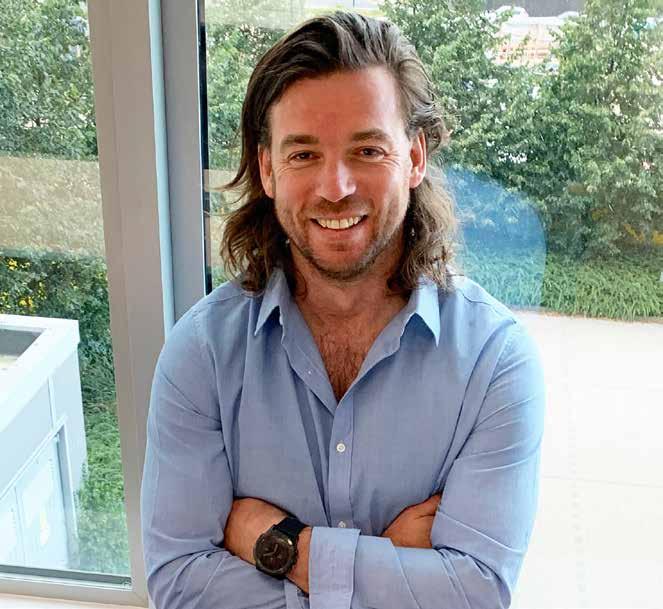
Ross Linnett shares the story of how his dyslexia diagnosis led to Recite Me, the accessibility technology used by millions to make websites easier to navigate and understand.
“The inspiration for starting Recite Me actually came when was President of the Student Union,” Ross recalls. Having just graduated, he found himself in a frustrating position. While he was outperforming his peers in class and even teaching others how to complete tasks, his exam results were consistently 20% lower. It was during a presentation that a chance encounter changed everything. An audience member, whose father specialised in dyslexia, noticed Ross’s writing on a whiteboard and suggested he get tested for the condition.
“I thought, this makes absolute sense,” he says. Despite having suspected he was dyslexic at school,
a teacher had previously dismissed the idea, claiming he simply thought ahead of his writing. The diagnosis provided a long-awaited explanation and sparked a journey of awareness.
Following his diagnosis, Ross had software installed on his computer that read text out loud. For someone who had always struggled with and hated reading, this was transformative.
However, the limitations of early 2000s technology soon became apparent. Accessibility was tied to a single, rigid PC. “I went to a different computer and was back to square one,” Ross says. He found it unfair that he was paying £120 to make one machine accessible while library
Gateshead to an international business was not an overnight success. Scaling the business presented significant hurdles. Ross describes Recite Me as a campaigning organisation as much as a tech firm. “We had to convince someone who’s probably not dyslexic that they should get this,” he says. For years, potential clients praised the technology but were hesitant to be the first to buy. “The biggest challenge was trying to financially survive while effectively trying to convince the world that it needed this technology. It was really tough.”
Ross admits to giving up much of his 20s to scale the business, facing the constant threat of bankruptcy. “It’s a strange thing to kind of give up your twenties to scale a business,” he says, “that you believe will work but might not and you could end up effectively bankrupt at the end.”
That pressure shaped how he thinks about growth. Fundraising, he says, is “genuinely a skill in itself”. Recite Me raised around a million pounds in its earlier years, then spent a long stretch growing organically. In early 2023, it secured nearly £4.2 million from BGF to support expansion plans, with Ross crediting long-term backers including North Star Ventures for believing in both the product and the mission.
I'm not really money motivated, I always needed something that would make me get out of bed and fight for a mission.
a business rarely delivers the freedom people expect. Early on, he wanted independence and the space to perform at his best. What he found instead was responsibility that follows you everywhere. “You don’t really have a holiday allowance,” he says, “because you never fully switch off.”
He warns other entrepreneurs about becoming too focused on the “business mindset” at the expense of relationships and rest. He rejects the social media narrative that success requires dropping old friends. “I still see my friends, the ones I’ve known since I was three or four,” he says.
From motivational and entertaining books, TV shows, and podcasts, here’s a selection of inspiring media that’s capturing our attention right now...
computers remained off-limits due to a lack of admin rights - that frustration is where Recite Me began.
Ross’s early idea was simple, even if the execution was not. Instead of forcing people to download software on every device, what if the tools lived on the website itself? Text-tospeech. Background colours. Dictionary definitions. Small adjustments that, together, change whether information feels available or locked away.
“So if I go on a website like CocaCola’s,” he says, “I can customise the website that’s right for me and haven’t installed any software on my phone or on my computer.”
The journey from a startup in
Investment did more than speed up hiring or sales. It changed the mindset. “It allows you not to be in survival mode,” he says. “When you’re in survival mode you think very differently. You are more risk averse.” It becomes harder to take a chance on a great hire, harder to commit to a longer-term strategy, harder to build at the pace you know is possible. The funding, he says, gave Recite Me room to make clearer decisions.
Today, the business employs 100 staff, with 30 based in America. That US presence matters for another reason too. Ross is proud that the company has not only entered a market where many British businesses struggle, but has stayed there. “We’ve been in there six years,” he says, “and it’s generating about 30–40 percent of our revenue.”
Recite Me’s technology is now installed on more than 12,500 websites and used by over eight million people worldwide. The client list includes household names such as British Gas, KFC and Coca-Cola. Growth, in other words, is real. But for Ross, numbers are a by-product. The
real measure is whether someone reaches what they need without being made to feel like they’re failing.
“I’m not really money motivated,” he says. “I always needed something that would make me get out of bed and fight for a mission.” That mission is personal, but it is also rooted in a wider frustration with how systems treat difference.
Ross talks candidly about dyslexia’s link to the justice system, pointing to statistics that suggest a high proportion of prison populations are dyslexic. For him, that’s not a coincidence. “The first system you get introduced to in life is the school system,” he says. “And the school system just isn’t built with everyone in mind.”
“The system isn’t right,” Ross argues, explaining that even with adjustments, dyslexic students are still forced to learn and be tested like neurotypical people. His view is that people respond in different ways. Some create their own routes, building careers and lives that play to their strengths. Others push back against a structure that never made room for them, and that can spiral. Ross names figures like Richard Branson, Winston Churchill and Albert Einstein as examples of people who built their own frameworks, but the point isn’t celebrity. It’s trajectory. If a child grows up feeling like they do not fit, year after year, it can harden into something far more damaging than low confidence.
That is why his focus returns, again and again, to access. Not as a nice-to-have feature on a website, but as a necessity. By making information easier to use, Ross hopes fewer children grow up feeling left behind. Ross’ honesty about being an entrepreneur is refreshing. Running
“You want to spend time with people who really know you, and always make time for yourself.”
His advice to the next generation is simple: patience. “Every overnight success normally takes ten years,” he says. In a culture built on pressure, instant feedback and fast wins, he thinks resilience matters more than hype. “Being resilient and being able to stick with your business and not give up is a very important factor.”
Before business, Ross’ world was sport. He was a nationally ranked professional sprinter and once held the North East 200 metre record.
“At one point, was the region's fastest person ever over 200 meters," he says. The training mindset hasn’t left him. “My head’s naturally still an athlete,” he says, even though he no longer trains in the same way. He misses the physical fatigue and the clean sense of progress that comes from “maxing out your body in an intense workout”.
These days, he chases that feeling through movement. He cycles, does yoga and surfs when he can, a sport he fell in love with while living in California. He also competes in electric skateboarding, another arena where focus and control matter, and where you can measure improvement without overthinking it.
Recite Me started with one person trying to make the internet readable for himself. Years on, it has helped shift how organisations think about inclusion, and how people experience the web day to day. For Ross Linnett, the work is still driven by the same mission that began in that Student Union office: remove barriers before they shape someone’s confidence, choices and opportunities.
reciteme.com

Atlas of AI: Power, Politics, and the Planetary Costs of Artificial Intelligence
Written by senior principal researcher at Microsoft, Kate Crawford, is an award-winning work of nonfiction that reframes how we think about artificial intelligence. Crawford argues that AI is neither truly “artificial” nor inherently “intelligent,” but instead a deeply material and political system - one built on natural resource extraction, vast energy consumption, and often invisible human labour. Tracing AI’s global infrastructure, from lithium and rare-earth mining to the data centres and warehouses that sustain it, she exposes the environmental degradation, exploitative working conditions, and ethical blind spots hidden behind hype and big budget marketing campaigns. Ultimately, Atlas of AI calls for a broader, more critical understanding of AI – one that looks beyond algorithms to confront its real social, economic, and ecological costs.

Down Cemetery Road (Apple TV+)
Based on the novel by Mick Herron the creator of Slow Horses - Down Cemetery Road is a tense, slow-burn British thriller sparked by sudden tragedy. When a house explodes in a quiet Oxford suburb and a young girl vanishes in the chaos, neighbour Sarah Trafford (Ruth Wilson) becomes consumed with uncovering the truth. Convinced there is more to the incident than the authorities are willing to admit, she turns to cynical private investigator Zoë Boehm (Emma Thompson). What begins as a desperate search for a missing child soon spirals into a far-reaching conspiracy, exposing long-buried secrets and revealing that people assumed dead may still be alive, and those alive may soon be dead. Anchored by standout performances from the two female leads, it's a gripping watch for fans of atmospheric thrillers.

Good Hang is the Golden Globe winning comedy interview podcast hosted by actress, writer, producer, and all-around comedic force Amy Poehler. Each episode centers on an often surprisingly thoughtful conversation between Poehler and a guest she genuinely wants to “hang” with - from fellow comedians and actors to writers, creators, and longtime friends. Guests talk openly about their careers, creative process, failures, successes, and the everyday realities of life in the limelight. Poehler brings her signature warmth, quick wit, and curiosity to each conversation. It’s equal parts funny, insightful, and comforting. Notable guests include Michelle Obama, Olivia Colman and Idris Elba.
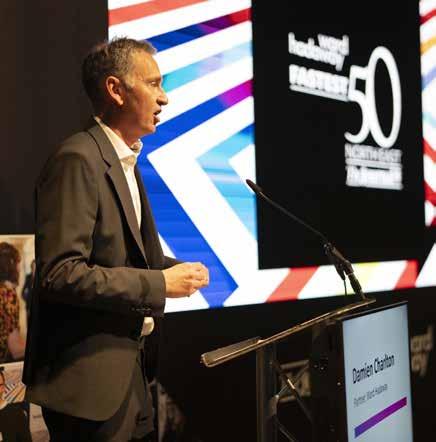
By Damien Charlton, Partner and Head of Commercial at Ward Hadaway
For nearly 30 years, the Ward Hadaway Fastest 50 Awards have provided a consistent view of how independent businesses across the North East grow.
It was set up with the clear aim of recognising achievement and sharing regional success stories more widely. Here Damien Charlton of Ward Hadaway shares why he is so proud of the positive beacon it is has become.
In partnership with The Journal, the initiative brings together founders, leadership teams, advisers and investors with a shared interest in building sustainable businesses that last, and organisations that contribute to the regional economy and create long-term value. Growth stories can be fragmented or short-lived, but our Fastest 50 offers a clear view of how businesses in the region are performing over time.
The list of the 50 fastest growing businesses each year does not point
to a single dominant sector or model, but reflects a mix of industries, ownership structures and stages of development. Manufacturing sits alongside tech and professional services alongside logistics, with some companies scaling quickly from a small base while others sustain steady growth over longer periods. That breadth is part of the story and suggests the region’s strength lies less in any one sector and more in the range of businesses finding ways to grow in different conditions,
underlining that there is no single route to success.
Across the Fastest 50, the drivers behind that growth are more consistent, with conversations returning to people, access to funding and sustained effort over time. The role of people comes through clearly, particularly the importance of building and keeping a stable team as the business grows, extending beyond leadership into the wider workforce, where recruitment is only part of the picture and retention and development carry equal weight.
Businesses that invest early in skills, training and culture often point to that as a factor in managing periods of pressure or transition.
Funding varies in both availability and approach. Some companies have grown without external backing, while others have used investment to accelerate expansion or enter new markets. In both cases, the focus is on how funding supports the next stage rather than growth for its own sake, with access to capital also bringing scrutiny that impacts decision-making as businesses develop.
Many of those featured describe growth as a process shaped by changing market conditions and operational pressures, where progress comes from a series of decisions over time and early choices are often revisited as the business develops.
That is reflected in the recently launched Fastest 50 podcast, hosted by our Business Development
Director Alistair McDonald, which offers a refreshingly honest account of how many businesses have developed, moving beyond headline figures to the decisions behind them. Across the series, founders and leadership teams speak candidly about hiring at pace, managing cash and investment, responding to market shifts and dealing with the pressures that come with growth, including where plans have not worked as expected and what they have changed as a result.
Taken together, these accounts point to a broader view of impact beyond simply growth. They reveal how businesses that expand in a measured way are more likely to support stable employment, invest in skills over time, build longer-term supply chain relationships and contribute to the wider business environment across the region, rather than focusing only on shortterm gains.
Fastest 50 will continue to spotlight the businesses behind that growth. This is not simply as a ranking but as a record of the role they play across the North East, from job creation and skills development to supply chain activity and local investment, and how that sustained growth contributes to the region’s economic strength over time.
Every year look forward to the positivity and inspiration of the Fastest 50 initiative, but in the meantime learn more about the region’s ambitious and fast-growing businesses on our podcast.
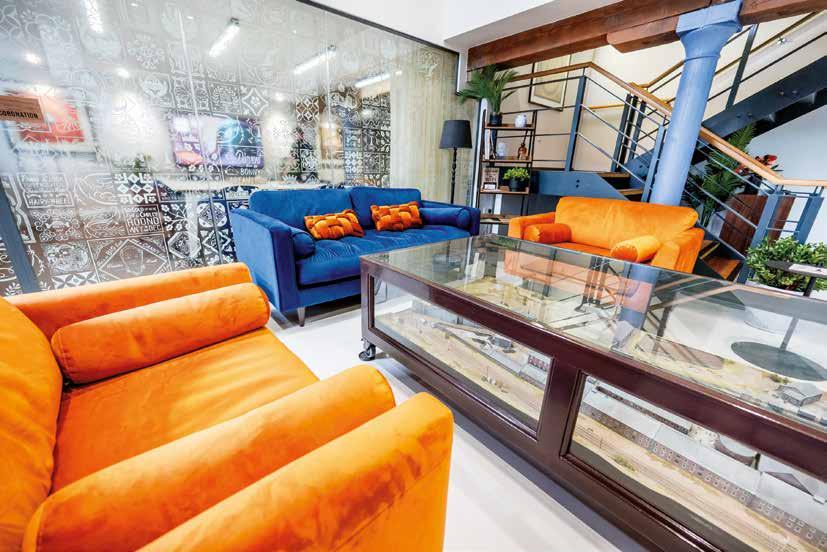
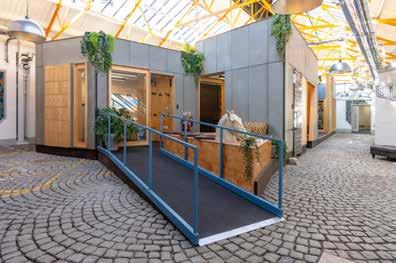



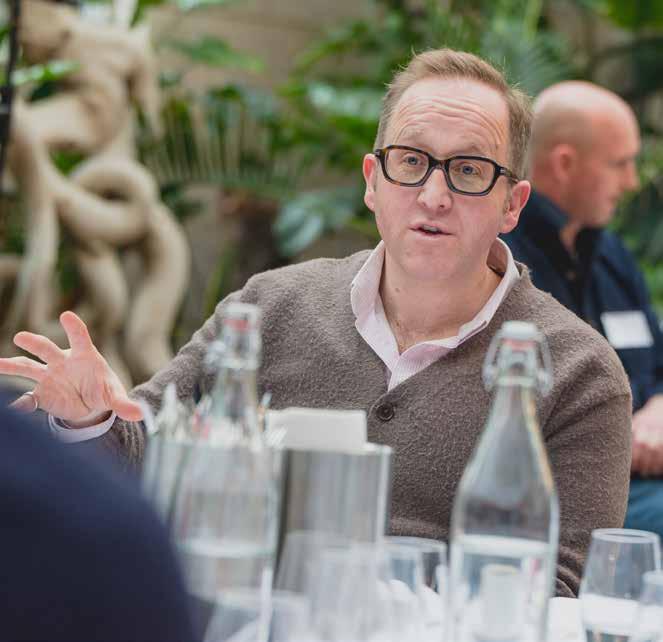
From building a national home improvement platform to championing prison reform and mental health awareness across the North East, Alisdair Beveridge believes business success means little unless you use it to help others.
Alisdair Beveridge deals in foundations, both literally and figuratively. As founder of The Build Directory, he has spent years streamlining the often turbulent world of home improvements, creating a one-stop service for homeowners across the UK. But it is his work beyond the office – as a patron and trustee of The Teesside Charity, co-founder of Walk into the Light and Chair of the New Futures Network at HMP Holme House – that most clearly defines his purpose.
For Alisdair, helping others is not about recognition. It is a philosophy
he describes as “givers gain”.
“I think everyone operates better by doing the right thing,” he says. “From a charity point of view, it’s good for society and good for the soul. When you feel better about yourself, everything improves – your business, your relationships, everything.”
Alisdair left school at 16 and two days later was knocking on doors as a canvasser for a window company. “It wasn’t glamorous,” he laughs. “But it was a masterclass in human nature.”
While generating enquiries for windows, he found himself taking leads for kitchens, bathrooms and
roof years later, you still call us. The idea is that you stay with us for life.”
That shift from short-term wins to long-term trust shaped more than his business model. It shaped his outlook.
As his business grew, so did his interest in philanthropy. It began with fundraising for Multiple Sclerosis Scotland, inspired by his uncle, and grew through a series of chance encounters.
“I’m very soft in nature,” he says, smiling.
Without a traditional academic background, he immersed himself in what he calls “the audiobook university”. A biography of Andrew Carnegie left a lasting impression.
“Philanthropy is a big word, and I can’t spell it,” he jokes. “But that book switched something on in me.”
He contacted The Teesside Charity and admits he felt “total imposter syndrome” walking into early meetings. Over time, he became one of its strongest advocates.
“I believe charity should be inclusive, not exclusive,” he says. “It shouldn’t just be the same people patting each other on the back. If a smaller business wants to get involved, let them.”
He championed a more accessible patron model, widening participation beyond larger firms. For him, it is not about prestige but involvement.
Central to his thinking is what he calls the “Bank of Human Kindness”, a phrase inspired by a letter his grandfather wrote about Mahatma Gandhi.
anything else homeowners mentioned. “The germ of the idea was there even then. My job would be so much easier if could take leads for everything.”
The Build Directory was his answer to that dilemma. Built as an all-in-one home improvement service, it focuses on long-term relationships rather than one-off transactions.
“If you’re a kitchen company and you do a brilliant job, how many times does that customer need you again?” he asks. “With us, it’s about the long term. We do the big jobs and the small ones. If a tile blows off your
connects employers with prisons to create training opportunities and employment pathways for prison leavers.
The turning point came at an event in London where he heard from the head of the Timpson Foundation –a former police officer who had served time in prison before rebuilding his life.
“I thought, I’ll probably get struck by lightning if I don’t get involved,” he says.
Working alongside James Timpson has reinforced his belief in practical reform.
“From the outside, the government can look wrapped in bureaucracy. But having a direct channel to someone who can genuinely affect change gives you a clearer picture of what’s happening.”
He views Holme House not simply as a place of punishment, but as an overlooked talent pool.
“Failure is an event, not a person,” he says, quoting his friend Tony ‘the Fridge’ Morrison. “There is real talent in prisons today. If you take away people’s hope, you take away their power. If there’s hope in the future,
there’s power in the present.”
He is quick to challenge the stigma associated with prison leavers. “It is a very, very thin line between success and failure,” he explains. “Think of a horse race. One horse wins by a nose and gets all the prize money. The other is an 'also ran' and you don’t remember his name. Is the winner a hundred times better? No, he’s just a nose better. We have to be careful about the labels we put on people".
Alisdair understands why some businesses are skeptical about hiring from prisons. He acknowledges the need for due diligence and a duty of care, but he urges his fellow Forum members to look beyond the “black and white”.
“If you’re a tree, you’re stuck in a field. We’re not trees. We can change,” he says. It’s his way of reminding people that someone’s past does not have to dictate their future, even if they started life with the odds against them.
He is clear that many prison leavers have faced trauma long before committing a crime.
“Some of the young people in there have experienced abuse,” he says.
“And we expect them to be upstanding pillars of the community.”
That is why he encourages businesses to lead with care rather than judgement.
“Invite every business to get involved. You might just take somebody on who values that opportunity that little bit more.”
“It’s the 80/20 rule. Twenty per cent of people do 80 per cent of the work.
Then you look at the top 20 per cent of that 20 per cent and you’re down to four per cent. That’s a tiny number.
We need more business people stepping into that space.”
That belief in participation is deeply personal. Alongside fellow Forum member Bill Scott OBE of The Wilton Group, Alisdair co-founded Walk into the Light, raising awareness of mental health and suicide prevention. It is a cause shaped by the loss of his younger brother to suicide at the age of 15.
“I’m not trying to be a martyr,” he says. “What you see is what you get. I just want to give back and do what can.”
That instinct extends beyond formal roles. When a young boy from


Shincliffe needed to raise £390,000 for neuroblastoma treatment in Rome, Alisdair mobilised his network.
“What we can’t do alone, we can do together,” he says. “It’s the power of people.”
For him, these moments matter as much as any commercial milestone.
“Getting involved shouldn’t be viewed as a cost. It’s an investment. It’s not just about giving money – it’s about time, connections and energy. The good comes back.”
Ask him about legacy and he does not talk about valuations.
“My legacy wants to be unending,” he says. “I’d like the Bank of Human Kindness to have more stockholders.” In other words, more people willing to step forward.
Whether building homes, supporting families or offering someone a second chance, Alisdair believes impact is not about perfection. It is about participation.
“You don’t have to be a philanthropist,” he says. “You can just be nice and do things most people don’t do.”
And in the North East, that might be the strongest foundation of all.






“When you do something good for someone, you feel the merit of it,” he says. “It’s like a different currency. I’d like more people to experience that.”
His most recent role – Chair of the New Futures Network at HMP Holme House in Stockton – came through the Entrepreneurs’ Forum, following an introduction by Ian Baggett and conversations linked to James Timpson’s work on prison reform. At first, Alisdair was hesitant.
“I said, I’m not qualified in prison reform. But nobody else was stepping forward.”
The New Futures Network, part of HM Prison and Probation Service,
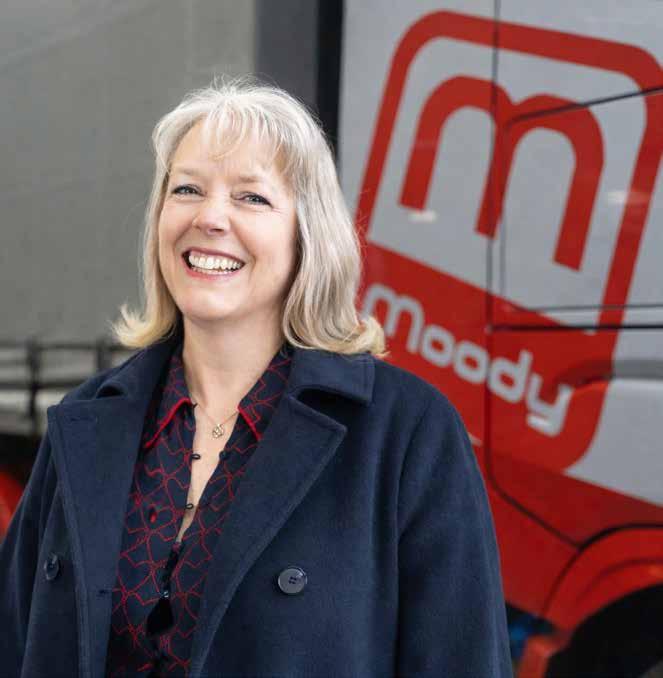
Caroline Moody spends her working week running a logistics business in Cramlington. On weekends, she’s out in Newcastle’s Bigg Market, supporting vulnerable people as a Street Pastor, and building a route out of homelessness through her charity, Core Foundations.
For Caroline Moody, the concept of community has always been a fundamental part of her identity. Growing up in the North East, she watched her parents involve themselves in local causes, a tradition that she says is effectively “in my DNA”. After years of focusing on raising a young family and growing the family business, Moody Logistics and Storage, the post-pandemic period sparked a desire to return to those roots.
“When we came out of COVID, I said to my husband that I’d love to get involved in some charity work again,”
Caroline recalls. “I wanted to do something where wasn’t the boss, wasn’t the organiser, and I wasn’t in charge. just wanted to be part of a team where could roll my sleeves up”.
That search for a hands-on role outside of her day job led her to Street Pastors, a Christian-based organisation that provides a calming,
“The first night was out in the Bigg Market, I was like a rabbit in the headlights,” she laughs. “But you just get on with the job. Most people are quite appreciative of what we do. We’re there to fit between the gaps – if it’s not a police incident, but someone isn’t well or is lost, we can help”.
To provide practical help, the team carries a “survival kit” to support those in need. “You’ll find us carrying a variety of supplies from Mars Bars and bottles of water, to foil blankets and even flip flops for the girls carrying their shoes.”
Caroline explains.
“It never comes from a place of judgement, but from a place of caring. can’t bear the thought of someone stepping in glass, vomit or whatever else the streets might be filled with. We also carry a spare battery pack for when phones have run out of charge. If they’ve lost their friends and their battery has died, they cannot get a taxi home, so we’ll stand with them and have a chat while we charge their phone,” she says.
For Caroline, the work is a practical expression of her faith. “From a Christian point of view, would say, where would Jesus be if he was here today? He probably wouldn't be in the church pews; he’d be out on the streets with those that needed him”. This commitment has become a family affair, with her husband and both of her children, aged 23 and 25, now serving as Street Pastors.
While many interactions involve simple acts of kindness, the role also exposes volunteers to the darker side of the night. Caroline notes that the prevalence of drugs among young adults has become a significant concern.
supportive presence in the city’s nightlife scene.
The reality of Newcastle city centre in the early hours of Sunday morning can be a world away from the professional environment of a logistics hub in Cramlington. Working in teams of three to five, Street Pastors look for vulnerable individuals who have become separated from friends, lost their phones, or are simply incapacitated by alcohol or drugs.
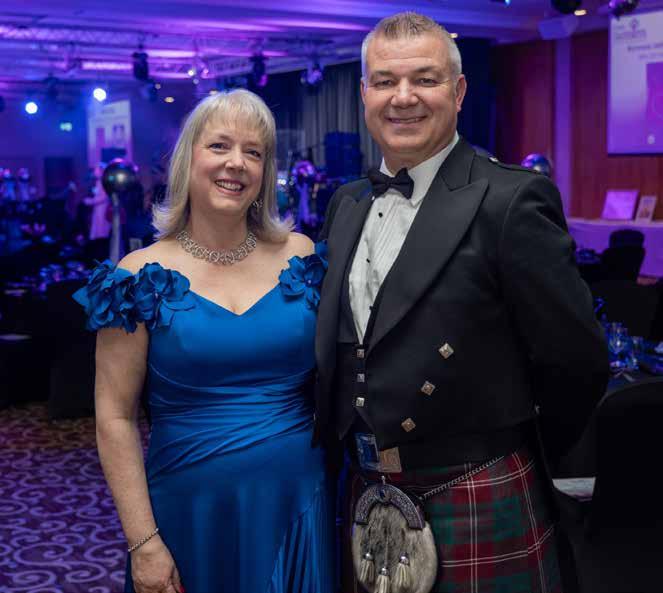
We're all something like three or four pay cheques away from homelessness
The kindness extends to private individuals as well. A second home was made possible through churchlinked investors; one person provided £100,000 and another £50,000 as a long-term loan without seeking any acknowledgment. “It's just incredible that somebody would do that,” Caroline says.
Running a logistics business and a charity simultaneously is, as Caroline puts it, a “nightmare” to balance. However, she believes the leadership skills she practises daily are directly transferable.
“Applying the lessons from business definitely helps,” she says. “It’s that resilience of just keep going when it’s tough”. She is also quick to acknowledge how lucky she has been, which fuels her desire to give back. “We’re all something like three or four pay cheques away from homelessness,” she warns. “If that income stream suddenly stops, we could all be homeless. I've been lucky to be brought up within a family that cares and can step in; people who don't have that network around them don't stand a chance”.
“When it comes to challenges on the streets, it’s mainly drugs,” she says.
“The amount of young adults that have taken drugs is prolific at the moment. They just don't realise how vulnerable they leave themselves when they're incapacitated”. Being the only sober people in the area allows the team to spot dangers that others might miss. “We have had a few occasions where we've managed to intervene because you can see young girls being persuaded
to get in a taxi with a guy they don't know,” she recalls. Processing these encounters requires a strong support network. “Every night you always come home and you've probably helped somewhere between maybe six and ten people in various situations. We share it with each other and pray about it, and you feel you've made a difference”.
The time spent on the streets fundamentally changed Caroline’s perspective on homelessness. She realised that people often hit absolute rock bottom not just because they lack a roof over their heads, but because they suffer from a poverty of relationships and identity. When individuals find themselves on the street, they often lose who they once were as society turns away, leaving them with no support network to help them recover. This led Caroline and her husband Philip to set up Core Foundation in 2023 – a charity seeking to restore this identity by providing professional
empowerment and genuine friendship to help tenants navigate out of their situation and back toward independent life. Philip serves as CEO, overseeing the day-to-day running of the organisation, while Caroline remains heavily involved as Chair of Trustees.
“A roof over their head is just geography,” Caroline says. “Until you get them out of this cycle, which tends to often include prisons, they're never going to move on. Our aim is to get to the root of the problem – help them get over their drug addictions, financial issues, or relationship issues – and move them on to live a full independent life”.
The charity currently operates houses in Hexham and Consett, housing a maximum of two people per property.
The model is unique in its partnership with local churches. While professional empowerment workers handle technical support, church volunteers provide genuine friendship. “The church people
become friends and support volunteers,” Caroline explains.
“They might go for a coffee once a week or a dog walk.
They aren't trying to change them; they’re just being friends. That’s what really builds somebody’s character back”.
While many would expect funding to be the biggest hurdle, Caroline is quick to credit the incredible generosity of regional partners.
Rather than struggling financially, the charity has been backed by significant external support.
“There really are some good people in the world,” she reflects.
The foundation’s first property was provided by Karbon Homes, and when they initially struggled to gain a foothold in Hexham, the Vardy Foundation stepped in with a house to get them going.
The charity has already seen six people move through its houses and into independent living with jobs. For Caroline, watching someone turn their life around is the ultimate reward. “To watch somebody turn their life around is a privilege. My husband and I are the instigators, but we couldn't do it without everybody else who rallies around”.
Caroline hopes to see the foundation firmly established as a permanent fixture in the region's charitable landscape. “The goal for the charity is probably growth – more houses so we can help more people,” she says. “We want to make sure the charity gets established well enough in the next ten years so that somebody else would carry it on and keep doing the work”.
As she prepares for the foundation’s upcoming fundraising ball, Caroline’s dedication shows no sign of slowing down. Whether she is overseeing her team in Cramlington or patrolling the Bigg Market at 3am, her goal remains the same: to use her leadership to champion regional success and support those who have fallen through the cracks.
From expansions and investment to new launches and milestones, our members continue to build, grow, and take risks that shape the region. Here’s the latest from across the Forum.
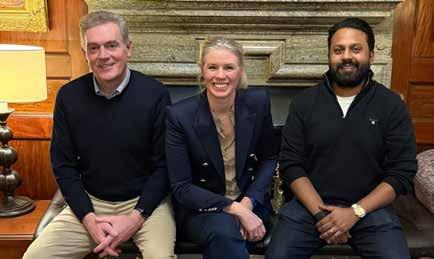

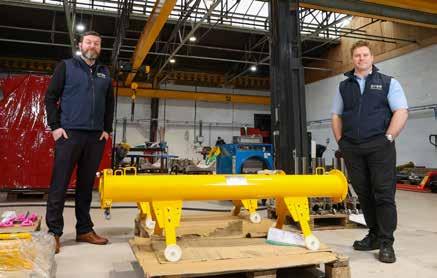
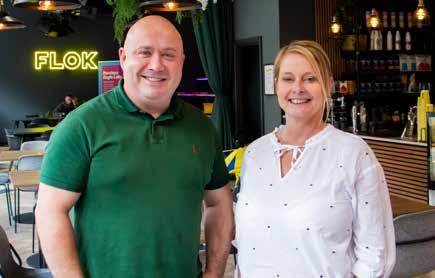
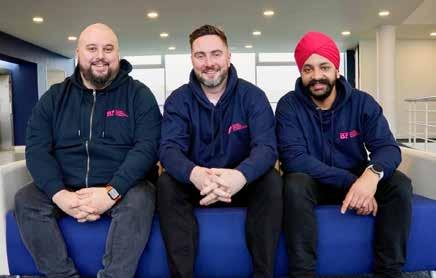

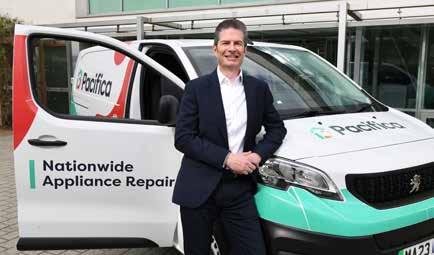
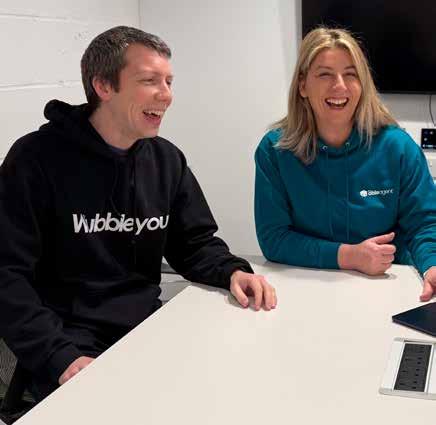
Compliance and training requirements across the UK property sector have become increasingly complex for estate and letting agencies. Built from years inside the industry, Able Agent has become a powerful partner helping agencies navigate those demands.
What began as frustration with fragmented training evolved into InHouse: a digital learning and compliance platform now supporting over 7,000 users – from independent branches to major multi-brand estate and letting groups. In an industry once dominated by paper manuals and costly one-day workshops, Able Agent (theableagent.co.uk) enables agencies to manage mandatory training, reduce compliance risk, and embed structured e-learning into daily operations – addressing real operational problems across the sector.
Charlotte Jeffrey-Campbell had spent years delivering training across the sector. She understood the pressures agencies faced –compliance gaps, reputational exposure, inconsistent knowledge uneven performance across branches. She believed there was a more effective way to deliver learning at scale. “I always wanted to set up an e-learning platform,” she explains. “There was a real gap in being able to train people properly”– alongside co-founders Lee Daymond, Helen Thompson and Barry Braley, they decided to solve that problem.
Proving the demand
Able Agent launched its first platform using off-the-shelf tech, WordPress; a pragmatic way to validate demand on a modest budget. Agencies engaged, learners completed modules, and the model proved scalable beyond in-person delivery.
As adoption grew, so did complexity. Multi-branch agencies needed deeper reporting, stronger oversight, white labelling and embedded compliance controls. The licensing model required refinement. The platform had proven the opportunity – but it had reached its limits.
Building for scale
With that proof, Able Agent approached its next phase with clarity. For Charlotte, simplicity was non-negotiable “I wanted someone to log in and just think, ‘That’s easy.
I know what I’m doing.” That principle became the filter for every development decision.
The inflection point came when growth required B2B product specialists. Cargo Creative still today, the long-standing heroes behind Able Agent's brand and market presence – introduced the team to Wubbleyou.
The Able Agent, InHouse product was born.
Able Agent recognised a critical weakness in competitor platforms: friction. Wubbleyou worked closely to translate that philosophy into product architecture – strengthening the system without overcomplicating it. The brief was deliberate: robust enough for enterprise growth, intuitive for everyday users. The result is a platform that has

scaled to thousands of users in under two years, supporting major multibrand networks while retaining the clarity Charlotte insisted on from day one. The growth ceiling that once existed has been removed.
Service business to scalable asset
Able Agent is no longer just a training provider but a key asset for its clients.
“We’ve spent two years building a solid platform,” Charlotte says. “Now we’re looking to grow and diversify within the industry.” The roadmap is clear, with further growth and value for the industry.
Charlotte believes that the structure of the platform, and the dashboard have created the building blocks for development. The system gives Able Agent control over its evolution. Instead of reacting to demand, the team can focus on growth. “There are a handful of trainers in the industry, and our numbers suggest InHouse does the work of around 50 trainers.”
“With Wubbleyou, we’ve built InHouse into market-disrupting technology. In just two years, the platforms now have over 7,000 users – a double-digit percentage of the market”
Mark Renney, Managing Director at Wubbleyou, reflects: “Able Agent is a strong regional example of a business that productises knowledge into tech for rapid growth. That’s where Wubbleyou partners best –transforming proven B2B expertise into AI-augmented technology that can be licensed worldwide, creating recurring revenue and reducing founder dependence.”