
























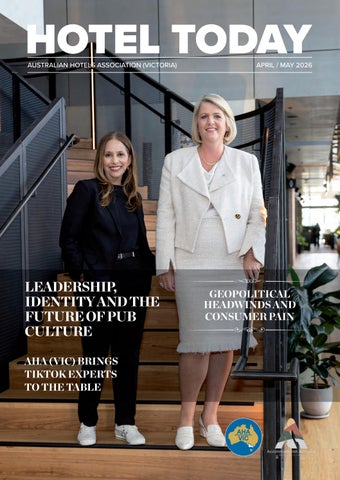

On the 17th of March, St Patrick’s Day, we launched the AHA (Vic) Policy Blueprint for Victoria’s Pubs and Hotels.
There is something fitting about releasing it on a day when pubs across the state are filled with community, conversation and celebration. St Patrick’s Day reminds us that pubs are more than businesses. They are gathering places, employers, cultural institutions and a key part of the social fabric of Victoria.
That is why we developed the Blueprint ahead of the State Election in November.
The document sets out the priorities for the Victorian pub and accommodation hotel sector for the years ahead and was sent directly to every member of the Victorian Legislative Assembly. We did this deliberately. If Government and Opposition want to understand the role pubs and hotels play in communities, and the operating pressure you face, then the conversation has to start with the people elected to represent those communities.
Our goal is simple: to ensure that when decisions are made on Spring Street, they reflect the realities of being a licensee and running a venue on the ground.
Victorian pubs have evolved enormously over the past decade. Venues are investing in better food, accommodation and entertainment. Publicans are embracing technology, supporting local charities and creating spaces that bring people together.
But government policy has not always kept pace with that change.
The AHA (Vic) Policy Blueprint lays out a clear agenda for how government and industry can work together to support a modern hospitality sector that continues to grow, employ and serve its communities.
The key themes are straightforward.
First, cutting unnecessary red tape that slows down investment and expansion for venues.
Second, recognising pubs as safe, well-regulated community spaces that play a positive role in social life and local economies.
Third, supporting regional and metropolitan tourism, where accommodation hotels are often the backbone of visitor experiences.
And fourth, working with industry rather than against it as venues adapt to new technologies, changing consumer expectations and the next generation of customers.
Our Blueprint isn’t a list of asks. It is an invitation for Government to partner with an industry that is proud of the role it plays in Victoria.
Front bars have always buzzed with people talking about sport, work, life and, yes, politics. With this Blueprint we are taking the politics of the pub to Parliament.
We look forward to continuing to work with MPs across the state to ensure Victorian pubs can continue to thrive for generations to come.
Paddy O’Sullivan Chief Executive Officer Australian Hotels Association (Vic) p.osullivan@ahavic.com.au
















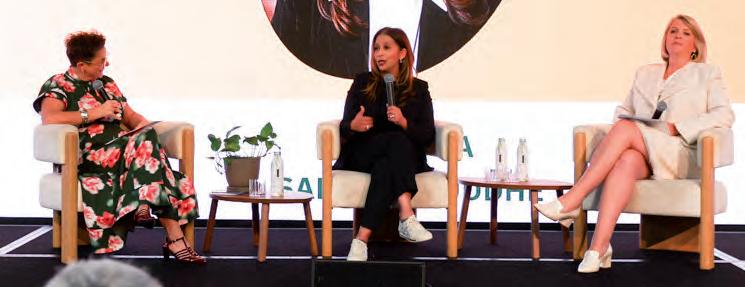
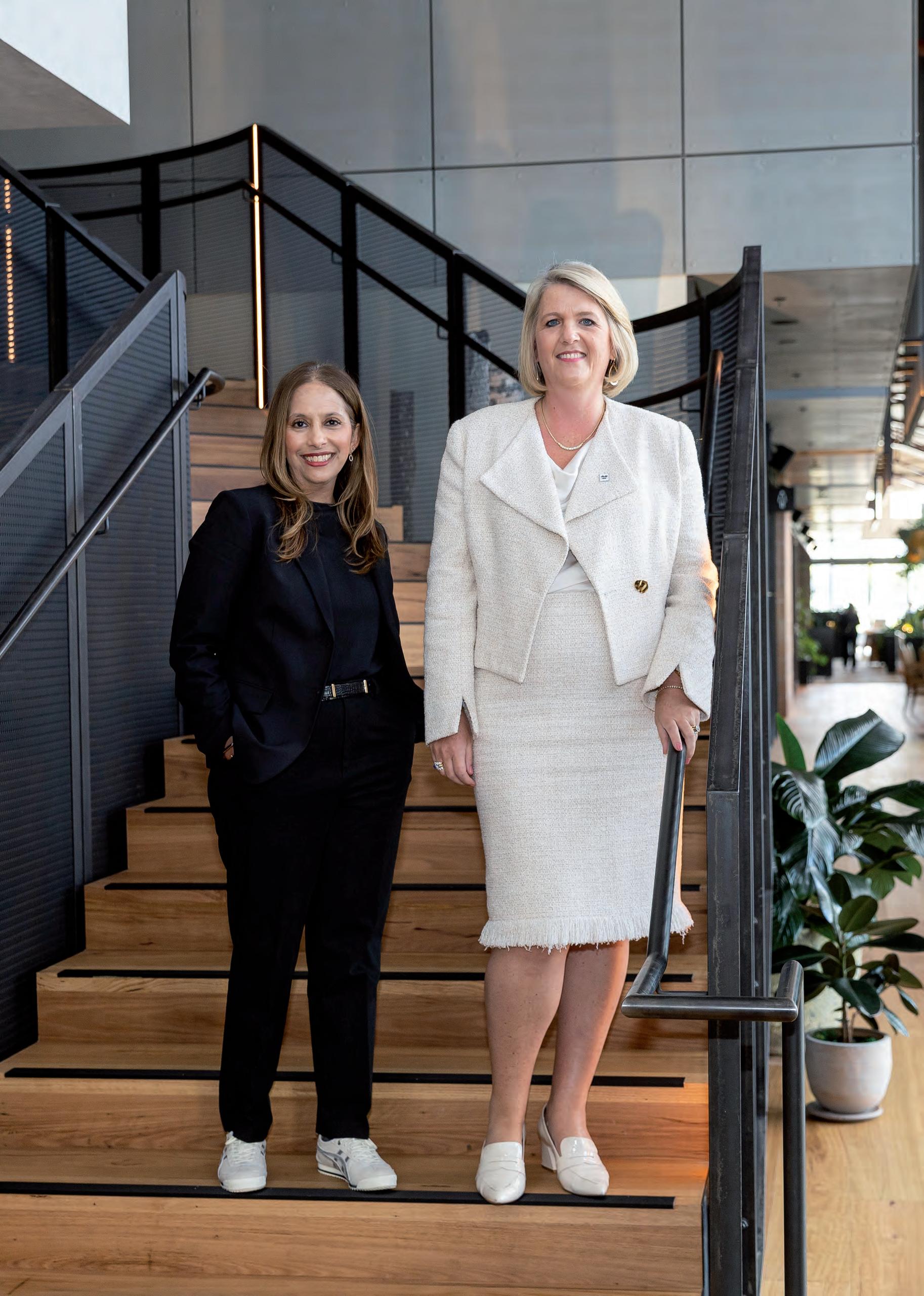
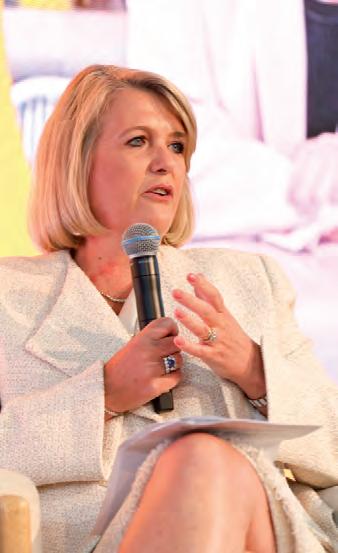
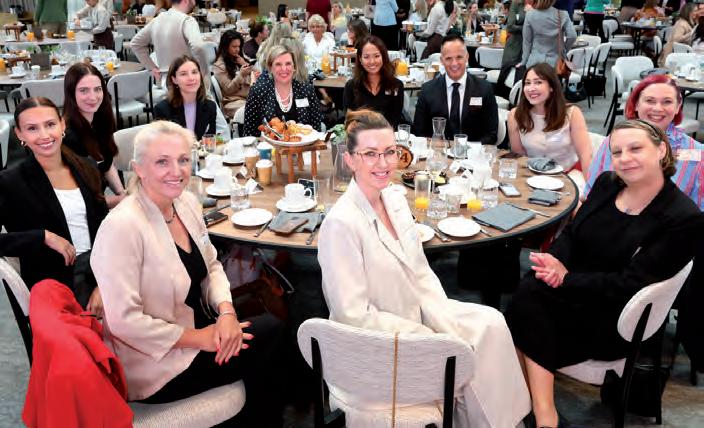
International Women’s Day was celebrated over brunch at 1 Hotel Melbourne with over 270 industry colleagues where two of Australia’s most influential brewery leaders took the stage for a candid conversation about leadership, identity, and transformation in a changing industry.
Amanda Sellers, Group CEO of Asahi Beverages, and Anubha Sahasrabuddhe, CEO of Lion, were joined by moderator Kimberley Malcolm for a discussion that went far beyond beer, touching on confidence, cultural identity, and what it really takes to lead at the top.
For Anubha, coming back to Australia after more than two decades working globally was unexpectedly disorienting.
Despite being Australian-born, she found herself needing to “relearn” the culture and reconnect with local consumers and teams. In global roles, her Australian identity had been a defining strength yet back home, she sometimes felt she had to explain it.
Her experience highlights a broader truth about leadership in modern Australia: identity isn’t always straightforward. Leaders are increasingly navigating multicultural expectations
while challenging outdated assumptions about what they “should” look like.
Her approach? Lean into authenticity.
Rather than reshaping herself to fit expectations, she emphasized the importance of staying grounded in who you are while remaining open to feedback that sharpens, rather than replaces, your leadership style.
“I think first and foremost, I'm Australian. And I know I have a strange name, and I think the strange name throws people

off a little bit. Interesting. So again, like everything, don't judge everything by its first impressions and actually get to understand it”
Both CEOs were strikingly aligned on one point: indecision is more dangerous than making the wrong call.
Anubha described high-stakes moments bluntly as when “shit gets real.” In those moments, she reframes fear by focusing on the alternative, inaction.
“Failure isn’t fatal,” she noted. “But paralysis can be.”
Amanda echoed this, adding that strong leadership isn’t about having all the answers. It’s about surrounding yourself with capable people, listening well, and having the courage to move forward and then adjust if needed.
Early in her career, Anubha was told she was “too direct” and “too much” - feedback many leaders, particularly women, will find familiar.
Instead of conforming, she learned to filter feedback carefully: adopting what helped her grow while rejecting what diluted her authenticity.
Her guiding principle, borrowed from Oscar Wilde: “Be yourself; everyone else is already taken.”
Amanda, meanwhile, took a slightly different path. Entering her first CEO role, she focused on trusting the support around her - her board, her team and leading in a way that felt natural from the outset.
“You surround yourself with people better than you and that's how decisions and ultimately direction and leadership is formed”
For both, the message was clear: leadership isn’t about fitting a mould. It’s about building one that works.
A recurring theme was the hesitation many professionals feel when stepping into bigger roles.
Anubha challenged the idea that you need to be fully prepared before saying yes.
Her philosophy is simple: say yes first, then figure it out.
Waiting for complete certainty, she argued, can become a self-imposed barrier. Growth often comes from being thrown into unfamiliar situations and learning in real time.
Amanda added a practical layer: as leaders rise, they must also learn what not to do, focusing only on decisions that truly require their input and empowering others to lead.
For Amanda, inclusion isn’t just a value, it’s the foundation of performance.
Creating an environment where people feel heard allows diversity of thought to emerge naturally, strengthening decision-making across the organisation.
It’s a shift from traditional top-down leadership toward something more dynamic: curiosity-driven, collaborative, and grounded in trust.
What emerged from the discussion wasn’t a single formula for success but a set of evolving principles:
• Authenticity over conformity
• Action over perfection
• Inclusion as a performance driver
• Growth through discomfort
• Leadership as both responsibility and opportunity

In an industry steeped in tradition, these leaders are helping redefine not just how businesses operate but how leadership itself looks in modern Australia.
So, what does this mean for you? You don’t need to have everything figured out to step forward, you just need the courage to begin.
“I've learnt that as an executive, you should save the decisions that only you can make, and decisions that other people in your team, other executives, other leaders, leave those decisions to them and free your time up to focus really on what's unique and bespoke about what you can do.” Amanda Sellers, Group CEO Asahi Beverages
“I think it's fair to say that I've never had all the answers before stepping into any role. My approach through my career has always been say yes and trust yourself to figure it out because there are very smart and capable people around you.” and Anubha Sahasrabuddhe, CEO of Lion.
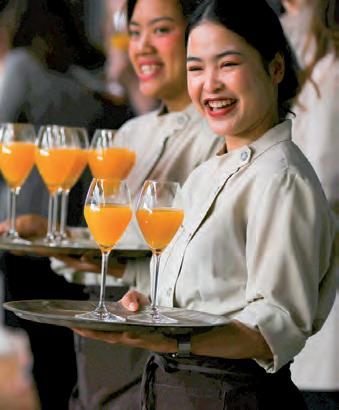
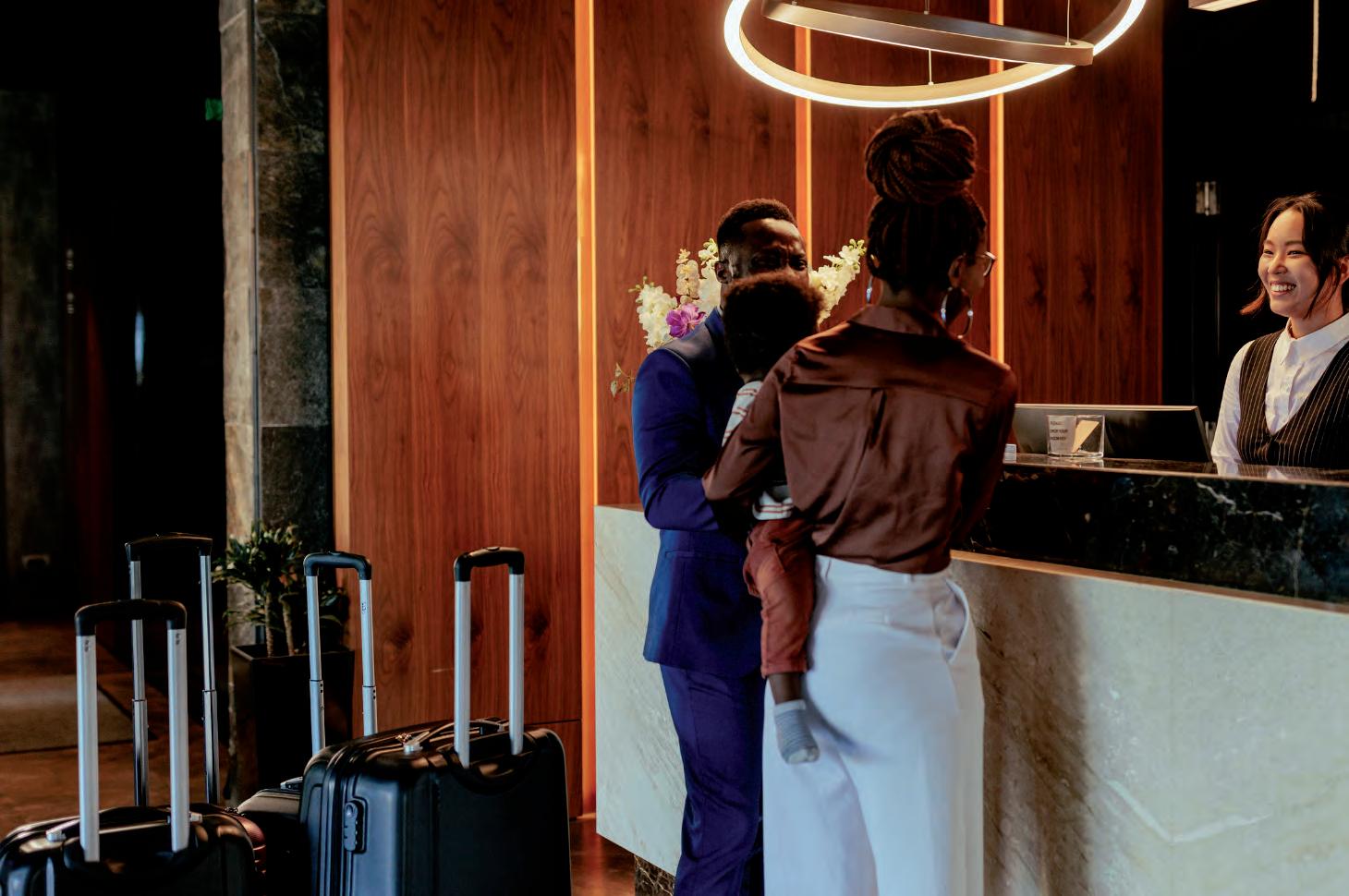
Australia’s hospitality sector continues to rely on skilled migration to address workforce shortages across kitchens, hotels and licensed venues.
However, from 1 July 2026, the minimum salary thresholds for employer-sponsored visas are expected to increase as part of the Government’s annual indexation process linked to national wage data.
For many hospitality businesses, this change may affect the cost of sponsoring overseas workers unless nominations are lodged before 30 June 2026.
At Ferntree Migration, we are already seeing employers begin preparing Skills in Demand (subclass 482)
and Employer Nomination Scheme (subclass 186) nominations ahead of the indexation.
Based on the most recent wage data released by the Australian Bureau of Statistics, the salary thresholds used in employer-sponsored visa programs will increase from 1 July 2026.
The thresholds are expected to move to:
Core Skills Income Threshold (CSIT)
Current: $76,515
From 1 July: $79,499
Specialist Skills Income Threshold (SSIT)
Current: $141,210
Expected from 1 July: $146,717
These thresholds apply to nominations lodged under:
• the Skills in Demand (subclass 482) visa
• the Employer Nomination Scheme (subclass 186) visa
For most hospitality employers, the Core Skills Income Threshold is the relevant benchmark.
Employers must also demonstrate that the salary offered meets the Annual Market Salary Rate (AMSR) for the occupation.















cut through the noise and focus on what actually matters, commercially and culturally.
I try to stay calm and consistent. Teams take their cue from leadership, so if you’re steady, it helps everyone else stay steady. Fairness is important to me as well. Standards don’t change, but people need context and clarity. You can absolutely be commercially focused and still lead with empathy and resilience, because this industry will always throw something at you. Cost pressures, staffing issues, regulatory shifts. You have to keep looking forward rather than getting caught up in the moment.
What practical things can venue owners and senior leaders do to create workplaces where women
can thrive, from casual roles through to executive positions?
It comes down to structure and behaviour, not just messaging.
Clear pathways, transparent expectations and regular development conversations make a real difference. In hospitality, we often promote people because we need to fill a gap, rather than because we’ve properly developed them.
Flexibility also matters, but it needs to be thought through properly. If we want women to stay in the industry long term, roles and rosters have to evolve with different life stages.
Zero tolerance for inappropriate behaviour is non-
negotiable, and that only works if leaders genuinely act on it. And finally, advocacy. Bring women into commercial discussions. Involve them in budgets and performance conversations early. Put them forward for stretch roles. Confidence comes from exposure.
If you could give your younger self some advice at the start of your hospitality career, what would it be?
Back yourself sooner, take personal responsibility for your own success. You don’t need to feel completely ready before stepping into the next role; you grow into it.
I also think it is also really important that you don’t take everything personally. Hospitality is intense – feedback, pressure, personalities. Not every challenge is a reflection of your capability.
Mentors and networks can make a big difference. How have professional networks and initiatives like Women in Hotels helped you or your peers?
Leadership can be isolating at times so you need to seek out and put effort into building your network.
Forums like Women in Hotels give you a space to have honest conversations with people who genuinely understand the industry. They also create visibility. Seeing other women leading major venues or groups makes leadership feel more attainable.
But the biggest impact is advocacy. A lot of opportunities come from recommendation, and strong networks mean women are being put forward for roles and projects they might not otherwise have access to, and that’s where you start to see real change.


Vix Vizion is an Australian company that continually evolves its product using local resources. Vix Vizion’s Imagus Intelligent Video Analytics and Facial Recognition product delivers fast accurate face detection, matching, and recognition using advanced deep learning algorithms. Imagus performs effectively across high and low population density frames, even with poorly lit, low quality, angled, or obstructed views. The Imagus product has numerous use cases across many industry sectors. Imagus is easy to deploy and operate with intuitive User Interfaces for operation and management. According to the US National Institute of Standards and Technology (NIST), Vix Vizion is the NUMBER 1 face recognition software in Australia for the second year running and NUMBER 3 in the world for wild-scenario situations.
In 2019, the South Australian State Government introduced gaming reforms under the Gambling Administration Act 2019, requiring venues with 30 or more electronic gaming machines to implement facial recognition systems to detect self-excluded patrons. Around 255 venues were required to comply, with the mandate taking effect in February 2021. Vix Vizion worked closely with the industry to deliver a specialised solution based on its Imagus facial recognition platform, designed for rapid deployment with minimal disruption. The Vix Vizion solution was approved by the SA Government's Consumer and Business Services (CBS) department, alongside seven other providers.
By June 2022, over 90% of South Australian gaming venues had Vix Vizion's Imagus Facial Recognition Software installed and operational, processing more than 500 live camera feeds. The system provides real-time alerts to venue staff when selfexcluded patron enters a gaming area, replacing manual photo-based processes and significantly reducing human errors. Following this success, Vix Vizion has deployed its solution to more than 400 venues across Australia and New Zealand.
Vix Vizion integrates with Australia Hotels Association (AHA) Victoria online Self-Exclusion database, automating the enrolment process and making it easier for venues.
Vix Vizion Remote Monitoring Service monitors Imagus Video Analytics and Facial Recognition Systems to ensure both servers and cameras are online and functioning correctly, so customers do not need to actively monitor the systems themselves.
Vix Vizion uses a comprehensive real-time product feature monitoring dashboard to monitor the system. If problem occur, Vix Vizion will notify the customer and will coordinate with them to remotely resolve the issue. keeping the Imagus System running is often an internal and external compliance requirement required by companies or Government Regulators.


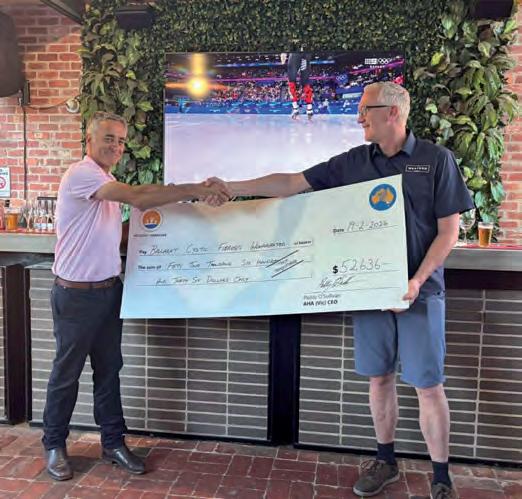
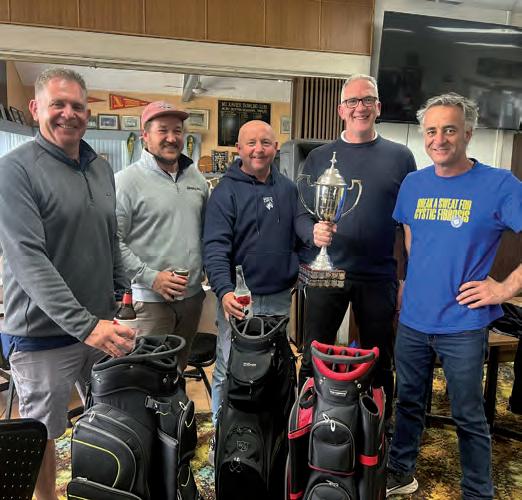
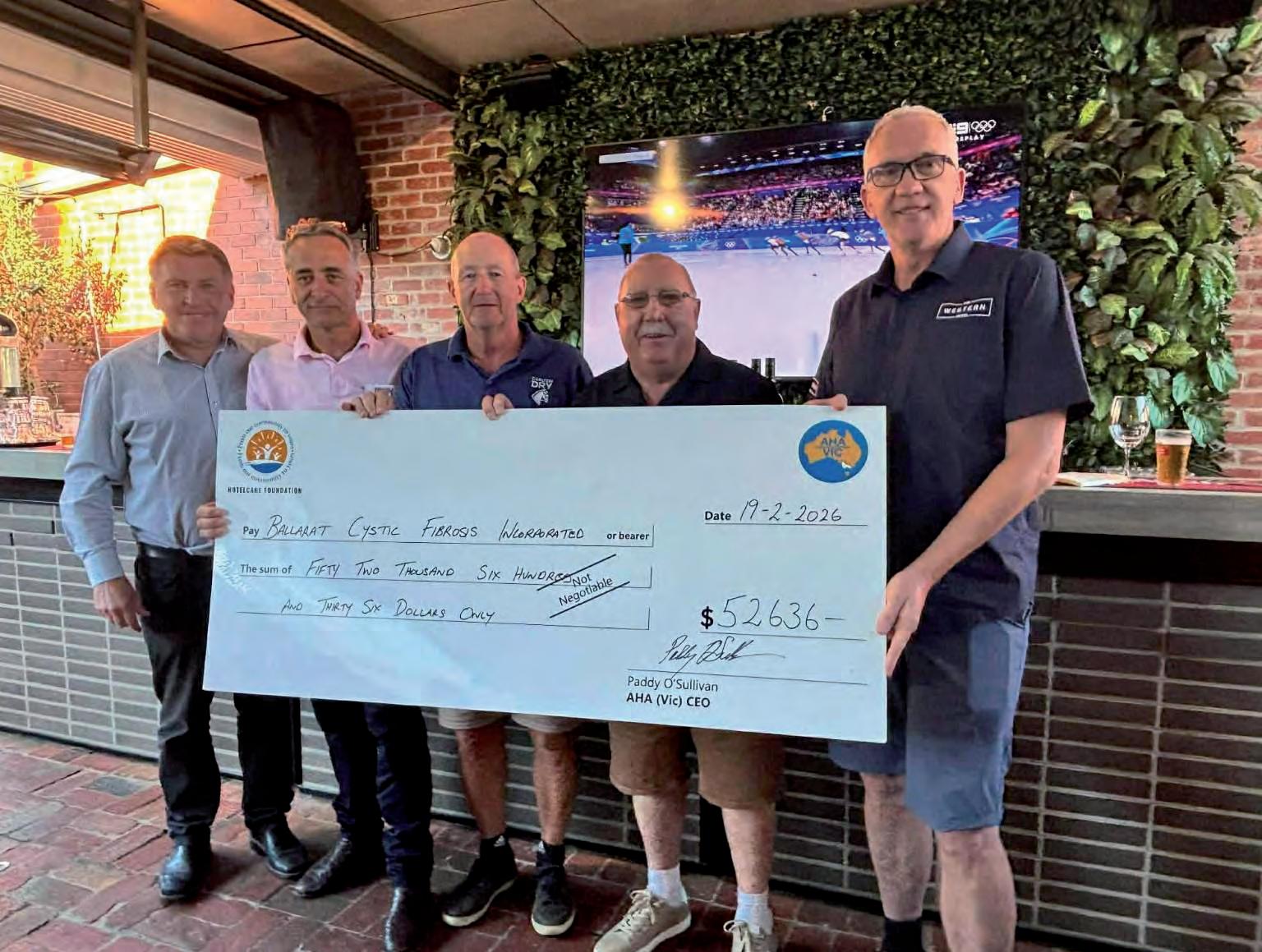
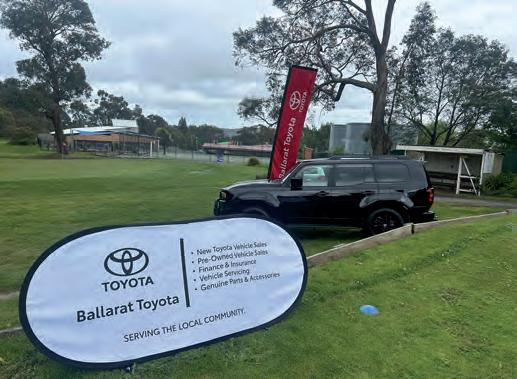
Each year, the Ballarat AHA Annual Golf Day does more than bring the community together for a day on the green — it brings hope, relief, and tangible support to individuals and families affected by Cystic Fibrosis (CF) in our region. Through its generous fundraising efforts, the event provides vital financial assistance to the Ballarat Cystic Fibrosis Inc. (BCFI), ensuring that those living with this chronic condition receive the help they need to manage their health and maintain quality of life.
Cystic Fibrosis is a lifelong, complex disease that affects the lungs and digestive system. Its daily management is physically, emotionally, and financially demanding. With around 50% of BCFI’s members not eligible for government health care card benefits, the cost of medications and treatment can become overwhelming. The support from the Golf Day directly helps cover medication expenses, enabling patients to access essential drugs that are crucial to their day-to-day functioning and long-term health.
One of the most important aspects of CF care is regular physiotherapy, which helps clear the lungs of mucus and reduce the risk of infection. This treatment is not just beneficial — it is critical. The funds raised by the Ballarat AHA Annual
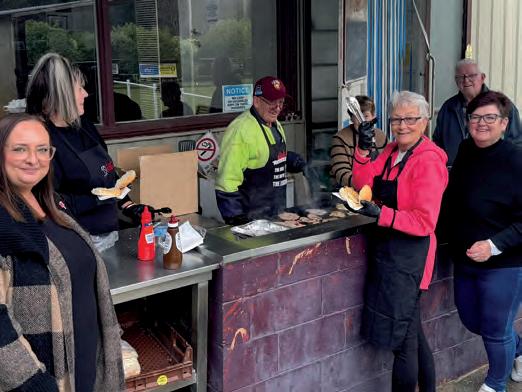
Golf Day help offset these costs, ensuring that patients do not have to choose between financial stability and essential therapy.
Hospital admissions are another significant reality for those with CF. Most patients face at least one hospital stay per year, often lasting two weeks. These stays are intensive and disruptive, with costs that quickly add up. Financial support from the event assists with the expenses associated with these admissions, providing a vital buffer for patients and their families.
Beyond the physical strain, Cystic Fibrosis takes a serious toll on mental health. Many in the BCFI community struggle with anxiety, depression, and the isolation that can come from living with a chronic illness. The ability to access mental health support is paramount, but not always affordable. The donations from the Golf Day help bridge this gap, making counseling and psychological care more accessible.
Adding to these challenges is the fact that many CF sufferers are unable to maintain full-time employment due to the unpredictable and demanding nature of their condition. This
reality makes financial support not just helpful — but lifesaving. For many, the funds provided through the Ballarat AHA Golf Day are a true lifeline, allowing them to manage their health without the added burden of financial stress.
BCFI extends its heartfelt gratitude to the Ballarat AHA and all who contribute to this incredible annual event. Your generosity empowers us to continue supporting our members in the ways they need it most — with dignity, care, and compassion. Every swing taken on the course helps change a life off it.

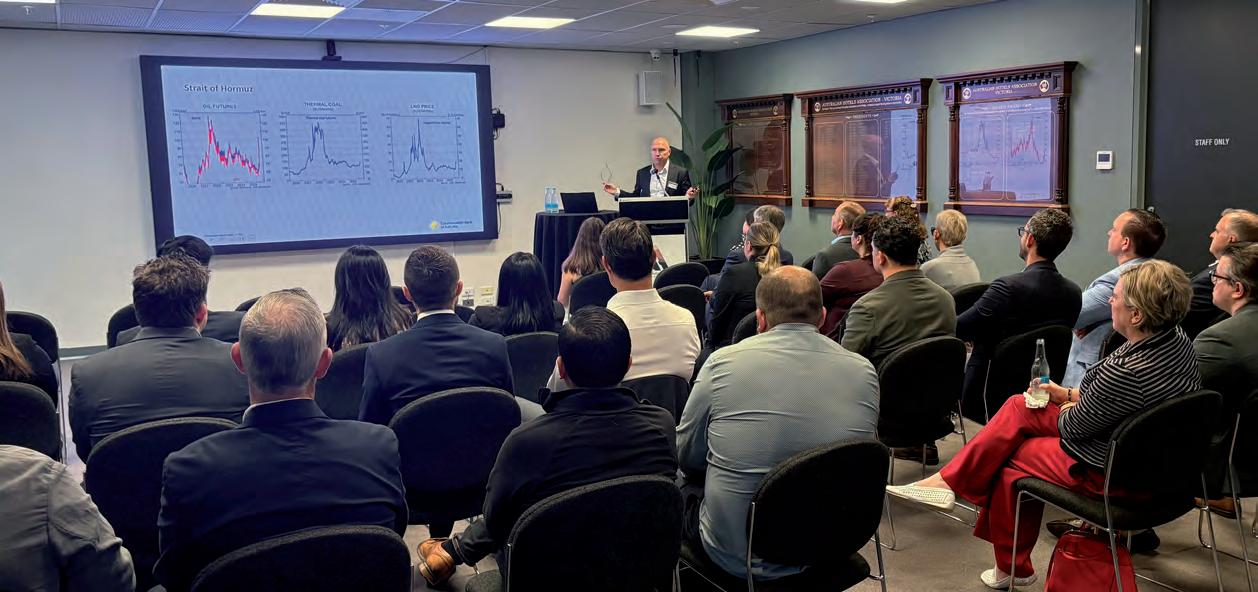
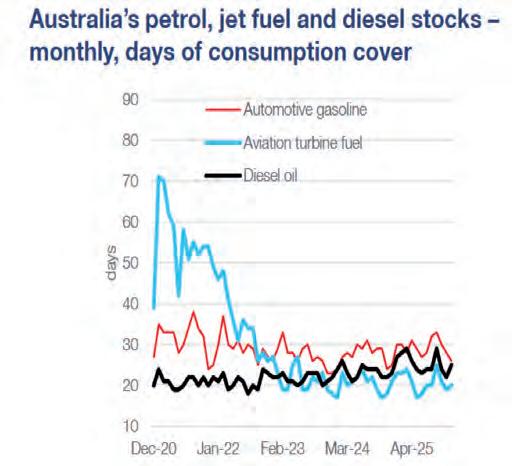
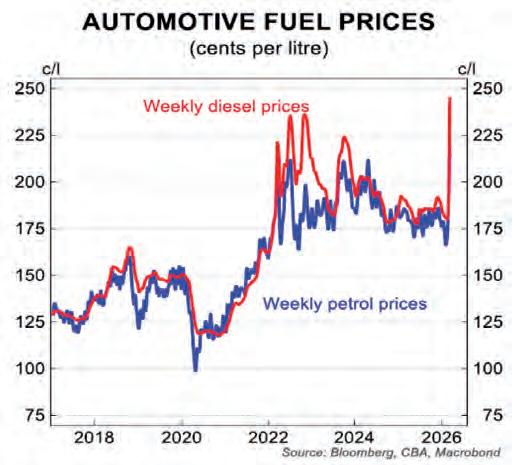

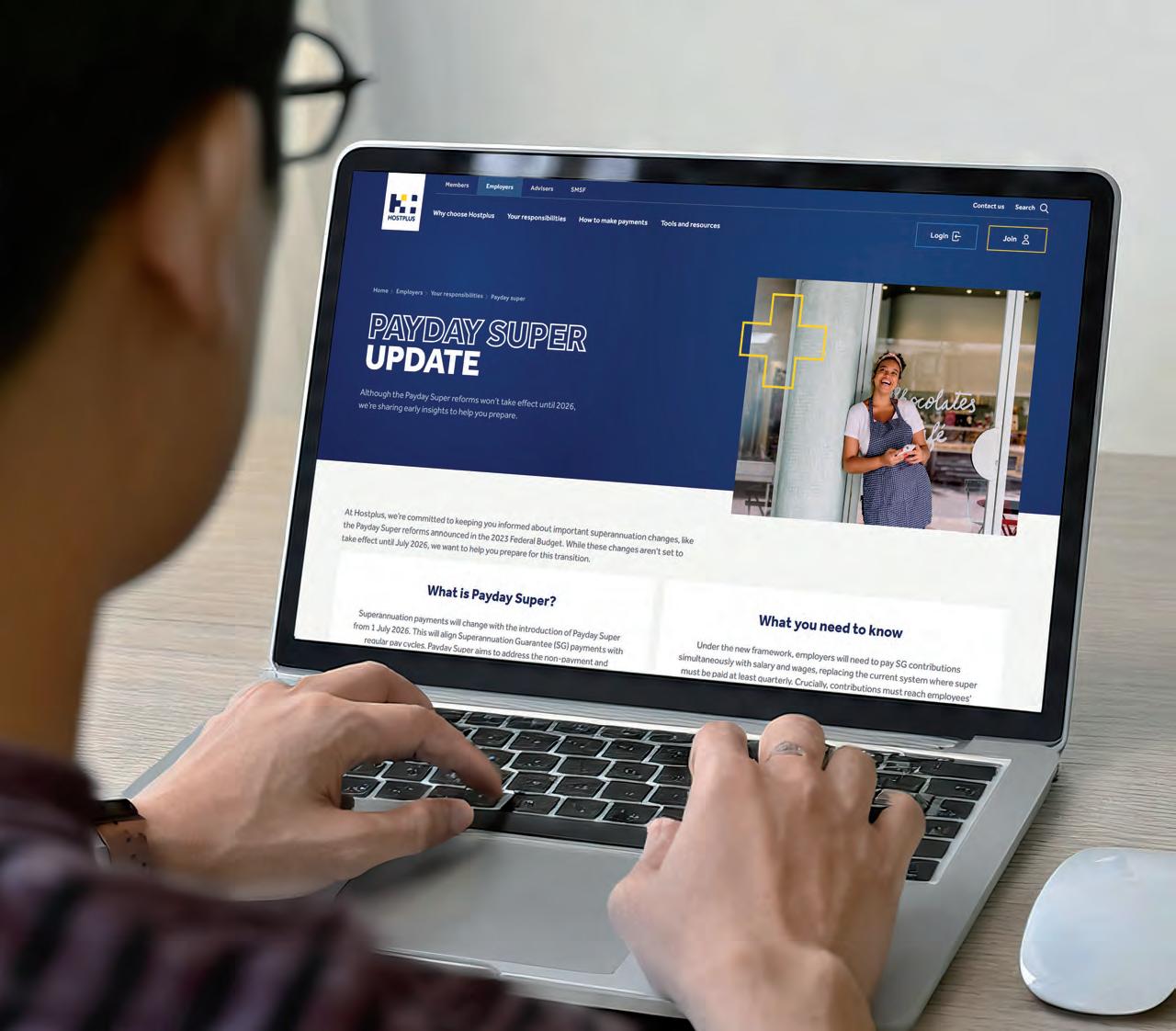
With 1 July 2026 just around the corner, the move to Payday Super is nearly here. From this date, employers will be required to pay superannuation at the same time as salary and wages, rather than monthly or quarterly. Under Payday Super, employers will have seven business days from each payday for employees’ superannuation contributions to be received by their nominated super fund.
This represents one of the most significant reforms to employer super obligations in decades. It’s crucial for employers to start preparing now and understand what these changes mean for their payroll systems, business processes and people.
Employers have consistently told Hostplus they’re looking for practical steps they can take to be Payday Super ready. That’s why Hostplus has put together five of the simplest ways businesses can get ahead of this transition and avoid last-minute stress.
1. Resolve data issues now Incorrect employee details, mismatched records and outdated information are some of the most common reasons super contributions are rejected during processing. Fixing these issues now means fewer delays with processing once super payments align with pay cycles. Here are some tips:
• Review and correct any error messages and warnings you receive from super funds when processing your super payments.
• Ensure all employee superannuation details collected during onboarding are accurate and complete, and confirm that all mandatory fields are correctly filled in. This is especially important for older records that may not meet current data standards.
2. Review your cash flow
If your business doesn’t currently pay superannuation contributions at the same time as wages, it’s a good idea to assess how Payday Super will affect your cashflow. You might need to review your budgeting processes, update your cashflow forecasts, and plan how your business will manage more frequent superannuation contribution payments.
3. Map your payroll workflow Problems can sometimes arise in the handover between HR and finance, such as start dates not being updated, employees being set up inconsistently, or super fund details not being shared correctly. A quick audit of who does what (and when) can prevent mismatches once the payment cycle tightens. It’s also a good idea to set up a process to quickly correct any errors with your super contributions, so you can still meet the seven-day timeframe.
4. Check your payroll system supports Payday Super Check with your payroll provider or super fund to confirm when they expect to release any updates you'll need, and whether you’ll have to install anything to stay compliant. Many providers are introducing support for faster payment options, such as Osko, to help ensure contributions are processed quickly and meet upcoming timing requirements, so find out if your platform supports sameday payments.
If you currently use the ATO Small Business Superannuation Clearing House, this is especially important, as it won’t be available after 30 June 2026 and you’ll need to arrange an alternative option.

5. Encourage employees to keep their details up to date
Outdated employee details are one of the most common reasons contributions bounce back. A simple reminder to staff to update their details, especially those who haven’t reviewed them recently, can significantly reduce the risk of data errors.
Helping employers feel more confident ahead of the change
Employers have told Hostplus they want clear, practical guidance as Payday Super approaches. In response, Hostplus has focused on making information easier to access, creating a dedicated Payday Super hub and running webinars with easy-tofollow checklists to help businesses understand what the new requirements mean in practice. The goal is to reduce confusion, minimise avoidable delays and give employers confidence ahead of the transition.
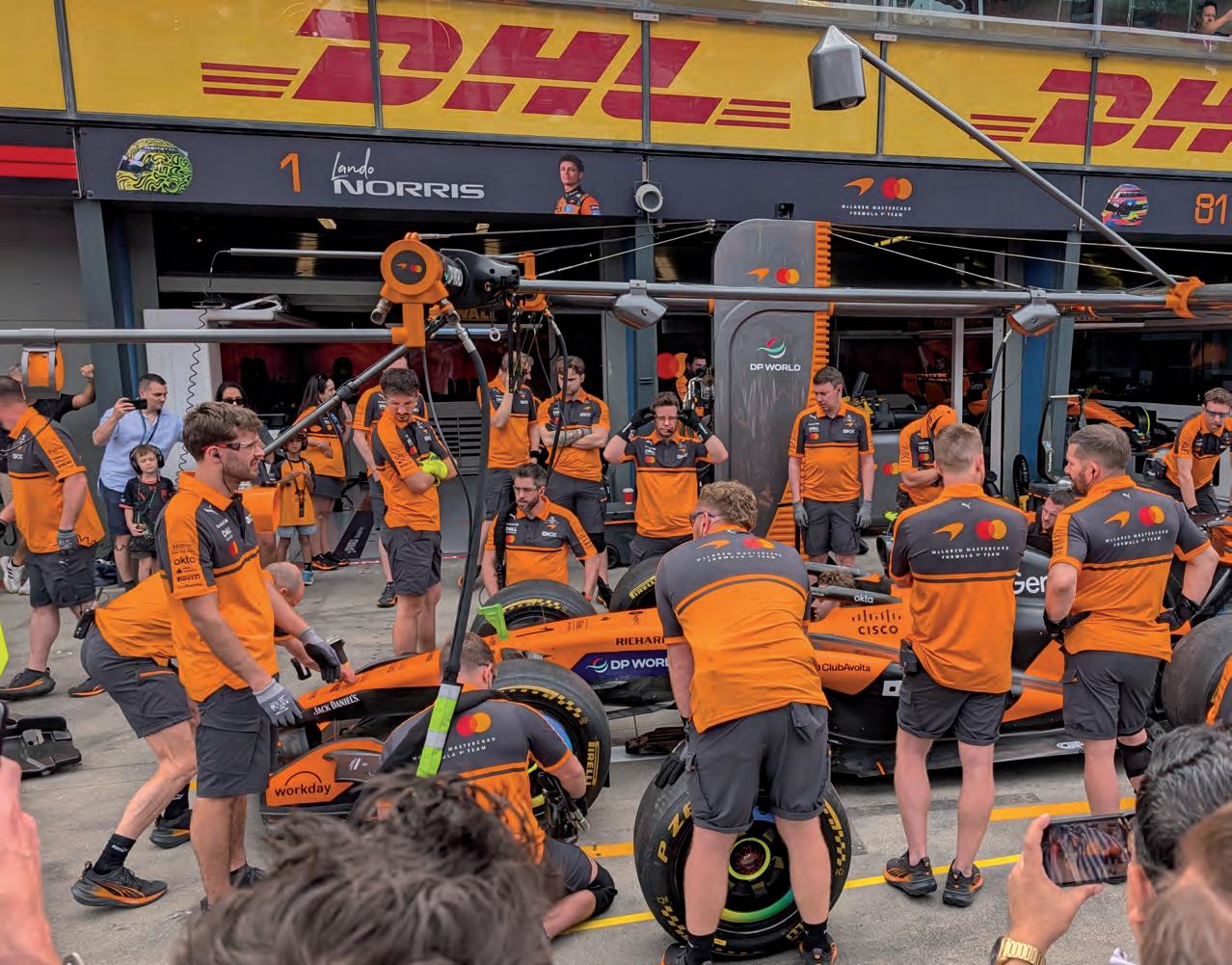
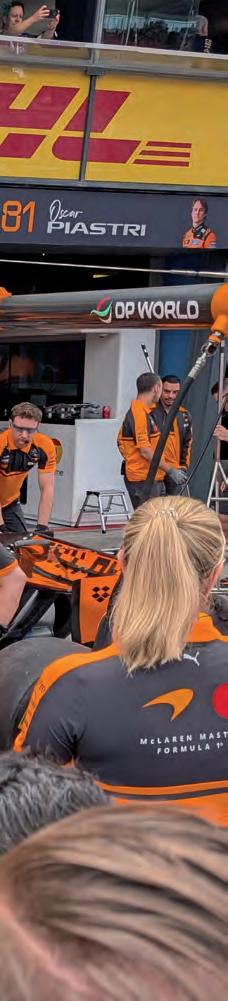
Whilst hopes of a hometown victory were dashed, as Melbourne’s own Oscar Piastri spun out on the warm-up lap, The Formula 1 Qatar Airways Australian Grand Prix, again accelerated hotel performance across early March.
The evolving Middle East crisis initially led to widespread industry concerns race teams and fans may struggle to get to the season opening Melbourne event and adversely impact hotel accommodation demand. Hoteliers report booking cancellations typically originated from independent travellers, rather than groups, and were largely offset by business generated from displaced international travellers.
CoStar (previously STR) data reflects initial industry concerns didn’t translate to diminished accommodation demand, although there was certainly a significant hotel business disruption impact, operationally.
The Melbourne race is highly regarded as a very well executed event by F1 organisers – the 483,000 2026 attendance second only to Silverstone in the UK (500,000) and up on a then record crowd number of 465,498 in 2025. Melbourne also holding the third longest hosting contract (2037), behind Miami and Austria (both to 2041).
Given Middle East conflict uncertainty, it was possible the Fédération Internationale de l'Automobile (FIA) may look to Melbourne to host a second grand prix race event, to replace those scheduled in Bahrain and Saudi Arabia across April 2026.
Victoria’s then Tourism, Sport and Major Events Minister, Steve Dimopoulous reflected concern regarding the evolving conflict, but expressed that Victoria stood ready to support the FIA should they choose to redirect races planned in that region. Ultimately, the FIA decided to cancel both races scheduled for the Middle East, with no race location substitutions made.
Source: Co-Star: F1 event impact analysis –four event nights vs. 2025
The uber-popular grand prix event headlined what is typically Melbourne’s busiest month for hotel occupancies ((82.4% in
March 2025 and 79.6% in March 2026). City of Melbourne reports the concurrent 2026 Moomba Festival, Australia’s largest free community event, attracted record attendances, across the four days (1.3m people). The Melbourne International Flower & Garden show also regularly attracts over 100,000 visitors and is popular with regional Victorian and interstate visitors, as interest in nature-based tourism explodes in popularity globally.
Straddling the months of March and April, Melbourne’s four-week-long International Comedy Festival attracts around 770,000 attendees each year, rendering it Australia’s largest ticketed cultural event, and ‘top three’ in global comedy festival size, behind the Edinburgh Fringe and Montreal’s Just for Laughs. The Melbourne festival providing an important mid-week accommodation demand driver, popular with intrastate and interstate visitors.
Business events are also important to help fill hotel rooms during mid-week and off-peak periods. The Women Deliver 2026 Conference, (27-30 April 2026 - Sunday-Thursday), is expected to attract 6,500 delegates to Melbourne from 170 countries. Melbourne Convention Bureau having previously reported that international business event delegates stay longer (6.5 nights vs. 4 nights) and spend three times more ($1,019 per day vs. $342) than interstate leisure guests.
Exclusivity – a demand driving ‘superpower!’
The power of high-profile entertainers and sporting events to propel hotel occupancies that surpass even Victoria’s long hosted major event pillars is also clear, particularly when attendance is underpinned by huge supporter bases.
In March 2023, enroute to breaking the Australian record for live event attendance, twice in consecutive days (110,000 fans and 108,000 fans respectively), music sensation Ed Sheeran’s two MCG performances generated hotel occupancies of 90.6 per cent and 90.1 per cent, respectively.
By comparison, peak occupancies for the Australian Formula 1 Grand Prix that year recorded 90.7 per cent of Melbourne hotel rooms filled.
The power of exclusive events to generate a frenzy of travel demand was also evident during Billy Joel’s “one night only” MCG performance in 2022. His only Australian performance generated the second highest hotel occupancy levels recently recorded across Melbourne city at 93.7 per cent. While the 2025 Wallabies vs. Lions MCG rugby test (Sat. 26th July) is acknowledged as Melbourne’s busiest hotel night ever, with 25,089 city hotel rooms sold, recording an impressive 94.7 per cent occupancy highpoint, as an estimated 40,000.
Herald Sun Major Events lead, Peter Rolfe, reported (February 2024) how the “Taylor Swift juggernaut became a Melbourne love story,” with ”more than 100,000 domestic and Trans-Tasman
passengers carried into Melbourne over the concert period, across 64 additional flights.”. CoStar’s Matthew Burke reflecting that although occupancies for her three Melbourne shows were surpassed by other major events (88%, 87% and 74% respectively), Swift’s Eras Tour’ Saturday night performance helped break Melbourne’s ADR record by $29 and RevPAR by $27, with “all three nights now holding the title for the highest ADR and RevPAR nights on record for the city.”
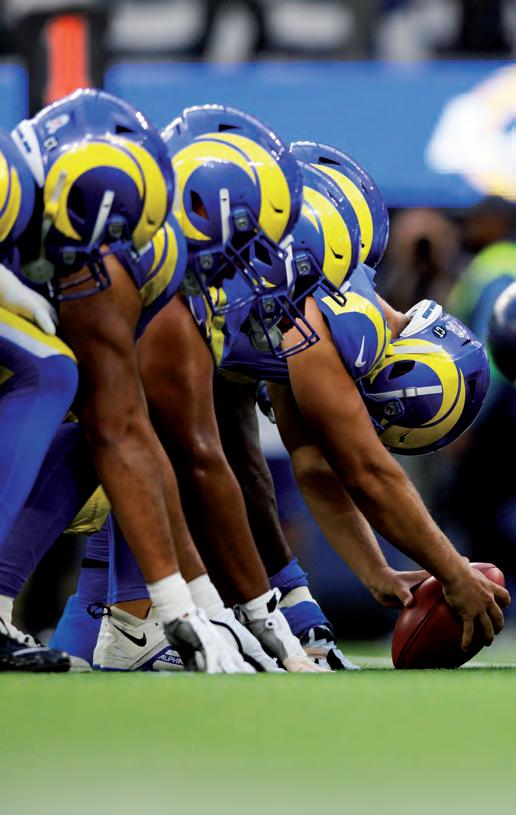
Hoteliers now eagerly await Melbourne’s September NFL fixture between the Los Angeles Rams and San Francisco 49ers, to be hosted on Friday September 11th, noting the historic MCG clash “will be a sports fan’s version of a Taylor Swift concert!” Hotels close to the MCG reporting forecasted booking demand is unprecedented, surpassing the Ashes, British & Irish Lions (rugby), State of Origin (rugby league) and AFL Grand Final,” with 40,000 game day tickets having been allocated to international visitors.
Unlike Taylor Swift (MCG stadium booking only), the NFL fixture will also activate the adjacent Yarra Park precinct, creating a carnivallike atmosphere, where thousands of fans will immerse themselves in the gameday action, even if not lucky enough to secure a seat inside the stadium.
Importantly, the attention and publicity Melbourne and Victoria will receive in this key North American target inbound tourist market is immense. For context and scale, a Thursday night football fixture typically attracts around 15m television viewers in the US, whereas total television audiences for the entire 2025 AFL season on Channel 7 reached only marginally more viewers at 17.4m.
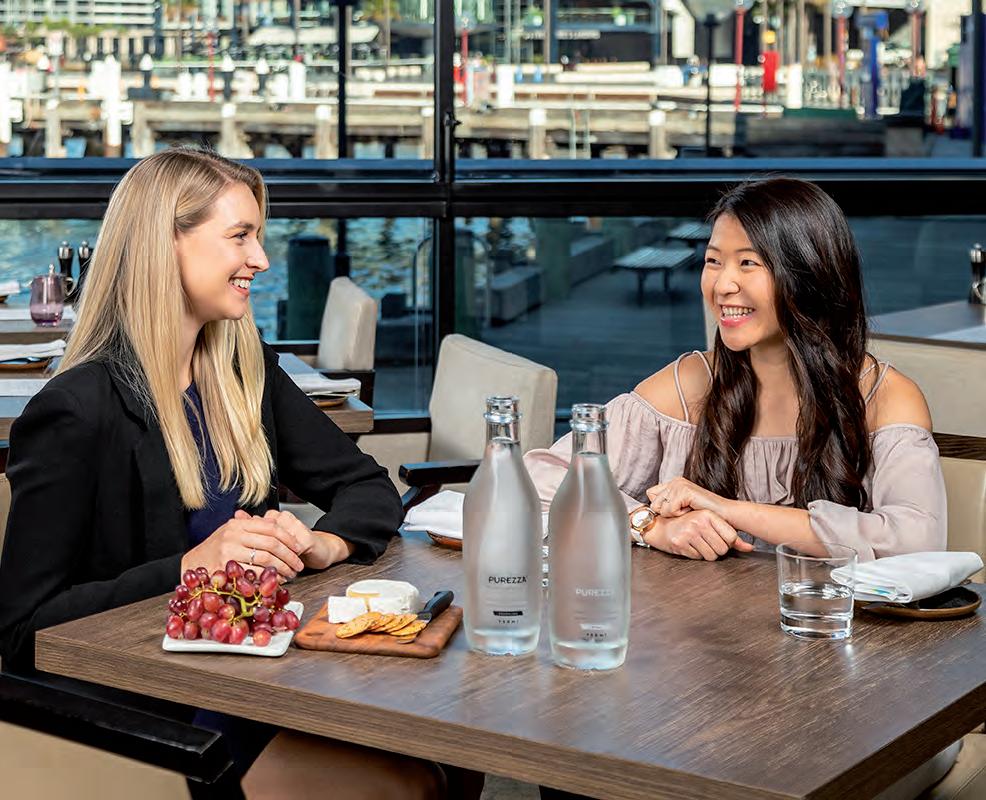

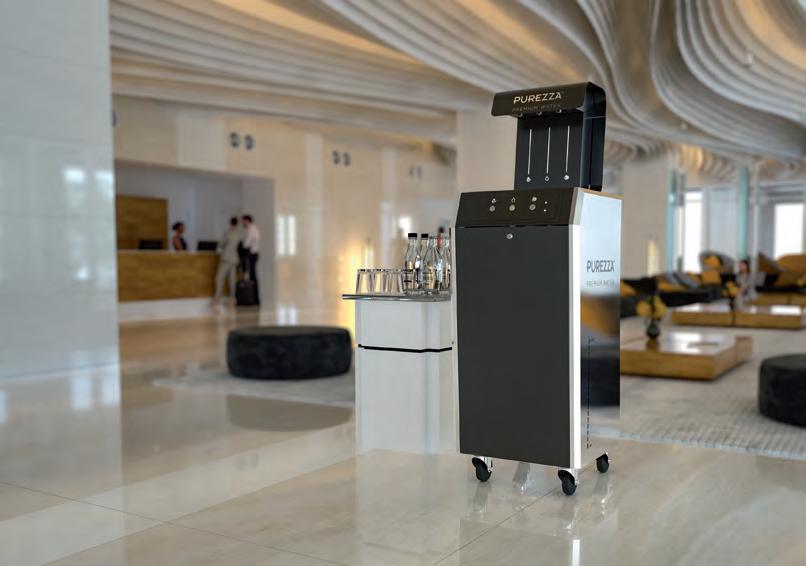
Energy is one of the largest operating costs for hotels, and how it is managed directly impacts hotels profitability. Timing of when a contract is secured is crucial, as even small shifts in market conditions can materially impact costs. At the same time, billing errors can go unnoticed, quietly increasing expenses over time.
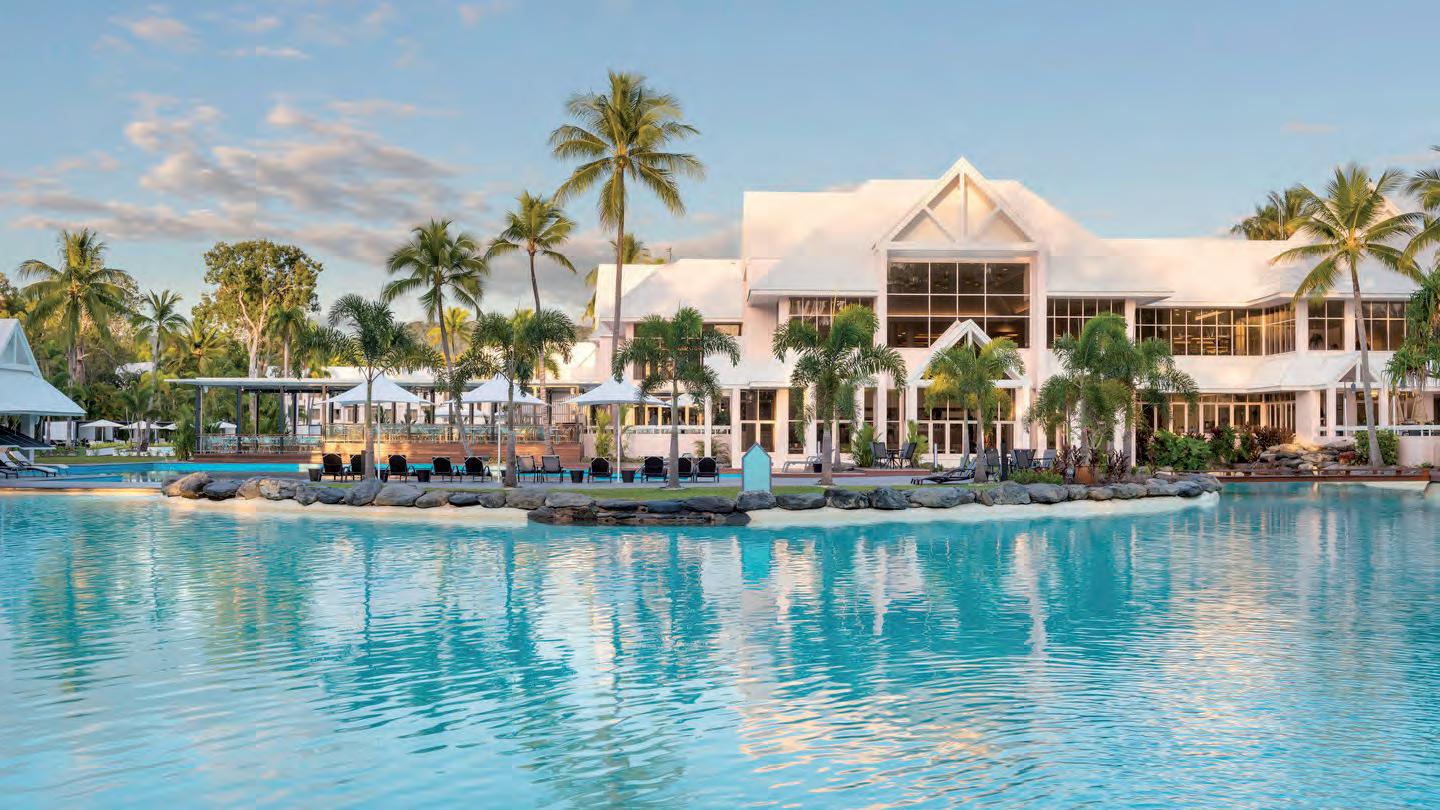
At Sheraton Grand Mirage Resort in Port Douglas, a review highlighted how significant these gaps can become.
The resort engaged Trans Tasman Energy Group (TTEG) as part of a tender process involving multiple brokers.
Trans Tasman Energy Group implemented a strategic, resultsdriven approach. The existing contract was benchmarked against current market pricing, and a competitive tender process was conducted to evaluate options. A comprehensive audit of historical electricity bills was also conducted simultaneously. This ensured that both future pricing and past costs were thoroughly assessed.
The billing review identified discrepancies that had previously gone undetected. Once corrected, this resulted in $35,500 being recovered and credited back to the resort.
In addition, the procurement process delivered $196,192 in savings. This reduced the cost per kWh and improved overall commercial terms, including metering arrangements, providing greater cost certainty moving forward.
A combined approach of strategic procurement and bill validation provides both immediate financial benefit and long-term control. By














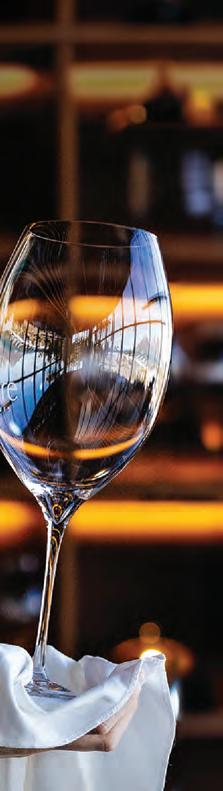








In 2026, Victorian hotels have a fresh chance to put more play into Keno. Long valued as a reliable performer, the game is stepping into a new era. With the right mix of promotion, placement and presentation, Keno can become an even more powerful part of the hotel experience.
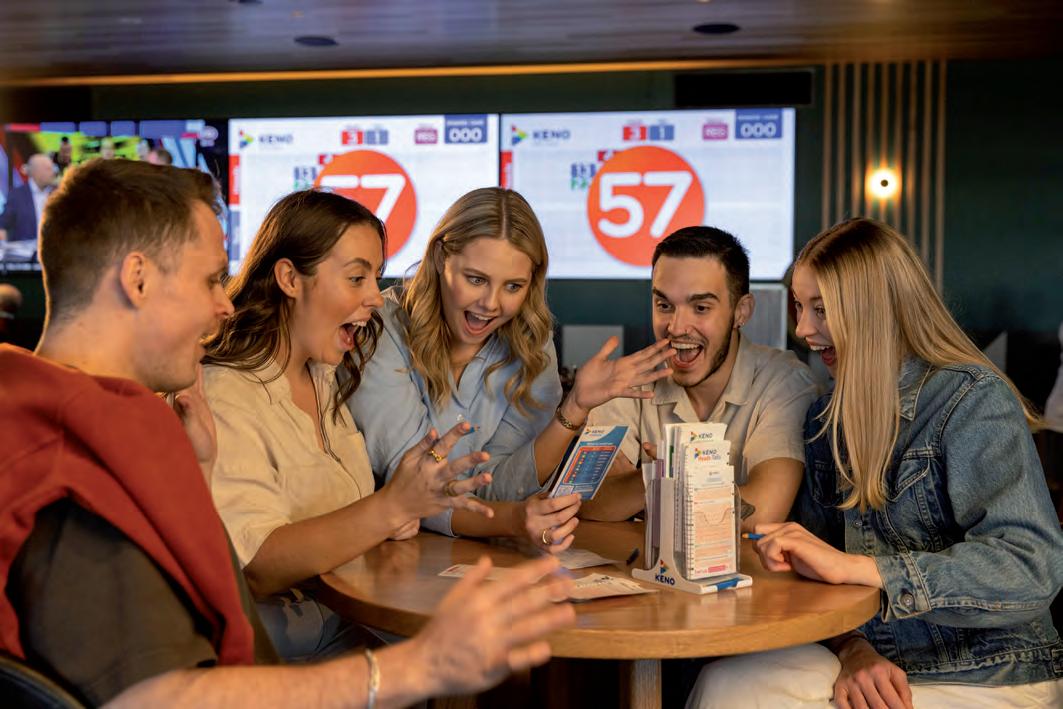
Prepare to make 2026 shine with Keno, the beloved numbers game that brings excitement, growth, and a sense of community to hotels across Victoria.
The year ahead provides a fresh opportunity to rethink how Keno can be leveraged, whether this is through promotions, clever use of space, or
tapping into the latest features and technology that make playing easier, more engaging and rewarding.
1. LAM PROMOTIONS: A QUIET GROWING POWERHOUSE IN VICTORIAN HOTELS
According to Keno National Partner Manager Luke Harrison, noting beats in-venue promotions
to dial up the excitement around Keno in a hotel.
“Time and again, industry insiders highlight promotions as a powerhouse for boosting interest in the game,” he says.
“When exciting prizes drive the action, it gives patrons another compelling
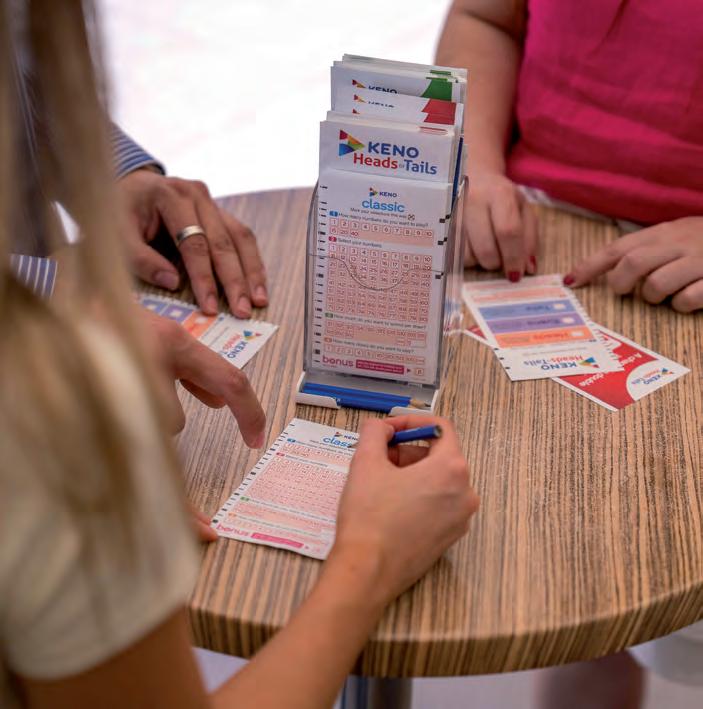
reason to jump in and play. Tailor your LAM promotion to suit your venue: pick the perfect prize, set the timeframe, choose how guests can enter, and design standout point-ofsale materials.
“LAM promotions can turn ordinary days into lively events, creating buzz and anticipation that spills over into increased ticket sales and engaged customers.”
Where Keno lives inside the venue can be just as important as how it’s promoted. Accessibility and comfort play a major role in customer engagement, particularly in hotel environments where space is often at a premium.
“Hotels that put thought into the placement of their Keno terminals, screens, and signage can dramatically improve the guest experience,” Luke says.
“Avoiding high-traffic thoroughfares and instead opting for semi-defined or dedicated Keno zones, can create a welcoming atmosphere where customers feel comfortable participating without being rushed or overlooked.”
By experimenting with different layouts or consulting with Keno support teams, hotels can discover what works best for their unique customer base, increasing engagement and overall satisfaction.
3.
Luke reminds hotels that how your Keno area looks can make or break its appeal.
“If the setup feels tired or neglected, it’s easy for the game to fade into the background and be out of sight, out of mind. But when the space is freshened up, it sends a clear signal to patrons:
Keno is a key part of the venue’s experience and worth paying attention to,” he says.
Hotels that put effort into visual cues, - feature walls, well-laced screens, eye-catching branded wraps or crisp new signage - are seeing results that go well beyond just a facelift.
A standout Keno zone instantly lifts the vibe of the gaming or lounge area and makes it clear that Keno is entertainment, not just another terminal tucked away in the corner.
4. FEATURES THAT ENCOURAGE REPEAT PLAY
Beyond layout and promotion, awareness of Keno’s built-in features can also drive stronger engagement.
Keno Replay allows players to easily replay their favourite set of numbers from previous games, removing friction and making repeat participation seamless. For regular players, this convenience enhances satisfaction while naturally encouraging repeat purchases.
For customers looking to add excitement, Keno Bonus offers the chance to multiply winnings by simply ticking the ‘Bonus’ box on their Keno Classic game card.
“Staff knowledge and proactive suggestions can be the difference between a passive player and an engaged one, so regular training and updates are key,” Luke explains.
5.
Importantly, Victorian hotels don’t have to tackle Keno optimisation alone, Luke says.
“Working with Keno support teams allows venues to review their current setup, explore promotional options and identify practical improvements suited to their space and customer base,” he says.
“The strongest results often come from venues that treat Keno as an evolving part of their entertainment mix, rather than a set-and-forget offer.
“By staying up to date with the latest trends, features and support, hotels can make the most of Keno's potential and continue to grow their customer base.”
Visit Keno Connect and contact your Keno Business Development Manager for support today!
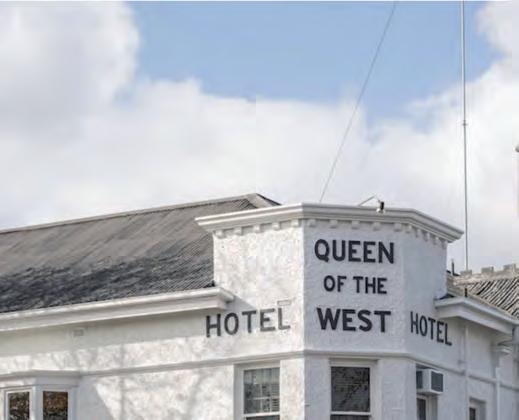
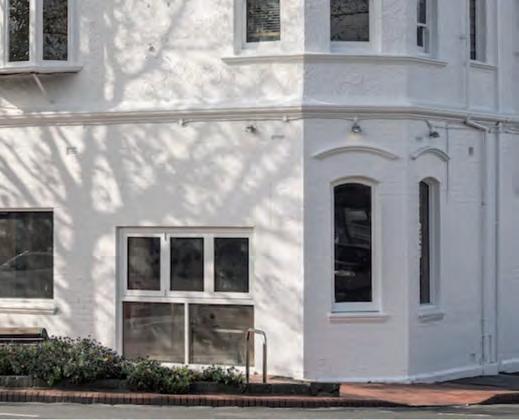
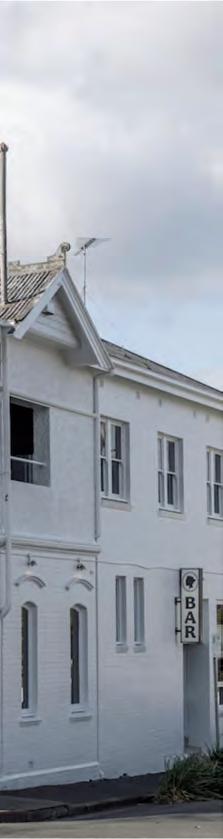
23 THE ESPLANADE, TORQUAY VIC 3228 (03) 4216 6860
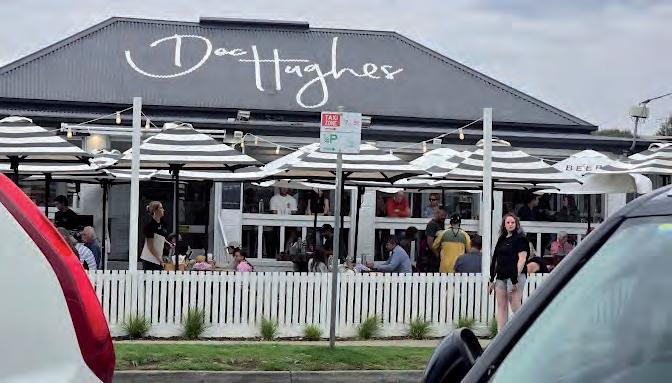
Perched on the iconic Torquay Esplanade, Doc Hughes pairs fresh, locally sourced food with trendy beverages and laid-back coastal charm. From sunrise coffees and seaside breakfasts to long lunches, sunset cocktails and relaxed dinners, this beachfront favourite offers something for everyone, backed by genuinely warm, attentive service.
The menu heroes seasonal produce from trusted local suppliers, complemented by premium wines, beers, spirits and expertly brewed Mikro Coffee Roasters coffee. With uninterrupted ocean views as the backdrop, Doc Hughes is the kind of all-day venue where a quick bite can easily turn into lingering good times by the beach.
370 RATHDOWNE ST, CARLTON NORTH VIC 3054 (03) 7048 0981
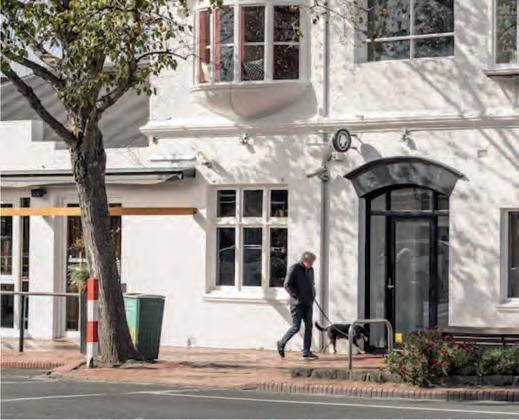
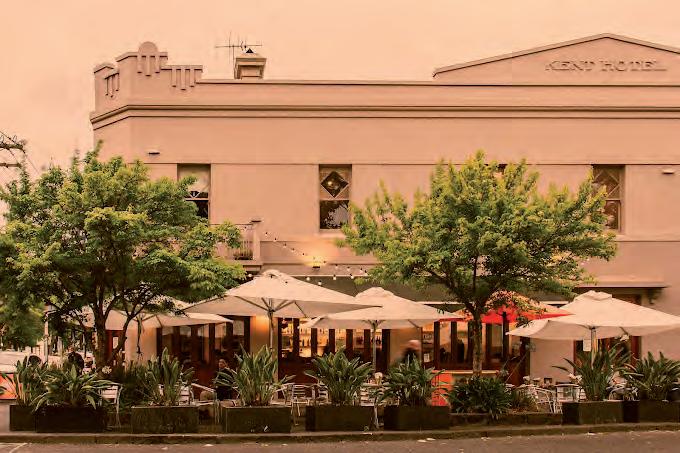
Overlooking leafy Curtain Square in the heart of Rathdowne Village, the Kent Hotel is a heritage Carlton North local that blends classic pub warmth with a polished, contemporary edge.
Guests can settle into the buzzing front bar, linger over seasonal, Mediterranean-leaning pub fare in the bistro, or soak up the sunshine in the al fresco street-side tables that feel straight out of a European boulevard.
A thoughtful drinks list champions craft beers, cocktails and a considered mix of local and international wines, while an upstairs private space with its own bar offers a relaxed yet refined setting for everything from milestone celebrations to corporate gatherings




Vix Vizion is an Australian company that continually evolves its product using local resources. Vix Vizion’s Imagus Intelligent Video Analytics and Facial Recognition product delivers fast accurate face detection, matching, and recognition using advanced deep learning algorithms. Imagus performs effectively across high and low population density frames, even with poorly lit, low quality, angled, or obstructed views. The Imagus product has numerous use cases across many industry sectors. Imagus is easy to deploy and operate with intuitive User Interfaces for operation and management. According to the US National Institute of Standards and Technology (NIST), Vix Vizion is the number one face recognition software in Australia for the second year running and number three in the world for wild-scenario situations.
Farhad Ahmadian E: fahmadian@vixvizion.com M: 0450 484 394 www.vixvizion.com