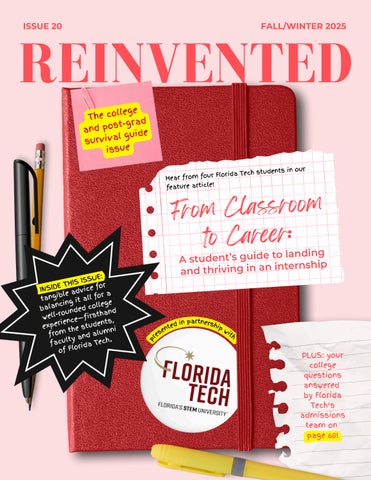
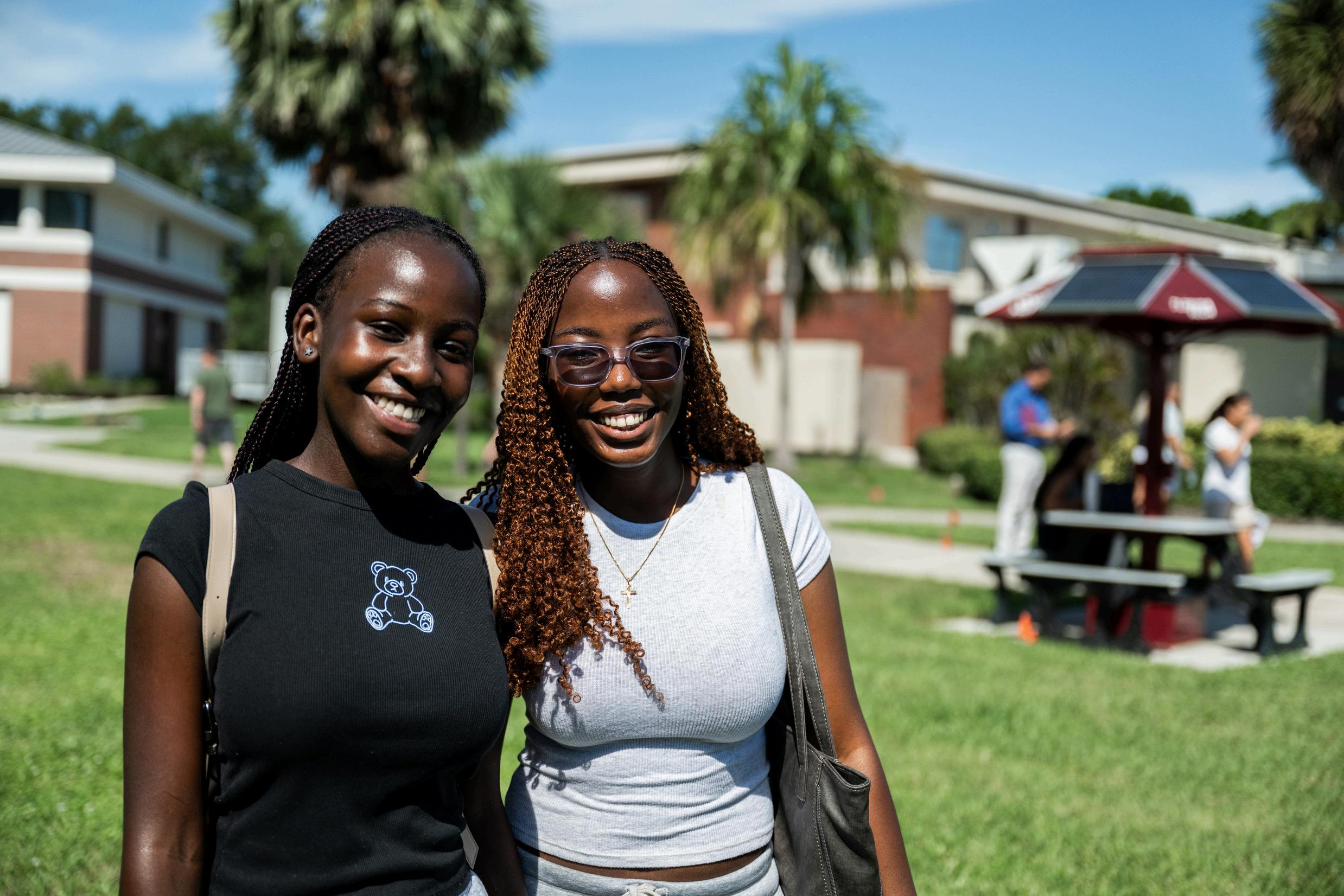
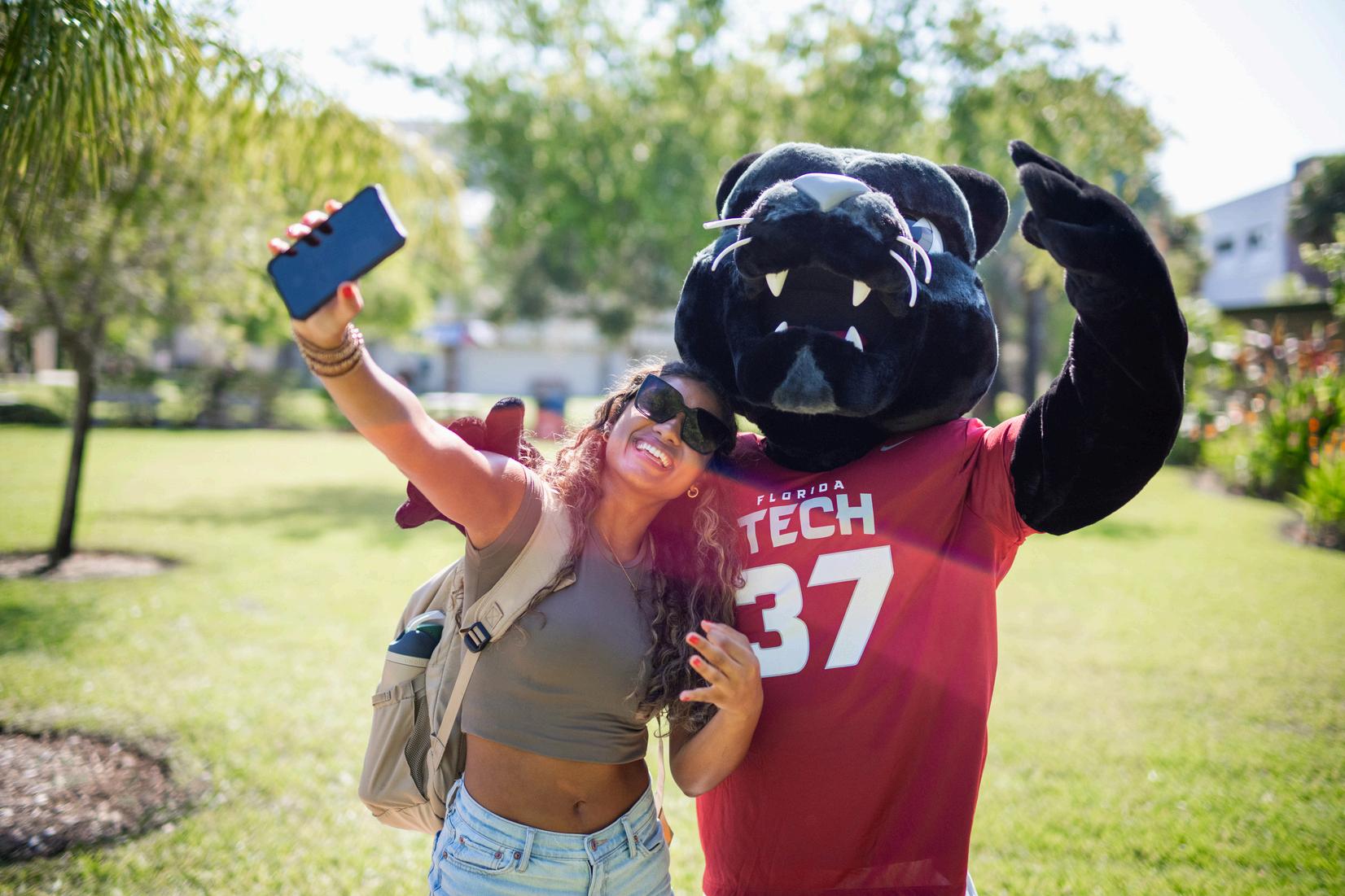
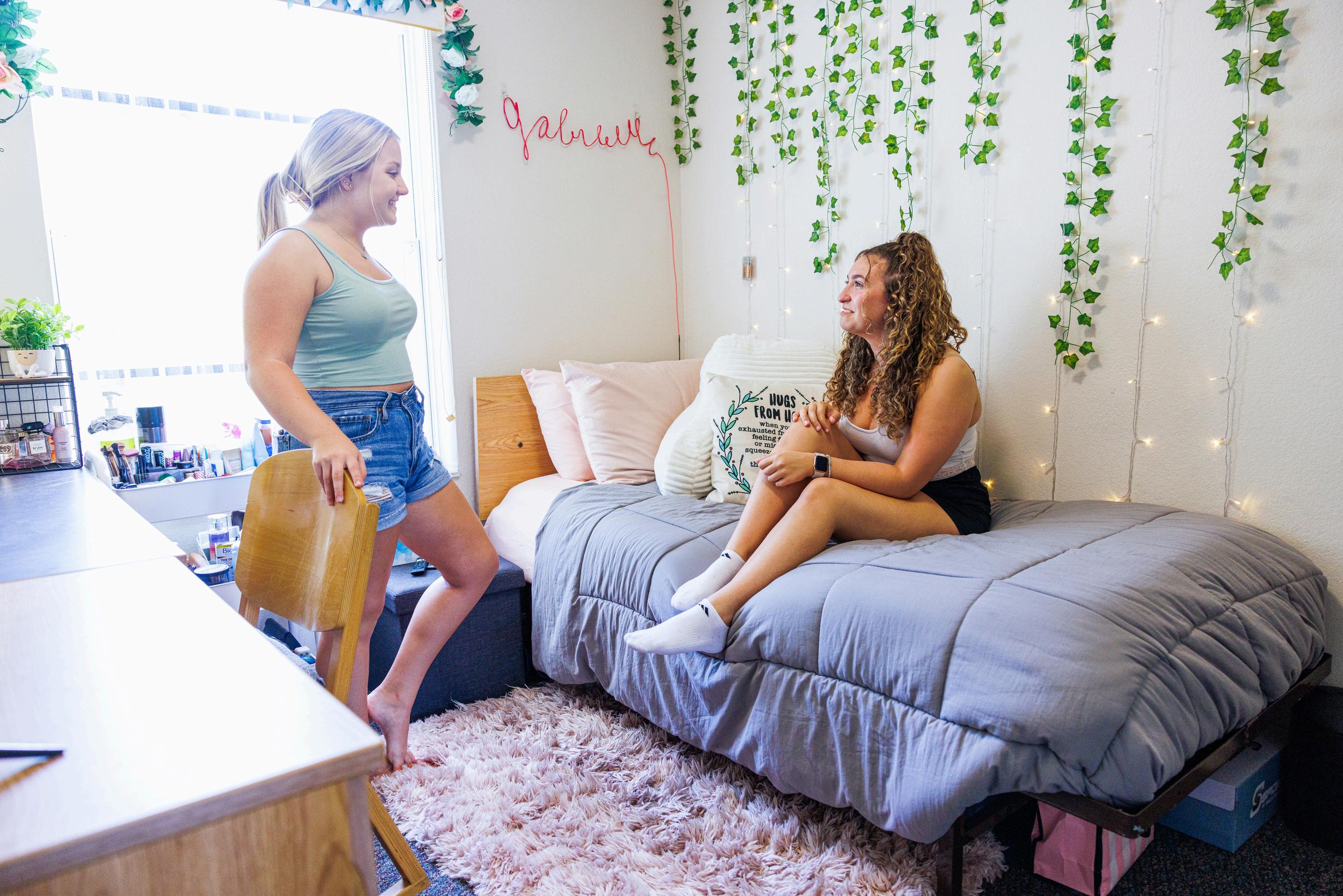
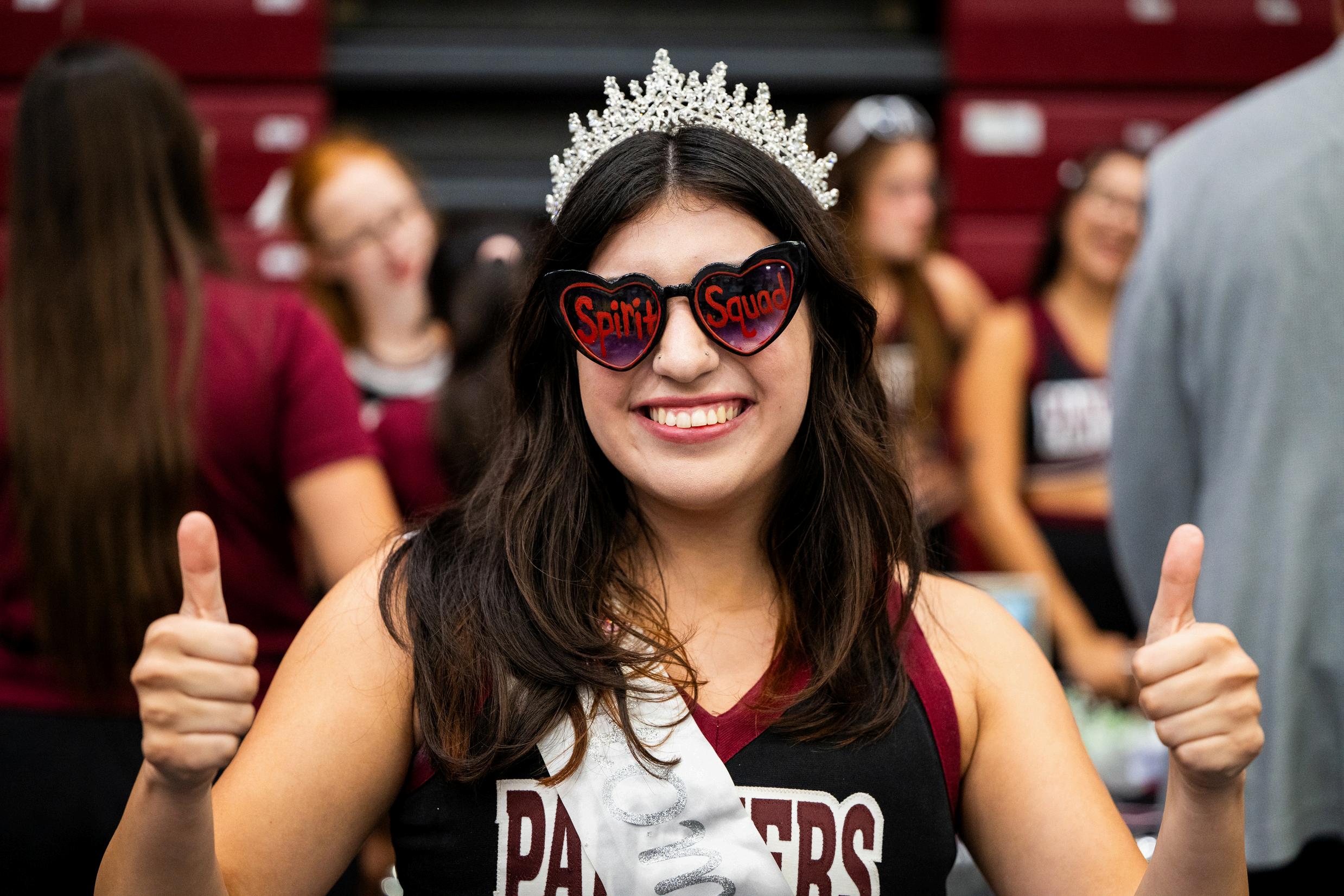
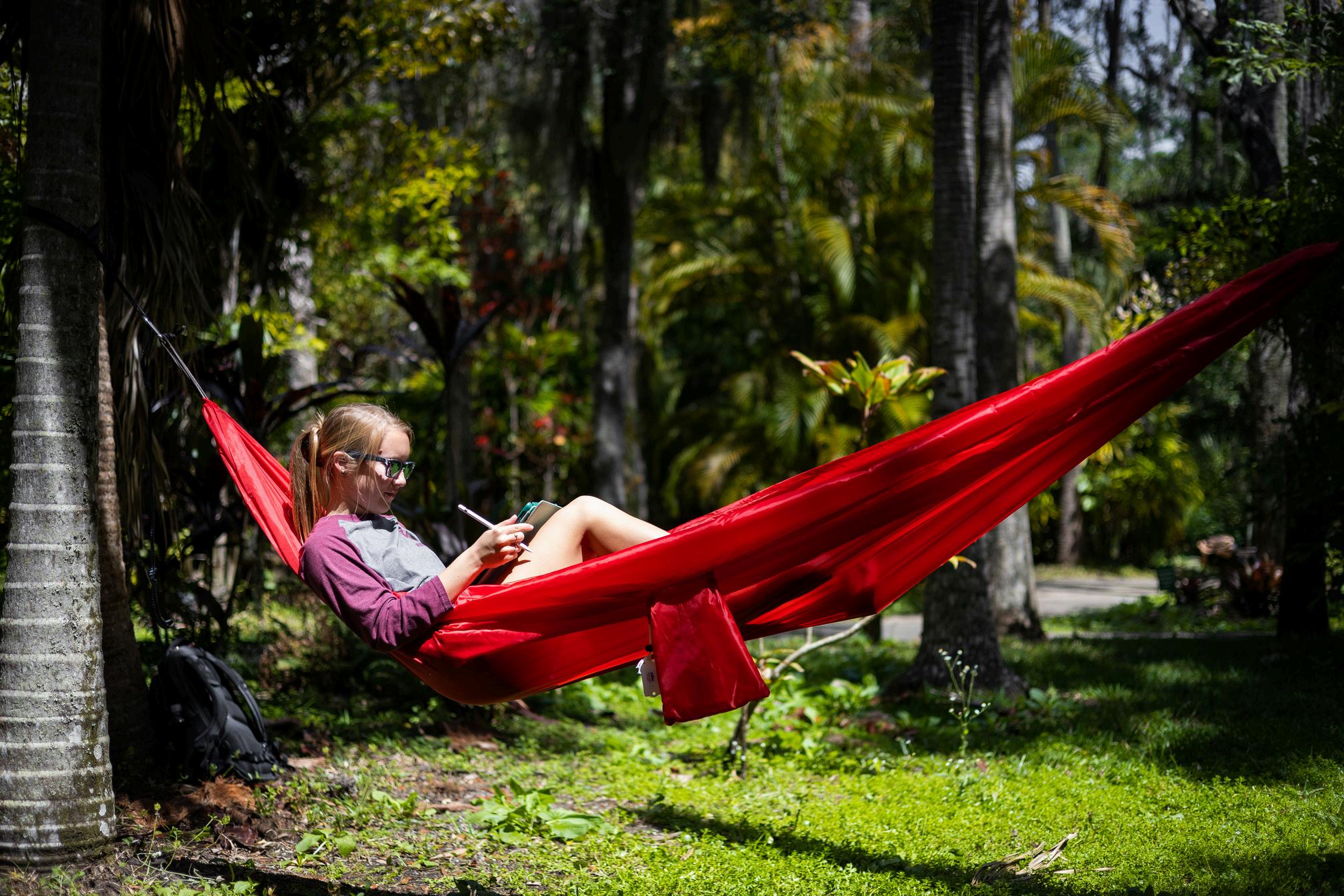
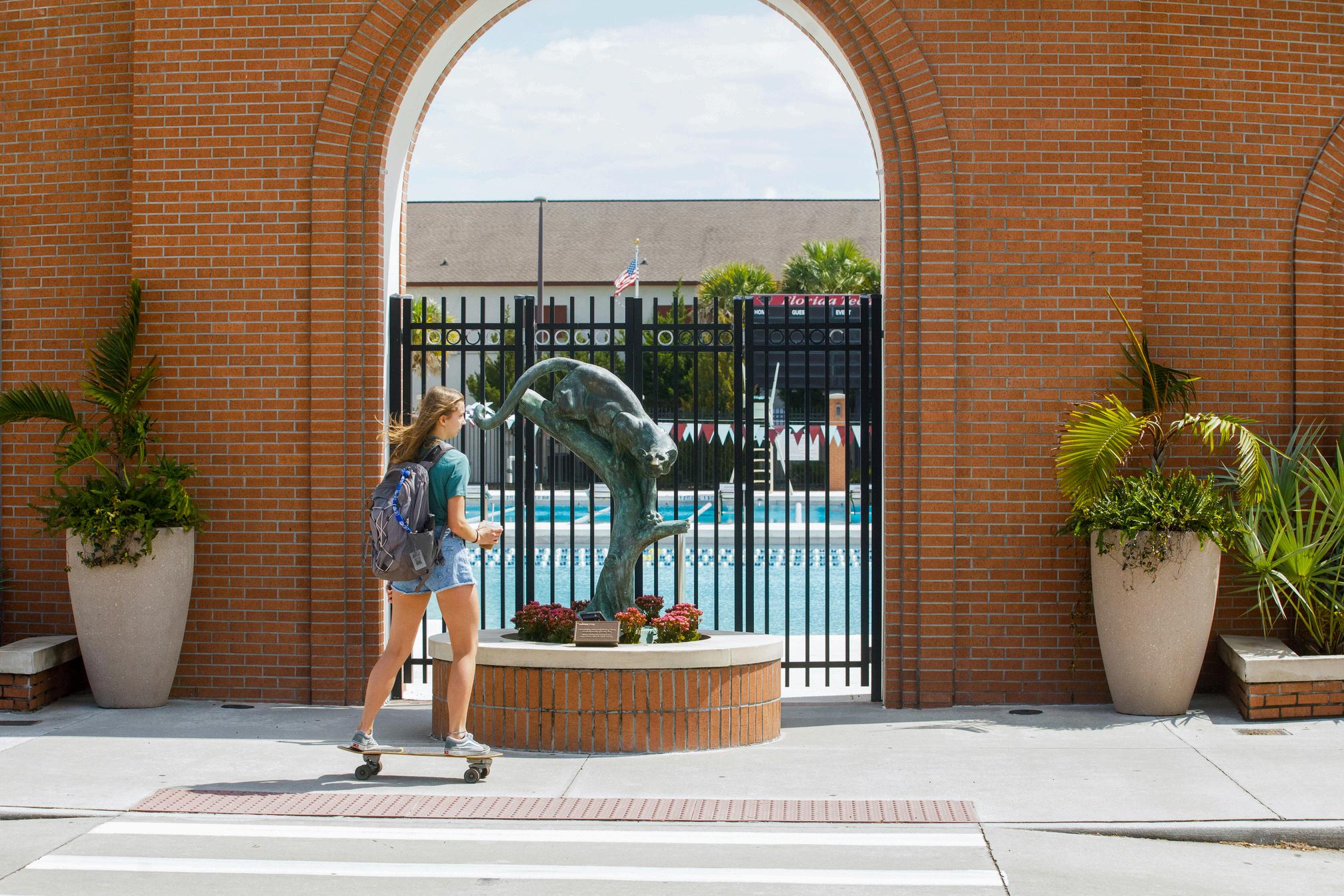
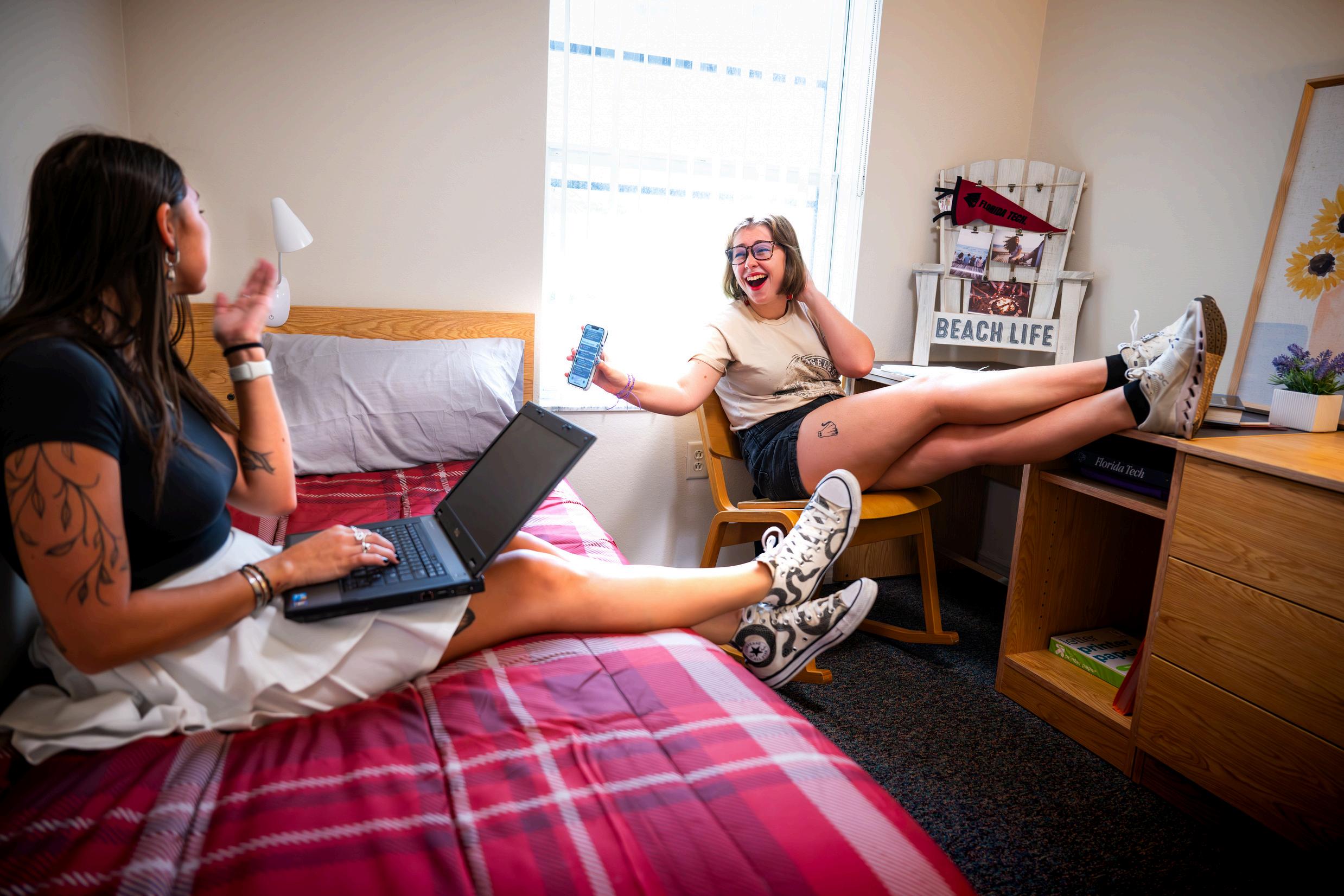
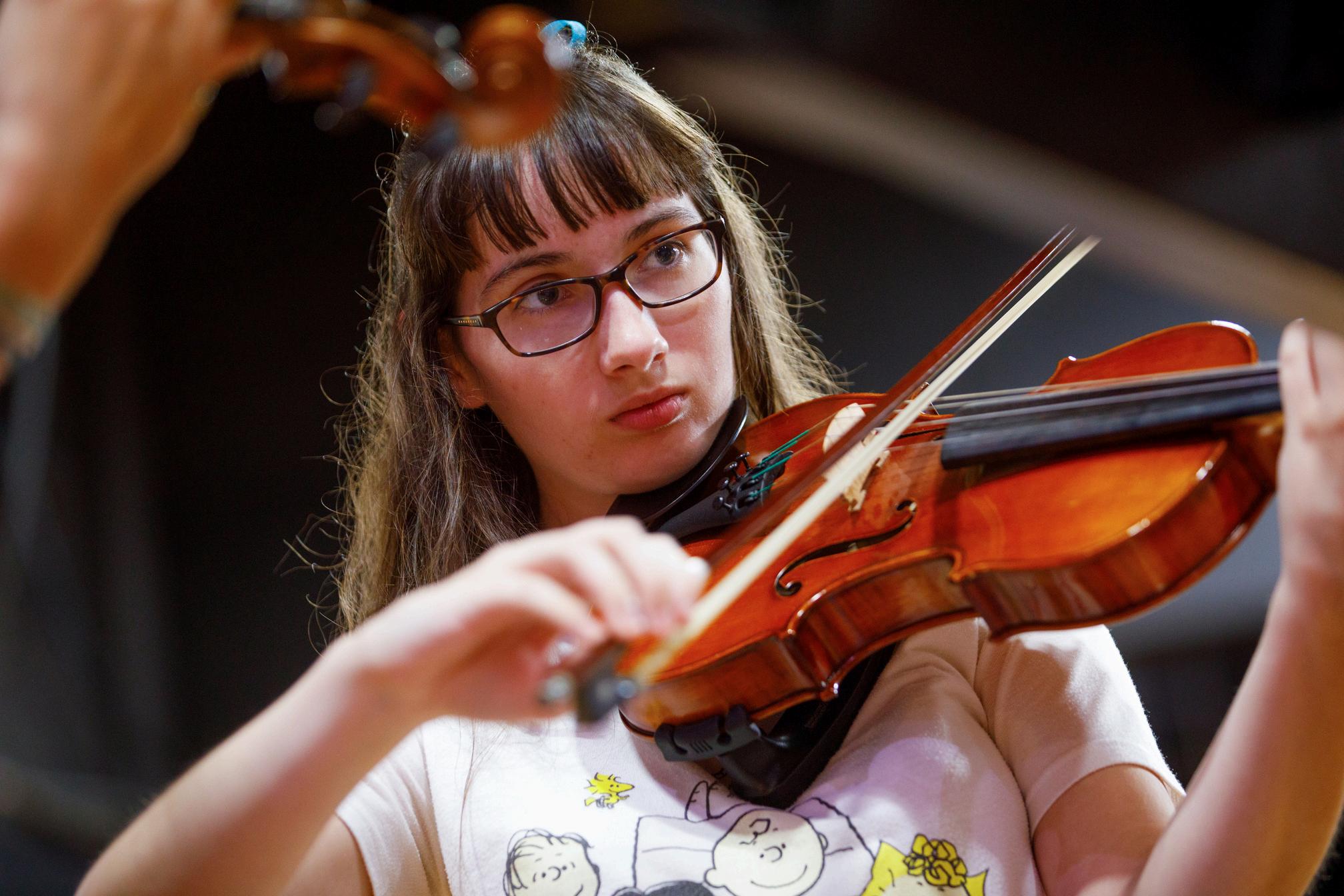
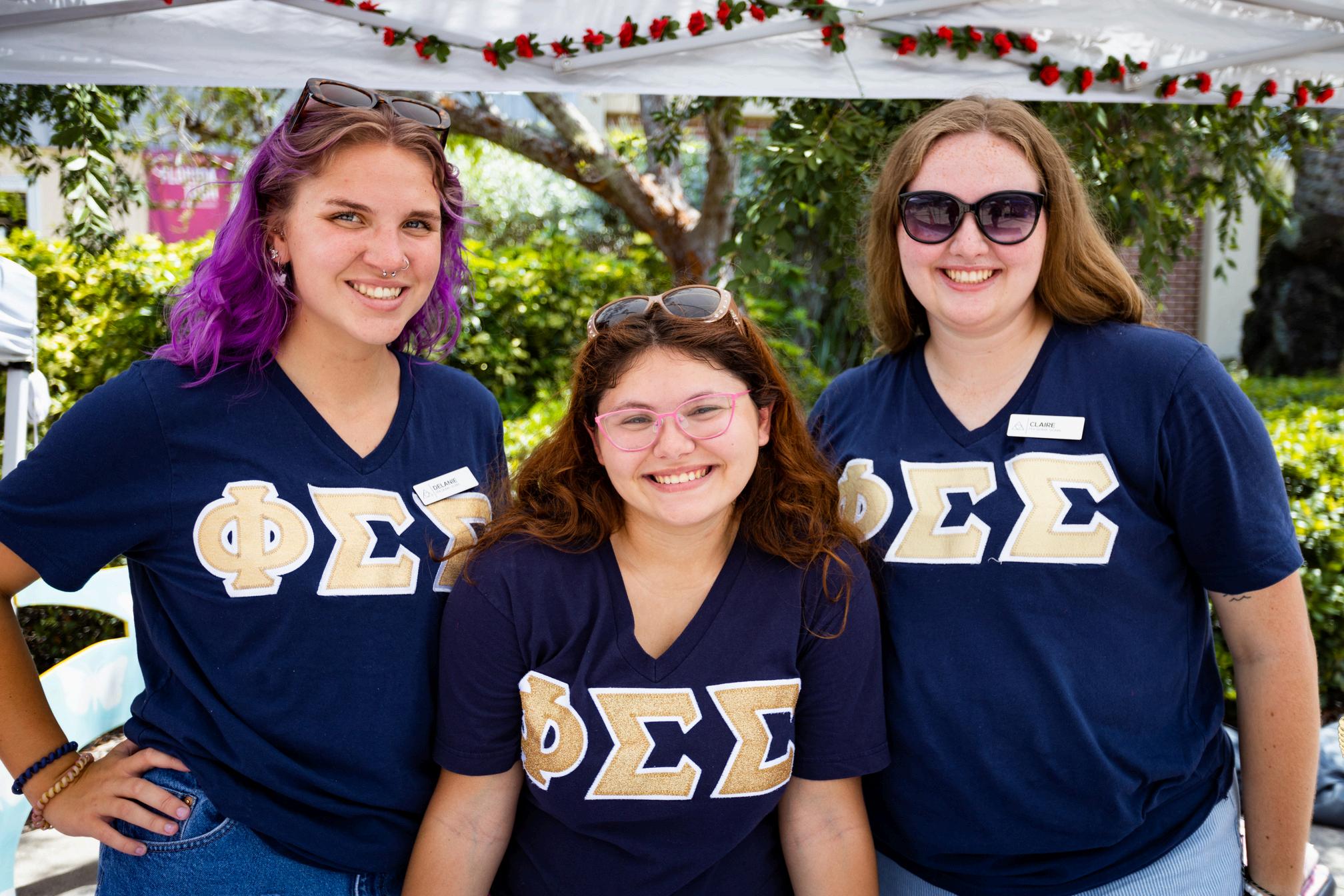
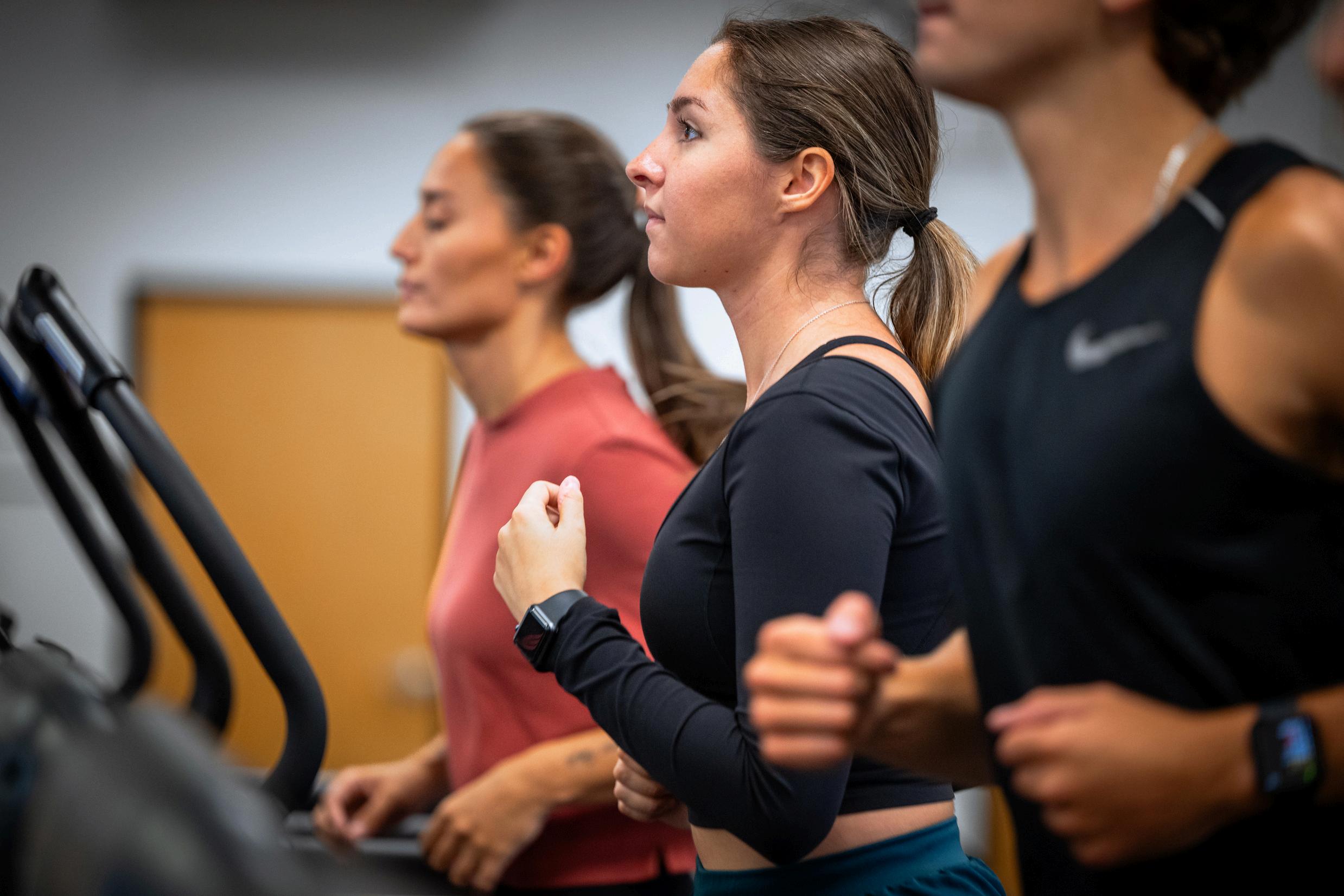
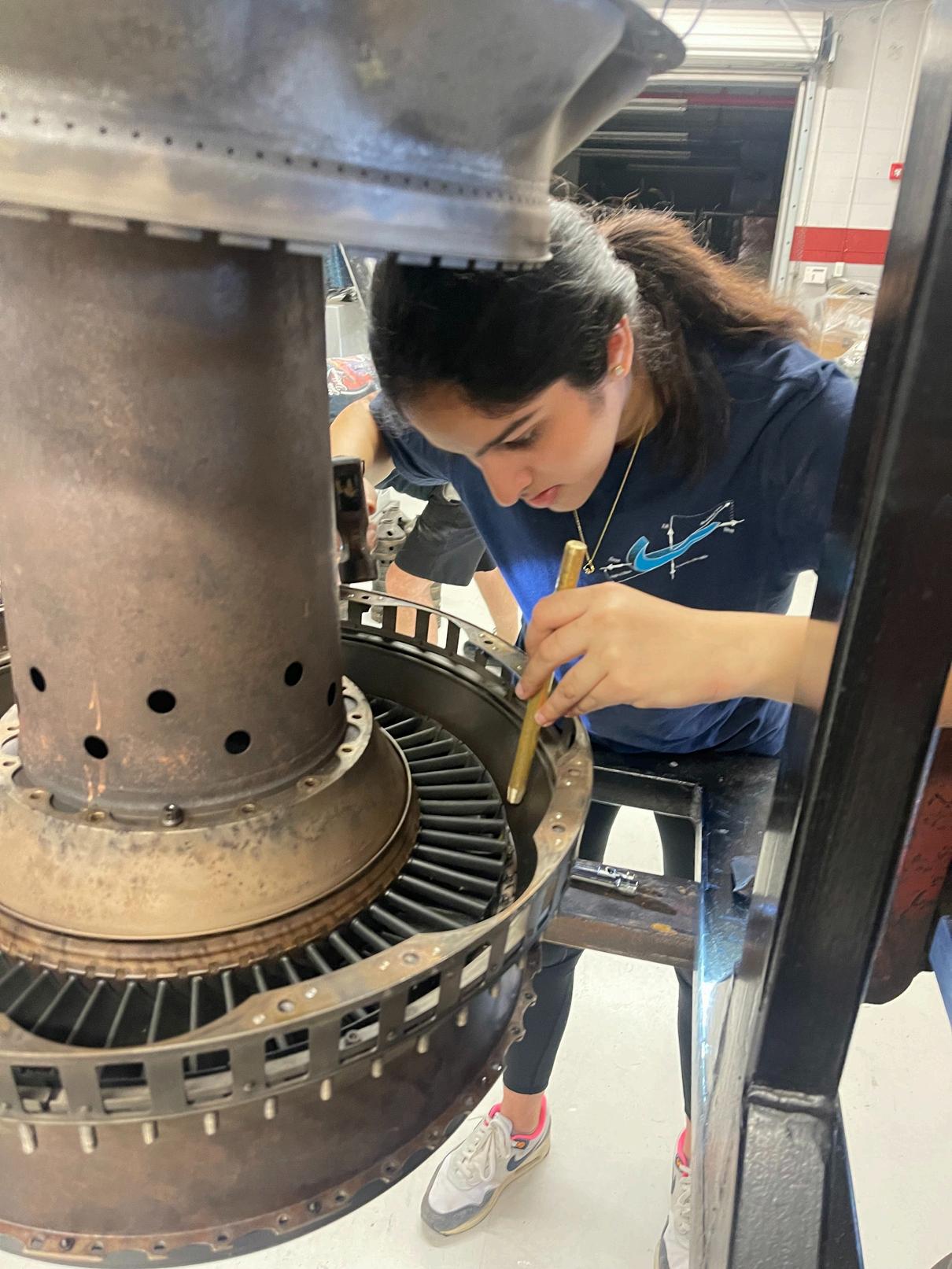
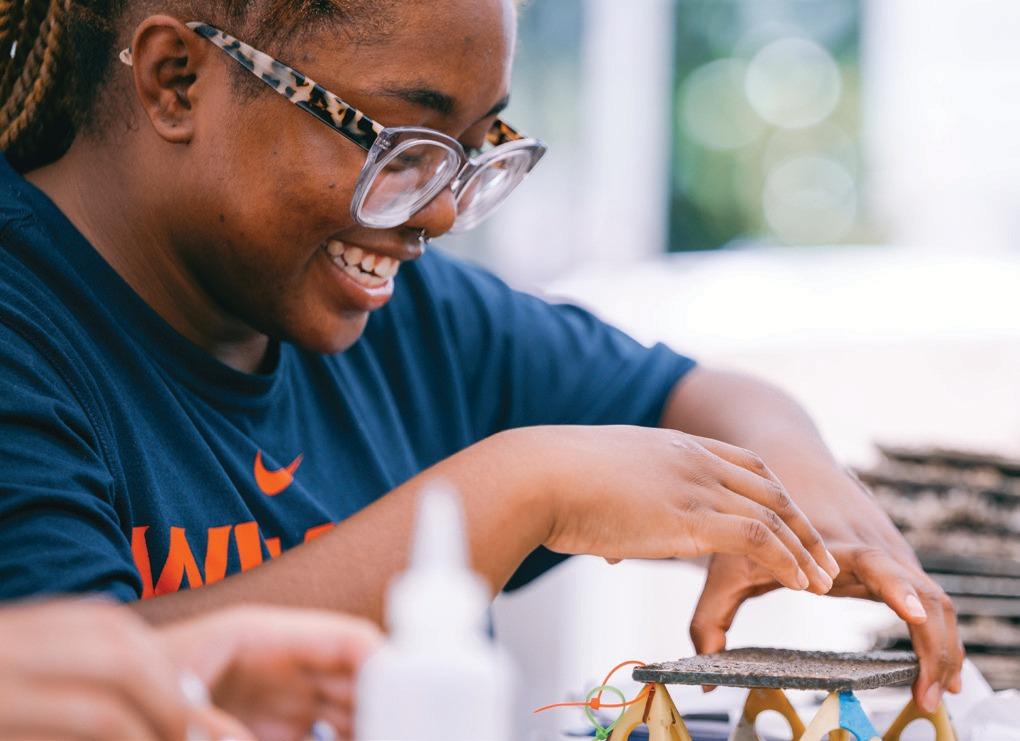
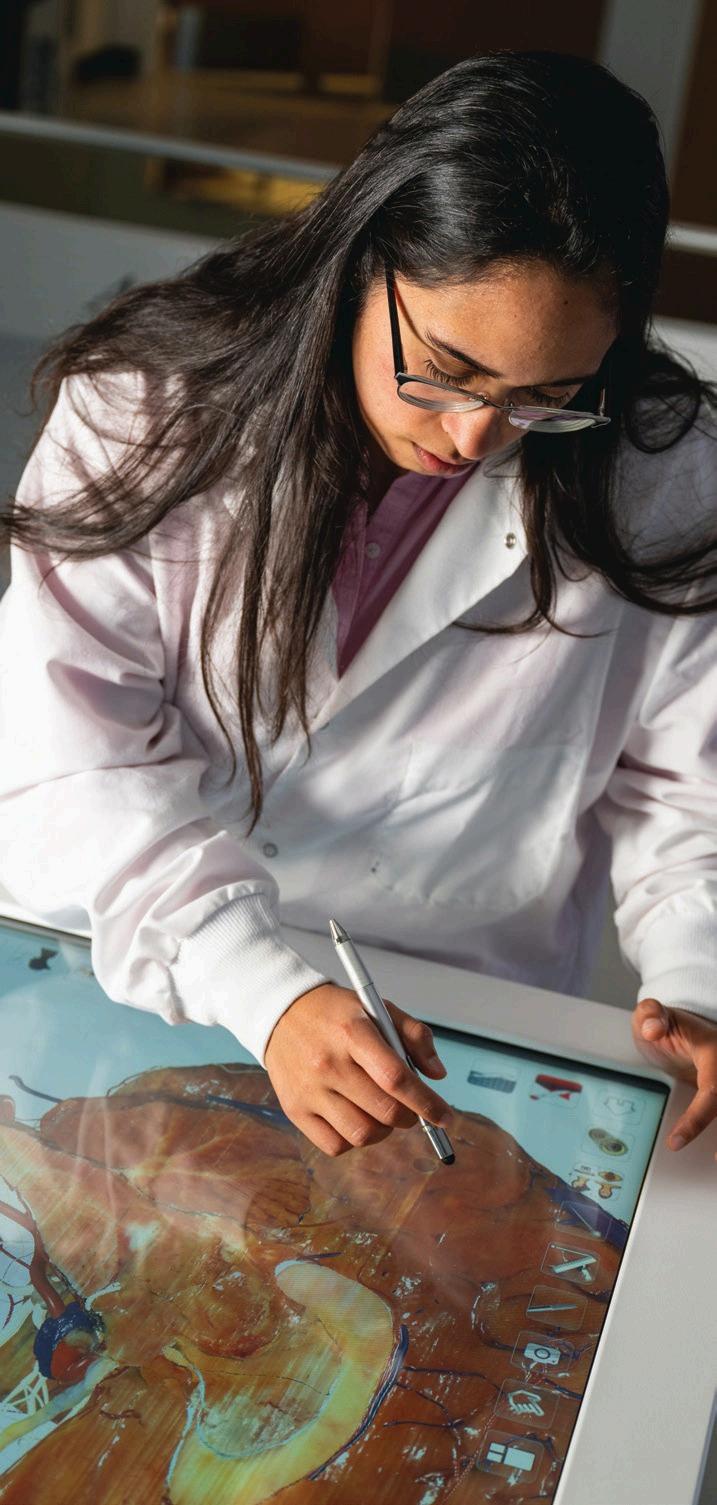
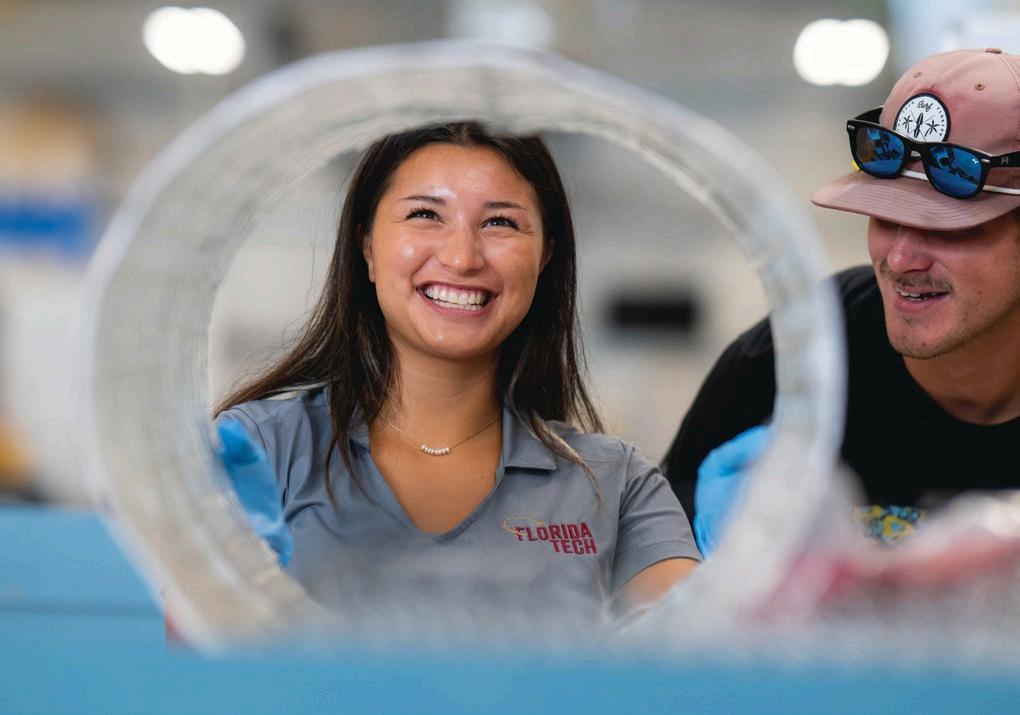
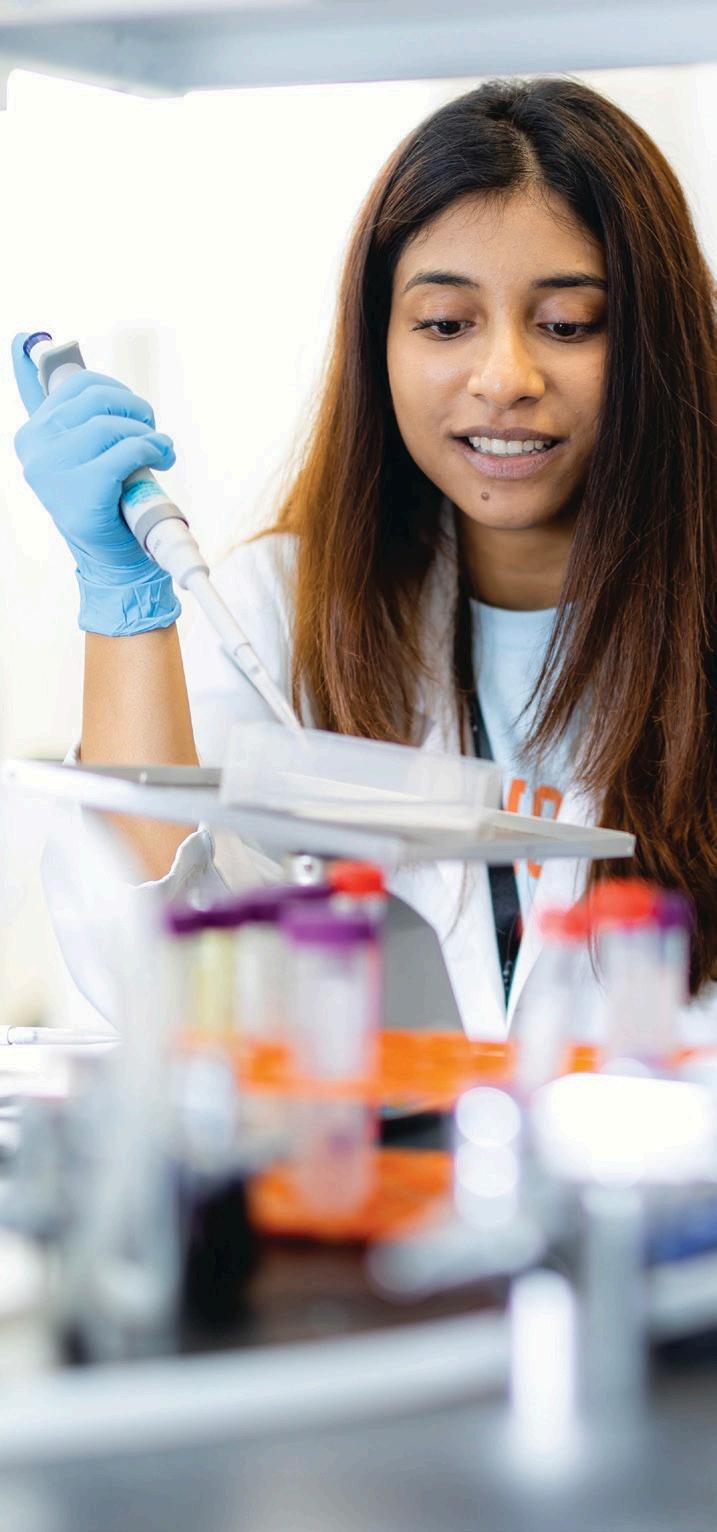
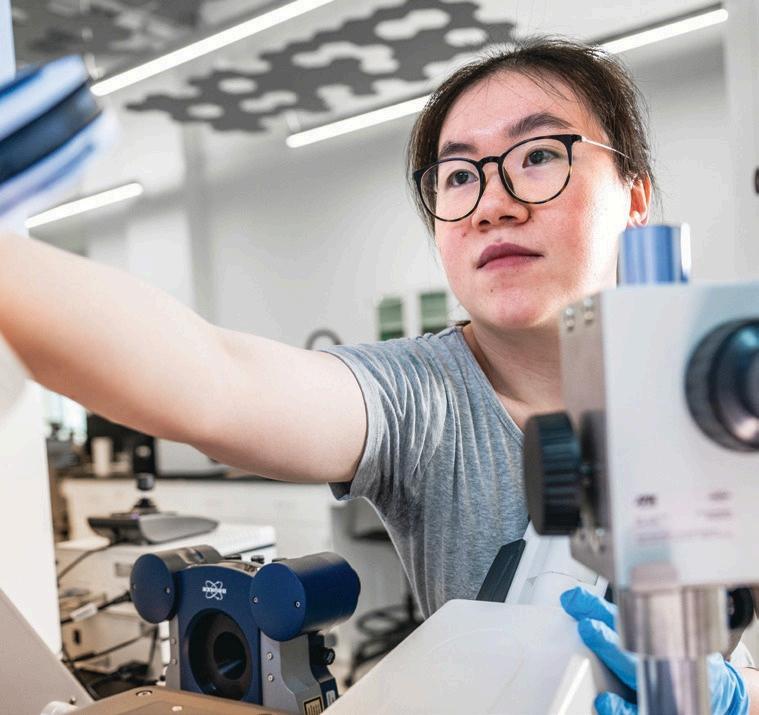
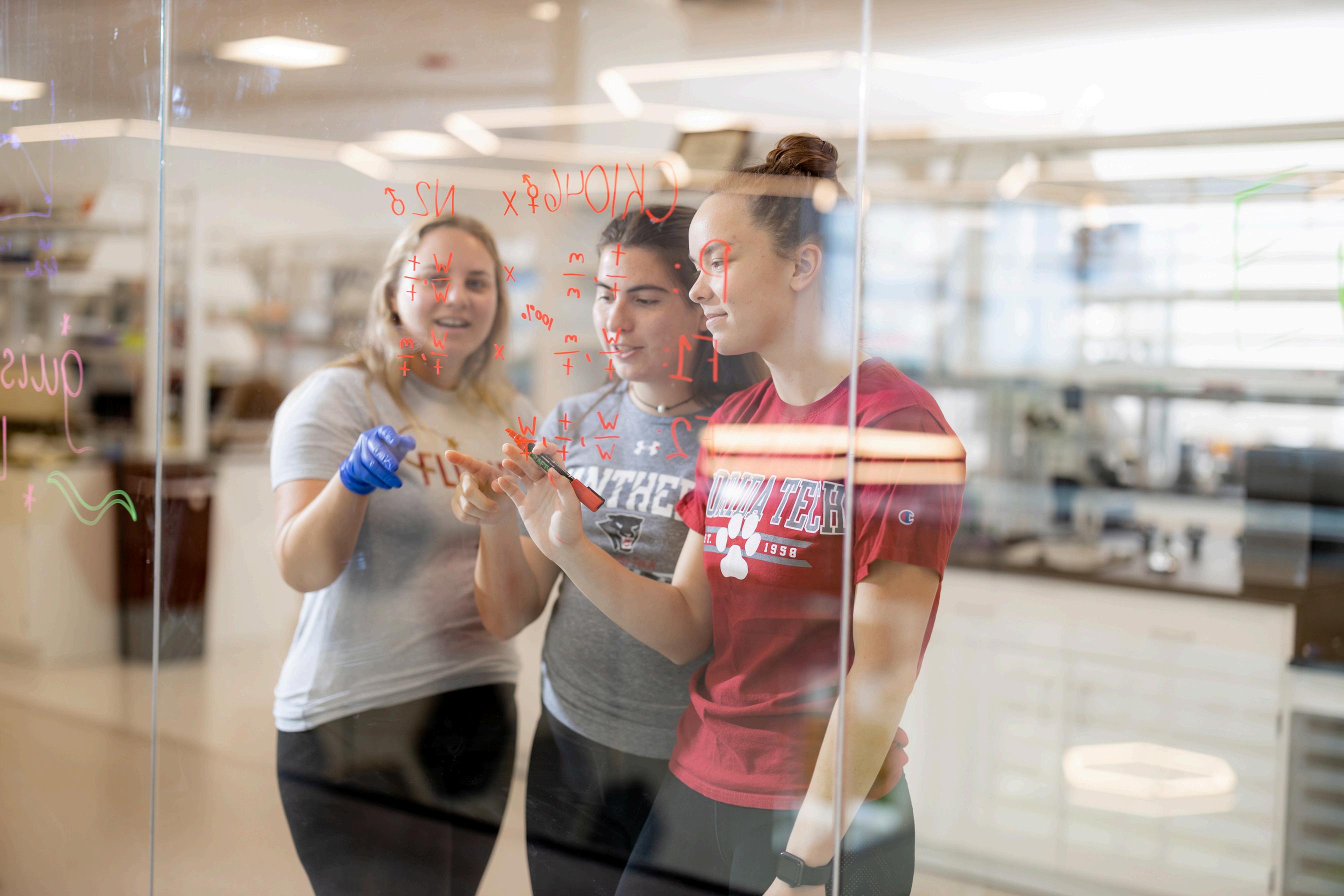
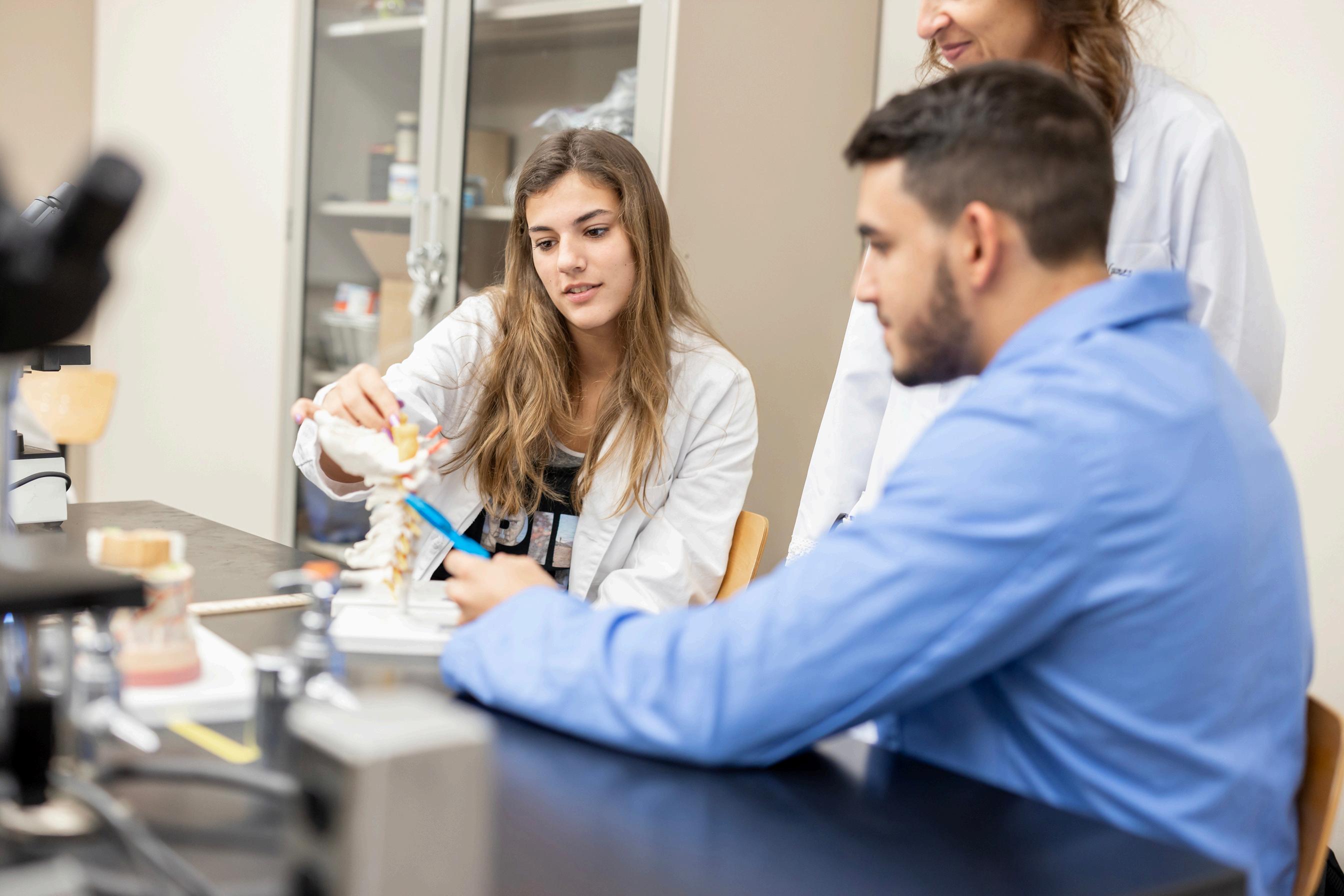
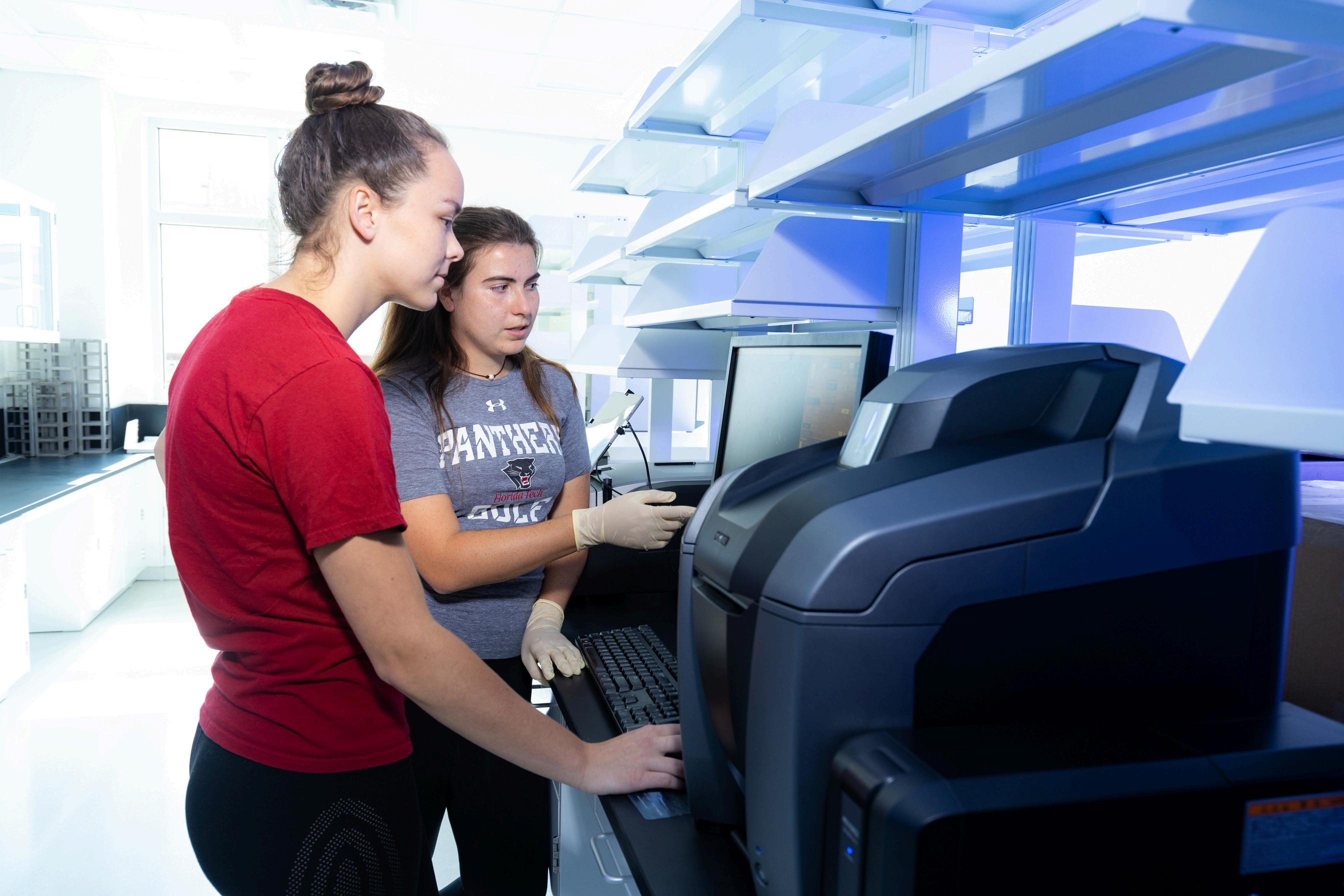
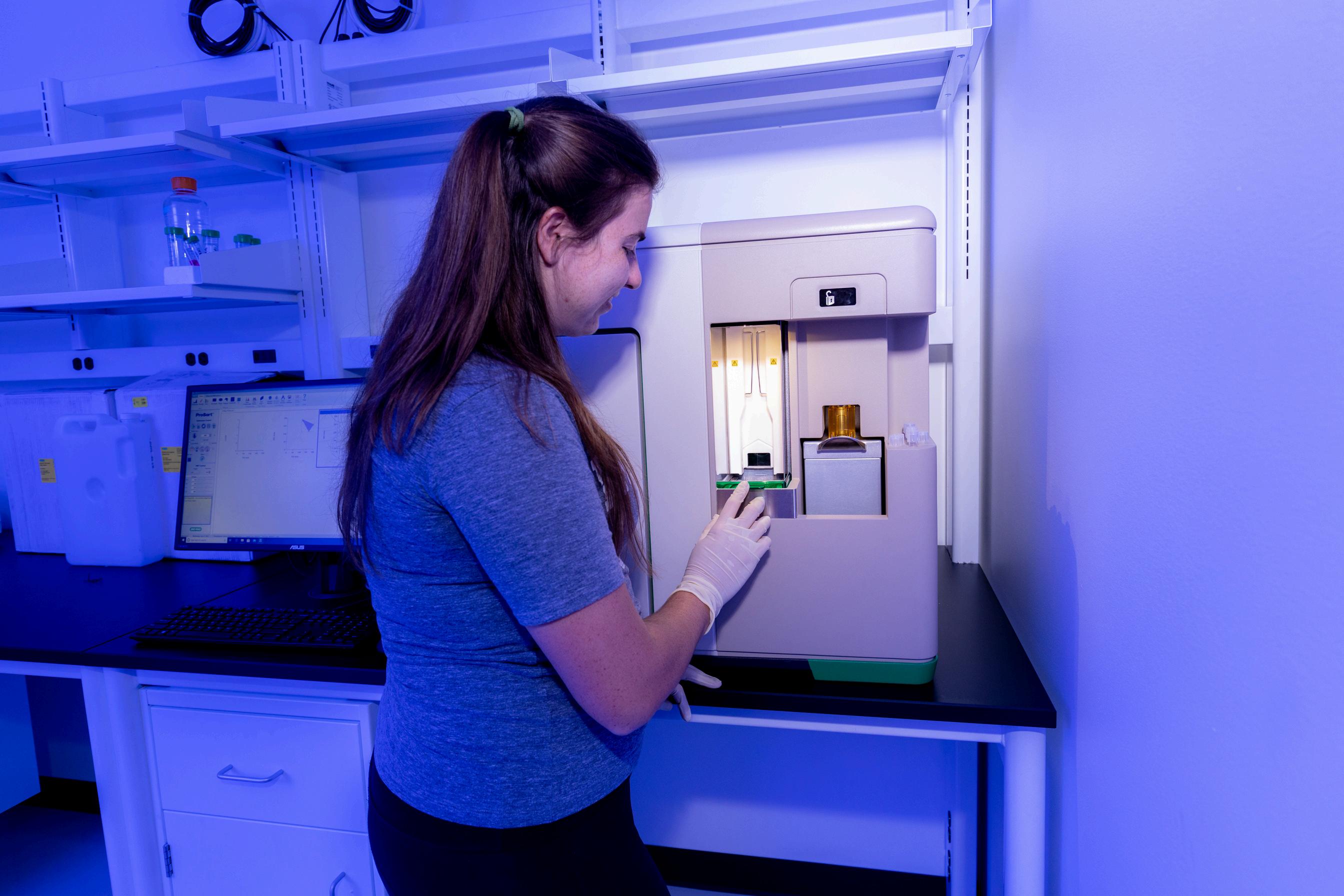
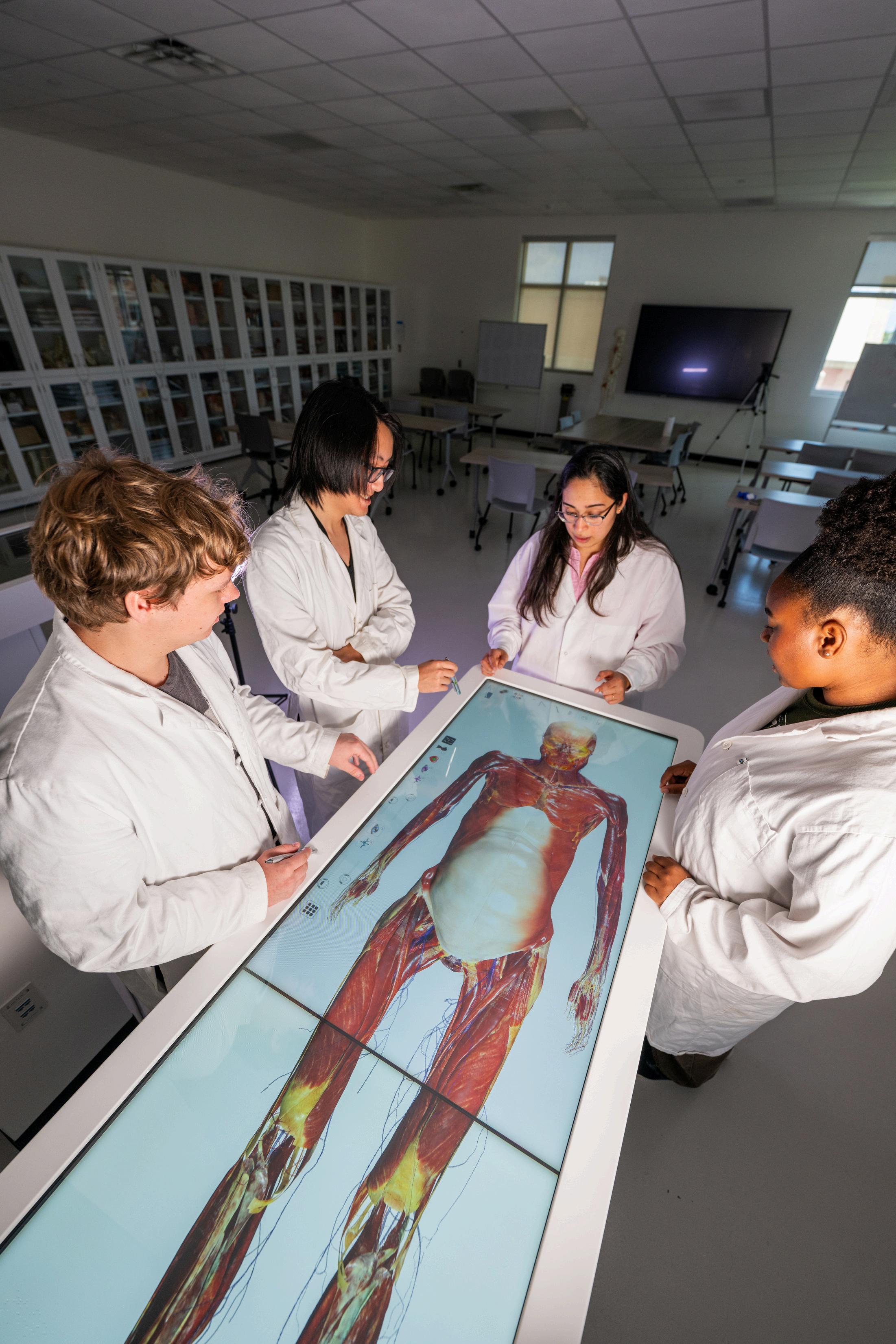
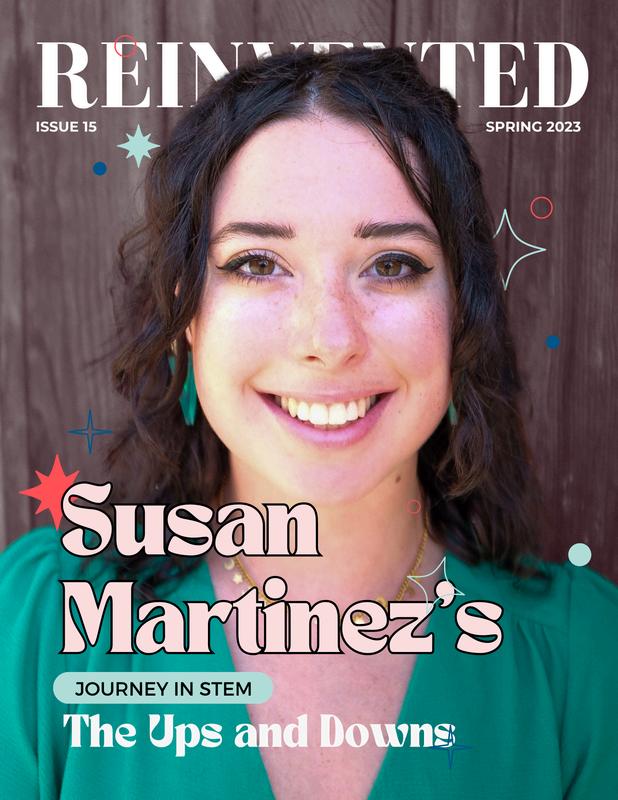
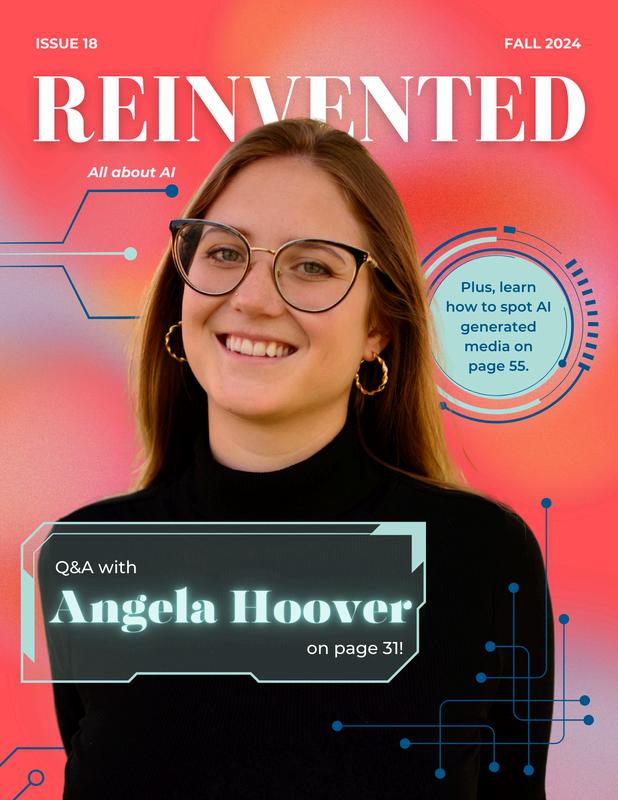
INSIDE THIS ISSUE: tangible advicefor balancingit allfor a well-rounded college experience—firsthand from the students, facultyand alumni ofFlorida Tech. The college and post-grad survival guide issue
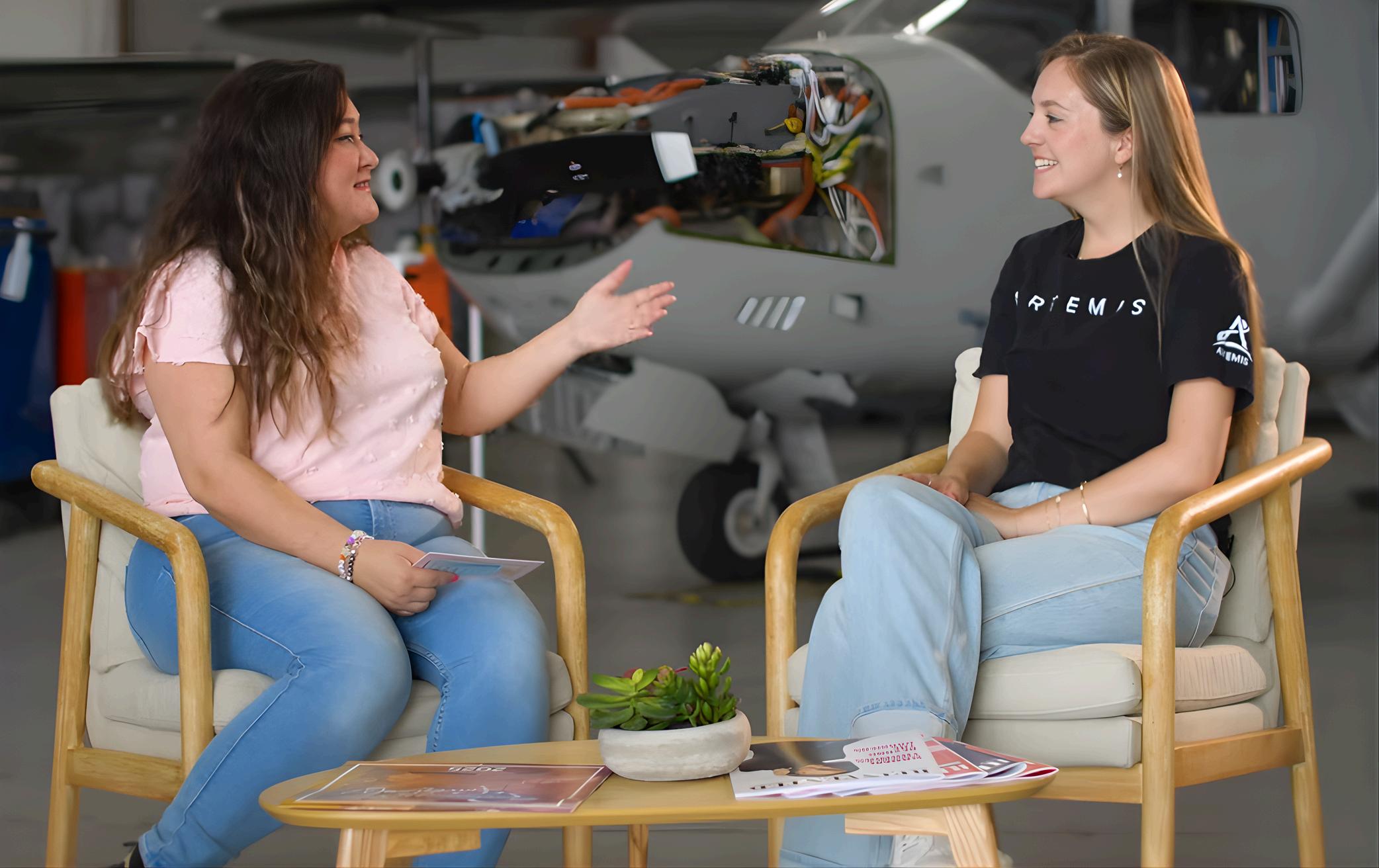
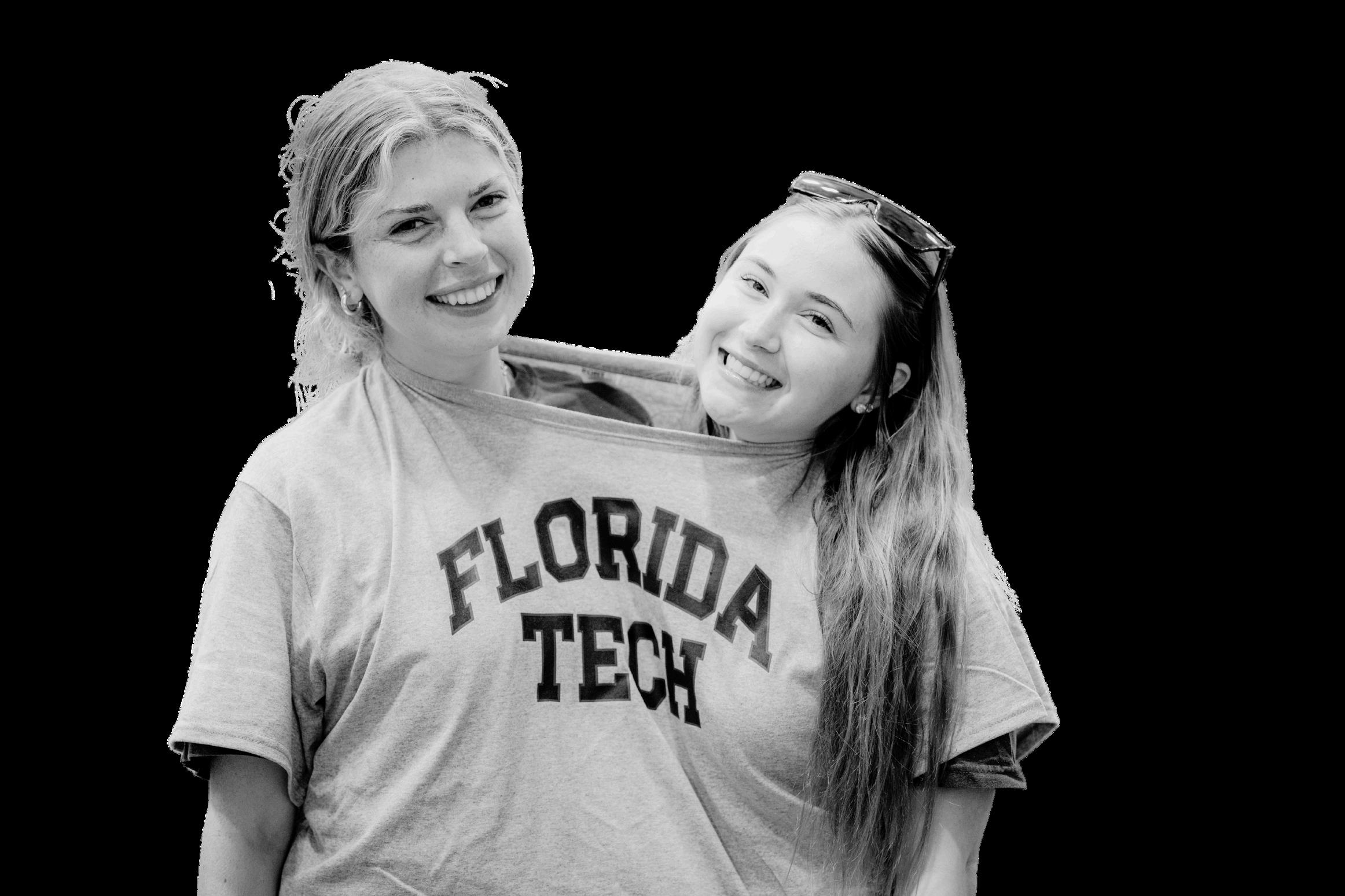
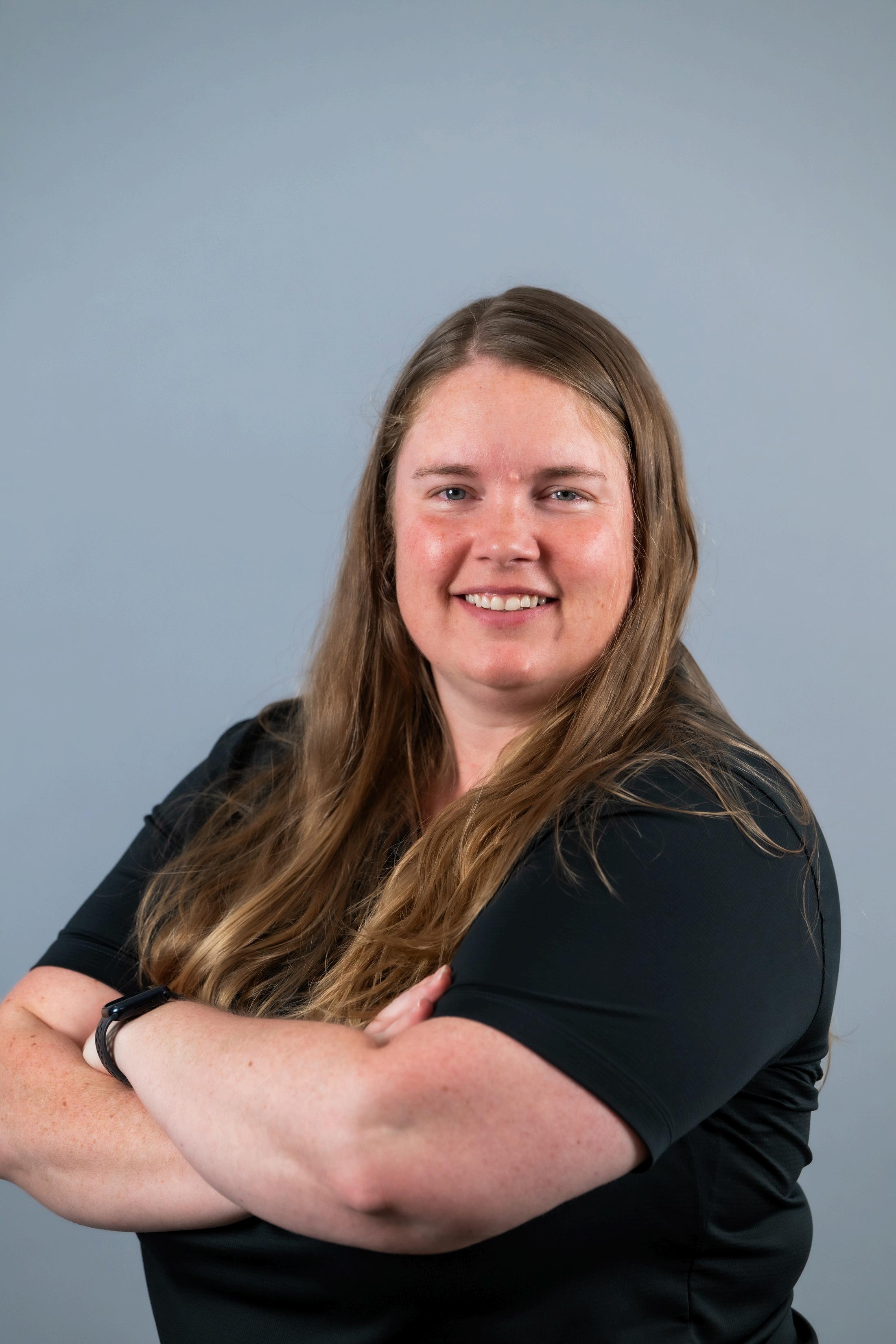
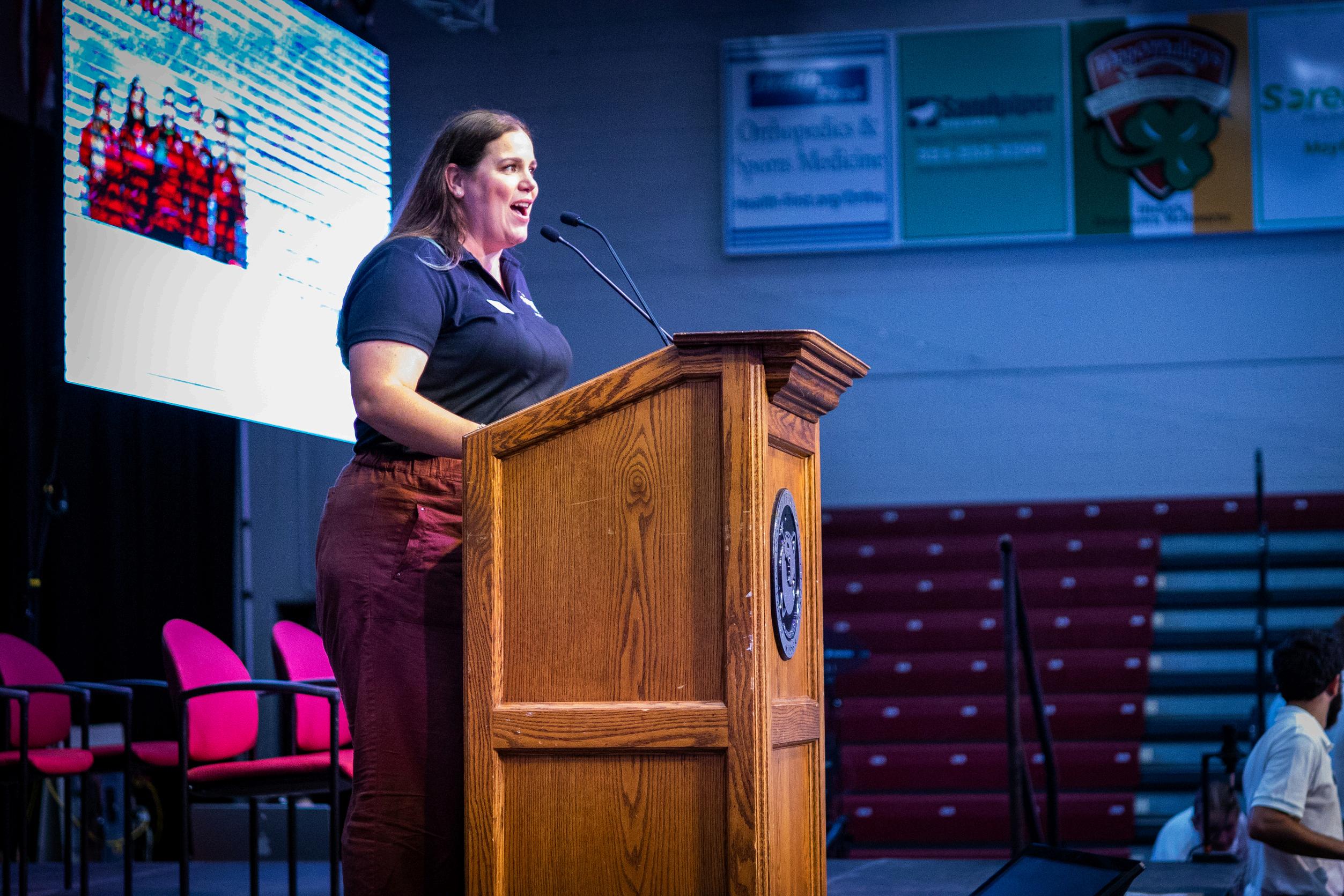
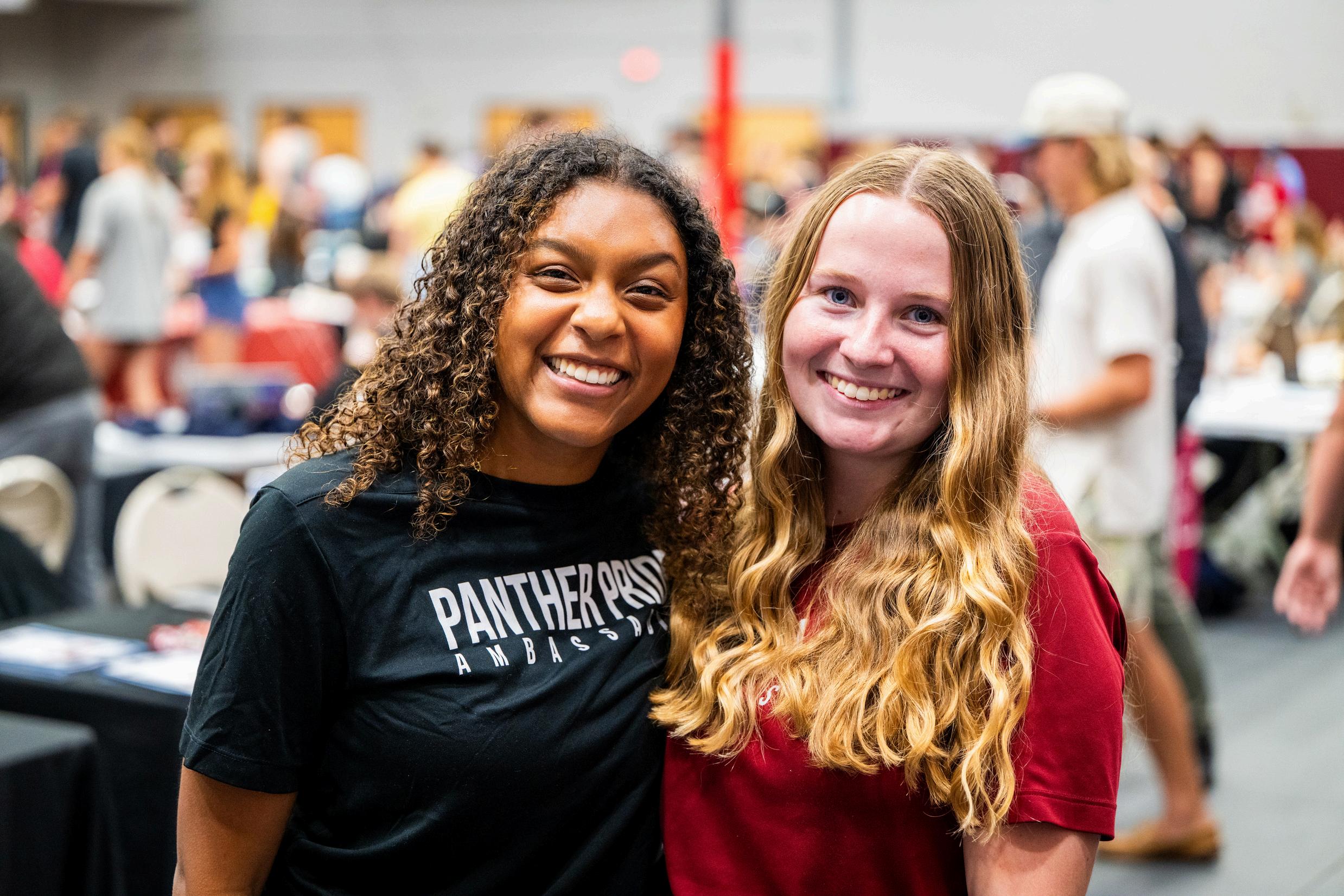
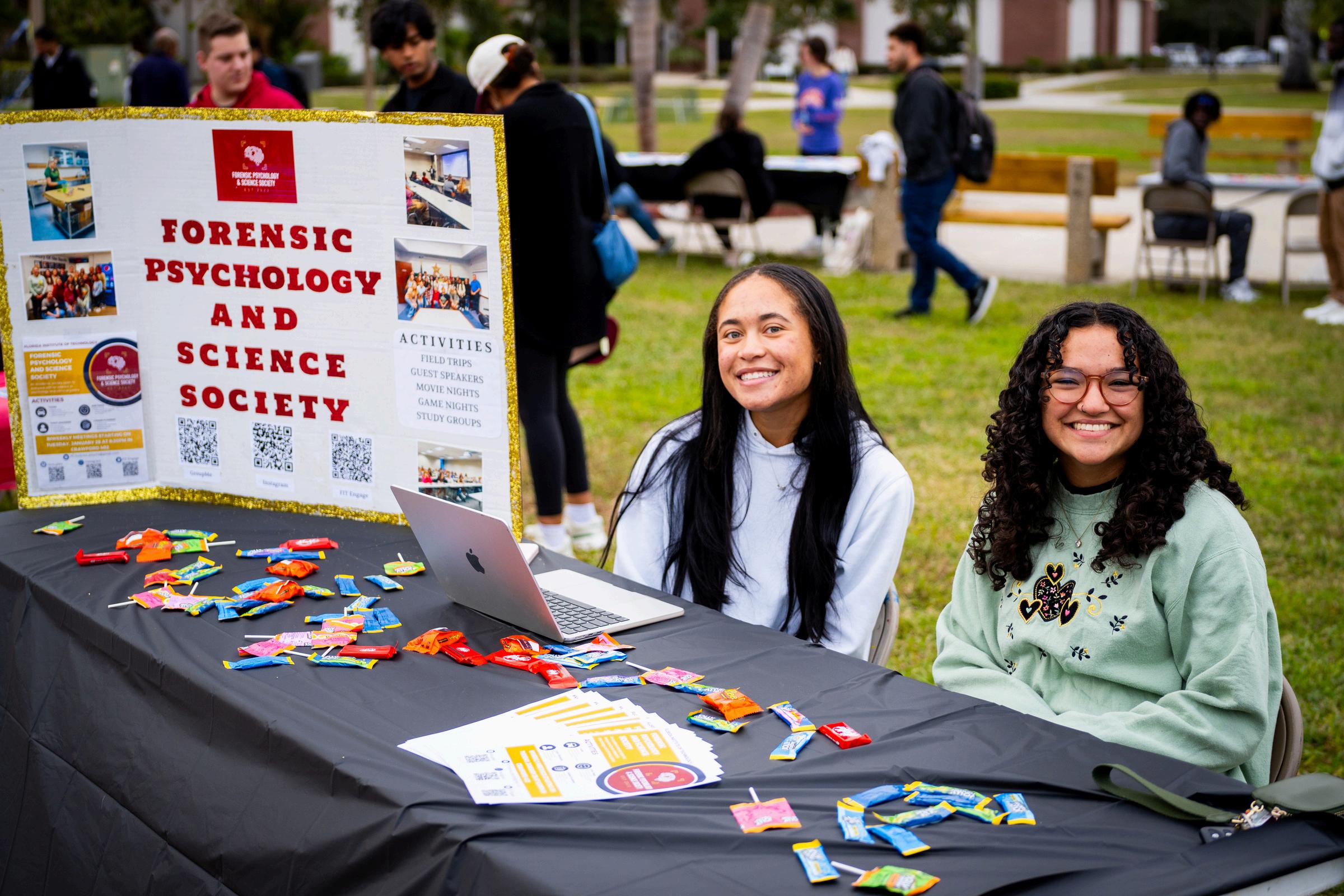
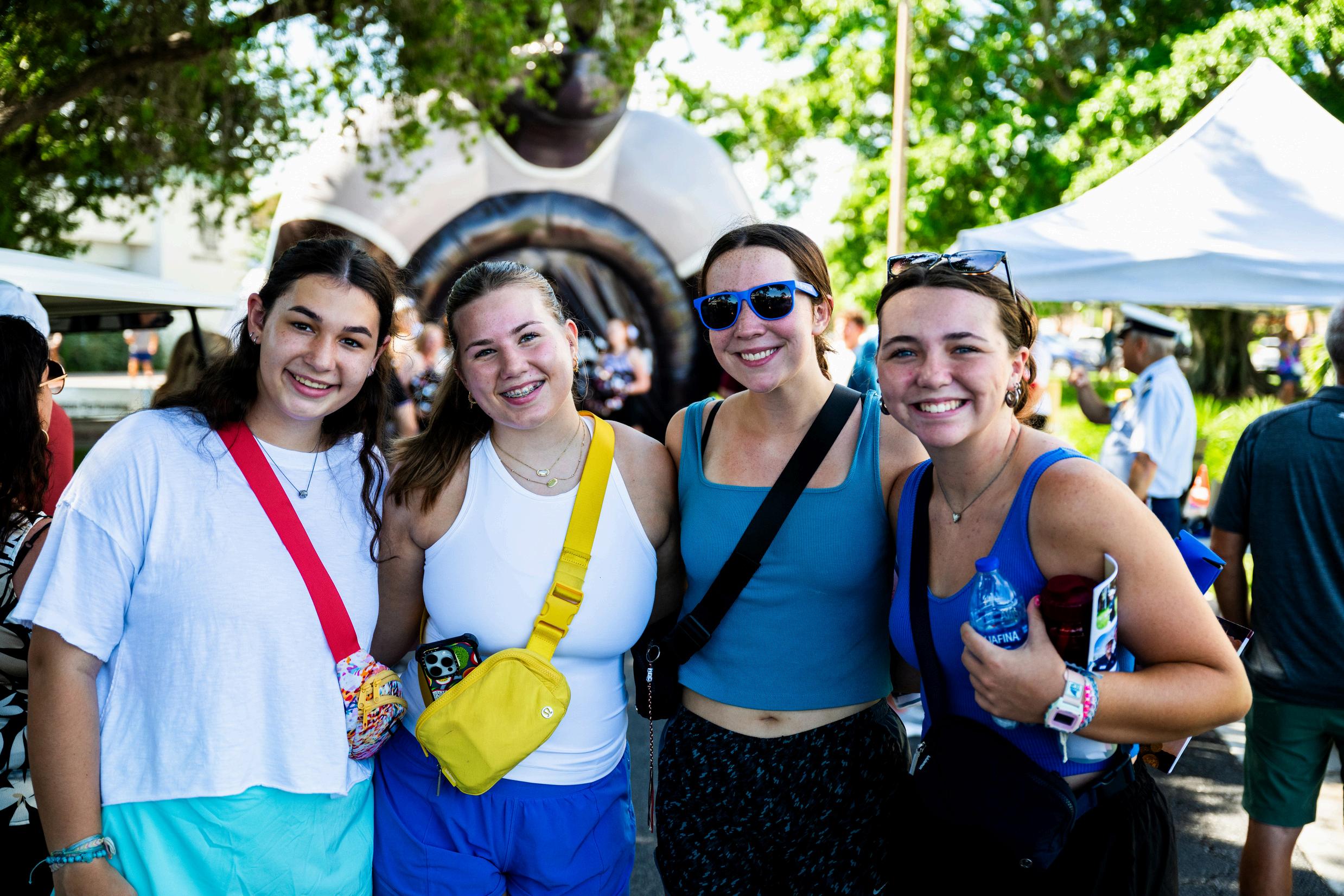
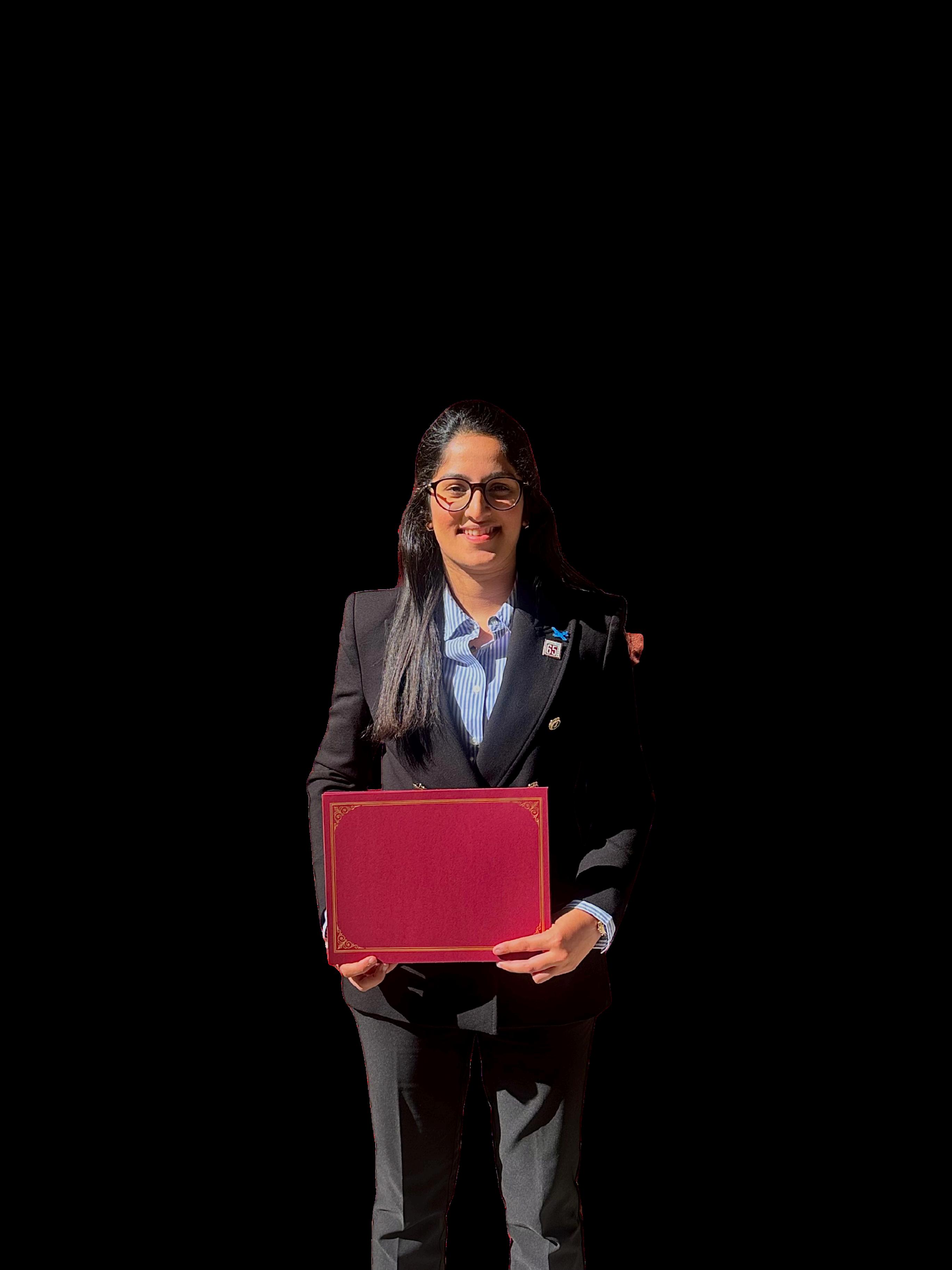
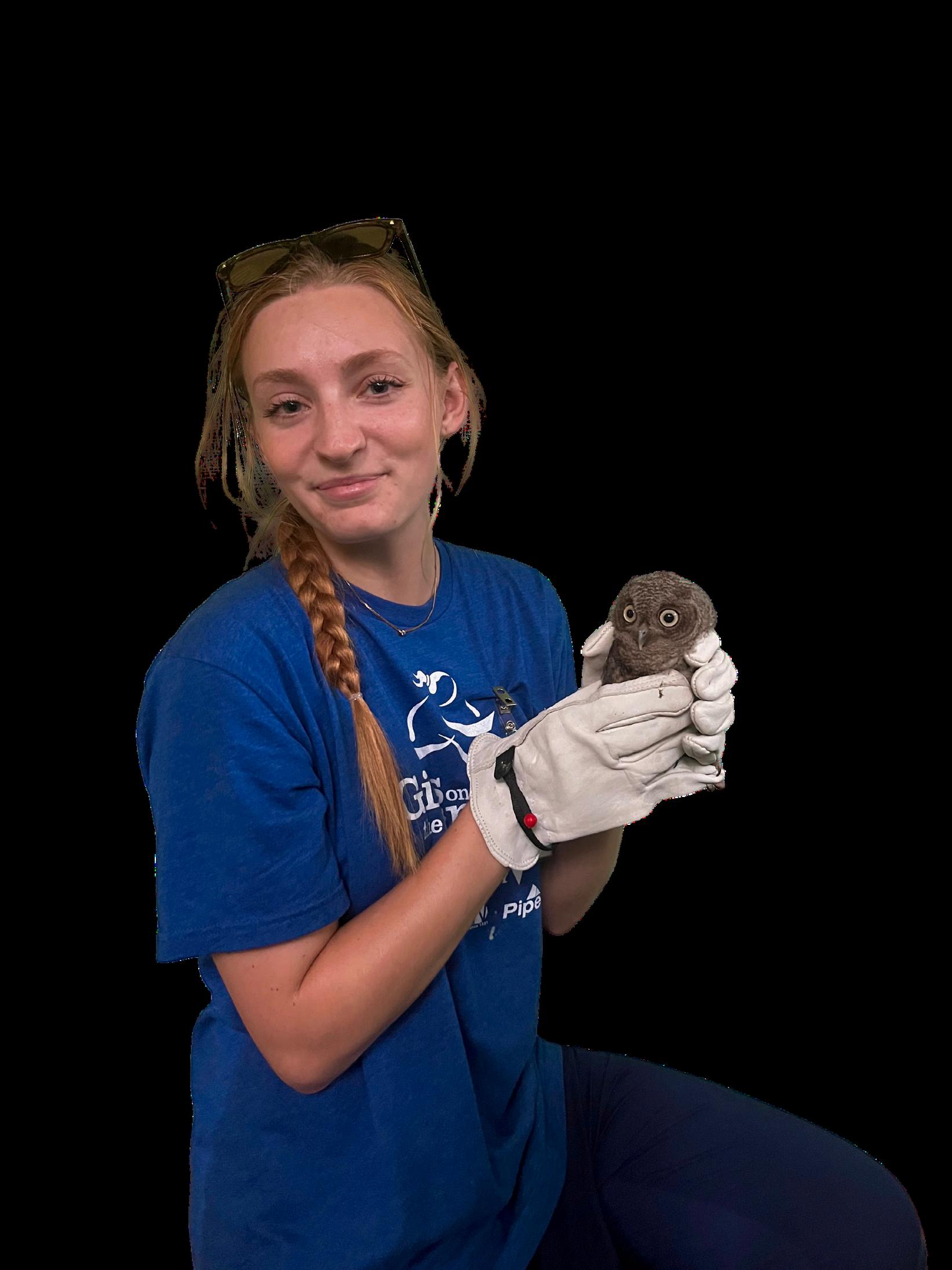
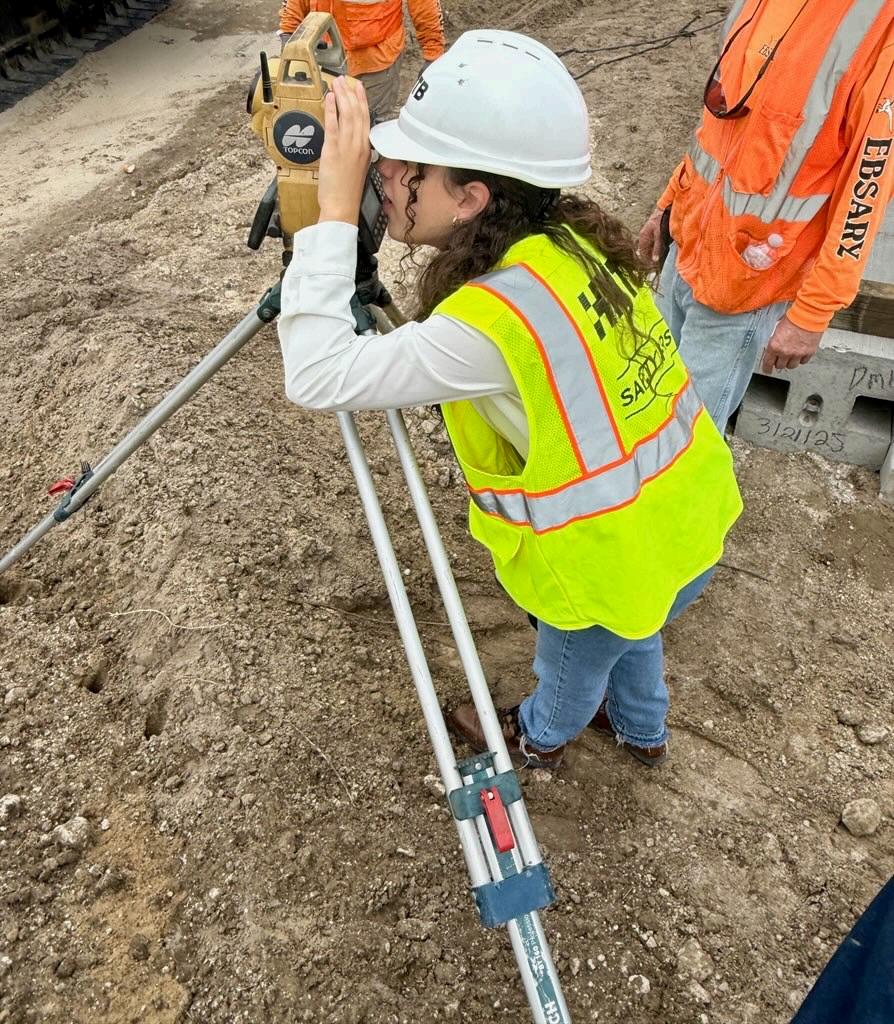
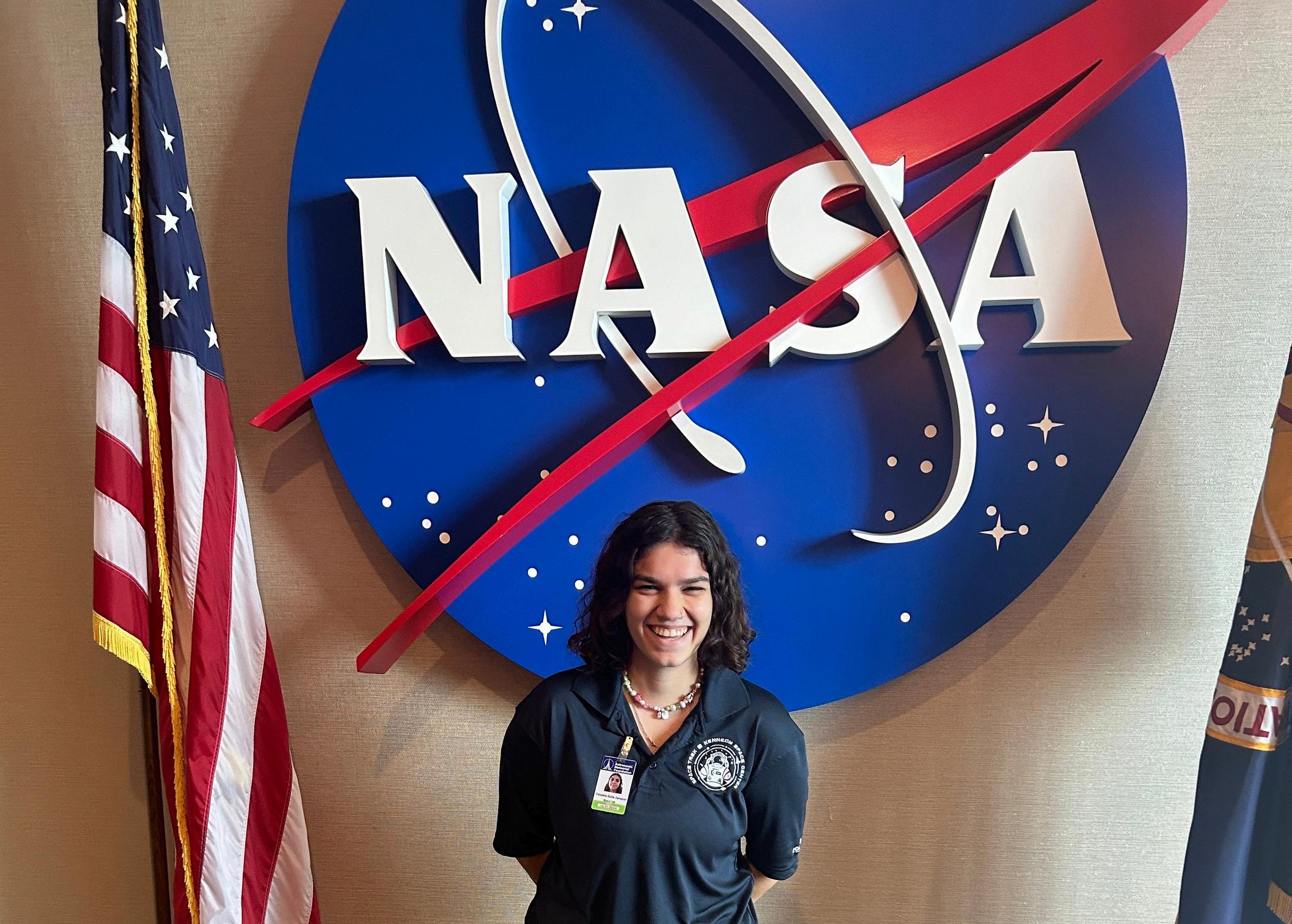
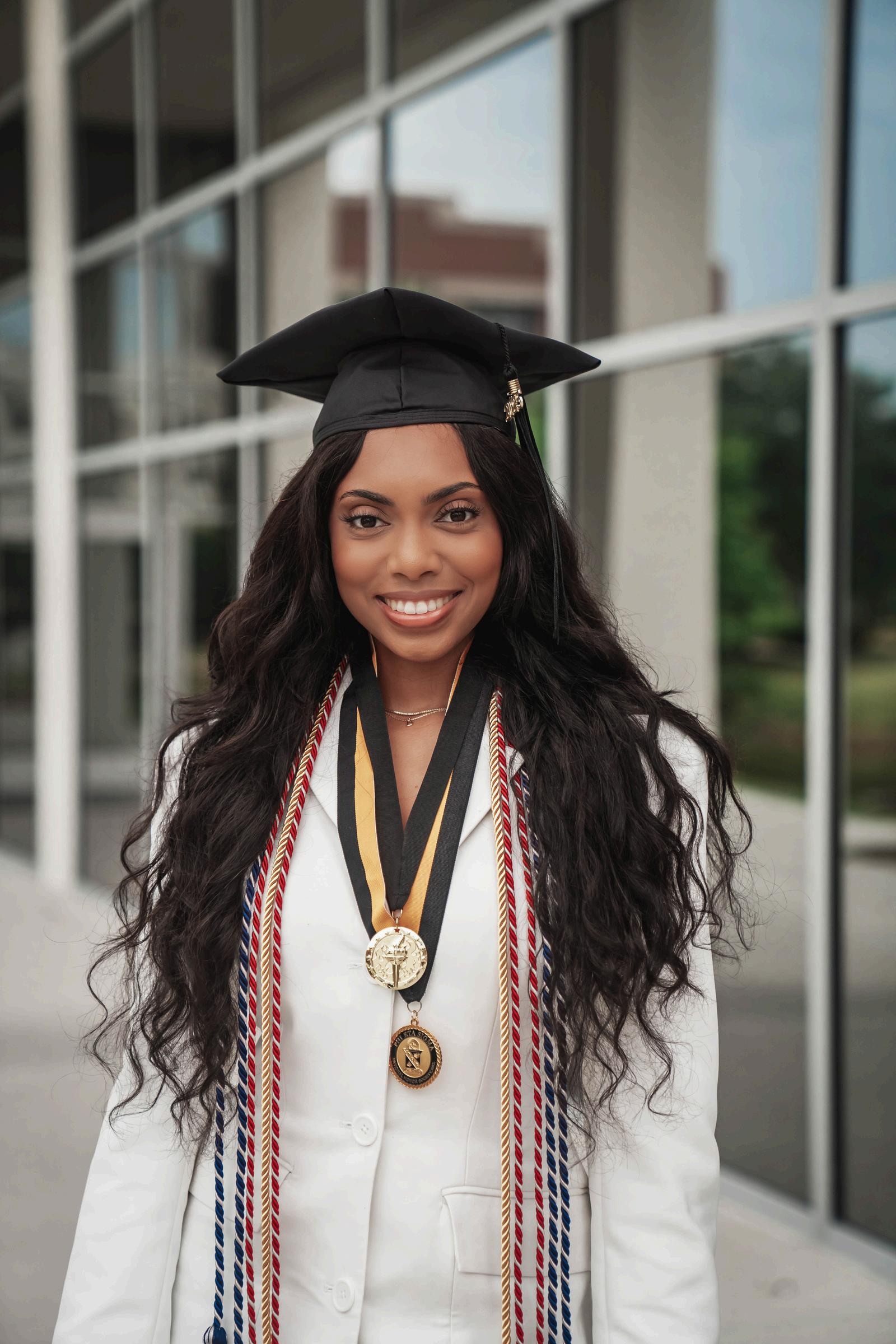
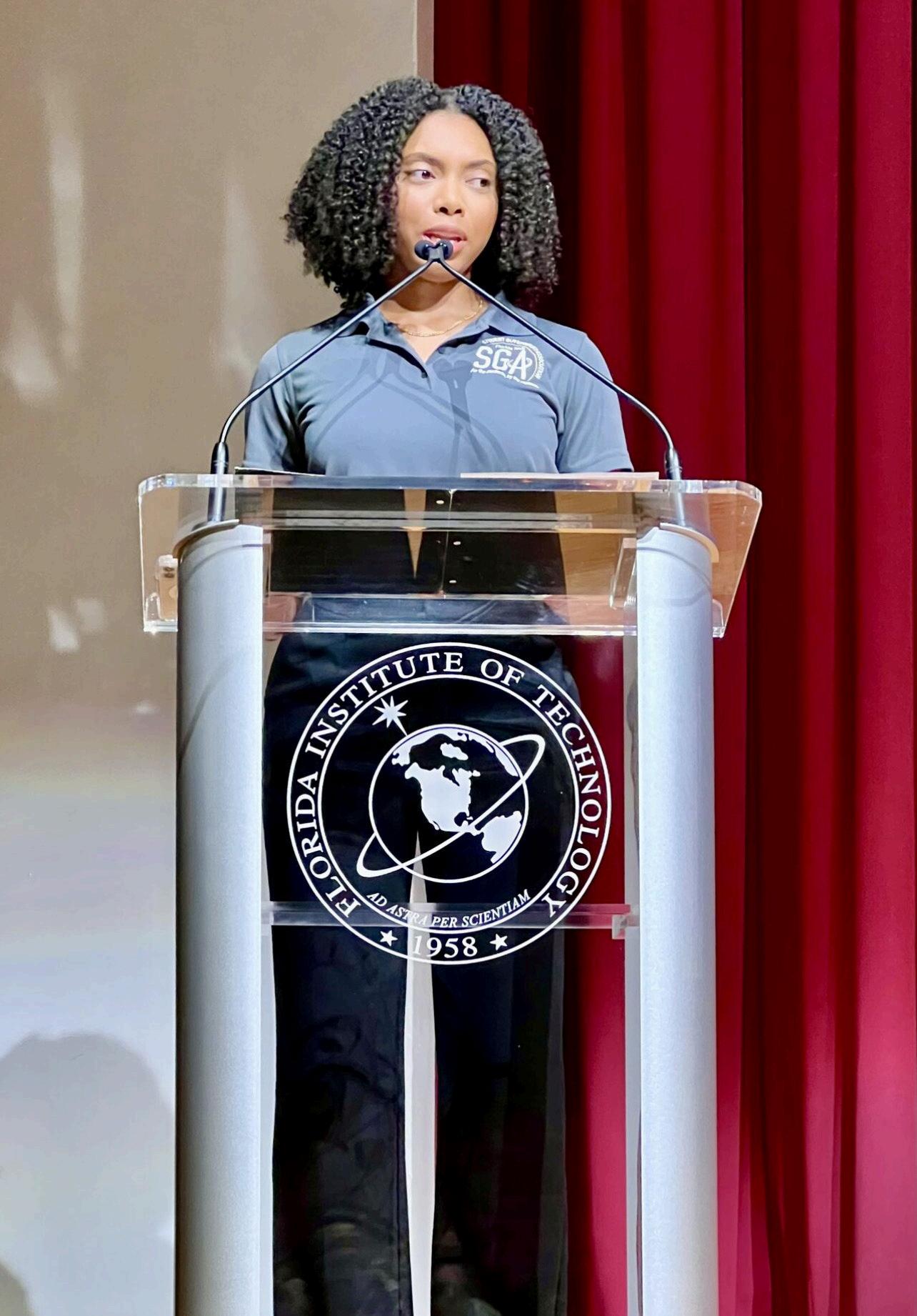
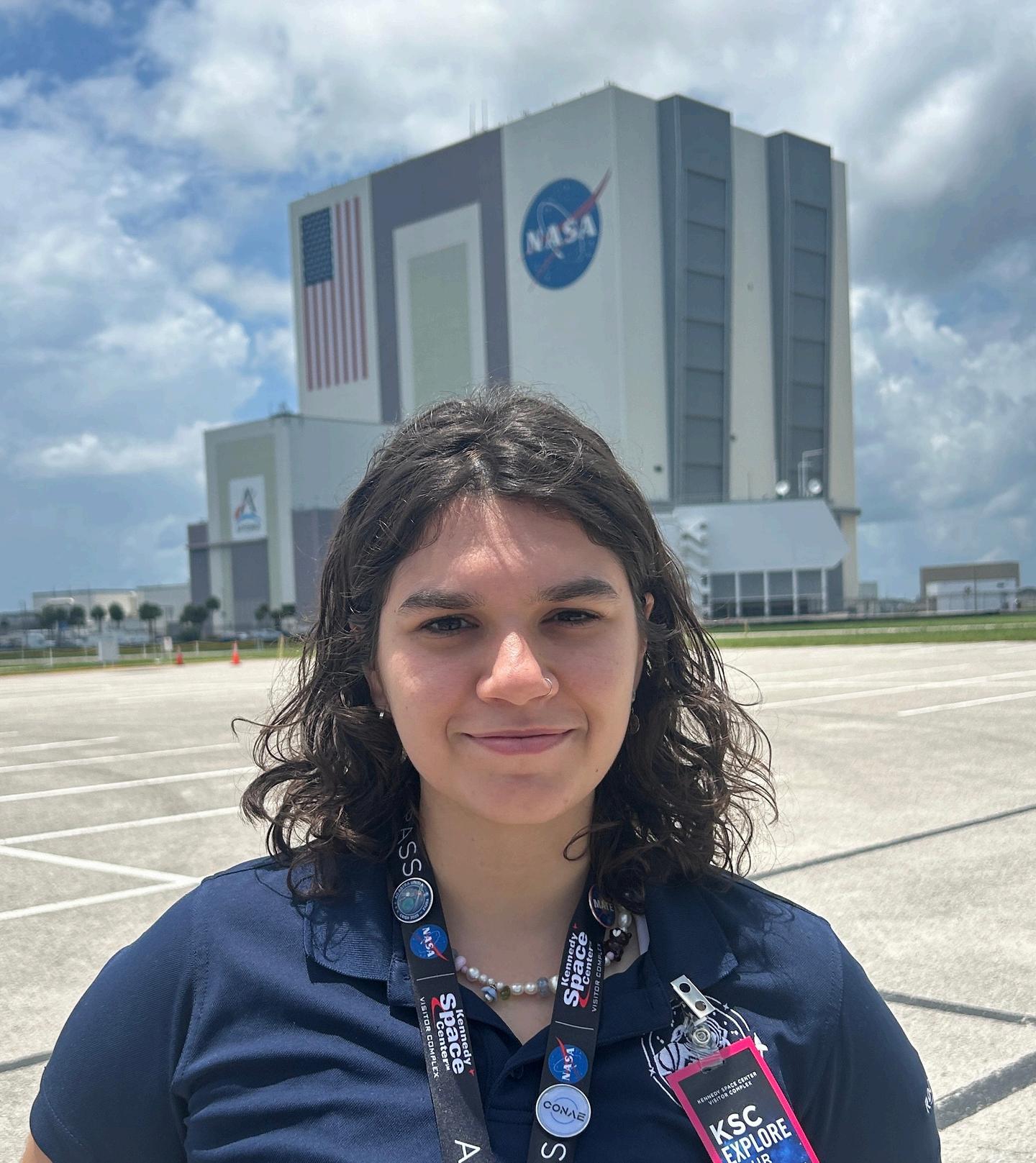
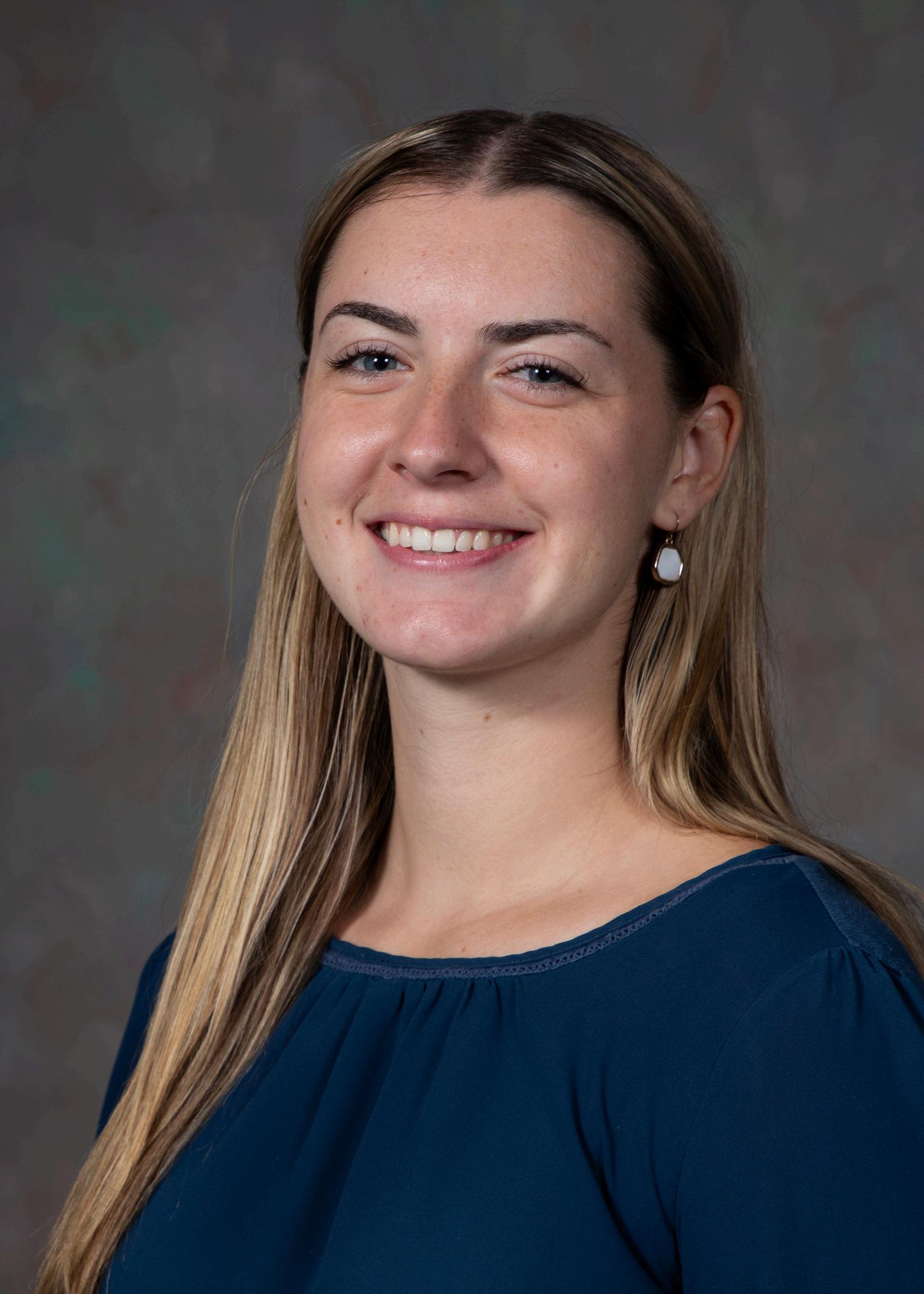
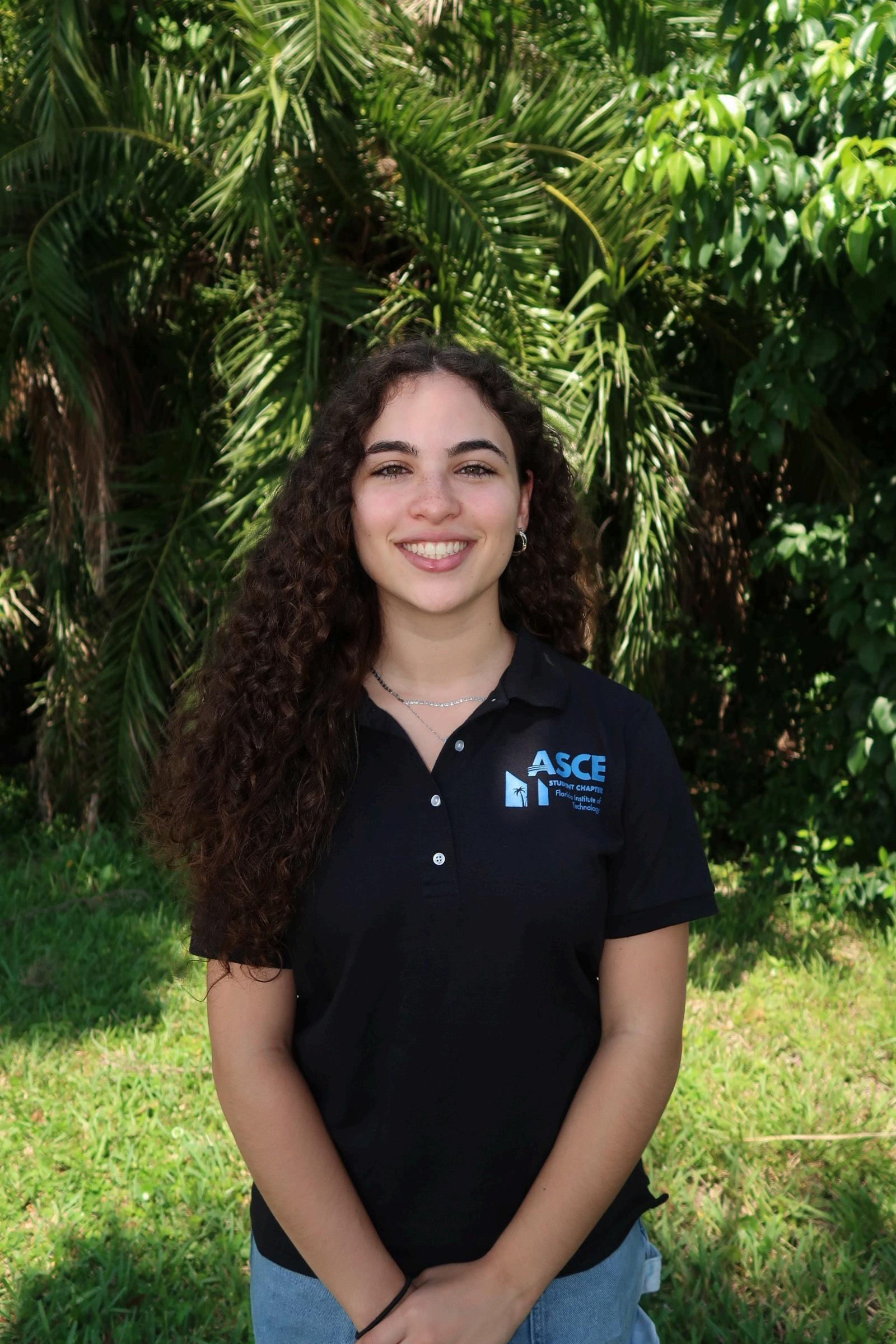
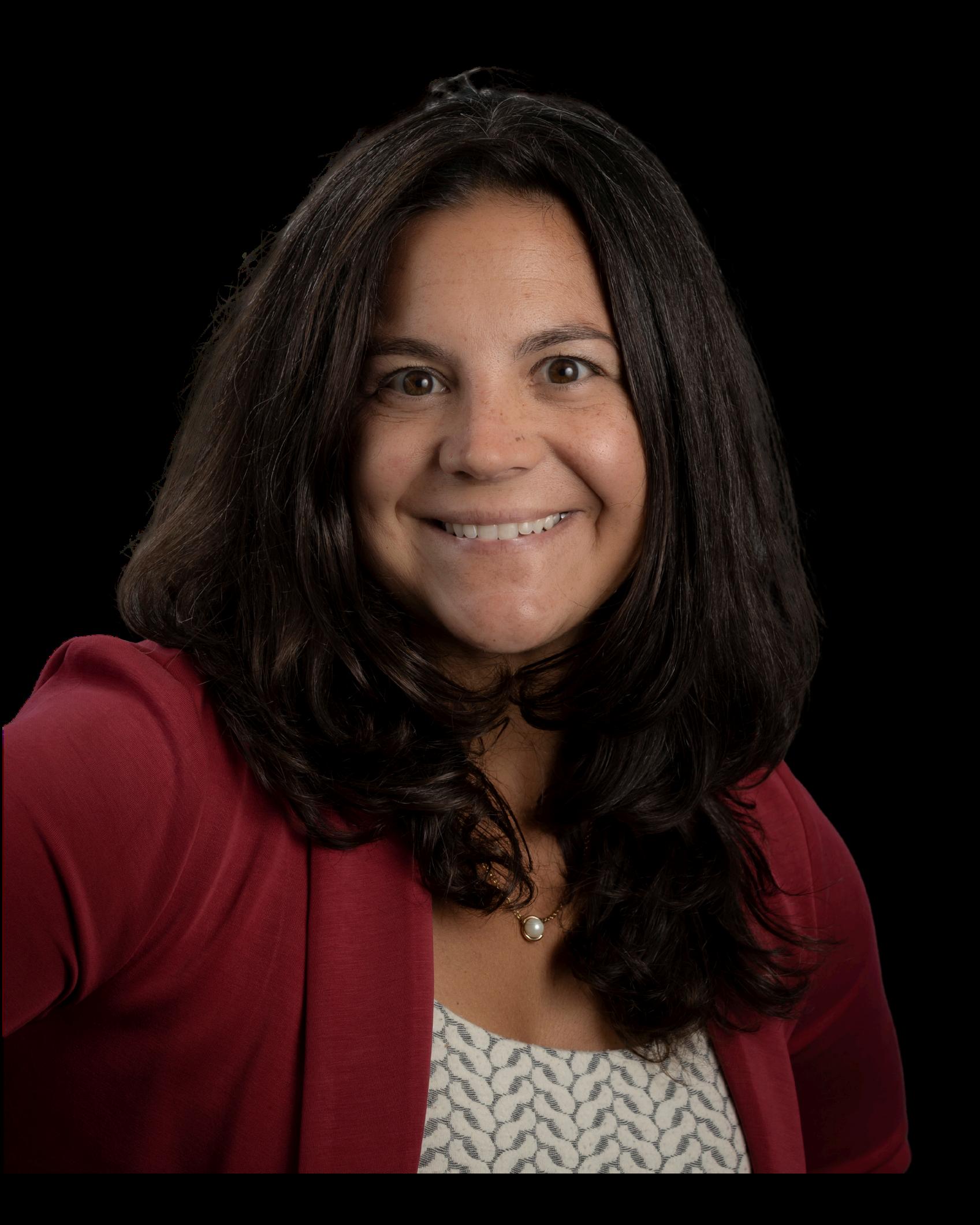
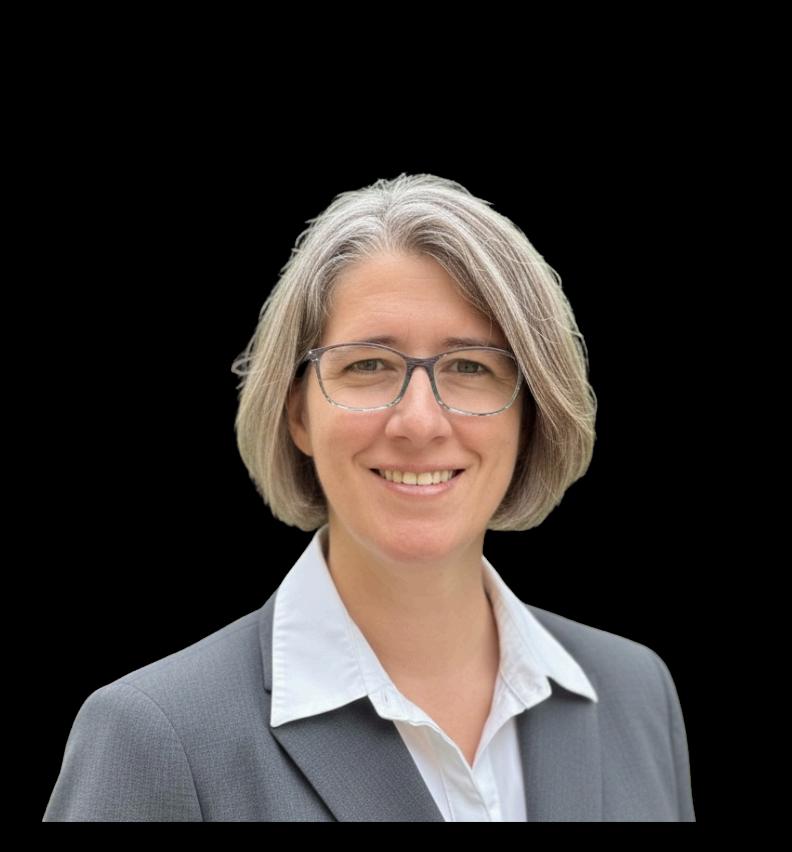
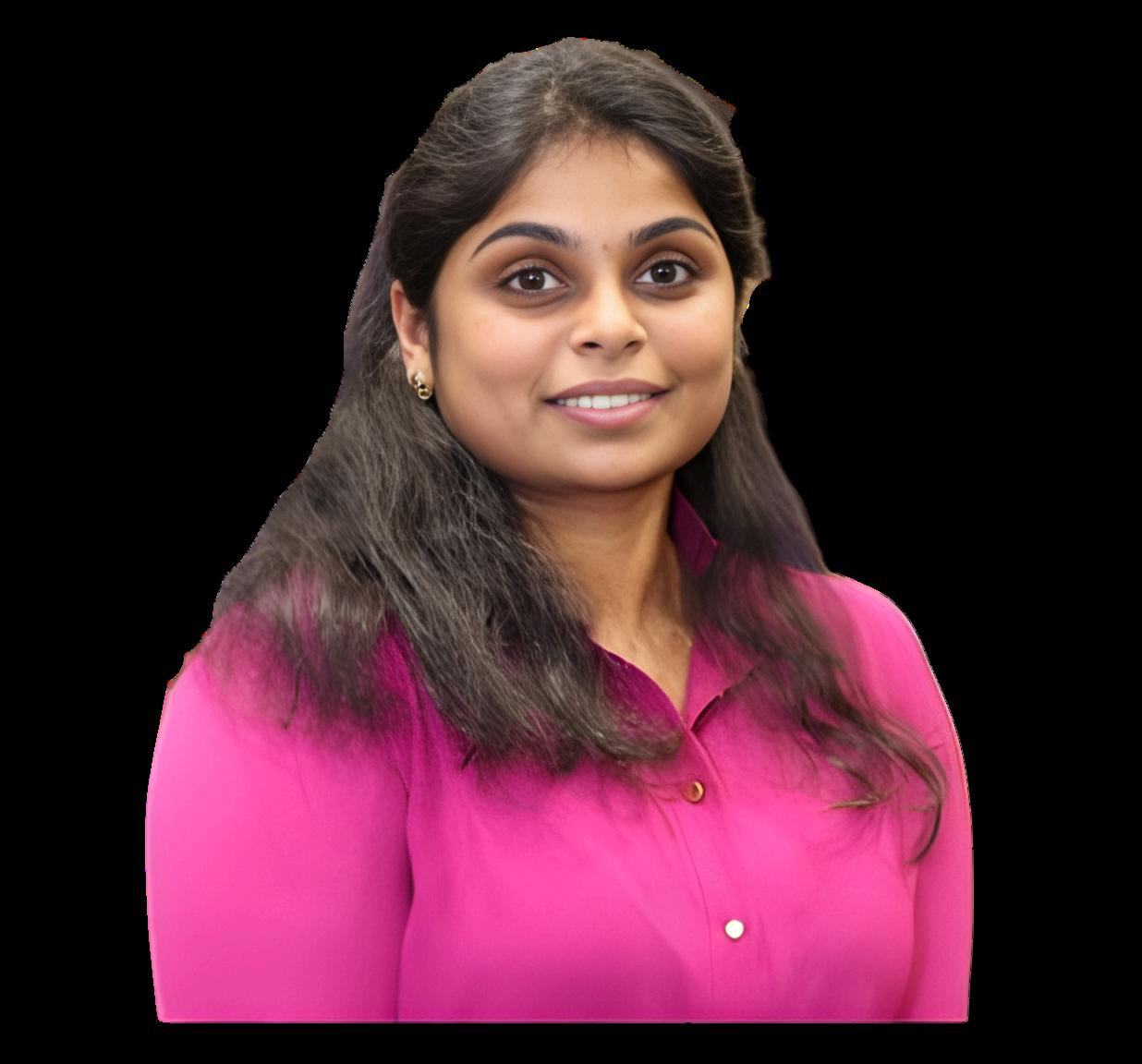
Hear from four Florida Tech students in our feature article!
From Classroom to Career:
A student’s guide to landing and thriving in an internship
PLUS: your college questions answered by Florida Tech’s admissions team on page 60!
TeamCredits
EDITOR-IN-CHIEF
Caeley Looney
MARKETING
Anvi Kumar
Anvitha Vemula
Varija Mehta
Chantelle Faria
CREATIVE
Magazine Director:
Abigail Muth
Creative Logistics
Manager:
Abhirami Rajesh
Anjali Kapilavai
Asher Below
Daniela Freire
Maria Fernanda Sagastume
Reyna Morales Lumagui
Sydney Bowler
Liz Bowler
WRITING
Writing Officer:
Aparna Rajesh
Writing Director:
Miranda Mogan
Onboarding Manager:
Madeline Day
Guest Writer Logistics Manager:
Yashvi Patel
Staff Writers:
Emily Zakkak
JoCee Holladay
Madeline Day
Sophia Tang
Andrea Gajic
Hanna Gabrielle Bidon
Zoha Ali Khan
Chloe Drieu
Seher Allahbachayo
Meghana Krishna
Anjali Kapilavai
Druhi Patel
Proofreaders:
Grace Pfohl
Lavanya Sharma
Madeleine Bloomer
ISSN: 2770-6672
FINANCE
Finance Manager: Niyati Patel
PUBLISHING
Publishing Officer: Laura Peckyno
OPERATIONS
COO:
Yessenia Lopez
Volunteer Director:
Shayna Weinstein
Sharafa Mohammed
VOLUNTEERS
Allison Maurice
Avika Patel
Sindhu Sivasankar
Saanvi Arora
Tiffany Rosiak
Paulina Galarza This issue of Reinvented Magazine is presented in partnership with: techedu
Letter from the Editor
Dear Readers,
I’d like to start off by saying that in the time between the last issue and this one, I finally caved and watched “Bridgerton,” so I felt like Lady Whistledown writing that opener … but back to the real topic.
This issue is all about college, and I think it’s the magazine issue most of us never knew we needed Over the past six years, I've had this incredible privilege of personally witnessing some of our readers go from middle school to high school and now college, which is kind of insane, and I guess speaks a bit to how old I am But I won’t stray too far off topic again
In that time, I’ve written letters of recommendation for some of our volunteers’ college applications, and I’ve seen them ask some of the new graduates and seasoned engineers on our team countless questions about the college experience. At one point, we had an entire conversation going in our team server about which brand of ramen was the most dorm friendly. Over the course of the past 20 issues, we ’ ve written smaller articles about college, such as inspiration for decorating your dorm room, but this issue goes to a whole new level.
We partnered with Florida Institute of Technology, or Florida Tech, to bring this entirely college-themed issue to life, and the articles you ’ re about to read touch on many of the most frequently asked questions from our very own student volunteers Articles range from getting involved with research labs on campus to balancing rigorous academic studies and a meaningful personal life, which I definitely struggled with during my time as an undergraduate But my personal favorite aspect of this issue is that we actually got access to some of Florida Tech’s admissions team! We asked them to decode the dreaded college application for us So, if you ’ re looking for a leg up this admissions season, we ’ ve got you covered!
As always, I hope you enjoy this issue and find the same inspiration I did while reading the stories of fearless researchers and impactful educators Thanks for all the continued support as we ’ ve navigated some new challenges this year!
To Infinity & Beyond,
Want to get in touch with Caeley and the Reinvented Team?
Reach out to us at this address:
Reinvented Inc. PO Box 236155 Cocoa FL, 32923
YOUTUBE
Balancing Balancing Balancing It
A Well-Rounded College Experience
BY SEHER ALLAHBACHAYO
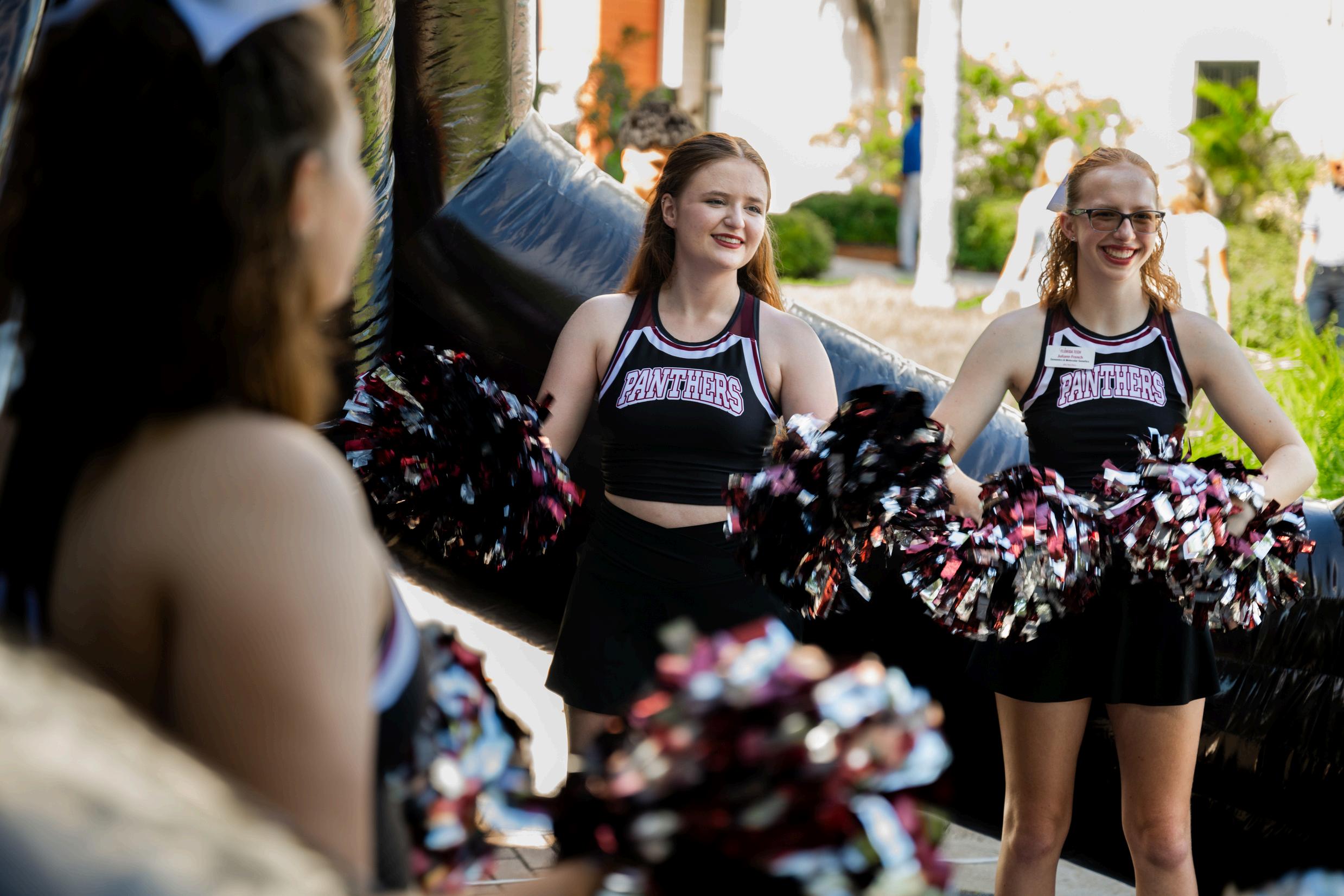
At Florida Institute of Technology (Florida Tech), a STEM-focused research university in Melbourne, Florida, balance is more than just a buzzword. Students juggle rigorous academics with social activities, athletics, clubs, and campus leadership. Discovering what happens outside of the classroom is just as important as what they learn inside of it Experiences from the volleyball court to the esports arena to the stage help students build confidence, resilience, and community, while shaping who they become.
To see how balance plays out day to day, we spoke with three voices from the Florida Tech community: scholarathlete Kari Voelstad Bogen, esports director Danielle Sirekis, and dean of students Cat Nanney. Together, their stories reveal how a well-rounded college experience prepares students not only for the future, but also for life right now.
Balancing the Court and College
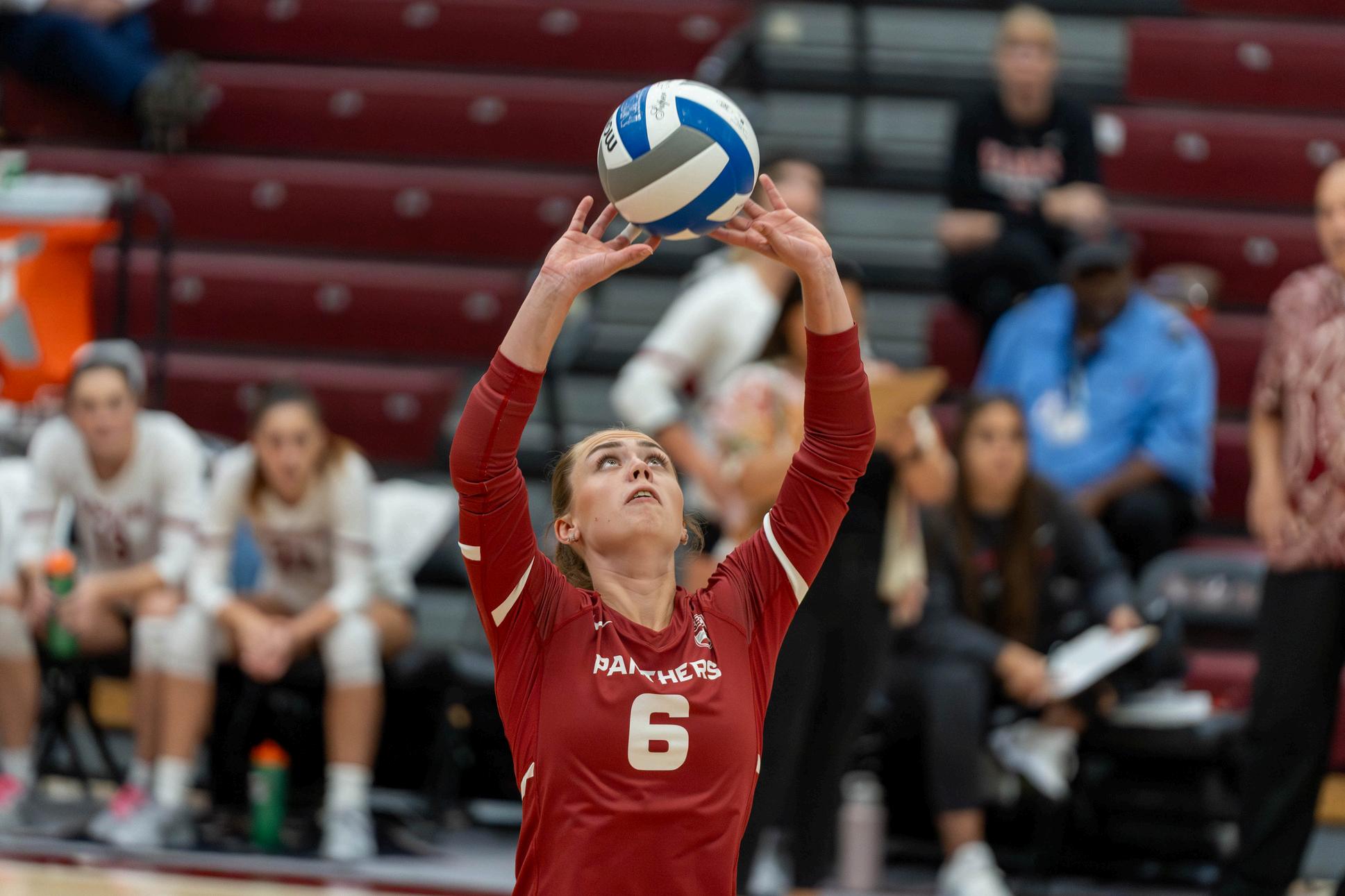
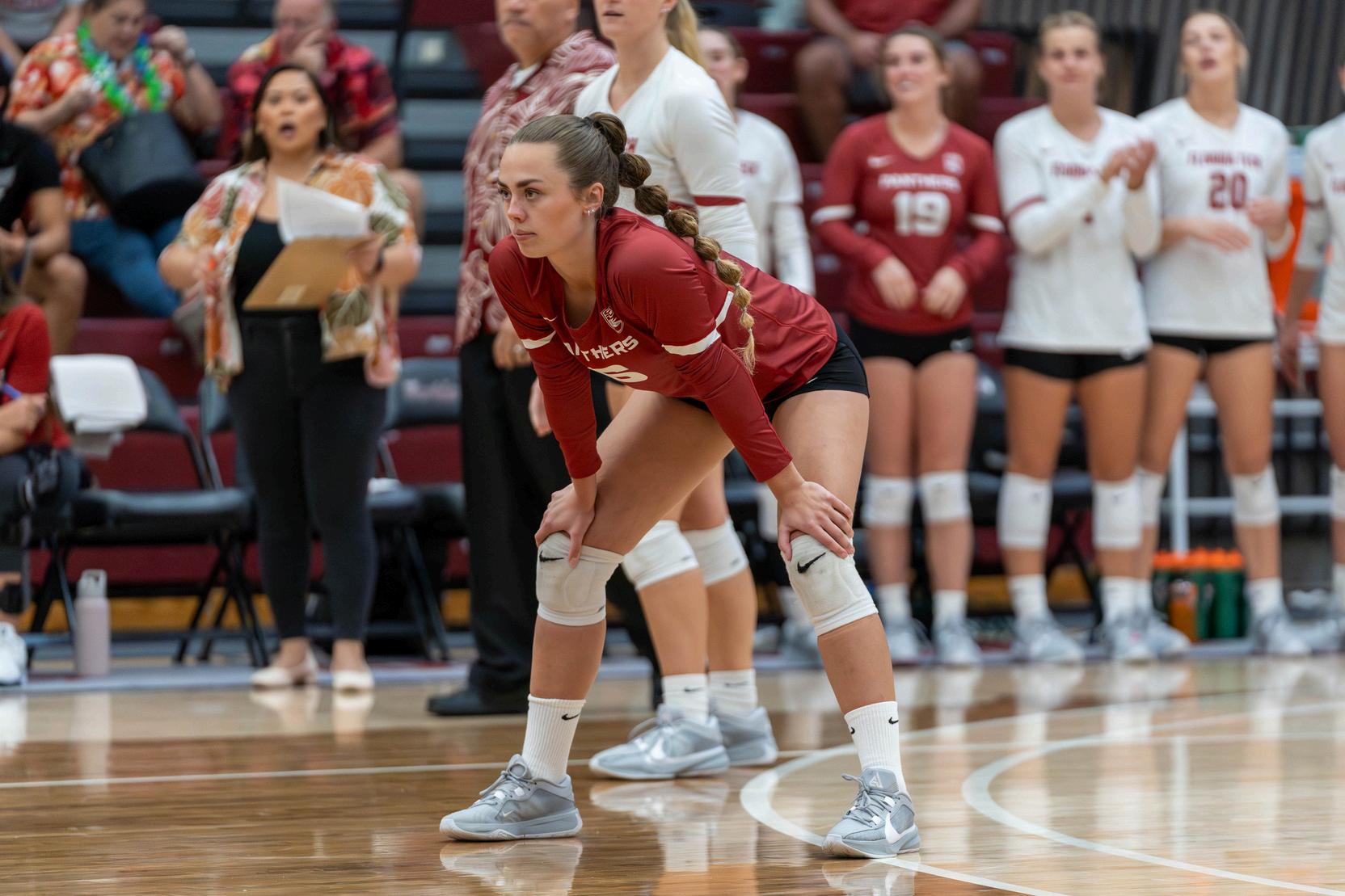
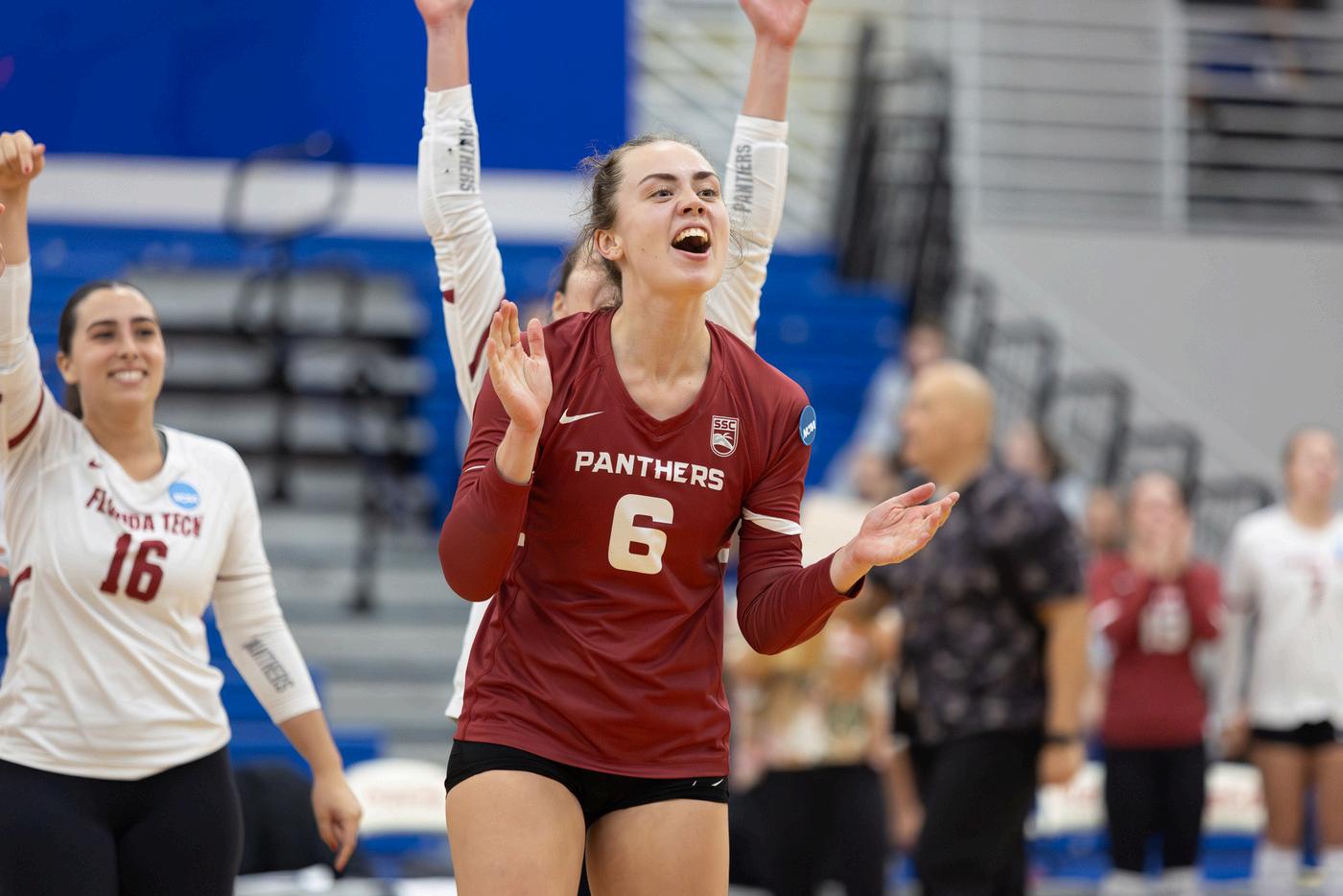
For Kari Voelstad Bogen, a computer engineering student and varsity volleyball player, college has been all about learning to manage competing priorities Originally a marketing major, Voelstad Bogen discovered her passion for engineering after being recruited to play volleyball The transition was difficult, but with the support of professors, tutors, and teammates, she found her footing and even added a minor in business administration
Balancing intense practices, heavy coursework, and tournament travel taught her the importance of time management
“Being a student-athlete is already demanding, but with such a rigorous major, I had to work hard to develop and improve my time-management skills,” she explains
Careful planning helped her stay on top of academics while giving her the energy to compete at a high level. She points to a time when finals coincided with a regional tournament as a turning point:
“It forced me to be flexible and efficient, and I know that will help me in my future career ”
For Voelstad Bogen, balance has become not just a skill, but a way of life
From Competition to Community
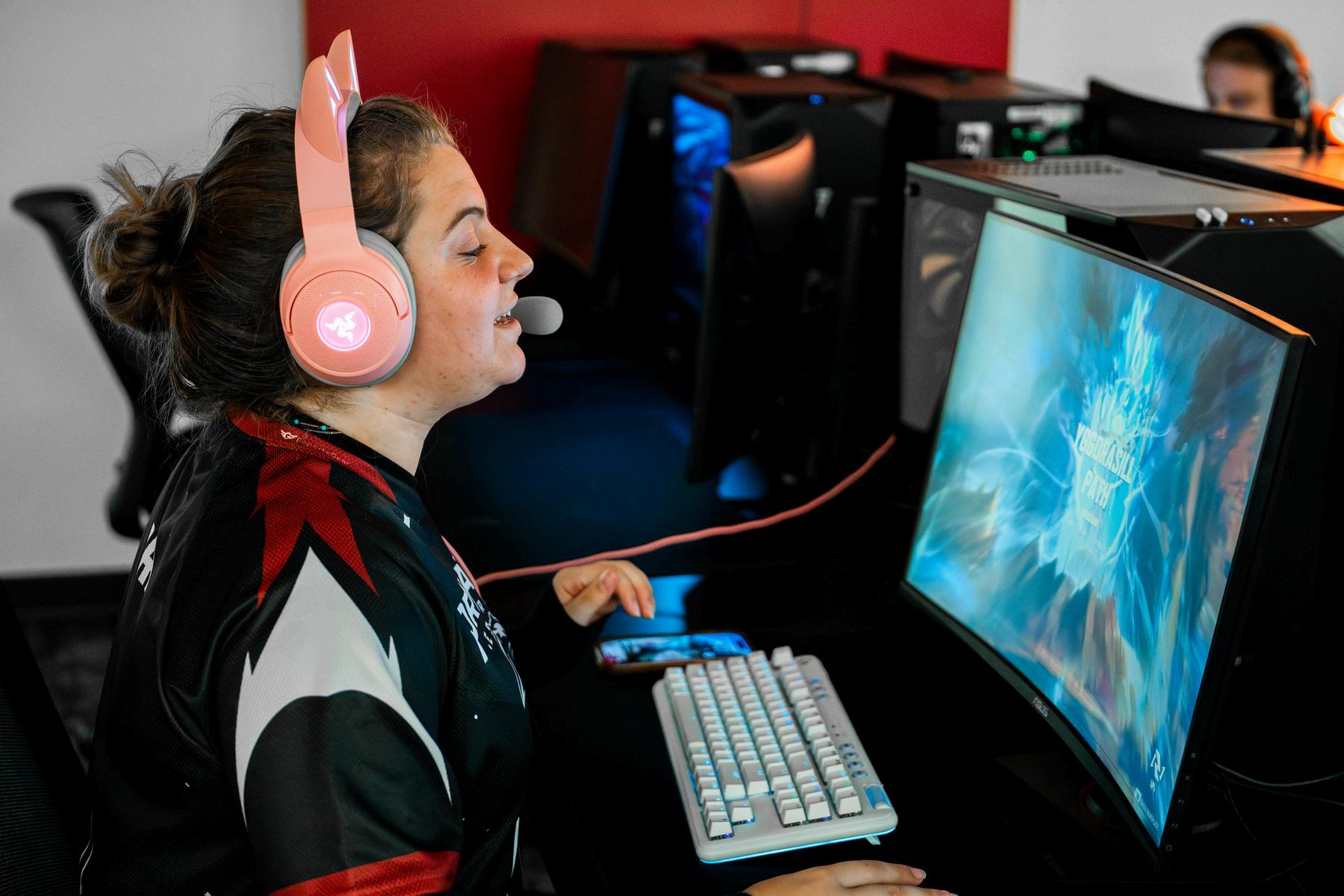
Danielle Sirekis sees video games as much more than entertainment For her, they are a powerful way for students to practice teamwork, leadership, and accountability in real time When she joined the Florida Tech esports program, Sirekis worked to raise academic expectations and build a program that supports students beyond competition
She highlights how the pace of esports sharpens essential skills.
“When the students compete, they don’t have a lot of time to call out their positions or opponents,” she explains. “They have to give concise and effective direction, which teaches them that they need to provide clear communication, something that students do not often join our program with the ability to do.”
Collaboration with the university’s School of Behavior Analysis strengthens this emphasis on quick decisionmaking, pairing specialists with athletes to refine how they coordinate under pressure The exchange is invaluable, Sirekis says, because it not only improves performance in matches, but also gives students skills they will carry forward
She is especially passionate about making sure there is a place for everyone in esports.
“Esports is for everyone, and you ’ re good enough,” she says.
Passion should guide involvement, Sirekis stresses, and she points to inspiring female leaders in the industry as mentors for the next generation Her advice to students is simple: If your school does not have a team, find a teacher who will help you start one
For Sirekis, the real value of esports is seeing students discover passions they never expected, from coaching to event management
“I think having esports on your résumé is a unique opportunity that would create a great conversation starter during an interview and throughout a professional career, ” she says.
Danielle Sirekis
A Dean’s Guide to Student Success
For Cat Nanney, balance is the key to growth.
“Absolutely no question, the students inspired me to take on the role of dean of students,” Nanney says.
She sees college as more than academics It is also a place where students test their leadership, build confidence, and discover strengths they did not know they had
Her office works closely with the Office of Career Services, but Nanney believes leadership and soft skills are what truly set students apart
“Absolutely no question, the students inspired me to take on the role of dean of students”
Cat Nanney
“We focus on the leadership and soft skills that complement Career Services’ technical preparation,” she explains “That gives students a more well-rounded foundation for success “
Those skills come alive through student life Leading a club, planning an event, or managing a budget helps students practice communication, teamwork, and adaptability in ways that interviews cannot teach Employers notice, too, often viewing campus leadership roles as proof of initiative and responsibility.
Nanney recalls one student who arrived shy and unsure of his ability to lead. He gradually built confidence and grew into a strong campus leader by joining student government, the American Institute of Aeronautics and Astronautics (AIAA), and the university’s Orientation team. Coaching in leadership and conflict management helped him secure internships that eventually launched him into a full-time role at NASA
Stories like this, Nanney says, show how balance between academics and involvement prepares students for success well beyond college
Finding Balance, Building Futures
At its core, college is about more than grades or résumés: It is about exploration, growth, and balance. Whether it’s through volleyball, esports, student life, or another passion, what students do outside of the classroom is just as important as what they study inside of it
For Reinvented Magazine readers, the message is simple: Say yes to opportunities; embrace the activities that excite you; and do not be afraid to try something new Balance does not mean doing everything it means discovering what makes you thrive
CHANGEMAKERS EVERYDAY
Redefining Space Dreams:
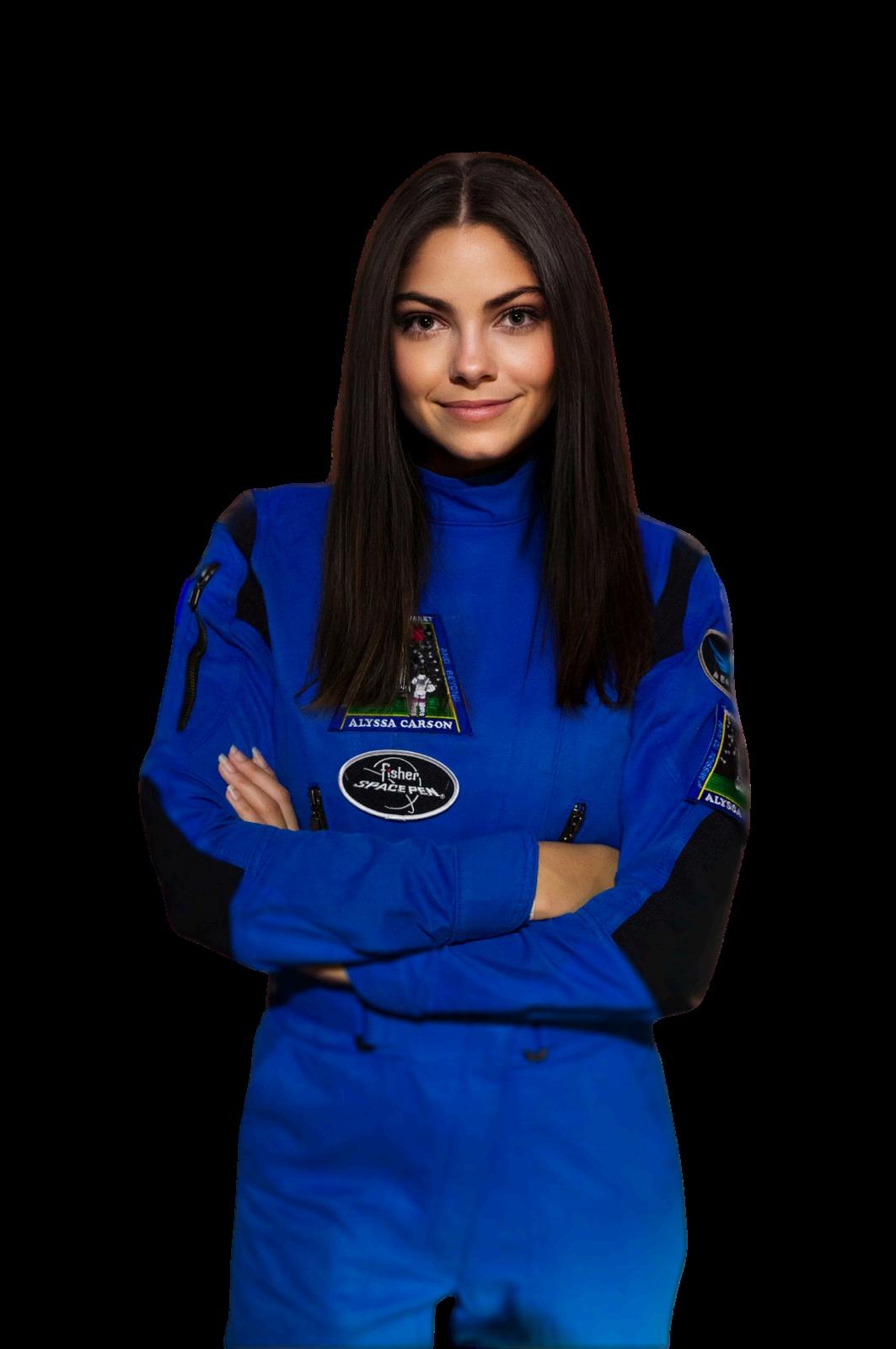
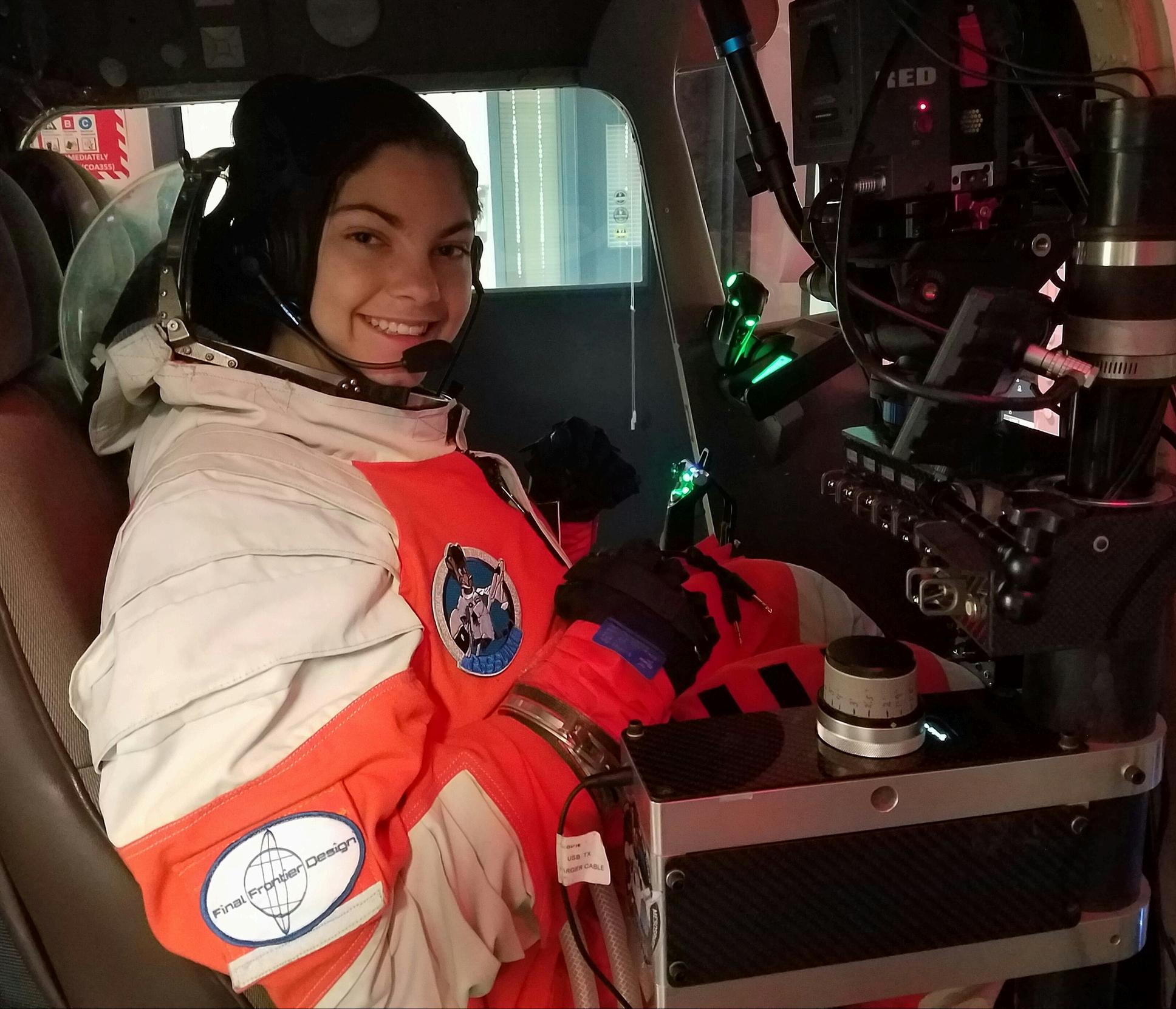
Alyssa Carson's Journey
BY ANJALI KAPILAVAI
Alyssa Carson has been intro ho wants to go to Mars It's a ce she was in elementary sch ed her bachelor’s degree in as Tech and is deep into her Ph.D. in spac sciences, that description falls flat. Her story is not just about a child's dre into adulthood it's about unapologet and the way she's learning to balance with realism.
Today, Carson is enrolled at the Univer of Arkansas, where her research sits at crossroads of microbiology and planet sciences. She studies whether microbe survive in the soil and atmospheric con of Mars and what that might tell us ab possibilities of life elsewhere.
A Childhood of Questions
Carson's fascination with space didn't come from a family of scientists Her dad remembers her, barely 5 years old, peppering him with questions: "Have we been to the moon? Is space real?" That restless curiosity soon had a home at Space Camp in Huntsville, Alabama, where 7-year-old Carson spent a weekend with her father pretending to be an astronaut
Pretending, however, wasn't enough She returned every summer, rotating through mission roles commander, scientist, explorer figuring out what excited her most. Those camps gave her valuable exposure, teaching her to sample various possibilities before committing to one.
Meanwhile, she lived a bustling childhood: competitive soccer, ballet, piano, robotics club, and Girl Scouts. Looking back, she thinks that variety saved her.
“If [my] life had been ‘ space, space, space ’ without pause, [I] probably would've burned out before high school,” she says
From Simulations to Reality
By her midteens, Carson was ready to trade simulations for the real thing. Through the International Institute for Astronautical Sciences (IIAS), she trained in microgravity, tested spacesuits, and even performed water survival drills.
Even after these early experiences, she still wasn't sure where she fit For a while, she leaned toward astrophysics, simply because it seemed like the only path outside engineering She then met a NASA astrobiologist who opened her eyes to a different field: astrobiology The study of life in the universe combined her love for space with her growing interest in biology Suddenly, she had a direction that felt both specific and exciting
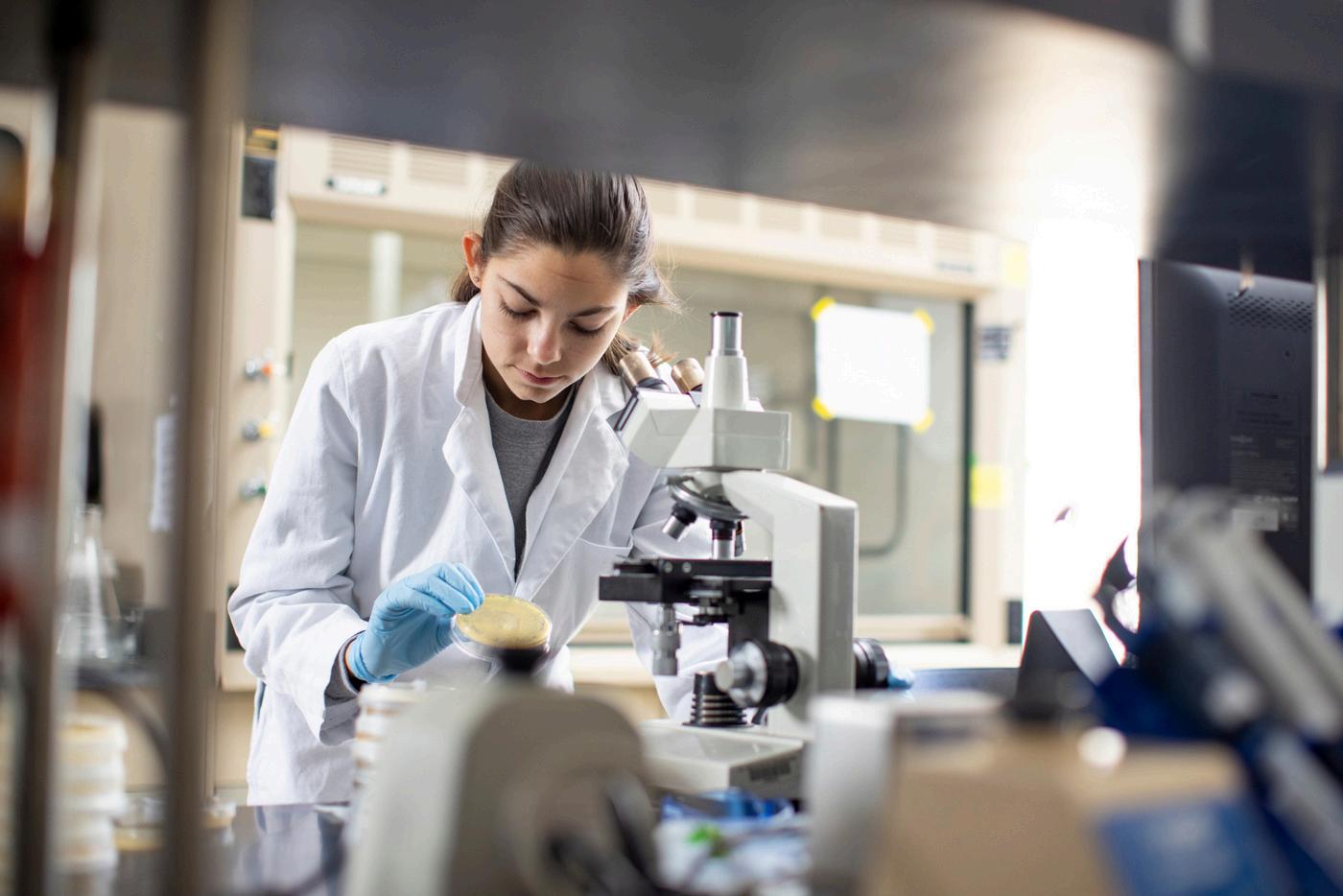
That decision led her to Florida Tech, a small, private research university on the Space Coast a high-tech hub, home to NASA’s Kennedy Space Center, and one of the few schools offering astrobiology as an undergraduate major. There, she spent time in the lab studying microbes, specifically plant-growth-promoting bacteria, that could help future astronauts grow food in space. It was the first time she saw how something as small as bacteria could truly impact the survival of humans in space
Why Mars Still Matters
Today, Carson's Ph.D. work continues that line of inquiry on a bigger scale. She experiments with how microbes handle Mars-like pressures and soils, asking if Mars could have once supported life or if it still could, at least on the microbial level.
She's careful not to overhype the work. Aliens aren't yet on the table. The realistic hope is bacteria. But finding even a single microbe on another planet would rewrite our understanding of biology, and she knows it
Carson also keeps a close eye on missions that could inform her work. NASA’s Perseverance rover is currently caching samples on Mars, with hopes they'll eventually be brought back to Earth. NASA's Europa Clipper and the European Space Agency’s JUICE mission are aimed at Jupiter's moons, both considered promising for life under their icy shells. NASA’s upcoming Dragonfly mission will one day head to Titan, Saturn’s largest moon, to determine whether methane lakes could support chemistry unlike anything on Earth These are decade-long bets, but Carson doesn't mind Science, she knows, moves at its own pace
Humans, Robots, and What We Bring With Us
Despite being framed as a "future astronaut," Carson is surprisingly cautious about humans on Mars. Yes, astronauts can accomplish in hours what takes rovers months. People also bring baggage literally and biologically.
“Every human carries trillions of microbes, and the risk of contaminating Mars with Earth life could make it harder to tell whether we found Martian organisms or simply our own hitchhikers,” she says
There are technical hurdles, too Current propulsion would make a round trip to Mars stretch into years Researchers are working on engines that could shorten the journey from six months to six weeks, but until then, Carson thinks extensive colonization is more dream than plan.
"Science missions, yes. Permanent settlement, I'm not so sure, " she admits.
Beyond "Mars Girl"
Carson is aware that the media sometimes reduces her story to a single dream. But she's worked hard to broaden the narrative. Her books aren't prescriptive memoirs; they're guides for others to figure out their own paths. She insists there's no one way into the space industry or any field, for that matter.
"You could copy everything I've done or nothing I've done and still end up where I am, " she tells young readers
What she emphasizes instead is balance: between school and fun, ambition and rest, science and sports. It's an underrated lesson in a culture that often glorifies a singleminded obsession, she says. For Carson, balance is what makes long-term success possible.
Looking Ahead
When asked what she hopes her legacy will be, Carson doesn't talk about planting a flag on Mars. Her goals are quieter: contribute to the scientific puzzle, piece by piece, and help young people believe their ambitions are worth chasing.
She's a scientist in training, wrestling with real questions about contamination, responsibility, and balance Her influence may not come from a single historic "first," but from the way she reshapes how we think about space exploration itself
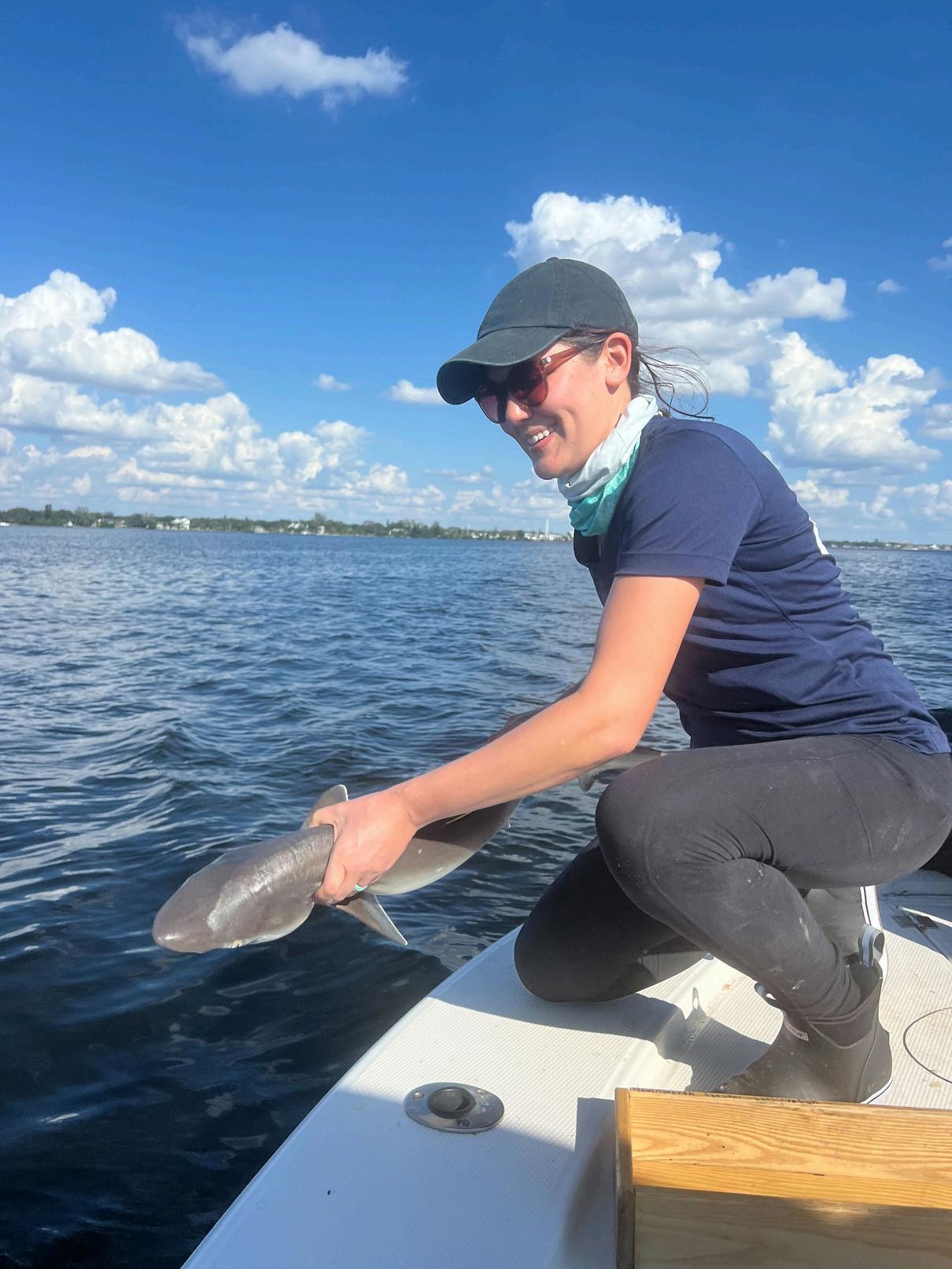
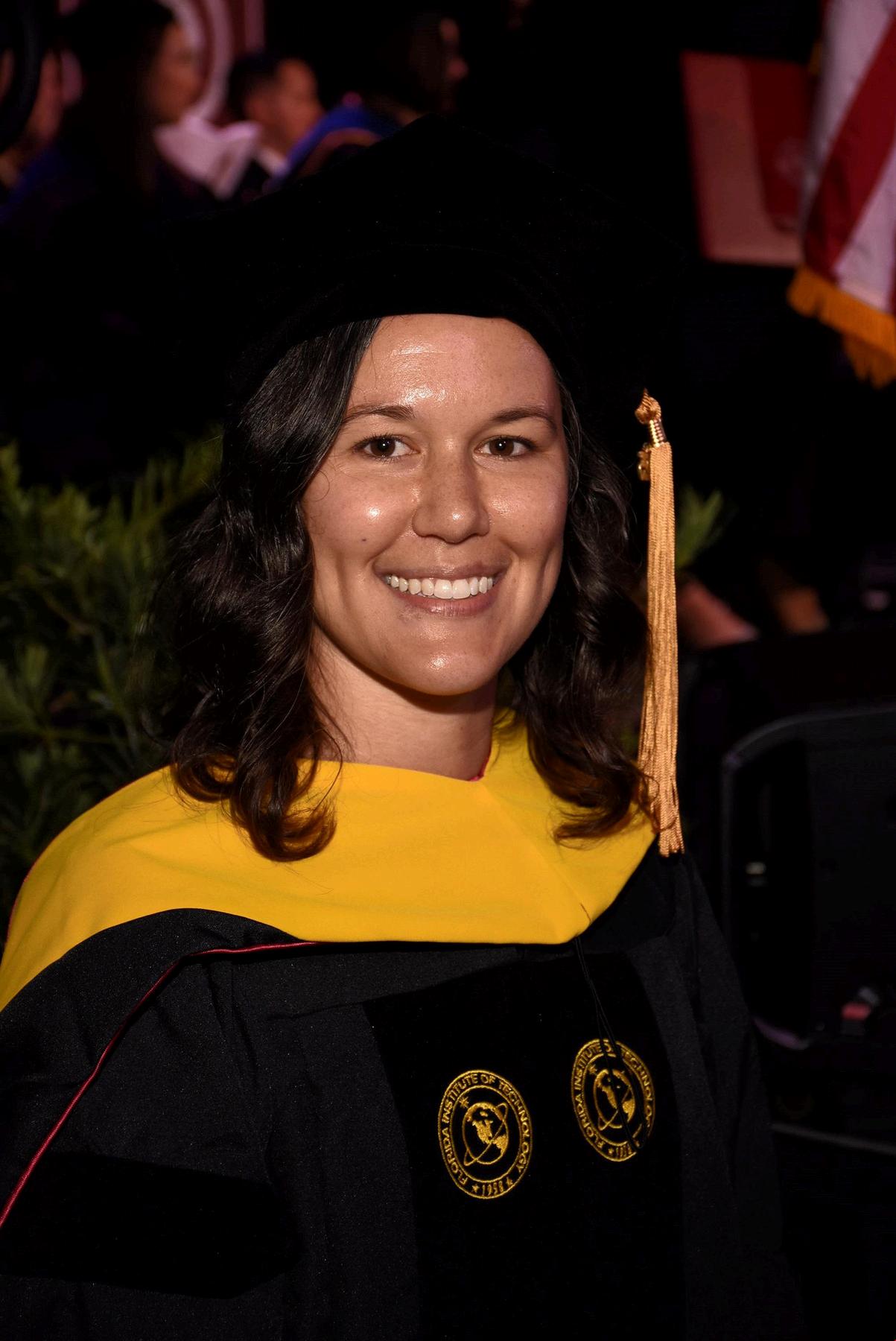
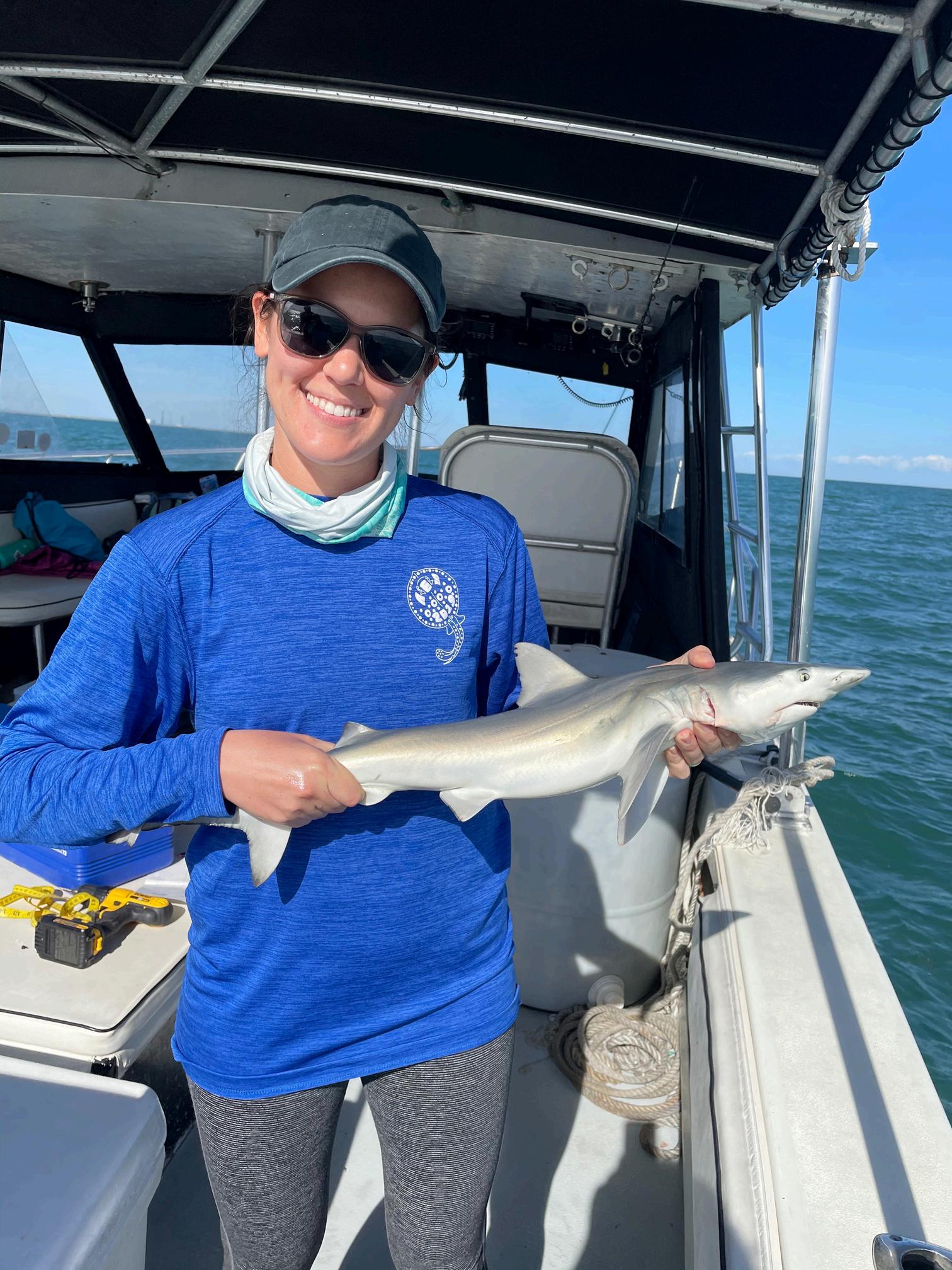
A Conversation with Marine Biologist Shannon Barry
BY ANDREA GAJIC
It is often said that a journey of a thousand miles begins with a single step For Shannon Barry, a Ph D candidate at Florida Tech, that journey began not with a step, but with a single fin
Specifically, the fin of a fictional, animated shark Her passion for marine biology and shark conservation was sparked by a scene in the Pixar movie “Finding Nemo.”
As Barry recalls, “There’s a particular scene where we get an overhead shot of Bruce, the great white, swimming, and I was just so mesmerized by how graceful and beautiful the movement was. ”
This moment, she explains, ignited a lifelong fascination that led her to pursue a career studying the magnificent creatures
The Path to a Purpose
While her initial interest was sparked by a love for animals and wildlife, Barry’s focus on conservation and genetics
evolved during her academic career She realized that her research could be a powerful tool for addressing pressing environmental challenges.
Her time at Florida Tech has helped her understand that making a difference isn’t always about grand gestures.
“The biggest perspective shift was realizing that making a difference isn’t always a big, giant action,” she says. “It can be as small as getting a student interested in science.”
This perspective has guided her as she balances the rigorous demands of her Ph D program with fieldwork and public outreach
“It really comes down to prioritizing what needs the most attention at that particular moment,” she says
This balance allows Barry to dedicate time to both her research and her public education efforts.
Genetics and Global Change
Barry’s work has extended beyond the lab and into the public eye through her appearances on National Geographic’s SharkFest series These TV programs, including the “World’s Biggest Bull Shark?” special and Investigation Shark Attack’s “Gulf Trouble” episode, have allowed her to communicate the importance of her research to a wider audience
As a geneticist, she’s excited to show people how her field can be used to answer important questions about sharks.
“It’s great to be able to talk about how we use genetics as a tool to understand shark behavior, movement, and climate responses, because not a lot of people realize that genetics can answer questions,” she says.
Her research is particularly focused on how sharks are responding to climate change. She hopes her work will inspire others to continue studying these issues and will inform conservation efforts, especially in protecting nursery habitats
“Without those protections in place, juvenile sharks can be at risk of overfishing, which can be detrimental to the adult population over time,” she cautions
By understanding how sharks are moving in response to a changing climate, Barry says, scientists and policymakers can better implement fishing regulations and manage these critical habitats.
A More Inclusive Future for Science
A central part of Barry’s mission is to inspire the next generation of scientists, particularly women and other underrepresented groups. She notes that, historically, women have been “absent or severely limited from scientific representation, especially in the shark sciences.”
However, she is optimistic about the future, citing the work of organizations like Minorities in Shark Sciences (MISS). She believes that a diverse group of scientists is essential for tackling global problems, such as climate change.
“Honestly, any time I’m able to catch a shark and see them in person is a great reminder of why I love doing what I do.” love
Barry’s advice to aspiring scientists who feel overwhelmed by the scale of global issues is simple: “Remember that there’s still hope, and by working on the issues, you ’ re already making a difference.”
She finds her own motivation in the simple yet profound moments of her work.
“Honestly, any time I’m able to catch a shark and see them in person is a great reminder of why I love doing what I do,” she says “They’re such beautiful animals So, the opportunity to see them up close is really amazing ”
This sense of awe, combined with the satisfaction of piecing together a scientific puzzle, fuels her dedication to her field
Looking ahead, Barry hopes to continue her work on the impacts of climate change on marine life and to share her findings with the public. Whether through formal presentations or information opportunities, she wants to continue educating others and promoting positive change.
Her ultimate guiding belief is a powerful reminder for all of us: “Everything on this planet works together. Without healthy oceans, we don’t have healthy marine life, which can have catastrophic consequences on land.”
Charting Her Own Orbit: Nihaara Sawhney's Florida Tech Journey
BY ANJALI KAPILAVAI
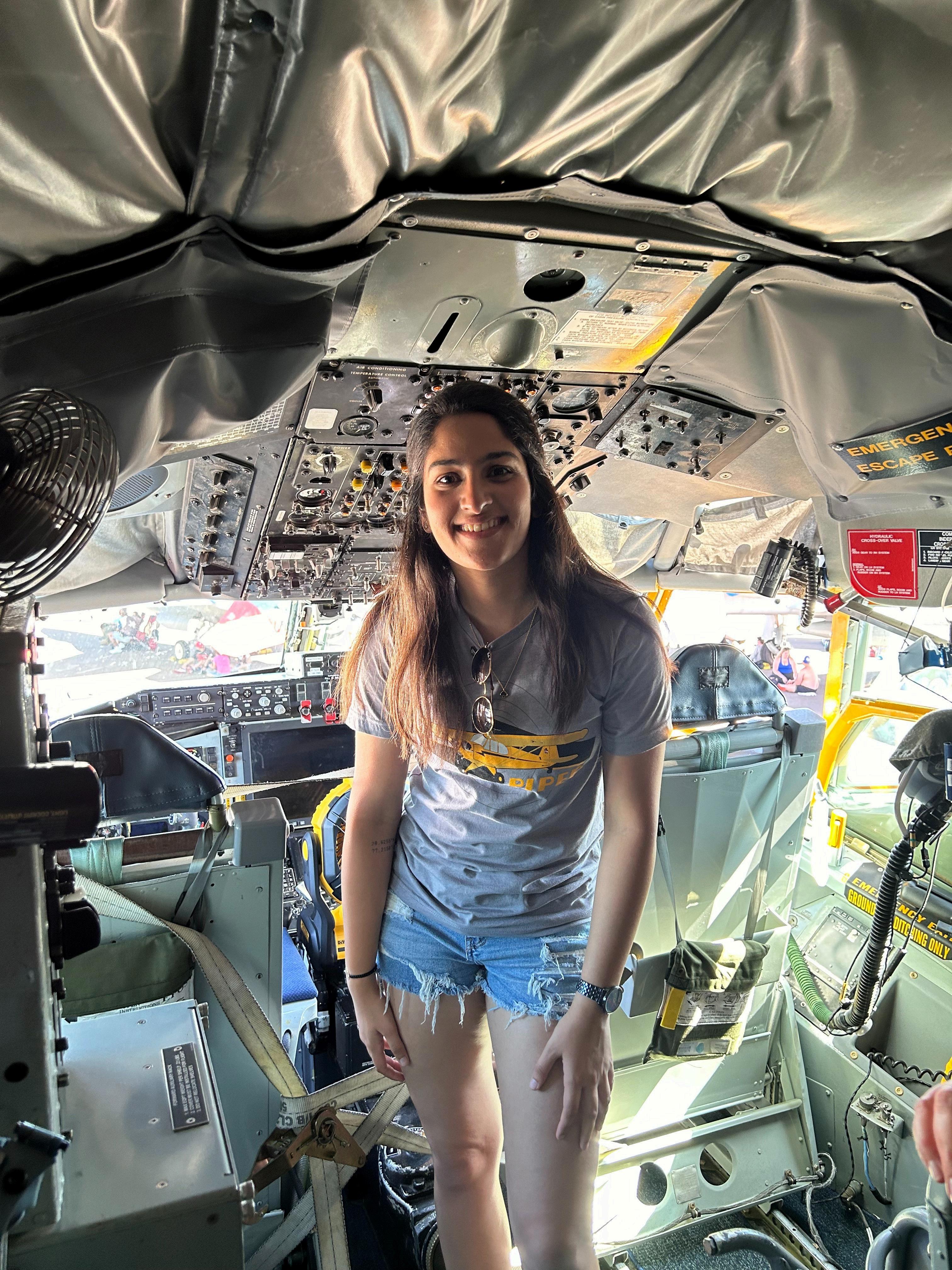
When you meet Nihaara Sawhney, a Florida Institute of Technology senior, you quickly sense two things: a restless curiosity and a clear sense of direction. An aerospace engineering major and scholar-athlete, Sawhney has spent her years at Florida Tech translating her childhood awe into academic prowess and real-world impact. Sawhney's interest in aerospace began at a young age
Early Fascination
“I always loved cars and airplanes … My love for airplanes mainly started off as me wanting to be a pilot, not an aerospace engineer,” she explains.
But, as she moved into high school, advanced physics and math drew her to the technical side of aviation.
When she was choosing a college, Florida Tech stood out.
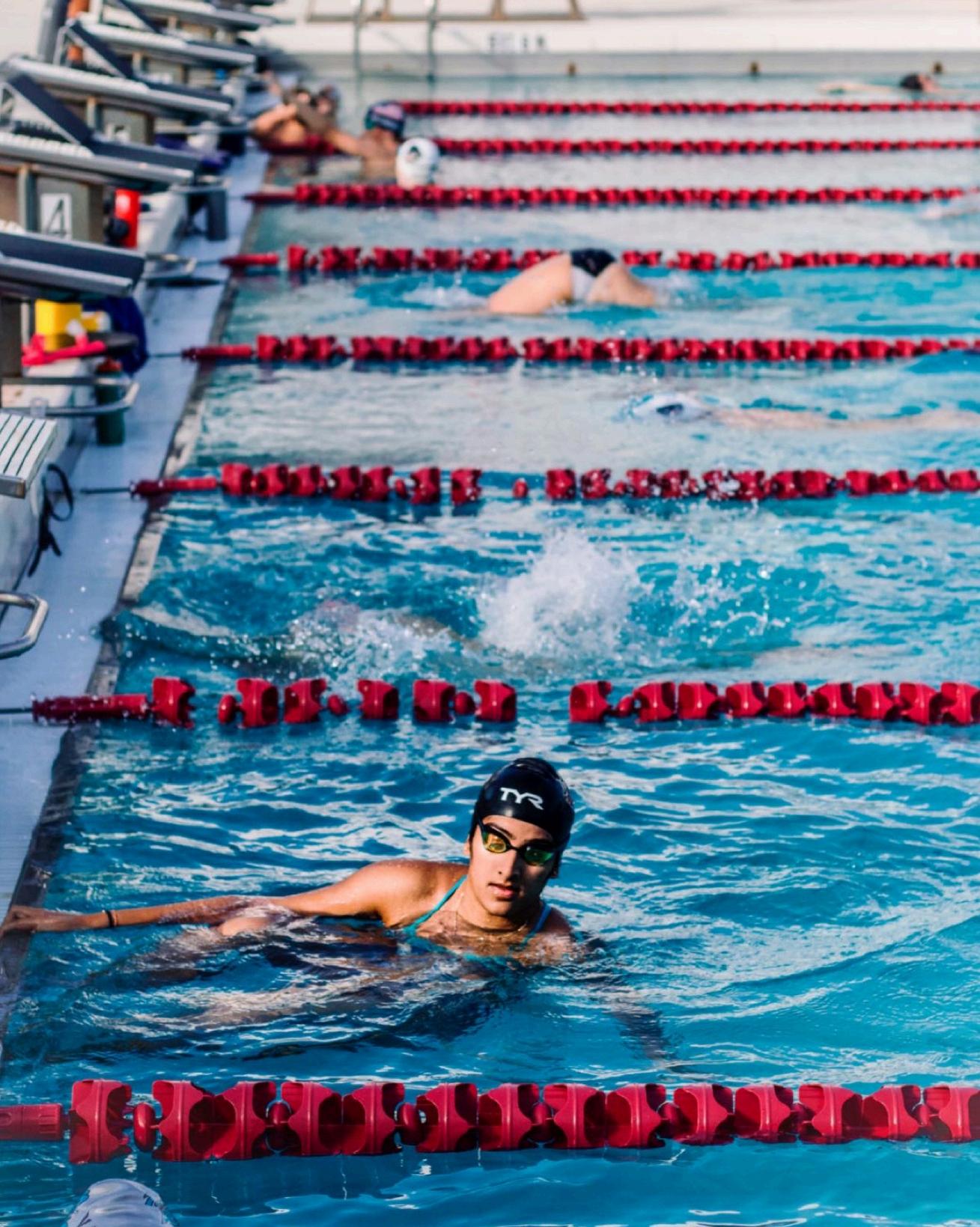
“I wanted to be recruited as an athlete on the swim team, and Florida Tech was the best fit They had a great aerospace engineering program; they were on the Space Coast; and they offered to have me on their team So, it just worked out perfectly ”
Balancing Athletics & Academics
Sawhney has been swimming for as long as she can remember, and she considers it a major priority alongside academics. As a result, balancing athletics and academics shaped her approach to discipline.
“Google Calendar was my best friend,” she says.
While she smoothly adjusted academically, athletics presented greater hurdles at first. The struggle to fit in as a new student was amplified by her unique circumstances However, her prior academic preparation helped her adapt in the highly rigorous and focused environment, she says
“Back home, it was very much like, someone ' s going to make you go to class Here, it's all on you, ” Sawhney says “The decisions you make, you are the one responsible for them If you have the mindset, ‘I am going to do this because I promised myself or my family,’ that helps you
follow through.”
The scholar-athlete experience shaped her mindset, as well
“The discipline of sticking to something, which any sport requires, projects onto any field in life career, academics, anything,” she says “The time management, the perseverance, the ability to meet deadlines all of that comes from being an athlete.”
Sawhney has also excelled in her academics, being recognized as Outstanding Student of the Year in the university’s Department of Aerospace, Physics and Space Sciences. For that, she credits simple strategies.
“The best thing I've done is take physical notes in class. People underestimate what professors are saying. Write it in your own words that's what sticks,” she says.
She also stresses the value of peers
“Surround yourself with people who have similar goals It impacts how you study and how you apply yourself ”
Diving Into Opportunities
Sawhney wasted no time getting involved at Florida Tech.
“Freshman year, I kind of just went all out with going to office hours. Since Florida Tech is also a very small school, making yourself known in the department shows that you care and you ' re here for a purpose, ” she says
That initiative paid off, resulting in research and internship experiences In her first summer, she joined a project on spacecraft navigation
“It was about nonlinear model predictive control of spacecraft,” Sawhney says “I was mainly assisting a Ph D student, reading papers, and using MATLAB to code some of the subprojects. The learning curve was very high, but it was good exposure. ”
gave me a good idea of what I want my role to look like once I'm done with school.”
The Space Coast
Location, Sawhney believes, is one of Florida Tech's strongest assets.
"Since this is the Space Coast, we have a lot of companies Northrop Grumman, Piper, NASA all right here At career fairs, these firms are actively recruiting, and you get to learn what they're working on, " she explains "You could just walk out on campus one day and see a rocket launch Sometimes, professors even let us out of class early to go watch ”
Florida Tech's small size has been central to her experience, she says.
Later, she found herself at Larsen Motorsports, building jet dragsters The hands-on nature of the internship, from metalwork to CAD design, showed her the value of both shop-floor skills and technical knowledge The experience was multifaceted, combining skills required to pursue a career in both the aviation and automobile fields
In summer 2025, she worked at Piper Aircraft, an experience she greatly valued. “Working at Piper has been one of my childhood dreams,” Sawhney says. “I worked with the propulsion and mechanical system team, and that
Nihaara Sawhney
"I wanted the personal attention and small class size. Here, professors know your face and your name. You can just walk up and say, ‘I need help with this homework.’ That's one of the biggest advantages,” she says.
Looking Ahead
As graduation nears, Sawhney is deciding whether she wants to pursue graduate school or enter the workforce
“I'm looking at aerospace engineering again, but more specifically within aerodynamics or structures,” she explains “I'm very interested in test engineering certifying new planes, testing new planes, learning how that side works. It's widely applicable across industries.”
At the same time, she's keeping an eye on emerging technologies.
“As much as I love jet engines and turboprops, I'm excited and curious to see how electric or hybrid electric propulsion turns out to be in aviation,” Sawhney says. “I think it has a lot of potential.”
What makes Sawhney's story compelling isn't just her technical ambition but her perspective She doesn't cast herself as a trailblazer waiting to emerge Instead, she emphasizes the importance of showing up, working steadily, and staying open to growth
The Sky Is No Limit The Sky Is No Limit
BY CHLOE DRIEU
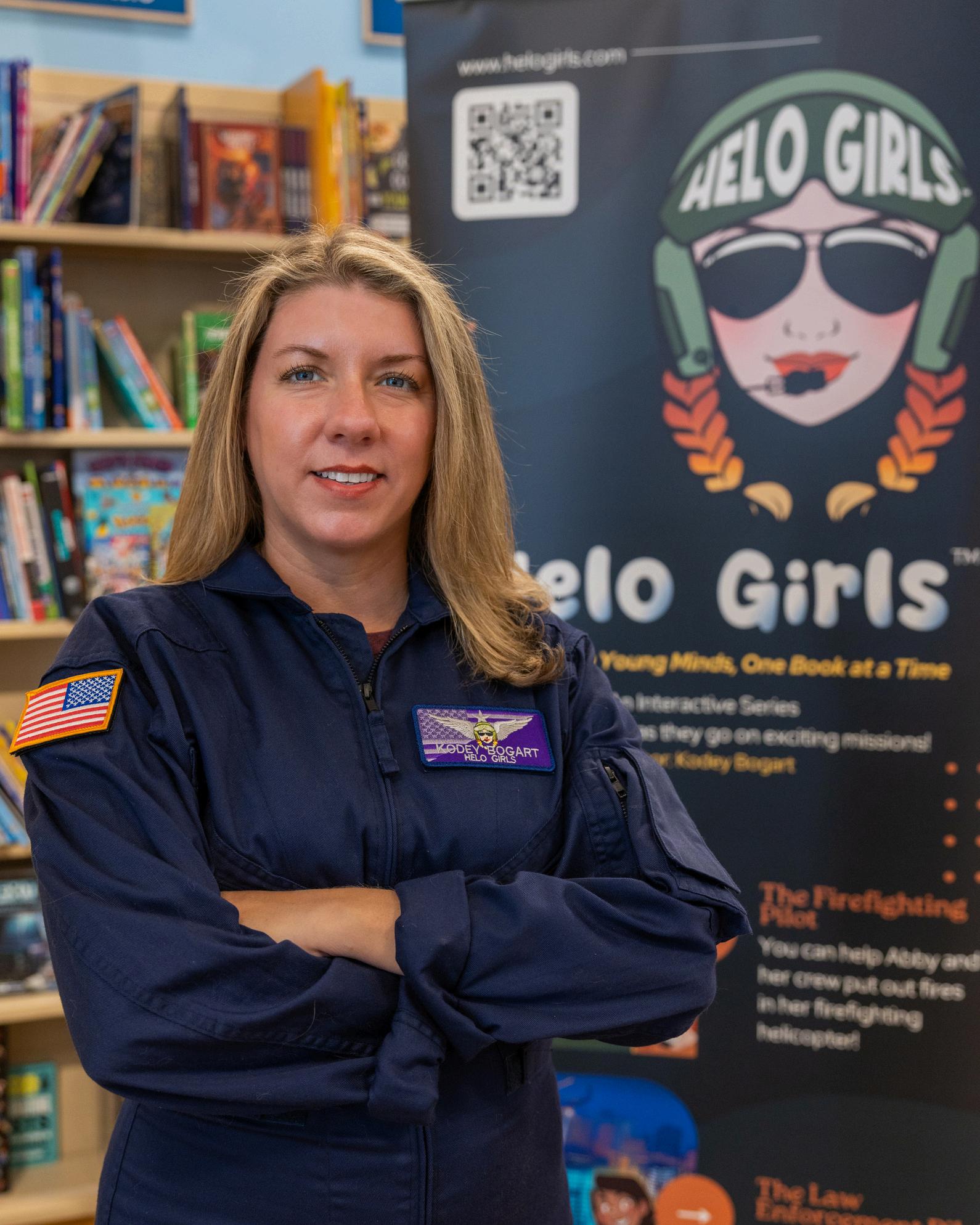
KODEY BOGART:
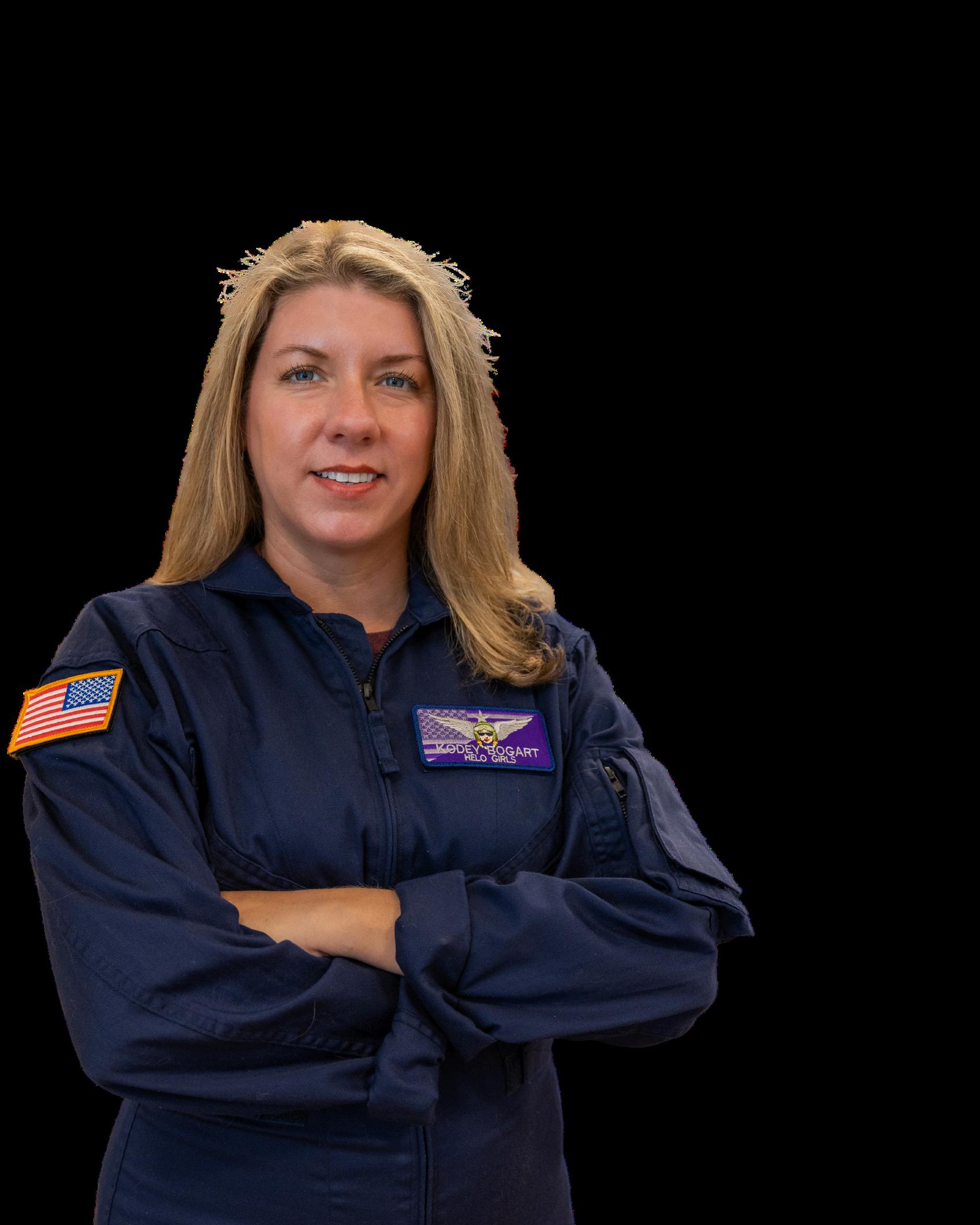
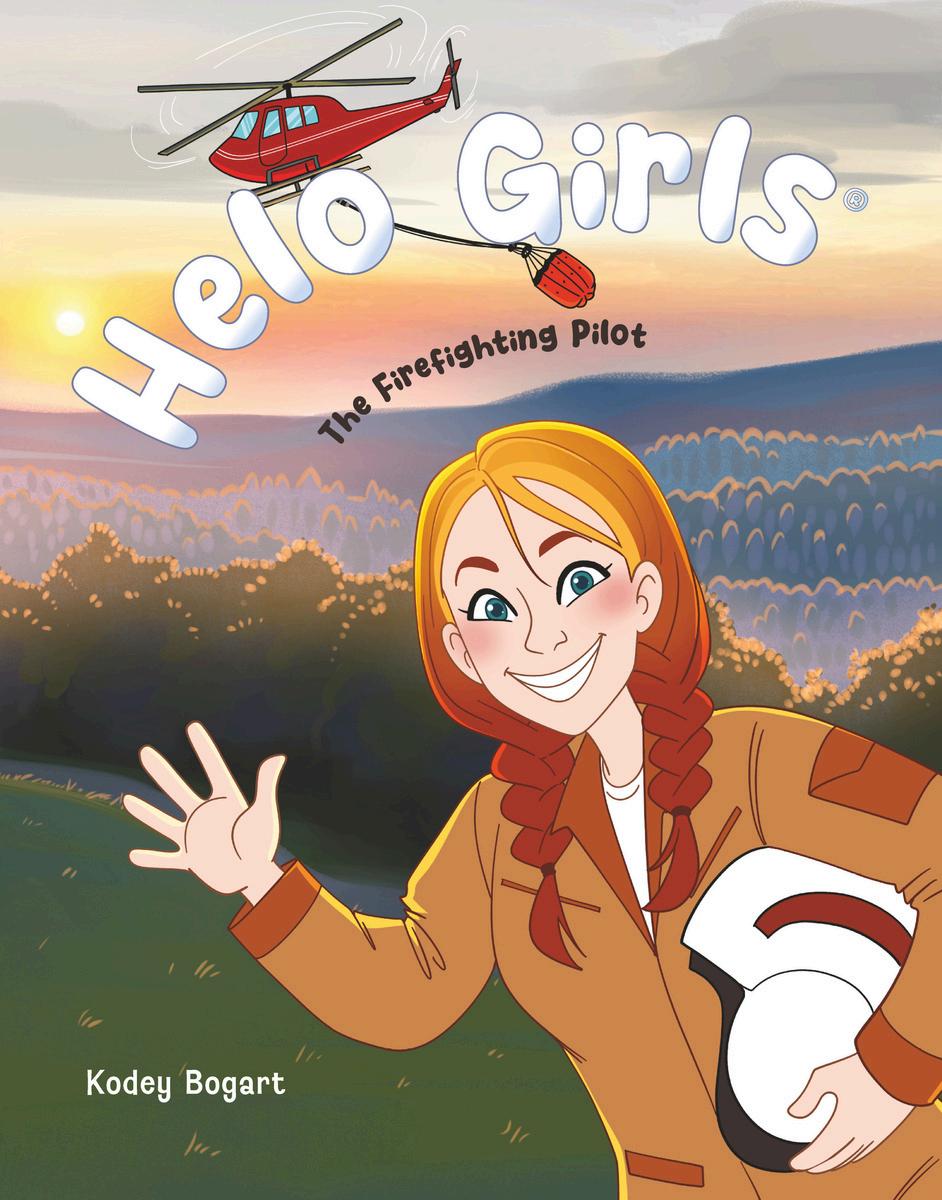
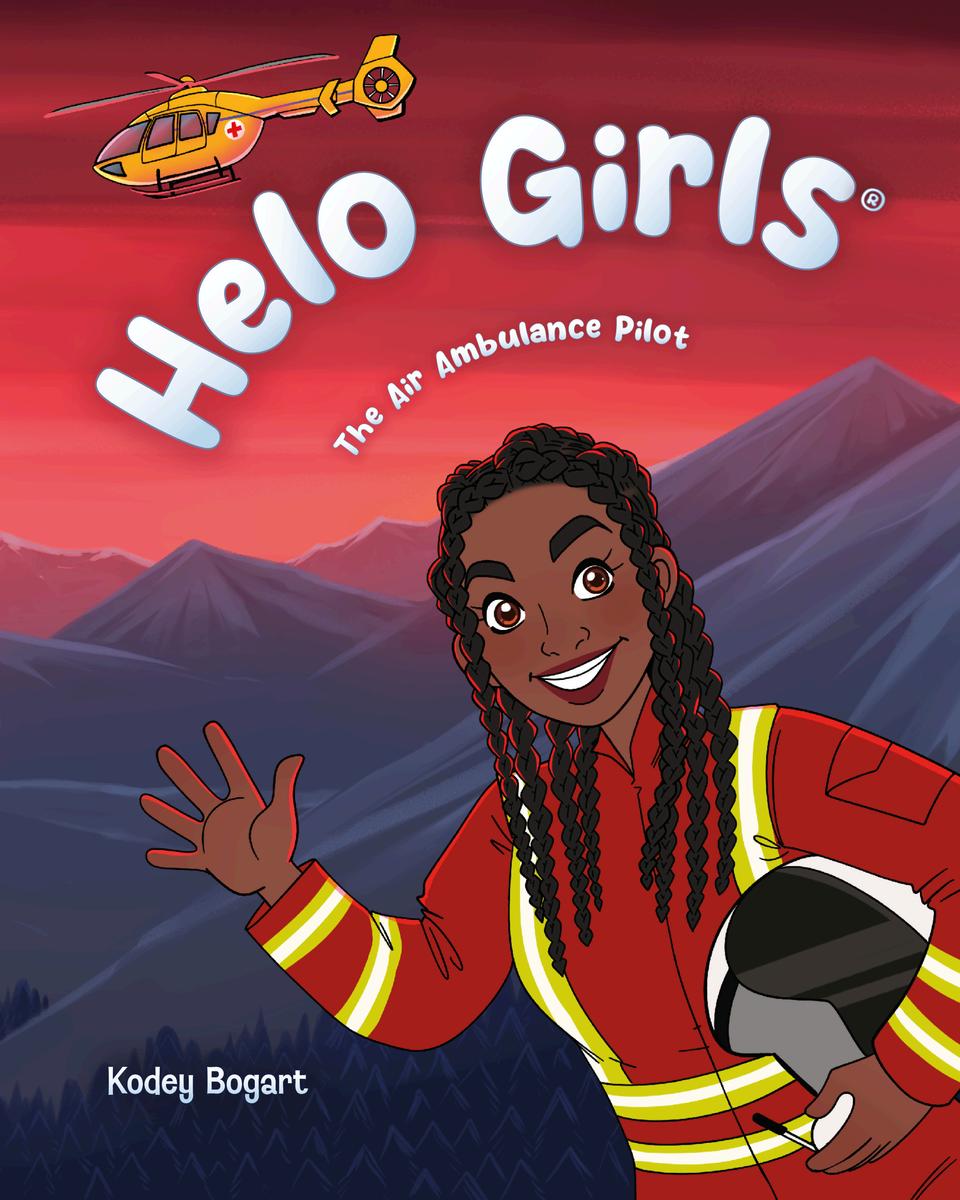
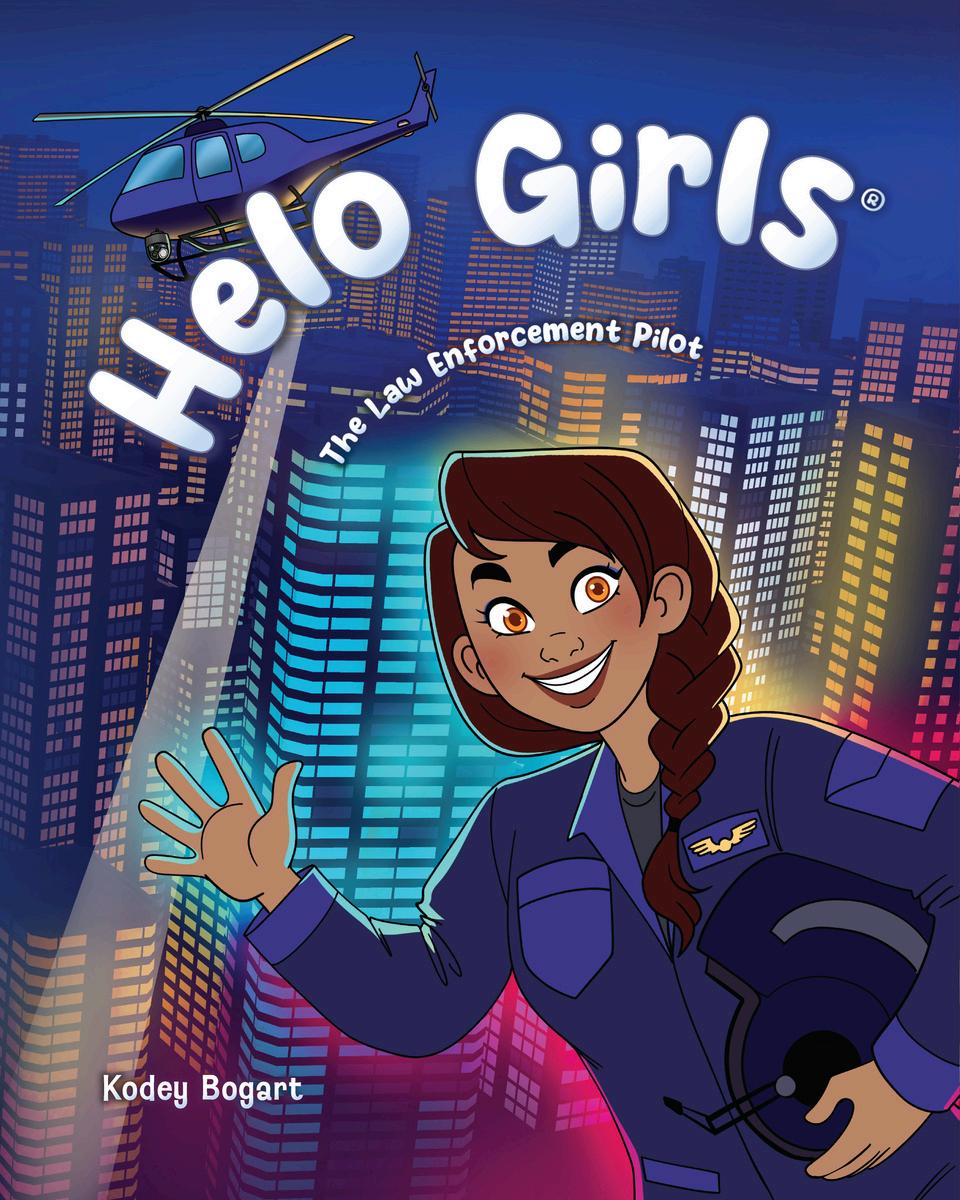
Kodey Bogart has never been one to follow a straight path. Today, she is CEO of KB Aviation Solutions, a consulting firm helping aviation companies build safety management systems, and author of the Helo Girls™ children’s book series, which introduces girls to the exciting world of helicopter missions. However, her journey into the skies began in an unexpected place.
A Chance to Fly
At 17, Bogart joined the military Two years later, she boarded her first morale flight Only then did aviation appear on her radar
“I just absolutely loved it,” she recalls. “I loved how busy the pilots were, how they were always doing something. It was super fun.”
That flight planted a seed, but for Bogart, becoming a pilot felt like an impossible dream. She had poor eyesight, and at the time, military aviation required nearly perfect vision. Then, a door cracked open.
In the early 2000s, the U S Army and Navy began researching refractive surgery, a corrective procedure including LASIK and photorefractive keratectomy (PRK) that alters the cornea to improve how the eye focuses light. The experimental program was designed to test whether service members who underwent the surgery could safely meet pilot standards.
Enthused by the innovation, Bogart’s mentor encouraged her to apply, and she was accepted. After undergoing the surgery and passing the rigorous flight physicals, she was cleared for training
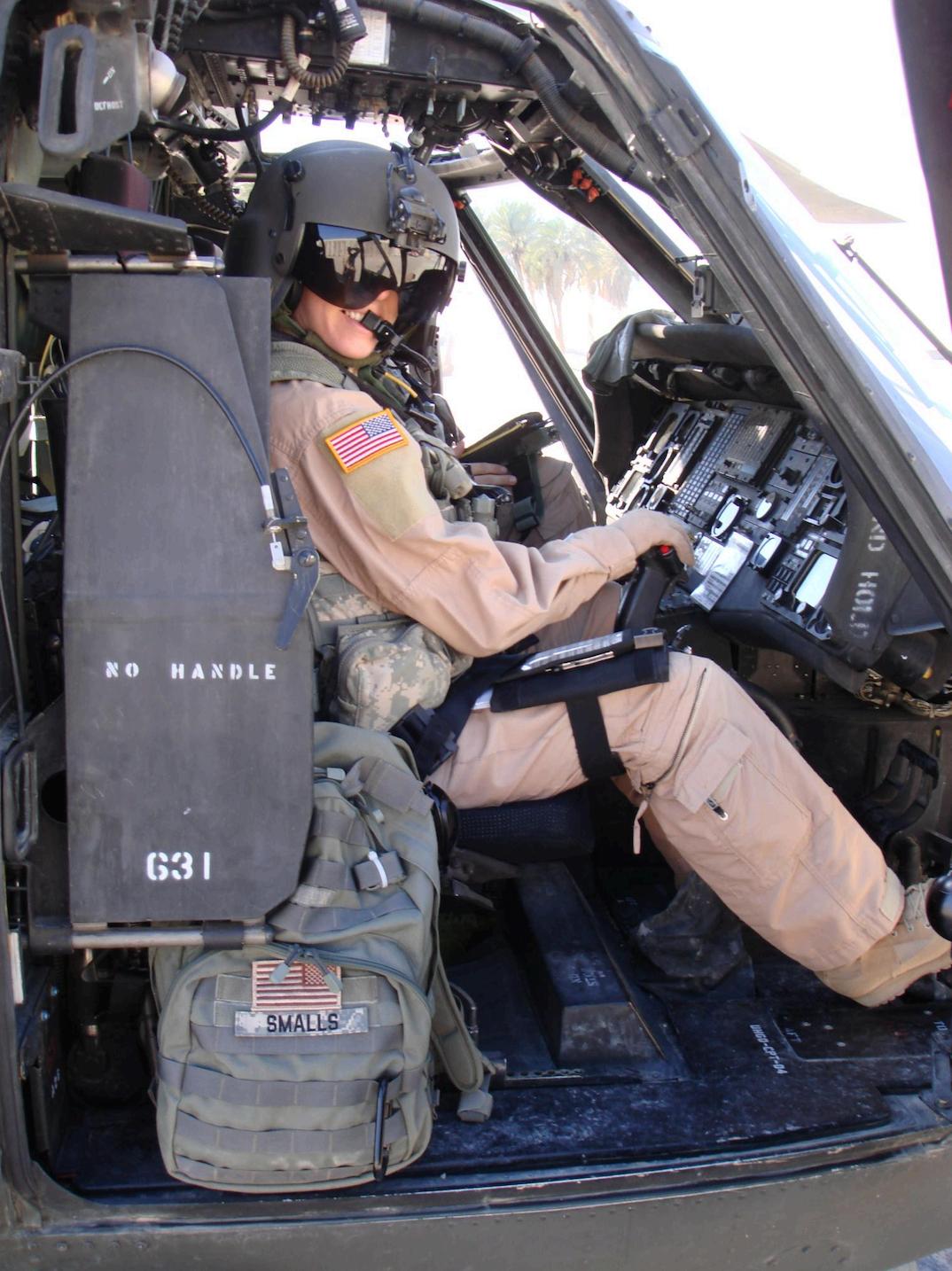
By May 2004, she had entered Army flight school, beginning what would become a distinguished 21-year career as a helicopter pilot
“It was life-changing,” Bogart says. “One small opportunity shifted the entire trajectory of my career. ”
A Decorated Career
During her Army career, Bogart flew the UH-60 Black Hawk on medical evacuation missions, transporting injured soldiers from combat zones to hospitals. She served in Operation Iraqi Freedom, during which she quickly proved her skill under pressure. For her service, she was awarded two Air Medals and the prestigious Sikorsky Rescue Award, an honor given to pilots who demonstrate extraordinary skill and bravery in saving lives.
The cockpit taught Bogart discipline, resilience, and teamwork
Over time, she found herself just as fascinated by what happened on the ground Specifically, she became intrigued by aviation safety first, as a pilot, and then, as a flight safety advisor, digging into regulations, processes, and the human side of risk
“I’m one of those book nerds,” she laughs. “I really liked regulations. But more than that, I loved helping organizations get better.”
It was this passion that eventually guided her next career move.
KB Aviation Solutions
Now, she leads KB Aviation Solutions, a company she founded to provide consulting and training in Safety Management System (SMS) development and implementation SMS is a structured, organizationwide approach to managing safety, identifying hazards, reducing risks, and creating a culture of accountability
Her company supports aviation operators of all shapes and sizes, from small businesses to larger corporations. Its services include auditing, safety program design, flight data monitoring, and compliance training.
In addition, Bogart lectures widely and has published articles as an expert for leading aviation news outlets. For her, the work is much more than checking all the boxes. Her goal is to help organizations build systems that fit their unique operations. In other words, safety isn’t one-size-fitsall It must be practical, tailored, and embraced by the people on the ground, she says
Kodey Bogart
Storytelling for Safety
Bogart is equally passionate about a very different venture: children’s literature. Through Helo Girls™, she creates mission-specific stories in which female pilots take the lead in firefighting, air ambulance, and even law enforcement.
The books are fun adventures and intentionally “safety forward ” Characters conduct preflight checks, practice teamwork, and model situational awareness It transforms aviation safety into narratives children can enjoy
“It’s kind of like Minecraft,” she explains “Every block builds on the next My experience as a pilot and safety expert gave me the foundation to create stories that are inspiring and practical ”
Her novel idea came from her own experience growing up without seeing female pilots represented in the media. Bogart recalls never having had books in which the pilot looked like her, so she wanted to create that for the next generation.
The impact has been powerful. At an airshow in Lakeland, Florida, Bogart recalls seeing a little girl spot Helo Girls™ on display Tugging at her mother’s hand, she exclaimed, “Mommy, she looks like me!”
For Bogart, those five words were unforgettable
“If a little girl can pick up a helicopter book and see herself in that role, she knows she can do it too,” she says
She also often receives messages from parents across the world, sharing photos and videos of their children reading her books.
“The fact that they reach out to tell me means a lot.”
The Future Takes Flight
Looking back, Bogart sees her career as a combination of persistence, mentorship, and resilience. When asked what advice she’d give her younger self or any girl stepping into a male-dominated field, she says:
“Believe in yourself. Leave the self-doubt behind. We, as women, often think we ’ re not good enough, but if you put your mind to it, study, and work hard, you can achieve it ”
As for the future of aviation, Bogart dreams of a world where gender isn’t even part of the conversation
“It should come down to qualifications, competencies, and personality,” she says firmly “Are you the right person for the role? That’s all that should matter.”
For Bogart, the sky is not a limit. It’s an open invitation. Through her work in safety, leadership, and storytelling, she’s making sure the next generation knows it’s invited, too.
SEASHELLS TO SPIDER MONKEYS
BY CAELEY LOONEY
From a curious child watching tiny clams disappear beneath the waves to a dedicated marine science student making waves of her own, McKaylyn Merritt is a testament to where curiosity and courage can lead. Today, as a senior at Florida Tech studying marine biology, Merritt has turned those childhood questions about the sea into a focused pursuit of research, conservation, and animal welfare.
A Curiosity Sparked by the Sea
Merritt says she “dove headfirst into the world of STEM at a young age ” Growing up in the middle of Georgia without easy access to the ocean turned family trips to the Florida coast into a world of wonder
“I can still remember crouching in the sand, watching tiny coquina clams vanish back into the surf and wondering how they knew the waves were coming,” Merritt reminisces. Like many future scientists, that curiosity led to a neverending stream of questions that evolved into an early passion for marine science.
She didn’t waste a second, jumping right into any class her high school offered that was relevant to STEM, including Advanced Placement Environmental Science Her ambition soon went beyond the classroom she joined the National Science Honor Society and Junior ROTC, which gave her
the confidence and leadership skills she needed to propel her into college studies.
As her search for the right university commenced, she was immediately attracted to Florida Tech.
“After touring several schools, I was drawn back to Florida Tech, and it was an amazing decision I have never regretted,” Merritt says
Her journey came full circle, with her enrollment at a school just a few miles from the very same beaches where her e i ent for marine biology first sparked.
I
can still remember crouching in the sand, watching tiny coquina clams vanish back into the surf and wondering how they knew the waves were coming
Turning Passion Into Purpose
Merritt is now a senior in Florida Tech’s Department of Ocean Engineering and Marine Sciences (OEMS). Once she arrived on campus, “that same sense of wonder and curiosity that I felt as a child only grew to be stronger,” she says. She remembers being granted the opportunity to get involved with undergraduate research during her freshman year, allowing her to gain valuable hands-on experience, engaging directly with wildlife and conservation before most students even feel settled on campus
In her final semester at Florida Tech, she enrolled in specialized courses, including a marine science seminar and a comparative vertebrate anatomy course. When she’s not in the classroom, she remains heavily involved with several on-campus clubs and organizations, including the Marine Biological Society and the Society for Women in Marine Science.
“I have been a part of the executive boards for both of these organizations … [and now,] as a graduating senior, it has been heartwarming to be able to pass the torch to others to come after me, ” Merritt says
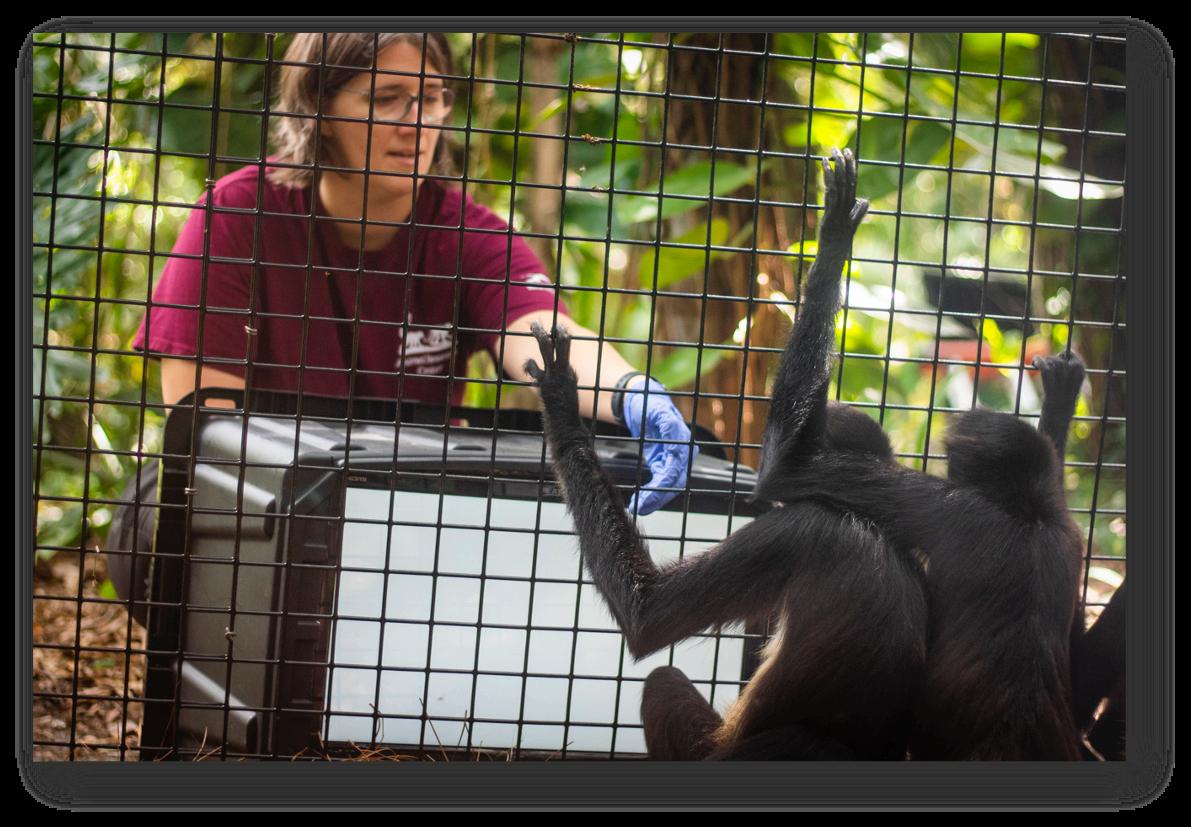
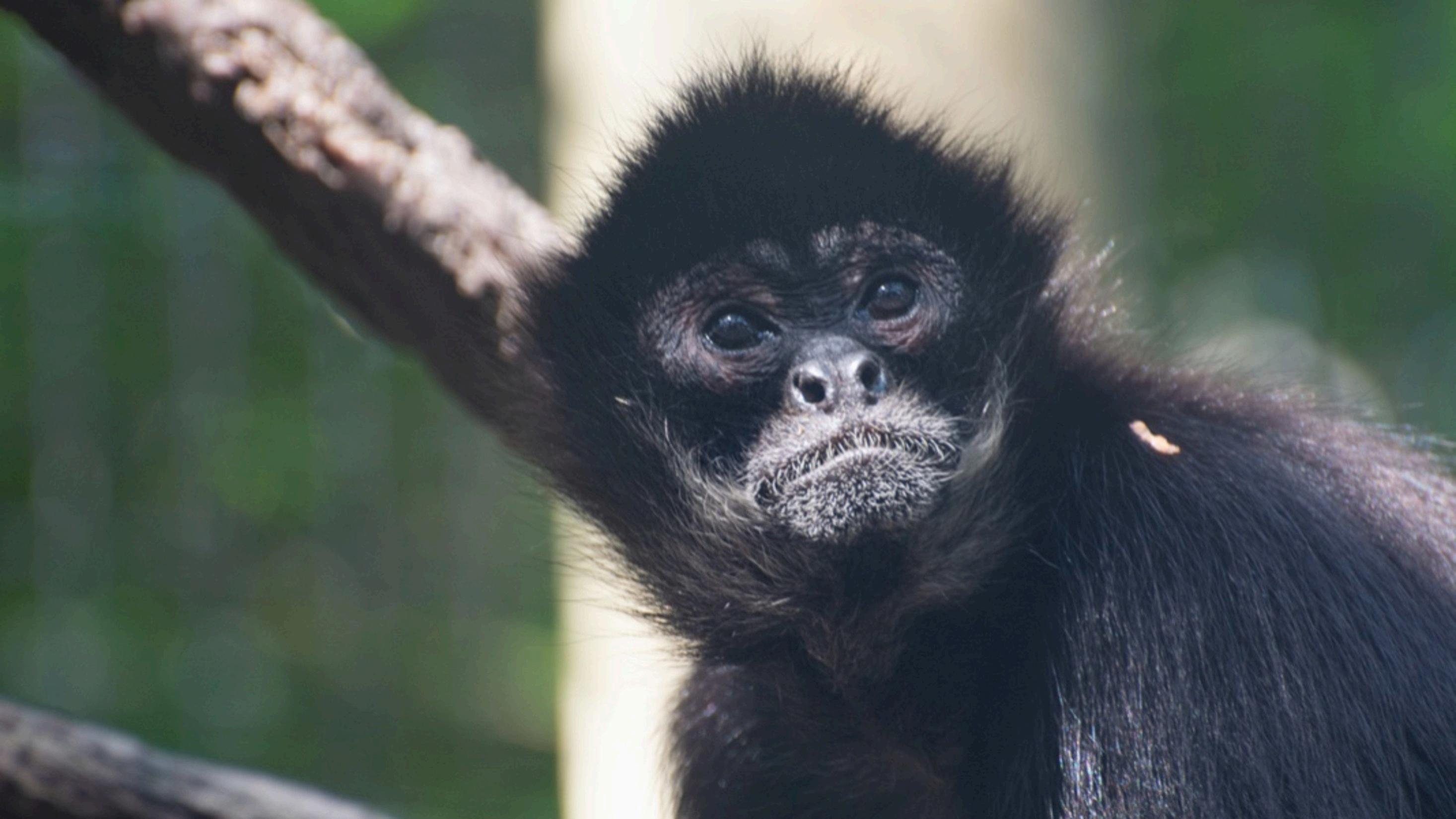
Merritt’s experience goes well beyond campus, however Through a partnership Florida Tech established with the Brevard Zoo, she became an undergraduate researcher at the Animal Cognitive Research Center Through this program, Merritt studied the complex social behaviors and overall well-being of the black-handed spider monkey troop that resides at the zoo. This invaluable experience diversified her résumé, helping her land her next opportunity.
Learning to Keep Wildlife Wild
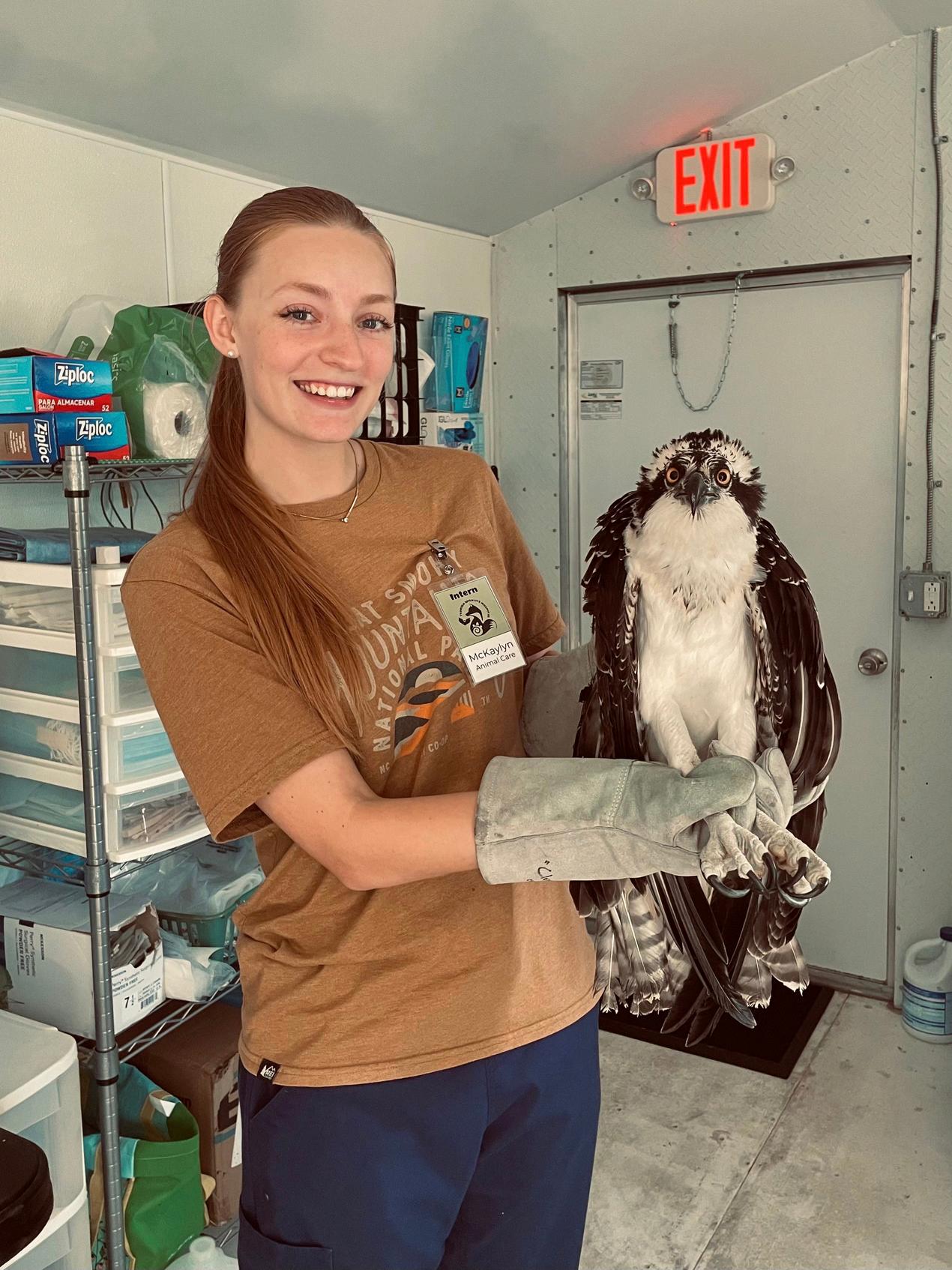
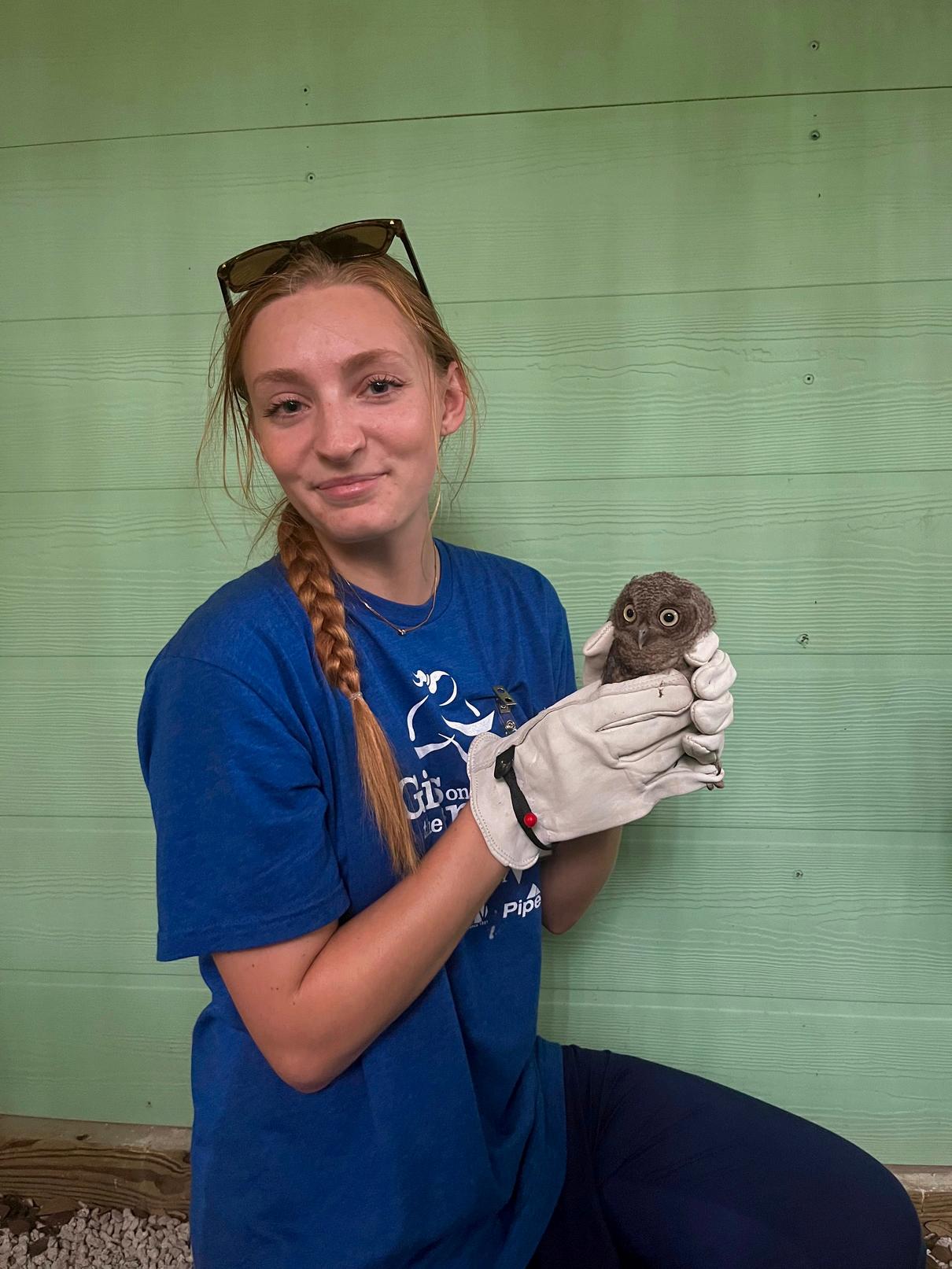
Merritt then secured a summer internship with Florida Wildlife Hospital, where her knowledge and experience working as an undergraduate researcher were put to the test As an animal care intern, her day-to-day schedule was never the same Some days, she worked to rehabilitate species native to Brevard County; other days involved setting up age- and species-appropriate environments or preparing meals for and feeding their residents During her internship, Merritt assisted in monitoring the health and behaviors of animals in the hospital’s care, ensuring their well-being throughout recovery
Over the course of her 12 weeks at Florida Wildlife Hospital, she was able to rotate through various departments, including the nursery, intake, and outside prerelease enclosures, which enabled Merritt to contribute directly to the rehabilitation process across all stages of care.
“I was even able to partake in unique opportunities, like observing necropsies and going on releases and renests,” Merritt says
“Being able to learn from professionals in the field was an inspiring experience that provided me with a comprehensive understanding of the delicate balance required to keep wildlife wild, fostering my passion for conservation and wildlife care, ” she says.
She left her internship yearning for a career where she can make a positive impact on wildlife and their welfare.
With graduation now on the horizon, Merritt is excited to explore more of the veterinary medicine field She plans to enroll in a program that enables her to eventually become a certified veterinary technician
“STEM gave me the tools to turn my curiosity into action. Now, I want to use those skills to make a real impact in conservation and animal welfare,” Merritt says.
Merritt implores aspiring marine biologists and all scientists to start learning about the world they live in now. Once she learned how urgently advocacy and knowledge about the threats our environment faces were needed, it evolved from a personal interest into a responsibility to make a positive impact
Merritt follows that with one more crucial piece of advice: “The most important thing I learned along the way was to take the leap Even when you doubt yourself, even when you think it might be embarrassing, and even if you think the answer will be no, take the chance ”
YourPath toHealing& GrowthStarts Here
We offer personalized therapy and holistic treatments to help you achieve balance, resilience, and fulfillment
BOOK A FREE CONSULTATION:
From Classroom to Career:
A student’s guide to landing and thriving in an internship
BY ANDREA GAJIC
Gaining professional experience before graduation is no longer just an advantage: It's a critical step in launching a successful career. It’s where theory meets practice, answering the crucial questions every student faces: Do I enjoy the physical application of my major? How do my classroom skills translate to the real world?
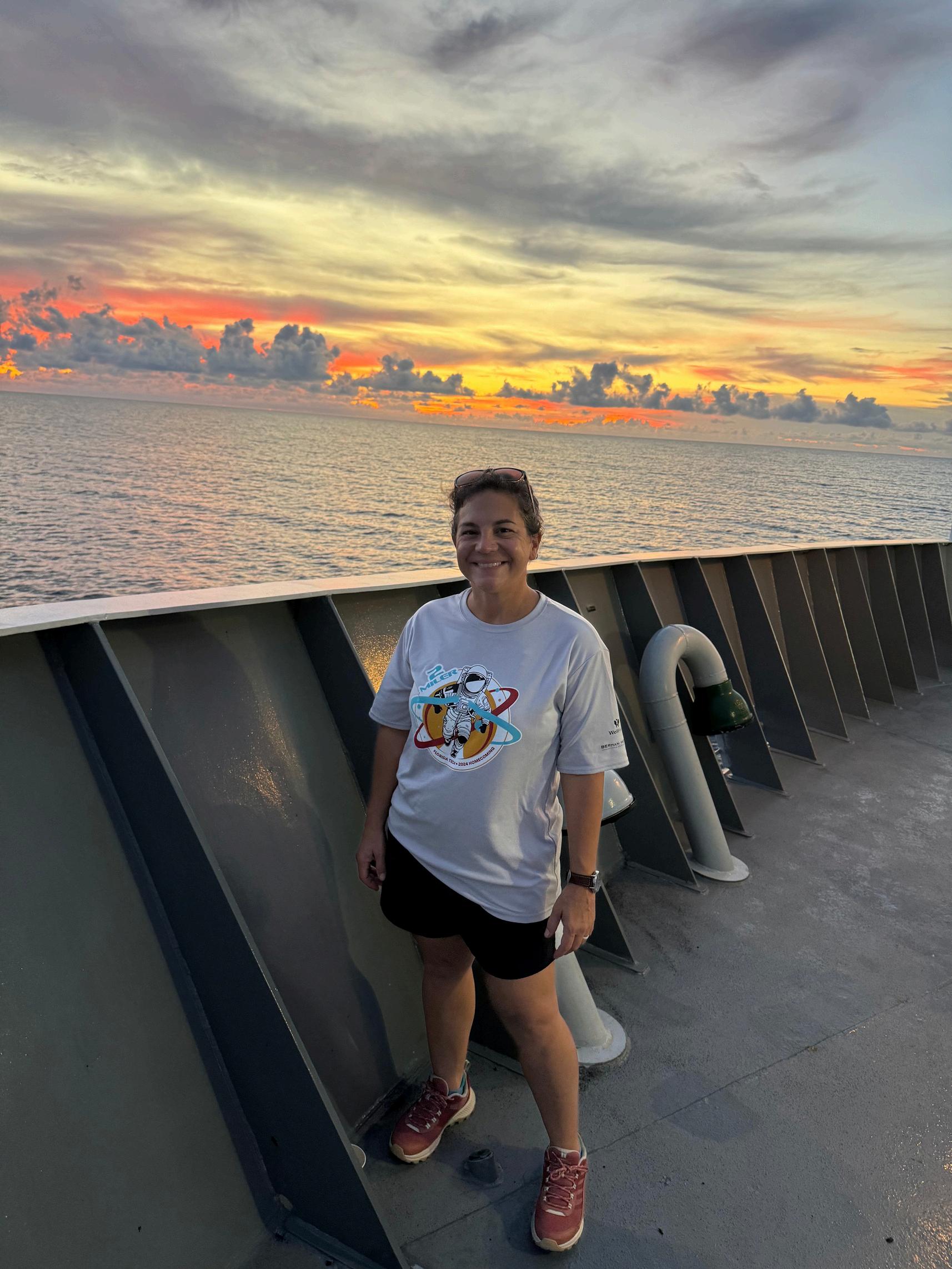
But how do students juggle demanding coursework, find these opportunities, and make a real impact in the workplace? We spoke with four Florida Tech students who successfully navigated this path: Veronica Montero-Sanchez (civil engineering), Deztynee Bryan (meteorology), Candela Solis Zampini (mechanical engineering), and Lindsey Reilly (aerospace engineering) From interning at the National Center for Atmospheric Research to working in test engineering for a defense contractor, these students turned part-time jobs and internships into invaluable career preparation
Their experiences were transformative, helping to clarify uncertain futures and solidifying lifelong passions. Their collective experiences offer a roadmap for any student looking to get a head start, detailing the challenges, strategies, and profound rewards of gaining professional experience before the cap and gown.
TheMotivation: WhyWorkBeforeYouGradu
A common thread among the stu gain a glimpse into their futures knowledge in action.
“My motivation was to see if I lik Montero-Sanchez says “I wanted I enjoyed the physical application theoretical ”
This practical experience ultima “ more concrete future” and conf right path.
Zampini echoes the sentiment, e to see how what she was learning real world. Beyond bringing the off the page, she hoped to discer most enjoyed and where she could see herself in future.
Veronica Montero-Sanchez
For them, the experience was about more than just a line on a résumé it was about shaping their future by getting a clearer idea of their interests and what day-to-day work truly looked like.
For others, the motivation was reinforced by strong academic mentorship Bryan noted that her professors and the Florida Tech American Meteorological Society (AMS) Student Chapter consistently emphasized the importance of gaining hands-on experience She took the advice to heart and pursued an internship that ultimately strengthened her passion for science and solidified her career goal to become a hurricane researcher, she says.
Some students also had more direct goals, such as seeking an internship to enhance their learning and set them up for a job in the future. Whether driven by curiosity, mentorship, or career strategy, each student sought to bridge the gap between theory and practice.
Candela Solis Zampini
TheHunt:HowtoSecureYourSpot
Once you ’ re motivated, the search begins. The students we spoke to found success through a variety of channels, proving that there’s no single “right” way to find an opportunity
Go Digital, and Get Involved
Online job boards are a great starting point, but what you do offline can make your digital application stand out. Montero-Sanchez found her internship on Indeed but believes what solidified her chances was her extensive involvement in organizations such as the American Society of Civil Engineers (ASCE) She took on leadership positions and even started a personal podcast about civil engineering, demonstrating a passion that went far beyond the classroom
Similarly, Zampini spent time actively checking job postings, but she tailored her applications to highlight the coursework and hands-on projects that were most related to each position.
Bryan found that getting involved in workshops and conferences allowed her to learn more about what opportunities are available.
Network, Network, Network
Don’t underestimate the power of a good conversation. Conferences, conventions, and workshops provide invaluable face-to-face interactions that can help you secure a role. Career fairs are also a good place to meet with recruiters and speak with companies, providing context to your résumé that they may not get when you just apply online.
Bryan also found success at an AMS conference, where she had the chance to speak directly with the program lead for the National Science Foundation Significant Opportunities in Atmospheric Research and Science (NSF SOARS) program. That conversion gave her valuable insight into the program and helped her determine it was the right fit for her.
Career fairs are another key venue for these interactions, and most colleges host them on campus, making them an accessible way to get face time with recruiters at your favorite companies
Reilly found this to be particularly true as she spoke with a General Dynamics Electric Boat representative at a career fair. The conversation led to an internship offer, and her interviewer later became her supervisor, proving that a face-to-face connection can provide recruiters with the missing piece they need to make the decision to hire.
Candela Solis Zampini
Zampini connected with her future company at a convention, an interaction that provided crucial insight into what type of person they were looking for and what their expectations were This allowed her to frame her experience more effectively, she says
Leverage Your Community
To study a discipline is to become a member of its community of scholars and learners Make sure to use every opportunity your community offers! Those same conferences and conventions that allow you to network can also help you learn skills you can leverage on
applications and can help you learn more about available opportunities. They can also help with résumé review and can point you in the right direction.
Reilly prepared for her successful career fair interaction by first working with Florida Tech’s Career Services office to refine her résumé.
Alumni, professors, and peers are also invaluable resources For example, meteorology alumni played an integral role in Bryan’s experience by sharing opportunities with the Florida Tech AMS Student Chapter, contributing to a growing list of internships and research experiences for undergraduates (REUs)
She also spoke with previous interns at conferences to better understand which programs best suited her interests and career goals.
This community support extends to university faculty, as well.
“My professors consistently offered recommendations, advice, and encouragement, which was a major factor in my search,” Bryan says
An internship or job adds a new layer of responsibility to a student’s already busy life. The universal key to managing it all: time management.
Nearly every student mentioned the importance of creating an organized schedule For some, this was a skill they’d been practicing since high school For others, it was something new that they were mastering
The core strategy involved using a calendar to track deadlines for work, classes, and personal events, helping to avoid last-minute stress
“Dedicate specific times for studying and specific times for work,” Zampini advises. This allows you to focus fully on each without feeling pulled in two directions, she says. Challenges are inevitable. The biggest hurdle for most was balancing professional responsibilities with academic
Deztynee Bryan
commitments, especially during midterms and exams.
Montero-Sanchez knew it was time to reevaluate her schedule when she received a lower grade than she usually would on an assignment. That moment was a wake-up call, she says, and it reinforced the principle that academics must remain her top priority.
Stepping into a professional environment also presented its own set of challenges, Reilly says She overcame the initial nervousness she felt in a professional setting by remembering to ask questions
“Asking questions doesn’t show weakness and instead shows that you ’ re engaged and want to perform well at your job,” Reilly says
Zampini overcame the feeling of uncertainty in her experience by also staying open to feedback and treating every task as a chance to learn, she says.
ThePayoff:GainingaNewPerspective
Jobs and internships fundamentally reshape students’ understanding of their chosen field. It’s where abstract theories from the classroom collide with the complexities of the real world.
“The experience helped me connect what I’d been learning in school with real-world applications,” Zampini says, “and I could see how the theories and concepts I’d studied actually played out in practice ”
This connection was tangible for many Montero-Sanchez, for example, learned that her mechanics of materials and statics knowledge was essential for understanding the purpose of design criteria and public safety. Similarly, Reilly saw a direct line from her academic lab courses to her daily work.
“Test engineering is all about finding issues and solving them, a skill I honed through hands-on troubleshooting and analysis in school,” she says.
Internships also reveal unexpected aspects of a profession
Montero-Sanchez admitted her experience threw her for a loop “I discovered how much teamwork is involved in
Candela Solis Zampini
Lindsey Reilly
Deztynee Bryan
engineering, especially on a roadway project,” she says.
“All of the disciplines work closely together since the smallest change can make or break a design.”
Bryan was impressed by the collaborative culture at the National Center for Atmospheric Science, as well.
“Everyone is warm, inviting, and very helpful,” she says.
This real-world context is invaluable for making informed career decisions Bryan found that immersing herself in the lifestyle of a researcher and experiencing both the difficulties and successes of the profession confirmed her desire to become a hurricane researcher and motivated her to pursue graduate studies
For others, it illuminates a specific career path they hadn’t considered. Montero-Sanchez, for example, realized that instead of her previously selected civil engineering specialization, she preferred construction engineering and inspection (CEI) work and structural design.
Veronica Montero-Sanchez
Internships can also inspire ambitious goals. Zampini’s realization that she wanted a career that combines research with hands-on problem-solving and collaboration was a key factor that influenced her goal to one day join the U S Space Force and contribute directly to advancing space technology and exploration
Beyond the invaluable experience, perhaps the most tangible benefit of a successful internship is its potential to convert directly into a full-time job offer
Think of an internship as a monthslong job interview where employers evaluate not just your technical skills, but your work ethic, problem-solving abilities, and fit with the company culture.
For companies, extending a job offer to an intern someone who has already been trained and has demonstrated his or her value is a low-risk, high-reward decision.
For students, it provides a clear and often less stressful path to post-graduation employment, allowing them to enter their final year with the security of a job offer in a familiar environment
Words of Wisdom: Final
Be Persistent
Rejection is part of the process, and it’s crucial not to be discouraged. “Never stop applying,” Zampini says. “It doesn’t matter how many times you are going to get rejected; there is someone out there that is willing to give you a chance It takes time to be noticed, but you will eventually land a job that you actually like ”
Build Your Network
Every student emphasized the importance of connections.
“Connect early with both peers and professionals in your field of interest,” Bryan says. “Learning from their experiences can help you identify potential career paths and determine which internships or jobs best align with your goals.”
Reilly agrees “Prioritize building connections whether through professors, alumni, or networking events,” she says
A practical way to do this, Bryan suggests, is to get involved with national organizations and campus clubs, which she found to be incredibly rewarding. Her involvement provided her with many tools that benefitted her during her internship and as a young scientist
Advice for Your Journey
Showcase Your Unique Strengths
Beyond networking, it’s important to build a résumé that reflects who you are and engage in activities that highlight your unique strengths and passions The goal isn’t just to be employable; it’s to be yourself
“Focusing on personal growth, not just employability, can help you stand out and bring diversity to the team you will join,” Bryan says.
Confirm Your Passion
Ultimately, an internship or job is the best way to ensure you ’ re on the right track
“Knowledge you gain [from an internship] is unlike anything they teach you in a classroom,” Montero-Sanchez says. “It provides you with a better understanding of your field and a clear idea of what your future will look like The most important thing is knowing that you are making the right decision with the degree you chose to pursue ”
Sponsor Reinvented
The success of our programs would not be possible without the support of our sponsors and partners. 2026 will be no different. Reinvented Inc. is offering companies, organizations, and individuals with a wide variety of sponsorship opportunities that support all of our program:
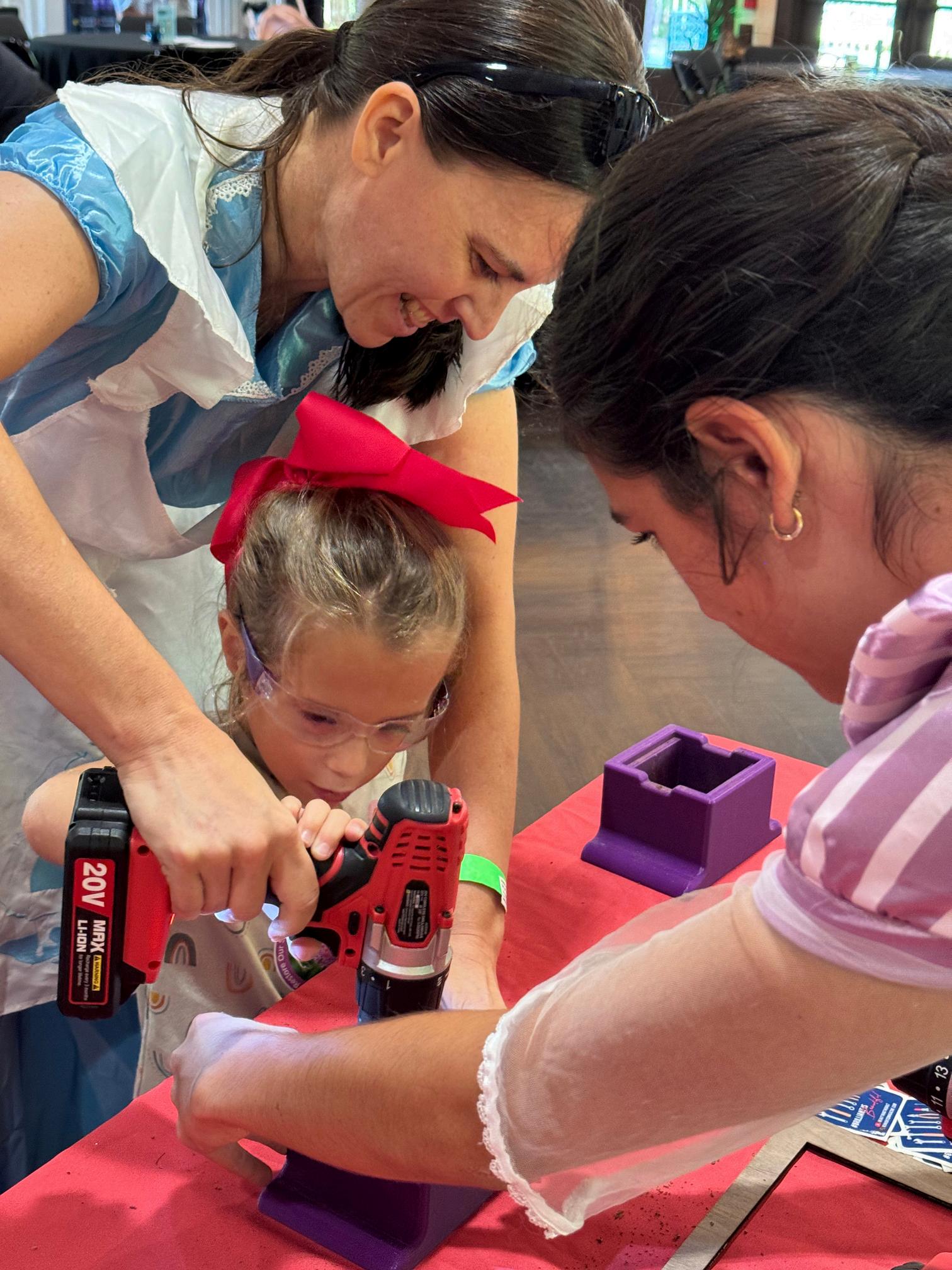
Princesses with Powertools
Reinvented Magazine
One-for-One Program
Reinvented’s Space Gala
Watt’s Up Girl? YouTube Series
Review our 2026 Sponsor Guide and reach out to us when you're ready to help us empower girls in STEM!
Learn More About Sponsor Opportunities
So, You want to Be a Doctor?
Premed and Biomed at Florida Tech
BY CHLOE DRIEU
Did you diagnose sick teddy bears as a kid or binge-watch “Grey’s Anatomy” long before you could drive? You’re not alone. Many of us have always dreamed of helping people through science. Behind every medical school acceptance, there’s a story of grit, guidance, and … genetics? At Florida Institute of Technology, the premed and biomedical science programs offer a launchpad for future doctors, researchers, and innovators, with more than just textbooks to help you thrive.
Careers in Biomedical Science
Biomedical science combines the fields of biology and medicine, focusing on maintaining and promoting health in humans and animals. Whether you aspire to be a leader in cancer research, explore the mysteries of antibioticresistant bacteria, become a doctor or veterinarian, or even break into medical physics, a degree in biomedical science can take you nearly anywhere you want to go.
According to the Bureau of Labor Statistics, the United States employs over 1 million biomedical scientists ranging from physicians and pathologists to biochemists and biomedical engineers When you dig into the numbers, entry-level salaries in the biomedical field vary by role, location, and employer Recent graduates working in labs doing basic research or quality control can expect starting salaries in the ballpark of $50,000 to $65,000 per year, whereas those going into clinical research coordination, medical technology firms, or biotech startups might see $60,000 to $80,000 per year, or even higher.
The most common employers in these roles include hospitals, pharmaceutical companies, diagnostic labs, universities, public health departments, and biotech
startups. Some careers require advanced degrees or specialized training, but many roles are accessible directly after earning a bachelor’s degree, particularly when paired with lab experience or internships.
The job growth outlook for biomedical scientists is generally positive. According to national labor statistics, employment for biological scientists is projected to continue to grow, with particularly strong demand in biomedical engineering, biotechnology, and research and development (R&D) for public health challenges
The Power of Interdisciplinary Preparation
Forget the myth that becoming a doctor means locking yourself in a lab with flashcards and a stethoscope. At Florida Tech, future physicians take a more dynamic route. Students can major in biochemistry, genomics and molecular genetics, physics, biomedical science you name it
They are encouraged to design a customized path that aligns with their passions and career goals Are you interested in artificial organs? Neurobiology? Rural medicine? Florida Tech’s flexible approach gives space to explore before committing to a single specialty.
What sets the program apart is its interdisciplinary mindset. Medicine today isn’t siloed it requires engineers to build better prosthetics, chemists to design smarter drugs, and data scientists to decode genetic patterns. At Florida Tech, students study across departments, collaborate with peers outside their field, and leave with a toolkit as diverse as the patients they one day serve
The opportunities aren’t solely limited to undergraduate students Thanks to a partnership with Burrell College of Osteopathic Medicine, students can connect with medical school faculty right on campus, attend suturing labs, participate in mock interviews, and even secure a spot in the pathway program that admits students directly into Burrell’s Doctor of Osteopathic Medicine (D.O.) degree program.
At Florida Tech, students are surrounded by medical school energy from day one instead of waiting until senior year to get clinical exposure.
Real Life Research
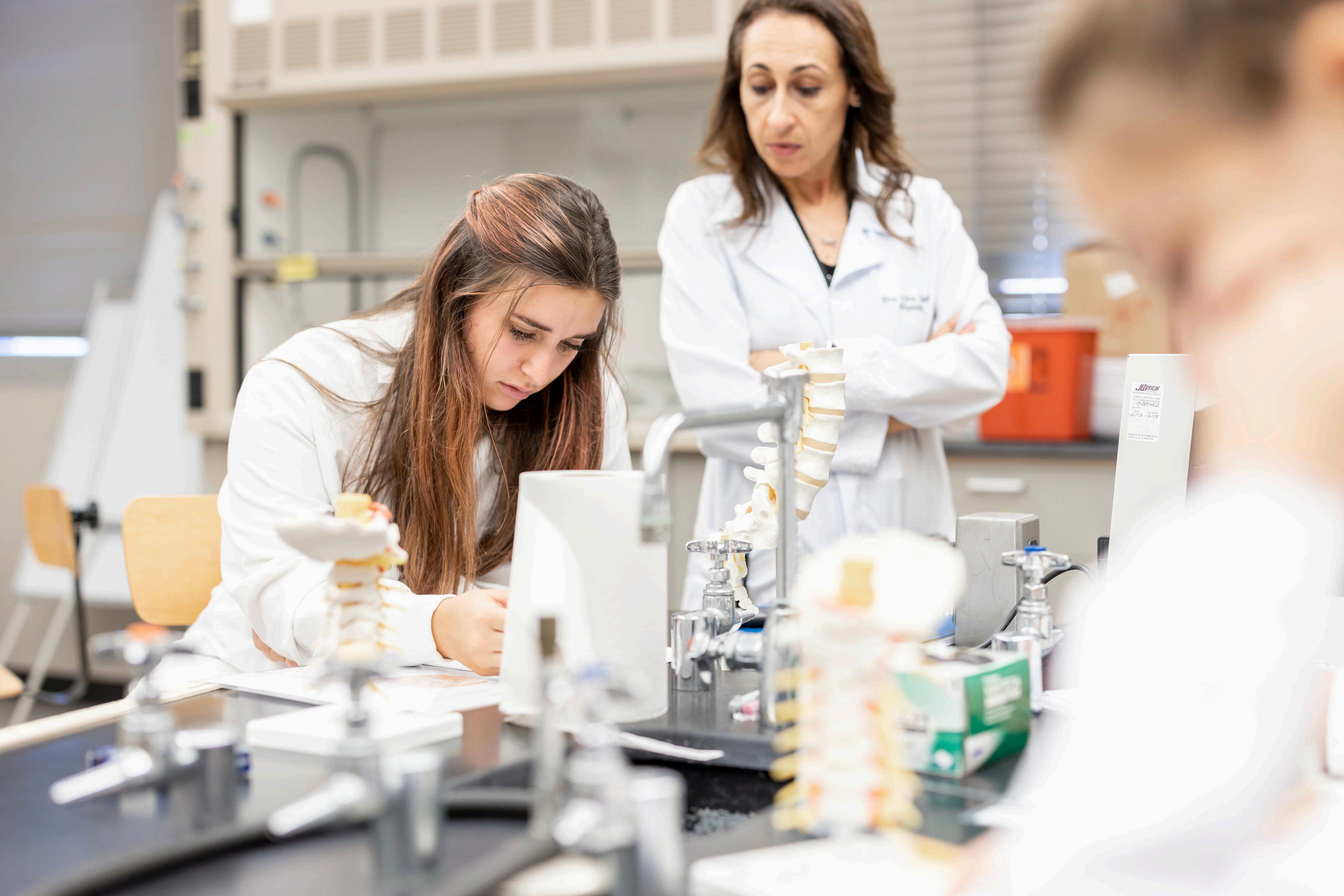
Of course, classroom learning is only half the story. Every fulltime biomedical science faculty member at Florida Tech runs an active research lab, and they encourage undergraduates to get involved. Their courses always include a lab component, so students learn to think critically and experiment boldly. Many
students even earn credit through an undergraduate research course. Each year, students present their findings at the Northrop Grumman Engineering and Science Student Design Showcase, an event that connects them with local biotech and medical companies.
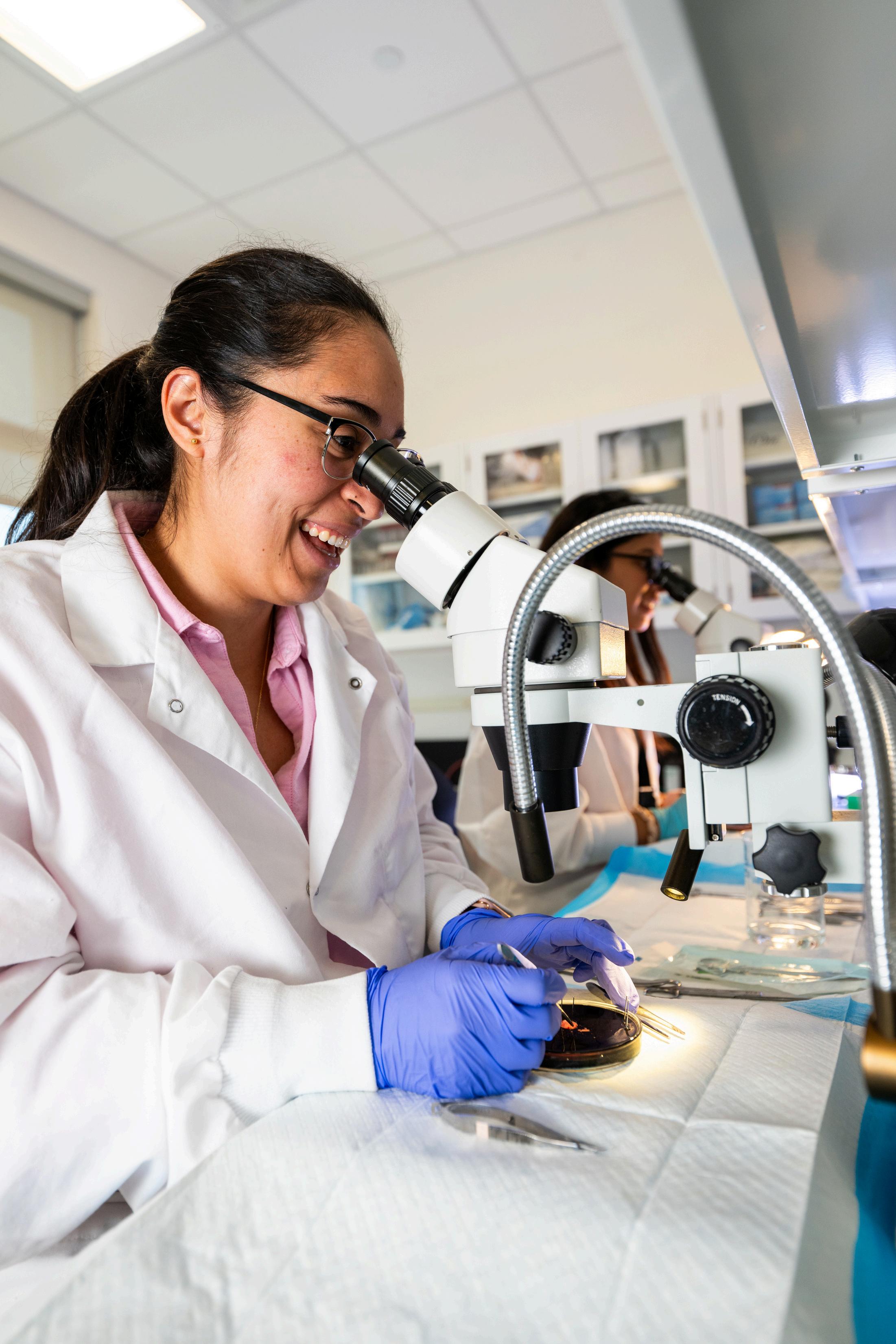
Florida Tech students are encouraged to engage with research opportunities as early as their first year on campus A few examples of current science projects: the biomechanics laboratory investigates how physical forces affect tissue; the biomanufacturing lab develops biomaterials with applications in wound healing or artificial organ scaffolds; and the Fox Biogeochemistry Lab works on molecular mechanisms of disease, such as signaling pathways involved in cancer cell growth. Other labs are exploring genomics, antibiotic resistance, and bioengineering.
The program includes several women making big waves in their respective fields. Assistant professor Michelle Cherne brings immunology to life, inviting undergraduates to explore how the body defends itself against disease, while gaining hands-on lab experience Her projects often double as training grounds, where students study theory and actively practice discovery
Assistant professor Melissa Borgen, a molecular biologist and geneticist, shows how curiosity can drive breakthrough insights into neurodegenerative disease She brings students into the fold early, proving that undergraduates can contribute meaningfully to research on the very questions shaping modern medicine.
And in microbiology, assistant professor Careesa Liu empowers students to see themselves not only as learners but as scientists with a voice. Her work on noninvasive brain imaging and infectious disease research extends from the lab bench to conference presentations, where she encourages students to share their findings and step into the wider scientific community
Research, above all, is about community Anna Grimm, a Florida Tech premedical chemistry alumna with a minor in forensic psychology, found that the small size of her program shaped her entire experience While the small major initially felt isolating for her, it eventually led to some of the most amazing friendships she experienced while in school and close relationships with faculty who supported her journey from start to finish Her story shows how Florida Tech’s flexible programs and research labs foster mentorship, collaboration, and lasting, meaningful connections.
Life Beyond Lab
Being a premed student or majoring in biomedical science isn’t all microscopes and molecular pathways Students often talk about the community that sustains them through late-night study sessions and long hours in the lab.
Peer-led tutoring groups, science clubs, and organizations like the Pre-Health Club provide spaces to swap MCAT prep tips, volunteer at local clinics, or simply share coffee and consolation after a tough exam.
Mentorship also extends outside of campus Many students shadow physicians in local hospitals or join service-learning projects that bring health education into the community These experiences remind them that medicine isn’t as much about solving puzzles under a microscope as it is about helping people Combined with the support of close-knit cohorts and friendly faculty who know each of them by name, students gain not only scientific skills but also resilience and empathy traits as essential to their future careers as any technical training, if not more.
Curiosity, persistence, and connection are at the heart of medicine. At Florida Tech, students find mentors, resources, and research opportunities that help shape those very qualities By the time they graduate, they’re not only ready for professional school, but also to carry forward the confidence and compassion needed to make a difference in science and medicine.
THE POWER OF THE POWER OF CURIOSITY: CURIOSITY:
Women Behind Florida Tech’s
Cutting-Edge Research
BY MEGHANA KRISHNA
kthrough in science comes with a story of persistence, and the willingness to ask hard
Many of these stories belong to women whose voices and perspectives are reshaping the research landscape At Florida Tech, women researchers are not only pushing the boundaries of knowledge in their respective fields, but also mentoring students, balancing family and career, and paving the way for future generations of scientists.
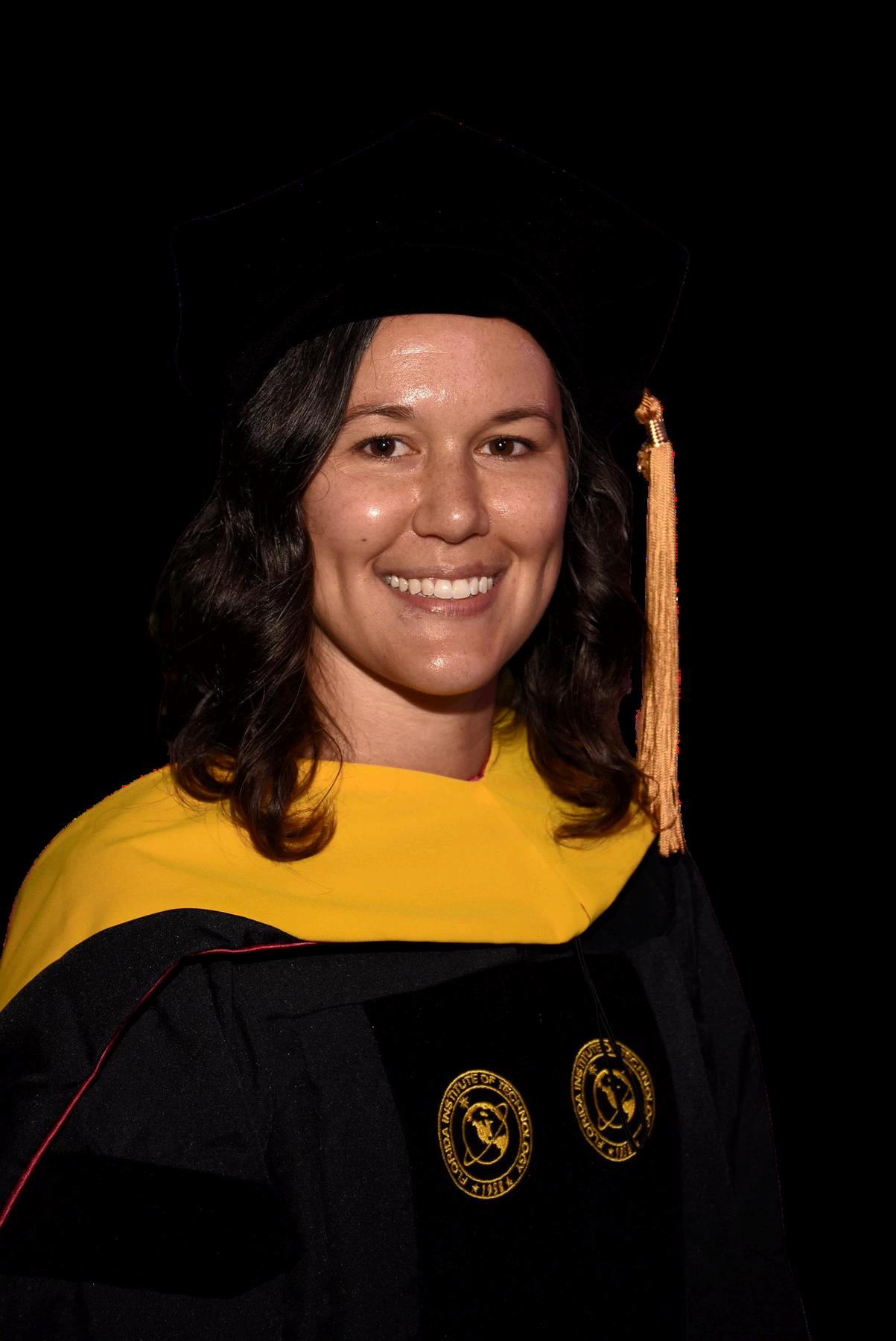
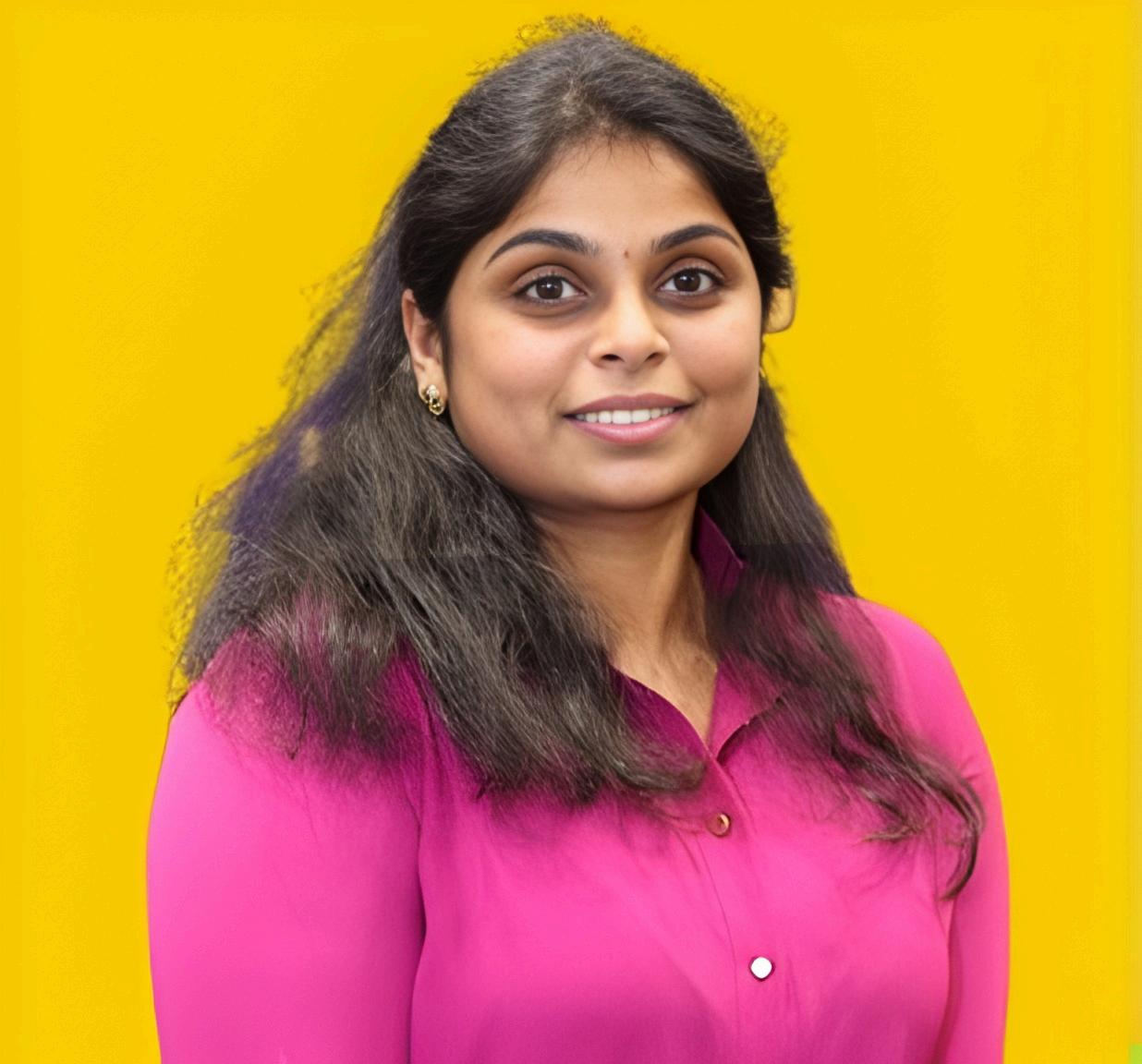
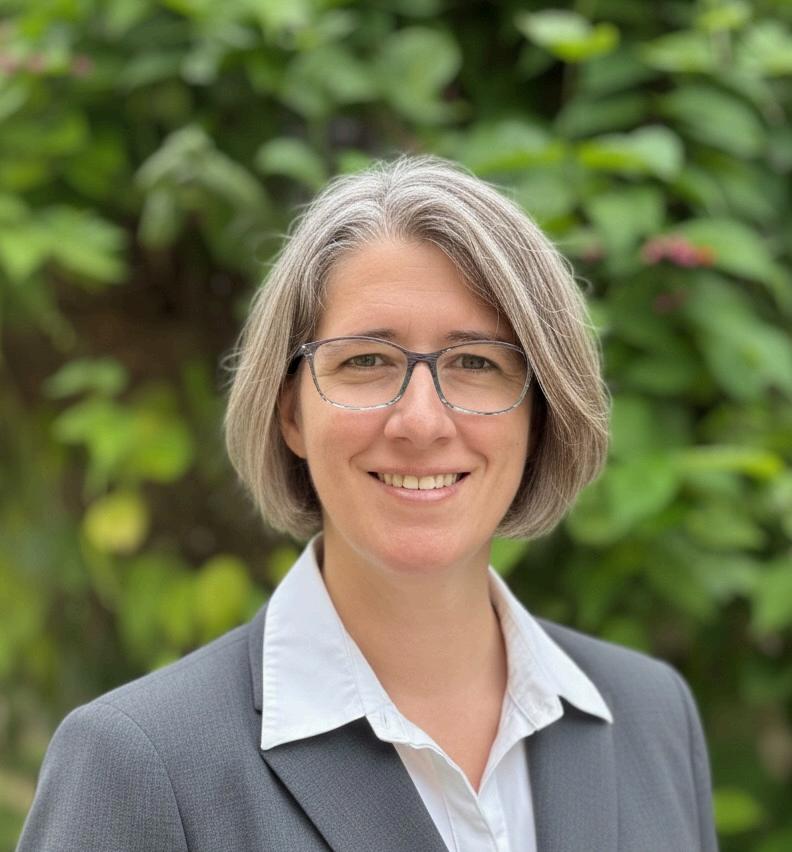
This feature highlights the work and experiences of four remarkable Florida Tech faculty members: assistant professor Kelli Hunsucker, who studies the hidden costs of marine biofouling; professor Meredith Carroll, who explores the interface between humans and machines through human factors research; assistant professor Sneha Sudhakaran, who uncovers digital evidence in the growing cyberforensics field; and associate professor Darby Proctor, who investigates the cognitive worlds of nonhuman primates Despite working in different fields, they are united by a love of discovery, the resilience to face challenges, and a dedication to mentoring future scientists
Each of these women highlights the human dimensions motivating her work, showing that the path to research can be just as important as the research itself. From the childhood fascinations that set them on their paths and the moments of joy in teaching and mentoring to the balance of personal and professional responsibilities and the surprising discoveries that keep their work invigorating, their stories paint a picture of the long-term influences and visions for the future that make their research so compelling
Kelli Hunsucker: Studying the Ocean’s Hidden Challenges
Kelli Hunsucker always knew she belonged near the water.
“I have always been fascinated by the ocean, ” she recalls. “Even from a young age, I knew I wanted to be an oceanographer, so I could study everything about it ”
That fascination carried her from childhood days at the beach to becoming an assistant professor of oceanography at Florida Tech, where she earned her master’s in chemical oceanography and her Ph D in biological oceanography and now leads research at the Center for Corrosion and Biofouling Control.
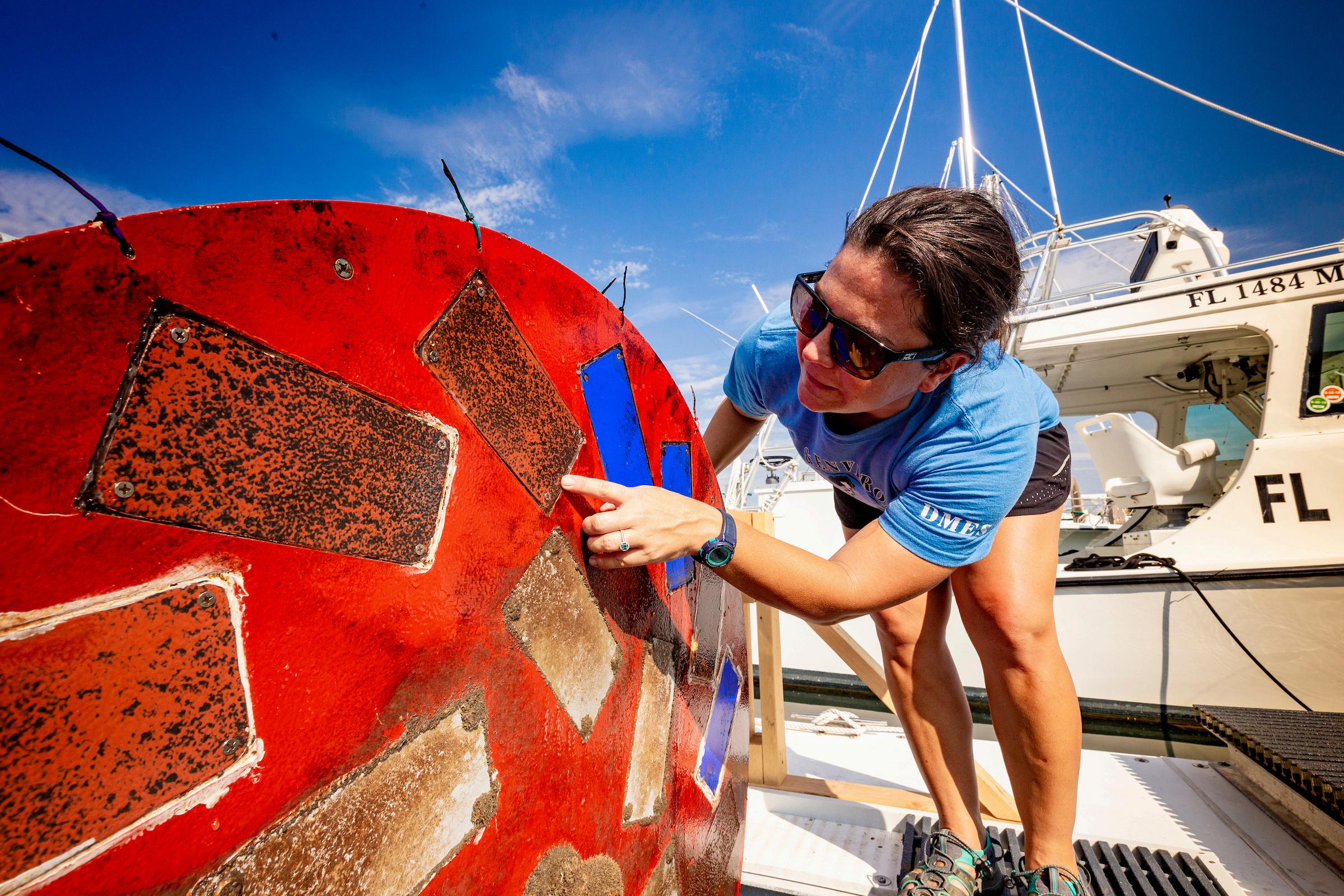
Her specialty, marine biofouling, deals with the stubborn plants and animals (like barnacles, oysters, and seaweeds) that attach themselves to ships and other man-made structures. While biofouling might sound like a small inconvenience, Hunsucker explains that the stakes are much higher. The extra drag from biofouling slows ships down, increases fuel consumption, and drives up both emissions and costs Her team studies how to prevent this growth, turning their findings into solutions that can save industries millions of dollars while protecting the environment
Teaching is another passion she weaves into her work
“I enjoy telling the stories of the ocean and how [they] all relate to one another,” she says.
For her, the classroom is not confined to four walls. Smaller class sizes at Florida Tech allow her to take students into the field, whether that means boarding a research vessel at sunrise or collecting samples along the Indian River Lagoon. She believes these hands-on experiences bring ocean science alive in a way no textboo could.
Florida Tech also offers the kind of resources that make her research possible: a new marine science station, boats for field trips, and research platforms that bring the curriculum directly into the ocean
“The facilities and the connections we have made over the years really help make this possible,” she explains.
Hunsucker feels she is right where she is meant to be in her career
“I am very happy with where my career and research are at the moment,” she says “We are doing some really cool things studying how ultraviolet light works in the marine environment, expanding upon our genetic capabilities for marine biofilms, and working on some deep-sea projects.”
The ocean still holds the same sense of wonder for Hunsucker as it did when she first fell in love with it as a child. Her favorite discoveries aren’t always captured in lab reports. Sometimes, they come in fleeting, magical moments during fieldwork, like spotting a baby octopus near her samples or watching the sunrise as the research vessel heads out to sea
“No day in the field is boring!” she says
Meredith Carroll: Connecting Humans and Machines
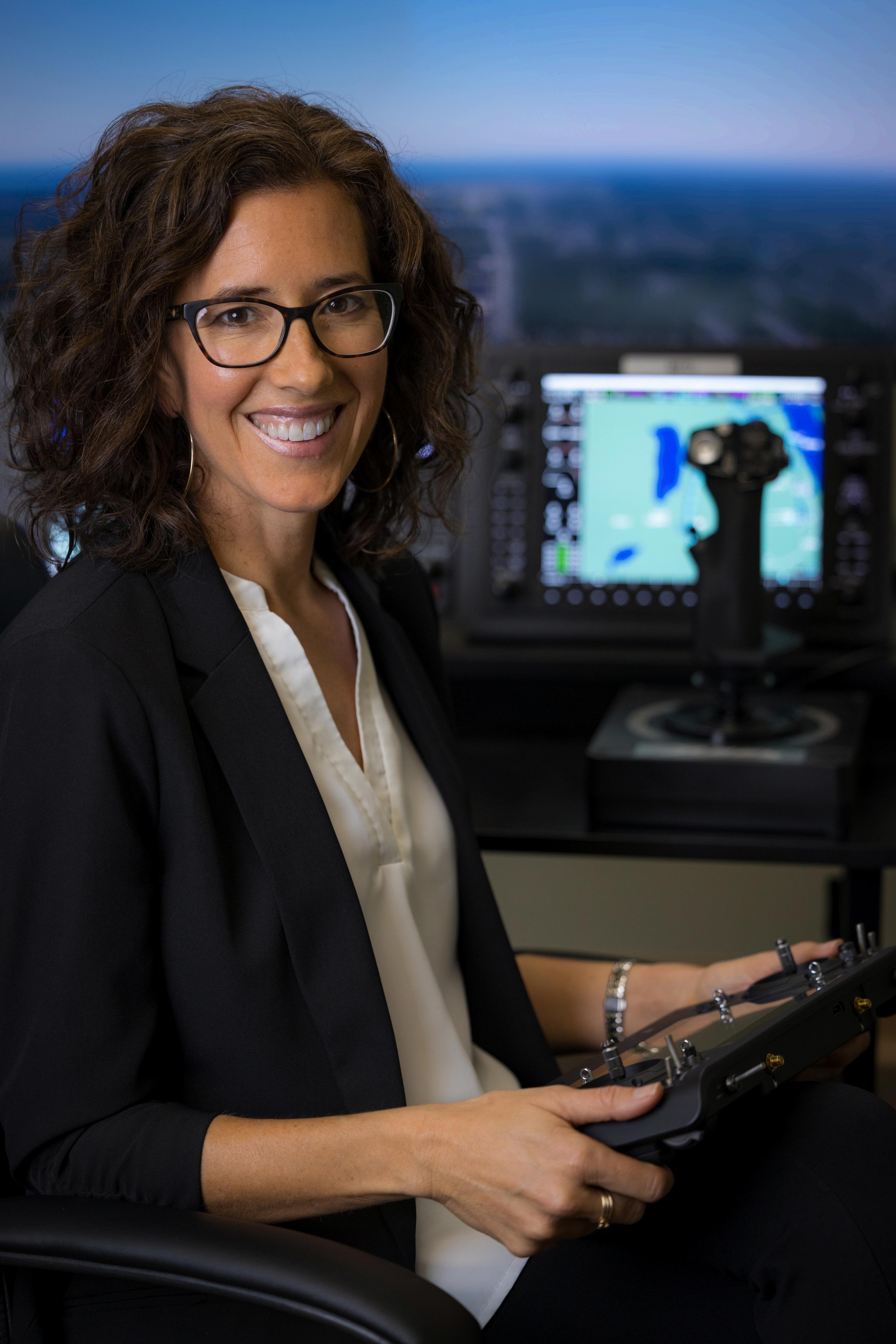
When Meredith Carroll describes her work, she often jokes that she is “half engineer and half psychologist ”
With a background in aerospace engineering, a master’s degree in aviation science from Florida Tech, and a doctorate in experimental psychology and human factors, she sits at the intersection of technology and human behavior. Human factors, she explains, is the study of how humans interact with machines and how systems can be designed to be safe and intuitive.
“It doesn’t matter how effective the system is at achieving its goals if the human operator can’t effectively utilize it,” Carroll says. “A human is a key part of the system.”
Carroll’s love of airplanes started early, sparked by an uncle who owned a small plane By the time she entered college, aerospace engineering was the obvious path But in graduate school, she stumbled across human factors research and was immediately hooked
“The only thing cooler than studying airplanes was putting a human in an airplane and studying how to make the human–airplane system work more effectively,” she says.
Today, Carroll leads Florida Tech’s Advancing TechnologyInteraction and Learning in Aviation Systems (ATLAS) Lab, where she supervises about a dozen students on projects funded by agencies such as NASA.
Her lab has uncovered fascinating insights into human trust in artificial intelligence (AI) systems. In one study, she and her students found that when an autonomous drone makes a mistake, a human operator not only loses trust in that drone but also in similar types of autonomous agents Even more surprising, the best way to rebuild trust wasn’t for the faulty agent to explain itself, but for the explanation to come from a different team member or even another type of AI These findings, she notes, are critical, as industries expect graduates to juggle multiple AI tools in their daily work.
Balancing a demanding research career with family life is also central to Carroll’s story With four sons between ages 10 and 17, she is candid about the trade-offs of pursuing both career and motherhood
“You don’t have to make a choice between being a mom and having a career. It’s not an either/or; you can do both,” she says.
But she also cautions against comparisons: “Comparison is the thief of joy. Make your life work for you, and that is all that matters.”
Florida Tech offered Carroll the flexibility to be both a professor and a parent, she says. With her lab’s momentum, new funding opportunities, and a growing team, she is committed to continuing the ATLAS Lab’s trajectory Her ultimate goal: to ensure that human ingenuity and machine intelligence are not at odds but in harmony
Sneha Sudhakaran: Investigating the Digital Crime Scene
The thrill of investigation has always been in Sneha Sudhakaran’s DNA. She loved detective movies and crime stories as a child, imagining the many possible ways someone could be implicated in a mystery.
That curiosity eventually grew into a career in cyberforensics, a specialized branch of cybersecurity that works in the aftermath of cybercrimes
“Our work involves collecting digital evidence from computers, mobile devices, and IoT [Internet of Things] systems, and then analyzing this data to reconstruct the sequence of events leading up to the incident,” Sudhakaran says
She likens her role to that of a medical forensic specialist but in the digital world. Instead of examining physical traces of evidence, she pieces together clues from code, devices, and networks. The stakes are high: Her work helps both law enforcement and individuals untangle crimes that often cross borders and industries.
Sudhakaran’s research contributions include creating two innovative tools for memory forensics on Android devices:
DroidScraper and AmpleDroid. These milestones, published at respected technology conferences including Regulation of AI, Internet & Data (RAID) and the Institute of Electrical and Electronics Engineers (IEEE) Workshop on Information Forensics and Security (WIFS), marked her early achievements in carving out new approaches to digital investigation.
Today, her focus extends to cyberforensic challenges in IoT and mobile devices, areas where the pace of technological change demands constant adaptation
At Florida Tech, Sudhakaran found the encouragement and resources to bring this niche field into the curriculum
“When I started working at Florida Tech, cyberforensics was not offered,” she recalls.
With the support of colleagues and a motivated team, she began introducing students to the subject, blending theory with hands-on research opportunities. One of the best parts of teaching, Sudhakaran says, is learning from students’ unique approaches to logic and problem-solving.
“Each student has a unique way of applying logical easoning,” she says, and those fresh perspectives often park new ideas in her own research
udhakaran thrives in a challenge, and she appreciates the ssons embedded in setbacks
value the new ideas that emerge from research failures, s those very setbacks have often been the driving force ehind the successes I have achieved,” she says.
hat resilience seeing missteps as springboards rather han dead ends is central to her philosophy as both a cientist and a mentor.
udhakaran hopes to deepen her work in mobile and IoT orensics, while bringing more students into the field
would like to see more students get involved in this esearch,” she says, adding her gratitude for the mentors nd colleagues who have supported her journey
Darby Proctor: Unlocking the Minds of Primates
Curiosity is the engine that drives Darby Proctor’s research. As a psychology researcher, she studies how nonhuman animals particularly primates, such as spider monkeys understand and make decisions about their world Her goal isn’t always immediate application, but rather to ask fundamental questions about cognition and behavior
“Many groundbreaking discoveries were made through curiosity rather than having an application in mind,” Proctor explains
What she learns about primates today may one day shape conservation practices or even offer insight into the origins of human decision-making, she says.
Her passion for animal behavior began in childhood with a zoo field trip. Watching a chimpanzee use a stick to retrieve popcorn that had fallen out of reach sparked a
lifelong fascination. That moment eventually guided her to graduate work in cognitive sciences at Georgia State University, where she studied under some of the leading names in primate research. What captivated her most were not just questions of what animals do, but what they can do the underlying cognitive abilities that shape their actions
At Florida Tech, Proctor has helped build a thriving animal behavior program, partnering with Brevard Zoo to create unique research opportunities Students regularly study spider monkeys at the zoo, observing them in social groups or inviting them to participate in problem-solving tasks.
“All of the research is voluntary,” Proctor emphasizes. “If a monkey doesn’t want to participate, they don’t have to. But usually, they’re excited because to them, the research tasks are fun puzzles where they can earn treats.”
Her work has revealed striking insights into primate cognition. In one study, chimpanzees played an “ultimatum game,” offering their partners a fair share of rewards if cooperation was necessary to succeed. In another, she developed the Primate Gambling Task to examine how monkeys and apes approach risk and reward The results showed that capuchin monkeys behaved like careful economists, maximizing rewards regardless of risk, while chimpanzees and humans displayed more varied, emotionally influenced strategies
Perhaps her most surprising finding, however, came not in the lab but in the zoo habitat. When Brevard Zoo welcomed infant spider monkeys rescued from the illegal pet trade, the research team worried about integrating them into the established group. To Proctor’s astonishment, the alpha male, Shooter, adopted the babies, caring for them as if they were his own. Even more remarkably, the group welcomed the strangers with hugs behavior almost never seen among wild spider monkeys.
Spider monkeys hugging strangers, even infants, is just so strange,” she reflects. “It suggests a level of prosociality, and maybe even emotional maturity, that we don’t yet fully understand.”
Proctor is eager to continue unraveling the cognitive complexity of spider monkeys, whose fission–fusion social structure resembles that of humans and other highly social species
With the launch of a new B S degree in animal behavior and cognition at Florida Tech, she sees a bright future for both the research program and the students who will carry this work forward.
For her, every study is part of a larger puzzle: not just about monkeys but about the very roots of what it means to be human.
These researchers’ stories highlight the creativity and resilience that women bring to science and education As more women continue to shape research across disciplines, their perspectives broaden the scope of inquiry and enrich the scientific community They remind us that progress in science is not just about discovery but about accessibility, mentorship, and the courage to follow curiosity wherever it leads
Admissions& Q&A FinancialAid
1 1
How much weight do grades, test scores, and extracurriculars carry?
At Florida Tech, what courses high school students take and their grades in those courses carry the most weight. We directly admit students into degree programs at the time of admission, so it’s important they have the proper course background (i e , math and science) to be successful in their chosen program of study
We receive many different types of grades There is not a lot of consistency throughout the U S on GPA scales and how they are calculated In admissions, we look at “weighted” GPAs on a 5.0 scale and often must convert a different school districts’ posted GPAs to this scale.
Standardized test scores (SAT, ACT, or CLT) are required in our admission process. This supports what we are seeing in the courses and grades. We look for scores above published benchmark scores for each testing organization.
Extracurricular programs are great and can demonstrate interest in a particular area, but they carry very little weight in the admission decision process
2 2
What is the No. 1 thing colleges usually look for in an applicant?
Potential for success Admission offices are looking to admit students who will attend and can handle the curriculum and environment We want students to be successful in our classrooms and pass their courses, be persistent in registering for future courses, and be on track to complete a four-year degree on time. Their past academic performance is usually the best indicator of future academic success
3 3 What are some common mistakes students make when applying for college?
The most common mistakes we ’ ve seen are missed deadlines, including the application and supporting material submission deadlines, not submitting the “optional but recommended” materials, and listing the wrong school name in their application because they used the same application to apply to multiple schools.
Your questions were answered by Mike Perry, executive director of admission, and Eroica Davis, senior associate director of financial aid, at Florida Tech.
4 4
What is the best way to make my essay or personal statement stand out?
The best way to make your admission essay stand out is by answering any direct prompts make it personal by explaining life experiences and how they might relate to academic success.
5 5
What is the difference between scholarships, grants, and loans?
Scholarships and grants are both considered “gift aid” and do not have to be repaid Scholarships are typically awarded to students based on merit, or past academic performance, which is generally measured by weighted GPAs and standardized test scores. Grants are awarded based on a financial need or other criteria. Need-based grants are based on a student’s financial need, which is determined by his or her Free Application for Federal Student Aid (FAFSA) application results (Student Aid Index, or SAI). Other grants, such as state grants, are determined based on criteria such as state residency.
Loans are an optional resource for students and families to help finance their education, but they must be repaid with interest Students qualify for federal loans through the FAFSA application. These include Stafford subsidized and unsubsidized loans and Parent PLUS loans. Private loans are made through other financial institutions, such as banks
A student’s financial aid offer is usually a combination of all different sources of aid available to a student. Generally,
an aid offer is not just one scholarship or grant, but this will vary from institution to institution.
6 6
How do students usually find and apply for scholarships?
1 2 3 4
Apply for admission and be admitted. Some colleges have separate scholarship applications, and some automatically review admitted students for universitybased scholarships based on information in their admission application Scholarships always start with applying to college and being admitted
Complete state aid applications Some scholarships are offered by the state in which you reside. Florida has the Florida Bright Futures Scholarship program. Graduating domestic seniors at a Florida high school complete the Florida Financial Aid Application (FFAA), typically with the help of their high school guidance or career center during their senior year.
File the FAFSA It is not mandatory to file the FAFSA, but it is highly recommended You must file a FAFSA to be considered for any federal forms of financial aid Students/families can submit a FAFSA after Oct 1 annually for the following academic year (i e , on Oct 1, 2025, the FAFSA opened for students going to college in fall 2026).
Search online. Students can find scholarship opportunities through online scholarship databases, such as Scholarship America and Fastweb, or through search engines; however, it is critical that they be savvy and steer clear of anything that could be a scam
7 7
What’s one thing you wish you knew before writing your college application?
One thing we wish we knew before starting our college applications was that you can connect directly with your designated admission counselor and ask for help in completing the application and enrollment process (communicating directly with the university)
ThankYou partners
Thank you to our partners who help to make this magazine possible through their generosity and dedication to encouraging more women in STEM.
One-for-One
PARTNERS
These participating organizations and institutions will receive free copies of Reinvented Magazine to encourage more girls to pursue and love STEM.