“Emotional health in childhood is the key to future happiness.”
Professor Layard
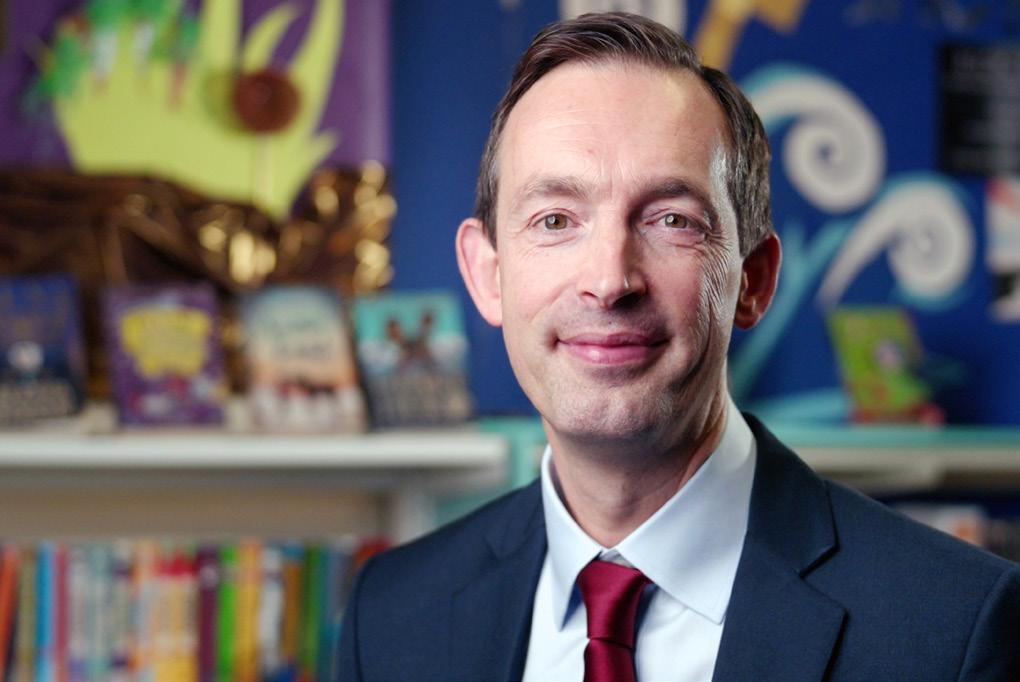
FROM THE HEADMASTER
Happy children do great things - and that belief shapes everything we do. When children feel secure, valued and supported, they are able to explore, learn and grow with confidence. That’s why nurturing positive wellbeing sits at the centre of all that we do at Reigate St Mary’s.
From an early age, we help children understand how to look after themselves emotionally, physically and socially. By building resilience and encouraging healthy habits, we give them tools that will support them throughout their lives. Just as importantly, we focus on developing strong interpersonal skills and placing kindness, good manners and consideration for others at the heart of daily school life.
Our goal is for every child to flourish; to feel encouraged, inspired and equipped to lead a happy, fulfilling life. When children discover what helps them feel balanced, confident and purposeful, they are better equipped to lead meaningful lives and to play their part in making the world a better place.
Nick Oakden Headteacher
OUR APPROACH
Like you, we want your child to feel loved and to know how to love others. It is belonging and relating to others that fosters self-esteem, brings happiness and makes a life worthwhile. How do we ensure this happens? Ultimately, it is about being attuned to each child’s needs. Our approach is based on five key elements:
EMOTIONAL LITERACY AND ZONES OF REGULATION
Emotional literacy is an awareness of feelings and the confidence to talk about them. We use the Zones of Regulation framework across the whole school, which teaches children how to recognise and understand their emotions and gives them the tools to self-regulate when necessary.
There are four zones which assist children in categorising their emotions, and specially prepared lessons help them to understand emotional triggers, the tools they need to stay calm and how to see things from other people’s perspectives.
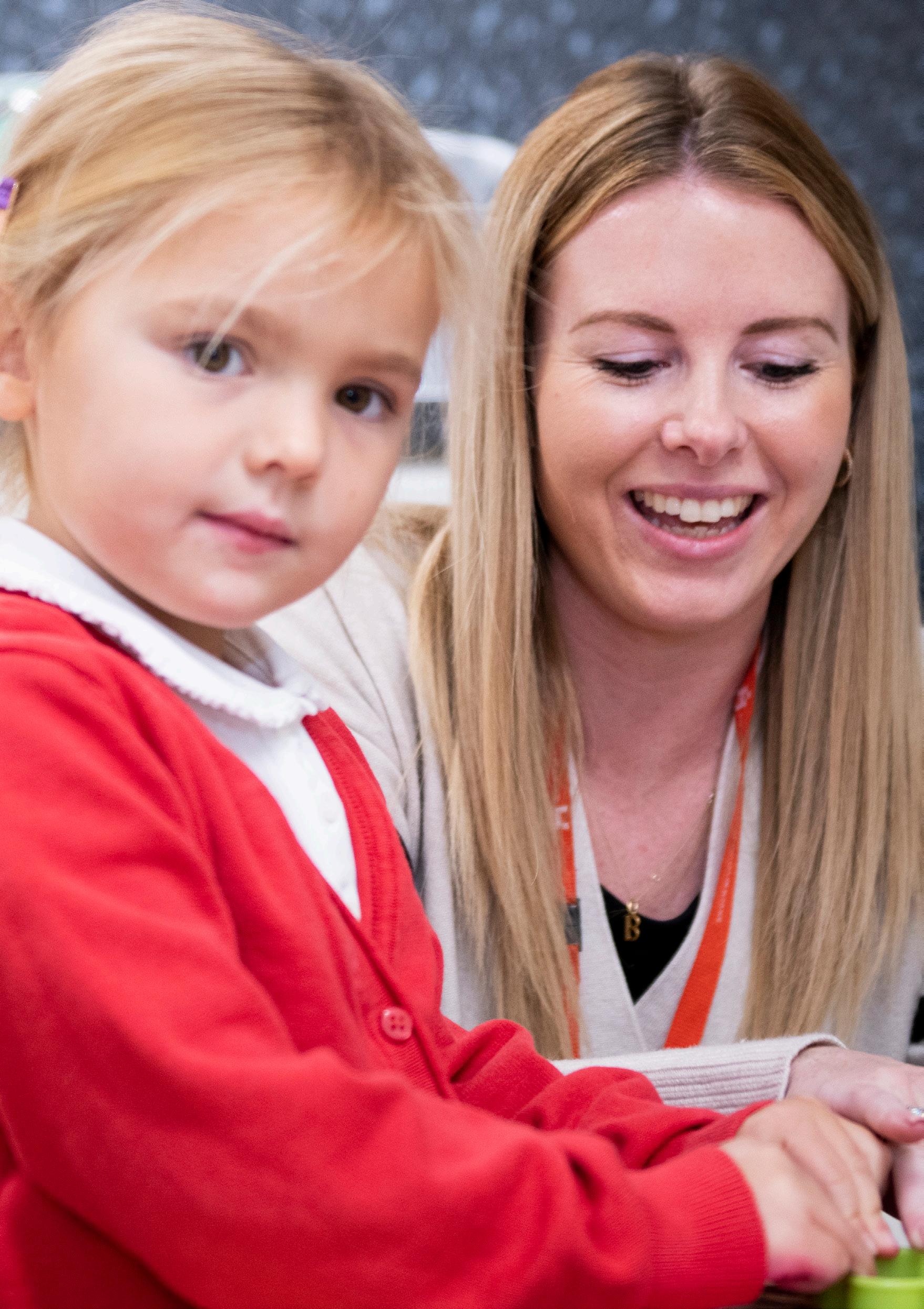
For more specific small group support on subjects such as building confidence, social skills or anger management, we have fully trained Emotional Literacy Support Assistants (ELSAs) who use the ELSA support programme to teach emotional literacy.
TIME
We want to make sure our children don’t become society’s ‘hurried and worried’ so we build in time for staff to follow up concerns with the children and discuss them with parents, just as we allow children the time to solve problems and make choices themselves. Each child is given a bubble with their name on; handing it to the teacher signifies the need for time and attention.
“We carry out regular questionnaires to ensure children feel safe and happy at school. Confidence blossoms when a concern is shared, taken seriously and resolved.”
Kate Gibb, Assistant Headteacher
SPACE
Outdoor learning is an important part of the curriculum and lessons are taught outside whenever possible all year round. We have a nature reserve, a pond and an outdoor stage, which are utilised to help the children learn. Our EDEN area provides a quieter space where children can sit and contemplate, reflect and be still. Regular Forest School sessions help the children to further connect with nature.
THE WELLBEING HUB
Our Wellbeing Hub provides a focus for the school’s wellbeing programme and promotes the social and emotional development of all the children.
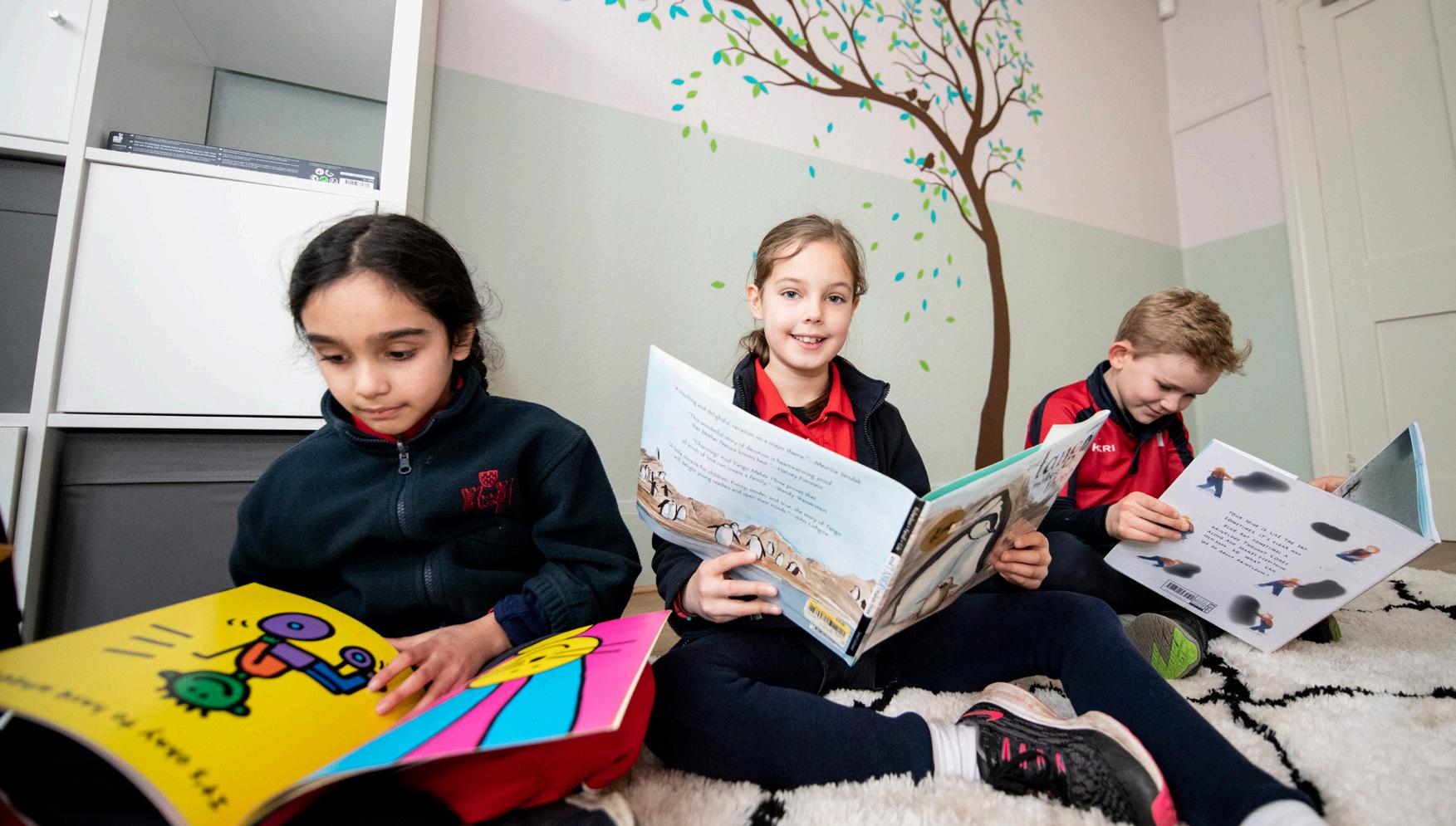
It is a space where children can spend time doing activities that explore self-awareness and where support groups meet. Children can go there if they need some space and time to calm down or to talk about their worries. It has been designed to look completely different to the school classrooms with the use of calming paint colours and comfortable, relaxing furniture, cushions, throws and soft, sensory lighting. There are plenty of wellbeing resources such as mindful activities, cooperative games, calm down toys, mindful books and publications.
“There is considerable evidence suggesting that time spent outdoors, in nature, increases life expectancy, improves wellbeing, reduces symptoms of depression and increases a child’s ability to function in school.”
Dr Tessa Livingstone, creator of the Child of Our Time project
“Jigsaw brings together PSHE education, emotional literacy, social skills and spiritual development in a comprehensive scheme of learning. Themes include Being Me in My World, Celebrating Difference, Dreams and Goals, Healthy Me, Relationships and Changing Me.”
Sarah Page, PSHE Coordinator
TOOLS
From as early as age 2, we start to equip the children with the tools to navigate socially and emotionally through life. From regular mindfulness minutes and Wellbeing Clubs, to the Jigsaw scheme of work used in PHSE (Personal, Social, Health and Economic Education) throughout the school, everything is designed to strengthen these skills. We follow the restorative approach to behaviour, which focuses as much on feelings and repairing relationships as on what happened.
SUPPORT
The right infrastructure is vital. We have close links with a number of external organisations if additional support is required, and ELSA (Emotional Literacy Support Assistant) trained staff can help a child if they’re finding life difficult socially. A number of staff members have also received Rainbow Bereavement training.. We have a school counsellor who is available for children who have more complex issues requiring specialist support.
We are involved in the Pets as Therapy programme and have regular visits from a lovely cocker spaniel called Luna and her owner, Pam. Children take it in turns to read to them.
“If your family experiences loss or bereavement, we might call on an organisation called Rainbows. The School Counsellor is another option and we regularly organise external speakers for staff and parents on how best to support our children and ensure they feel loved.”
Sam Selkirk, Head of Lower School
REACHING OUT
OUR OUTREACH PROGRAMME
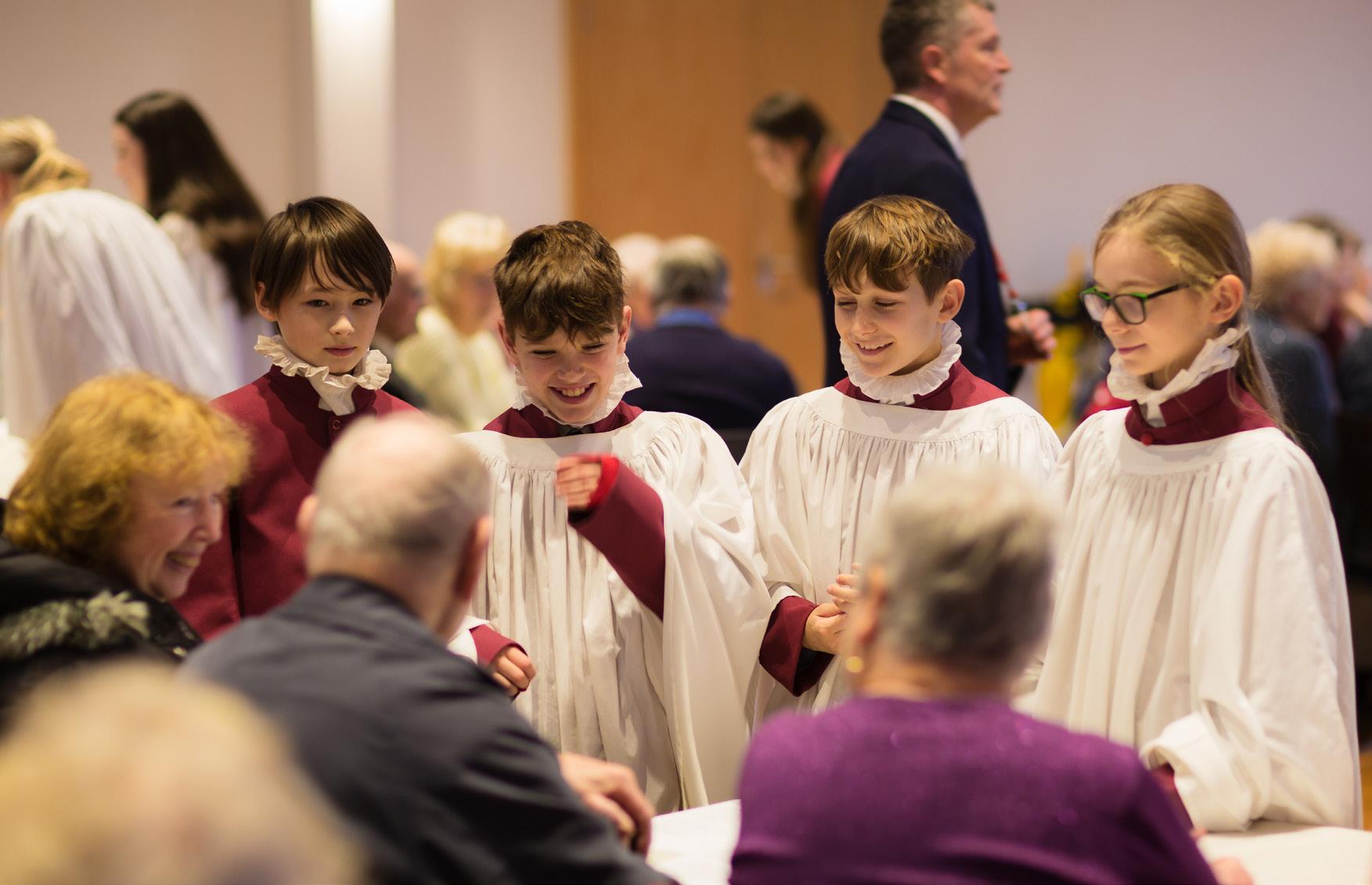
Reaching out to others has a positive impact on children’s wellbeing and time is allocated during the curriculum for children to discuss the needs of others and to think of ways to support them. The children learn about local and national charities and are involved in planning this support.
PUPIL VOICE
The School Council provides every child with a chance for their voice to be heard. Children are given the chance to become confident speakers, work with children in other year groups and gain an understanding of leadership. Giving children a voice promotes self-esteem and self-worth and allows them to understand that they are important and valued and can make a difference.
P4C (PHILOSOPHY FOR CHILDREN)
Our P4C programme gives the children the opportunity to get a real understanding of the issues communities face, and take the lead in making a difference to them. Children choose their cause and teachers help to facilitate the decision-making programme. It teaches them kindness and empathy and is an important part of the wellbeing programme.
OUR SCHOOL COMMUNITY
We recognise the importance of genuine partnerships with our parents and we are always available to talk whenever questions or worries arise. Our Sports Days, Father’s and Mother’s Day breakfasts and Grandparents Days are always well attended by our families and the children love to invite their parents and carers into our regular Open Classrooms. Our parents association, FOSMA, also have a wonderful programme of events for the whole school community to enjoy.
“Pupils prosper greatly within a culture where they are encouraged to contribute positively to the school, the local community and wider society.”
ISI Inspection Report 2023
“Pupils have a strong awareness of the value of non-material aspects of life which is nurtured from an early age.”
ISI Inspection Report 2023
“Pupils demonstrate high levels of selfconfidence and selfesteem as a result of the individual support they receive.”
ISI Inspection Report 2023
“We tend to forget that happiness doesn’t come as a result of getting something we don’t have, but rather of recognising and appreciating what we do have.”
Frederick Keonig