
2026-2030
2026-2030
The purpose of this guide is to provide residents in the Central Okanagan with the background and information to participate in the Regional District of Central Okanagan’s (RDCO) annual financial planning process.
Each year, regional districts across British Columbia are required under the Local Government Act to adopt a five-year financial plan. The financial plan outlines the RDCO’s revenues, expenses and tax requisition policy for the next five years. By planning ahead, the RDCO can ensure a sustainable financial future.
A draft financial plan is compiled by staff and brought forward to the Regional Board for review and comment. The draft plan takes into account the Board’s strategic priorities, the current economic environment, existing and planned service levels and infrastructure needs.
To ensure the financial planning process is transparent and reflects the community’s needs, the RDCO invites residents to review the plan and share their thoughts by 12:00 p.m. on February 6, 2026. The final financial plan must be approved by the Regional Board by March 31 of each year.
To learn more and to submit comments and questions, visit yoursay.rdco.com. This is the RDCO’s online engagement channel where you will find all of the information about the 2026-2030 Financial Plan, including links to resources, meeting recordings and links to live stream meetings.
The RDCO is one of 27 regional districts, a government structure unique to the Province of British Columbia.
The region includes approximately 3145.5 square km of land and is ranked as one of the fastest growing regions in Canada. More than 251,723 people call the Central Okanagan home.
The RDCO is composed of four municipalities, Westbank First Nation and two unincorporated Electoral Areas.
Municipalities /Nations: Kelowna Lake Country Peachland West Kelowna Westbank First Nation
Unincorporated Electoral Areas
Central Okanagan East
Central Okanagan West
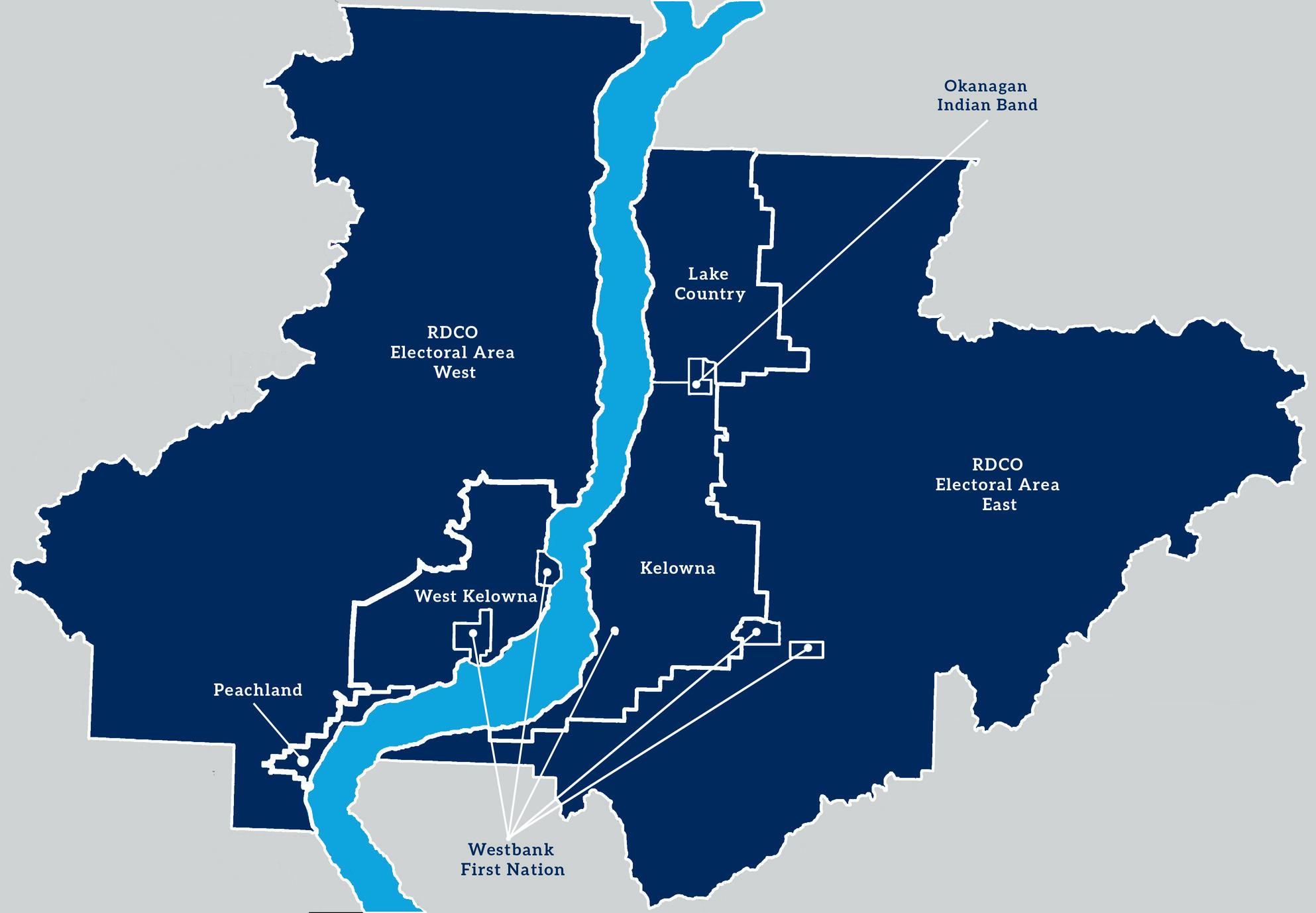
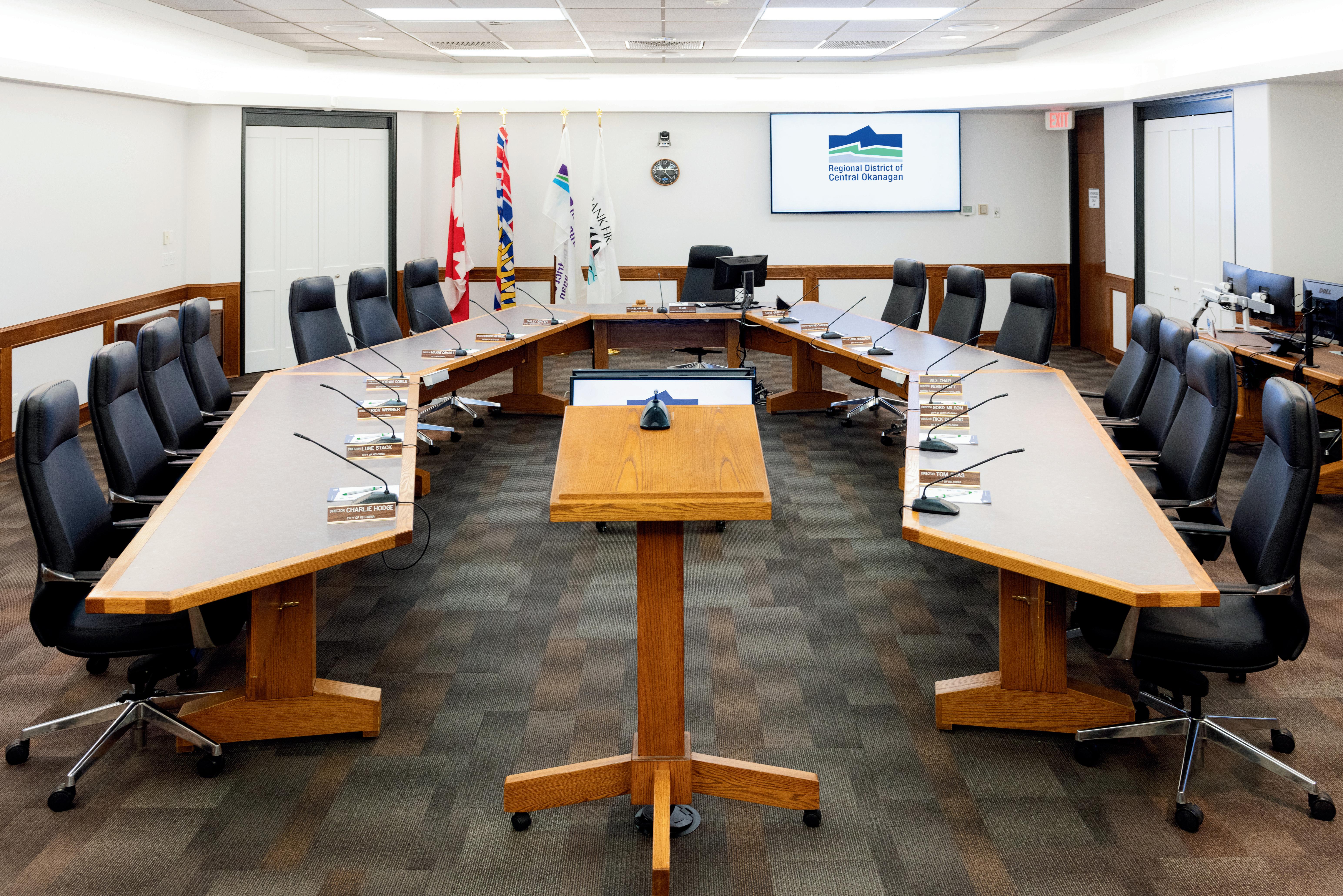
Based on population, municipal councils appoint elected representatives to the Regional Board, while residents in the Electoral Areas elect one director each to represent them. Westbank First Nation chief and council appoint a non-voting representative to the Board.
The Regional Board's strategic priorities drive the decisions of the Board. These priorities outline important goals, services and community needs which the Board wishes to focus on and informs the development of staff workplans.
The 2025-2026 Regional Board
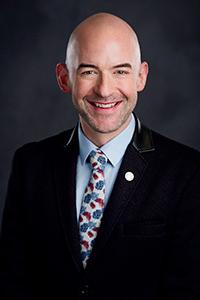
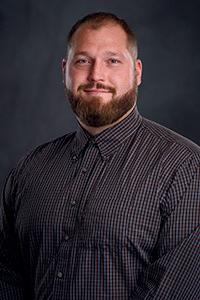
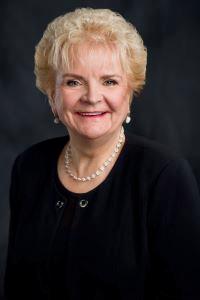
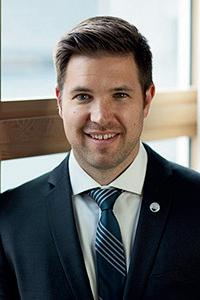
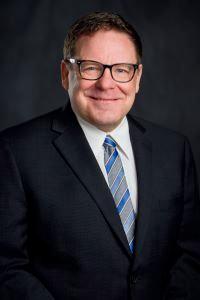
Chair Loyal Wooldridge, Vice-Chair Blair Ireland, Director Ron Cannan, Director Wayne Carson, Director Maxine DeHart, Director Mike DeGuevara, Director Tom Dyas, Director Stephen Johnston, Director Kevin Kraft, Director Gord Milsom, Director Luke Stack, Director Patrick Van Minsel, Director Rick Webber.
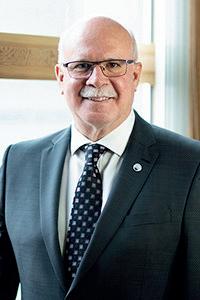
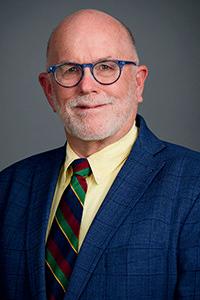
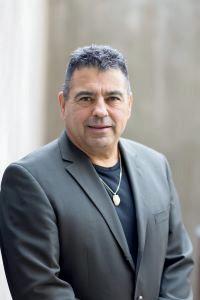
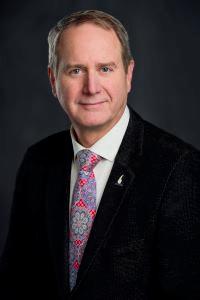
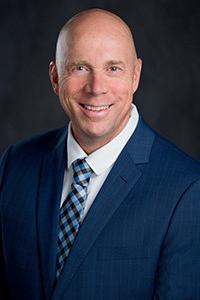
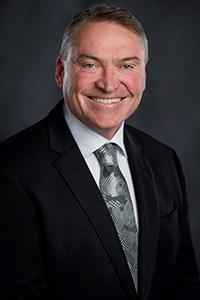
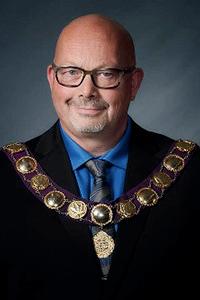
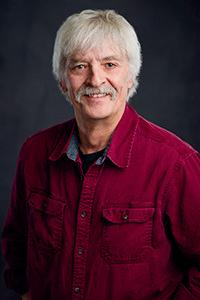
In August 2023, the Board released their strategic priorities for 2023-2026. Success measures and actions identified for each priority are outlined in the Regional Board Strategic Priorities document.
The Electoral Area Services Committee (EASC) identified responsible land use planning as a strategic priority to safeguard the environment and climate (electoral).
The RDCO is committed to climate action and the environment by reducing our corporate impact, adapting to climate change and delivering innovative services that better manage greenhouse gas emissions (regional).
The RDCO will build on emergency response strengths while positioning the organization to respond to growing community needs and changes in provincial legislation (regional and electoral).
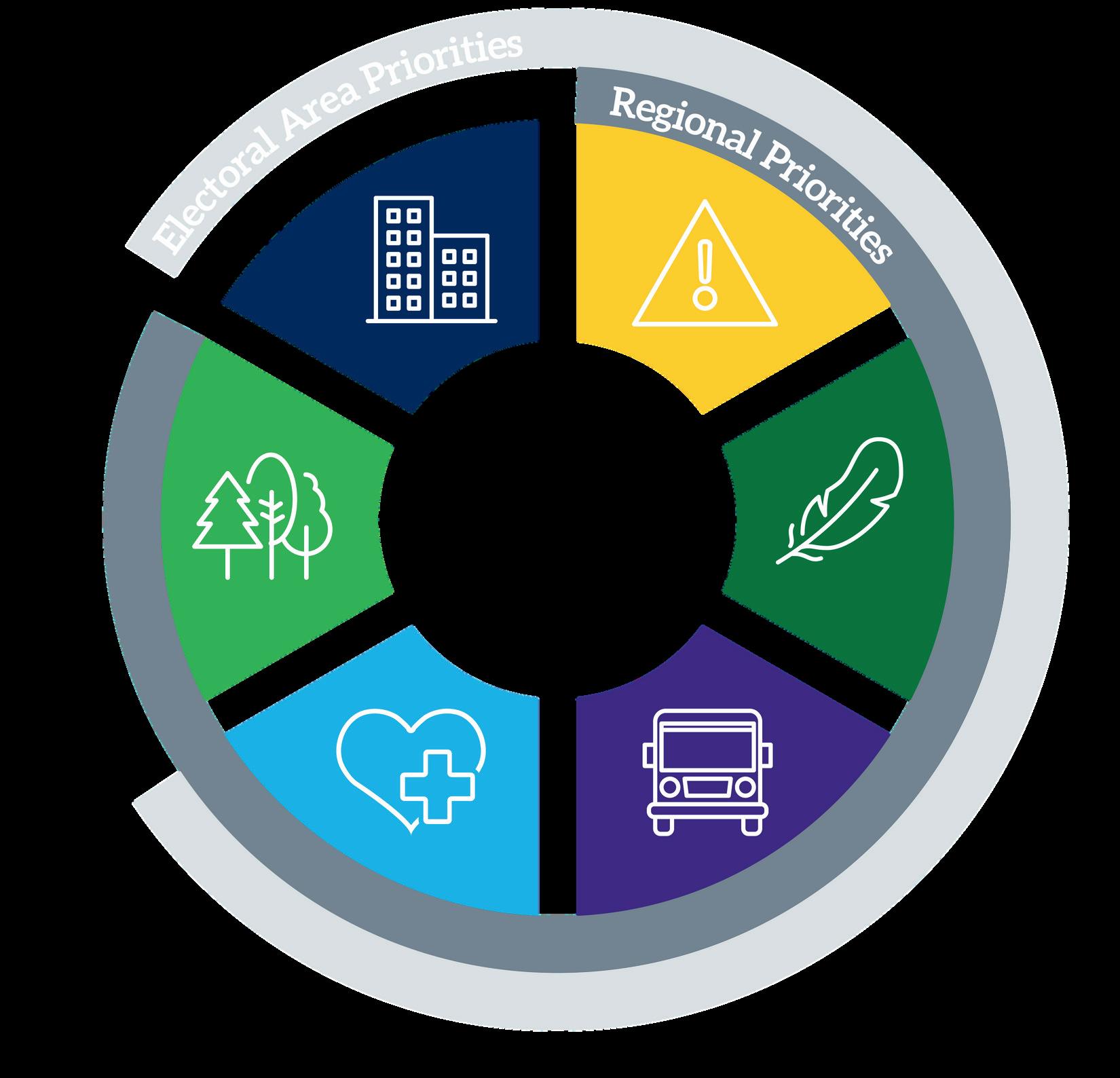
The RDCO will make purposeful investments in health care for physical and mental health benefits (regional and electoral).
The RDCO is actively committed to Reconciliation with the syilx / Okanagan people within the Central Okanagan. The RDCO strives for collaboration through a meaningful and ethical government-togovernment working relationship with the syilx /Okanagan people (regional and electoral).
The RDCO will encourage the efficient and safe movement of people and goods within the Central Okanagan (regional and electoral).
Services offered by the RDCO vary depending on where residents live. There are over 70 individual services offered by the RDCO to different combinations of residents. Services may be regional, subregional or local.
Since different residents receive different levels of service depending on their location, residents contribute different levels of taxes to support those services. Each service budget is separate, and all assets, revenues, expenses, reserves, surpluses or deficits remain within the service budget. This ensures residents only pay for the services they receive.
All property owners within the Central Okanagan contribute to funding region-wide services such as regional parks, dog control and licensing, economic development, 9-1-1 and recycling.
Property owners within a participating area contribute to funding sub-regional services such as the mosquito control program, Westside Wastewater Treatment and crime prevention.
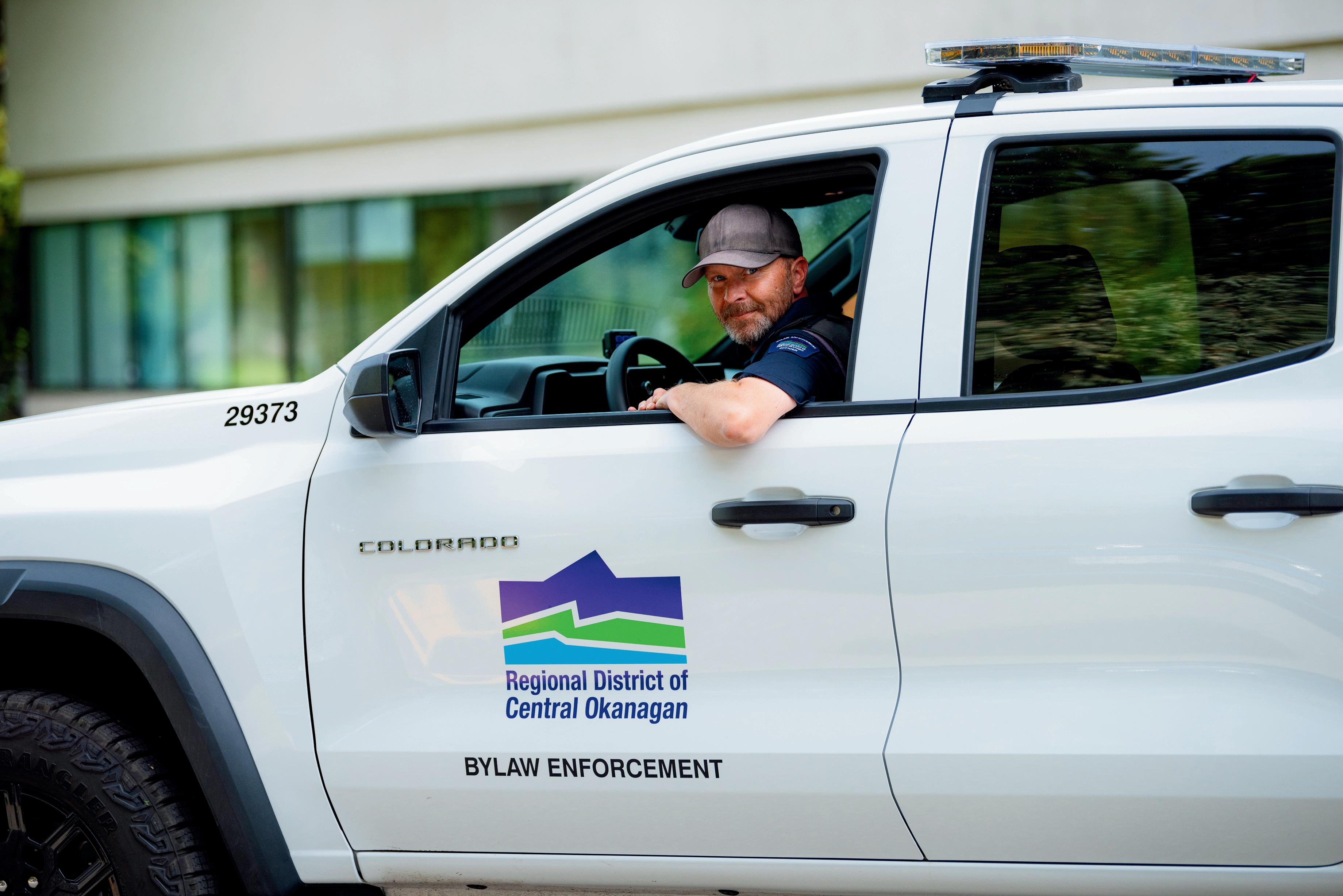
Acting as the local government for communities within the unincorporated Electoral Areas, the RDCO provides local services such as community parks, building inspection and bylaw enforcement, water systems and fire protection.
The financial plan outlines the costs to support the organization and the services offered. This includes operational and capital costs, as well as funding reserves.
Operating costs
Costs associated with the delivery of programs and services and upkeep costs related to RDCO infrastructure and facilities.
Example: Compensation for on-call volunteer firefighters.
Capital costs
Costs to replace and renew existing infrastructure and the cost to build new infrastructure and facilities. Capital costs are funded predominantly through reserves with funding from grants where available and debt where reserves are insufficient.
Example: The purchase of new equipment for a fire department.
Reserves are a way of saving for future capital activities as well as one-time or limited duration operative activities. Reserves take a “save now” versus “pay later” approach, where smaller portions of funds are put away over time to support future costs, rather than incurring a large increase to taxes in one year.
Example: Ongoing funding for the future replacement of a fire truck.
To fund services, the RDCO relies on user fees, taxes, reserve transfers, grants and other revenue. The main source of funding for services is taxes (tax requisitions).
Unlike municipalities, regional districts do not have one tax rate. Where you live determines the services you receive and therefore the taxes you pay. This ensures that residents only pay for the services they receive. The financial plan breaks down the proposed average tax rates for each community based on the proposed expenses.
The Regional District does not collect taxes directly. It requisitions funds from:
Each local government on behalf of their residents (i.e. Kelowna, Lake Country, West Kelowna and Peachland).
The Province, which collects property taxes in each unincorporated electoral area.
The amount of property taxes you pay is also determined by the assessed value of a property. BC Assessment determines the assessed value of a property based on a valuation date of July 1st of each year. The property tax rate is applied to the assessed value of a property to calculate the total property taxes. Some property owners may qualify for assistance through the BC Property Tax Deferment Program
The proposed 2026 operating budget is $77.8 million, an increase of $7 million or 9.8 per cent over 2025. This increase is largely due to inflation, scheduled wage increases under the current collective agreement and ongoing rollout of previously approved projects.
The plan includes significant investment in regional parks, including work to make parks safer and reopen areas closed by the McDougall Creek wildfire, year-round access at previously seasonal parks and improving active transportation and accessibility by advancing trail planning and design. The plan also prioritizes emergency management upgrades, improvements to the Westside Regional Wastewater Treatment Plant and increased contributions to reserves to prepare for future projects.
Unlike municipalities, regional districts do not have a single tax rate. The impact on each property owner varies depending on where they live, the services they receive and the assessed value of their property. Preliminary average tax impacts for each community are outlined below:
These amounts are for RDCO services only and excludes local service area
community centers, transit). Taxpayers may also see provincial, municipal or
on their annual tax notice.
Understanding electoral area tax notices
Residents in Electoral Area East and Electoral Area West can use the RDCO’s property tax estimator tool at rdco.com/tax-estimator, beginning January 22, 2026, to view estimated 2026 property taxes and parcel charges based on the proposed financial plan. By searching their property address in the tool, Electoral Area residents can see their property totals, including RDCO-related property taxes and parcel taxes shown on their annual tax notice
The key drivers to the changes in the operating and capital costs in the financial plan are:
Remuneration
$1.7 million
Contractual wage increases, new staff for growth and strategic priorities, job evaluation adjustments, and increased job complexity. General operating expenses
$2.4 million Inflation, contract and software cost increases, cyber security enhancements, Emergency Operations transition and alignment with historical spending.
projects using operating reserves and external grants. Transfers to
Planned increases to reserves for future capital needs and planning, mainly for Wastewater Treatment. Debt Servicing $1.7 million Debt servicing costs for new and renewed municipal debt.
Initiatives included in the financial plan that meet the Board’s strategic priorities for 2023-2026
Allowing for a full cost recovery for the City of Kelowna by addressing the historical funding gap for dispatch services, as well as supporting the ongoing investment in technology for this service and the increasing operational costs of call volumes that continue to grow.
Transitioning the operations of the Emergency Management Program from the City of Kelowna to the RDCO.
Providing safer parks through ongoing wildfire recovery work to remove hazards and reopen park areas that were closed from the McDougall Creek wildfire.
Enhancing conservation of healthy ecosystems with noxious weed management across parks.
Renewal of existing essential infrastructure to safeguard residents’ health and the environment and advancing a proactive approach to infrastructure renewal and replacement to position the RDCO for successful grant applications and timely delivery.
Opening previously seasonal parks to year-round access by servicing them throughout the winter.
Enhancing active transportation and accessibility by planning and designing trail networks in various parks.
Growing the staffing capacity of Parks to meet visitor demand for additional programming, to provide quicker responses to maintenance issues and to complete the backlog of approved capital projects. Strategic re-deployment of existing Engineering positions to accelerate over $40 million in critical capital projects.
Residents across the Central Okanagan are encouraged to review the draft financial plan and submit their questions through any of the following avenues.
Ask a question or leave a comment in the online forum at yoursay.rdco.com
Submit a question or comment via email to finance@rdco.com, subject line “2026-2030 Financial Plan.”
Mail your questions or comments to 1450 KLO Road.
Please include your civic address of the property you either own or live in when providing comments or feedback on the financial plan.
Attend the February 5, 2026, Committee of the Whole meeting in person to ask questions and/or provide comments.
2026 financial planning process schedule
Public consultation begins
Jan. 16
Jan. 22
Feb. 5
Information available at yoursay.rdco.com. Public can begin commenting.
Initial presentation
Proposed financial plan is presented to the Board. The meeting is livestreamed.
person comments
The public is invited to provide in person comments to the Board. The meeting is live-streamed.
Public consultation ends
Feb. 6
Deadline for public feedback at 12:00 p.m.
Feb. 19
Mar. 19
Public feedback review
Public feedback is presented back to the Board for consideration. The meeting is live-streamed.
Budget approval & bylaw adoption
The Regional Board votes to approve and adopt the proposed budget bylaw. The meeting is live-streamed.